




Divine Domain:
Elite
Cleric Domain Option
Just with every night, the priest doused the candles in the altar room in a clockwise fashion. Just with every night, he chanted prayers and blessings of the god of Light. Unlike every night, a newer vicar stepped into the room. He spoke in a different accent than he'd let on previously, and his voice was resolute, "Knowledge and Magic have decided this chapter no longer needs the temple of the god of Light. I hope you meet your god well." Before the vicar finished the second sentence, the priest lay on the floor, his life having left him.
"The servants of War have no power here" snarled the orc chieftan. "We have a pact, and her people cannot harm us." The aggressor lifted his helmet and replied, "You have a pact with the War people - but though I serve that Lady, I am not one." The knight moved forward and cut down the chieftan, who himself had broken this pact.
The High Spire, that colossal library owned and used exclusively by those chosen by the god of Knowledge, hoarded knowledge that in certain hands could end a nation. Such hands had fought their way stairway by stairway, floor by floor, to the highest room.
Elites and Paladins
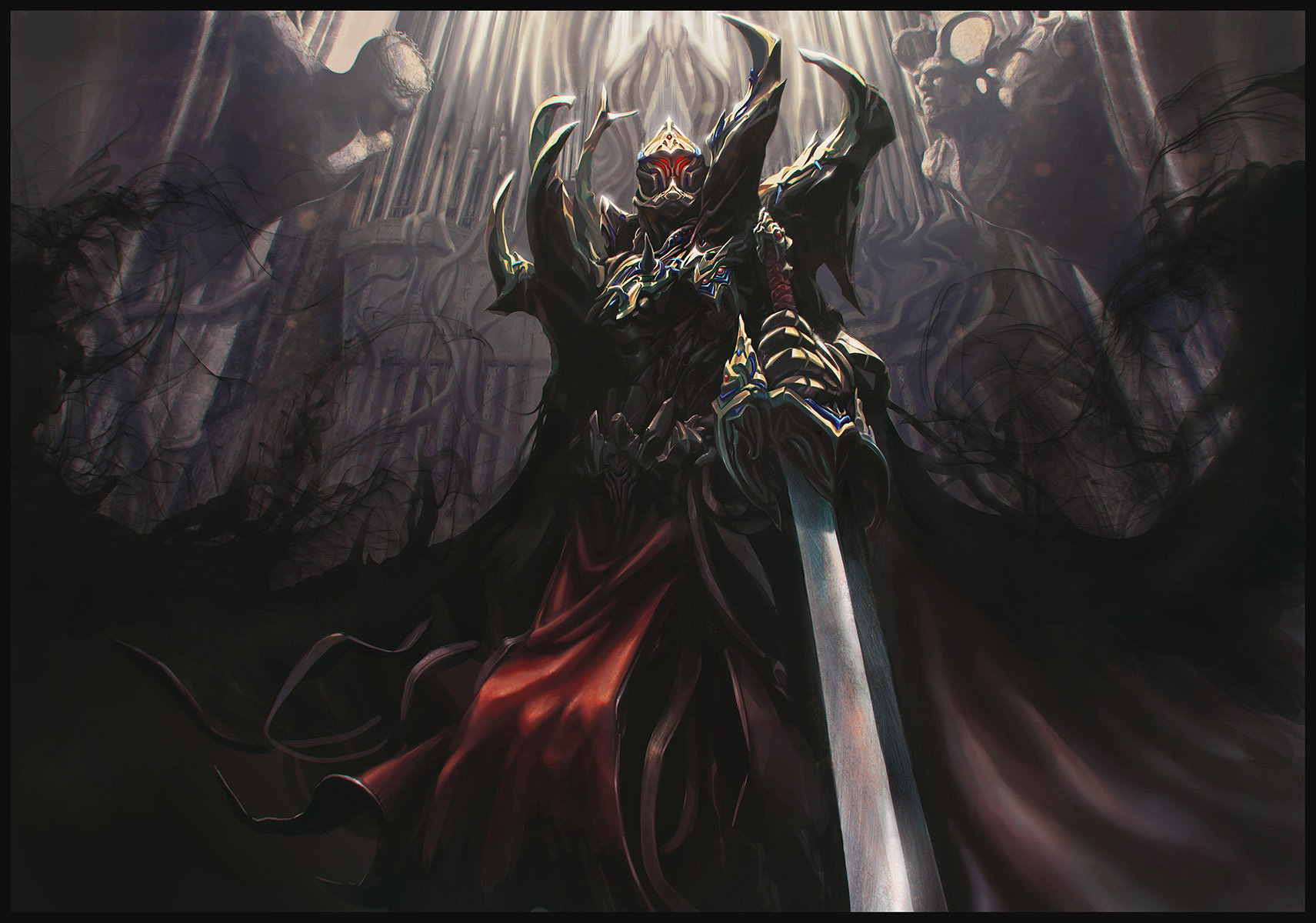
Elite Clerics share many similarities with Paladins, including their martial ability and an aesthetic to some extent. Where they differ is that clerics, especially Elite Clerics, are nothing without their god. However, in 5th Edition, paladins are champions in their own right. Even if paladins draw from gods in your world, Elite Clerics are still secretive and even cult-like, when paladins are generally the face of their religion.
Knowledge servants are not known for their militant and combat ability, but when the attackers arrived, they found the floor full of not simple mages, but fully armed, armored, and martial foes - nearly mistakable for holy knights in another context. The final guard easily dealt with the attackers, and peace came to the Spire again.
Few are the gods that are completely honest, open, and forthcoming. Occasionally, gods need something done without others knowing, through any methods possible. The elite clerics are these followers who have not a shred of doubt within their minds. These clerics can serve any kind of god, and they consistent of one, if not the definitive, inner circle of devotees to the deity. They are varied in their abilities, ready for any mission that may be set before them, and they are unwavering in their faith. For example, a common rite of entry may be to swear not just your life, but your life a hundred times over; your soul continually being revived back onto this world in service. Duty demands many sacrifices.
These gods can certainly be evil or otherwise unholy and profane, but they do not need to be. Especially for impulsive but good-hearted gods, these clerics can do anything from confirm and execute plans millenia long, passing through fifty of their ancestor's generations, or they may perform a coup d'tat on a whim of their god.

Elite Domain Features
| Cleric Level | Feature |
|---|---|
| 1st | Domain Spells, Bonus Proficiencies, Favor of the Unspoken |
| 2nd | Channel Divinity: Discern Soul |
| 6th | Devious Attack |
| 8th | Divine Strike (1d8) |
| 14th | Divine Strike (2d8) |
| 17th | Capstone |
Domain Spells
You gain domain spells at the cleric levels listed in the Elite Domain Spells table. See the Divine Domain class feature for how domain spells work.
| Cleric Level | Spells |
|---|---|
| 1st | cause fear, find familiar |
| 3rd | alter self, hold person |
| 5th | summon lesser demons, counterspell |
| 7th | compulsion, summon greater demon |
| 9th | geas, modify memory |
Bonus Proficiencies
At 1st level, you gain proficiency with martial weapons and heavy armor. Wearing armor doesn't give you disadvantage on stealth checks if it normally would.
Favor of the Unspoken
Also at 1st level, you have gained the personal favor of the god you serve, though that is not spoken of outwardly. You can potentially change the outcome of an ability check that you fail if it is an Acrobatics, Athletics, Deception, Insight, or Sleight of Hand check. On a failure, you can add a 1d12 to the result of the roll.
You can use this feature a number of times equal to your Wisdom modifier (a minimum of once). You regain all expended uses when you finish a long rest. You can regain expended uses once per day after a short rest when you reach 6th level.
Channel Divinity: Discern Soul
Beginning at 2nd level, you can use your Channel Divinity to gain insight into their very soul, predicting and defeating them.
As a bonus action, you can focus your mind on a particular creature. Choose one creature within 60 feet of you that you can see. They must make a Charsima saving throw against your cleric spell save DC now and again at the start of each of your turns for up to 1 minute. On a failure, you double your proficiency bonus for your attack rolls against them. If the creature succeeds, the effect ends.
Devious Attack
Starting at 6th level, you constantly synergize with the weapon in your hand and the magic from your deity.
When the outcome of a creature's saving throw against a spell of yours is determined, you can make a single weapon attack against them as a reaction.
Divine Strike
At 8th level, you gain the ability to infuse your weapon strikes with ordered and unwavering power. Once on each of your turns when you hit a creature with a weapon attack, you can cause the attack to deal an extra 1d8 force damage to the target. When you reach 14th level, the extra damage increases to 2d8.
In My Name
At 17th level, you need not create sound to fulfill the vocal requirements of spells, and your spells cannot be counterspelled, dispelled, automatically succeeded against with abilities such as Legendary Resistance, or evaded for half the normal damage or no damage on a success, with such abilities as Evasion.
Credits
This revision of an earlier creation named the Left Hand domain is both created and revised by SwordMeow. Modelled somewhat after walrock's formatting and presentation. Created in the Homebrewery. Art credits:
- Chaos Knight by Hui Zou
- Divine Cassandra by Anna Hollinrake
- The Marigold Tarot, by Amrit Brar
