Roll20 Profile: Modnar
Reddit Profile: /u/_wenneker
GMBinder: Modnar on GMB
Discord: Ryan (Modnar)#7326 on DoMt
♦ COMPENDIUMS ♦
RACES
RACES


Races
common
. . . . . . . . . . . . . . . . . . . . . . . . . . . . . . . . . . . . . . . . .
These races are part of the default races, or RAW 📔 (Rules as Written).
You'll find these throughout the various worlds and fantasy campaigns for Dungeons & Dragons.
There are icons you'll find near some names they mean:
📔 = RAW ; 👍 = AL +1 allowed. ; ⛔ = AL illegal ; ✏️ = Modified (AL Illegal) ; 🍺 = Homebrew (AL Illegal) ;
Dwarf
Hill ◇ Mountain
Elf
High ◇ Sylvan/Wood
Gnome
Forest ◇ Rock ◇ Tinkerer
Half-elf
Half-orc
Halfling
Ghostwise 👍 ◇ Lightfoot ◇ Stout
Human
Variant
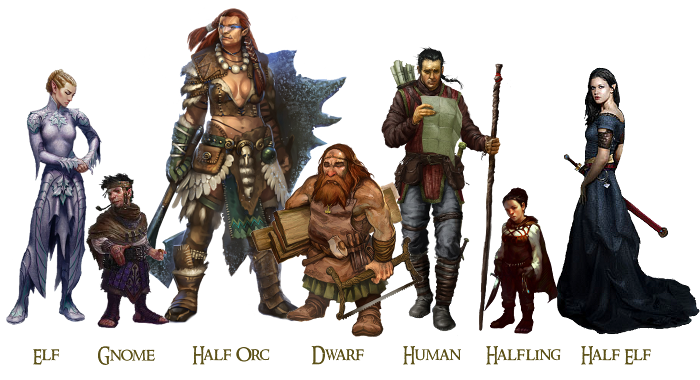
Races
uncommon
. . . . . . . . . . . . . . . . . . . . . . . . . . . . . . . . . . . . . . . . .
These races are the exotic races of the worlds.
📔 = RAW ; 👍 = AL +1 allowed. ; ⛔ = AL illegal ; ✏️ = Modified (AL Illegal) ; 🍺 = Homebrew (AL Illegal) ;
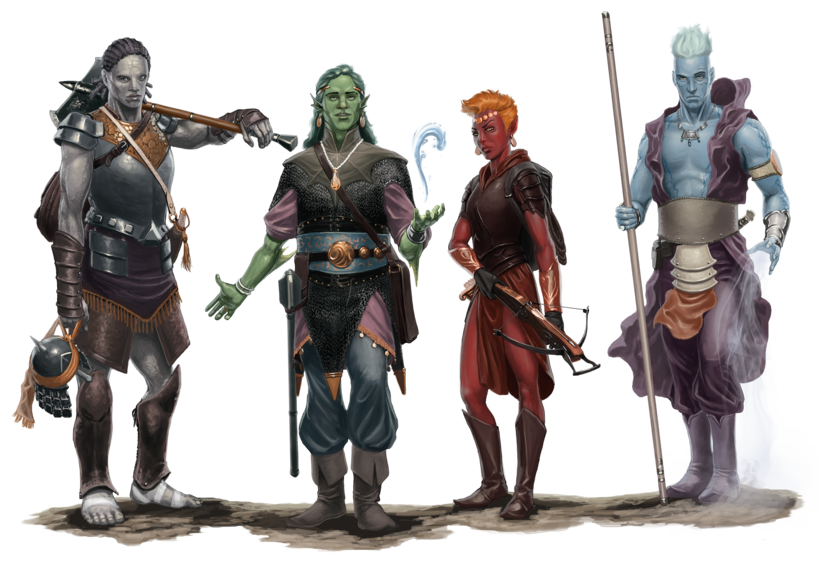
Races
rare
. . . . . . . . . . . . . . . . . . . . . . . . . . . . . . . . . . . . . . . . .
These races are allowable only through approval and will count against your +1.
👍 = AL +1 allowed. ; ⛔ = AL illegal ; ✏️ = Modified (AL Illegal) ; 🍺 = Homebrew (AL Illegal) ;
Aarakocra️✏️
Aasimar 👍
Aetherborn ⛔
Amoeboid 🍺
Archon 🍺
Aven ⛔
Avia-Ra 🍺
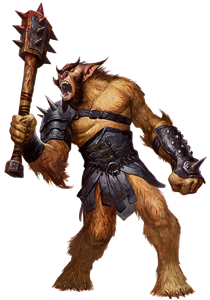
Bugbear 👍
Changling ✏️
Devil 🍺
Dhampyr 🍺
Dvati 🍺
Dwarf
Elf
Fetchling 🍺
Gith ⛔
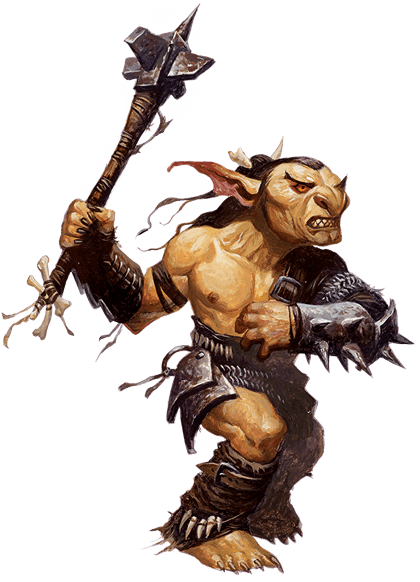
Goblin 👍
Grung 👍
Human, Innistrad ⛔
Illumian 🍺
Kalashtar ✏️
Khajiit 🍺
Khenra 🍺
Kor ⛔
Mandrake 🍺
Matryoshka 🍺
Merfolk ⛔
Minotaur ⛔
Mousefolk 🍺
Myconids 🍺
Mummy 🍺
Naga ⛔
Nautilid 🍺
Orc 👍
Ork 🍺
Revenant ⛔
Satyr 🍺
Shadar-Kai 🍺
Shardminds 🍺
Siren ⛔
Sirine 🍺
Spirithost 🍺
Stoneman 🍺
Thri-kreen
Tibbit 🍺
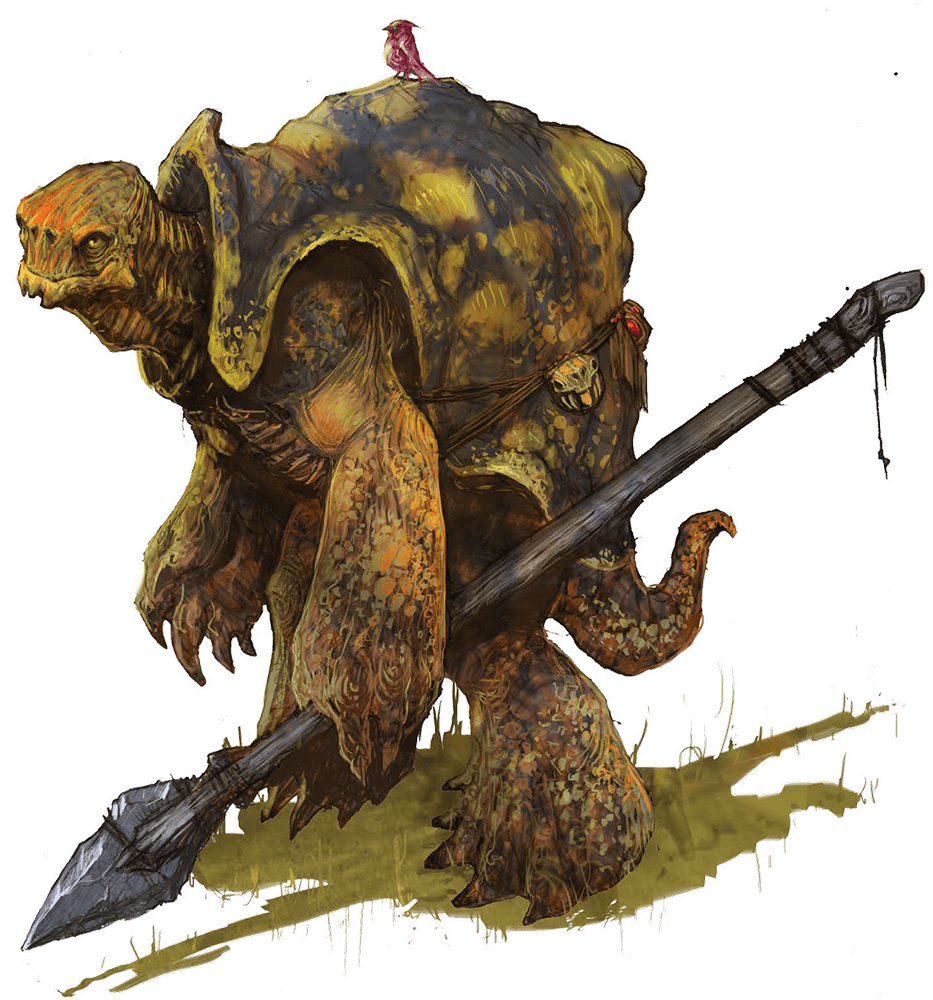
Tortugan 🍺
Trollkin 🍺
Vampire ⛔
Vect 🍺
Vedalken
Wight 🍺
Windones 🍺
Yuan-Ti Pureblood 👍
Aarakocra ✏️
Sequestered in high mountains atop tall trees, the aarakocra, sometimes called birdfolk, evoke fear and wonder. Many aarakocra aren’t even native to the Material Plane. They hail from a world beyond—from the boundless vistas of the Elemental Plane of Air. They are immigrants, refugees, scouts, and explorers, their outposts functioning as footholds in a world both strange and alien.
Beak and Feather
From below, aarakocra look much like large birds. Only when they descend to roost on a branch or walk across the ground does their humanoid appearance reveal itself. Standing upright, aarakocra might reach 5 feet tall, and they have long, narrow legs that taper to sharp talons. Feathers cover their bodies. Their plumage typically denotes membership in a tribe. Males are brightly colored, with feathers of red, orange, or yellow. Females have more subdued colors, usually brown or gray. Their heads complete the avian appearance, being something like a parrot or eagle with distinct tribal variations.
Sky Wardens
Nowhere are the aarakocra more comfortable than in the sky. They can spend hours in the air, and some go as long as days, locking their wings in place and letting the thermals hold them aloft. In battle, they prove dynamic and acrobatic fliers, moving with remarkable speed and grace, diving to lash opponents with weapons or talons before turning and flying away. Once airborne, an aarakocra leaves the sky with reluctance. On their native plane, they can fly for days or months, landing only to lay their eggs and feed their young before launching themselves back into the air. Those that make it to a world in the Material Plane find it a strange place. They sometimes forget or ignore vertical distances, and they have nothing but pity for those earthbound people forced to live and toil on the ground.
Avian Mannerisms
The resemblance of aarakocra to birds isn’t limited to physical features. Aarakocra display many of the same mannerisms as ordinary birds. They are fastidious about their plumage, frequently tending their feathers, cleaning and scratching away any tiny passengers they might have picked up. When they deign to descend from the sky, they often do so near pools where they can catch fish and bathe themselves.
Many aarakocra punctuate their speech with chirps, sounds they use to convey emphasis and to shade meaning, much as a human might through facial expressions and gestures. An aarakocra might become frustrated with people who fail to pick up on the nuances; an aarakocra’s threat might be taken as a jest and vice versa.
The idea of ownership baffles most aarakocra. After all, who owns the sky? Even when explained to them, they initially find the notion of ownership mystifying. As a result, aarakocra who have little interaction with other people might be a nuisance as they drop from the sky to snatch livestock or plunder harvests for fruits and grains. Shiny, glittering objects catch their eyes. They find it hard not to pluck the treasure and bring it back to their settlement to beautify it. An aarakocra who spends years among other races can learn to inhibit these impulses.
Confinement terrifies the aarakocra. To be grounded, trapped underground, or imprisoned by the cold, unyielding earth is a torment few aarakocra can withstand. Even when perched on a high branch or at rest in their mountaintop homes, they appear alert, with eyes moving and bodies ready to take flight.
Homelands
Most aarakocra live on the Elemental Plane of Air. Aarakocra can be drawn into the Material Plane, sometimes to pursue enemies or thwart their foes’ designs there. Accident might also send a nest of aarakocra tumbling into a world on that plane. A few find their way to such a world through portals on their own plane and establish nests in high mountains or in the canopies of old forests. Once tribes of aarakocra settle in an area, they share a hunting territory that extends across an area up to 100 miles on a side, with each tribe hunting in the lands nearest to their colony, ranging farther should game become scarce. A typical colony consists of one large, open-roofed nest made of woven vines. The eldest acts as leader with the support of a shaman.
Aarakocra in the Forgotten Realms
Never well established in Faerûn, aarakocra have only four major colonies: in the Star Mounts within the High Forest, in the Storm Horns in Cormyr, in the Cloven Mountains on the Vilhon Reach, and in the Mistcliffs in Chult. Those colonies established in the Star Mounts, closest to the Dessarin Valley, were ever a secretive and guarded people, only spotted during their flights over the High Forest. A cruel and rapacious green dragon nearly wiped out the population and scattered >the survivors. These aarakocra and their descendants have sworn vengeance against the dragon and may be seen scouring the >lands of the North and Cormyr for signs of their foe. Their only remaining settlement lies on the slopes of the Star Mounts’ >southernmost mountains. At the headwaters of the Unicorn Run, the Last Aerie is home to several dozen aarakocra. Recently, >aarakocra elders detected changes in the prevailing winds that they regarded as a bad omen. Unlike the aarakocra of other >worlds on the Material Plane, the aarakocra of the Realms rarely travel to the Elemental Plane of Air.
Great Purpose
Aarakocra enjoy peace and solitude. Most of them have little interest in dealing with other peoples and less interest in spending time on the ground. For this reason, it takes an exceptional circumstance for an aarakocra to leave his or her tribe and undertake the adventurer’s life. Neither treasure nor glory is enough to lure them from their tribes; a dire threat to their people, a mission of vengeance, or a catastrophe typically lies at the heart of the aarakocra adventurer’s chosen path. Two other circumstances might call an aarakocra to adventure. First, aarakocra have historical ties to the Wind Dukes of Aqaa. Exceptional individuals honor that connection and might seek out the missing pieces of the Rod of Seven Parts, the remains of an artifact fashioned by the Wind Dukes long ago to defeat the Queen of Chaos’s monstrous champion, Miska the Wolf-Spider. When plunged into Miska’s body, the chaos in his blood sundered the rod and scattered its pieces across the multiverse. Recovering the pieces means gaining honor and esteem in the eyes of the vaati who forged it and could possibly restore a powerful weapon for defense against the agents of elemental evil. Second, aarakocra are sworn foes of elemental earth, in particular the gargoyles that serve Ogrémoch, the Prince of Earth. The Aarakocra word for gargoyle is loosely translated as “flying rock,” and battles between aarakocra and gargoyles have raged across the Elemental Planes of Earth and Air, occasionally spilling into a world on the Material Plane. Aarakocra on that plane might leave their colonies to lend aid to other humanoids committed to fighting earth cults and thwarting their efforts.
Aarakocra Names
As with much of their speech, aarakocra names include clicks, trills, and whistles to the point that other peoples have a difficult time pronouncing them. Typically, a name has two to four syllables with the sounds acting as connectors. When interacting with other races, aarakocra may use nicknames gained from people they meet or shortened forms of their full names. An aarakocra of either gender may have one of these short names: Aera, Aial, Aur, Deekek, Errk, Heehk, Ikki, Kleeck, Oorr, Ouss, Quaf, Quierk, Salleek, Urreek, or Zeed.
Aarakocra Traits
As an aarakocra, you have certain traits in common with your people. Being able to fly at high speed starting at 1st level is exceptionally effective in certain circumstances and exceedingly dangerous in others. As a result, playing an aarakocra requires special consideration by your DM.
Ability Score Increase. Your Dexterity score increases by 2, and your Wisdom score increases by 1.
Age. Aarakocra reach maturity by age 3. Compared to humans, aarakocra don’t usually live longer than 30 years.
Alignment. Most aarakocra are good and rarely choose sides when it comes to law and chaos.Tribal leaders and warriors might be lawful, while explorers and adventurers might tend toward chaotic.
Size. Aarakocra are about 5 feet tall.They have thin, lightweight bodies that weigh between 80 and 100 pounds. Your size is Medium.
Speed. Your base walking speed is 25 feet.
Flight. You have a flying speed of 50 feet. To use this speed, you can't be wearing medium or heavy armor, be encumbered and with your wings extended your size increases to Large effectively. (you increse the probabilty of evoking an Attack of Opportunity, Gettign Squeezed or just stopped by attempting to fly through occupied squares. Gaining altitude is considered Difficult Terrain.
Talons. You are proficient with your unarmed strikes, which deal 1d4 slashing damage on a hit.
Claustrophobia. While in spaces under 10x10 with no obvious access to the sky, you must make Wisdom save versus DC 6 each hour or become Frightened of the enclosed space until back outside
Language. You can speak, read, and write Common, Aarakocra, and Auran.
Aarakocra Backgrounds
Backgrounds that are most appropriate for aarakocra include the outlander, the hermit, and the sage. The small colonies of aarakocra are insular and remote, and few aarakocra live away from their roosts. In the Star Mounts of the High Forest in the Forgotten Realms, no more than a few dozen aarakocra live away from the nests of their families. Those that do are usually rangers or fighters, constantly patrolling for outside threats.
Aasimar 👍
I saw her, wreathed in wings of pure light, her eyes blazing with the fury of the gods. The bone devils stopped in their tracks, shielding their faces. Her blade, now a brand of light, swept once, twice, three times. The devils' heads hit the ground, one after another. And thus we learned that an Aasimar traveled in our ragtag band.
-Geldon Parl, Of the 'Tyranny of Dragons
Aasimar bear within their souls the light of the heavens. They are descended from humans with a touch of the power of Mount Celestia, the divine realm of many lawful good deities. Aasimar are born to serve as champions of the gods, their births hailed as blessed events. They are a people of otherworldly visages, with luminous features that reveal their celestial heritage.
Celestial Champions
Aasimar are placed in the world to serve as guardians of law and good. Their patrons expect them to strike at evil, lead by example, and further the cause of justice. From an early age, an Aasimar receives visions and guidance from celestial entities via dreams. These dreams help shape an aasimar, granting a sense of destiny and a desire for righteousness. Each aasimar can count a specific celestial agent of the gods as a guide. This entity is typically a deva, an angel who acts as a messenger to the mortal world.
Aasimar Guides
note to the DM: playing an Angelic guide
As DM you take on the role of an aasimar's angelic guide and decide what kind of advice or omens to send in dreams.
The deva, or other celestial being, is your chance to add special roleplaying opportunities to the game. Remember, a deva lives in a realm of absolute law and good. The deva might not understand the compromises and hard choices that mortals must grapple with in the world. To the deva, an aasimar is a prized student who must live up to high, sometimes inflexible standards.
Angelic Guide
| d6 | Name |
|---|---|
| 1 | Tadriel |
| 2 | Myllandra |
| 3 | Seraphina |
| 4 | Galladia |
| 5 | Mykiel |
| 6 | Valandras |
| d6 | Nature |
|---|---|
| 1 | Bookish and lecturing |
| 2 | Compassionate and hopeful |
| 3 | Practical and lighthearted |
| 4 | Fierce and vengeful |
| 5 | Stern and judgmental |
| 6 | Kind and parental |
Conflicted Souls
Despite its celestial origin, an aasimar is mortal and possesses free will. Most aasimar follow their ordained path, but some grow to see their abilities as a curse. These disaffected aasimar are typically content to turn away frorri the world, but a few become agents of evil. In their minds, their exposure to celestial powers amounted to little more than brainwashing. Evil aasimar make deadly foes. The radiant power they once commanded becomes corrupted into a horrid, draining magic. And their angelic guides abandon them. Even aasimar wholly dedicated to good sometimes feel torn between two worlds. The angels that guide them see the world from a distant perch. An aasimar who wishes to stop and help a town recover from a drought might be told by an angelic guide to push forward on a greater quest. To a distant angel, saving a few commoners might pale in comparison to defeating a cult of Orcus. An aasimar's guide is wise but not infallible.
Aasimar Names
Most aasimar are born from human parents, and they use the same naming conventions as their native culture.
Aasimar Traits
Your aasimar character has the following racial traits.
Ability Score Increase. Your Charisma score increases by 2.
Age. Aasimar mature at the same rate as humans, but they can live up to 160 years.
Alignment. Imbued with celestial power, most aasimar are good. Outcast aasimar are most often neutral or even evil.
Size. Aasimar have the same range of height and weight as humans.
Speed. Your base walking speed is 30 feet.
**Darkvision.**Blessed with a radiant soul, your vision can easily cut through darkness. You can see in dim light within 60 feet of you as if it were bright light, and in darkness as if it were dim light. You can't discern color in darkness, only shades of gray.
Celestial Resistance. You have resistance to necrotic damage and radiant damage.
Healing Hands. As an action, you can touch a creature and cause it to regain a number of hit points equal to your level. Once you use this trait, you can't use it again until you finish a long rest.
Light Bearer. You know the light cantrip. Charisma is your spellcasting ability for it.
Languages. You can speak, read, and write Common and Celestial.
Subrace. Three subraces of aasimar exist: protector aasimar, scourge aasimar, and fallen aasimar. Choose one of them for your character.
Protector Aasimar
Protector aasimar are charged by the powers of good to guard the weak, to strike at evil wher, ever it arises, and to stand vigilant against the darkness. From a young age, a protector aasimar receives advice and directives that urge to stand against evil.
Ability Score Increase. Your Wisdom score increases by 1.
Radiant Soul. Starting at 3rd level, you can use your action to unleash the divine energy within yourself, causing your eyes to glimmer and two luminous, incorporeal wings to sprout from your back.
Your transformation lasts for 1 minute or until you end it as a bonus action. During it, you have a flying speed of 30 feet, and once on each of your turns, you can deal extra radiant damage to one target when you deal damage to it with an attack or a spell. The extra radiant damage equals your level. Once you use this trait, you can't use it again until you finish a long rest.
Scourge Aasimar
Scourge aasimar are imbued with a divine energy that blazes intensely within them. It feeds a powerful desire to destroy evil-a desire that is, at its best, unflinching and, at its worst, all-consuming. Many scourge aasimar wear masks to block out the world and focus on containing this power, unmasking themselves only in battle.
Ability Score Increase. Your Constitution score increases by 1.
Radiant Consumption. Starting at 3rd level, you can use your action to unleash the divine energy within yourself, causing a searing light to radiate from you, pour out of your eyes and mouth, and threaten to char you.
Your transformation lasts for 1 minute or until you end it as a bonus action. During it, you shed bright light in a 10-foot radius and dim light for an additional 10 feet, and at the end of each of your turns, you and each creature within 10 feet of you take radiant damage equal to half your level (rounded up).
In addition, once on each of your turns, you can deal extra radiant damage to one target when you deal damage to it with an attack or a spell. The extra radiant damage equals your level. Once you use this trait, you can't use it again until you finish a long rest.
Fallen Aasimar
An aasimar who was touched by dark powers as a youth or who turns to evil in early adulthood can become one of the fallen---a group of aasimar whose inner light has been replaced by shadow.
Ability Score Increase. Your Strength score increases by 1.
Necrotic Shroud. Starting at 3rd level, you can use your action to unleash the divine energy within yourself, causing your eyes to turn into pools of darkness and two skeletal, ghostly, flightless wings to sprout from your back.
The instant you transform, other creatures within 10 feet of you that can see you must each succeed on a Charisma saving throw (DC 8 + your proficiency bonus + your Charisma modifier) or become frightened of you until the end of your next turn. Your transformation lasts for 1 minute or until you end it as a bonus action.
During it, once on each of your turns, you can deal extra necrotic damage to one target when you deal damage to it with an attack or a spell. The extra necrotic damage equals your level. Once you use this trait, you can't use it again until you finish a long rest.
Falling from Grace or Rising to it
With your DM's consent, you can change your character's subrace to fallen aasimar if your protector/scourge aasimar turns to evil. To do so, replace your subrace benefits, including the ability score increase, with those of a fallen aasimar. Similarly, if your faJlen aasimar turns to good, your DM might allow you to become a protector or scourge aasimar
SOURCE:
Source: Volo's Guide to Monsters
page. 104
Aetherborn ⛔
“A day not spent indulging the senses is a day wasted.”
When the events of a lifetime are compressed down to almost nothing, each fleeting moment must be savored—drained of every drop of enjoyment it can offer. This is the philosophy that informs the lives and minds of the aetherborn. Given just a few short years—or sometimes only a few months—to live, each aetherborn views time as exceedingly precious. Each moment spent in a way that does not bring delight is a wasted moment. And though aetherborn differ in their drives and pleasures, nearly all of them share this desire to squeeze the most out of the brief time they are given.
Aetherborn come into being spontaneously as part of the aether refinement process. Their bodies and minds are apparently formed out of some interaction between the volatile elements of aether that are removed during refinement and the psychic impressions created by the people involved in the process. But each aetherborn is a unique individual, not a mere copy of some other person’s mind and shape. This race is little understood, and few aetherborn are willing to waste any of their short lives allowing vedalken scholars to study their biological and psychological characteristics.
Aetherborn and Gender
Aetherborn are a strange living by-product of the process of aether refinement, cast in humanoid form but lacking any of the biological qualities of other races. They don’t eat or sleep, and they don’t reproduce—nor do they have any physical sexual characteristics. Language that categorizes people into male or female categories thus breaks down when it comes to aetherborn. Most aetherborn prefer that others use the pronoun “they” to refer to them, since it doesn’t attribute a gender that they don’t possess. Only a relative few prefer “he” or “she,” having chosen to adopt a gender.
Aetherborn Politics
The relationship between aetherborn and the Consulate is complicated. On the one hand, aetherborn understand that their race wouldn’t exist without the Consulate’s aether refining operations, so they feel at least some motivation to ensure that those operations continue to run smoothly. On the other hand, few aetherborn have any patience for the tedious and cumbersome politics and regulations of the Consulate, which gives them at least a little sympathy with renegade philosophy. Typically, aetherborn are drawn to one side or the other more by the lure of excitement and entertainment than by any serious political beliefs.
Aetherborn Traits
Your bizarre anatomy grants you the following racial traits:
Ability Score Increases. Your Charisma score increases by 2 and any other two ability scores increases by 1.
Age. Aetherborn come into being as adults and live no more than a few years.
Alignment. As a rule, aetherborn are driven by hedonism and self-interest, making them neutral at best.
Size. Your size is Medium.
Speed. Your base walking speed is 30 feet.
Darkvision. Thanks to your heritage, you have superior vision in dark and dim conditions. You can see in dim light within 60 feet of you as if it were bright light, and in darkness as if it were dim light. You can't discern color in darkness, only shades of gray.
Born of Aether. You have resistance to necrotic damage.
Menacing. You have proficiency in the Intimidation skill.
Language. You can speak, read, and write Common and two other languages of your choice.
Gift of the Aetherborn
An unknown aetherborn, desperately seeking a means to extend their short life, discovered a process of transformation that prolonged their existence—by giving them the ability to feed on the life essence of other beings. Since then, other aetherborn have learned and carried out this monstrous transformation, and aetherborn with this "gift" have become a small minority among an already small population.
A gifted aetherborn has the ability to drain the life essence of other beings. Similar to the way heat is transferred from a warm object to a cold one, a gifted aetherborn need only touch another living being with a clawed hand to draw life essence out, fueling their own continued existence while draining strength and vitality from their victim.
For many aetherborn, living as they do for indulgence and instant gratification, the concepts of "want" and "need" are virtually synonymous. But Aetherborn with this gift understand what it is to truly need, for they develop a hunger for life essence that far exceeds any desires they might have felt before their transformation. A gifted aetherborn who abstains from this feeding deteriorates even more rapidly than other aetherborn, while enduring unspeakable agony caused by the deprivation of life energy.
At the DM's option, an aetherborn character can research methods of achieving this dark "gift." The process is similar to inventing and manufacturing a rare magic item (see "Inventing and Manufacturing Devices" earlier in this document). But rather than aether, the process requires a variety of rare unguents and unusual ingredients that make up the cost of researching and undergoing the transformation.
An aetherborn with this gift gains the Drain Life ability: a natural attack that deals 1d6 necrotic damage and restores the same number of hit points to the aetherborn. However, if the aetherborn goes for 7 days without dealing this damage, their hit point maximum is reduced by 1d6 per week. This reduction can't be removed until the aetherborn has used their Drain Life ability and completed a long rest.
SOURCE:
Source: Plane Shift: Kaladesh pg 17
Amoeboid 🍺
“Another failed experiment,” muttered Yr.
The amoeboid’s nucleus flashed dark red, his version of a resigned sigh. Standing in the medical bay of his saucer, he watched a pair of automatons clean viscera off the walls and ceiling.
“The serum made no difference; those cows were just like the last batch,” said Yr, making a gesture like stroking his chin. He made his way to the next room, where a terrified human man lay restrained on a table, yelling incoherently. He touched the man and his shape changed, taking on more human-like proportions, but with a grossly overlarge head and bulging eyes.
“Sorry for the inconvenience,” Yr apologized in the man’s language. “I wish I could repay you for your livestock, but we have rules against that sort of thing, I’m afraid. Now please stop squirming while I ready a memory modification.”
-- Yr, amoeboid scientist, assessing a Void experiment
Amoeboids are intelligent, vaguely humanoid-shaped, translucent oozes that can mimic the form of any creature they touch. These creatures tend to the Maw stations, experimenting there into the nature of space and time, parlaying with any creature that travels through them.
Fluid Anatomy
Amoeboid bodies are almost entirely composed of a translucent jelly-like substance, with a complex network of nerves visible throughout, which emit a dim blue light.
Within their heads, a large, brain-like nucleus floats, surrounded by five eyespots spaced radially around it.
Their fluid bodies can take the genetic imprint of creatures they touch, molding into an inexact copy, visibly made of the same jelly material. When in this form, however, amoeboids can speak the language of their copy, and move in much the same way, allowing them to empathize with virtually any creature.
No one is sure exactly how the bizarre anatomy of the amoeboids came to be, for they are among the oldest races in the 'verse and few accounts exist before them. The elves believe that their strange forms were created on a rogue world, flung into the Black by a catastrophic event, but the avia-ra maintain that their forms are a result of long-term corruption by the Void. There might be some credence to this latter theory, for many that are exposed to the Void's terrible lights are slowly killed, but others undergo the Warp and are changed in drastic and horrifying ways, being robbed forever of their previous forms. Perhaps, it is possible that the amoeboids were warped so intensely, they were left as mere genetic sludge, lacking any true form.
Scientists and Mawkeepers
Above all else, amoeboids value logical thinking as a lens to analyze the world. They keenly believe that the multiverse is founded on an objective, concrete reality defined solely by magic and physics, all of which can be understood. All things, including the elusive mystery of the Maw stations, can be unraveled with proper attention, experimentation, and reasoning. Most amoeboids regard no subject as taboo and have few qualms about any kind of research, as long as its methodology is sound and is reasonably likely to produce useful data.
Most amoeboids live on the Maw stations themselves, researching the Maw's activities, repairing ships and Dark Matter engines, and trading information with other scientists and wizards the 'verse over. With their keen intellect, amoeboids make excellent alchemists, engineers, and wizards, and can find no better place to live and work than the Maw stations.
Strange Visitors
Amoeboids have taken to visiting settled worlds in secret, disguising their saucers and themselves to perform experiments on the inhabitants. By and large, these experiments are noninvasive, but are nonetheless unwelcome. As a result, many worlds have ancient tales of strange visitors from the stars, looking much like them, but distorted in strange ways, who steal individuals away by night, subjecting them to strange rituals in brightly lit flying rooms. Amoeboids will also vivisect the odd head of livestock, but these occurrences are more likely to be blamed on predators and lycanthropes than men from the stars.
Amoeboid Names
Ever concerned with efficiency, amoeboid names can traditionally be represented by a single unusual character, to differentiate it from the rest of a particular alphabet. Amoeboids do not differentiate between males and females, nor are their names particularly masculine or feminine.
Amoeboid Names. Ash (Æ), Chevron (Λ), Digamma (Ϝ), Eth (Ð), Ezh (Ʒ), Macron (¸), Pilcrow (¶), Solidus (/), Thorn (Þ), Tilde (~), Yr (ᛦ)
Amoeboid Traits
Your bizarre anatomy grants you the following racial traits:
Ability Score Increases. Your Intelligence score increases by 2 and your Constitution score increases by 1.
Age. Amoeboids swiftly reach maturity, growing to full size in a mere 3 years, and have especially long lifespan, living as long as 200 to 300 years.
Alignment. Natural-born scientists, amoeboids tend to be skeptical and deductive. They lean toward neutral alignments.
Size. Amoeboids have a roughly similar mass to other humanoid creatures. Your size is Medium.
Speed. Your base walking speed is 30 feet.
Flexible Form. You can use your action to stretch, compress, and mold your body into a myriad of shapes. You can transform into any static form that you choose that is no larger than 8 feet in any dimension. When you assume this form, you can replicate something’s basic shape but not its color, texture, moving parts, or fine details. You can’t change your body’s volume, nor can you move, attack, or cast spells while you’re transformed into a static shape.
You can also use your action to touch a creature and assume its general form. Your size and other statistics don’t change. You gain the ability to speak and understand that creature’s language, and if the target has a burrowing, climbing, or swimming speed, you gain those with the same speed, up to a maximum of 40 feet.
You can end a transformation on your turn (no action required.) If you transform into a form incapable of wearing armor, your armor falls off. You can only take actions while transformed if you are in the form of a creature; as a creature, you can only take actions that a creature of that type would be able to take.
Amorphous. You can compress your body enough to squeeze through a 1-inch wide space. You cannot expand inside a space that offers any resistance.
Reform. Whenever you take bludgeoning, piercing, or slashing damage from a nonmagical weapon and you are not reduced to 0 hit points, you can use your reaction to immediately regain 1d6 hit points.
Languages. You can speak, read, and write Common and Amoeboid. Most creatures are only able to approximate speaking Amoeboid, for its burbling words are made using the amoeboid’s fluid body. If you are transformed into a creature that has a language, you can speak and understand that language.
https://www.google.com/imgres?imgurl=https%3A%2F%2Fi.pinimg.com%2F736x%2Fa7%2F36%2Ffd%2Fa736fd24f2876f28c414d3089d09dd3d.jpg&imgrefurl=https%3A%2F%2Fwww.pinterest.co.uk%2Fteomonteiro%2Fref_slime%2F&docid=uSGRIY9lUsL0pM&tbnid=_X_lhTAyFxw-1M%3A&vet=10ahUKEwiRsYDOzpnaAhWGw4MKHTOMCcAQMwhIKAkwCQ..i&w=736&h=1024&itg=1&bih=808&biw=1031&q=jelly%20slime%20girl%20fantasy%20race&ved=0ahUKEwiRsYDOzpnaAhWGw4MKHTOMCcAQMwhIKAkwCQ&iact=mrc&uact=8#h=1024&imgdii=_X_lhTAyFxw-1M:&vet=10ahUKEwiRsYDOzpnaAhWGw4MKHTOMCcAQMwhIKAkwCQ..i&w=736 https://i.pinimg.com/236x/55/5c/b2/555cb23a311b0c32328a100ff6ab08dc--slime-creature-slime-girl.jpg https://www.google.com/imgres?imgurl=https%3A%2F%2Fi.pinimg.com%2F736x%2F58%2Fcc%2Fee%2F58cceedfd6ad730e688b118b18a7ae41.jpg&imgrefurl=https%3A%2F%2Fwww.pinterest.com%2FVanity_Ev%2Fslime%2F&docid=yUxwCrcCvPqzvM&tbnid=K-58jXUdvNGfrM%3A&vet=10ahUKEwjIooyM1ZnaAhXEzIMKHT1VATQQMwhNKA4wDg..i&w=736&h=713&bih=808&biw=1031&q=jelly%20slime%20fantasy%20race&ved=0ahUKEwjIooyM1ZnaAhXEzIMKHT1VATQQMwhNKA4wDg&iact=mrc&uact=8
Archon 🍺
Then the room was saturated in a glowing luminescence, originating from a figure that hadn't stood there prior. Bathed in its radiance, the bloodsuckers that had cornered us could be seen in their fullness: pale, gaunt, and splattered with blood. They now shrunk from the light. It seems they were right to.
The being cloaked in light spoke not to us, but pronounced vengeance with its greatsword upon our attackers. Each time it cut one down, the bloodsucker's cry was punctuated by a hissing from the blade, as the cut seared into the creature's flesh. When the melee was over, we realized the identity of our savior: in blackest night, in answer to our prayers, had come an archon.
--Johnathan, Cleric of Pelor, on his encounter with clutch of vampires
Archons are a race of outsiders from the heavens, creatures of fundamental law and good tasked with the protection of that plane as well as all who are innocent or free of evil. They are the natural enemies of devils and demons, and most are veterans of many attacks against their home by fiends of the Lower Planes. Archons are universally less powerful than their angelic kin, but often deal with more worldly matters than the Blood War that rages in the outer planes.
Protectors of the Innocent
Originating from the high heavens, archons are inclined towards justice and mercy for all innocent creatures. An archon walking the mortal plane might be on a mission of justice for the high heavens, or perhaps is simply lost on the planes, searching for a way back home. Regardless of the reason, it is in their nature to defend the innocent and battle evil wherever they venture.
Merciful Warriors
When an archon engages in battle, they do so honorably. With the exception of fiends and undead, hound archons tend to dislike killing and prefer to incapacitate or disarm mortal foes whenever possible. In addition, it is unheard of for an archon to strike a foe who is defenseless or one whose back is turned to them, or to deny an opponent's surrender.
Foes of Evil
From the moment of birth, archons are trained to lay waste to their sworn enemies, fiends of the lower planes, and all forms of undead. The irredeemably evil are not exempted from their wrath, but these are a rare exception to the rule. When an archon does meet one of its sworn foes, it hold no quarter, and fights relentlessly until its foe crumbles.
Archon Names
Archons, like most angels, have majestic names borrowed from the most ancient of languages in the planes, celestial. Because their names are unique to themselves, archons have only one name.
Male Archon Names: Arioch, Barbiel, Hadraniel, Kasbiel, Malockel, Nisarriah, Samuel, Semalion, Tatryon, Vohamodnoch.
Female Archon Names: Anaphiel, Rehael, Serapha, Viretel, Oriash, Zarall, Hemah Sansavi, Piradah, Hadariel.
Archon Traits
Ability Score Increase. Your Charisma score increases by 1.
Age. While on their home plane, archons are extremely long lived, and can exist for millennia. However, when away from the light of their home plane for extended time, an archon's light gradually begins to burn out, and will perish within 10 years if they do not return.
Alignment. Archons are almost always champions of good, though there are exceptions. Those who are found to be malevolent by nature are typically exiled from Mt. Celestial to seek redemption on the mortal plane.
Size. Your size is medium.
**Speed. Your base speed is 30 feet.
Darkvision. You can see in dim light within 60 feet of you as if it were bright light, and in darkness as if it were dim light. You can't discern color in darkness, only shades of gray.
Vanquish. Once per turn, when you make a melee attack against a fiend or undead, you may deal an additional 1d6 radiant damage.
Languages. You can speak, read, and write Common and Celestial.
Subrace. Humanoid archons come in two main varieties, Hound Archons, the sentinels and soldiers of the gods, and Trumpet Archons, their messengers and heralds. Choose one of these subraces.
Hound Archon
Hound archons look like well-muscled humans with canine heads typically resembling those of noble-looking wolves or dogs. Well trained as soldiers and sentinels of the angels, they prefer to make use of their greatswords or other large weapons in battle. Hound archons often guard sacred areas or hunt their foes in unassuming canine forms using their Shapechanger ability. A stray dog or a pack of wolves might well be a blessing in disguise for noble travelers in dire straits.
Ability Score Increase. Your Strength increases by 1.
Track. You gain advantage on Perception checks which rely on scent.
Holy Resistance. You have resistance to necrotic damage.
Shapechanger. You can cast the spell polymorph on yourself to transform into a hound (using mastiff stats from the Player's Handbook.) This spell ends if you lose concentration on the spell. After using this ability, you may not do so again until you finish a short or long rest.
Trumpet Archon
Messengers of good deities and mighty celestials, trumpet archons serve as the vanguard of divine armies and rally the legions of heaven to war. Trumpet archons are beautiful, humanlike creatures with hairless ivory skin and feathery wings. Trumpet archons speak with clear, musical voices and have white and pupilless eyes. At all times, a trumpet archon is accompanied by the divine trumpet for which it is named. This item is its most dear possession and is the trumpet archon's means to return to the heavens. Without it, it is stranded on the mortal plane.
Ability Score Increase. Your Wisdom increases by 1.
Trumpet Transformation. You carry a magical trumpet with you at all times, a symbol of your god's favor. As a bonus action on your turn, you can transform your trumpet into a melee weapon with which you have proficiency or return it to its original trumpet form. If it is on the same plane of existence, you can summon your trumpet as a bonus action on your turn, causing it to teleport instantly to your hand.
Trumpet. You may cast spells if your trumpet is with you in its trumpet form. You know the thuamaturgy cantrip. When you reach 3rd level, you can cast the spell detect evil and good. When you reach 5th level, you can cast the spell aid. Wisdom is the casting ability for these spells. After casting a spell with this trait, you must finish a long rest to cast the spell again.
Angelic Wings. You have majestic, feathery wings, which can fold down closely to your back. While on your home plane, you gain a fly speed equal to your movement speed. This has no mechanical effect while you away from home plane.
Aven ⛔
Aven have humanlike bodies, arms, and legs, along with birdlike wings and heads. Two distinct varieties of aven are found in Naktamun. One has the head of a hawk or similar bird of prey, with short wings allowing fast flight. The other variety has the head of an ibis atop a long neck, with wide, angular wings better suited to soaring. All aven have lean bodies with feathers extending from their heads down to their shoulders.
Aven delight in flying above their foes, using their superior mobility to confound and outpace their opponents. They love soaring through the sky as well, though the Hekma limits their altitude. Like all people of Naktamun, they are grateful for the Hekma’s protective magic, of course. But they keenly anticipate the hour when the God-Pharaoh will return and dissolve the veil, letting them fly without limit in the afterlife.
Combat Classes
Spellcasters are common among ibis-headed aven drawn to follow the teachings of Kefnet. Their physical resemblance to the god of knowledge is reflected in the metal discipline, focus, and confidence for which aven spellcasters are known. They wield magic of air, wind, and sometimes water to buffet their foes, enhance their own flight, and counter enemy attacks. Hawk-headed aven who follow the path of the mage are more likely to learn sand-based magic that can cloud the air, blast their foes, or bury enemies in living dunes.
Hawk-headed aven are often drawn to master techniques of long-range combat, whether the javelin that is the preferred weapon of many, the bow, or other thrown weapons. Whatever weapon they use, aven hover and swoop in the air above the fray, seeking the opportune moment to strike in exactly the right place. In line with the teachings of the god of solidarity, they often fly in tight formations with other aven in their crops, supporting and protecting each other. Aven take great pride in the precision of their attacks, relying on their keen vision and superior vantage points. They view the sharp tip of a javelin or arrow as a symbol of their love for precision, and some initiates maintain carefully tended collections of spearheads or arrowheads.
A relatively small number of aven of both varieties end up focusing on hand-to-hand combat. Even there, they use their ability to fly to great advantage, often swooping down on their foes from a great height. The speed and power of a blow from a diving aven can be utterly devastating, but such a strike poses a tremendous risk to the aven as well as the target. An aven who fails to pull up from the dive in time can suffer even worse injuries than the target of the attack. Aven often minimize this risk by hurling javelins while they dive, then pulling up early after a successful throw.
Aven Traits
All aven share the following traits.
Ability Score Increase. Your Dexterity score increases by 2.
Age. Like humans, aven reach adulthood in their late teens and can theoretically live into their 80s. Of course, most find a glorious (or inglorious) death long before that point.
Alignment. Most aven lean toward some form of neutrality. Ibis-headed aven, focused more on knowledge than any other virtue, are usually neutral. Hawk-headed aven are inclined toward lawful neutral.
Size. Aven stand from 5 to 6 feet tall, but their bodies are slender and their bones are partially hollow to facilitate their flight. Your size is Medium.
Speed. Your base walking speed is 25 feet. You have a flying speed of 30 feet. You can’t use your flying speed while you wear medium or heavy armor. (If your campaign uses the variant rule for encumbrance, you can’t use your flying speed if you are encumbered.)
Languages. You can speak, read, and write Common and Aven.
Subrace. Two varieties of aven inhabit Amonkhet: ibis-headed and hawk-headed. Choose one of these subraces.
Ibis-Headed Aven
A majority of ibis-headed aven, drawn to the teachings of Kefnet, specialize in spellcasting. They take great pride in all the qualities they share with the god of knowledge not just their avian heads, but their quick wit, self-confidence, cunning, and spellcasting prowess.
Ability Score Increase. Your Intelligence score increases by 1.
Kefnet’s Blessing. You can add half your proficiency bonus, rounded down, to any Intelligence check you make that doesn’t already include your proficiency bonus.
Hawk-Headed Aven
Following the example of Oketra, hawkheaded aven often focus on the techniques of long-range combat. Most prefer javelins, but some are skilled with bows, spears, and throwing axes.
Ability Score Increase. Your Wisdom score increases by 2.
Hawkeyed. You have proficiency in the Perception skill. In addition, attacking at long range doesn’t impose disadvantage on your ranged weapon attack rolls.
SOURCE:
Source: Plane Shift: Amonket pg 15
Avia-Ra 🍺
Upon the Black and Night Crusade,
Rode the fearless, heroes they.
Citadel, unto their grasp,
Fleets adjoined; O' pilgrim's wrath.
Prostrate before the Sun Above,
All to arms -- never love.
--- 3rd Hymn of the Night Crusade
The avia-ra are a sun-worshipping race of wingless birdmen, which appear to primitive cultures to spread their ancient religion.
Ancient God-Kings
Depictions of the avia-ra can be found in the ruins of ancient cultures throughout the galaxy. Often, but not always, they are portrayed as divinity manifest: god-like travelers from the heavens. They arrive as evangelists to share the philosophy of their solar religion, that the Sun Above is the only true god, and remain long enough to build an enduring civilization on the primitive world.
Some races consider the avia-ra an ancient and wise people, dedicated to their religion and its tenets. Others cast them as charlatans and false prophets, who routinely prey upon primitive and defenseless peoples. The truth depends largely on perspective, but the avia-ra view themselves only a grand tool to carry the momentum of the sun's glory to new peoples.
Keepers of the Citadel
The heart of the avia-ra's religion is at the Solar Citadel, which revolves close around the Sepulcher Star. Most avia-ra make pilgrimage to this site at least once in their lives to bask in the rays of their holy sun, which (in their philosophy) gives light and meaning to all other stars. Their worship of the sun is always directed at the Sepulcher Star itself, even if they are nearer to another star or to no star at all. All other stars merely act as a metaphor, a symbol, for their holy sun.
In contrast to their binary doctrines, their actual relationship to the star and the Sepulcher within it is more complicated. The Solar Citadel definitively ensures that the star is under avia-ra control, but Old Un has never spoken to the avia-ra directly from within the star. Despite the silence, the avia-ra continue to pray in reverence and make pilgrimage to the Sepulcher Star.
Deep Symbolism
Avia-Ra are inclined to view the events around them as omens of much larger struggles, such as those between light and dark, good and evil, and law and chaos. All things have symbolic importance to them; even fundamentally objective things like science and mathematics have a place in the underlying allegory for avia-ra.
Most avia-ra hold dreams in especially high regard, for interpreted dreams can tell the future, lend insight into the past, or provide guidance for the present. Those with the gift to interpret dreams are honored highly as priests in the avia-ra and given elaborate titles, such as Grand Rememberancer, or Dream-Teller Most High.
Avia-Ra Names
Avia-Ra names come in two-part cartouches, with one or both parts of the name being composed of the names of ancient avia-ra heroes and great ideals.
Front Cartouche. Apophis, Cani, Canopis, Helio, Hotep, Ira, Lux, Nefer, Oculus, Terra, Verum
Rear Cartouche. Amet, Anubis, Bast, Horus, Isis, Ma’at, Omet, Osiris, Ptah, Set, Thoth
Avia-Ra Traits
As an Avia-Ra, you have the following racial traits:
Ability Score Increase. Your Wisdom score increases by 2, and your Dexterity score increases by 1.
Age. Avia-Ra are long lived, and due to their long lives, they have been revered as gods by more primitive beings. They reach maturity at roughly 30 years of age, and can live as long as 500 years.
Alignment. The avia-ra draw their morality and philosophy from the sun. The sun rises, and the sun sets, there is nothing you can do that will stop it. They have a strong inclination to be lawful.
Size. Avia-Ra stand between 5 and 6 feet in height, and weigh roughly 120 to 170 pounds. Your size is medium.
Speed. You have a base walking speed of 30 feet.
Darkvision. Thanks to the rituals of your ancestors the light of the sun dances in your eyes, giving you superior vision in dark and dim conditions. You can see in dim light within 60 feet of you as if it were bright light, and in darkness as if it were dim light. You can’t discern color in darkness, only shades of gray.
Avia-Ra Weapon Training. You have proficiency with the avia-ra sunstaff, scimitar, shortbow, spear, and whip.
Doctrine. You have proficiency in the Religion skill.
Blessings of the Sun. You can cast the spell bless, targeting only yourself, without using a spell slot. For the spell’s duration, if you roll a 4 on the d4 that you add to attacks and saving throws, you gain advantage on that attack or saving throw. Once you use this trait, you can’t use it again until you finish a long rest.
Sun’s Chosen. You know the sacred flame and thaumaturgy cantrips. Wisdom is your spellcasting ability for these spells.
Languages. You can speak, read, and write Common and Avia-Ra. Avia-Ra is a language filled with soft consonants and long vowel sounds. Its written form uses the Celestial script.
Bugbear 👍
Skartu sat opposite the table from me, viciously tearing into his undercooked leg of mutton and drowning it with big gulps of ale. I questioned him about experience, both in battle and in using equipment, about his ability to follow orders, and about tactics that a mercenary of his stature should be familiar with. He responded to each with a nod, gulp, or burp, and at last asked his only question: "How much 'ya payin'?"
-Meeting Skarku, Bugbear Mercenary
Like many goblinoids, bugbears are characteristically savage, and have a deep-rooted love for carnage and power that often stirs to the surface. They are capable hunters and raiders, and can even be potent mercenaries, if paid well enough.
Goblinoid Savagery
No sane creature would mistake a bugbear for a civilized creature. Their long, pointed teeth, shaggy fur, and predator's physique paint the perfect picture of a monstrous brute. Bugbears are physically imposing, moreso than most humanoids, and love to throw that weight around behind an axe or maul.
Bugbear nature is as base as their appearance. Bugbears love violence, especially when their enemy is completely defenseless, and they love to be in charge, as long as it means they can inflict their rule upon others with little responsibility.
Limited Loyalties
Because of their strength and savagery, bugbears are much sought-after mercenaries and thugs. As valuable as they are, they are also characteristically unreliable, never allowing loyalty to overpower self-interest. If payment falters, of if the odds turn too far against them, bugbear mercenaries will abandon their posts without a moment's notice.
Raiders and Ambushers
Bugbears prefer to fight dishonorably, taking any advantage they can over their foes. In close quarters, bugbears are known to claw, spit, and throw dirt in an enemy' face in preparation for a lethal strike. Disarming a foe, or simply sundering a foe's weapon, are also popular bugbear tactics.
Bugbear tribes are well known for ambushes, laying traps for superior forces, and fleeing when they have spilled enough blood. They are fiendishly hard to combat on even ground, even with superior numbers, due to their underhanded tactics and brute savagery. Often, bugbear raiding parties strike under cover of night, or use the level of terrain to their advantage, attacking unseen, and quickly departing.
Bugbear Names
Bugbear names are similar to orc and goblinoid names; they are harsh and simple, much like the bugbears themselves.
Male Names: Bao'or'et, Cretin, Gregek, Kugruet, Malka'vec, Thimdul.
Bugbear Traits
Your bugbear character has the following racial traits.
Ability Score Increase. Your Strength score increases by 2 and your Dexterity score increases by 1.
Age. Bugbears reach adulthood at age 16 and live up to 80 years.
Alignment. Bugbears endure a harsh existence that demands each of them to remain self-sufficient, even at the expense of their fellows. They tend to be chaotic evil.
Size. Bugbears are between 6 and 8 feet tall and weigh between 250 and 350 pounds. Your size is Medium.
Speed. Your base walking speed is 30 feet.
Darkvision. You can see in dim light within 60 feet of you as if it were bright light, and in darkness as if it were dim light. You can't discern color in darkness, only shades of gray.
Long-Limbed. When you make a melee attack on your turn, your reach for it is 5 feet greater than normal.
Powerful Build. You count as one size larger when determining your carrying capacity and the weight you can push, drag, or lift. Sneaky. You are proficient in the Stealth skill.
Surprise Attack. If you surprise a creature and hit it with an attack on your first turn in combat, the attack deals an extra 2d6 damage to it. You can use this trait only once per combat.
Languages. You can speak, read, and write Common and Goblin.
Variant Bugbear Traits
As a goblinoid, you have the following characteristics.
Ability Score Increase. Your Strength score increases by 2, and your Dexterity score increases by 1.
Age. Bugbears mature quickly, reaching adulthood before 10 years of age. Most often, bugbears die violently, but the oldest and strongest live for around 80 years.
Alignment. Bugbears are most often evil. They have little respect for agreements of any sort, least of all law, and hold their own interests over those of others, even members of their own tribe.
Size. Bugbears are larger than humans in size and stature, often up to a foot taller. Your size is Medium.
Speed. Your base walking speed is 30 feet.
Darkvision. You can see in dim light within 60 feet of you as if it were bright light, and in darkness as if it were dim light. You can't discern color in darkness, only shades of gray.
Menacing. You gain proficiency in the Intimidation skill.
Brash. Once on your first turn of combat, when you deal damage with a melee weapon attack, you can roll an additional die of damage.
Boast. You can use your bonus action to gain temporary hit points equal to your Constitution modifier, which last for one minute. After using this trait, you must complete a short or long rest before using it again.
Languages. You can speak, read, and write Common and Goblin. Goblin is a crude, primitive language which is rarely dedicated to writing and does not have its own script. Therefore it makes use of the Dwarvish script.
SOURCE:
Source: Volo's Guide to Monsters page 119
Changling ✏️
Changelings are a humanoid race who possess a shapeshifting ability similar to doppelgangers. Abuse of their shapeshifting talent for espionage and assassination has in led the Changelings to being mistrusted amongst other races. Changeling do not duplicate a person’s appearance, but create a whole new identity when taking on a race’s form. It is not uncommon for changelings to aggregate multiple disguises and personae in case one becomes compromised. Their natural form can appear somewhat ghastly to other races, given their almost featureless faces and skin in shades of white and grey. They have large, single coloured eyes with no pupil. Their noses are small and subtle with no detail. A Changeling’s hair is often silver or white as pale as their complexion, with a hint of blue, pink or green hue. Their bodies are thin and smooth, similarly hairless as an elf.
Terrible Orgins
A child, born hale and healthy, might suddenly seem weak and sickly a day or two after its birth. In another family with only brown and green eyes, a child grows up to have beautiful violet eyes flecked with gold. Anxious, superstitious parents often view such events with a secret fear: They now harbor a changeling in their home. Sometimes these fears are warranted. Sometimes a human, half-elven, or elven babe is taken by a fey and replaced with a changeling - a child with a touch of fey blood that looks enough like the other race to pass. For example, a seelie court fey might have had a love affair with a lesser fey and the resulting child might look too human to be accepted into the seelie court, a grig might have played a prank, switching several fey and non-fey babies, or the politics of the seelie and unseelie courts might have made a fey fear that its child would be used as a hostage or killed by its rivals.
Changelings are subtle shapeshifters capable of disguising their appearance. Their ability to adopt other creatures’ guises makes them consummate spies and criminals.
Changling Names
Changelings bear the names that their foster parents intended for their own child. Often, as the child grows up, a moniker will be added such as a preface of "Odd" or an epithet such as "the Strange" or "the Weird." Most changeling names are unisex and are very short, usually being only one syllable. This is largely due to the fact that their gender is functionally fluid and depends on their own identification, given that they have any.
Name: Ayc, Bin, Dox, Fie, Hars, Jin, Lam, Nit, Ot, Paik, Ruz, Sim, Toox, Yog. \columnbreak
Changling Traits
Half-Human, Half-Doppelganger - the changeling is the master of disguise and intrigue.
Ability Score Increase. Your Dexterity and Charisma scores increase by 1.
Age. Changelings reach maturity at 15 and live to be around 400.
Alignment. Changelings are generally a diverse people. This too extends itself to their values and ideals. Although some may argue that they usually have chaotic tendencies, it is most often observed that changelings can be any alignment.
Size. Changelings are built much like humans, but a little leaner. Your size is Medium
Speed. Your base walking speed is 30 feet.
Duplicity. You gain proficiency in the Deception skill.
Inborn Actor. You are a natural actor with skills in mimicry and dramatics, you gain the following benefits:
- You have an advantage on Charisma (Deception) and Charisma(Performance) checks when trying to pass yourself off as a different person.
- You can mimic the speech of another person or the sounds made by other creatures. You must have heard the person speaking, or heard the creature make the sound, for at least 1 minute. A successful Wisdom (Insight) check contested by your Charisma(Deception) check allows a listener to determine that the effect is faked.
Shapechanger. As an action, you can shapechange into any humanoid of your size that you have seen, or back into your true form. While in their form you can mimic the speech of another person or the sounds made by other creatures. You must have heard the person speaking, or heard the creature make the sound, for at least 10 minutes. Or else Wisdom (Insight) checks gain advantage when you talk/make noises. Your equipment does not change with you. If you die, you revert to your natural appearance. Being knocked unconscious does not trigger your change. While in another form, you always retain your changeling abilities.
Changeling Trick. While using the Shapechanger ability, creatures have a disadvantage on checks trying to see through your disguise.
Mental Defense. You have advantage on saving throws against being Charmed and cannot be put to Sleep by magic.
Languages. You can speak, read, and write Common and Two Languages of your choice.
SOURCE:
Edited from: Unearthed Arcana: Eberron
Devil 🍺
It tore at the air eagerly with its claws as it came, its poisonous tail curled up beneath it to stab if need be. Elminster looked into the devil's exulting eyes. He felt a rash of warmth and the vinegarlike tang of its hide as its jaws gaped wide. Its head turned on an angle to bite out his throat. He fed it fire, searing claws and head alike to nothingness in an instant and letting it tumble away into the rocky darkness below. -Ed Greenwood, Elminster in Hell
Masters of corruption and despoilers of purity, devils seek to destroy all things good and drag mortal souls back with them to the depths of Hell.
Embodiment of Evil
Incarnate of evil, devils delight in cruelty. Their tools of choice are deception and violence, preferring these always to a diplomatic option whenever possible. However, this sadism is tempered by the cool intelligence which makes a devil far more deadly than a mundane monster. Their cunning and treachery allow devils to plan clever traps, playing on mortal fears and striking dangerous bargains to solidify power.
A devil's ambition is always tyranny. On the mortal plane, devils seek to manipulate humanoid rulers with whispered words and evil thoughts into abusing their power and causing strife. Whether through conquering, enslaving, or oppressing, devils take a perverse delight in exercising power over the weak.
Infernal Hierarchy
The Nine Hells has a rigid hierarchy that defines every aspect of its society. All devils have a place in the hierarchy, from the lowliest dretch to the godlike Archdevils. Devils who are fail grossly or are found to be lacking are demoted to lesser forms of devils, and those who demonstrate exceptional cruelty are promoted to greater fiends.
Chief among the devils, and second to none in the Nine Hells is Asmodeous. With all the powers of a lesser god, Asmodeous can strip any member of the infernal hierarchy of rank and status as he likes, an ability which he uses, along with treachery and guile to maintain power over his Archdevils and hold the Throne of Baator for himself.
Blood War
Since time immemorial, a ferocious conflict has roared in the lower planes. Down below, the chaotic demons of the Abyss wage war against the equally evil, but lawful devils of the Nine Hells. Neutral fiends act as mercenaries, changing alliances whenever one side gains the advantage. The conflict is massive, spanning entire planes of reality, and hosting an immeasurable number of fiends.
No one in the outer planes seems to have any real notion of what started the Blood War. The yugoloths like to entertain the notion that the War is their own personal experiment into the nature of evil, one which they created and will ultimately end on their own terms. Other fiends have their own notions about the war, colored by their particular alignments and racial propaganda.
Pacts and Deals
Though devils are confined to the lower planes, they can be summoned to the mortal plane by bargainers wishing to make a deal. Devils love forming pacts with mortals who seek some benefit or prize, but those making those deals should be wary. Though a devil always honors the word of his contract, which is enforced by Asmodeous himself, they are ruthless negotiators and rarely miss a loophole in a contract. Any mortal creature that breaks such a contract instantly forfeits its soul, which is spirited away to the Nine Hells.
To own a creature's soul is to have absolute control over that creature, and most devils accept no other currency in exchange for the fiendish power and boons they can provide. Only divine intervention can release a soul after a devil has claimed it.
Devil Names
Though each devil has a common name in their language of Infernal, it also has a true name it keeps secret. A mortal who learns a devil's true name can use powerful summoning magic to call the devil from the Nine Hells and bind it into service.
Devil Names: Azazel, Barabas, Balthazar, Diorum, Dogreth, Gargoth, Meritos, Nodroc, Ylvirron, Zakthara, Zammasir.
Devil Traits
Ability Score Increase. Your Constitution score increases by 1.
Age. The infernal creatures of hell are ageless, and on their own plane will only know death through the carnage of the
Blood War. However, if transported to the mortal plane through portals or summoning magic, the hellfire they carry inside themselves will eventually sputter out. A devil that does not return to the lower planes will die within 10 years.
Alignment. Devils are almost exclusively evil and lawful, if contemptuous of authority. Failure and disobedience are met with swift demotion to a lower form of devil, to the lowest level of a wretched lemure.
Darkvision. You have superior vision in dark and dim conditions. You can see in dim light within 60 feet of you as if it was bright light, and in darkness as if it were dim light. You can't discern color in darkness, only shades of grey.
Devil's Sight. Magical darkness doesn't impede your darkvision.
Hellish Resistance. You have resistance to fire damage.
Languages. You can speak, read, and write Common and Infernal.
Subrace. The most humanoid of the devils are the mighty bearded devils, shock-troops of the infernal army, and imps, the messengers and spies of the lower planes. Choose one of these subraces.
Bearded Devil
Barbazu, called bearded devils by most, serve archdevils as shock troops, fighting shoulder-to-shoulder and reveling in the glory of battle. They respond with violence to any slight, real or imagined, gorging themselves on violence as their infernal saw-toothed glaives carve a path through their foes.
Ability Score Increase. Your Strength score increases by 1.
Size. Your size is medium.
Speed. Your speed is 30 feet.
Beard. Your beard ends is sharp barbs and you have move it like a bed of snakes. When you take the Attack action on your turn, you may attack with your beard as a bonus action, treating it as a light, finesse weapon that deals 1d6 piercing damage on a successful hit. You do not add your ability score modifier to this damage.
Steadfast. You have advantage on saving throws against being charmed or frightened.
Imp
Imps are found throughout the Lower Planes, either running errands for their infernal masters, spying on rivals, or misleading and waylaying mortals. They resemble diminutive red-skinned humanoids with a barbed tail, small horns, and leathery wings.
Ability Score Increase. Your Dexterity score increases by 1.
Size. Your size is small.
Speed. Your speed is 20 feet.
Flight. You have a pair of leathery wings which grant you a fly speed of 20 feet. However, your wings are weak, and you can only perform sustained flight for a number of rounds equal to your level before suffering a level of exhaustion. By 10th level, your wings are sturdier and grant the ability to fly at a base speed of 25 feet. At 15th level, your fly speed increases to 40 feet and you may fly for any duration without exhaustion.
Innate Spellcasting. You know the thaumaturgy cantrip. When you reach 3rd level, you can cast the spell expeditious retreat. When you reach 5th level, you can cast the spell invisibility. Charisma is the casting ability for these spells. After casting a spell with this trait, you must finish a long rest to cast the spell again.
Dhampyr 🍺
Aye, the dhampyr. I heard o’ them. Nasty buggers - descended from vampires. If ye let yer guard down they’ll suck ye dry. Me brother went to a village to save ‘em from a tribe of dhampyr. Bloodless corpses s’all they found, litt’ring the ground. Still haunts ‘im to this day. There’s a really nasty dhampyr named Lord Bhragen, ‘e doesn’ jus’ kill people and drain ‘em dry. ‘E… ‘e stuffs ‘em. Turns ‘em inna some kin’a macabre museum. ‘Is victims weren’ people to ‘im, they were trophies waitin’ to be collected. Truly sick ‘e was. Was a glorious day it was, the day ‘e was killed. -Moiren Dalter, warden of Ogrefang Keep
The dhampyr are a race descended from vampires, possessing many of the traits of their undead forebears, while lacking many of their weaknesses. The most prominent of these differences is that the dhampyr are unharmed by sunlight, earning them the common moniker, “Daywalkers”.
Inscrutable Origins
The dhampyr are a mysterious race. Some scholars say they were created when a vampire bit a pregnant elf. Others profess they are the result of the unholy union of the living and the dead. Still more testify that the dhampyr were formed by the experiments of a vampire mage. Whatever the truth, the dhampyr exist, breed with the truly living, and walk among us.
Even more complex is the dhampyr's relationship to undeath. They are not truly undead, but interact unpredictably with the blood of actual vampires. Sometimes a dhampyr can become a true vampire, but other times dhampyr perish as though poisoned by the blood. Either the effects are truly random, or speak volumes about the purity and variety of different vampire bloodlines.
Living Undead
Dhampyrs are usually pale of skin, with thin builds and slightly pointed ears. Perhaps their most prominent features are their pronounced canines and blood-red eyes, which shine in the moonlight like those of a predator. Dhampyr are exceedingly quick and tough, a result of the supernatural speed and fortitude of their unliving kin. Because of their nature as the spawn of the living dead, they are shunned by most living creatures. However, being partly alive, they are also spurned by their undead ancestors.
With some effort, dhampyr can conceal their identities and walk among the living. Artificially coloring the skin and being careful never to smile in public is normally enough, but a dhampyr that is discovered is likely to simply be captured and executed for being a vampire, as inaccurate as this is.
Bloodthirst
While the Dhampyr walk in the sun as they please, and are undeterred by doors and water, they are still subject to the curse of bloodthirst. The thirst of a Dhampyr is lesser than that of a true child of night, but still persistently felt. As a dhampyr can draw sustenance from normal food and drink, most dhampyr do not drink blood. Nonetheless, the dhampyr have fangs with which to drink and can partake when the cause arises.
Dhampyr Names
Dhampyr names often pay homage to powerful vampires and other undead, and serve to remind a young Dhampyr of their proud heritage and to give them strength in the lowliest of times.
Male Dhampyr Names: Acererak, Dracul, Nosferatu, Strahd, Vladimir
Female Dhampyr Names: Drusilla, Lillith, Rayne, Salem, Vega
Dhampyr Traits
As a Dhampyr, your character has the following traits:
Ability Score Increase. Your Dexterity, Constitution, and Charisma scores increase by 1.
Age. Dhampyr are exceptionally long-lived, but not immortal, typically reaching adulthood at the age of 50 and living to be almost 500 years old.
Alignment. Dhampyr can be of any alignment, but their undead heritage and bloodthirst predisposes them to evil. Even if these impulses can be kept in check, they can never be extinguished completely; the smell of blood always makes a dhampyr's mouth water.
Size. Dhampyr stand at the height of a normal human, but invariably have slim builds and gaunt features. Your size is Medium.
Speed. Your base walking speed is 30 feet.
Superior Darkvision. Your blood-red eyes pierce through the darkness. You can see in dim light within 120 feet of you as if it were bright light, and in darkness as if it were dim light. You can’t discern color in darkness, only shades of gray.
Curse of Thirst. You have a pair of extended incisors, a gift from your vampiric kin. As an action on your turn, you can bite a creature that is willing, grappled, incapacitated, or restrained, dealing 1d8 points of piercing damage and 1d4 points of necrotic damage. You gain temporary hit points equal to the necrotic damage dealt + your Constitution modifier. Additionally, you no longer need to eat for the next 24 hours. The necrotic damage increases to 2d4 at 6th level, 3d4 at 11th level, and 4d4 at 16th level.
Child of Night. You know the cantrip minor illusion and can cast it at will. At 3rd level, you can cast the charm person spell once with this trait and regain the ability to do so when you finish a long rest. When you reach 5th level, you can cast the spider climb spell once with this trait and regain the ability to do so after you finish a long rest. Charisma is your spellcasting ability for these spells.
Languages. You can speak, read, and write Common and Dhampyr. Dhampyr is a subtle language practiced in secret by vampires for centuries, and makes use of the elvish script. To the ear, it's smooth and sibilant; almost seductive, no matter the context.
Dragonborn
Her father stood on the first of the three stairs that led down from the portal, unmoving. The scales of his face had grown paler around the edges, but Clanless Mehen still looked as if he could wrestle down a dire bear himself . His familiar well-worn armor uas gone, replaced by violet-tinted scale armor with bright silvery tracings. There was a blazon on his arm as well, the mark of some foreign house. The sword at his back was the same, though, the one he had carried since even before he had found the twins left in swaddling at the gates of Arush Vayem.
For all her life, Farideh had knoun that reading her Jather's face uas a skill she'd been fortunate to learn. A human who couldn't spotthe shift of her eTtes or Hauilar's aould certainþ see onto the indffirence of a dragon in Clanless Mehen's face. But the shift of scales, the arch of a ridge, the set of his eyes, the gope of his teeth-her father's face spoke Volumes.
But every scale of it, this time, seemed complete still the indifference of a dragon, even to Farideh.
-Erin M. Evans, The Adversary
Born of dragons, as their name proclaims, the dragonborn walk proudly through a world that greets them with fearful incomprehension. Shaped by draconic gods or the dragons themselves, dragonborn originally hatched from dragon eggs as a unique race, combining the best attributes of dragons and humanoids. Some dragonborn are faithful servants to true dragons, others form the ranks of soldiers in great wars, and sti1l others frnd themselves adrift, with no clear calling in life.
Proud Dragon Kin
Dragonborn look very much like dragons standing erect in humanoid form, though they lack wings or a tail. The first dragonborn had scales of vibrant hues matching the colors of their dragon kin, but generations of interbreeding have created a more uniform appearance. Their small, fine scales are usually brass or bronze in color, sometimes ranging to scarlet, rust, gold, or copper-green. They are tall and strongly built, often standing close to 6ft feet tall and weighing 300 pounds or more. Their hands and feet are strong, talon like claws with three fingers and a thumb on each hand. The blood of a particular type of dragon runs very strong through some dragonborn clans. These dragonborn often boast scales that more closely match those of their dragon ancestor bright red, green, blue, or white, lustrous black, or gleaming metallic gold, silver, brass, copper, or bronze.
Self-Sufficient Clans
To any dragonborn, the clan is more important than life itself. Dragonborn owe their devotion and respect to their clan above all else, even the gods. Each dragonborn's conduct reflects on the honor of his or her clan, and bringing dishonor to the clan can result in expulsion and exile. Each dragonborn knows his or her station and duties within the clan, and honor demands maintaining the bounds of that position. A continual drive for self-improvement reflects the self-sufñciency of the race as a whole. Dragonborn value skill and excellence in all endeavors. They hate to fail, and they push themselves to extreme efforts before they give up on something. A dragonborn holds mastery of a particular skil1 as a lifetime goal. Members of other races who share the same commitment find it easy to earn the respect of a dragonborn. Though all dragonborn strive to be self-sufecient, they recognize that help is sometimes needed in difucult situations. But the best source for such help is the clan, and when a clan needs help, it turns to another dragonborn clan before seeking aid from other races or even from the gods.
Dragonborn Names
Dragonborn have personal names given at birth, but they put their clan names flrst as a mark of honor. A childhood name or nickname is often used among clutchmates as a descriptive term or a term of endearment. The name might recall an event or center on a habit.
Male Names: Arjhan, Balasar, Bharash, Donaar, Ghesh, Heskan, Kriv, Medrash, Mehen, Nadarr, Pandjed, Patrin, Rhogar, Shamash, Shedinn, Tarhun, Torinn
Female Names: Akra, Biri, Daar, Farideh, Harann, Havilar,Jheri, Kava, Korinn, Mishann, Nala, Perra, Raiann, Sora, Surina, Thava, Uadjit
Childhood Names: Climber, Earbender, Leaper, Pious, Shieldbiter, Zealors
Clan Names: Clethtinthiallor, Daardenclrian, Delrnirev, Drachedandion, Fenkenkabradon, Kepeshkmolik, Kerrhylon, Kimbatuul, Linxakasendalor, Myastan, Nemmonis, Norixius, Ophinshtalajiir, Prexijandilin, Shestendeliath, Turnuroth, Verthisathurgiesh, Yarjerit
Dragonborn Traits
Your draconic heritage manifests in a variety of traits you share with other Dragonborn,
Abìlìty Score Inctease. Your Strength score increases by 2, and your Charisma score increases by 1.
Age. Young dragonborn grow quickly. They walk hours after hatching, attain the size and development of a lO-year-old human child by the age of 3, and reach adulthood by 15. They live to be around 80.
Alignment. Dragonborn tend to extremes, making a conscious choice for one side or the other in the cosmic war between good and evil (represented by Bahamut and Tiamat, respectively). Most dragonborn are good, but those who side with Tiamat can be terrible villains.
Size. Dragonborn are taller and heavier than humans, standing well over 6 feet tall and averaging almost 250 pounds. Your size is Medium. Speed. Your base walking speed is 30 feet.
| Dragon | Damage Type | Breath Weapon |
|---|---|---|
| Black | Acid | 5 by 30 ft. line (Dex. save) |
| Blue | Lightning | 5 by 30 ft. line (Dex. save) |
| Brass | Fire | 5 by 30 ft. line (Dex. save) |
| Bronze | Lightning | 5 by 30 ft. line (Dex. save) |
| Copper | Acid | 5 by 30 ft. line (Dex. save) |
| Gold | Fire | 15 ft. Cone (Dex. save) |
| Green | Poison | 15 ft. Cone(Con. save) |
| Red | Fire | 15 ft. Cone (Dex. save) |
| Silver | Cold | 15 ft. Cone (Con. save) |
| White | Cold | 15 ft. Cone (Con. save) |
Draconians
ln the Dragonlance setting, the followers of the evil goddess Takhisis learned a dark ritual that let them corrupt the eggs of metallic dragons, producing evil dragonborn called draconians. Five types of draconians, corresponding to the five types of metallic dragons, fought for Takhisis in the liar of the Lance: auraks (gold), baaz (brass), bozak (bronze), kapak (copper), and sivak (silver). ln place of their draconic breath weapons, they have unique magical abilities.
Draconic Ancestry. You have draconic ancestry. Choose one type of dragon from the Draconic Ancestry table. Your breath weapon and damage resistance are determined by the dragon type, as shown in the table.
Breath Weapon. You can use your action to exhale destructive energy. Your draconic ancestry determines the size, shape, and damage type of the exhalation.
When you use your breath weapon, each creature in the area of the exhalation must make a saving throw, the type of which is determined by your draconic âncestry. The DC for this saving throw equals 8 + your Constitution modifier + your proficiency bonus. A creature takes 2d6 damage on a failed save, and half as much damage on a successful one.
The damage increases to 3d6 at 6th level, 4d6 at 11th level, and 5d6 at 16th level. After you úse your breath weâpon, you can't use it again until you complete a short or long rest.
Damage Resìsfance. You have resistance to the damage type associated with your draconic ancestry.
Languages. You can speak, read, and write Common and Draconic. Draconic is thought to be one of the oldest languages and is often used in the study of magic. The language sounds harsh to most other creatures and includes numerous hard consonants and sibilants.
Dragonborn, Dray 🍺
Breath Weapon. You can use your action to exhale a gout of flame in a 15 foot cone.
Fire Resistance. You are resistant to fire damage.
Devious Plotter. You are proficient in the Deception skill.
Languages. You speak Draconic and Common. Your literacy is determined by a roll made at character creation.
Setting. Dark Sun.
SOURCE:
Dvati 🍺
It was like looking at a reflection in a mirror, except both of them could swing a sword at me. Before I knew it, I was outflanked and trying to duel the same person twice. I was on my back foot, and then I was just on my back. When they sheathed their identical rapiers and helped me up, I couldn't even tell which one I had offended in the first place. -Dravin, dueling dvati twins
A perfect pair, entwined for life, dvati are at once two beings and a single creature, a single soul living in two separate bodies.
Identical Twins
Twins being born is by no means an uncommon occurrence, but sometimes they may have more in common than just appearances. Dvati are born as identical twins throughout the planes with a single identical soul shared between them. The twins act like a single paired organism, with two bodies and two minds acting with a single purpose. Ancient folklore claims that dvati are born with souls too large for one body, and therefore must house them in two.
Dvati twins are skilled combatants, capable of strategizing in unison, and versatile spellcasters, able to conduct spells through one another. The benefits of having two bodies, however, is certainly balanced by its risks. Dvati twins cannot exist separately, and if one is killed or injured, it endangers the lives of both.
Birds of a Feather
Dvati twins always travel together and tend to seek out other pairs of twins. When enough twins congregate, dvati are known to form towns and villages of their own. These are tightly-knit communities, for close cooperation is second nature to dvati, who view their settlements as a bastion of unity in an otherwise disconnected world.
Cooperative Spirit
Working in perfect synchronicity is a dvati's usual state. As such, these twins find the relative discord of other creatures to be confusing, or at worst, distressing. They often spin parables about ants, wolves, and other cooperative creatures to illustrate how people should behave in harmony to better themselves. Such stories usually fall on deaf ears, for most creatures cannot relate to the close association that dvati share, but neither can dvati understand how it is to be alone.
Dvati Names
Dvati twins are born into normal human families, and are therefore named as other humans. However, if a diviner foretells the birth of dvati twins, it is often customary to give them similar, rhyming names, so that the twins can feel more whole.
Male Dvati Twin Names: Amrod and Amras, Corin and Corvin, Giles and Files, Jovan and Joran, Landon and London, Zane and Zost.
Female Dvati Twin Names: Bree and Ski, Cilia and Hilia, Dora and Kora, Kara and Mera, Mello and Yellow, Tellia and Talia.
Dvati Traits
Dvati twins are wholly different to other humans, but tend to have the following traits in common which each other.
Ability Score Increase. Two different ability score of your choice increase by 1 and you gain proficiency in one skill of your choice.
Age. Like other humans, dvati twins reach adulthood in their late teens and live less than a century. Both twins usually pass away from old age on the same day.
Alignment. Because of the dvati twins' dual nature, they are typically lawful in alignment, preferring to duel honorably or negotiate with their enemies on fair terms.
Size. Dvati twins are always exactly the same height and build. Your twins are both Medium size.
Speed. Your base walking speed for a pair of dvati is 45 feet, which is divided up among the twins each turn as you choose.
Twins. A 'single' dvati is a pair of creatures that share a single soul. They are inextricably linked, and can no more exist separately than a human can exist without his heart. In spite of having two bodies, dvati twins perform as a single character, with the following differences:
- Actions. Dvati twins have a single action, bonus action, and reaction, between them, each of which can be taken only once by one of the twins on your turn. If you take the Dash, Disengage, Dodge, Help, Hide, Ready, or Search actions, both twins perform the action and gain its benefits.
- Attacks. If you take the attack Action to attack with one twin, the other twin can attack as a bonus action. You don’t add your ability modifier to the damage of the bonus attack, unless that modifier is negative.
- If you're able to make multiple attacks, you can divide these attacks between the twins.
- Hit Points. Dvati twins have separate hit points, which are divided between them. At 1st level, each twin has the hit points of a human of the same class. At higher levels, each dvati twin's hit point maximum increases by your Constitution modifier + half the class's Hit Die.
- Your Hit Dice are also divided up amongst the dvati twins. You choose how many of these dice each twin receives when you take a long rest.
- Spellcasting. A pair of dvati twins can only concentrate on one spell at a time, however, only one of the twins needs to concentrate on a spell to maintain it. When you cast a spell which requires concentration, you choose which twin is concentrating on it.
- When casting a spell, either dvati can provide the spell components, and the spell can originate from the twin of your choice.
- Magical Effects. If a spell or magical ability affects one dvati twin, it affects them both, unless that spell or ability affects hit points or if the two twins are further than 100 feet apart, in which case, it affects each twin separately.
- Conditions. A condition, such as being poisoned or grappled, affects only one twin, even if imposed by a spell.
- Death. When a dvati twin is reduced to 0 hit points and begins to make death saving throws, its twin becomes incapacitated, and able to move at only half speed. If a dvati twin dies, the other twin quickly begins to deteriorate, and perishes 24 hours later if his partner does not return to life.
Empathic Link. As long as both twins are on the same plane, they can empathetically sense the other's emotional state. Each twin knows when the other takes damage.
Additionally, though communication between the twins is not telepathic, it is highly nonverbal and intuitive. Dvati twins can communicate with half the words and twice the speed of other creatures, even in combat.
Transference. If one of your dvati twins is affected by a curse, disease, or is blinded, deafened, paralyzed, or poisoned, and the other is not, you can use your action to transfer that condition to the other twin.
Languages. You can speak, read, and write Common and one extra language of your choice.
Dwarf
Yer late, elf!" came the rough edge of a familiar voice. Bruenor Battlehammer walked up the back of his dead foe, disregarding the fact that the heavy monster lay on top of his elven friend. In spite of the added discomfort, the duarf's long, pointed, often-broken nose and grqt streahed though still-fiery redbeard came as auelcome sight to Drizzt. "Knew I'd find ye in trouble if I came out an' Iooked for ye!"
-R. A. Salvatore, The Crystal Shard
Kingdoms rich in ancient grandeur, halls carved into the roots of mountains, the echoing of picks and hammers in deep mines and blazing forges, a commitment to clan and tradition, and a burning hatred of goblins and orcs-these common threads unite all dwarves.
Short and Stout
Bold and hardy, dwarves are known as skilled warriors, miners, and workers of stone and metal. Though they stand well under 5 feet tall, dwarves are so broad and compact that they can weigh as much as a human standing nearly two feet taller. Their courage and endurance are also easily a match for any of the larger folk. Dwarven skin ranges from deep brown to a paler hue tinged with red, but the most common shades are light brown or deep tan, like certain tones of earth. Their hair, worn long but in simple styles, is usually black, gray, or brown, though paler dwarves often have red hair. Male dwarves value their beards highly and groom them carefully.
Long Memory, Long Grudges
Dwarves can live to be more than 400 years old, so the oldest living dwarves often remember a very different world. For example, some of the oldest dwarves living in Citadel Felbarr (in the world of the Forgotten Realms) can recall the day, more than three centuries ago, when orcs conquered the fortress and drove them into an exile that lasted over 250 years. This longevity grants them a perspective on the world that shorterlived races such as humans and halflings lack. Dwarves are solid and enduring like the mountains they love, weathering the passage of centuries with stoic endurance and little change. They respect the traditions of their clans, tracing their ancestry back to the founding of their most ancient strongholds in the youth of the world, and don't abandon those traditions lightly. Part of those traditions is devotion to the gods of the dwarves, who uphold the dwarven ideals of industrious labor, skill in battle, and devotion to the forge. Individual dwarves are determined and loyal, true to their word and decisive in action, sometimes to the point of stubbornness. Many dwarves have a strong sense of justice, and they are slow to forget wrongs they have suffered. A wrong done to one dwarf is a wrong done to the dwarf's entire clan, so what begins as one dwarf's hunt for vengeance can become a full-blown clan feud.
Clans and Kingdoms
Dwarven kingdoms stretch deep beneath the mountains where the dwarves mine gems and precious metals and forge items of wonder. They love the beauty and artistry of precious metals and fine jewelry, and in some dwarves this love festers into avarice. Whatever wealth they can't find in their mountains, they gain through trade. They dislike boats, so enterprising humans and halflings frequently handle trade in dwarven goods along water routes. Trustworthy members of other races are welcome in dwarf settlements, though some areas are off limits even to them. The chief unit of dwarven society is the clan, and dwarves highly value social standing. Even dwarves who live far from their own kingdoms cherish their clan identities and afÊliations, recognize related dwarves, and invoke their ancestors' names in oaths and curses. To be clanless is the worst fate that can befall a dwarf. Dwarves in other lands are typically artisans, especially weaponsmiths, armorers, and jewelers. Some become mercenaries or bodyguards, highly sought after for their courage and loyalty.
Gods, Gold, and Clan
Dwarves who take up the adventuring life might be motivated by a desire for treasure-for its own sake, for a specific purpose, or even out of an altruistic desire to help others. Other dwarves are driven by the command or inspiration of a deity, a direct calling or simply a desire to bring glory to one of the dwarf gods. Clan and ancestry are also important motivators. A dwarf might seek to restore a clan's lost honor, avenge an ancient wrong the clan suffered, or earn a new place within the clan after having been exiled. Or a dwarf might search for the axe wielded by a mighty ancestor, lost on the fleld of battle centuries ago.
Slow to Trust
Dwarves get along passably well with most other races. "The difference between an acquaintance and a friend is about a hundred years," is a dwarf saying that might be hyperbole, but certainly points to how difficult it can be for a member of a short-lived race like humans to earn a dwarf's trust.
Elves, "Its's not wise to depend on the elves. No telling what an elf will do next; when the hammer meets the orc's head, they're as apt to start singing as to pull out a sword. They're flighty and frivolous. Two things to be said for them, though: They don't have many smiths, but the ones they have do very fine work. And when orcs or goblins come streaming down out ofthe mountains, an elf's good to have at your back. Not as good as a dwarf maybe, but no doubt they hate the orcs as much as we do."
Halflings , "Sure, they're pleasant folk. But show me a halfling hero. An empire, a triumphant army. Even a treasure for the ages made by halfling hands. Nothing. How can you take them seriously"
Humans. "You take the time to get to know a human, and by then the human's on her deathbed. lf you're lucky, she's got kin a daughter or granddaughter, maybe-who's got hands and heart as good as hers. That's when you can make a human friend. And watch them go! They set their hearts on something, they'll get it, whether it's a dragon's hoard or an empire's throne. You have to admire that kind of dedication, even if it gets them in trouble more often than not."
Dwarf Names
A dwarf's name is granted by a clan elder, in accordance with tradition. Every proper dwarven name has been used and reused down through the generations. A dwarf's name belongs to the clan, not to the individual. A dwarf who misuses or brings shame to a clan name is stripped of the name and forbidden by law to use any dwarven name in 'its place.
Male Names: Adrik, Alberich, Baern, Barendd, Brottor, Bruenor, Dain, Darrak, Delg, Eberk, Einkil, Fargrim, Flint, Gardain, Harbek, Kildrak, Morgran, Orsik, Oskar, Rangrim, Rurik, Taklinn, Thoradin, Thorin, Tordek, Traubon, Travok, Ulfgar, Veit, Vondal
Female Names: Amber, Artin, Audhild, Bardryn, Dagnal, Diesa, Eldeth, Falkrunn, Finellen, Gunnloda, Gurdis, Helja, Hlin, Kathra, Kristryd, Ilde, Liftrasa, Mardred, Riswynn, Sannl, Torbera,'lbrgga, Vistra
Clan Names: Balderk, Battlehammer, Brawnanvil, Dankil, Fireforge, Frostbeard, Gorunn, Holderhek, Ironfist, Loderr, Lutgehr, Rumnaheim, Strakeln, Torunn, Ungart
Dwarf Traits
Your dwarf character has an assortment of inborn abilities, part and parcel of dwarven nature.
Ability Score Increase. Your Constitution score increases by 2.
Age. Dwarves mature at the same rate as humans, but they're considered young until they reach the age of 50. On average, they live about 350 years.
Alignment. Most dwarves are lawful, believing frrm1y in the benefits of a well-ordered society. They tend toward good as wel1, with a strong sense of fair play and a beliefthat everyone deserves to share in the benefits of a just order.
Size. Dwarves stand between 4 and 5 feet tall and average about 150 pounds. Your size is Medium.
Speed. Your base walking speed is 25 feet. Your speed is not reduced by wearing heavy armor.
Darkvision. Accustomed to life underground, you have superior vision in dark and dim conditions. You can see in dim light within 60 feet of you as if it were bright light, and in darkness as if it were dim light. You can't discern color in darkness, only shades of gray.
Dwarven Resilience. You have advantage on saving throws against poison, and you have resistance against poison damage.
Dwarven Combat Training. You have proficiency with the battleaxe, handaxe, throwing hammer, and warhammer.
Tool Proficency. You gain proficiency with the artisan's tools of your choice: smith's tools, brewer's supplies, or mason's tools.
Stonecunning. Whenever you make an Intelligence (History) check related to the origin of stonework, you are considered proficient in the History skill and add double your proficiency bonus to the check, instead of your normal proficiency bonus.
Languages. You can speak, read, and write Common and Dwarvish. Dwarvish is full of hard consonants and guttural sounds, and those characteristics spill over into whatever other language a dwarf might speak.
Subrace. Two main subraces of dwarves populate the wor'lds of D&D: hill dwalves and mountain dwarves. Choose one ofthese subraces.
Duergar
In cities deep in the Underdark live the duergar, or gray dwarves. These vicious, stealthy slave traders raid the surface world for captives, then sell their prey to the other races of the Underdark. They have innate magical abilities to become invisible and to temporarily grow to giant size.
SOURCE:
Athasian
Ability Score Increase. Your Strength score increases by 2.
Speed. Your base walking speed is 25 feet. Your speed is not reduced by wearing heavy armor.
Darkvision. Accustomed to dark places, you have superior vision in dark and dim conditions. You can see in dim light within 60 feet of you as if it were bright light, and in darkness as if it were dim light. You cannot discern color in darkness, only shades of gray.
Focused Mind (instead of Stonecunning). You have advantage on saving throws against being charmed by spells and effects.
Duergar
The gray dwarves, or duergar, live deep in the Underdark. After delving deeper than any other dwarves, they were enslaved by mind flayers for eons. Although they eventually won their freedom, these grim, ashen- skinned dwarves now take slaves of their own and are as tyrannical as their former masters.
Physically similar to other dwarves in some ways, duergar are wiry and lean, with black eyes and bald heads, with the males growing long, unkempt, gray beards.
Duergar value toil above all else. Showing emotions other than grim determination or wrath is frowned on in their culture, but they can sometimes seem joyful when at work. They have the typical dwarven appreciation for order, tradition, and impeccable craftsmanship, but their goods are purely utilitarian, disdaining aesthetic or artistic value.
Few duergar become adventurers, fewer still on the surface world, because they are a hidebound and suspicious race. Those who leave their subterranean cities are usually exiles. Check with your Dungeon Master to see if you can play a gray dwarf character.
Ability Score Increase. Your Strength score increases by 1.
Superior Darkvision. Your darkvision has a radius of 120 feet.
Extra Language. You can speak, read, and write Undercommon.
Duergar Resilience. You have advantage on saving throws against illusions and against being charmed or paralyzed.
Duergar Magic. When you reach 3rd level, you can cast the enlarge/reduce spell on yourself once with this trait, using only the spell's enlarge option. When you reach 5th level, you can cast the invisibility spell on yourself once with this trait. You don't need material components for either spell, and you can't cast them while you're in direct sunlight, although sunlight has no effect on them once cast. You regain the ability to cast these spells with this trait when you finish a long rest. Intelligence is your spellcasting ability for these spells.
Sunlight Sensitivity. You have disadvantage on attack rolls and on Wisdom (Perception) checks that rely on sight when you, the target of your attack, or whatever you are trying to perceive is in direct sunlight.
SOURCE:
Hill Dwarf
As a hill dwalf, you have keen senses, deep intuition, and remarkable resilience. The gold dwarves of Faerûn in their mighty southern kingdom are hill dwarves, as are the exiled Neidar and the debased Klar of Krynn in the Dragonlance setting,
Abìlity Score Increase. Your Wisdom score increases by 1.
Dwarven Toughness. Your hit point maximum increases by 1, and it increases by 1 every time you gain a level.
SOURCE:
Kaladesh
Ability Scores: Your Wisdom increases by +1
Alignment. Most dwarves are lawful, believing firmly in the benefits of a well-ordered society. They tend toward good as well, with a strong sense of fair play and a belief that everyone deserves to share in the benefits of a just order.
Dwarven Toughness. Your hit point maximum increases by 1, and it increases by 1 every time you gain a level.
Artisan's Expertise. You gain proficiency with two kinds of artisan's tools of your choice. Your proficiency bonus is doubled for any ability check you make that uses either of the chosen proficiencies. In addition, whenever you make an Intelligence (History) check related to the origin of any architectural construction (including buildings, public works such as canals and aqueducts, and the massive cogwork that underlies much of the construction of Ghirapur), you are considered proficient in the History skill and add double your proficiency bonus to the check, instead of your normal proficiency bonus.
SOURCE:
Source: Plane Shift: Amonket page 19
Mountain Dwarf
As a mountain dwarf, you're strong and hardy, accustomed to a difficult life in rugged terrain. You're probably on the tall side (for a dwarf), and tend toward lighter coloration. The shield dwarves of northern Faerûn, as well as the ruling Hylar clan and the noble Daewar clan of Dragonlance, are mountain dwarves.
Abìlìty Score Increase. Your Strength score increases by 2.
Dwarven Armor Training. You have proficiency with light, medium, and heavy armor.
SOURCE:
Source: Player's Handbook page
Elf
Elves are a magical people of otherwoddly grace, living in the world but not entirely part of it. They live in places of ethereal beauty, in the midst of ancient forests or in silvery spires glittering with faerie light, where soft music drifts through the air and gentle fragrances waft on the breeze. Elves love nature and magic, art and artistry, music and poetry, and the good things of the world.
Slender and graceful
With their unearthly grace and fine features, elves appear hauntingly beautiful to humans and members of many other races. They are slightly shorter than humans on average, ranging from well under 5 feet tall to just over 6 feet. They are more slender than humans, weighing only 100 to 145 pounds. Males and females are about the same height, and males are only marginally heavier than females. Elves' coloration encompasses the normal human range and also includes skin in shades of copper, bronze, and almost bluish-white, hair of green or blue, and eyes like pools of liquid gold or silver. Elves have no facial and little body hair. They favor elegant clothing in bright colors, and they enjoy simple yet lovely jewelry.
A Timeless Perspective
Elves can live well over 700 years, giving them a broad perspective on events that might trouble the shorterlived races more deeply, They are more often amused than excited, and more likely to be curious than greedy. They tend to remain aloof and tnfazed by petty happenstance. When pursuing a goal, however, whether adventuring on a mission or learning a new skill or art, elves can be focused and relentless. They are slow to make friends and enemies, and even slower to forget them. They reply to petty insults with disdain and to serious insults with vengeance. Like the branches of a young tree, elves are flexible in the face of danger. They trust in diplomacy and compromise to resolve differences before they escalate to violence, They have been known to retreat from intrusions into their woodland homes, confident that they can simply wait the invaders out. But when the need arises, elves reveal a stern martial side, demonstrating skill with sword, bow, and strategy.
Exploration and Adventure
Elves take up adventuring out of wanderlust. Since they are so longJived, they can enjoy centuries of exploration and discovery. They dislike the pace of human society, which is regimented from day to day but constantly changing over decades, so they find careers that let them travel freely and set their own pace. Elves also enjoy exercising their martial prowess or gaining greater magical power, and adventuring allows them to do so. Some might join with rebels fighting against oppression, and others might become champions of moral causes.
Elf Names
Elves are considered children until they declare themselves adults, some time after the hundredth birthday, and before this period they are called by child names. On declaring adulthood, an elf selects an adult name, although those who knew him or her as a youngster might continue to use the child name. Each elf's adult name is a unique creation, though it might reflect the names of respected individuals or other family members. Little distinction exists between male names and female names; the groupings here reflect only general tendencies. In addition, every elf bears a family name, typically a combination of other Elvish words. Some elves traveling among humans translate their family names into Common, but others retain the Elvish version.
Child Names: Ara, Bryn, Del, Eryn, Faen, Innil, Lael, Mella, Naill, Naeris, Phann, Rael, Rinn, Sai, Syllin, Thia, Vall Male
Adult Names: Adran, Aelar, Aramil, Arannis, Aust, Beiro, Berrian, Carric, Enialis, Erdan, Erevan, Galinndan, Hadarai, Heian, Himo, Immeral, Ivellios, Laucian, Mindartis, Paelias, Peren, Quarion, Riardon, Rolen, Soveliss, Thamior, Tharivol, Theren, Varis
Female Adult Names: Adrie, Althaea, Anastrianna, Andraste, Antinua, Bethrynna, Birel, Caelynn, Drusilia, Enna, Felosial, Ielenia, Jelenneth, Keyleth, Leshanna, Lia, Meriele, Mialee, Naivara, Quelenna, Quillathe, Sariel, Shanairra, Shava, Silaqui, Theirastra, Thia, Vadania, Valanthe, Xanaphia
Family Names (Common Translations): Amakiir (Gemflower), Amastacia (Starflower), Galanodel (Moonwhisper), Holimion (Diamonddew), Ilphelkiir (Gemblossom), Liadon (Silverfrond), Meliamne (Oakenheel), Naïlo (Nightb rceze), Siannodel (Moonbrook), Xiloscient (Goldpetal)
Haughty but Gracious
Although they can be haughty, elves are generally gracious - even to those who fall short of their high expectations - which is most non-elves. Still, they can find good in just about anyone.
Dwarves. "Dwarves are dull, clumsy oafs. But what they lack in humor, sophistication, and manners, they make up in valor. And I must admit, their best smiths produce art that approaches elven quality."
Halflings. "Halflings are people of simple pleasures, and that is not a quality to scorn. They're a good folk, they care for each other and tend their gardens, and they have proven themselves tougher than they seem when the need arises."
Humans. "All that haste, their ambitions and drive to accomplish something before their brief lives pass away - human endeavors seem so futile sometimes. But then you look at what they have accomplished, and you have to appreciate their achievements. If only they could slow down and learn some refinement."
Athasian 🍺
Ability Score Increase. Your Intelligence score increases by 1.
Size. You are tall and lithe, standing well over six feet tall and possessing a slender build averaging 170 pounds. Your size is Medium.
Speed. Your base walking speed is 40 feet.
Elf Weapon Training. You are proficient in the longsword, shortsword, shortbow, and longbow.
Natural Athlete. You are proficient in the Athletics skill.
Runner's Endurance. If you travel overland alone or with a group consisting only of elves, you can travel at twice the speed of a normal travel pace without incurring a penalty to Perception skill checks.
Languages. You speak Common and Elvish. Your literacy is determined by a roll made at character creation.
Avariel
The avariel are winged elves. These rare creatures were more common when the worlds of the multiverse were young, but frequent conflicts with dragons much reduced the winged elves’ number. Still, a few colonies persist here and there in the Material Plane and on the Plane of Air.
Flight. You have a flying speed of 30 feet. To use this speed, you can’t be wearing medium or heavy armor.
Languages. You can speak, read, and write Auran.
Elf Traits
Your elf character has a variety of natural abilities, the result of thousands of years of elven refinement.
Ability Score Increase. Your Dexterity score increases by 2.
Age. Although elves reach physical maturity at about the same age as humans, the elven understanding of adulthood goes beyond physical growth to encompass worldly experience. An elf typically claims adulthood and an adult name around the age of 100 and can live to be 750 years old.
Alignment. Elves love freedom, variety, and selfexpression, so they lean strongly toward the gentler aspects of chaos. They value and protect others' freedom as well as their own, and they are more often good than not. The drow are an exception; their exile into the Underdark has made them vicious and dangerous. Drow are more often evil than not,
Size. Elves range from under 5 to over 6 feet tall and have slender builds. Your size is Medium.
Speed. Your base walking speed is 30 feet.
Darkvision. Accustomed to twilit forests and the night sky, you have superior vision in dark and dim conditions. You can see in dim light within 60 feet of you as if it were bright light, and in darkness as if it were dim light. You can't discern color in darkness, only shades of gray.
Keen Senses. You have proficiency in the Perception skill.
Fey Ancestry. You have advantage on saving throws against being charmed, and magic can't put you to sleep.
Trance. Elves don't need to sleep. Instead, they meditate deeply, remaining semiconscious, for 4 hours a day. (The Common word for such meditation is "trance.") While meditating, you can dream after a fashion; such dreams are actually mental excrciscs that have become reflexive through years of practice. Atfter resting in this way, you gain the same benefit that a human does from 8 hours of sleep.
Languages. You can speak, read, and write Common and Elvish. Elvish is fluid, with subtle intonations and intricate grammar. Elven literature is rich and varied, and their songs and poems are famous among other races. Many bards learn their language so they can add Elvish ballads to their repertoires.
Subrace. Ancient divides among the elven people resulted in three main subraces: high elves, wood elves, and dark elves, who are commonly called drow. Choose one ofthese subraces. In some worlds, these subraces are divided still further (such as the sun elves and moon elves of the Forgotten Realms), so if you wish, you can choose a narrower subrace.
Dark Elf (Drow) 📔
Descended from an earlier subrace of dark-skinned elves, the drow were banished fiom the surläce world for following the goddess Lolth down the path to evil and corruption. Now they have built their own civilization in the depths of the Underdark, patterned after the Way of Lolth. Also called dark elves, the drow have black skin that resembles polished obsidian and stark white or pale yellow hair. They commonly have very pale eyes (so pale as to be mistaken for white) in shades of lilac, silver, pink, red, and blue. They tend to be smaller and thinner than most elves.
Ability Score Increase. Your Charisma score increases by 1.
Superìor Darkvision. Your darkvision has a radius of 120 feet.
Sunlight Sensitivity. You have disadvantage on attack rolls and on Wisdom (Perception) checks that rely on sight when you, the target of your attack, or whatever you are trying to perceive is in direct sunlight.
Drow Magic. You know the dancing lights cantrip. When you reach 3rd level, you can cast fhe faerie fire spell once per day. When you reach 5th level, you can also cast the darkness spell once per day. Charisma is your spellcasting ability for these spells.
Drow Weapon Training. You have proficiency with rapiers, shortswords, and hand crossbows.
Eladrin 👍
Eladrin are elves native to the Feywild, a realm of unpredictability and boundless magic. As creatures of the Feywild, eladrin can be wildly unpredictable. They tend toward an alignment of chaotic neutral, mixing a love of freedom with benign self-interest. Eladrin that embrace good or evil take their beliefs to an extreme, serving as great champions of justice or terrifying villains.
The chaotic eladrin are creatures of powerful emotions, infused with a power that can align with the magic of the seasons.
Ability Score Increase. Your Intelligence or Charisma score increases by 1 (your choice).
Elf Weapon Training. You have proficiency with the longsword, shortsword, shortbow, and longbow.
Fey Step. As a bonus action, you can magically teleport up to 30 feet to an unoccupied space you can see. Once you use this trait, you can’t do so again until you finish a short or long rest.
Shifting Seasons. At the end of each short or long rest, you can align yourself with the magic of one season, regardless of the season that is dominating your personality. Doing so allows you to cast a certain cantrip, as shown in the Shifting Seasons Cantrips table. When you align yourself with a season’s magic, you lose the cantrip associated with the previous season and gain the cantrip associated with the new season. Your spellcasting ability for these cantrips is Intelligence or Charisma, whichever is higher.
Grugach ⛔
The grugach of the world of Greyhawk shun contact with other folk, preferring the solace of the deepest forests and the companionship of wild animals. Even other elves draw their suspicion.
The grugach tend toward chaos and neutrality. They feel no special duty to anyone beyond their own folk and the forest that is their home. Troubles beyond their borders are best kept there. At the same time, they harbor little ambition beyond a peaceful coexistence with nature.
If anyone is fool enough to disturb a grugach realm, these elves take to arms and fight in earnest. Grugach master the basic weapons needed to hunt and forage in the wood. Every copse of trees becomes a sniper’s nest, and each forest meadow is an ambush point. The grugach set pits filled with stakes, snares that leave an intruder helpless to grugach arrows, and other snares designed to kill rather than capture. The grugach fight to the death to preserve their realms.
Ability Score Increase. Your Strength score increases by 1.
Grugach Weapon Training. You have proficiency with the spear, shortbow, longbow, and net.
Cantrip. You know one cantrip of your choice from the druid spell list. Wisdom is your spellcasting ability for it.
Languages. Unlike other elves, you don’t speak, read, or write Common. You instead speak, read, and write Sylvan.
| Shifting Seasons | Cantrips |
|---|---|
| Season | Cantrip |
| Autumn | Friends |
| Winter | Chill touch |
| Spring | Minor illusion |
| Summer | Fire bolt |
High Elf 📔
As a high elf, you have a keen mind and a mastery of at least the basics of magic. In many of the worlds of D&D, there are two kinds of high elves. One type (which includes the gray elves and valley elves of Greyhawk, the Silvanesti of Dragonlance, and the sun elves of the Forgotten Realms) is haughty and reclusive, believing themselves to be superior to non-elves and even other elves. The other type (including the high elves of Greyhawk, the Qualinesti of Dragonlance, and the moon elves of the Forgotten Realms) are more common and more friendly, and often encountered among humans and other races. The sun elves of Faerûn (also called gold elves or sunrise elves) have bronze skin and hair of copper, black, or golden blond. Their eyes are golden, silver, or black. Moon elves (also called silver elves or gray elves) are much paler, with alabaster skin sometimes tinged with blue. They often have hair of silver-white, black, or blue, but various shades ofblond, brown, and red are not uncommon. Their eyes are blue or green and flecked with gold.
Abilìty Score Increase. Your Intelligence score increases by 1.
Elf Weapon Training. You have proflciency with the longsword, shortsword, shortbow, and longbow.
Cantrip. You know one cantrip ofyour choice from the wizard spell list. Intelligence is your spellcasting ability for it.
Exta Language. You can speak, read, and write one extra language ofyour choice.
Bishatar & Tirahar ⛔
Elves who dwell in the forest and countryside are known as the Bishtahar. Most live in isolated communities away from other races, though they still trade with them. In fact, much of Kaladesh’s food supply is grown by elves. Bishtahar cultivators grow food, decorative flowers, wood for building, and elaborate living sculptures in their meandering gardens and fields. They use the plane’s ubiquitous technology to foster the growth of plants and animals, utilizing automatons as gardeners and herders, and employing elaborate, nearly invisible systems controlling heat, water, and nutrients. A garden tended by elves seems to grow naturally in an aesthetically pleasing fashion. In fact, many of the forests and plains of Kaladesh are planted and tended by elves as well. What might appear at first to be wild countryside is more likely a carefully planned landscape designed to meet the needs of the people and animals that live there.
Elves who forsake technology entirely are called the Tirahar. Some elves with Tirahar sympathies live within cities or farms, but most simply withdraw to the wilder areas of Kaladesh. No more than one in a hundred elves is counted among the Tirahar, and many members of other races are unaware that these reclusive elves even exist.
Fleet of Foot. Your base walking speed increases to 35 feet.
Mask of the Wild. You can attempt to hide even when you are only lightly obscured by foliage, heavy rain, falling snow, mist, and other natural phenomena.
Vadahar ⛔
The Vahadar are elves who dwell in the cities of Kaladesh. They are comfortable with technology, and work as planners, architects, aether-seers, or inventors. Some of them use the techniques of Bishtahar cultivators to grow food on rooftops, towers, and greenways.
The Vahadar are generally integrated into the rest of society on Kaladesh, living in cities dominated by the other races (though, as in Ghirapur, many of them live in specific garden-like neighborhoods) and engaging in trade.
Cantrip. You know one cantrip of your choice from the druid spell list. Wisdom is your spellcasting ability for it.
Extra Language. You can speak, read, and write one extra language of your choice.
Source: Plane Shift: Kaladesh
Sea Elf ⛔
The sea elves fell in love with the wild beauty of the ocean in the earliest days of the multiverse. While other elves traveled from realm to realm, the sea elves navigated the deepest currents and explored the waters across a hundred worlds. Today, they form small, hidden communities in the ocean shallows and the Plane of Water.
Ability Score Increase. Your Constitution score increases by 1.
Sea Elf Weapon Training. You have proficiency with the spear, trident, light crossbow, and net.
Child of the Sea. You have a swimming speed of 30 feet, and you can breathe air and water.Friend of the Sea. Using gestures and sounds, you can communicate simple ideas with Small or smaller beasts that have an inborn swimmingspeed.
Languages. You can speak, read, and write Aquan
Shadar-kai ⛔
Sworn to the Raven Queen’s service, the mysterious shadar-kai venture into the Material Plane from the Shadowfell to advance her will. Once they were elves like the rest of their kin, but now they exist in a strange state between life and death, their skin pale and their bodies marked by piercings and eerie tattoos.
Ability Score Increase. Your Charisma score increases by 1.
Cantrip. You know one of the following cantrips of your choice: chill touch, spare the dying, or thaumaturgy. Charisma is your spellcasting ability for it.
Blessing of the Raven Queen. As a bonus action, you can magically teleport up to 15 feetto an unoccupied space you can see, and you gain resistance to all damage until the start of your next turn. During that time, you appear ghostly and translucent. Once you use this ability, you can’t use it again until you finish a short or long rest.
Wood Elf 📔
As a wood elf, you have keen senses and intuition, and your fleet feet carry you quickly and stealthily through your native forests. This category includes the wild elves (grugach) of Greyhawk and the Kagonesti of Dragonlance, as well as the races called wood elves in Greyhawk and the Forgotten Realms. In Faerûn, wood elves (also called wild elves, green elves, or forest elves) are reclusive and distrusting of non-elves. Wood elves'skin tends to be copperish in hue, sometimes with traces of green. Their hair tends toward browns and blacks, but it is occasionally blond or copper-colored. Their eyes are green, brown, or hazel.
Abilìty Score Increase. Your Wisdom score increases by 1.
Elf Weapon Training. You have proficiency with the longsword, shortsword, shortbow, and longbow
Fleet of Foot. Your base walking speed increases to 35 feet.
Mask of the WìId. You can attempt to hide even when you are only lightly obscured by foliage, heavy rain, falling snow, mist, and other natural phenomena.
Joraga Nation ⛔
The elves of the imperious Joraga nation of Bala Ged have little respect for any other race of Zendikar—or even for other elves. The survival of their nation and its traditions is the Joraga elves’ only goal, and they view the influence of others as a weakness. The Joraga eschew the goods and habits of others, even avoiding the pathways blazed by the Tajuru when possible. Many view the nomadic Joraga clans as little more than bands of roving murderers, but a complex culture hides behind those clans’ aggressive exterior.
Ability Score Increase. Your Dexterity score increases by 1.
Mask of the Wild*. You can attempt to hide even when you are only lightly obscured by foliage, heavy rain, falling snow, mist, and other natural phenomena.
Elf Weapon Training. You have proficiency with the longsword, shortsword, shortbow, and longbow.
Fleet of Foot. Your ground speed increases to 35 feet.
Mul Daya Nation ⛔
Elves of the Mul Daya nation of Bala Ged are set apart from other elves by their relationship with the spirits of their elven ancestors. To the Mul Daya, the spirit world and the mortal realm are different only in terms of their tangibility. Death and the spirits of the dead are as much a part of the lives of the Mul Daya as is the natural world. This is not a macabre sentiment to the elves; they simply view it as the truest sense of the natural order.
Mul Daya elves can often be recognized by their face painting and tattooing. Many Mul Daya decorate their skins with an enwrapping vine motif, and make use of poisons and acids collected at great cost from strange creatures and plants in the depths of Kazandu.
Ability Score Increase. Your Strength score increases by 1.
Superior Darkvision. Your darkvision has a radius of 120 feet.
Mul Daya Magic. You know the chill touch cantrip. When you reach 3rd level, you can cast the hex spell once with this trait and regain the ability to do so when you finish a long rest. When you reach 5th level, you can cast the darkness spell once with this trait and regain the ability to do so when you finish a long rest. Wisdom is your spellcasting ability for these spells.
Sunlight Sensitivity. You have disadvantage on attack rolls and on Wisdom (Perception) checks that rely on sight when you, the target of your attack, or whatever you are trying to perceive is in direct sunlight.
Elf Weapon Training. You have proficiency with the longsword, shortsword, shortbow, and longbow.
Fetchling
When we arrived at the appointed time, our guide was apparently absent. Jethro pontificated on the complexities about traveling the planes, even to one as near as the Plane of Shadow, and it was several minutes before we felt the presence of reflective eyes watching us from the shadows. When I noticed, I groped for my dagger and found only an empty sheathe. Jethro was disarmed of his bombs and we stood helpless, paralyzed for a moment.
Our guide, a gaunt humanoid with grey skin and large, round eyes, stepped out of the shadows and presented us with our own weapons.
"Where we're going, there are more dangerous things than I lurking in the darkness. Stay vigilant, and let nothing see your back." Stained by the Plane of Shadow's endless night, fetchlings were once ordinary men, but are now so different as to be unwelcome anywhere. So, with great disdain for the light their ancestors once enjoyed, they wander from plane to plane, finding safety and opportunity wherever they can.
Children of Shadow
Appearing as men drained of color, the fetchlings are descended from humanoids trapped on the Plane of Shadow. Generation after generation in this insidiously dark place has infused the race with darkness and made them a bleak shadow of their kin. Gaunt features, pale skin, and eyes which reflect brightly at night, are all signature traits of fetchlings, and it is not uncommon for the unlearned to mistake them for undead. Ultimately, they are closer in kinship to tieflings and other outcast races, for a heritage of the dark imparts no goodwill from other races.
Planeswalkers
Fetchlings are originally native to the Material Plane but have been sequestered on the Plane of Shadow for centuries, implying that the secrets of migrating between the planes has long been known to the fetchlings. To see a fetchling apart from the Plane of Shadow is to see an outsider to your plane, or a recent descendant of one.
Fetchlings can find lucrative business as merchants, middlemen, and guides for those seeking to cross the planar boundaries. They can comfortably exist in both planes, and are reasonably well acquainted with the hazards, however, they are accepted by the denizens of the planes almost nowhere.
Solitary Recluses
Fetchlings will choose to be alone before they will form a group, even with their own kind. The relish the solidarity the shadows provide and the type of wordless isolation that comes with the falling night. By contrast, they hate being the center of attention, and quite literally hate spotlights (and bright lights of any kind, for that matter.) Only when pursued or outnumbered is a fetchling likely to seek concord with others for any length of time. After the danger has passed, they rarely stick around, and have a reputation for simply vanishing into the night.
Fetchling Names
Fetchling names are derived from the old languages of the Plane of Shadow, and feel rough when said in the accent of one who speaks primarily Common. Male Names: Arim, Drosil, Jegan, Somar, Yetar, Zoka. Female Names: Acera, Amelisce, Inva, Renza, Zaitherin.
Fetchling Traits
Because of the Plane of Shadow's influence, your fetchling has a number of unique traits.
Ability Score Increase. Your Dexterity score increases by 2 and your Charisma score increases by 1.
Age. Fetchlings reach maturity in their early 20s and can live to be over a hundred.
Alignment. Fetchlings come from a realm of darkness, and do not value morality and high-mindedness as much as other creatures might. As such, they tend to be Chaotic.
Size. Your size is Medium.
Speed. Your base walking speed is 30 feet.
Superior Darkvision. You have superior vision in dim light and darkness. You can see in dim light within 120 feet of you as if it was bright light, and darkness as if it was dim light. You can't discern color in darkness, only shades of gray.
Sunlight Sensitivity. You have disadvantage on attack rolls and on Wisdom (Perception) checks that rely on sight when you, the target of your attack, or whatever you are trying to perceive is in direct sunlight.
Evil Eye. You can cast a horrific gaze upon your enemies. As an action, you can select 1 target that you can see and that can see you within 30 feet. This target must make a Wisdom saving throw. The DC for this save is 8 + your proficiency bonus + your Charisma modifier. On a failed save, the target becomes frightened for 1 minute. The target can repeat the saving throw at the end of each of its turns, with disadvantage if it can see you, ending the effect early on a success. A target that succeeds a saving throw against this effect is immune to it for 24 hours.
Recluse. While you are in dim light or darkness, you can take the Hide action as a bonus action.
Shadowy Resistance. You are resistant to cold damage.
Languages. You know Common and one other language of your choice.
Firbolg
We spent three months traking the green dragon before locating the forest in which it sought refuge. On our second day in that place, we woke to find the dragon's head placed in the center of our camp. Soveliss told me that ftrbolgs must have claimed the forest, and they wanted to show us we had no further business there. If we lingered, he assured me, our heads would be next.
-Gimble, Notes from a Treasure Hunter
Firbolg tribes cloister in remote forest strongholds, preferring to spend their days in quiet harmony with the woods. When provoked, firbolgs demonstrate formidable skills with weapons and druidic magic.
Humble Guardians
Firbolgs love nothing more than a peaceful day spent among the trees of an old forest. They see forests as sacred places, representing the heart of the world and monuments to the durability of life.
In their role as caretakers, firbolgs live off the land while striving to remain in balance with nature. Their methods reflect common sense and remarkable resourcefulness. During a bountiful summer, they store away excess nuts, fruit, and berries. When winter arrives, they scatter everything they can spare to ensure the animals of the wood survive until springtime.
In a firbolg's eyes, there is no greater fault than greed. The firbolgs believe that the world remains healthiest when each creature takes only what it needs. Material goods, especially precious gems and gold, have little appeal to them. What use are such things when winter lingers and food runs short?
Natural Druids
Firbolgs have a talent for druidic magic. Their cultural reverence for nature, combined with their strong and insightful minds, makes learning such magic an instinctive part of their development. Almost every firbolg learns a few spells, typically those used to mask their presence, and many go on to master nature magic.
Firbolgs who become druids serve as stronghold leaders. With every action the tribe takes, the druids weigh not only the group's needs, but the effect each action will have on the forest and the rest of the natural world. Firbolg tribes would rather go hungry than strain the land during a famine.
Outcast Adventurers
As guardians of the wood, few firbolgs would dream of leaving their homes or attempting to fit into human society. An exiled firbolg, or one whose clan has been destroyed, might not have a choice in the matter. Most adventuring firbolgs fall into this latter category.
Outcast firbolgs can never return home. They committed some unforgivable deed, usually something that put their homeland at risk, such as starting a forest fire or killing a rare or beautiful wild creature. These firbolgs are loners who wander the world in hope of finding a new place to call home.
Orphaned firbolgs are those whose clans or homelands have been destroyed. They become crusaders for nature, seeking to avenge their loss and prevent the further destruction of the natural world.
A few rare firbolgs are entrusted by their clan with an important mission that takes them beyond their homes. These firbolgs feel like pilgrims in a strange land, and usually they wish only to complete their quests and return home as quickly as possible.
The Firbolg Adventurers table can serve as inspiration for determining why a firbolg character leaves home.
Firbolg Adventurers
| d8 | Reasons for Adventuring |
|---|---|
| 1 | Outcast for murder |
| 2 | Outcast for severely damaging home territory |
| 3 | Clan slain, by, invading humanoids |
| 4 | Clan slain by a dragon or demon |
| 5 | Separated from the tribe and lost |
| 6 | Homeland destroyed by natural disaster |
| 7 | Personal quest ordaind by omens |
| 8 | Dispatched on a quest by tribe leaders |
Firbolg Names
Firbolg adopt elven names when they must deal with outsiders, although the concept of names strikes them as strange. They know the animals and plants of the forest without formal names, and instead identify the forest's children by their deeds, habits, and other actions. By the same token, their tribe names merely refer to their homes. When dealing with other races, firbolgs refer to their lands by whatever name the surrounding folk use, as a matter of fact and hospitality, but among their own kind they simply call it "home." Sometimes firbolgs adopt the nicknames or titles outsiders give them under the assumption that those who need names can call them whatever they wish.
Firbolg Traits
Your firbolg character has the following racial traits.
Ability Score Increase. Your Wisdom score increases by 2, and your Strength score increases by 1.
Age. As humanoids related to the fey, firbolg have long lifespans. A firbolg reaches adulthood around 30, and the oldest of them can live for 500 years.
Alingment. As people who follow the rhythm of nature and see themselves as its caretakers, firbolg are typically neutral good. Evil firbolg are rare and are usually the sworn enemies of the rest of their kind.
Size. Firbolg are between 7 and 8 (feet tall and weigh between 240 and 300 pounds. Your size is Medium.
Speed. Your base walking speed is 30 feet.
Firbolg Magic. You can cast detect magic and disguise self with this trait, using Wisdom as your spell casting ability for them. Once you cast either spell, you can't cast it again with this trait until you finish a short or long rest. When you use this version of disguise self, you can seem up to 3 feet shorter than normal, allowing you to more easily blend in with humans and elves.
Hidden Step. As a bonus action, you can magically tum invisible until the start of your next turn or until you attack, make a damage roll, or force someone to make a saving throw. Once you use this trait, you can't use it again until you finish a short or long rest.
Powerful Build. You count as one size larger when determining your carrying capacity and the weight you can push, drag, or lift.
Speech of Beast and Leaf. You have the ability to communicate in a limited manner with beasts and plants. They can understand the meaning of your words, though you have no special ability to understand them in return. You have advantage on all Charisma checks you make to influence them.
Languages. You can speak, read, and write Common, Elvish, and Giant.
Firbolg Classes
Most firbolgs are druids, rangers, or fighters. Among their kind, these vocations are passed down from one generation to the next. The firbolgs' magical heritage also expresses itself in other ways; those who become bards preserve the clan's lore, and firbolg sorcerers defend their communities. Firbolg wizards arise when a clan becomes friendly with elves.
Firbolg rogues are typically scouts tasked with spying on neighboring folk to determine their intentions. They are most common among firbolgs whose homes border human settlements.
Firbolg barbarians are rare except among dans that face constant threats from evil humanoids and other invaders.
Firbolg clerics and paladins are usually dedicated to nature gods and are seen as enforcers of that god's will.
Firbolg warlocks are rare, but some clans forge alliances and arcane pacts with powerful fey beings.
Firboig monks are almost entirely unheard of, though a monastery might take in the young survivors of a devas-tated firbolg clan.
Genasi
Those who think of other planes at all consider them remote, distant realms, but planar influence can be felt throughout the world. It sometimes manifests in beings who, through an accident of birth, carry the power of the planes in their blood. The genasi are one such people, the offspring of genies and mortals.
The Elemental Planes are often inhospitable to natives of the Material Plane: crushing earth, searing flames, boundless skies, and endless seas make visiting these places dangerous for even a short time. The powerful genies, however, don’t face such troubles when venturing into the mortal world. They adapt well to the mingled elements of the Material Plane, and they sometimes visit—whether of their own volition or compelled by magic. Some genies can adopt mortal guise and travel incognito.
During these visits, a mortal might catch a genie’s eye. Friendship forms, romance blooms, and sometimes children result. These children are genasi: individuals with ties to two worlds, yet belonging to neither. Some genasi are born of mortal–genie unions, others have two genasi as parents, and a rare few have a genie further up their family tree, manifesting an elemental heritage that’s lain dormant for generations.
Occasionally, genasi result from exposure to a surge of elemental power, through phenomena such as an eruption from the Inner Planes or a planar convergence. Elemental energy saturates any creatures in the area and might alter their nature enough that their offspring with other mortals are born as genasi.
Heirs to Elemental Power
Genasi inherit something from both sides of their dual nature. They resemble humans but have unusual skin color (red, green, blue, or gray), and there is something odd about them. The elemental blood flowing through their veins manifests differently in each genasi, often as magical power.
Seen in silhouette, a genasi can usually pass for human. Those of earth or water descent tend to be heavier, while those of air or fire tend to be lighter. A given genasi might have some features reminiscent of the mortal parent (pointed ears from an elf, a stockier frame and thick hair from a dwarf, small hands and feet from a halfling, exceedingly large eyes from a gnome, and so on).
Genasi almost never have contact with their elemental parents. Genies seldom have interest in their mortal offspring, seeing them as accidents. Many feel nothing for their genasi children at all. Some genasi live as outcasts, driven into exile for their unsettling appearance and strange magic, or assuming leadership of savage humanoids and weird cults in untamed lands. Others gain positions of great influence, especially where elemental beings are revered. A few genasi leave the Material Plane to find refuge in the households of their genie parents
Wild and Confident
Genasi rarely lack confidence, seeing themselves as equal to almost any challenge in their path. This certainty might manifest as graceful self-assurance in one genasi and as arrogance in another. Such self- confidence can sometimes blind genasi to risk, and their great plans often get them and others into trouble. Too much failure can chip away at even a genasi’s sense of self, so they constantly push themselves to improve, honing their talents and perfecting their craft.
Genasi Lands
As rare beings, genasi might go their entire lives without encountering another one of their kind. There are no great genasi cities or empires. Genasi seldom have communities of their own and typically adopt the cultures and societies into which they are born. The more strange their appearance, the harder time they have. Many genasi lose themselves in teeming cities, where their distinctiveness hardly raises an eyebrow in places accustomed to a variety of different people.
Those living on the frontier, though, have a much harder time. People there tend to be less accepting of differences. Sometimes a cold shoulder and a suspicious glare are the best genasi can hope for; in more backward places, they face ostracism and even violence from people who mistake them for fiends. Facing a hard life, these genasi seek isolation in the wilds, making their homes in mountains or forests, near lakes, or underground.
Most air and fire genasi in the Realms are descendants of the djinn and efreet who once ruled Calimshan. When those rulers were overthrown, their planetouched children were scattered. Over thousands of years, the bloodlines of those genasi have spread into other lands. Though far from common, air and fire genasi are more likely to be found in the western regions of Faerûn, along the coast from Calimshan north up to the Sword Coast, and into the Western Heartlands to the east. Some remain in their ancient homeland.
In contrast, water and earth genasi have no common history. Individuals have difficulty tracing their own lineage, and bloodlines occasionally skip a generation or two. Many earth genasi originated in the North and spread out from there. Water genasi come from coastal areas, the largest concentration of them hailing from the regions surrounding the Sea of Fallen Stars.
Genasi on Athas
Although any world that includes one or more elemental planes can feature genasi, on Athas, the world of the Dark Sun campaign setting, elemental forces hold greater sway than they do on other worlds. As a people touched by elemental power, genasi are viewed as seers, prophets, and chosen ones. The birth of a genasi, whether a slave, a noble, or a member of a desert tribe, is an auspicious event. Most Athasians believe a given genasi is destined for greatness—or infamy.
The distant land of Zakhara is known only in legends to most inhabitants of Faerûn. There, genies and spellcasters enter into bargains, and genasi can result from such pacts. Those genasi have been sources of great weal and woe in the history of that land.
Genasi Names
Genasi use the naming conventions of the people among whom they were raised. They might later assume distinctive names to capture their heritage, such as Flame, Ember, Wave, or Onyx.
Genasi Traits
Your genasi character has certain characteristics in common with all other genasi.
Ability Score Increase. Your Constitution score increases by 2.
Age. Genasi mature at about the same rate as humans and reach adulthood in their late teens. They live somewhat longer than humans do, up to 120 years.
Alignment. Independent and self-reliant, genasi tend toward a neutral alignment.
Size. Genasi are as varied as their mortal parents but are generally built like humans, standing anywhere from 5 feet to over 6 feet tall. Your size is Medium.
Speed. Your base walking speed is 30 feet.
Languages. You can speak, read, and write Common and Primordial. Primordial is a guttural language, filled with harsh syllables and hard consonants.
Subraces. Four major subraces of genasi are found among the worlds of D&D: air genasi, earth genasi, fire genasi, and water genasi. Choose one of these subraces.
Genasi Backgrounds
Each genasi subrace has its own temperament, which might make some backgrounds more suitable than others.
Air genasi are proud of their heritage, sometimes to the point of haughtiness. They can be flamboyant, and are keen to have an audience. They rarely stay in one place for long, always looking for a new sky to see and breathe. Air genasi who don’t live in cities favor open lands such as plains, deserts, and high mountains. Fitting backgrounds include charlatan, entertainer, and noble.
Earth genasi are more withdrawn, and their connection to the earth keeps them from being comfortable in most cities. Their uncommon size and strength makes them natural soldiers, though, and with their stoic demeanor, they can encourage others and become great leaders. Many earth genasi live underground, where they can be in their favored element. When they emerge from their caves, they might roam the hills and mountains or lay claim to old ruins. Appropriate backgrounds for earth genasi include hermit, outlander, and soldier.
Fire genasi often get themselves into difficulty with their fiery tempers. Like their air genasi cousins, they sometimes flaunt their perceived superiority over common folk. But they also want others to share their high opinion of themselves, so they constantly seek to enhance their reputations. Likely backgrounds for a fire genasi include criminal, folk hero, and noble.
Water genasi almost all have some experience aboard or around sea vessels. They make excellent mariners and fishers. Like earth genasi, though, water genasi prefer quiet and solitude; the wide shores are their natural homes. They go where they want, do what they want, and rarely feel bound to anything. Good backgrounds for water genasi include hermit and sailor.
Air Genasi
As an air genasi, you are descended from the djinn. As changeable as the weather, your moods shift from calm to wild and violent with little warning, but these storms rarely last long.
Air genasi typically have light blue skin, hair, and eyes. A faint but constant breeze accompanies them, tousling the hair and stirring the clothing. Some air genasi speak with breathy voices, marked by a faint echo. A few display odd patterns in their flesh or grow crystals from their scalps.
Ability Score Increase. Your Dexterity score increases by 1.
Electrical Resistance. You have resistance to lightning damage.
Unending Breath. You can hold your breath indefinitely while you’re not incapacitated.
Mingle with the Wind. You know the gust cantrip. You can cast the levitate spell once with this trait with only you as the target, requiring no material components, and you regain the ability to cast it this way when you finish a long rest. Constitution is your spellcasting ability for this spell.
Earth Genasi
As an earth genasi, you are descended from the cruel and greedy dao, though you aren’t necessarily evil. You have inherited some measure of control over earth, reveling in superior strength and solid power. You tend to avoid rash decisions, pausing long enough to consider your options before taking action.
Elemental earth manifests differently from one individual to the next. Some earth genasi always have bits of dust falling from their bodies and mud clinging to their clothes, never getting clean no matter how often they bathe. Others are as shiny and polished as gemstones, with skin tones of deep brown or black, eyes sparkling like agates. Earth genasi can also have smooth metallic flesh, dull iron skin spotted with rust, a pebbled and rough hide, or even a coating of tiny embedded crystals. The most arresting have fissures in their flesh, from which faint light shines.
Ability Score Increase. Your Strength score increases by 1.
Earth Walk. You can move across difficult terrain made of earth or stone without expending extra movement.
Acid Resistance. you have resistance to acid damage.
Merge with Stone. You know the mold earth cantrip. Once you reach 3rd level, you can cast the earth tremor spell once with this trait as a 1st-level spell, and you regain the ability to cast it this way when you finish a long rest. Constitution is your spellcasting ability for these spells.
Stand Your Ground. You gain advantage on Strength saving throws and ability checks to resist being shoved, knocked prone, or otherwise moved against your will while standing on stone, soil, brick, sand, or other forms of earth.
Fire Genasi
As a fire genasi, you have inherited the volatile mood and keen mind of the efreet. You tend toward impatience and making snap judgments. Rather than hide your distinctive appearance, you exult in it.
Nearly all fire genasi are feverishly hot as if burning inside, an impression reinforced by flaming red, coal- black, or ash-gray skin tones. The more human-looking have fiery red hair that writhes under extreme emotion, while more exotic specimens sport actual flames dancing on their heads. Fire genasi voices might sound like crackling flames, and their eyes flare when angered. Some are accompanied by the faint scent of brimstone.
Ability Score Increase. Your Intelligence score increases by 1.
Darkvision. You can see in dim light within 60 feet of you as if it were bright light, and in darkness as if it were dim light. Your ties to the Elemental Plane of Fire make your darkvision unusual: everything you see in darkness is in a shade of red.
Fire Resistance. You have resistance to fire damage.
Reach to the Blaze. You know the produce flame cantrip. Once you reach 3rd level, you can cast the burning hands spell once with this trait as a 1st-level spell, and you regain the ability to cast it this way when you finish a long rest. Constitution is your spellcasting ability for these spells.
Water Genasi
The lapping of waves, the spray of sea foam on the wind, the ocean depths—all of these things call to your heart. You wander freely and take pride in your independence, though others might consider you selfish.
Most water genasi look as if they just finished bathing, with beads of moisture collecting on their skin and hair. They smell of fresh rain and clean water. Blue or green skin is common, and most have somewhat overlarge eyes, blue-black in color. A water genasi’s hair might float freely, swaying and waving as if underwater. Some have voices with undertones reminiscent of whale song or trickling streams.
Ability Score Increase. Your Wisdom score increases by 1.
Cold Resistance. You have resistance to cold damage.
Amphibious. You can breathe air and water.
Swim. You have a swimming speed of 30 feet.
Call to the Wave. You know the shape water cantrip (see chapter 2). When you reach 3rd level, you can cast the create or destroy water spell as a 2nd-level spell once with this trait, and you regain the ability to cast it this way when you finish a long rest. Constitution is your spellcasting ability for these spells.
Gith
The gith (they referred to themselves as “the People”) are a group of natural outsiders, descended from humans enslaved by the illithids. The gith are divided into two different races, the githzerai and githyanki.
Overthrown Shackles
The gith were once slaves to the illithids, a race of powerful telepaths who mentally enslaved sentient humanoids to work as the backbone of their vast worlds-spanning empire. It is believed these slaves were originally humans transformed through selective breeding. Eventually, these slaves developed mental resistance to their masters' mind control and, under the guidance of their leader Gith, revolted, causing the downfall of the illithid empire.
Splntered Race: Githyanki
Githyanki society was martial, with both males and females training heavily in magic and combat. Although they were loyal to each other, they were also fiercely individualistic. Raiding illithid strongholds was considered a rite of passage.
Dwelling in the timeless Astral Plane, the githyanki inhabited numerous fortresses constructed from materials imported to the plane as well as cities built atop god-isles, the vast stone corpses of deceased deities. Their capital and largest city, Tu'narath, was built on the god-isle of a deceased power known only as the One in the Void.
Splintered Race: Githzerai
Githzerai society is very monastic and introspective. Many githzerai train as Monks, while others choose to lose their natural magic resistance and become Wizards. Some multi-talented githzerai become zerths, blending magic, combat, and psionics into their fighting. The zerths also hold special significance as religious leaders in githzerai society. Like their cousins and enemies, the githyanki, githzerai often form hunting bands for the purpose of seeking out and destroying the hated illithids.
Gith Traits
Gith feature a number of common traits.
Ability Score Increase. Your Intelligence score increases by 1.
Age. Gith reach adulthood in their late teens and live for about a century.
Size. Gith are taller and leaner than humans, with most a slender 6 feet in height.
Speed. Your base walking speed is 30 feet.
Languages. You can speak, read, and write Common and Gith.
Subrace. There are two kinds of gith, githyanki and githzerai. Choose one of these subraces.
Githyanki
The brutal githyanki are trained from birth as warriors.
Ability Score Increase. Your Strength score increases by 2.
Alignment. Githyanki tend toward lawful evil. They are self-centered, violent, and arrogant, yet they remain the faithful servants of their lichqueen, Vlaakith. Renegade githyanki tend toward chaos as they have forsaken her will.
Decadent Mastery. You learn one language of your choice, and you are proficient with one skill or tool of your choice. In the timeless city of Tu’narath, githyanki have bountiful time to master odd bits of knowledge.
Martial Prodigy. You are proficient with light and medium armor. Your people are ever ready for war.
Githyanki Psionics. You know the mage hand cantrip. When you reach 3rd level, you can cast jump once with this trait, and you regain the ability to do so when you finish a long rest. When you reach 5th level, you can cast the misty step spell once with this trait, and you regain the ability to do so when you finish a long rest. Intelligence is your spellcasting ability for these spells. You can cast all of them without components.
Githzerai
In their fortresses within Limbo, the githzerai hone their minds to a razor’s edge.
Ability Score Increase. Your Wisdom score increases by 2.
Alignment. Githzerai tend toward lawful neutral. Their rigorous training in psychic abilities requires an implacable mental discipline.
Monastic Training. You gain a +1 bonus to AC while you aren’t wearing medium or heavy armor and aren’t using a shield. All githzerai receive basic training from monks, and the monks among them are unmatched in their defensive abilities.
Githzerai Psionics. You know the mage hand cantrip. When you reach 3rd level, you can cast shield once with this trait, and you regain the ability to do so when you finish a long rest. When you reach 5th level, you can cast the detect thoughts spell once with this trait, and you regain the ability to do so when you finish a long rest. Wisdom is your spellcasting ability for these spells. You can cast all of them without components.
Gnome
Skinny and flxen-haired, his skin walnut broun and his eyes a startling turquoise, Burgell stood half as tall as Aeron and had to climb up on a stool to look out the peephole. Like most habitations in Oeble, that particular tenement had been built for humans, and smaller residents coped aith the resulting awkwardness as best they could.
But at least the relative largeness of the apartment gave Burgell room to pack in all his gnome-sized gear. The front room was his workshop, and it contained a bewildering miscallary of tools, hammers, chisels, saws, lockpicks, tinted lenses, jeweler's loupes, and jars of poudered and shredded ingredients for casting spells. A fat gray cat, the mage's familiar, lay curled atop a grimoire. It opened its eyes, gave Aeron a disdainful yellow stare, then appeared to go back to sleep.
-Richard Lee Byers, The Black Bouquet
A constant hum of busy activity pervades the warrens and neighborhoods where gnomes form their closeknit communities. Louder sounds punctuate the hum: a crunch of grinding gears here, a minor explosion there, a yelp of surprise or triumph, and especially bursts of laughter. Gnomes take delight in life, enjoying every moment of invention, exploration, investigation, creation, and play.
Vibrant Expression
A gnome's energy and enthusiasm for living shines through every inch of his or her tiny body. Gnomes average slightly over 3 feet tall and weigh 40 to 45 pounds. Their tan or brown faces are usually adorned with broad smiles (beneath their prodigious noses), and their bright eyes shine with excitement. Their fair hair has a tendency to stick out in every direction, as if expressing the gnome's insatiable interest in everything around.
A gnome's personality is writ large in his or her appearance. A male gnome's beard, in contrast to his wild hair, is kept carefully trimmed but often styled into curious forks or neat points. A gnome's clothing, though usually made in modest earth tones, is elaborately decorated with embroidery, embossing, or gleaming jewels.
Delighted Dedication
As far as gnomes are concerned, being alive is a wonderful thing, and they squeeze every ounce of enjoyment out of their three to five centuries of life. Humans might wonder about getting bored over the course of such a long life, and elves take plenty of time to savor the beauties of the world in their long years, but gnomes seem to worry that even with all that time, they can't get in enough of the things they want to do and see.
Gnomes speak as if they can't get the thoughts out of their heads fast enough. Even as they offer ideas and opinions on a range of subjects, they still manage to listen carefully to others, adding the appropriate exclamations of surprise and appreciation along the way.
Deep Gnomes
A third subrace of gnomes, the deep gnomes (or svirfneblin), live in small communities scattered in the Underdark. Unlike the duergar and the drow, svirfneblin are as good as their surface cousins. However, their humor and enthusiasm are dampened by their oppressive environment, and their inventive expertise is directed mostly toward stonework.
Though gnomes love jokes of all kinds, particularly puns and pranks, they're just as dedicated to the more serious tasks they undertake. Many gnomes are skilled engineers, alchemists, tinkers, and inventors. They're willing to make mistakes and laugh at themselves in the process of perfecting what they do, taking bold (sometimes foolhardy) risks and dreaming large.
Bright Burrows
Gnomes make their homes in hilly, wooded lands. They live underground but get more fresh air than dwarves do, enjoying the natural, living world on the surface whenever they can. Their homes are well hidden by both clever construction and simple illusions. Welcome visitors are quickly ushered into the bright, warm burrows. Those who are not welcome are unlikely to find the burrows in the first place.
Gnomes who settle in human lands are commonly gemcutters, engineers, sages, or tinkers. Some human families retain gnome tutors, ensuring that their pupils enjoy a mix of serious learning and delighted enjoyment. A gnome might tutor several generations of a single human family over the course of his or her long life.
Gnome Names
Gnomes love names, and most have half a dozen or so. A gnome's mother, father, clan elder, aunts, and uncles each give the gnome a name, and various nicknames from just about everyone else might or might not stick over time. Gnome names are typically variants on the names of ancestors or distant relatives, though some are purely new inventions. When dealing with humans and others who are "stuffy" about names, a gnome learns to use no more than three names: a personal name, a clan name, and a nickname, choosing the one in each category that's the most fun to say.
Male Names: Alston, Alvyn, Boddynock, Brace, Burgell, Dimble, Eldon, Erky, Fonkin, Frug, Gerbo, Gimble, Glim, Jebeddo, Kellen, Namfoodle, Orryn, Roondar, Seebo, Sindri, Warryn, Wrenn, Zook
Female Names: Bimpnottin, Breena, Caramip, Carlin, Donella, Duvamil, Ella, Ellyjobell, Ellywick, Loopmottin, Lorilla, Mardnab, Nissa, Nyx, Oda, Orla, Roywyn, Shamil, Tana, Waywocket, Zanna
Clan Names: Beren, Daergel, Folkor, Garrick, Nackle, Murnig, Ningel, Raulnor, Scheppen, Timbers, Turen
Nicknames: Aleslosh, Ashhearth, Badger, Cloak, Doublelock, Filchbatter, Fnipper, Ku, Nim, Oneshoe, Pock, Sparklegem, Stumbleduck
Seeing the World
Curious and impulsive, gnomes might take up adventuring as a way to see the world or for the love of exploring. As lovers of gems and other fine items, some gnomes take to adventuring as a quick, if dangerous, path to wealth. Regardless of what spurs them to adventure. gnomes who adopt this way of life eke as much enjoyment out of it as they do out of any other activity they undertake, sometimes to the great annoyance of their adventuring companions.
Gnome Traits
Your gnome character has certain characteristics in common with all other gnomes.
Ability Score Increase. Your Intelligence score increases by 2.
Age. Gnomes mature at the same rate humans do, and most are expected to settle down into an adult life by around age 40. They can live 350 to almost 500 years.
Alignment. Gnomes are most often good. Those who tend toward law are sages, engineers, researchers, scholars, investigators, or inventors. Those who tend toward chaos are minstrels, tricksters, wanderers, or fanciful jewelers, Gnomes are good-hearted, and even the tricksters among them are more playful than vicious.
Size. Gnomes are between 3 and 4 feet tall and average about 40 pounds. Your size is Small.
Speed. Your base walking speed is 25 feet.
Darkvision. Accustomed to life underground, you have superior vision in dark and dim conditions. You can see in dim light within 60 feet of you as if it were bright light, and in darkness as if it were dim light. You can't discern color in darkness, only shades of gray.
Gnome Cunning. You have advantage on all Intelligence, Wisdom, and Charisma saving throws against magic.
Languages. You can speak, read, and write Common and Gnomish. The Gnomish language, which uses the Dwarvish script, is renowned for its technical treatises and its catalogs of knowledge about the natural world.
Subrace. Two subraces of gnomes are found among the worlds of D&D: forest gnomes and rock gnomes. Choose one of these subraces.
Always Appriceative
It's rare for a gnome to be hostile or malicious unless he or she has suffered a grievous injury. Gnomes know that most races don't share their sense of humor, but they enjoy anyone's company just as they enjoy everything else they set out to do.
Forest Gnome
As a forest gnome, you have a natural knack for illusion and inherent quickness and stealth. In the worlds of D&D, forest gnomes are rare and secretive. They gather in hidden communities in sylvan forests, using illusions and trickery to conceal themselves from threats or to mask their escape should they be detected. Forest gnomes tend to be friendly with other good-spirited woodland folk, and they regard elves and good fey as their most important allies, These gnomes also befriend small forest animals and rely on them for information about threats that might prowl their lands.
Ability Score Increase. Your Dexterity score increases by 1.
Natural Illusionist. You know the minor illusion cantrip. lntelligence is your spellcasting ability for it.
Speak with Small Beasts. Through sounds and gestures, you can communicate simple ideas with Small or smaller beasts. Forest gnomes love animals and often keep squirrels, badgers, rabbits, moles, woodpeckers, and other creatures as beloved pets.
Rock Gnome
As a rock gnome, you have a natural inventiveness and hardiness beyond that of other gnomes. Most gnomes in the worlds of D&D are rock gnomes, including the tinker gnomes of the Dragonlance setting.
Ability Score Increase. Your Constitution score increases by 1.
Artificer's Lore. Whenever you make an Intelligence (History) check related to magic items, alchemical objects, or technological devices, you can add twice your proficiency bonus, instead of any proficiency bonus you normally apply.
Tinker. You have proficiency with artisan's tools (tinker's tools). Using those tools, you can spend 1 hour and 10 gp worth of materials to construct a Tiny clockwork device (AC 5, I hp). The device ceases to function after 24 hours (unless you spend 1 hour repairing it to keep the device functioning), or when you use your action to dismantle it; at that time, you can reclaim the materials used to create it. You can have up to three such devices active at a time. When you create a device, choose one of the following options:
Clockwork Toy. This toy is a clockwork animal, monster, or person, such as a frog, mouse, bird, dragon, or soldier. When placed on the ground, the toy moves 5 feet across the ground on each of your turns in a random direction. It makes noises as appropriate to the creature it represents.
Fire Starter. The device produces a miniature flame, which you can use to light a candle, torch, or campfire. Using the device requires your action.
Music Box. When opened. this music box plays a single song at a moderate volume. The box stops playing when it reaches the song's end or when it is closed.
Svirfneblin (Deep Gnome)
Forest gnomes and rock gnomes are the gnomes most commonly encountered in the lands of the surface world. There is another subrace of gnomes rarely seen by any surface-dweller: deep gnomes, also known as svirfneblin. Guarded, and suspicious of outsiders, svirfneblin are cunning and taciturn, but can be just as kind-hearted, loyal, and compassionate as their surface cousins.
Born of Deep Earth
Svirfneblin seem more like creatures of stone than flesh. Their leathery skin is usually a gray, brown, or dun hue that acts as a natural camouflage with the rock around them. Their bodies are gnarled with hard muscle or fat, and they are heavier than their small stature suggests; svirfneblin often weigh 100 pounds or more but rarely stand much more than 3 feet tall.
Male svirfneblin are bald from early childhood, although adults can grow stiff beards or mustaches.
Females have full heads of hair, and they usually tie their hair back in braids or cut it short to keep it from getting in their way as they work.
Svirfneblin are well adapted for their subterranean existence. They have excellent darkvision, and many of them have magical talents that rival the innate spellcasting of the drow and duergar. They are surprisingly strong for their size, enduring toil and danger that would overwhelm most other people.
Master Miners
Despite their guarded natures, svirfneblin aren’t joyless. They admire skillful work and delicate craftsmanship, just like any other gnome. Svirfneblin love gemstones of all kinds, and they boldly seek out precious stones in the deepest and darkest tunnels. They are also expert gemcutters and miners, and they prize rubies above all other gemstones.
Deep Dwellers
Svirfneblin are known as deep gnomes because they choose to live far below the earth’s surface. Most svirfneblin never see the light of day. Their homes are well-hidden strongholds concealed by mazelike passages and clever illusions. Vast networks of mine tunnels ring most svirfneblin settlements, guarded by deadly traps and concealed sentries. Once a traveler passes through the outer defenses, the tunnels open up into marvelous cavern-towns carved from the surrounding rock with exquisite care. The svirfneblin are austere in their comforts compared to their surface cousins, but they take great pride in their stonework. Deep gnomes do their best to remain hidden. Even if surface travelers succeed in locating a svirfneblin community, winning their trust can be even more difficult. Those rare travelers who do succeed in befriending deep gnomes find that they are loyal and courageous allies against any foe.
Scouts and Spies
Surface-dwelling gnomes often take up the adventurer’s life out of sheer curiosity about the world around them, eager to see new things and meet new people. By comparison, most svirfneblin possess very little wanderlust and rarely travel far from home. They see the surface world as a bewildering place without boundaries and filled with unknown dangers.
Nevertheless, a few svirfneblin understand that it is necessary to know something about what is happening on the surface near their hidden refuges. As a result, some svirfneblin become scouts, spies, or messengers who venture abroad, doing their best to avoid attention. These travelers are notoriously close-mouthed about where they come from and what they are up to, but a few eventually learn to trust good-hearted people of the surface world.
A few svirfneblin become merchants who deal with other races both above and below ground. Drow, duergar, and other peoples know that svirfneblin are usually neutral in outlook and typically honest in their dealings. Serving as middlemen between races too hostile to deal with each other directly can be lucrative, and it serves an important defensive function; svirfneblin middlemen tend to know more about rumors and threats between rival merchants than anybody else.
Deep Gnome Names
Svirfneblin prefer less flamboyant names than their rock gnome or forest gnome cousins. Clan names reflect skills or occupations that a particular family is associated with, and sometimes change if a noteworthy individual strikes out in a new direction.
Male Names: Belwar, Brickers, Durthmeck, Firble, Krieger, Kronthud, Schneltheck, Schnicktick, Thulwar, Walschud
Female Names: Beliss, Durthee, Fricknarti, Ivridda, Krivi, Lulthiss, Nalvarti, Schnella, Thulmarra, Wirsidda
Clan Names: Crystalfist, Gemcutter, Ironfoot, Rockhewer, Seamfinder, Stonecutter
Deep Gnome Traits
When you create a gnome character, you may choose the deep gnome as an alternative to the subraces in the Player’s Handbook. For your convenience, the traits of the gnome and the deep gnome are combined here.
Ability Score Increase. Your Dexterity score increases by 1.
Age. Deep gnomes are short-lived for gnomes. They mature at the same rate humans do and are considered full-grown adults by 25. They live 200 to 250 years, although hard toil and the dangers of the Underdark often claim them before their time.
Alignment. Svirfneblin believe that survival depends on avoiding entanglements with other creatures and not making enemies, so they favor neutral alignments. They rarely wish others ill, and they are unlikely to take risks on behalf of others.
Size. A typical svirfneblin stands about 3 to 3½ feet tall and weighs 80 to 120 pounds. Your size is Small.
Superior Darkvision. Your darkvision has a radius of 120 feet.
Stone Camouflage. You have advantage on Dexterity (stealth) checks to hide in rocky terrain.
Languages. You can speak, read, and write Common, Gnomish, and Undercommon. The svirfneblin dialect is more guttural than surface Gnomish, and most svirfneblin know only a little bit of Common, but those who deal with outsiders (and that includes you as an adventurer) pick up enough Common to get by in other lands.
Goblin
“Yaaaahh!” came the cry from out of the cave. Out of the door charged the horde of goblins. Yelling and shouting, we slashed and sliced at them. Their brown blood spilled out all over us, but even as the horde fell before us, more rushed forward to replace them. It was then we realized what a bad idea this had been.
-Darkon Skram, human fighter, on his first near-death experience.
Goblins are a race of childlike creatures with a destructive and voracious nature that makes them almost universally despised. Weak and cowardly, goblins are frequently manipulated or enslaved by stronger creatures that need destructive, disposable foot soldiers.
Voracious Hunger
Given enough supplies, a goblin eats nearly a dozen meals a day. Most goblin tribes never have enough supplies to accommodate their ravenous appetites, which inevitably leads to raiding, one of the great goblin pastimes. Collectively, an entire goblin tribe could, like a vast plague, strip the countryside of all its livestock and wildlife, along with anything that even remotely looks edible, but due to fear of leaving home and possibly losing their own territory to neighboring tribes, raiding parties tend to be small and mobile.
Horse hate, Dog Hate
Goblins have an immense, and well-founded, disdain for dogs and horses, the pets and steeds of man. Always the early-warning alarm of human settlements, dogs can always eek out the stench of goblins, even when they approach under cover of night. Of course, countless numbers of goblins have been torn to shreds by man's best friend; it's no wonder that the most common type of knife in the goblin language translates to 'dogslicer.' Horses are no better, able to stamp a goblin's skull in with an errant step, and always ridden by humans on the warpath. Therefore, dogs and horses are the first to be slain if a goblin raiding party can enter a village unannounced.
In spite of this fact, goblins train wolves and occasionally worgs to ride as steeds, but they are quick to point out that these are not dogs. Certainly, this is a special brand of goblin animosity, and no amount of hair-splitting can convince them that dogs and wolves are remotely similar.
Impulsive Scavengers
Goblins are fundamentally impulsive, possessing little to no self-control.
Setting things on fire is another great goblin past time. Although fairly careful about lighting fires within their own tribe's lairs, a goblin with a torch is a sign of terrible things to come. For this reason, alchemist's fire and flasks of oil rarely last more than a few minutes in a goblin's possession. Typically, fires begin just as soon as the goblin can determine what object within eyesight would look the most interesting ablaze.
This impulsiveness is a good candidate for explaining other odd goblin behaviors. For example, the fact that goblins think of things like ovens as good hiding places reveals much about their inability to think plans through to the most likely outcome. Moreover, they tend to be easily distracted, particularly by shiny things and animals smaller than them that might make a good meal.
Goblin Songs
It's been widely rumored that goblins think writing and painting steals your soul, but the truth is, noone knows why goblins love to sing their songs. Around the campfire of a goblin lair, or in the midst of a raid on a human settlement, dozens of goblins chanting in unison can be a terrifying thing to hear. It's possible that this is how goblins best remember things; that they use songs to communicate what things to eat, and what things to avoid. It would go a long way to explain goblins' lack of common sense: some words are difficult to rhyme.
Goblin Names
Goblins have a single given name, but the most accomplished, nearly always including chieftains, also have a simplistic title reflecting their deeds.
Male Names: Boorgub, Chuffy, Churkus, Drubbus, Gawg, Ghorg, Gogmurch, Irnk, Kavak, Lunthus, Mogmurch, Mogawg, Murch, Nurpus, Pogus, Poog, Ronk, Rotfoot, Unk, Vogun, Zobmaggle, Zord.
Female Names: Aka, Chee, Fevva, Geedra, Goomluga, Gretcha, Hoglob, Janka, Klongy, Luckums, Lupi, Medge, Namby, Olba, Rempy, Reta, Ruxi, Vruta, Yalla, Ziku.
Titles: Dogchewer, Firesinger, Gutwad, Hogparts, Horsebiter, Mancooker, Moonslaver, Pokestick, Ripnugget, Stabsnacker, Stumpbumper, Swampstomper, Toechopper.
Goblin Traits
Ability Score Increase. Your Constitution and Dexterity scores increase by 1.
Age. Goblins have a short lifespan, living only to about 60 years, but procreate rapidly. It is for this reason that goblin tribes tend to be so virulent.
Alignment. Goblins are most often chaotic, and sometimes are evil as well. With few exceptions, goblins are defined by their generally destructive tendencies.
Size. Goblins stand around 3 feet tall. Your size is Small.
Speed. Your base walking speed is 25 feet.
Darkvision. Accustomed to life underground, you have superior vision in dark and dim conditions. You can see in dim light within 60 feet of you as if it were bright light, and in darkness as if it were dim light. You can't discern color in darkness, only shades of gray.
Greenskin. Goblinoid creatures are adept are surviving in harsh conditions. You can go twice as long without food or water, or undergo a forced march for twice as long before suffering a level of exhaustion.
Nimble Retreat. As a bonus action on your turn, you can trade places with a willing creature within 10 feet without provoking Opportunity Attacks.
Languages. You can speak Common and Goblin. You can write notes comprehensible only to yourself, if need be, but cannot read or write in any conventional language. This does not hinder your ability to decipher arcane diagrams or divine symbols.
Subrace. There are two common goblin subraces: Cave Crawlers and Junk Scavengers. Choose one of these subraces.
Cave Crawler
Most goblin tribes choose to make their home in sprawling underground complexes, riddled with tunnels and passageways large enough only for them, though it's not uncommon to find them inhabiting structures built for much larger creatures. The underground is an ideal goblin home, as it provides a defensible location from which to raid the surrounding settlements, and it limits the strength of larger creatures who intrude into their territory. For example, on normal ground, an ogre could crush dozens of goblins with ease, but it wouldn't last long surrounded by goblins in a tight corridor.
Ability Score Increase. Your Constitution score increases by 1.
Spelunker. You are exceptional at squeezing through narrow passages and other tight spaces. You suffer no movement penalty from crawling, and, if you were standing when you began your turn, standing back up costs no movement.
Superior Darkvision. Your darkvision has a range of 120 feet.
Junk Scavenger
Some goblins tribes survive without the protection of a lair. Instead, these goblins exist in smaller groups, constantly raiding and scavenging through the refuse of other creature to find the useful things necessary to survive. They display a type of mad ingenuity, daily constructing insane contraptions from junk they find to accomplish a task, often hunting or defending themselves from larger predators, in the meanwhile collecting useful garbage from the waste. On any other creature, this ability to see usefulness in junk would look like genius; on a goblin, it almost always means inventive types of havoc is sure to follow.
Ability Score Increase. Your Dexterity score increases by 1.
Creative Intuition. You have advantage on Intelligence checks to determine new uses for an object, or to determine an item's use.
Hasty Improvisation. With 1 minute of concentration, you can cobble together a makeshift version of a simple melee weapon. This is a normal weapon of its type, but breaks suddenly when you roll a 1 on an attack roll with it.
Variant Goblin traits
Your goblin character has the following racial traits.
Ability Score Increase. Your Dexterity score increases by 2, and your Constitution score increases by 1.
Age. Goblins reach adulthood at age 8 and live up to 60 years.
Alignment. Goblins are typically neutral evil, as they care only for their own needs. A few goblins might tend toward good or neutrality, but only rarely.
Size. Goblins are between 3 and 4 feet tall and weigh between 40 and 80 pounds. Your size is Small.
Speed. Your base walking speed is 30 feet.
Darkvision. You can see in dim light within 60 feet of you as if it were bright light, and in darkness as if it were dim light. You can't discern color in darkness, only shades of gray.
Fury of the Small. When you damage a creature with an attack or a spell and the creature's size is larger than yours, you can cause the attack or spell to deal extra damage to the creature. The extra damage equals your level. Once you use this trait, you can't use it again until you finish a short or long rest.
Nimble Escape. You can take the Disengage or Hide action as a bonus action on each of your turns.
Languages. You can speak, read, and write Common and Goblin.
Goblin (Zendikar)
Goblins are an inquisitive and adaptable race hampered by their small size, their natural cowardice, and a severe shortage of common sense. They eagerly explore areas that others hesitate to enter, and obsessively fiddle with magic that more sensible folk would take careful precautions with. They prize ancient artifacts not for their inherent value, but primarily as a mark of status—for a precious trophy proves that its owner survived a delve into a deep and dangerous ruin.
Goblins are associated with red mana. Their shamans are fond of spells that create or control fire and lightning to smite their foes, and they are quick to follow their impulses and passions into action without much forethought. Life to a goblin is an adventure full of new things to explore and experience.
Long Arms and Stony Skin
A typical goblin stands between three-and-a-half and five feet tall, with a slender, elongated build. Goblins’ arms are unusually long and spindly, making them adept at climbing cliffs and trees. Their skin has a stony texture, ranging in color from red-brown to moss green or gray. Their ears are large and swept back, their eyes are intensely red, and many sport heavy bone protrusions on their spines or elbows. Males have similar growths jutting from their chins, while females have heavier growths on their foreheads.
This distinctive appearance is a direct result of the goblins’ unusual diet. Before the Eldrazi’s rise, goblins supplemented their normal diet with a kind of rock they pounded into bits and called “grit.” The presence of the Eldrazi in Zendikar has poisoned this rock, so the goblins have taken to eating powdered hedrons instead. Eating this magic-infused stone has given the goblins resistance to the maddening psychic emanations of the Eldrazi. As an added benefit, it toughens their skin, protecting them from the elements and from physical dangers.
Goblin Traits
Your goblin character has the following traits in common with all other goblins.
Ability Score Increase. Your Constitution score increases by 2.
Age. Goblins mature faster than humans, reaching adulthood at around age 12. They also age noticeably faster than humans, and even the most cautious goblins rarely live longer than 50 years.
Alignment. Most goblins are wildly chaotic, though they have no particular inclination toward good or evil.
Size. Goblins average about 3 feet tall and weigh about 40 pounds. Your size is Small.
Speed. Your base walking speed is 25 feet.
Darkvision. Accustomed to life underground, you have superior vision in dark and dim conditions. You can see in dim light within 60 feet of you as if it were bright light, and in darkness as if it were dim light. You can’t discern color in darkness, only shades of gray.
Grit. You have resistance to fire damage and psychic damage. In addition, when you are wearing no armor, your AC is equal to 11 + your Dexterity modifier.
Languages. You can speak, read, and write Common and Goblin.
Tribe. Most goblins on Zendikar belong to one of three tribes: the Grotag, the Lavastep, and the Tuktuk.
Choose one of these tribes.
Grotag Tribe
Smaller and weaker than their cousins, and with larger hands and feet, goblins of the Grotag tribe attempt to live by their wits—though seldom with much success. When a Grotag goblin has the bright idea of trying to tame fleshpiercer mites, at least a few others will be willing to follow that goblin into a nest—usually to predictably horrible results. But though the Grotag seem to have a never-ending supply of bad ideas, and a horrible ratio of bad ideas to good, the Grotag likewise seem to have a never-ending supply of Grotag. As such, by trial and error (and more error), these goblins have stumbled across a great deal of knowledge useful for surviving the deep places of Zendikar, and for dealing with the creatures that live there. The Grotag imagine themselves to have a sort of empathy with beasts, and they lose hundreds of goblins each year to ill-advised attempts at monster taming. But, every now and again, one of these efforts is successful.
Grotag Tamer. You have proficiency in the Animal Handling skill.
Lavastep Tribe
The Lavastep tribe is the most industrious of the goblin tribes, and possesses much hard-won knowledge of the geothermal activity in Akoum. More so than members of the other tribes, the Lavastep goblins build surprisingly effective equipment out of the crystal shards and veins of strange metals that occasionally boil up to the surface. The most warlike of their kind, Lavastep goblins frequently harass the kor, elves, and humans of Akoum.
Lavastep Grit. You have advantage on Dexterity (Stealth) checks made to hide in rocky or subterranean environments.
Tuktuk Tribe
Among the goblins, the Tuktuk are most likely to hire themselves out as ruin guides to other races. Of course, their usual plan is to help find something of value, steal it, trigger a trap intentionally, and then run.
Tuktuk Cunning. You have proficiency with thieves’ tools.
Goliath
Goliaths can prove useful allies, but never turn to them in weakness. They are as hard and unforgiving as the mountain stone, as cold and pitiless as its bitter, cold winds. If you approach them in strength, they might consider you worthy of an alliance.
-Tordek, A Guide to the Peaks
At the highest mountain peaks - far above the slopes where trees grow and where the air is thin and the frigid winds howl-dwell the reclusive goliaths. Few folk can claim to have seen a goliath, and fewer still can claim friendship with one. Goliaths wander a bleak realm of rock, wind, and cold. Their bodies look as if they are carved from mountain stone and give them great physical power. Their spirits take after the wandering wind, making them nomads who wander from peak to peak. Their hearts are infused with the cold regard of their frigid realm, leaving each goliath with the responsibility to earn a place in the tribe or die trying.
Driven Competitors
Every day brings a new challenge to a goliath. Food, water, and shelter are rare in the uppermost mountain reaches. A single mistake can bring doom to an entire tribe, while an individual's heroic effort can ensure the entire group's survival.
Goliaths thus place a premium on self-sufficiency and individual skill. They have a compulsion to keep score, counting their deeds and tallying their accomplishments to compare to others. Goliaths love to win, but they see defeat as a prod to improve their skills.
This dedication to competition has a dark side. Goliaths are ferocious competitors, but above all else they are driven to outdo their past efforts. If a goliath slays a dragon, he or she might seek out a larger, more powerful wyrm to battle. Few goliath adventurers reach old age, as most die attempting to surpass their past accomplishments.
Fair Play
For goliaths, competition exists only when it is supported by a level playing field. Competition measures talent, dedication, and effort. Those factors determine survival in their home territory, not reliance on magic items, money, or other elements that can tip the balance one way or the other. Goliaths happily rely on such benefits, but they are careful to remember that such an advantage can always be lost. A goliath who relies too much on them can grow complacent, a recipe for disaster in the mountains.
This trait manifests most strongly when goliaths interact with other folk. The relationship between peasants and nobles puzzles goliaths. If a king lacks the intelligence or leadership to lead, then clearly the most talented person in the kingdom should take his place. Goliaths rarely keep such opinions to themselves, and mock folk who rely on society's structures or rules to maintain power.
Survival of the Fittest
Among goliaths, any adult who can't contribute to the tribe is expelled. A lone goliath has little chance of survival, especially an older or weaker one. Goliaths have little pity for adults who can't take care of themselves, though a sick or injured individual is treated, as a result of the goliath concept of fair play.
A permanently injured goliath is still expected to pull his or her weight in the tribe. Typically, such a goliath dies attempting to keep up, or the goliath slips away in the night to seek the cold will of fate.
In some ways, the goliath drive to outdo themselves feeds into the grim inevitability of their decline and death. A goliath would much rather die in battle, at the peak of strength and skill, than endure the slow decay of old age. Few folk have ever meet an elderly goliath, and even those goliaths who have left their people grapple with the urge to give up their lives as their physical skills decay.
Because of their risk-taking, goliath tribes suffer from a chronic lack of the experience offered by longterm leaders. They hope for innate wisdom in their leadership, for they can rarely count on a wisdom grown with age.
Goliath Names
Every goliath has three names: a birth name assigned by the newborn's mother and father, a nickname assigned by the tribal chief, and a family or clan name. A birth name is up to three syllables long. Clan names are five syllables or more and end in a vowel. Birth names are rarely linked to gender. Goliaths see females and males as equal in all things, and they find societies with roles divided by gender to be puzzling or worthy of mockery. To a goliath, the person who is best at a job should be the one tasked with doing it. A goliath's nickname is a description that can change on the whim of a chieftain or tribal elder. It refers to a notable deed, either a success or failure, committed by the goliath. Goliaths assign and use nicknames with their friends of other races, and change them to refer to an individual's notable deeds. Goliaths present all three names when identifying themselves, in the order of birth name, nickname, and clan name. In casual conversation, they use their nickname.
Birth Names: Aukan, Eglath, Gae-Al, Gauthak, Ilikan, Keothi, Kuori, Lo-Kag, Manneo, Maveith, Nalla, Orilo, Paavu, Pethani, Thalai, Thotham, Uthal, Vaunea, Vimak
Nicknames: Bearkiller, Dawncaller, Fearless, Flintfinder, Horncarver, Keeneye, Lonehunter, Longleaper, Rootsmasher, Skywatcher, Steadyhand, Threadtwister, Twice-Orphaned, Twistedlimb, Wordpainter
Clan Names: Anakalathai, Elanithino, Gathakanathi, Kalagiano, Katho-Olavi, Kolae-Gileana, Ogolakanu, Thuliaga, Thunukalathi, Vaimei-Laga
Goliath traits
Goliaths share a number of traits in common with each other.
Ability Score Increase. Your Strength score increases by 2, and your Constitution score increases by 1.
Age. Goliaths have lifespans comparable to humans. They enter adulthood in their late teens and usually live less than a century.
Alignment. Goliath society, with its clear roles and tasks, has a strong lawful bent. The goliath sense of fairness, balanced with an emphasis on self-sufficiency and personal accountability, pushes them toward neutrality.
Size. Goliaths are between 7 and 8 feet tall and weigh between 280 and 340 pounds. Your size is Medium.
Speed. Your base walking speed is 30 feet.
Natural Athlete. You have proficiency in the Athletics skill.
Stone's Endurance. You can focus yourself to occasionally shrug off injury. When you take damage, you can use your reaction to roll a dl2. Add your Constitution modifier to the number rolled, and reduce the damage by that total. After you use this trait, you can't use it again until you finish a short or long rest.
Powerful Build. You count as one size larger when determining your carrying capacity and the weight you can push, drag, or lift.
Mountain Born. You're acclimated to high altitude, including elevations above 20,000 feet. You're also naturally adapted to cold climates, as described in chapter 5 of the Dungeon Master's Guide.
Languages. You can speak, read, and write Common and Giant.
Half-elf
Flint Squinted into the setting sun. He thought he saw the figure of a man striding up the path. Standing, Flint drew back into the shadow of a tall pine to see better. The man's walk was markeded by an easy grace-an elvish grace, Flint would have said; Yet the man's body had the thickness and tight muscles of a human, while the facial hair was definitely humankind's. All the duarf could see of the man's face beneath a green hood was tan skin and a brownish-redbeard. A long bow was slung over one shoulder and a sword. hung at his left síde. He uas dressed in soft leather, carefully tooled in the intricate designs the elves loved. But no elf in the world of Krynn could grow a beard ...no elf, but...
"Tanis?" said Flint hesitantly as the man neared "The same." The newcomer's bearded face split in a wide grin. He held open his arms and, before the dwarf could stop him, engulfed Flint in a hug that lifted him off the ground. The duarf clssped his old.friend close for a brief instant, then, remembering his dignity squirmed and freed himself from the half - elf 's embrace.
Margaret Weis and Tracy Hickman, Dragons. of Autumn twilight
Walking in two worlds but truly belonging to neither, half-elves combine what some say are the best qualities of their elf and human parents: human curiosity, inventiveness, and ambition tempered by the refined senses, love of nature, and artistic tastes of the elves. Some half-elves live among humans, set apart by their emotional and physical differences, watching friends and loved ones age while time barely touches them. Others live with the elves, growing restless as they reach adulthood in the timeless elven realms, while their peers continue to live as children. Many half-elves, unable to fit into either society, choose lives of solitary wandering or join with other misfits and outcasts in the adventuring life.
Of Two Worlds
To humans, half-elves look like elves, and to elves, they look human. In height, they're on par with both parents, though they're neither as slender as elves nor as broad as humans. They range from under 5 feet to about 6 feet tall, and from 100 to 180 pounds, with men only slightly taller and heavier than women. Half-elf men do have facial hair, and sometimes grow beards to mask their elven ancestry. Half-elven coloration and features lie somewhere between their human and elf parents, and thus show a variety even rnore pronounced than that found among either race. They tend to have the eyes of their elven parents.
Excellent Ambassadors
Many half-elves learn at an early age to get along with everyone, defusing hostility and finding common ground. As a race, they have elven grace without elven aloofness and human energy without human boorishness. They often make excellent ambassadors and go-betweens (except between elves and humans, since each side suspects the half-elf of favoring the other).
Diplomats or Wanderers
Half-elves have no lands of their own, though they are welcome in human cities and somewhat less welcome in elven forests. In large cities in regions where elves and humans interact often, half-elves are sometitnes numerous enough to form small communities of their own. They enjoy the company of other half-elves, the only people who truly understand what it is to live between these two worlds. In most parts of the world, though, half-eives are uncommon enough that one might live for years without meeting another. Some half-elves prefer to avoid company altogether, wandering the wilds as trappers, foresters, hunters, or adventurers and visiting civilization only rarely. Like elves, they are driven by the wanderlust that comes of their longevity. Others, in contrast, throw themselves into the thick of society, putting their charisma and social skills to great use in diplomatic roles or as swindlers.
Half-elf Names
Half-elves use either human or elven naming conventions. As if to emphasize that they don't really fit in to either society, half-elves raised among humans are often given elven names, and those raised among elves often take human names.
Half-Elf Traits
Your half-elf character has some qualities in common with elves and some that are unique to half-elves.
AbiIity Score Increase. Your Charisma score increases by 2, and two other ability scores of your choice increase by 1.
Age. Half-elves mature at the same rate humans do and reach adulthood around the age of 20. They live much longer than humans, however, often exceeding 180 years.
Alignment. Half-elves share the chaotic bent of their elven heritage. They value both personal freedom and creative expression, demonstrating neither love of leaders nor desire for followers. They chafe at rules, resent others' demands, and sometimes prove unreliable, or at least unpredictable.
Size. Half-elves are about the same size as humans, ranging from 5 to 6 feet tall. Your size is Medium.
Speed. Your base walking speed is 30 feet.
Darkvìsìon. Thanks to your elf blood, you have superior vision in dark and dirn conditions. You can see in dim light within 60 feet of you as if it were bright light, and in darkness as if it were dim light. You can't discern color in darkness, only shades of gray.
Fey Ancestry. You have advantage on savittg throws against being charmed, and magic can't put you to sleep.
Skill Versatitity. You gain profìciency in two skills of your choice.
Languages. You can speak, read, and write Common, Elvish, and one extra language ofyour choice.
<
Half-Elf Variants
Some half-elves in Faerun have a racial trait in place of the Skill Versatility trait. If your DM allows it, your half-elf character can forgo Skill Versatility and instead take the elf trait Keen Senses or a trait based on your elf parentage:
• A half-elf of wood elf descent can choose the wood elf's Elf Weapon Training, Fleet of Foot, or Mask of the Wild.
• A half-elf of moon elf or sun elf descent can choose the high elf's Elf Weapon Training or Cantrip.
• A half-elf of drow descent can choose the drow's Drow Magic.
• A half-elf of aquatic heritage can choose a swimming speed of 30 feet.
Half-Giant
Use the entry for the goliath presented in Volo's Guide to Monsters. Replace Mountain Born and the Languages entry with these traits:
Uncannily Observant. If you spend at least 1 minute observing a humanoid creature, you can mimic its behaviors and/or speech patterns (provided you've heard the creature talk and can understand its language), and can appear as though you are a member of its culture, social class, or colleagues provided the circumstances are sound.
You have advantage on Insight checks made to
determine a creature's mood and demeanor, and
advantage on Deception checks made to convince
someone that you belong to their group.
Languages. You speak Common. Your literacy is determined by a roll made at character creation.

Half-orc
The warchief mhurren roused himself from his sleeping-furs and his women and pulled a short hauberk of heavy steel rings over his thick, well-muscled torso. He usually rose before most of his warriors, since he had a strong streak of human blood in him, and he found the daylight less bothersome than most of his tribe did. Among the Bloody Skulls. a warrior was judged by his strength, his fierceness, and his wits. Human ancestry was no blemish against a warrior—provided he was every bit as strong, enduring, and bloodthirsty as his full-blooded kin. Halfores who were weaker than their ore comrades didn't last long among the Bloody Skulls or any other ore tribe for that matter. But it was often true that a bit of human blood gave a warrior just the right mix of cunning, ambition, and self-discipline to go far indeed, as Mhurren had. He was master of the tribe that could muster two thousand spears, and the strongest chief in Thar. —Richard Baker, Swordmage
Whether united under the leadership of a mighty warlock or having fought to a standstill after years of conflict, ore and human tribes sometimes form alliances, joining forces into a larger horde to the terror of civilized lands nearby. When these alliances are sealed by marriages, half-ores are born. Some half-arcs rise to become proud chiefs of arc tribes, their human blood giving them an edge over their full-blooded orc rivals. Some venture into the world to prove their worth among humans and other more civilized races. Many of these become adventurers, achieving greatness for their mighty deeds and notoriety for their barbaric customs and savage fury.
Scarred and Strong
Half-ores' grayish pigmentation, sloping foreheads, jutting jaws, prominent teeth, and towering builds make their orcish heritage plain for all to see. Half-arcs stand between 6 and 7 feet tall and usually weigh between 180 and 250 pounds. Ores regard battle scars as tokens of pride and ornamental scars as things of beauty. Other scars. though, mark an ore or half-orc as a former slave or a disgraced exile. Any half-orc who has lived among or near ores has scars, whether they are marks of humiliation or of pride, recounting their past exploits and injuries. Such a half-ore living among humans might display these scars proudly or hide them in shame.
The Mark of Gruumish
The one-eyed god Gruumsh created the ores, and even those ores who turn away from his worship can't fully escape his influence. The same is true of half-ores, though their human blood moderates the impact of their orcish heritage. Some half-ores hear the whispers of Gruumsh in their dreams, calling them to unleash the rage that simmers within them. Others feel Gruumsh's
exultation when they join in melee combat—and either exult along with him or shiver with fear and loathing. Half-ores are not evil by nature, but evil does lurk within them, whether they embrace it or rebel against it. Beyond the rage of Gruumsh, half-ores feel emotion powerfully. Rage doesn't just quicken their pulse, it makes their bodies burn. An insult stings like acid, and sadness saps their strength. But they laugh loudly and heartily, and simple bodily pleasures—feasting, drinking, wrestling, drumming, and wild dancing—fill their hearts with joy. They tend to be short-tempered and sometimes sullen, more inclined to action than contemplation and to fighting than arguing. The most accomplished half-ores are those with enough selfcontrol to get by in a civilized land.
Tribes and Slums
Half-ores most often live among ores. Of the other races. humans are most likely to accept half-ores, and halfores almost always live in human lands when not living among orc tribes. Whether proving themselves among rough barbarian tribes or scrabbling to survive in the slums of larger Cities, half-ores get by on their physical might, their endurance, and the sheer determination they inherit from their human ancestry.
Grudging Acceptance
Each half-orc finds a way to gain acceptance from those who hate orcs. Some are reserved, trying not to draw attention to themselves. A few demonstrate piety and good-heartedness as publicly as they can (whether or not such demonstrations are genuine). And some simply try to be so tough that others just avoid them.
Half-Orc Names
Half-ores usually have names appropriate to the culture in which they were raised. A half-arc who wants to fit in among humans might trade an orc name fora human name. Some half-ores with human names decide to adopt a guttural ore name because they think it makes them more intimidating.
Male Orc Names: Dench, Feng, Gell, Henk, Hoig, lmsh, Keth, Krusk, Mhurren, Rant, Shump, Thokk
Female Orc Names: Baggi, Emen, Engong, Kansif, Myev, Neega. Ovak, Ownka, Shautha. Sutha, Vola, Volen, Yevelda
Half-Orc Traits
Your half-arc character has certain traits deriving from your ore ancestry.
Ability Score Increase. Your Strength score increases by 2, and your Constitution score increases by 1.
Age. Half-orcs mature a little faster than humans. reaching adulthood around age 14. They age noticeably faster and rarely live longer than 75 years.
Alignment. Half-ores inherit a tendency toward chaos from their orc parents and are not strongly inclined toward good. Half-ores raised among ores and willing to live out their lives among them are usually evil.
Size. Half-ores are somewhat larger and bulkier than humans, and they range From 5 to well over 6 feet tall. Your size is Medium.
Speed. Your base walking speed is 30 feet.
Darkvision. Thanks to your ore blood, you have superior vision in dark and dim conditions. You can see in dim light within 60 feet of you as if it were bright light, and in darkness as if it were dim light. You can't discern color in darkness, only shades of gray.
Menacing. You gain proficiency in the Intimidation skill.
Relentless Endurance. When you are reduced to 0 hit points but not killed outright, you can drop to 1 hit point instead. You can't use this feature again until you finish a long rest.
Savage Attacks. When you score a critical hit with a melee weapon attack, you can roll one of the weapon's damage dice one additional time and add it to the extra damage of the critical hit.
Languages. You can speak, read, and write Common and Orc. Orc is a harsh, grating language with hard consonants. It has no script of its own but is written in the Dwarvish script.
Halfling
Regis the Halfling, the only one of his kind for hundreds of miles in any direction, locked his fingers behind his head and leaned back against the mossy blanket of the tree trunk, Regis was short, even by the standards of his diminutive race, with the fluff of his curly brown locks barely cresting the three-foot mark, but his belly was array thickened by his love of a good meal. or several, as the opportunities presented themselves. The crooked stick that served as his fishing pole rose up above him, clenched between two of his toes, and hung out over the quiet lake, mirrored perfectly in the glassy surface of Maer Dualdon.
—R.A. Salvatore, The Crystal Shard
The comforts of home are the goals of most halflings' lives: a place to settle in peace and quiet, far from marauding monsters and clashing armies; a blazing fire and a generous meal; fine drink and fine conversation. Though some halflings live out their days in remote agricultural communities, others form nomadic bands that travel constantly, lured by the open road and the wide horizon to discover the wonders of new lands and peoples. But even these wanderers love peace, food, hearth, and home, though home might be a wagon jostling along an dirt road or a raft floating downriver.
Small and Practical
The diminutive halflings survive in a world full of larger creatures by avoiding notice or, barring that, avoiding offense. Standing about 3 feet tall, they appear relatively harmless and so have managed to survive for centuries in the shadow of empires and on the edges of wars and political strife. They are inclined to be stout, weighing between 40 and 45 pounds.
Halflings' skin ranges from tan to pale with a ruddy cast, and their hair is usually brown or sandy brown and wavy. They have brown or hazel eyes. Halfling men often sport long sideburns, but beards are rare among them and mustaches even more so. They like to wear simple, comfortable, and practical clothes, favoring bright colors.
Halfling practicality extends beyond their clothing. They're concerned with basic needs and simple pleasures and have little use for ostentation. Even the wealthiest of halflings keep their treasures locked in a cellar rather than on display for all to see. They have a knack for finding the most straightforward solution to a problem, and have little patience for dithering.
Kind and Curious
Halflings are an affable and cheerful people. They cherish the bonds of family and friendship as well as the comforts of hearth and home, harboring few dreams of gold or glory. Even adventurers among them usually venture into the world for reasons of community, friendship, wanderlust, or curiosity. They love discovering new things, even simple things, such as an exotic food or an unfamiliar style of clothing. Halflings are easily moved to pity and hate to see any living thing suffer. They are generous, happily sharing what they have even in lean times.
Blend into the Crowd
Hafflings are adept at fitting into a community of humans, dwarves, or elves, making themselves valuable and welcome. The combination of their inherent stealth and their unassuming nature helps hafflings to avoid unwanted attention.
Halflings work readily with others, and they are loyal to their friends, whether halfling or otherwise. They can display remarkable ferocity when their friends, families, or communities are threatened.
Pastoral Pleasantries
Most halflings live in small, peaceful communities with large farms and well-kept groves. They rarely build kingdoms of their own or even hold much land beyond their quiet shires. They typically don't recognize any sort of baffling nobility or royalty, instead looking to family elders to guide them. Families preserve their traditional ways despite the rise and fall of empires. Many halflings live among other races, where the halflings' hard work and loyal outlook offer them abundant rewards and creature comforts. Some halfling communities travel as a way of life, driving wagons or guiding boats from place to place and maintaining no permanent home.
Affable and Positive
Halflings try to get along with everyone else and are loath to make sweeping generalizations—especially negative ones.
Dwarves. "Dwarves make loyal friends, and you can count on them to keep their word. But would it hurt them to smile once in a while?"
Elves. "They're so beautiful? Their faces, their music, their grace and all. It's like they stepped out of a wonderful dream. But there's no telling what's going on behind their smiling faces—surely more than they ever let on."
Humans. "Humans are a lot like us, really. At least some of them are. Step out of the castles and keeps, go talk to the farmers and herders and you'll find good, solid folk. Not that there's anything wrong with the barons and soldiers—you have to admire their conviction, And by protecting their own lands, they protect us as well."
Exploring Opportunities
Halflings usually set out on the adventurer's path to defend their communities, support their friends, or explore a wide and wonder-filled world. For them, adventuring is less a career than an opportunity or sometimes a necessity.
Halfling Names
A halfling has a given name, a family name, and possibly a nickname. Family names are often nicknames that stuck so tenaciously they have been passed down through the generations.
Male Names: Alton, Ander, Cade, Corrin, Eldon, Errich, Finnan, Garret, Lindal, Lyle, Merric, Milo, Osborn, Perrin, Reed, Roscoe. Wellby
Female Names: Andry, Bree, Callie, Cora, Euphemia, Jillian, Kithri, Lavinia, Lidda, Merla, Nedda, Paela, Portia, Seraphina, Shaena, Trym, Vani, Verna
Family Names: Brushgather, Goodbarrel, Greenbottle, High-hill, Hilltopple, Leagallow, Tealeaf, Thorngage, Tosscobble, Underbough
Halfling Traits
Your halfling character has a number of traits in common with all other halflings.
Ability Score Increase. Your Dexterity score increases by 2.
Age. A halfling reachcs adulthood at the age of 20 and generally lives into the middle of his or her second century.
Alignment. Most halflings are lawful good. As a rule, they are goad-hearted and kind, hate to see others in pain, and have no tolerance for oppression. They are also very orderly and traditional, leaning heavily on the support of their community and the comfort of their old ways.
Size. Halflings average about 3 feet tall and weigh about 40 pounds. Your size is Small.
Speed. Your base walking speed is 25 feet.
Lucky. When you roll a 1 on an attack roll, ability check, or saving throw, you can reroll the die and must use the new roll.
Brave. You have advantage on saving throws against being frightened.
Milling Nimbleness. You can move through the space of any creature that is of a size larger than yours.
Languages. You can speak, read, and write Common and Halfling. The Halfling language isn't secret, but halflings are loath to share it with others. They write very little, so they don't have a rich body of literature. Their oral tradition, however, is very strong. Almost all halflings speak Common to converse with the people in whose lands they dwell or through which they are traveling.
Subrace. The two main kinds of halfling, lightfoot and stout, are more like closely related families than true subraces. Choose one of these subraces.
Athasian
Ability Score Increase. Wisdom score increases by 1.
Nature Tender. You know the druidcraft cantrip.
Tribal Knowledge. You choose to be proficient in one of the following skills: History, Nature, Performance, Survival.
Languages. You speak Common and one other language of your choice. Your literacy is determined by a roll made at character creation.
LightFoot
As a lightfoot halfling, you can easily hide from notice, even using other people as cover. You're inclined to be affable and get along well with others. In the Forgotten Realms, lightfoot halflings have spread the farthest and thus are the most common variety.
Lightfoots are more prone to wanderlust than other halflings, and often dwell alongside other races or take up a nomadic life. ln the world of Greyhawk, these halflings are called hairfeet or tallfellows. Ability Score Increase. Your Charisma score increases by I.
Naturally Stealthy. You can attempt to hide even when you are obscured only by a creature that is at least one size larger than you.
Stout
As a stout halfling, you're hardicr than average and have some resistance to poison. Some say that stouts have dwarven blood. In the Forgotten Realms, these halflings are called stronghearts, and they're most common in the south.
Ability Score Increase. Your Constitution score increases by I.
Stout Resilience. You have advantage on saving throws against poison, and you have resistance against poison damage.
Ghostwise Halfling
Ghostwise halflings trace their ancestry back to a war among halfling tribes that sent their ancestors into flight from Luiren. Ghostwise halflings are the rarest of the hin, found only in the Chondalwood and a few other isolated forests, clustered in tight-knit clans.
Many ghostwise clans select a natural landmark as the center of their territory, and members carry a piece of that landmark with them at all times. Clan warriors known as nightglid ers bond with and ride giant owls as mounts. Because these folk are clannish and mistrustful of outsiders, ghostwise halfling adventurers are rare. Ask your
DM if you can play a member of this subrace, which has the halfling traits in the Player's Handbook, plus the subrace traits below.
Ability Score Increase. Your Wisdom score increases by l.
Silent Speech. You can speak telepathically to any creature within 30 feet of you. The creature understands you only if the two of you share a language. You can speak telepathically in this way to one creature at a time.
Hobgoblin
War horns sound, stones fly from catapults, and the thunder of a thousand booted feet echoes across the land as hobgoblins march to battle. Across the borderlands of civilization, settlements and settlers must contend with these aggressive humanoids, whose thirst for conquest is never satisfied.
Hobgoblins have dark orange or red-orange skin, and hair ranging from dark red-brown to dark gray. Yellow or dark brown eyes peer out beneath their beetling brows, and their wide mouths sport sharp and yellowed teeth. A male hobgoblin might have a large blue or red nose, which symbolizes virility and power among goblinkin. Hobgoblins can live as long as humans, though their love of warfare and battle means that few do.
Goblinoids
Hobgoblins belong to a family of creatures called goblinoids. They are often found lording over their cousins, the smaller goblins and the ferocious bugbears.
Martial Might
A hobgoblin measures virtue by physical strength and martial prowess, caring about nothing except the opportunity to demonstrate skill and cunning in battle. Hobgoblins of high military rank attain their positions by force, then hold those positions by imposing their authority through draconian measures.
Hobgoblins train to fight with a variety of weapons, and have great skill at crafting arms, armor, siege engines, and other. military devices. Organized and disciplined, they take exceptional care oftheir weapons, armor, and personal possessions. They favor the bold colors associated with their tribes, and trim their often-elaborate uniforms with blood-red piping and leather dyed black.
Military Legions
Hobgoblins organize themselves into tribal bands known as legions. In their martial society, every hobgoblin has a rank, from the powerful leaders and champions, to the rank-a nd-file foot soldiers, to the goblins that find themselves driven into the front lines at spear point. A legion is headed by a warlord with several captains serving under its command. A hobgoblin warlord is a ruthless tyrant more interested in strategy, victory, glory, reputation, and dominion than leading troops into battle.
As loyal and disciplined as hobgoblins are in their own legion, rival legions compete constantly for reputation and status. Meetings between legions erupt in violence if troops aren't restrained, and only exceptionally powerful leaders can force legions to cooperate on the battlefield.
Strategic Thinkers
Hobgoblins have a strong grasp of tactics and discipline, and can carry out sophisticated battle plans under the direction of a strategically minded leader. However, they hate elves and attack them first in battle over any other opponents, even if doing so would be a tactical error. Legions often supplement their ranks with less reliable and more expendable troops, including goblins, bugbears, orcs, evil humans, ogres, and giants.
Beast Trainers.
Hobgoblins have a long history of training animals to service. Like the more civilized races, they use oxen and horses to transport goods and weaponry over long distances. They communicate with each other using tra ined ravens, and keep vicious wolves to guard prisoners and protect hobgoblin camps. Hobgoblin cavalry use trained worgs as steeds, in the same way that goblins ride wolves. Some tribes even keep carnivorous apes as fighting beasts.
Conquer and Control.
Hobgoblins claim lands with abundant resources, and they can be found in forests and mounta ins, near mines and humanoid settlements, and anywhere else that wood, meta l, and potential s laves can be found. They build and conquers trongholds in strategically advaritageous locations, which they then use as staging areas to expand their territory.
Hobgoblin warlords never tire of combat, but they don't take up arms lightly. Before they attack, hobgoblins conduct thorough reconnaissance to gauge the strengths and weaknesses of their foes. When assaulting a stronghold, they surround it first to cut off escape routes and supply lines, then slowly starve their enemies out.
Hobgoblins fortify their own holdings, bolstering existing defenses with innovations of their own. Whether they lair in cavern complexes, dungeons, ruins, or forests, they protect their s trongholds with ditches, fences, gates, guard towers, pit traps, and crude catapults or ballistas.
Legion of Maglubiyet.
Hobgoblins worship Maglubiyet the Mighty One, the greater god of goblinoids. As terrifying as this figure is, hobgoblins don't fear death, believing that when they die in battle, their spirits join the honored ranks of Maglubiyet's army on the plane of Acheron.
Hobgoblin Traits
Your hobgoblin character has the following racial traits.
Ability Score Increase. Your Constitution score increases by 2, and your Intelligence score increases by 1.
Age. Hobgoblins mature at the same rate as humans and have lifespans similar in length to theirs.
Alignment. Hobgoblin society is built on fidelity to a rigid, unforgiving code of conduct. As such, they tend toward lawful evil.
Size. Hobgoblins are between 5 and 6 feet tall and weigh between 150 and 200 pounds. Your size is Medium.
Speed. Your base walking speed is 30 feet.
Darkvision. You can see in dim light within 60 feet of you as if it were bright light, and in darkness as if it were dim light. You can't discern color in darkness, only shades of gray.
Martial Training. You are proficient with two martial weapons of your choice and with light armor.
Saving Face. Hobgoblins are careful not to show weakness in front of their allies, for fear of losing status. If you miss with an attack roll or fail an ability check or a saving throw, you can gain a bonus to the roll equal to the number of allies you can see within 30 feet of you (maximum bonus of +5). Once you use this trait, you can't use it again until you finish a short or long rest.
Languages. You can speak, read, and write Common and Goblin.
Human
These were the stories of a restless people who long ago took to the seas and rivers in longboats, first to pillage and terrorize, then to settle. Yet there was an energy, a love of adventure, that sang from every page. Long into the night Liriel read. lighting candle after precious candle. She'd never given much thought to humans, but these stories fascinated her. In these yellowed pages were tales of bold heroes, strange and fierce animals, mighty primitive gods, and a magic that was part and fabric of that distant land. —Elaine Cunningham, Daughter of the Drow
In the reckonings of most worlds, humans are the youngest of the common races, late to arrive on the world scene and short-lived in comparison to dwarves, elves, and dragons. Perhaps it is because of their shorter lives that they strive to achieve as much as they can in the years they are given. Or maybe they feel they have something to prove to the elder races, and that's why they build their mighty empires on the foundation of conquest and trade. Whatever drives them, humans are the innovators, the achievers, and the pioneers of the worlds.
A Broad Spectrum
With their penchant for migration and conquest, humans are more physically diverse than other common races. There is no typical human. An individual can stand from 5 feet to a little over 6 feet tall and weigh from 125 to 250 pounds. Human skin shades range from nearly black to very pale, and hair colors from black to blond (curly, kinky, or straight); males might sport facial hair that is sparse or thick. A lot of humans have a dash of nonhuman blood, revealing hints of elf, ore, or other lineages. Humans reach adulthood in their late teens and rarely live even a single century.
Variety in All Things
Humans are the most adaptable and ambitious people among the common races. They have widely varying tastes, morals, and customs in the many different lands where they have settled. When they settle, though, they stay: they build cities to last for the ages. and great kingdoms that can persist for long centuries. An individual human might have a relatively short life span, but a human nation or culture preserves traditions with origins far beyond the reach of any single human's memory. They live fully in the present—making them well suited to the adventuring life—but also plan for the future, striving to leave a lasting legacy. Individually and as a group, humans are adaptable opportunists, and they stay alert to changing political and social dynamics.
Everyone's Second-Best Friends
Just as readily as they mix with each other, humans mingle with members of other races. They get along with almost everyone, though they might not be close to many. Humans serve as ambassadors, diplomats, magistrates, merchants, and functionaries of all kinds.
Dwarves. "They're stout folk, stalwart friends, and true to their word. Their greed for gold is their downfall, though."
Elves. "It's best not to wander into elven woods. They don't like intruders, and you'll as likely be bewitched as peppered with arrows. Still, if an elf can get past that damned racial pride and actually treat you like an equal, you can learn a lot from them."
Halflings. "It's hard to beat a meal in a halfling home, as long as you don't crack your head on the ceiling—good food and good stories in front of a nice, warm fire. If halflings had a shred of ambition, they might really amount to something."
Lasting Institutions
Where a single elf or dwarf might take on the responsibility of guarding a special location or a powerful secret, humans found sacred orders and institutions for such purposes. While dwarf clans and halfling elders pass on the ancient traditions to each new generation, human temples, governments, libraries, and codes of law fix their traditions in the bedrock of history. Humans dream of immortality, but (except for those few who seek undeath or divine ascension to escape death's clutches) they achieve it by ensuring that they will be remembered when they are gone.
Although some humans can be xenophobic, in general their societies are inclusive. Human lands welcome large numbers of nonhumans compared to the proportion of humans who live in nonhuman lands.
Exemplars of Ambition
Humans who seek adventure are the most daring and ambitious members of a daring and ambitious race. They seek to earn glory in the eyes of their fellows by amassing power, wealth, and fame. More than other people, humans champion causes rather than territories or groups.
Human Names and Ethnicities
Having so much more variety than other cultures, humans as a whole have no typical names. Some human parents give their children names from other languages, such as Dwarvish or Elvish (pronounced more or less correctly), but most parents give names that are linked to their region's culture or to the naming traditions of their ancestors.
The material culture and physical characteristics of humans can change wildly from region to region.
In the Forgotten Realms, for example, the clothing, architecture, cuisine, music, and literature are different in the northwestern lands of the Silver Marches than in distant Turmish or Impiltur to the east—and even more distinctive in far-off Kara-Tur. Human physical characteristics, though, vary according to the ancient migrations of the earliest humans, so that the humans of the Silver Marches have every possible variation of coloration and features.
In the Forgotten Realms, nine human ethnic groups are widely recognized, though over a dozen others are found in more localized areas of Faerfin. These groups, and the typical names of their members, can be used as inspiration no matter which world your human is in.
Arkaiun
Short in stature with tan skin and dark hair, the Arkaiuns dwell primarily in Dambrath as well as Halruaa and the Shar. Many Arkaiuns lived under the yoke of drow slavery centuries ago after a failed military campaign against the dark elves, which led to the eventual destruction of the Arkaiun kingdom in Dambrath.
Arkaiun Names: (Male) Houn, Rhivaun, Umbril, Xaemar, Zeltaebar; (female) Glouris, Maeve, Sevaera, Xaemarra, Zraela; (surnames) Lharaendo, Mristar, Wyndael
Bedine
Dark-skinned and dark-haired, the Bedine were warriors and nomads in southern Anauroch. Once divided into over a hundred tribes, the clannish Bedine mostly kept to their desert lands and interacted little with outsiders, except for trading. Over the generations, more Bedine have become city dwellers, leaving behind their nomadic ways, and reducing the number of tribes that stiff espouse their traditional way of life.
Bedine Names: (Male) Aali, Rashid, Tahnon, Tanzim, Whalide; (female) Aisha, Farah, Nura, Rashida, Zalebyeh; (tribe names) Alaii, Bordjia, Clelarra, Desai, Dakawa, Dursalai, Goldor, Iriphawa, Kellordrai, Lalajar, Qahtan, Yethtai, Zazalaar
Calishite
Shorter and slighter in build than most other humans, Calishites have dusky brown skin, hair, and eyes. They're found primarily in southwest Faerun.
Calishite Names: (Male) Aseir, Bardeid, Haseid, Khemed, Mehmen, Sudeiman, Zasheir; (female) Atala, Ceidil, Hama, Jasmal, Meilil, Seipora, Yasheira, Zasheida; (surnames) Basha, Dumein, jassan, K ha lid, Mostana, Pashar, Rein
Chondathan
Chondathans are slender, tawny-skinned folk with brown hair that ranges from almost blond to almost black. Most are tall and have green or brown eyes, but these traits are hardly universal. Humans of Chondathan descent dominate the central lands of Faerun, around the Inner Sea.
Chondathan Names: (Male) Darvin, Dorn, Evendur, Gorstag, Grim. Helm, Malark, Morn, Randal, Stedd; (female) Arveene, Esvele, Jhessail, Kerri, Lureene, Miri, Rowan, Shandri, Tessele; (surnames) Amblecrown, Buckman, Dundragon, Evenwood, Greycastle, Tallstag
Damaran
Found primarily in the northwest of Faerun, Damarans are of moderate height and build, with skin hues ranging from tawny to fair. Their hair is usually brown or black, and their eye color varies widely, though brown is most common.
Damaran Names: (Male) Bor, Fodel, Glar, Grigor, Igan, Ivor, Kosef, Mival, Orel, Pavel, Sergor; (female) Alethra, Kara, Katernin, Mara, Natali, Olma, Tana, Zora; (surnames) Bersk, Chernin, Dotsk, Kulenov, Marsk, Nemetsk, Shemov, Starag
Ffolk
The Ffolk of the Moonshae Isles are descended from Tethyrian settlers who came to the isles a thousand years ago. The Ffolk have a deep respect for nature, and are primarily farmers, worshiping the goddess they call the Earthmother and keeping to old druidic ways. Ffolk shipwrights are well regarded, having proven their ability to build sturdy ships that are capable of weathering the tumultuous seas around their home.
Ffolk Names: (Male) Artur, Bern, Colin, Manfred, Tristan; (female) Alicia, Gennifer, Meridith, Elaine, Olivia; (surnames) Archer, Gareth, Leed, Kendrick, Morgan, Waters
Gur
Related to the Rashemi, Gu rs are stout, dusky-skinned, and dark-haired. They consider themselves "children of Selune," and most of them revere the moon goddess. Gur communities live a nomadic existence wandering the Western Heartlands, leading others to refer to them as "the people of the highway."
Gur Names: (Male) Boriv, Gardar, Madevik, Vlad; (female) Varra, Ulmarra, Imza, Navarra, Yuldra; (surnames) Chergoba, Drazlad, Tazyara, Vargoba, Stayankina
Halruaan
The people of the mysterious and magical kingdom of Halruaa, the Halruaans are touched by magic, and many of them are talented in the Art. They and their land vanished during the Spellplague, but just as mysteriously returned after the second Sundering. Most Halruaans have blond or dark hair and olive complexions. Black, brown, and green eyes are the most common.
Halruaan Names: (Male) Aldym, Chand, Meleghost, Presmer, Sandrue, Uregaunt; (female) Aithe, Chalan, Oloma, Phaele, Sarade; (surnames) Avhoste, Darante, Maurmeril, Stamaraster
Illuskan
Illuskans are tall, fair-skinned folk with blue or steely gray eyes. Most have raven-black hair, but those who inhabit the extreme northwest have blond, red, or light brown hair.
Illuskan Names: (Male) Ander, Blath, Bran, Frath, Geth, Lander, Luth, Malcer, Stor, Taman. Urth; (female) Amafrey, Betha, Cefrey, Kethra, Mara, Olga, Silifrey, Westra; (surnames) Brightwood, Hclder, Hornraven, Lackman, Stormwind, Windrivver
Imaskari
An uprising of Mulan slaves brought about the ruin of Imaskar and its ruling wizards thousands of years ago, but some Imaskari survived and fled into the Underdark. There they changed, developing the pale, smooth skin and whitish hair now common among them. The Imaskari who dominated the region of Mulhorand have been forced into exile by a second uprising of those they dominated.
Imaskari Names: (Male) Charva, Duma, Hukir, Jama, Pradir, Sikhil; (female) Apret, Bask, Fanul, Mokat, Nismet, Ril; (surnames) Datharathi, Melpurvatta, Nalambar, Tiliputakas
Mulan
Dominant in the eastern and southeastern shores of the Inner Sea, the Mulan are generally tall, slim, and amber-skinned, with eyes of hazel or brown. Their hair ranges from black to dark brown, but in the lands where the Mulan are most prominent, nobles and many other Mulan shave off all their hair.
Mulan Names: (Male) Aoth, Bareris, Ehput-Ki, Kethoth, Mumed, Ramas, So-Kehur, Thazar-De, Urhur; (female) Arizima, Chathi, Nephis, Nulara, Murithi, Sefris, Thola, Umara, Zolis; (surnames) Ankhalab, Anskuld, Fezim, Hahpet, Nathandem, Sepret, Uuthrakt
Nar
More than a thousand years ago, the dark priests of Narfell amassed great power by treating with demons, but their actions eventually brought about a war that destroyed their civilization. The Nars abandoned their ruined and accursed cities and became nomads and traders. Nars have tanned skin, brown or black eyes, and black hair, often worn long and tied in a tail or topknot.
Nar Names: (Male) Avan, Ostaram, Petro, Stor, Taman, Thalaman, Urth; (female) Anva, Dasha, Dima, Olga, Westra, Zlatara; (surnames) Dashkev, Hargroth, Laboda, Lackman, Stonar, Stormwind, Sulyma
Rashemi
Most often found east of the Inner Sea and often intermingled with the Mulan, Rashemis tend to be short, stout, and muscular. They usually have dusky skin, dark eyes, and thick black hair.
Rashemi Names: (Male) Borivik, Faurgar, Jandar, Kanithar, Madislak, Ralmevik, Shaumar, Vladislak; (female) Fyevarra, Hulmarra, Immith, Imzel, Navarra, Shevarra, Tammith, Yuldra; (surnames) Chergoba, Dyernina, Iltazyara, Murnyethara, Stayanoga, Ulmokina
Shaaran
Dark-haired and tan-skinned nomads from southern Faerun, the Shaarans are skilled hunters, archers, and riders who revere various nature deities. They are organized into clans under the direction of elders and chieftains.
Shaaran Names: (Male) Awar, Cohis, Damota, Gewar, Hapah, Laskaw, Senesaw, Tokhis; (female) Anet, Bes, Idim, Lenet, Moqem, Neghet, Sihvet; (surnames) Cor Marak, Laumee Harr, Moq Qo Harr, Woraw Tarak
Shou
The Shou are the most numerous and powerful ethnic group in Kara-Tur, far to the east of Faeriln. They are yellowish-bronze in hue, with black hair and dark eyes. Shou surnames are usually presented before the given name.
Shou Names: (Male) An, Chen, Chi, Fai, Jiang, Jun, Lian, Long, Meng, On, Shan, Shui, Wen; (female) Bai, Chao,Jia, Lei, Mei, Qiao, Shui, Tai; (surnames) Chien, Huang, Kao, Kung, Lao, Ling, Mei, Pin, Shin, Sum, Tan, Wan
Tethyrian
Widespread along the entire Sword Coast at the western edge of Faerun, Tethyrians are of medium build and height, with dusky skin that tends to grow fairer the farther north they dwell. Their hair and eye color varies widely, but brown hair and blue eyes are the most common.
Tethyrians primarily use Chondathan names.
Tuigan
A nomadic horde from the vast plains between Faerun and Kara-Tur, the Tuigans once nearly conquered Faerun under the great leader Yamun Khahan before being defeated by a coalition of armies. Since those days, Tuigans are sometimes seen on the Sword Coast and in other nearby regions, but not in great numbers. The Tuigans resemble the Shou, with a bronze or golden cast to their skin and dark hair, but they tend to have darker skin and broader features. Each has only a single name (sometimes handed down from one's parent); Tuigans don't use surnames. No strangers to travel, Tuigan traders and adventurers are often familiar with many languages and cultures.
Tuigan Names: (Male) Atlan, Bayar, Chingis, Chinua, Mongke, Temur; (female) Bolormaa, Bortai, Erdene, Naran
Turami
Native to the southern shore of the lnner Sea, the Turami people are generally tall and muscular, with dark mahogany skin, curly black hair, and dark eyes.
Turami Names: (Male) Anton, Diero, Marcon, Pieron, Rimardo, Romero, Salazar, Umbero; (female) Balama, Dona, Faila, Jalana, Luisa, Marta, Quara, Selise, Vonda; (surnames) Agosto, Astoria, Calabra, Domine, Falone, Marivaldi, Pisacar, Ramondo
Ulutin
The Ulutiuns are short, dark-haired, golden-skinned people who originated in northern Kara-Tur and migrated westward to Icewind Dale and other cold lands near the Endless Ice Sea. Hunters and gatherers, Ulutiuns live in small tribes that have managed to survive in one of the harshest environments in the world. Each has only a single name (sometimes handed down from one's parent); Ulutiuns don't use surnames.
Ulutiun Names: (Male) Amak, Chu, Imnek, Kanut, Siku; (female) Akna, Chena, Kaya, Sedna, Ublereak
Optional: Human Languagues
Many human ethnicities and nations in Faerun have their own language, in addition to Common. Most human languages are written in Thorass, the alphabet of Old Common, derived from the Chondathan language that traders used as their common tongue. A few human languages use other alphabets, including Draconic, Dethek, and Espruar. The languages of the ethnicities described in the Player's Handbook and this book are as follows:
Arkaiun: Dambrathan (written in Espruar)
Bedine: Midani
Calishite: Alzhedo
Chondathan: Chondathan
Damaran: Damaran (written in Dethek)
Ffolk: Waelan
Gur: Guran (a patois of Roushoum and Rashemi)
Halruaan: Halruaan (written in Draconic)
Illuskan: llluskan
Imaskari: Roushoum
Mulan: Chessentan, Mulhorandi, Untheric, orThayan
Nar: Damaran
Rashemi: Rashemi
Shaaran: Shaaran (written in Dethek)
Shou: Shou
Tethyrian: Chondathan
Tuigan: Tuigan
Turami: Turmic
Ulutiun: Uluik
If your Dungeon Master allows this option, then any human from an ethnic group that has its own language is assumed to know th at language as well as Common. This ethnic language is treated as a free additional language for such individuals.
World Wide
Humans dwell in every corner of Toril and encompass a full range of cultures and ethnicities. Along the Sword Coast and across the North, humans are the most pervasive of the races and in many places the most dominant. Their cultural and societal makeup runs the gamut, from the cosmopolitan folk who reside in great cities such as Baldur's Gate and Waterdeep to the barbarians who rage throughout the Savage Frontier.
Humans are famous for their adaptability. No other race lives in so many diverse lands or environments, from lush jungles to burning deserts, from the eternal cold of the Great Glacier to the fertile shores along rivers and seas. Humans find ways to survive and to thrive almost anywhere. In locations where elves and dwarves have withdrawn, humans often move in and build anew a longside or on top of an earlier community.
It follows, then, that the most common feature of humans is their lack of commonality. This diversity has enabled human civilizations to grow faster than those of other races, making humans one of the dominant races in much of the world today. It has also led to conflicts between communities of humans because of their cultural and political differences. If not for their penchant for infighting, humans would be even more populous and predominant than they already are.
Human Traits
It's hard to make generalizations about humans, but your human character has these traits.
Ability Score Increase. Your ability scores each increase by 1.
Age. Humans reach adulthood in their late teens and live less than a century.
Alignment. Humans tend toward no particular alignment. The best and the worst are found among them.
Size. Humans vary widely in height and build, from barely 5 feet to well over 6 feet tall. Regardless of your position in that range, your size is Medium.
Speed. Your base walking speed is 30 feet.
Languages. You can speak, read, and write Common and one extra language of your choice. Humans typically learn the languages of other peoples they deal with, including obscure dialects. They are fond of sprinkling their speech with words borrowed from other tongues: orc curses, Elvish musical expressions, Dwarvish military phrases, and so on.
Variant Human Traits
If your campaign uses the optional feat rules from chapter 5, your Dungeon Master might allow these variant traits, all of which replace the human's Ability Score Increase trait.
Ability Score Increase. Two different ability scores of your choice increase by 1.
Skills. You gain proficiency in one skill of your choice.
Feat. You gain one feat of your choice.
Near-Human (Mutated Human Varient)
Humans are not only a prevalent race in the 'verse, but there is also a wide variety of near-humans, bearing subtly different traits, which can be found on an abundance of worlds. It's not entirely clear why humans, of all races, have scattered so wide and far, but sages keep a number of theories, from the reaching, to the utterly bizarre.
Ability Score Increase. One ability scores of your choice increase by 1.
Skills. You gain proficiency in one skill of your choice.
Feat. You gain two feats of your choice. These feats must have Near-Human variant as a prerequisite. You cannot put both your ability score improvements in the same ability score.
Innistrad
Innistrad’s population is mostly human, and player characters in an Innistrad campaign should be human in most circumstances. However, the humans of Kessig are different in many respects from those of Gavony, and Nephalia’s urban culture is very distinct from the shadow-draped land of Stensia. Diversity among player characters comes not from race, but from each character’s home province.
Human characters on Innistrad have the following traits. If you use these human traits, do not use the variant human traits presented in the Player’s Handbook. As well, in campaigns that use feats, characters should not be allowed to choose feats that duplicate any provincial traits.
Provincial Origin. Choose one of the four provinces of Innistrad as the place of origin for your character
Kessig
For the Kessiger, life is work. Kessigers are farmers, millers, weavers, and stonemasons, living close to the land and working hard for every meal. This makes them self-reliant, pragmatic, and plainspoken.
Ability Score Increase. Your Dexterity and Wisdom scores each increase by 1.
Forest Folk. You have proficiency in the Survival skill.
Fleet of Foot. Your base walking speed is 40 feet.
Sure-Footed. When you use the Dash action, difficult terrain doesn’t cost you extra movement on that turn.
Spring Attack. When you make a melee attack against a creature, you don’t provoke opportunity attacks from that creature for the rest of your turn, whether you hit or not.
Nephalia
Beneath an ever-present shroud of fog billowing in from the sea, the people of Nephalia maintain a semblance of normalcy, buying and selling goods from across Innistrad in their bustling markets, setting out to sea in tiny fishing boats, or tilling the soggy earth in waterlogged fields.
Ability Score Increase. Your Intelligence and Charisma scores each increase by 1.
Breadth of Knowledge. You gain proficiency in any combination of four skills or with four tools of your choice.
Stensia
Countless generations of hardship and proximity to the vampire strongholds—leading to lost children and neighbors—have taught Stensians to guard their hearts. They are proud and fervent in their beliefs but seem brusque or even cold to the people of other provinces.
Ability Score Increase. Your Strength and Constitution scores each increase by 1.
Daunting. You have proficiency in the Intimidation skill.
Tough. Your hit point maximum increases by 2, and it increases by 2 every time you gain a level.
SOURCE
Source: Planeshift of Innistrad
Illumian
Glowing sigils rotate around the head of a tall, pale man sitting at the bar. A few patrons stare, unalarmed, but rather perplexed. He writes upon a sheet of parchment emphatically, occasionally looking up to take a drink from his mug before continuing his work.
A heavy-set orc throws open the tavern doors and marches to the bar, sitting down with a clomp next to the pale man. He mutters a thickly accented order for a drink at the barkeep and begins digging around in his rucksack for a coin when he takes notice of thin human and his rotating, arcane runes.
"Oy! Hate'to ask mista, bu wha'cha doin' wit dowes them-there fancy glowin' things?" The orc questioned loudly, far above the volume of the room. The patrons stood quiet for a moment, listening for the man's reply.
"It's quite alright" the man says in a genial tone. "I'm researching a spell that might end noisy interruptions once and for all. Maybe then we can all get some peace and quiet." --Krog meeting Eth Vaul Hoon
Word Made Flesh
There is power in the written word. Legend says that long ago Words of Power spoken by the gods forged the world, anchoring the mountains and the sky from the pandemonium that preceded it. These words then created the races, the monsters, the cities, and the wilds.
Illumian legend states that these words did not vanish or lose their power, for Power is eternal; they were merely forgotten. A monk, hailing from a powerful kingdom long since fallen, discovered some of these words and, to channel them, created a ritual to embody them, the Ritual of Word Made Flesh. It is unclear what the ritual entailed, or why it, too, was forgotten, but folklore holds this ritual alone created the first illumians who are a living manifestation of the Words.
Scholars by Nature
Illumians are an extremely focused people, who believe that being merely exceptional isn't good enough; one must have mastery. This strong belief in mastery and the competitive nature that brings illumians pursue it permeates every area of their psychology.
Cabals and the Black Table
The principle social structure within illumian society is the Cabal, a highly rigid hierarchy to which illumians belong at birth. Each cabal consists of one hundred to three hundred illumians and are typically seated in a fortress-like enclave. The structure and rules are precisely stated and typically unique to each cabal, though they all share a few commonalities.
The Elders of each cabal rule from seats at the Black Table, which direct activities of the cabal down the hierarchy. Usually, the oldest member of the enclave acts as the heads of the Black Table, while the youngest member acts as the liaison to the rest of the cabal. The Black Table also appoints special positions in the society, such as the Arbiter, the Lorekeeper, and the Final Seed.
Illumian Names
Being a people of written words, the illumians following a naming scheme based largely upon three characters, each with meaning. The first character, which acts as a given name, is chosen by an illumian at birth by his parents, and may by from any language, including that of the illumians. The second two characters are the individual's power sigil, which are listed below. These combinations being sufficient to label all illumians, they make no distinction between male and female names.
Illumian Given Names: Ash, Eng, Eth, Ethel, Ond, Thorn, Wynn, Yogh
Illumian Power Sigils: Aesh, Hoon, Krau, Naen, Uur, Vaul.
Illumian Traits
Your illumian character has the following traits.
Ability Score Increase. Your Intelligence score increases by 1.
Age. Illumians age at the same rate as humans, reaching adulthood in their late teens and living less than a century.
Alignment. The cabals that form the backbone of illumian society maintain codes of honor they expect members to follow, therefore illumians have a tendency toward lawful alignments.
Size. Illumians vary widely in height and build, from barely 5 feet to well over 6 feet tall. Regardless of your position in that range, your size is Medium.
Speed. Your base walking speed is 30 feet.
Languages. You can speak, read, and write Common, Illumian, and two extra languages of your choice. Illumians are a scholarly race, and they often learn multiple languages in their leisure time.
Glyphic Resonance. Illumians are the physical embodiment of a magical language, so they interact strangely with symbol-based spells. You are immune to the effects of 1 of the following spells: illusory script, glyph of warding, and symbol, provided you know and can cast it. You can change this selection when you finish a long rest.
Luminous Sigils. An array of luminous sigils of Illumian orbit your head, shedding bright light in a 5-foot radius and dim light in a 10-foot radius. You may use a bonus action to make the sigils vanish or reappear, but you lose your Glyphic Resonance trait when they are suppressed.
Versatile Learner. You are proficient in one skill of your choice. Additionally, when you take a level in a class other than your first, you can reduce one Ability Score Minimum for Multiclassing Prerequisites to 10 for a given ability score, rather than 13.
Power Sigils. In addition to the array of dimly glowing luminous sigils that orbits your head, you have two slightly brighter sigils, known as power sigils, which grant you certain bonuses. Choose two of the options from the table below:
Power Sigils
| Sigil | Meaning | Effect |
|---|---|---|
| Aesh | "vigor" | Your Strength score increases by 1. |
| Hoon | "life" | Your Wisdom score or Constitution score (your choice) increases by 1. |
| Krau | "magic" | You know one cantrip of your choice from the wizard spell list. Intelligence is your spellcasting ability for it. |
| Naen | "mind" | Your Intelligence score increases by 1. |
| Uur | "grace" | Your Dexterity score increases by 1. |
| Vaul | "soul" | Your Charisma score increases by 1. |

Kalashtar 🍺
Kalashtar, which in Quori means “wandering dreams,” first came to Eberron 1,800 years ago. They came as a renegade group from Dal Quor that sought to escape religious and philosophical persecution for their religious beliefs. Agents of Dal Quor known as the Dreaming Dark hunted them until finally the group’s leader, Taratai, found an audacious way to escape Dal Quor.
Thousands of years after the quori invaded Eberron and the connection between their plane and the Material Plane was severed, the kalashtar were the first of the quori to discover a means to reach the Material Plane once more. Fleeing persecution, they transformed their physical forms into psychic projections that allowed them to enter the Material Plane and possess willing humans. Today, new kalashtar are born, not possessed; neither spirit nor human, they are a new race that breeds true.
It took three hundred years for the other quori to discover a similar means to psychically project their spirits out of Dal Quor and possess human bodies, forming the Inspired (see page 290), while leaving their own bodies behind—much as mortals project their minds to Dal Quor when they dream. For fifteen hundred years now, the Inspired in their vast kingdom of Riedra have continued to persecute and oppress the kalashtar.
The Edge of Madness
As a true hybrid of human hosts and quori spirits, the kalashtar possess keen intellects but are not ruled by logic. They seek the perfection of their minds and spirits, often to the exclusion of any physical pursuits. They are generally warm and compassionate, but their manners and ways of thinking are alien to the native races of Eberron. They are more interested in psionics than in the magic that pervades Khorvaire, and often lace their discourse with esoteric terms such as “matter,” “kinetics,” and “ectoplasm.”
The kalashtar are outcasts from their home plane and can never return there—not even in dream. The combination of life in exile and a dreamless existence makes the kalashtar slightly inclined toward madness, and some have speculated that the kalashtar devote themselves to psychic and physical discipline in order to keep themselves safely sane.
Other-Worldly Beauty
Kalashtar appear very similar to humans, but they have a grace and elegance that makes them seem almost too beautiful. They are slightly taller than the average human, and their faces have a slight angularity that sets them apart from the human norm, but these deviations only make them seem more attractive.
Kalashtar are born diplomats and relate fairly well to individuals of all races—except the Inspired. They relate best to humans, with whom they share the greatest physical similarity, but some kalashtar find themselves strongly drawn to other races instead.
Displaced Exiles
The kalashtar homeland is a region of Sarlona called Adar, a land of forbidding mountains and hidden fortresses in the southeastern portion of the continent. Even in Adar their numbers are small, and the number of kalashtar found in Khorvaire is much smaller still. However, they can be found in many of the largest human cities. The largest kalashtar population in Khorvaire is in the city of Sharn. They oppose the Inspired in all ways, both within Riedra and beyond its borders, and likewise oppose any group or force that corrupts or degrades mortal souls.
Kalashtar do not follow gods, but they have their own religion, called the Path of Light. The center of this belief system is a universal force of positive energy the kalashtar call il-Yannah, or “the Great Light.” Through meditation and communion with this force, the kalashtar seek to strengthen their bodies and minds for the struggle against the forces of darkness that threaten all life on Eberron. Though il-Yannah is not a deity, its few clerics draw power from the Path of Light.
Kalashtar Names
Kalashtar names have much in common with the names of their people: They are three to five syllables long, with a combination of hard and hissing consonants.
Male names end with one of the masculine name suffixes –harath, –khad, –melk, or –tash.
Female names use the feminine suffixes –kashtai, –shana, –tari, or –vakri.
Male Names: Dalharath, Halkhad, Havrakhad, Kanatash, Lanamelk, Lanharath, Malharath, Minharath, Nevitash, Parmelk, Talkhad, Thakakhad, Thinharath, Zeratash
Female Names: Ganitari, Inatari, Khashana, Lakashtari, Mevakri, Novakri, Panitari, Sorashana, Thakashtai, Thatari, Ulshana
Kalashtar Traits
You kalashtar character has certain traits deriving from your Dal Quor ancestry.
Ability Score Increases. Your Charisma score increases by 2, and your Wisdom score increases by 1.
Age. Kalashtar age at a rate similar to that of humans.
Alignment. The Quori who became the Kalashtar were born of the light in Dal Quor’s endless cycling between light and dark. They combine a sense of self-discipline that borders on the ascetic with a genuine concern for the welfare of all living things, or at least their souls.They believe in a sense of something orderly and compassionate; hence they tend toward Lawful and Good in nature.
Size. Kalashtar are medium size, and range in height and weight similar to humans.
Speed. Your base walking speed is 30 feet.
Commanding Presence. You gain proficiency in the Persuasion skill.
Dreamless. Kalashtar sleep but do not dream. The kalashtar is immune to any effect that requires the target to be dreaming or places the target into a dreaming state. Spells that conjure or manifest a creature’s nightmares also have no effect on the kalashtar.
Dual Soul. You have advantage on all Intelligence, Wisdom, and Charisma saving throws versus enchantment effects and possession.
Mindlink. You can communicate telepathically with a willing intelligent creature within 30 feet of you. You can communicate telepathically even if you do not share a common language.
Natural Psychic. If you take a level in any class that provides Ki or Psi, you gain 1 extra point every two levels rounded down. (Thus, the first level in Monk allows you no extra Ki point, but you would have 3 points at level 2, 6 at level 4, 9 at level 6, and so on.)
Languages. Kalashtar speak Quor, the language of the quori, and the common tongue of their homeland (Common in Khorvaire, or Riedran in Adar). Quor is a hissing, guttural tongue more suited to the alien forms of the quori than their humanoid hosts. It has its own written form, a flowing, elegant script with many circular letters.
Kender
Physical Description
Kender resemble Halflings, but take on more of their ancestral traits, such as their pointed ears, which resemble their ancestral heritage race. Most Kender place their hair in a topknot, which is a source of racial pride
History
The Kender descended from ancient Gnomes and Elves from the power of the Greygem at Gargath's tower. Created by Tracy Hickman and Margaret Wies
Culture
Kender have no concept of ownership, and tend to 'borrow' objects that they need in their day to day life, this concept has caused other races to view them as a race of thieves, something that Kender take great offense towards, because they believe there is nothing morally wrong with handling something that belongs to someone else.
Kender Names
Kender are typically named after objects or events.
Male: Lockpick, Shoehorn, Earwig, Tasslehoff Burrfoot
Female: Dagger, Bearchase, Haversack
Kender Traits
Small and fearless kleptomaniacs
Ability Score Increase. Your Dexterity increases by 2 and Charisma increases by 1.
Age. A Kender reaches adulthood at the age of 20 and live up to 200 years.
Alignment. Due to their cultural view on borrowing, most Kender are chaotic.
Size. Kenders average about 3 feet tall and weigh about 40 pounds. Your size is Small.
Speed. Your base walking speed is 25 feet.
Fearless. You cannot be frightened.
Taunting Nature. You know the vicious mockery cantrip. Charisma is your spellcasting ability for this spell. Save vs wisdom.
Darkvision. Accustomed to the darkness of twilight, you have superior vision in the dark and dim conditions. You can see in dim light within 60 of you as if it were bright light, and in darkness as if it were dim light. You can't discern color in darkness, only shades of gray.
Borrowing nature. Due to your culture you are capable of taking items without ever being discovered, even by yourself, as a result you have advantage on all sleight of hand skill checks that have to do with stealing.A roll will be made to see if the Kender has acquired something.
Languages. You can speak, read, and write in Common and Halfling.
Kenku
A cloaked humanoid clings to the shadows. It has birdlike talons instead of hands and feet, and beneath the cowl of its robe you can discern avian features -- beady black eyes, a black beak, and russet-brown feathers. I nervously glance about, searching the shadows for the rest of his Flock waiting in ambush. -The Duke Arston encounters a kenku Flock
The map we found showed the entrance to the Priest King's treasure cache right in the middle of the ruined section of the city. We approached our destination,without issue, but as we arrived at the burned-out building, a sudden cacophony erupted around us.
Kenku are feathered humanoids that wander the world as vagabonds, driven by greed. They can perfectly imitate any sound they hear.
Birds squawked, cats hissed, and dogs growled. Lidda hustled us back to the city's safer avenues. Onry when we were back within the area patrolled by the guard did she explain that the noises indicated that the wingless folk had claimed that area, and that to trespass would be to court death. - Gimble, Notes from a Treasure Hunter
Haunted by an ancient crime that robbed them of their wings, the kenku wander the world as vagabonds and burglars who live at the edge of human society. Kenku suffer from a sinister reputation that is not wholly unearned, but they can prove to be valuable allies.
An Ancient Curse
The kenku once served a mysterious, powerful entity on another plane of existence. Some believe they were minions of Grazz't, while others say that they were scouts and explorers for the Wind Dukes of Aaqa. Whatever the truth, according to legend, the kenku betrayed their master. Unable to resist the lure of a beautiful sparkling treasure, the kenku plotted to steal the item and escape to the Material Plane. Unfortunately for the kenku, their master discovered their plan before they could enact it. Enraged, the entity imposed three dreadful curses upon them. First, the kenku's beloved wings withered and fell away from their bodies, leaving them bound to the earth. Second, because their ingenuity and skill had turned toward scheming against their patron, the spark of creativity was torn from their souls. Finally, to ensure that the kenku could never divulge any secrets, their master took away their voices. Once the entity was satisfied that they had been sufficiently punished, the kenku were set loose on the Material Plane. Since then, the kenku have wandered the world. They settle in places that accept them, usually bleak cities that have fallen on hard times and are overrun with crime.
Dreams of Flight
Above all else, kenku wish to regain their ability to fly. Every kenku is born with a desire to take to the air, and those who learn spellcasting do so in hope of mastering spells that will allow them to fly.
Rumors of magic items such as flying carpets, brooms capable of flight, and similar objects provoke a great desire for the kenku to acquire the items for themselves. Despite their lack of wings, kenku love dwelling in towers and other tall structures. They seek out ruins that reach to the sky, though they lack the motivation and creativity to make repairs or fortify such places.
Even so, their light weight and size allow them to dwell in rickety structures that would collapse beneath a human or an ore. Some thieves' guilds use kenku as lookouts and messengers. The kenku dwell in the tallest buildings and towers the guild controls, allowing them to lurk in the highest levels and to keep watch on the city below.
Hopelss Plagiarists
As, a result of their lack of creativity, kenku function comfortably as minions of a powerful master. Flock leaders enforce discipline and minimize conflicts, but they fail at effective planning or crafting longterm schemes. Although unable to speak in their own voices, kenku can perfectly mimic any sound they hear, from a halfling's voice to the noise of rocks clattering down a hillside.
However, kenku cannot create new sounds and can communicate only by using sounds they have heard. Most kenku use a combination of overheard phrases and sound effects to convey their ideas and thoughts. By the same token, kenku have no ability to invent new ideas or create new things. Kenku can copy existing items with exceptional skill, allowing them to become excellent artisans and scribes.
They can copy books, make replicas of objects, and otherwise thrive in situations where they can produce large numbers of identical items. Few kenku find this work satisfying, since their quest for the freedom of flight makes them ill-suited to settle into a routine.
Ideal Minions
Kenku gather in groups called flocks. A flock is led by the oldest and most experienced kenku with the widest store of knowledge to draw on, often called Master. Although kenku can't create new things, they have a talent for learning and memorizing details. Thus, ambitious kenku can excel as superb spies and scouts. A kenku who learns of clever schemes and plans devised by other creatures can put them to use. The kenku lack the talent to improvise or alter a plan, but a wise Master sets multiple plans in motion at once, confident that underlings can follow orders to the letter. For this reason, many kenku make an easy living serving as messengers, spies, and lookouts for thieves' guilds, bandits, and other criminal cartels. A network of kenku can relay a bird call or similar noise across the city, alerting their allies to the approach of a guard patrol or signaling a prime opportunity for a robbery. Since kenku can precisely reproduce any sound, the messages they carry rarely suffer degradation or shifts in meaning. Human messengers might switch words or phrases and garble a message inadvertently, but the kenku produce perfect copies of whatever they hear.
Kenku Adventurers
Kenku adventurers are usually the survivors of a flock that has sustained heavy losses, or a rare kenku who has grown weary of a life of crime. These kenku are more ambitious and daring than their fellows. Others strike out on their own in search of the secrets of flight, to master magic, or to uncover the secret of their curse and find a method to break it. Kenku adventurers, despite their relative independence, still have a tendency to seek out a companion to emulate and follow. A kenku loves to mimic the voice and words of its chosen companion.
Speech in Pantomime
Kenku can mimic the sound of anything they hear. A kenku asking for money might make the sound of coins clinking together, and a kenku referring to a busy marketplace can reproduce the cacophony of hawking vendors, barking dogs, bleating sheep, and the cries of street urchins. When mimicking voices, they can only repeat words and phrases they have heard, not create new sentences.
To converse with a kenku is to witness a performance of imitated sounds and almost nonsensical verse.
Their talent for mimicry extends to handwriting, and criminal organizations often employ kenku to forge documents. When a kenku commits a crime, it might forge evidence to implicate another creature.
Shiny, Shiny
Kenku are generally enamored with shiny things, and have little qualms with stealing from others and hording shiny baubles they find. It is common to find wandering kenku with small bags of shiny things they have acquired: glass beads, polished coins, pieces of brass, and the odd gemstone in the otherwise valueless mix.
Wingless Vagabonds
Kenku conceal their sleek, dark feathers with ill-fitted cloaks, robes, and rags, which are a mark of their shame. Kenku are flightless, but legend holds that this was not always the case: they once hand magnificent wings and spoke the beautiful language of birds, but both of these were stripped away from them as punishment for their greed. Now kenku jealously hold all birds in contempt and shamefully hide their avian forms.
In lieu of the ability to fly, kenku wander listlessly, collecting things of little value that appeal to them nonetheless. It is this lifestyle, perhaps, which spurs so many kenku toward being thieves.
Kenku Names
Because kenku have no formal language, and borrow words and sounds to form the concepts they wish to communicate, naming conventions are extremely loose. A kenku's name is as likely to be a nonsense word from Dwarven as it is the exact sound of a dog barking, as it is to be the word 'Scarce' as spoken by a dragonborn with an exotic accent decades ago. Very few rules apply, provided creatures with other languages can approximate it.
Given that kenku can duplicate any sound, their names are drawn from a staggering variety of noises and phrases. Kenku names tend to break down into three categories that make no distinction between male and female names.
Kenku thugs, warriors, and toughs adopt noises made by weapons, such as the clang of a mace against armor or the sound made by a breaking bone. Non-kenku refer to the kenku by describing this noise.
Examples of this type of name include Smasher, Clanger, Slicer, and Basher. Kenku thieves, con artists, and burglars adopt animal noises, typically those common in urban settings. In this manner, kenku can call out to each other while those who overhear them mistake them for common animals.
Non-kenku use names that refer to the sound made or the animal a kenku mimics, such as Rat Scratch, Whistler, Mouser, and Growler. Some kenku turn their back on crime to pursue legitimate trades. These kenku adopt noises made as part of their craft. A sailor duplicates the sound of a fluttering sail, while a smith mimics the clanging of a hammer on metal. Non-kenku describe these folk by their trade sounds, such as Sail Snap, Hammerer, and Cutter.
Kenku Names: Two heavy knocks on wood, Oil being poured from a flask with a bloop, The jingle of coins in a coinpurse, A baby's cry, "Aay you!", "Leeerooooy!", "Pretty little birdie", "Uncouth", "Prim'anti".
Kenku Traits
Your kenku character has the following racial traits.
Ability Scare Increase. Your Dexterity score increases by 2, and your Wisdom score increases by 1.
Age. Kenku have shorter lifespans than humans. They reach maturity at about 12 years old and can live to 60.
Alignment. Kenku are chaotic creatures, rarely making enduring commitments, and they care mostly for preserving their own hides. They are generally chaotic neutral in outlook.
Size. Kenku are around 5 feet tall and weigh between 90 and 120 pounds. Your size is Medium. Speed. Your base walking speed is 30 feet. Expert
Forgery. You can duplicate other creatures' handwriting and craftwork. You have advantage on all checks made to produce forgeries or duplicates of existing objects.
Kenku Training. You are proficient in your choice of two of the following skills: Acrobatics, Deception, Stealth, and Sleight of Hand.
Mimicry. You can mimic sounds you have heard, including voices. A creature that hears the sounds you make can tell they are imitations with a successful Wisdom (Insight) check opposed by your Charisma (Deception) check.
Languages. You can read and write Common and Auran, but you can speak only by using your Mimicry trait.
Roleplaying a Kenku
If you're playing a kenku, constant attempts to mimic noises can come across as confusing or irritating rather than entertaining. You can just as easily describe the sounds your character makes and what they mean. Be clear about your character's intentions unless you're deliberately aiming for inscrutable or mysterious. You might say, "Snapper makes the noise of a hammer slowly and rhythmically tapping a stone to show how bored he is. He plays with his dagger and studies the Lords' Alliance agent sitting at the bar." Creating a vocabulary of noises for the other players to decode might sound like fun, but it can prove distracting and could slow down the game.
Variant Kenku Traits
Kenku share certain racial traits as a result of their avian ancestry.
Ability Score Increase. Your Dexterity score increases by 2, and you Intelligence score increases by 1.
Age. Kenku can live to about 80 years old, and mature around age 10.
Alignment. Their disposition toward greed means kenku are prone to chaotic alignments.
Size. Kenku are thin and light, standing no more than 5 feet high and weighing around 130 pounds. Your size is Medium.
Speed. Your have a base walking speed of 30 feet.
Ambusher. You have advantage on attack rolls against any creature you have surprised.
Flocking. You gain a +1 bonus to AC if at least one of your allies is within 5 feet of you and the ally isn't incapacitated.
Forgery. You also have advantage on checks made to forge a document or mimic a signature.
Light Footed. You gain proficiency in the Stealth skill.
Mimicry. You can mimic any sounds you have heard, including voices. A creature that hears the sounds can tell they are imitations with a successful Wisdom (Insight) check opposed by your Charisma (Deception) check.
Languages. You can read and write Auran and Common. You can only speak languages you know using the Mimicry feature. You also know a smattering of words and phrases from other languages you have mimicked, but must learn a language fully in order to combine mimicked words into new, meaningful sentences.
Khenra
The khenra of Amonkhet are tall and lean, with graceful bodies and heads that strongly resemble jackals. Their snouts are long and sharp, and their angular ears rise straight above their heads. Their bodies are covered in dark, sleek hair that ranges from the brown of the desert sands to ebony black. Despite their sharp teeth, they consider biting to be an uncouth and unworthy combat tactic.
Nearly every khenra is born a fraternal or identical twin, and a pair of khenra twins forms an extremely close emotional bond unknown to most other residents of Amonkhet. The death of one twin in training or the trials causes a tremendous shock to the survivor, who typically grows more aggressive and foolhardy in battle. The rare khenra who are born without twins are believed to have killed their siblings in the womb, and are thus viewed as natural-born initiates, sure to achieve a glorified death in the Trial of Zeal.
Strength and Zeal
Many khenra believe that they are created in the image of Hazoret, and though they venerate all five gods in the manner of all citizens of Naktamun, they have a special affinity for the teachings and philosophy of the god of zeal. These khenra share a deep love of combat, especially hand-to-hand fighting, and they devote themselves to their training with particular intensity.
The familial bond experienced in the Family Temple of Hazoret’s monument is a part of every khenra’s experience as one of a pair of twins. As such, these khenra sometimes think of themselves as Hazoret’s children even before they finish the fourth trial. For her part, Hazoret seems to favor khenra among her viziers, and some say that she shows particular favor to khenra initiates who survive to reach the Trial of Zeal.
Other khenra choose to distance themselves from Hazoret and the reckless battle frenzy she encourages. They devote themselves instead to honing their physical strength, resilience, and adaptability, inspired and guided by the teachings of Rhonas. These khenra have a great fondness for wrestling (or tussling, as they often call it), and they keep careful track of the matches they win and lose against other initiates. They often seek out matches against minotaurs, enjoying the challenge of pitting their sinewy strength against the brute muscle of larger and heavier opponents.
Combat Classes
Khenra, especially those devoted to Hazoret, are particularly drawn to hand-to-hand combat styles. But the other styles each have their own appeal, and khenra initiates might find themselves specializing in any of the three.
Khenra who focus on hand-to-hand combat often wield the khopesh—a large sickle-bladed sword—as their weapon of choice (treat as a longsword). Khenra wield these blades with devastating accuracy and power, landing one crushing blow after another in a hail of furious attacks. They favor lightweight armor that doesn’t impede their movement, often comparing fighting in organized ranks to wearing a leash that limits their ability to charge, lunge, and roll away from danger. Their natural aggression makes them ideal shock troops, scouts, and skirmishers. And that aggression is even more pronounced in khenra who have already lost their twin, and who sometimes lose any sense of self-preservation as a result.
Khenra who focus on long-range combat prefer hurled weapons—spears and javelins—over bows and slings, and they are known and feared for their deadly accuracy. They carry small cases of javelins into combat, and feel ashamed if they reach the end of a battle with any weapons left unthrown. A khenra might ride on a chariot as a spear thrower, sometimes augmenting attacks with minor spells of fire magic.
Many khenra mages specialize in fire spells, creating blades or hails of flame to sear and scorch their foes. Their strategy emphasizes overwhelming initial assaults, in magical emulation of Hazoret’s battle frenzy. Others prefer magic that augments their natural speed and strength, bolsters their endurance, or drains strength from their enemies. They work to hone their spells alongside their bodies, incorporating elements of hand-to-hand combat into their spellcasting.
Khenra Traits
Your khenra character has the following traits.
Ability Score Increase. Your Dexterity score increases by 2, and your Strength score increases by 1.
Age. Khenra mature quickly, reaching adulthood in their early teens. Khenra initiates are usually the youngest in a crop, completing the trials by their late teens. Even without a violent death, they rarely live past 60.
Alignment. Most khenra lean toward chaotic alignments. They have no particular inclination toward good or evil.
Size. Khenra have similar builds to humans. Your size is Medium.
Speed. Your base walking speed is 35 feet.
Khenra Weapon Training. You have proficiency with the khopesh, spear, and javelin.
Khenra Twins. If your twin is alive and you can see your twin, whenever you roll a 1 on an attack roll, ability check, or saving throw, you can reroll the die and must use the new roll. If your twin is dead (or if you were born without a twin), you can’t be frightened.
Languages. You can speak, read, and write Common and Khenra
SOURCE:
Source: Plane Shift: Amonket pg 19
Kobold
We abandoned most of our carried items and donkeys to speed our flight toward the elevators, but we were cut off by kobold snipers who split-moved and fired, ducking back behind stones and corners after launching steel-tipped bolts and arrows, javelins, hand axes, and more flaming oil bottles. We ran into an unexplored section of Level One, taking damage all the time. It was then we discovered that these kobolds had honeycombed the first level with small tunnels to speed their movements. Kobold commandos were everywhere. All of our hirelings died. Most of our henchmen followed. We were next. -Tucker, human warrior
Kobolds are craven reptilian humanoids that worship evil dragons as demigods and serve them as minions and toadies. Kobolds inhabit dragons' lairs when they can but more commonly infest dungeons, gathering treasures and trinkets to add to their own tiny hoards.
Strength in Numbers
Kobolds are egg-laying creatures which breed prodigiously, laying eggs quickly which rapidly mature. While some grow long enough to be "great wyrms" over a century old, most perish before their first decade. Physically weak, they are easy prey for predators. This vulnerability forces them to band together. Their superior numbers can win battles against powerful adversaries, but often with massive casualties on the kobold side.
Dragon Worshippers
Kobolds venerate dragons, to which they believe they are kin. The origin of this connection is unclear, based heavily on folklore and myth, but the relationship is undeniable and shapes every aspect of kobold religion. In addition to the dragons they revere, kobolds worship a lesser god named Kurtulmak. Legends speak of how Kurtulmak served as Tiamat's vassal in the Nine Hells until Garl Glittergold, the god of gnomes, stole a trinket from the Dragon Queen's hoard. Tiamat sent Kurtulmak to retrieve the trinket, but Garl Glittergold played a trick on him, collapsing the earth and trapping the kobold god in an underground maze for eternity. For this reason, kobolds hate gnomes and pranks of any kind.
Tunnelers and Trapmakers
Kobolds make up for their physical ineptitude with a cleverness for trap making and tunneling. Kobolds take great pride in constructing their elaborate warrens and defending them with nefarious traps. Designed with low tunnels, kobolds can move easily through their lairs which hinder larger humanoids. The most insidious kobold traps make use of natural hazards and other creatures, and are thoroughly ruthless against invaders. A trip wire might connect to a spring-loaded trap that hurls clay pots of flesheating green slime or flings crates of venomous giant centipedes at intruders.
Kobold Names
Kobold names are short and guttural, formed from thickly accented syllables from draconic, often repeated in pairs.
Male Names: Draahzin, Ed-Ed, Ipmeerk, Jik-Jik, Kip-Kip, Makroo, Olp, Pun-Pun, Yaar-Yaar.
Female Names: Araak, Kail-Kail, Neeral, Oza-Oza, PorPor, Saassraa, Tarka.
Kobold Traits
Ability Score Increase. Your Dexterity score increases by 2.
Age. Kobolds have a rather long lifespan, becoming adults at 12 years of age. No one really knows how long lived a Kobold can be, with the recorded lifespan of about two centuries.
Alignment. Most Kobolds are Lawful, though they have a slight inclination to either good or evil based on which type of dragon they worship. Chromatic Kobolds are usually evil, while Metallic Kobolds are the opposite.
Size. Kobolds stand 4 feet tall at adulthood, and weigh about 40 pounds. Your size is Small.
Speed. Kobolds have a base walking speed is 30 feet. They are known to be quick and agile.
Darkvision. Accustomed to life underground, you have superior vision in dark and dim conditions. You can see in dim light within 60 feet of you as if it was bright light, and in darkness as if it were dim light. You can't discern color in darkness, only shades of grey.
Trap Affinity. You are proficient with Traps and the Trapmaking Kit. In addition, you have advantage on all saving throws made against traps.
Shifty. If a melee attack misses you, you can immediately move 5 feet in any direction that isn't blocked as a reaction. This movement does not provoke opportunity attacks.
Languages. You can speak, read, and write Common and Draconic.
Subraces. Kobolds have three main subraces: Deep Kobolds, Dragon-Wrought, and Winged Kobolds, known as the Urd. Choose one subrace.
Deep Kobold
Your tribe of Kobolds live within the Underdark an work together as survivors to live within the gruesome underground catacombs.
Ability Score Increase. Your Wisdom score increases by 1.
Superior Darkvision. Your Darkvision's radius increases to 120 feet.
Light Sensitivity. You have disadvantage on attack rolls and Wisdom (Perception) checks that rely on sight when you, the target of your attack, or whatever you are trying to perceive in direct sunlight.
Pack Tactics. Like a wolf, you work better in groups. You can choose to gain advantage on melee attacks against one enemy until the end of your next turn if you have an ally adjacent to you. After using this ability, you cannot use it again until you complete a short rest.
Dragon-Wrought Kobold
You have a touch of strong draconic heritage in your blood, and when you focus, you can feel the might of ancient wyrm's arcane magic.
Ability Score Increase. Your Charisma score increases by 1.
Dragon's Knowledge. You are proficient in the Arcana skill.
Draconic Magic. You know the prestidigitation cantrip. When you reach 3rd level, you can cast the spell burning hands. When you reach 5th level, you can cast the spell Melf's acid arrow. Charisma is the casting ability for these spells. After casting a spell with this trait, you must finish a long rest to cast the spell again.
Winged Kobold
You were born with leathery wings and can fly. Many like you, known as the urds, like to lurk on high ledges and drop rocks on passersby.
Ability Score Increase. Your Constitution score increases by 1.
Little Wings. You gain the ability to glide 20 feet for every 5 feet of falling, taking 1/2 damage from any distance fallen. At 5th level, those wings are more sturdy, allowing for a softer landing and taking no damage from any distance fallen. At 10th level, those wings grant the ability to fly at a base speed of 25 feet, though you need to fly at least 10 feet or make a DC 16 Strength save to not fall. At 15th level, the fly speed increases to 40 feet.
Variant Kobold Traits
Ability Score Increase. Your Dexterity score increases by 2, and your Strength score is reduced by 2.
Age. Kobolds reach adulthood at age 6 and can live up to 120 years but rarely do so.
Alignment. Kobolds are fundamentally selfish, making them evil, but their reliance on the strength of their group makes them trend toward law.
Size. Kobolds are between 2 and 3 feet tall and weigh between 25 and 35 pounds. Your size is Small.
Speed. Your base walking speed is 30 feet.
Darkvision. You can see in dim light within 60 feet of you as if it were bright light, and in darkness as if it were dim light. You can't discern color in darkness, only shades of gray.
Grovel, Cower, and Beg. As an action on your turn, you can cower pathetically to distract nearby foes. Until the end of your next turn, your allies gain advantage on attack rolls against enemies within 10 feet of you that can see you. Once you use this trait, you can't use it again until you finish a short or long rest.
Pack Tactics. You have advantage on an attack roll against a creature if at least one of your allies is within 5 feet of the creature and the ally isn't incapacitated.
Sunlight Sensitivity. You have disadvantage on attack rolls and on Wisdom (Perception) checks that rely on sight when you, the target of your attack, or whatever you are trying to perceive is in direct sunlight.
Languages. You can speak, read, and write Common and Draconic.
SOURCE:
Source: Volo's Guide to Monsters p. 104
Kor
Deeply reverent of the land and its sacred sites, the nomadic kor live a spare existence defined by their constant travels. Masters of ropes and hooks, they scale sheer cliffs and cross yawning chasms with such skill and agility that they sometimes seem almost to take flight.
Kor are associated with white mana, and their wizards and clerics employ spells of healing, of banishing the dark, and of protection. Their personalities and ideals also mesh with the characteristics of white mana in their emphasis on an ordered, harmonious community with strong traditions binding its members together.
Slender and Silent
Kor are tall, slender humanoids with light hair and gray, blue-gray, or ivory skin. All kor have slightly pointed ears, and males have short, fleshy barbels on their chins. They paint softly glowing geometric patterns on their faces and bodies, suggestive of the shapes and design of the hedrons that appear across Zendikar. Their clothing tends to leave their arms and shoulders free to facilitate climbing, and they keep most of their gear in pouches and slings at their waists.
The kor have a nonverbal language of hand signs and gestures that allows communication despite significant distance (particularly when augmented with whirling ropes) or howling winds. They also use this sign language among themselves when they wish to avoid being overheard, giving rise to misguided rumors that they are incapable of speech. When they do speak, they typically use as few words as possible to convey their meaning.
Kor Traits
Kor are athletic climbers, known for their use of rope to swing and climb through the dizzying vertical terrain of Zendikar. Your kor character has these traits.
Ability Score Increase. Your Dexterity score increases by 2, and your Wisdom score increases by 1.
Age. Kor mature at the same rate as humans and live about as long.
Alignment. Most kor are lawful good, with a strong dedication to community and the traditions of their ancestors.
Size. Kor average nearly 6 feet tall, but are much lighter and more slender than humans. Your size is Medium.
Speed. Your base walking speed is 30 feet. You also have a climbing speed of 30 feet as long as you are not encumbered or wearing heavy armor.
Kor Climbing. You have proficiency in the Athletics and Acrobatics skills.
Lucky. When you roll a 1 on the d20 for an attack roll, ability check, or saving throw, you can reroll the die and must use the new roll.
Brave. You have advantage on saving throws against being frightened.
Languages. You can speak, read, and write Common, and communicate in the silent speech of the kor.
Lizardfolk
If you're considering taking a scaled one along on an adventure, remember this important fact. The strange, inhuman glint in its eyes as it looks you over is the same look you might give a freshly grilled steak. -Tordek, dwarf fighter and adventurer
Only a fool looks at the lizardfolk and sees nothing more than scaly humanoids. Their physical shape notwithstanding, lizardfolk have more in common with iguanas or dragons than they do with humans, dwarves, or elves. Lizardfolk possess an alien and inscrutable mindset, their desires and thoughts driven by a different set of basic principles than those of warm-blooded creatures. Their dismal swamp homes might lie hundreds of miles from the nearest human settlement, but the gap between their way of thinking and that of the smooth-skins is far greater. Despite their alien outlook, some lizardfolk make an effort to understand and, in their own manner, befriend people of other races. Such lizardfolk make faithful and skilled allies.
Alien Minds
The lizardfolk's reptilian nature comes through not only in their appearance, but also in how they think and act. Lizardfolk experience a more limited emotional life than other humanoids. Like most reptiles, their feelings largely revolve around fear, aggression, and pleasure. Lizardfolk experience most feelings as detached descriptions of creatures and situations. For example, humans confronted by an angry troll experience fear on a basic level. Their limbs shake, their thinking becomes panicked and jumbled, and they react by instinct. The emotion of fear takes hold and controls their actions. In contrast, lizardfolk see emotions as traits assigned to other creatures, objects, and situations. A lizardfolk doesn't think, "I'm scared." Instead, aggressive, stronger creatures register to the lizardfolk as fearsome beings to be avoided if possible. If such creatures attack, lizardfolk flee, fighting only if cornered. Lizardfolk aren't scared of a troll; instead, they understand that a troll is a fearsome, dangerous creature and react accordingly. Lizardfolk never become angry in the way others do, but they act with aggression toward creatures that they could defeat in a fight and that can't be dealt with in some other manner. They are aggressive toward prey they want to eat, creatures that want to harm them, and so on. Pleasurable people and things make life easier for lizardfolk. Pleasurable things should be preserved and protected, sometimes at the cost of the lizardfolk's own safety. The most pleasurable creatures and things are ones that allow lizardfolk to assess more situations as benign rather than fearsome.
Cold and Calculating
Most humanoids describe cold-blooded people as lacking in emotion and empathy. The same label serves as an apt depiction of lizardfolk. Lacking any internal emotional reactions, lizardfolk behave in a distant manner. They don't mourn fallen comrades or rage against their enemies. They simply observe and react as a situation warrants. Lizardfolk lack meaningful emotional ties to the past. They assess situations based on their current and future utility and importance. Nowhere does this come through as strongly as when lizardfolk deal with the dead. To a lizardfolk, a comrade who dies becomes a potential source of food. That companion might have once been a warrior or hunter, but now the body is just freshly killed meat. A lizard folk who lives among other humanoids can, over time, learn to respect other creatures' emotions. The lizardfolk doesn't share those feelings, but instead assesses them in the same clinical manner. Yes, the fallen dwarf might be most useful as a meal, but hacking the body into steaks provokes aggression in the other humanoids and makes them less helpful in battle.
Utility and Survival
The lizardfolk mindset might seem unnecessarily cruel, but it helps them survive in a hostile environment. The swamps they inhabit are filled with a staggering variety of threats. Lizardfolk focus on survival above all, without sentiment. Lizardfolk assess everyone and everything in terms of utility. Art and beauty have little meaning for them. A sharp sword serves a useful and good purpose, while a dull sword is a dead weight without a whetstone. Lizardfolk see little need to plan more than a season or so into the future. This approach allows them to maintain their current level of influence in the world, but it limits their growth. Lizardfolk have no interest in developing writing, making long-term plans, or cultivating other methods to progress beyond their simpie existence as hunters and gatherers.
Hapless Soft Ones
At their core, lizardfolk view other humanoids with an indifference verging on pity. Born into the world lacking stout scales and sharp teeth, it's a wonder they have managed to survive for so long. The typical human would barely make it through a day in the swamps. Still, if other creatures prove useful to lizardfolk, those creatures can trigger a prote,ctive response made all the stronger by their apparent weakness. The lizardfolk assess such beings as hatchlings, young ones incapable of protecting themselves but who might prove useful in the future if they receive care.
Lizardfolk Personality
You can use the Lizardfolk Quirks table to determine a personality quirk for a lizardfolk character or to inspire a unique mannerism.
Lizardfolk Quirks
| d8 | Quirk |
|---|---|
| l | You hate waste and see no reason not to scavenge fallen enemies. Fingers are tasty and portable! |
| 2 | You sleep best while mostly submerged in water. |
| 3 | Money is meaningless to you. |
| 4 | You think there are only two species of humanoid: lizardfolk and meat. |
| 5 | You have learned to laugh. You use this talent in response to all emotional situations, to better fit in with your comrades. |
| 6 | You still don't understand how metaphors work. That doesn't stop you from using them at every op· portunity. |
| 7 | You appreciate the soft humanoids who realize they need chain mail and swords to match the gifts you were born with. |
| 8 | You enjoy eating your food while it's still wriggling. |
Lizardfolk Names
Lizardfolk take their names from the Draconic language. They use simple descriptives granted by the tribe based on an individual's notable deeds or actions. For example, Garurt translates as "axe," a name given to a lizardfolk warrior who defeated an ore and claimed his foe's weapon. A lizardfolk who likes to hide in a stand of reeds before ambushing an animal might be called Achuak, which means "green" to describe how she blends into the foliage. Lizardfolk make no distinction between male and female in their naming conventions. Each example name includes its translation in parenthesis.
Lizardfolk Names: Achuak (green), Aryte (war), Baeshra (animal), Darastrix (dragon), Garurt (axe), Irhtos (secret), Jhank (hammer), Kepesk (storm), Kethend (gem), Korth (danger), Kosj (small), Kothar (demon), Litrix (armor), Mirik (song), Othokent (smart), Sauriv (eye), Throden (many), Thurkear (night), Usk (iron), Valignat (burn), Vargach (battle), Verthica (mountain), Vutha (black), Vyth (steel)
LIZARDFOLK SPEECH
Lizardfolk can master Common, but their mindset results in a speech pattern distintt from other humanoids. Lizardfolk rarely use metaphors. Their speech is almost alway literal. They might pick up idioms, but only with some difficulty. Names confuse them, unless they are descriptive. They tend to apply their own naming conventions to other creatures using Common words. Lizardfolk use active verbs to describe the world. A lizardfolk in cold weather might say, "This wind brings cold" rather than "I feel cold." Lizardfolk tend to define things In terms of actions, rather than effects.
Lizardfolk Traits
Your lizardfolk character has the following racial traits.
Ability Score Increase. Your Constitution score increases by 2, and your Wisdom score increases by 1.
Age. Lizardfolk reach maturity arqund age 14 and rarely live longer than 60 years.
Alignment. Most lizardfolk are neutral. They see the world as a place of predators and prey, where life and death are natural processes. They wish only to survive, and prefer to leave other creatures to their own devices.
Size. Lizardfolk are a little bulkier and taller than humans, and their colorful frills make them appear even larger. Your size is Medium.
Speed. Your base walking speed is 30 feet, and you have a swimming speed of 30 feet.
Bite. Your fanged maw is a natural weapon, which you can use to make unarmed strikes. If you hit with it, you deal piercing damage equal to 1d6 + your Strength modifier, instead of the bludgeoning damage normal for an unarmed strike.
Cunning Artisan. As part of a short rest, you can harvest bone and hide from a slain beast, construct, dragon, monstrosity, or plant creature of size Small or larger to create one of the following items: a shield, a club, a javelin, or ld4 darts or blowgun needles. To use this trait, you need a blade, such as a dagger, or appropriate artisan's tools, such as leatherworker's tools.
Hold Breath. You can hold your breath for up to 15 minutes at a time.
Hunter's Lore. You gain proficiency with two of the following skills of your choice: Animal Handling, Nature, Perception, Stealth, and Survival.
Natural Armor. You have tough, scaly skin. When you aren't wearing armor, your AC is 13 + your Dexterity modifier. You can use your natural armor to determine your AC if the armor you wear would leave you with a lower AC. A shield's benefits apply as normal while you use your natural armor.
Hungry Jaws. In battle, you can throw yourself into a vicious feeding frenzy. As a bonus action, you can make a special attack with your bite. If the attack hits, it deals its normal damage, and you gain temporary hit points (minimum of 1) equal to your Constitution modifier, and you can't use this trait again until you finish a short or long rest.
Languages. You can speak, read, and write Common and Draconic.
SOURCE:
Source: Volo's Guide to Monsters p. 104
Lizardfolk 🍺
Lizardfolk are reptilian beings with a flair for the dramatic. They average 5 feet 9 inches tall, and their tails add another 6 feet of length. Lizardfolk weigh an average of 200 pounds, of which nearly 40 is tail. Lizardfolk skin colors ranges from verdant green to green-yellow or green-blue, with aqua-blue and even sunset-red variants. Lizardfolk have cauliflower-shaped ears set into the sides of their heads. The Lizardfolk mature physically by the age of 10, and often live 80 or more years. The Lizardfolk talent for tale-telling casts doubt on their claims of a 181-year-old Lizardfolk, particularly because careful gnomish observations place the oldest known Lizardfolk at a mere 115. Lizardfolk scholars blame this variance on faulty gnome calculations, which of course the gnomes vigorously deny.
Lizardfolk give primary loyalty to their families, though like humans, they can transfer this loyalty to tribes and nations. Some individuals pledge their loyalty to other races’ societies, but pirate federations are the closest things to a nation the Lizardfolk have built for themselves. Females have lead Lizardfolk society, which is matriarchal in most aspects. Lizardfolk prefer to live in roofed dwellings along bodies of water, and submerge portions of their homes. Lizardfolk love to swim and immerse themselves in water, becoming sulky and irritable if unable to do so at least once a week.
Lizardfolk consider members of the other races rather dull and boring. In turn, most other races consider Lizardfolk overly flamboyant and somewhat frivolous. All races agree that each holds a unique and necessary place in the society, and so agree to disagree.
Lizardfolk Traits
Ability Score Increase. Charisma and Dex scores increases by 1, and your Wisdom score decreases by 2. Age. Lizardfolk mature slightly faster than humans reaching maturity around around age 10, living until they reach the age of 80.
Alignment. Lizardfolk love chaos, and are not commonly drawn to lawful behavior.
Size. Range in height from just over 5 feet to over 9 feet tall. Their size is Medium.
Speed. Your base walking speed is 30 feet, your base swimming speed is 30 feet.
Amphibious. Lizardfolk can breath underwater, but if they don’t swim at least once every two weeks, they become exhausted and thereafter every week it increases by 1 level
Prehensile Tail. Lizardfolk are proficient with the use of their tail and can use it to gain a bonus action dealing d4 bludgeoning damage, or using to hold and strike with a simple martial weapon (no Bonus to hit or damage for STR or DEX)
Languages. You can speak, read, and write Common
Mandrake 🍺
There was little doubt in our minds that these woods were dangerous -- haunted, even. The locals told tales about people who had been lost within it and speculated what horrors might be lurking in its shade. After some consideration, we laid these superstitions aside, and pressed on anyway. What folly!
We had nightshade for werewolves, garlic for vampires, but nothing for what awaited us.
On our first night in the forest, a mandrake strode up to our camp. It was an ancient thing of moss-covered wood, breathing and speaking as a man. It warned us that this forest was not protected by any monster, nor force of man; it was under his purview alone. Silently, but steadily, the trees themselves crept in closer around us…
-- An expedition encountering a mandrake warden
The layman will say that mandrakes are screaming, crying babies grown from the roots of the mandrake plant; however, this could not be further from the truth. Small, crying mandrakes are those which are harvested too early, literally children still in infancy. If allowed to grow for a year and a day before being harvested, they emerge fullyformed, able to mature into great and powerful tree people.
Flesh from Wood
With a skin of thick bark and leaves growing at their extremities, you could be forgiven for believing that mandrakes are simply living plants, treants or animated trees. This might even be partially true: it seems that mandrakes originated from some plant ancestor, but through strange magic or stranger evolution, they have become something midway between animal and plant.
Mandrake anatomies are filled with paradoxes: they bleed a ruby ichor, reminiscent of both blood and sap. Their hearts, which look much like a knot of roots, pump this around their body, enriching it with oxygen borne by leaves and special pores on their extremities. Simultaneously, mandrakes can bask in the sunlight or consume living things to gain nourishment, and can even absorb nutrients through their feet, though they don't often subsist by sunlight and water alone.
Forest Envoys
Alchemists and arcanists alike scratch their heads at mandrakes, but druids know them well as the green emissaries, who stand between the realms of animals and plants, making peace for all parties. To druidic tradition, mandrakes are unique, ancient constructions of Mother Nature herself, intended to act as delegates for her will. Mandrakes are credited by old druids with aligning elves with the natural world and dwarves with the mountains; only with the rising tide of humanoids and their preponderance of gods did most creatures forget about Mother Nature and her half-plant ambassadors.
Today, mandrakes are rare, and make their homes in the forests near where villages and cities meet the true wilds. Humans tell tales of mandrakes savaging those who enter their domain, but druids and those who respect the old traditions of the forest, know that such ire is seldom undeserved.
Mandrake Names
Taking their names from the old spirits of the forest, which have long been forgotten by men, mandrakes treat all names with great reverence.
Male Names. Akathaso, Bistonis, Cithaeron, Hathor, Nomina, Orseis, Othrys, Yggdras
Female Names. Argyra, Circe, Claea, Hadryade, Helike, Lauma, Moria, Thronia
Mandrake Traits
Because you are neither beast nor plant, you have the following characteristics:
Ability Score Increase. Your Wisdom score increases by 1.
Age. Mandrakes must grow undisturbed for a year and a day before they are harvested. They then mature in a decade and live for centuries, growing wider, with more gnarled bark as they age.
Alignment. Mandrakes are known to keep centuries old concords known only to the oldest of creatures. Though they stay neutral in most matters, they tend to lean toward lawful alignments.
Size. Mandrakes usually stand tall and slim, usually almost seven feet high, with spring mandrakes being smaller, and winter mandrakes being slightly larger, and often hunched over. Your size is Medium.
Speed. Your base movement speed is 30 feet.
Plant Nature. Even though you are not fully a plant, you still possess many of the same traits as one. As long as you are within direct sunlight for at least 4 hours a day, you do not need to eat. Additionally, you can breathe through your leaves and extremities and can absorb water and nutrients through your feet.
Even if you are not proficient in Stealth, you can add your proficiency bonus to Dexterity (Stealth) checks that you make while in natural environments, such as forests.
Root Magic. You know the shillelagh cantrip and can target yourself with the spell, imbuing your unarmed strikes with magic. When you reach 3rd level, you can cast the goodberry spell once with this trait and regain the ability to do so when you finish a long rest. When you reach 5th level, you can cast the barkskin spell once with this trait and regain the ability to do so when you finish a long rest. Wisdom is your spellcasting ability for these spells.
Languages. You can speak, read, and write Common. You can also communicate simple ideas to nonmagical plants and can question plants about events that occurred nearby during the past day, gaining information about creatures that have passed, weather, and other circumstances.
Seasonal Subrace. Depending on the season in which mandrakes are harvested, they take on vastly different characteristics when they mature. Pick one seasonal subrace from Spring, Summer, Autumn, and Winter.
Spring
Mandrakes harvested in the spring are limber and flexible, with lighter bark and short green buds instead of leaves. They are by far the thinnest and also the most agile of the mandrakes.
Ability Score Increase. Your Dexterity score increases by 2.
Storm Resistance. Accustomed to the thunderstorms of spring, you have resistance to lightning damage.
Sprightly Movement. Your base movement speed increases by 5 feet
Summer
Summer mandrakes grow high and strong, with they are accustomed to the warm months and ever-abundant sunlight. Their leaves almost form a canopy, and the roots along their feet can hold fast to the loam, when the need arises.
Ability Score Increase. Your Strength score increases by 2.
Wildfire Resistance. Having withstood the dry conditions and occasional forest fires of midsummer, you have resistance to fire damage.
Deep Roots. As long as your feet are on natural ground, you have advantage on Strength saving throws and all ability checks you make to resist being pushed, shoved, knocked prone, or otherwise moved involuntarily.
Autumn
Mandrakes of the autumn are more colorful than their kin, often literally so, decorated with leaves in a myriad of reds, purples, and yellows, and also representing all the hues in between. They reflect the natural world at its most bountiful, and seek to share the harvest's gifts with all who will accept them.
Ability Score Increase. Your Charisma score increases by 2.
Toxin Resistance. The vibrant colors of autumn bring with them the promise of harvests to come. To protect such a harvest, you have resistance to poison damage.
Abundance. You gain the ability to cast the goodberry spell, as per your Root Magic trait, when you choose this subrace at 1st level, rather than at 3rd level.
When you cast this spell using this trait, each creature that consumes a berry regains hit points equal to your proficiency bonus.
Winter
Mandrakes which are harvested in winter first glimpse the natural world at its harshest, becoming harsh in return. Winter mandrakes never grow leaves, and develop gnarled bark that makes them look much older than they are. In addition, they grow large, for surviving the winter months fosters a certain strength that other mandrakes rarely, if ever, develop.
Ability Score Increase. Your Constitution score increases by 2.
Frost Resistance. Due to the bitter frost of the long winter months, you have resistance to cold damage.
Powerful Build. You count as one size larger when determining your carrying capacity and the weight you can push, drag, or lift.
SOURCE:
Source: Volo's Guide to Monsters p. 104
Matryoshka 🍺
“As soon as he reached home, Geppetto took his tools and began to cut and shape the wood into a Marionette.”
-- Carlo Collodi, Le Avventure di Pinocchio
Ever a joy to children, Matryoshka resemble living playthings made of wood, cloth, or porcelain. Though easily mistaken for puppets, Matryoshka are not manipulated by a just-out-of-sight puppeteer; they are animated, sentient, and independent.
Diverse Oddities
As a race, the matryoshka are an oddity. While they are sparse, the lot of them are numerous enough and share enough similarities with each other that they may be counted as an actual race of people, and not just freak mishaps of magic. While it may be that there are dedicated creators of matryoshka, as there were with the vect, a significant number of them have come to life on their own.
Physically, matryoshka are quite small, often slightly shorter than halflings. Their physical features vary greatly from type to type, but they are almost always humanoid in shape. For simplicity, matryoshka are classified by the materials by which they are composed: bisque are porcelain, gepettin are wood, and raggedy are made of fabric.
Despite being made of somewhat flimsy materials, sentience seems grant them an odd heartiness. As well, due to their non-living nature, they never hunger, rarely tire, and are very adept at being innocuous. Most find some form of work or profession in entertainment, but many find fantastic success as spies and assassins.
Charming, Yet Uncanny
Though they bring delight to children, matryoshka instill a cold fear in many adults, the type of fear that accompanies the uncanny realization that something inanimate is, in fact, alive. A person’s first reactions to a matryoshka can be most telling, and usually fall into two camps: some people find the moving matryoshka delightful, perhaps recalling some cherished childhood memory brought to life, while others are taken by an unnerving phobia, feeling a sudden chill upon seeing a doll move of its own impetus.
Matryoshka Names
Like other constructs, matryoshka rarely name themselves. Typically, a construct has no conception that living creatures obsessively name everything, and have a name bestowed upon them – in this case, matryoshka are normally named by children, or are given terms of endearment by adults.
Names. Birdie, Cuddles, Desmond, Dusty, Hobbs, Fluffie, Frowny, Lizzie, Patches, Princess, Pup-pup, Red Jacket, Teddy
Matryoshka Traits
As a matryoshka, you have the following racial traits:
Ability Score Increase. Your Constitution score increases by 2.
Age. As constructs, matryoshka do not age, and are mature as soon as they become sentient.
Alignment. Matryoshka, as varied as they are, run the gamut of alignments: Raggedies are generally good, bisques tend towards evil, and gepettins are usually in between.
Speed. Your base walking speed is 25 feet.
Size. Matryoshka are small creatures, rarely breaking 3 feet in height.
Darkvision. Matryoshka have superior vision in dim light and darkness. You can see in dim light within 60 feet of you as if it was bright light, and darkness as if it was dim light. You can't discern color in darkness, only shades of gray.
Construct Anatomy. Even though you were constructed, you are a living creature. You are immune to nonmagical diseases. You do not need to eat or breathe, but you can ingest food and drink if you wish.
Instead of sleeping, you enter an inactive state for 4 hours each day. You do not dream in this state; you are fully aware of your surroundings and notice approaching enemies and other events as normal. You can still be placed into a torpor by sleep-inducing magic.
Innocuous. Matryoshka are generally indistinguishable from non-living dolls of the same type. Because of that, they have learned to be very stealthy when required. You have advantage on Dexterity (Stealth) checks you make to appear as a mundane toy.
Languages. Matryoshka can read and write common as well as one other language based on their creator's race (your choice).
Bisque
Bisque matryoshka are a form of porcelain doll, crafted with exacting specification and often luxurious clothing materials. Though they are designed to look as realistic as possible, they are often thought to be the most terrifying of matryoshka, due to their lifeless visage. Though their faces are often very fragile, their construction is generally much hardier than their brethren.
Ability Score Increase. Your Strength score increases by 1.
Terrifying. Your lifeless eyes and face tend to instill fear in people, often without even trying. You gain proficiency in Intimidation, and gain advantage on any such rolls where you are attempting to scare someone that was not initially aware you are alive.
China Doll. Any Wisdom (Insight) check made to discern your true emotions has disadvantage.
Child's Play. Bisque know that their small size and natural stealth lead to being very efficient stalkers. You deal an additional 1d6 damage when attacking a creature who you have advantage against using a light or finesse weapon. You not need advantage if neither you nor the target has an ally adjacent to it.
Gepettin
Gepettin are physically similar to marionettes, made mostly out of wood, with painted faces and carved clothing. Due to their construction, their limbs are quite flexible, and they are known to be fantastic dancers.
Ability Score Increase. Your Dexterity score increases by 1.
Clipped Strings. You gain the ability to manipulate your old strings, allowing you to use them to climb, attack, and restrain. You gain a climbing speed equal to your walking speed.
Additionally, while wielding a light melee weapon, you can add 5 feet to your reach with that weapon. Lastly, you can use your strings to grapple creatures up to two sizes larger than you.
Raggedy
Raggedy matryoshka are usually a larger form of stuffy doll. Also commonly referred to as Plushies, raggedy are any form of stuffed or soft doll. Though they often look humanoid, they may also look like animals, monsters, or any other form of anthropomorphic creature.
Ability Score Increase. Your Charisma score increases by 1.
Adorable. Raggedy, before coming to life, were designed to be appealing to children. As such, you gain proficiency in Persuasion, and have advantage on Charisma (Persuasion) rolls you make against children or other humanoids that are fond of cute things.
Stuffed with Fluff. Raggedy are filled with a lightweight, soft material. As such, you have resistance to non-magical bludgeoning damage and take no damage from falling less than 30 feet. Unfortunately, whenever you take fire damage, you also take an additional 1d8 fire damage at the start of your next turn.
Merfolk
Sailors were running about, jumpin’ overboard, and screamin' about folks underwater – not just folks: women. I thought it had to be scurvy, or maybe just the heat; we hadn't made landfall in weeks, and it was sure getting' to the men. But then I looked over the bow and saw them for a split second: a trio, a lad and two lasses.
Their gorgeous, serene shapes glided underwater, a long fish's tail propellin' them forward. Beautiful, incandescent hues danced on their skin as they neared the surface.
Then, just as suddenly as they arrived, they plunged back down into the depths, and out of sight. We had good tides and saw many other wondrous things on our voyage, but we never did see their like again.
-Zide, human sailor, on spotting merfolk
Merfolk are aquatic humanoids who can be found throughout the seas and oceans of the world. Possessing the upper body of a human (albeit with webbed fingers and fins instead of hair) and the lower body of a fish, they are at home in the water, able to swim faster than most humanoids can run and dive deep in search of food and treasure.
Aquatic humanoids with the upper body of a human and the lower body of a fish, merfolk adorn their skin and scales with shell decorations.
Merfolk tribes and kingdoms span the world, and their people are as varied in color, culture, and outlook as the human races of the surface. Land folk and merfolk rarely meet except by chance, though star-eyed mariners tell tales of romance with these creatures along the shoals of faraway islands.
Merfolk lack the materials and practical means to forge weapons beneath the waves, to write books and keep lore, or to shape stone to raise buildings and cities. As a result, most live in small hunter-gatherer tribes, each of which holds unique values and creeds. Only occasionally do merfolk unite under the rule of a single leader. They do so to face a common threat or to complete a conquest. Such unifications can be the beginning of undersea kingdoms with dynasties lasting hundreds of years.
Merfolk Settlements.
Merfolk build their settlements in vast undersea caverns, mazes of coral, the ruins of sunken cities, or structures they carve from the rocky seabed. They live in water shallow enough that the passage of time can be marked by the gleam and fade of sunlight through the water. In the reefs and trenches near their settlements, merfolk harvest coral and farm the seabed, shepherding schools of fish as land-based farmers tend sheep. Only rarely do merfolk venture into the darkest depths of the ocean. In such depths and in their undersea caverns, merfolk rely on the light of bioluminescent flora and fauna, such as jellyfish, whose slow pulsing movements lend merfolk settlements an otherworldly aesthetic.
Merfolk defend their communities with spears crafted from whatever materials they can salvage from shipwrecks, beaches, and dead undersea creatures.
Scattered Tribes
The sea is a dangerous place, filled with predators and hostile peoples such as merrow and sahuagin. Moreover, the technological developments that have helped humans to conquer the lands are not available underwater. All of this means that merfolk society has remained tribal and undeveloped, in small, scattered communities.
Although there are some merfolk cities, built into easily-defended mazes of rock and coral, there are relatively few locations in the world that are suitable for such development, and little incentive for merfolk to settle in one place. Generally, the tribes are at the mercy of the tides, forced to follow the schools of fish they hunt - or flee the monsters that prey on them.
Hunters and Herders
Merfolk eat fish, both by hunting them in the wild and by herding domesticated ones. Merfolk have selectively bred large, docile fish to use as sources of meat and leather, and the sharks, seals, octopi and seahorses they keep as pets are trained as well as any human's hunting dogs.
Divergent Evolution
One of the great strengths of the merfolk people is their adaptability. Their bodies quickly change in response to changes in their environment, and isolated pockets of merfolk can end up looking completely different from others of their race after just a few generations.
Merfolk Names
Merfolk names sound like waves, rolling off the tongue. Their tribe names, which are usually spoken before given names, generally refer to a great deed done by a historical figure, or else a location that is important or sacred to the tribe.
Tribe Names. Darkfathom, Deepreach, Lightbringer, Stormbinder, Waveseeker
Male Names. Allaton, Aniel, Genaho, Hodaton, Kyron, Luniho, Nitono, Tiliel
Female Names. Anu, Asahi, Callani, Jimani, Kosurai, Oru, Thinahi, Uluyu
Merfolk Traits
Merfolk have the following racial traits:
Ability Score Increase. Your Dexterity score increases by 2.
Age. Merfolk reach maturity at 16 and can expect to live for 80 or 90 years in optimal conditions.
Alignment. Merfolk subscribe to a variety of alignments ad worldviews, and there is no universal merfolk culture. A good number tend towards neutrality, focusing only on the survival of themselves and their tribe.
Size. A merfolk's body length is deceptive, since most of it is tail. On land, they are the same size as humans. Your size is Medium.
Speed. Your base walking speed is 25 feet and your base swimming speed is 40 feet. Your tail transforms into a pair of legs while you are on dry land.
Amphibious. You can breathe normally in either air or water.
Watery Sanctuary. While you are swimming, you have advantage on saving throws against spells and magical effects.
Darkvision. Your large eyes are well-adapted to dark and murky waters. You can see in dim light within 60 feet of you as if it were bright light, and in darkness as if it were dim light. You can’t discern color in darkness, only shades of gray.
Languages. You can speak, read, and write Aquan and Common.
Subrace. Many different subraces of merfolk exist. Choose either littoral, tropical or pelagic.
Littoral Merfolk
Littoral, or coastal, merfolk live and hunt in the shallow waters near the shores of oceans and seas. Though they rarely stay on dry land for long, these merfolk are the most likely to fraternize with surface-dwellers, bartering for useful tools with rare undersea treasures, like pearls and seashells.
Ability Score Increase. Your Wisdom score increases by 1.
Shipwreck Scavenger. You are adept at making do with whatever flotsam and jetsam the tides deliver to you. As an action, you can assemble any simple weapon or piece of adventuring gear whose value is no more than 5 gp out of whatever random junk is lying around. The item falls apart after 1 minute.
Pelagic Merfolk
Often called deep merfolk, the pelagic live in the depths of the ocean, and rarely approach the surface. Their dim scales and large eyes have adapted to the scare sunlight, making them excellent hunters in the dark.
Ability Score Increase. Your Constitution score increases by 1.
Bioluminescence. You are able to produce a small amount of light using photophores in your skin. As a bonus action, you can activate this ability in order to shed dim light in a 10-foot radius. You can deactivate this ability with a further bonus action.
Superior Darkvision. Your darkvision has a radius of 120 feet.
Sunlight Sensitivity. You have disadvantage on attack rolls and on Wisdom (Perception) checks that rely on sight when you, the target of your attack, or whatever you are trying to perceive is in direct sunlight.
Tropical Merfolk
Making their homes in the warm water around the equator, tropical merfolk are often more lighthearted and colorful (often literally) than their follow merfolk. Their bright, colorful scales serve as a defense mechanism, warning predators that their bodies are poisonous.
Ability Score Increase. Your Charisma score increases by 1.
Venomous Secretions. Your body produces exotic chemicals that help you to survive amongst the vicious predators found in tropical waters. When a creature hits you with a melee attack, you can use your reaction to deal 1d8 poison damage to that creature. If you are swimming, this ability does not cost a reaction. Once you use this ability, you must complete a short or long rest before you can use it again. The damage increases to 2d8 at 6th level, 3d8 at 11th level, and 4d8 at 16th level.
Merfolk (Ixalan)
The River Heralds are merfolk—a race of amphibious humanoids at home throughout the oceans, rivers, and rain forests of Ixalan. They stand between seven and eight feet tall, with skin that ranges from deep burgundy through many shades of violet and blue, to green, bright orange, and yellow. They are humanlike in shape, but have long fins extending from their shoulders, forearms, middle backs, and calves. Frills of fins also protrude from the backs of their heads. All merfolk can breathe air or filter oxygen from the water, and they can walk on land or swim with equal ease.
Merfolk Traits
Your merfolk character has the following traits.
Ability Score Increase. Your Charisma score increases by 1.
Age. Merfolk mature at the same rate humans do and reach adulthood around the age of 20. They live considerably longer than humans, though, often reaching well over 100 years.
Alignment. Most merfolk are neutral, living in close harmony with nature.
Size. Merfolk are significantly taller than most humans, standing between seven and eight feet tall and averaging about 300 pounds. Your size is Medium.
Speed. Your base walking speed is 30 feet. You also have a swimming speed of 30 feet.
Amphibious. You can breathe air and water.
Languages. You can speak, read, and write Common (if it exists in your campaign), Merfolk and one additional language of your choice.
Subrace.
Merfolk are actually two separate subspecies. The green merfolk favor the land, walking among the trees and savoring the sunlight that filters through the leaves, while the blue merfolk are more at home in the waters of the Great River and the Inner Sea.
Green Merfolk
Green merfolk generally have yellow chests and pale green faces, shading to dark blues and purples on their backs and limbs. The patterns on their skin suggest the colors of the tree frogs common in the rain forest, as do their eyes of orange, lime green, or sky blue. Their fins are relatively short and thick. They climb trees with ease, move through undergrowth unhindered, and often wield magic to shape vines and branches to their will.
Ability Score Increase. Your Wisdom score increases by 2.
Mask of the Wild. You can attempt to hide even when you are only lightly obscured by foliage, heavy rain, falling snow, mist, and other natural phenomena.
Cantrip. You know one cantrip of your choice from the druid spell list. Wisdom is your spellcasting ability for it.
Blue Merfolk
Blue merfolk often have burgundy or magenta on their faces and chests, with lighter shades of blue and purple elsewhere. Their eyes are red, orange, or blue, and their long, thin, and elegant fins resemble scarves or veils of fine fabric. They swim easily, even upstream, and clamber over rocks and through rapids with ease. They prefer to dwell in shallow waters, but spend a fair amount of time on land as well.
Ability Score Increase. Your Intelligence score increases by 2.
Lore of the Waters. You gain proficiency in History and Nature.
Cantrip. You know one cantrip of your choice from the wizard spell list. Intelligence is your spellcasting ability for it.
Minotaur (Amonkhet)
Minotaurs are powerfully built, barrel-chested humanoids with heads resembling rams. Their horns curl tightly against the sides of their heads to encircle their ears, and manes of shaggy fur—shorter in females—fall over their broad shoulders. As their appearance suggests, they combine physical strength with stubbornness, bravado, and reckless bravery. They revel in combat, especially when the odds against them seem overwhelming.
Minotaurs are rowdy, boisterous, and direct to the point of rudeness. They have no qualms about declaring what they want and defying others to keep it from them. In combat, they bellow loud challenges in defiance of their foes, and roar with laughter as they triumph.
Minotaurs believe they hold a unique place among the races of Amonkhet. The khenra can look to Hazoret, the naga to Rhonas, and the aven to Kefnet to see themselves represented among the gods. Humans have no single god to look to, which explains why they demonstrate such variety. But only one god bears a pair of curving horns: the God-Pharaoh himself, who holds a special place for many of the minotaurs of Amonkhet.
Ruthless and Reckless
Even those minotaurs who feel personal affinity for the horned God-Pharaoh align themselves most closely with Bontu and Hazoret in practice. Driven by a fierce and powerful desire to prove themselves, to earn glory in life, and to win a glorious death, they view every challenge or obstacle as a chance to demonstrate their prowess. With ruthless abandon, they slash, batter, and pummel their way through anyone or anything that stands in the way of their own advancement. With reckless fervor, they fight without heed for their own safety, shrugging off the blows of their enemies.
Combat Classes
Their size and strength makes minotaurs ideally suited for hand-to-hand combat. They are most effective on the offensive, delivering an endless barrage of attacks that keep their foes off balance, shatter shields and weapons, and inevitably break their opponents. These minotaurs favor large, heavy weapons such as axes, mauls, and two-handed khopeshes (treat as a greatsword), but they are also fond of unarmed combat. Many love to throw their weapons aside in favor of pummeling opponents into submission with their horns and bare hands, believing that such a victory is more glorious—and more humiliating to the loser.
But though minotaurs are known for their physical size and strength, this hardly precludes the presence of keen minds and powerful spellcasters among them. Though they are fewer in number than hand-to-hand specialists, minotaur mages draw on their natural ferocity to instill terror in the hearts of their opponents with a terrible roaring bellow. They manifest their fury as blasts of flame, or imbue their own horns and fists with searing heat to make their physical attacks more deadly.
The relatively few minotaurs who specialize in long-range combat enjoy one aspect of that style in particular the opportunity to draw first blood, marking the moment when a battle has truly begun. Minotaurs use heavy bows and javelins, and take special delight in firing into the middle of enemy formations to sow as much chaos and confusion as possible.
Minotaur Traits
Minotaurs have many traits in common with the half-orcs of other worlds.
Ability Score Increase. Your Strength score increases by 2, and your Constitution score increases by 1.
Age. Minotaurs develop more slowly than humans, reaching full maturity around the age of 20. They typically become acolytes at around 8 or 9 years old, making them among the older members of their crops. Once they reach maturity, though, minotaurs age quickly, rushing headlong through the trials (as they do all aspects of life) to complete them before they pass their peak. A minotaur allowed to die of old age would rarely live beyond 40.
Alignment. Most minotaurs lean toward chaotic alignments, and they have a slight inclination toward evil.
Size. Minotaurs average over 6 feet in height, and they have strong, stocky builds. Your size is Medium.
Speed. Your base walking speed is 30 feet.
Natural Weapon. You can use your horns as a natural weapon to make unarmed strikes. If you hit with your horns, you deal bludgeoning damage equal to 1d6 + your Strength modifier.
Menacing. You gain proficiency in the Intimidation skill.
Relentless Endurance. When you are reduced to 0 hit points but not killed outright, you can drop to 1 hit point instead. You can’t use this feature again until you finish a long rest.
Savage Attacks. When you score a critical hit with a melee weapon attack, you can roll one of the weapon’s damage dice one additional time and add it to the extra damage of the critical hit.
Languages. You can speak, read, and write Common and Minotaur
SOURCE:
Source: Plane Shift: Amonkhet p. 20
Minotaur, Krynn
In the world of Krynn, the setting of the Dragonlance saga, minotaurs live in an honor‐based society where strength determines power in both the gladiatorial arenas and in daily life. At home on both land and sea, the minotaurs of Krynn are ferocious sea raiders who rank as the ablest and most dangerous sailors in the world. Arrogant Conquerors
Minotaurs embrace the notion that the weak should perish and that the strong must rule—and that they themselves are the strongest and most powerful race on Krynn. They believe their destiny is to rule the world, and that their dominion will be one of conquest and military might. To that end, all minotaurs are trained in weapons, armor, and tactics from a young age.
The minotaurs’ arrogance stems from a combination of strength, cunning, and intellect—three virtues they hold dear, and which they deem the foundation of their greatness. They believe that this combination of traits is what sets them apart from their rivals.
Trial by Combat
Minotaur society is built on the principle that might makes right, and that considerations of justice are unnecessary. The minotaurs are led by an emperor served by a council of eight minotaurs called the Supreme Circle. All posts within the government, including the emperor’s, are won by the strongest and cleverest minotaurs, as proved by combat in the Circus.
The Circus is the only means by which a minotaur can rise in society. It is a grand, annual display of single combat in which minotaurs battle each other for supremacy. Minotaur youths must prove themselves in the Circus to earn their passage to adulthood.
Participation in the Circus is yet another reason why minotaurs look down on other folk. To the minotaurs, death and glory in battle are a natural process. Combat is the key to ensuring that the strong survive, and that the weak are set aside before they can undermine their superiors’ grand schemes of conquest.
Honor above All
For all their cruelty, minotaurs are bound by a powerful sense of honor. Each victory brings greater honor to both individual minotaurs and their families. Defeat invokes a stain that only death can fully wash away.
Honor demands that minotaurs keep their word once it is offered, and each minotaur remains faithful to friends and clan above all else. Minotaurs rarely befriend folk of other races, as they all too often encounter them only in battle. If a minotaur does strike up a friendship, it is typically with other creatures that display the minotaurs’ virtues and love of battle. To such friends, a minotaur becomes an ally whose support will never waver.
Sea Reavers
In the world of Krynn, the minotaurs rule a chain of islands dominated by the isles of Mithas and Kothas. Bound by the sea on all sides, the minotaurs focused their tenacity, strength, and cunning to become some of the most skilled and ferocious mariners in the world. They range across the water in their ships, raiding and pillaging as they wish. Minotaurs sometimes engage in trade, but they much prefer to take what they want by force. After all, as the strongest of all folk, they deserve the treasures and goods that lesser creatures have gathered.
Minotaur Names
Minotaur clan names originate with a great hero whose descendants take on that name as their own, doing their best to live up to the ideals of their ancestor. On Krynn, clan names are always preceded by the prefix “es‐” for minotaurs from lands controlled by the island of Mithas, or “de‐” for minotaurs from areas under the sway of Kothas.
Male Names: Beliminorgath, Cinmac, Dastrun, Edder, Galdar, Ganthirogani, Hecariverani, Kyris, Tosher, Zurgas
Female Names: Ayasha, Calina, Fliara, Helati, Keeli, Kyri, Mogara, Sekra, Tariki, Telia
Clan Names: Athak, Bregan, Entragath, Kaziganthi, Lagrangli, Mascun, Orilg, Sumarr, Teskos, Zhakan
Minotaur Traits
Your minotaur character possesses a number of traits that reflect the power and superiority of your kind.
Ability Score Increase. Your Strength score increases by 1.
Conqueror’s Virtue. From a young age, you focused on one of the three virtues of strength, cunning, or intellect. Your choice of your Strength, Intelligence, or Wisdom score increases by 1.
Age. Minotaurs enter adulthood at around the age of 17 and can live up to 150 years.
Alignment. Minotaurs believe in a strict code of honor, and thus tend toward law. They are loyal to the death and make implacable enemies, even as their brutal culture and disdain for weakness push them toward evil.
Size. Minotaurs typically stand well over 6 feet tall and weigh an average of 300 pounds. Your size is Medium.
Speed. Your base walking speed is 30 feet.
Horns. You are never unarmed. You are proficient with your horns, which are a melee weapon that deals 1d10 piercing damage. Your horns grant you advantage on all checks made to shove a creature, but not to avoid being shoved yourself.
Goring Rush. When you use the Dash action during your turn, you can make a melee attack with your horns as a bonus action.
Hammering Horns. When you use the Attack action during your turn to make a melee attack, you can attempt to shove a creature with your horns as a bonus action. You cannot use this shove attempt to knock a creature prone.
Labyrinthine Recall. You can perfectly recall any path you have traveled.
Sea Reaver. You gain proficiency with navigator’s tools and vehicles (water).
Languages. You can speak, read, and write Common.
Minotaur Bonds
When creating a minotaur character rooted in Krynn (or in any campaign that draws on the backstory presented here), you can use the following table of bonds to help flesh out your character. Use this table in addition to or in place of your background’s bond or a bond of your creation.
| d6 | Bond |
|---|---|
| 1 | My opponent in the Circus for my trial of adulthood was chosen years ago. Though we sparred only once, I fell deeply in love. Rather than fight my beloved to the death, I fled from home and have been branded a coward. |
| 2 | I’m the last of my clan. If I die without achieving great deeds, the hero who is my clan’s patron will be forgotten. |
| 3 | I was part of a raiding party that was defeated and enslaved. I’ve escaped and sworn revenge. |
| 4 | I never shared my people’s love of violence. I’m part of a conspiracy to topple the emperor’s violent regime. |
| 5 | I claim that I am an exile from my people, but in truth I have been sent to serve as a spy. I’m expected to leave secret messages telling my folk of villages and towns that are ripe targets for conquest. |
| 6 | I’m the last survivor of a ship wrecked in a storm. Occasionally, the spirits of my shipmates appear in my dreams and ask me to complete tasks they left unfinished in life. |
Minotaurs in Your Campaign
We chose the minotaurs of Krynn as the model for our depiction of this race for a very specific reason. Tying them to the sea and a distinct culture helps give minotaurs more flavor than serving as just another big, brutish monster race. After all, we already have half‐ orcs in the Player’s Handbook and the goliath in our Elemental Evil Player’s Companion. As an added bonus, these minotaurs are Medium (as opposed to Large for the monstrous version) and are thus much easier to balance against the Player’s Handbook races.
Casting minotaurs as conquest‐minded, honorable pirates gives them a distinct flavor while providing many roleplaying hooks for players. When adding a new race to your own campaign, it’s always a good idea to think about its culture, its relationship to other folk, and how the two can combine to give it a unique place in your world. Creating a table of bonds such as the one provided for minotaurs can be a good place to start.
Casting minotaurs as mariners has some interesting implications for a setting. The Labyrinthine Recall ability makes minotaurs perfect sailors, as they can travel the seas with little fear of becoming lost or losing their way. A minotaur navigator is an unmatched master of the sea. When adapting races to your campaign, look for similar hooks that might be buried in special abilities or elements of a creature’s story that you might otherwise overlook.
Remember that the story we provide is only a starting point. Modifying this minotaur to move it away from its roots in Krynn is as easy as swapping the proficiencies provided by Sea Reaver for some other option that better reflects your setting. As a guideline, consider swapping the tool proficiencies for proficiency in any one skill, for proficiency with thieves’ tools, or for proficiency with two tools other than thieves’ tools
Mousefolk 🍺
"You laughed when I said I would repay you," said the Mouse. "Now you see that even a Mouse can help a Lion."
-- Aesop, The Lion and the Mouse
Never to be looked down upon, the slight, unassuming mousefolk are kindhearted to a fault, and possess courage greater than most giants.
Tiny But Brave
Though the tiny, big-eared mousefolk are often overlooked by larger creatures, history is brimming with stories of gallant mouse-knights staring down dragons, crossing blades with warlords, and charging into grand battles. It happens that few histories are written about the valor of mousefolk – and many more should be – yet they make appearances in legend all the same, their bravery cementing their place in history.
Even excluding the long and proud history of mouseknights, few mousefolk are apt to fear either big folk or monsters. Mousefolk are good to their neighbors and rarely pick fights; after all, most folks can be reasoned with. Those who can't should rightly fear mousefolk striking at their knees.
Storytellers and Legend-Keepers
The mousefolk language, Rodentia, has no written form, thus mousefolk preserve their history in story and in song, passed from elders to children through the generations. Their oral tradition is rich, filled with stories of grand heroics, shrewd tricks, and swooning romance. Indeed, many mousefolk live to see themselves preserved in the legends of their people, their deeds remembered in a grand epic for the ages.
Hooded or Disgraced
Though ratlings have long abandoned the old ways, a mouseling is never to be seen without a hood. Following ancient tradition, mouselings wear their hoods, which they have sewn themselves, at all times, except in the direst circumstances. A hood is a symbol of wealth and social standing, and is sometimes replaced with hats or other headwear, when appropriate.
Where this tradition originated, none can say, but mouselings hold to it strongly. If one is seen without a hood, it is surely a sign of disgrace and exile, the most personal punishment a village of mouselings can inflict.
Mousefolk Names
Most mousefolk names are derived from Rodentia, the mousefolk language, and are fairly squeaky when pronounced, as a result.
Names. Alipeep, Cheepicheet, Deek, Leepijeek, Meechi, Peepicheek, Reepi, Seefidee, Skee, Teemeep, Zeep
Mousefolk Traits
Slight and swift, you possess the following traits:
Ability Score Increase. Your Dexterity score increases by 2.
Age. Mousefolk mature in their teens and live around 80 years.
Alignment. Most mousefolk are neutral good. They tend to be kind-hearted and have deeply-rooted values.
Size. Mouselings stand around 3 feet tall, but appear slightly taller with their large ears, and normally weigh no more than 40 pounds. Ratlings, by contrast, stand almost 4 feet tall, but have much smaller ears. Your size is Small.
Speed. Your base walking speed is 25 feet.
Darkvision. Mosusefolk have superior vision in dim light and darkness. You can see in dim light within 60 feet of you as if it was bright light, and darkness as if it was dim light. You can't discern color in darkness, only shades of gray.
Lightfooted. You have proficiency in the Stealth skill.
Scurry. You can move through the space of any hostile creature as if it were difficult terrain.
Squeeze. You suffer no penalty for squeezing into a space that is only large enough for a creature that is one size smaller than you.
Languages. You can speak, read, and write Common. You can also speak Rodentia, a quiet and squeaky language that has no established written form. Mouselings value the oral tradition highly and only take notes in Common, or using an improvised shorthand that approximates the sounds of Rodentia in Common script.
Subrace. Mousefolk are commonly divided into two subraces: mouselings and ratlings.
Mouseling
Mouselings are smaller than their ratling cousins, but all the more daring. They sport a wide variety of coats, from grey to brown, to very rare whites, but all possess large ears and round, black eyes. Though these features often make them look adorable to big folk, most mouselings want nothing more than to be taken seriously. They fancy themselves knights, merchants, minstrels, explorers, and a wide variety of other occupations; mouselings rival even humans for ambition.
Ability Score Increase. Your Charisma score increases by 1.
Brave. You have advantage on saving throws you make against being frightened.
Nimble Escape. When a creature you can see makes an opportunity attack against you, you can use your reaction to impose disadvantage on the attack roll. You can't use this trait when wearing medium or heavy armor.
Ratling
Often, ratlings stand a full foot taller than their mousling relatives, with longer tails and more pointed ears. They are tougher, more resistant to poison, and far more stubborn than other mousefolk, but are unquestionably resourceful. When needed, a ratling can escape just about any enclosure that isn't constructed entirely from metal and stone, a fact which many jailers hold in contempt.
Ability Score Increase. Your Strength score increases by 1.
Gnaw. You can use your action to crew through and break a small nonmagical object that isn't being worn or carried, like a rope, a wooden rod or handle, or a length of fabric. If you chew on a wooden wall or floor for 1 minute, you can gnaw a hole large enough for a Tiny creature. You can't chew through materials that are harder than your teeth, like metal, stone, or crystals.
Rat Resilience. You have advantage on saving throws against poison, and you have resistance against poison damage.
SOURCE:
Source: Volo's Guide to Monsters p. 104
Mul
(pronounced mull) are half-dwarves, the product of the coupling of a human and a dwarf. Muls experience some of the same frustrations as half-elves, not being as long-lived as their dwarven kin and having noticeable physical differences from their human relatives. Despite this, muls are stubborn and determined, easily managing to carve out a place for themselves in the world.
Cultural Outcasts
Muls are caught in between two different worlds, much as half-elves are. They see the value in tradition and clan as their dwarven relatives do, but they see the world through a different lens. Not content to labor beneath the earth in a clan hall or be a simple farmer or tradesman, most muls set out into the world in search of fulfillment and purpose that they could not find in the culture they were born into. Many muls find employment as city watchmen or caravan escorts along frontier towns in order to test their strength and skill against bandits, goblinoids, and worse. The more adventurous sort journey to coastal towns such as Waterdeep and find work as a deckhand on a ship, often for good pay as their physical characteristics make them excellent workers. More nefarious muls seek to join the crew of a pirate vessel or fall in with gangs of thieves or highwaymen, putting their strength and stamina to use for less benevolent means, and often rise quickly through the ranks of such organizations.
Powerful Physique
The average mul stands taller than a human, but as broad and dense as a dwarf. They are often hairless, though occasionally mul are born with hair on their heads which they wear in tight pony tails or top knots. Their ears tend to be slightly pointed and smaller, like those of dwarves, but their complexion is as varied as those of humans. Some muls get tattoos in geometric, symmetrical shapes to honor their dwarven heritage and wear them as proudly as a dwarf might wear a beard.
Mul Names
Muls have names that fit with the culture in which they are raised. Some muls who feel as though they weren’t accepted by one culture or another may abandon their surnames and go by a name of their own creation, shunning whichever part of their heritage rejected them.
Mul Traits
Mul are strong, sturdy folk who share the following traits.
Ability Score Increase. Your Constitution score increases by 2, and your Strength score increases by 1.
Size Muls are as broad and stocky as dwarves, but taller than most humans, averaging 6 feet in height. Your size is Medium.
Speed. Your base walking speed is 30 feet.
Mul Vitality. You are proficient in Constitution saving throws. If your class is already proficient in Constitution saving throws, or if you later gain a feat that gives you proficiency, you have advantage on all Constitution saving throws against effects that apply disease, exhaustion, and poison.
Mul Resilience. You can call upon your physical hardiness and dogged determination to withstand any danger or hazard. Using your reaction you can have advantage on a Strength or Constitution saving throw. After you use this trait, you can’t use it again until you finish a short or long rest.
Powerful Physique. You have proficiency in the Athletics skill.
Tireless. You need to sleep 6 hours in a 72-hour period (instead of a 24-hour period) to gain the benefit of a long rest. In addition, you may either regain all of your spent Hit Dice when you finish a long rest, or remove 2 levels of exhaustion.
Languages. You can speak Common. You cannot read this language unless a background gives you that trait.
https://sites.google.com/site/darksunlandmate/_/rsrc/1468750759729/pf-darksun/pf-razasdeathas/pf-mul/muls.jpg
SOURCE:
Source: Dark Sun homebrew
Mummy
Hidden within ancient tombs in vast deserts, mummies evoke fear in the heart of every adventurer. Raised by dark funerary rites through necromantic rituals, mummies unquestioningly serve the whims of their masters for as long as they live. However, once those masters are gone a rare few mummies may choose to stray from their ancient tasks, traveling out of their tombs to inflict themselves on the world above.
The Will of Dark Gods
An undead mummy is created when the priest of a death god or other dark deity ritually imbues a prepared corpse with necromantic magic. The mummy's linen wrappings are inscribed with necromantic markings before the burial ritual concludes with an invocation to darkness. As a mummy endures in undeath, it animates in response to conditions specified by the ritual. Most commonly, a transgression against its tomb, treasures, lands, or former loved ones will cause a mummy to rise.
The long burial rituals that accompany a mummy's entombment help protect its body from rot. In the embalming process, the newly dead creature's organs are removed and placed in special jars, and its corpse is treated with preserving oils, herbs, and wrappings. After the body has been prepared, the corpse is typically wrapped in linen bandages.
The Punished
Once deceased, an individual has no say in whether or not its body is made into a mummy. Some mummies were powerful individuals who displeased a high priest or pharaoh, or who committed crimes of treason, adultery, or murder. As punishment, they were cursed with eternal undeath, embalmed, mummified, and sealed away. Other times, mummies acting as tomb guardians are created from slaves put to death specifically to serve a greater purpose. Once created, a mummy obeys the conditions and parameters laid down by the rituals that created it, driven only to punish transgressors.
Timeless Undeath
Most mummies have existed far longer than even the oldest elves, though most of them have remained in their tomb for nearly the entire period. Once they awake, they cannot remember their past life or personality, so they remain dry husks even throughout their eons of “life” if you could call it that.
However, some mummies do gain some knowledge of the outside world, and even the most rudimentary knowledge from when they were first created may hold untold secrets to the modern world. As a result, some serve as undead repositories of lost lore, and can be consulted by the descendants of those who created them. Powerful individuals sometimes intentionally sequester mummies away for occasional consultation, and particularly talkative mummies are treasured by historians.
Mummy Names
When they are created, mummies are not often named, and they have no memory of their name in life. Even when they are named, it is usually something extremely simple such as a number. However, once a mummy becomes free of its master, it might choose to give itself a real name, or perhaps let a troop of adventurers choose its name for it. Therefore, mummies can have all types of names based on what names they have encountered. If they have encountered many human adventurers in their time, they may choose a human name, and could do the same for any of the other races.
Mummy Traits
As a mummy, you have certain traits that you share with other mummies. As a mummy you gain access to powerful magic through your rotting curse and dreadful glare, though both of these magics have been weakened through the death of your master and your departure from the tomb.
Ability Score Increase. Your Strength score increases by 2, and your Constitution score increases by 1.
Age. As beings of undeath, mummies do not age or mature, and they may live for thousands of years if undisturbed.
Alignment. As the creations of evil masters, mummies are often evil themselves. Most often mummies tend towards lawfulness in their devotion to their master.
Size. Mummies are between 5 and 6 feet tall and average about 120 pounds. Your size is medium.
Speed. Your base walking speed is 25 feet.
Darkvision. Accustomed to the eternal darkness of an ancient tomb, you have superior vision in dark and dim conditions. You can see in dim light within 60 feet of you as if it were bright light, and in darkness as if it were dim light. You can’t discern color in darkness, only shades of grey.
Dreadful Glare. As an action, you can target one creature you can see within 10 feet of you. The target must succeed on a Wisdom saving throw or become frightened until the end of your next turn. The DC for this saving throw equals 8 + your Constitution modifier + your Proficiency bonus. After you use your glare, you can't use it again until you complete a short or long rest.
Fire Vulnerability. You are vulnerable to fire damage.
Rotting Fist. You are proficient with your unarmed strikes, which deal 1d6 necrotic damage on a hit. Whenever a creature takes this necrotic damage, they must succeed on a Constitution saving throw or have their hit point maximum decreased by the amount of damage dealt. The DC for this saving throw equals 8 + your Constitution modifier + your proficiency bonus. The hit point reduction lasts until it is removed by the remove curse spell or similar magic.
Undead. You are considered undead for effects such as turn undead and many healing spells. You are immune to disease and the poisoned condition, and you have resistance to poison damage. You do not need to eat or breathe, but you can ingest food or drink if you wish. Instead of sleeping, you enter an inactive state for 4 hours each day. You do not dream in this state; you are fully aware of your surroundings and notice approaching enemies and events as normal.
Languages. You can speak, read, and write Common and one other language you knew in life.
Myconids 🍺
"I done seen some things down there" the elderly dwarf gestured downward with his thumb to a rapt gathering of dwarven children.
"There be cities grander than any of dwarf's make, holdin' creatures more evil than th' Pit isself. There be ungodly abominations that weren't never meant to see the light o' day. And there be..." his voice trailed off while his hand continued to stoke his ivory beard.
The old dwarf's voice left a lull of quiet in anticipation, broken by the youngest in the audience, who exclaimed, "Whatja see gampa? Whatja see?"
Suddenly cogent, the old dwarf resumed, "Mushrooms! An entire city of mushrooms!"
- Blim Stronghelm recounts his first myconid encounter
Myconids are intelligent, ambulatory fungi that live in the Underdark, seek enlightenment, and deplore violence. If approached peacefully, myconids gladly provide shelter or allow safe passage through their colonies.
Circles and Melds
The largest myconid in a colony is its sovereign, which presides over one or more social groups called circles. A circle consists of twenty or more myconids that work, live, and meld together.
A meld is a form of communal meditation that allows myconids to transcend their dull subterranean existence. The myconids' rapport spores bind the participants into a group consciousness. Hallucination spores then induce a shared dream that provides entertainment and social interaction. Myconids consider melding to be the purpose of their existence. They use it in the pursuit of higher consciousness, collective union, and spiritual apotheosis. Myconids also use their rapport spores to communicate telepathically with other sentient creatures.
Cultural Pacifism
From a very early age, myconids are taught the virtues of empathy and pacifism. Material and worldly possessions are not chiefly important to myconids, so there is very little motivation for violence.
Myconid Reproduction
Like other fungi, myconids reproduce by mundane sporing. They carefully control their spores' release to avoid overpopulation. Unlike most other humanoids, myconids take no pleasure from reproduction and feel very little connection to their offspring. Child rearing is a responsibility shared by the entire circle, and it is rare if young myconids can even identify their parents.
Myconid Names
Due to the fact that myconids have no verbal language, their names are most appropriately translated as physical descriptors of a particular individual.
Myconid Names: Bolete, Brownback, Buttonhead, Greenfoot, Morel, Mossy, Portabelt, Puffball, Redstem, Soft-Step, Stinkhorn, Toad.
Myconid Traits
Ability Score Increase. Your Wisdom score increases by 2 and your Constitution score increases by 1.
Size. Myconids grow to a wide variety of heights and builds, with the most common being stocky and around 6 feet tall, weighing around 125 pounds. Your size is Medium.
Speed. Your speed is 30 feet.
Age. Like other fungi, myconids reproduce by mundane sporing. They carefully control their spores' release to avoid overpopulation. Individual myconids can live to well over a century. After this time, the most elder myconids can live even longer, becoming a Soverign of one or more circles and living up to a century longer.
Alignment. Most often, myconids believe strongly in society and law. It is extremely uncommon for a myconid to directly harm any creature that does not mean it, or its circle, harm.
Sun Sickness. You become poisoned if you spend more than 1 minute in direct sunlight. This condition ends when you spend 1 minute in dim or dark conditions.
Nonverbal Magic. Though you have no conventional language, you may still cast spells that require verbal components.
Rapport Spores. All creatures within 15 feet of you with an Intelligence of 2 or higher that aren't undead, constructs, or elementals can communicate telepathically with you and with each other. You can suppress this ability at will.
Pacifying Spores. As an action, you can ejects spores at one creature you can see within 5 feet of you. The target must succeed on a DC 11 Constitution saving throw or be stunned for 1 minute. Undead, constructs, and elementals automatically succeed this save. The target can repeat the saving throw at the end of each of its turns, ending the effect on itself on a success. After using this trait, you cannot do so again until you finish a long rest.
Hallucination Spores. As an action, you can produce spores that effect all creatures within 30 feet of you that aren't undead, constructs, or elementals. These creatures are all affected as per the cantrip minor illusion while you concentrate on the effect. The spell save DC for this effect is 8 + your Intelligence modifier + your proficiency bonus.
Meld. When you take a long rest in the presence of two or more other myconids, you can meld with them. After melding, you regain all expended Hit Dice and gain one of the following benefits:
- You have advantage on the next saving throw you make in the next 24 hours.
- You can end one disease or one condition effecting you from among: blinded, deafened, paralyzed, or poisoned.
- You gain one inspiration point.
SOURCE:
Source: Volo's Guide to Monsters p. 104
Naga
Naga resemble enormous snakes with shoulders, arms, and a torso that resembles a humanoid form. They typically hold their heads and torsos off the ground while moving, but they can increase their speed by lowering their bodies and using their hands for extra propulsion. They adorn their torsos with armor, jewelry, and a vague nod toward the clothing worn by other races. Male naga have broad hoods, wider than their shoulders, while females have narrower hoods and longer faces.
Naga believe in a principle called the Sweetest Harmony, which describes a perfect balance between the body and the mind. Finding that balance, as they understand it, is a sure path to glory in the trials, since a combination of physical and mental preparation will ensure success in every trial. For an example of this Sweetest Harmony, they point to the Luxa river and the land it nourishes, which exist in a delicate and life-giving balance. Either one without the other would be diminished and useless. Just so, mental strength supports physical capabilities, and physical fortitude feeds mental tenacity, so neither mind nor body can exist in isolation.
In the same way, the naga believe that Kefnet and Rhonas exist in interdependence, and that their trials are best conceived as two halves of a whole. But in practice, as much as they strive for balance and harmony, most naga identify more strongly with one god than the other.
Combat Classes
To the benefit of those naga who struggle with the ideal of the Sweetest Harmony, the training of acolytes encourages specialization. Thus, naga who follow in the path of the snake-headed god Rhonas can cultivate their physical strength as they specialize in hand-to-hand combat styles, while other naga favor the teachings of Kefnet and other combat styles.
Naga who specialize in hand-to-hand combat rely on axes, daggers, and shortswords—but also on their own fangs and the constricting strength of their serpentine bodies. They make extensive use of poison, coating their weapons with multiple layers of deadly substances—including, but by no means limited to, their own venom. Quick, well-timed, and well-placed blows, followed by an equally nimble retreat, allow many naga to triumph over opponents who might seem stronger. With acknowledgment of the Sweetest Harmony, these naga cultivate an understanding of strategy and tactics that enhances their physical training.
Speed and accuracy are equally important to naga who specialize in long-range combat. Some prefer to analyze a battle from a distance and pick off the strongest opponents with their ranged weapons, including poisoned spears and arrows. Others ride in chariots driven by trusted drivers (usually other naga) and throw their spears from the midst of battle. In any case, they excel at finding and exploiting strategic advantages.
Some naga mages, drawn to the example of Kefnet, make extensive use of illusion magic to trick and mislead their opponents. Others apply Rhonas’s teachings to their studies, wielding poisonous magic that weakens opponents or kills them outright with clouds or darts of deadly toxins. Still others, in service to the ideal of balance, use the magical power of their minds to enhance their physical strength and speed.
Naga Traits
All naga share the following traits.
Ability Score Increase. Your Constitution score increases by 2, and your Intelligence score increases by 1.
Age. Like humans, naga reach adulthood in their late teens. They show no signs of aging beyond that point except for growing larger, so in theory, a naga could live well over a century.
Alignment. Most naga are either neutral or neutral evil in alignment.
Size. Naga stand about 5 feet tall when upright, but the total length of their bodies, head to tail, ranges from 10 to as much as 20 feet. Your size is Medium.
Speed. Your base walking speed is 30 feet.
Speed Burst. By lowering your body to the ground and propelling yourself with your arms, you can move more quickly for a time. As a bonus action on your turn, if you have both hands free, you can increase your walking speed by 5 feet until the end of your turn.
Natural Weapons. Your fanged maw and constricting serpentine body are natural weapons, which you can use to make unarmed strikes. If you hit with your bite, you deal piercing damage equal to 1d4 + your Strength modifier, and your target must make a Constitution saving throw (DC 8 + your proficiency bonus + your Constitution modifier). On a failed save, the target takes 1d4 poison damage.
If you hit with your constrict attack, you deal bludgeoning damage equal to 1d6 + your Strength modifier, and the target is grappled (escape DC 8 + your proficiency bonus + your Strength modifier). Until this grapple ends, the target is restrained, and you can’t constrict another target.
Poison Immunity. You are immune to poison damage and can’t be poisoned.
Poison Affinity. You gain proficiency with the poisoner’s kit.
Languages. You can speak, read, and write Common and Naga.
SOURCE:
Source: Plane Shift: Amokhet p. 21
Nautilid 🍺
As we lingered by the shore, waiting for the translator to arrive, we gathered some driftwood and lit a small fire; there was no sense waiting around there after nightfall without one. We doffed our armor and weapons, as twilight came and passed, and we recounted tales of the strange sixth island to which we were headed.
But just as soon as we lit our fire, the dull booms of massive footfalls sounded from somewhere out in the darkness; we doused the flames and drew our swords, standing back-to-back awaiting the inevitable approach of a perturbed ogre or ettin. But as the stomping grew louder, we heard the sloshing of something arising from the waves behind us: a great armored suit, slick with pond scum and seaweed, adorned with circular windows about the head, from whence it could see.
The nautilids, a race of great, hulking creatures, clamber around at all times in curious metal suits, and rarely show their true faces to others. In these suits (which most closely resemble deep-sea diving gear, but adorned with buttons and flashing lights) they can breathe underwater and apparently speak any language. But if their helmets are removed, they are revealed to be fishlike creatures, struggling to breathe in air unassisted.
From Distant Seas
None can say for sure where the nautilids originate, and for their part, nautilids seem distant and vague when describing their homeland. They speak of a vast ocean, greater by far than any of the seven seas, and an immense city that rested at the bottom of its tides. But a great disaster visited their ocean and burned it away, leaving nothing but a salt plain from coast to coast. They cannot, or perhaps will not, articulate which ocean they hail from, but seem to mournfully describe that an impenetrable gulf lies between them and their old home, which no sailing ship can bridge. Indeed, if probed about their origins at night, nautilids invariably cast their gaze heavenward, searching for a particular glimmer among the stars that reminds them of home.
The nautilid aqua suits are clearly a marvel unequaled by any nation today. Evidently, these wonders are commonplace to the nautilids; their home was replete with such innovations, and their suits were the least among them. Some speculate their city of ancient treasures was the lost city of Atlantis, or some other legend known to man, but nautilids chortle at such a prospect: their home was named Poseidon, and was the jewel of a thousand oceans; the people of this world have never seen such splendor and can't remotely comprehend it.
Ocean Wanderers
With most regularity, nautilids can be found lingering around shores, for it seems they value being able to choose between the surface or the ocean at their fancy. In fact, whatever nautilid settlements might hide in the ocean depths, they keep none inland, and never venture too far from shore. To them, the surface as a place to trade, barter, and travel, and little else.
It's easy to forget, however, that underneath their lumbering exteriors, nautilids are actually quite thoughtful, with a fondness for poetry and a knack for the arcane. Many nautilids have taken the task of mapping the ocean's surface, as well as its immeasurable depths, categorizing all the oddities found therein. It might seem, even, that they are collectively searching for something lost to the ocean long ago, but such speculation leads nowhere; the nautilids are a mysterious race, whose motivations for traveling the oceans aboard sailing vessels is theirs alone.
Nautilid Names
By ancient tradition, nautilids are named in the old languages of Poseidon, and the second half of a nautilid’s name is composed of a surname, passed down the maternal line. The meaning of most of these names have been lost to history, much like Poseidon itself.
Nautilid Names. Agrias, Charax, Democedes, Gorgias, Helenos, Idomeneus, Isokrates, Lysandros, Monomachus, Panthous, Theomestros, Xenagoras
Traits
Ability Score Increase. Your Strength score increases by 1, your Constitution score increases by 1, and your Intelligence score increases by 1.
Age. Nautilids reach maturity by 20 years of age, and individuals have been recorded to live as long as 150 years.
Alignment. Stoic and contemplative, nautilids tend to be lawful.
Size. Lumbering and stout, nautilids stand between 6 and 8 feet tall, seeming even larger in their cumbersome aqua suits. Your size is Medium.
Speed. Your base walking speed is 25 feet.
Amphibious. You can breathe water as well as air, though breathing air is uncomfortable for you without assistance. Additionally, you have a swim speed of 30 feet.
Powerful Build. You count as one size larger when determining your carrying capacity and the weight you can push, drag, or lift.
Deductive. You have proficiency in the Investigation skill.
Aqua Suit. At all time, you wear a bulky aqua suit, which is filled with Poseidon Solution, in order to breathe comfortably. The suit covers your whole body, including a large domed helmet with circular windows that allow you to see without hinderance. Without the suit, you can breathe air or water, but doing so delivers air inefficiently to your lungs, and you feel much the same as a human does in very thin air. You can don or remove the helmet on your turn as part of your action, and you can don or remove the entire suit in 1 minute.
If damaged directly but not completely destroyed, the suit rapidly mends itself, leaking only a very small amount of water.
While wearing the suit, your AC equals 13 + your Dexterity modifier. Other armor can be fitted to attach around the aqua suit at no cost. Additionally, while wearing the suit, you have resistance to fire damage, and you can survive in the vacuum of space for up to 1 hour.
The suit is also equipped with an embedded universal translator, which you can use at will.
Languages. You can speak, read, and write Common and Aquan.
Orc
Orcs are savage raiders and pillagers with stooped postures, low foreheads, and piggish faces with prominent lower canines that resemble tusks.
Gruumsh One-Eye.
Orcs worship Gruumsh, the mightiest of the orc deities and their creator. The orcs believe that in ancient days, the gods gathered to divide the world among their followers. When Gruumsh claimed the mountains, he learned they had been taken by the dwarves. He laid claim to the forests, but those had been settled by the elves. Each place that Gruumsh wanted had already been claimed. The other gods laughed at Gruumsh, but he responded with a furious bellow. Grasping his mighty spear, he laid waste to the mountains, set the forests aflame, and carved great furrows in the fields. Such was the role of the orcs, he proclaimed, to take and destroy all that the other races would deny them. To this day, the orcs wage an endless war on humans, elves, dwarves, and other folk.
Orcs hold a particular hatred for elves. The elven god Corellon Larethian half-blinded Gruumsh with a wellplaced arrow to the orc god's eye. Since then, the orcs have taken particular joy in slaughtering elves. Turning his injury into a baleful gift, Gruumsh grants divine might to any champion who willingly plucks out one of its eyes in his honor.
Tribes like Plagues.
Orcs gather in tribes that exert their dominance and satisfy their bloodlust by plundering villages, devouring or driving off roaming herds, and slaying any humanoids that stand against them. After savaging a settlement, orcs pick it clean of wealth and items usable in their own lands. They set the remains of villages and camps ablaze, then retreat whence they came, their bloodlust satisfied.
Ranging Scavengers.
Their lust for slaughter demands that orcs dwell always within striking distance of new targets. As such, they seldom settle permanently, instead converting ruins, cavern complexes, and defeated foes' villages into fortified camps and strongholds. Orcs build only for defense, making no innovation or improvement to their lairs beyond mounting the severed body parts of their victims on spiked stockade walls or pikes jutting up from moats arid trenches.
When an existing territory is depleted of food, an orc tribe divides into roving bands that scout for choice hunting grounds. When each party returns, it brings back trophies and news of targets ripe for attack, the richest of which is chosen. The tribe then sets out en masse to carve a bloody path to its new territory. On rare occasions, a tribe's leader chooses to hold onto a particularly defensible lair for decades. The orcs of such a tribe must range far across the countryside to sate their appetites.
Leadership and Might.
Orc tribes are mostly patriarchal, flaunting such vivid or grotesque titles as Many-Arrows, Screaming Eye, and Elf Ripper. Occasionally, a powerful war chief unites scattered orc tribes into a single rampaging horde, which runs roughshod over other orc tribes and humanoid settlements from a position of overwhelming strength.
Strength and power are the greatest of orcish virtues, and orcs embrace all manner of mighty creatures in their tribes. Rejecting notions of racial purity, they proudly welcome ogres, trolls, half-orcs, and orogs into their ranks. As well, orcs respect and fear the size and power of evil giants, and often serve them as guards and soldiers.
Orc Crossbreeds.
Luthic, the orc goddess of fertility and wife of Gruumsh, demands that orcs procreate often and indiscriminately so that orc hordes swell generation after generation. The orcs' drive to reproduce runs stronger than any other humanoid race, and they readily crossbreed with other races. When an orc procreates with a non-orc humanoid of similar size and stature (such as a human or a dwarf), the resulting child is either an orc or a half-ore. When an orc produces young with an ogre, the child is a half-ogre of intimidating strength and brutish features called an ogrillon.
Orc Traits
Your orc character has the following racial traits.
Ability Score Increase. Your Strength score increases by 2, your Constitution score increases by 1, and your Intelligence score is reduced by 2.
Age. Orcs reach adulthood at age 12 and live up to 50 years.
Alignment. Orcs are vicious raiders, who believe that the world should be theirs. They also respect strength above all else and believe the strong must bully the weak to ensure that weakness does not spread like a disease. They are usually chaotic evil.
Size. Orcs are usually over 6 feet tall and weigh between 230 and 280 pounds. Your size is Medium.
Speed. Your base walking speed is 30 feet.
Darkvision. You can see in dim light within 60 feet of you as if it were bright light, and in darkness as if it were dim light. You can't discern color in darkness, only shades of gray.
Aggressive. As a bonus action, you can move up to your speed toward an enemy of your choice that you can see or hear. You must end this move closer to the enemy than you started.
Menacings. You are trained in the Intimidation skill.
Powerful Build. You count as one size larger when determining your carrying capacity and the weight you can push, drag, or lift.
Languages. You can speak, read, and write Common and Orc.
SOURCE:
Source: Volo's Guide to Monsters p. 104
Ork 🍺
Orks have a powerful build, averaging 6 feet 3 inches in height and 225 pounds in weight. Large lower canines protrude over their upper lip and their body hair has a coarse texture, almost always-colored black or gray. Some orks appear nearly hairless, and head hair usually grows in sparsely but with the thickness of fine wire. Common skin colors include olive green, beige, pinkish-white, tan, and ebony. Their ears are pointed, and about a quarter of the population show elongated ears. Natural life span for an ork averages 40 years, though some live 60 years or more. Orks reach their physical maturity in their early teens.
Orks recognize only a loose concept of family, giving greatest loyalty to their tribe. Social organization within the tribe varies considerably, as orks often adopt social structures of the other races with whom they interact. Isolated tribes usually contain only two authority figures, however, the warchief and the shaman. Most ork tribes live as nomads and willingly inhabit any kind of dwelling. They live in tents when with their own tribe.
Ork Traits
Ability Score Increase. Your Strength score increases by 2. Your Constitution increases by 2, and your Charisma and Wisdom decrease by 1.
Age. Natural life span for an ork averages 40 years, though some live 60 years or more
Size. Range in height from 6 feet to 7 feet tall. Their size is Medium.
Speed. Your base walking speed is 30 feet.
Aggressive. As a bonus action, the ore can move up to its speed toward a hostile creature that it can see.
Gruumsh's Fury. The orc deals an extra die damage when it crits with a weapon attack.
Darkvision. Feral and adapted to outdoor life, you have superior vision in dark and dim conditions. You can see in dim light within 60 feet of you as if it were bright light, and in darkness as if it were dim light. You can’t discern color in darkness, only shades of gray.
Languages. You can speak, read, and write Common and either Orc or Goblin
Revanant
You are a revenant, a soul which met a cruel and unjust end in life, and has clawed its way back from death for the sole purpose of revenge. You have sworn to kill those responsible for your demise, and possess a recently deceased corpse to do so (which may not be the same body you possessed in life); as such your appearance is the same as that of a common zombie.
Exonerating Circumstances
An ordinary revenant has exactly one year to seek vengeance, and will return to death either when its revenge is complete, or when its time is up. However, you are blessed with an entire decade. Once your revenge is complete, you may then choose to return to the afterlife at any time, or wait for your remaining time to run out. The reason for this may be that you are favored by a divine power, or perhaps you have struck a deal with a great extra-planar being who acts much as a patron would to a warlock.
Rare Second Chance
A standard revenant can withstand extreme punishment, with powerful regenerative abilities and the power to survive the destruction of its host body, being able to find and inhabit a new corpse after twenty-four hours. You are not so resilient, the same magic that allows your presence to remain for so much longer than normal also binds you to your first host body. It can still regenerate, but to a lesser extent than other revenants. If the host body is damaged beyond its limit, you will be cast back into true death forever.
Creating a Revenant
When you create a revenant, consider what forced your rage to return you to the mortal world. How did you die? Who do you seek vengeance against? What was your life like before your undeath? Do you still have your original body, if not, how do you feel about your new one? Work closely with your DM to determine how much your task will factor into the campaign. Perhaps it will form a key focus or perhaps it will even fit into the down time between adventures. Maybe you have even finished your work and are living out the remaining years before you expire once again.
Take time to consider your character’s attitude to the world. A revenant exists for exacting revenge, but could still have favored downtime pursuits and tastes. A revenant could be bitter about its hand in fate but could also be overjoyed at its luck at being returned to exact just desserts; a sad origin doesn’t have to mean a miserable character.
Revenant Traits
Regardless of their lot in life, all revanants share a similar fate in death, and have a number of abilities with which to exact vengeance.
Ability Score Increase. Your Constitution score increases by 1, one other ability score of your choice increases by 1.
Age. Revenants will maintain their presence in the world for exactly 10 years from the moment they become undead, after that time they permanently lose their grip on the mortal coil, the soul is pulled (willing or not) back to the afterlife, and the inhabited body crumbles into dust.
Alignment. Revenants are almost single-minded in their want for vengeance, as such they will tend toward a Chaotic alignment. Beyond this, their exact methods can lean towards Good, Neutral, or Evil, depending on the philosophies they learned in life.
Size. Revenants may possess the same body they did in life, or they may possess the remains of a being from any other humanoid race. Regardless, a revenant’s size will always be Medium.
Speed. Your base walking speed is 30 feet.
Darkvision. Due to the magic which drives you, you have superior vision in dark and dim conditions. You can see in dim light within 60 feet of you as if it were bright light, and in darkness as if it were dim light. You can't discern color in darkness, only shades of gray.
Undead Nature. Your type is Undead, though you may still be targeted by effects which target only humanoids, if such an effect does not specifically exclude undead. You cannot be raised from the dead, nor can you be banished from the Material Plane before your time is up.
You do not eat, drink, sleep, or breathe. However, to maintain sanity, you must meditate for 4 continuous hours daily, after which you gain the same benefit that a human does from 8 hours of sleep. You can still be placed into a torpor by sleep-inducing magic.
Turn Immunity. You are immune to effects that turn undead.
Vengeful Tracker. You know the distance to and direction of any creature against which you seek revenge, even if the creature and the revenant are on different planes of existence. No magic can shield a hunted creature from this effect; they may run, but they cannot hide. You are instantly aware if the creature you are tracking dies.
Regeneration. Revenants are unaffected by most healing magic, fortunately revenants also possess extraordinary regenerative powers. You cannot regain hit points from spells.
You gain a regeneration point, which can be expended as a bonus action to regain hit points equal to 1d10 points + your Constitution modifier, up to your hit point maximum. You gain one additional regeneration point at 4th, 7th, 10th, 13th, 16th, 19th and 20th level. You regain all expended regeneration points when you take a long rest.
Visage of Death. Your appearance is terrifying to behold. You gain proficiency in the Intimidation skill.
Languages. You speak Common and one other language you knew in life.
Subraces. Revenants can be classed as two types, Rage-born – whose lust for vengeance is borne solely out of anger against those by whom it has been wronged, and Sorrow-born – those who wish to kill their betrayers purely to spare others from the misery they have caused the deceased.
Rage-Born
Revenants born of rage often have little care for those they must defeat on the way to their primary target. They are driven by the purest hatred.
Ability Score Increase. Your blind anger increases your Strength score by 1. Still Heart. Your blood is completely still, you have advantage to all rolls made to resist being poisoned.
Fury of the Grave. You can gain advantage on an attack against an opponent who has dealt damage to you in the last round, or against a creature under the effect of your Vengeful Tracker trait. After using this trait, you must complete a long rest before you use it again.
Sorrow-Born
Deep, heart-wrenching sorrow gives birth to revenants consumed with grief. Often, these revenants not only mourn their own demise, but the unjust demise of a loved one, which drives them to vengeance.
Ability Score Increase. Your understanding of the world is enhanced by the experience of death, and your Wisdom score increases by 1.
Empathy. Reflection on your mortality has allowed you to better understand the difficulties of life. You can make a Charisma (Persuasion) or Wisdom (Animal Handling) check with advantage. After using this trait, you must complete a long rest before you use it again.
Pity the Dead. You force one opponent to share in the pain you feel in undeath. As a reaction when a creature makes an attack roll against you, you can force the creature to make a Wisdom saving throw (DC = 8 + your proficiency bonus + your Constitution modifier) or suffer disadvantage on the roll. After using this trait, you must complete a long rest before you use it again.
Relentless Nature
Your DM assigns a goal to you—typically, one related to your character’s death. The goal must be a specific task you can complete, such as slaying an enemy or liberating an area and its people. Until you fulfill that goal, you gain the following benefits:
• If you are below half your hit point maximum at the start of your turn, you regain 1 hit point.
• If you die, you return to life 24 hours after death. If your body is destroyed, you reform within 1 mile of the place of your death at a spot determined by the DM. If your equipment was also destroyed, you do not regain it.
• You know the distance and direction between you and any creature involved in your goal, such as a person you seek vengeance against or someone you pledged to defend. This awareness fails if the creature is on another plane of existence.
When your goal is complete, you finally find rest. You die and cannot be restored to life.
SOURCE:
Source: Volo's Guide to Monsters p. 104
Satyr 🍺
When I awoke, a single beam of light shot past my eyelid and landed, screeching, into my brain. By degrees, I fought past the pain in my cranium to take in my surroundings: a grassy field, far from the tavern in which I last remembered myself. Every detail of the night blurred together in a collage of shapes and colors, devoid of meaning.
"Rough night, huh?" a voice behind me beckoned suddenly. A cheerful satyr lounged on a broad stone nearby, his fingers quietly drumming on an idle pan flute in his lap.
As he began to raise the pipes to his lips, I sensed his intent far too late to intervene.
"Please, don't..." I choked out quietly.
Alas, he started on a melody, which thumped, and screeched, and howled into my throbbing brain.
You happy people: don't forget my mistake. Don't try to out-drink a satyr.
-Mal, the Duskblade, on Satyrs
Squat, hairy, human-shaped fey with goat-like features and hoofed feet, satyrs love to dance, sing and frolic. They are wholly devoted to the pursuit of pleasure, and will celebrate any festival they hear of – the wilder the better! Satyrs will take any excuse to cut loose, often inventing flimsy pretexts to derail conversations and make themselves the center of attention.
Life of the Party
Given their proclivity for living in the moment, it can be difficult to get satyrs to follow orders or even stay in one place for any length of time - though in an adventuring party they make up for such flakiness with the entertainment they provide, as well as their unsurpassed skill at gossip and rumor-mongering. Satyrs are very much at home in inns and taverns, sometimes venturing into humanoid settlements (usually in disguise) purely to sample the atmosphere of a particularly famous common room, gaze upon an extremely beautiful person, or taste an especially rich food.
Wild at Heart
Although they enjoy the pleasures of humanoid society, a satyr's true home is in the forest, and any visit to civilized lands will ultimately prove fleeting. Enchanted woodlands provide shelter and safety, as well as the companionship of other fey creatures, thus most satyrs make their homes in small, hidden villages. Others are more solitary, retreating to some secluded hermitage to perfect a piece of music or recover after a particularly intense festival.
Caprine Appearance
Satyrs have many goat-like aspects, including thick fur on their arms and legs, curling horns on their heads and hooves instead of feet. This makes them easy to identify, for they generally make no attempt to hide these features. A variety of different shades of fur are found among satyrs, with whites and browns being most common. The grooming habits of satyrs are unpredictable, as fey fashions can change rapidly, but the vast majority put at least some effort into looking good at all times.
All Satyrs are male; female goat-legged fey are 'glaistigs', a completely different type of creature.
Satyr Names
Though satyrs are given a name by their parents, they also take great pride on any nickname they can earn through their revelry and debauchery.
Given Names. Adronus, Avery, Barases, Canteon, Dantes, Gilderos, Grover, Jed, O'Connor, Pan, Phaegan, Puck, Romeus, Silenus, Tarteron, Tum-Tum, Willie
Nicknames. Count Tipsy, Fairy-Dance, The Holy Drinker, Horny Devil, Mister Handsome, Ol' Three Sheets, The Roarin' Lord
Satyr Traits
Satyrs have the following racial traits:
Ability Score Increases. Your Charisma score increases by 2 and your Dexterity score increases by 1.
Age. Satyrs are shorter-lived than most fey, gaining adulthood at two years old and living for around 50 years.
Alignment. Satyrs care little for the consequences of their actions. They are almost always chaotic.
Size. Satyrs are fairly short, usually around five feet tall. Your size is medium.
Speed. Your base walking speed is 30 feet.
Fey Creature. You have advantage on saving throws against being charmed, and magic can’t put you to sleep. You are, however, affected by any ability that would normally affect fey creatures. Your plane of origin is the Material Plane, the Feywild or Ysgard.
In Vino Veritas. Any creature that has been drinking alcohol with you regards you as a trusted friend for as long as it remains drunk, unless you deliberately harm it. Additionally, you can never become sick or poisoned from drinking alcohol.
Satyr Music. You gain proficiency in the Performance skill and one of the following instruments: pan flute, singing, or viol. You have advantage on any ability check made relating to musical contests.
Innate Spellcasting. You know the vicious mockery cantrip. When you reach 3rd level, you can cast the charm person spell as a 2nd-level spell once with this trait and regain the ability to do so when you finish a long rest. When you reach 5th level, you can cast the suggestion spell once with this trait and regain the ability to do so when you finish a long rest. Charisma is your spellcasting ability for these spells.
Languages. You can speak, read, and write Common and Sylvan.
SOURCE:
Source: Volo's Guide to Monsters p. 104
Shadar-kai 🍺
Shadar-kai were once humans, native to the world. They were all members of an extended tribe who called themselves Shadar-Kai. These early humans had seen the abuses Nerull, once god of death, perpetrated on the souls who passed into his power. They also feared the unknowable reaches of death into which most souls pass even now. When the Raven Queen slew Nerull and ascended to godhood, in an age now largely forgotten, the Shadar-Kai struck a deal with her. They promised to serve as her mortal agents, and in exchange, she gave them incredibly long life and freedom from frailty. The shadar-kai believe that, through their pact, they became the chosen people of death and winter.
The Shadar-Kai moved to the Shadowfell, setting up their communities on the borders of Letherna, the Raven Queen’s domain. Life in shadow changed the humans, reshaping them and altering their appearance. Eventually, they were so different from humans that they became a distinct species. As they expanded their territory in the Shadowfell and began interacting again with the mortal world, the tribal name became the name for their race.
Ashen and Scarred
Shadar-kai are humanlike, but the weight of existence in the Shadowfell has shaped them to be slightly shorter and much thinner than their human counterparts. A shadar-kai has a colorless complexion that varies from alabaster to dark gray. Shadar-kai hair is similarly drab or raven black. Pale hair might have a hint of color within the range of human norms. The eyes are lustrous and black, lacking any white or clear pupil. Shadows near a shadar-kai sometimes seem to reach out or deepen, especially when the shadar-kai is angry.
Although drab in natural appearance, shadar-kai are quite elaborate and idiosyncratic in personal adornment. They like dark and exotic clothing, jewelry, and weapons, often decorated with swatches of bright color. Hair is similarly ornate and often dyed, and many embellish their skin with tattoos, scars, and piercings.
The tattoos, scars, and piercings a shadar-kai wears have more than one purpose. They exist as a testament to the wearer’s ability to withstand pain as well as a means of personal expression and decoration. Each decoration can also be a record of a deed done, an honor gained, or a misdeed declared.
The Raven Queen
Through their pact with the Raven Queen, each shadar-kai is an instrument of death and fate. The Raven Queen doesn’t demand worship from the shadar-kai, although she receives it in abundance. She demands only that they observe the pact by keeping her commandments regardless of other beliefs. So most shadar-kai hold no pity for the dying and try to punish those who defy fate. But shadar-kai also believe that nobody truly knows what fate holds.
The Raven Queen is a fair mother, if not a loving one. When the shadar-kai called upon her in ancient times, she answered. She still does. While she spares little love, she also never demands the love of her children. Almost all shadar-kai revere the Raven Queen, but each shadar-kai is free to choose his or her destiny and way of life, including religion.
Strong Emotions
The Shadowfell saps living creatures of creativity and the will to live. When shadar-kai moved to the Shadowfell ages ago, they were not immune to this depression. Numerous members of their early society gave in to ennui and simply slipped out of existence, driving the shadar-kai to change their lifestyle, embracing strong emotions and peak experiences. These practices, born out of necessity, became traditions over countless generations.
The current culture of the shadar-kai is a study in pushing boundaries. Shadar-kai welcome difficult tasks, as well as physical and emotional extremes, as a way of life. They learn to channel the darkness of the Shadowfell rather than allowing that darkness to consume them. And they accept death as the inevitable end for those who fail to attain the right amount of power or fame.
Shadar-kai embrace living with gusto. The limits of pleasure and pain distract them from the wearying melancholy of the Shadowfell. They also strive for personal greatness, so that if they fail to gain the actual ability to live forever, stories of their great deeds will grant a sort of immortality. In this search for personal glory, most shadar-kai ignore banalities such as comfort, morality, and safety.
Call of the Shadowfell
Although shadar-kai leave the Shadowfell to seek fortune in the world and among the planes, a few needs and wants drive a shadar-kai to return home from time to time. Most shadar-kai feel a basic need to visit the enveloping dimness of the Shadowfell at least intermittently. The plane is unlike even the darkest reaches of other planes. Obtaining new adornments and equipment in the proper style often requires a return to the Shadowfell. Shadar-kai also return to their gloomy settlements to spend time among those who see extreme, weird, or even deviant as normal. And they come home to brag.
Shadar-kai Names
Shadar-kai have similar names to their human counterparts, though they did change slightly due to their isolation in the Shadowfell, with the only real influencing force being the will of the Raven Queen. Their names are often merely the inventions of their parents, though some common names do exist.
Male names: Albrek, Baden, Codren, Emul, Horiam, Hutahn, Ioan, Lucyan, Mahahn, Niku, ovid, Petru, Razvahn, Serbahn, Shathys, Teodahr, Vasylay, Zahar.
Female names: Afyn, Anka, Bahnka, Codruta, Doru, Dyon, Floahr, Ghita, Helayna, Ioana, Jenit, Katryn, Lucya, Markella, Nadya, Roduka, Sahyeh, Tabita, Yalda, Zyna
Shadar-kai Traits
The weight of existence in the Shadowfell has shaped the physical qualities of the Shadar-kai, granting them traits unique to their native realm.
Ability Score Increase. Your Dexterity score increases by 2, and your Intelligence score increases by 1.
Age. The Shadar-kai reach physical maturity at the same rate as humans, but they generally live far longer. A shadar-kai may live up to 800 years.
Alignment. Shadar-kai society is often seen as cruel and apathetic. The shadar-kai generally strive to create chaos and death, bringing death for both purposes of evil as well as good.
Size. Shadar-kai are generally a tad below 6 feet in height and they weigh between 110 and 170 pounds. Your size is medium.
Speed. Your base walking speed is 30 feet.
Superior Darkvision. Accustomed to the black skies and eternal shadow of the Shadowfell, you have superior vision in dark and dim conditions. You can see in dim light within 120 feet of you as if it were bright light, and in darkness as if it were dim light. You can’t discern color in darkness, only shades of grey.
Doomspeaker. You gain proficiency in the intimidation skill.
Shadow Jaunt. On your turn, when you reduce a creature to 0 hit points, you can use your bonus action to teleport up to 15 feet.
Languages. You can speak, read, and write Common and one other language of your choice.
Shifter
Shifters, also sometimes called the weretouched, are a race of humanoids descended from interbreeding between lycanthropes and humans. Fierce and wild-spirited, shifters are feared by many as much as their shapeshifting brethren.
Physical Characteristics
Shifters resemble humans, their close brethren, but with distinctively bestial features such as sharp teeth, claws, pointed ears, or fur. Compared to humans, shifters are somewhat short, the average height range being between 5'7" and 6', though shifters are lithe and strong and, as a result, are slightly heavier for their size, weighing between 130 and 180 lbs most commonly. In many other ways, however, shifters look like humans.
However, to a human's eye, the resemblance is less obvious than the differences. Unlike humans, shifters have flat, animal like noses, larger than usual eyes which allow them to see better in low light, heavy eyebrows, pointed ears, skin that is often of a brownish shade, and much more hair, also commonly brown, than is typical for the common human Because of this shifters, to a human, more closely resemble their lycanthrope ancestors that is sometimes confusing and shifters are sometimes mistaken for true lycanthropes, but a shifter can avoid this by shifting minor parts of their body to look like a normal human. Like their more feral brethren, shifters are capable of minor shapeshifting and can manifest animal-like traits when under stress, such as a tail, fangs, claws, wings, gills, and more, they basically adapt to what ever environment that they're in.
Shifters live to about as long humans do on average
Psychology
Shifters are commonly self-reliant and free-spirited. However, shifters are restrained in their actions by a fear that they might become lost in the savagery that dwells in their blood. This fear of losing control makes many shifters confrontational and reclusive. Some shifters overcome this self-doubt, however, becoming true friends to those they fight beside. However, this feral predator nature can be to the shifter's advantage, and they make excellent rangers or druids.
Culture
Shifters are often feared wherever they go, much like their lycanthrope ancestors. This is due to a common misconception that all lycanthropes are invariably and irreversibly evil, including shifters. Though false, this conception shapes the lives of shifters, who rarely achieve a prominent status in civilized society. Instead, shifters prefer either a nomadic lifestyle or living close to the edges of society, supporting it as fishers, trackers, hunters, guides, or scouts. Others take up the call of an adventurer's life while yet others give in to the expectations of society, letting their primal bloodlust fuel them in a life of crime.
Religion
Shifters favor gods of nature, such as Silvanus, or the moon, such as Selûne as well as primal spirits.
Homelands
Just like lycanthropes, shifters can be found scattered throughout all of Faerûn, but a few gather in larger communities. The Werewoods near Baldur's Gate and the Glimmerwood in Luruar are two such locations where lycanthropes are found in larger numbers and hence, as a result, so are shifters. However, most shifters, even in these regions, stave away from the dark influence of their ancestors. Other large shifter communities are found in the Great Dale and the Forest of Lethyr, as well as Dambrath where the local culture is xenophobic and has a hatred for drow.
Shifter Traits
Shifters are descended from humans and lycanthropes. Although they cannot fully change to animal form, they can take on animalistic features by a process they call shifting.
As a shifter, you have the following racial traits.
Ability Score Increase. Your Dexterity score increases by 1.
Size. Shifters are about the same size as humans. Your size is Medium.
Speed. Your base walking speed is 30 feet.
Darkvision. Your lycanthropic heritage grants you the ability to see in dark conditions. You can see in dim light within 60 feet of you as if it were bright light, and in darkness as if it were dim light. You can’t discern color in darkness, only shades of gray.
Shifting. On your turn, you can shift as a bonus action. Shifting lasts for 1 minute or until you end it on your turn as a bonus action. While shifting, you gain temporary hit points equal to your level + your Constitution bonus (minimum of 1).
You also gain a feature that depends on your shifter subrace, described below. You must finish a short or long rest before you can shift again.
Languages. You can speak, read, and write Common and Sylvan.
Subrace. Several subraces of shifter exist, each with its own animalistic features. Choose one of the options below.
Beasthide
Beasthide shifters can increase their natural Armor Class, making them harder to damage, while gaining a bonus to Constitution and therefore extra Hit Points, making them harder to bring down. As a beasthide shifter, you are especially tough and persistent in battle.
Ability Score Increase. Your Constitution score increases by 1.
Shifting Feature. While shifting, you gain a +1 bonus to AC.
Cliffwalk
Cliffwalk shifters gain a bonus to Dexterity and much improved climbing ability. Your cliffwalk heritage grants you the agility of a mountain goat.
Ability Score Increase. Your Dexterity score increases by 1.
Shifting Feature. While shifting, you gain a climb speed of 30 feet.
Longstride
Longstride shifters become fleeter of foot and gain an increase to their Dexterity score. as a Longstride shifters you are fleet and elusive.
Ability Score Increase. Your Dexterity score increases by 1.
Shifting Feature. While shifting, you can use the Dash action as a bonus action.
Longtooth
Longtooth shifters are athletic and durable, while remaining wise to the world around them. As a longtooth shifter, you are a ferocious combatant.
Ability Score Increase. Your Strength score increases by 1.
Shifting Feature. While shifting, you can make a bite attack as an action. This is a melee weapon attack that uses Strength for its attack roll and damage bonus and deals 1d6 piercing damage. If this attack hits a target that is your size or smaller, the target is also grappled.
Razorclaw
Razorclaw shifters are agile and subtle, with a high degree of perception to aid them in their hunts. As a razorclaw shifter, you make swift, slashing strikes in battle.
Ability Score Increase. Your Dexterity score increases by 1.
Shifting Feature. While shifting, you can make an unarmed strike as a bonus action. You can use your Dexterity for its attack roll and damage bonus, and this attack deals slashing damage.
Wildhunt
Wildhunt shifters gain the extraordinary ability to smell as well as a predatory animal, allowing them to track by scent, as well as a bonus to Constitution. Wildhunt shifters also gain a permanent bonus to their tracking ability even when not shifted, due to their residual ability to smell well at all times. Your wildhunt heritage makes you a consummate tracker and survivor.
Ability Score Increase. Your Wisdom score increases by 1.
Shifting Feature. While shifting, you gain advantage on all Wisdom-based checks and saving throws.
SOURCE:
Source: Unearthed Arcana: Eberron
Siren
Sirens are at home along the waters of the Stormwreck Sea. They settle on rocky coasts and remote islands, and even on floating piles of kelp. Sirens are mercurial creatures who can turn in an instant from lonely to repulsed, from desirous to hateful, from welcoming to irritated, from loving to murderous—and then back again. They are fascinated with ships, and enjoy toying with them. One siren might call out to a passing crew for company, only to capriciously draw the ship into an entangling mass of kelp. Another might lure a vessel onto jagged rocks so as to study the wreckage and learn more about the strange contraption. But as the number of Brazen Coalition ships passing through siren-controlled waters has increased over the years, a growing number of sirens have decided to satisfy their curiosity by taking positions on ship crews—including, in at least one case, the position of captain.
Sirens are humanoid creatures with birdlike features. Their long, slender arms extend into powerful wings that easily carry their light frames into the air. Their fingers bear sharp claws but are nimble enough to wield weapons and perform fine manipulation. Crests of feathery plumage start between their eyes and cover the backs of their heads.
Siren Traits
Your siren character has the following traits.
Ability Score Increase. Your Charisma score increases by 2.
Alignment. Most sirens lean toward chaotic alignment, cherishing the freedom and independence that comes from joining a pirate crew.
Size. Sirens stand about 5 to 6 feet tall, but their bodies are slender and their bones partially hollow to facilitate their flight. Your size is Medium.
Speed. Your base walking speed is 25 feet.
Flight. You have a flying speed of 30 feet. You can’t use your flying speed while you wear medium or heavy armor. (If your campaign uses the variant rule for encumbrance, you can’t use your flying speed if you are encumbered.)
Siren’s Song. You know the friends cantrip and can cast it without material components.
Languages. You can speak, read, and write Common (if it exists in your campaign) and Siren.
SOURCE:
Source: Plane Shift: Ixalan
Sirine 🍺
A sirine is a beautiful, amphibious fey creature often found on beaches and riverbanks. Humanoids regard them as unpredictable and dangerous, but the reality is more nuanced.
Beach Party
To a sirine, nothing is more important than living in the moment. They act as they please, seeking joy and pleasure wherever it may be found - especially if that happens to be by the seaside! Sirines love the fresh breeze and the feel of warm sand between their toes as much as anyone else; staking out the best spots on beaches to make sure their frolics attract just the right amount of attention.
As with most fey folk, their emotions are strong and shift rapidly, such that they may want to kiss someone one minute, and kill them the next. And a sirine's commitment to spontaneity is deep: they do not hesitate to act on these impulses. This can make them seem wild, but to a sirine, it is the natural state of things.
Underwater Homes
Sirines may gather on the shore to dance and sing, but they always return to their sunken villages when night falls. There, they hunt pearls, catch fish and grow crops much like humanoids, if humanoids could breathe underwater. Some sirines even share their homes with other aquatic creatures such as undines and merfolk, leading to great confusion among humanoid sailors.
Unearthly Beauty
Any humanoid that sees a sirine is liable to be struck by their incredible beauty. With perfectly clear skin that ranges in tone from pinks through golds to greens and blues, delicate flowing hair (in equally vibrant color) and lithe, elegant bodies, there is no such thing as an ugly sirine. Furthermore, all are born with a fabulous singing voice, though some may be too shy to use it.
Sirine Names Sirines have short, beautiful names that flow off the tongue like water.
Male Names. Adro, Boroda, Cas, Miza, Nook, Sharo, Zebus
Female Names. Banu, Esta, Jalli, Kohi, Noella, Roxin, Shora, Simi
Sirine Traits
Sirines have the following racial traits:
Ability Score Increases. Your Charisma score increases by 2 and your Dexterity score increases by 1.
Age. Sirines grow quickly, reaching adult-size by age 10. Their personalities remain childlike, however, until they are much older. A sirine can live up to 600 years.
Alignment. Sirines are generally fickle and impulsive, and favor chaotic alignments.
Size. Sirines are slightly taller than humans. Your size is Medium.
Speed. Your base walking speed is 30 feet and your base swimming speed is 30 feet.
Amphibious. You can breathe normally in either air or water.
Fey Creature. You have advantage on saving throws against being charmed, and magic can’t put you to sleep. You are, however, affected by any ability that would normally affect fey creatures. Your plane of origin is the Material Plane.
Song and Dance. You have proficiency in the Performance skill.
Innate Spellcasting. You can cast the charm person spell once with this trait and regain the ability to do so when you finish a long rest. Once you reach 5th level, you can cast the suggestion spell once with this trait and regain the ability to do so after you finish a long rest. Charisma is your spellcasting ability for these spells and you require no material components to cast them.
Languages. You can speak, read and write Sylvan and one other language of your choice.
Spirithost 🍺
Hers was a kind of unearthly beauty that resisted the very confines of reality – her hair so airy that it flowed in defiance of gravity, her skin so fair that it could be seen right through. I knew not if she was alive – or if indeed, I was, given the circumstances – but very little of that mattered for the first few moments, which seemed to stretch on for eons.
-- Jethro Medlett, gnome alchemist, meeting a spirithost
Half-immaterial and half-flesh, spirithosts are the eerie, spectral, humanlike residents of the Border Ethereal. Though often confused for specters, ghosts, and other incorporeal undead, spiritshosts are very much alive, in as much as their shifting, partly-material bodies allow.
Spectral Sons and Daughters
The Ethereal Plane is generally thought to be lifeless, exclusively the domain of restless, incorporeal undead, and other transient souls. While it is true that there are no creatures native to that plane, the Border Ethereal has its fair share of adopted inhabitants, such as the blink dog, phase spider, and spirithost. The latter is the only humanoid to hail from this desolate plane, and might be considered its only true descendant.
Though most spirithosts reside on the Material Plane, they can step sideways into the Ethereal naturally, allowing them to bypass physical obstacles, and can see into the Ethereal effortlessly, allowing them to navigate both planes at once. They can even communicate with the dead directly, a feat few mediums take lightly.
Branded Undead
Though their bodies resemble those of ghosts, slightly translucent, glowing from inside with a pale, white light, spirithosts are not undead. Far from it: they are born, grow old, and die, and can even raise children.
In spite of this, most spirithosts are wrongfully branded as undead, their eerie, spectral forms too similar to ghosts for the layman to differentiate. Many a well-meaning, but ignorant cleric has tried to turn or banish a spirithost, to no avail. To avoid such conflict, spirithosts often avoid large, unfamiliar towns, or disguise their ethereality from others.
Spirithost Names
Spirithost names are gentle and sibilant, sounding as if they are whispered. They sound strange in most tongues, for they originate in an old, now forgotten, dialect of Common, practiced by the spirithost in days long past.
Male Names. Astras, Boreas, Cin'nilas, Cusnon, Fesim, Mesaron, Senvas, Servalas, Sesirops, Yalsin
Female Names. Amias, Belias, Heathimis, Lethreas, Nix'silia, Priscilla, Sayu, Shavaras, Sunda, Wishnas
Spirithost Traits
Your borderline ethereal body grants you the following traits:
Ability Score Increase. Your Dexterity score increases by 1, and your Charisma score increases by 2.
Age. Spirithost do not experience time in the same way as most mortal creatures. As a result, even though they mature in their teens, their lives can stretch on for hundreds of years.
Alignment. Though some spirithosts are evil, most are simply chaotic, harboring a deep distrust for institutions that so readily brand them as undead.
Size. Your size is Medium.
Speed. Spirithosts float gracefully, as if only loosely affiliated with gravity. Your base walking speed is 30 feet.
Ethereal Nature. You can go twice as long without eating, drinking, or breathing, without penalty.
Incorporeal Movement. You can move through other creatures as if they were difficult terrain. You can also move through solid objects, but your partially-material form cannot pass through more than one foot of stone, one inch of common metal, a thin sheet of lead, or 3 feet of wood or dirt.
If you end your movement occupying the same spot as a solid object or creature, you are immediately shunted to the nearest unoccupied space that you can occupy and take force damage equal to twice the number of feet you are moved.
Ethereal Vision. Your supernatural nature grants you superior vision. You can see in dim light within 60 feet of you as if it were bright light, and in darkness as if it were dim light. You can’t discern color in darkness, only shades of gray. In addition, while you are on the Material Plane, you can see 60 feet into the Ethereal Plane.
Spirit Speech. You can cast the spell speak with dead, without using spell slots or material components. You can only ask one question of a corpse when you cast this spell in this way.
Once you use this trait, you can't use it again until you finish a long rest.
Languages. You can speak, read, and write Common and one other language of your choice.

Stonemen 🍺
Stonemen are tall, reaching an average height of 7 feet 3 inches. Seen from a distance they seem squat, because their massive average weight of 900 pounds offsets their height. Their craggy skin and bodily tissue incorporate the properties of stone, and the most common colorations are black or gray. Their blood is blue-gray. The skin of a few Stonemen , usually those of high-ranking families, shows veins of semi-precious stone such as tourmaline. Stonemen are mostly hairless and have internal ears completely covered by a thin layer of skin. Stonemen mature physically by the end of their first century of life. Natural life span has yet to be determined, because as they age, Stonemen spend more time attached to their Liferock, the largest source of stone within four hours’ walk of their birthplace. They may remain attached to the Liferock for decades, showing no signs of being aware of their surroundings, and then emerge again in a time of crisis. In one indication of Stonemen lifespan, dwarven records show that individual Stonemen have traveled and lived away from their Liferock for at least 500 years after reaching maturity.
Stonemen feel loyalty to their Liferock and all others formed from it. These loyalties loosely resemble human or orc loyalties to a tribe. Stonemen do not form villages or cities, though they do erect ceremonial structures on or near their Liferock. Stonemen prefer to live outdoors, exposed to the sky. Stonemen can live underground for short periods, but those who spend too many months in a city without traveling outside to the open sky fall into a hibernation-like state. Once carried outdoors again, the Stonemen will awaken in two to five days.
Every Stonemen in all the world can tell you (if he chooses) the Name and the place of his Liferock and the Names of all Stonemen who have ever sprung from it. Stonemen can no more disregard their Liferock than a dwarf might disregard his his ancestral lineage. The Liferock brings them into the world, shapes what they are, and allows their race to endure. Like the other Stonemen are reluctant to speak too freely of a thing as close to their hearts as is their Liferock; for this reason, many of the other races do not know what a
Liferock is. Another curiosity of Stonemen is their lack
of gender. Most Stonemen dress and act like males of
other races; however, there are some who have
chosen to adopt female identity. In general, Stonemen
find the other races’ preoccupation with gender amusing nonsense.
Stonemen Traits
Ability Score Increase. Constitution and Strength scores increases by 2, and your Wisdom score increases by 1. Your Dexterity is reduced by 3 and your Charisma is reduced by 3.
Age. Natural life span has yet to be determined, but at least 500 years
Alignment. They are always Lawful
Size. Range in height from just over 7’3” feet to over 8 feet, and weigh about 900 lbs. Their size is Medium. They cannot ride conventional craft and have disadvantage on any Dex checks.
Speed. Your base walking speed is 20 feet, but your speed is never modified by encumbrance or armor
Powerful Build. You count as one size larger when determining your carrying capacity and the weight you can push, drag, or lift.
Unarmored Defense. Your skin is like rock, while not wearing armor (AC is 10 + Constitution modifier + your Dexterity Modifier), when you are wearing armor you gain a bonus of +1 AC. At 3rd Level you gain resistance to non magical slashing. At 7th Resistance to non magical Piercing.
Ponderous Metabolism. You require very little food or breath (1 day’s rations for a Human sustain you for 5). You gain advantage on saves related to such checks. However you only get ½ the value of any healing.
Mountain Fist. Stonemen are proficient with their fists, which are essentially rocks, and may use them to strike for d4 damage (d6 if starting as a Monk) and are given advantage in any grapple or push contests.
Languages. You can speak, read, and write Giant, Common, and Primordial.

Tabaxi
We had a Tabaxi come through once, a few winters backk. She kept the taproom packed each night with her stories and spent most days napping in a chair in front of the fireplace. We thought she was lazy, but when Linene came around looking for a missing broach, she was out the door before I could blink an eye. -Toblen Stonehill, innkeeper
Hailing from a strange and distant land, wandering tabaxi are catlike humanoids driven by curiosity to collect interesting artifacts, gather tales and stories, and lay eyes on all the world's wonders. Ultimate travelers, the inquisitive tabaxi rarely stay in one place for long. Their innate nature pushes them to leave no secrets uncovered, no treasures or legends lost.
Wandering Outcasts
Most tabaxi remain in their distant homeland, content to dwell in small, tight clans. These tabaxi hunt for food, craft goods, and largely keep to themselves. However, not all tabaxi are satisfied with such a life. The Cat Lord, the divine figure responsible for the creation of the tabaxi, gifts each of his children with one specific feline trait. Those tabaxi gifted with curiosity are compelled to wander far and wide. They seek out stories, artifacts, and lore. Those who survive this period of wanderlust return home in their elder years to share news of the outside world. In this manner, the tabaxi remain isolated but never ignorant of the world beyond their home.
Barterers of Lore
Tabaxi treasure knowledge rather than material things. A chest filled with gold coins might be useful to buy food or a coil of rope, but it's not intrinsically interesting.
The Cat Lord
The deity of the tabaxi is a fickle e.ntity. as befits the patron of cats. The tabaxi believe that the Cat Lord wanders the world, watching over them and intervening in their affairs as needed. Clerics of the Cat Lord are rare and typically access the Trickery domain.
In the tabaxi's eyes, gathering wealth is like packing rations for a long trip. It's important to survive in the world, but not worth fussing over. Instead, tabaxi value knowledge and new experiences. Their ears perk up in a busy tavern, and they tease out stories with offers of food, drink, and coin. Tabaxi might walk away with empty purses, but they mull over the stories and rumors they collected like a miser counting coins. Although material wealth holds little attraction for the tabaxi, they have an insatiable desire to find and inspect ancient relics, magical items, and other rare objects. Aside from the power such items might confer, a tabaxi takes great joy in unraveling the stories behind their creation and the history of their use.
Fleeting Fancies
Wandering tabaxi are mercurial creatures, trading one obsession or passion for the next as the whim strikes. A tabaxi's desire burns bright, but once met it disappears to be replaced with a new obsession. Objects remain intriguing only as long as they still hold secrets. A tabaxi rogue could happily spend months plotting to steal a strange gem from a noble, only to trade it for passage on a ship or a week's lodging after stealing it. The tabaxi might take extensive notes or memorize every facet of the gem before passing it on, but the gem holds no more allure once its secrets and nature have been laid bare.
Tinkers and Minstrels
Curiosity drives most of the tabaxi found outside their homeland, but not all of them become adventurers. Tabaxi who seek a safer path to satisfy their obsessions become wandering tinkers and minstrels. These tabaxi work in small troupes, usually consisting of an elder, more experienced tabaxi who guides up to four young ones learning their way in the world. They travel in small, colorful wagons, moving from settlement to settlement. When they arrive, they set up a small stage in a public square where they sing, play instruments, tell stories, and offer exotic goods in trade for items that spark their interest. Tabaxi reluctantly accept gold, but they much prefer interesting objects or pieces of lore as payment. These wanderers keep to civilized realms, preferring to bargain instead of pursuing more dangerous methods of sating their curiosity. However, they aren't above a little discreet theft to get their claws on a particularly interesting item when an owner refuses to sell or trade it.
Tabaxi Names
Each tabaxi has a single name, determined by clan and based on a complex formula that involves astrology, prophecy, clan history, and other esoteric factors. Tabaxi names can apply to both males and females, and most use nicknames derived from or inspired by their full names. Clan names are usually based on a geographical feature located in or near the clan's territory. The following list of sample tabaxi names includes nicknames in parenthesis.
Tabaxi Names: Cloud on the Mountaintop (Cloud), Five Timber (Timber), Jade Shoe Qade), Left-Handed Hummingbird (Bird), Seven Thundercloud (Thunder), Skirt of Snakes (Snake), Smoking Mirror (Smoke)
Tabaxi Clans: Bright Cliffs, Distant Rain, Mountain Tree, Rumbling River, Snoring Mountain
Tabaxi Personality
A tabaxi might have motivations and quirks much different from a dwarf or an elf with a similar background. You can use the following tables to customize your character in addition to the trait, ideal, bond, and flaw from your background. The Tabaxi Obsession table can help hone your character's goals. For extra fun, roll a new result every few days that pass in the campaign to reflect your ever-changing curiosity.
Tabaxi Obsessions
| d8 | My curiosity is currently fixed on ... |
|---|---|
| 1 | A god or planar entity |
| 2 | A monster |
| 3 | A lost civilization |
| 4 | A wizard's secrets |
| 5 | A mundane item |
| 6 | A magic item |
| 7 | A location |
| 8 | A legend or tale |
TABAXI QUIRKS
| d1O | Quirk |
|---|---|
| 1 | You miss your tropical home and complain endlessly about the freezing, weather, even in summer. |
| 2 | You never wear the same outfit twice, unless you absolutely must. |
| 3 | You have a minor phobia of water and hate getting wet. |
| 4 | Your tail always betrays your inner thoughts. |
| 5 | You purr loudfy when you are happy. |
| 6 | You keep a small ball of yarn in your hand, which you constantly fidget with. |
| 7 | You are alway in debt, since you spend your gold on lavish parties and gifts for friends. |
| 8 | When talking about something you're obsessed with, you speak quickly and never pause and others can't understand you. |
| 9 | You are a font of random trivia from the lore and stories you have discovered. |
| 10 | You can't help but pocket interesting objects you come across. |
Tabaxi in the Forgotten Realms
In the Forgotten Realms, tabaxi hail from Maztica, a realm located far across the ocean west of the Sword Coast. The tabaxi of Maztica are known for their isolation, and until recently they never ventured from their homeland. The tabaxi say little of why that has changed, though rumors persist of strange happenings in that distant land
Tabaxi Traits
Your tabaxi character has the following racial traits.
Ability Score Increase. Your Dexterity score increases by 2, and your Charisma score increases by 1.
Age. Tabaxi have lifespans equivalent to humans.
Alignment. Tabaxi tend toward chaotic alignments, as they let impulse and fancy guide their decisions. They are rarely evil, with most of them driven by curiosity rather than greed or other dark impulses.
Size. Tabaxi are taller on average than humans and relatively slender. Your size is Medium.
Speed. Your base walking speed is 30 feet.
Darkvision. You have a cat's keen senses, especially in the dark. You can see in dim light within 60 feet of you as if it were bright light, and in darkness as if it were dim light. You can't discern color in darkness, only shades of gray.
Feline Agility. Your reflexes and agility allow you to move with a burst of speed. When you move on your tum in combat, you can double your speed until the end of the tum. Once you use this trait, you can't use it again until you move O feet on one of your turns.
Cat's Claws. Because of your claws, you have a climbing speed of 20 feet.
In addition, your claws are natural weapons, which you can use to make unarmed strikes. If you hit with them, you deal slashing damage equal to ld4 + your Strength modifier, instead of the bludgeoning damage normal for an unarmed strike.
Cat's Talent. You have proficiency in the Perception and Stealth skills.
Languages. You can speak, read, and write Common and one other language of your choice.
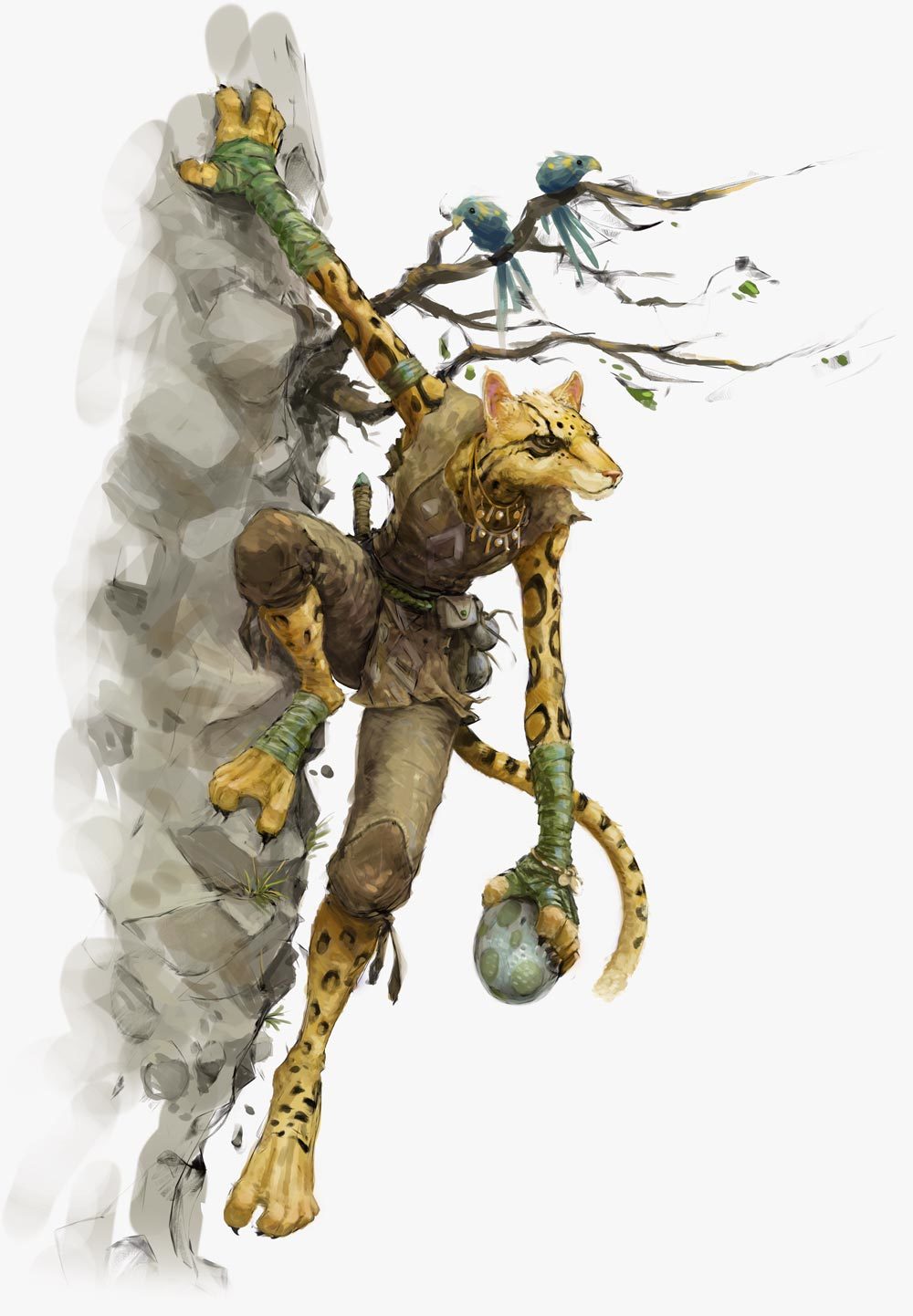
SOURCE:
Source: Volo's Guide to Monsters p. 104
Thri-kreen 🍺
"Drik, nictck-chital. Prict chik-tic-tic-tic, pract nictck-ch bract ick-click. Pree nack chik-tick?"
-Clicky, Thri-Kreen ranger
"I have no idea what he's saying half the time."
-Hassleus Meddlit, Gnome wizard
Fierce hunters and faultless trackers, the thri-kreen are a race of insect-folk sometimes known as “mantis warriors.” They are inscrutable, alien creatures; those who do not know them well believe them to be bloodthirsty monsters. Nomadic folk who spend their brief lives roaming vast distances of the deserts, scrublands, and savannas of the south, thri-kreen are near-perfect hunters.
Mantis Warriors
A thri-kreen resembles a bipedal praying mantis. Its body’s exoskeleton is sandy yellow in color. Of the body’s six limbs, the lower two are used for walking, and the upper four end in four-fingered, clawlike hands. Thri-kreen have large, dangerous mandibles and compound eyes. Two small antennae sprout from the tops of their heads. They wear little clothing beyond simple harnesses for carrying weapons and equipment.
Tight-Knit Groups
Each thri-kreen forms deep attachments with a handful of other individuals, regarding them as clutch-mates, companions to be defended with one’s own life if need be. All others outside this small group of companions are strangers and enemies, although thri-kreen are intelligent enough to recognize that one traveling alone in the lands of other folk would be wise to keep such observations to oneself.
Thri-Kreen Communication
Thri-kreen employ a language without words. To show emotion and reaction, a thri-kreen clacks its mandibles and waves its antennae, giving other thri-kreen a sense of what it is thinking and feeling. Other creatures find this manner of communication difficult to interpret and impossible to duplicate. When forced to interact with creatures of other intelligent species, thri-kreen employ alternative methods of communication, such as drawing pictures in sand or making pictures out of twigs or blades of grass. More civilized thri-kreen take to learning Common, but cannot speak it, due to their mandible structure.
Limited Emotions
Thri-kreen experience the full range of emotions but aren't as prone to emotional outbursts as humans. Thri-kreen with psionic ability often demonstrate a wider range of emotions, particularly if they live near or interact with humans or other highly emotional creatures.
Hunter-Gatherers
Thri-kreen view themselves as noble hunters and judge other folk on the simple relationship of predator to prey. They respect barbarians, rangers, and others who live off the land and treat the land with care. On the other hand, savage and evil races such as gnolls and orcs despoil the lands that should be hunted with respect, and thus earn the thri-kreen’s enmity. The mantis warriors generally regard city folk and farmers of other races as not-hunters, and therefore not worth their attention (but also unworthy of their enmity).
Thri-Kreen Names
Thri-kreen make no distinction between male and female names, and they do not use a surname.
Thri-Kreen Names: Chak-tha, Drik-chkit, Kacht-ta, Kat’chka, Pak’cha, Pik-ik-cha, Ptekwe, Tak-tha, Tik-tik.
Thri-Kreen Traits
Your thri-kreen character has a number of abilities unique to the thri-kreen race.
Ability Score Increase. Your Dexterity score increases by 1.
Age. Thri-kreen have relatively short lifespans, reaching maturity after only 2 years. On average, thri-kreen live about 30 to 35 years, though there are Thri-kreen legends about one of their number who lived almost 4 times as long as normal.
Alignment. Thri-kreen have virtually no social structure other than the clutches they form with their closest allies. The notion of sophisticated rules for social behavior is foreign to them. They are almost always chaotic in alignment, and often neutral with respect to good and evil.
Size. Thri-kreen tend to hunch when walking around, appearing to be as tall as a human. When fully upright, a thri-kreen stands between 6 and 7 feet tall. They weigh about 150 pounds on average. Your size is Medium.
Speed. Your base speed is 30 feet.
Darkvision. You can see in dim light within 60 feet of you as if it were bright light, and in darkness as if it were dim light. You can't discern color in darkness, only shades of gray.
Natural Jumper. Thri-Kreen have powerful legs, allowing for jumps that many other humanoids consider impossible. You have advantage on Strength (Athletics) checks made when jumping. You do not need a running start to perform a long jump or high jump.
Four Arms. You have four arms with which to hold things. Two of them are smaller minor arms, and cannot hold shields or attack with weapons. The minor arms may manipulate objects and perform the somatic components of spells. These extra arms do not grant extra attacks beyond those which you are normally granted. Finally, you may interact with an additional object (like drawing or stowing something) each turn.
Sleepless. You don't require sleep to function. As such, magic can't put you to sleep. You still must take long rests and can perform nothing more than a light task during said rest.
Languages. You can comprehend, read, and write Common, and can speak Thri-Kreen. Thri-Kreen is a language that is seemingly wordless, where thoughts and ideas are conveyed through specific clacking of mandibles, waving of antennae, and gesturing of hands. Only thri-kreen have the physical features necessary to speak the language properly.
Thri-Kreen Weapon Training. You are proficient with both the Gythka and Chatkcha. They are Martial weapons, and you may take them as starting equipment if your class allows you to take a martial weapon normally.
Subraces. Thri-Kreen society is broken up into two subraces, the Psions, those endowed with psionic powers, and the Hunters, who patrol the savannas. Choose one of these subraces.
Hunter
Thri-kreen of this subrace are stronger and tougher than other thri-kreen. They possess a potent venom used to subdue their prey, as well as a hardened exoskeleton. Thri-kreen hunters generally have a very simplistic view of the world and little to no empathy toward others. These thri-kreen are well-suited to the roles of fighters, rangers, or barbarians.
Ability Score Increase. Your Strength or Constitution score increases by 1.
Chitinous Carapace. Your carapace is thicker and more resilient than that of other thri-kreen. When you aren’t wearing armor, your armor class equals 12 + your Dexterity modifier. You cannot wear heavy armor due to your
unusual anatomy.
Dasl Weapons. You secrete a resin-like saliva
called dasl. This saliva can be used to create
a variety of slashing and piercing weapons.
During a long rest, you may use your  dasl to create one gythka, spear, or javelin from an existing quarterstaff, as well as maximum of 5 chatkchas or daggers. Dasl weapons are very fragile, and must be remade every 24 hours to maintain effectiveness. A non thri-kreen character is not proficient with dasl weapons. When you roll a 1 on an attack made with a dasl weapon, the weapon shatters and becomes unusable. dasl gythkas, spears, and javelins that shatter in this way become ordinary quarterstaves.
Psion
Thri-kreen of this subrace possess greater power of the mind than their kin, but are slightly weaker than their hunter counterparts. They develop limited psionic abilities and a natural camouflage ability. Thri-kreen psions tend to have a greater emotional and intellectual range than other thri-kreen, which allows them a more sophisticated view of their world. These thri-kreen make excellent scouts, assassins, and spellblades.
Ability Score Increase. Your Wisdom or Intelligence score increases by 1.
Chameleon Carapace. You can change the color of your carapace to match the color and texture of your natural surroundings as a bonus action. Once changed, your camouflage lasts until your next short or long rest and grants you advantage on Dexterity (Stealth) checks made to hide in the matched terrain. Moving out of the matched terrain, such as by moving indoors or by moving to an area with different vegetation or rocks (usually any area over 100 feet from where you first camouflaged), you lose this advantage.
Additionally, you cannot wear heavy armor due to your unusual anatomy.
Innate Psionics. You know the mage hand cantrip. Once you reach 3rd level, you can cast blur (targeting only yourself) once per day with this ability. When you reach 5th level, you may also cast magic weapon once per day.
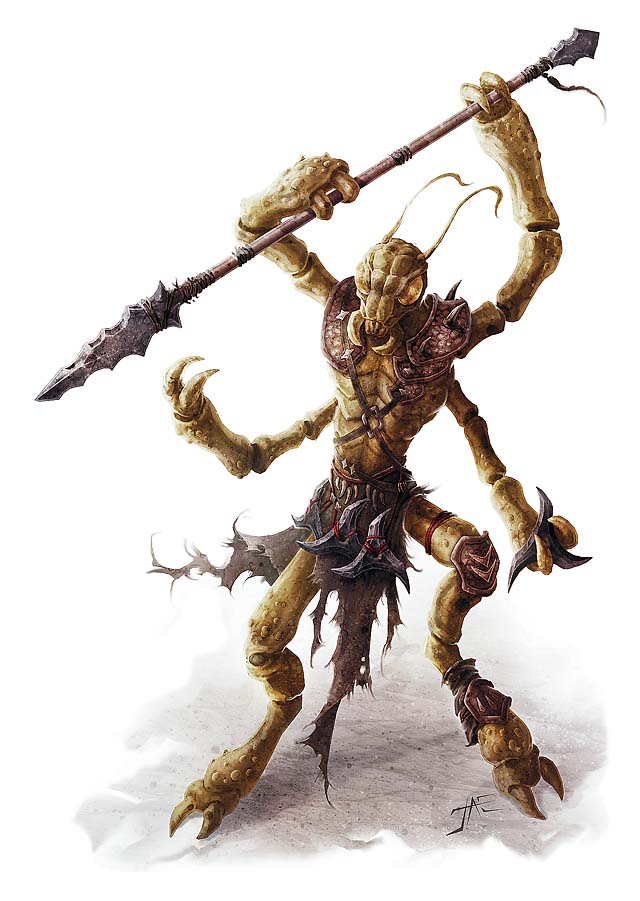
Tibbit 🍺
Tibbits, which are often called catweres, are small humanoid creatures which possess ability to turn into a common house cat. Most people believe that their race originated from a deluded wild mage that attempted to polymorph into a cat, but if you ask a tibbit, you’ll get a different story every time. Tibbits are few in number, and their tendency to spread across the world leaves them lacking in racial unity. Much like the felines they resemble, tibbits are independent, curious, and quick in both body and mind. Rarely does a tibbit settle down, driven by a wanderlust that kicks in shortly after reaching adulthood.
Curious Souls
Tibbits, as befits their heritage, are moody, curious, and sometimes arrogant. Many tibbits prefer the comforts of a fine meal, stiff drink, and a soft couch. Even the most decadent tibbit, however, eventually succumbs to the steady pull of its curiosity. A tibbit might spend years living off the treasures it won in adventure, only to suddenly strike out into the unknown once again.
Flighty but Firm
When dealing with others, tibbits show a similar capability to change their attitudes and posture depending on their moods. A tibbit might act relaxed and languid one moment, alert and inquisitive the next. They tend to have a slightly distant, arrogant attitude toward others, as if tibbits, as a race, share a colossal, secret joke over other intelligent creatures. Still, once a tibbit marks someone as a friend, few other creatures match their devotion. A tibbit might complain about a friend's needs or tend toward laziness, but when trouble arises they are dauntless allies.
Feline Forms
In humanoid form, tibbits are small, stealthy, dark-skinned people with pointed ears and catlike eyes. Their hair tends to grow thick and long, and males tend to grow sideburns. Their skin tones range from a tawny brown to black, but occasionally a tibbit has pure white skin. Their hair color matches the wide range of colors found in house cats, from pure white to striped silver to deep black. In their cat form, tibbits look like fat but energetic house cats. They appear identical to—and indistinguishable from—any common, domesticated breed.
Curious and Amused
Tibbits view everything through their guise as house cats. As such, they see how other races act when they think no one else is around. To a tibbit, every intelligent creature is a bundle of secrets waiting to unfurl.
Tibbit Names
Tibbits tend to adopt names based on their physical traits and deeds. A tibbit kitten is given a nickname by her parents that reflects her temperament and appearance. When a tibbit comes of age, she adopts a name of her choice. Tibbits tend to pick names from other folk, usually based solely on the sound.
Strangers and business partners use the name a tibbit picks for herself, while the tibbit's close friends and family use the original nickname chosen by her parents. A tibbit allows only her closest friends to learn and use her nickname. A nontibbit given such a privilege has received one of the highest honors a tibbit can grant to an outsider.
As a tibbit travels the world, she adopts a surname that reflects her experiences and important deeds. A tibbit usually changes her surname after such an event, but her true name uses all of her adopted surnames from childhood onward, and not just her latest one. When two tibbits meet, they share these long-form names to express their pasts with one another.
Parent-Bestowed Names: Blackpaw, Glittereye, Longear, Patchfur, Quickfang, Tumblepaw
Chosen Names: Anisa, Leo, Mischa, Nikko, Shalimar, Soey, Tipp
Surnames: Barrelrider, Cavelooker, Dogjumper, Shadeslayer, Wirewalker
Tibbit Traits
You share the following feline characteristics with other tibbits.
Ability Score Increase. +2 Dexterity.
Age. Tibbits reach adulthood around the age of 20, and can live to be 400 years old.
Alignment. Tibbits are curious and impulsive. Their mercurial nature leads them towards chaotic alignments, while their innate indifference leads them towards neutrality.
Size. Tibbits stand about 3 feet tall. Your size is Small
Speed. Your base walking speed is 25 feet.
Darkvision. Accustomed to twilit forests and the night sky, you have superior vision in dark and dim conditions. You can see in dim light within 60 feet of you as if it were bright light, and in darkness as if it were dim light. You can’t discern color in darkness, only shades of gray.
Keen Senses. You have proficiency with the Perception skill.
Feline Speech. You have the ability to speak to and understand cats. Of course, cats can choose to simply ignore you, as they are wont to do.
Nine Lives. Whenever you make a death saving throw, you can add your proficiency bonus to the roll.
Feline Form. You can use your action to transform into a cat. You can revert to your normal form earlier by using a bonus action on your turn. You automatically revert if you fall unconscious, drop to 0 hit points, or die. While you are transformed, the following rules apply:
Your game statistics are replaced by the cat’s statistics, but you retain your alignment, personality, hit points, and Intelligence, Wisdom, and Charisma scores. You also retain all of your skill and saving throw proficiencies, and also gain those of the cat. If the cat has the same proficiency as you and the bonus in its stat block is higher than yours, use the cat’s bonus instead of yours.
You can add your proficiency bonus to the cat’s attack and damage rolls.
You can’t cast spells, speak, or take any action that a cat cannot. Transforming doesn’t break your concentration on a spell you’ve already cast, however, or prevent you from taking actions that are part of a spell, such as call lightning, that you’ve already cast.
You retain the benefit of any features from your class, race, or other source and can use them if a cat is physically capable of doing so. However, you can’t use any of your special senses, such as darkvision.
When you transform, your equipment merges with your cat form, and has no effect until you leave the form.
Languages. You can speak, read, and write Common.

Tiefling
"But you do see the way people look at you. devil's child." Those black eyes, cold as a winter storm, were staring right into her heart and the sudden seriousness in his voice jolted her. "What is it they say?" he asked. "One's a curiosity, two's a conspiracy—" "Three's a curse," she finished. "You think I haven't heard that rubbish before?" "I know you have." When she glared at him, he added, "It's not as if I'm plumbing the depths ofyour mind, dear girl. That is the burden of every belling. Some break under it, some make it the millstone around their neck, some revel in it." He tilted his head again, scrutinizing her, with that wicked glint in his eyes. "You fight it, don't you? Like a little wildcat, I wager. Every little jab and comment just sharpensyour claws." —Erin M. Evans, Brimstone Angels
To be greeted with stares and whispers, to suffer violence and insult on the street, to see mistrust and fear in every eye: this is the lot of the tiefling. And to twist the knife, tieflings know that this is because a pact struck generations ago infused the essence of Asmodeus—overlord of the Nine Hells—into their bloodline. Their appearance and their nature are not their fault but the result of an ancient sin, for which they and their children and their children's children will always be held accountable.
Infernal Bloodline
Tieflings are derived from human bloodlines, and in the broadest possible sense, they still look human. However, their infernal heritage has left a clear imprint on their appearance. Tieflings have large horns that take any of a variety of shapes: some have curling horns like a ram, others have straight and tall horns like a gazelle's, and some spiral upward like an antelopes' horns. They have thick tails, four to five feet long, which lash or coil around their legs when they get upset or nervous. Their canine teeth are sharply pointed, and their eyes are solid colors—black, red, white, silver, or gold—with no visible sclera or pupil. Their skin tones cover the full range of human coloration, but also include various shades of red. Their hair, cascading down from behind their horns, is usually dark, from black or brown to dark red, blue, or purple.
Self- Reliant and Suspicious
Tieflings subsist in small minorities found mostly in human cities or towns, often in the roughest quarters of those places, where they grow up to be swindlers, thieves, or crime lords. Sometimes they live among other minority populations in enclaves where they are treated with more respect.
Lacking a homeland, tieflings know that they have to make their own way in the world and that they have to be strong to survive. They are not quick to trust anyone who claims to be a friend, but when a tiefling's companions demonstrate that they trust him or her, the tiefling learns to extend the same trust to them. And once a tiefling gives someone loyalty, the tiefling is a firm friend or ally for life.
Tiefling Names
Tiefling names fall into three broad categories. Tieflings born into another culture typically have names reflective of that culture. Some have names derived from the Infernal language, passed down through generations. that reflect their fiendish heritage. And some younger tieflings, striving to find a place in the world, adopt a name that signifies a virtue or other concept and then try to embody that concept. For some, the chosen name is a noble quest. For others, it's a grim destiny.
A great many tiefling parents follow the naming conventions of the culture in which their offspring are born, such as using human names if they live in a human settlement (the better to seem like "normal" citizens). Others take names derived from the Infernal language that have been passed down since ancient times.
In addition, some Faerunian tieflings have names drawn from the language of cultures where they are relatively common and generally accepted, such as Calishite and Mulhorandi, which are foreign-sounding to folk in the North and along the Sword Coast.
Al-Khem and Beni-Asmodai are two common Calishite tiefling surnames that proclaim the race's heritage, along with first names such as Haroun, Ishaq, and Nizam (male) or Hania, Rashaa, and Zaar (female).
Mulhorandi surnames that begin with "Sia" or "Zia" followed by a god's name indicate a bearer of that god's bloodline, such as Zianhur and Siasobek. First names commonly seen among Mulhorandi tieflings include Aybtep ("horned"), Bahati ("wise soul"), Het ("smoke"), Kamen ("dark"), Katsu ("star born"), and Kohl ("dark eyed").
Male Infernal Names: Akmenos, Amnon, Barakas, Damakos, Ekemon, lados, Kairon, Leucis, Melech, Mordai, Morthos, Felaios, Skamos, Therai
Female Infernal Names: Akta, Anakis, Bryseis, Criella, Damaia, Ea, Kallista, Lerissa, Makaria, Nemeia, Orianna, Phclaia, Ricta
"Virtue" Names: Art, Carrion, Chant, Creed, Despair, Excellence, Fear, Glory, Hope, Ideal, Music, Nowhere, Open, Poetry, Quest, Random, Reverence, Sorrow, Temerity, Torment, Weary
Mutual Mistrust
People tend to be suspicious of tieflings, assuming that their infernal heritage has left its mark on their personality and morality, not just their appearance. Shopkeepers keep a close eye on their goods when tieflings enter their stores, the town watch might follow a tiefling around for a while, and demagogues blame tieflings for strange happenings. The reality, though, is that a tiefling's bloodline doesn't affect his or her personality to any great degree. Years of dealing with mistrust does leave its mark on most tieflings, and they respond to it in different ways. Some choose to live up to the wicked stereotype, but others are virtuous. Most are simply very aware of how people respond to them. After dealing with this mistrust throughout youth, a tiefling often develops the ability to overcome prejudice through charm or intimidation.
The Mark of Asmodeus
During the Spellplague, Asmodeus consumed the divine spark of Azuth and thereby achieved godhood. Subsequently, Asmodeus and a coven of warlocks, the Toril Thirteen, performed a rite wherein the archdevil claimed all tieflings in the world as his own, cursing them to bear "the blood of Asmodeus." This act marked all tieflings as "descendants" of the Lord of the Nine Hells, regardless of their true heritage, and changed them into creatures that resembled their supposed progenitor. The other folk of Faerun, unnerved by the appearance of these devil-beings, became suspicious of all tieflings and occasionally hostile to them.
In spite of what some people believe, however, Asmodeus exerts no power over his "children," and tieflings today are as free-willed and willful as they ever have been. Some do choose to serve the Lord of the Nine Hells and his schemes, while others align themselves with different fiendish factions, or none at all, doing their best to stay out of infernal politics.
Since the ritual that spread the curse of Asmodeus a century ago, tieflings have been born on Faerun that belong to other infernal bloodlines, but those that bear the mark of the archdevil (and their descendants) remain the most numerous examples of their kind by far.
A Race Without a Home
As offspring of the infernal, tieflings call no place in Faerun their own, although some places and nations are more tolerant of them than most.
In the North, the largest population of tieflings is found in Neverwinter. Since the Ashmadai, a violent cult dedicated to Asmodeus, is also active in the city, mistrust of tieflings isn't unusual even here, since folk never know if a tiefling is a member of the Ashmadai or was drawn to Neverwinter by the opportunity to blend in that a metropolis provides.
Small and scattered groups of tieflings are found elsewhere across Faerun, particularly in cosmopolitan cities (where they can be anonymous to some degree) and in rough and poor settlements that welcome anyone who can help them survive and prosper.
Tieflings are common in Calimshan, to the south, where many of them fought for the djinn as mercenaries and now serve other masters with the coin to pay them. In the east, many tieflings dwell in Aglarond-escaped slaves from Thay or their descendants- and in Mulhorand, where tieflings are believed to carry the blood of the ancient Mulhorandi gods themselves.
Lone Faithful
Although many Faerunian folk believe that all tieflings worship Asmodeus and the Lords of the Nine Hells, the truth is that only a fraction of them do so, but enough are devil- or demon-worshipers to lend the weight of truth to all the rumors and suspicion.
Tieflings who revere a god other than Asmodeus often worship deities who watch over and care for outsiders, including Ilmater, Mask, Selune, Shar, and Tymora. Gods of knowledge, survival, cunning, and warfare are also common attractions for tieflings who value those qualities. Beshaba has tiefling worshipers who consider the accident of their birth as a kind of cruel joke they have chosen to embrace.
Equally intriguing and disturbing to followers of some faiths in Faerun are stories spread by tieflings who claim to have visions in which the gods of Faerun appear to them modeled in the tieflings' own image. One such is the entity they call the "pale horned goddess of the moon" (Selune); another is the "dark, devilish lady of fortune" (Tymora)- an indication, tieflings say, that one's outward appearance and bloodline are less important to the gods than the heart and soul within.
Tiefling Traits
Tieflings share certain racial traits as a result of their infernal descent.
Ability Score Increase. Your Charisma score increases by 2.
Age. Tieflings mature at the same rate as humans but live a few years longer.
Alignment. Tieflings might not have an innate tendency toward evil, but many of them end up there. Evil or not. anindependent nature inclines many tieflings toward a chaotic alignment.
Size. Tieflings are about the same size and build as humans. Your size is Medium.
Speed. Your base walking speed is 30 feet.
Darkvision. Thanks to your infernal heritage, you have superior vision in dark and dim conditions. You can see in dim light within 60 feet of you as if it were bright light, and in darkness as if it were dim light. You can't discern color in darkness, only shades of gray.
Languages. You can speak, read, and write Common.
Subraces This variant introduces new subraces for the tiefling. Each subrace offers traits in addition to the ones noted above. The race presented above is the infernal tiefling, which is summarized here for ease of reference.
Infernal Tiefling
An infernal tiefling draws upon the power of the Nine Hells and its diabolic masters. These tieflings have the following additional features.
Ability Score Increase. +1 Intelligence.
Hellish Resistance. You have resistance to fire damage.
Infernal Legacy. You know the thaumaturgy cantrip. Once you reach 3rd level, you can cast the hellish rebuke spell once per day as a 2nd-level spell. Once you reach 5th level, you can also cast the darkness spell once per day. Charisma is your spellcasting ability for these spells. .
Languages. You can speak, read, and write Infernal.
Abyssal Tiefling
All abyssal tieflings trace their bloodline to the demons of the Abyss. These tieflings have the following additional features.
Ability Score Increase. +1 Constitution.
Abyssal Arcana. Each time you finish a long rest, you gain the ability to cast cantrips and spells randomly determined from a short list. Alternatively, if you have the means to randomly select from the entire spell list, you can randomly gain any spell of cantrip, First level, and third level.
At 1st level, you can cast a cantrip. When you reach 3rd level, you can also cast a 1st-level spell. At 5th level, you can cast a 2nd-level spell.
You can cast a spell gained from this trait only once until you complete your next long rest. You can cast a cantrip gained from this trait at will, as normal. For 1st-level spells whose effect changes if cast using a spell slot of 2nd level or higher, you cast the spell as if using a 2nd-level slot. Spells of 2nd level are cast as if using a 2nd-level slot.At the end of each long rest, you lose the cantrips and spells previously granted by this feature, even if you did not cast them. You replace those cantrips and spells by rolling for new ones on the Abyssal Arcana Spells table. Roll separately for each cantrip and spell. If you roll the same spell or cantrip you gained at the end of your previous long rest, roll again until you get a different result.
Abyssal Arcana Spells
| d6 | 1st Level | 3rd Level | 5th Level |
|---|---|---|---|
| 1 | Dancing lights | Burning hands | Alter self |
| 2 | True strike | Charm person | Darkness |
| 3 | Light | Magic missile | Invisibility |
| 4 | Message | Cure wounds | Levitate |
| 5 | Spare the dying | Tasha’s hideous laughter | Mirror image |
| 6 | Prestidigitation | Thunderwave | Spider climb |
Abyssal Fortitude. Your hit point maximum increases by 1, and it increases by 1 every time you gain a level.
Languages. You can speak, read, and write Abyssal.
Asmodeus
The tieflings connected to Nessus command the power of fire and darkness, guided by a keener than normal intellect, as befits those linked to Asmodeus himself.
These Tieflings use the standard Infernal Subrace/
Baalzebul
The crumbling realm of Maladomini is ruled by Baalzebul, who excels at corrupting those whose minor sins can be transformed into acts of damnation. Tieflings linked to this layer can corrupt others both physically and psychically.
Ability Score Increase. +1 Intelligence.
Legacy of Maladomini. You know the thaumaturgy cantrip. When you reach 3rd level, you can cast the ray of sickness spell as a 2nd level spell once with this trait and regain the ability to do so when you finish a long rest. When you reach 5th level, you can cast the crown of madness spell once with this trait and regain the ability to do so when you finish a long rest. Charisma is your spellcasting ability for these spells.
Languages. You can speak, read, and write Infernal.
Dispater
The great city of Dis occupies most of Hell’s second layer. It is a place where secrets are uncovered and shared with the highest bidder, making tieflings tied to Dispater excellent spies and infiltrators.
Ability Score Increase. +1 Dexterity.
Legacy of Dis. You know the thaumaturgy cantrip. When you reach 3rd level, you can cast the disguise self spell once with this trait and regain the ability to do so when you finish a long rest. When you reach 5th level, you can cast the invisibility spell once with this trait and regain the ability to do so when you finish a long rest. Charisma is your spellcasting ability for these spells.
Languages. You can speak, read, and write Infernal.
Fierna
A master manipulator, Fierna grants tieflings tied to her forceful personalities.
Ability Score Increase. +1 Wisdom.
Legacy of Phlegethos. You know the friendsm cantrip. When you reach 3rd level, you can cast the charm person spell as a 2nd-level spell once with this trait and regain the ability to do so when you finish a long rest. When you reach 5th level, you can cast the suggestion spell once with this trait and regain the ability to do so when you finish a long rest. Charisma is your spellcasting ability for these spells.
Languages. You can speak, read, and write Infernal.
Glasya
Glasya, Hell’s criminal mastermind, grants her tieflings useful magic in committing heists.
Ability Score Increase. +1 Dexterity.
Legacy of Malbolge. You know the minor illusion cantrip. When you reach 3rd level, you can cast the disguise self spell once with this trait and regain the ability to do so when you finish a long rest. When you reach 5th level, you can cast the invisibility spell once with this trait and regain the ability to do so when you finish a long rest. Charisma is your spellcasting ability for these spells.
Languages. You can speak, read, and write Infernal.
Levistus
Frozen Stygia is ruled by Levistus, an archdevil known for offering bargains to those who face an inescapable doom.
Ability Score Increase. +1 Constitution.
Legacy of Stygia. You know the ray of frost cantrip. When you reach 3rd level, you can cast the armor of Agathys spell as a 2nd-level spell once with this trait and regain the ability to do so when you finish a long rest. When you reach 5th level, you can cast the darkness spell once with this trait and regain the ability to do so when you finish a long rest. Charisma is your spellcasting ability for these spells.
Languages. You can speak, read, and write Infernal.
Mammon
The great miser Mammon loves coins above all else. Tieflings tied to him excel at gathering and safeguarding wealth.
Ability Score Increase. +1 Intelligence.
Legacy of Minauros. You know the mage hand cantrip. When you reach 3rd level, you can cast the Tenser’s floating disk spell once with this trait and regain the ability to do so when you finish a short or long rest. When you reach 5th level, you can cast the arcane lock spell once with this trait, requiring no material component, and regain the ability to do so when you finish a long rest. Charisma is your spellcasting ability for these spells.
Languages. You can speak, read, and write Infernal.
Mephistopheles
In the frozen realm of Cania, Mephistopheles offers arcane power to those who entreat with him. Tieflings linked to this place master some arcane magic.
Ability Score Increase. +1 Intelligence.
Legacy of Cania. You know the mage hand cantrip. When you reach 3rd level, you can cast the magic missile spell as a 2nd-level spell once with this trait and regain the ability to do so when you finish a long rest. When you reach 5th level, you can cast the web spell once with this trait and regain the ability to do so when you finish a long rest. Charisma is your spellcasting ability for these spells.
Languages. You can speak, read, and write Infernal.
Zariel
Tieflings with a blood tie to Zariel are stronger than the typical tiefling and receive magical abilities that aid them in battle.
Ability Score Increase. +1 Strength.
Legacy of Avernus. You know the thaumaturgy cantrip. When you reach 3rd level, you can cast the searing smite spell as a 2nd-level spell once with this trait and regain the ability to do so when you finish a long rest. When you reach 5th level, you can cast the branding smite spell once with this trait and regain the ability to do so when you finish a long rest. Charisma is your spellcasting ability for these spells.
Languages. You can speak, read, and write Infernal.
Tiefling Variants
Since not all tieflings are of the blood of Asmodeus, some have traits that differ from the normal Tiefling. The Dungeon Master may permit the following variants for your tiefling character, although Devil's Tongue, Hellfire, and Winged are mutually exclusive.
Appearance. Your tiefling might not look like other tieflings. Rather than having the previously mentioned physical characteristics, choose from the following features: small horns; fangs or sharp teeth; a forked tongue; catlike eyes; six fingers on each hand; goatlike legs; cloven hoofs; a forked tail; leathery or scaly skin; red or dark blue skin; cast no shadow or reflection; exude a smell of brimstone.
Feral. Your Intelligence score increases by 1 , and your Dexterity score increases by 2. This trait replaces the Ability Score Increase trait.
Devil's Tongue. You know the vicious mockery cantrip. When you reach 3rd level, you can cast the charm person spell as a 2nd-level spell once with this trait. When you reach 5th level , you can cast the enthrall spell once with this trait .
You must finish a long rest to cast these spells once again with this trait. Charisma is your spellcasting ability for them.
This trait replaces the Infernal Legacy trait, Abyssal Arcana trait, or your alternate racial spell casting trait.
Hellfire. Once you reach 3rd level , you can cast the burning hands spell once per day as a 2nd-level spell.
This trait replaces the Infernal Legacy trait, Abyssal Arcana trait, or your alternate racial spell casting trait.
Winged. You have bat-like wings sprouting from your shoulder blades. You have a flying speed of 30 feet.
This trait replaces the Infernal Legacy trait, Abyssal Arcana trait, or your alternate racial spell casting trait.
Tortle
I caught a big fish. Now I search for a good friend To share my lunch with. —Tortle haiku
What many tortles consider a simple life, others might call a life of adventure. Tortles are born near sandy coastlines, but as soon as they're able to walk on two legs, they become nomad survavalists eager to explor the wilderness, experience its many wonders, put their skills to the test, and make new acquaintances.
Life of a Tortle
A tortle haches from a thick-shelled egg and spends the first few weeks of its life crawling on all fours. Its parents, old and near death, spend what little time they have left telling stories to their offspring. Within a year, the young tortle becomes an orphan, though not before it learns to speak and to survive on its own.
A young tortle and its siblings inherit whatever tools, weapons, and gifts their parents left behind. Each young tortle is expected to fend for itself. It leaves the place of its birth and finds its own corner of the wilderness in which to hunt, catch fish, and get by. With each passing year, a tortle hones its survival skills. It forms friendships with its neighbors while also respecting their privacy. At some point, a tortle feels an almost overwhelming urge to venture away from home and see more of the world. It gathers up its possessions and heads into the wilderness, returning months or years later with stories of its exploits and new skills.
Whhen a tortle nears the end of its natural lifespan, it seeks out a mate and procreates. tortles lay their eggs(numbering a few as one to as many as a dozen) in a fortified compound enclosed by stone walls that are easily defensible. If no such compounds exists, they build one. The parents spend the remainder of their lives guarding the compound, defending their offspring, and sharing a lifetime of knowledge before they die. When the children are old enough to leave the compound, they pick up whatever weapons and tools their parents left behind and set out on their own.
Beliefs
Tortles don't have their own pantheon of gods, but they often worship the gods of other races. It's not unusual for a tortle to hear stories or legends related to a god and choose to worhsip that deity. In the Forgotten Realms, tortles are especially fond of Eldath, Gond, Lathander, Savras, Selune, and Tymora. In the Greyhawk setting they gravitate towards Celestian, Fharlarnghn, Pelor, Pholtus, and St. Cuthbert. Tortles are often drawn to the Gods of Good in Dragonlance and the Sovereign Host in Eberron. Among the nonhuman dieties, moradin and Yondalla relate to tortles most of all.
Tortles believe that night and day watch over them and other creatures. The moon is the eye of night that watches over them in darkness, and the sun is the equally viglant eye of day. Tortles feel most at peace when one or both of these "eyes" are looking down on them. They become more nervous and uneasy when neither orb is visable in the sky. Tortles tend to be more uncomfortable underground, where neither the sun nor the moon is visible to them.
Blessed are the days when both the sun and moon are visible in the sky at the same time. Tortles often those such days to leave their homes and begin a wilderness expedition, or perform some other task they know to be dangerous.
Adventurers at Heart
Tortles have a saying: "We wear our homes on our backs." The shells they carry around provide all the shelter they require. Consequently, tortles don't feel the need to root themselves in one place for too long. A tortle settlement is primarily used as a kind of moot, where tortles can socialize with one another, share useful information, and trade with strangers in the safety of greater numbers. Tortles don't regard these settlements as places worth defending with their lives, and they will abandon a settlement when it no longer serves their needs.
Most tortles like to see how other creatures live and discover new customs and a new way of doing things. The urge to procreate doesn't kick in until the end of a tortle's life, and a tortle can spend decades away from its native land without feeling homesick.
Tortles embrace a simple view of the world. It is a place of wonder, and tortles see beauty in the ordinary. They live for the chance to hear a soft wind blowing through palm trees, to watch a frog croaking on a lily pad, or to stand in a crowded human marketplace.
Tortles like to learn new skills. They craft their own tools and weapons, and they are good at building structures and fortifications. They marvel at the work of other civilized creatures, humans in particular, and can lose themselves for years in a city studing its architechtural wonders and learning skills they can put to use when building forts to contain their offspring.
Although they spend a considerable portion of their lives in isolation, tortles are social creatures that like to form meaningful friendships. They have no inbred animus towards people of other races. In fact, a tortle will often seek out friendships with non-tortle races to learn new costums and new points of view.
Tortle names
tortles prefer simple, non-gender-specific names that are usually no more than two syllables. If a tortles doesn't like its name for whatever reason, it can change it. A tortle might change its name a dozen times in a lifetime. Tortles don't have surnames or family names.
Male and Female Names: Baka, Damu, Gar, Gura, Ini, Jappa, Kinlep, Krull, Lim, Lop, Nortle, Nulka, Olo, Ploqwat, Quee, Queg, Quott, Sunny, Tibor, Ubo, Uhok, Wabu, Xelbuk, Xopa, Yog
Tortle Traits
Your tortle character gains traits that enable it to cope with the perils of a savage world.
Ability Score Increase Your Strength score increases by 2, and your Wisdom score increases by 1.
Age. Young tortles, crawl for a few weeks after birth before learning to walk on two legs. They reach adult-hood
by the age of 15 and live to an average of 50 years.
Alignment Tortles tend to lead orderly, ritualistic lives. They develop customs
and routines, becoming more set in their ways as they age. Most are lawful
good. A few can be selfish and greedy, tending more twoards evil, but it's
unusual for a tortle to shuck off order in favor of chaos.
Size. Tortle Adults stand at 5 to 6 feet tall and average
450 pounds. Their shell accounts for roughly on-third
of their weight. Your size is medium.
Speed Your base walking speed is 30 feet.
Claws. Your claws are natural weapons, which
you use to make unarmed strikes. If you hit
with them, you deal slashing damage equal to
1d4 + your Strength Modifier, instead of
bludgeoning damage normal for an unarmed
strike.
Hold Breath You can hold your breath for up to
1 hour at a time. Tortles aren't natural swimmers, but they
can remain underwater for some time before needing to come
up for air.
Natural Armor. Due to your shell and the shape of your body, you
are ill-suited to wearing armor. Your shell provides ample protection,
however; it gives you a base AC of 17 (your Dexterity modifier doesn't affect
this number). You gain no benefit from wearing armor, but if you are using a
shield, you can apply the shield's bonus as normal.
Shell Defense. You can withdraw into your shell as an action. Until you
emerge, you gain a +4 bonus to AC, and you have advantage on Strength and
Constitution saving throws.
While in your shell, you are prone, your speed is 0, and can't increase,
you have disavantage on dexterity saving throws, you can't take reactions,
and the only action you can take is a bonus action to emerge from your
shell.
Survival Instinct. You gain proficiency in the Survival skill. Tortles
have finely honed Survival instincts.
Languages You can speak, read, and write Aquan and Common.
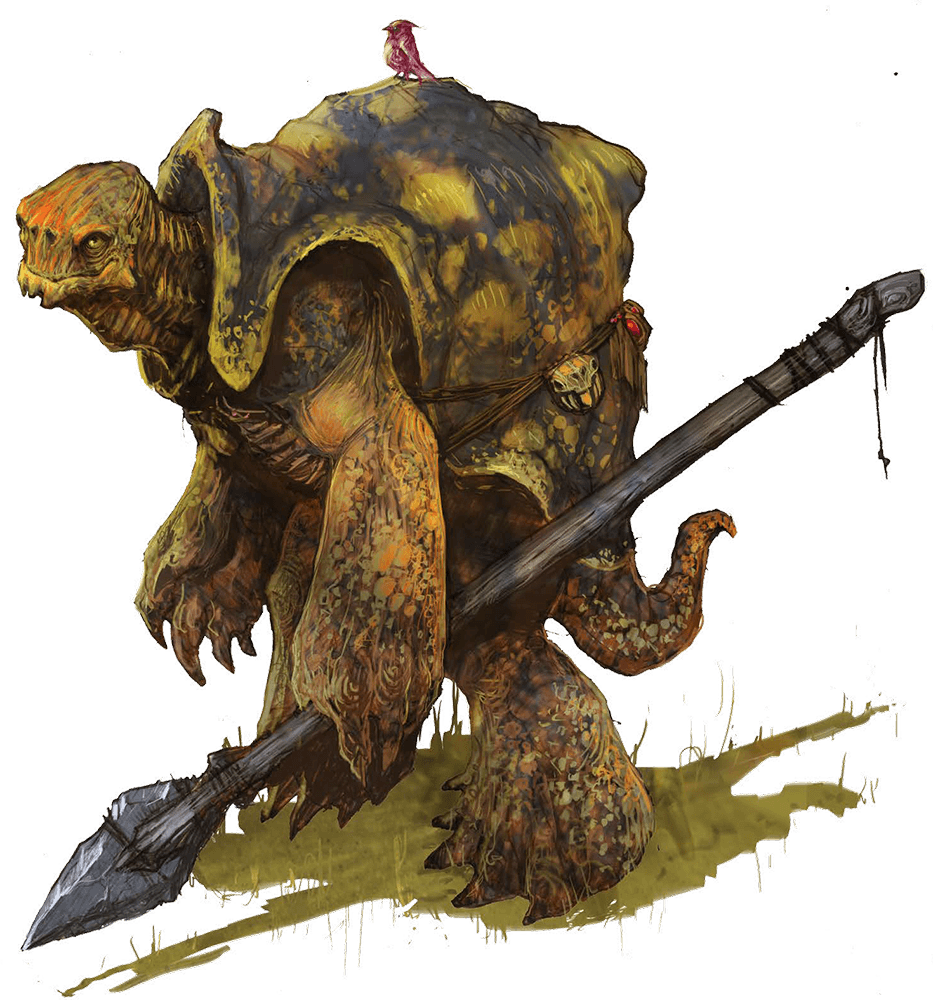
SOURCE:
Source: Tortle Package
Tortugan 🍺
The earth shook in rhythm beneath our feet, long before their marching force came into our view. Ten thousand strong, marching in unison, their shells rising and falling in synchronicity, right up to our very gates. The turtle sentinels stopped at once, and a solitary horn rang out from among their number -- a signal for us to throw open the gates and allow their passage. A long and terrible silence followed as we furtively exchanged glances upon the wall.
-- Sir Tava, on Tortugans marching to Marblewolf
Always on the march, tortugans are a small but fearsome band, preferring to win conflicts through persistence and attrition, rather than wit or brute strength. As their name implies, they are distantly related to turtles, and are similarly squat, with tough skin and prominent shells upon their backs. Never underestimate a tortugan, for the proud "turtle sentinels", as they are called, are equal parts pragmatic and tireless, making for formidable foes and staunch allies.
Persistent Nomads
Tortugans are a nomadic race, known for moving slowly, but constantly, marching for days at a time without ceasing. To eat, they grow some food on the run, using long-held magic to sprout vegetables like onions, turnips, or cabbage on their staves (onions being a particular favorite), and hunt through persistence, pursuing prey on long chases until it simply dies of exhaustion. In this way, no matter how large a marching band of turtle sentinels, it is always selfsustaining, never needing to stop to farm or raid villages for supplies.
Tortugans have stepped foot on almost every continent, have crossed every landbridge and seen every shore. Their endless march takes them far and wide in pursuit of prey, bringing them into conflict with great armies and small outlaw bands alike; all equally have been repelled.
Enduring Traditions
Tortugan elders will often boast that they keep one thousand and one secrets never told to outsiders. Doubtless, such secrets include much of the complex Tortugan language, the means by which they grow vegetables on their staves, and the principles of turtle sentinel combat, but many more are proverbs and maxims that express the tortugan view on the world. When in need, a tortugan always has a nugget of wisdom on hand to lift their spirits and those of their allies.
Tortugan Names
Tortugan names are rooted in the Tortugan language, and are bestowed by a tortugan elder within a week of birth. Speakers of Common sometimes have trouble approximating tortugan names, which might call for complicated pronunciations.
Male Names. Aito, Ghido, Hideo, Iori, Kame, Kato, Okuma, Onaga, Ryoko, Tatsuya
Female Names. Chihomi, Haruko, Kazuko, Mizuko, Nayoko, Omori, Rio, Sadako, Shioko, Tao
Tortugan Traits
As a strong and proud tortugan, you have the following racial traits:
Ability Score Increases. Your Constitution score increases by 2 and your Wisdom score increases by 1.
Age. Among nonmagical races, tortugans are exceptionally long-lived, generally living in excess of 150 years, but sometimes reaching up to 300 years old.
Alignment. Steadfast and certain in their actions, tortugans tend to be lawful. However, there are always those who rebel against tradition and leave their marching tribes; these individuals tend to be chaotic.
Size. Tortugans stand between 3 and 4 feet tall and weigh an average of 120 pounds. Your size is small.
Speed. Your base walking speed is 25 feet.
Armored Shell. Your Armor Class increases by 1.
Powerful Build. You count as one size larger when determining your carrying capacity and the weight you can push, drag, or lift.
Entrench. At the end of a turn on which you did not move, you can use your bonus action dig in your heels and fortify your armor, gaining half-cover from all soures until the beginning of your next turn. You must be wearing medium or heavy armor to use this trait.
Persistent. You have advantage on Constitution saving throws that you make to avoid exhaustion from a forced march.
Turtle Sentinel Training. You have proficiency with the mace, morningstar, pike, quarterstaff, and sling. Additionally, despite your size, you can wield heavy weapons with which you are proficient without penalty.
Languages. You can speak Common and Tortugan. The Tortugan writing system uses several thousand characters, each of which has an intrinsic meaning and most of which have more than one pronunciation, the choice of which depends on context.
Triton
Ah, the Tritons. Imagine if the Elves spent a few centuries far beneath the sea, where their arrogance and pretension could grow undisturbed. At least the tritons spent that time fighting sahuagin and worse, so you know you can count on them in a fight.
--Brego Stoneheart, sea captain
Tritons guard the ocean depths, building small settlements beside deep trenches, portals to the elemental planes, and other dangerous spots far from the eyes of land-bound folk. Long-established guardians of the deep ocean floor, in recent years the noble tritons have become increasingly active in the world above.
Aquatic Crusaders
Centuries ago, tritons entered the world in response to the growing threat of evil elementals. Tritons waged many wars against their enemies on the Plane of Water, driving them into the Darkened Depths where they escaped into the crushing pressure and utter darkness. In time, the tritons noticed that their ancient elemental foes had grown quiet. Expeditions to the depths revealed that krakens, sahuagin, and far worse foes had fled the Plane of Water for the Material Plane. The tritons, driven by a sense of duty and responsibility, would not allow their foes to escape so easily. A great conclave of tritons chose volunteers skilled in weapons and magic as part of an expeditionary force to enter the Material Plane and seek out their enemies. Those tritons spread across the world's oceans and established protectorates to watch over deep sea trenches, portals, undersea caves, and other locations where their enemies might lurk. They defeated their foes when they found them and drove the rest into hiding.
With their foes banished to the deepest reaches of the sea, tritons settled in to watch for any sign of their return. Over time, the tritons extended their stewardship over the sea floor from their initial settlements and built outposts to create trade with other races. Despite this expansion, few folk know of them. Their settlements are so remote even merfolk and sea elves rarely encounter them.
Haughty Nobles
As a result of their isolation and limited understanding of the Material Plane, tritons can come across as haughty and arrogant. They see themselves as caretakers of the sea, and they expect other creatures to pay them deep respect, if not complete deference. This attitude might grate on others, but it arises from a seed of truth. Few know of the tritons' great victories over dreadful undersea threats. The tritons make little allowance for such ignorance and are delighted to expound upon the great debt others owe them. Tritons also have a tendency to emerge from their isolation under the assumption that other folk will welcome them as respected allies and mentors. Again, distance drives much of this attitude. The tritons' limited view of the world leaves them ignorant of the kingdoms, wars, and other struggles of the surface world.
Tritons readily see such concerns as minor events, a sideshow to the tritons' role as the world's true protectors.
Staunch Champions
Despite their off-putting manners, tritons are benevolent creatures at heart, convinced that other civilized races deserve their protection. Their attitude might grate, but when pirate fleets prowl the waves or a kraken awakens from its slumber, they are among the first to take up arms to protect others. Tritons readily sacrifice themselves for the common good. They will fight and die for humans, merfolk, and other creatures without question. Their self-absorbed nature makes them overlook the history of other creatures, but they also endure a sense of guilt over allowing the evils of the Plane of Water to enter the Material Plane and threaten its inhabitants. The tritons believe they owe a debt of honor to the world, and they will fight and die to pay it. At times their fervor and ignorance of the world can lead them astray. Tritons encountering other creatures for the first time can underestimate them, leaving the tritons vulnerable to deception. With their strong martial tradition, tritons can sometimes be too eager to leap into a fight.
Strangers to the Surface
Given their isolation, most tritons have never been to the surface world. They struggle with the idea that they can't easily move up and down out of water, and the changing of the seasons mystifies them.
Tritons also find the variety of social institutions, kingdoms, and other customs bewildering. For all their proud culture, they remain innocent of the surface world. The typical triton protectorate is tightly regimented, organized, and unified around a common cause. A triton on the surface becomes easily confused by the bewildering array of alliances, rivalries, and petty grievances that prevent the surface folk from truly unifying. At its worst, a triton's arrogance compounds the tendency for the triton. not to understand the ways of the surface world. It's easy for a triton to blame baffling social practices on what the triton perceives as the barbarism, weakness, or cowardice of surface folk.
Triton Personality
Far from flawless, these champions of good mean well, but they are easily frustrated by others. You can select, roll, or adapt a triton-specific quirk from the Triton Quirks table. Use the quirk to inform how you portray your character.
| d6 | Quirk |
|---|---|
| 1 | You phrase requests as orders that you expect to be obeyed. |
| 2 | You are quick to boast of the gre,atness of your civilization. |
| 3 | You learned an antiquated version of Common and drop "thee" and "thou" into your speech. |
| 4 | You assume that people are telling you the truth about local customs and expectations. |
| 5 | The surface world is a wondrous place, and you catalog all its details in a journal. |
| 6 | You mistakenly assume that surface folk know about and are impressed by your people's history. |
Triton Names
Most triton names have two or three syllables. Male names typically end with a vowel and the letter s, and female names traditionally end with an n. Tritons use their home protectorate as a surname, with the name formed by adding a vowel followed by a "th" to the end of the protectorate's name.
Female Triton Names: Aryn, Belthyn, Duthyn, Feloren, Otanyn, Shalryn, Vlaryn, Wolyn
Male Triton Names: Corus, Delnis, Jhimas, Keros, Molos, Nalos, Vodos, Zunis Triton Surnames: Ahlorsath, Pumanath, Vuuvaxath
Triton Traits
Your triton character has the following racial traits.
Ability Score Increase. Your Strength, Constitution, and Charisma scores each increase by 1.
Age. Tritons reach maturity around age 15 and can live up to 200 years.
Alignment. Tritons tend toward lawful good. As guardians of the darkest reaches of the sea, their culture pushes them toward order and benevolence.
Size. Tritons are slightly shorter than humans, averaging about 5 feet tall. Your size is Medium.
Speed. Your base walking speed is 30 feet, and you have a swimming speed of 30 feet.
Amphibious. You can breathe air and water.
Control Air and Water. A child of the sea, you can call on the magic of elemental air and water. You can cast fog cloud with this trait. Starting at 3rd level, you can cast gust of wind with it, and starting at 5th level, you can also cast wall of water with it.
Once you cast a spell with this trait, you can't do so again until you finish a long rest. Charisma is your spellcasting ability for these spells.
Emissary of the Sea. Aquatic beasts have an extraordinary affinity with your people. You can communicate simple ideas with beasts that can breathe water. They can understand the meaning of your words, though you have no
special ability to understand them in return.
Guardians of the Depths. Adapted to even the
most extreme ocean depths, you have resistance to
cold damage, and you ignore any of the drawbacks
caused by a deep, underwater environment.
Languages. You can speak, read, and write
Common and Primordial.

SOURCE:
Source: Volo's Guide to Monsters page 115
Trollkin 🍺
The average troll height is 8 feet 6 inches, and average weight is 500 pounds or more. Skin colors range from olive to mahogany-brown. Trollkin skin has a rough texture, increased by the ridges, spines, or plating resulting from deposits of trolthelia, a substance similar to the material in rhinoceros horn. Body hair is sparse except on the chest, and head hair grows considerably thicker and longer than human hair. Lower canines protrude from the mouths of a slight majority of trollkin. The nose is broader than the human nose. Trollkin exhibit fierce, aggressive personalities. The average natural lifespan is 50 years, though some trollkin have lived into their seventies. Trollkin reach physical maturity in their early teens. Trollkin are fiercely loyal to their family or clan. Multiple clans can organize through the ritual of the trollmoot, gatherings of several clans whose leaders swear the loyalty of their clans to one another, but such unified addition remains rare. Troll clans often war among themselves when other enemies are lacking. Trollkin prefer to live in caves, ice caverns, or other natural geographic features. They find dwarven or elven settlements more comfortable than human or ork communities, and have been known to camp around Stonemen connected to a Liferock Trollkin find the serenity of the Stonemen calming and deeply moving. Their regard for the Stonemen mountains often prompts Trollkin to choose those sites for trollmoot.
Most other races recognize that Trollkin are governed by honor, but do not understand the many things that honor means to a troll. For a troll to explain the distinctions between the various meanings of their honor is like a bird trying to explain what it is to be a bird. Paradoxically, only a troll could even attempt to explain their view of honor, because only a troll understands it.
What a troll calls “honor” actually encompasses two ideas: honor and pride. Troll honor combines recognition of abilities with a sense of dignity and personal worth. Their honor tells them who they are and what they can accomplish. Without it, Trollkin believe they have nothing by which to know themselves and nothing to give to the world; they are Nameless and useless, and might as well die. The trollkin’s language has no single word for his concept of honor. Instead, they use three words: katorr, kat’ral, and katera, the meaning of all of which are simultaneously related and separate.
Katorr translates most closely as personal honor, the pride an individual troll feels in himself. Kat’ral refers to the honor of a troll clan, and katera might best be translated as racial honor. These three kinds of honor are intertwined like the strands of a rope, woven so closely together that they blend into a single thing. Yet, all the strands remain separate. The intricacies of the links between katorr, kat’ral, and katera are central to the life of a trollkin
Trollkin Traits
Ability Score Increase. Strength increases by 2 and Constitution increases by 4, but your Intelligence, Dexterity and Charisma are reduced by 2.
Age. Trollkin reach physical maturity in their early teens. The average natural lifespan is 50 years, though some trollkin have lived into their seventies.
Alignment. can be of any alignment, though they tend towards brutish dispositions.
Size. Range in height from just over 7 ½ feet to over nearly 10 feet. Their size is Large.
Speed. Your base walking speed is 30 feet.
Trollish Talents. You gain a proficiency in Intimidate, and either Metalworking or Gemcutting.
Troll Regeneration. Gain double Con bonus on healing surges and daily healing, but are susceptible to Fire and Acid damage.
Superior Infravision. You have superior vision in dark and dim conditions. You can see in dim light within 120 feet of you as if it were bright light,. When in complete darkness as you can't discern colour, only sources of heat up to 60 feet away.
Magic dead. Trollkin cannot use spellcasting class features.
Languages. You can speak, read, and write Orc and speak Common

Vampire (Ixalan)
The Legion of Dusk is dominated by an aristocratic class made up of vampires. They are faster and stronger than most humans, and gifted with supernatural abilities that made them the most formidable force in their homeland. Now, as they push into the depths of Ixalan in search of the Immortal Sun, they bring this strength to bear against all who would resist their advance.
For many vampires, the Rite of Redemption that transforms a human into a vampire is an act of personal sacrifice, paving the way for a promised glorious age. These vampires embody Torrezon’s noble tradition in Ixalan. They are often guided by their dual loyalties to church and crown, believing that the monarch acts with righteous purpose. As such, these vampires carry themselves with a self-assurance that is both imposing and imperial. Other societies seem inferior and unclean compared to their own, leading them to feel that they have a right to claim new lands despite the presence of people already inhabiting those lands. Other vampires view vampirism merely as a means to attain a powerful advantage over others. These vampires are fierce, ruthless, and often cruel, relishing conflict—be it political or armed—as a means of demonstrating their superiority. Many are politically ambitious, invoking Torrezon’s hierarchy when it serves their interests, but ignoring all the rules of church, state, and morality when those rules become a burden. When these vampires come to Ixalan, they are conquerors, motivated by the prospect of personal glory and the accumulation of riches. Those who achieve wealth and power display it ostentatiously. The core of every vampire’s nature is the Feast of Blood. Though it is forbidden to feed on human citizens of Torrezon, including the human sailors and servants who accompany the vampire conquistadors to Ixalan, vampires are encouraged to feed on outsiders and heretics. The Feast of Blood sends new life essence flowing through the vampire who partakes of it, manifesting as even greater strength and speed.
Vampire Traits
Your vampire character has the following traits.
Ability Score Increase. Your Charisma score increases by 2, and your Wisdom score increases by 1.
Age. Vampires don’t mature and age in the same way that other races do.
Alignment. Vampires might not have an innate tendency toward evil, but many of them end up there. Evil or not, their strict hierarchies incline them toward a lawful alignment.
Size. Vampires are the same size and build as humans. Your size is Medium.
Speed. Your base walking speed is 30 feet.
Darkvision. Thanks to your heritage, you have superior vision in dark and dim conditions. You can see in dim light within 60 feet of you as if it were bright light, and in darkness as if it were dim light. You can’t discern color in darkness, only shades of gray.
Vampiric Resistance. You have resistance to necrotic damage.
Languages. You can speak, read, and write Common (if it exists in your campaign) and Vampire.
Bloodthirst. You can drain blood and life energy from a willing creature, or one that is grappled by you, incapacitated, or restrained. Make a melee attack against the target. If you hit, you deal 1 piercing damage and 1d6 necrotic damage. The target’s hit point maximum is reduced by an amount equal to the necrotic damage taken, and you regain hit points equal to that amount. The reduction lasts until the target finishes a long rest. The target dies if this effect reduces its hit point maximum to 0.
Feast of Blood. When you drain blood with your Bloodthirst ability, you experience a surge of vitality. Your speed increases by 10 feet, and you gain advantage on Strength and Dexterity checks and saving throws for 1 minute.
SOURCE
Source Plane Shift: Zendikar
Vampire
Born into ancient servitude and bred to a life of decadent corruption, the vampires of Zendikar feed on the energy in the blood of living creatures—an energy that is particularly strong in times of terror and pain. To members of the other races, vampires are a fearsome mystery and the stuff of nightmares, hunting their prey like beasts or reclining on thrones made of skulls in their moss-draped cities. But few understand how the vampires are locked in a brutal civil war. On one side are those who hold to their traditional ways, desperately battling to remain free. On the other side are those vampires whose legacy reaches back into the deepest recesses of history. Bound once more to the Eldrazi who were their ancient masters, those vampires hunt their kin in an effort to extinguish any dreams of freedom and rebellion.
Vampires are associated with black mana. Their existence is predicated on draining the life from others to fuel their own existence, and on putting their own lives ahead of all other concerns. Philosophically, they do not constrain themselves with artificial rules of morality, but believe that the strong can and should take what they need from the weak.
Between the Living and the Dead
The vampires of Zendikar are not undead. Rather, their unique nature comes from an eldritch disease that turns their flesh cold, makes their gray or purple skin feel
dead to the touch, and enables them to drain
concentrated magical energy from the blood of
other living creatures. They are tall and slender,
with long, elegant necks and broad shoulders.
Bony horns protrude from their shoulders and
elbows, often augmented by the layered plates
of their armor and clothing.
Their canine teeth are slightly elongated, but
not enough to protrude between their closed
lips. Vampires dress in leather and the chitin
carapaces of the gigantic insects that dwell
in the swamps and jungles of their native
Guul Draz, augmented with fine silk
and gauzy fabric. They decorate their
skin in elaborate, symmetrical patterns
of red paint made from blood and
mineral pigments. Their clothing
is an odd mixture of complex
layers and elaborate patterns
combined with plenty of
exposed skin, since their
cold bodies are unaffected
by the temperature
around them.
Vampire Traits
Your vampire character has the following traits as a result of the unique origins of your kind.
Ability Score Increase. Your Intelligence score increases by 1, and your Charisma score increases by 2.
Age. Vampires don’t mature and age in the same way that other races do. Every living vampire is either a bloodchief, infected by Ulamog’s influence in the distant reaches of history, or was spawned by a bloodchief from a living human. Most vampires are thus very old, but few have any memory of their earliest years.
Alignment. Vampires have no innate tendency toward evil, but consuming the life energy of other creatures often pushes them to that end. Regardless of their moral bent, the strict hierarchies of their bloodchiefs inclines them toward a lawful alignment.
Size. Vampires are about the same size and build as humans. Your size is Medium.
Speed. Your base walking speed is 30 feet.
Darkvision. Thanks to your heritage, you have superior vision in dark and dim conditions. You can see in dim light within 60 feet of you as if it were bright light, and in darkness as if it were dim light. You can’t discern color in darkness, only shades of gray.
Vampiric Resistance. You have resistance to necrotic damage.
Blood Thirst. You can drain blood and life energy from a willing creature, or one that is grappled by you, incapacitated, or restrained. Make a melee attack against the target. If you hit, you deal 1 piercing damage and 1d6 necrotic damage. The target’s hit point maximum is reduced by an amount
equal to the necrotic damage taken, and you
regain hit points equal to that amount. The
reduction lasts until the target finishes a long rest.
The target dies if this effect reduces its hit point
maximum to 0. A humanoid killed in this way
becomes a null (see “A Zendikar Bestiary”).
Languages. You can speak, read, and write
Common and Vampire.

SOURCE
Source Plane Shift: Zendikar
Vect 🍺 ✎
Very gradually, by degrees, pale blue hues invade the quiet of night, and Hammerer knows that only a few hours remain until dawn. Throughout the afternoon, evening, and night, he has meticulously inspected his tools, a wide array of mallets, sledges, and, of course, hammers, cleaning them, performing repairs, and organizing them by size and by color, only powering down for a few hours in the middle of the night. Through the walls of his workshop, Hammerer can see the heat signatures of people waking up and preparing breakfast; he performs a similar ritual, polishing his chassis and running diagnostics for the day ahead. Mentally, he has a checklist of duties and chores before he begins the day’s work.
Finally, the clocks strike seven, and Hammerer leaves his home, a room barely ten feet square, and heads out into the town. Somewhere in the market, a child cries for his mother to buy him a toy, and Hammerer puzzles at this behavior; work, after all, is far more interesting than frivolity.
-- A typical morning for Hammerer, a vect craftsman
Living constructs designed by dwarves as laborers, the vect are now free to search for meaning across the width of the 'verse.
Evolved Golems
The vect were preceded by unthinking golems of various designs but, though they are still constructed rather than born, they are now fully living beings. Underneath their armored exteriors lies an organically-influenced anatomy, with a circulatory system crafted from leather piping and a network of magic nerves. At the core of each vect unit is an everlasting construct core, tinged with the influence of the Spark that awoke them.
Vect bodies are humanoid in shape, but unmistakably mechanical, with large air intakes, protective shoulderplates, toothless jaws, and glowing mechanical eyes. Though each of the Foundries produces its vect in slightly unique proportions, the general shape is always the same, and vect can normally scavenge spare parts from the deceased if they are ever grievously injured. In fact, many vect choose to install specially-designed embedded components to improve their bodies, up to and including replacing limbs with appropriate tools. If a vect unit is preparing for a dangerous journey, their preparation will likely include purchasing embedded components as replacement parts.
Vect can work tirelessly and never need to sleep, instead entering a dreamless period of inactivation each day. Most vect create endless lists of goals and chores, taking comfort in the sequence and monotony of tasks to break up the endless march of days, weeks, and months. It is not uncommon to see a vect standing watch over his party, sharpening tools and repairing armor while the others sleep.
Mechanical Minds
Although vect units experience the same fear, anger, pain, loss, and other emotions that humanoids do, their expression of them is muted. Neither do their mechanical faces and harsh, metallic voices endear themselves, driving a wedge between vect and most other living things. Many vect, therefore, seek refuge in logical thinking. Some become emotionally distant and lack introspection, whereas others plumb the philosophies of existence and consider what it means to be alive. These become the two extremes, between vect who seek to embrace their status as living things, and those who wish to banish all within themselves that is not construct. The vast majority of vect exist between these extremes.
Vect are most comfortable existing within a small group of some kind, as long as it is dedicated to a purpose. Temples, adventuring parties, and voyages of exploration are deeply attractive to the vect.
Search for Meaning
All vect are keenly aware that they were once nonliving material which suddenly came to be fully-formed as a living thing. And while there is no doubt that vect are alive, the destination of their souls upon death is another matter entirely. The philosophical implications of this are not lost on them, and the questions of existence echo loudly inside some vect.
Though the Foundries are intelligent beyond measure, they are wordless in their duties, and ascribe no grand meaning to their creations.
Some vect find comfort in faith, normally worshipping gods of arcana, smiths, and constructs. Others seek permanent distraction in quests and chores. Others still look to the 'verse for answers, and seek meaning through understanding.
Vect Names
The original vect were divided into working groups and given numbers by their dwarven keepers; nothing more was necessary. Now, however, all vect choose their own names, usually designations reflecting some function or purpose, though some vect choose to be identified by their serial number, or a nickname given to them by others.
Vect Names. 176, Armory, Bolts, Clunk, Crusher, Glitch, Hammerer, Keeper, Lifter, Null, Phong, Scarce, Three-Four-Three, Titan, Unit Seventeen, Watcher

Vect Traits
Your mechanical body is driven by an inexhaustible construct core, and has the following traits:
Ability Score Increase. Your Constitution score increases by 2.
Reconfigurable Ability Score Increase. One ability score of your choice increases by 1 and you can change this selection whenever you finish a long rest. You can't increase Constitution using this trait and you can't increase any ability score above 20.
Age. With the proper replacement parts and activities to occupy yourself, you can conceivably exist indefinitely. The vect are known to degrade and lose their sanity, however, if they live too long without an explicit purpose. It is not known if this insanity visits all vect at old ages, or just those whose resolve wavers.
Alignment. Vect possess mechanical minds, which find logic comforting. Generally, vect are lawful.
Size. As constructs built by massive forges, the vect could conceivably be perfectly uniform, like the golems that preceded them. However, the Foundries are either inherently flawed, or otherwise have a fondness for making diverse vect units, for each created vect is in some way unique. Vect units stand between 5 and 7 feet tall and average about 150 to 300 pounds. Your size is Medium.
Speed. Your base walking speed is 30 feet.
Thermal Vision. You can use a bonus action on your turn to switch from your normal vision to heat-detecting thermal vision or back again. Even in heavily obscured conditions, your thermal vision can see creatures within 30 feet that aren't constructs or undead, but you are blind beyond this radius. You cannot, however, discern distinguishing details of these creatures, nor can you see what they are carrying. This vision is blocked by an inch of any cool material.
Construct Anatomy. Even though you were constructed, you are a living creature. You are immune to nonmagical diseases. You do not need to eat or breathe, but you can ingest food and drink if you wish.
Instead of sleeping, you enter an inactive state for 4 hours each day. You do not dream in this state; you are fully aware of your surroundings and notice approaching enemies and other events as normal. You can still be placed into a torpor by sleep-inducing magic.
Healing spells do not effect you, instead mending functions as a cure wounds, and when dropped to 0 hp you remain innactive until mended (no death saves).
Inflexible Mind. Your mechanical mind is inherently logical, and is not easily swayed. You have advantage on saving throws against being charmed. And disadvantage when attempting Charisma based skills.
Construct Resilience. You can ignore the effects of 1 level of exhaustion.
Embedded Armor. You can embed special armor plating directly onto your metal body. Installing or uninstalling this embedded armor requires 1 hour of work, and occupies the same place on your body as armor normally would; you can't wear conventional armor while you have embedded armor installed. This armor also takes the External slot for your vect components.
At 1st level, you choose one of the following types of embedded armor, though you can install other types if you acquire them in the world.
-
Velocity Plating. Your movement speed increases by 5 feet and your jump distance increases by 5 feet.
-
Composite Plating. Your Armor Class equals 13 + your Dexterity modifier.
-
Juggernaut Plating. Your Armor Class equals 16. You can only install this embedded armor if you are proficient with heavy armor.
Languages. You can speak, read, and write Common.

SOURCE:
Edited from Middle Finger of Vecna
Vedalken
“Of course it’s flawed. Everything is. And it’s a good thing, too! Can you imagine how dreadful it would be if everything was already perfect?”
Vedalken have an unusual view of progress. They believe that nothing is perfect, nor can it ever be perfect— and they rejoice in this. Every imperfection is a chance for improvement, and progress is an endless march toward a state of perfection that can never actually be reached. Thus, pointing out imperfection is hardly an insult—which leads vedalken to note flaws and problems with an enthusiasm that members of other races sometimes find exasperating.
This enthusiasm extends to every aspect of vedalken work, both practical and theoretical. They are curious and excitable, and often become deeply engrossed in their labors. It’s not uncommon for a vedalken to spend hours on end caught up in the details of an abstract question or a minute engineering problem. Vedalken can be utterly oblivious to their surroundings while meditating on thorny issues, and they are prone to launching into lengthy explanations of their current research, since most find that talking about a problem often leads to a solution.
As a rule, vedalken are gregarious in conversation. However, they are quite circumspect concerning their personal lives, and they engage more with ideas than with people. They form close friendships based around mutual interests or compelling disagreements, and their interactions focus on their thoughts about those issues rather than their feelings about them. Emotional dynamics don’t particularly interest vedalken, either as a conversational topic or a field of study. When they talk about their feelings, it is primarily to provide information that might be helpful to others. For example, a vedalken might tell her colleagues, “I’m feeling irritated right now, so I might not be reacting appropriately. Perhaps we should continue this later.” But any questions about the cause of the irritation are likely to be brushed off as being irrelevant to the situation
Vedalken Politics
Most vedalken care far more about invention and inquiry than about politics. They would rather unlock the hidden potential of aether-based devices than dwell on the question of how aether should be distributed to the Consulate’s citizens. For that reason, though vedalken are found both among the officials of the Consulate and among the renegades, their dedication to either cause often lacks the partisan fervor found in the members of other races.
Vedalken Traits
Your vedalken character has certain characteristics in common with all other vedalken.
Ability Score Increase. Your Intelligence score increases by 2 and your Wisdom score increases by 1.
Age. Vedalken mature at the same rate humans do, and most are expected to settle down into an adult life by around age 40. They can live 350 to almost 500 years.
Alignment. Vedalken are most often lawful and rarely evil.
Size. Vedalken are taller than humans but more slender. They average 6 to 6½ feet tall, but usually weigh less than 200 pounds. Your size is Medium.
Speed. Your base walking speed is 30 feet.
Vedalken Cunning. You have advantage on all Intelligence, Wisdom, and Charisma saving throws against magic.
Aether Lore. Whenever you make an Intelligence (History) check related to magic items or aether-powered technological devices, you can add twice your proficiency bonus, instead of any proficiency bonus you normally apply.
Languages. You can speak, read, and write Common and Vedalken. The Vedalken language is renowned for its technical treatises and its catalogs of knowledge about the natural world and the aether that pervades it.
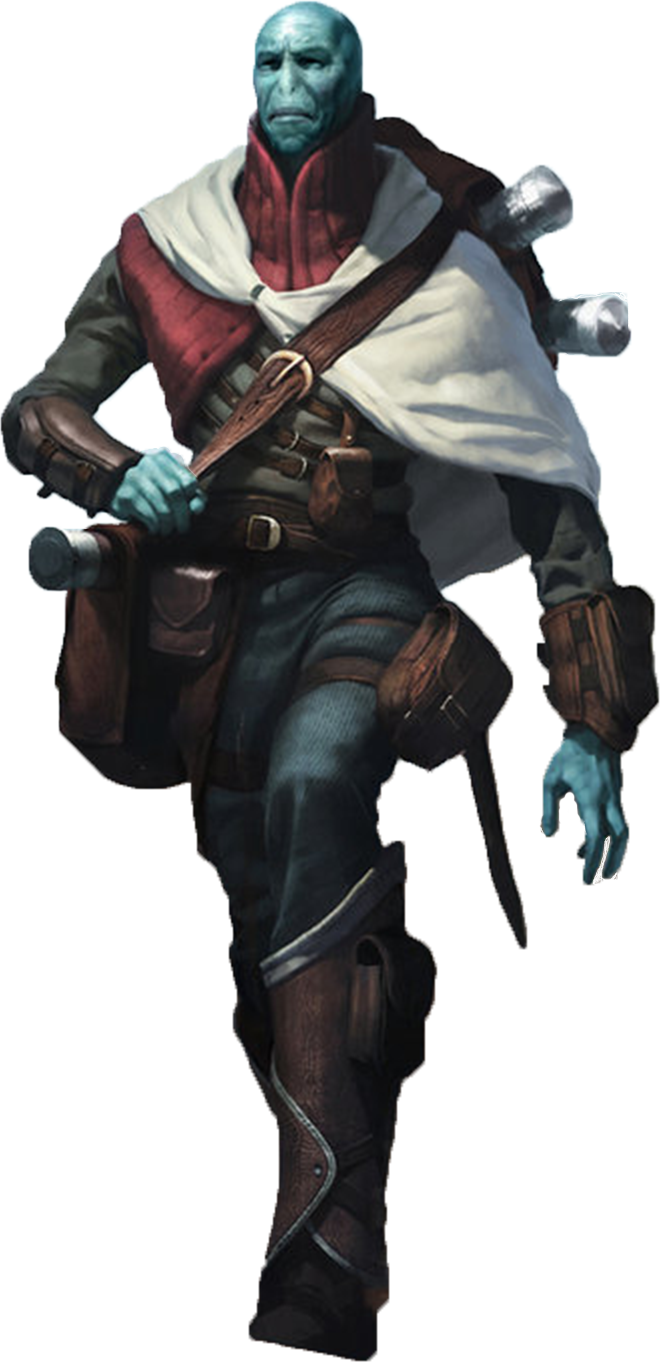
SOURCE:
Source: Plane Shift: Kaladesh
Warforged
Warforged are a rare race of humanoid constructs constructed through carefully kept secret rituals thus very few are created. Warforged are made up of bulky (albeit resilient) metallic or stone bodies. Extremely powerful and durable, warforged are able fighters. Unlike most constructs, warforged are fully self-aware and maintain mental faculties on par with elves, humans, or similar races.
Living Constructs
Warforged appear as massive humanoids molded from a composite of materials—obsidian, iron, stone, darkwood, silver, and organic material—though they move with a surprising grace and fl exibility. Flexible plates connected by fibrous bundles make up the body of a warforged, topped by a mostly featureless head.
The warforged face loosely resembles their human creator’s, though they have a toothless jaw, heavy brow line and are lacking noses. Each warforged has a “ghulra” engraved upon their foreheads. Each of these runes are unique to each warforged, giving them a sense of individuality.
Warforged have no physical distinction of gender; all of them have a basically muscular, sexless body shape. In personality, some warforged seem more masculine or feminine, but different people might judge the same warforged in different ways. The warforged themselves seem unconcerned with matters of gender. They do not age naturally, though their bodies do decay slowly even as their minds improve through learning and experience.
Unique among constructs, warforged have learned to modify their bodies through magic and training. Many warforged are adorned with heavier metal plates than those their creator originally endowed them with. This customized armor, built-in weaponry, and other enhancements to their physical form help to differentiate one warforged from another.
Artificial Life
Warforged can have unique personality traits, though, as they are constructs, those are restricted in some ways. They experience anger, pain, fear, and hatred like their human creators. All warforged naturally seem reserved, stoic, and pensive, hiding an array of emotions behind their inexpressive metallic faces. Their faces were not designed to display facial expressions, so it can seem like they are distant to the conversation. Despite their lack of physical facial expressions, they’re not completely without them, as their eyes tend to brighten when experiencing strong or specific emotions. Some warforged have their faces modified to be more expressive for their companion’s comfort, but these expressions are learned rather than natural and often appear stilted and awkward.
Some warforged can be incredibly naive and lack a sense of introspection. However, many others are the opposite and question their existence, they wonder if, as constructs, they have souls, and ask what becomes of them in the after life. The more intelligent warforged create complex philosophies about what they perceive and learn. Though warforged can show loyalty to religions and organizations, typically they become loyal to a small group of comrades.
Warforged often have little life experience as they have spent most of their time working towards one specific duty, usually soldiering. If there is one interest all warforged share it is their love of working and the satisfaction of a job well done. Many create endless lists of goals and chores to feed that feeling. They take pride in their work and can work incredibly hard, both traits that make them dislike idleness and failure.
Warforged can excel at most tasks, having a single-minded efficiency, especially in combat related roles. But this same single-mindedness can often translate to a lack of creativity and they can be easily surprised or “outflanked.”
Free Outcasts
As the warforged strive to find a place in society for themselves after the Last War, they simultaneously struggle to fi nd ways to relate to the races that created them. In general, the humanoid races of Khorvaire regard the warforged as an unpleasant reminder of the brutality of the Last War and avoid dealing with them when possible.
In Thrane and Karrnath, the warforged are still seen as the property of the military forces that paid to have them built, and many warforged in those nations serve as slave labor, often used to repair buildings and roads damaged or destroyed in the war. Throughout the rest of Khorvaire, they have freedom but sometimes find themselves the victims of discrimination, hard-pressed to fi nd work or any kind of acceptance. Most warforged, not being particularly emotional creatures, accept their struggles and servitude with equanimity, but others seethe with resentment against all other races as well as those warforged whose only desire is to please their “masters.”
Warforged Names
Warforged dislike being called “it” and usually accept the gendered pronoun that they most closely resemble. Some Warforged adopt names from the culture they were created in, though most of their names were assigned at construction and are straightforward and related to their job, abilities or rank. Many Warforged simply accept the nicknames given to them by their comrades while others seek more meaningful names that best describe them.
Some warforged adopt a “personal name,” these are decided by the warforged themselves and are usually determined after long periods of soul-searching. This is usually a special designation a warforged has for its friends and carries a special meaning to them emotionally.
Warforged Names. Azm, Book, Bulwark, Cart, Cutter, Falchion, Graven, Hammer, Mark, Morg, Nameless, Pierce, Pious, Relic, Rune, Steeple, Three, Titan, Unsung, Victor, Watcher, Zealot
Warforged Traits
Ability Score Increase. +2 Constitution.
Age. A Warforged is built complete and considered fully developed after construction. The maximum age for a Warforged has not yet been determined though it is believed to be about 150 years; it would clearly depend mostly on the Warforged’s lifestyle and exposure to risk. As of current year the maximum age of a warforged is 33 years and the youngest possible is 2 years.
Alignment. Warforged are generally neutral. They were built to fight, not to wonder whether fighting is right. Though they are perfectly capable of independent thought and moral speculation, many choose not to wrestle with ethical ideals.
Speed. Your base walking speed is 30 feet.
Size. An average Warforged stands between 5′-7′ tall and weigh between 225-400 lbs. Your size is medium.
Living Construct. Even though you were constructed, you are a humanoid. You are immune to disease. You do not need to breathe, eat or drink, but you can ingest food or drink if you wish.
Unsleeping Sentinel. Warforged don’t need to sleep. Instead, they settle into a resting state, remaining semi-conscious for 4 hours each day. While in this rest state, you are fully aware of your surroundings. You gain the benefits of a long rest after this period of being inert.
Warforged Resilience. You have advantage on saving throws against poison, and you have resistance against poison damage.
Composite Plating. Your construction incorporates wood and metal, granting you a +1 bonus to Armor Class.
During a short rest, you can bond a suit of armor you are wearing to your body. When you finish that short rest, the armor you are wearing is bonded to you, and it cannot subsequently be removed from your body until you finish another short rest during which time you remove the bonded armor. You must be proficient with the armor in order to bond it to yourself.
Self-Stabilizing. You may add your proficiency bonus to your death saving throws.
Languages. You can speak, read and write Common.
Warforged Sub-Races. Two main types of warforged were created, with warforged soldiers being the most common.
Warforged Scout
A Warforged Scout is a more nimble iteration of the Warforged. You were built for speed and mobility over raw power. A Warforged of this model possess the following traits.
Ability Score Increase. +1 Dexterity.
Speed. Your base walking speed is 35 feet
Size. Medium. You will be on the lighter size of warforged weights and heights, weighing around 100-180lb and standing 4'8 to 5'5.
Darkvision. Built for scouting missions you have been created with darkvision. You can see in dim light within 60 feet of you as if it were bright light, and in darkness as if it were dim light. You can’t discern color in darkness, only shades of gray.
Light Warforged Armor Training. You have proficiency with light armor.
Warforged Soldier
A Warforged Soldier is what many first envision when imagining Warforged in general. They possess the following traits
Ability Score Increase. +1 Strength.
Natural Weapon. You are proficient with your unarmed strikes, which deal 1d4 bludgeoning damage using your Strength modifier.
Medium Warforged Armor Training. You have proficiency with light, medium armor, and shields.
Warforged Juggernaut
Ability Score Increase. +1 Constitution.
Speed. Your base walking speed is 25 feet
Powerful Build. You count as one size larger when determining your carrying capacity and the weight you can push, drag, or lift.
Heavy Warforged Armor Training. You have proficiency with light, medium, and heavy armor and shields.
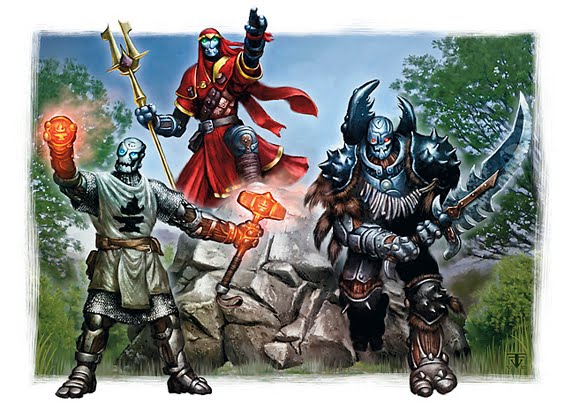
SOURCE:
Edited from Unearthed Arcana; Eberron
Wight 🍺
The word "wight" meant "person" in days of yore, but the name now refers to evil undead who were once mortals driven by dark desire and great vanity. When death stills such a creature's heart and snuffs its living breath, its spirit cries out to the demon lord Orcus or some vile god of the underworld for a reprieve: undeath in return for eternal war on the living. If a dark power answers the call, the spirit is granted undeath so that it can pursue its own malevolent agenda.
Wights possess the memories and drives of their formerly living selves. They will heed the call of whatever dark entity transformed them into undead, swearing oaths to appease their new lord while retaining their autonomy. Never tiring, a wight can pursue its goals relentlessly and without distraction.
Life Eaters
Neither dead nor alive, a wight exists in a transitional state between one world and the next. The bright spark it possessed in life is gone, and in its place is a yearning to consume that spark in all living things. When a wight attacks, this life essence glows like white-hot embers to its dark eyes, and the wight's cold touch can drain the spark through flesh, clothing, and armor.
Shadow of the Grave
Wights flee from the world by day, away from the light of the sun, which they hate. They retreat to barrow mounds, crypts, and tombs where they dwell. Their lairs are silent, desolate places, surrounded by dead plants, noticeably blackened, and avoided by bird and beast.
Humanoids slain by a wight can rise as zombies under its control. Motivated by hunger for living souls and driven by the same desire for power that awakened them in undeath, some wights serve as shock troops for evil leaders, including wraiths. As soldiers, they are able to plan but seldom do so, relying on their hunger for destruction to overwhelm any creature that stands before them.
Wight Names
When they are created, a wight keeps all of the memories of its former life, and therefore keeps its name as well. Therefore, wights can have all types of names based on whatever race they were in life.
Wight Traits
Your wight character has certain traits derived from its undead nature.
Ability Score Increase. Your Constitution score increases by 2, and your Charisma score increases by 1.
Age. As beings of undeath, Wights do not age or mature, and they may live for thousands of years if they are not killed in battle.
Alignment. Wights are transformed by dark entities to serve their needs, and therefore are most often evil themselves. Although they retain their memories and personalities, Wights are only created from evil and vain humans, so they will remain evil unless they change their alignment after reaching undeath.
Size. Wights are between 5 and 6 feet tall and average about 180 pounds. Your size is medium.
Speed. Your base walking speed is 30 feet.
Darkvision. As a being forced to live in darkness, you have superior vision in dark and dim conditions. You can see in dim light within 60 feet of you as if it were bright light, and in darkness as if it were dim light. You can’t discern color in darkness, only shades of grey.
Sunlight Sensitivity. You have disadvantage on attack rolls and on Wisdom (Perception) checks that rely on sight when you, the target of your attack, or whatever you are trying to perceive is in direct sunlight.
Undead. You are considered undead for effects such as turn undead and many healing spells. You are immune to disease and the poisoned condition, and you have resistance to poison damage. You do not need to eat or breathe, but you can ingest food or drink if you wish. Instead of sleeping, you enter an inactive state for 4 hours each day. You do not dream in this state; you are fully aware of your surroundings and notice approaching enemies and events as normal.
Life Drain. When you kill a humanoid, it rises 24 hours later as a zombie under your control, unless it is restored to life or its body is destroyed. Only one zombie may be created through this ability at any one time; if another is created then the first becomes inanimate. The zombie has the statistics of the Zombie (Monster Manual pg. 316), except its hp value is instead equal to three times your level.
Languages. You can speak, read, and write Common and one other language you knew in life.
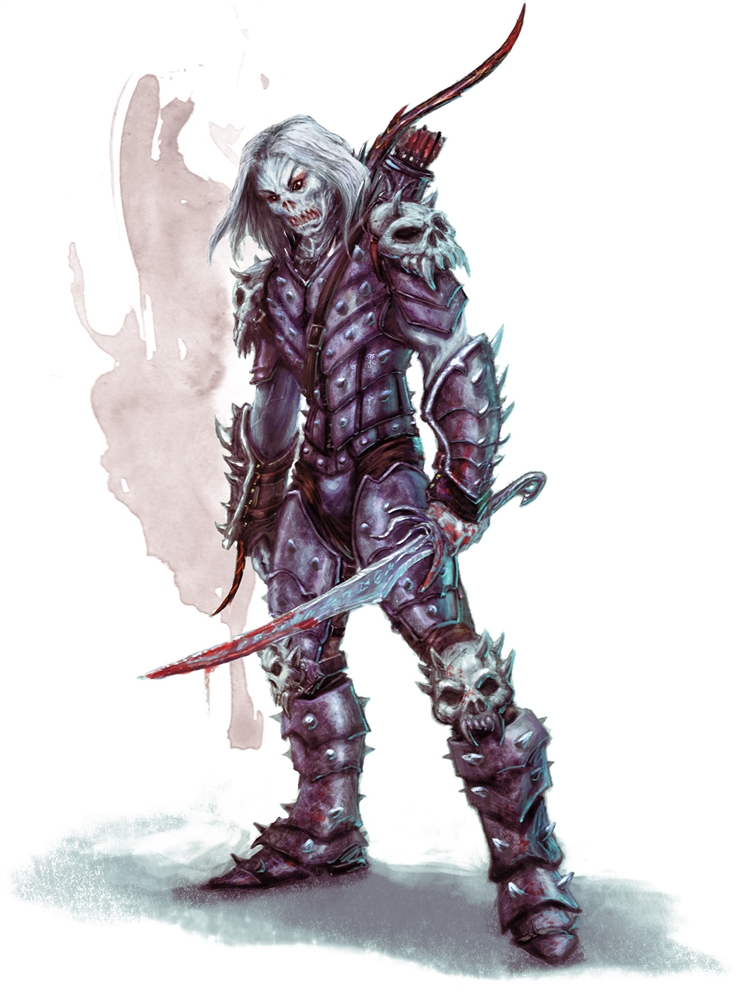
Wind's Children (Sprite) 🍺
Wind’s Children are small, winged creatures. They average 18 inches in height and weigh an average of 13 pounds. They fly using two double-wings, similar to a dragonfly’s, made of a tough, iridescent membrane. A Wind’s Child’s skin color matches the brightest-colored elements of the environment in which it live: icy white in a snowcap, the yellow and orange of meadow flowers, the glazed blue of the ceramic roof-tiles of the city of Vewbane, Skin coloring only changes after a winding has lived in the same place for two or three months. Then, in the space of three nights, the winding’s skin changes to match its current surroundings. Wind’s Children grow very little body hair, though their head hair can be luxurious. Their ears come to a sharper point even than elven ears.
Wind’s Child society can best be described as haphazard. Wind’s Children often speak of a class of nobles who rule them. Though they will obey a direct order from a noble the social hierarchy stops there. Windls Children acting on orders from their queen cannot wield authority over other wind’s children by virtue of these orders, but may persuade other Wind’s Children to seek out the queen to determine for themselves that the orders are legitimate. Wind’s Children are happiest when living outdoors, taking shelter under or inside whatever nature can provide and windling magic make comfortable. Wind’s Children can tolerate cities, but consider them a colossal waste of time and effort.
Wind's Children Traits
Ability Score Increase. Dexterity score increases by 3 (20 max on creation), your Charisma is increased by 1, and your Strength score is decreased by 2 and you Constitution by 2
Age. Wind’s Children mature physically over 30 years, reaching a natural lifespan of 170 years. Their appearance does not age during this time.
Alignment. Wind Children are often capricious (Chaotic), but despite their childish demeanor they can be cruel or kind. Good or Evil in equality probably, but not Neutral.
Size. Ranging in height from 12-18 inches. Their size is Tiny.
Speed. Your base walking speed is 10 feet, but fly at 50.
Fey Blood. You have advantage on saving throws against being charmed, and magic can’t put you to sleep.
Faerie Sight. if you spend a full round action and concentrate you can sense magic within 60ft as if “detect magic”, and you have superior vision in dark and dim conditions. You can see in dim light within 60 feet o f you as if it were bright light, and 120 in darkness as if it were dim light. You can even discern color in darkness.
Faeriely Small. You are so small you gain a +1 AC bonus against combatants for each step larger their size, (+2 AC against Medium, +3 AC against large), and characters have disadvantage on all perception checks against them. (You however must use Undersized weapons)
Languages. You can speak, read, and write common, elvish and fey.


Yuan-Ti Pureblood
Yuan-ti are devious serpent folk devoid of compassion. From remote temples in jungles, swamps, and deserts, the yuan-ti plot to supplant and dominate all other races and to make themselves gods. '
Forsaken Humanity.
The yuan-ti were once humans who thrived in the earliest days of civilization and worshiped serpents as totem animals. They lauded the serpent's sinuous flexibility, its calculated poise, and its deadly strike. Their advanced philosophy taught the virtue of detachment from emotion and of clear, focused thought.
Yuan-ti culture was among the richest in the mortal world. Their warriors were legendary, their empires always expanding. Yuan-ti temples stood at the centers of ancient metropolises, reaching ever higher in prayer to the gods they longed to emulate. In time, the serpent gods heard those prayers, their sibilant voices responding from the darkness as they told the yuan-ti what they must do. The yuan-ti religion grew more fanatical in its devotion. Cults bound themselves to the worship of the serpent gods and imitated their ways, indulging in cannibalism and humanoid sacrifice. Through foul sorcery, the yuan-ti bred with snakes, utterly sacrificing their humanity to become like the serpent gods in form, as well as in thought and emotion.
Serpent Kings of Fallen Empires.
The yuan-ti view their physical transformation as a transcendent moment for their race, allowing them to shed their frail humanity like dead skin. Those that did not transform eventually became slaves or food for the blessed of the serpent gods. The yuan-ti empires withered or were defeated by those who fought against their cannibalism and slavery, and the serpent folk were left in the ruins of their great capitals, far removed from other races.
Cold of Heart.
Humanoid emotions are foreign to most yuan-ti, which understand sentiment only as an exploitable weakness. A yuan-ti views the world and the events of its own life with such extreme pragmatism that it is nearly impossible to manipulate, influence, or control by nonmagical means, even as it seeks to control other creatures through terror, pleasure, and awe.
Yuan-ti know that the world they hope to rule can't be bound for long by brute force, and that many creatures will refuse to serve. As a result, yuan-ti first influence other creatures with the promise of wealth and power. Time and again, humanoid cultures make the fatal mistake of trusting the yuan-ti. They forget that a yuan-ti that acts honorably or lends aid in a time of trouble does so only as part of a grander design.
Yuan-ti leaders are cunning and ruthless tacticians who readily sacrifice lesser yuan-ti if potential victory justifies such losses. They have no sense of honorable combat and strike first in decisive ambush if they can.
False Worship.
Yuan-ti life revolves around their temples, yet yuan-ti don't love the gods they worship. Instead, they see worship as a means to attain power. A yuan-ti believes an individual who attains enough power can devour and replace one of the yuan-ti gods. The yuan-ti strive for ascension and are willing to commit the darkest atrocities to achieve it.
Serpent Gods
The yuan-ti revere a number of powerful entities as gods, including the following.
Dendar, the Night Serpent.
Dendar's followers say that one day she will grow so large from feasting on the fears and nightmares of the world that she will devour it whole. Yuan-ti that serve Dendar terrorize other creatures in any way they can, growing and nurturing the fears of humanoids to feed the Night Serpent.
Merrshaulk, Master of the Pit.
Merrshaulk is the longslumbering chief deity of the yuan-ti. As worship of Merrshaulk waned, he went into slumber. Merrshaulk's priests are yuan-ti abominations that maintain traditions of living sacrifice and cause suffering in the god's name. With enough vile acts, the abominations believe that Merrshaulk will reawaken and restore the yuan-ti to their rightful place.
Sseth, the Sibilant Death.
Sseth appeared to the yuan-ti of antiquity in the form of a winged yuan-ti claiming to be an avatar of Merrshaulk. Speaking with Merrshaulk's voice, Sseth vowed to pull the yuan-ti out of decline and build a new empire. Many of Merrshaulk's devout turned to the worship of Sseth. Some yuan-ti have long suspected Sseth as an usurper taking advantage of Merrshaulk's slumber to make himself a god. They believe that Sseth might even have devoured Merrshaulk, and now answers the prayers of Merrshaulk's followers, as his priests convert or consume Merrshaulk's more stubborn adherents.
Yuan-Ti Pureblood
Purebloods form the lowest caste of yuan-ti society. They closely resemble humans, yet a pureblood can't pass for human under close scrutiny because there's always some hint of its true nature, such as scaly patches of skin, serpentine eyes, pointed teeth, or a forked tongue. Wearing cloaks and cowls, they masquerade as humans and infiltrate civilized lands to gather information, kidnap prisoners for interrogation and sacrifice, and trade with anyone who has something that can further their myriad plots.
Yuan-Ti Pureblood Traits
Your yuan-ti pureblood character-called a pureblood for short-has the following racial traits.
Ability Score Increase. Your Charisma score increases by 2, and your Intelligence score increases by 1.
Age. Purebloods mature at the same rate as humans and have lifespans similar in length to theirs.
Alignment. Purebloods are devoid of emotion and see others as tools to manipulate. They care little for law or chaos and are typically neutral evil.
Size. Purebloods match humans in average size and weight. Your size is Medium.
Speed. Your base walking speed is 30 feet.
Darkvision. You can see in dim light within 60 feet of you as if it were bright light, and in darkness as if it were dim light. You can't discern color in darkness, only shades of gray.
Innate Spellcastings. You know the poison spray cantrip.
You can cast animal friendship an unlimited number of times with this trait, but you can target only snakes with it. Starting at 3rd level, you can also cast suggestion with this trait.
Once you cast it, you can't do so again until you finish a long rest. Charisma is your spellcasting ability for these spells.
Magic Resistance. You have advantage on saving throws against spells and other magical effects.
Poison Immunity. You are immune to poison damage and the poisoned condition.
Languages. You can speak, read, and write Common, Abyssal, and Draconic.

SOURCE:
Source: Volo's Guide to Monsters p. 104
APPENDIX
📔 = RAW ; 👍 = AL +1 allowed. ; ⛔ = AL illegal ; ✏️ = Modified (AL Illegal) ; 🍺 = Homebrew (AL Illegal) ;
🔮 = Spellcaster ; ⚔️ = Multi-attack ; 🏹 = Ranged ; 🛠️ = Skill
- Fallen 👍
- Protector 👍
- Scourge 👍
Aetherborn ⛔
Amoeboid 🍺
Archon 🍺
- Hound
- Trumpet
Aven ⛔
- Hawk-Headed
- Ibis-Headed
Avia-Ra 🍺
Bugbear 👍
Changling ✏️
Devil 🍺
- Bearded
- Imp
- Druegar 📔
- Hill 📔
- Kaldesh ⛔
- Mountain 📔
Elf 📔
- Avariel ⛔
- Bishatar ⛔
- Blood Wood 🍺
- Drow 📔
- Eladrin 👍
- Grugach ⛔
- High 📔
- Joraga ⛔
- Mul Daya ⛔
- Sea Elf ⛔
- Shadar-Kai ⛔
- Tirahar ⛔
- Vadahar ⛔
- Wood 📔
- Air
- Earth
- Fire
- Water
Gith ⛔
- Githyanki
- Githzerai
GNOME 📔
- Forest 📔
- Rock 📔
- Svirfneblin (Deep) 👍
Goblin 👍
- Cave Crawler 👍
- Junk Scavenger 👍
- Variant 👍
- Zendikar, Grotag ⛔
- Zendikar, Lavastep ⛔
- Zendikar, Tuktuk ⛔
- Wood ⛔
- Moon ⛔
- High ⛔
- Drow ⛔
- Aquatic ⛔
- Ghostwise 👍
- Lightfoot 📔
- Stout 📔
Hobgoblin 👍 Human 📔
- Human, Innistrad ⛔
- Variant 📔
Illumian 🍺
Kalashtar ✏️
Kender 🍺
Kenku 👍
Khenra ⛔
Kor ⛔
[Lizardfolk]
- Reptileman 🍺
Mandrake 🍺
Matryoshka 🍺
Merfolk ⛔
Minotaur ⛔
- Krynn
Mousefolk 🍺
Myconids 🍺
Mummy 🍺
Naga ⛔
Nautilid 🍺
Orc 👍
Ork 🍺
Revenant ⛔
Satyr 🍺
Shadar-Kai 🍺
Shardminds 🍺
Siren ⛔
Sirine 🍺
Spirithost 🍺
Stoneman 🍺
Thri-kreen 🍺
Tibbit 🍺
Tortugan 🍺
Trollkin 🍺
Vampire ⛔
Vect 🍺
Vedalken
Warforged ⛔
Wight 🍺
Wind's Children 🍺
Yuan-Ti Pureblood 👍