Weapons Remastered
This remaster massively expands the original Weapons Remastered by another author, which can be found here. Both exist to diversify weapons' use and function in combat. This chapter is not an attempt to increase their power, but instead mirror the diversity of options and rider effects exhibited by their caster counterparts' cantrips and weapons' use in real life—with significant abstraction.
It does improve them slightly, but the ultimate goal is diversification and the overall increase is minimal. It also attempts to remove the universal popularity of some weapons (such as the rapier) in situations where it might not apply, and instead make all weapons at least somewhat viable.
To do so, each weapon has a combination of several unique properties, which add new functions, passive bonuses, or options. Many entirely new weapons join the existing roster, to include some weapons of great tactical value in history which 5e neglected.
Ideally, players will intuit and remember properties with ease. Properties should in most cases adhere to the design philosophy of 5e, and most are relatively simple or expand properties which already existed. Ultimately, they should have few negatives for massive gains in fun factor.
In some cases, these properties conflict or overlap with feats, a difficult problem. On one hand, martial characters' progression encourages them to take feats. On the other, the removal of "feat taxes" (feats necessary to make builds viable) is an admirable goal as well.
Ultimately, feats provide much larger bonuses, and those with properties encroaching on their niche remain the superior option. They are a specialization with an enormous opportunity cost and should be treated as such.
This chapter adds no new actions and works to adhere to the already-extant combat system without additional redundancies, extras, or rules bloat, though it does tweak much. Ultimately, it hopes to increase martial characters' ability to think tactically and add a level of nuance which characters without magic or superiority dice sorely lacked.
To those unused to such options, this sudden, glaring change warps the game. Its size daunts newcomers. However, it appeals enormously to martial play, makes choice of weapon have meaning, and it's easy to learn your favorites. Spellcasters continue to track far more options and resources, and they operate beautifully.
As time passes, most warriors will find their favorites, memorize those options, and remain loyal to their preferred style. The keyword, then, is style. No longer is a longsword interchangeable with a battleaxe, or a spear with a javelin. By its very nature this rework differentiates player characters even more and lets players make them their own. This mechanical and stylistic diversity is the ultimate benefit of tabletop roleplay over other games, and this remaster helps that aspect shine.

Weapon Properties
Ammunition
You can use a weapon that has the Ammunition property to make a ranged attack only if you have ammunition to fire from the weapon. Each time you attack with the weapon, you expend one piece of ammunition.
Drawing the ammunition from a quiver, case, or other container is part of the attack (you need a free hand to load a one-handed weapon). At the end of the battle, you can recover half your expended ammunition by taking a minute to search the battlefield.
Bypass
These flexible weapons wrap around shields and other personal defenses. They ignore the AC bonus granted by shields and parrying features.
Cavalry
These weapons are well-suited to combat on the move. If you damage a creature with a cavalry weapon after moving at least 30 feet straight toward a target while mounted, the you deal an extra 1d6 damage.
Ensnaring
These weapons feature chain, hooks, or other parts that entangle. When you hit with an ensnaring weapon, you can use your bonus action to attempt to shove the target prone, disarm them, or pull them into a space within 5 feet of you. To succeed on the attempt, you make an opposed check against the target's Strength (Athletics) or Dexterity (Acrobatics) check, adding your weapon attack bonus to the roll.
Finesse
The weapon lends itself to dexterous combat due to features that make precisely aiming the weapon easier. When attacking with a finesse weapon, you use your choice of your Strength or Dexterity modifier for the attack and damage rolls. You must use the same modifier for both rolls.
Finisher
Finisher weapons are well-suited to executing enemies at your mercy. When you damage a prone creature with a finisher weapon, you roll an additional weapon damage die.
Gunpowder
These weapons utilize volatile powder as a propellant to fire projectiles or explode. They cannot be used underwater. When you make an attack, a gunpowder weapon flashes, expels smoke, and creates a bang that can be heard within 300 feet. Each time you attack with a gunpowder weapon, you expend one pinch of powder and one piece of ammunition. It takes an action to load a gunpowder weapon.
Carrying too much powder is risky. Every time a creature wearing or carrying items with the Gunpowder property takes at least 20 fire damage, one of those items explodes and is destroyed. The blast deals 2d6 fire damage and 2d6 thunder damage to all creatures and objects within 20 ft.
Heavy
These weapons are unwieldier than most. Small creatures make attacks with heavy weapons at disadvantage. You cannot attack more than once per turn with a heavy weapon unless you have a Strength score of 13 or higher.
When you attack with a heavy weapon that you are proficient in, you can forego adding your proficiency bonus to the attack roll. If the attack hits, you add that proficiency bonus to the damage roll. You must decide to do this before making the attack roll. This ability can be used in conjunction with the Great Weapon Master feat.
Light
A light weapon is small and easy to handle. When you take the Attack action and attack with a light weapon that you’re holding in one hand, you can use a bonus action to attack with a different light weapon that you’re holding in the other hand. You don’t add your ability modifier to the damage of the bonus attack, unless that modifier is negative.
Loading
Because of the time required to load this weapon, you can fire only one piece of ammunition from it when you fire it, regardless of the number of attacks you can normally make.
Nonlethal
The weapon is designed to incapacitate or is otherwise capable of delivering a hit that does not kill the target. When you choose to knock a creature out instead of killing them, nonlethal weapons deal their normal damage. Other weapons can be used to deal nonlethal strikes, but deal bludgeoning damage equal to your Strength modifier + 2 instead of their typical damage.
Parry
When you are wielding a parrying weapon with which you are proficient and another creature hits you with a melee attack, you can use your reaction to add half your proficiency bonus to your AC for that attack, potentially causing the attack to miss you.
Prone Fighting
When you are prone and make a weapon attack with this weapon, you do not suffer disadvantage for being prone.
Ranged
A weapon that can be used to make a ranged attack has a range in parentheses after the ammunition or thrown property. The range lists two numbers. The first is the weapon's normal range in feet, and the second indicates the weapon's long range. When attacking a target beyond normal range, you have disadvantage on the attack roll. You can't attack a target beyond the weapon's long range.
Some ranged weapons have a Strength requirement listed. You cannot make attack rolls with that ranged weapon if your Strength is lower than that value.
Reach
This weapon's extended length adds 5 feet to your reach when you attack with it, as well as when determining your reach for opportunity attacks. Reach weapons cannot be used for two-weapon fighting regardless of strength or feats.
Special
Special weapons have some entirely unique property. These are detailed after the weapon charts.
Status
Status weapons inflict extra effects on powerful hits. When an attack roll with a status weapon exceeds the target's AC by 5 or more, it inflicts an additional status effect based upon the type of damage dealt. A critical hit guarantees a status effect.
Slashing weapons inflict gaping wounds and profuse bleeding, inflicting additional slashing damage equal to your proficiency bonus. Objects, Constructs, and Elementals may be immune to this damage, as may other creatures that do not bleed at the discretion of your DM.
Bludgeoning weapons hit with staggering blows that daze the target. Inflicting this status causes the target's next attack roll to be made with disadvantage.
Piercing weapons reward precise or focused attacks, punching holes in defenses and leaving a target vulnerable. Inflicting piercing status grants advantage on the first weapon attack against the target before the start of its next turn.
Improvised weapons may inflict status depending on their damage type and the discretion of your DM.
Sundering
The weapon features qualities that crush, pierce, break, or penetrate armor. When you make a weapon attack a target wearing a breastplate, brigandine, cuirass, half plate, hauberk, splint, or full plate with a sundering weapon, you gain a +2 bonus to the attack roll. You also gain this bonus against creatures with thick shells or metallic hides, and other creatures at the discretion of your DM.
You cannot add your proficiency bonus to any die roll more than once. That rule has has one exception: a weapon that inflicts status: slashing and the bonus to damage from heavy adds your proficiency bonus to that attack's damage twice.
Sweeping
These weapons strike in broad motions. When you reduce an enemy to 0 hit points with a sweeping weapon, you can target another creature within 5 feet of the first that you can reach and, if the original attack roll can hit it, apply any remaining damage to it. If that creature is likewise reduced to 0 hit points, repeat this process, carrying over the remaining damage until there are no valid targets, or until the damage carried over fails to kill an enemy.
Thrown
If a weapon has the thrown property, you can throw the weapon to make a ranged attack. If the weapon is a melee weapon, you use the same ability modifier for attack and damage rolls that you would use for a melee attack with it. You increase the standard and maximum range of a thrown weapon by a number of feet equal to 5 times your Strength modifier, unless your Strength modifier is negative.
Two-Handed
The weapon is large or cumbersome to the point of requiring two hands to fight with effectively. You must wield the weapon in both hands to use it, and cannot use the weapon while performing somatic components, grappling, or other tasks that require a free hand.
Versatile
The weapon can be wielded in either one or two hands. A damage value in parentheses appears with the property, indicating the damage dealt when you use it with two hands.
Wind-up
You can prepare attacks with this weapon to make it even more effective. In place of a weapon attack, you can wind up or set your weapon. On the next attack you make with the weapon, you add an additional weapon die, and when you add your ability score modifier to the weapon's damage, you double that modifier. A weapon can only add one such damage die in this way. If you don't make an attack by the end of your next turn the weapon is no longer wound up. A weapon that is wound up can be used to make an opportunity attack when an enemy enters your reach.
Winged
These weapons have specially-shaped heads that halt the forward movement of their target toward the wielder after piercing the target, and can be used to catch shields and weapons. After damaging a huge or smaller creature with a melee attack from a winged weapon, the creature cannot move toward you and it must expend 2 feet of movement for every foot it moves within your reach. This reduction ends if it leaves your reach or you make another attack roll with the winged weapon. While holding a creature in this way, you can use a bonus action to attempt to shove that creature using your weapon's reach instead of your own.
You can use a bonus action to attempt to disarm a creature within your reach, using your weapon attack modifier in place of Strength (Athletics).
Weapon Charts
The following section lists new and existing weapons, with properties added. Some weapons list multiple damage types. When attacking with one of those weapons, you indicate which damage type you use before you make the attack roll.
Simple Melee Weapons
| Name | Cost | Damage | Weight | Properties |
|---|---|---|---|---|
| Boar Spear | 5 gp | 1d6 piercing | 5 lb. | Versatile (1d8), winged |
| Club | 1 sp | 1d4 bludgeoning | 2 lbs. | Light, nonlethal |
| Dagger | 2 gp | 1d4 piercing/slashing | 3/4 lb. | Finesse, finisher, light, prone fighting, thrown (range 20/60) |
| Goedendag | 5 sp | 1d4 bludgeoning/piercing | 3 lbs. | Finisher, sundering |
| Greatclub | 5 sp | 2d4 bludgeoning | 10 lb. | Heavy, nonlethal, status, two-handed |
| Handaxe | 3 gp | 1d6 slashing | 2 lb. | Light, status, thrown (range 20/60) |
| Javelin | 5 sp | 1d6 piercing | 2 lb. | Thrown (range 60/120) |
| Light Hammer | 2 sp | 1d4 bludgeoning | 2 lb. | Light, status, thrown (range 20/60) |
| Mace | 5 gp | 1d6 bludgeoning | 4 lb. | Sundering |
| Quarterstaff | 2 sp | 1d6 bludgeoning | 4 lb. | Nonlethal, versatile (2d4) |
| Sickle | 1 gp | 1d4 slashing | 2 lb. | Ensnaring, light, status |
| Shortspear | 1 gp | 1d6 piercing | 4 lb. | Light, versatile (1d8) |
Simple Ranged Weapons
| Name | Cost | Damage | Weight | Strength | Properties |
|---|---|---|---|---|---|
| Blowgun | 10 gp | 1 piercing | 1 lb. | - | Ammunition (range 25/50), loading, special |
| Dart | 5 cp | 1d4 piercing | ¼ lb. | - | Finesse, thrown (range 20/60) |
| Light Crossbow | 25 gp | 1d8 piercing | 5 lb. | Str 8 | Ammunition (60/120), loading, two-handed |
| Shortbow | 25 gp | 1d6 piercing | 2 lb. | Str 9 | Ammunition (90/360), two handed |
| Sling | 1 sp | 1d4 bludgeoning | 1/4 lb. | - | Ammunition (30/60), nonlethal |


Martial Melee Weapons
| Name | Cost | Damage | Weight | Properties |
|---|---|---|---|---|
| Arming Sword | 20 gp | 1d8 piercing/slashing | 2 lb. | Parry, special |
| Bastard Sword | 30 gp | 1d8 piercing/slashing | 3 lb. | Parry, status, versatile (2d4) |
| Battleaxe | 10 gp | 1d8 slashing | 4 lb. | Status, sweeping, versatile (2d4) |
| Estoc | 25 gp | 1d8 piercing | 2 lb. | Finesse, sundering, versatile (2d4) |
| Flail | 10 gp | 1d8 bludgeoning/piercing | 2 lb. | Bypass, ensnaring, wind-up |
| Glaive | 20 gp | 1d10 slashing | 6 lb. | Heavy, reach, sweeping, two-handed |
| Greataxe | 25 gp | 1d12 slashing | 12 lb. | Finisher, heavy, special, two-handed |
| Greatsword | 50 gp | 2d6 piercing/slashing | 7 lb. | Heavy, parry, status, sweeping, two-handed |
| Guisarme | 5 gp | 1d10 piercing | 8 lb. | Ensnaring, heavy, reach, two-handed |
| Halberd | 25 gp | 1d10 piercing/slashing | 9 lb. | Ensnaring, heavy, reach, status, two-handed |
| Harpoon | 10 gp | 1d8 piercing | 4 lb. | Status (slashing), thrown (range 20/60) |
| Lance | 10 gp | 1d12 piercing | 6 lb. | Cavalry, reach, special, status |
| Longsword | 35 gp | 1d10 bludgeoning/piercing/slashing | 3 lb. | Parry, sundering, status, two-handed |
| Lucerne | 20 gp | 1d10 bludgeoning/piercing | 7 lb. | Heavy, reach, sundering, two-handed |
| Maul | 10 gp | 2d6 bludgeoning | 12 lb. | Finisher, heavy, status, sundering, two-handed |
| Morningstar | 15 gp | 1d8 bludgeoning/piercing | 4 lb. | Special, sundering |
| Parrying Dagger | 3 gp | 1d4 piercing | 1 lb. | Finisher, finesse, light, parry, prone fighting |
| Pike | 5 gp | 1d10 piercing | 8 lb. | Heavy, reach, two-handed, wind-up |
| Pollaxe | 35 gp | 1d10 bludgeoning/piercing/slashing | 10 lb. | Heavy, parry, status, two-handed |
| Rapier | 25 gp | 1d8 piercing | 2 lb. | Finesse, parry, status |
| Ranseur | 25 gp | 1d10 piercing/slashing | 8 lb. | Heavy, reach, two-handed, winged |
| Sabre | 25 gp | 1d8 slashing | 4 lb. | Cavalry, finesse, sweeping |
| Scimitar | 20 gp | 1d6 slashing | 3 lb. | Cavalry, finesse, light, status |
| Shortsword | 10 gp | 1d6 piercing/slashing | 2 lb. | Finesse, light, parry, status |
| Shotel | 10 gp | 1d8 piercing/slashing | 3 lb. | Bypass, ensnaring, finesse |
| Spear | 2 gp | 1d8 piercing | 5 lb. | Reach, versatile (1d10) |
| War Pick | 5 gp | 1d8 piercing | 2 lb. | Status, sundering, versatile (2d4) |
| Warhammer | 15 gp | 1d8 bludgeoning | 3 lb. | Status, sundering, versatile (2d4) |
Martial Ranged Weapons
| Name | Cost | Damage | Weight | Strength | Properties |
|---|---|---|---|---|---|
| Hand Crossbow | 75 gp | 1d6 piercing | 3 lb. | Str 10 | Ammunition (range 30/60), light, loading, prone fighting |
| Heavy Crossbow | 50 gp | 1d12 piercing | 12 lb. | Str 13 | Ammunition (range 100/200), heavy, loading, status, two-handed |
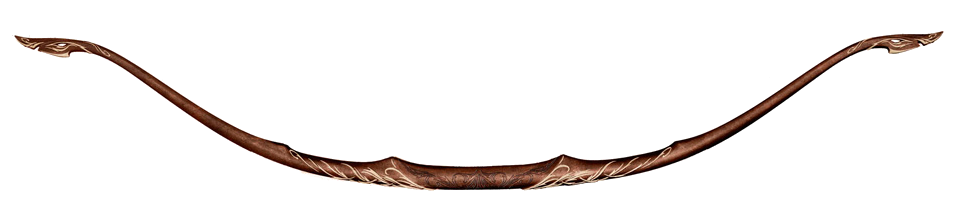
| Longbow | 75 gp | 1d10 piercing | 5 lb. | Str 13 | Ammunition (range 150/600), heavy, status, two-handed |
| Recurve Bow | 50 gp | 1d8 piercing | 3 lb. | Str 10 | Ammunition (range 100/400), two-handed |
Shields
| Name | Cost | +AC | Weight | Properties | Grip |
|---|---|---|---|---|---|
| Buckler | 8 gp | 1 | 2 lb. | Light, parry | Handle |
| Shield | 10 gp | 2 | 6 lb. | - | Handle, strap |
| Tower Shield | 50 gp | 3 | 10 lb. | Special | Strap |
Ammunition
| Name | Cost | Weight | Weapon | Properties |
|---|---|---|---|---|
| Barbed Quarrel | 15 cp | 1 oz. | Crossbow | Adds serrated modification |
| Bodkin Arrow | 30 cp | 1 oz. | Bow | Sundering |
| Blowgun Needle | 2 cp | 1 oz. | Blowgun | - |
| Broadhead Arrow | 50 cp | 1 oz. | Bow | Slashing damage, status |
| Bullet | 30 cp | ⅛ oz. | Gun | - |
| Elemental Ammunition | 50 gp | 1 oz. | All | Special |
| Field Arrow | 5 cp | 1 oz. | Bow | - |
| Hunting Bolt | 2 cp | 1 oz. | Crossbow | Bludgeoning damage, Nonlethal |
| Sling Bullet | 1/5 cp | 1 oz. | Sling | - |
| Silver Bullet | 15 gp | ⅛ oz. | Gun | Special |
| Grapeshot | 10 gp | 3 oz. | Gun | Special |
| Quarrel | 5 cp | 1 oz. | Crossbow | Sundering |
Exotic Weapons
Exotic weapons are unwieldy, niche, or revolutionary. Some make poor weapons without intensive, specialized training. Others may be less effective weapons than popularly conceived and require expertise to use effectively. You can gain proficiency in an exotic weapon using the training rules in Xanathar's Guide, the Weapon Master feat, or from classes or class features.
Exotic Melee Weapons
| Name | Cost | Damage | Weight | Properties |
|---|---|---|---|---|
| Cestus | 1 gp | 1d4 bludgeoning | 1/2 lbs. | Nonlethal, light, special, status |
| Chain Whip | 5 gp | 1d6 bludgeoning | 10 lbs. | Bypass, ensnaring, special, versatile (1d8) |
| Garotte Wire | 5 gp | 1d6 slashing | 1/4 lb. | Finesse, light, special, two-handed |
| Gauntlet-sword | 25 gp | 1d6 slashing | 4 lb. | Cavalry, light, special |
| Hooksword | 35 gp | 1d8 slashing | 3 lb. | Ensnaring, parry, status |
| Trident | 5 gp | 2d4 piercing | 4 lb. | Thrown (range 20/60), versatile (1d10), winged |
| Whip | 2 gp | 1d4 slashing | 3 lb. | Ensnaring, finesse, reach |
| Unarmed Strike | - | 1 bludgeoning | - | Nonlethal, special |
Exotic Ranged Weapons
| Name | Cost | Damage | Weight | Strength | Properties |
|---|---|---|---|---|---|
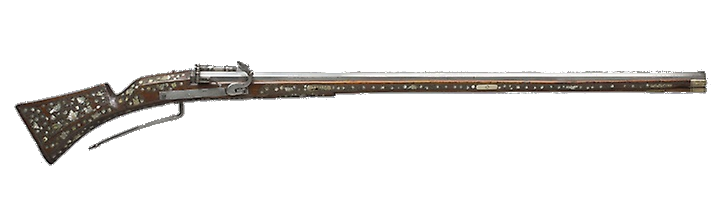
| Arquebus | 500 gp | 2d8 piercing | 10 lbs. | - | Ammunition (range 60/120), gunpowder, loading, two-handed |
| Boomerang | 25 gp | 1d4 bludgeoning | 1 lb. | - | Finesse, nonlethal, special, thrown (range 30/60) |
| Greatbow | 200 gp | 2d6 piercing | 25 lb. | Str 18 | Ammunition (range 150/600), heavy, special, status, two-handed |
| Handgonne | 250 gp | 2d6 piercing | 3 lb. | - | Ammunition (range 30/90), gunpowder, loading |
| Net | 1 gp | - | 3 lb. | - | Special, thrown (range 5/15) |
Exotic Shields
| Name | Cost | Damage | Weight | Grip | Properties |
|---|---|---|---|---|---|
| Dueling Shield | 100 gp | - | 6 lbs. | Handle | Special, versatile (1d8 piercing) |
| Lantern Shield | 300 gp | 1d4 piercing | 4 lb. | Strap | Light, special |
Special Properties
Arming Sword
The techniques of an arming sword are fairly basic, easy to learn, and highly defensive. As a result, you worry less for your own safety and can inflict more effective blows. Whenever you inflict status with an arming sword you inflict the status effects of both piercing and slashing status, regardless of the damage type you dealt.
Boomerang
When you miss with this weapon, it returns to your hand.
Blowgun Needle
These minute needles are especially potent when paired with a poison coating. When you apply a poison to it, a dose can cover 10 pieces of ammunition instead of the usual 3.
Chain Whip
A length of chain is unbalanced and difficult to use, but can be a far-reaching weapon. When held in both hands, this weapon gains the reach property.
Cestus
The weapon is not held in the hand, instead wrapped around the wrist, held in the fingers, or covering the knuckles. Wielding this weapon does not prevent you from grappling or shoving an enemy, using an item, or climbing, but you cannot wield other weapons or shields in that hand, nor can it perform somatic components. Because they are often strapped to or wrapped around the hand and wrist, you draw or stow a cestus as an action.
Dueling Shield
These large shields bear a large triangular boss and a set of hooks and blades built into their surface. They act like normal shields that add a +2 to AC when wielded in one hand. When you wield one in both hands, it acts as a melee weapon that deals 1d8 piercing damage, and has the ensnaring, heavy, and parry properties. When held in both hands, a dueling shield still grants +2 AC.
Elemental Ammunition
Elemental ammunition includes enchanted bullets, quarrels, needles, or arrows charged with magic. You cannot buy elemental ammunition, but you can craft it if you have proficiency in the appropriate tools to make that ammunition and the Arcana skill, and can cast a spell at-will that deals acid, cold, fire, lightning, or thunder damage. When you finish a piece of elemental ammunition, it deals that damage instead of its normal damage type.
Elemental ammunition is an uncommon piece of magical ammunition.
Garotte Wire
Garrote Wire cannot be used on any creature greater than 1 size larger than you, and you can only attack with a garotte if you have advantage. On a hit, the target is automatically grappled and restrained. Until the grapple ends, the target cannot breath and chokes.
Creatures that do not need to breath are immune to a garotte wire's choke at the discretion of the DM. Choking creatures die after an uninterrupted number of rounds equal to their Constitution modifier (minimum 1).
Gauntlet-Sword
This specialized sword is built into a stiff gauntlet. When using this weapon you cannot be disarmed of it or drop it. It takes an action to don or doff a gauntlet sword.
Grapeshot
Instead of a single bullet, a large number of tiny projectiles fill a canister of grapeshot ammunition. Upon firing, the projectiles fly in a line 5 foot wide and as long as the gun's normal range. You can target a number of creatures in that line equal to your proficiency bonus, making new attack rolls for each creature.
Greataxe
The blows of a greataxe, though crude, stagger and daze opponents. When you inflict status with a greataxe you inflict the effects of both slashing and bludgeoning status on the target, even though you only deal slashing damage.
Greatbow
An enormous bow with a massive draw weight, this bow uses Strength instead of Dexterity for attack and damage rolls.
Lance
You have disadvantage when you use a lance to attack a target within 5 feet of you. A lance requires two hands to wield when you aren't mounted.
Lantern Shield
An apparatus combining a small shield, a lantern, a gauntlet, and several blades. When wielded it adds +2 to your Armor Class, can be used to make a melee weapon attack that deals 1d4 piercing damage, and can store a lit bullseye lantern, which you wield while holding this shield. You cannot be disarmed of the lantern, and cannot drop it.
Morningstar
A morningstar is a heavy bludgeon covered in sharpened spikes. When you inflict status with a morningstar you inflict the status effects of both piercing and bludgeoning status, regardless of the damage type you dealt.
Net
A Large or smaller creature hit by a net is restrained until it is freed. A net has no effect on creatures that are formless, or are Huge or larger. A creature can free itself or others by using its action and succeeding a DC 10 Strength check. Dealing 5 slashing damage to the net (AC 10) also frees the creature without harming it, and destroys the net.
Silver Bullet
This bullet is deals no special damage against most creatures, but any attack with a silver bullet that hits a creature with a special vulnerability to silver, like some fiends and some shapechangers, is an automatic critical hit.
Tower Shield
To wield a tower shield, you must be medium or larger with at least 15 Strength. You can use your reaction to hide behind it to gain 3/4 cover against harmful area-of-effects such as breath weapons or spells when you are targeted by such effects, so long as the effect does not travel around corners. If you are directly between another creature and the effect's origin, that creature gains 1/2 cover so long so long as it is your size or smaller. You can also use your action to plant a tower shield in the ground. In this state it is no longer wielded and stands on its own to act as 1/2 cover for an upright creature, or total cover for a prone one.
Unarmed Strike
An attack with any part of your body, such as a fist, elbow, knee, or headbutt. Racial and class features might provide better damage dice when making unarmed strikes with specific parts of your body. Unarmed strikes act as a melee weapon for features and effects that activate after a successful weapon attack, such as martial maneuvers, divine smites, and spells delivered through weapons.
Shield Grips
Shield grips determine how you hold a shield:
Handles are a simple bar made of metal or wood that function similarly to the hilt of a weapon. A shield with a handle can be doffed or donned with an item interaction and dropped freely, but enemies have advantage on athletics checks made to disarm the user of that shield.
Straps attach the shield to the arms, reinforcing the handle with a series of cloth or leather bands. These shields take an action to don or doff, and enemies have disadvantage on athletics checks made to disarm the user.
If a shield lists multiple grip types, it can have one, which you or the DM choose when the shield is created or purchased.
Armor Revised
The table below shows the cost, weight, armor class, and and properties each type of armor. Class proficiencies and stealth rules remain unchanged, as do donning and doffing rules. However, armor weighs half as much while you wear it, for the purposes of encumbrance.
Half plate and heavy armor offer Damage Reduction; when you take nonmagical bludgeoning, piercing, or slashing damage while wearing those armors, damage you take is reduced by an amount equal to half your proficiency bonus, rounded down. This reduction applies before you apply resistances or vulnerabilities.
Starting Armor
Use the list below to determine which armor a character owns at the beginning of the game when using this rework.
- Bard: Leather
- Cleric: Brigandine or leather, hauberk if proficient
- Druid: Leather
- Fighter: Leather or hauberk
- Paladin: Hauberk
- Ranger: Brigandine or leather
- Rogue: Leather
Converting Armor
If you've already begun a game when you implement this supplement, convert each piece of armor to the armor that gives the same AC value, even if the old armor's name appears on the table in a different place. For example, convert scale mail to brigandine, and ring mail to the new scale.
Armor Table
| Light | Cost | AC | Strength | Stealth | Weight |
|---|---|---|---|---|---|
| Leather | 5 gp | 11+Dex | - | - | 8 lb. |
| Gambeson | 10 gp | 12+Dex | - | - | 10 lb. |
| Padded Jack | 25 gp | 13+Dex | - | Disad. | 15 lb. |
| Medium | |||||
| Hide | 10 gp | 12+Dex (max 2) | - | - | 12 lb. |
| Breastplate | 200 gp | 13+Dex (max 3) | - | - | 20 lb. |
| Brigandine | 250 gp | 14+Dex (max 2) | - | Disad. | 25 lb. |
| Cuirass | 400 gp | 14+Dex (max 3) | - | - | 25 lb. |
| Half-plate | 1,000 gp | 15+Dex (max 3) | Str 12 | Disad. | 30 lb. |
| Heavy | |||||
| Scale | 100 gp | 15 | Str 12 | Disad. | 40 lb. |
| Hauberk | 150 gp | 16 | Str 13 | Disad. | 30 lb. |
| Splint | 300 gp | 17 | Str 14 | Disad. | 35 lb. |
| Full Plate | 1,500 gp | 18 | Str 14 | Disad. | 45 lb. |
Siege Engines
The mightiest mundane items, siege engines are expensive, slow artillery used in battles and sieges. Their might allows settlements without magic or heroes to defend themselves against supernatural threats. Each requires a certain number of actions to load, aim, and attack (in that order), and can be operated by either a crew or a single creature. As objects, each are immune to psychic and poison damage. The table below details each of these objects, including their armor class, health, and required number of actions for each stage. Each adds the listed bonus to its attack and damage rolls, and all save the organ gun and cauldron deal doubled damage to objects and structures.
Siege Engines
| Name | AC | HP | Size | Range | Bonus | Damage |
|---|---|---|---|---|---|---|
| Ballista | 15 | 50 | Large | 250/300 ft. | +6 | 3d10 piercing |
| Cannon | 19 | 75 | Large | 300/1700 ft. | +8 | 8d8 bludgeoning |
| Cauldron | 19 | 20 | Medium | 5 ft. | - | 3d6 fire |
| Organ Gun | 17 | 40 | Large | 60 ft. cone | +5 | 4d8 bludgeoning |
| Ram | 15 | 100 | Huge | 5 ft. | +8 | 3d10 bludgeoning |
| 20 ft. Siege Tower | 15 | 200 | Gargantuan | - | - | - |
| Trebuchet | 15 | 150 | Huge | 200/800 | +6 | 8d10 bludgeoning |
| Name | Weight | Price | To-Load | To-Aim | To-Attack | Properties |
|---|---|---|---|---|---|---|
| Ballista | 2 tons | 1,500 gp | 1 | 1 | 1 | Ammunition, status |
| Cannon | 5 tons | 2,000 gp | 6 | 1 | 1 | Ammunition, gunpowder, status |
| Cauldron | 160 lbs. | 35 gp | 3 | 1 | 1 | Special |
| Organ Gun | 700 lbs. | 1,000 gp | 10 | 1 | 1 | Ammunition, gunpowder, special |
| Ram | 3 tons | 200 gp | - | 5 | 1 | Special, sundering |
| 20 ft. Siege Tower | 10 tons | 2,500 gp | - | - | - | - |
| Trebuchet | 2.5 tons | 1,500 gp | 3 | 1 | 1 | Ammunition, status, special |
Cauldron
Filled with liquid and suspended above a gate, wall, or portcullis, creatures in a 5-foot-radius cylinder extending from the cauldron to the ground must succeed on a DC 15 Dexterity saving throw or take damage, or half as much on a successful saving throw.
Organ Gun
A set of fanned barrels used as an anti-personnel weapon. An organ gun's massive spread allows targets to escape its grasp; it has disadvantage on all attacks. An organ gun expends 10 bullets for every attack it makes.
Ram
This movable galley is equipped with an iron-clad log suspended by chains. It requires 6 medium creatures to operate, which have total cover against attacks from above. When it attacks a door or wall, it has advantage on the roll.

Siege Tower
A siege tower is a mobile wooden structure with a beam frame and slats in its walls. Large wheels or rollers allow the tower to be pushed or pulled by 8 medium creatures or 4 large ones . Medium or smaller creatures can use the siege tower to reach the top of walls up to 40 feet high. A creature in the tower has total cover from attacks outside the tower.
Trebuchet
These siege engines hurl their payloads in high arcs that hit targets behind all but total cover, and can arc over walls. The creature which aims the trebuchet chooses a point in range. All creatures within 5 feet of that point must succeed on a DC 16 Dexterity saving throw or takes 8d10 bludgeoning damage. Objects in that area also take damage. In addition to heavy stones, trebuchets can a variety of other items, which change the damage types it deals.
Cauldron Contents
You can fill a cauldron with more than boiling water. The table below lists several alternate options, as well as water. A cauldron is assumed to contain 20 gallons of liquid, or the volume 160 standard flasks.
| Name | Damage | Cost |
|---|---|---|
| Acid | 4d6 acid | 500 gp |
| Boiling Fat | 4d6 fire | 1 gp |
| Holy Water | 3d6 fire | 500 gp |
| Lava | 10d8 fire | - |
| Boiling Oil | 5d6 fire | 32 gp |
| Boiling Pitch | 6d6 fire | ? |
| Water | 3d6 fire | - |
Boiling Oil
When a creature fails its saving throw against the cauldron, it is coated in oil. If the target takes any fire damage before the oil dries (after 1 minute), the target takes an additional 10 fire damage from the burning oil. A 5-foot-radius circle directly below the cauldron is also covered in oil. If lit, the oil burns for 4 rounds and deals 10 fire damage to any creature that enters the area or ends its turn there. A creature can take this damage only once per turn.
Holy Water
Fiends and undead take an additional 4d6 radiant damage from a cauldron of holy water on a failed saving throw, or half as much damage on a success.
Magma
Only the strongest of magical cauldrons can withstand the heat of boiling magma, but it can be a potent siege weapon in battles with magically-gifted combatants.
Boiling Pitch
When a creature fails its saving throw against the cauldron, it is coated in sticky goo. That creature's speed is halved until it takes 10 minutes to scrape the tar from its body. If it hasn't removed the tar after 1 hour passes, the tar hardens, and it is restrained until another creature removes the material.
Trebuchet Ammunition
Trebuchets fire boulders, but can be loaded with a variety of other projectiles with different damage and areas of effect.
| Name | Damage | Cost | Weight |
|---|---|---|---|
| Barrel of Alchemist's Fire |
5d10 bludgeoning | 16,000 gp | 90 lb. |
| Barrel of Sewage | 5d10 bludgeoning | 4 gp | 80 lb. |
| Boulder | 8d10 bludgeoning | 1 gp | 20 lb. |
| Corpse | varies | - | Varies |
| Bomb | varies | varies | 10 lb. |
Bombs
You can load up to any 10 bombs into a trebuchet at once. These bombs will not explode until they are fired and impact at the aimed point. Each individual bomb forces its saving throw in its radius, against its effects.
Barrel of Alchemist's Fire
After the initial impact (which deals this barrel's listed bludgeoning damage), alchemist's fire explodes from the barrel in all directions. Every creature within 30 feet of the point where the barrel landed must succeed on a DC 16 Dexterity saving throw or take 4d4 fire damage, or half as much on a success. On a failed save, a creature or object is set alight and takes 1d4 fire damage at the start of each of its turns. A creature can end this damage by using its action to make a DC 10 Dexterity check to extinguish the flames.
Barrel of Sewage
After the initial impact, sewage seeps from the barrel in all directions. Every creature within 30 feet of the point where the barrel landed must succeed on a DC 16 Constitution saving throw against disease or or take 2d10 poison damage and contract sewer plague (DMG page 256). On a successful saving throw, a creature takes half as much poison damage and does not contract the disease.
Corpse
A corpse targets a space the same size as the creature it was in life (a 5 ft. square for a medium creature, 10 ft. for large, etc). The corpse of a small creature deals 1d10 bludgeoning damage and 1d10 poison damage. The bludgeoning damage increases by 1d10 for every size above small. Most trebuchets cannot fire gargantuan creatures.
Other Ammunition
This table lists the projectiles fired by the other siege weapons. Organ guns use 10 gun bullets per shot.
| Name | Damage | Cost | Weight | Weapon |
|---|---|---|---|---|
| Ballista Bolt | 2d10 piercing | 1 gp | 15 lb. | Ballista |
| Iron Cannonball | 10d8 bludgeoning | 50 gp | 100 lb. | Cannon |
| Stone Cannonball | 8d8 bludgeoning | 1.5 gp | 70 lb. | Cannon |
Proficiency Changes
Some classes or racial features grant proficiency in additional or alternate weapons:
- Bard: Arming sword, estoc, parrying dagger, buckler
- Druid: Boar spear, cestus, harpoon, spear, blowgun
- Monk. Spear
- Ranger. Herbalism kit or Woodcarver's tools
- Rogue: Arming sword, bastard sword, estoc, longsword, parrying dagger, sabre, garotte wire, buckler
- Elf Weapon Training: Recurve bow proficiency replaces longbow proficiency
- Dwarven Combat Training: Greataxe, maul
Classes with proficiency in "all simple weapons" or "all martial weapons" gain access to every weapon on those respective lists, as normal. Characters that gain proficiency in shields do not gain proficiency in exotic shields. Barbarians, fighters, paladins, and rangers gain proficiency in one exotic weapon or shield of their choice during character creation.
During downtime, you can train to gain proficiency in a tool, a language, a skill, a weapon, or to gain a feat. This training requires a specific, gifted teacher and 10 workweeks, with the number of required weeks reduced by a number equal to your Intelligence modifier.
The crafting rules detailed later in this book can be used for training on the road when accompanied by a tutor. Money paid to the teacher replaces money spent on materials. The 10 workweeks are represented in this system by 560 hours of training, and reduced accordingly.
Feat Changes
With the addition of new weapons, many feats expand. Most of these feats originate from Unearthed Arcana and have not been published. Additionally, several rework weapon rules like this document does, and are likely to be redundant or overpowered if used in tandem with these changes. Such feats are marked with *.
- Blade Mastery:* estoc, arming sword, bastard sword, greatsword, longsword, rapier, scimitar, shortsword, hooksword
- Fell Handed:* club, cestus, goedendag, greatclub, handaxe, light hammer, mace, battleaxe, greataxe, maul, pollaxe
- Flail mastery:* chain whip
- Polearm Master: boar spear, quarterstaff, shortspear, spear, glaive, guisarme, halberd, lucerne, pike, ranseur
- Shield Master: shield, tower shield, lantern shield
- Spear Mastery:* boar spear, shortspear, harpoon, pike, spear

Feature Changes
Bonus Proficiency—Cleric
At 1st level, you can choose to take the Bonus Proficiency feature. If you do so, you gain proficiency in heavy armor and martial weapons and the Divine Strike feature at level 8. If you do not, your armor class when not wearing armor equals 10 + your Dexterity modifier + your Wisdom modifier, and you gain the Potent Spellcasting feature at level 8.
Fighting Style
You adopt a particular style of fighting as your specialty. Choose one of the following options. You can't take the same Fighting Style option more than once, even if you get to choose again. You choose from the list below regardless of your class:
Archery: You gain a +2 bonus to attack rolls you make with ranged weapons.
Defense: While you are wearing armor, you gain a +1 bonus to AC.
Dueling: When you are wielding a melee weapon in one hand and no other weapons, you gain a +2 bonus to damage rolls with that weapon.
Flexibility: While you are wielding a versatile weapon and no other weapons or shields, you can add your Dexterity modifier (maximum of +1 while one-handed, maximum of +2 while two-handed) to your attack rolls with that weapon.
Great Weapon Fighting: When you roll a 1 or 2 on a damage die for an attack you make with a melee weapon that you are wielding with two hands, you can reroll the die and must use the new roll, even if the new roll is a 1 or a 2. The weapon must have the two-handed or versatile property for you to gain this benefit.
Protection: When a creature you can see attacks a target other than you that is within 5 feet of you, you can use your reaction to impose disadvantage on the attack roll. You must be wielding a shield.
Two-Weapon Fighting: When you engage in two-weapon fighting, you can add your ability modifier to the damage of the second attack.
Flurry of Blows
Immediately after you take the Attack action on your turn, you can spend 1 ki point to make two swift unarmed strikes or attacks with a monk weapon as a bonus action. These strikes use your Martial Arts die for damage.
Improved Pact Weapon
Prerequisites: 5th level, Pact of the Blade
You can use a pact weapon as a focus for your warlock spells. It gains a +1 bonus to its attack and damage rolls, unless it is a magic weapon that already has a bonus to those rolls. Finally, the weapon you conjure can be any weapon of your choice. You summon ranged weapons loaded with a single piece of ammunition.
Martial Arts
Your martial artistry involves combat styles that use the body and monk weapons, which are any melee weapons you are proficient in that lack the two-handed or heavy properties. You gain the following benefits while you are unarmed or wielding only monk weapons and aren't wearing armor or wielding a shield:
- You gain proficiency in unarmed strikes and two other exotic weapons of your choice. Those exotic weapons are considered monk weapons for you. Your unarmed strikes have the light and finesse properties.
- You can roll a d4 in place of the normal damage of your unarmed strikes or monk weapons. This die changes as you gain monk levels, as shown in the Martial Arts column of the Monk table.
- When you use the Attack action with an unarmed strike or a monk weapon on your turn, you can make one unarmed strike or attack with a monk weapon as a bonus action. This bonus action attack uses your martial arts die instead of the normal weapon damage die.
- Before you make an unarmed strike, you can apply one of the following properties to that attack: bypass, ensnaring, finisher, heavy, prone fighting, status, sundering, sweeping.
Pact of the Blade
You gain proficiency in medium armor, shields, and martial weapons, and can use a bonus action to create a pact weapon in your empty hand. You choose the form this weapon takes each time you create it (see part 2 for weapon options). You cannot create exotic or ranged weapons. This weapon counts as magical for the purpose of overcoming resistances and immunities, and it uses your spellcasting ability modifier for its attack and damage rolls.
Your pact weapon disappears if it is more than 5 feet away from you for 1 minute or more. It also disappears if you use this feature again, if you dismiss the weapon (no action required), or if you die.
You can transform a magic weapon into your pact weapon by performing a special ritual while you hold it. You perform the ritual over the course of 1 hour, which can be done during a short rest. You can then dismiss the weapon, shunting it into an extradimensional space, and it appears whenever you create your pact weapon thereafter. You can't affect an artifact or a sentient weapon in this way.
Sneak Attack
Beginning at 1st level, you know how to strike subtly and exploit a foe's distraction. Once per turn, you can deal an extra 1d6 damage to one creature you hit with an attack if you have advantage on the attack roll. The attack must use a finesse, light, or ranged weapon, or use an arming sword, bastard sword, or longsword. You don't need advantage on the attack roll if another enemy of the target is within 5 feet of it, that enemy isn't incapacitated, and you don't have disadvantage on the attack roll. The amount of the extra damage increases as you gain levels in this class, as shown in the Sneak Attack column of the Rogue table.
Weapon Customization
Materials, extras, and other customizations for weapons diversify them even further. While not the numerical bonuses from masterwork items of older editions, these alterations allow you to customize your weapons further. These changes may be made to magical as well as mundane weapons.
Materials
The composition of a weapon can be just as important as the skill of its wielder. While the system defaults to iron, different substances provide circumstantial benefits in certain situations. The material of a weapon may not be changed after its creation. All the materials listed here can be used to make weapons, armor, and ammunition, though not all have an effect in each form.
Adamantine
An ultra-hard jet-black metal with a multicolored sheen taken from meteorite ore, weapons made from adamantine devastate other objects. Whenever an adamantine weapon or piece of ammunition hits an object, the hit is a critical hit. All adamantine melee weapons have the sundering property, against all armor instead of those listed in the sundering property. When wearing armor made from adamantine, any critical hit against you becomes a normal hit.
Adamantite
A rare material created when deposits of adamantine are corrupted in underdark. Used extensively by drow, this material has all properties of adamantine, but temporarily absorbs poison into itself. When you apply an injury poison to an adamantite weapon, the poison isn't removed after the first injury but is applied every time you deal piercing or slashing damage to a creature for the next minute. When exposed to sunlight, adamantite weapons disintegrate.
Bronze
A gold-colored alloy of copper and tin. Though replaced by iron and steel, bronze weapons are known for their magical affinity. When you create a magical weapon, armor, or piece of ammunition using bronze, it takes half the typical time and price to create. Most bronze weapons are antiques, making them valuable to collectors. Bronze weapons cost 50% more than their iron counterparts, but are produced and sold by few smiths. They must be cast, rather than forged, and such a process is often forgotten.
Cold Iron
They may rust and deform more quickly than steel, but iron weapons hold a key advantage besides their low cost and ubiquity: they are anathema to fey. Iron weapons ignore fey creatures' resistances to nonmagical weapons, and prolonged contact with iron deals 1 fire damage per round to fey. Weapons are assumed to be made from cold iron by default. Fey are not pleased by this development.

Decorated
The process of decorating a weapon or suit of armor with gemstones or gold, costing 100 gp in addition to material costs. It confers no benefits on the battlefield, but may grant advantage on Persuasion checks while you wear it by creating an aura of wealth and prestige. It may also include etching or paint, and can be created with with painter's supplies or jeweler's kits.
Flametouched Iron
Native to the material planes of Eberron, this dark gray metal takes on a reddish sheen when refined. A weapon created with this material ignores the resistances to nonmagical damage of all evil creatures, and likewise cannot be wielded by a creature of any evil alignment. Weapons and armor made from flametouched iron cost 1,000 more gp than their mundane counterparts thanks to the rarity of the metal. If used to create a cleric's holy symbol, flametouched iron increases the CR that a cleric can destroy with destroy undead by 1.
Fur
Armor lined or reinforced with animal hides and furs for warmth. When wearing furred armor, you make saving throws against extremely cold environments and weather with advantage. Adding fur requires the services of a craftsman familiar with both fur-taloring and armor, and costs 50 gp and adds 5 lbs to a piece of armor. Hide Armor is always furred. This modification can be added with leatherworker's tools.
Mithral
A light, flexible material, mithral armor removes Strength requirements and disadvantage on Stealth checks inflicted by wearing certain armor.
Weapons made from mithral are similarly light, weighing half as much as their iron counterparts. Mithral weapons with the Heavy property can be used to make extra attacks regardless of the user's strength and can be wielded normally by small creatures.
Material Rarities
Iron and steel are the only materials likely to be found in mundane shops. Bronze, gold, and silver require specialized crafstman, stone and organic materials require special circumstances and cultural trappings, and the rest likely exist only as magic items.
Obsidian
A rare volcanic glass, weapons made with this delicate material are incredibly sharp. In addition to their typical properties, weapons made with obsidian have the status: slashing property so long as the weapon deals slashing damage. Requiring expert crafstmen, obsidian weapons cost quadruple the price of the equivalent iron weapon.
Silver
Specific monsters, such as werewolves, have special weaknesses to silvered weapons, which can overcome their resistances to nonmagical damage. Silvering a weapon costs 100 gp and a skilled smith beyond standard smithing proficiencies, but such a process retains the weapon's effectiveness while supplementing it with inferior material.
Steel
The best mundane metal. It has no magical properties, but its nature allows allow smiths to select for sharpness, flexibility, hardness, and durability. Its relative resistance to wear and ease of maintenance has made it a material of choice across the world. Steel weapons cannot be damaged by monster features such as a black pudding's corrosive form and cost 50% more than their iron counterparts.
Stone
Rarely-used, all weapons made from stone deal bludgeoning damage, even if they would normally deal another type. All weapons and armor made with stone have the heavy property, lose finesse and light if they have it, weigh 4 times as much as usual, and cost twice as much. A character proficient with mason's tools can make weapons and armor from stone.
True Ice
Exceptional magical material, True Ice comes from the core of polar caps and mountain peaks, and never melts. Elementals aligned with fire or water are vulnerable to damage from true ice weapons. Armor made from True Ice grants resistance to fire damage and immunity to atmospheric hazards in hot environments, but halves the time required to make saves against cold.

Modifications
Weapons are not discrete items. They can altered, gaining new add-ons that improve their features or add new ones. You can craft or purchase the permanent modifications below and add them to the appropriate weapon. A weapon can have more than one modification, and modifications cannot be removed once added.
Weapon Mods
| Name | Price |
|---|---|
| Bayonet | 20 gp |
| Blunted | 10 gp |
| Butt Spike | 10 gp |
| Consecrated | 200 gp |
| Enhanced Guard | 15 gp |
| Flaming | - |
| Guige | 2 sp |
| Name | Price |
|---|---|
| Guisarme Hook | 55 gp |
| Penobscot Arms | 200 gp |
| Poison Reservoir | 1500 gp |
| Repeater | 300 gp |
| Scope | 6000 gp |
| Second Barrel | 500 gp |
| Serrated | 200 gp |
Weapon Modifications
Bayonet
Applied to: light crossbow, heavy crossbow, arquebus
When you wield a weapon with a bayonet attached, you can wield it as a melee weapon to make an attack that deals 1d6 piercing damage with a reach of 5 feet, in addition to its normal use.
Blunted
Applied to: any melee weapon or piece of ammunition that deals piercing or slashing damage
A blunted weapon can only deal bludgeoning damage, and gains the nonlethal property. When you roll the highest number on a damage die, you must reroll the die and take the second roll.
Butt Spike
Applied to: boar spear, javelin, shortspear, glaive, greataxe, guisarme, halberd, harpoon, pike, pollaxe, ranseur, spear
When you come within 5 feet of a prone creature on your turn, you can use your bonus action to make a melee weapon attack against that creature. This attack deals 1d6 piercing damage. None of the weapon's properties apply to that attack, unless the weapon is two-handed.
Consecrated
Applied to: any weapon or piece of ammunition
Consecrated weapons are considered magical for the purposes of overcoming resistance and immunities to nonmagical damage against fiends and undead. AA cleric, can create a consecrated weapon by performing an 8-hour ritual where they submerge the weapon in 200 gp of holy water and stand vigil. This consumes the holy water.
Guige
Applied to: buckler, shield, tower shield, dueling shield
When you drop or are disarmed of a shield with a guige, it remains on your person instead of falling to the ground. It provides no bonus to armor class and you are not wielding it.
Guisarme Hook
Applied to: glaive, pike
A hook added to the back of the head adds the ensnaring property to the weapon.
Enhanced Guard
Applied to: arming sword, bastard sword, estoc, greatsword, longsword, rapier
A sword with this guard, often a basket hilt, grants you advantage on checks to avoid being disarmed of it.
Flaming
Applied to: all melee weapons, all ammunition except bullets
For 1 minute, half the damage you deal with this weapon or piece of ammunition deals fire damage. To light a weapon, you use an action to spread oil and light oil on 3 pieces of ammunition or a melee weapon.
Penebscot Arms
Applied to: shortbow, greatbow, longbow, recurve bow
This set of forward-facing secondary arms make it easier to draw a bow. When you roll a 1 on a damage die for an attack you make with a bow with this modification, you can reroll the die. You must use the new roll.
Poison Rerservoir
Applied to: any melee weapon that deals piercing or slashing damage
A weapon with this modification stores up to 5 doses of one type of injury poison at one time. When you deal piercing or slashing damage to a creature, you can choose to deliver the poison. Poison in the reservoir never dries.
Repeater
Applied to: light crossbow, hand crossbow, heavy crossbow
This device attached to a crossbow allows you to fire it 5 times before reloading. You can load 5 pieces of ammunition.
Scope
Applied to: light crossbow, shortbow, greatbow, heavy crossbow, longbow, recurve bow, arquebus
A weapon with a scope attached doesn't have disadvantage on attack rolls made beyond its standard range.
Second Barrel
Applied to: arquebus, handgonne
This additional barrel multiplies the weight of the gun by 1.5 and allows you to attack twice, instead of once, before reloading the gun. You can load both barrels as an action.
Serrated
Applied to: any melee weapon or piece of ammunition that can deal piercing or slashing damage
When you land a critical hit or exceed a target's AC by 5 or more and deal piercing or slashing damage, you deal additional damage equal to half your proficiency bonus.
Alternative Weapons
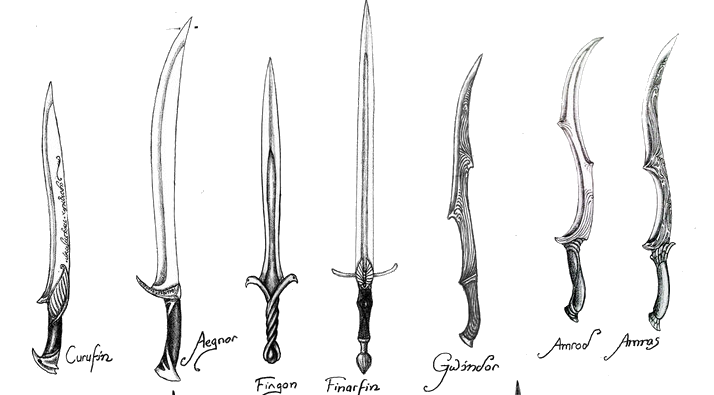
Many real weapons varied only slightly, and cannot be further differentiated in this document. The following table provides alternatives to the existing mechanics and choices. They use the same weight, properties, and damage dice as their original equivalents, though their damage type may differ. That difference is listed in parentheses; (b) for bludgeoning, (p) for piercing, and (s) for slashing damages.
Several of these alternates originate from cultures and technological eras outside the late-medieval/early-renaissance European pastiche of D&D, and may not be appropriate for every game. They include Greece, Rome, Japan, China, and India throughout multiple eras, and this list is far from exhaustive. The DM is within their rights to not allow certain alternatives based on culture, time period, location, or tone. However, the difference is entirely aesthetic, and fantasy cultures may have followed a very different path from our reality. Finally, many of the alternatives are little more than translations for a game that takes place in a different setting, and may be considered equivalent or specific for all intents and purposes.
| Weapon | Alternative |
|---|---|
| Arming Sword | Broadsword, falchion (s), sabre |
| Battleaxe | Fu, khopesh, machete, masakari |
| Brigandine | Lorica segmentata |
| Buckler | Parma |
| Cestus | Bagh nakh (s), push dagger (p), tekko |
| Chain Whip | Spiked chain (p), kusarigama (p), meteor hammer |
| Club | Bian, blackjack, cosh, tonfa |
| Dagger | Bishou, kozuka, kukri, tamo, tanto |
| Dart | Shuriken, throwing knife |
| Weapon | Alternative |
|---|---|
| Flail | Nunchaku (b), urumi (s) |
| Glaive | Bill, bisento, bardiche, falx, fauchard, guandao, lochaber axe, naginata, rhompaia, sovnya, swordstaff, voulge |
| Greatclub | Peasant flail, kanabo, tetsubo |
| Greatsword | Claymore, changdao, flamberge, nodachi, zweihander |
| Guisarme | Mancatcher |
| Handaxe | Chakram, ono |
| Javelin | Mau, uchi-ne |
| Lance | Umayari |
| Light Hammer | Chui |
| Longsword | Katana |
| Longbow | Daikyu |
| Pike | Ahlspiess, sarissa, mao, nagaeyari |
| Parrying Dagger | Sai |
| Quarterstaff | Gun, bo |
| Ranseur | Corseque, earspoon, partizan, spontoon, rawcon |
| Scimitar | Cutlass, liuyedao |
| Shield | Aspis, heater, ishlangu, kite, pelte |
| Shortspear | Assegai, hasta |
| Shortbow | Hankyu |
| Shortsword | Falcata, gladius, jian, katar, wakizashi |
| Sickle | Kama |
| Spear | Doru, qiang, yari |
| Trident | Magariyari |
| Trebuchet | Catapult, mangonel |
| Tower Shield | Pavise, scutum |
| War Pick | Fang, kuwa |
| Whip | Cat-o-nine-tails, lasso |
Alternative armors, fortunately, are a simple matter of scale. A prehistoric game would feature primarily leather and bone—"plate armor" could be as simple as bone overlay on the chest. A heavy babylonian breastplate, made from bronze, can be considered plate armor in game mechanics. Ultimately, aesthetic and mechanic can co-exist without strict adherence to exact description depending on setting.
This phenomenon also applies to armor in the "standard" setting, as well. A "gambeson" could be heavily padded clothing supplemented by a helm, bracers, and almain collar, and leather armor can exist as armored noblewear rather than full gear. Ultimately, the willingness of player and Dungeon Master to stretch plausibility for aesthetics varies in every group. This document leans simulationist, which limits reflavor work, but this page in particular gives great leeway in just that.