
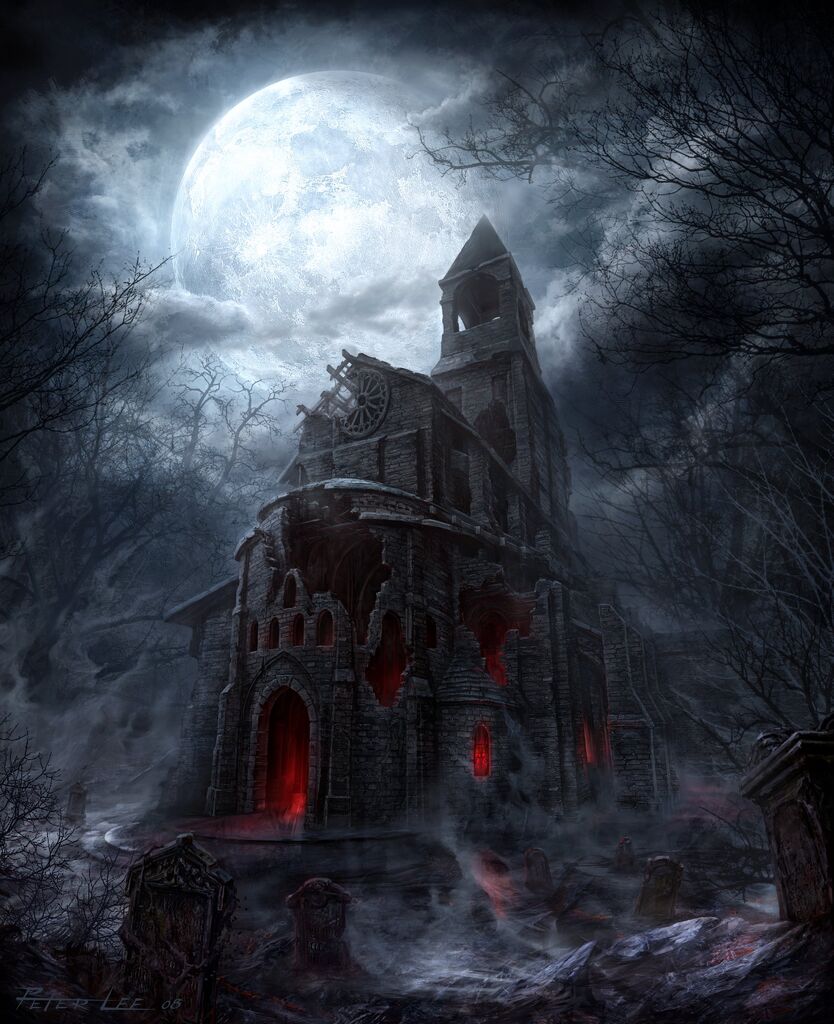


Inquisitor
Cornered and bloodied, a half-orc proclaims fervent words, and his twin blades start to glow radiantly. Swiftly, he throws himself against the horde of zombies, and starts hacking through his enemies.
A half-elf consumes the dead tongue of a human, and begins to interrogate the body of a recently murdered dwarven child in front of his parents, in order to bring his killer to justice.
Waiting in the shadows, a tiefling sends her Will-O'-Wisp to distract the guards of the fortress, and find a way inside in time to interrupt the blasphemous ritual lead by heretics.
Inquisitors, no matter how different their motivations are from each other, are defined by a single trait: they are all obsessed with the undeath. They view it not only as a subject of study, as many wizards and clerics do, but also an integral part of life, that must be used or exterminated, depending on their views and experiences.
For some, this obsession came naturally because of their upbringing as acolytes from clergies of deities of the grave, others suffered a traumatic experience and wish no more than to destroy every single undead they find in their path. Others even see the undead as useful tools, and utilizes their parts to create powerful concoctions.
The Death Brand
Whenever an apprentice shows a promising set of skills and attributes, they are marked with what is called a Death Brand. With an smoldering iron, the novice has their body marked for life, usually at the neck, chest or back, and the brand acts as a badge of office for the fresh inquisitor, showing everyone the arduous path they have decided to take. The procedure to be branded is a painful one, and the majority of the initiates dies horribly, twisting in pain, because the body rejects the foul magic of the Death Brand. Some even raise as an undead minutes later, because of the necromantic energy that the Death Brand distills. For that reason, is not strange that an experienced Undertaker supervises the ritual, and if anything goes wrong, swiftly decapitate the fallen novice. The body is later use for Hexenwerk alchemy, and so, the apprentice can still contribute to the cult, even in death.
Stern Individuals
Inquisitors are tough people. Their experience with both death and the undeath scarred them deeply, to the point of some of them are even devoid of any emotion. And that makes them pretty valuable, especially for certain religious associations or clergies. Inquisitors are the perfect interrogators, with many of them without a simple sign of morality inside their souls. Grim and determined, they use trickery and guile where righteousness and purity is not enough, and are able to break even the most stubborn individuals. Some say that even the gaze of an inquisitor is enough to make a child cry, but that might be just exaggerations.
Although some inquisitors work with their local clergy or religious associations, a big part are lonely individuals, that sell their services as mercenaries, offering their abilities to resolve crimes, especially murders, or to stop a sudden outburst of undead.
Doesn't matter with who are they associated with, or if they prefer to go solo, inquisitors tend to move from place to place, chasing down enemies and researching emerging threats. They respond to their own sense of justice, and are willing to take extreme measures to meet their goals.
Creating an Inquisitor
As you create your inquisitor character, consider the character's past and what lead them to begin their path in this class. Were you an acolyte of a deity of the grave? Did your home town get whipped out by a horde of mindless undead when you were a child? Have you had a fascination with the dead and the process of alchemy since you first joined your father in his graveyard shift? Are you in search of vengeance or are you driven by your desire to bring justice to this world?
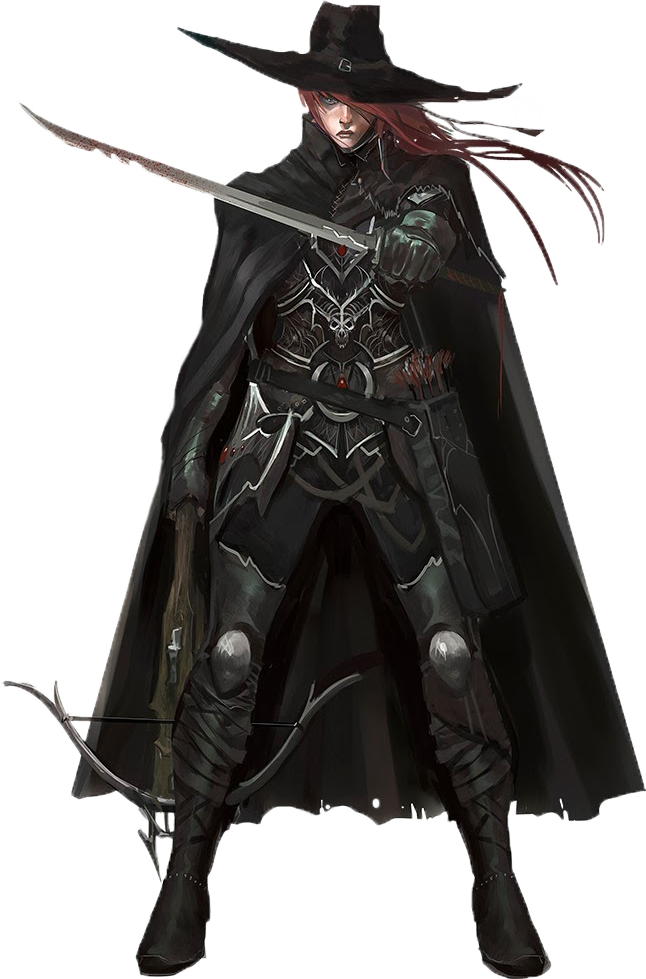
The Inquisitor
| Level | Proficiency Bonus | Features | Brands | Ointments Recipes |
|---|---|---|---|---|
| 1st | +2 | Brands, Judgments (1/rest), Monster Lore | 1 | — |
| 2nd | +2 | Ointments, Fighting Style | 2 | 2 |
| 3rd | +2 | Inquisitor Cult, Cunning Initiative | 2 | 2 |
| 4th | +2 | Ability Score Improvement | 3 | 2 |
| 5th | +3 | Inquisitor Cult feature, Unnerving Presence | 3 | 2 |
| 6th | +3 | Judgments (2/rest) | 4 | 2 |
| 7th | +3 | Inquisitor Cult feature | 4 | 3 |
| 8th | +3 | Ability Score Improvement | 5 | 3 |
| 9th | +4 | Discern Lies | 5 | 3 |
| 10th | +4 | Stern Gaze | 6 | 3 |
| 11th | +4 | Inquisitor Cult feature. Judgments (3/rest) | 6 | 4 |
| 12th | +4 | Ability Score Improvement | 7 | 4 |
| 13th | +4 | ─ | 7 | 4 |
| 14th | +5 | Stalwart | 8 | 4 |
| 15th | +5 | Inquisitor Cult feature | 8 | 5 |
| 16th | +5 | Ability Score Improvement | 9 | 5 |
| 17th | +6 | Exploit Weakness | 9 | 5 |
| 18th | +6 | Judgments (4/rest) | 10 | 6 |
| 19th | +6 | Ability Score Improvement | 10 | 6 |
| 20th | +6 | True Judgment | 10 | 6 |
What pushed you to the adventuring life? Was it an important mission assigned to you by one of your superiors? Are you in search of new materials and recipes to make even more gruesome and morbid concoctions? Are you in a quest to help free the soul of a sibling, now working as your incorporeal companion? Maybe you lived a supernatural experience with the undeath, and that leads you to a quest to find the origin of that strange vision.
Think of how you would fit in your party. Are you tagging along with them only because you need to mask your presence? Maybe you made a new friend who showed you new possibilities for earning a living and employing your particular talents. Perhaps even one of the adventurers is suspected of a crime against your church, and you decided to travel with them in order to investigate more and bring that person to justice, if necessary. Or maybe your motivations are as simple as tagging along with a bigger group, to have better chances against any undead that you may encounter.
Quick Build
You can make an Inquisitor quickly following these suggestions. First, make Strength or Dexterity your highest ability score, depending on whether you would like to focus on melee weapons, or ranged and finesse weapons. Make Wisdom your second highest if you plan on focusing on Judgments or controlling incorporeal undead. Then, choose the Acolyte or Haunted One background.
Class Features
As an Inquisitor, you gain the following class features
Hit Points
- Hit Dice: 1d10 per Inquisitor level
- Hit Points at 1st Level: 10 + your Constitution modifier
- Hit Points at Higher Levels: 1d10 (or 6) + your Constitution modifier
Proficiencies
- Armor: Light armor, medium armor
- Weapons: Simple weapons, martial weapons
- Tools: Embalming tools, alchemist's supplies
- Saving Throws: Strength, Wisdom
- Skills: Choose two from Arcana, Athletics, Insight, Intimidation Investigation, Medicine, Religion, Stealth, and Survival
Equipment
You start with the following equipment, in addition to the equipment granted by your background:
- (a) a scale mail or (b) leather armor
- (a) two martial melee weapons or (b) a longbow and 20 arrows.
- (a) a scholar's pack or (b) a dungeoneer's pack
- (a) a light crossbow and 20 bolts or (b) two simple melee weapons.
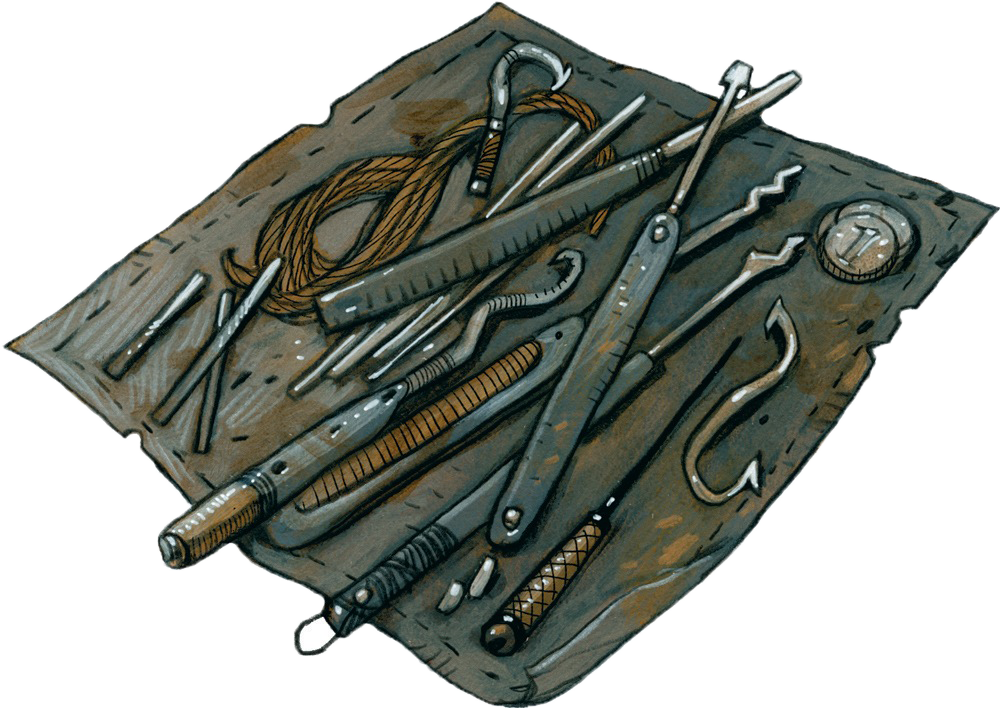
- embalming tools
Alternatively, you can begin with starting wealth of 4d4 x 10 gp and purchase starting items of your choice.
Brands
At 1st level, your skin is marked with a Deathbrand, the symbol of your new path. This Brand contains bits of necromantic power, and grants you new and strange abilities. You have 1 Brand, and gain more as you reach higher levels, as shown in the Brand column of the Inquisitor table. You can never have more Brands than shown on the table for your level. You regain all spent Brands when you finish a long rest. You use your Brands to activate and empower different class abilities.
You can also use your Brands to detect the presence of necromantic activity in the area. As an action, you can expend one use of your Brands feature and open your awareness, detecting such magic. Until the end of your turn, you know the location of any undead within 60 feet of you that is not behind total cover. You know the subtype (vampire, zombie, skeleton, wraith, etc) of any creature whose presence you sense, but not its identity. Within the same radius, you also detect the presence of any creature, object or place that bears necromantic magic, and you automatically know the name of any necromantic spell used on that creature, object or place in the last minute.
Judgments
Starting at 1st level, you learn the ability to impart sentence to your foes using a certain combination of words and the magic of your Brand, called Judgments. As a bonus action, you can activate a judgment. Starting when the judgment is made, you receive a bonus or special ability based on the type of judgment made. Once activated, this ability lasts for 1 minute, at which point all the bonuses immediately ends. You must participate in combat to gain these bonuses. If you are frightened, incapacitated, paralyzed, petrified, stunned or unconscious or otherwise prevented from participation on combat, the ability does not end, but the bonuses do not resume until you can participate in the combat again. When the inquisitor uses this ability, you must select one type of judgment to make. As a bonus action, you can change this judgment to another type, ending the effects of the previous judgment, unless stated otherwise. At 5th, 11th, and 15th level, the power of your judgments increases. If a Judgment asks for a saving throw, the DC equals to 8 + your proficiency bonus + your Wisdom modifier.
You can use this feature once. You regain expended uses when you finish a long rest. Beginning at 6th level, you can use your Judgment twice between rests, at 11th level you can use it thrice between rests, and at 17th level, you can use it four times between rests.
Here are the judgments presented in alphabetical order:
Judgment of Dark Fortitude. You are surrounded by shadows that comforts you, making you gain temporary hit points equal to 1 + your Wisdom modifier (minimum of 1). If you change this judgment as a bonus action, you start losing this temporary hit points at the rate of 1 each round. The amount of extra hit points increases to 3 + your Wisdom modifier at 5th level, to 6 + your Wisdom modifier at 11th level, and 9 + your Wisdom at 15th level.
Judgment of Dawn Radiance. A sacred flame imbues your weapons, making all your weapons to deal and additional 1d4 radiant damage. This damage increases to 1d6 at 5th level, 1d8 at 11th level and 1d10 at 15th level.
Judgment of Deep Resilience. Creeping shadows covers your body, making you gain +1 bonus to your AC when you pronounce this judgment. This bonus is further increased by 1 at 5th, 11th and 15th level.
Judgment of Monster Bane. This judgment bathes you in divine light, making your weapon attacks count as silvered for the purpose of overcoming resistances and immunities. At 5th level, your weapons counts as magical for the purpose of overcoming resistance and immunities. At 11th level, you score a critical hit on a roll of 19-20. At 15th level, when you score a critical hit, you deal an extra damage equal to your proficiency bonus.
Judgment of Noxious Shadows. You are filled with necromantic wrath, gaining a 1d4 necrotic damage to all your weapon attacks. This damage increases to 1d6 at 5th level, 1d8 at 11th level and 1d10 at 15th level.
Judgment of Purgation. You are protected from the vile taint of your foes, gaining resistance against poison and advantage on saving throws against poison and the poisoned condition. At 5th level, you also gain immunity to diseases. At 11th level, you gain immunity to poison and the poisoned condition. At 15th level, you also gain advantage on saving throws against curses.
Judgment of the Veiled Mask. Your body becomes somewhat translucent and ethereal, letting you take the Hide action as a bonus action if you are in dim light or darkness. At 5th level, you can also take the Disengage action as a bonus action under same conditions. At 11th level you can take the Dodge action as a bonus action under the same conditions. At 15th level you can take the Dash action as a bonus action under the same conditions.
Monster Lore
Beginning at 1st level, you learn ancient and occult lore, that becomes fixated in your mind. You you gain advantage on any Intelligence check made to identify the abilities and weakness of creatures.


Ointments
Starting at 2nd level, you learn how to create special Ointments made of humanoid corpses, herbs, venoms, parts from monsters and other disgusting, rare or mystical materials. These ingredients could be the blood of a recent dead body, eyeballs plucked from a dead body, the cut tongue of a recently deceased, venom of natural or antinatural creatures or even common objects (like water and wine) blessed by the priest of a certain domain.
Creating Ointments requires 1 hour of uninterrupted work, the right materials for the specific Ointment, alchemist's supplies and the expend of one use of your Brands feature per Ointment dose. If you are interrupted in that time, the materials and the Ointment is lost, and you must start again. Once created, anyone can use the ointment. However, the Ointments are pretty unstable, and at the next dawn, they become useless: they are filtered from their own containers, they become spoiled or degrade themselves, etc. Each Ointment is described at the end of this class description.
You learn the recipes of 2 Minor Ointments. You learn one additional recipe, and you can choose to replace one of the recipes you know with another one, at 7th, 11th, 15th and 18th level. When you follow the steps mentioned above to create ointments, you can craft up to two Minor Ointments dose. You can choose to create two dose of the same Minor Ointment or two of different ones.
Fighting Style
At 2nd level, you adopt a style of fighting as your specialty. Choose one of the following options. You can't take a Fighting Style option more than once, even if you later get to choose again.
Archery
You gain a +2 bonus to attack rolls you make with ranged weapons.
Dueling
When you are wielding a melee weapon in one hand and no other weapons, you gain a +2 bonus to damage rolls with that weapon.
Great Weapon Fighting
When you roll a 1 or 2 on a damage die for an attack you make with a melee weapon that you are wielding with two hands, you can reroll the die and must use the new roll. The weapon must have the two-handed or versatile property for you to gain the benefit.
Two-Weapon Fighting
When you engage in two-weapon fighting, you can add your ability modifier to the damage of the second attack.
Inquisitor Cult
At 3rd level, you commit to a cult of inquisitor focus. Choose Cult of the Hexenwerk, Cult of the Mortice Master, or Cult of the Undertaker, all detailed at the end of the class description. Your choice grants you features at 3rd level, and again at 5th, 7th, 11th, and 15th level.
Cunning Initiative
Starting at 3rd level, the Inquisitor adds their Wisdom modifier to initiative checks, in addition to their Dexterity modifier.
Ability Score Improvement
When you reach 4th level, and again at 6th, 8th, 12th, 14th, 16th, and 19th level, you can increase one ability score of your choice by 2, or you can increase two Ability Scores of your choice by 1. As normal, you can't increase an ability score above 20 using this feature.
Unnerving Presence
When you reach 5th level, your presence becomes more intimidating, and you gain a new use for your Brands feature. As an action, you can expend one use of your Brands feature and target a creature that you can see within 30 feet of you. If the creature can see or hear you, it must make a Wisdom saving throw (DC equals 8 + your proficiency bonus + your Wisdom modifier) or be frightened by you for 1 minute. This effect ends if the creature ends its turn out of line of sight or more than 60 feet away from you.
If the creature succeeds on its saving throw, you can’t use this feature on that creature again for 24 hours.
Discern Lies
At 9th level, your sole presence is enough to force the truth out of anyone. You can cast the zone of truth spell as a 2nd-level spell a number of times equal to your Wisdom modifier. Wisdom is your spellcasting ability for this spell.
Stern Gaze
Beginning at 10th level, whenever you make an Intimidation or Insight check, your proficiency bonus is doubled. You also gain advantage on this check if it is made against creatures that are frightened by you.
Stalwart
At 14th level, you can use mental and physical resiliency to avoid certain attacks. Whenever you make a Constitution or Wisdom saving throw against an effect that has reduced effect on a successful save, you instead avoid the effect entirely. This ability can’t be used if you are wearing heavy armor or if are incapacitated.
Exploit Weakness
Starting at 17th level, you learn how to take advantage of any opportunity that presents itself. Whenever you score a critical hit, you ignore any damage resistance the target might have. Additionally, if the creature have any kind of regeneration, the creature loses regeneration on the round following the critical hit and can die normally during that round.
True Judgment
At 20th level, you can call true judgment down upon a foe during combat. Whenever you use your judgment ability, you can invoke true judgment on a foe instead. Once declared, as a reaction, you can make a single melee attack (or ranged attack, if the foe is within 30 feet) against the target. If the attack hits, it deals damage normally and the target must make a Constitution save (DC equals 8 + your proficiency bonus + your Wisdom modifier) or drop to 0 hit points and is stabilized. Regardless of whether or not the save is made, the target creature is immune to the inquisitor’s true judgment ability for 24 hours. Once this ability has been used, it cannot be used until you finish a long rest.
Ointments
These ointments are divided into two types (Minor and Major) and presented here in alphabetical order. Major Ointments can only be chosen by a Hexe. The materials described for each one are mostly flavor. For the sake of simplicity, you can ignore them and use the following rule instead: for Minor Ointments, the price for the ingredients is 10 gp, except for Fury of the Patriarch and Scourge of Perdition (both 50 gp) and Tear of the Gods and Veil of the Weeping Widow (both 70 gp); and for Mayor Ointments, the cost is 100 gp.
Minor Ointments
Autumn's Lullaby
As an action, you can drink this ointment and fall unconscious. Nightmares (both mundane and magical) cannot interrupt their sleep, although normal methods (as wake up naturally, strong noises, etc) can wake up you. If you complete a long rest under the effects of Autumn's Lullaby without being interrupted, you gain advantage on all Perception checks for the following hour.
Ingredients. Rotten pumpkin seed, common table red wine and a tear.
Black Broth
As a bonus action, you can eat this broth and gain one of the following qualities:
- You get swimming speed equal to half your base movement speed.
- You gain the Savage Attacks trait.
- You gain the Undead Fortitude trait.
- Your skin becomes chitinous, reducing the damage you take from slashing and piercing damage by 3.
- While you are in dim light or darkness, you can take a bonus action, that can only be use to Hide.
- Your weapon attacks inflicts poison, instead of the normal type of damage that the attack would have dealt.
These effects lasts for 1 minute, or until you decide to end them. This doesn't cost an action.
Ingredients. Moldy bread mixed with monster blood and fetid marsh water.

Blade of Winter
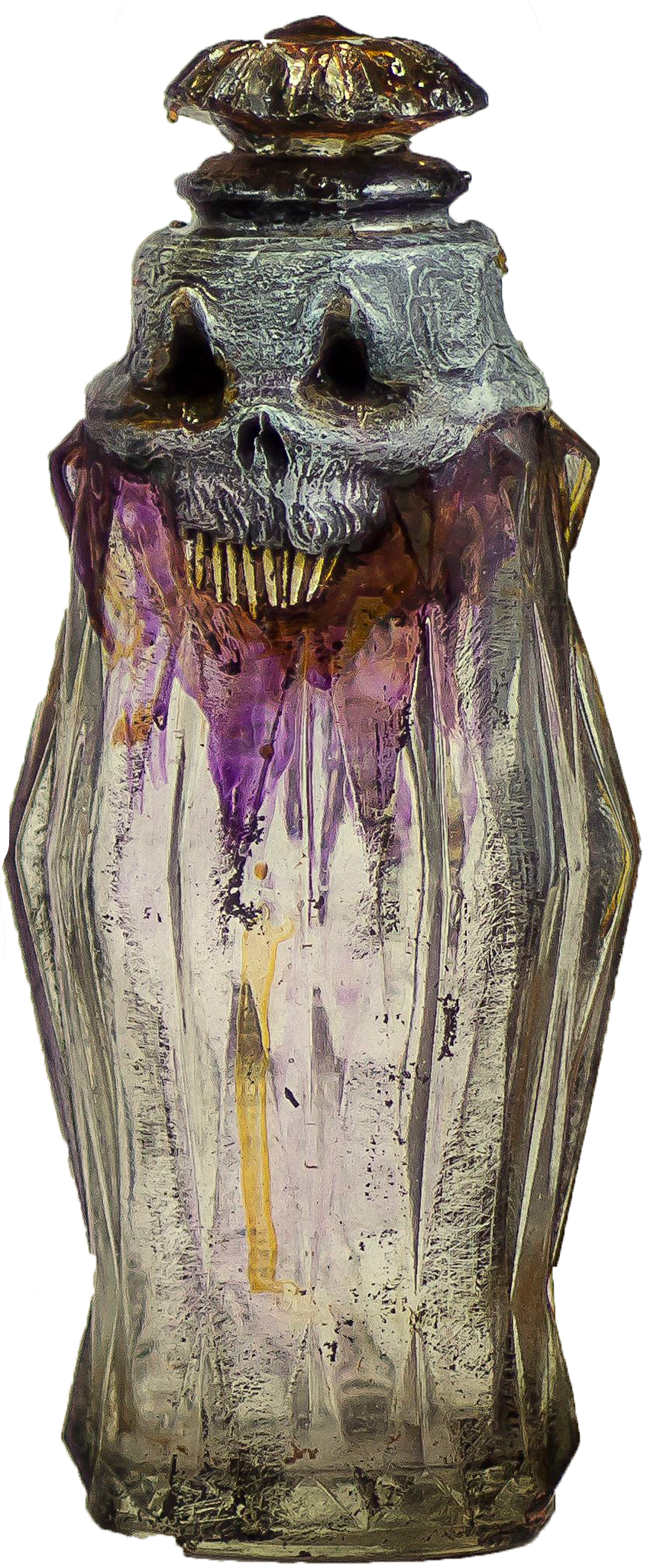
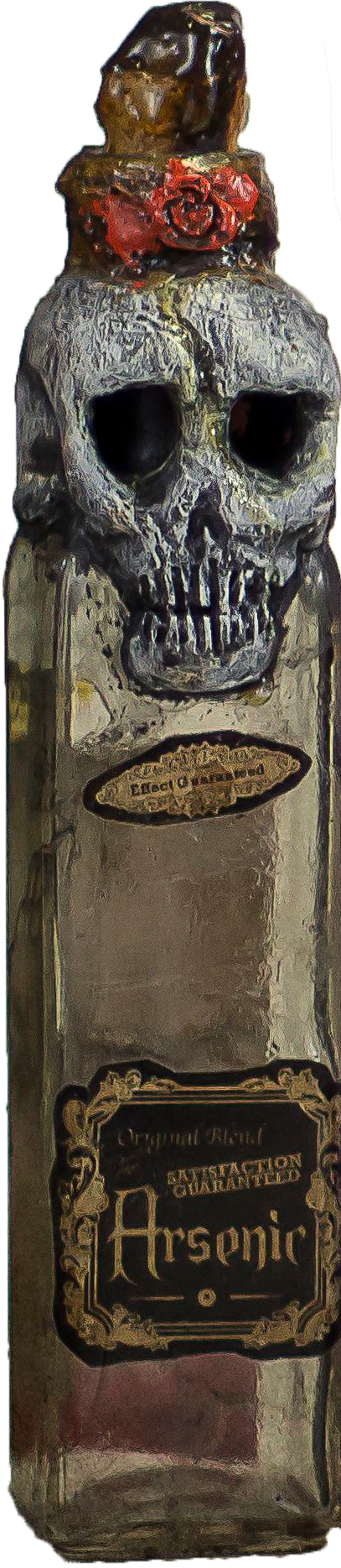
As an action, you can smash this jar of ointment in your hand, forming a ice sword with an impossible thin and sharp blade. As part of the same action, you can make a single melee weapon attack against an undead creature. If the attack hits, the blade is destroyed, and the creature is stunned until the end of its next turn.
Ingredients. Holy water, a rose stem with thorns, and a couple of drops of hexe blood (it can be your blood).
Compassion of the Mother
As an action, you can drink this ointment to remove a minor curse, disease, or the poisoned condition. An undead creature that drinks this ointment becomes poisoned instead.
Ingredients. A dense soup of wild vegetables and holy water.
Laugh of the Spring Fairies
As an action, you can consume this ointment. Until the end of your next turn, you gain advantage on saving throws against the frightened condition.
Ingredients. Fresh spring flowers, tree sap and rain water mixed with dense syrup.
Malediction of the Grim
As a bonus action, you can apply this ointment to a weapon you are holding. If your next attack hits a creature, the creature has disadvantage on its next attack. If that creature is an undead, it suffers disadvantage on its next ability checks and saving throw, too.
Ingredients. A corrosive mixture of natural poisons sprinkled with pure silver shavings.
Phantasmal Poison
As a bonus action, you can apply this ointment to a weapon you are holding. If your next attack hits a creature, you ignore the damage resistances of the creature, and trait its damage immunities as resistances. If that creatures is an undead, you ignore all resistances and immunities.
Ingredients. A mixture of potents poisons of natural creatures, like black widows or cobras.
Red Temptation
As an action, you can apply this ointment to your body. Any undead that makes an attack against a target other than you needs to pass a Wisdom saving throw against your spell save DC. If the save fails, the creature needs to select you as a target or the attack is lost. This effect lasts until the end of the next round.
Ingredients. Rotten meat and berries, boiled together with roots and spicy herbs.
Smile of the Sun
You can apply this ointment as an action. You remove one negative condition provoked by undead creatures.
Ingredients. A poultice made from the water of a fast stream and very sweet and cloying herbs.
If you use the body parts of a fellow hexe to make an Ointment, you can make double dose of any ointment you make, and they are not rendered useless at the next dawn, rather surviving for two more days. Take in consideration that using this method is considered evil.
Major Ointments
Bread of the Master
As an action, you can ingest this ointment, you can target a creature that you can see within 60 feet of you. The creature needs to make a Wisdom saving throw against your spell save DC. On a failed save, the creature is under the effects of a Dominate Monster spell. You have to maintain concentration, as in casting a spell. If the creature is an undead, it makes the saving throw at disadvantage.
Ingredients. A dead brain with various herbs and hallucinogenic mushrooms, all mixed to form a paste-like substance that must be left to dry.
Corpse Tongue
As an action, you can apply this ointment to your tongue. You can ask questions to a the body of a dead creature. The corpse doesn't need to have a mouth, but can't be undead. You can ask a number of question equal to your Wisdom modifier multiplied by 2. The corpse needs to answer with honesty. It knows what it knew in life, including languages. After the last question you will have to puke and the corpse you interrogated turns to dust.
Ingredients. The tongue cut from a corpse, soaked in belladonna, kneaded until it becomes a paste.
Dead Man's Blood
If an undead inserts this ointment to its body (by injecting it, consuming it, etc) the creature becomes unconscious for 1 minute. Keep in mind that a big quantity needs to be consumed to be effective, it is not worthy to apply it to a weapon and attack with it.
Ingredients. A mixture of blood from a recent corpse and various herbs, poisons, roots and other similar things.
Eyes of the Specter
As an action, you can smear the outline of your eyes with this ointment, and gain the capacity to see spirits, ghosts and other similar monsters that normally would be invisible. You gain truesight up to 30 feet for 1 hour, or until you end it using a bonus action.
Ingredients. Eyes ripped from a recent dead, mixed with holy water and mandrake.
Funerary Porridges
A humanoid that eats this ointment needs to succeed in a DC 15 Constitution saving throw or suffers 4d10 necrotic damage, halving the damage on a successful save. If the humanoid dies the same day it ingested the Funerary Porridges, it raises as a zombie under your control for 8 hours (your DM should have the stats). Once the 8 hours pass, the zombie crumbles and turns to ashes. Take into account that utilizing this ointment is considered evil by many.
Ingredients. A kidney and a liver of a corpse crushed to get lumpy gruel and mixed with poisons and powerful sedatives.
Incorporeal Stride
As an action, you can consume this ointment and automatically falls unconscious. At the start of your next turn, a spiritual manifestation of yourself appears next to you. You have a chord that binds you to your material body, that extends from your back and trails behind you, fading to invisibility after 1 foot. This cord is your tether to your material body. If the cord is cut, you die instantly.
In spiritual form, you can move through objects and creatures, and can not be detected except for effects and abilities that can detect invisible creatures. Your spiritual form have your same game statics that you have, including hit points and AC, but can't wield weapons or objects and cast spells. You take 1d10 force damage if you end your turn inside an object. Your spiritual form also has immunity to cold, necrotic and non-magical piercing, slashing and bludgeoning damage.
If your spiritual form dies, it returns to your body, and you are stunned until the end of your next turn. You die if you don't come back to your material body before the next dawn or dusk (whatever happens first), or if your spiritual form is destroyed and can't come back to your body (for example, if your body is in another plane).
Ingredients. The heart of a humanoid milled and mixed with herbs and sedatives.
Soul Jail
You take 10 minutes to draw a figure (a circle, a square, a pentagram or any other closed figure) using this ointment, with a 30-foot radius. While the figure stays intact and closed, no undead can't cross it or affect any creature that is within the figure. No undead can break the line (by erasing it, breaking the surface where it is drawn, etc), but any other creature can. A dispel magic spell and similar effects can dispel the figure. Treat this effect as a 6th-level spell to establish the spell effectiveness. The figure lasts until it is dispelled or break in any way.
Ingredients. Moss from a tombstone or from a mausoleum, boiled and melted, mixed with salt and bones until a dense, sticky paste is obtained.
Inquisitor Cults
There is a handful of secretive inquisitor cults that guard their ancient techniques and rituals. One must adhere to one of these cults in order to be granted the privilege of being Deathbranded, and only once they have proven their worthiness will the secrets of the cult starts to be revealed to them.
Cult of the Hexenwerk
Hexenwerk, a Northumbreisen word that can be roughly translated to the Common tongue as "witchcraft", is an occult, and for many, sacrilegious practice, that involves the creations of special ointments, used to aid the inquisitor in any activity it may partake. This strange form of alchemy was rediscovered in the gloomy lands of Northumbreisen, when Undertakers started using the parts of their undead preys in order to create concoctions and potions that helped them when they were hunting down dead aberrations. This lead to the unearthing of ancient knowledge, and various recipes were found.
Hexene (hexe in singular) are seen with strange and suspicious eyes, even by other inquisitors, because of the gruesome of their work, and the easy temptation of using this kind of powers in order to pursuit malicious goals. Also, there's a little secret. The body parts of a hexe do wonders as ingredients for the ointments. So it is not weird that many evil hexene hunts their own to harvest these valuable ingredients.
Judgment of Open Secrets
At 3rd level, you gain a new judgment option for your Judgment feature.
Judgment of Open Secrets. You learn new ways to learn the strengths or vulnerabilities of your foes. When you use this judgment, choose a creature that you can see within 30 feet of you. That creature needs to make a Wisdom saving throw. On a fail, you learn its vulnerabilities, if any. Regardless of whether or not the save is made, the target creature is immune to your Judgment of Open Secrets for 24 hours. At 5th level, you also learn any resistances that the creature may have. At 11th level, you learn any immunities that the creature may have. At 15th level, you learn how to read the movements of your rival, making you gain advantage on saving throws against effects caused by the creature affected by your Judgment of Open Secrets.
Grim Alchemy
Starting when you choose this cult at 3rd level, you delve deeper into the study and crafting of Ointments. As a result, you are able to uncover new recipes. You learn a new Ointment recipe, that you can choose from the general list of Ointments or the ones presented below. You gain additional recipes at 6th, 9th and 12th level.
Fury of the Patriarch
You can use your whole turn to stab with this stake an undead creature that is unconscious. The body is destroyed and the creature can't go back to life.
Ingredients. A stake of sacred wood, smeared with a puree made of herbs and natural poisons and then blessed by a cleric of the Light or Life domain.
Scourge of Perdition.
As a bonus action, you can apply this ointment to a weapon you are holding. If your next attack hits a creature, that creature can't use any special ability it may have until the end of its next turn. If that creature is an undead, it can't also take the attack action until the end of its next turn.
Ingredients. A mixture of various herbs, poisons and a trickle of communion wine
Tears of the Gods.
You can use your whole turn to apply this ointment to a recently dead body. That body cannot be raised as an undead for the next seven years.
Ingredients. A viscous substance made with anointing oil and rare spices.
Veil of the Weeping Widow.
As an action, you can apply this ointment to your skin. The next time an undead creature hits you with an attack, you can reduce the damage of that attack to 0 as a reaction. Once you have reduced the damage to 0 points, or 8 hours pass since you applied the ointment, this ointment is destroyed.
Ingredients. A withered chrysanthemum collected from a tomb, washed with holy water and then blessed by a cleric of the Grave domain.
When you reach the 15th level, you learn the recipes to craft Major Ointments. You choose two Major Ointments, and then additional ones at 17th and 20th level. When you start the process to create an Ointment, you can now choose to make a Mayor Ointment, in addition to the two Minor Ointments you can already craft. You can't have more than one Mayor Ointment with yourself at any given time, if you create a new one, the old one becomes useless.
Extra Attack
Beginning at 5th level, you can attack twice, instead of once, whenever you take the Attack action on your turn.
Discovery
Starting at 7th level, your constant studies in alchemy makes you discover new secrets. Select a discovery from the discovery list below. Unless otherwise noted, you cannot select an individual discovery more than once. When you reach the 9th, 13th and 17th level, you learn a new discovery, and can choose to change one that you already know for a new one. A list of discoveries presented in alphabetical order are presented below.
Bitter Blood. Whenever a creature makes a melee weapon attack against you using natural weapons, it is forced to make a Constitution saving throw (DC equal 8 + your proficiency modifier + your Constitution modifier). On a failed save, the creature is poisoned until the end of their next turn.
Feral Instincts. You gain a natural weapon in the form of a bite attack. It is an unarmed strike that deals piercing damage equal to 1d6 + your Strength modifier, instead of the bludgeoning damage normal for an unarmed strike.

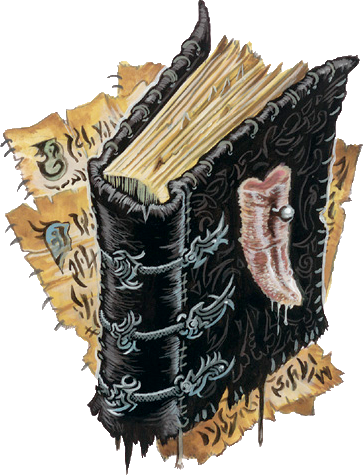
Innate Familiar. You create a Tiny tumor in your body, usually in your belly or your back. As an action, you can have the tumor detach itself from your body as a separate creature vaguely resembling a kind of animal suitable for a familiar (bat, cat, and so on) and move about as if it were an independent creature. The tumor can reattach itself to the alchemist as an action. The tumor has all the abilities of the animal it resembles (for example, a batlike tumor can fly) and familiar abilities. The tumor acts as the alchemist’s familiar whether attached or separated. When attached to you, the tumor can regain hit points at a rate of 1 per round. If a tumor familiar is lost or dies, it can be replaced 1 week later through a specialized procedure that costs 50 gp. The ritual takes 1 hour to complete.
Instant Mastery. Select one skill you are proficient with and one that you are not. You double your proficiency bonus on any skill check related to that particular skill, and you become proficient on the other skill. You can select this discovery more than once.
Mental Resilience. You gain resistance to one of the following types of damage: force, necrotic, psychic, or radiant. If you select this discovery, you can't choose Physical Resilience as a new discovery, unless you change this discovery for Physical Resilience.
Physical Resilience. You gain resistance to one of the following types of damage: acid, cold, fire, lighting, poison, or thunder. If you select this discovery, you can't choose Mental Resilience as a new discovery, unless you change this discovery for Mental Resilience.
Shifting Skin. Your skin changes colors, granting you proficiency in the Stealth skill.
Strange Pheromones. You exude an imperceptible musk of pheromones, that lets you add double your proficiency bonus to any Persuasion skill check.
Resilient Physiology
At 11th level, your body has begun to adapt to the toxins and noxious substances that you manipulate. You gain immunity to diseases and poison damage, and also to the poisoned condition.
Grand Discovery
At 15th level, you make a grand discovery, that represents a truly astounding alchemical breakthrough of significant import. For many hexene, the promise of one of these grand discoveries is the primary goal of their experiments and hard work. You choose two grand discoveries from the list below, presented in alphabetical order:
Perfect Senses. You gain immunity to the blindness and deafness condition, and you gain advantage on Perception checks.
Piercing Strike. Your attacks score a critical hit on a roll of 19-20.
Touch of the Aether. Ethereal wings grow on your back, giving you a flying speed of 20 feet.
Unbreakable Body. You gain resistance to bludgeoning, piercing and slashing damage.
Mystic Cleansing. You can cast the remove curse spell at will. Wisdom is your spellcasting ability for this spell.
Commanding Voice. You can cast the geas spell as a 5th level spell a number of times equal to your Wisdom modifier. You have to finish a long rest before you can cast it again. Wisdom is your spellcasting ability for this spell.
Cult of the Mortice Master
Although the inquisitors started as undead slayers, some of them realized that with enough training, mental fortitude, and the mastery of the necromantic arts, they could overpowered some of them and put them under their control. The Mortice Masters are known to be followed always by a certain cold mist, that makes everyone feels shivers. They like to wander near haunted or desecrated places, where the restless spirits of the dead can be found. This kind of inquisitors learned that the incorporeal undead are easier to control, and more subtle than a rotting corpse walking at your side.
Mortice Masters and Undertakers don't see each other eye to eye, mainly because the Undertakers have a strong conviction that all undead should be destroyed, no matter their usefulness.
Judgment of Binding
When you choose this cult at 3rd level, you gain a new judgment option.
Judgment of Binding. You chain the soul of a Small or Medium creature within 30 feet of you. The target must succeed on a Strength saving throw or be restrained. At 5th level, you can target a Large creature instead. At 11th level, the creature is stunned until the end of its next turn. At 15th level, the creature is paralyzed until the end of its next turn. It can repeat the saving throw at the end of each on of its turns. Regardless of whether or not the save is made, the target creature is immune to the inquisitor’s Judgment of Binding for 24 hours.
Incorporeal Companion
At 3rd level, you learn to use your magic to create a powerful bond with a wandering spirit of a dead creature.
With 8 hours of work and the expenditure of 50 gp worth of rare incense, body parts and special candles, you call forth a restless spirit, to bind it to your will. You normally select a companion from among the following list: a shadow, an specter, or a will-o'-wisp. However, your DM might pick one of these creatures for you, based on your background and general terrain surrounding you.
At the end of 8 hours, the incorporeal creature you selected appears in front of you. You immediately need to expend an use of your Brands feature within the next round. Then, the creature needs to make a Wisdom saving throw against your spell save DC. If the creature succeeds this save, or you are unable to expend a Brand, the creature turns hostile and attacks you. If the creature fails the save, it is under your complete control, and gains all the benefits of the Companion's Bond ability. You can have only one incorporeal companion at a time.
If your incorporeal companion is ever slain, it is completely destroyed and cannot be resurrected, their soul lastly finding peace and rest and traveling directly to the Ethereal Plane. You can call a new incorporeal companion following the same ritual stated above.
Companion's Bond
Your incorporeal companion gains a variety of benefits while it is linked to you.
Their alignment changes to unaligned.
They loose any damage immunities and resistances they would have.
They loose any ability or hit point reduction effect that they may have in their attacks. Their damage dice also changes, to 2d4 of the type of damage dealt with that attack. For example, the Shadow's Strength Drain becomes a 2d4+2 necrotic damage, and don't have the Strength reduction effect. A Will-o'-wisp Shock attack becomes 2d4 lighting damage, and so on.
The companion obeys your commands as best it can. It rolls for initiative like any other creature, but you determine its actions, decisions, attitudes, and so on. If you are incapacitated or absent, your companion acts on its own.
Your incorporeal companion has abilities and game statistics determined in part by your level. Your companion uses your proficiency bonus rather than its own. In addition to the areas where it normally uses its proficiency bonus, an incoporeal companion also adds its proficiency bonus to its AC and to its damage rolls.
Your incorporeal companion gains proficiency in two skills of your choice. It also becomes proficient with all saving throws.
For each level you gain after 3rd, your incorporeal companion gains an additional hit die and increases its hit points accordingly.
Whenever you gain the Ability Score Improvement class feature, your companion’s abilities also improve. Your companion can increase one ability score of your choice by 2, or it can increase two ability scores of your choice by 1. As normal, your companion can’t increase an ability score above 20 using this feature unless its description specifies otherwise. If they have an ability score above 20 already, you can't increase that score unless its description specifies otherwise.
Your incoporeal companion can't get healed by usual methods. Instead, you can expend one use of your Brands feature as a bonus action and heal you companion a number of hit points equal to 1d4 + your Wisdom modifier. You can choose to expend more uses as part of the same action, and increase the amount of healing by 1d4 for each additional Brand used.
Coordinated attack
Beginning at 5th level, you and your animal companion form a more potent fighting team. When you use the Attack action on your turn, if your companion can see you, it can use its reaction to make a melee attack.
Ethereal Sight
At 7th level, you gain darkvision up to 60 feet. If you already had darkvision, you gain an extra 30 feet. You can see in magical darkness, as well as invisible creatures and objects up to 30 feet. The bond you have with your companion is stronger now, and affects you even in physical ways.
Additionally, as a bonus action, you can expend one use of your Deathbrand feature to see 60 feet into the Ethereal Plane until the end of your next turn.
Spiritual Defense
At 11th level, if your incorporeal companion can see you, it the benefit of the Evasion feature (when it gets subjected to an effect that allows you to make a Dexterity saving throw to take only half damage, it instead takes no damage if it succeeds on the saving throw, and only half damage if it fails.)
Howling Wraiths
When you reach 15th level, your incoporeal companion gains the Howling Wraiths action.
Howling Wraiths (Recharge 6). As an action, the companion can target a number of creatures equal to your Wisdom modifier within 30 feet of it. Each creature needs to make a Wisdom saving throw against your spell save DC. On a failed save, the creature suffers 4d6 psychic damage and is frightened of you and your companion until the end of its next turn. On a success, the creature suffers half the damage and it is not frightened.
Cult of the Undertaker
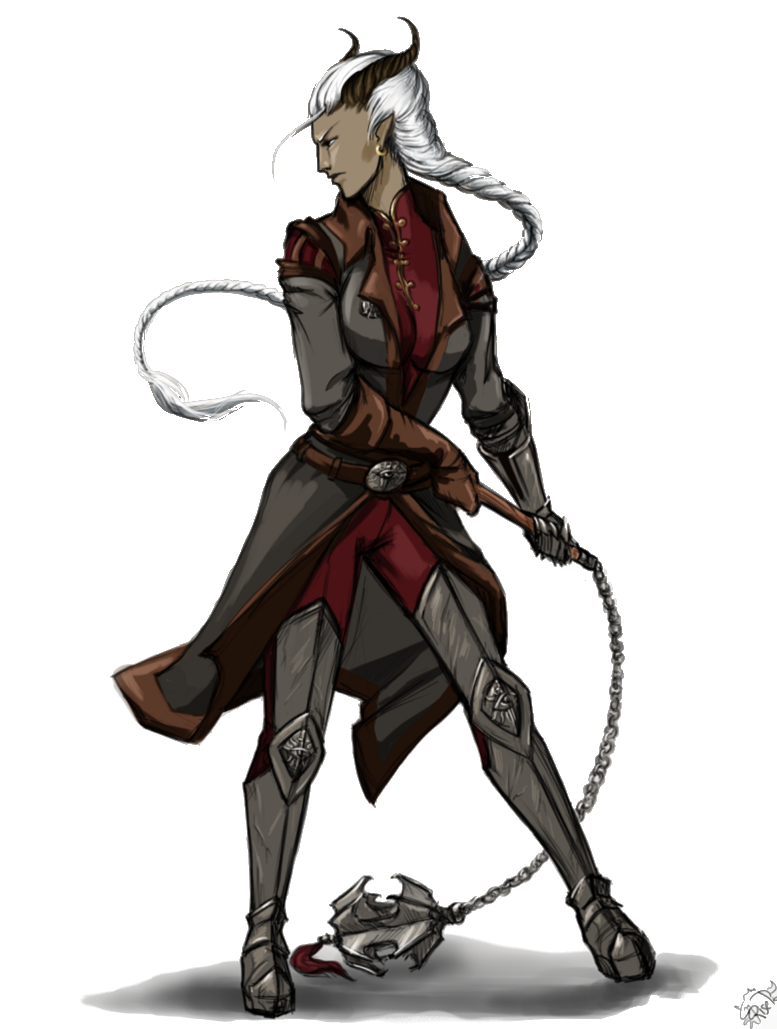
The Cult of the Undertaker is the original organization that kickstarted the creation of these kind of orders. As the oldest and most traditional, it is the one with most active and known members, and harness the secrets of necromancy in order to destroy the undead in a more effective way. Undertakers hates the undead with every fiber of their being, swearing to destroy them at first sight, no matter their intentions. They are usually individuals who were greatly affected by an undead outbreak or any of its consequences, or that see the undead as unnatural and a blasphemy. They are obsessed with them, and will even stay nearby graveyards or attend different funeral rites, in order to ensure nothing foul escape from it.
Judgment of Bane
When you choose this cult at 3rd level, the raw power of your judgments become stronger. You can add your Wisdom modifier to one of your weapon attacks while you are under the effects of your Judgment of Dawn Radiance or Judgment of Noxious Shadows. You can do this once on each of your turns.
At 9th level, when you roll damage for a weapon attack while you are under the effects of your Judgment of Dawn Radiance or Judgment of Noxious Shadows, you can treat any 1 on a damage die as a 2 (this ability can't be applied to the weapon damage die, only the Judgment damage die).
Hardened Soul
At 3rd level, your training fighting against undead creatures let you hardened your body and soul against the types of energy that surrounds them. You gain resistance to necrotic and radiant damage.
Dark Respite
Starting at 3rd level, you gain a new use of your deathbrand feature. As a bonus action, you can expend one use of your deathbrand feature and expend a hit die immediately. Once you use this feature, you can't use it again until you finish a short or long rest.
Extra Attack
Beginning at 5th level, you can attack twice, instead of once, whenever you take the Attack action on your turn.
Sealed Life
Starting at 7th level, you become immune to any ability draining or hit point reduction effects made by undead creatures, like the Shadow's Strength Drain or the Vampire's Bite attack.
Additional Judgment
At 7th level, whenever you use your judgment ability, you can choose to expend one use of your Brands feature and select two judgments, instead of one. When you reach 15th level, you can select three judgments, instead of one. This only consumes one use of your judgment ability. As a bonus action, you can change one of this judgments to another type.
True Death
Starting at 11th level, whenever you reduce a creature to 0 hitpoints, you can expend an use of your Brands feature, and mark the body of a creature. The body of the creature is considered to be under the effects of the gentle repose spells by undefined time. The effect ends if you use an action to erase the deathbrand. If the creature was an undead, instead the body is destroyed and cannot be restored or brought to life by any means, except by the likes of true resurrection or wish spell.
Soul Blast
When you reach the 15th level, you learned how to harness the lingering energy of your Brands. As an action, you can expend a number of Brands, and release an 30-foot radius explosion, that forces any creature in that area to pass a Dexterity saving throw (DC equals 8 + your proficiency bonus + your Constitution modifier), or suffer necrotic or radiant damage (your choice). The damage is represented by number of d6s equal to the Brands expended when this feature was activated, suffering half damage on a successful save. For example, if you expend 6 Brands, the damage of the blast is 6d6. Once you use this feature, you can't use it again until you finish a long rest.
Inquisitor Multiclassing
Should you wish to multiclass into an Inquisitor, the prerequisites and proficiencies gained are listed below.
Inquisitor Multiclassing Prerequisites
| Ability Score Minimum |
|---|
| Strength 13 or Dexterity 13, and Wisdom 13 |
Inquisitor Multiclassing Proficiencies
| Proficiencies Gained |
|---|
| Light armor, medium armor, shields, simple weapons, martial weapons, embalming tools |
Credits
Art Credits
In order of appearance:
-
Cover Art: Demon Hunter by Asahisuperdry
-
Tristram Cathedral by Peter Lee, © 2008, Blizzard
-
Young Kindler by Jorge Fares, © 2012, Paizo Publishing, LLC
-
Thieve's Tools by Vincent Dutrait
-
Common Ground Goblin by Toni DiTerlizzi
-
Tome of the Still Tongue by Wayne Reynolds
-
Creepy Potions by FraterOrion
-
Kossith - inquisitor by Risel