Impression Points
Impression points are a mechanic which encourages roleplay and helps players achieve the awesome mental image they have for their character in social situations, even without a sky-high Charisma score. In short, it allows characters to occasionally gain advantage on a Charisma roll when the interaction matches the sort of aesthetic and personality they want their character to give off to the world.
Impression Traits and Points
An impression trait is a type of first impression that a character can give off based on their appearance, speech patterns, and mannerisms. It is shallow, based on the split-second judgments that other creatures might make, and does not always reflect their actual personality. Putting impression points into certain traits will make your character better at giving off that kind of impression. What impression traits a character is strong in will influence how they are treated and how they can best interact with others.
To begin, each character has 4 impression points—one from their race, one from their class, one from their background, and a bonus point. The race, class, and background points can only be spent on certain impression traits. The bonus point can be spent on any trait at all. You may spend multiple points on the same trait.
For example, say you are a dragonborn fighter. You want your character to come across as tough and menacing, so you spend your race point and class point on the tough trait. He is also a noble, so you take a point for authoritative. Even though your character is menacing, you want him to have a heart of gold, so you put the extra point into friendly.
Using Impression Points
You can spend an impression point to give yourself advantage on a Charisma check which relates to the impresssion trait you put that point into. For example, spending a tough point could give you advantage on an Intimidation check if your character is intimidating someone by claiming they are tougher and could beat them in a fight. Before making the check, describe or act out how your character uses the chosen impression trait to their advantage. If the DM agrees that you used the impression trait in a beneficial way, you can spend the point and roll the Charisma check with advantage.
You regain all used impression points when you finish a long rest. The points go back into the same trait they were originally put into.
Gaining Impression Points
You gain an additional impression point which can be put into any trait at the following character levels: 4th, 8th, 12th, 16th, and 19th.
In addition, you gain one impression point for every magic item you have attuned. The DM decides what trait the point goes into based on the appearance and function of the magic item. For example, a Belt of Dwarvenkind may give a character 1 point into toughness.
The DM may also decide to award players with temporary or permanent impression points based on roleplaying achievements or character development.
When and Why to Use This
Including impression points as a mechanic can be useful in a few situations:
Your game is socially focused. In games with long stretches of social encounters and not as much combat, impression points can put a tool in the toolbox of classes without much social utility, such as fighters. It also makes sure that characters with low Charisma or few social proficiencies have something unique that they can contribute to social encounters.
You want to encourage in-character thinking. Because impression points grant a mechanical advantage only when the player uses a roleplaying strategy that fits their character concept, it can lead to more consistency overall.
Impression Traits
| Trait | Summary |
|---|---|
| Authoritative | Seeming like a leader |
| Beautiful | Physical attractiveness |
| Cool | Seeming confident and interesting |
| Friendly | Seeming approachable and trustworthy |
| Fun | Seeming like a fun person to be around |
| Innocent | Seeming weak and harmless |
| Mystical | Visible connection to the supernatural |
| Normal | Seeming like an ordinary person |
| Rebellious | Seeming unbound by society's rules |
| Refined | Seeming rich and high-class |
| Sinister | Seeming evil and untrustworthy |
| Stoic | Seeming calm and unemotional |
| Studious | Seeming educated |
| Stupid | Seeming unintelligent |
| Tough | Seeming strong and capable in battle |
| Ugly | Physical repulsiveness |
| Unhinged | Seeming insane |
| Unpleasant | Seeming disagreeable and rude |
| Unique | Seeming exotic and standing out |
| Upstanding | Seeming lawful and well-behaved |
The Impression Traits
Authoritative
Authoritative character radiate strength and confidence, and generally come across as leaders. They are often assumed to be in charge, whether or not they declare that they are or they have any ability to actually lead.
Possible uses for authority include:
- Getting others to follow your orders, even if they don't know you.
- Positioning yourself as the leader of a group.
- Gaining the respect of people who are in positions of power.
Authoritative Features
| d8 | Authoritative Feature |
|---|---|
| 1 | You have a booming voice which carries well. |
| 2 | The clothing and armor you wear is more fit for a commander than a footsoldier. |
| 3 | You walk quickly, which often puts you at the front of your group. |
| 4 | Your figure is tall, broad, and imposing. |
| 5 | Your resting face looks stern, though not necessarily cruel. |
| 6 | You carry yourself with pride and always seem to be in a power stance. |
| 7 | You are excellent at giving looks of disappointment that make others feel like they messed up. |
| 8 | You have strong, sturdy facial features. |

Beautiful
Beautiful characters are attractive, alluring, and visually appealing in a way that almost everyone can appreciate. They are much more likely to draw the romantic affections of others, a trend that they can use to their advantage.
Possible uses for beauty include:
- Getting or keeping the attention of someone who could be attracted to your gender and species.
- Seducing someone into giving you special treatment.
- Getting ahead in situations where looks are highly valued, such as in entertainment.
Beautiful Features
| d8 | Beautiful Feature |
|---|---|
| 1 | Your skin is clear, soft, and flawless. |
| 2 | Your hair is silky and luxurious. Bad hair days are a rarity. |
| 3 | Your facial features have near perfect symmetry. |
| 4 | All of your curves are in the right places. |
| 5 | You have a rare hair, eye or skin color, making you extra striking. |
| 6 | Whether or not you are fashionable, your clothes are flattering and suit you well. |
| 7 | Your movements are graceful, almost hypnotizing. |
| 8 | Your eyes are captivating and easy to get lost in. |

Cool
Cool characters appear to be confident, badass people who lead exciting and interesting lives. They sound like they have a thousand fascinating stories to tell, and draw the admiration and awe of anyone who dreams of action and adventure.
Possible uses for coolness include:
- Entertaining a crowd with a tale of your adventures
- Impressing onlookers with a flourish on a finishing blow
- Convincing others you have done cool things in the past or could do a cool thing now
Cool Features
| d8 | Cool Feature |
|---|---|
| 1 | You carry a unique weapon with you. |
| 2 | Your hair is styled in a strange way. |
| 3 | Your are covered with interesting scars that look like they have stories to tell. |
| 4 | No matter the situation, you carry yourself with nonchalance. |
| 5 | You have tattoos that seem to carry deep significance. |
| 6 | You have an athletic build, made for action. |
| 7 | Your stride is filled with confidence. |
| 8 | Your fashion choices are sleek and unique. |

Friendly
Friendliness is how approachable and kind-hearted you seem at a glance, as well as how trustworthy people will assume you are. Friendly-looking people are more likely to be trusted and have an easier time making new friends.
Possible uses for friendliness include:
- Attempting to form a friendly connection with a stranger
- Appearing honest, trustworthy, and good-aligned
- Convincing someone to entrust you with private information and secrets
Friendly Features
| d8 | Friendly Features |
|---|---|
| 1 | Your smile is contagious. |
| 2 | You are good-looking, but in a boy/girl next door kind of way rather than an intimidating way. |
| 3 | You are pleasantly plump. |
| 4 | Your resting face has a slight smile. |
| 5 | You have a motherly or fatherly look to you. |
| 6 | You have visible smile lines. |
| 7 | Your body language is open and inviting. |
| 8 | You always look engaged and interested when someone is talking to you. |

Fun
Fun characters are the life of the party. There's something about their presence that helps people just relax, have a good time, and get a little crazy.
Possible uses for fun include:
- Livening up a party
- Convincing someone to participate in a fun activity
- Cheering up someone who is feeling gloomy
Fun Features
| d8 | Fun Feature |
|---|---|
| 1 | The cadence of your voice is energetic and upbeat. |
| 2 | You have a contagious laugh. |
| 3 | You wear bright, colorful clothes. |
| 4 | Your body language is exaggerated and a bit wild. |
| 5 | You always have a spring to your step. |
| 6 | Your smile is mischievous. |
| 7 | You have a great sense of humor and always have a joke ready to crack. |
| 8 | You're usually smiling about something. |

Innocent
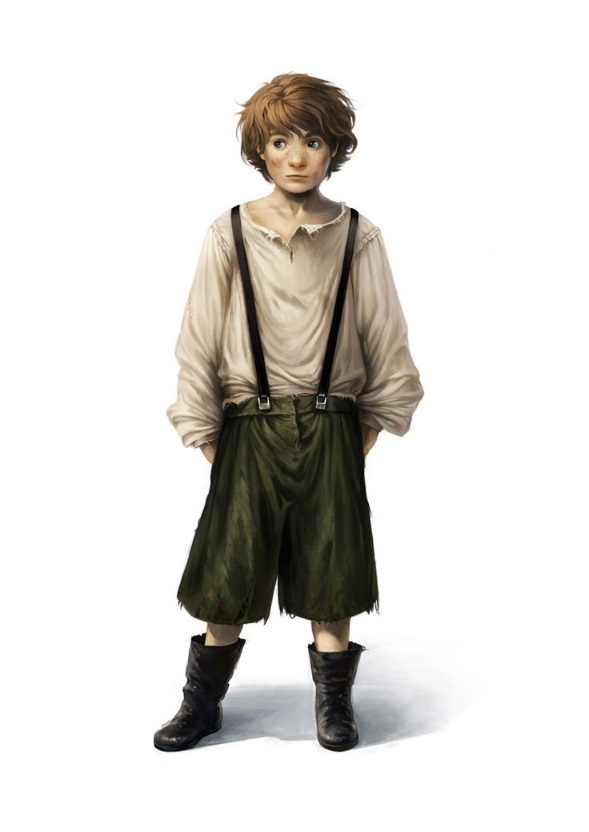
Innocent characters look harmless at first glance. They might be adorable and lovable, encouraging others to protect them, or they could just appear weak and pitiable. Either way, they won’t be suspected as someone who will cause much trouble or harm to anyone, or could even if they wanted to.
Possible uses for innocence include:
- Keeping from drawing suspicion when you’re up to no good
- Convincing someone to spare you in a fight
- Appealing to others for help when you’re in need
Innocent Features
| d8 | Innocent Feature |
|---|---|
| 1 | You have big, round eyes. |
| 2 | Your face is soft and child-like. |
| 3 | Your body is skinny and fragile-looking. |
| 4 | Your proportions are a bit awkward, but in an endearing way. |
| 5 | You never look like you know what’s going on around you. |
| 6 | Your skin tone is pallid and sickly. |
| 7 | You are of short stature. |
| 8 | Your movements are shakey and unsure. |
Mystical
Mystical characters have visual indicators that they are in tune with the supernatural. At a glance, people can tell that they have a strong connection with magic, gods, and other things beyond the mundane.
Possible uses for mysticism include:
- Earning the respect of magical creatures
- Convincing people you know what you’re talking about when it comes to the supernatural
- Intimidating enemies through shows of magical power
Mystical Features
| d8 | Mystical Feature |
|---|---|
| 1 | You have tattoos that look intricate enough to maybe be magical. |
| 2 | You wear amulets and other charms bearing symbols of the supernatural. |
| 3 | Wisps of magical energy swirl around you. |
| 4 | Your eyes glow with power. |
| 5 | You have a bizarre, significant-looking birthmark in a visible place. |
| 6 | You dress like a priest or mage even in casual settings. |
| 7 | Your veins have turned a strange color because of the magic in you, tinting your skin. |
| 8 | You swear or mutter to yourself in a magical exotic language, like celestial, infernal, or sylvan |

Normal
Normal characters don't look much like adventurers at all. On the surface, they appear to be average, ordinary people who probably aren't up to anything special or exciting.
Possible users for normalcy include:
- Feigning ignorance about anything beyond the simple life of a common man, from politics to the supernatural
- Fitting in amongst common folk
- Denying any involvement with unusual happenings or significant organizations
Normal Features
| d8 | Normal Feature |
|---|---|
| 1 | Your vocabulary doesn't imply a formal education. |
| 2 | You have a mildly scruffy look to you. |
| 3 | Your clothes are plain and don't look very expensive. |
| 4 | You have an accent indicative of the lower class. |
| 5 | You are an ordinary looking member of a common race in the area. |
| 6 | You face isn't pretty or ugly, it's perfectly average. |
| 7 | Your hair, eye, and skin color are all the most common shade for where you're from. |
| 8 | Any weapon you carry is plain and looks like a hand-me-down. |

Rebellious
Rebellious characters give off the impression that they aren't constrained by society's rules. Regardless of how much respect they have for the law, people will assume that they're ready and willing to break it, whether it be for the greater good or for personal gain.
Possible uses for rebelliousness include:
- Earning the trust of countercultural movements and other rebellious people
- Convincing others that you're willing to break the law
- Starting revolutions and rebellions
Rebellious Features
| d8 | Rebellious Feature |
|---|---|
| 1 | You're covered in tattoos and piercings. |
| 2 | You often have a defiant look on your face. |
| 3 | You don't usually bother being polite. |
| 4 | Consciously or unconsciously, you often perform small acts of civil defiance, like jaywalking or minor trespassing. |
| 5 | The way you talk about your beliefs makes them sound extreme and revolutionary. |
| 6 | Your fashion style is far from the norm and may be considered scandalous. |
| 7 | You swear like a pirate. |
| 8 | You wear symbols associated with a countercultural or criminal group. |

Refined
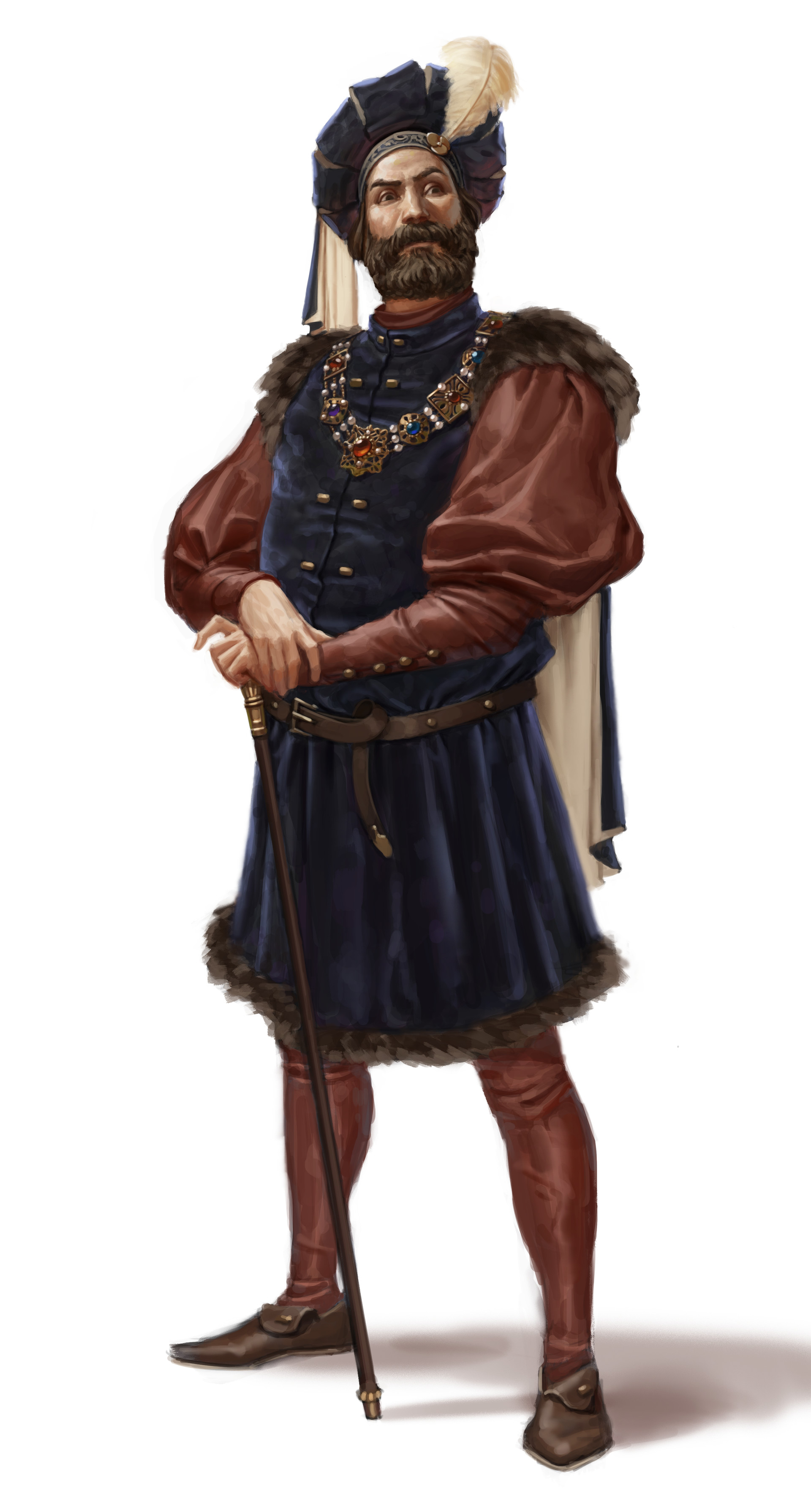
Refined characters are able to fit into the higher echelons of society by being fashionable, well-groomed, and poised. They may actually be from high society and learned to follow rules of decorum for a young age, or they may just be particularly polite and aristocratic in mannerisms despite growing up poorer.
Possible uses for studiousness include:
- Blending into aristocratic settings
- Convincing others that you are of a high social status, whether you are or not
- Earning the respect of nobles and royalty
Refined Features
| d8 | Refined Feature |
|---|---|
| 1 | You have perfect posture. |
| 2 | Your hair is impeccably groomed. |
| 3 | You have well-sculpted, refined facial features fit for nobility. |
| 4 | Your gait is measured and controlled. |
| 5 | You smell of fine perfume. |
| 6 | Your movements are delicate and graceful. |
| 7 | Your tastes in clothing adhere to the latest fashion trends. |
| 8 | You speak with a posh accent. |
Sinister
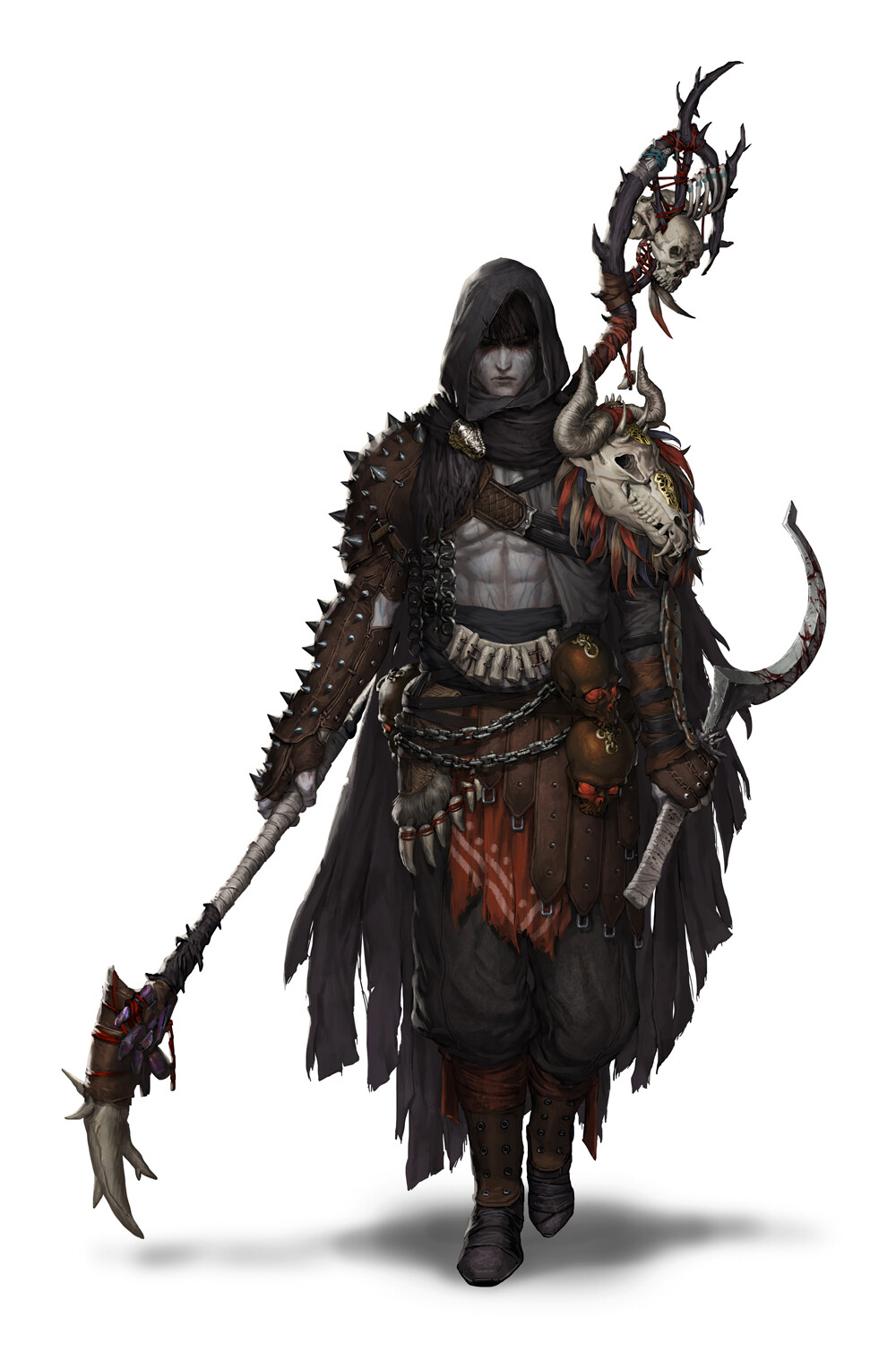
Sinister characters have visual traits that are often conflated with evil people. This leads many to assume that they are untrustworthy and up to no good, whether or not that's true. However, it also makes them look dangerous, which can be useful for intimidating enemies.
Possible uses for sinisterness include:
- Effectively bluffing that you’ll do something horrible to someone
- Fitting in among criminals or evil-aligned people
- Taking credit for some evil act
Sinister Features
| d8 | Sinister Feature |
|---|---|
| 1 | Your facial features are gaunt and severe. |
| 2 | Your eyes are shifty, and you always seem to be scanning the room. |
| 3 | Your smile is crooked. |
| 4 | Your resting face has a slight scowl. |
| 5 | You usually dress in dark clothing, and may be a fan of hoods. |
| 6 | Your laugh is a bit maniacal. |
| 7 | You wear symbols associated with evil gods and other dark forces. |
| 8 | Your eyes are dead and soulless. |
Stoic
Stoic characters give off the impression that they have mastered their own emotions. They seem calm, centered and unshakable, whether or not there are more intense emotions brewing inside that they just don't express.
Possible uses for stoicism include:
- Convincing others that your decisions are not clouded by emotions
- Keeping a straight face
- Appearing wise and spiritually enlightened.
Stoic Features
| d8 | Stoic Feature |
|---|---|
| 1 | Your face barely moves when you speak. |
| 2 | You sometimes sit for hours at a time without fidgeting or saying a word. |
| 3 | You use almost no body language. |
| 4 | Your clothes are clean, but plain and undecorated. |
| 5 | Your voice is flat and monotone. |
| 6 | It's very hard to make you laugh. |
| 7 | You move slowly but deliberately. |
| 8 | You always choose your words carefully. |

Studious
Studious characters appear knowledgeable and educated on the surface. Facts and opinions given by studious characters tend to be more trusted than those given by ordinary people, especially when it relates to academia.
Possible uses for studiousness include:
- Convincing someone to follow your plan over someone else’s
- Passing off as an expert in some academic area
- Spinning and passing off a pseudo-intellectual lie
Studious Features
| d8 | Studious Feature |
|---|---|
| 1 | You wear glasses. |
| 2 | Your hair is frizzy and unkempt, supposedly from late nights researching. |
| 3 | You always carry a book or two on your person. |
| 4 | You wear the insignia of a prestigious academy or university. |
| 5 | You could look put-together if you ever remembered to tuck in your shirt. |
| 6 | When you pay attention to something, you look completely absorbed. |
| 7 | Your face is wrinkled from age, showing wisdom. |
| 8 | You utilize a gargantuan vocabulary. |

Stupid
Stupid characters appear unintelligent and clueless, even if they aren't deep down. People tend to assume that stupid-looking characters don't know much, for better or worse, and will treat them accordingly.
Possible uses for stupidity include:
- Playing dumb and convincing others that you don't know anything
- Entertaining others with silly, foolish antics
- Deflecting suspicion about your involvement with sophisticated plans
Stupid Features
| d8 | Stupid Feature |
|---|---|
| 1 | You don't wear your clothing right. For example, your shirt might be inside-out or backwards. |
| 2 | Your resting face looks confused. |
| 3 | You don't say much, and when you do speak its in simple sentence fragments. |
| 4 | You tend to forget people's names. |
| 5 | Your mouth is often agape, as if you are constantly stupified. |
| 6 | Your stare is blank, and it looks like nothing is going on behind the eyes. |
| 7 | When you don't know something you openly ask a question, even if it makes you sound like an idiot. |
| 8 | You often use words incorrectly. |

Tough
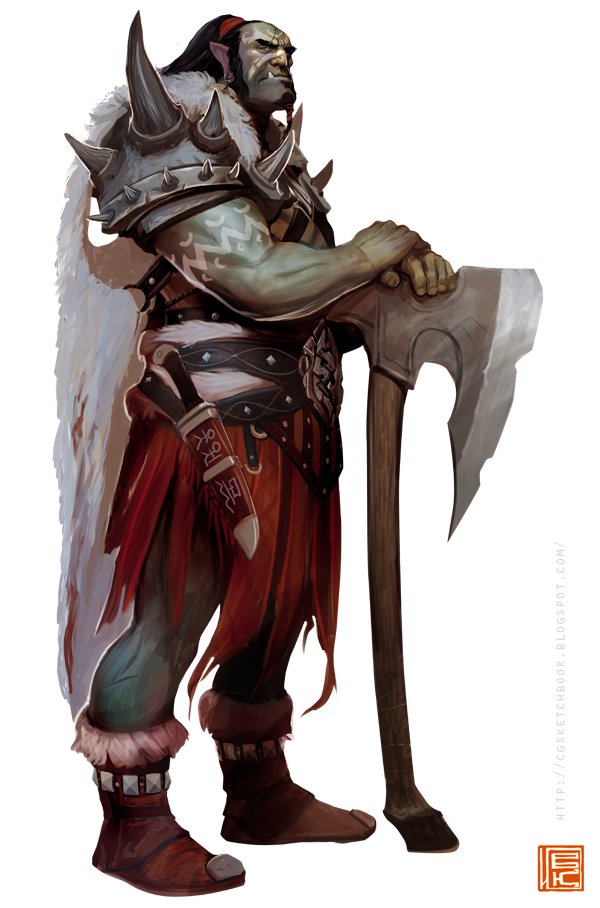
Tough characters look like someone you wouldn't want to mess with. They exude physical strength, battle prowess, and hardiness in general. Not only do they seem like they could beat anyone to a pulp, they look like they might go that far if they're angered.
Possible uses for toughness include:
- Intimidating an enemy with threats of physical harm
- Persuading an aggressor that fighting you would end badly for them
- Convincing someone that you are capable of taking on a physically demanding or dangerous job
Tough Traits
| d8 | Tough Trait |
|---|---|
| 1 | You are broad and build like an ox. |
| 2 | Your voice is deep and gruff. |
| 3 | You have a jawline that could cut through steel. |
| 4 | Your hands are meaty, rough and calloused. |
| 5 | Your nose is crooked from being broken, possibly in a fight. |
| 6 | Battle scars riddle your face and body. |
| 7 | Your veins are always bulging. |
| 8 | Even when you're calm, your face makes you look angry. |
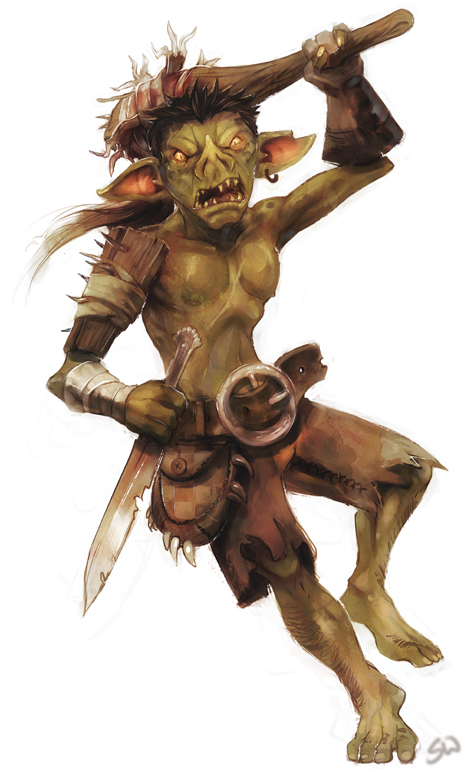
Ugly
Whether it's due to bad luck with genetics or terrible hygiene, ugly characters have an unsightly appearance. Noxious odor and gross habits might make them even more repulsive.
Possible uses for ugliness include:
- Convincing other people to leave you alone
- Intimidating people by looking savage and repulsive
- Fitting in among monsters and appearing friendly to them
| d8 | Ugly Traits |
|---|---|
| 1 | Your face is misshapen and deformed. |
| 2 | Your body shape is at some uncanny extreme: deathly frail, disgustingly muscular, or morbidly obese. |
| 3 | Your skin is rough and blotchy. |
| 4 | Your hair is patchy, stringy, and/or greasy. |
| 5 | Your odor is repulsive. |
| 6 | Your teeth are yellowed and rotten, and your breath is awful. |
| 7 | You dress plainly and make no efforts to flatter yourself with well-fitting clothes. |
| 8 | You have disgusting habits that you do in public, like picking your nose and eating it. |
Unpleasant
Unpleasant characters look like they'll be hard to get along with. Before they even open their mouth they seem like they have a mean and vicious personality. Others assume that they're going to be a pain to interact with, so many avoid them for that reason.
Possible uses for unpleasantness include:
- Appearing socially intimidating and unapproachable.
- Delivering more effective insults.
- Making a distracting scene in public where you act rude or vindictive.
Unpleasant Features
| d8 | Unpleasant Feature |
|---|---|
| 1 | Your resting face is a scowl. |
| 2 | You sound sarcastic even when you're trying to be sincere. |
| 3 | Your eyes have a tension to them that makes it look like you're constantly glaring. |
| 4 | Your voice is flat and humorless. |
| 5 | Your fashion sense is pretentious or snobbish. |
| 6 | When you laugh, it sounds mean-spirited. |
| 7 | Your body language is closed-off and unwelcoming. For example, you cross your arms when talking to people. |
| 8 | You accidentally insult people often. |

Unhinged
Unhinged characters don't come across as particularly sane. Their behavior is erratic, which can put the people around them on edge. They may be harmless, and they might actually be sane and in control of themselves after all, but others are likely to assume that they're dangerous.
Possible uses for unhingedness include:
- Intimidating people with bizarre and unpredictable behavior
- Creating a distraction by faking a psychotic break (or having a real one)
- Breaking through to and communicating with other unhinged people
| d8 | Unhinged Features |
|---|---|
| 1 | You always have a crazed look in your eyes. |
| 2 | Your hair and clothing are unkempt. |
| 3 | You often mutter to yourself under your breath. |
| 4 | While idle, you rock back and forth or make other strange movements. |
| 5 | Something about your smile is unsettling. |
| 6 | You express your emotions in an over-the-top way. |
| 7 | Your laugh sends shivers down people's spines. |
| 8 | You talk to yourself out loud while referring to yourself in the third person. |

Unique
Whether it’s because of a rare race, an unusual physical feature, coming from a far-away culture, or bizarre mannerisms, unique characters stand out from the crowd easily for better or worse. They are often the subject of curiosity and fascination, but also fear among more xenophobic crowds.
Possible uses for uniqueness include:
- Drawing attention to yourself to create a distraction
- Captivating audiences with a performance that takes advantage of your odd traits
- Convincing others of egregious lies about your race or culture
| d8 | Unique Features |
|---|---|
| 1 | Your race is very rare and has trouble blending into common humanoid society. |
| 2 | You look and sound like you are from a far-away land. |
| 3 | You have horns, wings, or other animalistic features. |
| 4 | You have undergone extreme body modification. |
| 5 | Your eyes are an odd color or have other unnatural properties. |
| 6 | Your fashion sense is highly unusual. |
| 7 | You have a noticeable physical deformity on your face or body. |
| 8 | You are of an unusual height for your race. |

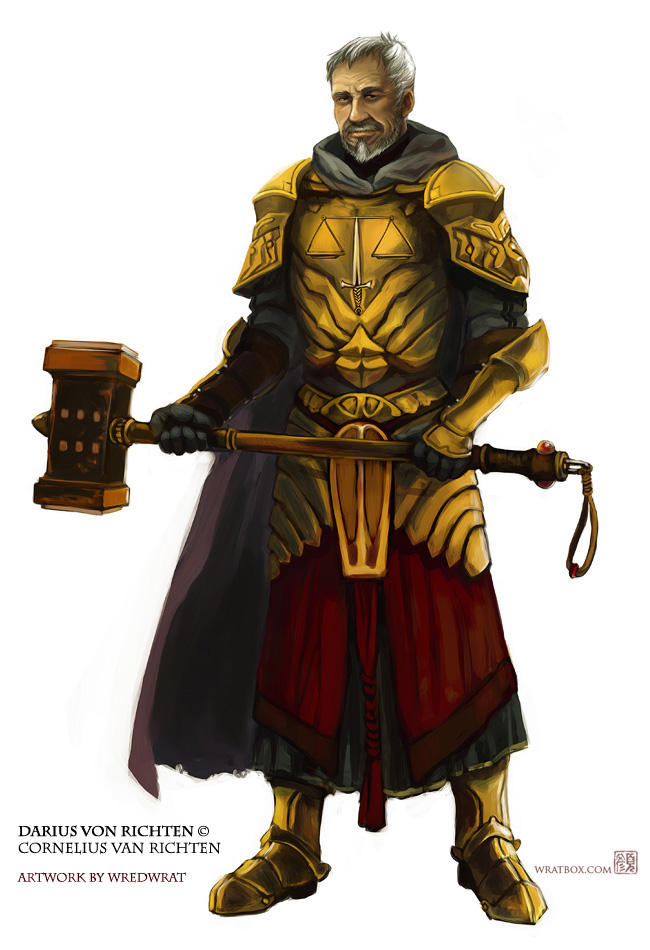
Upstanding
Upstanding characters appear to be honest, law-abiding citizens. Whether they have an honorable air about them or they simply seem like the type not to make waves, others will assume that they will follow the rules and can be trusted to behave themselves. In extreme cases they may even come across as patriotic enforcers of the law.
Possible uses for upstandingness include:
- Earning the trust of guards and law enforcement
- Convincing others you can be trusted to behave in a situation where committing a crime would be easy; for example, guarding someone's treasure while they're away
- Intimidating others into not breaking the law by threatening to tell the authorities
Upstanding Features
| d8 | Upstanding Feature |
|---|---|
| 1 | You almost never swear. |
| 2 | You react with visible nervousness or frustration when someone breaks the law. |
| 3 | You openly follow or wear the symbol of a lawful deity. |
| 4 | Your hair and clothes and neat and tidy. |
| 5 | You wear a symbol of your country or another sign of patriotism. |
| 6 | You act relaxed around guards. |
| 7 | You treat strangers with perfect politeness. |
| 8 | Your face bears a striking resemblance to the generic good citizen that your country puts on propaganda. |
Impression Traits by Class
Choose one of the following impression traits based on your class.
| Class | Traits |
|---|---|
| Barbarian | Stupid, Tough, Ugly, Unhinged |
| Bard | Beautiful, Cool, Friendly, Fun |
| Cleric | Authoritative, Friendly (if good), Mystical, Sinister (if evil) |
| Druid | Beautiful, Innocent, Mystical, Unique |
| Fighter | Authoritative, Cool, Stoic, Tough |
| Monk | Cool, Mystical, Stoic, Tough |
| Paladin | Authoritative, Friendly (if good), Sinister (if evil), Upstanding |
| Ranger | Cool, Stoic, Tough, Unique |
| Rogue | Cool, Normal, Rebellious, Sinister |
| Sorcerer | Innocent, Mystical, Unhinged, Unique |
| Warlock | Mystical, Studious, Sinister, Unhinged |
| Wizard | Innocent, Refined, Mystical, Studious |
Impression Traits by Race
The DM may choose to modify which impression traits go with which race, depending on the settings. For example, in a setting where elves once sided with an evil god and are now assumed to be evil creatures, they may have the Sinister trait instead of Mystical.
Player's Handbook
| Race | Traits |
|---|---|
| Dwarf | Normal, Tough |
| Elf | Beautiful, Mystical |
| Halfling | Innocent, Friendly |
| Human | Any trait |
| Dragonborn | Authoritative, Unique |
| Gnome | Friendly, Studious |
| Half-Elf | Beautiful, Unique |
| Half-Orc | Tough, Ugly |
| Tiefling | Mystical, Sinister |
Volo's Guide to Monsters
| Race | Traits |
|---|---|
| Aasimar | Friendly, Mystical |
| Bugbear | Tough, Ugly |
| Firbolg | Friendly, Tough |
| Goblin | Sinister, Ugly |
| Hobgolbin | Authoritative, Sinister |
| Kenku | Sinister, Unique |
| Kobold | Innocent, Sinister |
| Lizardfolk | Unhinged, Unique |
| Orc | Tough, Ugly |
| Tabaxi | Studious, Unique |
| Triton | Refined, Unique |
| Yuan-ti Pureblood | Mystical, Sinister |
Impression Traits by Background
For your background, you can pick whichever impression trait you want. However, here are some suggestions for the backgrounds supplied in the PHB:
| Background | Traits |
|---|---|
| Acolyte | Friendly (if good), Mystical, Sinister (if evil) |
| Charlatan | Innocent, Sinister |
| Criminal | Rebellious, Sinister |
| Entertainer | Beautiful, Friendly |
| Folk Hero | Friendly, Normal |
| Guild Artisan | Normal, Studious |
| Hermit | Mystical, Unique |
| Noble | Authoritative, Refined |
| Outlander | Tough, Unique |
| Sage | Refined, Studious |
| Sailor | Cool, Unique |
| Soldier | Authoritative, Tough |
| Urchin | Innocent, Rebellious |
Customizing Traits
If these suggestions don't fit your character's class, race or background, feel free to swap them out for whatever works for your character's personality.
DM Tools
High Scores and Passive Effects
If a player puts two or more of their points into the same trait, it means their character is exceptional in that regard, and the player probably wants to have the world react to that fact. What's the fun in making a character who is supposed to be the toughest-looking guy around if every NPC treats them like some average joe? This section has a list of ways for the DM to help reinforce these traits in the characters so that the players can have a more rewarding experience.
These are not concrete benefits that your players are guaranteed to have. These are simply a starting point for DMs to think about how the world should respond to characters.
Beautiful
When a character puts multiple points into the beautiful trait, their character should be treated by the world like they are far above average in looks. For example:
- NPCs should notice and respond to how beautiful this person is, especially in situations where looks are valued, like a stage performance or a formal dance. When they are given the chance to dress up, beautiful characters should turn heads and get a larger amount of positive attention than others. Characters who put 4 or more points into beauty should get this sort of reaction all the time.
- Beautiful characters should run into more situations where a NPCs are flirtatious with them or interested in them romantically.
- Beautiful people sometimes get special treatment that results in financial boons. These should either be minor, like a stranger at a tavern buying them a drink, or benefit the entire party, like getting a deal on healing potions from a shopkeep with a crush.
- If a beautiful character spends a lot of time around a character who is in a relationship, there’s a chance that the other character’s partner or spouse might become jealous and act with hostility towards the beautiful character, regardless of whether or not infidelity is happening.
Cool
When a character puts multiple points into the cool trait, their character should be treated by the world like they are cool and interesting in-universe. For example:
- If the party has done impressive deeds in the area and word has begun to spread, the cool character and any badass combos they pulled off will likely be at the center of those stories. If the character performs particularly well, it can be a fun reward to have them overhear NPCs enthusing about how cool something their character did was.
- Cool characters invoke curiosity. NPCs may ask questions about interesting features they notice on the character, and may be more willing then usual to listen to tales of their adventures.
- Cool characters are often looked up to, especially by people who are less experienced but yearn for adventure and prestige themselves. Cool characters, especially those who succeed in doing cool things in-game, are likely to amass admirers who strive to be just as cool and badass as them someday.
- Sometimes, the impression of a cool character threatens other people who are trying to be cool, the best, or the center of attention. Cool characters are likely to pick up rivals who are trying to prove that they're better.
Friendly
When a character puts multiple points into the friendly trait, the world should treat them like they make a friendlier and more endearing impression on people. For example:
- Assuming nothing goes horribly wrong and no one was initially hostile, most NPCs that a friendly character attempts to make friends with should be open to befriending them in particular. Friendly characters should end up with a larger collection of friends they made along their journeys than less friendly characters.
- Friendly characters may be given the benefit of the doubt in situations where they could be treated with suspicion, especially by good-aligned people. This benefit ends if they do something that raises strong suspicion against them or their group; at that point, they will need to start making Charisma checks like everyone else.
- Friendly characters can come across as less intimidating to skittish or easily frightened people, and will have an easier time getting them to talk or cooperate.
- However, friendly characters also come across as easy to take advantage of. Not every “friend” they make will have their best interest in mind, setting them up for possible betrayal.
Fun
When a character puts multiple points into the fun trait, their character should encourage merriment and lighthearted situations wherever they go. For example:
- When a fun character tries to start some kind of party or fun group activity under normal circumstances, they should be able to get the ball rolling without much trouble. If they are in public and are trying to start an activity that's bigger than just the party, there should be NPCs around who are willing to join in on the fun, unless that doesn't make sense for the setting.
- Fun characters are good at lightening the mood. If an NPC needs someone to cheer them up or wants to cheer someone else up, the fun character would be their first pick to get help from.
- Other fun-loving people will gravitate towards the fun character to befriend and party with them. Because fun people are often social butterflies, these new connections are well-connected themselves, and can be used to one's advantage if the relationship with them is maintained.
- People with stern, no-nonsense personalities are likely to look down on fun characters for being foolish or childish. Serious NPCs may be annoyed by or outwardly despise the fun character, and definitely won't trust them with anything important.
Innocent
When a character puts multiple points into the innocent trait, their character should be treated by those who don't know them as if they are completely harmless. For example:
- People are very likely to underestimate the abilities of an innocent character and not take them seriously as adventurers. This can be frustrating, but can also offer a chance to surprise them.
- Many people, good-aligned creatures especially, will consider an innocent character worthy of extra protection, and may go out of their way a little to keep them safe and help them out of tight spots. They may also receive extra care, like free food or lodging, from those with bleeding hearts.
- Hitting an innocent character feels like a low blow to many people because they look like they can’t defend themselves. Some creatures may be hesitant to fight an innocent character, especially if the innocent one makes it clear that they don’t want to fight.
- Most normal people will be easier on innocent-seeming characters, but evil and twisted minds might see their vulnerability as a weakness to use against them and their friends. They are more likely to be kidnapped and used as a bargaining chip with their friends and allies.
Mystical
When a character puts multiple points into the mystical trait, strangers should assume that they are a supernatural person, and treat them as such. For example:
- Mystical looking characters earn the respect of those who also respect the supernatural. This is mostly true in places that worship or revere the forces that the player seems to be connected to. For example, a god-worshiping community might give extra respect to a cleric who seems visibly blessed by their god, and an academy for wizards would think well of someone who is clearly overflowing with arcane power.
- Mystical characters are assumed to be experts on the supernatural, especially by laypeople. People may come to them for help with supernatural problems, which can lead to plot hooks.
- Mystical characters also have some clout around magical beings and creatures. Gods, spirits, and other powerful entities who want to contact the party will probably do so through the most mystical character, because they would be assumed to be the most competent in supernatural affairs.
- Not all places appreciate magic and the supernatural. In places where magic is feared, mystical characters are likely to be hated and treated with hostility.
Normal
When a character puts multiple points into the normal trait, their character should fly under the radar as a very ordinary-looking person. For example:
- When they enter a new area, a normal character won't draw much attention to themselves. Their more colorful companions may be the talk of the town, but they will go largely unnoticed, allowing them to operate more stealthily in the area.
- Due to their bland looks, they are hard to remember. Unless someone got a very good look at them, it will be difficult to pick them out of a crowd. If they are in a populated place, their physical description is likely to match many other people in the area. This can help normal characters evade people who are after them.
- Because they look so average, enemies are less likely to consider them a threat or a high-priority target. They may underestimate normal characters, assuming they are some unlucky civilian who stumbled into something they shouldn't have, giving those characters the element of surprise when they reveal their true talents.
- Normal characters can also be underestimated by the people they'd want to impress. When put next to adventurers who look like real adventurers, normal characters don't always look capable of getting tough jobs done. Seasoned adventurers may assume that they are inexperienced and treat them in a patronizing way.
Rebellious
When a character puts multiple points into the rebellious trait, their character should stand out as someone who doesn't let rules and laws constrain them. For example:
- Generally, petty criminals will believe that rebellious characters are unlikely to rat them out to the authorities, since they're also troublemakers, and may even ask them for help. This is especially true of criminals who feel their cause is justified, like a street urchin stealing bread to survive or a man who escaped from prison after being wrongly convicted.
- Groups that are unfairly targeted by the law, such as oppressed minorities or slave classes, will assume rebellious characters aren't there to bring them down. Rebellious characters are more likely to be trusted and accepted by marginalized groups, even if people of their race, class, etc. would ordinarily be seen as the enemy.
- Rebellions and fringe political groups will see the rebellious character as a potential recruit, and will tell them about their goals to try and sway the rebellious character to their side.
- Law enforcement and people in places of authority are automatically suspicious of rebellious characters, and will watch them more closely than other people to make sure they don't step out of line.
Refined
When a character puts multiple points into the refined trait, their character should come across as high-class, regardless of their actual status. For example:
- Because of the way they carry themselves, refined characters are assumed to be of high status, whether they are or not. They will be assumed to be noble by commoners who don't have much experience with nobility. However, nobles will need more proof of their status than just their behavior.
- Noblility and royalty will appreciate the refined character’s poise and manners, making it easier to respect them. In an audience with a leader or wealthy individual, they may insist on the refined character doing the talking.
- Because their behavior makes people assume they’re rich, people will try extra hard to impress them. Establishments like inns and shops may give refined characters preferential treatment.
- Their prim and proper exterior can make many people believe that they aren’t willing to get their hands dirty, meaning they aren’t always taken seriously as adventurers. Also, the assumptions about their wealth mean that they are more likely to be targeted by bandits, thieves, conmen, or ransoming kidnappers.
Sinister
When a character puts multiple points into the sinister trait, their character should be assumed to be evil by most strangers. For example:
- All but the most paranoid of wrongdoers will assume that sinister characters are unlikely to tell the authorities about illegal establishments, groups, services and operations. They won’t completely let their guard down and won’t necessarily trust them, but they will be more likely to let them into their secret hideout or tell them about their illegal enterprises.
- Sinister characters can easily look the part of an evil cultist, criminal thug, et cetera. If they are disguising themselves or posing as a member of an evil organization, they are more likely to get away with it without anyone looking too closely.
- Evil entities, like evil-aligned gods and fiends, are more likely to assume that a sinister character is evil-aligned and open to making deals with them and betraying their party.
- Sinister characters look like bad guys, so good-aligned people are going to treat them like that until they get to know them better. They may be met with excessive suspicion in upstanding places.
Stoic
When a character puts multiple points into the stoic trait, their character should be treated like they are wise and unemotional. For example:
- Stoic characters come across as wise, mature and enlightened. Because of this, their wisdom is more valued by other people, and NPCs may seek the out for advice.
- If a task requires great strength of will, such as fighting an enchanter or resisting interrogation, the stoic character will likely be the first one asked to do it.
- Stoic characters are more openly accepted by groups who hold self-discipline as a very important value, such as monk monasteries and military-focused cultures.
- Some people assume that stoic characters aren't just in control of their feelings, they don't have feelings. NPCs may do cruel things to a stoic character without considering how the stoic character would feel about it.
Studious
When a character puts multiple points into the studious trait, their character should be assumed to be highly intelligent and educated, regardless of their actual intelligence. For example:
- Studious characters are assumed to be smarter than average. If an NPC doesn’t know something factual, it’s likely that the studious character will be the first one they think to ask.
- Information given by studious characters, especially things that sound intelligent and aren’t of great importance, are often taken as fact without double-checking by others. While they cannot trick NPCs about things that are of great plot relevance without going through the same Deception checks as any other character, the DC may be lower for them to convince an NPC of something inconsequential.
- Because of the stereotype of the mad or scatterbrained genius, studious characters are more easily forgiven for acting socially awkward.
- Looking like they have information plus not looking as tough as they could makes studious characters a target for enemies that want to know the party's plans.
Stupid
When a character puts multiple points into the stupid trait, their character should be treated like an idiot by others. For example:
- Stupid looking character are expected to act stupid, so it's not as big of a deal when they do. They can generally get away with doing or saying mildly idiotic things without other people being thrown off.
- No one will assume that a stupid-looking character is capable of complex planning, and most will think that they're easy to manipulate and control. This leads people to trust stupid-looking characters in situations where they normally wouldn't.
- Because stupid-looking characters don't seem pretentious and are often funny to watch, uneducated commoners will find them non-threatening and easy to get along with, even if the commoners are more intelligent.
- People will often dismiss any ideas that a stupid-looking character has as idiotic, even if they have a point.
Tough
When a character puts multiple points into the Tough trait, their character should be treated as a physically intimidating presence. For example:
- People are hesitant to mess with tough-looking characters. Thanks to their natural intimidation, tough characters may be able to get away with a bit more publicly raucous behavior before someone intervenes.
- If an NPC is searching for someone with martial prowess to get a job done, a tough character may be the first one they approach.
- Tough characters have an easier time fitting into warrior cultures and other groups that value toughness. They will be accepted faster and treated with more respect than their weaker looking teammates.
- Because they exude intimidation, tough characters may accidentally scare off people they want to help. People who are defenseless, abused, or easily frightened will be distrustful of tough-looking characters and may try to avoid them.
Ugly
When a character puts multiple points into the Ugly trait, their character should be treated like they are unattractive, or even physically repulsive. For example:
- Strangers tend to be uninterested in approaching ugly characters unprovoked. They have an easier time keeping a low profile while in public.
- Ugly characters are more likely to be taken seriously in situations where beauty would be distracting. For example, an ugly warrior would be assumed to be more experienced and less high-maintenance than a pretty one. A womanizer who aggressively flirts with every woman he sees would not see an ugly female character in the same way and might treat her as an equal instead.
- When someone likes an ugly character, it's usually because of a real appreciation for who they are, not because of anything shallow. If they find a romantic partner, the relationship is more likely to be healthy and loving.
- Ugly characters will inevitably be judged on a shallow level about their below average appearance. They are less likely to find a romantic interest and may have trouble making a good first impression, especially with those that value appearances.
Upstanding
When a character puts multiple points into the Upstanding trait, their character should come across as a law-abiding citizen. For example:
- Guards, law enforcement, military, and government officials tend to view upstanding characters more favorably. They assume that these characters are good, law-abiding patriots, and will show them respect for that. They may request to deal with the upstanding character if the rest of the party seems more questionable to them.
- Upstanding characters are viewed as experts when it comes to codes of morals and honor. If they claim that something is or isn't ethical, honorable or legal, others are more likely to believe them than they normally would be. People with questions about morality or the law might go to upstanding characters for advice.
- When an upstanding character is a suspect for a crime, they will often be given the benefit of the doubt unless evidence is overwhelming. Even if they are caught and convicted, they may be let off with a lighter punishment than others who commit the same crime.
- If there's anything criminals hate, it's snitches. Criminals, rebels, and people in groups who are unfairly targeted and oppressed by the law will assume that upstanding characters are going to try and get them into trouble, and will distrust and shun them as a result.
Unpleasant
When a character puts multiple points into the Unpleasant trait, their character should be assumed to be cruel, manipulative and catty. For example:
- Unpleasant characters are socially intimidating, which they can use to their advantage. They are assumed to be more likely to participate in cruel and manipulative behaviors if angered, like spreading gossip, revealing secrets, or destroying reputations. Social threats that unpleasant characters make are taken more seriously.
- Acting nice is seen as an odd rarity for them. People will be surprised when they treat others with kindness, dignity, or respect, and they will read a lot of meaning into their unusual behavior. Those who unpleasant characters treat well are prone to overestimating how much the character like them.
- Because they always seem a bit prickly and mean, minor displays of grumpiness and hostility from an unpleasant character are taken in stride by other people.
- Unpleasant characters tend to repulse other people. They can have trouble making friends and may be excluded from social events because people assume that they are mean and a pain to have around.
Unhinged
When a character puts multiple points into the unique trait, their character should be assumed to be disturbed and unstable. For example:
- When an unhinged character acts in an odd way, people around them will assume that it's just an extension of their insanity. Because of this, they can often get away with mildly suspicious or socially unacceptable behavior without people thinking that they are up to something.
- Because unhinged characters are assumed to be prone to delusions and illogical thinking, outrageous things they say or claim may not be taken seriously by people who don't know them well.
- Superstitious people may believe that unhinged characters are the way they are because of dark forces or demonic possession. Depending on the other person's views on evil forces, this could make them like an unhinged character less or more.
- The unpredictable behavior of unhinged characters can be intimidating and lead to distrust. Other people will be wary around unhinged characters, especially if they are behaving erratically, and may assume that they are capable of senseless violence.
Unique
When a character puts multiple points into the unique trait, their character should be treated like a exotic oddity, with all of the good and bad that implies. For example:
- In most situations, the unique character is going to be the one who sticks out like a sore thumb. They will often be the first member of the party that strangers will notice and react to, either positively or negatively.
- Unique characters are especially memorable. Even if NPCs don’t remember their name, the unique character will at least stick in their mind and they are likely to recognize them if they ever see them again.
- Many people will react to an unique character with fascination and curiosity. They tend to get a lot of questions about who/what they are and where they’re from. People who appreciate weirdness, either the novelty of it or the skills that unusual people can bring to the table, will welcome unique characters with open arms and be eager to get to know them.
- Others react to the unknown with fear. It is common for xenophobic NPCs to react badly to unique characters, judge them as dangerous or untrustworthy, and act hostile towards them. A unique character will be in a constant battle with the judgements and assumptions that others make of them just because they’re different.
Art Credit
- Authoritative: Old Man by Sungryun Park
- Beautiful: Blue Sky by Kyung Han Kim
- Cool: By Grafit Studio
- Friendly: Artist unknown. Found on pinterest.
- Fun: Faeraxx by Sam Santala
- Innocent: Doctor Who - Orphan Boy by atomhawk
- Mystical: Human Mystic from Starfinder RPG Core Rulebook
- Normal: Doctor Who - Londoner by atomhawk
- Rebellious: From 7th Sea, published by John Wick Presents…
- Refined: Minister of Treasury by Riccardo Moscatello
- Sinister: Black Magician by Sujin Jo
- Stoic: Paizo- Monk by FreShPAiNt
- Studious: Librarian by MilonasDionisis
- Stupid: Village Idiot by Christopher Burdett
- Tough: Orc Warrior by Ilya Komarov
- Upstanding: Darius Von Richten by wredwrat
- Unpleasant: From Pathfinder
- Ugly: Goblin by wood-illustration
- Unhinged: Unknown. Found on /tg/.
- Unique: From Conan.
