Aberrant Eye
Tiny aberration, neutral evil
- Armor Class 17 (natural armor)
- Hit Points 63 (14d4 + 28)
- Speed 10 ft., fly 60 ft. (hover)
STR DEX CON INT WIS CHA 3 (-4) 16 (+3) 15 (+2) 20 (+5) 16 (+3) 14 (+2)
- Saving Throws Dex +6, Int +8
- Skills Arcana +8, History +8, Perception +6, Stealth +6
- Damage Resistances acid, cold, fire, force, lightning
- Condition Immunities charmed, prone, frightened
- Senses truesight 120 ft., passive Perception 16
- Languages all languages., telepathy 60 ft.
- Challenge 7 (2,900 XP)
Aberrant Magic. The effects of the counterspell and dispel magic spells have no effect on spells the eye has cast.
Innate Spellcasting (Psionics). The eye's innate spellcasting ability is Intelligence (spell save DC 16). The eye can innately cast the following spells, requiring no components:
At will: arms of hadar, detect magic, detect thoughts, identify, invisibility, levitate, sending
3/day each: clairvoyance, hunger of hadar, Otiluke's resilient sphere
1/day each: contact other plane (the eye automatically succeeds on the Intelligence saving throw), plane shift (self only)
Actions
Overtake (Recharge 5-6). The eye attempts to magically transpose itself with the eye of a creature within 30 feet of it. That creature must make a DC 16 Intelligence saving throw. A creature without eyes automatically succeeds on this saving throw. On a failed save, the eye transposes with one of the creature's original eyes. The eye remains transposed until the creature drops to 0 hit points, the eye ends it as a bonus action, the eye is forced out by an effect like the dispel evil and good spell, or the affected creature uses an action to make an Intelligence saving throw, ending the transposition on a success. When the transposition ends, the eye reappears at an unoccupied space within 30 feet.
While transposed, the eye can't be targeted by attacks, spells, or effects, and it decides what actions the affected creature will take, but has no control over the creature's movement. The only action the eye can take while transposed is the Cast a Spell action.
The creature is immune to this eye's Overtake for 24 hours after succeeding on the saving throw or after the transposition ends.
Aberrant Eye
Aberrant eye's are the spies of aberrations of immense power. The elder evils and great old ones are among some of the entities that enlist the service of aberrant eyes, and send them all across the many folds of the Multiverse and beyond to gather information for them.
Warlock Finders. The most common reason for a aberrant eye being recruited into service is to find suitable creatures to broken deals and pacts with. An aberrant eye on the Material Plane will sustain constant communication with their master through the sending spell, and will use this communication to relay information of potential servants to the entity.
Curious Observers. An aberrant eye without a master seeks to satiate its own curiosity, and will often spend time inhabiting the eye socket of interesting creatures to gather information on how a certain creature lives. Aberrant eye's usually have a whole archive of information stored within their memories, and they use this obscure knowledge to barter with intelligent creatures.




Arcane Ballista
Large construct, unaligned
- Armor Class 15 (natural armor)
- Hit Points 142 (15d10 + 60)
- Speed 20 ft.
STR DEX CON INT WIS CHA 17 (+3) 8 (-1) 18 (+4) 7 (-2) 10 (+0) 3 (-4)
- Damage Immunities poison, psychic
- Condition Immunities charmed, exhaustion, frightened, paralyzed, poisoned, prone
- Senses blindsight 10 ft., darkvision 60 ft., passive Perception 10
- Languages understands commands given in any language but can't speak
- Challenge 5 (1,800 XP)
Antimagic Susceptibility. The ballista is incapacitated while in the area of an anti magic field. If targeted by dispel magic, the ballista must succeed on a Constitution saving throw against the caster's spell save DC or fall unconscious until the beginning of its next turn.
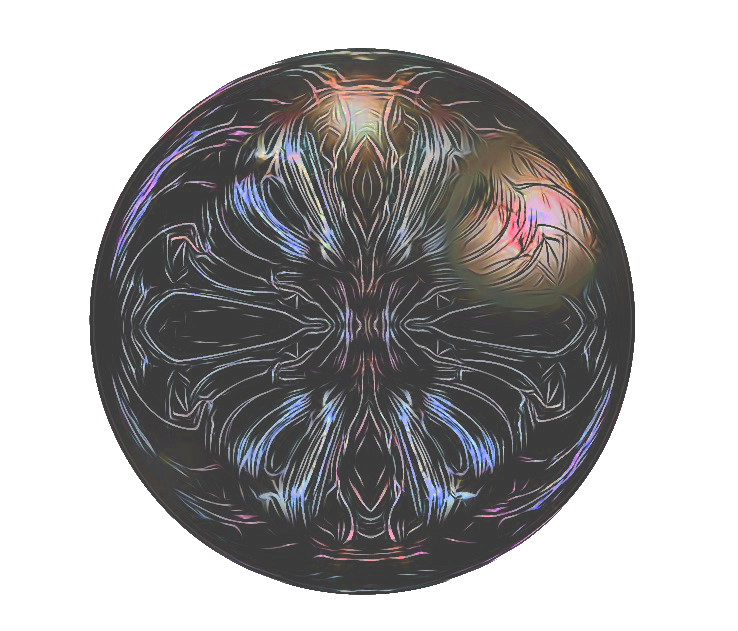
Bound. The ballista is magically bound to a circlet. As long as the ballista and its circlet are on the same plane of existence, the circlet's wearer can telepathically call the ballista to travel to it, and the ballista knows the distance and direction to the circlet.
Self Operating. After the ballista makes a bolt attack on its turn, it magically reloads itself and a new bolt appears ready to fire.
Siege Machine. The ballista deals double damage to objects and structures.
Actions
Bolt. Ranged Weapon Attack: +6 to hit, range 120/480 ft., one target. Hit: 20 (3d10 + 3) piercing damage.
The Circlet of Sieging
Wondrous item, rare (requires attunement)
This pendant is magically bound to an Arcane Ballista. If either the circlet or the ballista are destroyed, they become nonmagical.
When the Arcane Ballista bound to this circlet is within 60 feet of the wearer, the wearer can use a bonus action to mentally command the ballista. You decide what action the ballista will take and where it will move during its next turn, or you can issue a general command, such as to guard a particular location, or attack a particular building. If you issue no commands, the ballista only defends itself against hostile creatures. Once given an order, the ballista continues to follow it until its task is complete.
The ballista acts independently of you, but it always obeys your commands. In combat, it rolls its own initiative and acts on its own turn.
Arcane Ballista
The first arcane ballista was devised by a powerful war mage, that wanted to gain the upperhand for his troupes on the battlefield. The mage created twelve arcane ballista and reduced a city to rubble in mere hours. Ever since that instance, the use of these arcane siege machines has been frowned upon during times of war, but that doesn't stop warring nations from doing anything to gain the advantage.
Massive Destruction. An arcane ballista doesn't require any soldiers to be present during it's operation, and the magic permeating the construct creates new bolts, reloads, and fires all on its own. Use of these siege weapons greatly reduces loss of life during warfare, and sieging an enemy stronghold is as easy as giving a command to one of these magical constructs. Unlike soldiers, an arcane ballista doesn't require rest, and can continue attacking until it gets destroyed or is commanded to stop.
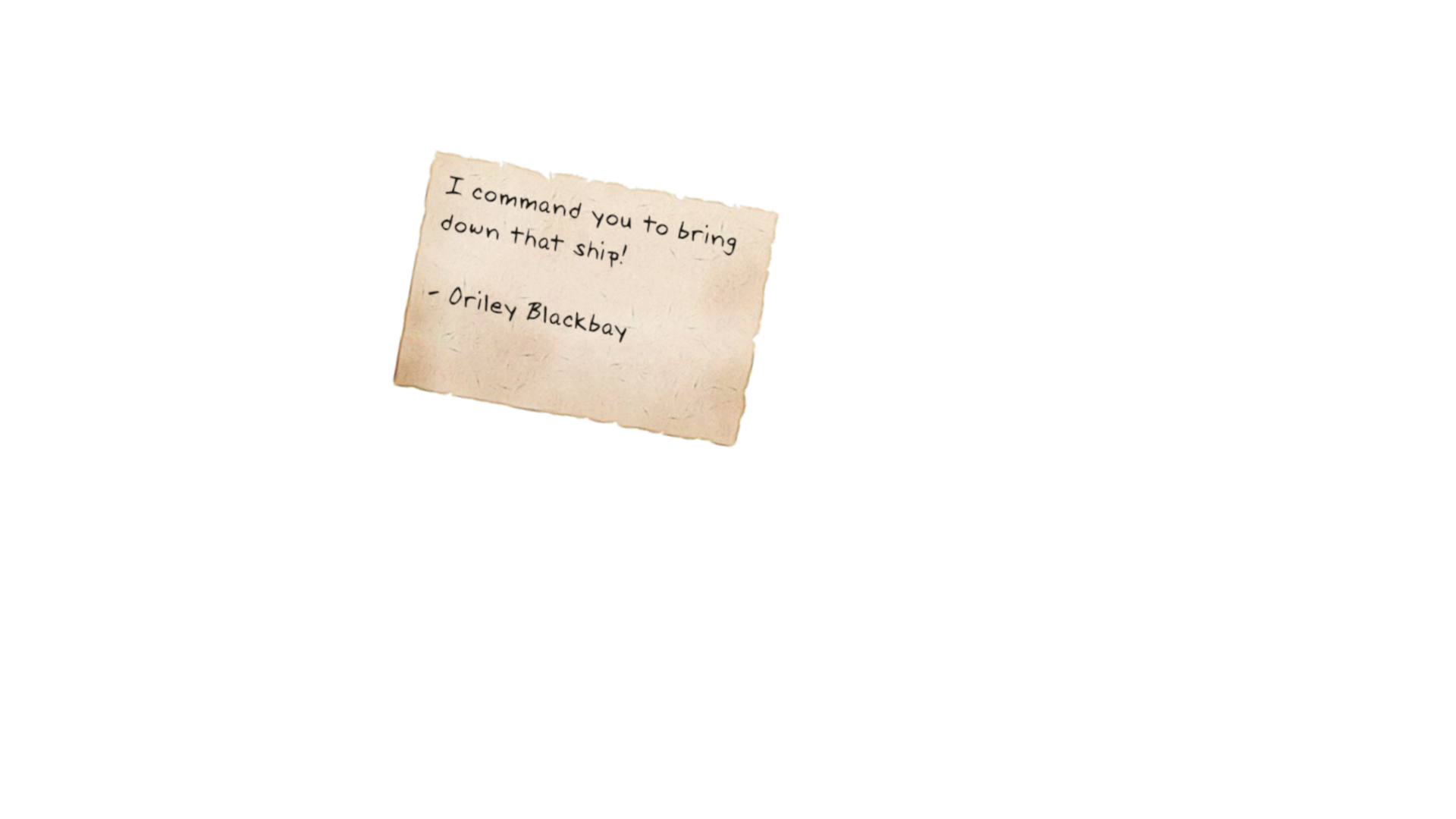
Siege of Sails. Arcane ballista have become increasingly common to have aboard ocean vessels. The ballista's siege engine properties makes a rival ship an easy target, and the precision at which it fires its projectiles is far superior than any manned siege weapon, meaning a captain can order an arcane ballista to take out a rival ship's mast while their ship makes a quick getaway.




Bellacara the Bride
A powerful wizard fell in love with the most beautiful woman he had ever seen, and went to the edges of the Multiverse to claim her affection. The two fell in love, but for each year that passed, the young woman would grow more and more sad. The two eventually decided to become married, but the wizard feared the woman's happiness would never return. On the day of their wedding, the wizard waited for his bride-to-be to come down the isle, but she never left her dressing room. When the wizard went to find the bride, he found her staring with a smile at her own reflection in a mirror. The young lady had finally found happiness in how beautiful she looked, but the isolation she endured while the wizard pursued his studies lead the woman into madness.
The wizard realized the pain he had caused his bride-to-be, and called the wedding off. The young lady never changed out of her wedding gown, and never let go of the mirror. She remained smiling at her own reflection for years, until she started to show signs of aging. The woman wanted nothing more than to remain looking as beautiful and youthful as she had on her wedding day, so the wizard gave her the ability to steal the beauty from others, and invigorate her own appearance. She went on to slaughter hundreds, in pursuit of perfection, only furthering the madness that grasped her mind.
The wizard felt remorse for these actions, and used a powerful spell to seal her away in the mirror she so coveted. He bound the enchantment with the name of the bride, so that she could be released should he find a way to cure the madness infesting her mind. For years the wizard searched for the cure, but all remedies proved useless to help the one he loved.
After a lifetime of searching, the wizard laid on his deathbed with mirror in hand. He released his love one more time, so her still youthful face would be the last thing he saw before exiting this world. As the wizard passed on, the woman flew into a fit of rage, and shattered the mirror she was summoned from; sending bolts of arcane energy through the room as she broke the mirror she was bound to.
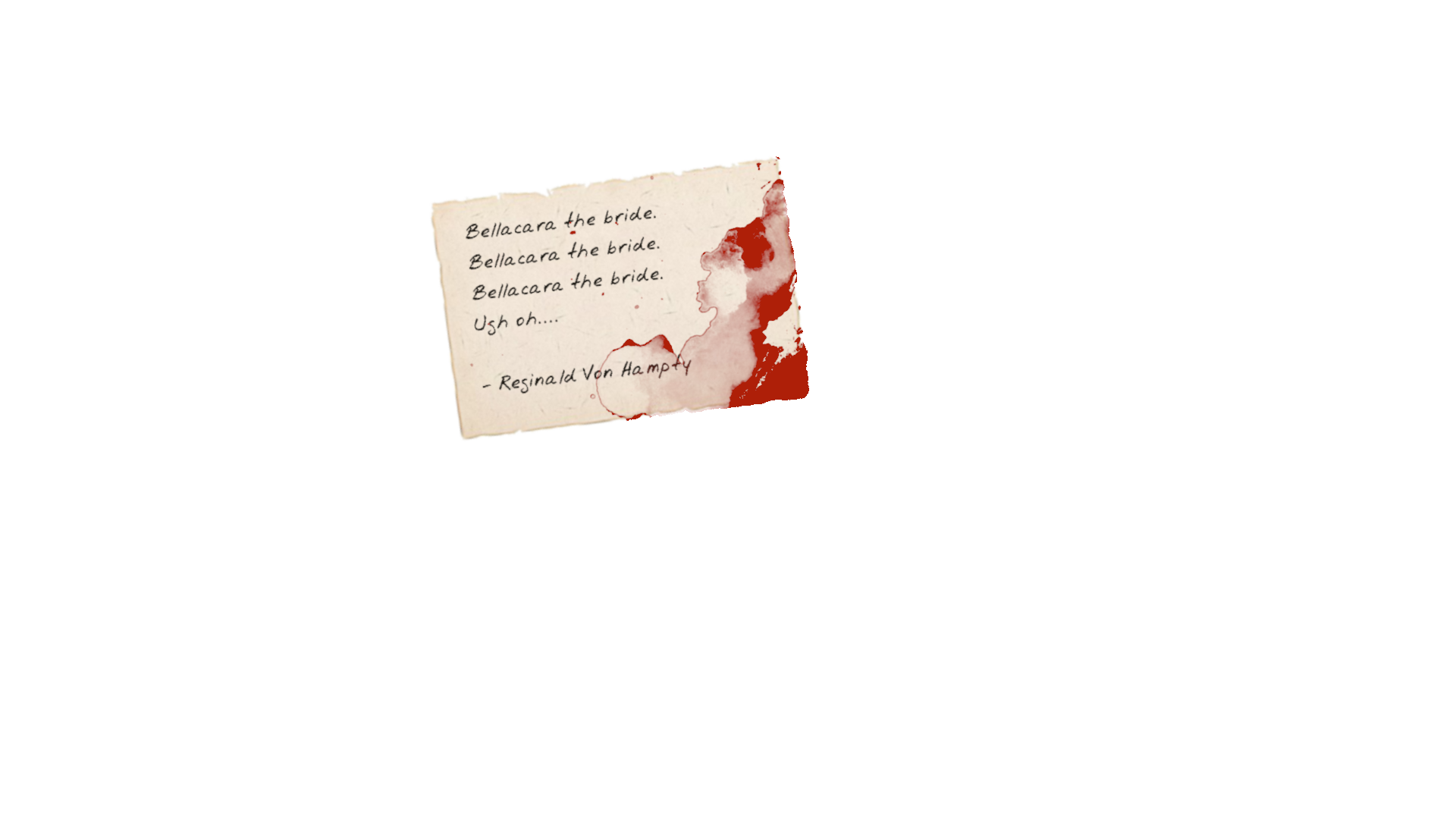
It is said that upon breaking the wizard's mirror, she gained the ability to be summoned from any mirror in the Multiverse, and any unlucky soul that says "Bellacara the bride" three times into a mirror at night is able to summon her.
Drainer of Beauty. Bellacara still maintains her ability to drain the beauty of others, and in combat uses it to deform her enemies and invigorate herself. When Bellacara completely drains a creature of its beauty, their remains appear to be nothing more than a gray husk of their former selves.
Gruesome Calling Card. After Bellacara kills the creature that summoned her, she writes her name in blood three times above the mirror she was summoned from. This allows her to further spread the knowledge of how to summon her, increases the mystique and infamy behind her name, and gives her a higher supply of beauty to drain from those that do end up summoning her.
Unkillable. The only way for Bellacara to be killed is for her name to be completely removed from all tomes and pages, and for all memory of her name to be forgotten. Even if Bellacara is to be slain, she can still be brought back with the mention of her name three times into a mirror at night.
Customize Bellacara.
As with all good stories of folklore or legend, there are usually multiple origin stories. If the lore detailed above doesn't quite fit into your world, or if you want to throw your own twist on Bellacara the bride, we highly recommend you do so.
Even changing around Bellacara's traits and abilities to make her more gruesome could add that extra horror aspect to your game. Perhaps Bellacara wields a terrifying knife:
Brutal Blade. Melee Weapon Attack: +8 to hit, reach 5 ft., one target. Hit: 7 (1d6 + 4) slashing damage and the target must succeed on a DC 16 Constitution saving throw or take 3 (1d6) slashing damage at the start of their next turn.



Bellacara the Bride
Medium undead, chaotic evil
- Armor Class 16 (natural armor)
- Hit Points 111 (17d8 + 34)
- Speed 30 ft.
STR DEX CON INT WIS CHA 18 (+4) 14 (+2) 15 (+2) 11 (+0) 12 (+1) 17 (+3)
- Skills Stealth +6
- Damage Resistances necrotic; bludgeoning, piercing, and slashing from nonmagical weapons
- Damage Immunities poison
- Condition Immunities charmed, fatigue, frightened, poisoned
- Senses darkvision 60 ft., passive Perception 11
- Languages Common, Abyssal
- Challenge 10 (5,900 XP)
Mirror Summons. When "Bellacara the bride" is chanted three times into a mirror at night, Bellacara can choose to teleport to a location within 60 feet of that mirror. If Bellacara is dead, and "Bellacara the bride" is chanted in the same way, she is resurrected to a location within 60 feet of the mirror. Bellacara can't move more than 120 feet away from the mirror she was summoned from.
Gruesome Killer. Bellacara always knows the exact location of the creature that summoned her, and has advantage on attack rolls made against that creature until it is reduced to 0 hit points, or she is reduced to 0 hit points.
Rapid Decay. When Bellacara is reduced to 0 hit points, her body rapidly decays and turns to dust within moments. Bellacara and everything she is wearing and carrying, except magic items, are reduced to a pile of black dust.
Return to the Mirror. After reducing the creature that summoned her to 0 hit points, Bellacara can use an action to cast the plane shift spell (requiring no components, self only) while within 5 feet of the mirror she was summoned from. The only location she can target while casting this spell is a secret demiplane, where she waits to be summoned once more.
Actions
Multiattack. Bellacara makes two melee attacks.
Grasping Hair. Melee Weapon Attack: +8 to hit, reach 10 ft., one target. Hit: 8 (1d8 + 4) bludgeoning damage, and if the target is Medium or smalller, it is grappled (escape DC 16). While the target is grappled, it is restrained, and it takes 9 (2d8) necrotic damage at the start of each of its turns. Bellacara can grapple two creatures with her hair.
Siphon Beauty. Ranged Spell Attack: +7 to hit, range 60 ft., one target. Hit: 21 (4d8 + 3) necrotic damage, and the target's Charisma score is reduced by 1d4. The target dies if this reduces its Charisma to 0. Otherwise, the reduction lasts until the target finishes a short or long rest. Bellacara regains hit points equal to 5 times the amount the target's Charisma score was reduced by.
Frighten. Bellacara lets out a horrific scream, attempting to terrify creatures of her choice within 30 feet of her. Each target must succeed on a DC 15 Wisdom saving throw or be frightened of Bellacara for 1 minute. A frightened creature can make a Wisdom saving throw at the end of each of its turns, ending the effect on a success.



Bully Goat
Gargantuan beast, unaligned
- Armor Class 15 (natural armor)
- Hit Points 232 (15d20 + 75)
- Speed 80 ft.
STR DEX CON INT WIS CHA 24 (+7) 12 (+1) 20 (+5) 3 (-4) 16 (+3) 10 (+0)
- Saving Throws Str +12, Con +10
- Skills Athletics +12
- Damage Resistances cold
- Condition Immunities frightened
- Senses darkvision 60 ft., passive Perception 13
- Languages –
- Challenge 16 (15,000 XP)
Gruff. When the goat hits a creature with an attack, it gains advantage on all attacks made against that creature until the end of its next turn.
Charge. If the bully goat moves at least 20 feet straight toward a target and then hits it with a ram attack on the same turn, the target takes an extra 26 (4d12) bludgeoning damage. If the target is a creature, it must succeed on a DC 21 Strength saving throw or be knocked prone.
Sure-Footed. The goat has advantage on Strength and Dexterity saving throws made against effects that would knock it prone.
Actions
Multiattack. The bully goat makes two ram attacks.
Ram. Melee Weapon Attack: +12 to hit, reach 10 ft., one target. Hit: 33 (4d12 + 7) bludgeoning damage.
Bleat (Recharge 5-6). The bully goat lets out a low-pitch bleat, which stings the ears of all creatures within 20 feet of it.Each creature in the area that can hear the bleat must succeed on a DC 18 Wisdom saving throw or be stunned until the end of its next turn.
Bully Goat
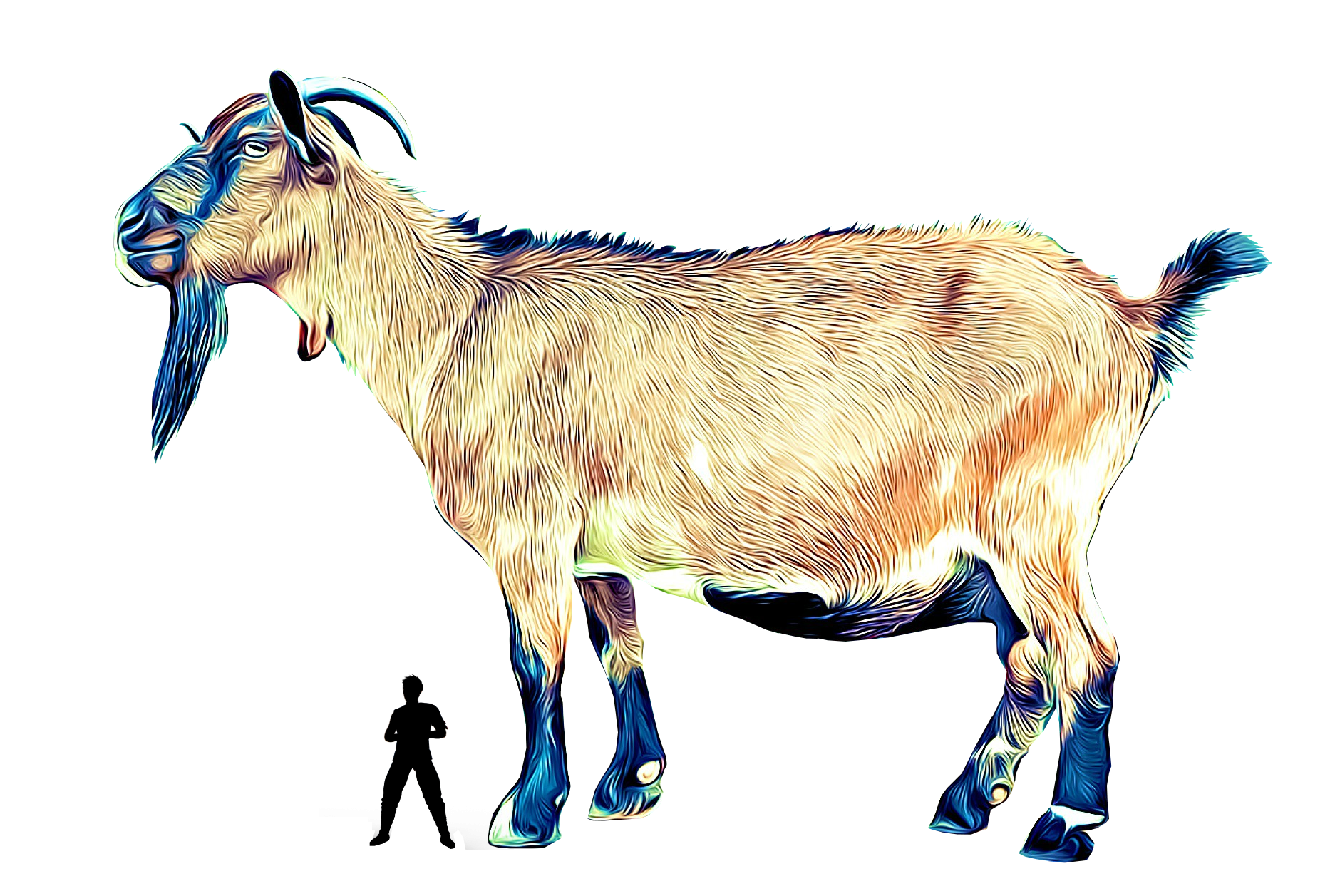
In the most uninhabitable frozen regions of the world there resides a beast of immense size and power, the bully goat. The bully goat is a 23 - 24 foot tall goat that is fiercely territorial over whatever section of land it claims as its own. These creatures are revered by frost giants, and are taken at birth and reared into guardians and courageous steeds for their leaders.
Territorial. A bully goat usually lays claim to an area of frozen land a few square miles in size, and defends the land with savage ferocity. Even white dragons revere the power and ferocity of bully goats, and the two creatures clash over territory on regular occasions. White dragons find the challenge of battling a bully goat so exhilarating that they rarely kill them, unless food is scarce. They instead choose only to wound them and allow the beasts to recover, so they test their might once more.
Coveted Mounts. A fully grown bully goat is too stubborn to be taught or domesticated into a mount, thus a creature that wants to obtain a bully goat as a mount or companion needs to start its training from a very young age. Bully goats reach full maturity and size after 30 years, and can live for as long as 400 years, making them the perfect creature for frost giants to domesticate. A bully goat's territorial nature can be targeted towards a creature instead of a location, usually a creature that has reared it, or shows complete dominance over it at a young age.
Frost Dwellers. The bully goat's thick coat makes it perfectly adept at surviving in the coldest of climates, and its omnivorous diet and tough stomach allows it to sustain itself from near anything it can come across. A hungry bully goat is just as likely to eat a band of adventurers as it is to eat a forest of trees.


Carnival Hag
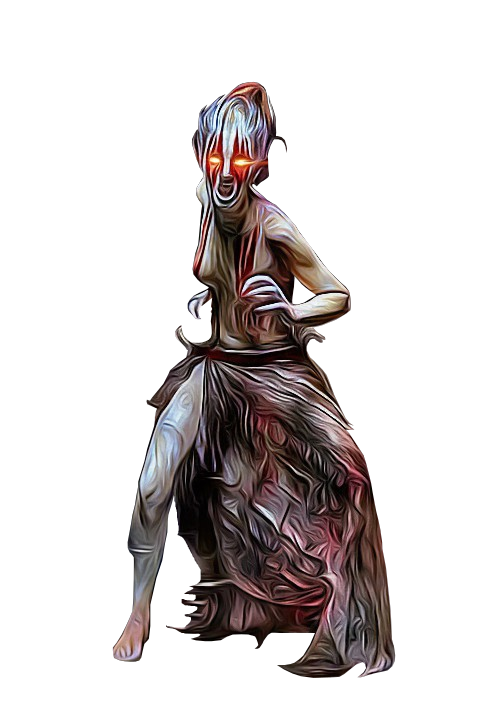
Carnival hags are wretched creatures that live in traveling circuses and festivals that they commandeer themselves. The hags use the cover of the festival to disguise their freakish appearance, and blend in seamlessly with the whacks and oddities that call a carnival home. The carnival hag uses trickery and games of unfair chance to goad festival-goers into making deals and bargains that they'll most certainly regret.
Freakish. Carnival hags appear as ugly harlequins adorned in layers upon layers of bright and colorful cloth. The hag's white and red makeup appears to have been applied heavily, and blends into the creature's hair. In actuality, this thick layer of colored makeup is actually the skin of the carnival hag, which constantly shifts, changes colour, and sheds from their faces to reveal a new pattern underneath, allowing the carnival hag to constantly change their appearance at a festival, and appear as a new performer.
Games of Altered Chance. The favorite thing for a carnival hag to do is to goad fool-hearty festival goers into playing their games of chance, which are always weighed in the favor of the hag.
Carnival Hag
Medium fiend, neutral evil
- Armor Class 16 (natural armor)
- Hit Points 71 (11d8 + 22)
- Speed 30 ft.
STR DEX CON INT WIS CHA 18 (+4) 13 (+1) 15 (+2) 11 (+0) 12 (+1) 16 (+3)
- Skills Arcana +2, Deception +5, Performance +5
- Senses darkvision 60 ft., passive Perception 11
- Languages Common, Abyssal, Infernal
- Challenge 3 (700 XP)
Innate Spellcasting. The hag’s innate spellcasting ability is Charisma (spell save DC 13). She can innately cast vicious mockery at will.
Whack-a-Hag (1/Day). When the hag is targeted by an attack roll, she can attempt to magically swap places with a creature within 30 feet of her. The creature must succeed on a DC 13 Charisma saving throw or teleport and swap places with the hag, potentially causing the attack to hit that creature instead.
Actions
Claw. Melee Weapon Attack: +6 to hit, reach 5 ft., one target. Hit: 7 (1d6 + 4) slashing damage.
Mallet. Melee Weapon Attack: +6 to hit, reach 5 ft., one target. Hit: 10 (1d12 + 4) slashing damage and if the target is Medium or smaller it must succeed on a DC 14 Strength saving throw or be pushed 20 feet in a direction of the hag's choosing and knocked prone.
Game of Chance (Recharge 6). The hag invokes a cursed game of chance, targeting up to 3 creatures within 60 feet to play with her. The targets must roll a d6, while the hag rolls a d8. The creature that rolled the highest number is deemed the winner, and regains 11 (2d10) hit points, while the losers each take 11 (2d10) necrotic damage. If 2 or more creatures tie for the highest number rolled, the hag determines which creature is deemed the winner.
Carnival hags delight in heightening the stakes of these games, usually with participants wagering their lives in a daring game to the death. The hags also enjoy playing less fatal versions of these games, in which they seek to gain information from knowledgeable carnival goers.
Mirror Houses. A carnival hag coven enjoys twisting all carnival and festival attractions into games of death, but none they favor more than the mirror house. The natural confusion the attraction brings is only amplified by the hag's trickery. A coven will lure a group of carnival goers into the mirror house, and slowly pick them off one by one, delighting in the terror and confusion they cause during the process.


Cheeky Monkey
Tiny beast, unaligned
- Armor Class 12 (14 while within 5 ft. of its dung ball)
- Hit Points 7 (3d4)
- Speed 30 ft., climb 30 ft.
STR DEX CON INT WIS CHA 8 (-1) 15 (+2) 11 (+0) 4 (-3) 12 (+1) 6 (-2)
- Senses passive Perception 11
- Languages –
- Challenge 1/8 (25 XP)
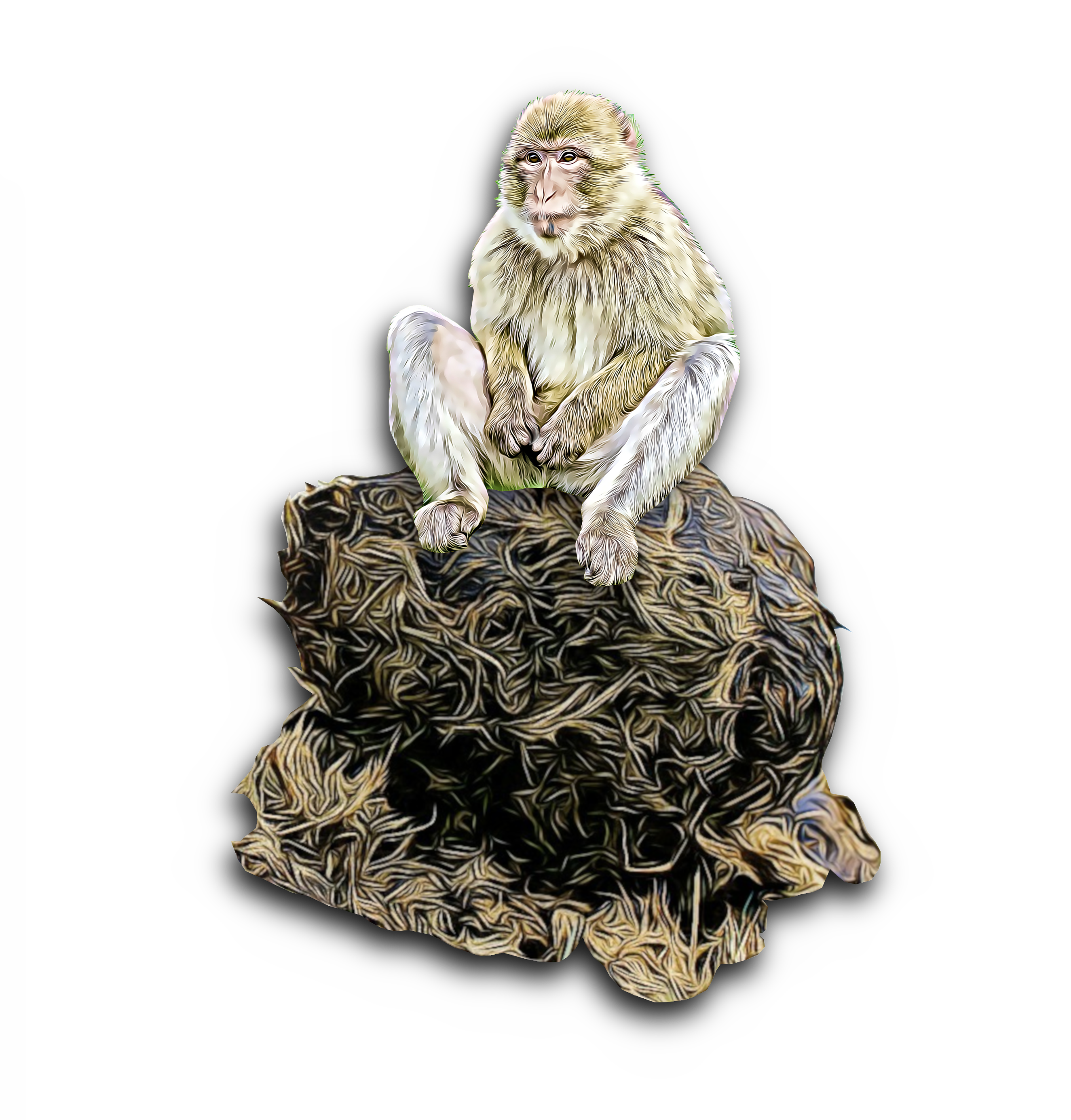
Dung Ball. The monkey has a dung ball that it rolls around, and pulls from to launch fecal projectiles at its enemies. The dung ball is a Small object with an AC 10 and 20 hit points. The monkey can push the dung ball around without expending extra movement on its turn, and while the monkey is within 5 feet of the dung ball, it gains a +2 bonus to AC. If the dung ball is destroyed, the monkey can't use the Throw Poo action until it gathers a new dung ball over the course of 7 days.
Actions
Multiattack. The monkey uses it Throw Poo. It then makes one bite attack.
Bite. Melee Weapon Attack: +4 to hit, reach 5 ft., one target. Hit: 1 piercing damage.
Throw Poo (While within 5 ft. of its Dung Ball). The monkey pulls a handful of dung from its dung ball and flings it at a creature it can see within 30 feet of it. The creature must succeed on a DC 12 Dexterity saving throw or be blinded until the creature or a creature within 5 feet of it uses an action to wipe the poo from its eyes.

Cheeky Monkey
Cheeky monkey is the nickname given to a monkey that has collected a ball of dung, and rolls it around; using it both offensively and defensively. Cheeky monkey's usually assert their dominance over a troop of monkeys, and toss feces in the face of any monkey or creature that challenges their rule.
Poop Troops. It is rare that more than one cheeky monkey can coexist in the same troop, but in odd circumstances, a troop can contain two or more in their ranks. These troops are often incredibly effective at keeping predators at bay, and any persistent predator that ignores the warning tosses is sure to be showered in a storm of fecal matter.
Fecal Foragers. A cheeky monkey that has its dung ball destroyed quickly sets out to gather another one. This process usually takes seven days, and requires the monkey to spend a lot of time unprotected on the jungle floor collecting the refuse and waste left by other creatures.


Pumpkill
Tiny fiend, chaotic evil
- Armor Class 11
- Hit Points 10 (3d4 + 3)
- Speed 10 ft., climb 10 ft.
STR DEX CON INT WIS CHA 11 (+0) 12 (+1) 13 (+1) 6 (-2) 12 (+1) 9 (-1)
- Damage Resistances fire
- Condition Immunities prone
- Senses darkvision 60 ft., passive Perception 11
- Languages Abyssal, Infernal
- Challenge 1/8 (25 XP)
Internal Fire. As a bonus action, the pumpkill lights or dims its internal fire. While lit, the pumpkill sheds bright light in a 5-foot radius and dim light for an additional 5 feet, and its attacks deal an additional 2 (1d4) fire damage.
Actions
Bite. Melee Weapon Attack: +2 to hit, reach 5 ft., one target. Hit: 2 (1d4) piercing damage plus 2 (1d4) fire damage if the pumpkill is lit.
Spit Seed. Ranged Weapon Attack: +3 to hit, range 15/60 ft., one target. Hit: 3 (1d4 + 1) bludgeoning damage plus 2 (1d4) fire damage if the pumpkill is lit.
Corrupted Crop
A corrupted crop is a growth of fiendish pumpkins that rapidly increase in number and size, and terrorize farmers and farmlands alike. The fiendish pumpkins grow from corrupted seeds created by hags, which plant the crop to delight in the terror they cause the common-folk.
Fiendish Dish. Any creature that eats the flesh of a corrupted crop must succeed on a DC 12 Constitution saving throw or undergo an odd transformation that slowly turns them into a fiend over the span of 7 days. Their alignment becomes chaotic evil, and they desire nothing but to embark on a bloody murder spree.
Pumpking
Large fiend, chaotic evil
- Armor Class 15 (natural armor)
- Hit Points 114 (12d10 + 48)
- Speed 30 ft., climb 30 ft.
STR DEX CON INT WIS CHA 20 (+5) 14 (+2) 19 (+4) 7 (-2) 14 (+2) 13 (+1)
- Damage Resistances fire
- Condition Immunities prone
- Senses darkvision 60 ft., passive Perception 12
- Languages Abyssal, Infernal
- Challenge 5 (1,800 XP)
Grasping Roots. The pumpking is surrounded by a 10-foot radius of grasping roots, that is centered on it and moves with it. Creatures of the pumpking's choice treat the area as difficult terrain.
Internal Fire. As a bonus action, the pumpking lights or dims its internal fire. While lit, the pumpking sheds bright light in a 10-foot radius and dim light for an additional 10 feet, and its attacks deal an additional 2 (2d10) fire damage.
Actions
Bite. Melee Weapon Attack: +2 to hit, reach 5 ft., one target. Hit: 16 (2d10 + 5) piercing damage plus 11 (2d10) fire damage if the pumpkill is lit.
Seed Spew (Recharge 5-6). The pumpking spews seeds in a 30-foot cone. Each creature in that area must make a DC 15 Dexterity saving throw, taking 22 (4d10) piercing damage plus 11 (2d10) fire damage if lit on a failed save, or half as much damage on a successful one.
Pumpkill
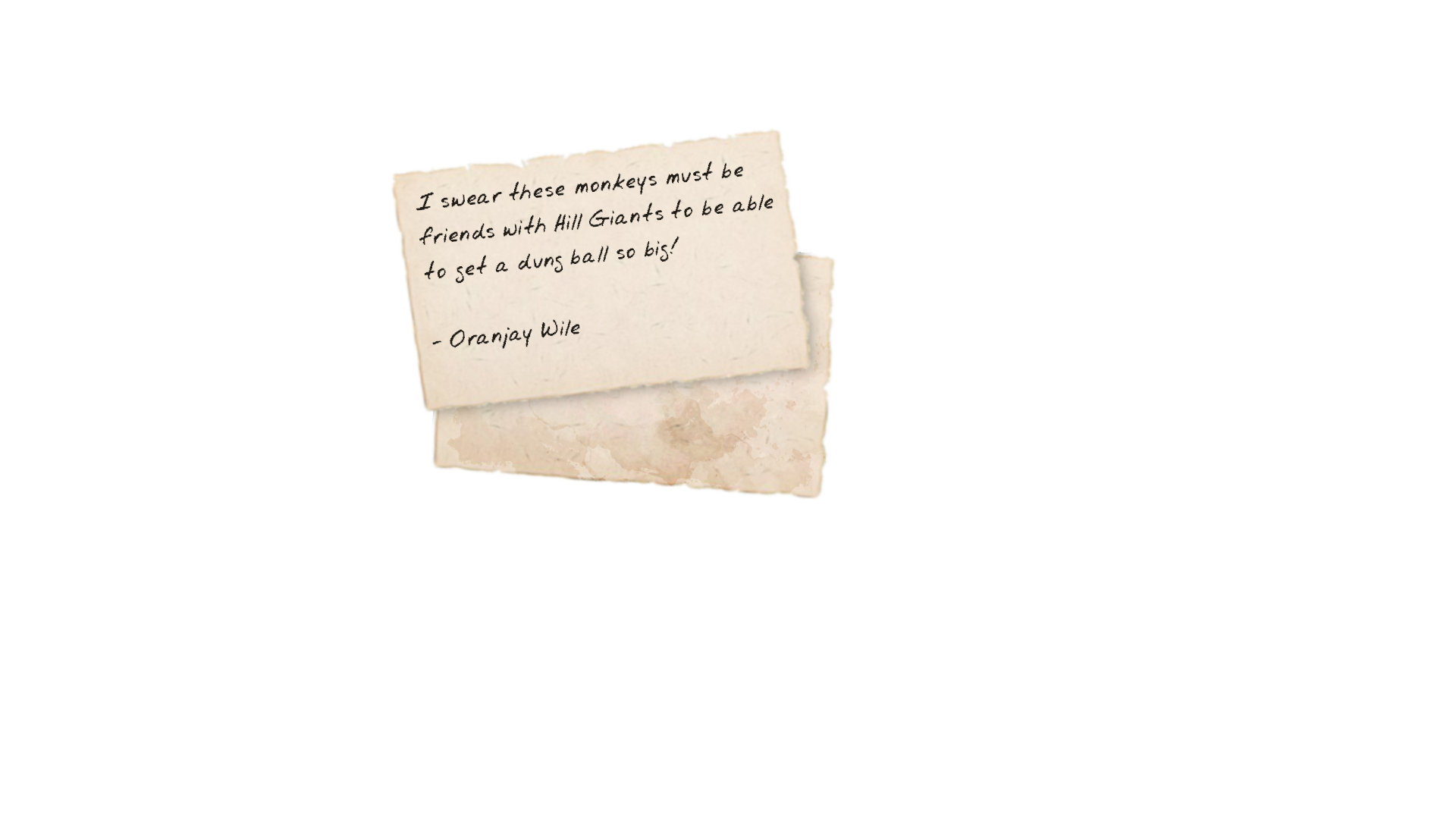
The first instance of growth of a corrupted crop is a pumpkill. A pumpkill is a jack-o-lantern with vine erupting from its underside that assist it in moving. The corrupted crop have an infernal fire burning on their inside, which fuels their maniacal nature.
Pumpking
After a pumpkill has remained alive for over a year, theres a low chance that a pumpkill may morph into a pumpking. The pumpking appears as a massive swollen pumpkin with black veins running across its exterior. The pumpkin is considerably more powerful than a pumpkill, and can spew flaming seeds from its maw.


Culinary Companion
Tiny construct, unaligned
- Armor Class 13
- Hit Points 7 (2d4 + 2)
- Speed 5 ft., fly 20 ft. (hover)
STR DEX CON INT WIS CHA 4 (-3) 16 (+3) 13 (+1) 1 (-5) 3 (-4) 1 (-5)
- Damage Immunities poison, psychic
- Condition Immunities blinded, charmed, deafened, exhaustion, frightened, paralyzed, petrified, poisoned
- Senses blindsight 60 ft. (blind beyond this radius), passive Perception 10
- Languages understands Common but can't speak
- Challenge 1/8 (25 XP)
Antimagic Susceptibility. The companion is incapacitated while in the area of an antimagic field. If targeted by dispel magic, the companion must succeed on a Constitution saving throw against the caster's spell save DC or fall unconscious for 1 minute.
False Appearance. While the companion remains motionless, it is indistinguishable from a normal mortar and pestle.
Actions
Pestle. Melee Weapon Attack: +5 to hit, reach 5 ft., one target. Hit: 5 (1d4 + 3) bludgeoning damage.
Flavor. The companion flavors up to 1 cubic foot of nonliving material within 5 feet of it for 8 hours, or until consumed.
Pepper. The companion grinds pepper within itself and wafts it in the face of a creature within 5 feet of it. The target must succeed on a DC 11 Constitution saving throw or spend its action on its next turn sneezing. Creatures that don't need to breathe or are immune to poison automatically succeed on this saving throw.
Spice. The companion combines a strong blend of spices and wafts it in the face of a creature within 5 feet of it. The target must succeed on a DC 11 Constitution saving throw or be blinded for 1 minute. The target can make a Constitution saving throw at the end of each of its turns, ending the effect on itself on a success. Creatures that don't have eyes or are immune to poison automatically succeed on this saving throw.
Reactions
Salted Wounds. When a creature within 5 feet of the companion takes damage, the companion can choose to add 2 (1d4) to that damage.
Culinary Companion
A chef with a particular skill in both the culinary arts and the magical arts can enchant a mortar and pestle into the perfect utensil for kitchen-work, a culinary companion. Culinary companions are coveted constructs for chefs, allowing them to rapidly flavor dishes and create spice combinations in mere moments.
Kitchen Guardians. A culinary companion is indistinguishable from a regular mortar and pestle when its stationary, and chefs use this to their advantage. They leave culinary companions in the kitchen in their absence, to defend their secret recipes and expensive produce.
Variant: Chef's Culinary Companion
A culinary companion can serve another creature with proficiency in chef's utensils as a familiar, forming a telepathic bond with a willing chef. While the two are bonded, the chef can issue a command to the culinary companion (requiring no action), which is fulfills to the best of its ability. If its chef causes it physical harm, the culinary companion will end its service as a familiar, breaking the telepathic bond.


Dark Grasp
Tiny undead, chaotic evil
- Armor Class 12
- Hit Points 20 (8d4)
- Speed 0 ft., fly 25 ft.
STR DEX CON INT WIS CHA 16 (+3) 14 (+2) 10 (+0) 3 (-4) 10 (+0) 8 (-1)
- Skills Stealth +4
- Damage Vulnerabilities radiant
- Damage Resistances necrotic; bludgeoning, piercing, and slashing from nonmagical weapons
- Damage Immunities poison
- Condition Immunities blinded, charmed, deafened, frightened, paralyzed, petrified, poisoned
- Senses blindsight 60 ft (blind beyond this radius)., passive Perception 10
- Languages understands Common but can't speak
- Challenge 1 (200 XP)
Mask of Shade. While the dark grasp is in an area of darkness, it is invisible.
Actions
Choke. Melee Weapon Attack: +5 to hit, reach 5 ft., one Medium or smaller creature. Hit: The creature is grappled (escape DC 13). Until this grapple ends, the target can't speak or breath, is at risk of suffocating, and the dark grasp can't choke another target. In addition, at the start of each of the target's turns, the target takes 13 (4d4 + 3) necrotic damage.
Dark Grasp
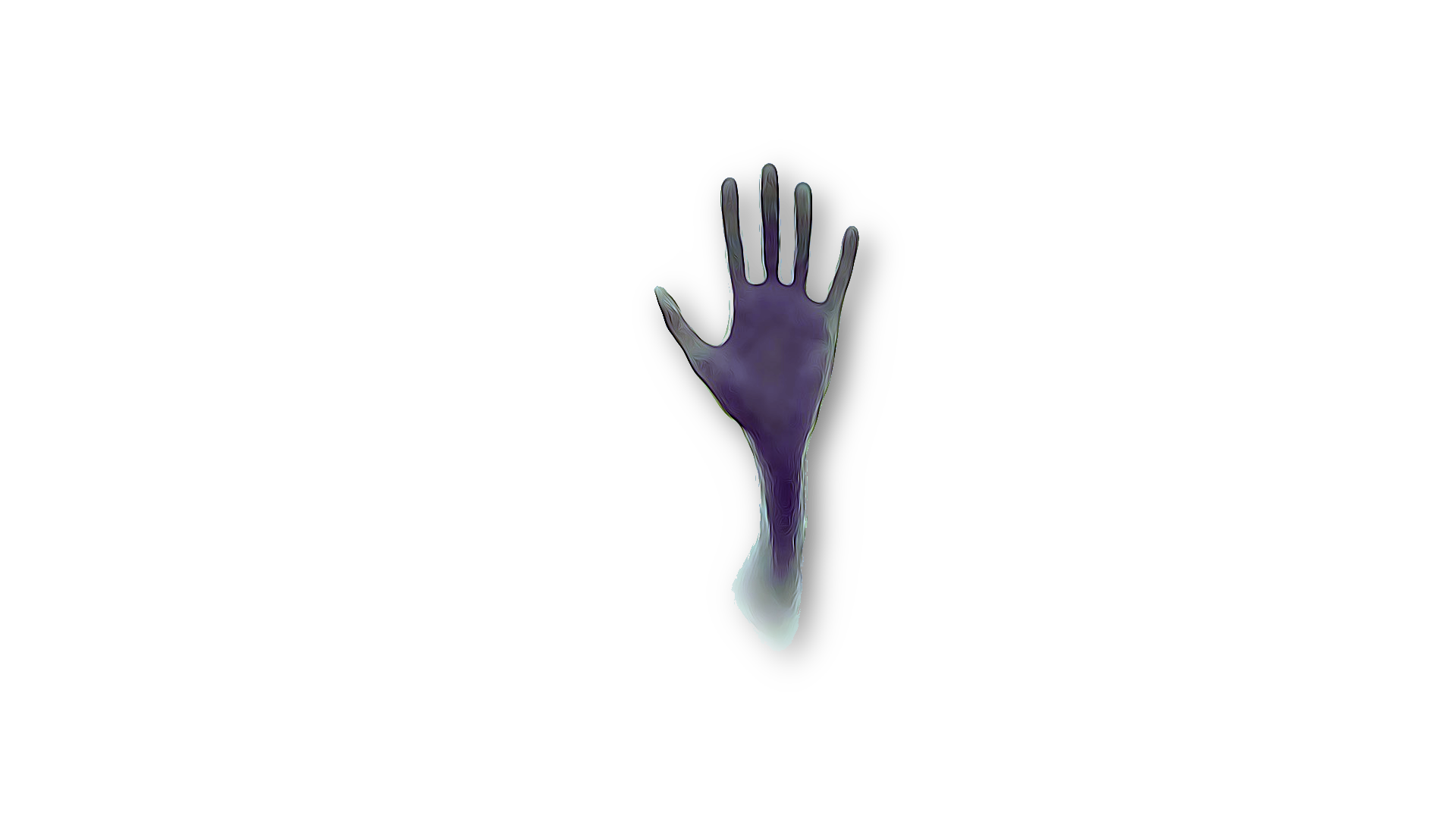
The dark grasp is the result of the create crawling claw spell gone wrong. During the casting of the spell, the hand of a murderer is used a material component, and the dark past of the hand's former owner can manifest into a shadowy appendage. The hand evaporates, leaving behind an dark grasp in its place. The umbral appendage is far more powerful than its crawling claw counterpart, and serves its master with the same unwavering loyalty.
Coveted by Necromancers. A dark grasp is a highly sought-after undead creature for necromancers. These dark casters slaughter countless criminals and delinquents for their hands, trying to defy the odds and summon forth a dark grasp to serve them.
Shadow Stranglers. In the absence of a master, a dark grasp desires nothing more than to inflict death and pain in the most terrifying ways upon the innocent of the world. Dark grasps stick to the shadows of urban areas, where they can go unnoticed and blend into their surroundings with plenty of unwary victims nearby.
Create Crawling Claw
3rd-level necromancy
Casting Time: 1 action
Range: Touch
Components: V, M (the hand of a murderer)
Duration: Instantaneous
Classes: Sorcerer, Warlock, Wizard
This spell creates a crawling claw, which is created from the hand of a murderer used as a material component (the GM has the creature’s game statistics). The crawling claw is under your control, and follows your commands to the best of its ability.
When you cast this spell there is a low chance that you may create a dark grasp instead of a crawling claw. When you cast this spell, roll a d20. On a 1, you instead create a dark grasp under your control.
On each of your turns, you can use a bonus action to mentally command a crawling claw made with this spell if the claw is within 60 feet of you (if you control multiple crawling claws, you can command any or all of them at the same time, issuing the same command to each one). You decide what action the crawling claw will take and where it will move during its next turn, or you can issue a general command, such as to guard a particular creature or location. If you issue no commands, the claw only defends itself against hostile creatures. Once given an order, the claw continues to follow it until its task is complete
You can control a number of crawling claws equal to your proficiency bonus.


Fog Phantom
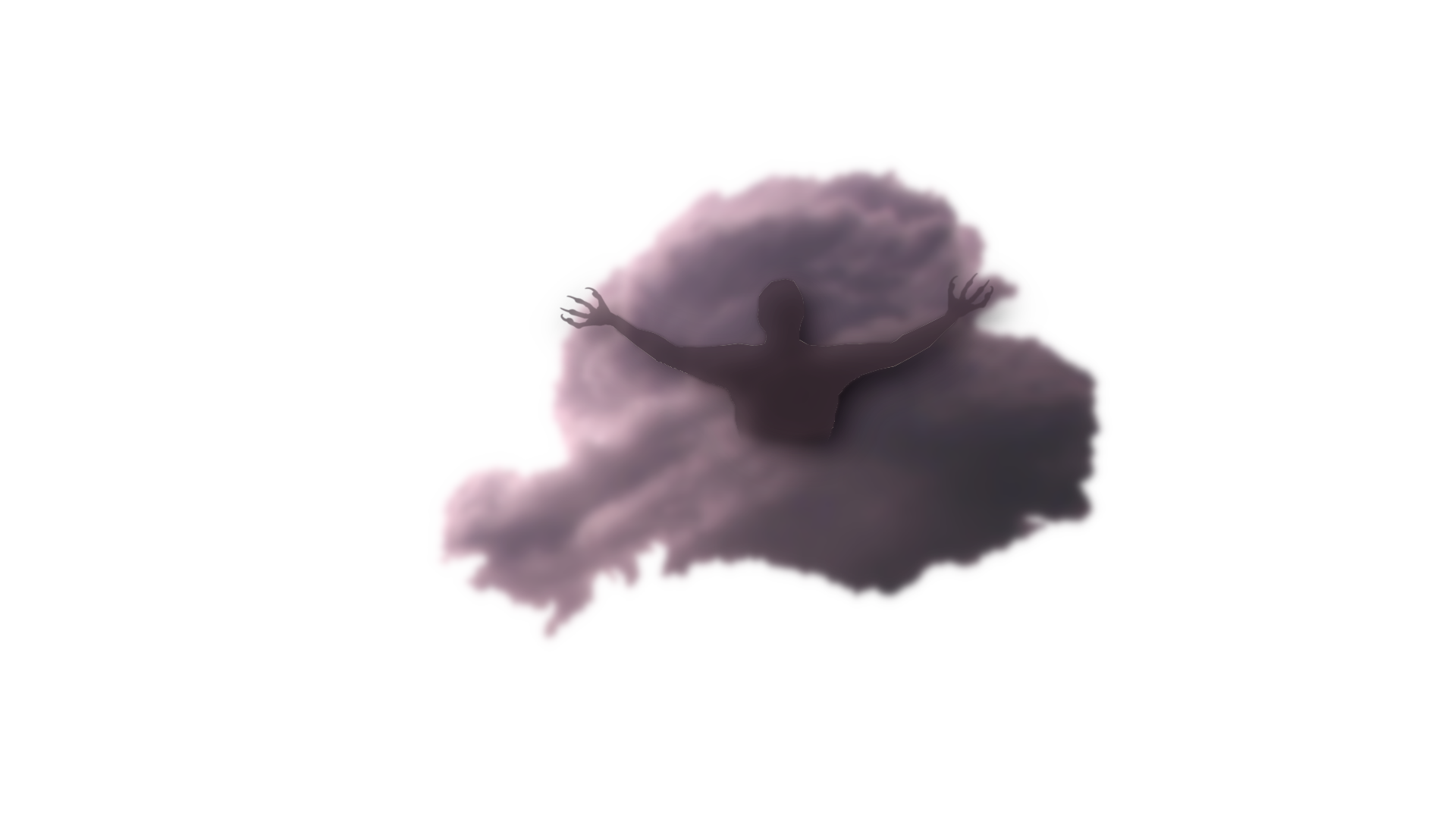
The war between the Gods and the Primordials wreaked havoc across the Multiverse and left its physical imprint on the Material Plane. A malevolent Air Primordial known as Irntus the Black Storm was slain in the war. The first of the fog phantoms rose from his deceased wispy body, instilled with the Primordial's malevolence and hatred for the races of the Material Plane. Hundreds of years later, the fog phantoms still hold the same hatred, suffocating anyone that enters the forests that they declare as their domains.
Forest Domains. Fog phantoms usually lord over a section of dense forest, far from civilization. Although they have an innate hatred for the mortal races of the world, they don't seek them out, or hunt them. Instead, preferring to patiently wait until a member of a mortal race enters their forest domain. A fog phantom usually attacks at night. Using the cover of darkness to help it strike fear into the hearts of the creatures it is attacking, before ultimately suffocating them to death.
Incorporeal Wisps. Fog phantoms are elemental beings made from fog. They can take on a humanoid appearance, but their natural form is indistinguishable from a regular fog cloud. In order to strike further fear into the creatures it plans on killing, a fog phantom will take on the appearance of a giant wispy humanoid with glowing white eyes.
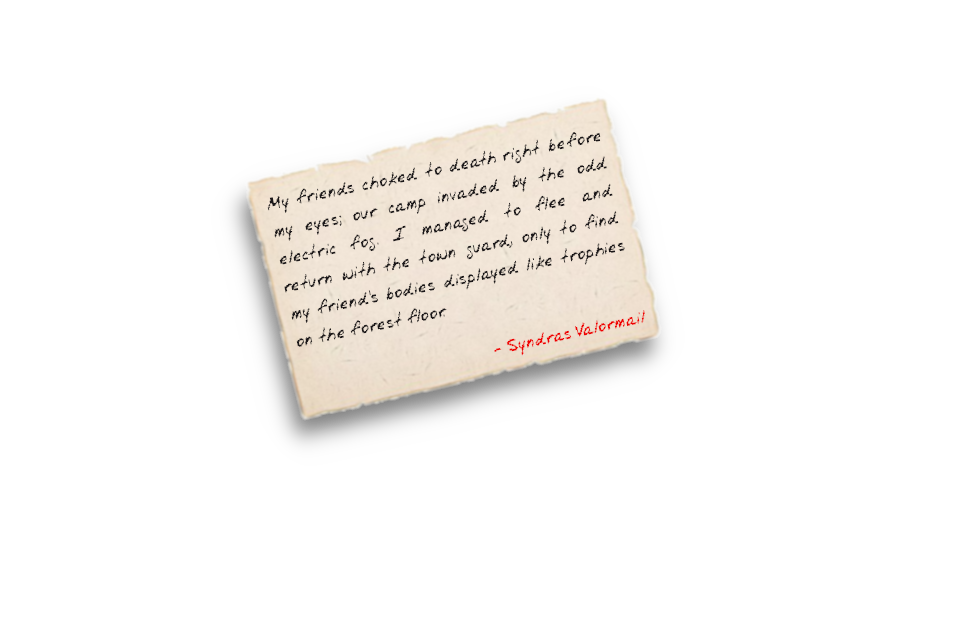
Undead Confusion. Fog phantoms are often confused as a type of undead creature. Skeletons litter the domain of a fog phantom, and are put on open display as trophies. People who have escaped an encounter with a fog phantom have spread stories. Usually detailing an alarming number of skeletons scattered around the forest area, the sound of distant voices and a horrific being made from wisps of fog. These stories usually draw an incorrect conclusion and pin the cause of the attack on the disgruntled spirits of the dead, who now lay deceased on the forest floor.
A Fog Phantom's Lair
Fog phantoms lair in dense forests, far from the reaches of civilization. A fog phantom spends most of its existence in its natural form, indistinguishable from a cloud of fog. Ever waiting for an unwary traveller to stumble into its forested domain.
Lair Actions
When fighting inside its lair, a fog phantom can invoke elemental magic to take lair actions. On initiative count 20 (losing initiative ties), the phantom takes a lair action to cause one of the following effects:
- The phantom casts the fog cloud spell. While maintaining concentration on this effect, the phantom can't take other lair actions.
- Winds around the phantom swirl in all directions. Each creature within 90 feet of the phantom must succeed DC 13 Strength saving throw or be pushed 15 feet in a random direction and knocked prone. The phantom can't use this lair action again until it has used a different one.
- The phantom magically teleports to a point it can see within 60 feet of it.
Regional Effects
The forest containing a fog phantom's lair is warped by the elemental nature of the creature, which creates one or more of the following effects:
- Open flames of a nonmagical nature are extinguished within the phantom's domain. Torches and campfires refuse to burn, but closed lanterns are unaffected.
- A thick, lingering fog covers the forest floor within 500 feet of the phantom's lair. This makes breathing strenuous, and resting difficult. A creature that takes a long rest within a phantom's domain must succeed on a DC 13 Constitution saving throw or gain one level of exhaustion.
- Disembodied, eerie voices can be heard within the forest domain of a phantom. Following the sounds of these voices leads to the skeleton of a previous victim of the phantom.

Fog Phantom
Huge elemental, chaotic evil
- Armor Class 15 (natural armor)
- Hit Points 105 (10d12 + 40)
- Speed 0 ft., fly 40 ft. (hover)
STR DEX CON INT WIS CHA 1 (-5) 20 (+5) 19 (+4) 9 (-1) 14 (+2) 11 (+0)
- Skills Perception +8, Stealth +11
- Damage Resistances bludgeoning, piercing, and slashing from nonmagical weapons
- Damage Immunities poison, lightning
- Condition Immunities exhaustion, grappled, paralyzed, petrified, poisoned, prone, restrained, unconscious
- Senses darkvision 60 ft., passive Perception 18
- Languages Auran, understands Common but doesn't speak it
- Challenge 7 (3,900 XP)
Of the Fog. The phantom can see through areas of fog, and has advantage on attack rolls against creatures within an area of magical fog created by the fog cloud spell.
False Appearance. While the phantom remains motionless, it is indistinguishable from a normal cloud of fog.
Fog Monster. The phantom takes up its entire space. Other creatures can enter the space, but a creature that does so is subjected to the phantom's Storm Inside trait. Creatures inside the phantom are considered blinded and the inside of its space is considered difficult terrain.
Storm Inside. A creature within the space of the phantom can't breath, is unable to speak, and takes 3 (1d6) lightning damage at the starts of each of the phantom's turns.
Legendary Resistance (1/Day). If the phantom fails a saving throw, it can choose to succeed instead.
Innate Spellcasting (3/Day). The phantom's innate spellcasting ability is Wisdom (spell save DC 13). It can innately cast gust of wind, requiring no material components.
Actions
Multiattack. The phantom makes two attacks, only one of which can be a shock attack.
Wisp Claw. Melee Weapon Attack: +8 to hit, reach 10 ft., one target. Hit: 12 (2d6 + 5) slashing damage plus 3 (1d6) lightning damage.
Shock. Ranged Spell Attack: +5 to hit, range 90 ft., one target. Hit: 17 (5d6) lightning damage.


Frog Prince
Tiny fey, neutral evil
- Armor Class 18 (natural armor)
- Hit Points 112 (25d4 + 50)
- Speed 20 ft., swim 20 ft.
STR DEX CON INT WIS CHA 5 (-3) 18 (+4) 15 (+2) 17 (+3) 14 (+2) 23 (+6)
- Saving Throws Wis +5, Cha +9
- Skills Deception +9, Intimidation +9, Persuasion +9
- Damage Resistances acid, psychic; bludgeoning, piercing, and slashing from nonmagical weapons that aren't silvered
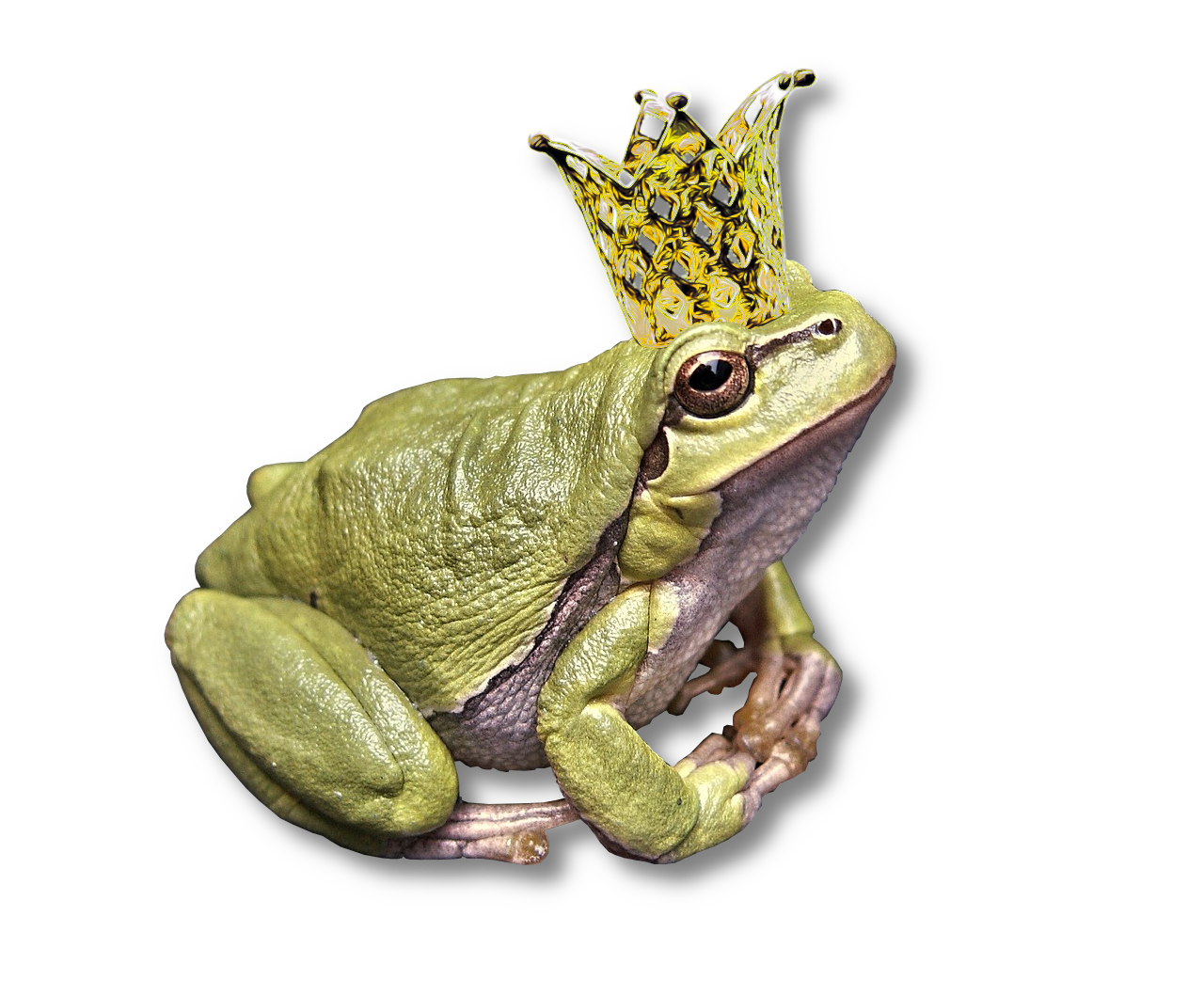
Frog Prince
The frog prince is a mischievous fey creature capable of charming and manipulating even the most guarded of minds, using its innate charisma and enchantment abilities to coerce the creatures of the Feywild into doing its bidding.
Bane of Fey Kingdoms. The arrival of a frog prince in a fey kingdom can spell disaster for the rulers, and efforts are quickly made to ensure the destruction of the frog prince before it can gain too much power over the ruling party. Many kingdoms have been sundered by civil war brought on by the enchantment power of a frog prince.
Infinite Allies. A frog prince has the ability to charm a creature with a kiss, and its charm spells are renowned for being some of the most powerful in the Multiverse. No matter what situation a frog prince is put in, it can always easily gain the upperhand in a moment with its powerful charms; pitting ally again ally.
Undetected Interloper. A frog princes small frame, and its ability to polymorph itself into a humanoid creature allows it to infiltrate any civilization and begin its subtle manipulation to push itself into a position of power.
- Condition Immunities charmed, paralyzed, restrained, stunned
- Senses darkvision 120 ft., truesight 30 ft., passive Perception 12
- Languages Common, Elvish, Sylvan
- Challenge 8 (3,900 XP)
Amphibious. The frog prince can breathe air and water.
Standing Leap. The frog prince's long jump is up to 10 feet and its high jump is up to 5 feet, with or without a running start.
Lesser Magic Immunity. The frog prince can't be affected or detected by spells of 3rd-level or lower unless it wishes to be. It has advantage on saving throws against all other spells and magical effects.
Charmer. When the frog prince casts a spell that causes a target to become charmed on a failed save, the target has disadvantage on the saving throw.
Regeneration. The frog prince regains 10 hit points at the start of its turn if it has at least 1 hit point.
Innate Spellcasting. The frog prince's innate spellcasting ability is Charisma (spell save DC 17). The frog prince can innately cast the following spells, requiring no material components:
At will: bane, bless, friends, vicious mockery
3/day each: charm person, crown of madness, suggestion
1/day each: dominate person, feeblemind, mass suggestion
Actions
Prince's Kiss. Melee Spell Attack: +9 to hit, reach 5 ft., one creature. Hit: 16 (4d4 + 6) psychic damage, and the creature must succeed on a DC 17 Wisdom saving throw or be charmed by the frog prince. The charmed target regards the frog prince as a ruler to be followed and protected. Although the target isn't under the frog prince's control, it takes the frog prince's requests or actions in the most favorable way it can.
Each time the frog prince or the frog prince's companions do anything harmful to the target, it can repeat the saving throw, ending the effect on itself on a success. Otherwise, the effect lasts for 24 hours or until the frog prince dies, is on a different plane of existence than the target, or takes a bonus action to end the effect.
Change Shape. The frog prince magically polymorphs into a Small or Medium humanoid, or back into its true form. Other than its size, its statistics are the same in each form. If the frog prince dies, it reverts to its true form. While polymorphed into a humanoid, it has advantage on all Charisma (Deception and Persuasion) checks.

Gemguard Elemental
Large elemental, unaligned
- Armor Class 18 (natural armor)
- Hit Points 157 (15d10 + 75)
- Speed 30 ft.
STR DEX CON INT WIS CHA 20 (+5) 10 (+0) 21 (+5) 6 (-2) 11 (+0) 5 (-3)
- Damage Resistances bludgeoning, piercing, and slashing from nonmagical weapons
- Damage Immunities poison, psychic
- Condition Immunities exhaustion, paralyzed, poisoned, petrified
- Senses darkvision 60 ft., tremorsense 30 ft., passive Perception 10
- Languages Terran
- Challenge 8 (3,900 XP)
Protector. When an ally the elemental can see is hit with a melee attack, the elemental can move up to its speed towards the attacker.
Refracted Light. When the elemental starts its turn in an area of bright light, every creature within 10 feet of it must suceed on a DC 16 Constitution saving throw or be stunned until the beginning of their next turn.
Actions
Multiattack. The elemental makes two slam attacks.
Slam. Melee Weapon Attack: +8 to hit, reach 5 ft., one target. Hit: 16 (2d10 + 5) bludgeoning or piercing damage (the elemental's choice).
Gemguard Elemental
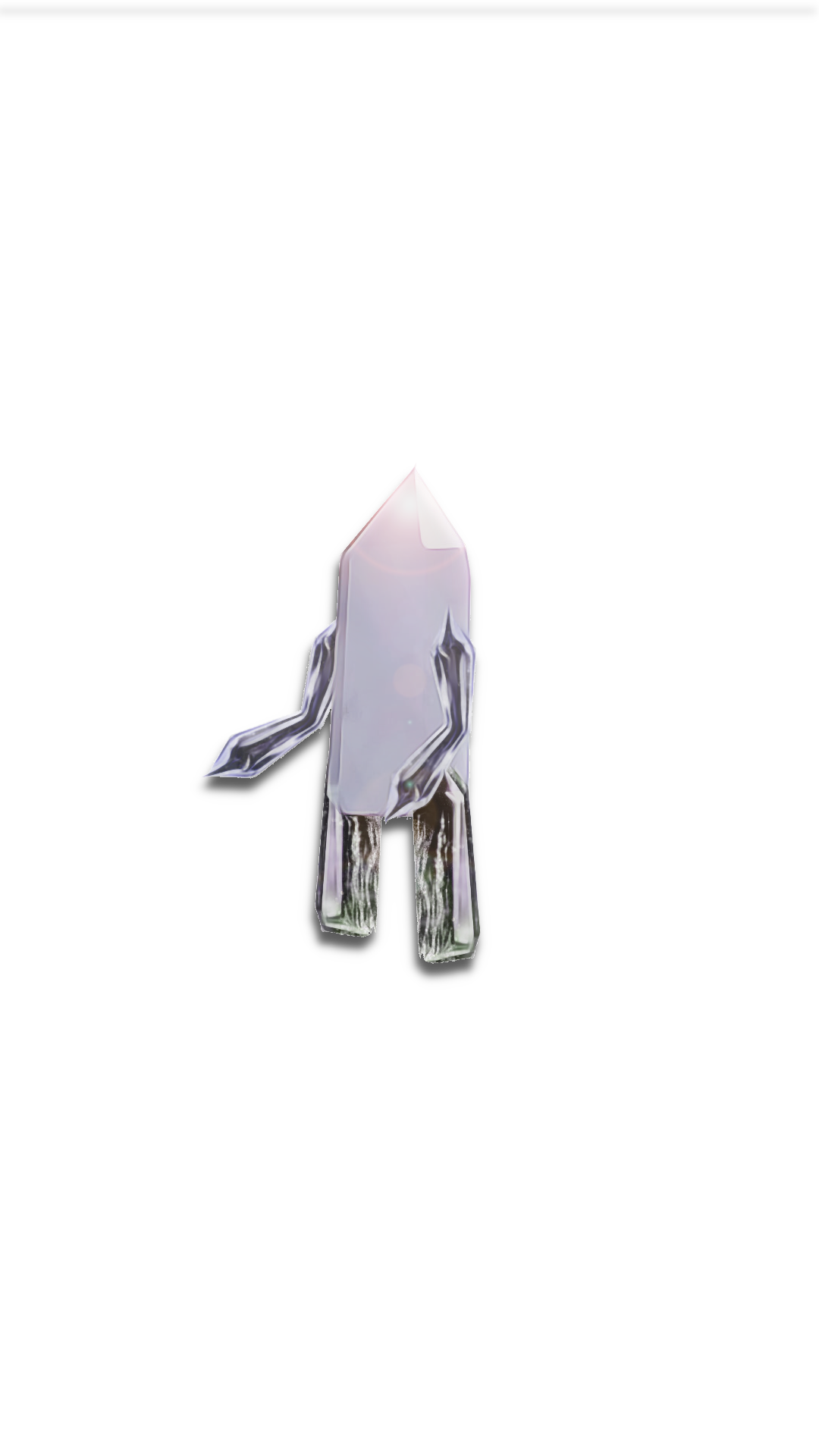
The gemguard is an elemental that calls the deepest regions of the world home, serving as a guard of caverns filled with natural crystals. The gemguard elemental is renowned by the dao for their defensive capabilities, and bind them to defensive duties through their cities and civilizations.
Refraction. The gemguard elemental is completely made of natural crystal, which is semi-transparent, allowing light to pass through. Any light that does pass through the elemental refracts into a cascade of multicolored light, which can dazzle and confuse nearby creatures.
War Machines. Sages and war mages that are well-read on elementals go on long expeditions into the Underdark to capture and contain these creatures, combining their refracting property with simple light spells to cause a kaleidoscope of dazzling colors to confuse and bewilder their enemies.
Defenders of the Dao. The dao are particularly fond of gemguard elementals, using them to protect their cities and fortify their armies. The dao respect the stalwart nature of the elemental, and pair the elementals with their powerful dao warriors during battle.




Ghost Ship
Gargantuan undead, chaotic evil
- Armor Class 12 (natural armor)
- Hit Points 279 (18d20 + 90)
- Speed 0 ft., swim 60 ft. (in one direction chosen at the start of its turn)
STR DEX CON INT WIS CHA 23 (+6) 8 (-1) 21 (+5) 7 (-2) 14 (+2) 16 (+3)
- Saving Throws Str +11, Con +10
- Skills Intimidation +8, Stealth +4
- Damage Resistances bludgeoning, piercing, and slashing from nonmagical attacks
- Damage Immunities necrotic, poison, psychic
- Condition Immunities charmed, exhaustion, frightened, paralyzed, poisoned
- Senses truesight 120 ft., passive Perception 12
- Languages understands Common but can't speak
- Challenge 14 (11,500 XP)
Floating. The ship can only move along the surface of water. The ship takes 6 (1d12) cold damage if it starts its turn completely submerged under water.
Haunted Deck. A creature that ends its turn on the ship must succeed on a DC 18 Constitution saving throw or gain one level of exhaustion.
Immutable Form. The ship is immune to any spell or effect that would alter its form.
Run Over. The ship can move through the space of a Large or smaller swimming creature. A creature whose space the ship enters for the first time on a turn must make a DC 19 Dexterity saving throw, taking 33 (6d10) bludgeoning damage on a failed save, or half as much damage on a successful one.
Siege Monster. The ship deals double damage to objects and structures.
Actions
Multiattack. The ship makes three attacks: one with its slam and two with its ballistae.
Ram. Melee Weapon Attack: +11 to hit, reach 5 ft., one target the ship has moved at least 10 feet straight towards on its turn. Hit: 19 (2d12 + 6) bludgeoning damage plus 14 (4d6) necrotic damage.
Ballistae. Ranged Weapon Attack: +4 to hit, range 120/480 ft., one target. Hit: 15 (3d10 - 1) piercing damage plus 14 (4d6) necrotic damage.
Ghost Ship
When a ship sinks with its crew still on board, there is a rare chance that a ghost ship will be created. The restless souls of the sailors on board merge into one and animate the sunken ship, raising it to the surface to wreak havoc across the open oceans.
Wrath of the Sea. When a ghost ship battles against another ship or creature, it charges directly into them, ramming them with the keel of the ship and firing bolts from ballistae mounted on deck. Ghostly apparitions rush across the deck, manning the ballistae, and working the rigging.
Undead Nature. A ghost ship doesn't require air, food, drink, or sleep.
Variant: Cannons on Deck
If your world has gunpowder or a substance of similar effect, consider adding cannons to your ghost ship. A Ghost Ship with cannons has a challenge rating of 15 (13,000 XP) and replaces its ballistae attack with the following:
Cannon. Ranged Weapon Attack: +4 to hit, range 600/2,400 ft., one target. Hit: 43 (8d10 - 1) bludgeoning damage plus 14 (4d6) necrotic damage.

Griblick
Tiny fey, chaotic neutral
- Armor Class 11
- Hit Points 14 (4d4 + 4)
- Speed 20 ft.
STR DEX CON INT WIS CHA 14 (+2) 13 (+1) 12 (+1) 6 (-2) 11 (10) 6 (-2)
- Skills Sleight of Hand +3, Stealth +3
- Senses passive Perception 10
- Languages Common, Sylvan
- Challenge 1/4 (50 XP)
Common Magic Immunity. The griblick can't be affected or detected by cantrips or spells of 1st-level unless it wishes to be.
Actions
Club. Melee Weapon Attack: +4 to hit, reach 5 ft., one target. Hit: 3 bludgeoning damage when Tiny, 4 (1d4 + 2) bludgeoning damage when Small or Medium, and 7 (2d4 + 2) bludgeoning damage when Large.
Temporary Growth. The griblick increases its size exponentially, boosting its physical capabilities. Until the end of the griblick's next turn, it increases its size by one size category (to a maximum of Large). On subsequent turns, the griblick can use an action to increase its size even further, from Small to Medium, and from Medium to Large. The griblick gains 5 temporary hit points each time it increases its size category, and while grown, the griblick has advantage on Strength, Dexterity, and Constitution saving throws.
Griblick Boss
Small fey, chaotic neutral
- Armor Class 12 (leather armor)
- Hit Points 33 (6d6 + 12)
- Speed 25 ft.
STR DEX CON INT WIS CHA 16 (+3) 13 (+1) 15 (+2) 6 (-2) 11 (10) 8 (-1)
- Skills Sleight of Hand +3, Stealth +3
- Senses passive Perception 10
- Languages Common, Sylvan
- Challenge 2 (450 XP)
Common Magic Immunity. The griblick can't be affected or detected by cantrips or spells of 1st-level unless it wishes to be.
Actions
Great Club. Melee Weapon Attack: +5 to hit, reach 5 ft., one target. Hit: 7 (1d8 + 3) bludgeoning damage when Small or Medium, 12 (2d8 + 3) bludgeoning damage when Large, and 16 (3d8 + 3) when Huge.
Temporary Growth. The griblick increases its size exponentially, boosting its physical capabilities. Until the end of the griblick's next turn, it increases its size by one size category (to a maximum of Huge). On subsequent turns, the griblick can use an action to increase its size even further, from Medium to Large, and from Large to Huge. The griblick gains 10 temporary hit points each time it increases its size category, and while grown, the griblick has advantage on Strength, Dexterity, and Constitution saving throws.

Griblick
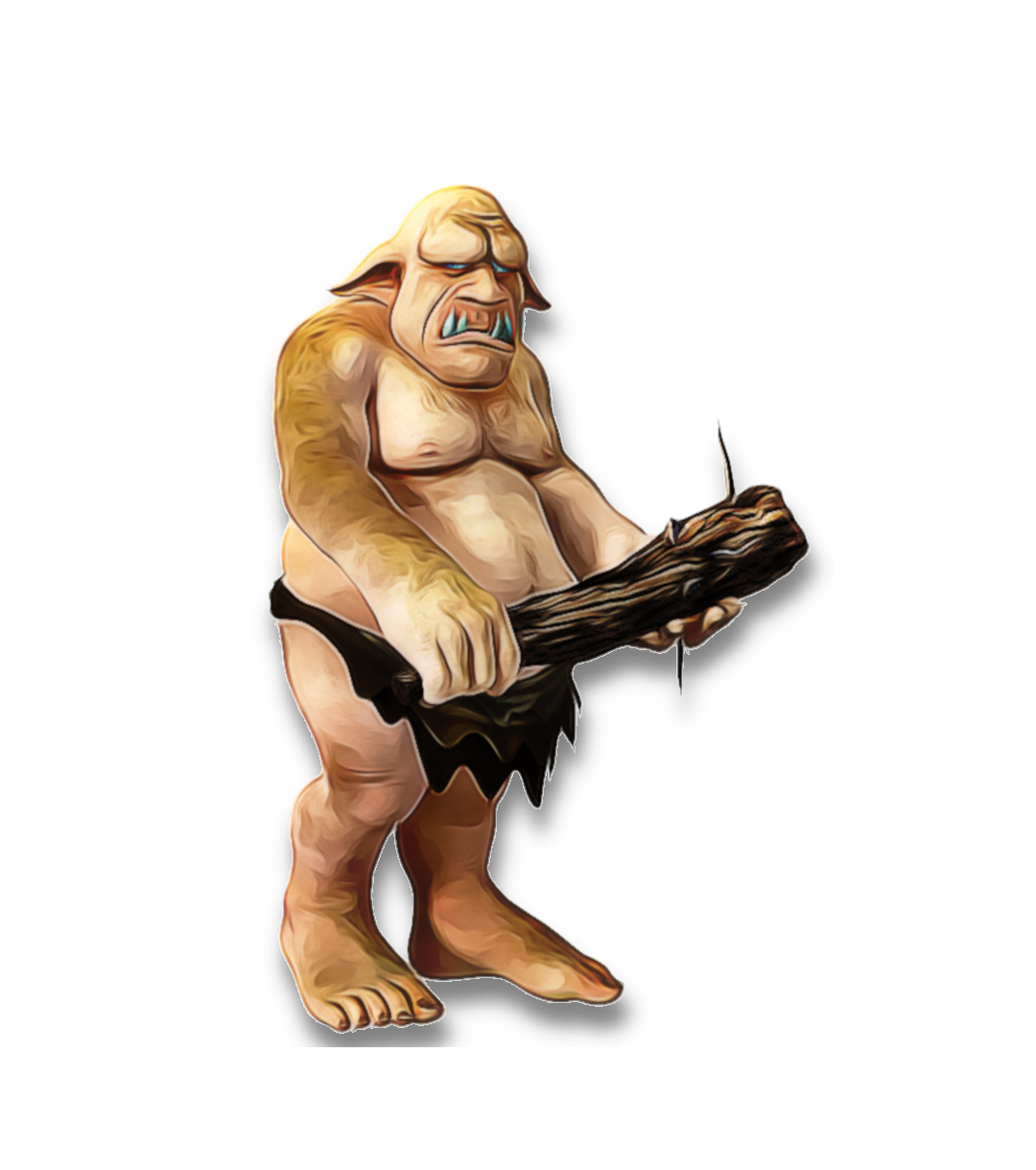
The griblick are a race of tribalistic fey that live in the Feywild. They are relatively unremarkable physically, except for their innate ability to swell in size and power for brief moments. The griblick rarely fight against other fey creatures, due to the fact that infighting and civil wars among tribes takes up the majority of their time.
Squabbles. Griblick are quick to fight among themselves over any problem that arises. Arguments rapidly turn into battles to the death, which usually leave griblick populations decimated. Griblick rarely share these same issues with other races and fey creatures, and are capable of developing friendships with other creatures that are not of their own race.
Strength to Rule. For a griblick to claim leadership over the tribe, they must exhibit true power over the rest of the griblick in the group. On rare occasions, griblick are born slightly bigger, these griblick are thrust directly into leadership positions after speaking their first words.

Killer Clown Fish
Small monstrosity, unaligned
- Armor Class 13
- Hit Points 17 (5d6)
- Speed 0 ft., swim 30 ft.
STR DEX CON INT WIS CHA 4 (-3) 16 (+3) 10 (+0) 3 (-4) 10 (+0) 15 (+2)
- Senses darkvision 60 ft., passive Perception 10
- Languages –
- Challenge 1/2 (100 XP)
Innate Spellcasting. The clown fish’s innate spellcasting ability is Charisma (spell save DC 12). It can innately cast Tasha's hideous laughter at will, requiring no material or verbal components.
Exploit Laughter. The clown fish has advantage on attack rolls against creatures incapacitated by the Tasha's hideous laughter spell.
Water Breathing. The clown fish can breathe only underwater.
Actions
Bite. Melee Weapon Attack: +5 to hit, reach 5 ft., one target. Hit: 5 (1d4 + 3) piercing damage.
Honk. The clown fish lets out an odd honk to disorientate its enemies. Each creature that can hear the clown fish within 10 feet of it must succeed on a DC 12 Wisdom saving throw or be stunned until the end of its next turn. If the target’s saving throw is successful, the target is immune to the clown fish’s Honk for the next 24 hours.
Killer Clown Fish
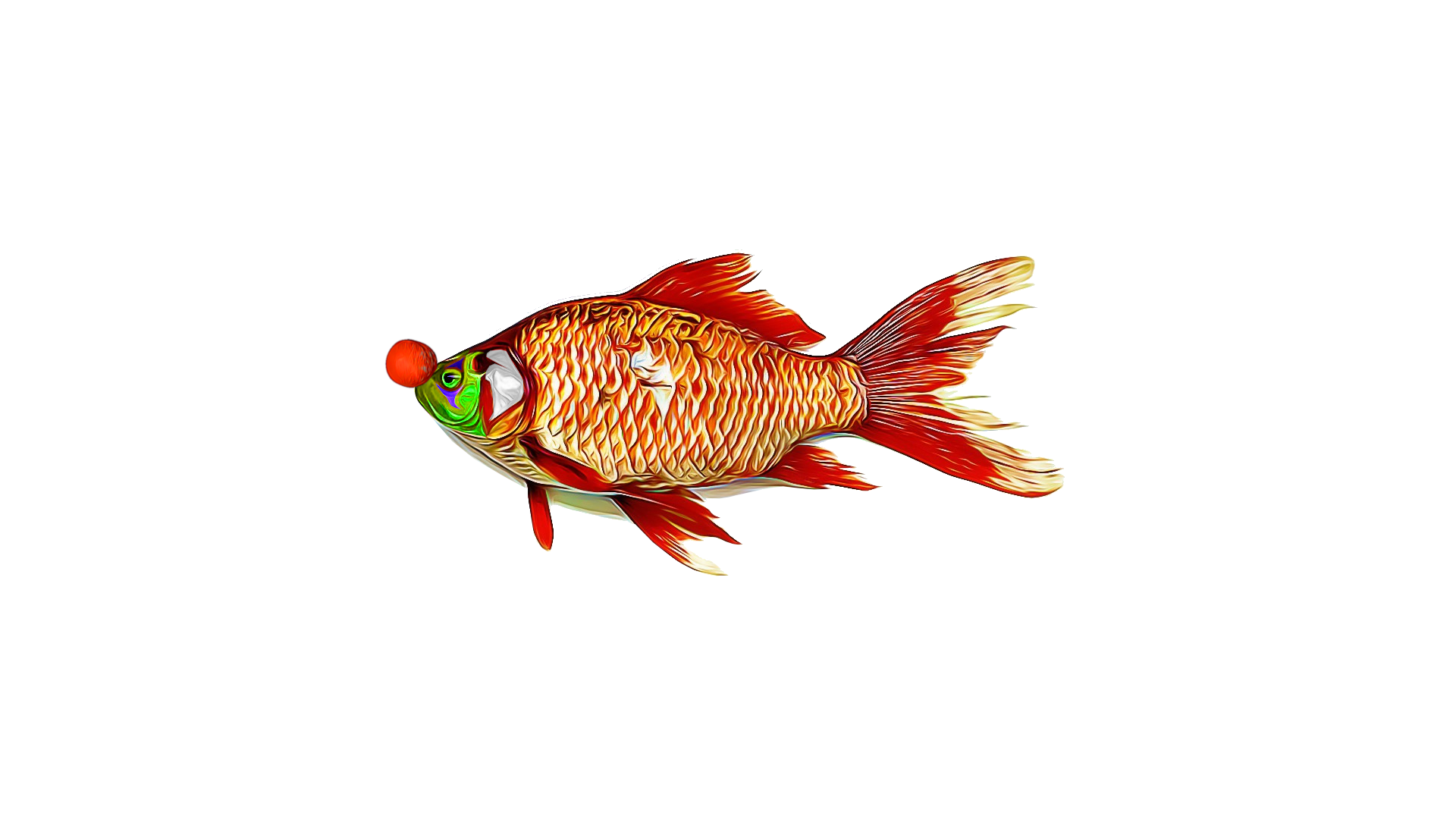
Killer clown fish are rumored to be the biproduct of peculiar kuo-toa experiments on carp. Sages are unsure of the process the kuo-toa took to turn carp into these aquatic killers, but these new creatures have slowly begun infesting ocean waters and spreading across the world.
Fisher's Nightmare. Any fisher would be ecstatic to hook one of these 3 - 4 ft long, 100 - 120 lb monstrosities, before they know the nature of the odd creature they have caught. Once being reeled up, the killer clown fish uses its innate ability to cast the tasha's hideous laughter to incapacitate the fisher, and attempts to drag them into the water and kill them with their powerful bite.
Odd Physiology. The red nose of the killer clown fish is remarkably soft and squishy. This is because the nose is actually a red inflated sack that protrudes from the front of the killer clow fish's face. When the fish is in danger, it empties this air through a hole leading to its vocal cords, which results in an incredibly loud and dazing honk.
Aquatic Circus. Killer clown fish often band together in groupings known as a circus. A circus usually contains up to 6 killer clown fish, and its not uncommon to find a circus in command of a Kuo-Toa monitor or whip. Larger circuses have been encountered by sailors, consisting of 40-50 fish. All of these encounters have taken place many miles away from land, and resulted in the loss of many sailor's lives.



Octark
Medium monstrosity, chaotic evil
- Armor Class 13 (natural armor)
- Hit Points 90 (12d8 + 36)
- Speed 20 ft., fly 25 ft. (hover), swim 30 ft.
STR DEX CON INT WIS CHA 19 (+4) 12 (+1) 16 (+3) 5 (-3) 13 (+1) 10 (+0)
- Skills Stealth +4
- Damage Resistances bludgeoning
- Senses darkvision 120 ft., passive Perception 11
- Languages —
- Challenge 6 (2,300 XP)
Amphibious. The octark can breathe air and water.
Cavern Creature. While in dim light or darkness, the octark can take the Dash, Disengage, or Hide action as a bonus action.
Air-Filled. While the octark's cranium is inflated, it can't swim deeper than 5 feet under the surface of liquid. If the octark takes more than 20 piercing damage in a single turn, it's inflated cranium pops and it loses its flying speed for 1 hour. If the octark's cranium is deflated and it is submerged in liquid when it reinflates, the octark floats to the surface at a rate of 60 feet per round.
Actions
Multiattack. The octark makes three attacks: one with its stinger and two with its tentacles.
Tentacles. Melee Weapon Attack: +7 to hit, reach 10 ft., one target. Hit: 8 (1d8 + 4) bludgeoning damage, or 13 (2d8 + 4) bludgeoning damage if the target is a Medium or smaller creature.
Stinger. Melee Weapon Attack: +7 to hit, reach 10 ft., one target. Hit: 7 (1d6 + 4) piercing damage, and the target must succeed on a DC 14 Constitution saving throw or take an additional 11 (2d10) poison damage.
Octark
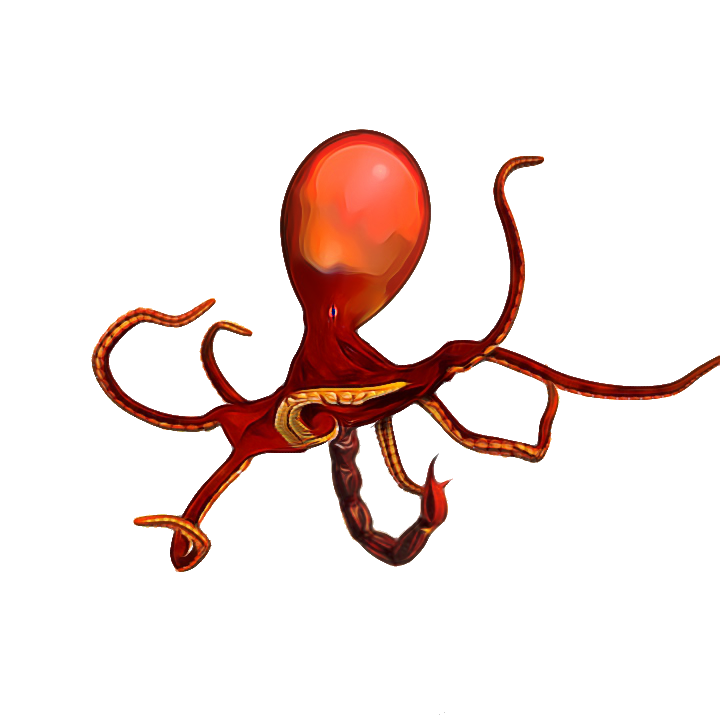
The octark is the result of a deranged wizard's arcane experiment. It is said in tomes that the wizard grafted together an octopus and a scorpion, before surgically removing the octopuses brain; imprinting the elemental symbol of air in its stead. The symbol bound the spirit of an air elemental to the body of the monstrosity, and caused the head of the octopus to expand like a balloon, giving it flight. The bound elemental was outraged by the body it had been bound to, and attacked the maniacal wizard, killing them. The monstrosity escaped capture, and fled into the Underdark, where it and its spawn resides to this day.
Spawning Grounds. An octark can reproduce asexually, meaning there's rarely any reason for two octarks to be together in the same area. In spite of this fact, octark manage to find a pseudo-mate, with which they birth together. A brood of octark younglings can be hundreds in number, and since the octark parents don't defend their young, they are quickly picked off by hungry Underdark denizens. The few that manage to survive hide in the porous ceilings of the Underdark, until they reach full size and can take on prey of their own.
Hit, Run, and Grab. In combat octark prioritize hit and run tactics, utilizing their three dimensions of movement to evade attackers. Octark drop from a ceiling down onto their prey, and utilize their powerful stinger and flailing arms to incapacitate a foe before dragging it off to be consumed in a hidden area.
Octark Inflatables. Adventurer's who are particularly knowledgeable on these odd creatures can utilize their inflatable craniums in all sorts of situations. Upon popping the creature's head, it takes approximately one hour for it to repair itself and reinflate. With the right timing, an octark can be restrained and deflated, to act as a floating device as per the levitation spell, or as a quick escape from deep sea exploration.




Prize Pig
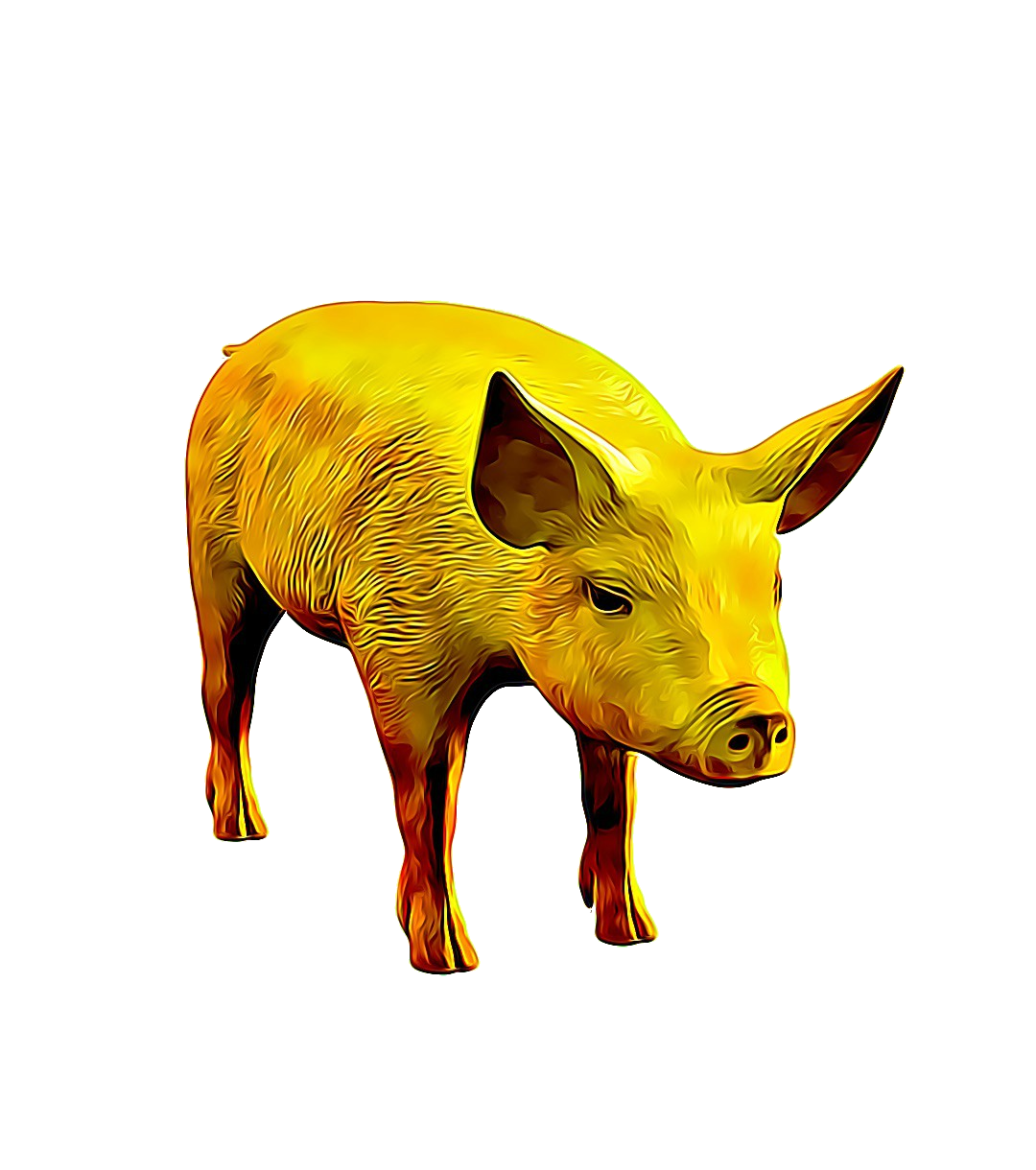
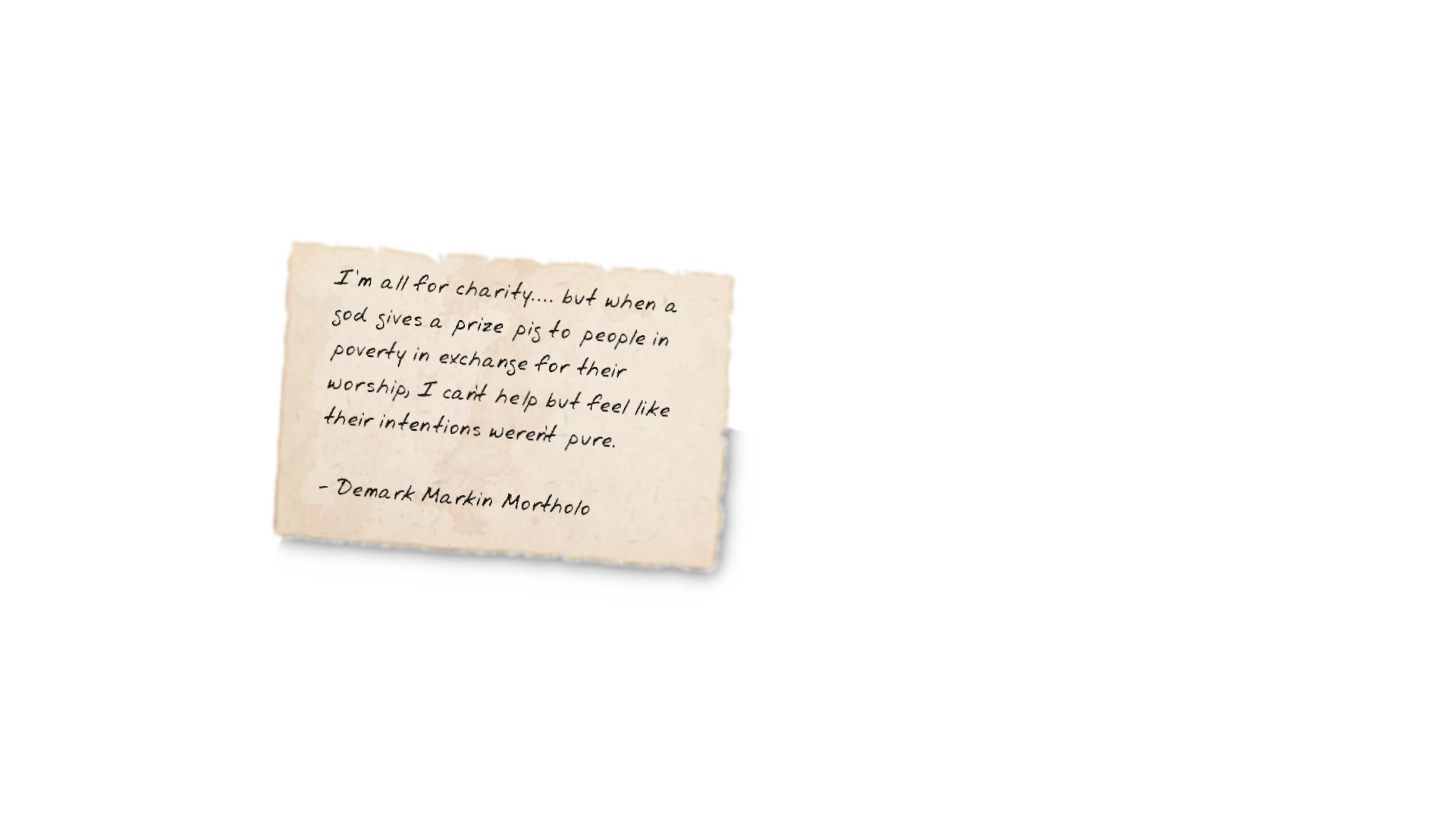
A prize pig is a celestial boar given by a god to its most devout followers, the pig serves as an infinite source of food that immediately nourishes those who are worthy that eats its golden flesh.
Only for the Devout. Only the worthy are allowed to consume the flesh of a prize pig. For a creature to be deemed worthy, they must worship the god that gave the prize pig as a gift. Anyone who attempts to eat the flesh of a prize pig that is deemed unworthy feels the flesh quickly dissolve into poisonous sludge in their stomachs.
Celestial Prize. Prize pigs are given to those who go above and beyond to remain loyal to the god they worship; even in the face of poverty and adversity. These celestial pigs are often found in places stricken with poverty, and act as both a gift, and a tool to gain more followers among the suffering, as they prove themselves worthy to eat from the pig.
Prize Pig
Small celestial, lawful good
- Armor Class 10
- Hit Points 22 (4d6 + 8)
- Speed 20 ft.
STR DEX CON INT WIS CHA 13 +1) 10 (+0) 14 (+2) 10 (+0) 16 (+3) 12 (+1)
- Damage Immunities poison; bludgeoning, piercing, and slashing damage from nonmagical weapons
- Condition Immunities blinded, charmed, fatigue, frightened, poisoned
- Senses darkvision 60 ft., passive Perception 13
- Languages understands all languages but can't speak
- Challenge 2 (450 XP)
Nourish the Worthy. A creature can use an action while within 5 feet of the pig to take a bite from it (any meat taken from the pig immediately regenerates), the pig chooses which of the following effects occurs:
The creature regains 1 hit point and the meat provides enough nourishment to sustain a creature for one day. Any meat taken more than 5 feet away from the pig turns to ash.
The creature must succeed on a DC 12 Constitution saving throw or take 21 (6d6) poison damage on a failure, and half as much on a success.
Actions
Bite. Melee Weapon Attack: +3 to hit, reach 5 ft., one target. Hit: 1 piercing damage.

Psyssy Cat
Tiny fey, chaotic good
- Armor Class 14
- Hit Points 21 (6d4 + 6)
- Speed 0 ft., fly 30 ft. (hover)
STR DEX CON INT WIS CHA 3 (-4) 18 (+4) 12 (+1) 15 (+2) 12 (+1) 15 (+2)
- Skills Acrobatics +6, Perception +3
- Damage Resistances force, psychic
- Condition Immunities charmed
- Senses darkvision 60 ft., Perception 13
- Languages –
- Challenge 1/2 (100 XP)
Magic Resistance. The cat has advantage on saving throws against spells and other magical effects.
Innate Spellcasting. The cat's innate spellcasting ability is Intelligence (spell save DC 12). The cat can innately cast the following spells, requiring no material or verbal components:
1/day each: faerie fire, sleep
Actions
Blue Eye Beam. Ranged Spell Attack: +4 to hit, range 60 ft., one target. Hit: 7 (2d4 + 2) cold damage.
Orange Eye Beam. Ranged Spell Attack: +4 to hit, range 60 ft., one target. Hit: 7 (2d4 + 2) fire damage.
Psyssy Cat
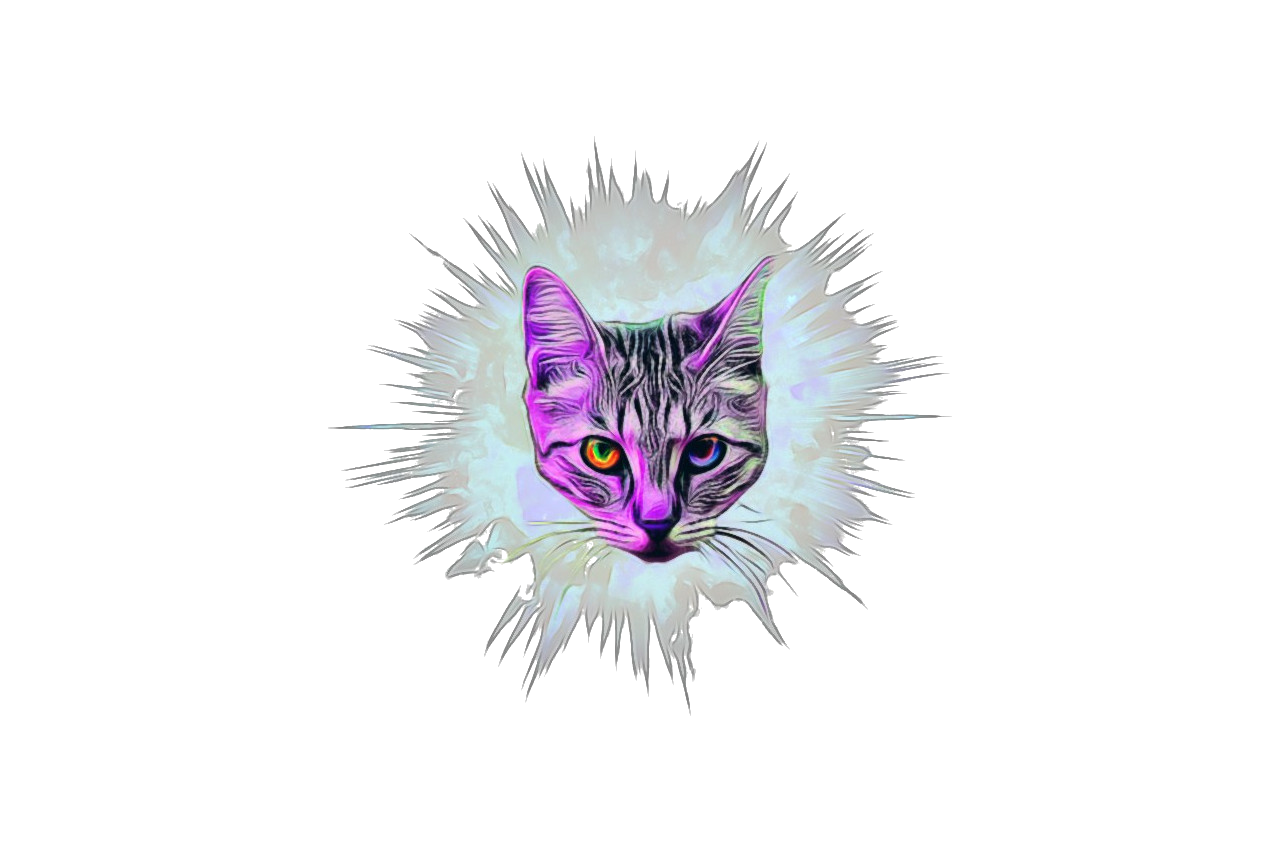
The psyssy cat is an unusual creature that makes its home in the Feywild. The creature resembles a colorful cat's head sheathed in a field of technicolor light, and shares many characteristics with other felines of the material plane. Psyssy cat's are innately curious and nurturing creatures, often making friends with adventurers who show them kindness and possess interesting objects and trinkets.
Cat Fights. Psyssy cat's rarely fight among themselves, they understand that the Feywild is a dangerous place and sticking as a group is the easiest way to survive in their homeland. When a dispute is had between two psyssy cats, they have a purring match that can last hours on end. The psyssy cat with the loudest and longest purr is deemed the more dominant and therefore the winner of the dispute.
Psyssy Clowders. Psyssy cats are rarely found alone in their native plane, choosing to stick together for safety and companionship. Clowders of psyssy cats will make their nests in hard to reach places, like tree tops or cliff outcroppings, where they can fly to with ease, but land based predators can't reach. This doesn't stop psyssy clowders from leaving their nests to hunt and explore. Psyssy cats that become lost and lonely are eager to find a clowder to join, and will join a group of adventurers if they display kindness or affection towards it.
Variant: Psyssy Cat Familiars
Spellcasters who are interested in unusual familiars find that psyssy cats are eager to serve someone with a good heart, especially those who go out of their way to help others. A psyssy cat is incredibly inquisitive and will find even the most mundane objects completely fascinating. A psyssy cat serving as a familiar has the following trait.
Familiar. The psyssy cat can serve another creature as a familiar, forming a telepathic bond with its willing master, provided that the master is at least a 3rd-level spellcaster. While the two are bonded, the master can sense what the psyssy cat senses as long as they are within 1 mile of each other. If its master causes it physical harm, the psyssy cat will end its service as a familiar, breaking the telepathic bond.
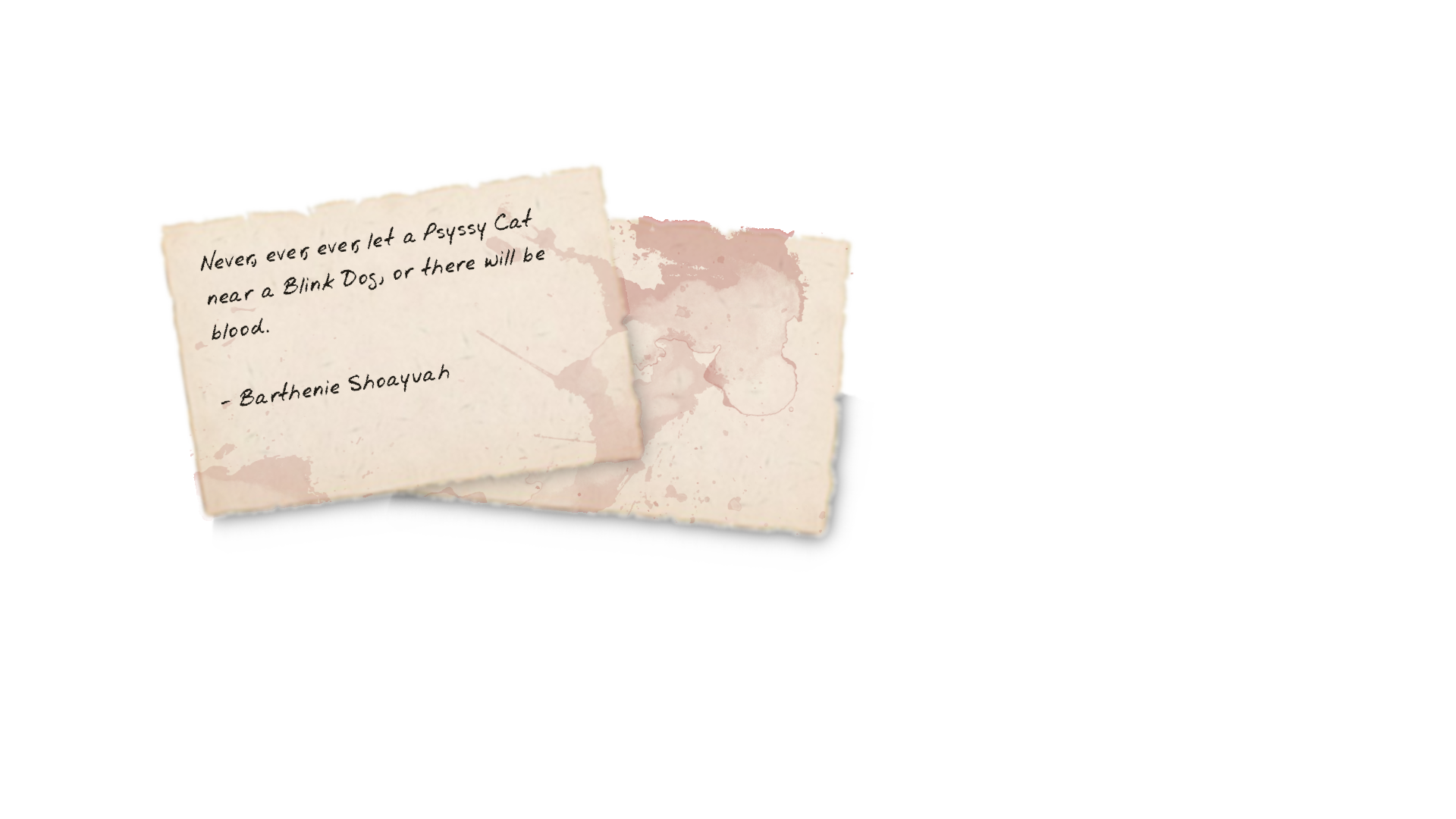
Natural Enemies. There is no creature more hated by a psyssy cat, than their Fey counterpart, the blink dog. The innate hatred between the two Fey creatures dates back tens of thousands of years. If the two creatures encounter one another, it will almost always be a fight to the death. When a psyssy clowder encounters a blink dog pack, they will scream in unison, creating a terrifying discordant wail before blasting the dogs with their eye beams.



Raorc
Medium monstrosity, chaotic neutral
- Armor Class 16 (natural armor)
- Hit Points 142 (19d8 + 57)
- Speed 30 ft., fly 10 ft. (hover)
STR DEX CON INT WIS CHA 18 (+4) 10 (+0) 16 (+3) 21 (+5) 12 (+1) 11 (+0)
- Saving Throws Con +7, Int +9
- Skills Arcana +9
- Damage Vulnerabilities psychic
- Damage Immunities force
- Condition Immunities blinded, charmed
- Senses darkvision 60 ft., truesight 120 ft., passive Perception 11
- Languages understands all languages but can't speak
- Challenge 10 (5,900 XP)
Anti-Magic Curse. At the start of each of the raorc's turns, it targets one creature it can see within 30 feet of it. That creature must make a DC 17 Wisdom saving throw or be unable to cast spells until the end of its next turn.
Arcane Hover. The raorc's flying speed becomes 0 while in the area of an antimagic field, and if it is targeted by dispel magic, its flying speed becomes 0 until the end of its next turn.
Psychic Regeneration. When the raorc takes psychic damage, it regains hit points at the end of its next turn equal to the damage taken. This trait doesn't function if the raorc starts its turn with 0 hit points.
Innate Spellcasting. The raorc's innate spellcasting ability is Intelligence (spell save DC 17, +9 to hit with spell attacks). The raorc can innately cast the following spells, requiring no material or verbal components:
At will: chaos bolt, color spray, detect thoughts
1/day: prismatic spray
Actions
Multiattack. The raorc makes two attacks, only one of which can be a psychic horn attack.
Claw. Melee Weapon Attack: +8 to hit, reach 5 ft., one target. Hit: 7 (1d6 + 4) slashing damage.
Peck. Melee Weapon Attack: +8 to hit, reach 5 ft., one target. Hit: 9 (2d4 + 4) piercing damage.
Psychic Horn. Melee Weapon Attack: +8 to hit, reach 5 ft., one target. Hit: 8 (1d8 + 4) piercing damage plus 14 (4d6) psychic damage.
Raorc
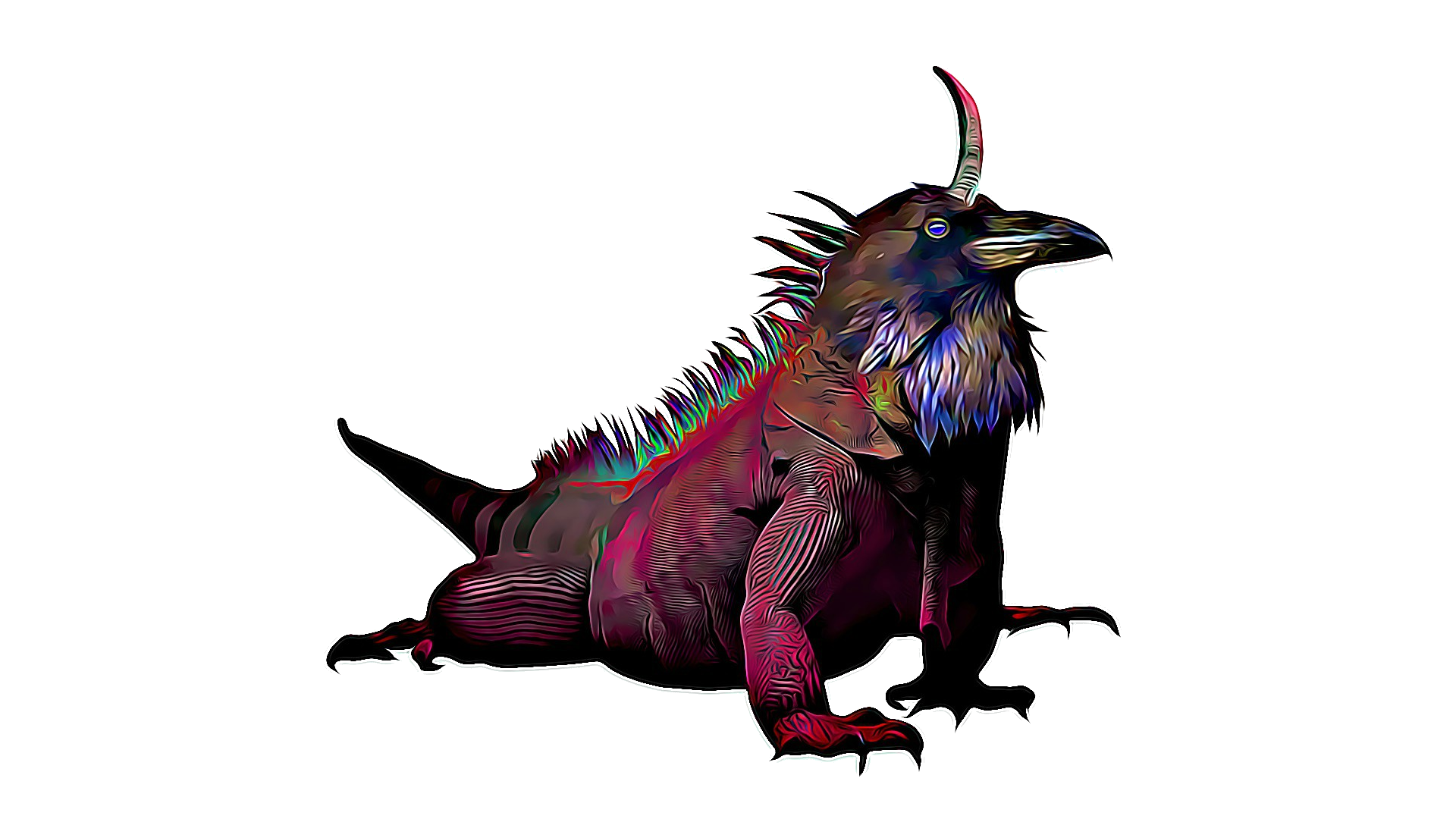
The Raorc is the result of the find familiar spell going awry. It is unknown as to what may cause such a simple spell to have such an unexpected effect, but scholars often point their fingers towards arcane ley lines in the earth, or wild magic zones. When a raorc is accidentally summoned, it immediately attempts to kill the summoner. These creatures are instilled with a dire hatred for the one responsible for bringing them into existence. If the raorc successfully kills its summoner, it goes on to consume the body and make a nest in the area it was summoned.
Vile Nests. When the raorc has killed it's summoner, it sets up nest in whatever location it was summoned to. A raorc rarely, if ever, eats the head of the summoner, and instead keeps it as a trophy to be displayed in its nest. The raorc isn't a particularly territorial creature, but a creature who comes into its nest with hostile intentions will always incur its wrath. Much like how it did with its summoner, the raorc will attempt to kill and consume hostile intruders, keeping their head as an additional trophy to add to its collection.
Setting Out Into The World. Raorc do not require water, and can last without food for a month before feeling any hunger. If the monstrosity hasn't eaten in a month, it may set out into the world in search of a meal, prioritizing the meat of spellcasters over anything else. Once the raorc finds an adequate meal, it will consume the body, keep the head for a prize, and make the journey back to its nest with its new trophy. If the creature that summoned the raorc was able to escape, or evade becoming the roarc's first meal, the unsatisfied monstrosity will set out into the world in search of the next spellcaster it can come across. Unsatisfied raorc's attack hostile creatures with unstoppable ferocity, and even go as far to consume the head of the creatures they kill.
Magical Horns. When a raorc casts one of its innate spells, the effects appear to originate from the tip of its horn. Due to the rarity of these creatures, and the magical nature these horns seem to have, a slaughtered raorc's horn can catch a hefty price at auction. The most common person to buy a raorc horn is an alchemist or wizard, as the horn can be used in place of nearly any ingredient in a potion or material component in spellcasting. Wizards who attempt to cast find familiar on arcane ley lines or in areas of wild magic, are often surprised by the rarity of a raorc summoning, and then by the sheer power of the creature once it is summoned.



Wishing Unwell
Large fey, neutral evil
- Armor Class 15 (natural armor)
- Hit Points 184 (16d10 + 96)
- Speed 5 ft.
STR DEX CON INT WIS CHA 16 (+3) 4 (-3) 23 (+6) 20 (+5) 17 (+3) 14 (+2)
- Saving Throws Str +7, Int +9
- Damage Resistances force, poison, psychic; bludgeoning, piercing, and slashing from nonmagical weapons that aren't silvered
- Condition Immunities blinded, deafened, exhaustion, prone
- Senses truesight 120 ft., passive Perception 13
- Languages understands all languages but only speaks Sylvan
- Challenge 13 (10,000 XP)
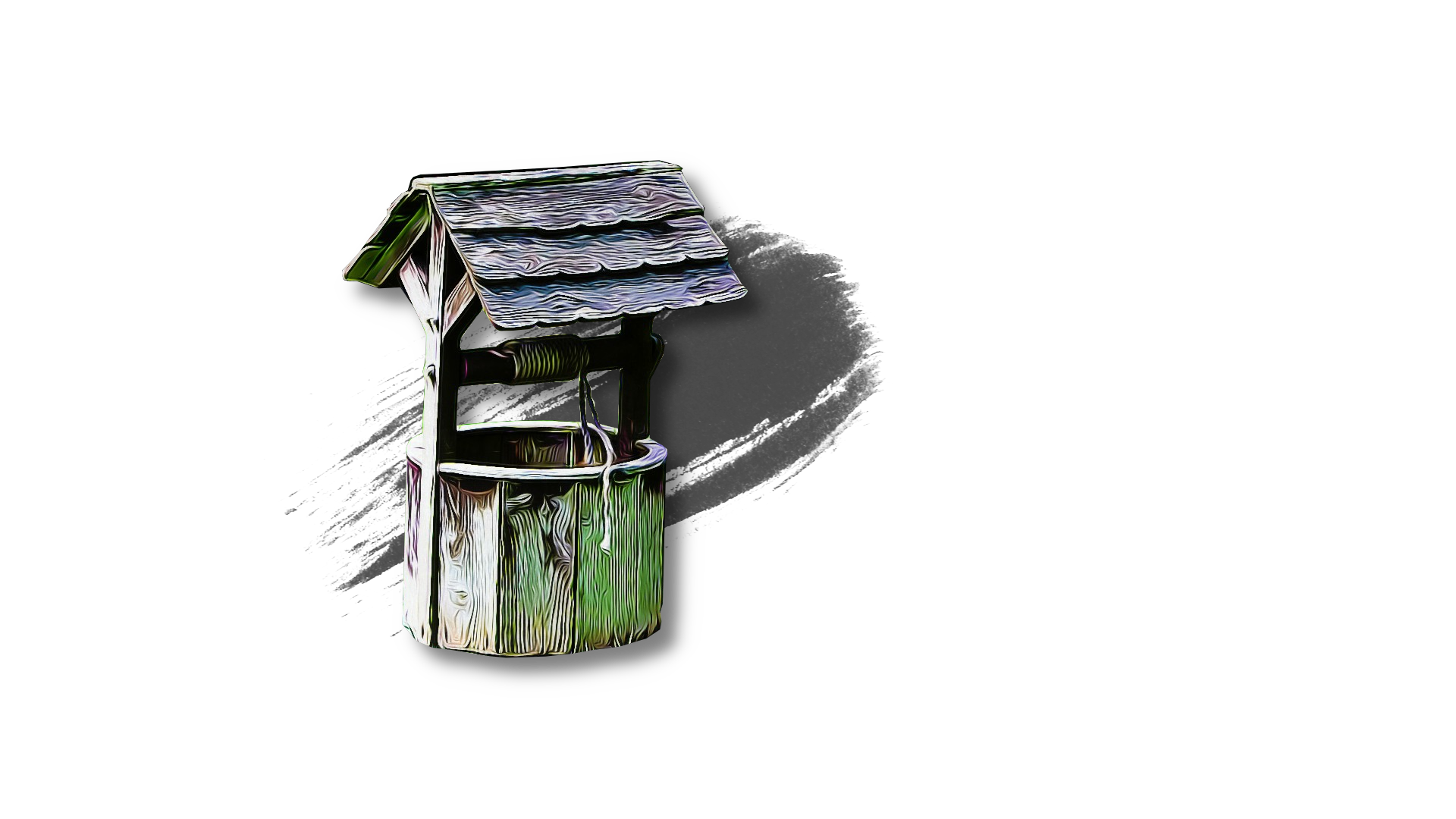
False Appearance. While the unwell remains motionless, it is indistinguishable from a regular wishing well.
Magic Resistance. The unwell has advantage on saving throws against spells and other magical effects.
Disappearing Act. As a bonus action, the unwell can cast the dimension door spell and teleport to a location out of sight of all hostile creatures within 120 feet of it. The unwell must know the location it is teleporting to. Intelligence is its spellcasting ability for it.
Into the Well. The unwell has a 5 foot wide by 20 foot deep shaft, that resembles the inside of a wishing well. This is actually a small demiplane that travels with the unwell, a creature of the unwell's choosing that starts its turn in this demiplane takes 7 (2d6) psychic damage.
Wish Upon Me. A creature that starts its turn within 60 feet of the unwell must make a DC 18 Wisdom saving throw. On a failed save, the creature is charmed until the end of its next turn, and has an unnatural urge to make a wish. While charmed, the creature must use its movement and action to attempt to move within 5 feet of the unwell and make a wish. A creature that succeeds on this saving throw is immune to this effect for 24 hours.
Actions
Consume Soul. Melee Spell Attack: +9 to hit, reach 5 ft., one target. Hit: 15 (3d6 + 5) psychic damage, and the creature falls unconscious as its soul is drawn into the unwell. While a creature's soul is in the well, it takes 15 (3d6 + 5) psychic damage at the start of each of their turns, and the unwell regains hit points equal to the amount of psychic damage taken. If this damage would reduce a creature to 0 hit points, they immediately die, and they can't be brought back by anything but a wish spell. An affected creature can make a DC 18 Wisdom saving throw at the end of each of their turns, ending the effect on itself on a success.
Twisted Wish (1/Day). If a creature within 120 feet of the unwell has made a wish within the last minute, the unwell can cast the wish spell. When it casts the spell, it grants the wish, but attempts to twist the wording into something dark and perverse.
Wishing Unwell
The wishing unwell is a malevolent fey creature that resembles an ordinary wishing well, but is in fact much more. The creature's skin appears to be made of wood and rope, but is similar in feel to the skin of a reptile. The unwell enjoys trickery, and sits in wait for a unwary traveler, so it can charm the creature into saying its most desired wish, which the unwell twists for its own sickened amusement.
Not So Ordinary. The unwell is indistinguishable from an ordinary wishing well when it remains completely motionless, and it uses this fact to allow creatures to come close to it unknowingly. Once a creature enters its sight, it can lure it towards it with charm magic. The interior of the wishing unwell features a 20 foot deep shaft, which is actually an demiplane within the creature, this demiplane moves with it, and allows it to leave no trace when it travels by teleport.
Intelligent Fey. The unwell's high intelligence allows it to set traps and ambushes, teleporting just out of sight of travelers to miraculously cross their path again, and again, until they decide to inspect closer. Some unwell even go as far as enlisting the help of other fey creatures like boggles, and pixies, who remain in its demiplane unharmed and act as the unwell's minions.