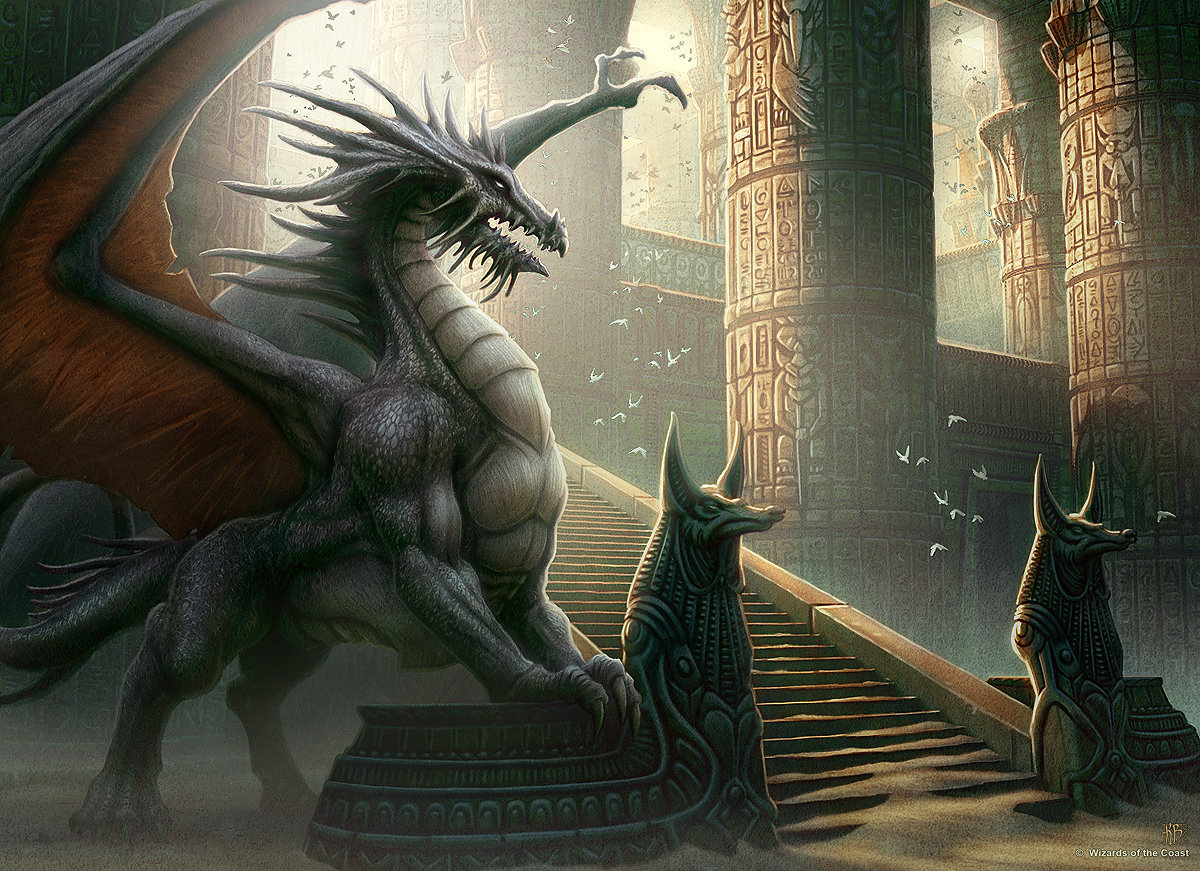





Demi-Dragon
A single crimson-scaled runt of a dragon is trapped amidst an orcish warband, waving axes and spears—eager for an easy kill. Fire lights up the forest clearing as the dragon charges fearlessly, driving the startled orcs back as she attacks with a ferocity that belies her modest size.
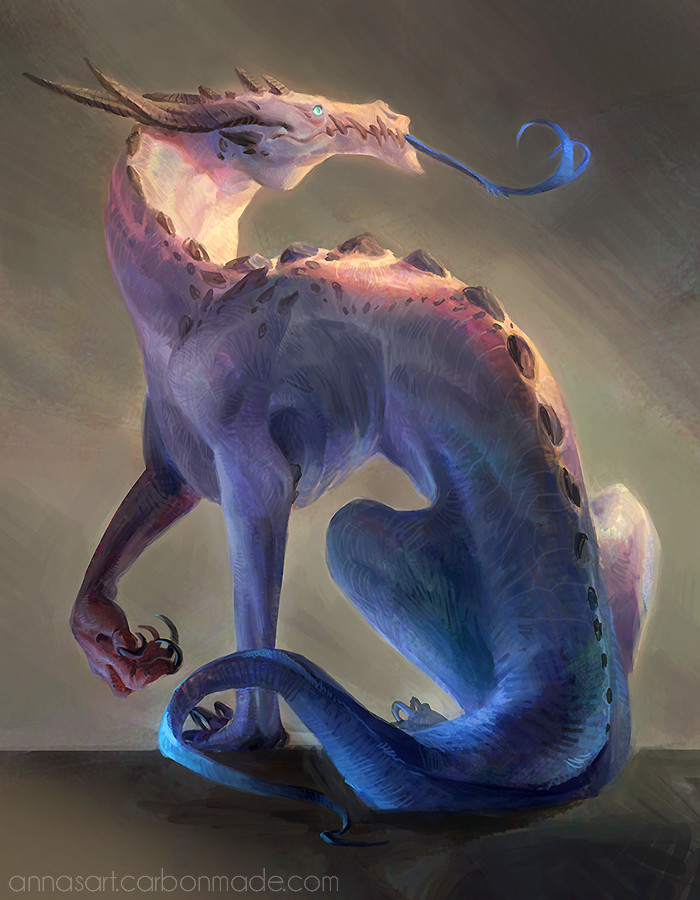
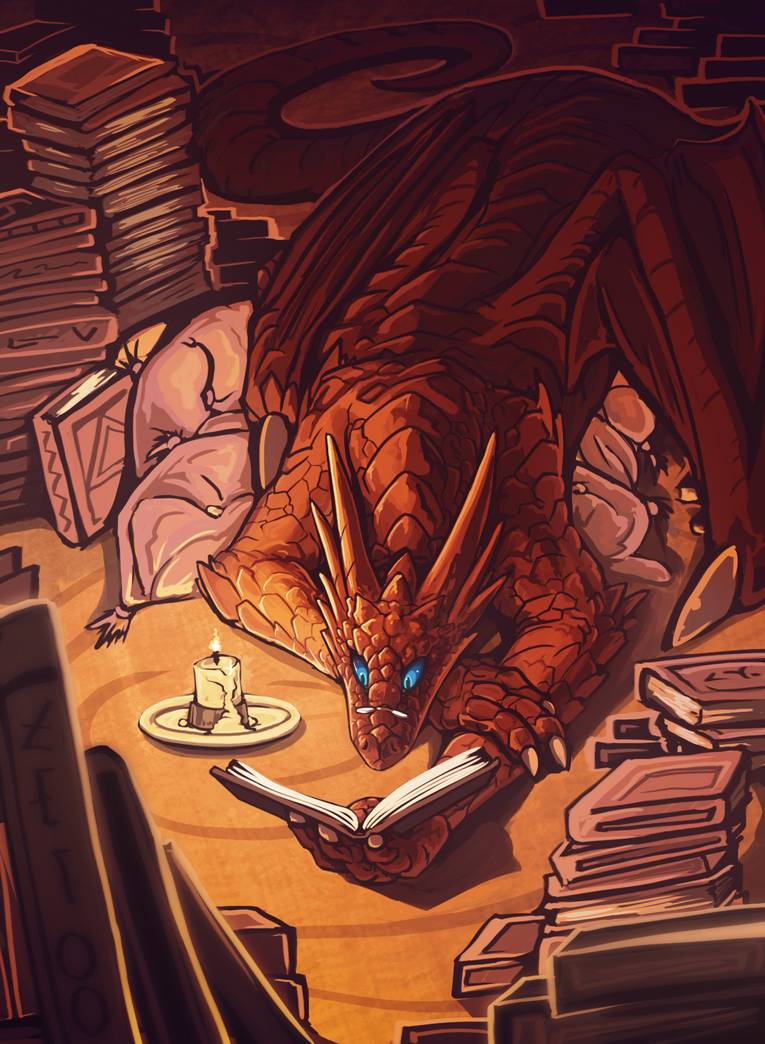
The azure dragon studies the wizard's arcane runes, his companions waiting close by. Jotting a note down in his beloved journal, he inhales deeply, leeching the magical energy right out of the protective ward. With a satisfied smirk, he leads his companions deeper into the wizard's sanctum.
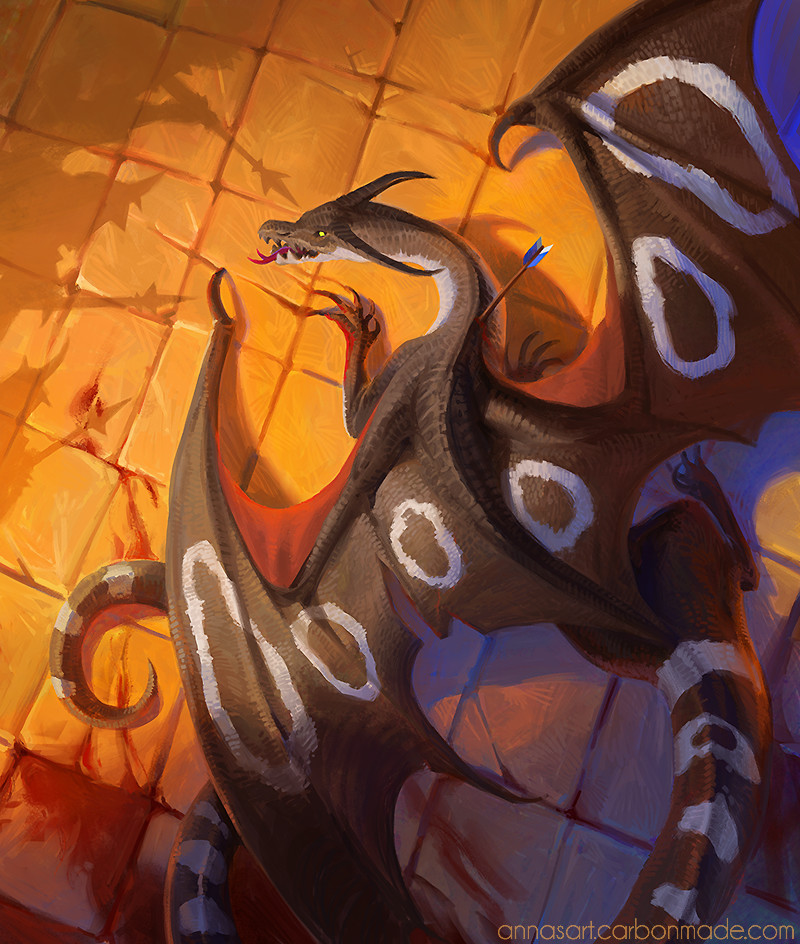
The dragon presses himself further into the jungle mud, his scales rapidly adapting to hide him from his pursuers. Confident in his camouflage, he watches as his pursuers rush past. Soon, he settles in to awaken a new flame within him. His pursuers would return, and he would be ready.
Though each of these demi-dragons tell a different story, they share a similar background—they were once humanoids who later in their lives were changed into the form of a dragon, and must now deal with the consequences.
Some demi-dragons are ostracized by those around them, while others are celebrated. Some relish their new form, while others loathe it, but all are linked by the circumstances surrounding their unique form.
Imitation of Form
To most, dragons are a thing to be feared and hated. To some, dragons are admired as paragons of power. To a few, dragons are envied as the ultimate rulers of the natural world. Among these, there are some who would sacrifice anything if it would let them have that power for their own.
Whether driven by fanatical beliefs, a hunger for personal power, or a genuine wish to help others by whatever means are available, some choose to undergo a ritual transformation that changes their body into an imitation of a true dragon. The resulting creature is known as a demi-dragon—a being that was created rather than born. Although a far cry from the real thing, these demi-dragons are undeniably dedicated to the dubious path they have chosen.
Ritual Transformation
The exact nature of the demi-dragon transformation is unclear, but some say that there are multiple paths to the same result. Whether accomplished through magical prowess, alchemy, zealous devotion, or other occult means, the transformation draws upon the essence of a true dragon to instill a pattern within the subject, forcing them to emulate the characteristics of a dragon. Though adopting the shape of a dragon during the transformation, the subject is often brought only halfway there, left scaleless or wingless. Such deficiencies tend to correct themselves over time.
Once transformed, it is commonly believed that there is no conventional way to revert the transformation—only the most powerful of magic could accomplish such a thing.
Spark of Magic
As part of their transformation, a spark of magic forms in the heart of a demi-dragon—supposedly, this is what allows them to mimic a dragon's power and imitate their famous elemental breath weapons.
As a result of their unusual nature, demi-dragons develop the ability to siphon magic out of their surroundings, requiring an external source of magical energy to feed this spark as a way to bring themselves closer to the inherent nature of true dragons. While a demi-dragon need not devour magic in order to stay healthy and fed, they are seized by a growing hunger to do so the longer they go without.
Where true dragons are born into their natural splendor, demi-dragons must toil, steal, and sacrifice for but a fraction of that power.
Creating A Demi-Dragon
When creating your demi-dragon, you should carefully consider two questions: who were you before you became a demi-dragon, and what series of events led you to end up as one?
Perhaps the transformation was forced upon you, or maybe it is part of a local tradition. Consider carefully what your character was like before, how others see them, and how they see themselves now. Demi-dragons are strongly rooted in the personal motivations that led to them undergoing their transformation—it is no every-day experience, and requires both a strong body and mind.




| d6 | Method of Transformation |
|---|---|
| 1 | You studied for years as a dragon disciple, surpassing the other students by achieving a true transformation |
| 2 | You participated in slaying a dragon, then used its magical blood to imbue yourself with its essence |
| 3 | Stricken with a crippling disability, undergoing ritual transformation was your only chance at a new life |
| 4 | An ancient dragon challenged you to see things from a new perspective. You accepted, unaware that the dragon was being literal |
| 5 | As a promising young warrior of a barbarian clan, you were chosen to become the tribe's draconic protector |
| 6 | You found and wore a cursed artifact, which transformed you. You now seek a way to remove the artifact and its curse |
Quick Build
You can make a demi-dragon quickly by following these suggestions. First, make Strength your highest ability score, followed by Constitution and Charisma. Second, choose the Hermit background. Last, choose a cone of fire for your Dragon's Breath feature.
Demi-Dragon Traits
- Ability Score Increase. Your Strength score increases by 2, and your Constitution score increases by 1.
- Age. You can live for roughly two hundred years. You do not advance in size categories as you age like a dragon would.
- Type. Your creature type is dragon.
- Size. You are a draconic quadruped. Your size is Medium.
- Speed. Your base walking speed is 30 feet.
- Darkvision. You have superior vision in dark and dim conditions. You can see in dim light within 60 feet of you as if it were bright light, and in darkness as if it were dim light. You can’t discern color in darkness, only shades of gray.
- Dragon Scales. Your scales protect you from harm. While you are not wearing armor, your Armor Class equals 8 + your Dexterity modifier + your Constitution modifier + your Charisma modifier, to a maximum of 20.
- Incompatible Build. You have disadvantage on attack rolls made with weapons, and receive no benefit from wielding shields. In order to wear armor, you must have it specially constructed for you, costing three times the normal rate.
- Natural Weapons. You have access to an arsenal of natural weapons. You can use these natural weapons, with which you are proficient, to make melee weapon attacks. Your fanged maw deals piercing damage equal to 1d12 + your Strength modifier. Your lashing tail has a reach of 10 ft. and deals bludgeoning damage equal to 1d10 + your Strength modifier. Your claws deal slashing damage equal to 1d6 + your Strength modifier. When you take the Attack action and attack with your claw, you can use your bonus action to make an additional claw attack.
- Powerful Build. You count as one size category larger when determining your carrying capacity and the weight you can push, drag, or lift.
- Product of Design. You have advantage on saving throws made to resist effects that attempt to change your form.
Race and Class Features
As a demi-dragon, you gain the following race and class features.
Hit Points
- Hit Dice: 1d10 per level
- Hit Points at 1st Level: 10 + your Constitution modifier
- Hit Points at Higher Levels: 1d10 (or 6) + your Constitution modifier per level after 1st
Proficiencies
- Armor: None
- Weapons: None
- Tools: None
- Saving Throws: Strength and Constitution
- Skills: Choose four from Acrobatics, Arcana, Athletics, Deception, History, Insight, Intimidation, Investigation, Perception, Persuasion, Stealth, and Survival
Equipment
You start with the following equipment, in addition to the equipment granted by your background:
- A coin pouch containing 2d4 x 5 gp
- (a) a scholar's pack, (b) a priest's pack, or (c) an explorer's pack
Multiclassing
The multiclassing prerequisite for the demi-dragon is a minimum Strength of 13. When multiclassing into the demi-dragon, you gain one skill proficiency from those available to the demi-dragon.
Consequences of Transformation
You have undergone a ritual that has changed the nature of your being. When you become a demi-dragon at 1st level, you are only a pale imitation of a true dragon. You lose all racial traits associated with your former race and instead adopt those of the demi-dragon. You keep your memories, alignment, and languages known.
You cannot use the demi-dragon racial traits if you do not have at least one level of the demi-dragon class.
If your old race was Medium, your new body has a body mass that is identical to that of your old. This size will slowly increase as you gain levels, but your size remains Medium.
If your old race was Small, your size still increases to Medium, but you are left severely emaciated and suffer from three levels of exhaustion which can be progressively cured only by eating sufficiently and completing long rests.
A creature attempting to undergo the demi-dragon transformation that is neither Small nor Medium places itself in severe danger. In such a case, the most likely outcome is death.
If your race is later changed by another effect, you lose access to all demi-dragon class features. Your race and class are invariably tied together.
The Demi-Dragon
| Level | Proficiency Bonus | Features | Dragon's Breath Damage | Dragon's Breath Range | Glide & Fly Speed |
|---|---|---|---|---|---|
| 1st | +2 | Dragon Spark, Dragon's Breath, Devour Magic | 2d6 | 35 / 15 ft. | — |
| 2nd | +2 | Elemental Adaptation, Glide | 3d6 | 40 / 15 ft. | 35 ft. |
| 3rd | +2 | Draconic Embodiment | 3d6 | 45 / 15 ft. | 35 ft. |
| 4th | +2 | Ability Score Improvement, Absorb Magic | 4d6 | 50 / 20 ft. | 40 ft. |
| 5th | +3 | Extra Attack, Stride | 4d6 | 55 / 20 ft. | 50 ft. |
| 6th | +3 | Embodiment feature, Leeching Claw | 5d6 | 60 / 20 ft. | 45 ft. |
| 7th | +3 | Flight | 5d6 | 65 / 20 ft. | 45 ft. |
| 8th | +3 | Ability Score Improvement | 6d6 | 70 / 25 ft. | 50 ft. |
| 9th | +4 | Eye of the Dragon | 6d6 | 75 / 25 ft. | 50 ft. |
| 10th | +4 | Embodiment feature | 7d6 | 80 / 25 ft. | 55 ft. |
| 11th | +4 | Strength of Body | 7d6 | 85 / 25 ft. | 55 ft. |
| 12th | +4 | Ability Score Improvement | 8d6 | 90 / 30 ft. | 60 ft. |
| 13th | +5 | Devour Magic (two uses) | 8d6 | 95 / 30 ft. | 60 ft. |
| 14th | +5 | Strength of Self | 9d6 | 100 / 30 ft. | 65 ft. |
| 15th | +5 | Dragon's Breath (three uses) | 9d6 | 105 / 30 ft. | 65 ft. |
| 16th | +5 | Ability Score Improvement | 10d6 | 110 / 35 ft. | 70 ft. |
| 17th | +6 | Embodiment feature | 10d6 | 115 / 35 ft. | 70 ft. |
| 18th | +6 | Assimilate | 11d6 | 120 / 35 ft. | 75 ft. |
| 19th | +6 | Ability Score Improvement | 11d6 | 125 / 35 ft. | 75 ft. |
| 20th | +6 | Forged From Trial | 12d6 | 130 / 40 ft. | 80 ft. |
Dragon Spark
1st-level Demi-Dragon feature
When you become a demi-dragon, you internalize a spark of inherent magical power that fuels your new form and allows you to mimic the extraordinary abilities of a true dragon.
Charisma is your ability modifier for specific class abilities. You use this ability score whenever a feature gained through this class refers to your spellcasting ability. In addition, you use this ability score when setting the saving throw DC for such a spell and when making an attack roll with one. Your Dragon's Breath and Devour Magic features use this Spell save DC.
Spell save DC = 8 + your proficiency
bonus + your Charisma modifier
Spell attack modifier = your proficiency
bonus + your Charisma modifier
Dragon's Breath
1st-level Demi-Dragon feature
Destructive energy simmers within you, and with your breath you can discharge it upon your foes.
You gain a breath weapon. When first gaining this feature, choose between a 5 by 35 ft. line or a 15 ft. cone. Additionally choose an elemental damage type from among the following: fire, cold, acid, lightning, or poison. Your breath weapon will always use the chosen shape and element.
As an action, you exhale destructive energy. Each creature in the area must make a Dexterity saving throw against your Dragon Spark Spell save DC. A creature takes 2d6 damage on a failed save, or half as much on a successful one.
The damage and range of this ability increases as you gain demi-dragon levels, as shown in the Dragon's Breath Damage and Range columns of the Demi-Dragon table.
You can use this feature twice. You regain all uses of it after finishing a short or long rest. Starting at 15th level, you can use it three times before a rest.
Devour Magic
1st-level Demi-Dragon feature
You have developed an innate ability that lets you consume magical effects.
As an action, choose one creature, object, or magical effect within a range of 30 as a target. Any spell of a level lower than one third your demi-dragon level (minimum 1, rounding down) or lower on the target is dispelled. For each spell of a level higher than that, make an ability check using your Dragon Spark spellcasting ability. The DC equals 10 + the spell's level. On a success, the spell is dispelled. If at least one effect is dispelled, you regain hit points equal to your demi-dragon level + your Constitution modifier (minimum 1).
You can use this feature once, and must finish a long rest before you can use it again. Starting at 13th level, you can use it twice before a rest.
Elemental Adaptation
2nd-level Demi-Dragon feature
Your form continues to change as you adapt to your newly-attained elemental nature. You gain resistance to the elemental damage type you chose for Dragon's Breath.
Glide
2nd-level Demi-Dragon feature
Your wings grow powerful enough to slow your fall. As a reaction to falling, you can spread your wings and glide, slowing your rate of descent to 20 feet per round. While gliding, you can move up to 35 feet in any horizontal direction. When you land, you take no falling damage and can land on your feet.
The speed at which you can glide increases as you gain demi-dragon levels, as shown in the Glide & Fly Speed column of the Demi-Dragon table.
Draconic Embodiment
3rd-level Demi-Dragon feature
You choose an aspect of draconic might to dedicate yourself to. Choose between the Embodiment of the Juggernaut, the Scion, the Shadestalker, the Arbiter, and the Metamorph, each of which is detailed at the end of the class's description. Your choice grants you features at 3rd, 6th, 10th, and 17th level.
Absorb Magic
4th-level Demi-Dragon feature
You gain the ability to absorb the magical enchantment of a weapon or piece of equipment. This confers the magical effects granted by that item to you, and removes it from that item. You can use the enchantment as if you were wearing or wielding the item. The stolen magic flows harmlessly through your veins.
You can have a maximum of 5 such enchantments active. If the item requires attunement to use, it follows normal attunement rules, and you count as being attuned while the enchantment remains absorbed by you. You cannot absorb an item's magic if doing so would cause you to be attuned to more than three items.
You can return the enchantment to the original item if you have it in your possession, or it can be dismissed entirely, ruining the enchantment permanently. You cannot return the enchantment to an item different from the original item.
Absorbing or returning an enchantment must be performed as part of a long rest, during which the item must be in your possession. You cannot absorb the power of items classified as artifacts. Additionally, the Dungeon Master may rule that a specific item's enchantment cannot be absorbed.
Only enchantments on items that are designed to be equipment (wearable or wielded as a weapon) may be absorbed. You cannot combine these enchantments in any way that would not normally be possible—you cannot, for instance, benefit from more than one weapon enchantment when making an attack, but if multiple such enchantments are available to you, you can decide which one to use each time you make an attack.
Ability Score Improvement
4th-level and higher feature
When you reach 4th level, and again at 8th, 12th, 16th, and 19th level, you can increase one ability score of your choice by 2, or you can increase two ability scores of your choice by 1. As normal, you can’t increase an ability score above 20 using this feature.
Extra Attack
5th-level Demi-Dragon feature
You can attack twice, instead of once, whenever you take the Attack action on your turn.
Stride
5th-level Demi-Dragon feature
You've become better used to your still-growing body. Your walking speed increases by 10 feet while you aren't wearing heavy armor.
Additionally, a Medium or smaller creature can ride on your back if you allow it. In such a situation, you continue to act independently, not as a controlled mount.
Leeching Claw
6th-level Demi-Dragon feature
Your stolen magic empowers your attacks. All of your natural weapons count as magical for the purpose of overcoming resistance and immunity to nonmagical attacks and damage.
Flight
7th-level Demi-Dragon feature
Your wings grow powerful enough to sustain flight. You gain a flying speed of 45. You may only use this flying speed if you are not wearing heavy armor and are not encumbered.
The speed at which you fly increases as you gain demi-dragon levels, as shown in the Glide & Fly Speed column of the Demi-Dragon table.
Eye of the Dragon
9th-level Demi-Dragon feature
Your senses sharpen, and you learn how to detect even the smallest of details.
You gain proficiency in your choice of the Perception or the Investigation skill. If you already have proficiency in the chosen skill, your proficiency bonus is doubled for that skill.
Additionally, you gain blindsight out to 20 ft.
Strength of Body
11th-level Demi-Dragon feature
Your body has grown into a mighty weapon, capable of crushing your enemies. Your natural weapon dice improve.
Claws. 2d4 per claw
Bite. 2d8
Tail. 1d12
Strength of Self
14th-level Demi-Dragon feature
Different from those around you, you've developed a strong sense of self and an iron will to see your wishes realized. You gain proficiency in Charisma saving throws.
Assimilate
18th-level Demi-Dragon feature
You've come to view even the most powerful of magics as little more than sustenance. You can use your action to immediately end one spell effect on you, gaining temporary hit points equal to twice its spell level.
Forged From Trial
20th-level Demi-Dragon feature
You have become a true dragon of your own making. Your expected lifespan is expanded to well over a thousand years, and starting from this point on you begin advancing through age and size categories as a dragon would (refer to the Monster Manual).
Your Strength and Constitution scores increase by 4. Your maximum for those scores is 24.
Draconic Embodiments
As a demi-dragon, you must choose to embody one aspect of what it means to be a dragon. Some seek to attain a purer connection to true dragons, while others choose to use their body to express their fury. Others again follow a path of transformation that is entirely their own.
Embodiment of the Juggernaut
Juggernauts face their foes head on, and break them where they are strongest. Juggernauts use raw might and tenacity to wade into battle, laying about them with their powerful natural weapons.
By Any Means
3rd-level Juggernaut feature
Your ruthless nature provides you with additional weapons to use in combat. You can use these natural weapons to make melee weapon attacks, with which you are proficient. Your horns let you gore your enemies, dealing 2d4 + Strength piercing damage, and you can batter your enemies with your wings, dealing 1d4 + Strength bludgeoning damage. When you take the Attack action to attack with your claw or wing, you can use your bonus action to make an additional claw or wing attack.
When you gain Strength of Body at level 11, these weapon dice improve:
Wings. 1d8 per wing
Gore. 3d4
Fury
3rd-level Juggernaut feature
Your body is a weapon of war, and you are its master. You learn special maneuvers which are fueled by a resource called fury.
Maneuvers. You learn three maneuvers of your choice, which are detailed under "Maneuvers" below. Many maneuvers require you to make an attack. Resolve the attack as you normally would and then apply the effects of the maneuver, unless otherwise described.
You learn two additional maneuvers of your choice at 6th, 10th, and 17th level. Each time you learn new maneuvers, you can also replace one maneuver you know with a different one.
Fury. You have 4 fury points. You regain all of your expended fury points after finishing a short or long rest.
You gain 2 additional fury points at 6th, 10th, and 17th level.
Using a Maneuver. On your turn, you can spend fury points to perform a maneuver. You can do this at any point during your turn, splitting up your other actions in whatever order you like.
Different maneuvers have different fury costs associated with them, noted in paranthesis. You must be able to pay the fury cost in order to use the maneuver.
Saving Throws. Some of your maneuvers require your target to make a saving throw to resist the maneuver’s effects. The saving throw DC is calculated as follows:
Maneuver save DC = 8 + your proficiency
bonus + your Strength modifier
Tenacious Assault
6th-level Juggernaut feature
A fervor burns within you to enact your fury upon your enemies. Any attack made as a fury maneuver has advantage.
Unwavering Combatant
10th-level Juggernaut feature
In battle, you do not back down from any challenge. You gain the following benefits:
- Fearless: You have advantage on saving throws against being frightened
- Heat of Battle: You gain temporary hit points equal to twice the fury you spend on maneuvers, lasting 1 minute
Anvil of Will
17th-level Juggernaut feature
Combat is the anvil of will, and you are its hammer. When an enemy succeeds on a saving throw you imposed on it from one of your demi-dragon class features, you can choose to force it to reroll. They must use the new roll. You can use this feature once, and regain the ability to do so after finishing a long rest.

Maneuvers
- Hammering Lunge (1). As a bonus action, you can move up to 5 ft. without provoking attacks of opportunity, at the end of which you must make a gore attack against an eligible target of your choice.
- Thieving Talons (1). As a bonus action, make a wing attack against a target. On a hit, they take damage and must make a Strength saving throw. On a failed save, you force the target to drop one item of your choice that they are holding. The object lands at their feet.
- Suppressing Gale (1). As a bonus action, you blast gusts of wind at your surroundings. Creatures that are Large or smaller and which are within 30 ft. of you must spend 2 ft. of movement for every 1 ft. when moving closer to you. The gale disperses gas or vapor, and extinguishes candles, torches, and smaller unprotected flames in the area. This effect lasts until the start of your next turn.
- Skylaunch (1). As an action, you spread your wings and launch 15 ft. into the air. This movement does not expend of your speed, and does not provoke attacks of opportunity. Creatures within 5 ft. of you that are Large or smaller must succeed on a Strength saving throw or be knocked prone by a powerful gust of wind. You remain airborne until the start of your next turn, at which point you must glide, fly, or fall.
- Launch Ally (1). As a bonus action, choose a friendly creature within 5 ft. of you that is Medium or smaller. That creature can use its reaction to let you launch it to a space of your choice within half the creature's speed without provoking attacks of opportunity.
- Reprisal (2). When a creature misses you with a melee attack, you can use your reaction to make a gore attack against the creature. On a hit, they take damage and must succeed on a Strength saving throw or be pushed 5 feet away from you if they are Large or smaller.
- Brutal Dive (2). While gliding or flying and at least 30 ft. above a target, expend of your horizontal gliding speed or flying speed to settle into a vertical dive towards the target. The target must succeed on a Strength saving throw if they are large or smaller. On a failed save, the target is knocked prone. As a bonus action, you can then make a bite attack against the target. You do not take falling damage as a result of this maneuver.
- Overbearing Sweep (2). As a bonus action, make a claw attack against a target. On a hit, the target takes damage and must make a Strength saving throw if they are Large or smaller. On a failed save, the target is knocked prone.
- Fearsome Wound (2). As a bonus action, make a claw attack against a target. On a hit, the target takes damage and is wounded, causing them to bleed for an additional 1d6 damage at the end of their next turn. Additionally, they must succeed on a Wisdom saving throw. On a failed save, they are frightened of you until the end of their next turn.
- Lockjaw (2). As a bonus action, make a bite attack against a target. On a hit, they take damage and must make a Strength saving throw if they are Large or smaller. On a failed save, the target is grappled.
- Tail Sweep (3). As a bonus action, make a tail attack against up to two targets, both of which must be within your reach and within 10 ft. of each other. Roll separately for each. On a hit, they take damage and must make a Strength saving throw if they are Large or smaller. On a failed save, the target is pushed up to 15 ft. away from you.
- Wrest Magic (3). When a spell effect passes within 30 ft. of you, you can use your reaction to redirect it to yourself. You become the target of the spell. If the spell has an area, it is centered on you. If the spell requires you to make a saving throw, you have advantage on it. After the effects of the spell are resolved, you restore health equal to twice the level of the spell + your Constitution modifier. You cannot target spells with a range of touch or self.
- Battering Ram (3). As an action, you expend of your movement to charge in a straight line. While charging, enemies have disadvantage on attacks of opportunity made against you, and you can attack with gore attacks as if you had taken the Attack action. On a hit, the target takes damage and must make a Strength saving throw if they are Large or smaller. On a failure, they are dragged along with your charge. A dragged target will end its movement in the space in front of where you end your charge. If the dragged target would collide with another creature or object, both take 2d6 + Strength bludgeoning damage, ending your movement. Only one target can be dragged along with your charge. This attack deals double damage to objects and structures.
- Wrath (4). As a bonus action, make a claw attack against every creature within 5 ft. of you.
Embodiment of the Scion
Scions are those demi-dragons who commit themselves fully to dragonkind, seeking to become indistinguishable from a true dragon in the hope that through this purity, they may inherit the strength of dragonkind. To this end, Scions dedicate themselves to a specific draconic bloodline from which they draw their power.
Bloodline Heritage
3rd-level Scion feature
You grow closer to one of the ten draconic bloodlines, taking on the physical appearance of a dragon of that type.
Choose a dragon type from the list below. The type chosen must match the element you chose for Dragon's Breath. You gain a climb, swim, or burrow speed depending on your choice. The type of speed you gain is equal to your speed for climb and swim, or equal to half your speed for burrow.
| Dragon | Element | Speed | Breath Ability |
|---|---|---|---|
| Black | Acid | Swim | Acid Barrage |
| Blue | Lightning | Burrow | Arc Lightning |
| Green | Poison | Swim | Beguiling Miasma |
| Red | Fire | Climb | Fiery Eruption |
| White | Cold | Burrow | Freezing Mist |
| Brass | Fire | Burrow | Fiery Eruption |
| Bronze | Lightning | Swim | Arc Lightning |
| Copper | Acid | Climb | Acid Barrage |
| Gold | Fire | Swim | Fiery Eruption |
| Silver | Cold | Climb | Freezing Mist |
Ardent Breath
3rd-level Scion feature
You inherit the unique properties of your bloodline's breath weapon. Depending on your Bloodline Heritage, you gain a unique breath ability. You can use this breath ability once, and regain the ability to do so once you finish a short or long rest.
At 6th level, you can use this feature twice.
-
Acid Barrage: As an action, you launch a burst of acid at up to 3 nearby targets that you can see and which are within range of your Dragon's Breath Line Range. Make a ranged spell attack against each target. On a hit, the target takes acid damage equal to your Dragon's Breath Damage.
-
Arc Lightning: As a bonus action, your breath creates a 5-foot-wide beam of lightning between two solid surfaces that you can see. Both yourself and each of the surfaces must be within the range of your Dragon's Breath Line Range. Each creature in the beam must succeed on a Dexterity saving throw against your Dragon Spark Spell save DC or take lightning damage equal to your Dragon's Breath Damage.
-
Beguiling Miasma: As an action, you breathe a vaporous poison forth, which billows around one creature you can see that is within the range of your Dragon's Breath Line Range. The creature must succeed on a Wisdom saving throw against your Dragon Spark Spell save DC or become charmed by you for 1 minute. If the charmed target takes any damage, it can repeat the saving throw, ending the effect on a success. While charmed in this way, the target is poisoned.
-
Fiery Eruption: As an action, you lob a ball of fire at a point on the ground that you can see within the range of your Dragon's Breath Line Range, which explodes into a 5-foot-wide, 20-foot-tall eruption of fire. Each creature in the eruption's area must make a Dexterity saving throw against your Dragon Spark Spell save DC or take fire damage equal to double your Dragon's Breath Damage on a failed save, or half as much of the total damage on a successful one.
-
Freezing Mist: As an action, you breathe a freezing mist forth, which fills a sphere equal in width to your Dragon's Breath Cone Range, centered on a point within range of your Dragon's Breath Line Range. The mist spreads around corners, and its area is lightly obscured. Each creature in the mist when it appears or which ends its turn in the mist must make a Constitution saving throw against your Dragon Spark Spell save DC or take cold damage equal to half your Dragon's Breath Damage (rounding up) on a failed save, or half as much on a successful one. The mist lasts until the start of your next turn.
Elemental Suffusion
6th-level Scion feature
You've grown fully attuned to your bloodline. You are immune to the elemental damage type you chose for Dragon's Breath.
Ardent Mastery
10th-level Scion feature
You've learned how to get the most out of your Ardent Breath. Depending on your element, you gain the following benefit:
-
Corrosion: Any target struck by your Acid Barrage is left vulnerable. Before the end of your next turn, the next attack roll made against it has advantage.
-
System Shock: Any target that fails their save against both your Arc Lightning and Dragon's Breath on the same turn is incapacitated until the end of their next turn.
-
Induce Torpor: As an action while the target of your Beguiling Miasma is within 10 ft. of you and remains charmed, you can force the target to make a Constitution saving throw against your Dragon Spark Spell save DC or be rendered unconscious for up to 1 hour. If the unconscious creature takes any damage, it wakes up.
-
Explosive Departure: When you spend your action to use Fiery Eruption, you can use your bonus action to take flight and launch yourself 15 ft. into the air. This movement does not provoke attacks of opportunity.
- Glacial Chill: Targets that fail their saving throw against your Freezing Mist have their speed reduced by half until the end of their next turn.
Frightful Roar
17th-level Scion feature
Your heritage lets you inspire fear in those around you. As an action, each creature of your choice within 60 ft. of you are forced to make a Wisdom saving throw against your Dragon Spark Spell save DC. A target automatically succeeds on the save if it can't hear or see you. On a failed save, a target becomes frightened of you for 1 minute. If the frightened target takes any damage, it can repeat the saving throw, ending the effect on a success. You can use this feature once, and regain the ability to do so after finishing a long rest.
Embodiment of the Shadestalker
Some demi-dragons are rejected or feared by those around them, and soon learn the value of subterfuge and a quick get-away. These demi-dragons may opt to pursue the role of the Shadestalker, honing their senses and learning to act both as predator and prey. By altering their breath to confound their foes with smoke or mist, Shadestalkers lure their enemies into giving chase, then strike when they have the advantage.
Veil of Smoke
3rd-level Shadestalker feature
You learn to convert your breath into a veil of smoke, mist, gas, or fog to blind your foes.
As an action, you breathe forth a cone of smoke equal in range to your Dragon's Breath Cone Range. The area is heavily obscured for 1 minute, or until a wind of moderate or greater speed (at least 10 miles per hour) disperses it.
You can use your bonus action to move your Veil of Smoke up to 15 ft. with a flap of your wings.
You can use this feature once, and must then complete a short or long rest before you can use it again. At 6th level, and again at 10th level, you gain an additional use of it.
Harrying Predator
3rd-level Shadestalker feature
Predatory instincts awaken within you. You gain blindsight out to 10 ft. When you gain Eye of the Dragon at 9th level, it increases to 30 ft.
Additionally, whenever you hit with an attack while you have advantage on the attack roll, you reduce the target's speed by half until the end of their next turn.
You don’t need advantage on the attack roll if another enemy of the target is within 5 feet of it, that enemy isn’t incapacitated, and you don’t have disadvantage on the attack roll.
Spring Attack
6th-level Shadestalker feature
You learn to exploit any opening to move across the battlefield.
As a bonus action immediately after you hit with an attack roll which you had advantage on, you can move up to half your movement speed without provoking attacks of opportunity.
You don’t need advantage on the attack roll if another enemy of the target is within 5 feet of it, that enemy isn’t incapacitated, and you don’t have disadvantage on the attack roll.
Mist Lurker
10th-level Shadestalker feature
The mist you breathe forth stirs subtly, making it easy to blend in and vanish from your enemies. You or any ally can take the Hide action as a bonus action while within your Veil of Smoke.
Veiled Predator
17th-level Shadestalker feature
You fade in with your surroundings. Whenever you are lightly or heavily obscured to the sight of an enemy, you additionally count as if you have three-quarters cover, increasing your AC and Dexterity saving throws by 5 against that creature.
Embodiment of the Arbiter
Arbiters tap into their inner strength through magic, binding spells to their very form. Arbiters are skilled at enhancing their natural abilities while denying their enemies the chance to retaliate with magic of their own.
Spellcasting
3rd-level Arbiter feature
You gain the ability to cast spells. You choose your spells from the sorceror spell list.
Cantrips. You gain two cantrips of your choice from the sorceror spell list. You learn an additional sorceror cantrip of your choice at level 10.
Spell Slots. The Arbiter Spellcasting table shows how many spell slots you have to cast your spells of 1st level and higher. To cast one of these spells, you must expend a slot of the spell’s level or higher. You regain all expended spell slots when you finish a long rest.

Arbiter Spellcasting
| Level | Cantrips Known | Spells Known | 1st Slots | 2nd Slots | 3rd Slots | 4th Slots |
|---|---|---|---|---|---|---|
| 3rd | 2 | 3 | 2 | — | — | — |
| 4th | 2 | 4 | 3 | — | — | — |
| 5th | 2 | 4 | 3 | — | — | — |
| 6th | 2 | 4 | 3 | — | — | — |
| 7th | 2 | 5 | 4 | 2 | — | — |
| 8th | 2 | 6 | 4 | 2 | — | — |
| 9th | 2 | 6 | 4 | 2 | — | — |
| 10th | 3 | 7 | 4 | 3 | — | — |
| 11th | 3 | 8 | 4 | 3 | — | — |
| 12th | 3 | 8 | 4 | 3 | — | — |
| 13th | 3 | 9 | 4 | 3 | 2 | — |
| 14th | 3 | 10 | 4 | 3 | 2 | — |
| 15th | 3 | 10 | 4 | 3 | 2 | — |
| 16th | 3 | 11 | 4 | 3 | 3 | — |
| 17th | 3 | 11 | 4 | 3 | 3 | — |
| 18th | 3 | 11 | 4 | 3 | 3 | — |
| 19th | 3 | 12 | 4 | 3 | 3 | 1 |
| 20th | 3 | 13 | 4 | 3 | 3 | 1 |
For example, if you know the 1st-level spell burning hands and have a 1st-level and a 2nd-level spell slot available, you can cast burning hands using either slot.
Spells Known of 1st Level and Higher. You know three 1st level sorceror spells of your choice.
The Spells Known column of the Arbiter Spellcasting table shows when you learn more sorceror spells of 1st level or higher. Each of these spells must be of a level for which you have spell slots. For instance, when you reach 7th level in this class, you can learn one new spell of 1st or 2nd level.
Whenever you gain a level in this class, you can replace one of the sorceror spells you know with another spell of your choice from the sorceror spell list. The new spell must be of a level for which you have spell slots.
Spellcasting Ability. Charisma is your spellcasting ability. You use this ability whenever a spell refers to your spellcasting ability. In addition, you use its modifier when setting the saving throw DC for a spell you cast and when making an attack roll with one.
Spellcasting Focus. You do not need material components or an arcane focus in order to cast spells. You are your own spellcasting focus.
If a spell lists a gold cost for a material, you still need to provide the material.
Scale Bind
3rd-level Arbiter feature
You gain the ability to mystically bind spells to your scales. Doing so takes 1 minute, during which you expend a spell slot to imbue the desired spell. While the spell remains bound, you can cast the spell as a reaction at any time. If the spell requires concentration, it lasts for the full duration and does not take up your concentration. Once cast with a reaction, Scale Bind ends.
As an action, you can rip loose the scale upon which the spell is bound and throw it up to 30 ft. The binding remains intact unless the scale itself is destroyed, and can be triggered with a reaction as normal as long as the scale is within range of the target of the bound spell. You do not need to have sight of the triggering target.
While the spell remains bound, the scale bears a glowing runic sigil and appears as obviously magical. The spell remains bound for up to 8 hours if not triggered, after which the effect dissipates. You can only bind spells that normally take an action, reaction, or bonus action to cast, and which are of a spell level which your Arbiter level allows you to cast.
You can use this feature once, and regain the ability to do so after finishing a long rest.
Spellsnap
6th-level Arbiter feature
Your demi-dragon nature combined with your dabbling in magic grants you the ability to interrupt the weaving of spells and steal their power for your own.
As a reaction when you see a creature within 60 feet of you casting a spell, you can attempt to interrupt the creature's spellcasting. If the creature is casting a spell of 3rd level or lower, its spell fails and has no effect. If it is casting a spell of 4th level or higher, make an ability check using your spellcasting ability. The DC equals 10 + the spell’s level. On a success, the creature’s spell fails and has no effect. If you successfully interrupt a spell, you regain a number of spell slots equal to half the level of the interrupted spell, rounding up. For instance, if you interrupted a spell of 3rd level, you can choose to regain a 2nd level spell slot, or two 1st level spell slots.
You can use this feature once, and regain the ability to do so after finishing a long rest.
Starting at 10th level, you can use this feature twice.
Unmaker's Sight
10th-level Arbiter feature
You've studied both the creation and destruction of magic carefully, and have developed an unerring sight for the magical. You gain the ability to cast Detect Magic at will.
If you spend at least one minute examining a magical effect or a spellcaster through Detect Magic, you gain advantage on checks made to dispel or interrupt the magical effect, or magical effects created by the caster. This effect lasts for up to one hour per target, after which you can reexamine the target to gain the benefit again.
Weave and Unweave
17th-level Arbiter feature
You've learned how to fuel your own spells with the sundered power of your enemies. Whenever you use your action to Devour Magic or cast Dispel Magic, you can use your bonus action to cast a spell you know that has a range of self or touch.
Embodiment of the Metamorph
To most demi-dragons, their initial transformation is their only one. To some, it is just the beginning. Metamorphs are demi-dragons that learn to master and manipulate the secrets that drove their own transformation. They grasp the ability to reshape their own bodies, adapting themselves to overcome the challenges that are brought on by their surroundings.
Adaptive Morph
3rd-level Metamorph feature
Your form is an ever-shifting canvas, constantly changing to reflect your needs and wants.
Morphs. You learn three morph categories of your choice, which are detailed under "Morphs" below.
You learn two additional morph categories of your choice at 6th, 10th, and 17th level. Each time you gain a level in this class, you can replace one morph category you know with a different one.
Active Morph. As part of a short or long rest, you undergo a morph that provides you with new features. This morph lasts indefinitely, or until you choose to change it again. The morph you choose becomes your Active morph, granting you one of its listed named features (your choice).
Waning Morph. When you change your active morph to a different morph, the morph chosen for your previously Active morph becomes "Waning". When you change your Active morph again, the effect of the previously Waning morph is lost, and the previously Active morph becomes Waning. In this manner, you are always gaining and discarding new effects.
Twinned Adaptation
6th-level Metamorph feature
Your morphs start to carry side effects with them. Whenever you choose a morph as your Active morph, you gain both the benefits listed in that morph's category. When the morph becomes Waning, you choose which benefit to keep and which to discard.
Fueling the Transformation
6th-level Metamorph feature
Your form is so malleable that it only needs a spark of energy to change entirely. When you use your Devour Magic class feature, you can additionally choose to immediately activate a new morph. If you do, choose a new morph from among those you have learned. The chosen morph becomes your Active morph, and you discard old morphs as if you had changed morphs during a rest.
Remake Self
10th-level Metamorph feature
You gain the ability to remake yourself from the ground up. As part of a long rest, you can choose to undergo a metamorphosis ritual, during which you cocoon yourself as you rework the nature of your being. This allows you to change your past choices, and make new ones. Change each of the following to your liking:
Dragon's Breath Element: fire, cold, poison, acid, lightning, thunder, or force
Dragon's Breath Area Effect: line or cone
Elemental Adaptation Element: fire, cold, poison, acid, lightning, thunder, or force
Eye of the Dragon Proficiency: perception or investigation
Additionally, you gain a choice of a climb, swim, or burrow speed, which you can change any time you use this feature. Climb and swim speeds gained are equal to your speed, while a burrow speed is equal to half your speed.
Upon completing the ritual, any physical ability score damage you had taken is restored. Scars and lost limbs are restored.
Once initiated, the ritual cannot be interrupted. You are helpless and unconscious for the full duration, and can only be stopped by an untimely death.
Ceaseless Metamorphosis
17th-level Metamorph feature
You are ever-changing, always cycling through different forms at your leisure. If you spend 1 minute in deep focus, you can assume a new morph from among those you have learned. The chosen morph becomes your Active morph, and you discard old morphs as if you had changed morphs during a rest.
Morphs
Heritage
- Blasting Breath. Your lungs and chest expand, and you feel as if your dragon's breath is just waiting to burst forth. You can use your action to exhale a bolt of elemental energy and spit it at a creature you can see within a range of 120. Make a ranged spell attack. On a hit, the target takes 1d10 + your Charisma modifier damage. The damage is the same elemental type as your Dragon's Breath. The number of damage dice increases by one at levels 5, 11, and 17.
- Brass Tongue. You draw on the brass dragon's penchant for conversation. You have advantage on Charisma (Persuasion) and Wisdom (Insight) checks. Additionally, you learn two languages of your choice. Once chosen, these languages cannot be changed with subsequent morphs.
Endurance
- Branching Ivory. Your horns split into great jagged antlers, with which you can hold off attackers. Add a gore attack to your list of natural weapons. You can use it to make melee weapon attacks, with which you are proficient. Your great antlers deal piercing damage equal to 3d4 + your Strength modifier. Other creatures provoke an opportunity attack from you when they enter the reach of your gore attack.
- Survivor's Heart. Your heartbeat slows, and your body quickly grows gaunt as it acclimates to endure extreme hardship. The severity of your exhaustion level, if any, is decreased by 1. While you remain motionless or when you are reduced to 0 hit points, you appear to be dead to any casual observer. Additionally, you have advantage on death saving throws.
Aid
- Gold Luck. You harness the inexplicable luck of the gold dragon. Whenever you or an ally makes an attack roll, an ability check, or a saving throw, you can choose to roll an additional d20. You can take this action after you roll the die, but before the outcome is determined. You choose which of the d20s is used for the attack roll, ability check, or saving throw. You can use this feature once, and regain the ability to do so after finishing a short or long rest.
- Breath of Life. You alter your breath. When you use your Dragon's Breath feature, you can choose to convert your breath into a burst of invigorating energy. Instead of dealing damage, yourself and any number of targets of your choosing within the area of your Dragon's Breath are instead healed for an amount equal to your Dragon's Breath Damage.
Pain
- Thorny Spines. You grow a series of sharp, slender spikes across your body, providing you with an inhospitable layer of natural defense. Any enemy that deals damage to you in melee suffers 1d6 piercing damage.
- Skewering Quills. You develop clusters of quills along your limbs and tail. Add a quills attack to your list of natural weapons. You can use it to make ranged weapon attacks, with which you are proficient. When taking the Attack action, you can launch these quills at a 5 ft. square. On a hit, they deal piercing damage equal to 1d6 + your Strength modifier to any creature in the square and fills that square with quills. Any creature that subsequently enters the area must succeed on a Dexterity saving throw against your Dragon Spark DC or stop moving this turn and take 1d6 piercing damage. A creature moving through the area at half speed doesn't need to make the save. You can use this attack a number of times equal to 1 + your Constitution modifier (minimum 1), and regain the ability to do so after finishing a short or long rest.
Courage
- Warrior's Will. You block out all internal noise and distractions as you center yourself. You gain advantage on Wisdom saving throws.
- Goring Charge. Your horns split into great jagged antlers, capable of punching holes through hide and armor alike. Add a gore attack to your list of natural weapons. You can use it to make melee weapon attacks, with which you are proficient. Your great antlers deal piercing damage equal to 3d4 + your Strength modifier. If you move at least 20 ft. in a straight line during your turn, you gain advantage on the first attack you make with your gore attack.
Subtlety
- Venomous Sting. Your tail develops a stinger, loaded with poison. Your tail attack deals your choice of piercing or bludgeoning damage. When you deal damage with a tail attack, you can spend your reaction to inject the target with poison. The target must succeed on a Constitution saving throw against your Dragon Spark save DC. On a failure, they take an additional 1d8 poison damage and suffer from the poisoned condition until the start of your next turn.
- Chameleon Scales. Your scales gain the ability to change color, letting you blend in with your surroundings. You can take the Hide action as a bonus action on your turn. You have advantage on Stealth checks made to hide in dim light and in natural terrain, such as rocks, plants, or sand.
Freedom
- Esoteric Ward. Runic glyphs carved across your body guards you against a variety of magics. You gain advantage on all Intelligence, Charisma, and Strength saving throws against magical effects.
- Veiled Wings. Wing membranes spread down your sides and tail, letting you catch and direct both wind and water alike for superior maneuverability. You don't provoke an opportunity attack when you glide, fly, or swim out of an enemy's reach.
Instinct
- White Instinct. You instil yourself with the primal awareness of the white dragon. You have advantage on initiative checks and you ignore non-magical difficult terrain.
- Rending Maw. Your jaw muscles grow more powerful, and your fangs grow serrated and cruel, capable of puncturing armor and rending flesh. When you hit with a bite attack, the target suffers a -2 to Armor Class until the end of your next turn.
Strategy
- Reverberating Roar. Your voice grows deeper, seeming to come from a much larger creature. As a bonus action, you can roar, inciting fear and hesitation in your enemies. Each creature of your choice within 20 ft. of you are forced to make a Wisdom saving throw against your Dragon Spark Spell save DC. A target automatically succeeds on the save if it can't hear or see you. On a failed save, a target cannot take reactions until the start of your next turn. A creature that succeeds on this saving throw is immune to your roar for 24 hours.
- Sheltering Wings. Flexible armor plating grows across your wings, allowing you to use them as shelter for your allies. When a creature you can see attacks a target other than you that is within 5 feet of you, you can use your reaction to grant the target three quarters cover, increasing their armor class and Dexterity saving throws by +5 for that attack. Refer to the Player's Handbook page 196.
Creation
- Stone Scales. You assimilate available minerals in order to create a thick layer of defensive stone scales. Your Armor Class becomes equal to 16 + your Constitution modifier. You are considered as wearing heavy armor, but do not suffer any penalties to your Dexterity (Stealth) or due to a lack of heavy armor proficiency. You lose access to the Flight feature, as well as the speed benefit of Stride.
- Shaper's Claws. Your claws reshape, growing better suited to holding and manipulating objects. You can ignore the disadvantage imposed on melee weapons by Incompatible Build. Additionally, you gain proficiency with two tools of your choice. Once chosen, these tool proficiencies cannot be changed with subsequent morphs.
Guile
- Draining Scales. You alter your scales to siphon magical energy. Whenever you are subjected to any magical effect, you gain temporary hit points equal to your Constitution modifier (minimum 1).
- Snatching Tail. Your tail grows longer and more flexible, letting you unexpectedly catch your foes and yank them around. When you deal damage to an enemy that is Large or smaller with your tail, you can spend your bonus action to force them to roll a Strength saving throw. On a failure, they are pulled to a space of your choosing within 10 ft. of you. The space must be unoccupied.
Save DC = 8 + your proficiency
bonus + your Strength modifier
When you gain Strength of Body at level 11, the weapon dice of each of these effects improve:
Thorny Spines & Skewering Quills. 2d4
Branching Ivory & Goring Charge. 3d6
Venomous Sting. 2d6
Feats
Shape Breath
Prerequisite: Demi-dragon or dragonborn
When you breathe destructive energy, you can shape pockets of relative safety within the area of your Dragon's Breath feature. You gain the following benefits:
- Your Constitution or Charisma increases by 1, to a maximum of 20.
- When you use your Dragon's Breath feature, you can choose a number of creatures that are within the area of the breath weapon and which you can see equal to 1 + your Charisma modifier (minimum 1). The chosen creatures need not make a saving throw, and take no damage from your Dragon's Breath.
Dragon's Hoard
Prerequisite: Demi-dragon, 8th level
A deep-seated greed takes hold of you. The sight of glinting metal excites you, and you know that it must be yours.
You feel the need to construct a hoard. Pour out any amount of your treasure anywhere you like. During a long rest, you link yourself magically to that spot and all nearby treasure. You can only be linked to one hoard at a time. If any treasure is removed from the hoard, you immediately know what is being taken, but do not know by who. As long as you are on the same plane as the treasure, you gain the following benefits based on how much gold is stored in the hoard. If enough gold is lost to put you below a gold threshold, you immediately lose all benefits associated with that threshold.
| Gold | Absorb Magic Enchantments | Features |
|---|---|---|
| 3000 | 8 | Siphon Treasure |
| 10000 | 9 | Auric Slumber |
| 30000 | 10 | Attunement Slot |
Absorb Magic Enchantments: The maximum limit of magical items that you can have absorbed with Absorb Magic increases to the listed amount.
Siphon Treasure: Your magical hunger extends across any distance to the extraordinary items stored in your hoard. You can use any piece of non-equipment treasure, such as potions or wondrous items, that is stored within your hoard as if you were holding it. The item functions as normal, and is consumed on use or expends charges if it normally would. If the item requires itself to function, such as an Immovable Rod or a Figurine of Wondrous Power, you conjure a spectral projection of it. Such a spectral projection represents the magical essence of the item being pulled forth by you, and any damage sustained by such a projection carries over to the real item.
Auric Slumber: Whenever you finish a long rest while resting within 30 ft. of your hoard, you gain temporary hit points equal to twice your level, lasting for 24 hours.
Attunement Slot: The maximum amount of items you can be attuned to increases from 3 to 4.
Broadened Breath
Prerequisite: Demi-dragon or dragonborn, line breath
The width of your elemental breath broadens, spilling forth to wash over your enemies. You gain the following benefits:
- Your Constitution or Charisma increases by 1, to a maximum of 20.
- The width of your Dragon's Breath increases from 5 ft. to 10 ft.
Natural Ferocity
Prerequisite: Demi-dragon
You've grown used to using your body as the weapon it was meant to be. You gain the following benefits:
- You learn two maneuvers of your choice from among those available to the Juggernaut archetype. If a maneuver you use requires your target to make a saving throw to resist the maneuver’s effects, the saving throw DC equals 8 + your proficiency bonus + your Strength modifier. If the maneuver makes use of a gore or wing natural weapon, you can add it to your list of natural weapons.
- Gain 2 points of fury, as described under the Juggernaut archetype. You can spend them on any Juggernaut maneuver you know and which you can pay the fury cost for. If you already had fury, your total increases by 2. You regain your expended fury when you finish a short or long rest.
Misfit's Adaptation
Prerequisite: Demi-dragon
Your body continues to change in unexpected ways.
Choose one named feature from among the morphs available to the Metamorph archetype. You gain the chosen effect, which is permanent. If you already had access to morphs and have learned the associated morph category, you can choose whether to change this or your other Waning morph whenever you change morphs. The effect does not stack with itself.
War Plating
Prerequisite: Demi-dragon
You've trained in wearing heavy armor into combat, rendering you a truly terrifying combatant on the battlefield. You gain the following benefits:
- Your Strength increases by 1, to a maximum of 20.
- You gain proficiency with heavy armor
Class Feature Variants
If your table makes use of the Unearthed Arcana Class Feature Variants optional rules, the following are available to the demi-dragon.
The DM decides which of these options are available to the characters in a campaign. A DM is free to prohibit these variants, allow all of them, or make a subset of them available to you.
Ascetic Sacrifice
1st-level feature (enhances Multiclassing)
When you first take a level in demi-dragon while already having levels in another class, you may optionally convert those levels to an equivalent amount of demi-dragon levels. This represents a character's personal sacrifice as they give up their old life in order to augment the demi-dragon transformation ritual, committing themselves fully to their chosen path.
Indefinite Mind
1st-level feature (enhances Dragon Spark)
The path of the demi-dragon need not be a confining one. A wizard may strive to turn themselves into a dragon, and some monks follow the way of the dragon disciple.
As an option, choose between Intelligence or Wisdom. The chosen ability score is used in place of Charisma for Dragon Spark and Dragon Scales, as well as any other demi-dragon features that refer to Charisma (except for Strength of Self).
Vaporous Breath
1st-level feature (enhances Dragon's Breath)
If the element you chose for Dragon's Breath is cold or poison, you can choose to change the saving throw used by Dragon's Breath to Constitution.
Maneuver Versatility
3rd-level feature (enhances Maneuvers)
If you know any maneuvers from the demi-dragon’s Juggernaut archetype, you can replace one maneuver you know with a different maneuver whenever you finish a long rest. This change reflects your physical and mental preparation for the day ahead.
Natural Heritage
3rd-level feature (enhances Climb, Swim, and Burrow)
Both the Metamorph and the Scion can acquire additional movement options. As an option, the following rules apply to them:
- If you gain a climb speed, you become able to effortlessly hang on to even near-vertical ledges. You suffer no ill effects from high altitudes.
- If you gain a swim speed, you can breathe water indefinitely.
- If you gain a burrow speed, you can tunnel through loose dirt, gravel, and similar materials, but not through solid materials. If you burrow at half speed, you can reinforce your tunnel as you move, allowing others to safely pass through, otherwise it slowly collapses behind you.
Size Category
10th-level Demi-Dragon feature
Upon reaching levels 10 and 20, your size increases to large and huge, respectively.
Any class-specific features you gain from this class that refer to size categories are increased by one category per size category grown.
Note: A permanent size increase can be a significant problem during the course of a campaign, especially from the DM's perspective. Consider carefully whether to allow this.
Design Notes
Goal of this Homebrew
I hope you've enjoyed my homebrew of a playable dragonlike character. I would like to take a moment to make it clear that this is a bad idea. I've designed this race and class combination with the specific intent of having fun with overcoming a very difficult design limitation, and not with any intent of actually playing it. None of this content has been playtested.
I wanted to create a playable character that was a 'real' dragon. Not a humanoid that looks more or less like one, like a dragonborn or draconic bloodline sorceror, or a shapeshifter that is secretly a dragon but actually spends most of their time in a humanoid form. I didn't want to rely on a feature that provides some kind of innate shape changing ability, as I feel that, while solving a great many problems, it greatly cheapens the permanence of the concept. Regardless, not only do those things already exist, either as official material or homebrew, but I feel that they also don't really make an attempt to tackle the issues that prevent this sort of character from existing. That's probably the best way to go about it, yet foolishly I've attempted to do so anyway.
I also wanted to create a race-class combination that you could aspire to 'become'. I felt that the class would be shallow if it was 'just a dragon', who don't generally have much reason to want to become an adventurer. By angling it as a race-class combination that you can dynamically turn yourself into during the course of a campaign, it adds a little more weight to the decision to use this homebrew, since such a player character would have a tangible past and (hopefully) a strong in-character motivation for why they want to adopt this class. To better enable this, I've intentionally been pretty lax with multiclassing rules.
Scaling Dispel Magic
In order to create a new kind of dragon, I needed a feature that would be central to whatever theme I went with. Since dragons are inherently magical creatures, and most playable races aren't, it made sense to focus on that discrepancy. It would stand to reason that in order to mimic the powers of a dragon, you would have to steal that magical power from somewhere. What better way to show that than with a Dispel Magic variant that also bolsters the player by healing them?
However, in order to push this as a central theme of the character, this feature would need to be available at 1st level, and Dispel Magic is a 3rd level spell. In order to even begin to permit that, I would have to scale it down—and allow it to scale up as the character gained levels. This could potentially be very powerful—and that is thematically appropriate with the concept of the character. To compensate, the rest of the demi-dragon's 1st level features are very limited in scope.
Dragon Scales
Settling on a way to handle armor class for the demi-dragon was tough. Initially it was 10 + Dex + Proficiency, which is similar to Warforged. Although this produces reasonable numbers, it is a rather messy way to go about it, and I hear that Warforged generally aren't well-liked for this feature. More importantly, it doesn't actually solve the dragon's stat-hungry issues. Hence, 8 + Dex + Con + Cha. While this seems like a lot of stats to derive AC from, it isn't actually powerful—if anything, it's too low—the primary purpose of handling it this way isn't so much to give the dragon great AC as it is to devalue Dex, since the AC benefit provided by Dex can be derived from other stats too, making those stats more attractive than Dex—result being that the dragon can safely ignore Dex up to a certain point, and instead focus on Str, Con, and Cha. However, as this is a first level feature, how this works out with multiclassing is a big concern. I'd prefer to find a better solution that still works reasonably for multiclassing. Until then, please don't intentionally abuse it?
Indefinite Mind
I let the demi-dragon choose any mental ability score as their spellcasting ability. This is an unusual and probably ill-advised feature, but one which I feel is necessary because it broadens the amount of character concepts that the class can work with mechanically. Charisma is typically a dragon's highest mental ability score, but if a player wants to play a wizard that later trades in all their wizard levels for demi-dragon levels, that should be supported mechanically given how extremely niche this class already is.
Natural Weapons
Existing player natural weapons are balanced to be intentionally weak in order to encourage players to use weapons. That doesn't work with this concept, and every natural weapon is therefore statted out to be more like any regular weapon. Note however that these natural weapons do not specifically state that they are unarmed strikes, and can therefore not be used by a monk, to prevent situations such as a 3rd level Monk/Dragon using Flurry of Blows for 3d12.
Note also that while a regular adventurer can choose which weapons to wield, the demi-dragon gets no such choice. However, they do get a toolbox of several options to choose from in any given situation, without having to switch weapons. That is probably something to look out for in playtesting, but since it provides the player with interesting strategic choices, any power gained from having that versatility is probably perfectly fine.
The Juggernaut
The fantasy I was aiming for with the Juggernaut subclass was one of a ferocious multi-limbed fighter. In order to reflect this in gameplay, I adapted the Battlemaster's maneuver system to let the player choose special moves, with most of them being readily available as a bonus action. However, compared to the Battlemaster's Superiority Dice, which can be spent after already confirming a hit in order to force the target to make a save, the Juggernaut must both hit with their chosen maneuver and hope that their target fails their saving throw. To combat this weakness, most of the Juggernaut's other features are focused on improving their odds of landing a maneuver.
The Juggernaut also has a particular theme of combat mobility, with many of its maneuvers letting it ignore or gain a bonus to avoiding attacks of opportunity. While this subclass doesn't specialize in Dragon's Breath, it does give it an interesting advantage to consider when trying to position the character to get the best Dragon's Breath, which gives the player multiple things to think about each round.
I also gave the Juggernaut a few extra natural weapons. These are intentionally balanced to be bad, but they come into play when they are used by a maneuver. By including these natural weapons, it makes it much easier to add additional homebrewed maneuvers.
The Scion
Unlike the other subclasses, who must all make detailed choices for maneuvers, spells, and morphs, the Scion is relatively straightforward, and is the only way to actually make a clear choice that relates directly to the classic metallic and chromatic dragons. Since the point of the demi-dragon is that it isn't necessarily bound by the same heritage as the metallic and chromatic dragons, offloading those features to a subclass made the most sense, as some people wouldn't be satisfied if there wasn't an option to just be a regular dragon. As a result, the Scion gets a few features which various types of dragons are known for, with the lair actions of different dragons being featured prominently. I would have liked to include metallic alternative breaths, such as slow and weaken, but I felt that the subclass would be too bulky and inconsistent with up to ten different variations on Ardent Breath.
Unfortunately, there wasn't a clean way to both provide a new take on a dragon class, with effects such as Devour Magic and Assimilate to give it a flair of its own, and to simultaneously enable a 'just a regular dragon' subclass, so the Scion will still have access to those features. I expect that this won't sit well with many people. To change it, I'd have to consider a drastically different way of structuring the base class, which in my opinion would be thematically weaker. Perhaps in a future revision!
The Arbiter
The Arbiter is a classic gish, with a focus on also dispelling magical effects, since that is thematic for the demi-dragon.
As they don't gain access to Dispel Magic and Counterspell until level 13, Devour Magic and Spellsnap act as stand-ins, and ensure that the character always has access to these spells.
Despite this, Scale Bind is the primary feature, and will be immensely powerful regardless of what else the character is doing simply because it is a way to buff without spending an action doing so, AND without having to concentrate on the spell. This breaks the action economy, but in a way that I hope is controllable, since the player must choose their spell effect beforehand, spend a moment of downtime on it, and must announce in which way their effect will be activating—and they must still spend a reaction to activate their spell effect once a condition triggers it. Even so, I suspect that Scale Bind is very much the kind of thing that a minmaxer might be inclined to create entire builds around. By all means, let me know if it is super broken with any specific multiclass combinations.
The Metamorph
The Metamorph was born of the first version of the Arbiter from my original concept, which has now been split into two separate things. Although an odd concept, it fit with my goal of making meaningful choices. The Metamorph's strength lies in its impermanence, and in always having the right tool for the right job, but it isn't a "playmaker" in the same way that the others might be.
My primary concern with this subclass is the confusing Adaptive Morph description. Although not a complicated concept, explaining it in a way as to be clearly and concisely understandable is tough, and isn't made easier by the optional Misfits Adaptation feat. Hopefully actually playing the Metamorph should help make it clear how things fit together.
The Shadestalker
The Shadestalker was built upon the idea of 'what if the character could use their breath in a different way?' combined with the concept of an agility archetype. In concept, the Shadestalker borrows directly from the Rogue, yet is still entirely different. The Shadestalker wants to define where a fight takes place, and if they can be allowed to set up, they can be immensely powerful by locking down enemies and beating them with advantage. However, they can just as easily disrupt their allies' plans.
Credits
Created By: Aron
Made With: GM Binder
Special Thanks: Izzy, aughts, AeronDrake, Leuku, mr_Jyggalag, CobaltZephyr, Almighty_Nosh
Artwork By:
Anastassia Grigorieva: Brown horns and blue tounges, Cornered
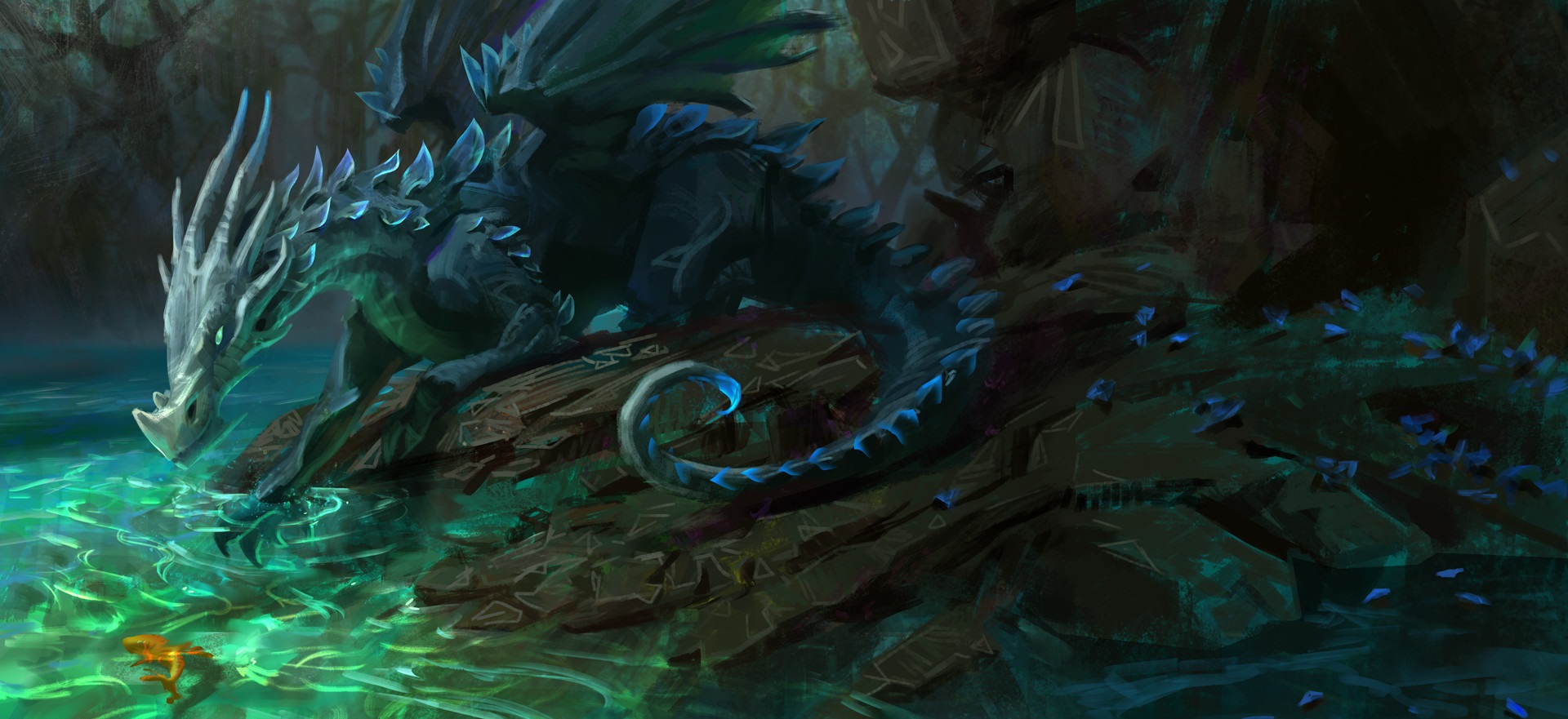
Mike Azevedo: Dragon and fish
Kerem Beyit: Valamadarace, Mithral Dragon
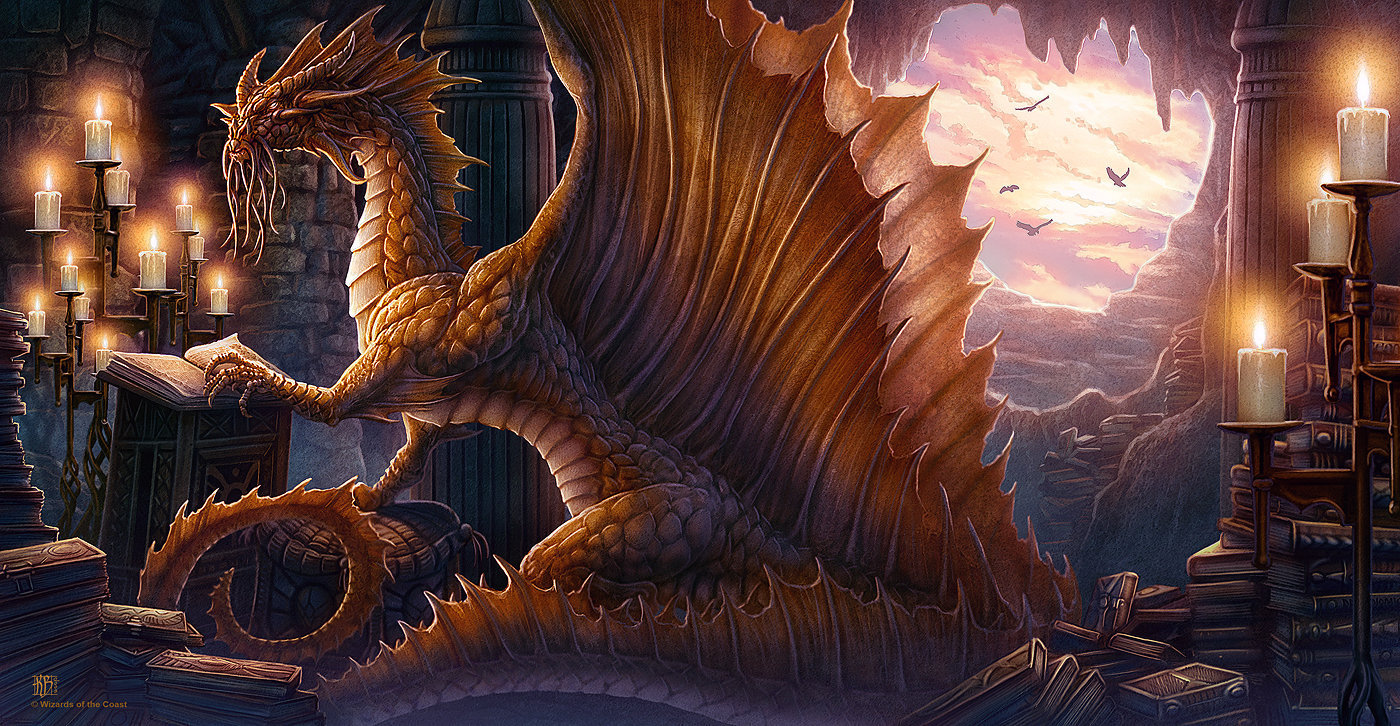
Chromamancer: Bookwyrm
The Demi-Dragon is unofficial Fan Content permitted under the Fan Content Policy. Not approved/endorsed by Wizards. Portions of the materials used are property of Wizards of the Coast. ©Wizards of the Coast LLC.
Changelog - 27/11/2019
-
Added Class Feature Variant Package: True Dragon, and it's features, Spitfire, Vanity, Elemental Heritage, Legendary Action, and Legendary Resistance to Feature Design, pending further review and feedback.
-
Slightly increased Dragon's Breath damage scaling. Added Vaporous Breath to Class Feature Variants. Added Broadened Breath to feats. Dramatically increased Dragon's Breath Line Range level scaling, from 30-80 to 35-130. Removed the trigger clause from Scale Bind, which can now be cast at any time as a reaction. Clarified that Metamorph's that take the Misfit's Adaptation feat must know the relevant morph category in order to change the morph from the feat.
-
Published version 2.5.5 here
-
Added Class Feature Variants as a section. Baked Expanded Breath and Insatiable into the descriptions of Dragon's Breath and Devour Magic, and changed the effect of Insatiable to instead provide two uses per long rest instead of recharge on short rest. Added Maneuver Versatility to Class Feature Variants, and moved Indefinite Mind, Climb, Swim, and Burrow Speeds, multiclassing options, and Size variant rules to Class Feature Variants. Added level denominations to all feature descriptions, after recent UA fashion. Assimilate now additionally grants temporary hit points. Added several flavor descriptions to various features that were lacking them. Reversed the action order of Weave and Unweave, enabled Devour Magic to trigger it, and removed the clause about not needing Dispel Magic as a known spell. White Instinct now provides advantage on initiative rolls instead of preventing being surprised. Added Shadestalker Design Notes section.
-
Added Dragon's Hoard to Feats. Added Bestow Breath, Manifest Breath, and Disciple's Contemplation to Feature Design as experimental features for a new subclass, the Dragon Adept. Returned Spellsnap to recharging on a long rest to prevent coffee shenanigans. The Shadestalker can now move their Veil of Smoke as a bonus action, and changed Spring Attack to using a bonus action instead of a reaction. Changed the requirement for Goring Charge to 20 ft. from 15 ft., to match existing charge mechanics.
-
Published version 2.4 here
-
Moved to GM Binder, and made a number of internal changes. Added Esoteric Ward, Reverberating Roar, White Instinct, Draining Scales, Warriors Will, Gold Luck, and Brass Tongue to the Metamorph's available morphs. Replaced Ironscale Weaving with Stone Scales. Changed the pairing on several morph categories to provide (in most cases) a situational and a reliable morph. The Metamorph can now change out a known morph category every time it gains a class level, rather than whenever it gains a new morph, and gains 2 additional morph categories at 6th, 10th, and 17th levels, up from 1. Increased the damage of Skewering Quills to 1d6 -> 2d4, from 1d4 -> 1d8. Added dim light to Chameleon Scales. Ardent Breath now gains a second charge at 6th level, down from 10th. Glacial Chill now reduces speed by half, up from 10. Spellsnap now recharges on a short rest. Renamed Snapping Takedown to Lockjaw. Added persuasion to class skill proficiencies.
-
Published version 2.3 here
-
Added a frontpage. Added two additional pieces of artwork. Added custom footers and link colors. Improved image blending. Implemented the Shadestalker. Completely reworked the Metamorph's Adaptive Morph, Ceaseless Metamorphosis, and all available morphs. Removed the lingering effect on Fueling the Transformation. Reworked Misfit's Adaptation. Added Twinned Adaptation.
-
Added Shape Breath to feats. Increased the amount of class skill proficiencies gained from 2 to 4, to make up for the dragon's lack of other proficiencies. Changed Eye of the Dragon to offer expertise if you already have proficiency, but reduced the blindsight from 30 to 20. Added Veil of Smoke, Harrying Predator, Spring Attack, Mist Lurker, and Veiled Predator as experimental features for a new subclass, the Shadestalker. Added Dragon Scales segment to Design Notes section.
-
Published version 2.2 here.
-
Dragon's Breath now regains all charges on completing a short rest, up from 1. Moved Flight to 7th level, and Eye of the Dragon to 9th level. Changed Dragon Scales to 8 + Con + Dex + Cha (max 20) from 10 + Con + Dex in order to address stathungry MAD issues. Changed Indefinite Mind to an optional rule, and added Dragon Spark to replace it. Changed Ardent Breath Fiery Eruption back to dealing damage in a 5 ft. wide 20 ft. high box, from a 10 ft. wide area and increased its casting range to line range from cone range. Changed the Juggernaut's Battering Ram to actively make use of the Attack action, so that it balancewise better respects whether or not you have Extra Attack. Removed the Juggernaut's Reckless Advance because it was weird and not that interesting. Added prone to Brutal Dive but removed the double damage dice effect, to better reflect how diving onto a target should work and to balance it as a good grapple initiator. Changed the Metamorph's Fueling the Transformation to now retain the old morph for 10 minutes. Added an 'appears as dead' effect to Survivor's Heart Major. Added Glide to Veiled Wings Major. Snatching Tail Major now requires spending a bonus action to use.
-
Published version 2.0 here.
-
Added Ardent Mastery to Scion 10th. Moved Eye of the Dragon into the base class, at 7th level. Moved Stride to 5th level. Moved Absorb Magic to 4th level. Moved Glide to 2nd level. Merged Tail Lash into the Natural Weapons racial trait. Moved Scion forward in the document because it's cooler now. Put a level restriction on spells that can be bound by Scale Bind to prevent multiclass shenanigans. Made it easier to throw Scale Bound scales. Renamed Bind the Unwoven to Weave and Unweave. Changed starting equipment to be more in-line with official material. Changed Sheltering Wings Major to be the Protection fighting style, and bumped its former effect down to Minor. Added Eye of the Dragon Proficiency to Remake Self.
-
Removed several sections of the original Design Notes internal discussion, regarding Character Size, Roleplaying Issues, Item Relevance, and Player Choice, as it said very little of actual use. Updated the rest of the Design Notes to be up to date. Changed Spellsnap to a variant of Counter Spell, instead of just being Counter Spell. Changed Overbearing Sweep to a bonus action instead of replacing an attack in the Attack action to prevent combining it with Snapping Takedown in one turn. Changed Fueling the Transformation to not require a successful dispel. Increased the space in which you can reposition enemies with Snatching Tail Major to 10, from 5. Added advantage on survival in harsh climates to Survivor's Heart Minor. Removed the Scion's True Heritage, Inhale, and Natural Adaptation, and reimplemented them in the form of Bloodline Heritage. Added Ardent Breath to Scion 3rd.
-
Added four artwork images. Added Fearsome Wound and Overbearing Sweep to Juggernaut maneuvers. Added War Plating to racial feats. Added Inhale to Scion 3rd, and moved Elemental Suffusion to 6th. Several wording and flavor improvements. Added Climb, Swim, and Burrow Speeds box.
-
Removed Enveloping Breath and Elongated Limbs as class features, and baked their increases into a more steady progression, as shown under the Dragon's Breath Range and Glide & Fly Speed columns of the Demi-Dragon table. Added Stride, Strength of Self, and Assimilate to fill out the empty class levels. Changed Tenacious Assault to advantage instead of expertise.
-
Increased Dragon's Breath level scaling. Removed armor proficiencies from the class. Moved Dragon Scales and Natural weapons into the racial traits, and moved Devour Magic into the class. Changed Dragon Scales to use Con instead of proficiency. Reimplemented Elemental Adaptation at level 2. Moved Flight to level 9 from 7. Overhauled the Juggernaut fury system to have a better resource progression. Changed maneuvers to obey the action economy. Increased Reprisal cost from 1 to 2. Changed Lunge to Hammering Lunge, which uses gore instead of claw. Rewrote Skylaunch and Battering Ram to use an action, and rebalanced them appropriately. Moved Unwavering Combatant to 10th level from 6th, and moved Tenacious Assault to 6th level from 10th.
-
Reworked the entire class with a tighter thematic focus. Removed Skyterror, but added Metamorph and Scion.
-
Published version 1.0 here.
Feature Design
Dragon Adept
Dragon Adepts devote themselves to contemplation and worship. Some Adepts are monks who once followed the Way of the Dragon Disciple, while others choose to worship a god or have a natural inclination for introspection and meditation. Whatever their beliefs, a Dragon Adept is a staunch ally to have at your back.
Design A: Bestow Breath
3rd-level Dragon Adept feature
You can empower your allies with your breath. As an action, you breathe destructive energy and focus it into an elemental lash that surrounds a target with roiling energy. Choose yourself or an ally within 30 ft. of you. The elemental lash swirls around the target's weapons, causing their weapon attacks to deal 1d6 extra damage. The extra damage dealt is of the same type as your Dragon's Breath. Additionally, the target has resistance to the elemental damage type you chose for your Dragon's Breath. These effects last for 1 minute.
You can use this feature once, and regain the ability to do so after finishing a short or long rest.
At 6th level, you can use this feature twice. When you gain Strength of Body at 11th level, the extra damage done increases to 2d4.
Design B: Manifest Breath
3rd-level Dragon Adept feature
You become able to concentrate your energy. As an action, you breathe destructive energy into your palms, forming your breath into a magically-contained sphere that harmlessly hovers in place on the square where you created it. For 1 minute or until your concentration ends (as if you were concentrating on a spell), you can use your bonus action to produce one of the following effects:
- You launch a bolt of energy at a creature within 60 ft. of you from the sphere. Make a ranged spell attack with your Dragon Spark ability. On a hit, you deal 1d8 + your Charisma modifier damage. The type of damage dealt is the same as your Dragon's Breath.
- The elemental energy swirls around an ally of your choice within 15 ft. of the sphere, granting them advantage on their next attack and resistance to your Dragon's Breath element until the start of your next turn.
- You align yourself with the world around you. Roll a d6. On a 5 or 6, you can immediately use your Dragon's Breath feature as part of this bonus action, originating from the sphere. If you do, you do not expend a use of your Dragon's Breath feature. Manifest Breath then immediately ends.
When you gain Strength of Body at level 11, the weapon dice of the spell attack option improves to 2d6.
You can use this feature once, and must then complete a short or long rest in order to use it again.
At 6th level, you can use this feature twice.
Disciple's Meditation
6th-level Dragon Adept feature
The depth of your devotion is strong enough to heal wounds. Wrapping yourself in your own wings, you can spend a minute in contemplation during which healing energy gathers around you. At the end of the minute, six creatures of your choice that you can see within a range of 30 ft. each regain hit points equal to your Dragon's Breath Damage. This ability has no effect on undead or constructs.
You can use this feature once, and regain the ability to do so after finishing a short or long rest.
Class Feature Variant Package: True Dragon
Though true dragons rarely have reason to become adventurers, there are those that do—particularly silver dragons. The following is a package of features that replace some of the demi-dragon's features. If you choose to make use of this package, you must use all of the listed features.
Spitfire
1st-level feature (replaces Devour Magic)
You are able to focus your breath into smaller bolts of destructive energy. As an action, you spit a bolt of elemental energy at a creature or object within range of your Dragon's Breath Line Range. Make a ranged spell attack against the target. On a hit, the target takes 1d10 damage. The damage type is the same as your Dragon's Breath.
This action's damage increases by 1d10 when you reach 5th level (2d10), 11th level (3d10), and 17th level (4d10).
Vanity
4th-level feature (replaces Absorb Magic)
Though your unconventional form leaves you unable to make use of many magical items such as arms and armor, your desire for all things valuable and shiny, such as jewelry and other wondrous items, grants you greater capacity to reach for more. You can attune to up to four magic items at once.
Elemental Heritage
6th-level feature (replaces Leeching Claw)
You become immune to the elemental damage type you chose for Dragon's Breath.
Legendary Action
11th-level feature (replaces Strength of Body)
You are a creature of myth, and in combat, your ferocity is unmatched. At the end of another creature's turn, you can take a legendary action to do one of the following:
- Take the Attack action
- Take the Spitfire action
- Take the Dash action
Once you have taken a legendary action, you cannot do so again until it has been your turn again. You can use this feature a number of times equal to your Constitution modifier, and must then finish a long rest to use it again.
Legendary Resistance
18th-level feature (replaces Assimilate)
You can shake off even the most debilitating of afflictions. When you fail a saving throw, you can choose to succeed instead. You can use this feature once, and must finish a long rest to use it again.
Feats and Subclasses
When using the Class Feature Variant Package for the True Dragon, the following applies to the feats and subclasses available to the demi-dragon.
Juggernaut
You cannot learn the Wrest Magic maneuver.
Scion
You can use Frightful Roar as a Legendary Action. Additionally, you replace Elemental Suffusion with the following feature:
Focused Breath
You can add your Charisma modifier to the damage dealt by your Spitfire feature.
Shadestalker
You can use Veil of Smoke as a Legendary Action.
Metamorph
You are unable to choose the Metamorph as an embodiment.
Feats
If you choose the Dragon's Hoard feat, the increase to Absorb Magic Enchantments has no effect on you. The attunement slot granted by the feat instead increases your maximum attunement slots from 4 to 5.
Additionally, you are unable to choose the Misfit's Adaptation feat.