
Vivien's Compendium of
Lost Knowledge
Contents
PART 1
Race Options


Player Race Options
Overview on Races
This Compedium has a couple of race options unique to certain realms. All options listed here are optional but meant to be used with dungeons and dragons fifth edition. These are wild and tribal races of nature rare to the common world.
Florans
People of Flora
Florans often have a lean and muscular build and a flower on the top of their head. Florans usually have green skin, but their skin and flowers can have colorations that range the entire visual spectrum, and perhaps beyond. Other plants have been known to be on a Floran's head, such as mushrooms and fly traps. They also have black bug-like eyes and a jagged mouth full of shark-like teeth.
Tribal by Nature
Florans live in a tribal society, so their history is likely conveyed by word-of-mouth and tradition. In the larger universe, Floran society is usually looked upon as inferior or barbaric by other races and Florans are often treated as such regardless of their level of education. While there are many cases where non-barbaric Florans have successfully integrated into society, some tribally raised Florans have trouble adjusting. Literature written by one particularly troubled Floran might involve successful diplomatic negotiations involving a large amount of "stabbing" and the like, for example.
Floran Names
Florans, being plants, are asexual. They may nonetheless identify with a particular gender.
Examples. Kesta Lilyreap, Wahi Asterblossom, Nehack Greenvine, Ajan Blacktrap, Hadowsi Shadeblood, Muthola Stranglechop
Floran Traits
Florans are strong and swift. Though they appear to lack intelligence, they only lack education.
Ability Score Increase. Your Constitution score increases by 2.
Age. Florans live extremely long lives. Many are killed before they die of old age due to the harsh environments they live in. Florans usually enter adulthood within 50 years, but live to nearly 1,000.
Alignment. Most floran tend towards chaotic and neutral alignments.
Size. Floran vary in height and weight as much as humans do, though being a warrior race their builds are generally more muscular. Your size is Medium.
Speed. Your base walking speed is 30 feet.
Floran Weapon Training. You are proficient in simple weapons.
Green Thumb. There are many plants that grow around the world, and a few grow faster when near a floran. You are proficient in the Nature skill.
Photosynthesis. When you roll hit dice and you are in bright sunlight you gain a bonus to the number of hit points recovered equal to your proficiency bonus. In addition, if you spend an hour resting in bright sunlight you are considered to be fed for the next 24 hours.
Languages. You can speak, read, and write Common, and Floran. A floran's peculiar biology makes speaking Common difficult but not impossible for them, their speech is often filled with over pronounced words and a heavy grass whistle-like lisp. Floran is a sibilant language that uses the Elvish script, on the rare occasion it is written.
Subrace. Choose a subrace from Nightbloom, Snapdragon, Rose, Tree, Sunflower, Swamp Vine.
Nightbloom
Ability Score Increase. Your Wisdom score increases by 1.
Night Magic. You know the minor illusion cantrip. When you reach 3rd level, you can cast the cause fear spell once and need to finish a long rest before you can cast it again. When you reach 5th level, you can also cast the darkness spell once and need to finish a long rest before you can cast it again. Wisdom is your spellcasting ability for these spells.
Snapdragon
Ability Score Increase. Your Charisma score increases by 1.
Burning Passion. You gain resistance to fire damage.
Fire Starter. You know the fire bolt cantrip. Charisma is your spellcasting ability for it.


Rose
Ability Score Increase. Your Charisma score increases by 1.
Pleasant Scent. You are proficient in the Persuasion skill.
Thorned. Your body is covered with small retractable thorns. The thorns can be extended or retracted as a bonus action. If a creature enters your space, ends their turn while in your space or ends their turn grappling you while these thorns are extended they take piercing damage equal to your proficiency bonus. In addition, while extending your unarmed strikes deal piercing damage instead of bludgeoning damage and deal extra piercing damage equal to half your proficiency bonus.
Tree
Ability Score Increase. Your Strength score increases by 1.
Root. A tree floran can increase its defensive capabilities at the cost of movement, rooting itself into the ground. As a bonus action, you reduce your speed to 0 until you take a bonus action to uproot yourself. Your Armor Class increases by 1 and if you are subject to an effect that would force you to make a Dexterity saving throw, you can use a reaction to make a Constitution saving throw instead.
Sturdy. You have advantage on any saving throw against being forcibly moved or knocked prone.
Sunflower
Ability Score Increase. Your Wisdom score increases by 1.
Flash. As an action, you may release a brilliant burst of stored sunlight. Creatures within a 30-foot radius can see you must make a Constitution saving throw or be blinded until the end of their next turn. The DC for this saving throw is equal to 8 + your proficiency bonus + Wisdom modifier. You regain the use of this when you complete a short rest in bright sunlight or a long rest in any other condition.
Luminous Appearance. You know the light cantrip. Charisma is your spellcasting ability for it.
Swampvine
Ability Score Increase. Your Dexterity score increases by 1.
Haunting Visage. You are proficient in the Intimidation skill. In addition, whenever you make a successfully Intimidation check against a creature you may, as a reaction, reduce its speed to 0 until the end of your next turn. Creatures immune to the frightened condition are immune to this.
Swamp Vines. The distance you can travel when jumping is doubled.


Wildly Unique
"Interesting people, the Florans. Although they hide among the forest, they are no strangers to civilazation. Highly intelligent and curious people. I will have to meet some, someday."
─ Viv
Half-Caps
Arachnid
The next step of evolution for ettercaps, Half-Caps are intelligent, humanoid people. They typically have features resembling their ancestry. Their skin is either soft and fur like, similar to the tarantula, or hard like an exoskeleton. Although they are only bipedal and have only two arms they are ferocious in combat. With quick reflexes and high perception not much escapes them. Half-Caps have a number of eyes ranging from one to eight, pointed ears, fangs, and skin tone that ranges from deep black to light purple or blue.
Heroes of the Underdark
Half-Cap villages are few and far between; they are typically underground or in dark hard to reach places. Most Half-Caps spend their whole lives in the dark. However, this doesn't dampen their morale, they typically have a high sense of justice and seek out fairness wherever possible.
Many Half-Cap roam the underdark helping the other folks that live there asking nothing in return. They put a stop to turf wars of creatures and save innocents from peril. They are rare to find, though, and because of this many underdark races believe them to only be myths.
Half-Cap Names
Names aren't important to the Half-Caps. Many don't take one ever, some are given to them by the people they save, others go by a family name passed down through generations, and many can hold the same name as people confuse them for other Half-Caps.
Be creative with your name, think about where your character came from and how those surroundings influence what they are called.


Half-Cap Traits
Half-Caps are incredibly perceptive and acrobatic
Ability Score Increase. Your Dexterity score increases by 2 and your Wisdom score increases by 1.
Age. Half-Caps mature at the same rate Halflings do, and most become adults at around the age of 20; they live well into their second century.
Alignment. Most Half-Caps tend toward lawful, and generally they are good aligned.
Size. Half-Caps are about the same size as humans, your size is medium.
Speed. Your base walking speed is 30 feet.
Keen Senses. You have proficiency in the Perception skill
Darkvision. You can see in dim light within 60 feet of you as if it were bright light, and in darkness as if it were dim light. You can’t discern color in darkness, only shades of gray.
Spider-like reflexes. You have proficiency in the Acrobatics skill.
Web Slinger. You know the Websling cantrip. Wisdom is your spellcasting ability for it.
Websling
Conjuration Cantrip
- Casting Time: 1 bonus action
- Range: 30 feet
- Components: S
- Duration: 1 minute
You target a solid point within range (i.e. a wall or post or rock) a thin web shoots from your hand and connects to that point. While connected you can swing through the air within a 30 ft radius of the point of attachment. This uses your movement speed. You can end your turn in the air but by the end of your next turn, you must take a move action.
If you move at least 10 ft toward an enemy while swinging in the air you can use your action to make one unarmed melee attack dealing 1d6 Bludgeoning damage damage.
Spell Lists. Artificer, Druid, Sorcerer, Wizard
PART 2
Subclass options

Player Sublass Options
Overview on Sublasses
Options for Subclasses for Dungeons and Dragons 5th Edition. A diverse set of subclasses to fit in with what is presented in the Player's Handbook.
All Options in here are completely optional, but can add another layer of customization for players. Everything listed here is in playtest and is up for change as needed.
Barbarian Primal Paths
Path of the Skald
Skalds are a rare tribal tradition specializing in changing the battlefield with their voice and their strength.
Path of the Skald Features
| Barbarian Level | Feature |
|---|---|
| 3rd | Rage Chanter, Practitioner of Music |
| 6th | Demanding Presence |
| 10th | Echoing Chants |
| 14th | Vocal |
Rage Chanter
When you choose this path at 3rd level, you learn chants that are fueled by special dice called skald dice.
Chants. You learn three chants of your choice. You learn two additional chants of your choice at 6th, 10th, and 14th level. Each time you learn a new chant, you can also replace one chant you know with a different one. Some chants require an action to do; if you use one of these chants and are raging your rage will not end as a result of you not taking the attack action on your turn. Some chants last a duration; if you are currently using a chant with a duration you cannot use another chant unless you decide to end the one you are currently using. If you fall unconscious while using a chant with a duration, that chant’s effects end.
Skald Dice. You have skald dice equal to the number of rages you have, which are d6s. A skald die is expended when you use it. You regain all your expended skald dice when you finish a long rest. You gain another skald die when you gain additional rages. Your max amount of skald dice you can have through this feature is 6. All damage done by a skald die is considered to be force damage.
Saving Throws. Some of your chants require your target to make a saving throw to resist the chant’s effects. The saving throw DC is calculated as follows:
Chant Save DC
Practitioner of Music
At 3rd level, you gain proficiency with two instruments of your choice.
Demanding Presence
Your boisterous fighting style makes sure all enemies lock there eyes on you.
Starting at 6th level, when you are in a rage if a creature within 30ft of you is affected by a condition you can spend a bonus action to end that condition. You can do this a number of times equal to your Constitution modifier (minimum of 1). You regain all uses of this feature after a long rest.
Echoing Chants
At 10th level, your skald dice turn into d8s. At 17th level, they turn into d10s.
Vocal
You never go into battle unprepared to lead your group to victory.
At 14th level, when you roll initiative and have no skald dice remaining, you regain 1 skald die.
Chants
Bellowing Bass. As an action, you let out a loud bellow in a 30ft cone in front of you. Any creature within the cone must succeed a dexterity saving throw or take a skald die in damage and be knocked prone.
Healing Vibrations. As an action, you chant with a soothing voice healing any creatures of your choice within a 30ft radius of you for an amount equal to a skald die.
Readying Riot. As a bonus action, you can expend a skald die and all creatures of your choice within a 15ft radius of you gain a bonus to all saving throws equal to the number rolled on the skald die. This chant lasts 1 minute.
Confusing Ruckus. As an action, you can expend a skald die and a creature within 30ft of you must succeed a wisdom saving throw or take damage equal to the number rolled and is confused for 1 minute. The creature can make another saving throw at the end of each of its turns to attempt to end the confusion.
Frightening Yell. As an action, you can spend a skald die to attempt to frighten an enemy with your chant. A creature of your choice within 30ft of you must succeed a charisma saving throw or take damage equal to the number rolled on the skald die and is frightened of you for 1 minute. The creature can repeat its saving throw at the end of each of its turns.
Discourage. As a bonus action, you can expend a skald die and all creatures of your choice within a 15ft radius of you gain a penalty to all saving throws equal to the number rolled on the skald die. This chant lasts 1 minute.
Distracting voice. As a reaction, you can expend a skald die and reduce the attack roll of a creature within 30ft of you by the number rolled. You can do this after you know what the number rolled was.
Power. As a bonus action, you can expend a skald die and increase the damage of your attacks for 1 minute by the number rolled on the die. This chant can be used alongside the Precision chant but must be activated with a separate bonus action.
Precision. As a bonus action, you can expend a skald die and increase your attack bonus for 1 minute by an amount equal to the number rolled on the die. This chant can be used alongside the Power chant but must be activated with a separate bonus action.
Ferocious Tenacity. As a bonus action, you can spend a skald die and increase the movement speed of a number of creatures equal to the number rolled. The movement speed increase is 5ft. You can target a creature more than once with this effect if you still have remaining uses, each time increases the creature’s speed by an additional 5ft. this affect lasts 1 minute.
Bolster. As a bonus action, you can spend a skald die and increase the AC of creatures of your choice within a 15ft radius of you for 1 minute by an amount equal to the rolled number.
Diminish. As a reaction, when a creature is hit with an attack within 30ft of you, you can spend a skald die to reduce the damage that creature takes by the number rolled.
Charming Rhythm. As an action, you can spend a skald die and attempt to charm a creature within 30ft of you for 1 minute. The creature must succeed on a charisma saving throw or take your skald die in damage and be charmed for the duration. The creature can repeat this saving throw whenever it is hit with attack and at the end of each of its turns.
Rage Roar. When you rage you can choose to expend a skald die if you do all creatures of your choice within 30ft of you must make a constitution saving throw. On a failed save the creature take the skald die of damage + your constitution modifier + your proficiency bonus. On a successful save the creature takes half damage.
Singing and Fighting?
"Unbalievable, how can someone be so tribal that their songs alone can create such magnificent effects? I must study this phenomenon further. So Fasinating! Maybe Bortholomew can learn something."
─ Viv


Bard Colleges
College of Puppetry
Practitioners of this art draw a lot of attention. They are somehow able to weave a complete story through the use of a puppet. No lyrics or songs or dance like many other bards. They are craftsman as well as storytellers. Creating beautiful works of art that move and jump. On the battlefield they are just as effective using their craft to cast their magic.
College of Puppetry Features
| Bard Level | Feature |
|---|---|
| 3rd | Marionette, Joint Inspiration |
| 6th | No Strings Attached |
| 14th | Double Feature |
Marionette
When you join this college at 3rd level you learn the greatest form of art known to mankind, puppetry. You craft a magical puppet that you control; the stat block for the puppet is listed at the end of the subclass description.
The puppet attaches to the ends of your fingertips through magical, unbreakable strings that can be passed through and are near invisible. The strings can stretch up to 30 feet away from you and can go around corners and walls but not through solid objects. The puppet is a spell casting focus for you and can be targeted by your spells that have a range of self. The puppet can also be the target of your inspiration die.
As a bonus action, you can tell the puppet to move and do one of its actions, dash, disengage, or use the help action. If you do not tell the puppet to do anything it will take the dodge action. It shares the same initiative as you but takes its turn right after yours.
If the puppet is destroyed you can spend 8 hours and 100 gp to repair it. The puppet can be healed once a day by the mending cantrip for 2d8 + your charisma modifier. The puppet levels up when you do, gaining a plus one to the following things when you gain a boost to your proficiency modifier: attack bonus, spell attack bonus, proficient saving throws, and proficient skills. The range the puppet may be away from you increases to 45 feet at 6th level and 60 feet at 14th level.
Joint Inspiration
With two performers you are able to inspire twice the people.
Also at 3rd level, when you give inspiration to a creature or your puppet you can also give another creature or your puppet (if it hasn’t been chosen already) a lesser inspiration. This lesser inspiration is one die level lower than your current inspiration die. For example, if you give a creature a d6 of inspiration the other creature gets a d4; if a creature gets a d8 then the other one gets a d6. All other inspiration rules still apply.
No Strings Attached
At 6th level, whenever your puppet uses a bardic inspiration it can choose to do one of the following:
-
A creature hit with an attack takes extra damage equal to the inspiration die. The damage type is the same as the damage the attack did. The creature must also make an Intelligence saving throw against your spell save DC or be confused until the end of your next turn.
-
Another creature heals an amount equal to the inspiration die. That creature also then makes a saving throw against any condition that may be affecting it in an attempt to end that condition.
The targeted creature must be within 60 feet of you to use this feature on them.
Double Feature
Starting at 14th level, you create a second puppet that shares the same features as the first. You can activate both puppets with the same bonus action.


Marionette
Medium Construct, Neutral
- Armor Class 16
- Hit Points equal the Marionette’s Constitution modifier + your Charisma modifier + five times your bard level (the marionette has a number of Hit Dice [d6s] equal to your bard level)
- Speed 30 ft.
STR DEX CON INT WIS CHA 14 (+2) 12 (+1) 16 (+3) 2 (-4) 10 (0) 10 (0)
- Skills Performance +4
- Damage Immunities poison
- Condition Immunities charmed, exhaustion, poisoned
- Languages understands languages you speak but it cannot speak
- Might of the Master. The following numbers increase by 1 when your proficiency bonus increases by 1: the marionette’s skill bonuses, the bonuses to hit and damage of its strike, and the number of hit points restored by its Reconstruct action, spell save DC.
- Vigilant. The marionette can’t be surprised.
Actions
Strike Melee Weapon Attack: + 4 to hit, reach 5 ft., one target you can see. Hit: 1d6 + 2 Bludgeoning damage.
Reconstruct (3/Day). The magical strings that connect you to the marionette restore 2d8 + 2 hit points to itself or to one
Cantrip (your Charisma modifier/day (minimum 1)) spell: + 4 to hit, DC 12 spell save
"Watching them is so fun. I can't believe how intricate the Marionettes are"
─ Viv
Cleric Divine Domains
Flight Domain
Followers of the winds, storms, and freedom. These clerics devote their lives to the sky and all it holds. Maybe they want to be with the birds, maybe they admire the giants in the clouds, or maybe that's how they get closer to their gods.
Clerics in this domain typically worship gods such as: Talos, Dunatis, Zeus, or The Song Bird.
Flight Domain Features
| Cleric Level | Feature |
|---|---|
| 1st | Bonus Cantrip, Bonus Proficiencies, Protection of the Winds |
| 2nd | Channel Divinity |
| 6th | Great Bound |
| 8th | Potent Spellcasting |
| 17th | Whirlwind |
Flight Domain Spells
| Cleric Level | Spells |
|---|---|
| 1st | Feather Fall, Jump |
| 3rd | Gust of Wind. Levitate |
| 5th | Fly, Wind Wall |
| 7th | Freedom of Movement, Storm Sphere |
| 9th | Cloudkill, Steel Wind Strike |
Bonus Cantrip
When you choose this domain at 1st level, you gain the gust cantrip if you don’t already know it.
Bonus Proficiencies
At 1st level, you gain proficiency with martial ranged weapons.
Protection of the Winds
Also at 1st level, you can glide away from danger. When a creature within melee range of you that you can see hits you with an attack, you can use your reaction to move up to half speed away from the creature without provoking attacks of opportunity. You also only take half damage from the attack.
You can use this feature a number of times equal to your Wisdom modifier (minimum of once). You regain all expended uses when you finish a long rest.


Channel Divinity: Rising Wind
Starting at 2nd level, you use your Channel Divinity to enact the power of the winds.
As an action, you present your holy symbol and invoke the name of your deity. Each creature you choose within 30 feet of you that can see you must make a Wisdom saving throw. If a creature fails its saving throw, it floats uncontrollably off the ground up to 60 feet. A creature floating this way can only move if some other outside force directs it (i.e. grappling onto a wall, using a rope, being pushed). This affect lasts 1 minute or until you choose to dismiss it as a bonus action. Creatures fall after this affect fades unless something holds them aloft, and they take appropriate falling damage according to the height they fell.
Great Bound
Starting at 6th level, you can take the disengage or dash action as a bonus action. Also, when you do this your move speed increases by 5 feet and your long and high jumps increase by 10 feet and no longer need a running start.
Potent Spellcasting
Starting at 8th level, you add your Wisdom modifier to the damage you deal with any cleric cantrip.
Whirlwind
At 17th level, a naturally occurring whirlwind surrounds you. At rest it’s nominal and affects only you. You always levitate just off the ground so difficult terrain no longer affects you.
Also, as a bonus action you can increase the intensity for 10 minutes causing vicious winds to surround you. Any creature large or smaller that ends its turn within 10 feet of you must make a Strength saving throw or be blown back 5 feet and knocked prone. Also, you gain +2 to AC against any ranged weapon and spell attacks as well as a +2 to Dexterity saving throws against spells. You can end the intense whirlwind affect as a bonus action. You can do this once per long rest.
"I prefer the land and my books, but to each their own."
─ Viv

Druid Circles
Circle of Storms
Druids in this circle meet among the highest mountain tops or in the storming seas. They seek out ways of honing their abilitis to control weather, and use it to guard the natural order of growth. Nourishment of forests rely on the dense rain they bring.
Circle of Storms Features
| Druid level | Feature |
|---|---|
| 2nd | Viel of storms, Cloud form |
| 6th | Nourishing Rain |
| 10th | Storm's Fury |
| 14th | Favored Winds |
Circle of Storms Spells
| Druid Level | Spells |
|---|---|
| 3rd | Misty Step, Warding Wind |
| 5th | Call Lightning, Gaseous Form |
| 7th | Control Water, Storm Sphere |
| 9th | Control Winds, Wrath of Nature |
Viel of Storms
At 2nd level a thin vapor fog surrounds your body. As a reaction you can reduce the damage you take from an attack that does bludgeoning, piercing, or slashing damage by 1d4. The amount of damage you can reduce increases to 1d6 at 6th level, 1d8 at 10th level, and 1d10 at 14th level.
Cloud Form
Also at 2nd level, as an action you can expend a use of your Wild Shape feature to have the fog form into a billowing storm cloud around you, rather than transforming into a beast. You gain temporary hit points equal to 5 times your druid level. While this feature is active you gain the following benefits:
- Whenever you cast a spell that does damage, it instead does lightning damage and an extra 1d4 force damage.
- Whenever you cast a healing spell the target heals an extra 1d4 hit points, and has advantage on saving throws until the end of your next turn.
These benefits last for 10 min or until you lose these temporary hit points, or until you use wild shape again.
Nourishing Rain
At 6th level, you can have your storm clouds surround a creature within 30 feet of you other than yourself as a bonus action. When you do this that creature gains the following benefits:
- +1 bonus to AC
- Resistance to cold and lightning damage
- They can use their reaction to use your cloud feature to reduce incoming damage.
This effect lasts 1 minute. You can do this a number of times equal to your Wisdom modifier (minimum of once). You regain all uses after a long rest.
Storm's Fury
At 10th level, as an action you can make 30 ft radius cylinder with a 30 ft height storm. Every creature of your choice within the storm gains one of the following two effects:
- Disadvantage on attack rolls
- Gain 1d6 temporary hit points each turn
This storm lasts for 1 minute and requires concentration. It can also be ended by a dispel magic effect or spell that can succeed on a roll against your spell save DC. You regain use of this ability after you finish a long rest.
Favored Winds
At 14th level, you gain resistance to cold, lightning, and force damage. Also, when you are in your cloud form you gain a fly speed of 30 feet, are resistant to BPS, and do not need to breath.
Fighter Archetypes
Gladiator
Fighters that specialize in grapples and brutal kills. They never let their prey escape and always come out on top. Fighters trained this way love to put on a show above all else. They want their battles to be entertaining. A sight to be held. Glory is what they seek, and no enemy is too big for them to take down.
Gladiator Features
| Fighter Level | Feature |
|---|---|
| 3rd | Rope Trick, Pinned Down |
| 7th | Restrain |
| 10th | Strong Armed, Get Over Here |
| 15th | Thumbs Down |
| 18th | Gigantic |
Rope Trick
When you take this archetype at 3rd level you obtain a rope that is one with your fighter arsenal. You are extremely proficient with tool. You gain a plus 1 bonus to any rolls made with the rope, and its range is considered to be 30/40 feet. The rope functions the same as the net weapon.
Pinned Down
Also at 3rd level, whenever you make an attack with a weapon you can use your bonus to attempt to grapple the creature you just hit with an attack. You can also grapple a creature that is one size bigger than you or smaller.
Restrain
At 7th level, when you grapple a creature it is considered restrained. Also, when attempting to break free from the restrained condition from your rope a creature must succeed on a strength saving throw equal to 8 + your proficiency modifier + your strength or dex modifier (your choice).
Strong Armed
At 10th level, when you have a creature grappled and you make a melee weapon attack against them your damage increases by 1d8, this damage increases to 2d8 at 18th level.
Get Over Here
None can escape your grasp. Also at 10th level, when you use an attack to restrain a creature in your rope you can use your bonus action to attempt to pull them toward you. The creature makes a strength saving throw against your restrain DC, on a failed save, the creature is pulled into your melee attack range.
Thumbs Down
Your ruthless killing nature allows you to deal finishing blows to any foe that crosses your path.
At 15th level, when you reduce a creature to zero hit points while it is grappled by you, you can immediately attempt to grapple another creature within range with your rope. If you grapple the new creature you can then make one melee attack against it.
Gigantic
At 18th level, you can now grapple creatures that are two sizes bigger than you or smaller.

Monastic Traditions
Way of the Beast
Some monks watch and study the movements of animals around them. They take the animal's movements into their martial arts allowing them to access techniques no other martial artist can. By honing their body to act as the beast they are copying these monks seem more animal than human at times.
Way of the Beast Features
| Monk Level | Feature |
|---|---|
| 3rd | Beast Stance |
| 6th | Soul of the Beast |
| 11th | Dragon Warrior |
| 17th | Animal Mastery |
Beast Stance
At 3rd level, when you take this tradition, you choose a beast stance and gain its feature. Your martial arts may start to incorporate animal movements of the stance you choose. At your option, you also gain minor physical attributes that are reminiscent of your beast stance.
Tiger. When you spend a Ki point to do Flurry of Blows as a bonus action you can spend an additional Ki point to add your proficiency modifier to the damage of any attacks made this way.
Leopard. When you spend a Ki point to do Step of the Wind and Disengage or Dash as a bonus action you can spend an additional Ki point to make an unarmed attack as well.
Snake. When you spend a Ki point to do Flurry of Blows as a bonus action and land at least one of those strikes you can spend an additional Ki point to force the hit enemy to have disadvantage on it’s next attack roll.
Crane. When you spend a Ki point to do Patient Defense and take the Dodge action as a bonus action, you can spend an additional Ki point to add +1 to your AC and to any saving throws you make until the start of your next turn.
Boar. When you spend a Ki point to do Flurry of Blows as a bonus action and land at least one of those strikes you can spend an addition Ki point to attempt to knock the enemy prone. The enemy must succeed on a strength saving throw or be knocked prone.
Octopus. When you spend a Ki point to do Patient Defense if a creature makes a melee attack roll on you and misses you can use your reaction to spend an additional Ki point to attempt to grapple that creature. Both you and the creature make contested Strength or Dexterity rolls.
Soul of the Beast
At 6th level, you gain a magical benefit based on the beast stance of your choice. You can choose the same animal you selected at 3rd level or a different one.
Tiger. You gain resistance to bludgeoning, piercing, and slashing damage from nonmagical weapons. Add a +1 to your AC.
Leopard. You gain proficiency in the Stealth skill, if you are already proficient in Stealth double your proficiency. Also you have advantage on Stealth rolls to hide when in darkness. Your speed increases by 5ft when in darkness.
Snake. You gain advantage against being poisoned, and gain resistance to poison damage. You gain proficiency in the Intimidation skill, if you are already proficient in Intimidation double your proficiency.
Crane. Your unarmed strikes range increases by 5ft. You ignore half cover, and three quarters cover acts as half cover when you are attacking.
Boar. When you are prone melee attacks do not gain advantage on you. You do not gain disadvantage against Dexterity saving throws while prone. Your movement while prone is not restricted unless affected by difficult terrain. You do not gain disadvantage on attack rolls while prone.
Octopus. You are considered one size larger when grappling. Creatures large or smaller grappled by you are considered restrained. You have advantage on attempting to grapple a creature.
Dragon Warrior
At 11th level, as a bonus action you can spend 3 Ki points to imbue your unarmed strikes with a magical elemental effect for 1 minute. While mastering animal fighting techniques you were able to also look to dragons for fighting inspiration. When you use this feature you can choose one of the following damage types to imbue into your unarmed strikes:
- Acid
- Lightning
- Fire
- Poison
- Cold
You also can add 1d4 to your unarmed attacks while using this feature.

Animal Mastery
At 17th level, you gain a magical benefit based on a beast stance of your choice. You can choose the animal you selected previously or a different one.
Tiger. When you take the attack action with an unarmed strike and land a hit, you can expend 1 to 10 Ki points. The target takes an additional 1d10 per Ki point spent.
Leopard. You gain the benefits of Sneak Attack as if you were a 10th level rogue.
Snake. When you attack a creature with an unarmed strike you can spend 2 Ki points to poison them, this ignores immunities but does not stack. That creature must succeed a Constitution saving throw or be poisoned for 1 minute and paralyzed until the end of your next turn.
Crane. When you spend a Ki point on Step of the Wind you gain a flying speed equal to your move speed. This benefit works only in short bursts; you fall if you end your turn in the air and nothing else is holding you aloft. You take no fall damage if you use this feature to fly. If you land on a creature you can attempt to do 1 unarmed strike against them.
Boar. While prone you gain the benefits of half cover, additional 15ft to movement speed when using Step of the Wind, and you may spend a Ki point while making an attack roll to gain advantage on the roll (this must be declared before the roll happens).
Octopus. When you have a creature grappled if another creature makes an attack roll and hits you, you can use your reaction to reduce the damage by 1d10 + your Dexterity modifier + your Monk level. The reduced damage instead goes to the creature you have grappled. Your movement is no longer restricted while grappling a creature. Any creature grappled by you is considered restrained.
Styles for all Beasts
Every beast style listed here are the most commonly found. They are mastered by a careful watchful eye over the animal to copy its movements. Many more types of styles can exist; all it takes is a clever fighter to break down how an animal moves and convert it into a martial art. Be creative with your attacks in making them feel like it's the beast attacking through you.


Paladin Oaths
Oath of Deliverance
You have been chosen by a god or gods that see you as the one to right the wrongs of injustices in the world. Your purpose is to free the weak from the shackles of unfair rule. Your purpose in life, set by the gods, is to make sure every creature is treated equally.
Tenets of Deliverance
Freedom. All creatures deserve to live as they see fit and not hinder the lives of others
Break the Shackles. If you see a creature in need of help from something oppressing it you must help that creature.
No Walls. There are no walls that hold you back, no ropes that tie your hands, and you are fit to live as you are.
Pray for the Weak. All those weaker than you that cannot relieve themselves of oppression look to you for guidance.
Oath of Deliverance Features
| Paladin Level | Feature |
|---|---|
| 3rd | Channel Divinity |
| 6th | Aura of Overcoming Resistance |
| 15th | Broken Chains |
| 20th | Champion of Freedom |
Oath of Deliverance Spells
| Paladin Level | Spells |
|---|---|
| 3rd | Long Strider, Sanctuary |
| 5th | Misty Step, Warding Bond |
| 9th | Blink, Spirit Guardians |
| 13th | Death Ward, Freedom of Movement |
| 17th | Far Step, Teleportation Circle |
Channel Divinity
Protect the Meek. When a creature within 30 ft of you takes damage you can use your reaction to have that creature gain hit points equal to the damage rolled against it.
Total freedom. As a bonus action you can activate your channel divinity, when you do for 1 minute you can use your bonus action to take the dash, disengage, or dodge actions.
Aura of Overcoming Resistance
Starting at 6th level, whenever you or a friendly creature within 10 feet of you makes an attack the damage dealt overcomes resistances of the creatures affected by the attack.
At 18th level the range increases to 30 ft
Broken Chains
At 15th level you become immune to the grappled and restrained conditions.
Champion of Freedom
At 20th level, you are no longer bound by any bindings of the material plain as you become a pure advocate of freedom. As an action, you can become incorporeal for 10 minutes and gain the following benefits:
- Difficult terrain, magical or otherwise, doesn’t affect your movement.
- You gain a fly speed of 20 feet.
- You can move through spaces occupied by other creatures, but cannot end your turn in a space that is being occupied.
- As a reaction, when you take damage you can reduce that damage by half. After you use this feature you cannot use it again until you finish a long rest.


Ranger Errata
The ranger rules listed below are to be used alongside the already existing ranger. All rules and features for the base PHB ranger are to stay the same unless otherwise stated in this section.
Ranger Feature Updates
| Ranger Level | Feature |
|---|---|
| 2nd | Terrain Awareness |
| 3rd | Favored Enemy Improvement |
| 9th | Natural Explorer Improvement |
| 14th | Increased Favored Enemy Critical |
| 17th | Natural Explorer Improvement (2) |
Terrain Awareness
At 2nd level you can use a bonus action to take the Search or dash actions.
Favored Enemy Improvement
Starting at 3rd level you start doing extra damage to your favored enemies. Whenever you hit a favored enemy with a weapon you are proficient with and deal damage, the weapon’s damage increases by the amount based on your level in this class, as shown in the Bonus Damage table.
| Ranger Level | Damage Increase |
|---|---|
| 3rd | 1d4 |
| 10th | 1d6 |
| 16th | 1d8 |
| 20th | 1d10 |


Natrual Explorer Improvement
In addition to the already given benefits of favored terrain you will also gain extra benefits based off the terrain you choose. Gaining the first ability at 9th level and the second at 17th level.
| Terrain | 9th Level | 17th Level |
|---|---|---|
| Arctic | No longer suffer effects of cold weather | Resistance to cold damage |
| Coast | Swim speed equal to move speed | Hold your breath for 2 hours, cast water breathing 1/day at 3rd level without expending a spell slot |
| Desert | Cast Blur at 2nd level 1/day without expending a spell slot | Resistance to fire damage |
| Forest | Learn the spells Good Berry, Speak with animals, and speak with plants. These spells do not count against your spells known. | Cast Greater Invisibility at 4th level 1/day without expending a spell slot. |
| Grassland | Move speed increases by 10ft. | Cast Haste at 3rd level 1/day without expending a spell slot, and learn the spell Expeditious Retreat; it does not count against you spells known. |
| Mountain | Climb speed equal to your move speed | Resistance to falling damage, cast feather fall 1/day at 1st level without expending a spell slot. You also learn the spell feather fall and it does not count against your spells known |
| Swamp | Immune to disease | Resistance to poison damage and advantage on saving throws against being poisoned. |
| Underdark | Darkvision of 30ft or increase darkvision by 30ft if you already have dark vision. (max of 150ft) | Blindsense of 20ft |
Increased Favored Enemy Critical
Starting at 14th level your weapon attacks score a critical hit on 18-20 against favored enemies.
Ranger Conclave Spell Lists
These are subclass errata to add to the ranger conclaves in the PHB. These are quality of life changes meant to make the base subclasses of the ranger feel on par with the subclasses in XGE and beyond. For beast master and hunter a extended spell list is needed to bring them inline with the other subclasses. You automatically know these spells and they don’t count against your spells known.
Hunter
| Ranger Level | Spell |
|---|---|
| 3rd | Ensnaring Strike |
| 5th | Cordon of Arrows |
| 9th | Elemental Weapon |
| 13th | Dominate Beast |
| 17th | Commune with Nature |

Beast Master
| Ranger Level | Spell |
|---|---|
| 3rd | Beast Bond |
| 5th | Beast Sense |
| 9th | Conjure Animals |
| 13th | Mordenkainen's Faithful Hound |
| 17th | Tree Stride |
Ranger Conclaves
Conclave of Elements
These rangers art the guardians between the elemental planes and the material. They dedicate their lives to warden any foul creature that may want to escape into our world to reek havoc, or stop any malicious humanoid from destroying the balance of elementals.
Conclave of ELements Features
| Ranger Level | Feature |
|---|---|
| 3rd | Elemental Attunement, Elemental Bond |
| 7th | Protection of Elements |
| 11th | Abundance of Energy |
| 15th | Enhanced Elemental Attunement |
Conclave of Elements Spells
| Ranger Level | Spell |
|---|---|
| 3rd | Absorb Elements |
| 5th | Maximillian's Earthen Grasp |
| 9th | Elemental Weapon |
| 13th | Elemental Bane |
| 17th | Conjure Elemental |
Elemental Attunement
At 3rd level, when you enter this conclave, you attune yourself to an element gaining its strengths and benefits. Choose two elements below and gain those benefits
As a bonus action you can change the damage type of your attacks on your turn. You change the properties of your attack to do fire, cold, lightening, or thunder damage. In addition, these attacks do an extra 1d6 of the chosen damage type. This damage increase at 11th level to 1d8 and again at 17th level to 1d10.
Elemental Bond
You also gain the ability to have a small control over your favored element.
Also, at 3rd level, you may choose one of the following cantrips to learn. You may choose a second cantrip from this list at 9th level.
Control Flames, Shape Water, Chill Touch, Gust, Mold Earth, Thunderclap
Protection of Elements
As you become more aligned with the elements around you your body begins to bond with them.
Starting at 7th level you are always under the affects of the Protection from Energy spell, however, you must choose one form of energy to be protected from (acid, fire, cold, lightening, thunder). You can change the chosen energy every short or long rest.
Abundance of Energy
Starting at 11th level you gain the ability to lash back at an enemy that attacked you. When you are hit with a weapon attack you can use your reaction to deal damage equal to your Elemental Attunement dice plus your wisdom modifier back to the attacker. You can do this a number of times equal to your Wisdom modifier (minimum of once). You regain these uses after a long rest.
Also, at this level, when you drop to zero hit points powerful energy explodes out of you. When you drop to zero hit points every hostile creature within a 10-foot radius of you must make a dexterity saving throw against your spell save DC or take damage equal to your ranger level plus your Wisdom modifier. On a successful save the creatures take half damage. You can only do this once per long rest.
You chose the damage type of these abilities as you use them; the damage can be fire, cold, lightening, or thunder.
Enhanced Elemental Attunement
Starting at 15th level your attunement to the elements are so strong you can overcome resistances. When you use the Elemental Attunement feature to attack you ignore resistances of the chosen damage type and turn immunities to resistances.
Conclave of Fishing
Some rangers just enjoy a nice day on the sea, by the river, or in a lake. All they care about is the joy of fishing. Reeling in that next monster to spin yarns at taverns about its size and the strength it took to catch. Every fisher has a prized catch and these rangers aren't afraid to brag about theirs.
Conclave of fishing Features
| Ranger Level | Feature |
|---|---|
| 3rd | Angler; Hook, Line, and Sinker |
| 7th | Bait and Switch |
| 11th | Gut |
| 15th | Fisher King |
Conclave of Fishing Spells
| Ranger Level | Spell |
|---|---|
| 3rd | Create or Destroy Water |
| 5th | Alter Self |
| 9th | Tidal Wave |
| 13th | Control Water |
| 17th | Wall of Force |
Angler
Stating at 3rd level, when you enter this conclave you gain proficiency in fishing rods and nets if you didn’t already have it. Also, whenever you are near a body of water you are always able to find enough food to feed yourself and up to 5 other people.
Hook, Line, and Sinker
Also, at 3rd level, you can use your bonus action to cast your fishing rod toward an enemy. If you do, make a ranged attack against that creature using your strength or dexterity (your choice). If the attack hits it deals 1d4 bludgeoning damage and the target is grappled.
On subsequent turns you can use your bonus action to attempt to reel in the creature. If you do the creature must make a strength save against your spell save DC. On a failed save the creature is pulled 10 ft closer to you and takes 1d4 bludgeoning damage.
The fishing rod has a range of 30 feet. Any creature attempting to break free of the grapple must make a strength or dexterity saving throw against your spell save DC.
The damage of the fishing rod increases to 1d6 at 11th level. All damage dealt by your fishing rod is magical for the purpose of overcoming resistances.
Bait and Switch
At 7th level, whenever a creature you can see hits you with an attack roll you can use your reaction to switch places with any other creature within 10 feet of you, having them take the hit instead. You can use this feature a number of times equal to your wisdom modifier (minimum of once). You regain all uses of this feature after a long rest.
Gut
At 11th level, you can use your action to make one devastating blow against a creature. You can choose to make an attack roll to hit a creature with your weapon. On a hit you roll one additional weapon damage die and add your ranger level to the additional damage. The creature then makes a wisdom saving throw against your spell save DC, on a failed save the target is stunned until the end of your next turn. Once you use this feature you cannot use it again until you finish a short or long rest.
Fisher King
At 15th level, whenever a creature misses you with a ranged or melee attack you can use your reaction to attempt to grapple them with your fishing rod.
Also, you can hold your breath up to an hour and have a swim speed of 30 feet.
"Rangers live an interesting life. Dedicating themselves to nature. It's so similar to clerics but still so different. Each looking to protect our world in one way or the other."
─ Viv



Rogue Archetypes
Ghostwalker
Maybe you are patial to grave robbing, maybe you you enjoy ghost hunting, or maybe you are just cursed. Either way when rogues walk the same path as ghosts their skills become like none other. Serving as a foil to horizonwalkers these rogues find themselves connecting to the afterlife and ethereal planes.
Ghostwalker Features
| Rogue Level | Feature |
|---|---|
| 3rd | Ethereal Sight, Incorporeal Movement |
| 9th | Withering Touch |
| 13th | Spirit Stalker |
| 17th | Soul Phase |
Ethereal Sight
Starting at 3rd level when you take this archetype, you can see 60 ft. into the Ethereal Plane when you are on the Material Plane, and vice versa.
Incorporeal Movement
Also, at 3rd level, you can now move through other creatures and objects as if they were difficult terrain. You take 1d10 force damage if you end your turn inside an object.
Withering Touch
At 9th level, when you make a weapon attack you can choose to have the damage be necrotic.
Also, when you hit a creature you can force it to make a Constitution saving throw. On a failed save, the creature is cursed and the next attack against it does double the damage. You can use this curse feature once per long rest.
Spirit Stalker
Starting at 13th level, when you take the Hide action you can choose to become invisible until the end of your next turn. Everything you are carrying and holding also turn invisible. Your invisibility ends if you make an attack or force a creature to make a saving throw.
You can do this a number of times equal to your Wisdom modifier (minimum of one). You regain all uses of this feature after a long rest.
"These types have proven to be quite slippery. You'd never even see them coming, so spooky!"
─ Viv
Soul Phase
Starting at 17th level, you gain the ability to jump in and out of the ethereal plane. As a reaction whenever you take damage, become grappled, or are restrained you can teleport up to 30 feet away to an unoccupied space and become invisible as if you were using the spirit stalker feature. You don’t take the damage and are not grappled or restrained.
You can use this feature a number of times equal to your Wisdom modifier (minimum of one). You regain all uses of this feature at the end of a long rest.


Sorcerer Errata
The sorcerer rules listed below are to be used alongside the already existing sorcerer. All rules and features for the sorcerer are to stay the same unless otherwise stated in this section.
Metamagic
Metamagic is the corner stone for setting the sorcerer apart from other casting classes. Therefore, an expansion on the rules, and more metamagic options are listed below.
Sorcery Points
At 2nd level, whenever you take a short rest you have the option of recovering your sorcery points. Once per long rest, when you take a short rest you can roll 1d6 and recover sorcery points equal to the number rolled. However, the amount of sorcery points you have can't be above your maximum.
Extra Metamagic
You also gain meta magics at 7th level and 13th level for a total of 5 meta magics at 17th level.
Metamagic Options
Below are a list of metamagic options for your sorcerer to use alongside the options in the PHB.
Efficient Spell. When you cast a spell of 2nd, 3rd, 4th or 5th level, you can spend a number of sorcery points equal to the spell's level to cast it using a spell slot one level lower than the spell's normal level, without changing the effects of the spell.
Liquid Spell. When you cast a non-instantaneous spell with a range of Self, you can spend a number of sorcery points equal to the spell's level (1 sorcery point for cantrips) to turn the spell into 4 ounces of drinkable liquid. You must have an appropriate container in which to store it. The liquid is then considered a potion, which grants the drinker the benefits of your spell for the spell's normal duration. The spell is treated as if it was cast by you, but you do not need to concentrate on it if it would normally require concentration. The potion loses its potency when you take a long rest.
Non-lethal Spell. When cast a spell that reduces a creature to 0 hit points, you can spend 1 sorcery point to knock the creature out, rendering it unconscious, rather than deal a killing blow.
Slippery Spell. You can spend 1 sorcery point when you cast a spell to make it unbreakable by the spells counterspell, dispel magic, and remove curse.
Switch Spell. When you are concentrating on a spell, you can use a bonus action on your turn and spend 2 sorcery point to change that spell to a different spell. The new spell must be of a lower level than the original, and is considered to be cast at the lowest possible level. If the original spell had a target, that target must still be valid for the new spell; for example, you cannot switch a spell you have cast on someone else to a spell with a range of Self. The new spell's duration is equal to whatever time remained of the old spell's duration or its standard duration, whichever is shorter. You cannot switch a spell more than once.
Transmute Spell. When you cast a spell that deals damage, you can spend 1 sorcery point to change the spell's damage type(s) to any other type of your choice.
Spellcasting
Each sorcerer origin will gain spells as they level up based on their extended spell list. These spells don’t count against spells known.
Draconic
| Sorcerer level | spells |
|---|---|
| 1st | Chromatic orb, cause fear |
| 3rd | Dragon’s Breath, levitate |
| 5th | Fly, fear |
| 7th | Leomund’s secret chest, elemental bane |
| 9th | Legend lore, control winds |
Wild magic
| Sorcerer level | spell |
|---|---|
| 1st | Chaos bolt, color spray |
| 3rd | Enlarge/reduce, blur |
| 5th | Blink, slow |
| 7th | Polymorph, dimension door |
| 9th | Mislead, seeming |
Shadow
| Sorcerer level | spell |
|---|---|
| 1st | Fog cloud, disguise self |
| 3rd | Blindness/deafness, shadow blade |
| 5th | Animate dead, gaseous form |
| 7th | Shadow of moil, evard’s black tentacles |
| 9th | Negative energy flood, dance macabre |
Storm
| Sorcerer level | spell |
|---|---|
| 1st | Thunderwave, feather fall |
| 3rd | Warding wind, gust of wind |
| 5th | Call lighting, thunder clap |
| 7th | Storm sphere, freedom of movement |
| 9th | Control winds, wrath of nature |
Divine soul
Choose a cleric domain, get the spell progression of that domain.


Sorcerer Origins
Blood Magic
Your innate magic comes from life itself carried deep down within all beings. Most creatures go through life with never unlocking the potential of magic that lies within them. Many sorcerers that discover their power this way often go throw a near-death experience caused by severe bodily trauma. While others experiment and push their bodies to the limit attempting to bring out this power. While some never unlock this magic, your blood flows with near limitless untapped potential.
Blood sorcerers are typically treated poorly based on their gruesome nature in order to cast magic. Many times, their bodies are littered with scars creating a threatening presence for normal society.
Blood Magic Features
| Sorcerer Level | Feature |
|---|---|
| 1st | Thick Blood, Blood Letting |
| 6th | Atrium Overload (1/rest) |
| 14th | Fast Clotting |
| 18th | Masochistic Body, Atrium Overload (2/rest) |
Blood Magic Spells
| Sorcerer level | spells |
|---|---|
| 1st | Bane, inflict wounds |
| 3rd | cloud of daggers, spike growth |
| 5th | Life transference, vampiric touch |
| 7th | Death ward, Blight |
| 9th | Anti-life shell, contagion |
Thick Blood
As magic flows through your blood, it causes your body to become a bit more resilient. At 1st level, your hit point maximum increases by 1 and increases by 1 again whenever you gain a level in this class.
Blood Letting
Starting at 1st level, your magical connection with your own blood allows you to better control when and how much you bleed. After you cast a spell of 1st level or higher you can use a bonus action on your turn to grant yourself temporary hit points equal to your charisma modifier (minimum of 1). (Temporary hit points do not stack).
Starting at 3rd level, you can use a bonus action on your turn to convert your own hit points into sorcery points in a 1 to 1 ratio. Sorcery points created this way function the same as normal sorcery points, however, they cannot be used to create spell slots. Sorcery points created this way are lost after taking a short or long rest. Your maximum hit points are also reduced by the amount of sorcery points created by this feature, your maximum hit points return to normal after a short or long rest. You can only use this feature a number of times equal to your charisma modifier (minimum of 1) per long rest.
Atrium Overload
Starting at 6th level, you can push your heart past its normal blood pumping capabilities, increasing the power of your magic. After you deal damage with a spell of 1st level or higher you can deplete your own hit points to increase the damage output of that spell in a 1 to 1 ratio. You can increase the damage of a spell equivalent to your level in this class. After you use this feature your maximum hit points are reduced by the amount of damage you increased the spell by, your maximum hit points return to normal after a long rest. You can’t use this feature again until you finish a short or long rest.
At 18th level you can use this feature twice per short or long rest.
Fast Clotting
Starting at 14th level, when you are hit by a weapon attack, you can use your reaction to reduce the damage taken by half. The attacker must also make a Dexterity saving throw against your spell save DC. On a failed save, the attacker takes necrotic damage equal to half your sorcerer level. On a successful save, the attacker takes no damage.
Masochistic Body
Starting at 18th level, your body has become accustom to the punishment of battle. You gain resistance to all bludgeoning, piercing, and slashing damage, even if it is magical. Also, when using the Atrium Overload feature your maximum hit points are not reduced.
"Ew, gross!"
─ Viv

Warlock Patrons
Dragon Patron
Your patron is a dragon. All dragons have great power, but some like others to do their work for them. You've managed to get a dragon to bestow some of its power on you, to do its bidding.
Dragon Patron Features
| Warlock Level | Feature |
|---|---|
| 1st | Patronage, Dragon's Gift |
| 6th | Watchful Presence |
| 10th | Scales of the Ancient |
| 14th | Manifest the Dragon |
Expanded Spell List
| Spell Level | Spells |
|---|---|
| 1st | Absorb Elements, Chromatic orb |
| 2nd | Alter Self, Dragon’s Breath |
| 3rd | Fly, Protection from Energy |
| 4th | Polymorph, Mordenkainen’s Private Sanctum |
| 5th | Legend Lore, Telepathic Bond |
Patronage
When you make a deal with a dragon patron at 1st level, you choose a dragon ancestry. Depending on the ancestry chosen different effects will occur in the following features.
| Dragon | Damage Type |
|---|---|
| Black | Acid |
| Blue | Lightning |
| Brass | Fire |
| Bronze | Lightning |
| Copper | Acid |
| Gold | Fire |
| Green | Poison |
| Red | Fire |
| Silver | Cold |
| White | Cold |
You also gain the ability to communicate telepathically with any creature that has the dragon creature type.
Dragon's Gift
At 1st level you can the ability to breath like a dragon. As an action you can exhale a 30-foot cone of breath that does the same damage type as your patron. Any creature within range must make a dexterity saving throw against your spell save DC, on a failed save that creature takes 1d10 damage of the same damage type as your patron. On a successful save the creature takes half damage. The damage of this feature increases to 2d10 at 5th level, 3d10 at 9th level, 4d10 at 13th level, 5d10 at 17th level, and 6d10 at 20th level.
You can do this a number of times equal to your charisma modifier (minimum of once) and regain all uses after a long rest.
Watchful Presence
At 6th level your dragon patron grant you eyes of the dragon. You are more aware of your surroundings. You gain a blindsight of 10ft. Choose one of the following skills to become proficient in: Perception, Insight, Investigation.
Also, as a reaction you can impose disadvantage on any ranged attack roll against any creature you can see within 60ft of you or give yourself advantage on any dexterity or strength saving throws. You can use this feature a number of times equal to your charisma modifier (minimum of once). You regain all uses of this feature after a long rest.
Scales of the Ancient
At 10th level you can reduce the damage of oncoming attacks. As a bonus action on your turn you can decide to cover your body with your patron’s scales for 1 minute. While in this state your AC increases by 2, you can reduce damage that hits you by your charisma modifier (minimum of one), and gain resistance to the damage type of your patron. Once you use this feature you can’t use it again until you finish a short or long rest.
Manifest the Dragon
Starting at 14th level you can transform into a smaller version of your patron. On your turn, as an action, you can turn into a dragon and gain the following benefits.
- Your size is large
- Your AC is 18 (this can not be increased except by a spell, i.e. shield of faith)
- Your HP is 100, when your HP is reduced to 0 in this form you revert to how you were before you transformed, however, damage carries over
- You gain a fly speed of 60ft
- Darkvision up to 120ft
- You can still use your Dragon’s Gift feature, but the damage increases by 1d10
- You can make two attacks as an action, one bite and one claw. These attacks are magical for the purposes of overcoming resistance.
- Bite +7 to hit, 10ft reach, 2d10+5 piercing
- Claw +7 to hit. 5ft reach, 2d6+5 slashing
You can still use your scales of the ancient feature, watchful presence feature, and cast spells in this form.
You can use this form once per long rest.
Warlock Invocations
Dragon Hide
Prerequisite: Dragon Patron
Your base AC becomes 13 + your Dexterity modifier.
Elemental Infusion
Prerequisite: Dragon Patron, pact of the blade, 5th level
As a bonus action for 1 minute you can make your pact weapon do extra 1d10 damage of the same damage type as your dragon patron. After you use this feature you can’t use it again until after a long rest.
Frightful Presence
Perquisite: Dragon Patron, Pact of the tomb, 5th level
You gain access to the spells Cause Fear and Fear and they are added to your Book of Shadows without counting against your spells known. You can also cast these spells at their base level once per day without expending a spell slot.
Loyal Companion
Prerequisite: Dragon Patron, Pact of the chain, 5th level
Your pact of the chain familiar can cast Dragon’s Breath on itself at base level once per day without expediting a spell slot. The damage type must match the damage type of your patron.

Wizard Traditions
School of Restoration
In places lacking clerics or other divine spellcasters, some wizard schools study and teach magic that can repair the minds and bodies of the injured. Wizards trained as part of these schools typically use their spells to heal, and many can be found opening clinics to tend to the sick and wounded in towns that would otherwise be without access to healing magics, while others assist adventurers with the same deficiency.
School of Restoration Features
| Wizard Level | Feature |
|---|---|
| 2nd | Restoration Savant, Healing Surge |
| 6th | Restorative Touch |
| 10th | Reactive Healer |
| 14th | Overhealing |
Restoration Savant
Beginning when you choose this tradition at 2nd level, you’ve studied divine spells, and can replicate some of their effects. You now have access to the cleric and paladin spell lists. You can learn those spells as if they were wizard spells and can copy them into your spellbook. You can not use these spells as a part of the spell mastery feature.
Additionally, you learn the spare the dying cantrip, which counts as a wizard spell for you and doesn’t count against your spells known.
Healing Surge
Also at 2nd level, you know how to turn part of the energy you regain by studying your spellbook into healing for you and your allies. When you use your Arcane Recovery feature, you and up to six creatures of your choosing regain twice as many hit points from any hit dice spent during the short rest.
Restorative Touch
Starting at 6th level, you know how to use your magic to help a creature overcome what ails them. You can use your action to touch a creature and end one blinded, deafened, poisoned, or stunned condition affecting the creature. You can use this feature an amount of times equal to your intelligence modifier (minimum of once) and regain any expended uses when you finish a long rest.
Reactive Healer
When you reach 10th level, you can mend wounds almost as soon as they are gained. When a creature you can see within 30 feet takes damage, you can use your reaction to cast a spell that restores hit points on it, which must have a casting time of 1 action or bonus action and be of 5th level or lower. The spell must be cast at its base level.
Overhealing
By 14th level, you can channel excess magical energy into your healing spells, improving their potency and allowing them to wreath your allies in protective energy. Whenever a creature regains hit points from a spell you cast, it also gains temporary hit points equal to three times the level of the spell.
School of Rituals
Wizards of this school are usually a bit quirky. They find themselves repeating tasks for good luck or maybe just superstition. They have learned how to incorporate the art of rituals into their spellcasting better than any other magic user.
School of Rituals Features
| Wizard Level | Feature |
|---|---|
| 2nd | Ritual Savant, Always Prepared |
| 6th | Ritual Expertise, Old Habits |
| 10th | Creature of Habit |
| 14th | Shared Magic |
Ritual Savant
Beginning when you select this school at 2nd level, the gold and time you must spend to copy a spell with the ritual property into your spellbook is halved.
Always Prepared
Beginning at 2nd level, you can now cast ritual spells you know even if you do not have them prepared for that day.
Ritual Expertise
Starting at 6th level, when you cast a ritual spell as a ritual it only takes 1 minute to cast rather than 10 minutes.

Old Habits
When you reach 6th level you are conditioned to perform certain rituals that will give you daily benefits. Choose two of the rituals below to learn; you are assumed to do these rituals every morning:
Expertise. You gain expertise in three skills you are already proficient in.
Cautious. You become proficient in one saving throw of your choice.
Hardy. You give yourself false armor giving you temporary hit points for the day equal to 5 times your intelligence modifier + your proficiency modifier.
Potent. You can add your Intelligence modifier to cantrip damage.
Prepared. If you miss with a spell attack you can reroll the hit or if someone saves against a spell of yours you can have them reroll. You have one use of this.
Ward. If you drop to 0 hp you instead drop to 1 hp. This effect only activates the first time you drop to zero hit points.
Alert. You cannot be surprised, you have advantage on perception and investigation checks.
Focus. You can prepare an addition 3 spells at the beginning of the day.
Studied. Learn 5 spells from any spell list.
Once you choose a ritual from this list you cannot replace it.
Creature of Habit
At 10th level, you can choose two more daily rituals to know. You can also replace the rituals you already know with new ones.
Shared Magic
At 14th level, once per long rest you can perform a 10 minute long ritual that involves another creature. Choose one cantrip, one 1st level spell, and one second level spell you know. The other creature can cast each one of these once without expending a spell slot before the end of a long rest. The creature uses your spell save DC and your spell attack bonus when casting these spells.

PART 3
Class Options

Chef
Masters of spice and flame. Chefs have unlocked ways to increase the flavor of food in such a way for it to have tangible affects on daily life. They have managed to create recipes that tingle the taste buds and ignite the mind. Chef's signature meals will allow any party of adventures to feel confident in any battle they have ahead of them.
True Passion
A chef has one love in life, and it is cooking. The creation of meals, the combining of spices, the smell and aroma; all of this is very cathartic. Many are traveling the world to seek out new unique dishes to add to their recipe book. Others are out to find those rare spices. Some just want to share their art with the world.
They seek nothing but to have the most perfect dishes they can. Chef's pride themselves on their specialties and creative ways to bring out a dish.
Skilled with Knives and Swords
Although, a chef can be viewed as a person who should stay home and run a restaurant, in reality they are quite skilled with sharpened blades. A chef can have the same wanderlust as any other person. Don't be underestimated; wouldn't you be scared of someone that could gut and clean a fish in under a minute.
Get in their way and you might be the next thing on the menu.
Creating a Chef
When creating a chef, think about why they want to leave the kitchen into the dangerous world. Who trained them; where did they learn their skill? Talk to the DM about how an adventure chef fits into the world.
Quick Build
You can make a chef quickly by following these suggestions. First, make your highest ability score Intelligence, followed by Dexterity or Strength. Second, choose the guild artisan background.
Optional Rule: Multiclassing
If your group uses the optional rule on multiclassing in the Player's Handbook, here's what you need to know if you choose chef as one of your classes.
Ability Score Minimum. As a multiclass character, you must have at least an Intelligence and Dexterity score of 13 to take a level in this class, or to take a level in another class if you are already a chef.
Proficiencies Gained. If chef isn't your initial class, here are the proficiencies you gain when you take your first level as a chef: light armor, medium armor, shields, tridents, simple weapons, cooking utensils.
Chef
| Level | Proficiency Bonus | Features | Meals Known |
|---|---|---|---|
| 1st | +2 | Cooking Expertise, Meals | 2 |
| 2nd | +2 | Portable Kitchen | 2 |
| 3rd | +2 | Chef's Specialty | 3 |
| 4th | +2 | Ability Score Improvement | 3 |
| 5th | +3 | Battle Snacks | 3 |
| 6th | +3 | Specialty Feature | 3 |
| 7th | +3 | So Tasty | 4 |
| 8th | +3 | Ability Score Improvement | 4 |
| 9th | +4 | The Secret Ingredient | 4 |
| 10th | +4 | Specialty Feature | 5 |
| 11th | +4 | Impressive Knife Skills | 5 |
| 12th | +4 | Ability Score Improvement | 5 |
| 13th | +5 | I Want to Munch | 6 |
| 14th | +5 | Specialty Feature | 6 |
| 15th | +5 | Full Belly | 6 |
| 16th | +5 | Ability Score Improvement | 7 |
| 17th | +6 | Signature Dish | 7 |
| 18th | +6 | Iron Chef | 8 |
| 19th | +6 | Ability Score Improvement | 8 |
| 20th | +6 | Master Chef | 8 |
Class Features
As a Chef, you gain the following class features
Hit Points
- Hit Dice: 1d8 per Chef level
- Hit Points at 1st Level: 8 + your Constitution modifier
- Hit Points at Higher Levels: 1d8 (or 5) + your Constitution modifier per Chef level after 1st
Proficiencies
- Armor: Light armor, medium armor, shields
- Weapons: Simple weapons, short swords, scimitar, Tridents
- Tools: Cooking Utensils
- Saving Throws: Intelligence, Constitution
- Skills: Choose two from: Athletics, Sleight of Hand, History, Nature, Animal Handling, Survival, performance
Equipment
You start with the following equipment, in addition to the equipment granted by your background:
- (a) a Scimitar or (b) trident
- (a) a Shield or (b) any simple weapon
- (a) Leather armor or (b) scale mail
- Explorer's pack and cooking utensils
Cooking Expertise
At 1st level, you gain expertise in cooking utensils, and your choice of Nature, Animal Handling, or Survival.
Meals
Also at 1st level, you learn two meals of your choice. Your meal choices are detailed at the end of the class description. When you gain certain chef levels you learn more meals of your choice as shown in the meals known column of the Chef table. Whenever you level up in this class you can exchange one of your known meals for another one.
You can only make a certain number of meals a day; that number is equal to half your chef level rounded up. After you’ve made all your meals for the day you can’t make more until you have taken a long rest. All meals take 30 minutes to cook and can be prepared during short rests.
When you cook a meal more than one creature may enjoy it. Every time you make a meal you decide how many portions you make, each creature needs at least one portion to enjoy the benefits of your meal. The amount of portions you can make per meal is detailed in the description of each meal. A creature under the effects of one of your meals can not be under the effect of another meal. A meal takes 1 minute to eat. If a meal is not consumed within 1 hour of making it it loses its potency and can no longer give its benefits to a creature. Once a creature eats a meal it is under its effects until the end of their next short or long rest, until you die, until they drop to zero hit points, or if they consume another meal and decide to have those benefits replace their current ones, unless otherwise stated in the meals description.
If an effect of one of your meals requires a saving throw or an attack roll your Meal save and Meal Attack is listed below:
Meal Save DC
Meal attack modifier
In addition, you receive a spice pouch that functions similarly to a component pouch for spellcasters. This spice pouch is assumed to hold most of the ingredients you need to cook your meals. However, some ingredients have a monetary value that are consumed when cooking the meal. These ingredients must be obtained in some way prior to cooking the meal.

Portable Kitchen
Starting at 2nd level, whenever you take a short rest you can make a small bit of food to revitalize your party. Any allies also taking short rests with you may decide to eat your food if they do at the end of the short rest they gain temporary hit points equal to your Chef level. These temporary hit points last until the next time that creature takes a short rest or long rest.
Chef’s Specialty
Starting at 3rd level, you can specialize in one kind of cooking practice. Choose Baker, Butcher, or Exotic Ingredients all detailed at the end of the class description. The specialization grants you additional features at 6th, 10th, and 14th levels.
Ability Score Improvement
Ability score improvements at 4th, 8th, 12th, 16th, and 19th levels.
Battle Snacks
Starting at 5th level, whenever you cook a meal you can preserve some of the unused portions for later use in combat. These smaller, less potent meals can be fed to a willing creature within 5ft of you as an action. For any unwilling creature you must roll against the creature’s AC to attempt to feed it, on a hit that creature forcibly consumes the snack. These snack effects only last until the end of your next turn if they would normally last longer, and any creature under the effect of one of your meals may still gain the benefits of these snacks.
So Tasty
At 7th level, you add more flavor into your dishes making them more lasting. Your meal benefits now last until the end of a long rest.
The Secret Ingredient
At 9th level, your meal potency has increased making your dishes hardier. Your meals gain additional benefits listed within each meal’s description. Your battle snacks now last 1 minute.
Impressive Knife Skills
Starting at 11th level you’re able to cook incredibly fast. As an action you can expend one of your daily meals to prepare one portion of a meal that acts as a snack and immediately attempt to feed it to a creature by tossing it up to 30ft away from you. You must be able to see the creature you are tossing it to.
I Want to Munch
At 13th level, when you are hit with an attack you can eat a snack if you have one prepared.
Full Belly
At 15th level, a creature may now be under the effects of 2 different meals. You can also cast the heroes’ feast spell once per long rest by expanding three of your daily meals.
Signature Dish
At 17th level, choose 1 meal you know that has no level prerequisites (that exceeds 5th level); you can create that meal without expending a daily meal a number of times equal to your intelligence modifier (minimum of once). You regain all uses of this ability after you finish a long rest.
Iron Chef
At 18th level,your delicious food is never forgotten. The effects of your meals persists on creatures even if they drop to zero hit points or you die.
Master Chef
At 20th level, creatures can be under the effects of three different meals you cook. You can also choose two meals you know, you can cook those meals without expending a daily meal once per long rest.


Chef's Specialty
Chef's pursue many forms of cooking. Here are the specialization options you can choose from at 3rd level.
Butcher
You focus on cuts of meat and how to prepare them. Butchers are the deadliest of chefs as they know how to flay any meat with the utmost ease.
Cutthroat Kitchen
Starting at 3rd level, when you take this Chef specialty you become very precise when cutting meat. If you are under the effects of one of your meals you do bonus damage to creatures you hit with an attack the first time on each of your turns. The increased damage is listed in the table below.
| Chef Level | Damage Increase |
|---|---|
| 3rd | 1d4 |
| 10th | 1d6 |
| 16th | 1d8 |
| 20th | 1d10 |
You also gain proficiency in martial weapons.
Chopped
Starting at 6th level, when you provide a snack to a creature you can make one weapon attack against a creature.
Cutting Board
At 10th level, when you are hit with an attack you can use your reaction to choose to end a benefit of one meal that is affecting you, if you do you take no damage from that attack
Like Lambs to the Slaughter
At 14th level, whenever you score a critical hit on a creature you gain the benefits of one of your meals. If you can’t have anymore meal benefits treat the meal as if it were a snack. This does not consume one of your daily meals.


Baker
You have a sweet tooth. You make sure that anyone that visits you leaves fat. Bakers are generous and kind. They typically want to make those around them more happy with the treats they make.
Baker’s Dozen
At 3rd level whenever you make a meal you may make an addition portion for that meal than you normally would.
Sweet Genius
Starting at 6th level, whenever you provide a battle snack to a creature you can also provide the same benefit to another willing creature within 30ft of you that you can see.
Blissful Aroma
At 10th level, whenever you feed a meal or snack to a creature you can choose to end a condition on them such as poisoned, blinded, deafened, charmed, or paralyzed.
Sugar, Spice, and Everything Nice
Starting at 14th level, whenever a creature consumes one of your meals you can choose to do one or more of the following:
- Heal that creature a number of hit points equal to your intelligence modifier
- Deal damage to that creature equal to your intelligence modifier
- Cast calm emotions affecting only that creature. The creature must still make a charisma save against your meal save DC.
Exotic Ingredients
You stop at nothing to get the ingredients you need for your food. When you specialize in exotic ingredients you find ways to weave magic into your food. These chefs are usually the most daring because who else wants to slay a wyvern just for a skirt stake.

Spellcasting
Exotic Ingredients
| Level | Cantrips Known | Spells Known | 1st | 2nd | 3rd | 4th |
|---|---|---|---|---|---|---|
| 3rd | 2 | 3 | 2 | ─ | ─ | ─ |
| 4th | 2 | 4 | 3 | ─ | ─ | ─ |
| 5th | 2 | 4 | 3 | ─ | ─ | ─ |
| 6th | 2 | 4 | 3 | ─ | ─ | ─ |
| 7th | 2 | 5 | 4 | 2 | ─ | ─ |
| 8th | 2 | 6 | 4 | 2 | ─ | ─ |
| 9th | 2 | 6 | 4 | 2 | ─ | ─ |
| 10th | 3 | 7 | 4 | 3 | ─ | ─ |
| 11th | 3 | 8 | 4 | 3 | ─ | ─ |
| 12th | 3 | 8 | 4 | 3 | ─ | ─ |
| 13th | 3 | 9 | 4 | 3 | 2 | ─ |
| 14th | 3 | 10 | 4 | 3 | 2 | ─ |
| 15th | 3 | 10 | 4 | 3 | 2 | ─ |
| 16th | 3 | 11 | 4 | 3 | 3 | ─ |
| 17th | 3 | 11 | 4 | 3 | 3 | ─ |
| 18th | 3 | 11 | 4 | 3 | 3 | ─ |
| 19th | 3 | 12 | 4 | 3 | 3 | 1 |
| 20th | 3 | 13 | 4 | 3 | 3 | 1 |
When you reach 3rd level, you augment your cooking prowess with the ability to cast spells.
Cantrips
You learn two cantrips of your choice from the druid spell list. You learn an additional druid cantrip of your choice at 10th level.
Spell Slots
The Exotic Ingredient Spellcasting table shows how many spell slots you have to cast your spells of 1st level and higher. To cast one of these spells, you must expend a slot of the spell's level or higher. You regain all expended spell slots when you finish a long rest.
For example, if you know the 1st-level spell Shield and have a 1st-level and 2nd-level spell slot available, you can cast Shield using either slot.
Spells Known of 1st Level and Higher
You know three 1st-level druid spells of your choice, two of which you must choose from the conjuration and transmutation spells on the druid spell list.
The Spells Known column of the Exotic Ingredients Spellcasting table shows when you learn more druid spells of 1st level or higher. Each of these spells must be a conjuration or transmutation spell of your choice, and must be of a level for which you have spell slots. For instance, when you reach 7th level in this class, you can learn one new spell of 1st or 2nd level.
The spells you learn at 8th, 14th, and 20th level can come from any school of magic.
Whenever you gain a level in this class, you can replace one of the druid spells you know with another spell of your choice from the druid spell list. The new spell must be of a level for which you have spell slots, and it must be a conjuration or transmutation spell, unless you're replacing the spell you gained at 3rd, 8th, 14th, or 20th level from any school of magic.


Spellcasting Ability
Intelligence is your spellcasting ability for your druid spells, since you learn your
spells through study and memorization. You use your Intelligence whenever a spell refers to your spellcasting ability. In addition, you use your Intelligence modifier when setting the saving throw DC for a wizard spell you cast and when making an attack roll with one.
Spell Save DC
Spell attack modifier
Secret Garden
At 3rd level, you learn of a way to keep your own personal garden with you at all times. You have created a small pocket dimension that allows you to store your garden, you can summon or dismiss your garden as a bonus action. The garden is a 5ft by 10ft by 3ft area that can only be summoned if there is room for it. When you summon your garden it appears within 10ft of you.
In the garden you may plant any plant you like, it can hold a maximum of plants equal to your chef level x 5. There are so many exotic plants out there that your DM gets to decide the number of uses each plant holds within your garden, if it can regrow after use, and what the plant provides in ingredients.
You must spend 1 hour a day tending to your garden to keep whatever you are growing alive.
Overgrowth
At 6th level, when your garden is summoned you can use an action to have it grow rapidly causing magical difficult terrain, that lasts 1 minute, for creatures you choose within a 10ft radius centered on the garden. You can do this a number of times equal to your intelligence modifier (minimum of once). You regain all uses of this ability after a long rest.
This radius increases to 20ft at 14th level.
Snack Attack
Beginning at 10th level, when you use your action to cast a cantrip, you can attempt to make a creature consume one of your snacks as a bonus action.
Garden of Eden
Starting at 14th level, whenever a friendly creature is within the radius of your garden’s overgrowth ability they have advantage on saving throws against being charmed or frightened. Additionally, they can spend an action to regain 1d6 + your intelligence modifier hit points.
Meals
Here is the list of meals listed in no particular order for you to choose from as a chef. Some meals have prerequisites that need to be met before learning that meal.
Shepherd's Pie
Ingredients: potato (1 cp), choice of red meat (2 sp), salt, milk, pepper
Portions: 3
Effects: +1 to AC
At 9th level, +2 to AC
Tempura
Ingredients: your choice of fish (2 sp) or vegetable (2 sp), oil
Portions: 5
Effects: Swim speed equal to move speed
At 9th level, water breathing
Cannoli
Prerequisites: Baker, 5th level
Ingredients: Flour, sugar, butter, egg (1 cp), cinnamon
Portions: 1
Effects: You can take the dash action as a bonus action
At 9th level, you can take the disengage action as a bonus action.
Cake
Prerequisites: Baker
Ingredients: Flour, sugar, butter, egg (1 cp), milk, your choice of fruit (1 sp)
Portions: 3
Effects: +10ft of movement
At 9th level, +20ft of movement
Cevapi
Ingredients: Your choice of meat (2 sp), garlic, salt, pepper, paprika
Portions: 2
Effects: +2 to Constitution saving throws
At 9th level, +3 to Con saves
Kabobs
Prerequisites: Butcher, 5th level
Ingredients: Your choice of meat (2 sp), your choice of vegetable (1 cp)
Portions: 2
Effects: damage increase on damage rolls by 1d4
At 9th level, damage increase on damage rolls is now 1d6 instead
Bukkenade
Ingredients: red meat ( 2 sp), parsley, sage, ginger, salt, saffron
Portions: 2, at 9th level you make 3
Effects: heal creature for 2d4+your intelligence modifier (this effect does not last, it occurs upon consumption)
At 9th level, the heal increases to 3d4+your intelligence modifier, instead
Frittata
Ingredients: Egg (1 cp), salt, pepper
Portions: 1, at 9th level you make 2
Effects: Creature has advantage on all dexterity based skill checks
At 9th level, creature has proficiency in all dexterity based skills
Deviled eggs
Ingredients: Egg (1 cp), paprika, mayo, pepper
Portions: 5
Effects: You choose one of the two effects to give a creature:
-
A creature takes 1d6 + your intelligence modifier necrotic damage and must make a charisma saving throw or be frightened of you. At 9th level the damage increases to 2d6 + your intelligence modifier necrotic damage. The creature can make the charisma save again at the end of each of its turns.
-
A creature has advantage on saving throws against being frightened. At 9th level the creature cannot be frightened
Corn hash
Ingredients: Corn (1 cp), butter, thyme, garlic, red pepper, parsley
Portions: 1, at 9th level you make 2
Effects: Creature has advantage on all wisdom based skill checks
At 9th level, creature has proficiency in all wisdom based skills
Baked Gammon of Bacon
Ingredients: Bacon (2 sp), brown sugar
Portions: 2
Effects: +1 to dexterity and strength saving throws
At 9th level, +2 to dexterity and strength saving throws
Fruit tart
Prerequisites: Baker
Ingredients: your choice of fruit (2 sp), sugar, flour, butter
Effects: Creature that consumes this meal is charmed for 1 round
At 9th level, the charm now lasts 1 min
Cornish pheasant
Prerequisites: 16th level
Ingredients: Fowl (2 sp), carrot (1 cp), garlic, salt, pepper
Portions: 2
Effects: Creature has a fly speed of 20ft
There is no increased benefit on this meal other than an extension of time when consumed as a snack
Mutton
Prerequisites: Butcher, 7th level
Ingredients: Meat (1 gp)
Portions: 1
Effects: Creature’s strength increases by 2, but can not exceed 20
At 9th level, the creature's strength increases by 4 and can exceed 20, but can not exceed 22
Pigeons Stewed
Ingredients: fowl (2 sp), onion (1 cp), water, salt
Portions: 3
Effects: Creature has advantage on initiative rolls.
At 9th level, the creature can add 5 to it’s initiative bonus.
Smoked Salmon
Prerequisites: Butcher
Ingredients: fish (5 sp), salt
Portions: 2
Effects: Makes one weapon act as if it had the light property
At 9th level, makes two weapons act as if they had the light property
Sweet Bread
Prerequisites: Baker, 7th level
Ingredients: Egg (1 cp), flour, wheat (1 cp)
Portions: 3
Effects: Advantage on charisma saves against being charmed or put to sleep
At 9th level, add your proficiency modifier to saving throws against being charmed or put to sleep.
Porridge
Ingredients: Egg (1 cp), fruit (1 sp), milk, butter, water
Portions: 2
Effects: +1 to Intelligence, Wisdom, and Charisma saving throws
At 9th level, +2 to Intelligence, Wisdom, and Charisma saving throws

Gazpacho
Prerequisites: 5th level
Ingredients: tomato (1 cp), onion (1 cp), cucumber (1 cp), pepper, vinegar
Portions: 5
Effects: You choose one of two effects to give to a creature:
-
Creature takes 1d8 + your intelligence modifier cold damage, at 9th level this damage increases to 2d8 + your intelligence modifier, also, the creature must make a Constitution saving throw or have its speed reduced by 10ft and it cannot take the disengage or dash actions. The creature can make this save again at the end of each of its turns.
-
Creature gains cold resistance, at 9th level creature takes 1/4th damage from cold
Stew
Ingredients: Meat (2 sp), vegetable (2 sp), salt
Portions: 2, at 9th level you make 3
Effects: A creature’s maximum hit points increase by 2d10
At 9th level, the creature’s maximum hit points increase by 4d10 (this effect does not heal)
Curry
Ingredients: Meat (2 sp), vegetables (1 sp), potato (1 cp), paprika, cumin, salt
Portions: 4
Effects: Darkvision up to 30ft, if a creature already has darkvision increase it by 20ft.
At 9th level, darkvision up to 60ft, if a creature already has darkvision increase is by 40ft.
Dragonbloom
Prerequisites: Exotic Ingredients
Ingredients: Dragonfruit (8 sp), Sweet mushcap (8 sp), Elysian fruit (8 sp), salt, Drago spice, hyssop
Portions: 3
Effects: whenever you do fire, cold, lightning, or poison damage increase that damage by 1d4
At 9th level, the damage increase is now 1d6
Gajau Liver
Prerequisites: Exotic Ingredients, 5th level
Ingredients: Gajau Liver (2 gp), salt, pepper, Sunkissed herb (5 sp)
Portions: 5
Effects: Whenever a creature under the effects of this meal is hit with an attack you (the chef) can choose to use your reaction to deal damage back to the attacking creature equal to 1d4 + your intelligence modifier force damage.
At 9th level, the damage dealt increases to 1d8+your intelligence modifier force damage.

Marinated Carpaccio
Prerequisites: Exotic Ingredients, 7th level
Ingredients: Shinebloom (8 sp), King Truffle (1 gp), tomato (1 cp), Bullion meat (8 sp)
Portions: 4
Effects: Difficult terrain cannot slow your movement.
At 9th level, magical difficult terrain cannot slow your movement.
Wyvern Skirt Steak
Prerequisites: Exotic Ingredients, 5th level
Ingredients: Wyvern meat (1 pp), salt pepper, Cudgel Onion (5 sp), prismatic Paprika (4 sp)
Portions: 1
Effects: You are under the effects of the dragon’s breath spell as if it were cast at base level, but can only make the breath attack a number of times equal to your intelligence modifier (minimum of once) ending this effect.
At 9th level, there are no restrictions on the uses of the breath attack. It is still considered cast at base level.
Magicelery
Prerequisites: Exotic Ingredients
Ingredients: Aromaticelery ( 8 sp), stonecorn (8 sp), kut-ku bean (8 sp), salt, pepper, garlic
Portions: 2
Effects: Have advantage on dexterity and Constitution saving throws against magic
At 9th level, add your proficiency modifier to these saving throws
Fruit Pie
Prerequisites: Baker, 16th level
Ingredients: fruit (2 sp), egg (1 cp), flour
Portions: 2
Effects: You are considered under the effects of the protection from evil and good spell, but you must choose either good or evil to be protected from.
Good: celestials, elementals, fey
Evil: aberrations, fiends, undead
There is no increased benefit on this meal.
Chicken and rice
Ingredients: Chicken (2 sp), rice
Portions: 3
Effects: Gain a climb speed equal to your move speed
At 9th level, gain the benefits of the featherfall spell.
Short Ribs
Prerequisites: Butcher, 7th level
Ingredients: Ribs of a mammal (1 gp)
Portions: 3
Effects: you score a critical hit on a 19 or 20
At 9th level, when you roll a critical hit roll an extra damage die eqaul to the damage die you roll for the spell or weapon you are damaging with

Haggis
Ingredients: Sheep stomach (2 sp), salt, pepper, garlic
Portions: 1, at 9th level you make 2
Effects: Creature has advantage on all charisma based skill checks
At 9th level, creature has proficiency in all charisma based skills
Top Sirloin
Prerequisites: Butcher, 5th level
Ingredients: Meat (1 gp), salt
Portions: 1, at 9th level you make 2
Effects: Reduce incoming damage from non magical bludgeoning, piercing, slashing damage
At 9th level, you now instead resist bludgeoning, piercing, and slashing damage.
Risotto
Ingredients: Broth (1 cp), butter, salt, rice
Portions: 1, at 9th level you make 2
Effects: Creature has advantage on all intelligence based skill checks
At 9th level, creature has proficiency in all intelligence based skills
Pickled vegetables
Ingredients: Vegetables (2 sp), vinegar
Portions: 3
Effects: Creature has advantage on death saving throws
At 9th level, the creature instantly stabilizes as they drop to 0 hit points.
Baked Potato
Ingredients: Potato (1 cp)
Portions: 1, at 9th level you make 2
Effects: Creature has advantage on all strength based skill checks
At 9th level, creature has proficiency in all strength based skills
Hot Wings
Prerequisites: 5th level
Ingredients: Chicken (2 sp), vinegar, paprika, tomato (1 cp)
Portions: 5
Effects: You choose one of two effects to give to a creature:
-
Creature takes 1d8 + your intelligence modifier fire damage. At 9th level this damage increases to 2d8 + your intelligence modifier, also, the creature must make a Constitution saving throw or catch on fire dealing 1d6 fire damage at the start of each of its turn. The creature can make this save again at the end of each of its turns. A creature can attempt to end this effect earlier by spending an action padding out the flames.
-
Creature gains fire resistance, at 9th level creature takes 1/4th damage from fire
Fugu maki
Ingredients: pufferfish (5 sp), rice, seaweed (1 cp)
Portions: 5
Effects: You choose one of the two effects to give to a creature:
-
Creature is poisoned and takes 1d6 + intelligence modifier poison damage. At 9th level the damage increases to 2d6 + your intelligence modifier poison damage.
-
Creature has advantage on resisting being poisoned. At 9th level creature is resistant to poison damage
Unagi Sashimi
Prerequisites: 16th level
Ingredients: eel (5 sp), rice, seaweed (1 cp)
Portions: 2
Effects: You choose one of two effects to give to a creature:
-
Creature takes 1d8 + your intelligence modifier lighting damage. At 9th level this damage increases to 2d8 + your intelligence modifier, also, the creature must make a Constitution saving throw or be stunned. The creature can make this save again at the end of each of its turns.
-
Creature gains lightning resistance, at 9th level creature takes 1/4th damage from lightning
Bouillabaisse
Prerequisites: 16th level
Ingredients: tomato (1 cp), onion (1 cp), Fish ( 2 sp), shellfish (2 sp), paprika, cumin
Portions: 1
Effects: You are under the effects of comprehend language
Charro
Prerequisites: 16th level
Ingredients: Beans (2 sp), bacon (2 sp), onion (1 cp), cilantro, garlic, parika, cumin
Portions: 2
Effects: When you are hit with an attack you can use our reaction to teleport up to 15ft away, taking half damage from the attack.
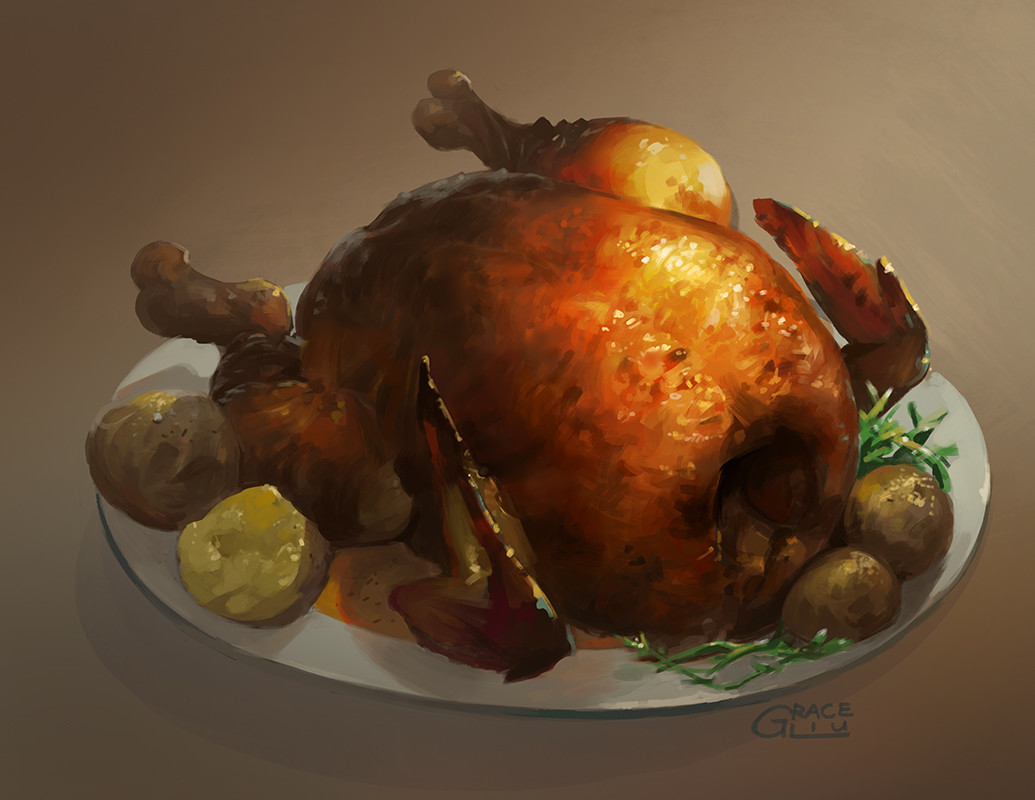
Empath
Unfathomable connection with the world around them, empaths feel all that surrounds them. They bond with parts of humanities psyche giving them control over emotions, thoughts, and willpower. Empath's are born with a natural inclination to help those around them as they feel the pain and suffering of all living things.


Empath
| Level | Proficiency Bonus | Features | Cantrips Known | 1st | 2nd | 3rd | 4th | 5th |
|---|---|---|---|---|---|---|---|---|
| 1st | +2 | Empathic Connection | 2 | — | — | — | — | — |
| 2nd | +2 | Spellcasting, Fighting Style | 2 | 2 | — | — | — | — |
| 3rd | +2 | Shared Sense, Change of Heart (1/day) | 2 | 3 | ─ | — | — | — |
| 4th | +2 | Ability Score Improvement | 2 | 3 | ─ | ─ | ─ | ─ |
| 5th | +3 | Cantrip Attack | 3 | 4 | 2 | — | — | — |
| 6th | +3 | Empathic Connection Feature | 3 | 4 | 2 | — | — | — |
| 7th | +3 | ─ | 3 | 4 | 3 | — | — | — |
| 8th | +3 | Ability Score Improvement | 3 | 4 | 3 | ─ | ─ | ─ |
| 9th | +4 | — | 4 | 4 | 3 | 2 | — | — |
| 10th | +4 | Change of Heart (2/day) | 4 | 4 | 3 | 2 | — | — |
| 11th | +4 | ─ | 4 | 4 | 3 | 3 | — | — |
| 12th | +4 | Ability Score Improvement | 4 | 4 | 3 | 3 | ─ | ─ |
| 13th | +5 | Empathic Connection Feature | 5 | 4 | 3 | 3 | 1 | — |
| 14th | +5 | Total Control | 5 | 4 | 3 | 3 | 1 | — |
| 15th | +5 | ─ | 5 | 4 | 3 | 3 | 2 | — |
| 16th | +5 | Ability Score Improvement | 5 | 4 | 3 | 3 | 2 | ─ |
| 17th | +6 | — | 6 | 4 | 3 | 3 | 3 | 1 |
| 18th | +6 | Empathic Connection Feature | 6 | 4 | 3 | 3 | 3 | 1 |
| 19th | +6 | Ability Score Improvement | 6 | 4 | 3 | 3 | 3 | 2 |
| 20th | +6 | Master of Emotion | 6 | 4 | 3 | 3 | 3 | 2 |
Bleeding Heart
An empath is someone of great passion. They usually have a hard time not wanting to help those in need. Their connection with emotion drives them to passionately help the less fortunate. When you feel all the suffering of the world around you, you cannot help but to try save the people around you. Many empaths will find themselves in trouble with the law. They'd rather stand what they believe is fair and right rather than stand with opprressive law.
Closed off
Although, an empath is very connected to emotion and can be passionate in helping others they tend to try and hide their personal feelings from the world. They would rather not burden others with what they feel everyday.
This results in lashes of intense emotion when they can no longer hold their tongue. You just don't want to be on the bad side of an empath's true power.
Creating an Empath
When creating an empath, think about what their cause is, why they fight. They are passionate about something, very much so, what is it? Where did this power of theirs arise; were they born with it? Was it unlocked after a highly emotional stage in life? Talk to the DM about how an empath fits into the world.
Quick Build
You can make a empath quickly by following these suggestions. First, make you highest ability score Wisdom, followed by Dexterity. Second choose the sage background.
Optional Rule: Multiclassing
If your group uses the optional rule on multiclassing in the Player's Handbook, here's what you need to know if you choose empath as one of your classes.
Ability Score Minimum. As a multiclass character, you must have at least a Wisdom score of 13 to take a level in this class, or to take a level in another class if you are already an empath.
Proficiencies Gained. If empath isn't your initial class, here are the proficiencies you gain when you take your first level as a empath: light armor and simple weapons.
Class Features
As a Empath, you gain the following class features
Hit Points
- Hit Dice: 1d8 per Empath level
- Hit Points at 1st Level: 8 + your Constitution modifier
- Hit Points at Higher Levels: 1d8 (or 5) + your Constitution modifier per Empath level after 1st
Proficiencies
- Armor: Light armor
- Weapons: Simple weapons, short swords, scimitar, hand crossbow
- Tools: none
- Saving Throws: Wisdom, Dexterity
- Skills: Choose three from: Insight, Perception, Medicine, Arcana, Investigation, Deception, or Persuasion
Equipment
You start with the following equipment, in addition to the equipment granted by your background:
- (a) a Scimitar or (b) shortsword or (c) two simple weapons
- (a) Shortbow and quiver of 20 arrows or (b) scimitar or (c) shortsword
- Leather armor
- (a) Scholar's pack or (b) explorer's pack
Empathic Connection
Starting at 1st level, you empathize more with one aspect of humanity, specializing in reading and connecting to it. You gain your empathic connection: Mind, Body, Soul, or Dreams.
Each of which is detailed at the end of the class description. You gain additional features in the chosen connection again at 7th, 13th, and 18th levels.


Cantrips
At 1st level you know two cantrips from the Empath spell list below you learn more cantrips as you level up in this class as shown in the cantrips known column of the Empath feature list.
Spell Casting
At 2nd level, you gain the ability to cast spells. Wisdom is your spell casting ability for this class. You can prep spells equal to your wisdom modifier (minimum of 1) + half your level in this class rounded down. You prep your spell after each long rest.
Spell Save DC
Spell attack modifier
Connection Casting
Your spell list for this class is specific to your Empathic Connection. Your Empathic Connection spell list will be listed after the Empathic Connection descriptions. This excludes your cantrips which are the same for every Empath.
Fighting Style
Also, at 2nd level you get a fighting style, choose one:
Force Shield. As a bonus action you can create a small barrier around yourself giving yourself +2 to AC until the start of your next turn.
Swift Fighting. You can add your Wisdom modifier to your Initiative Bonus, you also gain 10 feet of movement
Perceptive Strikes. You can use your Wisdom for weapon attack bonus and damage instead of Dexterity or strength you’d normally use.
Dueling. When you are wielding a melee weapon in one hand and no other weapons you gain a plus 2 bonus to attack
Cantrip Specialist. your attack bonus for damaging cantrips increases by 2.
Change of Heart
Also, at 3rd level, you may as an Action change the way a creature feels. The creature within 30ft of you must make a save against your spell save DC. If the creature saves it is unaffected by this ability and you can not use this ability again on that creature for 24 hours. If the creature fails the save you may choose one of the following emotions the creature now feels:
Anger. creature becomes hostile to nearest target and attempts to attack them on their next turn
Sadness. target does not attack anything but can go about it’s turn otherwise normally
Scared. Target becomes frightened of you for 1 round and can not move closer to you
Disgust. Target moves away from you as it possibly can with its movement but can use its action as normal
You can do this once per long rest. At 10th level you can do this twice per long rest.
Ability Score Improvement
Ability score improvements at 4th, 8th, 12th, 16th, and 19th levels.
Cantrip Attack
At 5th level when you use an action to cast a cantrip you may make one weapon attack as a bonus action.
Total control
At 14th level your Change of Heart ability now can last up to 1 minute being able to hold the creatures emotion at whichever you chose. The creature can attempt to save again at the end of each of its turns. You can attempt to change the emotion of the creature under this affect but the creature may make another save if you do this.
The range increases to 60ft.
Master of Emotion
At 20th level, you have learned to have total control over any creatures emotion. When you start combat with zero uses of Change of Heart you regain one use. You can make two attacks when you take the attack action after casting a cantrip. You resist psychic damage.

Empathic Connection
An empath typically will focus on one aspect of humanity to connect with over others. Here are the connection options you can choose from at 3rd level.
Mind
You are connected with people's thoughts. You have control over their actions and how they think. Empath's that focus on the mind understand how to protect themselves from psychic warfare while controlling those around them.
Easy Access
At 1st level, when you cast a divination or enchantment spell or cantrip that requires a saving throw you can use your reaction to give a targeted creature disadvantage on the roll. You can do this after you know the result of the roll. You can do this a number of times equal to your Wisdom modifier. You regain all expended uses of this ability after a long rest.
Wave of Confusion
At 6th level. As an action, you can send out a wave of emotion that can overcome creatures within 30ft of you. Choose a number of creatures equal to your wisdom modifier. They make a save against your spell save on a fail they are confused for 1 min, they can make the save again at the end of each of their turns. you can use this once per long rest.
Mind Shield
At 13th level, you gain advantage on all saving throws against any charm or frighten affect. You also can no longer be the target of any divination magic or any affect that would allow a creature to read your mind.
Mind Reader
At 18th level, you can concentrate on a creature for at least 1 minute, that creature can make a wisdom saving throw against your spell save DC. On a failed save you can see the memories of the creature from the past 24 hours. For each additional minute you concentrate you may add an additional 24 hours to the viewed memories. Up to a max of 10 minutes. On a successful save you cannot read the creatures memories and cannot try again on that creature for 24 hours. You can use this ability once every short or long rest.

Body
You can feel the pain and growth of everything around you. Empath's with a body connection understand how to best help or harm the physical attributes of people.
Ebb and Flow of Life
At 1st level, you may use your reaction to reduce incoming damage to yourself or inflict larger wounds onto an enemy. When you are hit with an attack you can use your reaction to reduce the damage taken by an amount equal to your Wisdom modifier + half your empath level rounded down.
Alternatively, you may use your reaction after you deal damage to a creature with a cantrip or spell of 1st level or higher to increase the damage taken by that creature equal to your empath level.
You can use this feature a number of times equal to your Wisdom modifier (minimum of 1). You regain all expended uses of this feature after a long rest.
Defensive Skin
At 6th level, when you are wearing no armor and not wielding a shield, your AC equals 10 + your DEX mod + your proficiency bonus.
Protective Body
At 13th level you gain the ability to potentially make attacks miss. When you are hit with an attack you can use your reaction to add your Wisdom modifier to your AC for that turn (minimum of 1) potentially causing the attack to miss. If the attack misses you can immediately make one weapon attack against that creature as part of the reaction.
All on the Battlefield
At 18th level, you can make a last ditch effort attack. As an action, your body explodes in a 30ft radius dealing psychic damage equal to your WIS mod + your proficiency mod + your AC + half your maximum health rounded up + your empath level. Creatures within the radius must make a DEX saving throw against your spell save DC. If successful they take half damage. After you do this ability your AC is set to 10 and cannot be increased and your maximum health is reduced to half rounded up. You revert back to how you were before this attack after a long rest.
After you use this ability you cannot use it again for another 7 days.

Dreams
You are connected with the realm of dreams. You can understand people on a deeper level that what's on the material plane. With this connection you can manifest that which is imagination or bring someone's nightmares to life.
Duplicate
Starting at first level you can split your body in two. As an action on your turn you can make an identical image of yourself for 1 minute within 30ft of you at a point you can see. This image can be targeted as a creature. It has the same stats as you and takes its turn directly after yours. When you make this image some of your life is transferred into it, it is apart of you, your health is cut in half rounded up and can not exceed this new maximum for the duration. Your image’s health is equal to half your health rounded down. When your Duplicate is up you can only take one action or bonus action, but can still move your full movement. Your duplicate can also do only one action or bonus action on its turn and move up to 30ft, but must stay within 120ft of you. Your duplicate can cast spells as if you were the one casting spells, using up one of your spell slots. The duplicate cannot concentrate on a spell, but any spell with target of self that you cast targets both you and your duplicate.
After the duration ends or you or the duplicate is reduced to 0 hit points you fuse together at the point where you are standing. Your hit point maximum is restored to normal. Combine the total current health of you and your duplicate, that is your current total health.
You regain use of this ability after you take a short or long rest.
Illusory Replacement
At 6th level when you are hit with an attack you or your duplicate can switch places with an illusion. As a reaction when you are hit with an attack you or your duplicate can teleport up to 30ft away from where you were hit to a point you can see leaving behind an illusion of yourself. Any creature must make an Investigation (INT) check against your spell save DC to understand that this is an illusion. This illusion of yourself lasts until the end of your next turn. You can do this a number of times equal to your Wisdom modifier (minimum of once). You regain all instances of this ability on a long rest.
Double Concentration
Starting at 13th level, you and your duplicate can now each concentrate on a spell that require concentration. However, if you or the duplicate takes damage you must roll a concentration check for both of the spells.
Quadruplicate
At 18th level you can now split into four separate beings. Each duplicate functions the same as normal but now your health is split four ways instead of just in half. (Altogether you can only use 2 bonus actions and 2 actions.) You can still only concentrate on two spells at a time. You can use this feature whenever you use your duplicate feature.
Soul
You are connected to the life force of all living creatures. When an empath is connected with the soul they understand how to balance the line between life, death, and growth.
Soul Transference
At 1st level as an action you can touch an unconscious creature that has been reduced to zero hit points and transfer your life to them. The unconscious creature regains hit points up to your Empath level + your Wisdom modifier; you lose hit points equal to the amount the creature healed. You can do this a number of times equal to your Wisdom modifier (minimum of once). You regain all expended uses after a long rest.
Mortal Coil Contingency
At 6th level when you drop to 0 hit points you can transfer your soul into a new vessel. As a reaction when you drop to 0 hit points you can inhabit any dead creature within 60ft of you. You are considered under the affects of the polymorph spell, however, your intelligence stays the same and you can still cast spells as if you were the one casting the spell as long as you have the components to do so. If you drop to 0 hit points while in this form your soul returns to its original body and you are considered unconscious and dying.
While your soul is outside your body you do not need to make death saving throws and cannot fail or succeed death saving throws. Spells, features, or items that restore hit points do not work on your body, as well as, spare the dying cantrip does not stabilize you.
After you use this feature you cannot use it again until you finish a long rest.
Medium
At 13th level, you can cast speak with dead spell a number of times equal to your wisdom modifier (minimum of once) at base level without expending a spell slot. You regain all uses after a long rest.
You can also cast contact other plane spell a number of times equal to your wisdom modifier (minimum of once) at base level without expending a spell slot. You regain all uses after a long rest
Manifestation of the Soul
At 18th level, your soul manifests itself around you taking the form your true self. As an action you can manifest your soul around your body like armor for 1 minute. During this state you gain the following benefits:
- Your weapon attacks deal radiant or necrotic damage
- You gain resistance to Bludgeoning, piercing, and slashing damage of any kind
- All spells or features that allow a creature to gain life have that creature heal that many hit points + your wisdom modifier x 2
- You cannot be knocked unconscious while in this form. If you drop to zero hit points you can keep fighting until this feature wears off.

Mind Spell List
1st Level
- Animal friendship
- Bane
- Beast bond
- Bless
- Cause fear
- Charm person
- Command
- Compelled duel
- Comprehend language
- Detect magic
- Detect good and evil
- Detect poison disease
- Dissonant whispers
- Heroism
- Hex
- Identify
- Sleep
- Tasha’s hideous laughter
2nd Level
- Augury
- Beast sense
- Blindness/deafness
- Calm emotions
- Crown of madness
- Detect thoughts
- Enthrall
- Hold person
- Locate object
- Mind spike
- See invisibility
- Suggestion
- Zone of truth
3rd Level
- Catnap
- Clairvoyance
- Enemies abound
- Fast friends
- Fear
- Motivational speech
- Sending
- Tongues
4th Level
- Arcane eye
- Charm monster
- Compulsion
- Confusion
- Divination
- Dominate beast
- Locate creature
5th Level
- Commune with nature
- Contact other plane
- Dominate person
- Geas
- Hold Monster
- Legend lore
- Modify Memory
- Rary’s telepathic bond
- Scrying
- Synaptic static
Body Spell List
1st Level
- Absorb elements
- Arcane weapon
- Burning hands
- Chaos bolt
- Chromatic orb
- Hellish Rebuke
- Ice Knife
- Inflict wounds
- Magic missile
- Mage armor
- Protection from good and Evil
- Sanctuary
- Shield
- Witch bolt
2nd Level
- Acid arrow
- Aid
- Arcane lock
- Dragon’s Breath
- Flame Blade
- Lesser restoration
- Moon beam
- Pass without a trace
- Protection from poison
- Scorching ray
- Warding bond
3rd Level
- Beacon of hope
- Counter spell
- Dispel magic
- Erupting earth
- Fireball
- Glyph of warding
- Lightning bolt
- Leomund’s tiny hut
- Melf’s minute meteors
- Protection from energy
4th Level
- Aura of life
- Aura of purity
- Evard’s Black tentacles
- Fire shield
- Ice storm
- Otiluke’s resilient sphere
- Storm sphere
- Vitriolic sphere
5th Level
- Antilife shell
- Cone of cold
- Destructive wave
- Dispel evil and good
- Flame strike
- Greater restoration
- Immolation
- Maelstrom
- Planar binding
Dreams Spell List
1st Level
- Catapult
- Color spray
- Create or destroy water
- Disguise self
- Distort value
- Ensnaring strike
- Entangle
- Find familiar
- Fog cloud
- Grease
- Hail of thorns
- Illusory script
- Silent image
- Tenser’s floating disk
- Unseen servant
2nd Level
- Aracnist’s magic aura
- Blur
- Cloud of daggers
- Darkness
- Dust Devil
- Find steed
- Flaming sphere
- Flock of familiars
- Invisibility
- Magic mouth
- Mirror image
- Misty step
- Phantasmal force
- Shadow blade
- Silence
- Web
3rd Level
- Blink
- Call lightning
- Conjure animals
- Conjure barrage
- Create food and water
- Fear
- Galder’s tower
- Hypnotic pattern
- Major image
- Phantom steed
- Sending
- Thunder step
4th Level
- Conjure minor elemental
- Conjure woodland beasts
- Dimension door
- Find greater steed
- Galder’s speedy courier
- Grasping vines
- Greater invisibility
- Guardian of faith
- Hallucinatory terrain
- Leomund’s secret chest
- Mordenkainen’s faithful hound
- Phantasmal killer
- Watery sphere
5th Level
- Cloudkill
- Conjure elemental
- Conjure volley
- Creation
- Dream
- Far step
- Insect plague
- Mislead
- Seeming
- Steel wind strike
- Teleportation circle

Soul Spell List
1st Level
- Arcane weapon
- Bane
- Cause Fear
- Create or Destroy water
- Cure wounds
- Expeditious retreat
- False life
- Feather fall
- Healing word
- Hellish rebuke
- Jump
- Longstrider
- Purify food and water
- Ray of Sickness
2nd Level
- Alter self
- Barkskin
- Blindness/deafness
- Darkvision
- Dragon’s breath
- Earthbind
- Enhance ability
- Enlarge/reduce
- Gentle repose
- Healing spirit
- Knock
- Levitate
- Magic weapon
- Maximillion’s earthen grasp
- Prayer of healing
- Pyrotechnics
- Ray of enfeeblement
- Rope trick
- Skyerite
- Spider climb
3rd Level
- Animate dead
- Aura of vitality
- Bestow curse
- Elemental weapon
- Erupting earth
- Feign death
- Gaseous form
- Haste
- Life transference
- Mass healing word
- Plant growth
- Revivify
- Slow
- Speak with dead
- Spirit guardians
- Vampiric touch
- Water breathing
- Water walk
4th Level
- Blight
- Control water
- Death ward
- Elemental bane
- Fabricate
- Polymorph
- Shadow of moil
- Stone shape
5th Level
- Antilife shell
- Awaken
- Contact other plane
- Contagion
- Control winds
- Danse Macabre
- Enervation
- Mass cure wounds
- Negative energy flood
- Passwall
- Raise dead
- Reincarnate
- Telekinesis
- Transmute rock

Empath Cantrip List
Cantrips (0 Level)
- Acid Splash
- Blade Ward
- Booming Blade
- Chill Touch
- Control Flames
- Create Bonfire
- Dancing Lights
- Encode thoughts
- Friends
- Frostbite
- Green-Flame Blade
- Gust
- Infestation
- Light
- Lightning Lure
- Mage Hand
- Mage Hand
- Mending
- Message
- Mind Sliver
- Minor Illusion
- Mold Earth
- Poison Spray
- Prestidigitation
- Produce Flame
- Ray of Frost
- Resistance
- Shape Water
- Shocking Grasp
- Spare the Dying
- Sword Burst
- Thunderclap
- True Strike
Have Fun
and
Run DnD
This book is intended for fun. Many homebrew items were inspired by common archetypes or funny concepts.
Florans were taken from the plant species of the Chucklefish game Starbound, and Half-caps were created from Zee Bashew's YouTube video about honoring Stan Lee's Spider-man.
The restoration wizard was a subclass idea thought up by SabotageThis form r/UnearthedArcana that I found very well done. I changed a bit, however, I added it for my players to have even more fun options.
All other ideas were created by me, Kielhaul, from scratch with some help from friends for opinions. Not to mention a special thanks to my fiancée for the support.
More Credits
Artists and Inspiration:
Joseph Meehan
Wargroove
Todd Lockwood
Greg Opalinski
Victor Adame
Livia Prima
Tyler Jacobson
Zee Bashew
flamableconcrete
SabotageThis
Chucklefish
Tomek Larek
Eric Deschamps
Patrik Hjelm
Mage Hand Press
Veli Nystrom
Jack Wang
Willian Murai
Viktor Mukhin
Jesper Ejsing
Anna Steinbauer
Chris Rallis
Wesley Burt
Kyle Anderson
Svetlin Velinov
Gabriel Cassata
KyuYong Eom
Veronika Firsova
Antonio Stappaerts
Rina Sæthra
Servando Lupini
LiXin Yin
WOTC
Blizzard
Lucas Gracland
Grace Liu
Julien Gauthier
Zheng Gin
_Z eD _
Nick Silva
Zack Stella
Bayard Wu
Igor Artyomenko
Jason Nguyen
Raul Bottero
Tim Shepherd
Richard Wright