

Forgotten Realms Cosmology
Making Planar characters is no easy feat in any setting. Typically the generic cultures of known fantasy tropes aren't used and some research must be done to create a character that matches the plane they come from.
Forget everything you know and dive headfirst into this summary of the Forgotten Realms Cosmology. Use the FR wiki, Dungeon Master's Guide, and Mordenkainen's Tome of Foes alongside this resource.
General Cosmology
Alongside older renditions of the FR cosmology is the Great Wheel Cosmology, which describes a planescape that supports all pantheons and all planes residing in somewhat concentric spheres. This structure doesn't actually tell you how each of the planes are actually connected, but does tell you how related each plane is to the Prime Material. Traveling between planar domains is done by the use of a Transitive Domain, color pool, or conjuration magic.
The closest Inner planes are often mirror images or renditions of the Prime Material while further out they are are described as pure elemental descriptions. The wax holding together the inner planes is the Ethereal plane while the Elemental Planes are surrounded by an Elemental Chaos, an amalgamation of all things chaos where some outer planes reside within. Between each elemental plane, not within the elemental chaos, are the para-elemental planes which tend to be a combination of the neighboring elemental planes.
The Outer planes are interconnected by the Astral plane at the first layer and are organized by alignment in a wheel radiating outwards from a center of true neutrality, hence the name Great Wheel.
Inner Planes
The Inner Planes contain some of the most hostile environments. A conglomeration of the central aspects of physical reality creates a vivid and intense set of landscapes. Creatures inhabiting these planes typically could survive well in that plane's environment.
Elemental Planes
The elemental planes are the group of six planes placed on the inner-most sphere of the Great Wheel Cosmology outside the Ethereal Plane. Combined with the 4 Para-elemental and 8 Quasi-elemental planes the Elemental Planes are a diverse environment home to creatures who thrive in their natural element.
This resource won't go into more detail about each para and quasi plane, but will talk about the 6 major elemental planes.
Air
A plane of pure atmosphere that is essentially entirely air. Pockets of steam, mist, smoke, poison, or other vapors occasionally appear outside of the majestic sapphire sky that surrounds everything.
The most common denizens of this plane are complete invisible, but outside of the natives are the immigrated djinn, aarakocra, mephits, arrowhawks, and other material creatures with flight. These immigrated denizens have built islands or even fortresses that float through magical means throughout the plane like the Citadel of Ice and Steel.
Earth
Known for its abundance of large gems and huge ore deposits the elemental plane of earth is an infinite expanse of solid matter pockmarked with other elements and scarred by fissures and tunnels created by its denizens. The entire plane moves in a violently slow grinding motion that can snap at any moment. Nearly every form of natural solid matter can be found on this plane.
The most common denizens of this plane are elementals with a blocky appearance ranging in all sizes. Creatures that immigrated from the Prime Material plane are typically more crystalline or alien-looking with a taste for metal. These immigrants also include Basilisks, Dao, Gargoyles, Dwarves, Dragons, Giants, and Wraiths.
Fire
Without ever needing fuel or air the elemental plane of fire is pure flame incarnate that can take on any form. Without protection from the intense heat, toxic atmosphere, and constant threat of internal immolation the elemental plane of fire is intense.
Outside of the Great Conflagration that borders the plane and acts like a star for almost everything in the planescape the inhabitants who don't resemble fire or lava are typically immigrated creatures like the efreet, dragons, hell hounds, devils, and giants. The epicenter of all cultures in the elemental plane of fire is the City of Brass. It also serves as a major trade center for the inner planes.
Negative Energy
Otherwise known as the Plane of Death, the negative energy plane is a pure extension of the Shadowfell and opposes the positive energy plane. All forms of life and energy are vulnerable to the plane's landscape whereas undead can travel with impunity.
Being a featureless void of blackness with no air or gravity the negative energy plane, along with the positive energy plane, is the least pure example of an inner plane. Powerful undead wade through this plane looking for living creatures to sap life-force from.
Positive Energy
Otherwise known as the Plane of Life, the positive energy plane is the opposition to the negative energy plane and despite it's nickname can be quite dangerous to those without protection traveling through it.
An empty blinding firestorm of life-giving light that can kill through its sheer overwhelming power. Cells burst with positive energy and all who look into the blinding conflagration soon join it as they swirl into its maw. Without a breathable atmosphere or gravity the plane of life surprisingly harbors little to no life at all.
The plane can heal any ailment, but can also bring fatalities to those who can't escape its possession. Mundane objects have also reportedly come to life upon exposure to the plane and diseased travelers only grew more weary upon exposure. Life is given to all things.
Water
An endless ocean without depth feels like a shallow body of water anywhere else. Though temperature, current, and salinity can vary the elemental plane of water teems with life among massive floating reefs like floating islands.
Aside from naturally occurring elementals the elemental plane of water is home to marid, nereids, tritons, aboleth, dragons, sea hags, and other aquatic demi-human monsters.
Parallel Planes
Existing as close to the Prime Material Plane as possible the parallel planes share much of the same geography and inhabitants as the Prime, but these planes are divided by their affinity to Light and Dark, otherwise known as the Fey and Shadow.
Feywild
Otherwise known as the plane of Faerie the Feywild is a place of unusually potent magic and nature. Many creatures that exist within the Feywild are mere Fey 'echoes' of Prime creatures who wield Arcane magic more freely and powerfully along with innate beauty.
As the birthplace of Elves, the Feywild is home to a wide variety of them, though the Feywild is also home to its own shade of grey as the Feydark is home to creatures like Fomorians. The Feywild appears like an overgrown forest in all biomes and climates with creatures like redcaps, boggles, faeries, satyrs, sprites, hags, and meenlocks commonly found throughout.
Shadowfell
Otherwise known as the plane of Shadow, the Shadowfell is a desolate place of death and decay. Echoes of creatures from the Prime Material plane roam the wastes among no color, light, or even celestial objects. Light is muted and landmarks are twisted and altered by the plane's frequently occurring earthquakes called shadow quakes.
Being the home of shadows their is a phenomena in the Shadowfell called shadowstuff that acts like the real matter of shadow, and can be manipulated to create monsters.
A vast landscape with many domains that act differently depending on who reigns them the Shadowfell is mostly home to shadows in all forms, bodaks, cloakers, darkweavers, ephemera, liches, shadar-kai, spectres, and wraiths.
Prime Material Plane
Known commonly as Toril the Prime Material Plane exists much like Earth in the solar system, but in the case of this planescape is home to only two naturally occurring realms. For most of time Torial was under the control of Primus and his Sphinx Eternals. These Sphinx Eternals closed off most transportation between the planes, only allowing the Parallel and Transitive planes to naturally occur on Toril.
The current planar year is 0 DR.
Marmadas
The setting of the previous campaign. Marmadas is in it's 4th age of Adventuring, and after an event known as the Reawakening, planar travel is now possible between the Prime Material and the rest of the planescape.
Player Characters will not be made from this realm, but if one wants more information on what the Prime Material is like, see this outdated, but complete Guidebook and this more recent Guidebook of Sans-Basin Marmadas.
With a very active and ever-changing landscape, Marmadas is home to mostly Humans and other common races in the PHB. Consider avoiding these races when creating your character as they are less-naturally occuring within the planescape due to previous events restricting travel.
Underdark
A vast underground network of caverns and tunnels the Underdark is an entirely different world compared to Toril, and has its own pathways into other parts of the planescape.
From small subterranean fissures, to wide expanses of deep water and coral caves, to hollowed out ice caves the Underdark is a varied landscape with magma rivers and earthquakes making mapping unreliable. Varied temperatures and fungal plant life make for either clammy or chilly environments that create differing domains for its inhabitants.
Outside of Fungi most creatures within the Underdark have developed blindsight or darkvision. Creatures such as Aboleth, Beholders, cloakers, derro, drow, duergar, illithids, kuo-toa, and svirfneblin.
Outer Planes
The outer-most concentric sphere on the Great Wheel cosmological model is known as the Outer Planes, seventeen realms sometimes composed of multiple layers and divided into two general alignments.
The outers planes go outside the norms of reality and are the both creative and exaggerated result of their representative spoke in the planescape. Inhabitants are typically a result of their alignment rather than their adaption to the environment like in the Inner Planes.
Lower Planes
Planes within the Outer layer of an evil alignment are considered to be Lower Planes. Nicknamed the Fiendish planes, the river Styx travels through each of these planes.
Abyss
Birthplace of demons with infinite layers the abyss is a violent, malevolent place where the landscape itself tortures the mind and body. The abyss is a chaotic evil universe.
Every layer in the abyss has its own characteristics such as terrain, atmosphere, weather, gravity, and material composition. Every inhabitant of the abyss is a demon of some kind, any other type of life is likely imported from another plane whether intended or not.
The abyss is ruled by the demon lords who typically have control over one or multiple layers, at the deepest layers of the abyss reality becomes distorted and much of the elemental chaos' maelstrom mixes within. You can find many powerful sealed primordials and potentially the Prison of the Mad God.
Acheron
An unending war between the alignments of lawful evil and lawful neutral with an emphasis on law, Acheron is the bridge between Mechanus' order and the regimented evil of Baator. A plane symbolizing order over eveil, Acheron's land masses are all blocks of geometric simplicity and made of various earth and metals. The blocks slowly move on a collision course towards one another causing upheaval. Beings move between blocks during a collision like ants fighting one another.
Avalas is the largest planetoid and is at the top of Acheron. It the Astral Plane along with the Outlands. The river Styx along with portals to its adjacent planes would bring the largest armies to its iron surface. Planetoids closer to the bottom of Acheron are typically more two dimensional and made out of stone or scrap metal.
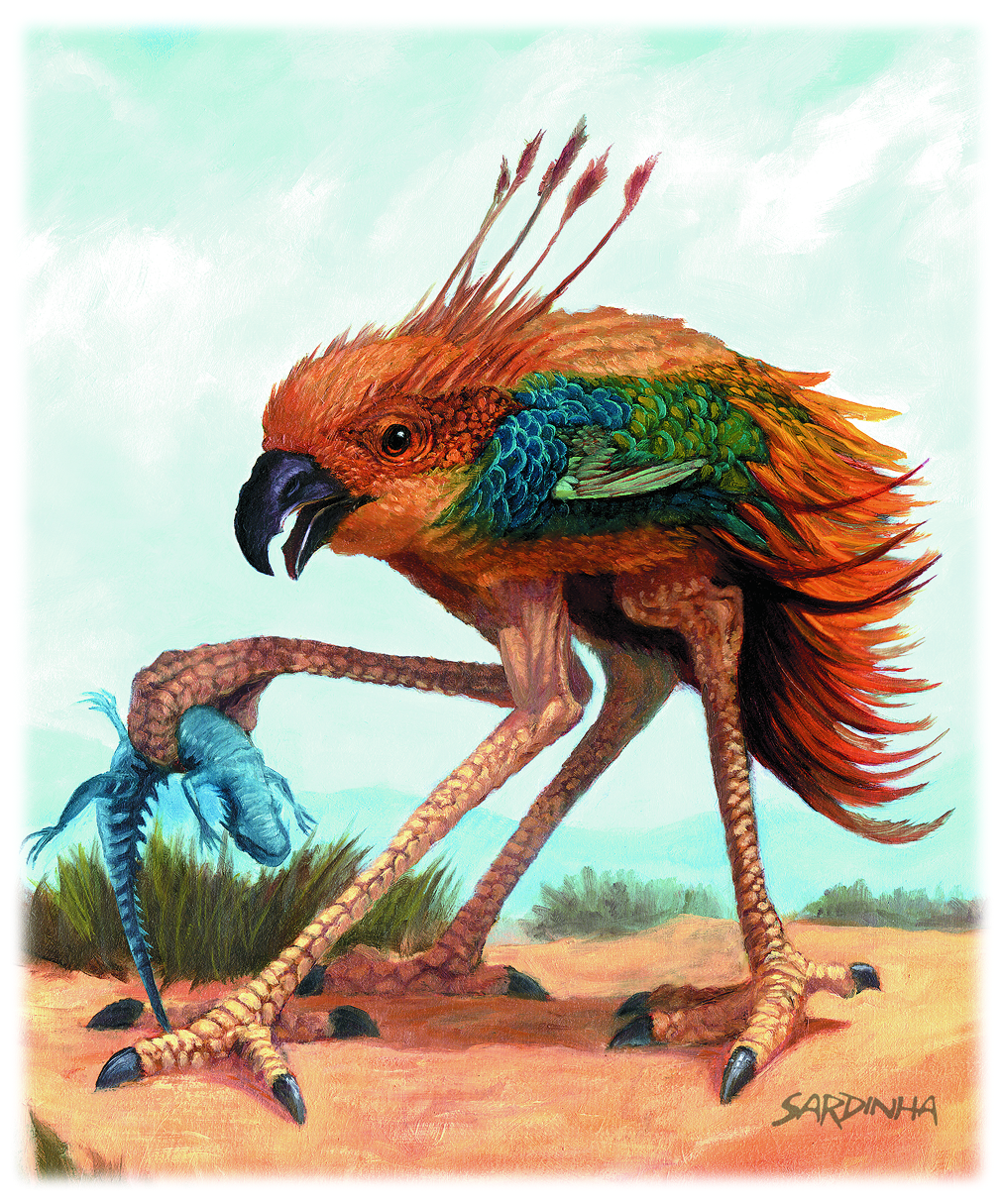
Much of Acheron is inhabited by the spirit legions of humanoids and other soldiers who died in wars after forgetting their purpose. Spirits with the same belief will form nations on the surface of a planetoid and besiege other nations that lack similar beliefs. Humanoids and Goblonoids are an example. Monsters that wander Acheron are typically imps, rust monsters, achaireai and those of its adjacent planes.
Baator
The Nine Hells, otherwise known as Baator in Infernal is the home of Devils. A place of sinister evil and institutional cruelty organized into a strict caste system with a rigid chain of command. Devils are very organized and seek power through status. Baator is a lawful evil plane with nine distinct hellscapes that become more dangerous the deeper one goes. These hellscapes mirror the characteristics of their ruler, and are usually either extremely hot or cold.
Similar to the Abyss the only natural inhabitants of Baator are devils. All other creatures have likely been tricked into the plane. The souls of lawful evil creatures travel through a river of blood known as the river of Styx where they are fished out in Avernus and turned into a Lemure or Nupperibo until they find a way to become a stronger devil.
Carceri
On the border of chaotic and neutral evil is Tarterus. It is on this plane that the Blood War is still contended over. Carceri spans over six layers with an infinite number of worlds arranged like pearls stretching through a air filled void. Each world begins large like Toril, but farther down they become smaller and farther apart. These planetoids have no sun, but give off heat, a dull reddish glow and are volcanic.
The natural inhabitants of this realm are considered to be crafted out of pure evil, and are known as demodands. These creatures rule over Carceri whilst differently aligned fiends fight amongst each other. Other creatures like nightmares, achaierai, mephits, and vargouille simply exist to feed among the torment.
Gehenna
On the border of neutral and lawful evil Gehenna's gravity is set at a permanent 45 degree angel to the ground. Making travelers feel as though they are on the side of a mountain with no base or peak. Much like Carceri, the surface is volcanic and divided into 4 distinct layers. Each layer represents each stage of a mountain's lifespan from the river Styx cascading down its slopes, to a violently toxic lavascape, to a dark and cold wasteland devoid of life.
Native to this plane are barghests along with pyroclastic dragons. All other creatures originated from other adjacent lower planes seeking to evade being enslaved. As such Gehenna is known as the Plane of Exile for Fiends.
Hades
Also known as the Gray Waste, Hades is in complete balance between law and chaos. Made up of 3 layers or glooms that are devoid of emotion, hope, and peace. A gray land and sky without celestial bodies. Creatures on the plane are drained of emotions leaving only sadness, ennui and nihilism. Eventually all creatures turn into larvae.
Oinos, the first layer is a land of disease with withering plants amid gray rocky terrain. Niflheim, the second layer is rougher with more foothills and cooler temperatures connecting to Yggdrasil. More vegetation is present since it lacks the disease of the first layer, but everything is cloaked in a fog. Pluton, the third layer is at the base of Mount Olympus and contains nothing but black willow trees and dying poplars.
The rulers of Hades, the Diakk are constantly in conflict with the Yugoloths and other daemonkind. Other creatures like achaierai, nightmares, mephits, and night hags also inhabit the Gray Wastes.
Pandemonium
Also known as the Dismal Caverns, Pandemonium sits between the chaotic neutral and evil alignments. Pandemonium is made entirely of rock pierced by an infinite series of tunnels and caverns of all sizes. Howling winds that carried the sound of every word, shout, or scream uttered in Pandemonium were carried throughout these tunnels.
Beings without protection are rendered permanently deaf within minutes in these tunnels. Fires cannot survive and no natural light is present. Gravity in Pandemonium always pulls away from the center of any cavern so travelers can walk on any surface. Streams of water flow wherever the shortest path laid, even through the middle of air itself.
There are four layers of Pandemonium that range from habitable conditions that harbor life and structures to solid rock without tunnels containing spherical pockets filled with windstorms, vacuums, or a powerful creature's final resting place.
Pandemonium has no indigenous life forms, but Quasits, shadow demons, and bugbear spirits are plentiful.
Neutral Planes
Sitting on three distinct extremes of the Great Wheel the Neutral Planes are the Chaotic Limbo, Lawful Mechnus, and Central Outlands. These planes respresented the finite center of the horizontal space on the Great Wheel.
Limbo
The supreme chaos of Limbo is ever-changing, and non-eternal. Limbo is a twisting maelstrom filled with bits of rock, trees, elements, landscapes, strong wings, and a plethora of creatures. At one time Limbo had five layers, but they have now blended together indistinguishably. The gravity of limbo is subjective leaving the plane a mess of colliding energies.
Native to the plane are the Slaad, but the Githzerai who traveled to Limbo long ago are now a more native presence. There are many powerful beings that exist within Limbo and souls that arrive in Limbo are simply absorbed into the plane.
Mechanus
Otherwise known as Nirvana, Mechanus is a plane filled with an infinite number of massive circular interlocking gears that are habitable. These wheels, which are sometimes country-sized, all turn slowly in synchronicity and contain their own gravity. On this plane of pure Law and order equal amounts of light and dark, heat and cold, and elements are present. Everything has a place on Mechanus, where these is no pain or passion.
Native to this plane are the Modrons, which live in a rigid caste system ruled over by Primus who uses the plane as a means to calculate something.
Outlands
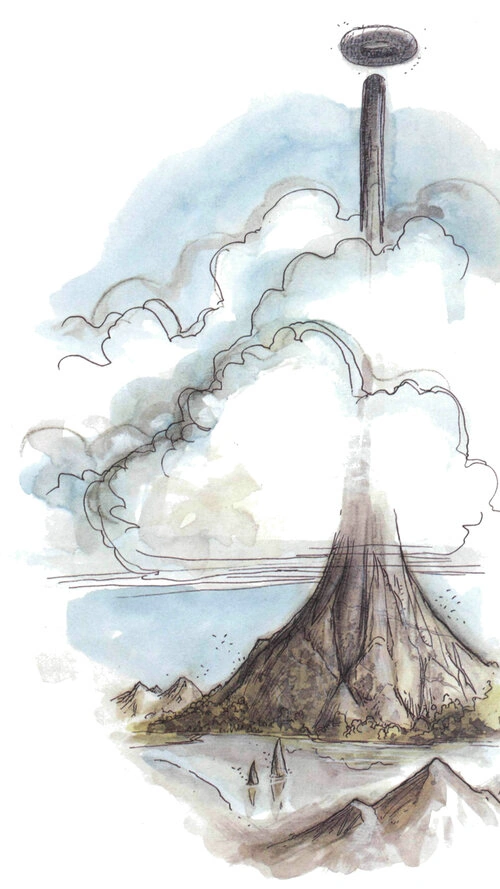
Concordant Opposition exists in the same fundamental place as the Prime Material plane, but rather than connecting to the inner planes, connects to all outer planes. Godsland, known by many many other names is completely unaligned, and while infininte, does have a definite center. At the center of Friendly Opposition is a spire with Sigil at its peak.
Outland defies description by being both new yet familiar to each travelers visit. Grounded by neutral magic causing all things to both heal and damage the most minimum amount Outland exists as a middle ground to even the powers of the divine.
Around the edge of Outland are sixteen evenly space settlements, each of which have been constructed around a portal to a particular outer plane corresponding to the Great Wheel. There are no known native species or races, members of all intelligent species can be found meeting in dead magic zones, trading goods, or traveling between planes.
The City of Doors, otherwise known as Sigil is the self-proclaimed center of the planescape and multiverse. A massive hub for interplanar travel, it is considered a demiplane in the shape of a Torus, where inhabitants live on the inside of the torus surrounding the central spire of Outland. Ruled by the mysterious Lady of Pain, Sigil is kept in balance by her merciless interference to keep divine powers out of the city. Her silent caretakers, the Dabus keep balance among the 50,000 permanent residents, and some 200,000 other temporary residents at a given time.
Upper Planes
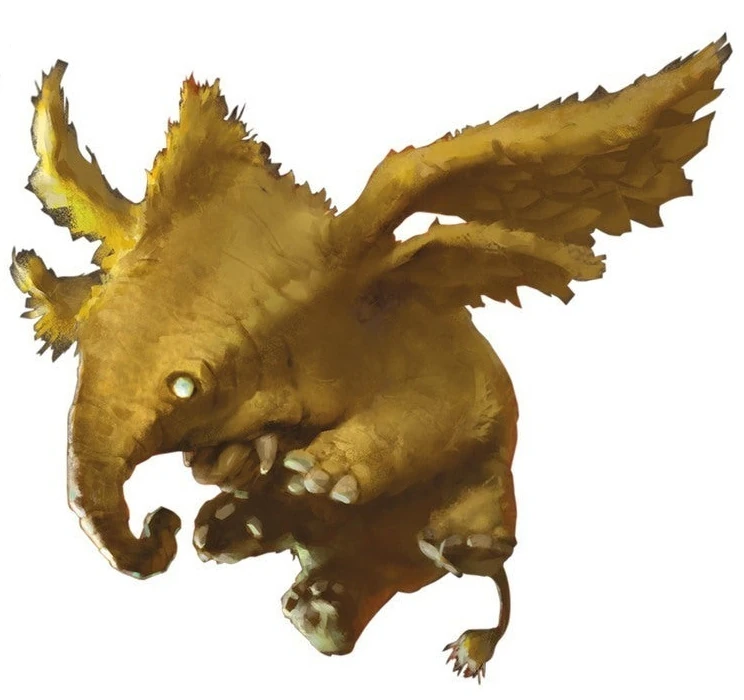
Planes within the Outer layer of an good alignment are considered to be Upper Planes. Commonly found creatures in almost all the upper planes are deva, hollyphant, planetar, agathia, and leonin (foo creatures).
Arborea
Otherwise known as Olympus this plane embodies the disorganization but well-intentioned motives of the chaotic good alignment. The Elven and Greek pantheons are housed within this realm and contains 3 unique landscapes.
The intelligent inhabitants of this plane are typically common upper planes creatures. Arvandor is also home to giant beasts and legendary monsters typically described in real world mythology.
Arcadia
The Peacable Kingdoms of Arcadia represent the alignments of lawful neutral and good and is separated into three similar layers of orderly plains with occasional mountains or hills. An orb of Day & Night makes up the entire sky on a 24 hour cycle. The divine realms spread throughout Arcadia are very orderly and express law in an ideal fashion.
Most living things in arcadia are as they are found in Toril, but are made of metal. All creatures found in arcadia are peaceful in nature and provided you followed their laws. The creatures that live among divine domains are spirits of good warriors along with the occasional upper planes cast.
The Beastlands
Known casually as the Happy Hunting Grounds is the plane representing the alignments of neutral and chaotic good. An abundant and varied world where game and wildlife were supreme. All creatures in this plane are capable of speech and are sentient like humans with the same and magical capability. Many naturally occurring creatures from Toril would have a giant version commonly present.
Split into three layers all heavily forested with both normal and giant foliage. Each layer has its own time of day which never varies and is never plagued by bad weather. The habitats and ecology of the Beastlands is continually and permanently intact.
Bytopia
The Twin Paradises of Bytopia are two layers that represent the lawful and neutral good alignments that are joined by the same sky for both layers. Gravity switches the direction depending on which layer you are closest to and several mountains cross over to one-another allowing passage between layers.
Dothion is a bucolic land of old forests and meadows with gentle weather, while Shurrock has much of the same landscape but has much more variation in weather and seasons. The inhabitants of Bytopia are very industrious and outside of the normal common upper planes creatures there are treants and sentient intelligent animals without the ability to speak.
Elysium
The Blessed Fields of Elysium are the embodiment of pure good without law or chaos. Elysium is made up of four layers that each border the river Oceanus that acts as the counterpart to the river Styx. There are no natural celestial bodies on Elysium, so the divine powers of the realm created vessels that bring day and night. Elysium has a serene and beautiful landscape existing along one riverbank where everything is considered bountiful.
There are many species of fish and wildlife present, but outside of species who choose to live in Elysium like the most common upper planes creatures there are also Moon dogs and phoenixes. The Isles of the Blessed is a home for those who perished in service of good and the heroes of gods spared from death.
Mount Celestia
The Seven Heavens of Mount Celestia is the realm of good and justice tempered with mercy. It is considered the ultimate in law and good where the souls of many lawful good aligned creatures spent the afterlife. Celestia is home to numerous celestial creatures like archons and petitioners. A single colossal mountain range rising from a sea of holy water makes up the plane and is divided into seven layers of infinite space.
Each layer has at least one mountain that must be crossed to travel to the next layer. As one ascended Mount Celestia the rarity of the ore found along with the powers that be in the plane got stronger and stronger.
The domains of many gods could be found in the Seven Heavens where demi-human, shedy, lammasu, and ki-rin pilgrims would visit. Those who reached Celestia in the afterlife would become a Lantern archon.
Ysgard
Alternatively known as Gladsheim, Ysgard is home to the norse pantheon of gods and divides into three layers consisting of tremendous rivers of earth and stone that form cosmic arches through the void like an asteroid belt. Each river makes up millions of miles of gigantic chunks of matter that bump and ground against one another at a violently slow pace. Some mountains and chasms have opened up over time and revealed the burning radiant fire underneath these rivers.
Drawn together by their proximity to Yggdrasil the World Ash this massive tree housed the landscapes that make up life on Ysgard. The inhabitants were mostly Hollyphants and planetars along with other wildlife like bears, wild boars, stags and other woodland creatures. All wildlife were bigger and tougher than on Toril and many Giants of all kinds lived within Jotunheim alongside devas and Celestial Eladrin.
Transitive Domains
A collective term to describe the various means that planes connected between one another. Whether that was a river, mirrored plane, or different plane. These Transitive Domains can be accessed by either magic or portals. The domains listed still exist, but there are some that no longer exist as passages between planes.
Astral Sea
The Astral Plane can be reached at any point from the Prime Material plane, first layer of any outer plane, and some spells. The plane is a vast barren nothingness filled with scintillating clouds and the occasional floating rock. Without gravity most passage through the plane relied heavily on the magic present within the plane. The passage of time and dreams allowed creatures to sail throughout the astral plane without descending too far and entering another plane below the clouds. The power of determination and thought triumphs in this plane where time passes 1000 times faster than in the Prime Material plane.
Native creatures like Astral variations of Dreadnoughts, Searchers, Streakers, Whales, and Dragons are common as descending. But other beings like githyanki, fiends, celestials, slaadi, brain collectors, dhour, and leonin are also common.
Elemental Chaos
Located at the edge of the Elemental Planes where all of the elements have mixed together into a single maelstrom of colliding energies. The elemental chaos is the essence of a chaotic primordial reality. Many realms bleed in and out of the elemental chaos, including the Abyss and Limbo.
While not any more difficult to travel through than any of the other elemental planes, the inhabitants of the elemental chaos wildly vary between demons, elementals, and githzerai. The Elemental Chaos is home to the strangest elemental creatures.
Ethereal
The Ethereal Plane is a realm that mirrors the Prime Material plane at its border and is without gravity. Traveling along the border-ethereal a creature could see the prime material plane, but only dimly and not very far. Those on the Material plane cannot see the material plane without Truesight and neither plane can interact with the other, however one can exist in both simultaneously.
Travel through the Ethereal is done through the force of will. If you wish to go somewhere in this plane, just like in the Astral Sea, you simply willed it. Traveling into the Deep Ethereal causes time to slow down to one tenth the rate and large blobs of protomatter swirl around attempting to form a demiplane. Many static and non-static demiplanes exist within the deep ethereal and are most often accessed by magical casters with the ability to create such a plane.
Ghosts and other spectral creatures roam the ethereal and many lost travelers can also be found in Deep Ethereal.
Styx
The River of Blood known as Styx is a cross-planar river that links the topmost layers of the Lower Planes and is a conduit for souls traveling to the afterlife. The beginning of the river starts in Pandemonium at Pandesmos and ends in a massive waterfall in Archeron at Avalas. The river Styx is deep and swift, such that it could not be forded. The water appears to move slowly and sluggishly, hiding a dangerous current below the surface. A touch or taste of the water is enough to inflict amnesia on the victim, and only certain fiends were immune to this effect.
The river Styx is the backbone for the blood war and at the point where styx passes between the Abyss and Baator the mercenary-like Yugoloths are present.
The Styx's good-aligned counterpart the Oceanus is similar without most of the danger that is naturally present in the lower planes. The waters of Oceanus are sweet and fragrant with a calm surface.
Characters in the FR Planescape
Characters from planes outside of the Prime Material do not have the same culture or understanding that most fantasy RPG characters have. If you come from a place like Arcadia or Mechanus you have no concept of breaking the law and have perhaps never encountered violence. Likewise, creatures from the Lower Planes typically no nothing other than violence.
If your character is of the Outer Planes, they are likely to be stubbornly attached to their alignment and won't budge beyond what they know. Consequently if your character is of the Inner Planes, they may be unable to cope with a landscape that isn't of their particular element.
Characters whose planar alignment oppose one another may be unable to cooperate and characters who align more neutral may not make sense of the more extreme aligned characters.
Zannifar
Once, a bad man Kajitman was, but after Kajitman fell into this world of attractive treasures Kajitman now sees a new destiny for himself. Kajitman refrains from using the language of bleeding trees and instead asks that you live for tomorrow. Avoid the sun and Ravanna like you avoid death my friend.
Zannifar, not described as such in any planar scripture is a plane one does not simply travel to. Without any coordinates on the Great Wheel or any naturally occurring color pool how does one travel there? An anomaly can occur on any plane that is only ever described as a flash or fall that transports life to this place, with no way to escape.
Missing from the Great Wheel
Of the few planescape scholars who have fallen to Zannifar they have all agreed that Zannifar lies in the Neutral space, but tends more towards Chaotic Evil. Some speculate Zannifar is merely a layer of the Abyss titled Layer X or Layer of Madness.
A Barren Wasteland
Without a single body of water, Zannifar is a barren landscape home to navy colored rocks. A meek cloudy sky without any celestial bodies doesn't leave the plane submerged in darkness. A soft blue hue passes through the clouds and onto the plane leaving it dimly lit. Twisted spires of rock commonly coil 10-15 ft. towards the sky or curve towards the ground. There are occasional mountains or hills of stone, but without natural vegetation Zannifar looks less like a canyon and more like Hades.
Everything is a Refugee
No creature ever sought out to be a refugee, so the denizens of Zannifar took on that name, along with everything else that continues to survive in the wasteland. Small settlements survive among safer grounds on the plane, or even underground. A diverse and intelligent group that comes from all over the planescape have put aside some of their grudges to survive in safety. Some who cannot abide by that rule are sent to the wasteland to find another home.
Abundant Madness
While on the Zannifar your sanity is constantly tested. Few creatures are immune to the maddening effects of the plane that will eventually break everyone. Sometimes for good, other times for worse.
Characters in Zannifar usually have a list of triggers that can cause problems if addressed. While on the plane of Zannifar characters may exhibit cues in closer accordance to these articles.
Characters overcoming madness may just return to their unstable state from before, or will seek a new goal.
Ruleset
Taking inspiration from multiple successful tabletop games. This ruleset is intended to be tested over both a long-form and a short-form campaign. Below are modifications intended to promote both a better combat and roleplaying experience in 5th edition Dungeons and Dragons.
Most sections can be accessed from the landing page above. Consult the 5e SRD while reading through each ruling.
Character Creation
Choose your character!
Whether you meticulously draw a character storyboard or just choose your favorite race/class/background combination and run with it, there are some restrictions on how one makes their character.
SRD Policy
Standard Rules Document (SRD) is the published ruleset for D&D 5e. All books produced by Wizards of the Coast are considered to be compliant with SRD. However, there is a variation to what is published, for example, Unearthed Arcana (UA) is playtesting material that sometimes becomes published in new books or adventures. These are the following protocols for character creation under SRD:
- All UA material must be reviewed, and a player that uses any UA material that was subsequently published in a later release must use the latest release of that material.
- All adventure publication material can be used, but a player who wishes to use that material must create a character with that publication's lore in mind.
- All published core materials and supplemental materials do not require prior review unless it is a variant ruling.
UA Changes
The materials present in the UA Class Feature Variants document are to be enabled in the MPMB sheet with the exception to the versatility features. Replacing a feature can be done on request after any milestone.
Homebrew Policy
Homebrew describes house rules that someone has either created for their own game or for the community to use/adapt. D&D 5e is very easy to homebrew and as a result, there is a lot of different material out there. The DM is open to any homebrew material such that it fits the following criteria prior to review:
- A submission's author has a good standing within the homebrew community and has a prior repertoire of works that can also be reviewed.
- The submission of a Class or Subclass does not have an SRD equivalent that could be used instead of a player's niche.
- A submission observes the current setting and does not violate the rules currently in place for the setting.
A review of the homebrew material is then done with the following criteria:
- The proposed material follows the setting materials and the proposed character to go along with it.
- The material is balanced under the DM's discretion. Meaning that it is fair to use in the current campaign conditions.
- The material could not be replaced by an SRD equivalent with a special addendum.
Illrigger
The only piece of homebrew that has already undergone this review and is used along with a reviewed character is the Illrigger. This class is a beta production done by MCDM and if one chooses to play this class they must subscribe to the MCDM discord to receive Illrigger updates and provide feedback to MCDM as they play the class.
Getting Started
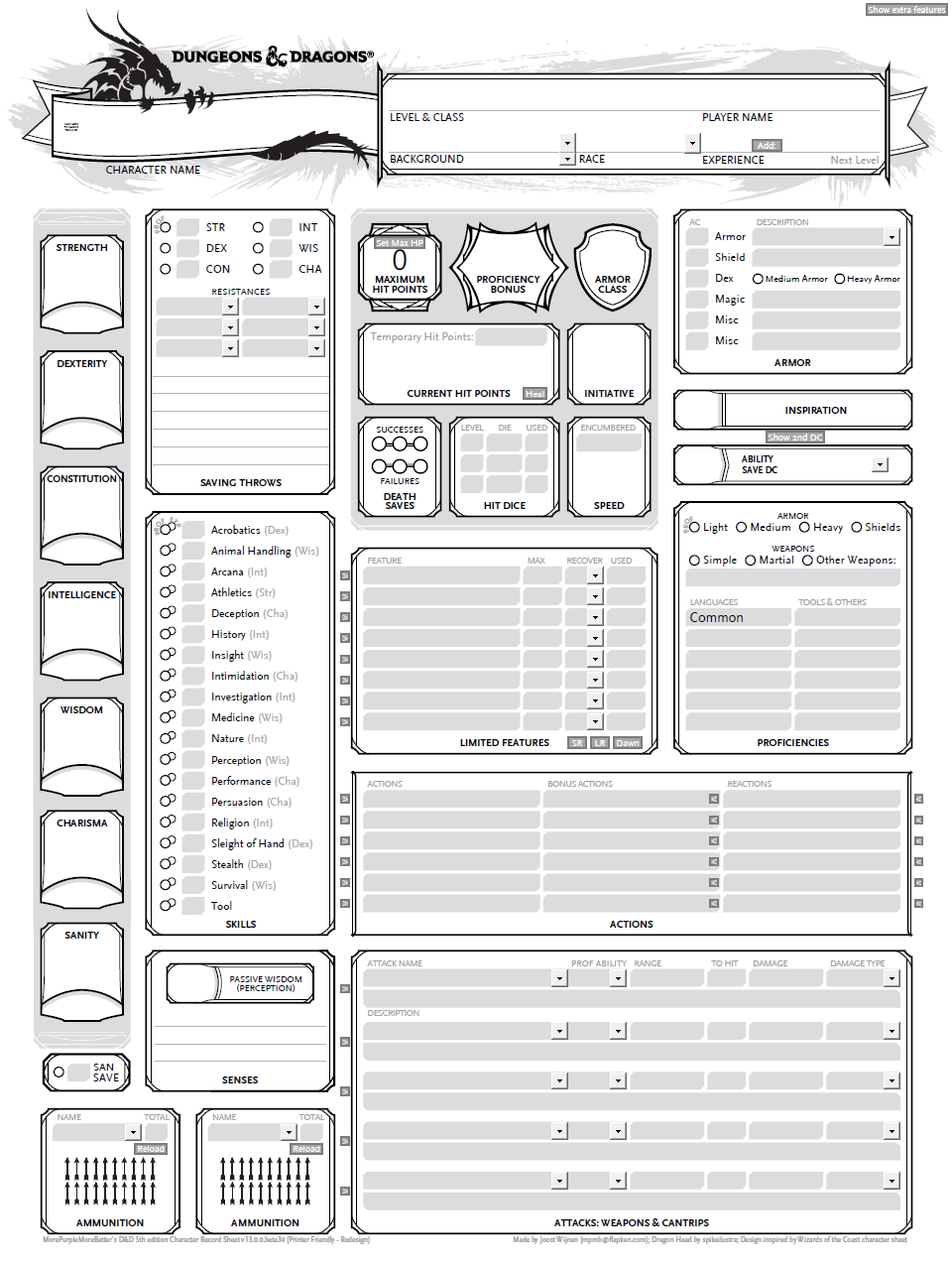
Create your character using the provided MPMB sheet. Follow the automation provided by the sheet with the following pre-configured settings:
- Point buy score creation.
- Hit point calculation using fixed values.
- All select imported materials (Add your own scripts on approval).
- UA class feature variant changes enabled manually at the top of the second page using the Choose Feature button.
- Choose your Background and Background Feature separately to best describe your character.
Starting Equipment
Use the provided starting equipment given by each class then determine the amount of gold and extra items one starts with by consulting the following table based on level:
| Character Level | Starting Wealth | Magic Items |
|---|---|---|
| 1st-4th | 100gp | None |
| 5th-8th | 500gp | 1 Uncommon |
| 9th-12th | 1,000gp | 1 Rare, 2 Uncommon |
| 13th-16th | 5,000gp | 2 Rare, 2 Uncommon |
| 17th-20th | 10,000gp | 1 Very Rare, 2 Rare, 4 Uncommon |
- Plate Armor is considered to be an uncommon magic item in terms of acquisition.
- Characters do not start with any special resources outside the provided materials.
- Check out the Expanded Armory & Gear homebrew built into the equipment provided in the MPMB sheet.
Combat
The bread and butter of any D&D campaign is the combat. Much of the system hasn't been altered from SRD, but some bits and pieces have been altered to make combat a much smoother experience.
Death Saves
Any time a character would fall unconscious they have a chance to gain an injury. In addition, they have a very high chance of sustaining an injury while taking damage and unconscious. To combat this player characters use a system called Death Points to show their stamina when facing near death.
Death Points
Gain a resource called Death Points, where the amount of death points you have is equal to your Constitution modifier (minimum 1). If you would fail a death saving throw while you have any amount of death points remaining you lose 1 death point, become stable. If you would critically succeed on a death saving throw you become stable. Upon fumbling a death saving throw you lose 2 death points instead.
While unconcious, a stable creature does not lose stabilization from taking damage. Taking damage while conscious does remove stabilization. Upon reaching 0 death points, the character reverts to the SRD rules for death saving throws.
Lingering Injuries
In the spirit of making combat more realistic and deadly there is a chance that any creature can sustain a lingering injury based on the table below alongside Farland's injury tables.
| Circumstance | Chance |
|---|---|
| Taking a critical hit | 13% |
| Falling to 0 hit points | 25% |
| Taking damage while unconscious | 38% |
Circumstances may indicate that the chance for injury is either greater or less than the general statistic, and for that reason the DM may alter these general values at their own discretion.
Initiative
Wargames tend to have very complex initiative systems that can better replicate real combat. I am running a roleplaying-centric campaign and making initiative as smooth a process as one can manage. My other rendition of initiative is far more complex.
Delaying your Turn
At the start of your initiative chunk you may declare that you are moving to another initiative chunk. You do not act during this chunk and start your next round in the other chunk. You cannot use your bonus action during this next chunk.
Alternative Modifier
When calculating your bonus to initiative you may use your Intelligence or Dexterity, whichever is higher.
Chunked System
If allied creatures are moving back-to-back in the initiative order, that chunk of players takes their movements, actions, and bonus actions in any order they'd like at the same time.
-
Before anything else, all Death Saves happen at the beginning of its chunk.
-
Player effects that happen at "the start of the turn" and "the end of your next turn" occur at the start of the player's Chunk.
-
Legendary Actions are taken after any player's action.
Spellcasting
During combat while adrenaline is running high spellcasters sling complex incantations without worry, but it can take a toll if exploited too much.
Sanity Saves
During combat there is a chance when casting a non-cantrip spell in which a misfire occurs, causing the caster to be mentally rended. While the spell may not fail it causes the caster to potentially feel uncomfortable or at worst gain a maddening affliction.
There is a 5% chance that this effect occurs, with an additional 10% chance per spell that was previously cast consecutively. The result of this effect is a Sanity saving throw on the following table:
| Sanity Result | Effect |
|---|---|
| 1 | The caster is afflicted with a long-term madness effect |
| 2-4 | The caster is afflicted with a short-term madness effect |
| 5-9 | The spell fails |
| 10 | Misfire, roll on the wild magic table |
| 11-15 | The caster loses the ability to concentrate for 1d10 rounds |
| 16-19 | The caster gain disadvantage on Constitution saving throws for 1d10 minutes |
| 20+ | No effect |
Exploration
Explore and create your own path through the wasteland of Zannifar. There are many different ways for adventurers to thrive on nothing more than wanderlust.
Inspiration
Similar to Action Points in 4e. Every 3 combat encounters you complete you gain an inspiration point. A long rest resets this progress.
- A completed combat encounter is living to the end of the encounter without losing a death point.
- You can have an number of inspiration points equal to your level/5, rounded up and they can be gained through both encounters and 'good' roleplaying. You cannot lose an inspiration point once you obtain it.
- If you would spend an inspiration point, you gain advantage on all rolls for the remainder of the round. All attacks and contests made against you by enemies are made with disadvantage. Any ally attack against you has disadvantage.
Languages
Languages have 3 levels of classification, Basic, Read/Write, or Native, and gaining proficiency in a language depends on how you got that language proficiency. A character may use one of their language proficiency options to either gain a basic understanding in any natural language of their choice, gain a basic understanding in an exotic language that any language they are native with shares the same script, or upgrade their proficiency in a language they have a basic understanding in to Read/Write. See this chart for examples of natural and exotic languages
Each race has a native language that gives them advantage on all knowledge checks related to that language's script, but may choose their native language to be Common.
Leveling Up
Power creep is a situation in which newer abilities and creatures are introduced, leaving the older ones underpowered. To curb progression properly some variance has been introduced in order to stifle dangerous power creep.
Feats
Normally at certain intervals characters would gain access to some of the many feats introduced in both the PHB and XGtE, however in this system characters can only acquire feats through the namesake. Accomplishing extraordinary feats or being taught a selective skill.
Use your Ability Score Improvements to do just that, you do not gain the option to choose a feat at any level increment.
Milestones
Instead of use Experience when leveling up player characters will earn milestones over time, which can be spent during a long rest to level up. These milestones can be earned through some combination of combat, exploration, and character interaction at the DM's discretion.
Magical Items
Charisma represents willpower and can be directly tied to raw magical power. The number of items a character can attune to is equal to their Charisma modifier (minimum 1).
Skills
Skills are an important part of the game, skill challenges will be used frequently. The following rules are put in place to help players gain a better understanding of how to creatively use skills.
Alternative Skills
Rather than using the given ability score for a particular task, one can choose to use a different ability score for the same skill. This may alter the DC required to achieve success and may even change the result entirely depending on the approach one takes. I have provided some examples below:
- Charisma can be used to describe magical awareness, using a Charisma (Arcana) check instead of an Intelligence (Arcana) check may provide more information about any magical auras that can be presently sensed by the character.
- Strength can be used in place of Charisma when making an intimidation check. By using raw presence one might gain the upper hand goading certain NPCs.
- Intelligence can be used in place of Dexterity when doing a Sleight of Hand check to describe the knowledge the character has working with a particular tool instead of inherent muscle memory.
DC Calculation
Any skill can be used for a particular task, what skill one chooses (coupled with the correct ability score, see the next section) determines what Difficulty Class the success of a given skill will require. It is at the DM's discretion to determine what the result of a successful skill check entails depending on the chosen skill. The following table can be used to formulate a general understanding of what an example difficulty class looks like:
| Task Difficulty | DC |
|---|---|
| Very Easy | 5 |
| Easy | 10 |
| Medium | 15 |
| Hard | 20 |
| Very Hard | 25 |
| Nearly Impossible | 30 |
Insight
Outside of its normal use in determining if a creature is telling the truth an Insight check should only be used if the player wishes to learn more about any lore their character would know, but they otherwise do not.
Stacking Bonuses
There are multiple instances in 5e where some bonuses or debuffs do not stack together. The removal of these instances allows for clever control and manipulation of multiple abilities that player characters have access to.
Advantage/Disadvantage
If a character would have an instance of advantage on any roll and then gain another instance of advantage, the next instance of advantage would become an additional 1d6 added before the result. Conversely, any instance of disadvantage on a roll coupled with another instance of disadvantage results in 1d6 subtracted before the result.
Helping other Characters
Instead of individually rolling until the group passes a check, players instead elect one character to roll for the group and any other allowed individuals (at the DM's discretion) may attempt to help the elected character by passing a DC 10 check of the same skill. The character may use any score, but a mismatching score increases the DC to either 20 or 30 depending on how unusable the score is.
On a successful check to help the elected character adds an additional 1d4 to the result of their skill check.
Resistance and Immunity
If a character would have two instances of the same resistance, that resistance becomes immunity to that damage type. A character with multiple instances of the same immunity will gain additional benefits at the DM's discretion. (i.e. healing instead of taking damage of the type in question, weather immunity, etc)
Spell Effects
According to the DMG errata effects with the same name are replaced with the most potent instance of that effect. It is at the DM's discretion to potentially nullify or multiply multiple instances of the same effect.
Recovery
There are many ways of recovering after a long battle. By working more closely with other interpretations of the Gritty Realism or the Grim Rules Variant rules, combat becomes more much dangerous to engage in when the cost to recover is much higher.
Non-Magical Aid
There are many cheap ways to recover health without using the magic of a healing potion. These cheap and craftable herbal remedies do not bring an unconscious character past 0 hit points, stabilize, or cure the unconscious condition.
Short Rests
A short rest is a period of downtime that lasts at least 8 hours, during which a character does not sleep nor do they engage in anything more strenuous than eating, drinking, reading, or tending to wounds. During which time a character can spend any number of hit dice at the end of the duration and is relieved of one point of exhaustion.
Long Rests
A long rest is a period of extended downtime, at least 3 days and nights during which a character sleeps or performs light activity (see Short Rests) and may take a 2-hour watch per day. If the rest is interrupted for more than one hour by a period of strenuous activity, the characters must begin the rest again to gain any benefit.
At the end of a long rest, a character regains all lost hit points, spent hit dice up to half the character's level, expends a milestone to level up if available, and is relieved of all exhaustion. A character cannot benefit from more than one long rest in a 7 day period and a character must have at least 1 hit point at the start of the rest to gain its benefits.
Downtime
The activities one does during downtime are typically difficult to come up with. Outside of the near limitless creative potential here are some basic examples one can use their free time for.
Building a Stronghold
A Stronghold is an expensive and time-consuming effort to get access to some very unique abilities depending on what you build your stronghold into. Rules related to this downtime activity are found in MCDM's Strongholds and Followers (SaF).
Buying Magical Items
If you're looking for a specific magic item you can try and seek a seller for that item. After spending a minimum of 7 days and 100 gp to find a seller you may yield results. Depending on how much time and money you spend searching for that item determines which type of table the DM rolls on to decide that magic item and its price.
If you're searching for a generic seller of magical items you may consider looking at the Carousing section.
Carousing
You may spend up to a week of time carousing a given district to mingle, party, and socialize with members of that social class. At the end of the week you gain a minimum number contacts within that class equal to your Charisma modifier (minimum 1) and any additional depending on your character background and class. A Carousing character must maintain a wealthy lifestyle in order to Carouse.
The generic social class options are the lower, middle, and upper classes but depending on the location some options may not be available.
Crafting Non-Magical Items
Given enough time, tools, and materials you can use your tool proficiency to use or create something. For each day spent crafting, you can craft up to 25 gp worth of items and spend half the cost in raw materials. If the item you are trying to craft costs more than 25 gp, you can make 25 gp of progress towards that item and each additional craftsmen with proficiency can also add 25 gp of progress as well.
Crafting Magical Items
A character who has the ability to cast spells, proficiency in enchanters tools, and proficiency in the required crafting tool can spend the time and money to needed to craft a magical item. There are some additional requirements needed in order to craft an item detailed below:
If one is creating a magical item that involves a spell, weapon, or armor they must be able to cast or be proficient with all aspects of the item they are crafting. Next the caster requires a formula in order to make the magical item if it involves anything else. This can be acquired and purchased by Carousing. Lastly the crafter may need special materials once the formula is acquired. This is determined at the DM's discretion.
If the enchanter is working with an item that is already finished, it takes half the time to enchant it, but twice the amount of special materials if any are required. The following time and cost is detailed in the following table:
An artificer can ignore this entire section and use the pre-built infusion system for their abilities.
| Item Rarity | Cost | Minimum Level | Days | Ingredient CR |
|---|---|---|---|---|
| Common | 50 gp | 3rd | 5 | 1-3 |
| Uncommon | 200gp | 3rd | 10 | 4-8 |
| Rare | 2,000gp | 6th | 50 | 9-12 |
| Very Rare | 20,000gp | 11th | 125 | 13-19 |
| Legendary | 100,000gp | 17th | 250 | 20+ |
Crime
Characters with this particular demeanor can a spend 25 gp and a week planning and executing a heist. The character will undergo a series of skill checks to perform this high risk activity and if successful will walk away from that week with a small fortune.
Gaining Renown
Gaining renown involves doing small tasks for and socializing with a particular faction that the party has identified through Carousing. If you spend a number of days equal to 10x your current renown level with that faction you can gain a level of trust with this faction and gain access to new opportunities with them.
Gambling
If one has proficiency with various gambling tools they might have the opportunity to make a little cash on the side. Spend up to one week and anywhere from 10 to 1000 gp to attempt to do better than breaking even. Any character who gambles can gain up to 3 times their bet no matter what proficiencies they have.
Lifestyle Expenses
While living in urban regions an amount of gold must be spent each day to maintain a particular lifestyle. How much one chooses to spend is determined by the player on the table below:
| Lifestyle | Price per Day |
|---|---|
| Wretched | - |
| Squalid | 5cp |
| Poor | 1sp |
| Modest | 5sp |
| Comfortable | 1gp |
| Wealthy | 2gp |
| Aristocratic | 5gp + 10gp per service |
Living a wretched life means living off the land, and can give you the equivalent to a comfortable lifestyle with the right conditions and materials.
If your character is living with a faction your lifestyle may be paid for, and if your character is already spending gold on another downtime activity your lifestyle expense is assumed to be paid for at a minimum of modest.
Pit Fighting
Assuming one has found access to a pit to fight in by Carousing they can work for a week in the pit by attracting the attention of a manager. The fighter undergoes a skill check depending on whether or not they compete in organized, competitive or non-lethal fights. After the end of a week you earn a minimum amount of gold equal to your level, and more if you are successful in the skill check.
Practicing a Profession
Instead of paying the normal lifestyle expense one can work a normal job for the day and life a modest lifestyle, if one works in a faction they instead life a comfortable lifestyle, and if one is proficient in performance they may be able to live a wealthy lifestyle without ever paying the cost.
Relaxing
While maintaining a modest lifestyle one can spend 3 days relaxing and remove one injury or maddening affliction, gain advantage against any diseases, poisons or curses currently afflicting you, and restore one ability score back to its original maximum.
Relaxing involves anything from medical treatment to meditation depending on what the character needs to recuperate. Spending additional gold may allow for additional injuries or afflictions to be removed during this process.
Religious Services
You can spend your free time praising your god or gods. If you worship for 6 days you gain the effects of the bless spell for 2d6 days. If there is a temple or shrine dedicated to the being you worship you spend half the normal amount of time worshipping for the same benefits in addition to gaining an inspiration point if that's your first worship period at that shrine or temple in addition to potentially earning favors.
Researching
If one wants to be prepared for the troubles ahead they can spend 5 days and between 1 and 50 gp to research a given subject. Your lifestyle expenses are not covered during this activity and at the end of the duration you gain all known information in the current area about the subject researched.
Wizards can also use this activity to add new spells to their spellbook by using the upfront research cost to find the spell scroll and then purchase it for an additional cost.
Selling Magical Items
Whether you've acquired cursed items or simply don't want all the common and uncommon items you've acquired you can attempt to look for a buyer who wants the magical items you've procured. Whether it's hanging around in the town square or buying space in the black market you pay an upfront cost of up to 5 gp for your venue and can make as much of 130% the item's worth.
A cursed item can be sold by at most 80% the original uncursed item's value.
Scribing
Spellcasters can spend their time scribing spell scrolls in order to prepare for their next adventure. The caster must be proficient in Arcana and provide any material components required for the spell. The cost to procure a spell scroll follows this table:
| Spell Level | Time | Cost |
|---|---|---|
| Cantrip | 1 day | 15gp |
| 1st | 1 day | 25gp |
| 2nd | 3 days | 250gp |
| 3rd | 5 days | 500gp |
| 4th | 10 days | 2,500gp |
| 5th | 20 days | 5,000gp |
| 6th | 40 days | 15,000gp |
| 7th | 80 days | 25,000gp |
| 8th | 160 days | 50,000gp |
| 9th | 240 days | 250,000gp |
Sowing Rumors
Want to ruin a person's public image? Spend at minimum a day and 5 gp before lifestyle expenses to sow rumors about a specific person or organization. The bigger the place or drama, the harder it is to spread.
Training
Sometimes the best thing one can do during downtime is training. After spending some time Carousing and finding a teacher for a given tool proficiency, language, or feat you can spend a number of days and gold to learn that skill. At the end of the required amount the DM will award the intended skill. If you have the basic proficiency of a language you can procure a teacher to teach you read/write proficiency for an additional cost.
Exhaustion
Exhaustion is a special condition that is static after combat and can worsen if not remedied. Exhaustion measures the physical stamina of a character whereas hit points measure the mental stamina or sheer will to fight. The following table describes Exhaustion in 7 levels instead of the 6 in SRD.
| Level | Effect |
|---|---|
| 0 | No effect |
| 1+ | Cannot benefit from advantage on any attacks, checks or saving throws. |
| 2+ | Disadvantage on all attacks and cannot maintain concentration on spells. Casting a spell requires a DC 10 Constitution check to begin casting. |
| 3+ | Disadvantage on all checks and saving throws. |
| 4+ | Speed and Maximum hit points are reduced to half. |
| 5+ | Cannot attack or cast spells. In addition, you lose one Death Point. |
| 6 | Drop to 1 hit point, cannot regain hit points, and has a speed of 5 feet. |
| 7 | Death. |
Sanity
Sanity is one of the two alternate 7th ability scores built into the Variant DMG rules. Sanity has two sides detailed below that better describe a character's mental condition. In order to gain proficiency in Sanity saving throws one must either recover from indefinite madness or acquire the Resilient Feat.
Resolve
The plane of Zannifar is home to many curses and maddening conditions. Player Characters will regularly have to make sanity checks and saves to avoid gaining more permanent effects whilst trying to survive the wasteland.
Madness
All characters gain madness eventually whilst trying to survive the wasteland of Zannifar, but those with strong enough sanity scores will be able to show resolve more often, and overcome those effects. However, a character with a higher sanity score may receive more volatile effects as a result of being broken down.
A lower sanity score represents a character who indulges in their vices more often and more willingly than those with a higher sanity score. A character with a negative sanity modifier may not last under critical condition but will be numb to the grim reality around them. Preventing further madness from creeping in on them.
Practice
Safe
Homebrewing
My biggest pieces of inspiration come from communities like /r/dndbehindthescreen and /r/unearthedarcana.
I'd like to give a big thanks to the Developers of Talespire, GMBinder and Wizards of the Coast for making D&D easier to both run and play.
Thank you to the wiki collaborators of the Forgotten Realms wiki, who made all the lore a breeze to work with. Much of the content I put into this guidebook is taken straight from that resource.
Play more D&D.
Cover Art: Tianhua Xu
This work isn't public, so only individuals with the link can find this guidebook.
More Credits
MPMB @ His Patreon
Art and Maps Provided by Wizards of the Coast @ DMsGuild
Forgotten Realms Wiki & Art @ fandom.com
Hollyphant
Achaierai