Races of the Cardinal Planes, Vol. 1
By Nildecanter
Disclaimer
I make no claim to any of the images used in this document. All rights to respective owners.
Truefox
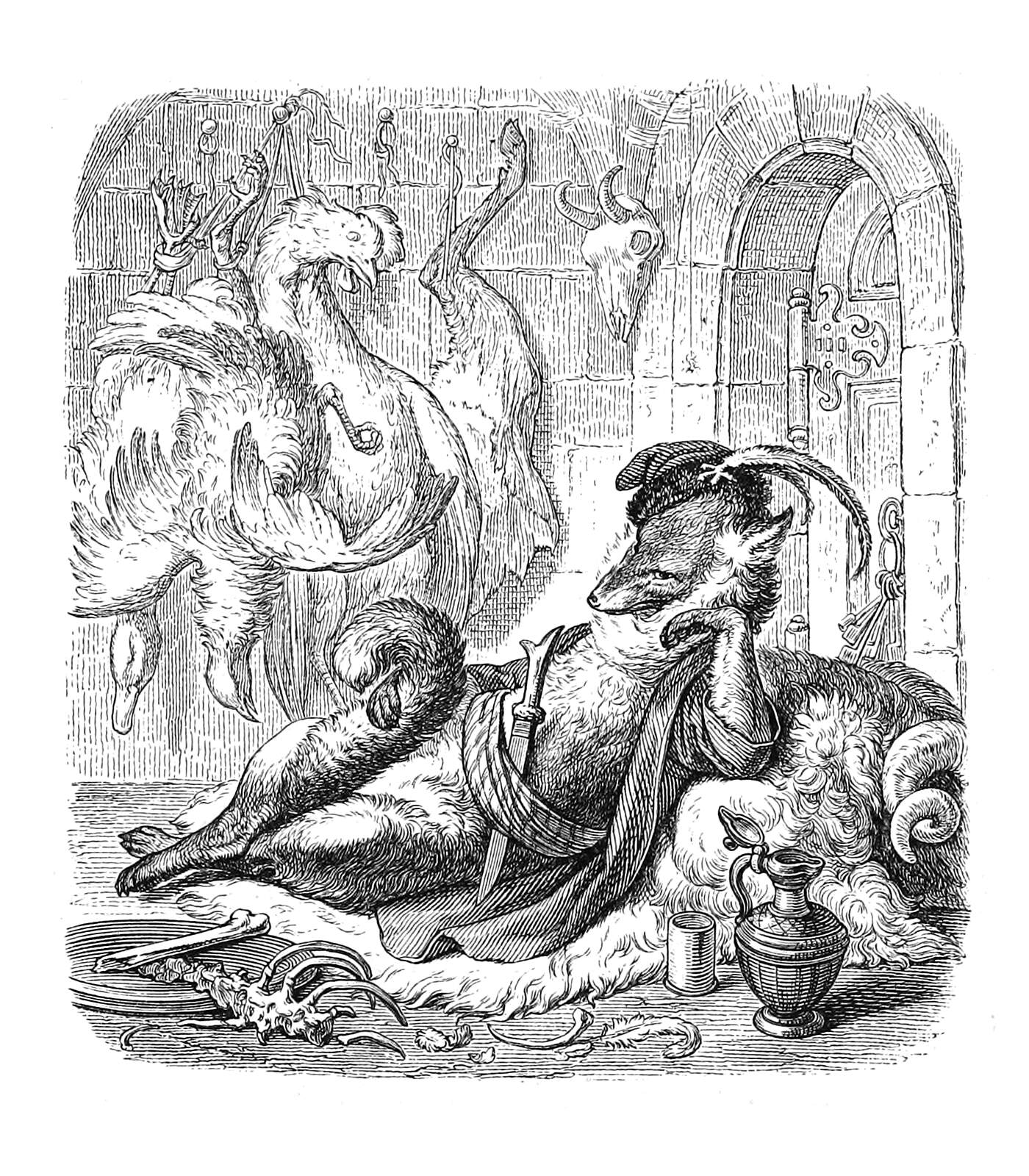
Before Men and Elves, the Gods begat the Beasts of the Field and the Birds of the Sky, and none amongst their children were cleverer than Fox. He tormented all the Gods' offspring with endless japes and jests, and the Beasts of the Field and the Birds of the Sky petitioned the Gods to punish Fox, or else persuade him to amend his ways--but alas! Even the Kings and Queens of Heaven had grown wary of Fox and his tricks, and feared he might humiliate Them."
--"How Fox Was Foiled Seven Times", the Reynardine cycle
Lore follows foxes. This is a universal in human civilization. Wherever the wily beasts emerge, stories inevitably crop up. What is truly fascinating, however, is the fact that everyone agrees; no matter where in the world one looks, the zeitgeist surrounding all things vulpine remains more or less the same. Foxes are cunning, debonair, and mischievous; according to the stories, that is. It makes one wonder, then, where this enduring image originated from. Certainly not in nature, for the fox is merely a beast--an elusive, resourceful, and opportunistic beast to be sure--but a beast nonetheless. For centuries, this vision of foxes was thought to be a mere attribution of human traits to an animal, but after the Risorgimento reopened the way to Faerie and the other Cardinal Planes, the true source of all these stories and fables was revealed at last: a fey creature known as a truefox.
Paragons of the Vulpine
Truefoxes possess all the hallmarks of their namesake, from the bushy tails to the long, thin muzzles. Unlike their more mundane relatives, however, truefoxes are humanoid, and grow to be around or slightly above three feet tall. They have downy coats of sweet-smelling fur, digitigrade legs, and tend to have well-fed physiques. Their eyes are a solid color, with no pupil or sclera visible. In coloration, their fur typically comes in a spectrum of earthen, autumnal, and floral hues, but they have also been known to have snowy white or lustrous black coats, denoting a half-celestial origin unique to a part of Faerie which intersects with the Republic of Heaven. Every century a truefox lives, it will grow an additional tail--up to nine, which it attains upon its thousandth year of life.
As a species, truefoxes are theorized by modern scholars to be the source of the legends surrounding the kitsune, huli jing, and kumiho of prominent East Asian cultures. The truefoxes themselves have neither confirmed nor denied this, but the similarities, especially to the kitsune of Japan, are undeniable. Their influence has extended far beyond the East, however, and truefoxes have vicariously been the subject of legend and folklore everywhere from the Greek isles to the American continents.
Impish and Playful
On the artificial planet of Orpheus, there exists a proverb concerning the fey: "A fairy is a demon in a good mood." It is generally considered wise not to put one's faith and trust in the denizens of Faerie, as most of them do not possess anything approaching sanity or morality, and they are just as
liable to harm or inconvenience the ones they meet as they are to help or bless them. Even the fey do not trust the fey, and many of their social interactions are rooted in intrigue, deception, and social climbing. Depending on the manner of truefox one meets, this caution may be prove either sensible or unnecessary. Regardless of breed, truefoxes have proven themselves to be faithful friends and guardians when treated with respect, kindness, and a firm hand--but woe to those who make an enemy of a truefox, for they are relentless and clever foes, able to ruin entire facets of someone's life slowly and painfully.
The Gon'yai
The largest population of truefoxes on New Earth, Faerie, and Orpheus belong to the gon'yai breed. These truefoxes harbor many of the classical behaviors and personality traits associated with foxes in stories and fables. Gon'yai are jolly, easygoing, and are known for never breaking their vows, but they are also manipulative and conniving, always gathering secrets and using their silvered tongues to work over everyone they speak to. Even when being upfront, a gon'yai most likely harbors ulterior motives similar to the finagling interactions common amongst the fey. When stripped of all their hidden machinations, gon'yai are piteous and cowardly, and will say or do anything to turn a situation back to their favor.
The Zen'toh
These truefoxes are uncommon if not rare, originating from an idyllic dimundane realm in Faerie which intersects with the Republic of Heaven. Zen'toh are infused with celestial essence, coloring their fur in gorgeous shades of black and white, and instilling unto them high ideals of honor, love, justice, and good conduct. They tend to get along well with halflings, as they share the same penchants for simple pleasures, good food, and hospitatily--but a fox is still a fox, and the zen'toh are just as much known for practical jokes as their gon'yai cousins. What differentiates the zen'toh sense of humor from the gon'yai, however, is that it is never vicious or physically harmful--and if it becomes so by mistake, a zen'toh will offer a flood of tearful apologies and make solemn vows of aid, service, and loyalty to the one they wronged.
Truefox Names
The names of truefoxes are meant to emulate laughter and expressions of joy, but they have also been known to adopt names from other races and cultures.
Male names: Buya, Hoho, Kekek, Yiha, Wewp, Jali, Wuhu, Yaosa, Haza, Snirk
Female names: Yippi, Yaha, Waoi, Yaya, Gali, Hala, Luya, Hippip, Yurica, Nyaya
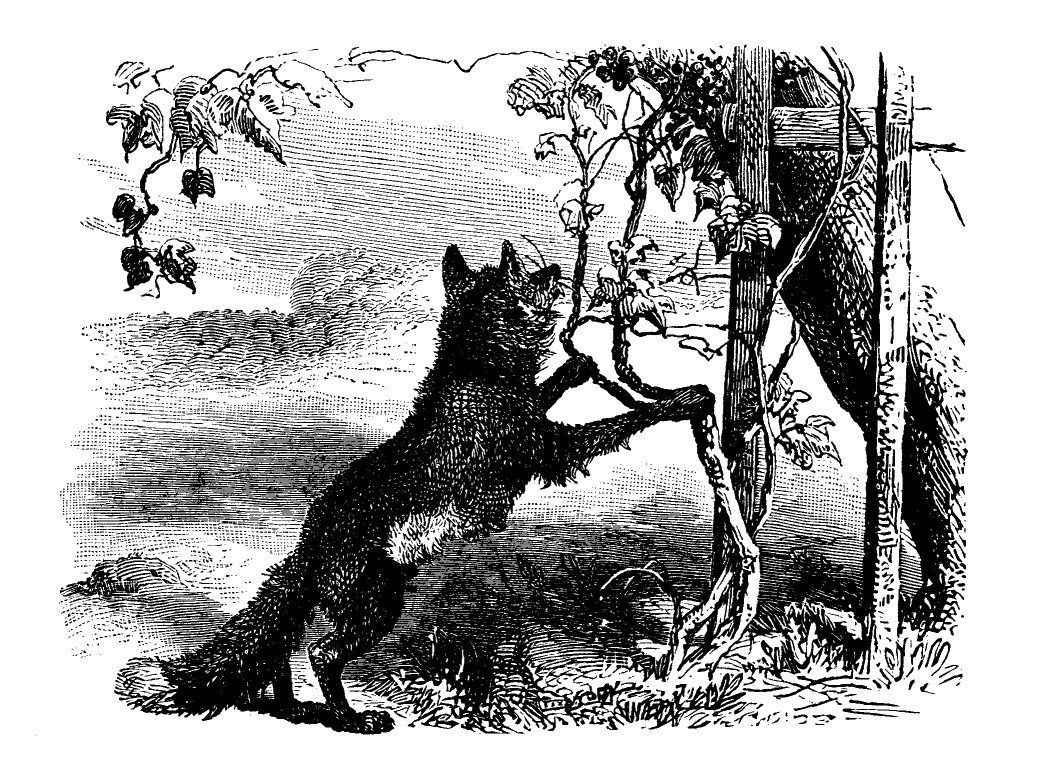
Truefox Traits
Your fey nature manifests in a variety of traits you share with other truefoxes:
Ability Score Increase. Your Charisma score increases by 2, your Dexterity score increases by 1, and your Strength score is reduced by 1.
Age. Truefoxes are functionally immortal, growing to their full height at the age of ninety, but not maturing completely until the end of their first thousand years of life, marked by the acquisition of a ninth tail. These nine-tailed truefoxes are venerated and obeyed above all others, but precious few exist.
Size. Truefoxes average around 3 feet tall, but some truly exceptional truefoxes have grown as tall as 4 feet. Your size is Small.
Speed. You have a walking speed of 25 feet, a climbing and swimming speed of 15 feet, and a burrowing speed of 10 feet.
Darkvision. Accustomed to the eternal twilight and stark midnight of the Seelie and Unseelie courts, you possess impeccable vision in dark and dim conditions. You can see in dim light within 60 feet of you as if it were bright light, and in darkness as if it were dim light. You can't discern color in darkness, only shades of gray.
Languages. You can speak, read, and write Common, Elvish, and Sylvan.
Hoshi no Tama. Every truefox is born holding a hoshi no tama, or "star ball," a spherical gemstone twinkling with the light of Faerie's stars which acts as an extension of the truefox's very essence and will. You begin play with a hoshi no tama in your inventory. If the hoshi no tama is lost or broken, you lose 1d6 hit points until it is mended or recovered. At third level, you can use your hoshi no tama once per long rest to regain a number of spell slots equal to your spellcasting modifier. An intelligent creature with spellcasting ability in possession of your hoshi no tama can use it to cast dominate person on you with an automatic success rate.
Vulpine Trickery. You know the dancing lights, thaumaturgy, and silent image cantrips. At fifth level, you can cast disguise self once per long rest.
Elusive. As a bonus action, you may disengage from combat.
Subrace. Two subraces of truefox are to be found within the Cardinal Planes. Choose one of these subraces.
Gon'yai
As a gon'yai truefox, you are lovable and smooth-talking, and possess a natural cunnning and keen intellect which allow you to form and carry out complex machinations. Most gon'yai go on to become wizards, warlocks, sorcerors, rogues, and even artificers.
Alignment. The gon'yai represent the largest demogrpahic of truefoxes in the Cardinal Planes, and consequently display the most diverse set of behaviors and personalities. Gon'yai tend towards chaotic and neutral alignments, but good and especially evil gon'yai have been known to exist.
Fox's Cunning. You are unquestionably brilliant, and anyone who believes otherwise is too dimwitted to realize your genius. Your Intelligence score increases by 2.
Fox's Charm. Your disarming appearance, winnning smile, and honeyed words are an unstoppable combination. You gain advantage on Persuasion and Deception checks.
Zen'toh
As a zen'toh truefox, you are helpful and kind, infused with the might of two realms, and deeply invested in the world and those living witihin it. Many zen'toh are drawn to the paths of the druid and the ranger, but zen'toh warlocks, bards, clerics, and even paladins are not unheard of.
Alignment. Due to their half-celestial heritage, zen'toh are almost exclusively good-aligned. Conversely, their half-fey heritage encourages a lean towards chaotic or neutral alignments. Law-aligned zen'toh are exceptionally disciplined, and favor their angelic aspects over their fey origins.
Child of Two Worlds. You are empowered by the planes of Faerie and Heaven. You ignore the reduction to your Strength score, your Strength score increases by 2, and your Wisdom and Constitution scores increase by 1.
Servant to All. Your angelic attributes drive you to perform selfless acts in the service of all life. Once per long rest, you can transfer 2d6 worth of damage from one creature within 60 feet of you to yourself. At third level, once per long rest, you can transfer 1d10 of your own hit points to another creature within 100 feet of you.
Scions of the Reynardine
The truefoxes were created in the image of the Reynardine Jalijing Huli, an Archfey and the first member of the Storied Assembly--eight trickster animals renowned the world over in songs, stories, and fables. All the Storied have a servitor race similar in function to celestials or even fiends, such as the diminutive ikto, who serve Anansesem, the Knowing Spider.