Ettodran

Overview of Ettodran
Ettodran is a world shaped by ancient magic, shifting climates, and the ambitions of warring nations. Among the dominant powers are Duzemec and Slyval, rival states whose ideologies clash over the very nature of magic — its purpose, control, and place in society. Their opposing philosophies have sparked numerous wars throughout history. Yet, neither has ever emerged with a decisive victory.
Though open conflict has temporarily subsided, tensions simmer beneath the surface. Trade and diplomacy persist out of mutual necessity — for resources, technology, and political leverage — but peace is fragile. Skirmishes flare along disputed borders, and whispers of war echo through every village and city. For some, war is a looming threat to be averted; for others, it is an opportunity to seize power and rewrite the balance of the world.
Into this fractured world steps the Chosen — a figure of prophecy, mystery, or perhaps coincidence. What future awaits them? Peace or war? Order or chaos? Destiny or defiance?
History of Ettodran
The history of Ettodran is one of destruction and rebirth, shaped by titanic forces, elemental magic, and mortal ambition. Though modern civilizations rise and fall, the echoes of ancient events still ripple across the land.
The Prime Era
The Song of Creation
It is said that before all things there was only silence — vast, unbroken, and endless. From this silence rose Kaelith, the Father of All. Alone in the void, he spoke a single note, deep and resonant, a tone so pure it split silence into echo. That echo became time, and time became the measure of all that would follow.
From Kaelith’s note came others, for loneliness is itself a need. Each child-god was born not of clay or blood, but of purpose, a voice drawn from the Father’s breath.
First came Solyn, whose voice shone bright and warm. She sang of love, of light, of union — and where her song touched the void, stars were kindled like sparks from her laughter. Her twin in that first chorus was Veythra, whose melody curled low and thrumming. His was the song of desire, of longing, of need so strong it pulled the stars closer, binding them in constellations.
Then rose Aurelion, whose steady baritone carried the weight of law. His song was a rhythm, steady as a heartbeat, and where it fell the stars spun into order, circles and spheres, patterns and orbits. Alongside him rose Kharas, whose song of dominion tightened Aurelion’s order into chains. Worlds formed, locked in place, bound not only by law but by command.
The melody softened when Thalora joined, her voice a high and flowing chorus. From her notes poured rivers, forests, blossoms bursting across the newborn worlds. Yet every flourish was echoed by Zerathis, whose deep hum pulled blossoms to wither, rivers to dry, and leaves to fall — not in malice, but in rhythm, completing her harmony.
From the shadows stepped Nytheris, whose song was curious and questioning. Her notes probed the spaces between, filling the void with thought and meaning. Yet where she sang clarity, her brother Maltheris twisted the tune into riddles and secrets, teaching that no truth should come without the weight of doubt. Together they made the hymn of wisdom and mystery.
Then came the drumbeat of Irothis, the clash of cymbal and war-horn. His song was bold, rallying, fierce — it struck sparks against the firmament and forged mountains, their peaks sharp as blades. At his side, Drazhul sang in counterpoint, his notes heavier, somber, reminding that every triumph demands loss. Together their war-song gave the world its strength.
The last voice was the gentlest: Seraphine, whose song was a balm. Where rivers clashed too violently, her tone soothed them to gentler streams. Where mountains stood jagged, she softened them with meadows. Her sister Nerithis followed, singing the minor note — sorrow, grief, the ache that gave mercy its shape. Her harmony reminded all that to heal is to know pain.
Thus the chorus rose, each god singing their part. Sometimes bright, sometimes terrible, sometimes triumphant, sometimes mournful. Yet always together, weaving light and dark, order and chaos, growth and decay. Their voices bound into one hymn — the Song of Creation.
Where the hymn struck deepest, Ettodran was born. Mountains like chords, seas like flowing refrains, skies like endless harmonies. Every forest, every flame, every stone was but a lingering note of that divine chorus.
And when at last the final cadence was struck, Kaelith raised his hand and silence fell once more. But it was not the empty silence from before — now it was a silence full of meaning, full of memory, a pause after the song that allowed the world to breathe.
So began the Prime Era: not with strife, not with shadow, but with music. Mortals yet unborn would later whisper that they could still hear it, faintly, in the crash of waves, the rustle of leaves, the drumbeat of the heart. For all things were born of that song, and all things still carry its echo.
The heavens themselves were said to shine brighter in those days, as though creation itself rejoiced in the unity of its gods. Mortals, not yet born, would later remember these whispers in their souls: the memory of balance, the ache for wholeness.
The Epic of the Sundering
The Prime Era endured for eons, a time when the gods’ voices rose together, each note echoing across the newborn world. Mountains were shaped by the clash of Irothis and Drazhul’s war-song, rivers flowed in harmony with Thalora and Zerathis’ duet, and light danced across the seas with Solyn and Veythra entwined. The chorus was perfect, and the melody unbroken.
Yet, perfection is a fragile thing. Each god embodied extremes, and as creation matured, their desires began to strain against one another. Solyn’s light sought to burn brighter, scorching where Thalora wished life to gently grow. Veythra’s seasons demanded change too swiftly for Irothis’ enduring peaks. Drazhul’s tides surged beyond control, threatening to drown forests that Thalora had nurtured. Lysera’s curiosity uncovered truths some gods were unprepared to confront, unraveling threads of their own creation.
The Pantheon argued, subtly at first. Words of guidance turned to debate, and debate became a clash of wills. Their voices, once harmonious, struck dissonant chords across the void. The song of creation trembled. Kaelith’s calm melodies, once unbreakable, could no longer contain the swelling force of extremes.
And then came the Sundering.
A crescendo unlike any before shook the cosmos. Mountains split under Irothis’ fury, rivers boiled under Solyn’s brilliance, and Thalora’s forests writhed as if alive with pain. Veythra’s seasons spun wildly, summer scorched what spring had nurtured, and winter froze life that Thalora had coaxed into bloom. Drazhul’s tides swallowed shores, and Lysera’s knowledge pierced secrets that the other gods were not ready to bear. Chaos erupted and the boundaries between creation and annihilation blurred. From this shattered song came the seed of failure itself: a new and lonely divinity, Eryndor, born not of malice but of the impossibility of perfection.
The energy of the Sundering threatened to annihilate creation itself. The gods, for the first time, saw the limits of their power. Even Kaelith, the Father of All, knew he could not intervene directly without risking utter destruction. From necessity, compromise, and the recognition of their own fallibility, the gods forged the first Titans:
-
Azaid, Lord of the Skies, embodiment of storms and flame, to temper the raw fury of creation.
-
Reiail, Savior of Souls, keeper of life, to ensure the continuity of mortal and natural order.
-
Dentaria, the Tangled Holly, nurturer of the land, to sustain forests, rivers, and fertile plains.
The Titans were entrusted with the stewardship of Ettodran, wielding the immense forces unleashed during the Sundering, stabilizing the lands that the gods could no longer touch without peril. Eryndor, the first god born from failure, lingered on the periphery of creation.
As the Titans rose to their task, the Pantheon withdrew, scarred by the near-fatal fracture of creation. Their presence lingered only in whispers, in the rhythm of the seas, the pulse of the forests, and the glimmer of sunlight across the mountains. Thus ended the Prime Era, and thus began the age in which the world would endure through stewards, not deities, and where mortals would inherit a realm both wondrous and dangerous, forged in the song of gods who had glimpsed their own limits.
The Birth of the Titans
Azaid, Lord of the Skies
Azaid rose, immense and radiant, wings spanning horizons no mortal could imagine. With a roar that split the clouds, he tamed the tempestuous winds, channeling lightning into mountains and valleys, boiling seas to carve rivers and lakes. His breath, both destructive and creative, sculpted continents, leaving jagged cliffs and fertile plains as testaments to his mastery. Azaid’s fury was tempered with careful calculation, for he knew the world’s stability now rested on his shoulders.
Reiail, Savior of Souls
While Azaid shaped the raw earth with fire and storm, Reiail stepped forth and seeds sprouted, streams gurgled into rivers, and the first creatures breathed in the new world. Mortals would later tell tales of his tears falling into valleys, turning dust into fertile soil and hard rock into soft, life-sustaining clay. Reiail instilled in each living being a spark of his own divine essence, giving sentience, will, and the capacity for memory and emotion. His vigilance became the cornerstone of survival on Ettodran, for without him, even the Titans’ strength could not have tamed the chaos of the Sundering.
Dentaria, the Tangled Holly
Dentaria emerged last, a weaver of green and growth. Forests rose where ashes lay, rivers flowed around scorched valleys, and oases bloomed in desertified lands. Her hands tangled roots beneath the earth, creating networks that anchored soil, filtered water, and gave sanctuary to the first creatures. Legends recount that she sang to the plants, and with every note, vines climbed, flowers opened, and trees intertwined into protective groves. She became the embodiment of patience and endurance, the silent architect of nature’s resilience.
Legends say that when the gods observed the Titans at work, they realized their own failures in restraint and ambition. The Titans were tireless, unerring, and untainted by extremes. They were neither worshiped nor rivaled; their role was one of guardianship, a testament to the necessity of balance in creation. In the wake of the Sundering, the Titans stood as the first stewards of Ettodran, ensuring that the cataclysm would not unmake the work of the Prime Pantheon.
The Titans’ work was tireless and impartial. They neither loved nor hated mortals, nor did they pursue personal ambition. They were guardians, architects, and arbiters of creation—a living bridge between divine intent and the fragile realm of mortals.
The Untamed World
When the Titans completed their work, Ettodran stood as a realm of raw grandeur. Mountains rose like the spines of sleeping giants, rivers carved silvered veins through the valleys, and oceans stretched endlessly, whispering against untouched shores. Forests unfurled in intricate patterns, each tree a sentinel of Dentaria’s design, sheltering countless creatures yet unknown to the world.
The land was wild and magnificent, a living mosaic of life in its infancy. Great herds of grazing beasts thundered across plains, their movements shaping the earth. Predators stalked the shadows of towering forests, perfect hunters honed by the balance of survival. Birds of radiant plumage filled the skies, their songs mingling with the roar of waterfalls and the whisper of winds stirred by Azaid’s breath.
The Titans had sown not only life but also the rules that governed it—predator and prey, growth and decay, harmony and chaos. Each creature bore a spark of the Titans’ intent, embodying a fragment of the forces that had shaped the world. Yet in this perfection, something remained missing: beings capable of reflection, choice, and legacy—mortals.
The First Mortals
It was Reiail, the Savior of Souls, who first recognized the absence of conscious life that could truly steward the land. Inspired by the potential for growth beyond instinct, she reached deep into the essence of creation, gathering the raw spark of the world’s magic, tempered by the stability of the Titans. From the heart of mountains, the depths of rivers, and the whispering leaves of the first forests, she shaped the first mortal beings.
These mortals were fragile yet adaptable, imbued with curiosity and imagination. They were meant to walk the forests, climb the mountains, and sail the rivers, learning from the wild while leaving their own mark upon it. The Titans watched, impartial but attentive, ensuring that life could flourish without overstepping the delicate balance they had forged.
Animals and beasts, still roaming the land in abundance, coexisted with these early mortals. Some became companions, others rivals; all were integral to the lessons of survival, ingenuity, and respect for the natural world. In the shadows of Dentaria’s groves and beneath the peaks of Reiail’s mountains, mortals took their first steps, their laughter and struggle filling the lands with a new rhythm—one that blended the raw wilds of Ettodran with the potential for culture, civilization, and magic yet to come.
The First Races of Ettodran
The First Races were the original sentient peoples of Ettodran, crafted by the Gods themselves as living embodiments of their ideals. These races would go on to shape the world, building the first civilizations, forming ancient alliances, and sowing the seeds of both unity and division.
The Elves – Children of Dentaria
Born of leaf and song, the Elves were Dentaria's first gift to the mortal world. They were shaped in the heart of the Viridan Grove, a now-legendary forest said to have bloomed in a single day under the Titan's hand. The Elves were graceful, long-lived, and deeply attuned to the natural magic that flowed through Ettodran’s wild places.
Elven culture developed around harmony, artistry, and preservation. They built cities of living wood and trees, where buildings blended with forest rather than displaced it. Many became Druids, Wardens, and Protectors, keepers of arcane knowledge and nature's will.
- Lifespan: Up to a thousand years; often mentally mature by age 100.
- Magic: Elves were the first mortals to master elemental and restorative magics. They do not manipulate nature — they commune with it.
- Beliefs: They revere Dentaria not just as a creator, but as the forest itself. Many believe her spirit still sleeps within the oldest tree in the world.
Though their beauty and intellect often made them proud and aloof, the Elves were the earliest proponents of coexistence, forming pacts with other races in the name of balance. However, some sects viewed younger races as reckless and undeserving of the world's gifts — a tension that would simmer for centuries.
The Dwarves – Pillars of Reiail
Forged in the Heartforge of Mount Vauld, the Dwarves were born of stone, steel, and sacred duty. Reiail, the Savior of Souls, crafted them to be resilient, industrious, and unyielding, capable of enduring the harshest conditions and shaping the bones of the world.
Their bodies are dense and powerful, adapted for life underground, while their minds are sharp and orderly. Dwarven society is structured around guilds, honor-clans, and ancestral law, each individual bound by a deep sense of purpose.
- Lifespan: 300–500 years. Dwarves reach maturity in their early 50s.
- Magic: Rare among dwarves, but when present, it manifests through rune-forging, geomancy, and soul-chanting — turning magic into a craft as precise as smithing.
- Craftsmanship: They created the first great forges, invented early metallurgy, and built subterranean cities that rivaled the heavens in grandeur.
To the Dwarves, Reiail is not only a creator but a judge — one who measures the soul's weight against its deeds. They believe the earth records all actions, and thus, every Dwarf strives to leave behind works worthy of memory.
The Humans – The Inheritors
Humans were the last of the First Races, and the only ones created not by a single Titan, but by the combined will of all three. They were born not from stone or forest, but from fire, breath, and ash, shaped to be flexible, imaginative, and relentless.
Lacking the natural strengths of Elves or Dwarves, humans quickly compensated with innovation, exploration, and adaptability. They spread across Ettodran faster than any other race, building cities, establishing kingdoms, and blending cultures wherever they settled.
- Lifespan: 70–100 years, though variations exist with magical or divine influence.
- Magic: Humans possess no innate affinity, yet their versatility allows them to study and wield all forms of magic — sometimes recklessly, sometimes brilliantly.
- Drive: While other races refined tradition, humans pursued change. They were the first to develop arcane academies, written language systems, and technomagical devices.
Humans see the Titans as distant, almost mythical figures. Unlike the other First Races, their worship splintered into countless sects and faiths, giving rise to philosophers, prophets, and even false gods.
In time, humanity’s ambition would fuel both the world’s greatest triumphs — and its darkest chapters.
The Intermingling and Rise of the Secondborn
As the First Races spread across Ettodran, contact and cooperation became inevitable. From these unions came the Secondborn Races — hybrids, mutations, and rare creations shaped by Titan blood and mortal will.
Some notable Secondborn include:
- Half-Elves – Diplomats, wanderers, and mystics caught between two lifespans.
- Stonekin – A rare offshoot of Dwarves who intermingled with elemental spirits; their skin resembles rough granite, and their strength is unmatched.
- Gaiari – Descendants of Elves and Dryads, born of nature itself. Often mistaken for forest spirits, they walk barefoot on sacred soil and speak to beasts as kin.
While the First Races laid the foundation, it would be the diverse mingling of bloodlines that eventually filled the world with variety and complexity — leading to the rise of new nations, new magics, and new conflicts.
The Age of Guardians
As magic seeped further into the land, it reshaped the world — altering landscapes, spawning wild beasts, and giving rise to mysterious forces. Sensing that their time among mortals would not last forever, the Titans created guardians to protect and guide the races in their absence:
- Dragons, majestic and fearsome, were born of Azaid’s fire and will.
- Dryads, spirits of the wild, emerged from Dentaria’s forests.
- Giants, towering and stoic, walked the mountains in Reiail’s name.
These beings served not only as protectors, but also as living echoes of the Titans themselves.


The Discovery of Xanthite
In the deepest caverns of the world, Azaid discovered a radiant mineral unlike any other — a substance that pulsed with raw, untamed energy. This was Xanthite, a glowing crystal of immense magical potential. Where others saw balance, Azaid saw opportunity: the power to reshape the world once more, but this time by will, not harmony.
And so began the slow unraveling of unity.
The Rise of Corruption
Xanthite — a radiant, crystalized mineral — was not born of mortal design. It was the byproduct of divine creation, formed over countless eons as the land absorbed the residual magic of the Titans' miracles. These brilliant crystals pulsed with raw, elemental power — chaotic, beautiful, and deeply unstable.
When Azaid, Lord of the Skies, first uncovered the glowing veins deep beneath the earth, he was overcome with fascination. But what began as curiosity soon twisted into obsession. As he consumed the crystals to deepen his power, his soul blackened. His once-vibrant form — a skyborne titan of shimmering gold and scarlet — darkened into a scaled behemoth of shadow and fire.
Poisoned by the xanthite’s untamed energies, Azaid’s mind rotted with delusions of supremacy. He began to see his fellow Titans not as equals, but as rivals and obstacles. In his madness, he believed the people of Ettodran — his children — should not worship the three Titans in unity, but kneel before him alone.
Rage consumed him. His voice, once a wind that carried storms, became a roar of war.
The Fall of the Dragons
Azaid turned first to the dragons — mighty beings he had birthed in his own image. He spoke to them in whispers of fire, twisting truth with lies, promising them power beyond imagination if they swore fealty.
Some followed willingly, seduced by power or ideology. Others followed out of fear. But a brave few defied him, clinging to the old ways of balance and protection. For their defiance, they were hunted — dragon turning on dragon — in a brutal purge.
Those loyal to Azaid were force-fed xanthite, growing in strength but losing their souls. Their scales darkened like his; their eyes turned to molten embers. No longer guardians, they became engines of ruin — fire-breathing tyrants who laid waste to the lands below, scorching forests, melting mountains, and slaughtering the mortals they once protected.
The Titans' War
Seeing the devastation, Dentaria — Titan of the Wilds — rose in fury. Her heart, once gentle and green, bled with rage. She unleashed the full wrath of nature: colossal vines tore through mountains, earthquakes shattered the skies, and storms blackened the sun. But it was not enough.
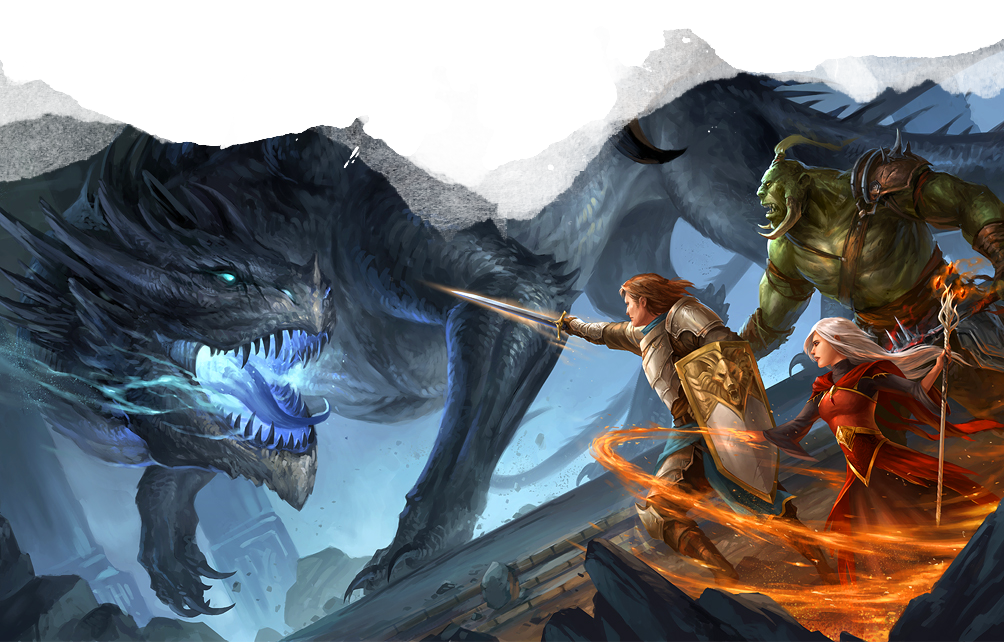
Xanthite-empowered dragons ravaged the land, overwhelming even Dentaria’s ancient might. Her wild magic became unpredictable and destructive, and the land suffered for it. Forests burned. Rivers ran red. The very elements raged as the Titans clashed — not only with each other, but with the very principles they once upheld.
Caught in the crossfire, the mortal races scattered. Cities fell. Sacred groves were obliterated. Millions perished.
And Reiail, the Savior of Souls, wept.
The Final Sacrifice
Reiail, ever the protector, refused to raise a hand against his siblings. But as the destruction spiraled beyond reason, he understood the only path forward: the Titans must be removed from the world they had built.
Guided by sorrow and wisdom, Reiail approached the mortal races — especially the humans, whose adaptability and determination he had long admired. He bestowed upon them the knowledge of xanthite, not to wield as Azaid had, but to bind and contain.
Empowered by his blessing, the humans, elves, dwarves, and surviving dragons worked together in secret to enact a forbidden ritual — one carved into the bones of the world itself. The giants, Reiail’s own children, emerged from the mountains and joined the cause, holding the line against Azaid and Dentaria while the spell was prepared.
In the Cataclysmic Sealing, the Titans were bound by a massive ritual deep beneath the earth. Azaid, mad and snarling. Dentaria, broken and furious. And Reiail, calm and resigned, gave himself willingly — a final sacrifice to preserve all life.
When the ritual was complete, a silence fell over the world.
The Aftermath
The impact of the Titans’ sealing reshaped Ettodran:
- The forests regrew, but wilder than before.
- The oceans surged, splitting the landmass in two, hiding the ritual’s scars.
- Magic itself changed — wild, chaotic, and no longer anchored by divine will.
- A residual pulse of arcane energy awoke latent abilities in many mortals, sowing the seeds of what would become modern magic.
But Reiail’s final act was not merely one of sealing. To protect future generations, he clouded their memories. The truth of the Titans, the origin of xanthite, and even the war itself faded into myth and legend, half-remembered through folklore and ancient ruins.
Reiail’s final gift to the world was not power — it was mercy.
As the ritual to seal the Titans concluded and the earth groaned under the weight of ancient magic, Reiail channeled the last of his divine will into a great veil of forgetting. He had seen what mortals had suffered, how even knowledge could be twisted into ruin — and he feared that if the truth of the Titans, of xanthite, and of the war remained, it would only invite another catastrophe.
And so, he cast a binding upon memory itself. This enchantment did not erase — it reshaped.
- Histories became legends.
- Legends became stories.
- Stories became fables whispered to children in the dark.
Even the survivors — those who had fought, wept, and bled during the War of the Titans — found their minds hazy. They could recall feelings: fear, loss, awe. But names, events, rituals, even the Titans themselves began to slip like sand through their fingers.
The Shaping of Stories
Across Ettodran, myths bloomed in the absence of memory:
- In mountain villages, elders speak of a "Sky Serpent" who scorched the heavens for love, not madness.
- In forest enclaves, dryad-descended tribes whisper of "The Weeping Tree," a sorrowful mother who drowned the world to protect her children.
- Among coastal fishermen, stories tell of “The Sleeping Man Beneath the Sea,” whose dreams still stir the tides.
These tales hold fragments of truth, buried beneath metaphor and moral.
Only the oldest races, whose lifespans stretch into the thousands — the ancient Elves, the stone-bound Dwarves, and the still-awakened Dryads — remember pieces of the truth. Even then, their memories are fractured, blurred at the edges, and often treated with skepticism by younger generations. Among these ancient peoples, there are a few who remember too much — scholars, mystics, or cursed prophets who guard half-remembered secrets at great cost to their minds and souls.
They are known by many names:
- The Truthbound among Elves.
- The Rune-Mad among Dwarves.
- The Rootdreamers among Dryads.
Each preserves parts of the forgotten age in hidden texts, oral traditions, or sacred artifacts. Most are dismissed as mad or delusional — yet some suspect the truth is far more terrifying than myth can contain.
The Forbidden Knowledge
Reiail’s enchantment also affected xanthite itself. Its nature was hidden not only from memory, but from understanding:
Those who unearthed it in later ages saw it as a rare magical mineral — potent, yes, but not inherently dangerous. Rituals once used to consume or shape it are now lost or mistranslated, buried in ruins no one dares explore.
When xanthite corrupts, it does so subtly — not as a monstrous transformation, but as a slow twisting of ambition, perspective, and soul.
Some scholars in secret archives have begun to piece together its deeper truth, but they do so at great risk. Reiail’s enchantment was not a simple illusion — it was a living curse upon the truth, one that still lashes out at those who dig too deep.
A World Without Titans
In the absence of their creators, the world began to evolve naturally. The guardian races — dragons, giants, and dryads — withdrew into hidden corners of the world, wounded and diminished. The mortal races, no longer shielded by divine power, were left to survive — and thrive — on their own terms.
Though xanthite remained scattered across the land, its secrets were lost. And the echoes of the Titans slumbered beneath the surface of the world, waiting... watching... forgotten.
Though Reiail’s final enchantment veiled the truth and reshaped memory into myth, not all knowledge was lost. In the hidden corners of Ettodran — beneath stone, beneath forest, and beneath silence — fragments of the old world endured. There are whispers of those who still remember: nameless, faceless groups who walk quietly among the living, guarding truths too dangerous to speak aloud. Some preserve. Some suppress. And some simply watch, waiting for signs long forgotten by the rest of the world. Their methods differ, their motives conflict, but each holds a shard of what was — passed down through riddles, ruins, and half-remembered songs. They do not seek power or recognition. They seek only to ensure that the Titans, though buried in memory, remain buried in truth… until the world is ready to remember.
“Three Went Walking”
A Nursery Rhyme from the Oldwood Valleys
Three went walking through the sky, One to laugh and one to cry, One to burn the clouds away— “Let us make a world,” they say.
Trees grew tall and stones grew round, Rivers danced and stars came down. People rose from earth and flame, And sang the Titans’ secret names.
But one grew dark with hunger deep, A crystal cursed his mind to keep. He fed it to his scaly kin— And burned the world with tooth and grin.
One wept tears that cracked the ground, One grew thorns and could not bow. The last gave all to make them sleep, And buried truth in silence deep.
Now hush, my child, and close your eyes, The stars will keep you from the lies. But if you dream of flame and flight... Don’t touch the stone that glows at night.

The Rebirth
In the silent wake of the Titans’ disappearance, the world of Ettodran was broken and raw. The races who once knew only the protection of their creators were left exposed — fragile mortals on a violent, wild land. The veil of divine safety had lifted, and for many, each day became a battle for survival. Small, scattered communities formed out of necessity, relying on cooperation, endurance, and hope.
Over time, these early settlements became the seeds of civilization. Generations passed. Cultures bloomed from hardship. And from these fractured beginnings, two great cities rose to prominence — Slyval in the west, and Duzemec in the east. Though unaware of their ancient shared past, both nations carried echoes of the lost age in their blood.
It was the Duzemecans who first unearthed something long buried beneath the stone: xanthite.
A relic of the Titan War, the mineral remained untouched by time, radiating unstable arcane energy. Initial attempts to destroy it failed — the crystal resisted all force, yet produced catastrophic energy when fractured. One such failed experiment in the Duzemecan north created a phenomenon now known as the Storm That Never Sleeps — a constant, swirling mass of lightning and wind that has persisted ever since. Though devastating, the event revealed the awe-inspiring, destructive potential of xanthite.
But their experiments did not go unnoticed.
Deep beneath the surface of Ettodran, in realms untouched by mortal or Titan, something ancient stirred. Long before the Titans had walked the land, the world had been shaped by Primordials — elemental beings from the dawn of creation, who slumbered for eons in the bones of the earth. The sudden burst of xanthite’s chaotic magic, combined with its unstable resonance, rattled them from their dormancy.
From mountains, seas, storms, and fire, the Primordials emerged — not with purpose, but with presence. Their very existence bent the natural laws of the world. They did not speak. They did not negotiate. They simply were, and their presence left devastation in its wake.
Celestial beings descended upon the mortal world to restore balance between the Primordials and the realms. Great battles scarred the land and skies. Eventually, the gods succeeded in banishing the elemental forces back to their planes, though at great cost. In the aftermath, pacts were formed, and from these divine bargains, the Genasi were born — elemental-blooded mortals imbued with stabilized essence of the Primordials.
Gifted with affinity for magic, invention, and natural energy, the Genasi became an essential part of a world stepping into a new era. Peace returned, but the lesson learned by the Duzemecans was not caution — it was confidence. The divine had intervened once. They would do so again.
The Hextech Revolution
With xanthite now a known and harnessed power, Duzemec's thirst for knowledge turned to innovation.
While the raw mineral remained volatile, a brilliant Genasi inventor named Pyre developed a groundbreaking purification process. By refining xanthite into a more stable state, he discovered that it could be used not just in magic or ritual — but as fuel. The purified xanthite burned hotter, longer, and cleaner than any material known, revolutionizing blacksmithing and, eventually, industry.
The first breakthrough came with Pyre’s invention of the xan-drill — a massive tunneling engine powered by refined xanthite. With it, Duzemec could mine deeper, faster, and more aggressively than ever before. This moment marked the true beginning of the Hextech Revolution, as magic and technology merged into a singular, unstoppable force.
Xanthite-fueled forges gave birth to stronger metals, complex machines, and new methods of transportation and construction. Towering cities of steel and stone rose from once-humble settlements. The capital city, in recognition of its newfound industrial might, was renamed Ironreach. Outposts and mining colonies spread like veins across the land, feeding the empire’s growing hunger.
But xanthite was not infinite. The core veins near Ironreach began to thin, and Duzemec turned its eyes west — toward lands untouched, unclaimed, and rich with possibility. It was there that they encountered the Slyvalians, a people thought long lost to the world.
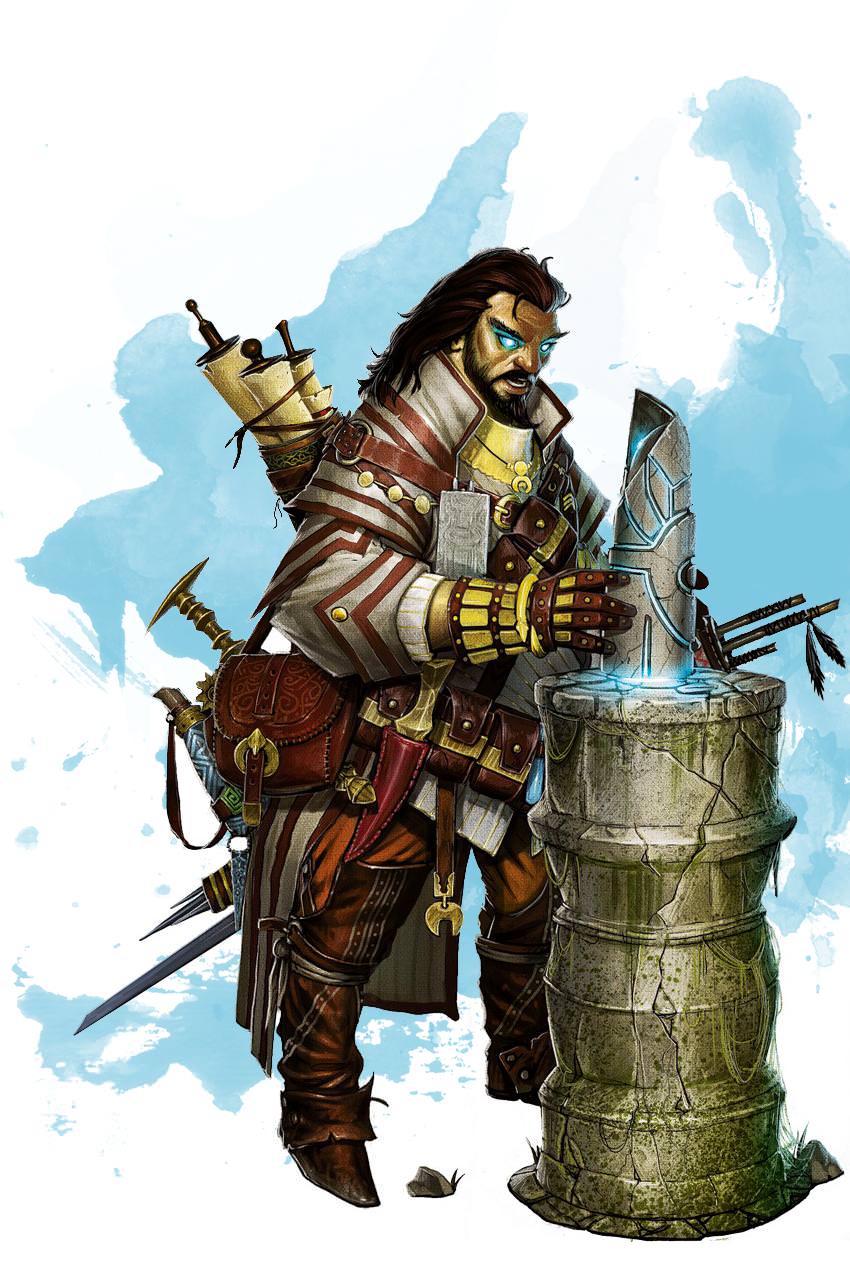

Communion
While the Duzemecan Empire surged forward in its technological expansion, carving steel cities from stone and flame, the nation of Slyval chose a different path — one rooted not in conquest or combustion, but in reverence.
It did not take long for the elves of Slyval to discover xanthite and its strange, resonant qualities. But where others saw raw power to be bent and burned, the Slyvalians saw something sacred. The mineral was not treated as a tool, but as a focus — a catalyst for understanding the arcane, not exploiting it. Through careful study, xanthite was found to enhance rituals, enchantments, and natural energies, but its use remained restrained and respectful.
Rather than fueling engines or forging machines, Slyvalian mages etched runes and wove symbols into stone and soil, using xanthite to power subtle wards and quiet miracles: light that followed the sun’s rhythm, warmth that responded to cold, gardens that grew without seed. These effects lacked the bombast of Duzemec’s industry, but they carried with them a sense of timeless grace — a life lived with the land, not against it.
When the Duzemecans shattered the earth and awakened the Primordials, it was Slyval’s restraint that saved them. Their protective wards and barrier-lines, empowered by the very xanthite they had treated with care, blunted much of the chaos. In the aftermath, the Slyvalians interpreted the Primordial awakening not as coincidence — but as a divine warning.
In response, the Slyvalian Council drafted a series of arcane laws known as The Melody — a sacred doctrine forbidding the use of xanthite for selfish, destructive, or industrial purposes. The Melody became a cultural cornerstone, its tenets upheld by the people as moral truth. Fearing divine retribution for misuse, religious sects arose across the land, offering xanthite in reverence at shrines and temples carved into the earth. Scholars and clerics alike began to study it not as a tool, but as a living mystery.
In time, Slyval’s academies uncovered something extraordinary: a method of transmuting xanthite into other arcane states. This breakthrough unlocked forgotten schools of magic, expanding their understanding of reality itself. With xanthite’s help, they did not simply survive — they flourished. Magic quickly became the norm across the nation as a way of life. It was used to create towns and grow crops. It was used to erect barriers and shape the landscape all with xanthite providing the seemingly unending supply of arcane power necessary to conduct these acts. While the xanthite provided a life of comfort, many disagreed with it's used and instead worship the gods and land itself. They formed pacts or communed with the wild itself as a source of their power forming the first churches and circles of druids. They built their own cities outside the protective barriers of the capital which at the time was renamed to Alofast. Despite these differences, the nation managed to work alongside each other, preserving nature and valuing coexistence with the wild instead of harvesting it.
The Slyvalians molded the world around, enclosing themselves in the vibrant nature of the world. As their world grew under their guidance so did their understanding of the xanthite and it's reusable applications. They expanded their knowledge of magic and barriers, choosing to act in defensive of the wild rather then carve it away. It was calm and peaceful until the day the Duzemecans arrive, bringing the hextech technology they developed with them. After negotiations begun failing and conflict arose, Slyval began developing it's military power to fight off the invasive forces from the west. War was coming and the primal arcane force of Slyval would be ready.
A World Shaped by Magic
Magic soon became a way of life in Slyval.
With the aid of xanthite and the natural world, towns were grown from trees, crops were coaxed from the soil with song, rivers rerouted with a whisper. Barriers rose from glowing runes etched into living stone, and the landscape bloomed under careful guidance, not conquest.
But not all Slyvalians embraced arcane manipulation. Many, especially those closer to the forests and wildlands, began to commune with the land directly — seeking the will of the world rather than shaping it through glyphs and formulas. These became the first druidic circles and elemental priesthoods, honoring the gods, the land, and the old wild powers. They formed pacts, walked barefoot through living forests, and learned to hear the silent voices beneath the roots.
Their cities — grown rather than built — rose outside the protective arcane grid of the capital. The capital itself, now renamed Alofast, became a radiant bastion of arcane architecture and cultural unity. Despite their differences, the mages and druids worked in harmony. One nurtured the weave of magic, the other the heartbeat of nature — together, they created a land where progress and preservation walked hand-in-hand. As their knowledge of xanthite deepened, so did their resolve. The mineral was no longer a curiosity, but a thread in the fabric of existence, something to be honored — and protected.
Storms from the West
When the Duzemecan envoys crossed the western borders, bearing wonders of hextech — gears, steam, lightning — they were met with wary silence. Though the initial dialogue between nations was calm, even cordial, it quickly became clear: the two civilizations no longer spoke the same language of progress. The Slyvalians saw Duzemec’s machines as profane — powered by burnt xanthite, their cores reeked of desperation and desecration. The Duzemecans, in turn, viewed Slyval’s reluctance as arrogance, their ideals outdated and inefficient.
As diplomacy frayed, rumors of Duzemecan surveyors trespassing into sacred groves and potential mining sites began to circulate. Tensions rose like stormclouds. For the first time in centuries, Slyval began preparing for war. But this would not be a war of machines and gears. It would be a war of arcane storms, of living forests turned to siege lines, and of forgotten magics drawn once more from the well of xanthite. While the empire of Duzemec burned its future into steel, the primal arcane force of Slyval coiled, quiet and ready, beneath leaves and stone.
The Great Xanthite War
For decades, tension smoldered like coals between the empires of east and west. Slyval saw the Duzemecans as desecrators — defilers of the earth, who melted the bounty of the land into smoke and steel. The Duzemecans, in turn, saw Slyval as obstinate dreamers — lesser folk clinging to old myths, standing in the way of true progress.
The spark that set fire to the world came during the reign of Emperor Esmund Rihan, sovereign of Duzemec, and Queen Irishna, ruler of Slyval. Duzemecan miners, acting under Rihan’s direct command, were discovered siphoning veins of xanthite beneath Slyval’s sacred groves. The outrage was immediate. When confronted, Rihan dismissed Irishna’s envoys with scorn, declaring that a “lesser kingdom” would be wise to yield its treasures to his empire — for its own good. To resist, he warned, was to invite annihilation.
Irishna’s response was swift and uncompromising. She ordered the intruding camp destroyed and the trespassers’ ships set aflame. Slyval would prepare for war.
The Shaping of the Battlefield
In a single season, Slyval transformed. From peaceful scholars and druids arose an arcane host, banners shimmering with runes of warding and storm. Rituals of immense power reshaped the kingdom itself: the coastline was raised into jagged cliffs of living stone, broken only by hidden inlets and fortified ports. Their shipwrights, though untested, grew fleets of wooden vessels warded with charms and carried by winds conjured from song.
Duzemec, for its part, answered with industry. Vast forges roared as xanthite-fueled furnaces birthed hulking ships of iron and steel. These were no simple transports — they were engines of war, bristling with cannons, their hulls hardened by fire. Confident in their superiority, the empire sent forth its fleets, certain that this “kingdom of poets and druids” would fall within weeks.
They were wrong.
A War of Sea and Sorcery
The first clashes were cataclysmic. Duzemec’s vessels proved impervious to arrow and blade, but the sea itself betrayed them. Slyvalian mages turned waves into weapons, summoning whirlpools beneath the dreadnoughts and calling storms to rip sails and shatter masts. Entire squadrons vanished into the depths, dragged down by the very waters they sought to cross.
Yet the empire was relentless. Duzemecan engineers devised a horrific new weapon: softened xanthite charges — unstable crystals primed to explode with devastating force. Fired from their ships in great arcs, these weapons tore through sea and stone alike, sundering Slyvalian fleets in bursts of light and fire. But the process was volatile; for every victory it brought, another ship was consumed in its own blast.
The war ground into stalemate. Neither side could claim triumph — Slyval could not pierce the empire’s iron skin, and Duzemec could not overcome the land’s storms and wards. The sea between their nations became a graveyard, littered with broken timbers, twisted steel, and the bones of thousands.
The Emperor of Madness
It was in these years of stalemate that Emperor Esmund Rihan’s reign took a darker turn. Once hailed as a visionary of progress, he grew erratic and unpredictable, his decrees swinging from brilliance to cruelty without warning. He demanded fleets rebuilt faster than his forges could bear, soldiers conscripted from villages already bled dry, engineers tasked with weapons even they feared to design.
Whispers spread among his court and his captains: the Emperor was no longer himself. Some claimed that prolonged exposure to unstable xanthite had poisoned his body and mind. Others murmured of darker things — that a shadow had taken root in his council, whispering to him in secret, twisting his dreams and stoking his fury. His eyes, once sharp with ambition, were said to burn with a feverish glow, as though lit by embers not of this world.
It was in this time that the name “Emperor of Madness” first spread — not as a title bestowed by enemies, but as a fearful whisper from within his own empire. None could say if he was driven mad by his own obsession, cursed by the very crystals he sought to master, or guided by an unseen hand.
What is known is that his final campaigns bore the mark of desperation. He ordered gambits no sane tactician would consider, sacrificing thousands in reckless maneuvers. Some fleets vanished without trace, their ships later found adrift with crews gone or dead, as though struck by more than storms or battle. His generals obeyed out of fear, but many began to question whether victory for Duzemec was even possible under such rule.
The Rise and Fall of Tyranny
Even as the Great Xanthite War ground to a weary stalemate, the shadow of corruption loomed over Duzemec. Emperor Esmund Rihan, already erratic and unpredictable, began issuing orders that defied logic and reason. Ships that had failed to refine their xanthite in time were ordered to ram Slyvalian vessels, ensuring mutual destruction. Panic rippled through the empire. Citizens of Ironreach flooded the streets, rioting and demanding the removal of their ruler.
Rihan responded with terrifying swiftness. He seized control of the capital, threatening to obliterate entire districts with arcane seals powered by xanthite if his commands were disobeyed. Fear gripped soldiers and civilians alike; thousands perished as obedience became a matter of survival. Production of weapons and mining efforts escalated to dangerous extremes. Resources were rationed to starvation levels, curfews enforced with brutal rigor, and walls were erected around the city, isolating it from any hope of relief. Illness and despair spread through the populace like wildfire.
What drove Rihan down this dark path remains unknown. Some whispered that his obsession with xanthite had corrupted his mind, others feared a more insidious hand — a subtle, unseen influence guiding him to madness. Whatever the cause, failure or dissent was met with ruthless punishment. Those who could not meet the emperor’s impossible expectations were executed, their deaths serving as warnings that lined the streets with terror.
The Queen’s Countermeasures
Queen Irishna of Slyval, learning of the atrocities, chose restraint. Rather than annihilate the Duzemecan fleets, she ordered her forces to disable ships and spare life wherever possible, extending mercy even in wartime. This unexpected compassion inflamed Rihan further. In a twisted display of cruelty, he captured Slyvalian soldiers and executed them publicly, ensuring his magical communications allowed the queen to witness each act.
Irishna, however, had prepared for this moment. Behind the façade of diplomacy and defense, she had built a secret network of spies, infiltrating Duzemec and gathering intelligence to sabotage their operations. Her agents worked in silence, preventing Duzemecan ships from activating their xanthite engines and intercepting military maneuvers before they could take deadly effect. While this stalemate kept her kingdom safe, Irishna lacked the strength to press an outright assault and liberate Ironreach.
The Fall of the Emperor
The Duzemecan Empire, once a disciplined and proud nation, descended into chaos under Esmund Rihan’s erratic rule. Orders became increasingly irrational: ships unable to refine xanthite were sent to ram Slyvalian vessels, armies were pressed into service without supplies, and entire districts of Ironreach were threatened with destruction via arcane seals. Fear suffused every street, and panic festered among the population. Riots erupted, but any dissent was crushed with swift and brutal precision.
Rihan’s obsession with xanthite was evident. Some whispered that the mineral’s unstable magic had poisoned his mind, bending him toward madness. Others suggested the emperor had been manipulated — a shadowy adviser, a secret faction, or some unseen force guiding his hand. His cruelty was meticulous: anyone who failed to meet his impossible quotas or dared offer counsel was executed publicly, sometimes with ritualistic cruelty designed to send a message to the queen across magical communications.
As the death toll mounted and Ironreach became a city of shadows, Queen Irishna acted. Rather than annihilate the Duzemecan forces, she instructed her armies to disable ships and spare as many lives as possible, extending mercy even in the midst of war. This unexpected compassion enraged the emperor further. In response, he captured Slyvalian soldiers and orchestrated public executions, ensuring the queen witnessed them through arcane channels.
Yet, despite all his measures of control and terror, Rihan’s rule could not endure. One fateful night, an unknown assassin struck. The circumstances of his death remain cloaked in secrecy — some claim an agent of Slyval, others whisper internal betrayal, while a few suggest the xanthite itself exacted retribution. What is certain is that the emperor fell, leaving the Duzemecan Empire leaderless and in panic.
In the wake of Rihan’s death, the nation begged for a ceasefire, and Queen Irishna, valuing her people over conquest, agreed — but only under the conditions that Duzemec stay within its borders and release all prisoners. The true orchestrators behind Rihan’s demise remain unknown, their identities obscured by shadow and time. Some say the queen’s secret spy network played a part; others whisper of traitors in the emperor’s own court.
The fall of Rihan left a lasting legacy: fear, devastation, and a power vacuum that would shape the future of the empire. His memory became a cautionary tale — of ambition, obsession, and the fine line between brilliance and madness.
The Rise of Zan Orerani
In the vacuum left by Rihan’s death, a new figure emerged: Zan Orerani. Calm, charismatic, and remarkably intelligent, he seized the opportunity to stabilize the empire. He spoke with measured words, promising recovery, unity, and a return to order. Under his leadership, Duzemec rebuilt its shattered cities, restored its shattered industry, and regained a semblance of national pride.
Yet the scars of the Great Xanthite War lingered. Old grudges festered, distrust ran deep, and the empire’s recovery masked simmering tensions with its western neighbor. As years passed, whispers of renewed conflict began to surface. The memory of tyranny, blood, and betrayal remained — a shadow over both nations and a seed for future wars.
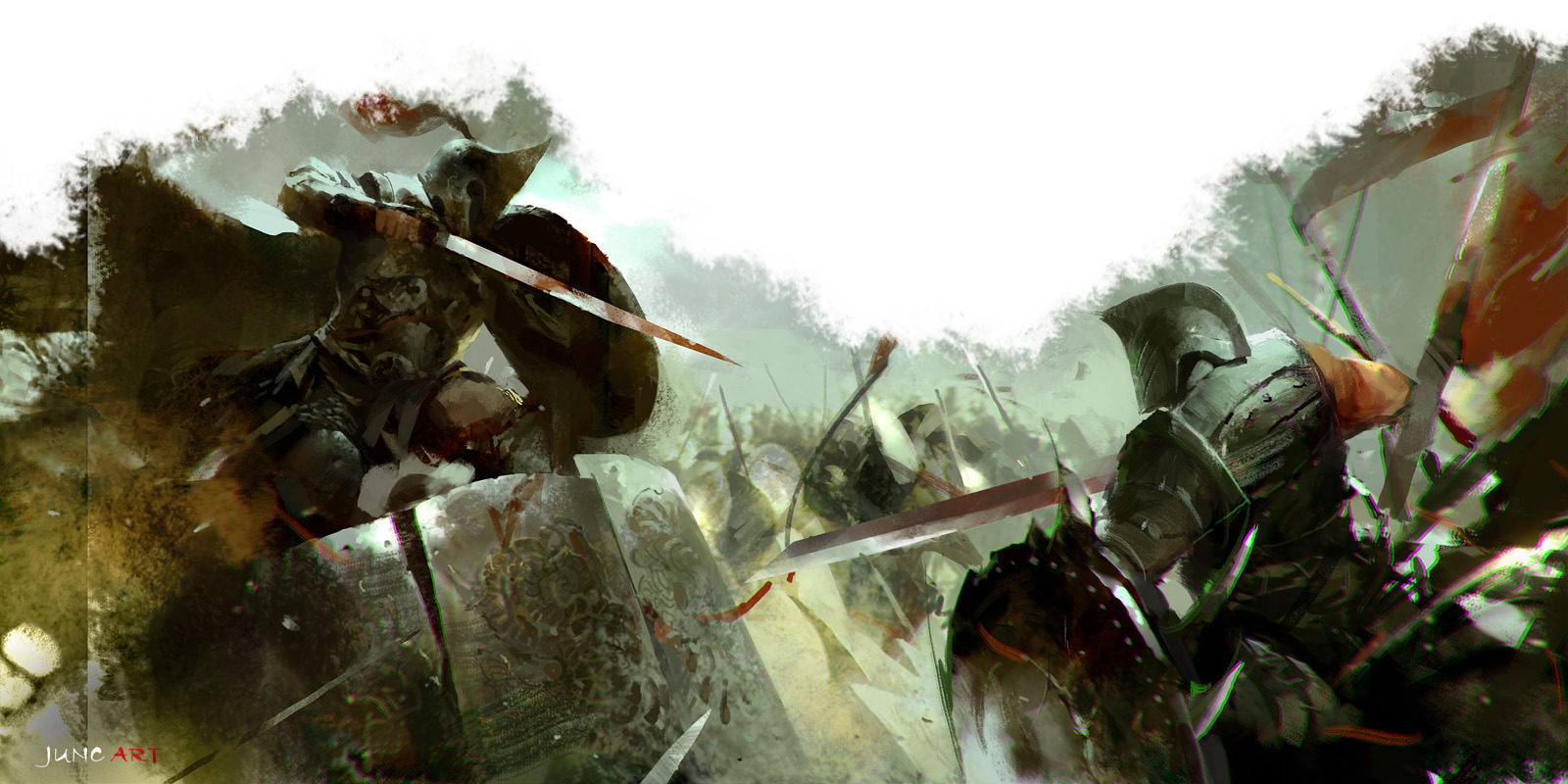
Slyval – The Verdant Bastion
Overview
Slyval is defined by its communion with magic and nature, a land where arcane and wild forces intertwine seamlessly. Unlike Duzemec’s industrial sprawl, Slyval is alive, vibrant, and carefully shaped by its people through ritual, magic, and the subtle guidance of xanthite.
Geography & Landmarks:
Alofast:
The capital, perched atop a plateau surrounded by shimmering barrier lines and cliffs, is a city of living architecture. Buildings grow from living wood, reinforced with magical stone, and enchanted bridges float above rushing rivers. Spires are topped with crystalized xanthite that glows faintly at night, illuminating the city in a soft, magical radiance
Viridan Grove:
The oldest forest in Slyval, rumored to date back to the first communion of Elves and Dryads. Massive trees form natural cathedrals, and ley lines hum beneath the roots. Some trees are so large they house entire communities within their hollowed trunks.
The Glass Coast:
Sheer cliffs along the western shores, sculpted by Slyvalian magic, prevent easy invasion. Only a few controlled inlets and port towns allow access to the sea. Here, Slyvalian shipyards construct lightly armored but magically potent vessels.
Runic Hills:
Rolling hills etched with ancient wards and sigils. These subtle enchantments maintain the magical balance of the land, heal the soil, or repel dangerous creatures. Travelers often see glowing runes along natural rock formations.
The Circle of Druids:
A sacred highland plateau where Slyvalian druids commune with elemental spirits. Ritual stones and stone circles dot the landscape, and the land itself seems to respond to their presence — rivers shift, flowers bloom out of season, and the air is thick with latent magic.
Culture Embedded in Land:
- Magic is woven into the terrain itself: streets pulse with subtle energy, bridges hum with life, and rivers glow faintly with restorative power.
- People live in harmony with the land: farms are vertical, grown from trees or atop terraces, and villages are shaped by natural clearings rather than carved out of forests.
- Wildlife is abundant and sometimes magical, forming a semi-symbiotic relationship with humans. Some beasts serve as guardians or scouts for villages.
Duzemec – The Iron Dominion
Overview:
Duzemec is the engine of progress and industry. Its landscape reflects ambition and exploitation: mountains are hollowed for mines, rivers are rerouted for mechanical operations, and smoke stacks punctuate the skyline. The nation feels alive with invention, but in a harsh, mechanical sense.
Geography & Landmarks:
Ironreach:
The sprawling capital, a network of xanthite-fueled forges, factories, and academies, dominates the central highlands. Massive smokestacks vent steam and enchanted gases, while arcane lighting illuminates iron-plated streets. Railways of polished metal and xanthite-driven carts crisscross the city.
Berwick Highlands:
A mountainous mining region with deep xanthite veins. Colossal drills and conveyor networks tunnel into the mountains, sometimes unearthing dangerous remnants of the First Races or the Secondborn. Adventurers are often hired to clear these areas.
The Shattered Coast:
Facing Slyval, this coastline is rugged but militarized. Iron fortresses and artillery towers line the cliffs, monitoring sea traffic and controlling naval access. Xanthite-powered observation crystals and magical beacons help spot intruders.
The Black Prairies:
Vast open plains between mountain ranges. Once home to grazing herds, now dotted with experimental facilities and training grounds. Arcane testing fields hum with latent energy as weapons, drills, and machines are constantly tested.
The Great Forge:
A monumental industrial complex in the central valley, said to be visible from the surrounding highlands. Here, xanthite burns in enormous forges, powering the creation of weapons, war machines, and the Empire’s legendary ironclad ships.
Culture Embedded in Land:
- Cities are functional and imposing, made of steel, stone, and reinforced glass. Even residential areas reflect a utilitarian design.
- Innovation is literally etched into the land: canals and aqueducts for powering machines, tunnels for mining, and railways connecting distant resource-rich regions.
- Nature is often secondary to progress, though some protected forests remain for resources or rare magical flora.
Slyval – The Arcane Bastion
Slyval is a nation born from a sacred covenant with magic itself. Its people believe that power is not a possession to be hoarded, but a resource to be shared with the world around them. Magic is channeled, not controlled, flowing through Slyvalians as naturally as air through trees. To wield it for personal gain is a sin, punishable under law and often by public censure. Those who abuse magical power are seen as corrupting not just themselves, but the land, and persecution is swift and severe.
Though Slyval has endured war and emerged reformed, some citizens whisper that the nation has strayed from its roots. These voices call for a return to simpler communion with the land — a rekindling of the primal respect that once defined their people before the encroachment of bureaucracy and military structure.
Government: The Conclave
Slyval is ruled by the Conclave, a council chosen both by birthright and by contribution to the nation. Over time, the Conclave expanded to include leaders of military intelligence and arcane research, forming a dual structure that governs both the physical and mystical defense of the realm.
- Arcane Research Division: Members of this wing are scholars, mages, and alchemists who oversee the exploration of Slyval’s magical potential. They advise the queen on magical developments and report new findings that could affect the nation’s strategic and societal balance.
- Military Division: Composed of the leaders of the Steel Wings, Ebon Wings, and Fearless Sentinels, this half of the Conclave ensures the protection of Slyval’s borders, manages its armed forces, and executes strategic operations in times of war or crisis.
At the head of the Conclave sits Queen Irishna, a dark elf of unmatched skill and intellect. Born to nobility, she demonstrated prodigious talent in both swordsmanship and arcane studies from an early age. Her early brilliance, however, was marred by tragedy: a miscalculation during a magical experiment claimed the lives of innocents, forcing her into a period of reflection and isolation. When she returned to ascend the throne, she had become cold, calculating, and unyielding, guiding Slyval for three centuries with a focus on survival, balance, and arcane mastery. Despite her distant demeanor, the nation has remained steadfast in support of her rule and the authority of the Conclave.
Military Forces
The military of Slyval is young and was hastily organized during the Great Xanthite War. Over time, three orders were established to balance the rapid growth of magical and martial capability:
- Steel Wings: Tasked with crafting equipment, constructing magical and naval vessels, and maintaining technological infrastructure, the Steel Wings are the backbone of Slyval’s production and logistical power.
- Ebon Wings: Rangers, scouts, and spies, the Ebon Wings guard the borders, monitor forested regions, and intercept enemy activity. Their mastery of stealth and reconnaissance is unmatched.
- The Sentinels: The standing army responsible for national defense and potential offensive operations. They maintain the integrity of borders, respond to invasions, and serve as the first line of combat during crises.
Lay of the Land
Slyval is a land shaped by magic, ritual, and communion with xanthite. Unlike Duzemec, Slyval does not crush or burn the mineral for raw energy. Instead, they offer magic to the xanthite, drawing on it for subtle effects while leaving it largely intact. This approach allows for the mineral’s reuse and sustainability, reinforcing the nation’s principle that magic is a shared resource.
Research in Slyval focuses on enhancing spellcraft and understanding the nature of magic, rather than producing destructive engines of war. Towns, barriers, and protective wards are grown from the land itself, empowered by xanthite but guided by careful ritual.
The few islands guarding the approach to neighboring lands serve as military outposts and trade checkpoints. Fortresses equipped with xanthite-powered spyglasses monitor the seas, detecting smugglers, enemy vessels, and other threats. These outposts also serve as staging grounds for the Sentinels, should an incursion require rapid response.
Culture and Philosophy
At the heart of Slyval’s culture is a belief in balance, stewardship, and shared responsibility. Citizens are taught that birthright comes with obligation: those born with magical talent are expected to enrich the nation and the world, rather than pursue selfish ambition.
While the nation is resilient and unified, there exists an undercurrent of tension: some argue that centuries of isolation and militarization have divorced Slyval from the natural flow of magic. These voices quietly advocate for a return to druidic circles, elemental priesthoods, and the primal practices that first defined the people of the land.
The Woven City of Alofast
Alofast does not simply stand; it unfolds. To those who first behold it, the city seems alive — towers bend like trees, streets wind like rivers, and the whole of it spirals outward as though grown from a single seed. To Slyvalians, this is no wonder, but truth: Alofast is the hymn of their people, shaped by centuries of spell and song.
The Spire of the Conclave
At the city’s center rises the Spire of the Conclave, the heart of Slyval’s governance. Its crystal walls are veined with living xanthite, pulsing faintly as if in rhythm with the breath of the city. Light scatters from its surface, painting the sky in shifting hues at dawn and dusk, so that Alofast never sees a gray morning. Within, Queen Irishna presides, her Conclave seated in high chambers where decisions are etched into glowing walls that remember every word. The Spire is less a fortress of rule than a beacon of harmony, its presence shaping the spiral of districts around it like a stone dropped into water.
The Scholar’s Veil
Encircling the Spire is the Scholar’s Veil, where the hunger for knowledge has carved a district of living academies. Libraries bloom from hollowed trees whose bark parts to reveal tomes; lecture halls sit beneath crystal domes that refract starlight into cascades of shifting color. Here the air always hums with magic — wards reinforcing reality, spells whispered into parchment, apprentices weaving experiments that threaten to slip beyond control. The Veil is the city’s mind, restless and brilliant, forever seeking deeper communion with the mysteries of magic.
The Whispering Bazaar
From the Veil the streets unravel into the Whispering Bazaar, where commerce becomes spectacle. Stalls spill beneath enchanted canopies, their leaves glowing faintly even under moonlight. Goods shimmer with enchantments: silks that ripple with mood, fruits that never spoil, and jewelry that glows like a lover’s embrace. Merchants chant their prices like incantations, while illusionists conjure dazzling spectacles to lure the crowd. Yet beneath its pageantry runs iron discipline. Sentinels patrol every archway, their presence a reminder that Alofast’s gates will never admit the forbidden shadow of Duzemec hextech.
The Grove of Communion
Beyond the Bazaar lies the Grove of Communion, where stone softens to earth and the heartbeat of faith can be heard in the rustling leaves. Temples rise not by craft but by coaxing, their walls grown from intertwined roots and living stone. Pools mirror both sky and soul, while priests chant The Melody, their voices blending with birdsong and wind. Here, nobles kneel beside peasants, for in the eyes of the Grove all are born of magic and to magic all return. On festival days, the district becomes a living hymn — dances under lantern-lit boughs, chants that weave through the streets — but even in silence it hums with reverence.
The Silver Courts
The Silver Courts stretch outward like the veins of a leaf, weaving Alofast’s life into elegant threads. Homes here are coaxed from trees shaped into towers or stone shaped into flowering terraces, every dwelling more garden than house. Lanterns of bioluminescence spill light across winding streets, and plazas bloom with fountains that sing softly in layered harmonies. By day, the Courts are alive with voices: children chasing illusions, neighbors sharing enchanted harvests, actors performing under open skies. At night, the Courts glitter with soft silver light, as though the stars themselves had chosen to descend and dwell among the people.
The Emerald Bastion
At the city’s edge rises the Emerald Bastion, where beauty gives way to strength. Carved stone barracks and enchanted training grounds are woven seamlessly into the natural cliffs, so that the Bastion looks more like a living ridge than a wall. Banners of the Steel Wings, Ebon Wings, and Sentinels hang from towers warded against every known spell of war. To outsiders it seems a city unguarded, its defenses hidden beneath its harmony — but Alofast wears its shield like a second skin. When the call comes, the Bastion can awaken in an instant, its walls thrumming with protective glyphs and the Evershield barrier rising unseen above the city.
Each district sings its own verse, but together they form the city’s hymn — Alofast, the capital not only of Slyval, but of the dream of harmony between people, magic, and the land itself.
Slyval – The Verdant Bastion
Capital: Alofast
- Description: Alofast rises atop a plateau, overlooking the sprawling Viridan forests below. Buildings are grown from living wood and reinforced with enchanted stone. Bridges float magically over rivers, and xanthite crystals crown the spires, emitting a soft, ever-shifting glow.
- Cultural Touch: Arcane lights pulse gently along streets to guide travelers. Public forums double as classrooms for mages and druids to teach the younger generation. Markets are small but filled with enchanted goods — floating lanterns, self-watering pots, and minor protective charms.
- Key Landmarks:
- The Hall of Conclaves: Headquarters of the Conclave; each tower represents a different school of magic.
- The Crystal Spire: Observation tower and magical beacon, used to monitor magical anomalies and approaching threats.
- The Verdant Plaza: Large open area with magically grown trees and fountains, serving as a gathering place for festivals and ceremonies.
Viridan Grove
- Description: A forest of immense scale and ancient origin, where some trees are so large they house entire communities within hollowed trunks. Glowing moss and ley-line hums create a living magic grid across the land.
- Cultural Touch: Druids and elemental priests hold seasonal ceremonies here, communing with nature and empowering the land. Travelers report whispers of spirits guiding or warning them.
- Notable Features: The “Heart Tree,” a colossal, semi-sentient tree believed to be a fragment of Dentaria herself. Many pilgrimage to its roots for guidance or blessings.
The Glass Coast
- Description: Sheer cliffs protect the western coastline, save for a few strategic inlets where Slyvalian ports exist. Shipyards craft vessels powered subtly by xanthite and magic rather than engines.
- Cultural Touch: Coastal villages rely on fishing, but the people also study currents and tides magically, guiding ships safely without conventional navigation tools.
- Key Fortresses:
- Seawatch Keep: Houses the Ebon Wings, the scout and ranger order, monitoring the coast for smugglers or Duzemecan spies.
- Port Solari: The main trading hub, small but highly protected by wards and magical barriers.
Runic Hills
- Description: Rolling hills etched with glowing sigils that maintain magical balance and protect villages from natural disasters or wild beasts.
- Cultural Touch: Scholars and apprentices frequently travel here to study the interplay between magic and geography.
The Circle of Druids
- Description: A sacred highland plateau adorned with ritual stones and arcane circles. The land itself reacts to magic performed here: rivers shift, flowers bloom, and the wind whispers secrets.
- Cultural Touch: Only select initiates may dwell here permanently. Those who study here often become advisors to the Conclave or teachers in Alofast.
Slyval – Major Cities and Portways
1. Port Solari (Glass Coast)
- Role:
Primary coastal city, military port, and trade hub.
- Military Features:
Fortified docks, xanthite-powered magical barriers, arcane lookout towers, and coastal wards. Only approved vessels are allowed through enchanted gates. The Ebon Wings patrol the surrounding waters.
-Goods & Services:
- Exports: Enchanted timber, magical herbs, runic art, minor enchanted trinkets, spell components.
- Services: Magical repair for ships and tools, arcane training for sailors, limited mercenary services.
- Cultural Flavor: Citizens are mostly sailors, mages, and artificers. Festivals honor the sea spirits and the land’s protective wards. The city hums with subtle magic — even the tides are regulated with minor spells.
2. Verdant Harbor (River Inlet)
-Role:
Inland port connecting river trade to Alofast.
-Military Features:
Stone walls reinforced with runes; river gates prevent unauthorized passage. Garrisoned by Steel Wings and Sentinel units.
-Goods & Services:
- Exports: Arcane glass, refined alchemical reagents, enchanted textiles, cultivated crops enhanced by magic.
- Services: River transport, mage-guided cargo handling, minor magical protections for caravans.
- Cultural Flavor: Known for its floating markets and arcane festivals. Merchant families often work in conjunction with magic-users to safeguard shipments.
3. Thornwatch (Northern Coastline)
-Role:
Small but heavily militarized port defending northern approaches.
-Military Features:
Cliffside fortifications, magical ballistae, and xanthite-powered surveillance crystals. Serves as a first line of defense against naval incursions.
-Goods & Services:
- Minimal commercial trade — mainly military supply. Exports are mostly surplus timber and stone.
- Cultural Flavor: Harsh, disciplined population; almost entirely soldiers, scouts, and artisans producing weapons, armor, and naval equipment.
Slyval – Smaller Towns & Settlements
Moonleaf Village (Southern Forests)
- Population: ~1,200
- Specialty: Herbalism, druidic magic, arcane alchemy
- Features: Treehouse homes woven into giant oaks, stone-and-wood bridges over streams, small shrines to nature spirits
- Military Presence: Light; patrolled by Ebon Wings scouts only. Defense relies on natural wards
Glassmere Crossing (Riverlands)
- Population: ~3,500
- Specialty: Trade post, glasscraft, enchanted waterways
- Features: Bridges and canals reinforced with minor wards; glassworks produce translucent, magically hardened materials. Markets operate on floating platforms
- Military Presence: Moderate; small Steel Wings garrison and patrol boats
Starhaven Outpost (Northern Coast)
- Population: ~800
- Specialty: Coastal defense, lighthouse magic, spyglass surveillance
- Features: Cliffside towers with xanthite-powered lenses; fortified docks; hidden tunnels for rapid troop movement
- Military Presence: High; Ebon Wings and Sentinels maintain strong presence
Verdant Hollow (Eastern Hills)
- Population: ~1,000
- Specialty: Crop cultivation enhanced by magic, minor enchantments
- Features: Hills covered in terraced farms, stone cottages with runic protections, small druidic shrines
- Military Presence: Light; mostly local militia with magical wards
The Political Tapestry of Alofast, with its Leaders
The Queen: Irishna Valessar, The Cold Flame
The dark elf queen is the axis around which Slyval’s politics turn. Her voice is low, her words precise, and her judgment unflinching. Once brash and impulsive, centuries of rule — and the scars of the Great Xanthite War — have tempered her into something sharper. She is known as The Cold Flame: unwavering, unyielding, and yet always burning beneath the surface. To her people, she embodies both salvation and distance; they revere her strength but rarely feel her warmth.
The Generals of the Three Wings
General Vaelith Dros, Commander of the Steel Wings
A high elf of immense stature, Vaelith wears armor inscribed with etched wards, every plate humming faintly with enchantments. He is pragmatic, disciplined, and relentless in his pursuit of military innovation. Vaelith argues that survival depends on arming Slyval for the wars yet to come, pushing for stronger ships and weapons infused with xanthite rituals. Some whisper he envies Duzemec’s industry, though he masks it under patriotic zeal.
General Kaelen Thryss, Commander of the Ebon Wings
A half-elf of wood and shadow, Kaelen is wiry, sharp-eyed, and forever quiet until the moment his words cut through debate like an arrow. He values secrecy, mobility, and cunning above brute force, often warning that enemies are best defeated before they arrive on the battlefield. His scouts watch the borders with a zeal that borders on paranoia, and some accuse him of overstepping into espionage within Slyval itself.
General Serenya Veyra, Commander of the Fearless Sentinels
Once a farmer’s daughter, Serenya rose to prominence through sheer grit on the battlefield. She is a broad-shouldered, open-hearted woman whose laughter carries as loudly as her battle cries. In the Conclave, she is the voice of the common soldier, arguing fiercely for the well-being of her troops and the protection of villages. While respected, her bluntness often clashes with Vaelith’s calculated precision and Kaelen’s secretive tone.
###The Scholars and Historians
Archmage Orleth Wynscar, Head of the Arcanum Collegium
An elderly human with silver hair and robes that shimmer faintly with protective wards, Orleth embodies the scholarly tradition of restraint. He speaks slowly, weighing every word as though it were a spell being cast. Orleth warns constantly of hubris — that every step toward weaponizing xanthite risks awakening the world’s buried forces once more. His reputation as a moral compass is both his strength and his weakness, for many dismiss him as too cautious.
Chronicler Maevira Korr, Keeper of the Living History
A half-drow historian, Maevira carries herself with the solemnity of someone who believes memory is a weapon. She maintains the great archives beneath Alofast, where every law, battle, and betrayal is etched in enchanted stone. In council, she often recalls past mistakes to guide future decisions — much to the irritation of generals who believe history slows action. Yet none deny that her meticulous record-keeping holds both power and leverage.
The Circle of Roots
Envoy Thalen of the Verdant Path
Tall, gaunt, and weathered by years walking barefoot through the wilds, Thalen represents the druids and priests of Thal’sera in the Conclave. He does not sit at the table as the generals do, but rather stands in the back, silent until called upon. When he does speak, his voice carries the weight of prophecy, and even Queen Irishna is said to listen more closely than she lets on. Thalen urges restraint, the honoring of the land, and the belief that to wound nature is to wound Slyval itself. Some in the military see him as a meddling nuisance, but to the common folk he is a beloved figure.
The Silent Hand
Unseen but always present are the queen’s spies — remnants of her network during the Great Xanthite War. Their leader is not known, their names never spoken, but their influence is undeniable. Whispers in taverns claim that the “Silent Hand” still guides the queen’s choices, silencing dissent and ensuring her decrees are followed without resistance. Whether they are a myth or a hidden faction remains deliberately ambiguous — perhaps even among the Conclave itself.
Duzemec – The Engine of Progress
Duzemec is a nation driven by ingenuity, ambition, and industry. From the moment xanthite was discovered, the nation leveraged its power to fuel successive technological booms, transforming from a modest collection of settlements into a powerhouse of innovation and commerce. Its people live by the creed:
"To be born means to follow your mind first and heart last, praying the two meet in the middle."
Status in Duzemec is determined not by birth alone but by contribution — whether through invention, discovery, or mercantile success. Wealth and innovation are both paths to influence, and even the humblest citizen can ascend if their mind produces value for the Empire.
Though the nation endured the chaos of the Great Xanthite War and the tyranny of Emperor Rihan, it has now begun a slow recovery under new leadership, and trade with Slyval has cautiously resumed.
Government: The Council of Iron
The Empire is ruled by the Council of Iron, led by Emperor Zan Orerani, a human of unmatched intellect and charisma. Membership in the Council is determined through votes of the nobility, whose rank is earned through wealth, innovation, or achievement in the academies of Ironreach.
Zan Orerani secured his position by uniting the guilds, merchants, and inventors of Duzemec. Demonstrating a mastery of xanthite and its applications, he gained the respect of the wealthiest and most powerful leaders.
His rule is characterized by calculation, pragmatism, and political skill, guiding a nation scarred by past madness toward stability and growth. Under his guidance, the armistice with Slyval was negotiated, and trade slowly reopened, though tensions remain beneath the surface.
Zan is widely admired — almost revered — for bringing Duzemec back from the brink of ruin, yet whispers persist of his intense focus and unsettling ambition, which some claim borders on obsession.
Military Forces
Duzemec’s military reflects its culture: innovative, adaptive, and fueled by xanthite. Technology drives its power, from massive drills that hollow mountains to xanthite-powered siege engines that dominate the battlefield. Three primary military organizations define its strength:
- Iron Forge: Responsible for the production of xanthite-infused weapons, armor, and ships. Their forges burn day and night, crafting instruments of war that are both efficient and deadly.
- Iron Pride: The Empire’s ground forces and main invasion army. Trained for discipline and efficiency, they are expected to implement technological advancements directly into combat strategy.
- Iron Sails: The naval branch, tasked with controlling the seas, protecting trade routes, and projecting power across oceans. Their xanthite-powered vessels are formidable and virtually unmatched in speed and durability.
While Duzemec dominates in mechanical might, the reliance on xanthite as a consumable resource creates tension. The Empire burns through its stockpiles at a staggering rate, fueling both innovation and greed. Limited trade with Slyval provides essential goods, but the Empire’s appetite for xanthite is insatiable, leaving the Empire perpetually searching for new veins and new territories to exploit.
Lay of the Land
Duzemec is designed for production and military efficiency. The plateaus and coast facing Slyval are fortified and monitored, serving as launch points for both trade and potential invasions. Barren lands stretch between industrial zones, dotted only with small forests and patches of prairie deemed unfit for xanthite harvesting.
The Highlands, located at the heart of the Empire, are home to massive xanthite veins and are continuously mined using colossal drills engineered in Ironreach. These operations uncover remnants of the ancient world: forgotten caverns, dormant guardians, and long-lost relics of the First and Secondborn races. Adventurers are often enlisted to clear these sites, both for safety and to uncover valuable knowledge or resources.
Duzemec’s landscape reflects its philosophy: utility over beauty, progress over preservation, yet hints of natural wonder persist in pockets untouched by industry — the last reminders of a world before xanthite reshaped civilization.
Culture and Philosophy
Duzemecians celebrate intellect, innovation, and ambition. The creed guiding the nation encourages citizens to prioritize reason and invention, trusting that ethical decisions will follow — a philosophy that sometimes justifies morally ambiguous choices.
Commerce is central to status and survival. Guilds, academies, and trade houses dominate both urban life and political power, creating a society where merit, wealth, and ingenuity dictate influence.
Despite its focus on industry, Duzemec is not monolithic: there exist philosophers and scholars who warn against the overreliance on xanthite and caution that unchecked ambition could once again bring ruin — whispers that echo faintly from the tragic reign of Rihan.
The Iron Heart of Duzemec: Ironreach
Ironreach does not whisper or sing — it roars. Smoke and sparks rise above its skyline, towers of stone and steel clawing toward the heavens. Where Slyval flows like a river, Ironreach strikes like a hammer: deliberate, unrelenting, and forged by the will of its people. The city is built in concentric rings, each pressed tighter toward the massive Citadel at its core. Every ring has its purpose, and together they grind like the gears of a colossal machine — efficient, brutal, and unstoppable.
The Citadel of Iron
At the city’s heart stands the Citadel of Iron, seat of the Emperor and the Council. It is a fortress of steel-bound stone, girded with xanthite conduits that glow faintly like veins of molten fire. Its walls are said to be impenetrable, a living monument to the empire’s creed: progress above all. Within its council chambers, guild banners hang beside noble crests, each reminder of the uneasy balance between wealth, invention, and power. When Emperor Zan Orerani speaks, the chamber falls to silence — for here, the future of Duzemec is hammered into shape like heated metal beneath a smith’s hammer.
The Forge District
Radiating outward from the Citadel, the Forge District seethes with life. Foundries roar day and night, chimneys vomiting smoke that paints the skies in hues of ash and fire. Sparks rain from gantries where smiths bend xanthite and steel into weapons, armor, and machinery. Streets are lined with workshops, each vying for contracts from the Council of Iron. The air is thick with the clang of hammers, the hiss of steam, and the hum of unstable xanthite engines. Here, progress is bought in blood and sweat; those who cannot endure the fire are cast aside like brittle slag.
The Market of Gears
Beyond the Forge lies the Market of Gears, a cacophony of trade and invention. Clockwork stalls fold open with a hiss of steam, hawkers call out through amplifiers crafted from scrap metal, and great mechanical lifts ferry goods between tiers of the district. Here one may buy anything: mass-produced tools, xanthite-powered trinkets, exotic goods smuggled in from across the seas. Merchants parade their innovations like warlords, each invention judged not by artistry but by profit and practicality. Unlike Slyval’s bazaar of wonders, Duzemec’s market thrives on ruthless commerce, its streets paved with both opportunity and ruin.
The Chainwall Barracks
The outer rings of Ironreach are girded by the Chainwall, a massive defensive ring of black iron bolted into the bedrock. Built into its thickness are the Chainwall Barracks, home to the Iron Pride, Iron Sails, and Iron Forge detachments that safeguard the capital. Soldiers train in vast yards lined with targets charred by musket-fire and scarred by xanthite detonations. From its watchtowers, enormous signal-flames rise, powered by refined xanthite to burn without ceasing. To stand upon the Chainwall is to look out over a land stripped bare, the lifeblood of Duzemec fueling the machine that is Ironreach.
The Slag Warrens
Beneath the grandeur lies the Slag Warrens, a district the Council never names but every citizen knows. Here, the poor and broken laborers dwell in cramped quarters carved from the ruins of abandoned shafts and foundries. Smoke clings to the air, ash covers the streets, and water runs black with runoff from the forges. Yet even here ingenuity burns: scavengers fashion crude inventions from discarded scrap, smuggling networks thrive in the shadows, and whispers of rebellion stir whenever the smoke grows too thick. If Alofast is a hymn, the Warrens are the dissonant chorus, a reminder of the cost of progress.
The Docks of Ironreach
On the coast, where the Chainwall meets the sea, the Docks rise in jagged tiers of steel and stone. Massive cranes, powered by xanthite engines, swing with mechanical precision to unload cargo and war machines alike. Ironclad ships line the harbor, their hulls gleaming with riveted plates, their cannons aimed outward at the endless waves. The Docks are militaristic by design — every merchant vessel inspected, every foreign sailor watched by sharp-eyed guards. For all its trade and commerce, Ironreach knows the sea is both lifeline and battlefield, and its port stands ready to serve as either.
Duzemec – The Iron Dominion
Capital: Ironreach
- Description: A sprawling industrial city set in a central highland valley. Smoke stacks vent steam and magical gases, while xanthite-powered lights illuminate streets. Railways, forges, and factories dominate the skyline.
- Cultural Touch: The city hums with invention; street vendors sell mechanical devices alongside enchanted trinkets. The city is a symbol of ambition and resilience, especially post-war under Emperor Zan Orerani.
- Key Landmarks:
- The Great Forge: Massive industrial complex producing weapons, ships, and machinery. Flames from xanthite forges are said to be visible from miles away.
- Council Hall of Iron: Seats the Emperor and the Council of Iron. Security is both mechanical and magical, with enchanted barriers and automatons patrolling the grounds.
- Ironreach Academy: Magical and technological research center; inventors and mages work side by side.
Berwick Highlands
- Description: Mountainous mining region rich with xanthite. Colossal drills tunnel deep, occasionally uncovering remnants of ancient civilizations.
- Cultural Touch: Adventurers and mercenaries often come here to clear old ruins or dangerous creatures unearthed by mining operations. Local mining towns are rough, industrious, and loyal to the Empire.
The Shattered Coast
- Description: Rugged coastline facing Slyval, heavily fortified with artillery towers, watchtowers, and observation crystals powered by xanthite.
- Cultural Touch: Only military personnel and approved merchants pass here; fortresses serve as training grounds and military staging areas.
- Key Fortresses:
- Fort Ironclad: Massive artillery fortress guarding the primary inlet.
- Beacon Tower of the Sails: Uses xanthite-powered observation crystals to track naval traffic far into the ocean.
The Black Prairies
- Description: Expansive plains used for training and experimental testing. Machines, drills, and golems roam the landscape during exercises.
- Cultural Touch: Known for their harsh conditions; inhabitants are hardy and skilled in survival, mechanical work, and combat.
Duzemec – Major Cities and Portways
1. Berwick Port
- Role:
Northern coastal city, industrial port, and staging area for sea invasions.
- Military Features:
Ironclad docks, artillery towers, reinforced warehouses, and magically augmented watchtowers. Xanthite-fueled engines maintain defenses and patrols.
-Goods & Services:
- Exports: Forged weapons, reinforced ships, xanthite-fueled machinery, mechanical tools.
- Services: Shipbuilding, mechanical repair, mercenary enlistment, limited trade of foodstuffs and textiles.
- Cultural Flavor: Industrious, militaristic populace. Streets lined with foundries and workshops. Emphasis on efficiency and innovation — little room for artistry beyond mechanical invention.
2. Ironbay
-Role:
Southern industrial port, connecting inland cities to the ocean.
-Military Features:
Reinforced seawalls, magical cannon emplacements, patrolled by Iron Sails and mechanical sentries. Dockyards designed to process and deploy xanthite-powered ships rapidly.
-Goods & Services:
- Exports: Xanthite-refined goods, raw xanthite for trade, industrial machinery, textiles, and mass-produced provisions.
- Services: Industrial training, mechanical repair, magical augmentations for workers, naval logistics.
- Cultural Flavor: Heavy worker population, guilds dominate the city. Culture revolves around industry, invention, and loyalty to the Empire.
3. Hammerfort
-Role:
Inland trade and mining city, acting as a hub for Berwick Highlands resources.
-Military Features:
Garrisoned fortresses, xanthite-powered defenses, and network of tunnels to protect mining operations. Serves as a staging ground for troops and adventurers tasked with clearing dangerous areas in the mountains.
-Goods & Services:
- Exports: Raw xanthite, refined metals, stone, and magical artifacts uncovered during mining.
- Services: Mercenary recruitment, mining support, trade with smaller frontier settlements.
- Cultural Flavor: Rough, practical population — miners, engineers, and soldiers dominate daily life. Tavern culture thrives, catering to adventurers and laborers alike.
Duzemec – Smaller Towns & Settlements
Ironspire (Highlands, near Berwick)
- Population: ~5,000
- Specialty: Mining, engineering, heavy xanthite processing.
- Features: Stone-and-metal fortifications, towering smelters, steam and smoke rising constantly. Drilling machines constantly operate on nearby hills.
- Military Presence: Moderate; Iron Pride stationed to protect mining operations and adventurers on missions.
Gearford (Plains near Ironbay)
- Population: ~4,000
- Specialty: Machinery, trade, and blacksmithing
- Features: Network of workshops and foundries; markets full of mechanical devices, gears, and xanthite tools. Canals for transporting heavy goods
- Military Presence: Low; Iron Forge has a small contingent of guards
Stonewatch (Borderlands nearest Slyval)
- Population: ~1,500
- Specialty: Outpost for surveillance and early warning
- Features: Fortified walls, xanthite-powered beacon towers, river barriers, defensive gates
- Military Presence: High; Iron Pride stationed with patrol units and magical defenses
Blackcliff Crossing (Mountain Passes)
- Population: ~800
- Specialty: Transit hub for traders and limited mining
- Features: Cliffside roads, stone bridges, xanthite-powered lighting, small taverns and merchant lodges
- Military Presence: Moderate; garrisoned by Iron Sails for rapid response along trade routes
The Council of Iron in Ironreach
The Emperor: Zan Orerani, The Gilded Machinist
Young for an emperor, Zan rose not from noble birth but from brilliance in engineering and ruthless political maneuvering. Charismatic yet cold, he speaks with the smoothness of a merchant and the precision of an inventor. To the people, he is a beacon of prosperity; to his council, he is both benefactor and rival, for they know he clawed his way to power by outsmarting them. His greatest strength is making others believe that their ambitions align with his — until the moment he turns them to his own ends.
Marshal Garrik Rhemnos, Commander of the Iron Pride
A mountain of a man clad in steel plate etched with furnace burns, Garrik is the embodiment of blunt force. His soldiers adore him for his willingness to fight alongside them, though his strategies are notoriously reckless. In the Council, he argues for expansionism — new land means new mines, new slaves, and new glory. Garrik provides loyalty through muscle, but his reliance on xanthite-fueled war engines makes him dependent on the guilds.
Admiral Selvara Drein, Mistress of the Iron Sails
Elegant, razor-tongued, and utterly merciless, Selvara is a human noblewoman whose family built the shipyards of Ironreach. Her fleets choke the seas with ironclad hulls, and her tariffs on shipping lanes bring fortunes to the Empire. She views the ocean as a chessboard and her fleets as the pieces; those who underestimate her drown quickly. In council, she presses for naval dominance and tighter control of sea trade, often clashing with Garrik’s land-first mentality.
Master Arkon Feld, Forge-Lord of the Iron Forge
A dwarf who abandoned ancestral tradition for industry, Arkon runs the sprawling foundries that arm Duzemec. His beard is singed, his hands permanently blackened by soot, and his temper as volatile as molten iron. He commands not armies, but the production of cannons, armor, and drilling machines. His seat exists because without him, the Empire’s engines stop running. His loyalty swings toward whichever faction funds his forges the most.
The Guild Representatives
Luthien Varros, Mistress of Coin and Commerce
A cunning merchant-prince of half-elven descent, Luthien has built trade networks across every port in the Empire. Her caravans and ships flood Ironreach with food, textiles, and luxury goods in exchange for xanthite. She sees herself as indispensable. She is charming, sly, and always smiling, but her books hold more blackmail than her tongue ever reveals.
Professor Kethric Draal, Innovator of the Arcane Mechanics Guild
Kethric is a brilliant but erratic gnome whose inventions blur the line between miracle and disaster. He created the first xanthite-driven artillery engines, and his experiments make the Empire unstoppable. He argues in council for ever greater experimentation, regardless of risk, and his seat is protected because even his failures provide new insight.
High Chancellor Selvryn Taa, Arbiter of Industry
A human of impressive stature and austere presence, Selvryn oversees all industrial production in Ironreach outside of the forges. He is responsible for the mines, workshops, and supply chains, ensuring that raw xanthite flows efficiently to the arms manufacturers. Selvryn is notoriously calculating, often manipulating rival council members by withholding essential resources until they agree to his proposals.
Lady Veyra Kallus, Architect of Infrastructure
A half-elf engineer who designs the bridges, roads, canals, and aqueducts that allow Ironreach to expand and maintain control over its territories. Veyra’s genius lies in both speed and scale — she has rebuilt entire districts in months and designed defensive walls capable of withstanding xanthite-based bombardments.
The Silent Broker
Magister Orvyn Korrath, Overseer of Internal Security
Duzemec does not announce its spies, but Orvyn is no secret. A gaunt man in austere robes, he represents the Ironreach Inquisition, a network of informants and enforcers that ensures obedience. Orvyn’s position is not tied to industry or invention — his power lies in fear. He provides stability by eliminating dissent, silencing rivals, and “encouraging” loyalty to the Emperor. Few challenge him directly, for his eyes and ears stretch across the Empire.
The Races of Ettodran
The races of Ettodran are a culmination of both the world wide events that shaped them during the era of the Titans and of the regions they are raised in. Due to the continent becoming split into two seperate countries, there are similar races on both sides and no one race commits to a single ideal or vision for the future of the country. When deciding on a character race, think of instead the ideals that shaped your PC and how they may have been instilled with these ideals during their growth in either Duzemec or Slyval. The following races listed are ones that may have unique origins or not detailed in their creation during the setting.
Humans
Humans are the most adaptable and widespread race in Ettodran, capable of thriving in both the arcane-infused lands of Slyval and the industrial, xanthite-fueled expanses of Duzemec. Their diversity in appearance, temperament, and ambition makes them central to the culture, politics, and economy of both nations.
In Slyval, humans are often drawn toward the magical arts or druidic circles, seeing themselves as custodians of the land or students of the Weave. Many serve as scholars, caretakers, or mages within the Conclave’s research divisions, contributing to the understanding of xanthite as a living mineral and the careful harmonization of magic with nature. Rural human communities in Slyval often practice agrarian lifestyles infused with ritual and minor magics, blending song, ritual, and earth-borne enchantments to sustain crops and forests.
In Duzemec, humans are the backbone of the industrial and commercial society. They excel as engineers, miners, merchants, and laborers, their ambition rewarded through merit, commerce, and innovation. Humans in the Empire often strive for positions within guilds, the Council of Iron, or military engineering corps, where cleverness and technical skill define status. Cities like Ironreach teem with human ingenuity, massive workshops, and the clang of xanthite-forged machines.
Humans remain versatile, bridging races and regions, making them the most politically, socially, and economically integrated group across Ettodran.
Elves
Elves in Ettodran are deeply connected to magic and the natural order, though their cultural expression varies sharply between the two nations.
In Slyval, elves are the lifeblood of the magical culture. Their societies are guided by harmony, ritual, and the careful stewardship of the land. Elves often occupy positions in the Conclave as researchers, historians, or magical instructors, shaping the nation’s understanding of xanthite and natural magic. Villages and cities are woven into forests and rivers, their architecture growing organically rather than carved or built, emphasizing balance and beauty. Elves in Slyval practice both combat and ritual magic, training as defenders of the land and as caretakers of arcane knowledge.
In Duzemec, elves are fewer and often seen as specialists or consultants in magical applications to technology. They contribute to xanthite engineering, refinement, and enchantment of machines, bridging arcane theory with practical innovation. Many elves in the Empire are inventors, advisers, or artisans, creating intricate devices powered by refined xanthite. They often maintain enclaves or guildhouses within industrial cities, where their work can be both highly respected and closely monitored by human overseers.
Elves across Ettodran carry a sense of patience and history, though their expressions differ: Slyvalian elves embody restraint and reverence, while Duzemecan elves represent adaptation and applied mastery.
Half-Elves
Half-elves are versatile, often mediating between the traditions of elves and humans. Their presence in either nation reflects adaptability and social bridging.
In Slyval, half-elves frequently take on roles as diplomats, scholars, or leaders within magical institutions, integrating human ambition with elven respect for the Weave. Their dual heritage makes them uniquely capable of navigating both magical and mundane spheres, often serving as envoys or teachers for younger generations of mages.
In Duzemec, half-elves are valued for innovation and negotiation. They often excel in commerce, industry, and guild management, able to balance the Empire’s drive for profit with nuanced understanding of social dynamics. Many act as intermediaries between human and non-human laborers or as leaders in research and production teams.
Half-elves are frequently celebrated for their adaptability and charisma, acting as natural connectors between races and ideals.
Drow
The Drow are a proud, enigmatic race, often misunderstood by the surface dwellers of Ettodran. Their dark skin, a result of siding with Azaid during the Titan War, is a permanent reminder of their controversial past. In the aftermath of the war, many Drow retreated to the Underdark, forming hidden cities carved into sprawling cavern systems. Here, they perfected the art of survival, stealth, and subterfuge, building a society that values cunning and loyalty over brute strength.
While the faith of Lolth dominates many Drow communities, particularly in the Underdark, others have rejected the Spider Queen entirely, turning instead to the worship of Dentaria, Reiail, or even arcane ideals as a form of penance or self-determination. Drow who live outside the Underdark are often treated with suspicion, regardless of their individual loyalties. Nevertheless, the ascension of Queen Irishna has reshaped the perception of the Drow in Slyval — showing that, when given opportunity, they can wield great leadership and command respect among the surface nations.
Culturally, Drow are disciplined, valuing education, arcane mastery, and martial skill. They often serve as advisers, mages, or elite soldiers within Slyval, their historical ties to darkness now transformed into a deep understanding of both magical and political strategy. Among other races, Drow are viewed with caution, but those who prove loyalty and skill can achieve positions of prominence that would be denied to other peoples.
Orcs
Orcs are a mysterious race whose true origins remain hidden, even from most of their own kind. Their arrival in Ettodran predates recorded history, and while they have integrated into both Duzemec and Slyval, their homeland beyond the continent is considered sacred and secret. Orcish communities tend to form around mutual protection, often in rugged mountainous areas or harsh plains where their strength and resilience are required for survival.
In Duzemec, Orcs are often employed as blacksmiths, miners, or artificers, their natural endurance and physical strength making them indispensable in industrial and magical production. In Slyval, Orcs are less common but highly valued when they do integrate, often serving as tacticians or bodyguards for elite orders or noble houses. Orcs are fiercely independent, placing great value on personal honor, clan loyalty, and strength of character.
Socially, Orcs maintain small communities that prioritize mentorship and generational skill-sharing. Half-Orcs, born from unions with humans or other races, are not uncommon and often act as bridges between Orc enclaves and surface societies. Orcs rarely seek political power, but their influence in labor, craftsmanship, and warfare makes them quietly indispensable in the functioning of both nations.
Tiefling
Tieflings are a race defined by resilience, cunning, and adaptability, born from a divine punishment that stripped their ancestors of godlike power. Their infernal heritage manifests in horns, tails, and unusual skin or eye colors, marks that often provoke curiosity, suspicion, or awe. Once destined to build a kingdom of domination, the race was scattered and forced to forge their own identity amidst the remnants of divine conflict.
Tieflings are naturally persuasive, clever, and adept at navigating complex social and political landscapes. Their charm and intellect often compensate for the lingering distrust many harbor toward them, enabling them to rise as merchants, negotiators, spies, or inventors. In Slyval, Tieflings are less numerous, often blending into urban centers or serving as independent scholars, magical researchers, or trusted agents for the Conclave’s intelligence network. In Duzemec, they thrive in the Empire’s meritocratic structure, where ingenuity and technical skill are highly valued. Many Tieflings excel in engineering, invention, or alchemical work, shaping the tools and weapons that define the Duzemecan military machine.
Socially, Tieflings form close-knit communities where trust and loyalty are paramount. They maintain cultural rituals that celebrate perseverance, cunning, and ambition, emphasizing intellect over brute force. While their infernal heritage is a reminder of divine punishment, the race has embraced its independence, creating a distinct cultural identity that values survival, innovation, and the careful balance between influence and respect.
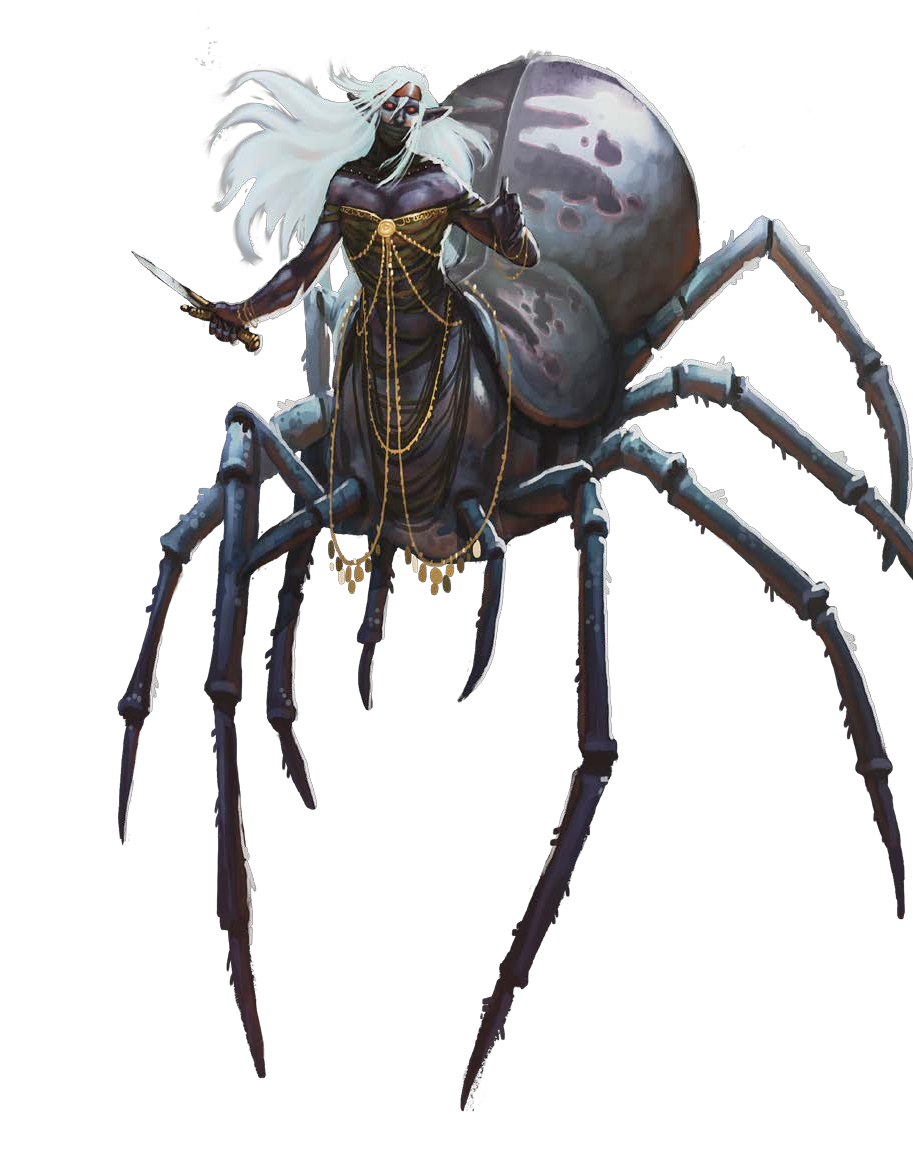
Goblins
Goblins, unlike Orcs or Drow, have a more chaotic and inventive nature. They are said to descend from halflings altered by Azaid’s residual magical influence during the Titan War, their small, wiry frames and sharp intellect suited for crafting, tinkering, and creating explosions. In Duzemec, Goblins are integral to the Empire’s war machine, designing molten xanthite cannons, electro-matic storms, and other devastating devices. Their work is often dangerous and unpredictable, but the rewards — both monetary and social — are significant for the skilled inventor.
Goblins are generally distrusted in Slyval, where their destructive tendencies and obsession with technological domination conflict with the nation’s principles of harmony and magical stewardship. However, rare Goblins who embrace arcane refinement rather than pure destruction can find acceptance as alchemists or artificers, though they are often viewed with suspicion by the populace.
Culturally, Goblins are opportunistic and inventive, thriving in chaotic environments where ingenuity is rewarded over brute force. They prize cunning, cleverness, and adaptability above all else, often forming guilds or informal clans dedicated to invention, sabotage, or mercenary work. Among Duzemecan society, Goblins occupy a paradoxical role: feared for their unpredictability, yet essential for the Empire’s technological supremacy.
Halflings
Halflings are small, nimble, and highly adaptive, often found thriving in close-knit communities.
In Slyval, halflings favor pastoral and magical communities, cultivating enchanted gardens, orchards, and small villages. Many serve as herbalists, potion-makers, or minor enchanters. Their cheerful demeanor and connection to natural cycles make them excellent farmers and caretakers of magical groves. Halfling towns often feature circular layouts, tree-lined streets, and communal spaces for festivals and seasonal rites.
In Duzemec, halflings are often involved in commerce, small-scale manufacturing, or trade. Their dexterity and adaptability make them skilled mechanics, tinkers, or operators in xanthite-powered assembly lines. While they might be dwarfed by the industrial scale of Duzemec, halflings often run essential services such as merchant caravans, markets, or administrative roles in factories.
Gnomes
Gnomes in Ettodran are naturally inventive and magically inclined, making them key contributors to both nations in unique ways.
In Slyval, gnomes pursue arcane research, crafting magical devices that enhance daily life and preserve the environment. They are often integrated into academies or druidic circles, blending mechanical ingenuity with the principles of sustainable magic. Gnomish villages are quirky and whimsical, with towers, bridges, and devices that seem almost alive.
In Duzemec, gnomes are industrial powerhouses. They specialize in engineering, automation, and experimental xanthite applications. Their creativity drives innovation in war machines, arcane devices, and automated factories. Gnomish districts in Duzemec cities are dense, bustling, and mechanically intricate, often featuring workshops filled with gears, steam, and glowing xanthite cores.
Half-Orcs
Half-orcs, born from orc and human unions, are strong, resilient, and adaptable.
In Slyval, half-orcs are often found in defensive roles, border patrols, or as guardians of magical groves. Despite their intimidating appearance, many half-orcs embrace the nation’s spiritual and magical values, acting as warriors-mages or ritual enforcers. Their communities emphasize honor, skill, and service to the land rather than brute conquest.
In Duzemec, half-orcs often serve as soldiers, miners, or laborers, thriving in physically demanding environments. They may also act as enforcers for guilds or industrial operations, where strength and resilience are highly valued. Half-orcs in Duzemec are respected for their contributions to construction, military, and heavy industry.
Kenku
Kenku are avian humanoids, skilled in mimicry and stealth.
In Slyval, kenku often act as messengers, spies, or archivists. Their natural talent for mimicry allows them to relay information and preserve oral traditions, and they often serve in intelligence or arcane research networks.
In Duzemec, kenku are spies, saboteurs, and skilled operatives in clandestine operations. Their dexterity and subtlety make them valuable in espionage, trade negotiations, or industrial theft, particularly around xanthite production facilities.
Tabaxi
Tabaxi are feline humanoids, curious and fast-moving, often drawn to exploration, trade, or culture.
In Slyval, tabaxi excel as explorers of forests, mountains, and ley lines, mapping territories and tracking magical anomalies. They often act as wandering scholars or scouts for the Conclave, prized for both agility and intelligence.
In Duzemec, tabaxi work as traders, merchants, or surveyors of distant lands, finding new resources for the Empire. Their speed and curiosity make them adept at reconnaissance, trade, and resource acquisition, particularly for xanthite or rare materials.
Dragonborn
Dragonborn are the living echoes of the War of the Titans, forged in the crucible of conflict and the arcane might of dragons. Created as warriors and sorcerers, they were meant to embody both the physical might and mystical power of their draconic progenitors. While their numbers are few, Dragonborn are universally recognized for their disciplined nature, honor-bound societies, and reverence for the traditions of old.
Following the sealing of the Titans, Dragonborn were largely left untouched by the memory-altering rituals, granting them a deep and sometimes solitary connection to the ancient histories of Ettodran. Through visions, oral storytelling, and ritual, they preserve accounts of the Titan Wars and the divine conflicts that shaped the world — histories that most consider myth or exaggeration.
In Slyval, Dragonborn are highly respected for their martial prowess and arcane wisdom, often serving as elite guards, advisors, or trainers for the nation’s military orders. In Duzemec, Dragonborn are rarer but valued as strategists, engineers, and spellcasters who understand both battle tactics and elemental forces, often consulted on dangerous mining operations or xanthite-related experiments. Socially, Dragonborn tend to live in small clans, each dedicated to preserving a piece of the past and ensuring that the lessons of history are not forgotten. Their presence commands respect, though their rigid adherence to tradition can sometimes put them at odds with more progressive or inventive societies.l disposition, Dragonborns secluded themselves from the world and pass on stories and legends dismissed as such.
Aasimar
Aasimar are the living mark of divine intervention, created to monitor and protect the Material Plane from the restless Primordials and the lingering influence of the Titans. Often bearing radiant features or ethereal auras, their presence is considered auspicious, with ordinary citizens seeing them as symbols of hope, guidance, and divine favor.
Despite their celestial heritage, most Aasimar live ordinary lives, working as artisans, scholars, or merchants, with their divine duties lying dormant until called upon by their patron deities. Those who do receive visions or missions are often reluctant heroes, guided by prophecy or circumstance rather than ambition. Over time, Aasimar have integrated into both Slyval and Duzemec, where they are evaluated based on skill and contribution rather than mystical lineage alone.
Culturally, Aasimar lean toward benevolence, morality, and social responsibility. In Slyval, they are often intermediaries between the Conclave and the religious or druidic circles, revered for their insight and rare ability to channel magic in harmony with nature. In Duzemec, Aasimar frequently occupy advisory roles within academies, guilds, and municipal governance, where their keen perception and inherent aura of trust make them effective diplomats or administrators. Though their divine origin sets them apart, most Aasimar live quietly among the populace, and their deeds are remembered long before their celestial heritage is acknowledged.
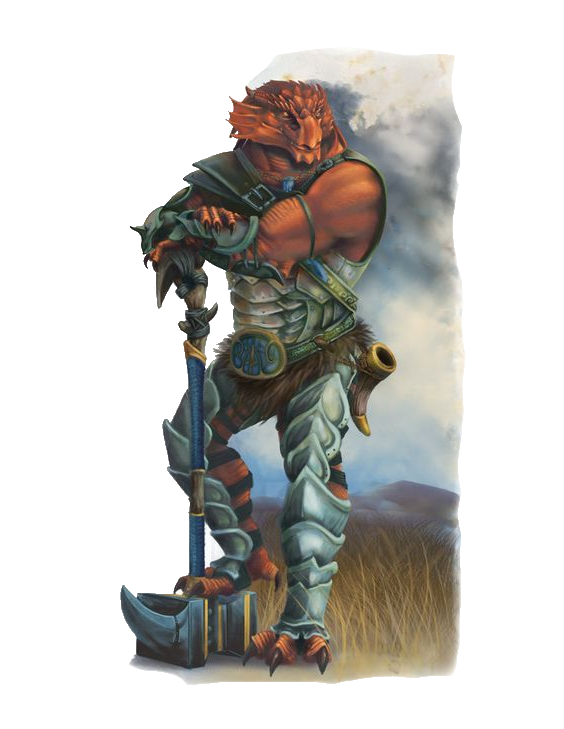
Dwarves
Dwarves are intrinsically linked to craftsmanship, metallurgy, and mining, a connection that resonates strongly in Duzemec but adapts differently in Slyval.
In Slyval, dwarves often serve as master builders or defensive engineers, designing arcane barriers, wards, and urban fortifications. Though less interested in large-scale industrial production, they are revered for their precision, patience, and expertise in combining magic with durable construction materials. Dwarven settlements tend to be integrated into the land with careful attention to natural topography, their subterranean cities filled with glowing xanthite crystals that illuminate their halls.
In Duzemec, dwarves thrive as industrialists, engineers, and miners. Their traditional skills are amplified through xanthite-powered machines, and they dominate guilds focused on metalwork, armament production, and urban development. Dwarves in the Empire are pragmatic, calculating, and highly respected for their contributions to technology and infrastructure. Cities like Ironreach owe much of their layered complexity and durability to dwarven oversight.
Dwarves in both nations are disciplined and community-oriented, though Slyvalians value artistry and preservation, while Duzemecans prize efficiency and productivity.
Genasi
Genasi are elemental-born mortals, infused with the essence of the Primordials during the early experiments with xanthite. Their elemental affinity shapes their society and roles differently in each nation.
In Slyval, Genasi integrate with both magical research and druidic orders. Water Genasi assist in ritual irrigation, shaping rivers and tides for agriculture. Earth Genasi cultivate fertile soil and fortifications. Air Genasi maintain weather wards and aerial observations, while Fire Genasi regulate controlled forges and ritual pyres. Genasi here are deeply respected for their intrinsic connection to the natural world and their ability to manipulate elemental forces responsibly.
In Duzemec, Genasi are exploited for technological advantage. Fire and Earth Genasi operate xanthite furnaces and drilling machines. Air and Water Genasi assist in powering airships, turbines, and hydraulic systems. Their elemental abilities are harnessed to maximize industrial output, often under regimented schedules and intense oversight.
Across Ettodran, Genasi are admired and sometimes feared for their elemental powers, symbolizing both the potential and danger of a world shaped by primal magic.
Stonekin
Stonekin are humanoids with a natural affinity for stone, metal, and earth. They are deeply tied to the landscapes they inhabit, often forming their societies within mountainous or rocky regions.
In Slyval, Stonekin are rare, often living in the high cliffs or fortified mountain passes, aiding in both construction and territorial defense. They excel at blending architecture with natural features, creating impregnable strongholds that are difficult to breach. Their stoic nature and physical endurance make them excellent scouts and guardians of remote settlements.
In Duzemec, Stonekin are industrial powerhouses. They serve as miners, masons, and overseers for the Empire’s extraction projects. Their affinity for rock and metal is leveraged to maximize xanthite mining, structural stability, and the construction of massive fortifications or siege engines.
Stonekin embody resilience and a connection to the earth, manifesting differently: as guardians of sacred places in Slyval, and as engines of industry in Duzemec.
Kobolds
Kobolds are small, industrious humanoids often tied to mining, engineering, or trap-laying.
In Slyval, kobolds are tolerated in small numbers for their expertise in tunnels, burrows, or defensive traps, working alongside dwarves and Stonekin to maintain fortifications.
In Duzemec, kobolds thrive as miners, artificers, and mechanical engineers. They are particularly adept at working with xanthite, creating intricate furnaces, processing tools, and protective mechanisms. Kobold communities are industrious, dense, and deeply integrated into mining operations.
Gaiari
The Gaiari are a mysterious race of beings intimately attuned to the land, flora, and natural energies. They are rare but vital to Slyval’s ecosystem and magical research.
In Slyval, Gaiari act as caretakers of forests, wetlands, and arcane ley lines. Their abilities to communicate with plants and sense disturbances in natural energy make them essential advisors to druidic circles and magical academies. Their presence is considered a blessing, and many settlements exist in symbiosis with Gaiari communities, incorporating natural growth into city design.
In Duzemec, Gaiari are extremely rare, often employed to monitor environmental impacts of xanthite extraction or to manage rare botanical experiments. They are sometimes brought into the Empire as specialized consultants, though many Gaiari avoid industrial zones, preferring remote, preserved lands.
Gaiari represent the harmony between magic, life, and land. While Slyval nurtures them as part of cultural identity, Duzemec sees them as tools to mitigate the costs of expansion, though their influence is far less pronounced.
Pantheon of Ettodran
Kaelith, Father of All Gods
- Domains: Creation, Guidance, Unity
- Alignment: Lawful Good
- Symbol: A radiant hand holding a star
- Ideals: Stewardship, compassion, harmony
- Beliefs: Kaelith is the source of divine order, the voice that called the gods into being. His worship emphasizes patience and unity, the binding of community and family. Yet devotion to him can sometimes smother individuality beneath the weight of collective duty.
Prime Pantheon
Solyn, God of the Sun and Justice
- Domains: Light, Law, Judgment
- Alignment: Lawful Good
- Symbol: A blazing sun encircled by scales
- Ideals: Vigilance, truth, righteous clarity
- Beliefs: Solyn shines upon all deeds, banishing shadow and falsehood. He demands justice tempered with mercy, though zealotry in his name has led to harsh trials and merciless purges. His light saves, but it also exposes.
Thalora, Goddess of Nature and Growth
- Domains: Life, Nature, Renewal
- Alignment: Neutral Good
- Symbol: A sprouting tree entwined with a river
- Ideals: Balance, nurture, resilience
- Beliefs: Thalora teaches that all life must be tended — the weak alongside the strong. Yet her followers sometimes resist change, clinging to tradition or revering the natural world to the point of rejecting progress.
Lyra, Goddess of Love and Compassion
- Domains: Life, Community, Protection
- Alignment: Neutral Good
- Symbol: Two entwined hearts with wings
- Ideals: Empathy, loyalty, sacrifice
- Beliefs: Love binds mortals together in joy and in sorrow. Lyra teaches compassion even for enemies, though her followers can be blinded by sentiment or drawn into destructive devotion.
Varun, God of Knowledge and Innovation
- Domains: Knowledge, Arcana, Forge
- Alignment: Neutral Good
- Symbol: A quill crossed with a hammer
- Ideals: Ingenuity, wisdom, progress
- Beliefs: Varun declares that discovery is sacred — every truth uncovered expands creation. Yet unchecked curiosity can lead to arrogance, and invention without foresight has wrought disaster.
Celestra, Goddess of Fate and Dreams
- Domains: Knowledge, Trickery, Protection
- Alignment: Neutral
- Symbol: A silver crescent moon above an open eye
- Ideals: Destiny, patience, foresight
- Beliefs: Celestra weaves the threads of dreams and fate, guiding mortals toward their place in the great tapestry. Yet her influence can breed passivity, convincing mortals to surrender choice to “destiny.”
Umbral Conclave
Nytheris, Goddess of the Moonless Night
- Domains: Darkness, Secrets, Mystery
- Alignment: Neutral
- Symbol: A black crescent eclipsing a star
- Ideals: Freedom, privacy, revelation through shadow
- Beliefs: Not all truths thrive in sunlight. Nytheris teaches that the unseen can be protective — shadows shelter the weak, secrets preserve survival, and mystery stirs imagination. Yet in excess, secrecy can breed paranoia and fear.
Voryx, God of Ruin
- Domains: Fire, War, Destruction
- Alignment: Chaotic Neutral
- Symbol: A burning crown above shattered stone
- Ideals: Transformation, passion, cleansing fire
- Beliefs: Voryx does not glorify violence for its own sake, but he embodies the truth that endings often precede beginnings. To destroy can be to renew — to raze corruption, to purge stagnation, to unleash potential. Yet unchecked, his flames consume indiscriminately.
Lustara, Goddess of Desire
- Domains: Passion, Ambition, Excess
- Alignment: Chaotic Neutral
- Symbol: A crimson rose dripping with dew
- Ideals: Drive, fulfillment, indulgence
- Beliefs: Desire is neither sin nor virtue — it is the heartbeat of all creation. Lustara teaches mortals to seize what calls to them, whether love, power, or art. Pursuit of longing fuels progress, but obsession without restraint can consume.
Zerath, God of Madness
- Domains: Chaos, Inspiration, Revelation
- Alignment: Chaotic Neutral
- Symbol: A broken spiral etched with an eye
- Ideals: Vision, freedom, unshackled thought
- Beliefs: To Zerath, order is a cage. True brilliance arises at the edge of chaos — where inspiration flares brightest. He gifts visions and madness alike, for in the unraveling of the mind lies new creation. Yet too far, and the self dissolves into ruin.
Nyssara, Goddess of Decay
- Domains: Death, Transformation, Entropy
- Alignment: Neutral
- Symbol: A serpent devouring its own tail of bone
- Ideals: Release, inevitability, cycles of change
- Beliefs: All things must end, and in ending, make way for what is next. Nyssara is not cruelty but inevitability, the gentle rot that feeds new roots. Those who fear her cling to what must pass; those who embrace her find peace in acceptance.
Khyros, God of Betrayal
- Domains: Treachery, Freedom, Broken Bonds
- Alignment: Chaotic Neutral
- Symbol: A broken chain wrapped in thorns
- Ideals: Liberation, defiance, rejection of tyranny
- Beliefs: Promises bind, but they can also enslave. Khyros represents the breaking of bonds — whether cruel masters, unjust laws, or suffocating vows. To follow him is to embrace freedom at any cost. Yet betrayal, even righteous, always leaves scars.
Eryndor, God of Failure
- Domains: Trickery, Knowledge, Protection
- Alignment: Neutral
- Symbol: A shattered mirror reflecting a single eye
- Ideals: Humility through Misfortune, Hidden Lessons, Silent Witness
- Beliefs: Mortals ridicule failure, yet the divine knows it teaches growth. Eryndor is invoked when endings are inevitable and when mistakes bear their fruits.

Weapons of Ettodran
Xanthite has a surprising amount of applications but none more destructive than the Empire's utilization of weaponry. Various weapon styles have been developed over the years including the development of firearms powered by small xanthite crystals.
Xanthite Weapons
| Name | Cost | Damage | Weight | Properties |
|---|---|---|---|---|
| Cavalry Hammer | 150gp | 1d8 Bludgeoning | 5lb. | Versatile (1d10), Momentum (1d12) |
| Quickblade | 125gp | 1d8 Slashing | 2lb. | Swift, Finesse |
| Batterskull | 150gp | 2d6 Slashing | 7lb. | Heavy, Two Handed, Brutal |
| Talon | 150gp | 1d12 Piercing | 12lb. | Heavy, Reach, Two Handed, Guard |
| Pepperbox | 200gp | 1d8 Lightning | 2lb. | Ammunition (range 25/100), Light, Recharge (4), Misfire (1) |
| Thunder Cannon | 300gp | 3d6 Lightning | 5lb. | Ammunition (range 80/300), Two Handed, Recharge (2), Misfire (3) |
| Dragon's Breath | 500gp | 4d8 Lightning | 12lb. | Ammunition (range 100/300), Two Handed, Heavy, Shrapnel, Recharge (1), Misfire (5) |
Special Properties
Several of these xanthite infused weapons have special properties gifted from the artisans who created them. These properties are detailed below.
- Momentum: A weapon with momentum increases in damage the further it swings. If a creature moves more than 20 feet in a straight line before making an attack with a weapon that has this property, they may instead use the damage die described in the weapon's details.
- Swift: A weapon with swift moves with unerring accuracy finding it's target with ease. If you miss an attack with a weapon that has the swift property, you gain advantage on the next attack with the same weapon.
- Brutal: Brutal weapons are far more efficient at battering an enemy than other weapons. When you score a critical hit, roll an additional weapon die when determining damage.
- Guard: A weapon with guard is used to hold a position. When a creature enters the weapon's range, you may use your reaction to make an attack. If it hits and you did not move on your last turn, it deals no damage that creature's speed is reduced to 0.
- Recharge: A weapon with recharge requires time after a certain number of uses to cool and build up energy. After a number of attacks provided in the weapon details, you may use your bonus action to aid in recharging the weapon or wait until your next turn.
- Shrapnel: Weapons with the shrapnel property explode once hitting their target dealing half the damage rolled in fire damage in a 10 foot sphere. Creatures within this sphere make a Dex saving throw (DC 12) taking half on a success.
Lost Age Armory: Codex of Legends
Ashenblade of Kaelthar
- Appearance: A longsword with a blackened steel blade streaked with glowing orange veins, resembling molten magma. The hilt is wrapped in charred leather and adorned with faint runes.
- Size: Longsword, approximately 4 feet in total length.
- Legend: Kaelthar forged this blade at the edge of a volcano, binding his fiery will into it. Tales tell of warriors striking with it as flames dance along the edge.
Moonveil, Daughter of Selara
- Appearance: A slender, curved dagger with an obsidian-black blade that absorbs light, etched with silver lunar sigils. The handle shimmers faintly like moonlight on water.
- Size: Dagger, roughly 18 inches long.
- Legend: Created by Selara under a new moon, Moonveil is said to seek the gaps in fate and armor alike. Only those with noble intent may wield it safely; otherwise, the blade grows cold and heavy.
Thundermaw
- Appearance: A double-headed battle axe of dark steel, etched with cloud and lightning motifs. Small crystal inlays crackle faintly with static.
- Size: Poleaxe, about 6 feet in total length.
- Legend: The axe roars with thunder when swung, punishing hesitation. Storms are rumored to follow its path, striking foes who falter in battle.
Viperstrike of Zyrathis
- Appearance: A recurve longbow carved from pale greenwood, adorned with coiling serpent motifs. The string glows faintly when drawn.
- Size: Longbow, spanning roughly 6 feet tip-to-tip.
- Legend: This bow was crafted by the elf hunter Zyrathis. Its arrows find not just flesh but flaws in the heart and spirit, redirecting themselves if the shooter harbors deceit.
Stoneheart
- Appearance: A massive war hammer with a head of unpolished grey stone bound by iron bands, wrapped in thick leather for grip.
- Size: Warhammer, 5.5 feet long.
- Legend: Forged by Durak the Unbroken, Stoneheart embodies steadfastness. Those with wavering resolve cannot lift it, while the resolute can shatter stone and steel alike.
Suncaller
- Appearance: A longsword with a golden, polished blade that gleams like the sun. The crossguard is shaped like a pair of wings, catching light at every angle.
- Size: Longsword, 4.5 feet in total length.
- Legend: Suncaller channels sunlight, revealing secrets hidden in shadow. Only the righteous can wield its brilliance without harm.
Nightfang
- Appearance: A dark, curved blade that seems to swallow light, with faint, almost imperceptible runes glowing along its edge.
- Size: Scimitar-style, roughly 3 feet long.
- Legend: Whispered to have fallen from the night sky, it strikes hardest at deception, seeking the dishonest wherever they hide.
Galeheart
- Appearance: A slender spear with a shaft of pale ash wood and a gleaming steel tip shaped like a stylized wind vane.
- Size: Spear, 7 feet long.
- Legend: Moves with unerring swiftness along invisible currents. Courage guides its flight; fear may send it astray.
Embercoil
- Appearance: A whip of blackened leather that flickers with orange flame. The handle is studded with small obsidian crystals.
- Size: Whip, 12 feet of active length.
- Legend: Emerged from a molten heart of a vanished volcano. It ignites both matter and spirit in combat, punishing recklessness.
Oathkeeper
- Appearance: A longsword of pure silver, crossguard etched with chains and scales, symbolizing balance and truth.
- Size: 4.5 feet total length.
- Legend: Compels honesty and punishes lies. Its edge vibrates near deception, only yielding to those with pure intent.
Frostfang of Ilyara
- Appearance: A blade of pale blue steel, frost perpetually clinging to the edge, with runes that shimmer like ice crystals.
- Size: Longsword, 4 feet total.
- Legend: Chills the arrogant while empowering the brave. Ilyara’s frost magic lingers in the air after a strike.
Starforged Mace
- Appearance: A mace with a dark, metallic shaft topped with a glowing, star-like orb of steel.
- Size: Mace, 5 feet long.
- Legend: Radiates cosmic energy, disrupting magic and illuminating hidden paths. Its brilliance is said to linger in air after each strike.
Thornheart Spear
- Appearance: A jagged spear with thorn-like ridges and a dark green shaft, as though grown rather than forged.
- Size: Spear, 7.5 feet long.
- Legend: Seeks the unjust, ensnaring impure intent and leaving those who wield it wrongly writhing before judgment.
Ironwraith
- Appearance: A sleek sword of black steel, etched with faint silver patterns that shimmer when swung with focus.
- Size: Longsword, 4.5 feet total length.
- Legend: Designed by Tharen to phase through armor. Precision allows it to function; hesitation renders it inert.
Dawnshard
- Appearance: A crystal blade reflecting the hues of sunrise. The hilt is wrapped in soft, gold-threaded leather.
- Size: Sword, 4 feet.
- Legend: Channels first light of dawn, purifying corruption and illuminating the hearts of allies.
Blackened Talon
- Appearance: A gauntlet with clawed fingertips, black as obsidian, etched with jagged runes.
- Size: Gauntlet, wearable on one arm.
- Legend: Pierces defenses and leaves permanent scars on the corrupt.
Stormpiercer
- Appearance: A spear tipped with a jagged, metallic point, inlaid with faint blue veins that seem to crackle when held. The shaft is wrapped in silver wire to conduct energy.
- Size: Spear, 7.5 feet long.
- Legend: Forged by the storm-shaper Valrynn, it is said that Stormpiercer can summon winds to guide its flight. Those who wield it boldly feel the sky itself aiding their strikes.
Wraithfang
- Appearance: A curved, ethereal blade that seems almost translucent, with a shadowy aura clinging to the edge.
- Size: Scimitar-style, roughly 3.5 feet long.
- Legend: Whispered to devour the resolve of enemies, Wraithfang feeds on fear. It is said to vanish and reappear with the will of its wielder.
Sunfire Gauntlets
- Appearance: Golden gauntlets etched with flames that shimmer like molten gold, warming the air around them.
- Size: Full-arm gauntlets, wearable.
- Legend: Created by the artificer Selyra, these gauntlets channel heat into devastating punches. Legends tell of fires springing from the very earth in the hands of the worthy.
Nightbringer
- Appearance: A greatsword of deep midnight steel, with black sapphire embedded in the crossguard. Its edge absorbs nearby light.
- Size: Greatsword, 5.5 feet long.
- Legend: Nightbringer is said to shroud its enemies in darkness, striking terror into even the bravest hearts. Only the steadfast can hold it without succumbing to shadow.
Ivory Talon
- Appearance: A spear carved from polished ivory, with intricate engravings of jaguars and serpents coiling around the shaft.
- Size: Spear, 7 feet long.
- Legend: The spear is rumored to strike with the precision of a predator, moving as though it has a mind of its own. Hunters whisper that it chooses its targets.
Eclipse Rod
- Appearance: A dark rod topped with a crescent of black crystal that seems to absorb light, the shaft smooth and obsidian-like.
- Size: Rod, 6 feet long.
- Legend: It channels the energies of shadow and balance. Mages speak of it bending reality for a moment, drawing light and life into the void of its crescent.
Crimson Howl
- Appearance: A massive battle axe with a blood-red blade and carved wolf motifs along the haft. The edge gleams unnaturally even in darkness.
- Size: Double-handed axe, 6.5 feet total.
- Legend: Howls are said to echo when the axe strikes true, unnerving foes and stirring feral strength in allies. It is claimed that the spirit of its maker resides in its swing.
Veilpiercer
- Appearance: A rapier of glimmering silver with a guard that arcs in twisting, delicate patterns. The blade’s tip seems to hum faintly.
- Size: Rapier, 4 feet total length.
- Legend: Veilpiercer is said to strike where others cannot, bypassing not only armor but deception. Assassins covet its subtlety, and nobles whisper of duels won before they begin.
Frostbrand of Illythra
- Appearance: A longsword with an icy-blue blade, frost swirling around its edge. The hilt is wrapped in pale blue leather.
- Size: Longsword, 4.5 feet long.
- Legend: Said to chill the blood of those struck, Frostbrand leaves no warmth behind. Warriors claim it strengthens courage in those who bear it against overwhelming odds.
Ironveil
- Appearance: A large shield, forged of blackened iron and etched with overlapping concentric circles, almost appearing as layered rings.
- Size: Shield, 6 feet tall and 4 feet wide.
- Legend: Ironveil can withstand blows from weapons of legend. It is said the shield can absorb force and redirect it, often turning the tide of battles through sheer endurance.
Phoenixflare
- Appearance: A curved glaive with flames eternally licking the blade, the pole wrapped in red leather with gold wire.
- Size: Glaive, 7.5 feet long.
- Legend: Phoenixflare is said to erupt in flames when swung against injustice, its fires rekindling hope for allies. Stories claim fallen soldiers rose once the glaive was brandished.
Soulreaver
- Appearance: A black-bladed scythe with ghostly runes etched along its edge, the shaft of dark ash wood seemingly pulsing with life.
- Size: Scythe, 8 feet total length.
- Legend: Soulreaver is said to siphon vitality from arrogance, leaving humility intact. Some claim its wielder gains insight into the hearts of others, though at great risk to their own.
Stormshard
- Appearance: A halberd with a gleaming silver blade shaped like lightning, the shaft reinforced with steel and etched with cloud patterns.
- Size: Halberd, 8 feet long.
- Legend: Stormshard can allegedly call lightning to follow its swing. Heroes speak of unseen forces guiding it to strike in perfect timing.
Verdant Fang
- Appearance: A spear with a shaft appearing as if woven from living vines, the tip a green-tinted steel.
- Size: Spear, 7 feet long.
- Legend: Verdant Fang is said to grow in strength alongside the land itself. In lush terrain, its strikes become almost unstoppable, and its wielder moves as if part of the forest.
Soulforged Claw
- Appearance: A gauntlet with three elongated clawed fingers, blackened with faint red veins glowing along the edges.
- Size: Gauntlet, wearable on one hand.
- Legend: Soulforged Claw is rumored to pierce not only armor but the resolve of enemies. The blade is said to respond to anger, growing sharper with emotion.