Non-Player Character Knock Out
A Simple, Retroactive Solution to Unconsciousness for
NPCs and Monsters

Art by Dan O'Reilly
What is NPCKO?
5th edition D&D provides two possible answers to the question, "What happens when an Non-Player Character reaches 0 hit points?" A GM can choose between either the long winded player unconsciousness system with multiple turns of death saving throws which, while fun and dramatic, are generally too complicated for use by the GM for multiple NPC characters. The second answer, while a lot less fun, is much more practical, they just die.
NPCKO is an alternative answer to this question that provides a way for GMs to quickly and easily determine the status of NPC characters and Monsters with 0 hit points. NPCKO is a GM focused solution to the 0 hit point NPC problem and, as a result, is minimally intrusive in combat encounters.
All 0 HP Characters Look the Same
The primary feature of NPCKO is the fact that it is only meant to be used when the status of a 0 hit point character becomes relevant, rather than everytime an NPC or monster is reduced to 0 hit points. This means that the exact fate of an NPC or Monster that is reduced to 0 hit points is not clear at a glance, and until the players decide to investigate or the GM has a reason to find out the status of that 0 hit point character, no dice are rolled nor tables employed to determine that creature's fate.
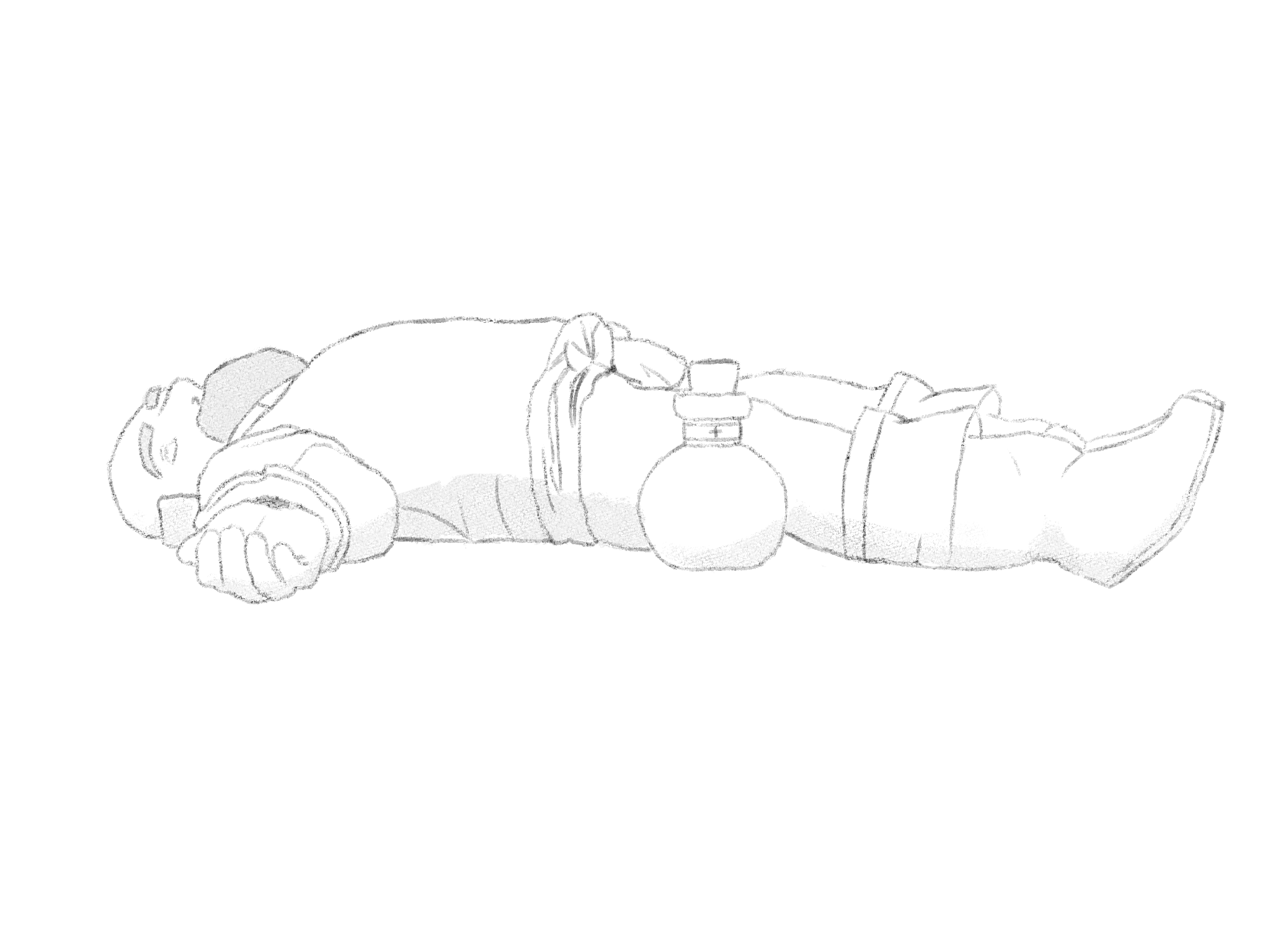
A character that reaches zero hit points drops to the ground and mostly stops moving. The twitching of a corpse could easily be confused with the writhing of a wounded creature.
What's the Prognosis?
When a PC wants to determine the status of an NPC or monster with 0 hit points, the GM rolls a d20 and a d4 to determine the status of the creature. After that, the PC may use an action to ascertain the status of the creature.
The result of the d20 and d4 roll determine the status of the unconscious creature.
| d20 | The Creature is... |
|---|---|
| 1-10 | Dead |
| 11-15 | Unconscious and will die in 1d4 hours |
| 16-20 | Stable and will wake up in 1d4 hours |
If a stable creature survives and wakes up, they regain 1 hit point and will likely have lasting injuries. NPCs or monsters that survive and are left alone will immediately seek magical or mundane healing and/or shelter.
If an unconscious or stable creature takes any further damage while it still has 0 hit points, it dies.
If the party leaves after defeating a group of NPCs without investigating or finishing them off, between one quarter and one half of them should survive depending on the availability of physicians and magical healing. Other environmental factors may result in the deaths of these characters while they are unconscious or while they seek out healing and shelter.
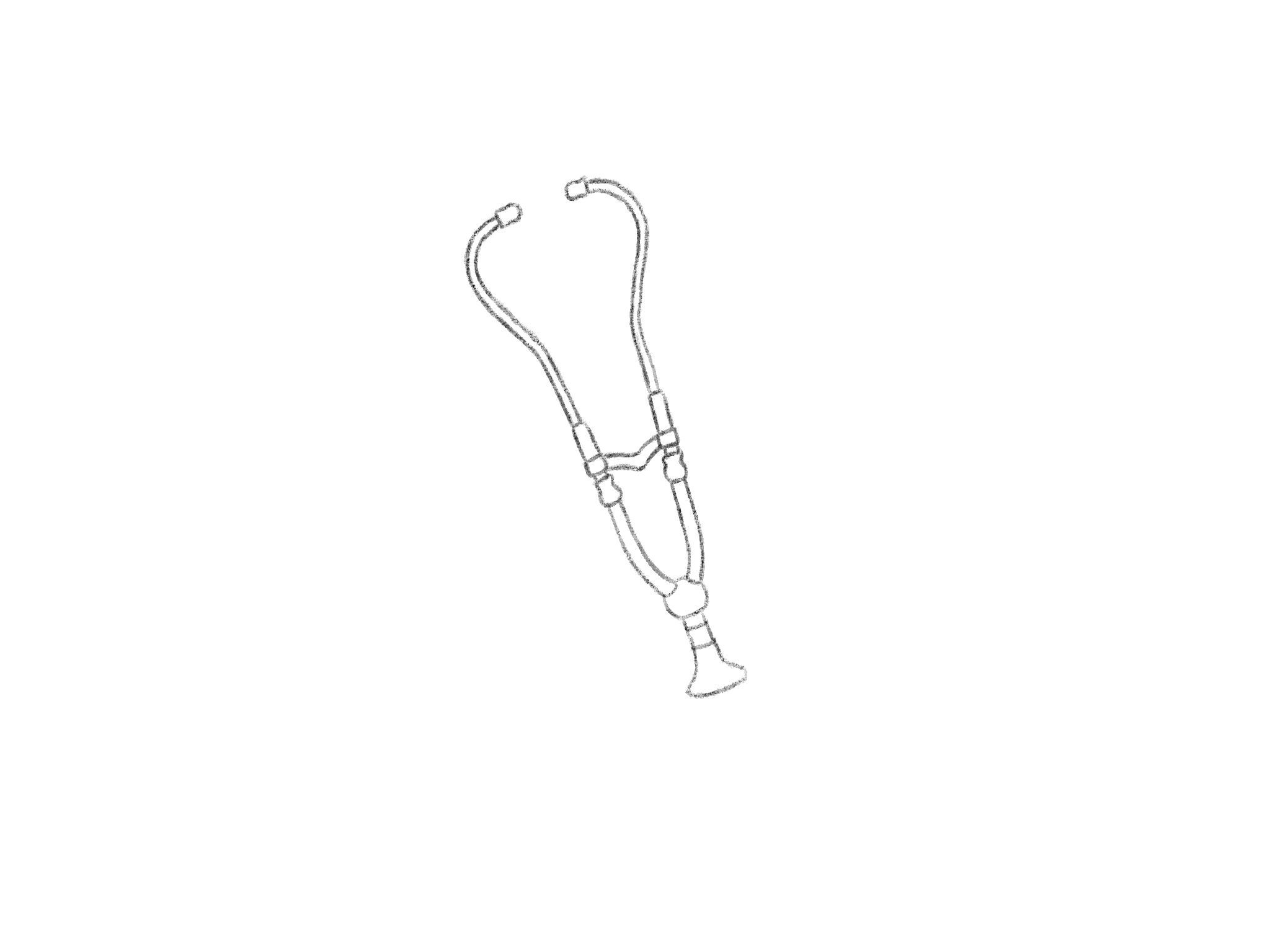
If a PC uses an action to investigate an NPC or monster with 0 hit points then they must make either a Wisdom (Medicine) check or an Intelligence (Medicine) check.
The result of this check determines how much the PC learns about the status of the creature.
| Check Total | The PC Learns... |
|---|---|
| 7 | Whether or not the creature is alive |
| 12 | Whether or not the creature will wake up on its own |
| 17 | How long until the creature wakes up or dies |
If the PC rolls high enough to learn more than one element of the creature's status, then they learn all applicable pieces of information. This Medicine check may be altered by whether or not the PC is familiar with the anatomy of the NPC or monster.
How to Use NPCKO
NPCKO is a GM oriented system that is designed to be minimally intrusive to the GM in running the game. This is possible because the system is meant to only be used when the status of an NPC or monster with 0 hit points becomes relevant and no sooner. This means that it is recommended that any GM that uses this system NOT employ it every time an NPC is reduced to 0 hit points. Instead, simply wait for one of the players to inquire as to the status of that NPC or monster. Alternatively, defeated NPCs and monsters left behind on the battlefield may eventually get up, walk away and possibly even spread word of what happened. Only in moments like these is the status of a defeated NPC or monster relevant enough for NPCKO's system to be used.
Optional Rules
In the case where the GM has the time and bandwidth or the need to account for more factors when determining the fate of an NPC with 0 hit points, here are some additional rules to consider.
Instant Death
If an NPC or monster goes down in some spectacular or definitive fashion, then their fate is sealed.
If any of the following conditions are met when an NPC or monster is reduced to 0 hit points or when they are already at 0 hit points, then they are instantly killed:
- The creature takes at least 1 damage while they have 0 hit points
- The creature is reduced to 0 hit points by a critical hit
- The creature takes damage past 0 hit points that is equal to or greater than their hit point maximum
- The creature is reduced to 0 hit points by radiant or necrotic damage
Variable Survival Rates
The type of damage that reduced an NPC or monster to 0 hit points will have a significant effect on the likely hood of that creature's survival. The following tables should be substituted for the above table if the type of damage is known to the GM and relevant.
Bludgeoning, Piercing, Slashing
| d20 | The Creature is... |
|---|---|
| 1-10 | Dead |
| 11-15 | Unconscious and will die in 1d4 hours |
| 16-20 | Stable and will wake up in 1d4 hours |
Fire, Cold, Acid
| d20 | The Creature is... |
|---|---|
| 1-8 | Dead |
| 9-19 | Unconscious and will die in 1d4 hours |
| 20 | Stable and will wake up in 1d4 hours |
Psychic
| d20 | The Creature is... |
|---|---|
| 1-5 | Dead |
| 6-10 | Unconscious and will die in 1d4 hours |
| 11-20 | Stable and will wake up in 1d4 hours |
Force, Thunder
| d20 | The Creature is... |
|---|---|
| 1-10 | Dead |
| 11-18 | Unconscious and will die in 1d4 hours |
| 19-20 | Stable and will wake up in 1d4 hours |
Lightning
| d20 | The Creature is... |
|---|---|
| 1-11 | Dead |
| 12 | Unconscious and will die in 1d4 hours |
| 13-20 | Stable and will wake up in 1d4 hours |
Poison
| d20 | The Creature is... |
|---|---|
| 1-6 | Dead |
| 7-19 | Unconscious and will die in 1d4 hours |
| 20 | Stable and will wake up in 1d4 hours |
Necrotic, Radiant
| d20 | The Creature is... |
|---|---|
| 1-20 | Dead |
| - | Unconscious and will die in 1d4 hours |
| - | Stable and will wake up in 1d4 hours |
In the event that more than one damage type is used to reduce an NPC to 0 hit points (such as in the case of a Flame Tongue sword), use the table for the damage type that did the most damage or whichever damage type is more lethal in the event of a tie.
The Human (Dwarf, Elf, etc.) Cost
One of the shortcomings of D&D 5e’s hit point system for NPCs and monsters is that it trivializes some of the moral issues of lethal combat. When a PC kills an NPC in a fair fight, that’s the end of it. But when a PC renders an NPC or monster unconscious in a fair fight and then has to decide whether to mercy kill a dying creature or silence a survivor or witness, the weight of the actions and decisions which drove them to that fight in the first place becomes much more prominent. In truth, decisions like those offer many more opportunities for both drama and development in post combat player character interactions. The significance of the moral issues of combat will vary wildly per game, NPCKO simply expands the ways and depths to which those dramatic issues and choices can be explored.
Less Lethal Options
The rules for combat in 5th Edition D&D are great for abstracting battles between players and NPCs. As it stands a player character or an NPC can choose not to kill a creature when they reduce them to 0 hit points. This runs counter to the idea of a battle being an exciting, desperate struggle of life and death between the players and their enemies when the players can simply choose to subdue an enemy who is trying their best to kill them. When a character is fighting for their life, the last thing on their mind ought to be the survival of their opponent and taking that into account should come with significant cost.
In 5th edition D&D any time an attacker reduces a character to 0 hit points with a melee attack, they can choose to knock their target out instead, causing their target to become unconscious and stable. Consider instead the following alternative rules for more interesting choices.
Non-Lethal Melee Attacks
Any time a character makes a melee weapon attack they may choose to make a special kind of attack called a "non-lethal attack" before they roll to hit. They have disadvantage on this attack and the weapon’s damage die becomes 1d4 bludgeoning damage (or 1 in the case of an attack that would otherwise deal less than 1d4 damage) and the attack retains all of the weapon’s other properties. This attack can only benefit from effects that would increase the damage of that attack if the damage type is bludgeoning damage. If the damage from this attack reduces a creature to 0 hit points, that creature becomes unconscious and stable and will regain 1 hit point in 1d4 hours.
Less-Lethal Ranged Attacks
The extra safety of attacks at range comes at the cost of a certain amount of flexibility. It is even more difficult to shoot someone at range without doing serious bodily harm than it is in close quarters.
Any time a character makes a ranged weapon attack they may choose to make a special kind of attack called a "less-lethal attack" before they roll to hit. They have disadvantage on this attack, the weapon's damage die remains the same. This attack can only benefit from effects that increase the damage of the attack if the damage type is bludgeoning, piercing or slashing damage. If the damage from a less-lethal attack reduces a creature to 0 hit points, that creature rolls with advantage on their Unconsciousness roll.
The Baton
"Baton" is a catchall term for a small, light, club-like weapon used by law bringers and ne'er do wells alike, as well as for self defense. Be they rogues trying to maintain a low body count and lower profile or a guard chasing a thief through the market, the baton is the tool of choice for moments when weapons of war are excessive or bloodshed, undesirable. The baton takes on many forms, alternative names for the baton include cudgel, night stick and blackjack.
| Weapon | Cost | Damage | Weight | Properties | ||
|---|---|---|---|---|---|---|
| Baton | 2 sp | 1 bludgeoning | 2 lb. | Finesse, light, special |
Baton. When an attack with this weapon reduces a creature to 0 hit points and the attack does not benefit from any effect that adds damage of any damage type besides bludgeoning, that creature becomes unconscious and stable.
A Note on the Stakes and Exceptions
NPCKO assumes that the stakes of combat encounters to be quite high, deadly, in fact. This assumption informs the rules for combat lethality and the "Less Lethal Options" section. If two characters are in a fight and one isn't holding back while the other is trying to pull their punches, then the second character ought to be at a severe disadvantage. While this assumption may work in the vast majority of combat encounters in 5th edition, there are edge cases where it may not.
Such edge cases might include tavern brawls and tournaments. In situations like these it may be prudent to declare that an NPC or monster is out of the fight when it is reduced to half of its maximum hit points or just revert to the default 5th edition knock out rules.
Who knows, maybe the table corners in the bar are inexplicably sharp or the tournaments in this part of the world are fought to the death. Ultimately this supplement is a GM oriented system and while it is designed to cover as many situations as possible, ultimately it falls to the GM to decide when to use the rules laid out in NPCKO and when not to.