Theros Magic Items
The following weapons were created in the style of the artifacts presented in the Mythic Odysseys of Theros book. They were created using the same format as the weapons and were styled for each of the other gods of the Theros Pantheon that have not received an artifact. These are not in any way official items for D&D or even a card in Magic the Gathering. I created them from what lore I could find on the gods, their relations with mortals, Theros, or other gods. I used various sights and videos talking about the lore of the Gods, or in many cases from Magic the Gathering cards associated with each god. Enjoy!
ALL ART BY u/Agginmad AKA LootTavern
Table Of Contents
- Theros Magic Items
- Katabasis, Staff of Athreos
- Bazon, Amphora of Ephara
- Mastix, Whip of Erebos
- Khrusor, Spear of Heliod
- Bulwark of Brotherhood, Shield of Iroas
- Komidi, Scythe of Karametra
- Epiphany, Bolt of Keranos
- Nimoiras, Threads of Klothys
- Asteri, Cowl of Kruphix
- Wrathbringer, Axe of Mogis
- Ephixis, Bow of Nylea
- Theneia, Kylix of Pharika
- Kryvo, Mask of Phenax
- Akmon, Hammer of Purphoros
- Dekella, Bident of Thassa
- Gelio, Glaive of Xenagos
- Godless Artifacts
- Non-Theros Items
Athreos, God of Passage
Katabasis, Staff of Athreos
Weapon (Quarterstaff), Artifact (Requires Attunement)
Atheros wields Katabasis, a gnarled wooden staff he is never seen without. In Atheros's hands the staff is used to ferry the dead, and only the dead, to the underworld. The living rarely, if ever see Athreos, so it is unknown if he has ever granted his staff to a follower. If he should grant the staff, it would have to be a very special soul that is meant to cross into the underworld.
Staff of Passage. This staff grants a +2 bonus to spell attack rolls and to the saving throw DCs of spells you cast (excluding spells cast from this staff). Additionally, while you are holding the staff you can move through other creatures and objects as if they were Difficult Terrain. You take 5 (1d10) force damage if you end your turn inside an object.
Blessing of Ferryman. If you are a worshiper of Athreos, you gain all the following benefits for which you have the required piety:
Piety 10+. The staff has 1 randomly determined minor beneficial property.
Piety 25+. The staff has 1 additional randomly determined minor beneficial property.
Piety 50+. The staff has 1 randomly determined major beneficial property.
If you aren’t a worshiper of Athreos, the staff has 2 randomly determined major detrimental properties.
See “Artifacts” in chapter 7 of the Dungeon Master’s Guide for details on randomly determined properties.
Ferry. As an action, the staff can be laid down in water, creating a ferry. The ferry uses the statistics of a Galley (see Appendix: Of Ships and the Sea of the Ghosts of Saltmarsh book) with the following changes:
- The ship does not have any weapons.
- The ship can move through other creatures and objects as if they were Difficult Terrain. It and any passengers on board take 5 (1d10) force damage per if it ends its turn inside an object.
The staff can remain in this form for 1 hour or until the attuned creature uses their action to revert the ship back into its staff form. This property cannot be used again until the next dusk.
Spells. The staff has 15 charges. While holding it, you can use an action to expend 1 or more of its charges to cast one of the following spells (save DC 18) from it: spare the dying (0 charges), toll the dead (0 charges), animate dead (3 charges), speak with dead (3 charges), blight (4 charges), create undead (6 charges), finger of death (7 charges). The staff regains 1d12+3 expended charges daily at dawn.
Destroying the Staff. To destroy the staff one must use it against its nature. It is meant to ferry the dead into the underworld. To pervert this and ferry the dead out of the underworld or the living into it breaks the staff down. This process must be repeated at dawn and dusk every day for one month to break the staff completely.

Ephara, God of the Polis
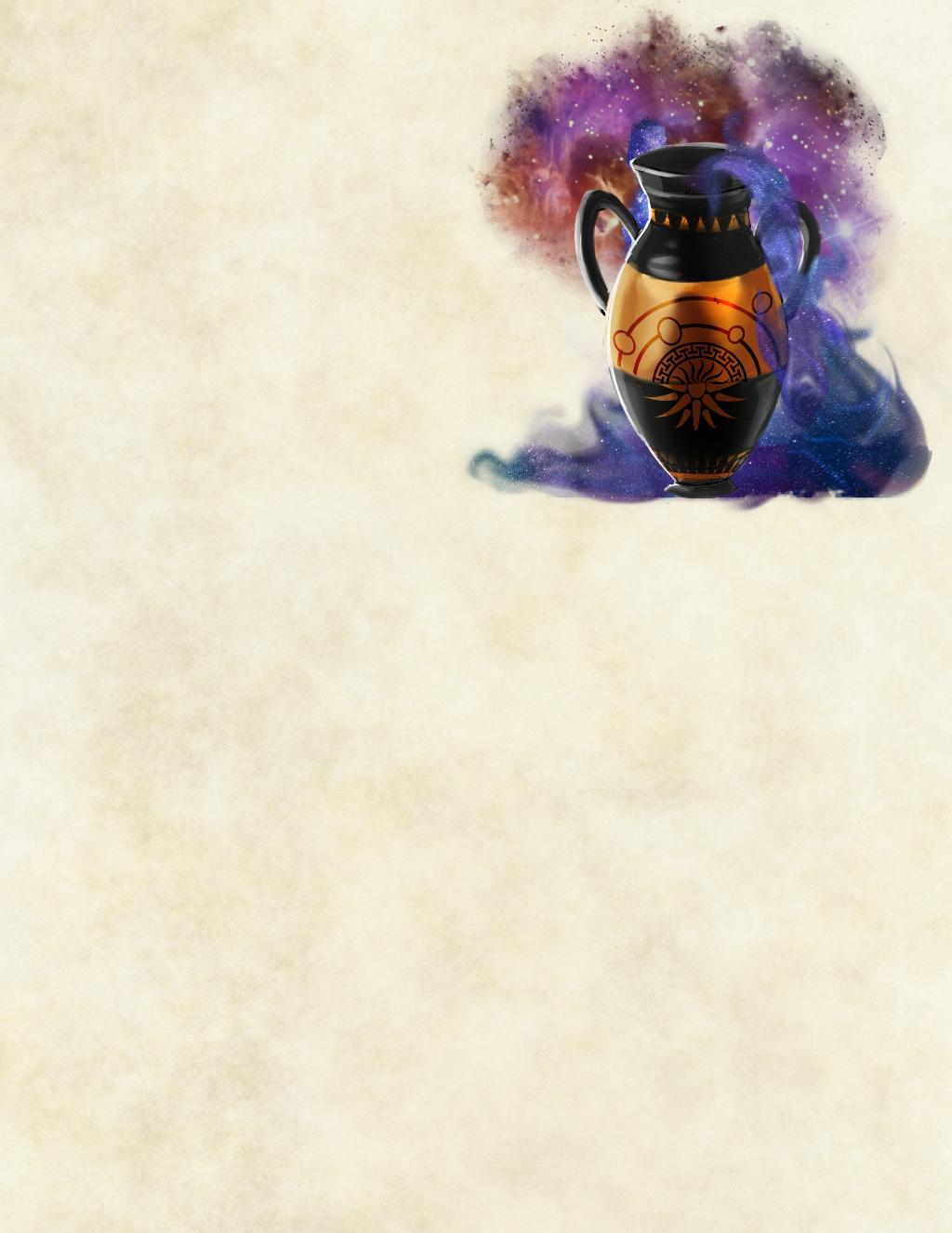
Bazon, Amphora of Ephara
Wondrous Item, Artifact (Requires Attunement)
Ephara uses Bazon, a large amphora filled with the power of Nyx. In Ephara's hands she uses Bazon to strengthen a polis warding it from the dangers outside. Should Ephara grant this item to a follower it would be to give them a the power to personally defend a polis and/or the knowledge and ability to make a polis better.
Amphora of the Enlightenment. This amphora grants you +2 to your AC while attuned. Additionally, you are granted enlightenment, you gain proficiency in 4 skills or tools of your choice. When your attunement to Bazon ends you lose proficiency in these skills.
Blessing of of Polis. If you are a worshiper of Ephara, you gain all the following benefits for which you have the required piety:
Piety 1+. The amphora has 1 randomly determined minor beneficial property.
Piety 25+. The amphora increases the user's tremorsense out to 60 feet.
Piety 50+. The amphora has 1 additional randomly determined major beneficial property.
If you aren’t a worshiper of Ephara, the amphora has 2 randomly determined major detrimental properties.
See “Artifacts” in chapter 7 of the Dungeon Master’s Guide for details on randomly determined properties.
Tremorsense. While attuned to the amphora you have tremorsense out to 30 feet.
Spells. The amphora has 10 charges. While holding it, you can use an action to expend 1 or more of its charges to cast one of the following spells (save DC 18) from it: mold earth (0 charges), earth tremor (1 charge), maximlian's earthen grasp (2 charges), wall of sand (3 charges), stoneskin (4 charges), wall of stone (5 charges), move earth (6 charges). The amphora regains 1d6+4 expended charges daily at dawn.
Destroying the Amphora. To destroy the amphora one must deep into the wilds protected by Nylea and pour the blood of the hydra Polukranos and pour it into the stars of Nyx within the amphora. Then the amphora must be pierced with each arrow of Nylea's bow, Ephixis (AC 25) within the span of a minute. Once all four have entered the amphora shatters.
Erebos, God of the Dead
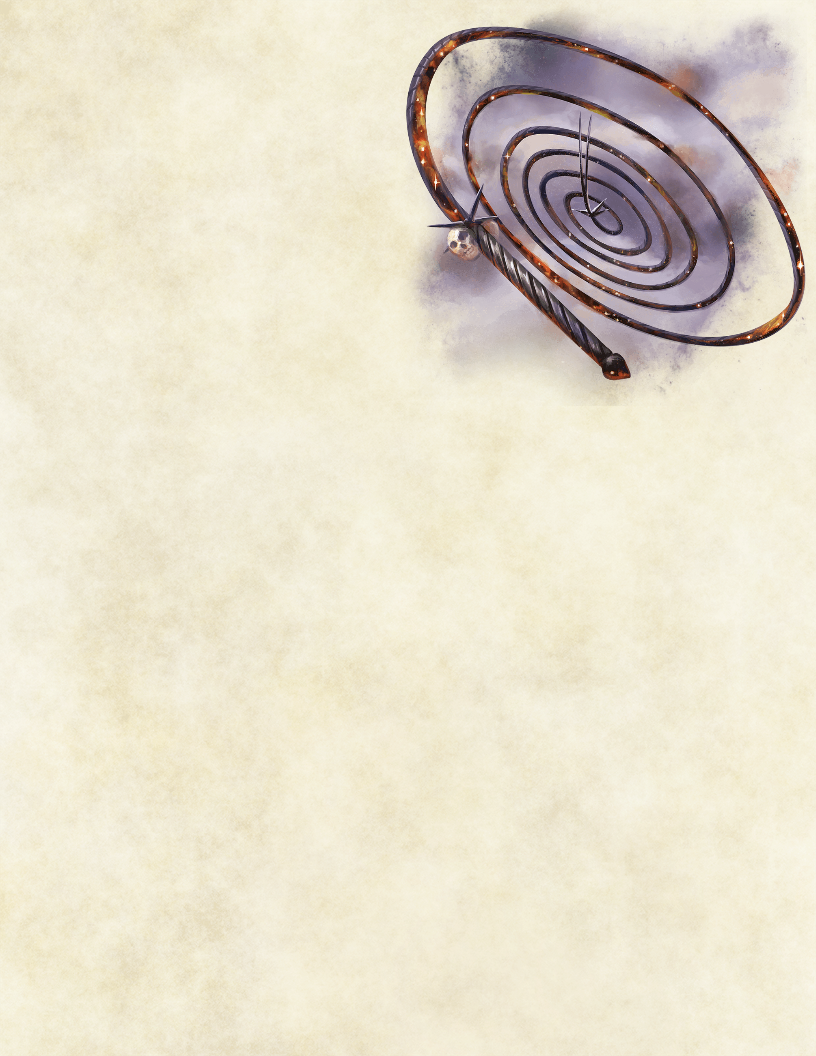
Mastix, Whip of Erebos
Weapon (Whip), Artifact (Requires Attunement)
Erebos wields Mastix, a whip capable of extending like an impossibly long shadow. In the hands of the god of the dead, the whip snares the reluctant dead and drags them into his realm. When Erebos grants his weapon to a mortal follower, it’s typically to reclaim a powerful soul or to humiliate Heliod.
Whip of the Dead. Erebos’s whip seethes with the enervating energy of the Underworld. This magic whip grants a +3 bonus to attack and damage rolls made with it. When you hit with an attack using this whip, the target takes an extra 2d8 necrotic damage and you regain hit points equal to half the amount of necrotic damage dealt.
Additionally, when you make an attack with the whip on your turn, you can increase the range of the attack to 300 feet. This property of the weapon can’t be used again until the next dusk.
Blessing of the Dead. If you are a worshiper of Erebos, you gain all the following benefits for which you have the required piety:
Piety 1+. The whip has 1 randomly determined minor detrimental property—a burden Erebos imposes to test his faithful.
Piety 25+. The whip has 1 randomly determined major beneficial property.
Piety 50+. The whip has 1 additional randomly determined major beneficial property.
If you aren’t a worshiper of Erebos, the whip has 2 randomly determined major detrimental properties.
Erebos’s Claim. While carrying the whip, you can use an action to cast either circle of death or dominate monster (targeting only undead) from the whip. The save DC for these spells is 18. Once you use the whip to cast a spell, that spell can’t be cast from it again until the next dusk.
Destroying the Whip. To destroy the whip, it must be taken to the heights of Mount Hiastos in Nyx, unraveled by a Returned, and left to bask in continual daylight for one month.
Heliod, God of the Sun
Khrusor, Spear of Heliod
Weapon (Spear), Artifact (Requires Attunement)
Heliod wields Khrusor, a spear blessed with the power of the sun. In his hands, it can be pitched from Nyx to any point on Theros. When Heliod lends his weapon to a mortal, it’s typically so they can perform some great work in his name or as a test of their worthiness.
Spear of the Sun. This spear grants a +3 bonus to attack and damage rolls made with it. When you hit with an attack using this spear, the target takes an extra 2d8 radiant damage.
Blessing of the Sun. If you are a worshiper of Heliod, you gain all the following benefits for which you have the required piety:
Piety 3+. You gain 15 temporary hit points each dawn.
Piety 10+. The spear has 1 randomly determined minor beneficial property.
Piety 25+. The spear has 1 additional randomly determined minor beneficial property.
Piety 50+. The spear has 1 randomly determined major beneficial property.
If you aren’t a worshiper of Heliod, the spear has 2 randomly determined major detrimental properties.
Luminous. The spear sheds bright light in a 30-foot radius and dim light for an additional 30 feet. The light is sunlight.
Sun’s Retaliation. When you take damage from a creature within 5 feet of you, you can use your reaction to make a melee attack with the spear against that creature. On a hit, the spear deals damage as normal, and the creature is blinded until the start of its next turn. This property of the spear can’t be used again until the next dawn.
Spells. The spear has 10 charges. While holding it, you can use an action to expend 1 or more of its charges to cast one of the following spells (save DC 18) from it: guiding bolt (1 charge), daylight (3 charges, targeting the tip of the spear only), sunbeam (6 charges). The spear regains 1d6+4 expended charges daily at dawn.
Destroying the Spear. If taken to Erebos’s palace in Tizerus, and used to sacrifice a champion of Heliod to Erebos, Khrusor is either destroyed or fundamentally twisted to Erebos’s service.

Iroas, God of Victory
Bulwark of Brotherhood, Shield of Iroas
Armor (Shield), Artifact (Requires Attunement)
Otherwise known as Fotita, Iroas wields the Bulwark of Brotherhood, a battle-warn but unbreakable shield that has seen uncountable battles. In the hands of the god of victory it is usually used in a spar against the god of slaughter. When Iroas grants his shield to a follower it is usually to let them lead a battle to victory when victory should have been impossible.
Shield of Victory. This shield grants a +2 bonus to your AC. While you wield this shield you gain resistance to your choice of bludgeoning, piercing, or slashing damage. You may choose which type each day at dawn.
Blessing of Victory. If you are a worshiper of Iroas, you gain all the following benefits for which you have the required piety:
Piety 3+. The shield can be used as a melee weapon. The shield has +2 to attack and damage rolls. It deals 1d6 + your Strength modifier bludgeoning damage.
Piety 10+. The shield has 1 randomly determined minor beneficial property.
Piety 25+. The shield has 1 additional randomly determined minor beneficial property.
Piety 50+. The shield has 1 additional randomly determined major beneficial property.
If you aren’t a worshiper of Iroas, the shield has 2 randomly determined minor detrimental properties.
See “Artifacts” in chapter 7 of the Dungeon Master’s Guide for details on randomly determined properties.
Victor's Defiance. When you take the attack action on your turn you can use your bonus action to make 1 attack with your shield. Additionally, any critical hits against you or allies within 5 feet of you become normal hits.
Destroying the Shield. To destroy the shield it must be used to slay no less than 50 warriors in dishonorable combat, such as a warrior who is not wielding a weapon or cannot fight back. Then it must be taken to the Temple of Malice in the Labyrinth of Skophos and struck with a +3 weapon by the Champion of Mogis.

Karametra, God of Harvests
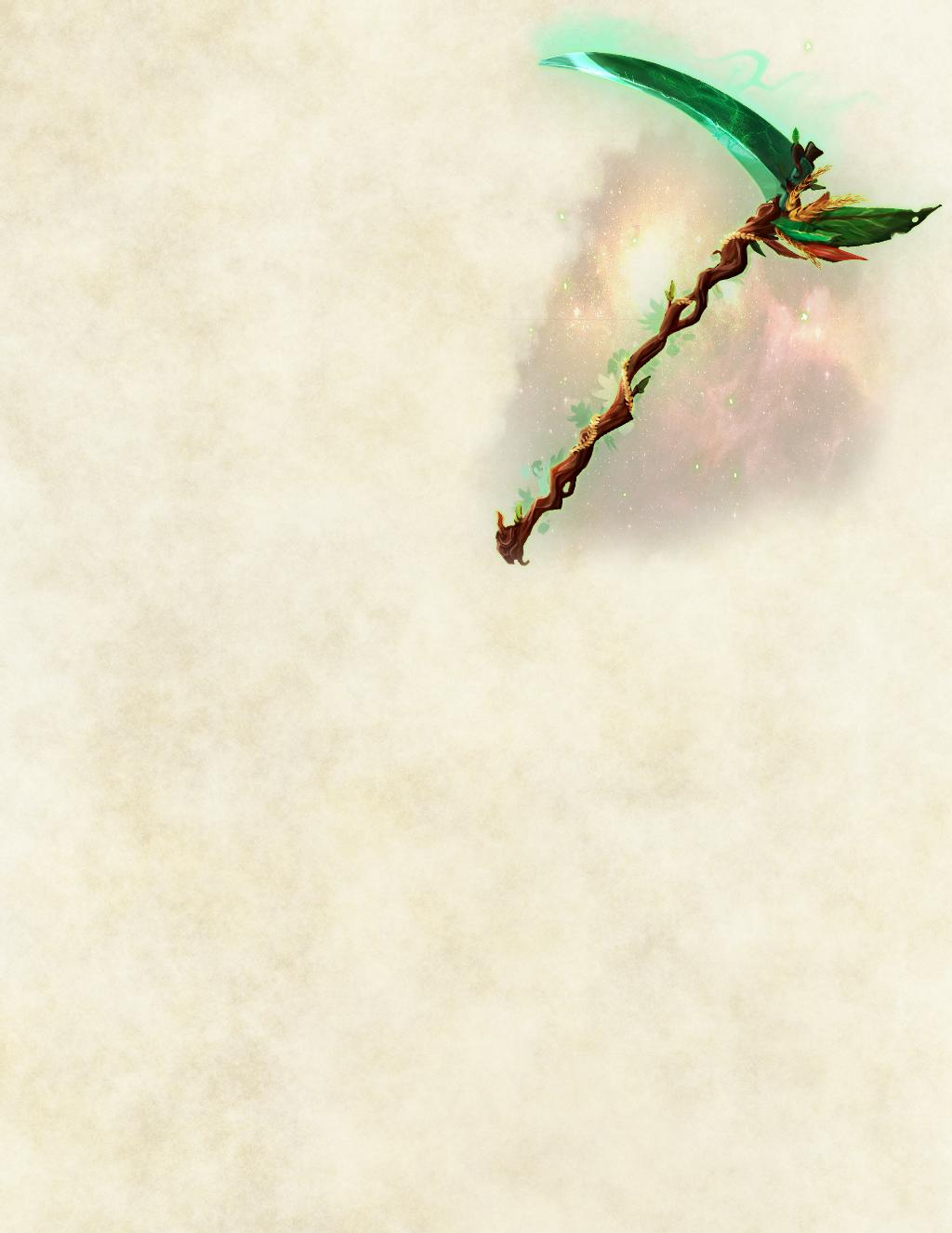
Komidi, Scythe of Karametra
Weapon (Glaive), Artifact (Requires Attunement)
Karametra wields Komidi, a scythe meant to harvest the gifts of nature or those who would dare endanger it. In Karametra's hands it changes the land around it, warding off dangerous creatures while allowing mortals who are worthy to harvest nature's bounty.
Scythe of Harvests. This scythe grants a +2 bonus to attack and damage rolls made with it. Whenever you finish a short or long rest you gain temporary hit points equal to half your piety score (minimum of 1, maximum of 25).
Blessing of Abundance. If you are a worshiper of Karametra, you gain all the following benefits for which you have the required piety:
Piety 1+. The scythe has 1 randomly determined minor beneficial property.
Piety 25+. The scythe can cast heroes' feast once. When you finish a long rest roll 1d10. On a 10 the scythe regains this ability.
Piety 50+. The scythe has 1 additional randomly determined major beneficial property.
If you aren’t a worshiper of Karametra, the scythe has 2 randomly determined major detrimental properties.
See “Artifacts” in chapter 7 of the Dungeon Master’s Guide for details on randomly determined properties.
Bronze Sable Companion. While attuned to this weapon you gain an animal companion in the form of a Sable. The Sable obeys your commands as best as it can. It takes its turn on your initiative, though it doesn't take an action unless you command it to. On your turn, you can verbally command the beast where to move (no action required by you). Use the Bronze Sable stat block (Mythic Odysseys of Theros pg. 210) with the following changes:
- The Bronze Sable gains additional hit points equal to twice your character level. Additionally, the creature gains extra hit points equal to your piety score (maximum 50).
- You add your proficiency modifier to the creatures attack rolls.
Spells. The scythe has 10 charges. While holding it, you can use an action to expend 1 or more of its charges to cast one of the following spells (save DC 18) from it: goodberry (1 charge), sanctuary (1 charge), barkskin (2 charges), spike growth (2 charges), plant growth (3 charges), awaken (5 charges), commune with nature (5 charges), tree stride (5 charges), wall of thorns (6 charges). The scythe regains 1d6+4 expended charges daily at dawn.
Destroying the Scythe. To destroy the scythe one must bathe it in the blood of 100 orphans. This corrupts and removes the power of the scythe. Then it must be taken to Erebos’s palace in Tizerus where it must be left without sunlight or water for one year, wilting the scythe to dust.
Keranos, God of Storms
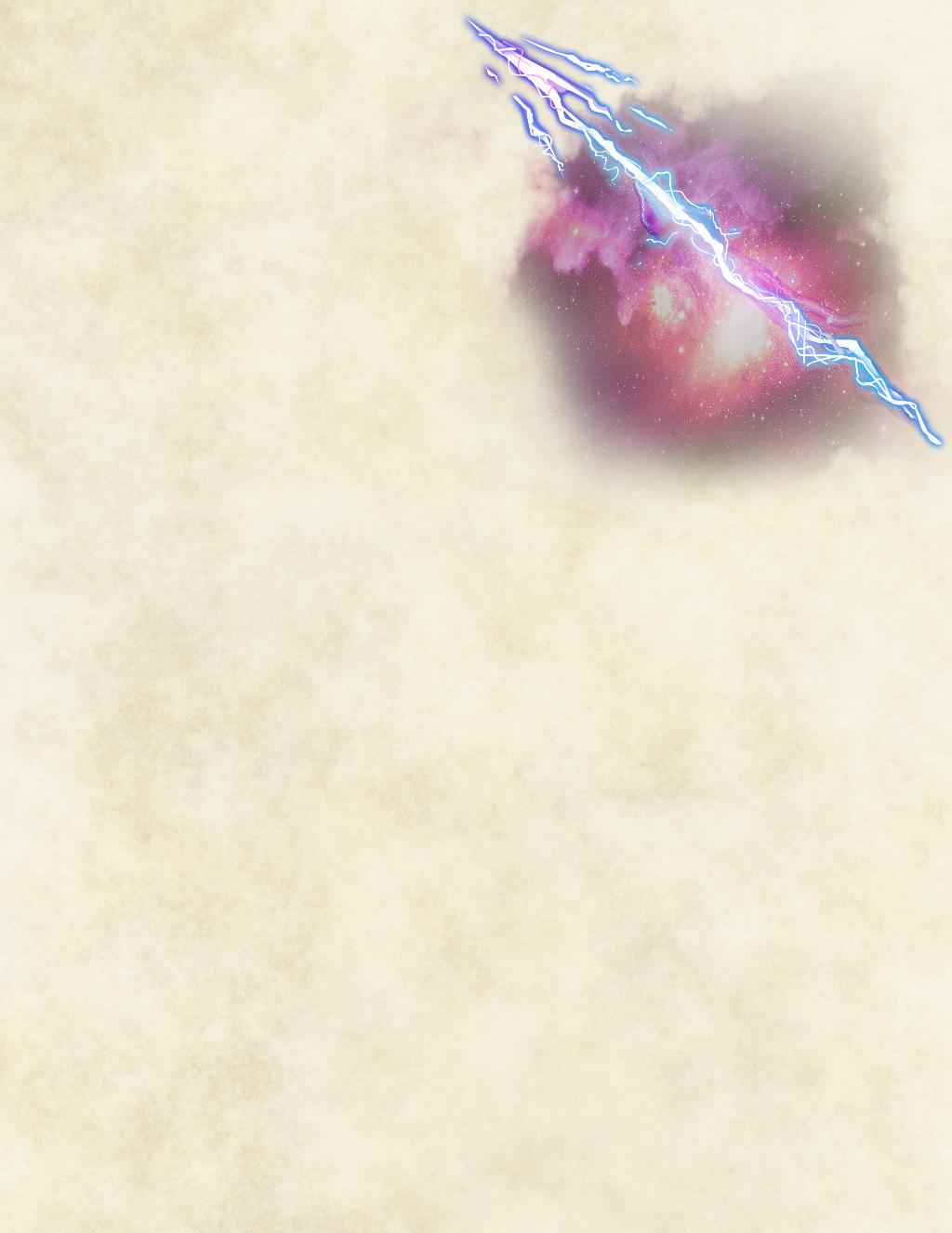
Epiphany, Bolt of Keranos
Weapon (Javelin), Artifact (Requires Attunement)
Otherwise known by a lesser name, Faneia, Keranos wields the very lightning itself. In Keranos's hands lightning is used to strike down any impetuous mortal who has earned his ire. However, Keranos is not without his favorites, granting inspiration and epiphanies to those who please him. Should he ever decide a mortal has earned more, he may grant Epiphany for a time. However, should this prove the mortal to be too rash, more lightning could solve the issue.
Javelin of Storms. This javelin grants a +2 bonus to attack and damage rolls made with it. Additionally, you deal an extra 3d4 lightning damage with the javelin that also arcs to any enemy creatures within 5 feet of your target. Immediately after the Attack, the weapon flies back to your hand.
Blessing of Storms. If you are a worshiper of Keranos, you gain all the following benefits for which you have the required piety:
Piety 10+. The javelin has 1 randomly determined minor beneficial property.
Piety 25+. The javelin casts the cantrip thunderclap (DC 18) centered on your target whenever you land a critical hit and the javelin has 1 additional randomly determined minor beneficial property.
Piety 50+. The javelin has 1 randomly determined major beneficial property.
If you aren’t a worshiper of Keranos, the javelin has 2 randomly determined major detrimental properties.
See “Artifacts” in chapter 7 of the Dungeon Master’s Guide for details on randomly determined properties.
Epiphany. When you land a critical hit you are given a sudden burst of inspiration and insight. You receive a d12 Inspiration die. Once within the next 10 minutes, you can roll the die and add the number rolled to one ability check, attack roll, or saving throw it makes. The creature can wait until after it rolls the d20 before deciding to use the Inspiration die, but must decide before the DM says whether the roll succeeds or fails.
Once the Inspiration die is rolled, it is lost. You can only have one Inspiration die at a time.
Spells. While the javelin is on your person, you can use an action to cast one of the following spells (save DC 18): lighting bolt (at 5th level), storm sphere, or chain lightning. Once you use the javelin to cast a spell, the spell can’t be cast again from it until the next dusk.
Destroying the Bolt. To destroy the bolt it must be thrust into the heart of the Colossus of Akros, which then must be carried to Purphoros's Forge in Mount Velus and struck with Akmon, Hammer of Purphoros every minute for 1 day to shatter the heart and bolt forever.
Klothys, God of Destiny
Nimoiras, Threads of Klothys
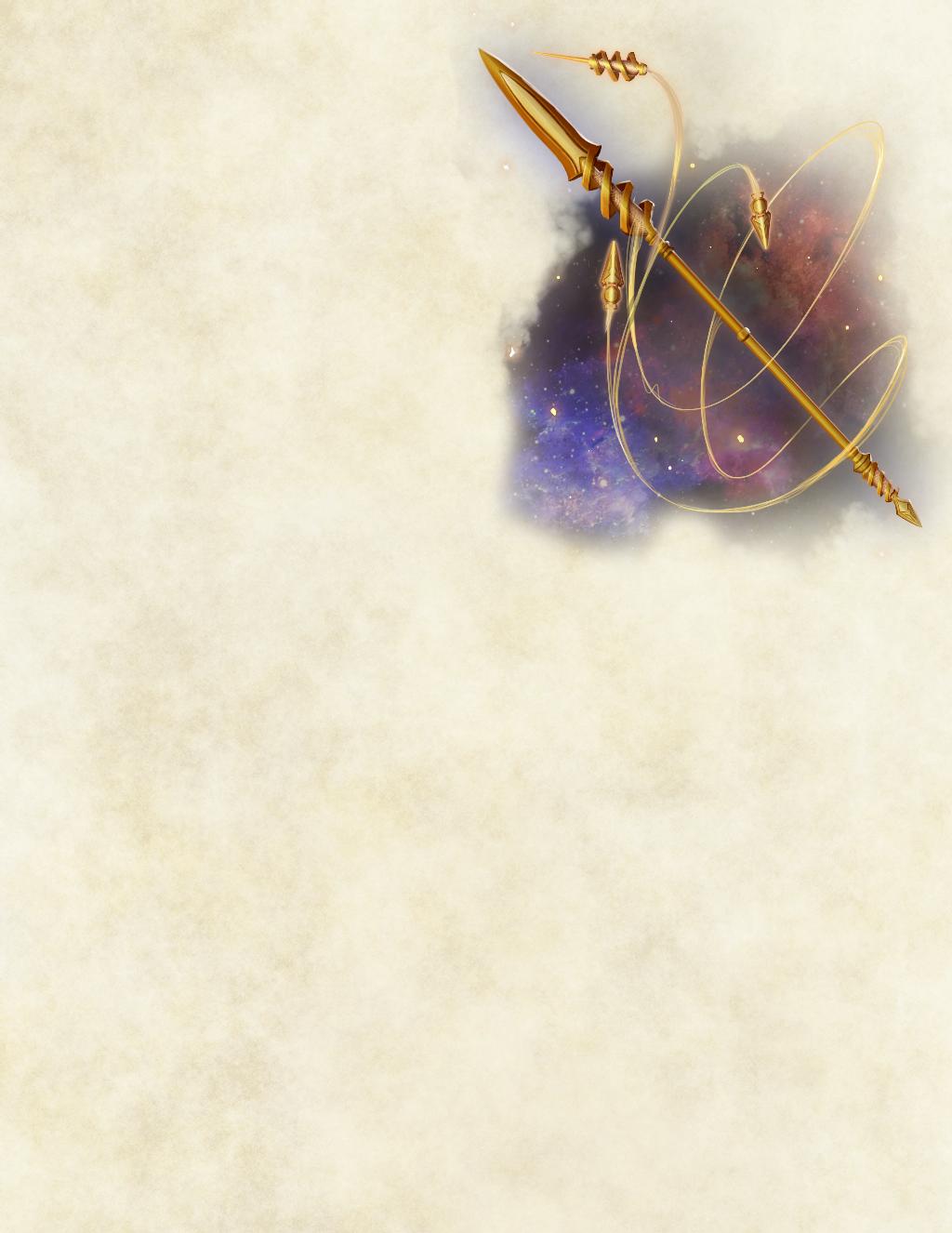
Weapon (Spear), Artifact (Requires Attunement)
Klothys wields Nimoiras, a spear entwined with the threads of fate. In the hands of the god of destiny, she peers across the threads of fate attached to the weapon and her own head, looking up the destiny of mortals and ensuring they are followed. In the most extreme and dire of circumstances she may need to cut the thread with the golden nail on her left thumb. This has never occurred before. Klothys is largely unknown in Theros as she acted as jailer to the Titans, thus she has never granted her weapon to a mortal. If a follower were to be granted Nimoiras it would be to capture someone seeking to escape their destiny or change the destiny of others.
Spear of Destiny. This spear grants a +2 bonus to attack and damage rolls made with it. Additionally, the first time you miss with an attack roll on your turn you may choose to hit instead.
Blessing of Destiny. If you are a worshiper of Klothys, you gain all the following benefits for which you have the required piety:
Piety 10+. The spear has 1 randomly determined minor beneficial property. Additionally, the spear has a reach of 15 feet.
Piety 25+. You are always under the effects of a guidance spell.
Piety 50+. The spear has 1 randomly determined major beneficial property.
If you aren’t a worshiper of Klothys, the spear has 2 randomly determined major detrimental properties.
See “Artifacts” in chapter 7 of the Dungeon Master’s Guide for details on randomly determined properties.
Portent. When you finish a long rest, roll one d20 and record the numbers rolled. You can replace any attack roll, saving throw, or ability check made by you or a creature that you can see with one of these foretelling rolls. You must choose to do so before the roll, and you can replace a roll in this way only once per turn.
Each foretelling roll can be used only once. When you finish a long rest, you lose any unused foretelling rolls.
Spells. The spear has 15 charges. While holding it, you can use an action to expend 1 or more of its charges to cast one of the following spells (save DC 18) from it: gift of alacrity (1 charge), augury (2 charges), fortune's favor (2 charges), divination (4 charges), legend lore (5 charges), scry (5 charges), foresight (9 charges). The spear regains 1d12+3 expended charges daily at dawn.
Destroying the Spear. To destroy the spear one must cut each of the 1d1000 threads entwined in the spear with the golden nail that Klothys wears on her left thump. Then the spear must be thrust into an oracle of any god.
Kruphix, God of Horizons and Time
Asteri, Cowl of Kruphix
Wondrous Item, Artifact (Requires Attunement)
Kruphix wears Asteri, a cowl made of Nyx. Kruphix uses this cowl to help govern the cycle of time. He counts few followers among the population so none have been known to receive this power. However, should he grant this item to a mortal it would be to aid all of Theros.
Cowl of Time. This cowl grants a +2 bonus to spell attack rolls and to the saving throw DCs of spells you cast (excluding spells cast from this cowl). Additionally, you have resistance to necrotic and radiant damage.
Blessing of the Timeless. If you are a worshiper of Kruphix, you gain all the following benefits for which you have the required piety:
Piety 10+. The cowl has 1 randomly determined minor beneficial property.
Piety 25+. The cowl has 1 randomly determined major beneficial property.
If you aren’t a worshiper of Kruphix, the cowl has 2 randomly determined major detrimental property.
See “Artifacts” in chapter 7 of the Dungeon Master’s Guide for details on randomly determined properties.
Rewind. You can use your reaction to reroll a saving throw. You must use the new roll.
Spells. The cowl has 15 charges. While holding it, you can use an action to expend 1 or more of its charges to cast one of the following spells (save DC 18) from it: hold person (2 charges), blink (3 charges), haste (3 charges), slow (3 charges), hold monster (5 charges), temporal shunt (5 charges), time ravage (9 charges), time stop (9 charges). The cowl regains 1d12+3 expended charges daily at dawn.
Destroying the Cowl. The only way to destroy the cowl is to unravel it with Klothys's spear Nimoiras, unwinding its destiny, in the very prison of the Titans in the Underworld.

Mogis, God of Slaughter
Wrathbringer, Axe of Mogis
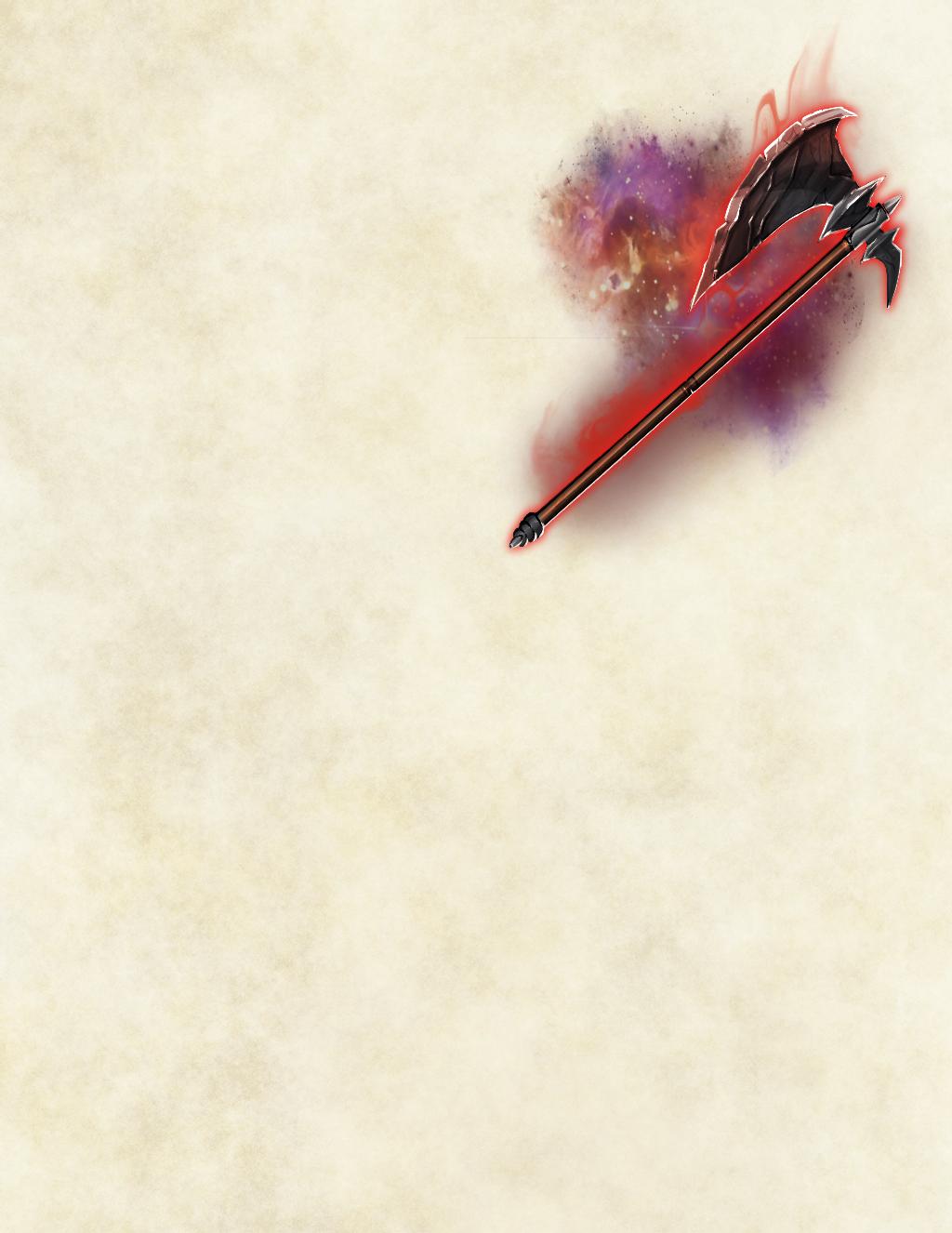
Weapon (Greataxe), Artifact (Requires Attunement)
Otherwise known by its lesser name, Orgis, Mogis wields the greataxe Wrathbringer, which is stained with the blood of past kills. In the hands of the god of slaughter it is used to spar against his brother Iroas or to bury it into a mortal Mogis seeks to fight. When Mogis grants his weapon to a follower it would be to further cement their growing savagery. Mogis may even grant the weapon to any warrior in a moment of desperation, trying to draw out their malice.
Greataxe of Slaughter. This greataxe grants a +2 bonus to attack and damage rolls made with it. Additionally, if the target is missing any of its hit points, it deals 1 additional die of damage. If the enemy's hit points are below half their hit point maximum you can reroll the damage once, taking either result.
Blessing of Slaughter. If you are a worshiper of Mogis, you gain all the following benefits for which you have the required piety:
Piety 1+. The greataxe has 1 randomly determined minor beneficial property.
Piety 25+. The greataxe has 1 randomly determined major beneficial property.
Piety 50+. The greataxe has 1 additional randomly determined major beneficial property.
If you aren’t a worshiper of Mogis, the greataxe has 2 randomly determined major detrimental properties.
See “Artifacts” in chapter 7 of the Dungeon Master’s Guide for details on randomly determined properties.
Brutality. You can roll two additional weapon damage dies when determining the extra damage for a critical hit with a melee attack. Additionally, attacks made with this weapon only deal lethal damage.
Mogis's Favor. While attuned to this weapon and in combat horns, cloaked in stars, adorn your head. As a bonus action, you can move up to your speed toward an enemy of your choice that you can see or hear. You must end this move closer to the enemy than you started.
Destroying the Greataxe. To destroy the greataxe it must be used in honorable combat to win the Iroas Games then must be broken against the stone of the Colossus of Akros during a fight against it.
Nylea, God of the Hunt
Ephixis, Bow of Nylea
Weapon (Shortbow), Artifact (Requires Attunement)
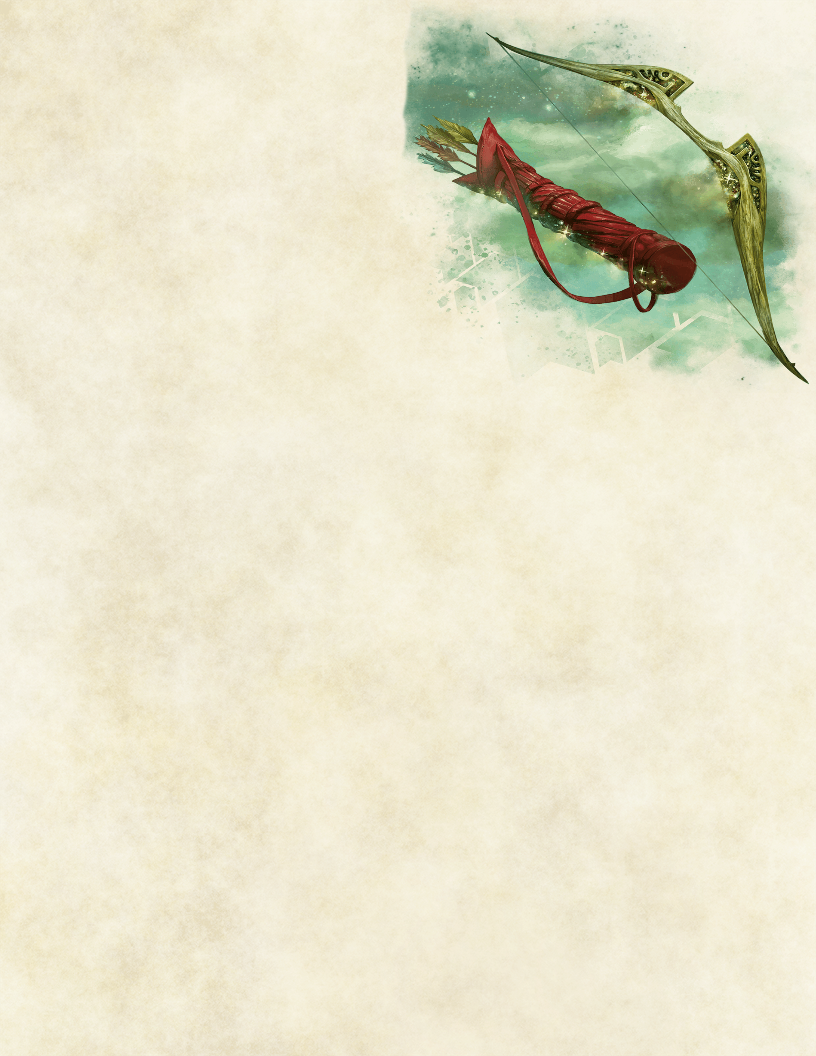
Nylea wields the shortbow Ephixis, the bow whose arrows herald the turning of the seasons. Nylea is quick to let her favored followers borrow her bow, particularly when they intend to use it to perform great deeds, put an end to foul creatures, or cast down the arrogant.
Bow of the Wild. This divine weapon includes a shortbow and a quiver with four arrows, each tied to one of the four seasons. You gain a +3 bonus to attack and damage rolls made with this bow, and you suffer no disadvantage when attacking at the weapon’s long range. Additionally, Ephixis scores a critical hit on a d20 roll of 19 or 20.
Blessing of the Wild. If you are a worshiper of Nylea, you gain all the following benefits for which you have the required piety:
Piety 10+. The bow has 1 randomly determined minor beneficial property.
Piety 25+. The bow has 1 randomly determined major beneficial property.
If you aren’t a worshiper of Nylea, the bow has 1 randomly determined major detrimental property.
Arrows of the Seasons. The four arrows—each associated with a season—that accompany this bow can be fired only from it. Each arrow disappears immediately after it’s used, and it reappears in the quiver at the next dusk. The save DC against spells cast with the arrows is 18. Each arrow has a unique property:
Spring. As an action, you can fire this arrow, targeting a beast or a plant creature you can see within 320 feet of you. On a hit, the arrow deals no damage, and the target gains the benefits of the awaken spell for 8 hours.
Summer. As an action, you can fire this arrow at an unoccupied space on the ground that you can see within 320 feet of you, no attack roll required. A Nyxborn lynx is summoned in that space (use the stat block for a tiger with the Nyxborn traits from chapter 6). The lynx understands your verbal commands and obeys them as best it can, and it takes its turns immediately after yours. The emissary remains for 1 hour before fading away.
Autumn. As an action, you can fire this arrow at a space on the ground that you can see within 320 feet of you, no attack roll required, casting the wall of thorns spell there.
Winter. As an action, you can fire this arrow at a space that you can see within 320 feet of you, no attack roll required, casting the ice storm spell there.
Destroying the Bow. The bow can’t be destroyed without first destroying all its arrows. The winter arrow must be fed to a cerberus on the winter solstice. The spring arrow must be planted at the base of a Black Oak of Asphodel on the spring equinox. The summer arrow must be broken by a sea giant on the summer solstice. Then the autumn arrow must be shot into the carcass of a hydra on the autumnal equinox. When all four arrows are destroyed, the bow and quiver dissolve into dust.
Pharika, God of Affliction
Theneia, Kylix of Pharika
Potion, Artifact (Requires Attunement)
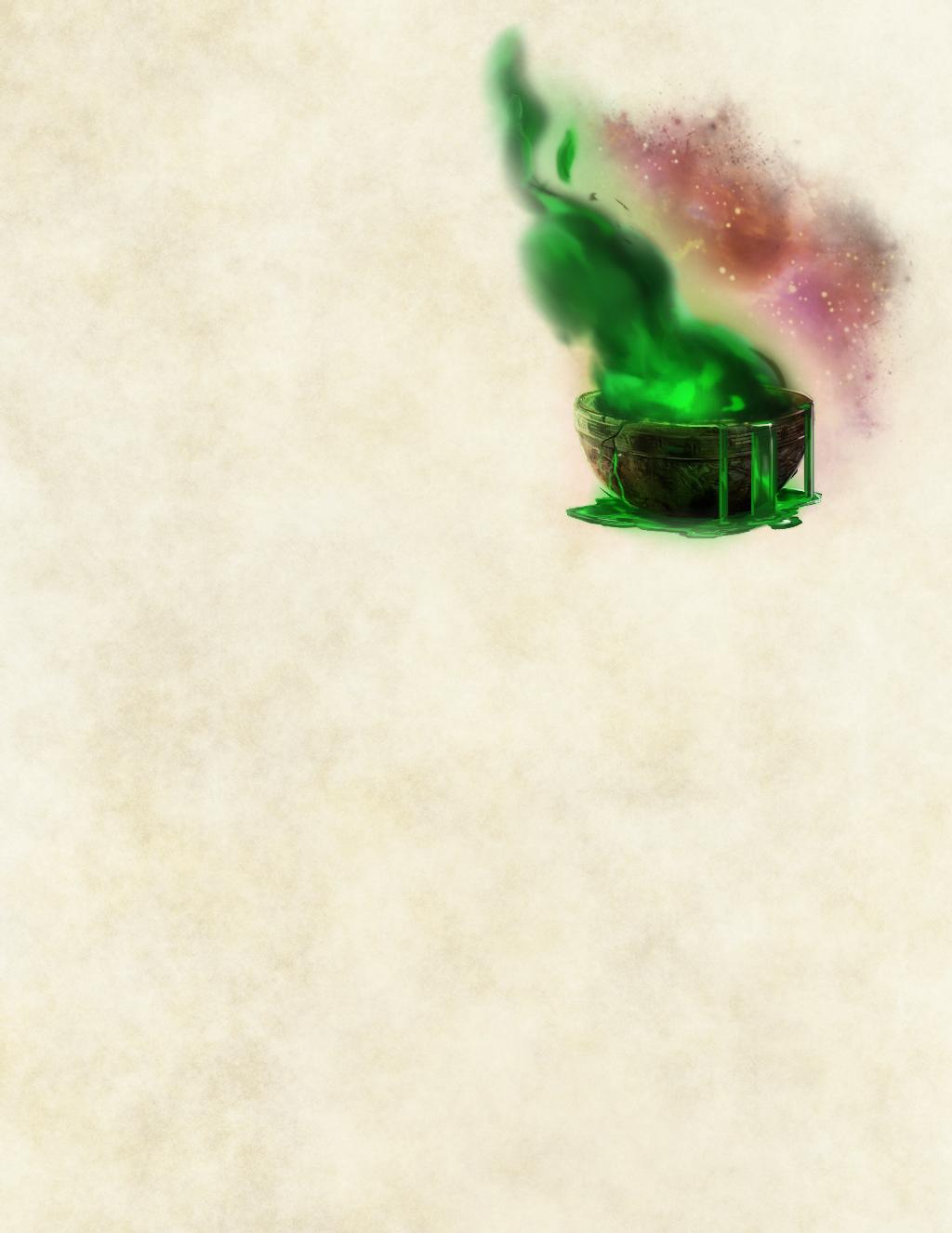
Pharika holds a bowl with her most potent concoctions. To some, it is a potent poison enough to kill any mortal, to others a cure that heals the wounds. For Pharika, it brings diseases, poisons and death to her enemies while empowering, healing, and bringing life to her followers. Should she grant Thenia to a follower, it would be to save one of her own, or to destroy someone who would target her faith and followers.
When you drink this potion you take poison damage equal to your character level and gain the following benefits:
Libation of Affliction. After drinking this potion you regain 2 hit points at the start of your turn for the duration of the effect. Additionally, you gain resistance to poison damage.
Blessing of Affliction. If you are a worshiper of Pharika, you gain all the following benefits for which you have the required piety. For any effect given below treat yourself as the target. For example the weapon targeted for any benefit would be your unarmed attacks or natural weapons and for an increase to your AC your skin hardens from the potion. Roll these effects each time you drink:
Piety 1+. The potion gives 1 randomly determined minor detrimental property-the dangers of this concoction.
Piety 10+. The potion gives 1 randomly determined minor beneficial property.
Piety 25+. The potion gives immunity to poison damage and 1 additional randomly determined minor beneficial property.
Piety 50+. The potion gives 1 randomly determined major beneficial property.
Pharika's Cure. You gain the effects of the greater restoration spell the moment you drink the potion. Additionally, if a creature hits you with a melee attack while under the effects of this potion, the creature takes 5 poison damage. Poison damage dealt by this ability ignores resistances to poison damage. Treat immunity to poison damage as resistance instead.
The effects of the potion last until you complete a short or long rest. The bowl refills each day at dawn.
If you aren’t a worshiper of Pharika, the potion gives 2 randomly determined major detrimental properties.
See “Artifacts” in chapter 7 of the Dungeon Master’s Guide for details on randomly determined properties.
Pharika's Curse. If a creature not attuned to the potion attempts to drink the potion that creature immediately suffers 3 levels of exhaustion. If your attunement to Theneia ends after having drank it, that creature immediately drops to 0 hit points.
Destroying the Libation. Everything malady and poison has a cure on Theros. Even Pharika's. To destroy the libation one must seek out gather a fang from Arasta of the Endless Web and the acidic blood of Polukranos, grinding the fang in the acid. Finally one must acquire the head of Hythonia the Cruel and have it stare at the concoction for 3 days and nights. At the end of the this time the libation will cease to exist.
Phenax, God of Deception
Kryvo, Mask of Phenax
Wondrous Item, Artifact (Requires Attunement)
Phenax wears Krybo, a golden mask hiding his secrets and lies. In his hands he meddles into the affairs of mortals, spreading lies, coaxing betrayals, and starting wars. Phenax has never been seen without his mask, but given his nature, no one can even be sure it exists at all. Should one of his followers be granted the mask it would be to sow the seeds of betrayal into the hearts of mortals and enact a grand plan with Theros as the stage.
Mask of Deception. This mask grants a +2 bonus to your AC as your form seems to shift and dance. Additionally, no matter what you say, magic that would determine if you are telling the truth indicates that you are being truthful.
Blessing of Lies. If you are a worshiper of Phenax, you gain all the following benefits for which you have the required piety:
Piety 10+. The mask has 1 randomly determined minor beneficial property.
Piety 25+. The mask has 1 randomly determined major beneficial property and 1 randomly determined major detrimental property.
Piety 50+. The mask has 1 additional randomly determined major beneficial property and 1 randomly determined minor detrimental property.
If you aren’t a worshiper of Phenax, the mask has 1 randomly determined major detrimental properties.
See “Artifacts” in chapter 7 of the Dungeon Master’s Guide for details on randomly determined properties.
Liar's Embrace. While you wear the mask, it projects an Illusion that makes you appear to be standing in a place near your actual location, causing any creature to have disadvantage on Attack rolls against you. If you take damage, the property ceases to function until the start of your next turn. This property is suppressed while you are Incapacitated, Restrained, or otherwise unable to move.
Spells. The mask has 15 charges. While holding it, you can use an action to expend 1 or more of its charges to cast one of the following spells (save DC 18) from it: minor illusion (0 charges), disguise self (1 charge), blur (2 charges), invisibility (2 charges), mirror image (2 charges), hallucinatory terrain (4 charges), mislead (5 charges), simulacrum (7 charges), illusory dragon (8 charges). The spear regains 1d12+3 expended charges daily at dawn.
Destroying the Mask. To destroy the mask, one must take it Erebos’s palace in Tizerus. There one must speak a truth of the world while shattering a mask of the Returned within 5 feet of Kryvo every day for 100 days. Finally, one must then find the original Eidolon place the mask upon it and then defeat the creature.

Purphoros, God of the Forge
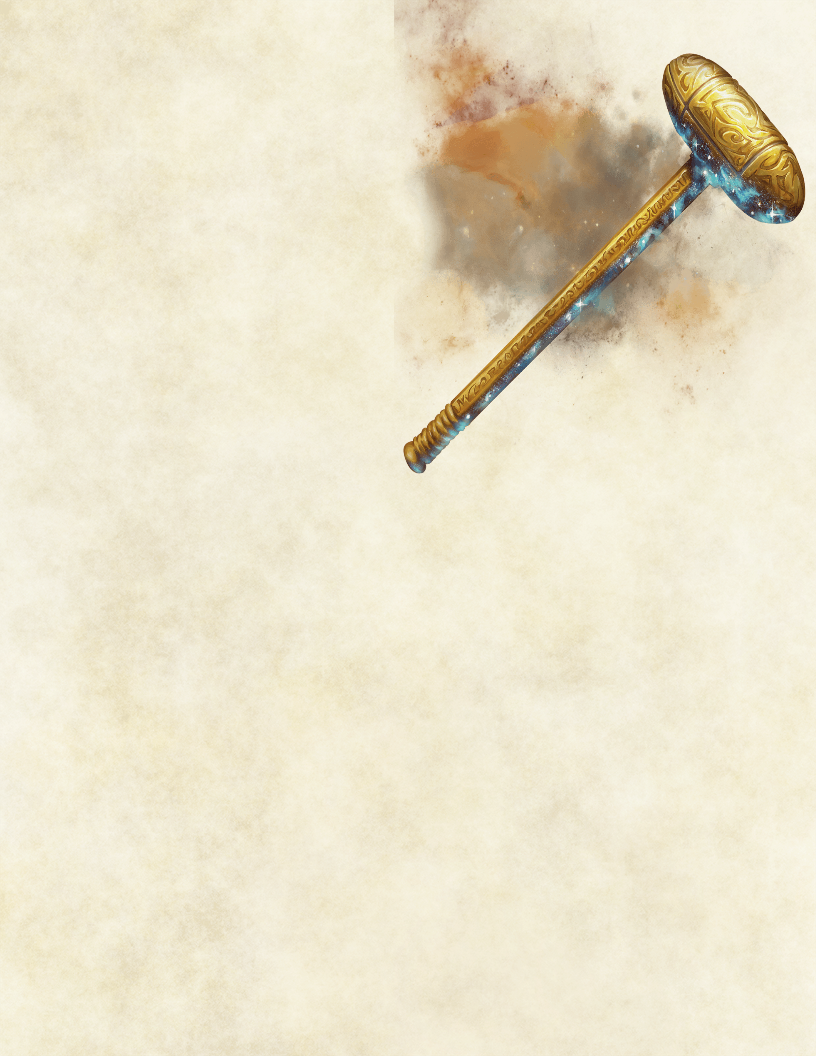
Akmon, Hammer of Purphoros
Weapon (Warhammer), Artifact (Requires Attunement)
Purphoros’s hammer works wonders and disasters, the god of the forge using it to craft ground-breaking marvels and dangerous inventions in equal measure. Purphoros rarely bestows Akmon on mortals but occasionally leaves it unattended at his forge in Mount Velus. When Purphoros does permit a mortal to use the hammer, it’s usually so they might bring an important work into being, wreck a force of destruction, or forge something remarkable somewhere the god isn’t welcome.
Hammer of the Forge. This magic warhammer grants a +3 bonus to attack and damage rolls made with it. When you hit with an attack using it, the target takes an extra 3d10 fire damage.
Blessing of the Forge. If you are a worshiper of Purphoros, you gain all the following benefits for which you have the required piety:
Piety 10+. The hammer has 1 randomly determined minor beneficial property.
Piety 25+. The hammer has 1 randomly determined major beneficial property.
Piety 50+. The hammer has 1 additional randomly determined major beneficial property.
If you aren’t a worshiper of Purphoros, the hammer has 2 randomly determined minor detrimental properties.
Reforged. While holding the hammer, you have resistance to fire damage and are immune to exhaustion. Additionally, you have proficiency with smith’s tools and have advantage on all ability checks made using them.
Spells. While the hammer is on your person, you can use an action to cast one of the following spells (save DC 18): animate objects, heat metal, fabricate, magic weapon, mending, shatter. Once you use the hammer to cast a spell, the spell can’t be cast again from it until the next dusk.
Destroying the Hammer. To destroy the hammer, it must be taken to the realm of Tizerus, in the Underworld. There it must be coated in clay from the Mire of Punishment. The heat of the hammer hardens the clay, which fuses to it after one month. Once fully hardened, the clay-covered hammer must be swallowed and digested by a kraken.
Thassa, God of the Sea
Dekella, Bident of Thassa
Weapon (Trident), Artifact (Requires Attunement)
Thassa wields Dekella, a two-pronged weapon gifted to her by Purphoros. When the god of the sea bestows her weapon on a mortal, it’s often so they might work her will far from the ocean, right some wrong affecting those she’d prefer not to harm, or give a mortal a glimpse of her terrible responsibilities.
Bident of the Deep. Thassa’s signature weapon thrums with the icy currents of the deep ocean. This weapon functions as a trident that grants a +3 bonus to attack and damage rolls made with it. When you hit with an attack using the bident, the target takes an extra 2d10 cold damage.
Blessing of the Deep. If you are a worshiper of Thassa, you gain all the following benefits for which you have the required piety:
Piety 10+. You can breathe underwater, and you gain a swimming speed of 60 feet.
Piety 25+. The bident has 1 randomly determined minor beneficial property.
Piety 50+. The bident has 1 randomly determined major beneficial property.
If you aren’t a worshiper of Thassa, the bident has 1 minor detrimental property and 1 major detrimental property, both randomly determined.
Command the Deep. The bident holds the power to command the waves and its creatures. As an action, you can change the condition of the sea within 1 mile of you, creating strong winds and heavy rain that cause violent waves (see “Weather at Sea” in chapter 5 of the Dungeon Master’s Guide) or calming a storm. In either case, the unnatural weather lasts for 1 hour before returning to normal. Once used, this property of the bident can’t be used again until the next dusk.
Additionally, you can cast the dominate monster spell (save DC 18) from the bident, but only on beasts and monstrosities that have an innate swimming speed. Once used, this property of the bident can’t be used again until the next dusk.
Aquatic Metamorphosis. You can cast the true polymorph spell (save DC 18) from the bident, but you must cast it on a creature to turn it into a kind of creature that has an innate swimming speed. Once used, this property of the bident can’t be used again until the next dusk.
Destroying the Bident. To destroy the bident, it must be heated by the breath of an ancient red dragon and then, while still hot, immersed in the Tartyx River.

Xenagos, God of Revels
Gelio, Glaive of Xenagos
Weapon (Glaive), Artifact (Requires Attunement)
Xenagos wields Gelio, a glaive always with a pair of orangish lights floating within. In his hand it was used to start the greatest of parties or play the best of pranks. He was well known for his ability to whip revelers into a frenzy. Xenagos is said to be dead, but for a creature based in belief who is to say what is permanent. If he were to grant this weapon to a follower it would be for them to finish the Grand Revel, a party of such proportions it threatens to ruin the world.
Glaive of Revels. This magic glaive grants a +2 bonus to attack and damage rolls made with it. Creatures you hit with this weapon must make a DC 18 Wisdom saving throw or have disadvantage on the first attack roll made against you until the end of their next turn.
Blessing of Revelry. If you are a worshiper of Xenagos, you gain all the following benefits for which you have the required piety:
Piety 10+. The glaive has 1 randomly determined minor beneficial property.
Piety 25+. The glaive has 1 randomly determined major beneficial property.
If you aren’t a worshiper of Xenagos, the glaive has 2 randomly determined major detrimental property.
See “Artifacts” in chapter 7 of the Dungeon Master’s Guide for details on randomly determined properties.
Duplicity. Whenever you fall below half your hit point maximum or receive a critical hit the spell mirror image is cast on you, lasting the duration, no concentration required.
Spells. The glaive has 15 charges. While holding it, you can use an action to expend 1 or more of its charges to cast one of the following spells (save DC 18) from it: friends (0 charges), charm person (1 charge), Tasha's Hideous Laughter (1 charge), charm monster (3 charges), enemies abound (3 charges), dominate beast (4 charges), dominate person (5 charges), otto's irresistible dance (6 charges), dominate monster (8 charges). The spear regains 1d12+3 expended charges daily at dawn.
Destroying the Glaive. To destroy the glaive, it must remain untouched in a location without any form of entertainment for one month, then it must cast from Mount Hiastos in Nyx into the depths of the Underworld where it will shatter.
Godless Artifacts/Legendaries
Shadowspear
Weapon (Spear), Artifact (Requires Attunement)
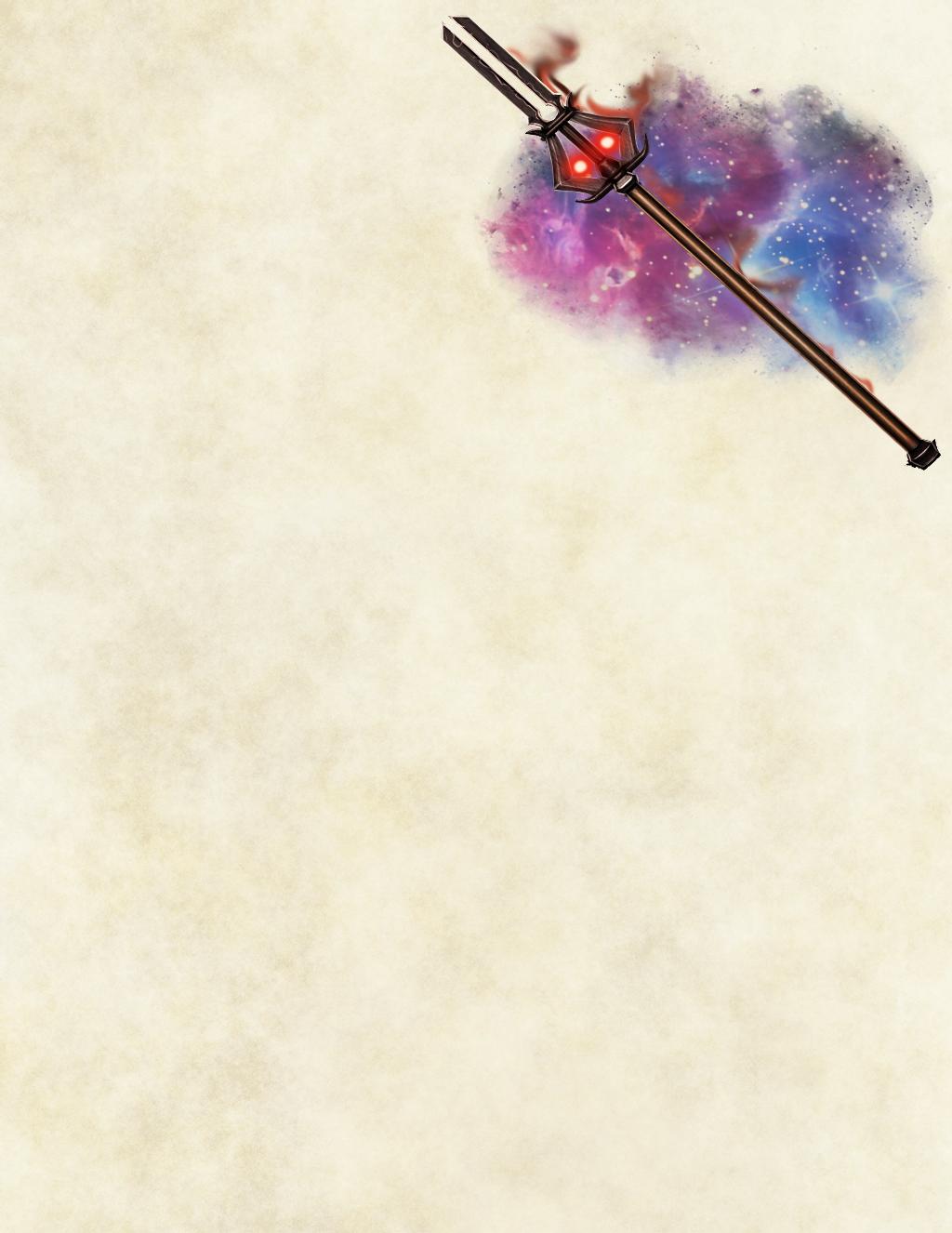
The cursed nightmare image of Khrusor, Heliod's Spear pulled from the nightmare of the champion he betrayed. It is every bit as powerful as the original, but horrifically twisted and empowered by those who curse Heliod's name.
Spear of Shadows. This spear grants a +1 bonus to attack and damage rolls made with it. When you hit with an attack using this spear, the target takes an extra 2d8 necrotic damage, healing you for half the necrotic damage dealt.
Godslayer. Damage dealt by this spear ignores resistances and treats immunity as resistance.
Random Properties. Shadowspear has the following random properties:
- The spear has 2 randomly determined minor beneficial property.
- The spear has 1 randomly determined major beneficial property.
- The spear has 1 randomly determined major detrimental property.
If you are a worshiper of Heliod, the spear has 2 randomly determined major detrimental properties.
See “Artifacts” in chapter 7 of the Dungeon Master’s Guide for details on randomly determined properties.
One With Shadows. While in darkness, you are invisible to any creature that relies on darkvision to see you in that darkness. Additionally, you gain darkvision out to 60 feet and can see in magical darkness.
Spells. The spear has 10 charges. While holding it, you can use an action to expend 1 or more of its charges to cast one of the following spells (save DC 18) from it: arms of hadar (1 charge), darkness (3 charges, targeting the tip of the spear only), shadow of moil (4 charges). The spear regains 1d6+4 expended charges daily at dusk.
Destroying the Spear. To destroy the spear, it must be taken to the heights of Mount Hiastos in Nyx, and shattered by the champion of Heliod while they wield Khrusor, Spear of Heliod.
Godsend
Weapon (Glaive), Legendary (Requires Attunement)
Originally a sword forged by Purphoros, God of the Forge, known as the Blade of Chaos. It was transformed into a swordspear and named Godsend by Heliod and given to his champion. The weapon appears as a sword with a spear length handle and a crossguard with two glowing gems. The spear radiates with Heliod's light.
You gain a +3 bonus to attack and damage rolls made with this magic weapon. It has the following additional properties:
Blessing of Heliod. When you hit with an attack using this spear, the target takes an extra 2d6 radiant damage.
Banishing Blade. When you hit with an attack using this spear, you can choose to cast banishing smite as part of the attack. You can use this ability once per long rest.
Blade of Chaos. The powers of Heliod cannot completely eclipse the power of a weapon forged by Purphoros. When you land a critical hit you ignore resistances and immunities to necrotic and radiant damage.
Additional Weapons NOT from Theros
Its from God of War but can fit pretty well in Theros (well maybe not the Leviathan Axe, but if Kaldheim is ever introduced to Magic or D&D proper then I will move it there.)
Kratos, God of War
Blades of Chaos
Weapon (two Shortswords), Artifact (Requires Attunement)
Kratos wields the Blades of Chaos, jagged and dark twin blades were forged with hatred and made for warfare. The blades seem to respond to a will for fighting reaching out for an attack, extending on the chains as they unravel from your arms.
Blades of Chaos. The blades are a bound pair, being attuned to one, you are attuned to both. Both share the effects listed. The blades burn with a primal fire. These magic blades grant a +3 bonus to attack and damage rolls made with them. The blades have a reach of 20 feet.
Blessing of War. If you are a worshiper of Kratos, you gain all the following benefits for which you have the required piety:
Piety 1+. The blades sear onto your body. Your hit point maximum is reduced by 10 while you are attuned to the blades. A curse placed on the blades before Kratos was a god. Additionally, the blades count as a single weapon when it comes to the number of magic items you can normally attune to.
Piety 25+. The blades have 1 randomly determined major beneficial property.
Piety 50+. The blades have 1 additional randomly determined major beneficial property.
If you aren’t a worshiper of Kratos, the blades have 2 randomly determined major detrimental properties.
See “Artifacts” in chapter 7 of the Dungeon Master’s Guide for details on randomly determined properties.
Burning Whirlwind. As an action you make an attack roll against all creatures of your choice within 20 feet of you. Once used, this property of the blades can’t be used again until the next dawn.
Primal Fire. When you hit with an attack using it, the target takes an extra 2d6 fire damage. Additionally, you have a climbing speed equal to your walking speed while wielding these weapons.
Destroying the Blades. The blades can only be destroyed when they have not drawn blood and no war has been waged for a century, then they must be struck by another artifact weapon.
Devotion to Kratos
Earning and Losing Piety
You increase your piety score to Kratos when you expand the god's influence in the world in a concrete way through acts such as these:
- Defy the will of an evil god
- Face a mighty creature in battle
- Be a guide, parent, or guardian to a child
- Destroy or ruin a temple to Kratos
Your piety score to Kratos decreases if you diminish his influence in the world, contradict his ideals, or undermine his civilizing influence through acts such as these:
- Kill the innocent or kill without cause
- Let your rage consume you
- Enslave another to your will
Kratos's Devotee
Piety 3+ Kratos trait
As a devotee of Kratos, you have shown yourself to be a powerful combatant. You gain proficiency in all weapons and armors. If you are already proficient with a weapon, you can add half your proficiency bonus (rounded down) to your damage rolls.
Kratos's Votary
Piety 10+ Kratos trait
You can cast searing smite (at 3rd level) with this trait. Once you cast the spell in this way, you can't do so again until you finish a long rest. Constitution is your spellcasting ability for this spell.
Kratos's Disciple
Piety 25+ Kratos trait
You are empowered with part of Kratos's durability. The first time time you drop to 0 hit points, you drop to 1 hit point instead.
Champion of War
Piety 50+ Kratos trait
You can increase your Strength or Constitution score by 2 and also increase your maximum for that score by 2.
Leviathan Axe
Weapon (Battleaxe), Artifact (Requires Attunement)
The Leviathan Axe was made for Kratos' wife Faye. A brilliant, large, axe is of dwarven make and was designed to rival the legendary Mjolnir. The axe channels the brutal cold of winter into every attack. Upon Faye's passing, the weapon passed to Kratos.
Axe of Winter. This magic axe grants a +3 bonus to attack and damage rolls made with it. The axe has the Thrown (range 40/120) property. When you make a ranged attack using this weapon it immediately flies back to your hand after the attack. Additionally, when you hit with an attack using this axe, the target takes an extra 1d8 cold damage.
Blessing of Winter. If you are a worshiper of Kratos, you gain all the following benefits for which you have the required piety:
Piety 1+. The axe has 1 randomly determined minor beneficial property.
Piety 25+. The axe has 1 randomly determined major beneficial property.
Piety 50+. The axe's additional cold damage increases to 2d10 cold damage.
If you aren’t a worshiper of Kratos, the axe has 2 randomly determined major detrimental properties.
See “Artifacts” in chapter 7 of the Dungeon Master’s Guide for details on randomly determined properties.
Freezing Throw. As an action you can throw the weapon at an enemy, and on it hit, the enemy must make a DC 17 Constitution saving throw, on a failed save, the enemy is stunned until the end of your next turn. However, the Leviathan Axe remains lodged in the opponent and does not return to your had until the end of your next turn either. You can call the weapon back to your hand as a bonus action but the enemy immediately loses the stunned condition. On a successful save the creature is not stunned and the weapon immediately returns to your hand. Once used, this property of the axe can’t be used again until the next dawn.
Destroying the Axe. The axe can only be destroyed by being used in the mutual destruction of the hammer, Mjolnir.
Draupnir Spear
Weapon (Spear), Artifact (Requires Attunement)
Once a legendary ring that would duplicate itself, it was reforged by the dwarves into a replicating spear after being stolen from Odin himself. With its restructuring and blessed with Kratos' divine blood, it became his.
Spear of Duplication. This magic spear grants a +3 bonus to attack and damage rolls made with it. The spear's normal range is 80 feet and its long range is 240 feet. When used to make a ranged attack, the spear can be recalled to you as part of your attack. When recalled, an entire new spear is created, and part of the old spear remains as a Fragment where the spear hit. This Fragment of the spear is non-magical and disappears after a minute. A Fragment can be removed from a creature as a bonus action or in place of an attack of a creature's Attack action or multiattack. The spear can only be recalled if it it was thrown as part of a ranged weapon attack. As a bonus action, you can choose to have each Fragment of the spear violently detonate, dealing 1d6 force damage per Fragment to any creature that has a Fragment in it still. Fragments last for 1 minute before disappearing.
Blessing of Winter. If you are a worshiper of Kratos, you gain all the following benefits for which you have the required piety:
Piety 1+. As a bonus action, the spear can be transformed into a ring or back into a spear.
Piety 25+. The spear has 1 randomly determined major beneficial property.
Piety 50+. The spear has 1 additional randomly determined major beneficial property.
If you aren’t a worshiper of Kratos, the spear has 2 randomly determined major detrimental properties.
See “Artifacts” in chapter 7 of the Dungeon Master’s Guide for details on randomly determined properties.
Maelstrom. As an action you can use the spear to cast the whirlwind spell (save DC 18). Once used, this property of the spear can’t be used again until the next dawn.
Destroying the Spear. To destroy the Draupnir Spear, a copy of the spear must be cast into each of the nine realms within 1 minute of the first spear thrown, thus pulling the Draupnir Spear apart.
Thor, God of Thunder
Mjolnir
Weapon (Maul), Artifact (Requires Attunement)
The legendary hammer of Thor, God of Thunder, Mjolnir is considered to be one of the most powerful weapon in the realms. It has been used to win countless battles, and is said to only be able to be held by those who are worthy.
Hammer of Thunder. This magic maul grants a +3 bonus to attack and damage rolls made with it. The maul loses its Two-Handed property and instead gains the Thrown (range 40/120) property. When you make a ranged attack using this weapon it immediately flies back to your hand after the attack. Additionally, when you hit with an attack using this maul, the target takes an extra 2d6 lightning damage.
Blessing of Thunder. If you are a worshiper of Thor, you gain all the following benefits for which you have the required piety:
Piety 1+. The maul has 1 randomly determined minor beneficial property.
Piety 25+. The maul has 1 randomly determined major beneficial property.
Piety 50+. The maul's additional lightning damage increases to 3d8 lightning damage.
If you aren’t a worshiper of Thor, the maul has 2 randomly determined major detrimental properties and cannot be moved by any means.
See “Artifacts” in chapter 7 of the Dungeon Master’s Guide for details on randomly determined properties.
Thunderer. As an action, you can make a ranged weapon attack with the hammer. If the attack hits, the hammer unleashes a thunderclap audible out to 300 feet. The target and every creature within 30 feet of it must succeed on a DC 17 Constitution saving throw or be stunned until the end of your next turn. Once used, this property of the maul can’t be used again until the next dawn.
Spells. While the maul is on your person, you can use an action to cast one of the following spells (save DC 18): lighting bolt (at 5th level), call lightning (at 5th level), or chain lightning. Once you use the maul to cast a spell, the spell can’t be cast again from it until the next dusk.
Destroying the Maul. The maul can only be destroyed by being used in the mutual destruction of the Leviathan Axe.
Devotion to Thor
Earning and Losing Piety
You increase your piety score to Thor when you expand the god's influence in the world in a concrete way through acts such as these:
- Face a mighty creature in battle
- Defeat a giant
- Defeating other worthy creatures in a drinking contest
- Building or restoring a temple to Thor
Your piety score to Thor decreases if you diminish his influence in the world, contradict his ideals, or undermine his civilizing influence through acts such as these:
- Fleeing from battle
- Refusing to drink alcohol
- Denying Thor a fight
Thor's Devotee
Piety 3+ Thor trait
As a devotee of Thor, you have shown yourself to be a powerful combatant. You can call on Thor's favor and cast thunderwave or thunderous smite with this trait. You can cast either of these spells in this way a number of times equal to your Constitution modifier (minimum of once). You regain all expended uses when you finish a long rest. Constitution is your spellcasting ability for this spell.
Thor's Votary
Piety 10+ Thor trait
You can call on Thor's favor and cast thunder step with this trait. You can cast the spell in this way a number of times equal to your Constitution modifier (minimum of once). You regain all expended uses when you finish a long rest. Constitution is your spellcasting ability for this spell.
Thor's Disciple
Piety 25+ Thor trait
Your body has become sturdy from battle. You have advantage on saving throws against being moved against your will or knocked prone.
Champion of Thunder
Piety 50+ Thor trait
You can increase your Strength or Constitution score by 2 and also increase your maximum for that score by 2.
Odin, the Allfather, God of Magic
Gungnir
Weapon (Spear), Artifact (Requires Attunement)
An immensely powerful spear said to be used by Odin, the All-Father. It is said that powerful magical runes are engraved into the spear, giving it power.
Spear of Runes. This magic spear grants a +3 bonus to attack and damage rolls made with it. Once per turn, the first time you miss with an attack you can choose to hit instead. When you take the Attack action on your turn, you can replace one of your attacks by empowering the spear. The next attack that hits with this spear deals an addition 3d10 force damage.
Blessing of the Allfather. If you are a worshiper of Odin, you gain all the following benefits for which you have the required piety:
Piety 1+. As a bonus action, the spear can be transformed into a ring or back into a spear.
Piety 25+. The spear has 1 randomly determined major beneficial property.
Piety 50+. The spear has 1 additional randomly determined major beneficial property.
If you aren’t a worshiper of Odin, the spear has 2 randomly determined major detrimental properties.
See “Artifacts” in chapter 7 of the Dungeon Master’s Guide for details on randomly determined properties.
Rune-Carved Blast. When you take the Attack action on your turn, you can replace one of your attacks with a gout of elemental energy. Choose between acid, cold, fire, lightning, poison, or thunder. You create a line that is 60 feet long and 5 feet wide. Creatures in that line must make a DC 18 Dexterity saving throw or take 6d6 damage of your chosen type on a failed save or half as much on a success. Once you have used this trait for a specific damage type, you cannot choose that damage type again until 24 hours have passed.
Destroying the Spear. To destroy Gungnir, it was be thrown into the still beating hearts of both the great wolf Fenrir, and the future destroyer, Surtur, then struck with either Mjolnir or the Leviathan Axe.
Devotion to Odin
Earning and Losing Piety
You increase your piety score to Odin when you expand the god's influence in the world in a concrete way through acts such as these:
- Identifying a magic item of legendary or artifact rarity
- Casting a spell of 7th or higher for the first time
- Breaking a curse from a magic item
- Building or restoring a temple to Odin
Your piety score to Odin decreases if you diminish his influence in the world, contradict his ideals, or undermine his civilizing influence through acts such as these:
- Undoing or countering a spell cast by Odin
- Hurting ravens or crows
- Casting a spell that hinders or intentionally hides something from Odin
- Helping Ragnarok occur in any way
Odin's Devotee
Piety 3+ Odin trait
As a devotee of Odin, you have proven yourself a worthy potential champion of the all-father. When you see a spell cast you can use your reaction to immediately identify the spell.
Odin's Votary
Piety 10+ Odin trait
You can cast counterspell spell with this trait. Once you cast the spell in this way, you can't do so again until you finish a short or long rest. Intelligence is your spellcasting ability for this spell.
Odin's Disciple
Piety 25+ Odin trait
You can cast identify spell with this trait. Once you cast the spell in this way, you can't do so again until you finish a short or long rest. Intelligence is your spellcasting ability for this spell. When you cast the spell in this way, you also learn information about it as if you cast the legend lore spell.
Champion of the All-Father
Piety 50+ Odin trait
You can increase your Intelligence or Wisdom score by 2 and also increase your maximum for that score by 2.
Heimdall, God of Foresight
Gjallarhorn
Wondrous Item, Artifact (Requires Attunement)
A rune-carved magical horn that was given to Heimdall for protection. The horn is prophesied to begin Ragnarok.
Horn of Ragnarok. The horn has 10 charges. You can use an action to blow this horn and expend a number of charges up to 5. In response, 1d4 + 1 Einherjar warrior spirits per charge appear within 60 feet of you. These spirits use the berserker statistics. They return to from whence the came after 1 hour or when they drop to 0 hit points. The horn regains 1d4 + 3 charges every 7 days. Creatures summoned from the horn are friendly to you and your companions and follow your commands.
Blessing of Ragnarok. If you are a worshiper of Heimdall, you gain all the following benefits for which you have the required piety:
Piety 1+. The horn has 1 randomly determined major detrimental property-a test to make sure you are worthy of its power.
Piety 25+. The horn has 1 randomly determined major beneficial property.
Piety 50+. The horn has 1 additional randomly determined major beneficial property.
If you aren’t a worshiper of Heimdall, the horn has 2 randomly determined major detrimental properties.
See “Artifacts” in chapter 7 of the Dungeon Master’s Guide for details on randomly determined properties.
Call of the Nine Realms. You can summon a valkyrie from the horn with 2 charges, these valkyries use the battleforce angel statistics. You can also summon a frost giant for 3 charges, or a fire giant for 4 charges.
Destroying the Horn. To destroy Gjallarhorn, it must have all its charges expended, and during the hour all creatures summoned by the horn must be reduced to 0 hit points, then the horn must be swallowed by Jormungandr, the World Serpent.
Devotion to Heimdall
Earning and Losing Piety
You increase your piety score to Heimdall when you expand the god's influence in the world in a concrete way through acts such as these:
- Detecting an ambush
- Feeding those who are starving
- Defending a those in need from monsters
- Building or restoring a temple to Heimdall
Your piety score to Heimdall decreases if you diminish his influence in the world, contradict his ideals, or undermine his civilizing influence through acts such as these:
- Attacking a defenseless settlement
- Letting others knowingly fall into a trap or ambush
- Averting your gaze from injustice
Heimdall's Devotee
Piety 3+ Heimdall trait
As a devotee of Heimdall, you have proven yourself a worthy potential champion of the sentinel god. You gain proficiency in the Perception skill. If you are already proficient in the skill, you add double your proficiency bonus to checks you make with it.
Heimdall's Votary
Piety 10+ Heimdall trait
You can cast darkvision with this trait. Once you cast the spell in this way, you can't do so again until you finish a short or long rest. Wisdom is your spellcasting ability for this spell.
In addition, when you cast darkvision with this trait, the creature has darkvision out to a range of 300 feet, instead of 60 feet.
Heimdall's Disciple
Piety 25+ Heimdall trait
By performing an hour-long ritual, you can see the invisible creatures within line of sight for 1 hour.
Champion of Foresight
Piety 50+ Heimdall trait
You can increase your Constitution or Wisdom score by 2 and also increase your maximum for that score by 2.