Ancestry and Heritage
Ability Score Increases
When you determine your ability scores, increase one of those scores by 2, and increase a different one by 1. These increases can’t raise a score above 20. You follow this rule regardless of the method you use to determine the scores, such as rolling or point buy.
Languages
Your character can speak, read, and write Common and one other language that you and your DM agree is appropriate for the character. The Player’s Handbook offers a list of widespread languages to choose from. The DM is free to add or remove languages from that list for a particular campaign. If you are replacing your race with a lineage, you retain any languages you had and gain no new languages.
Creature Type
Every creature in D&D, including every player character, has a special tag in the rules that identifies the type of creature they are. Most player characters are of the Humanoid type. A race option presented here tells you what your character’s creature type is.
List of Types. Here’s a list of the game’s creature types in alphabetical order: Aberration, Beast, Celestial, Construct, Dragon, Elemental, Fey, Fiend, Giant, Humanoid, Monstrosity, Ooze, Plant, Undead. These types don’t have rules themselves, but some rules in the game affect creatures of certain types in different ways.
Having More Than One Type. Some creatures are of more than one creature type. If an effect works on at least one of a creature’s types, that effect can work on that creature. For example, if you are both a Humanoid and an Undead, cure wounds works on you, since the spell works on a Humanoid.
Hertiages
In addition to your Ancestry, which describes your physical species, you choose a lineage, which describes your origin or culture. Each race has a number of unique lineages to choose from.
Versatile Heritages
In addition to these heritages, there are versatile lineages that can be chosen by any ancestry in place of a normal heritage.
Some versatile heritages are considered Half-Blood heritages, which indicate a character of mixed ancestry. When you choose one of these heritages, you are considered to be a member of both of your parent's species. Consult with your DM before making one of these characters.
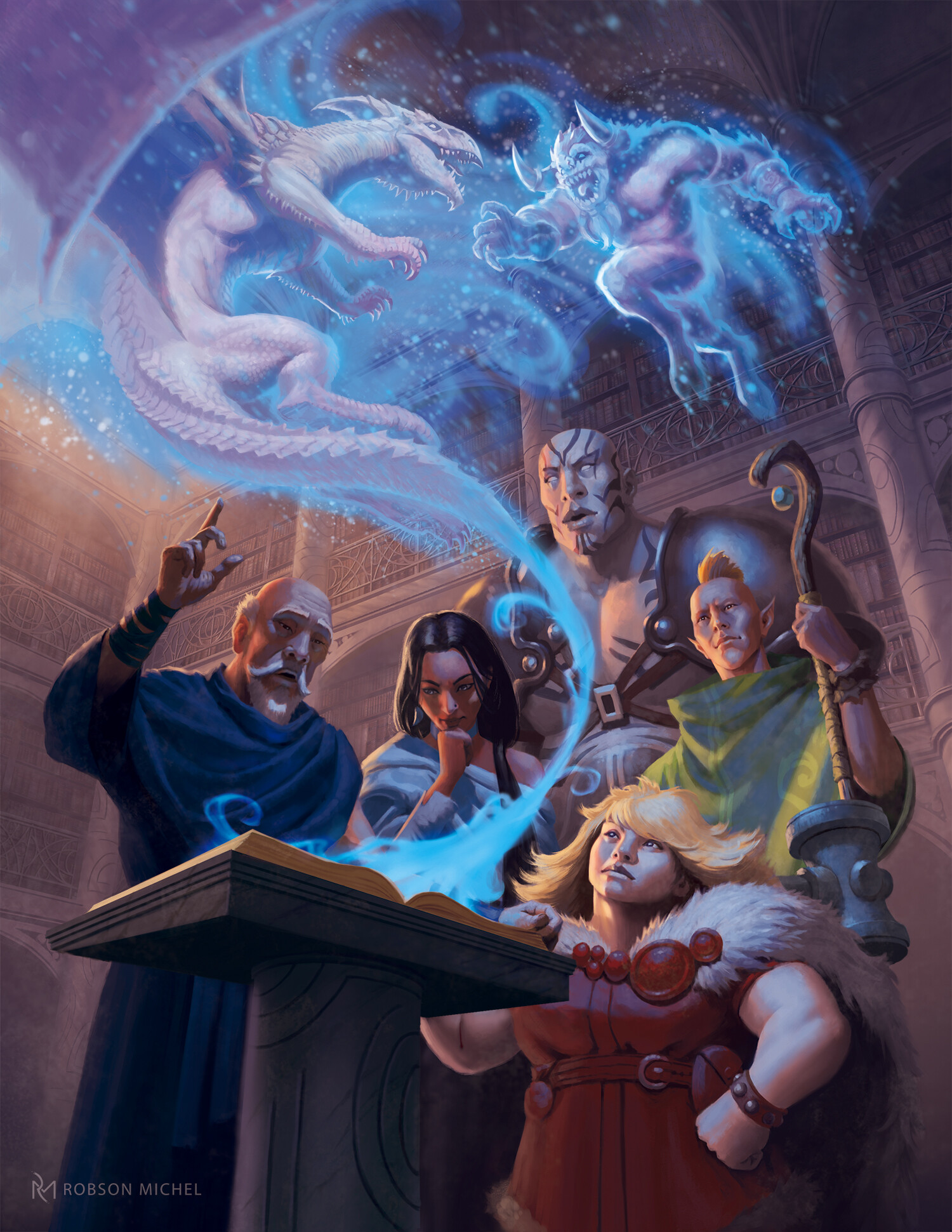

Aarakocra
Aarakocra Traits
Ability Score Increase.
Creature Type. Your creature type is Humanoid and Elemental.
Age. Aarakocra reach maturity by age 3. Compared to humans, aarakocra don't usually live longer than 30 years.
Size. Aarakocra are about 5 feet tall. They have thin, lightweight bodies that weigh between 80 and 100 pounds. Your size is Medium.
Speed. Your base walking speed is 25 feet.
Talons. Your claws are natural weapons, which counts as a simple melee weapon with which you are proficient. If you hit with them, you deal slashing damage equal to 1d4 + your Strength or Dexterity modifier, instead of the bludgeoning damage normal for an unarmed strike. Additionally, these natural weapons have the finesse property.
Flight. You have a flying speed of 40 feet. If you end your turn in the air while flying, you fall. To use this speed, you can't be wearing medium or heavy armor.
Extra Language. You can speak, read, and write in Auran.
Aarakocra Heritages
Swiftwing Heritage
Swiftwing Aaracrocra have trained their wings to sustain full flight.
Improved Flight. Your flying speed increases to 50 feet. You no longer fall if you end your turn in the air while flying.
Aqua Aaracrockra
You have a greater connection to the Plane of Water.
Waterfowl. You gain a swimming speed of 30, and you can hold your breath a number of minutes equal to twice your Constitution modifier.
Heat Trapping Feathers. You are adapted to the the chill of water. You gain resistance to cold damage.
Seadweller. You gain proficeicny with water vechicals, nets, tridents, and the Perception Skill.
Hunter Aarakocra
You are adapted for the hunt, with powerful talons and sharp sight.
Killing Talons. Your talons are more developed than other aarakocra. Their damage die increases to 1d8.
Dive Attack. If you are flying and dive at least 30 ft. straight toward a target and then hit it with a melee weapon attack, the attack deals an extra 1d6 damage to the target.
Keen Sight. You gain proficiency in the Perception skill.
Song Aarakocra
As a song aarakrocra you have are a natural bard, being able to weave magic through songs.
Size. Song aarakocra are smaller than other heritages. Your size is Small.
Magic Song. You learn one cantrip of your choice from the bard spell list.
Singer. You gain proficiency in the Performance skill.
Dark Aarakocra
The raven-like dark aarakocra are often mistaken for winged kenku.
Dark Blessing. You learn one cantrip of your choice from the cleric spell list.
Raven Training. You are proficient in your choice of one of the following skills: Acrobatics, Stealth, Arcana, and Survival.
Bugbear
Bugbear Traits
Creature Type. Your creature type is Humanoid.
Age. Bugbears reach adulthood at age 16 and live up to 80 years.
Size. Bugbears are between 6 and 8 feet tall and weigh between 250 and 350 pounds. Your size is Medium.
Speed. Your base walking speed is 30 feet.
Darkvision. You can see in dim light within 60 feet of you as if it were bright light, and in darkness as if it were dim light. You can't discern color in darkness, only shades of gray.
Long-Limbed. When you make a melee attack on your turn, your reach for it is 5 feet greater than normal.
Bugbear Heritages
Battle Bugbear
Battle Bugbears are trained warriors specializing in sneak attacks and suprise.
Powerful Build. You count as one size larger when determining your carrying capacity and the weight you can push, drag, or lift.
Sneaky. You are proficient in the Stealth skill.
Surprise Attack. If you surprise a creature and hit it with an attack on your first turn in combat, the attack deals an extra 2d6 damage to it. You can use this trait only once per combat.
Wandering Bugbear
Wandering bugbears are solitary and live off the land.
Natural Hunter. You have advantage of Wisdom (Perception) checks made to track creatures.
Tracker's Skills. You gain proficiency with two of the following skills of your choice: Animal Handling, Nature, Perception, Stealth, and Survival.
Wanderer's Stamina. You can ignore your first level of exahustion.
Coldblooded Bugbear
These white-hair bugbears wield the power of the fearsome yetis.
Thick Hair. You gain resistance to cold damage.
Snow Camouflage. You have advantage on Dexterity (Stealth) checks made to hide in snowy terrain.
Chilling Gaze. Choose one creature you can see within 30 feet of you. That creature must succeed on a DC 13 Constitution saving throw or take 3d6 cold damage and then be paralyzed until the end of it's next turn, unless it is immune to cold damage.
Once you use this feature, you can't again until you finish a short or long rest.
Centaur
Centaur Traits
Creature Type. Your creature types are Humanoid and Fey
Age. The age entry notes the age when the member of the race is considered an adult, as well as the race's expected lifespan.
Size. Centaurs stand between 6 and 7 feet tall, with their equine bodies reaching about 4 feet at the withers. Your size is Medium.
Speed. Your base walking speed is 35 feet.
Hooves. Your hooves are natural melee weapons, which you can use to make unarmed strikes. If you hit with them, you deal bludgeoning damage equal to 1d4 + your Strength modifier, instead of the bludgeoning damage normal for an unarmed strike.
Equine Build. You count as one size larger when determining your carrying capacity and the weight you can push or drag. In addition, any climb that requires hands and feet is especially difficult for you because of your equine legs. When you make such a climb, each foot of movement costs you 4 extra feet, instead of the normal 1 extra foot.
Centaur Heritages
Wild Centaur
Wild Centaurs usually come from nomadic packs that live in forests.
Speed. Your speed increases by 5 feet.
Charge. If you move at least 30 feet straight toward a target and then hit it with a melee weapon attack on the same turn, you can immediately follow that attack with a bonus action, making one attack against the target with your hooves.
Survivor. You have proficiency in one of the following skills of your choice: Animal Handling, Medicine, Nature, or Survival.
Plains Centaur
Centaurs of the plains are often seen as friendlier to outsiders. They are often merchants
Speed. Your speed increases by 5 feet.
Riding Centaur. A Medium or smaller creature can ride on your equine back if you allow it. In such a situation, you continue to act independently, not as a controlled mount.
Powerful Hooves. The damage die of your hooves increases to 1d6.
Mystic Centaur
You have a stronger connection to the feywild than other centaurs.
Magic Mind. You gain proficiency in the Arcana skill
Fey Ancestry. You have advantage on saving throws against being charmed, and magic can't put you to sleep.
Shaman. You learn the druidcraft cantrip. At 3rd level, you learn one 1st-level spell that has the ritual tag. When you reach 5th level, you learn one 2nd-level spell that has the ritual tag. You can cast these spells as a ritual, or with any spellslots you have.
Intelligence, Wisdom, or Charisma is your spellcasting ability for these spells (choose when you gain this heritage)
Dragonborn
Dragonborn Traits
Creature Type. Your creature types are Humanoid and Dragon
Age. Young dragonborn grow quickly. They walk hours after hatching, attain the size and development of a 10-year-old human child by the age of 3, and reach adulthood by 15. They live to be around 80.
Size. Dragonborn are taller and heavier than humans, standing well over 6 feet tall and averaging almost 250 pounds. Your size is Medium.
Speed. Your base walking speed is 30 feet.
Scales. You have tough, scaly skin. When you aren't wearing armor, your AC is 12 + your Dexterity modifier. You can use your natural armor to determine your AC if the armor you wear would leave you with a lower AC. A shield's benefits apply as normal while you use your natural armor.
Claws. Your claws are natural weapons, which counts as a simple melee weapon with which you are proficient. If you hit with them, you deal 1d4 slashing damage.
Breath Weapon. You can use your action to exhale destructive energy. Your dragonborn heritage determines the size, shape, and damage type of the exhalation. If you do not have a dragonborn heritage, choose a damage type and shape from the options presented.
When you use your breath weapon, each creature in the area of the exhalation must make a saving throw, the type of which is determined by your dragonborn heritage. The DC for this saving throw equals 8 + your Constitution modifier + your proficiency bonus. A creature takes 2d6 damage on a failed save, and half as much damage on a successful one. The damage increases to 3d6 at 5th level, 4d6 at 11th level, and 5d6 at 17th level.
You can use your breath weapon a number of times equal to your Constitution modifier. You regain all expeneded uses when you complete a short or long rest.
Dragonborn Heritages
Chromatic Dragon Ancestry
Your ancestor was one of the chromatic dragons, renowned for their ferocity.
Dragon Ancestor . Choose one type of dragon from the Draconic Ancestry table. Your breath weapon and damage resistance are determined by the dragon type, as shown in the table.
| Dragon | Damage Type | Breath Weapon |
|---|---|---|
| Black | Acid | 5 by 30 ft. line (Dex. save) |
| Blue | Lightning | 5 by 30 ft. line (Dex. save) |
| Green | Poison | 15 ft. cone (Con. save) |
| Red | Fire | 15 ft. cone (Dex. save) |
| White | Cold | 15 ft. cone (Con. save) |
Damage Resistance. You have resistance to the damage type associated with your dragon ancestry.
Dragon's Rage. As a bonus action on your turn you can enter a state of rage that enhances your draconic abilities. For the next minute, the damage die of your natural weapon increased to 1d6 and you deal an additional 1d4 damage of the type associated with you ancestry whenever you hit deal damage with them.You can’t use this trait again until you finish a short or long rest.
Metallic Dragon Ancestry
Your ancestor was a metallic dragon, known for their good-hearted nature.
Dragon Ancestor . Choose one type of dragon from the Draconic Ancestry table. Your breath weapon is determined by the dragon type, as shown in the table. You also gain an additional trait based on your type, which are written below.
| Dragon | Damage Type | Breath Weapon | Trait |
|---|---|---|---|
| Brass | Fire | 5 by 30 ft. line (Dex. save) | Burrower |
| Bronze | Lightning | 5 by 30 ft. line (Dex. save) | Amphibious |
| Copper | Acid | 5 by 30 ft. line (Dex. save) | Climber |
| Gold | Fire | 15 ft. cone (Dex. save) | Amphibious |
| Silver | Cold | 15 ft. cone (Con. save) | Climber |
Dragon Movement. You can move like a dragon. You gain one of the following traits, as determined by your ancestry:
Amphibious. You gain a swimming speed equal to your walking speed, and you can breathe in both air and water.
Burrower. You gain a burrowing speed of 30 feet.
Climber. You gain a climbing speed of 30 feet.
Dragon Training. You have proficiency in one of the following skills of your choice: Arcana, History, Perception, or Persuasion.
Shadow Dragon Ancestry
You are descended from the dark dragons of the Shadowfell.
Dragon Ancestor. Your breath weapon takes the form of a 15 ft. cone (Dex. save) and deals necrotic damage.
Sunlight Sensitivity. You have disadvantage on attack rolls and on Wisdom (Perception) checks that rely on sight when you, the target of your attack, or whatever you are trying to perceive is in direct sunlight.
Darkvision. You can see in dim light within 60 feet of you as if it were bright light, and in darkness as if it were dim light. You can't discern color in darkness, only shades of gray.
Shadow Stealth. You gain proficiency with the Stealth skill. When you are in dim light or darkness, you can take the Hide action as a bonus action.
Gem Dragon Ancestry
You are descned from the neutral gem dragons with crystaline scales.
Dragon Ancestor . Choose one type of dragon from the Draconic Ancestry table. Your breath weapon is determined by the dragon type, as shown in the table. You also gain an additional trait based on your type, which are written below.
| Dragon | Damage Type | Breath Weapon |
|---|---|---|
| Amethyst | Thunder | 15 ft. cone (Con. save) |
| Bronze | Slashing | 15 ft. cone (Dex. save) |
| Saphhire | Psychic | 5 by 30 ft. line (Wis. save) |
| Crystal | Radiant | 15 ft. cone (Dex. save) |
| Topaz | Necrotic | 5 by 30 ft. (Con. save) |
| Obsidian | Fire | 15 ft. cone (Dex. save) |
Gem Toughness. You gain resistance to psychic damage and advantage on saving throws against being frightened.
Natual Psionics. You learn the mage hand cantrip. When you cast it, the hand is invisible.
Dragon Turtle Ancestry
Dragon Ancestor. Your breath takes the form of a 15 ft. cone (Con. Save) of steam that deals fire damage. Being underwater doesn't grant resistance against this damage.
Tough Shell. Your scales have hardened into a powerful shell. Your shell gives you an AC of 15 + your Constitution modifier. You gain no benefit from wearing armor, but if you are using a shield, you can apply the shield's bonus as normal.
Amphibious. You have a swimming speed of 30 feet and can breath underwater.
Wyvern Ancestry
Dragon Ancestor. YOur breath weapon is a powerful roar. It deals thunder damage in a 15 ft. cone (Dex. save).
Wings. You have a flying speed of 30 feet. If you end your turn in the air while flying, you fall. To use this speed, you can't be wearing medium or heavy armor.
Stinger. Your tail stinger is a natural weapon, which counts as a simple melee weapon with the reach and finesse property which you are proficient. If you hit with it, you deal 1d4 piercing damage. Additionally, once per turn you can force a creaature you hit to make a DC 13 Constiution Saving throw or take 1d4 poison damage.
Dwarf
Dwarf Traits
Creature Type. Your creature type is Humanoid.
Age. Dwarves mature at the same rate as humans, but they're considered young until they reach the age of 50. On average, they live about 350 years.
Size. Dwarves stand between 4 and 5 feet tall and average about 150 pounds. Your size is Medium.
Speed. Your base walking speed is 25 feet. Your speed is not reduced by wearing heavy armor.
Darkvision. Accustomed to life underground, you have superior vision in dark and dim conditions. You can see in dim light within 60 feet of you as if it were bright light, and in darkness as if it were dim light. You can't discern color in darkness, only shades of gray.
Dwarven Resilience. You have advantage on saving throws against poison, and you have resistance against poison damage.
Dwarf Heritages
Duergar (Gray Dwarf)
You are a grey dwarf that lives in the caves of the Underdark
Superior Darkvision. Accustomed to life underground, you have superior vision in dark and dim conditions. You can see in dim light within 120 feet of you as if it were bright light, and in darkness as if it were dim light. You can't discern color in darkness, only shades of gray.
Duergar Resilience. You have advantage on saving throws against illusions and against being charmed or paralyzed.
Duergar Magic. When you reach 3rd level, you can cast the Enlarge/Reduce spell on yourself once with this trait, using only the spell's enlarge option. When you reach 5th level, you can cast the Invisibility spell on yourself once with this trait. You don't need material components for either spell, and you can't cast them while you're in direct sunlight, although sunlight has no effect on them once cast. Intelligence, Wisdom, or Charisma is your spellcasting ability for these spells (choose when you gain this heritage) You regain the ability to cast these spells with this trait when you finish a long rest. You can also cast these spells using any spells slots you have.
Sunlight Sensitivity. You have disadvantage on attack rolls and Wisdom (Perception) checks that rely on sight when you, the target of your attack, or whatever you are trying to perceive is in direct sunlight.
Extra Language. You learn Undercommon.
Hill Dwarf
You are a hill dwarf, tough and proud.
Dwarven Toughness. Your hit point maximum increases by 1, and it increases by 1 every time you gain a level.
Dwarven Combat Training. You have proficiency with the battleaxe, handaxe, light hammer, and warhammer.
Keen Senses. You gain proficiency in the Perception skill.
Mountain Dwarf
Mountain dwarves are traditionally talented craftsmen and architects.
Stonecunning. Whenever you make an Intelligence (History) check related to the origin of stonework, you are considered proficient in the History skill and add double your proficiency bonus to the check, instead of your normal proficiency bonus.
Tool Proficiency. You gain proficiency with the artisan's tools of your choice: Smith's tools, brewer's supplies, or mason's tools.
Dwarven Armor Training. You have proficiency with light and medium armor.
Derro
The mad derro live in the underdark, where they have been altered by mind flayers.
Size. Derro are more dimunintive than their dwarven cousins, being about 3 or 4 feet tall on average. Your size is Small.
Magic Resistance. You have advantage on saving throws against spells and other magical effects.
Sunlight Sensitivity. You have disadvantage on attack rolls and Wisdom (Perception) checks that rely on sight when you, the target of your attack, or whatever you are trying to perceive is in direct sunlight.
Superior Darkvision. Accustomed to life underground, you have superior vision in dark and dim conditions. You can see in dim light within 120 feet of you as if it were bright light, and in darkness as if it were dim light. You can't discern color in darkness, only shades of gray.
Extra Language. You learn Undercommon.
Azerblood
You are related to the firey Azers, a distant cousin of dwarves hailing from the Plane of Fire.
Creature Type. Your creature types are Humanoid and Elemental.
Heated Form. As an action on your turn, you can cause your natural fire to blaze for 1 minute. During this time, any creature you hit with a metal weapon takes additional fire damage equal to your level.
Additionally during this time, as a reaction to being hit with an attack or touched by a creature, you can cause heat to lash out, dealing 1d10 fire damage to that creature.
Metalworker Whenever you make an Intelligence (History) check related to metalwork , you are considered proficient in the History skill and add double your proficiency bonus to the check, instead of your normal proficiency bonus.
Extra Language. You learn Ignan.
Elf
Elf Traits
Creature Type. Your creature type is Humanoid.
Age. Although elves reach physical maturity at about the same age as humans, the elven understanding of adulthood goes beyond physical growth to encompass worldly experience. An elf typically claims adulthood and an adult name around the age of 100 and can live to be 750 years old.
Size. Elves range from under 5 to over 6 feet tall and have slender builds. Your size is Medium.
Speed. Your base walking speed is 30 feet.
Darkvision. Accustomed to twilit forests and the night sky, you have superior vision in dark and dim conditions. You can see in dim light within 60 feet of you as if it were bright light, and in darkness as if it were dim light. You can't discern color in darkness, only shades of gray.
Fey Ancestry. You have advantage on saving throws against being charmed, and magic can't put you to sleep.
Keen Senses. You have proficiency in the Perception skill.
Elf Heritages
Drow
The dark drow live in the Underdark, exiled from the surface.
Superior Darkvision. Accustomed to life underground, you have superior vision in dark and dim conditions. You can see in dim light within 120 feet of you as if it were bright light, and in darkness as if it were dim light. You can't discern color in darkness, only shades of gray.
Sunlight Sensitivity. You have disadvantage on attack rolls and on Wisdom (Perception) checks that rely on sight when you, the target of your attack, or whatever you are trying to perceive is in direct sunlight.
Drow Magic. You know the dancing lights cantrip. When you reach 3rd level, you can cast the faerie fire spell once per day. When you reach 5th level, you can also cast the darkness spell. Intelligence, Wisdom, or Charisma is your spellcasting ability for these spells (choose when you gain this heritage.) You regain the ability to cast these spells with this trait when you finish a long rest. You can also cast these spells using any spells slots you have.
Drow Weapon Training. You have proficiency with rapiers, shortswords, and hand crossbows.
Eladrin
The eladrin dwell in the Feywild, where they retain their primal ancestry.
Creature Type. Your creature types are Humanoid and Fey.
Seasons. An eladrin is associated with one of the seasons. When finishing a long rest, you can change your season.
Fey Step. As a bonus action, you can magically teleport up to 30 feet to an unoccupied space you can see. Once you use this trait, you can't do so again until you finish a short or long rest.
When you reach 3rd level, your Fey Step gains an additional effect based on your season; if the effect requires a saving throw, the DC equals 8 + your proficiency bonus + your Charisma modifier:
Autumn Immediately after you use your Fey Step, up to two creatures of your choice that you can see within 10 feet of you must succeed on a Wisdom saving throw or be charmed by you for 1 minute, or until you or your companions deal any damage to it.
Winter When you use your Fey Step, one creature of your choice that you can see within 5 feet of you before you teleport must succeed on a Wisdom saving throw or be frightened of you until the end of your next turn.
Spring When you use your Fey Step, you can touch one willing creature within 5 feet of you. That creature then teleports instead of you, appearing in an unoccupied space of your choice that you can see within 30 feet of you.
Summer Immediately after you use your Fey Step, each creature of your choice that you can see within 5 feet of you takes fire damage equal to your Charisma modifier (minimum of 1 damage).
High Elf
High Elves are masters of magic and have sharp minds.
Elf Weapon Training. You have proficiency with the longsword, shortsword, shortbow, and longbow.
Cantrip. You know one cantrip of your choice from the wizard spell list. Intelligence, Wisdom, or Charisma is your spellcasting ability for these spells (choose when you gain this heritage.)
Extra Language. You can speak, read, and write one extra language of your choosing.
Pallid Elf
Pallid elves are a mystical and insightful people.
Incisive Sense. You have advantage on Intelligence (Investigation) and Wisdom (Insight) checks.
Blessing of the Moon Weaver. You know the light cantrip. When you reach 3rd level, you can cast the sleep spell once with this trait. When you reach 5th level, you can cast the invisibility spell (targeting yourself only) once with this trait Intelligence, Wisdom, or Charisma is your spellcasting ability for these spells (choose when you gain this heritage.) You regain the ability to cast these spells with this trait when you finish a long rest. You can also cast these spells using any spells slots you have.
Sea Elf
Sea elves leave deep beneath the waves in hidden communities.
Sea Elf Training. You have proficiency with the spear, trident, light crossbow, and net.
Child of the Sea. You have a swimming speed of 30 feet, and you can breathe air and water.
Friend of the Sea. Using gestures and sounds, you can communicate simple ideas with any beast that has an innate swimming speed.
Extra Language. You can speak, read, and write Aquan.
Shadar-kai
The shardar-kai live in the plane of shadow and server the Raven Queen.
Necrotic Resistance. You have resistance to necrotic damage.
Blessing of the Raven Queen. As a bonus action, you can magically teleport up to 30 feet to an unoccupied space you can see. Once you use this trait, you can't do so again until you finish a long rest.
Starting at 3rd level, you also gain resistance to all damage when you teleport using this trait. The resistance lasts until the start of your next turn. During that time, you appear ghostly and translucent.
Wood Elf
Wood elves have strong natural intuition.
Elf Weapon Training. You have proficiency with the longsword, shortsword, shortbow, and longbow.
Fleet of Foot. Your base walking speed increases to 35 feet.
Mask of the Wild. You can attempt to hide even when you are only lightly obscured by foliage, heavy rain, falling snow, mist, and other natural phenomena.
Avariel
The winged Avariel are a rare type of elf once nearly wiped out.
Avariel Weapon Training. You have proficiency with the light crossbow, heavy crossbow, shortbow, and longbow.
Flight. You have gain a flying speed of 30 feet. If you end your turn in the air while flying, you fall to the ground.
Extra Language. You can speak, read, and write Auran.
Darkling
Darklings were cursed long ago, and now have a terrible sensitivity to light.
Creature Type. Your creature types are Humanoid and Fey.
Light Sensitivity. While in bright light, the darkling has disadvantage on attack rolls, as well as on Wisdom (Perception) checks that rely on sight.
Death Flash. When you die, nonmagical light flashes out from you in a 10-foot radius as your body and possessions, other than metal or magic objects, burn to ash. Any creature in that area and able to see the bright light must succeed on a DC 10 Constitution saving throw or be blinded until the end of the creature's next turn.
Superior Darkvision. Accustomed to life underground, you have superior vision in dark and dim conditions. You can see in dim light within 120 feet of you as if it were bright light, and in darkness as if it were dim light. You can't discern color in darkness, only shades of gray.
Dark Seer. You gain blindsight out to 10 feet.
Extra Language. You can speak, read, and write Sylvan.
Firbolg
Firbolg Traits
Creature Type. Your creature types are Humanoid and Giant.
Age. As humanoids related to giants, firbolg have long lifespans. A firbolg reaches adulthood around 30, and the oldest of them can live for 500 years.
Size. Firbolg are between 7 and 8 feet tall and weigh between 240 and 300 pounds. Your size is Medium
Speed. Your base walking speed is 30 feet.
Powerful Build. You count as one size larger when determining your carrying capacity and the weight you can push, drag, or lift.
Hidden Step. As a bonus action, you can magically turn invisible until the start of your next turn or until you attack, make a damage roll, or force someone to make a saving throw. Once you use this trait, you can't use it again until you finish a short or long rest.
Extra Language. You can speak, read, and write Giant.
Firbolg Heritages
Shepard Firbolg
Shepard Bugbears act as nature guardians, using their innate magic to disguise themselves.
Firbolg Magic. You can cast detect magic and disguise self with this trait. Once you cast either spell, you can't cast it again with this trait until you finish a short or long rest. You can also cast these spells using any spells slots you have. When you use this version of disguise self, you can seem up to 3 feet shorter than normal, allowing you to more easily blend in with humans and elves.
Intelligence, Wisdom, or Charisma is your spellcasting ability for these spells (choose when you gain this heritage.)
Speech of Beast and Leaf. You have the ability to communicate in a limited manner with beasts and plants. They can understand the meaning of your words, though you have no special ability to understand them in return. You have advantage on all Charisma checks you make to influence them.
Trollblood Firbolg
Some firbolgs have troll ancestry, which gives them regenerative abilities.
Keen Smell. The troll has advantage on Wisdom (Perception) checks that rely on smell.
Regeneration. As a bonus action, you can regain hitpoints equal to one roll of your hit die + your Constitution ability modifier.
Once you use this feature, you can't do so again until you finish a short or long rest.
Darkvision. You can see in dim light within 60 feet of you as if it were bright light, and in darkness as if it were dim light. You can't discern color in darkness, only shades of gray.
Ogreblood Firbolg
Ogreblood Firbolgs have inherited the ferocity of ogres.
Aggressive. As a bonus action, you can move up to your movement speed toward a hostile creature you can see or hear. You must end this move closer to the enemy than you started.
Ogre Toughness. Your hit point maximum increases by 1, and it increases by 1 every time you gain a level.
Dualblood Firbolg
You have some of the mutant power of the two-headed ettin.
Two Heads. You have advantage on Wisdom (Perception) checks and on saving throws against being blinded, charmed, deafened, and frightened. Because of your two heads, you require twice the amount of food.
Wakeful. When one of the your heads is asleep, its other head is awake.
Thick Skin. When you aren't wearing armor, your AC is 13 + your Dexterity modifier. You can use your natural armor to determine your AC if the armor you wear would leave you with a lower AC. A shield's benefits apply as normal while you use your natural armor.
Gith
Gith Traits
Creature Type. Your creature type is Humanoid.
Age. Gith reach adulthood in their late teens and live for about a century.
Size. Gith are taller and leaner than humans, with most a slender 6 feet in height. Your size is Medium.
Speed. Your base walking speed is 30 feet.
Gith Psionics. You know the mage hand cantrip, and the hand is invisible when you cast the cantrip with this trait.
When you reach 3rd level, choose one 1st-level spell from the wizard spell list. When you reach 5th level, 5th level, you learn one 2nd-level spell from the wizard spell list. You can cast these spells once, and you regain the ability to do so when you finish a long rest. You can also cast these spells using any spells slots you have.
Intelligence, Wisdom, or Charisma is your spellcasting ability for these spells (choose when you gain this ancestry.) When you cast them with this trait, they don't require components.
Gith Heritages
Githyanki
The githyanki are a martial group, ruled by their lich-queen Vlaakith.
Decadent Mastery. You learn one language of your choice, and you are proficient with one skill or tool of your choice. In the timeless city of Tu'narath, githyanki have bountiful time to master odd bits of knowledge.
Martial Prodigy. You are proficient with light and medium armor and with shortswords, longswords, and greatswords.
Githzerai
The githzerai dwell in Limbo, where they persue knowledge and combat.
Mental Discipline. You have advantage on saving throws against the charmed and frightened conditions. Under the tutelage of monastic masters, githzerai learn to govern their own minds.
Monk Training. Your attacks are suffed with mental energy. Once per turn when you hit a creature with a melee attack, you can deal an additional 1d4 psychic damage.
Githralli (United Gith)
Githralli have natural psionic power. They are the original gith, from before the race split. Today, only a few rebel Githralli remain.
Mental Fortitude. You gain resistance to psychic damage.
Mind Over Matter As a reaction to being forced to make a saving throw, you can use Intellgence instead of the abiltiy normal for the saving throw. In addition, you gain advantage on the saving thrown. Once you use this trait, you cannot use it again until you finish a long rest.
Gnome
Gnome Traits
Creature Type. Your creature type is Humanoid.
Age. Gnomes mature at the same rate humans do, and most are expected to settle down into an adult life by around age 40. They can live 350 to almost 500 years.
Size. Gnomes are between 3 and 4 feet tall and average about 40 pounds. Your size is Small.
Speed. Your base walking speed is 25 feet.
Darkvision. Accustomed to life underground, you have superior vision in dark and dim conditions. You can see in dim light within 60 feet of you as if it were bright light, and in darkness as if it were dim light. You can't discern color in darkness, only shades of gray.
Gnome Cunning. You have advantage on all Intelligence, Wisdom, and Charisma saving throws against magic.
Dwarf Heritages
Deep Gnome
Deep Gnomes live in the danger of the underdark.
Superior Darkvision. Accustomed to life underground, you have superior vision in dark and dim conditions. You can see in dim light within 120 feet of you as if it were bright light, and in darkness as if it were dim light. You can't discern color in darkness, only shades of gray.
Stone Camouflage. You have advantage on Dexterity (Stealth) checks to hide in rocky terrain.
Extra Language. You learn Undercommon.
Forest Gnome
Forest gnomes are quick and tricky, living in secret communities deep in forests
Trained Magician. You gain proficiency in the Arcana skill.
Natural Illusionist. You know the minor illusion cantrip. Intelligence is your spellcasting ability for it.
Speak with Small Beasts. Through sounds and gestures, you can communicate simple ideas with Small or smaller beasts. Forest gnomes love animals and often keep squirrels, badgers, rabbits, moles, woodpeckers, and other creatures as beloved pets.
Rock Gnome
Rock gnomes are accomplished artificers, building clockwork contraptions.
Mechanical Spell. You learn one cantrip of your choice from the Artificer spell list. Intelligence is your spellcasting ability for it.
Artificer's Lore. Whenever you make an Intelligence (History) check related to magic items, alchemical objects, or technological devices, you can add twice your proficiency bonus, instead of any proficiency bonus you normally apply.
Tinker. You have proficiency with artisan's tools (tinker's tools). Using those tools, you can spend 1 hour and 10 gp worth of materials to construct a Tiny clockwork device (AC 5, 1 hp). The device ceases to function after 24 hours (unless you spend 1 hour repairing it to keep the device functioning), or when you use your action to dismantle it; at that time, you can reclaim the materials used to create it. You can have up to three such devices active at a time. When you create a device, choose one of the following options:
Clockwork Toy. This toy is a clockwork animal, monster, or person, such as a frog, mouse, bird, dragon, or soldier. When placed on the ground, the toy moves 5 feet across the ground on each of your turns in a random direction. It makes noises as appropriate to the creature it represents.
Fire Starter. The device produces a miniature flame, which you can use to light a candle, torch, or campfire. Using the device requires your action.
Music Box. When opened, this music box plays a single song at a moderate volume. The box stops playing when it reaches the song's end or when it is closed.
Goblin
Gnome Traits
Creature Type. Your creature type is Humanoid.
Age. Goblins reach adulthood at age 8 and live up to 60 years.
Size. Goblins are between 3 and 4 feet tall and weigh between 40 and 80 pounds. Your size is Small.
Speed. Your base walking speed is 25 feet.
Darkvision. You can see in dim light within 60 feet of you as if it were bright light, and in darkness as if it were dim light. You can't discern color in darkness, only shades of gray.
Fury of the Small. When you damage a creature with an attack or a spell and the creature's size is larger than yours, you can cause the attack or spell to deal extra damage to the creature. The extra damage equals your level. Once you use this trait, you can't use it again until you finish a short or long rest.
Goblin Heritages
Quick Goblin
Quick goblins are nimble, being able to escape from danger easily.
Speed. Your speed increases by 5 feet.
Nimble Escape. You can take the Disengage or Hide action as a bonus action on each of your turns.
War Goblin
War goblins are fierce hunters, taking down powerful foes with their allies.
Goblin Weapon Training. You have proficiency with the hand crossbow, warpick, whip, and net, and light armor.
Pack Warrior. When you hit a creature you can see while one of your allies is within 5 feet of, you can deal additional 1d4 damage with the attack.
Wild Goblin
THe untamed wild goblins live in trees and ambush attack prey with their sharp fangs.
Fangs. Your claws are natural weapons, which counts as a simple melee weapon with the finesse property which you are proficient. If you hit with them, you deal 1d6 piercing damage, instead of the bludgeoning damage normal for an unarmed strike. This damage die increases to 2d6 if you are targeting a grappled creature.
Drop Hunter. You can use Acrobatics instead of Athletics for grappling. Additionally, you gain a climbing speed of 25 feet.
Verdan
The psionic verdan were transfomred by a chaotic force.
Blood Healing. The black blood that is a sign of your people's connection to That-Which-Endures boosts your natural healing. When you roll a 1 or 2 on any Hit Die you spend at the end of a short rest, you can reroll the die and must use the new roll.
Limited Telepathy. You can telepathically speak to any creature you can see within 30 feet of you. You don't need to share a language with the creature for it to understand your telepathy, but it must be able to understand at least one language. This process of communication is slow and limited, allowing you to transmit and receive only simple ideas and straightforward concepts.
Growth Spurt. When you reach 5th level, you go through a growth spurt. Your size becomes medium, your speed increases to 30, and you lose the Fury of the Small feature. Instead, you gain the Telepathic Insight feature.
Telepathic Insight. Your mind's connection to the world around you strengthens your will. You have advantage on all Wisdom and Charisma saving throws.
Halfling
Halfling Traits
Creature Type. Your creature type is Humanoid.
Age. A halfling reaches adulthood at the age of 20 and generally lives into the middle of his or her second century.
Size. Halflings average about 3 feet tall and weigh about 40 pounds. Your size is small.
Speed. Your base walking speed is 25 feet.
Lucky. When you roll a 1 on an attack roll, ability check, or saving throw, you can reroll the die. You must use the new result, even if it is a 1.
Halfling Heritages
Lightfoot Halfling
Light halfings are quick, dodging attacks and hiding behind the larger folk.
Nimble. You can move through the space of any creature that is of a size larger than yours.
Naturally Stealthy. You can attempt to hide even when you are obscured only by a creature that is at least one size larger than you.
Sneaky Skill. You gain proficiency in the Stealth skill.
Stout Halfling
Stout halflings are very sturdy in both body and mind.
Brave. You have advantage on saving throws against being frightened.
Stout Resilience. You have advantage on saving throws against poison, and you have resistance against poison damage.
Sturdy Build. You cannot be knocked prone.
Ghostwise Halfling
The elusive ghostwise halflings are isolated from other races, and have developed some mystic powers.
Silent Speech. You can speak telepathically to any creature within 30 feet of you. The creature understands you only if the two of you share a language. You can speak telepathically in this way to one creature at a time.
Darkvision. You can see in dim light within 60 feet of you as if it were bright light, and in darkness as if it were dim light. You can't discern color in darkness, only shades of gray.
Extra Language. You can speak, read, and write one extra language of your choosing.
Lotusden Halfling
Child of the Wood. You know the druidcraft cantrip. When you reach 3rd level, you can cast the entangle spell once with this trait. When you reach 5th level, you can cast the spike growth spell once with this trait. Casting these spells with this trait doesn't require material components. Intelligence, Wisdom, or Charisma is your spellcasting ability for these spells (choose when you gain this heritage.)
Timberwalk. Ability checks made to track you have disadvantage, and you can move across difficult terrain made of nonmagical plants and undergrowth without expending extra movement.
Wild Mind. You gain advantage on Wisdom and Charisma saving throws.
Hobgoblin
Hobgoblin Traits
Creature Type. Your creature type is Humanoid.
Age. Hobgoblins mature at the same rate as humans and have lifespans similar in length to theirs.
Size. Your size is Medium.
Speed. Your base walking speed is 30 feet.
Darkvision. You can see in dim light within 60 feet of you as if it were bright light, and in darkness as if it were dim light. You can't discern color in darkness, only shades of gray.
Tactical Ingenuity. You are a master of quick thinking in battle. When you roll initiative, you can add an additional 1d4.
Goblin Heritages
Strongblade Hobgoblin
Strongblades are warriors of hobgoblin society trained in the art of war.
Martial Training. You are proficient with two martial weapons of your choice and with light armor.
Saving Face. Hobgoblins are careful not to show weakness in front of their allies, for fear of losing status. If you miss with an attack roll or fail an ability check or a saving throw, you can gain a bonus to the roll equal to the number of allies you can see within 30 feet of you (maximum bonus of +5). Once you use this trait, you can't use it again until you finish a short or long rest.
Forge Hobgoblin
Hobgoblins of the forge are accomplished blacksmiths. They are well renowned for their powerful weapons which are used by hobgoblin legions.
Blacksmith. You have proficiency with blacksmith's tools and warhammers.
Forge Weapon During a long rest, you can polish and sharpen one metal weapon. When a creature hits with that weapon, it can deal an additional 1d4 damage. This benefit lasts until you decide to forge a different weapon.
Koalinth
Green-skinned sea hobgoblins, the Koalinth are feared by all other creatures in the ocean.
Sea Hobgoblin. You have a swimming speed of 30 feet, and you can breathe air and water.
Koalinth Training. You gain proficiency in tridents and nets.
Takedown Hunter. When you hit a creature with a weapon attack, you can strike with precise force, reducing their speed by 10 feet for 1 minute. Once you use this trait, you can't use it again until you finish a short or long rest.
Drakogoblin
The drakogoblins are hobgoblins magically mutated with the features of drakes.
Drake's Durability. You gain resistance to acid, poison, fire, lightning, or cold damage (choose when you gain this trait.)
Lashing Tail. You have a sharp tail, which counts as a simple melee weapon with the reach property that you are proficient in. When you hit with it, you deal 1d4 slashing damage.
Human
Human Traits
Creature Type. Your creature type is Humanoid.
Age. Humans reach adulthood in their late teens and live less than a century.
Size. Your size is Medium.
Speed. Your base walking speed is 30 feet.
Extra Language. You can speak, read, and write one extra language of your choosing.
Ability Score Increase. You gain a +1 to one ability score of your choice. You can't raise an ability score above 16 in this way.
Human Heritages
Versatile Human
Ability Score Increase. You gain a +1 to three ability scores of your choice that have not already been raised by an ability score increase. You can't raise an ability score above 16 in this way.
Skills. You gain proficiency in two skill of your choice.
Skilled Human
Feat. You gain one feat of your choice. If the feat gives an ability score increase, you cannot raise that score above 17.
Skill. You gain proficiency in one skill of your choice.
Trained Human
Ability Score Increase. You gain a +1 to one ability score of your choice. You can't raise an ability score above 16 in this way.
Martial Training. You gain proficiency in two simple or martial weapons of your choice and light armor.
Arcane Human
Ability Score Increase. You gain a +1 to one ability score of your choice. You can't raise an ability score above 16 in this way.
Cantrip. You learn one cantip from the wizard spell list.
Kenku
Kenku Traits
Creature Type. Your creature type is Humanoid.
Age. Kenku have shorter lifespans than humans. They reach maturity at about 12 years old and can live to 60.
Size. Your size is Medium.
Speed. Your base walking speed is 30 feet.
Mimicry. You can mimic sounds you have heard, including voices. A creature that hears the sounds can tell they are imitations with a successful Wisdom (Insight) check opposed by your Charisma (Deception) check.
Beak. Your sharp beak counts as a simple melee weapon with the finesse property that you are proficient in. When you hit with it, you deal 1d6 piercing damage.
Kenku Heritages
Shadowfeather Kenku
The dark shadowfeather often serve as spies or assassins.
Expert Forgery. You can duplicate other creatures' handwriting and craftwork. You have advantage on all checks made to produce forgeries or duplicates of existing objects.
Kenku Training. You are proficient in your choice of two of the following skills: Acrobatics, Deception, Stealth, and Sleight of Hand.
Stormtossed Kenku
The stormtossed kenku are heralds of nature's fury, living for the most powerful of storms.
Lightinng Affinity. You have resistance to lightning or thunder damage.
Storm Caller. You learn one of the following cantrips: booming blade, shocking grasp, lightning lure, gust, thaumaturgy, or thunderclap.
Intelligence, Wisdom, or Charisma is your spellcasting ability for these spells (choose the cantrip and ability score when you gain this trait.)
Realm Kenku
The magical realm kenku have brighter feathers and bright eyes.
Spell Twister. You learn one cantrip from the cleric spell list.
Magic Sight. As a bonus action, you can tune your magic senses. When you do so, you gain truesight in a 60 foot radius until the end of your next turn. Once you use this feature, you can't do so again until you finish a long rest.
Kobold
Kobold Traits
Creature Type. Your creature types are Humanoid and Dragon.
Age. Kobolds reach adulthood at age 6 and can live up to 120 years but rarely do so.
Size. Your size is Medium.
Speed. Your base walking speed is 30 feet.
Darkvision. You can see in dim light within 60 feet of you as if it were bright light, and in darkness as if it were dim light. You can't discern color in darkness, only shades of gray.
Sunlight Sensitivity. You have disadvantage on attack rolls and on Wisdom (Perception) checks that rely on sight when you, the target of your attack, or whatever you are trying to perceive is in direct sunlight.
Pack Tactics. You have advantage on an attack roll against a creature if at least one of your allies is within 5 feet of the creature and the ally isn't incapacitated.
Kobold Heritages
Minion Kobold
Often underestimated, these kobolds ususally serve more powerful beings.
Grovel, Cower, and Beg. As an action on your turn, you can cower pathetically to distract nearby foes. Until the end of your next turn, your allies gain advantage on attack rolls against enemies within 10 feet of you that you can see. Once you use this trait, you can't use it again until you finish a short or long rest.
Backstabber. When you deal damage to a creature that is not hostile to you, you deal an additional 1d6 damage.
Minion's Skills. You are excellent are serving the whims of your masters. You gain proficiency in two skills of your choice.
Dragonwrought Kobold
These kobolds have a stronger connection to the true dragons.
Draconic Scales. Choose one of the following colors of dragon from the following table. You gain resistance to it's corresponding damage type.
| Dragon | Damage Type |
|---|---|
| Black | Acid |
| Blue | Lightning |
| Green | Poison |
| Red | Fire |
| White | Cold |
| Brass | Fire |
| Bronze | Lightning |
| Copper | Acid |
| Gold | Fire |
| Silver | Cold |
Heart of the Dragon. You haev advantage on saving throws against being frightened.
Dragon Wings. You gain a flying speed of 25 feet. You fall if you end you turn in the air if nothing else is holding you up.
Darkwyrm Kobold
The mutant darkwyrm kobolds live in the Lower Planes, having been corrupted by the demons of the Abyss.
Blind Eye. You cannot see normally. Instead, you gain blindsight out to 30 feet. Sunlight Sensitivity still applies to this blindsight.
Abyssal Magic. You know the toll the dead cantrip. When you reach 3rd level, you can cast the arms of hadar spell once with this trait. When you reach 5th level, you can cast the darkness spell once with this trait. Intelligence, Wisdom, or Charisma is your spellcasting ability for these spells (choose when you gain this heritage.) You regain the ability to cast these spells with this trait when you finish a long rest. You can also cast these spells using any spells slots you have.
Lizardfolk
Lizardfolk Traits
Creature Type. Your creature types are Humanoid and Beast.
Age. Kobolds reach adulthood at age 6 and can live up to 120 years but rarely do so.
Size. Your size is Medium.
Speed. Your base walking speed is 30 feet.
Natural Armor. You have tough, scaly skin. When you aren't wearing armor, your AC is 13 + your Dexterity modifier. You can use your natural armor to determine your AC if the armor you wear would leave you with a lower AC. A shield's benefits apply as normal while you use your natural armor.
Bite. Your fanged maw counts as a simple weapon you are proficient in. If you hit with it, you deal 1d6 piercing damage.
Swim Speed. You have a swimming speed of 30 feet.
Hold Breath. You can hold your breath for up to 15 minutes at a time.
Lizardfolk Heritages
Hunter Lizardfolk
The wild hunters of the lizardfolk live in the wild swamps of the world.
Hungry Jaws. In battle, you can throw yourself into a vicious feeding frenzy. As a bonus action, you can make a special attack with your bite. If the attack hits, it deals its normal damage, and you gain temporary hit points equal to your Constitution modifier (minimum of 1), and you can't use this trait again until you finish a short or long rest.
Hunter's Lore. You gain proficiency with two of the following skills of your choice: Animal Handling, Nature, Perception, Stealth, and Survival.
Cunning Artisan. As part of a short rest, you can harvest bone and hide from a slain beast, construct, dragon, monstrosity, or plant creature of size small or larger to create one of the following items: a shield, a club, a javelin, or 1d4 darts or blowgun needles. To use this trait, you need a blade, such as a dagger, or appropriate artisan's tools, such as leatherworker's tools.
Monster Lizardfolk
The hulking monster lizards have powerful venom in their fangs.
Powerful Build. You count as one size larger when determining your carrying capacity and the weight you can push, drag, or lift.
Toxic Fangs. Once per turn when you hit a creature with your bite attack, you can force the target to make a DC 14 Constitution saving throw or take 1d6 poison damage.
Chamae Lizardfolk
These sneaky lizarfolk have the ability to change color and climb throught he treetops.
Camouflage. You can change your colors to match your enviorment. While you are standing still, you have advantage on Dexterity (Stealth) ability checks.
Climbing Pads. You gain a climbing speed of 20 feet.
Blackscale
The powererful blackscales have the blood of black dragons.
Acidproof Scales. You gain resistance to acid damage.
Darkvision. You can see in dim light within 60 feet of you as if it were bright light, and in darkness as if it were dim light. You can't discern color in darkness, only shades of gray.
Minotaur
Minotaur Traits
Creature Type. Your creature types are Humanoid and Monstrosity.
Age. Minotaurs mature and age at about the same rate as humans.
Size. Your size is Medium.
Speed. Your base walking speed is 30 feet.
Horns. Your horns count as a simple weapon you are proficient in. If you hit with it, you deal 1d6 piercing damage.
Goring Rush. Immediately after you use the Dash action on your turn and move at least 20 feet, you can make one melee attack with your horns as a bonus action.
Minotaur Heritages
Crushing Minotaur
Crushing Minotaurs often server as the guardians of mazes.
Hammering Horns. Immediately after you hit a creature with a melee attack as part of the Attack action on your turn, you can use a bonus action to attempt to shove that target with your horns. The target must be no more than one size larger than you and within 5 feet of you. Unless it succeeds on a Strength saving throw against a DC equal to 8 + your proficiency bonus + your Strength modifier, you push it up to 10 feet away from you.
Imposing Presence. You have proficiency in one of the following skills of your choice: Intimidation or Persuasion.
Longhorn Minotaur
Demonic influence have transformed the bodies of these minotaurs
Long Horns. Your horns gain the reach property.
Powerful Build. You count as one size larger when determining your carrying capacity and the weight you can push, drag, or lift.
Serene Minotaur
These herbivoric minotaurs are natural druids, represents both the peace and ferocity of nature.
Drudic Might. You learn the shillelagh cantrip. When you cast this cantrip, you can also target your horns, using them as the material component. Intelligence, Wisdom, or Charisma is your spellcasting ability for this spell (choose when you gain this heritage.)
Nature's Prowess. You have proficiency in one of the following skills of your choice: Survival, Nature, Medicine, or Animal Handling.
Orc
Orc Traits
Creature Type. Your creature type is Humanoid.
Age. Orcs reach adulthood at age 16, and live up to 80 years.
Size. Your size is Medium.
Speed. Your base walking speed is 30 feet.
Darkvision. You can see in dim light within 60 feet of you as if it were bright light, and in darkness as if it were dim light. You can't discern color in darkness, only shades of gray.
Powerful Build. You count as one size larger when determining your carrying capacity and the weight you can push, drag, or lift.
Orc Heritages
Grey Orc
Grey orcs live on rocky mountians, where their hunting instincts have been honed.
Aggressive. As a bonus action, you can move up to your movement speed toward a hostile creature you can see or hear. You must end this move closer to the enemy than you started.
Primal Intuition. You have proficiency in two of the following skills of your choice: Animal Handling, Insight, Intimidation, Medicine, Perception, and Survival.
Tusks. Your tusks count as a simple weapon with the finesse property that you are proficient in. They deal 1d6 piercing damage on a hit.
Green Orc
Green orcs are very hardy. having some of the blood of dwarves.
Menacing. You gain proficiency in the Intimidation skill.
Savage Attacks. When you score a critical hit with a melee weapon attack, you can roll one of the weapon's damage dice one additional time and add it to the extra damage of the critical hit.
Relentless Endurance. When you are reduced to 0 hit points but not killed outright, you can drop to 1 hit point instead. You can't use this feature again until you finish a long rest.
Orog
The Orogs live in the underdark, where they have learned to survive in the rougest of conditions.
Superior Darkvision. Accustomed to life underground, you have superior vision in dark and dim conditions. You can see in dim light within 120 feet of you as if it were bright light, and in darkness as if it were dim light. You can't discern color in darkness, only shades of gray.
Sunlight Sensitivity. You have disadvantage on attack rolls and on Wisdom (Perception) checks that rely on sight when you, the target of your attack, or whatever you are trying to perceive is in direct sunlight.
Orog Toughness. Your hit point maximum increases by 1, and it increases by 1 every time you gain a level.
Natural Armor. You have tough, leathery skin. When you aren't wearing armor, your AC is 13 + your Dexterity modifier. You can use your natural armor to determine your AC if the armor you wear would leave you with a lower AC. A shield's benefits apply as normal while you use your natural armor.
Corrupted Orc
The toxic orcs of Yurtrus have developed into withering beasts of acid.
Nurtured One. You have advantage on saving throws against poison and disease.
Necrotic Touch. Once per turn when you hit with a melee weapon attack you can deal an additional 1d4 necrotic damage.
Poisonous Beast. You gain resistance to acid damage.
Tabaxi
Tabaxi Traits
Creature Type. Your creature types are Humanoid and Beast.
Age. Tabaxi have lifespans equivalent to humans.
Size. Your size is Medium.
Speed. Your base walking speed is 30 feet.
Darkvision. You can see in dim light within 60 feet of you as if it were bright light, and in darkness as if it were dim light. You can't discern color in darkness, only shades of gray.
Cat's Claws. You have a climbing speed of 20 feet. Additionally, your claws are simple weapons with the light and finesse properties that you are proficient it. When you hit with them, you deal 1d4 slashing damage.
Tabaxi Heritages
Swiftpaw Tabaxi
The swiftpaw tabaxi are excellent sprinters, jumping through trees and sprinting towards prey.
Feline Agility. Your reflexes and agility allow you to move with a burst of speed. When you move on your turn in combat, you can double your speed until the end of the turn. Once you use this trait, you can't use it again until you move 0 feet on one of your turns.
Cat's Talents. You have proficiency in the Perception and Stealth skills.
Climbing Speed. Your climbing speed increases to 30 feet.
Leonin Tabaxi
These powerful tabaxi have strong legs and a powerful roar.
Strong Legs. Your base speed increases by 5 feet.
Hunter's Instincts. You have proficiency in one of the following skills of your choice: Athletics, Intimidation, Perception, or Survival.
Daunting Roar. As a bonus action, you can let out an especially menacing roar. Creatures of your choice within 10 feet of you that can hear you must succeed on a Wisdom saving throw or become frightened of you until the end of your next turn. The DC of the save equals 8 + your proficiency bonus + your Constitution modifier. Once you use this trait, you can't use it again until you finish a short or long rest.
Quickfur Tabaxi
The quickfur tabaxi are flexible and quick to react.
Righting Reflex. You can turn yourself around in air to land on your feet. You have resistance to fall damage.
Cat's Luck. As a reaction to failing a Dexterity saving throw, you can choose it reroll the save. You must use the new result. Once you use this feature, you can't do so again
Natural Acrobat. You gain proficiency in the Acrobatics and Stealth skills.
Library Tabaxi
This mysterious group of tabaxi are keepers of ancient lore, presiding over libraries full of magical secrets.
Nine Lives. You cling to life. You have advantage of death saving throws.
Librarian's Lore. You gain proficiency with two skills of your choice. Whenever you make an ability check with the chosen skill or tool, roll a d4 and add the number rolled to the check's total.
Displacer Tabaxi
Some tabaxi have been mutated with the monsterous power of the displacer beast.
Creature Type. Your creature types are Humanoid and Monstrosity.
Tentacles. You have two spiked tentacles coming out of your back, which count as simple weapons with the reach and finesse properties. On a hit, they deal 1d4 bludgeoning damage and 1d4 piercing damage.
You cannot use these tentacles if you are wearing armor, unless the armor is specifically made for your tentacles.
Displacement. As a bonus action, you can project a magical illusion that makes you appear to be standing near your actual location, causing attack rolls against you to have disadvantage until the end of your next turn.
Once you use this feature, you can't do so again until you finish a long rest.
Tressym Tabaxi
The magical treesym tabaxi have feathery wings which allow them bursts of flight.
Wings. You have a flying speed of 30 feet. If you end your turn in the air while flying, you fall. To use this speed, you can't be wearing medium or heavy armor.
Poison Resistance. You have advantage on saving throws against being poisoned, and you have resistance to poison damage.
Keen Smell. You have advantage on Wisdom (Perception) checks that rely on smell.
Tortle
Tortle Traits
Creature Type. Your creature types are Humanoid and Beast.
Age. Young tortles crawl for a few weeks after birth before learning to walk on two legs. They reach adulthood by the age of 15 and live an average of 50 years.
Size. Your size is Medium.
Speed. Your base walking speed is 30 feet.
Natural Armor. Due to your shell and the shape of your body, you are ill-suited to wearing armor. Your shell provides ample protection, however; it gives you a base AC of 17 (your Dexterity modifier doesn't affect this number). You gain no benefit from wearing armor, but if you are using a shield, you can apply the shield's bonus as normal.
Hold Breath. You can hold your breath for up to 1 hour at a time.
Tortle Heritages
Terra Tortle
Terra tortles are survivors, exploring the world with their home on their backs.
Claws. Your claws are simple weapons that you are proficient in. If you hit with them, you deal 1d4 slashing damage.
Shell Defense. You can withdraw into your shell as an action. Until you emerge, you gain a +4 bonus to AC, and you have advantage on Strength and Constitution saving throws. While in your shell, you are prone, your speed is 0 and can't increase, you have disadvantage on Dexterity saving throws, you can't take reactions, and the only action you can take is a bonus action to emerge from your shell.
Survival Instinct. You gain proficiency in the Survival skill.
Sea Tortle
Sea tortles live most of their lives in the sea, and have developed an affinity for it.
Swimmer. You gain a swimming speed of 35 feet, and you can hold your breath for up to 10 hours.
Darkvision. You can see in dim light within 60 feet of you as if it were bright light, and in darkness as if it were dim light. You can't discern color in darkness, only shades of gray.
Water Jet, You can spit jets of pressurized water, which counts as a simple ranged weapon that you are proficient in. On a hit, you deal 1d8 bludgeoning damage, and the target must succeed on a DC 13 Strength saving throw or be knocked prone.
Once you use this feature, you can't do so again until the end of your next turn.
Ancient Tortle
These immortal and rare tortles have connections to the element of earth.
False Appearance. While you remain motionless and retract into your shell, you are indistinguishable from a normal boulder.
Tough Shell. Your hit point maximum increases by 1, and it increases by 1 every time you gain a level.
Tremor Sense You gain tremorsense within a 20 foot radius.
Rough Tortle
These tortles have rough, spiked shells that work as a natural defense. These tortles often dwell in volcanic places.
Spiked Shell. Your shell is spiked. Whenever a creaure misses with a melee attack against you, they must succeed on a DC 13 Dexterity saving throw or take 1d6 piercing damage.
Heatproof Shell. You gain resistance to fire damage.
Lava Dweller. You can swim in lava with a swimming speed of 25 feet, and you take no damage from lava.
Warforged
Warforged Traits
Creature Type. Your creature types are Humanoid and Construct.
Age. A typical warforged is between two and thirty years old. The maximum warforged lifespan remains a mystery; so far, warforged have shown no signs of deterioration due to age. You are immune to magical aging effects.
Size. Your size is Medium.
Speed. Your base walking speed is 30 feet.
Constructed Resilience. You were created to have remarkable fortitude, represented by the following benefits:
-
You have advantage on saving throws against being poisoned, and you have resistance to poison damage.
-
You don't need to eat, drink, or breathe.
-
You are immune to disease.
-
You don't need to sleep, and magic can't put you to sleep.
Sentry's Rest. When you take a long rest, you must spend at least six hours in an inactive, motionless state, rather than sleeping. In this state, you appear inert, but it doesn't render you unconscious, and you can see and hear as normal.
Integrated Protection. Your body has built-in defensive layers, which can be enhanced with armor:
-
You can don only armor with which you have proficiency. To don armor other than a shield, you must incorporate it into your body over the course of 1 hour, during which you remain in contact with the armor. To doff armor, you must spend 1 hour removing it. You can rest while donning or doffing armor in this way.
-
While you live, the armor incorporated into your body can't be removed against your will.
Warforged Heritages
Bastion Warforged
Bastion Warforged are built to be tough controllers on the battlefield, often having heavy metal plating.
Heavy Armor. You gain a +1 bonus to Armor Class.
Specialized Design. You gain one skill proficiency of your choice, one tool proficiency of your choice, and fluency in one language of your choice.
Envoy Warforged
Envoy Warforged are specially built for a certain task.
Integrated Tool. Choose one tool you're proficient with. This tool is integrated into your body, and you double your proficiency bonus for any ability checks you make with it. You must have your hands free to use this integrated tool.
Special Envoy. You gain proficiency in any combination of four skills, languages, simple weapons, martial weapons, or tools of your choice.
Juggernaut Warforged
Juggernauts are the bulk of the Warforged troops, combing powerful bulk with tireless drive.
Iron Fists. When you hit with an unarmed strike, you can deal 1d6 + your Strength modifier bludgeoning damage, instead of the normal damage for an unarmed strike.
Powerful Build. You count as one size larger when determining your carrying capacity and the weight you can push, drag, or lift.
Iron Bulk. When you aren't wearing armor, your AC is 13 + your Strength modifier. You can use your natural armor to determine your AC if the armor you wear would leave you with a lower AC. A shield's benefits apply as normal while you use your natural armor.
Skirmisher Warforged
Skirmisher Warforged were built to fight at the edges of battle and spy on enemies.
Swift. Your walking speed increases by 5 feet.
Light Step. When you are traveling alone for an extended period of time (one hour or more), you can move stealthily at a normal pace.
Skirmisher Skills. You gain proficiency in the Stealth skill and rapiers.
Yuan-ti
Yuan-ti Traits
Creature Type. Your creature types are Humanoid and Monstrosity.
Age. Kobolds reach adulthood at age 6 and can live up to 120 years but rarely do so.
Size. Your size is Medium.
Speed. Your base walking speed is 30 feet.
Darkvision. You can see in dim light within 60 feet of you as if it were bright light, and in darkness as if it were dim light. You can't discern color in darkness, only shades of gray.
Innate Spellcasting. You know the poison spray cantrip. You can cast animal friendship an unlimited number of times with this trait, but you can target only snakes with it. Starting at 3rd level, you can also cast suggestion with this trait. Once you cast it, you can't do so again until you finish a long rest. Intelligence, Wisdom, or Charisma is your spellcasting ability for this spell (choose when you gain this heritage.)
Poison Immunity. You are immune to poison damage and the poisoned condition.
Yuan-ti Heritages
Yuan-ti Pureblood
The most human-like of the yuan-ti, the purebloods have a strong resistance to magic.
Magic Resistance. You have advantage on saving throws against spells and other magical effects.
Yuan-ti Halfblood
Yuan-ti halfbloods have the heads of snakes, and can turn into them.
Bite. Your fangs are a simple weapon you are proficient in. If you hit with it, you can deal 1d6 piercing damage. Addtionally, when you hit a creature with your bite they must succeed a DC 13 Constitution saving throw or take 1d4 poison damage.
Shapechange. As an action, you can turn into a medium snake. WHile in this form, your statistics are the same, except that your speed increases by 5 feet, your bites's damage die increases to 1d4, and your AC equals 13 + your Dexterity modifier.
While in this form, you can attempt to constrict a Large or smaller creature as an action. When you do so, make a melee attack against that creature. You are considerd proficient in this attack. If you hit, the target takes 1d4 damage and is grappled.
Any equipment you have is merged into your new form and is unaccessible. If you reach 0 hit points, you leave this form.
Yuan-ti Abomination
The powerful abominations are the most snake-like of the yuan-ti. Thye are long, scaly, and legless.
Bite. Your fangs are a simple weapon you are proficient in. If you hit with it, you can deal 1d6 piercing damage. Addtionally, when you hit a creature with your bite they must succeed a DC 13 Constitution saving throw or take 1d4 poison damage.
Scales. You have tough, scaly skin. When you aren't wearing armor, your AC is 13 + your Dexterity modifier. You can use your natural armor to determine your AC if the armor you wear would leave you with a lower AC. A shield's benefits apply as normal while you use your natural armor.
Speed Burst. By lowering your body to the ground and propelling yourself with your arms, you can move more quickly for a time. As a bonus action on your turn you can take the dash action. Once you do so, you can't again until the end of your next turn.
Fearful Presence. When you reach 5th level, you gain the ability to strike fear into the height of your foes. You can cast fear once with this trait. You regain the ability to cast this spell with this trait when you finish a long rest. You can also cast this spell using any spells slots you have.
Intelligence, Wisdom, or Charisma is your spellcasting ability for this spell (choose when you gain this heritage.)
Versatile Lineages
Members of any ancesrty can take a versatile heritage in place of a normal racial one.
Aasimar
Aasimar are the children of angels born to mortals. They are more luminous and angelic then their kin, and are often seen as holy champions of the gods.
Creature Type. You gain the Celestial creature type in addition to any creature types you already have.
Celestial Resistance. You have resistance to necrotic damage and radiant damage.
Light Bearer. You know the light cantrip. Intelligence, Wisdom, or Charisma is your spellcasting ability for this spell (choose when you gain this heritage.)
Divine Outrage. As an action, you can unleash your divine energy. During this transformation, once on each of your turns, you can deal extra radiant or necrotic damage (choose when you gain this heritage) to one target when you deal damage to it with an attack or a spell. The extra damage equals your level.
Additionally, you gain an extra feature during your transformation depending on the type of angel you are descended from (choose when you gain this heritage):
Protector. You have a flying speed of 30 feet.
Scourge. You shed bright light in a 10-foot radius and dim light for an additional 10 feet, and at the end of each of your turns, you and each creature within 10 feet of you take radiant damage equal to half your level (rounded up).
Fallen. The instant you transform, other creatures within 10 feet of you that can see you must succeed on a Charisma saving throw (DC 8 + your proficiency bonus + your Charisma modifier) or become frightened of you until the end of your next turn.
Crusader. Your weapon sheds bright light in a 5 foot radius, and deals damage of the type you chose for this feature instead of the damage type normal for that weapon.
Savior. When you transform and as an action on each of your turns, you can touch a creature you can see and heal them for a number of hit points equal to half your level (rounded up.)
Otherworldly. You can hover up to 10 feet of the ground, and you become immune to being frightened or charmed.
Umbral. You have advantage on all Dexterity (Stealth) checks. Additional, as a bonus action, you can teleport to a location you can see within 30 feet of you as long as that location is within dim light.
Your transformation lasts for 1 minute or until you end it as a bonus action. Once you use this trait, you can't use it again until you finish a long rest.
Changeling
Changelings are gifted with the power of transformation, being able to shift their features with a thought. In their normal form, they look like ordinary members of their species, but most changelings are almost never seen in this form, though they often have some traits of their ancestry regardless of their form.
Shapechanger. As an action, you can change your appearance and your voice. You determine the specifics of the changes, including your coloration, hair length, and sex. You can also adjust your height and weight, but not so much that your size changes. You can make yourself appear as a member of another ancestry, though none of your game statistics change. You can't duplicate the appearance of a creature you've never seen, and you must adopt a form that has the same basic arrangement of limbs that you have. Your clothing and equipment aren't changed by this trait. You stay in the new form until you use an action to revert to your true form or until you die.
Mimic Feature. As a bonus action when you transform into a member of another ancestry you can mimic more advance features of their physiology. Choose one trait from their ancestry or their heritage. You gain that trait until you change into a different form, and lose all of your ancestry traits.
You can only mimic features of member of ancestries you have spent at least 1 minute around. Once you use this feature, you can't do so again until you finish a short or long rest.
Dhampir
Dhampirs are between life and death, related to vampires.
Creature Type. You gain the Undead creature type in addition to any other creature type you may have. You are still affected by healing spells.
Spider Climb. You have a climbing speed equal to your walking speed. In addition, at 3rd level, you can move up, down, and across vertical surfaces and upside down along ceilings, while leaving your hands free.
Vampiric Bite Your fanged bite is a natural weapon, which counts as a simple melee weapon with the finesse property that you are proficient in. You can use your Constitution modifier instead of Strength or Dexterity for the attack and damage rolls when you attack with your bite. Your bite deals 1d4 piercing damage on a hit.
When you use your bite and hit a creature that isn’t a Construct or an Undead, you can empower yourself in one of the following ways of your choice:
-
Regain hit points equal to the damage dealt by the bite.
-
Gain a bonus to the next ability check or attack roll you make; the bonus equals the damage dealt by the bite.
You can empower yourself with your bite a number of times equal to your proficiency bonus, and you regain all expended uses when you finish a long rest.
Genasi
The genasi are the children of genies and mortals, and have inherited some of the elemental powers of their parent.
Creature Type. You gain the Elemental creature type in addition to any other creature type you may have.
Language. You know how to speak, read, and write Primordial.
Elemental Heritage. Choose the element you are descended from when you gain this heritage:
Air
Air Born. You do not take fall damage.
Unending Breath. You can hold your breath indefinitely while you're not incapacitated.
Mingle with the Wind. You know the gust cantrip. When you reach 3rd level, you can cast the feather fall spell once with this trait. When you reach 5th level, you can cast the levitate spell once with this trait. You regain the ability to cast these spells when you finish a long rest. You can also cast these spells using any spells slots you have. Constitution is your spellcasting ability for these spells.
Earth
Earth Walk. You can move across difficult terrain made of earth or stone without expending extra movement.
Tough as Rock. Your hit point maximum increases by 1, and it increases by 1 every time you gain a level.
Will of the Earth. You know the mold earth cantrip. When you reach 3rd level, you can cast the earth tremor spell once with this trait. When you reach 5th level, you can cast the levitate spell once with this trait. You regain the ability to cast these spells when you finish a long rest. You can also cast these spells using any spells slots you have. Constitution is your spellcasting ability for these spells.
Fire
Heated Body. You have resistance to fire and cold damage.
Reach to the Blaze. You know the produce flame cantrip. When you reach 3rd level, you can cast the burning hands spell once with this trait. When you reach 5th level, you can cast the heat metal spell once with this trait. You regain the ability to cast these spells when you finish a long rest. You can also cast these spells using any spells slots you have. Constitution is your spellcasting ability for these spells.
Water
Acid Resistance. You have resistance to acid damage.
Amphibious. You can breathe air and water, and have a swimming speed of 30 feet.
Call to the Wave. You know the shape water cantrip. When you reach 3rd level, you can cast the create or destory water spell once with this trait. When you reach 5th level, you can cast the pass without trace spell once with this trait. You regain the ability to cast these spells when you finish a long rest. You can also cast these spells using any spells slots you have. Constitution is your spellcasting ability for these spells.
Magma
Magma Body. You gain immunity to fire damage, and can swim through lava with a swimming speed of 20 feet.
Rage of the Lava. You know the fire bolt cantrip. When you reach 3rd level, you can cast the searing smite spell once with this trait. When you reach 5th level, you can cast the earthbind spell once with this trait. You regain the ability to cast these spells when you finish a long rest. You can also cast these spells using any spells slots you have. Constitution is your spellcasting ability for these spells.
Ooze
Oozing. You gain resistance to acid damage and damage from falling.
Gelatinous. As a reaction to being hit by an attack, you can reduce the damage taken by 1d6. Once you use this feature, you can't do so again until you roll initiative at the beginning of combat or finish a short or long rest.
Shape the Ooze. You know the acid splash cantrip. When you reach 3rd level, you can cast the grease spell once with this trait. When you reach 5th level, you can cast the enlarge/reduce spell targeting yourself once with this trait. You regain the ability to cast these spells when you finish a long rest. You can also cast these spells using any spells slots you have. Constitution is your spellcasting ability for these spells.
Ice
Frost Walker. You have resistance to cold damage, and cannot slip on ice.
Freezing Touch. Once per turn when you hit a creature with an attack, you can deal an additional 1d4 cold damage.
Dance on the Ice. You know the shape water cantrip, but any wateer you target with the spell is automatically frozen. When you reach 3rd level, you can cast the frost fingers spell once with this trait. When you reach 5th level, you can cast the heat metal spell once with this trait, dealing cold damage instead of the fire damage normal for the spell. You regain the ability to cast these spells when you finish a long rest. You can also cast these spells using any spells slots you have. Constitution is your spellcasting ability for these spells.
Smoke
Smoke Dweller. You gain resistance to poison and fire damage, and are immune to airborn toxins.
Blend into Smoke. You know the poison spray cantrip. When you reach 3rd level, you can cast the fog cloud spell once with this trait. When you reach 5th level, you can cast the blur spell once with this trait. You regain the ability to cast these spells when you finish a long rest. You can also cast these spells using any spells slots you have. Constitution is your spellcasting ability for these spells.
Hexblood
Hexbloods are infused with ancient magic resulting from a pact with a hag.
Creature Type. You gain the Fey creature type in addition to any other creature type you may have.
Hex Magic. You can cast the disguise self and hex spells with this trait. Intelligence, Wisdom, or Charisma is your spellcasting ability for these spells (choose when you gain this lineage). Once you cast either of these spells with this trait, you can’t cast that spell with it again until you finish a long rest. You can also cast these spells using any spells slots you have.
Magic Token. As an action, you can harmlessly pull out one of your nails, a tooth, or a lock of hair. This token is imbued with magic until you finish a long rest. While the token is imbued in this way, you can use an action to send a telepathic message to the creature holding or carrying the token, as long as you are on the same plane of existence and are within 10 miles of it. The message can contain up to twenty-five words.
In addition, while you are within 10 miles of the token, you can use an action to enter a trance for 1 minute, during which you can see and hear from the token as if you were located where it is. While you are using your senses at the token’s location, you are blinded and deafened in regard to your own surroundings. Afterward, the token is harmlessly destroyed.
Once you create a token using this feature, you can’t do so again until you finish a long rest, at which point your missing part regrows.
Kalashtar
Kalasthar are bound to a dream spirit called a Quori, expanding their mind with psychic power.
Mental Discipline. You have resistance to psychic damage.
Mind Link. You can speak telepathically to any creature you can see, provided the creature is within a number of feet of you equal to 10 times your level. You don't need to share a language with the creature for it to understand your telepathic utterances, but the creature must be able to understand at least one language. When you're using this trait to speak telepathically to a creature, you can use your action to give that creature the ability to speak telepathically with you for 1 hour or until you end this effect as an action. To use this ability, the creature must be able to see you and must be within this trait's range. You can give this ability to only one creature at a time; giving it to a creature takes it away from another creature who has it.
Severed from Dreams. Kalashtar sleep, but they don't connect to the plane of dreams as other creatures do. Instead, their minds draw from the memories of their otherworldly spirit while they sleep. As such, you are immune to spells and other magical effects that require you to dream, like dream, but not to spells and other magical effects that put you to sleep, like sleep.
Shifter
Shifters are bestial humanoids descended from lycanthropes.
Natural Skill. You gain proficiency in one of the following skills: Athletics, Acrobatics, Intimidation, or Survival.
Shifting. As a bonus action, you can assume a more bestial appearance. This transformation lasts for 1 minute, until you die, or until you revert to your normal appearance as a bonus action. When you shift, you gain temporary hit points equal to your level + your Constitution modifier (minimum of 1 temporary hit point).
You also gain additional benefits that depend on the beast traits you represent (choose when you gain this heritage):
Beasthide. Whenever you shift, you gain 1d6 additional temporary hit points. While shifted, you have a +1 bonus to your Armor Class.
Longtooth. While shifted, you can use your elongated fangs to make an unarmed strike as a bonus action. If you hit with your fangs, you can deal piercing damage equal to 1d6 + your Strength modifier, instead of the bludgeoning damage normal for an unarmed strike.
Swiftstride. While shifted, your walking speed increases by 10 feet. Additionally, you can move up to 10 feet as a reaction when a creature ends its turn within 5 feet of you. This reactive movement doesn't provoke opportunity attacks.
Wildhunt. While shifted, you have advantage on Wisdom checks, and no creature within 30 feet of you can make an attack roll with advantage against you, unless you're incapacitated.
Quickclaw. While shifted, you gain a climbing speed equal to your walking speed. Additionally, you gain blindsight out to 10 feet.
Skysweep. While shifted, you gain a flying speed equal to your walking speed.
Once you shift, you can't do so again until you finish a short or long rest.
Simic Hybrid
Simic Hybrids are modified with the features of aquatic animals.
Constructed Durability. Your hit point maximum increases by 1, and it increases by 1 every time you gain a level.
Animal Enhancement. Your body has been altered to incorporate certain animal characteristics. You choose one animal enhancement now and a second enhancement at 5th level.
At 1st level, choose one of the following options:
Manta Glide. You have ray-like fins that you can use as wings to slow your fall or allow you to glide. When you fall and aren't incapacitated, you can subtract up to 100 feet from the fall when calculating falling damage, and you can move up to 2 feet horizontally for every 1 foot you descend.
Nimble Climber. You have a climbing speed equal to your walking speed.
Underwater Adaptation. You can breathe air and water, and you have a swimming speed equal to your walking speed.
At 5th level, your body evolves further, developing new characteristics. Choose one of the options you didn't take at 1st level, or one of the following options:
Grappling Appendage. You have two special appendages growing alongside your arms. Choose whether they're both claws or tentacles. As an action, you can use one of them to try to grapple a creature. Each one is also a natural weapon, which you can use to make an unarmed strike. If you hit with it, the target takes bludgeoning damage equal to 1d6 + your Strength modifier, instead of the bludgeoning damage normal for an unarmed strike. Immediately after hitting, you can try to grapple the target as a bonus action. These appendages can't precisely manipulate anything and can't wield weapons, magic items, or other specialized equipment.
Carapace. Your skin in places is covered by a thick shell. You gain a +1 bonus to AC when you're not wearing heavy armor.
Acid Spit. As an action, you can spray acid from glands in your mouth, targeting one creature or object you can see within 30 feet of you. The target takes 2d10 acid damage unless it succeeds on a Dexterity saving throw against a DC equal to 8 + your Constitution modifier + your proficiency bonus. This damage increases by 1d10 when you reach 11th level (3d10) and 17th level (4d10). You can use this trait a number of times equal to your Consitution modifier (minimum of once), and you regain all expended uses of it when you finish a long rest.
Reborn
The reborn have escaped death, whether through necromancy or construct magic.
Creature Type. You gain the Undead or Construct creature type in addition to any other creature type you may have.
Deathless Nature. You have escaped death, a fact represented by the following benefits
-
You have advantage on saving throws against disease and being poisoned, and you have resistance to poison damage.
-
You have advantage on death saving throws.
-
You don’t need to eat, drink, or breathe.
-
You don’t need to sleep, and magic can’t put you to sleep. You can finish a long rest in 4 hours if you spend those hours in an inactive, motionless state, during which you retain consciousness.
Knowledge from a Past Life. You temporarily remember sporadic glimpses of the past, perhaps faded memories from ages ago or a previous life. When you make an ability check that uses a skill, you can roll a d6 and add the number rolled to the check. You can use this feature a number of times equal to your proficiency bonus, and you regain all expended uses when you finish a long rest.
Dragonmarks
Dragonmarks are magical symbols that grant the bearer magical powers. They are passed down through bloodlines, and manifest around adolescence.
Mark of Detection
The Mark of Detection represents the power of deduction and curiosity, granting the bearer powerful intuition.
Deductive Intuition. When you make an Intelligence (Investigation) or a Wisdom (Insight) check, you can roll a d4 and add the number rolled to the ability check. Languages. You can speak, read, and write Common, Elvish, and one extra language of your choice.
Magical Detection. You can cast the detect magic and detect poison and disease spells with this trait. Starting at 3rd level, you can also cast the see invisibility spell with it. Once you cast any of these spells with this trait, you can't cast that spell with it again until you finish a long rest. Intelligence, Wisdom, or Charisma is your spellcasting ability for this spell (choose when you gain this heritage), and you don't require material components for them.
Spells of the Mark. If you have the Spellcasting or the Pact Magic class feature, the spells on the Mark of Detection Spells table are added to the spell list of your spellcasting class.
Mark of Detection Spells
| Spell Level | Spells |
|---|---|
| 1st | detect evil and good, detect poison and disease |
| 2nd | detect thoughts, find traps |
| 3rd | clairvoyance, nondetection |
| 4th | arcane eye, divination |
| 5th | legend lore |
Mark of Finding
The Mark of Finding sharpens the sense of the bearer. They mark first manifest among hunting tribes of the past.
Hunter's Intuition. When you make a Wisdom (Perception) or Wisdom (Survival) check, you can roll a d4 and add the number rolled to the ability check.
Finder's Magic. You can cast the hunter's mark spell with this trait. Starting at 3rd level, you can also cast the locate object spell with it. Once you cast either spell with this trait, you can't cast that spell with it again until you finish a long rest. Intelligence, Wisdom, or Charisma is your spellcasting ability for this spell (choose when you gain this heritage.)
Spells of the Mark. If you have the Spellcasting or the Pact Magic class feature, the spells on the Mark of Finding Spells table are added to the spell list of your spellcasting class.
Mark of Finding Spells
| Spell Level | Spells |
|---|---|
| 1st | faerie fire, longstrider |
| 2nd | locate animals or plant, locate object |
| 3rd | clairvoyance, speak with plants |
| 4th | divination, locate creature |
| 5th | commune with nature |
Mark of Handling
The Mark of Handling gives the bearer a special connection with beasts, able to tame even the wildest that natural world has to offer.
Wild Intuition. When you make a Wisdom (Animal Handling) or Intelligence (Nature) check, you can roll a d4 and add the number rolled to the ability check.
Primal Connection. You can cast the animal friendship and speak with animals spells with this trait, requiring no material component. Once you cast either spell with this trait, you can't cast that spell with it again until you finish a short or long rest. Intelligence, Wisdom, or Charisma is your spellcasting ability for this spell (choose when you gain this heritage.)
The Bigger They Are. Starting at 3rd level, you can target a beast or monstrosity when you cast animal friendship or speak with animals, provided the creature's Intelligence score is 3 or lower.
Spells of the Mark. If you have the Spellcasting or the Pact Magic class feature, the spells on the Mark of Handling Spells table are added to the spell list of your spellcasting class.
Mark of Handling Spells
| Spell Level | Spells |
|---|---|
| 1st | animal friendship, speak with animals |
| 2nd | beast sense, * calm emotions* |
| 3rd | beacon of hope, conjure animals |
| 4th | aura of life, dominate beast |
| 5th | awaken |
Mark of Healing
Those with the Mark of Healing can cure with a touch, having the power to save lives.
Medical Intuition. When you make a Wisdom (Medicine) check or an ability check using an herbalism kit, you can roll a d4 and add the number rolled to the ability check.
Healing Touch. You can cast the cure wounds spell with this trait. Starting at 3rd level, you can also cast lesser restoration with it. Once you cast either spell with this trait, you can't cast that spell with it again until you finish a long rest. Intelligence, Wisdom, or Charisma is your spellcasting ability for this spell (choose when you gain this heritage.)
Spells of the Mark. If you have the Spellcasting or the Pact Magic class feature, the spells on the Mark of Healing Spells table are added to the spell list of your spellcasting class.
Mark of Healing Spells
| Spell Level | Spells |
|---|---|
| 1st | cure wounds, healing word |
| 2nd | lesser restoration, prayer of healing |
| 3rd | aura of vitality, mass healing word |
| 4th | aura of purity, aura of life |
| 5th | greater restoration |
Mark of Hospitility
Those with the Mark of Hospitality are innkeepers by nature, being able to connect to an serve others effortlessly.
Ever Hospitable. When you make a Charisma (Persuasion) check or an ability check involving brewer's supplies or cook's utensils, you can roll a d4 and add the number rolled to the ability check.
Innkeeper's Magic. You know the prestidigitation cantrip. You can also cast the purify food and drink and unseen servant spells with this trait. Once you cast either spell with this trait, you can't cast that spell with it again until you finish long rest. Intelligence, Wisdom, or Charisma is your spellcasting ability for this spell (choose when you gain this heritage.)
Spells of the Mark. If you have the Spellcasting or the Pact Magic class feature, the spells on the Mark of Healing Spells table are added to the spell list of your spellcasting class.
Mark of Hospitality Spells
| Spell Level | Spells |
|---|---|
| 1st | goodberry, sleep |
| 2nd | aid, calm emotions |
| 3rd | create food and water, Leomund's tiny hut |
| 4th | aura of purity, Mordenkainen's private sanctum |
| 5th | hallow |
Mark of Making
Those bearing the Mark of Making have a magic connection to creation and artifice.
Artisan's Intuition. When you make an Arcana check or an ability check involving artisan's tools, you can roll a d4 and add the number rolled to the ability check.
Spellsmith. You know the mending cantrip. You can also cast the magic weapon spell with this trait. When you do so, the spell lasts for 1 hour and doesn't require concentration. Once you cast the spell with this trait, you can't do so again until you finish a long rest. Intelligence, Wisdom, or Charisma is your spellcasting ability for this spell (choose when you gain this heritage.)
Spells of the Mark. If you have the Spellcasting or the Pact Magic class feature, the spells on the Mark of Making Spells table are added to the spell list of your spellcasting class.
Mark of Making Spells
| Spell Level | Spells |
|---|---|
| 1st | identify, Tenser's floating disk |
| 2nd | continual flame, magic weapon |
| 3rd | conjure barrage, elemental weapon |
| 4th | fabricate, stone shape |
| 5th | creation |
Mark of Passage
The Mark of Passage gives the bearer the power of warping space itself.
Intuitive Motion. When you make a Dexterity (Acrobatics) check or any ability check to operate or maintain a land vehicle, you can roll a d4 and add the number rolled to the ability check.
Magical Passage. You can cast the misty step spell once with this trait, and you regain the ability to cast it when you finish a long rest. Dexterity is your spellcasting ability for this spell.
Spells of the Mark. If you have the Spellcasting or the Pact Magic class feature, the spells on the Mark of Passage Spells table are added to the spell list of your spellcasting class.
Mark of Passage Spells
| Spell Level | Spells |
|---|---|
| 1st | expeditious retreat, jump |
| 2nd | misty step, pass without trace |
| 3rd | blink, phantom steed |
| 4th | dimension door, freedom of movement |
| 5th | teleportation circle |
Mark of Scribing
The Mark of Scribing gives the bearer increased powers of communication, both written and spoken.
Gifted Scribe. When you make an Intelligence (History) check or an ability check using calligrapher's supplies, you can roll a d4 and add the number rolled to the ability check.
Scribe's Insight. You know the message cantrip. You can also cast comprehend languages once with this trait, and you regain the ability to cast it when you finish a short or long rest. Starting at 3rd level, you can cast the magic mouth spell with this trait, and you regain the ability to cast it when you finish a long rest. Intelligence, Wisdom, or Charisma is your spellcasting ability for this spell (choose when you gain this heritage.)
Spells of the Mark. If you have the Spellcasting or the Pact Magic class feature, the spells on the Mark of Scribing Spells table are added to the spell list of your spellcasting class.
Mark of Scribing Spells
| Spell Level | Spells |
|---|---|
| 1st | comprehend languages, illusory script |
| 2nd | animal messenger, silence |
| 3rd | sending, tongues |
| 4th | arcane eye, confusion |
| 5th | dream |
Mark of Sentinel
Those with the Mark of Sentinel is always prepared to protect themselves or others.
Sentinel's Intuition. When you make a Wisdom (Insight) or Wisdom (Perception) check, you can roll a d4 and add the number rolled to the ability check.
Guardian's Shield. You can cast the shield spell once with this trait, and you regain the ability to cast it after you finish a long rest. Intelligence, Wisdom, or Charisma is your spellcasting ability for this spell (choose when you gain this heritage.)
Spells of the Mark. If you have the Spellcasting or the Pact Magic class feature, the spells on the Mark of Sentinel Spells table are added to the spell list of your spellcasting class.
Mark of Sentinel Spells
| Spell Level | Spells |
|---|---|
| 1st | compelled duel, shield of faith |
| 2nd | warding bond, zone of truth |
| 3rd | counterspell, protection from energy |
| 4th | death ward, guardian of faith |
| 5th | Bigby's hand |
Mark of Shadow
The Mark of Shadow is ancient, giving the bearer the ability to create illusions.
Cunning Intuition. When you make a Charisma (Performance) or Dexterity (Stealth) check, you can roll a d4 and add the number rolled to the ability check.
Shape Shadows. You know the minor illusion cantrip. Starting at 3rd level, you can cast the invisibility spell once with this trait, and you regain the ability to cast it when you finish a long rest. Intelligence, Wisdom, or Charisma is your spellcasting ability for this spell (choose when you gain this heritage.)
Spells of the Mark. If you have the Spellcasting or the Pact Magic class feature, the spells on the Mark of Shadow Spells table are added to the spell list of your spellcasting class.
Mark of Shadow Spells
| Spell Level | Spells |
|---|---|
| 1st | disguise self, silent image |
| 2nd | darkness, pass without trace |
| 3rd | clairvoyance, major image |
| 4th | greater invisibility, hallucinatory terrain |
| 5th | mislead |
Mark of Storm
People branded by the Mark of Storm have dominion over sea and sky.
Storm's Boon. You have resistance to lightning damage.
Headwinds. You know the gust cantrip. Starting at 3rd level, you can cast the gust of wind spell once with this trait, and you regain the ability to cast it when you finish a long rest. Intelligence, Wisdom, or Charisma is your spellcasting ability for this spell (choose when you gain this heritage.)
Spells of the Mark. If you have the Spellcasting or the Pact Magic class feature, the spells on the Mark of Storm Spells table are added to the spell list of your spellcasting class.
Mark of Storm Spells
| Spell Level | Spells |
|---|---|
| 1st | feather fall, fog cloud |
| 2nd | gust of wind, levitate |
| 3rd | sleet storm, wind wall |
| 4th | conjure minor elementals, control water |
| 5th | conjure elemental |
Mark of Warding
The Mark of Warding grants the power of protection, allowing the bearers to protect valuables.
Warder's Intuition. When you make an Intelligence (Investigation) check or an ability check using thieves' tools, you can roll a d4 and add the number rolled to the ability check.
Wards and Seals. You can cast the alarm and mage armor spells with this trait. Starting at 3rd level, you can also cast the arcane lock spell with it. Once you cast any of these spells with this trait, you can't cast that spell with it again until you finish a long rest. Intelligence is your spellcasting ability for these spells, and you don't need material components for them when you cast them with this trait.
Spells of the Mark. If you have the Spellcasting or the Pact Magic class feature, the spells on the Mark of Warding Spells table are added to the spell list of your spellcasting class.
Mark of Warding Spells
| Spell Level | Spells |
|---|---|
| 1st | alarm, armor of Agathys |
| 2nd | arcane lock, knock |
| 3rd | glyph of warding, magic circle |
| 4th | Leomund's secret chest, Mordenkainen's faithful hound |
| 5th | antilife shell |
Halfblood Heritages
These versatile heritiages represent a mixed ancestry. They can only be taken with DM approval. At your option, you can be the size of your heritage's original ancestry instead of your ancestry.
Half-Aarakocra Heritage
Talons. Your talons are natural weapons, which you can use to make unarmed strikes. If you hit with them, you deal slashing damage equal to 1d4 + your Strength or Dexterity modifier, instead of the bludgeoning damage normal for an unarmed strike. Additionally, these natural weapons have the finesse property.
Flight. You have a flying speed of 30 feet. If you end your turn in the air while flying, you fall. To use this speed, you can't be wearing medium or heavy armor.
Aarakocra Descent. Choose one of the following features:
Waterfowl (Aqua Descent). You gain a swimming speed of 30, and you can hold your breath a number of minutes equal to twice your Constitution modifier.
Keen Sight (Hunter Descent). You gain proficiency in the Perception skill.
Magic Song (Song Descent). You learn one cantrip of your choice from the bard spell list.
Dark Blessing (Dark Descent). You learn one cantrip of your choice from the cleric spell list.
Half-Bugbear Heritage
Long-Limbed. When you make a melee attack on your turn, your reach for it is 5 feet greater than normal.
Bugbear Descent. Choose one of the following features:
Sneaky (Battle Descent). * You are proficient in the Stealth skill.
Tracker's Skills (Wandering Descent). You gain proficiency with two of the following skills of your choice: Animal Handling, Nature, Perception, Stealth, and Survival.
Thick Hair (Coldblooded Descent). You gain resistance to cold damage.
Half-Centaur Heritage
Equine Build. You count as one size larger when determining your carrying capacity and the weight you can push or drag. In addition, any climb that requires hands and feet is especially difficult for you because of your equine legs. When you make such a climb, each foot of movement costs you 4 extra feet, instead of the normal 1 extra foot.
Speed. Your walking speed increases by 5 feet.
Centaur Descent. Choose one of the following features:
Survivor (Wild Descent). You have proficiency in one of the following skills of your choice: Animal Handling, Medicine, Nature, or Survival.
Riding Centaur (Plains Descent). A Medium or smaller creature can ride on your equine back if you allow it. In such a situation, you continue to act independently, not as a controlled mount.
Fey Ancestry (Mystic Descent). You have advantage on saving throws against being charmed, and magic can't put you to sleep.
Half-Dragonborn Heritage
Claws. Your claws are natural weapons, which counts as a simple melee weapon with which you are proficient. If you hit with them, you deal slashing damage equal to 1d4 + your Strength modifier, instead of the bludgeoning damage normal for an unarmed strike.
Scales. You have tough, scaly skin. When you aren't wearing armor, your AC is 12 + your Dexterity modifier. You can use your natural armor to determine your AC if the armor you wear would leave you with a lower AC. A shield's benefits apply as normal while you use your natural armor.
Dragonborn Descent. Choose one of the following features:
Damage Resistance (Chromatic Descent). You have resistance to one of the following damage types: fire, lightning, acid, or cold (choose when you gain this heritage.).
Dragon Movement (Metallic Descent).* You gain a swimming, burrowing, or climbing speed equal to your walkiing speed (choose when you gain this heritage.)
Shadow Stealth (Shadow Descent). You gain proficiency with the Stealth skill. When you are in dim light or darkness, you can take the Hide action as a bonus action.
Natual Psionics (Gem Descent). You learn the mage hand cantrip. When you cast it, the hand is invisible.
Tough Shell (Dragon Turtle Descent). Your scales have hardened into a powerful shell. Your shell gives you an AC of 13 + your Constitution modifier. You gain no benefit from wearing armor, but if you are using a shield, you can apply the shield's bonus as normal.
Wings (Wyvern Descent). You have a flying speed of 30 feet. If you end your turn in the air while flying, you fall. To use this speed, you can't be wearing medium or heavy armor.
Half-Dwarf Heritage
Dwarven Resilience. You have advantage on saving throws against poison, and you have resistance against poison damage.
Dwarven Descent. Choose one of the following features:
Duergar Resilience (Duegar Descent). You have advantage on saving throws against illusions and against being charmed or paralyzed.
Dwarven Toughness (Hill Descent). Your hit point maximum increases by 1, and it increases by 1 every time you gain a level.
Dwarven Armor Training (Mountain Descent). You have proficiency with light and medium armor.
Superior Darkvision (Derro Descent). Accustomed to life underground, you have superior vision in dark and dim conditions. You can see in dim light within 120 feet of you as if it were bright light, and in darkness as if it were dim light. You can't discern color in darkness, only shades of gray.
Metalworker (Azer Descent). Whenever you make an Intelligence (History) check related to metalwork , you are considered proficient in the History skill and add double your proficiency bonus to the check, instead of your normal proficiency bonus.
Half-Elf Heritage
Darkvision. Accustomed to twilit forests and the night sky, you have superior vision in dark and dim conditions. You can see in dim light within 60 feet of you as if it were bright light, and in darkness as if it were dim light. You can't discern color in darkness, only shades of gray.
Fey Ancestry. You have advantage on saving throws against being charmed, and magic can't put you to sleep.
Elf Descent. You have a trait from your elvish parent. Choose one of the following features:
Skill Versatility. You gain proficiency in two skills of your choice.
Keen Senses. You have proficiency in the Perception skill.
Elf Weapon Training. You have proficiency with the longsword, shortsword, shortbow, and longbow.
Swim (Aquatic Elf Descent). You gain a swimming speed of 30 ft.
Drow Magic (Drow Descent). You know the dancing lights cantrip. When you reach 3rd level, you can cast the faerie fire spell once per day; you must finish a long rest in order to cast the spell again using this trait. When you reach 5th level, you can also cast the darkness spell once per day; you must finish a long rest in order to cast the spell again using this trait. Intelligence, Wisdom, or Charisma is your spellcasting ability for these spells (choose when you gain this heritage.)
Cantrip (High Elf Descent). You know one cantrip of your choice from the wizard spell list. Intelligence, Wisdom, or Charisma is your spellcasting ability for these spells (choose when you gain this heritage.)
Fleet of Foot (Wood Elf Descent). Your base walking speed increases to 35 feet.
Mask of the Wild (Wood Elf Descent). You can attempt to hide even when you are only lightly obscured by foliage, heavy rain, falling snow, mist, and other natural phenomena.
Fey Step (Eladrin Descent). As a bonus action, you can magically teleport up to 30 feet to an unoccupied space you can see. Once you use this trait, you can't do so again until you finish a short or long rest.
Blessing of the Moon Weaver (Pallid Elf Descent). You know the light cantrip. When you reach 3rd level, you can cast the sleep spell once with this trait. When you reach 5th level, you can cast the invisibility spell (targeting yourself only) once with this trait. Intelligence, Wisdom, or Charisma is your spellcasting ability for these spells (choose when you gain this heritage.) You regain the ability to cast these spells with this trait when you finish a long rest. You can also cast these spells using any spells slots you have.
Necrotic Resistance (Shadar-Kai Descent). You have resistance to necrotic damage.
Flight (Avariel Descent.) You have gain a flying speed of 30 feet. If you end your turn in the air while flying, you fall to the ground.
Dark Seer (Darkling Descent). You gain blindsight out to 10 feet.
Half-Firbolg Heritage
Powerful Build. You count as one size larger when determining your carrying capacity and the weight you can push, drag, or lift.
Extra Language. You can speak, read, and write Giant.
Firbolg Descent. Choose one of the following features:
Speech of Beast and Leaf (Shepard Descent). You have the ability to communicate in a limited manner with beasts and plants. They can understand the meaning of your words, though you have no special ability to understand them in return. You have advantage on all Charisma checks you make to influence them.
Regeneration (Trollblood Descent). As a bonus action, you can regain hitpoints equal to one roll of your hit die + your Constitution ability modifier.
Once you use this feature, you can't do so again until you finish a short or long rest.
Two Heads (Dualblood Descent). You have advantage on Wisdom (Perception) checks and on saving throws against being blinded, charmed, deafened, and frightened. Because of your two heads, you require twice the amount of food.
Half-Gith Heritage
Gith Psionics. You know the mage hand cantrip, and the hand is invisible when you cast the cantrip with this trait.
When you reach 3rd level, choose one 1st-level spell from the wizard spell list. When you reach 5th level, choose one 2nd-level spell from the wizard spell list. You can cast these spells once, and you regain the ability to do so when you finish a long rest. You can also cast these spells using any spells slots you have.
Intelligence, Wisdom, or Charisma is your spellcasting ability for these spells (choose when you gain this ancestry.) When you cast them with this trait, they don't require components.
Gith Descent. Choose one of the following features:
Decadent Mastery (Githyanki Descent). You learn one language of your choice, and you are proficient with one skill or tool of your choice. In the timeless city of Tu'narath, githyanki have bountiful time to master odd bits of knowledge.
Mental Discipline (Githerzerai Descent). You have advantage on saving throws against the charmed and frightened conditions. Under the tutelage of monastic masters, githzerai learn to govern their own minds.
Mental Fortitude (Githralli Descent). You gain resistance to psychic damage.
Half-Gnome Heritage
Gnome Cunning. You have advantage on all Intelligence, Wisdom, and Charisma saving throws against magic.
Gnome Descent. Choose one of the following features:
Stone Camouflage (Deep Descent). You have advantage on Dexterity (Stealth) checks to hide in rocky terrain.
Natural Illusionist (Forest Descent). You know the minor illusion cantrip. Intelligence is your spellcasting ability for it.
Artificer's Lore (Rock Descent). Whenever you make an Intelligence (History) check related to magic items, alchemical objects, or technological devices, you can add twice your proficiency bonus, instead of any proficiency bonus you normally apply.
Half-Goblin Heritage
Goblinoid Fury . When you damage a creature with an attack or a spell and the creature's size is the same of your's or higher, you can cause the attack or spell to deal extra damage to the creature. The extra damage equals your level. Once you use this trait, you can't use it again until you finish a short or long rest.
Goblin Descent. Choose one of the following features:
Nimble Escape (Quick Descent). You can take the Disengage or Hide action as a bonus action on each of your turns.
Fangs (Wild Descent). Your claws are natural weapons, which counts as a simple melee weapon with the finesse property which you are proficient. If you hit with them, you deal 1d6 piercing damage, instead of the bludgeoning damage normal for an unarmed strike. This damage die increases to 2d6 if you are targeting a grappled creature.
Limited Telepathy (Verdan Descent). You can telepathically speak to any creature you can see within 30 feet of you. You don't need to share a language with the creature for it to understand your telepathy, but it must be able to understand at least one language. This process of communication is slow and limited, allowing you to transmit and receive only simple ideas and straightforward concepts.
Half-Halfling Heritage
Lucky. When you roll a 1 on an attack roll, ability check, or saving throw, you can reroll the die. You must use the new result, even if it is a 1.
Halfling Descent. Choose one of the following features:
Nimble (Lightfoot Descent). You can move through the space of any creature that is of a size larger than yours.
Sturdy Build (Stout Descent). You cannot be knocked prone.
Darkvision (Ghostwise Descent). You can see in dim light within 60 feet of you as if it were bright light, and in darkness as if it were dim light. You can't discern color in darkness, only shades of gray.
Timberwalk (Lotusden Descent). Ability checks made to track you have disadvantage, and you can move across difficult terrain made of nonmagical plants and undergrowth without expending extra movement.
Half-Hobgoblin Heritage
Tactical Ingenuity. You are a master of quick thinking in battle. When you roll initiative, you can add an additional 1d4.
Hobgoblin Descent. Choose one of the following features:
Martial Training (Strongblade Descent). You are proficient with two martial weapons of your choice and with light armor.
Blacksmith (Forge Descent). You have proficiency with blacksmith's tools and warhammers.
Sea Hobgoblin (Koalinth Descent). You have a swimming speed of 30 feet, and you can breathe air and water.
Drake's Durability (Drakogoblin Descent). You gain resistance to acid, poison, fire, lightning, or cold damage (choose when you gain this trait.)
Half-Human Heritage
Extra Language. You can speak, read, and write one extra language of your choosing.
Ability Score Increase. You gain a +1 to one ability score of your choice. You can't raise an ability score above 16 in this way.
Half-Kenku Heritage
As a half kenku, you gain the following traits in place of a normal heritage:
Mimicry. You can mimic sounds you have heard, including voices. A creature that hears the sounds can tell they are imitations with a successful Wisdom (Insight) check opposed by your Charisma (Deception) check. You can speak only using this mimicry.
Kenku Descent. Choose one of the following features:
Kenku Training (Shadowfeather Descent). You are proficient in your choice of two of the following skills: Acrobatics, Deception, Stealth, and Sleight of Hand.
Lightinng Affinity (Stormtossed Descent). You have resistance to lightning or thunder damage.
Spell Twister (Realm Descent). You learn one cantrip from the cleric spell list.
Half-Kobold Heritage
Sunlight Sensitivity. You have disadvantage on attack rolls and on Wisdom (Perception) checks that rely on sight when you, the target of your attack, or whatever you are trying to perceive is in direct sunlight.
Pack Tactics. You have advantage on an attack roll against a creature if at least one of your allies is within 5 feet of the creature and the ally isn't incapacitated.
Kobold Descent. Choose on of the following features:
Minion's Skills (Minion Descent). You gain proficiency in two skills of your choice.
Heart of the Dragon (Dragonwrought Descent). You have advantage on saving throws against being frightened.
Blind Eye (Darkwyrm Descent.) You cannot see normally. Instead, you gain blindsight out to 30 feet.
Half-Lizardfolk Heritage
Natural Armor. You have tough, scaly skin. When you aren't wearing armor, your AC is 13 + your Dexterity modifier. You can use your natural armor to determine your AC if the armor you wear would leave you with a lower AC. A shield's benefits apply as normal while you use your natural armor.
Bite. Your fanged maw counts as a simple weapon you are proficient in. If you hit with it, you deal 1d6 piercing damage.
Lizardfolk Descent. Choose one of the following features:
Hungry Jaws (Hunter Descent). In battle, you can throw yourself into a vicious feeding frenzy. As a bonus action, you can make a special attack with your bite. If the attack hits, it deals its normal damage, and you gain temporary hit points equal to your Constitution modifier (minimum of 1), and you can't use this trait again until you finish a short or long rest.
Powerful Build (Monster Descent). You count as one size larger when determining your carrying capacity and the weight you can push, drag, or lift.
Camouflage (Chamae Descent). You can change your colors to match your enviorment. While you are standing still, you have advantage on Dexterity (Stealth) ability checks.
Half-Minotaur Heritage
Horns. Your horns count as a simple weapon you are proficient in. If you hit with it, you deal 1d6 piercing damage.
Minotaur Descent. Choose one of the following features:
Hammering Horns (Crushing Descent). Immediately after you hit a creature with a melee attack as part of the Attack action on your turn, you can use a bonus action to attempt to shove that target with your horns. The target must be no more than one size larger than you and within 5 feet of you. Unless it succeeds on a Strength saving throw against a DC equal to 8 + your proficiency bonus + your Strength modifier, you push it up to 10 feet away from you.
Long Horns (Longhorn Descent). Your horns gain the reach property.
Drudic Might (Serene Descent). You learn the shillelagh cantrip. When you cast this cantrip, you can also target your horns, using them as the material component. Intelligence, Wisdom, or Charisma is your spellcasting ability for this spell (choose when you gain this heritage.)
Half-Orc Heritage
Darkvision. You can see in dim light within 60 feet of you as if it were bright light, and in darkness as if it were dim light. You can't discern color in darkness, only shades of gray.
Menacing. You gain proficiency in the Intimidation skill.
Orcish Descent. Choose one of the following features:
Aggressive (Grey Orc Descent). As a bonus action, you can move up to your movement speed toward a hostile creature you can see or hear. You must end this move closer to the enemy than you started.
Relentless Endurance (Green Orc Descent). When you are reduced to 0 hit points but not killed outright, you can drop to 1 hit point instead. You can't use this feature again until you finish a long rest.
Orog Toughness (Orog Descent). Your hit point maximum increases by 1, and it increases by 1 every time you gain a level.
Necrotic Touch (Corrupted Descent). Once per turn when you hit with a melee weapon attack you can deal an additional 1d4 necrotic damage.
Half-Tabaxi Heritage
As a half tabaxi, you gain the following traits in place of a normal heritage:
Speed. Your base speed increases by 5 feet.
Cat's Claws. You have a climbing speed of 20 feet. Additionally, your claws are simple weapons with the light and finesse properties that you are proficient it. When you hit with them, you deal 1d4 slashing damage.
Tabaxi Descent. Choose one of the following features:
Cat's Talents (Swiftpaw Descent). You have proficiency in the Perception and Stealth skills.
Daunting Roar (Leonin Descent). As a bonus action, you can let out an especially menacing roar. Creatures of your choice within 10 feet of you that can hear you must succeed on a Wisdom saving throw or become frightened of you until the end of your next turn. The DC of the save equals 8 + your proficiency bonus + your Constitution modifier. Once you use this trait, you can't use it again until you finish a short or long rest.
Librarian's Lore (Library Descent). You gain proficiency with two skills of your choice. Whenever you make an ability check with the chosen skill or tool, roll a d4 and add the number rolled to the check's total.
Displacement (Displacer Descent). As a bonus action, you can project a magical illusion that makes you appear to be standing near your actual location, causing attack rolls against you to have disadvantage until the end of your next turn.
Once you use this feature, you can't do so again until you finish a long rest.
Wings (Tressym Descent). You have a flying speed of 30 feet. If you end your turn in the air while flying, you fall. To use this speed, you can't be wearing medium or heavy armor.
Half-Tortle Heritage
Natural Armor. Due to your shell and the shape of your body, you are ill-suited to wearing armor. Your shell provides ample protection, however; it gives you a base AC of 17 (your Dexterity modifier doesn't affect this number). You gain no benefit from wearing armor, but if you are using a shield, you can apply the shield's bonus as normal.
Tortle Descent. Choose one of the following features:
Shell Defense (Terra Descent). You can withdraw into your shell as an action. Until you emerge, you gain a +4 bonus to AC, and you have advantage on Strength and Constitution saving throws. While in your shell, you are prone, your speed is 0 and can't increase, you have disadvantage on Dexterity saving throws, you can't take reactions, and the only action you can take is a bonus action to emerge from your shell.
Swimmer (Sea Descent). You gain a swimming speed of 35 feet, and you can hold your breath for up to 10 hours.
Tough Shell (Ancient Descent). Your hit point maximum increases by 1, and it increases by 1 every time you gain a level.
Spiked Shell (Rough Descent). Your shell is spiked. Whenever a creaure misses with a melee attack against you, they must succeed on a DC 13 Dexterity saving throw or take 1d6 piercing damage.
Half-Warforged Heritage
Constructed Resilience. You have advantage on saving throws against being poisoned, and you have resistance to poison damage.
Warforged Descent. Choose one of the following features:
Heavy Armor (Bastion Descent). You gain a +1 bonus to Armor Class.
Special Envoy (Envoy Descent). You gain proficiency in any combination of four skills, languages, simple weapons, martial weapons, or tools of your choice.
Iron Fists (Juggernaut Descent). When you hit with an unarmed strike, you can deal 1d6 + your Strength modifier bludgeoning damage, instead of the normal damage for an unarmed strike.
Swift (Skirmisher Descent). Your walking speed increases by 5 feet.
Half-Yuan-ti Heritage
Innate Spellcasting. You know the poison spray cantrip. You can cast animal friendship an unlimited number of times with this trait, but you can target only snakes with it. Starting at 3rd level, you can also cast suggestion with this trait. Once you cast it, you can't do so again until you finish a long rest. Intelligence, Wisdom, or Charisma is your spellcasting ability for this spell (choose when you gain this heritage.)
Yuan-Ti Descent. Choose one of the following features:
Darkvision . You can see in dim light within 60 feet of you as if it were bright light, and in darkness as if it were dim light. You can't discern color in darkness, only shades of gray.
Bite (Halfblood Descent). Your fangs are a simple weapon you are proficient in. If you hit with it, you can deal 1d6 piercing damage. Addtionally, when you hit a creature with your bite they must succeed a DC 13 Constitution saving throw or take 1d4 poison damage.
Scales (Abomination Descent). You have tough, scaly skin. When you aren't wearing armor, your AC is 13 + your Dexterity modifier. You can use your natural armor to determine your AC if the armor you wear would leave you with a lower AC. A shield's benefits apply as normal while you use your natural armor.
Credits
Library Meeting - Robson Michel, copyright WOTC