Dragon Knight
A human clad in gleaming half plate stares down a
snarling owlbear, slowly reaching for the lance strapped
across her back. The owlbear charges before she can reach her weapon, but a gout of fire from the sky stops the owlbear in its tracks. The gold dragon lands in front of the human, its eyes burning with a fiery vengeance as it snorts, causing flames to billow from its nostrils. Mounting her dragon, the human lets out a war cry as the dragon takes off into the air.
Pulling the bowstring back, the elf whispers a few hushed words as a firey cloud erupts around the goblins below. Lightning sparks at the tip of his arrow, and he grins to himself as he fires at the goblin chief. The arrow finding its mark, the goblin chief can barely cry for help as lightning crackles from his body. In the trees, a nearby blue dragon chuckles to itself as it descends upon those left.
The platinum dragon sniffs at some rubble before nudging it, looking back towards a halfling. She comes over and together they shift the rocks. Reaching her hand out, the halfling brushes the hair out of the eyes of the small boy who lies in the rubble. A shield of divine magic wraps around his small frame as the halfling pulls him into her arms, carrying him to safety.
Scowling to himself, the half-orc looks around the darkened cave for his quarry. Letting out a short whistle, a dark dragon, onyx in color, seems to appear from the shadows with a dead drow in its maw. Rolling his eyes, the half-orc makes a motion with his hands, and the dragon spits out the drow, a sheepish expression on its reptilian face as darkness begins to swirl around the pair, causing them to vanish.
A gnome throws a couple of cards onto the table with a large smile on her face. The human on the other end throws their cards on the table throwing their hands up in a fit. An Emerald Dragon appears from invisibility and transforms into the shape of the human prancing about in a mocking manner to the mirth of the gnome.
While different in personality and fighting styles, all of these heroes are dragon knights, a champion who fights alongside a dragon companion. Tough, relentless, and unyielding, knights and their dragons never give up, fighting to either heroic or devious ends.
An Unbreakable Bond
Typically dragons and their knights need to have complimentary or similar personalities for a bond to even take. It's so rare this bond forms due to how different dragons are to other creatures. When made, the bond between a knight and their dragon is nearly impossible to eclipse. Only powerful magic can even attempt to turn them against one another, and they nearly never fight each other against their own will. Despite this, a knight and their dragon are known to argue over strategy, tactics, or even miscellaneous things, as the dragon, despite its respect for its knight, is not quick to let go of its ego.
The bond is always a rare tradition meant to help the dragon stay alive until it becomes an adult. As the knight and dragon grow together, this bond strengthens, granting both the knight and dragon impressive strength and unique powers. The dragon gaining magic they wouldn't otherwise have, while the knight earns new strength while learning to protect their partner. Eventually, some knights might put down their weapons and live a simple life with their dragon, having forged a legendary friendship through the trials they faced.
This connection has its drawbacks, however, and should the knight fall in battle, the dragon will feel a loss unknown to most creatures save the elves. In some cases, the dragon's spirit can't live without the knight, dying of heartbreak. Should the dragon fall in battle, the knight can restore its body with a costly ritual, but a few knights might instead choose to let their dragons rest, and go on to instead simply channel whats left of their dragon's power.
Practice Makes Perfect
All dragon knights are divided by their practice, and much like the dragons they raise and fight with, the knights are known to be proud at their best, and egotistical at their worst. Two people of different practices are rarely able to get along, despite how similar they might be. Those of the Platinum Practice always regard themselves superior to those of the Shadow Practice, and members of the Elemental Practice consider the members of the Rider Practice to be brutish and dim-witted.
Despite these rivalries, dragon knights are fiercely loyal, and will never betray another dragon knight, even if they come from a different practice. Dragon knights believe they only have each other to count on, as no one else understands the intense bond between the knight and the dragon.

Creating a Dragon Knight
When creating your dragon knight, there's one question you should consider before all others; how did you get your dragon? Did you find an egg, and manage to form a bond with the hatchling raising it for years? A pact with an ancient dragon, looking for someone to protect its young? Did it declare you as its knight one day, much to your surprise?
All dragon knights go through the bonding ceremony, which is where they form a magical bond with their dragon, establishing each other as allies and protectors. Was your dragon willing in this ceremony, or was it raised to serve you? Or did your dragon actually perform the ceremony, and you had absolutely no clue as to what was going on?
Something else you must consider is your character's martial abilities. All dragon knights are skilled in combat, and how your character is too is something that will need to be considered. Perhaps they where a student at a military academy, or a guard-in-training at their home village? Maybe learned trial by error.
Quick Build
You can make a dragon knight quickly by following these suggestions. First, make either Strength or Dexterity your highest ability score, depending on the type of weapons you want to use. Your next highest ability score should be Constitution if you plan to focus on melee combat, or Charisma if you want to improve your spellcasting.
Covenant
Each dragon knight has a different story to tell when it comes to how they met their dragon. The way a dragon and knight first meet often set up how they interact for the rest of their lives, and a bad first impression can prove disastrous to their bond.
When you consider the creation of this covenant, also consider the following: were you and your dragon both willing, and does your character ever regret the bond?
| d6 | Covenant |
|---|---|
| 1 | Bonding with a dragon as you reach adulthood is all you've ever known, and is the way your ancestors have always lived. |
| 2 | You stumbled across your dragon in a forest, cave, or on the beach. Since then, it hasn't stopped following you around. |
| 3 | Your dragon has always been with you for as long as you remember, and you can't remember ever conducting a formal ritual. |
| 4 | As a way of proving yourself, you went out into the wild to capture a dragon as proof of your strength and power. |
| 5 | Forced to bond with your dragon, it acts as a guardian and a protector, despite how much you insist you don't need its help. |
| 6 | Trading a large amount of treasure for a dragon's egg, you raised the dragon to serve as your mount and companion. |
Relationship
The nature of the relationship between dragon and knight varies. It changes the way each knight and dragon interact with each other, and those around them. This relationship is based on their covenant, ideals, flaws, and personality traits. Typically they are foils for each other.
While you decide on your relationship, consider how it will effect the way you and your dragon fight together.
| d6 | Relationship |
|---|---|
| 1 | Best friends can't even begin to describe you and your dragon, and you do absolutely everything together. |
| 2 | Your dragon is merely a tool to be used, and you like to frequently remind it of such. |
| 3 | Despite your differences and arguments, you and your dragon have come to respect each other, but your relationship is still rocky. |
| 4 | You and your dragon have both agreed to keep your relationship businesslike. All that matters is how you can help each other. |
| 5 | Much to your distaste, you actually serve your dragon, and it acts as the leader in your relationship. |
| 6 | You and your dragon bitterly hate each other, but are forced together because of the bond you share. You both understand seperation could prove disasterous. |
Obstacles
Finally, having a draconic companion is not without its complications. Somewhere in your travels, your and your companion may have caused fear among travelers or gained the ire of a noble court. This obstacle might determine complications that arise in your adventures.
Should you choose to roll or select from the following obstacles, or create your own, be sure to consider how it affects how you and your dragon interact with others.
| d6 | Obstacles |
|---|---|
| 1 | The mother of your dragon companion is searching for its child, and you worry it might find you. |
| 2 | Bounty hunters are looking for your dragon, as its scales and teeth could sell for quite a lot. |
| 3 | A village believes that your dragon is the cause for all of their problems, and seeks retribution. |
| 4 | Due to your bond, you have slightly draconic features that make you appear untrustworthy and intimidating. |
| 5 | A religious order considers you a heretic for having a dragon companion, and wants to "liberate" it for their own purposes. |
| 6 | You and your dragon used to be one whole dragon, and the sudden split is strange and uncomfortable. |

The Dragon Knight class
| Level | Prof | Features | Cantrips Known | Spells Known | 1st | 2nd | 3rd | 4th | 5th |
|---|---|---|---|---|---|---|---|---|---|
| 1st | +2 | Dragon Covenant, Covenant's Bond | 0 | 0 | - | ‒ | ‒ | ‒ | ‒ |
| 2nd | +2 | Fighting Style, Spellcasting, Covenant Magic | 2 | 2 | 2 | ‒ | ‒ | ‒ | ‒ |
| 3rd | +2 | Practice Feature, Eye for Detail | 2 | 3 | 3 | ‒ | ‒ | ‒ | ‒ |
| 4th | +2 | Ability Score Improvement | 2 | 3 | 3 | ‒ | ‒ | ‒ | ‒ |
| 5th | +3 | Coordinated Attack | 3 | 4 | 4 | 2 | ‒ | ‒ | ‒ |
| 6th | +3 | Draconic Growth, Dragons Hoard | 3 | 4 | 4 | 2 | ‒ | ‒ | ‒ |
| 7th | +3 | Practice Feature | 3 | 5 | 4 | 3 | ‒ | ‒ | ‒ |
| 8th | +3 | Ability Score Improvement | 3 | 5 | 4 | 3 | ‒ | ‒ | ‒ |
| 9th | +4 | - | 3 | 6 | 4 | 3 | 2 | ‒ | ‒ |
| 10th | +4 | Maturing magic, Companion Mimicry | 3 | 6 | 4 | 3 | 2 | ‒ | ‒ |
| 11th | +4 | Practice Feature, Draconic Growth improvement | 4 | 7 | 4 | 3 | 3 | ‒ | ‒ |
| 12th | +4 | Ability Score Improvement | 4 | 7 | 4 | 3 | 3 | ‒ | ‒ |
| 13th | +5 | - | 4 | 8 | 4 | 3 | 3 | 1 | ‒ |
| 14th | +5 | Entwined lives | 4 | 8 | 4 | 3 | 3 | 1 | ‒ |
| 15th | +5 | Practice Feature | 4 | 9 | 4 | 3 | 3 | 2 | ‒ |
| 16th | +5 | Ability Score Improvement | 4 | 9 | 4 | 3 | 3 | 2 | ‒ |
| 17th | +6 | Draconic Aegis | 4 | 10 | 4 | 3 | 3 | 3 | 1 |
| 18th | +6 | Dragon Knight Practice feature | 4 | 10 | 4 | 3 | 3 | 3 | 1 |
| 19th | +6 | Ability Score Improvement | 4 | 11 | 4 | 3 | 3 | 3 | 2 |
| 20th | +6 | Fulfilled Covenant | 4 | 11 | 4 | 3 | 3 | 3 | 2 |
Class Features
As a dragon knight, you gain the following class features.
Hit Points
- Hit Dice: 1d8 per dragon knight level
- Hit Points at 1st Level: 8 + your Constitution modifier
- Hit Points at Higher Levels: 1d8 (or 5) + your Constitution modifier per dragon knight level after 1st
Proficiencies
- Armour: light armor, medium armor, shields
- Weapons: Simple weapons, martial weapons
- Tools: None
- Saving Throws: Constitution, Charisma
- Skills: Choose two from Arcana, Athletics, Deception, Intimidation, Perception and Persuasion.
Equipment
You start with the following equipment, in addition to the equipment granted by your background:
- (a) a martial weapon and a shield or (b) two martial weapons
- (a) scale mail, or (b) leather armor
- (a) a light crossbow and 20 bolts or (b) five javelins
- (a) a dungeoneer's pack or (b) an explorer's pack
Alternatively, you may start with 5d4 × 10 gp to buy your own equipment.
Multiclassing
Prerequisites. To qualify for multiclassing into the dragon knight class, you must meet these prerequisites: Strength and Charisma 13.
Proficiencies. When you multiclass into the dragon knight class, you gain the following proficiencies: Light armor, medium armor, shields, simple weapons, and martial weapons.
Dragon Covenant
At 1st level, you form a dragon covenant gaining the companionship of a dragon. Choose a dragon type listed in the Draconic covenant table. The dragon gains additional damage immunities and traits, depending on the type of dragon you chose. Some dragons have special abilities. The statistics can be found at the end of the document.
The dragon stat block uses your proficiency bonus (PB) in several places. Your dragon companion's level is equal to your dragon knight level and you share attunement slots with your dragon. It gains proficiency in two skills of your choice, and shares your saving throw proficiencies.
For each Dragon Knight level after 1st, your dragon companion gains hit points equal to 5 + its Constitution modifier, and it gains one additional hit die. The dragon's hit dice are d8s. When the dragon is reduced to 0 hit points, it makes death saving throws.
If your dragon companion is ever slain, the magical bond you share allows you to return it to life. With 8 hours of work and the expenditure of 25 gp worth of precious gems per your dragon knight level, you can call forth your companion's spirit into it's body. Returning your dragon to life is a grueling process, and you must expend a number of hit dice equal to half your dragon knight level (rounded up) to perform this ritual.
Finally, you can speak, read, and write Draconic due to the bond you and your dragon share.

Covenant's Bond
At Level 1, You gain a mental link with your dragon. Your bond is new making it hard to differentiate between your two minds. In combat, only one of you can take an action, while the other uses the dodge action, and one of you can use a bonus action. Your dragon does its best to coordinate with you and shares your initiative, acting on your turn. You as a player determine its actions, decisions, attitudes, and so on. If you are incapacitated, your dragon acts on its own.
You share a telepathic bond with your dragon, where you share words, images, sounds, and other sensory messages with one another through the link, and recognizes each other as the creature it is communicating with. You can communicate in this way up to one mile.
Your dragon shares part of your alignment, and has a personality trait and a flaw that you can roll for or select from the tables below. Your dragon shares in your ideals, and one if its bond is always "We will grow our power together."
| d4 | Trait |
|---|---|
| ___1___ | I love to collect gems and art pieces. |
| 2 | If you threaten my friends, you threaten me. |
| 3 | I stay on alert so others can rest. |
| 4 | I love to explore, so that I can discover and learn about different cultures. |
| d4 | Flaw |
|---|---|
| ___1___ | As a dragon, I'm naturally superior to others. |
| 2 | I'm secretly terrified of other dragons. |
| 3 | I hold permanent grudge against anyone who offends my knight. |
| 4 | I get jealous when my knight spends time with people other than me. |
Fighting style
At level 2, you adopt a particular style of fighting as your specialty. Choose one of the following options. You can't take the same Fighting Style option more than once, even if you get to choose again.
Archery
You gain a +2 bonus to attack rolls you make with ranged weapons. You're dragon benefits from this fighting style for ranged breath attack rolls.
Blind Fighting
You have blindsight with a range of 10 feet. Within that range, you can effectively see anything that isn't behind total cover, even if you're blinded or in darkness. Moreover, you can see an invisible creature within that range, unless the creature successfully hides from you. You're dragon benefits from this fighting style.

Defense
While you are wearing armor, you gain a +1 bonus to AC. You're dragon benefits from this fighting style while wearing armor.
Protection
When a creature you can see attacks a target other than you that is within 5 feet of you, you can use your reaction to impose disadvantage on the attack roll. You must be wielding a shield. You dragon gains benefits from this fighting style allowing the use of their wings to impose disadvantage.
Dueling
When you are wielding a melee weapon in one hand and no other weapons, you gain a +2 bonus to damage rolls with that weapon. You dragon gains benefits from this fighting style for melee weapon attacks.
Paired fighting
You create openings for each other through swift action. If you or your dragon take the attack action while you're wielding only light weapons and no shield, as a bonus action either of you can make an additional attack.
Spellcasting
At level 2, Your bond grows stronger and you both become aware of the weave, combining warp and weft to your own patterns. This weaving is represented by spell slots, which allow you to cast spells and use natural abilities.
Spell slots
The dragon knight table shows how many spell slots you have to cast your dragon knight spells. To cast one of your dragon knight spells of 1st level or higher, you must expend a slot of the spell's level or higher. You regain all expended spell slots when you finish a long rest.
For example, if you know the 1st-level spell cure wounds and have a 1st-level and a 2nd-level spell slot available, you can cast cure wounds using either slot.
Cantrips
At 2nd level, you know two cantrips of your choice from the sorcerer spell list. You learn an additional sorcerer cantrip of your choice at 4th level and another at 10th level.
Spells Known of 1st Level and Higher You know two 1st-level spells of your choice from the dragon knight spell list.
The Spells Known column of the dragon knight table shows when you learn more dragon knight spells of your choice. Each of these spells must be of a level for which you have spell slots. For instance, when you reach 3rd level in this class, you can learn one new spell of 1st level.
Additionally, when you gain a level in this class, you can choose one of the dragon knight spells you know and replace it with another spell from the Dragon Knight spell list, which also must be of a level no greater then your max spell level.
Spellcasting Ability
Charisma is you and your dragons spellcasting ability for your dragon knight spells, since your magic draws from your dragons raw magic. The caster uses their Charisma whenever a spell refers to the spellcasting ability. In addition, the caster uses their Charisma modifier when setting the saving throw DC for a dragon knight spell and when they make an attack roll with one.
Spell Save DC
Spell attack modifier = your proficiency bonus +
Spellcasting focus
Your dragon can use you as a spellcasting focus if your within 10 feet and you can use an arcane focus as a spellcasting focus for your Dragon Knight spells. In addition, you can also have one weapon as your spellcasting focus by performing a special ritual over the course of 1 hour. You can perform the ritual again to designate a new weapon as your spellcasting focus.
Covenant Magic
At level 2, you gain an innate ability to
Shared casting Your dragon shares a magic pool with you. Your dragon knows your spells, shares your spell slots, and only one of you can cast spells at a time.
Malleable magic You can break apart or combine spell slots. You can change a greater spell slot into smaller ones or combine smaller spell slots into a greater spell slot as an action. The spell slots created cannot be greater then your highest spell slot. You lose any spell lots created after a long rest.
For example, You can break a 5th level slot into five level 1 slots and you can combine four level 1 slots into a 4th level slot.
Dragon Knight Practice
At 3rd level, you can choose a Practice that defines your aspect of dragon riding, either Dragoon, Elemental, Platinum, Shadow, or Fey. These practices are detailed at the end of the class description.
Your choice grants you features when you choose it at 3rd level and again at 7th, 11th, 15th, and 18th level.
Eye for Detail
At 3rd level, You and your dragon can easily discern the value and rarity of gems, art pieces, and magical items. Either of you can spend 1 minute studying a gem or art piece, after which the exact value is learned. Additionally, if it is a gemstone, it's learned what kind of gemstone it is. If it's an art piece, you learn how old it is.
Furthermore, either of you can cast the identify spell as a ritual. You don't require material components for the spell when you cast it this way.
Ability Score Improvement
At 4th level, and again at 8th, 12th, 16th, and 19th level, you can increase one ability score of your choice by 2, or you can increase two ability scores of your choice by 1. You also increase your dragon's ability scores in the same way. You can't increase an ability score above 20 using this feature.
If your DM allows the use of feats, you may instead take a feat.
Coordinated Attack
At 5th level, you learn to coordinate your mental link. When you or your dragon take the attack action the other can also make an attack. You cannot use this with other class features that let you attack more then once with your attack action, like extra attack.
Draconic Growth
At 6th level your dragon's speeds increases by 10 feet. The dragons attacks now count as magical for the purpose of overcoming resistance and immunity to nonmagical attacks and damage.
Your dragons speeds increases again at 11th level by 10 feet.
Dragons Hoard
At 6th level you and your dragon can create and access your own hoard from anywhere. As part of a 10 minute ritual, you and your dragon can magically link yourselves to a location, designating it as your hoard. When you want to access this hoard you can perform a 1 minute ritual to open a connection to it. For one 1 minute you may use an action to put an object your touching into the hoard or pull one from it. The object transfered max size is small and can weigh at most 450 lbs. You can alternatively put in or pull out up to 20,000 coins at a time. If anything is removed from your hoard you and your dragon will know immediately.
Dragon Practice Feature
At 7th level, you gain a feature granted to you by your Dragon practice.
Ability Score Improvement
When you reach 8th level, you can increase one ability score of your choice by 2, or you can increase two ability scores of your choice by 1. You also increase your dragon's ability scores in the same way. As normal, you can't increase an ability score above 20 using this feature.
If your DM allows the use of feats, you may instead take a feat.
Maturing magic
At 10th level, your dragon companion matures physically and magically, now able to be ridden in battle, like a true knight pairing. As an action your dragon can grow to size large or shrink to medium. Additionally, you're dragon gains proficiency in two saving throws of your choice.
Companion Mimicry
At 10th level, you take on the physical aspects of your dragon becoming covered in sparse scales, small horns, and your eyes change into a more dragon like iris. You gain resistance to the damage type associated with your Draconic Covenant, and you gain one of the following benefits:
Thick Scales. Hardened Scales cover sections of your body, helping shield you from harm. When you aren't wearing armor, your AC equals 13 + your Dexterity modifier. You can still wield a shield and get this benefit.
Eyes. Your eyes become sharp and focused. You gain proficiency in the Perception and Investigation skills. You have advantage on any (Wisdom) Perception checks based on sight.
Tail. You grow a scaled, muscular tail. If you have a tail it grows more dragon like. When you take the Attack action on your turn, you can attempt to shove a creature within 10 feet of you as a bonus action.
Dragon Practice Feature
At 11th level, you gain a feature granted to you by your Dragon practice.
Draconic Growth improvement
At 11th level, Your dragons speeds increases by 10 feet.
Ability Score Improvement
At level 12, you can increase one ability score by 2, or you can increase two ability scores by 1. You also increase your dragon's ability scores in the same way. As normal, you can't increase an ability score above 20 using this feature.
If your DM allows the use of feats, you may instead take a feat.
Entwined lives
At level 14, you have been blessed with a dragon's extended lifespan. You age at the same rate as your dragon, and can't be aged magically. If you are dead no longer then 24 hours, your dragon can attempt to resurrect with a ritual. With 8 hours of work and the expenditure of 25 gp worth of precious gems per your dragon knight level, it can call forth your spirit back into your body, if willing. Returning you to life is a grueling process, and your dragon must expend a number of hit dice equal to half your dragon knight level (rounded up) to perform this ritual. You awaken with 1 hp and any conditions that would inflict damage are removed from you.
Dragon Practice Feature
At 15th level, you gain a feature granted to you by your Dragon practice.
Ability Score Improvement
At level 16, you can increase one ability score of your choice by 2, or you can increase two ability scores of your choice by 1. You also increase your dragon's ability scores in the same way. As normal, you can't increase an ability score above 20 using this feature.
If your DM allows the use of feats, you may instead take a feat.
Draconic Aegis
At 17th level, you both can shrug off even the most dangerous effects or be guided to success in a task. Whenever you or your dragon fail an ability check or saving throw, you can choose to turn that failure into a success requiring no action once per long rest. You may also spend a 4th or 5th level spell slot to use this ability again.
Ability Score Improvement
At level 19, you can increase one ability score of your choice by 2, or you can increase two ability scores of your choice by 1. You also increase your dragon's ability scores in the same way.
If your DM allows the use of feats, you may instead take a feat.
Fulfilled Covenant
At 20th level, you and your dragon share hit points, the total of which is equal to your hit point maximum + your dragon’s hit point maximum. Whenever one of you takes damage, that damage is subtracted from your combined hit point maximum. When this hit point maximum hits 0, both you and your dragon fall unconscious, but only you make death saving throws. If you become stable or die, so does your dragon. If you receive any healing, both you and your dragon return to consciousness. When you spend hit dice during a short rest, you can use both your hit dice and your dragon’s hit dice to restore hit points.
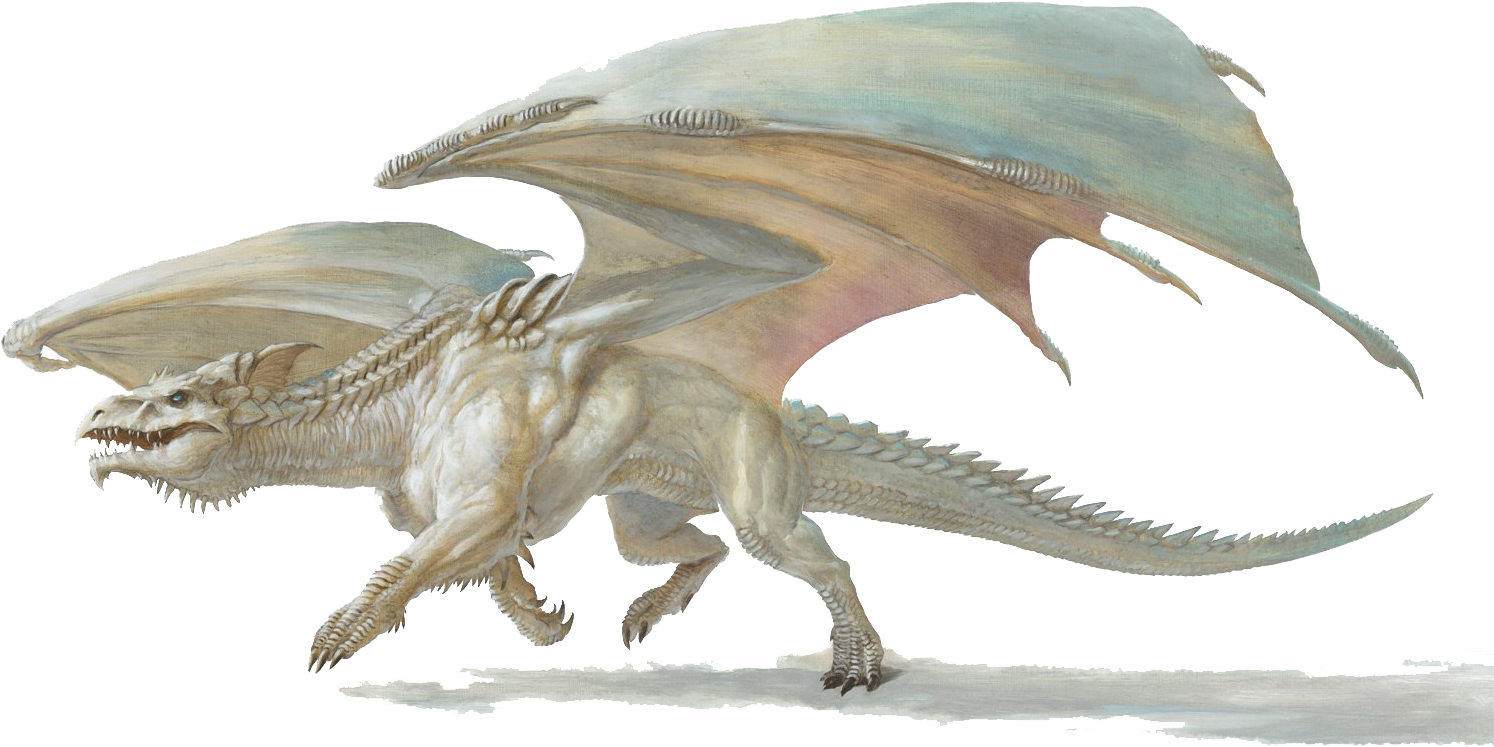
Dragoon Practice
Dragoons are a class of mounted infantry, along with their dragon, who train in aerial maneuvers, magic, and combat tactics to gain dominance on the battlefield. They are often only beholden to themselves or a lord they may contract with them being drawn to the battlefield and comradery that comes from being in the military. They hold themselves in high regard to their capabilities and battlefield prowess.
Dragoon Martial Training.
At 3rd level you've focused your training in applying magic to aerial combat. When performing the ritual to designate a weapon as your spellcasting focus you can instead choose to designate a shield.
Dragoon Practice spells
You learn additional spells when you reach certain levels in this class, as shown on the Dragoon spells table. Each of these spells counts as a Dragon Knight spell for you, but it doesn't count against the number of Dragon Knight spells you know.
| Dragon Knight Level | Spells |
|---|---|
| 3rd | Feather fall, Longstrider |
| 5th | Blur, Warding Wind |
| 9th | Ashardalon's Stride, Wind Wall |
| 13th | Dimension Door, Freedom of Movement |
| 17th | Control Winds, Far Step |
Dragoon Magic
At 3rd level you and your dragon gain additional magic.
Bellicose Strike
Once per round, when you make a weapon attack and expend a spell slot. You deal an additional 2d8 damage of your dragons type per level of the spell slot used. When you use this feature using a spell slot of 2nd level or higher, the target takes 1d8 extra damage of your dragons type for each slot level above 1st.
Ferocious Breath
Whenever your dragon uses its breath weapon, any creatures caught in the breath attack must make a wisdom saving throw against your dragons breath save DC or become frightened for one minute.
Dragoon Tactics
At 3rd level, You and your dragon learns several techniques to control the battlefield as a single fighting unit.
Tactics.
Your dragon learns two dragon tactics and you learn two
rider tactics of your choice, which are listed below under
tactics. Whenever you take the attack action, you can
expend a Tactics dice to replace one of your attacks
with a Rider tactic or your dragon can replace an attack
with a Dragon tactic. You learn two more tactics of your
choice at 11th level. When you level up, you can also
replace one tactic you know with a different one. You add
the tactic die to the attack's damage roll as weapon damage.
Tactics Dice.
You have four Tactics dice, which are d8s. A Tactic die is expended when you use it. You regain all of your expended tactic dice when you finish a short or long rest.
Tactics Saving Throws.
Some of your tactics require your target to make a saving throw to resist an effect. The saving throw DC is calculated as follows: Tactics save DC = 8 + your proficiency bonus + it's Strength or Dexterity modifier (your choice)

Rider Tactics
- Spell strike. Expend a Tactics dice and a level 1 spell slot. Cast a 1st level spell that requires a spell or weapon attack. You don't add the tactics dice to the damage.
- Keelhaul. Make a melee weapon attack, on a hit, the target is grappled until the end of your movement this turn.
- Joust. Make a melee weapon attack, the target must make a strength saving throw, on a failure you shove the target.
- Cleave. Make a melee weapon attack on a target and choose another creature within 5 feet. Apply your tactic dice damage to the other target on a hit.
- Harry. Make a weapon attack, on a hit, the targets movement speed is reduced by half.
- Switch. You switch places in combat to harass the enemy. If you and your dragon are within 5 feet you both can expend 5 feet of movement to switch places without taking opportunity attacks. After switching places, you may make a weapon attack against one creature.
- Shared perspective. You gain a sense of instinct from your dragon about a pattern in combat. Make a weapon attack with advantage.
Dragon Tactics
- Tackle. If the creature is the same size as your dragon or smaller make make a claw or bite attack against the target creature. On a hit, the target is grappled.
- Tail Strike. Make a tail attack, the target must make a strength saving throw, on a failure you shove the target.
- Pressure Attack. Your dragon can beat its wings or whips its tail in a circle. Creatures within 5 feet of your dragon must make a Strength saving throw. On a failed save, a creature is pushed 5 feet away from the dragon. Your dragon can then move up to half its movement speed.
- Lunge. Moves at least 30 feet and make a weapon attack. On a hit, it must succeed on a strength saving throw or be knocked prone and shoved 10 feet.
- Swift. Make a weapon attack against a creature, it doesn't provoke opportunity attacks from that creature for the rest of the turn, whether it hits or not.
- Growl. Your dragon growls at the target to ward off an assailant, make a bite attack. Whether it hits or not, the target must make a Wisdom saving throw. On a failed save, it is frightened of your dragon for 1 minute.
- Shared perspective. Your dragon gains a sense from their rider about a pattern in combat. Make a weapon attack with advantage.
Early Growth
Starting at 7th level, you and your dragon train for mounted calvary enhancing your combat magic and tactics. Mounting or dismounting a creature costs you only 5 feet of movement, rather than half your speed. At level 7, as an action your dragon can grow to size large or shrink to medium, instead of at level 10.
You gain one additional use of Combined Tactics.
Veterancy Training
At level 11, Your dragon's weapon attacks increase by 1d8. You're able to add 1d8 damage of your dragons damage type to your weapon attacks. In addition you and your dragon learns two new combined tactics techniques.
Draconic growth
At level 11, your maturing magic is augmented. As an action your dragon can grow to size large or huge and can shrink to large or medium.
Titanic Roar
At level 15, when you take the attack action, you may activate this feature as your dragon makes a bellowing roar. Each creature of the dragon's choice that is within 120 feet of the dragon and aware of it must pass a Wisdom saving throw against your Tactics save DC, or become frightened for 1 minute. A creature can repeat the saving throw at the end of each of its turns, ending the effect on itself on a success. If a creature's saving throw is successful or the effect ends for it, the creature is immune to the dragon's Frightful Presence for the next 24 hours.
You gain one additional use of Combined Tactics.
Rampage
Starting at 18th level, you and your dragon always have at least one use of your Combined Tactics at the start of combat.
You can activate this ability and your dragon goes into a rage while you rage along with it for one minute. Whenever you or your dragon hit with a weapon attack, you can force a strength save against your Tactics DC. On a failure, the target is shoved 15 feet and proned.
Ulet, The Dragon Whisperer
Ulet had his eyes upon the humble town of Yethlune by the Tel'enna Arsurinya mountain. Lucian is wasting no time mustering up allies to counter his plans for the reunification of Tyreal. If he can't have Yethlune he'll have the dwarven city of Eagle's Rest deeper upon the mountain. For now they'll set on a foothold in the southern reaches.
Ulet turns his attention back to the battle below while atop his dragon. They swoop down as he keelhauls a calabanian knight off his horse dragging him several meters before releasing him. His dragon makes a tail attack knocking another knight of his mount before flying back into the air. Without wasting any time he throws a fireball into a group of archers in the back. The ones who don't perish immediately catch on fire and scatter.
They swoop around the field as he surveys they battle, the calabanian lords army nearly at its breaking point. He dives in towards the commander enemy as he watches in horror atop his steed while surrounded by his men. He draws his sword in a futile effort to fend off the terror in the skies. Ulet uses a bellicose strike in a flash if magic and keelhauls him off his mount and away from his men. Dropping his lifeless corpse off his polearm as he shakes it loose in front of the calabanian troops. Thats when the men broke and started to flee.
His dragon roars putting fear into men and horse alike. The legend of the dragoons grows.
Elemental Practice
Dragon knights of the Elemental Practice value the raw, destructive power of their dragons, as well as their inherent charisma, and strive to both emulate and empower this aspect of their dragons through magic.
Sorcerous magic training
At 3rd level, you focus on bolstering your magical prowess.
Elemental Practice Spells
You learn additional spells when you reach certain levels in this class, as shown on the Elemental spells table. Each of these spells counts as a Dragon Knight spell for you, but it doesn't count against the number of Dragon Knight spells you know.
Elemental Spells
| Dragon Knight Level | Spells |
|---|---|
| 3rd | Absorb Elements, Magic Missile |
| 5th | Invisibility, Rime's Binding Ice |
| 9th | Lightning Bolt, Melf's Minute Meteors |
| 13th | Ice Storm, Raulothim's Psychic Lance |
| 17th | Cloudkill, Immolation |
Influenced Magnetism
When you and your dragon make a weapon attack, you can use your Charisma modifier, instead of Strength or Dexterity, for the attack and damage rolls.
Once per round, you can spend a level one spell slot when you or your dragon makes a weapon attack against a creature. On a hit, you deal an additional 2d8 damage. You can choose the damage to be Acid, Cold, Fire, Lightning, or Thunder.
When you use this feature using a spell slot of 2nd level or higher, the target takes 1d8 extra damage of the chosen type for each slot level above 1st.
Magic breath
Your dragon changes it's breath in unique ways.
Cloud Breath.
Your dragon breathes out a magical 10-foot-radius sphere of dense fog centered on a point you choose within 30 feet. For one minute, the area becomes heavily obscured and when a creature enters the cloud for the first time on a turn or starts its turn there, it takes 1d86 damage of your dragons type. If areas of cloud breath overlap, you pick one of them to determine damage. A moderate wind or stronger can dissipate this cloud.
Elemental Breath.
Your dragon can change the elemental damage of its breath attacks to be Acid, Cold, Fire, Lightning, or Thunder.
Coordinated volley
Beginning at 7th level, when you or your dragon uses the attack action, the other can use their action to cast a cantrip.
Magical Siege
At 11th level, your dragon learns to use its breath at a greater range. Whenever your dragon uses a breath weapon, instead of the normal cone or line you may choose a point within 150 feet. Each creature in a 10-foot-radius sphere centered on that point must make a saving throw based on the breath weapon. On a failure they take full damage and suffer any effects from the breath weapon. If the breath weapon is cloud breath you change the starting point to be within 150 feet.
In addition, You add 1d8 damage of your dragons damage type to you and your dragons weapon attacks.
Mana overdraw
At level 15, you and your dragon can ignore some restrictions on casting spells for a brief moment. Whenever you or your dragon uses an action, bonus action, or reaction to cast a spell the other doesn't expend that action. If one of you casts a levelled spell the other can cast a levelled spell. You can do this twice before you complete a long rest.
Annihilating Breath
At 18th level, when your dragon uses its breath weapon, you can empower it. It's area increases to a line 10 feet wide and 60 feet long if it's a line, a 60-foot cone if it's a cone, or a 30 foot radius if its a radius. You must finish a long rest before you can use it again.
Red and Jahannim
Without any hesitation, the young elf dressed in red threw herself to the side avoiding a mighty blow from golem of ages unknown rattling the ground beneath her feet. She is fully aware that without the mental connection to her draconic partner who had just used his breath to obstruct the oncoming reinforcement, she wouldn't have noticed the incoming strike of the darksteel construct - avoiding the fate of becoming one with the ground below.
Seeing an opportunity, the half-elf girl, Red, imbues her longsword with the elemental current of lightning and sends the feeling of assistance to Jahannam who immediately flies in to assist her by launching his own magical incantation against the powerful foe in front of him - today the reward will be bountiful.

Platinum Practice
A few dragon knights worship the Platinum Dragon, Bahamut. These few are members of the Platinum Practice, and are dedicated to preserving the lives of their allies and the innocent.
Clerical training
You've focused your training for protection from magic. At 3rd level, you gain proficiency in heavy armor and may use a holy symbol as a spellcasting focus for your Dragon Knight spells. Your dragons scales taking on a lighter as they take on a light sheen of platinum.
Platinum Practice Spells
You learn additional spells when you reach certain levels in this class, as shown on the Platinum spells table. Each of these spells counts as a Dragon Knight spell for you, but it doesn't count against the number of Dragon Knight spells you know.
| Dragon Knight Level | Spells |
|---|---|
| 3rd | bless, cure wounds |
| 5th | Hold Person, Silence |
| 9th | Counterspell, Dispel Magic |
| 13th | Polymorph, Watery Sphere |
| 17th | Synaptic Static, Hold Monster |
Spell breaker
At 3rd level, you or your dragon infuses an attack with spell sundering power. Once per round, you can spend a level one spell slot when you or your dragon makes a weapon attack against a creature. On a hit, the creature takes an additional 2d8 radiant damage and has disadvantage on concentration checks from this damage. When you use this feature using a spell slot of 2nd level or higher, the target takes 1d8 extra radiant damage for each slot level above 1st.
Cleansing Breath
In addition, your dragon gains a new breath weapon. Whenever it makes a breath attack it can change the damage type to radiant, blowing out holy blue flames. When used against an undead or fiend those creatures have disadvantage on the save.
Holy Aura
At 7th level, as a bonus action you or your dragon can emenate a holy aura out to a 10 foot radius for 1 minute. You emit bright light for 5 feet and dim light for another 5. Once per round you can give a target creature in your aura advantage on saves against spells and other magical effects. After a minute the protective aura fades. You can use this twice before you complete a long rest.
When you reach level 15, your aura increases to 20 feet, bright light increases to 10 feet, and dim light to 10 feet.
Divine Blessing.
At 11th level, you and your dragon have advantage on saving throws against spells and other magical effects. You also increase the damage of you and your dragons weapon attacks by 1d8 radiant. In addition, your dragon becomes an even brighter color, nearly platinum.
Shining Dragoon.
At 15th level, your armor shines with the protection from your god, changing it to a shining and polished platinum color while you wear it and your dragons scales become a true platinum color with just a hue of their original scale color. You and your dragon have advantage on ability checks and saving throws to avoid being knocked prone, dismounted, grappled, restrained, or otherwise moved against their will. Whenever you or your dragon target a creature with Holy Aura or use spell breaker the other gains advantage on their next attack.
Holy Aura Improvements
At 15th level, the aura increases to 20 feet and the light produced increases by 10 feet for dim and bright light.
Platinum Ward.
At 18th level, you and your dragon embrace the true power of your god, and their grace safeguards you both. On your turn you can activate your platinum ward once before a long rest. Platinum Ward lasts for one minute.
- You and your dragon companion gain resistance to bludgeoning, piercing, and slashing damage.
- Spell breaker radiant damage increases by 1d8.
- Your Holy aura and light increases by 10 feet.
Scales of black to platinum
Danilla, a half-ef truinsear, sits in the tree waiting for the ambush to begin on the raiders. Sturmkragians have come rather far south. More south then normal for them. They keep close as they are busy unloading their boats, their scouts in the deeper woods... already dead. Danilla and his party of truinsear await for the distraction.
Overhead a purplish dragon, Nithe, shines a bright white light out swinging around to the front of the beach head and into the woods. The would dragon slayers ran into the woods after it only to be caught in a devastating trap. In the aftermath, Danilla and Nithe go about casting cure wounds and seeing to the others general health.

Shadow Practice
Dragon knights who revere dark magic, or even strive to cause suffering in others, make up members of the Shadow Practice. Dark and elusive, these dragon knights use misdirection and guile to gain the upper hand in battle.
Night training
You've focused your training for scouting and sneaking.
Shadow Practice
You learn additional spells when you reach certain levels in this class, as shown on the Shadow spells table. Each of these spells counts as a Dragon Knight spell for you, but it doesn't count against the number of Dragon Knight spells you know.
| Dragon Knight Level | Spells |
|---|---|
| 3rd | Dissonant Whispers, Expeditious Retreat |
| 5th | Pass without Trace, Shadow Blade |
| 9th | Bestow Curse, Vampiric Touch |
| 13th | Blight, Phantasmal Killer |
| 17th | Contagion, Enervation |
Shadow Affinity.
At 3rd level, While in dim light or darkness, even in plain sight, you or your dragon can take the Hide action as a bonus action. In addition, you gain Darkvision out to a range of 60 feet. If you already have darkvision from your race, its range increases by 30 feet.
Breath Weapon.
Your dragon gains a new breath weapon. Whenever it makes a breath attack it can change the damage type to necrotic, exhaling shadowy fire.
Dark shroud.
At 3rd level, you or your dragon infuses an attack with shadow magic. Once per round, you can spend a level one spell slot when you or your dragon makes a weapon attack against a creature. On a hit, the creature takes 2d8 necrotic damage and magical darkness spreads from the target to fill a 5-foot-radius sphere.
The darkness spreads around corners emanating from and moves with the target. The darkness lasts for 1 minute or until you lose your concentration (as if you were concentrating on a spell).
When you use this feature using a spell slot of 2nd level or higher, the target takes 1d8 extra necrotic damage for each slot level above 1st.
Creeping Shadows
At 7th level, you can move effortlessly across the battlefield, blending in with the shadows. You and your dragon makes no sound from movements in dim light or darkness. You have no disadvantage to stealth from wearing armor.
As a bonus action on your turn, you or your dragon can create a 10-foot radius sphere of magical darkness centered on a point you can see within 60 feet of you. If a sphere already exists the previous one vanishes. This sphere lasts for 1 minute, and any bright light inside the sphere becomes dim light. You and your dragon can each spend 5 feet of movement once per turn to teleport to any unoccupied space inside any sphere of magical darkness they created. In addition, you can see through this magical darkness like normal darkness.
You can use this feature twice before you take a short or long rest.
Shadow weaver
At 11th level, your connections to the shadow weave has tightened. You add 1d8 necrotic damage to you and your dragons weapon attacks.
Night's Cowl
At 15th level, you can have up to two spheres conjured by your Creeping Shadows feature at once. If you summon a 3rd sphere, a sphere of your choice vanishes.
Additionally, when you roll initative and have no uses of your Creeping Shadows, you regain 1 use.
Umbra Pulse
At 18th level, your dragon can create a vortex of swirling darkness around itself as an action on your turn. Creatures of your choice within 30 feet of your dragon must make a Constitution saving throw against your dragons spellcasting DC. On a failed save, creatures take 8d10 necrotic damage and you can choose to have them either pulled up to 15 feet towards you or pushed up to 15 feet directly away from you. On a successful saving throw, creatures take half as much damage and aren't moved.
Once you use this ability, you can't do so again until you finish a long rest.

Fey Practice
Fey Ettiquete Training
You've focused your training for dealing with the whimsical and the talkative. At 3rd level you can use a druidic spellcasting focus for your Dragon Knight spells.
Fey Practice Spells
You learn additional spells when you reach certain levels in this class, as shown on the Fey spells table. Each of these spells counts as a Dragon Knight spell for you, but it doesn't count against the number of Dragon Knight spells you know.
|Dragon Knight Level| Spells| |3rd| Inflate ego, Charm Person| |5th| Calm Emotions, Gift of Gab| |9th| Fear, Hypnotic Pattern| |13th| Banishment, Confusion| |17th| Geas, Modify Memory|
Foisted burden
At 3rd level, Whenever a creature is charmed by you or your dragon, it's charmed by both of you. You have also learned to take advantage of a creatures afflictions, physical or magical. Once per round, You can spend a level one spell slot when you make a weapon attack against a creature to deal an extra 2d8 psychic damage. If that creature has been frightened, charmed, deafened, blinded, poisoned, incapacitated, or effected by passion breath, you have advantage on the attack.
When you use this feature using a spell slot of 2nd level or higher, the target takes 1d8 extra psychic damage for each slot level above 1st.
If you use a spell slot of 3rd or higher and the target is frightened, charmed, deafened, blinded, effected by passion breath, or poisoned, you magically change it to another condition previously listed. The new condition will last for 1 minute and if it requires a source or charmer you become that.
In addition, both of you learn to play one instrument if you don't already have proficiency in one.
Passion breath
Your dragon gains a new breath weapon. The dragon exhales a nearly invisible or colorful cloud in a 15 foot cone. Each creature in that area must succeed on a constitution saving throw against your dragons breath save DC. On failure, they feel a chosen emotion for 1 minute. When you use this breath, choose an emotion: anger, disgust, fear, happiness, or sadness adding an additional after effect. Creatures immune to the poison condition are not effected.
- Anger. Effected creatures becomes irate at something of your choosing. The creature can add 1d4 weapon damage to its next weapon attack once before the effect fades.
- Disgust. Effected creatures becomes repulsed by something of your choosing. It subtracts 1d4 from its next attack roll when the target of disgust is within sight before losing the die.
- Fear. The creature becomes panicked by something of your choosing. Subtract 10 feet of movement when a source of fear is in sight.
- Happiness. Effected creatures becomes euphoric. The creature may add 1d4 to there next saving throw roll once before the effect fades.
- Sadness. Effected creatures become inconsolable about an event from the past. The creature subtracts 1d4 from their next saving throw once before the effect fades.
Beguiler
At 7th level, you both learn to read into others better and trick them in return. You and your dragon have advantage on insight checks.
As an action, you or your dragon can spend a 3rd level slot or higher to make a magical illusion to assume the appearance of another creature that matches your or your dragons size. You determine the specifics of the changes including equipment, but they retain their normal bulk and weight. The illusory appearance lasts until you cast a spell, make an attack, or become incapacitated in some way. Any checks to see through the illusion have to be a creature that uses its action to examine the image can determine that it is an illusion with a successful Intelligence (Investigation) check against the spell save DC of whoever used this feature.
Deeper Affinity
At 11th level both of your connections to magic has weaved tighter. Your and your dragon's damage for weapon attacks increases by 1d8 psychic damage.
Unveiling sight
At 15th level, you or your dragon can see the true form of any shapechanger or creature concealed by illusion or transmutation magic within 30 feet of you and within line of sight. In addition you both gain advantage against saves for illusion spells.
Consuming emotions
At 18th level, as an action your dragon can create a large multicolor misty cloud around themself. Creatures of your choice within 30 feet of your dragon must make a Wisdom saving throw against your breath weapon DC. On a failed save, creatures take 8d8 psychic damage and you can choose to make them charmed, frightened, deafened, blinded, or effected by one of the emotions from passion breath for 1 minute. On a successful saving throw, creatures take half as much damage.
Once you use this ability, you can't do so again until you finish a long rest.
Dragon Companion
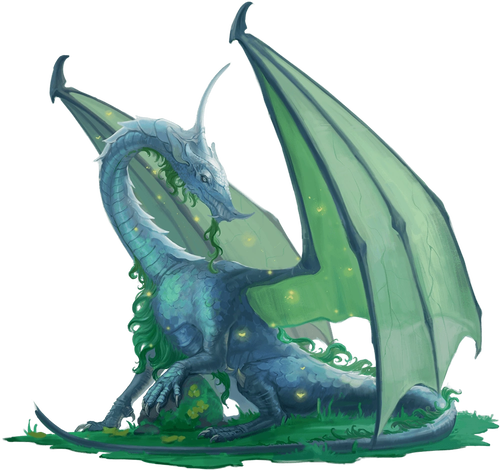
Medium dragon, (alignment same as knight)
- Armour Class 13+Con or 13+Dex
- Hit Points (1d8 + Con) at level 1
- Speed Determined by Dragon Type
- Ability scores: The dragon scores match your character before bonuses are applied. In addition for your dragon, add +2 to any and any other +1.
- Saving Throws Same as knight
- Damage Immunities Determined by Dragon Type
- Senses darkvision 60 ft.
- Languages Common, Draconic
Actions
Bite. Melee Weapon Attack: Prof+(str or dex) to hit, reach 5ft., one target. Hit: (1d8 + str or dex) piercing damage.
Claw. Melee Weapon Attack: Prof+(str or dex) to hit, reach 5ft., one target. Hit: (1d8 + str or dex) slashing damage.
Bolt Breath. Ranged Weapon Attack: Prof+(str or dex) to hit, range 60/120ft., one target. Hit: (1d8 + dex) damage specified by your dragon type.
Dragons Breath. When you take the Attack action on your turn, you can replace one of your attacks with an exhalation of energy. You use the range and damage specified by your dragon type.
Each creature takes 3d6 damage on a failed Dexterity saving throw. You can use this ability once per day without using any spell slots.
Your dragons breath save DC - 8 + proficiency bonus + Constitution modifier.
In addition, you're dragon can use it's breath weapons at the cost of a level 1 spell slot per use.
Statblock Adjustments
Your dragon companion gains the following additional immunities speeds, and traits, depending on the type of dragon you choose. You can find the dragon types in the table below.
Dragon Covenant
Damage Type
The dragon gains a damage type based listed in the below table that applies to many features including your dragon breath.
Immunity
The dragon gains immunity to the listed damage type.
Speed
The dragon gains speeds based on the dragon type you choose.
Special Traits
Some dragons gain the benefits of special traits. Common traits are listed below.
Amphibious. The dragon can breathe air and water.
Ice Walk. The dragon can move across across and climb icy surfaces without needing to make an ability check. Additionally, difficult terrain composed of ice or snow doesn’t cost it extra movement.
Some dragons gain a special breath that is unique to their type. Their breath is listed in the same row as the type.
Breath Type
Your dragon gets either a line or a cone breath and is listed in the breath type column.
Cone The dragon does 3d6 damage of the dragons type in a 15-foot cone. Creatures in the cone must make a Dex Save. On a success, they take half damage.
Line The dragon does 3d6 damage of the dragons type in a 5 by 30 ft. line. Creatures in the line must make a Dex Save. On a success, they take half damage.
Dragon Covenant and Covenants Bond Notes
- The dragon stat block uses your proficiency bonus (PB).
- The dragon's level is equal to your dragon knight level
- The dragon shares attunement slots with your knight.
- It gains proficiency in two skills of your choice.
- Shares your saving throw proficiencies.
- For each Dragon Knight level after 1st, your dragon companion gains hit points equal to 5 + its Constitution modifier, and it gains one additional hit die. The dragon's hit dice are d8s.
- Shares a telepathic bond with their knight, where it can share words, images, sounds, and other sensory messages with one another through the link, and recognizes each other as the creature it is communicating with. It can communicate in this way up to one mile.
Dragon Covenant Table
| Dragon | Damage Type | Immunity | Special trait | Breath Type |
|---|---|---|---|---|
| Black | Acid | Acid | Amphibious | Line |
| Blue | Lightning | Lightning | - | Line |
| Brass | Fire | Fire | Sleep Breath: If prepared, can cast the effects of the Sleep spell in a 15-foot cone without material or verbal Components. | Line |
| Bronze | Lightning | Lightning | Amphibious , Repulsion Breath: If prepared, can cast the effects of the Thunderwave spell in a cone of 30 feet instead of a 15 foot cube without components. | Line |
| Copper | Acid | Acid | Slowing Breath: If prepared, can cast the Slow spell in a 30 foot cone without using verbal or material components. | Line |
| Gold | Fire | Fire | Amphibious, Weakening Breath: At 5th level, can cast the spell Ray of Enfeeblement once per day without verbal Components. | Cone |
| Green | Poison | Poison | Amphibious | Cone |
| Red | Fire | Fire | Cone | |
| Silver | Cold | Cold | Cone | |
| White | Cold | Cold | Ice Walk | Cone |
| Crystal | Radiant | Cold | Dragon gains resistance to radiant damage | Cone |
| Emerald | Psychic | Psychic | Disorienting Breath: Once a day can cast bane in a 15-foot cone without material or verbal components. | Cone |
| Moonstone | Radiant | Radiant | Sleep Breath: If prepared, Can cast the effects of the Sleep spell in a cone of 15 feet without material or verbal Components. | Line |
| Topaz | Necrotic | Necrotic | Weakening Breath: At 5th level, can cast the spell Ray of Enfeeblement once per day without verbal Components. | Cone |
| Dragon Turtle | Fire | Fire | Amphibious, Steam Breath: Exhales steam instead of fire. The damage is not reduced underwater. | Cone |
| Sea Serpent | Cold | Cold | Amphibious, Constrict: At the start of each of its turns, it can deal 1d4+Strength mod in bludgeoning damage to one creature grappled by it. | Cone |