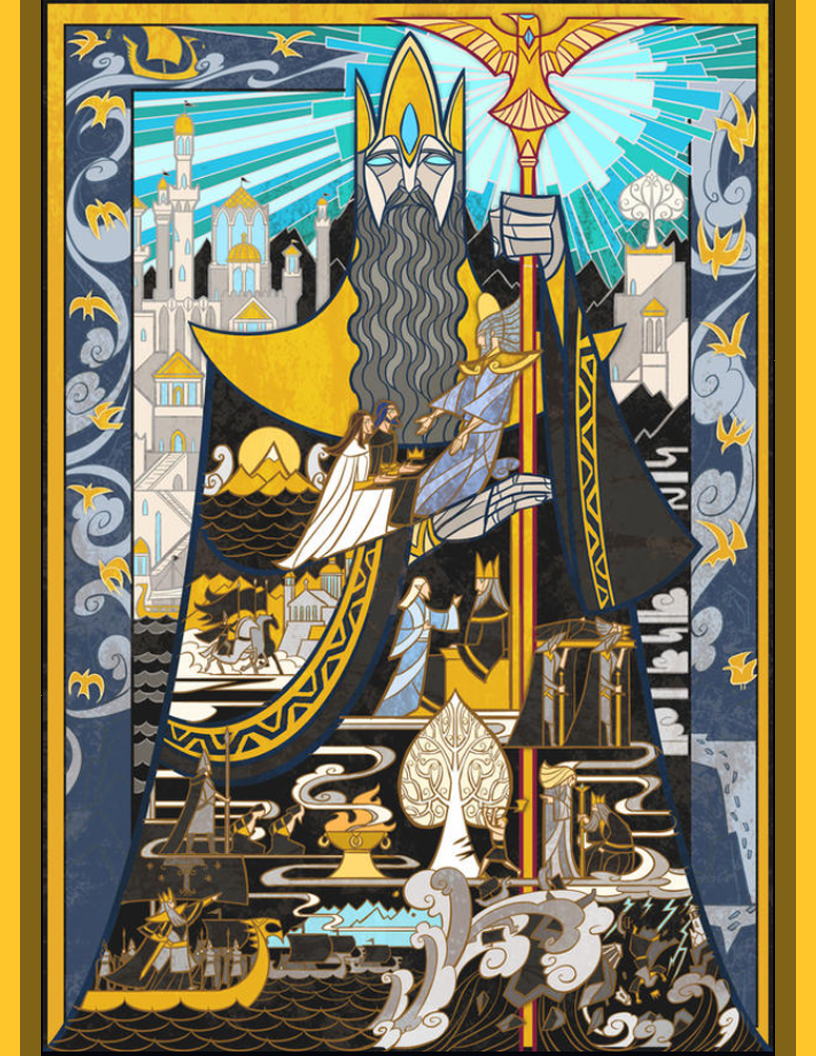
Campaign Compendium
A player guide LOL!!!!
Introduction . . . . . . . . . . . . . . . . . . . . . . . . . . . . . . . . 3
Character Creation . . . . . . . .4
Class, Race, Background & Origin . . . . . . . . . . . . . . 5
Grow Your Tribe . . . . . . . . . . .7
Character & Settlement Advancement . . . . . . . . . . 8
Key Campaign Systems . . . . . . 22
Travel . . . . . . . . . . . . . . . . . . . . . . . . . . . . . . . . . . . . . . . 23
Skill Challenge . . . . . . . . . . . . . . . . . . . . . . . . . . . . . . 24
On Death's Door . . . . . . . . . . . . .. . . . . . . . . . . . . . . . .25
Massive Damage & System Shock . . .. . . . . . . . . . . . .26
Rules Reference . . . . . . . . . . . 27
Variant Rules from the PHB & DMG . . . . . . . . . . . . .28
Appendix A: Conditions+ . . . . . . . . . . . . . . . . . . . . . . .31
This compendium is a work in progress. If you have any interesting material that could suit this project, feel free to notify me.
All copyrights reserved for WotC and various artists.

Welcome to Aiyana
Aiyana, the eternal blossom, is both the land itself and the mother of all life. Since the dawn of time, the native elves of Aiyana, The Catori, have lived in perfect harmony with Aiyana, carefully listening to her will. Denali, the great one, is Aiyana’s counterforce is equally important to please. If these cosmical powers are unbalanced, the world will suffer. That is, if you believe in native elven folklore.
The Land: Aiyana
Aiyana is a rich, beautiful and wonderous continent. Unlike most continents, it contains all imaginable climate zones such as arid deserts, humid jungles, blazing plains, wide grasslands, deep forests, and snowy mountains. Most of the area is, however, a mixture of jungle, grasslands & forest.
The People: Catori
The Catori, the spirit of Aiyana, are the native population of Aiyana, and elven by race. They have been living in harmony with nature, making sure not to offset the balance between Aiyana and Denali. To Catori people, they are the vessel through which Aiyana’s spirit travels. Life is precious, and the Catori are tasked with protecting all life native to Aiyana, no matter its size or nature. Take what you must, but cultivate balance, no matter the cost. As such, the Catori have been careful not to exploit nature, but kindle it. They have an uncanny way of communicating with all life-forms of nature, which has its perks. However, the desire to preserve has also led to a rather stagnant technological development.
The Faith: Aiyana & Denali
Aiyana, the eternal blossom, is the body. She stands for life, creation and light. Denali, the great one, is the mind. He stands for death, destruction and darkness. If the mind, body and spirit are in perfect harmony, then all is well and the Catori prosper. If one is offset, however, there will be terrible consequences. The undoing of one will ruin the others, and the Catori are the only ones who can restore the balance.
The Prophecy: The Exiled one
A prophecy in three parts has been with your people since the beginning, and it has since been the topic of many discussions:
- Once rocks will rain from the sky, a broken man shall bring a time of war and a destruction of power.
- When the time comes that the ground turns liquid, a terrible act of cruelty shall bring the fall of the rich.
- The exiled one shall …
It is not until 100 years ago, however, that the clans united in believing that the age of prophecy was upon them. "The rocks that rained from the sky" were the Empire's cannonballs as they rained down upon the native creatures of Aiyana when they first arrived 100 years ago. Therefore, it was decided that The Empire was "a broken man who brought a time of war".
The second part of the prophecy, however, shattered the clans. Most believed that "the grounds that turned liquid" referred to the massacre of creatures across Aiyana by "the broken man". Some, however, believed that it would be The Empire’s own actions which would bring its downfall. As such many did not stand against the Imperials. After countless actions of greed and exploitation, however, many clans rallied behind the interpretation that it was their duty to carry out a "great act of cruelty" against the empire.
Hundreds of thousands of elves died in a year as you fought against The Empire. The broken man's weapons of destruction pushed your people to the brink of extinction. Now, your people are scattered and hopeless, thinking that you have secured your own demise by misinterpreting the prophecy… "a terrible act of cruelty shall bring the fall of the rich" (the Catori).
Now here you are
The Empire have decided to simply eradicate those of you left who stand against them. There is only one condition for surrender: You must admit yourself a convict of the empire and surrender yourselves to their rule of law.
With your back against the wall, the will of Aiyana appeared to you a couple of nights ago. You are "the exiled one", and you must restore the balance between Denali and Aiyana.
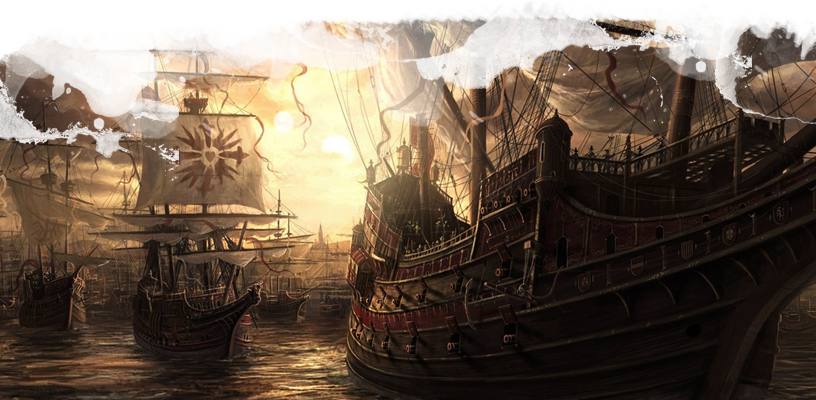
The Tide of Civilization
It has now been 100 bloody years since the Empire arrived. They arrived from overseas in many ships, bringing with them the marvels of modern civilization. Gunpowder, machinery, magi-tech... The masters of conquest brought with them the steely whip of technology to enslave, plunder and murder your people. They took everything from you, the harmonious native elves of Aiyana. Now you are a dying breed, on the brink of becoming a forgotten speck in history.
What Happened?
The broken man arrived from over seas and with his rocks falling from the sky your people turned the ground to liquid. You fought against the Empire and suffered a bitter defeat. Through impressive battle prowess, luck or cowardice, some of you survived and have now retreated all across the continent.
Who Are You?
You are a few surviving heroes of the many battles against the Empire. A dying breed... but this is not over until your heart stops beating.
What will you do?
As fugitives from the empire you want to avoid direct confrontation with Imperials, but many settlers may still take pity on you and offer you shelter.
From this moment on, you alone must lead your people to stand against the test of time. There is no telling where your path in life may lead you. Just remember - all actions have consequences.
GM's Notes
This is a campaign that is quite dark hardcore. As players you can expect to start off weak and worn and only through hard work and dedication may you rise above. In short, hit points is a valuable commodity and you shouldn't expect to be able to win every fight by rushing in head first.
The level of fantasy and technology varies greatly between various areas - as does the difficulty. However, there are also plenty of weird and wonderous boons and rewards to find in this mysterious plane of existence.
Character's may die or suffer other horrible afflictions which may or may not be irrevocable, but the campaign isn't designed to be a meat-grinder. Death and other horrible consequences may be the results of characters picking a fight above their capability, ignoring warning signs or walking blindly into a hostile atmosphere.
Furthermore, this campaign features a high level of home-brew and openness in terms of role-playing D&D. If your first reaction to reading this is to worry, then it is probably not for you.
Continued Reading
As a player, all you really need to read to get started is character creation. In the following pages of this compendium, you will find various rules and alteration of rules that has been adopted for this campaign as well as a guide to character creation. Thereby, this compendium offers you an insight into my philosophy as a GM as well as a illustration of how the campaign plays at the table.
Part 1
Character Creation

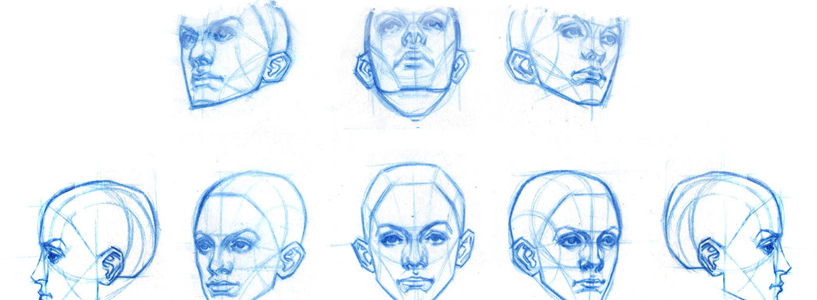
Character Creation
Create a character that is tailored to your tastes. If you wish, you are offered the ability to alter key elements in the creations process to better suit your vision.
Stat Line: Special Roll
You roll for stats in a very balanced and fun way. Like you normally would, you roll 4d6 and drop the lowest one.
However, you may increase one attribute score if your total score is less than 75. You may then increase one of your attributes up to a maximum of 18 - but your total must not be greater than 75. Please note that even if your total score is less than 75, you may not increase any more than one attribute.
For example, if you rolled 10, 10, 10, 10, 10, 10 you got a total score of 60, which allows you to increase one score to 18 for a total of 68.
Class: WotC+
You may pick any official WotC class and subclass. As a GM, however, I am open to makings some minor changes to official classes and subclasses to better suit your image of a character. Some subclasses and classes are also a bit sub-par. If you want to play anything like that we can work together to make it on par with other combinations.
I prefer to stay away from full homebrew classes but I would be happy to alter a existing one to better suit your fantasy.
Race: Elven
Your continent is a continent of elves, so your tribesmen are mostly native elven people. That said, you can choose any official 5e race for mechanical purposes and we can simply change its flavor and looks to something more fitting.
If you want to customize your origin, that is also perfectly fine. Simply follow the rules outlined in Tasha's. Ever wanted to play an elf with +2 STR, now you can!
Additionally, I find that racial boons can play a bigger roll than it should during character creation so I'm open to minor changes in all races, especially the rarer and weaker ones.
Finally, if you really do not want to be an elf, you can be a settler who converted to the one true faith in Aiyana and Denali
Background: Profession
Your background will play a big role in your part in society and is better regarded as your profession than your background. Ability checks connected to your background will be easier to pull off and you will be considered to be somewhat of an expert in your profession.
- Pick any official background.
- Ask me if you want something not included in the official WotC material.
Backstory: Origin
Everyone has roots and so do you. Maybe you are a descendant of a great warrior or maybe a mystical power has gotten you this far. Only you know the true depth of your origin.
However, instead of writing a long backstory I want you to think about a few key points and let the rest of the story develop as we play.
What you need:
- 3 true rumors.
- 1 semi-true rumor.
- 1 false rumor.
- 1 contact.
Part 2
Grow Your Tribe

Character & Settlement Advancement
To level up in this campaign we use neither XP nor Milestones. Instead, it all revolves around the cold hard Gold! When you have acquired enough gold to level up you can spend it to increase not only your characters' level, but also your settlement's!
Strength in Numbers
Looking at the cost and upkeep of running a settlement you might be tempted to jump ship. However, to survive the Empire's ever-increasing lust for civilization - banding together is your only option.
Settlement as a Character
Your settlement works very much like a character does, in that it will gain and use ability points, proficiencies, skills and saving throws etc. During the campaign your settlement's "character" sheet will be used to determine the outcome when your settlement interacts with another faction.
For example, if your settlement is on the run trying to hide from a searching party. Then you roll stealth contested by a perception roll from the searching party. If your result is equal to or greater than the other party you have successfully evaded the search.
The settlement attribute scores all start at two, so increasing the attribute scores is important if you want to avoid negative modifiers.
Improvements
As your settlement levels up, you can determine how you want to improve the settlement. Improvements are listed under their associated ability and will offer you the improvements listed.
For example, if you invest in Training Grounds at level 1, then your settlement gains 4 STR and proficiency in athletics. This represents new fighters joining your cause, helping mainly by improving your offensive and defensive capabilities. Furthermore, your player characters may gain the new abilities (if any) associated with that improvement.
More than meta
All improvements will also offer you new roleplaying possibilities even if they may not be explicitly listed. For instance, by having combat trainers in your settlement you might give them a quest to figure out a new combat maneuver, or maybe you can spend time learning how to use new weapons.
Tiers of Play
In the Dungeon Master's Guide you are given a general outline of what Tiers of Play might entail on a personal level (p. 36-37). However, since you are also building a settlement, we need to further define what the tiers mean on a settlement level.
Level 1-4: Dying Tribe. At his stage you are a few heroes struggling to survive against the behemoth of modern civilization. You either have to adapt to survive or risk becoming washed away from history.
Level 5-8: Roving Gang. To get this far you have successfully attracted dozens of followers for your cause. You are still a long way from being able to confront any large organization face to face. However, more followers are joining you each week and soon you will be a force to be reckoned with.
Level 9-12: Nomadic Enclave. Clansmen from all cross the continent have heard about your movement and many are curious about joining. You put your old grudges aside and band together, becoming stronger as one united enclave.
Level 13-16: Federation. You have come far - like the phoenix you have risen from the ashes stronger than before. Modern civilization as you know it is rightfully identifying you as a threat and you will have to deal with it knocking on your door. Furthermore, your numbers now make it hard to travel - you have to settle down and build a permanent home for your people.
Level 17-20: Free City. Through blood sweat and tears you have successfully made sure you stand against the test of time. Your culture, people and ways live on, embracing a new era of sovereignty. Now all that is left to do is to is to confront the Empire and settle this once and for all.
Character & Settlement Level
| Level | Proficiency Bonus | Upgrade Cost | Weekly Upkeep | Population | Type |
|---|---|---|---|---|---|
| 1st | +2 | - | - | 10 | Dying Tribe |
| 2nd | +2 | 300 | 30 | Dying Tribe | |
| 3rd | +2 | 600 | 90 | Dying Tribe | |
| 4th | +2 | 1,800 | 270 | Dying Tribe | |
| 5th | +3 | 3,800 | 650 | 50 | Roving Gang |
| 6th | +3 | 7,500 | 1,400 | Roving Gang | |
| 7th | +3 | 9,000 | 2,300 | Roving Gang | |
| 8th | +3 | 11,000 | 3,400 | Roving Gang | |
| 9th | +4 | 14,000 | 4,800 | 200 | Nomadic Enclave |
| 10th | +4 | 16,000 | 6,400 | Nomadic Enclave | |
| 11th | +4 | 21,000 | 8,500 | Nomadic Enclave | |
| 12th | +4 | 15,000 | 10,000 | Nomadic Enclave | |
| 13th | +5 | 20,000 | 12,000 | 500 | Federation |
| 14th | +5 | 20,000 | 14,000 | Federation | |
| 15th | +5 | 25,000 | 16,500 | Federation | |
| 16th | +5 | 30,000 | 19,500 | Federation | |
| 17th | +6 | 30,000 | 22,500 | 5000 | Free City |
| 18th | +6 | 40,000 | 26,500 | Free City | |
| 19th | +6 | 40,000 | 30,500 | Free City | |
| 20th | +6 | 50,000 | 35,500 | 50,000 | Free City |
Leveling up and Spending points
For every level (including 1st), you gain two points to spend on improvements for your settlement. Simultaneously your character levels up to the same level and gains any personal benefits associated with that level. Each point spent also represents new people joining your gang. As such, your settlement will become stronger - offering you boons.
Weekly Upkeep
As your population grows it will also cost you more upkeep. Beware, if you cannot pay your upkeep some members might leave your settlement, forcing you to find replacements. If you still have not balanced your upkeep by the next due payment you risk losing a level.
Settlement Action
Every week you can administer a couple of orders for your settlement. The number of orders a settlement can handle per week is equal to your settlement's proficiency modifier. That means that it starts out at two and increases up to a maximum of six over time.
The possibilities of what you can do with a settlement action are virtually endless, but the DC of the check is heavily dependent on what resources you have available. For instance, trying to forge a sword without a blacksmith would be very hard so the DC might be set to 25 as your people would have to find a third-party forge to use.
Settlement Conflict & Opportunity
Sometimes your settlement is on a collision course with another organization or party. Perhaps you raided a farm and now a local band of peasants have come looking for you. Or perhaps you have not collided with anyone at all, perhaps a third-party simple wishes to offer you an opportunity.
In situations like these you will have a window of opportunity to handle the situation yourselves or else the settlement will be forced to act on your behalf. If you make it back to the settlement in time you can resolve the matter any way you would like. If you do not make it back in time, the settlement will simply roll an ability check or a series of ability checks to resolve the matter.
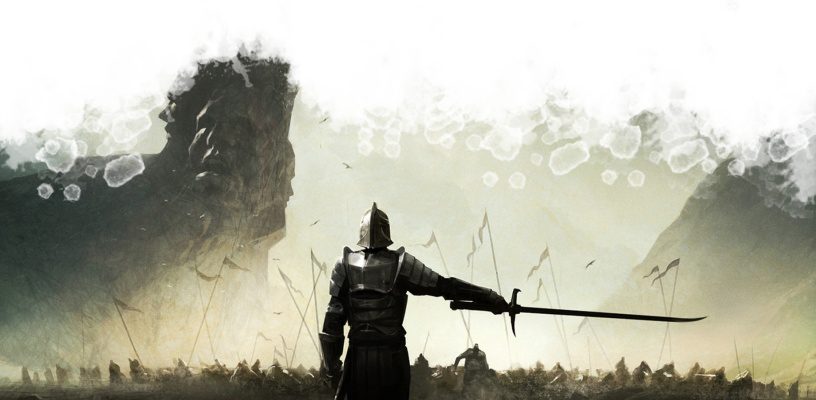
STR Improvements
Increasing your settlements STR will primarily help you to survive against attacks. A skirmish, for instance, might be represented by a contested athletics check with a rival gang. If you lose you might lose some of your settlement’s treasury, or maybe some of your members are killed in battle, forcing you to find replacements. Alternatively, STR is also useful if you want to attack another settlement.
Training Grounds
Settlement improvement
| Cost | Attributes | Proficiencies |
|---|---|---|
| 1 | STR +2 | Athletics |
You invest in a couple of trainers who will make sure that your settlement has a fighting chance against the most simple threats. To facilitate this you construct some sort of area dedicated to martial arts training. This may include a couple of specific buildings, depending on your settlement size. Furthermore, they are valuable to you as they teach you a few new abilities.
Player Character Perks
Simple martial arts training offers you some new actions:
Shove Aside: With this option, a creature uses the special shove attack from the Player's Handbook to force a target to the side, rather than away. The attacker has disadvantage on its Strength (Athletics) check when it does so. If that check is successful, the attacker moves the target 5 feet to a different space within its reach.
Overrun: When a creature tries to move through a hostile creature's space, the mover can try to force its way through by overrunning the hostile creature. As an action or a bonus action, the mover makes a Strength (Athletics) check contested by the hostile creature's Strength (Athletics) check. The creature attempting the overrun has advantage on this check if it is larger than the hostile creature, or disadvantage if it is smaller. If the mover wins the contest, it can move through the hostile creature's space once this turn. If the mover loses this contest it takes damage equal to the STR mod of its contestant.
Barracks & Armory
Prerequisite: Training grounds
Settlement improvement
| Cost | Attributes | Proficiencies |
|---|---|---|
| 2 | STR +4 |
By investing more into capable warriors and combat drills you make sure that your settlement can now stand against attacks from smaller groups. To facilitate this you also dedicate certain buildings as military buildings, often with improved defenses when compared to other structures. Furthermore you may pick up a few tricks of the trade, learning new abilities.
Player Character Perks
Combat prowess.
Block: When you are wielding a shield with which you are proficient and another creature hits you with a melee attack, you can use your reaction to add your shield’s AC value to your AC for that (single) attack, potentially causing the attack to miss you.
Cleave Through Creatures: Melee attacks using a weapon with two hands can cleave through creatures. If that melee attack reduces a creature to 0 hit points, any excess damage from that attack might carry over to another creature nearby. The attacker targets another creature within reach and, if the original attack roll can hit it, applies any remaining damage to it. If that creature is likewise reduced to 0 hit points, repeat this process, carrying over the remaining damage until there are no valid targets, or until the damage carried over fails to reduce an undamaged creature to 0 hit points.
Two-Handed Melee Training: Melee attacks with weapons held in two hands inflict damage equal to 1.5 times (rounded down) STR mod instead of 1 times STR mod.
Disarm: A creature can use a weapon attack to knock a weapon or another item from a target's grasp. The attacker makes an attack roll contested by the target's Strength (Athletics) check or Dexterity (Acrobatics) check. If the attacker wins the contest, the attack causes no damage or other ill effect, but the defender drops the item.
The attacker has disadvantage on its attack roll if the target is holding the item with two or more hands. The target has advantage on its ability check if it is larger than the attacking creature, or disadvantage if it is smaller.
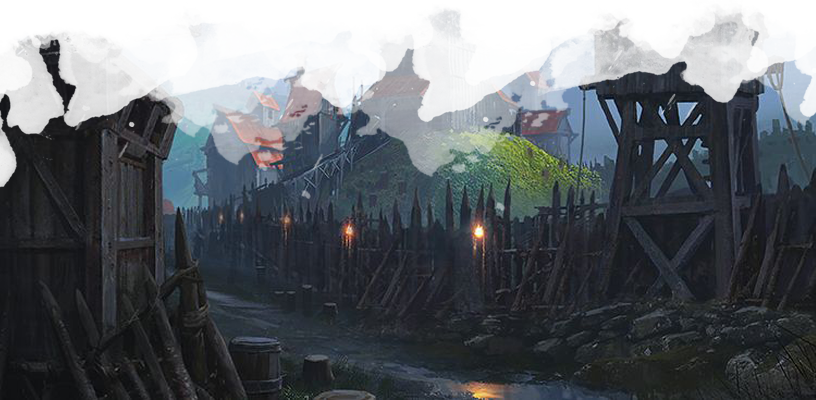
Militia's Borough
Prerequisite: Training grounds
Settlement improvement
| Cost | Attributes | Proficiencies |
|---|---|---|
| 1 | STR +2 | Expertise in Athletics |
By including any capable individual in the settlement's militia you can accomplish impressive feats, simply through strength in numbers.
Player Character Perks
Stimulants? Nah, try shouting.
Battle Cry: Once per week when you are fighting attackers in your settlement you may lead your militia with such confidence that you gain the benefit from Foresight.
Military Advisors
Prerequisite: Library
Settlement improvement
| Cost | Attributes | Proficiencies |
|---|---|---|
| 1 | STR +2 | STR Saving Throws |
The tip of the spear will one get you so far. To master the art of war you must study battlefield tactics and weigh your options. Only by planning for every possible scenario can you be truly prepared for when the enemy strikes. To facilitate this you must also house books and scholars but you may find that it is well worth your effort when the moment arrives.
Player Character Perks
Understanding basic anatomy is as helpful in inflicting damage as it is in mending.
Pressure Points: When you deal critical damage, you maximize the result of your weapon die. (This does not include any potential enchantments associated with the weapon.)
Class Trainers
Prerequisite: Markets & Merchants
Settlement improvement
| Cost | Attributes | Proficiencies |
|---|---|---|
| 2 | STR +4 |
Specialized trainers are expensive and will require some other accommodations but they will offer personalized training for all adventurers.
Player Character Perks
Bonus abilities for all classes
Fighter, Ranger & Paladin: Pick one more fighting style from your list.
Fullcasters: Pick one 1st level spell as your signature spell. You can cast it up to your proficiency modifier per long rest without expending a spell slot.
Rogue, Monk & Barbarian: Pick one fighting style from the Fighter’s “Fighting style” list.
Warlock: Gain one additional eldritch invocation.
Artificer: Either gain and additional artificer cantrip or infusion.

DEX Improvements
Increasing your settlements DEX will increase your settlements defensive and offensive capabilities. For example, Acrobatics will typically be used to determine the success or failure of your settlements ranged troops' actions. However, employing skilled thieves is also heavily dependent on a high DEX score.
Gymnasium
Settlement improvement
| Cost | Attributes | Proficiencies |
|---|---|---|
| 2 | Dex +4 | Acrobatics |
A large field with gymnastics training equipment can make sure that your people stay fit and healthy. It is also great for recreational games such as a triathlon or a fencing tournament.
Player Character Perks
Gymnastics instructors can aid you in becoming more agile and swift on your feet.
Side Step: As a bonus action, you may move 5ft.
Dive for Cover: As a reaction to having to make a dexterity saving throw you may dive for cover up to 5 ft. However, this will render you incapacitated until the end of your next turn.
Tumble: A creature can try to tumble through a hostile creature's space, ducking and weaving past the opponent. As an action or a bonus action, the tumbler makes a Dexterity (Acrobatics) check contested by the hostile creature's Dexterity (Acrobatics) check. If the tumbler wins the contest, it can move through the hostile creature's space once this turn. If the tumbler loses this contest it takes damage equal to the DEX mod of its contestant.
Circuit Training Facilities
Prerequisite: Gymnasium
Settlement improvement
| Cost | Attributes | Proficiencies |
|---|---|---|
| 2 | Dex +4 | Expertise in Acrobatics |
By allocating specialized weaponry and equipment for circuit training your people will further hone their skills in various fields. Furthermore, your recreational activities grow as well, allowing you to invite multiple parties to a friendly competition.
Player Character Perks
As you attract more elite trainers you learn also learn new tricks.
Parry: When you are wielding a finesse weapon with which you are proficient and another creature hits you with a melee attack, you can use your reaction to add your proficiency bonus to your AC for that attack, potentially causing the attack to miss you.
Two-Weapon Training: Attacking with two weapons doesn’t require the use of a bonus action. Any other rules still apply.
Readied Items: As a bonus action you can use a consumable, such as a healing potion, that you have previously readied as an action by attaching it to a belt or other readily available slot.
Climb onto a Bigger Creature. See Action Options for the general rules. Some changes:
- Simply a contested Athletics/Acrobatics vs Athletics/Acrobatics
- Failing such an attempt triggers an Attack of Opportunity.
Archery Range
| Cost | Attributes | Proficiencies |
|---|---|---|
| 1 | Dex +2 |
An archery range or two is staple in housing skilled marksmen. The beauty is that some will even pick up archery as a hobby. Needless to say, with skilled marksmen your enemies will have to thing twice before they assault your settlement.
Player Character Perks
Steady... Fire!
Take Aim: As a bonus action, you may grant yourself +1 on your next ranged attack roll against a target within range that you can see. If you also forgo moving on your turn you instead gain +2 on the next roll.
Thieves Guild
Settlement improvement
| Cost | Attributes | Proficiencies |
|---|---|---|
| 1 | Dex +2 | Sleight of Hand and Thieves' tools |
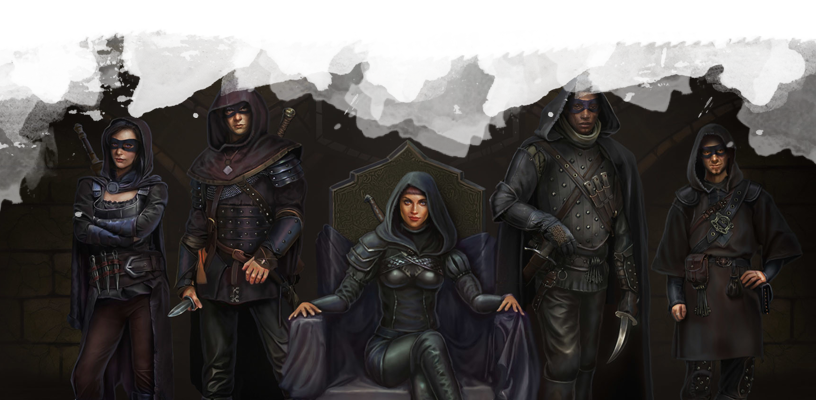
A network of thieves can be beneficial in many ways. Most notably they can supply your settlement with items you may struggle to get through other means. Their facility may be hidden, sometimes even from its own peers.
Player Character Perks
The sharpness of your blade matters little if you fail to draw it in time.
Quick Draw: If you do not move during your turn you may use another item interaction.
Secret Pathways
Settlement improvement
| Cost | Attributes | Proficiencies |
|---|---|---|
| 1 | Dex +2 | Stealth |
A network of secret pathways opens up several new doors. For one, it can be used as a means of hasty retreat when attacked. Otherwise it may used for the opposite, to leave the settlement unnoticed. Last but not least, it may cover key areas in your own settlement, allowing you to spy on your own people.
Player Character Perks
The easiest way to evade the empire is to never leave a trail.
Camouflage: You may gain the benefits of pass without trace when you leave settlement
Guerilla Warfare Outpost
Prerequisite: Secret pathways
Settlement improvement
| Cost | Attributes | Proficiencies |
|---|---|---|
| 1 | Dex +2 | Dexterity Saving Throws |
By dedicating a few elite warriors or scouts to Guerilla tactics you make sure to strike swiftly and strategically to avoid letting your enemy attack you at full strength.
Settlement Bonus: Your settlement cannot be surprised.
Player Character Perks
Trust your senses.
Awareness: You gain +1 to your passive perception.
CON Improvements
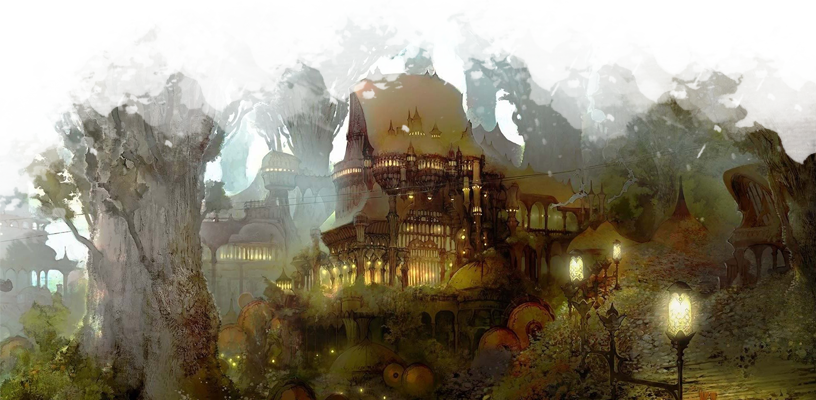
Increasing your settlements CON is primarily good for increasing your standard of living but it also helps you to avoid famine & disease.
Sanitation & Waste management
Settlement improvement
| Cost | Attributes | Proficiencies |
|---|---|---|
| 1 | Con +2 |
Having filth and shit flow on the streets right next to your house may get you by fBor a while. But, for any half decent settlement - a decent waste management system is a must.
Settlement Bonus: Advantage on saving throws against disease.
Improved Housing
Prerequisite: Sanitation & waste management
Settlement improvement
| Cost | Attributes | Proficiencies |
|---|---|---|
| 1 | Con +2 | Carpenter's tools |
By employing and training carpenters you not only increase your standard of living, you also gain improvements in may other areas. Perhaps most noteworthy is the ability to house more people and stuff in a safe way.
Player Character Perks
There is no place like home.
Home Comforts: When you finish a long rest in settlement you gain the benefit of Aid. You also gain a personal stash and room.
Quality of Life Improvements
Prerequisite: Improved housing
Settlement improvement
| Cost | Attributes | Proficiencies |
|---|---|---|
| 2 | Con +4 |
Extra layers of hay and moss lined with cloth free from insects and bacteria. What else could you ask for?
Player Character Perks
Who do not you sleep it off?
Well Rested: You may attempt to use an ability or feature you have already exhausted. To do so, you roll a Constitution saving throw as a part of that action.
The DC is 15. If you succeed you may use it again. If you fail you suffer 2 levels of exhaustion and you do not gain the benefit of that ability or feature.
Water & Food Stores
Prerequisite: Sanitation & waste management
Settlement improvement
| Cost | Attributes | Proficiencies |
|---|---|---|
| 1 | Con +2 |
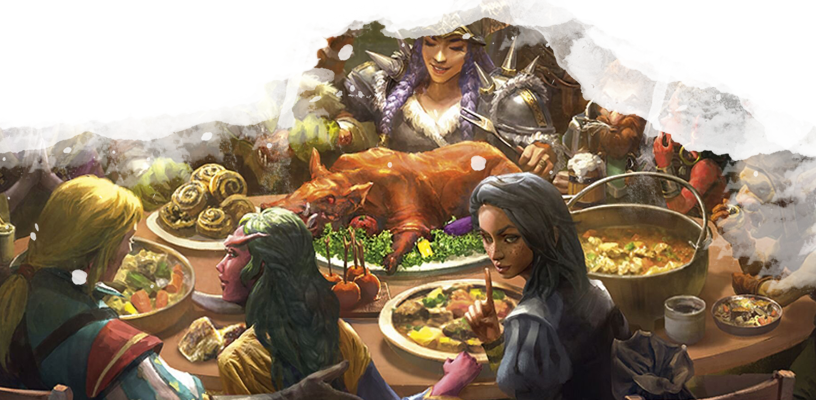
Some fresh water and food goes a long way in making sure you stay healthy and happy. Leaving you to focus on bigger problems than not shitting yourself to death.
Player Character Perks
A happy stomach.
Purification Rituals: Your settlement can cast Purify Food and Drink once per week.
Ration: Receive a Goodberry upon leaving settlement.
Cooks & Culinary Staff
Prerequisite: Water & food stores
Settlement improvement
| Cost | Attributes | Proficiencies |
|---|---|---|
| 1 | Con +2 | Cook's utensils |
No longer do you need to endure unsalted half-cooked rat for dinner. Enjoy the luxury of well balanced meals and tasty treats instead!
Player Character Perks
A healthy diet will help you on your travels.
Improved Long Rest: Receive an extra hit dice on LR when you rest in settlement.
Brain-foods: You may attempt to use a spell slot you have already exhausted. To do so, you roll a Constitution saving throw as a part of that action.
The DC is [10 + the spell's level]. If you succeed you may use it again. If you fail, the spell is lost and you suffer a number of levels of exhaustion equal to the spell's level.
Baths
Settlement improvement
| Cost | Attributes | Proficiencies |
|---|---|---|
| 1 | Con +2 | Con Saving Throws |
Hot steaming baths and essential oils will make you forget all about your enemies, if even for a little while. The medicinal benefits are obvious and as a bonus your people will smell nice. You might find it a costly upgrade but how can you put a price on such a gem?
Player Character Perks
So fresh and so clean.
Improved Hygiene: DC 10 Con save to remove an extra level of exhaustion when you rest in settlement.
INT Improvements
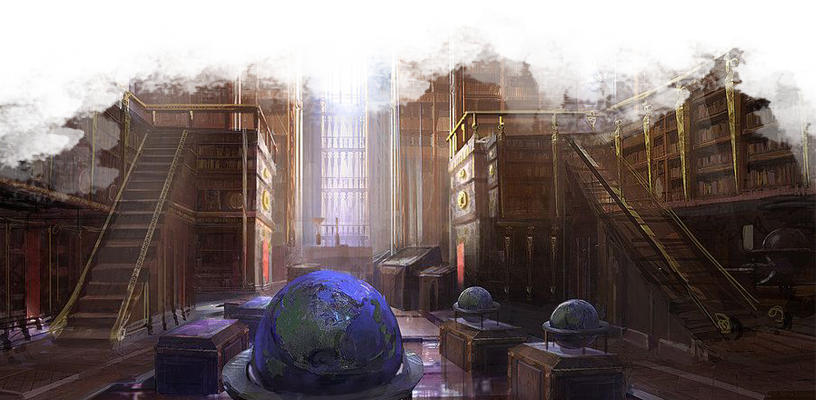
Increasing your settlents INT is primarily good for supplying you settlement with 'better than mundane' items. However, deepening your knowledge of your foes will also aid you in overcoming them.
Library
Settlement improvement
| Cost | Attributes | Proficiencies |
|---|---|---|
| 1 | Int +2 | History |
By investing in a library you supply your people with one of the greatest gifts you can bestow upon any group struggling to survive - knowledge.
Player Character Perks
How about then pen and the sword?
Dictionaries & Encyclopedias: You gain additional language and/or tool proficiencies equal to your INT mod (minimum 0).
Mindfulness: As a bonus action, you may roll a non-physical ability check at disadvantage. However, if you do not move during your turn you may instead roll this check normally.
Bestiary: Up to your INT mod per long rest you may roll an appropriate Int ability check to discover lore about creatures. In combat this can be the difference between life and death if you are fighting a creature that’s immune to certain things. The DC is 10 + ½ Monster CR. If you succeed you can pick one of the following:
- You have advantage on your next attack roll against such a creature.
- You negate one resistances of such a creature on your next damage roll against one.
- Such a creature has disadvantage on its next saving throw against your spells or abilities.
Academy
Prerequisite: Library
Settlement improvement
| Cost | Attributes | Proficiencies |
|---|---|---|
| 2 | Int +4 | Investigation, Calligrapher's supplies & Cartographer's tools |
Widening your library with specialized staff allows you to investigate and study a wide range of things otherwise incomprehensible.
Player Character Perks
Know your enemy and you will be victorious.
Combat 101: When you roll for initiative you may add either INT or DEX mod to the result.
Tutors: Gain any one feat of your choice (you still have to meet its prerequisites, if any).
Arcanist's Tower
Prerequisite: Library
Settlement improvement
| Cost | Attributes | Proficiencies |
|---|---|---|
| 1 | Int +2 | Arcana & Jeweler's tools |
A costly process, but highly beneficial. Enchanting can help you with a wide range of tasks and dedicating a building and some workers to it can do wonders. Both on the battlefield and for recreational use - who doesn't want to enchant their water into wine or ale? Furthermore, the tower itself is often a magical construct, making it easy to transport.
Player Character Perks
An enchanter's workshop can offer a wide range of services.
Magic Trader: Buy, sell or create magical items such as scrolls, wands, rings etc.
Enchant: Adding an enchantment to an item, effectively turning it into a magic item of your choice.
Disenchant: Removing enchantments from other items will add them to the range of enchants you can create.
Identify: By identifying items you learn their exact magical properties.
Magic Workshop
Prerequisite: Arcanist's tower
Settlement improvement
| Cost | Attributes | Proficiencies |
|---|---|---|
| 1 | Int +2 | Intelligence Saving Throws |
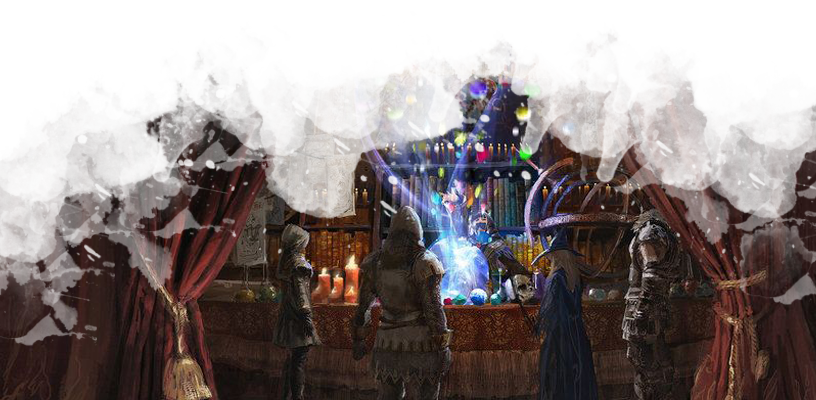
Sometimes you just have to try... Experimental enchanting is very dangerous and it claims many lives each year. However, the curious mind of of these radicals is exactly what you need to be on the forefront of magic.
Player Character Perks
Helps you unlock deeper tricks of the arcane trade.
Sacrifice Magic Item: As a reaction upon taking damage you may sacrifice an attuned magical item to grant yourself resistance against that damage. Alternatively, you may sacrifice a magical item to drop to 1 hit points instead of 0 when you take damage. Once you have used this feature you must complete a long rest before you can do so again.
Multi-Attunement: You may attune to more than 3 items. When you do you must immediately roll an arcana ability check. The DC is equal to 10 + the amount of items you are attuned to. If you succeed you attune to all items successfully until you finish your next long rest, at which point you mush roll arcana again or unattune to some items.
If you fail the check you can attune to only 3 items and you suffer 1d4+1 force damage per rarity of the item per item (common, uncommon, rare, very rare, legendary, artifact).
Create or Alter Spell: Through trial and error your arcanists may bend magic to their will. Sometimes. Other times they die trying.
Gatherers
Settlement improvement
| Cost | Attributes | Proficiencies |
|---|---|---|
| 1 | Int +2 | Nature |
Gathers travel far and wide to supply your settlement with various roots, fruit, nuts, berries, vegetables and more! An invaluable asset for any settlement who desires good food or who wishes to concoct more advanced consumables.
Player Character Perks
The fruits of the land.
Common Botanical Trader: Buys, sells & creates common botanical ingredients.
Herbalists
Prerequisite: Gatherers
Settlement improvement
| Cost | Attributes | Proficiencies |
|---|---|---|
| 1 | Int +2 | Herbalism kit |
Much like the lesser trained gatherers, herbalists also forage the land for its gifts. However, being highly trained in botanics they are able to find rare and valuable ingredients where others would not find it.
Player Character Perks
Next level ingredients.
Rare Botanical Trader: Buys, sells & creates rare botanical ingredients.
Apothecary
Prerequisite: Herbalists.
Settlement improvement
| Cost | Attributes | Proficiencies |
|---|---|---|
| 1 | Int +2 | Alchemist's supplies |
With an abundance of rare herbs your apothecaries can work wonders. The sour smell of their chemicals cloud their little hut as they brew potions day and night.
Player Character Perks
A wide range of consumables for you to peruse.
Consumable Trader: Buys, sells and creates potions and other consumables.
Poisoner
Prerequisite: Herbalists
Settlement improvement
| Cost | Attributes | Proficiencies |
|---|---|---|
| 1 | Int +2 | Poisoner's kit |
In dank alleys or dark dungeons your poisoners create deadly and sinister mixtures. Use with caution.
Player Character Perks
A niche product.
Poison Trader: Buys, sells & creates poisons.

WIS Improvements
Increasing your settlements WIS is good for many things including, but not exclusive to; piety, scouting, and animal husbandry.
House of Worship
Settlement improvement
| Cost | Attributes | Proficiencies |
|---|---|---|
| 2 | Wis +4 | Religion and Medicine |
Spiritualism can be presented in many forms but even the most basic forms require a place of worship of some kind. Perhaps you invest in a monument of the blood god or perhaps you build a beautiful chapel. The possibilities are as endless as the shapes of water and as your faith grows you will unlock new features.
Player Character Perks
Fanaticism has its charm.
On Death’s Door: When you go drop to 0 hit points, you may choose to go On Death’s Door (see rules) instead of falling unconscious.
Indentured Spirits: When you die your spirit remains on this realm as an Indentured Spirit.
Spiritual Wonder
Prerequisite: House of Worship
Settlement improvement
| Cost | Attributes | Proficiencies |
|---|---|---|
| 2 | Wis +4 | WIS Saving Throws |
Spiritual wonders come in many shapes but they all server the same purpose. By inspiring a sense of admiration they channel their faith through their followers.
Player Character Perks
To a strong soul the body is just a shell for the vessel within.
Resurrection: Your temple clerics can cast Resurrection. The first time is free.
Ritual Area
Prerequisite: House of Worship
Settlement improvement
| Cost | Attributes | Proficiencies |
|---|---|---|
| 1 | Wis +2 | Insight |
By cultivating spiritual rites you can intertwine certain elements of society and piety. What this entails is quite different from group to group, however. For example, as a ritual before battle: some clans might bathe is wine whilst others might sacrifice their first born son. Others, however, might simply devout a nice garden for meditation.
Player Character Perks
You unlock something deep within.
Ancestral Boon: Gain any one feat of your choice (you still have to meet its prerequisites, if any).
Hunter & Trapper Lodge
Settlement improvement
| Cost | Attributes | Proficiencies |
|---|---|---|
| 1 | Wis +2 | Survival |
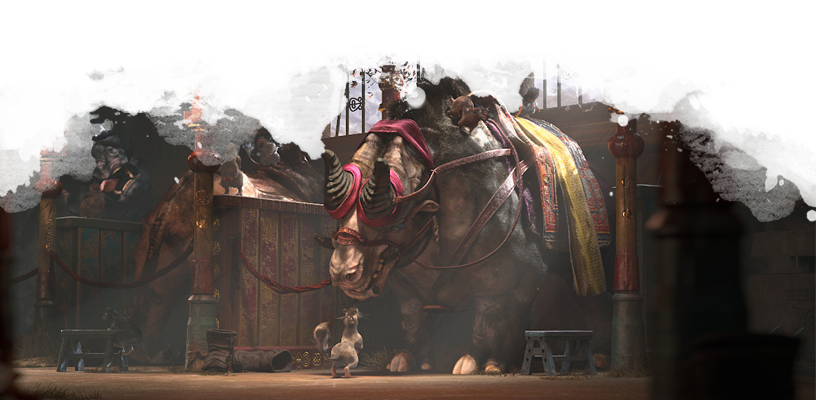
Through dedication and practice your hunters and trappers can learn to track and capture almost anything. In time, you can also learn to tame animals and use them for your advantage.
Player Character Perks
Supplies: Various animals and animal parts.
Stables & Animal Pens.
Prerequisite: Hunter & Trapper Lodge
Settlement improvement
| Cost | Attributes | Proficiencies |
|---|---|---|
| 1 | Wis +2 | Animal Handling |
Animal husbandry and harnessing beasts for mounts will push your settlement to the next level. Sure, the shit and piss takes some getting used to but if you can feed them and care for them they will aid you time and time again.
Player Character Perks
You think two legs are good transport? Try four!
Supplies: Mounts & animal husbandry.
Scout Service
Settlement improvement
| Cost | Attributes | Proficiencies |
|---|---|---|
| 1 | Wis +2 | Perception |
Your scouting parties can greatly expand your ability to detect other parties before they get a chance to act. Furthermore, your scouts can find and detect opportunities for you to act. Scout training usually begins in young age but the people in your settlement would not notice a big difference as they mainly reside in tents or outposts far away from your settlement.
Player Character Perks
Let them be your eyes and ears.
Opportunities: Offers you extra quests each week.

CHA Improvements
Increasing your settlements Cha is primarily good for improving its appeal to other parties. Having a high score might aid you in securing a trade deal or persuading others to join your cause.
Taverns, Culture & Art
Settlement improvement
| Cost | Attributes | Proficiencies |
|---|---|---|
| 2 | Cha +4 | Performance, Brewer's supplies, Painter's supplies & all Musical instruments |
Player Character Perks
The soothing voice of a singing bard in unison with the bitter taste of fine liqour, how sublime. Dancers, painters and performers - oh the inspiring beuty of the arts is something unique.
Supplies: A range of artists and a tavern to boost morale.
Inspiring Beauty: When you finish a long rest in settlement you gain temp hp equal to your proficiency modifier.
Instinct: When you roll an ability check you may instead choose to take your passive score, given that the roll was not a natural 1. You may do this an amount of times equal to your proficiency modifier per long rest.
Market & Merchants
Settlement improvement
| Cost | Attributes | Proficiencies |
|---|---|---|
| 1 | Cha +2 | Persuasion |
Say what you will about the Imperials but a market is much more appealing when you can trade with gold instead of barter. A local market and a few merchants is all you need to get the ball rolling. Soon you will have caravansary and travelling merchants offering you all sorts of peculiar items. And hey... that one guy who never asks where you got your goods has his use.
Player Character Perks
Having internal merchants is very practical.
Market: Buy and sell Adventuring gear
Fence: Will take anything off your hands for a cut.
Artisans Guilds
Prerequisite: Market & Merchants
Settlement improvement
| Cost | Attributes | Proficiencies |
|---|---|---|
| 1 | Cha +2 | Cobbler's tools, Glassblower's tools, Leatherworker's tools, Potter's tools, Smith's tools, Tinker's tools, Weaver's tools & Woodcarver's tools |
Skilled artisans offer you a wide range of services and goods. They are the driving force making sure that you are at the front line of technology and comfort alike.
Player Character Perks
Various specialized inventory.
Supplies: A range of basic artisans who can see to your crafting/repairing/improvement needs such as a; Blacksmith, Tanner, Fletcher & Bowyer etc.
Pit Fighting
Settlement improvement
| Cost | Attributes | Proficiencies |
|---|---|---|
| 1 | Cha +2 | Intimidation |
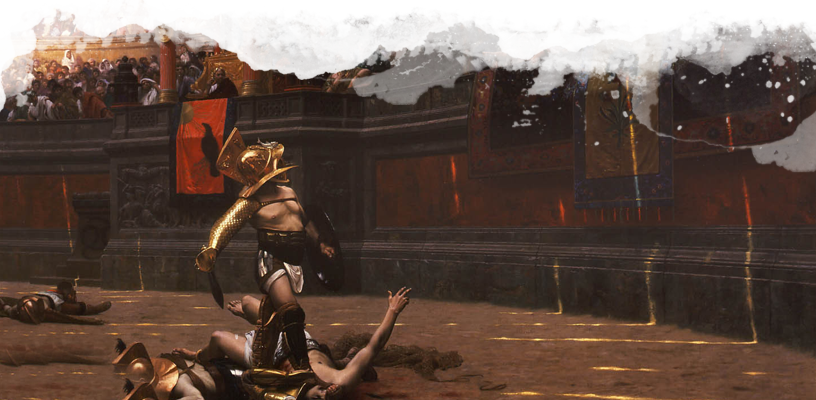
Nothing is like the sweet smell of pit fighting in the morning. A crude but surprisingly efficient way of making the people happy and content.
Player Character Perks
A pit.
Supplies: Pit fighting in settlement
Gambling Den
Settlement improvement
| Cost | Attributes | Proficiencies |
|---|---|---|
| 1 | Cha +2 | Deception & all Gaming sets |
Cards, dice, sports, war, marriage... What can not you bet on? A gambling den is a good way to attract tourists and locals alike with a taste for thrill.
Player Character Perks
Games and recreation.
Supplies: Gambling in settlement
Court of Law
Prerequisite: Library
Settlement improvement
| Cost | Attributes | Proficiencies |
|---|---|---|
| 2 | Cha +4 |
With the rule of law there is consequences to wrong-doers. With the fear of consequences there is less wrong doing. To facilitate this you need some sort of court, lawmen and penal facilities.
Player Character Perks
Law and Order leaves you with more time to specialize as you do not need to deal with petty errands.
Specialize: Gain any one feat of your choice (you still have to meet its prerequisites, if any).
Diplomatic Quarters
Prerequisite: Court of law
Settlement improvement
| Cost | Attributes | Proficiencies |
|---|---|---|
| 1 | Cha +2 | Three languages, Forgery Kit & Disguise Kit |
Take the foulest cutthroat you can find. Toss some fine clothes and perfume on him and you got yourself a perfect spy and/or diplomat. Everyone lies and conspires, it is all about not getting caught. These facilities usually also offer fine housing for other diplomats.
Player Character Perks
With subtlety they can achieve what you cannot with brawn.
Diplomat/Spying mission: Can be sent to gather intel and/or broker deals.
Part 3
Key Campaign Systems
Travel
As you will explore the campaign map travel will to play a big part in the game. Generally speaking, this will not be ruled very differently from what you are presented with in the PHB (p. 181-183) and the DMG (p. 242-244). Nevertheless, it might be healthy to quickly review how these rules will be used in this campaign as I have tweaked them just a little bit.
Travel Pace
As you travel across the map you can generally travel up to 8 hours per day without the risk of becomming exhausted (as defined by the PBH). To keep travel interesting and fluid I have expanded upon this system just a little bit without making it cumbersome.
Instead of deciding your travel pace for the whole day in one go you can do so in 4 hour increments. This makes it possible for you to, for example, approach the general direction in full speed along the road for four hours, then slow down and approach stealthily when you are close. This would then result in a total distance of 4 hexes travelled in one day, covering roughly 16 miles while also approaching stealthily.
Travel Pace per Four Hours
| Slow | Normal | Fast | |
|---|---|---|---|
| Distance (miles) | 4 | 8 | 12 |
| Distance (hex) | 1 | 2 | 3 |
| Effect | Enables Stealth | Enables Activities | -5 to passive ability scores |
Ranks
When you travel, you can choose to do so in one or multiple ranks. Multiple ranks may be especially useful if you have some who are better at being stealthy than others. You can choose between three ranks; front, middle or back.
The front rank is typically used for things like scouting, moving stealthily, navigating, tracking, protecting the middle rank from ambushes. The middle rank is typically used for shelter, foraging or other activities. The back rank is typically used for protecting the middle rank from ambushes.
For example, you might be travelling with a few party members with heavy armor and a few with a really good stealth score. Therefore, it would be beneficial for you to put your scouts without the heavy armor users in the front rank if you want them to be able to scout without getting noticed. However, it does has its risk, as if they fail to notice their threat in time, the scouts are now separated from the rest of the party.
Activities While Travelling
If you are travelling at slow pace then you may also stealth while you travel, gaining an edge on ambushing foes and remaining unseen.
If you are travelling at normal pace then you can choose to also do an activity while you are on the go. This may be especially useful for hunters and foragers but virtually any skill may be used as an activity while you travel.
If you are travelling at fast pace you may not take any activities while travelling and you suffer a -5 to all your passive ability scores. The upside of travelling fast is simply that you will be able to cover more ground.
Rotating Leadership
Rotating leadership is an ancient tradition in Catori culture. Beyond the normal duties and adventurer may have you must also lead your people. To do so, you will take assume various roles that have been used for millennia.
A week in the sun
It is believed that power easily corrupts so each member only serves as a leader for a week, thereafter passing the torch on to the next in line.
Roles:
Arbiter
"It is better to have less thunder in the mouth and more lightning in the hand." – Apache
As an arbiter, it is your task to make decisions on what to do as a tribe. However, a wise leader always listens to his people and uses his power wisely. Although the arbiter has the power to make decisions, he/she does not have the power to command the people's treasury. That power is reserved to the treasurer.
Treasurer
"Our first teacher is our own heart." – Cheyenne
As a treasure, it is your task to collect and distribute wealth and you alone wield the power of the party's earnings and spendings. Although the arbiter has the power to decide what will happen you still have the ultimate ability to veto the arbiter's spendings, forcing the arbiter to find funds elsewhere.
Spiritual Adjudicator
"All plants are our brothers and sisters. They talk to us and if we listen, we can hear them." – Arapho
As a spiritual adjudicator it is your task to commune with the spirits and present their will before the arbiter so he or she may make the right decision. The Catori do not have any written laws, instead the spiritual adjudicator will rule each dispute in cohesion with spirits.
Controller
"Tell me and I’ll forget. Show me, and I may not remember. Involve me, and I’ll understand." – Unknown Tribe
Any member without a major role such as Arbiter, Treasurer or Spiritual Adjudicator take the on role of Controller. While a controller do not have any specific power it is perhaps one of the most important roles. The controllers biggest purpose is to keep the major roles from abusing their power.
As a controller you must make sure that The Arbiter, Treasurer and Spiritual Adjudicator:
- Do not question each other once they have reached a verdict.
- Take their responsibility with fullest seriousness.
- Strive to cultivate balance between Aiyana & Denali.
Questioning The Arbiter, Treasurer or Spiritual Adjudicator: If you think that The Arbiter, Treasurer or Spiritual Adjudicator has abused their position then you may question them, speaking on the behalf of Aiyana and Denali. Roll a contested persuasion check against the The Arbiter, Treasurer or Spiritual Adjudicator. If you have the support of two more controllers then you may roll with advantage. The one who loses this check has misinterpreted the will of Aiyana and Denali which comes with great shame.
As a result, the one who lost must thank the people for proving them wrong in their moment of weakness. Thereafter the one who lost must also be buried in dirt, showing only their head. So they must stay until next morning, and they may not say a word before then. The ritual is believed to allow their spirit to be rekindled by Aiyana as to better understand her will.
Skill Challenge
A skill challenge offers a fun and creative way of resolving encounters where you may let your imagination loose instead of being confined by your arbitrary mechanical limitations. Combat is a lot of fun on its own but skill challenges are a lot more fluid and descriptive to use in situations leading up to the gritty combat grid.
Types of Skill Challenges
There are two types of skill challenges of various lengths: a quick skill challenge and a multi-round skill challenge.
Quick Skill Challenge
A quick skill challenge is quite simply one round of skill rolls against a DC. It is a quick and simple way for the characters to use their abilities in a flavorful manner. No two characters may roll the same skill, they must all be unique.
Multi-Round Skill Challenge
A multi round skill challenge is quite similar to a quick skill challenge but it does not end until success or failure have been determined. As such, it can continue over multiple rounds. The DC is still set by the GM but in a multi-round skill challenge the GM will also determine the amount of successes needed for the challenge to be completed.
For instance, if the GM says that you must complete a multi-round skill challenge 8, DC 15 then you bust roll 8 skill checks with a result of 15 or more to actually succeed. Much like in a quick challenge, the characters cannot pick the same skill twice, even if the challenge continues for more than one round.
Resolving a Skill Challenge
The outcome of a skill challenge will be resolved by looking at the total result of your rolls.
Bonuses & Abilities
Generally speaking, you are not allowed to add any sort of bonuses or special abilities to your skill challenge results unless it is an ability that can be used over a long time without any difficulties. Enhanced ability, for instance, might work as it has a duration of one hour. Contrary, a cleric spamming guidance is not viable as that would require too many actions over the course of an hour or more.
3 Strikes and You Are Out.
No matter if it is a quick or multi-round skill challenge, you fail if three or more rolls do not meet the DC.
Degrees of Success & Failure
The amount of successes and/or failures determines how well (or horrible) the outcome will be. For instance, if all members succeed then it was a marvelous success, giving you a great advantage on your task. If you instead failed on all your rolls then you might have not only gotten yourselves caught behind enemy lines but maybe you are also outnumbered or threatened in some other catastrophic manner.
On Death's Door
This alternative rule replaces the unconscious condition which is triggered from dropping to 0 hit points. Instead, characters make one last stand and gains the condition On Death's Door. This variant rule allows players to continue controlling their characters while at 0 hit points but they run a great risk doing so, and they still roll for death saving throws!
The standard rules as described on page 197-198 in the PHB still apply unless stated otherwise.
Dropping to 0 Hit Points
If a you drop to 0 hit points and isn't killed outright, you may go On Death's Door .
Falling Unconscious
When you drop to 0 hit points you may still choose to fall unconscious instead.
Condition: On Death's Door
Fighting death takes it toll but keeps you going:
- You gain one level of exhaustion when you gain this condition.
- Being at 0 hit points does not cause you to fall unconscious.
- You cannot maintain concentration.
- The condition ends if the you gain at least one hit point.
- Effects that would end or trigger from being unconscious trigger when you go on death's door.
- Death saving throws are not affected by the disadvantage imposed from exhaustion.
Fight. At the cost of a death saving throw you may attempt an ability check, use an item, take the attack action, casts a spell , use a bonus action, reaction or any other action not listed under Flight.
Flight. A creature affected by this condition is able to move and take the dash, disengage and dodge actions without having to make a death saving throw.
Death Saving Throws
Unchanged, use the standard rules as descibed in the PHB.
Stabilizing a Creature
The best way to save a creature with 0 hit points is to heal it. If healing is unavailable, the creature can at least be stabilized so that it isn't killed by a failed death saving throw.
You can use your action to administer first aid to a creature on death's door and attempt to stabilize it, which requires a successful DC 15 Wisdom (Medicine) check.
A stable creature gains 1 hit point.
Instant Death
Unchanged, use the standard rules as descibed in the PHB.
Monsters and Death
Most DMs have a monster die the instant it drops to 0 hit points, rather than having it gain the On Death's Door condition and make death saving throws.
Mighty villains and special nonplayer characters are common exceptions; the DM might have them follow the same rules as player characters.
Massive damage & System Shock
A bite from a dragon or a ten foot long ballista bolt might occasionally cause a character to lose more than half of their hit points in one turn. If you want to make big bad monsters even scarier, then say no more! These alternative rules build off the Massive Damage ruleset from the DMG p. 273.
Massive Damage
This optional rule makes it easier for a creature to be felled by massive damage.
When a creature takes damage equal to or greater than half its hit point maximum during one turn without being reduced to 0 hit points must attempt a DC 15 Constitution saving throw. A creature that fails suffer a random effect determined by a roll on the System Shock table.
For example, a creature that has a hit point maximum of 30 must make that Constitution save if it takes 15 damage or more in one turn.
System Shock Table
| d6 | Effect |
|---|---|
| 1 | Doomed |
| 2 | Dazed |
| 3 | Frightened |
| 4 | Blinded |
| 5 | Deafened |
| 6 | Prone |
The Natural 20: Battle Frenzy
Succesfully escaping system shock table by rolling a natural 20 on the Constitution saving throw triggers a rush of adrenaline which fills your veins with ferocity, you may immediately roll a hit dice and add it to your temporary hit points.
Duration
A creature may repeat the DC 15 Constitution saving throw at the end of its turn until it succeeds.
Help. A player may help another character to recover early. As an action they may administer remedy by attempting a DC 15 Medicine (Wis) ability to end the condition.
Part 3
Rules & Variants

Variant Rules
These optional rules are adopted for this campaign with little to no alteration as presented in the PHB & DMG. Listed in order of page number and book, starting with the PHB. Any rules not presented here are adopted RAW.
Equipment Sizes (PHB 145)
A common sense optional rule that basically says that armor and clothing that fits one character won’t necessarily fit someone else. Yes, I can’t believe this is a variant rule rather than a default assumption, but there you go. What this means in practice is that if you kill a 7’5″ bugbear and steal his full plate armor, you're going to need to employ a smith to do some considerable work resizing it for your dwarven paladin.
Multiclassing (PHB 163)
Multi classing is allowed but the GM has a final say if a specific combination is especially difficult to pull off. Multiclassing is allowed for flavor, not to break the game.
Feats (PHB 165)
Feats are fun and flavorful. Players may take any WotC feat instead of ASI, with some exceptions.
Alteration: Lucky & Elven Accuracy feats are banned. Talk to your GM if you want a specific feat that isn't covered by the list or if you want to change a feat.
Opportunity Attacks (PHB 165)
RAW any creature may take an AoO once a creature leaves it reach without taking the disengage action or is under a similar effect which denies AoO. These rules are simple enough to pickup and use but after some years with them I find them lacking. The one problem I have with this system is that a creature can run in circles around another creature without provoking attacks which doesn't make any sense to me. Therefore, I am expanding the triggers for an AoO. The standard rules still apply in addition to these rules, this just expands the criteria for allowing an attack of opportunity.
Alteration:
- If a creature of medium size or smaller moves 5 ft. or more within your melee reach it triggers an Attack of Opportunity. If a large or larger sized creature does this it only triggers an AoO if it moves 10 ft. or more directly adjacent to you.
- If a creature stands up from being prone, you may take an Attack of Opportunity (This happens after the prone condition ends).
- If a creature adjacent to you does anything else that would leave it vulnerable (such as fetching something from its pack) you may take an AoO.
Advantage and Disadvantage (PHB 173)
RAW you either have it or you don't, there is no progressiveness in this rule. Personally I like depth and I also find it strange that for instance double advantage is canceled by a single disadvantage. I don't like this static rule too much so I'm inclined to alter it somewhat to allow more depth.
Alteration: Advantage and Disadvantage only cancel each other out on a 1-1 basis. To determine the final outcome consider each instance of advantage as (+1) and each instance of Disadvantage as (-1). Two instances of Advantage, therefore, isn't canceled out by one instance of disadvantage, instead 2-1=1 (advantage).
Additionally, you may go beyond advantage if you have multiple effects that grants you advantage. This doesn't cause you to roll more dice, however, instead you add (+1) to the result for each instance of advantage after the first. The same is true for disadvantage except you would add (-1) to the roll instead for each instance of disadvantage beyond the first.
Resting (PHB 186)
Going pretty RAW here but just to clarify:
Alteration: Any kind of rest will increase the risk for a random encounter.
Ability Checks (PHB 174-179)
As a whole these rules are quite wide and very open for interpretation as to how exactly they would work in any given Campaign. I like the openness of these rules but I have found a couple of things that I wish to adjust over the years.
Alteration:
- You may only assist someone with an ability check if both of you are proficient in a specific skill.
- Generally speaking, outside of combat you cannot repeat an ability check if have already tried and failed. You will have to be creative and try another way.
Dropping to 0 Hit Points (PHB 197)
Dropping to 0 hit points is bad for you.
Alteration: You gain 1 level of exhaustion whenever you drop to 0 hit points.
Actions (PHB 189 ff.)
While I can see why WotC made a conscious choice to keep a strict balance for mechanical purposes I feel experienced enough with 5e to say that some more action freedom will not break the game in any disastrous way.
Alteration:
- You may use an action as either a bonus action or item interaction.
- You may use a bonus action as an item interaction.
Ready (PHB 192)
You may still use the RAW for the ready action but in my experience most players are underwhelmed by this action RAW. Therefore, you may also use my changed version:
Alteration: Instead of taking your turn you may ready yourself to act. When you do you do nothing during your turn but you may use your reaction to go on any other initiative (but not during another creature's turn).
Casting a Spell (PHB 202)
All official spells are ok except for a few exceptions.
Alteration:
- Healing Spirit healing die changed to 1d4.
- The spells Geen Flame Blade and Booming Blade are banned. I think melee cantrips take away to much from martial classes.
Counterspell has been reworked to better mimic a battle of mages rather than a battle of who says their spell slot level first:
- The caster and counterspeller rolls a contested ability check roll using either their spellcasting ability or their Arcana (Int).
- Both the target and the counterspeller adds a +1 to the roll per level of the spell slot used.
- Can only counter spells with a casting time of an action or longer.
Training to Gain Levels (DMG 131)
While these tules are not strictly adopted in this campaign they are sorta incorporated in the system as a whole by default.
Alteration: Your levels are technically tied to spending gold in this campaign but how you actually "level up" is left for you to decide. A few thematic pointers will suffice, did you hit the gym or were you blessed by a god?
More Difficult Magic Item Identification (DMG 136)
Under the normal rules you can identify any magic item by handling it and experimenting with it over the course of a short rest. By the end of the short rest, you know all these is to know about the item. I think that’s a bit dull. Magic items are, after all, supposed to be unique items of power in 5th edition.
Therefore you'll need to cast the Identify spell, or embark on some serious empirical research, to learn all there is to learn about a magic item. Some may give up their secrets easily, others may not.
Mixing Potions (DMG 140)
These rules are fun and chaotic so I intend to use them. Quaff a second potion while still under the effect of a first, or mix potions together and consume the results . . . and something unexpected may happen. Maybe one of the potions will become permanent, maybe you'll poison yourself, maybe you'll explode! The dice will decide.
Alteration: While I intend to use the concept - the option that makes potions permanent will only be used in very specific situations.
Scroll Mishaps (DMG 140)
Under this variant rule, if you have to make a roll to use a scroll (probably because the spell on it is too high a level for you) and you fail that roll then you have more to worry about that the spell not going off. You need to make a saving throw or a mishap occurs – this mishap might be annoying, debilitating or deadly. It’s a random die roll.
Vision and Light
Minor changes to Gaze effects as I found them to be a bit too vaguely explained RAW.
Gaze:
- A creature that is not surprised can avert its eyes to avoid the saving throw at the start of its turn. If it does so, the creature is effectively blinded until the start of its next turn (and therefore immune to gaze effects as long as it is averting its eyes).
- When a creature that can see the Gaze starts its turn within the gaze range, the Gazer can force it to make a saving throw against the gaze effect.
- During its turn, a creature with a Gaze effect can force any creatures within range of it that can see it to make a saving throw, suffering the effect from the gaze on a failed saving throw.
Conditions (PHB 289)
Minor additions to some conditions and added new conditions. See Appendix A.
Planar Effects (DMG 50-66)
The Dungeon Master’s Guide introduces a number optional effects to bedevil player characters when they visit other planes of existence. These are (take a deep breath): Feywild Magic, Shadowfell Despair, Psychic Dissonance, Blessed Beneficence, Pervasive Goodwill, Overwhelming Joy, Hunter’s Paradise, Beast Transformation, Immortal Wrath, Power of the Mind, Mad Winds, Abyssal Corruption, Prison Plane, Vile Transformation, Cruel Hindrance, Pervasive Evil, Blood Lust, Law of Averages, Imposing Order, and Planar Vitality.
So if the player characters happen to go on a jaunt to the Outer Planes, these are the rules I’ll be referring to in the first instance. Of course, some planes may not be covered by the DMG examples and some planar effect may be altered to better suit a specific campaign.
Spell Scrolls (DMG 200)
Where is the fun in not being able to cast spell scrolls outside of your class? Doing so always comes at the risk of a mishap anyway so personally I'm inclined to say - go nuts! Let there be scrolls!
Alteration: Anyone may attempt to use a spell Scroll. To cast a spell scrolls you may use your spellcasting ability modifier or Arcana (Int). A character who does not have spell casting attempts the ability check at disadvantage.
If you know the spell you can cast it without an ability check. If you have spellcasting but do not know the spell, follow the rules depicted in the Spell Scroll Table.
Flanking (DMG 251)
I have always been a sucker for tactical and strategic options. Flanking as the variant rule describes it grants both players who are flanking a creature advantage on their attack rolls. Advantage on average is equivalent to a +5 bonus on the d20. Personally, I have always felt like this is too big of a boon for ganging up on someone, and would probably do more harm to the players than good when they are up against a horde of small creatures. On a quest to find a sweet spot for strategic flanking I have adopted this rule with a slight alteration.
Alteration:
- Two or more creatures can flank a creature of the same size. If the flanked creature is of a larger size than the flankers than the amount of creatures needed to flank increases by one.
- Each creature beyond the first one adds +1 to hit modifier to attack rolls against the flanked creature.
Fear and Horror (DMG 266)
In certain situations your character may see things so vile, or be so overwhelmed by the futility of their predicament that the rules for Fear or Horror come into play. If circumstances call for it (perhaps you're faced with overwhelming odds, or a foe you know you can’t beat) then the DM could call for Wisdom saving throw: fail it and you gain the Frightened condition. Horror calls for a Charisma saving throw. Fail that and you could gain a Madness (q.v.).
I like the rules for Fear and Horror. They are not intrusive, and only need to be wheeled out in specific circumstances. DMs running Ravenloft would certainly use them more, but I see a place for them in most D&D campaigns.
Action Options (DMG 271-272)
Several of these options have been adopted as benefits from advancing your settlement.
Hitting Cover (DMG 272)
Any creature or object can grant cover given that it is big enough. If you fail to hit your target but would hit the creature before it instead, you do.
However, killing allies will quickly get old so if you would hit an ally by mistake you simply deal 1 damage.
Appendix A: Conditions+
I have changed some RAW conditions and added some new ones, marked with New!
Blinded
- A blinded creature can't see and automatically fails any ability check that requires sight.
- Attack rolls against the creature have advantage, and the creature's attack rolls have disadvantage.
- New! A blinded has creature's movement speed is halved.
- New! A blinded creature has disadvantage on Dexterity throws that rely on sight.
- New! Spells without an attack rolls that require somatic components have a 1/6 risk of failure (no spell slot expended).
Dazed
- New! A dazed creature can take bonus action or an action during its turn, not both.
- New! A dazed creature's movement speed is halved.
- New! A dazed creature can't take reactions.
Deafened
- A deafened creature can't hear and automatically fails any ability check that requires hearing.
- New! A deafened creature has disadvantage on Dexterity saving throws.
- New! Spells that require verbal components have a 1/6 risk of failure (no spell slot expended).
- New! A deafened creature's AC is reduced by 2.
Doomed
- New! A doomed creature dies if it fails 2 death saving throws.
- New! A doomed creature rolls death saving throws at disadvantage.
Exhaustion
- New! Three levels of exhaustion also causes spells that require verbal or somatic components have a 1/6 risk of failure (no spell slot expended).
Frightened
- A frightened creature has disadvantage on ability checks and attack rolls while the source of its fear is within line of sight.
- The creature can't willingly move closer to the source of its fear.
- New! Spells without attack rolls that require verbal or somatic components have a 1/6 risk of failure (no spell slot expended) while the source of its fear is within line of sight.
Grappled
- A grappled creature's speed becomes 0, and it can't benefit from any bonus to its speed.
- The condition ends if the grappler is incapacitated.
- The condition also ends if an effect removes the grappled creature from the reach of the grappler or grappling effect, such as when a creature is hurled away by the thunderwave spell.
Incapacitated
- An incapacitated creature can't take actions or reactions.
- New! An incapacitated creature's speed becomes 0, and it can't benefit from any bonus to its speed.
Invisible
- An invisible creature is impossible to see without the aid of magic or a special sense. For the purpose of hiding, the creature is heavily obscured. The creature's location can be detected by any noise it makes or any tracks it leaves.
- Attack rolls against the creature have disadvantage, and the creature's attack rolls have advantage.
Paralyzed
- A paralyzed creature is incapacitated and can't move or speak.
- The creature automatically fails Strength and Dexterity saving throws.
- Attack rolls against the creature have advantage.
- Any attack that hits the creature is a critical hit if the attacker is within 5 feet of the creature.
Petrified
- A petrified creature is transformed, along with any nonmagical object it is wearing or carrying, into a solid inanimate substance (usually stone). Its weight increases by a factor of ten, and it ceases aging. -The creature is incapacitated, can't move or speak, and is unaware of its surroundings.
- Attack rolls against the creature have advantage.
- The creature automatically fails Strength and Dexterity saving throws.
- The creature has resistance to all damage.
- The creature is immune to poison and disease, although a poison or disease already in its system is suspended, not neutralized.
Poisoned
- A poisoned creature has disadvantage on attack rolls and ability checks.
- New! Spells without attack rolls that require verbal or somatic components have a 1/6 risk of failure (no spell slot expended).
Prone
- A prone creature's only movement option is to crawl, unless it stands up and thereby ends the condition.
- The creature has disadvantage on attack rolls.
- An attack roll against the creature has advantage if the attacker is within 5 feet of the creature. Otherwise, the attack roll has disadvantage.
Restrained
- A restrained creature's speed becomes 0, and it can't benefit from any bonus to its speed.
- Attack rolls against the creature have advantage, and the creature's attack rolls have disadvantage.
- The creature has disadvantage on Dexterity saving throws.
- New! Spells without attack rolls that require somatic components have a 1/6 risk of failure (no spell slot expended).
Stunned
- A stunned creature is incapacitated, can't move, and can speak only falteringly.
- The creature automatically fails Strength and Dexterity saving throws.
- Attack rolls against the creature have advantage.
Unconscious
- An unconscious creature is incapacitated, can't move or speak, and is unaware of its surroundings.
- The creature drops whatever it's holding and falls prone.
- The creature automatically fails Strength and Dexterity saving throws.
- Attack rolls against the creature have advantage.
- Any attack that hits the creature is a critical hit if the attacker is within 5 feet of the creature.
Final Notes
All copyrights reserved for WotC and various artists.
If you have any interesting material that could suit this project, feel free to share it.
Contact: kyllebylle at reddit
Version 0.5
Printer friendly version of these rules:
Copy source code, paste into GM Binder document, and add the 'ink friendly' theme at the top of the document.