

Almea's Guide to Vouri
Introduction
This book is intended is made to be read as if the powerful wizard, Almea Vysoren, had written it, making it an exclusive in-world portrayal that can only be read within the inner sanctum of Candlekeep. Almea's own musings appear at the start of most sections in the book, which can be discerned by its font, coloring and tone, as shown below:



Thou shall be respectful to each tome in this library and treat it with utmost care. In fact, treat them as if your life depended on it. Because it does.
As you might have already guessed. Almea can be quite arrogant, cynincal, and opinionated. Ah can sometimes sell a subjective opinion on a master as an indisputable fact.
However, her haughty tone is probably well-deserved. She is the Keeper of Tomes at Candlekeep, the highest title of anyone can hope to achieve at that prestigious monastery of knowledge in Trostenwald. There, she is asisted by an order of monks known as the Occult Soul Monks, as well as an extraordinarily wise cleric named Ulraunt, who is favored by several deities.
About This Book
This book is intended to aid stoytelling and world-building to create characters that are immersed into the Lands of Vouri. Not all of the Character Options present in the book are original and were taken from other sources.
All of the Character Options present in this book haven't been playtested yet and I am very much hoping to see players try out my homebrew!
Please tell me your opinions on the Character Options present in the book whether good, bad or anything to help me balance and know what to do next time.
Character Options
| Class | Subclass | Description |
|---|---|---|
| Barbarian | Path of the Berseker, Revised | Thrill in the chaos of battle, heedless of your own health or well-being |
| Bard | College of Requiem | Enthrall the souls of the departed with your performance. |
| Cleric | Travel Domain | Discover, learn and travel in the name of your deity. |
| Druid | Circle of Spirits | Draws power from spirits residing within the natural environment |
| Monk | Way of the Occult Soul | Awaken the arcane magic that lies dormant in your body and soul by through meditation and years of research. |
| Paladin | Oath of Zeal | Become an inquisitive who swore a vow to serve the church devoting their lives to rooting out enemies of their faith |
| Ranger | Nightstalker Archetype | Use shadow magic and create shadowy familiars to accompany you in battle |
| Rogue | Hundred Faced Archetype | You adhere to an ancient art, through which you can split your body and mind into several selves. |
| Sorcerer | Subclasses, Revised | More powerful Sorcerous Origins |
| Warlock | Pact of the Skin | A new body given by patrons resembling their appearances. |
| Warlock | Eldritch Invocations | Eldritch Invocations to make your pacts more powerful. |
Barbarian Subclass
Path of the Berserker, Revised
For some barbarians, rage is a means to an end— that end being violence. The Path of the Berserker is a path of untrammeled fury, slick with blood. As you enter the berserker’s rage, you thrill in the chaos of battle, heedless of your own health or well-being. At your option, you can pick from or roll on the Berserker Quotes table to create one of your character's more memorable quotes.
Berserker Quotes
| d6 | Quotes |
|---|---|
| 1 | "RAAAAAAARGHHHHH!" |
| 2 | "DEATH, DEAATH, DEAAAAAATH!" |
| 3 | "Don't make me angry... you won't like me when I'm angry." |
| 4 | "BLOOD FOR THE BLOOD GOD! SKULLS FOR THE SKULL THRONE!" |
| 5 | "WAAAAAAAAAAGH!" |
| 6 | "STRIP THE FLESH! SALT THE WOUND!" |
Path of the Berseker Features
| Barbarian Level | Feature |
|---|---|
| 3rd | Frenzy |
| 6th | Mindless Rage |
| 10th | Intimidating Presence |
| 14th | Gory Retribution |
Frenzy
Starting when you choose this path at 3rd level, you can enter a frenzy as a bonus action whilst you are raging. If you do so, for the duration of your rage you can make a single melee weapon attack as a bonus action on each of your turns. You can make this attack as part of the same bonus action used to enter a frenzy, and you can enter a frenzy as part of the same bonus action used to enter a rage.
If you enter a frenzy during your rage, you must a DC 10 Constitution saving throw when your rage ends. If you fail, you suffer one level of exhaustion (as described in appendix A). Each time you use this feature after the first, the DC increases by 3. When you finish a long rest, the DC resets to 10.
Mindless Rage
Beginning at 6th level, you ignore all effects of any levels of exhaustion you have whilst you are raging.
Additionally, you can’t be charmed or frightened while raging. If you are charmed or frightened when you enter your rage, the effect is suspended for the duration of the rage.
Intimidating Presence
Beginning at 10th level, you can use your action to frighten someone with your menacing presence.When you do so, choose one creature that you can see within 30 feet of you. If the creature can see or hear you, it must succeed on a Wisdom saving throw (DC equal to 8 + your proficiency bonus + your Charisma modifier) or be frightened of you until the end of your next turn. On subsequent turns, you can use your action to extend the duration of this effect on the frightened creature until the end of your next turn. This effect ends if the creature ends its turn out of line of sight or more than 60 feet away from you.
If the creature succeeds on its saving throw, you can’t use this feature on that creature again for 24 hours.
Gory Retribution
Starting at 14th level, when you take damage from a creature that is within 5 feet of you, you can use your reaction to make a melee weapon attack against that creature.
Additionally, your rage damage is doubled against that creature until the end of your next turn.


I've once met one before. He was so angry he screamed through the whole day.
Even in his sleep, he screamed about tearing flesh from their skulls...couldn't sleep the whole night.
Bard Subclass
College of Requiems
Bards of the College of Requiem are not peddlers of entertainment to the living, but those that play to a far more more challenging audiance - the dead. Laying them rest or inciting them a last act of retribution, these bard's weave a Performance that enthralls the souls of the departed.
Some such souls are filled with compassion and can grant succor to the living, while others are filled with wrath existing only to violent rebuke those that have not yet joined their lifeless ranks; this college's members weave and ply those spirits to act, tormenting their foes and bringing salvation to their allies.
College of Requiems Features
| Bard Level | Feature |
|---|---|
| 3rd | Requiem's Call, Death's Lullaby |
| 6th | Dance of Souls |
| 14th | The Final Verse |
Requiem's Call
When you join the College of Requiems at 3rd level, you can expend a use of Bardic Inspiration as a bonus action to draw a soul of the departed to your side until the end of your next turn. You can have a number of souls by your side equal to half your Charisma modifier (rounded up).
The souls by accompying you from this feature grant you several benefits:
- When you roll damage for Psychic or Necrotic damage, you can add a d4 for each soul by your side to the damage dealt for one target.
- You gain 1 temporary hit point at the start of your turn for each soul accompying you.
- The souls form an aura with a radius of 5 feet for each soul following you. As a reaction to a creature entering or starting their turn in this radius, you can cast bane on that creature without expending a spell slot. This effect does not require concentration to maintain, but this effect ends if the creature ends their turn outside of the radius.
While you have at least one soul by your side, you can make a Charisma (Performance) check as a bonus action to maintain the presence of the souls until the end of your next turn. The DC is 10 + the number of souls at your side. As part of this action, you can expend a use of Bardic Inspiration to draw a new soul to you side.
Death's Lullaby
Additionally at 3rd level, you learn the spell gentle repose and can cast it without expending a spell slot.
Dance of Souls
At 6th level, you gain additional service from the souls that gather to your call. While you have at least soul by your side from Requiem's Call, you can cast healing spirit or spirit guardians as Bard spells. When cast this way, you deal necrotic damage with spirit guardians regardless of your alignment.
Additionally, while you have at least two souls by your side from Requiem's Call you gain advantage on Concentration saving throws to maintain healing spirit or spirit guardians.
The Final Verse
At 14th level, the requiem you wield is eventually conducts to shuffle from this mortal coil, and it's final verse takes a toll upon those that would hear its true nature. The third time expend a use of Bardic Inspiration on Requiem's Call or you pass a check to maintain souls with it on consecutive turns, you can complete the final verse as an action.
A number of creatures of your choice (up to your Charisma modifier) within 60 feet must make a Charisma Saving throw. On failure, they take 4d6 + your Bard level psychic and become frightened of you until the end of their turn. Undead creatures make this save with disdavantage, and do not benefit from any resistance immunity to psychic damage from this effect.
All souls currently following you depart after you deal damage, but if this damage kills any target, their soul's are added to your Requiem's Call.
Once you use this ability, you cannot use it again until you complete a short or long rest.
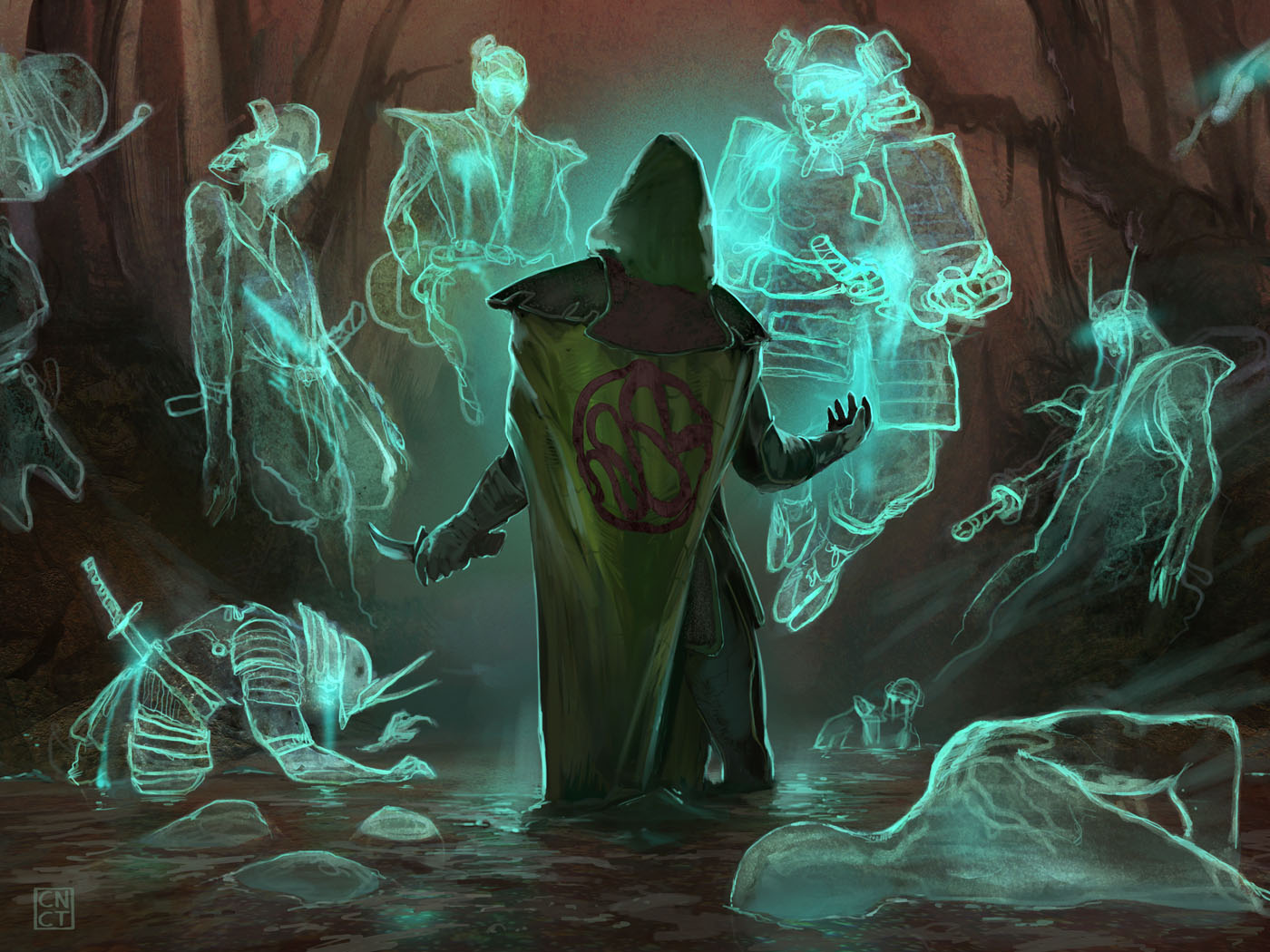
Most bards perform in taverns while others perform to crowds or nobles. These ones are performers to a harder to please audiences - the dead.
Hopefully, they get payed well too.
Cleric Subclass
Travel Domain
The world is wide and the roads are dangerous. To help guide and guard the mortals who travel. The deities of travel - including Raei, Sehanine, Hermes, Zephyros, The Traveler, and Tefnar - teach the proper ways of journeying across the world They are mostly benevolent and often chaotic. Many serve their fellow gods as messengers or guides.
Most wish mortals to travel so as to discover, learn, and live a full life, but some are more ambivalent, representing the mysteries, angers, and secrets waiting on the horizon. When they aren't exploring new places or acting as messengers for important matters between the churches of other gods, clerics of this domain usually wander.
Travel Domain Features
| Druid Level | Feature |
|---|---|
| 1st | Bonus Proficiency, Blessed Steps |
| 2nd | Channel Divinity: Safe Passage |
| 6th | Messenger of the Gods |
| 8th | Potent Spellcasting |
| 17th | Radical Freedom |
Travel Domain Spells
| Cleric Level | Spells |
|---|---|
| 1st | comprehend languages, longstrider |
| 3rd | locate object, misty step |
| 5th | fireball, protection from energy |
| 7th | fly, haste |
| 9th | freedom of movement, locate creature |
Bonus Proficiency
When you choose this domain at 1st level, you learn the message cantrip, which is a cleric cantrip for you and doesn't count against the number of cantrips you can know as a cleric. You also gain proficiency with one of the following tools of your choice: navigator's tools, land vehicles, or water vehicles.
Blessed Steps
Also at 1st level, your journey is blessed by holy purpose. You can use a bonus action on your turn to disengage, dash, or attempt to escape from a grapple.
You can also use a bonus action to touch another willing creature and lend it your blessing. At the start of its next turn, it can either dash, disengage, or attempt to escape from a grapple without using an action.
You can use this feature a number of times equal to your Wisdom modifier (a minimum of once} You regain all expended uses when you finish a long rest.
Channel Divinity: Safe Passage
Starting at 2nd level, you can use your Channel Divinity to secure magical safe passage. As an action, you present your holy symboL and you teleport one willing creature that you can see within 30 feet of you up to 60 feet to an unoccupied space that you can see.
Until the end of your next turn, attack rolls are made against it with disadvantage, and it has resistance to bludgeoning, piercing, and slashing damage dealt by nonmagical weapons. If the target makes an attack, casts a spell that affects an enemy, or deals damage to another creature, the effect ends immediately.
Messenger of the Gods
At 6th level, the spirit of travel fills you and carries you further. You are always under the effects of a Longstrider spell and you have advantage on all ability checks and saving throws made to escape from a grapple.
In addition, at the end of each of your turns, if you are at least 30 feet away from where you were at the start of the turn, you gain a + 1 bonus to AC and Dexterity saving throws until the end of your next turn.
Potent Spellcasting
Starting at 8th leveL you add your Wisdom modifier to the damage you deal with any cleric cantrip.
Radical Freedom
At 17th level you have advantage on saving throws against being charmed, and your speed increases by 10 feet.
Also, you are always under the effects of a freedom of movement spell You can temporarily suppress this effect to cast freedom of movement without expending a spell slot or requiring components, unless the effect is already suppressed You can use a bonus action to end the spell early. The effect remains suppressed until the spell ends.
In all of my travels, I seem to always bump into one. This might be because there's a lot of Travel deities.
Druid Subclass
Circle of the Spiritlords
Ages ago, nature priests with a greater connection to the spirit realm believed the world itself to be formed from a group of elemental and primordial spirits, each specifically charged to harness one of the major elements of creation. This band of tribal druids developed a set of ritual practices that allowed them to summon these spirits, whose essence now resides in every rock, tree, and breath of air, controlling the ebb and flow of nature not only in their homeland, but in all lands beyond. This order of priests were known as spiritlords.
Spiritlords begin their journey with the rites handed down by those before them, specifically, the ritual to create a special mask from an ironwood tree. This mask allows the spiritlord to play host to the spirit-elementals roaming this world.
As the spiritlord grows in power and gains a heightened level of attunement to the spirit world, their mask transforms along with them, being altered with new carvings, ritual paints, and brands that symbolize the bond between the druid and the spirits they carry within.
Circle of the Spirits Features
| Druid Level | Feature |
|---|---|
| 2nd | Spirit Bond |
| 6th | Empowered Conduit |
| 10th | Vigilant Spirits |
| 14th | Honored Host |
Spirit Bond
When you choose this circle at 2nd level, you choose one spirit-element to bond with your mask from the Spirit Bond table below and you learn the cantrip associated with your spirit-element’s feyling conduit, which counts as a druid cantrip for you, and doesn’t count against your number of cantrips known. You can select one additional spirit-element at 6th level and again at 10th level.
Additionally, you can cast the find familiar spell, which bears features similar to your chosen spirit-element (glowing skin, fiery eyes, a thorny tail, etc.). Once you cast find familiar using this feature, you can't cast it again until you finish a long rest.
You can only have one mask at a time and once this bond is formed, you can’t change the spirit-element within your mask. If the mask is lost or destroyed, creating a new mask for your spirit-element takes 8 hours of uninterrupted time, which you can accomplish during a long rest.
Spirit Bond
| Spirit Type | Feyling Conduit | Empowered Conduit | Damage Type |
|---|---|---|---|
| Earth | Mold Earth | Magic Stone | Poison |
| Fire | Control Flame | Create Bonfire | Fire |
| Water | Shape Water | Frostbite | Cold |
| Wind | Gust | Thunderclap | Lightning |
| Light | Dancing Lights | Sacred Flame | Radiant |
| Shadow | Minor Illusion | Chill Touch | Necrotic |
Empowered Conduit
At 6th level, your mask channels the destructive powers of your spirit element. You gain the cantrip in the Empowered Conduit column on the Spirit Bond table.
Further, when your connection with the spirit realm strengthens enough to host an additional spirit-element, you can switch between them with an action. When you do, you gain the benefits of the mask's current bond and your familiar can take on a similar appearance. No matter how many spirits inhabit your mask, you can only ever call on the aid of one at a time.
Vigilant Spirits
Starting at 10th level, you add your Wisdom modifier to the damage you deal with any druid cantrip and, each time you switch to a different spirit-element within your mask, you gain resistance to that damage type.
Honored Host
At 14th level, you have become a beacon for the spirits who wish to affect the world through you. You gain access to all of the spirit-elements listed on the Spirit Bond table, and can switch between them with a bonus action, and your spells ignore resistance and immunity to that damage type.

Feylings are curious manifestations of the remnant magic from the environment or sometimes dead people. Even so, they look cute.


Monk Subclass
Way of the Occult Soul
Through countless hours of meditation, these monks are able to awaken the arcane magic that lies dormant in their body and soul using the years of research they have collected in the archives of the Occult Soul standing as some of the most well-respected and most heavily guarded repositories of tomes, history, arcana and information across the world.
These monks blend martial arts and spellcasting to a devastating effect. Through countless hours of meditation, these monks are able to awaken the arcane magic that lies dormant in their body and soul by the methods taught to them of the years of research they have collected over the decades. These monks blend martial arts and spellcasting to a devastating effect.
Way of the Occult Soul Features
| Monk Level | Feature |
|---|---|
| 3rd | Spellcasting, Foreseen Fighting |
| 6th | Arcane Forging |
| 11th | Flowing Defense |
| 17th | Master of Mind and Spirit |
Spellcasting
Starting when you choose this tradition at 3rd level, you start to waken the arcane magic liying dormant in your body and soul allowing you to shape a portion of your Ki into spells. See chapter 10 for the general rules of spellcasting and chapter 11 for the wizard spell list.
Cantrips. You learn three cantrips: true strike and two cantrips of your choice from the wizard spell list. You learn an additional wizard cantrip of your choice at 10th level.
Spell Slots. The Way of the Occult Soul Spellcasting table shows how many spell slots you have to cast your spells of 1st level and higher. To cast one of these spells, you must expend a slot of the spell's level or higher. You regain all expended spell slots when you finish a long rest.
For example, if you know the 1st-level spell feather fall and have a 1st-level and a 2nd-level spell slot available, you can cast feather fall using either slot.
Spells Known of 1st-Level and Higher. You know three 1st-level wizard spells of your choice, two of which you must choose from the divination and transmutation spells on the wizard spell list.
The Spells Known column of the Way of the Occult Soul Spellcasting table shows when you learn more wizard spells of 1st-level or higher. Each of these spells must be a divination or transmutation spell of your choice, and must be of a level for which you have spell slots. For instance, when you reach 7th level in this class, you can learn one new spell of 1st or 2nd level.
The spells you learn at 8th, 14th, and 20th level can come from any school of magic.
Whenever you gain a level in this class, you can replace one of the wizard spells you known with another spell of your choice from the wizard spell list. The new spell must be of a level for which you have spell slots, and it must be a divination or transmutation spell, unless you're replacing the spell you gained at 3rd, 8th, 14th, or 20th level.
Spellcasting Ability. Wisdom is your spellcasting ability for your wizard spells, since you learned your spells through deep meditation on the arcane magic that lies within. You use your Wisdom whenever a spell refers to your spellcasting ability. In addition, you use your Wisdom modifier when setting the saving throw DC for a wizard spell you can cast and when making an attack roll with one.
Spell save DC = 8 + your proficiency bonus +
your Wisdom modifier
Spell attack bonus = your proficiency bonus +
your Wisdom modifier
Way of the Occult Soul Spellcasting
| Level | Cantrips Known | Spells Known | 1st | 2nd | 3rd | 4th | 5th | 6th | 7th | 8th | 9th |
|---|---|---|---|---|---|---|---|---|---|---|---|
| 3rd | 3 | 3 | 2 | — | — | — | — | — | — | — | — |
| 4th | 3 | 4 | 3 | — | — | — | — | — | — | — | — |
| 7th | 3 | 5 | 4 | 2 | — | — | — | — | — | — | — |
| 8th | 3 | 6 | 4 | 2 | — | — | — | — | — | — | — |
| 10th | 4 | 7 | 4 | 3 | — | — | — | — | — | — | — |
| 11th | 4 | 8 | 4 | 3 | — | — | — | — | — | — | — |
| 13th | 4 | 9 | 4 | 3 | 2 | — | — | — | — | — | — |
| 14th | 4 | 10 | 4 | 3 | 2 | — | — | — | — | — | — |
| 16th | 4 | 11 | 4 | 3 | 3 | — | — | — | — | — | — |
| 19th | 4 | 12 | 4 | 3 | 3 | 1 | — | — | — | — | — |
| 20th | 4 | 13 | 4 | 3 | 3 | 1 | — | — | — | — | — |

Foreseen Fighting
Starting at third level, when you cast true strike, you can do so as a bonus action and without needing to maintain concentration.
Arcane Forging
At 6th level, you learn a ritual that transforms one monk weapon of your choice into an arcane catalyst. You perform the ritual over the course of 1 hour, which can be done during a short rest. The weapon must be within your reach throughout the ritual, at the conclusion of which you touch the weapon and transform it.
As part of this transformation, the weapon's damage type becomes force, and you can use your arcane catalyst as a spellcasting focus for your Way of the Occult Soul spells.
Flowing Defense
Beginning at 11th level, you learn to control the flow of magic directed toward you. You can use your reaction to deflect or catch the spell when you are hit by a ranged spell attack. If the spell has multiple ranged spell attacks, you can only deflect or catch one of them. When you do so, the damage you take from the attack is reduced by 1d10 + your Wisdom modifier + your monk level.
If you reduce the damage to 0, you can seize control of the spell if you have at least one hand free. If you seize control of the spell in this way, you can spend 1 ki point per level of the spell seized (minimum of 1) to make a ranged spell attack with the spell, as part of the same reaction. The spell counts as a Way of the Occult Soul spell for the attack.
Master of Mind and Spirit
At 17th level, you've awakened the Arcane magic within your body and soul granting you the power to freely shape the form of your ki into spells. You can use your ki points to gain additional spell slots.
Creating Spell Slots. You can transform unexpended ki points into one spell slot as a bonus action on your turn. The Creating Spell Slots table table shows the cost of creating a spell slot of a given level. The created spell slots vanish at the end of a short or long rest.
Creating Spellslots
| Spell Slot Level | Ki Point Cost |
|---|---|
| 1st | 2 |
| 2nd | 3 |
| 3rd | 5 |
| 4th | 6 |
Oath of Zeal
The Oath of Zeal is a sworn vow to serve the church and ideals of a faith. Usually known by the moniker of inquisitor or witch hunter, paladins who swear this oath devote their lives to rooting out enemies of their faith, using guile when open righteousness is not an option. They sacrifice their own purity in order to cleanse those who defy their faith, and are willing to take extreme measures to achieve their goals.
Tenets of Zeal
To the paladins that swear the Oath of Zeal, their long list of tenets are as important as their faith. The specifics vary based on the god that a paladin serves, but they all share the ideals of destroying the enemies of their church and of their god.
Root out Heresy. Wherever the enemies of my faith hide, I must hunt them down.
Heretics Must be Punished. There can be no mercy for those who will not repent.
By Any Means. My own petty qualms cannot get in the way of my duty to my faith.
Absolute Faith. I will never go against my church andmy faith.
Oath of Zeal Features
| Paladin Level | Feature |
|---|---|
| 3rd | Oath Spells, Channel Divinity: Stern Gaze, Unexpected Retribution |
| 7th | Channel Divinity: Lay on Brands |
| 15th | Soul Gaze |
| 20th | Wrath of Faith |
Of course! The Library of the Occult Soul holds the collected tomes of history and arcane since I'erdna, the Knowing Maiden was upon us.
Oath Spells
You gain oath spells at the paladin levels listed.
Oath of Zeal Spells
| Paladin Level | Spell |
|---|---|
| 3rd | bane, disguise self |
| 5th | detect thoughts, zone of truth |
| 9th | bestow curse, fear |
| 13th | compulsion, greater invisibility |
| 17th | mislead, scrying |
Channel Divinity
When you take this oath at 3rd level, you gain the following two Channel Divinity options.
Stern Gaze. As a bonus action, you can focus your contempt on a creature within 60 feet of you that you can see using your Channel Divinity. The target's will to resist you is reduced for 1 minute, with the following effects:
You have advantage on Charisma saving throws against the target's spells and effects, and when you cast a spell or use a feature that causes them to make a Charisma saving throw, the target has disadvantage on its first saving throw made against the spell or feature.
You have advantage on Charisma checks to interact with the target, and they have disadvantage on Charisma checks to interact with you.
Unexpected Retribution. When you hit a surprised creature with a melee attack, you can expend your Channel Divinity to make that attack into a critical hit.
Lay on Brands Starting at 7th level, you can fuel your Divine Smite feature with hitpoints from your Lay on Hands pool of healing. Instead of a 1st-level spell slot, you can expend 10 hitpoints from your pool, dealing damage as if you expended the spell slot.
In addition, you can expend 10 hitpoints from your pool to increase the damage dealt by your Divine Smite by 1d8.
Soul Gaze
Starting at 15th level, while a creature is under the effect of your Stern Gaze Channel Divinity, you also have advantage on Wisdom saving throws against the target's spells and effects, and when you cast a spell or use a feature that causes them to make a Wisdom saving throw, the target has disadvantage on its first saving throw made against the spell or feature.
Additionally, you have advantage on Wisdom checks to interact with the target, and they have disadvantage on Wisdom checks to interact with you.
Wrath of the Faith
At 20th level, you can directly channel the fury of your faith into combat. Using your action, you can undergo a transformation. For 1 minute you gain the following benefits:
- You gain the benefits of your Stern Gaze Channel Divinity against hostile creatures within 60 feet of you.
- When you use your Divine Smite feature, you deal an extra 1d8 radiant damage to the target.
- You emanate an aura of menace in a 60-foot radius. The first time an enemy creature enters the aura or starts its turn there, the creature must succeed on a Wisdom saving throw or be frightened of you for 1 minute or until it takes any damage. The DC is equal to your paladin spell save DC. Attack rolls against the frightened creatures have advantage.
Once you use this feature, you can’t use it again until you finish a long rest.

These rogue-like paladins are probably instructed by The Empire to kill heretics and cults worshipping Betrayer gods.
King Therenon is so paranoid that he hired holy men to kill people. Great.
Ranger Subclass
Nightstalker Archetype
The Nightstalker archetype emulates a unique form of shadow magic, used to create shadowy familiars to accompany you in battle. By walking this path, you learn to use your shadow familiar like an extension of yourself, using them like a weapon as you stalk through the dim forests and vast plains of the world, searching for your prey. Your choice of familiar defines your style of fighting, with each familiar playing a different role on the hunt
Nightstalker Features
| Ranger Level | Feature |
|---|---|
| 3rd | Shadow Familiar, Nightstalker Magic |
| 7th | Shadowy Transposition |
| 11th | Dark Sentinel |
| 15th | Midnight Bulwark |
Shadow Familiar
At 3rd level, you gain the ability to summon a creature of shadow to serve you. As a bonus action on your turn, you can conjure or dismiss your shadow familiar, which takes the form of a spectral creature that cannot be targeted or damaged. You choose the form you can create when you select this subclass.
When you conjure your shadow familiar, it appears in an unoccupied space within 30 feet of you. As long as it is conjured, you can forgo one or more of your attacks when you use the Attack action to have your shadow familiar make attacks of its own, which use your Ranger spell attack modifier for their attack rolls, have a reach of 5 feet, and trigger any spells or features that would trigger from your own weapon attacks (such as Hunter’s Mark).
The familiar makes one melee weapon attack for each attack you forgo. While within 120 ft of your familiar, you can command it to move (no action required). The speeds and attacks of the three forms are listed below.
Cat. This form has a walking speed of 30 feet. On a hit, its attack deals 1d4 + your Wisdom modifier slashing damage, and causes the next attack made against the target by a creature other than you or the cat before the end of your next turn to be made at advantage.
Raven. This form has a flying speed of 90 feet, and a walking speed of 10 feet. On a hit, its attack deals 1d10 + your Wisdom modifier piercing damage.
Wolf. This form has a walking speed of 40 feet. On a hit, its attack deals 1d6 + your Wisdom modifier piercing damage, and causes its target to have disadvantage on the next attack roll it makes before the end of its next turn.
Nightstalker Magic
Also at 3rd level, you learn an additional spell when you reach certain levels in this class, based on the form you chose above, as shown in the Nightstalker Spells table. The spell counts as a ranger spell for you, but doesn’t count against your spells known.
Nightstalker Spells
| Ranger Level | Cat Spells | Cat Spells | Cat Spells |
|---|---|---|---|
| 3rd | feather fall | thunderwave | cause fear |
| 5th | invisibility | gust of wind | darkness |
| 9th | haste | call lightning | fear |
| 13th | greater invisibility | storm sphere | sickening radiance |
| 17th | seeming | control winds | contagion |
Shadowy Transposition
Starting at 7th level, whenever you cast a ranger spell of 1st level or higher, you can choose to swap locations with your familiar immediately before or after casting the spell.
Dark Sentinel
At 11th level, whenever a creature leaves the reach of your shadow familiar, you can use your reaction to have it make an attack against that creature. The disengage action and other effects that prevent opportunity attacks prevent this reaction.
Midnight Bulwark
Beginning at 15th level, whenever a creature within reach of your shadow familiar makes an attack against you, you can use your reaction to have the familiar make an attack against that creature.
Additionally, whenever you command your familiar to make an attack using your reaction and the attack hits, the target’s speed is reduced to 0 until the end of the target’s current turn.

Should you meet one, be sure to take note of the shadow's form as the shape of the familiar will tell you about the Nightstalker's favored tactics.
Rogue Subclass
Hundred Faced
You adhere to an ancient art, through which you can split your body and mind into several selves. While your other selves are fragile due to being a fragment formed from you, they're able to scout ahead and assassinate your enemies. A Hundred Faced can turn a fair fight into a fatal ambush.
Nightstalker Features
| Ranger Level | Feature |
|---|---|
| 3rd | Shadow Familiar, Nightstalker Magic |
| 7th | Shadowy Transposition |
| 11th | Dark Sentinel |
| 15th | Midnight Bulwark |
Mind of a Hundred
Starting at 3rd level, every talent in the world can be found within your mind. You gain proficiency in one tool of your choice. Whenever you finish a short or long rest, you can replace that tool proficiency with another tool proficiency. At 9th level, your proficiency bonus is doubled for any ability check you make that uses the chosen proficiency.
Body of a Hundred
Starting at 3rd level, you can split yourself into several. As an action, you can create a duplicate of yourself that lasts for 1 hour. It uses all of your statistics, except that it has a hit point maximum of 1, no temporary hit points, no ongoing effects such as spells, and 0 uses of any feature regained on a short or long rest. When the duration ends or it dies, it vanishes.
The duplicate obeys your commands. It takes its turn on your initiative, though it doesn't take an action unless you command it to, and it doesn't take bonus actions or reactions. On your turn, you can verbally command the duplicate where to move (no action required by you). You can use your action to verbally command it to take the Attack, Dash, Disengage, Dodge, Help, Hide, or Use an Object action.
The duplicate is equipped with a copy of any armor you wear and any weapon or shield you wield when you create it, except that they have 0 charges and 0 uses of any property regained at a time of day. The copied equipment can't be thrown, disarmed, or dropped, and the duplicate can't use equipment except copied equipment and given ammunition.
The duplicate can't take any rests. If you are incapacitated or absent, it can't act. If a creature provokes an opportunity attack from it, you can use your reaction to have it make one.
You can create a duplicate a number of times equal to your Wisdom modifier (a minimum of once). You regain any expended uses when you finish a long rest.
Soul of a Hundred
At 9th level, you manifest your will through your other selves, regardless of distance. You can communicate telepathically with your duplicate and perceive through your duplicate’s senses as long as you are on the same plane of existence.
Additionally, while perceiving through your duplicate’s senses, you can speak through your duplicate in your own voice, and you can command it to act even if you're absent.
Inheritance of One
At 13th level, your other selves have surpassed you in their own way, they can be called your peers. When you create a duplicate, it has a hit point maximum equal to your rogue level and gains one of the following features of your choice.
Acceleration. The duplicate has doubled walking speed.
Aviation. The duplicate has a flying speed of 30 feet. Duration. The duplicate lasts for 8 hours instead of 1 hour.
Expansion. The duplicate is Large and has advantage on Strength checks and Strength saving throws.
Explosion. If the duplicate is within 120 feet of you, you can use your action to reduce it to 0 hit points and explode, each creature within 10 feet of it takes 4d6 fire damage. Salvation. If the duplicate is within 120 feet of you, you can use your action to reduce it to 0 hit points and gain temporary hit points equal to the amount lost.
Suppression. The duplicate is invisible until it attacks or until its concentration ends.
Teleportation. If the duplicate is within 120 feet of you, you can use your action to reduce it to 0 hit points and teleport to where it was. Once a duplicate gains a feature, you can't create a duplicate with that feature until that duplicate vanishes.
Legacy of All
At 17th level, you have ceased to differentiate yourself from yourself, all of you are you. You regain all your expended uses of Body of a Hundred when you finish a short or long rest.
Additionally, when you create a duplicate, you can replace the tool proficiency that it gained from Mind of a Hundred with another tool proficiency.
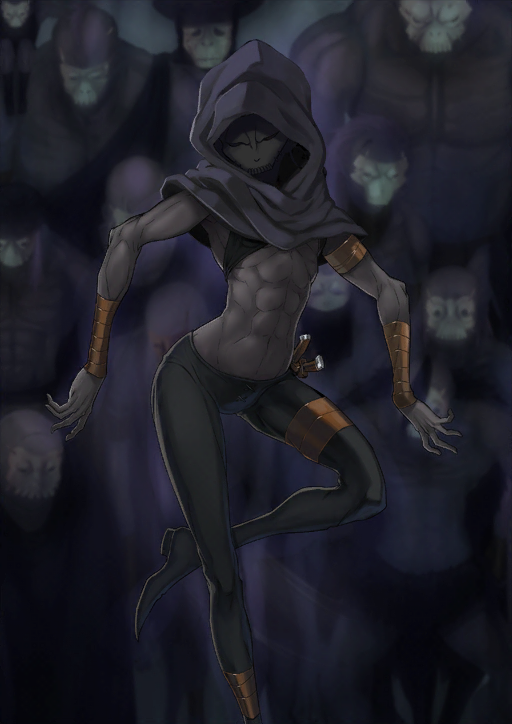
RESTRICTED
Sorcerer Subclass
Divine Soul
Divine Magic
In addition, choose a Cleric domain for the source of your divine power. You learn the domain spells based on the domain chosen. It is a sorcerer spell for you, but it doesn't count against your number of sorcerer spells known. If you later replace this spell, you can replace it with a spell from the cleric spell list.
Alternatively, choose you can replace one spell you gained from this feature with another spell of the same level from the sorcerer or cleric spell list.
Dues Ex Machina
When you cast a spell using your sorcery points that forces other creatures to make a saving throw, you can protect some of those creatures from the spell's future force. You can choose a number of those creatures up to your Charisma modifier (minimum of one creature). A chosen creature automatically succeeds on its saving throw against that spell.
Draconic Bloodline
Draconic Spells
Starting at 1st level, you learn additional spells when you reach certain levels in this class, as shown on the Draconic Spells table. Each of these spells counts as a sorcerer spell for you, but it doesn't count against the number of sorcerer spells you know.
Whenever you gain a sorcerer level, you can replace one spell you gained from this feature with another spell of the same level. The new spell must be an evocation or an abjuration spell from the sorcerer, warlock, or wizard spell list.
| Level | Spell |
|---|---|
| 1st | Absorb Elements, Cause Fear |
| 3th | Dragon's Breath, See Invisibility |
| 5th | Fear, Fly |
| 7th | Elemental Bane, Freedom of Movement |
| 9th | Control Winds, Legend Lore |
Dragon's Fury
Starting at level 6, any spells that casted using sorcery points will have the ability to change the damage type into one of the other listed types: (acid, cold, fire, lightning, poison, thunder)
Shadow Magic
Shadow Magic Spells
Starting at 1st level, you learn additional spells when you reach certain levels in this class, as shown on the Shadow Magic Spells table. Each of these spells counts as a sorcerer spell for you, but it doesn't count against the number of sorcerer spells you know.
Whenever you gain a sorcerer level, you can replace one spell you gained from this feature with another spell of the same level. The new spell must be an illusion or a necromancy spell from the sorcerer, warlock, or wizard spell list.
| Level | Spell |
|---|---|
| 1st | False Life, Inflict Wounds |
| 3th | Pass Without Trace, Silence |
| 5th | Feign Death, Hunger of Hadar |
| 7th | Shadow of Moil, Death Ward |
| 9th | Negative Energy Flood, Seeming |
Shadowfell's Touch
Starting at level 6, when you Cast a Spell that has a range of 5 feet or greater using your sorcery points, you can double the range of the spell.
When you Cast a Spell that has a range of touch using your sorcery points, you can make the range of the spell 30 feet.
Storm Magic
Storm Magic Spells
Starting at 1st level, you learn additional spells when you reach certain levels in this class, as shown on the Storm Magic Spells table. Each of these spells counts as a sorcerer spell for you, but it doesn't count against the number of sorcerer spells you know.
Whenever you gain a sorcerer level, you can replace one spell you gained from this feature with another spell of the same level. The new spell must be a conjuration or an evocation spell from the sorcerer, warlock, or wizard spell list.
| Level | Spell |
|---|---|
| 1st | Create or Destroy Water, Thunderwave |
| 3th | Gust of Wind, Levitate |
| 5th | Lightning Bolt, Tidal Wave |
| 7th | Storm's Sphere, Watery Sphere |
| 9th | Control Winds, Maelstorm |
Roaring Storm
Starting at level 6, when you roll damage for a spell you casted using your sorcery points, you can reroll a number of the damage dice up to your Charisma modifier (minimum of one). You must use the new rolls.
The sorcerers of the Cerberus Assembly have the highest degree of Arcane Magic in the Western Imlardis.
If only their egos and greed weren't as high.
Wild Magic
Wild Magic Spells
Starting at 1st level, you learn additional spells when you reach certain levels in this class, as shown on the Wild Magic Spells table. Each of these spells counts as a sorcerer spell for you, but it doesn't count against the number of sorcerer spells you know.
Whenever you gain a sorcerer level, you can replace one spell you gained from this feature with another spell of the same level. The new spell must be an enchantment or a transmutation spell from the sorcerer, warlock, or wizard spell list.
| Level | Spell |
|---|---|
| 1st | Chaos Bolt, Color Spray |
| 3th | Enlarge/Reduce, Mirror Image |
| 5th | Enemies Abound, Hypnotic Pattern |
| 7th | Confusion, Polymorph |
| 9th | Animate Objects, Mislead |
Hasted Havoc
Starting at level 6, when you Cast a Spell using your sorcery points that has a Casting Time of 1 action, you can spend 2 sorcery points to change the Casting Time to 1 Bonus Action for this casting.
Other Classes
I skipped the other classes because I wanted specific subclasses for them found in other Third Party Books such as:
Fighter: Gunslinger and Echo Knight: The Gunslinger Subclass is made by Matt Mercer as a 3rd Party Content and the Echo Knight is present in Explorer's Guide To Wildemount.
Wizard: Graviturgist and Chronurgist: Both of these are also options in Explorer's Guide To Wildemount.
For more information about this topic, visit the Restricted Section of the Candlekeep.

Pact Boon Option
When you gain the Pact Boon feature at 3rd level, you can choose the following additional option.
Pact of the Skin
Your patron gives you a new body. You decide the appearance of your new body, including its race, age, and sex. If your race changes, you replace your original racial traits with the traits of your new race (see chapter 2 of the Player's Handbook for race options). If you have missing body parts, you can restore them. None of your other game statistics change.
Your new body gives you a base AC of 17 (your Dexterity modifier doesn't affect this number). If the armour you wear would leave you with a lower AC, you can determine your AC using this feature. You can still gain this benefit while using a shield. In addition, when you spend a Hit Die to heal during a short rest, you can use the maximum value for each die.
Your Pact Boon
Your new body's appearance may reflect the nature of your patron. The following provides inspiration for a warlock with the Pact of the Skin.
The Archfey. Your appearance might change to reflect a certain season, like summer or winter. You might become inhumanly beautiful, or alternatively, wither until you seem an old, wizened hag.
The Fiend. Your skin might turn red or leathery, and you might grow horns or a tail. Your teeth may sharpen, and your body might become unnaturally warm (or cold) to the touch.
The Great Old One. You might lose colour in your eyes, hair, or blood, or seem faintly translucent. You might be more comfortable submerged in water, or never seem to blink or shut your eyes.
Eldritch Invocations
At 2nd level, a warlock gains the Eldritch Invocations feature. Here are new options for warlocks with the Pact of the Skin feature, in addition to the options in the Player's Handbook.
If an eldritch invocation has a prerequisite, you must meet it to learn the invocation. You can learn the invocation at the same time that you meet its prerequisite. A level prerequisite refers to your level in this class.
Eldritch body
Prerequisite: Pact of the Skin
You can use a bonus action to grow a natural weapon from part of your body, which you are proficient with and can use to make melee weapon attacks. It lasts until you use a bonus action to dismiss it, or until you use this feature again.
Each time you create a natural weapon, you determine its appearance, such as claws or a pair of horns, and whether it deals bludgeoning, piercing, or slashing damage. On a hit, it deals damage equal to 1d10 + your Strength modifier, and you can push the target up to 10 feet away from you.
When you cast a spell that requires a melee weapon, such as green-flame blade, you can use a weapon you create using this feature in place of the weapon required by the spell.
Your patron giving you another face might be a sign that they don't like your face as much
Unstopping Heart
Prerequisite: 7th level, Pact of the Skin
You can cast death ward once on yourself without expending a spell slot. You can't do so again until you finish a long rest.
Eternal Flesh
Prerequisite: 12th level, Pact of the Skin
You no longer age and can't be aged magically, and you are immune to disease and poison. In addition, when you spend a Hit Die to heal during a short rest, you can cause any missing body parts you have—such as eyes or hands—to grow back.
Unearthly Flight
Prerequisite: 15th level, Pact of the Skin
You can use a bonus action to sprout a large pair of wings from your back, gaining a flying speed equal to your current speed. You can shed your wings using another bonus action.
You can't sprout wings while wearing armour that doesn't accomodate them, and clothing not made to accommodate your wings might be destroyed when you manifest them.
Blade Vault
Prerequisite: Pact of the Blade
You can perform the ritual to transform a new magic weapon into your pact weapon without breaking your connection with your current pact weapon. You can store a number of magical weapons in your pact weapon's extradimensional space equal to your Charisma modifier (minimum of two).
Each time you create your pact weapon, you decide which weapon appears. When you do, you can end your attunement to any of your other pact weapons and immediately attune to the weapon you summoned (if it requires attunement).
Pact's Shadow
Prerequisite: Pact of the Blade
Entangling Blast
Prerequisite: 5th level, Eldritch blast cantrip
When you hit a creature with eldritch blast, the creature must succeed on a strength saving throw against your spell save dc or be grappled by chains, vines, tentacles, bones, or shadows until the end of its next turn. A huge or larger creature makes the saving throw with advantage.
Mount of the Rein Master
Prerequisite: 5th level, Pact of the Chain feature
You can cast find steed once without expending a spell slot. Instead of summoning a spirit, you must target the familiar you gained from casting find familiar, transforming it into a steed described in the find steed spell. The creature uses the stat blocm of the chosen steed, and it has features of both find familiar and find steed for 8 hours, before reverting back to being just your familiar. After casting find steed this way, you can't do so again until you finish a long rest.
Malleable Companion
Prerequisites: 15th level, Pact of the Chain feature
You can cast the Polymorph spell targeting your familiar once without expending a spell slot or material components. When you do so, you can use your level for determining the challenge rating of the beast your familiar can transform into.
Once you use this invocation, you can't do so again until you have finished a long rest.
Tales of the Crimson Tome
Prerequisite: Pact of the Tome feature
Living Map
Prerequisite: 9th level, Pact of the Tome feature
A new page appears in your Book of Shadows. You can spend one hour drawing a map on this page of an area that is a 40-foot square or smaller. You must have seen the entirety of the area within the past 24 hours to draw a map.
Once you have drawn a map, you can see the names of creatures who occupy the area, as well as any changes that occur to the environment. A creature's name appears on the map and corresponds to wherever the creature is in the area. The name moves as they move.
A creature protected from divination magic does not appear on the map. The map remains in your Book of Shadows for 30 days, until you begin to draw another map, or you erase it as an action.
Shadow Veil
Prerequisite: 5th level
Voice in the Void
Prerequisite: 7th level
You can cast silence once using a warlock spell slot. You can’t do so again until you finish a long rest. While you are inside the area of a silence spell that was cast by you or an allied creature, you can speak and use verbal spell components normally and can be heard by other creatures in the spell’s area of effect.