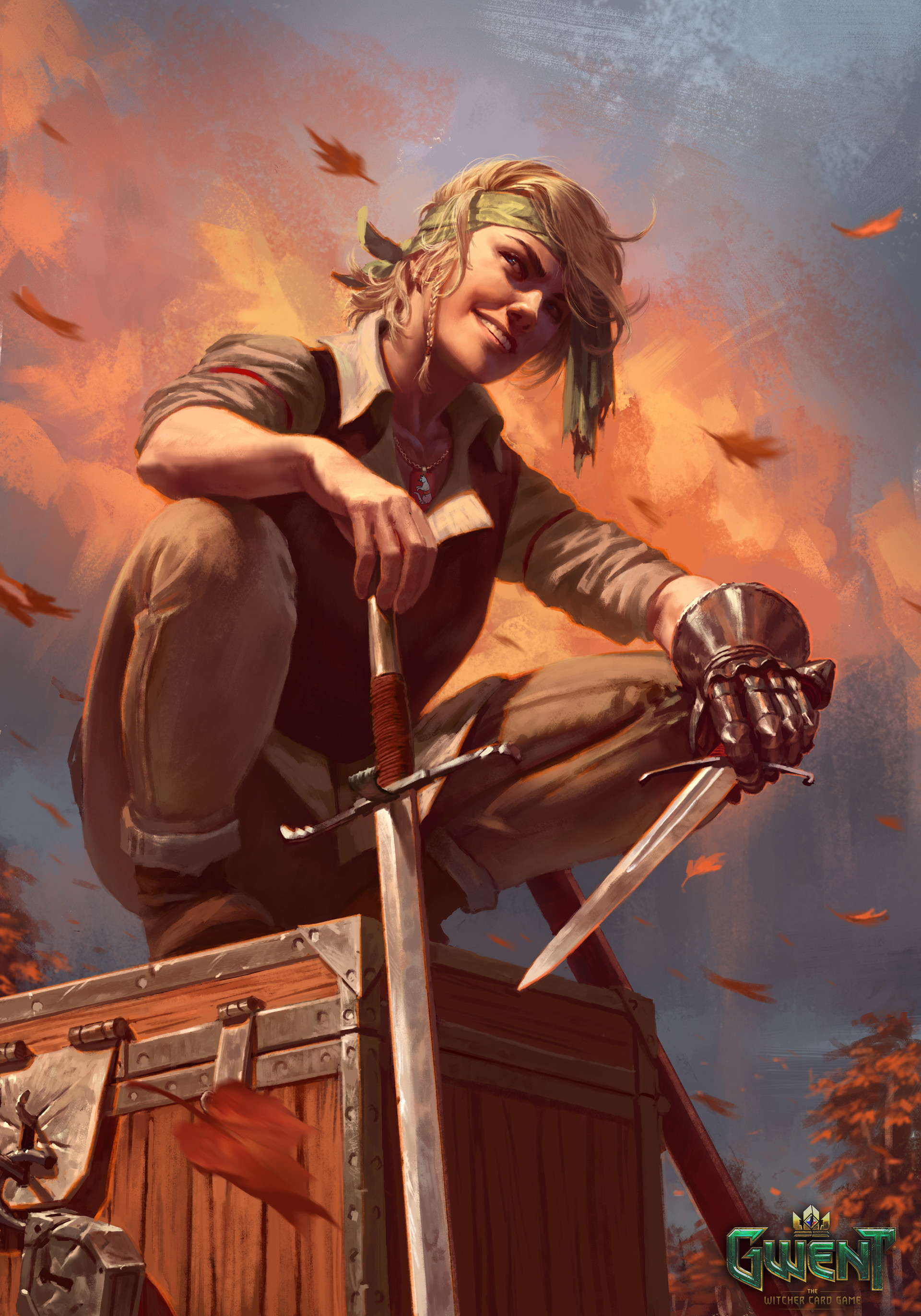
The Rogue Nobody Asked For
Signaling for her companions to wait, a halfling creeps forward through the dungeon hall. She presses an ear to the door, then pulls out a set of tools and picks the lock in the blink of an eye. Then she disappears into the shadows as her fighter friend moves forward to kick the door open.
A human lurks in the shadows of an alley while his accomplice prepares for her part in the ambush. When their target — a notorious slaver — passes the alleyway, the accomplice cries out, the slaver comes to investigate, and the assassin’s blade cuts his throat before he can make a sound.
Suppressing a giggle, a gnome waggles her fingers and magically lifts the key ring from the guard’s belt. In a moment, the keys are in her hand, the cell door is open, and she and her companions are free to make their escape.
Rogues rely on skill, stealth, and their foes’ vulnerabilities to get the upper hand in any situation. They have a knack for finding the solution to just about any problem, demonstrating a resourcefulness and versatility that is the cornerstone of any successful adventuring party.
Skill and Precision
Rogues devote as much effort to mastering the use of a variety of skills as they do to perfecting their combat abilities, giving them a broad expertise that few other characters can match. Many rogues focus on stealth and deception, while others refine the skills that help them in the other aspects of subterfuge. These rogues perfect a knack navigating a dungeon environment, finding and disarming traps, opening locks, deceiving royalty, falsifying incriminating documentation, and including the above board activities of research, performance, arbitration and negotiation.
When it comes to combat, rogues prioritize cunning over brute strength. A rogue would rather make one precise strike, placing it exactly where the attack will hurt the target most, than wear an opponent down with a barrage of attacks. Rogues have an almost supernatural knack for avoiding danger.
One of Many
Every town and city has its share of rogues. While rogues may operate independently, many more find themselves working with others. Often, these rogues find safe havens when organized into guilds and families. Guilds provided the hideouts and head quarters necessary to coordinate their operations and provide a refuge away from the prying eyes of their opposition.
Some rogues and guilds live up to the worst stereotypes of the class, making a living as burglars, assassins, cutpurses, and con artists. However, others make an honest living as medics, locksmiths, investigators, or exterminators, which can be a dangerous job in a world where dire rats—and wererats—haunt the sewers. While the thieves' guild will keep their whereabouts secret with their operations hidden via ciphered thieves' cant, other guilds keep up a public face. These guilds work openly, even though they may maintain illegal activities that's hidden from the law.
As adventurers, rogues fall on both sides of the law. Some are hardened criminals who decide to seek their fortune in treasure hoards, while others take up a life of adventure to escape from the law. Some have learned and perfected their skills with the explicit purpose of infiltrating ancient ruins and hidden crypts in search of treasure.
Creating a Rogue
As you create your rogue character, consider the character’s relationship to the law. Do you have a criminal past—or present? Are you on the run from the law or from an angry thieves’ guild master? Or did you leave your guild in search of bigger risks and bigger rewards? Is it greed that drives you in your adventures, or some other desire or ideal?
What was the trigger that led you away from your previous life? Did a great con or heist gone terribly wrong cause you to reevaluate your career? Maybe you were lucky and a successful robbery gave you the coin you needed to escape the squalor of your life. Did wanderlust finally call you away from your home? Perhaps you suddenly found yourself cut off from your family or your mentor, and you had to find a new means of support. Or maybe you made a new friend—another member of your adventuring party—who showed you new possibilities for earning a living and employing your particular talents.

The Rogue Class Table
| Level | Prof. | Features | Sneak Attack Dice | Steady Aims | Strikes Known |
|---|---|---|---|---|---|
| 1st | +2 | Thieves’ Cant, Sneak Attack, Expertise | 1 | - | - |
| 2nd | +2 | Cunning Action, Steady Aim | 1 | 1 | - |
| 3rd | +2 | Rogue's Guild | 2 | 2 | - |
| 4th | +2 | Ability Score Improvement | 2 | 2 | - |
| 5th | +3 | Uncanny Dodge, Cunning Strike | 3 | 2 | 2 |
| 6th | +3 | Guild Feature, Knack, Expertise(3) | 3 | 3 | 2 |
| 7th | +3 | Evasion, Reliable Talent | 4 | 3 | 2 |
| 8th | +3 | Ability Score Improvement | 4 | 3 | 2 |
| 9th | +4 | Guild Feature | 5 | 3 | 3 |
| 10th | +4 | Improved Sneak Attack | 5 | 3 | 3 |
| 11th | +4 | Quick Thinking, Knack(2), Expertise(4) | 6 | 4 | 3 |
| 12th | +4 | Ability Score Improvement | 6 | 4 | 3 |
| 13th | +5 | Guild Feature | 7 | 4 | 4 |
| 14th | +5 | Blindsense | 7 | 4 | 4 |
| 15th | +5 | Slippery Mind | 8 | 4 | 4 |
| 16th | +5 | Ability Score Improvement, Expertise(5) | 8 | 5 | 4 |
| 17th | +6 | Guild Feature | 9 | 5 | 5 |
| 18th | +6 | Elusive | 9 | 5 | 5 |
| 19th | +6 | Ability Score Improvement | 10 | 5 | 5 |
| 20th | +6 | Stroke of Luck, Improved Sneak Attack(2) | 10 | 5 | 5 |
Creating a Rogue
To create a Rogue, consult the following lists, which provide Hit Points, proficiencies, and armor training. If you’re making a 1st-level character, also consult the “Step-by-Step Characters” section of the Player's Handbook. Should you require starting equipment, work with your DM to have equipment that is appropriate, and by refer to the Class as listed in the 2014 publication for a basic idea.
Then look at the Rogue table to see the class features you get at each level in this class. The descriptions of those features appear in the “Rogue Class Features” section.
Class Features
As a Rogue, you gain the following class features
Hit Points
- Hit Dice: 1d8 per Rogue level
- Hit Points at 1st Level: 8 + your Constitution modifier
- Hit Points at Higher Levels: 1d8 or 5 + your Constitution modifier per rogue level after 1st
Proficiencies
- Armor: Light armor
- Weapons: Simple weapons, martial weapons
- Tools: One set of tools of your choice
- Saving Throws: Dexterity, Intelligence
- Skills: Choose four from Acrobatics, Athletics, Deception, Insight, Intimidation, Investigation, Perception, Performance, Persuasion, Sleight of Hand, and Stealth.
Expertise
1st-level Rogue feature
You gain Expertise with two skill or tool proficiencies. You must have proficiency with the chosen tool or skill in order to gain Expertise.
At higher levels. You choose additional skill or tool to gain Expertise with. One at 6th, 11th, and 16th level. As an alternative to gaining Expertise with a skill or tool proficiency, you may forgo the Expertise to gain proficiency with any skill or tool that you don't have proficiency with.
Sneak Attack
1st-level Rogue feature
You know how to turn a subtle attack into a deadly one.
Once, on each of your turns, you can deal 1d6 extra damage to one creature you hit with an attack roll if you’re attacking with a Finesse or Ranged weapon and if at least one of the following requirements is met:
Advantage. You have Advantage on the attack roll.
Ally Adjacent to Target. At least one of your allies is within 5 feet of the target, the ally doesn’t have the Incapacitated condition, and you don’t have Disadvantage on the attack roll.
The number of the extra 1d6 damage dice dealt with your sneak attack increases as you gain levels in this class, as shown in the Sneak Attack Dice column of the Rogue table. The extra damage’s type is the same as the weapon’s Damage Type.
Thieves’ Cant
1st-level Rogue feature
During your rogue training you learned thieves’ cant, a secret mix of dialect, jargon, and code that allows you to hide messages in seemingly normal conversation.
You learn the secret language of thieves’ cant. Only another creature that knows thieves’ cant understands such messages. It takes four times longer to convey such a message than it does to speak the same idea plainly.
In addition, you understand a set of secret signs and symbols used to convey short, simple messages, such as whether an area is dangerous or the territory of a thieves’ guild, whether loot is nearby, or whether the people in an area are easy marks or will provide a safe house for thieves on the run.
Not all thieves' cant is universal. Each Guild may have their own form of this secret dialect. Work with your DM to determine which form your version of thieves' cant takes.
Cunning Action
2nd-level Rogue feature
Your quick thinking and agility allow you to move and act quickly.
You can use a Bonus Action on each of your turns in combat to take the Dash, Disengage, or Hide action.
Steady Aim
2nd-level Rogue feature
You use your impeccable speed to ensure your strikes are true.
When you take the Attack action, you can give yourself Advantage on your next attack roll.
You can do this a number of times equal to number listed in the Steady Aims column of the Rogue table, and regain all uses of this feature after finishing a short or long rest.
Rogue's Guild
3rd-level Rogue feature
You choose a Guild to align yourself with. This represents an organization with specialized traits that defines how you approach the challenges of your profession. Each Guild has journeymen and masters, and as a recruit you'll be offered an apprenticeship, through which you can learn the tricks of the trade. Your choice choice grants you features at 3rd level and then again at 6th, 9th, 13th, and 17th level.
Ability Score Improvement
4th-level Rogue feature
When you reach 4th level, and again at 8th, 12th, 16th, and 19th level, you gain the Ability Score Improvement feat or another feat of your choice for which you qualify.
Cunning Strike
5th-level Rogue feature
You gain the ability to hinder your opponents ability to fight, by performing stunts, tricks, capers, exploits, or another tactical advance.
You learn and are able to use Cunning Strikes.
Cunning Strikes. You learn two Cunning Strikes, which are listed at the end of this class description. If a strike has a prerequisite, you must meet that prerequisite in order to learn it. You learn another strike at 9th, 13th and 17th level as shown in the Strikes Known column of the Rogue table. When you gain a level in this class, you can replace a strike you know with another.
Using a Cunning Strike. When you use Sneak Attack against a creature on your turn, you can expend one use of this feature and potentially expend a number of dice rolled from your Sneak Attack feature, as listed within the Cunning Strike to apply its effect. Expending a Sneak Attack die removes it from the extra damage of the attack. You can only use one Strike per attack.
You can use your Cunning Strikes twice, regaining all uses after finishing a short or long rest.
Saving Throws. Some of your Cunning Strikes require a saving throw. The DC for this saving throw is calculated as follows:
Cunning Strike Save DC = 8 + your proficiency bonus + your Dexterity modifier
Uncanny Dodge
5th-level Rogue feature
When you are hit by an attacker that you can see, you can use your Reaction to halve the damage from the attack.
Knack
6th-level Rogue feature
You adapt a particular specialty defining some form of your roguish profession.
Choose and gain one of the following Knacks. You gain a second Knack of your choosing at 11th level.
- Cryptologist. You can invent ciphers, and are able to teach a cipher to others. Anyone who knows a cipher can encode and read hidden messages made with it; the apparent text must be at least four times longer than the hidden message. Other creatures can spend a minute to make an Investigation check (DC 8 + your proficiency bonus + your Intelligence modifier) to detect the presence of a cipher, and are able to read the hidden message if they succeed by 5 or more. Additionally, you have Advantage on Intelligence checks made to detect and decode ciphers and codes.
- Delver. When you would trigger a mechanical trap on your turn, your alert senses warn you of danger before you complete the action. You may immediately end your turn in order to delay the trap’s effects until the start of your next turn.
- Frisk. You can touch a target to learn what they are carrying. Make a Sleight of Hand check. On a success, you learn what types of objects they are carrying. If they are carrying coins, you know the approximate number. For the next 24 hours, any Sleight of Hand checks you make against the target have Advantage. On a failure, you can’t use feature against that target for 24 hours.
- Grifter. Anytime you bluff the value of an item, service, or good, you can vary the value by an additional 25% without modifying the check difficulty, and you gain Advantage on checks made to appraise the value of an item.
- Quick Change. As an Action, you can swap your clothing, armor, weapons, and other belongings on your person. The new forms of each belonging must be on you, or within 5 feet of you and is not worn or carried by another creature when you take this action.
- Sense for Secrets. You have a sense for finding hidden things. You can spend a minute observing an area. If there are tricks, traps, secret doors, or other unusual features of a nonmagical nature within 30 feet of you on an unobscured surface you can see, you know something nearby is worth investigating, but not what or where it is. You can’t use this ability twice on the same area.
- Spot Tell. Whenever a creature makes a Deception check opposed by your Insight check and you win the opposed check, you also learn to recognize signs that the target is bluffing. For the next 24 hours, you have Advantage on Insight checks made against the target.
- Toxicologist. You can sense the presence and location of poisons, or poisonous creatures within 30 feet of you so long as you are able to see or smell the source. You also identify the kind of poison, or poisonous creature in each case. In addition, you have Advantage on saving throws against poison.
- Ventrilaquist. You can use an Action to create a noticeable distraction within 30 feet of you by making a Performance check. Creatures that notice the distraction make an Insight check against a DC of your Performance check. On a failure, the creature has Disadvantage on Perception checks and a –5 to its passive Perception score for the next minute. Success or fail, the creature is immune to this effect for the next hour.
- Walk it Back. As a Reaction when an ally would fail a Deception check to tell a lie, you add a supporting detail. Make a Deception check, and if you succeed, they can add 1d4 to their skill check.
Evasion
7th-level Rogue feature
When you make a Dexterity saving throw against an effect that deals half damage on a success, you take no damage on a success and half damage on a failure.
Reliable Talent
7th-level Rogue feature
You have refined your chosen skills until they approach perfection.
When you make an ability check that lets you add your proficiency bonus, roll a d12 with the d20. You can replace the result of the d20 with the d12.
Improved Sneak Attack
10th-level Rogue feature
Via cloak and danger, masterful manipulation, clinical precision, or sultry fighting, a rogue’s strikes are precise and deadly, always striking the most vulnerable mark.
You gain one of the following Sneak Attack improvements. At 20th level, you gain and can use both of these improvements with a single use of this feature.
When dealing Sneak Attack damage, you can choose to apply your known improvement. You can use this feature three times, and regain all uses after finishing a long rest.
- Precision Strike. You can reroll a number of the Sneak Attack dice up to your Dexterity modifier (minimum of one). You must use the new value.
- Explosive Impact. When a Sneak Attack die rolls its maximum value, you can reroll the die and add the new value to the prior total. You can do this only once per die.
Quick Thinking
11th-level Rogue feature
You have precision instincts and are able to strike exactly when you decide to.
After rolling for initiative, you may choose to add or subtract your Intelligence modifier to your initiative score.
Blindsense
14th-level Rogue feature
If you are able to hear, you have blindsight with a range of 10 feet.
Slippery Mind
15th-level Rogue feature
You gain proficiency in Intelligence, Wisdom, or Charisma saving throws(your choice).
Elusive
18th-level Rogue feature
Attack rolls cannot gain Advantage against you while you aren’t incapacitated.
Stroke of Luck
20th-level Rogue feature
You have an uncanny knack for succeeding when you need to.
If your attack misses a target within range, you can turn the miss into a hit. Alternatively, if you fail an ability check, you can treat the d20 roll as a 20.
Once you use this feature, you can’t use it again until you finish a short or long rest.
Rogue's Guild
Rogues have many features in common, including their emphasis on perfecting their skills, their precise and deadly approach to combat, and their increasingly quick reflexes. But different rogues steer those talents in varying directions, embodied by how they identify their skill set. Each Guild is a reflection of a focus—not necessarily an indication of your chosen profession, but a description of your preferred techniques.
Agent's Guild
Perform Undercover Covert Ops
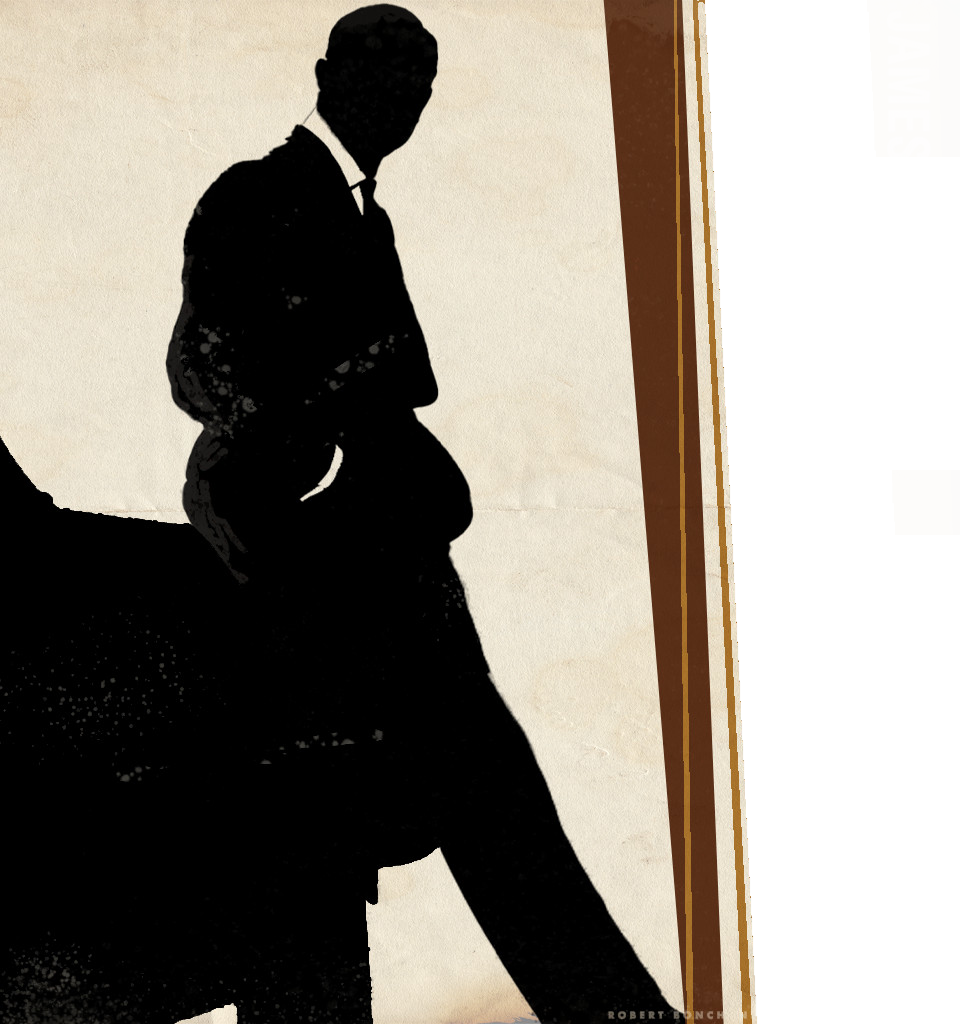
Members of the Agent's Guild are known for their sharp mind and quick wit; turning the tables in battle as effectively as in diplomacy. They rely on subterfuge and cunning to change the course of history. Stealth, disguise, and intrigue are the key elements used by Agents to eliminate foes with deadly efficiency, all whilst supplanting truth with falsities and blending into any crowd, in any city.
At your option, you can pick from or roll on the Agent's Style table to create a quirk for your character.
Agent's Style
| d4 | Style |
|---|---|
| 1 | You are the slick and well-dressed observer in a room, regardless of setting. |
| 2 | You prefer to operate with an outfit and demeanor that inconspicuously blends in with the crowd. |
| 3 | Your style is that of a ghost. You shield your face, stealth around observers, wear a cloak that melts into the shadows. |
| 4 | You are the wild one. A dynamic personality in bright colors that attracts all the attention, and much of it negative. You don’t care. It’s a magician’s act. The eyes are on what you want them to see and not on where your true aim lies. |
Master of Intrigue
3rd-level Agent feature
You gain proficiency with one Charisma based skill of your choice and two of the following tools of your choice: the disguise kit, the forgery kit, the poisoner's kit. You also learn two languages of your choice.
Additionally, you can unerringly mimic the speech patterns and accent of a creature that you hear speak for at least 1 minute, enabling you to pass yourself off as a native speaker of a particular land, provided that you know the language.
Focus
3rd-level Agent feature
You gain the insight needed to find and exploit another's weak spots.
As a bonus action, choose a creature you can see within 120 feet you and make a Wisdom (Perception) check against the creature's Armor Class. On a success, you learn the creature's AC and you gain a new way to use your Sneak Attack. -- You don’t need Advantage on the attack roll to use your Sneak Attack against that creature. All the other rules for Sneak Attack still apply to you.
This benefit lasts for 1 minute or until you successfully use this feature again against a different creature.
Double Agent
6th-level Agent feature
You take on the swagger needed to play both sides. You gain the ability to deceive your foes just long enough to make an escape or make your next move.
As an Action, you can make a Charisma (Persuasion) check contested by a creature’s Wisdom (Insight) check. The creature must be able to hear you, and the two of you must share a language. If you succeed on the contest, it is charmed by you for up to 1 minute. This effect ends early if you or your allies do anything harmful to it.
If the creature is not hostile towards you, the charm lasts for 10 minutes instead and they regard you as a friendly acquaintance while charmed this way.
A creature who succeeds against your contest is immune to this feature for 24 hours.
Additionally, you gain the following Cunning Strike option which doesn't count against your number of Strikes Known.
Awe (Cost: 2d6). Each creature of your choice within 30 feet of you must make a Wisdom save. Fail: Be Charmed of you until the end of your next turn.
Falsified Identity
9th-level Agent feature
You can unfailingly create false identities for yourself. You must spend seven days and 25 gp to establish the history, profession, and affiliations for an identity. You can’t establish an identity that belongs to someone else. For example, you might acquire appropriate clothing, letters of introduction, and official-looking certification to establish yourself as a member of a trading house from a remote city so you can insinuate yourself into the company of other wealthy merchants.
Thereafter, if you adopt the new identity as a disguise, other creatures believe you to be that person until given an obvious reason not to.
Contingency
13th-level Agent feature
When things go sideways, you always need a way out.
As an Action, you can force a number of creatures up to your proficiency bonus that are within 30 feet of you to make a Dexterity Saving throw against your Cunning Strike DC or become blinded until the start of their next turn. Additionally, creatures of your choice that can hear you can use their Reaction to move up to their speed, and until the end of your current turn you gain the benefits of the Dash and Disengage action.
- Once you do so, you cannot do so again.
- Recharge: Finish a Long Rest.
License to Kill
13th-level Agent feature
When you hit a creature with an attack that gains Sneak Attack and is under the effect of your Focus feature, you can convert your Sneak Attack dice to d12s instead of d6s.
- Once you do so, you cannot do so again.
- Recharge: Finish a Short or Long Rest.
Agent’s Reflexes
17th-level Agent feature
You have become adept at quickly escaping danger and engaging your enemies.
You can take two turns during the first round of any combat. You take your first turn at your normal initiative and your second turn at your initiative minus 10. You can’t use this feature when you are surprised.
Arcane's Guild
Enhance Stealth with Arcane Spells
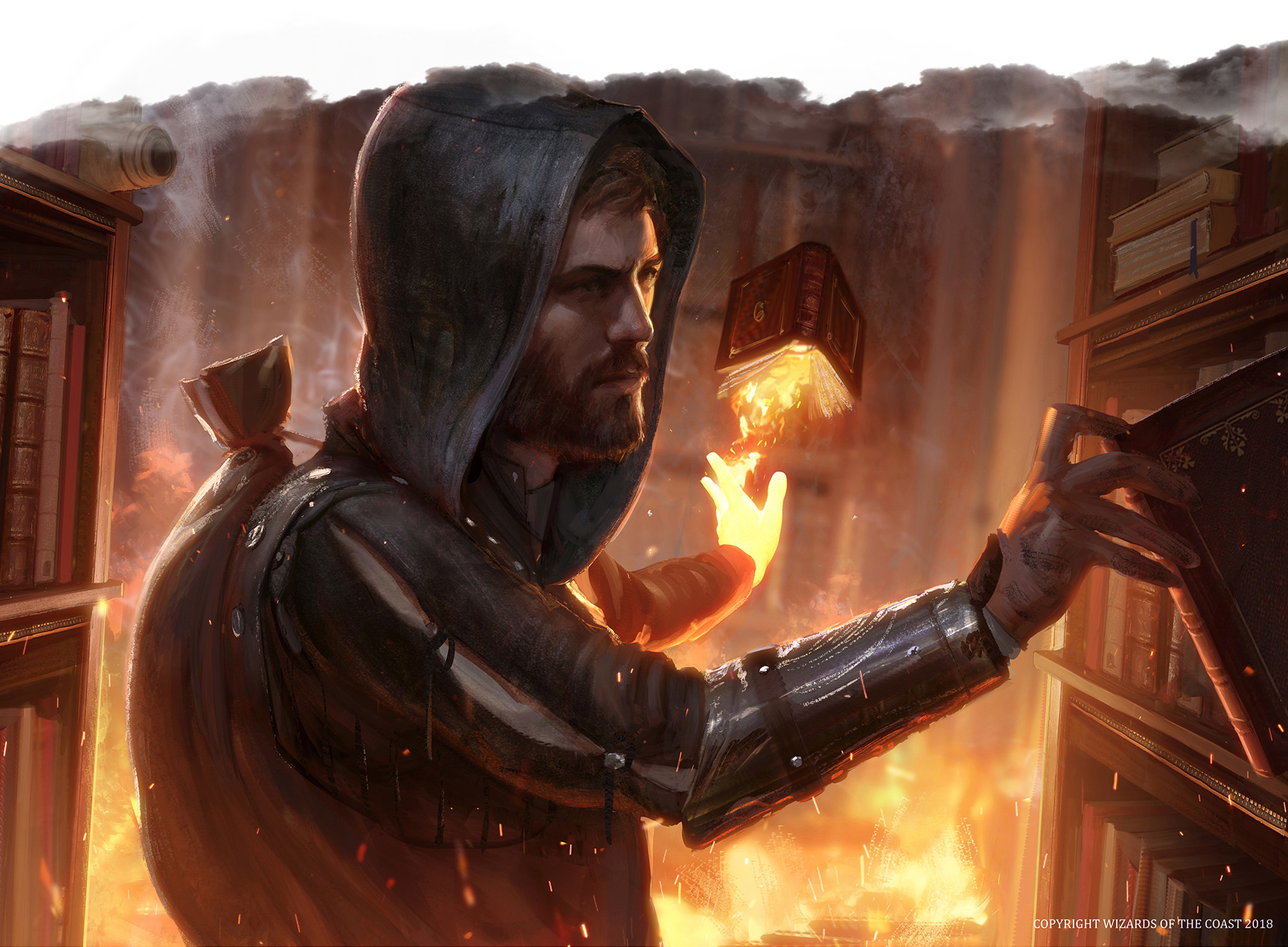
Not much is known of the arcanes. They keep their guild and their training hiding and keep their use of magic a secret in order to gain the upper hand. The rogues capable enough to join the Arcane's Guild enhance their skills of stealth and agility with magic, learning tricks of enchantment and illusion. How their magic appears to the world greatly varies based on where and how they got their magical training.
At your option, you can pick from or roll on the Arcane Trappings table to create a quirk for your character.
Arcane Trappings
| d4 | Trapping |
|---|---|
| 1 | Your spells dispel a trace of sparks behind them. It would only be visible if a person was looking for it, but it helps you to know the spell is working. |
| 2 | Your spells whisper to you, assuring you softly that they are indeed going to work on your behalf. An observer would say it was just the wind. |
| 3 | When you cast, a chill caresses the skin of those nearby. Perhaps someone left a window open? |
| 4 | Your spells leave a smell of flowers that floats across the room. People are left wondering, pleasantly surprised by this pleasing scent. |
Spellcasting
3rd-level Arcane feature
You learn to supplement your roguish capabilities with arcane spells.
See the Player’s Handbook for the rules on spellcasting and the Spells Listing for the wizard spell list. The information below details how you use those rules as a member of the Arcane's Guild.
Cantrips. You learn three cantrips: mage hand and two other cantrips of your choice from the wizard spell list. You learn another wizard cantrip of your choice at 10th level.
Known Spells. You know a number of spells equal to the number listed in the Arcane's Guild spell table. When you gain a level in this class, you can replace one spell you know with a different spell from the wizard spell list.
Spellcasting Ability. Intelligence is your Spellcasting Ability for your Arcane's Guild spells.
Arcane's Guild Spellcasting
| Level | Spells Known | 1st | 2nd | 3rd | 4th |
|---|---|---|---|---|---|
| 3rd | 3 | 2 | ─ | — | — |
| 4th | 4 | 3 | ─ | — | — |
| 5th | 4 | 3 | — | — | — |
| 6th | 4 | 3 | — | — | — |
| 7th | 5 | 4 | 2 | — | — |
| 8th | 6 | 4 | 2 | — | — |
| 9th | 6 | 4 | 2 | — | — |
| 10th | 7 | 4 | 3 | — | — |
| 11th | 8 | 4 | 3 | — | — |
| 12th | 8 | 4 | 3 | — | — |
| 13th | 9 | 4 | 3 | 2 | — |
| 14th | 10 | 4 | 3 | 2 | — |
| 15th | 10 | 4 | 3 | 2 | — |
| 16th | 11 | 4 | 3 | 3 | — |
| 17th | 11 | 4 | 3 | 3 | — |
| 18th | 11 | 4 | 3 | 3 | — |
| 19th | 12 | 4 | 3 | 3 | 1 |
| 20th | 13 | 4 | 3 | 3 | 1 |
Mage Hand Legerdemain
3rd-level Arcane feature
When you cast mage hand, you can make the spectral hand invisible, and you can perform the following additional tasks with it:
- You can stow one object the hand is holding in a container worn or carried by another creature.
- You can retrieve an object in a container worn or carried by another creature.
- You can use thieves’ tools to pick locks and disarm traps at range.
You can perform one of these tasks without being noticed by a creature if you succeed on a Dexterity (Sleight of Hand) check contested by the creature’s Wisdom (Perception) check.
In addition, you can use a Bonus Action to cast or control your mage hand.
Versatile Ward
6th-level Arcane feature
You gain the ability to magically dampen attacks against you.
When you are hit by an attack that you can see, you can use your Reaction to lessen its harm. The amount of damage reduced is equal to a roll of 1/2 your Sneak Attack dice (round down) plus your Intelligence modifier.
Magical Ambush
6th-level Arcane feature
If you are hidden from a creature when you cast a spell on it, the creature has Disadvantage on any saving throw it makes against the spell this turn.
Hide in Plain Sight
9th-level Arcane feature
You gain the ability to disappear and reappear at-will.
You can take a Magic Action to become invisible until you move or take an Action or a Reaction. This includes controlling your mage hand.
Quickblade
13th-level Arcane feature
Whenever you take the Cast a Spell action to cast a spell of 1st level or higher, you can take the Attack action as a Bonus Action that turn. Additionally, the next attack you make on your turn after casting a spell of 1st level or higher gains Advantage.
Spell Thief
17th-level Arcane feature
You gain the ability to magically steal the knowledge of how to cast a spell from another spellcaster.
Immediately after a creature casts a spell that targets you or includes you in its area of effect, you can use your Reaction to force the creature to make a saving throw with its spellcasting ability modifier. The DC equals your spell save DC. On a failed save, you negate the spell’s effect against you, and you steal the knowledge of the spell if it is at least 1st level and of a level you can cast (it doesn’t need to be a wizard spell). For the next 8 hours, you know the spell and can cast it using your spell slots. The creature can’t cast that spell until the 8 hours have passed.
- Once you do so, you cannot do so again.
- Recharge: Finish a Long Rest.
Infiltrator's Guild
Unlock a Back Door to Ambush Foes
The Infiltrator's Guild is renowned for their espionage. They've made a craft of studying the enemy, and using that information to ambush and weaken them when the time is right. Helping them achieve this level of information superiority, Infiltrators make use of tools and gadgets, such as their famous portable, long-distance probe.
At your option, you can pick from or roll on the Infiltrator Quirk table to create a quirk for your character.
Infiltrator Quirk
| d4 | Quirk |
|---|---|
| 1 | You have a fascination with all things mechanical. You must determine how it works, and why. |
| 2 | You're as curious as a cat, you feel a compulsion to see what you're not supposed to. |
| 3 | You like to think of yourself as the "hacker man", whatever that means. |
| 4 | Tick Tock. You keep a pocket watch, and always know the time. |
Bonus Proficiencies
3rd-level Infiltrator feature
When you choose this identity at 3rd level, you gain proficiency with tinker’s tools.
Deployable Probe
3rd-level Infiltrator feature
Over the course of a long rest you can devise a number of tiny probes equal to your Intelligence modifier(minimum of 1). Their appearance is up to you. They could be tiny clockwork dragonflies, hextech drones, the phantom of a spirit, or an arcane eye like that of the clairvoyance spell. In any case, your probes are friendly to you and your companions, and they obey your commands. See its game statistics in the Probe stat block, which uses your proficiency bonus (PB) in several places. After using this feature again to devise new probes, all old probes become inert.
As an Action you can deploy a probe. A deployed probe lasts for up to a number of hours equal to your proficiency bonus before becoming inert. You can't have more than 1 probe active at a time. If you deploy a new probe while you have an active probe, the active probe immediately becomes inert.
In combat, the probe shares your initiative count, and takes it's turn concurrently with yours. It can't take Reactions, and the only actions it takes on its turn is the Dodge or Hide actions, unless you take a Bonus Action on your turn to command it to take another action. That action can be one in its stat block. If you are incapacitated, the probe does not move and takes the dodge action.
Each of your probe's actions have a listed number of uses. Once your probe uses an Action it's listed number of times, it can't use that action again.
Your probes cannot regain hit points, and immediately become inert if you die.
While your probe is within 200 feet of you, you can communicate with it telepathically. Additionally, as an Action, you can see through your probe's eyes and hear what it hears, gaining the benefits of any special senses that the probe has. During this time, you are deaf and blind with regard to your own senses. You can remain this way until or you use an Action to revert to your own senses or are incapacitated.
Probe
Tiny Construct, unaligned
- Armor Class 11 plus PB (Natural Armor)
- Hit Points 5 + 2 times your Rogue level
- Speed Fly 30ft (hover)
STR DEX CON INT WIS CHA 6 (-3) 16 (+3) 10 (+0) 12 (+1) 14 (+2) 8 (-1)
- Saving Throws Dex +3 plus PB, Wis +2 plus PB
- Skills Stealth +3 plus PB, Perception +2 plus PB
- Damage Immunities Poison
- Condition Immunities charmed, exhaustion, frightened, poisoned
- Senses darkvision 60 ft, passive Perception 12 + PB, Ghost Sight (special)
- Languages Modron, understands the languages you speak
- Proficiency Bonus (PB) equals your bonus
Flyby. The probe doesn't provoke opportunity attacks when it flies out of a creatures reach.
Tiny Form. The probe can move through spaces that are 3 inches wide without squeezing, and can freely move through and share spaces with other creatures.
Distraction. You can use your Sneak Attack against a Large or smaller creature that is sharing a space with your Probe. All the other rules for Sneak Attack still apply to you.
Actions
Jolt. (Once/probe). Melee Weapon attack: +3+PB to hit, reach 5-ft, one target. Hit: 1d4+PB force damage, and the target cannot take Reactions until the start of it's next turn.
Scan (Once/probe). The drone targets one creature within 120 ft. that it can see. You learn the following attributes about the target: Damage Vulnerabilities, Damage Resistances, Damage Immunities, and Condition Immunities.
Remote Coms
3rd-level Infiltrator feature
You gain the ability to send and receive messages over great distances.
You can designate a willing creature within 5 feet to be the recipient of your communication. When you or the designated creature speaks, they can choose to transmit what is said to the other creature. These transmitted messages are heard as a whisper that only they can hear.
You can choose to speak in such a way for a number of hours equal to your proficiency bonus, so long as you are both within 1 mile of each other. After such time, the connection fades and a new connection must be established.
You can flavor this feature however you choose. This may take the form of walkie-talkies, sending stones, or as a psychic link.
Ambush Master
6th-level Infiltrator feature
You have Advantage on initiative rolls, and Advantage on attacks against targets that have not had a turn yet this combat. The first creature you hit during the first round of combat becomes easier for you and others to strike; attack rolls against that target gain Advantage until the start of your next turn.
Decoy
6th-level Infiltrator feature
If your probe is within 5 feet of you, you can use your Reaction when targeted by an attack. The attack targets the probe instead.
Additionally, your probes gain the ability to avoid certain area effects, such as an ancient red dragon’s fiery breath or an ice storm spell. Your probes gain Advantage on Dexterity saving throws. And, when it is subjected to an effect that allows it to make a Dexterity saving throw to take only half damage, it instead takes no damage if it succeeds on the saving throw.
Ghost Sight
9th-level Infiltrator feature
While using your probe's senses, you can activate the probe's special Ghost Sight for 1 minute. The probe's Ghost Sight allows the probe to see through solid objects to a range of 30 feet. During that time, the probe sees objects as ghostly, transparent images.
Once a probe uses this sense, it can't use it again.
The Drop
13th-level Infiltrator feature
You are at your deadliest when you get the drop on your enemies.
After rolling for initiative, the first weapon hit you score against a creature that hasn't taken a turn yet this combat becomes a critical hit.
Improvised Explosives
17th-level Infiltrator feature
You can rig your probes to self-destruct.
As an Action, you can cause your probe to detonate. Your probe is reduced to 0 hitpoints and all creatures in a 15 foot radius of the probe must make a Dexterity save. The DC equals 8 + your Intelligence modifier + your proficiency bonus. They take 10d10 bludgeoning damage on a failure, or half as much on a success. Objects take 100 damage instead.

Medic's Guild
Provide Aid as the First Responder
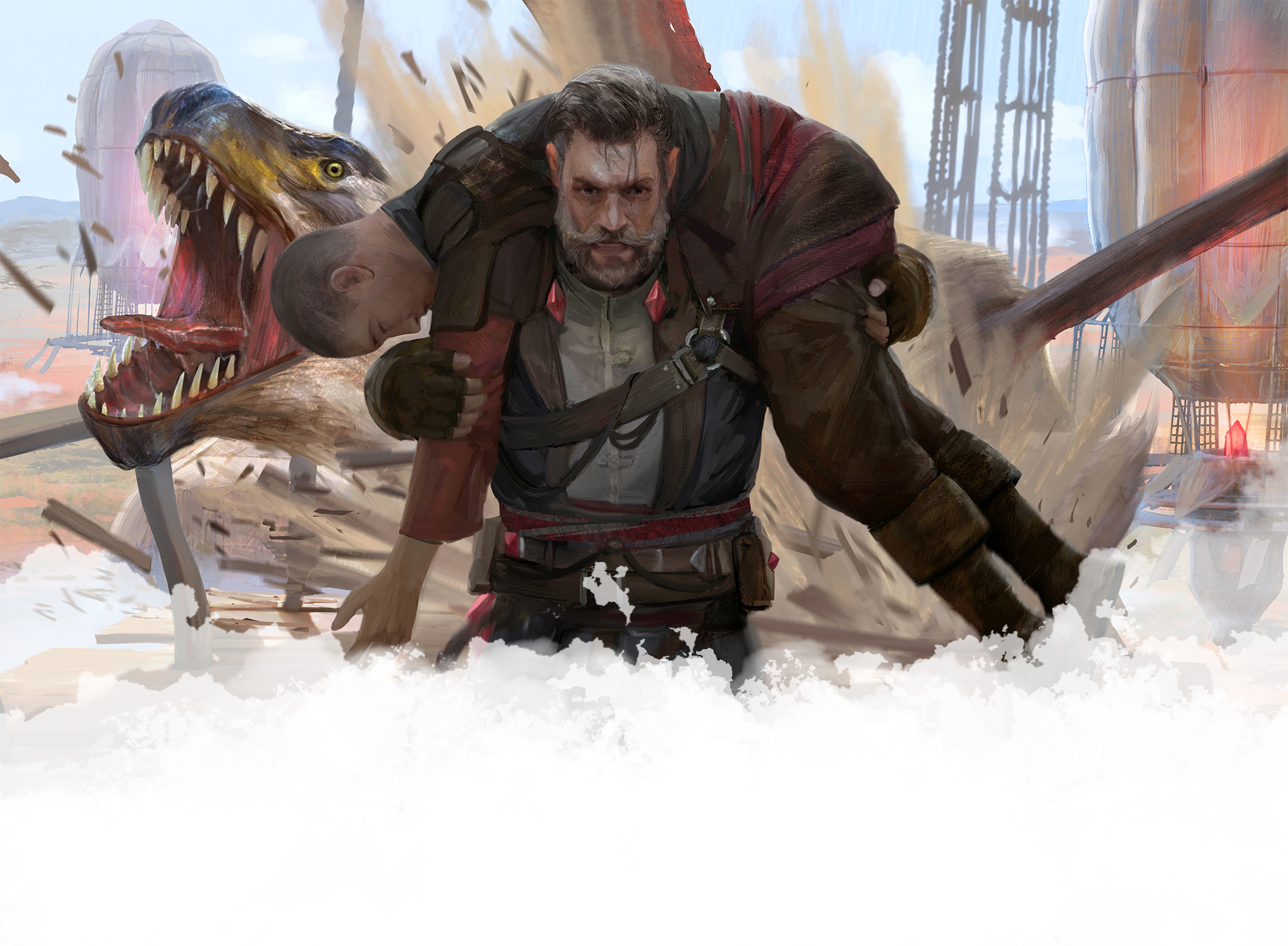
In times of war, many without the natural aptitude to magic are needed on the frontlines to heal and restore their fellow comrades. The Medic's Guild are known by many names, but the forces they serve call them field medics, a testament to their ability to restore others even in the war torn fields. Field medics train to both dispatch enemies and repair allies, learning to become skilled with every application of a blade.
Unlike some of the other Guilds, the Medic's are widely and openly known. As such, not all field medics have seen combat. Those that have returned from the frontline share their craft with those who wish to learn it. This has evolved the practice into a widely respected art across the lands.
At your option, you can pick from or roll on the Medical Triage table to create a quirk for your character.
Medical Triage
| d4 | Triage |
|---|---|
| 1 | You prefer to quickly deal with medical issues on site. A missing limb is better than being dead, right? |
| 2 | You are gentle and take your time bandaging wounds on the battlefield. |
| 3 | You have a lot of experience in combat and know the best way to quickly patch things to be fixed correctly later. |
| 4 | You prefer to extract first and repair later and do what you can on the run. |
Suture Kits
3rd-level Medic feature
You can use your knowledge of medicine to provide relief to the injured.
Over the course of a long rest, you can create a number of medicinal patches equal your Wisdom modifier (minimum 1). A patch represents a series of bandages, pain relief, and natural remedies that help to close wounds. These patches last until your next long rest.
As an Action, you can apply a patch to a creature within 5-feet of you. When you do so, roll 1/2 your Sneak Attack dice (round up), and add your Wisdom modifier. The creature regains hit points equal to the total (minimum 1 hit point).
Combat Medic Training
3rd-level Medic feature
You gain proficiency in Medicine. If you already have this proficiency, you can choose Alchemist Supplies, a Herbalism Kit, or one other Wisdom skill and gain proficiency in that instead.
Furthermore, you to gain the following benefits:
- You can use your Bonus Action to use a Healer's Kit.
- A creature you stabilize, whether through a Healer's Kit or a successful Wisdom (Medicine) check and doesn't immediately regain hit points, regains 1 hit point after 1 minute. If the creature has to start making death saving throws before regaining any hit points, it has Advantage on them.
- You don't need Advantage on the attack roll to use your Sneak Attack against a creature if the target is within 5-feet of an incapacitated ally. All the other rules for Sneak Attack still apply to you.
Emergency Action
6th-level Medic feature
When an ally you can see or hear is reduced to 0 hit points and falls unconscious, you can use your Reaction to move up to your speed without provoking opportunity attacks. You must end this move closer to your ally than you started.
If you end this move within 5 feet of your ally and 5 feet of the creature that reduced them 0 hit points, you can make 1 special attack targeting the creature that reduced your ally to 0 hit points as part of this Reaction. This special attack can gain the benefit of your Sneak Attack.
Medic's Resolve
6th-level Medic feature
If you are below 1/2 of your maximum hit points, you may gain temporary hit points equal to 1d10 + twice your Rogue level (no action required). These last for a maximum of 1 minute, and you must finish a long rest before gaining these temporary hit points again.
Also, your speed isn't halved when you are dragging or carrying an unconscious creature who is the same size as you or smaller.
Forensic Examination
9th-level Medic feature
If you spend at least 1 minute investigating a creature's corpse outside of combat, you can learn certain information about its demise, provided the creature died within the last year. The DM tells you any of the following information, where appropriate:
- Whether the creature was surprised, incapacitated, or otherwise unable to fight back.
- The method of its demise if you know it, such as the type of weapon, poison, or spell. If the attack was made by natural weapons, you learn the attacking creature's type.
- How long ago the creature died.
- Roughly how old the creature was when it died.
Improved Patches
13th-level Medic feature
When you apply a patch to a creature, you can also apply one of the following effects:
- You can reduce the target's exhaustion level by one.
- You can end one effect reducing the target's hit point maximum or ability scores.
- You can end either one disease or one condition afflicting the target. The condition can be Blinded, Deafened, Paralyzed, Poisoned, or Stunned.
Resuscitation
17th-level Medic feature
You can revive a creature with 1 minute of work on the corpse of the creature that died within the past hour. The creature then returns to life, regaining a number of hit points equal to 4d10 + your Wisdom modifier. If the creature died while subject to any of the following conditions, it revives with them removed: blinded, deafened, paralyzed, poisoned, and stunned. This feature can't return to life a creature that has died of old age, nor can it restore any missing body parts.
- Once you do so, you cannot do so again.
- Recharge: Finish a Long Rest.
Overseer's Guild
Manipulate and Plan Each Detail
An Overseer has an eye for people, how they act and interact, and their Guild works intrinsically with others. An Overseer relies on their sharp eye for detail; their honed ability to read the words and deeds of other creatures to determine their true intent. As a result, they are often hired by unions, city counsels, kings, military commanders, or other people in a position needing someone with the skills to form, and lead the operations; such as exposing hidden evils, routing out despotes, or ending urban guerrilla campaigns.
At your option, you can pick from or roll on the Overseer's Quotes table to create a quirk for your character.
Overseer's Quotes
| d4 | Quote |
|---|---|
| 1 | "It's easy to follow orders when you agree with them." |
| 2 | "It's called a hustle, sweetheart." |
| 3 | "We fight together or we die together." |
| 4 | "You know friend, this is a goddam bitch of an unsatisfactory situation." |
Eye for Detail
3rd-level Overseer feature
If you spend at least 1 minute observing or interacting with another creature outside combat, you can learn certain information about its capabilities compared to your own. The DM tells you if the creature is your equal, superior, or inferior in regard to two of the following characteristics of your choice:
- Intelligence score
- Wisdom score
- Charisma score
- Class levels (if any)
At the DM’s option, you might also recognize a piece of the creature’s history or one of its personality traits, if it has any, or one of the following:
- One of its defining traits and its mechanical effects (such as a hydra's Multiple Heads trait)
- One of its defining actions and its mechanical effects (such as a dragon's Breath Weapon)
Synergy
3rd-level Overseer feature
When a creature within 30 feet of you that can hear or see you misses with an attack on their turn, you can use your Reaction to let that creature reroll that attack by using their bonus action.
Ear to the Ground
3rd-level Overseer feature
You have the knack needed to pilfer information.
You learn a language of your choice, and you gain Expertise with Deception, History, Insight, Investigation, or Persuasion.
Once you spend a long rest in a settlement, city, or town you have Advantage on any ability checks you make to gather information on contacts, rumors, or factions, and to navigate the underworld of that settlement.
Overseer's Calls
6th-level Overseer feature
Your sense for the flow of combat lets you predict what’s coming and alert your coconspirators.
You gain the following tactical calls. Once you use your calls a combined number of times equal to your Intelligence modifier (minimum of once) you cannot use this feature again until you finish a short or long rest.
To issue a call, you must use your bonus action, and the target must be able to hear or see you.
Maneuvering. The target can use its Reaction to move up 20 feet without provoking opportunity attacks.
Defensive. The target can use its Reaction to take the Dodge action.
Targeting. The target can use its Reaction to make one attack against a creature you designate within 5 feet of it.
Stack the Odds
6th-level Overseer feature
You gain the following Cunning Strike options which don't count against your number known, and you may use your known Cunning Strikes 1 additional time between rests.
Read their Gaze (Cost: 1d6). Roll a d6. Until the start of your next turn, you gain a bonus to your AC equal to the number rolled.
Invigorate. Choose a creature you can see within 30 feet of yourself. Until the end of that creature’s next turn, whenever it makes an attack roll or a saving throw, it can roll a d6 and add the number rolled to the attack roll or saving throw.
Here's the Plan
9th-level Overseer feature
Within 1 hour after discussing a plan with friendly creatures, those creatures gain a bonus to their skill checks in accordance with the discussed plan equal to your Intelligence modifier.
Line 'em Up
13th-level Overseer feature
After rolling initiative and are not surprised, you can choose one friendly creature within 60 feet of you that can hear or see you. The chosen creature can add your Proficiency bonus to it's initiative score.
Knock 'em Down
17th-level Overseer feature
Your calls bring out the best in your cohorts.
When an ally is targeted by one of your Overseer's Calls, your Called Shots, or your Line 'Em Up features, their next attack within 1 minute gains an additional 3d6 damage on hit.
Ruffian's Guild
Use Any Means Necessary
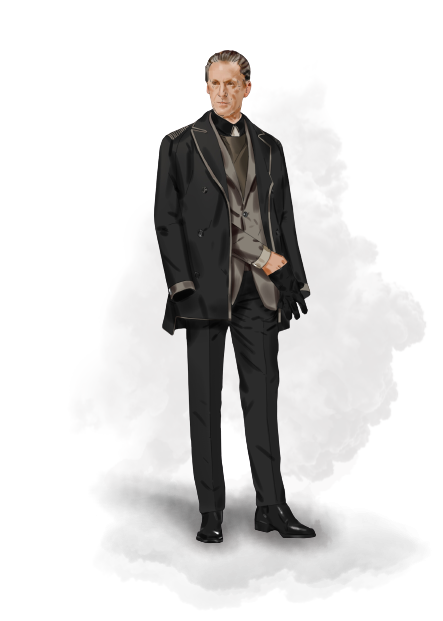
Trained, lethal, and a mercenary whose service is for hire. The Ruffian's Guild are enforcers, and they don't work for free. They are hired for dirty deeds, and rarely work alone. These contract cohorts do not follow the law, and are often hired by mobsters or even political dignitaries when their opposition needs disposal.
Whether it's a falsifying an incriminating letter, crafting writ of passage, guarding a caravan, or a collecting a dead man's head, the Guild has the tools for the job and skills needed to get the it done.
At your option, you can pick from or roll on the Ruffian Combat Preference table to create a quirk for your character.
Ruffian Combat Preference
| d4 | Preference |
|---|---|
| 1 | You prefer up close and personal. A dagger in back leaves a satisfying assurance that the job is done. |
| 2 | Close is for the careless. The precision of a ranged weapon leaves you sure to fight another day and can bypass any armor. |
| 3 | The thrill of the chase is found in honest combat, face to face. |
| 4 | Nothing is more satisfying than beating the target senseless. |
The Bottom Line
3rd-level Ruffian feature
Your roguish skills make collecting local rumors and bribing local authorities an easier task.
- You gain proficiency with Investigation, Intimidation, Deception, Persuasion, or the Forgery Kit (your choice).
- You gain Advantage on Deception and Intimidation skill checks against targets that are Restrained.
Goon
3rd-level Ruffian feature
You gain proficiency with medium armor and you gain Expertise in Athletics or Acrobatics. Additionally, your Sneak Attack gains the following modifications (All the other rules for Sneak Attack still apply to you):
- You don’t need Advantage on the attack roll to use your Sneak Attack against a creature if you are within 5 feet of it, no other creatures are within 5 feet of you, and you don’t have Disadvantage on the attack roll.
- You can use your Sneak Attack even if the weapon does not have the Finesse property, so long as it does not have the Heavy or Special property.
Gang-Up
6th-level Ruffian feature
When you are within 5 feet of a creature, allies within 5 feet of that creature gain Advantage on their first melee attack roll against the creature each turn.
Brute
6th-level Ruffian feature
Your maximum hit points increase by 6, and increases by 1 again whenever you gain a level in this class. Additionally, you gain a the following Cunning Strike which doesn't count against the number you know.
Goad. After hitting a target within 5 feet of you, it must make a Wisdom save. Fail: They are Baited by you.
Thug
9th-level Ruffian feature
You can make a target disappear, even one in public view.
You gain Advantage on grapple attempts against any creature that hasn’t taken a turn in the combat yet, or that was unaware of you.
Additionally, having a target grappled that is of your size or smaller does not slow your movement. While you have a target grappled, you can use your Bonus Action with a second free hand to mute them. They are muted until the start of your next turn, so long as they are grappled by you. While muted, it can't speak more than a muffled sound or provide verbal components.
Body Block
13th-level Ruffian feature
When you are targeted by an attack while a creature within 5 feet of you is granting you cover against that attack, you can use your Reaction to have the attack target that creature instead of you.
Opportunist
17th-level Ruffian feature
You gain a special Reaction that you can take once between turns in addition to your normal Reaction. You use this Reaction when a creature within 5-feet of you is hit by an attack from a creature other than you, you can make one attack against the hit creature.

Scout's Guild
Scout Quirks
| d4 | Quirk |
|---|---|
| 1 | You leave cairns where ever you travel, acting as your bread crumb trail back home. |
| 2 | You're an avid bird watcher, and keep a journal of the birds you've seen and where you found them. |
| 3 | You're a true skeptic, automatically assuming the worst in people when you first meet them. |
| 4 | You like to talk to and even keep pet animals, even though you know they can't understand you. |
Nature's Guide
3rd-level Scout feature
You gain proficiency in the Nature and Survival skills if you don’t already have it. Whenever you and your group make a group Dexterity(Stealth) or Wisdom(Survival) skill check, your success can negate one ally's failure in addition to the check success.
Survivalist
3rd-level Scout feature
You have the knack needed to survive the harshest of wilderness terrains.
- You have Advantage on checks and saving throws to avoid the harmful effects of extreme terrain or weather.
- Dim light does not impose Disadvantage on your Wisdom(Perception) checks.
- You can hold your breath for twice your normal duration.
- You gain a climb or swim speed equal to your speed.
Skirmisher
3rd-level Scout feature
You are difficult to pin down during a fight, and strike with improved precision.
Side Step. As a Reaction when an enemy within 5 feet of you makes an attack against you, you can impose Disadvantage on their attack, and after the attack, move up to 15 feet without provoking an attack of opportunity from the attacking creature.
Better Aim. Your Steady Aim gains one extra use.
Bushwhack
6th-level Scout Feature
So long as your are not surprised, on your first turn in combat, your speed increases by 10 feet and you don't provoke attacks of opportunity.
In addition, on each of your turns in combat you can expend a use of your Steady Aim to make a second attack when you take the Attack action on your turn.
Stealth Strike
6th-level Scout Feature
You gain the following Cunning Strike option that doesn't count against your number known.
Stealth Attack. If you are hidden when making this attack, this attack doesn’t reveal you if you end your turn behind Three-Quarters Cover or Total Cover.
Attenuated Sense
9th-level Scout feature
As an Action, you can open yourself to sense the earth around you. Until you move or take another action, you gain Tremorsense out to a range of 90 feet.
With tremorsense, you can detect and pinpoint the origin of vibrations, provided that you and the source of the vibrations are in contact with the same ground or substance. Tremorsense can't be used to detect flying or incorporeal creatures.
- Once you do so, you cannot do so again.
- Recharge: Finish a Short or Long Rest.
Level Headed
13th-level Scout feature
You know how to keep a level head, and can inspire others to keep calm when facing the unknown.
You gain Advantage on saving throws to resist being charmed, frightened, or incapacitated.
Additionally, you can help another shrug off a mind altering effect. If another creature within 30 feet of you that can hear or see you is charmed or frightened by an effect that allows it to roll a saving throw at the end of its turn to end the effect, you can use your Bonus Action to allow that creature to immediately make that saving throw using their Reaction.
Twin Takedown
17th-level Scout feature
The legendary rogue strikes twice as hard and twice as fast.
Perfected Aim. Your Steady Aim gains an additional use between rests (for a total of 2 extra uses).
Sudden Strike. The second attack made as part of your Bushwhack feature can benefit from your Sneak Attack even if you have already used it this turn, but you can’t use your Sneak Attack against the same target more than once in a turn.
Thieves' Guild
Hunt for Treasure as a Classic Adventurer
The Thieves' Guild takes in those who act outside the laws set by the local constabulary. Burglars, bandits, cutpurses, and other criminals typically find themselves at home at the Guild. There is honor amongst the Thieve's Guild, as its known that when one rogue is caught, hideouts and lives are at stake. However, the Guild harbors more than the larcenous, but also the rogues who prefer to think of themselves as professional treasure seekers, explorers, delvers, and investigators. The Guild provides the tools and training need to improve the rogue's agility and stealth, but also useful skills for delving into ancient ruins, reading unfamiliar languages, and using magic items they normally couldn’t employ.
At your option, you can pick from or roll on the Thieves’ Origin table to create a quirk for your character.
Thieves’ Origin
| d4 | Quirk |
|---|---|
| 1 | You've always had a bit of a nervous twitch, yet taking was needed never caused anxiety. |
| 2 | You've always thought the rich were nothing but thieves, so why not take what they've already stolen? |
| 3 | Being from a family of adventurers, you were taught from a very young age that survival means being on your toes and taking what you can get. |
| 4 | You had a debt to pay, and the only way to make ends meet was to knick a few extra coins whenever and where ever you could |
Second-Story Work
3rd-level Thief feature
You've trained and mastered the parkour abilities necessary to reach hidden locations and otherwise impassible obstacles.
- You gain a climb speed equal to your speed.
- When you make a running jump, the distance you cover increases by a number of feet equal to your Dexterity modifier.
- When you fall, you can use your Reaction to reduce the fall damage taken by amount equal to 1d8 + your Rogue level. If you reduce the damage to 0, you can fall silently and not be knocked prone.
- You can vertically jump extra distance so long as there is a vertical wall or other solid surface for you to interact with. Using the solid surface as a launch point, you gain additional height on your jump equal to your Dexterity modifier.
Fast Hands
3rd-level Thief feature
You gain a second Bonus Action on each of your turns.
Swift Approach
6th-level Thief feature
You can make the most of a hidden position, striking targets when they're flat footed.
Anytime you start your turn hidden from a creature, you gain Advantage on your first attack roll against that creature this turn.
Adrenaline Rush
6th-level Thief feature
Each time you use a Cunning Strike you gain temporary hit points equal to 1d10 + your Constitution modifier(minimum of 1). These temporary hit points last a maximum of 1 minute.
Superior Mobility
9th-level Thief feature
You gain an immaculate deftness in your stride.
Your speed increases by 10 feet. If you have a climbing or swimming speed, this increase applies to that speed as well. Additionally, squeezing through a space no longer requires spending extra movement.
Use Magic Device
13th-level Thief feature
You have learned enough about the workings of magic that you can improvise the use of items even when they are not intended for you.
The following apply to you when you use a magic item.
- Usage. You ignore all class, race, and level requirements on the use of magic items.
- Charges. Whenever you use a magic item property that expends charges, roll a d6. On a roll of 6, you use the property without expending the charges.
- Attunement. You can attune to up to four magic items at a time, rather than three.
Impossible Striker
17th-level Thief feature
Your attacks are swift beyond comprehension, such that you can always find an opening.
Once, on each of your turns, if you miss with a weapon attack roll on your turn, you can reroll it.
Moreover, you no longer need to satisfy the requirement needing Advantage or Ally Adjacent to Target for you to apply your Sneak Attack damage. However, your attack must still use a finesse or a ranged weapon.
Cunning Strikes
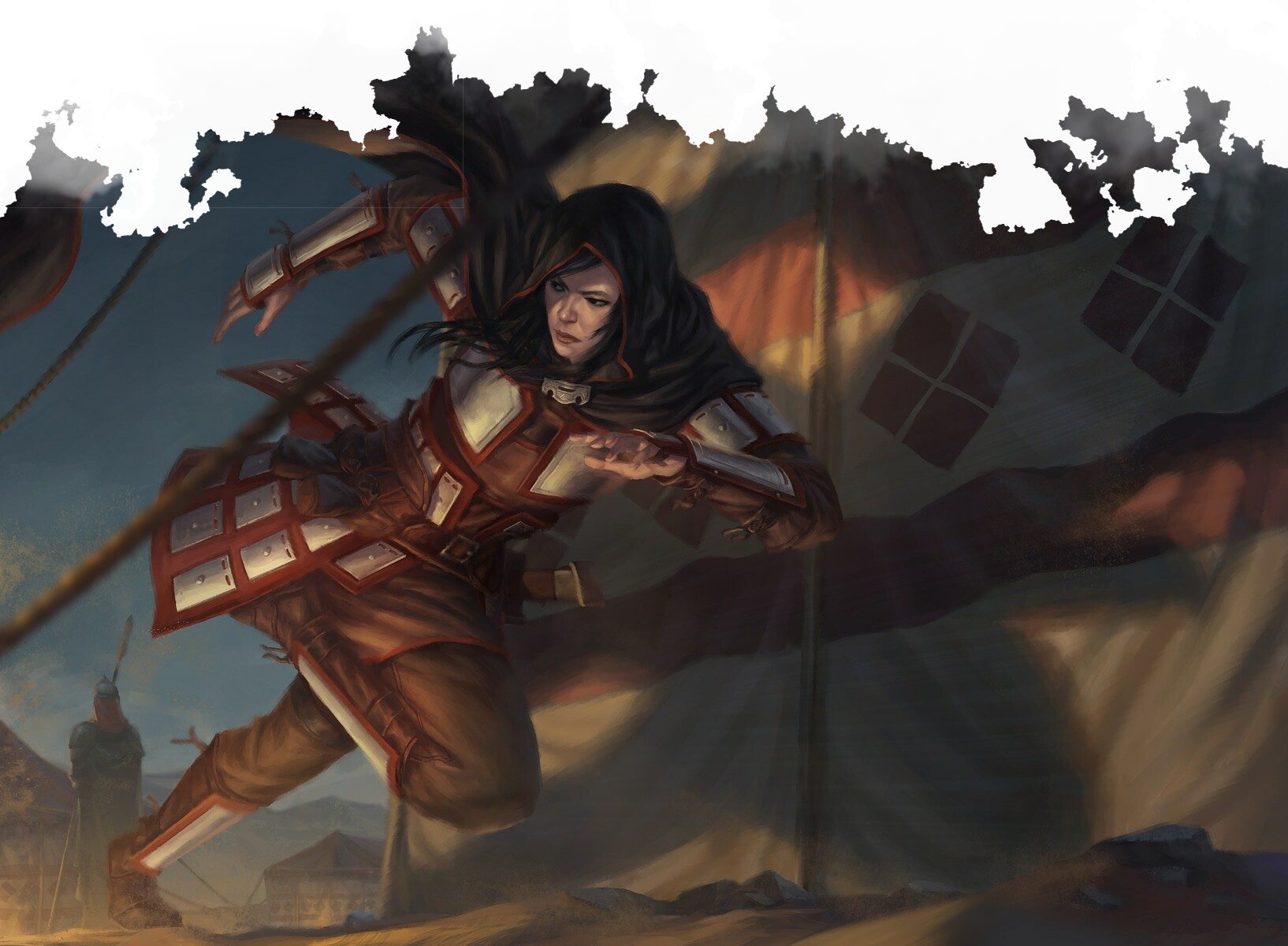
The following Cunning Strikes are available to you. The Cunning Strikes are presented in order of level prerequisite. A level prerequisite refers to your Rogue level.
Cripple
You attempt hamper the target's movement.
If the target's speed is greater than 20 feet, you reduce its speed to 20 feet for up to 10 minutes. A Crippled creature can make a Constitution save at the end of each of its turns. Success: This effect ends.
Sweep the Leg
After hitting a target within 5 feet of you, you can attempt to trip the target over. If the target is your size or smaller, the target must make a Dexterity save. Fail: Knocked prone.
Tumble
After hitting a target within 5 feet of you, you can move to any unoccupied space within 5 feet of the target without provoking attacks of opportunity. This does not cost you any movement.
Poison
The target gains Disadvantage on its first attack roll before the start of your next turn. To use this effect, you must have a Poisoner’s Kit on your person. If the target is immune to poison, they are immune to this effect.
Disarm
The target must succeed on a Dexterity save. Fail: It drops one item of your choice that it’s holding.
Expose
Prerequisite: 9th level
Everyone and everything has a weakness, you probe it.
The next attack against the target before the end of your next turn gains Advantage.
Incite (Cost: 3d6)
Prerequisite: 9th level
You can move up to 10 feet without provoking attacks of opportunity, and then force the target to make an Intelligence save. Fail: It must use its Reaction to make one attack against a creature of your choice within its range.
Counter (Cost: 3d6)
Prerequisite: 9th level
You prepare to parry the target's attack with your own.
If the target makes a melee weapon attack against you before the start of your next turn, you can use your Reaction to make a melee weapon attack against it at the same time. If your attack roll surpasses that of the target's, the target's attack misses you, along with your attack's normal effects. If you hit, this counterattack benefits from your Sneak Attack, even if it otherwise would not.
Flush
Prerequisite: 9th level
Through momentary panic, distraction, or faint, you forcibly reposition the target.
They must succeed on a Charisma save. Fail: Move up to 10 feet from its current location in a direction you choose, without provoking attacks of opportunity.
Necrosis
Prerequisite: 13th level
A festering wound is a wound that is slow to heal.
The target cannot regain hit points for 1 minute. At the end of each of their turns, they can make a Constitution save. Success This effect ends early.
To use this effect, you must have a Poisoner’s Kit on your person.
Disable (Cost: 3d6)
Prerequisite: 13th level
A perfect blow can disorient even the mightiest of creatures.
The target must make a Constitution save. Fail: It is Dazed until the end of its next turn.
Magical Interference (Cost 3d6)
Prerequisite: 13th level
If the target is a spellcaster, you force the target to make a saving throw using its spellcasting ability modifier. Fail: The target loses its highest level spell slot that is no higher than 3rd level.
Impossible Opening (Cost 6d6)
Prerequisite: 17th level
You render the target more vulnerable to attacks.
Until the end of your next turn or the creature takes damage from a critical hit, all attacks against the target score a critical hit on a roll of 18, 19, or 20.
Concuss (Cost 6d6)
Prerequisite: 17th level
You force the target to make a Constitution save. Fail: Become Stunned until the end of your next turn. If you beat the target's AC by 5 or more on your attack roll, the target makes their save with Disadvantage.
Withering Toxin
Prerequisite: 17th level
The right concoction, for the right situation will turn the tide.
After the target takes damage from your attack, they lose all damage resistances for the next minute. They can make a Constitution save at the end of each of their turns. Success: This effect ends early.
To use this effect, you must have a Poisoner’s Kit on your person.
The Rogue
The Rogue is a classic, going back the origins of Dungeons and Dragons. The Rogue class as a whole is in an excellent place. However, the subclass progress puts its 2nd feature at 9th level, which makes each Rogue feel too similar for my taste. This revision keeps the Rogue grounded to its fundamentals, but gives each subclass more identity at an earlier level. The goal is to allow each rogue to feel unique compared to the multitude of other rogues that exist throughout the multiverse.
Artistic Credits:
Cover: Angoulême by Manuel Castañón
Page 2: Wizards of the Coast
Page 6: Robert Bonchune
Page 7: Bram Sels
Page 10: Tyler Jacobson
Page 11: Bram Sels
Page 13: Tyler Bartley
Page 14: Nikolai Lockertsen
Page 16: lie setiawan
Additional CrazyFuton Homebrew content can be found for free on GM Binder.