
Welcome to Hylladir!
Overview on the Setting
This world is the brainchild of my original campaign settings for 2 previous/ongoing campaigns. It like to describe the vibe, or aesthetic as mid-fantasy with a small added bushel of classical sci-fi.
Nations of the World
Bannamoth
The pseudo-original home to the elven population.
After the mass exodus from the Feywilds, the elven people began to build, treat and adapt the naturally fertile terrain into a new home. Functioning as if one counrty-sized city, Bannamoth is densely populated, mostly by High Elves but Wood Elves are extremely common in the outskirts and less urban parts of the land
Cultural touchstones include both affinities of magic and nature. Seemingly the only known growers of Feywild fauna and flora, the leaders of Bannamoth and steadfast and traditional. Linking the security of their nation to the trust in its motto. "Superior Obliquum Mortalitatis" is recited daily at dusk to remind the people of Bannaoth of their status as the "Upper Echelon of Mortality".
The nation is ruled by nine families that form the oligarchic "Bannamothic Council". Spear-headed by the Prime Oligore's tie-breaking vote, the council reaches a decision before presenting the Prime Oligore with their opinions, thus allowing them to form an uninfluenced ruling. The families and their heads are as followed (Prime Oligore is denoted by an *)
| Family Head | Represented Lineage |
|---|---|
| Maeve* | Banamore |
| Galriel | Thelhemheh |
| Hal'rythia | Nialau |
| Kylenor | Fathandri |
| Iliac | Ulis |
| Zefen | Dramnian |
| Anlia | Oroleth |
| Woawren | Fojurei |
| Lerian | Oloreth |
Cloakdeep
The crafty and scientific capital of the world.
Home primarily to the smaller folk of the D&D multiverse such as Gnomes, Halflings amongst others. The capital city of Cloakdeep, Rock Gnomy Place represents a beacon of technological advanced. Being the hometown and progenitors of the warforged diagrams, science takes the forefront in cultural significance.
Grobbheer
Civil Conservation for the classically monsterous peoples.
Years after the devastating civil war, the leaders of the organized peoples exiled themselves to an unclaimed area of land. With their newfound territory the leaders formed their representational congress of there dreams. Although not a complete 1 to 1 execution of the original document many of the largest rulings were upheld.
The formation of Republic of Adherence to Individual Democracy (RAID), is a strictly followed legal documentation that forms a large Senate. Currently helmed by Head Whip Senator Frunder Yakchop.
Klifthall
The diversity capital
Even though the majority of the population consists of humans, the capital city of Twin Falls is the most diverse population in the land. Home to many of each of the races Twin Falls is home to six main districts.
Each district was originally constructed with specific populations in mind, but as people do, some things have been... reappropriated. The districts consist of Meinimoth, Kroush Ward, Skweals, Upper Twill, Lower Twill and The Capital Ward. Unfortunately the districts do fall subject to a strong separation of wealth.
| Status | District |
|---|---|
| Extravagant | Capital Ward |
| Moderate | Kroush Ward |
| Proletarian | Upper and Lower Twill, Skweals |
| Destitute | Meinimoth |
The kingdom is ruled by the currently royal family, the House of Mann. The dynastic family has ruled the land for near centuries, King Hugo's unspoken past puts that in jeopardy.
Kroush Hordes
The other side to the civil war
As formerly spoken of, the Kroush Hordes, is the remnant populations after the civil war for the Kroush Lands. Leaving behind these groups strongly fight against an organized society preferring to stay as individual tribes or commonly known as hordes.
Meinnever
Mountainous workers.
The near 93% dwarven population in the nation provides the land with a tight-knit culture and society. Forge Queen Boltivia Korvarna rules the land as its current matriarchal monarch.
The New Nations
Swuaggot
Reclaimed land and culture
After being thrust through the underdark for ages the Quaggoth had changed. They adapted to their situations, became more feral, instinctive, and savage. As their formerly prominent population of Thonots died down, culture and knowledge was lost.
Luckily some psionic power had survived through the ancenstral lineage of Nele, the current sovereign. Most unfortunately, Sovereign Nele has recently locked himself away to further study newfound power. Unlike the majority of land Nele's tower is not underground, as it stands tall at the Tolotamnan sea bank.
Tharsia
Home to the Warforged
After Tharsis the Conscious led the population of former TAs and GAs to Eliharan West, they created their first settlement, Whitesand, and began to explore what it was like to feel, think, create, and learn. A loose set of new thoughts and ideas coalesced into what they started calling the Tharsian Way, a faith and practice based around the mastery of the inner self, the full exploration of one’s potential, the appreciation of one’s surroundings, and the collection of seashells. Avoidance of people whose names contain the syllable “Gra” is also common in this faith, for reasons that its practitioners are unwilling to explain.
Recently, Whitesand has been experiencing some problems. The scarcity of warforgeds in the world caused them to reach a limit for the amount of unique ideas they could create on their own, and the near-complete lack of understanding of their own bodies wasn’t helping their slow deterioration at the hands of the elements. Tarnishing, dulling, roughening, and stiffening are afflictions for which there is no known cure. The braver, wiser, and agiler among them were encouraged to travel beyond and search for whatever knowledge could help them un-endanger their species.
The Legendary Origins
Tolotamnan University of the Arcane and Archaic Sciences
Origins
Initially formed by the Bannamothic Education and Etiological Partnership (BEEP) to educate the masses of the world on arcane and archaic history, development and culture.
Involvements
As acknowledged previously, this group consisted of 4 members during the founding of the University, Lillian Floridata, Maeve Banamore, Mendacatus, and Worrin Prodhout. This group worked for years pooling together resources and manpower to construct the campus and its unique mix of architecture. The partnership group eventually disbanded after a tumultuous discussion soured the inner relationships over a secret to large to let out.
Modern Perception
Over time the university has come to produce some of the best and brightest minds in the world of Hylladir. Coursework is rigorous and is set to enrich the brain and the body, with extra curricular excursions such as Arcage Fighting Teams, the melodic Enchantunes, and many more. There is a place for everybody at T.U.A.A.S. because you aren't just anybody, you can be our somebody.
The True History
Long before the formation of the island, Angrovian Floridata poisoned the world for eons underneath the water. Once seen as legend and myth, a group of adventurers was sent out to deal with it once and for all. Under the guise of a research study, the tree was felled by a great warrior. After being uprooted by the warrior of Bannamoth, Ellis The Unopposable, a new Floridata began to rise. With no land to support the magnificent trees above sea level roots, some earth would need to be, borrowed. Approximately 70 years ago the eastern land of Bannamoth fell. This land contains approximately 95% percent of the elven wilderness, including a mass of quaggoths. Avoiding the populated areas of the country Floridata took the connecting land from the Eastern Coast of Bannamoth, “E’Rahnali”. The stolen land arose from the sea in a perfectly circular pattern around the tree. When discovered by the Elves, a celebration was held on the “rediscovery” of their lost land. For days the feast was perpetuated until they stumbled across unfamiliar architecture with a treant figure standing inside. Revealing their nature “Lillian” stepped out and offered their land be used as an educational boon to the world, otherwise they could easily convince the more, populated, Nations to raise war. Agreeing, the soldiers of Bannamoth converted the eroded building as offices and dormitories. After 55 years Floridata could not contain the rest of the landmass they held, due to oversaturation roots began to girdle the base causing immense pain to the treant. In an attempt to relieve themself of the pain, Floridata ditched land in the formation of the Eliharan West. The 55 years of living in the underdark had changed and altered both the fauna and flora. Convincing themselves of a duty (to “assist” the world) beyond their current power, Floridata sets a plan in motion to graft a greater psychic power source onto themself, its infantile form. By developing an extended root in the concursion of the west an excellent spot for power grafting was provided. Unfortunately this part of the plan failed, as the new goal is to take the last being of psionic leakage back to its origins.

Chapter 2: Character Options
Race Options
The world of Hylladir allows offers all published racial options as members of their own populations, as well as where the fit within the setting. Along with these options, Hylladir is home to the following homebrew races. Additionally, any homebrew presented to your DM and is accepted is also allowed.
"Race Options" present the variant shifter and quaggoth, options perfect for making a shifter descended from other lycans and a newly civilized people of the underdark.
"Subclass Options" presents a multitude of new options detailed further later.
"Feats" offers general feats that you can use in place of ability score increases or any other opportunity to select a feat.
"Spells" reveals spells that were developed natively in this world.
"Magic Items" details and collects the magical items that populate the world of Hylladir.
Variant Shifter
Shifters are sometimes called weretouched, as they are descendants of people who contracted full or partial lycanthropy. Humanoids with a bestial aspect, shifters can’t fully change shape, but they can temporarily enhance their animalistic features by entering a state they call shifting.
Shifters are similar to humans in height and build but are typically more lithe and flexible. Their facial features have a bestial cast, often with large eyes and pointed ears; most shifters also have prominent canine teeth. They grow fur-like hair on nearly every part of their bodies. While a shifter’s appearance might remind an onlooker of an animal, they remain clearly identifiable as shifters even when at their most feral.
Most shifters resemble a particular kind of lycanthrope. You can choose the kind of lycanthrope in your past, or you can determine it randomly by rolling on the Lycanthrope Ancestor table. The table also provides a suggestion for the Shifting option you might have as a result of your ancestry.
Lyncanthrope Ancestor
| d8 | Ancestor | Suggested Shifting Options |
|---|---|---|
| 1 | Werebat | Glidewing |
| 2 | Wereboar | Beasthide |
| 3 | Weredragon | Roughspine |
| 4 | Werefrog | Deepfin |
| 5 | Wererat | Swiftstride |
| 6 | Werespider | Chitinbrood |
| 7 | Werewolf (wolflike) | Longtooth |
| 8 | Werewolf (doglike) | Wildhunt |
Variant Shifter Traits
As a shifter, you have the following racial traits.
Ability Score Increases. When determining your character’s ability scores, increase one score by 2 and increase a different score by 1, or increase three different scores by 1. Follow this rule regardless of the method you use to determine the scores, such as rolling or point buy. The “Quick Build” section for your character’s class offers suggestions on which scores to increase. You can follow those suggestions or ignore them, but you can’t raise any of your scores above 20.
Languages. Your character can speak, read, and write Common and one other language that you and your DM agree is appropriate for the character. The Player’s Handbook offers a list of languages to choose from. The DM is free to modify that list for a campaign.
Creature Type. You are a Humanoid.
Size. You are Medium.
Speed. Your walking speed is 30 feet.
Bestial Instincts. Channeling the beast within, you have proficiency in one of the following skills of your choice: Acrobatics, Athletics, Intimidation, or Survival. Along with an additional ability or proficiency from your shifting choice.
Darkvision. You can see in dim light within 60 feet of you as if it were bright light, and in darkness as if it were dim light. You discern colors in that darkness only as shades of gray.
Shifting. As a bonus action, you can assume a more bestial appearance. This transformation lasts for 1 minute, until you die, or until you revert to your normal appearance as a bonus action. When you shift, you gain temporary hit points equal to 2 × your proficiency bonus. You can shift a number of times equal to your proficiency bonus, and you regain all expended uses when you finish a long rest.
Regardless of whether you are shifted or not your choice can grant you an additional trait or proficiency. Additionally, whenever you shift, you gain benefits based on one of the following options (choose when you select this race):
Beasthide. You gain 1d6 additional temporary hit points. While shifted, you have a +1 bonus to your Armor Class.
- Beasthide's Endurance. When you take damage while you have temporary hit points left, you can use your reaction to roll a d4 and reduce the damage by that total.
Chitinbrood. When you shift, you have a secondary pair of arms burst out from your body. The secondary arms function like your primary arms, with the following exceptions:
- You can use a secondary arm to wield a weapon that has the light property, but you can’t use a secondary arm to wield other kinds of weapons.
- You can’t wield a shield with a secondary arm.
- Chitinbrood's Outspokenness. You have proficiency in the Persuasion skill.
Deepfin. While shifted, you can move through the space of any creature that is of a size at least equal to yours. Additionally, you can take the Dash action as a bonus action if you are underwater.
- Deepfin's Amphibiousness. You can breathe air and water and you have a swimming speed equal to your walking speed.
Glidewing. While shifted, you gain a flying speed equal to your movement speed. Additionally, when you fall and aren’t incapacitated, you can use your reaction when you fall to reduce any falling damage you take by an amount equal to five times your level, and you can move up to 2 feet horizontally for every 1 foot you descend.
- Glidewing's Senses. You have proficiency in the Perception skill.
Longtooth. When you shift and as a bonus action on your other turns while shifted, you can use your elongated fangs to make an unarmed strike. If you hit with your fangs, you can deal piercing damage equal to 1d6 + your Strength modifier, instead of the bludgeoning damage normal for an unarmed strike.
- Longtooth's Trail. As a bonus action, you can move up to half your speed toward an enemy of your choice that you can see or hear. You must end this move closer to the enemy than you started.
Roughspine. While shifted, you have advantage on Strength saving throws to avoid being restrained, moved or knocked prone.
- Roughspine's Build. You count as one size larger when determining your carrying capacity and the weight you can push, drag, or lift.
Swiftstride. While shifted, your walking speed increases by 10 feet. Additionally, you can move up to 10 feet as a reaction when a creature ends its turn within 5 feet of you. This reactive movement doesn’t provoke opportunity attacks.
- Swiftstride's Talent. You have proficiency in the Stealth skill.
Wildhunt. While shifted, you have advantage on Wisdom checks, and no creature within 30 feet of you can make an attack roll with advantage against you unless you’re incapacitated.
- Wildhunt's Affinity. You have proficiency in one of the following skills of your choice: Animal Handling, Medicine, Nature or Survival.
Quaggoth
The Legend
"Once a society held together by animosity and savagery, the development of their culture and people away from that of the elves, resulted in a much more intriguing outcome."
— Lillian Floridata
Quaggoths were never an enlightened species, but they were not always the brutal Underdark denizens they are today. In a distant age, quaggoth tribes dwelled upon the surface as nocturnal arboreal hunters, possessing their own language and culture . When elves appeared in the mortal realm, they clashed with the quaggoths, eventually driving them to near extinction. Only by fleeing deep into the Underdark did the quaggoths survive.
As they passed the ages deep beneath the world, the quaggoths' fur lost its color and their vision adapted to the darkness, even as the constant danger and weird magic of their new realm transformed them. Turning increasingly brutal and savage.
Adaptation
As the new foundation of a society was built among the quaggoths, not every creature believed it was was for the best of the survival of their kind. Although they would never truly abandon their tribe subsect populaces formed, recognized inevitably as the mindful and psionic Thonots and the ferociously aggressive others.
Poison Environment
Generations of hunting venomous subterranean creatures and perpetual exposure to the molds and fungi that grow in the depths have forced quaggoths to adapt resistances to poisons of all kinds.

Thonots
Some quaggoths pursue and absorb psionic energy that suffuses certain parts of the Underdark. When a tribe discovers that one of its own has inherited such powers, they press it into the role of tribal shaman, or thonot. A thonot keeps a tribe's lore and ensures its superiority against enemies. A thonot that fails its tribe is slain and devoured in a cannibalistic ritual, in the hopes that its power passes to another, more worthy, quaggoth.
Re-Civilization
In events of great cataclysm, quaggoths can adapt to their new situation as needed. For example, generations of hunting venomous subterranean creatures and perpetual exposure to the molds and fungi that grow in the depths have forced quaggoths to adapt immunities to poisons of all kinds. Their vision tells a similar developmental story, as visible light is a scarcity in the Underdark their eyes have come to. Similar to their adaptation to the Underdark, when a new environment is encountered quaggoths are excellent examples of niche formulation. Many roles can be filled in an ecosystem from quaggoth adaptation, perhaps even the role of the civilized.
Quaggoth Traits
Your quaggoth character has the following racial traits.
Ability Score Increase Your Constitution score increases by 2, and your Wisdom score increases by 1. Or you can follow the laid out rules in ToE. When determining your character’s ability scores, increase one score by 2 and increase a different score by 1, or increase three different scores by 1. Follow this rule regardless of the method you use to determine the scores, such as rolling or point buy. The “Quick Build” section for your character’s class offers suggestions on which scores to increase. You can follow those suggestions or ignore them, but you can’t raise any of your scores above 20.
Age. Quaggoths reach adulthood at age 16 and live up to 80 years.
Creature Type. You are a Humanoid.
Size. Fully grown Quaggoths are between 6 and 8 feet tall and weigh between 250 and 350 pounds. Your size is Medium.
Speed. Your base walking speed is 30 feet.
Superior Darkvision. You can see in dim light within 120 feet of you as if it were bright light, and in darkness as if it were dim light. You can’t discern color in darkness, only shades of gray.
Claws. Because of your claws, you have a climbing speed of 30 feet. In addition, your claws are natural weapons, which you can use to make unarmed strikes. If you hit with them, you deal slashing damage equal to 1d6 + your Strength modifier, instead of the bludgeoning damage normal for an unarmed strike.
Poison Resilience. Generations of hunting venomous subterranean creatures and perpetual exposure to the molds and fungi that grow in the depths have forced quaggoths to adapt immunities to poisons of all kinds. You have advantage on saving throws you make to avoid or end the poisoned condition on yourself. You also have resistance to poison damage.
Thonot Potential. You hold the potential, to wield immense psionic power and energy. You know the mage hand cantrip. When you reach 5th level, you can cast the mirror image spell once with this trait and regain the ability to do so when you finish a long rest. Wisdom is your spellcasting ability for these spells.
Wounded Fury. While your current hit points are lower than a quarter of your hit point maximum, rounded down, you have advantage on claw attacks. In addition, you deal an extra 1d6 damage to any target you hit with a claw attack.
Languages. You can speak, read, and write Common and Undercommon.
Subclass Options
All classes have recieve at least one additional subclass option in this book. The Druid and Ranger classes receive two options.
At 3rd level, an artificer selects an Artificer Specialist. This collection adds the Architect to the options available to the artificer making that choice.
At 3rd level, an artificer selects an Artificer Specialist. This collection adds the Calligrapher to the options available to the artificer making that choice.
At 3rd level, a barbarian selects an Primal Path. This collection adds the Path of the Heavy Weapon to the options available to the barbarian making that choice.
At 3rd level, a bard selects a Bard College. This collection adds the College of Velocity to the options available to the bard making that choice.
At 1st level, a cleric selects a Divine Domain. This collection adds the Vice Domain to the options available to the cleric making that choice.
At 2nd level, a druid selects a Druid Circle. This collection adds the Circle of Crypsis to the options available to the druid making that choice.
At 2nd level, a druid selects a Druid Circle. This collection adds the Circle of the Visitant to the options available to the druid making that choice.
At 3rd level, a fighter selects a Martial Archetype. This collection adds the Improvisor to the options available to the fighter making that choice.
At 3rd level, a monk selects a Monastic Tradition. This collection adds the Way of the Marksman to the options available to the monk making that choice.
At 3rd level, a paladin selects a Sacred Oath. This collection adds the Oath of Assembly to the options available to the paladin making that choice.
At 3rd level, a paladin selects a Sacred Oath. This collection adds the Oath of Shadow to the options available to the paladin making that choice.
At 3rd level, a ranger selects a Ranger Archetype. This collection adds the Abnormality to the options available to the ranger making that choice.
At 3rd level, a ranger selects a Ranger Archetype. This collection adds the Factotum to the options available to the ranger making that choice.
At 3rd level, a rogue selects a Roguish Archetype. This collection adds the Practitioner to the options available to the rogue making that choice.
At 1st level, a sorcerer selects a Sorcerous Origin. This collection adds the Genetic Creation to the options available to the sorcerer making that choice.
At 1st level, a warlock selects a Otherworldly Patron. This collection adds the Rotten Verdancy to the options available to the warlock making that choice.
At 2nd level, a wizard selects an Arcane Tradition. This collection adds the Disciples of Telepathy to the options available to the wizard making that choice.
The options are listed alphabetically by class in the Hylladir Subclass Options table below.
Hylladir Subclass Options
| Class | Subclass |
|---|---|
| Artificer | Architect, Calligrapher |
| Barbarian | Path of the Heavy Weapon |
| Bard | College of Velocity |
| Cleric | Vice Domain |
| Druid | Circle of Crypsis, Circle of the Visitant |
| Fighter | Improvisor |
| Monk | Way of the Marksman |
| Paladin | Oath of Assembly, Oath of Shadow |
| Ranger | Abnormality, Factotum |
| Rogue | Practitioner |
| Sorcerer | Genetic Creation |
| Warlock | The Rotten Verdancy |
| Wizard | Disciples of Telepathy |
Class: Advisor
The world of Hylladir bolsters those of the utmost intelligence.



Advisor
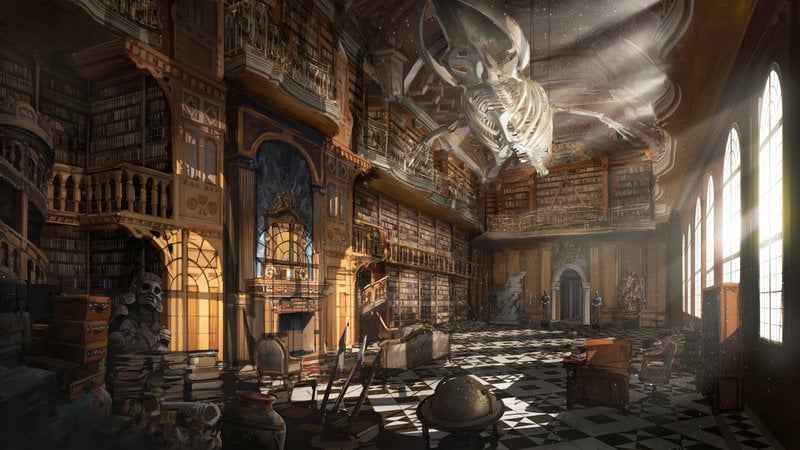
The tall and well kept door to a magnificent study opens wide. A glimmer of happiness peaks through a young elven woman's eye, as she witnesses the wonder that is this ancient collection of knowledge. Swiftly running her fingers through each and every page of such a wonderful account of old magics, certainly containing guidance for later.
A thud from a war piece, pushed along by a dwarven general's croupier stick. Clad with plate armor and surrounded by a war room's armory, an angered commander orders silence. A clear head is needed to make this decision, after brief dead air two words come from the general's mouth. "To war!"
Shifting stone scratches across an archaic structure. A tomb opening itself after the grizzled half-orc turned and reordered stones in a pattern of his own finding. At long last, a decades worth of study and exploration pays off through authenticity.
All of these accomplishments are truly defining moments for these members of the Advisor class. Filled with advice and brimming with knowledge, Advisors represent the pinnacle of expertise and skill versatility. Teaching allies and others
Masters of the Mundane
In what is commonly a magically dominated archetype, the advisor is a master of whatever they want to be. The connection to schooling or perhaps even, natural born academic superiority enables the best of the best to rise to the ranks amongst their arcane counterparts.
Although not traditionally considered strong or dexterous, an advisor is extremely versatile. From picking apart an ancient riddle to calculating the perfect amount of downswing for the strike of a weapon, advisors are always both learning and teaching.
Edge of Education
Similar to the bard in many ways, any old teacher or professor isn't always a true advisor. The ability to boil down basic truths and facts into a singular short piece of advice is a difficult task for most. Getting a grasp on the levity, complexity and nuance of specific topics, and then being able to regurgitate it in an understandable and meaningful way is a feat no less than magic.
Utilizing their own knowledge, and that of many others, Advisors are masters of whatever they set their hearts to. The drive to find and perfect knowledge, a craft or an art drives them more than any ideology could.
Creating an Advisor
As you make your advisor character, the largest focus should be put onto what you want the character's field of expertise to be. Although the class features related to your field don't appear until you reach 3rd level, plan ahead by reading their descriptions at the end of the class. Not all advisors got to be one due to an equal playing field though, you should also think about an advisor's upbringing.
Were they enrolled in the most prestigious, high-brow, and curricularly extensive institution this side of the Forgotten Realms? Or did they learn to live on their own, increasing their survival skills, with each passing day?
Quick Build
You can make an advisor quickly by following these suggestions. First, Intelligence should be your highest ability score, followed by Constitution or Dexterity. If you plan to become an expert in a field, use that to determine what you should increase next. Second, choose the sage background.
Optional Rule: Multiclass
If your group uses the optional multiclassing rule, here's what you need to know if you choose to take your first level in the advisor class.
Ability Score Minimum. As a multiclass character, you must have at least an Intelligence score of 13 in order to take a level in this class, or to take a level in another class if you are already an advisor.
Proficiencies Gained. If advisor isn't your initial class, here are the proficiencies you gain when you take your first level as an advisor: light armor, one skill of your choice, and one set of artisan's tools of your choice.
Optional Rule: Alternate Advice
If you believe that your advisor gives advice based on previous experience and wisdom, or charismatic communication; you can use Intelligence, Wisdom, or Charisma for your Word of Advice ability modifier.
Class Features
As a advisor, you gain the following class features
Hit Points
- Hit Dice: 1d6 per advisor level
- Hit Points at 1st Level: 6 + your Constitution modifier
- Hit Points at Higher Levels: 1d6 (or 4) + your Constitution modifier per advisor level after 1st
Proficiencies
- Armor: Light armor, medium armor
- Weapons: Simple weapons, hand crossbows, shortswords
- Tools: Choose any two
- Saving Throws: Intelligence, Wisdom
- Skills: Choose any four
Equipment
You start with the following equipment, in addition to the equipment granted by your background:
- (a) a shortbow and quiver of 20 arrows or (b) any simple weapon
- (a) a book or (b) a case for maps or scrolls
- (a) a diplomat’s pack or (b) an entertainer's pack
- Leather armor, a handaxe and a scholar's pack
Expertise
At 1st level, choose two of your skill proficiencies, or one of your skill proficiencies and one of your tool proficiencies. Your proficiency bonus is doubled for any ability check you make that uses either of the chosen proficiencies.
The Advisor
| Level | Proficiency Bonus | Features | Advice Die |
|---|---|---|---|
| 1st | +2 | Expertise, Word of Advice | 1d4 |
| 2nd | +2 | Common Knowledge, Master of One | 2d4 |
| 3rd | +2 | Field of Expertise | 3d4 |
| 4th | +2 | Ability Score Improvement | 4d4 |
| 5th | +3 | True Abettor | 5d4 |
| 6th | +3 | Field of Expertise Feature | 6d4 |
| 7th | +3 | Your Own Advice | 7d4 |
| 8th | +3 | Ability Score Improvement | 8d4 |
| 9th | +4 | Cut to the Chase | 9d4 |
| 10th | +4 | Field of Expertise Feature | 10d4 |
| 11th | +4 | Repeated Mantra | 11d4 |
| 12th | +4 | Ability Score Improvement | 12d4 |
| 13th | +5 | Insult to Injury | 13d4 |
| 14th | +5 | Field of Expertise Feature | 14d4 |
| 15th | +5 | Common Knowledge (3 Creatures) | 15d4 |
| 16th | +5 | Ability Score Improvement | 16d4 |
| 17th | +6 | Louder Than Words | 17d4 |
| 18th | +6 | Field of Expertise Feature | 18d4 |
| 19th | +6 | Ability Score Improvement | 19d4 |
| 20th | +6 | Unforgettable Instruction | 20d4 |
Word of Advice
At 1st level, you can utilize your own wealth of knowledge to assist others. As a reaction, whenever a creature, other than yourself, who can hear you, makes an ability check or saving throw with an ability you are proficient in, you can roll a d4, and add or subtract the number rolled to their roll. Intelligence is your ability for these effects when you use this trait.
Advice Dice. You have 1 advice die, which is a d4, and you gain more as you reach higher levels, as shown in the Advice Die column of the Advisor table.
You can never have more advice dice than shown on the table for your level. An advice die is expended when you use it. You regain all of your expended advice dice when you finish a long rest.
Saving Throws. When you choose to subtract the number rolled, it requires the target to make an Intelligence saving throw to avoid following your word’s effects. The saving throw DC is calculated as follows:
Advice Save DC = 8 + your proficiency bonus +
Common Knowledge
At 2nd level, your teachings can assist in all sorts of future tasks. Whenever you finish a short or long rest, you can choose one skill or tool proficiency that you have and grant it to a friendly creature. They lose this proficiency when you use this feature to choose a different proficiency that you have. Starting at 15th level, you can grant this to up to 3 friendly creatures.
Master of One
Starting at 2nd level, choose one of your skill or tool proficiencies. Whenever you make an ability check that uses the chosen proficiency, you can treat a d20 roll equal to or lower than your Intelligence modifier as your modifier plus 1.
Field of Expertise
At 3rd level, you choose a field of expertise that you utilize in the application of your advisor abilities: Arcanology, Archeology, Criminology, Polemology, Theology or Zoology detailed at the end of the class description, or one from another source. Your archetype choice grants you features at 3rd level and then again at 6th, 10th, 14th and 18th level.
Ability Score Improvement
When you reach 4th level, and again at 8th, 12th, 16th, and 19th level, you can increase one ability score of your choice by 2, or you can increase two ability scores of your choice by 1. As normal, you can’t increase an ability score above 20 using this feature.
Using the optional feats rule, you can forgo taking this feature to take a feat of your choice instead.
True Abettor
Starting at 5th level, your quick thinking and drive to protect yourself allows you to assist in other ways, from a distance. You can take a bonus action on each of your turns in combat. This action can be used only to take the Disengage, Help or Search action.
Additionally, when you use the Help action to aid an ally in attacking a creature, the target of that attack can be within 30 feet of you, rather than within 5 feet of you, if the target can hear you.
Your Own Advice
Beginning at 7th level, follow through on your words. You can use a bonus action on your turn to grant yourself advantage on the next d20 roll you make within the next 10 minutes.
Once you use this feature, you must finish a short or long rest before you can use it again.
Cut to the Chase
Beginning at 9th level, your mind-body coordination work in tandem. You can give yourself a bonus to your initiative rolls equal to your Intelligence modifier.
Repeated Mantra
By 11th level, repeating your words allows for even further assistance. When you spend an Advice Die, you can choose to expend additional Advice Die to the roll. The maximum number of advice die (1d4 plus any additional die) that you can spend equals half your advisor level, rounded down.
Insult to Injury
Starting at 13th level, whenever you hit a creature with an attack, you can use your reaction to spend advice die and add the number rolled to the next damage roll you make.
Louder Than Words
At 17th level, you know that actions speak louder than words. On your turn, you may give another creature, who can hear you, one additional action, which it takes on your initiative.
Once you use this feature, you must finish a short or long rest before you can use it again.
Unforgettable Instruction
At 20th level, there is irrefutable evidence on your impact on combat. In combat, you get a special reaction that you can take once on every creature’s turn, except your turn. You can use this special reaction only to use your Word of Advice feature, and you can’t use it on the same turn that you take your normal reaction.
Field of Expertise
An Advisor's field of expertise is the area of which their knowledge flourishes. With nearly all the informative concepts of their studied topic, an Advisor is a premiere source of information.
Arcanology
Within the field of Arcanology, these advisors are masters of instruction but have also earned the attention of the world around them, established as a force of change. Similar to magical capabilities of those who study the schools of wizardry, Arcanologists fixate their study in the schools of Divination and Enchantment.
Spellcasting
When you reach 3rd level, you augment your scholarly methods with the ability to cast spells. See Spells Rules for the general rules of spellcasting and the Spells Listing for the wizard spell list.
Cantrips
You learn three cantrips: vicious mockery and two other cantrips of your choice from the wizard spell list. You learn another wizard cantrip of your choice at 10th level.
Spell Slots
The Arcanology Spellcasting table shows how many spell slots you have to cast your wizard spells of 1st level and higher. To cast one of these spells, you must expend a slot of the spell’s level or higher. You regain all expended spell slots when you finish a long rest.
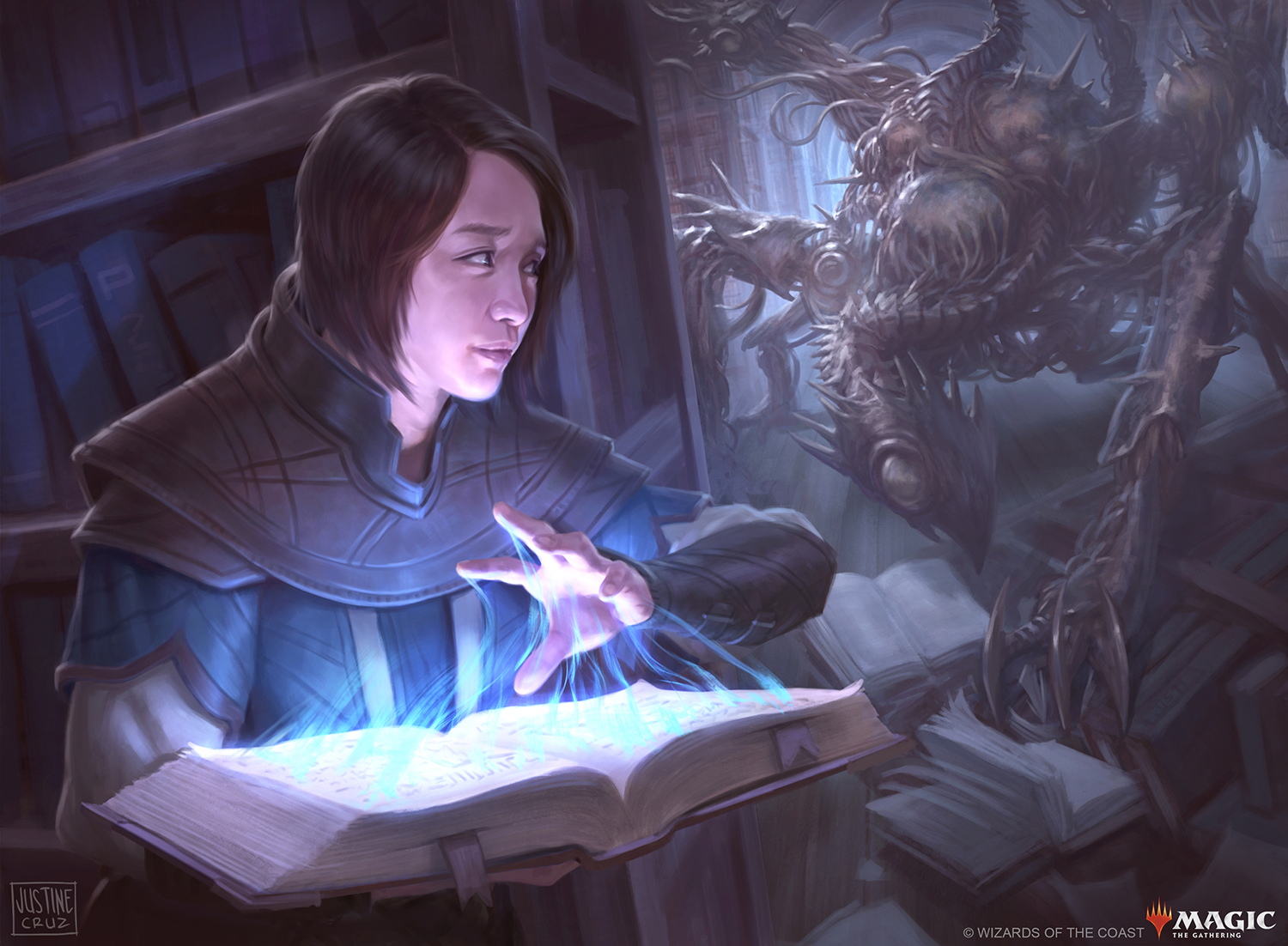

For example, if you know the 1st-level spell charm person and have a 1st-level and a 2nd-level spell slot available, you can cast charm person using either slot.
Spells Known of 1st-Level and Higher
When you reach 3rd level, You know three 1st-level wizard spells of your choice, two of which you must choose from the divination and enchantment spells on the wizard spell list.
The Spells Known column of the Arcanology Spellcasting table shows when you learn more wizard spells of 1st level or higher. Each of these spells must be a divination and enchantment spell of your choice, and must be of a level for which you have spell slots. For instance, when you reach 7th level in this class, you can learn one new spell of 1st or 2nd level.
The spells you learn at 8th, 14th, and 20th level can come from any school of magic.
Whenever you gain a level in this class, you can replace one of the wizard spells you know with another spell of your choice from the wizard spell list. The new spell must be of a level for which you have spell slots, and it must be a divination and enchantment spell, unless you’re replacing the spell you gained at 3rd, 8th, 14th, or 20th level from any school of magic.
Spellcasting Ability
Your Intelligence modifier is your spellcasting ability for your wizard spells, since your magic comes from the same places as your knowledge of the world. You use your this modifier whenever a spell refers to your spellcasting ability. In addition, you use your this modifier when setting the saving throw DC for a wizard spell you cast and when making an attack roll with one.
Spell Save DC
Spell attack modifier
Arcanology Spellcasting
| Level | Cantrips Known | Spells Known | 1st | 2nd | 3rd | 4th |
|---|---|---|---|---|---|---|
| 3rd | 3 | 3 | 2 | — | — | — |
| 4th | 3 | 4 | 3 | — | — | — |
| 5th | 3 | 4 | 3 | — | — | — |
| 6th | 3 | 4 | 3 | — | — | — |
| 7th | 3 | 5 | 4 | 2 | — | — |
| 8th | 3 | 6 | 4 | 2 | — | — |
| 9th | 3 | 6 | 4 | 2 | — | — |
| 10th | 4 | 7 | 4 | 3 | — | — |
| 11th | 4 | 8 | 4 | 3 | — | — |
| 12th | 4 | 8 | 4 | 3 | — | — |
| 13th | 4 | 9 | 4 | 3 | 2 | — |
| 14th | 4 | 10 | 4 | 3 | 2 | — |
| 15th | 4 | 10 | 4 | 3 | 2 | — |
| 16th | 4 | 11 | 4 | 3 | 3 | — |
| 17th | 4 | 11 | 4 | 3 | 3 | — |
| 18th | 4 | 11 | 4 | 3 | 3 | — |
| 19th | 4 | 12 | 4 | 3 | 3 | 1 |
| 20th | 4 | 13 | 4 | 3 | 3 | 1 |
Word of Wizardry
3rd-Level Arcanology feature
Your words can at times be harsh enough to throw even the steadiest off-balance. You gain an additional way to use your Word of Advice; you can use the reaction when another creature makes a d20 roll due to a spell you know. All the other rules for Word of Advice still apply to you.
Convincing Words
6th-level Arcanology feature
Your elegant words and enchanting gaze can magically enthrall another creature. When a creature that you can see within 30 feet of you fails a saving throw against your word of advice, it becomes charmed by you until the end of your next turn. The charmed creature’s speed drops to 0, and the creature is incapacitated and visibly dazed.
On subsequent turns, you can spend an advice die and use your action to maintain this effect, extending its duration until the end of your next turn. However, the effect ends if you move more than 30 feet away from the creature, if the creature can neither see nor hear you, or if the creature takes damage.
Once the effect ends, you can’t use this feature on that creature again until you finish a long rest.


Malevolent Mockery
10th-level Arcanology feature
When you cast vicious mockery, you can use your Word of Wizardry feature to grant the creature disadvantage on the save instead.
In addition, you can spend 2 advice die to cast the spell as a reaction, given you haven't already used your action to cast the spell on your turn.
Mastered Knowledge
14th-level Arcanology feature
You gain proficiency with the Intelligence (Arcana) skill if you don’t already have it. You have advantage on any ability check you make that uses your proficiency with Intelligence (Arcana).
Additionally, when a creature within 30 feet of you succeeds on an Intelligence (Arcana) check, you regain 1 Advice Die.
Tandem Targets
18th-level Arcanology feature
When you or someone else casts a spell targeting you, you can choose to spend advice die, equal to the level of the spell being cast, to affect another creature with the spell. The creature must be within 30 feet and be able to see and hear you.
Archeology
Archaeologists are those who study the remnants of historical civilizations and cultures. The advisors who choose the Archaeologist field of expertise are driven by a desire to uncover the past, forming a connection to the lives of those that came before, and unlocking within themselves a connection to history.
Bonus Proficiencies
3rd-level Archeology feature
You gain proficiency with a martial weapon of your choice and learn one language of your choice.
Word of Authenticity
3rd-level Archeology feature
Phrases of old can often bring back normalcy. You gain an additional way to use your Word of Advice; you can use the reaction when a creature is about to roll a d20 with advantage or disadvantage. All the other rules for Word of Advice still apply to you.
Trap Sense
6th-level Archeology feature
Dangerous secrets are only so for the unprepared, you're invaluable in such situations. As a bonus action on your turn you can sense the presence of any trap, within 30 feet. A trap, includes anything that would inflict a sudden or unexpected effect you consider harmful or undesirable, which was specifically intended as such by its creator. Thus, you would sense an area affected by the alarm spell, a glyph of warding, or a mechanical pit trap, but not natural instability or compromised infrastructure. You don't learn the location of each trap, but you do learn the general nature of the danger posed by a trap you sense.
Exploring Eye
10th-level Archeology feature
When you use the Search action and successfully find an obscured creature or object you become aware of the target's location, within 60 feet, as it no longer gains any benefits of being hidden or invisible to you.
Mastered Knowledge
14th-level Archeology feature
You gain proficiency with the Intelligence (History) skill if you don’t already have it. You have advantage on any ability check you make that uses your proficiency with Intelligence (History).
Additionally, when a creature within 30 feet of you succeeds on an Intelligence (History) check, you regain 1 Advice Die.
Historian's Fallacy
18th-level Archeology feature
There is much to be learned outside of the out-dated scrolls and tomes. Whenever you use your Common Knowledge feature, you may choose an additional proficiency of any kind from a friendly creature, to grant.
For example, if a creature has proficiency with martial weapons, you may grant yourself and up to 3 friendly creatures proficiency with martial weapons.

Criminology
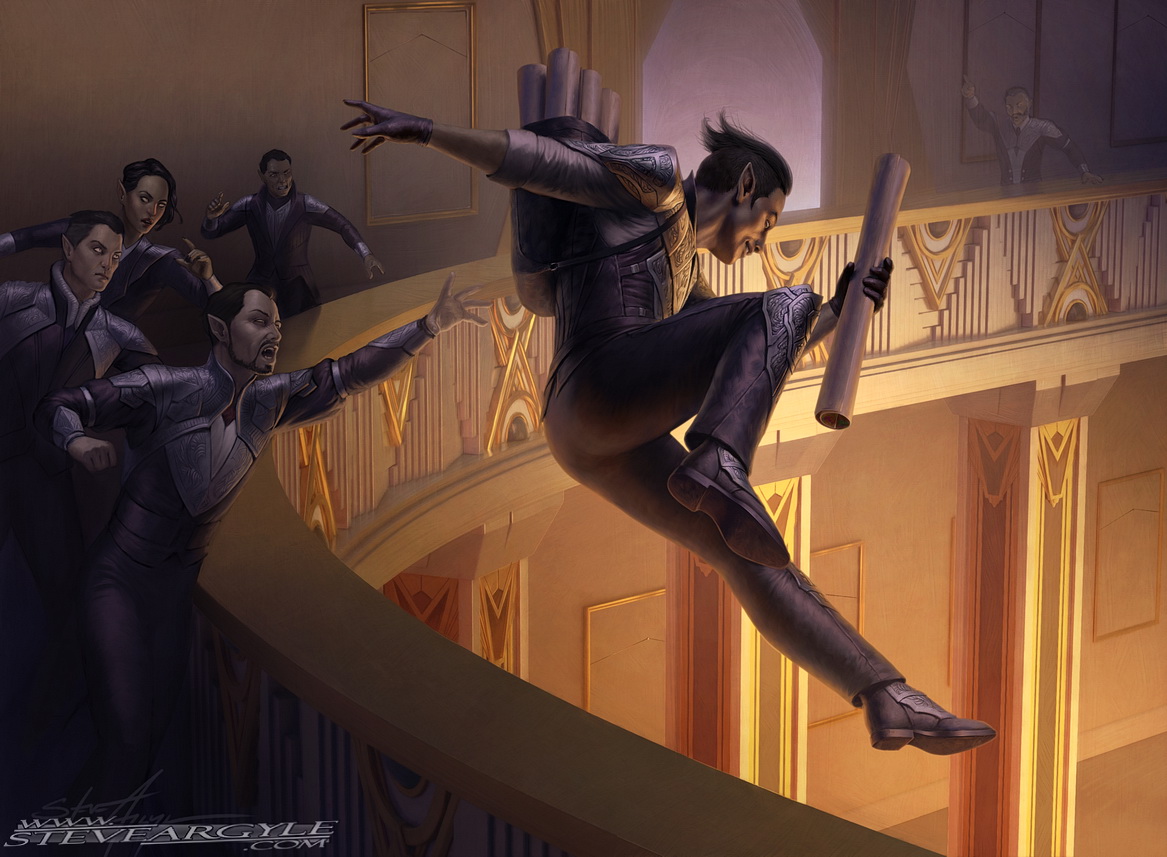
Criminology is both the study of criminal behavior and its derived action, crime. Masters of cunning and conniving, no job is too big, or prize too small.
Bonus Proficiencies
3rd-level Criminology feature
You gain proficiency with thieves’ tools and learn thieves’ cant.
Phony Pharynx
3rd-level Criminology feature
You can unerringly mimic the speech patterns and voice of a creature that you hear speak for at least 1 minute, enabling you to pass yourself off as the creature or a native speaker of a particular land, provided that you know the language.
Word of Privacy
3rd-level Criminology feature
Advice given through secrets or shadow. You gain an additional way to use your Word of Advice; you can use the reaction when another creature makes a d20 roll while you are in dim light or darkness. All the other rules for Word of Advice still apply to you.
Uncanny Dodge
6th-level Criminology feature
When an attacker that you can see hits you with an attack, you can use your reaction to halve the attack’s damage against you.
Muscle Memory
10th-level Criminology feature
Your study or practice of sleuth has come in handy. As a result, whenever you make a Dexterity check, you can treat a d20 roll equal to or lower than your Intelligence modifier as your modifier plus 1.
Mastered Knowledge
14th-level Criminology feature
You gain proficiency with the Intelligence (Investigation) skill if you don't already have it. You have advantage on any ability check you make that uses your proficiency with Intelligence (Investigation).
Additionally, when a creature within 30 feet of you succeeds on a Intelligence (Investigation) check, you regain 1 Advice Die.
Auditory Secrecy
18th-level Criminology feature
When an enemy that can hear but not see you, fails a d20 roll, you regain 1 advice die.
Additionally, when you use the Help action to aid an ally in attacking a creature, the target of that attack can be within 60 feet of you, rather than within 30 feet of you, if you are heavily obscured.

Polemology
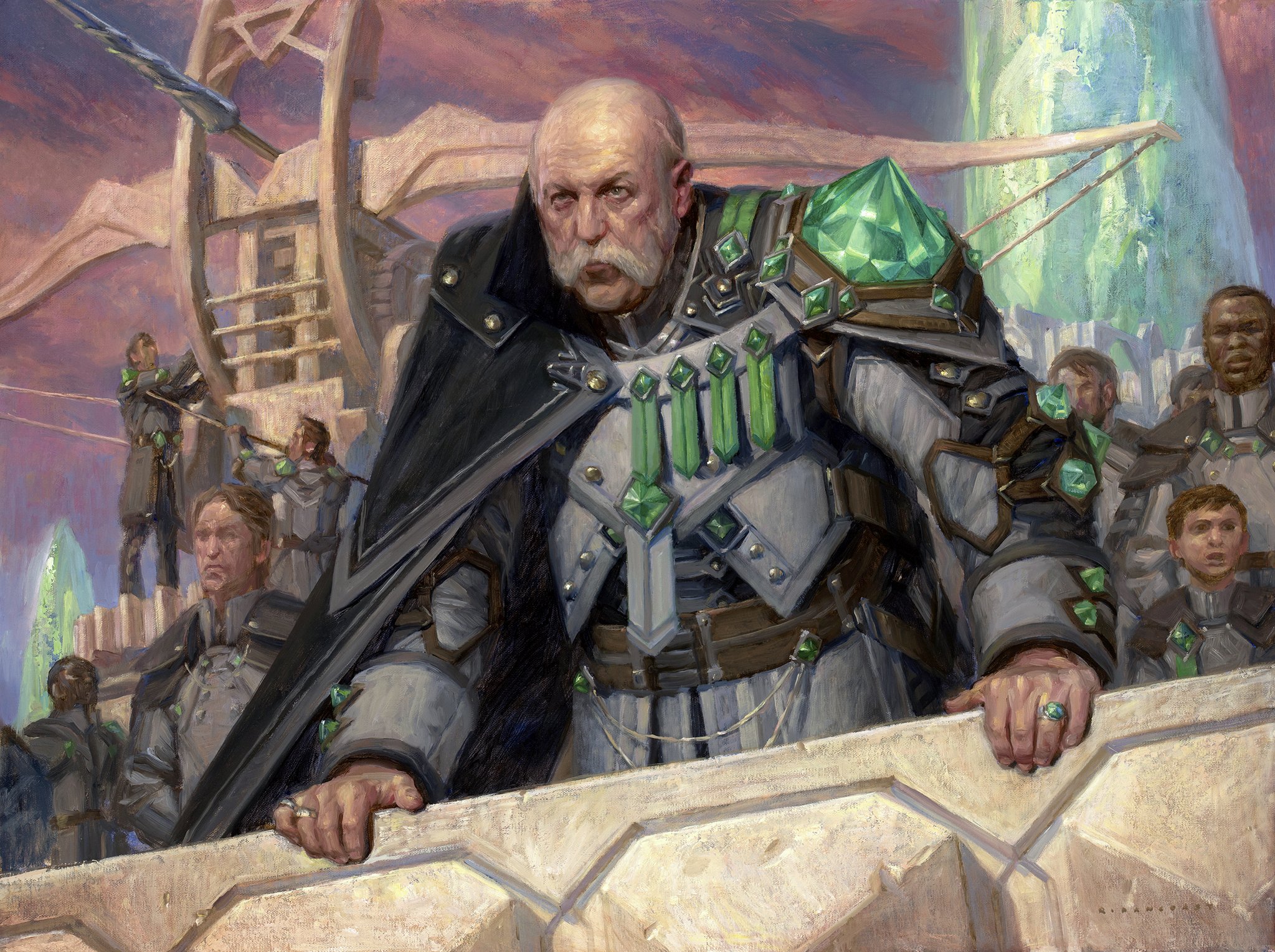
Polemology, is the multi-disciplinary study of war. Advisors who specialize in such an area have molded themselves into unrivaled tacticians and strategists. While not on the front lines, they are highly trained and skilled warriors in their own right.
Bonus Proficiencies
3rd-level Polemology feature
You gain proficiency with martial weapons and heavy armor.
Utilitarian Toughness
3rd-level Polemology feature
Your hit point maximum increases by 3, and it increases by 1 every time you gain an advisor level.
Extra Attack
6th-level Polemology feature
You can attack twice, instead of once, whenever you take the Attack action on your turn.
Tactical Retreat
10th-level Polemology feature
Whenever you take the Disengage action on your turn, your walking speed increases by 10 feet until the end of your next turn. Additionally, the walking speed of any ally who starts their turn within 5 feet of you increases by 10 feet until the end of that turn.
Mastered Knowledge
14th-level Polemology feature
You gain proficiency with the Strength (Athletics) skill if you don’t already have it. You have advantage on any ability check you make that uses your proficiency with Strength (Athletics).
Additionally, when a creature within 30 feet of you succeeds on a Strength (Athletics) check, you regain 1 Advice Die.
Actions Speak
18th-level Polemology feature
On occasion an example is best set by oneself. As a bonus action on your turn, you can spend advice die to gain the following benefits, for 1 round per die spent:
- You gain a bonus to your AC equal to your Intelligence modifier (minimum of +1).
- You gain temporary hit points equal to the number rolled.
- You can use Intelligence instead of Strength or Dexterity for the attack and damage rolls of weapons you wield.
- Whenever you score a critical hit on a weapon attack, you regain 1 advice die.
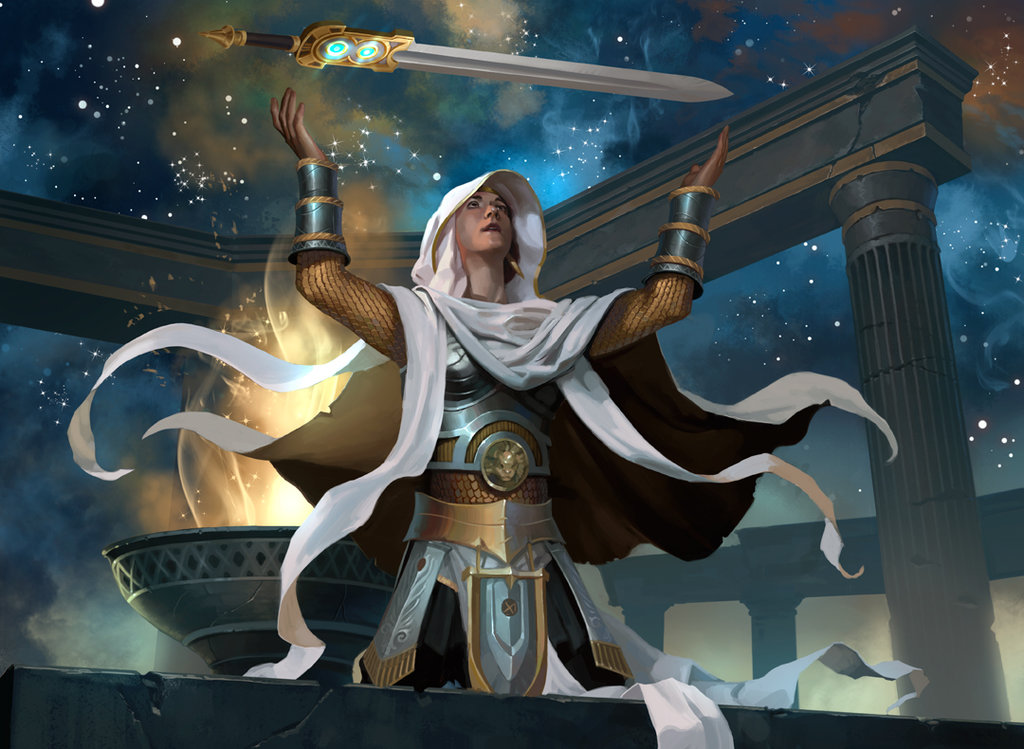

Theology
The gods of the multiverse are truly a spectacle to behold. Many worship and pray to them in hopes for the gift of magic, but as only a true expert knows; there is more than magic can be studied.
Researched Rituals
3rd-level Theology feature
A gods magic isn't limited to only its clerics. You gain the ability to cast the augury and detect magic spells, but only as rituals, as described in the Spellcasting section.
Word of Protection
3rd-level Theology feature
The protection of their worshipers is incredibly important to the gods. You gain an additional way to use your Word of Advice; you can use the reaction when a friendly creature, within 30 feet, is about to take damage and reduce the damage by the number rolled. All the other rules for Word of Advice still apply to you.
Adroit of Old
6th-level Theology feature
Gods often hold the key to the knowledge of old. When you use your Common Knowledge ability, you can choose one additional skill or tool proficiency to grant.
Divine Dial
10th-level Theology feature
A god's domain delineates their availability. You can cast the commune spell, but only as a ritual. When you do so, roll on the Divine Dial Table to determine which domain of deities you contact.
Divine Dial Table
| d20 | Divine Domain |
|---|---|
| 1 | Arcana Domain |
| 2 | City Domain |
| 3 | Death Domain |
| 4 | Fate Domain |
| 5 | Forge Domain |
| 6 | Grave Domain |
| 7 | Knowledge Domain |
| 8-10 | Life Domain |
| 11 | Light Domain |
| 12 | Nature Domain |
| 13 | Order Domain |
| 14 | Peace Domain |
| 15 | Protection Domain |
| 16 | Tempest Domain |
| 17 | Trickery Domain |
| 18 | Twilight Domain |
| 19 | War Domain |
| 20 | Your Choice |
Mastered Knowledge
14th-level Theology feature
You gain proficiency with the Intelligence (Religion) skill if you don’t already have it. You have advantage on any ability check you make that uses your proficiency with Intelligence (Religion).
Additionally, when a creature within 30 feet of you succeeds on an Intelligence (Religion) check, you regain 1 Advice Die.
Conduit of Divinity
18th-level Theology feature
In an agreement with the gods, you have taken on some of their properties. You gain the following properties:
- You learn two Channel Divinities of your choice from those available to the cleric class. If a channel divinity requires your target to make a saving throw to resist its effects, the saving throw DC equals 8 + your proficiency bonus + your Intelligence modifier.
- You gain one use of Channel Divinity, and you regain it whenever you finish a short or long rest.
Zoology
Animals of all kinds are important to the world. Beasts, monstrosities and the like are deeply valued to an expert of Zoology. Often trusting in a pet of their own, these advisors utilize their knowledge of nature to assist.


Animal Apprentice
3rd-level Zoology feature
A well trusted assistant is common to find alongside a zoology expert. The animal apprentice is friendly to you and your companions, and it obeys your commands. See this creature’s game statistics in the Animal Apprentice stat block, which uses your proficiency bonus (PB) in several places.
In combat, the apprentice shares your initiative count, but it takes its turn immediately after yours. It can move and use its reaction on its own, but the only action it takes on its turn is the Dodge action, unless you take a bonus action on your turn to command it to take another action. That action can be one in its stat block or some other action. If you are incapacitated, the apprentice can take any action of its choice, not just Dodge.
If the apprentice dies, you can obtain a new apprentice by spending 8 hours bonding with a small or smaller beast that isn’t hostile to you.
Word of the Wild
3rd-level Zoology feature
The ebb and flow of nature is malleable to you. You gain an additional way to use your Word of Advice; you can use the reaction when a beast, monstrosity or plant makes a d20 roll. All the other rules for Word of Advice still apply to you.
Above and Beyond
6th-level Zoology feature
Sometimes the beast knows best. When your apprentice takes the Help action, you can expend an Advice Die for the apprentice to make an attack as a bonus action, using the number rolled in place of the normal damage of its strike.
In addition, the apprentice's attacks now count as magical for the purpose of overcoming resistance and immunity to nonmagical attacks and damage.
Increase Qualifications
10th-level Zoology feature
A quality peer can come in all shapes and sizes. As an action on your turn, you and your animal apprentice both gain the following benefits for 1 minute:
- Your walking speeds increase by 10 feet.
- You can use the dash action as a bonus action.
- You gain an amount of temporary hit points equal to your advisor level, divided amongst both creatures.
Once you use this feature, you must finish a short or long rest before you can use it again.
Mastered Knowledge
14th-level Archeology feature
You gain proficiency with the Wisdom (Animal Handling) skill if you don’t already have it. You have advantage on any ability check you make that uses your proficiency with Wisdom (Animal Handling).
Additionally, when a creature within 30 feet of you succeeds on a Wisdom (Animal Handling) check, you regain 1 Advice Die.
Animal Apprentice
Small Beast, Neutral
- Armor Class 13 + PB (natural armor)
- Hit Points 5 + five times your advisor level (the companion has a number of Hit Dice [d8s] equal to your advisor level)
- Speed 30 ft.
STR DEX CON INT WIS CHA 17 (+3) 17 (+3) 15 (+2) 12 (+1) 6 (-2) 6 (-2)
- Saving Throws Dex +3 plus PB, Con +2 plus PB
- Senses darkvision 60 ft., passive Perception 11
- Languages understands the languages you speak
- Proficiency Bonus equals your bonus
Actions
Strike. Melee Weapon Attack: +3 plus PB to hit, reach 5 ft., one target. Hit: 1d8 plus PB bludgeoning, piercing, or slashing damage (your choice).
Reactions
Intercept Attack. When a creature the companion can see hits a target with an attack, and the target is within 5 feet of the companion, the target instead takes half the damage. The companion takes the remainder of the damage.
Unrivaled Assistance
18th-level Zoology feature
Your apprentice is taught so they may become a master. When you or your apprentice take the Help action on your turn, the other creature can treat a d20 roll of 14 or lower as a 15.


Artificer Specialist:
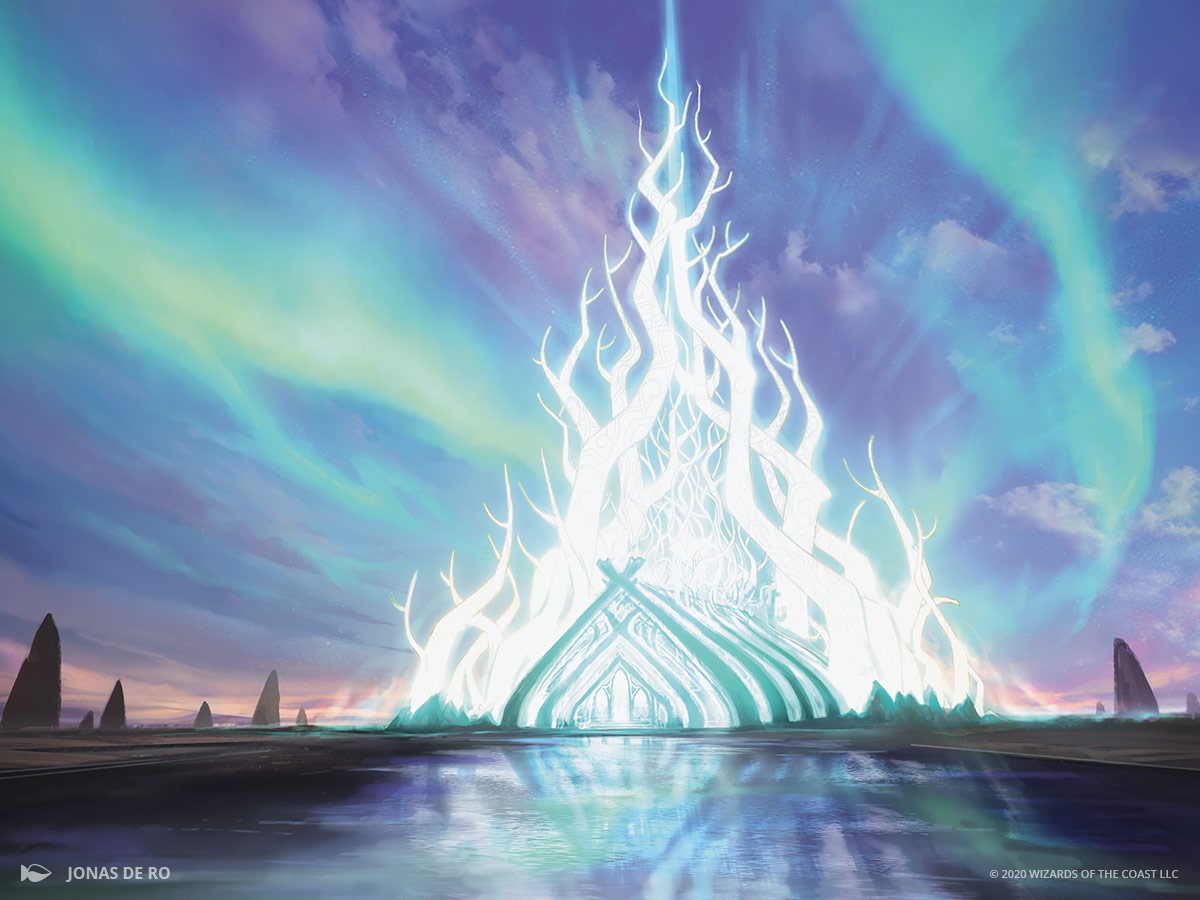
Architect
Wondrous creators and architects of those majestic magical cities, fortresses, and wizard towers you see dotted across the landscapes, the architects are specialists in building, fortification, terraforming, and wondrous architecture. Architects are Masters at creating constructs to work for them and do various tasks in battle which makes it easier for them to move around and keep supporting the party they're working with, as well as keeping themselves safe and sound.
Tool Proficiency
3rd-level Architect feature
You gain proficiency with carpenter's tools. If you already have this proficiency, you gain proficiency with one other type of artisan’s tools of your choice.
Architect Spells
3rd-level Architect feature
You always have certain spells prepared after you reach particular levels in this class, as shown in the Architect Spells table. These spells count as artificer spells for you, but they don’t count against the number of artificer spells you prepare.
Architect Spells
| Artificer Level | Spell |
|---|---|
| 3rd | floating disk, shield |
| 5th | arcane lock, knock |
| 9th | meld into stone, tiny hut |
| 13th | fabricate, private sanctum |
| 17th | creation, passwall |
Destroy to Create
3rd-level Architect feature
Architects can break down items into scrap materials faster than anybody else. So long as you are capable of damaging it, you deal double damage to objects and structures.
Additionally, through 1 hour of work, which can be done during a short rest, you can dismantle an object or structure with an artisan's tool, acquiring the physical materials the majority of it is composed of. You add 1/2 of its market value, up to 100 gp, as scrap for the purpose of building other items.
Intuitive Design
3rd-level Architect feature
You can use your action and expend one artificer spell slot to focus your awareness on a man-made building around you. An aura with a radius of 30 feet centered on where you touched springs forth. For 1 minute per level of the spell slot you expend, you and a number of chosen creatures up to your Intelligence modifier (minimum of one creature), gain the following benefits:
- Any non-magically locked door within this aura will be unlocked to your group.
- You learn any damage or structural weaknesses within this aura.
- You learn the layout of the building within this aura.
- Your group cannot become lost except by magical means, within this aura.
This aura's radius increases as you gain artificer levels, to 60 feet at 9th level, and 90 feet at 15th level.
Constructed Cover
5th-level Architect feature
You can, as a bonus action, raise up a fabricated structure to provide cover to yourself, or an ally that you can see and is within 30 feet of you. The erected structure is a 5 foot by 5 foot wide panel, with statistics as described by the Constructed Cover Table below, and must be connected to the ground or contiguous with at least one other panel.
The structure can have any shape you desire, though it is immobile and permanent unless dismantled or destroyed. If the panel cuts through a creature's space when it appears, the creature is pushed to one side of the panel (your choice). If a creature would be surrounded on all sides by the panel (or the structure and another solid surface), that creature can make a Dexterity saving throw. On a success, it can use its reaction to move up to its speed so that it is no longer enclosed by the panel.
After using this feature to construct an amount of panels equal to half your artificer level, rounded down, you cannot use this feature again until you finish a short rest.
Constructed Cover Statistics
| Scrap Material | Armor Class | Hit Points | Damage Resistances | Damage Vulnerabilities |
|---|---|---|---|---|
| Wood | 10 | 5 x your Artificer level | Bludgeoning | Fire |
| Stone | 15 | 10 x your Artificer level | Bludgeoning, Slashing | None |
| Metal | 20 | 15 x your Artificer level | Bludgeoning, Piercing, Slashing | None |
Three R's
9th-level Architect feature
The appeal of architecture isn't set and is always developing. Over time some designs can become obsolete, or even ugly, keeping things up to date is always beneficial. An amount of times equal to your proficiency bonus, you can use one of the "Three R's" to restore your creation.
Refurbish. As a reaction, when an object or a structure you can see within 30 feet of you takes damage, using this feature can cause the structure to be immune to that single damage type for 1 minute.
Remodel. As an action, if you are within 30 feet of a structure you made, you may replace or update the scrap material it is made of. If this would increase the Hit Point maximum of a structure, it will restore an amount of Hit Points equal to 2 times your Intelligence modifier.
Renovate. As a bonus action, you can cast the mending spell on any structure or infused item you've crafted within 30 feet without touching it. This object will restore an amount of Hit Points equal to your Artificer level, if it can.
Monumental Fortresses
15th-level Architect feature
You have become a true master of your craft. Any short or long rest taken inside a building or structure you have built, conjured, constructed, or designed allows creatures of your choice to recover up to 2 extra hit die, and 2 spell slots of 3rd level or lower. If you have used your Intuitive Design feature on a structure within the past hour, it qualifies for this benefit.
Find it on DnDBeyond

Calligrapher
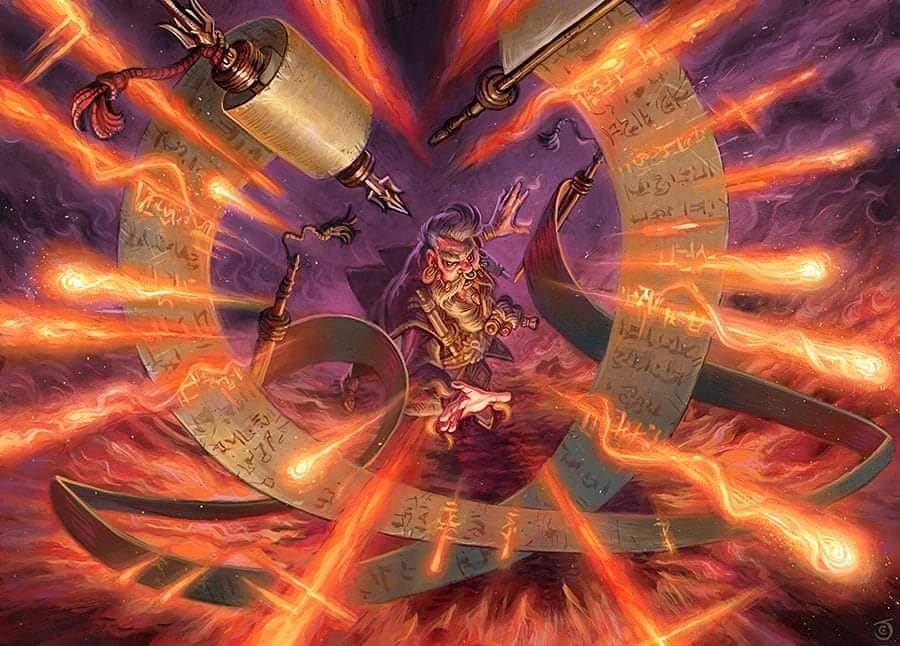
Inscribers of the legends and tales of old, more than just stories can be captured in ink. As true masters of the pen and paper, Calligrapher's are truly the most versatile of crafters. With the ability to create magical spell scrolls, they promote the arts with a hand steady and solid.
Tool Proficiency
3rd-level Calligrapher feature
You gain proficiency with calligrapher's supplies. If you already have this proficiency, you gain proficiency with one other type of artisan’s tools of your choice.
Calligrapher Spells
3rd-level Calligrapher feature
You always have certain spells prepared after you reach particular levels in this class, as shown in the Calligrapher Spells table. These spells count as artificer spells for you, but they don’t count against the number of artificer spells you prepare.
Calligrapher Spells
| Artificer Level | Spell |
|---|---|
| 3rd | illusory script, silent image |
| 5th | augury, skywrite |
| 9th | sending, tongues |
| 13th | confusion, resilient sphere |
| 17th | legend lore, scrying |
Scroll Scribe
3rd-level Calligrapher feature
Whenever you finish a long rest, you can magically produce a spell scroll on a blank piece of paper or parchment you touch. In a language you understand, choose an artificer spell to be inked onto the scroll. The spell you choose must be of a level you can cast, as shown on the Artificer table, or a cantrip. Any creature can cast the spell from the scroll as long as they can read the language of the scroll. Casting the spell by reading the scroll requires the spell’s normal casting time and your Intelligence score as the spellcasting ability for it.
You can create additional spell scrolls by expending a spell slot equal to the spell's level for each one. When you do so, you use your action to create the scroll on a blank piece of paper or parchment you touch.
Creating a spell scroll requires you to have calligrapher's supplies on your person, and any scroll you create with this feature's magic lasts until it is consumed or until the end of your next long rest, after which the words on the scroll fade, and it crumbles to dust.
When you reach certain levels in this class, you can make more scrolls at the end of a long rest: two at 5th level, three at 9th level and four at 15th level.
Universal Cuneiform
5th-level Calligrapher feature
Your knowledge of language and lexicon are best represented through writing. You learn one language of your choice, and can understand all written languages. Moreover, any creature that can understand a language can understand what you write.
Hardcover Scroll
9th-level Calligrapher feature
The work put in to craft a scroll sometimes manifests as an extra useful piece of parchment. Whenever a creature casts a spell from a spell scroll you created, the creature may roll percentile dice. If it rolls a number equal to or lower than your artificer level, the scroll does not fade or crumble to dust.
Scrivener Master
15th-level Calligrapher feature
You have, at long last, been able to inscribe a spell scroll, with power beyond your own. Choose a spell of any level from any class, including this one. Whenever you finish a long rest, in place of creating 4 spell scrolls, you can magically produce a singular calligrapher's scroll of the chosen spell. You can change your chosen spell when you finish a long rest.
Find it on DnDBeyond


Barbarian Primal Path:
Path of the Heavy Weapon
Some manned instruments of war require their user to have superior physical prowess to overcome their weight and encumbrance. Though usually these weapons may take an entire crew to employ, those fighters who choose to wield heavy weapons use their powerful bodies, and powerful armaments, to overwhelm their foes.
Steady Stance
You have learned to use the heft of your weapon to root yourself in place. At 3rd level when you adopt this path, you can use heavy weapons without incurring disadvantage due to your size.
Additionally, at the end of your turn, if you move less than half your speed while wielding a weapon with the heavy property, until the end of your next turn, you have advantage on saving throws to avoid being restrained, moved or knocked prone.
Pummeling Rage
At 3rd level, you leverage your immense strength with persistent focus. While you are raging, whenever you hit the same target with your Attack action in consecutive turns, you can force that creature to make a Strength saving throw (DC equals 8 + your proficiency bonus + your Constitution modifier). On a failed save, the target is pushed 5 feet back, and falls prone.
You can use this feature a number of times equal to your proficiency bonus, and you regain all expended uses when you finish a long rest.
Big Stick Diplomacy
Starting at 6th level, you know how to use either reputation, or the sheer size of your weapon to strike fear in those around you. You can add your Strength modifier to any Charisma (Intimidation) check you make while wielding a weapon with the heavy property. Consequently, as a bonus action, you can attempt to demoralize hostile a creature you can see within 30 feet of you that can see and hear you. Make a Charisma (Intimidation) check contested by the target's Wisdom (Insight) check. If your check succeeds, the target is frightened of you until the end of your next turn.
You can use this feature a number of times equal to your proficiency bonus, and you regain all expended uses when you finish a long rest.
Stand Tall
At 10th level, your unbending will for carnage makes it harder for you to go down in a fight. While you are raging, you gain immunity to being restrained, moved or knocked prone.
Denunciatory Might
Beginning at 14th level, whenever you use the Big Stick Diplomacy feature, you can effect an amount of creatures equal to your proficiency bonus.
Additionally, any creature that is within 10 feet of you and fails to beat your Intimidation check becomes paralyzed, as well as frightened, until the end of your next turn.
Find it on DnDBeyond
Bard College:
College of Velocity
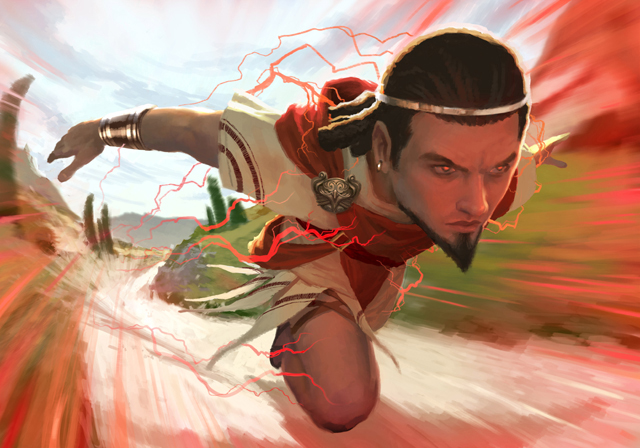
Bards of the College of Velocity are known by a number of names such as Speed-Freaks, Quicksters, or even Blurs. Alacrity flows within them, ready to be utilized through either the arcane or athletic. Each bard has been granted, through practice, an increased speed and the reflexes to account for it. As they rush and swiftly move about, their magics are effected in tandem. Whether it be delivering messages and items across the land or travelling far to find new audiences. The legendary tales of their speed travel the world, almost, as fast as they do.
Rapid Movement
When you join the College of Velocity at 3rd level, your speed increases by 15 feet while you aren’t wearing medium or heavy armor and you gain proficiency with Acrobatics.
At 14th level, your speed bonus increases by 25 feet while you aren’t wearing medium or heavy armor. Additionally, you gain the ability to move along vertical surfaces and across liquids on your turn without falling during and movement is unaffected by difficult terrain.
Kinetic Inspiration
Also at 3rd level, you can inspire others to help both of you stay quick on your feet. Your movement speed increases by 5 feet for every creature that has a Bardic Inspiration die from you. Additionally, a creature that has a Bardic Inspiration die from you, instead of adding a bonus to an ability check, attack roll, or saving throw, can expend it to take the dash action.
Brisk Reflexes
At 3rd level, your increased speed and agility allow you to move and act quickly.
Whenever you move at least 45 feet without breaking up your movement, you can use one of the following Brisk Reflexes options of your choice. You can use only one Brisk Reflexes option per turn and your movement is broken by either, taking the attack action, stopping, or casting a spell that requires an attack roll.
Reflexive Dash. You can expend one use of your Bardic Inspiration to take the Dash action, you gain extra movement for the current turn.
Reflexive Reaction. You can expend one use of your Bardic Inspiration to gain a secondary reaction. If your first reaction interrupts another creature's turn, that creature can continue its turn right after that reaction, unless it is interrupted by your second reaction.
Reflexive Shove. You can expend one use of your Bardic Inspiration to make a special melee attack to shove a creature, either to knock it prone or push it away from you.
Evasion
Starting at 6th level, your honed swiftness enables you to dodge out of the way of certain area effects, such as a black dragon’s acidic breath or a call lightning spell. When you are subjected to an effect that allows you to make a Dexterity saving throw to take only half damage, you instead take no damage if you succeed on the saving throw, and only half damage if you fail.
Speeding Spell
Starting at 14th level, when you use your action to cast a bard spell of 5th level or higher, you gain an additional action on your turn. That action can be used only to take the Attack (one weapon attack only), Dash, Disengage, Hide, or Use an Object action.
Also at 14th level, your speed bonus increases by 25 feet while you aren’t wearing medium or heavy armor. Additionally, you gain the ability to move along vertical surfaces and across liquids on your turn without falling and your movement is unaffected by difficult terrain.
Find it on [DnDBeyond](https://www.dndbeyond.com/subclasses/

Cleric Divine Domain:
Vice Domain
Envy. Gluttony. Greed. Lust. Pride. Sloth. Wrath. These are the mortal sins. Acts that offend or defy the gods. Vice is the tendency to commit those sinful acts. While most being tend to strive for the golden mean between two sins, Vice Domain clerics believe there is strength in the extremes. Whether they act using the excess, deficiency or perversion of a virtue, those certain few are willing to empower this temperament. No one is ever truly good or bad, rather landing somewhere in between, but that can be fixed.
Domain Spells
1st-level Vice Domain feature
You gain domain spells at the cleric levels listed in the Vice Domain Spells table. See the Divine Domain class feature in the Player’s Handbook for how domain spells work.
Vice Domain Spells
| Cleric Level | Spells |
|---|---|
| 1st | command, heroism |
| 3rd | enlarge/reduce, magic weapon |
| 5th | create food and water, slow |
| 7th | compulsion, polymorph |
| 9th | dominate person, geas |
Bonus Proficiencies
1st-level Vice Domain feature
You gain proficiency in the Deception and Persuasion skills.
Associated Sin
1st-level Vice Domain feature
You can invoke the power of your chosen sin to enable special effects. Choose between Envy, Gluttony, Greed, Lust, Pride, Sloth or Wrath. You can also change your chosen sin whenever you finish a long rest.
The associated sins are listed alphabetically below.
Envy. You gain the ability to cast the disguise self spell an amount of times equal to your Wisdom modifier, and you regain all expended uses when you finish a long rest. You attempt to replicate the physical appearance of a creature you know.
Gluttony. You gain the ability to cast the goodberry spell an amount of times equal to your Wisdom modifier, and you regain all expended uses when you finish a long rest. Having a little snack never hurt anybody.
Greed. You gain the ability to cast the false life spell an amount of times equal to your Wisdom modifier, and you regain all expended uses when you finish a long rest. Your life is infinitely valuable.
Lust. You gain the ability to cast the charm person spell an amount of times equal to your Wisdom modifier, and you regain all expended uses when you finish a long rest. You are quite irresistible.
Pride. You gain the ability to cast the bless spell an amount of times equal to your Wisdom modifier, and you regain all expended uses when you finish a long rest. Your aid is infalliable.
Sloth. You gain the ability to cast the bane spell an amount of times equal to your Wisdom modifier, and you regain all expended uses when you finish a long rest. Laziness is in reality a weapon.
Wrath. You gain the ability to cast the hunter's mark spell an amount of times equal to your Wisdom modifier, and you regain all expended uses when you finish a long rest. On occasion, war is what's needed.
Channel Divinity: Virtuous Advantage
2nd-level Vice Domain feature
You can use your Channel Divinity to exemplify a persuasive tendency for others.
As an action, you present your holy symbol, and each creature of your choice that can see or hear you within 30 feet of you must succeed on a Wisdom saving throw. If they fail each of those creature's Charisma saving throws are made at disadvantage for the next 10 minutes. Additionally, any Charisma check from you or an ally is made with advantage for the next 10 minutes.
Saint or Sinner
6th-level Vice Domain feature
You have become remarkably adept at dispersing possessive magical energy.
As an action, you can touch a creature, within 5 feet, that is charmed, frightened, or possessed by a celestial, a creature with any class levels, an elemental, a fey, a fiend, or an undead. Once you have made this connection, you may choose to dismiss either the possessed or possessor. The creature must succeed on a CHA saving throw or be sent back to its home plane (if it isn't there already).
You can use this feature a number of times equal to your Wisdom modifier (minimum of once), and you regain all expended uses of it when you finish a long rest.
Divine Strike
8th-level Vice Domain feature
You gain the ability to infuse your weapon strikes with divine energy. Once on each of your turns when you hit a creature with a weapon attack, you can cause the attack to deal an extra 1d8 psychic damage to the target. When you reach 14th level, the extra damage increases to 2d8.
Corruptive Influence
17th-level Vice Domain feature
For 1 minute, you may touch a creature, within 5 feet, and attempt to alter the creature's alignment. The creature must succeed on a CHA saving throw or its alignment is changed to one of your choice. Additionally, this creature gains a flaw related to a sin of your choice. Perhaps a gluttony effected creature is compelled to drink every pint of mead or consume every pound of lamb in front of them. These effects last for an amount of days equal to your Cleric level. This creature has advantage on this saving throw unless they are already charmed by you.
You can use this feature a number of times equal to your Wisdom modifier (minimum of once), and you regain all expended uses when you finish a long rest.
Find it on DnDBeyond
Druidic Circles:
Circle of Crypsis
Ecologically, crypsis is the ability to avoid detection or observation. While not always in reaction to a predatory behavior, methods of crypsis vary for each druid. Unbound to merely beasts the Druids of this circle are quite adaptable.
Humanoid Forms
2nd-level Circle of Crypsis feature
The rites of your circle grant you the ability to transform into more civilized and tamed forms, you gain the ability to Wild Shape into any 3 humanoid creatures, the normal Wild Shape restrictions apply and listed additional ones. At 6th level, you gain 2 additional forms.
Esoteric Emulation
2nd-level Circle of Crypsis feature
When you choose this circle at 2nd level, you gain the ability to reproduce the magical effects of another creature’s spellcasting.
When a creature that you can see casts a spell of a level that you can cast, you can use your reaction and expend one use of Wild Shape to temporarily add the spell to your list of Prepared Spells. A spell learned in this manner counts as a druid spell for you but doesn't count against the number of druid spells you know. The spell is removed from your list of Prepared Spells when you finish a long rest or when you observe a different spell using this feature.
Method of Obscurity
6th-level Circle of Crypsis feature
You gain the ability to evade different types of detection. Choose one of the following options:
Disruptive Coloration. You gain the ability to cast the blur spell an amount of times equal to your wisdom modifier (minimum of 1) per long rest.
Mimicry. You gain the ability to cast the alter self spell an amount of times equal to your wisdom modifier (minimum of 1) per long rest.
Transparency. You gain the ability to cast the invisibility spell an amount of times equal to your wisdom modifier (minimum of 1) per long rest
Replicated Features
10th-level Circle of Crypsis feature
You can expend two uses of Wild Shape at the same time to replicate a mechanically identical ability or class feature of a creature you can see within 30 feet. If a creature is targeted they must make a Wisdom saving throw with a DC equal to your spell save DC. Once you use this feature, you cannot use it again until you finish a long rest.
Camouflaged Countenance
14th-level Circle of Crypsis feature
You have learned to use magic to alter your physical form in more detailed ways. You can cast the disguise self spell at will.
Humanoid Forms Restrictions
- You cannot transform into humanoids that already have a shape-shifting ability, such as eladrin elves, changelings, or shifters.
- You can only have one form per humanoid. The first time you transform into a race that has different subraces, pick one and use only that subrace's traits.
- Your body morphs into the humanoid you chose. Your facial features may stretch to fit the bone structure of the race, but you retain recognizable physical traits. You retain the same skin, eye and hair color, provided they exist in the race you chose. For example, if a human turns into a goliath, their skin will change to a monochrome shade, an elf turning into a white dragonborn will gain white scales regardless of their initial appearance, etc.
- Your transformed form has an age equivalent to yours; if you are considered middle-aged for your humanoid, you will appear middle-aged in the target race as well. Your new form can have a different biological sex than your own.
- When you transform in this way, you must forgo the ability score increases and abilities granted by your base player race, but retain your Intelligence and Wisdom scores, your languages and your proficiencies. You also retain any features granted by your class and other sources.
- You gain the ability score modifiers, speed, size, and racial abilities of the humanoid you chose. You do not learn languages or proficiencies, and if a race grants a bonus to Wisdom or Intelligence, it is not applied.
- If you learn a cantrip as part of a transformation, you unlearn the cantrip when you revert to your original form. If a humanoid form allows you to use a spell as part of a racial trait, you can only cast the spell through that trait. Wisdom is your spellcasting ability for these spells.
- Your HP total is not affected by this transformation. If you are reduced to 0 Hit Points, you revert to your normal form, and remain unconscious.
- Your equipment doesn’t change size or shape to match the new form, and any equipment that the new form can’t wear must either fall to the ground or merge with it. Equipment that merges with the form has no effect until you leave the form.
- Homebrew by Xcelar8.
- Inspiration for Humanoid Forms from Circle of Masks on dandwiki.com
Circle of the Visitant
The Circle of the Visitant has equated itself to the Circle of Spores as the circle most intrinsically tied to death. While the spores focus on the infliction of death and necrosis, Visitant druids hone in on the reversibility of death. Trained in the ways of necromancy, the companionship one may feel with the animal friends of the past shines through and embodies itself in the form of a resurrected companion.
Bonus Cantrip
When you choose this circle at 2nd level, you learn the chill touch cantrip. This cantrip doesn’t count against the number of druid cantrips you know.
Resurrected Companion
Starting when you choose this circle at 2nd level, you can return to life a former pet or animal companion. As an action, you can expend one use of your Wild Shape feature to summon your resurrected companion, rather than assuming a beast form. The companion appears in an unoccupied space of your choice within 30 feet of you.
The resurrected companion is friendly to you and your companions, and it obeys your commands. See this creature’s game statistics in the Resurrected Companion stat block, which uses your proficiency bonus (PB) in several places. You can determine the cosmetic appearance of the companion; for example, your companion may resemble skeletal forms of common animals like rats or dogs, but may also appear as a decaying body of an extinct beast. These choices have no effect on the companion’s game statistics.
In combat, the companion shares your initiative count, but it takes its turn immediately after yours. It can move and use its reaction on its own, but the only action it takes on its turn is the Dodge action, unless you take a bonus action on your turn to command it to take another action. That action can be one in its stat block or some other action. If you are incapacitated, the companion can take any action of its choice, not just Dodge.
The companion remains until it is reduced to 0 hit points or until you die, at which point the companion vanishes. If you use this feature to summon the companion again and you already have a companion present, the first companion immediately vanishes. Anything the companion was wearing or carrying is left behind when the companion vanishes.
Circle Spells
Your mystical connection to the revived infuses you with the ability to cast certain spells. At 3rd, 5th, 7th, and 9th level you gain access to circle spells connected to the undead creatures you derive companionship from.
Once you gain access to a circle spell, you always have it prepared, and it doesn’t count against the number of spells you can prepare each day. If you gain access to a spell that doesn’t appear on the druid spell list, the spell is nonetheless a druid spell for you.
Circle of the Visitant Spells
| Druid Level | Spells |
|---|---|
| 3rd | blindness/deafness, ray of enfeeblement |
| 5th | animate dead, speak with dead |
| 7th | black tentacles (as skeletal appendages), blight |
| 9th | arcane hand (a skeletal hand), raise dead |
Undead Ramifications
Starting at 6th level, when your resurrected companion falls below half of its maximum hit points, rounded down, it gains an amount of temporary hit points equal to your druid level.
Additionally, when your resurrected companion falls below this threshold both you and your companion gain the following benefits, for 1 minute:
- Melee attacks now deal bonus necrotic damage equal to your proficiency bonus.
- You gain resistance to necrotic damage.
- Any constitution saving throw to maintain concentration on a necromancy spell is made with advantage.
Necromantic Tendencies
When you reach 10th level, while you are in you wild shape form, your creature type becomes undead rather than beast, and you gain the ability to overcome resistance to necrotic damage.
Additionally, when you cast a druid spell, you can choose to spend an extra spell slot to change all spell's of the same level or lower's damage type to necrotic damage for 1 minute. You can use this feature an amount of times equal to half your proficiency bonus, rounded down, and you regain all expended uses of it when you finish a long rest.
Empowered Resurrection
When you reach 14th level, you learn the resurrection spell. You always have it prepared, it counts as a druid spell for you, and it doesn’t count against the number of spells you can prepare each day.
Additionally, when you cast this spell the restrictions are altered. The target could be dead for as long as 150 years, could have died from old age (if it is younger than you), and could be undead. Also, you regain your ability to cast spells after a short or long rest.
Resurrected Companion
Medium Undead, Neutral
- Armor Class 12+PB (natural armor)
- Hit Points 5 + five times your druid level (the companion has a number of Hit Dice [d10s] equal to your druid level)
- Speed 30 ft. or fly 30 ft. (hover) (your choice)
STR DEX CON INT WIS CHA 15 (+2) 15 (+2) 17 (+3) 6 (-2) 8 (-1) 12 (+1)
- Saving Throws Dex +2 plus PB, Con +3 plus PB
- Senses darkvision 60 ft., passive Perception 11
- Languages understands the languages you speak
- Proficiency Bonus (PB) equals your bonus
Actions
Strike. Melee Weapon Attack: +2 plus PB to hit, reach 5 ft., one target. Hit: 1d8 plus PB bludgeoning, piercing, or slashing damage (your choice).
Reactions
Intercept Attack. When a creature the companion can see hits a target with an attack, and the target is within 5 feet of the companion, the target instead takes half the damage. The companion takes the remainder of the damage.
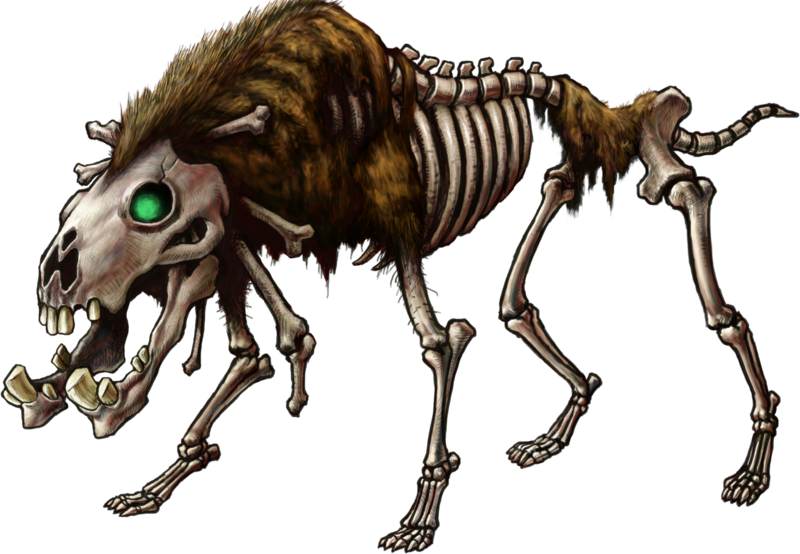
Find it on DnDBeyond
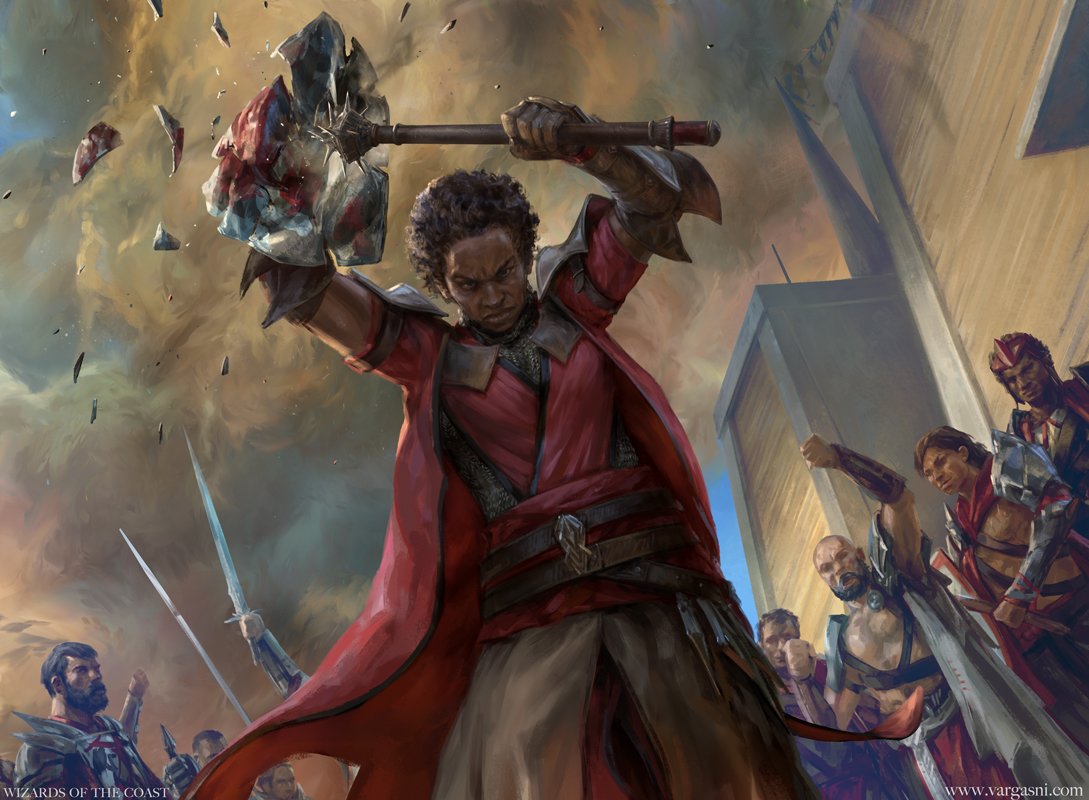

Fighter Martial Archetype
Improvisor
The archetypal Improvisor is a master of all types of improv. Weaponry, fighting, combat and conversation are all facets of life the Improvisor understands well. They are especially effective when they do not possess the "right tools". Even if you aren't holding a classical weapon all things, in their own respect, can be utilized as an extension of one’s self. Thus your surroundings can be utilized quite well in a pinch.
Makeshift Arms
Beginning when you choose this archetype at 3rd level, you can pick up an improvised weapon as part of the attack you make with the weapon, as long as you have a free hand. You gain proficiency with improvised weapons and can now roll a d6 in place of the normal 1d4 damage of an improvised weapon. This die changes as you gain fighter levels (increasing to 1d8 at 7th level, 1d10 at 12th level, and 1d12 at 18th level). The damage type and other properties of these weapons are assigned appropriately by the DM. Your improvised thrown weapon has a normal range of 25 feet and a long range of 100 feet.
In addition, once on your turn when you hit a creature with an improvised weapon, you can choose to shatter the weapon, allowing you to roll one additional damage die when determining damage. Once shattered, the item is too broken to be used as an improvised weapon again.
Bonus Proficiencies
At 3rd level, you gain proficiency with the Deception and Performance skills.
Extemporary Defense
Starting at 7th level, when you are hit by an attack and not wielding a shield, you can use your reaction to utilize an improvised item as a shield. Such examples include any object you can wield in one or two hands, such as a table leg, a frying pan, a wagon wheel, or a dead goblin. This improvised item provides a +3 bonus to AC, including against the triggering attack, but falls apart after 1d4 rounds. You can use this feature an amount of the times equal to your proficiency bonus, and you regain all expended uses of it when you finish a long rest.
Adaptive Grapple
At 10th level, when attempting to grapple a creature while wielding an improvised item such as rope or a sheet, your unorthodox fighting technique gives you some leverage.
As the grappler you gain the following benefits:
- The target of your grapple can now be no more than two sizes larger than you.
- You can choose whether the target makes a contested Strength (Athletics) or Dexterity (Acrobatics) check, instead of the target.
- When you move, drag or carry the grappled creature with you, it no longer halves your speed, unless the creature is one or more sizes larger than you.
As the grappled creature you gain the following benefits:
- While grappled, your speed is halved, rather than becoming 0.
- As an action you can attempt to reverse the grappled condition.
- When you are moved, dragged or carried by the grappler, any check you make to escape the grapple can be made with advantage.
Impromptu Repossession
Starting at 15th level, you can use your bonus action to wrestle away an opponents weapon. Target a creature that is within 5 feet of you and is wielding a weapon. Using at least one free hand, you try to seize the target's weapon by making a Strength (Athletics) or Dexterity (Sleight of Hand) check contested by the target's Strength (Athletics) or Dexterity (Sleight of Hand) check (the target chooses the ability to use). If the target is grappled by you, you are granted advantage on this check.
Ad-Hoc Armory
At 18th level, any item you hold in your hand is dangerous. You gain proficiency with any item you hold, if you do not already have it, and your proficiency bonus is doubled for any attack roll you make with improvised weapons. You ignore all class, race, and level requirements on the use or attunement of magic items. Additionally, when you roll initiative and have no uses of Extemporary Defense remaining, you regain 1 use.
Find it on DnDBeyond

Monk Monastic Tradition:
Way of the Marksman
A marksman is a person who is skilled in precision shooting or throwing ranged weaponry. With your mastery of ranged weaponry you know that the line between ranged and melee weapons is not entirely definite; for instance, spears, axes, daggers, and knives can be used for both throwing and striking, depending on purpose and situation, and a ranged weapon can also be used as a melee weapon in close encounters, such as an arrow being used as a hand weapon in desperate situations. Whether shot, thrown or even launched, a marksman can always aim down targets within their sights, especially with their seemingly uncanny vision.
Sniper Shot
Starting when you choose this tradition at 3rd level, you can fire off a deadly shot from deep range.
You gain a new attack option that you can use with the Attack action. This special attack originates from a ranged weapon of your choice and has a range of 90 feet. This range increases as you gain monk levels (increasing to 120ft at 5th level, 150ft at 11th level and 200ft at 17th level.) You are proficient with it, and you add your Dexterity modifier to its attack and damage rolls, unless stated otherwise by the weapons property. Its damage is piercing, and its damage die is a d4. This die changes as you gain monk levels, as shown in the Martial Arts column of the Monk table.
When you take the Attack action on your turn and use this special attack as part of it, you can spend 1 ki point to make the special attack twice as a bonus action.
When you gain the Extra Attack feature, this special attack can be used for any of the attacks you make as part of the Attack action.
Additionally you gain proficiency with ranged weapons, if you do not already have it.
Optic Superiority
At 3rd level, your vision becomes unparalleled in terms of observing hidden or non-visible threats. You gain proficiency with the Perception skill and can add your Dexterity modifier to Perception checks that pertain to eyesight.
Additionally, you can take the Search action as a bonus action. If you successfully find an obscured creature or object with this bonus action you become aware of the target's location, within a range equal to your Sniper Shot, as it no longer gains any benefits of being hidden or invisible to you.
Ranged Retribution
At 6th level, you have become quick and deadly enough to be able to react to incoming attacks. When a creature makes a failed attack on you, you may use your reaction and spend 2 ki points to attack by taking a singular shot at them with your Sniper Shot.
You can spend additional ki points to increase the amount of shots taken. Each additional ki point you spend allows you take take another Sniper Shot as a part of the same reaction. The maximum number of ki points (2 plus any additional points) that you can spend on this reaction equals your proficiency bonus.
Sensory Ambit
At 11th level, your vision improves even beyond assumed humanoid capabilities. You can see up to 1 mile away with your normal eyesight and gain immunity to the blinded or deafened conditions.
Additionally, you can spend 2 ki points to gain an extra sense as a bonus action. This sense is one of the following, blindsight, darkvision, or tremorsense (your choice). You gain this sense for an hour and it has a range of 60 feet, if you already have this sense its range increases by 60 feet.
You can spend additional ki points to gain an extra sense. Each additional 2 ki points you spend add another sense of your choice.
Cover Fire
At 17th level, you are able to take advantage of every drop in any enemy's guard. As an action by spending 2 ki points you release a barrage of ranged weapon attacks. Choose a point within your Sniper Shot's range, each hostile creature in a 20-foot-radius, 10-foot-high cylinder centered on that point takes 4d10 piercing damage and has their movement speed reduced by half until the end of your next turn.
If a creature attempts to hit you or an ally with an attack while within this area, a miss will cause the creature to fall prone.
Find it on DnDBeyond
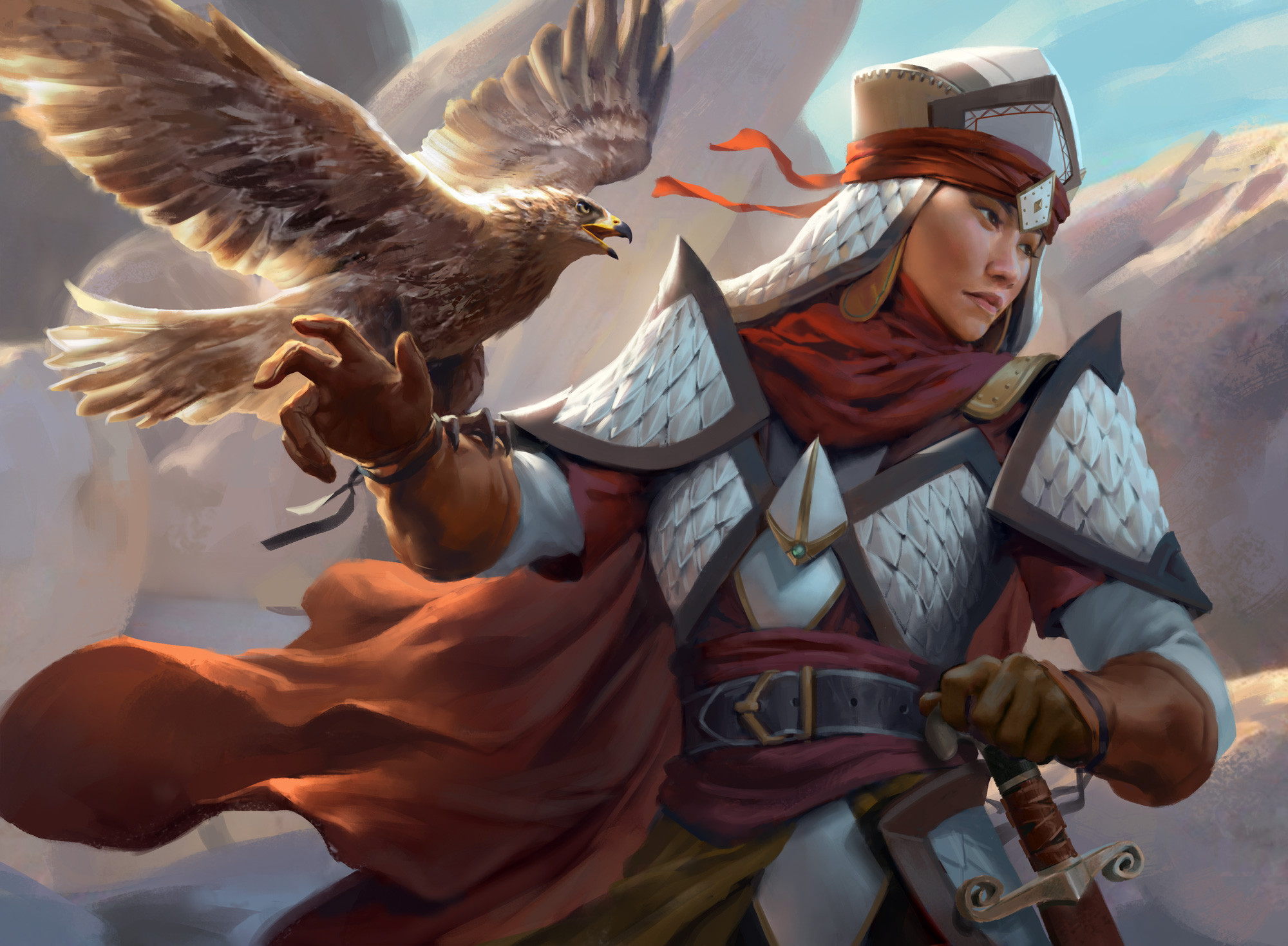

Paladin Sacred Oath:
Oath of Assembly
The Oath of Assembly binds a paladin to the loftiest ideals of community, reliability and trust. Recognized as pillars of the community, these Paladins are often seen gathering trustworthy allies to call on in times of need. As living symbols of justice, paladins of assembly strive to protect the communities they serve from all threats, both from within and outside.
Tenets of Assembly
Though the exact words and strictures of the Oath of Assembly vary, paladins of this oath share these tenets.
Weight of Influence. Do not deceive or conspire. Your actions serve as communal advice.
Keep the Peace. Violence is a weapon of last resort. Diplomacy and understanding are the paths to long-lasting peace.
Protect Your People. Aid others, protect the weak, and punish those who threaten them. Life is nothing to go at alone, it is a collaborative experience.
Assemble Your Allies. Treat others with fairness, and let your honorable deeds be an example to them. The key to success is the assembly of trustworthy and strong allies.
Oath Spells
3rd-level Oath of Assembly feature
You gain oath spells at the paladin levels listed in the Oath of Assembly Spells table. See the Sacred Oath class feature for how oath spells work.
Oath of Assembly Spells
| Paladin Level | Spell |
|---|---|
| 3rd | comprehend languages, find familiar |
| 5th | find steed, suggestion |
| 9th | conjure animals, tongues |
| 13th | conjure minor elementals, conjure woodland beings |
| 17th | commune, conjure elemental |
Channel Divinity
3rd-level Oath of Assembly feature
You gain the following two Channel Divinity options. See the Sacred Oath class feature for how Channel Divinity works.
Righteous Challenge. As a bonus action, you can use your Channel Divinity to bellow a fierce war cry that strikes terror in the hearts of your enemies.
You present your holy symbol and loudly challenge your enemies. Each hostile creature within 30 feet that can hear you must make a Wisdom saving throw. On a failure, that creature is frightened of you for one minute or until it takes damage.
Shielding Smite. Immediately after you deal damage to a creature with your Divine Smite feature, you can use your Channel Divinity as a bonus action and temporarily increase the Armor Class by +1 for creatures of your choice within 15 feet of you, which can include you. The bonus lasts for one minute.
Aura of Empowerment
7th-level Oath of Assembly feature
You emanate an aura that empowers you and your companions, within 10 feet, with magical offensive capabilities. This allows your allies', including yourself and any being you've summoned's, attacks to count as magical for the purposes of overcoming resistance and immunity to nonmagical attacks and damage.
When you reach 18th level in this class, the range of the aura increases to 30 feet.
Communal Auras
15th-level Oath of Assembly feature
As an action, you can create new epicenters of your auras that emit from creatures you've summoned. A creature or being you have summoned can now each emit one of your Auras, whether it be Protection, Courage or Empowerment. These Communal Auras last for 1 minute and have a radius of 5 feet.
You can use this feature on a number of summoned creatures equal to half your proficiency bonus rounded down, and you regain all expended uses when you finish a long rest.
When you reach 20th level in this class, the range of the aura increases to 10 feet.
Flagship Focus
20th-level Oath of Assembly feature
You can empower your summoned creatures to maintain themselves instead of constantly requiring your focus. While you are concentrating on a conjuration spell, your concentration can’t be broken as a result of taking damage.
Additionally, any creature that you summon or create with a conjuration spell, and has been summoned for at least 5 rounds, no longer requires your concentration. Those creatures can last until your next long rest unless they are destroyed or you dismiss them as a bonus action.
Find it on DnDBeyond

Oath of Shadow
The Oath of Shadow implores a paladin to live a life of secrecy and frequent anonymity. Akin to the Monks of the Way of Shadow, stealth and subterfuge reign supreme in the ideals of these paladins. Closely tied to the illusory mechanisms behinds smoke, cinder, ash and smog, paladins of the Oath of Shadow, beckon mist and control it as their will. Missions taken by each are often far from dignified. These paladins closely follow enemy's path of destruction, for where there is fire, there is smoke.
Tenets of Shadow
The tenets of the Oath of Shadow hold a paladin to a high standard of secrecy and furtiveness.
Reticence. On occasion, the truth must be hidden. Keeping it from others is only for their protection.
Obedience. Most begin this path from a darker place in life. It is important that structure and order dictate action from then on.
Shelter. Aggressive behavior is the path of least resistance, protecting others suffering from it, is the corrective road.
Shadow. Darkness is often misconstrued with evil, but darkness is the method of protection for those hurt by the light.
Oath Spells
3rd-level Oath of Shadow feature
You gain oath spells at the paladin levels listed in the Oath of Shadow Spells table. See the Sacred Oath class feature for how oath spells work.
Oath of Shadow Spells
| Paladin Level | Spell |
|---|---|
| 3rd | fog cloud, silent image |
| 5th | darkvision, pass without trace |
| 9th | gaseous form, wind wall |
| 13th | faithful hound, greater invisibility |
| 17th | cloudkill, mislead |
Channel Divinity
3rd-level Oath of Shadow feature
You gain the following two Channel Divinity options. See the Sacred Oath class feature for how Channel Divinity works.
Umbral Lurch. You can use your Channel Divinity to travel great distances through shadow. As a bonus action, you can teleport up to 120 feet to an unoccupied space you can see that is in dim light or darkness.
Smoldering Resistance. You can use your Channel Divinity to protect those who need it most. Immediately after an attacker within 30 feet of you deals damage with an attack against a creature other than you, you can use your reaction to grant the creature resistance to bludgeoning, piercing, and slashing damage for 1 minute or until you cast a spell.
Aura of Obscurity
7th-level Oath of Shadow feature
You emit a light mist that may hide you and your allies. You and friendly creatures, within 5 feet of you, become lightly obscured to others. In addition, if you aren’t incapacitated, you may use a bonus action to thicken the fog, becoming heavily obscured to others.
When you reach 18th level in this class, the range of the aura increases to 10 feet.
Smoke and Mirrors
15th-level Oath of Shadow feature
You have become a practitioner of powerful illusory and stealthy techniques. You gain proficiency in the Stealth skill and gain the minor illusion cantrip if you don’t already know it.
Additionally, if armor you are wearing normally imposes disadvantage on Dexterity (Stealth) checks, you may ignore this property.
Champion of Shadow
20th-level Oath of Shadow feature
You become a true paragon of shadow. You can cast the darkness spell at will.
Find it on DnDBeyond
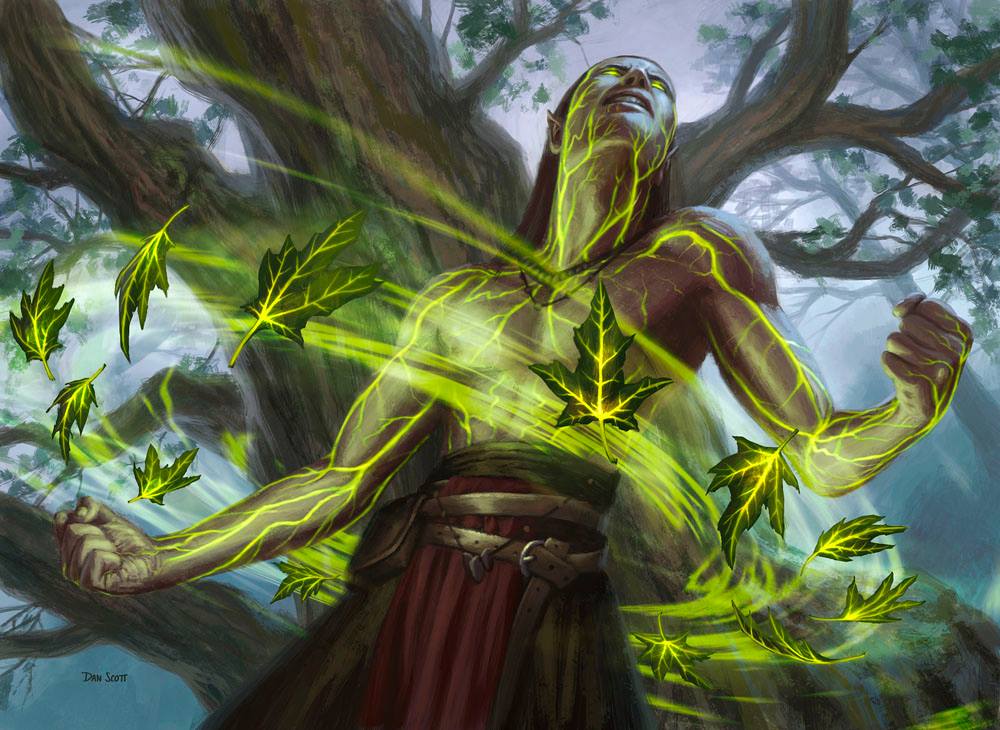

Ranger Conclaves:
Abnormality
Change, alteration, mutation or evolution. Regardless of the morphological outcome, those haunted, forsaken and wicked subjects must still bear the weight of their new life. This is the structure of an Abnormality. The world around us is extraordinary, but so too are the bodies we inhabit.
Abnormality Magic
Starting at 3rd level, you learn an additional spell when you reach certain levels in this class, as shown in the Abnormality Spells table. The spell counts as a ranger spell for you, but it doesn’t count against the number of ranger spells you know.
Abnormality Spells
| Ranger Level | Spell |
|---|---|
| 3rd | false life |
| 5th | enlarge/reduce |
| 9th | vampiric touch |
| 13th | polymorph |
| 17th | antilife shell |
Mutated Form
At 3rd level, you gain the ability to mutate into an intensely different form. As a bonus action, you transform and gain the following benefits:
- A melee weapon you wield attaches to you, becoming a natural weapon, and can’t be removed against your will.
- Natural weapons become magical for the purposes of overcoming resistance and immunity to nonmagical attacks and damage.
- Whenever you make a Strength check or saving throw, you gain a bonus to the roll equal to your Wisdom modifier (minimum of +1).
- You gain an amount of temporary Hit Points equal to your ranger level + your Wisdom modifier.
- You have resistance to acid, necrotic, or poison damage (your choice).
This form lasts for 1 minute and ends if you are knocked unconscious or drop to 0 hit points. You can use this feature twice and regain expended uses when you finish a short or long rest.
Lasting Effects
At 3rd level, effects from your abnormal body stick around afterwards. For an amount of hours equal to your proficiency bonus, after you exit your mutated form, you gain one of the following benefits:
- A melee weapon you wield attaches to you, becoming a natural weapon, and can’t be removed against your will.
- Whenever you make a Strength check or saving throw, you gain a bonus to the roll equal to your Wisdom modifier (minimum of +1).
- You have resistance to acid, necrotic, or poison damage (your choice).

Deflective Blight
At 7th level, you learn to command your mutated energy to harm another. As a reaction, when a creature you can see hits you with a melee attack, you can force the attacker to make a Constitution saving throw against your spell save DC. On a failed save the creature takes an amount of necrotic damage equal to, either; half your ranger level, rounded down, or half the damage you were dealt (whichever is higher).
You can use this feature an amount of times equal to half your proficiency bonus, rounded down, and you regain all uses when you finish a short or long rest.
Absorbed Protection
At 11th level, your equipped weaponry gains a new purpose. While you are in your mutated form, you can have up to a maximum of 3 pieces of equipment, such as any armor, any weapons that your are proficient with, or magical items that your are attuned to, attach to you, and can’t be removed against your will.
Additionally, you gain a bonus to your Armor Class equal to the amount of items you have absorbed.
Intensified Metamorphosis
At 15th level, your mutated form becomes more powerful. While in your mutated form you gain the following properties, in addition to its original benefits:
- You gain resistance to all acid, necrotic, and poison damage.
- Your natural weapon attacks now deal acid, necrotic, or poison damage (your choice).
- Your walking speed increases by 10 feet.
Find it on DnDBeyond
Factotum
Whereas bards use their general knowledge to aid others, factotums focus their abilities solely upon themselves. Constantly on the hunt for new abilities and tricks, factotums eventually find the right tool to overcome practically any problem. As a factotum, you are a jack of all trades. For short periods of time, you can stand in for almost any other member of the party. Your intellect, training, and experiences allow you to bolster your efforts in almost any situation.
Opportunistic Piety
Starting at 3rd level, you are legendary for the number of holy symbols, lucky trinkets, and blessed items you keep handy. These items enable you to channel divine energy that allows you to learn an additional spell when you reach certain levels in this class, as shown in the Opportunistic Piety Spells table. The spell counts as a ranger spell for you, but it doesn’t count against the number of ranger spells you know.

Opportunistic Piety Spells
| Ranger Level | Spell |
|---|---|
| 3rd | bless |
| 5th | lesser restoration |
| 9th | beacon of hope |
| 13th | guardian of faith |
| 17th | mass cure wounds |
Cunning Acts
At 3rd level, while you may learn many paths, you master none of them. Rather than train in a given field, you master all the basics and manages to pull out something useful when the situation is desperate enough. At the beginning of each day you gain an amount of inspiration points equal to your Ranger level, that you can spend to activate your cunning acts. All inspiration points refresh after a long rest.
Cunning Awareness. When attempting to use the Primeval Awareness feature, you can spend 2 inspiration points to reveal the location or number of creatures and traps that are present within 1 mile of you (or within up to 6 miles if you are in your favored terrain).
Cunning Defense. You study your opponents and learn to anticipate their attacks, as a reaction, when you are hit by an attack, you can spend 3 inspiration points to gain a bonus to your Armor Class, equal to your Wisdom modifier, against the triggering attack.
Cunning Insight. Before making an attack roll or damage roll, you can spend 1 inspiration point to gain a bonus to the roll equal to your Wisdom modifier.
Cunning Knowledge. When making an ability check, with a skill in which you have proficiency, you can spend 1 inspiration point to gain a bonus to the roll equal to your Wisdom modifier. You can use this ability once per day for a particular skill. For example, if you use cunning knowledge to gain a bonus on a Stealth check, you cannot use the ability to improve other stealth checks for the rest of the day, though you can use it on different skills.
Brilliance
At 7th level, you can add half your proficiency bonus, rounded up, to any ability check you make that doesn’t already include your proficiency bonus.
Arcane Dilletante
At 11th level, your understanding of magic becomes more detailed. By spending an amount of Inspiration points equal to twice the spell's level, you may cast a Ranger spell without expending a spell slot.
Improved Cunning Acts
At 15th level, you have become the ultimate jack of all trades. With all your newfound cunning acts you can use your inspiration points in new ways. Additionally, when you roll initiative and have no inspiration points remaining, you regain 3 inspiration points.
Cunning Dodge. Your luck, reflexes, and intuition allow you to nimbly dodge attacks, as a reaction, when an attacker that you can see hits you with an attack you can spend 3 inspiration points to halve the attack’s damage against you.
Cunning Strike. Your broad knowledge allows you to study an opponent and gain a brief dash of insight to breach their defenses. When you take the attack action you can spend 2 inspiration points to ignore resistance to nonmagical attacks and damage until the end of your turn.
Cunning Surge. You learn to push yourself when needed, immediately after you take the Attack action on your turn, you can spend 4 inspiration points and can take one additional action.
Improved Cunning Knowledge. When making an ability check or saving throw, with a skill or save regardless of if you have proficiency, you can spend 2 inspiration points to gain a bonus to the roll equal to your Wisdom modifier.
Find it on DnDBeyond


Rogue Archetype:
Practitioner
On every battlefield, there are some whose focus is not on defeating their enemies but ensuring the survival of their allies. Brave individuals who scurry from person to person working to keep their Allies fighting strong. Practitioners are practical healers, relying on their own crafting skill instead of divine or arcane magic. They are trained to an expert level of understanding of medical knowledge, learnt through hours of study and practice.
Treatment Kit
When you choose this archetype at 3rd level, you gain modified a healer's kit called a Treatment Kit, that grants you the ability to administer a treatment of your choice. You also gain proficiency with the Medicine skill.
If you lose it, you can create a new Treatment Kit by spending 10 minutes turning a healer's kit into one, provided you have 2 gp worth of supplies on hand.
Treatments. You learn 3 treatments of your choice, which are detailed under “Treatments” below. You can only use one treatment on your turn. You learn an additional treatment of your choice at 9th, 13th, and 17th level. Each time you learn new treatments, you can also replace one treatment you know with a different one.
Treatment Kit. You have four Treatment Kit uses, which are expended when you use them. You regain all of your expended uses when you finish a short or long rest.
You gain two additional uses at 6th, 9th, 13th, and 17th level.
Saving Throws. Some of your treatments require your target to make a saving throw to resist the treatment's effects. The saving throw DC is calculated as follows:
Treatment save DC = 8 + your proficiency bonus + your Intelligence or Wisdom modifier (your choice).
First Aid
At 3rd level, you may, as an action, treat any wounds or injuries of an ally within 5 feet of you. Spend 2 uses of your treatment kit, the target regains an amount of hit points that scales equally to your sneak attack damage.
On Your Feet
At 9th level, you can, as a bonus action expend 3 uses of your Treatment Kit to revitalize your allies' health with a quick patch up. You can choose creatures, which can include you, that you can see within 10 feet of you, those creatures regain an amount of hit points equal to your rogue level. If the creature isn't prone, it can utilize 15 feet of free movement immediately. When you use this feature to restore hit points to a creature at 0 hit points, you can add your Intelligence or Wisdom modifier (your choice) to the amount of hit points restored.
Field Hospital
Starting at 13th level, once per day, you have ability to set up and operate a Field Hospital for 10 minutes.
The Field Hospital is a rectangular tent-like structure, 10 feet wide, 15 feet long and about 10 feet tall. When constructed the interior is populated by sheets, supplies and the occasional cot. The modified tent has an AC of 15 and 30 hit points. It is immune to poison and psychic damage.
If a creature remains inside the Field Hospital for the full duration, that creature gains the benefits of a short rest. If a creature with 0 hit points enters the Field Hospital, it becomes stabilized.
Hormonal Haste
Starting at 17th level, you can utilize chemical and hormone imbalances, like adrenaline, to their full potential. When you make an attack that uses a finesse or a ranged weapon, you gain a bonus to the attack roll equal to your Intelligence or Wisdom modifier (your choice).
Additionally, you can spend 3 uses of your treatment kit to make an extra attack on your turn, this attack gains a damage bonus equal to your Intelligence or Wisdom modifier (your choice).
Treatments
The treatments are presented in alphabetical order.
Anesthesia. As an action, you may put a willing creature, within 5 feet, to sleep for 1 minute. When attempting to restore hit points to the creature, when you would normally roll one or more dice to restore hit points, you instead use the highest number possible for each die.
This creature is considered unconscious. If the creature has 0 hit points, the creature becomes stable.
Breathing Routines. As an action, you may instruct one target within 30 feet to move through a series of breathing routines that removes any effect causing a target to be frightened.
Additionally, the target regains an amount of hit points as if they have expended 1 of their hit dice.
Check Up. You may expend one use of your Treatment Kit to examine a creature within 15 feet of you and learn two of the following characteristics of your choice:
- Current hit points
- Maximum hit points
- Constitution score
- Under the effect of any condition aside from the charmed or invisible conditions
- Currently making any saving throws
Chloroform. As an action, you may target a creature within 5 feet, forcing them to make a Constitution saving throw. On a failed save, the creature is put to sleep until the end of your next turn, the sleeper takes damage, or someone uses an action to shake or slap the sleeper awake. This creature is considered unconscious.
If you target a creature that is already unconscious, they automatically fail this saving throw and remain unconscious for an additional round.
Cryotherapy. You may expend one use of your Treatment Kit to replace the damage type of your sneak attack damage with cold damage.
Detox. As an action, you may detoxify a nonmagical food and drink of your choice as it is purified and rendered free of poison and disease.
Discombobulate. As an action, you may make an unarmed strike on a creature. On a hit, the target must make a Constitution saving throw. On a failed save the target becomes blinded or deafened (your choice) until the end of your next turn.
Electrotherapy. You may expend one use of your Treatment Kit to replace the damage type of your sneak attack damage with lightning damage.
Injection. You may expend one use of your Treatment Kit to replace the damage type of your sneak attack damage with poison damage.
Painkiller. As a bonus action, you may administer a painkiller to a target within 5 feet which grants resistance to bludgeoning, piercing, and slashing damage until the end of your next turn.
Prescription. As a reaction, you may administer a prescription which grants a target within 5 feet advantage on a saving throw against to avoid or end the paralyzed, poisoned, or stunned conditions.
Pyrotherapy. You may expend one use of your Treatment Kit to replace the damage type of your sneak attack damage with fire damage.
Sonotherapy. You may expend one use of your Treatment Kit to replace the damage type of your sneak attack damage with thunder damage.
Steroid. As an action, you may administer a steroid to a creature within 5 feet, which increases the target's STR and DEX scores by 2 for 1 minute. A creature can be administered a maximum of 6 steroids per long rest. For each steroid administered after the first, the creature suffers a level of exhaustion immediately after the effect ends.
You can use your bonus action to spend additional uses of your Treatment Kit to administer multiple steroids at once.
Vaccination. As an action, you may administer a vaccine to a creature, within 5 feet, that grants immunity to the poisoned condition for 1 hour.
Optional Feature: Alternative Medicine
Instead of practicing the traditionally taught methods of medicine, you have educated yourself on its alternatives. Instead of modifying a healer's kit, you can modify alchemist's supplies, an herbalism kit, or a poisoner's kit into a Treatment Kit.
Find it on DnDBeyond

Sorcerer Origin:
Genetic Creation
There are two major types of creations: "genetic accident", the uncontrolled, unexpected and disastrous alteration of a species; and "planned genetic alteration", the focused, premeditated and unexpectedly dangerous. Whether controlled by magic or science, a genetic creation's true power is contained within.
Genetic Magic
1st-level Genetic Creation feature
You learn additional spells when you reach certain levels in this class, as shown on the Genetic Spells table. Each of these spells counts as a sorcerer spell for you, but it doesn’t count against the number of sorcerer spells you know.
Whenever you gain a sorcerer level, you can replace one spell you gained from this feature with another spell of the same level. The new spell must be a necromancy or a transmutation spell from the druid, sorcerer, or warlock spell list.
Genetic Spells
| Sorcerer Level | Spell |
|---|---|
| 1st | longstrider, mage armor |
| 3rd | barkskin, enhance ability |
| 5th | gaseous form, vampiric touch |
| 7th | polymorph, stoneskin |
| 9th | antilife shell, telekinesis |
Phenotypical Fixation
1st-level Genetic Creation feature
You are quite familiar with focusing on a singular magic source. When you, or an ally within 10 feet of you, fails a constitution saving throw to maintain concentration, you can use your reaction to add your Charisma modifier to the roll, potentially turning a failure into a success. You can use this feature a number of times equal to your proficiency bonus, once you have expended all charges, you cannot use this feature again until you finish a long rest or spend an amount of sorcery points equal to the level of the spell being concentrated on.
Recombinant Casting
6th-level Genetic Creation feature
Your body has been exposed to an immense amount of raw arcane energy allowing you to change a spell's saving throw type. When you cast a spell that forces a target to make a saving throw, you can spend an amount of sorcery points equal to the spell's level, and roll on the on the Saving Throw Type Table to change the saving throw type. For example, the third level, fireball spell requires a target to make a DEX saving throw, utilizing Recombinant Casting, you could spend 3 sorcery points and change it to the result you rolled on the table.
Additionally, you can spend an additional 2 sorcery points to roll twice and use either number.
Saving Throw Type Table
| d6 | Saving Throw Type |
|---|---|
| 1 | Strength |
| 2 | Dexterity |
| 3 | Constitution |
| 4 | Intelligence |
| 5 | Wisdom |
| 6 | Charisma |
Epistatic Negation
14th-level Genetic Creation feature
You sorcery is not necessarily, peaceful, when interacting within another being's arcane power. Once per long rest, you can cast the Antimagic Field spell without expending a spell slot or requiring material components. A chosen number of creatures up to your Charisma modifier (minimum of one creature) are unaffected.
Once you cast this spell, you can’t cast it again until you finish a long rest, or you spend 8 sorcery points to use it again.
Mitotic Concentration
18th-level Genetic Creation feature
Your form is able to hold steady grips on multiple concentration requiring spells. You may concentrate on up to 3 spells. To cast a concentration spell while you already have one active, you must pass a Constitution saving throw. The DC equals, 8 + the sum of the spells' levels. If you fail this saving throw you must drop concentration on any previous spell, and lose the spell slot of what you were attempting to cast.
While concentrating on more than one spell, if you fail a saving throw to maintain concentration, you lose all active concentration spells and gain a level of exhaustion for each spell you were concentrating on.
Find it on DnDBeyond

Warlock Otherworldly Patron:
The Rotten Verdancy
Your patron is a being of immense druidic magic. Their thorns can represent protection or intimidation but either way entities of vegetation imbue their warlocks with a variety of nature magics. Whether the patron themselves is natural or unnatural, their imposed will is not up for debate. An example of a powerful enough verdancy could be an elder Treant, or Primordial Beings of old.
Expanded Spell List
The Rotten Verdancy lets you choose from an expanded list of spells when you learn a warlock spell. The following spells are added to the warlock spell list for you.
Rotten Verdancy Expanded Spells
| Spell Level | Spell |
|---|---|
| 1st | entangle, goodberry |
| 2nd | barksin, spike growth |
| 3rd | plant growth, speak with plants |
| 4th | freedom of movement, stoneskin |
| 5th | commune with nature, tree stride |
Bonus Cantrips
At 1st level, you learn the druidcraft and shillelagh cantrips. They count as warlock cantrips for you, but they don’t count against your number of cantrips known.
Overgrown Aspect
At 1st level, your link to the Rotten Verdancy allows you to serve as an aspect of channeled energy. You gain proficiency with the Survival skill.
Additionally, as an action, you can summon this power for up to 1 minute. For the entire duration, your patron grants you the following benefits:
- Your AC becomes 13 + your Charisma modifier, when not wearing armor.
- As a reaction, you can summon wood, stone and plants from the earth to momentarily protect an ally, granting them advantage on their next Strength or Dexterity saving throw. You can make this reaction after the ally has been targeted but before the saving throw is made and the creature must not be more than 10 feet above the ground.
You can transform a number of times equal to your proficiency bonus, and you regain all expended uses when you finish a long rest.


Environmental Vagrant
Starting at 6th level, your patron has employed the natural world to protect and grant you free passage throughout your surroundings. You can ignore difficult terrain made from natural landscapes and gain the ability to use a bonus action to take the Dash or Disengage actions.
Enliven Woodland
Starting at 10th level, you magically animate plants you can see within 60 feet of you.
As an action, choose up to five nonmagical plants you can see within range, size indicates the amount of plants and their statistics. A tiny target counts as one plant, small as two and so on up to huge, representing 5 plants. Each target animates and becomes a creature under your control until a long rest or until reduced to 0 hit points. As a bonus action, you can mentally command any creature you made (if you control multiple creatures, you can command any or all of them at the same time, issuing the same command to each one). You decide what action the creature will take and where it will move during its next turn, or you can issue a general command, such as to guard a particular chamber or corridor. If you issue no commands, the creature only defends itself against hostile creatures. Once given an order, the creature continues to follow it until its task is complete. You can use this feature for free once per long rest or spend a spell slot of 5th level or higher.
Enlivened Woodland Plant Statistics
| Size | HP | AC | Str | Dex | Attack |
|---|---|---|---|---|---|
| Tiny | 20 | 18 | 4 | 18 | +8 to hit, 1d4 + 4 damage |
| Small | 25 | 16 | 6 | 14 | +6 to hit, 1d6 + 2 damage |
| Medium | 40 | 13 | 10 | 12 | +5 to hit, 2d6 + 1 damage |
| Large | 50 | 10 | 14 | 10 | +6 to hit, 2d10 + 2 damage |
| Huge | 80 | 10 | 18 | 6 | +8 to hit, 2d12 + 4 damage |
An enlivened plant is a plant with AC, hit points, attacks, Strength, and Dexterity determined by its size. Its Constitution is 10 and its Intelligence and Wisdom are 3, and its Charisma is 1. Its speed is 30 feet. If the plant is too securely rooted to a surface or a larger plant, such as a deeply intertwined root system, its speed is 0. It has tremorsense with a radius of 30 feet and is blind beyond that distance. When the enlivened plant drops to 0 hit points, it reverts to its original plant form, and any remaining damage carries over to its original plant form.
Bastion of Bailiwick
Starting at 14th level, the power granted to you by your patron allows you to command terrain. Once per long rest, you can cast one of the following spells, without expending a spell slot or requiring material components: find the path, move earth, or transport via plants.
Once you use this feature to cast one of these spells, you can’t use it again until you finish a long rest.
Find it on DnDBeyond

Wizard Arcane Tradition:
Disciples of Telepathy
For most, telepathy is merely an additional power of those talented in psionics. But for those who've honed and perfected it, it resembles a power set of its own. The Disciples of Telepathy share similarities with the teachings of Psionic, but holds a major difference. All psychic power supposedly emanates from its user, however these wizards have found a way to have an, external, source.
Consolidated Telepathy
Beginning when you select this school at 2nd level, you can speak telepathically to any creature you can see within 30 feet of you. Your telepathic utterances and knowledge of telepathy are so in depth that both you and the target creature can communicate for a number of minutes equal to your wizard level. The creature must have an Intelligence score of 3 or higher and know at least 1 language, you do not have to share this language. It ends early if you are incapacitated or die or leave range of the target. You can be mentally linked to an amount of creatures equal to your proficiency bonus. At 14th level, the amount of creatures you can link to is unlimited.
Techniques of Telesthesia
When you choose this school at 2nd level, as an action, you alter the psychic aura or mind of a creature or object you touch. The target can be a willing creature, yourself, or an object that isn’t being carried or worn by another creature. You can use this feature an amount of times equal to your Intelligence modifier. If you target a creature that is not yourself, you cannot use this ability to effect the same creature again until you finish a long rest.
When you use the feature, the target gains one of the following effects:
False Aura. You change the way the target appears to psychic effects or spells, such as detect thoughts. You can make an unawakened object or creature appear intelligent and to radiate a psychic aura, or a awakened object or creature appear unawakened and to radiate no aura.
When you use this effect on an object, you can make the false aura apparent to any creature that handles the item. The effect lasts until your next long rest.
Information Transfer. You replicate and impart the knowledge of either a subject, experience, or emotion from one creature or object into the mind of another. This could include either saving throw, skill or weapon proficiencies. Only one proficiency can be transferred at a time. The effect lasts until your next long rest.
Intellectual Interference. You may interfere with any psychic connection the target may have with another creature. This allows you to either, listen in, join in, or end the link. The effect lasts until your next long rest.
Nervous System Disconnect. You server the connection between the mind and the body, temporarily allowing the target to not experience pain. The target creature gains resistance to all non-magical bludgeoning, piercing and slashing damage until the end of your next turn.
Insightful Communication
Starting at 6th level, you gain the ability to “communicate” telepathically with objects or creatures you touch.
If you touch an object you can ask up to five questions and receive answers from inanimate objects, usually in the form of a auditory or visual hallucination. For example, touching the broken remains of a sword and asking how it got there may result in a vision of a knight relinquishing it to the ground on that spot. An object “questioned” in this way can only provide information relating to its past.
If you touch a creature, you learn what spell effects, if any, are currently affecting it. If the creature is unconscious you may communicate with it as an object, but it can only provide information relating to its last day's worth of memory.
Once you use this feature an amount of times equal to your Intelligence modifier, you cannot use it again until you finish a long rest.
Planar Parameters
By 10th level, you have increased the range of your mind's strength. Your telepathy can reach anywhere on your current plane. You can cast the Telepathy spell without expending a spell slot or requiring material components, an amount of times equal to your Intelligence modifier, per long rest.
Cerebral Superiority
Beginning at 14th level, your mental fortitude and psychic power has grown to a point where psionic opposition is futile. You gain resistance to psychic damage and are now immune to the frightened and charmed conditions.
Additionally, if a creature attempts to impose one of these conditions on you, you may expend one usage of Techniques of Telesthesia, as a reaction, to force the creature to make an Intelligence saving throw against your spell save DC. If the creature fails, the condition has no effect on any allied targets within 30 feet.
Find it on DnDBeyond
Feats
This section introduces feats that your character extra benefits. These feats are available to you whenever you normally choose a feat, and they follow the feat rules in the Player's Handbook.
Feat Descriptions
The feats are listed in alphabetical order.
Ensnarer
You have mastered nets and can capture things that others find impossible. You gain the following benefits:
- Your nets can attempt to restrain creatures that are Huge or smaller.
- Now, dealing 10 slashing damage to the net (AC 10) frees the creature without harming it, ending the effect and destroying the net.
- Before you make an attack with a net, you can choose to take a -5 penalty to the attack roll. If the attack hits, you add +5 to the net's strength check DC that a creature can make to free itself from being restrained. DnDBeyond
Heavy-Handed
You have mastered heavy weapons and can hit attacks that others find impossible. You gain the following benefits:
- Attacking while Small or Tiny size doesn't impose disadvantage on your heavy weapon attack rolls.
- Your heavy weapon attacks ignore half cover and three-quarters cover.
- Before you make an attack with a heavy weapon that you are proficient with, you can choose to take a -5 penalty to the attack roll. If the attack hits, you add +10 to the attack's damage. DnDBeyond
Improvised Weapon Master
You have become accustomed to fighting with whatever is nearby, gaining the following benefits:
- Increase your Strength or Dexterity score by 1, to a maximum of 20.
- You gain twice proficiency with improvised weapons.
- When you hit a creature with an improvised weapon attack it uses a d6 for damage.
- When you hit a creature with an improvised weapon on your turn, you can use a bonus action to attempt to grapple the target. DnDBeyond
Lancer
You have mastered lances and can hit attacks that others find impossible. You gain the following benefits:
- Attacking within 5 feet doesn't impose disadvantage on your lance's attack rolls.
- Your lance's attacks ignore half cover and three-quarters cover.
- Before you make an attack with a lance, if you are proficient with it, you can choose to take a -5 penalty to the attack roll. If the attack hits, you add +10 to the attack's damage. DnDBeyond
Medical Adept
Prequisite: Proficiency in Medicine
You have medical training that allows you to administer special medicinal treatments. You gain the following benefits:
- You learn two treatments of your choice from among those available to the Practitioner archetype in the rogue class. If a treatment you use requires your target to make a saving throw to resist the treatment's effects, the saving throw DC equals 8 + your proficiency bonus + your Intelligence or Wisdom modifier (your choice).
- You gain one use (this use is added to any uses you have from another source). This is expended when you use it. You regain it when you finish a short or long rest.
Pitcher
You have mastered thrown weapons and can make shots that others find impossible. You gain the following benefits:
- Attacking at long range doesn't impose disadvantage on your ranged thrown weapon attack rolls.
- Your ranged thrown weapon attacks ignore half cover and three-quarters cover.
- Before you make an attack with a thrown weapon that you are proficient with, you can choose to take a -5 penalty to the attack roll. If the attack hits, you add +10 to the attack's damage.
Symbiotic Weapon
You have fashioned an unnatural or magical tie to a weapon of your choice, gaining the following benefits:
- Increase your Strength or Constitution score by 1, to a maximum of 20.
- A melee weapon you wield, and are proficient with, attaches to you, and grows in place of your arm. This arm can no longer precisely manipulate anything and can’t wield weapons, magic items, or other specialized equipment.
- You can’t be disarmed of that weapon, as it becomes a natural weapon, which you can use to make an unarmed strike. If you hit with it, the target takes damage equal to the weapon's damage, instead of the bludgeoning damage normal for an unarmed strike. DnDBeyond
Unmovable
Prerequisite: Strength 13 or higher.
You are exceptionally steady and anchored. You gain the following benefits:
- When you attempt to hit a creature with an opportunity attack, the attack's range increases by 5 feet.
- When a creature uses the disengage action, you can make an opportunity attack at them with disadvantage.
- You gain advantage on any saving throw to avoid becoming prone.
Spells
Created in this native world of Hylladir, these spells are available to the character options presented in this collection. The spells also appear on the class spell lists indicated in the Spells table below.
Spells
| Level | Spell | School | Class |
|---|---|---|---|
| Cantrip | Embarrassment | Illusion | Bard, Sorcerer, Warlock, Wizard, Oath of Conquest |
| Cantrip | Contaminate | Transmutation | Alchemist, Druid, Warlock, Wizard |
| 1st | Adaine's Furious Fists | Evocation | Sorcerer, Wizard, Arcana Domain |
| 1st | Seen Servant | Conjuration | Bard, Warlock, Wizard |
| 3rd | Aerial Dissection | Abjuration | Warlock, Wizard, Oath of Conquest, Oath of Vengeance, Horizon Walker |
| 9th | Angrovian's Terraformation | Transmutation | Druid, College of Creation, The Rotten Verdancy, School of Transmutation, Graviturgy Magic |
| 9th | Herrock's Normalze | Abjuration | Sorcerer, Wizard, College of Lore, Arcana Domain, The Great Old One |
Spell Descriptions
The spells are listed in alphabetical order.
Adaine's Furious Fists
1st-Level Evocation
- Casting Time: 1 Bonus Action
- Range: Self
- Components: V, S
- Duration: Concentration, up to 1 minute
For the duration of this spell, your fist gleams with silvery arcane light and you may, as an action, make a melee spell attack against a creature within reach of your unarmed attack. The first such successful attack during the duration of this spell deals 2d10 force damage to the target, and the target must make a Strength saving throw or be knocked prone and pushed up to 5 feet away from you.
At Higher Levels: when you cast this spell using a spell slot of 2nd level or higher, the extra damage increases by 2d10 for each slot level above 1st. Additionally, the distance the target may be pushed away from you on a failed save increases by 5 feet for each slot level above 1st.
Credit - Brennan Lee Mulligan, Dimension 20 DnDBeyond
Aerial Dissection
3rd-Level Abjuration
- Casting Time: 1 Action
- Range: 30 feet
- Components: V, S
- Duration: Concentration, up to 1 minute
One creature of your choice that you can see within range rises 10 feet vertically, and remains suspended there for the duration. The target takes 1d4 force damage when you cast this spell and becomes incapacitated, for the duration. If the creature is holding any object, the creature must succeed on a Constitution saving throw or drop the object if it can.
Until the spell ends, you can use a bonus action on each of your subsequent turns to cause this damage and saving throw again.
When the spell ends, the target falls harshly, taking 1d6 bludgeoning damage. DnDBeyond
Angrovian's Terraformation
9th-Level Transmutation
- Casting Time: 10 Minutes
- Range: Unlimited
- Components: V, S, M (a patch of 20 square feet of natural land)
- Duration: Concentration, up to 100 days
When cast this spell will terraform a chosen area of land, making it malleable to your will. Whether you wish to destroy, alter or move the land all architecture, agriculture and civilization is subject to the same fate. Only a single material plane can be affected by the spell at a time. DnDBeyond
Contaminate
Transmutation Cantrip
- Casting Time: 1 Bonus Action
- Range: Touch
- Components: V, S, M (ink, and a dagger or sickle)
- Duration: 1 minute
The blade of a dagger or sickle you are holding is imbued with alchemical blight. For the duration, you can use your spellcasting ability instead of Strength or Dexterity for the attack and damage rolls of attacks using that weapon, and the weapon's damage becomes poison. The weapon also becomes magical, if it isn't already. The spell ends if you cast it again or if you let go of the weapon. DnDBeyond
Embarrassment
Illusion Cantrip
- Casting Time: 1 Action
- Range: Touch
- Components: V, S
- Duration: 3 Rounds
You touch creature and recreate its most embarrassing memories. The creature must succeed on a Wisdom saving throw or drop whatever it is holding and become frightened for the three following rounds.
While frightened by this spell, a creature must recall back to a time in their life of great embarrassment, perhaps a failed performance, rejected proclamation of love, or an incorrect answer to an easy question. DnDBeyond
Herrock's Normalize
9th-Level Abjuration
- Casting Time: 1 Minute
- Range: Touch
- Components: V, S, M (an arcane focus worth at least 1,500 gp)
- Duration: Concentration, up to 10 Minutes
Torn, ripped or mangled, regardless of the method of spellcasting, your touch thereupon alters the weave. Choose one creature or magical object that you can touch and is restrained, as long as you maintain concentration, the creature's connection to the the magical weave of Mystra is severed. The effected creature cannot cast or concentrate on spells.
If you concentrate on this spell for the full duration, the effect becomes permanent and nothing less than a wish spell or divine intervention could potentially reverse the effects of this spell. DnDBeyond
Seen Servant
1st-Level Conjuration (ritual)
- Casting Time: 1 Action
- Range: 60 feet
- Components: V, S, M (a bit of string and wood)
- Duration: 1 Hour
This spell creates a visible, mindless, shapable, Medium force that performs simple tasks at your command until the spell ends. The servant springs into existence in an unoccupied space on the ground within range. It has AC 10, 1 hit point, and a Strength of 2, and it can't attack. If it drops to 0 hit points, the spell ends.
Once on each turns in a bonus action, you can mentally command the servant to move up to 15 feet and interact with objects. The servant can perform simple tasks that a human servant would be able to do, such as retrieving things, cleaning, mending, folding clothes, starting fires, serving food, and pouring wine. Once commanded, the servant performs the task to the best of its ability until it is completed, then waits for your next order.
If you command the servant to perform a task that would move it more than 60 feet away from you, the spell ends. The servant's appearance can be made to resemble any small creature, but must be wearing a servant's uniform. DnDBeyond
Magic Items
This section includes some magical items that were crafted or created in the world of Hylladir. Some of these items may be available for purchase in world. Those items will be listed with a sale value.
All items' rarities vary but may be listed as more or less rare based on the era of its creation.
Magic Item Descriptions
The magic items are listed in alphabetical order.
Athletic Tape
Ring, varies
A roll of athletic tape that grants you half proficiency in Athletics and Acrobatics. Depending on where the tape is applied you gain a specific bonus.
- If applied to the lower area you may add your entire proficiency bonus to Athletics or Acrobatics checks related to lifting, sliding or jumping.
- If applied to the upper area you may add your entire proficiency bonus to Athletics or Acrobatics checks related to lifting, shoving or gripping.
Bashing Shield of Warheed
Armor (shield), rare
While holding this shield, you have a +2 bonus to AC. This bonus is in addition to the shield's normal bonus to AC.
As an bonus action, you can Bash with this shield.
Bash. melee weapon attack, reach of 5 feet, on a hit deals 1d4 + STR bludgeoning damage.
Chest of Engulfing
Wondrous Item, artifact
This chest has an interior space that changes sizes to encapsulate any item that the owner wishes to contain. The chest can hold up to 500 pounds, not exceeding a volume of 64 cubic feet. The chest weighs 1.5 pounds, regardless of its contents, when in pocket. Retrieving an item from the bag requires an action. If someone would like to retrieve an item from the chest, unless they are attuned, the item is resized to fit within the chest's current occupancy.
If the chest is pierced, or torn, it ruptures and is destroyed, and its contents are scattered in the Gluttonous layer of Hell. Breathing creatures inside the bag can survive up to a number of minutes equal to 10 divided by the number of creatures (minimum 1 minute), after which time they begin to suffocate.
Placing a chest of engulfing inside an extradimensional space created by a handy haversack, portable hole, or similar item instantly destroys both items and opens a gate to the 6th layer of Hell, Gluttony. The gate originates where the one item was placed inside the other. Any creature within 10 feet of the gate is sucked through it to a random location on the 6th layer. The gate then closes. The gate is one-way only and cannot be reopened.
Folof's Phylacterous Bloodshard
Wondrous Item, artifact (requires attunement by a cleric, infernal being, or necromancy wizard)
An iridescent blood crystal the size of a grapefruit and the shape of a bloody paw pulses with irregular flares of inner light. Formed after death this religious item is only able to be created by the evacuated blood of a high cleric to Hemolodd. As a instinctive sacrifice for Hemolodd's followers, the formation of a Phylacterous Bloodshard is draining and can only be done in dying moments. Usually a Bloodshard is a way to keep the soul from leaving the current plane for them to be brought to rest at temple of Hemolodd.
Upon formation, the crystal contains similar spellcasting to the soul within: Alter self, Vampiric Touch, Enervation, Life Transference, Negative Energy Flood, Gentle Repose, and Bane. It functions as a spell scroll for you, with its spells and other writing psychically encoded within it.
While you are touching the crystal, you can retrieve and store information and spells within the crystal at the same rate as reading and writing. While you are holding the crystal, you can use it as a spellcasting focus for your cleric, infernally powered, or necromancy spells.
The crystal has 3 charges, and it regains 1d3 expended charges daily at dawn. You can use the charges in the following ways while holding it:
If you spend 1 minute studying the information within the crystal, you can expend 1 charge to replace one of your prepared spells with a different spell from within the bloodshard. When you cast a cleric, infernally powered, or necromancy spell, you can expend 1 charge to cast the spell without verbal, somatic, or material components of up to 100 gp value. You may expend 2 charges of this item to hold a second concentration on a spell that requires such. The bloodshard will hold concentration for up to one minute until it is dispelled or the item is destroyed.
Glaive of the Werewolf King
Weapon (glaive), artifact (requires attunement by a Shifter)
You gain a +1 bonus to attack and damage rolls made with this magic weapon. When you score a critical hit using this weapon, it replenishes your natural abilities, granting you an additional use of your shifting feature, that you must use within 10 minutes.
The ancestral weapon of the Werewolf King, this glaive was passed down to each leader of the Longtooth tribe, until recently. After the siege of the Glidewings, Chieftain Gnawnold Widebite, was exiled to sewers. Attempting to force his way back into the tribal leaders, Widebite discarded the weapon at the peak of the Twin Falls, sending himself on a journey to find the lost tribes. Clearly ruling them is a great show of strength.
The glaive eventually wound up in the heart of the Klifthall sewer system.
Proficiency with a glaive allows you to add your proficiency bonus to the attack roll for any attack you make with it.
Gra's Greymatter Shield
Armor (shield), very rare (requires attunement)
While holding this shield, spell attacks have disadvantage against you. In addition you may use a bonus action to expand the shield's border. This action requires concentration (as if concentrating on a spell) and can last for up to 1 minute.
Expansion. In order to further protect yourself or others you may take a bonus action as a shimmering field expands outwards from the shield, granting it an additional +2 bonus to AC for the duration, along with the ability to protect an additional target within 5 ft of you.
Harpoon
Weapon (spear, crossbow), common
The Harpoon has a reach of 5 ft. or range of 20/60 ft., It may target one creature and on a hit deals 2d6 piercing damage. If the target is a Huge or smaller creature, it must succeed on a contested Athletics check against you or become grappled and pulled up to 20 feet toward you.
Horn of Blasphemy
Wondrous Item, rare
You can use an action to speak the horn's command word and then blow the horn, which emits a thunderous blast in a 30-foot cone that is audible 600 feet away. Each creature in the cone must make a DC 12 Wisdom saving throw. On a failed save, a creature takes 1d6 psychic damage and is deafened for 1 minute. On a successful save, a creature takes half as much damage and isn't deafened. Creatures and objects made of glass or crystal have disadvantage on the saving throw and take 2d6 thunder damage instead of 1d6 psychic damage.
Iowa's Whip of Planar Tears
Weapon (whip), artifact (requires attunement by a ranger, rogue or wizard)
The legendary author Iowa James has traveled across great distances and explored treacherous planes with this magical whip. Crafted by the powerful Mage of Order, Erros, the whip is imbued with the ability to tear rips through the weave, allowing the user to cast powerful teleportation spells.
You have a +1 bonus to attack and damage rolls made with this magic weapon. This whip has 2 charges. While wielding it, you can use an action and expend spend 1 charge to cast the dimension door spell. The whip regains 1d2 expended charges daily at dawn.
After the user has been attuned to the item for at least 100 days, you may expend both charges to cast the plane shift spell from it. Afterwards, the creature may cast the spell once every 50 days.
Proficiency with a whip allows you to add your proficiency bonus to the attack roll for any attack you make with it.
Potion of Demonic Vision
Potion, legendary
When you drink this potion, you are immediately granted a vision from a layer of Hell. Then you must roll 1d10 on your turn.
- On a roll of 1 the creature will receive a vison of the 1st layer of Hell, Death.
- On a roll of 2 the creature will receive a vison of the 2nd layer of Hell, Pride.
- On a roll of 3 the creature will receive a vison of the 3rd layer of Hell, Greed.
- On a roll of 4 the creature will receive a vison of the 4th layer of Hell, Lust.
- On a roll of 5 the creature will receive a vison of the 5th layer of Hell, Envy.
- On a roll of 6 the creature will receive a vison of the 6th layer of Hell, Gluttony.
- On a roll of 7 the creature will receive a vison of the 7th layer of Hell, Wrath.
- On a roll of 8 the creature will receive a vison of the 8th layer of Hell, Sloth.
- On a roll of 9 the creature will receive a vison of the final layer of Hell, Life.
- On a roll of 10 the creature will receive a vison of its death.
You return to consciousness after 2 rounds, and wake up prone.
Roromaraugi
Weapon (club, shield), uncommon
You gain a +1 bonus to AC against ranged attacks while you wield this parrying club. This bonus is in addition to any currently equipped shield's normal bonus to AC. The roromaraugi is a weapon crafted primarily for defensive purposes and allows you to take one of the Deflect or Parry reactions. In addition, whenever an attacker makes a ranged attack against a target within 5 feet of you, you can use your reaction to Deflect the attack.
Deflect. You can use your reaction to deflect a projectile when you are hit by a ranged weapon attack. When you do so, the damage you take from the attack is reduced by 1d8 + your Dexterity modifier.
Parry. You can use your reaction to add 1d4 + your Dexterity modifier to your AC against one melee attack that would hit you.
Proficiency with a club or shield allows you to add your proficiency bonus to the attack roll for any attack you make with it.
Shadowhide Shield
Armor (shield), legendary
Unlike most protective shields, this item only increases your AC by 1, but the veil of shadows its crafted from offers alternative effects. While holding this shield, you can cast the spell, darkness once per day. Additionally you gain proficiency with the stealth if you do not already have it.
Spray Paint Can
Wondrous Item, common
Wielded by the likes of graffiti taggers and vandals, this is a type of paint that comes in a pressurized can and is released through a valve.
As an action you can cast color spray at first level from the can. The can holds 25 charges of this spell and cannot regain them.
Staff of Barkskin
Staff, very rare (requires attunement by a being with the ability to cast spells, or have an extra attack)
This staff can be wielded as a magic quarterstaff that grants a +2 bonus to attack and damage rolls made with it. While holding it, you have a +2 bonus to spell attack rolls.
The staff has 10 charges for the following properties. It regains 1d4 + 2 expended charges daily at dawn. If you expend the last charge, roll a d20. On a 1, the staff loses its properties and becomes a nonmagical quarterstaff.
Spells You can use an action to expend 1 or more of the staff's charges to cast the barkskin or pass without trace spells from the staff without using any material components.
The Combat Manual for Rapiers amongst Targes, and Lessons. 2nd Edition By: Gentian the Digestor
Scroll, varies (requires attunement)
Lesson plans and diagrams for a unique fighting style that teaches combat for thrust piercing weapons and small shields.
Anyone who studies and practices the entirety of the manual will gain the following benefits:
- Proficiency with Shields
- Proficiency with Medium Armor
- Proficiency with Rapiers
- If you take the Attack action on your turn, you can use a bonus action to try to shove a creature within 5 feet of you with your shield.
- If you hit a creature with an attack roll, the creature takes an extra 2d6 damage if it hasn’t taken a turn yet in the current combat.
Token of Unn
Wondrous Item, legendary (requires attunement by a worshipper of Unn)
This token is the size of a small coin, embellished with intricate designs of vines and slugs. The ceremony to obtain a token, isn't intentional. Unn will bestow upon on a follower of his, his blessing in the form of these tokens. Only capable of being gifted at a time of great turmoil and difficulty ahead, the token brands its recipient's arm and allows it the use of 4 charges of Divine Smite.
Unn's Divine Smite. When you hit a creature with a melee weapon attack, you can expend one charge to deal radiant damage to the target, in addition to the weapon’s damage. The extra damage is 2d8 for a 1 charge, plus 1d8 for each additional charge, to a maximum of 5d8. The damage increases by 1d8 if the target is an undead or a fiend, to a maximum of 6d8.
The token replenishes 1d4 charges after a long rest or all charges after 1 day.
New Weapons
This section includes some common items that are used as weapons in the world of Hylladir. These items are usually available for purchase in world. Those items will be listed with a sale value.
In addition, this section includes the "Flexible Weapons". A flexible weapon is used to attack a target within 10 feet of you. Flexible weapons with the thrown property, are attached to rope and therefore have a range of 15 feet, however these weapons will gain any benefits from a feature that effects thrown weapons.
Martial Melee Weapons
| Weapon Name | Price | Damage | Weight | Properties |
|---|---|---|---|---|
| Gauntlets | 6gp | 1d4 bludgeoning | 4lb. | Light, special, versatile (1d6) |
| Chakram | 4gp | 1d6 slashing | 1/2lb. | Finesse, light, special, thrown (range 30/120) |
Martial Ranged Weapons
| Weapon Name | Price | Damage | Weight | Properties |
|---|---|---|---|---|
| Hand-Siphon | 75gp | 1d10 fire | 12lb. | Ammunition (range, cone 15), heavy, loading, two-handed |
Martial Flexible Weapons
| Weapon Name | Price | Damage | Weight | Properties |
|---|---|---|---|---|
| Cudgel Pole | 8gp | 1d6 bludgeoning | 2lb. | Reach |
| Flail | 10gp | 1d8 bludgeoning | 2lb. | - |
| Whip | 2gp | 1d4 slashing | 3lb. | Finesse, reach |
| Meteor Hammer | 8gp | 1d8 bludgeoning | 6lb. | Heavy, thrown, versatile (1d10) |
| Rope Dart | 5gp | 1d4 piercing | 1lb. | Finesse, light, thrown |
Special Weapons
Weapons with special rules are described here
Gauntlets. Some suits of armor may have integrated gauntlets, those do qualify as individual gauntlets. When you make an attack with gauntlets that not attached to a suit of armor, it is considered an unarmed attack and therefore may benefit from any feature that affects your unarmed attacks.
While wielding gauntlets you have disadvantage, whenever you attempt to make a Dexterity (Sleight of Hand) check.
Chakram. Most chakram come in a size that can be adorned on top of the head or around the neck. If done so, this weapon will not be recognized as a sign of aggression and increases your AC by 1.
Chapter 3: Friends and Foes
Hylladir is home to many creatures and monsters. While some off these creatures are native to the real world and some are adaptations from other worlds. This section also includes statistics for greater villains or important figures in the world.
Rays
Creatures of the sea, these statblocks represent varying CR beasts based on manta, atlantic, and basic sting-rays.
Manta Ray
Large Beast, Unaligned
- Armor Class 12 (natural armor)
- Hit Points 26 (5d8+4)
- Speed 5 ft., swim 40 ft.
STR DEX CON INT WIS CHA 5 (-3) 6 (-2) 13 (+1) 3 (-4) 8 (-1) 10 (+0)
- Saving Throws CON +3, CHA +2
- Skills Perception +2
- Damage Resistances Poison
- Senses Blindsight 30 ft., Passive Perception 12
- Languages --
- Challenge 1/2 (100 XP)
- Cephalic Filters. The manta ray has advantage on Constitution saving throws.
- Water Breathing. The manta ray can breathe only underwater.
Actions
Sting. Melee Weapon Attack: +2 to hit, reach 5 ft., one target. Hit: 2 (1d4) piercing damage, and the target must make a DC 10 Constitution saving throw, taking 4 (1d6 + 1) poison damage on a failed save, or half as much on a successful one.
Atlantic Manta
Huge Beast, Unaligned
- Armor Class 13 (natural armor)
- Hit Points 45 (6d10 + 12)
- Speed 5 ft., swim 45 ft.
STR DEX CON INT WIS CHA 7 (-2) 9 (-1) 15 (+2) 3 (-4) 8 (-1) 10 (+0)
- Saving Throws CON +4, CHA +2
- Skills Perception +2
- Damage Immunities Poison
- Senses Blindsight 30 ft., Passive Perception 12
- Languages --
- Challenge 2 (450 XP)
- Cephalic Filters. The manta ray has advantage on Constitution saving throws.
- Water Breathing. The manta ray can breathe only underwater.
Actions
Sting. Melee Weapon Attack: +2 to hit, reach 10 ft., one target. Hit: 3 (1d4 + 1) piercing damage, and the target must make a DC 12 Constitution saving throw, taking 5 (1d8 + 1) poison damage on a failed save, or half as much on a successful one.
Giant Devil Ray
Huge Beast, Unaligned
- Armor Class 14 (natural armor)
- Hit Points 138 (16d10 + 58)
- Speed 5 ft., swim 50 ft.
STR DEX CON INT WIS CHA 12 (+1) 12 (+1) 20 (+5) 3 (-4) 8 (-1) 14 (+2)
- Saving Throws CON +8, CHA +5
- Skills Perception +3
- Damage Resistances Piercing
- Damage Immunities Poison
- Senses Blindsight 30 ft., Passive Perception 12
- Languages --
- Challenge 5 (1,800 XP)
- Cephalic Filters. The manta ray has advantage on Constitution saving throws.
- Water Breathing. The manta ray can breathe only underwater.
- Barbed Survival. The devil ray can survive for up to half an hour, out of water.
Actions
Sting. Melee Weapon Attack: +7 to hit, reach 15 ft., one target. Hit: 12 piercing damage, and the target must make a DC 10 Constitution saving throw, taking 10 (3d10 + 4) poison damage on a failed save, or half as much on a successful one.
Sieving Teeth. Melee Weapon Attack: +3 to hit, reach 5 ft., one target. Hit: 8 (2d8) bludgeoning damage
Reactions
Emerging Leap (Recharge 5-6). Until the start of its next turn, any attack roll made against the Giant Devil Ray has disadvantage.
Demonic Ooze
The underworld of Hylladir consists of nine layers of hell. Unlike some of the DnD multiverse the layers of hell are broken down into the 7 deadly sins, with a few additions.
Demonic Ooze
Medium Ooze (Demon), Neutral Evil
- Armor Class 13
- Hit Points 43 (6d12 + 7)
- Speed 10 ft., climb 10 ft.
STR DEX CON INT WIS CHA 12 (+1) 6 (-2) 16 (+3) 1 (-5) 6 (-2) 2 (-4)
- Saving Throws --
- Skills Stealth +2
- Damage Vulnerabilities Radiant
- Damage Resistances Acid, Cold, Fire
- Condition Immunities Blinded, Charmed, Deafened, Exhaustion, Frightened, Prone
- Senses Blindsight 60 ft. (blind beyond this radius), Passive Perception 8
- Languages --
- Challenge 4 (1,100 XP)
Amorphous. The ooze can move through a space as narrow as 1 inch wide without squeezing.
Corrode Foresight. Any creature that hits the ooze has a chance to be corroded. After dealing damage, the attacker takes a −3 penalty to the proceeding attack roll. If this penalty causes the creature to miss they become incapacitated. This creature must roll 1d10 on its next turn. The creature may also make a DC 15 Wisdom save if they would like to wake instead of experiencing a vision. The creature returns to consciousness after 2 rounds, it wakes up prone.
- On a roll of 1 the creature will receive a vison of the 1st layer of Hell, Death.
- On a roll of 2 the creature will receive a vison of the 2nd layer of Hell, Pride.
- On a roll of 3 the creature will receive a vison of the 3rd layer of Hell, Greed.
- On a roll of 4 the creature will receive a vison of the 4th layer of Hell, Lust.
- On a roll of 5 the creature will receive a vison of the 5th layer of Hell, Envy.
- On a roll of 6 the creature will receive a vison of the 6th layer of Hell, Gluttony.
- On a roll of 7 the creature will receive a vison of the 7th layer of Hell, Wrath.
- On a roll of 8 the creature will receive a vison of the 8th layer of Hell, Sloth.
- On a roll of 9 the creature will receive a vison of the final layer of Hell, Life.
- On a roll of 10 the creature will receive a vison of its death.
False Appearance. While the ooze remains motionless, it is indistinguishable from a pool of blood or wine.
Actions
Pseudopod. Melee Weapon Attack: +3 to hit, reach 5 ft., one target. Hit: 4 (1d6 + 1) bludgeoning damage plus 7 (2d6 + 1) fire damage.
Inacti
Speaking of, the archdevil of the 8th layer of hell Inacti is also the mother of a legendary hero and PC, Izumi Deadric.
Inacti, Avatar of Sloth
Large Fiend (Devil), Lawful Evil
- Armor Class 19 (natural armor)
- Hit Points 300 (24d12 + 156)
- Speed 30 ft., fly 60 ft.
STR DEX CON INT WIS CHA 26 (+8) 14 (+2) 24 (+7) 22 (+6) 18 (+4) 24 (+7)
- Saving Throws DEX +8, CON +13, WIS +10
- Skills Perception +3
- Damage Resistances Cold, Fire; Bludgeoning, Piercing, and Slashing from Nonmagical Attacks
- Senses Truesight 120 ft., Passive Perception 14
- Languages Infernal, Telepathy 120 ft.
- Challenge 20 (25,000 XP)
Tired Aura. Any creature hostile to Inacti that starts its turn within 20 feet of her must make a DC 18 Wisdom saving throw, unless Inacti is incapacitated. On a failed save, the creature is unconscious until the end of its next turn. If a creature's saving throw is successful, the creature is immune to Inacti's tired Aura for the next 24 hours.
Magic Resistance. Inacti has advantage on saving throws against spells and other magical effects.
Magic Weapons. Inacti's weapon attacks are magical.
Innate Spellcasting. The pit fiend's spellcasting ability is Charisma (spell save DC 21). The pit fiend can innately cast the following spells, requiring no material components:
At will: sleep, fireball
3/day each: catnap, wall of fire
Actions
Multiattack. Inacti makes three attacks: one with its claw, one with its mace, and one with its tail.
Claw. Melee Weapon Attack: +14 to hit, reach 10 ft., one target. Hit: 16 (2d8 + 8) slashing damage.
Mace. Melee Weapon Attack: +14 to hit, reach 10 ft., one target. Hit: 14 (2d6 + 8) bludgeoning damage plus 18 (6d6) fire damage.
Tail. Melee Weapon Attack: +14 to hit, reach 10 ft., one target. Hit: 24 (4d10 + 4) bludgeoning damage.
Legendary Actions
When Inacti takes damage, they have the option of casting Restless.
Restless. (Costs 1 Action). When Cast, 1 target of the DM’s choice is hit with a sudden drowsiness, but is unable to close their eyes. The target is then distracted with trying to close their eyes and lay down. The target then takes 6 (2d12) physic damage and is back to normal. Lasts 2 turns.
Pone the Owlbear
After a long journey with other friends, Pone has made his way to the world of Hylladir.
Pone was exiled from his pride with his mother, as they wandered the woods together they came across a group of adventurers. After an intense battle Pone was eventually captured and tamed. With an affliction for dice Pone has many new friends.
Pone the Owlbear
Large Monstrosity, Neutral Good
- Armor Class 14 (natural armor)
- Hit Points 28 (6d6 + 10)
- Speed 40 ft.
STR DEX CON INT WIS CHA 18 (+4) 10 (+0) 15 (+2) 3 (-4) 10 (+0) 8 (-1)
- Saving Throws --
- Skills Perception +3
- Senses Darkvision 60 ft., Passive Perception 13
- Languages Common -- Pone can only pronounce the first syllable of a word
- Challenge 3 (700 XP)
- Keen Sight and Smell. Pone has advantage on Wisdom (Perception) checks that rely on sight or smell.
Actions
Multiattack. Pone makes two attacks: one with its beak and one with its claws.
Beak. Melee Weapon Attack: +4 to hit, reach 5 ft., one creature. Hit: 10 (2d8 + 2) piercing damage.
Claws. Melee Weapon Attack: +4 to hit, reach 5 ft., one target. Hit: 10 (2d6 + 4) slashing damage.
Psionics Assistant
Made through a final effort to free the people that have now come to be known as the warforged, a PA is the mind of the former head Quaggoth and a constructed artificial body.
Psionics Assistant
Large Construct (Quaggoth, Warforged), Neutral
- Armor Class 16 (natural armor)
- Hit Points 30 (5d10 + 5)
- Speed 30 ft.
STR DEX CON INT WIS CHA 10 (+0) 10 (+0) 14 (+2) 8 (-1) 15 (+2) 6 (-2)
- Saving Throws CON +4, WIS +4
- Skills Athletics +4, Insight +2
- Damage Resistances Poison, Psychic
- Condition Immunities Charmed, Exhaustion, Poisoned
- Senses Darkvision 120 ft., Passive Perception 14
- Languages Undercommon, understands the languages it spoke previously
- Challenge --
Warforged Resilience. The Psionics Assistant has advantage on saving throws against being poisoned and is immune to disease. Magic can't put it to sleep.
Mental Vigilance. The Psionics Assistant has resistance to psychic damage.
Actions
Innate Spellcasting (Psionics). The Psionics Assistant's innate spellcasting ability is Wisdom (spell save DC 15). The Psionics Assistant can innately cast the following spells, requiring no components:
At will: detect thoughts, mage hand (the hand is invisible)
1/day each: dominate monster, enlarge/reduce, mind spike, mirror image
Armblade. Melee Weapon Attack: +5 to hit, reach 5 ft., one target. Hit: 6 (1d6+3) slashing damage.
Repair (3/Day). The magical mechanisms inside the Psionics Assistant restore 2d8 + 2 hit points to itself or to one construct or object within 5 feet of it.
Reactions
Protection. The Psionics Assistant imposes disadvantage on the attack roll of one creature it can see that is within 5 feet of it, provided the attack roll is against a creature other than the defender.
New Familiar: Squirrel
A species of rodent found in almost any climate or terrain. These statistics can be used for gray squirrels, ground squirrels, chipmunks, woodchucks, prairie dogs, and marmots (among others).
Flying Squirrels. Flying squirrels use the same statistics as regular squirrels, but have a glide speed of 30 ft. in addition to walking and climbing. Using their skin flaps, flying squirrels can glide at a ratio of 2 feet horizontally for every 1 foot vertically. In other words, a flying squirrel which starts out 50 feet above the ground can glide to a distance 100 feet before touching ground. While gliding, a flying squirrel cannot take any other action.
Squirrel
Tiny Beast, Unaligned
- Armor Class 10
- Hit Points 1 (1d4 - 1)
- Speed 20 ft., climb 20 ft.
STR DEX CON INT WIS CHA 2 (-4) 13 (+1) 9 (Mod) 2 (-4) 10 (+0) 4 (-3)
- Saving Throws DEX +3
- Skills Survival +3
- Senses Darkvision 30 ft., Passive Perception 15
- Languages --
- Challenge 0 (10 XP)
Keen Smell. The squirrel has advantage on Wisdom (Perception) checks that rely on smell.
Cheek Pouch. The squirrel can store up to 1 pound of tiny or smaller objects within its cheeks.
Dexterous. Squirrels have advantage on all dexterity saves.
Actions
Bite. Melee Weapon Attack: +0 to hit, reach 5 ft., one target. Hit: 1 piercing damage.
Appendix: Maps
The World of Hylladir
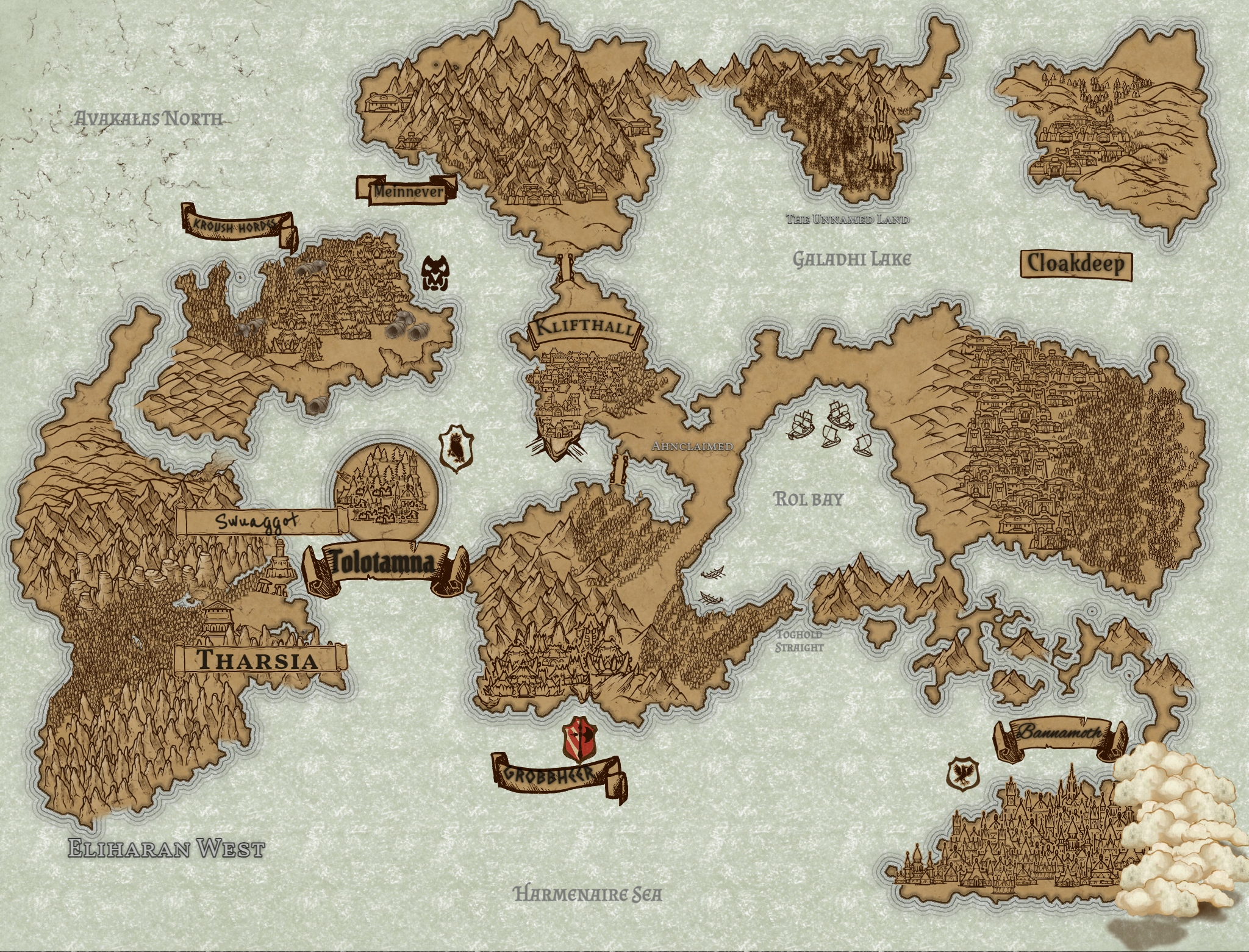
Tolotamnan University of the Arcane and Archaic Sciences

Twin Falls - The Capital of Klifthall
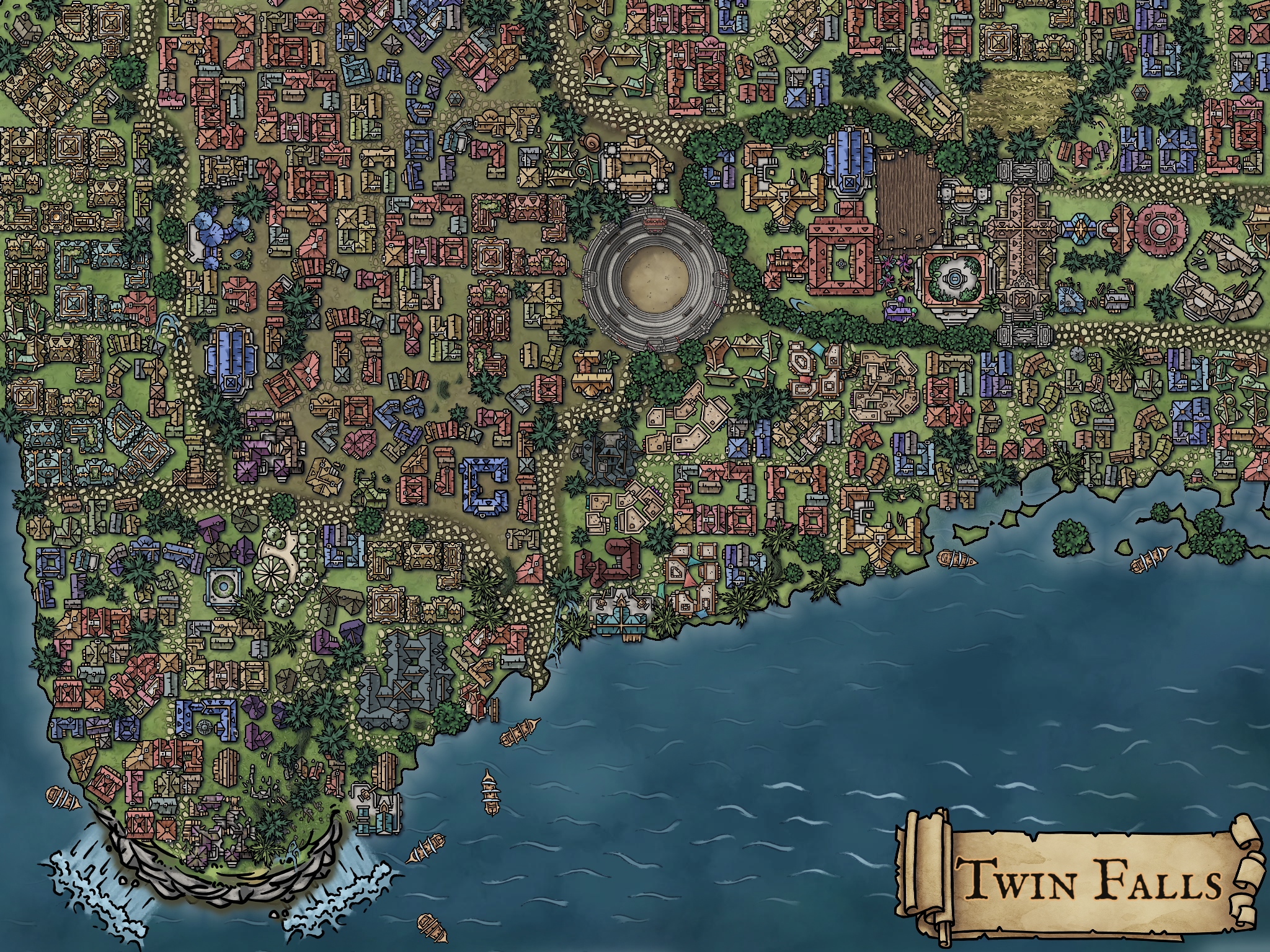
Amazing Art By:
- Cover: Path to the World Tree MtG Art from Kaldheim by Daniel Ljunggren
- Pg.8 : Grand Library by TJ Foo
- Pg.8: Empires in ruins - Main Characters by Konrad Langa
- Pg.11: Combat Research MtG Art from Dominaria United by Justine Cruz
- Pg.12: Learn from the Past Art by Chase Stone MtG Art from Dragons of Tarkir by Chase Stone
- Pg.13: Rob the Archives MtG Art from Streets of New Capenna by Steve Argyle
- Pg.14: General Kudro of Drannith MtG Art from Ikoria by Ryan Pancoast
- Pg.15: Gods Willing MtG Art from Theros by Mark Winters
- Pg.16: Kari Zev, Skyship Raider MtG Art from Aether Revolt by Brad Rigney
- Pg.17: Wall of Runes MtG Art from War of the Spark by Zezhou Chen
- Pg.18: Great Hall of Starnheim MtG Art from Kaldheim by Jonas De Ro
- Pg.19: Twinscroll Shaman MtG Art from Strixhaven by Chris Seaman
- Pg.20: Expedition Champion MtG Art from Zendikar Rising by Bram Sels
- Pg.21: Messenger’s Speed MtG Art from Theros by Clint Cearley
- Pg.22: Deadly Dispute MtG Art from Adventures in the Forgotten Realms by Irina Nordsol
- Pg.23: Extricator of Sin MtG Art from Eldritch Moon by Craig J. Spearing
- Pg.25: Awakener Druid MtG Art from Magic 2011 by Jason Chan
- Pg.26: Stalhound - D&D Wiki
- Pg.27: Embereth Shieldbreaker MtG Art from Throne of Eldraine by Randy Vargasg
- Pg.28: Lurking Deadeye MtG Art from Ikoria by Livia Prima
- Pg.29: Falconer Adept MtG Art from Core Set 2021 by Billy Christian
- Pg.30: Insidious Mist (Promo) MtG Art from Promos, Shadows over Innistrad by Anna Steinbauer
- Pg.31: Oath of the Ancient Wood MtG Art from Magic 2014 by Dan Scott
- Pg.32: Crippling Blight MtG Art from Magic 2013 by Lucas Graciano
- Pg.33: Daring Archaeologist MtG Art from Dominaria by Sidharth Chaturvedi
- Pg.34: Drannith Healer MtG Art from Ikoria by Scott Murphy
- Pg.35: Healer's Kit by Unknown
- Pg.36: Form of the Dinosaur MtG Art from Rivals of Ixalan by Daarken
- Pg.37: Vineweft MtG Art from Magic 2015 by Lucas Graciano
- Pg.38: Rootweaver Druid MtG Art from Commander Legends by Lie Setiawan
- Pg.39: Jace, Ingenious Mind-Mage MtG Art from Ixalan by Clint Cearley
Special Credits
I would like to give a special thanks to the following people.
- Dragik - Dragik#7097
- Skunch - gmodexo#7700
- The Ponderer - Jackson4499#6355
- The Nerd Immersion Discord
- r/UnearthedArcana