
Weapons
Simple Melee Weapons
| Name | Damage | Properties | Expertise | Weight | Cost |
|---|---|---|---|---|---|
| Bagh Nakh | 1d4 S | Cripple, Finesse, Light | Bleed | 0.5 lbs. | 8 Gold |
| Bauernwehr | 1d6 S | Finesse, Light | Cripple | 1 lbs. | 2 Gold |
| Bichwa | 1d4 P | Finesse, Light, Punch | Press | 0.5 lbs. | 9 Gold |
| Club | 1d4 B | Light, Stagger, Versatile (1d6) | Reliable | 2 lbs. | 3 Silver |
| Dagger | 1d4 P | Critical, Finesse, Light II | Shield (1) | 1 lbs. | 2 Gold |
| Deer Horn Knife | 1d4 P | Finesse, Light II, Punch | Press | 1 lbs. | 11 Gold |
| Emeici | 1d4 P | Enfeeble, Finesse, Light | Critical | 0.5 lbs. | 9 Gold |
| Ge | 1d8 P | Heavy, Negate, Reach, Two-Handed | Hook | 4 lbs. | 4 Gold |
| Goedendag | 1d8 B | Daze, Heavy, Two-Handed, Varied (P) | Mutilate | 4 lbs. | 3 Gold |
| Handaxe | 1d6 S | Light, Thrown (30/90) | Enfeeble | 2 lbs. | 3 Gold |
| Javelin | 1d6 P | Light, Thrown (40/120) | Mutilate | 2 lbs. | 1 Gold |
| Kakute | 1 P | Finesse, Hook, Light II | Punch | - | 4 Gold |
| Kama | 1d4 S | Finesse, Light, Press | Hook | 0.5 lbs. | 3 Gold |
| Kanabo | 1d8 B | Heavy, Negate, Reliable, Two-Handed | Critical | 7 lbs. | 10 Gold |
| Knuckle Duster | 1d4 B | Light II, Punch | Mutilate | 0.5 lbs. | 4 Gold |
| Knobkerrie | 1d6 P | Critical, Versatile (1d8) | Stagger | 1.5 lbs. | 4 Gold |
| Kotiate | 1d4 B | Cripple, Light II | Critical | 1.5 lbs. | 2 Gold |
| Longflail | 1d8 B | Daze, Heavy, Reach, Two-Handed | Wrap | 5 lbs. | 7 Gold |
| Quarterstaff | 1d6 B | Negate, Versatile (1d8) | Stagger | 4 lbs. | 5 Silver |
| Sai | 1 B | Catch, Finesse, Light II | Daze | 1 lbs. | 4 Gold |
| Shortsword | 1d6 P | Finesse, Light | Mutilate | 1.5 lbs. | 10 Gold |
| Sica | 1d4 P | Finesse, Light, Wrap | Press | 1.5 lbs. | 12 Gold |
| Spear | 1d6 P | Thrown (20/60), Versatile (1d8, Reach) | Formation | 3 lbs. | 1 Gold |
| Taiaha | 1d6 B | Two-Handed, Varied (P, S) | Flow | 3 lbs. | 15 Gold |
| Tekko-Kagi | 1d4 S | Finesse, Light II, Punch | Bleed | 1 lbs. | 6 Gold |
| Tewhatewha | 1d6 B | Daze, Reach, Two-Handed | Critical | 2 lbs. | 2 Gold |
| Ula | 1d6 B | Light, Thrown (30/90) | Stagger | 1.5 lbs | 3 Gold |
Simple Ranged Weapons
| Name | Damage | Properties | Expertise | Weight | Cost |
|---|---|---|---|---|---|
| Atlatl | 1d6 P | Ammo (80/320), Brawn | Critical | 1 lbs. | 5 Silver |
| Blowgun | 1 P | Ammo (25/100) | Stagger | 1 lbs. | 1 Gold |
| Dart | 1d4 P | Thrown (30/90) | Precise | - | 1 Silver |
| Hand Crossbow | 1d6 P | Ammo (30/120), Light, Load | Mutilate | 2 lbs. | 30 Gold |
| Heavy Crossbow | 1d10 P | Ammo (100/400), Load, Two-Handed | Mutilate | 10 lbs. | 60 Gold |
| Light Crossbow | 1d8 P | Ammo (80/320), Load, Two-Handed | Mutilate | 5 lbs. | 25 Gold |
| Sling | 1d4 B | Ammo (30/120), Daze, Finesse | Bleed | - | 1 Silver |
Martial Melee Weapons
| Name | Damage | Properties | Expertise | Weight | Cost |
|---|---|---|---|---|---|
| Arming Sword | 1d8 S | Varied (P) | Reliable | 2.5 lbs. | 15 Gold |
| Aspis | 1 B | Formation, Shield (1) | Shield (2) | 13 lbs. | 19 Gold |
| Bardiche | 1d10 S | Daze, Two-Handed | Stagger | 4 lbs. | 13 Gold |
| Bastard Sword | 1d8 S | Varied (P), Versatile (1d10) | Reliable | 2.5 lbs. | 18 Gold |
| Bearded Axe | 1d8 S | Hook | Stagger | 2.5 lbs. | 14 Gold |
| Bec De Corbin | 1d10 P | Heavy, Reach, Two-Handed, Varied (B) | Negate | 5 lbs. | 25 Gold |
| Billhook | 1d10 S | Heavy, Hook, Reach, Two-Handed | Negate | 6 lbs. | 20 Gold |
| Buckler | 1 B | Finesse, Light, Shield (1) | Shield (2) | 2 lbs. | 13 Gold |
| Chain Whip | 1d4 B | Daze, Finesse, Negate, Reach | Wrap | 4 lbs. | 19 Gold |
| Cherev | 1d8 S | Execution | Critical | 2.5 lbs | 13 Gold |
| Cleek Axe | 1d10 S | Hook, Two-Handed | Cripple | 4 lbs. | 16 Gold |
| Dadao | 1d6 S | Finesse, Light, Versatile (1d8, Cripple) | Reliable | 2 lbs. | 21 Gold |
| Double-Bladed Glaive | 1d6 S | Flow, Two-Handed | Cripple | 3.5 lbs. | 25 Gold |
| Double-Bladed Sword | 1d6 S | Flow, Two-Handed, Varied (P) | Critical | 4.5 lbs. | 50 Gold |
| Dueling Shield | 1d4 P | Shield (2), Versatile (1d6, Shield (3)) | Stagger | 11 lbs. | 26 Gold |
| Estoc | 2d6 P | Critical, Finesse, Heavy, Two-Handed | Enfeeble | 3 lbs. | 25 Gold |
| Executioner Sword | 2d6 S | Enfeeble, Execution, Heavy, Load, Two-Handed | Mutilate | 10 lbs. | 30 Gold |
| Falchion | 2d4 S | Cripple | Mutilate | 2.5 lbs | 20 Gold |
| Falx | 1d8 S | Press, Versatile (1d10) | Negate | 2.5 lbs. | 15 Gold |
| Fauchard | 2d4 S | Catch, Reach, Two-Handed | Cripple | 5 lbs. | 25 Gold |
| Feng Huo Lun | 1d4 P | Finesse, Light II, Punch, Varied (S) | Catch | 2 lbs. | 11 Gold |
| Glaive | 2d4 S | Cripple, Reach, Two-Handed | Waylay | 5 lbs. | 20 Gold |
| Gou-Rang | 1 P | Catch, Shield (1) | Wrap | 1.5 lbs. | 14 Gold |
| Greataxe | 1d12 S | Execution, Heavy, Two-Handed | Mutilate | 7 lbs. | 15 Gold |
| Greatsword | 2d6 S | Heavy, Reach, Two-Handed | Waylay | 5 lbs. | 38 Gold |
| Gythka | 1d6 P | Flow, Two-Handed | Precise | 3.5 lbs. | 17 Gold |
| Halberd | 1d10 S | Heavy, Reach, Two-Handed, Varied (P) | Cripple | 5 lbs. | 25 Gold |
| Headhunter Axe | 1d10 P | Versatile (1d12) | Mutilate | 3 lbs. | 21 Gold |
| Heater Shield | 1d4 B | Shield (2) | Cripple | 11 lbs. | 16 Gold |
| Hook Sword | 1d6 S | Finesse, Light, Wrap | Punch | 2 lbs. | 14 Gold |
| Horseman's Flail | 1d6 B | Daze, Wrap | Negate | 3 lbs. | 17 Gold |
| Ida | 1d8 S | Versatile (1d10), Waylay | Cripple | 2.5 lbs. | 14 Gold |
| Ihe | 1d8 P | Bleed, Reach, Two-Handed | Stagger | 4 lbs. | 20 Gold |
| Iklwa | 1d6 P | Light, Varied (S) | Daze | 2 lbs. | 8 Gold |
| Isizenze | 1d6 S | Hook, Light | Varied (P) | 2 lbs. | 10 Gold |
| Jian | 1d8 S | Finesse, Varied (P) | Precise | 2.5 lbs. | 20 Gold |
| Jineta | 1d8 S | Catch | Reliable | 2.5 lbs. | 20 Gold |
| Katar | 1d6 P | Daze, Light, Punch | Critical | 2 lbs. | 13 Gold |
| Katzbalger | 1d8 S | Finesse, Waylay | Daze | 3 lbs. | 21 Gold |
Martial Melee Weapons
| Name | Damage | Properties | Expertise | Weight | Cost |
|---|---|---|---|---|---|
| Khanda | 1d8 S | Cripple, Versatile (1d10) | Mutilate | 3 lbs. | 23 Gold |
| Khopesh | 1d8 S | Reliable | Light | 2 lbs. | 15 Gold |
| Kite Shield | 1 B | Shield (3) | Formation | 10 lbs. | 18 Gold |
| Kopis | 1d6 S | Daze, Light | Critical | 1.5 lbs. | 12 Gold |
| Kora | 1d8 S | Daze | Stagger | 3 lbs. | 15 Gold |
| Kpinga | 1d8 S | Thrown (60/180 P) | Stagger | 3.5 lbs. | 19 Gold |
| Kriegsmesser | 2d6 S | Two-Handed | Cripple | 3 lbs. | 22 Gold |
| Kusari-Gama | 1d4 S | Finesse, Reach (B), Wrap | Critical | 4 lbs. | 24 Gold |
| Lance | 1d12 P | Heavy, Reach, Two-Handed | Reliable | 4 lbs. | 20 Gold |
| Lantern Shield | 1d4 P | Finesse, Shield (1) | Hook | 2.5 lbs. | 34 Gold |
| Leiomano | 1d4 S | Bleed, Finesse, Light | Critical | 1.5 lbs. | 13 Gold |
| Longsword | 1d10 S | Two-Handed, Varied (P) | Reliable | 3 lbs. | 28 Gold |
| Mace | 2d4 B | Negate | Bleed | 3 lbs. | 9 Gold |
| Macuahuitl | 1d8 S | Enfeeble, Versatile (1d10) | Cripple | 3 lbs. | 20 Gold |
| Makrigga | 1d8 P | Hook, Reach, Two-Handed | Enfeeble | 5 lbs. | 20 Gold |
| Mambele | 1d6 P | Finesse, Press, Wrap | Cripple | 2 lbs. | 15 Gold |
| Mancatcher | 1d6 B | Heavy, Hook, Reach, Reliable, Two-Handed | Waylay | 6 lbs. | 20 Gold |
| Mandau | 1d6 S | Execution, Light | Bleed | 1.5 lbs. | 14 Gold |
| Morning Star | 1d8 P | Cripple | Negate | 3 lbs. | 14 Gold |
| Naginata | 1d10 S | Heavy, Reach, Reliable, Two-Handed | Precise | 5 lbs. | 30 Gold |
| Ngulu | 1d8 S | Heavy, Reliable, Varied (P) | Mutilate | 2.5 lbs. | 20 Gold |
| Odachi | 1d12 S | Heavy, Reliable, Two-Handed | Critical | 5 lbs. | 20 Gold |
| Pata | 1d8 S | Daze, Heavy, Varied (P) | Shield | 4 lbs. | 30 Gold |
| Pandat | 1d10 S | Critical, Daze, Heavy, Two-Handed | Reliable | 3 lbs. | 28 Gold |
| Pike | 1d10 P | Formation, Heavy, Reach, Two-Handed | Waylay | 6 lbs. | 7 Gold |
| Poleaxe | 1d10 S | Heavy, Reach, Two-Handed, Varied (B) | Critical | 5 lbs. | 25 Gold |
| Poutangata | 1d6 P | Heavy, Light, Stagger | Critical | 3 lbs. | 26 Gold |
| Pulwar | 1d6 S | Finesse, Press, Reliable | Light | 2 lbs. | 20 Gold |
| Rapier | 1d8 P | Finesse, Precise | Shield | 2.5 lbs | 30 Gold |
| Rhomphaia | 1d10 S | Heavy, Press, Two-Handed, Wrap | Cripple | 4 lbs. | 25 Gold |
| Rondel | 1d4 P | Critical, Finesse, Light II, Negate | Reliable | 1 lbs. | 7 Gold |
| Saber | 1d8 S | Finesse, Reliable | Cripple | 2.5 lbs. | 22 Gold |
| Scissor | 1d6 P | Light, Shield (1) | Cripple | 2 lbs. | 25 Gold |
| Scutum | 1 B | Formation, Shield (2) | Shield (3) | 20 lbs. | 25 Gold |
| Shotel | 1d8 P | Versatile (1d10), Wrap | Varied (S) | 2.5 lbs. | 20 Gold |
| Smallsword | 2d4 P | Critical, Finesse | Precise | 1.5 lbs. | 30 Gold |
| Sodegarami | 1d8 P | Catch, Heavy, Hook, Reach, Two-Handed | Waylay | 7 lbs. | 28 Gold |
| Swordbreaker | 1d4 P | Catch, Critical, Finesse, Light II | Shield | 1 lbs. | 30 Gold |
| Swordstaff | 1d8 P | Heavy, Reach, Two-Handed, Varied (S), Waylay | Critical | 5 lbs. | 25 Gold |
Martial Melee Weapons
| Name | Damage | Properties | Expertise | Weight | Cost |
|---|---|---|---|---|---|
| Te Toanea | 1d8 S | Bleed, Finesse | Stagger | 3 lbs. | 20 Gold |
| Tecpatl | 1d4 P | Enfeeble, Finesse, Light II | Bleed | 0.5 lbs. | 10 Gold |
| Tepoztopilli | 1d8 S | Enfeeble, Reach, Two-Handed | Cripple | 3 lbs. | 20 Gold |
| Tonfa | 1d6 B | Daze, Light, Punch | Shield | 2 lbs. | 1 Gold |
| Trident | 1d8 P | Catch, Heavy, Thrown (40/120), Versatile (1d10) | Hook | 5 lbs. | 9 Gold |
| Uchigatana | 2d4 S | Reliable, Two-Handed | Precise | 3 lbs. | 20 Gold |
| Urumi | 1d6 S | Finesse, Light, Reach | Bleed | 2 lbs. | 22 Gold |
| War Pick | 1d8 P | Critical, Heavy, Varied (B), Versatile (1d10) | Mutilate | 3 lbs. | 12 Gold |
| War Scythe | 1d8 S | Press, Reach, Two-Handed | Stagger | 5 lbs. | 15 Gold |
| Warsword | 2d6 S | Heavy, Two-Handed, Varied (P) | Mutilate | 4 lbs. | 34 Gold |
| Whip | 1d4 S | Cripple, Finesse, Reach, Wrap | Critical | 1 lbs. | 7 Gold |
| Wolf Tooth Mace | 1d10 P | Cripple, Heavy, Negate, Two-Handed | Reliable | 7 lbs. | 28 Gold |
| Yari | 1d8 P | Reach, Versatile (1d10) | Waylay | 4 lbs. | 6 Gold |
| Yatagan | 1d8 S | Finesse, Stagger | Mutilate | 2 lbs. | 15 Gold |
| Zhanmadao | 1d10 S | Cripple, Two-Handed | Mutilate | 4 lbs. | 30 Gold |
Martial Ranged Weapons
| Name | Damage | Properties | Expertise | Weight | Cost |
|---|---|---|---|---|---|
| Arquebus | 2d8 P | Aim, Ammo (20/400), Load, Two-Handed | Critical | 20 lbs. | 350 Gold |
| Bola | 1d4 B | Thrown (50/150), Restrain | Daze | 1.5 lbs | 1 Gold |
| Longbow | 1d10 P | Ammo (150/600), Finesse, Precise, Two-Handed | Critical | 4 lbs. | 50 Gold |
| Net | - | Restrain, Thrown (5/15) | Wrap | 1 lbs. | 1 Gold |
| Pistol | 1d12 P | Aim, Ammo (15/300), Light, Load | Critical | 10 lbs. | 250 Gold |
| Shortbow | 1d8 P | Ammo (80/320), Two-Handed | Critical | 3 lbs. | 20 Gold |
| Warbow | 3d4 P | Ammo (200/800), Brawn, Heavy, Two-Handed | Critical | 5 lbs. | 60 Gold |



Weapon Properties
Aim
As a bonus action, you can forgo half of your movement speed for this turn, and gain advantage on your next attack roll made with this weapon. If the attack hits, the target takes additional damage equal to another roll of this weapon's damage dice.
Ammo
You can use a weapon that has the ammo property to make a ranged attack only if you have the ammunition to fire from the weapon. Each time you attack with the weapon, you expend one piece of ammunition. Drawing the ammunition from a quiver, case, or other container is part of the attack.
The normal range is increased by a number of feet equal to 5 x your Dexterity modifier.
If you use a weapon that has the ammo property to make a melee attack, you treat the weapon as an improvised weapon.
Bleed
This weapon is designed to tear things open, leaving painful wounds. A Creature that takes unreduced damage from a bleed weapon must make a Constitution Saving throw at the end of it’s next turn, taking necrotic damage equal to your Proficiency Bonus on a failed Save.
Creatures that do not have or need blood take no additional damage.
If a creature regains hit points before making this Saving throw, it automatically succeeds.
Brawn
You always use your Strength Modifier for attack and damage rolls with this weapon.
Catch
When you are missed by a melee weapon attack made with a sword or similar weapon, you can use your reaction to lock that weapon, along with this one. While a weapon is locked, it cannot be used to attack, and if it has the shield property, the wielder doesn't benefit from it.
The wielder of the weapon you have locked can use its bonus action to attempt to end the lock. To do so, it must beat you in a Strength (Athletics) or Dexterity (Sleight of Hand) Contest (each creature chooses which skill to use separately).
As the Locker, you can end the lock at any time (no action required). The lock also ends if either creature moves away from the other more than 5 feet.
Cripple
When a creature takes damage from this weapon, the it makes its next attack roll at disadvantage.
Critical
This weapon excels at finding weak points, or making its own. The minimum number you need to roll to score a Critical Hit is reduced by one for your first attack each turn made with this weapon.
Daze
The first time you hit a creature with a daze weapon each turn, that creature loses its reaction.
Enfeeble
This weapon opens up a target, or pokes holes in their defenses, the first time you damage a creature with this weapon in a turn, it must subtract 1d4 to the next Saving throw that it makes before the end of your next turn.
Execution
These weapons excel at finishing enemies that you have already essentially beaten. When you damage a prone or stunned creature with this weapon, the target takes an additional 1d6 damage of this weapon's type.
Finesse
When making an attack with a finesse weapon, you use your choice of Strength or Dexterity for the attack rolls and damage rolls.
Flow
The form of this weapon allows you to make multiple attacks with it in quick succession. When you attack with this weapon on your turn, you can make one additional attack with it as a bonus action.
This second attack does not apply your Ability Modifier to the damage (unless that modifier is negative).
Formation
While wielding this weapon within 5 feet of a friendly creature, you can give it a +1 bonus to its Armor Class.
You can change what creature you are defending at any point during your turn at no action cost, or as a reaction to a creature being attacked.
Heavy
Small and Tiny creatures have disadvantage on attack rolls made with heavy weapons.
Hook
When you make a successful attack with this weapon, you can also attempt to grapple the target as a bonus action, using the weapon’s reach. If you succeed on this grapple you can choose one of the following effects:
- The creature is pulled off of its mount.
- The creature is pulled up to 10 feet closer to you.
- The creature is knocked prone.
Once you activate one of these effects the grapple ends.
Light
When you take the Attack action and attack with a light weapon that you’re holding in one hand, you can use a bonus action to attack with a different light weapon that you’re holding in another hand. You don’t add your ability modifier to the damage of the bonus attack, unless that modifier is negative.
Light II
When you take the Attack action and attack with a light II weapon that you’re holding in one hand, you can use a bonus action to attack with a different weapon that you’re holding in another hand, whether it has the light property or not. You don’t add your ability modifier to the damage of the bonus attack, unless that modifier is negative.
Load
Because of the time required to load this weapon, you can only make one attack with it when you use an action, bonus action, or reaction to attack with it, regardless of the number of attacks you can normally make.
Mutilate
When you score a Critical Hit with this weapon, roll all of it’s damage dice another additional time.
Other damage dice, such as from Sneak Attack or Divine Smite, do not benefit from this property.
Negate
Damage from this weapon can't be reduced by the effects of medium or heavy armor.
Precise
When you have advantage on an attack roll with this weapon, you can also add 1d4 to your attack roll.
Press
Whenever you hit a creature with this weapon, your next attack made against that creature with this weapon before the start of your next turn is made with advantage.
Punch
Instead of doing this weapon's normal damage, you can instead increase your unarmed strike damage die by 1 die step for attacks made with this weapon.
This is unaided by any racial features, such as claws, hooves, teeth, horns, etc.
Reach
This weapon adds 5 feet to your reach when you attack with it, as well as when determining your reach for opportunity attacks with it.
Reliable
Attack rolls made with this weapon gain an additional +1 bonus.
Restrain
A Large or smaller creature hit by this weapon is restrained and knocked prone until it is freed. This property has no effect on creatures that are formless, or creatures that are Huge or larger.
A creature can use it’s action to make a DC 10 Strength Check, freeing itself or another creature within its reach on a success.
Dealing 5 slashing damage to this weapon (AC 10) also frees the creature without harming it, ending the effect and destroying this weapon.
Shield
While wielding this weapon, your Armor Class increases by the amount listed in parentheses after this property.
If you wield two or more shield weapons, you benefit from all of them, up to a maximum AC bonus of +3. If you’re not proficient in Heavy Armor, this maximum is +2, and If you're not proficient in Medium Armor, this maximum is +1.
Stagger
This weapon is able to disrupt a creature’s movement, when a creature takes damage from this weapon, it’s movement speed is reduced by half until the end of it’s next turn.
Thrown
If a weapon has the thrown property, you can throw the weapon to make a ranged attack. You use the same Ability Modifier for that attack roll and damage roll that you would use for a melee attack with the weapon.
A range appears in parentheses after this property, the range lists two numbers. The first is the weapon’s normal range in feet, and the second indicates the long range. When attacking beyond normal range, you have disadvantage on the attack roll. You can’t attack a target beyond the weapon’s long range.
The normal range is increased by a number of feet equal to 5 x your Dexterity Modifier, and the long range is increased by a number of feet equal to 5 x your Strength Modifier.
Two-Handed
This weapon requires two hands when you attack with it.
Additionally, you can add an additional 1/2 of your Strength modifier for this weapon's damage rolls.
Varied
When you attack with this weapon, you can choose to deal either it’s standard damage type or the damage type listed in parentheses after this property.
Versatile
This weapon can be used with one or two hands. When used in two hands it deals the damage value in parentheses after this property instead of its standard damage. Some properties of this weapon are only active when used in two hands, in which case, they appear in the parentheses with the damage value.
Waylay
If you make your first attack in a combat with this weapon, it deals additional damage equal to your Initiative count - the target's Initiative count on a hit.
Wrap
This weapon is flexible, or curved in design, allowing it to wrap around basic defenses to hit anyway. When you attack with this weapon, you ignore any non-magical bonus granted to the target by a shield weapon. This doesn't apply if you have disadvantage on the attack roll.
Weapon DC
Whenever a property calls for the target of the attack to make a Saving throw, it makes it against your Weapon DC, which is calculated as 8 + your attack bonus with this weapon
Armor
Light Armor
Armor Class
Stealth
Weight
Cost
Leather
11
-
6 lbs.
50 Gold
Gambeson
12
-
8 lbs.
5 Gold
Scalemail
13
-1
20 lbs.
75 Gold
Medium Armor
Armor Class
Stealth
Weight
Cost
Paper
13
-
15 lbs.
50 Gold
Segmented
14
Slow
25 lbs.
130 Gold
Lamellar
15
Slow
30 lbs.
200 Gold
Heavy Armor
Armor Class
Stealth
Weight
Cost
Chainmail
16
-
25 lbs.
100 Gold
Brigandine
17
-1
40 lbs.
800 Gold
Full Plate
18
Slow
45 lbs.
1500 Gold
Light Armor
You can add your Dexterity Modifier to your Armor Class when wearing Light Armor.
Medium Armor
You can add your Dexterity Modifier, up to a maximum of 2, to your Armor Class when wearing Medium Armor.
Additionally, when you are damaged by a weapon attack, you can reduce the amount of damage you take by an amount equal to your proficiency bonus as a reaction.
You cannot do this while prone or grappled.
Heavy Armor
When you are damaged by a weapon attack while wearing Heavy Armor, you can reduce the amount of damage you take by an amount equal to twice your proficiency bonus as a reaction.
You cannot do this while prone or grappled.
Slow
When you try to move silently while wearing this armor, you must move at half of your walking speed or roll with disadvantage.


7
Starting Equipment & Proficiencies
Artificer
Proficiencies
- Armor: Light Armor, Medium Armor
- Weapons: Simple Weapons, Aspides, Bucklers, Heater Shields, Lantern Shields
- Tools: Thieves' Tools, Tinkers' Tools, one type of Artisan's Tools of your choice.
Starting Equipment
- (a) a Gambeson (b) Paper armor
- Tinkers' Tools
- a Dungeoneer's Pack
- 45 Gold
Barbarian
Proficiencies
- Armor: Light Armor, Medium Armor
- Weapons: Simple Weapons, Martial Weapons
- Tools: None
Starting Equipment
- any 2 simple melee weapons
- 4 Javelins
- an Explorer's Pack
- 30 Gold
Bard
Proficiencies
- Armor: Light Armor
- Weapons: Simple Weapons, Bucklers, Estocs, Gou-Rangs, Jians, Rapiers, Sabers, Smallswords, Swordbreakers, Urumis, Whips
- Tools: 3 Bardic Foci of your choice
Starting Equipment
- (a) a Diplomat's Pack or (b) an Entertainer's Pack
- any Bardic Focus
- a Gambeson
- a Dagger
- 30 Gold
Cleric
Proficiencies
- Armor: Light Armor, Medium Armor
- Weapons: Simple Weapons, Aspides, Bucklers, Gou-Rangs, Heater Shields, Lantern Shields, Maces
- Tools: None
Starting Equipment
- (a) a Gambeson (b) Paper Armor or (c) Chainmail (if proficient)
- (a) a Priest's Pack or (b) an Explorer's Pack
- a Holy Symbol
- 45 Gold
Druid
Proficiencies
- Armor: Light Armor, Medium Armor
- Weapons: Simple Weapons, Falces, Heater Shields, Ihes, Maces, Macuahuitls, Poutangatas, Scutums, Shotels, Te Toaneas, Tecpatls, Tepoztopillis, Tonfas
- Tools: Herbalism Kits
Starting Equipment
- (a) a Gambeson (b) Paper armor
- an Explorer's Pack
- a Druidic Focus
- 15 Gold
Fighter
Proficiencies
- Armor: Light Armor, Medium Armor, Heavy Armor
- Weapons: Simple Weapons, Martial Weapons
- Tools: None
Starting Equipment
- (a) a Gambeson (b) Segmented Armor or (c) Chainmail
- (a) a Dungeoneer's Pack or (b) an Explorer's Pack
- 45 Gold
Monk
Proficiencies
- Armor: None
- Weapons: Simple Weapons, Chain Whips, Dadaos, Feng Huo Luns, Gou-Rangs, Hook Swords, Katars, Tonfas, Urumis (These are all monk weapons)
- Tools: any one type of Artisans' Tool or any one musical instrument of your choice
Starting Equipment
- (a) a Dungeoneer's Pack or (b) an Explorer's Pack
- 10 Darts
- 15 Gold
Paladin
Proficiencies
- Armor: Light Armor, Medium Armor, Heavy Armor
- Weapons: Simple Weapons, Martial Weapons
- Tools: None
Starting Equipment
- (a) a Priest's Pack or (b) an Explorer's Pack
- Chainmail
- A Holy Symbol
- 45 Gold
Ranger
Proficiencies
- Armor: Light Armor, Medium Armor
- Weapons: Simple Weapons, Martial Weapons
- Tools: None
Starting Equipment
- (a) a Gambeson or (b) Paper armor
- (a) a Dungeoneer's Pack or (b) an Explorer's Pack
- 45 Gold
Rogue
Proficiencies
- Armor: Light Armor
- Weapons: Simple Weapons, Bucklers, Estocs, Gou-Rangs, Hand Crossbows, Hook Swords, Jians, Katars, Lantern Shields, Rapiers, Rondels, Shortbows, Smallswords, Swordbreakers
- Tools: Thieves' Tools
Starting Equipment
- (a) a Dungeoneer's Pack or (b) an Explorer's Pack
- Thieves' Tools
- 30 Gold
Sorcerer
Proficiencies
- Armor: None
- Weapons: Daggers, Darts, Light Crossbows, Quarterstaffs, Slings
- Tools: None
Starting Equipment
- (a) a Component Pouch or (b) an Arcane Focus
- (a) a Dungeoneer's Pack or (b) an Explorer's Pack
- 30 Gold
Warlock
Proficiencies
- Armor: Light Armor
- Weapons: Simple Weapons
- Tools: None
Starting Equipment
- (a) a Component Pouch or (b) an Arcane Focus
- (a) a Dungeoneer's Pack or (b) a Scholar's Pack
- a Gambeson
- 30 Gold
Wizard
Proficiencies
- Armor: None
- Weapons: Daggers, Darts, Quarterstaffs, Slings
- Tools: None
Starting Equipment
- (a) a Component Pouch or (b) an Arcane Focus
- (a) an Explorer's Pack or (b) a Scholar's Pack
- a Spellbook
- 30 Gold
Starting Gold
With the variety of new weapons, it would be a crime to only give the players a select few options to start with.
Every playable class starts you out with some amount of Gold from 15 to 45 Gold Pieces. This Gold is intended to be spent during character creation to buy adventuring equipment such as supplies for traps, rations, ammunition, and especially weapons.
You must be proficient in a certain weapon or armor in order to purchase it at this stage.
You don't need to spend all of your Starting Gold before you play your character, but it is recommended that you spend as much of it as possible to make sure you are properly equipped with all the weapons, armor, and other supplies that you will need for your new adventuring career.
Random Starting Gold
Artificer
8d6 + 8
Barbarian
4d12 + 4
Bard
6d8 + 3
Cleric
18d4
Druid
2d12 + 2
Fighter
8d10 + 1
Monk
4d6 + 1
Paladin
10d8
Ranger
6d12 + 6
Rogue
4d10 + 8
Sorcerer
6d6 + 9
Warlock
12d4
Wizard
4d8 + 12
Feats
Aim Weapon Master
Prerequisite: 4th level or higher
You have trained with firearms and are able to use them more effectively, gaining the following benefits:
- You don't have to use your bonus action to Aim if you forego all of your movement, rather than half.
- Once per turn, When you have advantage on an attack roll and hit, you can add +5 to that attack's damage.
Adaptive Combatant
Prerequisite: A Fighting Style
You know how to fight well against different opponents, gaining the following benefits:
- Increase your Intelligence or Wisdom Score by 1.
- At the start of every combat, you can change your Fighting Style to another one available to your class, if you have multiple fighting styles, you can change any number of them.
Bloodmaster
Prerequisite: 4th level or higher
You have honed your skills with particular weapons in order to maximize pain, gaining the following benefits:
- When you score a natural 20 on an attack roll, the target takes one level of exhaustion.
- When a creature succeeds on its Saving throw against bleed from one of your attacks, it takes half damage instead of no damage.
Critical Hitter
Prerequisite: 10th level or higher
You know how to hit hard, and in the right places. The minimum number you need to roll to score a Critical Hit is reduced by one.
Execution Master
Prerequisite: 4th level or higher
You excel at finishing off enemies in one fell swoop, gaining the following benefits:
- When you hit a prone or stunned creature with an execution weapon, the extra damage increases to 1d10
- You can shove as a bonus action.
Finesse Weapon Master
Prerequisite: 4th level or higher
You have practiced extensively with fast weapons, gaining the following benefits:
- You can disengage as a bonus action.
- Before you make a melee attack with a finesse weapon,, you can choose to add 5 to your attack roll. If the attack hits, the weapon's damage dice are treated as 1s.
Finesser
Prerequisite: Strength and Dexterity Scores of 15 or higher
You excel at both strength and dexterity based fighting, and gain the following benefits:
- When you make a weapon attack using Strength, you can add half your Dexterity Modifier to your attack bonus.
- When you make a weapon attack using Dexterity, you can add your Strength Modifier to the damage roll.
- You can add both your Strength and Dexterity Modifiers to both Strength and Dexterity saving throws.
Flow Master
Prerequisite: 4th level or higher
You've focused your training on hitting fast, and quickly recovering from your mistakes, gaining the following benefits:
- When you attack with a flow weapon as a bonus action, you can make 2 attacks instead of 1.
- When you miss a melee weapon attack, you can make another one with the same weapon as a reaction.
Half Wielder
Prerequisite: Strength Score of 17 or higher
You've figured out how to use two-handed weapons in one hand by cleverly conserving momentum, gaining the following benefits:
- You can ignore the two-handed property of weapons that are not heavy.
- Weapons with the versatile property always use their two-handed damage dice for you.
Heavy Weapon Master
Prerequisite: 4th level or higher
You’ve learned to put the weight of a weapon to your advantage, letting its momentum empower your strikes. You gain the following benefits:
- On your turn, when you score a critical hit with a melee weapon or reduce a creature to 0 hit points with one, you can make one melee weapon attack as a bonus action.
- Before you make a melee attack with a heavy weapon that you are proficient with, you can choose to take a -5 penalty to the attack roll. If the attack hits, you add +10 to the attack’s damage.
Improvised Weapon Master
Prerequisite: 4th level or higher
You've learned how to make the best of whatever you have available, gaining the following benefits:
- You gain proficiency with improvised weapons.
- Whenever you obtain an improvised weapon, you can add one property of your choice, other than ammo, to it.
Light Weapon Master
Prerequisite: 4th level or higher
You have trained in techniques to hit quickly against multiple targets, gaining the following benefits:
- When you take the Attack action with a light weapon, you can make one additional attack. This attack can't target the same creature.
- You gain an additional reaction every round that can only be used to make attacks of opportunity.
Reach Weapon Master
Prerequisite: 4th level or higher
You've learned to keep your enemies at bay, gaining the following benefits:
- Creatures provoke opportunity attacks from you when they move into your reach.
- When you attack with a reach weapon on your turn, you can attack again with a different part of the weapon as a bonus action. This attack uses the same ability modifier as the primary attack. The weapon's damage die for this attack is 1d4, and it deals bludgeoning damage.
Reactive
Prerequisite: Wisdom Score of 15 or higher
You are able to take 2 reactions each round.
Sentinel
You have mastered techniques to take advantage of every drop in an enemy's guard, gaining the following benefits:
- Whenever you make an opportunity attack, you can make a grapple or shove instead of a normal attack.
- Creatures within your reach provoke opportunity attacks even if they took the disengage action.
- When a creature within your reach makes an opportunity attack against a creature other than you, you can use your reaction to make a melee weapon attack against the attacking creature.
Sentry
You have learned to spend your time in combat wisely.
You can take an additional bonus action on your turn, at the cost of all of your movement for that round.
When you do this, you can not use either of your bonus actions to do something such as Cunning Action: Dash, Step of the Wind, or misty step that would result in you leaving your space.
Simple Weapon Master
Prerequisite: Proficiency in all martial weapons
Your training in martial weapons has allowed you to use simple ones even better, gaining the following benefits:
- You have a +1 bonus to attack and damage rolls with simple weapons.
- Once per turn, when you have disadvantage on a weapon attack, you can choose to ignore it and roll without disadvantage.
Skirter
Prerequisite: Dexterity or Wisdom Score of 13 or higher
You can cleverly manipulate battlefield positioning to make your foes fight one another, gaining the following benefits:
- When you are missed by a melee attack, you can cause the attack to hit another creature within 5 feet of you as a reaction. The attack roll is rerolled against the new target.
- Whenever you take the Dodge action, you gain an additional reaction that can only be used to do the above.
Splitter
Prerequisite: 6th level or higher
You have trained in quickly breaking your enemies apart, you gain the following benefits:
- When you make a successful weapon attack against a creature that has its maximum hit points, the creature takes an additional 1d8 damage of the same type as the weapon used.
- When a weapon attack made by you brings a creature below half of its maximum hit points, you are able to make one additional attack against that same creature at no action cost.
Unarmed Master
Prerequisite: unarmed strike that deals at least 1d4 damage
You have an aptitude to fighting with your hands, feet, horns, claws, or teeth, granting you the following benefits:
- Increase your Strength or Dexterity score by 1, to a maximum of 20.
- Your unarmed strikes gain one of the following properties of your choice: daze, enfeeble, or waylay.
You can take this feat multiple times, selecting a different property every time. From the second time you take this feat onwards, the list of properties you can choose from expands to include bleed, critical, and precise.
Varied Weapon Master
Prerequisite: 6th level or higher
You've gotten good at picking the right technique to deal maximum damage, gaining the following benefits:
- When you deal damage with a varied weapon, the creature takes whichever of the two damage types would deal more damage against it.
- When you hit with a weapon attack, you can choose to make it a critical hit. You can do this once and regain the ability to do so when you finish a long rest.
Weapons Expert
Prerequisite: 8th level fighter, and/or 10th level or higher
You have trained with all weapons but become a true master with a select few, gaining the following benefits:
- Once per turn, you can choose to add your Proficiency Bonus to a weapon damage roll you make.
- You gain expertise in any 3 weapons of your choice. These weapons gain the extra property shown in the expertise column of the weapons table.
Fighting Styles
Calm Fighting
Fighter, Paladin, Ranger
You have advantage on Saving throws against being Charmed or Frightened.
Corner Fighting
Fighter, Paladin, Ranger
Creatures do not benefit from flanking you.
Countering
Fighter, Paladin
When you are missed by a melee attack, you can make an attack of opportunity against the attacker.
Critical Fighting
Fighter, Paladin, Ranger
When you score a Critical Hit on a weapon attack, you can add your Strength or Dexterity Modifier to the damage roll an additional time.
Deceptive Fighting
Fighter, Paladin, Ranger
You have advantage on attack rolls made to Feint.
Disarming
Fighter, Paladin, Ranger
You have advantage on checks made to Disarm.
Dueling
Fighter, Paladin, Ranger
When you are wielding a melee weapon in one hand and either no weapon, or a weapon with the shield property in the other, you gain a +2 to damage rolls with that weapon.
Flow Weapon Fighting
Fighter, Paladin, Ranger
When you attack with a flow weapon as your bonus action, you can add your Ability Modifier to the damage roll.
Mobile Fighting
Fighter, Ranger
Your walk speed increases by 15 feet.
Reach Fighting
Fighter, Paladin
Your reach for melee weapon attacks increases by 5 feet.
Resilient Fighting
Fighter, Paladin, Ranger
Your Hit Point maximum increases by 1, and increases by 1 again every time you gain a level in this class.
Risky Fighting
Fighter, Ranger
Once per round, you can choose to take disadvantage on an Attack roll. If the attack hits, it is considered to be a Critical Hit. You can do this a number of times equal to your Proficiency Bonus, and regain all expended uses when you finish a long rest.
Stable Fighting
Fighter, Paladin, Ranger
You have advantage on Ability checks and Saving throws to avoid being moved against your will or forced prone.
Unarmored Defense
Fighter, Paladin, Ranger
While not wearing armor, your AC is 13 + Your Dexterity or Constitution Modifier, your choice.


12
Death
Death Saving Throws
1d20
Result
1
You take 2 failures, if this kills you, your Resurrection DC increases by an additional 2
2
You take 1 failure, and remove 1 success
3
You take 1 failure, and you make your next Death Saving throw with disadvantage
4
You take 1 failure, if your next Death Saving throw is a 10 or above, treat it as a 9
5
You take 1 failure
6
You make your next Death Saving throw with disadvantage
7
Remove 1 success
8
You take 1 failure and make another Death Saving throw immediately
9
You take 1 failure, unless this would be the 3rd failure, in which case nothing happens
10
You take 1 failure, and make your next Death Saving throw with advantage
11
You take 1 success, and make your next Death Saving throw with disadvantage
12
You take 1 success, unless this would be the 3rd success, in which case nothing happens
13
You take 1 success and make another Death Saving throw immediately
14
Remove 1 failure
15
You make your next Death Saving throw with advantage
16
You take 1 success
17
You take 1 success, if your next Death Saving throw is an 11 or below, treat it as a 12
18
You take 1 success, and you make your next Death Saving throw with advantage
19
You take 1 success, and remove 1 failure
20
You take 2 successes
Resurrection DC
Whenever someone tries to resurrect you, they must make a skill check of some kind, often Religion or Arcana. The DC for this check is your Resurrection DC, which starts at 5, and permanently increases by 1 every time you die.
Remaining Conscious
When you are reduced to 0 hit points but not killed outright, you can make a Constitution Saving throw with the DC equal to half the damage taken, or 10, whichever is higher. If you succeed on this Saving throw, you remain awake during your Death Saving throws. While you are awake but not stable you have the following penalties:
- You must remain prone, unless you have something to lean on, such as a wall or friendly creature.
- Your movement speed is halved.
- You cannot take any bonus actions.
- You do not benefit from Extra Attack if you have it.
- You cannot cast spells of the highest level your Spellcasting feature gives you access to.
- You can't benefit from advantage on attack rolls.
If you take additional damage while in this state, you must repeat the Saving throw.
Getting Back Up
When you are stabilized, either by being healed or taking 3 successes, you stay unconscious until a creature uses an action to shake you awake, or you succeed on a DC 16 Constitution (Perception) check, which you can make once on each of your turns when unconscious.
When you wake up, you do so halfway through your turn, and have access only to half your movement and your action.
Even when you are stabilized, your Death Saving throw failures stay. You can get rid of 1 at the end of a short rest, or 2 at the end of a long rest. If you have Death Saving throw failures at the beginning of a long rest, that long rest cannot be used to remove a level of exhaustion.
Additional Combat Actions
Break Neck
action
Make a melee weapon attack roll contested by the Constitution Saving throw of a creature that you're grappling, which it makes with advantage. If you win the contest, the target takes necrotic damage equal to the result of your attack roll. If this damage reduces the target to 0 hit points, it immediately gains two failed Death Saving throws.
Feint
bonus action
Make a melee weapon attack roll contested by a target creature's Wisdom (Insight) check. If you win the contest, your next two weapon attack rolls made against that creature before the start of your next turn are made at advantage.
You make this initial attack roll at disadvantage if you are wielding a heavy weapon.
Half-Disengage
bonus action
For the rest of the turn, opportunity attacks made against you are made with disadvantage.
Interplace
reaction
When you are grappling a creature and you are targeted by an attack, you can switch places with the grappled creature, causing the attack to target it instead. You do before the attack is rolled.
Pin
attack
Make a Strength (Athletics) check contested by the Strength (Athletics) or Dexterity (Acrobatics) check of a creature you're grappling. On a success, the target is restrained for as long as you have it grappled, and you can choose to force it prone by falling prone yourself.
A creature can attempt to escape this restraining the same way it would escape a grapple, and on a success it is no longer restrained, but is still grappled by you as normal.
Scamper
reaction
When a creature moves to a point where you are within it's melee reach, you can move up to half your walk speed away from it.
Strangle
attack
You deal 1 bludgeoning damage to a creature that you're grappling. This damage doubles every time you do this successively, up to a maximum amount equal to your Strength Score.
Suplex
attack
Make a Strength (Athletics) check contested by the Strength (Athletics) or Dexterity (Athletics) check of a creature you're grappling, on a success, the target is knocked prone, moved to a space within 5 feet of you of your choice, and takes bludgeoning damage equal to the result of your Strength (Atletics) check - the result of its check.
You cannot do this to a prone creature.
Tackle
attack
Make a Strength (Athletics) check contested by the Strength or Dexterity Saving throw of a creature within 5 feet of you, you get a +1 bonus to your roll for every 5 feet you've moved towards the target this turn. On a success, both you and the target fall prone and the target takes bludgeoning damage equal to the result of your Strength (Athletics) check - the result of its Saving throw.
Appendix A: Miscellaneous Rules
Extra Attack and Multiclassing
When you gain the Extra Attack feature from multiple classes, you benefit from all of them, gaining an extra attack for each time you get the feature.
Directional Flanking
When you are to the side of an enemy creature you gain a +2 to your melee attack rolls, and when directly behind an enemy creature you have a +5 to your melee attack rolls.
You only benefit from flanking if another enemy of your target is threatening its space.
A creature can change what direction it is facing at any point. If it does so while it isn't its turn, it provokes an attack of opportunity fro any creature that is now behind or to the side of it.
Glancing Blows
When a weapon attack roll exactly meets its target's Armor Class, it only does half damage, and is inelligable for Sneak Attack.
Initiative Bonus
You can add your choice of your Dexterity or Wisdom Modifier to your Initiative rolls.
Shillelagh
The following weapons are eligible for the shillelagh cantrip:
Clubs, Goedendags, Ihes, Kanabos, Knobkerries, Kotiates, Leiomanos, Longflails, Macuahuitls, Quarterstaves, Taiahas, Te Toaneas, Tecpatls, Tepoztopillis, Tewhatewhas, Tonfas, Ulas
Appendix B: Alternative Weapons
Arming Sword:
Spatha, Takoba, Ulfberht
Bauernwehr:
Charay, Quaddara
Bearded Axe:
Ikakalaka
Buckler:
Targe
Chain Whip:
Meteor Hammer
Club:
Patu
Dadao:
Pudao
Dagger:
Basilard, Tanto, Wakizashi
Dart:
Plumbata
Estoc:
Tuck
Falchion:
Cutlass, Dha, Golok, Hanger, Messer
Feng Huo Lun:
Haladie, Vajra-Mushti
Ge:
Ahlspiess, Awlpike
Glaive:
Sovnya
Gou-Rang:
Madu
Greatsword:
Montante, Spadone, Zweihander
Gythka:
Cicada Wing Sword
Halberd:
Ji
Heater Shield:
Pavise, Rotella, Skjoldr
Javelin:
Pilum
Jian:
Sidesword
Kopis:
Falcata
Makrigga:
Tiger Hook
Ngulu:
Ramdao
Odachi:
Nodachi
Pike:
Ranseur, Xyston
Rapier:
Basket-Hilted Broadsword, Spadroon
Saber:
Backsword
Sai:
Jitte
Shortsword:
Kris, Gladius, Xiphos
Spear:
Trident
Swordstaff:
Partisan, Spontoon
Uchigatana:
Tachi
War Pick:
Totokia
Whip:
Scourge
Wolf Tooth Mace:
Evening Star
Zhanmadao:
Bhuj, Darb Sri Gun Chai
Creating Your Own Weapons
You may want to wield a weapon not represented in this book, or you might think that a weapon's given statistics don't accurately reflect it. In any case, you can use this process to customize or create your own weapons.
First, you should choose what weapon you are trying to create. Knowing the weapon's physical characteristics as well as how it was used historically will be able to guide you through the process of translating it into the game.
Second, consider if your weapon of choice could be represented through another weapon's statistics. There are numerous examples of this in Appendix B: Alternative Weapons. Weapons that share very similar features, or are simply another culture's interpretation of the same weapon, can be simply reskinned versions of existing weapons found in this book.
Third, now that you've chosen a unique weapon, you must choose whether it will be simple or martial. From a mechanical standpoint, this will affect how powerful the weapon is, and who can use it effectively. From a storytelling perspective, this distinction should reflect how easy the weapon is to use, how common it is for somebody to be trained in it's use, and how common it may be in society.
Simple weapons have a starting damage die of 1d8, and martial weapons start their damage die at 1d10.
Fourth, augment your weapon with different properties. This book introduces dozens of new properties, all of which can be put in to three groups, positive, neutral, and negative.
Whenever you add a positive property to your weapon, reduce it's damage die by 1 die step, to a minimum of 1d4.
Whenever you add a negative property to your weapon, increase it's damage die by 1 die step, to a maximum of 1d12.
If a weapon's damage die reaches 1d4 or 1d12, you cannot add more properties that would cause it to exceed this range.
Positive Properties: Ammo, Bleed, Catch, Cripple, Critical, Daze, Enfeeble, Execution, Flow, Formation, Hook, Light, Mutilate, Negate, Precise, Press, Punch, Reach, Reliable, Restrain, Shield, Stagger, Thrown, Varied, Waylay and Wrap
Negative Properties: Heavy, Load, Two-Handed
Fourth, decide price and weight. This should be easy to do, simply learn how much the real thing weighs, and round it to the closest half pound. Price gets a little more difficult, figure out about how much material and skill is involved in your weapon, and then look around at other weapons in the rest of the book and try to do the same. Once you've found a weapon that you think would require the same amount of time and resources, simply use that price for your weapon.
Credits
Made by Soupangel44
Art, in order of apperance:
Carthars' Crusade - Karl Kopinski
Weapon Rack - Joe Slucher
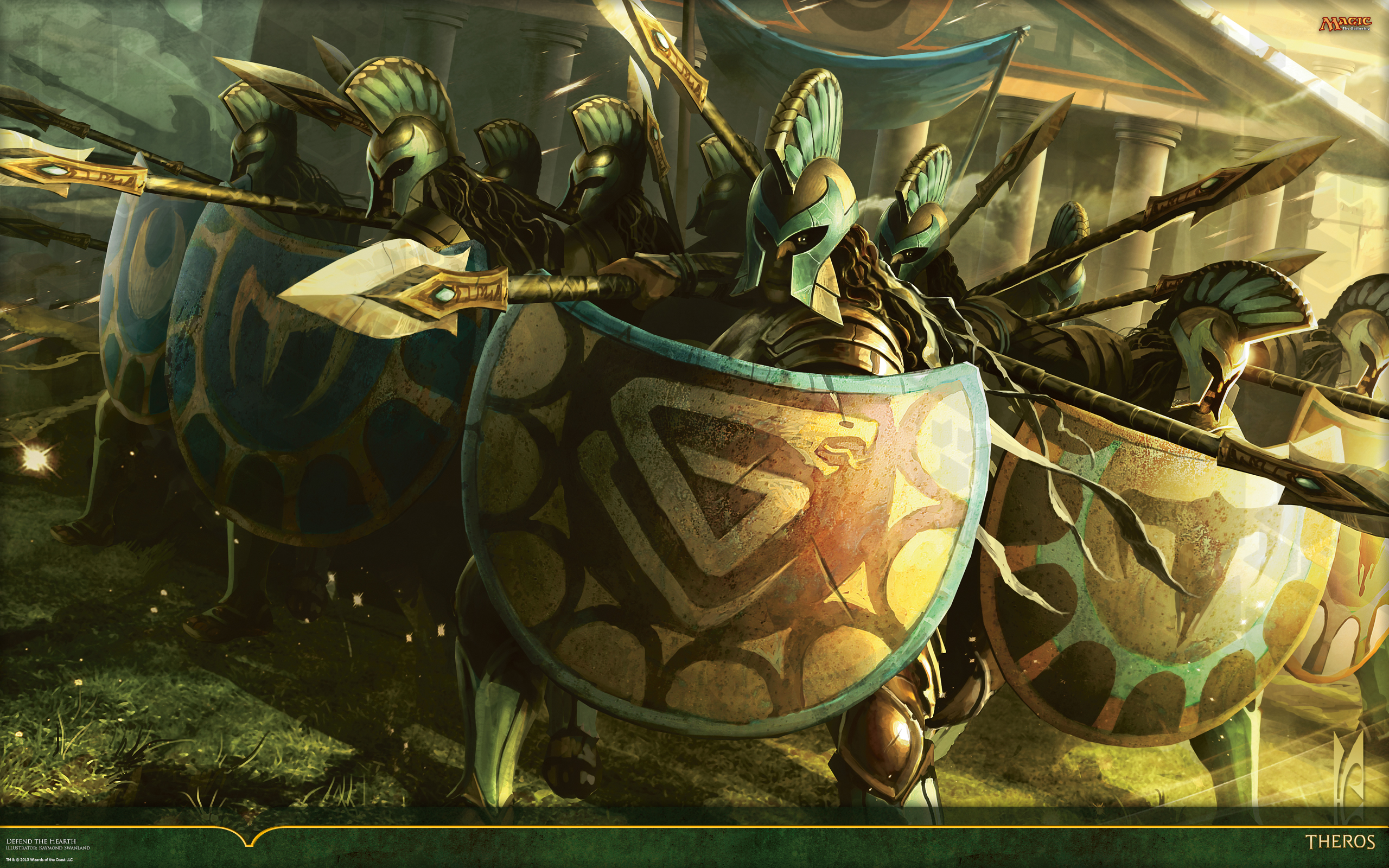
Defend the Hearth - Raymond Swanland
Narset, Enlightened Master - Magali Villeneuve
Aim
As a bonus action, you can forgo half of your movement speed for this turn, and gain advantage on your next attack roll made with this weapon. If the attack hits, the target takes additional damage equal to another roll of this weapon's damage dice.
Ammo
You can use a weapon that has the ammo property to make a ranged attack only if you have the ammunition to fire from the weapon. Each time you attack with the weapon, you expend one piece of ammunition. Drawing the ammunition from a quiver, case, or other container is part of the attack.
The normal range is increased by a number of feet equal to 5 x your Dexterity modifier.
If you use a weapon that has the ammo property to make a melee attack, you treat the weapon as an improvised weapon.
Bleed
This weapon is designed to tear things open, leaving painful wounds. A Creature that takes unreduced damage from a bleed weapon must make a Constitution Saving throw at the end of it’s next turn, taking necrotic damage equal to your Proficiency Bonus on a failed Save.
Creatures that do not have or need blood take no additional damage.
If a creature regains hit points before making this Saving throw, it automatically succeeds.
Brawn
You always use your Strength Modifier for attack and damage rolls with this weapon.
Catch
When you are missed by a melee weapon attack made with a sword or similar weapon, you can use your reaction to lock that weapon, along with this one. While a weapon is locked, it cannot be used to attack, and if it has the shield property, the wielder doesn't benefit from it.
The wielder of the weapon you have locked can use its bonus action to attempt to end the lock. To do so, it must beat you in a Strength (Athletics) or Dexterity (Sleight of Hand) Contest (each creature chooses which skill to use separately).
As the Locker, you can end the lock at any time (no action required). The lock also ends if either creature moves away from the other more than 5 feet.
Cripple
When a creature takes damage from this weapon, the it makes its next attack roll at disadvantage.
Critical
This weapon excels at finding weak points, or making its own. The minimum number you need to roll to score a Critical Hit is reduced by one for your first attack each turn made with this weapon.
Daze
The first time you hit a creature with a daze weapon each turn, that creature loses its reaction.
Enfeeble
This weapon opens up a target, or pokes holes in their defenses, the first time you damage a creature with this weapon in a turn, it must subtract 1d4 to the next Saving throw that it makes before the end of your next turn.
Execution
These weapons excel at finishing enemies that you have already essentially beaten. When you damage a prone or stunned creature with this weapon, the target takes an additional 1d6 damage of this weapon's type.
Finesse
When making an attack with a finesse weapon, you use your choice of Strength or Dexterity for the attack rolls and damage rolls.
Flow
The form of this weapon allows you to make multiple attacks with it in quick succession. When you attack with this weapon on your turn, you can make one additional attack with it as a bonus action.
This second attack does not apply your Ability Modifier to the damage (unless that modifier is negative).
Formation
While wielding this weapon within 5 feet of a friendly creature, you can give it a +1 bonus to its Armor Class.
You can change what creature you are defending at any point during your turn at no action cost, or as a reaction to a creature being attacked.
Heavy
Small and Tiny creatures have disadvantage on attack rolls made with heavy weapons.
Hook
When you make a successful attack with this weapon, you can also attempt to grapple the target as a bonus action, using the weapon’s reach. If you succeed on this grapple you can choose one of the following effects:
- The creature is pulled off of its mount.
- The creature is pulled up to 10 feet closer to you.
- The creature is knocked prone.
Once you activate one of these effects the grapple ends.
Light
When you take the Attack action and attack with a light weapon that you’re holding in one hand, you can use a bonus action to attack with a different light weapon that you’re holding in another hand. You don’t add your ability modifier to the damage of the bonus attack, unless that modifier is negative.
Light II
When you take the Attack action and attack with a light II weapon that you’re holding in one hand, you can use a bonus action to attack with a different weapon that you’re holding in another hand, whether it has the light property or not. You don’t add your ability modifier to the damage of the bonus attack, unless that modifier is negative.
Load
Because of the time required to load this weapon, you can only make one attack with it when you use an action, bonus action, or reaction to attack with it, regardless of the number of attacks you can normally make.
Mutilate
When you score a Critical Hit with this weapon, roll all of it’s damage dice another additional time.
Other damage dice, such as from Sneak Attack or Divine Smite, do not benefit from this property.
Negate
Damage from this weapon can't be reduced by the effects of medium or heavy armor.
Precise
When you have advantage on an attack roll with this weapon, you can also add 1d4 to your attack roll.
Press
Whenever you hit a creature with this weapon, your next attack made against that creature with this weapon before the start of your next turn is made with advantage.
Punch
Instead of doing this weapon's normal damage, you can instead increase your unarmed strike damage die by 1 die step for attacks made with this weapon. This is unaided by any racial features, such as claws, hooves, teeth, horns, etc.
Reach
This weapon adds 5 feet to your reach when you attack with it, as well as when determining your reach for opportunity attacks with it.
Reliable
Attack rolls made with this weapon gain an additional +1 bonus.
Restrain
A Large or smaller creature hit by this weapon is restrained and knocked prone until it is freed. This property has no effect on creatures that are formless, or creatures that are Huge or larger.
A creature can use it’s action to make a DC 10 Strength Check, freeing itself or another creature within its reach on a success.
Dealing 5 slashing damage to this weapon (AC 10) also frees the creature without harming it, ending the effect and destroying this weapon.
Shield
While wielding this weapon, your Armor Class increases by the amount listed in parentheses after this property.
If you wield two or more shield weapons, you benefit from all of them, up to a maximum AC bonus of +3. If you’re not proficient in Heavy Armor, this maximum is +2, and If you're not proficient in Medium Armor, this maximum is +1.
Stagger
This weapon is able to disrupt a creature’s movement, when a creature takes damage from this weapon, it’s movement speed is reduced by half until the end of it’s next turn.
Thrown
If a weapon has the thrown property, you can throw the weapon to make a ranged attack. You use the same Ability Modifier for that attack roll and damage roll that you would use for a melee attack with the weapon.
A range appears in parentheses after this property, the range lists two numbers. The first is the weapon’s normal range in feet, and the second indicates the long range. When attacking beyond normal range, you have disadvantage on the attack roll. You can’t attack a target beyond the weapon’s long range.
The normal range is increased by a number of feet equal to 5 x your Dexterity Modifier, and the long range is increased by a number of feet equal to 5 x your Strength Modifier.
Two-Handed
This weapon requires two hands when you attack with it.
Additionally, you can add an additional 1/2 of your Strength modifier for this weapon's damage rolls.
Varied
When you attack with this weapon, you can choose to deal either it’s standard damage type or the damage type listed in parentheses after this property.
Versatile
This weapon can be used with one or two hands. When used in two hands it deals the damage value in parentheses after this property instead of its standard damage. Some properties of this weapon are only active when used in two hands, in which case, they appear in the parentheses with the damage value.
Waylay
If you make your first attack in a combat with this weapon, it deals additional damage equal to your Initiative count - the target's Initiative count on a hit.
Wrap
This weapon is flexible, or curved in design, allowing it to wrap around basic defenses to hit anyway. When you attack with this weapon, you ignore any non-magical bonus granted to the target by a shield weapon. This doesn't apply if you have disadvantage on the attack roll.
Weapon DC
Whenever a property calls for the target of the attack to make a Saving throw, it makes it against your Weapon DC, which is calculated as 8 + your attack bonus with this weapon
Armor
| Light Armor | Armor Class | Stealth | Weight | Cost |
|---|---|---|---|---|
| Leather | 11 | - | 6 lbs. | 50 Gold |
| Gambeson | 12 | - | 8 lbs. | 5 Gold |
| Scalemail | 13 | -1 | 20 lbs. | 75 Gold |
| Medium Armor | Armor Class | Stealth | Weight | Cost |
| Paper | 13 | - | 15 lbs. | 50 Gold |
| Segmented | 14 | Slow | 25 lbs. | 130 Gold |
| Lamellar | 15 | Slow | 30 lbs. | 200 Gold |
| Heavy Armor | Armor Class | Stealth | Weight | Cost |
| Chainmail | 16 | - | 25 lbs. | 100 Gold |
| Brigandine | 17 | -1 | 40 lbs. | 800 Gold |
| Full Plate | 18 | Slow | 45 lbs. | 1500 Gold |
Light Armor
You can add your Dexterity Modifier to your Armor Class when wearing Light Armor.
Medium Armor
You can add your Dexterity Modifier, up to a maximum of 2, to your Armor Class when wearing Medium Armor.
Additionally, when you are damaged by a weapon attack, you can reduce the amount of damage you take by an amount equal to your proficiency bonus as a reaction.
You cannot do this while prone or grappled.
Heavy Armor
When you are damaged by a weapon attack while wearing Heavy Armor, you can reduce the amount of damage you take by an amount equal to twice your proficiency bonus as a reaction.
You cannot do this while prone or grappled.
Slow
When you try to move silently while wearing this armor, you must move at half of your walking speed or roll with disadvantage.
Starting Equipment & Proficiencies
Artificer
Proficiencies
- Armor: Light Armor, Medium Armor
- Weapons: Simple Weapons, Aspides, Bucklers, Heater Shields, Lantern Shields
- Tools: Thieves' Tools, Tinkers' Tools, one type of Artisan's Tools of your choice.
Starting Equipment
- (a) a Gambeson (b) Paper armor
- Tinkers' Tools
- a Dungeoneer's Pack
- 45 Gold
Barbarian
Proficiencies
- Armor: Light Armor, Medium Armor
- Weapons: Simple Weapons, Martial Weapons
- Tools: None
Starting Equipment
- any 2 simple melee weapons
- 4 Javelins
- an Explorer's Pack
- 30 Gold
Bard
Proficiencies
- Armor: Light Armor
- Weapons: Simple Weapons, Bucklers, Estocs, Gou-Rangs, Jians, Rapiers, Sabers, Smallswords, Swordbreakers, Urumis, Whips
- Tools: 3 Bardic Foci of your choice
Starting Equipment
- (a) a Diplomat's Pack or (b) an Entertainer's Pack
- any Bardic Focus
- a Gambeson
- a Dagger
- 30 Gold
Cleric
Proficiencies
- Armor: Light Armor, Medium Armor
- Weapons: Simple Weapons, Aspides, Bucklers, Gou-Rangs, Heater Shields, Lantern Shields, Maces
- Tools: None
Starting Equipment
- (a) a Gambeson (b) Paper Armor or (c) Chainmail (if proficient)
- (a) a Priest's Pack or (b) an Explorer's Pack
- a Holy Symbol
- 45 Gold
Druid
Proficiencies
- Armor: Light Armor, Medium Armor
- Weapons: Simple Weapons, Falces, Heater Shields, Ihes, Maces, Macuahuitls, Poutangatas, Scutums, Shotels, Te Toaneas, Tecpatls, Tepoztopillis, Tonfas
- Tools: Herbalism Kits
Starting Equipment
- (a) a Gambeson (b) Paper armor
- an Explorer's Pack
- a Druidic Focus
- 15 Gold
Fighter
Proficiencies
- Armor: Light Armor, Medium Armor, Heavy Armor
- Weapons: Simple Weapons, Martial Weapons
- Tools: None
Starting Equipment
- (a) a Gambeson (b) Segmented Armor or (c) Chainmail
- (a) a Dungeoneer's Pack or (b) an Explorer's Pack
- 45 Gold
Monk
Proficiencies
- Armor: None
- Weapons: Simple Weapons, Chain Whips, Dadaos, Feng Huo Luns, Gou-Rangs, Hook Swords, Katars, Tonfas, Urumis (These are all monk weapons)
- Tools: any one type of Artisans' Tool or any one musical instrument of your choice
Starting Equipment
- (a) a Dungeoneer's Pack or (b) an Explorer's Pack
- 10 Darts
- 15 Gold
Paladin
Proficiencies
- Armor: Light Armor, Medium Armor, Heavy Armor
- Weapons: Simple Weapons, Martial Weapons
- Tools: None
Starting Equipment
- (a) a Priest's Pack or (b) an Explorer's Pack
- Chainmail
- A Holy Symbol
- 45 Gold
Ranger
Proficiencies
- Armor: Light Armor, Medium Armor
- Weapons: Simple Weapons, Martial Weapons
- Tools: None
Starting Equipment
- (a) a Gambeson or (b) Paper armor
- (a) a Dungeoneer's Pack or (b) an Explorer's Pack
- 45 Gold
Rogue
Proficiencies
- Armor: Light Armor
- Weapons: Simple Weapons, Bucklers, Estocs, Gou-Rangs, Hand Crossbows, Hook Swords, Jians, Katars, Lantern Shields, Rapiers, Rondels, Shortbows, Smallswords, Swordbreakers
- Tools: Thieves' Tools
Starting Equipment
- (a) a Dungeoneer's Pack or (b) an Explorer's Pack
- Thieves' Tools
- 30 Gold
Sorcerer
Proficiencies
- Armor: None
- Weapons: Daggers, Darts, Light Crossbows, Quarterstaffs, Slings
- Tools: None
Starting Equipment
- (a) a Component Pouch or (b) an Arcane Focus
- (a) a Dungeoneer's Pack or (b) an Explorer's Pack
- 30 Gold
Warlock
Proficiencies
- Armor: Light Armor
- Weapons: Simple Weapons
- Tools: None
Starting Equipment
- (a) a Component Pouch or (b) an Arcane Focus
- (a) a Dungeoneer's Pack or (b) a Scholar's Pack
- a Gambeson
- 30 Gold
Wizard
Proficiencies
- Armor: None
- Weapons: Daggers, Darts, Quarterstaffs, Slings
- Tools: None
Starting Equipment
- (a) a Component Pouch or (b) an Arcane Focus
- (a) an Explorer's Pack or (b) a Scholar's Pack
- a Spellbook
- 30 Gold
Starting Gold
With the variety of new weapons, it would be a crime to only give the players a select few options to start with.
Every playable class starts you out with some amount of Gold from 15 to 45 Gold Pieces. This Gold is intended to be spent during character creation to buy adventuring equipment such as supplies for traps, rations, ammunition, and especially weapons.
You must be proficient in a certain weapon or armor in order to purchase it at this stage.
You don't need to spend all of your Starting Gold before you play your character, but it is recommended that you spend as much of it as possible to make sure you are properly equipped with all the weapons, armor, and other supplies that you will need for your new adventuring career.
Random Starting Gold
Artificer
8d6 + 8
Barbarian
4d12 + 4
Bard
6d8 + 3
Cleric
18d4
Druid
2d12 + 2
Fighter
8d10 + 1
Monk
4d6 + 1
Paladin
10d8
Ranger
6d12 + 6
Rogue
4d10 + 8
Sorcerer
6d6 + 9
Warlock
12d4
Wizard
4d8 + 12
Feats
Aim Weapon Master
Prerequisite: 4th level or higher
You have trained with firearms and are able to use them more effectively, gaining the following benefits:
- You don't have to use your bonus action to Aim if you forego all of your movement, rather than half.
- Once per turn, When you have advantage on an attack roll and hit, you can add +5 to that attack's damage.
Adaptive Combatant
Prerequisite: A Fighting Style
You know how to fight well against different opponents, gaining the following benefits:
- Increase your Intelligence or Wisdom Score by 1.
- At the start of every combat, you can change your Fighting Style to another one available to your class, if you have multiple fighting styles, you can change any number of them.
Bloodmaster
Prerequisite: 4th level or higher
You have honed your skills with particular weapons in order to maximize pain, gaining the following benefits:
- When you score a natural 20 on an attack roll, the target takes one level of exhaustion.
- When a creature succeeds on its Saving throw against bleed from one of your attacks, it takes half damage instead of no damage.
Critical Hitter
Prerequisite: 10th level or higher
You know how to hit hard, and in the right places. The minimum number you need to roll to score a Critical Hit is reduced by one.
Execution Master
Prerequisite: 4th level or higher
You excel at finishing off enemies in one fell swoop, gaining the following benefits:
- When you hit a prone or stunned creature with an execution weapon, the extra damage increases to 1d10
- You can shove as a bonus action.
Finesse Weapon Master
Prerequisite: 4th level or higher
You have practiced extensively with fast weapons, gaining the following benefits:
- You can disengage as a bonus action.
- Before you make a melee attack with a finesse weapon,, you can choose to add 5 to your attack roll. If the attack hits, the weapon's damage dice are treated as 1s.
Finesser
Prerequisite: Strength and Dexterity Scores of 15 or higher
You excel at both strength and dexterity based fighting, and gain the following benefits:
- When you make a weapon attack using Strength, you can add half your Dexterity Modifier to your attack bonus.
- When you make a weapon attack using Dexterity, you can add your Strength Modifier to the damage roll.
- You can add both your Strength and Dexterity Modifiers to both Strength and Dexterity saving throws.
Flow Master
Prerequisite: 4th level or higher
You've focused your training on hitting fast, and quickly recovering from your mistakes, gaining the following benefits:
- When you attack with a flow weapon as a bonus action, you can make 2 attacks instead of 1.
- When you miss a melee weapon attack, you can make another one with the same weapon as a reaction.
Half Wielder
Prerequisite: Strength Score of 17 or higher
You've figured out how to use two-handed weapons in one hand by cleverly conserving momentum, gaining the following benefits:
- You can ignore the two-handed property of weapons that are not heavy.
- Weapons with the versatile property always use their two-handed damage dice for you.
Heavy Weapon Master
Prerequisite: 4th level or higher
You’ve learned to put the weight of a weapon to your advantage, letting its momentum empower your strikes. You gain the following benefits:
- On your turn, when you score a critical hit with a melee weapon or reduce a creature to 0 hit points with one, you can make one melee weapon attack as a bonus action.
- Before you make a melee attack with a heavy weapon that you are proficient with, you can choose to take a -5 penalty to the attack roll. If the attack hits, you add +10 to the attack’s damage.
Improvised Weapon Master
Prerequisite: 4th level or higher
You've learned how to make the best of whatever you have available, gaining the following benefits:
- You gain proficiency with improvised weapons.
- Whenever you obtain an improvised weapon, you can add one property of your choice, other than ammo, to it.
Light Weapon Master
Prerequisite: 4th level or higher
You have trained in techniques to hit quickly against multiple targets, gaining the following benefits:
- When you take the Attack action with a light weapon, you can make one additional attack. This attack can't target the same creature.
- You gain an additional reaction every round that can only be used to make attacks of opportunity.
Reach Weapon Master
Prerequisite: 4th level or higher
You've learned to keep your enemies at bay, gaining the following benefits:
- Creatures provoke opportunity attacks from you when they move into your reach.
- When you attack with a reach weapon on your turn, you can attack again with a different part of the weapon as a bonus action. This attack uses the same ability modifier as the primary attack. The weapon's damage die for this attack is 1d4, and it deals bludgeoning damage.
Reactive
Prerequisite: Wisdom Score of 15 or higher
You are able to take 2 reactions each round.
Sentinel
You have mastered techniques to take advantage of every drop in an enemy's guard, gaining the following benefits:
- Whenever you make an opportunity attack, you can make a grapple or shove instead of a normal attack.
- Creatures within your reach provoke opportunity attacks even if they took the disengage action.
- When a creature within your reach makes an opportunity attack against a creature other than you, you can use your reaction to make a melee weapon attack against the attacking creature.
Sentry
You have learned to spend your time in combat wisely. You can take an additional bonus action on your turn, at the cost of all of your movement for that round.
When you do this, you can not use either of your bonus actions to do something such as Cunning Action: Dash, Step of the Wind, or misty step that would result in you leaving your space.
Simple Weapon Master
Prerequisite: Proficiency in all martial weapons
Your training in martial weapons has allowed you to use simple ones even better, gaining the following benefits:
- You have a +1 bonus to attack and damage rolls with simple weapons.
- Once per turn, when you have disadvantage on a weapon attack, you can choose to ignore it and roll without disadvantage.
Skirter
Prerequisite: Dexterity or Wisdom Score of 13 or higher
You can cleverly manipulate battlefield positioning to make your foes fight one another, gaining the following benefits:
- When you are missed by a melee attack, you can cause the attack to hit another creature within 5 feet of you as a reaction. The attack roll is rerolled against the new target.
- Whenever you take the Dodge action, you gain an additional reaction that can only be used to do the above.
Splitter
Prerequisite: 6th level or higher
You have trained in quickly breaking your enemies apart, you gain the following benefits:
- When you make a successful weapon attack against a creature that has its maximum hit points, the creature takes an additional 1d8 damage of the same type as the weapon used.
- When a weapon attack made by you brings a creature below half of its maximum hit points, you are able to make one additional attack against that same creature at no action cost.
Unarmed Master
Prerequisite: unarmed strike that deals at least 1d4 damage
You have an aptitude to fighting with your hands, feet, horns, claws, or teeth, granting you the following benefits:
- Increase your Strength or Dexterity score by 1, to a maximum of 20.
- Your unarmed strikes gain one of the following properties of your choice: daze, enfeeble, or waylay.
You can take this feat multiple times, selecting a different property every time. From the second time you take this feat onwards, the list of properties you can choose from expands to include bleed, critical, and precise.
Varied Weapon Master
Prerequisite: 6th level or higher
You've gotten good at picking the right technique to deal maximum damage, gaining the following benefits:
- When you deal damage with a varied weapon, the creature takes whichever of the two damage types would deal more damage against it.
- When you hit with a weapon attack, you can choose to make it a critical hit. You can do this once and regain the ability to do so when you finish a long rest.
Weapons Expert
Prerequisite: 8th level fighter, and/or 10th level or higher
You have trained with all weapons but become a true master with a select few, gaining the following benefits:
- Once per turn, you can choose to add your Proficiency Bonus to a weapon damage roll you make.
- You gain expertise in any 3 weapons of your choice. These weapons gain the extra property shown in the expertise column of the weapons table.
Fighting Styles
Calm Fighting
Fighter, Paladin, Ranger
You have advantage on Saving throws against being Charmed or Frightened.
Corner Fighting
Fighter, Paladin, Ranger
Creatures do not benefit from flanking you.
Countering
Fighter, Paladin
When you are missed by a melee attack, you can make an attack of opportunity against the attacker.
Critical Fighting
Fighter, Paladin, Ranger
When you score a Critical Hit on a weapon attack, you can add your Strength or Dexterity Modifier to the damage roll an additional time.
Deceptive Fighting
Fighter, Paladin, Ranger
You have advantage on attack rolls made to Feint.
Disarming
Fighter, Paladin, Ranger
You have advantage on checks made to Disarm.
Dueling
Fighter, Paladin, Ranger
When you are wielding a melee weapon in one hand and either no weapon, or a weapon with the shield property in the other, you gain a +2 to damage rolls with that weapon.
Flow Weapon Fighting
Fighter, Paladin, Ranger
When you attack with a flow weapon as your bonus action, you can add your Ability Modifier to the damage roll.
Mobile Fighting
Fighter, Ranger
Your walk speed increases by 15 feet.
Reach Fighting
Fighter, Paladin
Your reach for melee weapon attacks increases by 5 feet.
Resilient Fighting
Fighter, Paladin, Ranger
Your Hit Point maximum increases by 1, and increases by 1 again every time you gain a level in this class.
Risky Fighting
Fighter, Ranger
Once per round, you can choose to take disadvantage on an Attack roll. If the attack hits, it is considered to be a Critical Hit. You can do this a number of times equal to your Proficiency Bonus, and regain all expended uses when you finish a long rest.
Stable Fighting
Fighter, Paladin, Ranger
You have advantage on Ability checks and Saving throws to avoid being moved against your will or forced prone.
Unarmored Defense
Fighter, Paladin, Ranger
While not wearing armor, your AC is 13 + Your Dexterity or Constitution Modifier, your choice.
Death
Death Saving Throws
| 1d20 | Result |
|---|---|
| 1 | You take 2 failures, if this kills you, your Resurrection DC increases by an additional 2 |
| 2 | You take 1 failure, and remove 1 success |
| 3 | You take 1 failure, and you make your next Death Saving throw with disadvantage |
| 4 | You take 1 failure, if your next Death Saving throw is a 10 or above, treat it as a 9 |
| 5 | You take 1 failure |
| 6 | You make your next Death Saving throw with disadvantage |
| 7 | Remove 1 success |
| 8 | You take 1 failure and make another Death Saving throw immediately |
| 9 | You take 1 failure, unless this would be the 3rd failure, in which case nothing happens |
| 10 | You take 1 failure, and make your next Death Saving throw with advantage |
| 11 | You take 1 success, and make your next Death Saving throw with disadvantage |
| 12 | You take 1 success, unless this would be the 3rd success, in which case nothing happens |
| 13 | You take 1 success and make another Death Saving throw immediately |
| 14 | Remove 1 failure |
| 15 | You make your next Death Saving throw with advantage |
| 16 | You take 1 success |
| 17 | You take 1 success, if your next Death Saving throw is an 11 or below, treat it as a 12 |
| 18 | You take 1 success, and you make your next Death Saving throw with advantage |
| 19 | You take 1 success, and remove 1 failure |
| 20 | You take 2 successes |
Resurrection DC
Whenever someone tries to resurrect you, they must make a skill check of some kind, often Religion or Arcana. The DC for this check is your Resurrection DC, which starts at 5, and permanently increases by 1 every time you die.
Remaining Conscious
When you are reduced to 0 hit points but not killed outright, you can make a Constitution Saving throw with the DC equal to half the damage taken, or 10, whichever is higher. If you succeed on this Saving throw, you remain awake during your Death Saving throws. While you are awake but not stable you have the following penalties:
- You must remain prone, unless you have something to lean on, such as a wall or friendly creature.
- Your movement speed is halved.
- You cannot take any bonus actions.
- You do not benefit from Extra Attack if you have it.
- You cannot cast spells of the highest level your Spellcasting feature gives you access to.
- You can't benefit from advantage on attack rolls.
If you take additional damage while in this state, you must repeat the Saving throw.
Getting Back Up
When you are stabilized, either by being healed or taking 3 successes, you stay unconscious until a creature uses an action to shake you awake, or you succeed on a DC 16 Constitution (Perception) check, which you can make once on each of your turns when unconscious.
When you wake up, you do so halfway through your turn, and have access only to half your movement and your action.
Even when you are stabilized, your Death Saving throw failures stay. You can get rid of 1 at the end of a short rest, or 2 at the end of a long rest. If you have Death Saving throw failures at the beginning of a long rest, that long rest cannot be used to remove a level of exhaustion.
Additional Combat Actions
Break Neck
action
Make a melee weapon attack roll contested by the Constitution Saving throw of a creature that you're grappling, which it makes with advantage. If you win the contest, the target takes necrotic damage equal to the result of your attack roll. If this damage reduces the target to 0 hit points, it immediately gains two failed Death Saving throws.
Feint
bonus action
Make a melee weapon attack roll contested by a target creature's Wisdom (Insight) check. If you win the contest, your next two weapon attack rolls made against that creature before the start of your next turn are made at advantage.
You make this initial attack roll at disadvantage if you are wielding a heavy weapon.
Half-Disengage
bonus action
For the rest of the turn, opportunity attacks made against you are made with disadvantage.
Interplace
reaction
When you are grappling a creature and you are targeted by an attack, you can switch places with the grappled creature, causing the attack to target it instead. You do before the attack is rolled.
Pin
attack
Make a Strength (Athletics) check contested by the Strength (Athletics) or Dexterity (Acrobatics) check of a creature you're grappling. On a success, the target is restrained for as long as you have it grappled, and you can choose to force it prone by falling prone yourself.
A creature can attempt to escape this restraining the same way it would escape a grapple, and on a success it is no longer restrained, but is still grappled by you as normal.
Scamper
reaction
When a creature moves to a point where you are within it's melee reach, you can move up to half your walk speed away from it.
Strangle
attack
You deal 1 bludgeoning damage to a creature that you're grappling. This damage doubles every time you do this successively, up to a maximum amount equal to your Strength Score.
Suplex
attack
Make a Strength (Athletics) check contested by the Strength (Athletics) or Dexterity (Athletics) check of a creature you're grappling, on a success, the target is knocked prone, moved to a space within 5 feet of you of your choice, and takes bludgeoning damage equal to the result of your Strength (Atletics) check - the result of its check.
You cannot do this to a prone creature.
Tackle
attack
Make a Strength (Athletics) check contested by the Strength or Dexterity Saving throw of a creature within 5 feet of you, you get a +1 bonus to your roll for every 5 feet you've moved towards the target this turn. On a success, both you and the target fall prone and the target takes bludgeoning damage equal to the result of your Strength (Athletics) check - the result of its Saving throw.
Appendix A: Miscellaneous Rules
Extra Attack and Multiclassing
When you gain the Extra Attack feature from multiple classes, you benefit from all of them, gaining an extra attack for each time you get the feature.
Directional Flanking
When you are to the side of an enemy creature you gain a +2 to your melee attack rolls, and when directly behind an enemy creature you have a +5 to your melee attack rolls.
You only benefit from flanking if another enemy of your target is threatening its space.
A creature can change what direction it is facing at any point. If it does so while it isn't its turn, it provokes an attack of opportunity fro any creature that is now behind or to the side of it.
Glancing Blows
When a weapon attack roll exactly meets its target's Armor Class, it only does half damage, and is inelligable for Sneak Attack.
Initiative Bonus
You can add your choice of your Dexterity or Wisdom Modifier to your Initiative rolls.
Shillelagh
The following weapons are eligible for the shillelagh cantrip:
Clubs, Goedendags, Ihes, Kanabos, Knobkerries, Kotiates, Leiomanos, Longflails, Macuahuitls, Quarterstaves, Taiahas, Te Toaneas, Tecpatls, Tepoztopillis, Tewhatewhas, Tonfas, Ulas
Appendix B: Alternative Weapons
Arming Sword:
Spatha, Takoba, Ulfberht
Bauernwehr:
Charay, Quaddara
Bearded Axe:
Ikakalaka
Buckler:
Targe
Chain Whip:
Meteor Hammer
Club:
Patu
Dadao:
Pudao
Dagger:
Basilard, Tanto, Wakizashi
Dart:
Plumbata
Estoc:
Tuck
Falchion:
Cutlass, Dha, Golok, Hanger, Messer
Feng Huo Lun:
Haladie, Vajra-Mushti
Ge:
Ahlspiess, Awlpike
Glaive:
Sovnya
Gou-Rang:
Madu
Greatsword:
Montante, Spadone, Zweihander
Gythka:
Cicada Wing Sword
Halberd:
Ji
Heater Shield:
Pavise, Rotella, Skjoldr
Javelin:
Pilum
Jian:
Sidesword
Kopis:
Falcata
Makrigga:
Tiger Hook
Ngulu:
Ramdao
Odachi:
Nodachi
Pike:
Ranseur, Xyston
Rapier:
Basket-Hilted Broadsword, Spadroon
Saber:
Backsword
Sai:
Jitte
Shortsword:
Kris, Gladius, Xiphos
Spear:
Trident
Swordstaff:
Partisan, Spontoon
Uchigatana:
Tachi
War Pick:
Totokia
Whip:
Scourge
Wolf Tooth Mace:
Evening Star
Zhanmadao:
Bhuj, Darb Sri Gun Chai
Creating Your Own Weapons
You may want to wield a weapon not represented in this book, or you might think that a weapon's given statistics don't accurately reflect it. In any case, you can use this process to customize or create your own weapons.
First, you should choose what weapon you are trying to create. Knowing the weapon's physical characteristics as well as how it was used historically will be able to guide you through the process of translating it into the game.
Second, consider if your weapon of choice could be represented through another weapon's statistics. There are numerous examples of this in Appendix B: Alternative Weapons. Weapons that share very similar features, or are simply another culture's interpretation of the same weapon, can be simply reskinned versions of existing weapons found in this book.
Third, now that you've chosen a unique weapon, you must choose whether it will be simple or martial. From a mechanical standpoint, this will affect how powerful the weapon is, and who can use it effectively. From a storytelling perspective, this distinction should reflect how easy the weapon is to use, how common it is for somebody to be trained in it's use, and how common it may be in society.
Simple weapons have a starting damage die of 1d8, and martial weapons start their damage die at 1d10.
Fourth, augment your weapon with different properties. This book introduces dozens of new properties, all of which can be put in to three groups, positive, neutral, and negative.
Whenever you add a positive property to your weapon, reduce it's damage die by 1 die step, to a minimum of 1d4.
Whenever you add a negative property to your weapon, increase it's damage die by 1 die step, to a maximum of 1d12.
If a weapon's damage die reaches 1d4 or 1d12, you cannot add more properties that would cause it to exceed this range.
Positive Properties: Ammo, Bleed, Catch, Cripple, Critical, Daze, Enfeeble, Execution, Flow, Formation, Hook, Light, Mutilate, Negate, Precise, Press, Punch, Reach, Reliable, Restrain, Shield, Stagger, Thrown, Varied, Waylay and Wrap
Negative Properties: Heavy, Load, Two-Handed
Fourth, decide price and weight. This should be easy to do, simply learn how much the real thing weighs, and round it to the closest half pound. Price gets a little more difficult, figure out about how much material and skill is involved in your weapon, and then look around at other weapons in the rest of the book and try to do the same. Once you've found a weapon that you think would require the same amount of time and resources, simply use that price for your weapon.
Credits
Made by Soupangel44
Art, in order of apperance:
Carthars' Crusade - Karl Kopinski
Weapon Rack - Joe Slucher
Defend the Hearth - Raymond Swanland
Narset, Enlightened Master - Magali Villeneuve