Artist
In a world like that of FF6, where magic has gone all but forgotten for hundreds of years, preserved and practiced only by a select few, bards as known in more traditional fantasy would feel out of place. But there is definitely a place for characters whose calling is based on their artistic talents, their sociability and their skill to encourage and support others.
This is where the Artist comes in - a non-caster which shares some of the niche of D&D Bards. Specifically, the class was based on a Half-Caster bard created for FF14 (Silent Soren's Gridanian Bard), changed to work as a general 'artist' rather than focusing only on music, removing some of its martial feel, and adapted to work as a non-caster.
There is, of course, some place for magically capable artists, orators and the like in FF6 - whether Magi descendants in and around Thamasa (and maybe other parts of the world), Espers and Half-espers, or Magitek-infused guinea pigs. The Mystic Artist, a half-caster also initially based on Silent Soren's Gridanian Bard, is a good fit to represent artistic characters with natural (or Magitek-granted) Magic capacities - although also more low-magic than D&D Bards. The Muse - basically the same as the D&D Bard - represents high-magic socially oriented characters, and should be restricted to Espers in FF6 games set in low-magic settings. In high-magic settings, such as the War of the Magi, the Muse might also be a fitting option for other characters with easy access to magic, such as the Magi.
Creating an Artist
Artists can represent many different types of characters from a variety of (non-magic) backgrounds. Many of those are what you would expect from the name of the class - musicians, painters, sculptors and the like. But orators, negotiators or counsellors are also concepts that can work well with this class, as long as the characters are focused on social skills, encouraging or influencing others.
Origins
As non-casters, Artists in FF6 may be taken by characters with non-magic origins or half-espers. Magi or Magitek-infused characters may also take the class, although it will not be representative of their magical nature or Magitek-infused powers. Being intrinsically linked to magic, Espers normally do not take non-magic classes, so the Mystic Artist or the Muse are better fits for them.
Example Characters
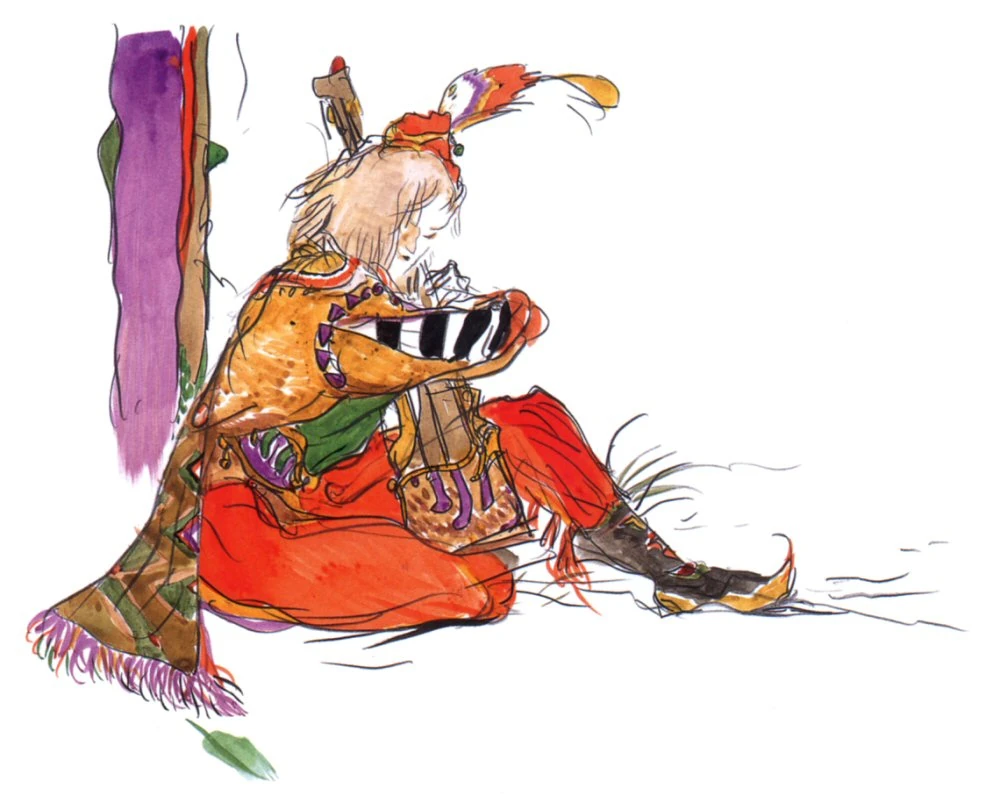
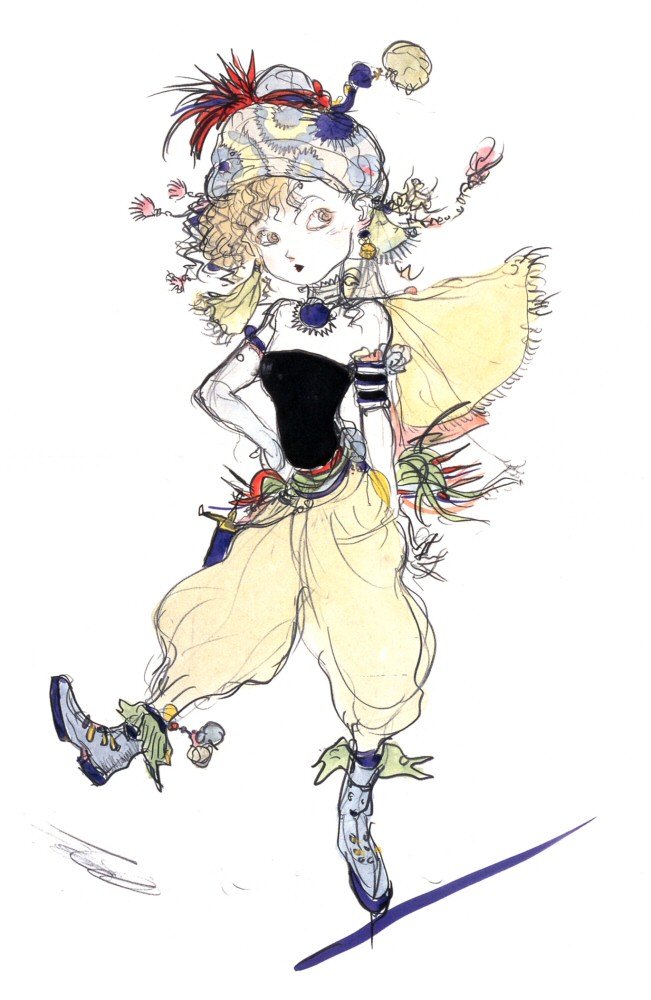
Relm Arrowny (FF6) is an example of an Artist in FF6 games. She does not learn Magic without using Espers, and their pictomancy could be represented as otherwordly artistic abilities that are not outght magic. That said, being a descendant of the Magi and being a very strong magic user when she does learn magic, she might be better represented as a Mystic Artist.
The Bard job (FF3, FF5, FFT) and bards such as Edward (FF4) depend mostly on their songs rather than magic, and thus could be well represented by the Artist class.
Artist
| Level | Proficiency Bonus | Features |
|---|---|---|
| 1st | +2 | Artistic Inspiration (d6), Artistic Performance, Sharp Criticism |
| 2nd | +2 | Jack of All Trades, Quick Wits, Magical Inspiration |
| 3rd | +2 | Artistic Tradition, Soothing Art (d6), Increased Repertoire |
| 4th | +2 | Ability Score Improvement |
| 5th | +3 | Artistic Inspiration (d8), Fine Arts, Versatile Skill |
| 6th | +3 | Extra Attack, Expertise |
| 7th | +3 | Tradition Feature, Backhanded Comment |
| 8th | +3 | Ability Score Improvement, Creative Idleness (1 use) |
| 9th | +4 | Meticulous Work, Soothing Art (d8) |
| 10th | +4 | Artistic Inspiration (d10), Unshakable Focus |
| 11th | +4 | Tradition Feature |
| 12th | +4 | Ability Score Improvement |
| 13th | +5 | Extraordinary Versatility, Soothing Art (d10) |
| 14th | +5 | Finishing Flourish, Creative Idleness (2 uses) |
| 15th | +5 | Artistic Inspiration (d12), Tradition Feature |
| 16th | +5 | Ability Score Improvement |
| 17th | +6 | Pièces de Résistance, Soothing Art (d12) |
| 18th | +6 | Final Fancy |
| 19th | +6 | Ability Score Improvement |
| 20th | +6 | Creative Genius |
Quick Build
This will be added later
Class Features
As an Artist, you gain the following class features
Hit Points
- Hit Dice: 1d8 per Artist level
- Hit Points at 1st Level: 8 + your Constitution modifier
- Hit Points at Higher Levels: 1d8 (or 5) + your Constitution modifier per Artist level after 1st.
Proficiencies
- Armor: Light Armour
- Weapons: Simple weapons, longswords, rapiers, shortswords
- Tools: Choose 3 among the following: Calligrapher's Supplies, Glassblower's Tools, Jeweller's Tools, Mason's Tools, Painter's Supplies, Potter's Tools, Weaver's Tools, Woodcarver's Tools, or any Musical Instrument.
- Saving Throws: Dexterity, Charisma
- Skills: Choose any 3.
Equipment
You start with the following equipment, in addition to the equipment granted by your background:
- (a) a rapier, (b) a longsword, or (c) any simple weapon.
- (a) a shortbow and a quiver of 20 arrows, (b) a light crossbow and a quiver of 20 bolts, or (c) a sling and 20 bullets.
- (a) a diplomat's pack or (b) an entertainer's pack.
- (a) an instrument of your choice or (b) a set of artisan's tools you are proficient in.
- Leather armour and a dagger
Alternatively, you may start with 5d4 x 10 gp to buy your own equipment.
Artistic Inspiration
Beginning at 1st level, you can inspire others through your art. To do so, you use a bonus action on your turn to choose one creature other than yourself within 60 feet of you who can hear you. That creature gains one Artistic Inspiration die, a d6.
Once within the next 10 minutes, the creature can roll the die and add the number rolled to one ability check, attack roll, or saving throw it makes. The creature can wait until after it rolls the d20 before deciding to use the Artistic Inspiration die, but must decide before the DM says whether the roll succeeds or fails. Once the Artistic Inspiration die is rolled, it is lost. A creature can have only one Artistic Inspiration die at a time.
You can use this feature a number of times equal to your Charisma modifier + your proficiency bonus. You regain any expended uses when you finish a long rest.
Your Artistic Inspiration die changes when you reach certain levels in this class. The die becomes a d8 at 5th level, a d10 at 10th level, and a d12 at 15th level.
Artistic Performance
Beginning at 1st level, you can use your artistic talents to deliver moving performances that empower allies and weaken foes. As an action, you can expend one use of Artistic Inspiration and begin your performance. Choose a type of performance: visual (painting, showing pieces you have created, silent theatre, etc) or acoustic (music, oratory, or similar). If you choose a visual performance, you must have the appropriate Artisan's Tools or artworks you created, and you affect creatures who can see you within 30 ft of you. If you choose an acoustic performance, you affect creatures who can hear you within 30ft of you.
You must maintain concentration while performing (as if you were concentrating on a spell). You may continue your performance for up to 1 minute. You know one type of performance when you first learn this ability:
Omen of Defeat. When you or an allied creature deal damage during their turn while affected by your Performance, you may use your Reaction to expend one Artistic Inspiration die, roll it and add the result as bonus damage.
Sharp Criticism
Beginning at 1st level, your bitter critical remarks of others' works or actions can cause great damage to others' confidence. You learn the Vicious Mockery cantrip. Using the Sharp Criticism feature to cast Vicious Mockery doesn't count as casting a spell, as it comes from your snappy critical remarks rather than a magical effect.
Jack of All Trades
Starting at 2nd level, you can add half your proficiency bonus, rounded down, to any ability check you make that doesn't already include your proficiency bonus.
Quick Wits
Starting at 2nd level, your quick thinking allows you to get out of trouble or use your talents even in a pinch. You can use a Bonus Action to take the Disengage Action or use a Skill you are Proficient in.
Magical Inspiration
If a creature has an Artistic Inspiration die from you and casts a spell that restores hit points or deals damage, the creature can roll that die and choose a target affected by the spell. Add the number rolled as a bonus to the hit points regained or the damage dealt. The Artistic Inspiration die is then lost.
Artistic Tradition
At 3rd level, you start to develop advanced techniques linked to an Artistic Tradition. The list of available Artistic Traditions can be found at the end of the class description. Your choice grants you features at 3rd level and again at 7th, 11th and 15th level.
Soothing Art
Beginning at 3rd level, you can use soothing words or songs, impromptu works of art or calming oratory to help revitalize your wounded allies during a short rest. If you or any friendly creatures who can hear or see your performance (depending on the kind of performance) regain hit points by spending Hit Dice at the end of the short rest, each of those creatures regains an extra 1d6 hit points.
The extra hit points increase when you reach certain levels in this class: to 1d8 at 9th level, to 1d10 at 13th level, and to 1d12 at 17th level.
Increased Repertoire
Also at 3rd level, you learn another option that can be used when you activate your Artistic Performance:
The Warden's Praise. When you or an allied creature take damage while affected by your Performance, the damage taken is reduced by a value equal to one roll of your Artistic Inspiration die. This does not spend your Artistic Inspiration die. This effect affects each creature only once per round.
Ability Score Improvement
When you reach 4th level, you can increase one ability score of your choice by 2, or you can increase two ability scores of your choice by 1. As normal, you can't increase an ability score above 20 using this feature.
If your DM allows the use of feats, you may instead take a feat.
You can choose to increase ability scores or take a feat again at 8th, 12th, 16th and 19th level.
Fine Arts
Beginning at 5th level, you have developed other ways to assist your allies in the heat of battle with your art. You learn two new options that can be used when you activate your Artistic Performance feature:
Eulogy of Life. When you or an allied creature affected by your performance is targeted by an attack, you may use your Reaction to expend one Artistic Inspiration die to help the target keep away from harm. Roll the die and add the result to the target's AC against the attack.
Wanderer's Memento. When you or an allied creature start its turn within range of your performance, its base speed is increased by 10ft and it gains advantage on Dexterity saving throws until the start of their next turn.
Versatile Skill
Beginning at 5th level, whenever you finish a Long Rest you may choose one Skill or Tool Proficiency you are not Proficient in. You gain Proficiency in that Skill or Tool until the next time you take a Long Rest
Extra Attack
Beginning at 6th level, you can attack twice, instead of once, whenever you take the Attack action on your turn.
Expertise
At 6th level, choose two of your skill proficiencies. Your proficiency bonus is doubled for any ability check you make that uses either of the chosen proficiencies. You cannot gain expertise in a skill proficiency you only have due to your Versatile Skill feature.
Backhanded Comment
Starting at 7th level, you may spend one use of your Artistic Inspiration to use the Vicious Mockery cantrip as a Bonus Action. As with your Sharp Criticism feature, this does not count as casting a spell.
Creative Idleness
Starting at 8th level, you regain 1 use of Artistic Inspiration when you finish a Short Rest.
Starting a 14th level, you regain 2 uses of Artistic Inspiration when you finish a Short Rest instead.
Meticulous Work
Starting at 9th level, you can use your diligence and dedication to gain advantage on one an ability check using a skill or tool you are proficient in, or to cause one target to have disadvantage against an effect created by you. You can do this a number of times equal to your Proficiency Bonus. You regain all uses when you finish a Long Rest.
Unshakable Focus
Beginning at 10th level, you have advantage on Charisma saving throws. You also have advantage on Constitution saving throws to maintain your Concentration.
Extraordinary Versatility
Starting at 13th level, you can change the Skill you have Proficiency in due to your Versatile Skill feature whenever you finish a Short Rest.
Whenever you finish a Long Rest, you may also choose one Skill or Tool Proficiency you have Proficiency in, and double your proficiency bonus for any ability checks made with that Proficiency. The Skill or Tool Proficiency chosen maybe one you have proficiency in due to your Versatile Skill feature.
Finishing Flourish
Beginning at 14th level, while one of your Artistic Performances is active, you can use your Action to add a stylized ending to your performance. This ends the Artistic Performance and causes one of the following effects:
Strong Finish. Choose up to 3 creatures you can see within range of your performance, assigning one or more d8 to each of them, up to a total of 3d8. The target creatures must make a Charisma saving throw against a DC equal to 8 + your Proficiency Bonus + your Charisma modifier. On a failure, a creature takes psychic damage equal to a roll of the dice assigned to it and has disadvantage on their next attack. On succeeds, the creature takes damage equal to half a roll of the dice assigned to it and does not suffer any other effects.
Soothing Finish. Choose up to 3 creatures you can see within range of your performance, assigning one or more d8 to them, up to a total of 3d8. Each creature chosen is is healed by a number of hit points equal to a roll of the dice assigned to it.
Pièces de Résistance
When you reach 17th level, you develop masterpieces in your art. Choose one 1st or 2nd-level spell and one 1st, 2nd or 3rd-level spell in the in the Muse (Bard) spell list. You can use each of these spells twice. You recover all uses of this ability when you finish a Long Rest. Using these spells does not count as casting a spell for you.
Final Fancy
Beginning at 18th level, you are able to mix two Artistic Performances into a single, unforgettable act. When you use your Artistic Performance, you can choose two effects and apply them simultaneously. You can only do this once. Use of this feature recovers when you complete a long rest.
Creative Genius
Starting at 20th level, when you roll initiative and have no uses of Artistic Inspiration left, you regain one use.
Artistic Traditions
The way of the artist is as varied as there are types and styles of art. Particular artistic traditions have existed for generations, passed down from master to apprentice or imitated by those who admire them. Others are less well-known, but have a close-knit following, and others still are almost like a calling that some artists unknowingly end up attracted to.
Artistic Traditions are also used by Mystic Artists, with minor differences. Many of them are also shared with Muses. Consult these classes to see how traditions work for them.
Artful Duellist
While some artists devote their life's path to the visual arts, others to music, and others yet to theatre and other performing arts, there are some that dedicate their artistic endeavours to a mix of bodily training, practiced movements that are almost dance-like, and a variety of daring feats of physical and weapon prowess. These artists entertain their audiences with stunts such as sword swallowing, knife throwing, juggling and mock combats - but also more serious duelling, which makes them skilled warriors in their own right.
The duels staged, organised and fought by these more martially oriented artists are rarely meant to cause grievous harm or be fought to death - although accidents happen. And while many duellist masters are very strict teachers and instruct their apprentices to refrain from using their talents for questionable ends, there is no shortage of stories about knife throwers or performatic fighters in performer troupes who would have turned their talents to nefarious ends. How many of those stories is true is impossible to know, but that is enough to make some settlements wary of such artists.
Bonus Proficiencies
When you join the Artful Duellist Tradition at 3rd level, you gain proficiency with medium armor and scimitars.
Fighting Style
At 3rd level, you adopt a style of fighting as your specialty. Choose one of the following options. You can't take a Fighting Style option more than once, even if something in the game lets you choose again.
Defence. While you are wearing armour, you gain a +1 bonus to AC.
Dueling. When you are wielding a melee weapon in one hand and no other weapons, you gain a +2 bonus to damage rolls with that weapon.
Two-Weapon Fighting. When you engage in two-weapon fighting, you can add your ability modifier to the damage of the second attack. When you use your Reaction to make an Attack of Opportunity, you may attack once with each of the weapons you're wielding.
Blade Flourish
At 3rd level, you learn to perform impressive displays of martial prowess and speed.
Whenever you take the Attack action on your turn, your walking speed increases by 10 feet until the end of the turn, and if a weapon attack that you make as part of this action hits a creature, you can use one of the following Blade Flourish options of your choice. You can use only one Blade Flourish option per turn.
Defensive Flourish. You can expend one use of your Artistic Inspiration to cause the weapon to deal extra damage to the target you hit. The damage equals the number you roll on the Artistic Inspiration die. You also add the number rolled to your AC until the start of your next turn.
Mobile Flourish. You can expend one use of your Artistic Inspiration to cause the weapon to deal extra damage to the target you hit. The damage equals the number you roll on the Artistic Inspiration die. You can also push the target up to 5 feet away from you, plus a number of feet equal to the number you roll on that die. You can then immediately use your Reaction to move up to your walking speed to an unoccupied space within 5 feet of the target.
Slashing Flourish. You can expend one use of your Artistic Inspiration to cause the weapon to deal extra damage to the target you hit and to any other creature of your choice that you can see within 5 feet of you. The damage equals the number you roll on the Artistic Inspiration die.
Improved Critical
Beginning at 7th level, your weapon attacks score a critical hit on a roll of 19 or 20.
Practiced Flourish
Starting at 11th level, when you spend an Artistic Inspiration die to use one a Blade Flourish option, you may choose to roll the Artistic Inspiration die twice and choose which result to keep.
You may do this a number of times equal to your Proficiency Bonus. You recover all uses when you take a Long Rest.
Master's Flourish
Starting at 15th level, whenever you use a Blade Flourish option, you can roll a d6 and use it instead of expending an Artistic Inspiration die.
Capricious Creator
Some artists see the world as a work of art in itself - a masterpiece created by divine will, or nature, or whatever their beliefs hold. These artists believe that sparks of that primeval creative energy still exist, and use their art to call on it to produce their own, fantastic creations.
Motes of Potential
When you take this Artistic Tradition at 3rd level, whenever you give a creature an Artistic Inspiration die, you can draw on Spark of Creation to create a Tiny mote of potential, which orbits within 5 feet of that creature. The mote is intangible and invulnerable, and it lasts until the Artistic Inspiration die is lost. The mote looks like a musical note, a star, a flower, or another symbol of art or life that you choose.
When the creature uses the Artistic Inspiration die, the mote provides an additional effect based on whether the die benefits an ability check, an attack roll, or a saving throw, as detailed below:
Ability Check. When the creature rolls the Artistic Inspiration die to add it to an ability check, the creature can roll the Artistic Inspiration die again and choose which roll to use, as the mote pops and emits colorful, harmless sparks for a moment.
Attack Roll. Immediately after the creature rolls the Artistic Inspiration die to add it to an attack roll against a target, the mote thunderously shatters. The target and each creature of your choice that you can see within 5 feet of it must succeed on a Constitution saving throw against a DC equal to 8 + your Proficiency Bonus + your Charisma or take thunder damage equal to the number rolled on the Artistic Inspiration die.
Saving Throw. Immediately after the creature rolls the Artistic Inspiration die and adds it to a saving throw, the mote vanishes with the sound of soft music or fading, beautiful image, causing the creature to gain temporary hit points equal to the number rolled on the Artistic Inspiration die plus your Charisma modifier (minimum of 1 temporary hit point).
Performance of Creation
Also at 3rd level, as an action, you can channel Sparks of Creation to create one nonmagical item of your choice in an unoccupied space within 10 feet of you. The item must appear on a surface or in a liquid that can support it. The gp value of the item can't be more than 20 times your Artist level, and the item must be Medium or smaller. The item glimmers softly, and a creature can faintly hear music or see colourful images on its mind when touching it. The created item disappears after a number of hours equal to your proficiency bonus. For examples of items you can create, see the equipment chapter of the Player's Handbook.
You create items with this feature a number of times equal to your Proficiency Bonus, and recover all uses when you finish a Long Rest. You can have only one item created by this feature at a time; if you use this action and already have an item from this feature, the first one immediately vanishes.
The size of the item you can create with this feature increases by one size category when you reach 7th level (Large) and 15th level (Huge).
Animating Performance
Starting at 7th level, as an Action, you can animate one Large or smaller nonmagical item within 30 feet of you that isn't being worn or carried. The animate item uses the Dancing Item stat block, which uses your proficiency bonus (PB), chancing all references to your bard level to your artist level. Whenever the stat block references your Spell Attack modifier, use your Proficiency Bonus + your Charisma modifier instead. The item is friendly to you and your companions and obeys your commands. It lives for 1 hour, until it is reduced to 0 hit points, or until you die.
In combat, the item shares your initiative count, but it takes its turn immediately after yours. It can move and use its Reaction on its own, but the only action it takes on its turn is the Dodge action, unless you take a Bonus Action on your turn to command it to take another action. That action can be one in its stat block or some other action. If you are incapacitated, the item can take any action of its choice, not just Dodge.
You can command the item as part of the same bonus action you use for your Artistic Inspiration or Backhanded Comment features.
You can animate an item with this feature a number of times equal to your Proficiency Bonus, and recover all uses when you finish a Long Rest. You can have only one item animated by this feature at a time; if you use this action and already have a dancing item from this feature, the first one immediately becomes inanimate.
Lasting Creations
Starting at 11th level, when you use your Animating Performance feature, the animate item's Hit Points are increased by your Artist level (to a total of 10 + six times your Artist level).
Creative Crescendo
Starting at 15th level, when you use your Performance of Creation feature, you can create more than one item at once. The number of items equals your Charisma modifier (minimum of two items). If you create an item that would exceed that number, you choose which of the previously created items disappears. Only one of these items can be of the maximum size you can create; the rest must be Small or Tiny.
You are no longer limited by gp value when creating items with Performance of Creation.
Eloquent Orator
Not all artistic traditions are always traditionally recognised as arts. Eloquent Orators, for example, those who specialise in the art of oratory, are often seen more as diplomats, teachers or counsellors than artists - but that doesn't mean the art of persuasion is any less creative or intricate than any other. A well-reasoned, well-spoken argument often proves more persuasive than facts - and can sway hearts just as easily as songs, visual arts or theatrical performances. These artists wield a blend of logic and theatrical wordplay, winning over skeptics and detractors with logical arguments and plucking at heartstrings to appeal to the emotions of their audiences.
Silver Tongue
When you take this Tradition at 3rd level, you become a master at saying the right thing at the right time. When you make a Charisma (Persuasion) or Charisma (Deception) check, you can treat a d20 roll of 9 or lower as a 10.
Unsettling Words
Also at 3rd level, can spin words laced with the right emotions to unsettle a creature and cause it to doubt itself. As a Bonus Action, you can expend one use of your Artistic Inspiration and choose one creature you can see within 60 feet of you. Roll the Artistic Inspiration die. The creature must subtract the number rolled from the next saving throw it makes before the start of your next turn.
Unfailing Inspiration
Starting at 7th level, your inspiring words are so persuasive that others feel driven to succeed. When a creature adds one of your Artistic Inspiration dice to its ability check, attack roll, or saving throw and the roll fails, the creature can keep the Artistic Inspiration die.
Universal Speech
Also at 7th level, you have gained the ability to make your speech intelligible to any creature. As an action, choose one or more creatures within 60 feet of you, up to a number equal to your Charisma modifier (minimum of one creature). The chosen creatures can magically understand you, regardless of the language you speak, for 1 hour.
You can use this feature a number of times equal to your Charisma modifier (minimum of twice). You recover all uses when you take a Long Rest.
Always the Right Words
Starting at 11th level, the words you add to your Artistic Performances convince your allies of their success even in the direst circumstances. Whenever you spend an Artistic Inspiration die to add bonus damage to your or an allied creature's damage with your Omen of Defeat Artistic Performance, or to increase your or an allied creature's AC due to your Eulogy of Life Artistic Performance, you may roll the Artistic Inspiration die twice and choose which result to use.
Infections Inspiration
Starting at 15th level, when you successfully inspire someone, the power of your eloquence can now spread to someone else. When a creature within 60 feet of you adds one of your Artistic Inspiration dice to its ability check, attack roll, or saving throw and the roll succeeds, you can use your Reaction to encourage a different creature (other than yourself) that can hear you within 60 feet of you, giving it an Artistic Inspiration die without expending any of your Artistic Inspiration uses.
You can use this Reaction a number of times equal to your Charisma modifier (minimum of once), and you regain all expended uses when you finish a long rest.
Eulogist
Eulogists are artists whose works keep alive past stories of great courage and incredible deeds, thereby inspiring their contemporaries. These bards do not shy away from conflict and battle, as the hardest circumstances are often fertile ground for great heroic deeds. These artists travel the land to witness events firsthand and ensure that their memory does not go forgotten.
Bonus Proficiencies
When you become an Eulogist at 3rd level, you gain proficiency with medium armor, shields, and martial weapons.
Combat Inspiration
Also at 3rd level, you learn to inspire others in battle. A creature that has an Artistic Inspiration die from you can roll that die and add the number rolled to a weapon damage roll it just made. Alternatively, when an attack roll is made against the creature, it can use its Reaction to roll the Artistic Inspiration die and add the number rolled to its AC against that attack, after seeing the roll but before knowing whether it hits or misses. If you use your own Reaction to increase damage using your Omen of Defeat Artistic Performance, or to increase an ally's AC using your Eulogy of Life Artistic Performance, the bonus stacks with those granted by Combat Inspiration.
Fighting Style
At 7th level, you adopt a style of fighting as your specialty. You can choose any of the Fighting Styles allowed to Fighters. You can't take a Fighting Style option more than once, even if something in the game lets you choose again.
Epitome of Valour
Starting at 11th level, when a creature rolls an Artistic Inspiration die from you, you may choose to add a bonus equal to your Charisma to the result. You may do this a number of times equal to your Proficiency Bonus, and recover all uses of this ability when you finish a Long Rest.
Words and Deeds
Also at 11th level, you may grant Artistic Inspiration dice to yourself. These dice can only be spent to use the options described in your Combat Inspiration feature.
Battle Performer
At 15th level, you have mastered the art of weaving performing and weapon use into a single harmonious act. When you use your action to begin an Artistic Performance or to use Sharp Criticism, you can make one weapon attack as a bonus action.
Folklorist
Folklorists learn about a variety of different things, collecting tids and bits of knowledge, stories and traditions of the past from a variety of sources. Whether singing folk ballads, painting or making representations of mythical creatures, these artists use their gifts to encourage others, remind them of their traditions - and also to call their beliefs into question.
Bonus Proficiencies
When you become a Folklorist at 3rd level, you gain proficiency with three skills of your choice.
Cutting Words
Also at 3rd level, you learn how to use your wit to distract, confuse and otherwise sap the confidence and competence of others. When a creature that you can see within 60 ft of you makes an Attack Roll, an Ability Check, or a Damage Roll, you can use your reaction to expend one of your uses of Artistic Inspiration, rolling an Artistic Inspiration die and subtracting the number rolled from the creature's roll. You can choose to use this feature after the creature makes its roll, but before the DM determines whether the attack roll or ability check succeeds or fails, or before the creature deals its damage. The creature is immune if it can't hear you or if it's immune to being charmed.
This effect stacks with those of the Artistic Performance Warden's Praise. If you use a reaction to activate the Artistic Performance Eulogy of Life, you can choose to use the same reaction to spend another use of Artistic Inspiration and activate Cutting Words at the same time.
Folk Tales
Starting at 7th level, your study of folk tales and stories give you access to abilities forgotten by most. Choose two 1st or 2nd-level spells or cantrips from any spell list. If you choose a cantrip, you learn it and can cast it normally. You can cast each chosen spell of 1st level or higher twice. You recover all uses of this ability when you finish a Long Rest.
Myths and Legends
Starting at 11th level, your studies grant you access to more long-forgotten abilities. Choose two cantrips or 1st, 2nd or 3rd level spells from any spell list. If you choose a cantrip, you learn it and can cast it normally. You can cast each chosen spell of 1st level or higher once. If you choose the same spell twice, you can use it two times. You recover all uses of this ability when you finish a Long Rest.
Peerless Skill
Starting at 15th level, when you make an ability check, you can expend one use of Bardic Inspiration. Roll a Bardic Inspiration die and add the number rolled to your ability check. You can choose to do so after you roll the die for the ability check, but before the DM tells you whether you succeed or fail.
Passionate Performer
Passionate Performers are Artists who draw inspiration from deep within their soul and pour heartfelt feeling into all their art. Performing is as natural as breathing to these artists, and their art can be deeply touching.
Soul-touching Repertoire
Beginning at 3rd level when you join this Tradition, you learn new Performances that touch deep into your allies or your opponents' souls. You learn two new options that can be used when you activate your Artistic Performance feature:
Nature's Gifts. At the start of your turn, all allied creatures affected by your performance recover 1d4 hit points.
Homage to Silence. When a creature affected by your performance attempts to cast a spell with verbal components or use an effect that depends on speech or sound, you may use your reaction to attempt to drown out the sound. The creature must succeed on a Charisma saving throw against a DC equal to 8 + your Proficiency Bonus + your Charisma modifier. On a failure, the creature becomes unable to speak or produce sound until the start of their next turn.
Encore
Beginning at 7th level, as a bonus action, you may regain two uses of Bardic Inspiration. You can use this feature a number of times equal to your Proficiency Bonus, and regain all uses when you complete a Long Rest.
Memorable Act
Beginning at 11th level, you can use your art during a long rest to inspire your allies long after your performance has ended. At the end of a Short Rest, you can choose a number of characters other than yourself. Each chosen character receives an Artistic Inspiration die without spending any uses of your Artistic Inspiration. Each of these Artistic Inspiration dice lasts until it is used or the character who received it takes a Long Rest. A creature can still have only one Artistic Inspiration die at a time.
Art from the Soul
Beginning at 15th level, your passionate performances are remarkable even from a distance. The effective range of your Artistic Performances is increased to a 60 ft radius.
Poison Artist
Artists delve into a variety of different arts and crafts, and some inevitably dabble in dangerous pursuits. Poison Artists take a particular interest in the production and use of substances that affect the mind and the body. Many such Artists use these substances to increment their art, using them as ways to change perception. But by learning the different uses of these substances, they also learn their more practical - and dangerous - applications in combat.
Bonus Profiiency
When you become a Poison Artist at 3rd level, you gain proficiency with the Poisoner's Kit.
Poison Arts
Also at 3rd level, you learn how to create simple poison out of easily accessible materials. When you complete a Long Rest, if you have access to your Poisoner's Kit and simple materials such as herbs, you can create a batch of poison with a number of doses equal to your Proficiency Bonus. Each dose of poison remains potent for 24 hours after its creation. When you finish a Short Rest or a Long Rest, you can spend one or more of your Artistic Inspiration dice. For each die spent, you can create an additional dose of poison.
As a Bonus Action, one dose of poison can be applied to ten projectile heads or a single weapon. The poison coating remains effective for one minute, even after the weapon hits a creature.
A creature struck with a weapon doused in any of the poison types created with this feature takes an additional 1d4 poison damage. The creature must then succeed on a Constitution saving throw against a DC equal to 8 + your Proficiency Bonus + your Charisma modifier or suffer an additional effect based on the poison used.
You are able to create two types of poison at 3rd level. When you create a new batch, you can decide how many doses of each type of poison to create.
Venomous Bite. If a creature hit by this poison fails its Constitution saving throw, it becomes Poisoned for 1 minute. At the start of any turn in which a creature is affected by this poison, the creature takes 1d4 poison damage. The creature may use its action to reattempt the saving throw on its turn, removing this poison's effect if it succeeds.
Wind Poison. If a creature hit by this poison fails its Constitution saving throw, it becomes Poisoned for 1 minute. While affected by this poison, the creature's speed is reduced by 10ft. The creature may use its action to reattempt the saving throw on its turn, removing this poison's effect if it succeeds.
Degenerative Toxicity
Beginning at 7th level, you gain resistance to poison damage, and any poisons you create with features learned as a Poison Artist ignore resistance to poison damage.
Additionally, when a creature makes a saving throw against poisons you create with features learned as a Poison Artist, the DC for the saving throw is increased by half your proficiency bonus, rounded up.
Advanced Toxins
Beginning at 11th level, you learn to create concentrated poisons. When creating a batch of poison, you may combine two doses of poison to create new, stronger toxins:
Caustic Poison. The poison damage caused when you hit with this poison is increased to 2d4 poison damage. If a creature hit by this poison fails its Constitution saving throw, it becomes Poisoned for one minute. While a creature is affected by this poison, it takes 1d4 poison damage at the start of its turn and its damage rolls are reduced by 1d4. The creature may use its action to reattempt the saving throw on its turn, removing this poison's effect if it succeeds.
Shadow Bite. If a creature hit by this poison fails its Consitution saving throw, it becomes Poisoned and unable to speak for one minute. The creature may use its action to reattempt the saving throw on its turn. If it succeeds, it removes the Poisoned condition, but remains unable to speak until the full duration of the poison runs out.
Storm Poison. If a creature hit by this poison fails its Constitution saving throw, it becomes Poisoned and Paralysed for one minute. The creature may use its action to reattempt the saving throw on its turn, removing this Poison's effect if it succeeds.
Fever Pitch
Beginning at 15th level, while a creature is Poisoned due to the effects of your Caustic Poison, Shadow Bite or Storm Poison, it becomes deliriously feverish. At the start of the first turn while affected by one of these poisons, the creature must succeed on a Wisdom saving throw against the same DC used to resist the poison. If the creature fails, it loses its turn. Whether it succeeds or fails, the creature becomes immune to this effect for 1 hour.
Additionally, while a creature is affected by one of these three poisons, it takes 2d6 necrotic damage instead of 1d4 poison damage.
Finally, any poisons you create with features learned as a Poison Artist ignore immunity to the Poisoned condition.
Quipping Quiver
Artists who become Quipping Quivers learn to mix the 'art' of archery together with visual arts, music or other aspects in their performances. These artists become skillful archers, and are more than able to stand their own in the battlefield.
Bonus Proficiency
When you become a Quipping Quiver at 3rd level, you gain proficiency with longbows.
Straight Shot
Also at 3rd level, when you roll for an attack, you may expend one of your Artistic Inspiration dice to improve the deadly accuracy of your shot. Roll the die and add the result to the attack roll. If you use this ability and the resulting sum is 20 or higher, the attack becomes a critical hit.
Hawkeye
Beginning at 7th level, you gain advantage when making perception skill checks that rely on sight. Additionally, the effective range of your ranged weapons are increased by 50ft.
Fighting Style - Archery
Also at 7th level, you learn the following Fighting Style:
Archery: You gain a +2 bonus to attack rolls you make with ranged weapons.
If you had already learned this Fighting Style, you can choose any other Fighting Style allowed to Fighters. You can't take a Fighting Style option more than once, even if something in the game lets you choose again.
Barrage
Beginning at 11th level, you may make one ranged attack as a Bonus Action. You may do this a number of times equal to your Dexterity modifier. Uses of this feature are recovered when you complete a Long Rest.
Misery's End
Beginning at 15th level, you can roll two additional weapon damage dice when determining the extra damage for a critical hit with a ranged attack.
Spiritualist
Spiritualists reach beyond the veil of the mortal world for inspiration, not only reading stories of those who came before, but actually trying to contact them and bring echoes of their stories back to life through their art and performances. Using occult trappings, these Artists conjure spiritual embodiments of powerful forces and spirits from the past to change the world. Their spirit-imbued artwork is not necessarily always under their control, however.
Guiding Whispers
Starting when you join this Tradition at 3rd level, you can reach out to spirits to guide you and others. You can use the guidance cantrip. Using this cantrip doesn't count as casting a spell for you, and it has a range of 60 feet when you use it.
Spiritual Focus
When you join this Tradition at 3rd level, you learn to employ tools that aid you in channeling spirits, be they historical figures or fictional archetypes. You can use the following objects as a focus for your Spiritualist abilities: a candle, crystal ball, skull, spirit board, or tarokka deck.
Starting at 7th level, once per turn when you make an attack roll or use Sharp Criticism, you gain a bonus of 1d6 to the damage dealt. If you have not used this feature yet during this round, when you or an allied creature spends an Artistic Inspiration die from you for any reason, you may activate and roll a d6. The creature who spent the Artistic Inspiration die heals hit points equal to the number rolled.
Tales from Beyond
Also at 3rd level, you learn to reach out to spirits, who tell their tales through you. While you are holding your Spiritual Focus, you can use a Bonus Action to expend one use of your Artistic Inspiration and roll on the Spirit Tales table using your Artistic Inspiration die to determine the tale the spirits direct you to tell. You retain the tale in mind until you bestow the tale's effect or you finish a Short or Long Rest.
You can use an Action to choose one creature you can see within 30 feet of you (this can be you) to be the target of the tale's effect. Once you do so, you can't bestow the tale's effect again until you roll it again.
You can retain only one of these tales in mind at a time, and rolling on the Spirit Tales table immediately ends the effect of the previous tale.
If the tale requires a saving throw, the DC equals 8 + your Proficiency Bonus + your Charisma modifier.
Lessons from the Past
Starting at 7th level, spirits provide you with supernatural insights. You can conduct an hour-long ritual channeling spirits (which can be done during a Short or Long Rest) using your Spiritual Focus. You can conduct the ritual with a number of willing creatures equal to your proficiency bonus (including yourself). At the end of the ritual, you temporarily receive the ability to cast one spell of your choice from any class.
The spell you choose must be of a level equal to or lower than the number of creatures that conducted the ritual or less, the spell must be of a level a Muse (Bard) of your level could cast, and it must be in the school of divination or necromancy. You can cast the chosen spell twice, and you remember the spell until you start a Long Rest.
Once you perform this ritual, you can't do so again until you start a Long Rest.
More Lessons from the Past
Beginning at 11th level, when you perform the ritual described under your Lessons from the Past feature, you receive the ability to cast two spells of your choice instead of one. All conditions for choosing the spells remain the same. You can cast each of the chosen spells twice, and you remember both spells until you start a Long Rest.
Reaching Beyond the Veil
At 15th level, you gain the ability to nudge the spirits of Tales from Beyond toward certain tales. Whenever you roll on the Spirit Tales table, you can roll the die twice and choose which of the two effects to bestow. If you roll the same number on both dice, you can ignore the number and choose any effect on the table.
Subversive
People's imagination of artists are not populated only by happy-go-lucky singers, eccentric playwrights and haughty actors. The figure of artistic agitators, revolutionary and disruptive, are also lively in the minds of many - perhaps even more so for those who live under oppressive regimes.
The truth of what subversive artists do is usually more low profile than what lies in people's imaginations, however. Keeping under the radar, uncovering secrets and turning them against others often achieves better results than inflammatory propaganda, and fear may succeed where beauty and kindness fails.
Psychic Blades
When you become a Subversive at 3rd level, you gain the ability to make your weapon attacks magically toxic to a creature's mind.
When you hit a creature with a weapon attack, you can expend one use of your Artistic Inspiration to deal an extra 2d6 psychic damage to that target. You can do so only once per round on your turn.
The psychic damage increases when you reach certain levels in this class, increasing to 3d6 at 5th level, 5d6 at 10th level, and 8d6 at 15th level.
Spirit Tales
| Artistic Inspiration Die | Tale Told Through You |
|---|---|
| 1 | Tale of the Clever Animal. For the next 10 minutes, whenever the target makes an Intelligence, a Wisdom, or a Charisma check, the target can roll an extra die immediately after rolling the d20 and add the extra die's number to the check. The extra die is the same type as your Artistic Inspiration die. |
| 2 | Tale of the Renowned Duelist. You make a melee spell attack against the target, using your Charisma modifier. On a hit, the target takes force damage equal to two rolls of your Artistic Inspiration die + your Charisma modifier. |
| 3 | Tale of the Beloved Friends. The target and another creature of its choice it can see within 5 feet of it gain temporary hit points equal to a roll of your Artistic Inspiration die + your Charisma modifier. |
| 4 | Tale of the Runaway. The target can immediately use its reaction to teleport up to 30 feet to an unoccupied space it can see. When the target teleports, it can choose a number of creatures it can see within 30 feet of it up to your Charisma modifier (minimum of 0) to immediately use the same reaction. |
| 5 | Tale of the Avenger. For 1 minute, any creature that hits the target with a melee attack takes force damage equal to a roll of your Artistic Inspiration die. |
| 6 | Tale of the Traveler. The target gains temporary hit points equal to a roll of your Artistic Inspiration die + your Artist level. While it has these temporary hit points, the target's walking speed increases by 10 feet and it gains a +1 bonus to its AC. |
| 7 | Tale of the Beguiler. The target must succeed on a Wisdom saving throw or take psychic damage equal to two rolls of your Artistic Inspiration die, and the target is incapacitated until the end of its next turn. |
| 8 | Tale of the Phantom. The target becomes invisible until the end of its next turn or until it hits a creature with an attack. If the target hits a creature with an attack during this invisibility, the creature it hits takes necrotic damage equal to a roll of your Artistic Inspiration die and is frightened of the target until the end of the frightened creature's next turn. |
| 9 | Tale of the Brute. Each creature of the target's choice it can see within 30 feet of it must make a Strength saving throw. On a failed save, a creature takes thunder damage equal to three rolls of your Artistic Inspiration die and is knocked prone. A creature that succeeds on its saving throw takes half as much damage and isn't knocked prone. |
| 10 | Tale of the Dragon. The target spews fire from its mouth in a 30-foot cone. Each creature in that area must make a Dexterity saving throw, taking fire damage equal to four rolls of your Artistic Inspiration die on a failed save, or half as much damage on a successful one. |
| 11 | Tale of the Angel. The target regains hit points equal to two rolls of your Artistic Inspiration die + your Charisma modifier, and you end one condition from the following list affecting the target: blinded, deafened, paralysed, petrified, or poisoned. |
| 12 | Tale of the Mind-Bender. You evoke an incomprehensible fable from an otherworldly being. The target must succeed on an Intelligence saving throw or take psychic damage equal to three rolls of your Artistic Inspiration die and be stunned until the end of its next turn. |
Words of Terror
At 3rd level, you learn to infuse innocent-seeming words with insidious seeds that can inspire terror.
If you speak to a humanoid alone for at least 1 minute, you can attempt to seed paranoia in its mind. At the end of the conversation, the target must succeed on a Wisdom saving throw against a DC equal to 8 + your Proficiency Bonus + your Charisma modifier or be frightened of you or another creature of your choice. The target is frightened in this way for 1 hour, until it is attacked or damaged, or until it witnesses its allies being attacked or damaged.
If the target succeeds on its saving throw, the target has no hint that you tried to frighten it.
You can instead use this feature as an Action against a creature within 15 feet of you that can hear you. If you use this feature in this way, the target becomes frightened of you or another creature of your choice for 1 minute, and if it is attacked or damaged or witnesses its allies being attacked or damaged it may reattempt the saving throw instead of the fear effect being broken immediately.
Once you use this feature, you can't use it again until you finish a short or long rest.
Mantle of Whispers
At 7th level, you gain the ability to adopt a humanoid's persona. When a humanoid dies within 30 feet of you, you can capture its shadow using your Reaction. Alternatively, if you speak to a humanoid alone for at least 1 minute, you can attempt to capture its shadow. At the end of the conversation, the target must succeed on a Wisdom saving throw against a DC equal to 8 + your Proficiency Bonus + your Charisma modifier or have its shadow captured.
You retain a shadow captured in this way until you use it or you finish a long rest.
You can use the shadow as an Action. When you do so, the shadow vanishes, transferring its essence to a disguise that appears on you. You now look like the person whose shadow you captured, but healthy and alive even if the person is now dead. This disguise lasts for 1 hour or until you end it as a Bonus Action.
While you're in the disguise, you gain access to all information that the humanoid would freely share with a casual acquaintance. Such information includes general details on its background and personal life, but doesn't include secrets. The information is enough that you can pass yourself off as the person by drawing on its memories.
Another creature can see through this disguise by succeeding on a Wisdom (Insight) check contested by your Charisma (Deception) check. You gain a +5 bonus to your check.
Once you capture a shadow with this feature, you can't capture another one with it until you finish a short or long rest.
Frightful Rendition
At 11th level, you may use your artwork and performances to instill fear in the hearts of many. You can use the spell Fear without spending spell slots and without the need for material components. You may use this effect with an acoustic or visual performance. In the first case, using the spell needs only verbal components or the use of a musical instrument, and the targets must be able to hear you. In the latter, the spell needs only somatic components, including use of a set of tools or piece of art, and the targets must be able to see you.
You can use the spell three times in this way, and you regain all uses when you finish a Long Rest.
Shadow Lore
At 15th level, you gain the ability to weave insidious subliminal messages into your words and tap into a creature's deepest fears.
As an Action, you magically whisper a phrase that only one creature of your choice within 30 feet of you can hear. The target must make a Wisdom saving throw against a DC equal to 8 + your Proficiency Bonus + your Charisma modifier. The target automatically succeeds if it doesn't share a language with you or if it can't hear you. On a successful saving throw, your whisper sounds like unintelligible mumbling and has no effect.
On a failed saving throw, the target is charmed by you for the next 8 hours or until you or your allies attack it, damage it, or force it to make a saving throw. It interprets the whispers as a description of its most mortifying secret. You gain no knowledge of this secret, but the target is convinced you know it.
The charmed creature obeys your commands for fear that you will reveal its secret. It won't risk its life for you or fight for you, unless it was already inclined to do so. It grants you favors and gifts it would offer to a close friend.
When the effect ends, the creature has no understanding of why it held you in such fear.
Once you use this feature, you can't use it again until you finish a long rest.
Visionary Painter
Visionary Painters are Artists who have focused all or most of their attention to the easel and the brush. Their often hold performances that consist in live painting. Some might suggest this is not as exciting as music or theatre. Those who have seen masters of this Tradition at work, would be to differ - it is rumoured that these Artists can even bring their artwork to life to serve them.
Bonus Proficiencies
When you become a Visionary Painter at 3rd level, you gain proficiency with Painter's Supplies. If you are already proficient with painter's supplies, choose another set of artisan's tools or a musical instrument to become proficient in.
Living Artwork
Also at 3rd level, you gain the ability to channel the essence of your soul into a piece of artwork you have created. As a Bonus Action, you can paint a creature with a CR of 1/4 or lower that you have seen in your adventures and paint it with blindingly fast speed.
On your next turn, the creature you painted appears anywhere within 20 feet of you. The creature is under your control for 1 minute, or until it is dismissed, killed or knocked unconscious. After the duration, or if it is dismissed, killed or knocked unconscious, the creature is reduced into a puddle of paint. The creature follows your commands without the need for actions.
You can use this ability a number of times equal to your Proficiency Bonus, and you recover all uses when you finish a Long Rest.
At Higher Levels, you learn to paint more powerful creatures. At 4th level, you can paint creatures with a CR up to 1/2. At 6th level, you can paint creatures with a CR up to 1. At 10th level, you can paint creatures with a CR up to 2. At 13th level, you can paint creatures with a CR up to 3. Finally, at 18th level, you can paint creatures with a CR up to 4.
Painted Armour
At 7th level, you can paint a thick layer of paint on a willing creature that you touch with your Painter's Supplies as a Bonus Action. Upon doing this, the creature you've painted on gains a +2 bonus to its AC for 1 minute. You may do this once per Short Rest.
Faux Appearance
Also at 7th level, you can paint features on yourself and change your appearance. You can now use the Alter Self spell without the need for spell slots or material components. You can do this a number of times equal to your Charisma modifier (to a minimum of 2). You recover all uses of this feature when you finish a Long Rest.
Complex Composition
Starting at 11th level, you may choose to spend two uses of your Living Artwork feature to paint two or three creatures instead of one. One of these creatures can have a CR up to the maximum you can normally paint, while the other one or two creatures may have a summed CR up to one less than that maximum.
Paint Spray
At 15th level, you gain the ability to spray thick, blinding colourful paint and ink at up to three creatures within a 25 feet cone in front of you. Any creature caught within the cone must make a Dexterity Saving Throw against a DC equal to 8 + your Proficiency Bonus + your Charisma modifier. On a fail, a creature becomes Blinded for 1 minute.
As an Action, you can cause the paint and ink on the skin of one of the creatures who failed their saving throw to start to boil. Doing this causes the mixture to evaporate and removes the Blinded condition, but deals 2d8 acid damage.
You can use this ability a number of times equal to your Proficiency Bonus, and you recover all uses when you finish a Long Rest.
Virtuoso
Virtuosos are artists who mastered the performance linked to their art to unparalleled heights, specialising in bringing delight and captivating others. These artists are regarded with a mixture of awe and uneasiness. Legends of these masters tell of artists who convinced captors to release them unharmed after a single performance, or even lulled raging benemoths or furious dragons into peaceful sleep or complacency. Other legends tell of drawings and stories that could bend the minds of those who saw or heard them. How much of this is true and how much is exaggeration is anybody's guess of course.
Mantle of Inspiration
When you join this Tradition at 3rd level, you gain the ability to weave impressive songs or artworks that imbues your allies with vigour and speed.
As a Bonus Action, you can expend one use of your Artistic Inspiration to imbue your allies with wondrous energy. When you do so, choose a number of creatures you can see and that can see you within 60 feet of you, up to a number equal to your Charisma modifier (minimum of one). Each of them gains 5 temporary hit points. When a creature gains these temporary hit points, it can immediately use its reaction to move up to its speed, without provoking attacks of opportunity.
The number of temporary hit points increases when you reach certain levels in this class, increasing to 8 at 5th level, 11 at 10th level, and 14 at 15th level.
Enthralling Performance
Starting at 3rd level, you can charge your performances with seductive, almost mystical elements.
If you perform for at least 1 minute, you can attempt to inspire wonder in your audience by singing, reciting a poem, drawing, painting, or any other type of performance. At the end of the performance, choose a number of humanoids within 60 feet of you who watched and listened to all of your performance, up to a number equal to your Charisma modifier (minimum of one). Each target must succeed on a Wisdom saving throw against a DC equal to 8 + your Proficiency Bonus + your Charisma modifier or be charmed by you. While a creature is charmed in this way, it idolises you, speaking glowingly of you to anyone who talks to it, and it hinders anyone who opposes you, although it avoids violence unless it was already inclined to fight on your behalf. This effect ends on a target after 1 hour, if it takes any damage, if you attack it, or if it witnesses you attacking or damaging any of its allies.
If a target succeeds on its saving throw, the target has no hint that you tried to charm them.
Once you use this feature, you can't use it again until you finish a short or long rest.
Mantle of Majesty
At 7th level, you gain the ability to cloak yourself in an aura of magnificence that makes others want to serve you. As a Bonus Action, you use the Command spell, without expending a spell slot, and you take on an appearance of unearthly beauty for 1 minute or until your concentration ends (as if you were concentrating on a spell). During this time, you can use the Command spell as a bonus action on each of your turns, without expending a spell slot.
Any creature charmed by you automatically fails its saving throw against the Command spells used with this feature.
These uses of the Command spell do not count as casting a spell, as they come from your deeply emotional performance rather than magic.
Once you use this feature, you can't use it again until you finish a long rest.
Heartwarming Performance
Starting at 11th level, you can use Enthralling Performance after performing for 30 seconds (instead of 1 minute).
During combat, you can also use Enthralling Performance as an Action, provided you have concentrated on an Artistic Performance for 2 rounds before you do so. If you use Enthralling Performance in combat, its range is reduced to 30 ft (the same range as your Artistic Performance), and any creatures previously hostile to you who were in range of your Artistic Performance, watched and listened to it for its whole duration must succeed on a Wisdom saving throw against a DC equal to 8 + your Proficiency Bonus + your Charisma modifier or be charmed by you.
A creature charmed by you in this way stops all hostilities against you, and is also affected as per Enthralling Performance, above. The charmed effect ends if you attack the creature or its allies. If your allies attack the creature's allies, the creature can attempt the saving throw again at the end of their turn.
Unbreakable Majesty
At 15th level, your appearance permanently gains an otherworldly aspect that makes you look more lovely and fierce.
In addition, as a Bonus Action, you can assume a magically majestic presence for 1 minute or until you are incapacitated. For the duration, whenever any creature tries to attack you for the first time on a turn, the attacker must make a Charisma saving throw against a DC equal to 8 + your Proficiency Bonus + your Charisma modifier. On a failed save, the creature can't attack you on this turn, and it must choose a new target for its attack or the attack is wasted. On a successful save, it can attack you on this turn, but it has disadvantage on any saving throw it makes against effects created by you on your next turn.
Once you assume this majestic presence, you can't do so again until you finish a short or long rest.
Acknowledgements
- Silent Soren and his FFXIVxDnD project (at https://www.gmbinder.com/share/-LsDqsNbupzeLhkTIcPv) were both an inspiration for this project and a starting point for many things in it - including the Artist class.
- Specifically, Silent Soren's Gridanian Bard (at https://www.gmbinder.com/share/-MsWr9-Q6vahBybdylyH) was the basis for a large part of the Artist class.
- Wizards of the Coast's Bard and many of the official subclasses were also an important inspiration, and as readers will probably notice many of the Artist's subclasses are changed versions of Bard subclasses.
- Thanks go to J.W. Ross for his College of the Painter (at https://www.gmbinder.com/share/-L4y4tD3mjE2tc_dAE0V) as well, which was the basis for the Visionary Painter subclass.
- The artwork used is from Yoshitaka Amano (available at https://finalfantasy.fandom.com).