
| Core Ranger Traits | |
|---|---|
| Primary Ability | Dexterity and Wisdom |
| Hit Point Die | D10 per Ranger level |
| Saving Throw Proficiencies | Strength and Dexterity |
| Skill Proficiencies | Choose 3: Animal Handling, Athletics, Insight, Investigation, Nature, Perception, Stealth, or Survival |
| Weapon Proficiencies | Simple and Martial weapons |
| Armor Training | Light and Medium armor and Shields |
| Starting Equipment | Choose A or B: (A) Studded Leather Armor, Scimitar, Shortsword, Longbow, 20 Arrows, Quiver, Druidic Focus (sprig of mistletoe), Explorer's Pack and 7 GP; or (B) 150 GP |
FAR FROM THE CIVILIZATION'S REGALIA, amid the trees of trackless forests and across wide plains, Rangers keep their unending watch in the wilderness. Rangers learn to track their quarry as a predator does, moving stealthily through the wilds and hiding themselves in brush and rubble.
Thanks to their connection with nature, Rangers can also cast spells that harness primal powers of the wilderness. A Ranger's talents and magic are honed with deadly focus to protect the world from the ravages of monsters and tyrants.
Becoming a Ranger …
As a Level 1 Character
- Gain all the traits in the Core Ranger Traits table.
- Gain the Ranger's level 1 features, which are listed in the Ranger Features table.
As a Multiclass Character
- Gain the following traits from the Core Ranger Traits table: Hit Point Die, proficiency with Martial weapons, proficiency in one skill of your choice from the Ranger's skill list, training with Light and Medium Armor and Shields.
- Gain the Ranger's level 1 features, which are listed in the Ranger Features table. See the multiclassing rules in the Chapter 2 of the Player's Handbook to determine your available spell slots.
Ranger Features
Level 1: Favorite Environment
Choose one type of environment among the options at the end of this class to be your Favorite Environment. Your choice grants you the features in its description.
In addition, you have Advantage on Intelligence checks you make related to the chosen environment and creatures known to live on it.
Whenever you gain a level in this class, you can replace one of your Favorite Environments with a different one. You gain additional environments at later Ranger Levels, as shown in the Favorite Environment column of the Ranger Features table.
If another Ranger feature grants you a Favorite Environment, it doesn't count against the number of favorite environments you have, but you can't replace it with another one unless otherwise stated.
Level 1: Spellcasting
You have learned to channel the magical essence of nature to cast spells. See the Chapter 7 of the Player's Handbook for the rules on Spellcasting. The information below details how you use those rules with Ranger spells, which appear in the Ranger spell list later in the class's description.
Spell Slots. The Ranger Features table shows how many spell slots you have to cast your level 1+ spells. You regain all expended slots when you finish a Long Rest.
Prepared Spells of Level 1+. You prepare the list of level 1+ spells that are available for you to cast with this feature. To start, choose two level 1 Ranger spells Cure Wounds and Ensnaring Strike are recommended.
The number of spells on your list increases as you gain Ranger levels, as shown in the Prepared Spells column of the Ranger Features table. Whenever that number increases, choose additional spells from the Ranger spell list until the number of spells on your list matches the number on the table. The chosen spells must be of a level for which you have spell slots. For example, if you're a level 5 Ranger, your list of prepared spells can include six spells of levels 1 and 2 in any combination.
If another Ranger feature gives you spells that you always have prepared, those spells don’t count against the number of spells you can prepare with this feature, but those spells otherwise count as Ranger spells for you.
| The Ranger | Spell Slots per Spell Level | ||||||||
|---|---|---|---|---|---|---|---|---|---|
| Level | Proficiency Bonus |
Features | Favorite Environments |
Prepared Spells |
1st | 2nd | 3rd | 4th | 5th |
| 1st | +2 | Favorite Environment, Spellcasting, Weapon Mastery | 1 | 2 | 2 | - | - | - | - |
| 2nd | +2 | Favorite Enemy, Fighting Style | 1 | 3 | 2 | - | - | - | - |
| 3rd | +2 | Ranger Subclass | 1 | 4 | 3 | - | - | - | - |
| 4th | +2 | Ability Score Improvement | 2 | 5 | 3 | - | - | - | - |
| 5th | +3 | Extra Attack, Favorite Prey | 2 | 6 | 4 | 2 | - | - | - |
| 6th | +3 | Survivalist | 2 | 6 | 4 | 2 | - | - | - |
| 7th | +3 | Subclass feature | 2 | 7 | 4 | 3 | - | - | - |
| 8th | +3 | Ability Score Improvement | 3 | 7 | 4 | 3 | - | - | - |
| 9th | +4 | Exposed Enemy | 3 | 9 | 4 | 3 | 2 | - | - |
| 10th | +4 | Instant Focus | 3 | 9 | 4 | 3 | 2 | - | - |
| 11th | +4 | Subclass feature | 3 | 10 | 4 | 3 | 3 | - | - |
| 12th | +4 | Ability Score Improvement | 4 | 10 | 4 | 3 | 3 | - | - |
| 13th | +5 | Primal Resilience | 4 | 11 | 4 | 3 | 3 | 1 | - |
| 14th | +5 | Foe slayer | 4 | 11 | 4 | 3 | 3 | 1 | - |
| 15th | +5 | Subclass feature | 4 | 12 | 4 | 3 | 3 | 2 | - |
| 16th | +5 | Ability Score Improvement | 5 | 12 | 4 | 3 | 3 | 2 | - |
| 17th | +6 | Foe Chaser | 5 | 14 | 4 | 3 | 3 | 3 | 1 |
| 18th | +6 | Feral Senses | 5 | 14 | 5 | 3 | 3 | 3 | 1 |
| 19th | +6 | Epic Boon | 6 | 15 | 4 | 3 | 3 | 3 | 2 |
| 20th | +6 | Sovereign of the Wilds | 7 | 15 | 4 | 3 | 3 | 3 | 2 |
Changing Your Prepared Spells. Whenever you finish a Long Rest, you can replace one spell on your list with another Ranger spell for which you have spell slots.
Spellcasting Ability. Wisdom is your spellcasting ability for your Ranger spells.
Spellcasting Focus. You can use a Druidic Focus as a Spellcasting Focus for your Ranger spells.
2014 or 2024?
This ranger revision was made with the D&D 5e's 2024 releases in mind.
To fit this version in the 2014 model, you may want to make the following changes:
- Weapon Mastery. Remove it, as it is a 2024 exclusive feature.
- Fighting Style. Use the 2014 published rules.
- Spellcasting. Use the 2014 published rules. Treat all spells granted by a Ranger feature as Ranger spells you know.
- Epic Boon. Replace it with another Ability Score Improvement at level 19.
Level 1: Weapon Mastery
Your training with weapons allows you to use the mastery properties of two kinds of weapons of your choice with which you have proficiency, such as Longbows and Shortswords.
Whenever you finish a Long Rest, you can change the kinds of weapons you chose. For Example, you could switch to using the mastery properties of Shortbows and Daggers.


Level 2: Favorite Enemy
As a Bonus Action, you can mark a creature you can see as your Favorite Enemy for 1 hour, or until you lose concentration (as if you were concentrating on a spell).
While you have a Favorite Enemy, you gain the following benefits.
Tracking. You know the general distance and direction of Favorite Enemy, and you have advantage on any Intelligence (Investigation, Nature) or Wisdom (Perception, Survival) Checks made to track and find your Favorite Enemy.
Precision. Once on each of your turns, you can grant yourself Advantage on an attack roll made with a weapon or Unarmed Strike against your favorite enemy.
Focus. You can concentrate on this feature and on a Ranger spell you cast at the same time, making one Constitution saving throw to maintain both when you take damage.
Level 2: Fighting Style
You gain a Fighting Style feat of your choice (see chapter 5 of the Player's Handbook). Instead of choosing one of those feats, you can choose the following option.
Druidic Warrior. You learn two Druid cantrips of your choice (See the Druid class's section for a list of Druid spells). Guidance and Shillelagh are recommended. The chosen cantrips count as Ranger spells for you, and Wisdom is your spellcasting ability for them. Whenever you gain a Ranger level, you can replace one of these cantrips with another Druid cantrip.
Level 3: Ranger Subclass
You gain a Ranger Subclass of your choice. The subclasses are detailed after this class's description. A Subclass is a specialization that grants you features at certain Ranger levels. For the rest of your career, you gain each of your subclass’s features that are of your Ranger level or lower.
Level 4: Ability Score Improvement
You gain the Ability Score Improvement feat or another feat of your choice for which you qualify. You gain this feature again at Ranger levels 8, 12, and 16.
Level 5: Extra Attack
You can attack twice, instead of once, whenever you take the Attack action on your turn.
Level 5: Favorite Prey
You can use your Favorite Enemy's Precision twice, instead of once, on your turn.
Level 6: Survivalist
When you fail on a Ability Check, you can take a Reaction to spend one Hit Die and add it to the roll, possibily turning it into a success.
Level 9: Exposed Enemy
As a Study Action, you can learn a number of pieces of information from your Favorite Enemy equal to your Wisdom modifier (minimum of 1), chosen from the options below.
- One of its Ability Scores (choose which);
- It's Speeds, Armor Class or Maximum Hit Points;
- One Immunity, Resistance or Vulnerability (if any);
- An unique, peculiar or hazardous Trait;
- One Action, Bonus Action or Legendary Action;
- One spell it can cast (if any);
If an option has multiple answers, the DM must choose an information that was not yet revealed each time, if any.
Level 10: Instant Focus
You can mark a creature as your Favorite Enemy once on your turn, without spending a Bonus Action.
Level 13: Primal Resilience
While you are in a Favorite Environment, you gain a Bonus to your saving throws equal to your Wisdom modifier.
Level 14: Foe Slayer
Whenever your Favorite Enemy begins its turn, you can take a Reaction to make one attack with a weapon or Unarmed Strike against it.
Level 17: Foe Chaser
When you use your Foe Slayer feature, you can move up to your speed as part of the same Reaction.
Level 18: Feral Senses
Your connection to the forces of nature grants you both Blindsight and Tremorsense with a range of 30 feet. If you already have one of these senses, its range increases by 30 feet.




Level 19: Epic Boon
You gain an Epic Boon feat or another feat of your choice for which you qualify. Boon Of Precision is recommended.
Level 20: Sovereign of the Wilds
As the one Nature itself consistently failed to kill, you gain the following benefits.
Limitless. You can change one of your Favorite Environments as a Magic Action.
Ruthless. You have a second Reaction each round, which you regain at the start of your turn. You still can use only one Reaction per turn.
Relentless. Your Favorite Enemy lasts until you dismiss it (no action required) and it doesn't require your concentration anymore.
Favorite Environments
Artic
You managed to thrive in gelid environments.
Bear Hide. You have resistance to Cold damage and can ignore the effects of extreme cold.
Icebreaker. You have advantage on saving throws to avoid being Restrained.
Desert
You’ve learned to endure the sun, sand, and silence.
Scaled Skin. You have resistance to Fire damage and can ignore the effects of extreme heat.
Unwearing. You can survive up to one week without food or water, and you have advantage on saving throws to avoid gaining levels of Exhaustion.
Feywild
You’ve wandered realms where whimsy hides danger and every petal masks a trap.
Pixie Mind. You have advantage on saving throws against being Charmed, and you have resistance to Psychic damage.
Dubious. You have advantage on Intelligence (Arcana, Investigation) and Wisdom (Perception) checks to perceive illusions or other deceiving magic effects.
Forest
You move with ease beneath branches and among roots.
Trailblazer. You have advantage on any Strength (Athletics) and Dexterity (Acrobatics, Stealth) checks you make while moving through natural formations.
Treetop Leap. Once on your turn, you can jump up to 30 feet by spending 20 feet of movement.
Grasslands
You roam the open plains with practiced grace.
Roving. Your speed increases by 10 feet.
Gazel Reflexes. While you aren't Incapacitated, you have Advantage on Initiative rolls.
Lower Planes
You’ve carved your path through devilish landscapes.
Fiendish Blood. While you are Bloodied, you have resistance to one damage type of your choice.
Untamed. You have Advantage on saving throws to avoid being Grappled.
Mountains
You’ve conquered jagged and treacherous heights.
Ibex Feet. You gain a Climb speed equal to your Speed, and you take half damage from falling.
Rock Solid. You have Advantage on saving throws to avoid being pushed or knocked Prone.
Shadowfell
You thrive below the evil veil of the night.
Uncanny Trance. You don't need to sleep, and magic can't put you to sleep. You can finish a Long Rest in 6 hours if you spend those hours in a inactive state, during which you retain consciousness.
Ghostly. You have resistance to Necrotic damage and you can't be possessed.
Swamp
You’ve grown resilient among decay, fog, and filth.
Frog Metabolism. You have resistance to Poison damage and you have advantage on saving throws to avoid being Poisoned.
Mudskiper. Difficult Terrain costs you no extra movement.
Underdark
You survive where light dies and danger thrives.
Darkner. You gain Darkvision with a range of 60 feet, and you have advantage on saving throws to avoid being Frightened.
Dweller. Crawling costs you no extra movement.
Underwater
You’ve mastered the rhythm of tides and tempests.
Stormbound. You have resistance to Lightning damage.
Diver. You have a swimming speed equal to your walking speed and you can hold your breath for 1 hour. You also ignore any penalties to attacking underwater.
Upper Planes
You've internalized the essence of the sacred grounds.
Holy. You have resistance to Radiant damage.
Rightful Heart. You have advantage on saving throws to avoid being Blinded or Stunned.
Urban
You're no stranger to watchful crowds and tight corridors.
Expertise. Choose one of your skill proficiencies. Your proficiency bonus is doubled for any ability check you make using the chosen skill.
Spine Chill. You know when a creature within 60 feet of you is actively watching you, and you have advantage on Wisdom (Perception) checks to locate it.
Ranger Spell List
When you learn new Ranger spells, you must choose the spells from the list below. Existing spells incorporated to the list in this revision (both from 2014 and 2024 releases) are sublined. Spells made or revised on this document are marked with an askterisk*.
| Level 1 Ranger Spells | ||
|---|---|---|
| Spell | School | Special |
| Absorb Elements | Abjuration | - |
| Alarm | Abjuration | R |
| Animal Friendship | Enchantment | - |
| Cure Wounds | Abjuration | - |
| Detect Magic | Divination | C, R |
| Detect Poison and Disease | Divination | C, R |
| Ensnaring Strike* | Conjuration | C, M |
| Entangle | Conjuration | M |
| Feather Fall | Transmutation | M |
| Find Familiar | Conjuration | M, R |
| Fog Cloud | Conjuration | C |
| Goodberry | Conjuration | - |
| Hail of Thorns | Conjuration | - |
| Hunter's Mark* | Divination | - |
| Jump | Transmutation | - |
| Longstrider | Transmutation | - |
| Searing Smite | Evocation | - |
| Speak with Animals | Divination | R |
| Zephyr Strike | Transmutation | - |
| Level 2 Ranger Spells | ||
|---|---|---|
| Spell | School | Special |
| Aid | Abjuration | - |
| Animal Messenger | Enchantment | - |
| Barkskin | Transmutation | - |
| Beast Sense* | Divination | C |
| Continual Flame | Evocation | M |
| Cordon of Arrows | Transmutation | - |
| Darkvision | Transmutation | - |
| Dissolving Strike* | Illusion | - |
| Enhance Ability | Transmutation | C |
| Find Traps* | Divination | C, R |
| Gust of Wind | Evocation | C |
| Invisibility | Illusion | C |
| Lesser Restoration | Abjuration | - |
| Locate Animals or Plants | Divination | R |
| Locate Object | Divination | C |
| Magic Weapon | Transmutation | - |
| Pass Without Trace | Abjuration | C |
| Protection from Poison | Abjuration | - |
| Silence | Illusion | C, R |
| Spike Growth | Transmutation | C |
| Summon Beast | Conjuration | C |
| Level 3 Ranger Spells | ||
|---|---|---|
| Spell | School | Special |
| Conjure Animals |
Conjuration | C |
| Conjure Barrage |
Conjuration | M |
| Daylight |
Evocation | - |
| Elemental Weapon |
Transmutation | C |
| Lightning Arrow |
Transmutation | - |
| Meld into Stone |
Transmutation | R |
| Nondetection |
Abjuration | M |
| Plant Growth |
Transmutation | - |
| Protection from Energy |
Abjuration | C |
| Revivify |
Necromancy | M |
| Speak with Plants | Transmutation | - |
| Stinking Cloud | Conjuration | C |
| Summon Fey | Conjuration | C, M |
| Water Breathing | Transmutation | - |
| Water Walk | Transmutation | - |
| Wind Wall | Evocation | C |
| Level 4 Ranger Spells | ||
|---|---|---|
| Spell | School | Special |
| Blasting Strike* | Transmutation | M |
| Conjure Woodland Beings | Conjuration | C |
| Control Water | Transmutation | C |
| Dominate Beast | Enchantment | C |
| Freedom of Movement | Abjuration | - |
| Giant Insect | Conjuration | C |
| Grasping Vine | Conjuration | C |
| Locate Creature | Divination | C |
| Stoneskin | Transmutation | C, M |
| Summon Elemental |
Conjuration | C, M |
| Level 5 Ranger Spells | ||
|---|---|---|
| Spell | School | Special |
| Commune with Nature | Divination | R |
| Conjure Volley | Conjuration | M |
| Control Winds | Transmutation | C |
| Greater Restoration | Abjuration | M |
| Hold Monster | Enchantment | C |
| Malevolent Sandstorm* | Necromancy | - |
| Passwall | Transmutation | - |
| Steel Wind Strike* | Conjuration | M |
| Swift Quiver | Transmutation | C, M |
| Tree Stride | Conjuration | C |
| Wall of Stone | Evocation | C |
| Wrath Of Nature | Evocation | C |
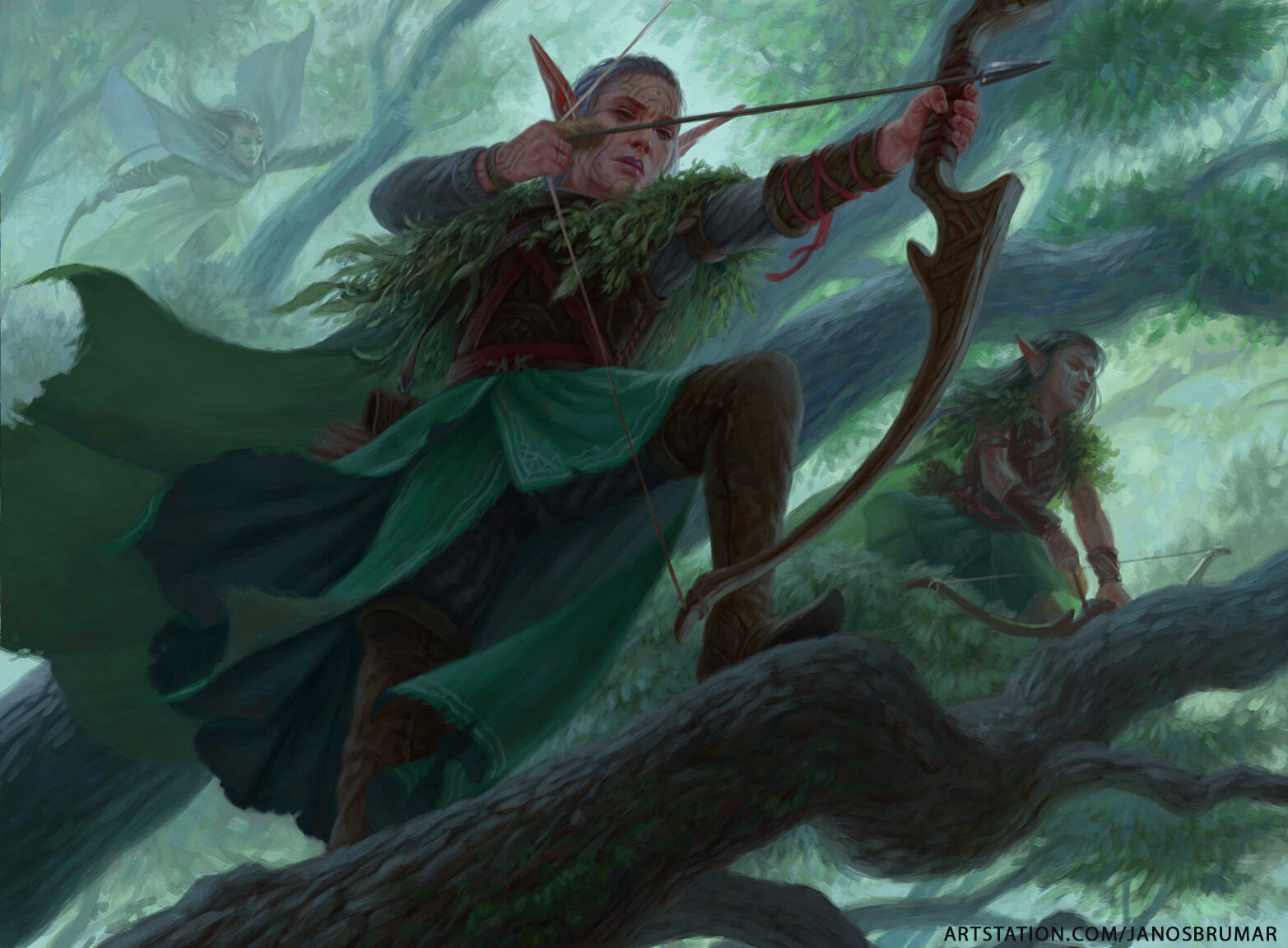

Ranger Subclasses
| Ranger Conclaves | ||
|---|---|---|
| Name | Description | |
| Beast Master | Forge a sacred bond with a loyal beast companion. | |
| Draconic Warden | Grow, train and tear the skies alongside a Dragon. | |
| Dune Strider* | Become a mirage of tales burried in sand. | |
| Fey Wanderer | Exhale the the strange magic of the Feywild. | |
| Gloom Stalker | Use the shadows to strike your prey from the unseen. | |
| Hunter | Relentless and versatile. Sharp against any prey. | |
| Hell Slayer* | Show your scars as a survivor of the lower planes. By violence. | |
| Horizon Drifter | Chase the wonder and mystery beyond the horizon of each plane. | |
| Journey Gourmand* | Cook the most exquisite spices and cook the most monstrous meals. | |
| Predator* | Become a monstrous hybrid, with a body that evolves beyond myths. | |
| Soul Collector* | Command of spectral allies, shaped from souls who once did the same. | |
| Swarm Keeper | Wield countless tiny beings as extensions of yourself. | |
| Venom Poacher* | Use poison and traps to assassinate your foes. | |
| Wind Hiker* | Strike from above and reach the skyes through the wind. | |
| Winter Walker | Become a ghostly vision under the snow and rime. | |
| Zenith Rider* | Transform into warrior of justice to protect the world. | |


Beast Master
Revised Subclass
The Beast Master archetype embodies a friendship between the civilized races and the beasts of the world. United in focus, beast and ranger work as one to fight the monstrous foes that threaten civilization and the wilderness alike. Emulating the Beast Master archetype means committing yourself to this ideal, working in partnership with an animal as its companion and friend.
Level 3: Animal Empathy
You have advantage on Intelligence, Wisdom and Charisma Checks you make to interact with Beasts.
In addition, you can cast the Speak with Animals spell at will, without a spell slot or components.
Level 3: Primal Beast
You have sealed a pact with the spirits of nature, represented under the form of a primal beast companion. The Primal Beast is a magical Beast with appearance determined by you. The beast is friendly to you and your companions and obeys your commands.
As appropriate to its form, the beast can be categorized as either a Beast of the Land, a Beast of the Sea or a Beast of the Sky, which changes its abilities as seen in the Primal Beast stat block.
The Beast in Combat. The beast acts during your turn. It can move and use its Reaction on its own, but the only action it takes is the Dodge action unless you take a Bonus Action to command it to take another action. If you have the Incapacitated condition, the beast acts on its own and isn't limited to the Dodge action.
Hunting Together. When you mark a creature as your Favorite Enemy on your turn, you can command your Beast to attack it. The beast benefits from your Favorite Enemy feature as you do.
Restoring or Replacing the Beast. If the beast has died within the last hour, you can take a Magic action to touch it and expend a spell slot. The beast returns to life after 1 minute with all its Hit Points restored.
Whenever you finish a Long Rest, you can summon a different primal beast, which appears in an unoccupied space within 5 feet of you. You choose its stat block and appearance. If you already have a beast from this feature, the old one vanishes when the new one appears.

Level 7: Primal Origin
Your primal beast gains the benefits from one Favorite Environment of your choice. When you summon a different beast, you may choose another Favorite Environment.
If the chosen Environment grants the beast resistance to a damage type, you can use that damage type for the damage of its attacks.
Level 7: Tactical Nature
You can command your Primal Beast can take the Dash, Disengage, Dodge, or Help Actions using its Bonus Action (no action required by you).
Level 11: Bestial Fury
When you command your primal beast to make an attack, it can make two attacks instead of one.
Level 15: Magical Link
When you command your Primal Beast, you can cause it to cast one of your prepared Ranger spells. The spell must have the casting time of 1 Action or 1 Bonus Action, and may only target either you or the Beast.
Casting a Level 1+ spell this way still require you to spend a spell slot of the appropriate level, but otherwise treat the beast as the caster of the spell.
Primal Beast
Small or Medium Beast, lawful neutral
Armor Class 12 + your Wisdom modifier.
Hit Points 5 + five times your ranger level (the beast has a number of hit dice [d8s] equal to your ranger level)
Speed 40 ft, swim 40 ft. (Sea only), fly 60 ft. (Sky only), climb 40 ft. (Land only)
STR DEX CON INT WIS CHA 14 (+2) 14 (+2) 14 (+2) 10 (+0) 14 (+2) 10 (+0)
Senses Darkvision 60 ft., passive Perception 12. Languages Understands the languages you speak. Challenge ---
Traits
Primal Bond. You can add your proficiency bonus to any ability check or saving throw that the beast makes.
Amphibious. (Sea only) The beast can breathe both air and water.
Flyby. (Sky only) The beast doesn't provoke opportunity attacks when it flies out of an enemy's reach.
Actions
Maul. Melee Attack Roll: Bonus equals your spell attack modifier, reach 5 ft. Hit: 1d6 + your Wisdom modifier Bludgeoning, Piercing, or Slashing damage.
Grappling Attack (Sea only). Melee Attack Roll: Bonus equals your spell attack modifier, reach 5 ft. Hit: 1d8 + your Wisdom modifier Bludgeoning or Piercing damage. The target needs to make a Strength saving throw against your Spell save DC or be grappled by the beast.
Trampling Strike (Land only). Melee Attack Roll: Bonus equals your spell attack modifier, reach 5 ft. Hit: 1d10 + your Wisdom modifier Bludgeoning or Piercing damage. The target needs to make a Strength saving throw against your Spell save DC or be knocked prone.
Draconic Warden
Revised Subclass
Your connection to the natural world takes the form of a draconic spirit, which can manifest in physical form as a baby dragon. As your powers grow, your dragon grows as well, blossoming from a small four-legged companion to a majestic winged creature large and strong enough for you to ride. Along the way, you gain an increasing share of the awe-inspiring power of dragons.
Level 3: Draconic Gift
The bond you share with your dragon grants you understanding and empowers your presence. You learn the Thaumaturgy cantrip.
In addition, you learn to speak, read, and write Draconic.
Level 3: Dragon Companion
You became magically bounded to a baby Dragon. You determine its appearance and choose the damage type associated with its Draconic Blood trait. It uses the statistics in the Dragon Companion stat block.
You can summon the dragon as an Action, and it appears in an unoccupied space of your choice within 30 feet of you. The Dragon acts independently of you, but is friendly to you and your companions and obeys your commands.
The Dragon in Combat. The Dragon shares your initiative count, but it takes its turn immediately before or after yours (your choice). It can take the actions on it's statblock, aswell as any other actions you command. If you fall unconscious, it spends its turn trying to protect you with the best of its abilities.
Restoring your Dragon. The Dragon remains summoned until it is reduced to 0 hit points, until you use this feature to summon the Dragon again, or until you die. Anything the Dragon was wearing or carrying is left behind when the Dragon vanishes.
Once you summon the Dragon, you can’t do so again until you finish a long rest, unless you expend a spell slot to summon it again with half of its hit points.
Riding your Dragon. If you are the same size of your dragon companion, you can still ride it, but you both fall if it ends its turn in the air while you ride it. You can ride it normally if it is at least one size larger than you.
Level 7: Shared Experiences
As your draconic bond grows stronger, both you and your Dragon become more resilient. You gain Resistance to the damage associated with your Dragon's Draconic Blood trait, and your Dragon benefits from your Favorite Environments features as you would.
Traits
Arcane Bond. You can add your proficiency bonus to any ability check or saving throw that the dragon makes.
Draconic Blood. Choose one damage type, other than force, bludgeoning, piercing or slashing. The chosen damage type affects the dragons attacks and immunity.
Draconic Growth The Dragon Companion grows and the amount damage dice of its Rend and Draconic Spit attacks increases as you gain levels as a Ranger, as show in the table below.
Ranger Level Size Damage Dice 3 Tiny or Small 1d6 7 Medium 2d6 11 Large 3d6 15 Huge 4d6
Actions
Rend. Melee Attack Roll: Your spell attack modifier to hit, reach 5 ft. Hit: 1d6 + 3 + your Wisdom modifier Piercing or Slashing damage.
Draconic Spit. Ranged Attack Roll: Your spell attack modifier to hit, reach 60 ft. Hit: 1d6 + your Wisdom modifier damage of the type determined by the Draconic Blood trait.

Level 11: Breath Weapon
As a Bonus Action, you can command your dragon to lash out their breath weapon using its Action on its next turn. Each creature in a 30-foot cone from the dragon must make a Dexterity saving throw against your spell save DC, taking 8d6 damage of the type determined by your Dragon's Draconic Blood trait on a failed save, or half as much damage on a successful one.
Once you use this feature, you can't use it again until you finish a Long Rest, unless you spend a level 3+ spell slot to restore the use of it (no action required).
Level 15: Perfect Bond
Your bond with your Draconic companion reaches its pinacle, where your two souls are deeply connected. You gain the following benefits:
Adult Bulk. The damage of your dragon's Breath Weapon increases to 10d6 and it's walking and flying speeds both increase to 60 ft.
Conquered Afinity. You have immunity to the damage associated with your Dragon's Draconic Blood trait.
Dune Strider
Original Subclass
The desert buries stories older than stone, ocasionally whispered from time to time across the dunes. The Dune Striders are a tribe of warriors who learned to listen to those stories, a first of many steps necessary to survive in the alkaline waves of sand. Notoriously, the presence of Dune Striders is commonly seen as a good omen, as their wisdom and half-forgotten tales bring hope to the hearts of those who call the desolate lands home.
Level 3: Desert Teachings
The desert teachings granted you the following benefits.
Dustborne. You have the Desert as one of your Favorite Environments
Heat Wave. Damage from your weapon attacks, Ranger spells, and Ranger features ignores Resistance to Fire damage. When you hit a creature with a weapon, you can choose to deal Fire damage or the weapon's normal damage type.
Storyteller. You learn two languages of your choice.
Level 3: Dune Strider Spells
When you reach a Ranger level specified in the Dune Strider Spells table, you thereafter always have the listed spells prepared.
| Dune Strider Spells | |
|---|---|
| Ranger Level | Spells |
| 3rd | Searing Smite |
| 5th | Heat Metal |
| 9th | Daylight |
| 13th | Fire Shield |
| 17th | Malevolent Sandstorm |
Level 3: Cauterizing Whirl
Once per turn, when you deal Fire damage to a enemy, you can cause a whirl of scorching sand to revolve in a 15-foot Cube centered on the target (no action required).
Each creature in the Emanation either takes 1d4 Fire damage or regains 1d4 Hit Points (your choice for each creature). This value increases by 1d4 at Ranger Levels 7 (2d4), 11 (3d4) and 15 (4d4).
You can use this feature a number of times equal to your Wisdom modifier (minimum of once). You regain all expended use when you finish a Short or Long Rest.
Level 7: Cunning Mirage
You can take the Dash or Hide actions as a Bonus Action. In addition, you may attempt to Hide even in plain sight of an enemy if you are under Bright Light.
Level 11: Enlightened Heatstroke
Using Cauterizing Whril normally doesn't expend an use anymore. Instead, you can choose to spend one use of it to produce one of the following effects from the whirl when you use it.
Scream. Creatures of your choice in the Whril must succeed on a Wisdom saving throw against your spell save DC or take an extra 3d4 Fire damage and have the Stunned condition until the start of your next turn.
Wave. The Cube's size increases to 30 feet.
Whisper. Creatures of your choice in the Whril gain the effects of the Greater Restoration spell and regain 3d4 Hit Points.
Level 15: Sand Visage
You can cast the Mislead spell as a Bonus Action, without a spell slot or components. When you cast it, the spell doesn't require your concentration - its duration becomes 1 minute.
Once you use this feature, you can't use it again until you Finish a Short or Long Rest, unless you expend a spell slot to restore your use of it (no action required).


Level 3: Fey Wanderer Spells
When you reach a Ranger level specified in the Fey Wanderer spells table, you thereafter always have the listed spells prepared.
Furthermore, you learn two cantrips of your choice from the Bard, Druid or Sorcerer spell list.
| Fey Wanderer Spells | |
|---|---|
| Ranger Level | Spells |
| 3rd | Witch Bolt |
| 5th | Misty Step |
| 9th | Hypnotic Pattern |
| 13th | Confusion |
| 17th | Yolande's Regal Presence |
Level 3: Eerie Favoritism
Your attack rolls for Ranger spells benefit from your Favorite Enemy's Precision feature.
In addition, you can deal Psychic damage whenever you hit a creature with a weapon or Unarmed Strike, instead of the normal damage for the attack.
Level 7: Whimsy Recovery
When you deal damage to a creature with a weapon or a Ranger cantrip, you can regain a spent Spell Slot up to level 1. The level of the slots you can restore increases by 1 at Ranger levels 7 (level 2) and 11 (level 3).
You can use this feature twice. You regain one expended use when you Finish a Short Rest, and all uses on a Long Rest.
Level 11: Quick Shenanigans
Whenever you take the Attack action on your turn, you can cast one of your Ranger cantrips that has a casting time of an action in place of one of those attacks.
Level 15: Twisted Rules
You can twist your own powers to achieve unparalleled mischief. You can use the following effects:
Eerie Obssession. When you use your Eerie Favoritism, your Favorite Enemy has disadvantage on saving throws against spells you cast for the duration.
Whimsy Power. When you use your Whimsy Recovery, you double the level of the spell slot regained.
Sudden Shenanigans. When you use your Quick Shenanigans, you can cast a level 1 spell with casting time of one action instead of a cantrip.
Once you use this feature, you can't use it again until you finish a Short or Long Rest.
Fey Wanderer
Revised Subclass
A fey mystique surrounds you, thanks to the boon of an archfey, the shining fruit you ate from a talking tree, the magic spring you swam in, or some other auspicious event. Fey Wanderers are rangers who represents both the mortal and the fey realms.
Your joyful laughter brightens the hearts of the downtrodden, and your martial prowess strikes terror in your foes, for great is the mirth of the fey and dreadful is their fury.
Level 3: Resident of Weirdlight
As a nomad lost in the wicked forests of the feywild, you gain the following benefits:
- You have the Feywild as one of your Favorite Environments.
- Whenever you make a Charisma check, you gain a bonus to the check equal to your Wisdom modifier (minimum of +1).
- You can speak, read and write Sylvan.

Gloom Stalker
Revised Subclass
Gloom stalkers are at home in the darkest places: deep under the earth, in gloomy alleyways, in primeval forests, and wherever else the light dims. Most folk enter such places with trepidation, but a gloom stalker lurks into the darkness, seeking to ambush threats before they can reach the broader world. Such rangers are often found in the Underdark, but they will go any place where evil hides in the shadows.
Level 3: Lair
Your experience surviving in complete darkness grants you the following benefits:
- You have the Underdark as one of your Favorite Environments.
- While in darkness, you are invisible to any creature that relies solely on darkvision to see you.
- You can speak, read and write Undercommon.
Level 3: Gloom Stalker Spells
When you reach a Ranger level specified in the Gloom Stalker spells table, you thereafter always have the listed spells prepared.
| Gloom Stalker Spells | |
|---|---|
| Ranger Level | Spells |
| 3rd | Disguise Self |
| 5th | Fading Strike* |
| 9th | Fear |
| 13th | Greater Invisibility |
| 17th | Far Step |
Level 3: Stalk
Observating your target becomes an obsessive activity with increased letality. When you mark a creature as your favorite enemy, you gain the following benefits for the duration of that feature.
Lurk. You can immediatelly take the Hide action. You can later also take the Hide action as a Bonus Action.
Leer. Damage from your Favorite Enemy's attack rolls can't break your concentration.
Lash. Whenever you hit your Favorite Enemy with an attack using a weapon, you can deal an extra 1d6 Psychic damage to it. This damage increases to 1d10 if the enemy couldn't see you before the attack.
Level 7: Wane
You always have the Pass Without Trace spell prepared, and you can cast it without a spell slot or components. When you cast it, the spell doesn't require your concentration - it lasts for its full duration or until you dismiss it (no action required). In addition, you and creatures affected by the spell gain a Bonus to initiative rolls equal to your Wisdom modifier.
You can use this feature to cast a spell a number of times equal to your Wisdom modifier. You regain all expended uses when you finish a Long Rest.
Level 11: Blear
Once per turn, when you hit your Favorite Enemy with an attack using a weapon, you can force their sight to darken. The target must succeed on a Charisma saving throw against your spell save DC or suffer the effects of the Blinded condition beyond a radius of 15 feet from themselves until the start of its next turn.
Level 15: Fade
Your Favorite Enemy has Disadvantage on attack rolls targeting you. If it miss you with an attack roll, you can teleport to an unocuppied space within 10 feet of you that you can see.
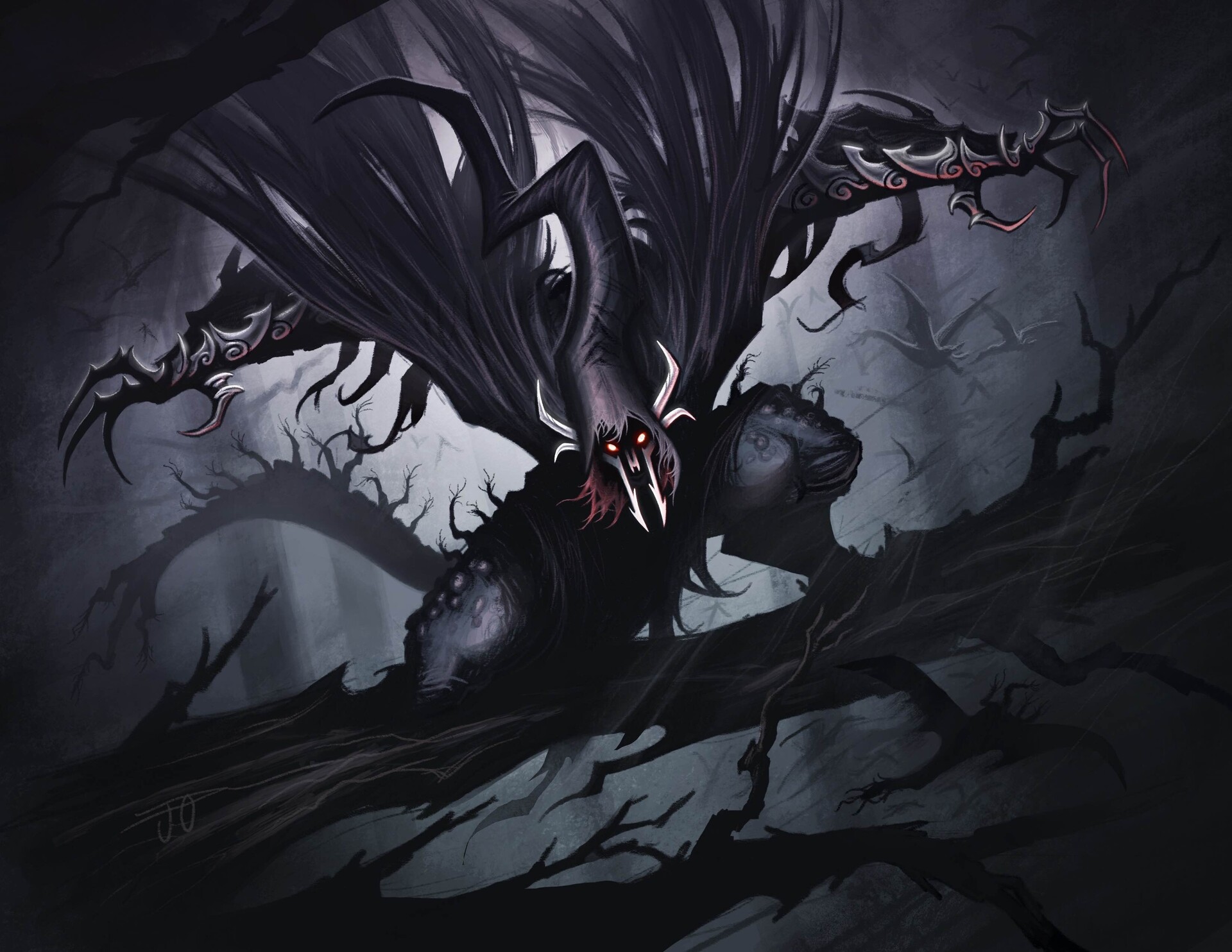

Hell Slayer
Original Subclass
Some rangers master the art of survival, but Hell Slayers master the art of carnage. Forged by the violent energies of the lower planes, they act not as a protectors, survivors or hunters, but as a vengeful terminators that thrive on fear and dead fiends.
Level 3: Bone Demolisher
Once on your turn, when you hit your Favorite Enemy with a melee weapon attack, you can force it to make a Constitution saving throw against your spell save DC. On a failed save, it gains a -1 penalty to its Armor Class, increasing up to a -3, and you gain a bonus to your Armor Class of equal value.
These effects remain until that creature is no longer your Favorite Enemy.
Level 3: Doom Diver
The scars you gained in the lower planes grants you the following benefits:
- You have the Lower Planes as one of your Favorite Environments.
- Your Hit Point maximum increases by 3. Whenever you gain a Ranger level thereafter, your Hit Point maximum increases by an additional 1 Hit Point.
- You can speak, read and write Abyssal or Infernal.
Level 3: Hell Slayer Magic
When you reach a Ranger level specified in the Hell Slayer spells table, you thereafter always have the listed spells prepared.
| Hell Slayer Spells | |
|---|---|
| Ranger Level | Spells |
| 3rd | Hellish Rebuke |
| 5th | Branding Smite |
| 9th | Hunger of Hadar |
| 13th | Backlash |
| 17th | Hold Monster |
Level 7: Adrenaline Armor
Your body braces itself against imminent damage, even at a cost. At the start of each of your turns, you can choose to lose a number of Hit Points equal to your Ranger Level and gain twice as much Temporary Hit Points, which last until the start of your next turn.
Level 11: Bloodthirsty Purge
As a Magic Action, you can feed on the blood of creatures in a 30-foot emanation around you, both dead and alive. Each creature you choose must make a Constitution saving throw against your spell save DC, taking 6d8 Necrotic damage on a failed save, or half as much on a succesful one.
For each creature that receives this damage, you regain 2d8 Hit Points, plus 1d8 for each size category they are larger than you. Dead creatures in the area also count as damaged targets.
Once you use this feature, you can't use it again until you finish a Long rest, unless you expend a Level 3+ spell slot to restore an use of it (no action required).
Level 15: Ravenous
At the start of your turn, while you
are Bloodied, you can choose to enter a
furious state that draws infernal power.
For 1 minute, you gain the following effects.
- You can't regain Hit Points;
- Using your Adrenaline Armor feature doesn't cause you to lose Hit Points;
- You can add half of your Ranger Level (round down) to the damage of your melee attacks;
Once you use this feature, you can't use it again until you finish a Long Rest.


Horizon Drifter
Revised Subclass
Horizon Drifters guard the world against threats that originate from other planes or that seek to ravage the mortal realm with otherworldly magic. They seek out planar portals and keep watch over them, venturing between planes as needed to pursue their foes.
Level 3: Horizon Drifter Spells
When you reach a Ranger level specified in the Horizon Drifter spells table, you thereafter always have the listed spells prepared.
| Horizon Drifter Spells | |
|---|---|
| Ranger Level | Spells |
| 3rd | Shield |
| 5th | Blinding Smite |
| 9th | Haste |
| 13th | Banishment |
| 17th | Teleportation Circle |
Level 3: Horizon Stride
When you move, you can spend 15 feet of movement to teleport up to 10 feet to an unnocupied space you can see.
Level 3: Drift
You learned to fight between dimensions, generating momentum and power. Whenever you move or teleport away from an enemy's reach, provided you can see the enemy, you gain the following benefits until the end of your next turn.
Star Strike. The next time you hit a creature with an attack roll using a weapon, you can deal an extra 1d6 Force damage to the target, which can take this extra damage only once per turn.
Lightyear. Your speed increases by 10 feet;
Level 7: Dimensional Rift
As a Bonus Action, you can create a dimensional rift interlinking two unocupied spaces you can see. Each extremity of the rift takes a form of a intangible rip in the space, filling a 10-foot cube around two points of your choice within 30 feet of you and eachother.
The rift lasts for 1 minute, or until you close it (no action required). Anything of medium size or smaller that enters the side of a rift exits from the other one, as if the two were adjacent to each other.
Once you create a rift, you can't do so again until you finish a Short or Long Rest. You can also restore its use by spending a Level 2+ Spell Slot (no action required).
Level 11: Black Hole
While your Dimensional Rift is active, you can take a Bonus Action to produce a microscopic black hole from one of its extremities.
Each creature within 10 feet of the black hole takes 2d6 Force damage and must make a Strength saving throw against your spell save DC. On a failed save, a creature has the Stunned condition until the start your next turn and is pulled 15 feet towards the hole.
After transporting everything pulled into it, your Dimensional Rift closes itself.
Level 15: Cosmic Mayhen
When you use your Dimensional Rift, you can choose to create an intersection between the plane you are and one Plane of existance of your choice, granting you more stellar power.
For the next minute, you gain the following benefits.
Moving Portals. Once per turn, you can move your one of the extremities of your Dimensional Rift to an unocupied space within 30 feet of you (no action required)
Stable Wormhole. When you use your Black Hole, it doesn't cause your Dimensional Rift to close.
Singularity. You are immune to Force damage.
Once you use this feature, you can't use it again until you finish a Long Rest.
Level 15: Planar Jumper
You can cast the Plane Shift spell, without a spell slot or components, and you regain the ability to do so when you finish a Long Rest.



Hunter
Revised Subclass
Some rangers seek to master weapons to better protect civilization from the terrors of the wilderness. Members of the Hunter Conclave learn specialized fighting techniques for use against the most dire threats, from rampaging ogres and hordes of orcs to towering giants and terrifying dragons.
Level 3: Primal Mark
You always have the Hunter's Mark spell prepared. You can cast it a number of times equal to your Wisdom modifier without expending a spell slot, and you regain all expended uses of this ability when you finish a Long Rest.
When you cast the spell, the targeted creature becomes your Favorite Enemy.
Level 3: Hunting Method
You gain one of the following features of your choice. You can replace your option with a different one when you finish a Short or Long rest.
Focused Finnisher. Once per turn, when you hit or miss a bloodied creature with a weapon, you can make another attack against it with the same weapon.
Opportunist. After a creature you can see hit or miss an attack roll, you can make one attack against it using a weapon as a Reaction.
Horde Breaker. Once per turn, when you hit or miss an attack roll with a weapon, you can make another attack with the same weapon against a different target within 5 feet of the first.
LeveL 7: Survival Tatic
You gain one of the following features of your choice. You can replace your option with a different one when you finish a Short or Long rest.
Agile Defense. If an enemy hits you with an attack, you can immediatelly move 5 feet without provoking opportunity attacks.
Steel Will. You have Advantage on Saving Throws you make while Bloodied.
Stout Build. Your Hit Point maximum increases by your Ranger level. Whenever you gain a Ranger level thereafter, your Hit Point maximum increases by an additional 1 Hit Point.
Level 11: Deft Strike
When you take the Attack action, you can replace one of the attacks from that action with one of the following effects:
Volley. You can make one ranged attack against each creature you choose within 10 feet of a point you can see within your weapon’s range.
Whirlwind Attack. You can make one melee attack against each creature you choose within your reach.
Quick Slash. You can make one melee attack against each creature you choose in a 20-foot long, 5-foot wide line originated from you. You then teleport to the closest unocupied space behind the last creature in the line.
Level 15: Apex Slayer
You gain one extra option from your Hunting Method and Survival Tatic. You can replace each option with a different one when you finish a Short or Long rest.
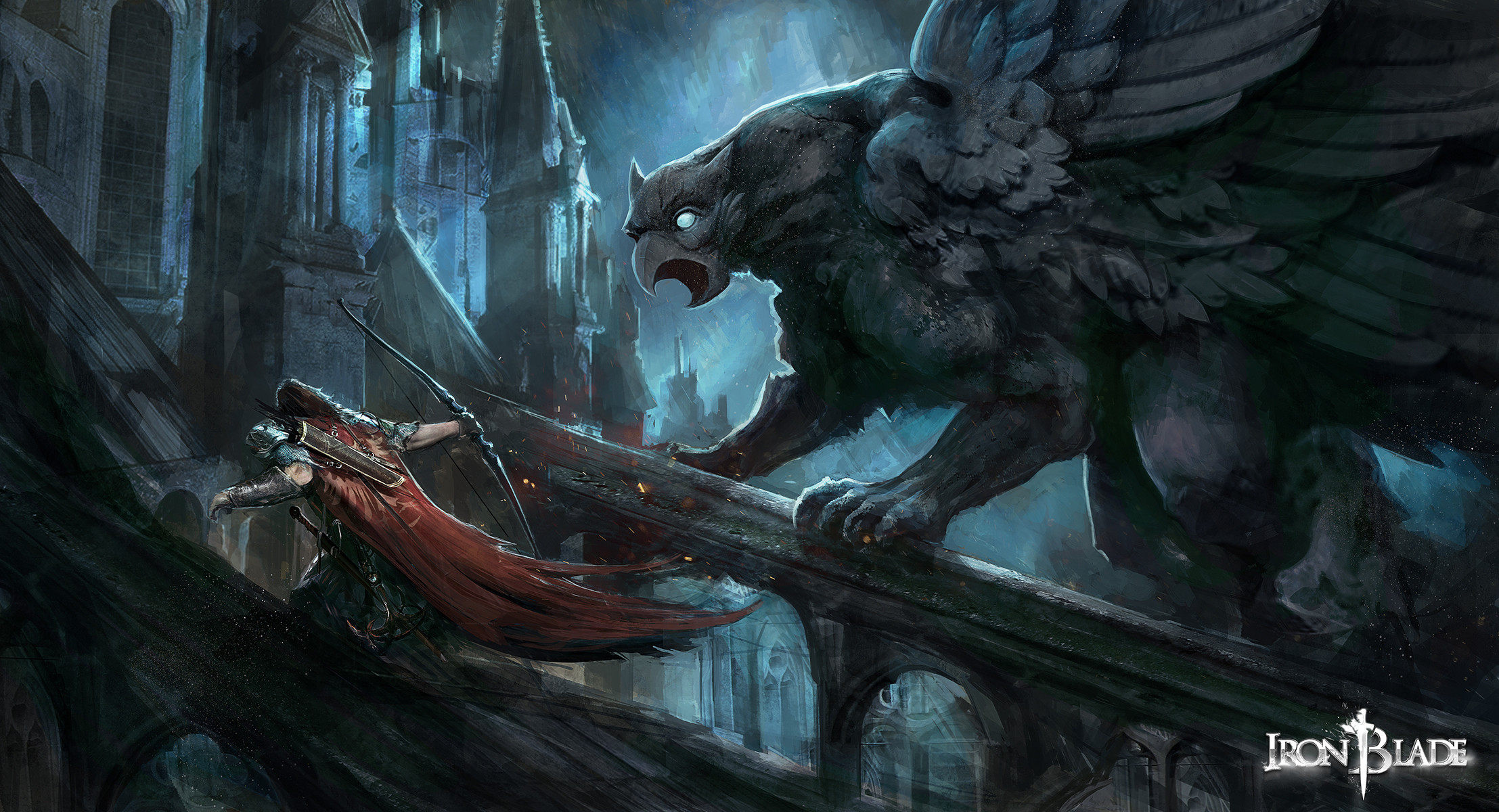
Journey Gourmand
Original Subclass
The wilderness provides, if you have the stomach for it. Such is the way of life of a Gourmand. Rangers of this tradition seek to discover the most uncharted sights, smells and flavors, making sure their feastmates are always vigorous and prepared for new adventures.
Journey Gourmands rarely travel alone, as their traveling, hunting and cooking skills are of great benefit for those who feast alongside them.
Level 3: Exotic Cook
You gain the following benefits.
Cook's Utensils. You gain proficiency with Cook's Utensils if you don't already have it.
Magical Treat. You always have the Goodberry spell prepared. When you cast it, the spell to create a delicious treat, instead of 10 berries. Eating the treat restores a number of Hit Points equal to 1d8 plus your Ranger Level.
Quick Lunch. While you have Cook's Utensils at hand, you can spend 1 minute to cast Goodberry without a spell slot or components. You can this feature a number of times equal to your Wisdom modifier (minimum of once), and you regain all expended uses when you finish a Long Rest.
Level 3: Dungeon Spice
You learned to harvest and prepare tiny, magical spices to use in your exquisite recipes.
Monstrous Ingredients. While you have Cook's Utensils at hand, you can take an Action to harvest Monstrous Ingredients from the body of a creature that died within the last hour.
Choose a number of Ingredients to harvest from that creature equal to your Dexterity modifier (minimum of 1), among the options obtainable from that creature type as shown in the Monstrous Ingredients table. You acquire the chosen options.
Each ingredient is a tiny object with negligible weight. Due to conservation capabilities, you can have a number of Monstrous Ingredients equal to half your Ranger Level (Round up) at any given time.
Dungeon Seasoning. As a Bonus Action, you can spend a Monstrous Ingredient and add it to a piece of food.
When the food is eaten by a creature, it gains the effects listed for that ingredient on the Monstrous Ingredients table for the next 10 minutes. If the effect includes an attack roll or saving throw, it uses your Bonus to spell attacks and your Spell Save DC, respectivelly
You can add two seasonings to each piece of food, instead of one, at Ranger Level 11.
| Monstrous Ingredients | |||
|---|---|---|---|
| Ingredient | Obtainable From... | Ingredient Effects | |
| Alien Oils | Aberrations, Oozes | When a creature within 15 feet of you deals damage to you, it takes 1d4 Necrotic, Psychic (Aberrations only) or Acid (Oozes only) damage (your choice). | |
| Lively Extract | Beasts, Plants | You regain 3 Hit Points at the start of your turn, if you have at least 1 hit point. | |
| Radiant Syrup | Celestials, Aberrations | Whenever you make saving throw, you add 1d4 to the save. | |
| Ancient Hide | Dragons, Giants | You gain a +1 Bonus to your Armor Class and Ability Checks. | |
| Elemental Fluid | Elementals, Dragons | Once per turn, when you deal damage to a creature, you can deal an extra 1d10 Acid, Cold, Fire, Lightning or Thunder damage to it (choose randomly). | |
| Condensed Chaos | Fey, Elementals | When you eat this treat, a random effect happens, choosen by rolling on the Wild Magic Surge table from the Wild Magic Sorcery subclass of the Sorcerer class. | |
| Wicked Meat | Fiends, Monstrosities | Your current and maximum Hit Points both increase by 10. | |
| Seraphic Tonic | Giants, Celestials | Whenever you cast a spell that restores hit points or grants temporary hit points, you and the target also gains a +1 bonus to AC until the end of your next turn. | |
| Claw Salt | Monstrosities, Beasts | Once per turn, when you hit a creature with a melee attack roll, you can make one spell attack roll against that creature. On a hit, it takes 1d8 Slashing damage. | |
| Pungent Fat | Oozes, Undead | Creatures that start their turn within 10 feet of you must succeed on a Constitution saving throw or have the Poisoned Condition until the start of their next turn. | |
| Weird Powder | Plants, Fey | You gain the effects of the Mirror Image spell. | |
| Hell Marrow | Undead, Fiends | The next time you would fall to 0 Hit Points, you fall to 1 Hit Point instead. | |




Level 7: Iron Guts
Years of eating the inedible have hardened you against the world’s dangers. You gain Proficiency on Constitution saving throws. If you already have this proficiency, you instead gain proficiency in Strength or Dexterity saving throws (your choice).
Level 11: Fully Fresh
Once per turn, when you hit a creature with a weapon, you can try to use it as a fresh ingredient. The target must succeed on a Constitution saving throw (your choice) against your Spell Save DC. On a failed save, the target takes 2d6 Slashing damage and if the target is not a humanoid, you extract a Monstrous Ingredient from it. On a success, it takes half as much damage only.
Level 15: Monster Quintessence
Whenever you would collect a Monstrous Ingredient, you can instead harvest a Monster Quintessence: a special ingredient that captures the creature's most authenthic flavor.
Choose one of the creature's actions you know it can take, other than casting a spell. When a creature eats a piece of food seasoned with this Ingredient, it immediatelly takes the chosen Action (no action required by them).
You can harvest a Monster Quintessence once, and you regain the ability to do so when you finish a Long Rest.

Predator
Original Subclass
While most rangers learn to track monsters, you have elected to become one. By grafting their own bodies with the bones and blood from fallen beasts, the ones known as Predators become permanently reshaped to fully embrace the dire, always evolving nature of the wilderness.
The path of a Predator always leads to becoming a monstrous abomination of nature, moved not by bloodthirst or instinct, but by the will to remind all creatures of their place in the feeding chain: prey.
Level 3: Uncanny Anatomy
Your body is irreversibly altered by primal magic. You gain the following benefits:
Natural Weapons. You grow claws, fangs, spines, horns, or a different natural weapon of your choice. These weapons are considered simple weapons that deal 1d6 bludgeoning, piercing, or slashing damage (your choice), with the Finesse and Light properties and the Nick Mastery, and attacks with them count as Unarmed Strikes.
Dexterous Maneuvers. When you use the Grapple or Shove option of your Unarmed Strike, you can use your Dexterity modifier instead of your Strength modifier to determine the save DC.
Natural Armor. When you aren’t wearing armor nor wielding a shield, your Armor Class is 13 + your Dexterity modifier.
Monstrosity. Your creature type is Monstrosity.
Level 3: Monstrous Transformation
As a Bonus Action, you can cause your body to magically reshape itself in a terrifying form, which lasts until you finish a Short or Long Rest. You gain three mutations of your choice, choosen from the options detailed at the end of this subclass. If a Mutation has a prerrequisite you must meet that prerrequisite to gain such mutation.
Level 7: Prowler
You can take the Dash action as a Bonus Action. Alternatively, you can expend Spell Slot to take the Dash, Disengage and Dodge actions as a Bonus Action.
Level 11: Multiattack
As a Bonus Action, which you take immediatelly after hitting a creature with an Unarmed Strike, you can spend a spell slot to make another two Unarmed Strike against the same creature.
Level 15: Frightful Presence
When you use your Monstrous Mutation, or as a Bonus Action on subsequent turns, you can force each creature of your choice within 30 feet of you to make a Wisdom saving throw against your spell save DC. On a failed save, a target has the Frightened condition until the end of your next turn. If the creature is immune to the condition, it instead makes the saving throw with advantage, but isn't immune to it.



Mutations
Gunk Blaster
You grow a new Natural Weapon (as per your Uncanny Anatomy) that blasts body fluids at 40/120 feet of distance. It counts as a simple Weapon that deals 2d6 Acid damage on a hit, and has the Finesse and Loading properties, and the Slow Mastery.
Insect Legs
You gain the effects of the Spider Climb and Jump spells
Prensile Tentacles
The reach of your Unarmed Strikes increases by 10 feet.
Gelatinous Body
You can move through any opening at least 1 inch wide without squeezing, and you can enter the space of other creatures. If you end your turn on the space of another creature, its speed is halved until the start of your next turn.
Venomous Glandule
Once per turn, when you hit a creature with an Unarmed Strike, you can deal an extra 2d6 poison damage to it.
Lycan Howl
As a Bonus Action, you can unleash a powerful howling to scare your foes. Each enemy who can hear and see you within 60 feet of you must make a Wisdom saving throw against your Spell Save DC or be Frightened of you until the start of your next turn.
Retractile Spikes
Prerequisite: Level 7+
Whenever a creature hits you with a melee attack roll, it takes 1d8 Piercing damage.
Scaled Armor
Prerequisite: Level 7+
The AC from your Natural Armor increases by 2.
Enlarged
Prerequisite: Level 7+
You gain the Enlarge effect from the Enlarge/Reduce spell.
Absorption
Prerequisite: Level 7+
Choose a damage type. Whenever an enemy deals damage to you of the same type you choose, you regain Hit Points equal to half of the damage dealt.
Wicked Barrage
Prerequisite: Level 11+
The attacks made through your Multiattack deal extra Necrotic damage equal to your Wisdom modifier.
Grafted Steel
Prerequisite: Level 11+
You graft a weapon that lacks the Two-Handed Property you are holding to your body. For the purpose of your Predator features, attacks with it count as Unarmed Strikes.
Monstrous Magic
Prerequisite: Level 11+
Once per turn, when a Ranger spell you cast with a spell slot deals damage, one creature damaged by it take an extra 2d6 Fire, Necrotic or Poison damage (your choice).
Devourer
Prerequisite: Level 11+
While you are Bloodied, you regain a number of Hit Points equal to your Wisdom modifier (minimum of 1) whenever you hit a creature with an Unarmed Strike.
Petrifying Gaze
Prerequisite: Level 15+
As a Bonus action, you can spend a spell slot to unleash a Petrifying Gaze in a 15-foot cone originating from you. Each creature in the area that can see you must succeed on a Constitution saving throw or become Petrified until the start of your next turn, or until it takes any damage.
Chimera Wings
Prerequisite: Level 15+
You gain a Fly speed equal to your Speed.
Multiplying Body
Prerequisite: Level 15+
You grow multiple extra heads, legs, arms or other body parts. When you use your Foe Slayer feature, you can make two Unarmed Strikes against your Favorite Enemy, instead of one.


Soul Collector
Original Subclass
Soul Collectors are not protectors of the living, but guides for spirits who have forgotten how to rest. Their goal is acheived by allying with ghosts of their own siblings in purpose, being able to connect with the dead on a higher level.
When a Soul Collector dies, their own spirit does not pass into the afterlife. Instead, it drifts across battlefields and graveyards, searching for another living Soul Collector in need of aid.
Level 3: Soul Collector Spells
When you reach a Ranger level specified in the Soul Collector spells table, you thereafter always have the listed spells prepared.
| Soul Collector Spells | |
|---|---|
| Ranger Level | Spells |
| 3rd | Divine Favor |
| 5th | Invisibility |
| 9th | Phantom Steed |
| 13th | Guardian of Faith |
| 17th | Hallow |
Level 3: Soulbound Amulet
You carry a soulbound amulet that houses the spirit of a fallen ranger. If the amulet is ever lost or destroyed, it reappears on your person when you finish a Short or Long Rest.
While wearing it, you can take summon the Tenant Spirit, a ghostly vestige of who the ranger they once were, in a space within 15 feet of you (no Action required). The spirit is friendly to you and your companions, and obeys your commands.
The Spirit in Combat. The spirit acts on your turn. It can move and use its reaction on its own, but only takes the Dodge action unless you use a Bonus Action to command it to take another action.
Lasting of the Spirit. The spirit vanishes if you fall unconscious, if it falls to 0 hit points or if you dismiss it into the amulet (no Action required). You can not summon the spirit if it has less than 1 hit point or if it is already manifested.
Broken Vessel. The spirit regains all of its Hit Points when you finish a Short or Long Rest, and you can spend and roll 1 hit die to restore the spirit's Hit Points once on your turn (no Action required). Otherwise, the spirit can not be healed.
Tenant Spirit
Medium Undead, unaligned
Armor Class 12 + your Wisdom modifier (light armor)
Hit Points 5 + 2 times your Ranger level
Speed fly 30 ft. (hover)
STR DEX CON INT WIS CHA 14 (+2) 16 (+3) 12 (+1) 12 (+1) 16 (+3) 12 (+1)
Senses Darkvision 60 ft., passive Perception 15.
Resistances Bludgeoning, Piercing, Slashing
Immunities Necrotic, Poison, Charmed, Exhaustion, Frightened, Grappled, Petrified, Poisoned, Restrained
Languages Understand the languages you speak
Challenge ---
Traits
Broken Vessel. The spirit can not be healed by spells or other means.
Eldritch Bond. You can add your proficiency bonus to any ability check or saving throw the spirit make.
Incorporeal Movement. The Tenant can move through other creatures and objects as if they were difficult terrain. It takes 1d10 force damage if it ends its turn inside an object.
Actions
Foul Blade. Melee Attack Roll: Your spell attack modifier to hit, reach 5 ft. Hit: 1d10 + half your Ranger Level (round up) Bludgeoning, Piercing or Slashing damage.
Spectral Arrow. Ranged Attack Roll: Your spell attack modifier to hit, reach 30 ft. Hit: 1d8 + half your Ranger Level (round up) Necrotic or Piercing damage.
Spellcasting. The spirit casts one of the following spells, requiring no Material components and using your spellcasting ability and save DC:At will: Divine Favor, Gentle repose, Spare the Dying Warding Bond
Reactions
Sacrifice. When a creature within 5 feet of the spirit is targeted with an attack, the spirit can impose disadvantage on the attack roll. If the attack then miss the creature, it automatically hits the spirit instead.

Level 7: Recovered Echoes
The Tenant Spirit recovers its link with the afterlife. When you summon the spirit, it gains one of the following benefits of your choice.
Spectral Shield. The spirit's AC increases by 2 and its current and maximum Hit Points increase by an ammount equal to your Ranger Level.
Eldritch Hunter. The spirit benefits from your Favorite Enemy feature as you do. When it hits a creature with an attack, the creature must succeed on a Wisdom saving throw against your Spell save DC or be frightened of the spirit until the start of your next turn.
Level 7: Undead Reunion
During a Short or Long rest, the Tenant Spirit can cast one of the following spells: Augury or Speak with Dead, without a spell slot or components.
In addition, it can sense the location of any Undead within 60 feet of itself.
Level 11: Spectral Horde
The stranded soul of another soul collector have joined your fight. When you summon a Tenant Spirit, you can summon two separate spirits instead of one. You can command both the Tenant Spirits with the same Bonus Action, and when you spend Hit Dice to heal a spirit, both regain Hit Points equal to the rolled value.
Level 15: Disincarnate
You can take a Bonus Action to release your own soul from your body, becoming a spirit like the ones you command. For the next 10 minutes, you gain the following benefits:
Spectral Movement. You gain a flying speed equal to your walking speed and you can hover. In addition, you gain the Incorporeal Movement feature from the Tenant Spirit stat block.
Spirit Body. You benefit from the resistances and immunities described on the Tenant Spirit stat block.
Field Commander. You can command the summonend Tenant Spirits as part of any Bonus Action you take on your turn.
Once you use this feature, you can't use it again until you finish a Long Rest, unless you spend a level 4+ spell slot to restore its use (no action required).


Swarm Keeper
Revised Subclass
Some rangers reach out through their magical connection to the world and bond with a swarm of nature spirits. The swarm becomes a potent force in battle, as well as helpful company for the ranger.
Level 3: Gathered Swarm
A swarm of intangible nature spirits has bonded itself to you. The swarm remains in your space, crawling on you or flying and skittering around you. You determine the appearance of the swarm.
As a Reaction, which you take before the start of the turn of a creature you can see within 60 feet of you, you cause the swarm to assist you in one of the following ways.
Feast. The creature takes Acid, Piercing or Slashing damage equal to 1d4 plus half of your Ranger level (Round down), and its Speed is reduced by 10 feet until the end of your next turn.
Drag. The creature must succeed on a Strength saving throw against your spell save DC or be moved 10 feet in a direction of your choice.
Crawl. The creature must succeed on a Dexterity saving throw against your spell save DC or have the Blinded and Deafned conditions until the end of your next turn.
At Ranger Level 7, using this feature doesn't spend your Reaction. You still can use it only once per Round.
Level 3: Swarm Keeper Magic
You learn the Mage Hand cantrip if you don't already know it. When you cast it, the hand takes the form of your swarming nature spirits.
When you reach a Ranger level specified in the Swarm Keeper spells table, you thereafter always have the listed spells prepared.
| Swarm Keeper Spells | |
|---|---|
| Ranger Level | Spells |
| 3rd | Faerie Fire, Mage Hand |
| 5th | Web |
| 9th | Gaseous Form |
| 13th | Arcane Eye |
| 17th | Insect Plague |
Level 7: Writhing Dispersal
You can discorporate into your swarm, avoiding danger. When you take damage, you can use your reaction to give yourself Resistance to that damage. You then vanish into your swarm and teleport to an unoccupied space that you can see within 30 feet of you, where you reappear with the swarm.
You can use this feature a number of times equal to your Wisdom modifier (minimum of once), and you regain all expended uses when you finish a long rest.
Level 11: Fury of Many
You can cast the Bigby's Hand spell at will, without a spell slot or components. When you cast it this way, the spell does not require concentration and has the following modifications:
- The hand takes the form of your swarming spirits, and must remain within 30 feet of you.
- The Clenched Fist section of the spell deals 2d10 Acid, Piercing or Slashing damage, instead of its normal damage;
- The Grasping Hand section of the spell deals 2d6 Acid, Piercing or Slashing damage, instead of its normal damage;
Level 15: Part of the Swarm
During your turn, while you are not Incapacitated, you have a Flying Speed equal to your Speed.
Moreover, when you use your Gathered Swarm, you can choose two options for the swarm to assist you, instead of one.

Venom Poacher
Original Subclass
Where the mire swallows roads and the air itself tastes of decay, the Venom Poacher walks untroubled. Masters of toxins and calculated cruelty, these rangers use poison stolen from the nature to turn each arrow, blade and snare into a silent executioner.
Their traps are as insidious as the bog itself, ensuring that those who trespass in their domain never escape unscathed. In the wild, patience is power, and the Venom Poacher wields it like a poisonous dagger.
Level 3: Venomous Adaptations
You learned to harvest poisons from many different places. You gain the following benefits.
Bileswimmer. You have the Swamp as one of your Favorite Environments.
Adaptive Toxins. Damage from your weapon attacks, Ranger spells, and Ranger features ignores Resistance to Poison damage. When you hit a creature with a weapon, you can choose to deal Poison damage or the weapon's normal damage type.
Venomsmith. Your Ranger spells and features ignore immunity to the Poisoned condition. If you force a creature immune to it to make a saving throw to end or avoid the condition, it makes the roll with advantage.
Level 3: Venom Poacher Spells
When you reach a Ranger level specified in the Venom Poacher Spells table, you thereafter always have the listed spells prepared.
| Venom Poacher Spells | |
|---|---|
| Ranger Level | Spells |
| 3rd | Ensnaring Strike |
| 5th | Find Traps |
| 9th | Glyph of Warding |
| 13th | Grasping Vine |
| 17th | Cloudkill |
Level 3: Veinfire
As an Utilize action you can coat a weapon in a persistent, poisonous substance, which remains in the weapon until you finish a Long Rest. Whenever you hit a creature for the first time with a poisoned weapon on a turn, it takes 1d8 Poison damage at the start of its next turn.
This damage increases to 2d8 at Ranger level 11.
Level 7: Poacher's Snare
As a Bonus Action you can place a meticulously crafted trap, with appearance determined by you, in an unoccupied space within 30 feet of you. The trap occupies a 5-foot cube and must be installed on a solid surface. You can have a number of armed traps equal to your Wisdom modifier (minimum of one) at any time.
Disarming a Trap. You can disarm and recover a trap as an Utilize action. Other creatures may attempt to use thieve's tools to disarm it (DC equals your spell save DC), triggering the trap on a failure. An armed trap disarms itself after 24 hours, unless you take a Utilize Action to keep it armed.
Triggering a Trap. A trap triggers once a creature other than you touches it or enters its space. Once triggered, the trap forces one creature of your choice within 5 feet of it to make a Dexterity saving throw against your Spell save DC or suffer one of the following effects of your choice.
- Take your choice of Bludgeoning, Piercing, Poison or Slashing Damage equal to 1d8 plus your Ranger Level;
- Be pushed 15 feet away from the trap in a direction of your choice;
- Have the Poisoned condition until the end of their next turn;
- Have the Restrained condition until the end of its next turn.
Level 11: Magical Toxins
Damage from your weapon attacks, Ranger spells and features treat Immunity to poison damage as Resistance instead.
In addition, when a creature triggers a trap from your Poacher's Snare, it takes 2d8 Poison damage at the start of its next turn.
Level 15: Augmented Traps
You always have the Augment Traps spell (described at the end of this book) Prepared, and you can cast it as part of the same Bonus Action you take to place a Trap without a spell slot or components (no action required).
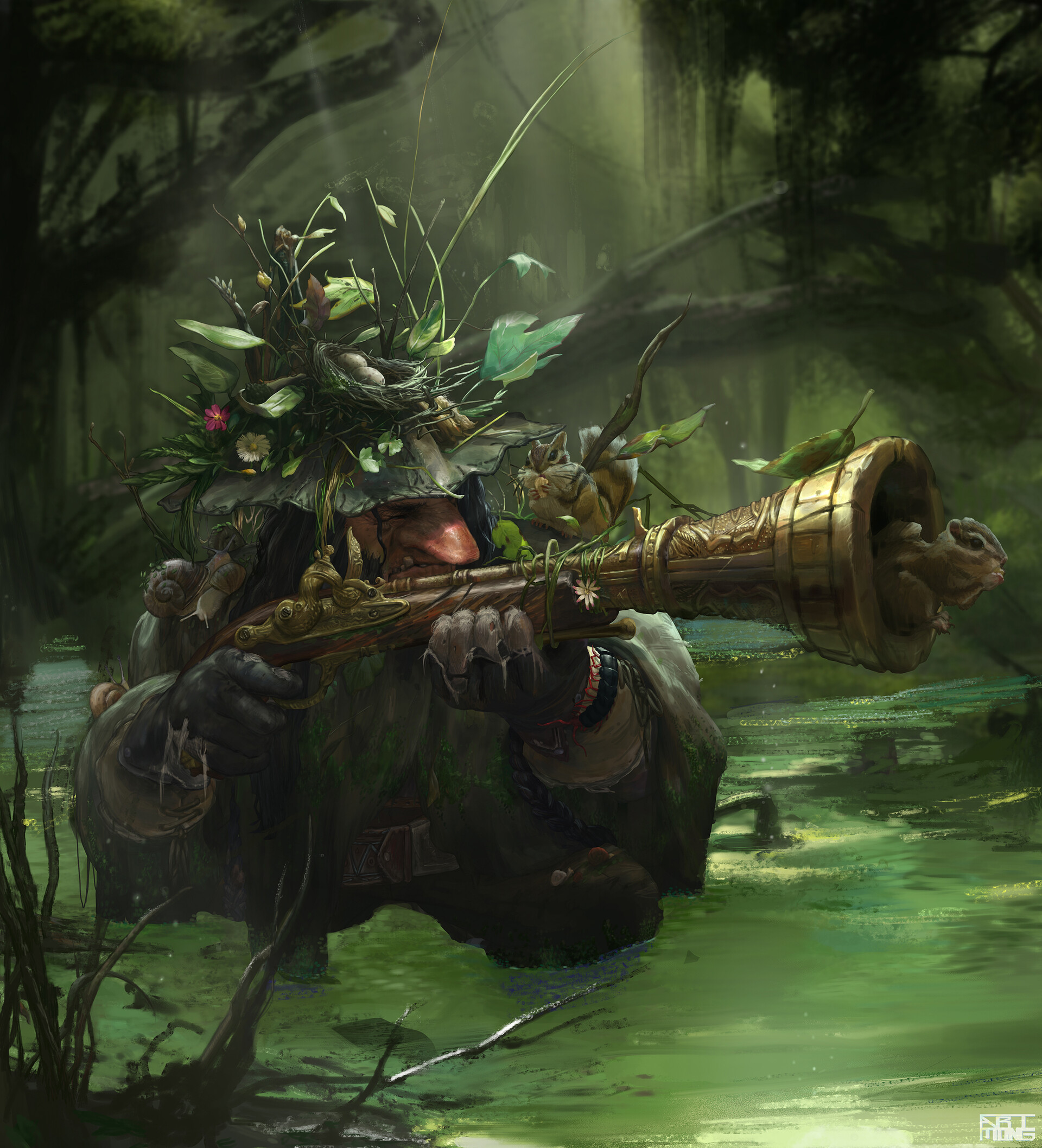


Wind Hiker
Original Subclass
Some rangers bind themselves to root and stone, but the Wind Hikers binds themselves to nothing at all.
They follow the high winds, the open sky, and the endless horizon, striking like sudden gusts before vanishing beyond reach. However they begin, Wind Hikers are said to come to understand the language of the air itself, moving their journey like the wind carries lose leaves.
Level 3: Highlander
You have a favorite environment unique to you - the Skyes. You gain the following benefits.
- You have the Skyes as one of your Favorite Environments.
- You can take the Disengage Action as a Bonus Action.
- You learn one language of your choice.
Level 3: Wind Hiker Magic
When you reach a Ranger level specified in the Wind Hiker spells table, you thereafter always have the listed spells prepared.
| Wind Hiker Spells | |
|---|---|
| Ranger Level | Spells |
| 3rd | Feather Fall |
| 5th | Levitate |
| 9th | Wind Wall |
| 13th | Blasting Strike* |
| 17th | Steel Wind Strike |
Skyes
You rose in the essence of the winds.
Gustborn. On your turn, you have a fly speed equal to your Speed.
Thunderlord. You have resistance to Thunder damage.
Level 3: Tailwind
For each 10 feet you move in a straight line, you can use one of the following effects.
Accelerate. Once per turn, you can roll a d6 and move a number of feet up to 5 times the rolled value in a straight line in a direction of your choice.
Burst. The next time you hit a target with an attack roll in the current turn, you deal an extra 1d4 Thunder damage, increasing up to 2d4.
Blast. The next time you hit a target with an attack roll in the current turn, you can push it 10 feet away from you.
Level 7: Rushing Gale
You can take the Dash action as a Bonus Action.
In addition, whenever you take the Dash or Disengage actions, you form a gale that extends from you in a 10-foot Emanation. When you move during the current turn, you can also move willing allies within the Emanation in such way that these creatures remain within the Emanation. The number of creatures you can move equals your Wisdom modifier.
Level 11: Flying Striker
While you are in the air, you can take a Bonus Action to fall to the ground without taking damage. If you land within 5 feet of a creature, it must succeed on a Strenght saving throw against your Spell Save DC or take 1d6 Thunder damage for each 10 feet you fell.
Level 15: Hurricane
For every 10 feet you move in a straight line, you can trigger two different effects from your Tailwind instead of one.


Winter Walker
Revised Subclass (Forgotten Realms - Heroes of Faerun)
Winter Walkers hone their craft in the bleak and frozen wilds of places like Icewind Dale. These ruthless, rimed Rangers hunt monsters that haunt arctic wastelands, eventually becoming frigid terrors themselves. Due to their cold pragmatism, terrifying magic, and mastery of the region, Winter Walkers are regarded with equal parts respect and fear.
Level 3: Frigid Explorer
The frigid nature has granted you the following benefits.
Frostbreaker. You have the Artic as one of your Favorite Environments
Biting Cold. Damage from your weapon attacks, Ranger spells, and Ranger features ignores Resistance to Cold damage. When you hit a creature with a weapon, you can choose to deal Cold damage or the weapon's normal damage type.
Frozen Eyes. You can see cleary through areas lightly or heavily obscured by snow, rime, fog or other kind of nebulous formation.
Level 3: Winter Walker Spells
When you reach a Ranger level specified in the Winter Walker Spells table, you thereafter always have the listed spells prepared.
| Winter Walker Spells | |
|---|---|
| Ranger Level | Spells |
| 3rd | Ice Knife |
| 5th | Hold Person |
| 9th | Hail Arrow |
| 13th | Ice Storm |
| 17th | Cone of Cold |
Level 3: Rime Curse
Ice rime curses your prey. The speed of your favorite enemy is halved, and it can't take the Dash or Disengage actions while you can see it.
Level 7: Fortifying Frost
Your experience surviving harrowing environments allows you to bolster your allies. As a Magic action, you can cause all creatures of your choice in a 20-foot Emanation centered on you to regain Hit Points equal to 1d10 plus your Ranger level. These creatures also have Advantage on the next saving throw they make before the start of your next turn.
Once you use this feature, you can’t use it again until you finish a Long Rest, unless you expend a Level 2+ spell slot to restore its use (no action required).
Level 11: Ice Burial
When you deal Cold damage to your Favorite Enemy, you can choose to deal an additional 1d8 cold damage to it. When you do so, the target must then make a Strength saving throw against your spell save DC. On a failed save, the target has the Stunned condition until the end of your next turn. While the target is Stunned, its Speed is reduced to 0 feet.
You can use this feature a number of times equal to your Wisdom modifier (minimum of once), and you regain all expended uses when you finish a Long Rest.
Level 15: Ghost of Rime
As a Bonus Action, you can adopt a ghostly, snowy form. This form lasts for 1 hour, and you gain the following benefits while in it.
Frozen Soul. Using Fortifying Frost doesn't expend its use anymore. You can also use your Fortifying Frost as a Bonus Action, restoring only half as many Hit Points when you do so.
Frozen Haunt. You have Immunity to Cold damage and to the Grappled, Prone, and Restrained conditions.
Frozen Tempest. When you first adopt this form and at the start of each of your subsequent turns, each creature of your choice in a 15-foot Emanation originating from you takes 1d8 Cold damage.
Once you use this feature, you can’t use it again until you finish a Long Rest unless you expend a level 4+ spell slot to restore its use (no action required).



Zenith Rider
Original Subclass
As heroes tasked with defending the weak against evil foes, the Empyrean Riders use their unique equipment and special power to protect the material plane. Inspired by legends and vibrantly colored emblems, they transform into champions of pure energy, driven by an unwavering sense of justice.
Level 3: Warrior of Justice
As the one chosen by the light, you gain the following benefits.
Illuminated. You have the Upper Planes as one of your Favorite Environments.
Solidarity. You can take the Help Action as a Bonus Action.
Heroic Spirit. Whenever an ally you can see within 30 feet of you roll either a 1 or a 20 on the d20 for an attack roll or saving throw, you gain Heroic Inspiration.
Level 3: Empyrean Transformation
As a Magic Action on subsequent turns, you can undergo a marvelous transformation and assume the aspect of a true hero. Until you fall Uncounscious, or until dismiss the transformation a Magic Action, you gain the following benefits.
Zenith Armor. Your base AC becomes 10 + your Dexterity and Wisdom modifiers. You can use a Shield and still gain this benefit.
Zenith Weapons. The reach of your attacks with weapons increase by 5 feet. Whenever you hit a creature with a weapon or Unarmed Strike, it takes extra Radiant damage equal to your Wisdom modifier, as magical sparks lash out from it.
Empyrean Transformation Spells. When you reach a Ranger level specified in the Empyrean Transformation Spells table, you thereafter have the listed spells prepared while you are transformed.
| Empyrean Transformation Spells | |
|---|---|
| Ranger Level | Spells |
| 3rd | Heroism |
| 5th | Shining Smite |
| 9th | Aura of Vitality |
| 13th | Spellfire Storm |
| 17th | Summon Dragon |
Level 7: Celestial Ride
You can cast the Find Steed spell once, without a spell slot or components, and you regain the ability to do so when you finish a Short or Long Rest.
Level 7: Team Tactics
Whenever you take the Help Action, you may choose one the following options instead of the usual ones.
Assist a Movement. You or an ally within 5 feet of you can immediately jump 20 feet without expending movement or provoking attacks of opportunity. You may only choose this option is there is an ally within 5 feet of you.
Assist a Saving Throw. You exhert pressure onto an enemy you can see within 5 feet of you. The next time that enemy forces any number of creatures to make a saving throw before the start of your next turn, the targets make the saving throw with advantage.
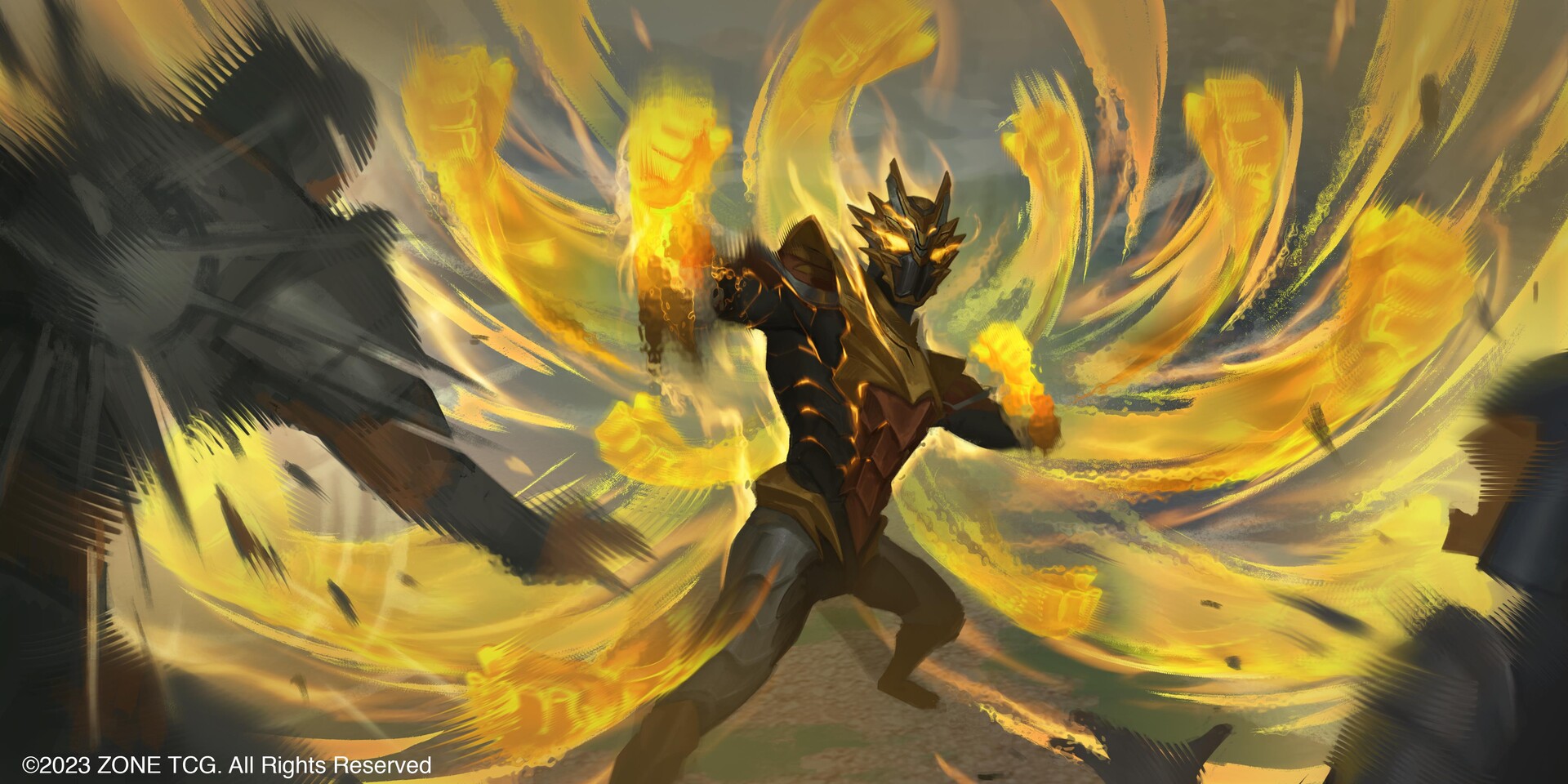

Level 11: Zenith Avatar
When you cast Find Steed using your Celestial Ride, you can turn your ride into a massive manifestation of your will. For the next 10 minutes you then gain the following effects.
Zenith Size. The Otherworldly Steed assumes an appearance of your choice and grows to Huge size. In addition, its Hit Point Maximum increases by an ammount equal to 2 times your Ranger Level.
Powerful Core. The Otherworldly Steed can use the Bonus Action from its stat block at will, without needing recharge. In addition, all of its attacks deal an extra 1d8 Force damage on a hit.
Team Link. You and any creatures of your choice can enter and exit the avatar's space at will, becoming linked to it while in its space. You can control the Zenith Avatar as normal while you are linked to it, and all linked creatures are moved with the Avatar.
Union of Powers. Whenever a linked creature is targeted by an attack or forced to make a saving throw, it can use the Armor Class or the bonus to the saving throw of any other linked creature against that effect, instead of their own.
Shared Burden. If the Otherworldly Steed or any linked creature receives damage, a linked creature can choose to receive part of that damage instead of its original target.
Level 15: Final Summit
When you hit a creature with an attack, you can cast the Disintegrate spell targeting it, without a spell slot or components, instead of dealing the normal damage for the attack. When you cast the spell this way, the target automatically fails on the saving throw against it.
Once you use this feature, you have the Incapacitated condition until the end of your next turn, and you can't use it again until you finish a Long Rest.
Revised Spells
The following spells have been modified. When you use this class, it is recomended to consider the modified versions of these spells, instead of their original counterparts.
Beast Sense
Level 2 Divination (Druid, Ranger)
Casting Time: Action
Range: Touch
Components: S
Duration: Concentration, up to 1 hour
You touch a willing Beast. For the duration, you can perceive through the Beast’s senses as well as your own. When perceiving through the Beast’s senses, you benefit from any special senses it has.
In addition, when you cast an spell with range other than Self that lacks somatic and material components, you can choose to cast it through the space of the beast instead of your own.
Ensnaring Strike
Level 1 Conjuration (Ranger)
Casting Time: Bonus Action, which you take immediately after hitting a creature with a weapon.
Range: Self
Components: V
Duration: Concentration, up to 1 minute
As you hit the target, grasping vines appear on it. The target takes an extra 1d6 Piercing damage from the attack and must succeed on a Strenght saving throw or have the Restrained condition until the spell ends. A creature larger than you has advantage on this saving throw.
While Restrained, the target can take 1d6 Piercing damage to reattempt the saving throw at the start of each of its turns. On a successful save, the vines shrivel away, and the spell ends.
Using a Higher-Level Spell Slot. All the damage increases by 1d6 for each spell slot level above 1. If you use a level 3+ spell slot, the target doesn't gain advantage on the saving throw due to its size.
Hunter's Mark
Level 1 Divination (Ranger)
Casting Time: Bonus Action
Range: 120ft
Components: S
Duration: Concentration, up to 1 minute
You point to a creature you can see, marking it as your quarry. Until the spell ends, you deal an extra 1d4 Force damage to the target when you hit it with a weapon for the first time on a turn. If the creature is bloodied, the damage dice become d6s, instead of d4s.
Using a Higher-Level Spell Slot. The damage increases by 1d4 for each spell slot level above 1.
Find Traps
Level 2 Divination (Cleric, Druid, Ranger)
Casting Time: Action or Ritual
Range: Self (15 feet)
Components: V, S, M (a long stick)
Duration: Concentration, up to 10 minutes
You sense the presence of any traps within range, along with general location and the nature of the danger posed by them.
As a Magic Action, you can extend the range of the spell to 30 feet until the end of your turn. The nature of the traps in this extra range is not revealed.
A trap, for the purpose of this spell, includes any object, mechanism or magical effect that represents some form of environmental danger without the immediate action of creatures. Examples of traps (and their general nature), include, but are not limited to:
- The Glyph of Warding spell (magical trigger);
- A pool of quicksand (natural danger);
- A floor prone to colapsing (frail structure);
- A hidden flamethrower (defensive trap);
- The web of a Giant-Spider (hunting trap);
- A bewitched mirror (cursed object).
Steel Wind Strike
Level 5 Conjuration (Ranger)
Casting Time: Action
Range: 30 ft
Components: S, M (a weapon with which you have proficiency and that is worth 1+ CP)
Duration: Instantaneous
You flourish the weapon used in the casting and then vanish to strike like the wind. Choose up to five creatures you can see within range. Make one attack with that weapon against each target. On a hit, the attack deals an extra 4d10 Force damage.
You then teleport to an unoccupied space you can see within 5 feet of one of the targets.
New Spells
The following spells have been added to the game.
Ricocheting Arrow
Level 1 Transmutation (Artificer, Bard, Ranger, Wizard)
Casting Time: Bonus Action, which you take immediately after hitting or missing a target with a ranged attack using a weapon
Range: Self
Components: V
Duration: Instantaneous
As your attack hits or misses the target, the weapon or ammunition used rotates rapidly and ricochets 2 times, each one forming a 15-feet-long, 1-foot-wide straight line in a direction of your choice, originating either from the target of from the end of another line.
Each creature in one or more lines, starting from the line's point of origin, must succeed on a Dexterity saving throw or take 1d6 damage for each line they are in. This damage is of the same type as the weapon or ammunition used on the attack. If a creature fails in this saving throw, other creatures in the same lines automatically succeed afterwards.
Using a Higher-Level Spell Slot. The ammount of ricochets increases by 1 for each slot level above 1.
Augment Trap
Level 2 Transmutation (Artificer, Ranger)
Casting Time: 1 minute or Ritual
Range: Touch
Components: V, S, M (a pouch of metalic powder worth of 50+ GP, which the spell consumes)
Duration: Until dispelled or triggered
You touch a nonmagical trap and magically increase its effectiveness by granting it one of following effects. Whenever an effect mentions a target, you treat as targets each creature affect by the trap once it triggers.
Snapping. The mechanism that operates this trap snaps with gruesome intensity. If the trap deals any Bludgeoning, Piercing or Slashing damage, that damage is doubled against all targets.
Sentient. The trap becomes a sentient object, with Intelligence, Wisdom and Charisma scores equal to 3 and Blindsight with a 10 feet range. A sentient trap can trigger itself, provided it has a trigger, whenever it meets a condition you specify (such as "when the goblins cross that doorframe" or "if I enter this room without saying the password") and is able to exclude any creatures of your choice from its effects.
Enforcing. Once the trap triggers, all targets are pushed 10 feet in a direction of your choice. Alternativelly, the target's speeds are halved for 1 minute, or until they exit the area of the trap.
Enchanted. If the trap requires a saving throw with a DC lower than your spell save DC from its targets, it instead uses your spell save DC. In addition, you can change the damage type dealt by the trap upon being triggered (if any) to Force.
A trap, for the purpose of this spell, is any object or mechanism that represents some form of environmental danger without the immediate action of other creatures. Examples of nonmagical traps (and their general nature), include, but are not limited to:
- A pool of quicksand (natural danger);
- A floor prone to colapsing (frail structure);
- A hidden flamethrower (defensive trap);
- The web of a Giant-Spider (hunting trap).
Fading Strike
Level 2 Illusion (Druid, Ranger, Warlock)
Casting Time: Bonus Action, which you take immediately after hitting a creature with a weapon.
Range: Self
Components: V
Duration: 1 round
As you hit the target, your image quickly corrodes and vanishes, as does your weapon. The target takes an extra 3d4 Acid damage from the attack, and you have the Invisible condition until the end of your next turn.
The spell ends early immediately after you make an attack roll, deal damage, cast a spell, or if you end your turn more than 30 feet away from the target.
Using a Higher-Level Spell Slot. The damage increases by 2d4 for each spell slot level above 2.
Hail Arrows
Level 3 Evocation (Ranger)
Casting Time: Bonus Action
Range: Self
Components: S, M (a ranged weapon with which you have proficiency and that is worth 1+ CP)
Duration: Concentration, up to 1 minute
Whenever you make a ranged attack using a weapon for the duration, a spirit of rime draws a frosty arrow and attacks an additional creature of your choice that is also in the range of your weapon.
To determine whether this attack hit or miss, compare the value rolled on your attack roll against the target's Armor Class, instead of making a new roll. On a hit, a creature takes Cold damage equal 1d8 plus half of damage dealt by your attack (if any).
Using a Higher-Level Spell Slot. The damage increases by 1d8 for each spell slot level above 3. If you use a level 5+ spell slot, the spirit attacks two different creatures instead of one.
Blasting Strike
Level 4 Transmutation (Artificer, Druid, Paladin, Ranger, Wizard)
Casting Time: Action
Range: Self
Components: S, M (a weapon with which you have proficiency and that is worth 1+ CP)
Duration: Instantaneous
As you brandish the weapon used in the spell's casting, its edge tears trough the air like a storm. Make an attack with the weapon against one creature within its reach.
The attack bursts a powerful gust in a 20-foot cone centered on the target. Creatures in the area are pushed 20 feet away from you and must make a Strenght saving throw, taking 4d6 Thunder damage on a failed save or half as much damage on a successful one.
If the attack hits its target, it automatically fails on this saving throw.
Malevolent Sandstorm
Level 5 Necromancy (Ranger, Warlock)
Casting Time: Bonus Action
Range: Self
Components: V
Duration: 1 minute
A whirlwind of sand and ashes forms in a 15 feet Emanation around you, grazing the life force of creatures in it. The Emanation is Lightly Obscured, and its area is considered Difficult Terrain.
Whenever a creature enters the Emanation for the first time on a turn or starts its turn there, you can force it to make a Constitution saving throw. On a failed save, it has a -3 penalty to its AC and all d20 Tests for the duration, or a -1 penalty on a succesful save, as the sapping sand piles up on its body. A creature makes this save only once per turn.
When an affected creature exits the Emanation for the first time on its turn or starts its turn outside of it, the penalty reduces by 1.
Revised Feats
The following feats have been modified. When you use this class, it is recomended to consider the modified versions of these feats, instead of their original counterparts.
Savage Attacker
Starter Feat
You've trained to deal particularly damaging strikes. Whenever you roll for the damage of an attack using a weapon or Unarmed Strike, you can reroll one of the damage dice and use either roll.
Athlete
General Feat (Prerequisite: Strength or Dexterity 13+)
You gain the following benefits.
Ability Score Increase. Increase your Strength or Dexterity score by 1, to a maximum of 20.
Conditioning. Choose one of the following skills: Athlethics, Acrobatics or Stealth. If you lack proficiency with the chosen skill, you gain proficiency in it, and if you already have proficiency in it, you gain Expertise in it.
Traverser. You gain a Climb Speed or a Swim Speed equal to your Speed.
Quick Leap. Once on your turn, you can spend 5 feet of movement to either end the prone condition on yourself or make a running Long or High Jump.
Charger
General Feat (Prerequisite: Level 4+, Strength or Dexterity 13+)
You gain the following benefits.
Ability Score Increase. Increase your Strength or Dexterity score by 1, to a maximum of 20.
Momentum. If you move at least 30 feet in a straight line on your turn, you can take the Dash action as a Bonus Action.
Charge Attack. If you move at least 15 feet in a straight line toward a target immediately before hitting it with a melee attack roll, you deal an extra 1d6 bludgeoning damage to the target and push it up to 15 feet away from you. A creature larger than you is not pushed.
Martial Weapon Training*
General Feat (Prerequisite: Level 4+)
You gain the following benefits.
Ability Score Increase. Increase your Strength or Dexterity score by 1, to a maximum of 20.
Weapon Proficiency. You gain proficiency with Martial weapons.
Mastery Property. Your training with weapons allows you to use the mastery property of one kind of Simple or Martial weapon of your choice. Whenever you finish a Long Rest, you can change the kind of weapon to different one.
Shield Master
General Feat (Prerequisite: Level 4+, Shield Training)
You gain the following benefits.
Ability Score Increase. Increase your Strength score by 1, to a maximum of 20.
Shield Bash. You can treat a Shield as a Martial Weapon that deals 1d6 Bludgeoning damage on a hit, and has the Light property and the Topple Mastery. You can make the attack from the Shield's Light property even when you haven't attacked with a Light weapon.
Tower Shield. If you're subjected to an effect that affects an area while your Shield is equipped, you can take a Reaction to provide three-quarters Cover from that effect to creatures behind you. If the effect allows you to make a Dexterity saving throw to take only half damage, you also take no damage form it if you succeed on the save.
Great Weapon Fighting
Fighting Style Feat (Prerequisite: Fighting Style Feature)
When you roll damage for an attack you make with a Melee weapon that you are holding with two hands, you can treat any 1 as the maximum value on the weapon's damage die. The weapon must have the Two-Handed or Versatile property to gain this benefit.
New Feats
The following feats have been added to the game.
Wild Explorer
Origin Feat
You gain the benefits detailed in one Favorite Environment of your choice, from the options at the end of the Ranger Class.
Bow Master
General Feat (Prerequisite: Level 4+, Dexterity 13+)
You gain the following benefits.
Ability Score Increase. Increase your Dexterity score by 1, to a maximum of 20.
Enhanced Advantage. When you make an attack roll with Advantage using a Longbow or Shortbow, you can roll the d20 three times, instead of two, and use higher roll.
Blind Shot. You can't have disadvantage on attack rolls with Longbows or Shortbows due to the Blinded or Invisible conditions.
Bash Master
General Feat (Prerequisite: Level 4+, Weapon Mastery Feature)
You gain the following benefits.
Ability Score Increase. Increase your Strength or Dexterity score by 1, to a maximum of 20.
Improved Push. You can use the Push Mastery against any creature no more than one size category larger than you. If the target it smaller than you, the distance of the push increases to 10 feet.
Bash. Whenever you use the Push or Topple Weapon Masteries, you can use the effects of both at the same time.
Strike Master
General Feat (Prerequisite: Level 4+, Weapon Mastery Feature)
You gain the following benefits.
Ability Score Increase. Increase your Strength or Dexterity score by 1, to a maximum of 20.
Improved Sap. When use the Sap mastery, the target also has Disadvantage on its next saving throw before the start of your next turn.
Improved Slow. If you use the Slow mastery, the target's speed is reduced by an additional 5 feet and it can't take the Dash, Disengage or Dodge actions until the start of your next turn.
Whittle Master
General Feat (Prerequisite: Level 4+, Weapon Mastery Feature)
You gain the following benefits.
Ability Score Increase. Increase your Strength or Dexterity score by 1, to a maximum of 20.
Improved Nick. Once per turn, when you hit with the extra attack of the Nick Mastery, you can make another attack roll as part of the same action with a different weapon that has the Light property.
Improved Vex. When you hit a creature with a weapon, you can cause the weapon to deal extra damage to the target if the attack roll had Advantage due to the Vex Mastery. The extra damage equals your Proficiency Bonus.
Scroll Adept
General Feat (Prerequisite: Level 4+, Spellcasting or Pact Magic Feature)
You gain the following benefits.
Ability Score Increase. Increase your Intelligence, Wisdom or Charisma score by 1, to a maximum of 20.
Magic Adapter. You can use your own spell attack modifier and spell save DC when casting a spell from a scroll.
Versatile Reader. You can understand scrolls of spells that aren't on your spell list. In addition, you can cast a spell from a Spell Scroll that isn't on your spell list by spending a spell slot of equal level.
Whip Master
General Feat (Prerequisite: Level 4+, Dexterity 13+)
You gain the following benefits.
Ability Score Increase. Increase your Dexterity score by 1, to a maximum of 20.
Curling Swipe. When you make an attack with a whip, you may attempt to Grapple or Shove the target instead of making an attack roll, as if you were making an Unarmed Strike.
The DC for saving throws against these effects equals 8 plus your Dexterity modifier and Proficiency Bonus.
Whip Crack. When you hit a target with a whip, or when you succesfully Grapple or Shove a target using Curling Swipe, it takes an extra 2d4 Slashing damage.
Gash Master
General Feat (Prerequisite: Level 4+, Weapon Mastery Feature)
You gain the following benefits.
Ability Score Increase. Increase your Strength or Constitution score by 1, to a maximum of 20.
Improved Cleave. You can make the extra attack from the Cleave mastery multiple times per turn, rather than once. You can't target a creature with an attack from that property more than once per turn.
Improved Graze. When you miss a creature with a weapon and use the Graze mastery from it, you can take a Bonus Action to increase the Graze damage. The target then takes half of the damage of the attack, as if they were hit.
Boon of Precision
Epic Boon Feat (Prerequisite: Level 19+)
You gain the following benefits.
Ability Score Increase. Increase one ability score of your choice by 1, to a maximum of 30.
Critical Precision. When you hit a creature or object with an attack roll, roll a d6. On a roll of 6, you score a Critical Hit. If the attack was already a Critical Hit, you may roll all the damage dice three times, instead of two, when calculating its damage.



The Ranger
Revised
I did my best, so thank you for reading! Any feedback is extremelly appreciated!
I don't own any of the arts you saw on this document. They are all linked here:
cover/backcover art - Nix Aurelia
Ranger Table page art - Krzysztof Porchowski Jr
Level 2-18 features page art - Andreas Rocha
Favorite Environment page art - Clint Cearley
Ranger Spell list page art - Janos Brumar
Ranger Subclass page art - Florent Llamas
Beast Master page art - Gianluca Rolli
Draconic Warden page art - Grafit Studio
Dune Strider page art - Envar Studio
Fey Wanderer page art - Tim Shepherd
Gloom Stalker page art - Jake Ortman
Gourmand page art - Drake (Winson) Tsui
Hell Slayer page art - Toivo_Ranta
Horizon Drifter page art - Liam Manning
Hunter page art - Alexandre Chaudret
Predator page art - Jakub Jagoda
Soul Collector page art - Radoart Craft (?)
Swarm Keeper page art - Gabriel Varz
Venom Poacher page art - ARTMONG (kwonsoonhyeop)
Wind Hiker page art - Tuomas Korpi
Winter Walker page art - Daniel Jiménez Villalba
Zenith Rider page art - Nino Setiawan
New Feats page art - Ferdinand Ladera