The Acrobat
While not the first image that may come to mind when thinking of a warrior, the lithe, dextrous acrobat still trains and hones their skills day after day, making a change of focus from performance to direct combat a smoother one than it is for most. However, their established proclivities still gives their style of fighting a unique perspective, mixing their tricks with their attacks surprisingly effectively.
The acrobat class at a baseline is similar to a Monk or Rogue, in that they move swiftly in and out of combat, using their fast reflexes to stay alive, but lack the supernatural focus and close-quarters combat of a monk or the stealth and single powerful attack of a rogue. Instead, they make use of sleight-of-hand tricks and have a great amount of flexibility on how they deal damage. The subclasses all greatly effect how you play, closer in power to fighter or artificer subclasses than sorcerer or barbarian subclasses.
Acrobat Features
As an Acrobat, you gain the following class features
Hit Points
- Hit Dice: 1d8 per Acrobat level
- Hit Points at 1st Level: 8 + Constitution modifier
- Hit Points at Higher Levels: 1d8 (or 5) + Constitution
Proficiencies
- Armor: Light Armor
- Weapons: Light weapons, Finesse weapons, Glaives, Acrobat Weapons
- Tools: Glassblower's tools, Thieves' tools
- Saving Throws: Dexterity, Charisma
- Skills: Choose one from Athletics, Sleight of Hand, Stealth, Investigation, Insight, Medicine, Perception, Persuasion, or Deception.
Equipment
You start with the following equipment, in addition to the equipment granted by your background:
- (a) Leather Armor or (b) Entertainer's Pack
- (a) Three Daggers or (b) Glaive
Creating an Acrobat
When you create an acrobat, ask what your prior career may have been, if you had one at all, and why you gave it up for a more adventurous life? Were you always a thrill-seeker, and your practiced stunts were no longer enough? Did a tragedy leave you unable to return to your normal life, either by your venue being gone or by you becoming an outcast? Did you always want to be a warrior, but simply didn't have the talent or strength for more traditional combat?
Quick Build
Dexterity, followed by Charisma, are the most important abilities for an acrobat. Some acrobats may instead opt for Strength, instead of Dexterity.
Multiclassing
You must have Charisma and Dexterity scores of 13 or higher to multiclass in and out of this class.
When multiclassing into this class, you gain proficiency in all weapons and armor an acrobat gains proficiency in.
Quick Links
Acrobat
| Level | Prof. Bonus | Features | Performance Points | Tricks Known |
|---|---|---|---|---|
| 1 | +2 | Unarmored Defense, Acrobatic Interest, Performer | 2 | 1 |
| 2 | +2 | Wrap, Acrobatics | 3 | 2 |
| 3 | +2 | Quick Action, Interest Feature | 4 | 2 |
| 4 | +2 | Ability Score Increase | 6 | 3 |
| 5 | +3 | Extra Attack, Interest Feature | 8 | 3 |
| 6 | +3 | Fighting Style | 9 | 4 |
| 7 | +3 | Evasion, Interest Feature | 12 | 4 |
| 8 | +3 | Ability Score Increase | 14 | 5 |
| 9 | +4 | Slippery, Tandem Reflex | 15 | 6 |
| 10 | +4 | Maneuverable, Interest Feature | 18 | 6 |
| 11 | +4 | Extra Attack (x2) | 21 | 6 |
| 12 | +4 | Ability Score Increase | 23 | 7 |
| 13 | +5 | Interest Feature | 25 | 7 |
| 14 | +5 | — | 29 | 7 |
| 15 | +5 | Mastery of Performance | 32 | 8 |
| 16 | +5 | Ability Score Increase | 36 | 8 |
| 17 | +6 | Extra Attack (x3) | 40 | 8 |
| 18 | +6 | — | 43 | 9 |
| 19 | +6 | Ability Score Increase | 47 | 9 |
| 20 | +6 | Quick Action (x2) | 50 | 10 |
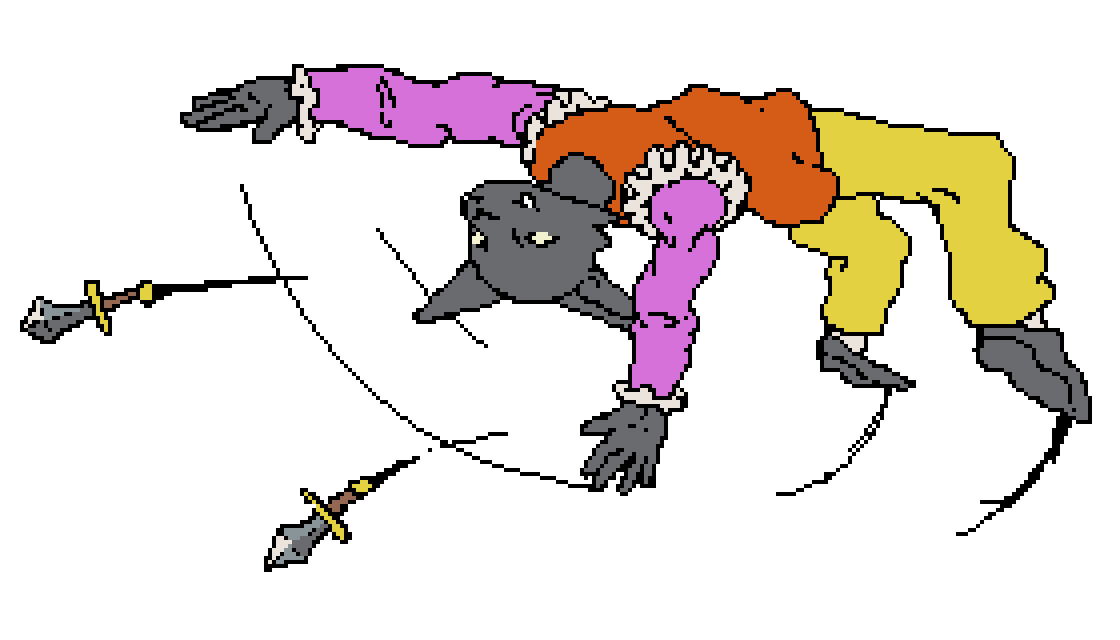
Unarmored Defense
Beginning at 1st level, choose between Strength or Dexterity, then between Constitution or Charisma. While you are wearing no armor and not wielding a shield, Your AC equals 10 + the first chosen modifier + the second chosen modifier.
Acrobatic Interest
Additionally at 1st level, you choose what type of acrobatics you perform and specialize in, giving you certain benefits at levels 1, 3, 5, 7, 10, and 13 based on your choice.
Performer
Starting at first level, you are trained to dazzle and wow an audience through practiced tricks. You gain proficiency in the Acrobatics and Performance skills. Additionally, you learn unique tricks, which are fueled by your Performance points. You already know one trick, Swift Footwork, which does not count against your known tricks:
Swift Footwork. As a reaction when a creature hits you with an attack, you can spend a performance point to add your Proficiency bonus to your AC against that attack, or expend two points to add twice your Proficiency bonus, potentially causing that attack to miss.
You gain more performance points as you level up, as shown in the Performance Points column, and regain all of them at the end of a long rest. You additionally learn more tricks as you level up, as shown in the Tricks Known column of the Acrobat table. Every time you level up, you can switch one of your known tricks for another trick for which you meet the prerequisites, and you gain access to new tricks every 3 levels.
Some tricks may require a save DC or attack bonus. These are determined as follows:
Trick Save DC = 8 + your Proficiency bonus + your Charisma modifier
Trick Attack Bonus = your Proficiency bonus + your Charisma modifier
If the trick casts a spell, it uses the same DC and attack bonuses.
Wrap
Starting at 2nd level, you can use your dextrous limbs to cling to entangle your targets. You gain the following benefits:
- You can use Dexterity, instead of Strength, for your unarmed strikes. You can also use Acrobatics, instead of Athletics, when shoving or grappling a creature.
- As a bonus action, when a target is grappled by you, you wrap yourself around them, imposing disadvantage on acrobatics or athletics checks to escape your grapple. This effect ends when you take damage or the grapple ends.
- You may make another grapple attempt as normal against a creature you are grappling, and if you are successful, you and the creature are both incapacitated and restrained until the grapple ends as you pin your target (you can end the grapple at will as normal). While pinned, at the end of each of their turns, the target can make a contested Athletics check as normal (you may alternatively use a DC of 8 + your bonus to Acrobatics checks) to escape the grapple.
Acrobatics
Additionally at 2nd level, you gain a climbing speed equal to your walking speed, and when taking fall damage, the damage taken is reduced by twice your Acrobat level.
Quick Action
Starting at 3rd level, you gain a Quick Action on each of your turns, in addition to your action and bonus action. You gain three uses for this quick action, and may gain more from certain tricks or subclass features.
- Coil Up. You use your Quick Action to allow yourself to take one additional reaction before the end of your next turn. This reaction must be used for an Acrobat feature or trick.
- Backflip. You can leap to a space within 10 feet without provoking opportunity attacks or expending movement as a quick action.
- Next Act. You can draw and stow up to four weapons as a quick action.
Once you reach 20th level, you can take two quick actions on each of your turns, instead of one.
Ability Score Improvement
When you reach 4th level, and again at 8th, 12th, 16th, and 19th level, you can increase one ability score of your choice by 2, or you can increase two ability scores of your choice by 1. As normal, you can't increase an ability score above 20 using this feature.
Extra Attack
Starting at 5th level, you can attack twice, instead of once, when you take the attack action on your turn. The number of attacks increases to three when you reach 11th level in this class and to four when you reach 17th level in this class.
Fighting Style
Starting at 6th level, you can choose a certain Fighting Style from those available to the Fighter class from the list below. You can't take a Fighting Style option more than once, even if you have the chance to choose another fighting style.
Thrown Weapon Fighting. When making an attack with a weapon that has the thrown property, you can add half of your Dexterity or Strength modifier, rounded up, to the attack and damage rolls of the attack. The modifier used is the modifier you are not already using for the attack and damage rolls of the thrown weapon. Additionally, you can throw weapons that you are proficient in which do not have the thrown property to a range of 15/30 feet, and you can draw a weapon that has the thrown property as part of the attack you make with the weapon.
Two-Weapon Fighting. When using your bonus action to make an attack via two-weapon fighting, you can add the appropriate ability modifier to the damage of that attack. Additionally, when you are wielding two weapons and use your action on your turn to make a weapon attack with one of those weapons, you can add the damage die of your offhand weapon to the damage of the attack. This bonus does not apply to attacks made with bonus actions, extra actions granted by other effects or features, or reactions.
Defense. You gain a +1 bonus to AC and saving throws.
Freeform Fighting. When taking the attack action on your turn, you can take a bonus action to make a melee weapon attack against a creature within 5 feet with the backend of your weapon, a kick, or similar technique. This attack uses the same ability modifier as the primary attack. The weapon's damage die for this attack is a d4, and it deals bludgeoning damage.
Unarmed Fighting. Your unarmed strikes count as light, simple weapons, and can use a d6 damage die instead of their normal damage on a hit. If you aren't wielding any weapons or a shield when you make the attack roll, the d6 becomes a d8. At the start of each of your turns, you can deal bludgeoning damage equal to your unarmed strike damage die to one creature grappled by you or prone within 5 feet of you.
Great Weapon Fighting. When successfully attacking with a melee weapon that has the Heavy property which you are wielding in two hands, you can cause the weapon's base damage dice to act as if you rolled the maximum amount instead of rolling. You can choose to do this after rolling the damage dice normally. You can do this a number of times equal to twice your Proficiency bonus per long rest.
Evasion
Beginning at 7th level, you can nimbly dodge out of the way of certain area effects, such as a red dragon's fiery breath or an Ice Storm spell. When you are subjected to an effect that allows you to make a Dexterity saving throw to take only half damage, you instead take no damage if you succeed on the saving throw, and only half damage if you fail.
Slippery
Starting at 9th level, your flexibility and skill allow you to maneuver out of and into tight situations. You have advantage on saving throws against the Grappled or Restrained conditions, and on ability checks to escape grapples or restraints. Additionally, you can squeeze through a space without expending extra movement, and can squeeze through a space sized for a creature two size categories smaller than you.
Tandem Reflex
Additionally at 9th level, when making a dexterity saving throw, you can extend the benefits of your Evasion feature to any creatures of your choice making a dexterity saving throw against the same effect, but must spend one Performance point for each creature you choose to extend the feature to. You can also do this for creatures making a dexterity saving throw against you. Additionally, you may use your Swift Footwork reaction for any creature you see targeted with an attack that is within 20 feet of you, giving them the AC bonus against that attack.
Maneuverable
Starting at 10th level, you gain 10 additional feet of movement speed, your jump distances are tripled, to a minimum of 20 feet, and you can make a running high jump or long jump from a standstill. Additionally, you may move along vertical surfaces and across liquids on your turn without falling during the move.
Mastery of Performance
Beginning at 15th level, your practice has made your methods second nature for you. You gain one performance point at the beginning of each of your turns. If this performance point is unused by the beginning of your next turn, it disappears.
Universal Tricks
Showmanship
You learn the Prestidigitation cantrip, and can expend two Performance points to cast the Silent Image spell.
Extension
When you make a weapon attack on your turn, you can expend performance points up to your proficiency bonus to increase your reach for that attack by 5 feet per performance point. The attack and damage roll also gain a +1 bonus for each Performance point spent.
Showoff
At the beginning of your turn (no action required), you can expend two performance points to make either your Dexterity and Charisma scores or Strength and Charisma scores equal, taking whichever of the two chosen modifiers is higher and using that modifier for both abilities until the end of your next turn.
Sword Swallower
In place of an attack, you can swallow a weapon you are currently holding. If it is a nonmagical weapon, you can choose for that weapon to be destroyed once swallowed. Otherwise, you can only have two weapons swallowed at once, no matter their size. Starting at 6th level, you can additionally expend one performance point as an attack to spit out one of these weapons with a high velocity, making a thrown weapon attack with that weapon with a range of 30/60 feet, and adding 1d6 to the damage roll.
Drama Hit
If you land a critical hit, you can use a quick action on that same turn to regain one Performance point. This increases to two points at 7th level, three at 13th level, and four at 19th level.
Spotlight
As a bonus action, you can give the moment over to an ally you can see within 60 feet. You can expend performance points up to your proficiency bonus, and the target gains temporary hit points equal to your Charisma modifier plus a number of d4s equal to the amount of performance points spent. If the maximum amount of Performance points were spent, the target can use their reaction to use one Quick Action you can take. The quick action taken can only cost one or zero performance points, but no performance points are spent as part of their reaction.
Tango
When making a successful attack against an enemy, you can expend one performance point to push them 10 feet towards or away from you in a straight line, as long as you do not push them more than 30 feet away from you.
Misdirection
As a bonus action, you can expend one Performance point to attempt to manipulate the focus of a target within 15 feet. They must make a Wisdom saving throw. On a failed save, that target cannot target you with attacks and you have advantage on any saving throw they force you to make until the end of your next turn.
Bullwhipper
When used by you, a whip's range increases by 5 feet and its damage die increases to a d6. Additionally an attack with the whip can be replaced with a grapple attempt which uses the range of the whip, or can be used to force a target within 30 feet to make a Charisma saving throw or become frightened of you until the end of your next turn. If a creature succeeds on this saving throw, it becomes immune to being frightened in this way until the next long rest.
Nimble
You gain 5 additional feet of movement speed. Additionally, You can expend one Performance point at the beginning of your turn to ignore difficult terrain until the end of your next turn.
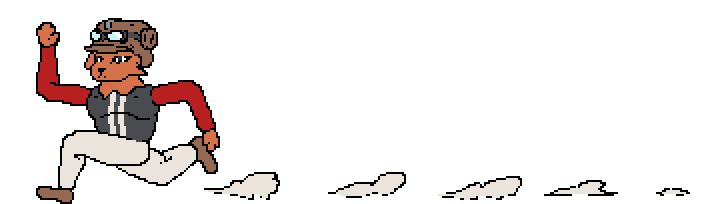
Disorient
Requires Acrobat level 3
When using your Backflip quick action to move from one side of a creature to the other, you can expend one Performance point to gain advantage on your next attack roll against that creature before the end of your next turn. Additionally, the distance of your backflip increases by 5 feet.
Prankster
Requires Acrobat level 3
You learn the mage hand cantrip. Additionally, as a bonus action, you can expend three performance points to place an invisible trap on any unoccupied space within 5 feet of you. When a creature moves onto a trapped space, you can immediately activate the trap (no action required). The creature must make a Dexterity saving throw with disadvantage, taking 4d6 Fire or Bludgeoning damage and becoming prone on a failed save, or taking half as much damage on a successful save without falling prone. You can only have one of these traps active at a time. It is destroyed upon activation, and can be found and destroyed if a creature within 15 feet of a trapped space takes an action to make a contested Perception check against your Performance check, or disappears after 1 minute.
Hypnosis
Requires Acrobat level 3
As an action, you can expend 2 performance points to attempt to hypnotize a target within 20 feet. The target must make a Wisdom saving throw or become charmed for one minute. While charmed in this way, the target is incapacitated and has a movement speed of 0. The effect ends on the target if they take any damage, or if a creature uses an action to touch them and shake them out of their stupor. You must concentrate on this effect as if concentrating on a spell. Upon being subjected to this trick, the target becomes immune to the effects of this trick until the end of your next long rest. Additionally, as an action, you can expend two performance points to remove the incapacitated effect and direct a creature currently charmed by this trick, as if they were effected by the Suggestion spell.
Sparkles
Requires Acrobat level 3
As a bonus action, you can expend 2 Performance points to throw bright, shining powder at a creature within 10 feet. The target must make a Constitution saving throw or become blinded until the end of your next turn. Starting at 6th level, you alternatively can expend 4 performance points to force this saving throw as part of a melee weapon attack.
Ninja Vanish
Requires Acrobat level 3
As a bonus action, you can expend performance points up to your proficiency bonus to teleport to an unoccupied space you can see within range. The distance which you can teleport is 10 feet for each performance point spent. Additionally, you can expend three performance points as an action to become invisible for up to a minute, although this effect ends when you make an attack or cast a spell, and you must concentrate on this effect as if concentrating on a spell.
Smoke and Mirrors
Requires Acrobat level 3 and the Showmanship trick
You can expend two Performance points to cast fog cloud as a bonus action, or three performance points to cast Mirror Image as an action.
Flame Spitting
Requires Acrobat level 3
You've practiced lighting projectiles spat at high speed. By expending 3 performance points as an action, you can cast Scorching Ray at 2nd level. You can expend additional Performance Points to increase the effective level that it's cast at by 1 per point spent, to a maximum slot level equal to your Proficiency bonus.
Flame Blowing
Requires Acrobat level 3
You've practiced blowing plumes of flame from your mouth. By expending 3 performance points as an action, you can cast Aganazzar's Scorcher at 2nd level. You can expend additional Performance Points to increase the effective level that the spell is cast at by 1 per point spent, to a maximum slot level equal to your Proficiency bonus. When casting Aganazzar's Scorcher at a slot level higher than 2nd in this way, you can choose for its range to be a 30 foot cone, instead of a line.
Form Up
Requires Acrobat level 3
As an action, you can expend two performance points to allow all friendly creatures within 40 feet of you to immediately move 20 feet without provoking opportunity attacks. You do not get to move as part of this action.
Pirouette
Requires Acrobat level 3
At the beginning of each of your turns, you may expend one Performance point and 30 feet of movement to do a tight twirl on the spot (no action required). On the turn you perform this pirouette, the first attack roll you make gains a 1d6 bonus to both its attack and damage roll.
Delicate Dance
Requires Acrobat level 3
As a reaction to being targeted by an attack, you can expend two Performance points to increase your AC by your Proficiency bonus until the end of your next turn. You can only make this reaction once per turn.
Flashy Hit
Requires Acrobat level 6
You can expend 2 Performance points to make a single weapon attack as a quick action. The weapon used must be eligible for two-weapon-fighting.
Puppeteering
Requires Acrobat level 6
You can expend three performance points to put down a puppet within 5 feet of you and attach strings to it as a bonus action. The puppet's appearance is determined by you, and remains under your control until you dismiss it as a bonus action, until you create another puppet, or until you're incapacitated.
Your puppet has AC equal to your Unarmored Defense AC, 1 hit point, and immunity to all conditions. If it has to make a saving throw, it uses your saving throw bonus for the roll. It is the same size as you, and it occupies its space. On your turn, you can work the strings to move the puppet up to 30 feet in any direction as a quick action. The puppet is clearly an inanimate object to any observers, and cannot speak or perform complex hand motions. If your puppet is ever more than 30 feet from you at the end of your turn, you cannot control it until it is within 30 feet again.
While controlling this puppet, you can choose for any action you take that originates from your space, such as an attack or use an object action, to instead originate from the puppet's space. However, this puppet does not count as a unique ally, and does not qualify for flanking bonuses or opportunity attacks. This puppet has no actions or reactions of its own, and is solely controlled by you.
You may alternatively expend two performance points as an action to attach the strings to an object within 30 feet and swing it towards a point within 60 feet, stopping early if it impacts a solid surface. If the object would strike a creature, that creature must make a Dexterity saving throw. On a failed save, the object strikes the target and stops moving. When the object strikes something, the object and what it strikes each take 4d8 bludgeoning damage, increasing by 1d8 at levels 9, 13, and 17.
Baton Pass
Requires Acrobat level 6
In place of an attack, you can spend 2 performance points to attempt to grab and take an opponent's weapon from their hands. This trick only works on weapons which you can feasibly hold. You must have a free hand to attempt this. The target must make a Wisdom saving throw, or you take their weapon.
Stoneface
Requires Acrobat level 6
As a reaction when making a strength, constitution, or wisdom saving throw, you can expend performance points up to twice your Proficiency bonus, adding a 1d4 bonus to your saving throw for every two points spent.
Outstanding Performance
Requires Acrobat level 6
As an action, you can begin to perform a practiced routine. All creatures within 100 feet which can see or hear you become charmed, but an unwilling creature can make a Wisdom saving throw to resist its effects. If you or your companions are currently fighting the target, they are only effected if they are within 30 feet of you, and make the saving throw with advantage. While charmed in this way, a creature has disadvantage on all perception checks and has its passive perception score lowered by 5. The effects of this trick end if you dismiss it as a bonus action, move more than 40 feet from the space where you began the performance, or damage another creature.
Lure
Requires Acrobat level 6
As an action, you can expend 3 performance points to make yourself an attractive target. All creatures of your choice within 20 feet must make a Wisdom saving throw. You can expend additional performance points up to your Proficiency bonus to increase the range by 10 feet per extra point. On a failed save, the creature uses its reaction to move up to its speed towards you in a straight line, and has disadvantage on attack rolls against creatures other than you until the end of your next turn.
Trapwire
Requires Acrobat level 6
As an action, you can expend 4 performance points to begin laying down an invisible wire. On this turn, you cannot move more than 50 feet, however, every space you move to will become trapped. When a creature moves onto a trapped space, you can immediately activate the trap (no action required). All creatures currently on a trapped space must make a Dexterity saving throw with disadvantage, taking 4d10 Lightning or Slashing damage and becoming restrained until the end of your next turn on a failed save. You can only have one of these traps active at a time. It is destroyed upon activation, and can be found and destroyed if a creature within 15 feet of a trapped space takes an action to make a contested Perception check against your Performance check.
Full Thrust
Requires Acrobat level 6
When making an attack with a two-handed weapon, you can expend two Performance points to optionally move up to half your speed before making the attack. Additionally, if the attack hits, it deals 1d6 extra
damage, and the target subtracts 1d6 from
their next ability check, saving throw, or
attack roll before the end of their
next turn.
Disable
Requires Acrobat level 6
When making an attack, you can expend two performance points to aim for the joints. This attack will not provoke reactions, and, if it hits, the target cannot use reactions until the end of their next turn.
Pyrotechnics
Requires Acrobat level 9 and the Flame Spitting or Flame Blowing trick
As an action, you can expend 4 Performance points to cast Fireball at 3rd level.
Afterimage
Requires Acrobat level 9
As a quick action, you can expend 6 Performance points to move up to your speed without provoking opportunity attacks. Additionally, you have advantage on all melee weapon attack rolls and melee weapon attacks against you are made with disadvantage until the end of your next turn.
Instinctual Grace
Requires Acrobat level 9
When taking the Dodge action, you can expend 2 performance points to increase your AC by an amount equal to your Proficiency bonus until the end of your next turn. Additionally, you can expend 3 performance points to take the dodge action as a bonus action.
Practiced Acrobatics
Requires Acrobat level 9
When making a Dexterity ability check, you can expend three Performance points for the result on the d20 to be 12, instead of rolling. You can use this trick before or after seeing the roll. Additionally, you gain expertise in one Dexterity-based skill of your choice.
Great Leap
Requires Acrobat level 9
You can expend 2 performance points as a quick action to leap up to 30 feet in the air, or your running high jump distance, whichever is higher. You stay airborne until the beginning of your next turn, and as such, out of range of most melee attacks.
Whirling Axe Kick
Requires Acrobat level 9
As an action, you can expend 4 performance points to flip through the air, hand over foot, colliding with an overhead kick at the point of impact. Make a melee trick attack roll against a creature within 50 feet that you can see. On a successful hit, you deal 7d8 bludgeoning damage. Regardless of a hit or miss, you fly in a straight line to a space adjacent to the target without provoking opportunity attacks.
Crowd Control
Requires Acrobat level 12 and the Hypnosis trick
As an action, you can expend 4 Performance points to cast Hypnotic Pattern at 3rd level.
Culminating Afterimages
Requires Acrobat level 12 and the Afterimage trick
As an action, you can expend four Performance points to move up to your speed. At any point during this movement, you can trap a space adjacent to you by creating a flickering afterimage to strike that area. You can create up to 6 of these afterimages as part of this action, but they must all be on different spaces. At the beginning of your next turn, all of these afterimages attack, dealing 3d8 + CHR Bludgeoning, Slashing, or Piercing damage to any hostile creature standing in the space they threaten without an attack roll or saving throw.
Brilliant Speed
Requires Acrobat level 12
Once per turn when making a weapon attack, you can expend four Performance points to move with such extreme speeds that your attack flashes briefly with bright light. The attack deals 3d6 extra Radiant damage, and the target becomes visible if it is invisible.
Phase Change
Requires Acrobat level 12
By expending three Performance points during movement you make on your turn, you can briefly become intangible. Until the end of your turn, you gain resistance to bludgeoning, piercing, and slashing damage, and can move through through other creatures and solid walls or objects as if they were difficult terrain. You takes 2d10 force damage if you end your turn inside an object, and are shunted to the nearest unoccupied space.
Living Bullet
Requires Acrobat level 12
As an action, you can expend 6 performance points to charge up an immense amount of kinetic energy in your body before releasing it all at once. Make a melee trick attack roll against a creature within 60 feet that you can see, which is a critical hit on a roll of 19 or 20. On a critical hit, you can change the target to any creature within 120 feet. On a successful hit, you deal 4d12 bludgeoning damage plus 4d12 fire damage. Regardless of a hit or miss, you fly in a straight line to a space adjacent to the target without provoking opportunity attacks.
Living Meteor
Requires Acrobat level 15
As an action, you can expend 8 performance points to leap 300 feet into the air before crashing back down with ludicrous speed on a space within 40 feet of where you jumped. If you land on a creature, the creature must make a Dexterity saving throw or take 20d6 bludgeoning damage damage and fall prone. You do not take fall damage from this trick, however, if you would collide with an object before reaching the peak of the jump, this trick is canceled out and you fall as normal.
Warp Speed
Requires Acrobat level 18
As a quick action, you can expend 12 performance points to move imperceptibly fast to others. You immediately take an extra turn, during which no other creatures can take reactions or be moved, unless carried by you, and you have advantage on attack rolls against all these creatures. You can only perform this trick once per round.
Immersive Experience
Requires Acrobat level 18
As a quick action, you can expend 9 performance points to bend the effects of reality on your body. Until the end of your next turn, you gain a flying speed equal to twice your walking speed, and can change the appearance of your body as if you are the illusion created by a major image spell. In addition, as an action while this effect is active, you can cause an unbelievable visual effect at a spot within 200 feet that you can see. All creatures of your choice within 20 feet of that point must make an Intelligence saving throw, taking 4d8 Psychic damage and becoming blinded until the end of their next turn on a failed save.
Acrobat Weapons
Vaulting Pole
1d8 Bludgeoning damage, Two-handed, Reach, Finesse, Special
60 gp
Special: As an attack, you can plant this pole in the ground and spring off of it, making an unarmed attack against any enemy within your running long jump distance, and you move to that space or an adjacent space. You do not need to expend movement as part of this attack, and you keep the pole. Additionally, while wielding this weapon, your high jump distance is doubled.
A particularly long pole made to bend in such a way for athletes to propel themselves into the air. While not meant for combat... A big stick is a big stick.
Chakram String
12 gp
2d4 Slashing damage, Two-handed, Finesse, Special
Special: This string additionally is loaded with chakrams. As such, any attack with this weapon can be replaced by throwing one of these chakrams. They have a range of (20/60 feet), deal 1d4 damage, and have the light and finesse properties.
A tough cord with two grips on the end used to do tricks with sharp disks. It looks really cool when you can manage to catch them all back and have them spinning on the string, but you can't do that if you stick all the chakrams in other guys.
Weighted Ribbons
80 gp
2d4 Bludgeoning damage, Two-handed, Finesse, Special
Special: As a bonus action, you can use this weapon to give an ally a 2d4 bonus to their next attack roll or saving throw before the end of your next turn, as well as 10 extra feet of movement speed until the end of your next turn.
A fine silk ribbon, roughly 7 feet long and 1 foot wide, which is weighted in such a way to flow gracefully as a dancer twirls about. However, when used as an unconventional weapon, it is surprisingly effective as it is hard for an opponent to keep track of and can be manipulated on a minute level.
Ball
2 gp
1d4 Bludgeoning damage, Light, Finesse, Thrown (30/60 feet)
A brightly colored ceramic ball used for party tricks. It's not a great weapon, but with a lot of practice, you can throw it with a good amount of force.
Yo-yo
20 gp
1d6 Bludgeoning damage, Finesse, Versatile (1d8), Thrown (15/30 feet), Special
Special: When used for thrown-weapon fighting, this weapon will immediately return to your hand. Additionally, you can make the thrown attack as if it was a melee weapon attack, instead of a ranged attack.
A children's toy that works remarkably well as a weapon. It's a little clunky to get the hang of, but it's undeniably cool.
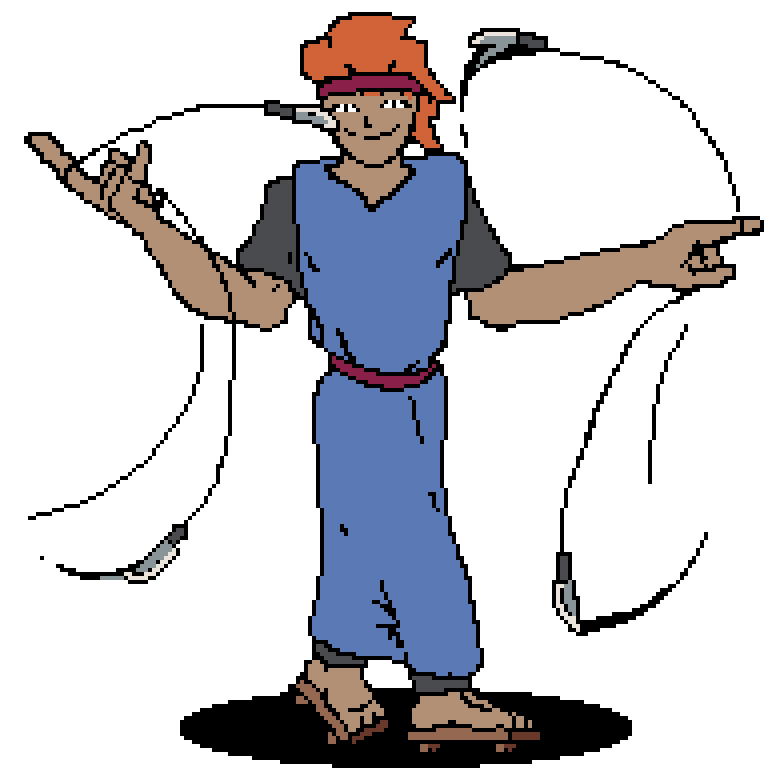
Interest: Juggler
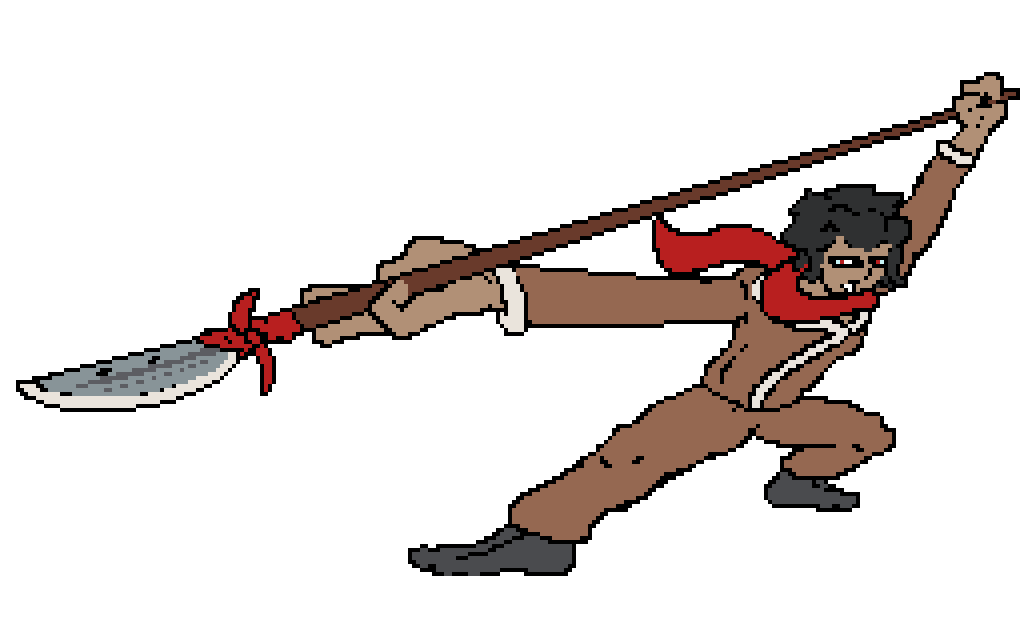
You have remarkable hand-eye coordination and focus, which are used to allow you to keep full control of multiple items at once. When this is translated into fighting, you can use these items to overwhelm opponents with attacks from all angles... as long as you keep that focus.
(Gain a rage-like activated state, that requires dexterity-based concentration. Not necessarily juggling, just means that you can hold 3 knives at once. 13 from scissor seven would work with this subclass.)
Juggler Tricks
Certain Acrobat tricks are exclusive to the juggler. These tricks do not count against your known tricks, and are always available provided you meet the required level.
| Acrobat Level | Tricks Learned |
|---|---|
| 1st | Yo-Yo |
| 3rd | Around the World |
| 6th | Pilot Light |
| 9th | Live Juggling |
| 12th | Greater Rotation, Untethered Maelstrom |
| 15th | Perfect Backspin |
| 18th | Invert Material |
Juggling
When you adopt this interest, you can use a bonus action to begin juggling. While juggling, you gain certain benefits, and gain more as you level up. At 1st level, as a reaction when a creature misses an attack roll against you while you are juggling, you can make a weapon attack against that target. This weapon must be eligible for two-weapon fighting.
The juggle lasts for 1 minute, or ends early if you are rendered unable to take actions. Additionally, every time you take damage while juggling, you must make a Dexterity saving throw to maintain your juggle. The DC of this save is either 10 or half the damage taken, whichever is higher, similar to a concentration check, and your juggle ends on a failed save.
Three-Weapon Fighting
Starting at 3rd level, you can draw and wield one additional weapon while juggling as long as it qualifies for two-weapon fighting. You do not need a free hand to draw this weapon, and you do not hold it. This allows you to attack with this weapon as well as your normal weapon when making an attack with your bonus action. This increases to two extra weapons at level 9, and three at level 15 for potential five-weapon fighting.
Weapon Improvements
Starting at 5th level, when using your bonus action to make an attack via two-weapon fighting, you can add the appropriate ability modifier to the damage of that attack. Additionally, at the end of your turn, all thrown weapons will return to you.
Look Ma
Starting at 7th level, you can expend two Performance points to begin juggling as a quick action.
Surprising Attack
Starting at 10th level, the first hit you make against each unique creature on each of your turns will deal 1d4 additional damage.
Deflection
Starting at 13th level, while juggling, you can use your Swift Footwork feature without using a reaction or performance point once per round.
Juggler Tricks
Yo-Yo
Requires the Juggler interest
As a reaction when missing a thrown weapon attack, you can expend a performance point to pull the weapon back to your hand, making a second attack against the same target. You can only make this special returning attack once per attack. Starting at 9th level, this trick can be performed once per turn without using a reaction.
Around the World
Requires Juggler level 3
As an action while juggling, you can expend one performance point to take a weapon from the juggle and swing it far around before bringing it back. The weapon must have the Thrown property. You can make an individual thrown weapon attack with that weapon against every creature of your choice within a cone originating from you. The range of this cone is equal to the normal range of the thrown weapon. The weapon immediately returns to your hand after this action. This action does not count as an attack, and as such, does not enable two-weapon fighting to be used afterward.
Pilot Light
Requires Juggler level 6
As a quick action while juggling, you can expend three performance points to modify your weapons, setting them ablaze, charging them with high voltage, or coating them in deadly poison. Choose between fire, lightning, and acid damage, and your weapon attacks will deal 1d4 additional damage of that type on a hit until the end of your next turn or until you stop juggling.
Live Juggling
Requires Juggler level 9
When beginning a juggle, you can expend one performance point to attempt to touch a target, making a trick attack roll against them. On a success, you incorporate that creature into the juggle, and they become grappled and surprised.
Greater Rotation
Requires Juggler level 12
You gain a deeper understanding of circular motions, and can exert that effect on the world around you. As a quick action, you can expend 3 Performance points to attempt to swap the positions of two objects or creatures within 40 feet. An unwilling creature can make a Charisma saving throw, canceling the effects of this trick on a success.
Untethered Maelstrom
Requires Juggler level 12
You have become so adept that you can juggle without visibly using your body. When beginning a juggle, you can expend 4 performance points to juggle in this way. This juggle cannot be broken by damage, and during this juggle, the range of your melee weapon attacks extend by 5 feet, the range of your thrown weapon attacks is doubled, and you can choose for your weapon attacks to do force damage instead of their normal type.
Perfect Backspin
Requires Juggler level 15
You can attack with a rotation that intertwines your strike with the fabric of reality. As part of an attack, you expend 6 performance points. This attack glows in a brilliant spiral, cannot miss as long as the target is within range, deals 4d6 additional Radiant damage, and cannot have its damage reduced or mitigated in any way.
Invert Material
Requires Juggler level 18
You can juggle the very molecules that make up an object. As an action, you can expend 7 Performance Points to attempt to invert a creature or object within 15 feet. If the object is larger than 5 feet in any dimension, you subject it to the effects of passwall. An object smaller than 5 feet in any dimension is inverted, with its insides seamlessly switching places with its outsides. If a creature is standing on an object when it is inverted, that creature takes 25 Force damage and is restrained, and makes a Strength saving throw at the end of each of its turns to end the restrained condition on itself, taking 1d12 Force damage on a failed save.. When attempting to invert a creature, that creature takes 25 Force damage and must make a constitution saving throw. On a failed save, the creature takes 1d10 additional force damage and has disadvantage on all attack rolls, ability checks, and saving throws as a significant portion of its body is inverted. At the end of each of its turns, it can make another constitution saving throw to end the effects, but will take 1d12 Force damage on a failed save.
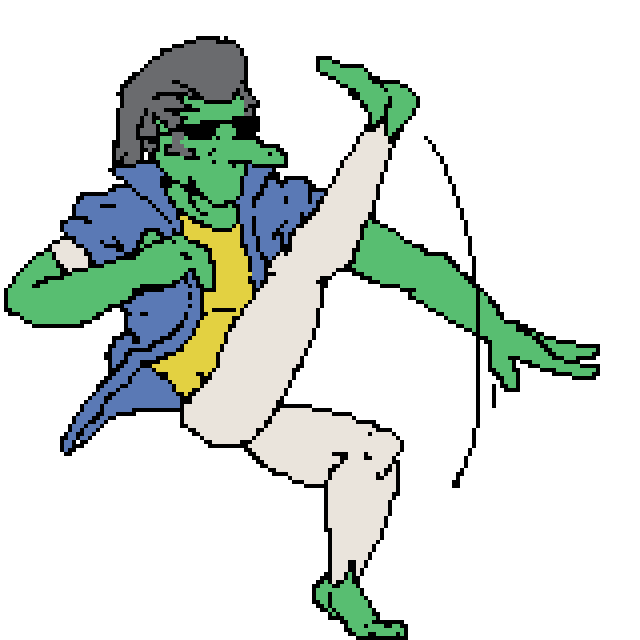
Interest: Breaker-dancer
Dancing is an intensely physical artform, taking full advantage of momentum and physicalty, almost in a way similar to combat. It is for this reason that skilled breakdancers can excel in a fight, using their smooth moves and flexibility to deliver kicks that can break bones. Some take this a step further, developing the combat potential of their artform and adopt the fitting title of 'breaker-dancer'.
(You didn't want to play a monk for your punchy guy, so you did this instead.) Return to page 1
Dancer Tricks
Certain Acrobat tricks are exclusive to the breakdancer. These tricks do not count against your known tricks, and are always available provided you meet the required level.
| Acrobat Level | Tricks Learned |
|---|---|
| 1st | Pose, Dancer's Movement |
| 3rd | Off the Wall |
| 6th | Windmill Kicks, Gainer |
| 9th | Strobing Beatdown |
| 12th | Expression of Self |
| 15th | Greater Afterimage |
| 18th | Hardest Rider |
Deadly Brawler
When you adopt this interest at 1st level, your unarmed strikes count as light weapons when applicable, and they use a d6 damage die, instead of their normal damage. Additionally, you may always make a single unarmed strike as a bonus action.
Reversal Kick
Starting at 3rd level, when your Swift Footwork reaction causes an attack to miss you, you can make a single unarmed strike against that creature as part of the same reaction. Additionally, once on each of your turns while surprised, restrained, or grappled, you can expend a performance point to make a single unarmed strike. On a hit, the target must make a Constitution saving throw or be stunned until the end of your current turn.
Momentum Fighting
Starting at 5th level, you begin to use the speed of your body, in place of mass, to enhance your attacks, bouncing around to keep as much inertia as possible. When making a successful attack, you may add 1 extra damage to the damage roll for every 5 feet traveled in a straight line immediately before making the attack, to a maximum of extra damage equal to your proficiency bonus.
Crowdpleaser
Starting at 7th level, as a bonus action, you can regain Performance points equal to your Charisma modifier. You can use this feature once per long rest, or twice starting at 10th level.
Fast Legs
Starting at 7th level, any time an effect moves you without using your movement, you can move to any unoccupied adjacent space after being moved without provoking opportunity attacks. Additionally, you can expend one Performance point to take the dash action as a bonus action, and three to take it as a quick action.
Challenge
Starting at 10th level, as a quick action, you can challenge a target. For the next minute, as long as you and the challenged target remain within 30 feet of eachother, you have disadvantage on attack rolls against all creatures except the challenged target, and the target has disadvantage on attack rolls against all creatures except for you. If the target attacks another creature on their turn, they can make a Charisma saving at the end of their turn, ending the effect on themselves on a success. You can use this feature a number of times equal to your Proficiency bonus, regaining all uses at the end of a long rest.
Change Tempo
Starting at 13th level, you can use a bonus action and one performance point to change the type of saving throw your Evasion feature effects to any other ability score's saving throw. This changes back to Dexterity saving throws after a long rest.
Dancer Tricks
Pose
Requires the Dancer interest
As part of an attack, you can expend one Performance point to strike a pose, adding your Charisma modifier to your attack roll. You must do this before making the attack roll. Starting at 9th level, you can also do this when making a saving throw, to add your charisma modifier to your saving throw roll.
Dancer's Movement
Requires the Dancer interest
While not wearing armor or wielding a shield, you gain 5 feet of movement speed. This increases by 5 feet at levels 9 and 15.
Off the Wall
Requires Dancer level 3
As part of the Disengage action, you can expend two performance points to be able to make an unarmed strike against every creature you leave the space of on this turn. You can only target a creature once with this attack per turn.
Windmill Kicks
Requires Dancer level 6
As an action, you can expend three performance points to force all creatures of your choice within 20 feet of you to make a Strength saving throw. On a failed save, they take 5d6 Bludgeoning damage and are pulled towards or away from you in a straight line until they would collide with you or another creature or object, or have travelled 20 feet. On a successful save, they take half as much damage and are not pushed or pulled. You can expend an additional Performance point to increase the damage by 1d6, and the maximum increases again at levels 9, 12, 15, and 18.
Gainer
Requires Dancer level 6
As part of your Backflip quick action, you can expend two Performance points to make an unarmed strike. You make this attack before the movement of the backflip. If the attack is successful, but the damage is resisted or mitigated, you do not get to move using this backflip.
Strobing Beatdown
Requires Dancer level 9
As an action, you can expend 4 Performance points to cast Thunderlight Strikes. You can expend additional Performance Points to increase the effective level this spell is cast at by 1 per point spent, to a maximum level equal to your Proficiency bonus. You can additionally expend two extra Performance points to use your Unarmed Strike attack bonus, instead of your Trick attack bonus, for the attacks made as part of this spell.
Expression of Self
Requires Dancer level 12
As an action, you can expend 5 performance points to channel your inner energies through your limbs to shoot out in violently radiant crescents and rays. All creatures within 40 feet of you must make a Dexterity saving throw, taking 6d10 Radiant damage on a failed save and becoming blinded until the end of your next turn, or taking half as much damage on a success without being blinded.
Greater Afterimage
Requires Dancer level 15
When taking the dash action on your turn, you can expend 6 performance points to create a lingering afterimage. This afterimage appears to be a blurry imitation of you, and acts after you in combat. This afterimage has 20 HP, 16 AC, and immunity to all conditions, and uses your saving throws. You directly control the afterimage. As an action, and again as a bonus action, it can make a single unarmed strike, which it makes using your attack bonus and unarmed strike damage. You can have up to three of these afterimages at once, and each disappears after a minute or after being reduced to 0 hit points.
Hardest Rider
Requires Dancer level 18
As a bonus action, you can expend 9 performance points to begin moving with enough speed that your legs burn the air around them. For the next minute, once per turn, when moving within 5 feet of a hostile creature, they take 2d6 fire damage. You can dismiss this trick as a bonus action, or end it as part of an unarmed strike. If ended as an unarmed strike, the target of that strike takes 8d6 fire damage, regardless of whether the attack hit or missed.
Thunderlight Strikes
- Casting time: 1 action
- Range: Touch
- Components: V, S
- Duration: Instantaneous
Make 4 melee spell attacks against a creature within range. On a hit, you deal 2d8 Lightning damage.
At Higher Levels: You make one additional attack as part of this spell for each slot level above 3rd.
Interest: Ball of Fury
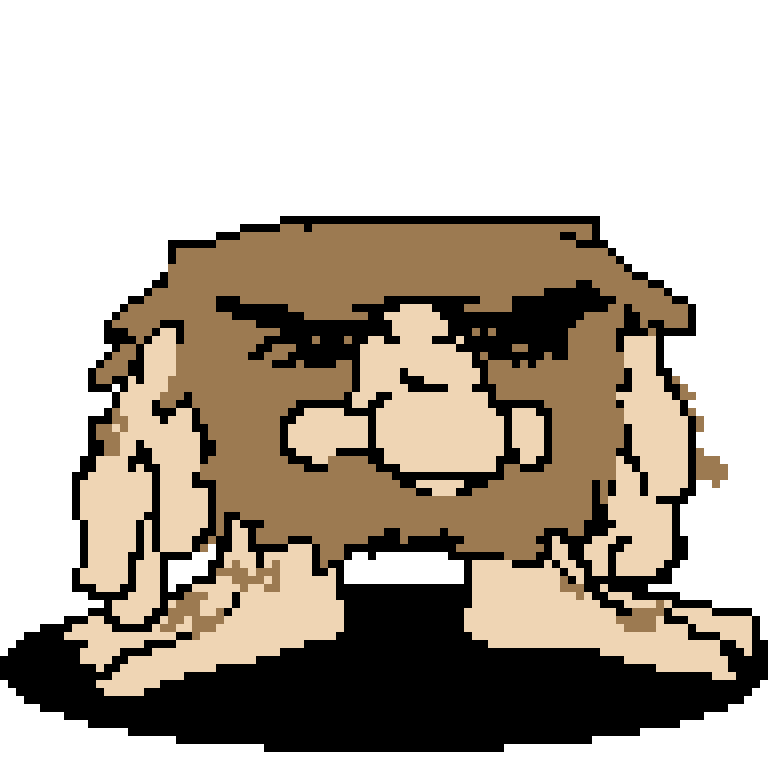
You are driven on by sheer anger and force of will. Your high energy allows you to keep slashing, biting, and kicking well after you've tired yourself out.
(A kinda weird half-barbarian, a more defense-oriented subclass.)
Physicality
When you adopt this specialization at 1st level, you gain proficiency in all martial weapons, simple weapons, medium armor, and shields, and while wielding a single weapon or no weapons and nothing else, you gain a +1 bonus to AC. Additionally, your unarmed strikes can deal 1d4 damage, instead of their normal amount.
Whirlwind Fury
Starting at 3rd level, you can whip yourself into a frenzy of ferocious, thoughtless violence. On your turn, you can enter this fury as a bonus action.
While in fury, you gain the following benefits if you aren't wearing heavy armor:
- You can add your proficiency bonus to Strength saving throws and Dexterity ability checks.
- Once per round, when taking bludgeoning, piercing, slashing, fire, or cold damage, you can halve the damage you take.
- If you are able to cast spells, you can't concentrate on them while in fury.
- The first time you make a successful melee weapon attack on your turn, you can add 1d4 to the damage. This increases by 1d4 at levels 6, 9, 12, 15, and 18.
Your fury lasts for 1 minute. It ends early if you are knocked unconscious or if your turn ends and you haven't damaged a hostile creature since your last turn or taken damage since then. You can also end your fury on your turn as a bonus action. You cannot gain the benefits of Rage and Fury at the same time.
You may enter a fury twice, and regain all uses at the end of a long rest. You gain another use at levels 10 and 18.
Gibbernock, Hero of the World
Ball of Fury Tricks
Certain Acrobat tricks are exclusive to the Ball of Fury. These tricks do not count against your known tricks, and are always available provided you meet the required level.
| Acrobat Level | Tricks Learned |
|---|---|
| 1st | Scowl |
| 3rd | Tooth and Claw |
| 6th | Stored Aggression, Blade Twist |
| 9th | Boil Blood |
| 12th | Uncontrolled Violence Lazer |
| 15th | Incinerate |
| 18th | Focused Lazer |
Moody
Starting at 5th level, you have advantage on rolls against becoming charmed or frightened, and you gain proficiency in the Intimidation skill. Additionally, you can impose disadvantage on any persuasion or intimidation check made against you.
Latch
Additionally at 5th level, when grappling a target, you may instead choose to latch onto them. When grappled in this way, your movement speed is set to 0, and the target's movement speed is halved, instead of set to 0, however, the target has disadvantage on attack rolls against you and you have advantage on attack rolls against the target. Additionally, you can make an unarmed strike using a bonus action or quick action against the grappled target.
Refusal to Fall
Starting at 7th level, you can use a bonus action to recover hit points equal to your Constitution modifier if you are below half your maximum hit points. You can use this feature a number of times equal to your Proficiency bonus, regaining all uses at the end of a long rest.
Painless
Starting at 10th level, you gain resistance to bludgeoning, piercing, and slashing damage during your fury. You cannot then halve this damage again using your fury.
Stubborn
Starting at 13th level, once per long rest, when you fail a Wisdom, Intelligence, or Charisma saving throw, you can choose to succeed instead.
Ball of Fury Tricks
Scowl
Requires Ball of Fury interest
As an action, you can expend two Performance Points to cast Cause Fear. You can expend additional Performance Points to increase the effective level that this spell is cast at by 1 per point spent, to a maximum slot level equal to your Proficiency bonus.
Tooth and Claw
Requires Ball of Fury level 3
When making an unarmed strike attack while in fury, you can expend two Performance points to dig at the vital points. The unarmed strike uses a d8 damage die, and the target must make a Constitution saving throw, becoming Restrained until the end of your next turn on a success.
Stored Aggression
Requires Ball of Fury level 6
If you do not use your action to attack on this turn, you can expend one performance point to make a single weapon attack or unarmed strike as a bonus action. Starting at 11th level, you can expend five performance points to make two attacks for this bonus action, instead of one.
Blade Twist
Requires Ball of Fury level 6
You can make your attacks debilitatingly painful. By expending 2 performance points as part of an attack, you can force a target to make a Constitution saving throw. On a failed save, the target must subtract 1d6 from all of their damage rolls and saving throws until the end of their next turn.
Boil Blood
Requires Ball of Fury level 9
You have the potential to raise the temperature of your blood to dangerous levels by virtue of anger alone. As a quick action while raging, you can expend 4 Performance points to boil your blood. During this rage, any creature which starts its turn within 5 feet of you (excluding yourself) takes 1d6 fire damage.
Uncontrolled Violence Lazer
Requires Ball of Fury level 12
As an action while raging, you can expend 7 Performance Points, letting out an agonized wail, causting a spring of violent energy to burst forth in a high-powered
energy beam. Choose two points within 60
feet of you. This trick effects all
creatures and objects within a
triangle drawn between you and the points chosen. Effected targets must make a Dexterity saving throw, taking 4d8 force damage and 4d8 fire damage on a failed save, or only take 4d8 fire damage on a successful save.
Incinerate
Requires Ball of Fury level 15
You have pushed the ability used for your Blood Boil trick to the extreme and practiced restraint and focus, raising the temperature of a localized part of your body to iron-melting temperatures. As an action, you can expend 6 performance points and attempt to grapple a creature. If this grapple attempt is successful, the target takes 10d10 fire damage, and must make a Constitution saving throw at the end of each of their turns, taking 1d10 fire damage on a failed save, or ending the effect on a success. You can alternatively expend 6 performance points as an action to make any part of your body burning hot for that turn without making a grapple, which effects objects as you would expect.
Focused Lazer
Requires Ball of Fury level 18
You have undertaken the monumental task of staying calm while blasting off beams of violent energy. As an action, you can expend 10 performance points. This trick effects all creatures and objects of your choice within 60 feet of you. Effected targets must make a Dexterity saving throw, taking 6d8 force damage and 4d8 fire damage on a failed save, or 6d8 force damage on a success.
Interest: Performer
You play music as your show, integrating grace into your ballads for a very eye-catching show.
(Get bard spellcasting and some support tools. This subclass is not fully finished.)
Virtuoso
When you adopt this specialization at 1st level, you gain proficiency in one musical instrument of your choice. Additionally, you gain expertise in one skill you are proficient in of your choice.
Stage Magic
Additionally at 1st level, you gain the Minor Illusion cantrip, and can cast it without somatic components.
Spellcasting
When you reach 3rd level, you augment your acrobatic prowess with the ability to cast spells.
Cantrips
At 3rd level, you know two cantrips of your choice from the Bard spell list.. You learn additional Performer cantrips of your choice at higher levels, as shown in the Cantrips Known column of the Performer table.
Spell Slots
The Performer table shows how many spell slots you have to cast your Bard spells of 1st level and higher. To cast one of these Bard spells, you must expend a slot of the spell's level or higher. You regain all expended spell slots when you finish a long rest.
For example, if you know the 1st-level spell burning hands and have a 1st-level and a 2nd-level spell slot available, you can cast burning hands using either slot.
Spells Known of 1st Level and Higher
You know two 1st-level spells of your choice from the Bard spell list.
The Spells Known column of the Performer table shows when you learn more Performer spells of your choice. Each of these spells must be of a level for which you have spell slots. For instance, when you reach 3rd level in this class, you can learn one new spell of 1st or 2nd level.
Additionally, when you gain a level in this class, you can choose one of the Performer spells you know and replace it with another spell from the Performer spell list, which also must be of a level for which you have spell slots.
Spellcasting Ability
Charisma is your spellcasting ability for your Performer spells, since the power of your magic relies on your ability to project your will into the world. You use your Charisma whenever a spell refers to your spellcasting ability. In addition, you use your Charisma modifier when setting the saving throw DC for a Performer spell you cast and when making an attack roll with one.
Spell Save DC
Spell attack modifier
Spellcasting Focus
You can use an instrument you are proficient in as a spellcasting focus for your Performer spells.
Performer Spellcasting
| Level | Cantrips Known | Spells Known | 1st | 2nd | 3rd | 4th |
|---|---|---|---|---|---|---|
| 1st | — | — | — | — | — | — |
| 2nd | — | — | — | — | — | — |
| 3rd | 2 | 2 | 2 | — | — | — |
| 4th | 2 | 3 | 3 | — | — | — |
| 5th | 2 | 3 | 3 | — | — | — |
| 6th | 2 | 4 | 3 | — | — | — |
| 7th | 3 | 5 | 4 | 2 | — | — |
| 8th | 3 | 5 | 4 | 2 | — | — |
| 9th | 3 | 6 | 4 | 2 | — | — |
| 10th | 3 | 6 | 4 | 3 | — | — |
| 11th | 3 | 7 | 4 | 3 | — | — |
| 12th | 3 | 7 | 4 | 3 | — | — |
| 13th | 3 | 8 | 4 | 3 | 2 | — |
| 14th | 3 | 8 | 4 | 3 | 2 | — |
| 15th | 4 | 8 | 4 | 3 | 2 | — |
| 16th | 4 | 9 | 4 | 3 | 3 | — |
| 17th | 4 | 9 | 4 | 3 | 3 | — |
| 18th | 4 | 9 | 4 | 3 | 3 | — |
| 19th | 4 | 10 | 4 | 3 | 3 | 1 |
| 20th | 4 | 10 | 4 | 3 | 3 | 1 |
Performer Tricks
Certain Acrobat tricks are exclusive to the Performer. These tricks do not count against your known tricks, and are always available provided you meet the required level.
| Acrobat Level | Tricks Learned |
|---|---|
| 1st | Duet, Taunt |
| 3rd | Shrill Disharmony, Trick of the Hand |
| 6th | Pied Piping, Play your Heart Out |
| 9th | Vile Shriek, Resonance |
| 12th | Soul Moving, Concordance |
| 15th | Soul Scramble, Mindmelt Sonata |
| 18th | To My Tune |
Variety Act
Starting at 5th level, once per turn when taking the attack action, you can replace one of your attacks with the casting of a cantrip that has a casting time of one action.
Halftime Doubletime
Starting at 7th level, once per turn when taking the attack action, you can forgo one of your attacks to allow an ally to make an extra attack if they take the attack action on their next turn.
Trick Solo
Also at 7th level, you can choose one 1st-level spell available to you with a casting time of one action. Once per short or long rest, you can cast that spell as a quick action on your turn.
Dramacist
Starting at 10th level, you have advantage on performance checks. Additionally, once per turn when you miss a weapon attack, you can grant an ally other than yourself advantage on their next attack roll against the same target.
No Hands Needed
Starting at 13th level, you can always use your Trick Solo as a bonus action.
Performer Tricks
Duet
Requires Performer interest
As a bonus action, you can expend one performance point to allow an ally other than yourself within 30 feet to move up to 15 feet. They additionally gain a 1d4 bonus to the next attack roll or ability check they make within the next minute.
Taunt
Requires Performer interest
As a bonus action, you can expend one performance point to taunt a creature within 15 feet. The taunted creature has disadvantage on attack rolls against creatures other than you until the end of your next turn.
Shrill Disharmony
Requires Performer level 3
As an action, you can expend two Performance points to force all creatures within 15 feet to make a Charisma saving throw. On a failed save, they take psychic damage determined by a number of d6s equal to your Proficiency bonus, and have their movement speed halved until the end of your next turn.
Pied Piping
Requires Performer level 6
Vile Shriek
Requires Performer level 6
As an action, you can expend performance points up to your Proficiency bonus to make a ranged trick attack against a creature within 60 feet. The target takes 2d6 damage per performance point spent, and becomes deafened for one minute on a successful hit. The target can make a Constitution save against your Trick save DC at the beginning of each of their turns, ending the effect on a success.2
Resonance
Requires Performer level 9
Soul Moving
Requires Performer level 12
Concordance
Requires Performer level 12
Soul Scramble
Requires Performer level 15
Mindmelt Sonata
Requires Performer level 15
To My Tune
Requires Performer level 18
Ramblings
The class is over, but I feel a compulsive need to explain myself, so that's going down here.
All the art is by me, Hugegranolabar, and is free to use with or without credit. (Not like I put a whole lot of effort into it anyway lol) I didn't put a whole lot of effort into decorating it, but I did throw in a few of my sketches to get the point across (i didnt wanna scrawl through google images you crazy?)
The 'exhibit' style is by ogskive.
The Acrobat
The only two speedy archetype classes are rogues and monks, and one is pretty set in stone as 'sneaky' while the other is 'hand-to-hand combat with some mysticism', and both are pretty weak, too. If I want to play as a breakdancer that spins around and kicks people in the face, I guess a monk works, but I'll also be blocking people's ki and meditating to not need material possessions for no good reason. If I want to play a circus performer that ran away, but is still nimble, (and was trained by a vigilante to be their sidekick lol) then I guess a rogue would work, but I would only be able to attack twice total with my weapons, with only one of the attacks mattering, and I would be really good at picking locks for no good reason. I think a more basic acrobat does cover a blind spot in the available classes, and I would love to play as one.
Tricks
For the minor options that flesh your character out, these are comparable to eldritch invocations or maneuvers, but... you know, with hopefully a more direct impact on gameplay. I didn't wanna put a limit on using multiple at once, so you could combine them for cool effects, like a long-range melee blind, or action: scorching ray > quick action: flashy hit > bonus action: two weapon fighting, but that might also mean that I missed a couple of game-breaking combos. I will admit, it got a little out of hand as soon as I added flame spitting, because that meant the other options had to be on-par with being able to casting a spell (even if you'll be lagging behind a proper caster in that field)
Juggler
Pretty much the reason I wanted to make the acrobat class. Three weapon fighting would be awesome... This subclass has the full potential to be incredibly powerful, though, especially if you don't use knives. Something like a mainhand glaive juggler, who has a knife tied to their tail or hair or something would be dealing (1d10 + 4)*2 + (1d6 + 4)*2 + 1d6 with a flashy hit and that sounds awesome...
This is the 'straight damage' subclass. You can dish out some real numbers as long as you're juggling. Just don't get hit, forehead.
Breaker-dancer
I should've just called it the capoeira, but breaker-dancer was too funny to me. It was originally gonna be a multi-faceted dancer, where you switched what dance you were doing for conditional benefits, but there's not really anything else interesting to do other than dodging and kicking people in the head, which could just as easily be ballet, tapdancing, or breakdancing, so they just got truncated, and something like square dancing or hiphop dancing just doesn't translate mechanically at all. There was also going to be a 'gymnast' subclass that focused around dodging and grappling, but there wasn't much reason for that, either.
This is the fastest, most maneuverable subclass, and while it does deal less damage than the others, it doesn't rely on any limited resources. In fact, it gets more PP than the other two, and probably has a lot of potential if you go about it the right way. (But also, if any subclass needs buffing, it would probably be this one.)
Ball of Fury
I was kinda iffy on this one, since Juggler already has an activated state, but there was also no class for strength-based acrobats, or, like, a fluffy edgelord. Tabaxi players would LOVE this subclass, I guarantee it.
This one is majorly defensive, most obviously in the straight damage reduction and self-healing, but it also allows you to still deal decent damage on a turn even if you use your actions to do things other things.
If any of them need a nerf, it'd probably be this one. The damage isn't that much worse than the others, the action economy is a little better, and the survivability is crazy.
Other things i was thinking of making
a comic subclass - a wacky, almost magical subclass that makes use of slapstick and takes inspiration from toontown.
a ninja subclass - I mean, it's really all in the name. You can do a lot with a ninja. There's already something like that with ninja vanish and flickering strike or whatever I called it.
More high-level tricks. It is needed.