Alternate Wizard
| Level | Proficiency Bonus | Features | Cantrips Known | 1st | 2nd | 3rd | 4th | 5th | 6th | 7th | 8th | 9th |
|---|---|---|---|---|---|---|---|---|---|---|---|---|
| 1st | +2 | Arcanist, Spellcasting | 3 | 2 | — | — | — | — | — | — | — | — |
| 2nd | +2 | Studious Recovery | 3 | 3 | — | — | — | — | — | — | — | — |
| 3rd | +2 | Arcane Tradition | 3 | 4 | 2 | — | — | — | — | — | — | — |
| 4th | +2 | Ability Score Increase | 4 | 4 | 3 | — | — | — | — | — | — | — |
| 5th | +3 | Memorize Spell, New Mastered School | 4 | 4 | 3 | 2 | — | — | — | — | — | — |
| 6th | +3 | Tradition Feature | 4 | 4 | 3 | 3 | — | — | — | — | — | — |
| 7th | +3 | Signature Spell (1) | 4 | 4 | 3 | 3 | 1 | — | — | — | — | — |
| 8th | +3 | Ability Score Increase | 4 | 4 | 3 | 3 | 2 | — | — | — | — | — |
| 9th | +4 | New Mastered School | 4 | 4 | 3 | 3 | 3 | 1 | — | — | — | — |
| 10th | +4 | Tradition Feature | 5 | 4 | 3 | 3 | 3 | 2 | — | — | — | — |
| 11th | +4 | Signature Spell (2) | 5 | 4 | 3 | 3 | 3 | 2 | 1 | — | — | — |
| 12th | +4 | Ability Score Increase | 5 | 4 | 3 | 3 | 3 | 2 | 1 | — | — | — |
| 13th | +5 | New Mastered School | 5 | 4 | 3 | 3 | 3 | 2 | 1 | 1 | — | — |
| 14th | +5 | Tradition Feature | 5 | 4 | 3 | 3 | 3 | 2 | 1 | 1 | — | — |
| 15th | +5 | Signature Spell (3) | 5 | 4 | 3 | 3 | 3 | 2 | 1 | 1 | 1 | — |
| 16th | +5 | Ability Score Increase | 5 | 4 | 3 | 3 | 3 | 2 | 1 | 1 | 1 | — |
| 17th | +6 | New Mastered School | 5 | 4 | 3 | 3 | 3 | 2 | 1 | 1 | 1 | 1 |
| 18th | +6 | School Mastery | 5 | 4 | 3 | 3 | 3 | 3 | 1 | 1 | 1 | 1 |
| 19th | +6 | Ability Score Improvement | 5 | 4 | 3 | 3 | 3 | 3 | 2 | 1 | 1 | 1 |
| 20th | +6 | Spellbook Mastery | 5 | 4 | 3 | 3 | 3 | 3 | 2 | 2 | 1 | 1 |
Hit Points
- Hit Dice: 1d4 per Wizard level
- Hit Points at 1st Level: 4 + your Constitution modifier
- Hit Points at Higher Levels: 1d4 (or 3) + your Constitution modifier per Wizard level after 1st
Proficiencies
- Armor: None
- Weapons: Daggers, quarterstaffs, darts
- Tools: calligrapher's supplies
- Saving Throws: Intelligence, Wisdom
- Skills: Choose two of the following: Arcana, History, Insight, Investigation, Medicine, Nature, and Religion
Ability Score
You gain a +1 to your Intelligence or Wisdom score.
Starting Wealth
You start the game with 100gp or 4d4 x 10 gp which you can spend on equipment and supplies.
Spellcasting
Through your research, study, and practice you have learned to manipulate the forces of reality to cast spells. At 1st level, you gain the features below and create your own Spellbook:
Mastered Schools
Arcane magic is divided into eight traditional Spell Schools: Abjuraiton, Conjuration, Divination, Enchantment, Evocation, Illusion, Necromancy, and Transmutation; each with its own unique theorems, esoteric rules, and magical abilities.
At 1st level, you gain unique insights into one Spell School of your choice from the list above, your Mastered School.
You gain one additional Mastered School of your choice at 5th, 9th, 13th, and 17th level in this class. Whenever you gain a new Mastered School after your first, you can forgo the new School to add three new Wizard spells to your Spellbook (see below), all from previously Mastered Schools.
Cantrips
At 1st level, you know three Cantrips from the Wizard spell list, one of which must be from your Mastered School. You learn another Wizard Cantrip of your choice from any Spell School at 4th level, and again at 10th level in this class.
Wizard's Spellbook
You have compiled yourself an Arcane Spellbook, a tome of arcane lore with its own secret notation unique to you. It can only be read by you, or another Wizard if they are able to decipher your notation. You determine what your Spellbook looks like, but it must be a tome sized object capable of storing written information.
At 1st level, your Spellbook contains six 1st-level Wizard spells, two of which must be from your Mastered School.
Copying Additional Spells
As you adventure, you may discover additional Wizard spells recorded in ancient scrolls or hidden away in esoteric tomes.
When you discover such a spell of 1st-level or higher, you can copy it into your Spellbook if the spell is a level for which you have spell slots as shown on the Wizard class table. To do so, it takes you 2 hours and 50gp per level of the spell. This represents all of the experimentation, deciphering, and arcane notations that are necessary for you to understand this new spell.
If you copy a new Wizard spell from one of your Mastered Schools, the time required to copy that spell and the cost is halved.
Replacing your Spellbook
You can copy Wizard spells from your Spellbook into another Spellbook only needing to spend 1 hour per level of the spell, as your own arcane notation is easier to decipher. This also is halved for spells from your Mastered Schools.
If your Spellbook is lost, you can use this same procedure to transcribe the Wizard spells you currently have prepared into a new Spellbook. The knowledge of all other spells from your Spellbook is lost. For this reason, many Wizards create multiple copies of their Spellbook.
Spellcasting Focus
You can use either an Arcane Focus or your Spellbook as the spellcasting focus for Wizard the spells you have prepared.
Spellcasting Restrictions
Because of the delicate and precise gestures required to cast Arcane spells, you cannot cast Sorcerer or Wizard spells while you are wearing armor or wielding a shield, unless a feature says otherwise.
Preparing & Casting Spells
The Wizard table above shows how many spell slots you have to cast spells. To cast a Wizard spell of 1st-level or higher, you must expend a slot of the spell's level or higher. You regain all of your expended spell slots when you finish a long rest.
During each long rest, you prepare the list of Wizard spells that are available for you to cast by studying your Spellbook. When you do so, you choose a number of Wizard spells from your Spellbook equal to your Wizard level + your Intelligence modifier (minimum of 1). This process of memorization and study takes 1 minute per each level of spell you prepare
Learning Spells of 1st-level & Higher
When you gain a Wizard level, you add two Wizard spells of your choice to your Spellbook at no cost, one of which must be from a Mastered School. The spells must be of a level for which you have spell slots, as shown on the Wizard table.
Spells added to your Spellbook this way reflect the arcane research you conduct, as well as intellectual breakthroughs you have had about the nature of magic and the multiverse.
Ritual Casting
Your understanding of the arcane arts allows you to perform ritual magic. You can cast any Wizard spell in your Spellbook as a ritual, so long as it has the ritual tag, even if not prepared.
Spellcasting Ability
As you learned your magic through research and study, your Intelligence is the spellcasting ability for your Wizard spells. Use Intelligence if one of your Wizard spells refers to your spellcasting ability, Spell save DC, or Spell attack modifier.
Spell save DC = 8 + your proficiency bonus +
your Intelligence modifier
Spell attack modifier = your proficiency bonus +
your Intelligence modifier

Arcanist
You understand the arcane and esoteric as well as any mortal being can. At 1st level, you gain proficiency in Arcana. If you are already proficient in Arcana, you instead add double your proficiency bonus to your Intelligence (Arcana) checks.
Studious Recovery
Starting at 2nd level, you can study your Spellbook to regain some of your potential. When you finish a short rest, you can choose expended spell slots to recover. The spell slots can have a combined level equal to no more than half your Wizard level (round up), and none of the slots can be level 6 or higher.
Once you use this feature, you can't do so again until you finish a Long Rest.
Arcane Tradition
At 3rd level, you choose the Arcane Tradition that represents your magical knowledge.
Your Arcane Tradition grants you features at 3rd level, and again when you reach 6th, 10th, and 14th level in this class.
Ability Score Improvement
When you reach 4th level, and again at 8th, 12th, 16th, and 19th level, you can increase one ability score of your choice by 2, or two ability scores by 1. As normal, you can't increase one of your ability scores above 20 using this feature.
Memorize Spell
At 5th level, whenever you finish a Short Rest, you can study your spellbook and replace one of the 1st level or higher Wizard spells you have prepared for your Spellcasting feature with another spell of 1st level or higher from the book.
Signature Spell
Your research has led you to the mastery of a spell that you are most skilled with, a Signature Spell. At 7th level, choose one spell in your Spellbook of 2nd-level or lower from one of your Mastered Spell Schools to become your Signature Spell.
You can modify this spell in any number of the ways below, but you cannot modify it so that its spell level is greater then the level for which you have spell slots on the Wizard table.
Once modified, you lose the ability to cast the normal spell unless you copy the original spell into your Spellbook again. The spell is also renamed to reference you as its creator and its modified power. Another Wizard can copy your Signature Spell following the normal rules for copying spells.
At certain Wizard levels, your study results in additional Signature Spells, following these guidelines: at 11th-level you create a new Signature Spell of 3rd-level or lower, and at 15th-level you gain a Signature Spell of 5th-level or lower.
Alternatively, whenever you create a new Signature Spell, you can select a previous Signature Spell and modify it again
Casting Time
If the spell has a casting time of one action, it becomes one bonus action, but the spell level of this spell increases by 1.
Components
You remove components from the spell. It must have at least one remaining component. You cannot remove components that are consumed or have a gold cost. For each component you remove, the level of this spell increases by 1.
Concentration
The level of this spell increases by 1, but if you fail a saving throw to maintain your concentration on this spell you can use your reaction to automatically succeed instead.
Damage
You replace all the damage dealt by the spell with either acid, cold, fire, lightning, poison, necrotic, or thunder damage.
Ritual
If the spell lacks the Ritual tag, it has a casting time of one action or one bonus action, and it does not have a material component with a gold cost, it becomes a ritual spell for you.
Shape
You modify the shape of a spell that normally targets a cone, cube, cylinder, line, or sphere to target an area of equivalent size (the same number of 5-foot squares) but a new shape.
School Mastery
You have mastered the lofty heights of arcane knowledge. At 18th level, choose two spells of 1st or 2nd-level, from a Mastered School, that you have in your Spellbook. These spells are always prepared, but they don't count against the number of spells you prepare each day. You can cast these spells at their lowest level without expending a spell slot.
You can replace one of these spells following the same guidelines by spending 8 hours studying your Spellbook.
Spellbook Mastery
Constantly studying and updating your spellbook has allowed you memorize its contents in its entirety with ease. At 20th level, you are considered to always have every spell in your Spellbook prepared.


Arcane Traditions
Choose the Arcane Tradition from the options below that best represents your Wizard's arcane knowledge and spellcraft:
Abjurer
Abjurers are masters of magic that safeguards, banishes, and thwarts hostile magical creatures, spells, and effects. Known for their ability to reverse potent enchantments and combat extraplanar entities, Abjurers are sought out to reverse alien incursions into the material plane and banish evil creatures.
Arcane Ward
Starting at 3nd level, you can siphon residual abjuration magic to create an Arcane Ward around yourself. When you spend a spell slot to cast an Abjuration spell, you can siphon some of its residual power to cloak yourself in an Arcane Ward, which persists until the end of your next long rest.
On creation, your Arcane Ward has a number of hit points equal to twice your Wizard level + your Intelligence modifier.
Whenever you take damage, your Arcane Ward takes it in your place. If your Ward is reduced to 0 hit points, you take any residual damage. While at 0 hit points, the magic of the Arcane Ward remains, but it cannot absorb any damage.
Whenever you expend a spell slot to cast an Abjuration spell, your Arcane Ward regains hit points equal to twice the level of the spell slot expended. You can also use your bonus action to expend a spell slot and cause your Ward to regain hit points equal to twice the level of the slot expended.
Once you create your Arcane Ward, you cannot create another until you finish a long rest.
Scholar of Abjuration
At 3rd level, you are a dedicated student of Abjuration magic. Abjuration is now one of your Mastered Schools of magic. If Abjuration was already one of your Mastered Schools, you gain another Mastered School of your choice.
You also choose two Abjuration spells of 2nd-level or lower from the Wizard spell list to add to your Spellbook.
Projected Ward
Starting at 6th level, you can use the power of your Arcane Ward to defend others. When a creature that you can see within 30 feet of you takes damage, you can use a reaction to cause your Arcane Ward to absorb that damage. If this damage reduces your Ward to 0 hit points, the original target takes any residual damage.
Empowered Abjuration
Beginning at 10th level, your knowledge of Abjuration magic allows you to utilize it better than most. You add counterspell and dispel magic to your Spellbook if they were not already there. If you already had them in your Spellbook, you add one Abjuration spell of your choice to your Spellbook for each that was there.
You gain a +1 bonus to your counterspell save DC and your ability check for Dispel Magic.
Your Arcane Ward also gains resistance to all non-magical bludgeoning, piercing, and slashing damage.
Master of Abjuration
At 14th level, your mastery over Abjuration magic has infused your mortal form with an innate magical ward. You have advantage on all saving throws against spells, and resistance to all damage dealt by spells.

Conjurer
As a student of Conjuration you specialize in spellcraft that conjure creatures, objects, and energy from other planes. As your powers as a Conjurer grow, you learn to create things from nothing, call powerful extraplanar creatures to your aid, and teleport yourself and your allies across vast distances in an instant.
Scholar of Conjuration
At 3rd level, you are a student of Conjuration magic. Conjuration is now one of your Mastered Schools of magic. If you already Mastered the School of Conjuration, you gain another Mastered School of your choice.
You also add two Conjuration spells of your choice, of 2nd-level or lower from the Wizard spell list, to your Spellbook when you adopt this Arcane Tradition.
Minor Conjuration
Starting at 3nd level, you can draw on your knowledge of Conjuration magic to conjure temporary objects from nothing. As an action, you can instantly conjure a single Tiny inanimate object in your hand, or in an unoccupied space on the ground that you can see within 10 feet of you.
To conjure an object you must have seen the object before, and be familiar with its makeup. If you conjure an object that would require specific skills to craft, you must be proficient in the corresponding artian's tools. You cannot conjure copies of magic items.
Any object you conjure is visibly magical, and radiates dim light in a 5-foot radius. It has a number of hit points equal to your Wizard level, and its Armor Class is equal to your Intelligence score. The object disappears after 1 hour, or when it is reduced to 0 hit points, or if you use this feature to conjure another object.
When you use this feature you can expend a spell slot to conjure a larger objects, determined by the level of the spell slot you expend as shown below:
| Spell Slot | Size |
|---|---|
| None | 100gp |
| 1st | 200gp |
| 3rd | 300gp |
| Spell Slot | Size |
|---|---|
| 5th | 500gp |
| 7th | 600gp |
| 9th | 700gp |
Self Transposition
Starting at 6th level,, you use Conjuration magic to instantly move through space. You add misty step to your Spellbook and you always have it prepared, but it does not count against your prepared spells. If you already have misty step in your Spellbook, you add one Conjuration spell of your choice to your Spellbook instead.
Moreover, you can cast misty step once between each long rest without expending a spell slot.
Whenever you cast misty step, you can force one object or creature equal to your size or smaller in range of the spell to make a Charisma saving throw against your Spell save DC.
On a failed save, you and the target instantly switch places in place of the normal effects of the misty step spell.
Creatures can willingly fail this Charisma saving throw.
Empowered Conjuration
Beginning at 10th level, your deep knowledge of Conjuration magic allows you to call increasingly powerful entities. When you cast a Conjuration spell that summons creatures or use your Minor Conjuration to create an object, one creature or object you conjure gains temporary hit points equal to twice your Wizard level.
Master of Conjuration
At 14th level, your ability to conjure and control extraplanar creatures and energies is unparalleled. When you cast a Conjuration spell that summons or conjures a creature, your concentration on that spell cannot be broken by taking damage.

Diviner
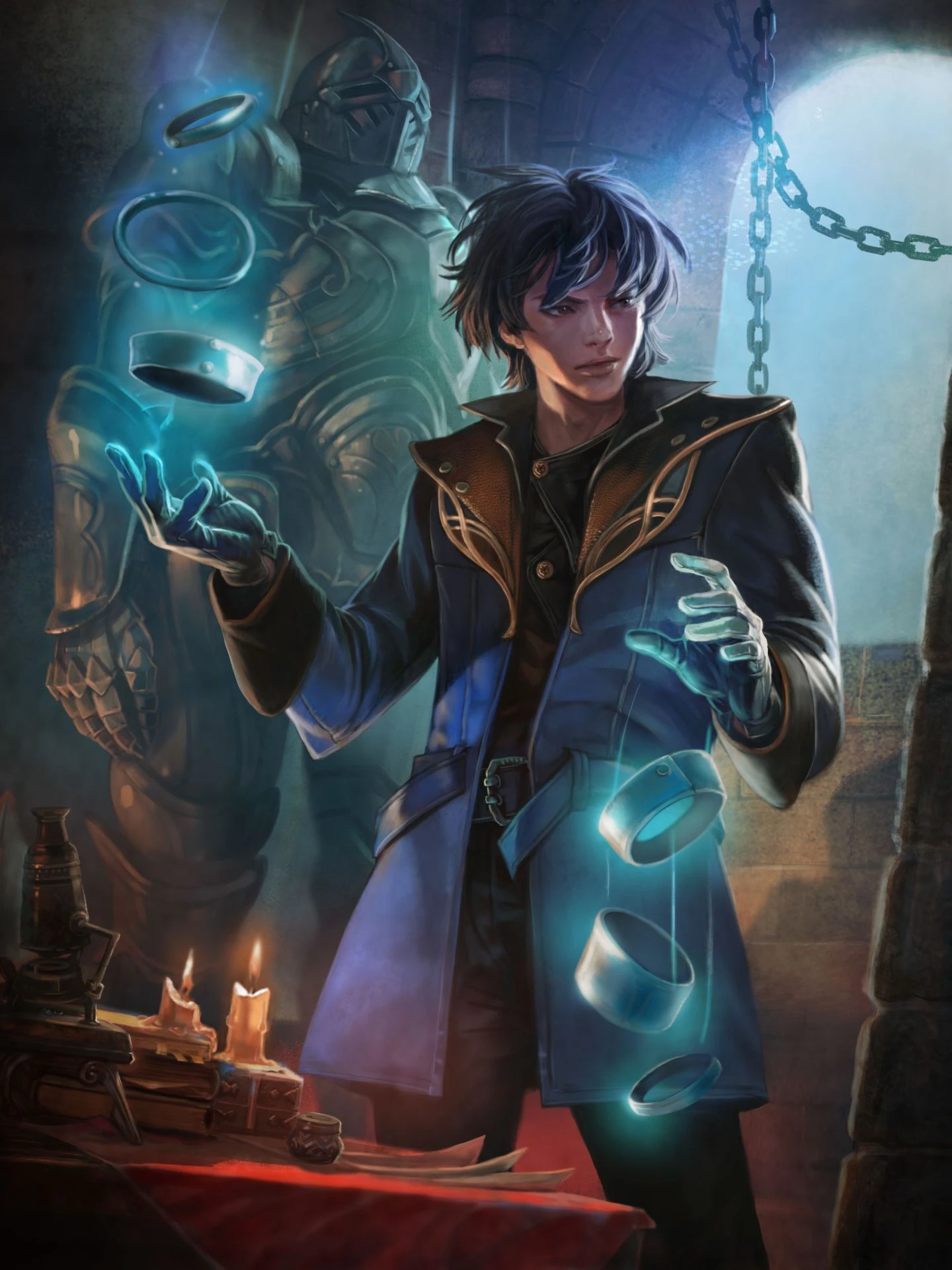
The counsel of a diviner is sought by royalty and commoners alike, for all seek a clearer understanding of the past, present, and future. As a diviner, you strive to part the veils of space, time, and consciousness so that you can see clearly. You work to master spells of discernment, remote viewing, supernatural knowledge, and foresight.
Scholar of Divination
At 3rd level, you are a student of Divination magic. Divination is now one of your Mastered Schools of magic. If you already Mastered the School of Divination, you gain another Mastered School of your choice.
You also add two Divination spells of your choice, of 2nd-level or lower from the Wizard spell list, to your Spellbook when you adopt this Arcane Tradition.
Portent
Starting at 3nd level, glimpses of the future begin to press in on your awareness. When you finish a long rest, roll two d20s and record the numbers rolled. You can replace any attack roll, saving throw, or ability check made by you or a creature that you can see with one of these foretelling rolls. You must choose to do so before the roll, and you can replace a roll in this way only once per turn.
Each foretelling roll can be used only once. When you finish a long rest, you lose any unused foretelling rolls.
Expert Divination
Beginning at 6th level, casting divination spells comes so easily to you that it expends only a fraction of your spellcasting efforts. When you cast a divination spell of 2nd level or higher using a spell slot, you regain one expended spell slot. The slot you regain must be of a level lower than the spell you cast and can't be higher than 5th level.
The Third Eye
Starting at 10th level, you can use your action to increase your powers of perception. When you do so, choose one of the following benefits, which lasts until you are incapacitated or you take a short or long rest. You can't use the feature again until you finish a rest.
Darkvision. You gain darkvision out to a range of 30 feet.
Ethereal Sight. You can see into the Ethereal Plane within 60 feet of you.
Greater Comprehension. You can read any language.
See Invisibility. You can see invisible creatures and objects within 10 feet of you that are within line of sight.
Greater Portent
Starting at 14th level, the visions in your dreams intensify and paint a more accurate picture in your mind of what is to come. You roll three d20s for your Portent feature, rather than two


Enchanter
As a member of the School of Enchantment, you have honed your ability to magically entrance and beguile other people and monsters. Some enchanters are peacemakers who bewitch the violent to lay down their arms and charm the cruel into showing mercy. Others are tyrants who magically bind the unwilling into their service. Most enchanters fall somewhere in between.
Scholar of Enchantment
At 3rd level, you are a student of Divination magic. Enchantment is now one of your Mastered Schools of magic. If you already Mastered the School of Enchantment, you gain another Mastered School of your choice.
You also add two Enchantment spells of your choice, of 2nd-level or lower from the Wizard spell list, to your Spellbook when you adopt this Arcane Tradition.
Hypnotic Gaze
Starting at 3rd level, when you choose this school, your soft words and enchanting gaze can magically enthrall another creature. As an action, choose one creature that you can see within 5 feet of you. If the target can see or hear you, it must succeed on a Wisdom saving throw against your wizard spell save DC or be charmed by you until the end of your next turn. The charmed creature's speed drops to 0, and the creature is incapacitated and visibly dazed.
On subsequent turns, you can use your action to maintain this effect, extending its duration until the end of your next turn. However, the effect ends if you move more than 5 feet away from the creature, if the creature can neither see nor hear you, or if the creature takes damage.
Once the effect ends, or if the creature succeeds on its initial saving throw against this effect, you can't use this feature on that creature again until you finish a long rest.
Instinctive Charm
Beginning at 6th level, when a creature you can see within 30 feet of you makes an attack roll against you, you can use your reaction to divert the attack, provided that another creature is within the attack's range. The attacker must make a Wisdom saving throw against your wizard spell save DC. On a failed save, the attacker must target the creature that is closest to it, not including you or itself. If multiple creatures are closest, the attacker chooses which one to target. On a successful save, you can't use this feature on the attacker again until you finish a long rest.
You must choose to use this feature before knowing whether the attack hits or misses. Creatures that can't be charmed are immune to this effect.
Split Enchantment
Starting at 10th level, when you cast an enchantment spell of 1st level or higher that targets only one creature, you can have it target a second creature.
Alter Memories
At 14th level, you gain the ability to make a creature unaware of your magical influence on it. When you cast an enchantment spell to charm one or more creatures, you can alter one creature's understanding so that it remains unaware of being charmed.
Additionally, once before the spell expires, you can use your action to try to make the chosen creature forget some of the time it spent charmed. The creature must succeed on an Intelligence saving throw against your wizard spell save DC or lose a number of hours of its memories equal to 1 + your Charisma modifier (minimum of 1). You can make the creature forget less time, and the amount of time can't exceed the duration of your enchantment spell.

Evoker
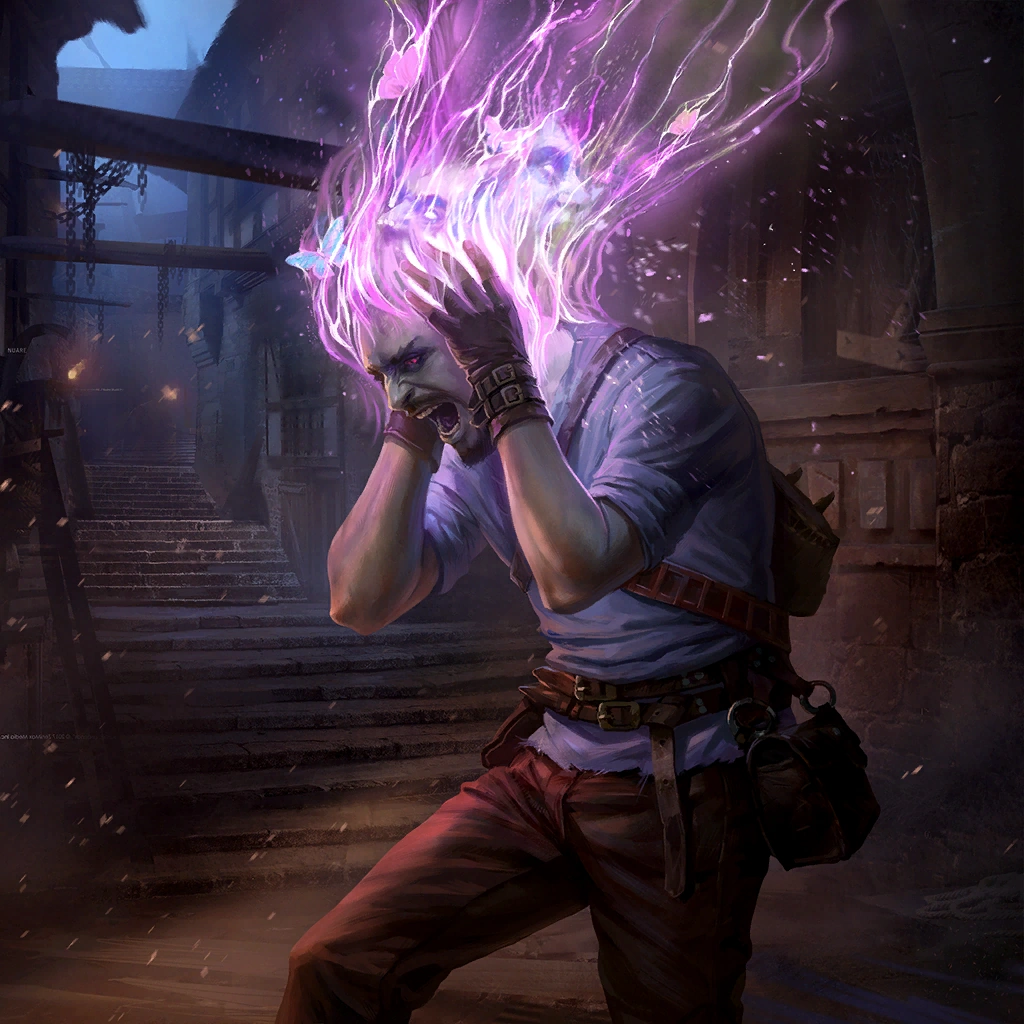
While most view Evokers as channelers of destructive magic, Evokers consider themselves to be masters of arcane energy of all kinds. Scorching flames, bitter frost, crackling lightning, and caustic acid, Evokers can control it all. Powerful Evokers are a terrifying sight to behold on the field of battle, reducing their foes to smoldering heaps with their elemental magicks.
Scholar of Evocation
At 3rd level, you are a dedicated student of Evocation magic. Evocation is now one of your Mastered Schools of magic. If Evocation was already one of your Mastered Schools, you can select another Mastered School of your choice.
You also choose two Evocation spells of 2nd-level or lower from the Wizard spell list to add to your Spellbook
Potent Cantrip
Starting at 3rd level, your deep understanding of Evocation magic increases the potency of even your minor magic. You learn one additional Evocation Cantrip of your choice form the Wizard spell list.
Also, when you cast an Evocation Cantrip that requires a spell attack roll or saving throw you gain the benefits below:
Spell Attack. When an Evocation Cantrip requires you to make a Spell Attack Roll, you add your Intelligence modifier (minimum of +1) to your damage roll against one target.
Saving Throw. When an Evocation Cantrip requires its targets to make a saving throw, creatures take half damage on a successful save, but do not suffer any additional effects, other than damage, imposed by the Cantrip.
Sculpt Spells
Beginning at 6th level, your understanding of Evocation magic allows you to shape your destructive magic to safeguard your allies. Whenever you cast an Evocation spell, you can designate a number of creatures equal to 1 + the level of the spell. These creatures are immune to the effects of your spell and take no damage on the turn that you cast the spell.
However, any effects of the spell that persist after its initial casting affect these designated creatures as normal.
Empowered Evocation
Starting at 10th level, your Evocation spells are especially potent, even compared to those cast by other Wizards. Whenever you cast an Evocation spell of 1st-level or higher that requires a spell attack roll or a saving throw, the spell gains the corresponding benefits from your Potent Cantrip feature.
Master of Evocation
At 14th level, you can channel your life force into your magic to increase its power in times of need. When you cast an Evocation spell of 5th-level or lower, you can choose for it to deal its maximum possible damage, in place of rolling.
You can use this feature once between each long rest with no adverse effects for yourself. However, each additional time you use this feature before you finish a long rest you instantly take 2d12 necrotic damage per level of the spell you cast.
This damage ignores resistance and immunity to necrotic damage, and the damage cannot be lessened in any way.
Illusionist
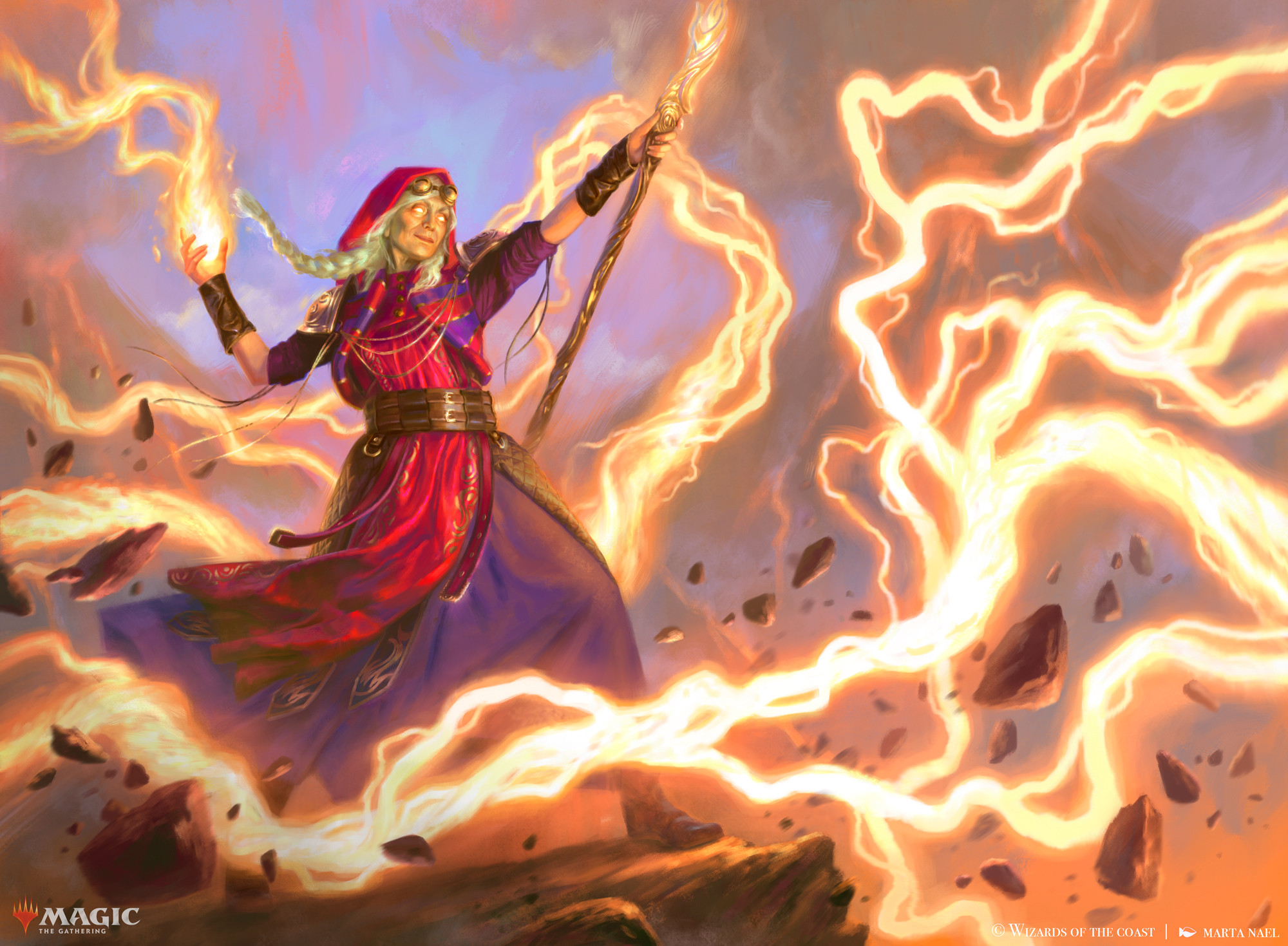
You focus your studies on magic that dazzles the senses, befuddles the mind, and tricks even the wisest folk. Your magic is subtle, but the illusions crafted by your keen mind make the impossible seem real. Some illusionists—including many gnome wizards—are benign tricksters who use their spells to entertain. Others are more sinister masters of deception, using their illusions to frighten and fool others for their personal gain.
Scholar of Illusion
At 3rd level, you are a dedicated student of Illusion magic. Illusion is now one of your Mastered Schools of magic. If Illusion was already one of your Mastered Schools, you can select another Mastered School of your choice.
You also choose two Illusion spells of 2nd-level or lower from the Wizard spell list to add to your Spellbook.
Improved Minor Illusion
When you choose this school at 3rd level, you learn the minor illusion cantrip. If you already know this cantrip, you learn a different wizard cantrip of your choice. The cantrip doesn't count against your number of cantrips known.
When you cast minor illusion, you can create both a sound and an image with a single casting of the spell
Malleable Illusions
Starting at 6th level, when you cast an illusion spell that has a duration of 1 minute or longer, you can use your action to change the nature of that illusion (using the spell's normal parameters for the illusion), provided that you can see the illusion.
Illusory Self
Beginning at 10th level, you can create an illusory duplicate of yourself as an instant, almost instinctual reaction to danger. When a creature makes an attack roll against you, you can use your reaction to interpose the illusory duplicate between the attacker and yourself. The attack automatically misses you, then the illusion dissipates.
Once you use this feature, you can't use it again until you finish a short or long rest.
Illusory Reality
By 14th level, you have learned the secret of weaving shadow magic into your illusions to give them a semireality. When you cast an illusion spell of 1st level or higher, you can choose one inanimate, nonmagical object that is part of the illusion and make that object real. You can do this on your turn as a bonus action while the spell is ongoing. The object remains real for 1 minute. For example, you can create an illusion of a bridge over a chasm and then make it real long enough for your allies to cross.
The object can't deal damage or otherwise directly harm anyone.


Necromancer
The School of Necromancy explores the cosmic forces of life, death, and undeath. As you focus your studies in this tradition, you learn to manipulate the energy that animates all living things. As you progress, you learn to sap the life force from a creature as your magic destroys its body, transforming that vital energy into magical power you can manipulate.
Most people see necromancers as menacing, or even villainous, due to the close association with death. Not all necromancers are evil, but the forces they manipulate are considered taboo by many societies.
Scholar of Necromancy
At 3rd level, you are a dedicated student of Necromancy magic. Necromancy is now one of your Mastered Schools of magic. If Necromancy was already one of your Mastered Schools, you can select another Mastered School of your choice.
You also choose two Necromancy spells of 2nd-level or lower from the Wizard spell list to add to your Spellbook.
False Healing
When you choose this school at 3rd level, you gain the ability to harvest life energy from those that die around you. When a creature within 60 feet of you that you can see dies, you can expend a spell slot to gain Temporary Hit Points. You gain 1d8 hit points per level of the spell slot expended plus your Intelligence modifier.
If the creature dies due to a spell of 1st level or higher you cast that deals necrotic damage, you gain 2d8 temporary hit points per level of the spell plus your Intelligence modifier instead.
You don't gain this benefit for constructs or undead.
Bone Hulk
At 6th level, you add the animate dead spell to your spellbook if it is not there already. When you cast animate dead, you can target one additional corpse or pile of bones, creating another zombie or skeleton, as appropriate.
You can spend 1 hour casting a dark ritual that warps two undead creatures under your control into an amalgamated heap of flesh and bone called a Bone Hulk, that resembles another medium or smaller creature that you are familiar with. You may create a Bone Hulk mimicking any creature of a Challenge Rating equal to or less than 1/3rd of your Wizard level (rounded up). The Bone Hulk retains the highest mental attributes of its component creatures, but adopts the stat block of the chosen creature without the Spellcasting feature.
When you create a Bone Hulk, you may include an extra undead creature to increase the size category of the creature you can have the Bone Hulk mimic by one.
The Bone Hulk is under your control for 24 hours after its creation, after which it collapses into a pile of bone and flesh. To maintain control of the Bone Hulk for another 24 hours, you must cast this spell on the Bone Hulk again before the current 24-hour period ends. If you attempt to sculpt a second Bone Hulk, the first one collapses into a pile of bone and flesh.
Mold the Bones
Beginning at 10th level, your mastery over carved flesh is unrivaled. As a part of the ritual casting, you may shift the form of your current Bone Hulk to adapt to your current situation. Spending one hour, and sacrificing at least one raised undead for components, you may alter your Bone Hulk. It may only benefit from one of the following features at any time:
Siege. You increase your Bone Hulk by 1 size category, and it gains the Siege Attacker feature.
Flight. Your Bone Hulk gains a flight speed equal to its current movement speed, provided it is Large or smaller.
Arcane Thrall. Upon completing the ritual casting you can expend 4 levels worth of spells and transfer them into your Bone Hulk. These spells must be those that you have currently prepared.
When the Bone Hulk casts these spells, they use your spell save DC, spell attack bonus, and spellcasting ability modifier, but otherwise acts as if your Bone Hulk cast it. Once a spell is expended it cannot be restored unless this feature is used again.
The Endless Horde. If slain, your Bone Hulk's form disintegrates into its component undead. Select a number of Zombies or Skeletons equaling up to its current CR. They are raised from the body and remain under your control for 1 minute before crumbling to dust.
Grave Titan. Your Bone Hulk gains resistance to all non-magical Bludgeoning, Slashing and Piercing damage.
Inured to Undeath
At 14th level your mastery over death is so great you are nigh-immune to its grasp.
- You no longer need to breathe or require food, water, or sleep to sustain your body.
- You have resistance to necrotic damage and your hit point maximum cannot be reduced.
- You are immune to the negative effects of the Mortally Wounded condition.


Transmuter
Transmutation is the magic of understanding, deconstructing, and reconstructing matter. However, it is not an all-powerful magic; it is impossible to create something out of nothing. As a Transmuter, you know that if you wish to obtain something, something of equal value must be sacrificed in exchange.
Scholar of Transmutation
At 3rd level, you are a student of Transmutation magic. Transmutation is one of your Mastered Schools of magic. If Transmutation was already one of your Mastered Schools, you can select another Mastered School of your choice.
You can also choose two Transmutation spells of 2nd-level or lower from the Wizard spell list to add to your Spellbook.
Equivalent Exchange
When you choose this school at 3rd level, you can use your knowledge of Transmutation magic to alter the physical properties of objects. As an action, you can touch a non-magical object (or part of an object) and expend a spell slot to transform its Material or Shape as detailed below:
Material. You change an object made of iron, steel, stone (not gems), or wood to another material from this same list.
Shape. You alter the shape of the object to suit your needs. You cannot add or destroy material as part of this action. The new shape of the object is crude unless you are proficient in the artisan's tools corresponding to its material makeup.
Size. The level of the spell slot you expend determines the size of the object you can change. You can alter an object that fits in a cube with sides of 1-foot per level of the spell slot.
For example, by expending a 3rd-level spell slot you can alter any object (or part of an object) that fits inside of a 3-foot cube.
Concentration. You must concentrate on this change as if concentrating on a spell or the object instantly reverts to its previous form. After 1 minute of concentration any changes to the object become permanent.
Transmute Self
Starting at 6th level, your deep understanding of Transmutation magic allows you to make dramatic alterations to your physical form. During a long rest, you can choose one 1st-level Transmutation spell in your Spellbook that targets a creature, and perform a 1-hour ritual to make its benefits permanent for you. If it normally requires concentration, it does not when cast in this way.
The effects of this spell last until you perform this ritual on yourself again during a subsequent long rest.
Empowered Transmutation
Beginning at 10th level, you add polymorph to your Spellbook. You always have it prepared, but it does not count against your prepared spells. If you already have polymorph in your Spellbook, you add one Transmutation spell of your choice to your Spellbook instead.
Also, when you cast polymorph on yourself, its casting time becomes a bonus action. While transformed you retain your personality, Intelligence, Wisdom, and Charisma scores.
Finally, when you use your Transmute Self feature, you can now select 2nd-level Transmutation spells in your Spellbook.
Master of Transmutation
At 14th level, you learned the secrets necessary to create a Philosopher's Stone, a Tiny alchemical object capable of wondrous feats of Transmutation. During each long rest, you can spend 1 hour performing a ritual to create one Philosopher's Stone. This ritual renders any previous Philosopher's Stones inert.
When you cast a Wizard spell, you can expend the Stone to cast that spell at 5th-level, without expending a spell slot.
Alternatively, you can use your action to cast one of the spells below at 5th-level, expending the Philosopher's Stone in place of a spell slot and any material components. When you cast a spell in this way it counts as a Wizard spell for you:
| awaken | lesser restoration |
| contagion | mass cure wounds |
| creation | raise dead |