

Firebrand
Inquisitor
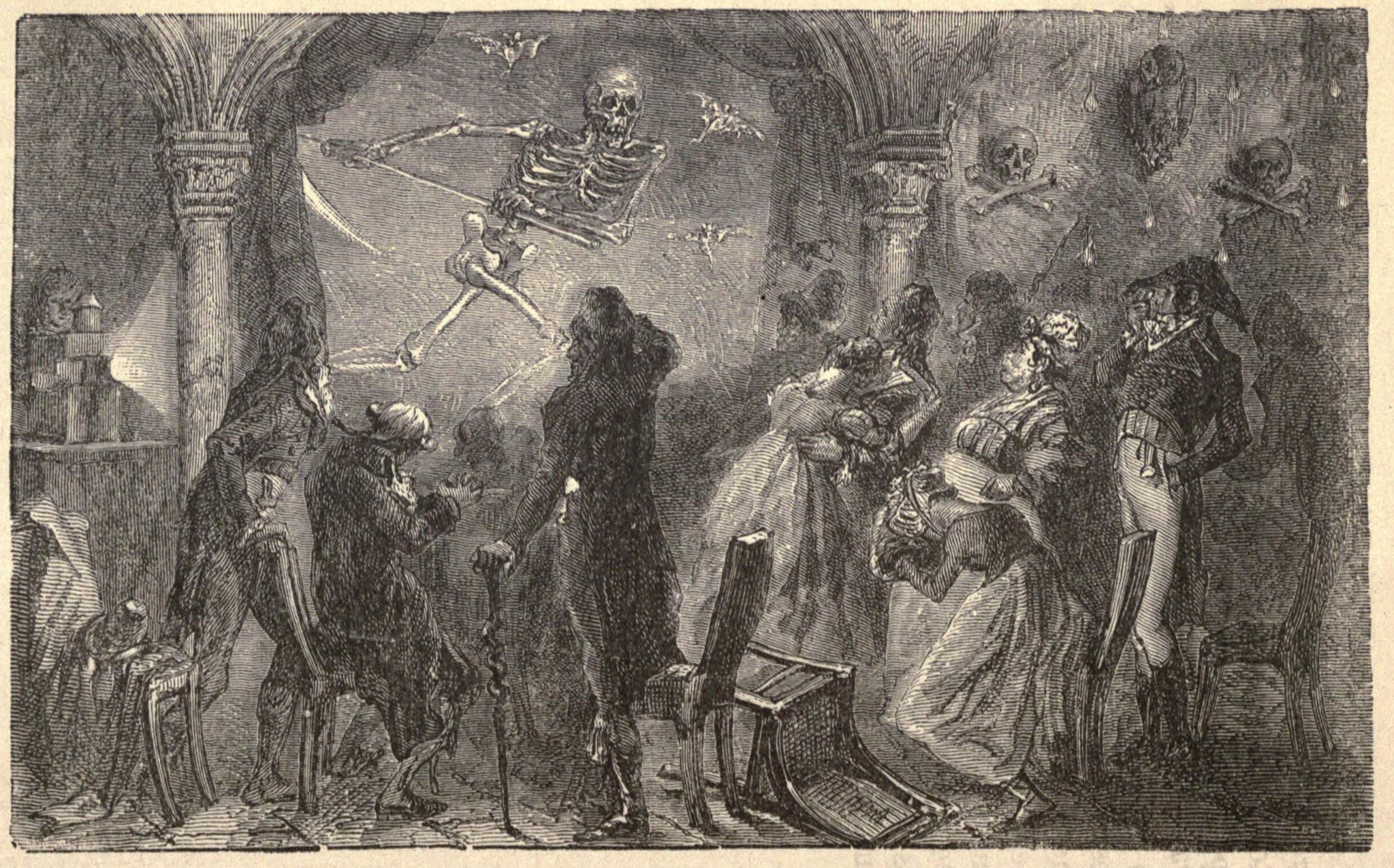
In an Age of Reason, many have dismissed as superstition tales of witchcraft and sorcery. Inquisitors hold no such misgivings. While some see them as archaic fanatics, the Inquisitor’s faith protects them from magic that would take others by surprise. They relentlessly seek out heresies against their faith, whether religious or ideological, and with a sharp word of anathema can drive out those who would curse them or their allies.
Inquisitor Gambits
| Gambit Level | Vocational Gambits | Resolve Cost |
|---|---|---|
| 1st | detect evil and good, detect magic, protection from evil and good | - |
| 2nd | detect thoughts, silence, zone of truth | 3 |
| 3rd | counterspell, dispel magic, magic circle | 5 |
| 4rd | absolution*, anathematize*, forced repentance* | 7 |
| 5th | dispel evil and good, hallow, holy weapon | 9 |
Fervent Devotion
At 1st level, your intense religious devotion grants you divine favor. You may equip a holy symbol without taking a wargear slot. Additionally, you learn one spell from the paladin spell list. This spell becomes a gambit for you. The gambit you choose must be of a level that you can cast, as shown on the Firebrand table. The chosen gambit counts as a firebrand gambit for you.
You learn one additional spell from the paladin spell list at 6th level and again at 10th level and 15th level. These spells all count as firebrand gambits for you.
Adversus Haereses
Starting at 2nd level, your denunciation of heretics disrupts their infernal magic. As a bonus action, you can target a creature within 30 feet that can see or hear you. he target must succeed on a Wisdom saving throw against your Gambit casting DC or have disadvantage on attack rolls against creatures other than you until the end of its next turn. Additionally, the creature loses concentration on any gambits or spells until the start of your next turn.
Auto-da-fé
At 6th level, your acWhen a creature you can see targets you with an attack, gambit, or spell, you can use your reaction to expend a gambit slot and admonish them. The creature must succeed on a Wisdom saving throw against your Gambit casting DC or take radiant damage equal to 2d8 plus your Charisma modifier, and have disadvantage on their next attack or ability check. On a successful save, they take half damage and no further effect.
Malleus Maleficarum
At 10th level, you can swiftly put an end to heretical practice. When a creature you can see within 60 feet casts a spell, you can spend 3 resolve points as a reaction and either attack with a ranged weapon, or move up to your speed to the target and attack with a melee weapon. If the attack is successful, the spell immediately fails and the spell slot is lost. In addition, the creature must make a Constitution saving throw against your gambit save DC. On failure, they become stunned for 1 minute or until they succeed on the saving throw.
Ad Abolendam
At 15th level, your denunciations stop even the most powerful heresies. As an action, you can cast antimagic field as a firebrand gambit. You can use this feature once before completing a long rest.


Gambits
Absolution
4th-level abjuration (ritual)
- Casting Time: 1 action
- Range: Touch
- Components: V, S, M (vial of holy water)
- Duration: instantaenous
You purge impure thoughts from the target’s mind and fill him with exultant relief at the forgiveness of his sins.
Absolution ends all charm or compulsion effects affecting the target. If the target was forced to perform any actions contrary to their alignment, monk vows, paladin oath, or similar code of conduct by that charm or compulsion effect, that action doesn’t cause them to lose access to class abilities, including divine spellcasting. If they violated orders from a commanding officer and the caster speaks or writes on the target’s behalf, the commanding officer makes a Wisdom saving throw against the caster’s firebrand gambit DC; on failure, the target suffers no serious consequences for the violation of orders.
Anathematize
4th-level enchantment
- Casting Time: 1 action
- Range: 30 feet
- Components: V
- Duration: Concentration, up to 1 minute
You rebuke one creature you can see within range, filling it with despair. The target must succeed on an Wisdom saving throw or suffer disadvantage on attack rolls and ability checks, and it can’t cast gambits or spells. At the end of each of its turns, the target can make another Wisdom saving throw. On a success, the spell ends on the target.
Forced Repentance
4th-level enchantment
- Casting Time: 1 action
- Range: 30 feet
- Components: V, S
- Duration: 1 round/caster level
You force a creature to momentarily reflect on its past actions and be overcome by grief and conscience. The creature is forced to make a Wisdom saving throw. On failure, the target immediately drops prone and begins to loudly confess all of its sins and transgressions to the caster for the duration of the gambit. The gambit immediately ends if you move out of line of sight or if the target is attacked.


Monk
Occult
There have always been those who study the supernatural, compile books of ‘spells’, and try to use these powers to shape the material world. In some places they are called druids, warlocks, or witches. In others, they are seen as ‘students of supernatural philosophy’. Many countries suppress these studies, but none have been able to eradicate them entirely. Despite the opposition of religious authorities and enlightened skeptics, many forces have sought out such individuals to provide support for specialist units.
Way of the Occult Spellcasting
| Monk Level | Cantrips Known | 1st | 2nd | 3rd | 4th |
|---|---|---|---|---|---|
| 3rd | 2 | 2 | — | — | — |
| 4th | 2 | 3 | — | — | — |
| 5th | 2 | 3 | — | — | — |
| 6th | 2 | 3 | — | — | — |
| 7th | 2 | 4 | 2 | — | — |
| 8th | 2 | 4 | 2 | — | — |
| 9th | 2 | 4 | 2 | — | — |
| 10th | 3 | 4 | 3 | — | — |
| 11th | 3 | 4 | 3 | — | — |
| 12th | 3 | 4 | 3 | — | — |
| 13th | 3 | 4 | 3 | 2 | — |
| 14th | 3 | 4 | 3 | 2 | — |
| 15th | 3 | 4 | 3 | 2 | — |
| 16th | 3 | 4 | 3 | 3 | — |
| 17th | 3 | 4 | 3 | 3 | — |
| 18th | 3 | 4 | 3 | 3 | — |
| 19th | 3 | 4 | 3 | 3 | 1 |
| 20th | 3 | 4 | 3 | 3 | 1 |
Spellcasting
When you reach 3rd level, you augment your martial arts and focus with the ability to cast spells.
Cantrips
You learn two cantrips of your choice from the wizard spell list. You learn an additional wizard cantrip of your choice at 10th level.
Spell Slots
The Way of the Occult Spellcasting table shows how many spell slots you have to cast your wizard spells of 1st level and higher. To cast one of these spells, you must expend a slot of the spell's level or higher. You regain all expended spell slots when you finish a long rest.
For example, if you know the 1st-level spell Hex and have a 1st-level and a 2nd-level spell slot available, you can cast Hex using either slot.
Spells Known of 1st Level and Higher
You know three 1st-level wizard spells of your choice, two of which you must choose from the conjuration and evocation spells on the wizard spell list.
The Spells Known column of the Way of the Occult Spellcasting table shows when you learn more wizard spells of 1st level or higher. Each of these spells must be a conjuration or evocation spell of your choice, and must be of a level for which you have spell slots. For instance, when you reach 7th level in this class, you can learn one new spell of 1st or 2nd level.
The spells you learn at 8th, 14th, and 20th level can come from any school of magic.
Whenever you gain a level in this class, you can replace one of the wizard spells you know with another spell of your choice from the wizard spell list. The new spell must be of a level for which you have spell slots, and it must be a conjuration or evocation spell, unless you're replacing the spell you gained at 3rd, 8th, 14th, or 20th level from any school of magic.
Spellcasting Ability
Wisdom is your spellcasting ability for your wizard spells, since your magic draws on your devotion to ancient gods and entrusted traditions. You use your Wisdom whenever a wizard spell refers to your spellcasting ability. In addition, you use your Wisdom modifier when setting the saving throw DC for a wizard spell you cast and when making an attack roll with one.
Spell save DC = 8 + your proficiency bonus + your Wisdom modifier
Spell attack modifier = your proficiency bonus + your Wisdom modifier
Spellcasting Focus
You can use an arcane focus or divine focus as a spellcasting focus for your wizard spells.
Monk Resource: Focus
This source refers to D&D 5e (2014)'s Monk ability resource as Focus rather than Ki, to remove the distinctly East Asian styling. Mechanically, focus functions identically to ki.


Bonus Proficiencies
Occult practitioners have learned to provide their skill to those around them, and to hide those skills when necessary. When you choose this way at 3rd level, you gain proficiency in either Deception, Medicine, or Stealth, and proficiency with either the healer's kit, the herbalist's kit, or the poisoner's kit.
Hex Strike
At 3rd level, you draw from primal magic when attacking foes. Choose one damage type from the following: Poison, Psychic, or Necrotic. Once per turn, you can deal an additional 1d4 damage of that type when you hit with an unarmed strike or monk weapon. This damage increases to 1d6 at 6th level, 1d8 at 11th level, and 1d10 at 17th level.
Boon or Bane
By 6th level, you have learned to master ancient craft that can bless or curse. As a bonus action, you can expend 2 focus points to curse a creature you can see within 30 feet. The target must succeed on a Wisdom saving throw or suffer one of the following effects (your choice):
- Enfeebled. The creature's movement speed is reduced by 10 feet until the end of your next turn.
- Vulnerable. The creature has disadvantage on its next saving throw against a spell you cast.
- Unnerved. The creature has disadvantage on attack rolls against you until the end of your next turn.
Alternatively, you can expend 2 focus points to grant a creature a boon. The target gains one of the following effects (your choice):
- Innervate. The creature's movement speed is increased by 10 feet until the end of your next turn.
- Sheltered. The creature has advantage on its next saving throw against a harmful gambit, spell, or effect.
- Invigorated. The creature has advantage on its next attack roll.
Potent Hexes
At 11th level, your command over hexes deepens. You can now choose two damage types for your Hex Strike feature, and you can deal both damage types when you use it.
Master of the Craft
By 17th level, you've become a true master of the ancient art. When you use your Boon or Bane feature, you can choose two effects instead of one.
Additionally, you learn one 5th level conjuration or evocation spell from the wizard spell list. You can cast this spell once before completing a long rest.
Scholar

Supernatural Investigator
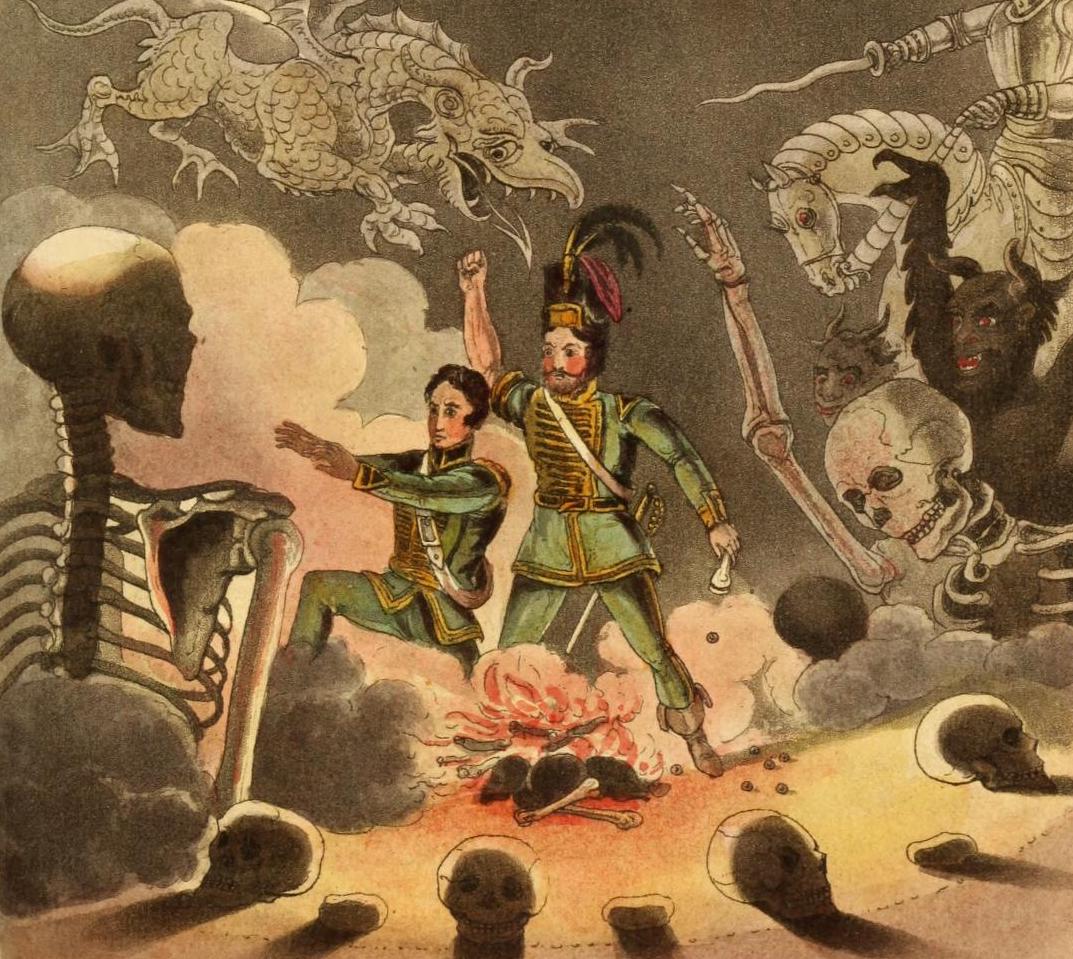
Every country has its experts when it comes to investigating the supernatural, though they come from all different walks of life. The most famous are the agents of the Vatican, who often operate with units from Catholic countries, but there are others. These vary from lone vampire hunters to members of secret societies with a deep knowledge of demon lore. Whatever the case, these Investigators are never officially part of the military structure, and are sometimes viewed with distrust by soldiers, but there is no doubt that their expertise can prove invaluable.
Bonus Proficiencies
When you take this practice at 3rd level, you gain proficiency your choice of one martial melee weapon or martial pistol, and your choice of two from the Arcana, History or Religion skills.
Researcher of the Fantastic
At 3rd level, you gain access to new maneuvers which reflect the progress of your studies into the uncanny. Whenever you learn a new maneuver, you can choose from any of the following as well. The maneuvers are listed in alphabetical order.
Deductive Strike. When you or an ally scores a critical hit against a creature, as a reaction, you can expend a superiority die to encourage a number of allies equal to your Intelligence modifier to continue fighting that creature. For 1 round, the critical hit range for these allies’ attacks is increased by 1. This effect ends immediately after an encouraged ally scores a critical hit against a target.
Repel Curse. When another creature attempts to charm or frighten you or a friendly creature that you can see within 15 feet of you, you can use your reaction and expend a superiority die and roll it to attempt to turn the effect back on that creature. The creature must succeed on a Wisdom saving throw or be be charmed or frightened by you, dependent on the triggering ability, for a number of rounds equal to the die roll or until the creature takes any damage.
Share Insight. When you identify a creature with an Intelligence check, you can share strategies for defeating it with allies in combat. You and any allies within 30 feet gain a bonus equal to your Superiority Die roll to AC, and on attack rolls and saving throws against abilities and features used by creatures of that specific kind (e.g., Mummy Lords, not all Mummies or all undead).
Stake. When you deal damage to a creature with a melee attack, you can expend a superiority die to force the target to make a Strength saving throw. On failure, the creature gains the restrained condition until the start of your next turn.
Timely Advice. When a friendly creatures makes a saving throw against an effect you can see, you can expend a superiority die and add it to the result. You can use this maneuver before or after making the saving throw, but before any effects of the saving throw are determined.
Weak Point Strike. When you hit a creature with a weapon attack, you can expend a superiority die to temporarily daze the creature. Add the number rolled to the damage of the weapon attack and the creature must succeed on a Constitution saving throw or be stunned until the end of its next turn.
Long-Forgotten Lore
At 6th level, your knowledge of arcane lore becomes second nature. The identify spell becomes an innate ability for you. You may cast it as many times as your Intelligence modifier each long rest.
Additionally, the legend lore spell also becomes an innate ability. You may use it once per long rest. The number of times you can use this feature increases by one at 9th, 12th, 15th, and 18th level.
Supernatural Veteran
By 11th level, you've learned the equipment and skills necessary to hunt unnatural creatures. Choose one weapon you are proficient in. Whenever you make an attack with that weapon, you are considered to be under the effects of the bless spell.
Additionally, when you use a maneuver to target a creature with the aberration, celestial, elemental, fey, fiend, monstrosity, or undead type, the creature has disadvantage on saving throws against your Maneuver save.
Bane of the Unnatural
By 17th level, supernatural creatures have become your prey, making it impossible for them to hide from you. You are considered to be constantly under the effect of the true seeing spell to a range of 15 feet.
Additionally, as an action you can call your allies to strike a supernatural opponent. Choose a number of friendly creatures up to your Intelligence modifier within 60 feet who can see or hear you. Until the end of your next turn, each one has advantage on melee and ranged attacks against creatures with the aberration, celestial, elemental, fey, fiend, monstrosity, or undead type. Additionally, they have advantage on saving throws against spells or effects from creatures of those types. Once you use this feature, you cannot use it again until you finish a short or long rest.
The Scholar Class
The Supernatural Investigator is a pursuit for the Scholar class by A.M. Black. A full description is available here.

Discoveries
That's Odd
Prerequisite: Supernatural Investigator
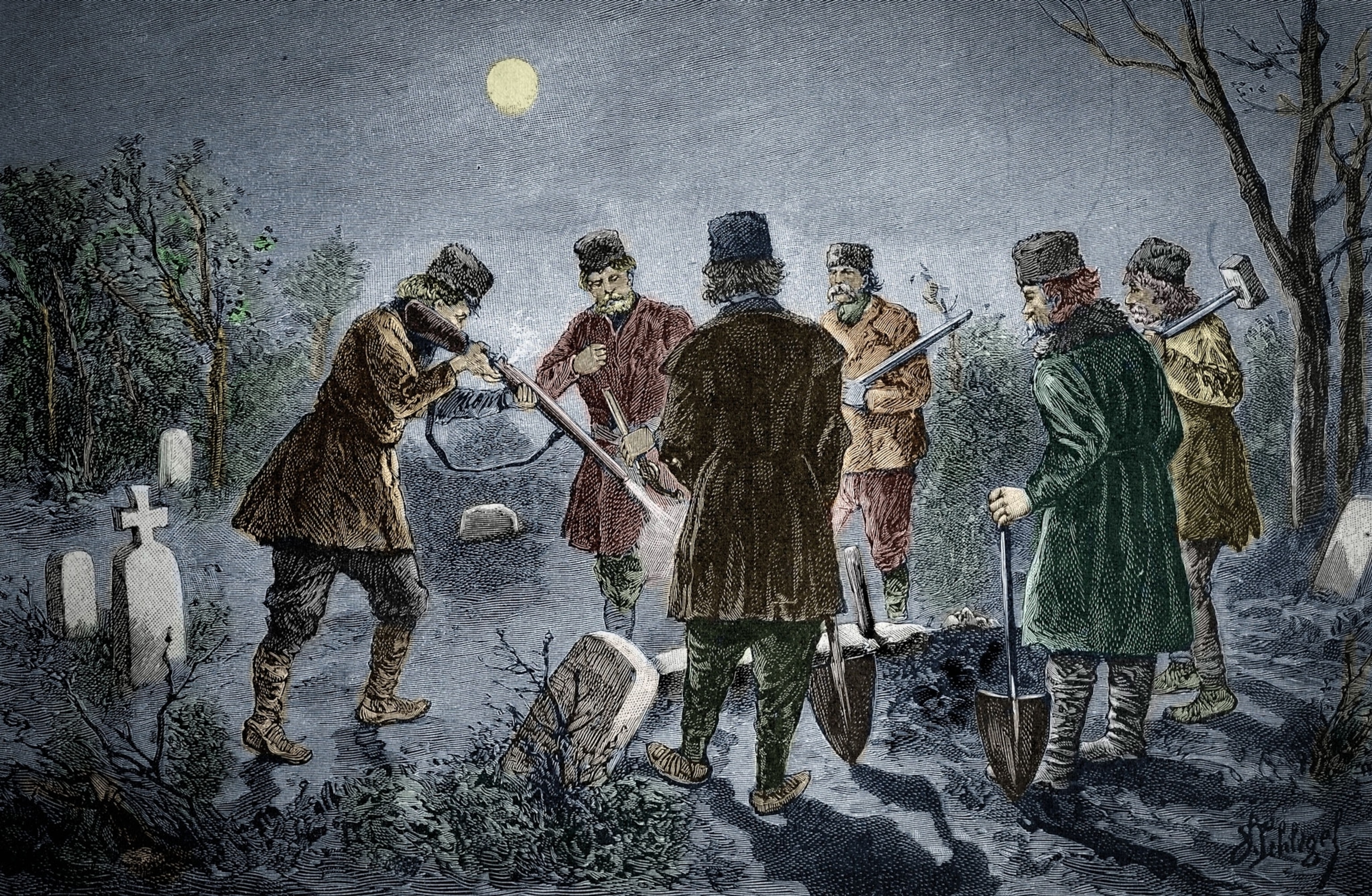
When you enter a new location, such as a room or corridor, you immediately notice one thing out of the ordinary. The GM determines what it is, or whether there's nothing reasonable to pick up, skipping obvious clues that can be easily noticed without a check or specifically looking for them. You learn only that an area or object is suspicious, but not why it's suspicious. For example, if you entered a study with a large bloodstain on the ground, the bloodstain is so obviously suspicious it's evident to you already, so the GM might note that there's something suspicious about the desk drawer instead. You would then need to investigate the drawer further to find out what specifically is out of the ordinary.
Unassailable Memory
Once per day, as long as you are proficient in that skill, you may count any Intelligence-based skill check roll as a 20. You must complete a long rest before using this ability again.
Unerring Eye
Prerequisite: 11th level, Supernatural Investigator Pursuit
You can see the true form of any shapechanger or creature concealed by illusion while the creature is within 30 feet of you and within line of sight.