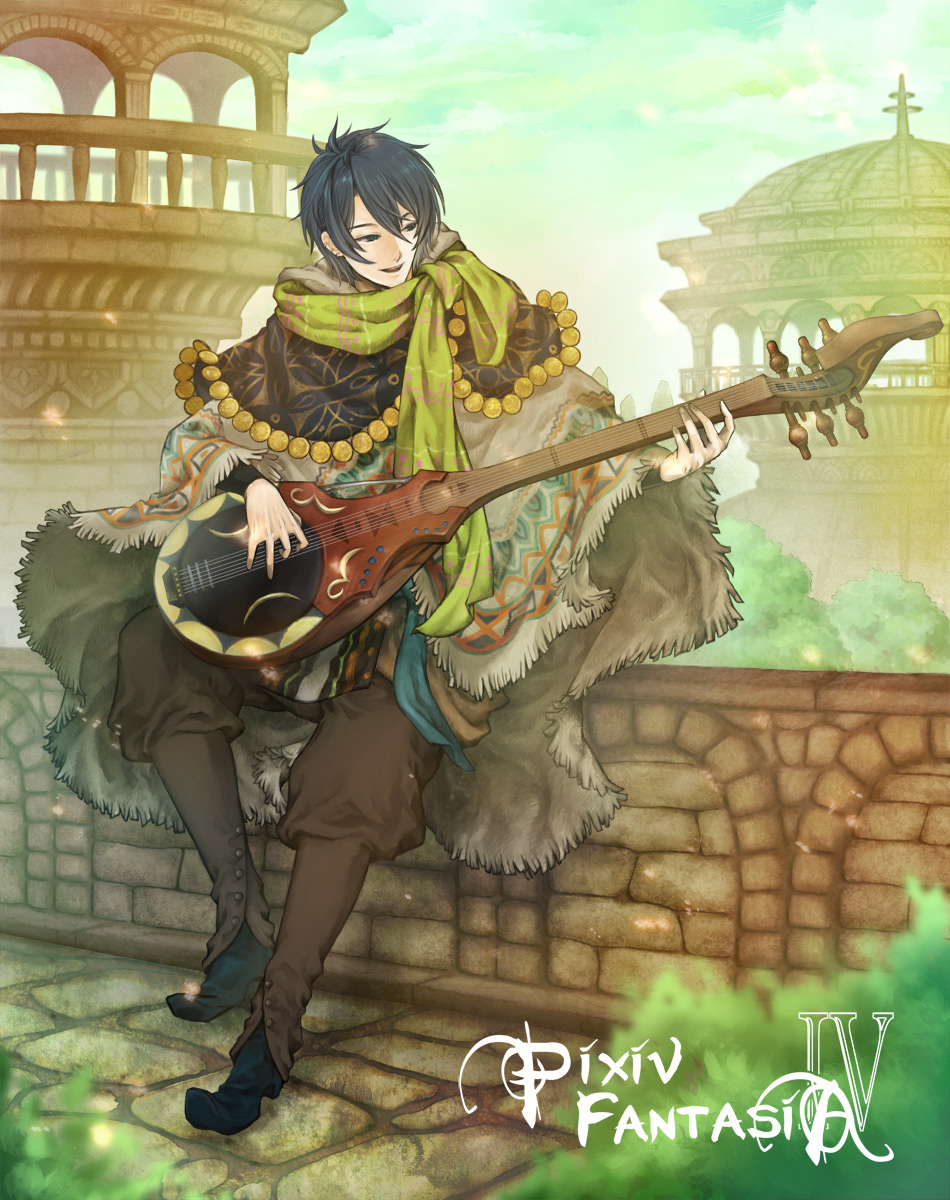
Bard
Invoking magic through music, dance, and verse, Bards are expert at inspiring others, soothing hurts, disheartening foes, and creating illusions. Bards believe the multiverse was spoken into existence and that remnants of its Words of Creation still resound and glimmer on every plane of existence. Bardic magic attempts to harness those words, which transcend any language.
Anything can inspire a new song or tale, so Bards are fascinated by almost everything. They become masters of many things, including performing music, working magic, and making jests.
A Bard's life is spent traveling, gathering lore, telling stories, and living on the gratitude of audiences, much like any other entertainer. But Bards' depth of knowledge and mastery of magic sets them apart.
Art and Magic
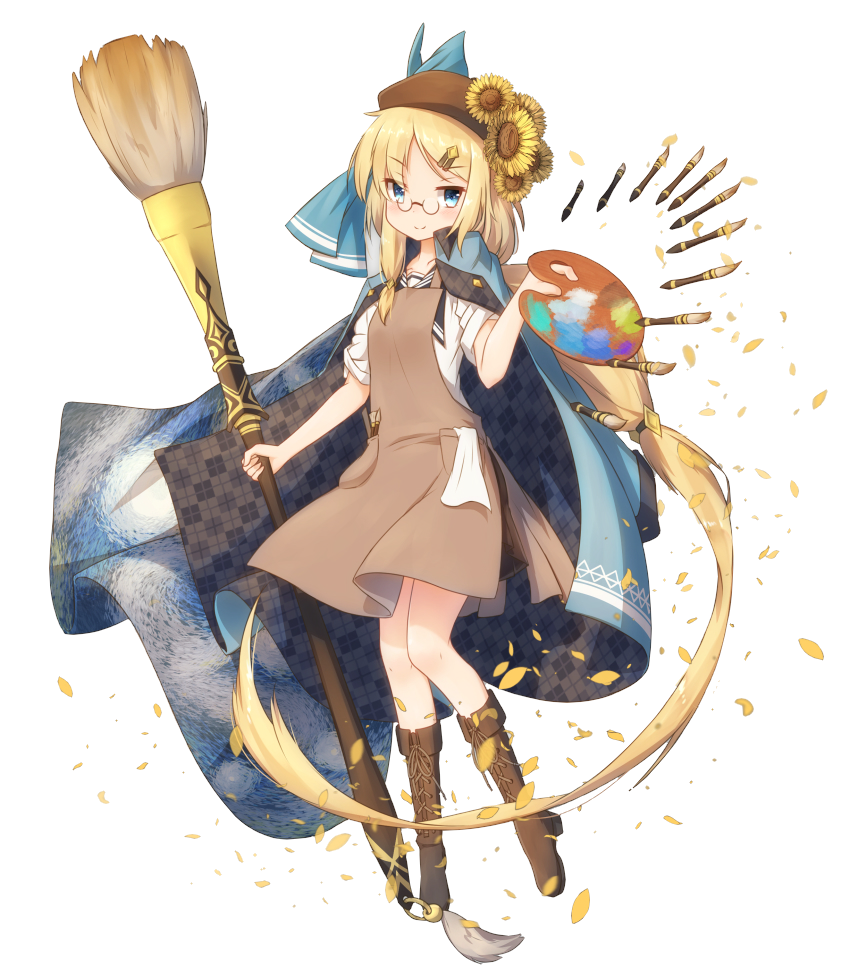
In the worlds of D&D, words and music are not just vibrations of air, but vocalizations with power all their own. The bard is a master of song, speech, and the magic they contain. Not all bards use music and song however; some use fluid brushstrokes to paint their magic into reality, while others might invoke words of power with sculptures of clay they have made inscribed with symbols of power.
While some Bards say that the multiverse was spoken into existence, that the words of the gods gave it shape, and that echoes of these primordial Words of Creation still resound throughout the cosmos, others might describe the process as the gods creating a beautiful mural together, or perhaps shaping the races from clay from the very earth itself. The arts of bards is an attempt to snatch and harness the creative flame left to the mortal races by the gods, subtly woven into their spells and powers.
The greatest strength of bards is their sheer versatility. Many bards prefer to stick to the sidelines in combat, using their magic to inspire their allies and hinder their foes from a distance. But bards are capable of defending themselves in melee if necessary, using their magic to bolster their swords and armor. Their spells lean toward charms and illusions rather than blatantly destructive spells. They have a wide-ranging knowledge of many subjects and a natural aptitude that lets them do almost anything well. Bards become masters of the talents they set their minds to perfecting, from musical performance to esoteric knowledge.
Learning From Experience
True bards are not common in the world. Not every minstrel singing in a tavern or jester cavorting in a royal court is a bard. Discovering the magic hidden in art requires hard study and some measure of natural talent that most troubadours and jongleurs lack. It can be hard to spot the difference between these performers and true bards, though. A bard's life is spent wandering across the land gathering lore, telling stories, and living on the gratitude of audiences, much like any other entertainer. But a depth of knowledge, a level of musical skill, and a touch of magic set bards apart from their fellows.
Only rarely do bards settle in one place for long, and their natural desire to travel—to find new tales to tell, new skills to learn, and new discoveries beyond the horizon—makes an adventuring career a natural calling. Every adventure is an opportunity to learn, practice a variety of skills, enter long-forgotten tombs, discover lost works of magic, decipher old tomes, travel to strange places, or encounter exotic creatures. Bards love to accompany heroes to witness their deeds firsthand. A bard who can tell an awe-inspiring story from personal experience earns renown among other bards. Indeed, after telling so many stories about heroes accomplishing mighty deeds, many bards take these themes to heart and assume heroic roles themselves.
Joy of the Arts
Bards bring levity during grave times; they impart wisdom to offset ignorance; and they make the ridiculous seem sublime. Bards are preservers of ancient history, their songs and tales perpetuating the memory of great events down through time—knowledge so important that it is memorized and passed along as oral history or other unyielding artistic works, to survive even when no written record remains.
It is also the bard's role to chronicle smaller and more contemporary events—the stories of today's heroes, including their feats of valor as well as their less than impressive failures.
Of course, the world has many people who can carry a tune or tell a good story, and there's much more to any adventuring bard than a glib tongue and artistic talent. Yet what truly sets bards apart from others—and from one another—are the style and substance of their arts.
“Music is the fruit of the divine tree that vibrates with the Words of Creation. But the question I ask you is, can a bard go to the root of this tree? Can one tap into the source of that power? Ah, then what manner of music they would bring to this world!” — Fletcher Danairia, master bard
Defining Work
Every successful bard is renowned for at least one piece of art, typically a song or a painting that is popular with everyone who experiences it. These works are spoken about for years by those who witness them, and some spectators have had their lives forever changed because of the experience.
If your character is just starting out, your ultimate defining work is likely in the future. But in order to make any sort of living at your profession, chances are you already have a piece or two in your repertoire that have proven to be audience pleasers.
| d6 | Defining Work |
|---|---|
| 1 | "The Three Flambinis," a poem depicting the tale of a romantic tragedy |
| 2 | "Waltz of the Myconids," an upbeat tune that children in particular enjoy |
| 3 | "Asmodeus's Golden Arse," an abstract painting you claim was inspired by your personal visit to Avernus |
| 4 | "The Pirates of Luskan," your firsthand account of being kidnapped by sea reavers as a child |
| 5 | "A Hoop, Two Pigeons, and a Hell Hound," a subtle parody of an incompetent noble |
| 6 | "A Fool in the Abyss," a comedic poem about a jester's travels among demons |
Artistic Tool
In a bard's quest for the ultimate performance and the highest acclaim, one's tool is at least as important as one's ability. The tool's quality of manufacture is a critical factor, of course; the best ones make the best art, and some bards are continually on the lookout for an improvement. Perhaps just as important, though, is the tool's own entertainment value; those that are bizarrely constructed or made of exotic materials are likely to leave a lasting impression on an audience.
| d6 | Tool |
|---|---|
| 1 | A masterfully crafted halfling fiddle |
| 2 | A set of paints made from the finest pigments and a brush made of manticore hair |
| 3 | A lute said to belong to a famous bard from the past |
| 4 | An orcish drum |
| 5 | A fine set of calligrapher's supplies said to have been used to write the oldest elven laws |
| 6 | A tinker's harp of gnomish design |
Embarrassment
Almost every bard has suffered at least one bad experience in front of an audience, and chances are you're no exception. No one becomes famous right away, after all; perhaps you had a few small difficulties early in your career, or maybe it took you a while to restore your reputation after one agonizing night when the fates conspired to bring about your theatrical ruin.
The ways that a performance can go wrong are as varied as the fish in the sea. No matter what sort of disaster might occur, however, a bard has the courage and the confidence to rebound from it—either pressing on with the show (if possible) or promising to come back tomorrow with a new performance that's guaranteed to please.
| d6 | Embarrassment |
|---|---|
| 1 | The time when your comedic song, "Big Tom's Hijinks"—which, by the way, you thought was brilliant—did not go over well with Big Tom |
| 2 | You once wrote a satire about a powerful noble that accidentally led to that noble being usurped. |
| 3 | A painting depicting a powerful religious figure consorting with devils that lead to you being branded a heretic. |
| 4 | The first and last public performance of "Mirt, Man about Town" |
| 5 | The time on stage when your wig caught fire and you threw it down—which set fire to the stage |
| 6 | When your opening song was your enthusiastic but universally hated rendition of "Song of the Froghemoth" |
A Bard's Muse
Naturally, every bard has a repertoire of songs or stories. Some bards are generalists who can draw from a wide range of topics for each work of art, and who take pride in their versatility. Others adopt a more personal approach to their art, driven by their attachment to a muse—a particular concept that inspires much of what those bards create for their audience.
A bard who follows a muse generally does so to gain a deeper understanding of what that muse represents and how to best convey that understanding to others through their art.
If your bard character has a muse, it could be one of the three described here, or one of your own devising.
Nature. You feel a kinship with the natural world, and its beauty and mystery inspire you. For you, a tree is deeply symbolic, its roots delving into the dark unknown to draw forth the power of the earth, while its branches reach toward the sun to nourish their flowers and fruit. Nature is the ancient witness who has seen every kingdom rise and fall, even those whose names have been forgotten and wait to be rediscovered. The gods of nature share their secrets with druids and sages, opening their hearts and minds to new ways of seeing, and as with those individuals, you find that your creativity blossoms while you wander in an open field of waving grass or walk in silent reverence through a grove of ancient oaks.
Love. You are on a quest to identify the essence of true love. Though you do not disdain the superficial love of flesh and form, the deeper form of love that can inspire thousands or bring joy to one's every moment is what you are interested in. Love of this sort takes on many forms, and you can see its presence everywhere—from the sparkling of a beautiful gem to the song of a simple fisher thanking the sea for its bounty. You are on the trail of love, that most precious and mysterious of emotions, and your search fills your stories and your art with vitality and passion.
Conflict. Drama embodies conflict, and the best stories have conflict as a key element. From the morning-after tale of a tavern brawl to the saga of an epic battle, from a lover's spat to a rift between powerful dynasties, conflict is what inspires tale-tellers like you to create your best work. Conflict can bring out the best in some people, causing their heroic nature to shine forth and transform the world, but it can cause others to gravitate toward darkness and fall under the sway of evil. You strive to experience or witness all forms of conflict, great and small, so as to study this eternal aspect of life and immortalize it in your art.
The Revised Bard
| Level | Proficiency Bonus | Features | Cantrips Known | Spells Prepared | 1st | 2nd | 3rd | 4th | 5th | 6th | 7th | 8th | 9th |
|---|---|---|---|---|---|---|---|---|---|---|---|---|---|
| 1st | +2 | Bardic Inspiration (d6), Spellcasting | 2 | 4 | 2 | - | - | - | - | - | - | - | - |
| 2nd | +2 | Expertise | 2 | 5 | 3 | - | - | - | - | - | - | - | - |
| 3rd | +2 | Bard Subclass | 2 | 6 | 4 | 2 | - | - | - | - | - | - | - |
| 4th | +2 | Ability Score Improvement | 2 | 7 | 4 | 3 | - | - | - | - | - | - | - |
| 5th | +3 | Bardic Inspiration (d8), Font of Inspiration | 3 | 8 | 4 | 3 | 2 | - | - | - | - | - | - |
| 6th | +3 | Subclass Feature | 3 | 9 | 4 | 3 | 3 | - | - | - | - | - | - |
| 7th | +3 | Countercharm | 3 | 10 | 4 | 3 | 3 | 1 | - | - | - | - | - |
| 8th | +3 | Ability Score Improvement | 3 | 11 | 4 | 3 | 3 | 2 | - | - | - | - | - |
| 9th | +4 | Expertise | 3 | 12 | 4 | 3 | 3 | 3 | 1 | - | - | - | - |
| 10th | +4 | Bardic Inspiration (d10), Magical Secrets | 4 | 13 | 4 | 3 | 3 | 3 | 2 | - | - | - | - |
| 11th | +4 | - | 4 | 14 | 4 | 3 | 3 | 3 | 2 | 1 | - | - | - |
| 12th | +4 | Ability Score Improvement | 4 | 15 | 4 | 3 | 3 | 3 | 2 | 1 | - | - | - |
| 13th | +5 | - | 4 | 16 | 4 | 3 | 3 | 3 | 2 | 1 | 1 | - | - |
| 14th | +5 | Subclass feature | 4 | 17 | 4 | 3 | 3 | 3 | 2 | 1 | 1 | - | - |
| 15th | +5 | Bardic Inspiration (d12) | 4 | 18 | 4 | 3 | 3 | 3 | 2 | 1 | 1 | 1 | - |
| 16th | +5 | Ability Score Improvement | 4 | 19 | 4 | 3 | 3 | 3 | 2 | 1 | 1 | 1 | - |
| 17th | +6 | - | 4 | 20 | 4 | 3 | 3 | 3 | 2 | 1 | 1 | 1 | 1 |
| 18th | +6 | Superior Inspiration | 4 | 21 | 4 | 3 | 3 | 3 | 3 | 1 | 1 | 1 | 1 |
| 19th | +6 | Epic Boon | 4 | 22 | 4 | 3 | 3 | 3 | 3 | 2 | 1 | 1 | 1 |
| 20th | +6 | Master Performer, Words of Creation | 4 | 22 | 4 | 3 | 3 | 3 | 3 | 2 | 2 | 1 | 1 |
Multiclassing
Ability Score Minimum(s): Charisma 13
When you gain a level in a class other than your first, you gain only some of that class's starting proficiencies.
Armor: light armor
Tools: Choose one Musical Instrument.
Skills: Choose any skill.
Creating a Bard
Bards thrive on stories, whether those stories are true or not. Your character's background and motivations are not as important as the stories that he or she tells about them. Perhaps you had a secure and mundane childhood. There's no good story to be told about that, so you might paint yourself as an orphan raised by a hag in a dismal swamp. Or your childhood might be worthy of a story. Some bards acquire their magical art through extraordinary means, including the inspiration of fey or other supernatural creatures.
Did you serve an apprenticeship, studying under a master, following the more experienced bard until you were ready to strike out on your own? Or did you attend a college where you studied bardic lore and practiced your artistic magic? Perhaps you were a young runaway or orphan, befriended by a wandering bard who became your mentor. Or you might have been a spoiled noble child tutored by a master. Perhaps you stumbled into the clutches of a hag, making a bargain for an artistic gift in addition to your life and freedom, but at what cost?
Quick Build
You can make a bard quickly by following these suggestions. First, Charisma should be your highest ability score, followed by Dexterity. Second, choose the entertainer background. Third, choose the dancing lights and vicious mockery cantrips, along with the following 1st-level spells: charm person, detect magic, healing word, and thunderwave.
Class Features
- Hit dice: 1d8 per Bard level.
- Hit Points at 1st Level: 8 + your Constitution modifier
- Hit Points at Higher Levels: 1d8 (or 5) + your Constitution modifier per bard level after 1st.
Proficiencies
Armor: light armor
Weapons: simple weapons
Tools: Any combination of three from the following list: musical instruments, painter's supplies, calligrapher's supplies.
Saving Throws: Dexterity, Charisma
Skills: Choose any 3.
Equipment
You start with the following equipment, in addition to the equipment granted by your background:
- (a) Leather Armor, 2 Daggers, An instrument of your choice OR painter's supplies OR calligrapher's supplies, an Entertainer's Pack, and 19 GP.
- (b) 90 GP
Bardic Inspiration
Starting at 1st level, you can supernaturally inspire others through words, music, or dance. This inspiration is represented by your Bardic Inspiration die, which is a d6.
Using Bardic Inspiration. As a Bonus Action, you can inspire another creature within 60 feet of yourself who can see or hear you. That creature gains one of your Bardic Inspiration dice. A creature can have only one Bardic Inspiration die at a time.
Once within the next hour when the creature fails a D20 Test, the creature can roll the Bardic Inspiration die and add the number rolled to the d20, potentially turning the failure into a success. A Bardic Inspiration die is expended when it's rolled.
Number of Uses. You can confer a Bardic Inspiration die a number of times equal to your Charisma modifier (minimum of once), and you regain all expended uses when you finish a Long Rest.
At Higher Levels. Your Bardic Inspiration die changes when you reach certain Bard levels, as shown in the Bardic Die column of the Revised Bard Features Table. The die becomes a d8 at level 5, a d10 at level 10, and a d12 at level 15.
Spellcasting
At 1st level, you have learned to cast spells through your bardic arts. See chapter 7 of the 2024 Player's Handbook for the rules on spellcasting. The information below details how you use those rules with Bard spells, which appear on the Bard spell list in the 2024 Player's Handbook.
Cantrips. You know two cantrips of your choice from the Bard spell list. Dancing Lights and Vicious Mockery are recommended.
Whenever you gain a Bard level, you can replace one of your cantrips with another cantrip of your choice from the Bard spell list.
When you reach Bard levels 4 and 10, you learn another cantrip of your choice from the Bard spell list, as shown in the Cantrips column of the Revised Bard Features Table.
Spell Slots. The Revised Bard Features Table shows how many spell slots you have to cast your level 1+ spells. You regain all expended slots when you finish a Long Rest.
Prepared Spells of Level 1+. You prepare the list of level 1+ spells that are available for you to cast with this feature. To start, choose four level 1 spells from the Bard spell list. Charm Person, Color Spray, Dissonant Whispers, and Healing Word are recommended.
The number of spells on your list increases as you gain Bard levels, as shown in the Prepared Spells column of the Revised Bard Features Table. Whenever that number increases, choose additional spells from the Bard spell list until the number of spells on your list matches the number on the table. The chosen spells must be of a level for which you have spell slots. For example, if you're a level 3 Bard, your list of prepared spells can include six spells of levels 1 and 2 in any combination.
If another Bard feature gives you spells that you always have prepared, those spells don't count against the number of spells you can prepare with this feature, but those spells otherwise count as Bard spells for you.
Changing Your Prepared Spells. Whenever you gain a Bard level, you can replace one spell on your list with another Bard spell for which you have spell slots.
Ritual Spells. You can cast any bard spell you know as a ritual if that spell has the ritual tag.
Spellcasting Ability. Charisma is your spellcasting ability for your Bard spells.
Spellcasting Focus. You can use a musical instrument, calligrapher's supplies, or painter's supplies as a spellcasting focus for your bard spells.
Expertise
At 2nd Level, you gain Expertise in two of your skill proficiencies of your choice. Performance and Persuasion are recommended if you have proficiency in them.
At Bard level 9, you gain Expertise in two more of your skill proficiencies of your choice.
When you gain a Level in the Bard Class, you can exchange your Expertise in one skill proficiency with Expertise in another of your skill proficiencies.
Bard Sucblass
At 3rd level, You gain a Bard subclass of your choice. A subclass is a specialization that grants you features at certain Bard levels. For the rest of your career, you gain each of your subclass's features that are of your Bard level or lower.
Ability Score Improvement
When you reach Bard Level 4, and again at Bard Levels 8, 12, and 16, you gain the Ability Score Improvement Feat as well as one other feat of your choice for which you qualify.
Font of Inspiration
Beginning when you reach 5th level, you now regain all your expended uses of Bardic Inspiration when you finish a Short or Long Rest.
In addition, you can expend a spell slot (no action required) to regain one expended use of Bardic Inspiration.
Countercharm
At 7th level, you can use musical notes or words of power to disrupt mind-influencing effects. If you or a creature within 30 feet of you fails a saving throw against an effect that applies the Charmed or Frightened condition, you can take a Reaction to cause the save to be rerolled, and the new roll has Advantage.
Magical Secrets
At 10th level, you've learned secrets from various magical traditions. Whenever you reach a Bard level (including this level) and the Prepared Spells number in the Revised Bard Features Table increases, you can choose any of your new prepared spells from the Bard, Cleric, Druid, and Wizard spell lists, and the chosen spells count as Bard spells for you (see a class's section for its spell list). In addition, whenever you replace a spell prepared for this class, you can replace it with a spell from those lists.
Superior Inspiration
At 18th level, when you roll Initiative, you regain expended uses of Bardic Inspiration until you have two if you have fewer than that.
Epic Boon
At 19th level, you gain an Epic Boon feat or another feat of your choice for which you qualify. Boon of Spell Recall is recommended.
Master Performer
Also at 20th level, you become a master performer. Your Charisma score increases by 4, to a maximum of 26.
Words of Creation
At 20th level, you have mastered two of the Words of Creation: the words of life and death. You therefore always have the Power Word Heal and Power Word Kill spells prepared. When you cast either spell, you can target a second creature with it if that creature is within 10 feet of the first target.
College of Dance
Bards of the College of Dance know that the Words of Creation can't be contained within speech or song; the words are uttered by the movements of celestial bodies and flow through the motions of the smallest creatures. These Bards practice a way of being in harmony with the whirling cosmos that emphasizes agility, speed, and grace.
Dazzling Footwork
At 3rd level, While you aren't wearing armor or wielding a Shield, you gain the following benefits.
Dance Virtuoso. You have Advantage on any Charisma (Performance) check you make that involves you dancing.
Unarmored Defense. Your base Armor Class equals 10 plus your Dexterity and Charisma modifiers.
Agile Strikes. When you expend a use of your Bardic Inspiration as part of an action, a Bonus Action, or a Reaction, you can make one Unarmed Strike as part of that action, Bonus Action, or Reaction.
Bardic Damage. You can use Dexterity instead of Strength for the attack rolls of your Unarmed Strikes. When you deal damage with an Unarmed Strike, you can deal Bludgeoning damage equal a roll of your Bardic Inspiration Die plus your Dexterity Modifier. This roll doesn't expend the die.
Inspiring Movement
At 6th level, when an enemy you can see ends its turn within 5 feet of you, you can take a Reaction and expend one use of your Bardic Inspiration to move up to half your Speed. Then one ally of your choice within 30 feet of you can also move up to half their Speed using their Reaction.
None of this feature's movement provokes Opportunity Attacks.
Tandem Footwork
At 6th level, hen you roll Initiative, you can expend one use of your Bardic Inspiration if you don't have the Incapacitated condition. When you do so, roll your Bardic Inspiration die; you and each ally within 30 feet of you who can see or hear you gains a bonus to Initiative equal to the number rolled.
Leading Evasion
At 14th level, when you are subjected to an effect that allows you to make a Dexterity saving throw to take only half damage, you instead take no damage if you succeed on the saving throw and only half damage if you fail. If any creatures within 5 feet of you are making the same Dexterity saving throw, you can share this benefit with them for that save.
You can't use this feature if you have the Incapacitated condition.

College of Glamour
The College of Glamour traces its origins to the beguiling magic of the Feywild. Bards who study this magic weave threads of beauty and terror into their songs and stories, and the mightiest among them can cloak themselves in otherworldly majesty. Their performances stir up wistful longing for forgotten innocence, evoke unconscious memories of long-held fears, and tug at the emotions of even the most hard-hearted listeners.
Beguiling Magic
At 3rd level, you always have the Charm Person and Mirror Image spells prepared.
In addition, immediately after you cast an Enchantment or Illusion spell using a spell slot, you can cause a creature you can see within 60 feet of yourself to make a Wisdom saving throw against your spell save DC. On a failed save, the target has the Charmed or Frightened condition (your choice) for 1 minute. The target repeats the save at the end of each of its turns, ending the effect on itself on a success.
Once you use this benefit, you can't use it again until you finish a Long Rest. You can also restore your use of it by expending one use of your Bardic Inspiration (no action required).
Mantle of Inspiration
Starting at 3rd level, You can weave fey magic into a song or dance to fill others with vigor. As a Bonus Action, you can expend a use of Bardic Inspiration, rolling a Bardic Inspiration die. When you do so, choose a number of other creatures within 60 feet of yourself, up to a number equal to your Charisma modifier (minimum of one creature). Each of those creatures gains a number of Temporary Hit Points equal to two times the number rolled on the Bardic Inspiration die, and then each can use its Reaction to move up to its Speed without provoking Opportunity Attacks.
Mantle of Majesty
At 6th level, you always have the Command spell prepared.
As a Bonus Action, you cast Command without expending a spell slot, and you take on an unearthly appearance for 1 minute or until your Concentration ends. During this time, you can cast Command as a Bonus Action without expending a spell slot.
Any creature Charmed by you automatically fails its saving throw against the Command you cast with this feature.
Once you use this feature, you can't use it again until you finish a Long Rest. You can also restore your use of it by expending a level 3+ spell slot (no action required).
Unbreakable Majesty
At 14th level, as a Bonus Action, you can assume a magically majestic presence for 1 minute or until you have the Incapacitated condition. For the duration, whenever any creature hits you with an attack roll for the first time on a turn, the attacker must succeed on a Charisma saving throw against your spell save DC, or the attack misses instead, as the creature recoils from your majesty.
Once you assume this majestic presence, you can't do so again until you finish a Short or Long Rest.

College of Lore
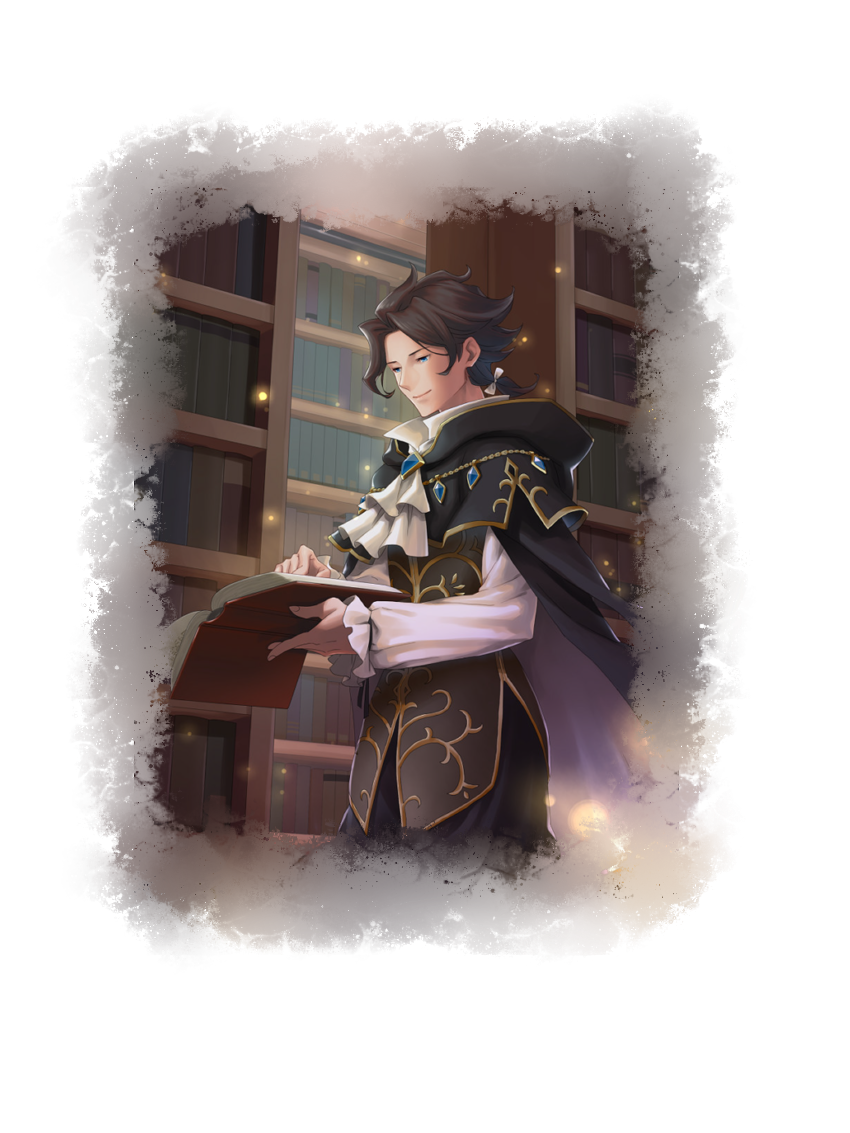
Bards of the College of Lore collect spells and secrets from diverse sources, such as scholarly tomes, mystical rites, and peasant tales. The college's members gather in libraries and universities to share their lore with one another. They also meet at festivals or affairs of state, where they can expose corruption, unravel lies, and poke fun at self-important figures of authority.
Bonus Proficiencies
At 3rd Level, You gain proficiency with three skills of your choice.
Cutting Words
Also at 3rd level, you learn to use your wit to supernaturally distract, confuse, and otherwise sap the confidence and competence of others. When a creature that you can see within 60 feet of yourself makes a damage roll or succeeds on an ability check or attack roll, you can take a Reaction to expend one use of your Bardic Inspiration; roll your Bardic Inspiration die, and subtract the number rolled from the creature's roll, reducing the damage or potentially turning the success into a failure.
Magical Discoveries
At 6th level, You learn two spells of your choice. These spells can come from the Cleric, Druid, or Wizard spell list or any combination thereof (see a class's section for its spell list). A spell you choose must be a cantrip or a spell for which you have spell slots, as shown in the Revised Bard Features Table.
You always have the chosen spells prepared, and whenever you gain a Bard level, you can replace one of the spells with another spell that meets these requirements.
Peerless Skill
Starting at 14th level, When you make an ability check or attack roll and fail, you can expend one use of Bardic Inspiration; roll the Bardic Inspiration die, and add the number rolled to the d20, potentially turning a failure into a success. On a failure, the Bardic Inspiration isn't expended.
College of the Moon
The College of the Moon traces its origins to the ancient druidic circles of the Moonshae Isles, who entrusted the first Bards of this tradition with chronicling the stories of the islands and their people. Bards of this college draw from the isles’ Fey magic and the primal power of the moonwells to bolster their allies, protect the natural world, and inspire their bardic works. Such works tend to be based on well-known Moonshae myths such as the whimsy of fairy pranksters, the viciousness of the Beast, and the mysteries of the moonwells.
Moonshae Folktales
At 3rd level, As a Magic action, you can invoke the power of a folktale, imbuing yourself with primal magic until you use this feature again. When you use this feature, choose which of the following folktales you invoke; your choice gives you certain benefits while this magic is active.
Tale of Life. You invoke a tale of vitality and thriving earth. When you restore Hit Points to a creature with a spell, you can expend a Bardic Inspiration die and increase the amount of Hit Points restored by a number equal to a roll of the Bardic Inspiration die. You can do this only once per turn.
Tale of Gloam. You invoke a tale of mystery and secrets. When you use a Bonus Action to give a creature a Bardic Inspiration die, you can take the Disengage or Hide action as part of that Bonus Action.
Tale of Mirth. You invoke a tale of merriment and fey guile. When a creature you can see within 60 feet of yourself fails a saving throw, you can take a Reaction to expend a Bardic Inspiration die. The creature then must roll the Bardic Inspiration die and add the number rolled from the save’s total, possibly causing the save to succeed.
Primal Lorist
At 3rd level, You learn Druidic and one cantrip from the Druid spell list. It counts as a Bard spell for you but doesn’t count against the number of cantrips you know.
Additionally, gain proficiency in one Skill of your choice.
Blessing of the Moonwells
At 6th level, You always have the Moonbeam spell prepared and it counts as a Bard Spell for you, but doesn't count against the number of Spells you have prepared.
As a Bonus Action, you can cast Moonbeam without expending a spell slot. When you cast it using this feature, you glow faintly while you maintain Concentration on the spell. While glowing, you shed Dim Light out to 5 feet, and whenever a creature fails its saving throw against the effects of this Moonbeam, another creature of your choice that you can see within 60 feet of you regains 2d4 Hit Points.
Once you use this feature, you can't use it again until you finish a Long Rest. You can also restore your use of it by expending a level 3+ spell slot (no action required).
Bolstered Folktales
At 14th level, The power of your Moonshae Folktales improves.
Tale of Life. You can roll 1d6 instead of expending a Bardic Inspiration Die when you use this Feature. Additionally, you add your Charisma Modifier (minimum 1) to the amount rolled.
Tale of Gloam. Instead of taking the Disengage or Hide Action as part of the Bonus Action with this feature, you can teleport up to 30 feet to an unoccupied space you can see with this Feature. Additionally, when you use this feature, you roll 1d6 and add your Charisma Modifier (minimum 1) and gain that many Temporary Hit Points. These Temporary Hit Points do not stack with other sources of Temporary Hit Points, replacing them instead.
Tale of Mirth. You can roll 1d6 instead of expending a Bardic Inspiration Die when you use this Feature. Additionally, if you choose to use a Bardic Inspiration Die and the creature still fails its save, that Bardic Inspiration Die is not expended.
College of Spirits
Using occult trappings, Bards of the College of Spirits conjure legendary and long-dead spirits to change the world once more. But such entities are capricious, and what a Bard summons isn’t always entirely under their control.
Channeler
At 3rd level, You learn how to contact spirits beyond the grave, letting their power and knowledge flow through you. You gain the following benefits.
Guiding Whispers. You know the Guidance cantrip. It has a range of 60 feet when you cast it.
Spiritual Focus. You employ tools that aid you in channeling spirits. You gain a Gaming Set (Playing Cards). You have proficiency with this Gaming Set, and you can use the cards or one of the following items as a Spellcasting Focus for your Bard spells: Arcane Focus (Crystal or Orb), Candle, or Ink Pen.
Spirits From Beyond
At 3rd Level, While holding a Spellcasting Focus, you can take a Bonus Action to expend one use of your Bardic Inspiration and call forth the powers of a spirit. Roll the Bardic Inspiration die and refer to the Spirits from Beyond table to determine the spirit you channel, then choose one creature you can see within 30 feet of yourself as the spirit’s target. The spirit immediately takes effect; if a spirit’s effect requires a saving throw, the DC equals your Bard spell save DC.
Empowered Channeling
At 6th level, your ability to channel spirits improves. You gain the following benefits.
Power from Beyond. Once per turn, when you cast a Bard spell that deals damage or restores Hit Points, roll a d6. You gain a bonus to one of the spell’s damage rolls or to the total Hit Points the spell restores equal to the number rolled.
Spiritual Manifestation. You always have the Spirit Guardians spell prepared. You can cast the spell once without a spell slot, and you regain the ability to cast it in this way when you finish a Long Rest. Whenever you start casting the spell, you can modify it so the spirits also guard against worldly threats. When cast in this way, you and allies within the spell’s Emanation have Half Cover. Once you modify the spell in this way, you can’t do so again until you finish a Short or Long Rest.
Mystical Connection
At 14th level, you gain mastery over the spirits you call forth. Whenever you roll on the Spirits from Beyond table, you can roll the die twice and choose which of the two effects to bestow.
Spirits From Beyond Table
| Bardic Inspiration Die | Spirit |
|---|---|
| 1 | Beloved. The target regains Hit Points equal to one roll of your Bardic Inspiration die plus your Charisma modifier. At Level 14, this becomes two rolls of your Bardic Inspiration Die plus your Charisma Modifier. |
| 2 | Sharpshooter. The target takes Force damage equal to one roll of your Bardic Inspiration die plus your Charisma modifier. At Level 14, this becomes two rolls of your Bardic Inspiration Die plus your Charisma Modifier. |
| 3 | Avenger. Until the end of your next turn, any creature that hits the target with a melee attack roll takes Force damage equal to a roll of your Bardic Inspiration die. At Level 14, this becomes two rolls of your Bardic Inspiration Die. |
| 4 | Renegade. The target can immediately take a Reaction to teleport up to 30 feet to an unoccupied space it can see. At Level 14, the distance of this Feature becomes 60 feet. |
| 5 | Fortune Teller. The target has Advantage on D20 Tests until the start of your next turn. |
| 6 | Wayfarer. The target gains Temporary Hit Points equal to a roll of your Bardic Inspiration die plus your Bard level. While it has these Temporary Hit Points, the target’s Speed increases by 10 feet. At Level 14, the Speed increase becomes 20 feet. |
| 7 | Trickster. The target makes a Wisdom saving throw. On a failed save, the target takes Psychic damage equal to two rolls of your Bardic Inspiration die and has the Charmed condition until the start of your next turn. On a successful save, the target takes half as much damage only. At Level 14, the target has Disadvantage on its Saving Throw if it is not hostile to you or your allies. |
| Bardic Inspiration Die | Spirit |
|---|---|
| 8 | Shade. The target gains the Invisible condition until the end of its next turn or until the target makes an attack roll, deals damage, or casts a spell. When the invisibility ends, each creature in a 5-foot Emanation originating from the target must succeed on a Constitution saving throw or take Necrotic damage equal to two rolls of your Bardic Inspiration die. At Level 14, the Emanation of this option becomes 15 feet. |
| 9 | Arsonist. The target makes a Dexterity saving throw, taking Fire damage equal to two rolls of your Bardic Inspiration die on a failed save or half as much on a successful one. At Level 14, the damage becomes four rolls of your Bardic Inspiration die. |
| 10 | Coward. The target and each creature of your choice in a 30-foot Emanation originating from the target must succeed on a Wisdom saving throw or have the Frightened condition until the start of your next turn. At Level 14, while Frightened due to this Feature, a creature’s Speed is halved, and it can take either an action or a Bonus Action, not both. |
| 11 | Brute. Each creature of your choice in a 30-foot Emanation originating from the target makes a Strength saving throw. On a failed save, a creature takes Thunder damage equal to two rolls of your Bardic Inspiration die and has the Prone condition. On a successful save, a creature takes half as much damage only. At 14th level, the damage of becomes four rolls of your Bardic Inspiration die. |
| 12 | Controlled Channeling. You determine the spirit’s effect by choosing one of the other rows in this table. |
College of Valor
Bards of the College of Valor are daring storytellers whose tales preserve the memory of the great heroes of the past. These Bards sing the deeds of the mighty in vaulted halls or to crowds gathered around great bonfires. They travel to witness great events firsthand and to ensure that the memory of these events doesn't pass away. With their songs, they inspire new generations to reach the same heights of accomplishment as the heroes of old.
Combat Inspiration
At 3rd level, you can use your wit to turn the tide of battle. A creature that has a Bardic Inspiration die from you can use it for one of the following effects.
Defense. When the creature is hit by an attack roll, that creature can use its Reaction to roll the Bardic Inspiration die and add the number rolled to its AC against that attack, potentially causing the attack to miss.
Offense. Immediately after the creature hits a target with an attack roll, the creature can roll the Bardic Inspiration die and add the number rolled to the attack's damage against the target.
Martial Training
At 3rd Level, you gain proficiency with Martial weapons and training with Medium armor and Shields.
In addition, you can use a Simple or Martial weapon as a Spellcasting Focus to cast spells from your Bard spell list.
Extra Attack
You can attack twice instead of once whenever you take the Attack action on your turn.
In addition, you can cast one of your cantrips that has a casting time of an action in place of one of those attacks.
Battle Magic
At 14th level, after you cast a spell that has a casting time of an action, you can make one attack with a weapon as a Bonus Action.
Credits
Art (In Order)
Other
Changes: Me, SmugCoffeeMan
Fan Content Policy
This work is unofficial Fan Content permitted under the Fan Content Policy. Not approved/endorsed by Wizards. Portions of the materials used are property of Wizards of the Coast. ©Wizards of the Coast LLC.
If you enjoy my content, feel free to buy me a coffee over on Ko-Fi! It ensures I can focus on putting out content instead of worrying about paying my bills.
Feel free to follow me on social media!
Youtube
Twitter
Twitch
Changelog
1.0
- Created the document.
- Rescaled Prepared Spells. All levels now evenly gain +1 prepared Spell except 20, which stops at 22 prepared spells.
- Removed Jack of All Trades. it will be a Rogue ability.
- Expertise can be swapped when you gain a Bard Level.
1.1
- Added College of the Moon as a Subclass.
- Tale of Mirth is no longer Silvery Barbs but better. instead, it is a supportive ability, allowing an ally to bolster a failed save instead of penalizing a foe's successful one.
- Tweaked the 14th Level feature of College of the Moon. Now, all the features improve and are slightly more interesting or powerful for a capstone feature.
- Primal Lorist functions as other "you gain a skill proficiency" Features from my Revised Classes and Subclasses.
- Blessing of the Moonwells properly counts Moonbeam as Bard Spell.
1.2
- Added the College of Spirits from the new UA and tweaked it a bit, giving most options a Level 14 buff, or nerfing the more powerful options by splitting them between their level and Level 14.