
Monk
Monks use rigorous combat training and mental discipline to align themselves with the multiverse and focus their internal reservoirs of power. Different Monks conceptualize this power in various ways: as breath, energy, life force, essence, or self, for example. Whether channeled as a striking display of martial prowess or as a subtler manifestation of defense and speed, this power infuses all that a Monk does.
Monks focus their internal power to create extraordinary, even supernatural, effects. They channel uncanny speed and strength into their attacks, with or without the use of weapons. In a Monk's hands, even the most basic weapons can become sophisticated implements of combat mastery.
Many Monks find that a structured life of ascetic withdrawal helps them cultivate the physical and mental focus they need to harness their power. Other Monks believe that immersing themselves in the vibrant confusion of life helps to fuel their determination and discipline.
Monks generally view adventures as tests of their physical and mental development. They are driven by a desire to accomplish a greater mission than merely slaying monsters and plundering treasure; they strive to turn themselves into living weapons.
The Magic of Ki
Monks make careful study of a magical energy that most monastic traditions call ki. This energy is an element of the magic that suffuses the multiverse—specifically, the element that flows through living bodies. Monks harness this power within themselves to create magical effects and exceed their bodies' physical capabilities, and some of their special attacks can hinder the flow of Focus Points in their opponents. Using this energy, monks channel uncanny speed and strength into their unarmed strikes. As they gain experience, their martial training and their mastery of Focus Points gives them more power over their bodies and the bodies of their foes.
Training and Aestheticism
Small walled cloisters dot the landscapes of the worlds of D&D, tiny refuges from the flow of ordinary life, where time seems to stand still. The monks who live there seek personal perfection through contemplation and rigorous training. Many entered the monastery as children, sent to live there when their parents died, when food couldn't be found to support them, or in return for some kindness that the monks had performed for their families.
Some monks live entirely apart from the surrounding population, secluded from anything that might impede their spiritual progress. Others are sworn to isolation, emerging only to serve as spies or assassins at the command of their leader, a noble patron, or some other mortal or divine power.
The majority of monks don't shun their neighbors, making frequent visits to nearby towns or villages and exchanging their service for food and other goods. As versatile warriors, monks often end up protecting their neighbors from monsters or tyrants.
For a monk, becoming an adventurer means leaving a structured, communal lifestyle to become a wanderer. This can be a harsh transition, and monks don't undertake it lightly. Those who leave their cloisters take their work seriously, approaching their adventures as personal tests of their physical and spiritual growth. As a rule, monks care little for material wealth and are driven by a desire to accomplish a greater mission than merely slaying monsters and plundering their treasure.
Knowledge From Insight
Monks walk a path of contradiction. They study their art as a wizard does, and like a wizard, they wear no armor and typically eschew weapons. Yet they are deadly combatants, their abilities on a par with those of a raging barbarian or a superbly trained fighter. Monks embrace this seeming contradiction, for it speaks to the core of all monastic study. By coming to know oneself completely, one learns much of the wider world.
A monk's focus on inner mastery leads many such individuals to become detached from society, more concerned with their personal experience than with happenings elsewhere. Adventuring monks are a rare breed of an already rare type of character, taking their quest for perfection beyond the walls of the monastery into the world at large.
“Do not mistake my silence for acceptance of your villainy. While you blustered and threatened, I've planned four different ways to snap your neck with my bare hands.” — Ember, grand master of flowers
Monastery
A monk studies in a monastery in preparation for a life of asceticism. Most of those who enter a monastery make it their home for the rest of their lives, with the exception of adventurers and others who have reason to leave. For those individuals, a monastery might serve as a refuge between excursions to the world or as a source of support in times of need.
What sort of place was your monastery, and where is it located? Did attending it contribute to your experience in an unusual or distinctive way?
| d6 | Monastery |
|---|---|
| 1 | Your monastery is carved out of a mountainside, where it looms over a treacherous pass. |
| 2 | Your monastery is high in the branches of an immense tree in the Feywild. |
| 3 | Your monastery was founded long ago by a cloud giant and is inside a cloud castle that can be reached only by flying. |
| 4 | Your monastery is built beside a volcanic system of hot springs, geysers, and sulfur pools. You regularly received visits from azer traders. |
| 5 | Your monastery was founded by gnomes and is an underground labyrinth of tunnels and rooms. |
| 6 | Your monastery was carved from an iceberg in the frozen reaches of the world. |
Icon
Even in the monastic lifestyle, which eschews materialism and personal possessions, symbolism plays an important part in defining the identity of an order. Some monastic orders treat certain creatures with special regard, either because the creature is tied to the order's history or because it serves as an example of a quality the monks seek to emulate.
If your character's monastery had a special icon, you might wear a crude image of the creature somewhere inconspicuous on your clothing to serve as an identifying mark. Or perhaps your order's icon does not have a physical form but is expressed through a gesture or a posture that you adopt, and which other monks might know how to interpret.
| d6 | Icon |
|---|---|
| 1 | Monkey. Quick reflexes and the ability to travel through the treetops are two of the reasons why your order admires the monkey. |
| 2 | Dragon Turtle. The monks of your seaside monastery venerate the dragon turtle, reciting ancient prayers and offering garlands of flowers to honor this living spirit of the sea. |
| 3 | Ki-rin. Your monastery sees its main purpose as watching over and protecting the land in the manner of the ki-rin. |
| 4 | Owlbear. The monks of your monastery revere a family of owlbears and have coexisted with them for generations. |
| 5 | Hydra. Your order singles out the hydra for its ability to unleash several attacks simultaneously. |
| 6 | Dragon. A dragon once laired within your monastery. Its influence remains long after its departure. |
Master
During your studies, you were likely under the tutelage of a master who imparted to you the precepts of the order. Your master was the one most responsible for shaping your understanding of the martial arts and your attitude toward the world. What sort of person was your master, and how did your relationship with your master affect you?
| d6 | Master |
|---|---|
| 1 | Your master was a tyrant whom you had to defeat in single combat to complete your instruction. |
| 2 | Your master was kindly and taught you to pursue the cause of peace. |
| 3 | Your master was merciless in pushing you to your limits. You nearly lost an eye during one especially brutal practice session. |
| 4 | Your master seemed goodhearted while tutoring you, but betrayed your monastery in the end. |
| 5 | Your master was cold and distant. You suspect that the two of you might be related. |
| 6 | Your master was kind and generous, never critical of your progress. Nevertheless, you feel you never fully lived up to the expectations placed on you. |
The Revised Monk
| Level | Proficiency Bonus | Features | Martial Arts | Focus Points | Unarmored Movement | Maneuvers Known | Superiority Dice | Talents Known |
|---|---|---|---|---|---|---|---|---|
| 1st | +2 | Battle Maneuvers, Fighting Style, Martial Arts, Monastic Weapons Training, Unarmored Defense | 1d6 | - | - | 2 | 2 | - |
| 2nd | +2 | Martial Talents, Monk's Focus, Unarmored Movement, Uncanny Metabolism | 1d6 | 4 | +10 ft. | 2 | 2 | 2 |
| 3rd | +2 | Deflect Attacks, Monk Subclass, Martial Wisdom | 1d6 | 6 | +10 ft. | 2 | 2 | 2 |
| 4th | +2 | Ability Score Improvement, Slow Fall | 1d6 | 8 | +10 ft. | 2 | 2 | 2 |
| 5th | +3 | Multi-Attack, Power Attack, Stunning Strike | 1d8 | 10 | +15 ft. | 2 | 2 | 3 |
| 6th | +3 | Empowered Strikes, Subclass Feature | 1d8 | 12 | +15 ft. | 2 | 2 | 3 |
| 7th | +3 | Evasion, Tongue of the Sun and Moon | 1d8 | 14 | +15 ft. | 4 | 4 | 3 |
| 8th | +3 | Ability Score Improvement | 1d8 | 16 | +15 ft. | 4 | 4 | 4 |
| 9th | +4 | Acrobatic Movement | 1d8 | 18 | +15 ft. | 4 | 4 | 4 |
| 10th | +4 | Ability Score Improvement, Heightened Focus, Self-Restoration | 1d10 | 20 | +20 ft. | 6 | 6 | 4 |
| 11th | +4 | Subclass Feature | 1d10 | 22 | +20 ft. | 6 | 6 | 5 |
| 12th | +4 | Ability Score Improvement | 1d10 | 24 | +20 ft. | 6 | 6 | 5 |
| 13th | +5 | Deflect Energy | 1d10 | 26 | +20 ft. | 6 | 6 | 5 |
| 14th | +5 | Disciplined Survivor | 1d10 | 28 | +20 ft. | 6 | 6 | 6 |
| 15th | +5 | Perfect Body, Perfect Focus | 1d12 | 30 | +25 ft. | 8 | 8 | 6 |
| 16th | +5 | Ability Score Improvement | 1d12 | 32 | +25 ft. | 8 | 8 | 6 |
| 17th | +6 | Subclass Feature | 1d12 | 34 | +25 ft. | 8 | 8 | 7 |
| 18th | +6 | Superior Defense | 1d12 | 36 | +25 ft. | 8 | 8 | 7 |
| 19th | +6 | Epic Boon | 1d12 | 38 | +25 ft. | 8 | 8 | 7 |
| 20th | +6 | Body and Mind, Defy Death | 1d12 | 40 | +30 ft. | 8 | 8 | 8 |
Multiclassing
Ability Score Minimum(s): Dexterity 13, Wisdom 13
Creating a Monk
As you make your monk character, think about your connection to the monastery where you learned your skills and spent your formative years. Were you an orphan or a child left on the monastery's threshold? Did your parents promise you to the monastery in gratitude for a service performed by the monks? Did you enter this secluded life to hide from a crime you committed? Or did you choose the monastic life for yourself?
Consider why you left. Did the head of your monastery choose you for a particularly important mission beyond the cloister? Perhaps you were cast out because of some violation of the community's rules. Did you dread leaving, or were you happy to go? Is there something you hope to accomplish outside the monastery? Are you eager to return to your home?
As a result of the structured life of a monastic community and the discipline required to harness focus, monks are almost always lawful in alignment.
Quick Build
You can make a monk quickly by following these suggestions. First, make Dexterity your highest ability score, followed by Wisdom. Second, choose the hermit background.
Class Features
- Hit dice: 1d10 per Monk level.
- Hit Points at 1st Level: 10 + your Constitution modifier
- Hit Points at Higher Levels: 1d10 (or 6) + your Constitution modifier per Monk level after 1st.
Proficiencies
Armor: None
Weapons: Simple Weapons, Martial Weapons that have the Light property.
Tools: Any two types of tools and/or musical instruments of your choice
Saving Throws: Dexterity, Wisdom
Skills: Any four of your choice.
Equipment
You start with the following equipment, in addition to the equipment granted by your background:
- (a) A Spear, 5 Daggers, A set of Artisan's Tools or a Musical Instrument chosen for one of the tool proficiencies above, an Explorer's Pack, and 11 GP.
- (b) 50 GP.
Battle Maneuvers
At 1st level, your experience on the battlefield has refined your fighting techniques. You learn maneuvers that are fueled by special dice called Superiority Dice.
Maneuvers. You learn two maneuvers of your choice from the "Maneuver Options" section later in this feature's description. Many maneuvers enhance an attack in some way. You can use only one maneuver per attack.
You learn two additional maneuvers of your choice when you reach Monk levels 7, 10, and 15. Each time you learn new maneuvers, you can also replace one maneuver you know with a different one.
Superiority Dice. You have two Superiority Dice, which are d6s. A Superiority Die is expended when you use it. You regain all expended Superiority Dice when you finish a Short or Long Rest.
You gain two additional Superiority Dice when you reach Monk levels 7 (four dice total), 10 (six dice total), and 15 (eight dice total).
Saving Throws. If a maneuver requires a saving throw, the DC equals 8 plus your Dexterity or Wisdom modifier (your choice) and Proficiency Bonus.
Maneuver Options
The Battle Maneuvers are presented here in Alphabetical order.
Ambush. When you make a Dexterity (Stealth) check or an Initiative roll, you can expend one Superiority Die and add the die to the roll, unless you have the Incapacitated condition.
Bait and Switch. When you're within 5 feet of a creature on your turn, you can expend one Superiority Die and switch places with that creature, provided you spend at least 5 feet of movement and the creature is willing and doesn't have the Incapacitated condition. This movement doesn't provoke Opportunity Attacks. Roll the Superiority Die. Until the start of your next turn, you or the other creature (your choice) gains a bonus to AC equal to the number rolled.
Commander's Strike. When you take the Attack action on your turn, you can replace one of your attacks to direct one of your companions to strike. When you do so, choose a willing creature who can see or hear you and expend one Superiority Die. That creature can immediately use its Reaction to make one attack with a weapon or an Unarmed Strike, adding the Superiority Die to the attack's damage roll on a hit.
Commanding Presence. When you make a Charisma (Intimidation, Performance, or Persuasion) check, you can expend one Superiority Die and add that die to the roll.
Disarming Attack. When you hit a creature with an attack roll, you can expend one Superiority Die to attempt to disarm the target. Add the Superiority Die roll to the attack's damage roll. The target must succeed on a Strength saving throw or drop one object of your choice that it's holding, with the object landing in its space.
Distracting Strike. When you hit a creature with an attack roll, you can expend one Superiority Die to distract the target. Add the Superiority Die roll to the attack's damage roll. The next attack roll against the target by an attacker other than you has Advantage if the attack is made before the start of your next turn.
Evasive Footwork. As a Bonus Action, you can expend one Superiority Die and take the Disengage action. You also roll the die and add the number rolled to your AC until the start of your next turn.
Feinting Attack. As a Bonus Action, you can expend one Superiority Die to feint, choosing one creature within 5 feet of yourself as your target. You have Advantage on your next attack roll against that target this turn. If that attack hits, add the Superiority Die to the attack's damage roll.
Goading Attack. When you hit a creature with an attack roll, you can expend one Superiority Die to attempt to goad the target into attacking you. Add the Superiority Die to the attack's damage roll. The target must succeed on a Wisdom saving throw or have Disadvantage on attack rolls against targets other than you until the end of your next turn.
Lunging Attack. As a Bonus Action, you can expend one Superiority Die and take the Dash action. If you move at least 5 feet in a straight line immediately before hitting with a melee attack as part of the Attack action on this turn, you can add the Superiority Die to the attack's damage roll.
Maneuvering Attack. When you hit a creature with an attack roll, you can expend one Superiority Die to maneuver one of your comrades into another position. Add the Superiority Die roll to the attack's damage roll, and choose a willing creature who can see or hear you. That creature can use its Reaction to move up to half its Speed without provoking an Opportunity Attack from the target of your attack.
Menacing Attack. When you hit a creature with an attack roll, you can expend one Superiority Die to attempt to frighten the target. Add the Superiority Die to the attack's damage roll. The target must succeed on a Wisdom saving throw or have the Frightened condition until the end of your next turn.
Parry. When another creature damages you with a melee attack roll, you can take a Reaction and expend one Superiority Die to reduce the damage by the number you roll on your Superiority Die plus your Strength or Dexterity modifier (your choice).
Precision Attack. When you miss with an attack roll, you can expend one Superiority Die, roll that die, and add it to the attack roll, potentially causing the attack to hit.
Pushing Attack. When you hit a creature with an attack roll using a weapon or an Unarmed Strike, you can expend one Superiority Die to attempt to drive the target back. Add the Superiority Die to the attack's damage roll. If the target is Large or smaller, it must succeed on a Strength saving throw or be pushed up to 15 feet directly away from you.
Rally. As a Bonus Action, you can expend one Superiority Die to bolster the resolve of a companion. Choose an ally of yours within 30 feet of yourself who can see or hear you. That creature gains Temporary Hit Points equal to the Superiority Die roll plus half your Fighter level (round down).
Riposte. When a creature misses you with a melee attack roll, you can take a Reaction and expend one Superiority Die to make a melee attack roll with a weapon or an Unarmed Strike against the creature. If you hit, add the Superiority Die to the attack's damage.
Sweeping Attack. When you hit a creature with a melee attack roll using a weapon or an Unarmed Strike, you can expend one Superiority Die to attempt to damage another creature. Choose another creature within 5 feet of the original target and within your reach. If the original attack roll would hit the second creature, it takes damage equal to the number you roll on your Superiority Die. The damage is of the same type dealt by the original attack.
Tactical Assessment. When you make an Intelligence (History or Investigation) check or a Wisdom (Insight) check, you can expend one Superiority Die and add that die to the ability check.
Trip Attack. When you hit a creature with an attack roll using a weapon or an Unarmed Strike, you can expend one Superiority Die and add the die to the attack's damage roll. If the target is Large or smaller, it must succeed on a Strength saving throw or have the Prone condition.
Fighting Style
At 1st level, you have honed your martial prowess and gain a Fighting Style feat of your choice. Unarmed Fighting is recommended.
Whenever you gain a Monk level, you can replace the feat you chose with a different Fighting Style feat.
Martial Arts
At 1st Level, your practice of martial arts gives you mastery of combat styles that use your Unarmed Strike and Monk weapons, which are the following:
- Simple Melee Weapons
- Martial Melee Weapons that have the Light property
You gain the following benefits while you are unarmed or wielding only Monk weapons and you aren't wearing armor or wielding a Shield.
Bonus Unarmed Strike. You can make an Unarmed Strike as a Bonus Action.
Martial Arts Die. You can roll 1d6 in place of the normal damage of your Unarmed Strike or Monk weapons. This die changes as you gain Monk levels, as shown in the Martial Arts column of the Monk Features table.
Dexterous Attacks. You can use your Dexterity modifier instead of your Strength modifier for the attack and damage rolls of your Unarmed Strikes and Monk weapons. In addition, when you use the Grapple or Shove option of your Unarmed Strike, you can use your Dexterity modifier instead of your Strength modifier to determine the save DC.
Monastic Might. You can use Dexterity instead of Strength for any Athletics Skill Check you make provided you are proficient in or have expertise in the Athletics Skill, as well as for calculating your carry capacity and for determining how much you can drag, lift, or push.
Monastic Weapons Training
At 1st level, and again whenever you finish a short or long rest, you can touch up to two weapons, focus your energy on them, and then count those weapons as monk weapons and treat those two weapons as if you were proficient with them while wielding them until you use this feature again. The chosen weapons must meet these criteria:
- The weapons must be simple or martial weapons.
- They must lack the heavy and special properties.
Unarmored Defense
At 1st Level, while you aren't wearing armor or wielding a Shield, your base Armor Class equals 10 plus your Dexterity and Wisdom modifiers.
At 10th and again at 15th level, you gain +1 AC while using this feature.
Martial Talents
At 2nd level, you gain access to Martial Talents. Refer to the list on page 14 for a list of options. At Monk Level 2, you learn 2 Martial Talents. You learn an additional Martial Talent at Monk Levels 5, 8, 11, 14, 17, and 20.
When you gain a Monk Level, you may substitute one Martial Talent for a different one for which you meet the prerequisites.
Monk's Focus
At 2nd level, Your focus and martial training allow you to harness a well of extraordinary energy within yourself. This energy is represented by Focus Points. Your Monk level determines the number of points you have, as shown in the Focus Points column of the Revised Monk Features table. If you would gain Focus Points from another source, you use the source with the largest pool of points to calculate your total focus points.
You can expend these points to enhance or fuel certain Monk features. You start knowing three such features: Flurry of Blows, Patient Defense, and Step of the Wind, each of which is detailed below.
When you expend a Focus Point, it is unavailable until you finish a Short or Long Rest, at the end of which you regain all your expended points.
Some features that use Focus Points require your target to make a saving throw. The save DC equals 8 plus your Dexterity modifier and Proficiency Bonus.
Flurry of Blows. You can expend 1 Focus Point to make two Unarmed Strikes as a Bonus Action.
Patient Defense. You can take the Disengage action as a Bonus Action. Alternatively, you can expend 2 Focus Points to take both the Disengage and the Dodge actions as a Bonus Action.
Step of the Wind. You can take the Dash action as a Bonus Action. Alternatively, you can expend 1 Focus Point to take both the Disengage and Dash actions as a Bonus Action, and your jump distance is doubled for the turn.
Unarmored Movement
At 2nd level, your speed increases by 10 feet while you aren't wearing armor or wielding a Shield. This bonus increases when you reach certain Monk levels, as shown on the Revised Monk Features table.
Uncanny Metabolism
At 2nd level, When you roll Initiative, you can regain all expended Focus Points. When you do so, roll your Martial Arts die, and regain a number of Hit Points equal to your Monk level plus the number rolled.
Once you use this feature, you can't use it again until you finish a Long Rest.
Deflect Attacks
At 3rd level, when an attack roll hits you and its damage includes Bludgeoning, Piercing, or Slashing damage, you can take a Reaction to reduce the attack's total damage against you. The reduction equals 1d10 plus your Dexterity modifier and Monk level.
If you reduce the damage to 0, you can expend 1 Focus Point to redirect some of the attack's force. If you do so, choose a creature you can see within 5 feet of yourself if the attack was a melee attack or a creature you can see within 60 feet of yourself that isn't behind Total Cover if the attack was a ranged attack. That creature must succeed on a Dexterity saving throw or take damage equal to two rolls of your Martial Arts die plus your Dexterity modifier. The damage is the same type dealt by the attack.
Monk Subclass
At 3rd level, you gain a Monk subclass of your choice. A subclass is a specialization that grants you features at certain Monk levels. For the rest of your career, you gain each of your subclass's features that are of your Monk level or lower.
Martial Wisdom
When you reach 3rd level and again at 10th level, you gain proficiency in one skill of your choice.
Additionally, you gain Expertise in one of your skill proficiencies of your choice. At Monk Level 10, you gain Expertise in a second skill proficiency of your choice.
Ability Score Improvement
When you reach Monk Level 4, and again at Monk Levels 8, 10, 12, and 16, you gain the Ability Score Improvement Feat as well as one other feat of your choice for which you qualify.
Slow Fall
At 4th level, you can take a Reaction when you fall to reduce any damage you take from the fall by an amount equal to five times your Monk level.
Multi-Attack
Starting at 5th level, when you take the Attack action, you can make attacks equal to your Proficiency Bonus - 1. Each Attack you make beyond the first suffers a stacking -2 Penalty.
Power Attack
At 5th level, When you make Weapon Attack or Unarmed Strike, you can take a penalty equal to your proficiency bonus to that attack roll. If you do and the attack hits, you gain a bonus to your damage with that attack equal to 2 x your proficiency bonus. You can only use Power Attack Once per Round.
Stunning Strike
At 5th level, once per turn when you hit a creature with a Monk weapon or an Unarmed Strike, you can expend 2 Focus Points to attempt a stunning strike. The target must make a Constitution saving throw. On a failed save, the target has the Stunned condition until the start of your next turn. On a successful save, the target's Speed is halved until the start of your next turn, and the next attack roll made against the target before then has Advantage. You cannot use this feature with the Power Attack Feature or a Battle Maneuver.
Empowered Strikes
At 6th level, whenever you deal damage with your Unarmed Strike, it can deal your choice of Force damage or its normal damage type.
Evasion
At 7th level, when you're subjected to an effect that allows you to make a Dexterity saving throw to take only half damage, you instead take no damage if you succeed on the saving throw and only half damage if you fail.
You don't benefit from this feature if you have the Incapacitated condition.
Tongue of the Sun and Moon
At 7th level, you understand all spoken languages (though you cannot speak, read and write those languages).
Additionally, any creature that can understand a language can understand what you say.
Acrobatic Movement
At 9th level, while you aren't wearing armor or wielding a Shield, you gain the ability to move along vertical surfaces and across liquids on your turn without falling during the movement.
Heightened Focus
At 10th level, your Flurry of Blows, Patient Defense, and Step of the Wind gain the following benefits.
Flurry of Blows. You can expend 1 Focus Point to use Flurry of Blows and make three Unarmed Strikes with it instead of two.
Patient Defense. When you expend Focus Points to use Patient Defense, you gain a number of Temporary Hit Points equal to two rolls of your Martial Arts die.
Step of the Wind. When you expend a Focus Point to use Step of the Wind, you can choose a willing creature within 5 feet of yourself that is Large or smaller. You move the creature with you until the end of your turn. The creature's movement doesn't provoke Opportunity Attacks.
Self-Restoration
At 10th level, through sheer force of will, you can remove one of the following conditions from yourself at the end of each of your turns: Charmed, Frightened, or Poisoned.
In addition, forgoing food and drink doesn't give you levels of Exhaustion.
Deflect Energy
At 13th level, you can now use your Deflect Attacks feature against attacks that deal any damage type, not just Bludgeoning, Piercing, or Slashing.
Disciplined Survivor
At 14th level, your physical and mental discipline grant you proficiency in all saving throws.
Additionally, whenever you make a saving throw and fail, you can expend 1 Focus Point to reroll it, and you must use the new roll.
Perfect Body
At 15th level, your energy sustains you so that you suffer none of the frailty of old age, and you can't be aged magically. You can still die of old age, however. In addition, you no longer need food or water (but can eat or drink if you wish).
Perfect Focus
At 15th level, when you roll Initiative and don't use Uncanny Metabolism, you regain expended Focus Points until you have 8 if you have 6 or fewer.
Superior Defense
At 18th level, at the start of your turn, you can expend 3 Focus Points to bolster yourself against harm for 1 minute or until you have the Incapacitated condition. During that time, you have Resistance to all damage except Force damage.
Body and Mind
At 20th level, you achieve enlightenment. Your Dexterity and Wisdom scores increase by 4, to a maximum of 26.
Defy Death
At 20th level, if you would drop to 0 Hit Points, you can spend 8 Focus Points (this costs no action), roll four martial arts dice, and add the dice together. Your Hit Points change to the number rolled instead of 0.
Each time you use this feature beyond the first, the Focus Points Cost increases by 4. The cost resets to 8 when you finish a Short or Long Rest.
Warrior of the Elements
Warriors of the Elements tap into the power of the Elemental Planes. Harnessing their supernatural focus, these Monks momentarily tame the energy of the Elemental Chaos to empower themselves in and out of battle.
Elemental Attunement
At 3rd level, At the start of your turn, you can expend 1 Focus Point to imbue yourself with elemental energy. The energy lasts for 10 minutes or until you have the Incapacitated condition. You gain the following benefits while this feature is active.
Reach. When you make an Unarmed Strike, your reach is 10 feet greater than normal, as elemental energy extends from you.
Elemental Strikes. Whenever you hit with your Unarmed Strike, you can cause it to deal your choice of Acid, Cold, Fire, Lightning, or Thunder damage rather than its normal damage type. When you deal one of these types with it, you can also force the target to make a Strength saving throw. On a failed save, you can move the target up to 10 feet toward or away from you, as elemental energy swirls around it.
Elemental Wave. Once per Turn, you can spend 2 Focus Points to replace an Attack you make with the Attack Action with this feature. You choose one damage type: Acid, Cold, Fire, Lightning, or Thunder. Each creature in a 15-foot cone makes a Dexterity saving throw, taking two rolls of your Martial Arts die in the damage type you chose on a failed save or half as much on a successful one.
Manipulate Elements
At 3rd level, you know the Elementalism spell. Wisdom is your spellcasting ability for it.
Elemental Burst
At 6th level, as a Magic action, you can expend 4 Focus Points to cause elemental energy to burst in a 20-foot-radius Sphere centered on a point within 120 feet of yourself. Choose a damage type: Acid, Cold, Fire, Lightning, or Thunder.
Each creature in the Sphere must make a Dexterity saving throw. On a failed save, a creature takes damage of the chosen type equal to three rolls of your Martial Arts die. On a successful save, a creature takes half as much damage.
Elemental Cascade
At 11th level, as a Magic action, you can expend 6 Focus Points to cause elemental energy to roar forward in a 40-foot-long, 15-foot-wide Line away from you. Choose a damage type: Acid, Cold, Fire, Lightning, or Thunder.
Each creature in the Line must make a Dexterity saving throw. On a failed save, a creature takes damage of the chosen type equal to four rolls of your Martial Arts die. On a successful save, a creature takes half as much damage.
Stride of the Elements
At 11th level, While your Elemental Attunement is active, you also have a Fly Speed and a Swim Speed equal to your Speed.
Elemental Epitome
At 17th level, while your Elemental Attunement is active, you also gain the following benefits.
Damage Resistance. You gain Resistance to one of the following damage types of your choice: Acid, Cold, Fire, Lightning, or Thunder. At the start of each of your turns, you can change this choice.
Destructive Stride. When you use your Step of the Wind, your Speed increases by 20 feet until the end of the turn. For that duration, any creature of your choice takes damage equal to one roll of your Martial Arts die when you enter a space within 5 feet of it. The damage type is your choice of Acid, Cold, Fire, Lightning, or Thunder. A creature can take this damage only once per turn.
Empowered Strikes. Once on each of your turns, you can deal extra damage to a target equal to one roll of your Martial Arts die when you hit it with an Unarmed Strike. The extra damage is the same type dealt by that strike.
Warrior of Mercy
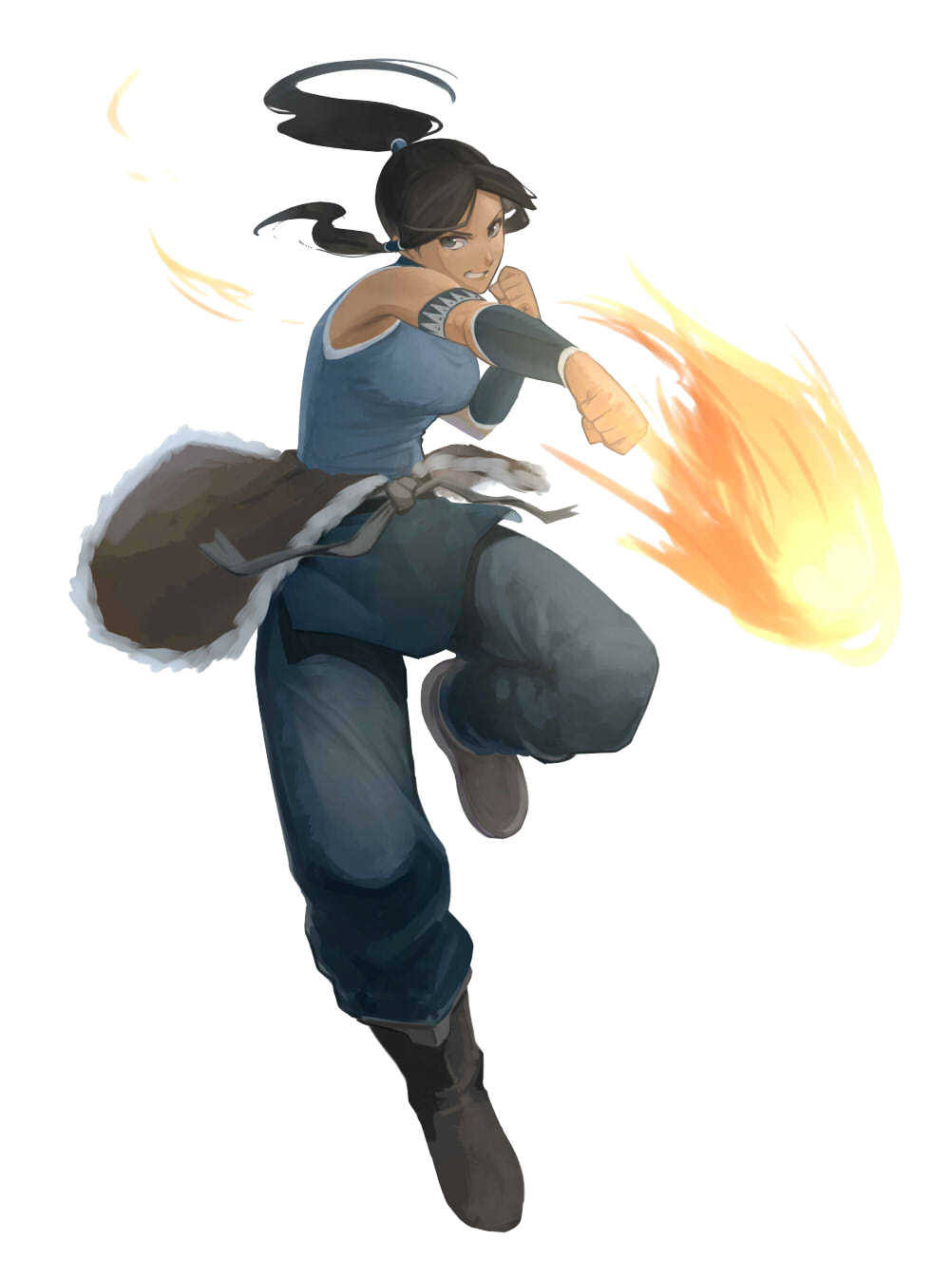
Warriors of Mercy manipulate the life force of others. These Monks are wandering physicians, but they bring a swift end to their enemies. They often wear masks, presenting themselves as faceless bringers of life and death.
Hand of Harm
At 3rd level, once per turn when you hit a creature with an Unarmed Strike and deal damage, you can expend 2 Focus Points to deal extra Necrotic damage equal to one roll of your Martial Arts die plus your Wisdom modifier.
Hand of Healing
At 3rd level, as a Magic action, you can expend 1 Focus Point to touch a creature and restore a number of Hit Points equal to a roll of your Martial Arts die plus your Wisdom modifier. When you use your Flurry of Blows, you can replace one of the Unarmed Strikes with a use of this feature without expending a Focus Point for the healing.
Implements of Mercy
At 3rd level, you gain proficiency in the Insight and Medicine skills, and you gain proficiency with the herbalism kit. If you are already proficient with either skill, replace it with proficiency in another skill. If you are already proficient with herbalism kits, replace that proficiency with proficiency in another type of Artisan's Tools.
Physician's Touch
At Level 6, Your Hand of Harm and Hand of Healing improve, as detailed below.
Hand of Harm. When you use Hand of Harm on a creature, you can also give that creature the Poisoned condition until the end of your next turn.
Hand of Healing. When you use Hand of Healing, you can also end one of the following conditions on the creature you heal: Blinded, Deafened, Paralyzed, Poisoned, or Stunned.
Flurry of Healing and Harm
At 11th level, when you use Flurry of Blows, you can replace each of the Unarmed Strikes with a use of Hand of Healing without expending Focus Points for the healing.
In addition, when you make an Unarmed Strike with Flurry of Blows and deal damage, you can use Hand of Harm with that strike without expending a Focus Point for Hand of Harm. You can still use Hand of Harm only once per turn.
You can use these benefits a total number of times equal to your Wisdom modifier (minimum of once). You regain all expended uses when you finish a Long Rest.
Hand of Ultimate Mercy
At 17th level, your mastery of life energy opens the door to the ultimate mercy. As a Magic action, you can touch the corpse of a creature that died within the past 24 hours and expend 10 Focus Points. The creature then returns to life with a number of Hit Points equal to 4d10 plus your Wisdom modifier. If the creature died with any of the following conditions, the creature revives with the conditions removed: Blinded, Deafened, Paralyzed, Poisoned, and Stunned.
Once you use this feature, you can't use it again until you finish a Long Rest.
Warrior of the Open Hand
Warriors of the Open Hand are masters of unarmed combat. They learn techniques to push and trip their opponents and manipulate their own energy to protect themselves from harm.
Open Hand Technique
At 3rd level, Whenever you hit a creature with an attack granted by your Flurry of Blows, you can impose one of the following effects on that target.
Addle. The target can't make Opportunity Attacks until the start of its next turn.
Push. The target must succeed on a Strength saving throw or be pushed up to 15 feet away from you.
Topple. The target must succeed on a Dexterity saving throw or have the Prone condition.
Wholeness of Body
At 6th level, You gain the ability to heal yourself. As a Bonus Action, you can roll your Martial Arts die. You regain a number of Hit Points equal to the number rolled plus your Wisdom modifier (minimum of 1 Hit Point regained).
You can use this feature a number of times equal to your Wisdom modifier (minimum of once), and you regain all expended uses when you finish a Long Rest.
Fleet Step
At 11th level, when you take a Bonus Action other than Step of the Wind, you can also use Step of the Wind immediately after that Bonus Action.
Improved Open Hand Technique
At 3rd level, the abilities granted by your Open Hand Technique Feature improve.
Addle. The target makes its next attack before the start of its next turn with Disadvantage.
Push. The distance a target that fails its saving throw is pushed is increased to 30 feet.
Topple. A target that falls prone due to failing its Dexterity Save against this ability takes Force Damage equal to one roll of your Martial Arts Die.
Quivering Palm
At 17th level, you gain the ability to set up lethal vibrations in someone's body. When you hit a creature with an Unarmed Strike, you can expend 4 Focus Points to start these imperceptible vibrations, which last for a number of days equal to your Monk level. The vibrations are harmless unless you take an action to end them. Alternatively, when you take the Attack action on your turn, you can forgo one of the attacks to end the vibrations. To end them, you and the target must be on the same plane of existence. When you end them, the target must make a Constitution saving throw, taking 10d12 Force damage on a failed save or half as much damage on a successful one.
You can have only one creature under the effect of this feature at a time. You can end the vibrations harmlessly (no action required).
Warrior of Shadow
Warriors of Shadow practice stealth and subterfuge, harnessing the power of the Shadowfell. They are at home in darkness, able to draw gloom around themselves to hide, leap from shadow to shadow, and take on a wraithlike form.
Genin Shadow Arts
At 3rd level, you can use your Focus Points to Gain powerful abilities to enhance your stealthiness. Any Spell you cast with this feature or any other feature from this Archetype uses Wisdom as its spellcasting modifier.
Shadow Curtain. As an action, you can spend 4 Focus Points to cast the Darkness spell without providing material components.You can see within the spell's area when you cast it with this feature. While the spell persists, you can move its area of Darkness to a space within 60 feet of yourself at the start of each of your turns.
Shadow Sight. You gain 60 feet of darkvision, and can see in both magical and non-magical darkness. If you already have Darkvision from another source, you increase the range of it by 60 feet instead and also gain the benefits of seeing in magical darkness.
Shadowy Figments. You know the Minor Illusion spell. Wisdom is your spellcasting ability for it.
Shadow Step
At 6th level, While entirely within Dim Light or Darkness, you can use a Bonus Action to teleport up to 60 feet to an unoccupied space you can see that is also in Dim Light or Darkness. You then have Advantage on the next melee attack you make before the end of the current turn.
Chunin Shadow Arts
Also at 6th level, you learn more Shadow Arts.
One With The Shadows. As an Action, you can spend 6 Focus Points to cast the Pass without Trace Spell without providing material components.
Silent Shadows. As an Action, you can spend 6 Focus Points to cast the Silence Spell.
Shadowy Form. As an Action, you can spend 6 Focus Points to cast the Alter Self Spell.
Improved Shadow Step
By 11th level, you can draw on your Shadowfell connection to empower your teleportation. When you use your Shadow Step, you can expend 2 Focus Point to remove the requirement that you must start and end in Dim Light or Darkness for that use of the feature. As part of this Bonus Action, you can make an Unarmed Strike immediately after you teleport.
Jonin Shadow Arts
Also at 11th level, you learn new ways to bend your Focus Points into powerful magical effects.
True Shadow. As an action, you can spend 8 Focus Points to cast the Greater Invisibility spell without providing material components. If you cast this spell in this way, you may only target yourself with it.
Shifting Shadows. As an action, you can spend 8 Focus Points to cast the Polymorph spell without providing material components. If you cast this spell in this way, you may only target yourself with it.
Cloak of Shadows
At 17th level, as a Magic action while entirely within Dim Light or Darkness, you can expend 6 Focus Points to shroud yourself with shadows for 1 minute, until you have the Incapacitated condition, or until you end your turn in Bright Light. While shrouded by these shadows, you gain the following benefits.
Invisibility. You have the Invisible condition.
Partially Incorporeal. You can move through occupied spaces as if they were Difficult Terrain. If you end your turn in such a space, you are shunted to the last unoccupied space you were in.
Shadow Flurry. You can use your Flurry of Blows without expending any Focus Points.
Kage Shadow Arts
Also at 17th level, you learn the most powerful of Shadow Arts.
Duplicitous Shadows. As an action, you can spend 10 Focus Points to cast the Mislead Spell.
Shadow Roulette. As an action, you can spend 10 Focus Points to cast the Seeming Spell.
Monk Martial Talents
Arcane Sight
Prerequisites(s): Proficient in the Arcana skill
You can cast detect magic at will, without expending a spell slot.
Blademaster
Prerequisites(s): 5th level, Proficiency with at least one Martial Weapon.
Select one type of martial weapon with which you are proficient. While you are wielding this weapon, it counts as magical for the purpose of piercing resistance and immunity. You also gain one additional Weapon Mastery.
Carnie
Prerequisites(s): Thrown Weapon Fighting Feat.
The ranges of any weapon you use with the Thrown property are doubled when you throw that weapon.
Dual Spear Strike
Prerequisites(s): 7th level
When you would deal damage with an Unarmed Strike, you can forgo dealing damage to force the target to make a Dexterity saving throw against your Focus Save DC. On a failed save, the target is blinded until the end of its next turn.
Duel of Honor
Prerequisites(s): Proficient in the Deception or Intimidation Skill. Intelligence, Wisdom, or Charisma 14 or higher.
You can cast compelled duel at 1st level once without using a spell slot. You can't do so again until you finish a short or long rest. Intelligence, Wisdom, or Charisma is your Spellcasting modifier for this spell (you choose which when you take this talent).
Enhanced Elements
Prerequisites(s): 3rd level, Way of The Four Elements
You learn the Sorcerous Burst Spell. Wisdom is your spellcasting ability for it.
Expert
Prerequisites(s): N/A
You choose one Skill or Tool with which you are Proficient. You gain Expertise with that Skill or Tool. This talent can be taken up to two times, and you must choose a different skill or tool to benefit from this Talent for each.
Flowing River
Prerequisites(s): 3rd level
When you take the attack action on your turn, you can spend 1 Focus Point as part of that action to move 15 feet. You must end this movement within range of your opponent to use this Talent.
Giantslayer
Prerequisites(s): N/A
You gain a climbing speed equal to your walking speed if you don't already have one. If you already have a climbing speed, your movement is increased by 30 feet while using it. You can use your climbing speed to scale creatures that are at least one size larger than you. At the start of each of your turns while you are climbing this creature, you must make a Strength (Athletics) skill check contested by a Strength (Athletics) skill check from the creature you are climbing.
While you are climbing a creature in this way, you have advantage on your melee attack rolls against it while that creature has disadvantage on attacks against you. The creature you are climbing has advantage on a Strength (Athletics) Skill Check made to grapple you while you are climbing it.
Hurricane Step
Prerequisites(s): Proficiency in Athletics
You gain an additional 5 feet of Speed. If you have another type of movement speed from a Monk Martial Talent or your Race, it matches your Walking Speed.
Kiai
Prerequisites(s): 5th level
When you take the attack action on your turn, you can spend 3 Focus Points to replace one attack you make as part of that action with a special Focus Points burst. All creatures within a 10-foot radius of you that you choose must succeed on a Strength saving throw against your Focus Save DC or be pushed back 10 feet in a straight line. At 17th level, the radius of this talent increases to 30 feet and the distance enemies are pushed back is increased to 20 feet.
Merciful Grace
Prerequisites(s): 3rd level, Way of Mercy
You know the Spare the Dying cantrip and may cast it as a bonus action or replace one of your Unarmed Strikes from your Flurry of Blows feature with a casting of this cantrip. Wisdom is your spellcasting ability for it.
Mighty Blows
Prerequisites(s): 10th level, Strength or Dexterity 18
Once per turn, when you deal damage with a Melee Weapon Attack or Unarmed Strike, you can deal extra damage equal to your Proficiency Bonus.
Mythical Charm
Prerequisites(s): Proficient in the Persuasion Skill. Intelligence, Wisdom, or Charisma 14 or higher.
You can cast charm person at 1st level once without using a spell slot. You can't do so again until you finish a short or long rest. Intelligence, Wisdom, or Charisma is your Spellcasting modifier for this spell (you choose which when you take this talent).
Pincer Strike
Prerequisites(s): 10th level, Strength 18 or higher, Two-Weapon Fighting Feat, Twin Strikes Martial talent
When you engage in two-weapon fighting using two of the same type of weapon and make a Power Attack with the weapon in your primary hand, you can use your Reaction to strike with your offhand weapon as if it gained the bonus from Power Attack. You must finish a Long Rest to use this talent again.
Shocking Strike
Prerequisites(s): 3rd level, Way of the Open Hand
You learn the Shocking Grasp Spell. Wisdom is your spellcasting ability for it. Additionally, when you deal damage with this cantrip or an Unarmed Strike, you can spend 2 Focus Points to force the target to make a Constitution Saving Throw against your Focus Save DC or drop anything it is holding and is unable to hold anything in its hands until the start of your next turn.
Superhuman Leap
Prerequisites(s): Proficient in the Athletics skill.
Your jumping distance and height are tripled, and if you would land within 5 feet of a creature you can force that creature to make a Dexterity saving throw against 8 + your Strength modifier + your proficiency bonus or take 1d6 Bludgeoning damage for every 10 feet you fell vertically onto them.
Superhuman Strength
Prerequisites(s): Proficient in the Athletics skill.
The amount of weight you can carry, push, pull, and lift is doubled. This applies to you even if you would already double your carry, push, pull, and lift weights from another source.
Superhuman Swimmer
Prerequisites(s): N/A
You can hold your breath for three times as long, and you gain a swimming speed equal to your walking speed if you do not already have one.
Superior Shadow Sight
Prerequisites(s): 3rd level, Way of the Shadow
The Darkvision granted by your Shadow Sight feature is increased to 120 feet. If you already had Darkvision from another source, you instead gain an additional 60 feet of Darkvision.
Thrown Weapon Mastery
Prerequisites(s): 10th level, 18 Strength or Dexterity, Thrown Weapon Fighting Fighting Style, Carnie talent
When you throw a weapon with the Thrown property, you can throw another Weapon with the Thrown property at the same creature as a reaction provided you have one on your person.
Twin Fist Strike
Prerequisites(s): 3rd level
When you deal damage with an Unarmed Strike, you can spend 2 Focus Points to force the target of the attack to make a Strength saving throw against your Focus Save DC. On a failure, the creature is pushed back a number of feet equal to 5 x your proficiency bonus.
Twin Strikes
Prerequisites(s): Two-Weapon Fighting Feat.
When you engage in two-weapon fighting using two of the same type of weapon, you deal +1 damage with both weapons. For example, if you were wielding two Shortswords, you would gain this bonus but if you were wielding a Shortsword and a Dagger you would not.
Worldly Warrior
Prerequisite(s): Intelligence 14 or higher.
You can speak, read and write two additional languages of your choice.
Credits
Art (In Order)
Other
Changes: Me, SmugCoffeeMan
Fan Content Policy
This work is unofficial Fan Content permitted under the Fan Content Policy. Not approved/endorsed by Wizards. Portions of the materials used are property of Wizards of the Coast. ©Wizards of the Coast LLC.
If you enjoy my content, feel free to buy me a coffee over on Ko-Fi! It ensures I can focus on putting out content instead of worrying about paying my bills.
Feel free to follow me on social media!
Youtube
Twitter
Twitch
Changelog
1.0
- All the base changes from my 2014 Revised Monk (d10 hit die, doubled Ki - now Focus Points, tweaked costs)
- Brought back Tongue of the Sun and Moon and Timeless Body since they're ribbons at best.
- Added Elemental Cascade to Way of the Elements at 11th Level to add more uses for Ki.
- Brought back Monastic Weapon Training since Kensei is dead technically.
- added upgrades to the Open Hand Technique feature for Open Hand Monk.
- Almost wholesale ported my version of Shadow Monk from 2014 Revised, with some of the cool new stuff from 2024's shadow monk adapted.
1.1
- With Rizer (Formerly Armoured Hero) being added to my list of 2024 Classes and having Focus Points of its own, added a clause to Monk's Focus to ensure they don't stack, but instead the higher value is used between the two (or more) sources.
1.2
- renamed the Subclasses from Ways to Warriors as per the 2024 wording.
1.3
- Martial Arts now gives a new ability that lets you swap STR for DEX with Athletics, Carry Capacity, and Drag/Lift/Push weight. Part of this is absolutely copied from Bone Wizard
- Focus Save DC is now 8 + Prof Bonus + DEX modifier (again yoinked from Bone Wizard)