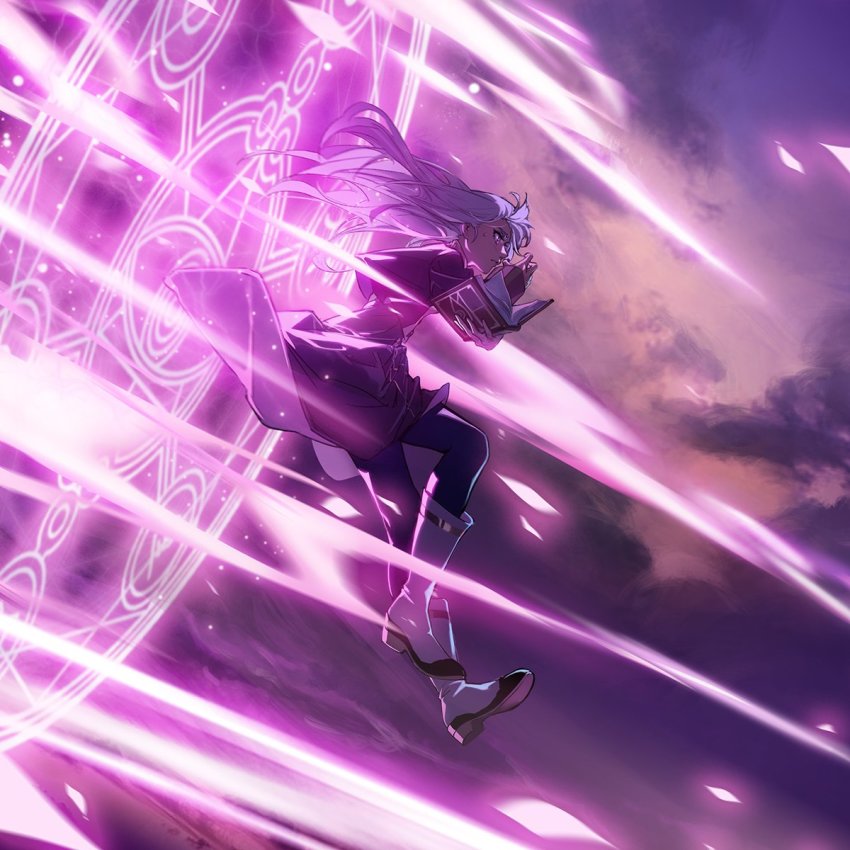
Wizard
Wizards are defined by their exhaustive study of magic's inner workings. They cast spells of explosive fire, arcing lightning, subtle deception, and spectacular transformations. Their magic conjures monsters from other planes of existence, glimpses the future, or forms protective barriers. Their mightiest spells change one substance into another, call meteors from the sky, or open portals to other worlds.
Most Wizards share a scholarly approach to magic. They examine the theoretical underpinnings of magic, particularly the categorization of spells into schools of magic. Renowned Wizards such as Bigby, Tasha, Mordenkainen, and Yolande have built on their studies to invent iconic spells now used across the multiverse.
The closest a Wizard is likely to come to an ordinary life is working as a sage or lecturer. Other Wizards sell their services as advisers, serve in military forces, or pursue lives of crime or domination.
But the lure of knowledge calls even the most unadventurous Wizards from the safety of their libraries and laboratories and into crumbling ruins and lost cities. Most Wizards believe that their counterparts in ancient civilizations knew secrets of magic that have been lost to the ages, and discovering those secrets could unlock the path to a power greater than any magic available in the present age.
Scholars of the Arcane
Wild and enigmatic, varied in form and function, the power of magic draws students who seek to master its mysteries. Some aspire to become like the gods, shaping reality itself. Though the casting of a typical spell requires merely the utterance of a few strange words, fleeting gestures, and sometimes a pinch or clump of exotic materials, these surface components barely hint at the expertise attained after years of apprenticeship and countless hours of study.
Wizards live and die by their spells. Everything else is secondary. They learn new spells as they experiment and grow in experience. They can also learn them from other wizards, from ancient tomes or inscriptions, and from ancient creatures (such as the fey) that are steeped in magic.
The Lure of Knowledge
Wizards' lives are seldom mundane. The closest a wizard is likely to come to an ordinary life is working as a sage or lecturer in a library or university, teaching others the secrets of the multiverse. Other wizards sell their services as diviners, serve in military forces, or pursue lives of crime or domination.
But the lure of knowledge and power calls even the most unadventurous wizards out of the safety of their libraries and laboratories and into crumbling ruins and lost cities. Most wizards believe that their counterparts in ancient civilizations knew secrets of magic that have been lost to the ages, and discovering those secrets could unlock the path to a power greater than any magic available in the present age.
The Powerful Few
Only a select few people in the world are wielders of magic. Of all those, wizards stand at the pinnacle of the craft. Even the least of them can manipulate forces that flout the laws of nature, and the most accomplished among them can cast spells with world-shaking effects.
The price that wizards pay for their mastery is that most valuable of commodities: time. It takes years of study, instruction, and experimentation to learn how to harness magical energy and carry spells around in one's own mind. For adventuring wizards and other spellcasters who aspire to the highest echelons of the profession, the studying never ends, nor does the quest for knowledge and power.
“Wizardry requires understanding. The knowledge of how and why magic works, and our efforts to broaden that understanding, have brought about the key advances in civilization over the centuries.” — Gimble the illusionist
Spellbook
Your wizard character's most prized possession—your spellbook—might be an innocuous-looking volume whose covers show no hint of what's inside. Or you might display some flair, as many wizards do, by carrying a spellbook of an unusual sort. If you don't own such an item already, one of your goals might be to find a spellbook that sets you apart by its appearance or its means of manufacture.
| d6 | Spellbook |
|---|---|
| 1 | A tome with pages that are thin sheets of metal, spells etched into them with acid |
| 2 | Long straps of leather on which spells are written, wrapped around a staff for ease of transport |
| 3 | A battered tome filled with pictographs that only you can understand |
| 4 | Small stones inscribed with spells and kept in a cloth bag |
| 5 | A scorched book, ravaged by dragon fire, with the script of your spells barely visible on its pages |
| 6 | A tome full of black pages whose writing is visible only in dim light or darkness |
Ambition
Few aspiring wizards undertake the study of magic without some personal goal in mind. Many wizards use their spells as a tool to produce a tangible benefit, in material goods or in status, for themselves or their companions. For others, the theoretical aspect of magic might have a strong appeal, pushing those wizards to seek out knowledge that supports new theories of the arcane or confirms old ones.
Beyond the obvious, why does your wizard character study magic, and what do you want to achieve? If you haven't given these questions much thought, you can do so now, and the answers you come up with will likely affect how your future unfolds.
| d6 | Ambition |
|---|---|
| 1 | You will prove that the gods aren't as powerful as folk believe. |
| 2 | Immortality is the end goal of your studies. |
| 3 | If you can fully understand magic, you can unlock its use for all and usher in an era of equality. |
| 4 | Magic is a dangerous tool. You use it to protect what you treasure. |
| 5 | Arcane power must be taken away from those who would abuse it. |
| 6 | You will become the greatest wizard the world has seen in generations. |
Eccentricity
Endless hours of solitary study and research can have a negative effect on anyone's social skills. Wizards, who are a breed apart to begin with, are no exception. An odd mannerism or two is not necessarily a drawback, though; an eccentricity of this sort is usually harmless and could provide a source of amusement or serve as a calling card of sorts.
If your character has an eccentricity, is it a physical tic or a mental one? Are you well known in some circles because of it? Do you fight to overcome it, or do you embrace this minor claim to fame of yours?
| d6 | Mark |
|---|---|
| 1 | You have the habit of tapping your foot incessantly, which often annoys those around you. |
| 2 | Your memory is quite good, but you have no trouble pretending to be absentminded when it suits your purposes. |
| 3 | You never enter a room without looking to see what's hanging from the ceiling. |
| 4 | Your most prized possession is a dead worm that you keep inside a potion vial. |
| 5 | When you want people to leave you alone, you start talking to yourself. That usually does the trick. |
| 6 | Your fashion sense and grooming, or more accurately lack thereof, sometimes cause others to assume you are a beggar. |
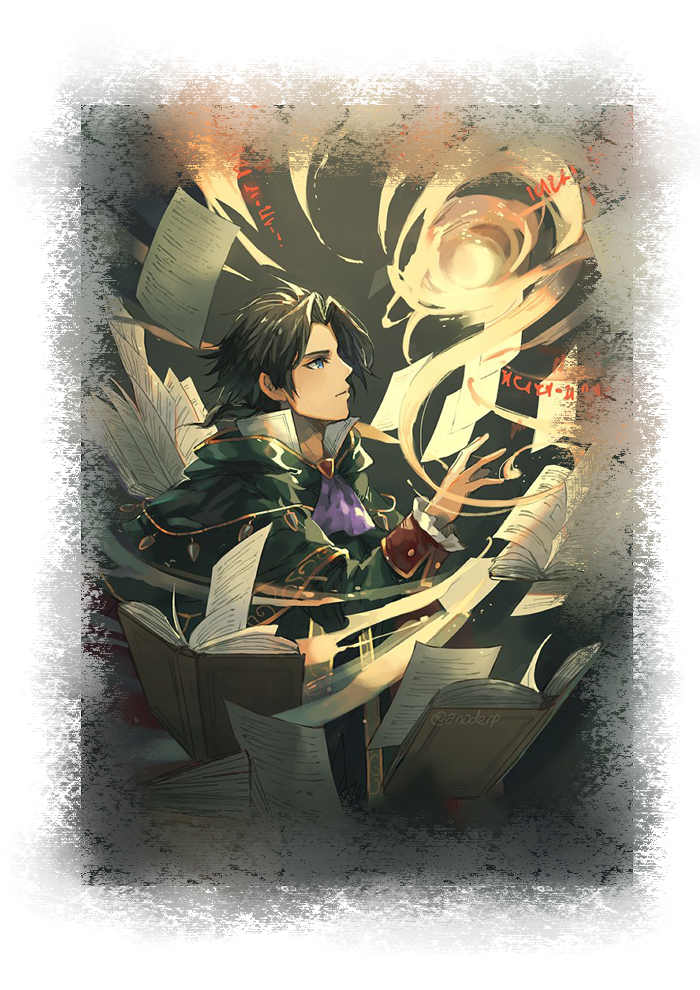
The Revised Wizard
| Level | Proficiency Bonus | Features | Cantrips Known | Spells Learned* | Spells Prepared | 1st | 2nd | 3rd | 4th | 5th | 6th | 7th | 8th | 9th |
|---|---|---|---|---|---|---|---|---|---|---|---|---|---|---|
| 1st | +2 | Arcane Recovery, Ritual Adept, Spellcasting | 3 | 6 | 4 | 2 | - | - | - | - | - | - | - | - |
| 2nd | +2 | Scholar | 3 | 8 | 5 | 3 | - | - | - | - | - | - | - | - |
| 3rd | +2 | Wizard Subclass | 3 | 10 | 6 | 4 | 2 | - | - | - | - | - | - | - |
| 4th | +2 | Ability Score Improvement | 4 | 12 | 7 | 4 | 3 | - | - | - | - | - | - | - |
| 5th | +3 | Memorize Spell | 4 | 14 | 8 | 4 | 3 | 2 | - | - | - | - | - | - |
| 6th | +3 | Subclass Feature | 4 | 16 | 9 | 4 | 3 | 3 | - | - | - | - | - | - |
| 7th | +3 | - | 4 | 18 | 10 | 4 | 3 | 3 | 1 | - | - | - | - | - |
| 8th | +3 | Ability Score Improvement | 4 | 20 | 11 | 4 | 3 | 3 | 2 | - | - | - | - | - |
| 9th | +4 | - | 4 | 22 | 12 | 4 | 3 | 3 | 3 | 1 | - | - | - | - |
| 10th | +4 | Subclass Feature | 5 | 24 | 13 | 4 | 3 | 3 | 3 | 2 | - | - | - | - |
| 11th | +4 | Magic Box | 5 | 26 | 14 | 4 | 3 | 3 | 3 | 2 | 1 | - | - | - |
| 12th | +4 | Ability Score Improvement | 5 | 28 | 15 | 4 | 3 | 3 | 3 | 2 | 1 | - | - | - |
| 13th | +5 | - | 5 | 30 | 16 | 4 | 3 | 3 | 3 | 2 | 1 | 1 | - | - |
| 14th | +5 | Subclass feature | 5 | 32 | 17 | 4 | 3 | 3 | 3 | 2 | 1 | 1 | - | - |
| 15th | +5 | - | 5 | 34 | 18 | 4 | 3 | 3 | 3 | 2 | 1 | 1 | 1 | - |
| 16th | +5 | Ability Score Improvement | 5 | 36 | 19 | 4 | 3 | 3 | 3 | 2 | 1 | 1 | 1 | - |
| 17th | +6 | - | 5 | 38 | 20 | 4 | 3 | 3 | 3 | 2 | 1 | 1 | 1 | 1 |
| 18th | +6 | Spell Mastery | 5 | 40 | 21 | 4 | 3 | 3 | 3 | 3 | 1 | 1 | 1 | 1 |
| 19th | +6 | Epic Boon | 5 | 42 | 22 | 4 | 3 | 3 | 3 | 3 | 2 | 1 | 1 | 1 |
| 20th | +6 | Arch Wizard, Signature Spells | 5 | 44 | 22 | 4 | 3 | 3 | 3 | 3 | 2 | 2 | 1 | 1 |
*NOTE: This refers to the Spells added to your Spellbook by gaining a Wizard Level. You may still add additional Spells to your Spellbook by scribing them as described later
Multiclassing
Ability Score Minimum: Intelligence 13
Creating a Wizard
Creating a wizard character demands a backstory dominated by at least one extraordinary event. How did your character first come into contact with magic? How did you discover you had an aptitude for it? Do you have a natural talent, or did you simply study hard and practice incessantly? Did you encounter a magical creature or an ancient tome that taught you the basics of magic?
What drew you forth from your life of study? Did your first taste of magical knowledge leave you hungry for more? Have you received word of a secret repository of knowledge not yet plundered by any other wizard? Perhaps you're simply eager to put your newfound magical skills to the test in the face of danger.
Quick Build
You can make a wizard quickly by following these suggestions. First, Intelligence should be your highest ability score, followed by Constitution or Dexterity. Second, choose the sage background. Third, choose the Fire Bolt, Mage Hand, Prestidigitation, and Shocking Grasp cantrips, along with the following 1st-level spells for your spellbook: burning hands, charm person, feather fall, mage armor, magic missile, and sleep.
Class Features
- Hit dice: 1d6 per Wizard level.
- Hit Points at 1st Level: 6 + your Constitution modifier
- Hit Points at Higher Levels: 1d6 (or 4) + your Constitution modifier per Wizard level after 1st.
Proficiencies
Armor: none
Weapons: simple weapons
Tools: None.
Saving Throws: Intelligence, Wisdom
Skills: Any two of your choice.
Equipment
You start with the following equipment, in addition to the equipment granted by your background:
- (a) 2 Daggers, an Arcane Focus, a Robe, a Spellbook, a Scholar's Pack, and 5 GP
- (b) 55 GP

Arcane Recovery
At 1st level, You can regain some of your magical energy by studying your spellbook. When you finish a Short Rest, you can choose expended spell slots to recover. The spell slots can have a combined level equal to no more than half your Wizard level (round up), and none of the slots can be level 6 or higher. For example, if you're a level 4 Wizard, you can recover up to two levels' worth of spell slots, regaining either one level 2 spell slot or two level 1 spell slots.
Once you use this feature, you can't do so again until you finish a Long Rest.
Ritual Adept
At 1st level, You can cast any spell as a Ritual if that spell has the Ritual tag and the spell is in your spellbook. You needn't have the spell prepared, but you must read from the book to cast a spell in this way.
Spellcasting
At 1st level, as a student of arcane magic, you have learned to cast spells. See chapter 7 for the rules on spellcasting. The information below details how you use those rules with Wizard spells, which appear in the Wizard spell list later in the class's description.
Cantrips. You know three Wizard cantrips of your choice. Light, Mage Hand, and Ray of Frost are recommended. Whenever you finish a Long Rest, you can replace one of your cantrips from this feature with another Wizard cantrip of your choice.
When you reach Wizard levels 4 and 10, you learn another Wizard cantrip of your choice, as shown in the Cantrips column of the Wizard Features table.
Spellbook. Your wizardly apprenticeship culminated in the creation of a unique book: your spellbook. It is a Tiny object that weighs 3 pounds, contains 100 pages, and can be read only by you or someone casting Identify. You determine the book's appearance and materials, such as a gilt-edged tome or a collection of vellum bound with twine.
The book contains the level 1+ spells you know. It starts with six level 1 Wizard spells of your choice. Detect Magic, Feather Fall, Mage Armor, Magic Missile, Sleep, and Thunderwave are recommended.
Whenever you gain a Wizard level after 1, add two Wizard spells of your choice to your spellbook. Each of these spells must be of a level for which you have spell slots, as shown in the Wizard Features table. The spells are the culmination of arcane research you do regularly.
Spell Slots. The Wizard Features table shows how many spell slots you have to cast your level 1+ spells. You regain all expended slots when you finish a Long Rest.
Prepared Spells of Level 1+. You prepare the list of level 1+ spells that are available for you to cast with this feature. To do so, choose four spells from your spellbook. The chosen spells must be of a level for which you have spell slots.
The number of spells on your list increases as you gain Wizard levels, as shown in the Prepared Spells column of the Wizard Features table. Whenever that number increases, choose additional Wizard spells until the number of spells on your list matches the number in the table. The chosen spells must be of a level for which you have spell slots. For example, if you're a level 3 Wizard, your list of prepared spells can include six spells of levels 1 and 2 in any combination, chosen from your spellbook.
If another Wizard feature gives you spells that you always have prepared, those spells don't count against the number of spells you can prepare with this feature, but those spells otherwise count as Wizard spells for you.
Ritual Casting. You can cast a wizard spell as a ritual if that spell has the ritual tag and you have the spell in your spellbook. You don't need to have the spell prepared.
Changing Your Prepared Spells. Whenever you finish a Long Rest, you can change your list of prepared spells, replacing any of the spells there with spells from your spellbook.
Spellcasting Ability. Intelligence is your spellcasting ability for your Wizard spells.
Spellcasting Focus. You can use an Arcane Focus or your spellbook as a Spellcasting Focus for your Wizard spells.
Expanding and Replacing a Spellbook
The spells you add to your spellbook as you gain levels reflect your ongoing magical research, but you might find other spells during your adventures that you can add to the book. You could discover a Wizard spell on a Spell Scroll, for example, and then copy it into your spellbook.
Copying a Spell into the Book. When you find a level 1+ Wizard spell, you can copy it into your spellbook if it's of a level you can prepare and if you have time to copy it. For each level of the spell, the transcription takes 2 hours and costs 50 GP. Afterward you can prepare the spell like the other spells in your spellbook.
Copying the Book. You can copy a spell from your spellbook into another book. This is like copying a new spell into your spellbook but faster, since you already know how to cast the spell. You need spend only 1 hour and 10 GP for each level of the copied spell.
If you lose your spellbook, you can use the same procedure to transcribe the Wizard spells that you have prepared into a new spellbook. Filling out the remainder of the new book requires you to find new spells to do so. For this reason, many wizards keep a backup spellbook.
Scholar
At 2nd level, While studying magic, you also specialized in another field of study. You gain Expertise with one skill you are proficient in.
Wizard Subclass
At 3rd level, You gain a Wizard subclass of your choice. A subclass is a specialization that grants you features at certain Wizard levels. For the rest of your career, you gain each of your subclass's features that are of your Wizard level or lower.
Ability Score Improvement
When you reach Wizard Level 4, and again at Wizard Levels 8, 12, and 16, you gain the Ability Score Improvement Feat as well as one other feat of your choice for which you qualify.
Memorize Spell
At 5th level, whenever you finish a Short Rest, you can study your spellbook and replace one of the level 1+ Wizard spells you have prepared for your Spellcasting feature with another level 1+ spell from the book.
Magic Box
At 11th level, you gain the ability to open a portal to a small dimensional space as a Bonus Action. It functions the same as a Bag of Holding, except it opens a hole in space that is 3 feet wide and 3 feet tall adjacent to you. You cannot insert any object bigger than the size of the hole in space. It holds up to 500 pounds, not exceeding a volume of 50 cubic feet. If the space would be overloaded or you try to put a living creature is inside the space, the object or creature is stopped at the entrance and drops to the ground adjacent to the hole in space. Any organic material, such as the meat of an animal, placed in the space is preserved as time does not pass within the dimensional space. You can close the space's entrance at will (no action cost), but only if there is nothing currently passing through the portal. Time still passes for corpse placed in this space for the purposes of spells like Revivify.
At 15th level, the weight it can hold expands to 750 pounds and its volume becomes 75 cubic feet. At 19th level, the weight it can hold expands to 1000 pounds and its voulume becomes 100 cubic feet.
Spell Mastery
At 18th level, You have achieved such mastery over certain spells that you can cast them at will. Choose a level 1 and a level 2 spell in your spellbook that have a casting time of an action. You always have those spells prepared, and you can cast them at their lowest level without expending a spell slot. To cast either spell at a higher level, you must expend a spell slot.
Whenever you finish a Long Rest, you can study your spellbook and replace one of those spells with an eligible spell of the same level from the book.
Epic Boon
At 19th level, You gain an Epic Boon feat or another feat of your choice for which you qualify. Boon of Spell Recall is recommended.
Arch Wizard
At 20th level, you become an Arch Wizard. Your Intelligence score increases by 4, to a maximum of 26.
Signature Spells
At 20th level, Choose two level 3 spells in your spellbook as your signature spells. You always have these spells prepared, and you can cast each of them once at level 3 without expending a spell slot. When you do so, you can't cast them in this way again until you finish a Short or Long Rest. To cast either spell at a higher level, you must expend a spell slot.
Abjurer
Your study of magic is focused on spells that block, banish, or protect - ending harmful effects, banishing evil influences, and protecting the weak. Abjurers are sought when baleful spirits require exorcism, when locations must be guarded against magical spying, and when portals to other planes of existence must be closed. Adventuring parties value Abjurers for the protection they provide against a variety of hostile magic and other attacks.
Abjuration Scribe
At 3rd level, the gold and time you must spend to copy an Abjuration Wizard spell into your Spellbook is halved.
Abjuration Savant
At 3rd level, choose two Wizard spells from the Abjuration school, each of which must be no higher than level 2, and add them to your spellbook for free.
In addition, whenever you gain access to a new level of spell slots in this class, you can add one Wizard spell from the Abjuration school to your spellbook for free. The chosen spell must be of a level for which you have spell slots.
Arcane Ward
At 3rd level, you can weave magic around yourself for protection. When you cast an Abjuration spell with a spell slot, you can simultaneously use a strand of the spell's magic to create a magical ward on yourself that lasts until you finish a Long Rest. The ward has a Hit Point maximum equal to twice your Wizard level plus your Intelligence modifier. Whenever you take damage, the ward takes the damage instead, and if you have any Resistances or Vulnerabilities, apply them before reducing the ward's Hit Points. If the damage reduces the ward to 0 Hit Points, you take any remaining damage. While the ward has 0 Hit Points, it can't absorb damage, but its magic remains.
Whenever you cast an Abjuration spell with a spell slot, the ward regains a number of Hit Points equal to twice the level of the spell slot. Alternatively, as a Bonus Action, you can expend a spell slot, and the ward regains a number of Hit Points equal to twice the level of the spell slot expended.
Once you create the ward, you can't create it again until you finish a Long Rest.
Projected Ward
At 6th level, When a creature that you can see within 30 feet of yourself takes damage, you can take a Reaction to cause your Arcane Ward to absorb that damage. If this damage reduces the ward to 0 Hit Points, the warded creature takes any remaining damage. If that creature has any Resistances or Vulnerabilities, apply them before reducing the ward's Hit Points.
Spell Breaker
At 10th level, You always have the Counterspell and Dispel Magic spells prepared. In addition, you can cast Dispel Magic as a Bonus Action, and you can add your Proficiency Bonus to its ability check.
When you cast either spell with a spell slot, that slot isn't expended if the spell fails to stop a spell.
Spell Resistance
At 18th level, you have Advantage on saving throws against spells, and you have Resistance to the damage of spells.
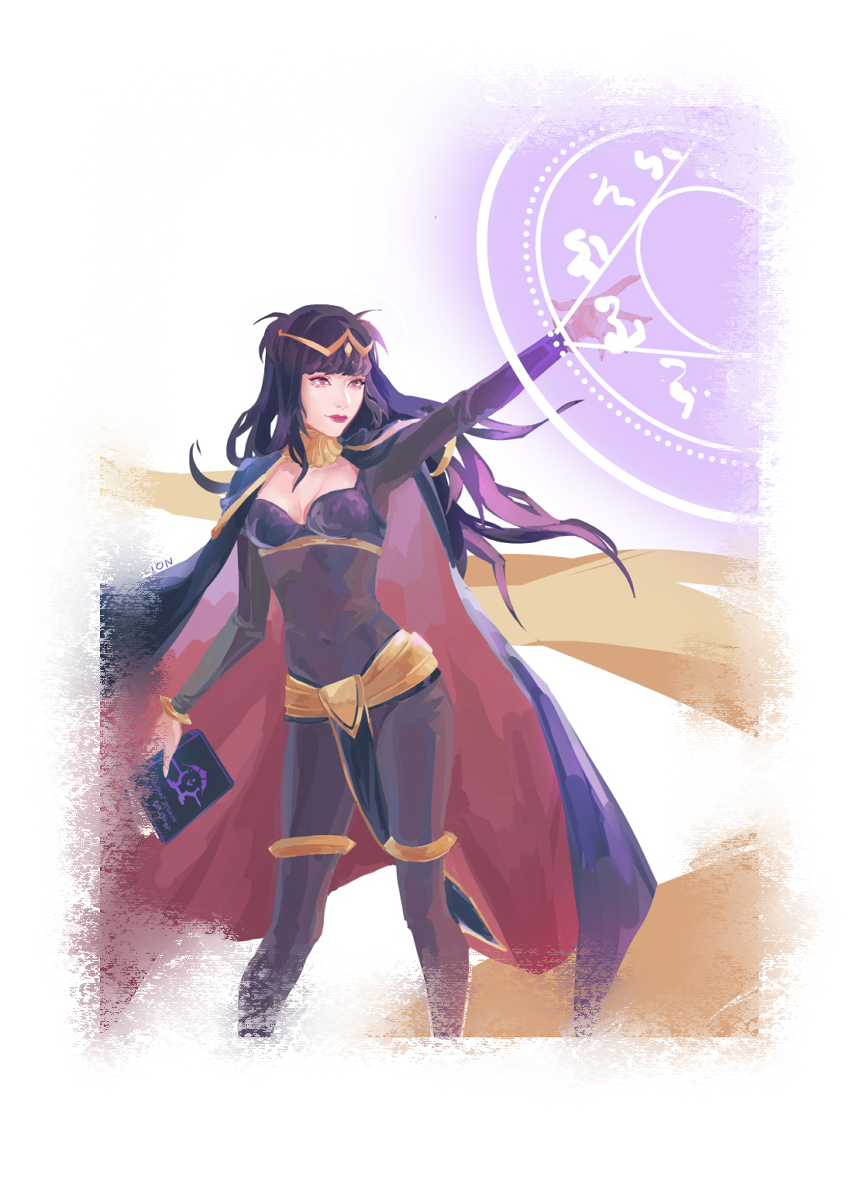
Bladesinger
Bladesingers master a tradition of wizardry that incorporates swordplay and dance. In combat, a Bladesinger uses a series of intricate, elegant maneuvers that fend off harm and allow the Bladesinger to channel magic into devastating attacks and a cunning defense. Many who have observed a Bladesinger at work remember the display as one of the more beautiful experiences in their life, a glorious dance accompanied by a singing blade.
Bladesinging is strongly associated with the ancient elven societies that first mastered the art and coined the term. Even today, most Bladesingers still hail from old elven realms, such as Cormanthyr, or from non-elven societies that share land and history with elves, such as the Silver Marches. Wherever they hail from, Bladesingers are known for taking their talents all across the Realms in order to help common people and perform heroic deeds. Few communities greet the arrival of a Bladesinger as anything but a good omen.
Training in War and Song
At 3rd level, you gain Proficiency with Smith's Tools as well as all Melee Martial Weapons that don't have the Two-Handed or Heavy Properties. You also gain the following benefits:
Combat Focus. While wielding a Melee Martial Weapon that doesn't have the Two-Handed or Heavy Properties, you may use that Weapon as a Spellcasting Focus for your Wizard Spells.
Cunning Cost-Cutting. The cost of any Melee Martial Weapon that doesn't have the Two-Handed or Heavy Properties is reduced by half for you (Minimum 1 CP cost), and the cost of materials for crafting such weapons is also halved for you. This includes materials for crafting Magic Weapons.
Intellient Craftsman. When you make an Ability Check to use Smith's Tools to craft a Melee Martial Weapon that doesn't have the Two-Handed or Heavy Properties, you can use Intelligence instead of Strength.
Skill Training. You gain proficiency in one skill of your choice.
Tactical Blows. Whenever you attack with a weapon with which you have proficiency, you can use your Intelligence modifier for the attack and damage rolls instead of using Strength or Dexterity.
Unarmored Defense
At 3rd level,while you aren't wearing armor or wielding a Shield or a Weapon with the Two-Handed or Heavy Properties, your base Armor Class equals 10 plus your Dexterity and Intelligence modifiers.
At Wizard level 10, you gain +1 AC while using this feature.
Bladesong
At 3rd level, As a Bonus Action, you invoke an elven magic called the Bladesong, provided you aren't wearing armor or wielding a Shield or a Weapon with the Two-Handed or Heavy Properties.
The Bladesong lasts for 1 minute and ends early if you have the Incapacitated condition, if you don armor or a Shield, or if you use two hands to make an attack with a weapon. You can dismiss the Bladesong at any time (no action required). While the Bladesong is active, you gain the following benefits. You can invoke the Bladesong a number of times equal to your Intelligence modifier (minimum of once), and you regain all expended uses when you finish a Long Rest.
Agility. Your Speed increases by 10 feet and you gain a +2 Bonus to AC.
Bladework. When you attack a creature with a Melee Weapon that lacks the Two-handed or Heavy properties, it has Disadvantage on Opportunity Attacks against you until the start of your next Turn.
Focus. When you make a Constitution saving throw to maintain Concentration, you can add your Intelligence modifier to the total.
Extra Attack
At 6th level, you can attack twice, instead of once, whenever you take the Attack action on your turn. If you know a Cantrip, you can replace one of these attacks with a use of that Cantrip.
Improved Bladesong
At 10th level, your Bladesong improves.
Agility. Your Speed increases by an additional 10 feet while your Bladesong is active.
Bladework. Creatures that you deal damage to with a Melee Weapon that lacks the Two-Handed or Heavy Properties cannot make Opportunity Attacks against you until the start of your next Turn.
Focus. If fail a Constitution Saving Throw to maintain Concentration, you can re-roll that check once and must use the new result. You can only use this Feature once per instance of Bladesong.
Song of Defense
At 10th level, when you take damage while your Bladesong is active, you can take a Reaction to expend one spell slot and reduce the damage taken by an amount equal to five times the spell slot's level.
Song of Victory
At 14th level, while your Bladesong is active, after you cast a spell that has a casting time of an action, you can make one attack with a weapon as a Bonus Action.
Conjurer
As a conjurer, you favor spells that produce objects and creatures out of thin air. You can conjure billowing clouds of killing fog or summon creatures from elsewhere to fight on your behalf. As your mastery grows, you learn spells of transportation and can teleport yourself across vast distances, even to other planes of existence, in an instant.
Conjuration Scribe
At 3rd level, the gold and time you must spend to copy a Conjuration Wizard spell into your Spellbook is halved.
Conjuration Savant
At 3rd level, choose two Wizard spells from the Conjuration school, each of which must be no higher than level 2, and add them to your spellbook for free.
In addition, whenever you gain access to a new level of spell slots in this class, you can add one Wizard spell from the Conjuration school to your spellbook for free. The chosen spell must be of a level for which you have spell slots.
Minor Conjuration
At 3rd level, you can take the Magic Action to conjure up an inanimate object in your hand or on the ground in an unoccupied space that you can see within 10 feet of you. This object can be no larger than 3 feet on a side and weigh no more than 10 pounds, and its form must be that of a nonmagical object. The object is visibly magical, radiating dim light out to 5 feet.
The object disappears when you use this feature again or if it takes any damage. You cannot use this object to deal damage; if you try to do so, the object disappears before it can.
Benign Transposition
At 6th level, you add the level 2 Wizard spell Misty Step to your spellbook if it isn't already there.
You can cast Misty Step without expending a Spell slot. You can do so a number of times equal to your Intelligence modifier (minimum once) and regain all expended uses when you finish a Long Rest.
Defensive Transposition
At 10th level, when you take damage, you can cast Misty Step as a Reaction instead of a Bonus Action, but must expend a Spell Slot to do so when cast in this way.
Greater Transposition
At 14th level, you add the level 5 Wizard spell Teleportation Circle to your spellbook if it isn't already there.
If you use Teleportation Circle to travel to a destination whose sigil sequence you know rather than drawing a new one, you treat the Casting Time of the spell as l Action, and any creatures of your choice in a 5-foot Emanation around you are considered targets for the spell, being transported with you to the destination you chose.
When you cast Teleporation Circle to travel to a destination whose sigil sequence you know, you ignore its Material Components, meaning that you only require the material components when creating a new Teleportation Circle.
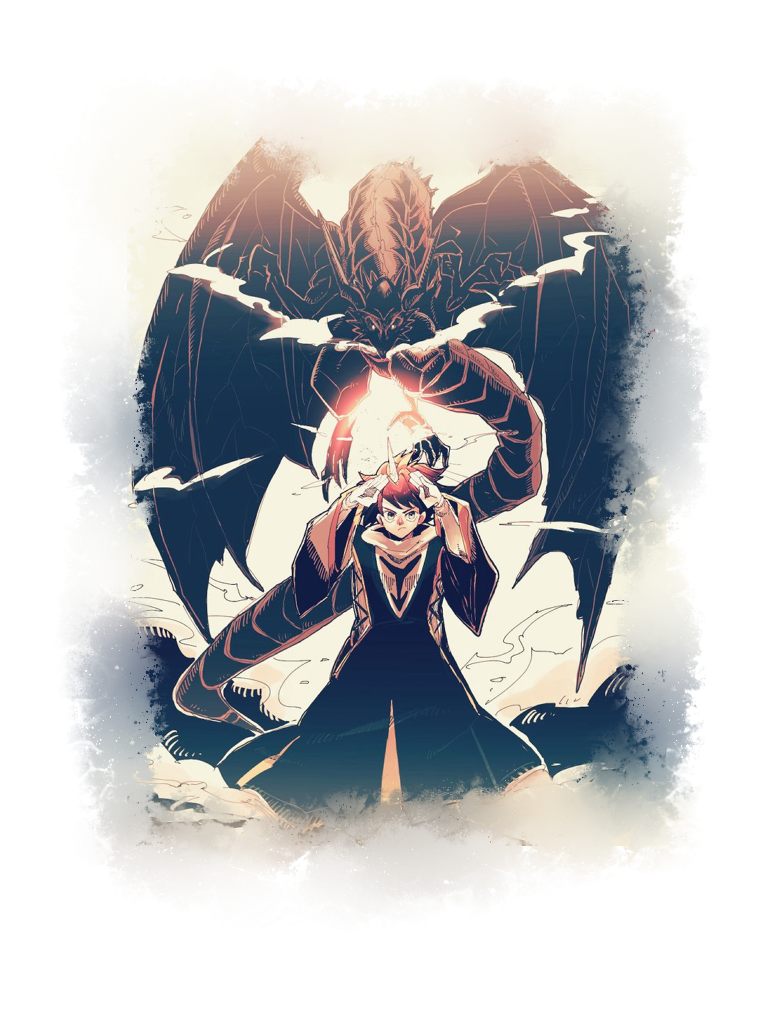
Diviner
The counsel of a Diviner is sought by those who want a clearer understanding of the past, present, and future. As a Diviner, you strive to part the veils of space, time, and consciousness. You work to master spells of discernment, remote viewing, supernatural knowledge, and foresight.
Divination Scribe
At 3rd level, the gold and time you must spend to copy a Divination Wizard spell into your Spellbook is halved.
Divination Savant
At 3rd level, choose two Wizard spells from the Divination school, each of which must be no higher than level 2, and add them to your spellbook for free.
In addition, whenever you gain access to a new level of spell slots in this class, you can add one Wizard spell from the Divination school to your spellbook for free. The chosen spell must be of a level for which you have spell slots.
Portent
At 3rd level, Glimpses of the future begin to press on your awareness. Whenever you finish a Long Rest, roll two d20s and record the numbers rolled. You can replace any D20 Test made by you or a creature that you can see with one of these foretelling rolls. You must choose to do so before the roll, and you can replace a roll in this way only once per turn.
Each foretelling roll can be used only once. When you finish a Long Rest, you lose any unused foretelling rolls
Expert Divination
At 6th level, Casting Divination spells comes so easily to you that it expends only a fraction of your spellcasting efforts. When you cast a Divination spell using a level 2+ spell slot, you regain one expended spell slot. The slot you regain must be of a level lower than the slot you expended and can't be higher than level 5.
The Third Eye
At 10th level, You can increase your powers of perception. As a Bonus Action, choose one of the following benefits, which lasts until you start a Short or Long Rest. You can't use this feature again until you finish a Short or Long Rest.
Darkvision. You gain Darkvision with a range of 120 feet.
Greater Comprehension. You can read any language.
See Invisibility. You can cast See Invisibility without expending a spell slot.
Greater Portent
At 14th level, the visions in your dreams intensify and paint a more accurate picture in your mind of what is to come. Roll three d20s for your Portent feature rather than two.
Enchanter
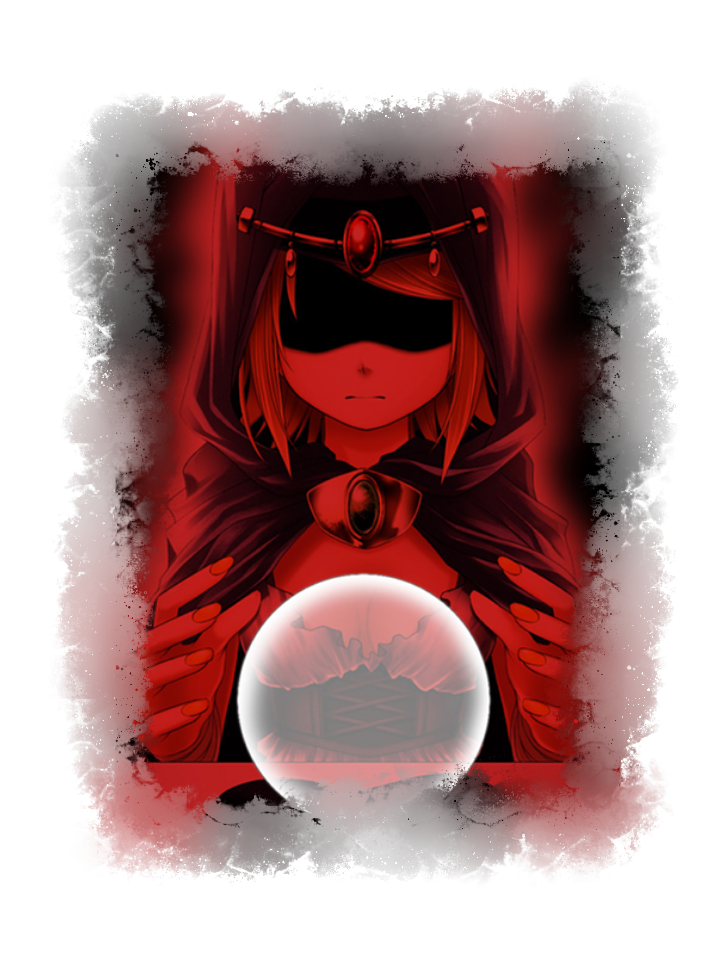
As an Enchanter, you have honed your ability to magically entrance and beguile other people and monsters. Some enchanters are peacemakers who bewitch the violent to lay down their arms and charm the cruel into showing mercy. Others are tyrants who magically bind the unwilling into their service. Most enchanters fall somewhere in between.
Enchantment Scribe
At 3rd level, the gold and time you must spend to copy an Enchantment Wizard spell into your Spellbook is halved.
Enchantment Savant
At 3rd level, choose two Wizard spells from the Enchantment school, each of which must be no higher than level 2, and add them to your spellbook for free.
In addition, whenever you gain access to a new level of spell slots in this class, you can add one Wizard spell from the Enchantment school to your spellbook for free. The chosen spell must be of a level for which you have spell slots.
Hypnotic Gaze
At 3rd level, as a Magic Action, choose one creature that you can see within 5 feet of you. If the target can see or hear you, it must succeed on a Wisdom saving throw against your wizard spell save DC or be Charmed by you until the end of your next turn. The charmed creature's speed drops to 0, and the creature is Incapacitated and visibly dazed.
On subsequent turns, you can use a Magic Action to maintain this effect, extending its duration until the end of your next turn. However, the effect ends if you move more than 5 feet away from the creature, if the creature can neither see nor hear you, or if the creature takes damage.
Once the effect ends, or if the creature succeeds on its initial saving throw against this effect, you can't use this feature on that creature again until you finish a long rest.
Defensive Charm
At 6th level, when a creature you can see within 30 feet of you makes an attack roll against you, you can use your reaction to divert the attack, provided that another creature is within the attack's range. The attacker must make a Wisdom saving throw against your wizard spell save DC. On a failed save, the attacker must target the creature that is closest to it, not including you or itself. If multiple creatures are closest, the attacker chooses which one to target. You can use this feature a number of times equal to your Proficiency bonus, do not expend uses if you are not successful, and regain all uses at the end of a Long Rest.
You must choose to use this feature when the Attack is declared and before it hits or misses. Creatures that can't be charmed are immune to this effect.
Split Enchantment
At 10th level, when you cast a level 1 or higher Wizard spell from the Enchantment school that targets only one creature, you can have it target a second creature within 30 feet of the first.
Alter Memories
At 14th level, you add the level 5 Wizard spell Modify Memory to your spellbook if it isn't already there.
You can cast Modify Memory without expending a Spell Slot. Once you do so, you may not do so again until you finish a Long Rest.
When you cast Modify Memory without expending a Spell Slot, the target has Disadvantage on its Wisdom Saving Throw.

Evoker
Your studies focus on magic that creates powerful elemental effects such as bitter cold, searing flame, rolling thunder, crackling lightning, and burning acid. Some Evokers find employment in military forces, serving as artillery to blast armies from afar. Others use their power to protect others, while some seek their own gain.
Evocation Scribe
At 3rd level, the gold and time you must spend to copy an Evocation Wizard spell into your Spellbook is halved.
Evocation Savant
At 3rd level, choose two Wizard spells from the Evocation school, each of which must be no higher than level 2, and add them to your spellbook for free.
In addition, whenever you gain access to a new level of spell slots in this class, you can add one Wizard spell from the Evocation school to your spellbook for free. The chosen spell must be of a level for which you have spell slots.
Potent Cantrip
At 3rd level, your damaging cantrips affect even creatures that avoid the brunt of the effect. When you cast a cantrip at a creature and you miss with the attack roll or the target succeeds on a saving throw against the cantrip, the target takes half the cantrip's damage (if any) but suffers no additional effect from the cantrip.
Sculpt Spells
At 6th level, you can create pockets of relative safety within the effects of your evocations. When you cast an Evocation spell that affects other creatures that you can see, you can choose a number of them equal to 1 plus the spell's level. The chosen creatures automatically succeed on their saving throws against the spell, and they take no damage if they would normally take half damage on a successful save.
Empowered Evocation
At 10th level, Whenever you cast a Wizard spell from the Evocation school, you can add your Intelligence modifier to one damage roll of that spell.
Overchannel
At 14th level, You can increase the power of your spells. When you cast a Wizard spell with a spell slot of levels 1–5 that deals damage, you can deal maximum damage with that spell on the turn you cast it.
The first time you do so, you suffer no adverse effect. If you use this feature again before you finish a Long Rest, you take 2d12 Necrotic damage for each level of the spell slot immediately after you cast it. This damage ignores Resistance and Immunity.
Each time you use this feature again before finishing a Long Rest, the Necrotic damage per spell level increases by 1d12.

Illusionist
You specialize in magic that dazzles the senses and tricks the mind, and the illusions you craft make the impossible seem real.
Illusion Scribe
At 3rd level, the gold and time you must spend to copy an Illusion Wizard spell into your Spellbook is halved.
Illusion Savant
At 3rd level, choose two Wizard spells from the Illusion school, each of which must be no higher than level 2, and add them to your spellbook for free.
In addition, whenever you gain access to a new level of spell slots in this class, you can add one Wizard spell from the Illusion school to your spellbook for free. The chosen spell must be of a level for which you have spell slots.
Improved Illusions
At 3rd level, You can cast Illusion spells without providing Verbal components, and if an Illusion spell you cast has a range of 10+ feet, the range increases by 60 feet.
You also know the Minor Illusion cantrip. If you already know it, you learn a different Wizard cantrip of your choice. The cantrip doesn't count against your number of cantrips known. You can create both a sound and an image with a single casting of Minor Illusion, and you can cast it as a Bonus Action.
Phantasmal Creatures
At 6th level, You always have the Summon Beast and Summon Fey spells prepared. Whenever you cast either spell, you can change its school to Illusion, which causes the summoned creature to appear spectral. You can cast the Illusion version of each spell without expending a spell slot, but casting it without a slot halves the creature's Hit Points. Once you cast either spell without a spell slot, you must finish a Long Rest before you can cast the spell in that way again.
Illusory Self
At 10th level, When a creature hits you with an attack roll, you can take a Reaction to interpose an illusory duplicate of yourself between the attacker and yourself. The attack automatically misses you, then the illusion dissipates.
Once you use this feature, you can't use it again until you finish a Short or Long Rest. You can also restore your use of it by expending a level 2+ spell slot (no action required).
Illusory Reality
At 14th level, You have learned to weave shadow magic into your illusions to give them a semi-reality. When you cast an Illusion spell with a spell slot, you can choose one inanimate, nonmagical object that is part of the illusion and make that object real. You can do this on your turn as a Bonus Action while the spell is ongoing. The object remains real for 1 minute, during which it can't deal damage or give any conditions. For example, you can create an illusion of a bridge over a chasm and then make it real and cross it.
Necromancer
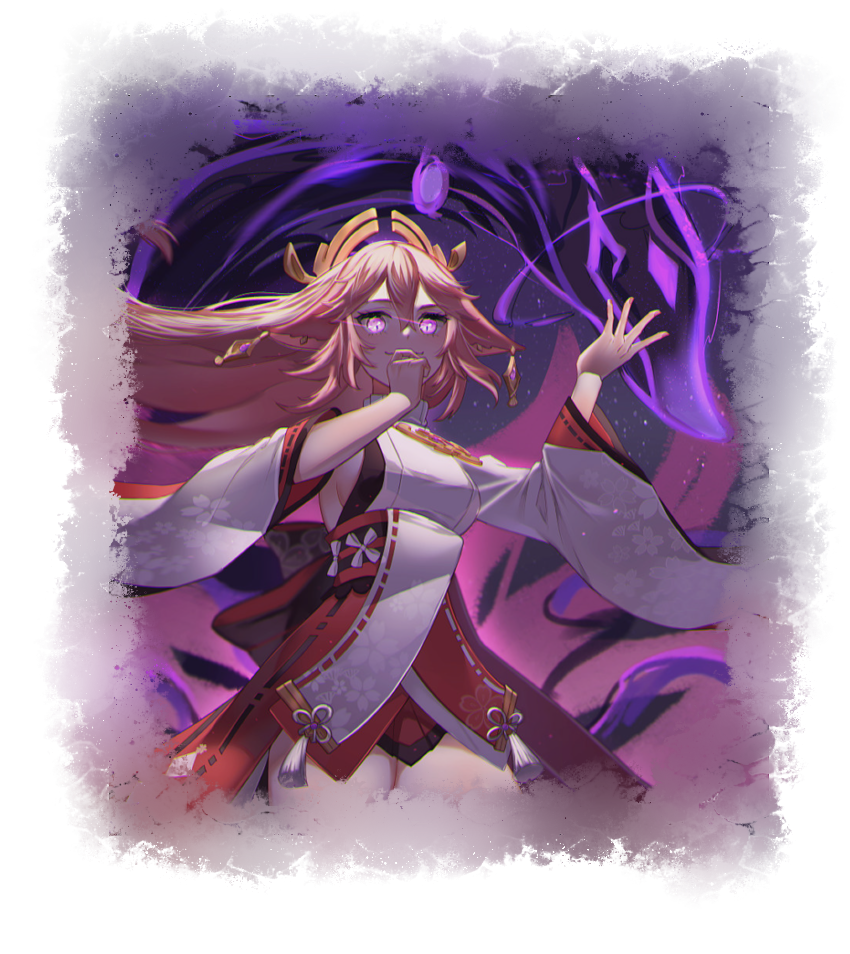
Necromancers explore the cosmic forces of life, death, and undeath. As you focus your studies in this tradition, you learn to manipulate the energy that animates all living things. As you progress, you learn to sap the life force from a creature as your magic destroys its body, transforming that vital energy into magical power you can manipulate.
Necromancy Scribe
At 3rd level, the gold and time you must spend to copy an Necromancy Wizard spell into your Spellbook is halved.
Necromancy Savant
At 3rd level, choose two Wizard spells from the Necromancy school, each of which must be no higher than level 2, and add them to your spellbook for free.
In addition, whenever you gain access to a new level of spell slots in this class, you can add one Wizard spell from the Necromancy school to your spellbook for free. The chosen spell must be of a level for which you have spell slots.
Grim Harvest
At 3rd level, you gain the ability to reap life energy from creatures you fell with your spells. Once per turn, when you reduce one or more creatures to 0 Hit Points with a spell of 1st level or higher, you gain temporary hit points equal to the spell's level, or twice its level if the spell belongs to the School of Necromancy. If at least one of the creatures reduced to 0 Hit Points with this feature was an Undead type creature, you add your Intelligence Modifier to the total amount of temporary hit points you gain once (minimum 1 temporary hit point).
Undead Thralls
At 6th level, you add the level 3 Wizard spell Animate Dead to your spellbook if it is not there already. When you cast animate dead, you can target one additional corpse or pile of bones, creating another zombie or skeleton, as appropriate.
Resilient Thralls
Whenever you create an undead using a necromancy spell, it has additional benefits:
- The creature gains Temporary Hit Points equal to half of your Wizard level (rounded up).
- The creature adds your Intelligence Modifier (minimum 1) to its weapon damage rolls.
Necromantic Fortitude
At 10th level, you gain Resistance to Necrotic Damage.
Additionally, when you would be reduced to 0 HP, you can roll a Constitution Saving Throw of 10 + half of the dmamage dealt. On a success, you are reduced to 1 HP instead. You must finish a Long Rest to do so again.
Command Undead
At 14th level, you can use magic to bring undead under your control, even those created by other wizards. As a Magic Action, you can choose one undead that you can see within 60 feet of you. That creature must make a Charisma saving throw against your wizard spell save DC. If it succeeds, you can't use this feature on it again. If it fails, it becomes friendly to you and obeys your commands until you use this feature again.
Intelligent undead are harder to control in this way. If the target has an Intelligence of 8 or higher, it has advantage on the saving throw. If it fails the saving throw and has an Intelligence of 12 or higher, it can repeat the saving throw at the end of every hour until it succeeds and breaks free.
You can use this feature a number of times equal to your Intelligence modifier (minimum of one time) and regain all expended uses when you finish a Long Rest.

Transmuter
You are a student of spells that modify energy and matter. To you, the world is not a fixed thing, but eminently mutable, and you delight in being an agent of change. You wield the raw stuff of creation and learn to alter both physical forms and mental qualities. Your magic gives you the tools to become a smith on reality's forge.
Transmutation Scribe
At 3rd level, the gold and time you must spend to copy an Transmutation Wizard spell into your Spellbook is halved.
Transmutation Savant
At 3rd level, choose two Wizard spells from the Transmutation school, each of which must be no higher than level 2, and add them to your spellbook for free.
In addition, whenever you gain access to a new level of spell slots in this class, you can add one Wizard spell from the Transmutation school to your spellbook for free. The chosen spell must be of a level for which you have spell slots.
Mutable Form
At 3rd level, you add the level 2 Wizard spell Alter Self to your spellbook if it is not there already. You can cast Alter Self without expending a Spell Slot if you use the Change Appearance option and when you do so, it lasts until you choose to end it or its effects are dispelled. If you use the Aquatic Adaptation or Natural Weapons options, you must spend a Spell Slot as normal.
Additionally, when you use the Natural Weapons option of Alter Self by spending a Spell Slot, your Natural Weapons deal 1d8 damage instead of 1d6.
Transmuter's Stone
At 6th level, you can create a special trinket called a transmuter's stone at the end of a Long Rest. A creature in possession of the stone on their person gains a benefit of your choice from the following options:
- Darkvision out to a range of 60 feet, as described in Appendix C of the 2024 Player's Handbook.
- 10 feet of additional speed.
- A bonus to Constitution Saving Throws equal to your Intelligence Modifier (minimum 1).
- Resistance to one Damage Type other than Bludgeoning, Piercing, Slashing, Force, Psychic, Radiant, or Necrotic (your choice when you choose this option).
Each time you cast level 1 or higher Wizard spell from the Transmuation school, you can change the effect of your stone if the stone is on your person.
If you create a new transmuter's stone, the previous one ceases to function.
Shapechanger
At 10th level, you add the level 4 Wizard spell Polymorph to your spellbook if it is not there already. You can cast Polymorph without expending a Spell Slot if you target yourself. When you cast Polymorph without a Spell Slot, you cannot do so again until you finish a Long Rest.
You can still cast Polymorph normally by expending a Spell Slot.
Additionally, when you cast Polymorph, you can transform the target into either a Beast or Monstrosity, though the other rules of Polymorph still apply. If you choose Monstrosity, the maximum Challenge Rating of the Monstrosity must be half of the target's Challenge Rating (or Level if it doesn't have a Challenge Rating), rounded up.
Master Transmuter
At 14th level, you gain the following benefits:
- You stop aging naturally, and magic cannot age you.
- If you are under the effects of Alter Self, they cannot be dispelled except by you.
- You have Advantage on Saving Throws against any Spell from the Transmutation School or any magical Effect that would transform you into a different creature.
- You can use a Bonus Action while holding your Transmuter's Stone to change its effect.
- You can use a Bonus Action while holding your Transmuter's Stone to convert one of your Spell Slots into Temporary Hit Points. The number of Temporary Hit Points you gain is equal to two times the Spell's Level. You must finish a Long Rest to give yourself Temporary Hit Points in this way again, and the Temporary Hit Points vanish if they are reduced to 0 or you have any remaining when you start a Short or Long Rest.

Credits
Art (In Order)
- Daniel Deng
- anoderp
- レンコン
- jessiehuang52 (Dead Source)
- saito piyoko (Dead Source)
- kuromayu (Dead Source)
- n aaa01
- Phamoz
- Niji (Dead Source)
- snatti
- LAYER
Other
Changes: Me, SmugCoffeeMan
Fan Content Policy
This work is unofficial Fan Content permitted under the Fan Content Policy. Not approved/endorsed by Wizards. Portions of the materials used are property of Wizards of the Coast. ©Wizards of the Coast LLC.
If you enjoy my content, feel free to buy me a coffee over on Ko-Fi! It ensures I can focus on putting out content instead of worrying about paying my bills.
Feel free to follow me on social media!
Youtube
Twitter
Twitch
Changelog
1.0
- All Subclasses now gain a discount on time/gold for their School's spells.
- Ensured all Schools have a Subclass, reworked from my 2014 Revision in the cases the 2024 PHB doesn't have them.
- Gain Magic Box at 11th for a fun ribbon.
- Spells Prepared progression is the same as the other full casters.
1.1
- Added a revised version of the UA Bladesinger Wizard.
- Instead of cost reduction for copying spells, Bladesinger gets proficiencies and an Unarmored Defense with strict restrictions.
- Activating Bladesong no longer gives +INT AC, instead giving a flat +2 with again, strict restrictions.
- Training in War and Song has been expanded; it makes the INT to hit/damage passive like Artificer's Battle Smith, reduces the cost of Bladesong weapons by half, and lets you craft with INT instead of STR as well as a bonus skill proficiency of your choice.
- Bladesong improves at Level 10.
- Song of Vicotry now requires Bladesong to be active to use it.