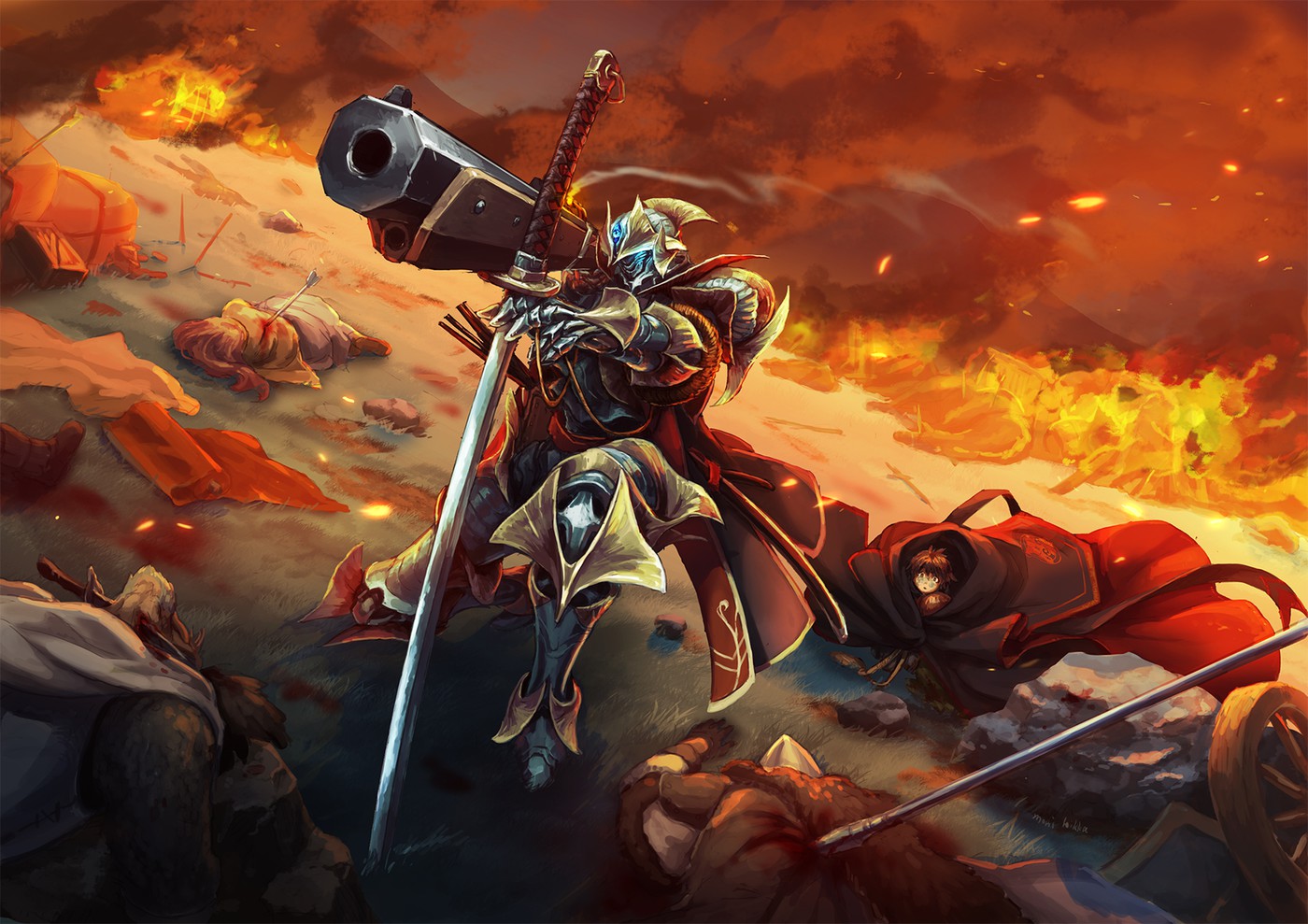
Artificer
Masters of invention, Artificers use ingenuity and magic to unlock extraordinary capabilities in objects. They see magic as a complex system waiting to be decoded and then harnessed in their spells and inventions.
Arcane Science
In the world of Eberron, arcane magic has been harnessed as a form of science and deployed throughout society. Artificers reflect this development. Their knowledge of magical devices, and their ability to infuse mundane items with magic, allows Eberron's most miraculous projects to continue.
During the Last War, artificers were marshaled on a massive scale. Many lives were saved because of the inventions of brave artificers, but countless lives were also lost because of the mass destruction unleashed by their creations.
In other settings however, Artificers might be those on the bleeding edge of magical discovery, taking mystical forces and quantifying them to make them easier to use.
Seekers of New Lore
Nothing excites an artificer quite like uncovering a new metal or discovering a source of elemental energy. In artificer circles, new inventions and strange discoveries create the most excitement. Artificers who wish to make their mark must innovate, creating something fresh, rather than iterating on familiar designs.
Artificers in Many Worlds
Throughout the D&D multiverse, artificers create inventions and magic items of peace and war. Many lives have been brightened or saved because of the work of kind artificers, but countless lives have also been lost because of the mass destruction unleashed by certain artificers' creations.
In the Forgotten Realms, the island of Lantan is home to many artificers, and in the world of Dragonlance, tinker gnomes are often members of this class. The strange technologies in the Barrier Peaks of the world of Greyhawk have inspired some folk to walk the path of the artificer, and in Mystara, various nations employ artificers to keep airships and other wondrous devices operational.
Artificers in the City of Sigil share discoveries from throughout the multiverse, and from there, the gnome artificer Vi runs a cosmos-spanning business that hires adventurers to fix problems that others deem unfixable. In Vi's home world, Eberron, magic is harnessed as a form of science and deployed throughout society, largely as a result of the wondrous ingenuity of artificers.
“Artificers invent cutting-edge problems, then try to solve them-loudly and often with collateral damage.” — Tasha
Spark of Invention
All Artificers have an event in their life that led to them taking up their craft. This spark of invention is the idea that set off the chain of events that led them to their current state.
What created the spark of invention for your character? Was it a time of desperation that required an immediate solution? Perhaps it was simply a desire to make a task easier.
| d6 | Spark |
|---|---|
| 1 | I created a device to make watering crops easier to save my village from famine. |
| 2 | I modified a set of heavy armor to escape imprisonment by a cult. |
| 3 | I created a construct to help defend the orphanage I grew up in. |
| 4 | I created an alchemical brew to cure an illness a family member or friend had. |
| 5 | I used my tools to repair and refine a water mill in my hometown. |
| 6 | I was tutored by another Artificer, whose creations inspired me to make my own. |
Tools
Artificers use Tools to channel their magic rather than normal arcane foci, and these tools tend to be indicative of the trade that an Artificer practices when they aren't adventuring. Tools say a lot about who this artificer was before becoming an adventurer, and what their specialization is.
Think of your character's backstory and decide what tool fits them the most.
| d6 | Tool |
|---|---|
| 1 | Smith's Tools, created by dwarven smiths and passed down through the ages. |
| 2 | Alchemist's Supplies, once owned by a royal alchemist who was said to be able to turn lead to gold. |
| 3 | Jeweler's Tools, used to craft powerful magic-infused gemstones that I channel my power through. |
| 4 | Tinker's Tools, said to have once been owned by the first gnomish artificer. |
| 5 | Cook's Utensils, said to have been used to cook a legendary meal for a powerful king. |
| 6 | Cartographer's Tools, said to have belonged to a famous adventurer and explorer. |
Sought After Lore
Every Artificer has a type of Lore they seek to enhance their understanding of and ability with their power. Some might seek ancient runes to carve into armor to empower it, while others might seek lore on a mythical material that lets them forge a weapon of ultimate power.
What drives your character to improve and adventure? Is it tales of a mythical forge that blesses any weapon made with unmatched power? Maybe it's a long-lost recipe for a mixture of metals that make any armor made from it impenetrable.
| d6 | Lore |
|---|---|
| 1 | I seek an ancient forge used by dwarven smiths in the first days so that I may craft the ultimate weapon. |
| 2 | My mentor told me of a method of forging armor lost to time. I seek this method to make the ultimate armor. |
| 3 | Legend tells of a concoction that can heal any wound. I seek the ingredients to this elixir to save someone close to me from death. |
| 4 | It has been said that long ago, there were machines that did the work of lesser men. I seek a way to recreate them to better my homeland. |
| 5 | I seek an ancient weapon so that I may reverse-engineer it to make my own creations even more powerful. |
| 6 | There are rumors of a powerful set of tools that give any who use them craftsmanship unmatched by any but the gods themselves. I seek these tools for my own ends. |
The Revised Artificer
| Level | Proficiency Bonus | Features | Plans Known | Magic Items | Cantrips Known | Prepared Spells | 1st | 2nd | 3rd | 4th | 5th |
|---|---|---|---|---|---|---|---|---|---|---|---|
| 1st | +2 | Magical Tinkering, Spellcasting | - | - | 2 | 2 | 2 | - | - | - | - |
| 2nd | +2 | Replicate Magic Item | 4 | 2 | 2 | 3 | 2 | - | - | - | - |
| 3rd | +2 | Artificer Subclass, Right Tool for the Job | 4 | 2 | 2 | 4 | 3 | - | - | - | - |
| 4th | +2 | Ability Score Improvement | 4 | 2 | 2 | 5 | 3 | - | - | - | - |
| 5th | +3 | Subclass Feature | 4 | 2 | 2 | 6 | 4 | 2 | - | - | - |
| 6th | +3 | Magic Item Tinker | 5 | 3 | 2 | 7 | 4 | 2 | - | - | - |
| 7th | +3 | Flash of Genius | 5 | 3 | 2 | 8 | 4 | 3 | - | - | - |
| 8th | +3 | Ability Score Improvement | 5 | 3 | 2 | 9 | 4 | 3 | - | - | - |
| 9th | +4 | Subclass Feature | 5 | 3 | 2 | 10 | 4 | 3 | 2 | - | - |
| 10th | +4 | Magic Item Adept | 6 | 4 | 3 | 10 | 4 | 3 | 2 | - | - |
| 11th | +4 | Spell-Storing Item | 6 | 4 | 3 | 11 | 4 | 3 | 3 | - | - |
| 12th | +4 | Ability Score Improvement | 6 | 4 | 3 | 11 | 4 | 3 | 3 | - | - |
| 13th | +5 | - | 6 | 4 | 3 | 12 | 4 | 3 | 3 | 1 | - |
| 14th | +5 | Magic Item Savant | 7 | 5 | 4 | 12 | 4 | 3 | 3 | 1 | - |
| 15th | +5 | Subclass Feature | 7 | 5 | 4 | 13 | 4 | 3 | 3 | 2 | - |
| 16th | +5 | Ability Score Improvement | 7 | 5 | 4 | 13 | 4 | 3 | 3 | 2 | - |
| 17th | +6 | - | 7 | 5 | 4 | 14 | 4 | 3 | 3 | 3 | 1 |
| 18th | +6 | Magic Item Master | 8 | 6 | 4 | 14 | 4 | 3 | 3 | 3 | 1 |
| 19th | +6 | Epic Boon | 8 | 6 | 4 | 15 | 4 | 3 | 3 | 3 | 2 |
| 20th | +6 | Master Artificer, Soul of Artifice | 8 | 6 | 4 | 15 | 4 | 3 | 3 | 3 | 2 |
Multiclassing
Ability Score Minimum: Intelligence 13
When you gain a level in a class other than your first, you gain only some of that class's starting proficiencies.
Armor: light armor, medium armor, shields
Skills: One Skill of your choice.
Tools: tinker's Tools
Creating an Artificer
As you create your artificer character, consider the way their magic manifests. Is it through the use of tiny clockwork machines, or some sort of biological creation that you manipulate with magic? Did you learn your artifice from a master, or did you have to master your abilities on your own through experimentation?
What's your reason for venturing into the world? Do you seek knowledge, or perhaps want to show off your technological wonders to the rest of the world and help push the world into a brighter age?
Quick Build
You can make an Artificer quickly by following these suggestions. First, make Intelligence your highest ability score, followed by Constitution. Second, choose the Sage background.
Class Features
- Hit dice: 1d8 per Artificer level.
- Hit Points at 1st Level: 8 + your Constitution modifier
- Hit Points at Higher Levels: 1d8 (or 5) + your Constitution modifier per artificer level after 1st.
Proficiencies
Armor: Light armor, Medium armor, Shields
Weapons: simple weapons, firearms
Tools: thieves' tools, tinker's tools, one type of artisan's tools of your choice
Saving Throws: Constitution, Intelligence
Skills: Choose any three skills.
Equipment
You start with the following equipment, in addition to the equipment granted by your background:
- (a) Studded Leather Armor, a Dagger, Thieves' Tools, Tinker's Tools, a Dungeoneer's Pack, and 16 GP
- (b) 150 GP
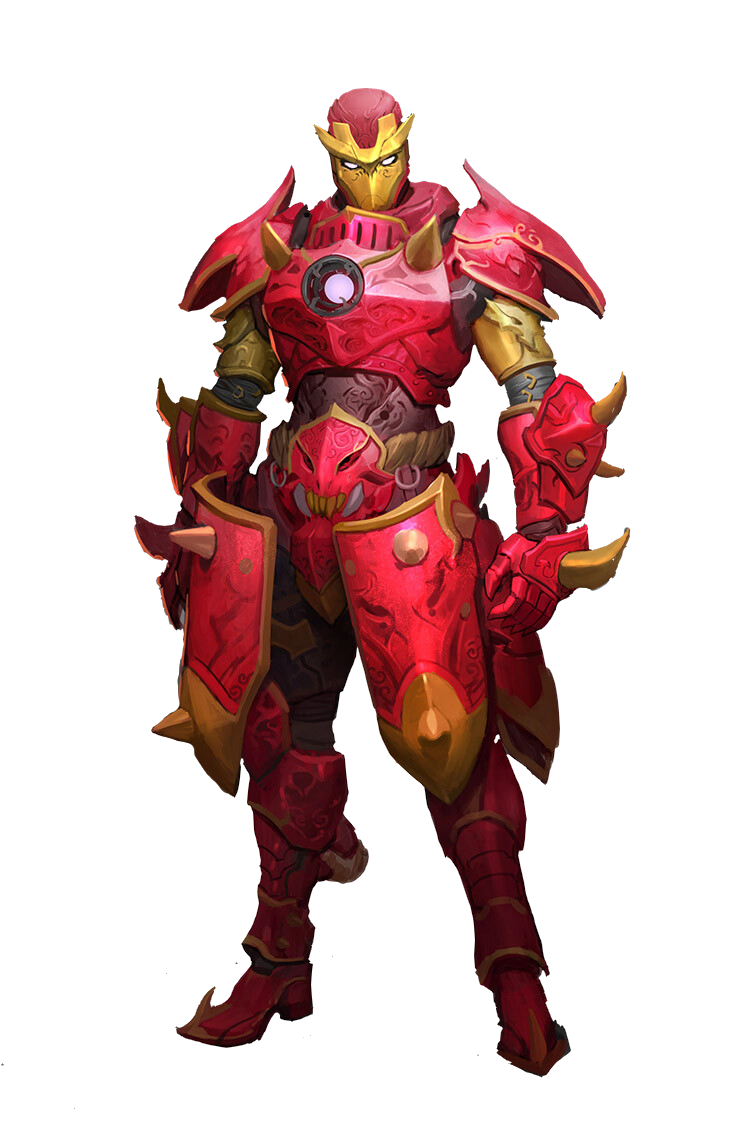
Magical Tinkering
At 1st level, you learn the Mending Cantrip if you do not already know it. If you do, you can choose another Cantrip from the Artificer list.
Additionally, as a Magic action while holding Tinker's Tools, you can create one item in an unoccupied space within 5 feet of yourself, choosing the item from the following list:
- Ball Bearings
- Basket
- Bedroll
- Bell
- Blanket
- Block and Tackle
- Bucket
- Caltrops
- Candle
- Crowbar
- Flask
- Jug
- Lamp
- Net
- Oil
- Paper
- Parchment
- Pole
- Pouch
- Rope
- Sack
- Shovel
- String
- Tinderbox
- Torch
- Vial
See the rules for the item in the 2024 Player's Handbook. The item vanishes when you finish your next Long Rest.
You can use this feature a number of times equal to your Intelligence modifier (minimum of once), and you regain all expended uses when you finish a Short or Long Rest. You cannot have more objects created than your Intelligence modifier (minimum one created item). If you create a new item with this amount already created, the first item you created vanishes early.
Spellcasting
At 1st level, You have learned how to channel magical energy through objects. See the 2024 Player's Handbook for the rules on spellcasting. The information below details how you use those rules with Artificer spells, which appear in the Artificer spell list found on page [page] of this document.
Tools Required. You produce your Artificer spells through tools. You can use Thieves' Tools, Tinker's Tools, or another kind of Artisan's Tools with which you have proficiency as a Spellcasting Focus, and you must have one of those focuses in hand when you cast an Artificer spell (meaning the spell has an "M" component when you cast it).
Cantrips. You know two Artificer cantrips of your choice. Acid Splash and Prestidigitation are recommended.
Whenever you finish a Long Rest, you can replace one of your cantrips from this feature with another Artificer cantrip of your choice.
When you reach Artificer levels 10 and 14, you learn another Artificer cantrip of your choice, as shown in the Cantrips column of the Revised Artificer Features table.
Spell Slots. The Artificer Features table shows how many spell slots you have to cast your level 1+ spells. You regain all expended spell slots when you finish a Long Rest.
Prepared Spells of Level 1+. You prepare the list of level 1+ spells that are available for you to cast with this feature. To start, choose two level 1 Artificer spells. Cure Wounds and Grease are recommended.
The number of spells on your list increases as you gain Artificer levels, as shown in the Prepared Spells column of the Artificer Features table. Whenever that number increases, choose additional Artificer spells until the number of spells on your list matches the number on the table. The chosen spells must be of a level for which you have spell slots. For example, if you're a level 5 Artificer, your list of prepared spells can include six Artificer spells of levels 1 and 2 in any combination.
If another Artificer feature gives you spells that you always have prepared, those don't count against the number of spells you can prepare with this feature, but those spells otherwise count as Artificer spells for you.
Changing Your Prepared Spells. Whenever you finish a Long Rest, you can change your list of prepared spells, replacing any of the spells there with other Artificer spells for which you have spell slots.
Spellcasting Ability. Intelligence is your spellcasting ability for your Artificer spells.
Replicate Magic Item
At 2nd level, You have learned arcane plans that you use to make magic items.
Plans Known. When you gain this feature, choose four plans to learn from the Magic Item Plans Table found on (Artificer Level 2+) table on page [page] of this document (see the 2024 Dungeon Master's Guide for the items' descriptions). Bag of Holding, Cap of Water Breathing, Sending Stones, and Wand of the War Mage +1 are recommended. Whenever you gain an Artificer level, you can replace one of the plans you know with a new plan for which you qualify.
You learn another plan of your choice when you reach certain Artificer levels, as shown in the Plans Known column of the Revised Artificer Features table.
Creating an Item. When you finish a Long Rest, you can create one or two different magic items if you have Tinker's Tools in hand. Each item is based on one of the plans you know for this feature.
If a created item requires Attunement, you can attune yourself to it the instant you create it. If you decide to attune to the item later, you must do so using the normal process for Attunement.
When you reach certain Artificer levels specified in the Magic Items column of the Artificer Features table, the number of magic items you can create at the end of a Long Rest increases. Each item you create must be based on a different plan you know.
If you try to exceed your maximum number of magic items for this feature, the oldest item vanishes, and then the new item appears.
Duration. A magic item created by this feature functions exactly like the normal magic item, except its magic isn't permanent. When you die, the magic item vanishes after 1d4 days.
If an item that you created with this feature is a container, such as a Bag of Holding, and it vanishes, its contents harmlessly appear in and around its space.
Spellcasting Focus. You can use any Wand or Weapon created by this feature as a Spellcasting Focus in place of using a set of Artisan's Tools.
Artificer Subclass
At 3rd level, you gain an Artificer subclass of your choice. The Alchemist, Armorer, Artillerist, and Battle Smith subclasses are detailed after this class's description. A subclass is a specialization that grants you features at certain Artificer levels. For the rest of your career, you gain each of your subclass's features that are of your Artificer level or lower.
Ability Score Improvement
When you reach Artificer Level 4, and again at Artificer Levels 8, 12, and 16, you gain the Ability Score Improvement Feat as well as one other feat of your choice for which you qualify.
Right Tool for the Job
At 4th level, the list of items you can create with Magical Tinkering now includes Artisan's Tools, which are described in the 2024 Player's Handbook.
Magic Item Tinker
At 6th level, your Replicate Magic Item feature improves as follows:
Drain Magic Item. As a Bonus Action, you can touch a magic item within 5 feet of yourself that you created with Replicate Magic Item and cause the item to vanish, converting its magical energy into a spell slot. The slot is level 1 if the item is Common or level 2 if the item is Uncommon or Rare. Once you use this feature, you can't do so again until you finish a Long Rest. Any spell slot you create with this feature vanishes when you finish a Long Rest.
Expanded Replication. When you learn a plan for your Replicate Magic Item feature, you can now also choose from the Magic Item Plans (Artificer Level 6+) table.
Flash of Genius
At 7th level, when you or a creature you can see within 30 feet of you fails an ability check or a saving throw, you can take a Reaction to add a bonus to the roll, potentially causing it to succeed. The bonus equals your Intelligence modifier.
You can take this Reaction a number of times equal to your Intelligence modifier (minimum of once). You regain all expended uses when you finish a Long Rest.
Magic Item Adept
At 10th level, you've achieved a profound understanding of how to use and make magic items, granting you the following benefits:
Additional Attunement. You can attune to up to four magic items at once rather than three.
Expanded Replication. When you learn a plan for your Replicate Magic Item feature, you can now also choose from the Magic Item Plans (Artificer Level 10+) table.
Spell-Storing Item
At 11th level, whenever you finish a Long Rest, you can touch one Simple or Martial weapon or one item that you can use as a Spellcasting Focus, and you store a spell in it, choosing a level 1, 2, or 3 Artificer spell that has a casting time of an action (you needn't have the spell prepared).
While holding the object, a creature can take an action to produce the spell's effect from it, using your spellcasting ability modifier. If the spell requires Concentration, the creature must concentrate. The spell stays in the object until it's been used a number of times equal to twice your Intelligence modifier (minimum of twice) or until you use this feature again to store a spell in an object.
Magic Item Savant
At 14th level, your skill with magic items deepens, granting you the following benefits:
Additional Attunement. You can attune to up to five magic items at once rather than three.
Expanded Replication. When you learn a plan for your Replicate Magic Item feature, you can now also choose from the Magic Item Plans (Artificer Level 14+) table. You can have no more than three Rare items created by Replicate Magic Item at a time.
Magic Item Master
At 18th level, your skill with magic items is perfected, granting you the following benefits:
Additional Attunement. You can attune to up to six magic items at once rather than three.
Peerless Attunement. You ignore all class, species, spell, and level requirements on attuning to or using a magic item. If you lack a Class Feature or Species Feature required to use the item, you still cannot use the properties of that item that require that Class or Species Feature.
Epic Boon
At 19th level, you gain an Epic Boon feat or another feat of your choice for which you qualify. Boon of Energy Resistance is recommended.
Master Artificer
At 20th level, your master of artifice has granted you greater knowledge. Your Intelligence Score increases by 4, to a maximum of 26.
Soul of Artifice
At 20th level, You have developed a mystical connection to your magic items, which you can draw on for aid. You gain the following benefits:
Cheat Death. If you're reduced to 0 Hit Points but not killed outright, you can disintegrate one Uncommon or Rare magic item created by your Replicate Magic Item feature, changing your Hit Points to 20 instead of 0.
Magical Guidance. While you have Attunement to at least one magic item, you can add 1d6 to any ability check you make. You decide to add the die after rolling the d20, and you can use this benefit only once per ability check made and only once per turn.
Alchemist
An Alchemist is an expert at combining reagents to produce magical effects. Alchemists use their creations to give life and to leech it away.
Alchemist Spells
At 3rd level, and again when you reach an Artificer level specified in the Alchemist Spells table, you thereafter always have the listed spells prepared.
Alchemist Spells Table
| Artificer Level | Spells |
|---|---|
| 3rd | Healing Word, Ray of Sickness |
| 5th | Flaming Sphere, Melf's Acid Arrow |
| 9th | Gaseous Form, Mass Healing Word |
| 13th | Death Ward, Vitriolic Sphere |
| 17th | Cloudkill, Raise Dead |
Alchemist's Proficiency
At 3rd level, you gain proficiency with Alchemist's Supplies. If you already have this proficiency, you gain proficiency with one other type of Artisan's Tools of your choice.
Experimental Elixer
At 3rd level, whenever you finish a Long Rest while holding Alchemist's Supplies, you can use that tool to magically produce two elixirs. For each elixir, roll on the Experimental Elixir table for the elixir's effect, which is triggered when someone drinks the elixir. The elixir appears in a vial, and the vial vanishes when the elixir is drunk or poured out. If any elixir remains when you finish a Long Rest, the elixir and its vial vanish.
Drinking an Elixir. As a Bonus Action, a creature can drink the elixir or administer it to another creature within 5 feet of itself.
Creating Additional Elixirs. As a Magic action while holding Alchemist's Supplies, you can expend one spell slot to create another elixir. When you do so, you choose its effect from the Experimental Elixir table rather than rolling. When you reach certain Artificer levels, you can make an additional elixir at the end of each Long Rest: a total of three at level 5, four at level 9, and 5 at level 15.
Experimental Elixer Table
| d6 | Effect |
|---|---|
| 1 | Healing. The drinker regains a number of Hit Points equal to 2d8 plus your Intelligence modifier. This increases to 3d8 at Artificer Level 9, and 4d8 at Artificer Level 15. |
| 2 | Swiftness. The drinker's Speed increases by 10 feet for 1 hour. This increases to 20 feet at Artificer Level 9, and 30 feet at Artificer Level 15. |
| 3 | Resilience. The drinker gains a +1 bonus to Armor Class for 10 minutes. This bonus is applied to Armor Class and Saving Throws at Artificer Level 9. At Artificer Level 15, this bonus becomes +2. |
| 4 | Boldness. The drinker can roll 1d4 and add the number rolled to every attack roll and saving throw they make for the next minute. This becomes 1d6 at Artificer Level 9 and 1d8 at Artificer Level 15. |
| 5 | Flight. The drinker gains a Fly Speed of 10 feet for 10 minutes. This becomes 20 feet at Artificer Level 9 and 30 feet at Artificer Level 15. |
| 6 | Choice. Choose one effect from the other options on this table. Gain the benefits of that Effect. |
Alchemical Savant
At 5th level, whenever you cast a spell using your Alchemist's Supplies as the Spellcasting Focus, you gain a bonus to one roll of the spell. That roll must restore Hit Points or be a damage roll that deals Acid, Fire, Necrotic, or Poison damage. The bonus equals your Intelligence modifier (minimum bonus of +1).
Restorative Reagents
At 9th level, you can incorporate restorative reagents into some of your works, granting the following benefits:
Fortify. Whenever a creature drinks an elixir you created with the Experimental Elixir feature, the creature gains Temporary Hit Points equal to your Intelligence modifier plus your Artificer level.
Restore. You can cast Lesser Restoration without expending a spell slot and without preparing the spell, provided you use Alchemist's Supplies as the Spellcasting Focus. You can do so a number of times equal to your Intelligence modifier (minimum
of once), and you regain all expended uses when you finish a Long Rest.
Chemical Mastery
At 15th level, You gain the following benefits:
Alchemical Eruption. When you cast an Artificer spell that deals Acid, Fire, Necrotic, or Poison damage to a target, you can also deal 2d8 Force damage to that target. You can use this benefit only once on each of your turns.
Chemical Resistance. You gain Resistance to Acid damage and Poison damage and Immunity to the Poisoned Condition.
Conjured Cauldron. You can cast Tasha's Bubbling Cauldron without expending a spell slot, without preparing the spell, and without Material components, provided you use Alchemist's Supplies as the Spellcasting Focus. Once you use this feature, you can't use it again until you finish a Long Rest.

Armorer
An Artificer who specializes as an Armorer modifies armor to function almost like a second skin. The armor is enhanced to hone the Artificer's magic, unleash potent attacks, and generate a formidable defense.
Armorer Spells
At 3rd level, and again when you reach an Artificer level specified in the Armorer Spells table, you thereafter always have the listed spells prepared.
Armorer Spells Table
| Artificer Level | Spells |
|---|---|
| 3rd | Burning Hands, Shield |
| 5th | Mirror Image, Shatter |
| 9th | Hypnotic Pattern, Lightning Bolt |
| 13th | Fire Shield, Greater Invisibility |
| 17th | Passwall, Wall of Force |
Armorer's Proficiency
At 3rd level, you gain proficiency with Smith's Tools. If you already have this proficiency, you gain proficiency with one other type of Artisan's Tools of your choice.
In addition, the cost and time required to craft any Armor is halved when you craft it.
Arcane Armor
At 3rd level, As a Magic action while you have Smith's Tools in hand, you can turn a suit of armor you are wearing into Arcane Armor. The armor continues to be Arcane Armor until you don another suit of armor or you die.
You gain the following benefits while wearing your Arcane Armor:
No Strength Requirement. If the armor normally has a Strength requirement, the Arcane Armor lacks this requirement for you.
Quick Don and Doff. You can don or doff the armor as a Bonus Action.
Second Skin. The armor attaches to you and can't be removed against your will. It also expands to cover your entire body, although you can retract or deploy the helmet at will (no action). The armor replaces missing limbs, functioning identically to a limb it replaces.
Spellcasting Focus. You can use the Arcane Armor as a Spellcasting Focus for your Artificer spells.
Armor Model
At 3rd level, You can customize your Arcane Armor. When you do so, choose one of the following armor models: Dreadnaught, Guardian, or Infiltrator. The model you choose gives you special benefits while you wear it.
Each model includes a special weapon. When you attack with that weapon, you can add your Intelligence modifier, instead of Strength or Dexterity modifier, to the attack and damage rolls.
You can change the armor's model whenever you finish a Short or Long Rest if you have Smith's Tools in hand.
Dreadnaught
You design your armor to become a towering juggernaut in battle. It has the following features:
Armor Flail. An iron ball on a chain appears on one of your armor's gauntlets and has the following traits:
Weapon Category: Simple Melee
Damage on a Hit: 1d8 Bludgeoning plus the ability modifier used for the attack roll
Properties: Reach
Giant Stature. As a Bonus Action, you transform and enlarge your armor for 1 minute. For the duration, your reach increases by 5 feet, and if you are smaller than Large, you become Large, along with anything you are wearing. If there isn't enough room for you to increase your size, your size doesn't change. You can use this Bonus Action a number of times equal to your Intelligence modifier (minimum of once). You regain all expended uses when you finish a Long Rest.
Wrecking Ball. If you hit a creature that is at least one size smaller than you with the flail, you can push the creature up to 10 feet straight away from yourself or pull the creature up to 10 feet toward yourself.
Guardian
You design your armor to be in the front line of conflict. It has the following features:
Thunder Gauntlets. Each of the armor's gauntlets has the following traits:
Weapon Category: Simple Melee
Damage on a Hit: 1d8 Thunder plus the ability modifier used for the attack roll
Distracting Pulse. A creature hit by the gauntlet has Disadvantage on attack rolls against targets other than you until the start of your next turn.
Defensive Field. While you are Bloodied, you can take a Bonus Action to gain Temporary Hit Points equal to your Artificer level. You lose these Temporary Hit Points if you doff the armor.
Infiltrator
You customize your armor for subtle undertakings. It has the following features:
Lightning Launcher. A gemlike node appears on one of the armor's gauntlets or on the armor's chest (your choice). It has the following traits:
Weapon Category: Simple Ranged
Damage on a Hit: 1d8 Lightning plus the ability modifier used for the attack roll
Properties: Ranged (Range 90/300 feet)
Lightning Jolt. Once on each of your turns when you hit a creature with your Lightning Launcher, you can deal an extra 1d6 Lightning damage to that target.
Powered Steps. Your Speed increases by 5 feet.
Dampening Field. If the armor would normally impose Disadvantage on Dexterity (Stealth) Skill Checks, it does not. If it would not normally impose Disadvantage on Dexterity (Stealth) Skill Checks, it instead grants Advantage on those checks.
Extra Attack
At 5th level, you can attack twice, instead of once, whenever you take the Attack action on your turn. If you know a Cantrip, you can replace one of these attacks with a use of that Cantrip.
Armor Replication
At 9th level, you learn an additional plan for your Replicate Magic Item feature, and it must be in the Armor category. If you replace that plan, you must replace it with another Armor plan.
In addition, you can create an additional item with that feature, and the item must also be in the Armor category.
Upgraded Armor
At 9th level, you improve certain features of your Armor based on its Model.
Dreadnaught. The Damage Die of your Armor Flail increases to 1d10 Bludgeoning Damage.
In addition, when you use your Giant Stature, your size can increase to Large and moving through Difficult Terrain doesn't cost you extra movement.
Guardian. The Damage Die of your Thunder Gauntlets increases to 1d10 Thunder Damage.
In addition, when a creature within the range of your Flash of Genius Artificer Feature takes Damage from an Attack, you can expend a use of your Flash of Genius Feature to reduce that damage by 1d6 + Your intelligence modifier.
Infiltrator. The Damage Die of your Lightning Launcher increases to 1d10 lightning Damage.
In addition, as a Magic Action, you can force every creature of you choice within a 30-foot long, 5-foot wide line extending outwards from you as the point of origin to make a Dexterity Saving Throw against your Artificer Spell Save DC, taking 4d8 Lightning Damage on a failed save or half as much on a successful one. You must finish a Short or Long Rest to use this feature again.
Perfected Armor
At 15th level, Your Arcane Armor gains additional benefits based on its model, as detailed below.
Dreadnaught. The damage die of your Armor Flail increases to 2d6 Bludgeoning damage.
In addition, when you use your Giant Stature, your reach increases by 10 feet, your size can increase to Large or Huge (your choice), and you gain a Fly Speed equal to your Speed.
Guardian. The damage die of your Thunder Gauntlets increases to 1d12 Thunder damage.
In addition, when a Huge or smaller creature you can see ends its turn within 30 feet of you, you can take a Reaction to magically force that creature to make a Strength saving throw against your spell save DC. On a failed save, you pull the creature up to 25 feet directly to an unoccupied space. If you pull the target to a space within 5 feet of yourself, you can make a melee weapon attack against it as part of this Reaction. You can take this Reaction a number of times equal to your Intelligence modifier (minimum of once), and you regain all expended uses when you finish a Long Rest.
Infiltrator. The damage die of your Lightning Launcher increases to 2d6.
In addition, any creature that takes Lightning damage from your Lightning Launcher glimmers with magical light until the start of your next turn. The glimmering creature sheds Dim Light in a 5-foot radius, and it has Disadvantage on attack rolls against you, as the light jolts it if it attacks you.

Artillerist
An Artillerist specializes in using magic to hurl energy, projectiles, and explosions on a battlefield.
Artillerist Spells
At 3rd level, and again when you reach an Artificer level specified in the Artillerist Spells table, you thereafter always have the listed spells prepared.
Artillerist Spells Table
| Artificer Level | Spells |
|---|---|
| 3rd | Magic Missile, Thunderwave |
| 5th | Scorching Ray, Shatter |
| 9th | Fireball, Wind Wall |
| 13th | Ice Storm, Wall of Fire |
| 17th | Cone of Cold, Flame Strike |
Artillerist's Proficiency
At 3rd level, you gain proficiency with Woodcarver's Tools. If you already have this proficiency, you gain proficiency with one other type of Artisan's Tools of your choice.
In addition, when you craft a magic Wand, the cost and amount of time required to craft it is halved.
Eldritch Cannon
At 3rd level, using Woodcarver's Tools or Smith's Tools, you can take a Magic action to create a Small or Tiny Eldritch Cannon. in an unoccupied space on a horizontal surface within 5 feet of yourself. The cannon's game statistics appear below. You determine its appearance, which includes your choice of legs or wheels. It disappears if it is reduced to 0 Hit Points or after 1 hour. You can dismiss it early as a Magic action.
Once you create a cannon, you can't do so again until you finish a Long Rest or expend a spell slot to create one. You can have only one cannon at a time and can't create one while your cannon is present.
Eldritch Cannon
Tiny or Small object
Armor Class: 18
Hit Points: 5 x your Artificer Level (Casting Mending on the Cannon restores 2d6 hit points to it)
Damage Immunities: Poison, Psychic
Activate Cannon (Requires You to be within 60 Feet of the Cannon). As a Bonus Action, you order the cannon to use the Flamethrower, Force Ballista, or Protector option below; you can direct the cannon to move up to 15 feet before or after that option:
Flamethrower. The cannon exhales fire in a 15-foot Cone. Each creature in that area makes a Dexterity saving throw against your spell save DC, taking 2d8 Fire damage on a failed save or half as much damage on a successful one. Flammable objects in the Cone that aren't being worn or carried start burning.
Force Ballista. Make a ranged spell attack originating from the cannon at one creature or object within 120 feet of it. On a hit, the target takes 2d8 Force damage, and if the target is a creature, it is pushed up to 5 feet away from the cannon.
Protector. The cannon emits a burst of positive energy that grants itself and each creature of your choice within 10 feet of it a number of Temporary Hit Points equal to 1d8 plus your Intelligence modifier (minimum of 1).
Arcane Firearm
At 5th level, when you finish a Long Rest, you can use Woodcarver's Tools to carve special sigils into a Rod, Staff, or Wand and thereby turn it into your arcane firearm. The sigils disappear from the object if you later carve them on a different item. The sigils otherwise last indefinitely.
You can use your arcane firearm as a Spellcasting Focus for your Artificer spells. When you cast an Artificer spell through the firearm, roll 1d8, and you gain a bonus to one of the spell's damage rolls equal to the number rolled.
Additionally, Once per Turn, if you deal damage with a Firearm, you can roll 1d8 and deal additional Thunder damage equal to the number rolled.
Explosive Cannon
At 9th level, Every Eldritch Cannon you create is now more destructive. You gain the following benefits:
Detonate. When your cannon is reduced to 0 Hit Points, you can take a Reaction to command the cannon to detonate if you are within 60 feet of it. Doing so destroys the cannon and forces each creature within 20 feet of it to make a Dexterity saving throw against your spell save DC, taking 3d10 Force damage on a failed save or half as much damage on a successful one.
Firepower. The cannon's damage rolls increase by 1d8.
Fortified Position
At 15th level, you're a master at forming well-defended emplacements using your Eldritch Cannon. You gain the following benefits:
Double Firepower. You can now have two cannons at the same time. You can create two with the same Magic action (but not with the same spell slot), and you can activate both of them with the same Bonus Action, ordering them to use the same activation option or different ones. You can't create a third cannon while you have two.
Shimmering Field Projection. You and your allies have Half Cover while within 10 feet of your Eldritch Cannon.

Battle Smith
An Battle Smith is an expert at combining reagents to produce magical effects. Battle Smiths use their creations to give life and to leech it away.
Battle Smith Spells
At 3rd level, and again when you reach an Artificer level specified in the Battle Smith Spells table, you thereafter always have the listed spells prepared.
Battle Smith Spells Table
| Artificer Level | Spells |
|---|---|
| 3rd | Heroism, Shield of Faith |
| 5th | Shining Smite, Warding Bond |
| 9th | Aura of Vitality, Conjure Barrage |
| 13th | Aura of Purity, Otiluke's Resilient Sphere |
| 17th | Banishing Smite, Mass Cure Wounds |
Battle Smith's Proficiency
At 3rd level, you gain proficiency with Smith's Tools. If you already have this proficiency, you gain proficiency with one other type of Artisan's Tools of your choice.
In addition, when you craft a weapon, the cost and amount of time required to craft it is halved.
Battle Ready
At 3rd level, Your combat training and your experiments with magic have paid off in two ways:
Arcane Empowerment. When you attack with a magic weapon, you can use your Intelligence modifier, instead of Strength or Dexterity modifier, for the attack and damage rolls.
Weapon Knowledge. You gain proficiency with Martial weapons.
Steel Defender
At 3rd level, Your tinkering has borne you a companion, a Steel Defender (see the stat block). You determine the defender's appearance and whether it has two legs or four; your choices don't affect the defender's game statistics.
The Steel Defender is Friendly to you and your allies and obeys you. It vanishes if you die.
The Defender in Combat. In combat, the defender acts during your turn. It can move and take its Reaction on its own, but the only action it takes is the Dodge action unless you take a Bonus Action to command it to take an action. If you have the Incapacitated condition, the defender acts on its own and isn't limited to the Dodge action.
Restoring or Replacing the Defender. If the defender has died within the last hour, you can take a Magic action to touch it and expend a spell slot. The defender returns to life after 1 minute with all its Hit Points restored.
Whenever you finish a Long Rest, you can create a new Steel Defender if you have Smith's Tools in hand. If you already have a defender from this feature, the first one vanishes.

Steel Defender
Medium Construct
- Armor Class 13 + Your Intelligence Modifier
- Hit Points 5 + 5 times your Artificer Level (the Defender has a number of Hit Dice [d8s] equal to your Artificer Level)
- Speed 40 ft.
- Proficiency Bonus Equal to your Proficiency Bonus
STR DEX CON INT WIS CHA 14 (+2) 12 (+1) 14 (+2) 4 (-3) 10 (0) 6 (-2)
- Damage Immunities Poison
- Condition Immunities charmed, exhaustion, poisoned
- Senses Darkvision 60 ft., passive Perception 10
- Languages understands the languages you know.
Steel Bond. Add your Proficiency Bonus to any ability check or saving throw the defender makes.
Actions
Force-Empowered Rend. Melee Attack Roll: Bonus equals your spell attack modifier, reach 5 ft. Hit: 1d8 + 2 plus your Intelligence modifier Force damage.
Repair (3/Day). The defender, or one Construct or object it can see within 5 feet of it, regains a number of Hit Points equal to 2d8 plus your Intelligence modifier.
Reactions
Deflect Attack. Trigger: A creature the defender can see within 5 feet of it makes an attack roll targeting a different creature. Response: The triggering creature makes the attack roll with Disadvantage.
Extra Attack
At 5th level, you can attack twice, instead of once, whenever you take the Attack action on your turn. If you know a Cantrip, you can replace one of these attacks with a use of that Cantrip.
Arcane Jolt
At 9th level, when either you hit a target with an attack roll using a magic weapon or your Steel Defender hits a target, you can channel magical energy through the strike to create one of the following effects:
Destructive Energy. The target takes an extra 2d6 Force damage.
Restorative Energy. Choose one creature or object you can see within 30 feet of the target. Healing energy flows into the chosen recipient, restoring 2d6 Hit Points to it.
You can use this energy a number of times equal to your Intelligence modifier (minimum of once), but you can do so no more than once a turn. You regain all expended uses when you finish a Long Rest.
Improved Defenses
At 15th level, Your Arcane Jolt and Steel Defender have become more powerful, granting these benefits:
Improved Jolt. The extra damage and healing of your Arcane Jolt both increase to 4d6.
Fortified Defender. Your Steel Defender gains a +2 bonus to Armor Class.
Improved Deflection. Whenever your Steel Defender uses its Deflect Attack, the attacker takes Force damage equal to 1d6 plus your Intelligence modifier.
Cartographer
Cartographers are the premier navigators and reconnaissance agents. Using their creations, Cartographers can highlight threats, safeguard their allies, and carve portals to distant locations.
Cartographer Spells
At 3rd level, and again when you reach an Artificer level specified in the Cartographer Spells table, you thereafter always have the listed spells prepared.
Cartographer Spells Table
| Artificer Level | Spells |
|---|---|
| 3rd | Farie Fire, Guiding Bolt |
| 5th | Locate Object, Mind Spike |
| 9th | Clairvoyance, Haste |
| 13th | Freedom of Movement, Locate Creature |
| 17th | Scrying, Teleportation Circle |
Catrographer Proficiencies
At 3rd level, You gain proficiency with Calligrapher’s Supplies and Cartographer’s Tools and in the Survival Skill. If you already have one of these proficiencies, you gain proficiency with one other type of Artisan’s Tools of your choice.
In addition, when you scribe a Spell Scroll using the crafting rules in the 2024 Player’s Handbook, the amount of time required to craft it is halved.
Adventurer's Atlas
At 3rd level, whenever you finish a Long Rest while holding Cartographer’s Tools, you can use that tool to create a set of magical maps by touching at least two creatures (one of whom can be yourself), up to a maximum number of creatures equal to 1 plus your Intelligence modifier (minimum of two creatures). Each target receives a magical map, which is illegible to all others. The maps last until you die or until you use this feature again, at which point any existing maps created by this feature immediately vanish.
While carrying the map, a target gains the following benefits.
Awareness. The target adds 1d4 to its Initiative rolls. This increases to 1d6 at 15th level.
Positioning. The target knows the location of all other map holders that are on the same plane of existence as itself. When casting a spell or creating an effect that requires being able to see the target, a map holder can target another map holder regardless of sight, so long as the other map holder is still within the spell or effect’s range.
Scouting Gadgets
At 3rd level, You gain the following benefits.
Boost. On your turn, you can expend half your movement to teleport to an unoccupied space you can see within 15 feet of yourself. You can’t use this benefit if your Speed is 0.
Radar. You can cast Faerie Fire without expending a spell slot. You can do so a number of times equal to your Intelligence modifier (minimum of once), and you regain all expended uses when you finish a Short or Long Rest.
Portal Jump
At 5th level, As a Bonus Action, you teleport up to 60 feet to an unoccupied space you can see.
You can use this feature a number of times equal to your Intelligence modifier (minimum of once). You regain all expended uses when you finish a Long Rest.
You can also use this ability without expending a use if the destination space is within 5 feet of a creature carrying a map created with your Adventurer’s Atlas. Doing so destroys the map that creature carries.
Ingenious Movement
At 9th level, When you use your Flash of Genius, you or a willing creature of your choice you can see within 30 feet of yourself can teleport up to 30 feet to an unoccupied space you can see as part of that same Reaction.
Superior Atlas
At 15th level, your Adventurer’s Atlas improves, gaining the following benefits.
Safe Haven. When a map holder is reduced to 0 Hit Points but not killed outright, that creature can destroy its map. The creature is then teleported to an unoccupied space within 5 feet of you or another map holder of its choice and is Stable.
Unerring Path. If you are one of the map holders for your Adventurer’s Atlas, you can cast Find the Path without expending a spell slot, without preparing the spell, and without needing spell components. Once you use this feature, you can’t use it again until you finish a Short or Long Rest.
Unshakeable Mind. While at least one map created with your Adventurer’s Atlas still exists, taking damage can’t cause you to lose Concentration on your Artificer spells
Reanimator
Reanimators defy the laws of nature in pursuit of gruesome experiment. These grim Artificers stitch together servants from disparate corpses, use foul magic to strengthen the living, and transform the art of necromancy into a terrifying science.
Reanimator Spells
At 3rd level, and again when you reach an Artificer level specified in the Reanimator Spells table, you thereafter always have the listed spells prepared.
Reanimator Spells Table
| Artificer Level | Spells |
|---|---|
| 3rd | False Life, Spare the Dying, Witch Bolt |
| 5th | Blindness/Deafness, Enhance Ability |
| 9th | Animate Dead, Lightning Bolt |
| 13th | Blight, Death Ward |
| 17th | Antilife Shell, Raise Dead |
Jolt To Life
At 3rd level, when you cast Spare the Dying, you can modify the spell so that it sends a jolt of electricity through the
target, reviving it. The target regains 1 Hit Point, and each creature in a 10-foot Emanation originating from the target makes a Dexterity saving throw against your spell save DC, taking Lightning damage equal to 1d6 plus your Intelligence Modifier on a failed save or half as much damage on a successful one.
At 5th Level, this Damage increases to 1d8. At 15th Level, this Damage increases to 1d10.
You can modify the spell this way a number of times equal to your Intelligence modifier, and you regain all expended uses when you finish a Short or Long Rest.
Reanimated Companion
At 3rd Level, using Tinker’s Tools or another type of Artisan’s Tools with which you have proficiency, you can take a Magic action to create a Reanimated Companion (see the stat block) through the power of necromancy and science. The companion manifests in an unoccupied space within 5 feet of you. You determine the companion’s appearance; your choices don’t affect the companion’s game statistics.
The companion is Friendly to you and your allies and obeys you. It lasts until you finish a Long Rest or until you take a Magic action to dismiss it early, at which point it harmlessly collapses into a pile of viscera. It immediately drops to 0 Hit Points and dies (triggering its Death Burst trait) if you die. Once you create a companion, you can’t do so again until you finish a Long Rest or expend a spell slot to create one. You can have only one companion at a time and can’t create one while your companion is present.
The Companion in Combat. In combat, the companion acts during your turn. It can move and take its Reaction on its own, but the only action it takes is the Dodge action unless you take a Bonus Action to command it to take an action. If you have the Incapacitated condition, the companion acts on its own and isn’t limited to the Dodge action.
Reanimated Companion
Small Undead
- Armor Class 13 + Your Intelligence Modifier
- Hit Points 5 + 5 times your Artificer Level (the Companion has a number of Hit Dice [d8s] equal to your Artificer Level)
- Speed 30 ft.
- Proficiency Bonus Equal to your Proficiency Bonus
STR DEX CON INT WIS CHA 14 (+2) 10 (+0) 16 (+3) 4 (-3) 10 (0) 6 (-2)
- Damage Resistances Necrotic, Poison
- Damage Immunities Lightning
- Condition Immunities charmed, exhaustion, poisoned
- Senses Blindsight 60 ft., passive Perception 10
- Languages understands the languages you know.
Death Burst. When the companion dies, it explodes. All creatures within a 10-foot emanation centered on the companion must make a Dexterity Saving Throw against your Spell Save DC. On a failure, they take Necrotic Damage equal to a number of d6s equal to your Proficiency Bonus.
Lightning Absorption. Whenever the Companion is the target of a source of Lightning Damage, it re gains a number of Hit Points equal to the Lightning Damage dealt.
Actions
Dreadful Swipe. Melee Attack Roll: Bonus equals your spell attack modifier, reach 5 ft. Hit: 1d8 + 2 plus your Intelligence modifier Necrotic damage, and the target can't take Opportunity Attacks until the start of its next Turn.
Mend Flesh (3/Day). The Companion regains a number of Hit Points equal to 2d6 plus your Intelligence modifier.
Strange Modifications
At 5th level, Whenever you create a Reanimated Companion, it gains one of the following options of your choice; choose when you create the companion.
Arcane Conduit. You can cast spells as though you were in the companion’s space, but you must use your own senses. Once per turn, when you cast an Artificer spell from the Evocation or Necromancy schools and deal damage while your companion is within 120 feet of you, you can add your Intelligence modifier to one damage roll of that spell.
Ferocity. When you command your companion to take the Dreadful Swipe action, the companion can use it twice.
Improved Reanimation
At 9th Level, you experiment and alter your companion further. Whenever you create a Reanimated Companion, it
gains one of the following options of your choice; choose when you create the companion.
Bloated. The companion becomes Large or Medium (your choice). Whenever it hits a Large or smaller creature with its Dreadful Swipe action, that creature can also be pushed up to 10 feet away from the companion. Additionally, you can add your Intelligence modifier to the damage dealt by the companion’s Death Burst.
Gaunt. The companion’s Speed increases to 45 feet, and it gains a Climb Speed equal to its Speed. It can climb difficult surfaces, including along ceilings, without needing to make an ability check. In addition, whenever a creature of your choice starts its turn within a 10-foot Emanation originating from your companion, the creature must succeed on a
Wisdom saving throw against your spell save DC or have the Frightened condition until the start of its next turn.
Moist. The companion gains a Swim Speed equal to its Speed. In addition, whenever the companion is hit by an attack roll from a creature within 10 feet of it, the attacker takes Acid damage equal to your Intelligence modifier.
Promethean Reanimation
At 15th level, You have mastered the science of revivification, granting you the following benefits.
Facilitated Revival. When you cast Revivify or Raise Dead, the cost of any Material components needed for that spell is halved.
Improved Companion. The damage of your Reanimated Companion’s Death Burst is increased by 2d6. Necrotic damage dealt by your companion ignores Resistance and Immunity.
Life Transfer. You can siphon the animating magic of your companion to bolster yourself. When you take damage, you can take a Reaction to cause your Reanimated Companion to drop to 0 Hit Points. The companion immediately dies (triggering its Death Burst trait), and you regain a number of Hit Points equal to your Artificer level.
Appendix A: Artificer Spell List
Note: These Spells are found in the 2024 Player's Handbook. You may also use Spells found on the Spell List in Tasha's Cauldron of Everything that are not found here in addition to these Spells.
Cantrips (Level 0 Artificer Spells)
Acid Splash
Dancing Lights
Elementalism
Fire Bolt
Guidance
Light
Mage Hand
Mending
Message
Poison Spray
Prestidigitation
Ray of Frost
Resistance
Shocking Grasp
Spare the Dying
Thorn Whip
Thunderclap
True Strike
Level 2 Artificer Spells
Aid
Alter Self
Arcane Lock
Arcane Vigor
Blur
Continual Flame
Darkvision
Dragon's Breath
Enhance Ability
Enlarge/Reduce
Heat Metal
Homonculus Servant (Found in Appendix B of this document)
Invisibility
Lesser Restoration
Levitate
Magic Mouth
Magic Weapon
Protection from Poison
Rope Trick
See Invisibility
Spider Climb
Web
Level 1 Artificer Spells
Alarm
Cure Wounds
Detect Magic
Disguise Self
Expiditious Retreat
Farie Fire
False Life
Feather Fall
Grease
Identify
Jump
Longstrider
Purify Food and Drink
Sanctuary
Level 3 Artificer Spells
Blink
Create Food and Water
Dispel Magic
Elemental Weapon
Fly
Glyph of Warding
Haste
Protection from Energy
Revivify
Water Breathing
Water Walk
Level 4 Artificer Spells
Arcane Eye
Fabricate
Freedom of Movement
Leomund's Secret Chest
Mordenkainen's Faithful Hound
Mordenkainen's Private Sanctum
Otiluke's Resilient Sphere
Stone Shape
Stoneskin
Summon Construct
Level 5 Artificer Spells
Animate Objects
Bigby's Hand
Circle of Power
Creation
Greater Restoration
Wall of Stone
Appendix B: New Spells
Spells are presented in alphabetical order.
Homonculus Servant
2nd-level Conjuration
Casting Time: 1 hour (Ritual)
Range: 10 feet
Components: V,S,M (a gem or crystal worth 100+ GP, which the spell consumes)
Duration: Instantaneous
You summon a special homunculus in an unoccupied space within range. This creature uses the Homunculus Servant stat block. If you already have a homunculus from this spell, the homunculus is replaced by the new one.
You determine the homunculus’s appearance, such as a mechanical-looking bird; winged vials; or miniature, animate cauldrons.
Combat. The homunculus is an ally to you and your allies. In combat, it shares your Initiative count, but it takes its turn immediately after yours. It obeys your commands (no action required by you). If you don’t issue any, it takes the Dodge action and uses its movement to avoid danger.
Using a Higher-Level Spell Slot. Use the spell slot’s level for the spell’s level in the stat block.
Classes: Artificer
Subclasses: Phantomage Rizer.
Homonculus Servant
Tiny Construct, Neutral
- Armor Class 11 + the Spell's Level.
- Hit Points 5 + 5 per Spell Level (the homonculus has a number of Hit Dice [d4s] equal to the spell's level)
- Speed 20 ft., Fly 30 ft.
STR DEX CON INT WIS CHA 4 (-3) 15 (+2) 12 (+1) 10 (+0) 10 (+0) 7 (-2)
- Saving Throws Str -3, Dex +2, Con +1, Int +0, Wis +0, Cha -2.
- Damage Immunities Poison
- Condition Immunities Exhaustion, Poisoned
- Senses Darkvision 60 ft.; Passive Perception 10
- Languages Telepathy 1 mile (works only with you)
- Challenge None (XP 0; PB equals your Proficiency Bonus)
Traits
Evasion. If the homunculus is subjected to an effect that allows it to make a Dexterity saving throw to take only half damage, the homunculus instead takes no damage if it succeeds on the save and only half damage if it fails. It can’t use this trait if it has the Incapacitated condition.
Magic Bond. Add the spell level to any ability check or saving throw the homunculus makes.
Actions
Force Strike. Melee or Ranged Attack Roll: Bonus equals your spell attack modifier, reach 5 ft. or range 30 ft. Hit: 1d6 plus the spell’s level of Force damage.
Reactions
Channel Magic. Trigger: You cast a spell that has a range of touch while the homunculus is within 120 feet of you. Response: The homunculus delivers the spell through its touch.
Appendix C: Magic Item Plans Tables
Magic Item Plans (Artificer Level 2+)
| Magic Item Plan | Attunement |
|---|---|
| Alchemy Jug | No |
| Bag of Holding | No |
| Cap of Water Breathing | No |
| Common Magic Item that isn't a Potion, a Scroll, or Cursed and isn't listed on this table (you can learn this option multiple timses and must select a different item each time; each item selected counts as a different plan) | Varies |
| Googles of Night | No |
| Manifold Tool | Yes |
| Repeating Shot | Yes |
| Returning Weapon | No |
| Rope of Climbing | No |
| Sending Stones | No |
| Shield +1 | No |
| Wand of Magic Detection | No |
| Wand of Secrets | No |
| Wand of the War Mage +1 | Yes |
| Weapon +1 | No |
| Wraps of Unarmed Power +1 | No |
Magic Item Plans (Artificer Level 6+)
| Magic Item Plan | Attunement |
|---|---|
| Armor +1 | No |
| Boots of Elvenkind | No |
| Boots of the Winding Path | Yes |
| Cloak of Elvenkind | Yes |
| Cloak of the Manta Ray | No |
| Eyes of Charming | Yes |
| Eyes of Minute Seeing | No |
| Gloves of Theivery | No |
| Lantern of Revealing | No |
| Mind Sharpener | Yes |
| Necklace of Adaptation | Yes |
| Pipes of Haunting | No |
| Radiant Weapon | Yes |
| Repulsion Shield | No |
| Ring of Swimming | No |
| Ring of Water Walking | No |
| Sentinel Shield | No |
| Spell-Refuling Ring | Yes |
| Uncommon Armor, Wand, or Weapon that isn't Cursed or listed on this table (you can learn this option multiple timses and must select a different item each time; each item selected counts as a different plan) | Varies |
| Wand of Magic Missiles | No |
| Wand of Web | No |
Magic Item Plans (Artificer Level 10+)
| Magic Item Plan | Attunement |
|---|---|
| Armor of Resistance | Yes |
| Dagger of Venom | No |
| Elven Chain | No |
| Ring of Feather Falling | Yes |
| Ring of Jumping | Yes |
| Ring of Mind Shielding | Yes |
| Shield +2 | No |
| Uncommon Wondrous Item that isn't cursed or listed on this table (you can learn this option multiple times and must select a different item each time; each item selected counts as a different plan) | Varies |
| Wand of the War Mage +2 | Yes |
| Weapon +2 | No |
| Wraps of Unarmed Power +2 | No |
Magic Item Plans (Artificer Level 14+)
| Magic Item Plan | Attunement |
|---|---|
| Armor +2 | No |
| Arrow-Catching Shield | Yes |
| Flame Tongue | Yes |
| Rare Armor, Ring, Wand, Weapon, or Wondrous Item that isn't cursed or listed on this table (you can learn this option multiple times and must select a different item each time; each item selected counts as a different plan) | Varies |
| Ring of Free Action | Yes |
| Ring of Protection | Yes |
| Ring of the Ram | Yes |
Appendix D: New Magic Items
Magic items are presented in alphabetical order.
Boots of the Winding Path
Wondrous Item, Uncommon (Requires Attunement)
While wearing these boots, you can take a Bonus Action to teleport up to 15 feet to an unoccupied space you can see. You must have occupied that space at some point during the current turn.
Helm of Awareness
Wondrous Item, Uncommon (Requires Attunement)
While wearing this helmet, you have Advantage on Initiative rolls.
Manifold Tool
Wondrous Item, Common (Requires Attunement)
This tool takes the form of a wrench, screwdriver, or other basic tool. As a Magic action, you can touch the item and transform it into a type of Artisan’s Tools of your choice. Whatever form the tool takes, you have proficiency with it when you use it.
Mind Sharpener
Ring, Uncommon (Requires Attunement)
The item has 4 charges. When you fail a Constitution saving throw to maintain Concentration, you can take a Reaction and expend 1 of the item’s charges to succeed instead. The item regains 1d4 expended charges daily at dawn.
Radiant Weapon
Weapon (Any Simple or Martial), Rare (Requires Attunement)
This magic weapon grants a +1 bonus to attack and damage rolls made with it. While holding it, you can take a Bonus Action to cause it to shed Bright Light in a 30-foot radius and Dim Light for an additional 30 feet. You can extinguish the light as a Bonus Action.
The weapon has 4 charges. You can take a Reaction immediately after being hit by an attack roll to expend 1 of the weapon’s charges and force the attacker to make a DC 15 Constitution saving throw. On a failed save, the attacker has the Blinded
condition until the end of its next turn. The weapon regains 1d4 expended charges daily at dawn.
Repeating Shot
Weapon (Any Simple or Martial with the Ammunition Property), Uncommon (Requires Attunement)
This magic weapon grants a +1 bonus to attack and damage rolls made with it when it’s used to make a ranged attack roll, and it ignores the Loading or Reload properties if it has either of them.
If the weapon lacks ammunition, it produces its own, automatically creating one piece of magic ammunition when the wielder makes a ranged attack with it. The ammunition created by the weapon vanishes the instant after it hits or misses a target.
Repulsion Shield
Armor (Shield), Uncommon
You gain a +1 bonus to Armor Class while wielding this shield.
The shield has 4 charges. While holding it, you can take a Reaction immediately after being hit by a melee attack roll to expend 1 of the shield’s charges and push the attacker up to 15 feet away. The shield regains 1d4 expended charges daily at dawn.
Returning Weapon
Weapon (Any Simple or Martial with the Thrown Property), Uncommon
This magic weapon grants a +1 bonus to attack and damage rolls made with it, and it returns to your hand immediately after it is used to make a ranged attack roll.
Spell-Refuling Ring
Ring, Uncommon (requires Attunement by a Spellcaster)
While wearing this ring, you can recover one expended spell slot as a Bonus Action. The recovered slot can be of level 3 or lower. Once used, the ring can’t be used again until the next dawn.
Appendix E: Revised Magic Items
Magic items are presented in alphabetical order. These Options are revised from the Artificer (2024) Unearthed Arcana.
Helm of Awareness
Wondrous Item, Uncommon (Requires Attunement)
While wearing this helmet, you have Advantage on Initiative Rolls and Wisdom (Perception) Skill Checks.
Radiant Weapon
Weapon (Any Simple or Martial), Rare (Requires Attunement)
This magic weapon grants a +1 bonus to attack and damage rolls made with it. While holding it, you can take a Bonus Action to cause it to shed Bright Light in a 30-foot radius and Dim Light for an additional 30 feet. You can extinguish the light as a Bonus Action. The weapon has 4 charges. You can take a Reaction immediately after being hit by an attack roll to expend 1 of the weapon’s charges and force the attacker to make a DC 15 Constitution saving throw. On a failed save, the attacker has the Blinded condition until the end of its next turn. The weapon regains 1d4 expended charges daily at dawn.
Appendix F: New Magic Items
Magic items are presented in alphabetical order. These Options are from my Revised Artificer (2014)'s new Infusions.
Arcane Visor
Wondrous Item, Uncommon (Requires Attunement)
A creature wearing this helm can cast the Detect Magic spell at will and can read all writing and understand all spoken language, but cannot write or speak any language it does not already know.
Reactive Armor
Armor (Medium or Heavy), Rare (Requires Attunement)
When you take damage from a Melee Attack, you can use your reaction to cause the attacker to take damage equal to that dealt by the weapon associated with your current armor model; 1d8 Thunder for Guardian, 1d6 Lightning for Infiltrator.
You may use this infusion a number of times equal to your Proficiency Bonus, and regain all uses at the end of a Long Rest.
Credits
Art (In Order)
Other
Changes: Me, SmugCoffeeMan
Fan Content Policy
This work is unofficial Fan Content permitted under the Fan Content Policy. Not approved/endorsed by Wizards. Portions of the materials used are property of Wizards of the Coast. ©Wizards of the Coast LLC.
If you enjoy my content, feel free to buy me a coffee over on Ko-Fi! It ensures I can focus on putting out content instead of worrying about paying my bills.
Feel free to follow me on social media!
Youtube
Twitter
Twitch
Changelog
1.0
- Created the document. Buffed a few features, tweaked some of the Spell Lists.
1.1
- Fixed an error on the Steel Defender Statblock.
1.2
- Tinker's Magic now lasts until Long Rest instead of Short or Long Rest as per the new UA update, and grants Mending the same as the UA.
- Replicate Magic Item's lists have been altered, and its Spellcasting Focus ability has been added from the newest UA.
- Updated the Spell list to match the new UA
- Updated Homunculus Servant to match the new UA, bar changes made to the statblock.
- Added the Cartographer Subclass from the new UA and buffed some of its weaker features ever so slightly (Survival proficiency, +5 to the 10 foot teleport range)
- Updated the magic items to match the versions from the new UA if they didn't already and added new ones.
- Added the Reanimator Subclass from the Horror Subclasses UA.