Runeblade
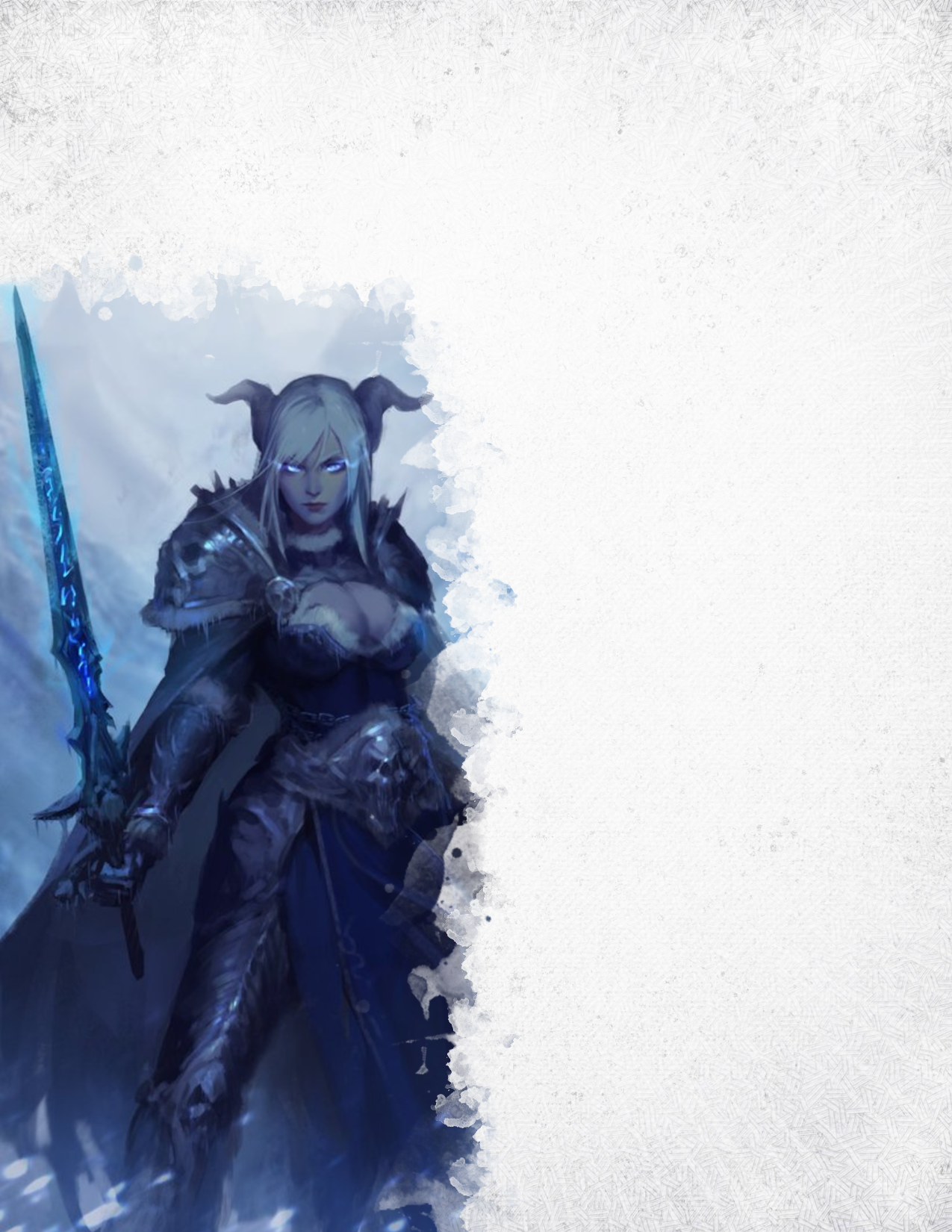
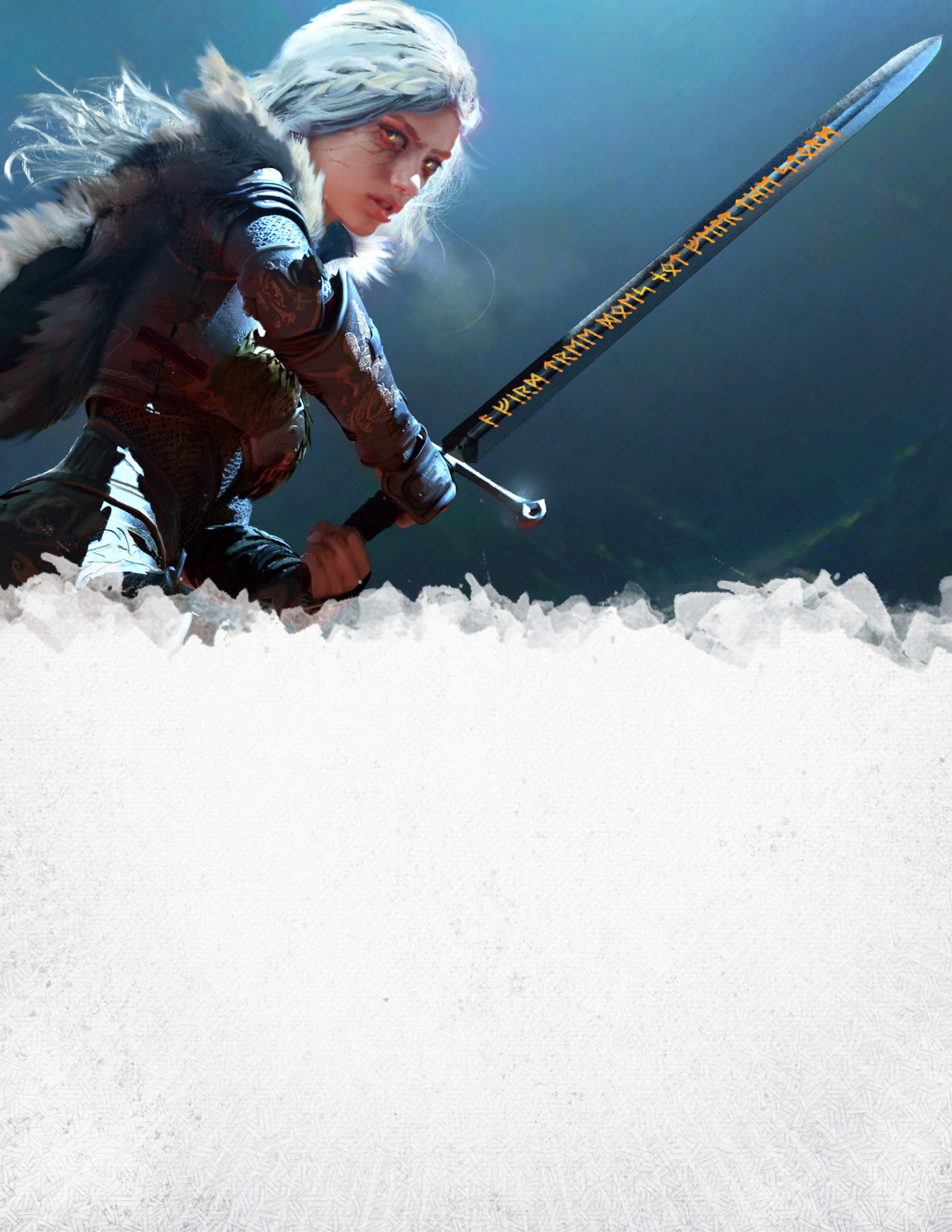
The dragon's red scales flashed as the great beast breathed again, filling its lair with great gouts of flame, further charring the mage's corpse. The cleric was terrified, murmuring prayers while clutching her holy symbol, as the mercenary they had picked up in town strode forth to confront the beast, hefting her sword, now covered in sheets of frost and visibly radiating cold.
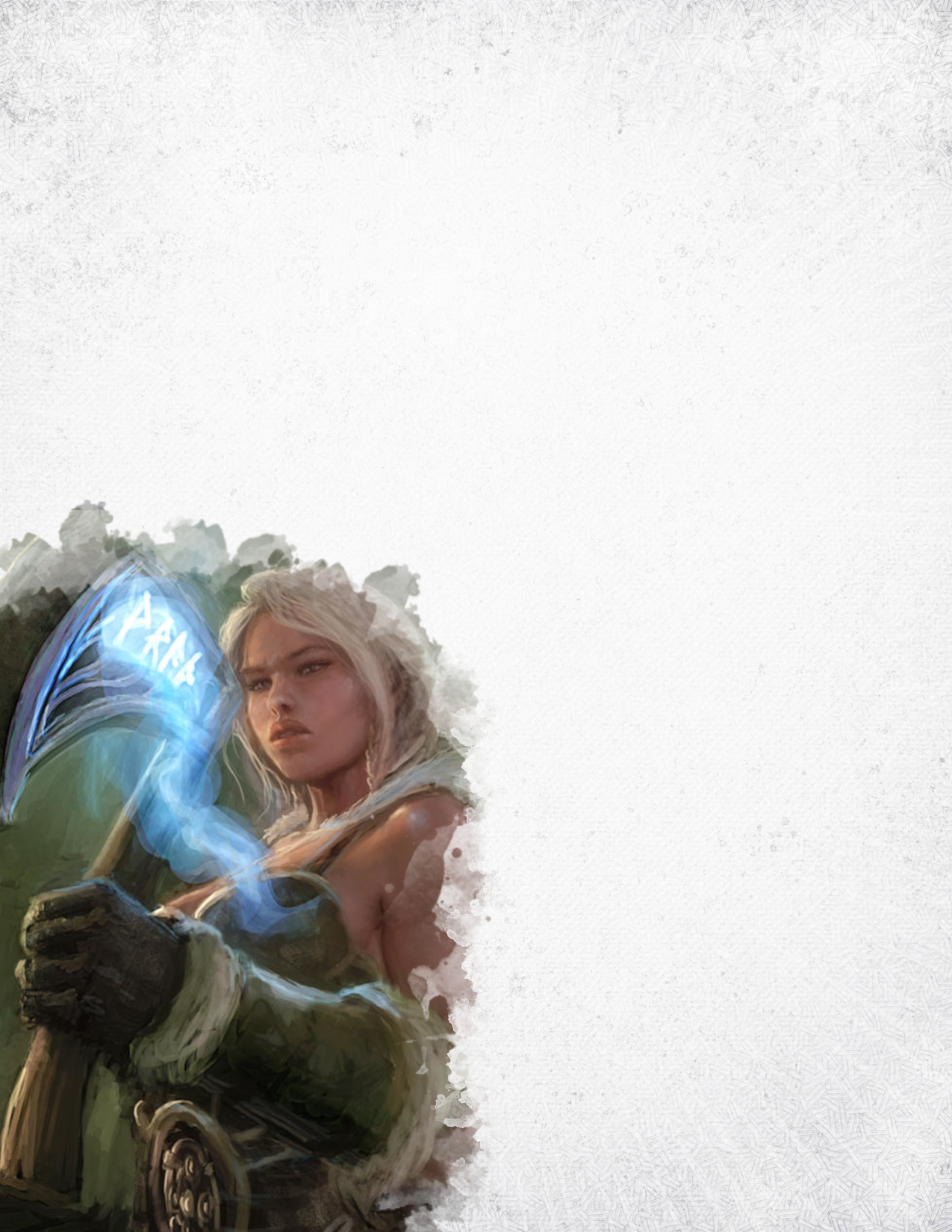
The crowd cheered as the goliath took to the ring, hefting his enormous maul. His opponent was a lithe tabaxi, sporting nothing more than a thin foil. He laughed at her, and the crowd joined in -- there was no way such a pitiful weapon was a match for him... then, quick as lightning, she struck, and he could no longer see.
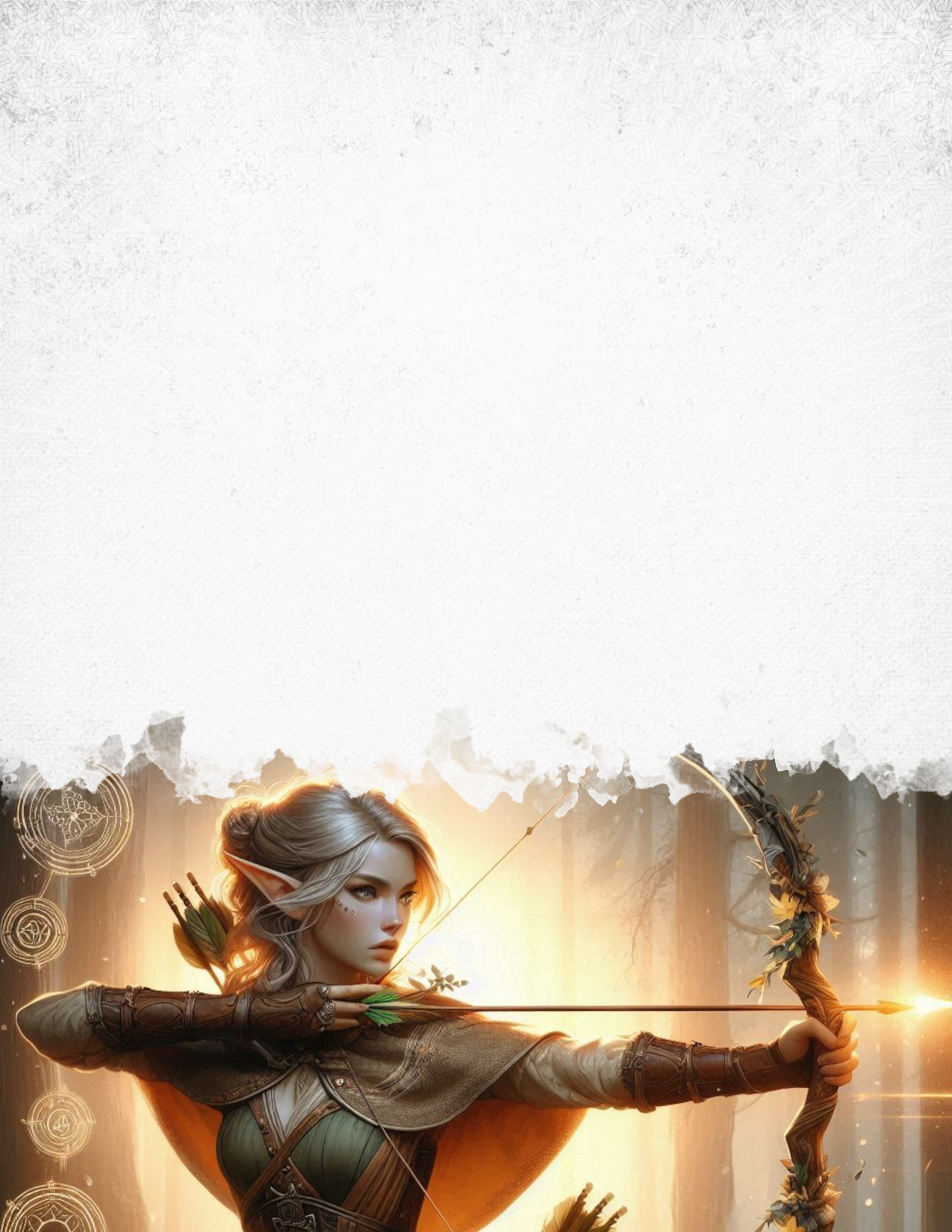
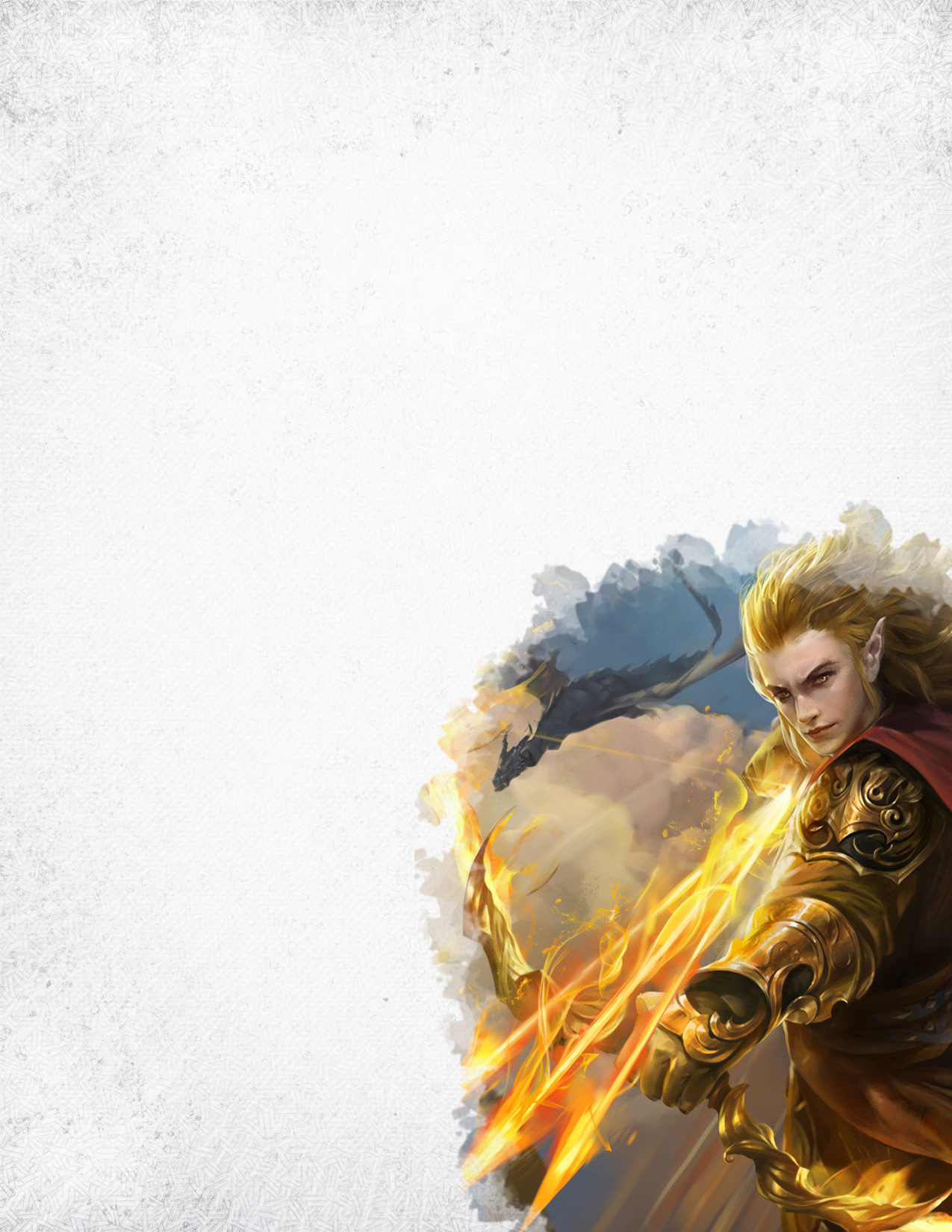
The hobgoblins had him outnumbered, and they jeered as they closed ranks, jabbing at him with the ends of their halberds and spears. A man with a blade was no match for an army. As they drew ever closer, the man smiled, and pointed his blade skyward. Chanting words of magic, a ring of fire appeared out of nowhere, engulfing his foes.
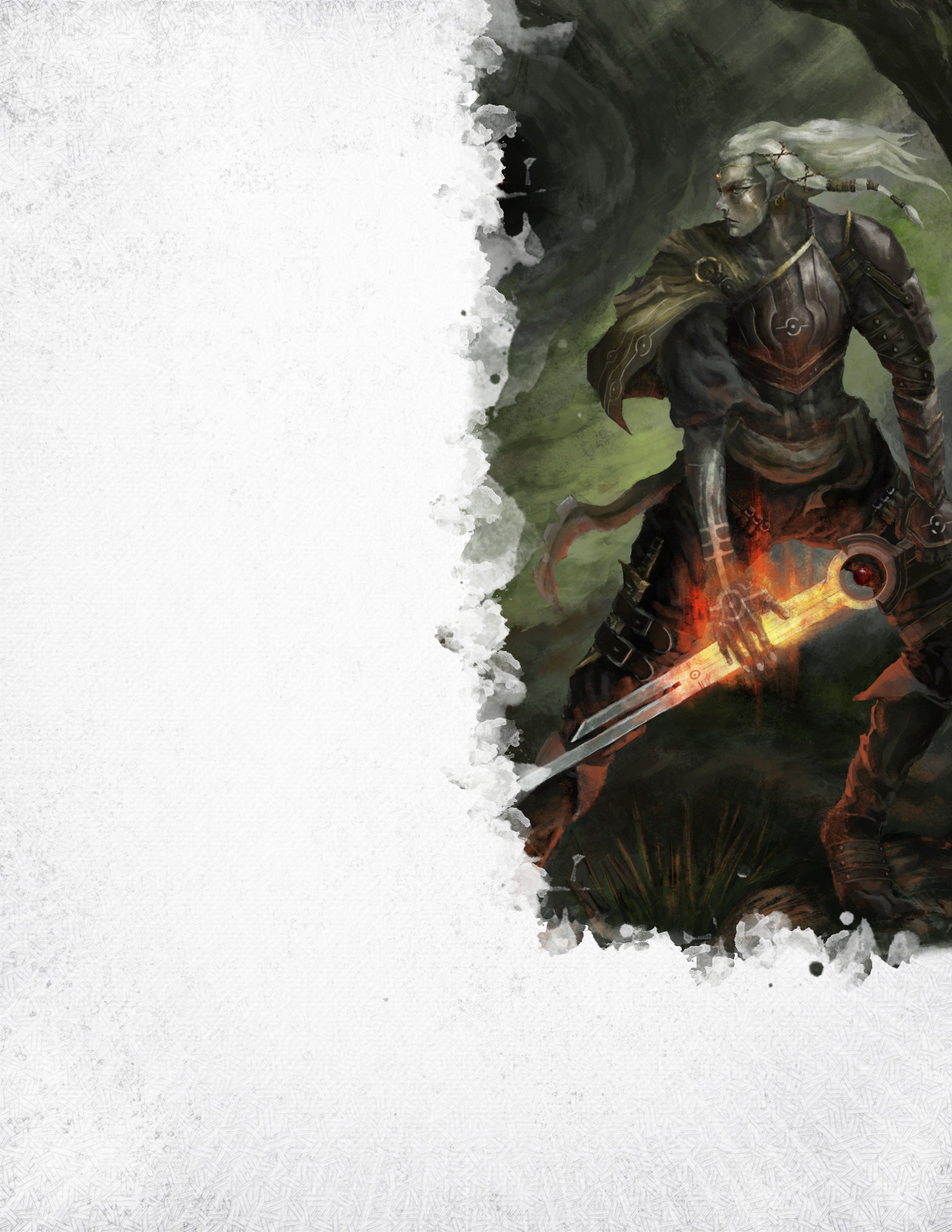
Runeblades are those who have studied the sword and the spell in tandem, seeking a way to combine the two into a cohesive whole. This pursuit leads such a student to runes: arcane sigils and wards that can be temporarily imbued into weapons and armor, enhancing them and providing great power. In this way, the runeblade does not wield blade and magic separately, but instead weaves the two arts into a cohesive whole.
Some of those from either side of the runeblade's heritage look down upon these individuals, scoffing at their attempt to master two very disparate ways of approaching the world. Those who have seen what they are capable of, however, know better than to underestimate the conjoining of steel and spell.
Sword in One Hand...
Even without their particular brand of magic, runeblades are capable martial combatants. While they do not have the depth of knowledge of bladework of more dedicated fighters, they are hardier and more physically-oriented than a typical caster, and are more comfortable on the frontlines than in the back.
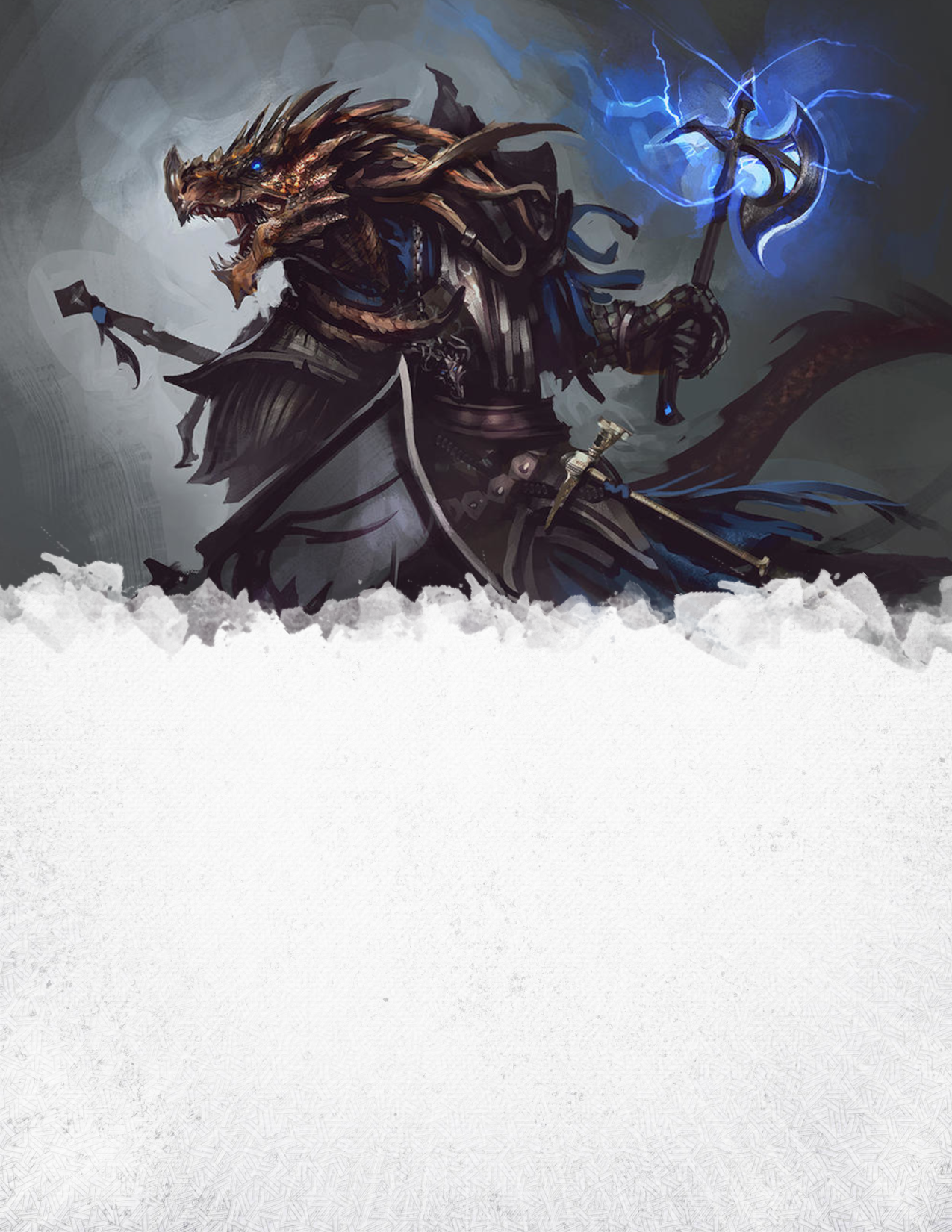
Though the names for their unusual art often references swords in particular, runeblades are not bound to focus on any one particular style of combat. Axes, hammers, bows, even whips or more exotic weapons are found among the ranks of those who call themselves "runeblade."
...Magic in the Other
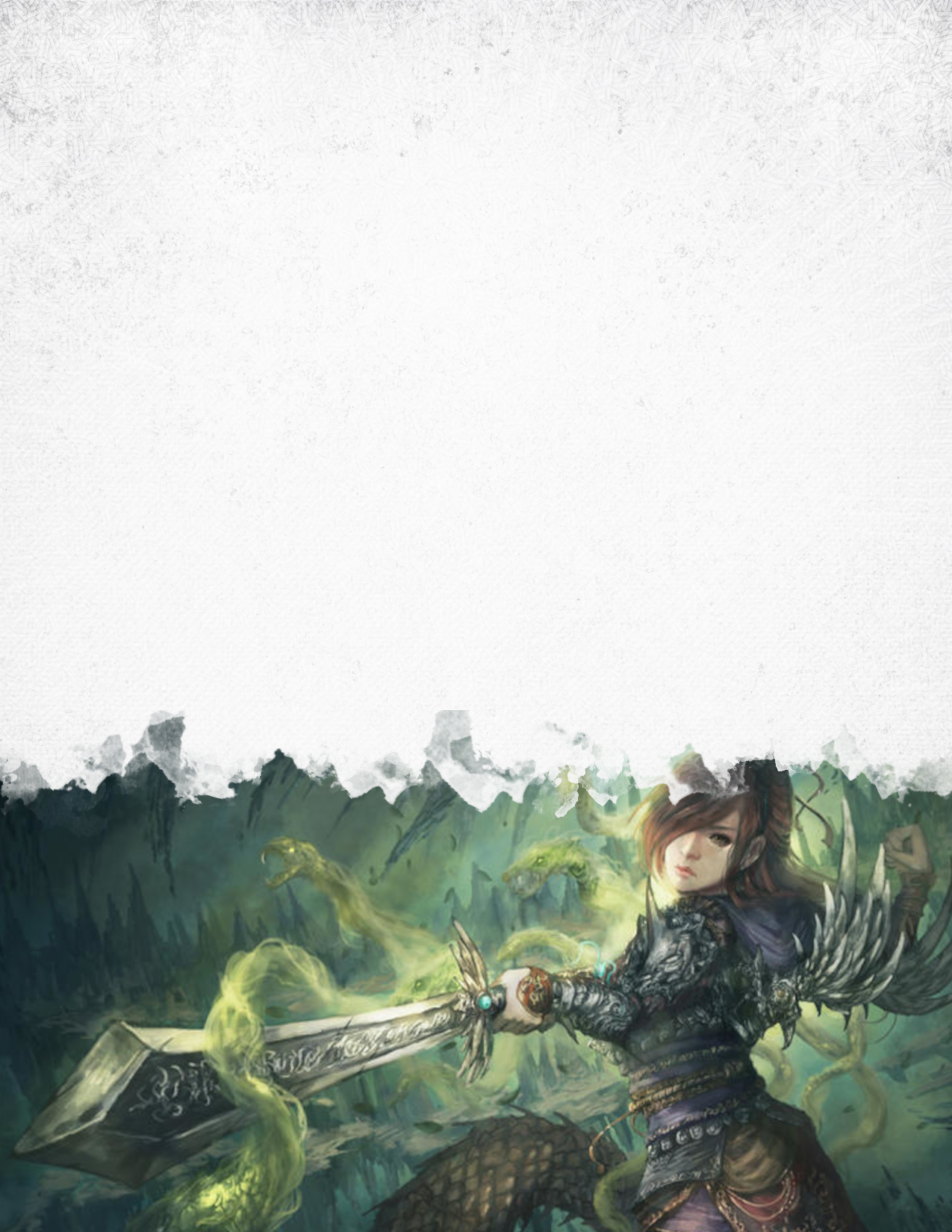
The magic of the runeblade is one specifically crafted with a weapon in mind. This is not artifice: the magic of a runeblade does not allow them to spin iron from nothing, nor conjure arrows from the aether. Instead it is the essence of magic honed, refined, and shaped, so that it can be applied to a weapon. A runeblade who inscribes fiery runes into her spear is no less channeling the essence of
fire than a wizard who can hurl balls of flame.
Some runeblades specifically study more traditional forms of spellcraft, and learn more specific techniques by which to combine both their martial and arcane tendencies into one, but some consider the result artless. Runeblade runes are less the joining of two halves and more the creation of a separate tradition.
The Runeblade
| Level | Proficiency Bonus | Features | Runes |
|---|---|---|---|
| 1st | +2 | Fighting Style, Runes | 2 |
| 2nd | +2 | Blood Rune | 3 |
| 3rd | +2 | Runeblade Arcana | 3 |
| 4th | +2 | Ability Score Improvement | 3 |
| 5th | +3 | Extra Attack | 3 |
| 6th | +3 | Ambient Magic | 4 |
| 7th | +3 | Arcana Feature | 4 |
| 8th | +3 | Ability Score Improvement | 4 |
| 9th | +4 | — | 4 |
| 10th | +4 | Arcana Feature | 4 |
| 11th | +4 | Runic Recovery | 5 |
| 12th | +4 | Ability Score Improvement | 5 |
| 13th | +5 | Rapid Infix | 5 |
| 14th | +5 | Runic Surge | 5 |
| 15th | +5 | Arcana Feature | 5 |
| 16th | +5 | Ability Score Improvement | 6 |
| 17th | +6 | — | 6 |
| 18th | +6 | Elemental Mastery | 6 |
| 19th | +6 | Ability Score Improvement | 6 |
| 20th | +6 | Arcane Champion | 6 |
Creating a Runeblade
The runeblade class is a combatant, first and foremost: they do not have nearly the breadth, in terms of utility and other effects, that a typical caster has. However, they make up for that by having significant flexibility in how they handle combat encounters, able to produce answers and respond to rapid shifts in tactics with relative ease.
When creating a runeblade, it is useful to consider why your character would pursue this path. It should be noted that runeblades are not all "rejects" from wizard colleges: the art of the runeblade is a respectable institution in its own right, and can be incredibly powerful in the right hands.
Quick Build
You can make a runeblade quickly by following these suggestions. First, Intelligence should be your highest ability score, followed by Strength or Dexterity. Then choose the folk hero background.
Class Features
As a runeblade, you have the following class features.
Traits
- Role: Warrior. Your primary focus is on combat skills, using extreme focus and control to pummel your foes.
- Power Source: Arcane. You call upon the leylines to empower you with mana, which you can transform into a variety of physics-breaking abilities through force of will.
Hit Points
- Hit Dice: 1d10 per runeblade level
- Hit Points at 1st Level: 10 + your Constitution modifier
- Hit Points at Higher Levels: 1d10 (or 6) + your Constitution modifier per runeblade level after 1st
Proficiencies
- Armor: Light armor
- Weapons: Simple weapons, martial weapons
- Tools: None
- Saving Throws: Dexterity, Intelligence
- Skills: Choose two from Acrobatics, Animal Handling, Arcana, Athletics, Insight, Intimidation, and Perception
Equipment
You start with the following equipment, in addition to the equipment granted by your background:
- leather armor, longbow, and 20 arrows
- two martial weapons
- (a) a light crossbow and 20 bolts or (b) two handaxes
- (a) a dungeoneer's pack or (b) an explorer's pack
Fighting Style
You have adopted a particular style of fighting as your specialty. Choose one of the following options. You can’t take a Fighting Style option more than once, even if you later get to choose again.
Arcane Warrior
You learn two cantrips of your choice from the spell list. They count as spells for you, and Intelligence is your casting ability for them. Whenever you gain a level in this class, you can replace one of these cantrips with another cantrip from the spell list.
Archery
You gain a +2 bonus to attack rolls you make with ranged weapons.
Dueling
When you are wielding a melee weapon in one hand and no other weapons, you gain a +2 bonus to damage rolls with that weapon.
Elemental Warrior
When you make an attack with a weapon that deals damage of a type other than bludgeoning, force, piercing,
or slashing, you add your Intelligence modifier to that damage.
Runes
Your knowledge of the arcane is limited, but specialized: you are knowledgeable in the ways of imbuing weapons -- and sometimes armor -- with runes, which are intricately-woven patterns of arcane energy that imbue items with the power of the leys.
You know and can use a number of runes, as determined by the Runes column on the Runeblade class table. Rune descriptions are found at the end of the class description.
Whenever you gain a level in this class, you can choose one of the runes you know and replace it with another rune that you could learn.
When you finish a long rest, you can imbue your runes into weapons. The number of runes you can imbue into weapons is equal to the number of runes you know, and you can imbue multiple copies of the same rune into a given weapon. A rune imbued into a ranged weapon passes its power into ammunition shot from it. You can imbue runes into magical weapons. Your rune remains on a weapon until you finish a long rest. Only a single rune is active at a time; as a bonus action, you can touch an item imbued with multiple runes, and choose a new rune it is imbued with to become active.
Once activated, the arcane energies in a rune lull for a
few moments, and require time to recharge. You can only enjoy the benefits of a given rune once each round. If you would gain the benefits of a rune, you can choose not to.
Your runes are always keyed to you and your innate magic. Other creatures who wield weapons imbued with your runes gain no benefit from them.
Most runes can also be tapped, unleashing stored arcane energy in a torrent of magical power. Once a rune has been tapped, you cannot tap it again until you finish a short or long rest. If you tap a rune to cast a spell, that rune remains tapped until you finish a long rest instead.
Runes have additional abilities you can access starting at 3rd, 9th, 11th, and 17th level. If a rune has multiple abilities that require a creature to making a saving throw, that creature only makes one saving throw against all of the rune's abilities; if a rune's abilities call for saving throws of different kinds, you choose which saving throw the creature makes.
You use your Intelligence whenever the ability of a rune refers to your spellcasting ability. In addition, you use your Intelligence modifier when setting the saving throw DC for a rune and when making an attack roll with one.
Rune Save DC = 8 + your proficiency bonus + your Intelligence modifier
Rune Attack Modifier = your proficiency bonus + your Intelligence modifier
Blood Rune
2nd-level Runeblade feature
You have learned how to tap into the arcane power of your runes to reinvigorate yourself.
As a bonus action, you can tap a rune on a weapon you are wielding, as though you were tapping it to cast a spell, and regain hit points equal to 2d6 + your runeblade level.
This feature heals an additional 3d6 hit points, plus an additional 1d6 hit points for each prior increase, at 5th (5d6), 11th (8d6), and 17th level (12d6).
Runeblade Arcana
3rd-level Runeblade feature
Your knowledge of the combination of spell and blade has culminated in a specialization, called an arcana, which allows you to further refine your approach to combat and magic. Choose an arcana from the following list: Arcane Archer, Gish, Mystic Knight, and Rune Fencer.
Your choice grants you features when you choose it at 3rd level and again at 7th, 10th, and 15th level.
Ability Score Improvement
4th, 8th, 12th, 16th, 19th-level Runeblade feature
You can increase one ability score of your choice by 2, or you can increase two ability scores of your choice by 1. As normal, you can't increase an ability score above 20 using this feature.
Martial Versatility. Whenever you reach a level in this class that grants you the Ability Score Improvement feature, if you have the Fighting Style feature, you can choose a new Fighting Style from that list. This replacement represents a shift of focus in your martial practice.
Skill Proficiency. Whenever you reach a level in this class that grants you the Ability Score Improvement feature, you can also replace one of your skill proficiencies with a skill proficiency offered by this class at 1st level. This change represents one of your skills atrophying as you focus on a different skill.
Extra Attack
5th-level Runeblade feature
You can attack twice, instead of once, whenever you take the Attack action on your turn.
Ambient Magic
6th-level Runeblade feature
The ambient effects of the presence of your rune on a weapon alters it on a fundamental arcane level.
Weapons you have imbued with runes count as magical for the purpose of overcoming resistance and immunity to nonmagical attacks and damage.
When you deal damage with a weapon you have imbued with a rune, you can replace its bludgeoning, piercing, or slashing damage with force damage.
Runic Recovery
11th-level Runeblade feature
You have learned how to conserve the arcane power of your runes, allowing you to recharge them when needed.
When you tap a rune for an effect other than casting a spell, you can choose for it to remain untapped.
You can use this feature twice. You regain expended uses when you finish a long rest.
Rapid Infix
13th-level Runeblade feature
You have learned how to store your magic, allowing you to rapidly imbue it into a weapon when needed.
As a bonus action, you can imbue a rune you know into a weapon you are wielding, and it becomes that weapon's active rune.
You can use this feature once before finishing a long rest.
Runic Surge
14th-level Runeblade feature
You can transform the adrenaline of combat into a spontaneous burst of magical power.
When you score a critical hit with a weapon imbued with a rune, you can tap that rune; if you do so in this manner, it remains untapped.
Elemental Mastery
18th-level Runeblade feature
You can empower your runes so that they can cut through any defense.
Weapons you wield imbued with your runes ignore resistance and immunity to damage types.
Arcane Champion
20th-level Runeblade feature
Your mastery of spell and blade empowers you.
Your Intelligence score increases by 2, and your choice of your Strength or Dexterity scores increases by 2. Your maximum for your Intelligence and the selected score is now 22.
Runeblade Arcana
There are many approaches to wielding magic and weapons in tandem, and each of these approaches are known to runeblades as arcana, as they often represent an individual student following their own path or unearthing lost or forgotten lore.
Arcane Archer
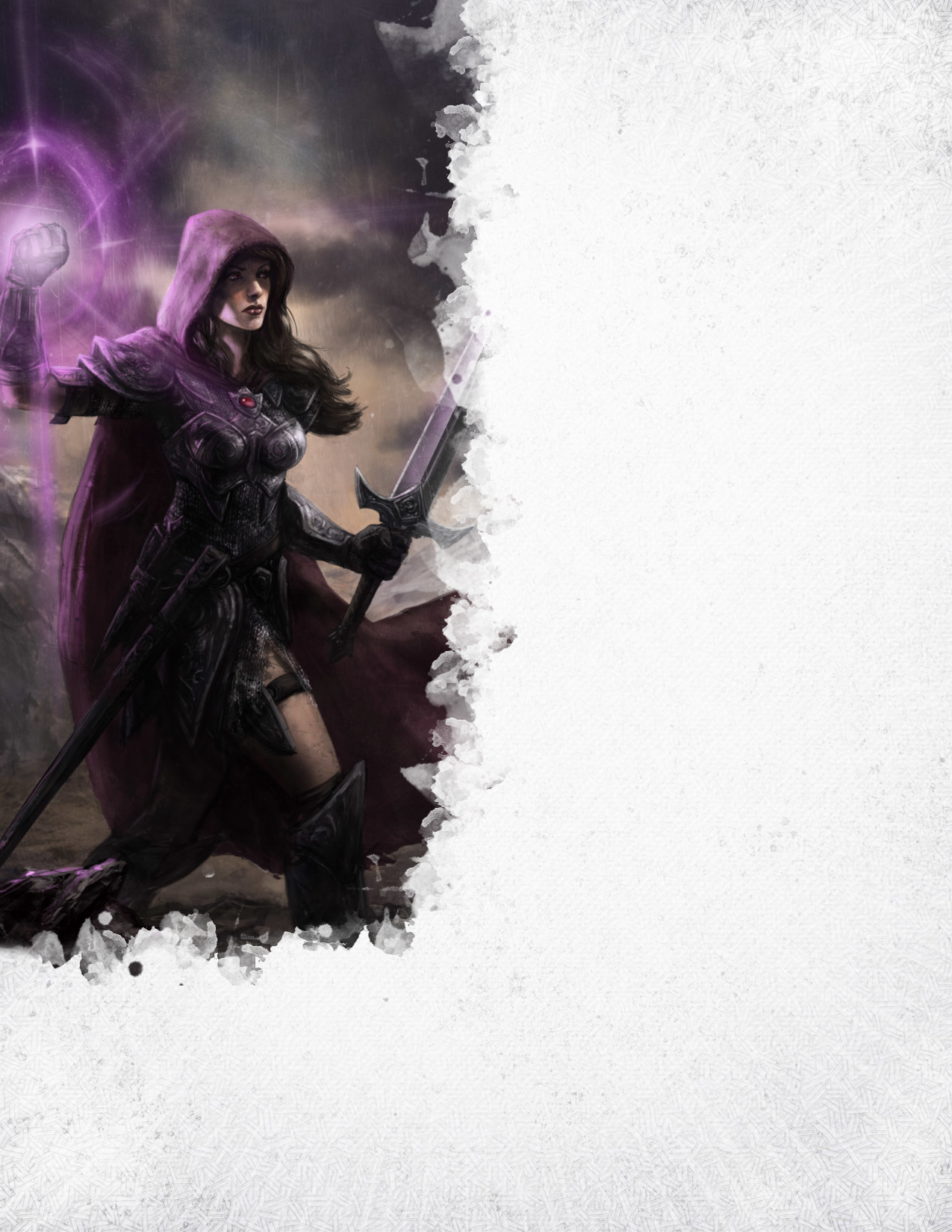
You have a preference for staying at range from your quarry, and have sought out lore specific to your fighting style. You have gleaned runes unique to ranged combat, and honed your senses with magical accuracy.
Archery Runes
3rd-level Arcane Archer feature
You have learned the secrets of dissipating a rune's effect over myriad pieces.
You can learn arcane archer runes.
You can imbue arcane archer runes into quivers, braces, bandoliers, and other containers expressly made for holding either ammunition or throwing weapons. If you imbue a rune into a container, all ammunition and thrown weapons contained therein benefit as though imbued with that rune.
If you use ammunition from a container imbued with a rune and fire it from a weapon also imbued with a rune, the rune on the weapon is always the active rune.
Conjure Ammunition
7th-level Arcane Archer feature
You have learned how to use ambient magic to produce ammunition, and never fear running out.
You ignore the loading property of ranged weapons, automagically conjuring new ammunition for it as needed.
A piece of ammunition created through this feature dissipates into harmless aether at the end of your turn.
10th-level Arcane Archer feature You have learned how to imbue your arrows and other ammunition with a low level of magic, empowering them beyond mortal capability. Your ranged attacks score a critical hit on a roll of 18, 19, or 20. Your ranged weapons and ammunition imbued with your runes ignore immunity to critical hits. 15th-level Arcane Archer feature You have learned how to use ambient magic to enhance your aim -- and the power of your runes. As a bonus action, choose a creature within 120 feet you can see. Until the end of your turn, that creature has disadvantage on saving throws made against your runes. You can use this feature twice. You regain expended uses when you finish a long rest. You believe in the true combination of spell and blade: your arcane studies expand beyond the bounds of mere runes. To that end, you have learned how to cast true spells, and wield weapon and spell in harmonious concert. 3rd-level Gish feature You augment your martial prowess and rune usage with the ability to cast spells. For more details on this casting system, see the Appendix. Cantrips. You learn two cantrips of your choice from the spell list. You learn an additional cantrip of your choice at 10th level. Mana. The Gish Spellcasing table shows you how much mana you have to cast your spells of 1st level or higher. When you cast a spell of 1st level or higher, you must either spend 1 mana or check for arcane backlash; if you suffer backlash, you also expend 1 mana on the spell. You cannot cast spells if you have no mana remaining. You regain all lost mana when you finish a long rest. Spells Known of 1st Level and Higher. You know two 1st-level spells of your choice. The Spells Known column of the Gish Spellcasting table shows when you learn more spells of 1st level or higher. Each of these spells must be of a level equal to or lower than the level in the Max Spell Level column of the Gish table for your level. Whenever you gain a level in this class, you can replace one of the spells you know with another spell of your choice from the spell list. The new spell must be of a level to which you have access. Spellcasting Focus. You can use an arcane focus as a spellcasting focus for your spells. In addition, you can use any weapon you have imbued with a rune that you are wielding as a spellcasting focus for your spells. Spellcasting Ability. Intelligence is your spellcasting ability for your spells, since you learn your spells through study and memorization. You use your Intelligence whenever a spell refers to your spellcasting ability. In addition, you use your Intelligence modifier when setting the saving throw DC for a spell you cast and when making an attack roll with one.Enchanted Arrows
Arcane Eye
Gish
Spellcasting
Gish Spellcasting
| Runeblade Level |
Cantrips Known |
Spells Known |
Mana | Max Spell Level |
|---|---|---|---|---|
| 3rd | 2 | 2 | 2 | 1st |
| 4th | 2 | 3 | 3 | 1st |
| 5th | 2 | 3 | 3 | 1st |
| 6th | 2 | 3 | 3 | 1st |
| 7th | 2 | 4 | 3 | 2nd |
| 8th | 2 | 4 | 3 | 2nd |
| 9th | 2 | 4 | 3 | 2nd |
| 10th | 3 | 5 | 4 | 2nd |
| 11th | 3 | 5 | 4 | 2nd |
| 12th | 3 | 5 | 4 | 2nd |
| 13th | 3 | 6 | 4 | 3rd |
| 14th | 3 | 6 | 4 | 3rd |
| 15th | 3 | 6 | 4 | 3rd |
| 16th | 3 | 7 | 5 | 3rd |
| 17th | 3 | 7 | 5 | 3rd |
| 18th | 3 | 7 | 5 | 3rd |
| 19th | 3 | 8 | 5 | 3rd |
| 20th | 3 | 8 | 5 | 3rd |
Spell Save DC = 8 + your proficiency bonus + your Intelligence modifier
Spell Attack Modifier = your proficiency bonus + your Intelligence modifier
Battle Magic
7th-level Gish feature
You have learned to weave your casting and swordplay together.
When you use your action to cast a cantrip, you can make one weapon attack as a bonus action.
When you take the Attack action, you can replace one of your attacks with casting a cantrip with a casting time of 1 action.
Spell Shift
10th-level Gish feature
You can use residual magic left from casting to traverse the battlefield with rapidity.
When you cast a spell of 1st level or higher, you can use a bonus action to teleport up to 30 feet to an unoccupied location you can see. You can teleport before or after the spell is cast.
Once you use this feature, you can't use it again until you finish a short or long rest.
War Magic
15th-level Gish feature
Your ability to use steel and spell harmoniously improves.
When you use your action to cast a spell of 1st level or higher, you can make one weapon attack as a bonus action.
When you take the Attack action, you can replace one of your attacks with casting a spell of 1st level or higher with a casting time of 1 action.
Mystic Knight
Where most runeblades focus exclusively on runes to enchant their weapons, you have studied under more esoteric lore that focuses on empowering armor, giving you protection that no mere metal can match.
Armor Runes
3rd-level Mystic Knight feature
You have discovered how to imbue runes into armor.
You gain proficiency with medium armor and shields.
You can learn mystic knight runes.
You can imbue mystic knight runes you know into armor you wear.
Sudden Shell
7th-level Mystic Knight feature
You have learned how to twist the energies of a rune against itself.
When you would take damage of a type other than bludgeoning, force, piercing, or slashing, you can use your reaction to tap a rune on a weapon you wield. If you do, you gain resistance against that type of damage for 1 minute.
Defensive Mastery
10th-level Mystic Knight feature
You have learned how to handle yourself in combat while wearing heavier armor.
If you are wearing no, light, or medium armor, you may use your Intelligence modifier instead of your Dexterity modifier for the purposes of determining your AC. If you aren't wielding a shield, the maximum ability modifier you may add towards calculating your AC while in medium armor is doubled when using your Intelligence.
Arcane Resilience
15th-level Mystic Knight feature
Your knowledge of magic gives you the power to defend yourself against powerful spells effectively.
When you make a saving throw against a spell or other magical effect, you can use your reaction to gain advantage on that saving throw.
When you would take damage from a spell or other magical effect, you can use your reaction to gain resistance to that damage.
Rune Fencer
Your studies focus on your runes, learning how to empower them further and use them more effectively. This specialization makes your usage of runes exceed that of other runeblades.
Signature Rune
3rd-level Rune Fencer feature
You have found that a particular expression of runeblade magic resonates with you, and find it easy to rapidly translate other magics into it.
Choose a rune you know. That becomes your signature rune. If you lose knowledge of that rune, you can choose a new rune you know to become your signature rune.
As a bonus action, you can touch a weapon imbued with one of your runes that isn't your signature rune. That rune
transforms into your signature rune, and is not tapped. Until you finish a long rest, you no longer have access to the original rune.
Once you use this feature, you can't use it again until you finish a long rest.
Empowered Blade
7th-level Rune Fencer feature
The arcane energies of your runes can be used to further enhance your combat capabilities.
When you make an attack with a weapon imbued with a rune, you can tap a rune imbued in that weapon to gain advantage on that attack roll. The rune you tap for this effect does not have to be the active rune.
Dual Rune
10th-level Rune Fencer feature
Your intuitive understanding of runes allows you to keep multiple active on the same weapon.
When you imbue multiple runes into a weapon, you can choose two that are active, rather than one. When you tap one, if there are additional inactive runes imbued into the weapon, you can choose one of those additional runes to become active in place of the rune you tapped.
If your runes add additional damage to your weapon attacks, use half your runeblade level, rounded down, to determine the additional damage.
Rune Longevity
15th-level Rune Fencer feature
You have learned how to extend the power of your runes, making them more effective over time.
You can enjoy the passive benefits of a given rune twice each round, rather than only once.
Runeblade Runes
If a rune has prerequisites, you must meet them to learn it. You can learn a rune at the same time that you meet its prerequisites.
Affinity Rune
Prerequisite: Mystic Knight
A suit of armor with this rune gives off an iridescent glow.
Resilience (3rd level). As an action, you can tap this rune. If you do, choose a damage type other than arcane, bludgeoning, force, piercing, or slashing. When you take damage of the selected type, reduce that damage by your proficiency bonus. This effect lasts for 1 minute.
At 9th level, this effect lasts for 1 hour.
Immunity (11th level). When you would take damage of a type other than arcane, bludgeoning, force, piercing, or slashing, you can use your reaction to tap this rune. If you do, you gain immunity to that damage type for 1 minute.
Absorption (17th level). When you would take damage of a type other than arcane, bludgeoning, force, piercing, or slashing, you can use your reaction to tap this rune. If you do, instead of taking damage, you regain hit points equal to half the damage you would have taken, rounded down.
Burning Rune
A weapon imbued with this rune is shrouded in flames, giving off an intense heat.
Oil. When a creature is dealt damage by this weapon, the creature must also make a Dexterity saving throw against your rune save DC. On a failure, it becomes covered in slick oil until the end of your next turn, and falls prone. On its turn, if it attempts to take an action involving an item (such as attacking with a weapon, using a spellcasting focus, using a tool, etc), it must make a Dexterity saving throw against your spell save DC or drop the item, wasting that action. If it attempts to stand, it must make another Dexterity saving throw or else fall prone.
Fiery (3rd level). On a hit, this weapon deals an additional 1d6 fire damage, and you can tap this rune. If you do, all the damage dealt by this weapon is fire damage.
This weapon deals an additional 1d6 fire damage at 8th, 11th, and 17th level.
Blaze (9th level). As an action, you can tap this rune. If you do, you cast fire shield as a spell.
Immolate (11th level). When a creature is dealt damage by this weapon, you can tap this rune. If you do, the creature must also make a Dexterity saving throw against your rune save DC. On a failure, the creature bursts into flame, taking 2d10 fire damage at the start of each of its turns for 1 minute. The target or a creature adjacent to it can take an action to make a Dexterity check against your rune save DC to extinguish the flames.
This effect deals an additional 1d10 fire damage at 13th and 18th level.
Inferno (17th level). As an action, you can tap this rune. If you do, you cast incendiary cloud as a spell, but it deals 5d8 fire damage instead.
Caustic Rune
A weapon imbued with this rune has a sickly sheen and presents an acrid, sulfuric odor.
Melt. When a creature is dealt damage by this weapon, the creature must also make a Constitution saving throw against your rune save DC. On a failure, it suffers a penalty to AC equal to your proficiency bonus until the end of your next turn; this effect cannot stack with itself.
Corroding (3rd level). On a hit, this weapon deals an additional 1d6 acid damage, and you can tap this rune. If you do, all the damage dealt by this weapon is acid damage.
This weapon deals an additional 1d6 acid damage at 8th, 11th, and 17th level.
Soften (9th level). As an action, you can tap this rune. If you do, you cast soften earth and stone as a spell.
Dissolve (11th level). When a creature is dealt damage by this weapon, you can tap this rune. If you do, the creature must also make a Constitution saving throw against your rune save DC. On a failure, its hit point maximum is reduced by an amount equal to the amount of acid damage your attack dealt. This reduction lasts until you or the target finishes a long rest.
Liquefaction (17th level). As an action, you can tap this rune. If you do, you cast disintegrate as a spell, but it deals 8d6+30 acid damage instead. If the target is reduced to 0 hit points, it is reduced to a puddle of green slime, rather than a pile of gray dust.
Cleaving Rune
The edge of a weapon imbued with this rune is honed into a razor, supernaturally sharp, and when swung projects its blade to become considerably wider.
Special. This rune can only be imbued into a melee slashing weapon.
Cleave. When you make an attack with this weapon, you can also choose a creature adjacent to your target within your reach, which becomes an additional target of your melee attack.
At 11th level, you can choose up to two additional creatures adjacent to your target.
Sharp (3rd level). On a hit, this weapon deals an additional 1d6 slashing damage.
This weapon deals an additional 1d6 slashing damage at 8th, 11th, and 17th level.
Remove (9th level). As an action, you can tap this rune. If you do, you cast banishment as a spell.
Bleed (11th level). When a creature is dealt damage by this weapon, you can tap this rune. If you do, the creature must also make a Constitution save against your rune save DC. On a failure, at the start of each of its turns, the target takes 10 slashing damage. The target can make another Constitution saving throw at the end of each of its turns, ending this effect on a successful save.
Blade (17th level). As an action, you can tap this rune. If you do, you cast arcane sword as a spell, but you use your rune attack modifier for attack rolls made with it.
Conductive Rune
A weapon imbued with this rune visibly crackles with electricity, and arcs dangerously when brought near metal.
Daze. When a creature is dealt damage by this weapon, the creature must also make a Constitution saving throw against your rune save DC. On a failure, it is dazed until the end of its next turn. (A dazed creature can only do one of the following on its turn: move; use an action; or use a bonus action. A dazed creature cannot use reactions.)
Shocking (3rd level). On a hit, this weapon deals an additional 1d6 lightning damage, and you can tap this rune. If you do, all the damage dealt by this weapon is lightning damage.
This weapon deals an additional 1d6 lightning damage at 8th, 11th, and 17th level.
Bolt (9th level). As an action, you can tap this rune. If you do, you cast dimension door as a spell. When you teleport with this spell, there is a momentary flash of lightning from your original location to your new one.
Paralysis (11th level). When a creature is dealt damage by this weapon, you can tap this rune. If you do, the creature must also make a Constitution saving throw against your rune save DC. On a failure, that creature becomes paralyzed for 1 minute.
Storm (17th level). As an action, you can tap this rune. If you do, you cast chain lightning as a spell, but it deals 5d8 lightning damage instead.
Decaying Rune
A weapon imbued with this rune takes on a dark, necrotic aura, reeking of the grave.
Sleep. When a creature is dealt damage by this weapon, the creature must also make a Wisdom saving throw against your rune save DC. On a failure, that creature falls unconscious until the end of your next turn, the sleeper takes damage, or someone uses an action to shake or slap the sleeper awake.
A creature who falls asleep due to this rune has advantage on saving throws against doing so again for 1 minute.
Necrotic (3rd level). On a hit, this weapon deals an additional 1d6 necrotic damage, and you can tap this rune. If you do, all the damage dealt by this weapon is necrotic damage.
This weapon deals an additional 1d6 necrotic damage at 8th, 11th, and 17th level.
Gloom (9th level). As an action, you can tap this rune. If you do, you cast darkness as a 4th-level spell, but it doesn't require concentration and has a duration of 1 hour.
Doom (11th level). When a creature is dealt damage by this weapon, you can tap this rune. If you do, the creature must also make a Constitution saving throw against your rune save DC. On a failure, at the start of each of its turns, that creature must make a Constitution saving throw; on a success, this effect ends. Once a creature has failed a
saving throw against this effect three times, it dies.
Death (17th level). As an action, you can tap this rune. If you do, you cast power word kill as a spell, but it only affects a creature with 50 or fewer hit points; otherwise, it takes 8d12 necrotic damage.
Frozen Rune
A weapon imbued with this rune becomes covered in ice and frost, and is extremely cold to the touch.
Slow. When a creature is dealt damage by this weapon, the creature must also make a Constitution saving throw against your rune save DC. On a failure, its speed is halved, it takes a −2 penalty to AC and Dexterity saving throws, and it can't use reactions, until the end of your next turn. On its next turn, it can use either an action or a bonus action, not both. Regardless of the creature’s abilities or magic items, it can't make more than one melee or ranged attack during its next turn.
A creature slowed by this rune is immune to being slowed by it again until you or it finishes a long rest.
Chilling (3rd level). On a hit, this weapon deals an additional 1d6 cold damage, and you can tap this rune. If you do, all the damage dealt by this weapon is cold damage.
This weapon deals an additional 1d6 cold damage at 8th, 11th, and 17th level.
Skate (9th level). As an action, you can tap this rune. If you do, you cast skate as a spell.
Freeze (11th level). When a creature is dealt damage by this weapon, you can tap this rune. If you do, the creature must also make a Constitution saving throw against your rune save DC. On a failure, that creature is frozen solid and gains vulnerability to fire damage, their speed is reduced to 0, and they are incapacitated. This effect ends after 1 minute, or if the creature takes an amount of fire damage equal to your runeblade level from a single action.
Blizzard (17th level). As an action, you can tap this rune. If you do, you cast cone of cold as a spell, but it deals 5d8 cold damage instead.
Ghostflame Rune
Prerequisite: Arcane Archer
Ranged weapons and ammunition imbued with this rune take on a ghostly, spectral appearance, along with a soft glow.
Phasing (3rd level). When you make a ranged attack with this weapon, you can tap this rune. If you do, that attack ignores cover.
At 9th level, you benefit from this ability without needing to tap the rune.
Ethereal (11th level). When you make a ranged attack with this weapon, you can tap this rune. If you do, that attack can hit a creature on the Ethereal Plane.
At 17th level, you benefit from this ability without needing to tap the rune.
Heartseeker Rune
Prerequisite: Arcane Archer
Ranged weapons and ammunition imbued with this rune
take on a menacing appearance, and from mere looks seem deadly accurate.
Accurate (3rd level). When you make a ranged attack with this weapon, you can tap this rune. If you do, you gain advantage on that attack roll.
At 9th level, when you tap this rune, you also lose disadvantage on that attack roll.
Heartpiercer (11th level). When you make a ranged attack with this weapon, you can tap this rune. If you do, you do not need to make an attack roll. Instead, the attack roll is an automatic critical hit.
Seeker (17th level). When you make a ranged attack with this weapon, you can tap this rune. If you do, you do not need to make an attack roll; the projectile seeks out the target, moving around corners and weaving around cover.
If it is possible for the projectile to hit the target, and that creature is within its range, that creature must make a Dexterity saving throw against your rune save DC. On a failure, it takes damage as if it were hit by the projectile, and you learn the target's current location.
Impact Rune
A weapon imbued with this rune is considerably heavier and denser, but the power of the rune allows you to heft it as though it were light as a feather.
Special. This rune can only be imbued into a melee
bludgeoning weapon.
Throw. When you hit a creature with this weapon, you can move it 5 feet to an unoccupied space.
You can push a creature an additional 5 feet at 8th, 11th, and 17th level.
Crush (3rd level). On a hit, this weapon deals an additional 1d6 bludgeoning damage.
This weapon deals an additional 1d6 bludgeoning damage at 8th, 11th, and 17th level.
Grab (9th level). As an action, you can tap this rune. If you do, you cast telekinesis as a spell, but with a maximum duration of 1 minute.
Weight (11th level). When a creature is dealt damage by this weapon, you can tap this rune. If you do, the creature must also make a Constitution saving throw against your rune save DC. On a failure, the creature's speed is halved for 1 minute.
Immovable (17th level). As an action, you can tap this rune. If you do, you cast globe of invulnerability as a spell.
Lifeblood Rune
Prerequisite: Mystic Knight
A suit of armor with this rune becomes wreathed in vines adorned with tiny flowers.
Restoration (3rd level). While you are wearing this armor, whenever you regain hit points, you regain an additional amount equal to your Intelligence modifier.
At 9th level, you instead regain an additional amount of hit points equal to your runeblade level.
Lifeshield (11th level). While you are wearing this armor, when your maximum hit points would be reduced, you can use your reaction to tap this rune. If you do, your maximum hit points are not reduced.
At 17th level, your maximum hit points cannot be reduced.
Regeneration (17th level). While you are wearing this armor, at the start of each of your turns, you regain hit points equal to 5 + your Intelligence modifier if you have no more than half of your hit points left.
A weapon imbued with this rune emits light like daylight. Illumination. This weapon sheds bright light in a 10-foot radius, and dim light for an additional 10 feet. Blind. When a creature is dealt damage by this weapon, the creature must also make a Constitution saving throw against your rune save DC. On a failure, it is blinded until the end of your next turn. Radiance (3rd level). On a hit, this weapon deals an additional 1d6 radiant damage, and you can tap this rune. If you do, all the damage dealt by this weapon is radiant damage. This weapon deals an additional 1d6 radiant damage at 8th, 11th, and 17th level. Shine (9th level). As an action, you can tap this rune. If you do, you cast daylight as a spell. Lethargy (11th level). When a creature is dealt damage by this weapon, you can tap this rune. If you do, the creature must also make a Constitution saving throw against your rune save DC. On a failure, that creature becomes lethargic, and has disadvantage on Dexterity checks, Dexterity saving throws, and attack rolls that use Dexterity, for 1 minute. Sunburst (17th level). As an action, you can tap this rune. If you do, you cast sunburst as a spell, but it deals 6d6 radiant damage instead. A weapon imbued with this rune emits an ultrasonic hum, just on the edge of hearing. Charm. When a creature is dealt damage by this weapon, the creature must also make a WisdomLuminous Rune
Mindwrack Rune
saving throw against your rune save DC. On a failure, it becomes charmed by you until the end of your next turn.
A creature charmed by this rune is immune to being charmed by it again until you or it finishes a long rest.
Cerebral (3rd level). On a hit, this weapon deals an additional 1d4 psychic damage, and you can tap this rune. If you do, all the damage dealt by this weapon is psychic damage.
This weapon deals an additional 1d4 psychic damage at 8th, 11th, and 17th level.
Understand (9th level). As an action, you can tap this rune. If you do, you cast tongues as a spell.
Phantasmagoria (11th level). When a creature is dealt damage by this weapon, you can tap this rune. If you do, the creature must also make a Wisdom saving throw against your rune save DC. On a failure, you trap the creature in its own mind, and it becomes incapacitated for 1 minute. At the end of each of its turns, it can attempt another Wisdom saving throw, with a success ending the effect.
Control (17th level). As an action, you can tap this rune. If you do, you cast dominate monster, but with a maximum duration of 1 minute.
Mistral Rune
A weapon imbued with this rune is immersed in a constantly-moving vortex of wind.
Prone. When a creature is dealt damage by this weapon, the creature must also make a Dexterity saving throw against your rune save DC. On a failure, it is knocked prone.
Squalling (3rd level). On a hit, this weapon deals an additional 1d6 wind damage, and you can tap this rune. If you do, all the damage dealt by this weapon is wind damage.
This weapon deals an additional 1d6 wind damage at 8th, 11th, and 17th level.
Wings (9th level). As an action, you can tap this rune. If you do, you cast fly as a spell, but it doesn't require concentration and has a duration of 1 hour.
Vortex (11th level). When a creature is dealt damage by this weapon, you can tap this rune. If you do, the creature must also make a Dexterity saving throw against your rune save DC. On a failure, that creature becomes bound by a vortex of air, and has disadvantage on Strength checks, Strength saving throws, and attack rolls that use Strength, for 1 minute.
Tornado (17th level). As an action, you can tap this rune. If you do, you cast blade barrier as a spell, but it deals 6d10 wind damage instead of slashing damage, and has a maximum duration of 1 minute. This spell takes on the appearance of a tornado, rather than a wall of blades.
Quaking Rune
A weapon imbued with this rune becomes covered in dirt and takes on a stone-like aspect.
Immobilize. When a creature is dealt damage by this weapon, the creature must also make a Constitution saving throw against your rune save DC. On a failure, its movement speeds are reduced to 0 until the end of your
next turn. A flying creature without hover falls up to 60 feet, but does not take falling damage from this effect.
Tremor (3rd level). On a hit, this weapon deals an additional 1d6 earth damage, and you can tap this rune. If you do, all the damage dealt by this weapon is earth damage.
This weapon deals an additional 1d6 earth damage at 8th, 11th, and 17th level.
Listen (9th level). As an action, you can tap this rune. If you do, you cast stone tell as a spell.
Petrify (11th level). When a creature is dealt damage by this weapon, you can tap this rune. If you do, the creature must also make a Constitution saving throw against your rune save DC. On a failure, that creature is petrified for 1 minute. At the end of each of its turns, it can attempt another Constitution saving throw, with a success ending the effect.
Quake (17th level). As an action, you can tap this rune. If you do, you cast earthquake as a spell, but with only a 40-foot radius, any fissures that open are at most 1d6 × 10 feet deep, deals only 25 damage to structures, and any damage dealt by the effect is earth damage.
Spellbound Rune
A weapon imbued with this rune glows with arcane might.
Glow. When a creature is dealt damage by this weapon, the creature must also make a Constitution saving throw against your rune save DC. On a failure, it becomes outlined in an iridescent glow, shedding dim light in 10-foot radius, and cannot benefit from being invisible, until the end of your next turn.
Enchanted (3rd level). On a hit, this weapon deals an additional 1d4 arcane damage, and you can tap this rune. If you do, all the damage dealt by this weapon is arcane damage.
This weapon deals an additional 1d4 arcane damage at 8th, 11th, and 17th level.
Deny (9th level). As an action, you can tap this rune. If you do, you cast dispel magic as a 4th-level spell.
When a creature you can see within 60 feet of you casts a spell, you can use your reaction to tap this rune. If you do, you cast counterspell as a 4th-level spell.
Frog (11th level). When a creature is dealt damage by this weapon, you can tap this rune. If you do, the creature must also make a Constitution saving throw against your rune save DC. On a failure, that creature is turned into a frog, as per the polymorph spell, for 1 minute.
Prison (17th level). As an action, you can tap this rune. If you do, you cast forcecage as a spell, but it requires concentration, has a maximum duration of 1 minute, and can be dispelled by dispel magic or similar.
Spike Rune
The tip of a weapon imbued with this rune becomes exceptionally sharp.
Special. This rune can only be imbued into a melee piercing weapon.
Reach. When you are wielding this weapon, your reach is increased by 5 feet.
Your reach increases by another 5 feet at 11th level.
Drill (3rd level). On a hit, this weapon deals an additional 1d6 piercing damage.
This weapon deals an additional 1d6 piercing damage at 8th, 11th, and 17th level.
Pierce (9th level). As an action, you can tap this rune. If you do, you cast see invisibility as a spell, but with a duration of 8 hours.
Chronic (11th level). When a creature is dealt damage by this weapon, you can tap this rune. If you do, the creature must also make a Constitution saving throw against your rune save DC. On a failure, the creature cannot benefit from healing for 1 minute.
Truth (17th level). As an action, you can tap this rune. If you do, you cast true seeing as a spell.
Surging Rune
Prerequisite: Arcane Archer
Ammunition imbued with this rune give no obvious sign, but crackle with elemental power when fired.
Special. This rune can only be imbued into ammunition, and only has effect if the weapon it is fired from is imbued with a rune that deals additional damage on a hit. This overrides the general rule that a rune imbued into ammunition is inactive when fired from a weapon imbued
with a rune.
Burst (3rd level). When you hit a creature, or miss with an attack roll of at least 10, all creatures within 5 feet of the target must make a Dexterity saving throw. On a failure, that creature takes the additional damage from the active rune of the weapon this ammunition was fired from.
The radius of this effect increases by 5 feet at 8th, 11th, and 17th level. You can choose to reduce the radius, to a minimum of 5 feet, when you benefit from this ability.
Devastation (9th level). When you hit a creature, or miss with an attack roll of at least 10, you can tap this rune. If you do, creatures that succeed on their saving throw against this rune's burst effect take half of the additional damage from the active rune of the weapon this ammunition was fired from.
At 17th level, you benefit from this ability without needing to tap the rune.
Critical (11th level). When you make a critical hit, you deal an additional 1d10 damage of the damage type of the additional damage from the rune of the weapon this ammunition was fired from, and creatures affected by devastation also take that damage.
This additional damage increases to 2d10 at 17th level.
Thundering Rune
A weapon imbued with this rune has the sounds it makes greatly amplified, echoing and reverberating as though in a cave or auditorium.
Silence. When a creature is dealt damage by this weapon, the creature must also make a Constitution saving throw against your rune save DC. On a failure, it is silenced until the end of your next turn. While silenced, it cannot cast spells that include a verbal component, or use other abilities that rely on speaking.
Reverberating (3rd level). On a hit, this weapon deals an additional 1d6 thunder damage, and you can tap this rune. If you do, all the damage dealt by this weapon is thunder damage.
This weapon deals an additional 1d6 thunder damage at 8th, 11th, and 17th level.
Speak (9th level). As an action, you can tap this rune. If you do, you cast sending as a spell, but the message length can be up to fifty words.
Migraine (11th level). When a creature is dealt damage by this weapon, you can tap this rune. If you do, the creature must also make a Constitution saving throw against your rune save DC. On a failure, that creature suffers from a migraine of immense magnitude, losing its concentration, if any, and cannot concentrate on new effects for 1 minute. The creature can make a new Constitution saving throw at the beginning of each of its turns, ending this effect early on a success.
Thunderclap (17th level). As an action, you can tap this rune. If you do, you cast thunderwave as a spell, but affects a 30-foot cube, pushes creatures 20 feet away from you, and deals 6d8 thunder damage instead.
Tortoise Rune
Prerequisite: Mystic Knight
A suit of armor with this rune takes on a hard, shell-like appearance, along with a greenish hexagonal design.
Tough (3rd level). If this armor is light, while you are wearing it, you gain +2 AC; if it is medium, you instead gain +1 AC.
When you take damage, you can use your reaction to tap this rune. If you do, you reduce the damage you take by 1d10 + your proficiency bonus.
The AC bonus of this rune increases by 1 at 9th level. The damage reduction provided by this rune increases by 1d10 at 9th, 11th, and 17th levels.
Impervious (11th level). While you are wearing this armor, you gain resistance to nonmagical bludgeoning, piercing, and slashing damage.
Adamantoise (17th level). While you are wearing this armor, any critical hit against you becomes a normal hit.
Virulent Rune
A weapon imbued with this rune becomes covered in ichor, oozing and pulsing, emitting an unpleasant aroma.
Poison. When a creature is dealt damage by this weapon, the creature must also make a Constitution saving throw against your rune save DC. On a failure, that creature is poisoned until the end of your next turn.
Venomous (3rd level). On a hit, this weapon deals an additional 1d6 poison damage, and you can tap this rune. If you do, all the damage dealt by this weapon is poison damage.
This weapon deals an additional 1d6 poison damage at 8th, 11th, and 17th level.
Antivenom (9th level). As an action, you can tap this rune. If you do, you cast protection from poison, but instead of touching a creature, it targets you and all allies within 30 feet, and has a duration of 8 hours.
Confusion (11th level). When a creature is dealt damage by this weapon, you can tap this rune. If you do, the creature must also make a Constitution saving throw against your rune save DC. On a failure, it becomes confused and unable to act normally for 1 minute. It cannot take reactions, and on each of its next turn, it rolls on the Confusion Behavior table to determine its behavior for that turn. At the end of each of its turns, it can attempt the Constitution saving throw again, ending the effect on a success.
Plague (17th level). As an action, you can tap this rune. If you do, you cast contagion as a spell.
Waterfall Rune
A weapon imbued with this rune leaves a stream of water droplets in the air behind it as it moves, and seems always covered in a thin layer of water.
Disable. When a creature is dealt damage by this weapon, the creature must also make a Constitution saving throw against your rune save DC. On a failure, on its next turn, that creature can only use its action to take the Dash, Disengage, or Hide action.
A creature affected by this rune is immune to this effect
Confusion Behavior
| d10 | Behavior |
|---|---|
| 1 | Assign each direction to a d8, and roll it; the creature uses all of its movement to move in that direction. It takes no other action. |
| 2–6 | The creature doesn't move or take actions. |
| 7–8 | The creature uses its action to make a melee attack against a random creature within its reach. If there is no creature within reach, it does nothing instead. |
| 9–10 | The creature can act and move normally. |
for 1 minute after its next turn.
Torrential (3rd level). On a hit, this weapon deals an additional 1d6 water damage, and you can tap this rune. If you do, all the damage dealt by this weapon is water damage.
This weapon deals an additional 1d6 water damage at 8th, 11th, and 17th level.
Breath (9th level). As an action, you can tap this rune. If you do, you cast water breathing as a spell.
Dilution (11th level). When a creature is dealt damage by this weapon, you can tap this rune. If you do, the creature must also make a Constitution saving throw against your rune save DC. On a failure, that creature becomes inundated with water, and has disadvantage on Constitution checks and Constitution saving throws for 1 minute.
At 17th level, you benefit from this ability without needing to tap the rune.
Monsoon (17th level). As an action, you can tap this rune. If you do, you cast insect plague as a spell, but it deals water damage rather than piercing damage. This spell takes on the appearance of a monsoon of driving rain, rather than insects.
Runeblade Spells
These additional spells are not available to be taken as spells: they are only accessible via runes.
Skate
- 2nd-level thyrsus (transmutation) spell
- Casting Time: 1 action
- Range: Touch
- Duration: 1 hour
You adjust a creature or object's equilibrium.
You, a willing creature you touch, or an unattended object can slide along solid ground as if on smooth ice. If you cast this spell on yourself or another creature, the subject of this spell retains equilibrium by mental effort alone, allowing the subject to gracefully skate along the ground, turn, or stop as suddenly desired. The subject's movement speed is doubled for the duration.
The subject can skate up or down any incline or decline she could normally walk upon without mishap, though skating up an incline reduces the subject’s speed to normal, while skating down a decline increases her speed by an additional amount equal to her normal movement speed.
If you cast this spell on an object, treat it as having only one-tenth its weight for the purpose of dragging it along the ground.
Soften Earth and Stone
- 2nd-level moros (transmutation) spell
- Casting Time: 1 action
- Range: 60 feet
- Duration: Instantaneous
You channel arcane energy into the earth, softening it.
When this spell is cast, all natural, undressed earth or stone in the spell’s area is softened. Wet earth becomes thick mud, dry earth becomes loose sand or dirt, and stone becomes soft clay that is easily molded or chopped. You affect up to four 10 foot square areas to a depth of 1 to 4 feet, depending on the toughness or resilience of the ground at that spot. Magical, enchanted, dressed, or worked stone cannot be affected. Earth or stone creatures are not affected.
A creature in mud must succeed on a Dexterity saving throw or be caught for 1d2 rounds and unable to move, attack, or cast spells. A creature that succeeds on its save can move through the mud at half speed, and it can't run or charge.
Loose dirt is not as troublesome as mud, but is treated as difficult terrain and creatures in the area can't run or charge over the surface.
Stone softened into clay does not hinder movement, but it does allow characters to cut, shape, or excavate areas they may not have been able to affect before.
While soften earth and stone does not affect dressed or worked stone, cavern ceilings or vertical surfaces such as cliff faces can be affected. Usually, this causes a moderate collapse or landslide as the loosened material peels away from the face of the wall or roof and falls.
A moderate amount of structural damage can be dealt to a manufactured structure by softening the ground beneath it, causing it to settle. However, most well-built structures will only be damaged by this spell, not destroyed.
Stone Tell
- 4th-level mastigos (divination) spell
- Casting Time: 1 action
- Range: Self
- Duration: 10 minutes
You listen to the earth, and it speaks.
You gain the ability to speak with stones, which relate to you who or what has touched them as well as revealing what is covered or concealed behind or under them. The stones relate complete descriptions if asked. A stone's perspective, perception, and knowledge may prevent the stone from providing the details you are looking for.
You can speak with natural or worked stone.
Appendix: Arcane Spellcasting
This section details the alternative casting system presented in this document. This is not intended to be an exhaustive exploration of the mechanics, but instead is meant to give players and GMs enough information to use it alongside more typical character classes.
Mana
When a spellcaster gains the ability to cast leveled spells, part of their soul admixes with the arcane leys, producing a well of power known as mana. This mana is used in place of spell slots when casting leveled spells.
However, unlike spell slots, mana is not always expended when casting: it is instead more of a threshold, a limit of how much access the spellcaster has to the unlimited arcane power of the leys.
Requirements & Replenishment
In order to cast spells of 1st level or higher, you must have at least 1 mana remaining.
You regain all mana when you finish a long rest.
Casting A Spell
A wielder of the arcane must learn how to tame the reckless and wild energies of the leys. Doing so with caution eliminates risk, but reduces her ability to wield spells over time – while opening oneself to the leys can result in greater staying power, but carries the risk of arcane overload.
When you cast a leveled spell, you can choose to spend 1 mana on that casting. If you do, reduce your remaining mana by 1, and nothing else happens.
However, if you opt not to spend mana when casting a leveled spell, you must check for arcane backlash. When this happens, roll a die, whose size is dependent upon both the maximum spell level you can access, and the spell level of the spell being cast, per the Arcane Backlash Die table. Note that you can have advantage or disadvantage on this roll: that means roll two dice of the same size and use the appropriate one.
If the result of the die is a 1 or a 2, you suffer arcane backlash.
Arcane Backlash Die
| Max Spell Level |
1st | 2nd | 3rd | 4th |
|---|---|---|---|---|
| 1st | d4 | — | — | — |
| 2nd | d6 | d4 | — | — |
| 3rd | d8 | d6 | d4 | — |
| 4th | d10 | d8 | d6 | d4 |
| 5th – 6th | d12 | d10 | d8 | d6 |
Arcane Backlash
When you suffer arcane backlash, the arcane energies of the spell you were casting temporarily go wild, often resulting in physical harm.
Such backlash does not prevent the casting of the spell; you suffer the effects of arcane backlash after all effects of the spell you were casting have been determined.
When you suffer arcane backlash, you immediately lose 1 mana. If this would reduce your mana to 0, this does not prevent or otherwise impact the spell you just cast, as it has already been cast.
Then, to determine your backlash effect, roll d100 and consult the Arcane Backlash table.
Arcane Backlash
| Result | Effect |
|---|---|
| 1–15 | Weakened: Lose (spell level) hit dice. |
| 16–40 | Shocked: Lose (spell level × 4) hit points. |
| 41–95 | Hurt: Lose (spell level × 2) hit points. |
| 96 | Gifted: Regain 1 mana. |
| 97 | Renewed: Regain (spell level) hit dice. |
| 98 | Healed: Regain (spell level × 4) hit points. |
| 99 | Shrouded: Gain (spell level × 2) temporary hit points. |
| 100 | Restored: Regain all your mana. |
Runeblade Spell List
Runeblades can select cantrips and spells from the bard and sorcerer spell lists.
Runeblades consider 4th-level bard and sorcerer spells to be 3rd-level for purposes of selecting them as spells known.
Miscellany
Miscellaneous other things relevant to the runeblade class.
Multiclassing
This section details multiclassing for the runeblade class.
Classic
You must have an Intelligence 13, and either Strength 13 or Dexterity 13, to multiclass into runeblade.
When you multiclass into runeblade, you gain proficiency with light armor, simple weapons, and martial weapons.
2024
Prime Ability: Strength or Dexterity, and Intelligence
Weapon Proficiencies: Martial weapons.
Armor Training: Light armor.
Damage Types
If you or your GM prefer to avoid using some of the new damage types introduced in this document, you can use the following instead.
| Damage Type | Alternative |
|---|---|
| arcane | force |
| earth | magical bludgeoning |
| water | magical piercing |
| wind | magical slashing |
Art Credits
Art is listed in the order that it appears.
- Runeblade Class Art: Arif Wijaya
- Runeblade Class Icon: Lorc
- Runeblade Art — Dragonborn: Tomasz Chistowski
- Runeblade Art — Not-a-Tiefling: Dzi
- Runeblade Art — Archer: KnightOfAnsatsu
- Runeblade Art — Gish: ogilvie
- Runeblade Art — Belf: Wei Wang
- Runeblade Art — Runesword: Wojtek Fus
- Runeblade Art — Manyshot: Li Qian
- Runeblade Art — Venom Spear: shizen1102
- Runeblade Art — Runeaxe: TheFirstAngel
- Appendix Art: Madeleine Bellwoar
- GnomeWorks Logo: GnomeWorks
Alternate Gish
If you or your GM are either unfamiliar with the alternate spellcasting rules used for this class, or would prefer to use something more akin to core casting, you can use the following variant of the Gish's spellcasting feature, below.
Spellcasting
3rd-level Gish alternate feature
You augment your martial prowess and rune usage with the ability to cast spells.
Cantrips. You learn two cantrips of your choice from the bard and sorcerer spell lists. You learn an additional bard or sorcerer cantrip of your choice at 10th level.
Spell Slots. The Gish table shows how many spell slots you have to cast your runeblade spells. The table also shows the level of those slots, all of which are the same level. You regain all expended runeblade spell slots when you finish a short or long rest.
Prepared Spells. You prepare the list of level 1+ spells that are available for you to cast with this feature.
The number of spells on your list increases as you gain runeblade levels, as shown in the Prepared Spells column of the Gish: Core Spellcasting table. Whenever that number increases, choose additional runeblade spells from the bard and sorcerer spell lists until the number of spells on your list matches the number in the table. The chosen spells must be of a level no higher what what's shown in the table's Slot Level column for your level.
Changing Prepared Spells. Whenever you gain a runeblade level, you can replace one spell on your list with another runeblade spell taken from the bard or sorcerer spell list of an eligible level.
Gish: Core Spellcasting
| Runeblade Level |
Cantrips | Spells Prepared |
SpellSlots | Spell Level |
|---|---|---|---|---|
| 3rd | 2 | 2 | 1 | 1 |
| 4th – 6th | 2 | 3 | 2 | 1 |
| 7th – 9th | 2 | 4 | 2 | 2 |
| 10th – 12th | 3 | 5 | 2 | 2 |
| 13th – 15th | 3 | 6 | 2 | 3 |
| 16th – 18th | 3 | 7 | 2 | 3 |
| 19th – 20th | 3 | 8 | 2 | 4 |

Legal
This is unofficial Fan Content permitted under the Fan Content Policy. Not approved/endorsed by Wizards. Portions of the materials used are property of Wizards of the Coast. © Wizards of the Coast LLC.
The entirety of this work is Open Game Content under the Open Gaming License v1.0a, as described in Section 1(d) of said license.
The following text is the property of Wizards of the Coast, Inc. and is Copyright 2000 Wizards of the Coast, Inc ("Wizards"). All Rights Reserved.
-
Definitions: (a)"Contributors" means the copyright and/or trademark owners who have contributed Open Game Content; (b)"Derivative Material" means copyrighted material including derivative works and translations (including into other computer languages), potation, modification, correction, addition, extension, upgrade, improvement, compilation, abridgment or other form in which an existing work may be recast, transformed or adapted; (c) "Distribute" means to reproduce, license, rent, lease, sell, broadcast, publicly display, transmit or otherwise distribute; (d)"Open Game Content" means the game mechanic and includes the methods, procedures, processes and routines to the extent such content does not embody the Product Identity and is an enhancement over the prior art and any additional content clearly identified as Open Game Content by the Contributor, and means any work covered by this License, including translations and derivative works under copyright law, but specifically excludes Product Identity. (e) "Product Identity" means product and product line names, logos and identifying marks including trade dress; artifacts; creatures characters; stories, storylines, plots, thematic elements, dialogue, incidents, language, artwork, symbols, designs, depictions, likenesses, formats, poses, concepts, themes and graphic, photographic and other visual or audio representations; names and descriptions of characters, spells, enchantments, personalities, teams, personas, likenesses and special abilities; places, locations, environments, creatures, equipment, magical or supernatural abilities or effects, logos, symbols, or graphic designs; and any other trademark or registered trademark clearly identified as Product identity by the owner of the Product Identity, and which specifically excludes the Open Game Content; (f) "Trademark" means the logos, names, mark, sign, motto, designs that are used by a Contributor to identify itself or its products or the associated products contributed to the Open Game License by the Contributor (g) "Use", "Used" or "Using" means to use, Distribute, copy, edit, format, modify, translate and otherwise create Derivative Material of Open Game Content. (h) "You" or "Your" means the licensee in terms of this agreement.
-
The License: This License applies to any Open Game Content that contains a notice indicating that the Open Game Content may only be Used under and in terms of this License. You must affix such a notice to any Open Game Content that you Use. No terms may be added to or subtracted from this License except as described by the License itself. No other terms or conditions may be applied to any Open Game Content distributed using this License.
-
Offer and Acceptance: By Using the Open Game Content You indicate Your acceptance of the terms of this License.
-
Grant and Consideration: In consideration for agreeing to use this License, the Contributors grant You a perpetual, worldwide, royalty-free, non-exclusive license with the exact terms of this License to Use, the Open Game Content.
-
Representation of Authority to Contribute: If You are contributing original material as Open Game Content, You represent that Your Contributions are Your original creation and/or You have sufficient rights to grant the rights conveyed by this License.
-
Notice of License Copyright: You must update the COPYRIGHT NOTICE portion of this License to include the exact text of the COPYRIGHT NOTICE of any Open Game Content You are copying, modifying or distributing, and You must add the title, the copyright date, and the copyright holder's name to the COPYRIGHT NOTICE of any original Open Game Content you Distribute.
-
Use of Product Identity: You agree not to Use any Product Identity, including as an indication as to compatibility, except as expressly licensed in another, independent Agreement with the owner of each element of that Product Identity. You agree not to indicate compatibility or co-adaptability with any Trademark or Registered Trademark in conjunction with a work containing Open Game Content except as expressly licensed in another, independent Agreement with the owner of such Trademark or Registered Trademark. The use of any Product Identity in Open Game Content does not constitute a challenge to the ownership of that Product Identity. The owner of any Product Identity used in Open Game Content shall retain all rights, title and interest in and to that Product Identity.
-
Identification: If you distribute Open Game Content You must clearly indicate which portions of the work that you are distributing are Open Game Content.
-
Updating the License: Wizards or its designated Agents may publish updated versions of this License. You may use any authorized version of this License to copy, modify and distribute any Open Game Content originally distributed under any version of this License.
-
Copy of this License: You MUST include a copy of this License with every copy of the Open Game Content You Distribute.
-
Use of Contributor Credits: You may not market or advertise the Open Game Content using the name of any Contributor unless You have written permission from the Contributor to do so.
-
Inability to Comply: If it is impossible for You to comply with any of the terms of this License with respect to some or all of the Open Game Content due to statute, judicial order, or governmental regulation then You may not Use any Open Game Material so affected.
-
Termination: This License will terminate automatically if You fail to comply with all terms herein and fail to cure such breach within 30 days of becoming aware of the breach. All sublicenses shall survive the termination of this License.
-
Reformation: If any provision of this License is held to be unenforceable, such provision shall be reformed only to the extent necessary to make it enforceable.
-
COPYRIGHT NOTICE
- Open Game License v 1.0 Copyright 2000, Wizards of the Coast, Inc.
- System Reference Document 5.0 Copyright 2016, Wizards of the Coast, Inc.
- System Reference Document 5.2.1 Copyright 2025, Wizards of the Coast, Inc.
- The Runeblade Class, Copyright 2025, GnomeWorks
END OF LICENSE