Bloodrager
Bloodlines
Nightborn Bloodline
You are touched by darkness. Perhaps you were born under a shadowed moon, or in a lightless deep; perhaps you were merely cursed by a power of shadow. Regardless, you find the darkness responds to your call, and you are drawn to hidden places.
Shadowed Fury
Your bloodline trance damage type is necrotic.
Power of the Night
At 1st level, you are strengthened by the night. When you are in darkness or dim light, your speed is increased by 10 feet. In addition, when you activate your Blood Trance while in darkness or dim light, the first attack made against you within one minute is made with disadvantage.
Darkness Dweller
Also at 1st level, you find yourself as comfortable in the dark as in the light. You gain darkvision out to 60 feet; if you already have darkvision, instead its range increases by 30 feet. Dim light doesn't impose penalties on your Wisdom (Perception) checks.
Nightborn Bloodline Spells
Starting at 2nd level, you learn additional spells when you reach certain levels in this class, as shown in the table below. The spell counts as a bloodrager spell for you, but it doesn’t count against the number of bloodrager spells you know.
| Bloodrager Level | Spells |
|---|---|
| 2nd | creeping shadowS, shadow bindK |
| 5th | darkness, steal shadowS |
| 9th | animate shadowK, deepen shadowsS |
| 13th | black boltS, devour shadowK |
| 17th | ebon spearS, midnight fireS |
Shadowed Blood
At 6th level, your blood trance allows you to tap into your affinity for the night. While you are in your Blood Trance, you gain the following benefits:
- When you cast a bloodline spell, your next weapon attack within 1 minute deals 1d8 bonus necrotic damage.
- Your darkvision allows you to see in magical darkness.
- When you cast a bloodline spell while in darkness, roll a d8. On a roll of 7 or 8, you can regain a spent spell slot of a lower level than the one you expended.
Midnight Step
At 10th level, you can shroud yourself in darkness and move from shadow to shadow. While you are in darkness, you can use your bonus action to teleport up to 30 feet to another area of darkness you can see.
You can use your Midnight Step twice, regaining all uses after you finish a long rest. While you are in your Blood Trance, you can use your Midnight Step freely and without expending any uses.
Warrior of Night
At 18th level, you can don a mantle of shadow and transform into the night's vengeance. As a bonus action or as part of entering your blood trance, you can transform yourself for 1 minute, gaining the following benefits for the duration:
- Your Midnight Step's range increases to 60 feet.
- When you attack a creature in darkness, you do so with advantage, and you deal 1d8 bonus necrotic damage if the attack hits.
- You gain immunity to necrotic damage.
You can transform in this way once, regaining the ability after a long rest.
Eldritch Bloodline
You were born under a malign influence, seen by the lidless eye of a malevolent creature from beyond our reality. Your bloodline is infused with its power, granting you uncanny powers and unsettling magics.
Otherworldly Rage
Your bloodline trance damage type is psychic.
Aberrant Aspect
At 1st level, you begin to exhibit the influence of your tainted heritage. When you enter your Blood Trance, you can force one creature within 30 feet to make a Wisdom saving throw against your spell save DC. On a failure, it becomes frightened of you or charmed by you (your choice) until the end of your next turn.
Eldritch Influence
Also at 1st level, you develop a strange and unpredictable ability to affect other creatures. When you make a Charisma (Persuasion or Intimidation) check, you can choose to make the check with advantage. If you do so, the next time you use this feature, it must be for the skill you didn't choose.
You can adjust an ability check in this way once, regaining the ability after finishing a short or long rest.
Eldritch Bloodline Spells
Starting at 2nd level, you learn additional spells when you reach certain levels in this class, as shown in the table below. The spell counts as a bloodrager spell for you, but it doesn’t count against the number of bloodrager spells you know.
| Bloodrager Level | Spells |
|---|---|
| 2nd | eldritch riftSDS, fearsome visageSDS |
| 5th | hallucinationSDS, suggestion |
| 9th | fear, hungering voidK |
| 13th | black tentacles, confusion |
| 17th | dominate person, terrifying guiseS |
Players interested in an upgrade here can look at bewilderSDS in place of confusion.
Malign Command
At 6th level, you can twist the minds of creatures around you, forcing them to do your bidding. While you are in your Blood Trance, you can use your bonus action to compel one charmed or frightened enemy within 30 feet of you to make one attack against a different creature of your choice. Once you do so, that creature ceases to be charmed or frightened, and you can't command it again for 24 hours.
Dimensional Tearing
At 10th level, your blood gives you a limited ability to withstand extradimensional forces. You have resistance to psychic damage and when you use your Lightning Rush, its movement becomes teleportation.
Aberrant Form
At 18th level, your bloodline manifests itself through horrifying transformation. As a bonus action or as part of entering your blood trance, you can transform yourself for 1 minute. Choose three of the benefits below when you transform.
- A third eye opens on your forehead, granting you truesight out to 30 feet.
- Your limbs become long and rubbery, granting all your attacks the reach property.
- Tentacles sprout from your back, allowing you to use your bonus action to make a grapple attempt.
- You become terrifying to behold. Any creature that is frightened of you must use its movement on its turn to flee until it is at least 30 feet away from you (it won't move into obviously harmful terrain).
- Space distorts itself around you. You can use your Lightning Rush without expending any Sorcerous Swordplay charges.
Eldritch Bloodline quirks
| d6 | Quirk |
|---|---|
| 1 | Your blood is silver-blue. |
| 2 | You have an extra eye hidden under your clothing. |
| 3 | Your skin is clammy and cool, and feels rubbery when wet. |
| 4 | You have very odd preferences in food. |
| 5 | When you are in your Blood Trance, you're difficult to look at — like overlaying two pictures at once. |
| 6 | You just love slugs. |
Discipline of the Powderburn
To some bloodragers, the perfect accompaniment to magical blasting power is mundane blasting powder. Powderburn bloodragers are enthralled with black-powder weapons, wielding them with deadly skill. Of course, a bloodrager's skills tend to encourage close combat — and powderburns are only happy to oblige, wading into melee with booming guns, and walking out with gunpowder on their clothing and scorch marks on their fingertips.
Powderburn's Proficiency
At 3rd level, you gain proficiency with firearms, and you can use Strength in place of Dexterity for attack and damage rolls with firearms.
Blade and Shot
Also at 3rd level, you develop techniques for close-quarters gun brawls. You gain the following benefits:
- Using a firearm within 5 feet of a hostile creature doesn't impose disadvantage on your attack roll.
- You are able to wield firearms as improvised melee weapons with which you are proficient. When wielded this way, a one-handed firearm deals 1d4 bludgeoning damage on a hit, and a two-handed firearm deals 1d8 bludgeoning damage on a hit.
- When you hit an enemy within five feet with an attack, you can use your bonus action to make one attack with a firearm you are holding. If this attack hits, it deals 1d4 bonus fire damage. You can make this special attack a number of times equal to your Charisma modifier, regaining all uses after finishing a long rest.
- When you attack with a firearm while in your Blood Trance, you can choose to deal your bloodline damage type in place of the firearm's normal damage type.
Staggering Blast
At 7th level, you learn to daze enemies with the thunder of your close-range blasts. Once per turn when you hit a creature within 30 feet with a firearm, you can choose to stagger it. The creature is deafened and has disadvantage on all opportunity attacks until the end of its next turn.
Additionally, you are immune to the deafened condition.
Powderhorn Brew
At 14th level, you devise a vile concoction containing a bit of gunpowder, to stiffen one's resolve for challenges. You can prepare this brew over the course of 1 minute, after which a creature can drink it as an action. A creature drinking your Powderhorn Brew takes 1 damage and then gains temporary hit points equal to half your bloodrager level. While it has these temporary hit points, it makes its next Constitution, Wisdom or Charisma saving throw with advantage, and it can add your Charisma modifier to its next Strength (Athletics) check.
You can mix one powderhorn brew, regaining the ability to do so after finishing a short or long rest. Only one creature can be under the effect of your powderhorn brew at a time.
Blackpowder Berserker
At 20th level, your blood trance puts you into a gunpowder-fueled haze. While in your blood trance, you gain the following benefits:
- All your attacks with firearms deal bonus fire damage equal to your blood trance bonus damage.
- After you hit a creature with a ranged attack from a firearm, your next attack against it is made with advantage.
- You can make the special attack from your Blade and Shot feature without expending a use.
Discipline of the Juggernaut
When a bloodrager chooses to be unstoppable, they seek the Discipline of the Juggernaut. Such a warrior is a rampaging menace, a force of nature that charges with reckless abandon before slamming into their foes.
Wild Charge
At 3rd level, you develop a habit of storming around the battlefield. Once per turn if you move at least 20 feet in a straight line before making an attack, you can do so with advantage and scoring a critical hit on a roll of 19-20. If the attack hits, you can force the target to make a Strength saving throw against your spell save DC, falling prone on a failure.
Heedless Fury
At 7th level, you become nearly impossible to control on the battlefield. You have resistance to all damage caused by opportunity attacks, and when you make a d20 roll to avoid being grappled or knocked prone, you can spend 1 Sorcerous Swordplay charge to have advantage on the roll.
Tireless Strength
At 14th level, you gain endurance beyond normal limits. You have advantage on saving throws to to avoid exhaustion.
Reckless Display
Also at 14th level, you put your wild style to work even for mundane feats of strength. If you move at least 30 feet immediately before attempting a Strength check, you make the check with advantage.
Breaking down a door? A good run-up makes a ton of sense. Lifting something heavy? It's maybe a bit dumb. Digging a hole? Whatever, you're the juggernaut.
Juggernaut Rush
At 20th level, your berserk charges reach new heights. Your Lightning Rush no longer costs you any Sorcerous Swordplay charges, and when you use it, you can make one melee attack as part of the same bonus action. In addition, anytime you move at least 30 feet before hitting an enemy with an attack, the attack deals 2d12 additional bludgeoning damage.
Discipline of the Juggernaut quirks
| d6 | Quirk |
|---|---|
| 1 | You swear constantly, especially at your opponents. |
| 2 | You never saw an obstacle you couldn't charge through. |
| 3 | You insist on clothing that shows off your muscles. |
| 4 | You wear a huge helmet. |
| 5 | In comparison to your behavior in combat, you're incredibly respectful the rest of the time. |
| 6 | You feel an intense pressure to best opponents bigger than yourself. |
Swashbuckler
Code of the Nightblade
The stereotypical swashbuckler is a theatrical show-off, a debonair warrior who knows their own charm. But some prefer to keep to the shadows, putting their talents to use as infiltrators, ambushers, and assassins. A nightblade can navigate social situations, as they possess a swashbuckler's natural charm, but is more at home in the shadows.
Shadow's Grace
When you adopt this code at 3rd level, you gain proficiency in Stealth, or another swashbuckler proficiency of your choice if you are already proficient. Dim light doesn't impose disadvantage on your Wisdom (Perception) checks.
Dark Dodge
Also at 3rd level, you become an expert in slinking through the shadows. When you use your Nimble Step, you can attempt to Hide as part of the same action. Creatures you are hidden from can't perceive you for the distance of your Nimble Step unless you reveal yourself.
When you hit a creature that is unaware of your presence, you gain 1 Panache.
Skulking Strike
Also at 3rd level, you learn a new deed.
Skulking Strike: If you hit a creature with a melee attack that is unaware of your presence, you can spend 1 Panache to make it a Skulking Strike, which deals an extra 1d8 damage.
Sneaky Swashbuckling
At 7th level, you move with such quickness your enemies struggle to react. You have advantage on initiative rolls. In addition, when you score a critical hit against an enemy, it has disadvantage on attacks against you until the end of its next turn.
Backstab
At 11th level, you grow even more fearsome as you strike from the shadows. When you hit a creature that is unaware of your presence, you now gain 2 Panache. In addition, you can spend 1 additional Panache when you use your Skulking Strike to deal 1d8 additional damage.
Infiltration Tools
At 15th level, you build specialized equipment to aid with your calling. Over the course of a short or long rest, you can build one of the following:
- Smoke Screen. At the start of your turn (no action required), you can drop a canister that spews a thick plume of smoke. A 5-foot space you choose within 30 feet of you becomes heavily obscured until the end of your next turn. You can see through this smoke.
- Pepper Egg. As a bonus action, you can crush an eggshell full of fine pepper mist in the direction of an adjacent creature. It must succeed on a Constitution saving throw against your Panache DC or be blinded until the end of its next turn.
- Water Spiders. As an action, you can don a set of inflatable pads on your feet. For 1 hour, you can walk on the surface of water and other liquids.
You can only have one infiltration tool at a time.
Shadow Draught
At 20th level, you have concocted a special elixir, tuned to your physique, that gives you the ultimate in stealth abilities. You can drink this elixir as a bonus action, which grants you the following benefits:
- You are invisible, as the improved invisibility spell.
- You have truesight out to 60 feet.
- If you take the Hide action, you can Hide even from creatures that would normally be able to perceive you with blindsight, truesight, or other senses.
- The first time each combat you use your Skulking Strike, it is an automatic critical hit.
The elixir's effects last for 10 minutes. You can brew a new elixir when you finish a long rest, but you can only ever have one at a time, and you are the only creature that can benefit from drinking it.
Stab in the Back
Melee rogues rarely make good use of the Hide action, because moving near an enemy usually reveals their position. Dark Dodge allows a nightblade to work around that issue.
The GM is also encouraged to let you Hide this way even in melee range. While D&D doesn't have official facing rules, if you are moving around a creature on your turn, it is sensible to say you're slipping into its peripheral vision or behind its back.
Code of the Bonedagger
When a swashbuckler reaches for the necromancer's black book to augment their combat, they are known as a bonedagger. These grim warriors combine a debonair figure with a dark mien, ruthlessly punishing their foes with unholy power. A bonedagger still holds to the swashbuckler's practice, with nimble strikes and fluid movements, but their finishing blows are cruel and merciless.
In the Ivory Empire
Many of the swashbucklers aligned with the Empire have become bonedaggers. The Silent Queen is believed to employ at least one bonedagger in her personal guard, and unscrupulous swordmasters and duelists have adopted necromancy as the discipline's dark star has risen.
Spellcasting
When you reach 3rd level, you augment your martial prowess with the ability to cast spells. See Spells Rules for the general rules of spellcasting and the Necromancer Class for the necromancer spell list.
Cantrips
You learn three cantrips from the necromancer spell list. You learn an additional necromancer cantrip at 10th level.
Spell Slots
The Bonedagger Spellcasting table shows how many spell slots you have to cast your necromancer spells of 1st level and higher. To cast one of these spells, you must expend a slot of the spell’s level or higher. You regain all expended spell slots when you finish a long rest.
Spells Known of 1st-Level and Higher
You know three 1st-level spells of your choice from the necromancer spell list.
The Spells Known column of the Bonedagger Spellcasting table shows when you learn more spells of 1st level or higher. Each of these spells must be a necromancer spell of your choice, and must be of a level for which you have spell slots. For instance, when you reach 7th level in this class, you can learn one new spell of 1st or 2nd level.
Whenever you gain a level in this class, you can replace one of the necromancer spells you know with another spell of your choice from the necromancer spell list. The new spell must be of a level for which you have spell slots, and it must be a necromancer spell.
Spellcasting Ability
Charisma is your spellcasting ability for your necromancer spells, since you learn your spells through innate ability and practice. You use your Charisma whenever a spell refers to your spellcasting ability. In addition, you use your Charisma modifier when setting the saving throw DC for a necromancer spell you cast and when making an attack roll with one.
Spell save DC = 8 + your proficiency bonus + your Charisma modifier
Spell attack modifier = your proficiency bonus + your Charisma modifier
Spellcasting Focus
You can use an arcane focus or any melee weapon you are wielding as a spellcasting focus for your necromancer spells.
While the bonedagger can use a weapon as an arcane focus, note that there are a number of necromancer spells that specifically require an empty hand.
Sinister Style
Also at 3rd level, your black magic works in concert with your nimble movements. When you cast a necromancer spell of 1st level or higher, you gain Panache equal to the spell's level (up to your maximum Panache).
Grave Trickery
Also at 3rd level, you learn a new deed.
Grave Trickery: As a bonus action, you can spend 2 Panache to cast a necromancer cantrip that you know. It takes effect as if you were 5 levels lower than you are (minimum 1st level).
Spectral Parry
At 7th level, you can summon a ghostly hand to defend yourself. When you use your Swift Parry, if you successfully block an attack with it or reduce the attack's damage to 0, you can cast a necromancer cantrip as part of the same reaction. In addition, you no longer need to be holding a weapon to parry.
Deathly Grace
At 11th level, you are energized by the presence of death around you. When a hostile creature falls to 0 hit points within 15 feet of you, you gain 1 Panache.
Improved Grave Trickery
Also at 11th level, your Grave Trickery improves. When you use it, you can now spend 1 additional Panache to eliminate the cantrip's spellcasting level penalty.
Ghostly Aid
At 15th level, you can force nearby spirits to aid you. You learn the spell unseen servant, or another necromancer spell of your choice if you already know it. When you command your unseen servant in combat, it can take the Help action, and when it does so, the affected attack has its critical hit range increased by 1.
You also learn to cast unseen servant as a ritual.
Rakish Reaper
At 20th level, you are a stylish avatar of death on the battlefield. When you roll initiative, you can choose to channel death's power directly. If you do so, you gain the following benefits:
- You can change the damage of any of your attacks or spells to necrotic damage.
- When you would gain temporary hit points, you gain 10 additional temporary hit points.
- Whenever you score a critical hit, you regain 10 hit points.
Bonedagger Spellcasting
| Level | Cantrips Known | Spells Known | 1st | 2nd | 3rd | 4th |
|---|---|---|---|---|---|---|
| 3rd | 3 | 3 | 2 | — | — | — |
| 4th | 3 | 4 | 3 | — | — | — |
| 5th | 3 | 4 | 3 | — | — | — |
| 6th | 3 | 4 | 3 | — | — | — |
| 7th | 3 | 5 | 4 | 2 | — | — |
| 8th | 3 | 6 | 4 | 2 | — | — |
| 9th | 3 | 6 | 4 | 2 | — | — |
| 10th | 4 | 7 | 4 | 3 | — | — |
| 11th | 4 | 8 | 4 | 3 | — | — |
| 12th | 4 | 8 | 4 | 3 | — | — |
| 13th | 4 | 9 | 4 | 3 | 2 | — |
| 14th | 4 | 10 | 4 | 3 | 2 | — |
| 15th | 4 | 10 | 4 | 3 | 2 | — |
| 16th | 4 | 11 | 4 | 3 | 3 | — |
| 17th | 4 | 11 | 4 | 3 | 3 | — |
| 18th | 4 | 11 | 4 | 3 | 3 | — |
| 19th | 4 | 12 | 4 | 3 | 3 | 1 |
| 20th | 4 | 13 | 4 | 3 | 3 | 1 |
Troubadour
Tradition of the Forgesinger
Some troubadours are drawn to the heat of the foundry, enchanted by the ringing notes of hammer on anvil. Their music can be rhythmic, repetitive, emphasizing the vigor of industry and the cleansing blows of the smithy. These troubadours gain some skill with ferromantic magic as they sing the steady pulse of the forge.
Forgesinger Spells
Starting at 3rd level, you learn an additional spell when you reach certain levels in this class, as shown in the table below. The spell counts as a troubadour spell for you, but it doesn’t count against the number of troubadour spells you know.
| Troubadour Level | Spell |
|---|---|
| 3rd | keen weaponS |
| 5th | heat metal |
| 9th | aura of ironS |
| 13th | cinder cloudS |
| 17th | alter metalS |
For a better-balanced but slightly less thematic experience, swap heat metal out for enkindleSDS.
Song of the Smithy
When you adopt this tradition at 3rd level, your heart beats in time to the forge. You gain proficiency with smith's tools, and when you make a check with smith's tools you can use your Charisma modifier in place of Strength. In addition, you gain proficiency in medium and heavy armor.
Hammering Beat
At 3rd level, your Mystic Songs pulse with every ring of the blacksmith's hammer. Every time a creature starts its turn affected by your Mystic Song, you gain temporary hit points equal to your proficiency bonus. These temporary hit points fade after 1 minute.
In addition, you learn the following Mystic Song, which doesn't count against your Mystic Songs known.
Annealing Ardah
You sing a steady and rhythmic tune, magically strengthening your allies' armor. Each targeted creature gains a +1 bonus to its AC. This increases to +2 when you reach level 14.
Forging Strike
At 6th level, your music rings out like an armorer's strike. When an enemy is damaged by one of your concordant notes, a spectral hammer rips into its armor to make way for another strike. The next attack that hits the same creature deals bonus thunder damage equal to one roll of your Concordance die. Also, when you grant a concordant note, you can choose for it to deal fire damage instead of thunder (including the damage from Forging Strike).
Foundry's Fires
At 10th level, when you begin singing a mystic song, you can select one target to gain resistance to fire damage for the song's duration. You can change this selection as a bonus action.
Metallic Music
Also at 10th level, you learn to command a bit more ferromantic magic. Choose one 1st-, 2nd-, and 3rd-level spell of your choice with the ferromancy tag. These count as tradition spells for you.
Awakened Thews
At 15th level, you can perform a song over the course of 1 minute which imbues your allies with the blacksmith's mighty strength. After the performance, select a number of listeners up to your Charisma modifier. For 1 hour, each target has advantage on saving throws to avoid being knocked prone and gains temporary hit points equal to 2d6 + half your troubadour level.
Once you perform in this way, you can't do so again until you finish a long rest.
Armored in Song
At 20th level, your song is able to conjure a suit of spectral mail over you. While you are singing a Mystic Song, all attacks against you are made with disadvantage.
Tradition of the Shadowsong
While most troubadours are at home in a crowded tavern or a prince's court, some prefer a silent street in the dead of night. A shadowsong is a troubadour whose music is imbued with shadow magic, conjuring darkness and practicing stealth. Many become thieves or bandits, using their connection to the night for larcenous exploits.
In the Ivory Empire
It is rumored that troubadours reside at the Shadowkeep, joining their music to the magical experiments conducted there. Shadowsong troubadours may be active researchers at that dark tower, or they may be fugitives, rebels against the fort's dark designs.
Shadowsong Spells
Starting at 3rd level, you learn an additional spell when you reach certain levels in this class, as shown in the table below. The spell counts as a troubadour spell for you, but it doesn’t count against the number of troubadour spells you know.
| Troubadour Level | Spell |
|---|---|
| 3rd | creeping shadowS |
| 5th | shadow phaseS |
| 9th | deepen shadowsS |
| 13th | black boltS |
| 17th | enveloping blacknessS |
Shadow Sight
At 3rd level, your eyes adjust perfectly to the darkness. You gain darkvision out to a range of 60 feet. If you already have darkvision, its range increases by 30 feet.
Music of the Night
Also at 3rd level, your songs carry in the night and bring its power. At the start of each of your turns while you are singing a mystic song, you can create a 10-foot radius sphere of darkness at a location within your song's area. The sphere persists until you create another one or stop singing.
In addition, you learn the following Mystic Song, which doesn't count against your Mystic Songs known.
Shadow Sonata
You sing a dark and soothing song, welcoming your allies into the night. Each targeted creature gains darkvision out to 60 feet, or its darkvision gains an additional 30 feet of range if it already has darkvision. In addition, if a target starts its turn holding one of your concordant notes, it can Hide as a bonus action.
Bring the Darkness
At 6th level, your concordant notes can create bubbles of darkness when they explode. When an enemy is damaged by one of your concordant notes, you can choose to create a 5-foot sphere of darkness in its space, which lasts until the end of your next turn.
Also, when you grant a concordant note, you can choose for it to deal necrotic damage instead of thunder.
Soothing Shadow
At 10th level, your songs bring a blanket of comforting darkness. Creatures affected by your Mystic Songs have advantage on saving throws against the frightened condition.
Songs of Shadow
Also at 10th level, you learn to directly command the shadows. Choose one 1st-, 2nd-, and 3rd-level spell of your choice with the shadow magic tag. These count as tradition spells for you.
Blessing of Shade
At 15th level, you can perform a song over the course of 1 minute which enrobes your allies in darkness. After the performance, select a number of listeners up to your Charisma modifier. Each one is immediately affected by the shadow phaseS spell. You hold concentration on the spell for each creature, but you are still able to concentrate on other spells as normal.
Crushing Blackness
At 20th level, the darkness follows your will to destroy your enemies. At the start of each of your turns, you can choose any number of creatures within 60 feet that are in darkness. Each creature must succeed on a Constitution saving throw against your spell save DC or take 2d6 necrotic damage.
Shadowsong Tradition quirks
The following are some optional quirks for a player of this subclass to choose from.
| d6 | Quirk |
|---|---|
| 1 | Your eyes have a pearlescent glow in the dark. |
| 2 | You actually love brightly-colored clothing, and resent that it's a poor choice for your vocation. |
| 3 | You wear black makeup at all times, and sometimes have unnecessary studs on your clothing. |
| 4 | You sometimes announce your presence by whistling from the shadows. |
| 5 | You hiss when you enter bright sun. |
| 6 | You believe in a thing called love. |
Appendix 1: Spell Sources
Spells used are available in these collections, all of which are free to use and reference for any purpose.
- Spells That Don't Suck is a set of spells by Omega Ankh and somanyrobots, creating replacements for problematic spells contained in first-party WotC materials. These are marked with SDS.
- So Many Spells is a set of wholly original spells written by somanyrobots. These are marked with S.
- Kibbles' Casting Compendium is the complete set of spells written by KibblesTasty. These are marked with K.
Changelog
v0.6
- Added the Tradition of the Shadowsong!
- Added the Code of the Bonedagger!
- Added the Eldritch Bloodline!
- Added the Discipline of the Juggernaut!
v0.5
- Added the Tradition of the Forgesinger!
v0.4
- Added the Code of the Nightblade!
v0.3
- Powderburn adjustments
- Gave Str for firearm attacks
v0.2
- Created the Powderburn Discipline!
v0.1
- Created the Nightborn Bloodline
Thank you supporters!
A heartfelt thank you to all my patrons, whose generous support helps make this work possible. And a special thank you to:
- Alex Whitehurst
- Alexander LeHane
- arawnannwn
- Arc_Empyreus
- bluewarbler
- Bryce K
- David Sharp
- GlaciesGlace
- Graham Hildebrandt
- Gregory Miao
- Justin Bush
- Kerrick Grayson
- Kody and Amber
- KyoSoleille
- Mark Kranz
- Maya
- Naomi Bonnin
- Nathanael Blackstone
- nitro_dynamite18
- Oldmanfranks
- rman
- Seita
- Shevek1312
- Sojourn In The Trees
- Ssenmad
- TikiShades
- vertigo451
- Wyatt Zumbro
- Zee Xorn
And a very special thank you to Archmage-tier supporters!
- Grimm
- Jordon Zentz
Credits & References:
So Many Subclasses created by somanyrobots Discord | Patreon
All systems and spells used with permission of their creator.
Editing
None yet!
Art
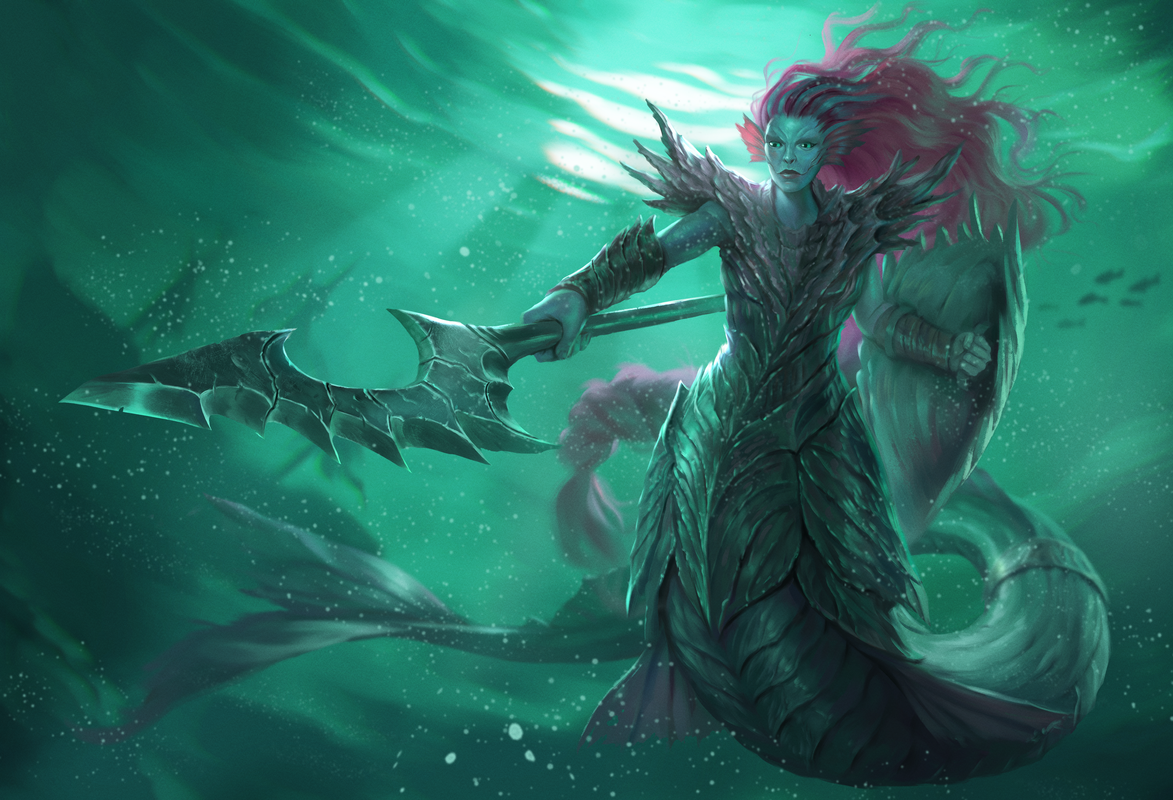
- Depthguard Fighter, by Roberto Andreas
Background Image Stains
Includes spells from Spells That Don't Suck by Omega Ankh and somanyrobots, which is licensed CC-BY and available here.
Includes spells from Kibbles' Casting Compendium 2.0 by KibblesTasty Homebrew LLC, which is licensed CC-BY and available here.
Licensing
All rules & spell text in this document is licensed as CC-BY, under the Creative Commons Attribution 4.0 International license (CC-BY). Broadly, it can be republished freely or incorporated into commercial works as long as credit is given to the original creators.
Includes spells from Spells That Don't Suck by Omega Ankh and somanyrobots, which is licensed CC-BY and available here.
Includes spells from Kibbles' Casting Compendium 2.0 by KibblesTasty Homebrew LLC, which is licensed CC-BY and available here.
5E SRD Content
This work includes material taken from the System Reference Document 5.1 (“SRD 5.1”) by Wizards of the Coast LLC, available here.
The SRD 5.1 is licensed under the Creative Commons Attribution 4.0 International License available here.