

Speed and Fury
What is Speed and Fury?
Bosses can become more difficult for players to fight based on how they move and attack in combat. This module will discuss two ways to demonstrate this: one through manipulating the initiative order, and the other through a new ability called ‘Fury Abilities’. Providing a boss with these two mechanics can make combat more interesting and offer new ways for players to fight the boss by taking into account their foe's speed.
Why use Speed and Fury?
The system provides DMs with a flexible way to change how bosses feel in combat without having to rewrite their stat blocks completely. The mechanical reason for using this system is that you can make fast bosses who feel chaotic and dangerous as they dart around the map, outmaneuvering players. Or create a slow boss whose every strike and move is meaningful and dangerous. Using the mechanics lets you more easily create the speed you want while changing how players need to approach each boss.
Not only is it good mechanically, but it can also show your players the boss’s speed and why. They could be a lizard fighter who can quickly climb walls and drop on enemies below, or they can use tail slamming, hitting players or sweeping their feet. All bosses can become memorable when their pacing matches their personality and physique.
What This Guide Covers
This guide discusses two ways to change a boss's stat block. The first is how the boss's initiative works, and the second is a new move they unlock and use as a bonus action. At the end of the document, there are two examples for bosses to use as a reference or as enemies in your own games.
Lightning Dragon
| Set Up |
|---|
| A blinding flash split the sky, and a mighty dragon descended in a halo of crackling yellow light. The moment combat began, the creature shot forward at an incredible speed, darting between combatants, weaving through cover, and striking from all angles. Players quickly realised they weren’t facing the typical brutish wyrm, but a predator built for velocity, precision, and overwhelming momentum. |
| As the party scrambled to read its movements, the dragon raised its claw and aimed at three points across the battlefield. Where it aimed, a hum of crackling energy began to swell. Immediately before the same initiative count on the following round, massive pillars of lightning crashed down. Any creature within a 10-foot radius of one of the pillars was forced to make a DC 18 Dexterity saving throw. On a failure, a creature takes 25 (5d8) lightning damage and is stunned until the end of its next turn. On a successful save, a creature takes half the damage and is not stunned. These targeted strikes forced the players to reposition constantly, turning the battlefield into a dangerous dance for survival. |

Visualising the Speed of a Boss:
Every memorable boss has a rhythm. Some flicker across the battlefield like lightning, striking before the party can react. Others lumber forward like collapsing mountains; slow, inevitable, and terrifying. Speed defines how a boss feels long before their first attack hits.
Before you calculate damage or build their abilities, take time to decide the pace of the fight. This section introduces two simple tools to express that pace mechanically:
Zi-Chin's Tip
I suggest keeping a round limit of 3 to 5 rounds to allow enough time, but not too much, so the task isn't too easy.
Components
| Component | Description |
|---|---|
| Flow of the Round | Altering the boss's initiative to let them act more or fewer times per round can change a fight's rhythm. Fast bosses can take multiple turns per round to overwhelm players, while slower bosses strike less but with more power. |
| Fury Abilities | Adds a signature move for the boss, which is a powerful and telegraphed move to help show their attack style and pace. This ability has a recharge die, and the dice used are determined by the speed of the boss you want to show your players. |
Narrative Options:
Using the Flow of the Round and Fury Ability systems, you gain a natural way to highlight a story theme or boss concept without needing to explain it directly. Boss battles can shift their pacing depending on whether the boss is fast or slow, which directly changes the difficulty and forces players to adjust their tactics. By altering how many times a boss acts in a round, you create different play patterns. So players must think about when to attack or defend, whether to stay close or keep their distance, and how to position themselves as the boss’s turn approaches.
A boss’s speed is further defined through the Fury Ability they possess. Fury Abilities allow a boss to demonstrate how they prefer to fight, whether through strategy, precision, reckless aggression, or battlefield control. These abilities give players insight into the boss’s personality and combat philosophy, and also reinforce the difference in speed. When combined, these mechanics enhance the storytelling of a fight and reduce the need for long descriptions, letting the boss “speak” through their actions rather than words.




Flow of the Round
When designing a boss’s pacing, consider what you want its speed and pacing to communicate to your players about their movement, behaviour, and size.
Changing how often a boss acts makes its speed and power clear in play. Fast bosses act more often, while slow bosses act less often but hit harder.
- Fast Bosses: They have multiple initiative slots; lighter attacks per turn, but higher frequency.
- Medium Bosses: One standard initiative slot using the normal turn structure.
- Slow Bosses: One initiative slot that moves lower each round; heavy, destructive attacks.
Fast Bosses
These are bosses that are defined by motion and unpredictability. They roll multiple initiatives, usually two or three. The dice rolled can be all d20s, or you can mix it with one d20, a d12 and a d6 so you hopefully get more of a spread.
To balance a Fast Boss, reduce the damage of each attack while keeping their total damage per round appropriate for their CR. if a CR 15 boss is expected to deal around 100 damage per round and acts three times, each turn should deal roughly 33 damage.
A fast boss has multiple initiatives changing how often they attack, making them unpredictable with multiple turns.
Fast Bosses
| d4 | Fast Boss Examples |
|---|---|
| 1 | A duelist so quick with their blade that when they strike a foe, all the target sees is a flash of steel and the cold sting of a blade piercing the flesh. To show this boss's speed, they take three turns per round. |
| 2 | A four-armed boss with a shield, a whip, and two swords. They have mastered all forms of combat and can attack and defend in a relentless flow. To show this foe's prowess in battle and the speed at which they can strike, they take two turns per round. |
| 3 | An elemental boss built from the essence of wind can move at incredible speeds. They attack so fast that it is almost impossible for their opponents to see the massive fist coming right at them. To show their mastery over the elements, the elemental takes two turns per round. |
| 4 | A hive mind boss built from many decaying corpses. Each corpse attacks independently while obeying the same collective will. To show the differing speeds of each corpse, the boss takes three turns per round. |
Medium Bosses
Medium-speed bosses maintain a single initiative slot and traditional pacing. These bosses function similarly to the traditional bosses found in standard D&D source material. They can adapt or shift tactics mid-fight, but don’t break the flow of the round.
Slow Bosses
Deliberate, devastating attacks define these bosses. They attack less frequently than medium bosses, and their place in the initiative order decreases after each round. At the end of each of its turns, reduce the Slow Boss's initiative count by 2 to 4, as chosen when designing the boss. So they could roll an 18 on the initiative, and after the round ends and you restart from the top, the boss’s initiative moves down by 4 places, so moving them to 14.
If reducing the boss’s initiative would take it below 1, continue counting down from initiative 20. For example, if the boss is on initiative 1 and its initiative is reduced by 3, its new initiative becomes 18.
Because this could otherwise cause the boss to act again near the start of the next round, it skips its turn during that round. It then acts on its new initiative count during the following round, after which its initiative continues to decrease normally.
To ensure they remain a powerful boss, you can increase their damage to compensate for their reduced turn frequency. For example, if a CR 21 boss is expected to do around 150 damage per round, and they attack less, I would have the damage be around 190 to compensate for that. This keeps their damage appropriate while decreasing their speed.
Slow Bosses
| d4 | Slow Boss Examples |
|---|---|
| 1 | A withered archmage, frail in body but wielding catastrophic magic. The archmage moves down the initiative by three places per round. |
| 2 | A towering minotaur wields a giant club with great force; however, it is slowed by its size. To show its weight, they move down the initiative by two places per round. |
| 3 | A bloated undead corpse sheds rotting flesh as its deteriorating muscles slow its movement. It moves down the initiative by three places per round. |
| 4 | A dragon was caught in an explosion, leaving its left wing and back legs badly damaged. To show the effects of the damage, they move down the initiative by two places per round. |
Multiple Turns and Round-Based Abilities
Giving a boss multiple initiative slots can create some unusual interactions with abilities, like legendary actions or spells, that normally happen once per round. The following mechanics are designed to keep these abilities balanced and effective for the DM and players.
Legendary Actions
If a boss has Legendary Actions, they regain their spent Legendary Actions only once per round.
They regain them at the start of the boss's first turn of the round. For example, if a Fast Boss acts on initiative 16, 12 and 9, their Legendary Actions reset at the start of initiative 16. They do not reset again when the boss acts on initiative 12 or 9.
By having the Legendary Actions only reset on the first turn of the round, it allows them to work the same way still and keep the bosses better balanced between all types of speed bosses.
Zi-Chin's Tip
If a boss has Legendary Actions, it regains its spent Legendary Actions only at the start of its first turn each round.
Start-of-Turn Effects
Spells and abilities that trigger when a creature starts its turn normally trigger at the beginning of each boss turn.
So bosses with multiple initiatives would suffer more each round from starting their turn in Spirit Guardians, where each time the boss starts its turn there, they take damage.
Which is why using this mechanic can allow for some more fun interactions between different types of spells and the speeds of a boss, as a fast boss would take more damage but a slow boss would not, so more direct spells could be more useful for that slow boss.
However, Fast Bosses also have more opportunities to move and escape the affected area, so players might try to trap them and keep them inside the area, giving them more ideas and strategies to try.


Fury Abilities
Fury Abilities give the boss a powerful, telegraphed attack that they can activate as a Bonus Action on any of their turns. When the boss uses the ability, they choose a target creature or location that they can see.
The Fury Ability does not trigger immediately. Instead, the Fury Ability resolves immediately before the same initiative count on the following round, giving players in combat roughly one full round to react, reposition, or attempt to counter the move.
Movement
Some Fury Abilities require the boss to physically be close to the target, while others can do it from a range. The type of ability the boss has may require them to move.
Melee Fury Abilities
If the target is outside the Fury Ability's range when it triggers, the boss can move up to its normal speed toward the target. This movement follows the normal rules and can provoke opportunity attacks unless the Fury Ability specifically says otherwise.
If the boss still cannot reach the target after this movement, the Fury Ability may fail or resolve differently depending on how the ability was designed. This gives players a way to counter powerful melee Fury Abilities through positioning and movement.
Ranged Fury Abilities
If the ability is ranged or area-based (such as a spell-like blast, line, or explosion), the boss does not need to move toward the target. Instead, the effect simply triggers immediately before the same initiative on the next round.
However, if the target or area being targeted is outside the range of the Fury Ability when it triggers, the boss can move up to its normal speed toward the target. This movement follows the normal rules and can provoke opportunity attacks unless the Fury Ability specifically says otherwise.
Telegraphing Fury Abilities
When using Fury Abilities, it is important to telegraph the move to players properly. The telegraph move should let the players know:
- Who or what area is being targeted;
- The general type of attack being prepared;
- Anything obvious about its range or direction; and
- When the attack will occur.
This lets players come up with fun potential counters or ways to avoid the attack.
Examples: The players could do any number of things to counter the boss, some of the following are just general ideas of what players could do:
- Spike Growth, and having the targeted player positioned in the middle of the spell’s area, so the boss has to move through the dangerous zone;
Or
- By readying an action to teleport the targeted player once the boss begins its attack, wasting the boss's movement and resources.
Letting players come up with creative ways to counter the boss adds a fun moment for them to focus on, like a small side objective.
Recharge Rolls
Fury Abilities recharge by rolling a die at the beginning of their turn, and the speed of the boss determines the kind of die used:
- Fast Bosses: Fast bosses use a d4 and recharge on a 4. A fast boss has multiple initiatives and a higher chance to use its fury ability more than the other two bosses.
- Medium Bosses: For a moderately paced boss, they use a d6 and recharge on a 5 or 6. These attacks use power and speed equally to defeat opponents, so are kept in the middle range of the fast and slow bosses.
- Slow Bosses: For a slow-moving or powerful boss, they use a d8 and recharge on a 7 or 8. These are slower but more powerful attacks that the boss can do.
The above rolls are estimated to try and give fast bosses with multiple initiatives a higher chance than medium and a greater chance than slow bosses to gain their ability. However, if you are not using multiple initiatives and are only using Fury abilities, when rolling for the fast boss, still use the d4, but it recharges on a 3 or 4.
Charging Fury Abilities
After a boss successfully recharges a Fury Ability, the boss may have one opportunity to Charge it before using the Fury Ability.
A Charged Fury Ability becomes stronger than its normal version. The upgrade should be designed around what the Fury Ability already does rather than always being additional damage. When charged, it could:
- Increase the damage dice.
- Increase the size of the area affected.
- Hit an additional target.
- Increase the range of the ability.
- Add an additional effect such as knocking a creature prone or pushing them.
- Allow the Fury Ability to happen a second time.
The Charged effect should be written as part of the Fury Ability, so the DM knows exactly what changes when the Charge succeeds. The method used to Charge a Fury Ability depends on whether the boss is Fast or Slow.
Zi-Chin's Tip
When designing a Charged Fury Ability, I recommend changing only one to three elements of the Fury Ability to keep it simple and not make it too powerful.
Fast Boss: Building a Charge
Fast Bosses charge their Fury Ability over multiple turns. When a Fast Boss successfully recharges their Fury Ability, they can hold onto the Fury Ability instead of using it. On one of their later turns, they can roll their Fury recharge die again. If they succeed again, the Fury Ability becomes Charged.
Example - Air Control
The air elemental controls a player's movement through strong air currents, redirecting attacks and causing them to hurt nearby players.
Normally, the air elemental controls a player's body temporarily before the elementals turn. They normally have the person do two actions from their sheet, like swinging or throwing their weapon. If the Fury Ability is charged, once the two attacks are done, they throw the player 30 feet into the air and slam them into another player below.
Charged Fury Ability - Air Control
Charging the ability this way shows the Fast Boss building momentum throughout the round as they keep moving and attacking.
Slow Boss: Immediate Charge
Slow Bosses have fewer opportunities to act, but their Fury Abilities can become much more dangerous when their turn arrives. When a Slow Boss successfully recharges their Fury Ability, immediately roll the d8 again on the same turn. If the second roll succeeds on a 7 to 8, the Fury Ability becomes Charged.
This creates a rare moment where the Slow Boss suddenly unleashes something much more dangerous.
Example – Crushing Axe
A Slow Boss raises their giant axe and brings it down upon one player. The impact cracks the ground and sends debris into nearby creatures.
Normally, the Fury Ability deals heavy damage to the main target and causes an area effect around them. If the Fury Ability becomes Charged, after completing the first attack, the boss lifts the axe and slams it down again. The second slam deals half the normal damage.
Charged Fury Ability - Crushing Axe
The exact Charged effect can be different for every boss. The important part is that it strengthens the identity of the original Fury Ability.
Zi-Chin's Tip
For slow bosses, if you, as the DM, want to make them more difficult, change the charging roll range from 7-8 to 5-8.
This substantially increases the chance of producing a Charged Fury Ability, making the boss more dangerous.
Different Speeds
Before the final boss examples, we wanted to cover the different boss speeds and provide a table summary and example for each speed type. The table below summarises the core mechanics and can be used as a quick reference once the DM has chosen the boss speed:
Boss Summary Table
| Boss Type | Combat Feel | Initiative | Fury Recharge | Charging |
|---|---|---|---|---|
| Fast | Constant pressure and movement | 2 or 3 Initiative slots | Roll a d4, and recharge on a 4 | Builds a Charge across multiple turns |
| Medium | Reliable and balanced pacing | 1 normal initiative slot | Roll a d6, and recharge on a 5 or 6 | No charge rule |
| Slow | Attacks less; is heavy and slow but powerful | 1 initiative slot; reduce its initiative count by 2–4 after each turn. | Roll a d8, and recharge on a 7 or 8 | After successfully recharging the Fury Ability, immediately roll the d8 again. On a 7–8, it becomes Charged. |
The idea with these rules is to keep them as simple as possible, so you don't have to check them or remember what they say constantly. That is why we have also provided 3 quick examples below showing the boss's combat feel, how initiative reflects it, and its fury ability and charged fury ability.
Fast Boss - Nerve Strikes
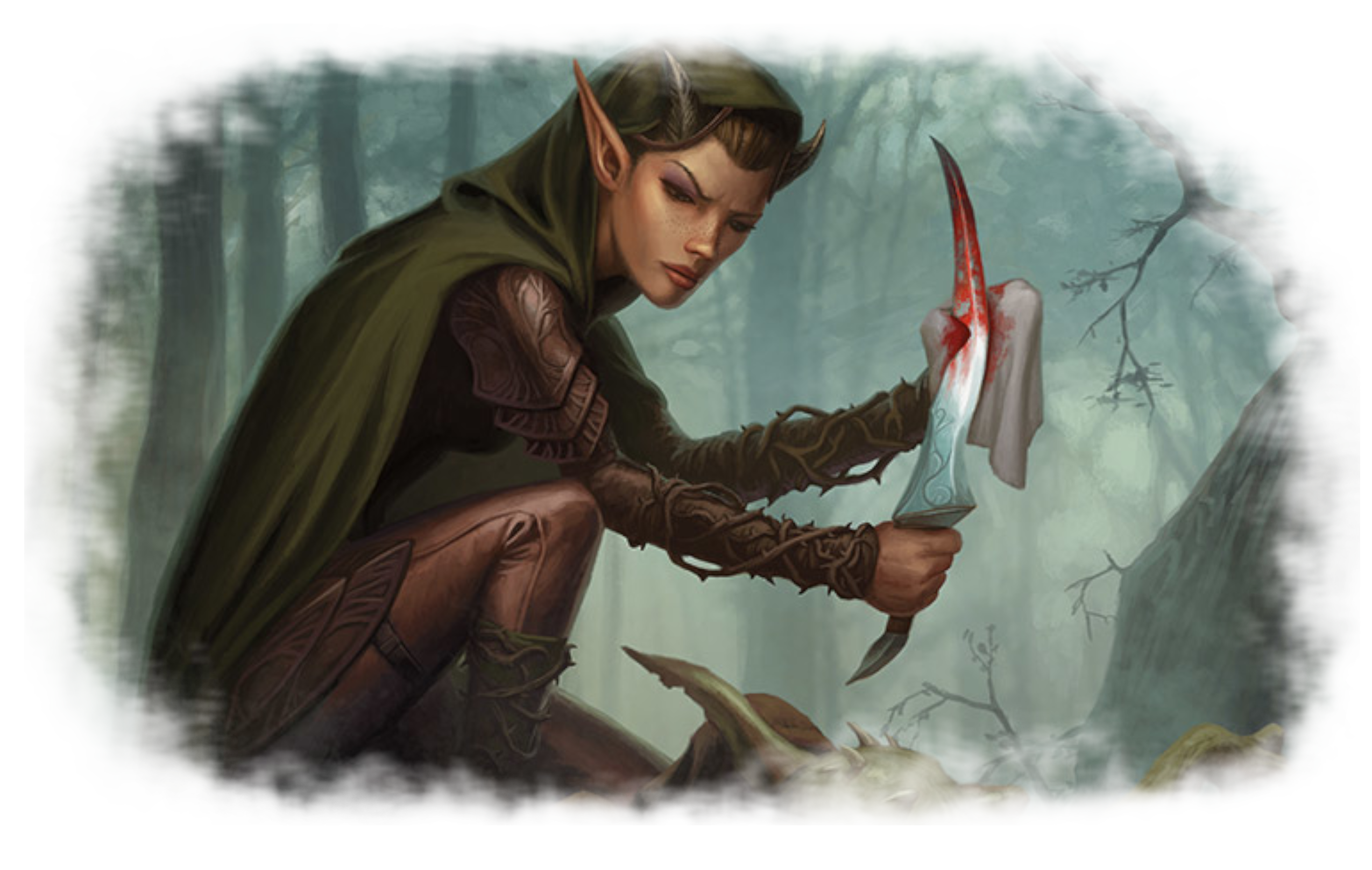
An assassin, on their turn, points their blade at one of the players and winks. Immediately before the same initiative count on the following round, they dart across the battlefield, in a blur, as blades flash faster than the players can see.
Normal Fury Ability: Nerve Strikes
They make four precise attacks against one target (+7 to hit), and each attack deals 8 (1d6 +4) bludgeoning damage. Each successful attack that lands aggravates the nerve point. The target must make a Constitution Saving Throw (DC = 8 + Assassin’s Dexterity Modifier + number of successful hits). On a failed save, the target creature receives either the silenced (can’t speak or cast spells that require verbal components) or blinded condition until the end of the boss's next turn in the next round. On a successful save, the target creature has no conditions happen to them.
Charged Fury Ability: Nerve Strikes
The die increases from a d6 to a d8, so when the assassin hits a player, it would be 9 (1d8+4) bludgeoning damage. If the assassin can position themselves 5 feet between two players, they can use this ability on both of them at the same time.
The assassin can use the Dash action to move twice as far to reach their target.
The purpose of this ability is to help show how they have mastered precision and speed to dominate an opponent and shut them down quickly.
Medium Boss - Warrior’s Skill
A veteran warrior locks eyes with one of the players. As steel clatters and spells erupt across the battlefield, he plants his feet, inhales sharply, and lets out a commanding roar that echoes across the field. Immediately before the same initiative count on the following round, he surges forward and delivers a brutal combination of attacks.
Normal Fury Ability: Sweeping Strike
He slams his shield into the target, forcing them to make a DC 14 Strength saving throw. On a failed save, the target takes 13 (2d4+8) damage and gets pushed back 10ft. On a successful save, the target takes half damage and is not knocked back. If the target is pushed back into an ally, the ally is also knocked off-balance, giving the warrior an opening to strike.
The warrior pivots and swings his greatsword in a wide, practised arc. Creatures within a 10-foot cone must make a DC 14 Dexterity saving throw. On a failed save, the targets take 15 (2d6+9) damage. On a successful save, they take half damage.
This Fury Ability showcases the warrior’s mastery of battlefield control. Every movement is deliberate, a push to break the formation, then a sweeping strike to punish anyone who stands too close. It communicates precision, discipline, and tactical awareness rather than raw strength.
Slow Boss - Tail Crush
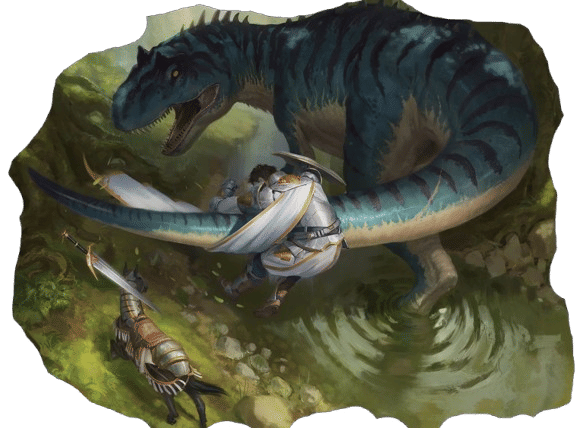
The players followed the injured dragon into its lair after damaging its wing. As they look for the dragon, they hear a roar behind them and the walls of the massive cave begin to shake. The players turn around and see the dragon staring down at the group.Immediately before the same initiative count on the following round, the dragon flies into an area where it can hit the most people. By flying, it can avoid players' opportunity attacks. When it lands, it unleashes a mighty attack on the players.
Normal Fury Ability: Tail Crush
It sweeps its tail through a 15-foot cube; any creature inside the area must make a DC 16 Dexterity saving throw. On a failed save, the target takes 22 (3d8+7) bludgeoning damage and is knocked prone. On a successful save, the target takes half damage and is not knocked prone.
Upon successfully knocking a target prone, the dragon can target that prone player for a second devastating attack. The target sees the dragon’s tail rise high into the air and drop down upon them with incredible force. The dragon attacks with their tail: +11 to hit, creature within 15 feet. Hit: 25 (3d10+7) bludgeoning damage.
Charged Fury Ability: Tail Crush
The die increases from a d8 to a d10, so the target takes 25 (3d10+7) bludgeoning damage on the sweep attack. For the second devastating attack, it deals 28 (3d12+7) bludgeoning damage.
As well as the devastating attack dealing 10 feet circle of AOE damage; any creature inside must make a DC 16 Dexterity saving throw. On a failed save, the target takes 16 (3d4+7) piercing damage. On a success, the target takes half damage.
The dragon’s Fury Abilities highlight its big and large stature. They use their tail to disable and attack vulnerable party members. When they have charged the attack, they create a devastating tail smash that sends a small shockwave of cobblestone pieces to nearby players.

Boss Examples
The following boss encounters are designed to show how these two mechanics can highlight who the boss is without overexplaining them.
Each example highlights different speeds throughout a boss's phases, while tying them to the boss's emotional arc or environmental themes.
Thraxis the Betrayed
(Speed Concept)
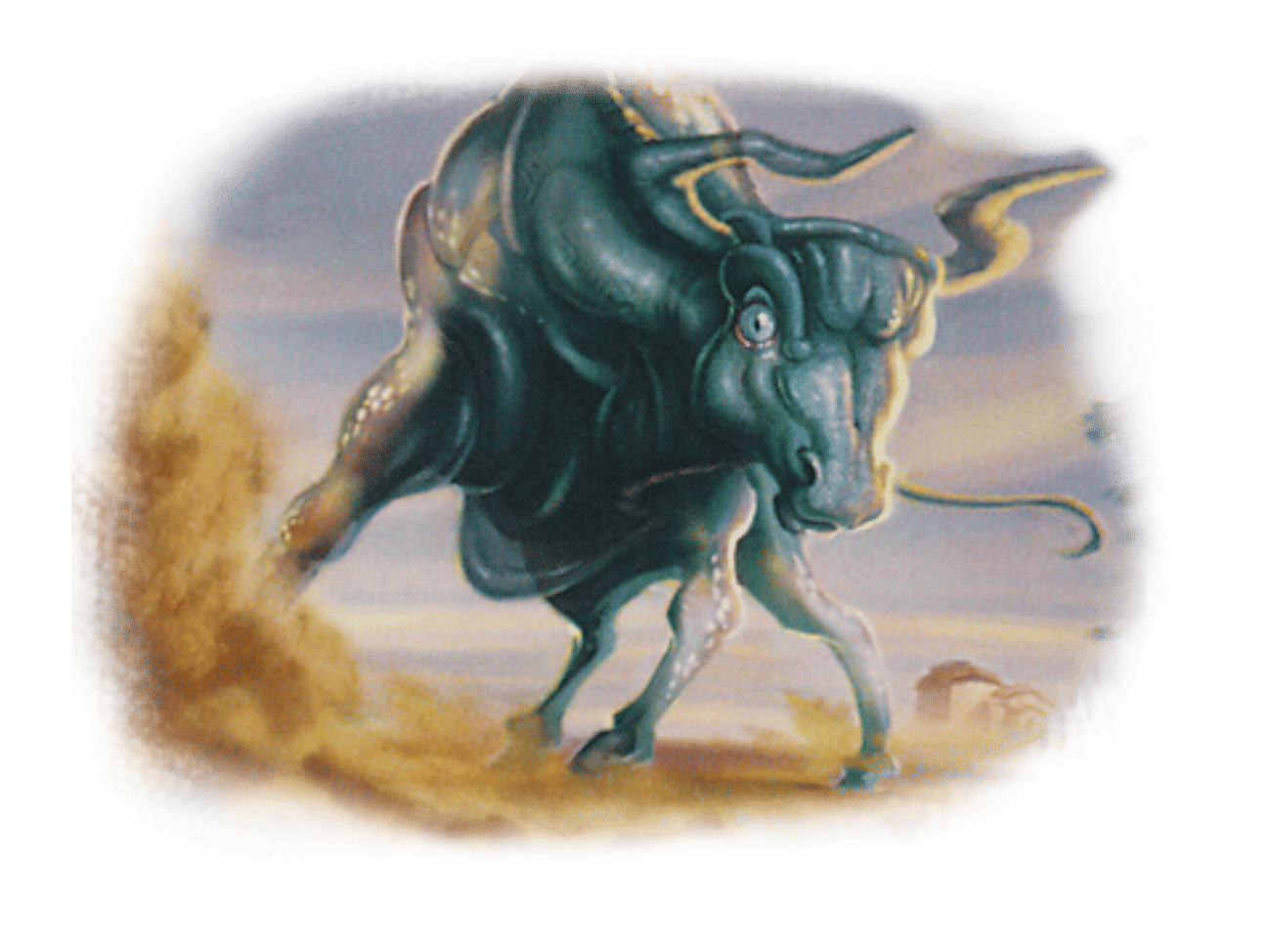
Thraxis is a large mechanical bull designed to destroy anything in its path. When compared to a normal Gorgon, they are larger and more bulky, with interesting runes etched into their body to allow them to access small amounts of spells. However, when they become enraged, their powers are enhanced and are volatile.
With his three phases, the idea is to show the cost of speed: anger can help him focus in tough fights, but it consumes more energy. When he runs out of energy, he is slower and more sluggish. The phases show him transitioning from calm, deliberate moves to erupting into a reckless frenzy, then being exhausted by his anger.
Flow of the Round
Phase One – Controlled Force:
Thraxis opens the fight as a medium-speed boss with a single initiative slot. Each strike lands with heavy precision; his movements and attacks are deliberate. When using his magic, it is more strategic, whether healing or pulling enemies closer to hit more targets at once.
Phase Two – Rage Unleashed:
As the players deal enough pain to Thraxis, he cannot help but lose control. He enters a fiery rage which he uses throughout the fight. They gain a second initiative roll and now act twice per round.
Because this is tied to the second round and is meant to show his anger, I haven't reduced the damage; I've increased it by 1d4 fire damage on each attack. By increasing damage, it helps show how, with his anger, he is stronger than before, and the spells he uses are to damage and hit opponents more rather than being strategic with them.
Phase Three – Overheated Collapse:
As Thraxis begins to slow down and become exhausted from their rage, they return to one initiative slot (the original one). Additionally, to show how sluggish he is now, his initiative drops by three each round. Players can hear his joints seize and squeak each time he moves. His speed has died, and he can no longer use spells. In this phase, players can see this terrifying beast begin to weaken before them.
Fury Abilities
Thraxis can charge straight ahead, knocking people down and throwing someone into the air. Thraxis picks a creature to target within 30 feet; the player sees this, and then Thraxis begins scraping the ground with his hoof, ripping up the dirt and grass.
Immediately before the same initiative count on the following round, Thraxis begins to move toward the target and charges at them when within range. Below is a description of how the ability works, and it recharges on a 4 when rolling a d4:
Normal Fury Ability: Charge
Thraxis moves into range of his target; if he moves, nearby players can attack with opportunity attacks. Once Thraxis is within 30 feet of the target, he then begins to charge towards them.
During the charge, he is unable to be attacked with an attack of opportunity. Thraxis charges 30 feet forward, and any creature in front of Thraxis makes a DC 15 Dexterity Saving Throw. On a failed save, take 19 (3d8+7) damage and be knocked prone. On a successful save, take half as much damage and are not knocked prone.
On the person the Gorgon decided to target, the creature instead makes a DC 16 Strength Saving Throw. On a failed save, the target takes 22 (3d10+7) damage and is thrown into the air 20 feet high and pushed 20 feet backwards. On a successful save, the target takes half damage and stays where they are.
Charged Fury Ability: Charge
The attacks now deal 12 (3d6) fire damage to people hit by Thraxis, and behind Thraxis is a trail of molten lava which stays for two rounds. Players who are knocked prone in the lava take 8d10 fire damage, and players who walk through the fire take 5d10 fire damage.
The move he does is very deadly to anyone hit by it, especially the target of the attack. The idea was to show the brute force of such a beast; they have been modified for war, and their charge is much stronger because of it.
With the Charged Fury Ability, it makes it more dangerous as Thraxis can divide the field better with lava covering up areas and trying to knock or hopefully charge at more players to get them in the lava.

Unlock Statblock:
Thraxis
Large monstrosity, unaligned
- Armor Class 19 (natural armor)
- Hit Points 252 (24d10 + 120)
- Speed 40 ft.
STR DEX CON INT WIS CHA 24 (+7) 14 (+2) 20 (+5) 10 (+0) 14 (+2) 8 (−1)
- Saving Throws Str +12, Con +11
- Skills Athletics +12, Intimidation +3, Perception +7
- Damage Resistances Lightning, Poison
- Condition Immunities Charmed, Petrified
- Senses darkvision 60 ft., passive Perception 17
- Languages Common, Elvish, Gnomish
- Challenge 15 (13,000 XP)
Traits
Legendary Resistance (2/Day). If the gorgon fails a saving throw, it can choose to succeed instead.
Innate Spellcasting. Thraxis spellcasting ability is Wisdom (spell save DC 15). Thraxis can innately cast spells.
Charge. If the centaur moves at least 30 ft. straight toward a target and then hits it with a Gore attack on the same turn, the target takes an extra 10 (3d6) piercing damage.
Boss Barrier (Phase 2). Thraxis gains a barrier that lasts for five rounds, and it has 85 hit points. While the barrier is active, Thraxis is immune to all damage types except cold and psychic. The barrier is affected by different amounts of water it comes into contact with.
Fire Damage (Phase 2). In phase 2 all attacks dealt by Thraxis deals an extra 2d4 fire damage.
Weakness (Phase 3). In phase 3, Thraxis has no access to bonus actions, legendary actions, lair actions, fury abilities. The damage they deal is one die less and no more extra fire damage.
Actions
Multiattack. Thraxis makes three attacks: one with its Gore and two with its Hooves.
Gore. Melee Weapon Attack: +12 to hit, reach 5 ft., one target. Hit: 18 (2d12 + 7) piercing damage.
Hooves. Melee Weapon Attack: +12 to hit, reach 5 ft., one target. Hit: 16 (2d10 + 7) bludgeoning damage.
Petrifying Breath (Recharge 5–6). Thraxis exhales petrifying gas in a 30-foot cone. Each creature in that area must make a DC 18 Constitution saving throw.
On a failed save, the creature begins to turn to stone. At the start of the creature’s next turn, it must repeat the saving throw. On a failure, the creature is restrained. On a success, the effect ends.
While restrained by this effect, the creature must repeat the saving throw at the start of each of its turns. On a failed save, the creature becomes petrified. On a success, the effect ends.
Bonus Actions
Overdrive. Thraxis gains 10 feet of movement, and it has advantage on the next melee attack it makes this turn. Reinforce Shell. Thraxis gains 12 (1d4 + 9) temporary hit points.
Magnetic Pull. Thraxis targets one creature within 15 feet as unstable telekinetic force erupts from its body. The target must succeed on a DC 15 Strength saving throw or be pulled up to 10 feet closer to Thraxis.
Fury Ability: Charge (Recharge 4). Thraxis charges up to 30 feet in a straight line. Each creature in its path must make a DC 20 Dexterity saving throw. On a failed save, a creature takes 19 (3d8 + 7) bludgeoning damage and is knocked prone. On a successful save, it takes half as much damage and isn’t knocked prone.
One creature of Thraxis’s choice that it moves through or adjacent to during this charge must instead make a DC 20 Strength saving throw. On a failed save, the target takes 22 (3d10 + 7) bludgeoning damage, is launched up to 20 feet into the air, and pushed up to 20 feet away from Thraxis. If the target takes fall damage from this movement, it lands prone. On a successful save, the target takes half as much damage and isn’t moved.
Charged Fury Ability: Each creature hit by the charge also takes 12 (3d6) fire damage. Thraxis leaves a trail of molten lava along the path of its charge that remains for two rounds. A creature knocked prone in the lava takes 8d10 fire damage, while a creature that moves through the lava takes 5d10 fire damage.
Legendary Actions
Thraxis can take 2 legendary actions, choosing from the options below. Only one legendary action option can be used at a time and only at the end of another creature’s turn.
Pulse (Phase 1 only). A toxic cloud spreads in a 20-foot-radius sphere centered on a point Thraxis can see within 60 feet. Each creature in that area must make a DC 20 Constitution saving throw, taking 16 (3d10) poison damage on a failed save, or half as much damage on a successful one.
Explosive Pulse (Phase 2 Only). Fire erupts in a 20-foot-radius sphere centered on a point Thraxis can see within 60 feet. Each creature in that area must make a DC 20 Dexterity saving throw, taking 26 (4d12) fire damage on a failed save, or half as much damage on a successful one.
Lair Actions
When fighting inside its lair, Thraxis can invoke one of the following effects on initiative count 20 (losing initiative ties). Thraxis can’t use the same effect two rounds in a row, and it can’t repeat an effect until all have been used.
Corrupted Ground. The ground in a 15-foot-square area becomes difficult terrain until initiative count 20 on the next round.
Disruptive Pulse. Each creature concentrating on a spell must make a DC 18 Constitution saving throw. On a failed save, the creature’s concentration ends.
Deadly Vines. Thraxis targets up to three creatures it can see within 60 feet. Each target must make a DC 20 Strength saving throw. On a failed save, the creature takes 7 (2d6) piercing damage and is restrained by vines for 3 rounds. A restrained creature can use its action to make a DC 20 Strength (Athletics) check, ending the effect on itself on a success.

Gorath Bloodhorn
(Speed Concept)
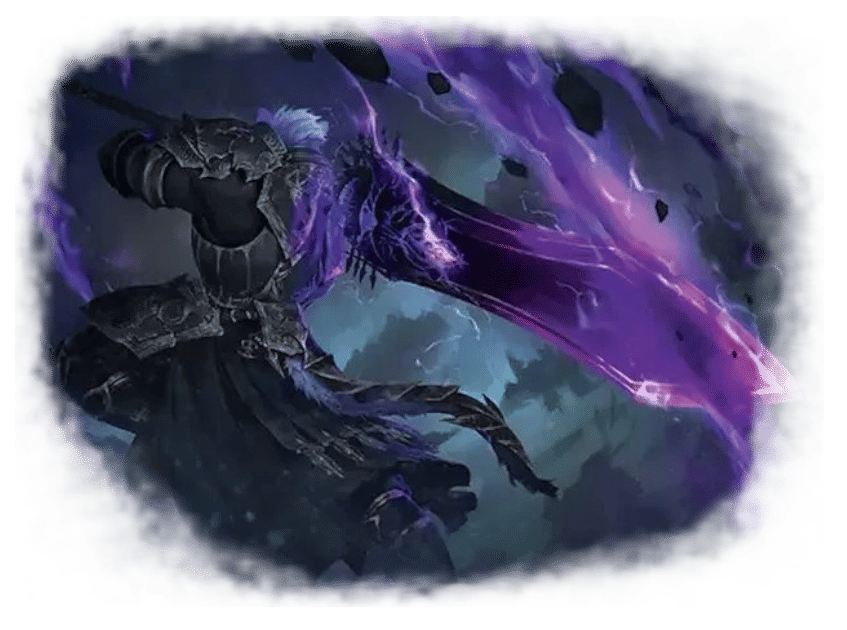
Gorath was a minotaur who had a premature birth, and their village ostracised him because they were not as strong as the others. When he walked, he would be hunched over and limp around the village. However, he made up for his lack of strength with intelligence. He often fixed issues in the village when it required a more innovative approach.
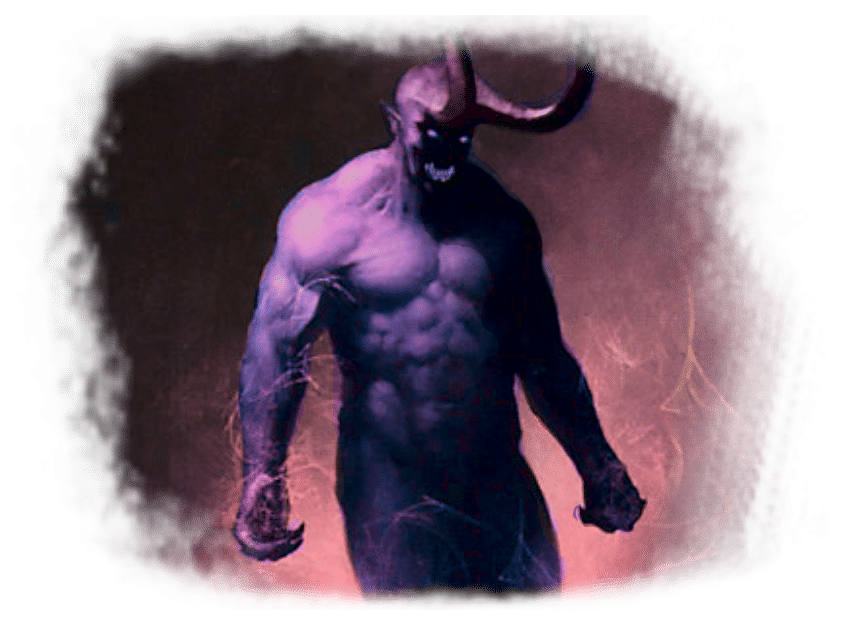
Yet even with his intelligence, he could not help in the current war raging on. He decided to change that and learned how to gain more power. Soon, he made a deal with the devil and gained the ability to rebuild what was damaged and grow stronger than ever. The phases help show this ability by changing speed and gaining a Fury Ability.
Flow of the Round
Phase One – Frail Survivor:
Gorath limps across the cathedral, barely able to hold his hand axe and swing it. He mainly gives instructions on who to target and how, while his troops do the attacking. To help show the difference in speed between Gorath and his troops, his initiative decreases by 2 each round and his movement speed is 15 feet. Slowing him in both areas will really sell the idea that this boss is injured and slow.
Phase Two – Reborn in Blood:
As he transitions to phase two, he changes from his injured self into a dangerous, large monster. His initiative now stays where it is to show the new strength Gorath has gained through corruption. His limp and hunch are gone, and he can move faster and with more power.
Fury Abilities
Gorath is unique and only gains a Fury Ability in the second phase. The ability lets him target a player and launch at them with great strength. As he lunges through the air and slams his weapon down upon his enemy, the slam his corruption feeds through the blade deals more damage.
As he begins the ability as a bonus action, the players see him move 10 feet forward as he drags his greatsword behind him, the greatsword carving into the earth while his eyes are locked onto a player. Below is a description of how the ability works, and it recharges on a 5 or 6 when rolling a d6:
Melee attack: +10 to hit, within 30 feet of Gorath, one target. Hit: 29 (4d8+9) slashing damage.
As the blade hits the ground, any creature within 10 feet of the impact point must make a DC 15 Dexterity Saving throw. On a failed save, they take 10 (2d8) necrotic damage and 9 (2d6) bludgeoning damage. On a successful save, take half damage.
The Fury Ability Gorath has is designed to show how he has become a brute as he lunges across the map and slams his sword into the ground, sending out a necrotic blast destroying anything around him. He is chaotic and stronger, and he now uses that to try to dominate his opponents.
Statblock: Phase 1
Gorath Blackmane
Medium humanoid (minotaur), neutral evil
- Armor Class 12 (studded leather)
- Hit Points 67 (15d10 − 15)
- Speed 15 ft.
STR DEX CON INT WIS CHA 9 (−1) 11 (+0) 8 (−1) 23 (+6) 17 (+3) 14 (+2)
- Saving Throws Int +9, Wis +6
- Skills Arcana +9, Insight +6, Perception +9
- Damage Immunities necrotic, poison
- Senses darkvision 60 ft., passive Perception 19
- Languages Abyssal, Common
- Challenge 7 (2,900 XP)
Traits
Legendary Resistance (2/Day). If Gorath fails a saving throw, he can choose to succeed instead.
Slow Initiative. Gorath’s initiative count is reduced by 2 at the end of each round. If this reduction would cause his initiative to drop below 1, his initiative instead becomes 20 at the start of the next round, and he cannot take actions or reactions until then.
Phase Transition. When Gorath is reduced to 0 hit points, he does not die. Instead, all conditions affecting him end, and he is replaced by Gorath Blackmane (Phase 2).
Magic Resistance. Gorath has advantage on saving throws against spells and other magical effects.
Spellcasting. Gorath is a 4th-level spellcaster. His spellcasting ability is Wisdom (spell save DC 17, +9 to hit with spell attacks). He has the following spells prepared:
- Cantrips (at will): toll of the dead, produce flame, sapping sting.
- 1st level (5 slots): inflict wounds, ray of sickness, cause fear, false life.
- 2nd level (4 slots): wither and bloom, ray of enfeeblement, blindness/deafness.
- 3rd level (2 slots): vampiric touch, spirit shroud.
Actions
Staff. Melee Weapon Attack: +3 to hit, reach 5 ft., one target. Hit: 5 (1d8) bludgeoning damage. Gorath can make this attack twice.
Bonus Actions
Rallying Cry. Gorath bolsters his allies. Each allied creature within 15 feet of him gains 10 temporary hit points.
War Chant. Until the start of Gorath’s next turn, each allied creature within 15 feet of him gains a +2 bonus to attack rolls and damage rolls.
Battle Inspiration. Gorath inspires his allies. Each allied creature within 15 feet of him gains one d4 inspiration die, which it can add to one attack roll, saving throw, or ability check it makes before the start of Gorath’s next turn.
Legendary Actions
Gorath can take 3 legendary actions, choosing from the options below. Only one legendary action option can be used at a time, and only at the end of another creature’s turn.
Shield of Flesh. One allied creature within 10 feet of Gorath interposes itself. Until the start of Gorath’s next turn, any attack that would hit Gorath instead hits that ally.
Call to Formation. Gorath and up to two allied creatures within 15 feet of him can each move up to 20 feet in the same direction without provoking opportunity attacks.
Coordinated Strike. Gorath commands an ally he can see within 30 feet. That ally can immediately make one weapon attack as a reaction.
Lair Actions
When fighting inside his lair, Gorath can invoke its ambient magic. On initiative count 20 (losing initiative ties), Gorath can take one of the following lair actions. Gorath can’t use the same effect two rounds in a row, and he can’t repeat an effect until all have been used.
Summon Reinforcements. Gorath lets out a commanding roar. Roll 1d4 for each of the following enemy types: minotaur fighters, minotaur rangers, and lizardfolk. The result for each roll is the number of creatures of that type summoned in unoccupied spaces within the lair. They enter from a hole in the roof in the end of the cathedral.
Collapsing Debris. Minotaur rangers within the lair target structural supports. Gorath chooses a number of 10-foot-radius areas equal to the number of minotaur rangers currently present. Each creature in a chosen area must make a DC 11 Dexterity saving throw, taking 7 (2d6) bludgeoning damage on a failed save, or half as much damage on a successful one. The affected areas become difficult terrain.
Lights Out. Gorath clenches his fist and can turn off whatever open flames he wishes to within 120 ft.
Gorath can't repeat an effect until they have all been used, and it can't use the same effect two rounds in a row.
Statblock: Phase 2
Gorath Blackmane
Large humanoid (minotaur), neutral evil
- Armor Class 15 (studded leather)
- Hit Points 210 (20d10 + 100)
- Speed 40 ft.
STR DEX CON INT WIS CHA 24 (+7) 17 (+3) 18 (+4) 23 (+6) 17 (+3) 14 (+2)
- Saving Throws Str +11, Dex +7, Con +8
- Skills Arcana +10, Athletics +11, Insight +7, Intimidation +6, Perception +11
- Damage Immunities necrotic, poison
- Senses passive Perception 15
- Languages Common, Minotaur
- Challenge 12 (8,400 XP)
Traits
Legendary Resistance (1/Day). If Gorath fails a saving throw, he can choose to succeed instead.
Charge. If Gorath moves at least 10 feet straight toward a creature and hits it with an attack on the same turn, the target takes an extra 10 (2d8) piercing damage.
New Abilities. Based on how many enemies the characters killed in the previous phase, Gorath gains the following benefit:
- 0–3: Gorath gains no benefit, and his attacks deal 4 less damage.
- 4–7: Vampiric touch deals an additional 1d8 necrotic damage.
- 8 or more: When Gorath uses vampiric touch, he also gains a barrier (see Barrier).
Barrier. When Gorath deals damage with vampiric touch, he gains a barrier with up to 30 hit points. While the barrier lasts, Gorath has resistance to all damage and gains an additional damage immunity based on the creature drained (DM’s discretion).
Actions
Multiattack. Gorath makes two attacks with his greatsword or two slam attacks.
Greatsword. Melee Weapon Attack: +12 to hit, reach 5 ft., one target. Hit: 17 (2d10 + 5) slashing damage.
Slam. One creature within 10 feet must succeed on a DC 19 Strength saving throw or take 10 (2d8) bludgeoning damage and be knocked prone.
Vampiric Touch. Melee Spell Attack: +11 to hit, reach 5 ft., one target. Hit: 25 (5d8) necrotic damage.
Taunt. One creature Gorath can see within 30 feet has advantage on attack rolls against Gorath until the end of Gorath’s next turn, and Gorath has advantage on attack rolls against that creature.
Bonus Actions
Armor Pulse. Gorath releases a burst of force. Each creature within 5 feet of him must succeed on a DC 19 Strength saving throw or be pushed up to 15 feet away.
Relentless Pursuit. Gorath moves up to 30 feet toward a creature that damaged him since the end of his last turn. This movement does not provoke opportunity attacks.
Fury Ability: Devastating Lunge. Melee attack: +10 to hit, within 30 feet of Gorath, one target. Hit: 29 (4d8+9) slashing damage.
As the blade hits the ground, any creature within 10 feet of the impact point must make a DC 15 Dexterity Saving throw. On a failed save, they take 10 (2d8) necrotic damage and 8 (2d6) bludgeoning damage. On a successful save, take half damage.
Reactions
Parry. Gorath adds 4 to his AC against one melee attack that would hit him. To do so, Gorath must see the attacker and be wielding a melee weapon.
Retaliate. When a creature within 5 feet of Gorath misses him with a melee attack, Gorath can make one melee weapon attack against that creature.
Legendary Actions
Gorath can take 3 legendary actions, choosing from the options below. Only one legendary action option can be used at a time and only at the end of another creature’s turn.
Crushing Blow. Gorath strikes the ground. Each creature within 10 feet of him must succeed on a DC 19 Strength saving throw or be knocked prone.
Seismic Toss. Gorath grabs one creature within reach and hurls it up to 30 feet to an unoccupied space he can see. The thrown creature and one creature in the landing space must each make a DC 19 Dexterity saving throw, taking 15 (3d8) bludgeoning damage on a failed save, or half as much damage on a successful one.
Stampede Dash. Gorath moves up to 30 feet in a straight line. Each creature whose space he enters during this movement must succeed on a DC 19 Dexterity saving throw or take 12 (2d10) bludgeoning damage and be knocked prone.
Lair Actions
When fighting inside his lair, Gorath can invoke its ambient magic. On initiative count 20 (losing initiative ties), Gorath can take one lair action. Gorath can’t use the same effect two rounds in a row.
Blinded by the Light. Radiant-tainted soul energy erupts throughout the lair. Each creature of Gorath’s choice within the lair must succeed on a DC 18 Constitution saving throw or be blinded until the end of its next turn.
Gorath can't repeat an effect until they have all been used, and it can't use the same effect two rounds in a row.
Welcome to the second enhanced boss battle from Zi Chin’s Guide to Epic Fights! This series is dedicated to dynamic, cinematic encounters that push players and Dungeon Masters alike to think creatively.
Artist Credits:
- Page 1: Chris Rahn – Aegar, the Freezing Flame
- Page 2: Svetlin Velinov – Stormwing Dragon
- Page 3: Käri Christensen – Air-Cult Elemental
- Page 6: Steven Belledin – Overwhelming Stampede
- Page 8: Dan Scott – Eyeblight Assassin
- Page 9: Angelo Bortolini – Tail Swipe
- Page 10: Victor Adame Minguez – Ajani, Adversary of Tyrants
- Page 11: Dominick Domingo – Taurean Mauler
- Page 13: Igor Kieryluk – Demonic Appetite
- Page 13: Narendra Bintara Adi – Dark Knight's Greatsword
You'll also find exclusive maps and upcoming expansions on Patreon.
Documents:
- Interactive Environment
- Environmental Encounters
- Boss Barriers
- Branching Boss Fights
- Speed and Fury
- Synchronised Combinations
- Morale System
- Tactical Points
Team Credits
- Michael Cheeseman — Lead Designer
- Alex Deery — Editor-in-Chief
- Karl Corallo — Artist (Footer, Background, and Zi-Chin's Tip Art)
- Finn McClusky — Master Coder
- Jimmy Beaton — Quality Assurance
- Wren Boulton — Quality Assurance
- Noah — Quality Assurance