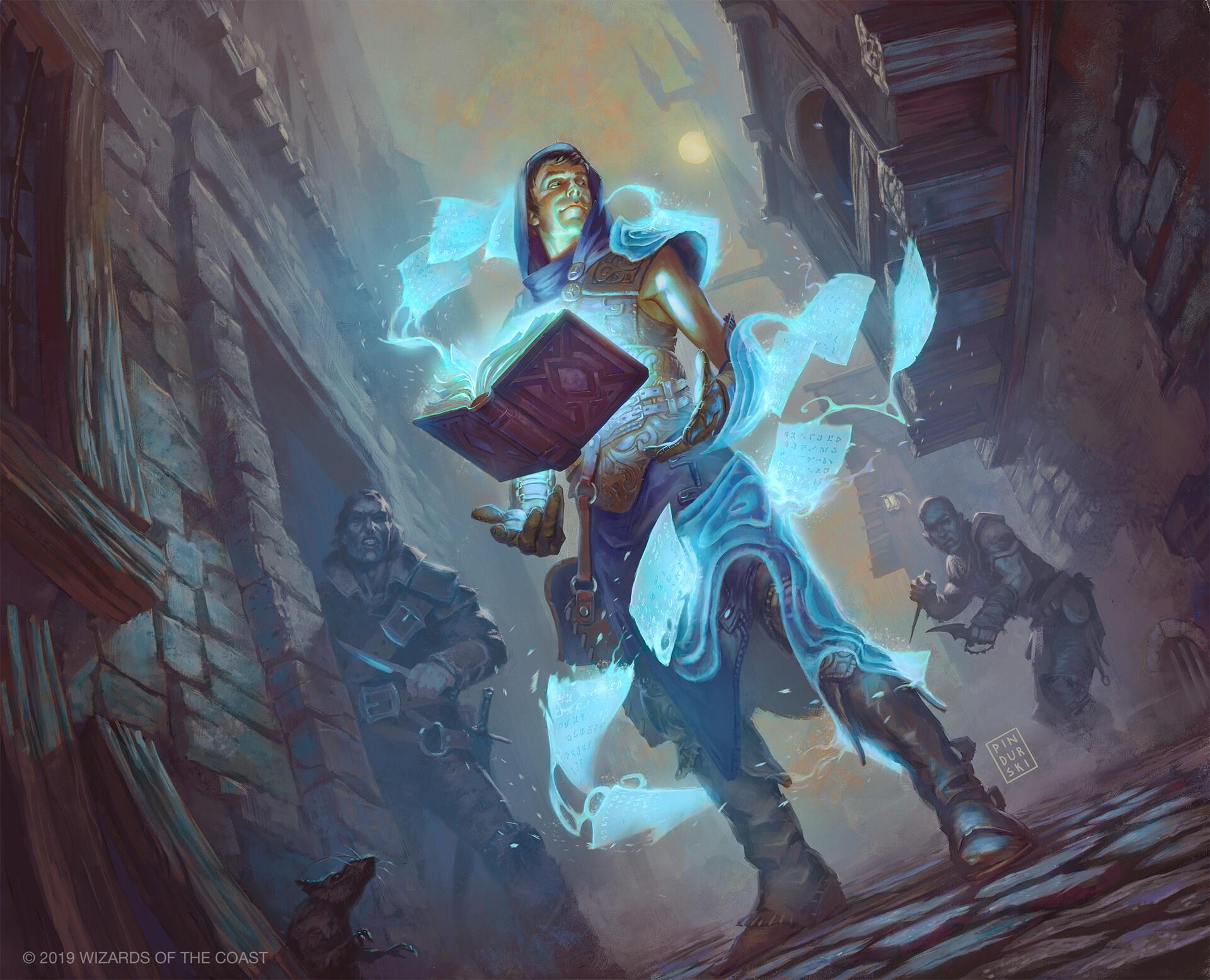

The Wizard
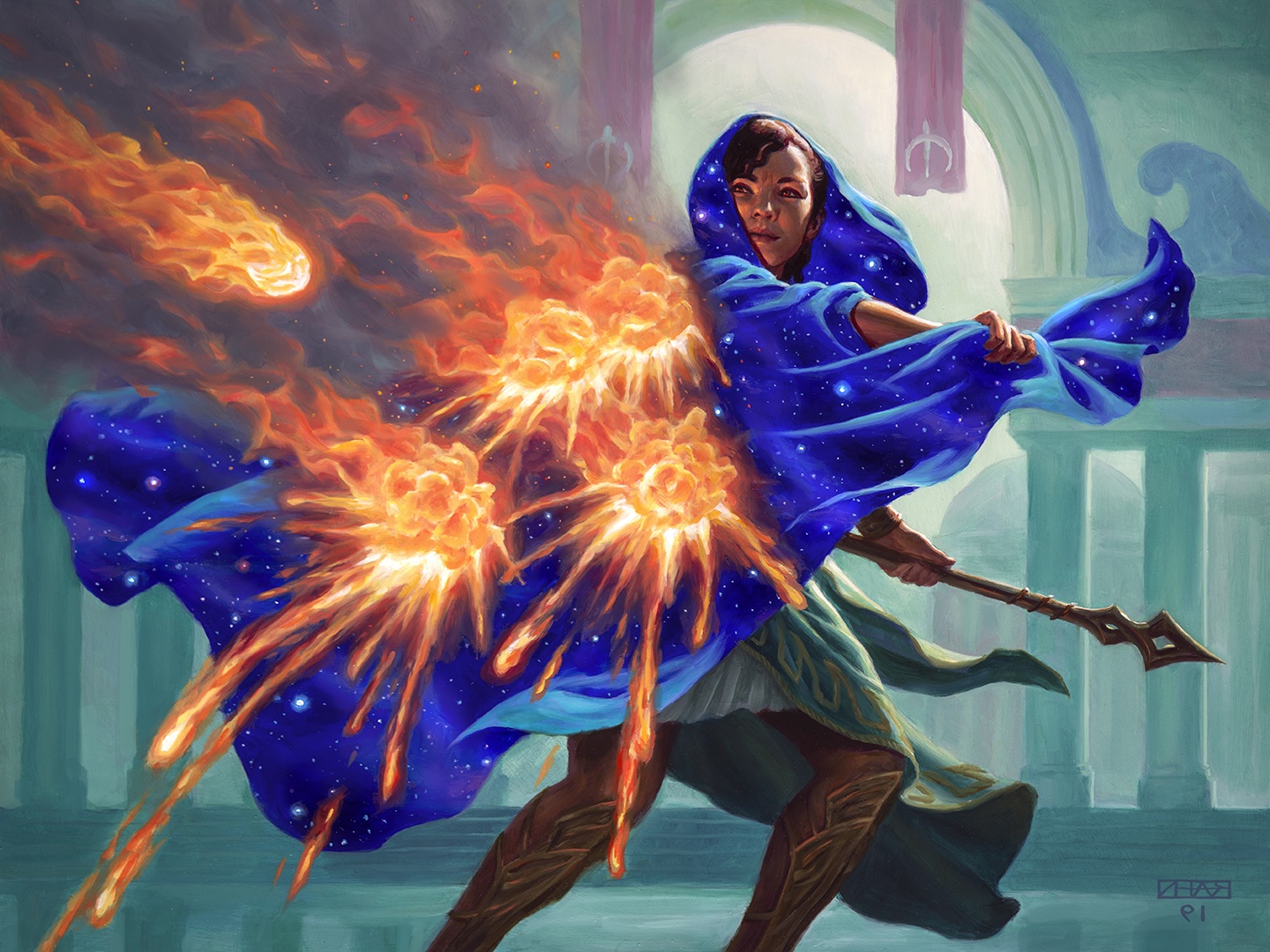
A tiny halfling lowered the
hood of his azure robe as he
drew his gem-encrusted wand
from his sleeve. Focusing on the
charging bandit leader, he muttered a
spell in Elvish, and an iridescent blast
of light burst from his wand. The bandit
captain fell to the ground, clawing at his
eyes that had been blinded by the spell.
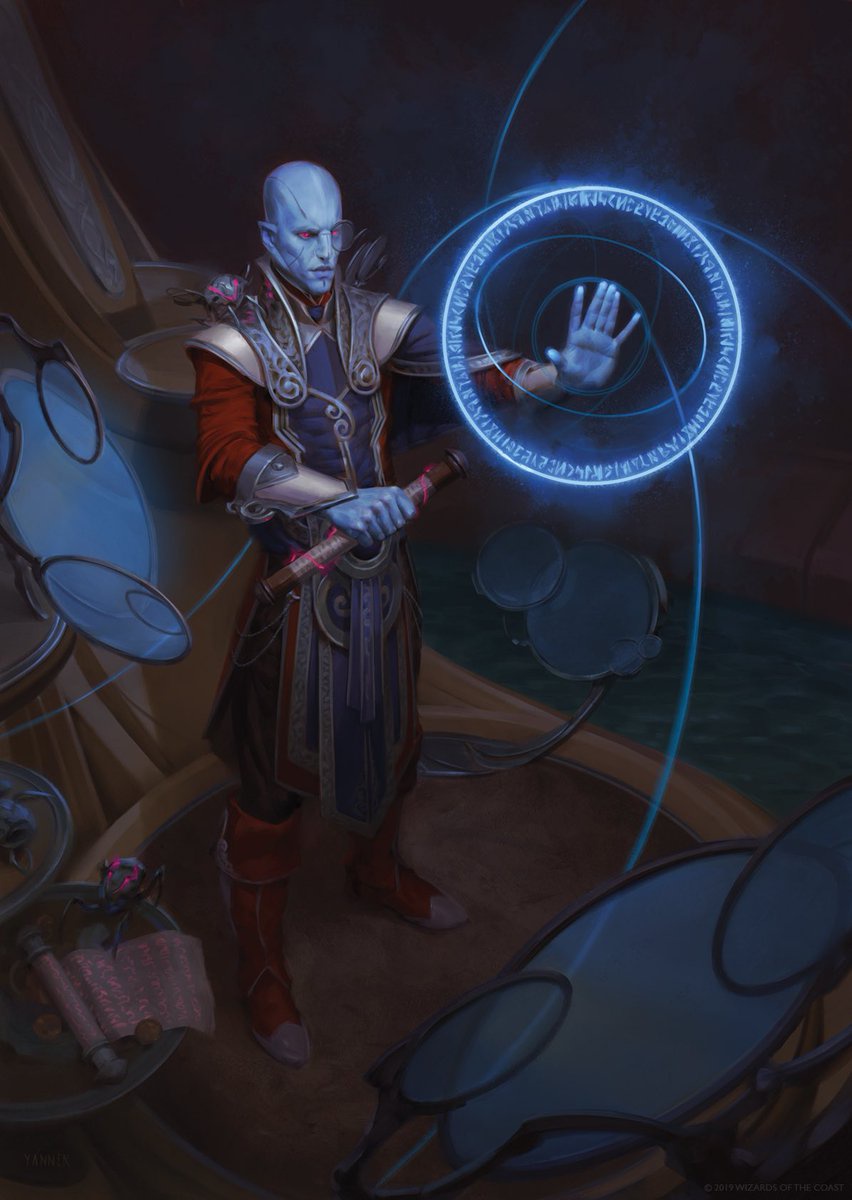
Drawing out the final runes on a magic
circle on the ground, an elvish sage prepared
to recite the incantation that would bind the
ancient fey spirit to her service. In a flash of
light and burst of cold, a Lord of the Unseelie
Court appeared before her, bound to the circle.
The elven summoner unfurled another ancient
scroll and began the incantation which would
bind the faerie to her service.
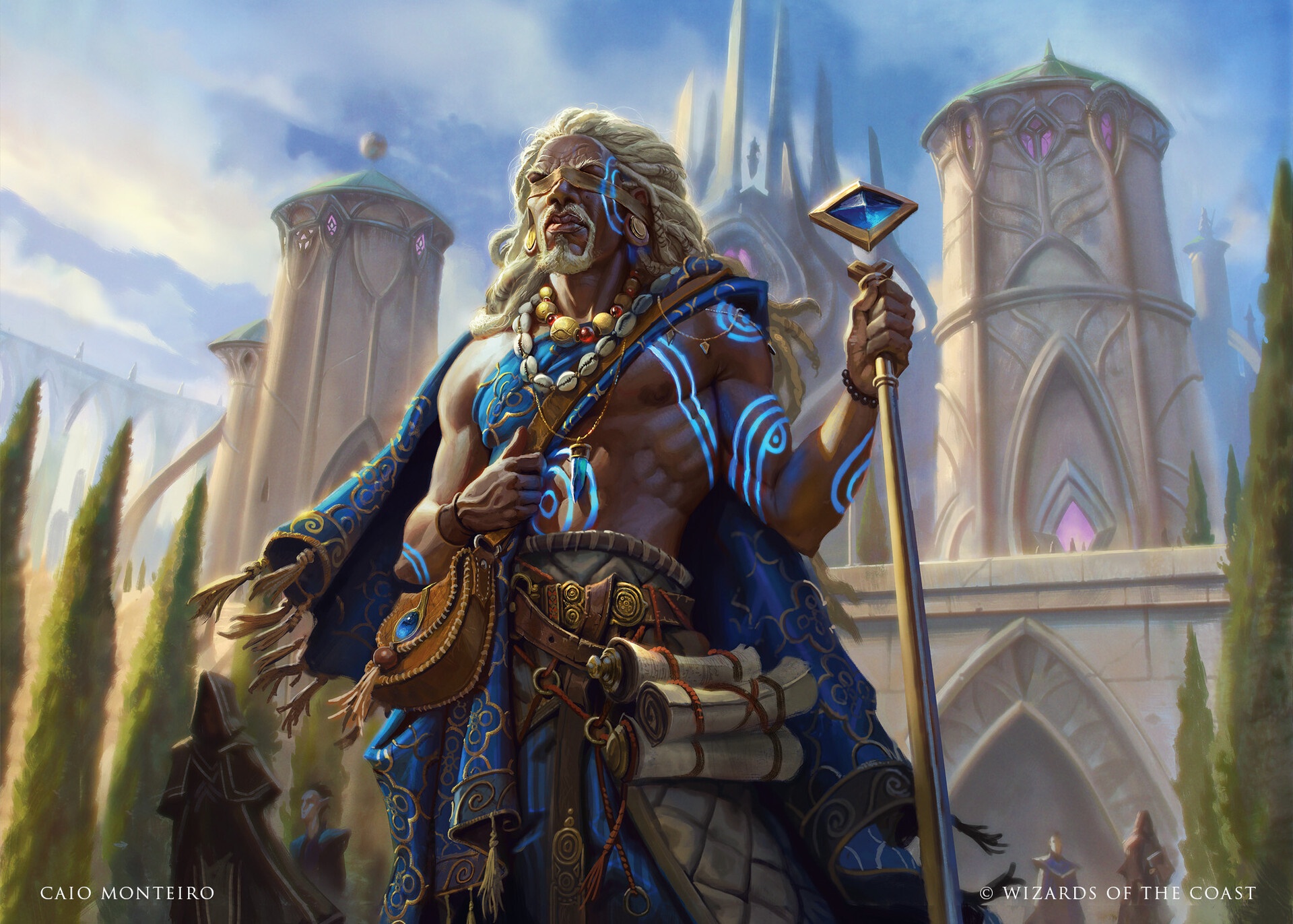
A stark white owl flew in front of the full moon and
came to rest on the outstretched arm of an impossibly
old man. The owl, his familiar, rested weightless on the
sage's arm as he expertly transcribed the arcane runes
from the ancient tablet into his grimoire of spells. After
he finished, he slowly stood, grasped his staff, and began
to cast the spell he had just transcribed.
All three of the magicians described here are Wizards, sages who through careful study learn to manipulate the forces of the multiverse to perform spells and rituals.
Scholars of the Arcane
Wizards use their incredible genius to decode the laws of the multiverse, then manipulate the same laws to produce spells. Traditional scholars divide the types of magic into eight Spell Schools: Abjuration, Conjuration, Divination, Enchantment, Evocation, Illusion, Necromancy, and Transmutation. Each of these schools with its own unique theorems, esoteric rules, and magical abilities, and the Wizards who master them.
While all Wizards have a basic knowledge and know some spells from each school of magic, they always choose a single school as their focus. In pursuit of mastery over their chosen magical specialty, Wizards will search the multiverse for any knowledge that could aid in advancing their arcane research.
Independent Magicians
Unlike all other practitioners of the arcane arts, Wizards earn their magical abilities through sheer dedication and research. While other channelers of occult and divine magic are gifted with, inherit, or bargain for their power, Wizards unlock their spellcasting with no supernatural help. Often apprenticed to an elder of the same Arcane Tradition or studying in a formal school of magic, a Wizard will gather all the knowledge they can before striking out to advance their research alone.
The call of undiscovered knowledge, potential power, and forgotten secrets eventually draws a Wizard from the safety of their university or tower, and out into the world. Wizards take up adventuring as part of their quest to understand the multiverse, and the magical knowledge that is only found in the ancient tombs of arcane sages and the forgotten ruins of
empires whose knowledge eclipses that of modern sages.
Creating
Your Wizard
When creating a Wizard, consider what drives their pursuit of arcane knowledge. Are they the eldest child of a noble house who was molded from birth to become a powerful wielder of the arcane arts? Are they a self-taught magician who found a Spellbook and decoded the esoteric theorems within? Or, are they simply an average student at a wizarding academy?
Also, consider the visual aesthetics of your spells. As magic is an expression of its channeler, it varies by the Wizard. Do your spells appear as crimson flashes of ruthlessly efficient light? Are they luminescent manifestations of beauty and art?
Multiclassing and the Wizard
If your group uses multiclassing, here's what you need to know if you take a level in the Wizard class.
Ability Score Minimum. As a multiclass character, you must have at least an Intelligence score of 13 to take a level in the Wizard class, or to take a level in another class if you are already a Wizard.
Proficiencies Gained. If Wizard is not your initial class, you gain no proficiencies of any kind when you take your first level as a Wizard.
Spellcasting. Add all of your levels in the Wizard class to the appropriate levels from other classes to determine available spell slots.







The Wizard
| Level | PB | Features | Cantrips Known |
1st | 2nd | 3rd | 4th | 5th | 6th | 7th | 8th | 9th |
|---|---|---|---|---|---|---|---|---|---|---|---|---|
| 1st | +2 | Arcanist, Spellcasting | 3 | 2 | — | — | — | — | — | — | — | — |
| 2nd | +2 | Studious Recovery | 3 | 3 | — | — | — | — | — | — | — | — |
| 3rd | +2 | Arcane Tradition | 3 | 4 | 2 | — | — | — | — | — | — | — |
| 4th | +2 | Ability Score Improvement | 4 | 4 | 3 | — | — | — | — | — | — | — |
| 5th | +3 | — | 4 | 4 | 3 | 2 | — | — | — | — | — | — |
| 6th | +3 | Tradition Feature | 4 | 4 | 3 | 3 | — | — | — | — | — | — |
| 7th | +3 | Signature Spell (1) | 4 | 4 | 3 | 3 | 1 | — | — | — | — | — |
| 8th | +3 | Ability Score Improvement | 4 | 4 | 3 | 3 | 2 | — | — | — | — | — |
| 9th | +4 | — | 4 | 4 | 3 | 3 | 3 | 1 | — | — | — | — |
| 10th | +4 | Focus School, Tradition Feature | 5 | 4 | 3 | 3 | 3 | 2 | — | — | — | — |
| 11th | +4 | Signature Spell (2) | 5 | 4 | 3 | 3 | 3 | 2 | 1 | — | — | — |
| 12th | +4 | Ability Score Improvement | 5 | 4 | 3 | 3 | 3 | 2 | 1 | — | — | — |
| 13th | +5 | — | 5 | 4 | 3 | 3 | 3 | 2 | 1 | 1 | — | — |
| 14th | +5 | Tradition Feature | 5 | 4 | 3 | 3 | 3 | 2 | 1 | 1 | — | — |
| 15th | +5 | Signature Spell (3) | 5 | 4 | 3 | 3 | 3 | 2 | 1 | 1 | 1 | — |
| 16th | +5 | Ability Score Improvement | 5 | 4 | 3 | 3 | 3 | 2 | 1 | 1 | 1 | — |
| 17th | +6 | — | 5 | 4 | 3 | 3 | 3 | 2 | 1 | 1 | 1 | 1 |
| 18th | +6 | Archmage, Focus School | 5 | 4 | 3 | 3 | 3 | 3 | 1 | 1 | 1 | 1 |
| 19th | +6 | Ability Score Improvement | 5 | 4 | 3 | 3 | 3 | 3 | 2 | 1 | 1 | 1 |
| 20th | +6 | Arcane Mastery | 5 | 4 | 3 | 3 | 3 | 3 | 2 | 2 | 1 | 1 |
Class Features
Hit Points
- Hit Dice: 1d6 per Wizard level
- Hit Points at 1st Level: 6 + your Constitution modifier.
- Hit Points at Higher Levels: 1d6 (or 4) + your Constitution modifier per Wizard level after 1st
Proficiencies
- Armor: None
- Weapons: Daggers, quarterstaffs
- Tools: Calligrapher's Supplies
- Saving Throws: Intelligence, Wisdom
- Skills: Choose two of the following: Arcana, History, Insight, Investigation, Medicine, Nature, and Religion
Starting Equipment
As a Wizard, you start with the following equipment, along with the equipment granted to you by your background:
- (a) a quarterstaff or (b) a dagger
- (a) a component pouch or (b) an arcane focus
- (a) a scholar's pack or (b) an explorer’s pack
- A Spellbook with 100 pages, a quill, and a robe
Quick Build
You can make a Wizard quickly by using these suggestions: First, make Intelligence your highest ability score, followed by Dexterity. Second, choose the Sage background. Finally,
choose to learn the firebolt and prestidigitation Cantrips.
Arcanist
You understand the arcane and esoteric as well as any mortal being can. At 1st level, you gain proficiency in Arcana. If you are already proficient in Arcana, you instead add double your proficiency bonus to your Intelligence (Arcana) checks.
Spellcasting
Through research, study, and memorization you have learned to manipulate the forces of reality to cast spells. At 1st level, you gain the features below, and create your own Spellbook:
Focus Schools
Arcane magic is divided into eight traditional Spell Schools, each with its own unique theorems, laws, and magic abilities: Abjuration, Conjuration, Divination, Enchantment, Evocation, Illusion, Necromancy, and Transmutation.
At 1st level, you gain unique insights into one Spell School of your choice from the list above, and it becomes your Focus School. Certain features only apply to Focus School spells.
You gain an additional Focus School of your choice at 10th and 18th level. Any time you unlock a new Focus School, you can forgo the School to instead add three new Wizard spells to your Spellbook (see below), all from your Focus Schools.
Cantrips
At 1st level, you know three Cantrips of your choice from the Wizard Spell List, one must be from your Focus School.
You learn another Wizard Cantrip of your choice from any Spell School at 4th level, and again at 10th level in this class.
Arcane
Spellbook
You have compiled for yourself an Arcane Spellbook,
a tome of arcane lore with its own secret notation unique
to you. It can only be read by you, or another Wizard if they are able to decipher your notation. You determine what your Spellbook looks like, but it must be a Tiny object capable of storing written information.
At 1st level, your Spellbook contains six 1st-level Wizard spells of your choice, two must be from your Focus School.
Adding to your Spellbook
As you adventure, you may discover additional Wizard spells recorded in ancient scrolls or hidden in esoteric tomes.
When you discover such a spell of 1st-level or higher, you can copy it into your Spellbook if the spell is a level for which you have spell slots as shown on the Wizard class table. To do so, it takes you 2 hours per level of that spell. This represents all of the experimentation, deciphering, and arcane notations that are necessary for you to understand this new spell.
When you copy a new Wizard spell from one of your Focus Schools, the time required to copy that spell is halved.
Replacing your Spellbook
You can copy Wizard spells from your Spellbook into another Spellbook, only needing to spend 1 hour per level of the spell, as your own notation is easier to decipher. This time is halved to 30 minutes per spell level for spells from Focus Schools.
If your Spellbook is lost, you can use this same procedure to transcribe the Wizard spells you currently have prepared into a new Spellbook. The knowledge of all other spells from your Spellbook is lost. For this reason, many Wizards create multiple well-hidden copies of their Spellbook.
Spellcasting Focus
You can use either an Arcane Focus or your Spellbook as the spellcasting focus for the Wizard spells you have prepared.
Spellcasting Restrictions
Because of the delicate and precise gestures required to cast spells, you cannot cast Wizard spells while you are wearing
armor or wielding a shield, unless a feature says otherwise.
Preparing &
Casting Spells
The Wizard class table shows how many spell slots you have to cast spells. To cast a Wizard spell of 1st-level or higher, you must expend a slot of the spell's level or higher. You regain all of your expended spell slots when you finish a long rest.
During each long rest, you prepare the list of Wizard spells that are available for you to cast by studying your Spellbook.
When you do, you choose a number of Wizard spells from your Spellbook equal to your Wizard level + your Intelligence modifier (a minimum of 1). This process of memorization and study takes 1 minute for each level of the spells you prepare.
Learning Spells of 1st-level & Higher
When you gain a Wizard level, you add two Wizard spells of your choice to your Spellbook at no cost, one of which must be from a Focus School. Both must be of a level for which you have spell slots, as shown on the Wizard table.
Spells added to your Spellbook this way reflect the arcane research you conduct, as well as intellectual breakthroughs you have had about the nature of magic and the multiverse.
Ritual Casting
Your understanding of the arcane arts allows you to perform rituals. You can cast any Wizard spell in your Spellbook as a Ritual, so long as it has the Ritual tag, even if not prepared.
Spellcasting Ability
As you learned your magic through research and study, your Intelligence is the spellcasting ability for your Wizard spells. Use Intelligence if one of your Wizard spells refers to your spellcasting ability, Spell save DC, or Spell attack modifier.
Spell save DC = 8 + your Proficiency Bonus
+ your Intelligence modifier
Spell attack modifier = your Proficiency Bonus
+ your Intelligence modifier


Studious Recovery
Starting at 2nd level, you can study your Spellbook to regain your magical potential. During the course of a short rest, you can regain a single expended spell slot of a level equal to half your Wizard level (rounded down), or lower.
You cannot use this feature to recover a spell slot higher than your Intelligence modifier (minimum of 1st-level).
Arcane Tradition
At 3rd level, you choose an Arcane Tradition from the table below that best represents your magical knowledge and skill:
| Abjurer | Evoker | Bladesinger |
| Conjurer | Illusionist | Scribe |
| Diviner | Necromancer | War Mage |
| Enchanter | Transmuter | — |
Your Arcane Tradition grants you features at 3rd level, and again when you reach 6th, 10th, and 14th levels in this class.
Arcane Tradition features use your Wizard Spell save DC.
Ability Score Improvement
When you reach 4th level, you can increase one of your ability scores by 2, or two of your ability scores by 1. You cannot use this feature to increase your ability scores above 20. You gain
this feature again at 8th, 12th, 16th, and 19th level.
Signature Spell
Your research has led to the discovery of one Signature Spell, known only by you. At 7th level, choose one spell
of 2nd-level or lower from a Focus School recorded in
your Spellbook to become your Signature Spell. You
then create your Signature Spell with the rules below:
Modifications. You can modify your Signature Spell with
any number of modifications listed below. However, many of
these modifications will increase the level of your Signature
Spell. You cannot create a Signature Spell that is of a higher
level than you have spell slots, as per the Wizard table.
At Higher Levels. If your Signature Spell gains benefits
when cast with a higher level spell slot, the level it gains the
benefits is also increased by your modifications.
Spellbook. Your Signature Spell appears as a new spell
in your Spellbook. You also name the new spell, referencing you as its creator and its modified power.
Additional Signature Spells. At 11th level, you discover a second Signature Spell, starting with a spell of 3rd-level or lower, and at 15th level, you discover a final Signature Spell, starting with a spell of 5th-level or lower. You can modify any previous Signature Spell again with each new discovery.
Casting Time
If the spell has a casting time of one action, you change it to one bonus action, but its base spell level increases by 1.
Components
You remove components from the spell, leaving at least one remaining component. You can't remove components that are consumed or have a specific gold value. For each component you remove, the base level of this spell increases by 1.
Concentration
When you fail a saving throw to maintain your concentration on this spell, you can use a reaction to automatically succeed instead. The base level of this spell increases by 1.
Damage
You replace one damage type dealt by the spell with the type of damage dealt by another spell recorded in your Spellbook.
Ritual
If the spell does not have the Ritual tag, has a casting time of one action or one bonus action, and does not have a material component with a gold cost, it becomes a Ritual spell for you.
Shape
You modify the shape of a spell that affects a cone, cylinder, cube, 5-foot wide line, or sphere to affect another shape from this list of equivalent size (the same number of 5-foot cubes).
Custom Signature Spells
At the discretion of your DM, a Wizard can modify a Signature Spell in ways not detailed here, or even create a completely original Signature Spell.
When using this rule, be attentive to the effects of spells of the same level and Spell School. New spells that are questionably powerful should have their level increased to match their new effect.


Archmage
You have mastered the lofty heights of arcane knowledge.
At 18th level, choose two spells of 1st or 2nd-level that you have in your Spellbook. These spells must be from one of
your Focus Schools and have a casting time of one action. You always have these spells prepared, though they don't
count against your prepared spells. You can cast these
spells at their lowest level without spending a spell slot.
You can replace one of these spells, following the same
guidelines, by spending 8 hours studying your Spellbook.
Arcane Mastery
You are an unparalleled master of arcane arts who bends
reality itself to their will. At 20th level, you are considered to
always have every spell in your Spellbook prepared.
Wizard Spell List
Below are the spells available to the Wizard, organized by
spell level. They are in the Player's Handbook, Xanathar's Guide to Everything *, Tasha's Cauldron of Everything **,
and the laserllama Spell Compendium ll, a tome of
both new and alternate versions of official spells.
All spells have their School listed in abbreviated form:
| Abj | Abjuration |
| Con | Conjuration |
| Div | Divination |
| Enc | Enchantment |
| Evo | Evocation |
| Ilu | Illusion |
| Nec | Necromancy |
| Tra | Transmutation |
Cantrips (0-level Spells)
| School | Spell |
|---|---|
| Abj | blade ward ll |
| Abj | resistance ll |
| Con | create bonfire * |
| Con | frostbite * |
| Con | infestation * |
| Con | mage hand |
| Div | guidance ll |
| School | Spell |
|---|---|
| Div | message |
| Div | true strike ll |
| Enc | friends ll |
| Enc | mind sliver ** |
| Evo | acid splash ll |
| Evo | fire bolt |
| Evo | lightning lure ll |
| School | Spell |
|---|---|
| Evo | ray of frost |
| Evo | shocking grasp |
| Evo | thunderclap * |
| Ilu | dancing lights |
| Ilu | light |
| Ilu | minor illusion |
| Nec | chill touch |
| School | Spell |
|---|---|
| Nec | poison spray ll |
| Tra | beckon air ll |
| Tra | control flame ll |
| Tra | mending |
| Tra | mold earth ll |
| Tra | prestidigitation |
| Tra | shape water ll |
1st-level Spells
| School | Spell |
|---|---|
| Abj | absorb elements * |
| Abj | alarm (r) |
| Abj | create snare ll |
| Abj | mage armor |
| Abj | prot. evil & good |
| Abj | shield ll |
| Con | conjure familiar (r) ll |
| Con | floating disk (r) |
| Con | fog cloud |
| School | Spell |
|---|---|
| Con | grease |
| Con | ice knife * |
| Con | unseen servant (r) |
| Con | witch bolt ll |
| Div | comprehend lang. |
| Div | detect magic (r) |
| Div | identify (r) |
| Div | magic missile |
| Enc | catapult * |
| Enc | charm person |
| School | Spell |
|---|---|
| Enc | hideous laughter |
| Enc | sleep |
| Evo | burning hands |
| Evo | caustic brew ** |
| Evo | chromatic orb * |
| Evo | thunderwave |
| Evo | torrent ll |
| Ilu | color spray |
| Ilu | disguise self |
| Ilu | illusory script (r) |
| School | Spell |
|---|---|
| Ilu | silent image |
| Nec | cause fear * |
| Nec | false life |
| Nec | inflict wounds |
| Nec | ray of sickness |
| Tra | earth tremor * |
| Tra | expeditious retreat |
| Tra | feather fall |
| Tra | jump ll |
| Tra | longstrider |


2nd-level Spells
| School | Spell |
|---|---|
| Abj | earthbind * |
| Abj | lock/unlock ll |
| Abj | rope trick |
| Con | cloud of daggers |
| Con | continual flame |
| Con | dust devil * |
| Con | flaming sphere |
| Con | misty step |
| Con | web |
| Div | augury (r) |
| Div | darkvision |
| Div | detect thoughts |
| School | Spell |
|---|---|
| Div | locate creature (r) ll |
| Div | locate object |
| Div | mind spike * |
| Div | see invisibility |
| Enc | crown of madness |
| Enc | hold person |
| Enc | levitate |
| Enc | mind whip ** |
| Enc | suggestion |
| Evo | acid arrow |
| Evo | arcane scorcher * |
| Evo | gust of wind |
| Evo | pyrotechnics |
| School | Spell |
|---|---|
| Evo | scorching ray |
| Evo | shatter |
| Evo | snowball swarm * |
| Evo | warding wind * |
| Ilu | blur |
| Ilu | darkness |
| Ilu | invisibility |
| Ilu | magic aura |
| Ilu | magic mouth (r) |
| Ilu | mirror image |
| Ilu | phantasmal force |
| Ilu | skywrite (r) |
| Nec | blindness/deafness |
| School | Spell |
|---|---|
| Nec | gentle repose (r) |
| Nec | ray of enfeeblement |
| Nec | shadow blade * |
| Tra | alter self |
| Tra | animate object ll |
| Tra | create ooze ll |
| Tra | dragon's breath * |
| Tra | earthen grasp * |
| Tra | enhance ability |
| Tra | enlarge/reduce |
| Tra | magic weapon ll |
| Tra | spider climb |
3rd-level Spells
| School | Spell |
|---|---|
| Abj | counterspell ll |
| Abj | dispel magic |
| Abj | prot. from energy |
| Abj | glyph of warding |
| Abj | magic circle |
| Abj | remove curse |
| Abj | tiny hut (r) ll |
| Con | conjure elemental ll |
| Con | conjure fey ll |
| Con | conjure fiend ll |
| Con | sleet storm |
| School | Spell |
|---|---|
| Con | summon shadow ** |
| Con | thunder step * |
| Con | wall of sand * |
| Con | wall of water * |
| Div | clairvoyance |
| Div | nondetection |
| Div | sending |
| Div | speak with dead |
| Enc | enemies abound * |
| Enc | fear |
| Enc | intellect fortress ** |
| School | Spell |
|---|---|
| Evo | fireball |
| Evo | lightning bolt |
| Evo | minute meteors * |
| Evo | stinking cloud |
| Evo | tidal wave * |
| Ilu | feign death (r) |
| Ilu | hypnotic pattern ll |
| Ilu | major image |
| Ilu | phantom steed (r) |
| Nec | animate dead ll |
| Nec | bestow curse |
| School | Spell |
|---|---|
| Nec | life transference * |
| Nec | vampiric touch |
| Tra | blink |
| Tra | elemental bane ll |
| Tra | erupting earth * |
| Tra | fly |
| Tra | gaseous form |
| Tra | haste |
| Tra | slow |
| Tra | tiny servant * |
| Tra | water breathing (r) |
4th-level Spells
| School | Spell |
|---|---|
| Abj | banishment |
| Abj | private sanctum |
| Abj | resilient sphere |
| Abj | secret chest |
| Abj | stoneskin |
| Con | conjure aberration ll |
| Con | dimension door |
| School | Spell |
|---|---|
| Con | wall of fire |
| Con | wall of ice ll |
| Div | arcane eye |
| Div | divination (r) |
| Enc | charm monster |
| Enc | confusion |
| Enc | dominate creature ll |
| Evo | fire shield |
| School | Spell |
|---|---|
| Evo | ice storm |
| Evo | sickening radiance |
| Evo | storm sphere |
| Evo | vitriolic sphere * |
| Evo | watery sphere * |
| Ilu | faithful hound |
| Ilu | greater invisibility |
| Ilu | hallucinatory terrain |
| School | Spell |
|---|---|
| Ilu | phantasmal killer |
| Nec | create undead ll |
| Nec | blight |
| Tra | accursed touch ll |
| Tra | control water * |
| Tra | fabricate |
| Tra | polymorph ll |
| Tra | stone shape |
5th-level Spells
| School | Spell |
|---|---|
| Abj | planar binding |
| Abj | wall of force ll |
| Con | arcane hand |
| Con | conjure dragon ll |
| Con | conjure giant ll |
| Con | far step |
| Con | teleportation circle |
| Con | wall of stone |
| School | Spell |
|---|---|
| Div | cont. other plane (r) |
| Div | legend lore |
| Div | scrying |
| Enc | geas |
| Enc | hold monster |
| Enc | modify memory |
| Enc | synaptic static * |
| Enc | telekinesis |
| School | Spell |
|---|---|
| Enc | telepathic bond (r) |
| Evo | cloudkill |
| Evo | cone of cold |
| Evo | dawn |
| Evo | immolation * |
| Ilu | creation |
| Ilu | dream |
| Ilu | mislead |
| School | Spell |
|---|---|
| Ilu | seeming |
| Nec | enervation |
| Nec | neg. energy flood * |
| Tra | control winds * |
| Tra | create construct ll |
| Tra | passwall |
| Tra | skill empowerment * |
| Tra | transmute rock |
6th-level Spells
| School | Spell |
|---|---|
| Abj | contingency |
| Abj | globe of invul. |
| Abj | guards and wards |
| Con | arcane gate |
| Con | astral blade ll |
| Con | instant summons |
| School | Spell |
|---|---|
| Con | scatter |
| Div | astral projection |
| Div | true seeing |
| Enc | mass suggestion |
| Evo | chain lighting |
| Evo | disintegrate |
| School | Spell |
|---|---|
| Evo | freezing sphere |
| Evo | sunbeam |
| Ilu | eyebite |
| Ilu | mental prison |
| Ilu | programmed illusion |
| Nec | circle of death |
| School | Spell |
|---|---|
| Nec | magic jar |
| Nec | soul cage * |
| Tra | create homunculus ll |
| Tra | create monstrosity ll |
| Tra | elemental avatar ll |
| Tra | move earth |
7th-level Spells
| School | Spell |
|---|---|
| Abj | magnificent mansion |
| Abj | symbol |
| Con | forcecage ll |
| Con | plane shift |
| School | Spell |
|---|---|
| Con | teleport |
| Div | time stop ll |
| Enc | power word: pain |
| Evo | crown of stars * |
| Evo | delayed blast fireball |
| School | Spell |
|---|---|
| Evo | prismatic spray |
| Ilu | create simulacrum ll |
| Ilu | mirage arcane |
| Ilu | project image |
| Nec | finger of death |
| School | Spell |
|---|---|
| Tra | etherealness |
| Tra | reverse gravity |
| Tra | sequester |
| Tra | whirlwind ll |
8th-level Spells
| School | Spell |
|---|---|
| Abj | antimagic field |
| Abj | mind blank |
| Con | demiplane |
| Con | maze |
| School | Spell |
|---|---|
| Con | mighty fortress |
| Div | telepathy |
| Enc | antipathy ll |
| Enc | feeblemind |
| School | Spell |
|---|---|
| Enc | power word: stun |
| Evo | incendiary cloud |
| Evo | sunburst |
| Ilu | illusory dragon * |
| School | Spell |
|---|---|
| Ilu | maddening dark * |
| Nec | clone |
| Nec | horrid wilting * |
9th-level Spells
| School | Spell |
|---|---|
| Abj | imprisonment |
| Abj | invulnerability * |
| Con | gate |
| School | Spell |
|---|---|
| Div | foresight |
| Enc | psychic scream * |
| Evo | meteor swarm |
| School | Spell |
|---|---|
| Evo | prismatic wall |
| Ilu | weird ll |
| Nec | power word: kill |
| School | Spell |
|---|---|
| Tra | shapechange ll |
| Tra | true polymorph ll |
| — | wish |


Arcane Traditions
Choose the Arcane Tradition from the options below that best represents your Wizard's arcane knowledge and spellcraft:
| Abjurer | Evoker | Bladesinger |
| Conjurer | Illusionist | Scribe |
| Diviner | Necromancer | War Mage |
| Enchanter | Transmuter | — |
Abjurer
Abjurers are masters of magic that safeguards, banishes, and thwarts hostile magical creatures, spells, and effects. Known for their ability to reverse potent enchantments and combat extraplanar entities, Abjurers are sought out to reverse alien incursions into the material plane and banish evil creatures.
Arcane Ward
3rd-level Abjurer Tradition feature
You can siphon residual Abjuration magic to shape an Arcane Ward around yourself. When you spend a spell slot to cast an Abjuration spell, you can siphon some of its residual power to cloak yourself in an Arcane Ward, which persists until the end of your next long rest.
On creation, your Arcane Ward has a number of hit points equal to twice your Wizard level + your Intelligence modifier.
Whenever you take damage, your Arcane Ward takes it in your place. If your Ward is reduced to 0 hit points, you take any residual damage. While at 0 hit points, the magic of the Arcane Ward remains, but it cannot absorb any damage.
Whenever you expend a spell slot to cast an Abjuration spell, your Arcane Ward regains hit points equal to twice the level of the spell slot expended. You can also use your bonus action to expend a spell slot and cause your Ward to regain hit points equal to twice the level of the slot expended.
Once you create your Arcane Ward, you
cannot create another until
you finish a long rest.
Scholar of Abjuration
3rd-level Abjurer Tradition feature
You are a dedicated student of Abjuration magic. It becomes one of your Focus Schools, and you add two Abjuration spells of 1st or 2nd-level from the Wizard list to your Spellbook.
If Abjuration was already one of your Focus schools, you gain another Focus School of your choice.
Projected Ward
6th-level Abjurer Tradition feature
You can use the power of your Arcane Ward to defend others. When you see a creature within 30 feet take damage, you can use your reaction to shield it with your Arcane Ward. It takes that damage, but if your Ward is reduced to 0 hit points, then the original target takes any residual damage.
Empowered Abjuration
10th-level Abjurer Tradition feature
Your knowledge of Abjuration magic allows you to utilize it better than most. You add the counterspell ll and dispel magic spell to your Spellbook if they were not already there. If you already had them in your Spellbook, add one Abjuration spell of your choice to your Spellbook for each that was there.
Whenever you make an ability check as part of either spell you add your Proficiency Bonus to your roll.
Your Arcane Ward also gains Resistance to all non-magical bludgeoning, piercing, and slashing damage.
Master of Abjuration
14th-level Abjurer Tradition feature
Your mastery over Abjuration magic has infused your mortal form with an innate magical ward. You have advantage on all
saving throws against spells, and Resistance
to all damage dealt by spells.


Conjurer
As a student of Conjuration, you specialize in spellcraft
that conjures creatures, objects, and energy from other
planes. As your powers as a Conjurer grow, you learn to
create things from nothing, call powerful extraplanar creatures to your aid, and teleport yourself and your
allies across vast distances in an instant.
Scholar of Conjuration
3rd-level Conjurer Tradition feature
You are a dedicated student of Conjuration magic. It
becomes one of your Focus Schools, and you add two Conjuration spells of 1st or 2nd-level from the Wizard
spell list to your Spellbook.
If you already had Conjuration as one of your Focus,
Schools you gain another Focus School of your choice.
Minor Conjuration
3rd-level Conjurer Tradition feature
You can draw on your knowledge of Conjuration magic
to conjure temporary objects from nothing. As an action,
you can instantly conjure a single Tiny, inanimate object
in your hand, or in an unoccupied space on the ground
that you can see within 10 feet of you.
To conjure an object you must have seen that object
before, and be familiar with its makeup. To conjure an
object that would special require expertise to craft, you
must be proficient in the corresponding Artisan's Tools.
For example, to conjure a spyglass, you would need to
be proficient in Glassblower's Tools. Finally, you cannot conjure copies of magical items, and a conjured object
cannot be used as material spell components.
Any object you conjure is visibly magical, and radiates
dim light in a 5-foot radius. It has a number of hit points
equal to your Wizard level, and its Armor Class is equal
to your Intelligence score.
A conjured object disappears after 1 hour, when it is reduced to 0 hit points, or when you use this feature to conjure another object.
When you use this feature you can expend a spell
slot to conjure a larger object, determined by the level
of the spell slot you expend as shown below:
| Spell Slot | Size |
|---|---|
| None | Tiny |
| 1st | Small |
| 3rd | Medium |
| Spell Slot | Size |
|---|---|
| 5th | Large |
| 7th | Huge |
| 9th | Gargantuan |
Self Transposition
6th-level Conjurer Tradition feature
You use Conjuration magic to instantly move through space. You add the misty step spell to your Spellbook, and you can cast it once per long rest without expending a spell slot. For you, misty step is always prepared, but it does not count as one of the spells you prepare each day.
When you cast misty step, you can forgo its normal effects to instead force a single object or creature equal to your size or smaller within 30 feet to make a Charisma saving throw. Creatures can choose to fail.
On a failure, you and the target instantly switch places.
Empowered
Conjuration
10th-level Conjurer Tradition feature
Your deep knowledge of Conjuration magic allows you to call increasingly powerful entities. When you cast a Conjuration spell that summons creatures or use your Minor Conjuration to create an object, one creature or object you conjure gains temporary hit points equal to twice your Wizard level.
Master of Conjuration
14th-level Conjurer Tradition feature
Your ability to conjure and control extraplanar creatures and energies is unparalleled. When you cast a Conjuration spell that summons or conjures a creature, your concentration on that spell cannot be broken by taking damage.

Diviner
Often carrying out their research far from civilization, Diviner Wizards use their knowledge of the arcane arts to reveal the unseen, uncover lost secrets, and even predict the future. The magic of Divination is an uncertain one, but Diviners attempt to master this esoteric school of magic to further their ends.
Scholar of Divination
3rd-level Diviner Tradition feature
You are a dedicated student of Divination magic. It becomes one of your Focus Schools, and you add two Divination spells of 1st or 2nd-level from the Wizard list to your Spellbook.
If Divination was already one of your Focus schools, you gain another Focus School of your choice.
Portent
3rd-level Diviner Tradition feature
You can use your knowledge of Divination magic to pierce the veil of the future, if only in short and shadowy visions. Once during a long rest, you can perform an esoteric 1-hour ritual where you view shadowy glimpses of possible futures. At the end of this 1-hour ritual, roll two d20s and record the results. These are your Portent rolls.
Whenever a creature you can see makes an ability check, attack roll, or saving throw, you can replace its d20 roll with one of the Portent rolls that you recorded. You must use this feature before the creature rolls its d20.
Once you use a Portent roll on an ability check, attack roll, or saving throw, it is expended. Any unused Portent rolls are
lost when you perform this ritual again.
Ascended Awareness
6th-level Diviner Tradition feature
Your magic gives you an increased awareness. So long as you are not Incapacitated, you cannot be Surprised and you add your Intelligence modifier (minimum of +1) to initiative rolls.
The Third Eye
10th-level Diviner Tradition feature
You use Divination rituals to unlock the true potential of your sight. Over the course of 1 hour, which can be during a short or long rest, you can perform a ritual to enhance your vision with one of the features below. This feature extends out to a 60-foot radius, and lasts until you perform this ritual again:
Arcane Sight. You can see the presence of magical effects and objects as if you were using a detect magic spell.
Ethereal Sight. You can see into the Ethereal Plane and can see invisible creatures and objects as if they were visible.
Infernal Sight. You can see normally in both dim light and darkness, produced by magical and non-magical sources.
Runic Sight. You can read any language, even those that have been lost, as if was written in your native language.
Master of Divination
14th-level Diviner Tradition feature
When you perform your Portent ritual during a long rest, you roll each d20 twice and choose which of the results to record as your Portent d20 rolls.
Also, as an action, you can expend a spell slot of 2nd-level or higher to replace your current benefit from The Third Eye with another benefit of your choice from that feature.
Enchanter
Enchantment is the magic of manipulating creatures and
objects. You have dedicated yourself to learning beguiling
and deceptive magics. As other mages look to overcome
enemies with overwhelming force, you follow a more
subtle path of manipulation, deception, and coercion.
Mesmerizing Speech
3rd-level Enchanter Tradition feature
Your every word drips with enchanting power. When
you force a creature within 5 feet that can hear you to
make a saving throw to resist an Enchantment spell, it
has disadvantage on its initial saving throw.
Moreover, when a creature within 5 feet that can hear
you makes a saving throw to end an Enchantment spell
cast by you, you can use your reaction to speak to it and impose disadvantage on its saving throw.
Scholar of Enchantment
3rd-level Enchanter Tradition feature
You are a student of Enchantment magic. It becomes
one of your Focus Schools, and you add two Wizard
spells of 1st or 2nd-level to your Spellbook. Both spells
must be from the Enchantment school.
If you already had Enchantment as one of your Focus schools, you gain another Focus School of your choice.
Beguiling Defense
6th-level Enchanter Tradition feature
In times of distress you can confound foes with charms
and enchantments. When a creature you can see within
30 feet targets you with an attack roll, you can use your reaction to force it to make a Wisdom saving throw. This counts as an Enchantment spell for the purposes of your Mesmerizing Speech feature.
On a failure, it must target another creature of its
choice within range of the attack. If there are no other
creatures in range, its attack misses, and it's wasted.
This does not affect creatures that are immune to
the Charmed condition. Once you attempt to use this
feature on a creature, you can't use it against it again
until you finish a long rest, unless you expend a spell
slot to do so again.
Empowered Enchantment
10th-level Enchanter Tradition feature
Your Enchantment magic will always find a mark, even
if it is not your initial target. When a creature succeeds
on its saving throw to resist one of your Enchantment
spells, you can immediately force another target within
range of your spell to become its new target.
You can use this feature once per spell you cast.
Master of Enchantment
14th-level Enchanter Tradition feature
Your masterful knowledge of Enchantments allows
you to control even the most powerful creatures. Your
Enchantment spells and Enchanter features ignore
Immunity to the Charmed condition.
However, when you force such a creature to make a
saving throw to resist or end the Charmed condition,
it has advantage on its saving throw.
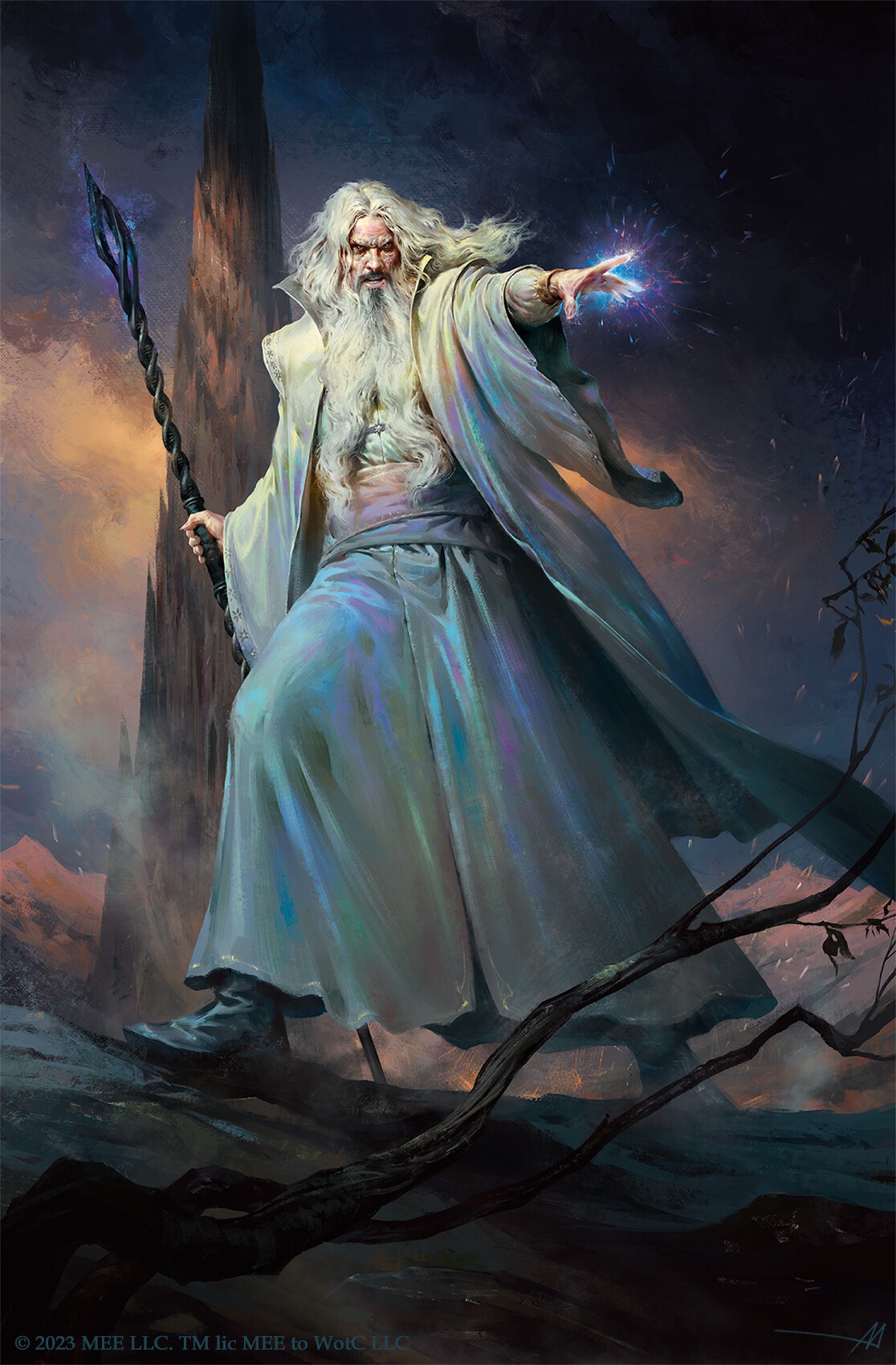

Evoker
While most view Evokers as channelers of destructive magic, Evokers consider themselves to be masters of arcane energy of all kinds. Scorching flames, bitter frost, crackling lightning, and caustic acid, Evokers can control it all. Powerful Evokers are a terrifying sight to behold on the field of battle, reducing their foes to smoldering slag with their elemental magicks.
Scholar of Evocation
3rd-level Evoker Tradition feature
You are a dedicated student of Evocation magic. It becomes one of your Focus Schools, and you add two Evocation spells of 1st or 2nd-level from the Wizard list to your Spellbook.
If Evocation was already one of your Focus schools, you gain another Focus School of your choice.
Potent Cantrip
3rd-level Evoker Tradition feature
Your deep understanding of Evocation magic increases the potency of even your minor magic. You learn one additional Evocation Cantrip of your choice from the Wizard spell list.
When you cast an Evocation Cantrip that requires a spell attack roll or saving throw you gain the following benefits:
Spell Attack. When an Evocation Cantrip requires you to make a Spell Attack Roll, you add your Intelligence modifier (minimum of +1) to one damage roll of the spell.
Saving Throw. When an Evocation Cantrip requires its targets to make a saving throw, creatures take half damage on a successful save, but do not suffer any additional effects,
other than damage, imposed by the Cantrip.
Sculpt Spells
6th-level Evoker Tradition feature
Your deep knowledge of Evocation magic allows you to shape the most destructive spells to safeguard allies. When you cast an Evocation spell, you can choose creatures within that spell equal to 1 + the spell's level. They have Immunity to any initial effects and damage of the spell on the turn you cast it.
However, any effects of the spell that persist after its initial casting affect these creatures as normal.
Empowered Evocation
10th-level Evoker Tradition feature
Your Evocation spells are especially potent, even compared to those cast by other mages. On the turn you cast an Evocation spell, you can re-roll any number of its damage dice, but you must keep the new result of these rolls.
You must choose how many dice you will re-roll at once.
Master of Evocation
14th-level Evoker Tradition feature
You can channel your life force into spells to increase greatly their power. When you cast an Evocation spell of 5th-level or lower, you can cause it to deal maximum possible damage, in place of rolling.
You can use this feature once between each long rest with no adverse effects. After that, each subsequent time you use this feature before finishing a long rest, you take 4d6 necrotic damage per level of the spell (minimum 4d6).
This damage ignores Resistance and Immunity to necrotic damage, and the damage cannot be reduced in any way.
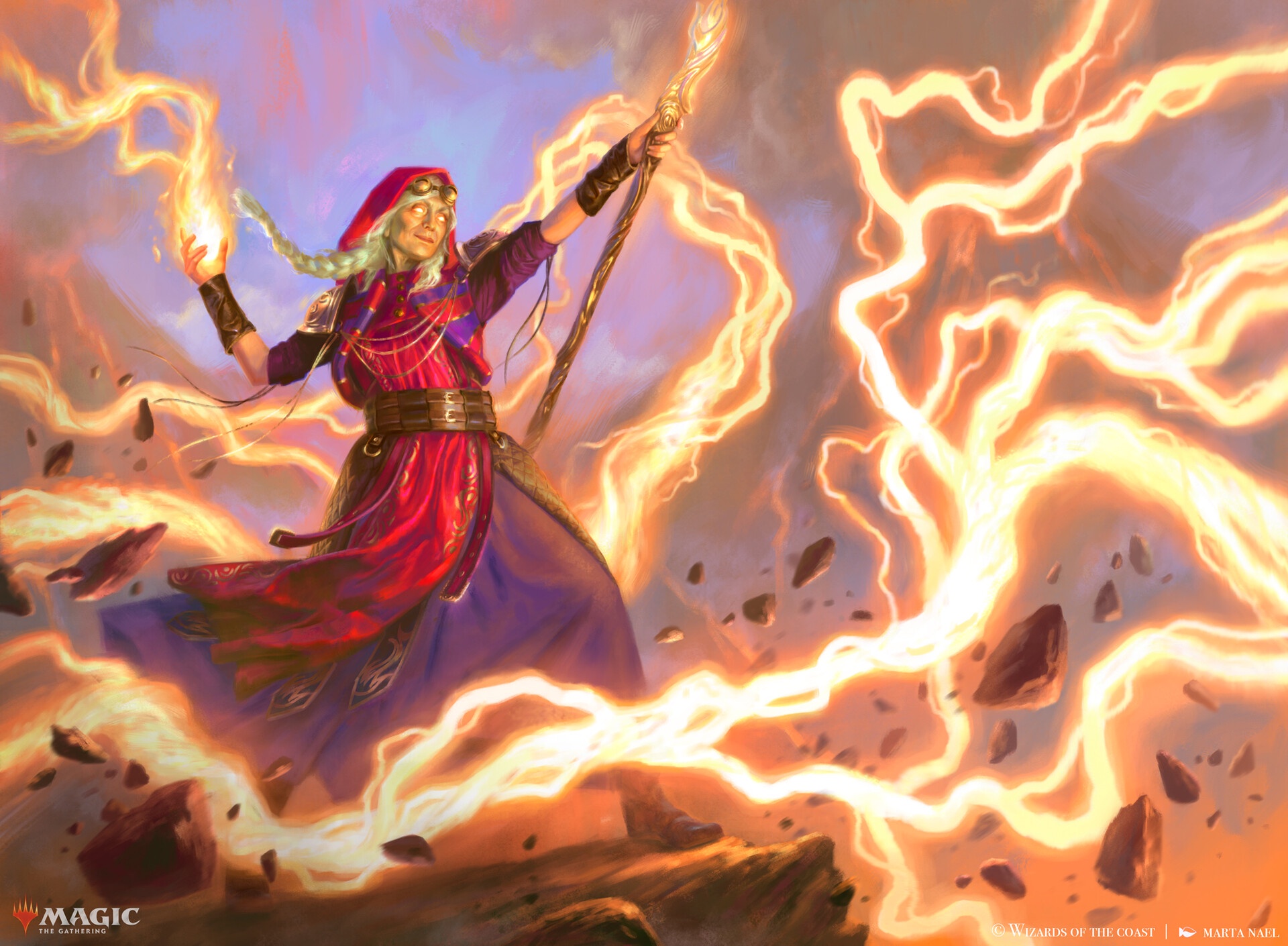
Illusionist
You are a practitioner of all magic that misdirects, befuddles, and confuses; you are an Illusionist. Limited only by your own ingenuity, you can create profound effects that dupe all but the most observant foes. While other Wizards prefer a more direct approach, you pride yourself on unorthodox solutions.
Scholar of Illusion
3rd-level Illusionist Tradition feature
You are a dedicated student of Illusion magic. It becomes one of your Focus Schools, and you add two Illusion spells of 1st or 2nd-level from the Wizard spell list to your Spellbook.
If Illusion was already one of your Focus schools, you gain another Focus School of your choice.
Illusionist Adept
3rd-level Illusionist Tradition feature
Your study of illusions has made you exceptionally skilled in their use. You learn the minor illusion Cantrip, but it doesn't count against your Cantrips Known. If you already know it, you learn another Wizard Cantrip of your choice.
When you cast minor illusion, you can create both illusory sound and image with a single casting of the Cantrip, and you can cast minor illusion as an action or a bonus action.
Finally, you can cast any Illusion spell from your
Spellbook without providing verbal components.
Phantasmal Spells
6th-level Illusionist Tradition feature
Your skill with Illusions allows you to create illusory
versions of your other spells. Whenever you cast a
Conjuration or Evocation spell from your Spellbook,
you can choose to produce an illusory version of the
spell, changing its effects in the following ways:
- Its Spell School changes to Illusion.
- You can ignore any of the normal material
components of the spell for this casting. - If it forces its targets to make a saving
throw, targets make an Intelligence
saving throw instead of the normal
saving throw for that spell. - If it deals damage, its damage is
replaced with psychic damage. - If it conjures anything with hit
points, its hit points are halved.
Any creature whose Intelligence
score is greater than your Spell
save DC instantly sees through
any spell cast in this way and is
immune to all of its effects.
All other creatures interact with,
and believe they are experiencing the
normal effects of the spell.
Illusory Magic & Effects
Whenever playing a mage that uses Illusion magic, and especially when playing an Illusionist, talk with your DM about how they plan to run Illusion spells.
Illusory Self
10th-level Illusionist Tradition feature
You can disappear into your illusions when in danger. When you are hit by an attack, you can use your reaction to create an illusory version of yourself in your space which takes the attack instead of you. You then immediately teleport to an unoccupied space you can see within 10 feet.
Once you use this feature you must finish a short or long rest before you can use it again. When you have no uses left, can expend a spell slot of 2nd-level or higher to use it again.
Illusory Reality
14th-level Illusionist Tradition feature
You can temporarily give your phantasms solid form. When you use your action to cast an Illusion spell, you can use your bonus action to make one non-magical, inanimate object that is part of that illusion real.
This object cannot deal damage or cause harm. Regardless of its appearance, its Armor Class equals your Spell save DC, and it has hit points equal to three times your Wizard level.
This effect persists for 1 minute, but ends if it is destroyed, if you end the effect with your bonus action, or if you use this feature to make another illusion real.


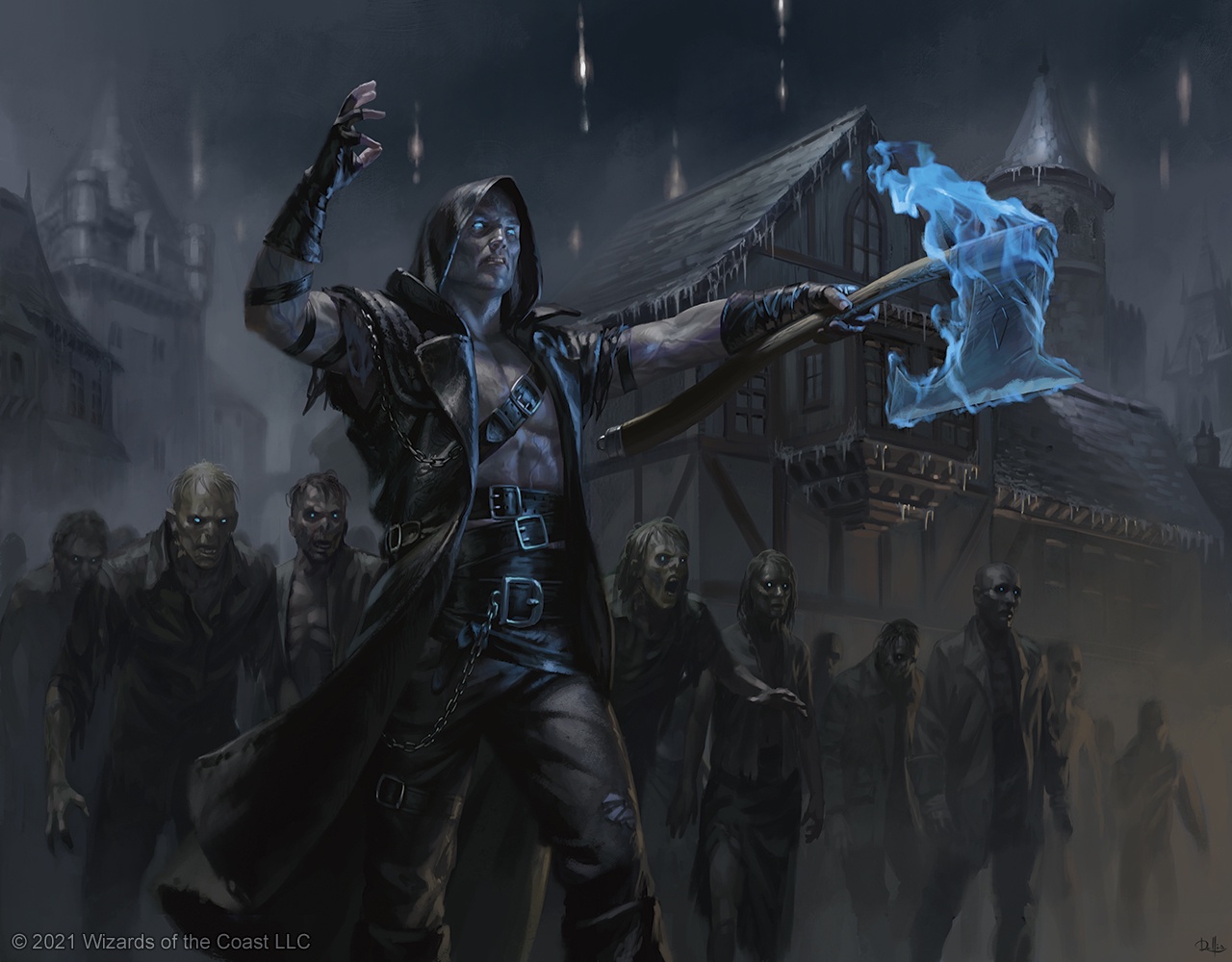
Necromancer
Considered by many as the most sinister school of magic, you are a scholar of the dark art of Necromancy. Using this power, you can manipulate the vital forces of life, death, and undeath to drain life, bolster your vitality, and raise undead thralls.
Scholar of Necromancy
3rd-level Necromancer Tradition feature
You are a dark student of Necromancy magic. It becomes one of your Focus Schools, and you add two Wizard spells of 1st or 2nd-level from the Necromancy school to your Spellbook.
If Necromancy was already one of your Focus schools, you gain another Focus School of your choice.
Sinister Servant
3rd-level Necromancer Tradition feature
You call entities from beyond the grave to serve you. You add the conjure familiar ll spell to your Spellbook. Whenever you cast the spell, your Familiar's creature type is always Undead, and it appears as a skeletal, decomposing, or ghastly version of the Beast you choose to conjure.
Siphon Vitality
3rd-level Necromancer Tradition feature
You use dark magic to draw power from death. Any time you kill a creature with a spell of 1st-level or higher, you regain hit points equal to twice its CR (minimum of 1), or three times if it was a Necromancy spell. Any hit points that would exceed your maximum hit points become temporary hit points. This feature does not affect Constructs or Undead.
You can also split the hit points you would regain between yourself and any Undead under
your control within 30 feet.
Empowered Thralls
6th-level Necromancer Tradition feature
You understand the dark magicks in ways few are willing to, granting you increased powers over Undead. Add the animate dead ll spell to your Spellbook, or another Necromancy spell from the Wizard spell list if animate dead is already in your Spellbook. You always have it prepared, but it does not count against the spells you prepare each day.
Any time you cast a spell that creates an Undead creature, it gains bonus hit points equal to your Wizard level. Moreover, when an Undead under your control kills a creature, you can use your reaction to gain the benefits of Siphon Vitality.
Dark Overlord
10th-level Necromancer Tradition feature
The sinister magic of death suffuses your body, shielding you from harm. You are Resistant to necrotic damage. Moreover, when you take damage, you can choose for an Undead under your control within 30 feet to take that damage instead. If it is reduced to 0 hit points, you take any remaining damage.
Master of Necromancy
14th-level Necromancer Tradition feature
Your dark knowledge of Necromancy is so complete that you can seize control of Undead creatures. As an action, you can force an Undead creature you can see within 30 feet to make a Charisma saving throw. If it has an Intelligence score of 8 or higher, it has advantage on this saving throw.
On a failure, the Undead creature falls under your control using the rules of the animate dead ll spell. It remains under your control until you use this feature again, or it is killed. If its Intelligence is 12 or higher, it repeats its Charisma saving throw at the end of every hour, breaking free on a success.
Once a creature succeeds on a saving throw against this feature, you cannot target
it with this feature again.
Transmuter
Transmutation is the magic of understanding, deconstructing, and reconstructing matter. However, it is not an all-powerful magic; it is impossible to create something out of nothing. As a Transmuter, you know that if you wish to obtain something, something of equal value must be sacrificed in exchange.
Scholar of Transmutation
3rd-level Transmuter Tradition feature
You are a student of Transmutation magic. It becomes one of your Focus Schools, and you add two Transmutation spells of 1st or 2nd-level from the Wizard spell list to your Spellbook.
If Transmutation was already one of your Focus schools, you gain another Focus School of your choice.
Equivalent Exchange
3rd-level Transmuter Tradition feature
You can use your knowledge of Transmutation magic to alter the physical properties of objects. As an action, you can touch a non-magical object (or part of an object) and expend a spell slot to transform its Material or Shape as detailed below:
Material. You change an object made of iron, steel, stone (not gems), or wood to another material from this same list.
Shape. You alter the shape of the object to suit your needs. You cannot add or destroy material as part of this action. The new shape of the object is crude unless you are proficient in the Artisan's Tools corresponding to its material makeup, or are familiar with the inner workings of such an object.
Size. The level of the spell slot you expend determines the size of the object you can change, as shown on the table here:
| Spell Slot | Size |
|---|---|
| 1st | Tiny |
| 2nd | Small |
| 3rd | Medium |
| Spell Slot | Size |
|---|---|
| 5th | Large |
| 7th | Huge |
| 9th | Gargantuan |
Concentration. You must concentrate on this
change as if concentrating on a spell, or else the
object instantly reverts to its original form. After
1 minute of concentration, any changes
to the object become permanent.
Transmute Self
6th-level Transmuter Tradition feature
Your deep understanding of Transmutation magic allows you to make dramatic alterations to your physical form. During a long rest, you can choose one 1st-level spell recorded in your Spellbook that targets a creature, and you perform a 1-hour Transmutation ritual to make its benefits permanent for you. If the spell normally requires concentration, it doesn't when you cast it on yourself with this ritual.
The effects of this spell last until you perform this ritual on yourself again during a subsequent long rest.
At 10th level, you can use 2nd-level spells with this ritual.
Empowered Transmutation
10th-level Transmuter Tradition feature
Your deep knowledge of Transmutation magic allows you to change yourself into a Beast. You add the polymorph ll spell to your Spellbook, or another Transmutation spell from the Wizard spell list if it is already in your Spellbook. You always have it prepared, but it does not count against the spells you prepare each day.
When you cast polymorph on yourself, its casting time is
a bonus action, and you retain your personality, Intelligence, Wisdom, and Charisma scores while transformed.
Master of Transmutation
14th-level Transmuter Tradition feature
You learned the secrets necessary to create a Philosopher's Stone, a Tiny alchemical object capable of wondrous feats of Transmutation. During each long rest, you can spend 1 hour performing a ritual to create one Philosopher's Stone. This ritual renders any previous Philosopher's Stone created by you completely inert and unusable.
When you cast a Wizard spell, you can expend the Stone to cast that spell at 5th-level, in place of expending a spell slot.
Alternatively, you can use an action cast to one of the spells below at 5th-level, expending the Philosopher's Stone in place of a spell slot and any material components. You do not need to have the spell prepared, and it counts as a Wizard spell:
| awaken |
| contagion |
| creation |
| mass cure wounds |
| raise dead |
| restoration ll |
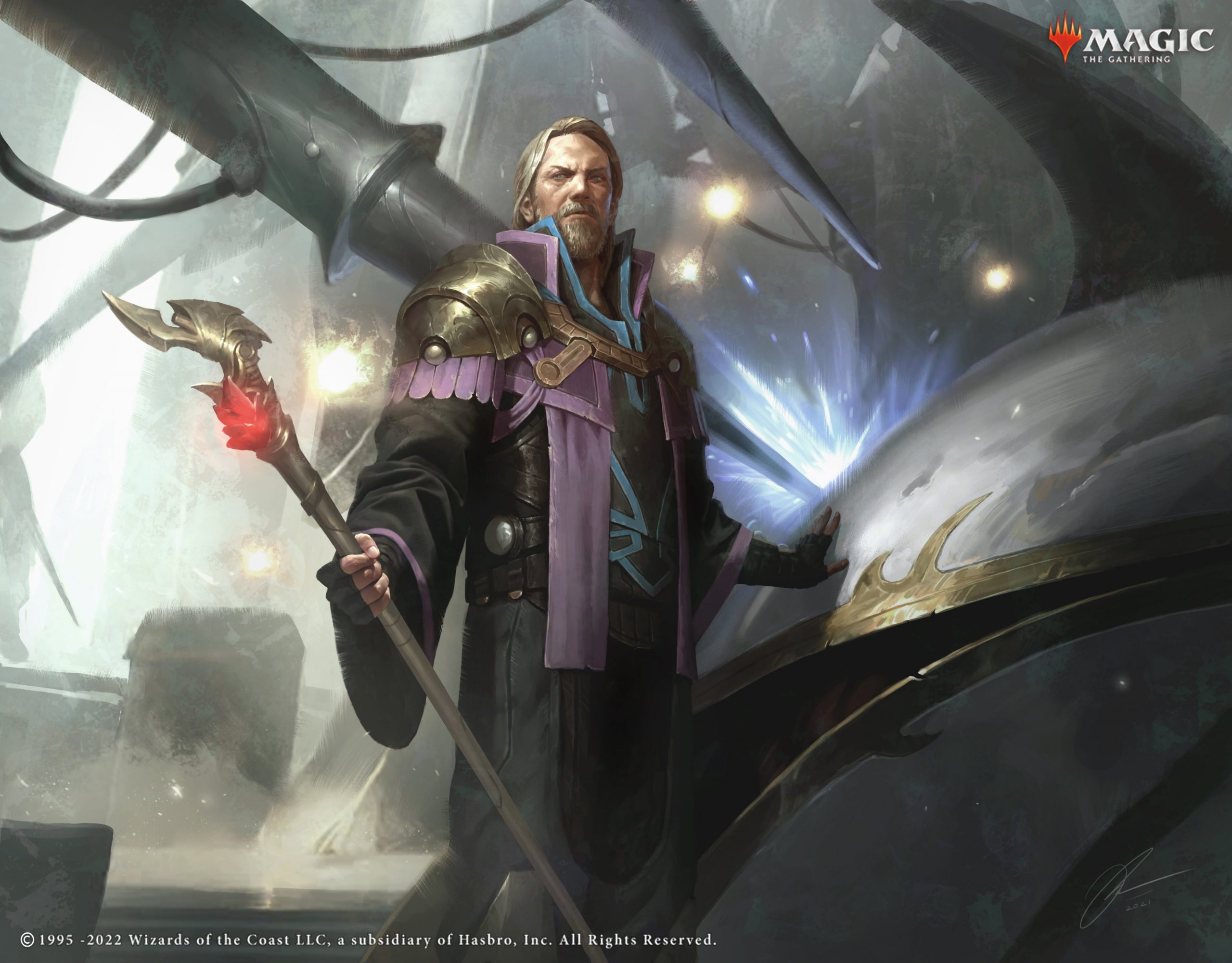

Bladesinger
Exceedingly rare among Wizards, disciples of the Bladesong are famous for their unique mastery of deadly swordplay and arcane knowledge. When they enter the mystic trance known as the Bladesong, they are able to weave together sword and spell in a beautiful, yet terrifying dance.
Scholar of Spell & Sword
3rd-level Bladesinger Tradition feature
You have diversified your studies to include training with the armaments of war. You gain proficiency with light armor and can cast Wizard spells while wearing light armor.
You also gain proficiency with a single type of one-handed melee weapon of your choice. You can use this weapon as a spellcasting focus for your Wizard spells while holding it.
Bladesong
3rd-level Bladesinger Tradition feature
As a bonus action, so long as you are not wearing medium or heavy armor or wielding a shield, you can expend a spell slot to enter a mystic state of focus known as the Bladesong. The Bladesong lasts for 1 minute and requires concentration.
While active, the Bladesong grants you the benefits here:
- You gain temporary hit points equal to 5 times the level
of the spell slot you spent to activate the Bladesong. - Your walking speed increases by 10 feet, and opportunity attacks against you are made with disadvantage.
- When you make a saving throw to maintain concentration, you can add your Intelligence modifier to your roll.
- When you are hit by an attack, you can use your reaction to add your Intelligence modifier to your Armor Class against that attack, possibly causing it to miss.
Dancing Smite
3rd-level Bladesinger Tradition feature
Once per turn when you hit with a melee weapon attack while in Bladesong, you can expend a spell slot to deal bonus damage to the target. This bonus damage is equal to 1d8 per level of the spell slot spent, up to a maximum of 5d8.
You choose the type of this bonus damage from among the damage dealt by the Wizard spells you have prepared.
Song of Battle
6th-level Bladesinger Tradition feature
While your Bladesong is active, you can attack twice, instead of once, when you take the Attack action on your turn. If you use your action to Cast a Spell while in Bladesong, you can make a single melee weapon attack as a bonus action.
Singing Reprisal
10th-level Bladesinger Tradition feature
You can draw upon your magic to turn the blows of your foes against them. When you take damage while your Bladesong is active, you can expend one spell slot to reduce the damage by 1d10 per level of the spell slot expended.
If you reduce the damage to 0, you can immediately make
a single melee weapon attack against that damage's source.
Master of Spell & Sword
14th-level Bladesinger Tradition feature
You have achieved mastery over the mystical Bladesong. Your Bladesong no longer requires concentration, but it ends early if you are Incapacitated or you choose to end it (no action).
Finally, while your Bladesong is active, your melee weapon attacks deal a bonus 1d8 damage on hit. This bonus damage is the type dealt by one Wizard spell you have prepared.
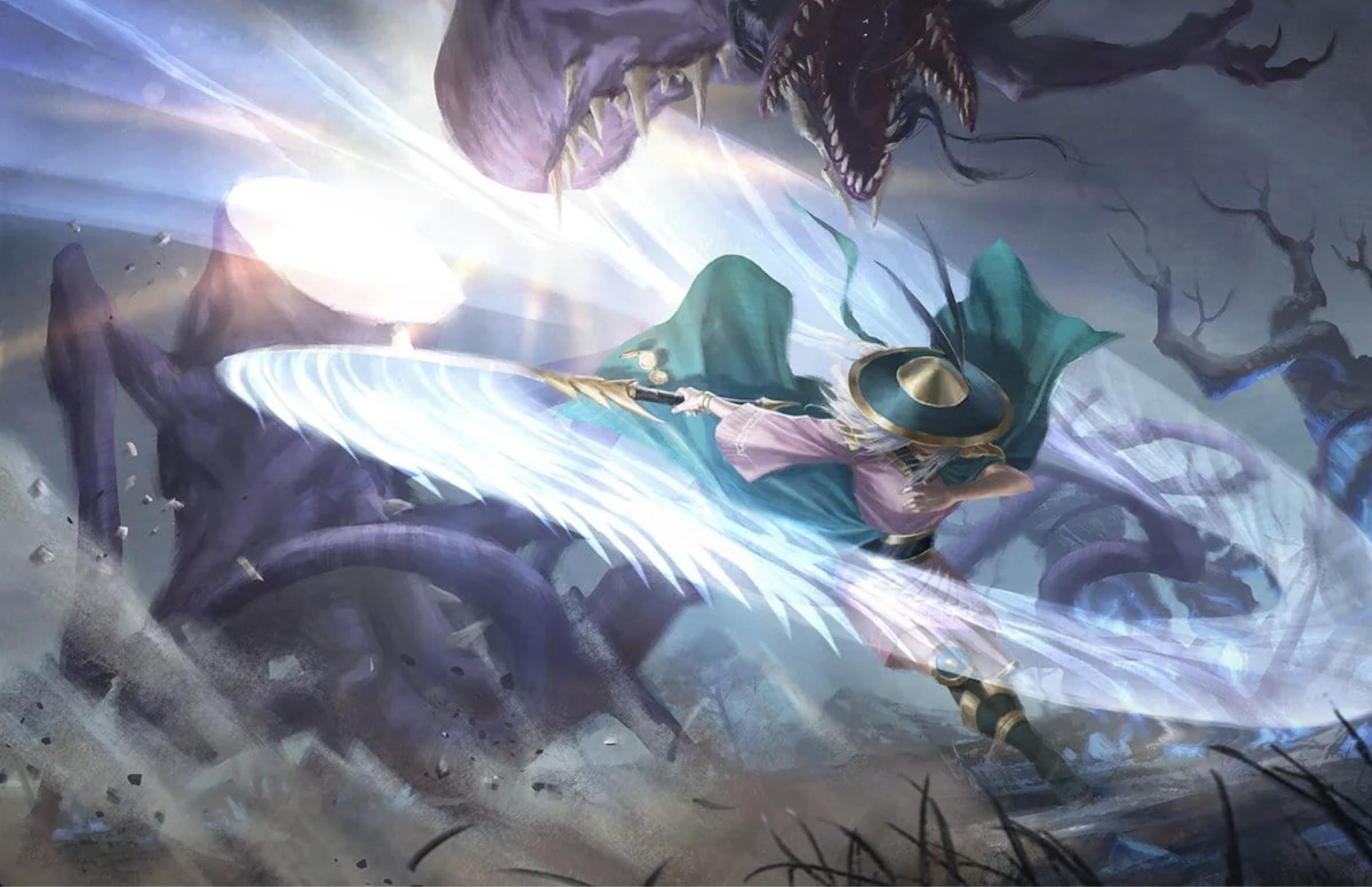
Scribe
While all Wizards desire knowledge, those known as Scribes pursue knowledge of general magical theories as opposed to specific specialties. You study basic magic: Cantrips, Scrolls, and the Spellbook itself, and mastery over the simplest parts of Wizardry allows you to bend the laws of the arcane.
Scholar of the Book
3rd-level Scribe Tradition feature
Where other Wizards choose to specialize in a single School of magic, you have chosen to master the fundamental magic of the Spellbook. You gain one Focus School of your choice, and your Spellbook gains the following additional benefits:
Cantrip Formulae. When you prepare your spells during a long rest, you can replace one Wizard Cantrip you know with another Wizard Cantrip of your choice.
Prompt Preparation. Over the course of
a short rest, you can replace one Wizard spell
that you have prepared with another Wizard
spell from your Spellbook.
Quick Quill. The time it takes you to copy a
spell into your Spellbook is reduced to 1 hour
per spell level, or 30 minutes per spell level if
the spell is from one of your Focus Schools.
Spell Scrivener
3rd-level Scribe Tradition feature
Your deep understanding of the magic of
Spellbooks allows you to craft temporary
Spell Scrolls. During a long rest, you can
spend 1 hour crafting temporary Spell
Scrolls with a total spell level up
to your Intelligence modifier.
Spells you scribe in these Scrolls
must be Wizard spells of 1st-level or
higher from your Spellbook, and you
expend a spell slot of appropriate level
to create each Scroll. While these Spell
Scrolls last, you cannot regain the spell
slot you spent in their creation.
Any creature can cast the spell contained on
these special Spell Scrolls, producing the spell
as if you had cast it.
Altered Arcana
6th-level Scribe Tradition feature
When you prepare your Wizard spells, you can
choose two spells of the same level to prepare,
and exchange their damage types.
Also, when you use Prompt Preparation, you
can replace a number of your prepared Wizard
spells up to half your Wizard level.
Spell Tinker
10th-level Scribe Tradition feature
You are constantly experimenting with magic
theory. You gain a bonus Signature Spell that
is based on a spell of 2nd-level or lower.
Also, during a long rest, you can spend 1 hour
modifying one of your Signature Spells, adding,
removing, or replacing one of the Modifications
currently applied to that Signature Spell.
Advanced Theories
14th-level Scribe Tradition feature
Your magic pushes the limit of what is possible in this reality. When you use Altered Arcana, you can choose two spells you have prepared of the same level and swap the saving throws targeted by the spells. However, this change only affects the initial saving throw of the spell, not subsequent ones.
Master Scrivener
14th-level Scribe Tradition feature
Your ability to create your temporary Spell Scrolls is almost supernatural. You can use your Spell Scrivener feature at any time, spending a spell slot as normal. Creating a Spell Scroll this way takes 1 minute per level of the spell, and you cannot create a Spell Scroll of a spell above 5th-level.
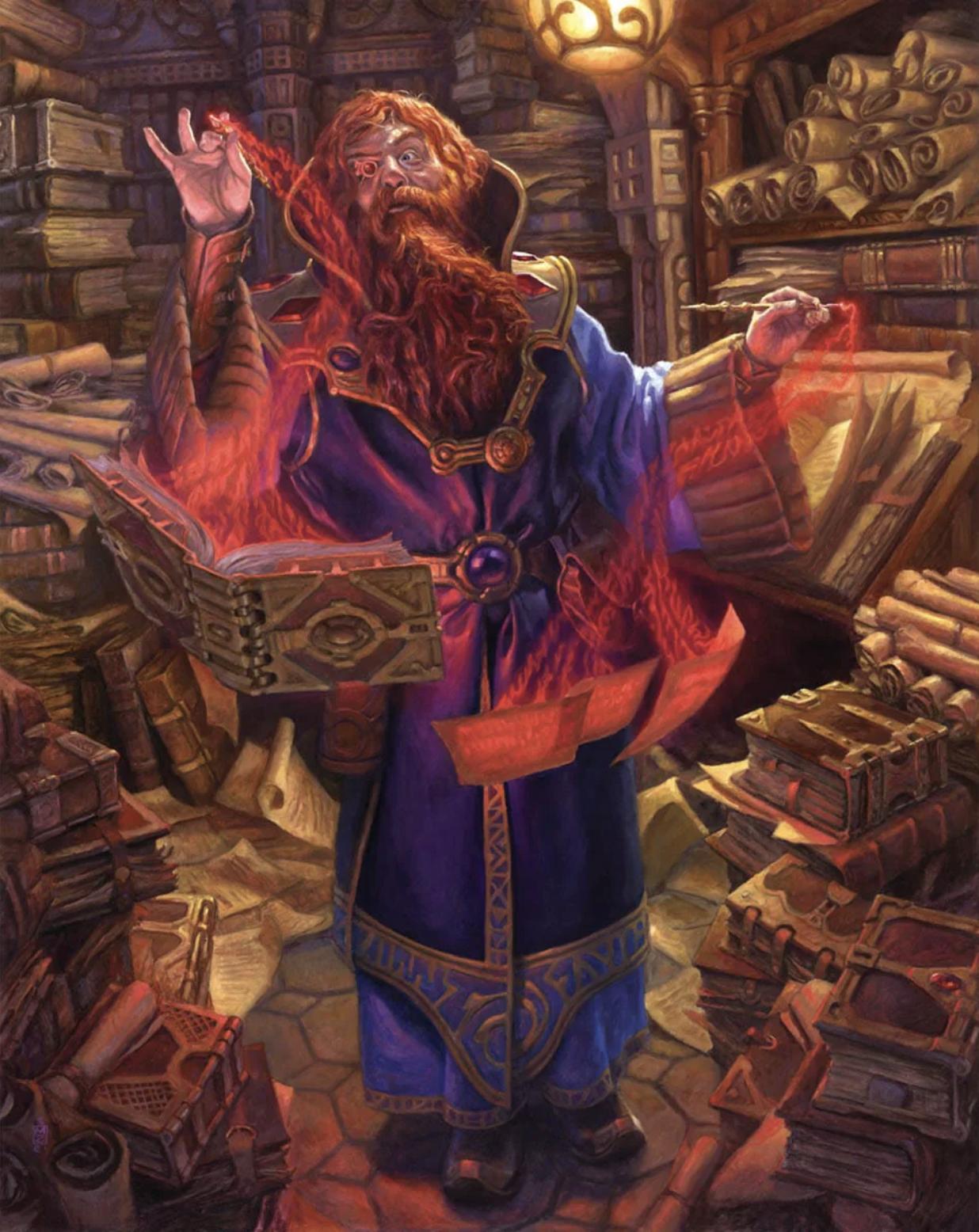
War Mage
To a War Mage, arcane magic is just another weapon to master, a tool to dominate foes on the battlefield. A War
Mage wields a combination of Abjuration and Evocation magic, using their tactical wit to weave both together so
as to assure victory through overwhelming arcane force.
Scholar of Warfare
3rd-level War Mage Tradition feature
Relentless training allows you to overcome the normal
limitations of arcane magic. You gain proficiency with
light and medium armor, and you can cast your Wizard
spells while wearing it.
You also gain either Abjuration or Evocation as one
of your Focus Schools, and add the shield ll spell into
your Spellbook, or another 1st-level Abjuration spell if
it was already in your Spellbook.
Battle Mage
3rd-level War Mage Tradition feature
You reflexively call on your magic as others would raise
their shield or sword. When you cast the shield spell, you
can do so without expending a spell slot, producing the
1st-level effects. However, when you do, you cannot cast spells other than Cantrips until the end of your next turn.
You can cast shield this way a number of times equal
to your Intelligence modifier (minimum of once), and you regain all expended uses when you finish a long rest.
Tactical Surge
6th-level War Mage Tradition feature
You have learned to magically store energy from chaos
of battle to unleash on your foes. When you reach this
level, the two spells you add to your Spellbook must be
counterspell ll and dispel magic. If they are already in
your Spellbook, you can add any two spells as normal.
Any time you cause a Hostile attack to miss you with
shield, or you successfully end a spell with counterspell
or dispel magic, you gain one stored Tactical Surge.
You can store a maximum number of Tactical Surges
equal to your Intelligence modifier (minimum of 1), and
they are lost when you expend them or when you finish
a long rest.
When you deal damage with a Wizard spell, you can
expend any number of Tactical Surges to deal 2d6 bonus damage per Tactical Surge to one target of that spell.
Arcane Fortitude
10th-level War Mage Tradition feature
The arcane potential you generate in combat increases your defenses. You gain a +1 bonus to your saving throws for each Tactical Surge you currently have stored.
In addition, when you finish a short or long rest and have no Tactical Surges stored, you gain one Tactical Surge.
Strategic Surge
10th-level War Mage Tradition feature
You can expend your stored arcane power to gain advantages in combat. When you roll initiative, so long as you are not Surprised or Incapacitated, you can expend a Tactical Surge to add your Intelligence modifier to your roll.
You can do so after you roll, but before any creatures act.
Master of
Arcane Warfare
14th-level War Mage Tradition feature
The chaos and adrenaline of battle fuel your arcane abilities. You can use your Battle Mage feature to cast the shield spell at will, without spending a spell slot. When you do, the spell's effects are still produced at 1st-level.
Finally, when you successfully cause an attack to miss you with shield, you can forgo gaining a Tactical Surge to cast one Wizard Cantrip you know as part of the same reaction.

Alternate Wizard
Become the master of arcane spellcraft you were meant to be! Includes a completely reworked Wizard Spell List and eleven Arcane Traditions!
Version 1.3.0 - Created by /u/laserllama
Last Updated: January 18th, 2026
Artist Credits:
Covers - Hugh Pinder - MTG: Hard Cover
Page 1 - Victor Adame Minguez - Teller of Tales
Page 3 - Magali Villeneuve - Intrude on the Mind
Page 4 - Magali Villeneuve - Temporal Pilgrim
Page 5 - Dominik Mayer - Time Stretch
Page 6 - Dominik Mayer - Inverse Sun
Page 7 - A&J Hernandez - Weather the Storm
Page 8 - Chris Rahn - Starlit Mantle
Page 9 - Kieran Yanner - Architect of Law
Page 10 - Caio Monteiro - Archmage Emeritus
Page 11 - A. Makhov - Saruman of Many Colors
Page 12 - Marta Nael - Lightning Strike
Page 13 - Dmitry Burmak - Wily Illusionist
Page 14 - Chris Rallis - The Rotcleaver
Page 15 - Josua Raphael - Urza, Prince of Kroog
Page 16 - Lie Setiawan - Blade Banish
Page 17 - Matt Stewart - Commodore Guff
Page 18 - Billy Christian - Teyo, Aegis Adept