to Possession and Exorcism
Klinkworth's Guide
Dear reader, following the unexplained disappearance of Cadius Klinkworth, famed author of Klinkworths' Compendium of Spirits, (and the dispersing of his assets among his creditors), previously-unpublished notes written in the exorcists's own hand have recently become available. As his longtime publisher, we hope you profit from this handy guide for the ghost hunter from the late (but not sorely missed) Cadius Klinkworth. (See also the DM resource More Ghosts). Klinkworth's experience may yet prove valuable to you and your companions as you delve into the mysteries of the occult and seek to thwart evil and its incursions.
Possession for Fun and Terror
Spoiler: DM's looking for a crazy intense encounter, skip to the "Climactic Exorcisms" section!
Tip: Low level party with no cleric—Klinkworth's got you covered with ritual of friendship!
Groundrules for Campaigns
Most players enjoy a moderate level of spine-tingling creepiness. Most also have a threshold beyond which horror, gore, portrayals of demonic possession, and other such things becomes offensive. DM's, check your players' level of comfort with occult content. Pay particular attention to sensitivity to abuse/torture as well as religious sensitivities and get your buy-in for your campaign groundrules.
For instance, you can refer players to Klinkworth's levels of possession chart. Each player can rate their tolerance by stating the possession level they would be comfortable fighting and/or roleplaying. (Players are generally more comfortable attempting to fight or banish extreme evil than they would be if the evil were happening through the (possessed) character they are roleplaying.) So be creepy, but keep it clean.
Games can be fun and scary without being offensive!
"Meddling in forbidden things is the most common cause of possession." Cadius Klinkworth
Spirits and Outer Plane Influences
Klinkworth's Compendium of Spirits quotes a minor deity as saying, "In the choices of mortals shall all things be revealed." Klinkworth's commentary adds, "Many entities desire to control the fate and souls of mortals, both celestial and fiendish. But the weave only allows these beings the power that mortals grant them."
Possessing spirits often come from minor extraplanar entities without physical form, or else powerful extraplanar entities without physical access to the material plane, as well as remnants of departed souls (ghosts).
Why possession?
Possessed creatures are interesting and terrifying for adventures because they look just like ordinary people–most of the time. (The enemy is among us.) Possessed creatures do not have the same sensitivities and moral limits as normal mortals. They can be evil incarnate. And the entities that possess the living can be both ancient and cunning, with access to powerful magics and rituals.
Possessed beings can make great short- and long-term villains. For even if the host body is destroyed, the entity may live on to possess another.
Of course, dealing with such monsters can be hazardous for adventurers, not just because of the harm that might befall them. Adventurers, too, can be subject to possession.
Getting Possessed
Klinkworth lists the following situations as common reasons for possession.
- befriending a ghost
- "social" occult rituals like seances and fortune tellings
- attempting to speak with the dead
- reading a forbidden tome or a harrowing personal history
- researching the true names of powerful entities
- spending time on desecrated ground or fiendish temples
- seeking boons from extraplanar entities
- attempting, and failing to exorcise a spirit
- acting against one's conscience (alignment)
- brooding on revenge
- attempting to enchant a weapon or object
- hanging out in graveyards at night
- visiting the scene of a murder
- celestial possessions usually come from a willing mortal offering their body to a celestial for help to accomplish a great deed.
When a player or NPC does one of these things, they may become possessed unless they succeed on a DC 11+ challenge rating/2 Wisdom saving throw. Thereafter, the host may attempt to resist the spirit's compulsions with a DC 11+CR/2 Charisma saving throw.
Possession typically begins at level 1 and progresses gradually as the entity gains more power over the living, steadily opening the door to greater influence and evil. Each level of possession has typical symptoms. With each increasing level the entity becomes more difficult to exorcise.
Levels of Possession
| Level | Type | Behaviors & Signs | Means of Exorcism | Spirit CR |
|---|---|---|---|---|
| 1 | Spiritual Influence | Behavior: Experiences unnatural urges and exhibits uncharacteristic behavior. Physical signs: none Occult wonders: none |
- present holy symbol or annoint with holy water, and speak appropriate words of abjuration or prayer (DC 11+CR/2 Religion check) - ritual of friendship: group Persuasion check of DC 11+CR/2 |
0–2 |
| 2 | Spirit-Touched | Behavior: Altered personality (alignment change) or episodes of lapsed memory. Physical signs: Celestial: eye color change, Fiendish: sigil on skin Occult wonders: levitation, reading minds, predicting the future, conversing with the dead, surviving deadly poisons or wounds |
- paladin’s lay on hands, a cleric’s ceremony spell (atonement), anoint with holy water at a temple, Channel Divinity/Turn Undead (spirit must fail the save), cast lesser restoration w/holy symbol focus - ritual of friendship with holy symbols and a group Persuasion check of DC 11+CR/2 with disadvantage |
3–7 |
| 3 | Spirit-Warped | Behavior: Spirit speaks with its own voice and has full control. Gathers followers. Exudes aura. Physical signs: Supernatural strength and vitality. Celestial: halo, animal eyes Fiendish: Dark veins, bloodshot eyes, fangs and claws, bulging muscles, hunched back Occult wonders: Exhibits powerful magic, especially though rituals powered by its followers. Not easily subdued by even a group of capable ghost hunters (adv. on death saves). |
- powerful magic such as remove curse (with true name DC 11+CR/2 Religion or Investigation check with access to research sites), banishment, or dispel evil and good cast with a holy symbol focus - a ritual of friendship (group Persuasion check of DC 11+CR/2 with disadvantage) would only be possible if the party had a powerful divine relic, and a magic circle to weaken the possessing entity, and its true name |
8–13 |
| 4 | Investiture | Behavior: Able to summon additional entities through planar portals via follower-powered rituals. Aura alters the world around them noticably (lair effects) and attracts followers. Physical signs: Full devil, demonic, or celestial form Occult wonders: Powerful magic such as summon celestial or summon fiend. Often able to counterspell or dispel magic or legendary save against attempts at exorcism. |
- kill host to remove entity and then try to revivify -casting of banishment with multiple casters channeling, each with divine relics - set a trap for the entity in a room with a glyph formation for banishment -obtain aid from a powerful extraplanar entity via appropriate sacrifices and the contact other plane spell - trap the entity with a planar binding and utterly destroy it |
14–18 |
| 5 | Incarnation | Behavior; A bodily representation of a higher being such as a god, archangel, archdevil, or demon prince seeking to rule the world. Physical signs: Worldwide cataclysms and armies from other planes marching into the material plane. Occult wonders: Mythic transformations |
-obtain aid from a powerful extraplanar entity via appropriate sacrifices and the contact other plane spell -trap the entity and utterly destroy it -if you can't 'em, join 'em |
19+ |
Level 1: Spiritual Influence
As clerics and paladins attune themselves to the will of their god they begin to receive both divine power and divine influence. The deity seeks to work its will through the willing mortal vessel. Fiendish possessions are analogous, though the host may not realize they are being influenced.
– Cadius Klinkworth
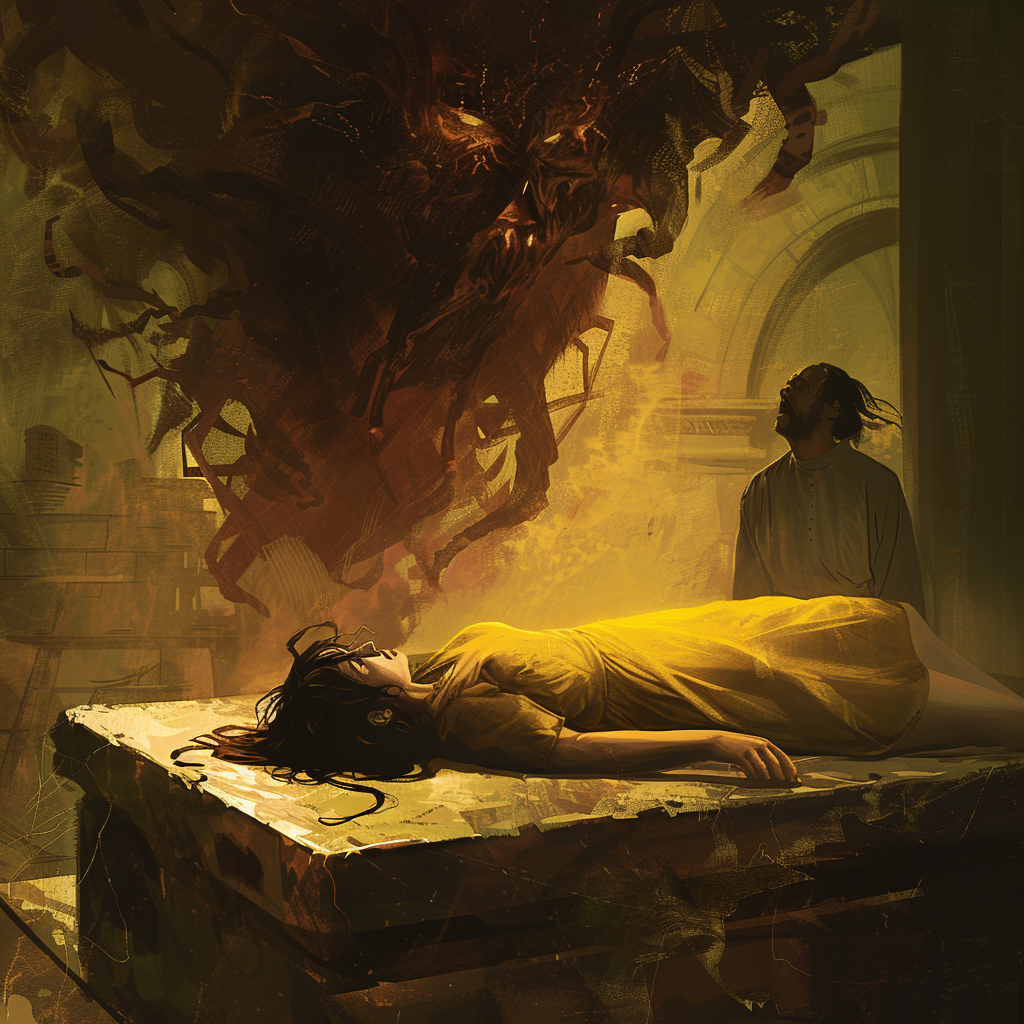
Spiritual influence is the lowest level of possession. The host retains control of their mind and body. However, the urges they feel are not their own. For clerics and paladins, influences from their deities may encourage them to defend a righteous cause, combat evil, or save others.
For victims of a demonic spirit possession, the urges may go against their very nature: urges for violence, feelings that others are after them or will betray them, or a compulsion to strike first before others can. If acted on, these urges may cause someone to fall more susceptible to the fiend's influence, leading to a level 2 possession.

Spiritual influence can become
dangerous when a victim begins to feel powerful.
A victim who is picked on or bullied might begin to rely on the voice in their head for courage and strength to face their enemies. They may brood over methods of getting vengeance, giving up their natural instincts for those of the evil entity influencing them.
Exorcising Level 1 Possession
To exorcise the influence of an entity that is attempting to work its will, the ghost hunter can try the following:
- present holy symbol with words of abjuration (DC 11+CR/2 Religion check)
- anoint with holy water with prayer of supplication (DC 11+CR/2 Religion check)
- perform a ritual of friendship (aka intervention)
- paladin's Lay on Hands healing for CRx5 HP.
Ritual of Friendship
The ritual of friendship involves friends or associates of the possessed gathering around them, with an optional (PC or NPC) guide. Each friend must take turns expressing their love for the victim. Presenting tokens of their friendship such as momentos or recalling shared experiences can be effective. The allies must then attempt to persuade the friends to come back to themselves and become the way they were, and to let go of the evil influence.
After roleplaying the friendship ritual, have the players make a group Persuasion check with a DC of 11 + CR/2. For instance, a challenge rating 3 spirit has a DC of 11 + 1 = 12. If more characters succeed on the check than fail, the ritual is a success. Allies can gain advantage on the roll with appropriate Religion or Investigation checks into the nature of the spirit. For example, a character might discover the spirit's true name or sigils that limit its power. PC's can also make Insight checks to discover how the entity came to possess their friend, and how its motivations are affecting their friend. Family members or members with tokens or powerful mementos or keepsakes of the victim that epitomize their life before they became possessed may gain advantage on their check, as would an ally who had appropriate clerical training with holy symbols and divine authority.
The spirit will try to make the host flee or disrupt the ritual. Possessed can resist the urge to flee with successful Charisma save.
If a ritual of friendship fails, the possessed must succeed on another Wisdom saving throw or suffer a level 2 possession from either the original spirit or a more potent one. With each level of possession, the challenge rating of the encounter may increase.


Level 2: Spirit-Touched
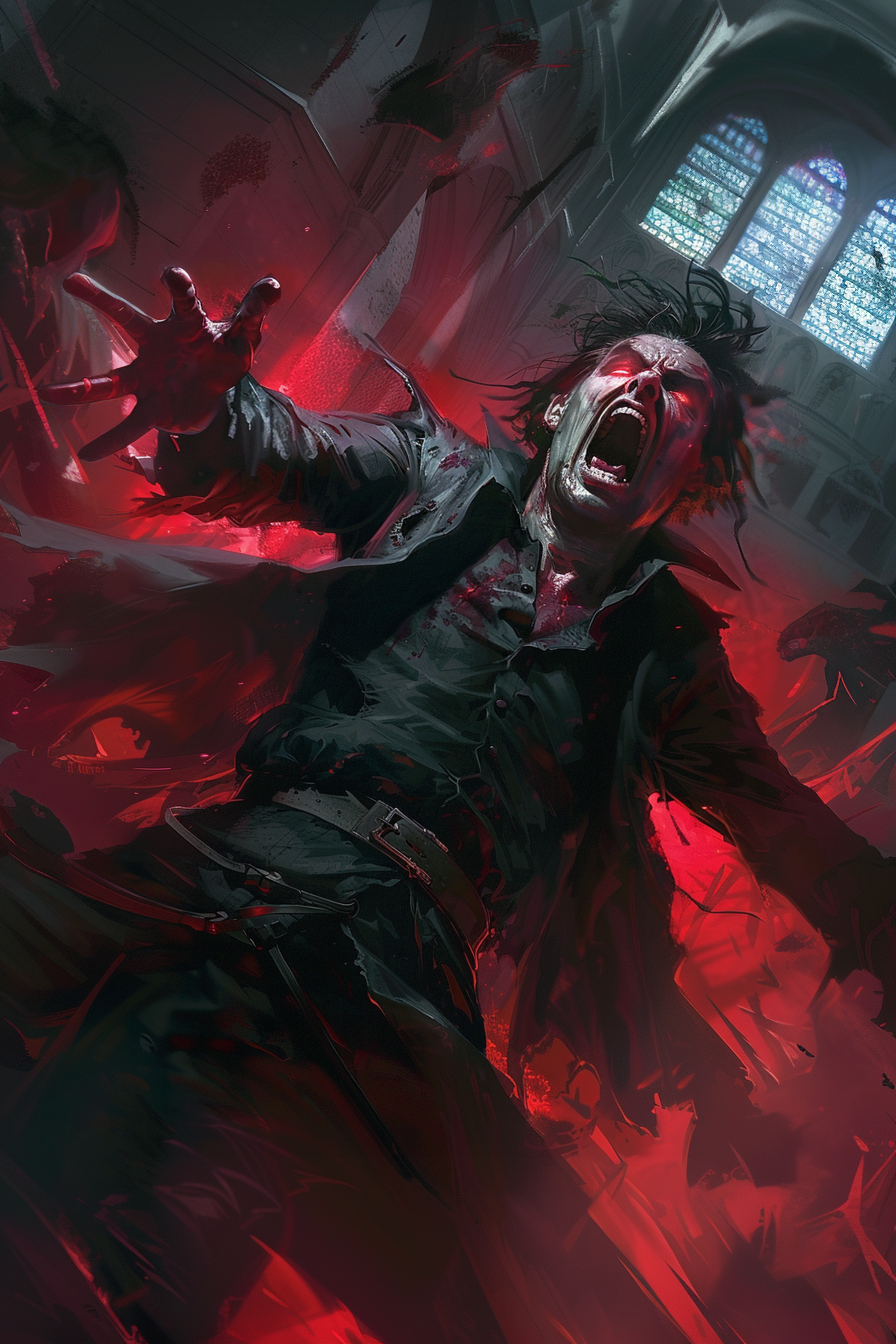
At level 2 the possessed changes in dramatic ways. The possessed may give in to the spirit's urges and change their alignment to match the (typically) chaotic and evil spirit; their will is swallowed up in the spirit's desires. Alternatively, the spirit waits for moments when the host's guard is down, such as when they are sleeping or drunk, then assumes total control. The host may even think they are free of the spirit, if not for the disturbing gaps in their memory and clues that they have been out doing something very wrong, such as unexplained blood stains on their clothing or a weapon.
The Mark of Possession
Even if the spirit is not manifesting control, the weave's own protections on the material plane force the spirit's presence to manifest physically, often in the form of a mark on the possessed creature's body. Celestially spirit-touched clerics often have glowing countenances or their eye color is altered to match the god they serve. Bright blue, sparkling green, or brilliant golden eyes are not uncommon. In the case of fiends, the mark is usually a sigil or brand in the flesh. It may be in the forehead covered by a lock of hair, on the neck under a high collar, the chest hidden below a hemline, or the back of the hand of a host who commonly wears gloves.
The sigil may be hard to see in dim light or lightly-concealed conditions. However, it will stand out starkly by the light of a cleric or paladin's votive candle, in a consecrated place (where it will burn and itch terribly), or as sensed by a detect evil and good spell. In some cases the fiend is able to hide the mark from the host. An exorcist may remove the shirt of a possessed and be startled to find their entire back is covered with dark sigils.
Though many sigils fade after the spirit has been exorcised, others remain like a scar for years, depending on the spirit's power, the level of possession, and the duration.
Exorcising Level 2 Possession
Divine authority is certainly needed to exorcise level 2 possession, as well as a good degree of intestinal fortitude! More than a few would-be exorcists have left an embarassing load in their pants on their first attempt. (I shall not entertain queries as to whether such was the case for me.) Some caution in what meal you consume before confronting a demon or devil is also warranted.
- Cadius Klinkworth
Divine powers capable of ending a level 2 possession might include the following.
- paladin's Lay on Hands for healing of 10 x CR
- cleric's atonement ceremony spell with the 25 GP cost in powdered silver and a willing host who is at least temporarily in command of their faculties
- anointing with holy water in a consecrated location such as a temple
- a cleric or paladin's Channel Divinity/Turn Undead feature (and a failed save from the spirit)
- the lesser restoration or remove curse spell cast with a holy symbol as a spellcasting focus accompanied by apt words of abjuration (DC 11+CR/2 Religion check)
- ritual of friendship with a successful group Persuasion check of DC 11+CR/2, where each roll has disadvantage, unless the friends are able to overcome that disadvantage with some artifact or relic divine authority, such as a holy symbol recently invested with power by a cleric for the purpose of a level 2 exorcism (costs a use of their Channel Divinity).
The next level of possession is typically gated by how much power the spirit can gather. Typically the spirit will use the host to recruit and gather followers, then prepare a ritual of sacrifice from which it can draw sufficient power to either pull more of itself into the material plane, or else grant access to a more powerful entity that it serves.
Once this new and powerful entity has taken control of the host, startling changes occur and the difficulty of exorcising these spirit becomes far greater. Klinkworth, therefore, recommends exorcising any person acting strangely as soon as possible, just in case they are possessed. He was, in fact, noted for doing this at dinner parties.
My beneficiaries rarely thanked me for my well-intentioned actions on their behalf.
- Cadius Klinkworth
Level 3: Spirit-Warped
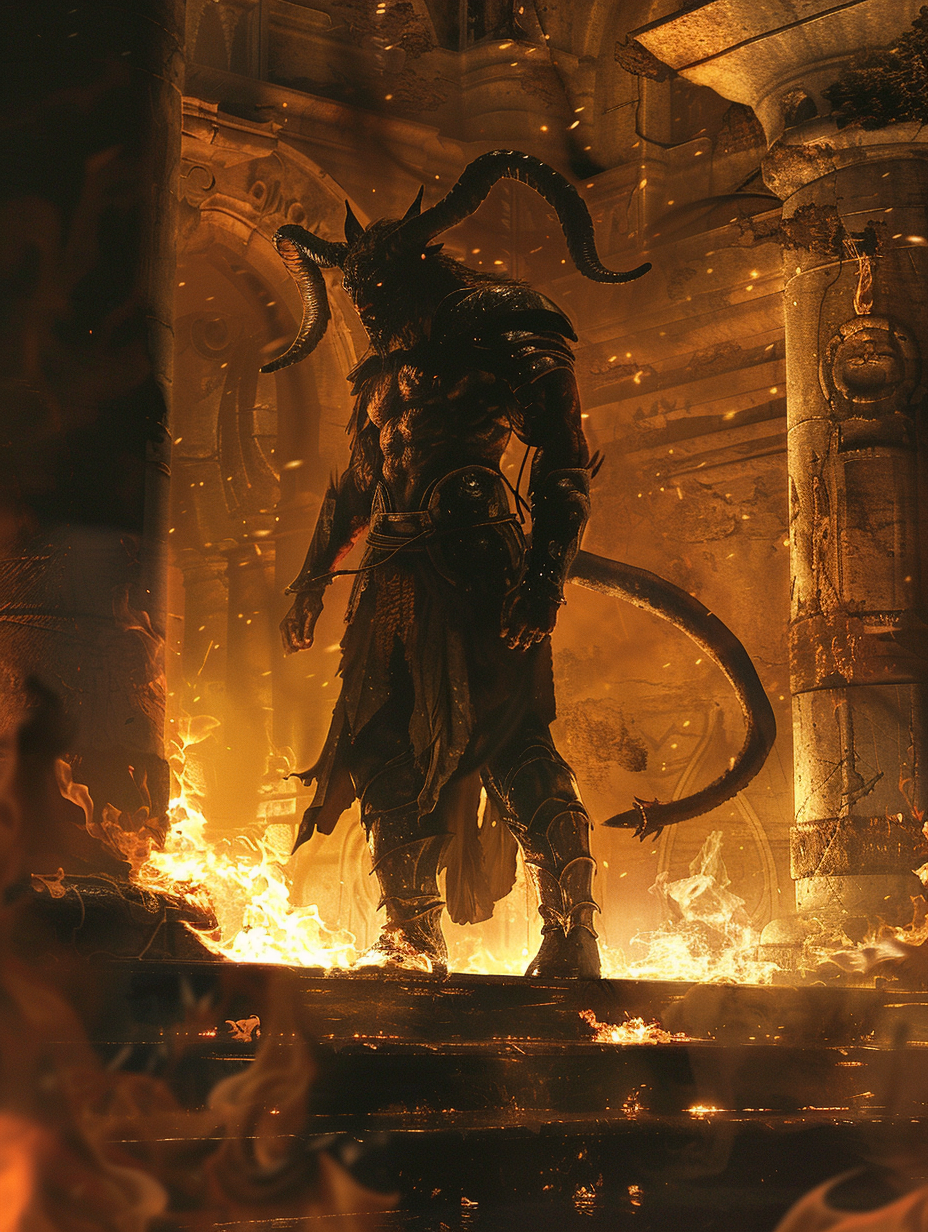
The third stage of possession indicates that a powerful entity has taken residence within the host. In this state, the entity speaks with its own voice through the possessed. More dramatic physical changes occur, such as dark veins, bloodshot eyes, claws, more powerful muscles, and even horns and fangs. Celestial possessions may include wings and a halo, or an animal’s eyes. These changes are subtle enough they could be overlooked in dim light. The possessing entity will begin exerting its influence on others with attacks, threats, seduction, or blackmail. It will inevitably attempt to gather a larger following. The spirit's power grants the host advantage on death saving throws.
A possession that has reached the spirit-warped stage will exhibit supernatural strength and fortitude and may prove difficult to subdue, even for a party of trained occultists and clerics.
-Cadius Klinkworth
Evil Aura
At this stage the spirit-warped host will exude an aura that benefits its allies. Klinkworth explains that, in fact, this is same effect that experienced paladins exude. For example, undead in the presence of a level 3 possessed will resist turning, defy spells, and possibly even resist radiant magic.
Exorcising a Level 3 Possession
A level 3 possession can be ended only with powerful divine influence, such as the dispel evil and good spell cast with a holy symbol. The exorcised entity, in its weaker state, might attempt to seek another host immediately or to flee and bide its time. A remove curse spell cast with a holy symbol might succeed in ending the possession if the entity's true name can be discovered. This requires a successful DC 11+CR/2 Religion or Investigation check with access to adequate libraries and temples and many days/weeks of study and observation of the possessed. Without such access, the check is made with disadvantage. These spells will end the possession, but not necessarily banish the entity completely. Banishment will send the entity back to its home plane if it fails the save. If spoken with a true name, a creature has disadvantage on the saving throw and cannot use legendary resistances against the spell. A ritual of friendship would only succeed (roll with disadvantage) if the party had a means to weaken the possessing entity’s influence, such as a powerful divine relic within the same magic circle as the possessing fiend and the true name. Involving this many people in such an act can be dangerous if the exorcised spirit seeks another host or the exorcism fails and possession level increases.
For more exciting roleplay of level 3 or higher possession encounters, consider the Climactic Exorcisms encounter in this guide!
Level 4: Investiture
Level 4 possession occurs only after a successful ritual of power or ritual of summoning in which the followers of a level 3 possessed make soul oaths or sacrifices to allow an extraplanar entity access (ritual of summoning) or greater access (ritual of power). After such a ritual, a truly powerful entity on the scale of a region or small kingdom possesses the body of mortal, investing it with otherwordly powers.
The mortal's body is twisted and evolved into a shape similar to the entity that controls it. In the case of a fiendish investiture, the possessed may develop a full demonic or devil form with horns, a tail, wings, claws, hooves, and so on. A celestial investiture would include wings and a halo.
Planar Incursion
The aura the possessed exudes has a transformatitve effect on their environment. The possessed's lair may become fiery and filled with sulfurous fumes. Undead may rise from graves to serve the possessed. Insects, snakes and abominable things may gather and writhe in masses. The possessed's lair is desecrated land where divine magic is hampered by the influence of the lower planes.
Functionally, level 4 possessed will have resistances to magic, radiant damage, and will have legendary actions, legendary resistances, and lair effects. Within this transformed terrain, the possessed can draw on the will of their mortal followers to open portals to the lower planes and bring through allies and minor fiends. The possessed will be surrounded by not just human allies with lower levels of possession, but also fiends and monsters they can summon.
Exorcising Level 4 Possession
The host has been so transformed by the possessed entity that extracting the spirit at this stage may be fatal to the host without powerful magical protections. A creature that has been exorcised from a level 4 possession typically drops to 0 HP and begins making death saving throws. To save the creature will require saving their mind or soul, and body. For example, restoring HP saves their body. However restoring their broken mind and scarred soul before it departs may take additional creativity from the PCs. These are great interactions to roleplay. A climactic exorcism (see below) flow will be amenable to this difficult and challenging process.
The NPC that is possessed might not be very important to the PCs, however, if in the exorcism process the exorcism is not complete or step fails, one of the consequences might be that a nearby PC (with low Wisdom saving throws, for example) becomes possessed. This adds an additional high-consequence challenge.
Exorcism of a level 4 being requires power divine magic, such as banishment or dispel evil and good. Without advantages over the entity (such as discovering its true name) it can use legendary resistances to avoid attempts at banishment. Dispel evil and good may evict the entity though the spell does not force the entity to return to its plane. It may seek another host at a lower possession level.
High-level magical traps such as an inverted magic circle are effective for preventing possession of other creatures. However, trapping the entity for an entire minute in order to finish the casting can be challenging and dangerous.
The mechanics in the Stacked Effects optional rules are particularly useful for the PCs in in attempting to hamper enemy escape and especially working together to do so. Penalties add from each player that succeeds in confusing, distracting, or intimidating, and PCs need only hit with +5 over the enemy's AC and they can hobble, pain, or stagger the enemy. Players also love the added effects that come into play when they have a great roll.

Level 5 Incarnation
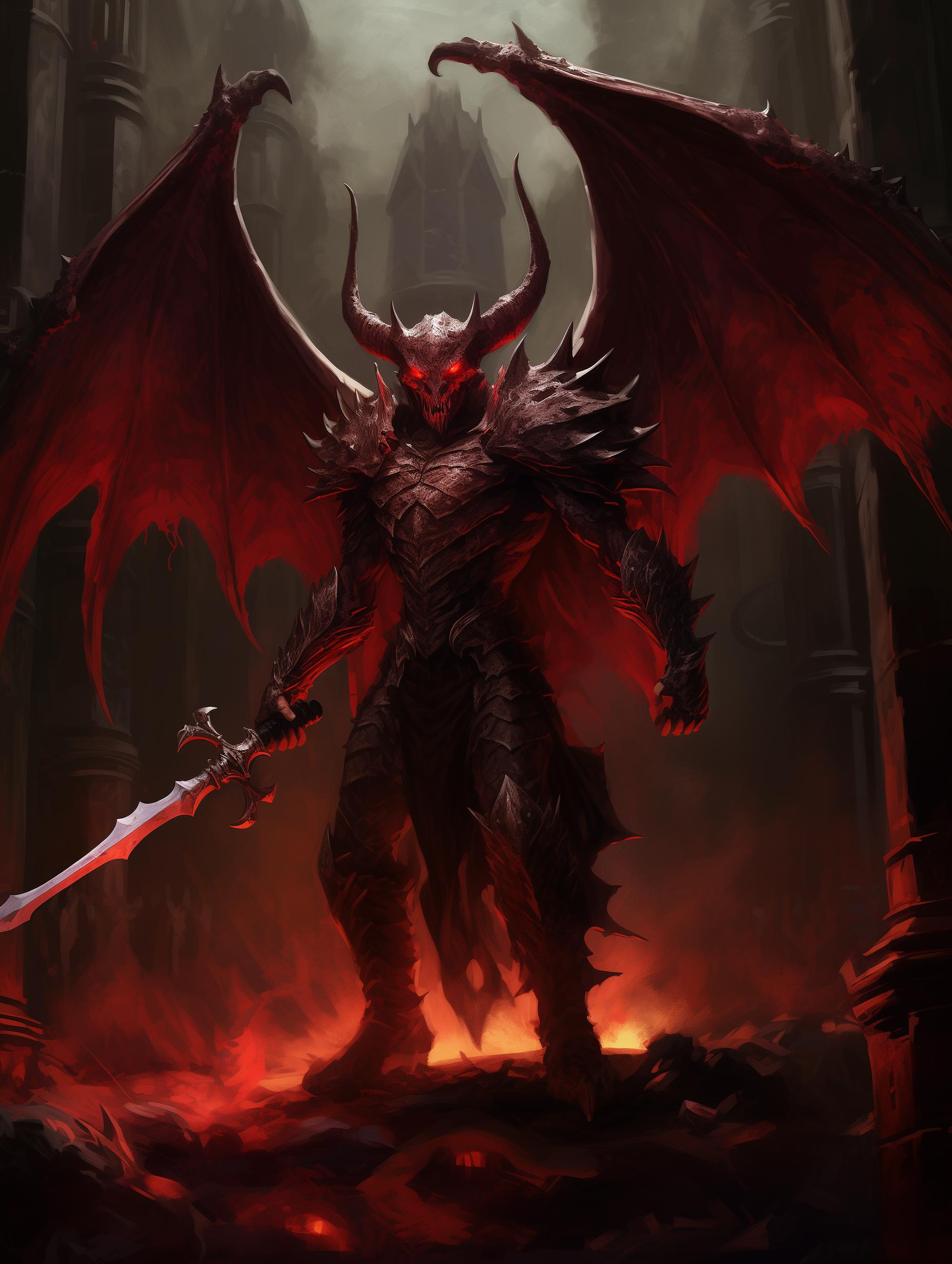
Level 5 possessions are known as incarnations, which occurs when a powerful extraplanar entity on the level of an archangel, archdevil, or demon prince manages to gain enough influence to manifest itself on the material plane through a host body. Such beings cannot be simply killed as their existence represents something more fundamental to reality. However, if vanquished, they may require some time before they can return.
Battling incarnations is the stuff of legends, where champions pit themselves against a force that would dominate their world. Klinkworth's only advice on level 5 possessions is "good luck!"
Climactic Exorcisms
A simple spell banishing a powerful entity is sometimes a nice way to end a low level encounter. But when the exorcism represents the final battle itself, a more climactic approach can be more intense, more consequential, more brutal as a defeat, and more satisfying as a victory.
In the climactic exorcism, the PCs are attempting to get 3 successes before they suffer 3 failures or the spirit racks up 3 successes (f you don't like to focus on failures). This opens the possibility of twists and turns during the exorcism and lends a cinematic flair to the encounter. This number is arbitrary and could be higher or lower depending on the challenge rating and the desired encounter length.
This is functionally equivalent to the (much acclaimed) game mechanic used in Blades in the Dark of having racing clocks, where PC successes advance ticks the PC's clock toward exorcism and spirit successes advance the spirit's clock toward escape, chaos, or finding another host.
Step 1: The Hunt
To start the episode or series, provide clues to the PCs about the presence of a powerful entity in the region. There could be a body trail, or disappearances, dire fortune tellings, signs and wonders, and much, much more. As PCs investigate, they find foreshadowing encounters.
| d8 | Hunt Encounter |
|---|---|
| 1 | Supplier. An intimidated shopkeeper is was forced to provide arcane supplies to an unknown buyer—supplies that could be used for a ritual summoning of a powerful entity. The shopkeeper is tight-lipped, but the shop could be watched. Or, the players could attempt to persuade the shopkeeper by offering them protections or relocation. An attempt to force the shopkeeper to share information may result in a thugs or police arriving, or even some kind of curse activating which constricts the shopkeeper's throat preventing them from speaking or breathing. |
| 2 | Tailed. Imps, quasits, or other minor fiends follow the PCs. They might breathe out a warning to the PCs to not get involved and then do something dastardly like tip a water tank or tower onto innocent bystanders to prove they mean business. Items used by the fiends in the sabotage are a clue to another location. If a fight with the fiends occurs, the fiends will do everything they can to make it look like the PCs are hurting innocents, rather than fight the players directly. |
| d8 | Hunt Encounters cont'd |
|---|---|
| 3 | Snubbed. A refined gentleman or lady welcomes the PCs to their home, whereupon they explain that the PC's services are no longer needed. The situation is under control. (This person is possessed or controlled.) With appropriate skill checks the PCs can determine something is amiss. If successful, they may be able to exorcise this individual and gain another clue. This individual may have household servants or guards, and another person in the household may be in the service of the entity such as a brutal thug miniboss. |
| 4 | Captives. The PCs discover a warehouse or dungeon where innocents are being kept (for a soul sacrifice). Saving the prisoners would be quite impossible the way they are guarded. However, this puts a time table on the hunt. The ritual of summoning or ritual of power will be soon! They may also discover plans for runes being prepared for the ceremony. The PCs can attempt to sabotage the runes or study them to identify the true name of the fiend involved. |
| 5 | Retribution. The entity being hunted attempts to dissuade the PCs by striking back and hurting them where it counts. They may kill, maim, or capture a beloved NPC. Clues can be found at the scene of the crime leading to the ceremony site. This encounter is about roleplay and discussing whether it is worth it to continue on. |
| 6 | Ambush. In their investigations, the PCs are led by a (planted) clue to a warehouse, alley, abandoned factory or similar spooky location where a monster and minions await them. The possessed makes and appearance to taunt or ridicule the PCs, then flees assuming the monster can finish them off. This encounter is a miniboss fight, where the possessed from a position of relative safety, can fire off spells or traps or summon enemies if the PCs are getting the better of the monster. |
| 7 | Body trail. The PCs discover multiple dead bodies with similar methods of death. It may appear to be a serial killer, but appropriate skill checks will reveal that things were taken from each slain person (a still-beating heart, their life blood, their eyes, etc.) which would aid in a summoning ritual. This is a skill check encounter. |
| 8 | The site. The PCs discover he site of the ritual to be performed and an area nearby such as a warehouse, alley, or churchyard where they could prepare a trap, if they could get the possessed to flee the ritual. Using their skills, the team can prepare spells or physical traps. The team can then solicit the aid of local authorities (police, city watch, royal troops) to attempt to disrupt the ritual before its completion. |
Step 2: The Trap
The climactic exorcism begins in earnest when the PCs trap the possessed creature. This could be by restraining them, cornering them, removing their allies, or trapping them in a magic circle. Typically the PCs may arrive in this situation by overwhelming the possessed creature's forces and causing them to flee into a trap, or else taking enough of the possessed creature's allies out of the fight to allow most of them to focus directly on the possessed entity.
The entity will attempt to escape the trap, checking for gaps in the magic circle. Failing this, the entity will attempt its first game-changing appeal, such as a bargain or threat.
Step 3: Game Changer
In the tit-for-tat action of turn-based play, after the players have acted to trap the creature the spirit will (potentially using a legendary action) attempt to change the game somehow. (At this point you might be able to move into a more roleplay-heavy game mode where players take actions ad-hoc rather than turns-based initiative.) Consult the following chart for options.
| d4 | Game Changer |
|---|---|
| 1 | Intimidation. The entity will attempt to intimidate the PCs with thaumaturgy or other magic, or threats. "You don't want to make an enemy of me." Alternatively, the spirit could threaten to unleash a plague it has prepared. The entity makes an Intimidation check against the PCs Insight. This is a group check: more successes than failures means the group is not Intimidated. If the group fails, assess a penalty appropriate to your preferred game mechanic. Options include the frightened condition, a decrease in sanity, or one stack/level of intimidated condition (see Stacking Effects which persists through the next skill check or phase of exorcism unless removed. |
| 2 | Promises, Promises. The entity may target the group or one or more members of the group with a promise of power, fame, restoring a departed love one to life—anything that would make PC think twice about banishing the entity. The targeted characters must attempt a contested Insight check versus the entity's Persuasion. Each failed creature gains an appropriate penalty such as the frightened condition, or one stack/level of intimidated condition (see Stacking Effects which persists through the next skill check or phase of exorcism unless removed. |
| 3 | Fateful Choice. The entity finds a way to threaten on PC or NPC or group of NPCs directly with immediate death. "If you kill me, I take them with me." This could be an artifact it possesses, a grappling attack, or a powerful spell levied at a vulerable party member. The PCs can choose to negotiate or accept the consequences of direct action. |
| 4 | The Clock is Ticking. The entity unleashes a lair effect that will limit the team's time to complete the exorcism. This could include filling an area with water or lava, or lighting a fire that will cause smoke to asphyxiate the PCs or burn trapped innocents, or minions begin taking actions to unleash a powerful plague or monster. |
There is time in this step for the PCs to roleplay deliberation and encouragement for each other.
Game Change PC Response
After the spirit's attempt to change the game, the PCs can roleplay their response, which could include everything from witty banter to spells, skill checks, distractions, running away—whatever they like. This isn't necessarily initiative, so players can take turns doing things in a natural order. Not every player needs to respond. Give the PCs enough time to give their best-effort response to the spirit's game changing attempt.
Game Change Judgement
At the conclusion of the spirit's action and team's response, the DM decides if this counts as a success for the spirit or not, or even a success for the PCs. Tell the players the result to up the tension. If the result is not clear, neither party need gain a success, however the stakes should be raised.
For example, if the spirit is successful in diverting, delaying or hampering the PCs significantly, this is a success for the spirit. If the PC's resist the spirit's influence successfully, or manage to keep its influence contained, they get a success.
If the PCs make a choice to focus on the spirit rather than save innocents, consider allowing this Machiavellian choice to have ripple effects in the encounter. Consider having the possessing spirit somehow draw in or gain control of the recently-freed souls, which either makes it stronger or creates some lair effect that hampers the PCs such as dealing psychic damage ("You let us die!") or granting temp HP or bonus dice to the spirit.
Optionally repeat
Rounds of attempted game-changing can continue as long as the tension is building. The trigger to exit this phase is when the PCs manage to enact their plan for exorcism such as a banishment spell, or beat a hasty retreat.
Step 4: The Ratchet
One the PCs get a chance to enact their plan for exorcism, they should face their first setback. This could be legendary resistance couched as the spirit summoning for hordes from another plane to devour the magic, or the sigils on its body illuminating with fire to hold delay the spell taking effect. Make it visual! A counterspell might send swarms of black crows from a portal to devour the magic.
Explain to the PCs that they must find a way to increase the pressure on the spirit and see what they come up with. This could include thematically or visually awesome actions with no real 5e game mechanics like banding together in a circle around the entity to channel their magic and will together, or expending high level spell slots to empower a spirit barrier like the magic circle, or spending hit dice and/or acquiring levels of exhaustion to empower their cleric. A fighter might ask the cleric to enchant his sword with radiant energy and then attempt to drive it through the possessed creature's heart. Players could focus on defeating the spirit's defenses (destroying the crows, for instance).
Whatever the PCs do, their actions should cost them, and it should be epic and awesome. If players are roleplaying true to their characters, be fast and loose with the granting inspiration. This part should feel SICK, as true adventurers show their grit and determination, uniting in the face of evil.
If the players are successful in ratcheting up the pressure, grant them a success. If they are being chintzy with their spell slots, HP, magic items and features, keep burning legendary resistances and give them a failure. But explain that it seemed to "almost work" to encourage them to keep trying. If players don't have ideas, let them make a skill check to see if their player discovers one. On a success, give a suggestion.
Step 5: Mind Game
With the pressure increasing, the spirit seeks any avenue of escape, including attacking the minds of the PCs. THe purpose of the mind game is to create a new wrinkle in the encounter that ups the stakes, causing players to have to focus on defending or freeing their own players, rather than focus on the spirit. As with the game change, the players will have a chance to mitigate the twist with a response.
| d4 | Mind Game |
|---|---|
| 1 | Horrors. The spirit casts the spell phantasmal force on one or more of the players, which traps them in a nightmare. Ask for the save but don't tell players immediately that it is an illusion. (Though, eventually when other players take actions you will have to explain to them that they see their companion acting strangely.) To keep the spelled PCs from moving out of the space they are in, the nightmare should include physical restraints, such as a glass ball that is full of water in which they believe they are drowning, a giant hourglass full of sand, that poisoned spikes from the floor and ceiling have pinned them from every direction, or that they are falling through an bottomless hole in the floor and colliding with sharp rocks as the fall. The damage from this spell can be enhanced by lair effects that multiply psychic damage to make it more scary to the players. If enough players are incapacitated by the spell, the spirit could score a success toward escape. |
| 2 | The Barter. The spirits speaks directly into the mind of one of PCs. It offers a pact: "Give up your soul to me and I will end this possession." If the PC declines the barter, the spirit gains inspiration unless the PC spotted a loophole in the bargain, then the PC gains inspiration. If the PC accepts the barter it gains a success and then things happen. Spectral chains appear around the PC and the spirit, and the spirit will do one of the following (1) Possess the PC instead (it didn't say it wouldn't possess anyone else), or (2) open a portal to return with the PC to its home plane, but also attempt to take other players with it—it didn't say it wouldn't take anyone else. PCs make strength saving throws versus spectral chains. This complication does not resolve instantly. Players will have chances to attempt to mitigate this twist. |
| 3 | Bleeding Bond. The spirit casts a twisted version of warding bond called brutal bond. The target must make a Wisdom saving throw of DC 11+CR/2. On a fail, the spirit halves any damage it takes by drawing life force from the target. The target takes the other half of the damage as necrotic damage and its hit point maximum is reduce by that amount. The target may attempt another saving throw at the end of each of their turns ending the spell on a success. At the end a turn in which it did not take damage, the spirit can take CRd6 pychic damage and deal an equal amount to the bonded PC. If a creature is reduced to 0 HP while under the influence of the spell, it dies. Any healing magic applied to the target is halved for the target and the other half goes to the caster. |
| 4 | Mirror Demons. The spirit summons blank-faced creatures that act like twisted mirrors of each of the PCs with one of its higher level spell slots. When the PC takes and action such as an attack or casting a spell at the spirit or one of its allies, the mirror being will mimic the attack or spell, but attack one of the PCs allies. Choose a stat block of a creature about half the CR of the spirit for each mirror creature or use the 5e cheat sheet card to make one up on the fly. If a PC attacks its mirror creature, the mirror creature uses its reaction to attack their mirror PC back. If the players attack each other, the mirror creatures also attack each other. The mirror creatures have vulnerability to damage from each other. If the PCs take no action, the spirit gains time. If the PCs target the spirit with attacks and magic, the mirror creatures target NPCs or the environment causing damage that risks the safety of everyone. To be especially brutal, the mirror creatures get the same attack roll total as the PC it mirrors. So if a PC crits, so does the mirror creature. This magic can be dispelled. |
Mind Game PC Response
Give the players time to roleplay a solution to the mind game conundrum. Based on the response and the costs involved and awesomeness, choose to grant successes to the spirit and/or the PCs. This phase could also repeat with a different mind game, but would end when the players manage to increase the pressure on the spirit or retreat.
Step 6: Say Goodbye
As a clear winner emerges, voice the spirit's response. If it wins and escapes, let it vow to return and destroy the PCs. If it fails, let it wreak as much destruction as it can as it it is driven away. Encourage PC roleplay in the moment of victory or defeat by asking questions through NPCs, if necessary.
If the PCs succeed in exorcising a level 4 possession, the possessed drops to 0 HP and begins making death saving throws. PCs must restore not just the body but the ravaged mind and soul. This is yet another opportunity to use skills and abilities. (As this is the denouement of the encounter, don't be too stingy with bad rolls—let the PCs win. Or, if not make it a glorious heart-wrenching tragedy. But go for the glowy success feeling if possible.)
If the attempt to exorcise the entity fails, the entity will unleash a surge of power that tears at the weave that protects the material plane. Numerous spirits will issue forth an attempt to possess those present. In a worst-case scenario, the rift allows the entity to draw forth even more power, such as it would only be able to access with a very large cult following and a soul sacrifices. If the he possession level is 3 and a ritual of power succeeds or a failed exorcism occurs, the possession level increases to 4.
Possessions need not be revealed immediately. If a PC fails the save, and the possession is not detected by magical means, the consequence of the possession may be revealed later.
Allow PCs time to roleplay repose, particularly if the costs of battle were high or NPCs died.
Of course, the players will want juicy loot. Consider a celestial or royal messenger arriving to endow the PCs with heavenly items of power as thanks for restoring order.
Consider also monuments or markings that commemorate the event, from shattered land and fallen buildings to lingering planar effects. An indellible sparking sigil might remain. Or perhaps a planar rift has been torn, but instead of fiends coming through, tiny cupids or baby flying pegasus explore the material plane with glee and curiosity.
If appropriate tease with a "its not over" moment, like someone in a side alley trying to temp them with an occult item that might offer power, an imp disappearing around a corner not to be found, some insects behaving strangely, a severed tentacle quivering in the street, and so on.
Credits
Art is from the Midjourney tool v6. Feel free to use for noncommercial purposes.
Change Log
| Date | Change |
|---|---|
| 2024.07.11 | initial release |
Copyright notice
This is unofficial Fan Content permitted under the Fan Content policy. Not approved/endorsed by Wizards of the Coast. Portions of the materials used are property of Wizards of the Coast, LLC.