
Contents
-
Harvesting an Item
- Figuring out how much of an item can be harvested
- Finding the cost of an item
- CR Table
- Creature Type Table
- Base DC & Base Cost Table
- Creature Size Table
- Extra Modifiers
- Senses
- Damage Vulnerabilities, Resistances, Immunities
- Damage Dealt
- Other Features
- Examples
- Expiration & Table
Meat
- Meat Table
- Meat & Creature Types Table
- Eating Meat
- Drying Meat
-
Responsibilities & Proficiences
- Particularly Violent Deaths
- Optional Rule: Carcass Degradation
-
Harvesting Poison
- Ghost Harvesting
- Ooze Harvesting
-
Magic Items
-
New Spells
Specific Creature Harvesting List
Random Treasure Tables
Other Harvesting
- Plants & Herbs
- Material Descriptions
Potion Crafting & Gathering
- Alchemist's Supplies
- Herbalism Kit
- Poisoner's Kit
- Gathering & Harvesting This should be redone... as well as creature parts listed there...
UPDATED
April 25, 2026
Need to do:
- ADD HH
- Collect rules
See Also
- Work in Progress: Primer on Dierde
- Work in Progress: Atlas of Dierde
- Active Campaign: Wild Cards of Dierde
- Active Campaign: WC Homebrew Collection
- Homebrew: Property Rules
- Homebrew: Tools & Kits
- Homebrew: Tattoo Kit
- Homebrew: Magic Item Crafting Rules
- Homebrew: Harvesting (This Book)
- WIP: 2014 Races
- WIP: 2014 Classes
Settlements
- Outding Refuge, Vyerith's Crown
- Skola Vale
- Forlione
- Sutley
- Rotham
- River's Keep
- New Haven
- Thornwinds
Characters
Not related: Sace

Harvesting an Item
To harvest the item, the players must make a HARVEST check (based on creature type) with a DC determined by the item itself and the creature’s type.
- What item is it? Get the base DC from the “Base DC and Base Cost” table.
- What type of creature? Get the modifier to the DC from the “Creature Type” table. It’s more difficult to harvest something from an undead’s body than a beast, considering their odd anatomy.
- Consider the difficulty in obtaining the item from the creature, not just because of how difficult it is to harvest it, but also how difficult it was to find and kill the creature. It would kinda suck to go on a harrowing adventure where two players die to get the heart of a dragon and then fail to get it because you made a bad roll right at the end. Creatures who act as boss monsters should probably have automatic successes for some survival checks.
- Keep in mind that certain creatures have bodies which change in shape or just destroy themselves completely when the creature is defeated. Consider giving them a magic weapon that prevents this process.
Harvest Check
| Creature Type | Skill Used |
|---|---|
| Aberration, Construct, Dragon, Elemental, Fey, Ooze | Arcana |
| Beast, Monstrosity, Plant | Nature |
| Beast (optional) | Animal Handling |
| Celestial, Fiend, Undead | Religion |
| Giant, Humanoid | Medicine |
Figuring out How Much of the Item can be Harvested
Some creatures will have more scales and pounds of fat than others. Simply reference the “Creature Size” table for most of these. Most creatures will have a set number of a certain item, like eyes, teeth, or tongues, which is why the table doesn’t list all of them. Use your discretion for how much of a certain thing a creature will have, probably by looking at its reference pic. Also consider the following:
Some creatures won’t have enough of an item to be considered worth selling, like the fat of a mouse. Will a monster even have the item and would it be worth selling? Deer don’t have shells, but they do have hooves and hide. They also have teeth, but you’re probably not going to find someone walking into a store looking for deer teeth. Did the characters damage anything in particular? If the fighter killed the creature by skewering its heart, that heart probably won’t be sellable, however, if a Wizard fireballs a creature, is anything even going to be left except ashes?
Finding the Cost of an Item
- What item is it? Get the base cost from the “Base DC and Base Cost” table.
- What CR? Take the base cost and multiply it by the modifier in the “CR Modifier” table. After all, it’s easy to go and kill 20 deer and selt their hides, but that’s very common, since they’re easy to hunt. The hide of a pegasus, on the other hand, is something much harder to find and will definitely go for a higher price.
- What type? Take the current cost and multiply it by the modifier in the “Creature Type” table. A humanoid may not go for much, but if ya bring in a celestial, you’ll be rolling in dough.
- What features may affect the cost? Check out the “Extra Modifiers” section to see if the creature has any features that may cause the item to be worth more money. The hide of a creature that is immune to cold damage would definitely be worth more than one that isn’t.
- Consider the rarity of the item. People aren’t going to be that interested in a pair of rat eyes, but the eyes of a basilisk are gonna have people drop their money on your counter as if it had turned to stone. Keep in mind certain special items may go for more than the tables would have you believe, but on the other hand, certain, mostly useless items might not be of much interest to your customers.
Keep in mind that this table assumes many things will come from certain special creatures to be valuable. Nobody will buy the feathers of a pigeon, but they’ll buy the feathers of a griffon. You should make it clear to your players that some creatures’ items just won’t be valuable enough to bother selling.
Tools
Harvesting Kits
Each toolkit contains skinning knives, a cleaver, syringes, a hammer, scissors, scalpels, a bone saw, hooks, as well as a collection of vials, vessels, watertight containers, and wrappings.
Skinner's Tools
Each toolkit contains a skinning knife, a whetstone, two sets of hempen rope (25 feet long), a flask of oil, 1 lb of salt, and two hunting traps. 25gp, 30lbs
Using the Tools (Survival)
| Activity | Time Spent | DC |
|---|---|---|
| Skinning tiny & small game | 15 Minutes | 10 |
| Skinning medium game | 45 Minutes | 15 |
| Skinning large game | 1 Hour | 20 |
| Skinning huge game | 8 Hours | 25 |
| Skinning gargantuan game | 1 Week | 30 |
On a successful check, the amount of meat harvested is determined above. The other parts, such as pelts and claws, are also included in these DC checks.
A failed Survival check will result in half the meat being worthless and ruining the pelt or hide in question.
You are proficient with Skinner's Tools if you are proficient with Leatherworker's Tools.
CR Table
| CR | Cost Modifier |
|---|---|
| 0 | x0.25 |
| 0.025 | x0.50 |
| 0.25 | x0.75 |
| 0.5 | x1 |
| 1 | x1.5 |
| 2 | x2 |
| 3 | x2.5 |
| 4 | x3 |
| 5 | x3.5 |
| 6 | x4 |
| 7 | x4.5 |
| 8 | x5 |
| 9 | x5.5 |
| 10 | x6 |
| 11 | x7 |
| 12 | x8 |
| 13 | x9 |
| 14 | x10 |
| 15 | x20 |
| 16 | x30 |
| 17 | x40 |
| 18 | x60 |
| 19 | x80 |
| 20 | x100 |
| 21 | x150 |
| 22 | x200 |
| 23 | x400 |
| 24 | x600 |
| 25 | x800 |
| 26 | x1000 |
| 27 | x2000 |
| 28 | x4000 |
| 29 | x8000 |
| 30 | x10000 |
Creature Type Table
| Creature Type | DC Modifier | Cost Modifier |
|---|---|---|
| Beast | 0 | x1 |
| Humanoid | 0 | x1 |
| Plant | 1 | x1.5 |
| Undead | 2 | x1.5 |
| Construct | 2 | x1.5 |
| Monstrosity | 2 | x2 |
| Giant | 2 | x4 |
| Ooze | 5 | x4 |
| Fiend | 3 | x10 |
| Fey | 3 | x10 |
| Elemental | 5 | x15 |
| Dragon | 3 | x20 |
| Aberration | 4 | x20 |
| Celestial | 4 | x30 |
Base DC and Base Cost Table
| Items | Base DC | Base Cost |
|---|---|---|
| Fat | 5 | 5 sp per pound of fat |
| Scales | 5 | 2 cp per scale |
| Claws | 5 | 3 cp per claw |
| Teeth | 5 | 3 cp per tooth |
| Fangs | 5 | 5 cp per fang |
| Hide/Pelt | 5 | 5 cp per 5 square feet of hide |
| Blood | 6 | 3 cp per pint |
| Spines or Barbs | 6 | 5 sp per spine or barb |
| Tails | 6 | 5 sp per tail |
| Horns | 6 | 1 gp per horn |
| Feathers | 7 | 1 sp per 100 feathers |
| Beaks | 7 | 5 sp per beak |
| Hooves | 8 | 2 sp per hoove |
| Shells | 8 | 1 gp per shell |
| Antennae | 8 | 1 sp per antennae |
| Eyes | 9 | 1 sp per eye |
| Poison | 11 | 1 gp per pint |
| Tongues | 11 | 1 sp per tongue |
| Skulls | 13 | 5 sp per skull |
| Glands | 15 | 1 gp per gland |
| Brains | 15 | 5 gp per brain |
| Hearts | 15 | 5 gp per heart |
| Animus | 15 | 25 gp per essence |
Creature Size Table
| Item | Tiny | Small | Medium | Large | Huge | Gargantuan |
|---|---|---|---|---|---|---|
| Pounds of Fat | None | 1d4 (2) | 2d10 (11) | 10d10 (55) | 2d4x 1,000 (5,000) 2d4x10,000 (50,000) | 2d6x20,000 (70,000) |
| Scales | 1d4 (2) | 1d4 (2) 1d8 (4) | 5d10 (27) | 2d4x10 (50) | 2d4x100 (500) | 2d4x1,000 (5,000) |
| Hide/Pelt Lengths None | None | 1 | 1d4 (2) | 2d8 (9) | 5d10x10 (270) | 5d10x100 (2,700) |
| Pints of Blood | 1 | 2d4 (5) | 2d8 (9) | 10d10 (55) | 10d10x10 (550) | 10d10x100 (5,550) |
| Feathers | None | 2d4x10 (50) | 2d10x10 (110) | 10d10x50 (2,750) | 20d10x50 (5,500) | 20d10x500 (55,000) |
| Pints of Poison | None | 0-Jan | 1d4 (2) | 1d8 (4) | 10d10 (55) | 10d10x10 (550) |
Extra Modifiers
Different creatures in the world of Dungeons and Dragons have bodies that have evolved to survive certain harsh environments, causing their body parts to have properties much more special than those of normal creatures. Below, I have made a bulletpoint list of common features that creatures have which can increase the price of certain body parts or justify them having a certain special body part in the first place. If a creature has one of these features, simply apply the modifier.
Some of these, such as Keen Eyes and Ears, aren’t very important, and if you’d like to make it a bit easier on yourself, you can gloss over these. However, certain features such as breath weapons or damage immunities will probably be the reason the players will want to hunt for these body parts in particular, so I’d be careful to keep them in mind. Also note that certain special body parts can be the end goal of monster-hunting quests.
I chose to split these up into categories for your ease of reference.
Senses
- Keen: If a creature has a feature that grants it a heightened sense in the form of Keen Hearing, Keen Smell, etc, the body part that corresponds to the sense gains a cost modifier of x2.
- Darkvision: If a creature has a feature has darkvision, its eyes gain a cost modifier of x2.
- Superior Darkvision: If a creature has superior darkvision, or darkvision to a range of 120 ft, its eyes gain a cost modifier of x3.
- Blindsight: If a creature has blindsight, its ears gain a cost modifier of x2.
- Truesight: If a creature has truesight, its ears gain a cost modifier of x5.
- Devil’s Sight: If a creature has the feature Devil’s Sight, its eyes gain a cost modifier of x20.
Damage Vulnerabilities, Resistances, Immunities
- Bludgeoning, Piercing, or Slashing Vulnerability: If a creature is vulnerable to bludgeoning, slashing, or piercing damage, its hide and/or shell gain a cost modifier of 0.5x.
- Bludgeoning, Piercing, or Slashing Resistance: If a creature is resistant to bludgeoning, slashing, or piercing damage from nonmagical attacks, its hide and/or shell gain a cost modifier of 3x.
- Bludgeoning, Piercing, or Slashing Immunity: If a creature is immune to bludgeoning, slashing, or piercing damage from nonmagical attacks, its hide and/or shell gain a cost modifier of 10x.
- Fire, Cold, Acid, or Lightning Resistance: If a creature is resistant to fire, cold, acid, or lightning damage, its hide and/or shell gain a cost modifier of 3x. Fire, Cold, Acid, or Lightning Immunity - If a creature is immune to fire, cold, acid, or lightning damage, its hide and/or shell gain a cost modifier of 10x.
Damage Dealt
- Poison Damage: If a creature deals poison damage or causes a harmful condition through a melee attack, poison can be harvested from it.
- Acid Damage: If a creature deals acid damage, the part of the body which it deals acid damage with (if it deals the damage with a “bite” attack, then the teeth, for example) gains a cost modifier of x3.
- Psychic Damage: If a creature deals psychic damage, its brain gains a cost modifier of x5.
Other Features
- Breath Weapon or Spray Weapon: If a creature has the ability to use a breath weapon, such as Fire Breath, Poison Breath, Sleep Breath, Lightning Breath, Repulsion Breath, Acid Spray, or really any other attack that ends in “Breath” or “Spray,” it has a gland of the appropriate breath weapon - such as a Fire Gland, a Poison Gland, etc. This gland can be harvested with a cost modifier of x50.
- Illumination, Heated Body, or Fire Aura: If a creature has the feature Illumination, Heated Body, or Fire Aura, its hide gains a cost modifier of x10.
- Camouflage: If a creature has a feature that gives it natural camouflage, such as Snow Camouflage or Swamp Camouflage, its hide gains a cost modifier of x5.
- Gaze: If a creature has the feature Petrifying Gaze or any other feature that gives it the ability to affect creatures with its gaze or sight, its eyes gain a cost modifier of x5.
- Eye Rays: If a creature has the feature Eye Rays or a similar feature, its eyes and antennae (eye stalks, for the purpose of this, are considered antennae) gain a cost modifier of x50.
- Amphibious: If a creature has the feature Amphibious or another feature which allows it to breathe both air and water, its lungs can be harvested as though they were glands and they have a cost modifier of x2.
- Absorption: If a creature has a feature that gives it the ability to absorb a type of damage, such as Acid Absorption, its hide gains a cost modifier of x10.
Examples
- A Dire Wolf ’s teeth have a harvesting DC of 5. Very low, since beasts are easy to harvest from. A tooth is with 3 cp at the base price, and a dire wolf would probably have about 40, since that’s the amount normal wolves have. Since the Dire Wolf has a CR of 1, we multiply this cost by 5, making them worth 15 cp each. The cost modifier for being a beast is x1, so that doesn’t change. The final price of each tooth is 15 cp, and the price of all of the teeth combined is 600 cp, or 6 gp. Nothing incredibly good, but dire wolves aren’t that difficult to hunt.
- A Dire Wolf may not be that dangerous, but it’s hellish cousin, the Hell Hound , certainly is. A Hell Hound’s hide has a base harvesting DC of 5, plus 3 due to being a fiend makes it a DC of 8. Since they are a medium creature, you can harvest 1d4 lengths, or an average of 2. The base cost of a length of hide is 5 cp. Since the Hell Hound has a CR of 3, this cost is multiplied by 10, making each with 50 cp, or 5 sp. Then, we multiple by 10 again since it’s a fiend, making the price 50 sp, or 5 gp. This means that if you can harvest two lengths of hide from a Hell Hound, that alone will be worth 10 gp. Take into account that you might be able to harvest its eyes, ears, teeth, and possibly claws, and you have a good amount on your hands. However, take into account the fact that Hell Hound bodies are consumed and destroyed by fire when they die. This will likely call for some creativity from the players, or the use of a magical item.
- How about a creature from another source next? In Guildmaster’s Guide to Ravica, we meet the Wurm, a creature similar to a wingless dragon. If an adventurer felt the need to attempt to harvest this creature’s heart, they would be able to get a very large sum for it. However, the base DC for a heart is 15, and the DC modifier for a monstrosity is +2. This isn’t a creature that you can safely harvest a heart from. However, if you manage it, the base cost of a heart is 5 gp. It gains a modifier of x2 from the Creature Type table since it is a monstrosity, bumping this up to 10 gp. Then, the CR cost modifier, x1500, makes it a whopping 15,000 gp. Most would be set for life with this thing.
Expiration
Many harvested goods will start to rot and decay after a period of time. Below is a quick overview of how we determine expiration dates, and is used as a guide for most harvested items. Note: It is always up to the DM to decide on the exact expiration.
| Item Type | Days | Explanation |
|---|---|---|
| Body Part | 2 | Flesh rots and decays quickly. |
| Body Part, Undead | 7 | Undead body parts are already rotting, so their usefulness can last a little longer than regular flesh (which becomes useless when it rots). |
| Bones | ∞ | Bones take a very long time to decay. |
| Feathers | ∞ | Feathers take a very long time to decay. |
| Ears | 14 | Ears are predominantly tough cartilage (soft bone). The skin around the ears rot quickly, but the ear remains intact for some time after. |
| Hair | ∞ | Hair takes a very long time to decay. |
| Head | 3 | Like other flesh, it rots and decays quickly, but lasts slightly longer |
| Hides/Pelts | 10 | Hides/Pelts must be treated and soaks in order to retain its usefulness. |
| Liquid, Vial (i.e. Blood) | 7 | If contained in a stoppered vial, most fluids have a longer shelf life. However, if exposed to air, it gets ruined VERY quickly. |
| Liquid, Vial (i.e. Slime) | 14 | Slimes and gels tend to have a longer shelf-life than other fluids. However, if exposed to air, it gets ruined VERY quickly. |
| Poisons | 14 | Most poisons are viable for about 2 week. However, each poison is different. In additions, proficiency with a poisoner's kit may allow assassins the ability to extend the shelf-life every few weeks (adding other ingredients to extend the poison's usefulness) |
| Tattoos/Marks | 5 | Usually a strip of skin, which can be preserved with some oil to last a little longer than other flesh. |
| Wings | 7 | While wings contain flesh, which rots quickly, the bones and leather/feather last much longer, making the wings usefulness last longers. |
Splitting up the responsibilities
Using other proficiencies
Harvesting Time
| Creature Size | Harvesting Time (minutes) |
|---|---|
| Large or smaller | Material DC / 5 |
| Huge | Material DC |
| Gargantuan | Material DC × 2 |
Particularly violent deaths
“I know that it is a dangerous world out there, and we all must do what we can to survive. But do understand that there are few people out there that are in the market for a charred owlbear pelt with more holes in it than the plot of a bad novel.”
— Hamund
This guide assumes that most creatures you attempt to harvest died in direct combat and thus already accounts for the idea that you are harvesting creatures that are not in pristine condition. However, some deaths are more violent than others and can make harvesting useful materials either extremely difficult or downright impossible. Such examples include burning by fire, dissolving from acid, or being completely crushed under a pillar of stone. In these cases, raise the DC for harvesting any of that creature's materials by 5. Alternatively, the DM may decide that well-orchestrated hunts result in a carcass that is prime for harvesting, such as creatures killed mostly through psychic damage, or those killed in one clean attack. In these cases, the DM should lower the DC for harvesting any of that creature's materials by 5.
Furthermore, the DM may adjudicate whether or not some of a creature's individual materials have been made useless due to effects imposed by them in the course of their death. Examples may include blood being tainted from poisoning, or their pelt being worthless due to excessive slashing/piercing damage.
Optional Rule: Carcass Degradation
This guide mostly assumes that harvesting takes place on a freshly killed corpse and that little to no decomposition has yet occurred. However, in some cases, a player may desire to harvest a creature that has been dead for quite a while. In these cases, the DM may declare that certain body parts have already withered away and become un-harvestable or may decide to increase the DCs of all harvestable materials as if the creature had died a particularly violent death. If corpse decomposition is too advanced, it is entirely within the DM's right to deny harvesting the creature altogether.
As a quick guide, the following timeline may be observed to decide on decomposition levels:
- 1 hour after death: The carcass' hide has ruptured from bloating and has become useless.
- 1 day after death: The carcass' blood has become too tainted to be useful, and soft tissues like the eyes have putrefied.
- 3 days after death: The carcass' internal organs have decomposed.
- 7 days after death: The carcass has undergone extensive purification and none of its soft tissue remains harvestable.
- Note: Harder materials like bones, teeth, claws, and hair do not generally undergo decomposition and will remain usable indefinitely.
Harvesting Poison
Poison can easily be harvested by draining it from the body of a creature using a sharp tool. A syringe works best when it is applicable.
Ghost Harvesting
Ghost hunting is a topic that could definitely be delved into very deeply and that could create a very interesting adventure or even campaign. I’m 100% sure this has already been done by multiple people, so I’m going to only cover harvesting the remains of an incorporeal being. To make the process non- complicated, I have a spell, a magic item, and a description of what can be harvested from an incorporeal being. First, I’ll describe what can be harvested.
Using the spell or magic item below, you can harvest an incorporeal being’s “essence,” a residual remain of their ghastly body. The magic item and spell cover how much can be harvested depending on the way the spell or magic item is used. 1 vial of this “essence” can be sold for a base cost of 1 GP, which is subject to the cost modifier determined by CR. It is not subject to the cost modifier determined by the Creature Type - only incorporeal, undead creatures can produce essence, so there is no reason to increase the price based on that fact. Use item "Container of Essence Collection" and spell "Essence Bolt".
Ooze Harvesting
It isn’t easy to harvest the remains of an ooze, which to most people isn’t a problem, considering the acidic remains of an ooze don’t sound appealing when you first hear of them. However, all oozes have certain properties that can be more helpful than one may expect. When harvesting an ooze, take note of the following:
- The ooze must be dead. Living oozes can be great for selling, but that’s not what this is about. When an ooze such as a Gelatinous Cube is defeated, the consistency of the cube will collapse. With the others, if they aren’t defeated, they’ll probably be looking for a way to escape their prison - having an ooze play dead for an unsuspecting party trying to harvest it could be interesting.
- The ooze must be gathered using tools that won’t dissolve based on its type. Ochre Jelly and Gelatinous Cubes can be harvested using anything, since they only dissolve flesh. Gray Ooze can not be harvested using metal, as it will corrode, but any other material is fine. Black Pudding will corrode any material except for stone.
- Ooze can’t just be shoveled into a bag of holding with other items inside. To store them, a separate container of the appropriate type that is non-magical can be used or a magic item such as a bag of holding that is otherwise empty can also be used. Magic items will not be corroded by the ooze, so that is not a concern, however, the items inside a magic item can definitely be corroded by ooze, so keep that in mind.
- If oozes are mixed together... well, you have three options:
- The oozes don’t merge or anything, similar to how oil doesn’t dissolve in water. This is the most simple and easy way to do things, though it doesn’t make a ton of sense.
- The oozes do merge and decrease in value because of it, perhaps turning into Gray Ooze remains, the least valuable type.
- When the oozes collide, roll on a Wild Magic Surge table. After the effect ends, the remains explode backwards. This one is the most fun if you ask me.
- For the sake of selling ooze remains, consider them to be similar to poison for the sake of cost and how much can be harvested. The remains can be called “Gray Ooze Remains” or “Black Pudding Remains” in the inventory.
For the DC required to harvest each one, the base DC is 10 + one point depending on how corrosive it is.
- If it corrodes only flesh, +1.
- If it corrodes metal, +2.
- If it corrodes a multitude of materials, +3.
- If it corrodes everything except one type of material, +4.
- If you’re wondering about the practical application of ooze remains, depending on what type of material they corrode, the ooze can make an extremely effective cleaning solution. They can also be used to make particularly powerful Vials of Acid which deal the same amount of acid damage that the ooze dealt while still alive (Gray Ooze would deal 2d6, Black Pudding would deal 4d6). As for the crafting of this, I would recommend one of the following:
The acid can be used raw to deal the normal amount, or Alchemist’s Supplies can be used to concentrate it more and increase the damage by, say, 2d6. This rewards a character that can use Alchemist’s Supplies.
The acid can be used raw to deal half the normal amount, or Alchemist’s Supplies can be used to concentrate it more and deal the normal amount. It’s up to you if this makes more sense.
Hide/Pelt/skins/Furs
These have many purposes including the production of leather, boiled leather, and cuirass. You can make flexible buff coats, shield covers and other rawhide with the hides. Furs can be used for coats, insulation, blankes, and other clothing needs. Waterproofing from oily petls from quatic and semi-aquatic cretures which an also make some great cloaks. Furs and skins can be used to make camouflage gear and clothing. The leather cna be used to make wineskins, sacks, and even large things like wagon covers and pavilions tents. Rawhide strips (thongs) are great for lashing together tools, scaffoldign, or weapon grips. Vellum and parchment come from highly processed skins (usually from younger or smaller cretures) which are the primary medium for maps and spellbooks.
Magical creatures may have more magical skin and this can make them materials for magical item creations. These skins and furs can also be grounded up or manipulated in other ways to become spell component reagents.
| Type | Resistance/Immunity |
|---|---|
| Alkahide | Acid |
| Resilient | bludgeoning/piercing/slashing |
| Cryohide | cold |
| Heatproof | Fire |
| Cushioned | Force |
| Shockproof | lightning |
| Pure Marrow | Necrotic |
| Detoxin | Poison |
| Psychotropic (brain barrier) | psychic |
| soundproof | thunder |
| luminous | radiant |
Scales
Scales
Feathers
Shells & Carapace
Claws
Teeth
Fangs
Skulls
Poison
Organs
Glands
Brains
Hearts
Horns
Antennae
Eyes
Beaks
Hooves
Tongues
Spines or Barbs
Tails
Fat
The fat of creatures can be used for many things. It can be an alchemical ingredient, for poisons or potions, and it can also be rendered into tallow for candles, lamps, or a waterproof grease for leather gear. It can be used as a cooking grease, or other things as well. Higher DC and unique creatures can also have other special uses as deemed by the DM.
Blood
Meat
There is a stigma to eating meat belonging to sentient creatures that have a humanoid form and features. Harvesting the meat may be frowned upon and even considered cannibalism. Some communities may refuse to buy the meat (and some evil communities may pay a premium). The meat may even be difficult to eat, or unedible. Of course, these are all up to the Dungeon Master to decide.
The table below shows how much meat an inexperienced butcher may be able to harvest from a creature, especially after a battle may have ruined some of the meat (i.e. burned, frozen, poisoned, etc.). If a whole creature's carcass is brought to a butcher, the butcher may pay 4x the value rolled in the chart below for the carcass (if the butcher even WANTS this kind of creature - DM discretion). Of course, carrying a heavy carcass can be difficult, and the creature's bacteria that kept it alive will begin to ruin the meat, spoiling it within a day.
Meat Table
| Beast Size | DC | Meat | Weight (x4)† | Expire ‡ | Value (x2sp)⋆ |
|---|---|---|---|---|---|
| Tiny | DC: 5 | Meat: 1 | Weight (x4)†: 4 lb. | Expire ‡: 1 day | Value (x2sp)⋆: 2 sp |
| Small | DC: 5 | Meat: 1d4 | Weight (x4)†: 4-16 lb. | Expire ‡: 1 day | Value (x2sp)⋆: 2-8 sp |
| Medium | DC: 5 | Meat: 2d6 | Weight (x4)†: 8-48 lb. | Expire ‡: 1 day | Value (x2sp)⋆: 4-24 sp |
| Large | DC: 5 | Meat: 6d6 | Weight (x4)†: 24-144 lb. | Expire ‡: 1 day | Value (x2sp)⋆: 12-72 sp |
| Huge | DC: 5 | Meat: 8d12 | Weight (x4)†: 32-384 lb. | Expire ‡: 1 day | Value (x2sp)⋆: 16-192 sp |
| Gargantuan | DC: 5 | Meat: 8d20 | Weight (x4)†: 32-640 lb. | Expire ‡: 1 day | Value (x2sp)⋆: 16-320 sp |
† The weight of a raw piece of meat is 4 pounds. And one slab of meat (4 lbs.), can be used to make 1 dried ration (2 lbs.).
‡ Raw meat has a very short shelf-life, and will go bad within a day if it is not refridgerated or cured.
⋆ The table above uses a standard price of 5cp per pound for regular a piece of animal meat (such as cattle or deer). The value of meat can vary drastically, depending on the quality, rarity and the creature it is sourced from. For example, dragon meat could cost 10x more than standard livestock meat, while insect meat could cost only a copper or two per pound. A DM can decide if that is adequate, and if certain meat is worth more or less.
Meat and Creature Types
Some creature types have meat that is inedible (i.e udead), while others carry some sort of stygma (cannibalism, distasteful, unholy). For example, eating a celestial may be considered a vile, unholy act; while eating a monstrosity may be considered disgusting and distasteful; in addition, giants are too similar to most medium-sized humanoids and are often considered inline with cannibalism. Of course, while buying meats with a stygma is forbidden and possibly illegal in most places, there are always people willing to buy illegal goods (although they may be hard to find).
Meat Creature Types
| Creature Type | Edible | Possible Stigma | Sellable |
|---|---|---|---|
| Aberration | N | Inedible | |
| Beast | Y | N | Y |
| Celestial | Y | Cannibalism, Holy Creature | N |
| Construct | N | Inedible | |
| Dragon | Y | N | Y |
| Elemental | N | Inedible | |
| Fey | Y | Cannibalism, Worshipped | Some are inedible |
| Fiend | N | Inedible | |
| Giant | Y | Cannibalism, Disgusting Creature | N |
| Humanoid | Y | Cannibalism | N |
| Monstrosity | * | Disgusting Creature | N |
| Ooze | N | Inedible | |
| Plant | N | No meat | |
| Undead | N | Inedible |
* Some monstrosities have meat that is edible (DM Discretion)
Eating Meat
Cooked meat can be eaten safely. Cooking meat requires a campfire or oven. Eating raw meat requires a DC 10 Constitution Check. A successful check results in a filling meal. A failure results in debilitating stomach cramps, causing 1 level of exhaustion (disadvantage on ability checks).
Drying Meat
The meat can be dried using salt, spices, heat and time.
| Drying Method | Time | DC | Notes |
|---|---|---|---|
| Oven | 6 hours | 5 | |
| Smoke Hut | 2 days | 7 | Smoking must be maintained periodically (can't be left alone for days) |
| Sun | 16 hours | 15 | Must be in direct sunlight, in over 85°F. Set on a hot stone, or hanging from a rack. Higher chance of spoiling. |
Magical Animus
Many magic items are created by imbuing a physical object with a metaphysical animus. This vital energy must be properly extracted from a magical creature. A creature’s animus is formed from the latent magical energy held within its body, but it is distinct from a creature’s soul.
Aberrations, Celestials, Constructs, Dragons, Elementals, Fey, Fiends, Giants, Monstrosities, Plants, Oozes, and Undead all possess a magical animus. Beasts and Humanoids typically do not possess an animus. Beats are generally "natural creatures" and tend to be connected to the Beastlands. Most humanoids tend to have souls that are more complex and so don't have an animus separate from the soul for most general purposes. Especially for the more sentient of humanoids.
When a creature is slain, its animus lingers momentarily before fading into the ether. However, a creature’s animus can be collected and contained within a vessel of some kind, which is then used to make a magical item. It is impossible to extract the animus of a creature without killing it.
Creating magic items requires the animus of one or more suitably powerful creatures. However, some magic items may call for a specific type of animus, such as the animus of a fey creature or dragon. In rare cases, a magic item may require the animus of a much more specific monster.
Animus Vessels. An animus must be collected and stored in a specially prepared magical vessel. Traditionally, these vessels were minor magic items in their own right: often rune-etched gemstones infused with magic and created in a laborious process. However, the world of Drakkenheim was transformed by the arrival of delerium: the eldritch crystals function as suitable vessels in their raw state. A delerium crystal filled with magical animus glows with a brilliant octarine light, similar to how the crystals resonate with energy when exposed to magic.
Specific Creature Harvesting Lists
Many creatures may have their own special harvesting situations and therefore they are listed here and this takes precedence over the general rules listed before this.
| Creature Category | creature | Type | CR |
|---|---|---|---|
| Aarakocra | humanoid (aarakocra) | ¼ | |
| Aartuks | |||
| ⌞ Aartuk Elder | plant | 3 | |
| ⌞ Aartuk Priest | plant | 2 | |
| ⌞ Aartuk Warrior | plant | 2 | |
| Abishai | |||
| ⌞ White Abishai | fiend (devil) | 6 | |
| ⌞ Black Abishai | fiend (devil) | 7 | |
| ⌞ Green Abishai | fiend (devil) | 15 | |
| ⌞ Blue Abishai | fiend (devil, wizard) | 17 | |
| ⌞ Red Abishai | fiend (devil) | 19 | |
| Aboleth | aberration | 10 | |
| Allip | undead | 5 | |
| Angels | |||
| ⌞ Deva | celestial | 10 | |
| ⌞ Planetar | celestial | 16 | |
| ⌞ Solar | celestial | 21 | |
| Animated Breath | elemental | 6 | |
| Animated Objects | |||
| ⌞ Animated Armor | construct | 1 | |
| ⌞ Flying Sword | construct | ¼ | |
| ⌞ Rug of Smothering | construct | 2 | |
| Ankheg | monstrosity | 2 | |
| Ape | beast | ½ | |
| Ape, Giant | beast | 7 | |
| Astral Dreadnought | monstrosity (titan) | 21 | |
| Auroch | beast (cattle) | 2 | |
| Autognome | construct | 2 | |
| Axe Beak | beast | ¼ | |
| Azer | elemental | 2 | |
| B'rohg | giant | 6 |
| Creature Category | creature | Type | CR |
|---|---|---|---|
| Baboon | beast | 0 | |
| Badger | beast | 0 | |
| Badger, Giant | beast | ¼ | |
| Bael | fiend (devil) | 19 | |
| Balhannoth | aberration | 11 | |
| Banderhobb | monstrosity | 5 | |
| Banshee | undead | 4 | |
| Baphomet | fiend (demon) | 23 | |
| Barghest | fiend (shapechanger) | 4 | |
| Basilisk | monstrosity | 3 | |
| Bat | beast | 0 | |
| Bat, Giant | beast | ¼ | |
| Bats, Swarm of | beast | ¼ | |
| Bears | |||
| ⌞ Black Bear | beast | ½ | |
| ⌞ Brown Bear | beast | 1 | |
| ⌞ Cave Bear | beast | 2 | |
| ⌞ Polar Bear | beast | 2 | |
| Behir | monstrosity | 11 | |
| Beholders | |||
| ⌞ Beholder | aberration (beholder) | 13 | |
| ⌞ Death Kiss | aberration (beholder) | 10 | |
| ⌞ Death Tyrant | undead (beholder) | 14 | |
| ⌞ Gauth | aberration (beholder) | 6 | |
| ⌞ Gazer | aberration (beholder) | ½ | |
| ⌞ Spectator | aberration (beholder) | 3 | |
| Berbalang | aberration | 2 | |
| Blackguard | humanoid | 8 | |
| Blights | |||
| ⌞ Astral Blight | plant | 1 | |
| ⌞ Needle Blight | plant | ¼ | |
| ⌞ Twig Blight | plant | ⅛ | |
| ⌞ Vine Blight | plant | ½ |
| Creature Category | creature | Type | CR |
|---|---|---|---|
| Blood Hawk | beast | ⅛ | |
| Boar | beast | ¼ | |
| Boar, Giant | beast | 2 | |
| Bodak | undead | 6 | |
| Boggle | fey | ⅛ | |
| Boneclaw | undead | 12 | |
| Braxat | giant | 9 | |
| Brigganock | fey | ⅛ | |
| Bugbears | |||
| ⌞ Bugbear | humanoid (goblinoid) | 1 | |
| ⌞ Bugbear Chief | humanoid (goblinoid) | 3 | |
| Bulette | monstrosity | 5 | |
| Bullywugs | |||
| ⌞ Bullywug | humanoid (bullywug) | ¼ | |
| ⌞ Bullywug Knight | humanoid (bullywug) | 3 | |
| ⌞ Bullywug Royal | humanoid (bullywug) | 3 | |
| Cadaver Collector | construct | 14 | |
| Cambion | fiend | 5 | |
| Camel | beast | ⅛ | |
| Campestris | |||
| ⌞ Campestri | plant | 0 | |
| ⌞ Swarm of Campestris | plant | 1 | |
| Carrion Crawler | monstrosity | 2 | |
| Cat | beast | 0 | |
| Catoblepas | monstrosity | 5 | |
| Cave Fisher | monstrosity | 3 | |
| Centaur | monstrosity | 2 | |
| Centipede, Giant | beast | ¼ | |
| Champion | humanoid (any race) | 9 | |
| Chimera | monstrosity | 6 | |
| Chitines | |||
| ⌞ Chitine | monstrosity | ½ | |
| ⌞ Choldrith | monstrosity (cleric) | 3 | |
| Choker | aberration | 1 | |
| Chuul | aberration | 4 |
| Creature Category | creature | Type | CR |
|---|---|---|---|
| Chwinga | elemental | 0 | |
| Cloaker | aberration | 8 | |
| Clockworks | |||
| ⌞ Bronze Scout | construct | 1 | |
| ⌞ Iron Cobra | construct | 4 | |
| ⌞ Stone Defender | construct | 4 | |
| ⌞ Oaken Bolter | construct | 5 | |
| Cockatrice | monstrosity | ½ | |
| Constrictor Snake, Giant | beast | 2 | |
| Corpse Flower | plant | 8 | |
| Cosmic Horror | aberration | 18 | |
| Couatl | celestial | 4 | |
| Crab | beast | 0 | |
| Crab, Giant | beast | ⅛ | |
| Cranium Rats | |||
| ⌞ Cranium Rat | beast | 0 | |
| ⌞ Swarm of Cranium Rats | beast | 5 | |
| Crawling Claw | undead | 0 | |
| Crocodile | beast | ½ | |
| Crocodile, Giant | beast | 5 | |
| Cyclops | giant | 6 | |
| Darklings | |||
| ⌞ Darkling | fey | ½ | |
| ⌞ Darkling Elder | fey | 2 | |
| Darkmantle | monstrosity | ½ | |
| Death Dog | monstrosity | 1 | |
| Death Knight | undead | 17 | |
| Deathlock | |||
| ⌞ Deathlock Wight | undead (warlock) | 3 | |
| ⌞ Deathlock | undead (warlock) | 4 | |
| ⌞ Deathlock Mastermind | undead (warlock) | 8 | |
| Deep Rothé | beast | ¼ | |
| Deep Scion | humanoid | 3 | |
| Deer | beast | 0 | |
| Demilich | undead | 18 | |
| Demogorgon | fiend (demon) | 26 |
| Creature Category | creature | Type | CR |
|---|---|---|---|
| Demons | |||
| ⌞ Manes | fiend (demon) | ⅛ | |
| ⌞ Dretch | fiend (demon) | ¼ | |
| ⌞ Quasit | fiend (demon, shapechanger) | 1 | |
| ⌞ Maw Demon | fiend (demon) | 1 | |
| ⌞ Rutterkin | fiend (demon) | 2 | |
| ⌞ Bulezau | fiend (demon) | 3 | |
| ⌞ Babau | fiend (demon) | 4 | |
| ⌞ Dybbuk | fiend (demon) | 4 | |
| ⌞ Shadow Demon | fiend (demon) | 4 | |
| ⌞ Barlgura | fiend (demon) | 5 | |
| ⌞ Chasme | fiend (demon) | 6 | |
| ⌞ Vrock | fiend (demon) | 6 | |
| ⌞ Armanite | fiend (demon) | 7 | |
| ⌞ Maurezhi | fiend (demon) | 7 | |
| ⌞ Hezrou | fiend (demon) | 8 | |
| ⌞ Shoosuva | fiend (demon) | 8 | |
| ⌞ Glabrezu | fiend (demon) | 9 | |
| ⌞ Yochlol | fiend (demon) | 10 | |
| ⌞ Alkilith | fiend (demon) | 11 | |
| ⌞ Nalfeshnee | fiend (demon) | 13 | |
| ⌞ Wastrilith | fiend (demon) | 13 | |
| ⌞ Nabassu | fiend (demon) | 15 | |
| ⌞ Marilith | fiend (demon) | 16 | |
| ⌞ Goristro | fiend (demon) | 17 | |
| ⌞ Sibriex | fiend (demon) | 18 | |
| ⌞ Balor | fiend (demon) | 19 | |
| ⌞ Molydeus | fiend (demon) | 21 | |
| Derro | |||
| ⌞ Derro | aberration (derro) | ¼ | |
| ⌞ Derro Savant | aberration (derro, sorcerer) | 3 |
| Creature Category | creature | Type | CR |
|---|---|---|---|
| Devils | |||
| ⌞ Lemure | fiend (devil) | 0 | |
| ⌞ Nupperibo | fiend (devil) | ½ | |
| ⌞ Imp | fiend (devil, shapechanger) | 1 | |
| ⌞ Spined Devil (Spinagon) | fiend (devil) | 2 | |
| ⌞ Bearded Devil (Barbazu) | fiend (devil) | 3 | |
| ⌞ Merregon | fiend (devil) | 4 | |
| ⌞ Barbed Devil (Hamatula) | fiend (devil) | 5 | |
| ⌞ Chain Devil (Kyton) | fiend (devil) | 8 | |
| ⌞ Bone Devil (Osyluth) | fiend (devil) | 9 | |
| ⌞ Orthon | fiend (devil) | 10 | |
| ⌞ Horned Devil (Malebranche / Cornugon) | fiend (devil) | 11 | |
| ⌞ Erinyes | fiend (devil) | 12 | |
| ⌞ Narzugon | fiend (devil) | 13 | |
| ⌞ Ice Devil (Gelugon) | fiend (devil) | 14 | |
| ⌞ Amnizu | fiend (devil) | 18 | |
| ⌞ Pit Fiend | fiend (devil) | 20 | |
| Devourer | undead | 13 | |
| Dinosaurs | |||
| ⌞ Allosaurus | beast (dinosaur) | 2 | |
| ⌞ Ankylosaurus | beast (dinosaur) | 3 | |
| ⌞ Brontosaurus | beast (dinosaur) | 5 | |
| ⌞ Deinonychus | beast (dinosaur) | 1 | |
| ⌞ Dimetrodon | beast (dinosaur) | ¼ | |
| ⌞ Hadrosaurus | beast (dinosaur) | ¼ | |
| ⌞ Plesiosaurus | beast (dinosaur) | 2 | |
| ⌞ Pteranodon | beast (dinosaur) | ¼ | |
| ⌞ Quetzalcoatlus | beast (dinosaur) | 2 | |
| ⌞ Stegosaurus | beast (dinosaur) | 4 | |
| ⌞ Triceratops | beast (dinosaur) | 5 | |
| ⌞ Tyrannosaurus Rex | beast (dinosaur) | 8 | |
| ⌞ Velociraptor | beast (dinosaur) | ¼ | |
| Dire Wolf | beast | 1 |
| Creature Category | creature | Type | CR |
|---|---|---|---|
| Displacer Beast | monstrosity | 3 | |
| Dohwar | fey | 0 | |
| Dolphin | beast | ⅛ | |
| Dolphin Delighter | fey | 3 | |
| Doppelganger | monstrosity (shapechanger) | 3 | |
| Dracohydra | monstrosity | 11 | |
| Dracolich | undead | 17 | |
| Draconians | |||
| ⌞ Draconian Foot Soldier (Baaz) | monstrosity | ½ | |
| ⌞ Draconian Mage (Bozak) | monstrosity | 2 | |
| ⌞ Draconian Infiltrator (Kapak) | monstrosity | 3 | |
| ⌞ Draconian Dreadnought (Sivak) | monstrosity | 4 | |
| ⌞ Draconian Mastermind (Aurak) | monstrosity | 6 | |
| Draconic Shard | undead | 17 | |
| Draegloth | fiend (demon) | 7 | |
| Dragon Turtle | dragon | 17 | |
| Dragon, Shadow | dragon | 13 | |
| Dragonflesh Abomination | monstrosity | 6 | |
| Dragonflesh Grafter | monstrosity | 3 | |
| Dragonfly, Giant | beast | ½ | |
| Dragonnel | dragon | 2 | |
| Dragons | |||
| ⌞ Dragon Wyrmling | dragon | varies | |
| ⌞ Young Dragon | dragon | varies | |
| ⌞ Adult Dragon | dragon | varies | |
| ⌞ Ancient Dragon | dragon | varies | |
| Drider | monstrosity | 6 |
| Creature Category | creature | Type | CR |
|---|---|---|---|
| Drow | |||
| ⌞ Drow | humanoid (elf) | ¼ | |
| ⌞ Drow Elite Warrior | humanoid (elf) | 5 | |
| ⌞ Drow Mage | humanoid (elf) | 7 | |
| ⌞ Drow Priestess of Lolth | humanoid (elf) | 8 | |
| ⌞ Drow House Captain | humanoid (elf) | 9 | |
| ⌞ Drow Shadowblade | humanoid (elf) | 11 | |
| ⌞ Drow Arachnomancer | humanoid (elf) | 13 | |
| ⌞ Drow Inquisitor | humanoid (elf, cleric) | 14 | |
| ⌞ Drow Favored Consort | humanoid (elf, wizard) | 18 | |
| ⌞ Drow Matron Mother | humanoid (elf, cleric) | 20 | |
| Dryad | fey | 1 | |
| Duergar | |||
| ⌞ Duergar | humanoid (dwarf) | 1 | |
| ⌞ Duergar Soulblade | humanoid (dwarf) | 1 | |
| ⌞ Duergar Stone Guard | humanoid (dwarf) | 2 | |
| ⌞ Duergar Kavalrachni | humanoid (dwarf) | 2 | |
| ⌞ Duergar Xarrorn | humanoid (dwarf) | 2 | |
| ⌞ Duergar Mind Master | humanoid (dwarf) | 2 | |
| ⌞ Duergar Warlord | humanoid (dwarf) | 6 | |
| ⌞ Duergar Despot | humanoid (dwarf) | 12 | |
| Duergar Constructs | |||
| ⌞ Duergar Hammerer | humanoid | 2 | |
| ⌞ Duergar Screamer | humanoid | 3 | |
| Eagle | beast | 0 | |
| Eagle, Giant | beast | 1 |
| Creature Category | creature | Type | CR |
|---|---|---|---|
| Egg Hunters | |||
| ⌞ Egg Hunter Hatchling | monstrosity | 2 | |
| ⌞ Egg Hunter Adult | monstrosity | 5 | |
| Eidolon | undead | 12 | |
| Eidolon - Sacred Statue | construct | 12 | |
| Eladrin | |||
| ⌞ Autumn Eladrin | fey (elf) | 10 | |
| ⌞ Spring Eladrin | fey (elf) | 10 | |
| ⌞ Summer Eladrin | fey (elf) | 10 | |
| ⌞ Winter Eladrin | fey (elf) | 10 | |
| Elder Brain Dragon | aberration | 22 | |
| Elder Tempest | elemental | 23 | |
| Elemental | |||
| ⌞ Air Elemental | elemental | 5 | |
| ⌞ Earth Elemental | elemental | 5 | |
| ⌞ Fire Elemental | elemental | 5 | |
| ⌞ Water Elemental | elemental | 5 | |
| Elemental Myrmidons | |||
| ⌞ Air Elemental Myrmidon | elemental | 7 | |
| ⌞ Earth Elemental Myrmidon | elemental | 7 | |
| ⌞ Fire Elemental Myrmidon | elemental | 7 | |
| ⌞ Water Elemental Myrmidon | elemental | 7 | |
| Elephant | beast | 4 | |
| Elk | beast | ¼ | |
| Elk, Giant | beast | 2 | |
| Empyrean | celestial (titan) | 23 | |
| Esthetic | aberration | 12 | |
| Ettercap | monstrosity | 2 | |
| Ettin | giant | 4 | |
| Eye Monger | aberration | 10 | |
| Eyedrake | aberration | 8 | |
| Faerie Dragon | dragon | 1 | |
| Feyr | aberration | 5 | |
| Fire Beetle, Giant | beast | 0 |
| Creature Category | creature | Type | CR |
|---|---|---|---|
| Firenewts | |||
| ⌞ Firenewt Warrior | humanoid (firenewt) | ½ | |
| ⌞ Firenewt Warlock | humanoid (firenewt) | 1 | |
| ⌞ Giant Strider | monstrosity | 1 | |
| Flail Snail | elemental | 3 | |
| Flameskull | undead | 4 | |
| Flumph | aberration | ⅛ | |
| Fomorian | giant | 8 | |
| Fraz-Urb'luu | fiend (demon) | 23 | |
| Frog | beast | 0 | |
| Frog, Giant | beast | ¼ | |
| Froghemoth | monstrosity | 10 | |
| Frost Salamander | elemental | 9 | |
| Fungi | |||
| ⌞ Gas Spore | plant | ½ | |
| ⌞ Shrieker | plant | 0 | |
| ⌞ Violet Fungus | plant | ¼ | |
| Gaj | aberration | 4 | |
| Galeb-Duhr | elemental | 6 | |
| Gargoyle | elemental | 2 | |
| Gem Stalker | monstrosity | 5 | |
| Genies | |||
| ⌞ Dao | elemental | 11 | |
| ⌞ Djinni | elemental | 11 | |
| ⌞ Efreeti | elemental | 11 | |
| ⌞ Marid | elemental | 11 | |
| Geryon | fiend (devil) | 22 | |
| Ghast | undead | 2 | |
| Ghost | undead | 4 | |
| Ghost Dragon | undead | 17 | |
| Ghoul | undead | 1 |
| Creature Category | creature | Type | CR |
|---|---|---|---|
| Giants | |||
| ⌞ Cloud Giant | giant (cloud giant) | 9 | |
| ⌞ Cloud Giant Smiling One | giant (cloud giant) | 11 | |
| ⌞ Fire Giant | giant (fire giant) | 9 | |
| ⌞ Fire Giant Dreadnought | giant (fire giant) | 14 | |
| ⌞ Frost Giant | giant (frost giant) | 8 | |
| ⌞ Frost Giant Everlasting One | giant (frost giant) | 12 | |
| ⌞ Hill Giant | giant (hill giant) | 5 | |
| ⌞ Hill Giant, Mouth of Grolantor | giant (hill giant) | 6 | |
| ⌞ Stone Giant | giant (stone giant) | 7 | |
| ⌞ Stone Giant Dreamwalker | giant (stone giant) | 10 | |
| ⌞ Storm Giant | giant (storm giant) | 13 | |
| ⌞ Storm Giant Quintessent | giant (storm giant) | 16 | |
| Gibbering Mouther | aberration | 2 | |
| Giff | |||
| ⌞ Giff Shipmate | humanoid | 3 | |
| ⌞ Giff Shock Trooper | humanoid | 6 | |
| ⌞ Giff Warlord | humanoid | 10 | |
| Girallon | monstrosity | 4 | |
| Githyanki | |||
| ⌞ Githyanki Buccaneer | humanoid (gith) | 3 | |
| ⌞ Githyanki Warrior | humanoid (gith) | 3 | |
| ⌞ Githyanki Star Seer | humanoid (gith) | 7 | |
| ⌞ Githyanki Knight | humanoid (gith) | 8 | |
| ⌞ Githyanki Xenomancer | humanoid (gith) | 9 | |
| ⌞ Githyanki Gish | humanoid (gith, wizard) | 10 | |
| ⌞ Githyanki Kith'rak | humanoid (gith) | 12 | |
| ⌞ Githyanki Supreme Commander | humanoid (gith) | 14 |
| Creature Category | creature | Type | CR |
|---|---|---|---|
| Githzerai | |||
| ⌞ Githzerai Monk | humanoid (gith) | 2 | |
| ⌞ Githzerai Zerth | humanoid (gith) | 6 | |
| ⌞ Githzerai Enlightened | humanoid (gith) | 10 | |
| ⌞ Githzerai Anarch | humanoid (gith) | 16 | |
| Gnolls | |||
| ⌞ Gnoll Witherling | undead (gnoll) | ¼ | |
| ⌞ Gnoll | humanoid (gnoll) | ½ | |
| ⌞ Gnoll Hunter | humanoid (gnoll) | ½ | |
| ⌞ Gnoll Flesh Gnawer | humanoid (gnoll) | 1 | |
| ⌞ Gnoll Pack Lord | humanoid (gnoll) | 2 | |
| ⌞ Gnoll Fang of Yeenoghu | fiend (gnoll) | 4 | |
| ⌞ Flind | fiend (gnoll) | 9 | |
| Gnome, Deep (Svirfneblin) | humanoid (gnome) | ½ | |
| Goat | beast | 0 | |
| Goat, Giant | beast | ½ | |
| Goblin | humanoid (goblinoid) | ¼ | |
| Goblin Boss | humanoid (goblinoid) | 1 | |
| Golems | |||
| ⌞ Flesh Golem | construct | 5 | |
| ⌞ Clay Golem | construct | 9 | |
| ⌞ Stone Golem | construct | 10 | |
| ⌞ Dragonbone Golem | construct | 11 | |
| ⌞ Iron Golem | construct | 16 | |
| Gorgon | monstrosity | 5 | |
| Gray Render | monstrosity | 12 | |
| Graz'zt | fiend (demon) | 24 | |
| Grell | aberration | 3 | |
| Gricks | |||
| ⌞ Grick | monstrosity | 2 | |
| ⌞ Alpha Grick | monstrosity | 7 | |
| Griffon | monstrosity | 2 | |
| Grimlock | humanoid (grimlock) | ¼ |
| Creature Category | creature | Type | CR |
|---|---|---|---|
| Grungs | |||
| ⌞ Grung | humanoid (grung) | ¼ | |
| ⌞ Grung Elite Warrior | humanoid (grung) | 2 | |
| ⌞ Grung Wildling | humanoid (grung) | 1 | |
| Guard Drake | dragon | 2 | |
| Hadozee | |||
| ⌞ Hadozee Shipmate | humanoid (hadozee) | ⅛ | |
| ⌞ Hadozee Warrior | humanoid (hadozee) | ½ | |
| ⌞ Hadozee Explorer | humanoid (hadozee) | 2 | |
| Hags | |||
| ⌞ Annis Hag | fey | 6 | |
| ⌞ Bheur Hag | fey | 7 | |
| ⌞ Green Hag | fey | 3 | |
| ⌞ Night Hag | fiend | 5 | |
| ⌞ Sea Hags | fey | 2 | |
| Half Dragon | humanoid | 5 | |
| Harengons | |||
| ⌞ Harengon Brigand | humanoid | ⅛ | |
| ⌞ Harengon Sniper | humanoid | ¼ | |
| Harpy | monstrosity | 1 | |
| Hawk | beast | 0 | |
| Hell Hound | fiend | 3 | |
| Hellfire Engine | construct | 16 | |
| Helmed Horror | construct | 4 | |
| Hippogriff | monstrosity | 1 | |
| Hoard Scarabs | |||
| ⌞ Hoard Scarab | monstrosity | ⅛ | |
| ⌞ Swarm of Hoard Scarabs | monstrosity | 2 |
| Creature Category | creature | Type | CR |
|---|---|---|---|
| Hobgoblins | |||
| ⌞ Hobgoblin | humanoid (goblinoid) | ½ | |
| ⌞ Hobgoblin Captain | humanoid (goblinoid) | 3 | |
| ⌞ Hobgoblin Devastator | humanoid (goblinoid) | 4 | |
| ⌞ Hobgoblin Iron Shadow | humanoid (goblinoid) | 2 | |
| ⌞ Hobgoblin Warlord | humanoid (goblinoid) | 6 | |
| Hollow Dragon | undead | 18 | |
| Homunculus | construct | 0 | |
| Hooked Horror | monstrosity | 3 | |
| Horses | |||
| ⌞ Draft Horse | beast | ¼ | |
| ⌞ Riding Horse | beast | ¼ | |
| ⌞ Warhorse | beast | ½ | |
| Howler | fiend | 8 | |
| Hutijin | fiend (devil) | 21 | |
| Hydra | monstrosity | 8 | |
| Hyena | beast | 0 | |
| Hyena, Giant | beast | 1 | |
| Insects, Swarm of | beast | ½ | |
| Intellect Devourer | aberration | 2 | |
| Invisible Stalker | elemental | 6 | |
| Jabberwock | dragon | 13 | |
| Jackal | beast | 0 | |
| Jackalwere | humanoid | ½ | |
| Jammer Leech | plant | 1 | |
| Jubilex | fiend (demon) | 23 | |
| Kenku | humanoid (kenku) | ¼ | |
| Ki-Rin | celestial | 12 | |
| Killer Whale | beast | 3 | |
| Kindori | celestial | 7 |
| Creature Category | creature | Type | CR |
|---|---|---|---|
| Kobolds | |||
| ⌞ Kobold | humanoid (kobold) | ⅛ | |
| ⌞ Kobold Inventor | humanoid (kobold) | ¼ | |
| ⌞ Winged Kobold | humanoid (kobold) | ¼ | |
| ⌞ Kobold Dragonshield | humanoid (kobold) | 1 | |
| ⌞ Kobold Scale Sorceror | humanoid (kobold) | 1 | |
| Korred | fey | 7 | |
| Kraken | monstrosity (titan) | 23 | |
| Kraken Priest | monstrosity | 5 | |
| Kruthiks | |||
| ⌞ Young Kruthik | monstrosity | ⅛ | |
| ⌞ Adult Kruthik | monstrosity | 2 | |
| ⌞ Kruthik Hive Lord | monstrosity | 5 | |
| Kuo-Toa | |||
| ⌞ Kuo-Toa | humanoid (kuo-toa) | ¼ | |
| ⌞ Kuo-Toa Archpriest | humanoid (kuo-toa) | 6 | |
| ⌞ Kuo-Toa Whip | humanoid (kuo-toa) | 1 | |
| Lamia | monstrosity | 4 | |
| Leucrotta | monstrosity | 3 | |
| Leviathan | elemental | 20 | |
| Lich | undead | 21 | |
| Lion | beast | 1 | |
| Liondrake | monstrosity | 7 | |
| Living Doll | construct | 2 | |
| Lizard | beast | 0 | |
| Lizard, Giant | beast | ¼ | |
| Lizardfolk | |||
| ⌞ Lizardfolk | humanoid (lizardfolk) | ½ | |
| ⌞ Lizardfolk Shaman | humanoid (lizardfolk) | 2 | |
| ⌞ Lizardfolk King/Queen | humanoid (lizardfolk) | 4 |
| Creature Category | creature | Type | CR |
|---|---|---|---|
| Lycanthropes | |||
| ⌞ Were Bat | humanoid (goblinoid, shapechanger) | 2 | |
| ⌞ Werebear | humanoid (human, shapechanger) | 5 | |
| ⌞ Wereboar | humanoid (human, shapechanger) | 4 | |
| ⌞ Wererat | humanoid (human, shapechanger) | 2 | |
| ⌞ Weretiger | humanoid (human, shapechanger) | 4 | |
| ⌞ Werewolf | humanoid (human, shapechanger) | 3 | |
| Magmin | elemental | ½ | |
| Mammoth | beast | 6 | |
| Manticore | monstrosity | 3 | |
| Marut | construct (inevitable) | 25 | |
| Mastiff | beast | ⅛ | |
| Meazel | monstrosity | 1 | |
| Medusa | monstrosity | 6 | |
| Meenlock | fey | 2 | |
| Megapede | monstrosity | 11 | |
| Mephits | |||
| ⌞ Dust Mephit | elemental | ½ | |
| ⌞ Ice Mephit | elemental | ½ | |
| ⌞ Magma Mephit | elemental | ½ | |
| ⌞ Mud Mephit | elemental | ¼ | |
| ⌞ Smoke Mephit | elemental | ¼ | |
| ⌞ Steam Mephit | elemental | ¼ | |
| Mercane | giant | 5 | |
| Merfolk | humanoid (merfolk) | ⅛ | |
| Merrow | monstrosity | 2 | |
| Metallic Sentinels | |||
| ⌞ Metallic Warbler | construct | ¼ | |
| ⌞ Metallic Peacekeeper | construct | 4 | |
| Mimics | |||
| ⌞ Hoard Mimic | monstrosity (shapechanger) | 8 | |
| ⌞ Mimic | monstrosity (shapechanger) | 2 |
| Creature Category | creature | Type | CR |
|---|---|---|---|
| Mind Flayers | |||
| ⌞ Mind Flayer | aberration (mind flayer) | 7 | |
| ⌞ Alhoon | undead (mind flayer, wizard) | 10 | |
| ⌞ Elder Brain | aberration (mind flayer) | 14 | |
| ⌞ Ulitharid | aberration (mind flayer) | 9 | |
| Mindwitness | aberration | 5 | |
| Minotaur | monstrosity | 3 | |
| Modrons | |||
| ⌞ Monodrone | construct | ⅛ | |
| ⌞ Duodrone | construct | ¼ | |
| ⌞ Tridrone | construct | ½ | |
| ⌞ Quadrone | construct | 1 | |
| ⌞ Pentadrone | construct | 2 | |
| Moloch | fiend (devil) | 21 | |
| Morkoth | aberration | 11 | |
| Mule | beast | ⅛ | |
| Mummies | |||
| ⌞ Mummy | undead | 3 | |
| ⌞ Mummy Lord | undead | 15 | |
| Murder Comet | elemental | 5 | |
| Myconid | |||
| ⌞ Myconid Sprout | plant | 0 | |
| ⌞ Myconid Adult | plant | ½ | |
| ⌞ Myconid Sovereign | plant | 2 | |
| Nagas | |||
| ⌞ Bone Naga | monstrosity | 4 | |
| ⌞ Spirit Naga | monstrosity | 8 | |
| ⌞ Guardian Naga | monstrosity | 10 | |
| Nagpa | monstrosity (wizard) | 17 | |
| Neh-thalggu | aberration | 4 |
| Creature Category | creature | Type | CR |
|---|---|---|---|
| Neogis | |||
| ⌞ Neogi Hatchling | aberration | ⅛ | |
| ⌞ Neogi Hatchling Swarm | aberration | 3 | |
| ⌞ Neogi | aberration | 3 | |
| ⌞ Neogi Pirate | aberration | 3 | |
| ⌞ Neogi Void Hunter | aberration | 4 | |
| ⌞ Neogi Master | aberration (warlock) | 4 | |
| Neothelid | aberration | 13 | |
| Nightmare | fiend | 3 | |
| Nightwalker | undead | 20 | |
| Nilbog | humanoid (goblinoid) | 1 | |
| Nothic | aberration | 2 | |
| Oblexes | |||
| ⌞ Oblex Spawn | ooze | ¼ | |
| ⌞ Adult Oblex | ooze | 5 | |
| ⌞ Elder Oblex | ooze | 10 | |
| Octopus | beast | 0 | |
| Octopus, Giant | beast | 1 | |
| Ogres | |||
| ⌞ Half-Ogre | giant | 1 | |
| ⌞ Ogre | giant | 2 | |
| ⌞ Ogre Howdah | giant | 2 | |
| ⌞ Ogre Bolt Launcher | giant | 2 | |
| ⌞ Ogre Chain Brute | giant | 3 | |
| ⌞ Ogre Battering Ram | giant | 4 | |
| Oni | giant | 7 | |
| Oozes | |||
| ⌞ Gray Ooze | ooze | ½ | |
| ⌞ Gelatinous Cube | ooze | 2 | |
| ⌞ Ochre Jelly | ooze | 2 | |
| ⌞ Black Pudding | ooze | 4 | |
| ⌞ Dragonblood Ooze | ooze | 5 |
| Creature Category | creature | Type | CR |
|---|---|---|---|
| Orcs | |||
| ⌞ Orc | humanoid (orc) | ½ | |
| ⌞ Orc War Chief | humanoid (orc) | 4 | |
| ⌞ Orc - Eye of Gruumsh | humanoid (orc) | 2 | |
| ⌞ Orc - Orog | humanoid (orc) | 2 | |
| ⌞ Orc - Blade of Ilneval | humanoid (orc) | 4 | |
| ⌞ Orc - Claw of Luthic | humanoid (orc) | 2 | |
| ⌞ Orc - Hand of Yurtrus | humanoid (orc) | 2 | |
| ⌞ Orc - Nurtured One of Yurtrus | humanoid (orc) | ½ | |
| ⌞ Orc - Red Fang of Shargaas | humanoid (orc) | 3 | |
| ⌞ Orc - Tanarukk | humanoid (orc) | 5 | |
| Orcus | fiend (demon) | 26 | |
| Otyugh | aberration | 5 | |
| Owl | beast | 0 | |
| Owl, Giant | beast | ¼ | |
| Owlbear | monstrosity | 3 | |
| Ox | beast (cattle) | ¼ | |
| Panther | beast | ¼ | |
| Pegasus | celestial | 2 | |
| Peryton | monstrosity | 2 | |
| Phoenix | elemental | 16 | |
| Piercer | monstrosity | ½ | |
| Pixie | fey | ¼ | |
| Plasmoid | |||
| ⌞ Plasmoid Explorer | ooze | ¼ | |
| ⌞ Plasmoid Warrior | ooze | 3 | |
| ⌞ Plasmoid Boss | ooze | 4 | |
| Poisonous Snake, Giant | beast | ¼ | |
| Pony | beast | ⅛ | |
| Pseudodragon | dragon | ¼ |
| Creature Category | creature | Type | CR |
|---|---|---|---|
| Psurlon | |||
| ⌞ Psurlon Ringer | aberration | 1 | |
| ⌞ Psurlon | aberration | 2 | |
| ⌞ Psurlon Leader | aberration | 6 | |
| Purple Worm | monstrosity | 15 | |
| Quaggoth | humanoid (quaggoth) | 2 | |
| Quickling | fey | 1 | |
| Quipper | beast | 0 | |
| Quippers, Swarm of | beast | 1 | |
| Rakshasa | fiend | 13 | |
| Rat | beast | 0 | |
| Rat, Giant | beast | ⅛ | |
| Rats, Swarm of | beast | ¼ | |
| Raven | beast | 0 | |
| Ravens, Swarm of | beast | ¼ | |
| Redcap | fey | 3 | |
| Reigar | celestial | 8 | |
| Remorhazes | |||
| ⌞ Remorhaz | monstrosity | 11 | |
| ⌞ Young Remorhaz | monstrosity | 5 | |
| Retriever | construct | 14 | |
| Revenant | undead | 5 | |
| Rhinoceros | beast | 2 | |
| Roc | monstrosity | 11 | |
| Roper | monstrosity | 5 | |
| Rot Grubs, Swarm of | beast | ½ | |
| Rust Monster | monstrosity | ½ | |
| Sabre-Toothed Tiger | beast | 2 | |
| Sahuagin | |||
| ⌞ Sahuagin | humanoid (sahuagin) | ½ | |
| ⌞ Sahuagin Baron | humanoid (sahuagin) | 5 | |
| ⌞ Sahuagin Priestess | humanoid (sahuagin) | 2 |
| Creature Category | creature | Type | CR |
|---|---|---|---|
| Salamanders | |||
| ⌞ Fire Snake (Young Salamander) | elemental | 1 | |
| ⌞ Salamander | elemental | 5 | |
| Satyr | fey | ½ | |
| Scarecrow | construct | 1 | |
| Scavver | |||
| ⌞ Gray Scavver | monstrosity | ¼ | |
| ⌞ Brown Scavver | monstrosity | 4 | |
| ⌞ Night Scavver | monstrosity | 5 | |
| ⌞ Void Scavver | monstrosity | 11 | |
| Scorpion | beast | 0 | |
| Scorpion, Giant | beast | 3 | |
| Sea Horse | beast | 0 | |
| Sea Horse, Giant | beast | ½ | |
| Sea Serpents | |||
| ⌞ Young Sea Serpent | dragon | 8 | |
| ⌞ Ancient Sea Serpent | dragon | 14 | |
| Sea Spawn | humanoid | 1 | |
| Shadar-kai | |||
| ⌞ Shadar-kai Shadow Dancer | humanoid (elf) | 7 | |
| ⌞ Shadar-kai Gloom Weaver | humanoid (elf) | 9 | |
| ⌞ Shadar-kai Soul Monger | humanoid (elf) | 11 | |
| Shadow | undead | ½ | |
| Shadow Mastiff | monstrosity | 2 | |
| Shadow Mastiff Alpha | monstrosity | 3 | |
| Shambling Mound | plant | 5 | |
| Sharks | |||
| ⌞ Giant Shark | beast | 5 | |
| ⌞ Hunter Shark | beast | 2 | |
| ⌞ Reef Shark | beast | ½ | |
| Shield Guardian | construct | 7 | |
| Skeletons | |||
| ⌞ Skeleton | undead | ¼ | |
| ⌞ Minotaur Skeleton | undead | 2 | |
| ⌞ Warhorse Skeleton | undead | ½ | |
| Skulk | monstrosity | ½ | |
| Skull Lord | undead (sorcerer) | 15 |
| Creature Category | creature | Type | CR |
|---|---|---|---|
| Slaadi | |||
| ⌞ Red Slaad | aberration | 5 | |
| ⌞ Blue Slaad | aberration | 7 | |
| ⌞ Green Slaad | aberration (shapechanger) | 8 | |
| ⌞ Gray Slaad | aberration (shapechanger) | 9 | |
| ⌞ Death Slaad | aberration (shapechanger) | 10 | |
| ⌞ Slaad Tadpole | aberration | ⅛ | |
| Slithering Tracker | ooze | 3 | |
| Snail, Giant | beast | ¼ | |
| Snake | |||
| ⌞ Constrictor Snake | beast | ¼ | |
| ⌞ Flying Snake | beast | ⅛ | |
| ⌞ Poisonous Snake | beast | ⅛ | |
| ⌞ Swarm of Poisonous Snakes | beast | 2 | |
| Sorrowsworn | |||
| ⌞ Wretched Sorrowsworn | monstrosity | ¼ | |
| ⌞ Lost Sorrowsworn | monstrosity | 7 | |
| ⌞ Lonely Sorrowsworn | monstrosity | 9 | |
| ⌞ Hungry Sorrowsworn | monstrosity | 11 | |
| ⌞ Angry Sorrowsworn | monstrosity | 13 | |
| Space Clowns | fiend | 2 | |
| Space Eel | beast | ¼ | |
| Space Guppy | beast | 0 | |
| Space Hamster | |||
| ⌞ Space Hamster | monstrosity | ¼ | |
| ⌞ Giant Space Hamster | beast | ¼ | |
| Space Mollymawk | beast | 0 | |
| Space Swine | beast | ¼ | |
| Spawn of Kyuss | undead | 5 | |
| Specter | undead | 1 | |
| Sphinxes | |||
| ⌞ Androsphinx | monstrosity | 17 | |
| ⌞ Gynosphinx | monstrosity | 11 |
| Creature Category | creature | Type | CR |
|---|---|---|---|
| Spiders | |||
| ⌞ Giant Spider | beast | 1 | |
| ⌞ Giant Wolf Spider | beast | ¼ | |
| ⌞ Phase Spider | monstrosity | 3 | |
| ⌞ Spider | beast | 0 | |
| Sprite | fey | ¼ | |
| Ssurran | |||
| ⌞ Ssurran | humanoid | ½ | |
| ⌞ Ssurran Defiler | humanoid | 3 | |
| ⌞ Ssurran Poisoner | humanoid | ½ | |
| Star Spawn | |||
| ⌞ Star Spawn Grue | aberration | ¼ | |
| ⌞ Star Spawn Mangler | aberration | 5 | |
| ⌞ Star Spawn Hulk | aberration | 10 | |
| ⌞ Star Spawn Seer | aberration | 13 | |
| ⌞ Star Spawn Larva Mage | aberration | 16 | |
| Starlight Apparition | celestial | 5 | |
| Steeders | |||
| ⌞ Male Steeder | monstrosity | ¼ | |
| ⌞ Female Steeder | monstrosity | 1 | |
| Steel Predator | construct | 16 | |
| Stench Kow | fiend (cattle) | ½ | |
| Stirge | beast | ⅛ | |
| Stone Cursed | construct | 1 | |
| Succubus/Incubus | fiend (shapechanger) | 4 | |
| Sword Wraiths | |||
| ⌞ Sword Wraith Warrior | undead | 3 | |
| ⌞ Sword Wraith Commander | undead | 8 | |
| Tanarukk | fiend (demon) | 5 | |
| Tarrasque | monstrosity (titan) | 30 | |
| Thri-Kreen | |||
| ⌞ Thri-Kreen | humanoid (thri-kreen) | 1 | |
| ⌞ Thri-Kreen Hunter | monstrosity | 2 | |
| ⌞ Thri-Kreen Mystic | monstrosity | 5 | |
| ⌞ Thri-Kreen Gladiator | monstrosity | 7 |
| Creature Category | creature | Type | CR |
|---|---|---|---|
| Tiger | beast | 1 | |
| Titivilus | fiend (devil) | 16 | |
| Tlincalli | monstrosity | 5 | |
| Toad, Giant | beast | 1 | |
| Tortle | |||
| ⌞ Tortle | humanoid (tortle) | ¼ | |
| ⌞ Tortle Druid | humanoid (tortle) | 2 | |
| Trapper | monstrosity | 3 | |
| Treant | plant | 9 | |
| Troglodyte | humanoid (troglodyte) | ¼ | |
| Troll | |||
| ⌞ Troll | giant | 5 | |
| ⌞ Venom Troll | giant | 7 | |
| ⌞ Rot Troll | giant | 9 | |
| ⌞ Spirit Troll | giant | 11 | |
| ⌞ Dire Troll | giant | 13 | |
| Umber Hulk | monstrosity | 5 | |
| Unicorn | celestial | 5 | |
| Vampirate | |||
| ⌞ Vampirate | undead | 2 | |
| ⌞ Vampirate Mage | undead | 5 | |
| ⌞ Vampirate Captain | undead | 6 | |
| Vampire | undead (shapechanger) | 13 | |
| Vampire Spawn | undead | 5 | |
| Vampiric Mist | undead | 3 | |
| Vargouille | fiend | 1 | |
| Vegepygmies | |||
| ⌞ Vegepygmy | plant | ¼ | |
| ⌞ Thorny Vegepygmy | plant | 1 | |
| ⌞ Vegepygmy Chief | plant | 2 | |
| Vulture | beast | 0 | |
| Vulture, Giant | beast | 1 | |
| Wasp, Giant | beast | ½ | |
| Water Weird | elemental | 3 | |
| Weasel | beast | 0 | |
| Weasel, Giant | beast | ⅛ | |
| Wight | undead | 3 |
| Creature Category | creature | Type | CR |
|---|---|---|---|
| Will-o'-Wisp | undead | 2 | |
| Wolf | beast | ¼ | |
| Wolf, Winter | monstrosity | 3 | |
| Wood Woad | plant | 5 | |
| Worg | monstrosity | ½ | |
| Wraith | undead | 5 | |
| Wyvern | dragon | 6 | |
| Xorn | elemental | 5 | |
| Xvarts | |||
| ⌞ Xvart | humanoid (xvart) | 1 | |
| ⌞ Xvart Warlock of Raxivort | humanoid (xvart) | 1 | |
| Yeenoghu | fiend (demon) | 24 | |
| Yeth Hound | fey | 4 | |
| Yeti | monstrosity | 3 | |
| Yeti, Abominable | monstrosity | 9 | |
| Yuan-Ti | |||
| ⌞ Yuan-Ti Abomination | monstrosity (shapechanger, yuan-ti) | 7 | |
| ⌞ Yuan-Ti Anathema | monstrosity | 12 | |
| ⌞ Yuan-Ti Broodguard | monstrosity | 2 | |
| ⌞ Yuan-Ti Malison | monstrosity (shapechanger, yuan-ti) | 3 | |
| ⌞ Yuan-Ti Mind Whisperer | monstrosity (warlock) | 4 | |
| ⌞ Yuan-Ti Nightmare Speaker | monstrosity (warlock) | 4 | |
| ⌞ Yuan-Ti Pit Master | monstrosity (warlock) | 5 | |
| ⌞ Yuan-Ti Pureblood | humanoid (warlock) | 1 |
| Creature Category | creature | Type | CR |
|---|---|---|---|
| Yugoloth | |||
| ⌞ Merrenoloth | fiend (yugoloth) | 3 | |
| ⌞ Mezzoloth | fiend (yugoloth) | 5 | |
| ⌞ Dhergoloth | fiend | 7 | |
| ⌞ Canoloth | fiend (yugoloth) | 8 | |
| ⌞ Hydroloth | fiend (yugoloth) | 9 | |
| ⌞ Nycaloth | fiend (yugoloth) | 9 | |
| ⌞ Yagnoloth | fiend (yugoloth) | 11 | |
| ⌞ Arcanaloth | fiend (yugoloth) | 12 | |
| ⌞ Oinoloth | fiend (yugoloth) | 12 | |
| ⌞ Ultraloth | fiend (yugoloth) | 13 | |
| Zaratan | elemental | 22 | |
| Zariel | fiend (devil) | 26 | |
| Zodar | aberration | 16 | |
| Zombie | |||
| ⌞ Zombie | undead | ¼ | |
| ⌞ Beholder Zombie | undead | 5 | |
| ⌞ Ogre Zombie | undead | 2 | |
| Zuggtmoy | fiend (demon) | 23 |
Aarakocra
The creature is a humanoid with large feathery wings on its back and a head that resembles that of an eagle, with black eyes and a large beak. It stands about 5 feet tall and has a wingspan of 20 feet.
It's arms extend from the shoulders, and each ends in a hand with three human-sized fingers and an opposable thumb. It's powerful legs end in four sharp talons. [Plumage color varies, but males generally have red, orange, and yellow coloration, while females tend towards brown and gray.]
AC: 12 HP: 13 Type: Humanoid (aarakocra)
CR: 0.25 Size: M Skill: Medicine
| DC | Item | Description | Value | Weight | Exp. | Crafting |
|---|---|---|---|---|---|---|
| 5 | Aarakocra Feathers (small pouch) | The large feathers of an aarakocra are enjoyed among some of the more ostentatious members of society as fun accessories and fashion highlights. If you can find a tailor willing to take them, you are sure to be able to earn at least a few silver for a good amount of them. | 8 sp | 2 lb | ∞ | — |
| 10 | Aarakocra Heart | Aarakocra have an innate connection to the elemental planes that allows them to summon air elementals when enough of them gather together. Burning their hearts in an offering can achieve much of the same effect but with less control over the temperament of the summoned elemental. Use: When 5 different creatures within 30 feet of each other hold 5 different aarakocra hearts and spend their actions on three consecutive turns to burn the hearts, they may summon an air elemental in an unoccupied space within 60 feet of them. The burners must remain still while burning the hearts. This elemental is hostile to all creatures it can see around it, but any of the 5 creatures that summoned it can spend their action to try and succeed on a DC 15 Charisma ( Persuasion ) check to direct the air elemental's hostility at a creature they can both see within 60 feet. The air elemental remains for 1 hour. | 2 gp | 5 lb | ∞ | — |
| 10 | Aarakocra Beak | The hardened beak of an Aarakocra can be used to make various tools. | 2 gp | 5lb. | ∞ | — |
Aarakocra Trinket Table
This character usually carries: 1d4 Javelin, 1 Leather
| 1d12 | Item | Weight | Value |
|---|---|---|---|
| 1 | 1 gourd full of water | 6 lb. | 6 cp |
| 2 | 1 necklace with small bird skulls | 1 lb. | 2 sp |
| 3 | 1 jar of earthworms | 5 lb. | 1 sp |
| 4 | 1 small flask of oil labeled "beak polish" | 1 lb. | 1 sp |
| 5 | 1 small, fine comb for cleaning feathers | 1 lb. | 1 sp |
| 6 | 1 pouch of sweet smelling incense | 2 lb. | 8 sp |
| 7 | 1 pouch of shiny stones | 3 lb. | 2 cp |
| 8 | 1 small wooden carving of a bird | 1 lb. | 1 sp |
| 9 | 1 bright feather with a name etched onto the small shaft, "Braakala" | -- | 1 cp |
| 10 | 1 parchment with theories about aerodynamics and flight, all incorrect | -- | 1 sp |
| 1d12 | Item | Weight | Value |
|---|---|---|---|
| 11 | 1 5-foot beaded string used to decorate the creatures wings | 1 lb. | 1 sp |
| 12 | 1d4 dried mealworm ration(s) | 2 lb. | 3 sp |
| 13 | 1d4 days' worth of rations (dry meat) | 1 lb | 3 sp |
| 14 | 1 drinking gourd | 4 lb | 6 cp |
| 15 | 1d8 small leather pouches | 1 lb | 2 sp |
| 16 | 1d10 feet of linen wrappings | 1 lb | 5 cp |
| 17 | 1 bag of fine sand | 2 lb | 2 cp |
| 18 | 1 linen robe | 5 lb | 3 sp |
| 19 | 1d4 sticks of sweet smelling incense | 1 lb | 4 sp |
| 20 | 1 roll of parchment and 1 ink bottle | 4 lb | 8 sp |
Aartuk Elder
A large plant-like creature, with a body shaped like a five-pointed star (12 feet in diameter). Its body is covered with thick, flexible bark, often covered in spikes.
Its head, located at the center of the "star" has a long tongue that it uses as a weapon. Aartuks are typically found in the Astral Plane.
AC: 16 HP: 75 Type: Plant
CR: 3 Size: L Skill: Nature
| DC | Item | Description | Value | Weight | Exp. | Crafting |
|---|---|---|---|---|---|---|
| 10 | Aartuk Sap (3 vials) | Aartuk sap is an extremely thick, reddish brown fluid that smells of fresh cut grass. Adept farmers can use the sap to create a rich fertilizer. | 5 sp | 1lb. | 14 days | |
| 15 | Aartuk Bark | Aartuk bark is the hard, outer covering of the creature. The bark can be removed in small plates, which can then be crafted into wooden armor. | 1 gp | 15lb. | ∞ | Breastplate (Wooden) |
| 20 | Aartuk Tongue | An aartuk's tongue is a long, rough, spongy slab of flesh. The tongue can be dried out, stretched, treated and used to make rope or whips. | 2 gp | 4lb. | 2 days | Whip (PHB) |
| 25 | Aartuk Pearl | Aartuk's produce pellets of radiant energy that they can spit at their enemies. These pellets are produced in a fleshy sac in its torso. While rare, grains inside this sac can form a large white radiant pearl, about 2 inches in diameter. | 20 gp | 1lb. | ∞ |
A plant-like creature doesn't have any actual meat, but may be composed of edible plants and fungi. Dungeon Master's discretion.
Aartuk Priest
A medium-sized plant-like creature, with a body shaped like a five-pointed star. Its body is covered with thick, flexible bark, often covered in spikes.
Its head, located at the center of the "star" has a long tongue that it uses as a weapon. Aartuks are typically found in the Astral Plane.
AC: 14 HP: 52 Type: Plant
CR: 2 Size: M Skill: Nature
| DC | Item | Description | Value | Weight | Exp. | Crafting |
|---|---|---|---|---|---|---|
| DC | Item | Description | ||||
| 10 | Aartuk Sap (3 vials) | Aartuk sap is an extremely thick, reddish brown fluid that smells of fresh cut grass. Adept farmers can use the sap to create a rich fertilizer. | 5 sp | 1lb. | 14 days | |
| 15 | Aartuk Bark | Aartuk bark is the hard, outer covering of the creature. The bark can be removed in small plates, which can then be crafted into wooden armor. | 1 gp | 15lb. | ∞ | Breastplate (Wooden) |
| 20 | Aartuk Tongue | An aartuk's tongue is a long, rough, spongy slab of flesh. The tongue can be dried out, stretched, treated and used to make rope or whips. | 2 gp | 4lb. | 2 days | Whip (PHB) |
| 25 | Aartuk Stone | Aartuk's produce pellets of radiant energy that they can spit at their enemies. These pellets are produced in a fleshy sac in its torso. While rare, grains inside this sack can form a finely polished stone, about 1 inch in diameter. In Aartuk Elders, these stones can become large pearls. | 5 gp | 1lb. | ∞ |
A plant-like creature doesn't have any actual meat, but may be composed of edible plants and fungi. Dungeon Master's discretion.
Aartuk Warrior
A medium-sized plant-like creature, with a body shaped like a five-pointed star. Its body is covered with thick, flexible bark, often covered in spikes.
Its head, located at the center of the "star" has a long tongue that it uses as a weapon. Aartuks are typically found in the Astral Plane.
AC: 15 HP: 38 Type: Plant
CR: 2 Size: M Skill: Nature
| DC | Item | Description | Value | Weight | Exp. | Crafting |
|---|---|---|---|---|---|---|
| 10 | Aartuk Sap (3 vials) | Aartuk sap is an extremely thick, reddish brown fluid that smells of fresh cut grass. Adept farmers can use the sap to create a rich fertilizer. | 5 sp | 1lb. | 14 days | |
| 15 | Aartuk Bark | Aartuk bark is the hard, outer covering of the creature. The bark can be removed in small plates, which can then be crafted into wooden armor. | 1 gp | 15lb. | ∞ | Breastplate (Wooden) |
| 20 | Aartuk Tongue | An aartuk's tongue is a long, rough, spongy slab of flesh. The tongue can be dried out, stretched, treated and used to make rope or whips. | 2 gp | 4lb. | 2 days | Whip (PHB) |
A plant-like creature doesn't have any actual meat, but may be composed of edible plants and fungi. Dungeon Master's discretion.
White Abishai
Draconic humanoids, with scaled white skin, large wings on their back and a long tail.
AC: 15 HP: 68 Type: Fiend (Devil)
CR: 6 Size: M Skill: Arcana
Harvesting Note: Devils slain on the Material Plane combust into ash or dissolves into a foul ichor, and return to the Nine Hells. To properly harvest a devil, they must be killed in the Nine Hells.
| DC | Item | Description | Value | Weight | Exp. | Crafting |
|---|---|---|---|---|---|---|
| 15 | White Abishai Scales | The scales of an abishai are tough and immediately become brittle once the creature dies. As such, each scale must be carefully extracted one-by-one, and then treated with special oils in order to strengthen them again. The scales are highly decorative, and often used in jewelry. Smiths prize the scales for use in scale armor (the scales from 4 abishai are required to create a single set of scale mail). | 25 gp | 5lb. | ∞ | Scale Mail (PHB) |
| 20 | White Abishai Wing (x2) | The wings of an abishai produce a durable scaly leather. Once the creature is killed, the wings can rip easily, and must be removed with care. The leather can be used in tents, backpacks, clothing and other items. | 50 gp | 10lb. | 7 days | Infernal Wings (HHH3) |
| 10 | Mark of Tiamat | An abishai is created when Tiamat interferes with the cycle of life and death, snagging a mortal soul before it can move on and transforming it into a monstrous draconic creature to serve her whims in the Hells. This act permanently scars a soul, staining it with the Dragon Queen's mark for all eternity. Upon the abishai's death, this mark can be captured by an enterprising harvester and used to channel the power of Tiamat against her will. Requires spirit paper. | 20 gp | 1 lb | Tiamat's Boon | |
| 15 | Devil Wing (×2) | Like real dragons, the abishai are gifted with the power of flight by their queen. The powerful wings that they bear are capable of tremendously high speeds, and like many devils, can be harvested and recrafted into the ever useful infernal wings. | 25 gp | 20 lb | Infernal Wings | |
| 20 | White Abishai Horn | The needs of Tiamat are many, and she creates her servants to serve specific functions. This usually comes in the form of the abishai's horns which, much like a real dragon, contain much of the essence of their power. Weaker but more abundant than their brethren, the white abishai form the bulk of Tiamat's armies. They are known for their vicious tactics on the battlefield, and their horns make particularly deadly weapons. | 85 gp | 10 lb | +1 Melee Piercing or Slashing Weapon |
White Abishai Trinket Table
| 1d20 | Item | Weight | Value |
|---|---|---|---|
| 1 | 1 hooked torturer's tool | 1 lb. | 7 sp |
| 2 | 1 necklace of human teeth | 1 lb. | 3 sp |
| 3 | 1 undecipherable map, drawn on a piece of skin | 1 lb. | 1 sp |
| 4 | 1 preserved human heart that is hard as a rock | 6 lb. | 5 gp |
| 5 | 1 length of chain (1 foot) with an extremely difficult lock (DC 20) | 4 lb. | 6 gp |
| 6 | 1 demon's tooth engraved with runes | 2 lb. | 5 sp |
| 7 | 1 vial of acid that reads "special sauce" | 1 lb. | 25 gp |
| 8 | 1 hellwasp larvae preserved in red amber | ½ lb. | 5 sp |
| 9 | 1 ring made of small finger bones | -- | 5 sp |
| 10 | 1 human skull carved into a flagon | 6 lb. | 3 sp |
| 1d12 | Item | Weight | Value |
|---|---|---|---|
| 11 | 1 parchment with a crude diagram of a torture device | -- | 1 sp |
| 12 | 1 flask of blood from an unknown source | 5 lb. | 3 sp |
| 13 | 1 large piece of black charcoal carved into a sneering face | 3 lb. | 2 sp |
| 14 | 1 pickled human tongue | 1 lb. | 3 cp |
| 15 | 1 glass eyeball with an iron needle piercing through the middle | 1 lb. | 1 sp |
| 16 | 1 crude, bloody dagger made from a long shard of glass | 1 lb. | 3 sp |
| 17 | 1 unsigned contract for a soul | -- | -- |
| 18 | 1 gnawed thigh bone | 3 lb. | -- |
| 19 | 1 set of toothpicks carved from bones | -- | 1 cp |
| 20 | 1d4 slab(s) of dried human meat | 2 lb. | 5 cp |
xxx
xxx
AC: xx HP: xx Type: Plant
CR: xx Size: xx Skill: Nature
| DC | Item | Description | Value | Weight | Exp. | Crafting |
|---|
xxx Trinket Table
| 1d12 | Item | Weight | Value |
|---|
| 1d12 | Item | Weight | Value |
|---|
xxx
xxx
AC: xx HP: xx Type: Plant
CR: xx Size: xx Skill: Nature
| DC | Item | Description | Value | Weight | Exp. | Crafting |
|---|
xxx Trinket Table
| 1d12 | Item | Weight | Value |
|---|
| 1d12 | Item | Weight | Value |
|---|
xxx
xxx
AC: xx HP: xx Type: Plant
CR: xx Size: xx Skill: Nature
| DC | Item | Description | Value | Weight | Exp. | Crafting |
|---|
xxx Trinket Table
| 1d12 | Item | Weight | Value |
|---|
| 1d12 | Item | Weight | Value |
|---|
xxx
xxx
AC: xx HP: xx Type: Plant
CR: xx Size: xx Skill: Nature
| DC | Item | Description | Value | Weight | Exp. | Crafting |
|---|
xxx Trinket Table
| 1d12 | Item | Weight | Value |
|---|
| 1d12 | Item | Weight | Value |
|---|
Aboleth
| DC | Item | Description | Value | Weight | Crafting |
|---|---|---|---|---|---|
| 10 | Aboleth Teeth (large bag) | The razor sharp teeth that line the stinking maw of the aboleth are each as large as a human's forearm and twice as thick. While too unwieldy and crooked to turn into a weapon, more exotic merchants would pay a tidy sum to turn them into decorations and trinkets. | 20 gp | 15 lb | — |
| 15 | Aboleth Mucus (3 vials) | Aboleths demand service and obsequience, even going so far as to warp the creatures around themselves to suit their domain. While the transformative mucus that surrounds the aboleth tends to dissipate quickly after their death, swift harvesters can bottle some of it for use in alchemy projects later. | 20 gp | 1 lb | Potion of Water Breathing |
| 20 | Aboleth Eye | Larger than a normal creature's head. Removed from its skull and ever unblinking, it still seems to see more than most mortals ever will. | 375 gp | 45 lb | Lens of Forgotten History |
| 25 | Aboleth Brain Lobe | The power of the aboleth lies not in its many tentacles, but in its brain. Even now and then, when you hold it long enough, you swear you can hear whispers of forgotten history in the corner of your mind. | 1,600 gp | 30 lb | Aboleth Amulet |
| DC | Item | Description | Value | Weight | Crafting |
|---|---|---|---|---|---|
| 5 | Yeti Tongue | The howl of a yeti is renowned for either signalling, or even calling, avalanches and blizzards. Mountain clans long ago learned how to dry these tongues into reeds and place them in pipes that they believe whistle upon the approach of violent weather. | 10 gp | 2 lb | — |
| 10 | Abominable Yeti Hide | Yetis are capable of surviving in the darkest, coldest winters in part largely to their thick hides and coats. In the desperate struggle that are mountain peaks, these coats are worth more than their weight in gold, and any mountain chief would happily welcome a stranger into their hut when presented with a gift of yeti hide. | 40 gp | 45 lb | Boots of the Winterlands |
| 15 | Yeti Eye (×2) | The literally cold stare of a yeti is a terrible final sight. It is a piercing blue that freezes one's very soul and leaves them colder than the mountain itself. The magic in these eyes can be brought out in a potion when mixed with hardy mountain roots and water melted from ancient icicles to make a brew that can preserve a creature in ice for an indefinite period of time. | 50 gp | 1 lb | Potion of Winter's Rest |
| 20 | Abominable Yeti Claw (×2) | The remains of a yeti's victims are simple to identify, for it is easy to see the way the edges of their wounds have frozen solid at the touch of the yeti. | 100 gp | 14 lb | +1 Frostclaw Weapon |
| 25 | Yeti Lungs (Only harvestable if the Abombinable Yeti had access to its cold breath ability) |
It is more than just a superstition that the howl of a yeti brings a blizzard, as anyone who has faced an abominable yeti can attest to. These larger specimens breathe the cold itself, using it to weaken large groups of unwary mountaineers before moving in for the final kill Use:. You may spend an action to press these lungs and exhale a 30-foot cone of frigid air. Each creature in that area must make a DC 18 Constitution saving throw, taking 10d8 cold damage on a failed save, or half as much damage on a successful one. Once this item has been used, it cannot be used again and becomes worthless. |
150 gp | 9 lb | — |
| DC | Item | Description | Value | Weight | Crafting |
|---|---|---|---|---|---|
| 10 | Wretch Pustules | Much like their rutterkin progenitors, an abyssal wretch is constantly covered in open sores, wounds, and pustules. However, unlike the rutterkin, these pustules do not emit a completely horrid stench when popped; they merely emit a somewhat horrid stench at all times. As such, some demonic cults have taken to using them as a twisted incense when performing their rituals. That said, this practice has largely fallen out of favor, since the lingering stench makes the cults extremely easy to find and identify. | 5 sp | 6 lb | — |
| Value | Weight | Crafting |
|---|---|---|
| 10 | Dragon Flesh | Despite common misconception, dragon flesh does not contain any magical benefit. It does however contain many culinary benefits. The exact flavour differs depending on the type of dragon it was taken from, but anybody that has eaten a dragon steak claims that it puts even the most exquisite aged beef to shame. There are many royal cooks and larders that would pay a high sum for just a pound of this delicacy. |
| 10 | [Type] Dragon Blood (7 vials) | The blood of an ancient dragon is one of the most powerful spell reagents and potion ingredients in existence. Even besides its use in the birth of half-dragon soldiers and other rituals, the most common use of potent dragon blood is to make a potion that can imbue the drinker with the same strengths as the dragon it was taken from. |
| 15 | [Type] Dragon Tooth (×10) | The teeth of a full grown ancient dragon have been the end of many a hapless adventurer. Longer than a full grown human's arm, constant exposure to the dragon's breath attack has infused them with a modicum of elemental power. A master fletcher can craft a special set of arrows from these teeth, still carrying their original elemental charge. |
| 15 | [Type] Dragon Bone (×6) | The bones of a dragon are as hard and durable as the rest of their body. Not many weaponsmiths know how to reshape dragon bone, and those that do, keep it a guarded secret (most likely to avoid the ire of paranoid dragons). However, there is a good reason that myths and legends of heroes carrying dragonbone weapons abound in every culture: anyone who has seen one will agree that they simply have no equal. |
| 15 | [Type] Dragon Horn/Spine | Depending on the type of dragon, a horn or a prominent spine may adorn their head. In either case, the bony protrusion may be sawed off and used as a basis for exceptionally powerful wands and staves. |
| 20 | [Type] Dragon Scales (large bag) | The notoriously hard scales of an ancient dragon. Harder than steel yet surprisingly light, it is the dream of every armor-smith to craft a suit from this legendary material. Getting them is easier said than done however, as not only must one kill an ancient dragon first, they must also manage to find and safely detach the right scales needed to interlock into a functioning set of armor. |
| 20 | [Type] Dragon Breath Pouch | When the word "dragon" is uttered, people tend to think of three things: wings, scales, and breath. Located at the back of the dragon's throat is a basket sized sack of magical liquids that the dragon naturally produces. While the liquid and their resulting exhalation differ depending on the dragon, they all share the same destructive results. Harvesting one of these without rupturing them is almost as difficult as killing its host in the first place, but the result is a concentrated pouch of destruction. Use:. May be thrown up to 15 feet, upon which the pouch explodes. Any target within 15 feet of the explosion must roll a saving throw or suffer the effects of the primary breath weapon that the pouch was harvested from. The saving throw type and DC, the damage type, and the damage amount are identical to the breath weapon of the dragon it was harvested from. |
| 20 | [Type] Secondary Dragon Breath Pouch (Metallic Dragons only) | The metallic dragons are considered to be less violent than their chromatic cousins and this is reflected in their alternate breath weapons. While their primary breath weapons mimic those of the chromatics, all metallics dragons wield a secondary, much less harmful breath weapon. This too can be harvested and used for similar purposes as the primary dragon breath pouch. Use:. May be thrown up to 15 feet, upon which the pouch explodes. Any target within 15 feet of the explosion must roll a saving throw or suffer the effects of the secondary breath weapon that the pouch was harvested from. The saving throw type, DC, and the effect are identical to the secondary breath weapon of the dragon it was harvested from. |
| 25 | Dragon Wing (×2) | The wings of a dragon defy any sense of natural law. Even considering their own immense size, they could not possibly lift a form as massive as the ancient dragon they bear, and yet they do. Only a magical force, inherent in their leathery membranes, could make such flight possible. Cloaks fashioned from these membranes can provide similar propulsion to other creatures, along with providing a stylistic fashion choice. |
| DC | Item | Description | Value | Weight | Crafting |
|---|---|---|---|---|---|
| 5 | Kruthik Musk (5 vials) | Although kruthiks have their own language consisting of clicks and hisses, they also utilize an alternate form of communication that relies on scent. By leaving scent marks, a kruthik may leave messages and warnings to fellow members of its race. This versatile musk has been adopted for many uses by more civilized races including perfumes, alcohols, and (ironically) insect repellants. | 2 sp | 1 lb | — |
| 10 | Kruthik Spike (×10) | As a natural weapon, kruthiks can launch shards of chitin from their legs like arrows, skewering prey with uncanny accuracy. These lightweight but durable spikes are prized for arrow fletching in the wood-sparse Underdark, and it is not uncommon to find drow quivers filled with them. In fact, one common task for young drow is to form hunting packs to harvest kruthik spikes; hopefully collecting more arrow material than they use. | 1 gp | 1 lb | +1 Arrow or +1 Bolt |
| Value | Weight | Crafting |
|---|---|---|
| 5 | Oblex Slime (5 vials) | The slime of most oozes comprises little more than strings of proteins and acids that give them form and digestive capabilities. Oblexes are a little different however, as instead of simply digesting the body of its prey, an oblex also feeds on their mind and mental energies, thus necessitating a unique set of enzymes that react to the psionic field all creatures produce. These enzymes become mostly inert upon the oblex's death, but some Underdark societies have discovered fermentation techniques that can recycle the slime into an amnesia-inducing drink called "fade". This drink is famous for helping the imbiber forget bad memories; something you would probably want to do too if you lived in the horror that is the Underdark. |
| 10 (See Note) |
Dead Memory | As the oblex consumes the body of its prey, it also absorbs their minds and memories. Where exactly these are stored is a mystery considering their lack of brain, but even without this knowledge, it is possible to extract these into a sheet of spirit paper following the oblex's death. For harvesting and crafting purposes, the specific individual's memories are unimportant. What we actually focus on is the lingering psionic resonance that they create as they call out within the confines of the oblex's nightmarish form. This energy is incredibly potent and is used by alchemists as the final catalyst for a particularly mindbending concoction. Requires spirit paper. Note:. You can repeat the harvesting check for this item and get a new harvestable every time until the first time it is unsuccessfully harvested. The DC for this item increases by 2 every time it is harvested, however. |
| DC | Item | Description | Value | Weight | Crafting |
|---|---|---|---|---|---|
| 15 | Mote of Air | When an air elemental's summoned form is dispersed, it leaves behind small clumps of dust that continue to carry trace amounts of elemental energy. These need to be collected quickly in specialised containers to prevent further degradation. If collected properly, they can then be used to craft an elemental gem. Requires enchanted vial. | 100 gp | 1 lb | Elemental Gem, Blue Sapphire |
| Value | Weight | Crafting |
|---|---|---|
| 15 | Mote of Air | When an air elemental's summoned form is dispersed, it leaves behind small clumps of dust that continue to carry trace amounts of elemental energy. These need to be collected quickly in specialized containers to prevent further degradation. If collected properly, they can then be used to craft an elemental gem. **Requires *enchanted |
| 20 | Myrmidon Shackles | Elementals are, by their nature, free and chaotic beings. It usually takes a lot of effort and powerful magic to trap them into a single form, and even more to bind them into service like one does with an elemental myrmidon. In fact, this magic is so strong, that it becomes reflected in the physical form of the elemental itself in the form of shackle-like armor around their wrists. These shackles have a number of uses due to the elemental magic infused into them, including reuse as binders for more elemental servants. Use:. As a ranged attack, you may throw these shackles at an elemental that is size Large or smaller within 20 feet of you. On a successful hit, that elemental must make a DC 15 Wisdom saving throw. On a success, the shackles break and become useless. On a failure, the shackles bind to the elemental's form and the elemental becomes charmed by you for 1 hour. While charmed in this way, the elemental must obey your verbal commands to the best of its ability. If you do not issue any verbal commands to it, it defends itself from hostile creatures but otherwise takes no actions. If you or your companions damage the elemental, it may make the saving throw again, ending the charm on a success. Once the elemental is no longer charmed, the shackles slip off them and may not be used again until the next dawn. |
| DC | Item | Description | Value | Weight | Crafting |
|---|---|---|---|---|---|
| 10 | Alhoon Skin | Due to a lack of mucus, an alhoon's skin is noticeably pale and flakey and can literally crumble once the alhoon has died. Completely useless for any kind of leatherworking, crushing the skin into a dust and inhaling it has been known to induce a psychosis that makes one believe they have died (despite their breathing and walking around providing evidence to the contrary). For some strange reason, some people find this experience to be quite cathartic, causing alhoon dust to be offered in the more exotic entertainment dens. | 10 gp | 15 lb | — |
| 15 | Alhoon Tentacle (×4) | Dry and brittle, an alhoon's tentacles have lost much of the strength and dexterity of a living illithid's. While they have been rendered useless for the purposes of weapon crafting, these tentacles make for a potent magical ink once powdered and mixed with enchanted chalks. | 45 gp | 2 lb | Ink of Secret Knowledge |
| 20 | Alhoon Heart | As part of an illithid's descent into becoming an alhoon, they must forsake their colony and elder brain, an emotionally painful act even for the usually indifferent illithids. To recover from this self-inflicted wound, alhoons erect barriers around their hearts, both figuratively and literally. With their burgeoning understanding of magic, alhoons cast spells that numb their hearts and prevent them from yearning for a colony they may never return to. This magic remains in their hearts even after their death and yields great benefits when artificing. | 375 gp | 1 lb | Amulet of the Closed Heart |
| 25 | Alhoon Brain | The brain of an alhoon is substantially different to that of a regular illithid. Having severed their connection to the elder brain, the lobes responsible for communication and community are noticeably atrophied, whereas the sections related to curiosity and learning have grown. When used in artificing, the result is substantially different to using a regular illithid's, and instead takes inspiration from the alhoon's nefarious periapt of mind trapping. | 1,600 gp | 3 lb | Helm of Mind Trapping |
| Value | Weight | Crafting |
|---|---|---|
| 15 | Alkilith Acid (vial) | The strength of an alkilith is lackluster compared to other more ferocious demons. As such, instead of bludgeoning or slashing their victims to death, the alkilith prefers to coat its foes in a potent acid that eats flesh and metal alike. The acid unfortunately loses much of its potency quickly after the death of the alkilith, but is still very |
| 20 | Alkilith Spore (vial) | Like many of the more mundane forms of mold and fungus, the presence of an alkilith can wreak havoc on a creature's health due to the inhalation of tiny spores. However, the alkilith's effect is much faster acting and much more insidious as it causes a madness to take hold that starts as a buzzing in the mind and devolves rapidly into a rabid violence against friend and foe alike. These spores remain active after the death of the alkilith and although they dissipate quickly after exposure to the open air, they can be used to brew a particularly noxious alcohol that can stir even the most serene pacifist to wanton violence. Use:. As an action, you may either uncork this vial or throw it up to 20 feet, shattering it on impact. Either way, all creatures within 30 feet of the exposed spores must succeed on a DC 18 Wisdom saving throw, or hear a faint buzzing in their head and have disadvantage on their next attack roll, saving throw, or ability check. If the saving throw failed by 5 or more, the creature is instead subjected to the confusion spell for 1 minute (no concentration required). Once exposed to the open air for one turn, these spores dissipate and become useless. |
| 25 | Alkilith Pus (vial) | The oozing innards of an alkilith is its strongest connection to its previous life as an offshoot of the demon prince Jubilex. Composed of foul, unholy miasmas, the alkilith drips fine trails of this pus wherever it goes and is the primary material for transforming an ordinary doorway into a portal to the Abyss. It is very difficult to collect this pus before its magical properties dissipate, but when done so, can also be used as a quick means of Abyssal travel (why you would want to go there however, is beyond me). Requires enchanted vial. Use:. If you spread this pus around the sides of an open aperture and leave it undisturbed for 10 minutes, that aperture becomes attuned to the Abyss and transforms into a portal to that realm. The portal becomes anchored to a random unoccupied space in the Abyss, and travelling through the portal transports you and anything you are carrying to that plane as if you were stepping through a doorway. This vial has enough pus to cover 30 feet of perimeter. An aperture's perimeter must be fully enclosed for it to become a portal to the Abyss. |
| Value | Weight | Crafting |
|---|---|---|
| 10 | Secret Smoke (vial) | Although an allip consists of little more than billowy smoke, a harvester with quick hands can still manage to snag something of use from the blasted creature before it dissipates into the ether. When breathed in by a humanoid, this smoke causes a dissonance in the brain's chemistry that causes truth and lies to become blurred. Although this causes some delirium in the mind of the inhaler, it also allows them to befuddle even the most astute interrogators and magical lie-detectors. Requires enchanted vial. Use:. As an action, you may uncork this vial and breathe in the magical smoke within. For the next hour, you have advantage on Charisma (Deception) checks, you are immune to any ability that would attempt to read your thoughts, and you automatically succeed on any saving throw that would compel you to tell the truth or allow a creature to discern if you are lying. Furthermore, if you are subjected to the effect of a zone of truth spell, the caster believes that you are telling the truth at all times, regardless of whether you actually are. This vial has enough smoke for three uses. |
| 15 | Psyche Echo | An allip often attempts to share its forbidden lore by enticing scholars to scribble down their secrets on ream after ream of parchment. As such, I feel that the allip would want nothing more than to have its psychic remains trapped inside a sheet of spirit paper and we are in fact doing a service to the creature, rather than doing anything untowards. Requires spirit paper. Use:. As an action, you may tear this item open, releasing the allip fragment within. If you do so, all creatures within 30 feet of you that can hear must make a DC 14 Wisdom saving throw. On a failed save, a creature takes 2d8 psychic damage and is stunned until the end of its next turn. On a successful save, it takes half as much damage and isn't stunned. Constructs and undead are immune to this effect. |
| DC | Item | Description | Value | Weight | Crafting |
|---|---|---|---|---|---|
| 15 | Allosaurus Jaw | The jaw of the mighty allosaurus, able to bite cleanly through bone and ligament. While it may look crude, this jawbone can be crafted into a greataxe capable of literally biting through an opponent's armor. | 4 gp | 20 lb | +1 Greataxe |
| 15 | Allosaurus Claw | The claws of the mighty allosaurus, able to rend the skin and flesh of its hapless victim. Excavations of sites have found many examples of ancient cultures that made daggers from these claws, which are still in a surprisingly good condition. | 4 gp | 10 lb | +1 Dagger |
| DC | Item | Description | Value | Weight | Crafting |
|---|---|---|---|---|---|
| 10 | Alpha Grick Tentacle (×4) | The deadly tentacle of a grick is both rubbery and sharp. However, after prolonged tenderising, boiling, and seasoning, these tentacles make for a delicacy that several Underdark races have come to enjoy. It is usually served with a sauce reduced from the grick's own blood. It is an acquired taste to say the least. | 1 gp | 10 lb | — |
| 15 | Alpha Grick Hide | The skin of a grick has a unique shade and hue that allows it to blend into its rocky surroundings with ease. While difficult to remove properly from its rubbery carcass, the resulting hide makes for good camouflage clothes. | 10 gp | 22 lb | Grick Hide Cloak |
| 20 | Grick Pearl | The grick that has become large enough to lead other gricks as an alpha is usually the one that has lived long enough to eat the most stuff. Because of the grick's voracious appetite and low intelligence, sometimes this stuff includes the treasures of the hapless victims that cross its path. In rare circumstances, these treasures can sit in the grick's digestive system for a prolonged time and form a pearl. This pearl resembles whatever mish-mash of materials created it, but coated with what appears to be a supernaturally dark hue that never goes away despite the lighting. This pearl can be taken by artificers and crafted into an item that taps into its inherent connection to the Underdark. | 185 gp | 5 lb | Gem of the Underdark |
| Value | Weight | Crafting |
|---|---|---|
| 15 | Amnizu Tooth (×10) | All common folk have heard of the expression: "a devil's smile," or a false grimace that lures the easily susceptible to their doom. The originator of these smiles are the amnizu, possessors of a sharp, wide maw that somehow charms any mortal that gazes upon it, swaying their minds and hearts against their allies. Even after the death and removal from the amnizu, their many fangs possess a lingering of magic that alchemists have taken to grinding into creams and cosmetics that grant the wearer a certain mesmerizing aura. Use:. When you cast a spell that would force a creature to succeed on a saving throw or become charmed, you may crush one of the teeth in this pouch to force that creature to make that saving throw at disadvantage. |
| 20 | Devil Wings (×2) | Like many fiends, the amnizu possesses a pair of wings that grant them flight. And, like many other fiends, these stumpy wings do not rely on physics to carry them aloft, but instead rely on magic. When amputated correctly, they can be transformed into the very useful infernal wings. |
| 25 | Amnizu Hand | When a bone devil is promoted to an amnizu, they are forced into a ritual that involves the painful amputation of their long spindly limbs. In their place, they must grow a new stubby appendage with which they must tear off the rest of their body so that their new amnizu form may grow. The lingering pain of this horrifying process imbues an amnizu's hand with terrible destructive and transformative power which they enjoy displaying on those that defy them. |
| 30 | Amnizu Eye (×2) | Like two cold, distant stars in the pitch black night, the eyes of the amnizu are two pinpricks of light set in dark orbs. These hypnotizing pools of darkness are what allows the amnizu to delve into the hearts and minds of their recruits and transform them into perfect soldiers for the Nine Hells. |
| Value | Weight | Crafting |
|---|---|---|
| 10 | Dragon Flesh | Despite common misconception, dragon flesh does not contain any magical benefit. It does however contain many culinary benefits. The exact flavour differs depending on the type of dragon it was taken from, but anybody that has eaten a dragon steak claims that it puts even the most exquisite aged beef to shame. There are many royal cooks and larders that would pay a high sum for just a pound of this delicacy. |
| 10 | [Type] Dragon Blood (9 vials) | The blood of an ancient dragon is one of the most powerful spell reagents and potion ingredients in existence. Even besides its use in the birth of half-dragon soldiers and other rituals, the most common use of potent dragon blood is to make a potion that can imbue the drinker with the same strengths as the dragon it was taken from. |
| 15 | [Type] Dragon Tooth (×15) | The teeth of a full grown ancient dragon have been the end of many a hapless adventurer. Longer than a full grown human's arm, constant exposure to the dragon's breath attack has infused them with a modicum of elemental power. A master fletcher can craft a special set of arrows from these teeth, still carrying their original elemental charge. |
| 15 | [Type] Dragon Bone (×6) | The bones of a dragon are as hard and durable as the rest of their body. Not many weaponsmiths know how to reshape dragon bone, and those that do, keep it a guarded secret (most likely to avoid the ire of paranoid dragons). However, there is a good reason that myths and legends of heroes carrying dragonbone weapons abound in every culture: anyone who has seen one will agree that they simply have no equal. |
| 15 | [Type] Dragon Horn/Spine | Depending on the type of dragon, a horn or a prominent spine may adorn their head. In either case, the bony protrusion may be sawed off and used as a basis for exceptionally powerful wands and staves. |
| 20 | [Type] Dragon Scales (large bag) | The notoriously hard scales of an ancient dragon. Harder than steel yet surprisingly light, it is the dream of every armor-smith to craft a suit from this legendary material. Getting them is easier said than done however, as not only must one kill an ancient dragon first, they must also manage to find and safely detach the right scales needed to interlock into a functioning set of armor. |
| 20 | [Type] Dragon Breath Pouch | When the word "dragon" is uttered, people tend to think of three things: wings, scales, and breath. Located at the back of the dragon's throat is a basket sized sack of magical liquids that the dragon naturally produces. While the liquid and their resulting exhalation differ depending on the dragon, they all share the same destructive results. Harvesting one of these without rupturing them is almost as difficult as killing its host in the first place, but the result is a concentrated pouch of destruction. Use:. May be thrown up to 15 feet, upon which the pouch explodes. Any target within 15 feet of the explosion must roll a saving throw or suffer the effects of the primary breath weapon that the pouch was harvested from. The saving throw type and DC, the damage type, and the damage amount are identical to the breath weapon of the dragon it was harvested from. |
| 20 | [Type] Secondary Dragon Breath Pouch (Metallic Dragons only) | The metallic dragons are considered to be less violent than their chromatic cousins and this is reflected in their alternate breath weapons. While their primary breath weapons mimic those of the chromatics, all metallics dragons wield a secondary, much less harmful breath weapon. This too can be harvested and used for similar purposes as the primary dragon breath pouch. Use:. May be thrown up to 15 feet, upon which the pouch explodes. Any target within 15 feet of the explosion must roll a saving throw or suffer the effects of the secondary breath weapon that the pouch was harvested from. The saving throw type, DC, and the effect are identical to the secondary breath weapon of the dragon it was harvested from. |
| 25 | Dragon Wing (×2) | The wings of a dragon defy any sense of natural law. Even considering their own immense size, they could not possibly lift a form as massive as the ancient dragon they bear, and yet they do. Only a magical force, inherent in their leathery membranes, could make such flight possible. Cloaks fashioned from these membranes can provide similar propulsion to other creatures, along with providing a stylistic fashion choice. |
| 30 | Dragon Heart | Whether they were good or evil, a dragon is a akin to a force of nature and possessing the heart of an ancient dragon is no small matter (even ignoring the fact that it is the size of a large dwarf). Through ancient rituals and careful forging, the heart can be transformed into a crystal that imparts the traits of a dragon onto its wielder; for better or for worse. |
| DC | Item | Description | Value | Weight | Crafting |
|---|---|---|---|---|---|
| 10 | Sphinx Tail | The long leonine tail of a sphinx is incredibly distinctive and carries a great amount of cultural significance in some circles. Some sects and cults have a ritual of encasing the tail in dark wax and burning it as a candle wick. It is said that the visions they see in these seances reveal long forgotten secrets buried by time. Others say that sphinx fur just has a mild hallucigenic effect. Unfortunately, there is a distinct dearth of samples to test these hypotheses. | 300 gp | 12 lb | — |
| 15 | Sphinx Heart | The heart of a sphinx is quite literally full with secrets and mystery. Skilled artificers can bring out this magic in the form of an amulet to aid those who have managed to defeat the sphinx. | 1,300 gp | 12 lb | Amulet of Secrets |
| 20 | Sphinx Pelt | The sphinx pelt is both regal and mysterious. Those who wear it share in the noble countenance of the creature they have felled, as well as their independence from time and space. | 3,000 gp | 40 lb | Cloak of Distorted Time |
| 25 | Sphinx Wing (×2) | The majestic wings of a sphinx rival that of celestial angels themselves. Like many magical wings, they make prime base materials for a set of artificial wings that grant the power of flight. These ones however have the added bonus of their sphinx owner's abilities of teleportation. | 3,000 gp | 35 lb | Wings of the Guardian |
| 30 | Androsphinx Vocal Cords | While the androsphinx has access to powerful spells, truly its most feared ability is its roar. A sonic blast imbued with the blessings of the gods themselves, the roar of a sphinx can wreak havoc on a mortal's body. The most learned of artificers have discovered the secret to transforming their powerful vocal cords into instruments to produce the same power. Some believe that the sphinxes themselves imparted this knowledge; why they would do so is a mystery. | 15,000 gp | 4 lb | Horn of the Ancient Roar |
| DC | Item | Description | Value | Weight | Crafting |
|---|---|---|---|---|---|
| 10 | Animating Rune | The basis of any animated object is the magical rune etched into its surface that enchants it and brings it to life. While these runes cannot be transferred from one object to another, resourceful tinkerers are capable of salvaging some of the expensive powders and ashes used to make them, and thus they can be sold for a small bit of profit. | 5 sp | 1 lb | — |
| DC | Item | Description | Value | Weight | Crafting |
|---|---|---|---|---|---|
| 5 | Ankheg Chitin | Extremely hard, but too unwieldy and uncomfortable to use in making armor. The ankheg's hide still finds some uses as a building material, especially for subterranean dwellers who appreciate its suitability to rocky environments. | 1 gp | 30 lb | — |
| 10 | Ankheg Gaster | A series of bladders in the hindquarters of an ankheg, this organ is analogous to the intestines of a humanoid. Although ankhegs are known for eating flesh, they absorb the majority of their nutrients from the soil they burrow through. Artificers are able to take this fact and create a handy survival tool for explorers with a strong stomach. | 2 gp | 9 lb | Canteen of Last Resort |
| 15 | Ankheg Bile (2 vials) | Ankhegs are well known for their incredibly potent digestive fluids that dissolve their prey. As such, alchemists find ankheg bile to be a particularly useful ingredient when creating their own acidic concoctions. Use:. As an action you may make a ranged weapon attack to throw this vial at a target within 20 feet, shattering it on impact. Make a ranged attack against the target, treating the vial as an improvised object. On a hit, the target suffers 1d6 acid damage. |
4 gp | 1 lb | — |
| DC | Item | Description | Value | Weight | Crafting |
|---|---|---|---|---|---|
| 10 | Ankylosaurus Hide | The ankylosaurus is covered with numerous plates that protect it from damage. While difficult, it can be reformed into a set of leather armor that boasts the same protection it did for its last owner. | 5 gp | 50lb | Studded Leather Armor |
| 15 | Ankylosaurus Tail | The tail of the ankylosaurus can crush all of a man's bones with a single swing. Knobbed and reinforced, it makes a fine natural weapon. | 12 gp | 35 lb | Any +1 melee bludgeoning weapon |
| 20 | Ankylosaurus Skull | Sturdy and with thick plates to reinforce it, the skull of the ankylosaurus in many ways resembles nature's first attempt at a battle helmet. Bringing this to a blacksmith of some skill can let them show nature a few pointers. | 48 gp | 60 lb | Dino-Helm |
| DC | Item | Description | Value | Weight | Crafting |
|---|---|---|---|---|---|
| 10 | Annis Hag Hair (small pouch) | The hair of an annis hag clumps like moss upon a weathered boulder. Imbued with traces of the hag's corrupting magic, it almost feels like its growing and attaching itself to your hand when you hold it. | 6 gp | 2 lb | Potion of Corrupted Strength |
| 10 | Hag Blood (3 vials) | Absolutely reeking of the foulness that permeated the hag's entire being, drinking this blood has the potential to infect a creature with crone's disease. It should also be noted that while the blood smells and tastes as fetid as it looks, alcohol has a neutralising effect on both of these properties. What someone does with that information is entirely out of this writer's control. | 3 gp | 1 lb | — |
| 15 | Annis Hag Skull | An annis hag tends to have a number of iron teeth that it has embedded in its gums and magically fused to its own skull. This skull thus possesses strong magical power similar to the iron tokens that it hands to naïve children, and is thus able to be exploited by those with artificing knowledge. | 40 gp | 10 lb | Corruption Skull |
| 20 | Hag Eyeball | Not to be confused with the notorious "hag eye" amulet given by hags to their servants, however the two are tightly linked. Despite being severed from its socket, this eye still seems to glare as it did in life. Use:. As an action you may concentrate on the hag eyeball while it is in your hand. While doing so, you may utilise that hag's hag eye that same way they would have used it in life. If the hag eye is destroyed while you are concentrating on the hag eyeball, you suffer 3d10 psychic damage and are blinded for 24 hours. |
50 gp | 1 lb | — |
| Spell Level | Spells |
|---|---|
| 1st | hamund's harvesting hands*, hunter's mark |
| 2nd | alter self, locate animals or plants |
| 3rd | haste, recomposition* |
| 4th | dominate beast, locate creature |
| 5th | dominate person, geas |
Spells marked with an * are from [Hamund's Harvesting Handbook Volume 2](https://raw.githubusercontent.com/TheGiddyLimit/homebrew/master/collection/Jasmine Yang; Hamund's Harvesting Handbook II.json).
| DC | Item | Description | Value | Weight | Crafting |
|---|---|---|---|---|---|
| 5 | Arcanaloth Ichor (vial) | The ichor of an arcanaloth is the most valuable of all yugoloth ichors, being steeped in the knowledge and magic of the original arcanaloth. Requires enchanted vial. Use:. When combined with 50 gp worth of gem dust and special oils, this ichor becomes a special ink invested with powerful magic. When you begin writing with this ink, you subconcsiously write down a spell that was known to the arcanaloth. After 2 hours of writing with this ink, you may pick any wizard spell from the arcanaloth's known spell list that is of a level for which you have spell slots, and add it to your spellbook as if you had copied it in a traditional manner. |
100 gp | 1 lb | — |
| 10 | Arcanaloth Poison (vial) | Despite their learned and sophisticated nature, an arcanaloth is more than capable of killing a mortal in close combat as they are using their spells. This is partly in thanks to the poison glands they possess under their claws, which add a touch of death to their razor sharp strikes. Use:. Can be used to coat up to 5 pieces of slashing or piercing ammunition or one slashing or piercing weapon. Applying the poison takes 1 minute. For the next minute, any creature successfully hit must make a DC 14 Constitution saving throw, taking 3d6 poison damage on a failed save, or half that on a successful saving throw. |
300 gp | 1 lb | — |
| 15 | Arcanaloth Tail | The tricky arcanaloth has a tendency to sneak into places it does not belong, aided by its inherent ability to shapeshift and turn invisible. Part of this magic is kept in their tail, which can be spotted twitching before they use any of their deceptive abilitites. Use:. This tail has 3 charges. While holding this tail you may spend 1 charge to use the tail to cast the spell alter self or invisibility (self only). Once this tail loses all charges, it dissolves into a useless black ichor. |
500 gp | 9 lb | — |
| 20 | Yugoloth Heart | Despite their wide ranging forms, all yugoloths possess the same heart. It is the magic inherent in this heart that both ties them to their home plane of Gehenna and makes them materially unstable enough to teleport at a whim. | 750 gp | 2 lb | Gem of Teleportation |
| DC | Item | Description | Value | Weight | Crafting |
|---|---|---|---|---|---|
| 10 | Armanite Hoof (×4) | The armanite does not so much have hooves as it has four ungodly hard hammers on the end of demonically strong legs. Wielding a weapon made of these hooves can feel like unleashing the trample of a warhorse with every swing. | 3 gp | 10 lb | +1 Melee Bludgeoning Weapon |
| 10 | Armanite Claw (×2) | Like many demons, the claws of an armanite are well suited for rending flesh, but little else. When rushing into battle, armanites can often be found raking their claws along their chest to whip themselves into a blood-fueled frenzy before they crash into their foes. | 6 gp | 5 lb | +1 Melee Piercing Weapon |
| 10 | Armanite Tail | Like a scythe, the tail of an armanite cuts through swathes of its enemies like they were chaff. Wicked, fearsome, and above all, sharp, a warrior wielding this tail as a weapon is truly one to be feared. | 12 gp | 12 lb | +1 Melee Slashing Weapon |
| 15 | Armanite Hide | The hide of an armanite is notoriously tough and practically already tanned by the fires of the Abyss. Not only does the leather created from this hide provide a good deal of protection, it is also unseemingly warm regardless of the environment. | 40 gp | 30 lb | +1 Studded Leather Armor |
| 20 | Armanite Skull | As if the archfiends that first designed the armanite thought that they were not yet dangerous enough, the armanite boasts an innate command of lightning in addition to its arsenal of natural weaponry. Those that have witnessed this power can attest to seeing a charge of electricity running down the armanite's mighty horns before it forms a crackling lance in their hand. Indeed, the skull of the armanite is the key to this devastating ability and once hollowed out, it can unlock it for yourself as well. | 130 gp | 25 gp | Helm of the Thunder Charge |
| DC | Item | Description | Value | Weight | Crafting |
|---|---|---|---|---|---|
| 5 | Plane Blocking Ichor (500 gallons) | The astral dreadnought is the apex predator of the Astral Plane and as such, has developed a multitide of biological features for hunting their prey relentlessly. One such feature is their blood which contains an enzyme that protects them from being banished from their own domain. If drained and stored properly, this blood can be repurposed into a paint that wards off anybody attempting to intrude upon your home via inter-planar means. | 2 gp | 5,000 lb | Planar Prevention Paint |
| 10 | Astral Dreadnought Tooth (×10) | An astral dreadnought's teeth is often the last thing an astral traveler will ever see. Even the smallest tooth is as large as a man's leg and is capable of piercing the hulls of the hardiest planar ships. These teeth make extremely powerful weapons once recrafted properly. | 60 gp | 25 lb | Any +3 Melee Weapon |
| 10 | Astral Dreadnought Spike (×6) | As if they were made from the worst sea creatures put together, the astral dreadnought's plated hide is covered in rows of vicious spikes reminiscent of a monstrous sea urchin. Repurposed into harpoons, these spikes are capable of felling most astral ships in a single shot. So my advice if you ever encounter a crew fierce enough to stock one of these? Run. | 100 gp | 30 lb | Astral Harpoon |
| 15 | Astral Dreadnought Claw (×2) | Like the claws of a gargantuan lobster, the astral dreadnought's claws are meant only for the crushing and destruction of its foes. Far too large to be wielded by an ordinary adventurer, these claws have found their use as rams installed on massive astral galleys and used to sink hapless travelers. | 650 gp | 400 lb | +3 Ram This is not an item, see the Galley's Naval Ram feature for more information. |
| 20 | Astral Dreadnought Crown Plate | Although the entirety of an astral dreadnought's hide is envied by armorers for its durability, only a select few scales on the top of its head has the flexibility and weight to be practical as an actual suit of armor. Reforged by master blacksmiths, this scale grants the wearer the same relentless durability as the titan it was taken from. | 1,500 gp | 30 lb | Plate of the Pursuer |
| 20 | Astral Dreadnought Scales (×20) | An astral dreadnought swims through the Astral Plane with the same majesty and grace as that of a blue whale through the ocean. This is aided by its scaly hide which is magically attuned to its home plane. If these scales are repurposed into hull plating, not only does it bolster the defenses of a ship, it also allows it to travel through the Astral Plane with all the ease of even the swiftest githyanki ships. | 75 gp | 50 lb | Astral Hull Plating |
| 25 | Dimensional Gullet | While the gullet of most creatures leads from the mouth to the stomach, the astral dreadnought's has the much more unique and fantastical property of leading from its mouth to a self-contained pocket dimension. When properly extracted, the gullet can be repurposed by a highly skilled crafter into a cloak that can whisk its wearer away to the safety of their own pocket plane. | 8,000 gp | 60 lb | Cloak of Safe Harbor |
| 30 | Astral Dreadnought Eye | Much like the more ubiquitous beholder, the lone eye of the astral dreadnought has the ability to shut down magical energy wherever it gazes. It is for this reason that some scholars have posited that the beholder and the astral dreadnought are somehow related; that perhaps the dreadnought was a mutation of a beholder by the goddess Tharizdun. Unfortunately, all attempts by these scholars to recover samples of the dreadnoughts to study have ended in...failure, to say the least. | 11,200 gp | 120 lb | Anti-Magic Crystal |
| Value | Weight | Crafting |
|---|---|---|
| 10 | Autumn Blood (3 vials) | The blood of an eladrin in its autumn form smells sweet like seasonal spices and shines golden like freshly drawn syrup. Due to these properties, their blood is capable of attracting and calming wild beasts. In fact, autumn eladrin are often found to carry needles with which to prick their fingers should they ever need to calm an animal raging in their domain. Use:. As an action, you may spill this blood over the ground adjacent to you, or on a space up to 20 feet away. Either way, as soon as you do so, all beasts with an Intelligence score of 6 within 30 feet of the spilled blood that can smell are instantly calmed as if affected by the calm emotions spell. If you spill this blood on yourself, you have advantage on any Wisdom (Animal Handling) checks that you make to convince a beast that can smell the blood to make a non-violent action. Spilled blood dries 10 minutes after first being exposed to the air, after which it becomes useless. |
| 15 | Eladrin Heart | The emotions of an eladrin are more intense and passionate than most mortals could ever comprehend. In fact, from my interviews with the eladrin, I could only describe their feelings as the most pure expression of emotion capable, one untainted by mundane desires and influences. These feelings are so strong that they are even capable of altering the eladrin's physical form and are kept (where else): the heart. If you want to tap into such a primal force, you must be prepared to remove the heart of these creatures, perhaps in doing so, proving why you need an emotional aid in the first place. |
| DC | Item | Description | Value | Weight | Crafting |
|---|---|---|---|---|---|
| 10 | Azer Ash | Residual material from the azer's corpse. This ash still maintains a faint trace of the magic that created it. While not overly useful, some artisans like to sprinkle it over their creations for good luck. | 1 sp | 1 lb | — |
| 15 | Azer Bronze Skin | Azers need no armor, as their skin is already made of durable, master-crafted bronze. While the trauma of its owner's demise has made the skin difficult to repurpose directly for armor, it is still high quality material, and any blacksmith worth their salt would be happy to get it. | 10 gp | 50 lb | — |
| 20 | Spark of Creation | Although the azer of this particular flame of creation is dead, a single smouldering spark remains, and those with knowledge of the arcane are able to quickly harvest and store it safely for later use. While small, these sparks have immense potential and are often used in either the construction of living trinkets, or the lighting of magical forges. Requires enchanted vial. | 12 gp | 1 lb | Bronze Companion |
| DC | Item | Description | Value | Weight | Crafting |
|---|---|---|---|---|---|
| 10 | Babau Horn | Made of a special type of keratin harder than any regular creature's, a babau horn makes a particularly deadly weapon. It is said that people slain by weapons forged from these horns die particularly painfully, and bleed out unusually slowly, but this is unconfirmed. | 6 gp | 10 lb | Any +1 melee piercing weapon |
| 15 | Babau Eye (×2) | A babau is capable of weakening those it gazes at, channeling the dark countenance of Graz'zt as it stares into one's soul. As conduits of this power, they make wonderful components for the creation of curses, something that Graz'zt probably approves of. | 10 gp | 1 lb | Curse of Weakening |
| 20 | Babau Skin | The tight black skin of a babau resembles worn leather in the way that it creases and fades with the movement of the demon. Despite its horrid aesthetic, these same properties make it a natural vellum, and when inscribed properly, can become the vessel of particularly dark magic. | 100 gp | 5 lb | Demon Vellum |
| DC | Item | Description | Value | Weight | Crafting |
|---|---|---|---|---|---|
| — | Twin Horns of Bael | The horns of Bael are actually relatively understated for something that adorns the head of one of the Nine Hells' most dangerous inhabitants. Ridged cones that resemble that of a massive steer, these horns actually contain most of the archdevils' strength. Many fiendish cults have dedicated themselves to creating facsimiles of these horns atop their armor, but there is no substitue for actually harvesting them and affixing them on your helm to steal the fiend's hellish strength. | — | 30 lb | Helm of the Bronze General |
| DC | Item | Description | Value | Weight | Crafting |
|---|---|---|---|---|---|
| 10 | Balhannoth Teeth (large bag) | Although deadly when set into the jaw of its original owner, the teeth of a balhannoth are far too irregular to be crafted into practical weaponry. However, these twisted ivories can be ground down into a fine powder, mixed with hallucinogens, fermented, and then imbibed as a nightcap drink called languish. Languish fills the drinker's sleep with good dreams and allows them to live their fantasies for a few hours in the night. But, as with most things originating in the Shadowfell, languish is a double edged sword. It is highly addictive, and those who become dependent on it often find their waking lives to become dull and empty. | 180 gp | 20 lb | — |
| 15 | Balhannoth Tentacle (×4) | Like many of their aberration cousins, the balhannoth features long, spiked tentacles to ensnare its prey. Unique to the balhannoth, however, is that their tentacles also carry extensions of their brain stems similar to the way that an octopus does. As such, when attempting to harvest a balhannoth to reap its infamous desire-reading abilities, it is in fact the tentacles that are the real prize; not the brain itself. | 50 gp | 25 lb | Rope of Fantasy |
| 20 | Balhannoth Hide | As part of their insidious hunting and stalking strategy, a balhannoth is capable of rendering itself invisible to the naked eye. This comes as part of their hide that has absorbed the latent magic of its Shadowfell home. When skinned and tanned, this hide can make a cloak that grants limited invisibility. | 300 gp | 15 lb | Cloak of Targeted Invisibility |
| DC | Item | Description | Value | Weight | Crafting |
|---|---|---|---|---|---|
| 15 | Balor Ash (3 small pouches) | The ashes of a balor after it has self destructed. Smelling strongly of brimstone, this ash may be used as either a component for summoning lesser demons, or when creating particularly explosive bombs. | 500 gp | 3 lb | Demon Bomb |
| Value | Weight | Crafting |
|---|---|---|
| 10 | Banderhobb Goo (vial) | One half of the disgusting components that constitute a banderhobb's vile form is the rendered flesh of various swamp creatures. When the banderhobb expires, this flesh loses any sense of cohesion and breaks down into a fetid goo. This goo still holds some mutagenic properties when harvested correctly, but care should be used when applying it to anything. Use:. You may spend an action to pour the contents of this vial onto a lizard, snake, toad, or frog that is no larger than Medium sized. That creature immediately grows into the giant version of itself (as described in the Monster Manual) for 1 hour. It returns to its normal size at the end of the hour, or if it drops to 0 hit points. While under the effect of this item, the creature becomes violent and attempts to attack the nearest creature it can see whenever possible. |
| 15 | Liquid Shadow (vial) | The other half of the components of a banderhobb is liquid shadow, siphoned from a dark realm like the Shadowfell or Underdark. It shifts constantly in its vial and no amount of light seems to be able to disperse it. Requires enchanted vial. Use:. You may spend an action to pour the contents of this vial over yourself, merging with the shadows within for the next hour. During this time, whenever you are in dim light or darkness, you may take the Hide action as a bonus action, and you may spend an action to teleport, along with whatever you are wearing and carrying, up to 30 feet to an unoccupied space of dim light or darkness that you can see. |
| DC | Item | Description | Value | Weight | Crafting |
|---|---|---|---|---|---|
| 15 | Banshee Echo | The incorporeal banshee leaves very little behind except the last whispers of its terrible wail. With some spirit paper, a good harvester can collect the echo of this wail before it vanishes forever and use it in times of desperation. Requires spirit paper. Use:. You may spend an action to tear this item open and release the banshee wail kept within. All creatures within 30 feet of you that can hear must make a DC 13 Constitution saving throw. On a failure, a creature drops to 0 hit points. On a success, a creature takes 3d6 psychic damage. This wail has no effect on constructs and undead. |
13 gp | 1 lb | — |
| 20 | Banshee Remnant | It takes a particularly nimble mind and fast action to trap enough remnants of a banshee to make a usable crafting item. If successful however, they are often refashioned into enchanted reeds that create a haunting noise when used in wind instruments. Requires spirit paper. | 60 gp | 1 lb | Pipes of Haunting |
| Value | Weight | Crafting |
|---|---|---|
| — | Baphomet's Head | One tale that I have heard whispered from the mouth of a dying cultist, was that Baphomet was not always a demon. In fact, Baphomet was once a fabled ranger known as "the King of Hunters." The King of Hunters was so skilled that he boasted even the gods themselves could not create a prey he could not kill. Angered by his arrogance, they set him a challenge: they would release the largest, wildest stag into a maddening maze, and he would not be permitted to leave until he had tracked and killed this divine quarry. He agreed to their terms and ventured into the maze, the gods waiting smugly by the entrance to listen for the signs of his failure. For five days, there was no sign of his return and the gods grew confident in their victory over this mere mortal. On the sixth day however, the King of Hunters limped into view, the bleeding head of the massive stag over his shoulders. Throwing it at the feet of the gods, the King of Hunters mocked them for their pathetic challenge and the supposedly weak creature they had created. Furious at both his victory and his scorn, the gods struck him down with a curse; removing his head and replacing it with that of the stag he had just slain. The anger he felt at their treachery transformed him into a demon and he was thrown into the Abyss where the gods would no longer have to face him again. From his new domain, the King of Hunters, renamed himself Baphomet, the Horned King, and subdue scores of demons under his control until he became a feared Demon Lord. Today, he waits for the chance to use his horns to gore the very gods that created them; as they are his ultimate quarry and he is their hunter. |
| DC | Item | Description | Value | Weight | Crafting |
|---|---|---|---|---|---|
| 10 | Barbed Devil Barb (×10) | Touching a barbed devil is like sleeping in a bed of porcupines. Incredibly sharp and durable, these barbs sometimes find a second use as nails in the crafting of particular sets of armor and equipment. Otherwise they serve as building material for sturdy arrows and bolts. | 1 gp | 10 lb | +1 Bolt, +1 Arrow |
| 15 | Barbed Hide | Barbed devils fight with a frenzy unmatched by many mortal creatures. As such, by the time you finish hunting them, their carcass is so damaged that their hide becomes effectively useless. If you manage to skin one properly however, the hide can be treated, tanned, and turned into a cloak that is perfect for deterring anyone who thinks that hugging is an acceptable form of greeting. | 30 gp | 10 lb | Barbed Cloak |
| 20 | Barbed Devil Blood (3 vials) | Despite their name, barbed devils harbour just as much proclivity for employing fire magic as they do their barbs. The fire is literally in their blood, and with proper alchemy, it can be in yours too. | 14 gp | 1 lb | Potion of Fire Resistance |
| 25 | Barbed Devil Tail | The barbed devil's tail is even deadlier than its razor sharp claws, and when swung at full force is said to crumple plate armor and pierce the flesh beneath. Thankfully, there is nothing stopping anyone else from taking this tail, crafting it into a whip, and using it for their own purposes. | 150 gp | 15 lb | +1 Whip |
| Value | Weight | Crafting |
|---|---|---|
| 5 | Barghest Blood (5 vials) | The blood of a barghest is the same color as that of a goblin's, but has a slippery consistency more in line with that of a traditional yugoloth. It possesses some transformative properties as is befitting of its status as a shapeshifter. Use:. You may spend an action to drink this blood. If you do so, you polymorph into a goblin version of yourself for the next hour. Your game statistics remain the same in your new form, except your size changes to Small. You revert to your normal form at the end of the hour, or if you die. |
| 10 | Barghest Fur (small bag) | Barghests have an odd reaction to fire that transports them back to their home plane of Gehenna if they are engulfed in it for any period of time. This property extends to pristine samples of their fur, which can create a portal when used as tinder. Be warned though, that using said portal will still be quite painful. Alternatively, it can be used to make a macabre magical doll that is useful for goblin-based distractions. Use:. If a small bag of barghest fur is thrown into a fire larger than 10 feet high or wide, the fur is instantly disintegrated and the fire transforms into a portal to a random location on the plane of Gehenna for the next minute, or until the fire is extinguished. Anything entering the portal automatically suffers 4d8 fire damage from the heat of the original flame. |
| 15 | Barghest Fang (×2) | The fangs of a barghest are magically imbued and capable of tearing a soul from a body the way normal fangs tear flesh from bone. While this may seem incomprehensibly evil, they may be refashioned into weapons that use that very same property |
| 20 | Barghest Stomach Acid (vial) | Barghests possess an insidious ability befitting of a creature spawned from Gehenna: they are capable of devouring the souls along with the flesh of those they kill. While their teeth are responsible for the actual rending of soul from flesh, their stomachs are to blame for the destruction of the soul itself, their digestive fluids possessing an unholy property. Requires enchanted vial. Use:. If you pour this item onto a humanoid that has died within the past 10 minutes, that humanoid's soul will begin to be destroyed instead of passing into the afterlife. It takes 24 hours for a soul to be completely destroyed, after which no mortal magic may return that humanoid to life. If a resurrection attempt is made during those 24 hours, the attempt only has a 50 percent chance of success. Removing the acid from the body of the humanoid before the 24 hours is over halts the destruction of the soul. This item has enough stomach acid to destroy one soul, and stomach acid that has been used once may not be used again. |
| DC | Item | Description | Value | Weight | Crafting |
|---|---|---|---|---|---|
| 10 | Barlgura Fang (×2) | The large fang of a barlgura is a little too unwieldy to use as an actual weapon. They do however make fantastic ceremonial daggers and are often used in dark magic rituals. | 4 gp | 3 lb | — |
| 15 | Barlgura Hand (×2) | The enormous hands of a barlgura are capable of breaking a man in two with a single blow. The tough knucklebones make wonderful weapon components. | 20 gp | 33 lb | Any +1 melee bludgeoning weapon |
| 20 | Barlgura Bile (2 vials) | The rage of a barlgura is legendary even among the seething masses of demonkind. Such is their rage that their bile literally rises with their anger which in turn becomes a fantastic potion base for those seeking to emulate the ferocity of this demon. | 60 gp | 1 lb | Potion of Rage |
| DC | Item | Description | Value | Weight | Crafting |
|---|---|---|---|---|---|
| 5 | Basilisk Tooth (small pouch) | As the basilisk feeds on stone, its teeth are infamous for being extraordinarily hard and sharp. Stonemasons across the land value these teeth as tools in their craft. | 2 gp | 2 lb | — |
| 10 | Basilisk Eye (×2) | The petrifying gaze of the basilisk is known far and wide. As such, the eyes of a basilisk are prized for their inherent magical properties and their use in the creation of petrifying tonics. It is said that more nefarious wizards make use of these eyes to create trapped statues that transform unwary intruders into stone. | 2 gp | 1 lb | Basilisk Gaze Poison |
| 15 | Basilisk Bile (2 vials) | It is a common misconception that basilisks digest stone. In fact, the fluids inside the basilisk's gullet transform consumed stone back into organic matter to be consumed. This bile is thus worth a good amount to alchemists seeking to make an oil to counter the effects of a basilisk's gaze. | 6 gp | 1 lb | Basilisk Gaze Poison |
| DC | Item | Description | Value | Weight | Crafting |
|---|---|---|---|---|---|
| 10 | Bearded Devil Blood (3 vials) | A bearded devil fights with a ferocity unmatched by any mortal. Even in the rare occurrences in which a bearded devil unit finds itself outnumbered, they continue to fight, never once breaking rank. If one takes their blood, distills it and mixes it into a draught, they too can share in the infamous bravery of these fiendish warriors. | 2 gp | 1 lb | Potion of Bravery |
| 15 | Clump of Beard Lashes | A disgrace to beards and bearded creatures around the multiverse. The lashes that extrude from the bearded devil's chin are tougher than oiled cords and covered with dozens of wicked barbs. Any weaponsmith worth their forge can craft these lashes into a particularly powerful flail. | 20 gp | 3 lb | +1 Flail |
| 20 | Beard Poison (vial) | Difficult to extricate from the diminutive glands hidden in the bearded devil's chin, this poison maintains its potency and is often used by assassins targetting magically talented individuals. Use:. Can be used to coat up to 5 pieces of slashing or piercing ammunition or one slashing or piercing weapon. Applying the poison takes 1 minute. For the next minute, any creature successfully hit must make a DC 12 Constitution saving throw, or be poisoned for 1 minute. While poisoned in this way, the target can't regain hit points. The target can repeat the saving throw at the end of each of its turns, ending the effect on itself on a success. |
40 gp | 1 lb | — |
| DC | Item | Description | Value | Weight | Crafting |
|---|---|---|---|---|---|
| 10 | Behir Scales (large bag) | The scales of a behir resemble a dragon's but are different in many ways in the eyes of a trained observer. While these scales are often found decorating items in an unscrupulous tailor's shop marketed as actual dragon scales, the fact that they are much smoother and more flexible than an actual dragon's makes them much more useful for fashion. | 55 gp | 25 lb | — |
| 15 | Behir Horn | The horn of a behir is composed of a unique keratin that has an odd reaction to the presence of dragons. A dragon's mere presence causes these horns to resonate, usually alerting a behir to the presence of their hated foe. The horns will still function in the hands of anyone else, but the dragon usually must be much closer for the vibrations to be detected. Use:. When within 1 mile of a dragon (whether it in its true form or polymorphed into a different shape), this horn will begin to vibrate, with the vibrations becoming more pronounced the closer it is to the dragon. This horn does not indicate the direction of the dragon, only its general proximity. |
300 gp | 30 lb | — |
| 20 | Lightning Sack | This large, but surprisingly light leathery sack is located at the back of the behir's cavernous mouth, and is roughly the size of a picnic basket. Inside is a mixture of chemicals, fluids and enzymes that when exposed to the open air, erupts in a destructive crackle of lightning. While extremely dangerous, alchemists and weaponsmiths alike will crawl over themselves to obtain some of this powerful energy. Use:. The lightning sack can be thrown by itself up to a range of 20 feet. If thrown, the lightning sack will explode on impact, dealing 4d10 lightning damage to all creatures in a 10 foot radius, or half that on a successful DC 14 Dexterity saving throw. |
875 gp | 10 lb | Lightning Oil or Storm Caller |
| DC | Item | Description | Value | Weight | Crafting |
|---|---|---|---|---|---|
| 15 | Beholder Membrum | The anatomy of a beholder is infinitely alien and strange to any scholar native to the Material Plane. One of the most curious features of the beholder is that aside from its brain, the beholder features a noticeable dearth of internal organs. Instead, any internal space not occupied by brain matter is filled with a large rubbery balloon that seems to act as the beholder's heart, lungs, and stomach. How it achieves all of these simultaneous functions is unknown. This organ is as versatile as its owner, and many scholars are eager to obtain a complete sample for their research into transmutation. | 45 gp | 40 lb | — |
| 20 | Beholder Eye Stalk | While the eye stalks of the beholder may be severed from its body, they still retain some of the magical energy that allowed them to fire powerful rays at their enemies. Skilled artificers can take these stalks and use them as the cores of magical wands that emit the same types of rays they emitted in life. Alternatively, four of the intact stalks may be used as part of a ritual to summon a spectator. If a player harvests an eye stalk, roll 1d10. The type of eye stalk they receive corresponds to the number rolled, as described in the beholder statblock. |
650 gp | 9 lb | Eye Stalk Wand |
| 25 | Beholder Main Eye | The main eye of the beholder is unique in that instead of issuing forth a beam of magical energy, it instead does the opposite: emitting a cone of nullification that disrupts the Weave and prevents the functioning of any magic it gazes at. While it is inactive due to being severed from a living beholder, learned wizards know how to transfigure this organ into an anti-magic crystal, the type that can be used to protect their own strongholds against magical incursions. | 3,250 gp | 30 lb | Anti-Magic Crystal |
| Value | Weight | Crafting |
|---|---|---|
| 10 | Berbalang Ear (×2) | While there is no verifiable use for the ears of a berbalang, they still hold a certain popularity among those that study necromantic magics. It is commonly believed, truthfully or not, that they increase a mage's ability to sense the dead and respond to |
| 15 | Berbalang Tongue | A berbalang is capable of communicating with just about anything, and yet, it rarely speaks. It saves its few precious words only for those that cannot respond: the dead. As frustrating as that may be to any living person trying to extract information from them, it does mean that harvesters can find their tongues in near-mint condition. |
| 20 | Berbalang Brain | One of a berbalang's more interesting abilities is its creation of spectral duplicates created through sheer force of will. Usually used for spying and information gathering, the mental strain does render the real berbalang comatose during the attempt. I suppose that nothing highlights the berbalang's propensity for introversion quite like the fact that it finds even its own company boring enough to sleep through. Use:. While this brain is in your hand, you may spend your action to concentrate on it. If you do so, you summon a spectral double of yourself in an unoccupied space within 60 feet of you. While the duplicate exists, you are unconscious. The duplicate disappears when it or you drop to 0 hit points or when you dismiss it (no action required). Your duplicate has the same statistics and knowledge as you, but cannot cast spells and has no equipment when created. Everything experienced by your duplicate is known to you. All damage dealt by your duplicate is psychic damage. Once this item is used once, it shrivels away and becomes useless. |
| DC | Item | Description | Value | Weight | Crafting |
|---|---|---|---|---|---|
| 10 | Bheur Hag Hair (small pouch) | Despite resembling the hoar frost that grows on spider webs, the hair of a bheur hag is surprisingly supple and flexible. Possessing traces of the hag's ancient frost magic, these hairs have been repurposed into strings for various inventions, imparting their wintery power wherever they are used. | 20 gp | 4 lb | Potion of Corrupted Strength |
| 10 | Hag Blood (3 vials) | Absolutely reeking of the foulness that permeated the hag's entire being, drinking this blood has the potential to infect a creature with crone's disease. It should also be noted that while the blood smells and tastes as fetid as it looks, alcohol has a neutralising effect on both of these properties. What someone does with that information is entirely out of this writer's control. | 3 gp | 1 lb | — |
| 15 | Bheur Hag Skull | Once removed from its taut, frozen flesh, the skull of a bheur hag flashes a constant rictus grin. It stares back at whoever gazes at it, mocking them with thoughts of anxiety and desperation regardless of their current situation. It is dangerous to use in crafting, but when done well, can create an item that oozes with dark magic and the slow of winter. | 40 gp | 10 lb | Frozen Skull |
| 20 | Hag Eyeball | Not to be confused with the notorious "hag eye" amulet given by hags to their servants, however the two are tightly linked. Despite being severed from its socket, this eye still seems to glare as it did in life. Use:. As an action you may concentrate on the hag eyeball while it is in your hand. While doing so, you may utilise that hag's hag eye that same way they would have used it in life. If the hag eye is destroyed while you are concentrating on the hag eyeball, you suffer 3d10 psychic damage and are blinded for 24 hours. |
50 gp | 1 lb | — |
| DC | Item | Description | Value | Weight | Crafting |
|---|---|---|---|---|---|
| 10 | Mark of Tiamat | An abishai is created when Tiamat interferes with the cycle of life and death, snagging a mortal soul before it can move on and transforming it into a monstrous draconic creature to serve her whims in the Hells. This act permanently scars a soul, staining it with the Dragon Queen's mark for all eternity. Upon the abishai's death, this mark can be captured by an enterprising harvester and used to channel the power of Tiamat against her will. Requires spirit paper. | 20 gp | 1 lb | Tiamat's Boon |
| 15 | Devil Wing (×2) | Like real dragons, the abishai are gifted with the power of flight by their queen. The powerful wings that they bear are capable of tremendously high speeds, and like many devils, can be harvested and recrafted into the ever useful infernal wings. | 25 gp | 20 lb | Infernal Wings |
| 20 | Black Abishai Horn | The needs of Tiamat are many, and she creates her servants to serve specific functions. This usually comes in the form of the abishai's horns which, much like a real dragon, contain much of the essence of their power. The black abishai is a master of infiltration and subterfuge, fueled by the dark magic in their horns. Alchemists have found ways to ground their horns down into a disorienting powder that is prized by thieves and assassins alike. | 130 gp | 10 lb | Dust of Darkness |
| DC | Item | Description | Value | Weight | Crafting |
|---|---|---|---|---|---|
| 10 | Black Residue (vial) | A sample of a black pudding. Inert due to lacking enough biomass to constitute a full ooze, it nevertheless retains its acidic properties. Can be used as a potent acid. Requires enchanted vial. Use:. A vial of black residue can be poured onto nonmagical wood or metal. The black residue eats through 2 inches of these materials per round for the next 10 rounds, after which the ooze becomes too diluted to continue. |
20 gp | 1 lb | — |
| DC | Item | Description | Value | Weight | Crafting |
|---|---|---|---|---|---|
| 10 | Mark of Tiamat | An abishai is created when Tiamat interferes with the cycle of life and death, snagging a mortal soul before it can move on and transforming it into a monstrous draconic creature to serve her whims in the Hells. This act permanently scars a soul, staining it with the Dragon Queen's mark for all eternity. Upon the abishai's death, this mark can be captured by an enterprising harvester and used to channel the power of Tiamat against her will. Requires spirit paper. | 20 gp | 1 lb | Tiamat's Boon |
| 15 | Devil Wing (×2) | Like real dragons, the abishai are gifted with the power of flight by their queen. The powerful wings that they bear are capable of tremendously high speeds, and like many devils, can be harvested and recrafted into the ever useful infernal wings. | 25 gp | 20 lb | Infernal Wings |
| 20 | Blue Abishai Horn | The needs of Tiamat are many, and she creates her servants to serve specific functions. This usually comes in the form of the abishai's horns which, much like a real dragon, contain much of the essence of their power. The blue abishai are the spellcasters of Tiamat's armies, weaving her draconic magic to destroy her enemies. Once crafted into a wand, an erstwhile spellcaster may use it to unleash the destructive power of Tiamat herself. | 9,200 gp | 10 lb | Wand of Chromatic Wrath |
| Value | Weight | Crafting |
|---|---|---|
| 5 | Slaad Slime (vial) | The slime that coats a slaad smells like the bottom of a fetid swamp and looks like it too. It is believed that this slime has an innocuation effect against the diseases and parasitic eggs of the slaads, but this is mostly just conjecture. Otherwise, it is a mere curiosity for eccentric researchers. |
| 10 | Slaad Heart | Slaadi are creatures of pure chaos, born from the unstable energies in Limbo. As such, their very bodies disrupt the natural order of things and those that consume some of their flesh tend to find that probability itself changes for them, if only temporarily. Beware however, as the universe is not to be trifled with, and it tends to find ways to balance itself out later. Use:. As an action you may eat this item. If you do so, then once within the next 10 minutes you may choose to bend the laws of fate within your favour. If you do so, you gain advantage on one attack roll, ability check, or saving throw. If you choose not to, this item is wasted. After those 10 minutes have passed, your DM may choose at any time within the next 24 hours to impose disadvantage on 1 attack roll, ability check, or saving throw you make. |
| 15 | Blue Slaad Claw (×2) | The hooked claws of a blue slaad contain wicked hooks that dig into flesh and act as vectors for the transmission of the dreaded "chaos phage." This disease does not live long after the death of its slaad host, however that does not still mean that it cannot be used in nefarious artificing to create a weapon of even deadlier design. |
| DC | Item | Description | Value | Weight | Crafting |
|---|---|---|---|---|---|
| 15 | Mark of Orcus | The infamous mace and skull symbol of Orcus is carved into every bodak's chest, regardless of their origin. These blasphemous symbols maintain a strong connection to Orcus even after the defeat of its bodak, and there are techniques to use them to channel the demon lord's power for dark and powerful curses. | 40 gp | 1 lb | Curse of Desolation |
| 20 | Bodak Eye (×2) | Pure white, blank and incredibly disturbing. Filled with the unholy, necrotic energies of the demon prince Orcus, these eyes can be worked upon by a talented thaumaturge to create a rather morbid set of goggles that allow the wielder to literally see death wherever they look. | 70 gp | 1 lb | Death Goggles |
| Value | Weight | Crafting |
|---|---|---|
| 10 | Sticky Boggle Oil (vial) | One of the varieties of oil that a boggle is capable of creating, a sticky, tar-like substance that traps those unlucky enough to step in it. While not the strongest of substances, it can prove to be quite the nuisance (as anyone with a boggle in their house will discover after they rise from their chamber pot to discover it sticking to their backside). Use:. You may spend an action to coat yourself with this oil. For the next hour, you have advantage on Strength (Athletics) checks made to grapple and any ability check made to maintain a hold on another creature, surface, or object. You can also climb difficult surfaces, including upside down on ceilings, without needing to make an ability check. Alternatively, you may spend an action to pour this oil on the ground, creating a 5 foot puddle where poured for 1 hour. Any creature that enters that puddle or starts its turn there must succeed on a DC 11 Strength saving throw or be restrained. On its turn, a creature can use an action to try to extricate itself from the sticky puddle, ending the effect and moving into the nearest safe unoccupied space with a successful DC 11 Strength check. |
| 10 | Slippery Boggle Oil (vial) | The other variety of oil that a boggle is capable of creating, a slippery substance that makes surfaces virtually impossible to traverse. One of a boggle's most reliable pranks is to simply oil the area around a house's larder, causing anyone entering it to slip and spill all sorts of foodstuffs on themselves. Use:. You may spend an action to pour this oil on yourself. For the next hour, you gain advantage on Dexterity (Acrobatics) checks made to escape bonds, squeeze through narrow spaces, and end grapples. Alternatively, you may spend an action to pour this oil on the ground, creating a 5 foot puddle where poured for 1 hour. Any creature that enters that puddle or starts its turn there must succeed on a DC 11 Dexterity saving throw or fall prone. |
| DC | Item | Description | Value | Weight | Crafting |
|---|---|---|---|---|---|
| 10 | Bone Devil Bone (large bag) | The bones of the bone devil are considerably durable and feel more like steel than bone. They can be refashioned into a suite of fire-resistant tools, but due to their origin, not many are willing to use them. | 20 gp | 40 lb | — |
| 15 | Bone Devil Skin | Despite their appearance, a bone devil actually does possess skin; a dessicated sheet that is stretched tight over its bones. While those properties are undesirable in a skin, they make for a perfect sheet of vellum. Indeed, the infamous skin-bound abyssal tomes found in dark libraries are often made using bone devil skin. | 150 gp | 10 lb | Devil Vellum |
| 20 | Bone Devil Tail | The stinger of the bone devil's tail is sharp enough to pierce through even the toughest of armor and deliver a potent dose of debilitating venom. With a few modifications, this tail can be adapted into a whip to store and deliver any kind of poison the wielder wishes. | 500 gp | 40 lb | Stinger Whip |
| 20 | Devil Wings (×2) | The diaphanous but extraordinarily strong wings of the bone devil. Despite their relatively fragile appearance, they are strong enough to hold the considerably heavy bone devil aloft and allow it to fly at high speeds. | 250 gp | 20 lb | Infernal Wings |
| DC | Item | Description | Value | Weight | Crafting |
|---|---|---|---|---|---|
| 10 | Naga Bone | Virtually identical to the bones of an ordinary serpent, except on a larger scale. When ground up into a powder and then brewed into a tea however, it creates an intoxicating drink that some cultures have used for spiritual purposes. Those that have drunk it have claimed visions of long-forgotten histories, but they are inevitably forgotten once the drink has left their system. | 20 gp | 15 lb | — |
| 15 | Skeletal Naga Fang (×2) | Nagas require no glands to produce their venom as their fangs remain venomous even when the naga is reduced to a skeletal form. Proper extraction and then re-smithing allows these fangs to serve as powerful weapons with an extra poisonous punch. Beware though, as a revived naga may not take kindly to the idea of a mortal running around with one of their teeth. | 30 gp | 12 lb | Viper Strike |
| DC | Item | Description | Value | Weight | Crafting |
|---|---|---|---|---|---|
| 15 | Shadow Robe Wisps (vial) | As a reflection of its malformed existence, a boneclaw garbs itself in a shadowy substance in a pale imitation of the grand finery found on real liches. While not nearly as regal, the shadows do possess some trace of the boneclaw's magic and thus are useful for all manners of alchemy and dark magic. Requires enchanted vial. | 300 gp | 1 lb | Shadow Robe |
| 20 | Bone Claw (×2) | Rather than favoring the dark magic synonymous with liches, a boneclaw utilizes the more mundane, but no less intimidating, eponymous bone claws. Perfectly shaped to reach, rend, and restrain hapless victims, these claws make fantastic weapons for trapping and finishing off wounded opponents. | 325 gp | 25 lb | Death's Grip |
| 25 | Boneclaw Skull | Although it is imperfect, a boneclaw still possesses a phylactery like a real lich; or it is more accurate to say that the phylactery possesses it. In a mockery of their failure to perform the ritual correctly, a boneclaw is indentured to a mortal creature who serves as the boneclaw's phylactery. So long as the creature lives, so does the boneclaw. It is not always clear who acts as the boneclaw's phylactery, sometimes not even to the boneclaw itself. To circumvent this, certain enchantments can be performed on a well preserved boneclaw head, allowing one to track down the living phylactery and end the menace of the boneclaw, once and for all. | 2,000 gp | 10 lb | Boneclaw Censer |
| DC | Item | Description | Value | Weight | Crafting |
|---|---|---|---|---|---|
| 10 | Brontosaurus Toe (×4) | The massive toes of a brontosaurus are strong and durable enough to support its considerable weight. As such, they make wonderful materials to bludgeon one's opponent with. | 30 gp | 15 lb | Any +1 melee bludgeoning weapon |
| 15 | Brontosaurus Neck Sack | One would think that the massive neck of a brontosaurus would not be able to support itself, and yet amazingly it does. Even more amazingly, this is achieved not through magic but by mere physics; the neck of a brontosaurus is actually filled with several air sacks that help support its neck and saves on weight. These air sacks may be repurposed for various tools and equipment, including buoyancy aids for ship hulls. | 60 gp | 20 lb | — |
| Value | Weight | Crafting |
|---|---|---|
| 10 | Gnome-made Servo | The internal mechanisms of the clockwork constructs can seem almost like magic for anyone not trained in the tinkering and gnomish sciences. While they may vary from model to model (and indeed, even among the same type of clockwork), they all share the same design for the core set of gears that power its lifelike movements. Tinkers of all breeds value these mastercrafted servos to use in their own creations, and will pay a decent price to avoid having to make them on their own. |
| 15 | Quartz Plating | The plating of the bronze scout is forged from a unique method that incorporates quartz and minerals into the smelting process. The result is an alloy that not only resonates with the earth, but also has a distinctive amber tone. Unfortunately, the former trait quickly dissipates once disconnected from the construct, but it still retains the attractive coloring and can be recrafted into a rather fetching suit of armor. |
| 20 | Volt Core | The bronze scout is not built for combat, but it does possess a few tricks up its sleeves (despite its lack of arms). The most notable is a literally shocking ability to release a wave of lightning along the ground to distract its foes while it burrows to safety. The core responsible for this is fragile however, and only recharges when still attached to a functioning scout. As such, although it is useful in a pinch, it is a strictly one-time use item only. Note:. This item can only be harvested if the bronze scout had its lightning flare ability available at the time of its death. Use:. As an action, you may throw this item at the ground up to 15 feet away from you, causing it to explode on impact. All creatures touching the ground within 15 feet of the explosion must make a DC 13 Dexterity saving throw, taking 2d6 lightning damage on a failed save, or half as much damage on a successful one. |
| DC | Item | Description | Value | Weight | Crafting |
|---|---|---|---|---|---|
| 10 | Bugbear Hide | Despite usually being filthy and riddled with mange, an intact bugbear hide can actually serve as very good leather. It is not uncommon for more nomadic people to wear these tanned hides for both comfort and as a sign of their strength. | 8 sp | 13 lb | — |
| DC | Item | Description | Value | Weight | Crafting |
|---|---|---|---|---|---|
| 10 | Bugbear Hide | Despite usually being filthy and riddled with mange, an intact bugbear hide can actually serve as very good leather. It is not uncommon for more nomadic people to wear these tanned hides for both comfort and as a sign of their strength. | 8 sp | 13 lb | — |
| 15 | Heart of Hruggek | The most fearsome of bugbears carry with them the blessing of their god Hruggek which allows them to surge past any danger and debilitations. If you are willing to indulge in your own inner savage, you too can take this blessing by consuming the bugbear's heart, but beware of any side effects. Use:. You may spend an action to consume this heart. If you do so, you have advantage on saving throws against being charmed, frightened, paralyzed, poisoned, stunned, or put to sleep for the next hour. Once this effect wears off, you must succeed on a DC 12 Constitution saving throw or gain one level of exhaustion as the adrenaline filled organ passes through your system. |
1 gp | 6 lb | — |
| d8 | Item | Value | Weight |
|---|---|---|---|
| 1 | 1d4 days' worth of rations (mouldy produce) | 8 cp | 2 lb |
| 2 | 1 scratched drinking flask | 1 sp | 3 lb |
| 3 | 1 flea-ridden blanket | 3 sp | 3 lb |
| 4 | 1 lock of another bugbear's hair | 1 cp | — |
| 5 | 1 bag of teeth (various species) | 2 cp | 1 lb |
| 6 | 1 badly carved wooden idol of Hruggek | 1 sp | 3 lb |
| 7 | 1 worn whetstone | 1 cp | — |
| 8 | 10d10 silver pieces | Varies | Varies |
| DC | Item | Description | Value | Weight | Crafting |
|---|---|---|---|---|---|
| 10 | Bulette Teeth (small pouch) | Capable of puncturing even steel armor, bulette teeth are well regarded as materials for crafting daggers and spears. Some cultures even consider bulette hunting to be a rite of passage, using the weapon made from their kill for the rest of their adult lives. | 11 gp | 2 lb | +1 Dagger or +1 Spear |
| 15 | Bulette Claw (×4) | Capable of powerful digging, the bulette claw makes for a wonderful weapon base, one that is capable of piercing rock and metals alike. | 8 gp | 10 lb | Stone Cleaver Weapon |
| 20 | Bulette Hide | While the bulette relies on its powerful jaws and claws to tunnel through solid rock, it is aided by a layer of rock dissolving slime that it exudes constantly from its hide. When harvested quickly, the hide itself retains this property and can be crafted into protective equipment for subterranean adventurers. | 60 gp | 50 lb | Stone Swim Armor |
| DC | Item | Description | Value | Weight | Crafting |
|---|---|---|---|---|---|
| 10 | Bulezau Horn (×2) | Despite their solid appearance, the horns of a bulezau are actually spongiform in nature and are used to cultivate colonies of diseases and other pathogens. Once cleaned however, these horns may be repurposed as a fermentation aid, and in fact there are a few varieties of cheese and alcohol that owe their distinctive spicy flavor to this demonic instrument. | 12 gp | 3 lb | — |
| 15 | Bulezau Boil (×4) | The disease ridden bulezau is covered in a multitude of pulsating boils filled with infected pus. A mere whiff of the miasmas in these boils are enough to ruin the health of any but the hardiest of adventurer and thus must be picked extremely carefully by harvesters. If you can manage to bring them back to an alchemist intact however, they can be brewed into an incredibly deadly tincture. Use:. As an action, you may throw this item at a space within 20 feet of you, causing the boils inside to burst on impact. When you do so, all creatures within 30 feet of the item must succeed on a DC 13 Constitution saving throw or take 1d6 necrotic damage. |
15 gp | 2 lb | — |
| 20 | Bulezau Tail | Anyone that has seen a bulezau in action can attest to the terrifying way that its tail flicks and swats at its enemies, spreading a horrifying disease to whomever it hits. This is largely attributable to the spines on the tail which are not only sharp, but are also hollow and filled with infectious contagions. With a few alchemical alterations however, these spines can be repurposed to actually draw diseases out of the user (so long as they can put up with the pain, that is). | 180 gp | 10 lb | Tourniquet of Prophylactic |
| DC | Item | Description | Value | Weight | Crafting |
|---|---|---|---|---|---|
| 5 | Bullywug Tongue | A bullywug tongue is remarkably long for their size and incredibly tough. Swamp folk can often be found drying these and using them as rope substitutes. | 8 cp | 3 lb | — |
| d8 | Item | Value | Weight |
|---|---|---|---|
| 1 | 1d4 days' worth of rations (swamp plants and critters) | 5 sp | 2 lb |
| 2 | 1 pouch of grey mud (good for pores) | 1 sp | 2 lb |
| 3 | 2d4 shrunken critter carcasses on strings | 3 cp | 2 lb |
| 4 | 1 tattered tunic | 1 sp | 2 lb |
| 5 | 1 bottle filled with fireflies | 1 sp | 3 lb |
| 6 | 1d8 bundles of mildly intoxicating roots and leaves | 1 sp | 1 lb |
| 7 | 1d4 pouches filled with minor trinkets | 2 sp | 2 lb |
| 8 | 2d100 copper pieces | Varies | Varies |
| DC | Item | Description | Value | Weight | Crafting |
|---|---|---|---|---|---|
| 10 | Undertaker Oil (5 vials) | Just like any machine, the cadaver collector requires lubricant to keep its gears and joints moving smoothly. The cadaver collector however uses a more vile source: the blood and gristle of rotting corpses. As the grisly mixture covers and circulates through the infernal construct, it catalyzes into a substance known as undertaker oil. This oil is highly sought for its ability to preserve corpses regardless of their level of putrefaction, and can be used by anyone to rival the skills of even the greatest embalmer. | 40 gp | 1 lb | — |
| 15 | Cadaver Collector Face Plate | Those that have fought a cadaver collector and lived will agree that although the corpses that adorn its body are terrifying, the thing that lingers in the mind for years after is its hollow, unblinking visage. Stylized to resemble a horrific green-eyed skull, the face of the cadaver collector inspires paralyzing fear in both the living and the dead (a trait it shares with my great-uncle Tothbard). | 460 gp | 20 lb | Death Mask |
| 20 | Acheron Steel | Forged from the hell-blasted flames of Acheron, the steel plates that cover the cadaver collector put to shame anything smelted on the Material Planes. With proper modifications, this steel creates a fearsome suit of armor that protects both the body and the spirit. | 1,500 gp | 80 lb | Necroplate |
| 25 | Ghostfire Engine | In the center of the cadaver collector beats not a heart, but a small, white-hot core of hellish energy that fuels the dark construct. This core is sparked by the sacrifice of dozens of innocent creatures and drives the collector to its dark purpose. It must be handled with extreme care, but when preserved well, its energy can be reused as a very powerful explosive or for particularly difficult crafting purposes. Use:. As an action, you may throw this item to a space within 15 feet, after which, this item explodes in a 10-foot radius burst. All targets within that burst must make a DC 18 Dexterity saving throw. On a failure, they suffer 4d6 fire damage and 4d6 necrotic damage, or half that on a success. |
5,300 gp | 2 lb | Ghostfire Pack |
| DC | Item | Description | Value | Weight | Crafting |
|---|---|---|---|---|---|
| 5 | Cambion Sulfur (small pouch) | Unlike most fiends, a cambion does not dissolve when it is slain. Its bizarre physiology however does still react strangely on death with parts of its body spontaneously combusting as it dies. These reactions are not enough to destroy the body, but it does create small piles of sulfur that are quite useful in various demonology related projects. | 7 gp | 2 lb | — |
| 10 | Devil-Tinged Blood (3 vials) | As the child of a fiend and a human, the blood of a cambion possesses certain magical properties that are even more powerful due to their compatibility with humanoid physiology. | 4 gp | 1 lb | Philter of Love |
| 15 | Cambion Wing (×2) | As with many fiends, the wings of a cambion are useful in creating the famous item: infernal wings. When taken whole, they can serve as a majority of the base, forming bat wings when the final item is put to use. | 30 gp | 20 lb | Infernal Wings |
| Value | Weight | Crafting |
|---|---|---|
| 5 | Canoloth Ichor (3 vials) | A canoloth is a nightmare for magic users for many reasons; one of which being its ability to prevent them from escaping combat through teleportation. This magical signature remains even through their nasty ichor which can be used in a special tar to ward off a location against magical incursion. Requires enchanted vial. Use:. You may spread this vial of ichor in a thin line of up to 100 feet long. If this line creates a perimeter, no creature may teleport into or out of that space; any attempt to do so is wasted. This effect lasts for 1 year or until the perimeter is broken by washing off a portion of the ichor. Alternatively, you may make a ranged attack with this vial against a creature within 20 feet of you, causing the vial to shatter on impact and spreading the ichor over your target. Until this ichor is washed off, that creature cannot use any magic that would magically teleport it to another location. Washing the ichor off requires complete submersion in water and constant scrubbing for at least 1 minute. |
| 10 | Canoloth Tongue | Like the guard hounds they vaguely resemble, a canoloth bears a long tongue that it is fond of letting roll from its mouth. Unlike a guard hounds however, this tongue is extremely deadly due to the myriad of spikes covering it. It is quite useful as a whip, and yugoloth taskmasters have been seen carrying canoloth whips, ironically, to motivate other canoloths. |
| 15 | Canoloth Hide | The hide of a canoloth is rough and hard, but manages to allow a degree of sensitivity that they use to pick up on tiny vibrations and changes in the atmosphere around them. This is partly what allows the canoloth to act as such an uncanny guardsman and |
| 20 | Yugoloth Heart | Despite their wide ranging forms, all yugoloths possess the same heart. It is the magic inherent in this heart that both ties them to their home plane of |
| DC | Item | Description | Value | Weight | Crafting |
|---|---|---|---|---|---|
| 10 | Carrion Crawler Guts | As their name implies, carrion crawlers feast solely on putrid and rotting flesh. As disgusting as their digestive system may seem, it is uniquely adapted to overcoming any diseases or poisoning that would befall any other creature attempting such a diet. Local healers have thus developed numerous uses for a carrion crawler's guts, ranging from a salve to treat gangrene, to a tonic for treating indigestion. | 5 sp | 10 lb | — |
| 15 | Carrion Crawler Mucus (vial) | The mucus of a carrion crawler is remarkably poisonous, especially since it only requires contact with the skin to take effect. Use:. A creature subjected to this poison must succeed on a DC 13 Constitution saving throw or be poisoned for 1 minute. The poisoned creature is paralyzed. The creature can repeat the saving throw at the end of each of its turns, ending the effect on itself on a success. A vial of this poison may be applied to coat 1 melee weapon or up to 10 pieces of ammunition. These remain coated for 10 minutes after which the poison degrades too much to be useful. |
10 gp | 1 lb | — |
| DC | Item | Description | Value | Weight | Crafting |
|---|---|---|---|---|---|
| 5 | Catoblepas Milk (1 gallon) | The pale, vaguely reddish milk of a catoblepas smells worse than it looks. It is easy to mistake even fresh catoblepas milk as having gone rancid, due to its sharp taste and odor. Despite this, it is considerably valuable, as it is the basis for the gourmet foodstuff: death cheese. | 5 gp | 9 lb | — |
| 10 | Catoblepas Fur (large pouch) | The thick, mangy red fur of the catoblepas looks and feels more like the decayed vegetable matter that one would find at the bottom of the swamp it lives in. The unique structure of this fur makes it the perfect trap for bacteria and disease. While many would thus assume that this fur is a vector for plague, this very property actually makes it a wonderful filter, and when cleaned and dried properly can actually be used to make even the most polluted water into something potable. | 10 gp | 7 lb | Filter Rag |
| 15 | Catoblepas Tail | A solid tail, capable of rattling a knight wearing the sturdiest plate. Taken, treated with oils, and reinforced with steel strips turns this monstrous act of nature into a deadly weapon on the battlefield. | 25 gp | 15 lb | +1 Flail |
| 20 | Catoblepas Eye (×2) | The catoblepas is the natural embodiment of death and decay, and nowhere is this better exemplified than in their eyes. Filled with necrotic energy rarely seen outside of the undead, these eyes wither anything they look at, turning fresh bodies into suitable fare for the catoblepas. Artificers have learned to take these orbs and transform them into deadly lenses with much of the same ability. | 42 gp | 1 lb | Withering Lenses |
| Value | Weight | Crafting |
|---|---|---|
| 5 | Cave Fisher Blood (3 vials) | Cave fisher blood is known not just for being alcoholic, but also being particularly flammable. In other words, this blood is capable of warming you up one way or another. Use:. As an action, you may throw this vial at a target you can see within 20 feet of you as a ranged attack. This vial shatters on impact, covering your target in |
| 10 | Cave Fisher Carapace | Incredibly hard and with a strangely attractive milky white tone, cave fisher carapaces are highly valued in subterranean societies. They have been used for everything from tools, to armor, to jewelry, and ironically its value has made cave fishers an |
| 15 | Cave Fisher Filament (60 feet) | The notorious adhesive filament of a cave fisher is difficult to extract without muddling it up into an unusable sticky ball. If such a thing is available, it is advised that you wrap your filament around a bolt of silk cloth, as the filament has trouble sticking to this material, allowing you to unwind it later with ease. Once an artificer has gotten their hands on this filament, they can easily turn it into the ever useful rope of climbing. This fact has made cave fishers particularly valuable for hunters trying to make some quick cash. Use:. This filament may be unspooled like a regular piece of rope. The filament sticks to anything it touches, except for silk. A creature that touches the filament becomes immediately adhered to it. A creature adhered to the filament is considered grappled (escape DC 13), and ability checks made to escape this grapple have disadvantage. The filament can be attacked (AC 15; 5 hit points; immunity to poison and psychic damage), but a weapon that fails to sever it becomes stuck to it, requiring an action and a successful DC 13 Strength check to pull free. |
| DC | Item | Description | Value | Weight | Crafting |
|---|---|---|---|---|---|
| 10 | Centaur Hoof (×4) | The hooves of a centaur are much harder than those of a mundane horse, and centaurs in their pragmatism have even been found harvesting them for their own use. It is not uncommon for centaurs to be in the possession of tools, bowls, and even weapons made from the hooves of their dead tribal members. | 5 sp | 13 lb | — |
| 15 | Centaur Tail | The hairs of a centaur are renowned for their tensile strength while remaining supple and flexible. As such they make superb bowstrings and centaur archers are known for using their own hairs in their bows. | 3 gp | 4 lb | +1 Shortbow or +1 Longbow |
| DC | Item | Description | Value | Weight | Crafting |
|---|---|---|---|---|---|
| 15 | Living Chain | The chains of this devil's namesake occupy a unique space between animate and inanimate. They are bewitched by similar magic to the notorious animated objects that are often found in an abandoned wizard's tower, and thus make excellent material for the crafting of magical items. | 150 gp | 20 lb | Iron Bands of Bilarro or Chain of Entanglement |
| 20 | Chain Devil Eye (×2) | The gaze of the chain devil is renowned for its unnerving countenance. Those who stare at it for too long swear that they see the faces of those they'd rather forget. With some enchantments and a bit of craftsmanship, the eyes can be inserted into a mask that can strike the same fear into the wearer's enemies. | 200 gp | 1 lb | Mask of Fear |
| DC | Item | Description | Value | Weight | Crafting |
|---|---|---|---|---|---|
| 10 | Chasme Leg (×2) | A chasme's leg is capable of supporting its massive weight when walking on any surface, even upside down. Intrepid adventurers have been known to repurpose these legs as pitons which stick to surfaces rather than stab into them. Use:. You gain advantage on any Strength (Athletics) check made to climb walls so long as you use these legs when doing so. |
5 gp | 20 lb | — |
| 15 | Chasme Proboscis | The proboscis of a chasme has a dark ubiquity among those that hunt demon cults. Too often have they been found on tables of twisted instruments of torture, used to extract blood from kidnapped victims before their inevitable sacrifice. It is truly a horrid feeling to have one's life sucked away by a chasme proboscis, and I would not wish it on my worst enemy. | 40 gp | 10 lb | Demon Needle |
| 20 | Chasme Wing (×2) | The diaphanous wings of a chasme are perhaps their most dangerous appendage. When vibrated at high speeds they create an unbearable buzzing not unlike a monstrous cloud of flies. Ambitious tinkers have studied the physiology of a chasme and figured out how to emulate their musculature in a machine capable of making the same droning noise. | 55 gp | 8 lb | Drone Producer |
| DC | Item | Description | Value | Weight | Crafting |
|---|---|---|---|---|---|
| 10 | Chimera Goat Hoof (×2) | The hindquarters of the monstrous chimera. While they resemble an ordinary goat in shape, they are noticeably larger in size. While not usable for much, they do make for fine trophies. | 2 gp | 6 lb | — |
| 15 | Chimera Goat Head | One of the chimera's three heads. Larger than a regular goat's, the horns are particularly hard and large. Many mountain folk consider an ale mug made from a chimera's horns to be a very enticing gift. | 25 gp | 20 lb | Chimera Trident |
| 15 | Chimera Lion Paw (×2) | The leonine front paws of the chimera. Larger than a normal lion's, with claws twice as sharp. Some druids prefer using these as their focus when performing transmutation magic, believing that it makes their spellwork easier. Whether that is true or not has yet to be confirmed. | 4 gp | 6 lb | — |
| 20 | Chimera Lion Head | One of the chimera's three heads. Larger than a regular lion's, this head makes a fantastic trophy when stuffed and mounted, particularly when placed in the quarters of a skittish house guest. | 40 gp | 25 lb | Chimera Trident |
| 20 | Chimera Dragon Wing (×2) | The draconic wings of the chimera. While they lack the same amount of magical power as a genuine dragon's wings, they are also much easier to handle and much easier to get a hold of. Daring tinkers have taken to using them in making kites strong enough to lift smaller races high into the air. | 25 gp | 30 lb | Chimera Kite |
| 25 | Chimera Dragon Head | One of the chimera's three heads. While the flame is less powerful than a genuine dragon's, the glands that produce the flame is much easier to access in a chimera's head, and provide materials that are much more stable to work with. Alchemists prize these glands as a source of highly flammable oil. | 150 gp | 25 lb | Chimera Trident |
| DC | Item | Description | Value | Weight | Crafting |
|---|---|---|---|---|---|
| 10 | Chitine Blood (vial) | Chitine blood actually has much in common with their drow progenitors, and as such is just as capable of creating the infamous drow poison. While most chitine do not have the facilities to transmute their blood into this poison, they become capable of producing it naturally when they are in their choldrith forms. | 1 gp | 1 lb | Drow Poison |
| 15 | Chitine Fur (small pouch) | Chitine fur is surprisingly light and fluffy, and if one closes their eyes while touching it, they would not be at fault for thinking they were touching a duckling's down. This density is what allows a chitine to sense tiny vibrations in their webs, and good samples of this fur can help an enterprising adventurer identify these hazards and avoid them. Use:. You may sprinkle this pouch of fur as an action on any web within 5 feet of you. This fur will vibrate strongly if a creature comes in contact with the web it is sprinkled on. Once this fur has been sprinkled on a web, it cannot be removed. |
2 gp | 1 lb | — |
| DC | Item | Description | Value | Weight | Crafting |
|---|---|---|---|---|---|
| 10 | Choker Cartilage | The tubular cartilage of the choker allows it a great deal of flexibility and adaptivity, somehow without sacrificing its own structural integrity. For this reason, the cartilage is prized as a crafting material for everything from ropes to reins. In particular, the cartilage is often sought after by tinkers attempting to add realistic joints to their mechanical constructs. | 1 gp | 15 lb | — |
| 15 | Choker Claw (×2) | The starfish-shaped claws of a choker are lined with dozens of small pins that trap a victim's throat much like a bird being caught in a tangle of thorny vines. While they are impractical to use as weapons for an ordinary humanoid, they can be used as climbing aids by the intrepid adventurer (if you can get over the squelching sensation when touching them). Use:. While holding these claws, you have advantage on Strength (Athletics) checks to climb difficult surfaces. |
4 gp | 6 lb | — |
| DC | Item | Description | Value | Weight | Crafting |
|---|---|---|---|---|---|
| 10 | Choldrith Blood (3 vials) | Choldrith blood is even more potent than chitine blood when it comes to producing the poisonous enzymes that constitute drow poison. As such, choldriths have become capable of creating their own poison without any external help and use it on their own weapons. | 1 gp | 1 lb | Drow Poison |
| 15 | Choldrith Fur (small pouch) | Choldrith fur is surprisingly light and fluffy, and if one closes their eyes while touching it, they would not be at fault for thinking they were touching a duckling's down. This density is what allows a choldrith to sense tiny vibrations in their webs, and good samples of this fur can help an enterprising adventurer identify these hazards and avoid them. Use:. You may sprinkle this pouch of fur as an action on any web within 5 feet of you. This fur will vibrate strongly if a creature comes in contact with the web it is sprinkled on. Once this fur has been sprinkled on a web, it cannot be removed. |
2 gp | 1 lb | — |
| 20 | Mark of Lolth | Just like a drow priestess of Lolth, a choldrith bears the mark of Lolth on its body. If harvested and preserved properly, its powers can be transferred to an amulet that can channel the Spider Goddess' powers, whether she likes it or not. | 40 gp | 1 lb | Drow Amulet |
| DC | Item | Description | Value | Weight | Crafting |
|---|---|---|---|---|---|
| 10 | Chuul Pincer (×2) | The oversized pincer of a monstrous chuul. While too unwieldy to be fashioned into a useful weapon, the razor sharp hooks can be repurposed for useful tools, including, but not limited to, instruments of torture. | 3 gp | 40 lb | — |
| 15 | Chuul Venom (vial) | A rather nasty toxin, wringed from the tentacle appendages of the chuul. Unfortunately, the death of its owner causes it to lose much of its potency but can still be used as a base by knowledgable alchemists to create another paralysing potion. | 10 gp | 1 lb | Chuul's Caress Poison |
| 20 | Arcana Ganglia | At the base of a chuul's brain lies a peculiar bundle of nerves referred to as the arcana ganglia. This highly sensitive lobe vibrates in the presence of magic and is what grants chuul's their innate ability to sense magic around them. Designed by their aboleth masters through generations of magic and breeding, there are only a handful of artificers in the world capable of repurposing it into a functioning tool capable of replicating the chuul's natural ability. | 100 gp | 5 lb | Magical Dowsing Rod |
| DC | Item | Description | Value | Weight | Crafting |
|---|---|---|---|---|---|
| 10 | Golem Core | When a golem is created, a spirit from the Elemental Plane of Earth is summoned to animate it. This spirit operates from a core of material at the very centre of the golem's mass. After a golem is defeated, this core remains and can be very useful for artificers looking to animate their own creations. | 20 gp | 10 lb | — |
| 15 | Clay Golem Clay | While a defeated clay golem loses much of its magical properties, it maintains a supernatural durability above that of regular clay. Re-sculpting this into other forms can create a very formidable weapon or armor. | 150 gp | 30 lb | Clay Weapon |
| 20 | Manual Ashes (small pouch) | The final step of creating a new golem is to sprinkle the ashes of a manual of golem creation over the inanimate body. Some of these these ashes become stuck to the freshly made body and can be recovered. Of course, such a small amount would not be able to animate a full body, but can be used to animate a much smaller creation. | 500 gp | 1 lb | Golem Companion |
| DC | Item | Description | Value | Weight | Crafting |
|---|---|---|---|---|---|
| 10 | Cloaker Tooth (small pouch) | Resembling the needle-like teeth of a moray eel but stronger, the teeth of the cloaker can be used to make a variety of tools. Some of the more notorious thieves in the world even boast possessing lock pick sets made entirely of cloaker teeth. | 5 gp | 2 lb | — |
| 15 | Cloaker Tail | The infamous cloaker tail, covered in dozens of razor sharp spines. Drow taskmasters have developed a technique of taking the tails, treating them with special oils, and reusing them as whips. | 85 gp | 20 lb | +1 Whip |
| 20 | Cloaker Hide | Even for the most experienced of tanners, the skin of the cloaker is exceptionally difficult to remove. Due to the cloaker's unique physiology, a single misplaced cut can cause the creature's internal enzymes to spill and stain the hide. If done correctly however, the skin will maintain its shadowy and illusive appearance and may be used as the foundation for the ever useful cloak of displacement. | 500 gp | 25 lb | Cloak of Displacement |
| DC | Item | Description | Value | Weight | Crafting |
|---|---|---|---|---|---|
| 10 | Lock of Cloud Giant Hair | Resembling an errant nimbus, the hair of a cloud giant is considered a valuable textile component. Softer than silk and finer than wool, ostentatious mountain kings may wear vests of these hairs stitched together as both a sign of wealth, and as an affront to the giants themselves. | 55 gp | 10 lb | — |
| 15 | Cloud Giant Fingernail | Like all giants, the fingernail of the cloud giant is a key component in brewing the ubiquitous potion of giant strength. Despite the misconception among adventurers who believe that felling one giant can supply them potions for life, only one potion can be brewed per giant. This is because the alchemical process uses the fingernail as a channeling foci to summon that particular giant's strength and thus renders any other attempts moot. | 250 gp | 2 lb | Potion of Cloud Giant Strength |
| 20 | Cloud Giant Blood (7 vials) | Cloud giant blood exists in a strange transitive state of matter, not entirely gas, solid, or liquid. It seems to shift between all three at the same time, much like their famed cloud fortresses. As such, it can be exceedingly difficult to correctly harvest any of it, but a successful batch can make for miraculous alchemy. Requires enchanted vial. | 70 gp | 1 lb | Cloud Step Oil |
| DC | Item | Description | Value | Weight | Crafting |
|---|---|---|---|---|---|
| 10 | Lock of Cloud Giant Hair | Resembling an errant nimbus, the hair of a cloud giant is considered a valuable textile component. Softer than silk and finer than wool, ostentatious mountain kings may wear vests of these hairs stitched together as both a sign of wealth, and as an affront to the giants themselves. | 55 gp | 10 lb | — |
| 15 | Cloud Giant Fingernail | Like all giants, the fingernail of the cloud giant is a key component in brewing the ubiquitous potion of giant strength. Despite the misconception among adventurers who believe that felling one giant can supply them potions for life, only one potion can be brewed per giant. This is because the alchemical process uses the fingernail as a channeling foci to summon that particular giant's strength and thus renders any other attempts moot. | 250 gp | 2 lb | Potion of Cloud Giant Strength |
| 20 | Cloud Giant Blood (7 vials) | Cloud giant blood exists in a strange transitive state of matter, not entirely gas, solid, or liquid. It seems to shift between all three at the same time, much like their famed cloud fortresses. As such, it can be exceedinly difficult to correctly harvest any of it, but a successful batch can make for miraculous alchemy. Requires enchanted vial. | 70 gp | 1 lb | Cloud Step Oil |
| 25 | Smiling One Mask | A cloud giant smiling one is easily identified by the unnerving two-faced mask it wears. Doubling as both a fashion choice and a religious focus, this mask has a connection to the giant god Memnor. While unusable to anyone that is not a giant, thaumaturges can still repurpose it for something better. | 2,000 gp | 15 lb | Mask of Clouds |
| DC | Item | Description | Value | Weight | Crafting |
|---|---|---|---|---|---|
| 10 | Cockatrice Bile (vial) | Unlike basilisks, a cockatrice cannot consume stone. Unfortunately, anything that receives so much as a graze from its beak becomes petrified, and with the cockatrice's frenzied hunting style, such an occurrence is more then common. As such, its bile has certain properties that slow down the petrification process, allowing the cockatrice to get some nourishment before its food becomes indigestible. This bile has become a staple of a stonemason's toolkit as it allows them to temporarily soften stone for easier handling. | 2 sp | 1 lb | — |
| 15 | Cockatrice Droppings (small pouch) | Cockatrices are infamous for their enthusiasm in devouring a meal, and as such, they occasionally end up swallowing food that they have already accidentally petrified. The food remains stone through the cockatrice's digestive system, and some consider the resulting food statues to be a novelty to say the least. There are even some enterprising individuals who keep cockatrice farms in order to harvest their droppings for stone trinkets (I assume they do not reveal to their customers where they came from however). | 5 sp | 1 lb | — |
| 20 | Cockatrice Beak | The infamous beak of a cockatrice, capable of turning any living creature into petrified stone. Despite common belief, the petrifying magic has nothing to do with the cockatrice's saliva, but is entirely within the cockatrice's beak alone. Any artificer worth their salt knows the techniques to turn an undamaged beak into a weapon that shares the cockatrice's petrifying ability. | 1 gp | 1 lb | Petrifying Dagger |
| Value | Weight | Crafting |
|---|---|---|
| 10 | Carrion Vines (large bag) | As part of its unnatural germination, a corpse flower subsists and grows almost entirely on the rotting corpses of humanoid creatures. Due to this, the fibers that constitute the vines of this horrid plant are a fair degree more...animalistic in nature. The material of these writing tendrils more resembles living flesh, and it leaks sap as if it were blood. As such, other than being used for necromantic rituals, they can also be quite good for |
| 15 | Corpse Flower Petal (×5) | The flowers of the corpse flower bloom with the sickly reds and yellows of a bloated cadaver. Death cults and warlike civilizations have been known to grind these petals up into pigments for warpaint that when applied, whip up the users into a |
| 20 | Rot Musk (vial) | To be honest, the stench of the corpse flower is worse than the slimy grip of its tentacles; it can best be described as death trying to cram itself into your body via your nostrils. This stench originates from a pool of liquid musk at the center of its writhing mass which contains the plant's digestive enzymes and is used to turn the flower's victims into a putrid soup. Use:. You may uncork this vial as an action, releasing its horrid stench. All creatures that start their turn within 10 feet of you that are not a construct or undead must make a DC 14 Constitution saving throw. On a failed save, a creature is incapacitated until the end of the turn. Creatures that are immune to poison damage or the poisoned condition automatically succeed on this saving throw. On a successful save, a creature is immune to the stench of this item and all corpse flowers for 24 hours. Alternatively, you may pour the contents of this vial on a corpse that is medium sized or smaller. If you do so, that corpse immediately disintegrates into a soft mush. If this mush is left on fertile soil, it seeps into it, causing a new corpse flower to grow there in 1d4 days. This item degrades 2d4 days after the death of its original corpse flower, becoming a useless (but still unpleasant) liquid. |
| DC | Item | Description | Value | Weight | Crafting |
|---|---|---|---|---|---|
| 15 | Couatl Venom (vial) | The venom of a couatl is entirely non-lethal, reflective of the couatl's pacifist nature. Couatl are in fact known for occasionally secreting this venom for the mortals they partner with in the hopes of averting deaths wherever possible. Use:. Can be used to coat up to 10 pieces of slashing or piercing ammunition or one slashing or piercing melee weapon. Applying the poison takes 1 minute. For the next 10 minutes, any creature successfully hit must make a DC 13 Constitution saving throw, or become poisoned for 24 hours. Until this poison ends, the target is unconscious. A creature automatically wakes up if they receive damage or if an adjacent creature spends their action to wake them up. |
40 gp | 1 lb | — |
| 20 | Couatl Feather (large bag) | The feathers of a couatl are extraordinarily vibrant, yet as soft as down. A particular pillow has been made with these feathers that shares the couatl's ability to shield its mind from external psychic threats. Powerful people have been known to use these pillows to shield their sleeping moments from intrusion, as well as to just get an extremely comfortable sleep. | 120 gp | 5 lb | Pillow of Perfect Rest |
| DC | Item | Description | Value | Weight | Crafting |
|---|---|---|---|---|---|
| 10 | Cranium Rat Brain | A rodent brain, permanently altered by exposure to an illithid's psionic energy. Divorced from life, these brains have an at times unsettling ability to light up when exposed to the ambient thoughts of sentient creatures. Excavation of illithid colonies have revealed that some of their hallways have been studded with preserved brains to lend them proximity based illumination. | 2 gp | 1 lb | Idea Bulb |
| DC | Item | Description | Value | Weight | Crafting |
|---|---|---|---|---|---|
| 10 | Cursed Knucklebones | The bones of a hand that has been transformed by necromantic manipulation are notable for still carrying trace elements of those same energies. They are not useful for much, but it is said that a set of dice carved from these knucklebones roll lower than is statistically likely, giving rise to the ubiquitous unlucky gambler term: "the dead man's hand." | 1 sp | 2 lb | Charlatan's Die |
| DC | Item | Description | Value | Weight | Crafting |
|---|---|---|---|---|---|
| 10 | Cyclops Eyelid | The enormous lid of a cyclops is made of a strange material, quite different to the rest of the cyclops' skin. The purpose of this is still a mystery, but various crafters have managed to take its esoteric properties and use it for their own entertaining projects. | 10 gp | 4 lb | Deceptive Eyepatch |
| 15 | Cyclops Heart | The extremely large heart of a cyclops. Makes a good trophy when preserved and mounted on a base. | 25 gp | 25 lb | — |
| 20 | Cyclops Eye | Once they are roused to interest, cyclopes are known to relentlessly pursue whatever it is they set their eye on. Experiments on cyclops remains have revealed that the eye itself is partly to blame, as its unique situation forces the cyclops to focus on one thing for prolonged periods of time. Artificers have taken this property and applied it into a battle aid that doubles as a stylish dinner party accessory. | 140 gp | 20 lb | Monocle of Focus |
| DC | Item | Description | Value | Weight | Crafting |
|---|---|---|---|---|---|
| 15 | Crystalline Powder (vial) | When a dao dies, its body disintegrates into a crystalline powder. Fast hands can capture this powder before it loses its magical essence which can then be used as a material component in many spells. Requires enchanted vial. Use:. When casting the spell conjure elemental, you may use the crystalline powder as a material component to cast the spell as an action instead. The spell is also considered to be cast at one level higher than the spell slot you used to cast it. The crystalline powder then becomes inert and useless. |
750 gp | 3 lb | — |
| DC | Item | Description | Value | Weight | Crafting |
|---|---|---|---|---|---|
| 5 | Darkling Ash (small pouch) | The burnt remains of a darkling after its absorbed light has burst out. While it is disappointing that most of their body has been made unharvestable, the ash still holds some magical properties as a light nullifier. This should be obvious in that it was the only portion of the darkling's body to not disintegrate when exposed to a light flash. Use:. When you cast the darkness spell, you may expend 1 or more pouches of this ash instead of the usual material components. If you do so, the radius of the magical darkness you create expands by 5 feet for every pouch of ash you expend. |
2 gp | 2 lb | Potion of Radiant Resistance |
| DC | Item | Description | Value | Weight | Crafting |
|---|---|---|---|---|---|
| 5 | Darkling Ash (small pouch) | The burnt remains of a darkling after its absorbed light has burst out. While it is disappointing that most of their body has been made unharvestable, the ash still holds some magical properties as a light nullifier. This should be obvious in that it was the only portion of the darkling's body to not disintegrate when exposed to a light flash. Use:. When you cast the darkness spell, you may expend 1 or more pouches of this ash instead of the usual material components. If you do so, the radius of the magical darkness you create expands by 5 feet for every pouch of ash you expend. |
2 gp | 2 lb | Potion of Radiant Resistance |
| 10 | Darkling Elder Tattoo | The ritual to become a darkling elder is painful, risky, and costly. The enchanted tattoos contain traces of metals, rare pigments, and magical reagents that are capable of surviving the light flash that accompanies a darkling's death. It is quite difficult to do so, but carefully sifting through the elder's ashes can reveal these tattoo components, which still carry the light they absorbed and are thus extremely valuable. | 4 gp | 1 lb | Radiant Oil |
| DC | Item | Description | Value | Weight | Crafting |
|---|---|---|---|---|---|
| 10 | Darkmantle Sucker (small pouch) | Anybody who has been attacked by a darkmantle can attest to the suction power of its tentacles. Reliable even beyond the death of its owner, many Underdark residents have adapted these suckers to be used for medical tools and other implements. | 5 sp | 1 lb | — |
| 15 | Darkmantle Otolith | A bony structure on the inside of a darkmantle's head that acts as its ear. Skilled artificers can use this to create a variety of audio enhancing magical items. | 2 gp | 1 lb | Ear Horn of Hearing |
| DC | Item | Description | Value | Weight | Crafting |
|---|---|---|---|---|---|
| 5 | Death Kiss Blood (5 vials) | The crackling blood of a death kiss is as electrified as a field before a storm. Many foolish adventurers find that their metal weapons turn into conductors of their own deaths when used to strike a death kiss. | 10 gp | 1 lb | Potion of Lightning Blood |
| 15 | Death Kiss Tentacle (×4) | The tentacles of a death kiss lack any ranged capabilities. Instead they are much more capable in melee combat, being lined with vampiric teeth that can drain a victim of blood. The hollow teeth of the death kiss served as the inspiration for the first hypodermic needles, and thus in a strange way, beholders could be seen as the inventors of this medical breakthrough. | 33 gp | 12 lb | Leeching Whip |
| 20 | Death Kiss Main Eye | Unlike most beholders, the eye of a death kiss holds no offensive or defensive abilities. However, when removed, boiled, mashed into a paste, and fortified with arcane components, the resulting mixture makes a potent medicine used to treat blood diseases and other maladies. Alternatively, it makes for a powerful lens to aid in the hunting and tracking of one's foes. | 540 gp | 20 lb | Bloodhunter's Lens |
| Value | Weight | Crafting |
|---|---|---|
| 15 | Blighted Ash (small pouch) | When the flesh of a defeated death knight is burned in a ritual fire, the resulting ashes retain the same dark aura of its original form. If one has the resolve for it, these ashes can be mixed with oils and special powders then applied to the body to gain certain protections from the undead. Use:. You may mix these ashes with 20 gold pieces worth of rare oils and powdered gems to create a paste that grants certain defences against undead when rubbed into the body. For 24 hours after using it on yourself, undead creatures have disadvantage on any Wisdom (Perception) checks made to find you. In addition, you gain resistance to any necrotic damage dealt from an undead source and advantage on any saving throw imposed by an undead creature. |
| 20 | Cursed Blood (3 vials) | Blood is a generous term to apply to the coagulated muck that cloys in a death knight's veins. Blacker than the cursed warrior's soul, this substance makes for a versatile reagent in certain desecration rituals and blood curses. Use with caution. |
| 25 | Death Knight Heart | Even though a death knight may fall in battle, its dark curse will eventually form a new body somewhere and force its soul to continue its mockery of life. If one takes its heart and preserves it in a secret ritual, the death knight's new body will be formed without the organ. From then on, the missing heart can be used as a method of tracking the death knight, beating whenever it senses its old master nearby. |
| Value | Weight | Crafting |
|---|---|---|
| 5 | Slaad Slime (vial) | The slime that coats a slaad smells like the bottom of a fetid swamp and looks like it too. It is believed that this slime has an innocuation effect against the diseases and parasitic eggs of the slaads, but this is mostly just conjecture. Otherwise, it is a mere curiosity for eccentric researchers. |
| 10 | Slaad Heart | Slaadi are creatures of pure chaos, born from the unstable energies in Limbo. As such, their very bodies disrupt the natural order of things and those that consume some of their flesh tend to find that probability itself changes for them, if only temporarily. Beware however, as the universe is not to be trifled with, and it tends to find ways to balance itself out later. Use:. As an action you may eat this item. If you do so, then once within the next 10 minutes you may choose to bend the laws of fate within your favour. If you do so, you gain advantage on one attack roll, ability check, or saving throw. If you choose not to, this item is wasted. After those 10 minutes have passed, your DM may choose at any time within the next 24 hours to impose disadvantage on 1 attack roll, ability check, or saving throw you make. |
| 20 | Slaad Hide | The hide of a slaad is extraordinarily tough, and even more so once it has evolved into either its gray or death slaad variants. As befitting of a slaad's possessive and transformative nature, even the skinned hide of a mature slaad will attempt to mutate and change its wearer. It is only with advanced techniques that this property is curtailed and used only to the benefit of its new owner. |
| DC | Item | Description | Value | Weight | Crafting |
|---|---|---|---|---|---|
| 15 | Death Tyrant Jaw | The teeth of a beholder must never be underestimated, even in death. Their jaws possess a wicked bite, and when attached to the handle of an axe, so can your backswing. | 700 gp | 20 lb | +2 Greataxe |
| 25 | Death Tyrant Eye | The eye of a beholder undergoes a terrible transformation when it transitions into undeath, emitting a cone of negative energy rather than anti-magic. But like a normal beholder eye, this eye can be transformed into a crystal of great power that many powerful wizards enjoy employing in their lairs. | 3,500 gp | 20 lb | Negative Energy Crystal |
| Value | Weight | Crafting |
|---|---|---|
| 10 | Bone Heart | The black heart of a deathlock no longer serves any useful biological function. In fact, more often than not, it has ossified from exposure to necromantic energies and more resembles an anatomical model than an actual organ. While the necromantic energies seeped into it are relatively weak, they are admittedly quite captivating to look at, and some shadier mages have been known to use the heart as a morbid arcane focus. |
| 15 | Chained Soul | A deathlock rises when the spirit of a mortal bound to a patron fails to uphold their end of a pact. When this occurs, their soul is chained by their wrathful patron, refused entry to the afterlife, and hurtled back into their former body to resume their duty. While this is tragic for the deathlock, this chaining also makes their spirit particularly easy to capture in a ream of spirit paper and made to do your own bidding. Requires spirit paper. Use:. As an action, you may tear this item open, releasing the vengeful spirit trapped inside which takes the form of a specter (the DM has the creature's statistics) in an unoccupied space within 5 feet of you. This specter acts next round on its own initiative and follows any verbal orders you give it (no action required). The specter lasts for 1 minute or until it is reduced to 0 hit points, after which it disappears. |
| 20 | Death Claw (×2) | Although a deathlock is certainly adept in many dark forms of magic, its physical attributes are not to be laughed at either. In order to ensure that they have the tools to complete their mission, a deathlock's patron grants them a claw powered by necromantic energy that rends the lifeforce from whomever it touches. Proper harvesting of the claw requires one to carve along the ley lines of the wrist to avoid severing its connection to the patron, but when done properly, it can be refashioned into a most wicked weapon. |
| Value | Weight | Crafting |
|---|---|---|
| 10 | Bone Heart | The black heart of a deathlock no longer serves any useful biological function. In fact, more often than not, it has ossified from exposure to necromantic energies and more resembles an anatomical model than an actual organ. While the necromantic energies seeped into it are relatively weak, they are admittedly quite captivating to look at, and some shadier mages have been known to use the heart as a morbid arcane focus. |
| 15 | Chained Soul | A deathlock rises when the spirit of a mortal bound to a patron fails to uphold their end of a pact. When this occurs, their soul is chained by their wrathful patron, refused entry to the afterlife, and hurtled back into their former body to resume their duty. While this is tragic for the deathlock, this chaining also makes their spirit particularly easy to capture in a ream of spirit paper and made to do your own bidding. Requires spirit paper. Use:. As an action, you may tear this item open, releasing the vengeful spirit trapped inside which takes the form of a specter (the DM has the creature's statistics) in an unoccupied space within 5 feet of you. This specter acts next round on its own initiative and follows any verbal orders you give it (no action required). The specter lasts for 1 minute or until it is reduced to 0 hit points, after which it disappears. |
| 20 | Death Claw (×2) | Although a deathlock is certainly adept in many dark forms of magic, its physical attributes are not to be laughed at either. In order to ensure that they have the tools to complete their mission, a deathlock's patron grants them a claw powered by necromantic energy that rends the lifeforce from whomever it touches. Proper harvesting of the claw requires one to carve along the ley lines of the wrist to avoid severing its connection to the patron, but when done properly, it can be refashioned into a most wicked weapon. |
| 20 | Patron's Favor | The deathlocks that have managed to redeem their worth in their patron's eyes are granted greater powers that rival the ones they had in life. This time around however, the deathlock's pact is sealed onto their body to prevent their misuse and squandering. This comes in the form of a brand somewhere on the deathlock that glows with other-planar energy. If harvested intact, the power of the patron can be stolen and repurposed to grant a mage a boost to their arcane abilities. Just don't let the surviving followers of the patron track you down afterwards though... |
| Value | Weight | Crafting |
|---|---|---|
| 10 | Bone Heart | The black heart of a deathlock no longer serves any useful biological function. In fact, more often than not, it has ossified from exposure to necromantic energies and more resembles an anatomical model than an actual organ. While the necromantic energies seeped into it are relatively weak, they are admittedly quite captivating to look at, and some shadier mages have been known to use the heart as a morbid arcane focus. |
| 15 | Chained Soul | A deathlock rises when the spirit of a mortal bound to a patron fails to uphold their end of a pact. When this occurs, their soul is chained by their wrathful patron, refused entry to the afterlife, and hurtled back into their former body to resume their duty. While this is tragic for the deathlock, this chaining also makes their spirit particularly easy to capture in a ream of spirit paper and made to do your own bidding. Requires spirit paper. Use:. As an action, you may tear this item open, releasing the vengeful spirit trapped inside which takes the form of a specter (the DM has the creature's statistics) in an unoccupied space within 5 feet of you. This specter acts next round on its own initiative and follows any verbal orders you give it (no action required). The specter lasts for 1 minute or until it is reduced to 0 hit points, after which it disappears. |
| d8 | Item | Value | Weight |
|---|---|---|---|
| 1 | 1d4 days' worth of rations | 5 sp | 2 lb |
| 2 | 1 iron flask of strong liquor | 1 gp | 3 lb |
| 3 | 1d6 pouches of pipeweed | 7 sp | 1 lb |
| 4 | 1d4 precious gems | 10 gp | 2 lb |
| 5 | 1 shovel or pick | 2 gp | 5 lb/10 lb |
| 6 | 1 stone carved likeness of a family member | 8 cp | 1 lb |
| 7 | 1 sheet of rock polishing cloth | 12 sp | — |
| 8 | 5d10 silver pieces | Varies | Varies |
| DC | Item | Description | Value | Weight | Crafting |
|---|---|---|---|---|---|
| 15 | Mark of the Depths | Despite the fact that a deep scion reverts to its original form upon its death, there is still a mark of its dark patron that lingers for a moment before vanishing into the aether. A quick application of spirit paper can trap this essence and reuse it for later, hopefully for more altruistic purposes. Requires spirit paper. Use:. You may spend an action to tear this item in half. If you do so, all creatures within 300 feet of you must succeed on a DC 13 Wisdom saving throw or be stunned until the end of your next turn. In addition, any creature that succeeds on the saving throw gains the memories of the last 24 hours of the deep scion from whom this item was harvested. |
45 gp | 1 lb | — |
| d8 | Item | Value | Weight |
|---|---|---|---|
| 1 | 1 ocean master effigy | 5 gp | 2 lb |
| 2 | 1 pouch of ocean floor mud (great for sore joints and facial masks) | 1 sp | 2 lb |
| 3 | 1 ball of seaweed | 3 cp | 2 lb |
| 4 | 1 string of shark teeth | 1 gp | 3 lb |
| 5 | 1d8 pieces of vibrant coral | 2 sp | 4 lb |
| 6 | 1d4 pilfered trinkets | 5 gp | 2 lb |
| 7 | 1 memento of previous life (picture, doll, small piece of jewelry) | Varies | Varies |
| 8 | 4d10 silver pieces | Varies | Varies |
| DC | Item | Description | Value | Weight | Crafting |
|---|---|---|---|---|---|
| 10 | Deinonychus Sickle | The deinonychus possesses a distinctive sickle shaped claw on its hind feet. These claws make for wonderful sickle substitutes when a metallic version cannot be made. | 4 gp | 3 lb | Sickle |
| DC | Item | Description | Value | Weight | Crafting |
|---|---|---|---|---|---|
| 15 | Bone Dust (small pouch) | The disintegrated remains of a demilich's body. Every-time you look away, it seems to move slightly. Can be used as a spell component for powerful and dark necromantic magics. | 800 gp | 2 lb | — |
| 20 | Demilich Smoke (vial) | Rather than a corporeal body, most of the demilich's shape consists of a choking vapour that smells like forgotten tombs. This smoke contains an almost insignificantly small fraction of the demilich's true essence, but if bottled and stored properly, can be turned into an item to track the demilich wherever it may reappear. Requires enchanted vial. | 3,000 gp | 1 lb | Demilich Censer |
| 25 | Soul Gem (Acererak disciple Demilich only) | The demilich disciples of Acererak practice a particularly notorious necromantic magic: inserting soul gems into their empty eye sockets to steal the spirits of their victims. While taking the gem away from a defeated demilich is simply a matter of picking it up, turning it over to your own control is considerably harder and requires a complicated ritual soon after the demilich's defeat. A successful result grants the bearer a powerful, but dark magical artifact. | 16,000 gp | 12 lb | Turned Soul Gem |
| DC | Item | Description | Value | Weight | Crafting |
|---|---|---|---|---|---|
| — | Demogorgon's Spine | The mysterious Y-shaped symbol of Demogorgon that drives all who gaze upon it mad is said to be representative of their spine that branches into two in order to support their dual heads. It is at this nexus that the madness and paranoia of both heads collide, creating a potent magical source capable of breaking the minds of lesser creatures it is used upon. | — | 50 lb | Staff of the Demon Prince |
| Value | Weight | Crafting |
|---|---|---|
| 10 | Derro Brain | They say in the Underdark, "talk to four derros and you will find five psychoses." Indeed, the derro are among the more peculiar of the races to be found in the subterranean realm, and absolutely none of them have displayed behavior that could be considered "sane" by our standards. That is not to say that they are invalids, however. In fact, their so-called "madness" has served them well in keeping them alive in their hostile environment, really raising the question of what true madness even means. Either way, their eccentricities leads to their brains all being shaped differently, much like the unique patterns of a snowflake. For the more morbid academics, derro brains provide invaluable research into the nature of psychology, and thus can be sold for a tidy sum. |
| Value | Weight | Crafting |
|---|---|---|
| 10 | Derro Brain | They say in the Underdark, "talk to four derros and you will find five psychoses." Indeed, the derro are among the more peculiar of the races to be found in the subterranean realm, and absolutely none of them have displayed behavior that could be considered "sane" by our standards. That is not to say that they are invalids, however. In fact, their so-called "madness" has served them well in keeping them alive in their hostile environment, really raising the question of what true madness even means. Either way, their eccentricities leads to their brains all being shaped differently, much like the unique patterns of a snowflake. For the more morbid academics, derro brains provide invaluable research into the nature of psychology, and thus can be sold for a tidy sum. |
| 15 | Mark of Diirinka | The derro god, Diirinka, is an odd entity, even among the greater pantheon of deities in the multiverse. First and foremost, it remains unclear if he even exists, or is simply another figment of the shared psychosis of the derro people. Regardless, his mark regularly appears in the form of a gray, black, and white spiral somewhere on the gifted derro that have been touched by Diirinka's magic. It is a simple enough task to take this mark and repurpose it for boons that channel his power...if he even exists at all. |
| d8 | Item | Value | Weight |
|---|---|---|---|
| 1 | 1 stolen ale flask | 2 sp | 1 lb |
| 2 | 1d4 dried fungus rations | 3 sp | 1 lb |
| 3 | 1 stone idol of Diirinka | 5 gp | 3 lb |
| 4 | 25 feet of frayed rope | 3 sp | 5 lb |
| 5 | 1 sheet of indecipherable gibberish | 3 cp | — |
| 6 | 1d4 semi-precious gems | 10 gp | 3 lb |
| 7 | 1 bag of dirt | 1 cp | 5 lb |
| 8 | 1d6 stolen trinkets | 5 gp | 2 lb |
| DC | Item | Description | Value | Weight | Crafting |
|---|---|---|---|---|---|
| 10 | Deva Blood (3 vials) | The blood of an angel flows with radiant energy that brings life to all it touches (it clearly didn't work hard enough for its original owner though). Many of the most desperate people actively seek angels in an attempt to harvest their blood as a panacea, without putting much thought into the worse fate that awaits them should they succeed. Use:. When you drink this blood, you regain 4d8 + 2 hit points and are freed from any curse (except the curse of the fallen), disease, poison, blindness, and deafness. |
450 gp | 1 lb | — |
| 15 | Deva Wing (×2) | There is perhaps nothing more distinctive than the silhouette of glorious white angel wings against a radiant light. As some of the most powerful magical wings in all the planes, these make for almost perfect base materials for the ever-useful wings of flying. | 700 gp | 20 lb | Wings of Flying |
| 20 | Deva Skin | The alabaster white skin of a deva gleams in the morning sun, and a single glance of its beauty has been known to turn sinners from their paths of evil. If you are not one of those people however, you may take this skin and use it to simulate some of the miraculous abilities inherent in these angels. | 750 gp | 25 lb | Angel Robe |
| DC | Item | Description | Value | Weight | Crafting |
|---|---|---|---|---|---|
| 10 | Lesser Demon Essence | Like the tinder that sparks a fire, the soul of a lesser demon is consumed to animate the devourer. While this soul is mostly lost after being fed to the devourer, shreds of its essence can be captured in spirit paper to be used for demonic rituals. Requires spirit paper. Use:. If you cast the summon lesser demons spell, you may use this item in place of the usual material component. This item is not consumed upon its usage and may be reused indefinitely. |
100 gp | 1 lb | — |
| 15 | Devourer Claw (×2) | The rending claws of a devourer can tear through any flesh it meets, leaving a trail of necrotic corruption as they do. Although they lose their deathly infusions once removed, the claws remain incredibly sharp and battle-worthy. | 100 gp | 10 lb | Any +2 melee slashing weapon except whips |
| 20 | Devourer Ribcage | Of all horrors, terrors, and ghastly dangers that have been invented by the demon princes, the devourer's chest is doubtless one of the worst. Imbued with dark magic that draws trapped mortals closer to Orcus' domain, the devourer's ribs are a powerful crafting component. With a clever act of thaumaturgy, their negative influence can be reversed and used to sustain a creature that is near death. It is a risky proposition however, as the ribs still possess a weak connection to Orcus, and so long as that is maintained, he will stop at nothing to claim his prey. | 555 gp | 35 lb | Breastplate of the Boundary |
| 25 | Devourer Skin | The cadaverous skin of a devourer has practically been tanned into leather while still on the body. It is difficult to remove it without tearing, but when done properly it can be crafted into a cloak that can shelter you from both the elements and from death itself. | 2,250 gp | 10 lb | Necrotic Cloak |
| Value | Weight | Crafting |
|---|---|---|
| 5 | Dhergoloth Ichor (vial) | Dhergoloths are probably the most bloodthirsty of all yugoloths. Forgoing any sense of tactics, they simply charge into battle and slaughter their enemies. This resonates into every fiber of their being and especially into their ichor, which may be imbibed to enhance your own violent tendencies and thirst for battle. Requires enchanted vial. Use:. You may drink this ichor as an action, gaining a lust for battle at the expense of safety. For the next 10 minutes, you may use your action to move up to your walking speed in a straight line and target each creature within 5 feet of you during your movement. Each target must succeed on a Dexterity saving throw with a DC equal to 8 + your Strength score + your proficiency score. On a failure, they suffer damage as if hit by whichever melee weapon you are currently wielding. This damage does not include any extra benefits that your weapon may impart on a successful hit. If you use this ability, all attacks made against you have advantage until the start of your next turn. |
| 10 | Dhergoloth Claw (×4) | A literal whirving dervish, the dhergoloth wades into battle with its claws spinning and slashing at all enemies in their path. Excellent for slicing through |
| 15 | Dhergoloth Exoskeleton | The exoskeleton of a dhergoloth is incredibly hard, and yet due to its unique limb configuration, is also very flexible and modular. Due to this bizarre property, it can create a suit of armor that provides good protection without sacrificing |
| 20 | Yugoloth Heart | Despite their wide ranging forms, all yugoloths possess the same heart. It is the magic inherent in this heart that both ties them to their home plane of Gehenna |
| DC | Item | Description | Value | Weight | Crafting |
|---|---|---|---|---|---|
| 10 | Dimetrodon Hide | The scaly tough hide of a dimetrodon is similar to that of a crocodile. Removed and tanned, it makes for an eye catching piece of armor. | 3 gp | 10 lb | Leather Armor |
| Value | Weight | Crafting |
|---|---|---|
| 5 | Troll Flesh (30 pounds) | While the taste leaves much to be desired, troll flesh is indeed nutritious and can be a very sustainable source of sustenance. It is however not recommended to be used as a long-term food option, as repeated consumption can lead to strange effects in the eater. Use:. A pound of troll flesh can be consumed to fulfill any food requirements you may have for an entire day. A pound of troll flesh that has not been exposed to fire or acid will regenerate a quarter pound of flesh every 24 hours. If you eat 3 pounds of troll flesh within a time frame of 7 days, you must succeed on a DC 15 Constitution saving throw or undergo a permanent mutation in which one of your body parts changes to look more troll-like (but with no added benefits). This mutation can only be reversed by the greater restoration spell or similar magic. |
| 10 | Troll Blood (7 vials) | Famous for their regenerative ability, troll blood has widely been used as the basis for the ubiquitous healing potion. Indeed, troll blood is so potent that it can be diluted repeatedly and still deliver a healing effect. As such, it is usually used to mass produce the basic version of the healing potion. |
| 15 | Troll Heart | The troll heart is one of the few organs in a troll's body that is not pledged to their terrible deity: Vaprak the Destroyer. As such, a troll heart is one of the few pieces of a troll that will not form a new troll around itself over time, and yet, its constant infusion of troll blood gives it some measure of regenerative ability which can be infused into an amulet for an ordinary humanoid to take advantage of. |
| 20 | Dire Soul | I suppose it makes sense that one of the few ways to make a troll even worse is to cram more trolls into it. That is essentially what a dire troll is, the amalgamated bodies of several trolls fused into one monstrous body by the cannibalistic hunger of the prime one. However, such an alteration of the flesh comes with a corruption of the spirit, as several traces of consumed troll spirit latch onto and corrupt the original's. The result is a dire soul, a spiritual force with very peculiar qualities usable by an experienced thaumaturge. Requires spirit paper. |
| DC | Item | Description | Value | Weight | Crafting |
|---|---|---|---|---|---|
| 10 | Displacer Beast Tentacle (×2) | The prehensile tentacles of a displacer beast, tipped with spiked pads. While it takes the displacer beast's unique musculature to whip them with sufficient strength, they can still serve as strong whips in the hands of anyone else. | 10 gp | 18 lb | +1 Whip |
| 15 | Displacer Beast Blood (5 vials) | When the black, glittering blood of the displacer beast is dried into a paste and then mixed with magical ashes, pigments, and dusts, the resulting paint gains a strange property. Objects coated with this paint can only be described as elusive, as they pass under the notice of anybody who is not actively looking for them. | 12 gp | 1 lb | Obfuscation Pigments |
| 20 | Displacer Beast Hide | The hide of the displacer beast houses most of the magic that allows it to use its signature displacement ability. It is difficult to properly skin this magical creature without ruining the hide, but if done properly, the result can be used as the basis for the ever useful cloak of displacement. | 200 gp | 25 lb | Cloak of Displacement |
| DC | Item | Description | Value | Weight | Crafting |
|---|---|---|---|---|---|
| 15 | Magical Breeze (vial) | When a djinni dies, its body disintegrates into a warm breeze. Fast hands can capture this breeze before it loses its magical essence which can then be used as a material component in many spells. Requires enchanted vial. Use:. When casting the spell conjure elemental, you may use the magical breeze as a material component to cast the spell as an action instead. The spell is also considered to be cast at one level higher than the spell slot you used to cast it. The magical breeze then becomes inert and useless. |
750 gp | 1 lb | — |
| Value | Weight | Crafting |
|---|---|---|
| 10 | Doppelganger Blood (3 vials) | The blood of the doppelganger is unnervingly slick and in its natural state carries the same rainbow sheen as a puddle of oil. When it is being held, it changes colour to match the blood of the creature holding it. Use:. When you drink a vial of this blood that has had a drop of a humanoid's blood mixed into it, you polymorph into a form identical to that humanoid for the next 1d4 hours. Your statistics, other than your size remain the same in that form. Any equipment you are carrying or wearing is not transformed. You revert to your true form at the end of the duration or if you die. |
| 15 | Doppelganger Face | Although the thought may be unpleasant the skinned face of the doppelganger can provide several uses when used as a mask. Even in death, the doppelganger's face maintains a "muscle memory" of the last few identities that it impersonated. With some concentration, someone wearing the face can force it to dredge up this memory and change the wearer's appearance to that identity. Use:. While wearing the doppelganger face, a creature may spend 1 minute visualising a humanoid that the doppelganger has shape-shifted into within the past 24 hours. At the end of that minute, the face mask fuses with the wearer, causing their head to shapeshift into a perfect replica of the visualised humanoid along with their voice. Nothing else about the wearer's body changes however. After 24 hours, the mask seperates from the wearer, transforming them back into their regular form. The mask then deteriorates into a useless sheet of skin. |
| 20 | Doppelganger Brain | A doppelganger's deception is aided by their low level of telepathic ability. Careful dissection of their brain can yield dark lobes that may be used by an |
| DC | Item | Description | Value | Weight | Crafting |
|---|---|---|---|---|---|
| 10 | Dracolich Bone | The process that transforms a dragon carcass into a dracolich does more than simply slough off flesh and skin, it also changes the entire nature of the dragon and suffuses it with an unholy energy that marks it even after the dracolich's spirit is driven off once again. If these bones are taken, ground to a dust and then infused in a magical censer, the user can divine the location of the dracolich's spirit gem and put an end to it once and for all. | 1,000 gp | 20 lb | Dracolich Censer |
| DC | Item | Description | Value | Weight | Crafting |
|---|---|---|---|---|---|
| 10 | Draegloth Claw (×2) | The long claws of a draegloth are deformed, monstrous versions of their drow arms. Useless for anything except tearing through flesh, they in turn make wonderful crafting components for stronger weapons. It is something of a custom for drow to use such weapons as a spiteful punishment against a family that has sent a draegloth against them, which is the origin of the Underdark payback idiom, "to give someone the draegloth claw." | 11 gp | 20 lb | Any +1 melee piercing or slashing weapon |
| 15 | Draegloth Heart | Similar to a drow heart that has been touched by Lolth, the heart of a draegloth carries a strong connection to the Abyss and may act as a conduit to summon forth more demons from that infernal plane. Use:. You may spend an action to stab this heart. If you do so, you summon forth a glabrezu as if you had cast the summon greater demon spell at 9th level. Once this ability has been used once, the heart withers away and become useless. |
30 gp | 4 lb | — |
| 20 | Mark of Lolth | As gifts from Lolth, draegloths carry her dark brand on them somewhere on their bodies, similar to high priestesses of the Spider Queen. If harvested and preserved properly, its powers can be transferred to an amulet that can channel the Spider Goddess' powers, whether she likes it or not. | 40 gp | 1 lb | Drow Amulet |
| Value | Weight | Crafting |
|---|---|---|
| 10 | Dragon Turtle Blood (1,000 gallons) | An old sailor's adage held that the dragon turtle was the king of the ocean and that no denizen of the deeps would dare to approach them without permission. As such, it became a common good luck ritual to mix dragon turtle blood with tar and coat important ships with it. Later research found that this ritual was more than just a folk tale and that certain aquatic creatures have developed an instinctual revulsion when they smell a dragon turtle nearby. |
| 15 | Dragon Turtle Plastron (3 large pouches of shards) | The plastron of the dragon turtle is the cartilage-like substance that protects the underbelly of the dragon turtle. Not nearly as tough as the shell of the dragon turtle, it nonetheless has its uses. When ground up, mixed |
| 20 | Steam Ventral | A basket sized organ located alongside the lungs. When the dragon turtle inhales water, some is stored inside this organ, where it reacts with enzymes that rapidly accelerate heating. While it appears nominally that this organ is meant to provide the dragon turtle with warmth during its deep sea dives, it doubles as a defense mechanism, allowing the dragon turtle to spit jets of scalding steam from its mouth. When harvested, it maintains this property, but lacks both the muscular support for long ranges and the ability to refill on enzymes, giving it a short shelf life. Use:. As an action, a creature may squeeze the steam ventral to release a 30-foot cone of scalding steam. Each creature in that area must make a DC 18 Constitution saving throw, taking 15d6 fire damage on a failed save, or half as much damage on a successful one. Being underwater doesn't grant resistance against this damage. This ability can only be used within 48 hours of the dragon turtle's death. Once used, the steam ventral is emptied out and rendered useless. |
| 25 | Dragon Turtle Shell Shard | Almost thicker than the scales of an ancient dragon, the shell of a dragon turtle is able to deflect almost anything the sea can throw at it. Although it can be difficult to find one that is suitable, a shard of a dragon turtle's shell can |
| Dragon | Damage Type |
|---|---|
| Black | Acid |
| Blue | Lightning |
| Green | Poison |
| Red | Fire |
| White | Cold |
| Brass | Fire |
| Bronze | Lightning |
| Copper | Acid |
| Gold | Fire |
| Silver | Cold |
| DC | Item | Description | Value | Weight | Crafting |
|---|---|---|---|---|---|
| 15 | Shadowflame Ember (3 vials) | After death, a shadow dragon's "flame" quickly snuffs itself out, dissolving into the shadows around it. If one is quick however, they can capture an ember in an enchanted vial to be used for later. Requires enchanted vial. | 140 gp | 1 lb | Shadowflame Oil |
| 20 | Shadow Dragon Scale (large bag) (only harvestable from dragon's that have progressed beyond the wyrmling stage) | The scales of the shadow dragon are a curious colour that can only be described as the colour of a shadow at dusk. Despite their ethereal appearance however, they maintain their incredible durability and strength. If forged into a suit of armor, it can make even the bulkiest of knights disappear when in darkness. | 1,000 gp | 60 lb | Dusk Armor |
| 25 | Shadow Dragon Wing (×2) (only harvestable from adult and ancient dragons) | The ever shifting wings of the shadow dragon make it appear more like a dark cloud when it swoops upon its prey. They are more fragile than regular dragon wings and require great care when harvested, however these same special properties make them invaluable when crafting implements of flight and stealth. | 1,500 gp | 50 lb | Shadow Wing Cape |
| DC | Item | Description | Value | Weight | Crafting |
|---|---|---|---|---|---|
| 15 | Fetid Miasma (vial) | If a dretch is useful for one thing it is to make a literal big stink. When masses of these demons gather, the resulting effluent can be more dangerous than even a rampaging balor. Use:. As an action you may make a ranged weapon attack to throw this vial at a point within 20 feet, shattering it on impact. Any creature within 10 feet of that point must make a DC 11 Constitution saving throw or be poisoned until the start of its next turn. While poisoned in this way, the target can take either an action or a bonus action on its turn, not both, and can't take reactions. |
8 gp | 1 lb | — |
| DC | Item | Description | Value | Weight | Crafting |
|---|---|---|---|---|---|
| 10 | Drider Oil (4 vials) | Anybody who has observed a spider will notice that they do not stick to their own webs, and a drider is no exception. For the drider, this comes in the form of a gland that secretes an oily substance that covers the almost invisible hairs on their legs. This oil prevents them from sticking to any sort of webbing and also contributes to the black sheen on their bodies. Use:. 1 vial contains enough oil to cover one medium or smaller sized creature. A creature covered by this oil gains the drider's web walker feature for the next hour. |
4 gp | 1 lb | — |
| 15 | Drider Poison (vial) | Drider poison is just as deadly as those of the cave spiders it emulates. By removing the gland from under the drider's tongue however, this poison can be extracted and put to better use. Use:. Can coat up to 5 pieces of slashing or piercing ammunition or 1 slashing or piercing weapon for 10 minutes. Applying the poison takes 1 minute. Any creature successfully hit receives an additional 2d8 poison damage. |
20 gp | 1 lb | — |
| 20 | Mark of Lolth | Unbeknownst to many is that each drider is marked by more than just the physical transformation of their lower body into that of a giant spider. Each drider also receives a permanent mark in the shape of the symbol of Lolth. The issue is that the location of this mark changes with each individual drider, so a thorough investigation of the carcass is required to find it. Once that is done however, the mark provides uses in channelling certain powers from the drow goddess, even against her own will. | 40 gp | 1 lb | Drow Amulet |
| DC | Item | Description | Value | Weight | Crafting |
|---|---|---|---|---|---|
| 10 | Drow Blood (3 vials) | Any adventurer that has delved into the Underdark and met the drow has probably also encountered their signature poison. For centuries, surface alchemists tried and failed to replicate the formula, citing a single missing ingredient that they could not identify. It was only recently discovered why only drow could create the poison: it was manufactured from their own blood. For whatever reason, whether it be their diet, their cursed state, or just the whims of Lolth, drow blood possesses some unique property that when re-brewed with other fungi and mosses in the Underdark, create a noxious poison that renders the victim helpless in the face of their drow pursuers. | 1 gp | 1 lb | Drow Poison |
| Value | Weight | Crafting |
|---|---|---|
| 10 | Drow Blood (3 vials) | Any adventurer that has delved into the Underdark and met the drow has probably also encountered their signature poison. For centuries, surface alchemists tried and failed to replicate the formula, citing a single missing ingredient that they could not identify. It was only recently discovered why only drow could create the poison: it was manufactured from their own blood. For whatever reason, whether it be their diet, their cursed state, or just the whims of Lolth, drow blood possesses some unique property that when rebrewed with other fungi and mosses in the Underdark, create a noxious poison that renders |
| 15 | Drow Heart | Obviously, every drow has a heart (despite any evidence to the contrary), yet only the powerful in their society are blessed enough by Lolth for their hearts to be worth anything. As a drow climbs in their society, Lolth's rewards to them begin to compound, causing them to become slightly more magical. Upon their death, their hearts may be removed and this magic released to simulate the gifts that Lolth once offered them in life. Use:. By using an action to stab the heart with a knife, the user may use the summon demon ability listed in the drow priestess' statblock. After this, the heart is rendered useless. In order to use this ability, the user must be able to cast the *summon lesser |
| 20 | Mark of Lolth | As a symbol of their eternal worship to their dark mistress, priestesses of Lolth have her brand permanently marked onto their bodies. If harvested and preserved properly, its powers can be transferred to an amulet that can channel the Spider |
| 25 | Arachidney Gland | When a drow priestess offers herself to the Spider Queen to become an arachnomancer, they are changed irreversibly, even in their natural drow form. As they complete the dark ritual, a new organ called the arachidney gland grows inside their body close to their large intestine. This gland is responsible for providing much of the transformative magic of the arachnomancer and is extremely difficult to remove without ruining it permanently. If successful however, it becomes a potent source of magic with many powerful uses. In fact, most of these uses were discovered by other drow that hunted the arachnomancers of other houses and converted their carcasses into equipment to further escalate their vendettas; all to the Spider Queen's amusement, of course. Use:. As an action, you may burst this gland, causing the bile inside to spill out and cover either yourself, or a creature within 5 feet of you. A creature covered in this bile must succeed on a DC 15 Constitution saving throw or be transformed into a giant spider for 1 hour as if by the polymorph spell [the following text has been removed due to homebrew: (your DM has the statblock)]. A creature may choose to willingly fail the saving throw if they wish. Anything that the creature was wearing or carrying beforehand melds into their giant spider form. They cannot activate, use, wield, or otherwise benefit from any of their equipment. The creature reverts to their original form and hit points if they are reduced to 0 hit points in their transformed state. |
| DC | Item | Description | Value | Weight | Crafting |
|---|---|---|---|---|---|
| 10 | Drow Blood (3 vials) | Any adventurer that has delved into the Underdark and met the drow has probably also encountered their signature poison. For centuries, surface alchemists tried and failed to replicate the formula, citing a single missing ingredient that they could not identify. It was only recently discovered why only drow could create the poison: it was manufactured from their own blood. For whatever reason, whether it be their diet, their cursed state, or just the whims of Lolth, drow blood possesses some unique property that when re-brewed with other fungi and mosses in the Underdark, create a noxious poison that renders the victim helpless in the face of their drow pursuers. | 1 gp | 1 lb | Drow Poison |
| DC | Item | Description | Value | Weight | Crafting |
|---|---|---|---|---|---|
| 10 | Drow Blood (3 vials) | Any adventurer that has delved into the Underdark and met the drow has probably also encountered their signature poison. For centuries, surface alchemists tried and failed to replicate the formula, citing a single missing ingredient that they could not identify. It was only recently discovered why only drow could create the poison: it was manufactured from their own blood. For whatever reason, whether it be their diet, their cursed state, or just the whims of Lolth, drow blood possesses some unique property that when rebrewed with other fungi and mosses in the Underdark, create a noxious poison that renders the victim helpless in the face of their drow pursuers. | 1 gp | 1 lb | Drow Poison |
| 15 | Drow Heart | Obviously, every drow has a heart (despite any evidence to the contrary), yet only the powerful in their society are blessed enough by Lolth for their hearts to be worth anything. As a drow climbs in their society, Lolth's rewards to them begin to compound, causing them to become slightly more magical. Upon their death, their hearts may be removed and this magic released to simulate the gifts that Lolth once offered them in life. Use:. By using an action to stab the heart with a knife, the user may use the summon demon ability listed in the drow priestess' statblock. After this, the heart is rendered useless. In order to use this ability, the user must be able to cast the summon lesser demons spell. |
30 gp | 1 lb | — |
| DC | Item | Description | Value | Weight | Crafting |
|---|---|---|---|---|---|
| 10 | Drow Blood (3 vials) | Any adventurer that has delved into the Underdark and met the drow has probably also encountered their signature poison. For centuries, surface alchemists tried and failed to replicate the formula, citing a single missing ingredient that they could not identify. It was only recently discovered why only drow could create the poison: it was manufactured from their own blood. For whatever reason, whether it be their diet, their cursed state, or just the whims of Lolth, drow blood possesses some unique property that when rebrewed with other fungi and mosses in the Underdark, create a noxious poison that renders the victim helpless in the face of their drow pursuers. | 1 gp | 1 lb | Drow Poison |
| 15 | Drow Heart | Obviously, every drow has a heart (despite any evidence to the contrary), yet only the powerful in their society are blessed enough by Lolth for their hearts to be worth anything. As a drow climbs in their society, Lolth's rewards to them begin to compound, causing them to become slightly more magical. Upon their death, their hearts may be removed and this magic released to simulate the gifts that Lolth once offered them in life. Use:. By using an action to stab the heart with a knife, the user may use the summon demon ability listed in the drow priestess' statblock. After this, the heart is rendered useless. In order to use this ability, the user must be able to cast the summon lesser demons spell. |
30 gp | 1 lb | — |
| DC | Item | Description | Value | Weight | Crafting |
|---|---|---|---|---|---|
| 10 | Drow Blood (3 vials) | Any adventurer that has delved into the Underdark and met the drow has probably also encountered their signature poison. For centuries, surface alchemists tried and failed to replicate the formula, citing a single missing ingredient that they could not identify. It was only recently discovered why only drow could create the poison: it was manufactured from their own blood. For whatever reason, whether it be their diet, their cursed state, or just the whims of Lolth, drow blood possesses some unique property that when rebrewed with other fungi and mosses in the Underdark, create a noxious poison that renders the victim helpless in the face of their drow pursuers. | 1 gp | 1 lb | Drow Poison |
| 15 | Drow Heart | Obviously, every drow has a heart (despite any evidence to the contrary), yet only the powerful in their society are blessed enough by Lolth for their hearts to be worth anything. As a drow climbs in their society, Lolth's rewards to them begin to compound, causing them to become slightly more magical. Upon their death, their hearts may be removed and this magic released to simulate the gifts that Lolth once offered them in life. Use:. By using an action to stab the heart with a knife, the user may use the summon demon ability listed in the drow priestess' statblock. After this, the heart is rendered useless. In order to use this ability, the user must be able to cast the summon lesser demons spell. |
30 gp | 1 lb | — |
| 20 | Mark of Lolth | As a symbol of their eternal worship to their dark mistress, priestesses of Lolth have her brand permanently marked onto their bodies. If harvested and preserved properly, its powers can be transferred to an amulet that can channel the Spider Goddess' powers, whether she likes it or not. | 40 gp | 1 lb | Drow Amulet |
| DC | Item | Description | Value | Weight | Crafting |
|---|---|---|---|---|---|
| 10 | Drow Blood (3 vials) | Any adventurer that has delved into the Underdark and met the drow has probably also encountered their signature poison. For centuries, surface alchemists tried and failed to replicate the formula, citing a single missing ingredient that they could not identify. It was only recently discovered why only drow could create the poison: it was manufactured from their own blood. For whatever reason, whether it be their diet, their cursed state, or just the whims of Lolth, drow blood possesses some unique property that when re-brewed with other fungi and mosses in the Underdark, create a noxious poison that renders the victim helpless in the face of their drow pursuers. | 1 gp | 1 lb | Drow Poison |
| 15 | Drow heart | Obviously, every drow has a heart (despite any evidence to the contrary), yet only the powerful in their society are blessed enough by Lolth for their hearts to be worth anything. As a drow climbs in their society, Lolth's rewards to them begin to compound, causing them to become slightly more magical. Upon their death, their hearts may be removed and this magic released to simulate the gifts that Lolth once offered them in life. Use:. By using an action to stab the heart with a knife, the user may use the summon demon ability listed in the drow mage's statblock. After this, the heart is rendered useless. In order to use this ability, the user must be able to cast the summon lesser demons spell. |
30 gp | 1 lb | — |
| DC | Item | Description | Value | Weight | Crafting |
|---|---|---|---|---|---|
| 10 | Drow Blood (3 vials) | Any adventurer that has delved into the Underdark and met the drow has probably also encountered their signature poison. For centuries, surface alchemists tried and failed to replicate the formula, citing a single missing ingredient that they could not identify. It was only recently discovered why only drow could create the poison: it was manufactured from their own blood. For whatever reason, whether it be their diet, their cursed state, or just the whims of Lolth, drow blood possesses some unique property that when rebrewed with other fungi and mosses in the Underdark, create a noxious poison that renders the victim helpless in the face of their drow pursuers. | 1 gp | 1 lb | Drow Poison |
| 15 | Drow Heart | Obviously, every drow has a heart (despite any evidence to the contrary), yet only the powerful in their society are blessed enough by Lolth for their hearts to be worth anything. As a drow climbs in their society, Lolth's rewards to them begin to compound, causing them to become slightly more magical. Upon their death, their hearts may be removed and this magic released to simulate the gifts that Lolth once offered them in life. Use:. By using an action to stab the heart with a knife, the user may use the summon demon ability listed in the drow priestess' statblock. After this, the heart is rendered useless. In order to use this ability, the user must be able to cast the summon lesser demons spell. |
30 gp | 1 lb | — |
| 20 | Mark of Lolth | As a symbol of their eternal worship to their dark mistress, priestesses of Lolth have her brand permanently marked onto their bodies. If harvested and preserved properly, its powers can be transferred to an amulet that can channel the Spider Goddess' powers, whether she likes it or not. | 40 gp | 1 lb | Drow Amulet |
| DC | Item | Description | Value | Weight | Crafting |
|---|---|---|---|---|---|
| 10 | Drow Blood (3 vials) | Any adventurer that has delved into the Underdark and met the drow has probably also encountered their signature poison. For centuries, surface alchemists tried and failed to replicate the formula, citing a single missing ingredient that they could not identify. It was only recently discovered why only drow could create the poison: it was manufactured from their own blood. For whatever reason, whether it be their diet, their cursed state, or just the whims of Lolth, drow blood possesses some unique property that when re-brewed with other fungi and mosses in the Underdark, create a noxious poison that renders the victim helpless in the face of their drow pursuers. | 1 gp | 1 lb | Drow Poison |
| 15 | Drow heart | Obviously, every drow has a heart (despite any evidence to the contrary), yet only the powerful in their society are blessed enough by Lolth for their hearts to be worth anything. As a drow climbs in their society, Lolth's rewards to them begin to compound, causing them to become slightly more magical. Upon their death, their hearts may be removed and this magic released to simulate the gifts that Lolth once offered them in life. Use:. By using an action to stab the heart with a knife, the user may use the summon demon ability listed in the drow mage's statblock. After this, the heart is rendered useless. In order to use this ability, the user must be able to cast the summon lesser demons spell. |
30 gp | 1 lb | — |
| 20 | Mark of Lolth | As a symbol of their eternal worship to their dark mistress, priestesses of Lolth have her brand permanently marked onto their bodies. If harvested and preserved properly, its powers can be transferred to an amulet that can channel the Spider Goddess' powers, whether she likes it or not. | 40 gp | 1 lb | Drow Amulet |
| DC | Item | Description | Value | Weight | Crafting |
|---|---|---|---|---|---|
| 10 | Drow Blood (3 vials) | Any adventurer that has delved into the Underdark and met the drow has probably also encountered their signature poison. For centuries, surface alchemists tried and failed to replicate the formula, citing a single missing ingredient that they could not identify. It was only recently discovered why only drow could create the poison: it was manufactured from their own blood. For whatever reason, whether it be their diet, their cursed state, or just the whims of Lolth, drow blood possesses some unique property that when rebrewed with other fungi and mosses in the Underdark, create a noxious poison that renders the victim helpless in the face of their drow pursuers. | 1 gp | 1 lb | Drow Poison |
| 15 | Drow Heart | Obviously, every drow has a heart (despite any evidence to the contrary), yet only the powerful in their society are blessed enough by Lolth for their hearts to be worth anything. As a drow climbs in their society, Lolth's rewards to them begin to compound, causing them to become slightly more magical. Upon their death, their hearts may be removed and this magic released to simulate the gifts that Lolth once offered them in life. Use:. By using an action to stab the heart with a knife, the user may use the summon demon ability listed in the drow priestess' statblock. After this, the heart is rendered useless. In order to use this ability, the user must be able to cast the summon lesser demons spell. |
30 gp | 1 lb | — |
| 20 | Shadowed Soul | A drow shadowblade is more than a simple spy or slinker. These masterful assassins are magically imbued by a demonic ritual that both taints their soul permanently and grants them extraordinary powers. It is in fact their soul that grants them their infamous shadow sword ability; a power that can be replicated by a harvester capable of extracting the shadow essence of the drow's soul before it departs for the Abyss. Requires spirit paper. | 1,625 gp | 1 lb | Shadow Sword |
| d8 | Item | Value | Weight |
|---|---|---|---|
| 1 | 1d4 days' worth of rations | 5 sp | 2 lb |
| 2 | 1 iron idol of Lolth | 5 gp | 3 lb |
| 3 | 1 roll of parchment with writing materials | 3 gp | 4 lb |
| 4 | 1 set of spider-silk clothes | 6 gp | 6 lb |
| 5 | 2d6 sets of humanoid ears | 1 cp | 1 lb |
| 6 | 1 pouch of slightly intoxicating fungi | 8 sp | 3 lb |
| 7 | 1 wineskin of fine elven wine | 10 gp | 5 lb |
| 8 | 10d10 gold pieces | Varies | Varies |
| d8 | Item | Value | Weight |
|---|---|---|---|
| 1 | 1d4 days' worth of rations | 5 sp | 2 lb |
| 2 | 1 journal | 25 gp | 5 lb |
| 3 | 1 pack of quaggoth food | 8 sp | 6 lb |
| 4 | 1 jar of black weapon oil | 2 sp | 1 lb |
| 5 | 1d4 bags of spider eggs | 2 sp | 1 lb |
| 6 | 1 gilded hair comb | 2 gp | — |
| 7 | 1 seal of their house | 10 gp | 2 lb |
| 8 | 1d6 spikes designed for torture and interrogation | 2 sp | 1 lb |
| DC | Item | Description | Value | Weight | Crafting |
|---|---|---|---|---|---|
| 5 | Dryad Hair | Hair is used as a loose term, as the material covering a dryad's head more resembles loose foliage and vines than actual hair. Still, it is beautiful to behold and surprisingly strong. More ostentatious adventurers use the hair as rope to commemorate their conquest of a dryad...in either sense of the term. | 2 sp | 3 lb | — |
| 10 | Dryad Sap (vial) | Instead of blood, dryads have a sap-like substance flowing through their bodies. This sap contains magical properties and can enhance the durability of a creature that is rubbed on. Use:. Can be used to coat one medium or smaller creature. Applying the sap takes 1 minute, after which the sap takes effect. While under the effect of the sap, that creature is under an effect identical to that of the barkskin spell. This effect does not require any concentration check to maintain however. This effect lasts for 1 hour. |
8 sp | 1 lb | — |
| 15 | Dryad Eye (×2) | Many who have wandered through the forest at night can attest to seeing two orbs of silver or gold, dancing through the tree branches, and beckoning them to join them. These are usually the eyes of a dryad, and there are not many living creatures that can gaze into them and not be enthralled. The eyes maintain these properties even after the dryad is killed and their eyes transfigured into useful equipment for adventurers. | 4 gp | 1 lb | Eyes of Charming |
| DC | Item | Description | Value | Weight | Crafting |
|---|---|---|---|---|---|
| 10 | Duergar Brainstem | Due to their years of slavery to the illithid race, duergar have developed a range of psionic powers. Some of these powers are inherent in any member of their race regardless of training. If one dissects the brain of a duergar, they will find that their brainstem is particularly large and often pulsates even after death. This brainstem may be used as an ingredient in various potions that temporarily grant the drinker the same powers as an average duergar. | 2 gp | 2 lb | Potion of Growth or Potion of Invisibility |
| DC | Item | Description | Value | Weight | Crafting |
|---|---|---|---|---|---|
| 10 | Duergar Brain | Due to generations of horrific experiments by their illithid captors, all duergars possess a unique genetic mutation that grants them psionic powers. Research from both within and without their own society have come to the conclusion that a large part of this potential is due to certain hormone secretions produced by their brains. When brewed properly, a duergar's brain can become a potion that temporarily grants the drinker psionic abilities of their own. | 5 gp | 3 lb | Potion of the Duergar |
| 15 | Despot Fist | Compared to the beauty of dwarven craftsmanship, duergar tools look as if they were designed by a child with their first art set. That said, what they lack in aesthetics, they more than make up for in utility. For example, the iron fist of a duergar despot somehow manages to be both incredibly hard and extremely lightweight. This is partly possible due to the duergar's psionic ability which it uses to harmonize with and scan their materials as they work. While non-duergar are unable to replicate this craftwork, they are able to take existing pieces and rework them for usage by other species. | 540 gp | 15 lb | Power Fist |
| 20 | Psychic Engine | In their haste to establish their own cities after their exodus from illithid control, the duergar failed to properly prospect the caves they settled. As such, they are distinctly lacking in access to energy sources like oil and coal to fuel their machines. However, being the pragmatic race they are, the duergar turned instead to their own psionic abilities as an energy source. While it may seem like these engines are thus useless to anyone without the gift of psionics, a skilled alchemist is able to melt down the metal of this engine in order to distill a versatile oil that carries the absorbed psychic energy of the duergar. | 1,125 gp | 40 lb | Psionic Oil |
| DC | Item | Description | Value | Weight | Crafting |
|---|---|---|---|---|---|
| 10 | Duergar Brain | Due to generations of horrific experiments by their illithid captors, all duergars possess a unique genetic mutation that grants them psionic powers. Research from both within and without their own society have come to the conclusion that a large part of this potential is due to certain hormone secretions produced by their brains. When brewed properly, a duergar's brain can become a potion that temporarily grants the drinker psionic abilities of their own. | 5 gp | 3 lb | Potion of the Duergar |
| 15 | Pain Engine | An offshoot of the psychic engine, the pain engine is a dark contraption that is more easily wielded by a duergar of lesser psionic talents, at the expense of reliability and stability. The internal design is impossible to replicate for any crafter that lacks psionic ability, but it can easily be reused in other devices, and creative tinkers are always eager to get their hands on samples for their own experiments. | 10 gp | 20 lb | Reactive Piston |
| Value | Weight | Crafting |
|---|---|---|
| 10 | Duergar Brain | Due to generations of horrific experiments by their illithid captors, all duergars possess a unique genetic mutation that grants them psionic powers. Research from both within and without their own society have come to the conclusion that a large part of this potential is due to certain hormone secretions produced by their brains. When brewed properly, a duergar's brain can become a potion that temporarily grants the drinker psionic abilities of their own. |
| 15 | Rider Pheromones (vial) | The duergar's mount of choice is the insectoid creature known as the steeder. It is a well known practice that duergar raise the steeders from birth in order to properly acclimate them to their presence and ensure their loyalty. These steeders undergo physiological changes that results in lower levels of aggression and higher co-operation. Less well known however, is the fact that duergar riders actually develop physiological changes as well; their psionic abilities mutating their bodies to increase production of a pheromone that steeders find soothing. This pheromone has a wide variety of uses beyond steeder rearing however, and can fetch a decent price when sold to alchemists. Use:. You may rub this vial of pheromones over yourself to gain advantage on Wisdom (Animal Handling) checks for the next hour. |
| DC | Item | Description | Value | Weight | Crafting |
|---|---|---|---|---|---|
| 10 | Duergar Brain | Due to generations of horrific experiments by their illithid captors, all duergars possess a unique genetic mutation that grants them psionic powers. Research from both within and without their own society have come to the conclusion that a large part of this potential is due to certain hormone secretions produced by their brains. When brewed properly, a duergar's brain can become a potion that temporarily grants the drinker psionic abilities of their own. | 5 gp | 3 lb | Potion of the Duergar |
| 15 | Duergar Mind Master Blood (3 vials) | A duergar that has managed to attain the title of mind master has undergone a rigorous series of training that has increased their psionic abilities to the extreme. This stressful regiment creates a psionic feedback loop that results in their blood becoming saturated with enzymes and hormones that carry a deadly potency similar to a poison or toxin. In battle, mind masters have a tendency to nick their own flesh so that their blood adds a deadly edge to their strikes. Use:. Can be used to coat up to 5 pieces of slashing or piercing ammunition or one slashing or piercing weapon. Applying the blood takes 1 minute. For the next minute, successful hits with this weapon deal an additional 1d6 psychic damage. |
3 gp | 1 lb | — |
| DC | Item | Description | Value | Weight | Crafting |
|---|---|---|---|---|---|
| 10 | Duergar Brain | Due to generations of horrific experiments by their illithid captors, all duergars possess a unique genetic mutation that grants them psionic powers. Research from both within and without their own society have come to the conclusion that a large part of this potential is due to certain hormone secretions produced by their brains. When brewed properly, a duergar's brain can become a potion that temporarily grants the drinker psionic abilities of their own. | 5 gp | 3 lb | Potion of the Duergar |
| 15 | Pain Engine | An offshoot of the psychic engine, the pain engine is a dark contraption that is more easily wielded by a duergar of lesser psionic talents, at the expense of reliability and stability. The internal design is impossible to replicate for any crafter that lacks psionic ability, but it can easily be reused in other devices, and creative tinkers are always eager to get their hands on samples for their own experiments. | 10 gp | 20 lb | Reactive Piston |
| DC | Item | Description | Value | Weight | Crafting |
|---|---|---|---|---|---|
| 10 | Duergar Brain | Due to generations of horrific experiments by their illithid captors, all duergars possess a unique genetic mutation that grants them psionic powers. Research from both within and without their own society have come to the conclusion that a large part of this potential is due to certain hormone secretions produced by their brains. When brewed properly, a duergar's brain can become a potion that temporarily grants the drinker psionic abilities of their own. | 5 gp | 3 lb | Potion of the Duergar |
| d8 | Item | Value | Weight |
|---|---|---|---|
| 1 | 1d4 days' worth of rations | 5 sp | 2 lb |
| 2 | 1 iron flask of strong liquor | 1 gp | 3 lb |
| 3 | 1 sheet of rock polishing cloth | 2 sp | — |
| 4 | 1d4 precious gems | 10 gp | 2 lb |
| 5 | 1 pair of manacles | 2 gp | 6 lb |
| 6 | 1 shovel or pick | 2 gp | 5 lb or 10 lb |
| 7 | 1 idol of Ladaguer | 3 gp | 2 lb |
| 8 | 8d10 silver pieces | Varies | Varies |
| d8 | Item | Value | Weight |
|---|---|---|---|
| 1 | 1d6 days' worth of rations | 5 sp | 2 lb |
| 2 | 1 iron idol to Laduguer | 5 gp | 3 lb |
| 3 | 1d4 packs of steeder feed | 1 sp | 4 lb |
| 4 | 1 skin of horrible ale | 3 cp | 2 lb |
| 5 | 1d6 plainly designed pieces of jewelry | 3 gp | 1 lb |
| 6 | 20 feet of iron chains | 20 gp | 10 lb |
| 7 | 1d4 bottles of tinker's oil | 8 sp | 1 lb |
| 8 | 4d12 silver pieces | Varies | Varies |
| Value | Weight | Crafting |
|---|---|---|
| 10 | Duergar Brain | Due to generations of horrific experiments by their illithid captors, all duergars possess a unique genetic mutation that grants them psionic powers. Research from both within and without their own society have come to the conclusion that a large part of this potential is due to certain hormone secretions produced by their brains. When brewed properly, a duergar's brain can become a potion that temporarily grants the drinker psionic abilities of their own. |
| 15 | Duergar Warlord Blood (3 vials) | A duergar warlord's mind is like almost no other. It is not considered particularly intelligent per se, rather it possesses a keen force of will and presence that pushes its underlings to feats beyond what is physically possible. A large part of this is the warlord's psionic force that bolsters the abilities of the soldiers around them at the cost of their own health and sanity. This psionic strength is only possible through a specialized officers training that results in their brain releasing new hormones that irreversibly changes their body chemistry. As such, the blood of a warlord becomes similar in function to a potion, and can be drunk like one to bestow certain temporary abilities. Use:. You may drink this blood as an action. For the next 10 minutes, whenever you make a d20 roll, you may use your reaction to roll a d6 and add that number as a bonus to the result of your d20. If you do so, you suffer psychic damage equal to the bonus you received. Creatures that are immune to psychic damage can't benefit from this effect. |
| DC | Item | Description | Value | Weight | Crafting |
|---|---|---|---|---|---|
| 10 | Duergar Brain | Due to generations of horrific experiments by their illithid captors, all duergars possess a unique genetic mutation that grants them psionic powers. Research from both within and without their own society have come to the conclusion that a large part of this potential is due to certain hormone secretions produced by their brains. When brewed properly, a duergar's brain can become a potion that temporarily grants the drinker psionic abilities of their own. | 5 gp | 3 lb | Potion of the Duergar |
| Value | Weight | Crafting |
|---|---|---|
| 15 | Dybbuk Spirit | The chaotic energy that constitutes the ethereal form of a dybbuk is notoriously difficult to pin down and must be done very quickly before is dissipates back into the Abyss. That same chaotic energy however, makes it very versatile and some tinkers have been known to use it as an animating force for their constructions, saying that it gives their creations a more lifelike spontaneity. Requires spirit paper. Use:. As an action, you may tear this item open over the intact corpse of a beast or humanoid within 5 feet of you that is size Large or smaller. If you do so, the spirit enters that corpse, animating it using the same rules as the dybbuk's possess corpse ability and with access to the dybbuk's violate corpse ability. The possessed corpse is loyal to you and follows your verbal commands, but is liable to twisting vague orders for malicious ends. This possession ends after 1 hour or when the possessed corpse's temporary hit points are lost, whichever comes first. Once the possession ends, or if this item was torn open with no viable corpses in range, the dybbuk spirit dissipates. |
| DC | Item | Description | Value | Weight | Crafting |
|---|---|---|---|---|---|
| 15 | Mote of Earth | When an earth elemental's summoned form is dispersed, it leaves behind small clods of dirt that continue to carry trace amounts of elemental energy. These need to be collected quickly in specialised containers to prevent further degradation. If collected properly, they can then be used to craft an elemental gem. Requires enchanted vial. | 100 gp | 1 lb | Elemental Gem, Yellow Diamond |
| Value | Weight | Crafting |
|---|---|---|
| 15 | Mote of Earth | When an earth elemental's summoned form is dispersed, it leaves behind small clods of dirt that continue to carry trace amounts of elemental energy. These need to be collected quickly in specialized containers to prevent further degradation. If collected properly, they can then be used to craft an elemental gem. **Requires *enchanted |
| 20 | Myrmidon Shackles | Elementals are, by their nature, free and chaotic beings. It usually takes a lot of effort and powerful magic to trap them into a single form, and even more to bind them into service like one does with an elemental myrmidon. In fact, this magic is so strong, that it becomes reflected in the physical form of the elemental itself in the form of shackle-like armor around their wrists. These shackles have a number of uses due to the elemental magic infused into them, including reuse as binders for more elemental servants. Use:. As a ranged attack, you may throw these shackles at an elemental that is size Large or smaller within 20 feet of you. On a successful hit, that elemental must make a DC 15 Wisdom saving throw. On a success, the shackles break and become useless. On a failure, the shackles bind to the elemental's form and the elemental becomes charmed by you for 1 hour. While charmed in this way, the elemental must obey your verbal commands to the best of its ability. If you do not issue any verbal commands to it, it defends itself from hostile creatures but otherwise takes no actions. If you or your companions damage the elemental, it may make the saving throw again, ending the charm on a success. Once the elemental is no longer charmed, the shackles slip off them and may not be used again until the next dawn. |
| DC | Item | Description | Value | Weight | Crafting |
|---|---|---|---|---|---|
| 15 | Tyrant Smoke (vial) | When an efreeti dies, its body disintegrates into a flash of flame and smoke. Fast hands can capture this smoke before it loses its magical essence which can then be used as a material component in many spells. Requires enchanted vial. Use:. When casting the spell conjure elemental, you may use the tyrant smoke as a material component to cast the spell as an action instead. The spell is also considered to be cast at one level higher than the spell slot you used to cast it. The tyrant smoke then becomes inert and useless. |
750 gp | 1 lb | — |
| Value | Weight | Crafting |
|---|---|---|
| 15 | Enchanted Rubble (3 vials) | When an eidolon forces its spirit into a sacred statue, it leaves behind a trace of its enchanted presence within the normally mundane stone. Although this presence dissipates over time, a keen-eyed harvester should be able to sift through the piles of dust of a destroyed statue and find the magical energies to keep for later use. Note:. This item can only be harvested from a destroyed sacred statue that has been animated by an eidolon within the past hour. Requires enchanted vial. Use:. As an action, you may pack this rubble into a damaged stone structure. If you do so, this rubble melds into the structure, repairing any damage done to it, starting from the point where the rubble has been packed. One vial has enough rubble to fill in up to 5 cubic feet of missing material. |
| 20 | Guardian Spirit | The ever-zealous eidolon is created from the spirits of the most loyal and fanatical followers of a powerful entity. By agreeing to transformation into an eidolon, these souls agree to sever their right to the wheel of fate and a chance of entering the afterlife. As such, I would argue that since these poor souls have nowhere else to turn, harvesting their remains and putting them to work as new magical items isn't just morally justified, it would be what they actually want. Requires spirit paper. |
| DC | Item | Description | Value | Weight | Crafting |
|---|---|---|---|---|---|
| 5 | Elder Brain Fluid (4 vials) | The fluids secreted by an elder brain resemble that of the fluids excreted by a regular humanoid's, but are in fact more akin to that of an illithid's mucus secretion. This fluid is a rich miasma of enzymes and grey matter that when imbibed, has strong perception altering effects for anyone that is not an illithid. Use:. As an action you may drink a vial of this brain fluid. If you do so, for the next 1 hour you automatically succeed on detecting the nature of illusions upon seeing them. At the end of the hour, you automatically suffer one level of exhaustion as your brain resets its sensory intake methods. |
50 gp | 1 lb | Potion of Boundless Intellect |
| 10 | Elder Brain Tentacle (×2) | Although considerably longer than an illithid's, an elder brain's tentacle possesses many of the same anatomical features. When crafted into a whip, they are capable of scouring both the flesh and the mind. | 150 gp | 35 lb | +1 Mind Whip |
| 15 | Elder Brain White Matter | The connective tissue between the many folds and neurons of an elder brain, harvesting this material intact requires an extremely steady hand and extensive medical knowledge. It is however an extremely useful crafting material as it lends itself well for making items that take advantage of its original purpose as a biological method of transmitting information. | 430 gp | 15 lb | Interrogator's Web |
| 20 | Telepathic Gland | The elder brain's telepathic gland is a roughly apple sized bulb located on its temporal lobe. Although it is relatively small, the telepathic gland has a huge reach and is responsible for many of the elder brain's psionic abilities. Harvesting it intact is difficult, but it can serve as the basis for powerful magical items. | 1,110 gp | 4 lb | Amulet of Telepathic Control |
| 25 | Elder Brain Thalamus | The thalamus of an elder brain is much like a regular humanoid's and contributes to their prestigious memory. It takes a very skilled artificer to transform it into a magical item, but when done properly, it allows a user to tap into the limitless knowledge of the elder brain. | 3,000 gp | 10 lb | Crown of Limitless Knowledge |
| Value | Weight | Crafting |
|---|---|---|
| 5 | Oblex Slime (5 vials) | The slime of most oozes comprises little more than strings of proteins and acids that give them form and digestive capabilities. Oblexes are a little different however, as instead of simply digesting the body of its prey, an oblex also feeds on their mind and mental energies, thus necessitating a unique set of enzymes that react to the psionic field all creatures produce. These enzymes become mostly inert upon the oblex's death, but some Underdark societies have discovered fermentation techniques that can recycle the slime into an amnesia-inducing drink called "fade". This drink is famous for helping the imbiber forget bad memories; something you would probably want to do too if you lived in the horror that is the Underdark. |
| 10 (See Note) |
Dead Memory | As the oblex consumes the body of its prey, it also absorbs their minds and memories. Where exactly these are stored is a mystery considering their lack of brain, but even without this knowledge, it is possible to extract these into a sheet of spirit paper following the oblex's death. For harvesting and crafting purposes, the specific individual's memories are unimportant. What we actually focus on is the lingering psionic resonance that they create as they call out within the confines of the oblex's nightmarish form. This energy is incredibly potent and is used by alchemists as the final catalyst for a particularly mindbending concoction. Requires spirit paper. Note:. You can repeat the harvesting check for this item and get a new harvestable every time until the first time it is unsuccessfully harvested. The DC for this item increases by 2 every time it is harvested, however. |
| 15 | Coalescence Gel (5 vials) | As an oblex continues to absorb minds and memories, it grows into a larger form and is considered an elder oblex. At this point, the melange of consciousnesses that inhabit its amorphous form collapse in on themselves, creating a new texture and consistency in the oblex with a new set of chemical properties. These chemicals are very reactive to transfiguration and illusion magic, but can also be rendered into an oil that causes extreme brain damage to creatures it strikes. Use:. As an action, you may rub this gel into yourself where it is absorbed into you for the next 24 hours. During this time, if you cast the disguise self spell or similar self-targeted, illusion-based disguise magic, the gel reacts and shapes itself to the illusion, causing it to no longer fail to hold up to physical inspection. Note that this does not change your actual form to match the illusion, the gel merely creates a simulacrum that feels realistic to touch. |
| DC | Item | Description | Value | Weight | Crafting |
|---|---|---|---|---|---|
| 20 | Entropy Shard | Regardless of their end form, the creation of an elder elemental is an event so momentous that it breaks reality itself for a brief moment. This leads to the creation of an entropy shard: a piece of reality inside every elder elemental that they retain from their multiverse-shattering births. Resembling a pure white piece of glass about the size of a hand, this shard holds pure, primal power and should only be handled by the most experienced harvesters and crafters. | 4,000 gp | 5 lb | Talisman of Nature's Wrath |
| 25 | Elder Tempest Spark (vial) | The elder tempest represents nature at its most dangerous and mercurial. However, within the constantly shifting form one thing remains constant: a crackling bolt of lightning that moves like a snake inside the gale of hurricane winds. This spark acts like the "spine" of the tempest, and can be thought of as the core of its being. If you can literally catch this lightning in a bottle, it can provide an audacious tinker enough energy to power an invention that wouldn't be possible by any other means. Requires enchanted vial. | 33,400 gp | 1 lb | Crown of the Eternal Bolt |
| DC | Item | Description | Value | Weight | Crafting |
|---|---|---|---|---|---|
| 10 | Lock of Empyrean Hair (×10) | The hair of an empyrean is akin to silk in both its lustre and texture, another sign of their celestial heritage. As such, it makes wonderful material for making hardy ties and ropes. If you want to use it for less mundane purposes however, it makes for a good material component in the augury spell; the hairs changing colour depending on your fate. It would be advised however not to attempt this if your benefactor was also this empyrean's parent. | 25 gp | 1 lb | — |
| 15 | Empyrean Blood (7 vials) | If the empyrean's skin and size didn't already give away their divine provenance, their blood surely will. Gold and sparkling for good aligned empyreans, black and viscous for evil aligned empyreans, this blood contains many magical properties, especially in alchemy. Drinkers of any potion brewed from empyrean blood should beware though, as doing so is a blasphemous act that marks the drinker permanently in the eyes of the empyrean's parent. | 300 gp | 1 lb | Potion of Celestial Might |
| 20 | Marble Skin | The skin of an empyrean resembles that of living marble and shares much of its durability. It takes a very steady hand and great skill to remove it without shattering it into a thousand pieces, but the result is a hide that flexes like leather but protects like stone. | 6,000 gp | 25 lb | +3 Studded Leather Armor |
| 25 | Empyrean Heart | The heart of an empyrean seems to carry an otherworldly energy when held, and people who gaze upon one often mention feeling boosts in confidence and mood. Use:. As an action you may squeeze the heart, activating a pulse of emotional energy and inspiration that bolsters all nonhostile creatures within 120 feet. Bolstered creatures can't be charmed or frightened, and they gain advantage on ability checks and saving throws until the end of the wielder's next turn. This ability may be used 3 times, after which, the heart withers away. |
20,000 gp | 10 lb | Crown of Celestial Rule |
| DC | Item | Description | Value | Weight | Crafting |
|---|---|---|---|---|---|
| 10 | Fiendish Poison (vial) | Although the erinyes is a master warrior whose swordplay is matched by few mortals, they are not above poisoning their weapons to further tip the scales in their favour. Use:. Can coat up to 10 pieces of ammunition or 1 melee weapon for 1 hour. Applying the poison takes 1 minute. Any creature successfully hit must succeed a DC 14 Constitution saving throw or suffer 3d8 poison damage and be poisoned. The poison lasts until it is removed by the lesser restoration spell or similar magic. |
220 gp | 1 lb | — |
| 15 | Erinyes Heart | It is said that the first erinyes were fallen angels, corrupted by exposure to the fiendish energies of the Abyss. Whether or not that is true, the heart of an erinyes certainly possesses some degree of corrupting influence itself and can be used as a magical reagent when crafting a cursed weapon. Use:. Upon successful creation of a weapon or piece of armor that requires attunement to use, the crafter may use the erinyes heart to perform a ritual that curses the newly made piece of equipment. If they do so, the crafted equipment carries a random curse from the fiendish curses table. Performing this ritual destroys the erinyes heart. |
400 gp | 6 lb | — |
| 20 | Devil Wings (×2) | The great wings of the erinyes that resemble those of a fiery eagle in flight. Inherently magical and easily repurposed into a pair of infernal wings. | 450 gp | 25 lb | Infernal Wings |
| Value | Weight | Crafting |
|---|---|---|
| 10 | Ettercap Poison (vial) | Ettercaps secrete a noxious venom from their fangs that weakens any creature unfortunate enough to fall prey to it. By removing the poison gland, one can easily harvest some of this poison for their own use. Use:. Can be used to coat up to 3 pieces of slashing or piercing ammunition or one slashing or piercing weapon. Applying the poison takes 1 minute. For the next minute, any creature successfully hit by this weapon must make a DC 11 Constitution saving throw or be poisoned for 1 minute. The creature can repeat the saving throw at the end of each of its turns, ending the effect on itself on a success. |
| 15 | Web Gland | Like a real spider, the ettercap is capable of dispensing web from glands housed in its abdomen. The gland is rather delicate once removed from its host, but the silk contained within is well regarded as a material for ropes and other items. Alternatively, it can just be lobbed at a foe to make a sticky explosion. Use:. As an action, you may throw the web gland up to 15 feet. Upon impact with the ground, the web gland explodes, forcing all creatures within 5 feet to succeed on a DC 11 Dexterity saving throw or be restrained by webbing. As an action, the restrained creature can make a DC 11 Strength check, escaping from the webbing on a success. The effect ends if the webbing is destroyed. The webbing has AC 10, 5 hit points, resistance to bludgeoning damage, and immunity to poison and psychic damage. |
| DC | Item | Description | Value | Weight | Crafting |
|---|---|---|---|---|---|
| 10 | Ettin Fingernail | Like other giants, the fingernail sliver of an ettin is a key ingredient in the brewing of a potion of giant strength, in this case, acting as a stand in for a hill giant's. Despite the misconception among adventurers who believe that felling one giant can supply them potions for life, only one potion can be brewed per giant. This is because the alchemical process uses the fingernail as a channeling foci to summon that particular giant's strength and thus renders any other attempts moot. | 30 gp | 2 lb | Potion of Hill Giant Strength |
| 15 | Ettin Head (×2) | Though ettins are often witnessed physically talking to their twinned head, their unique physiology causes their brains to share information subconsciously; a trait that can be exploited through clever artificing. Indeed, it is probably ironic that despite being among the dumbest beings on the Material Plane, ettins are capable of mental techniques that elude even the most prestigious of minds. | 80 gp | 25 lb | Helm of Transmission |
| Value | Weight | Crafting |
|---|---|---|
| 10 | Faerie Dragon Blood (vial) | The blood of a faerie dragon is the same bright hue as its scales and also changes as the dragon ages. The blood's inherent magical properties makes it an excellent ink when transcribing spells. Use:. If you attempt to transcribe a spell into your spellbook or spell scroll that was known to the faerie dragon you harvested this blood from, you may use this vial of blood instead of the regular ink. Doing so halves the regular time it would take to make that transcription, and the cost of the vial of blood is deducted from the total cost of the transcription. |
| 15 | Faerie Dragon Lungs | Faerie dragons are not altogether harmful, although they boast a number of traits that make them a nuisance to encounter. One such feature is their euphoria breath: a gas that temporarily incapacitates a creature that breathes it in. Special bronchioles in the faerie dragon's lungs are responsible for the production of this gas, and still contain traces of it, even after the faerie dragon's death. Use:. This ability may only be used if the faerie dragon had access to its euphoria breath ability at the time of its death. As an action, you may squeeze the faerie dragon's lungs at one creature within 5 feet. The target must succeed on a DC 11 Wisdom saving throw, or for 1 minute, the target can't take reactions and must roll a d6 at the start of each of its turns to determine its behaviour during the turn. Refer to the euphoria breath ability in the faerie dragon's statblock for potential results. |
| 20 | Faerie Dragon Wing (×2) | The wings of a faerie dragon resemble that of a butterfly in more ways than one. Besides their diaphanous texture, they also possess a light coating of dust that enhances their invisibility magic and aids them in their flight. If harvested undamaged, these wings may be crushed, powdered, and mixed with powdered catalyst gems to enchant objects with flight and invisibility. |
| Value | Weight | Crafting |
|---|---|---|
| 10 | Steeder Leg (×4) | The sticky legs of a steeder act as their main method for ensnaring prey. While they are certainly strong, the cartilage quickly breaks down following the steeder's death. However, they can still be rendered down for their adhesives, much like turning horse hooves into glue. Duergar society is literally kept together by this adhesive, and as such, these legs are always in high demand. |
| 15 | Steeder Shell | A hardy exoskeleton befitting a creature that resembles a giant spider. This hardy, yet lightweight shell has a myriad of uses ranging from housing, to |
| 20 | Female Steeder Pheromones (vial) | A female steeder keeps to its arachnid-like resemblance by devouring its mate after breeding. In order to circumvent the instinctive fear that a male would have towards its natural predator, a female steeder is capable of producing a special pheromone that attracts them and overrides their usual survival instincts. This pheromone actually works on other, similar creatures as well, and wild steeders have been known to use it to attract other prey when they feel the need to hunt. Use:. As an action, you may smear this bottle of pheromones on the ground next to you. For the next 10 minutes, the first time an insectoid or arachnid creature comes or starts its turn within 60 feet of that spot, they must succeed on a DC 10 Wisdom saving throw or be forced to use any of its available speed and Dash action to move towards that spot, using the safest and most direct route possible. A creature that succeeds on the saving throw is immune to the effects of this item for the next 24 hours. |
| Ranger Level | Spells |
|---|---|
| 3rd | command |
| 5th | invisibility |
| 9th | glyph of warding |
| 13th | hallucinatory terrain |
| 17th | hold monster |
| d6 | Curse |
|---|---|
| 1 | You feel a rage constantly bubbling under your emotions, threatening to burst at any moment. Whenever a hostile creature damages you, you must succeed on a DC 15 Wisdom saving throw or go berserk. While berserk, you must use your action each round to attack the creature nearest to you. If you can make extra attacks as part of the Attack action, you use those extra attacks, moving to attack the next nearest creature after your fell your current target. If you have multiple possible targets, you attack one at random. You are berserk until you start your turn with no creatures within 60 feet of you that you can see or hear. |
| 2 | An unholy aura surrounds your spirit at all times. While this aura is invisible to any being that cannot see magic directly, creatures nevertheless feel its effects subconsciously and shun those who bear it. While cursed like this, you have disadvantage on any Animal Handling check and any Persuasion check made to try to persuade a non-evil creature. |
| 3 | The demonic tinge in your body makes you no different to a normal demon in the eyes of those who hunt them. You are considered to have an evil alignment regardless of your actual alignment, and your type is considered to be fiend, along with your regular type. You have disadvantage on any Charisma (Persuasion) check made to convince a good-aligned creature, and you also gain a vulnerability to radiant damage. |
| 4 | Constant whispers fill your mind, confusing your thoughts and weakening your resolve. You have disadvantage on all Wisdom saving throws. |
| 5 | Your fiendish corruption weakens your resolve when fighting against other demons. You have disadvantage on attack rolls against demons and on saving throws against their spells and special attacks. |
| 6 | An unnatural hunger pervades your thoughts and enfeebles your movements. Any time you go more than 3 consecutive hours without eating at least 1 pound of food, make a DC 10 Constitution saving throw. On a failed save, you gain 1 level of exhaustion. The DC increases by 5 for every additional 3 hours you spend without consuming a pound of food. Both the DC and your exhaustion level is reset upon consuming at least 1 pound of food. |
| d6 | Curse |
|---|---|
| 1 | You feel a rage constantly bubbling under your emotions, threatening to burst at any moment. Whenever a hostile creature damages you, you must succeed on a DC 15 Wisdom saving throw or go berserk. While berserk, you must use your action each round to attack the creature nearest to you. If you can make extra attacks as part of the Attack action, you use those extra attacks, moving to attack the next nearest creature after your fell your current target. If you have multiple possible targets, you attack one at random. You are berserk until you start your turn with no creatures within 60 feet of you that you can see or hear. |
| 2 | An unholy aura surrounds your spirit at all times. While this aura is invisible to any being that cannot see magic directly, creatures nevertheless feel its effects subconsciously and shun those who bear it. While cursed like this, you have disadvantage on any Animal Handling check and any Persuasion check made to try to persuade a non-evil creature. |
| 3 | The devilish tinge in your body makes you no different to a normal devil in the eyes of those who hunt them. You are considered to have an evil alignment regardless of your actual alignment, and your type is considered to be fiend, along with your regular type. You have disadvantage on any Charisma (Persuasion) check made to convince a good-aligned creature, and you also gain a vulnerability to radiant damage. |
| 4 | Constant whispers fill your mind, confusing your thoughts and weakening your resolve. You have disadvantage on all Wisdom saving throws. |
| 5 | Your fiendish corruption weakens your resolve when fighting against other devils. You have disadvantage on attack rolls against devils and on saving throws against their spells and special attacks. |
| 6 | An unnatural hunger pervades your thoughts and enfeebles your movements. Any time you go more than 3 consecutive hours without eating at least 1 pound of food, make a DC 10 Constitution saving throw. On a failed save, you gain 1 level of exhaustion. The DC increases by 5 for every additional 3 hours you spend without consuming a pound of food. Both the DC and your exhaustion level is reset upon consuming at least 1 pound of food. |
| DC | Item | Description | Value | Weight | Crafting |
|---|---|---|---|---|---|
| 15 | Mote of Fire | When a fire elemental's summoned form is dispersed, it leaves behind small embers that continue to carry trace amounts of elemental energy. These need to be collected quickly in specialised containers to prevent further degradation. If collected properly, they can then be used to craft an elemental gem. Requires enchanted vial. | 100 gp | 1 lb | Elemental Gem, Red Corundum |
| Value | Weight | Crafting |
|---|---|---|
| 15 | Mote of Fire | When a fire elemental's summoned form is dispersed, it leaves behind small embers that continue to carry trace amounts of elemental energy. These need to be collected quickly in specialized containers to prevent further degradation. If collected |
| 20 | Myrmidon Shackles | Elementals are, by their nature, free and chaotic beings. It usually takes a lot of effort and powerful magic to trap them into a single form, and even more to bind them into service like one does with an elemental myrmidon. In fact, this magic is so strong, that it becomes reflected in the physical form of the elemental itself in the form of shackle-like armor around their wrists. These shackles have a number of uses due to the elemental magic infused into them, including reuse as binders for more elemental servants. Use:. As a ranged attack, you may throw these shackles at an elemental that is size Large or smaller within 20 feet of you. On a successful hit, that elemental must make a DC 15 Wisdom saving throw. On a success, the shackles break and become useless. On a failure, the shackles bind to the elemental's form and the elemental becomes charmed by you for 1 hour. While charmed in this way, the elemental must obey your verbal commands to the best of its ability. If you do not issue any verbal commands to it, it defends itself from hostile creatures but otherwise takes no actions. If you or your companions damage the elemental, it may make the saving throw again, ending the charm on a success. Once the elemental is no longer charmed, the shackles slip off them and may not be used again until the next dawn. |
| DC | Item | Description | Value | Weight | Crafting |
|---|---|---|---|---|---|
| 10 | Lock of Fire Giant Hair | Resembling sparking embers, the hair of a fire giant is considered a valuable resource by blacksmiths. Striking the hairs creates a flame similar to a flint, while burning them creates a hotter flame than is achievable by most other fuels. | 55 gp | 10 lb | — |
| 15 | Fire Giant Fingernail | Like all giants, the fingernail of the fire giant is a key component in brewing the ubiquitous potion of giant strength. Despite the misconception among adventurers who believe that felling one giant can supply them potions for life, only one potion can be brewed per giant. This is because the alchemical process uses the fingernail as a channeling foci to summon that particular giant's strength and thus renders any other attempts moot. | 185 gp | 2 lb | Potion of Fire Giant Strength |
| 20 | Fire Giant Heart | Fire giants are known to literally have fire in their veins. One look at their hearts will make that obvious as they continue to spark and smoulder long after removal from their owner's body. Blacksmiths have long known how to transform these hearts into useful lamps. | 500 gp | 5 lb | Living Lamp |
| DC | Item | Description | Value | Weight | Crafting |
|---|---|---|---|---|---|
| 10 | Lock of Fire Giant Hair | Resembling sparking embers, the hair of a fire giant is considered a valuable resource by blacksmiths. Striking the hairs creates a flame similar to a flint, while burning them creates a hotter flame than is achievable by most other fuels. | 55 gp | 10 lb | — |
| 15 | Fire Giant Fingernail | Like all giants, the fingernail of the fire giant is a key component in brewing the ubiquitous potion of giant strength. Despite the misconception among adventurers who believe that felling one giant can supply them potions for life, only one potion can be brewed per giant. This is because the alchemical process uses the fingernail as a channeling foci to summon that particular giant's strength and thus renders any other attempts moot. | 185 gp | 2 lb | Potion of Fire Giant Strength |
| 20 | Fire Giant Heart | Fire giants are known to literally have fire in their veins. One look at their hearts will make that obvious as they continue to spark and smoulder long after removal from their owner's body. Blacksmiths have long known how to transform these hearts into useful lamps. | 500 gp | 5 lb | Living Lamp |
| 25 | Fire Giant Shield Scrap | The shields of a fire giant dreadnought are much too large for any regular sized adventurer to wield or even transport. Their inner workings however are masterfully crafted and can only be forged by the fire giant's prestigious strength and affinity for flame. These contraptions can be taken to a tinker who most likely will happily accept an opportunity to experiment with such interesting craftwork. | 7,550 gp | 20 lb | Fire Flash Armor |
| DC | Item | Description | Value | Weight | Crafting |
|---|---|---|---|---|---|
| 5 | Salamander Blood (3 vials) | The blood of a salamander continues to boil with a furious energy long after the salamander's death. Smiths around the world value samples of this blood as a potent fuel source for their forges that allow them to smelt metals that they could not otherwise. Requires enchanted vial. | 1 gp | 1 lb | Salamander Fire |
| 10 | Fire Snake Scales (small pouch) | Salamander scales stay supernaturally warm even after removal from their body. It is not uncommon for wealthy merchants to have winter beds lined with these scales to keep them comfortable in the colder months. Unfortunately, the scales of a young salamander are too soft and small to be used for a set of armor. | 3 gp | 12 lb | Warming Waterskin |
| d8 | Item | Value | Weight |
|---|---|---|---|
| 1 | 1d4 days' worth of rations | 5 sp | 2 lb |
| 2 | 1 waterskin | 2 sp | 5 lb |
| 3 | 1 pouch of emberchew (a mix of sulfur, mineral salts, and oil) | 5 sp | 2 lb |
| 4 | 1 bag of strider feed | 4 gp | 13 lb |
| 5 | 1 tinderbox | 5 sp | 1 lb |
| 6 | 1 shovel or pick | 2 gp | 5 lb or 10 lb |
| 7 | 1d6 poorly smelted pieces of jewelry | 3 gp | 1 lb |
| 8 | 2d6 gold pieces | Varies | Varies |
| DC | Item | Description | Value | Weight | Crafting |
|---|---|---|---|---|---|
| 10 | Firenewt Mucus (vial) | The sign of a healthy firenewt is a thin layer of mucus on their skin. This mucus smells of sulfur and other minerals that the firenewts come into regular contact with, but serves as a wonderful lubricant and insulation material. Tinkers are often glad to get their hands on samples of this to help maintain their mechanical inventions. | 2 gp | 1 lb | — |
| 15 | Mark of Imix | The mark of the Fire Prince Imix, branded onto the skin of every firenewt that venerates him as their patron. Taken whole, this mark serves as a matrix for crafting a gem that can channel some of the destructive elemental prince's powers. | 3 gp | 1 lb | Amulet of Imix |
| DC | Item | Description | Value | Weight | Crafting |
|---|---|---|---|---|---|
| 10 | Firenewt Mucus (vial) | The sign of a healthy firenewt is a thin layer of mucus on their skin. This mucus smells of sulfur and other minerals that the firenewts come into regular contact with, but serves as a wonderful lubricant and insulation material. Tinkers are often glad to get their hands on samples of this to help maintain their mechanical inventions. | 2 gp | 1 lb | — |
| DC | Item | Description | Value | Weight | Crafting |
|---|---|---|---|---|---|
| 10 | Flail Snail Flail (as many tentacles as it has available) |
The eponymous flail tentacles of the flail snail. While powerful when attached to their body, they atrophy from the enzymes in them when amputated and become useless. Only a steady hand and reasonable knowledge of snail anatomy can allow a harvester to slice these off and preserve them long enough to recraft them into something more useful. | 9 gp | 4 lb | +1 Whip, Morningstar, or Flail |
| 15 | Flail Snail Slime Gland | The signature glassy residue left behind by a flail snail as it travels is the undigested remains of whatever it has eaten. An unruptured slime gland is particularly valuable as it holds large quantities of versatile liquid slime. Aside from various alchemical projects, a more mundane use is in cosmetics: adding the slime to powders creates a glittery foundation that shimmers like diamonds. | 30 gp | 4 lb | Glass Oil |
| 20 | Flail Snail Shell | The incredibly valuable flail snail shell has numerous uses and seems to be a gift from the elemental plane. Even the most primitive of societies have realised the power inherent in these shells, and several tribes have made it a rite of passage for a trio of youths to hunt a snail and then craft three shields from the shell. These shields become a bond mark and point of pride for the three individuals for the rest of their lives. | 5,000 gp | 250 lb | Robe of Scintillating Colors, Spellguard Shield or Antimagic Shield |
| DC | Item | Description | Value | Weight | Crafting |
|---|---|---|---|---|---|
| 10 | Flameskull Ashes (small pouch) | After a flameskull is destroyed, the magical flames that surrounded it leave behind an ashy residue around the skull. These ashes contain "memories" of the magic that the flameskull knew in life, and may be used as a special pigment for wizards trying to expand their spellbook. Use:. A character may add any spell available to the flameskull to their own spellbook as if they had found the spell in a spell scroll or similar. Doing so follows the same rules as the copying a spell into the book rules on page 114 of the Player's Handbook, using the flameskull ashes instead of ink. The character may deduct the cost of the flameskull ashes from the overall cost of copying the spell. |
20 gp | 1 lb | — |
| 15 | Flameskull | A flameskull is a cursed creature, an echo of the brilliance it had in its mortal life. Even after the skull has been defeated and its essence cleansed, the physical skull still contains traces of the magic it once had. If you are willing to further disgrace the wizard that the skull came from, a few choice runes and inlays on the skull can bring out this magic to your own advantage. | 60 gp | 6 lb | Skull of Revelation |
For convenience the rules on spell copying are reproduced below. Further detail can be found in the Wizard Class.
Copying a Spell into the Book
When you find a wizard spell of 1st level or higher, you can add it to your spellbook if it is of a spell level you can prepare and if you can spare the time to decipher and copy it.
Copying a spell into your spellbook involves reproducing the basic form of the spell, then deciphering the unique system of notation used by the wizard who wrote it. You must practice the spell until you understand the sounds or gestures required, then transcribe it into your spellbook using your own notation.
For each level of the spell, the process takes 2 hours and costs 50 gp. The cost represents material components you expend as you experiment with the spell to master it, as well as the fine inks you need to record it. Once you have spent this time and money, you can prepare the spell just like your other spells.
Copying from a Spell Scroll. A wizard spell on a spell scroll can be copied just as spells in spellbooks can be copied. When you copy a spell from a spell scroll, you must succeed on an Intelligence (Arcana) check with a DC equal to 10 + the spell's level. If the check succeeds, the spell is successfully copied. Whether the check succeeds or fails, the spell scroll is destroyed.
| Value | Weight | Crafting |
|---|---|---|
| 10 | Golem Core | When a golem is created, a spirit from the Elemental Plane of Earth is summoned to animate it. This spirit operates from a core of material at the very centre of the golem's mass. After a golem is defeated, this core remains and can be very useful for artificers looking to animate their own creations. |
| 15 | Flesh Golem Meat | The reanimation of deceased flesh into a golem's form permanently affects its structure and composition. The resulting meat is said to cause brief but violent outbursts in those that consume it. Use:. If at least 1 pound of flesh golem meat is consumed, whether raw or cooked, the eater enters a berserker rage. On each of its turns while berserk, the eater [this is a homebrew addition, replacing the following: "golem"] attacks the nearest creature it can see. If no creature is near enough to move to and attack, the eater attacks an object, with preference for an object smaller than itself. This effect lasts for 1 minute, or until a creature that the eater trusts succeeds on a DC 15 Charisma (Persuasion) check to calm them. |
| 20 | Manual Ashes (small pouch) | The final step of creating a new golem is to sprinkle the ashes of a manual of golem creation over the inanimate body. Some of these these ashes become stuck to the freshly made body and can be recovered. Of course, such a small amount would not be able to animate a full body, but can be used to animate a much smaller creation. |
| DC | Item | Description | Value | Weight | Crafting |
|---|---|---|---|---|---|
| 10 | Gnoll Tooth (small pouch) | The sharp, irregular teeth of a gnoll. Not worth much other than as a trophy. Harvesters are advised to wash them at the first chance, as they carry the stench of a gnoll's mouth long after removal. | 1 sp | 1 lb | — |
| 15 | Mark of Yeenoghu | As an homage to their demonic overlord, particularly zealous gnolls paint themselves with the mark of Yeenoghu using the blood of their victims. The brands have little of their intended effect of making the gnoll invulnerable, but mostly just due to the gnoll's own incompetence. The marks themselves actually do possess a degree of magic that demonologists value as a research material and component. | 1 gp | 1 lb | — |
| 20 | Demon Gnoll Heart | A flind is a gnoll that has been particularly touched by the demon prince Yeenoghu. If one carves out its heart, they will find that it drips not with blood, but instead a foul ichor that both resembles, and smells like, the drool of a rabid hyena. | 10 gp | 2 lb | Yeenoghu's Boon |
| DC | Item | Description | Value | Weight | Crafting |
|---|---|---|---|---|---|
| 5 | Flumph Spray (vial) | The flumph is mostly harmless and overall friendly. Even their self defense method is mostly harmless; an obnoxious smelling fluid that sends most other creatures scurrying away. Use:. As an action, you may throw the vial of flumph spray up to 20 feet away, shattering it on impact. Each creature within 5 feet of the target location must succeed on a DC 10 Dexterity saving throw or be coated in a foul-smelling liquid. A coated creature exudes a horrible stench for 1d4 hours. The coated creature is poisoned as long as the stench lasts, and other creatures are poisoned while within 5 feet of the coated creature. A creature can remove the stench on itself by using a short rest to bathe in water, alcohol, or vinegar. |
1 sp | 1 lb | — |
| 10 | Flumph Membrane | The flumph is immune to any form of psionic or magical divination and telepathic probes. This is in part due to the thin membrane around its soft body that serves a similar function to the epiglottis in humanoids. This membrane prevents the flumph from psionically feeding on every creature around it, and is only turned off manually when the flumph is hungry. This membrane however does break down quickly with the death of the flumph. Use:. While a creature is wearing the flumph membrane over their head, they are immune to any effect that would sense its emotions or read its thoughts, as well as all divination spells. The membrane loses this trait 24 hours after the death of its flumph. |
8 sp | 2 lb | Mood Cap |
| 15 | Flumph Brain | The brain of the flumph is a powerful telepathic organ despite the overall appearance of the flumph itself. When rendered down and bolstered with psionically prone catalysts, the brain makes a potion that can provide the drinker with many of the same abilities. | 1 gp | 2 lb | Potion of Mind Reading |
| DC | Item | Description | Value | Weight | Crafting |
|---|---|---|---|---|---|
| 10 | Animating Rune | The basis of any animated object is the magical rune etched into its surface that enchants it and brings it to life. While these runes cannot be transferred from one object to another, resourceful tinkerers are capable of salvaging some of the expensive powders and ashes used to make them, and thus they can be sold for a small bit of profit. | 5 sp | 1 lb | — |
| DC | Item | Description | Value | Weight | Crafting |
|---|---|---|---|---|---|
| 10 | Fomorian Growth (×5) | The many carbuncles, blisters, pustules, and boils of a fomorian may seem disgusting, but as marks of their ancient curse they actually hold small amounts of magical signatures. Alchemists have been known to take these growths and brew a rather nasty, but ultimately harmless potion. | 20 gp | 1 lb | Potion of Ruined Flesh |
| 15 | Fomorian Eye | The infamous "evil eye" of the fomorian. Known for inflicting curses and great pain upon any who draw the ire of its host. Even when removed from its socket, it seems to stare back at whomever gazes at it. | 250 gp | 2 lb | Fomorian Crystal |
| Value | Weight | Crafting |
|---|---|---|
| — | Fraz-Urb'luu's Head | In its normal state, the head of Fraz-Urb'luu resembles that of a gargoyle with a smirking, human-like visage. It is completely unknown if this is what the demon lord originally looked like or if this is merely another result of their many arcane mutations and foul alterations. There are legends however that this face is actually the only remnant of the creature that Fraz-Urb'luu used to be. The tale recounts how a mortal trickster descended into Hollow Heart and entered into a game of wits with that domain's previous master. So clever and cunning was this trickster, that they managed to deceive this master into cutting off their own head. Then, with little remorse or hesitation, the trickster cut off their own and let their dark influence reattach it to the gargoyle-like body of their vanquished foe. The creature that rose was the newly born Fraz-Urb'luu, the Prince of Deception and master of Hollow Heart. |
| DC | Item | Description | Value | Weight | Crafting |
|---|---|---|---|---|---|
| 5 | Froghemoth Foam (5 vials) | The mucus-like coating that a froghemoth expels whenever it lays an egg contains a surprising amount of antibiotics and other healing properties. Most likely this was designed to keep bacteria and disease from infecting the otherwise uncared for egg. Regardless of its actual purpose, this foam makes an excellent base for the brewing of healing potions. | 10 gp | 1 lb | Potion of Superior Healing |
| 10 | Froghemoth Tentacle (×4) | The four long tentacles of a froghemoth are usually the last things that swamp dwellers see. Extremely strong along every point of articulation, the mucus produced along the tentacles also creates a mild adhesive that makes extricating oneself even more difficult. | 33 gp | 12 lb | +2 Whip |
| 15 | Froghemoth Eye (×3) | The eyestalks of a froghemoth are prehensile and have a surprising amount of acuity. With the application of a little electricity, they can become mobile again, allowing them to act as independent drones. | 77 gp | 3 lb | Eye Drone |
| 20 | Froghemoth Tongue | The tongue of a froghemoth is essentially the same as that of a smaller frog but on a much larger scale. While the lack of saliva production has resulted in the loss of its adhesive property, it maintains its extremely strong snapping action that allowed it to shoot forth and snag prey, as well as a surprising amount of prehensile control. Particularly crafty tinkers have realized how to transform this tongue into a ropey weapon attachment that can give melee weapons a little extra reach and control. | 500 gp | 12 lb | Snap Tongue Attachment |
| DC | Item | Description | Value | Weight | Crafting |
|---|---|---|---|---|---|
| 10 | Lock of Frost Giant Hair | Resembling the frost of an early morning, the hair of a frost giant is considered a valuable resource by hunters and explorers. The hair of a frost giant remains supernaturally cold in most climates even long after the giant's death. Packing perishables in a bag lined with frost giant hair is a good method to preserve them when no other option is available. | 35 gp | 10 lb | — |
| 15 | Frost Giant Fingernail | Like all giants, the fingernail of the frost giant is a key component in brewing the ubiquitous potion of giant strength. Despite the misconception among adventurers who believe that felling one giant can supply them potions for life, only one potion can be brewed per giant. This is because the alchemical process uses the fingernail as a channeling foci to summon that particular giant's strength and thus renders any other attempts moot. | 135 gp | 2 lb | Potion of Frost Giant Strength |
| 20 | Frost Giant Tongue | The tongue of a frost giant is remarkably sensitive, coming from a creature so fierce. Unable to stand temperatures that could barely be considered "warm" to most humanoids, these tongues have been adapted for a variety of tools, including the bag of colding. | 425 gp | 3 lb | Bag of Colding |
| DC | Item | Description | Value | Weight | Crafting |
|---|---|---|---|---|---|
| 10 | Lock of Frost Giant Hair | Resembling the frost of an early morning, the hair of a frost giant is considered a valuable resource by hunters and explorers. The hair of a frost giant remains supernaturally cold in most climates even long after the giant's death. Packing perishables in a bag lined with frost giant hair is a good method to preserve them when no other option is available. | 35 gp | 10 lb | — |
| 15 | Frost Giant Fingernail | Like all giants, the fingernail of the frost giant is a key component in brewing the ubiquitous potion of giant strength. Despite the misconception among adventurers who believe that felling one giant can supply them potions for life, only one potion can be brewed per giant. This is because the alchemical process uses the fingernail as a channeling foci to summon that particular giant's strength and thus renders any other attempts moot. | 135 gp | 2 lb | Potion of Frost Giant Strength |
| 20 | Frost Giant Tongue | The tongue of a frost giant is remarkably sensitive, coming from a creature so fierce. Unable to stand temperatures that could barely be considered "warm" to most humanoids, these tongues have been adapted for a variety of tools, including the bag of colding. | 425 gp | 3 lb | Bag of Colding |
| 25 | Mark of Varpak | An everlasting one is a frost giant that has been touched by Varpak. By devouring a troll sent by the ravenous god, the stomach of a frost giant changes irrevocably, bearing what resemble bite marks as Varpak devours anything the frost giant eats. These marks can be excised from an everlasting one's stomach and used to enchant weapons with a dangerous blessing. | 3,795 gp | 12 lb | Bite of Varpak |
| DC | Item | Description | Value | Weight | Crafting |
|---|---|---|---|---|---|
| 5 | Frost Salamander Blood (7 vials) | The blood of a frost salamander moves with all the frigid pace of a glacier. Permanently cold to the touch, it retains some magic in it at all times that can be turned into a makeshift weapon oil to add frigid power to one's strikes. Use:. Can be used to coat up to 5 pieces of ammunition or one melee weapon. Applying this blood takes 1 minute. For the next minute, any creature successfully hit must make a DC 17 Constitution saving throw. On a failure, they suffer an additional 1d6 cold damage and their movement is halved until the start of your next turn. |
1 gp | 1 lb | — |
| 10 | Frost Salamander Fang | The fangs of a frost salamander carry within them all the bite of winter's cold. They are highly prized as a weapon material, and it is common to see strings of them adorning the necks of frost giants to boast of their hunting prowess. | 20 gp | 2 lb | Frost Dagger |
| 15 | Frost Salamander Scales (large pouch) | Like their fire-based cousins, frost salamander scales are incredibly valuable for their elemental harnessing properties. A frost salamander's scales stay supernaturally cold long after death, and they are coveted as materials for making iceboxes in the larders of wealthy individuals. Crafted into armor, they take advantage of the frost salamander's strange reaction to heat in which they seem to derive energy from blazing fires despite their own icy constitution. | 65 gp | 18 lb | Permafrost Plate |
| 20 | Frost Salamander Breath Pouch | Worse than a wintery blast, the breath of a frost salamander is capable of snapfreezing just about anything that it comes across. The organ responsible for such power is a melon-sized bladder located just above its gullet. Filled with special chemicals, this bladder can either be tapped for unique potion ingredients, or simply burst open to create a freezing explosion. Use:. As an action, you may throw this bladder to a space up to 20 feet away, causing it to burst upon impact, releasing a nova of freezing cold. Any creature within 10 feet of it must make a DC 17 Constitution saving throw, taking 8d10 cold damage on a failed save or half as much damage on a successful one. |
700 gp | 10 lb | Potion of the Ice Hunter |
| Value | Weight | Crafting |
|---|---|---|
| 10 | Enchanted Pumice | The joints of a galeb-duhr are of a slightly different mineral compound resembling pumice. This is presumably to facilitate easier movement for the creatures. While it is extraordinarily brittle once its animating force is destroyed, it makes for |
| 15 | Mote of Earth | When a galeb-duhr's form is dispersed, it leaves behind small clods of dirt that continue to carry trace amounts of elemental energy. These need to be collected quickly in specialised containers to prevent further degradation. If collected properly, they can |
| 20 | Galeb- Duhr Core | Unlike a regular earth elemental, galeb-duhr's have a strong tie to the Material Plane, and this is reflected in their possession of a "core." Often referred to as the galeb-duhr's heart, this magical stone serves as the basis of the galeb-duhr and is the physical embodiment of their identity and form. If recovered undamaged, it can be used to create a new galeb-duhr. Use:. The galeb-duhr core must be placed inside a pile of rocks the size of a medium humanoid on the night of a full moon. Until the next full moon, the person that placed the core must cast the conjure elemental spell on top of the chosen pile of rocks every day at the same hour as the placing and maintain concentration on the spell for the full hour. When cast in this way, no elemental actually appears, but the spell slot is still expended. If done correctly, the pile of rocks will coalesce into a galeb-duhr upon casting conjure elemental on the next full moon. The galeb-duhr is friendly to its summoner and understands anything its summoner says to it even if they do not share a language. The summoned galeb-duhr obeys any order its summoner gives to it to the best of its abilities. A galeb-duhr summoned in this way also remembers any memories its core had experienced in its previous lives. This galeb-duhr does not disappear at the end of the hour and is only dispersed upon its death. |
| DC | Item | Description | Value | Weight | Crafting |
|---|---|---|---|---|---|
| 15 | Shard of Elemental Evil | Gargoyles are formed around the many shards of broken rock that the Prince of Elemental Earth, Ogrémoch, leaves in his wake. While it only contains the tiniest fraction of his power, it still contains strong magic, and many alchemists value them as thickening agents in their potions. If needed, the shard may also be used in the scrying spell when divining for Ogrémoch. | 10 gp | 1 lb | — |
| 20 | Gargoyle Wings (×2) | The gargoyle is a paradox; a creature made of stone and yet able to fly at amazing speeds. Although its wings are heavy, they manage to catch air just the way a bird's feathers might. While they are incredibly difficult for even the most experienced stonemasons to work with, they can be refashioned into a stone-like cloak that exhibits many strange qualities. | 20 gp | 40 lb | Gargoyle Wing Cloak |
| Value | Weight | Crafting |
|---|---|---|
| 10 | Gas Spore Gas (vial) | The lighter than air gas that allows a gas spore to fly remains potent even after it is popped. It takes a quick hand and a deep breath to bottle some without |
| 15 | Gas Spore Colony (vial) | Collecting the deadly spores of a gas spore must be done within one round of the creature's death, as spores that land in inorganic matter become useless. Collection of these spores must be done in a vial that contains a few drops of a creature's blood to give the spore colony the nutrients it needs to survive. While the spores are dangerous to inhale, drinking them also carries a risk, unless the spores are dropped in alcohol, which kills the spores. Use:. As an action, the vial may be thrown up to 20 feet at a target creature, shattering on impact. Make a ranged attack against that creature. On a successful hit, that creature must succeed on a DC 15 Constitution saving throw or suffer the effects described in the death burst trait of the gas spore's statblock. This item must be used within 24 hours of the death of the initial gas spore's death, otherwise the colony will grow too large in the vial to properly invade another creature's system. |
| DC | Item | Description | Value | Weight | Crafting |
|---|---|---|---|---|---|
| 10 | Gauth Stomach | Gauths boast the rather annoying ability to literally consume magic and magical energy. Some believe that this is related to the magic nullification ability of a beholder's main eye, but this is still merely conjecture. Either way, allowing a gauth near your magical sword is a surefire way to end up with a relatively useless hunk of metal. Use:. You may spend an action to rupture this stomach and spill the contents onto a magical item, causing it to lose all magical properties for 24 hours, as well as 1d4 charges if it is a charged item. This ability does not function on artefacts or items with the legendary rarity. |
17 gp | 10 lb | — |
| 15 | Gauth Eyestalk | The eye stalks of a gauth are not as powerful as that of a beholder, but they still have some use when harvested and processed by a skilled artificer. If a player harvests an eye stalk, roll 1d6. The type of eye stalk they receive corresponds to the number rolled, as described in the gauth's statblock. | 33 gp | 6 lb | Lesser Eye Stalk Wand |
| 20 | Gauth Main Eye | The gaze of a gauth differs from a beholder's in that instead of draining magic, the gauth's gaze drains mobility. Why exactly this occurs is up for debate, but some scholars have argued it as proof that movement itself is a form of magic (it should be noted however that these scholars are largely considered crackpots by the greater scientific community). | 115 gp | 15 lb | Stunning Lens |
| DC | Item | Description | Value | Weight | Crafting |
|---|---|---|---|---|---|
| 15 | Gazer Eyestalk | The tiny stalks of a gazer are incredibly difficult to harvest undamaged, and the wands they create are just as fragile. They are best treated as weapons of last resort for a mage that is out of options. If a player harvests an eye stalk, roll 1d4. The type of eye stalk they receive corresponds to the number rolled, as described in the gazer's statblock. | 1 gp | 1 lb | Minor Eye Stalk Wand |
| 20 | Gazer Main Eye | The main eye of a gazer is particularly useful when used in magic, despite its lack of utility for its original owner. Possessing a small fraction of its beholder-creator's power, it makes a useful spell component. Use:. When casting the find familiar spell, you may expend this item instead of the usual material component. If you do so, your summoned familiar takes the form of a gazer instead of the usual choices. This gazer has all of the normal abilities of a familiar, as well as its normal abilities as a gazer. This gazer-familiar lasts until it either drops to 0 hit points or is dismissed. |
4 gp | 2 lb | — |
| DC | Item | Description | Value | Weight | Crafting |
|---|---|---|---|---|---|
| 10 | Gelatinous Residue (vial) | The gelatinous residue from a gelatinous cube carries much of the same acidic properties from its original form. Unlike samples taken from other oozes, the gelatinous cube's acid is difficult to identify when mixed with other liquids, making it the substance of choice among assassins with a subtler touch. Requires enchanted vial. Use:. Drinking the gelatinous residue automatically deals 6d6 acid damage to the drinker. The gelatinous residue may be mixed with up to 5 oz. of other liquid and still retain this property. A DC 15 Wisdom (Perception) check can identify a liquid that has had gelatinous residue mixed into it. |
7 gp | 1 lb | — |
| DC | Item | Description | Value | Weight | Crafting |
|---|---|---|---|---|---|
| 20 | Devil Wings (×2) | Like many fiends, Geryon possesses a pair of wings that grant him flight. And, like many other fiends, these wings do not rely on physics to carry them aloft, but instead rely on magic. When amputated correctly, they can be transformed into the very useful infernal wings. | 2,500 gp | 40 lb | Infernal Wings |
| — | Stinger of Geryon | It is said that one of the many twisted "gifts" that Geryon imparted on the mortal world was his stinger; warping and mutating several creatures to carry the same poison and wicked barb as his own tail. Many lesser devils have attempted to assassinate Geryon simply to steal his tail and craft a weapon that they would use to earn glory in the Blood War. Thankfully, the blueprints for such a weapon have been found by some legendary mortal smiths, all it would take to complete it is the stinger itself. | — | 20 lb | Geryon's Spite |
| DC | Item | Description | Value | Weight | Crafting |
|---|---|---|---|---|---|
| 10 | Ghast Blood (3 vials) | This black tar-like substance resembles the coagulated blood found on murdered corpses. If you have the stomach for it, it can be rubbed on one's body to mask the presence radiated by all living beings that the undead can detect. Use:. You may spend 1 minute to cover yourself in ghast blood. If you do so, undead creatures with an Intelligence of less than 10 have disadvantage on Wisdom (Perception) checks to find you. This effect lasts for 1 hour or until the blood is washed off, whichever comes first. |
2 gp | 2 lb | — |
| 10 | Ghast Flesh | The stench of a ghast is almost as debilitating as their touch. Nourished by and resembling decomposing meat, the flesh of a ghast can serve as a potent repellent in a pinch. Use:. As an action, you may throw the ghast flesh up to 20 feet away, the corpulent flesh bursting on impact. Any creature within 5 feet of the targetted point must succeed on a DC 10 Constitution saving throw or be poisoned until the start of its next turn. On a successful saving throw, the creature is immune to the effects of the ghast flesh and the ghast's stench feature for 24 hours. |
5 gp | 5 lb | — |
| 15 | Ghast Claws (×2) | The claws of the ghast are well known for their paralysing touch, and there are many a horror story of adventurers devoured alive by a ghast while they could do nothing but lie there helpless (of course one has to wonder how this story could be true if they are alive to tell it, but I digress.) | 10 gp | 6 lb | Paralysing Dust |
| 20 | Ghast Hide | Despite its undead nature, a ghast does not rot or decompose. While this only adds to its unnerving nature, its skin does have certain properties useful for a harvester. Some of the original designs for the renowned bag of colding used ghast hide as its main material. | 40 gp | 12 lb | Bag of Colding |
| DC | Item | Description | Value | Weight | Crafting |
|---|---|---|---|---|---|
| 10 | Ectoplasmic Trail (vial) | Rather than bleed blood as a living being would, a ghost instead drips a thin trail of slimy substance known as ectoplasm. Scholars still argue what exactly ectoplasm is, but the current prevailing theory is that it is created when matter from the Ethereal Plane collides with that in the Material Plane during the ghost's jaunts between them. Requires enchanted vial. | 15 gp | 1 lb | Oil of Etherealness |
| 20 | Spirit Echo | A ghost has no corporeal form and thus leaves little behind to harvest from its actual body. Instead, using spirit paper, an echo of the ghost can be imprinted and stored for later use. Like any instance of using spirit paper, such an imprint is not the soul itself, but a fragile simulacrum. The imprint does possess all of the ghost's memories however, and responds to the speak with dead spell. Requires spirit paper. | 120 gp | 1 lb | Spectral Gauntlets |
| DC | Item | Description | Value | Weight | Crafting |
|---|---|---|---|---|---|
| 15 | Ghoul Claws (×2) | The claws of the ghoul are well known for their paralysing touch, and there are many a horror story of adventurers devoured alive by a ghast while they could do nothing but lie there helpless (of course one has to wonder how this story could be true if they are alive to tell it, but I digress.) | 10 gp | 6 lb | Paralysing Dust |
| 20 | Ghoul Hide | Despite its undead nature, a ghoul does not rot or decompose. While this only adds to its unnerving nature, its skin does have certain properties useful for a harvester. Some of the original designs for the renowned bag of colding used ghoul hide as its main material. | 40 gp | 12 lb | Bag of Colding |
| DC | Item | Description | Value | Weight | Crafting |
|---|---|---|---|---|---|
| 5 | Giant Strider Tongue | The hard tongue of a giant strider makes a distinctive clicking sound in their beaks. By striking their tongues against their beaks, giant striders create sparks that light the gas they shoot from their innards, resulting in a deadly stream of fire that turns their prey into a tasty roast. Use:. This tongue can be used in place of a tinder. |
5 sp | 1 lb | — |
| 10 | Giant Strider Hide | The distinctive red hide of a giant strider is surprisingly flexible and comfortable if tanned into a set of leather clothes. The fetching hue and its natural warmth make it a valuable trade good for mountain societies. | 6 gp | 15 lb | — |
| 15 | Giant Strider Gas Bladder | A melon sized bladder located just above the giant strider's lungs. This bladder contains a highly flammable gas that the giant strider uses to kill and cook their prey. This gas is harvested by firenewts for usage in their alchemy, which often imparts their potions with the distinctive methane odour of a giant strider's innards. Use:. As an action, you may burst this bladder, spreading a cloud of highly flammable gas in a 10 foot-foot radius. Any creature within this cloud has vulnerability to fire damage. The cloud disperses 1 minute after being created, or if it is ignited. This item may also be thrown up to 20 feet, bursting on impact with the ground. |
6 gp | 4 lb | — |
| DC | Item | Description | Value | Weight | Crafting |
|---|---|---|---|---|---|
| 10 | Gibbering Mouther Teeth (small pouch) | The assorted teeth of the gibbering mouther is a literal mixed bag of tusks, fangs, and chompers from all the creatures that the mouther has devoured. These teeth hold little value above what a normal set of teeth would fetch, but some people with interest in aberrants collect these out of a morbid curiosity. | 1 gp | 8 lb | Living Dentures |
| 15 | Mouther Spittle (vial) | The spittle of the gibbering mouther is a bizarre melange of the digestive enzymes of every single creature that it has devoured. By a cruel act of nature, this hazardous mixture reacts with air and can subsequently blind any creature unlucky enough to be caught in its radius. Use:. Can be thrown at a point within 15 feet, with the vial exploding on impact. All creatures within 5 feet of the explosion must succeed on a DC 13 Dexterity saving throw or be blinded until the users next turn. |
10 gp | 2 lb | — |
| DC | Item | Description | Value | Weight | Crafting |
|---|---|---|---|---|---|
| 10 | Giff Saliva (2 vials) | If there is one thing the giff are known for (other than being a race of hippo people), it is their overwhelming love for explosives. In fact, even their own biology seems to have an affinity for the field, a the saliva of a giff contains a unique melange of chemicals that can be added to gunpowder mixes in order to make them more stable and resistant to outside moisture. This explains the distinct habit that many giff display in which they absent-mindedly lick their ammunition and weapons as they maintain them. While it is off-putting to most, some alchemists are willing to buy giff saliva for their own uses, and most do not care whether or not it comes directly from the source. | 4 gp | 1 lb | — |
| 15 | Giff Skull | Despite all their pomp and fancy over their intellectual and tactical talents, one of the giff's greatest wartime assets is a good old fashioned thick skull. Indeed, the giff's skull is so powerful that one of their many rites of passage involve tracking down an ogre and challenging it to a headbutt contest (something that the easily amused ogre tends to indulge in). Aside from their plain utility as helmets, there are some macabre collectors out there that are willing to purchase giff skulls at a decent price, apparently as a strange hobby wherein they attempt to assemble several of them in order to form a "regiment". Don't worry, I don't quite understand it either. | 28 gp | 12 lb | — |
| d8 | Item | Value | Weight |
|---|---|---|---|
| 1 | 1d6 days' worth of rations | 5 sp | 2 lb |
| 2 | 1 ceremonial dagger | 25 gp | 7 lb |
| 3 | 1 bag of black powder | 10 gp | 3 lb |
| 4 | 1 smoking pipe | 4 sp | — |
| 5 | 1 regiment badge | 2 gp | 1 lb |
| 6 | 1d4 bottles of weapon oil | 2 sp | 1 lb |
| 7 | 1 fancy monocle | 20 gp | — |
| 8 | 4d10 gold pieces | Varies | Varies |
| DC | Item | Description | Value | Weight | Crafting |
|---|---|---|---|---|---|
| 5 | Girallon Fur (large pouch) | Snow white, thick, yet softer than it looks. Because of this, girallon fur has been repurposed as a toupee material by anyone who can afford it, and has certainly been found in more than one aristocratic wig. This has given rise to the lower-class derogatory term for out-of-touch nobles: "a girallon scalp." | 4 gp | 3 lb | — |
| 10 | Girallon Fang (×2) | Yellowed, hard, and sharp, the girallon fang has been refashioned into everything from cutlery, to farming equipment, to weaponry. | 11 gp | 3 lb | Any +1 melee piercing weapon |
| 15 | Girallon Foot (×2) | Due to the magi-artificial nature of a girallon, their body parts are capable of imprinting their properties on anyone that wears equipment made from them. This is especially true in their feet which may be refashioned into a pair of boots that grant the wearer the opposable feet of a primate. | 20 gp | 6 lb | Reversal Boots |
| DC | Item | Description | Value | Weight | Crafting |
|---|---|---|---|---|---|
| 10 | Githyanki Hair Braid | The hair braid of a mighty githyanki warrior is a symbol of their prowess in combat. An intact braid can fetch a tidy sum among collectors back on the Material Plane. | 20 gp | 1 lb | — |
| 15 | Githyanki Heart | The githyanki are not originally a species native to the Astral Plane, and yet they have made it their home regardless. Prolonged exposures to the unaging nature of the Astral Plane has caused some of their organs, particularly their hearts, to develop curious qualities that are valuable to scholars attempting to unlock the secrets of that place. | 5 gp | 1 lb | — |
| 20 | Githyanki Brain | The githyanki brain is a marvel of biology. Capable of psionic output powerful enough to bend the normal laws of physics, it is noticeably larger and more developed than that of most other humanoids. Although doing so may be distasteful for civilized folk, consuming the brain of a githyanki can temporarily boost the latent psionic powers of other humanoids, granting them similar abilities to its previous owner. Use:. As an action, you may consume the githyanki brain. For the next hour, you may cast the mage hand spell as a cantrip, as well as cast the jump spell up to 3 times. |
10 gp | 4 lb | — |
| DC | Item | Description | Value | Weight | Crafting |
|---|---|---|---|---|---|
| 10 | Githyanki Hair Braid | The hair braid of a mighty githyanki warrior is a symbol of their prowess in combat. An intact braid can fetch a tidy sum among collectors back on the Material Plane. | 20 gp | 1 lb | — |
| 15 | Githyanki Heart | The githyanki are not originally a species native to the Astral Plane, and yet they have made it their home regardless. Prolonged exposures to the unaging nature of the Astral Plane has caused some of their organs, particularly their hearts, to develop curious qualities that are valuable to scholars attempting to unlock the secrets of that place. | 5 gp | 1 lb | — |
| 20 | Githyanki Brain | The githyanki brain is a marvel of biology. Capable of psionic output powerful enough to bend the normal laws of physics, it is noticeably larger and more developed than that of most other humanoids. Although doing so may be distasteful for civilized folk, consuming the brain of a githyanki can temporarily boost the latent psionic powers of other humanoids, granting them similar abilities to its previous owner. Use:. As an action, you may consume the githyanki brain. For the next hour, you may cast the mage hand spell as a cantrip, as well as cast the jump spell up to 3 times. |
10 gp | 4 lb | — |
| DC | Item | Description | Value | Weight | Crafting |
|---|---|---|---|---|---|
| 10 | Githyanki Hair Braid | The hair braid of a mighty githyanki warrior is a symbol of their prowess in combat. An intact braid can fetch a tidy sum among collectors back on the Material Plane. | 20 gp | 1 lb | — |
| 15 | Githyanki Heart | The githyanki are not originally a species native to the Astral Plane, and yet they have made it their home regardless. Prolonged exposures to the unaging nature of the Astral Plane has caused some of their organs, particularly their hearts, to develop curious qualities that are valuable to scholars attempting to unlock the secrets of that place. | 5 gp | 1 lb | — |
| 20 | Githyanki Brain | The githyanki brain is a marvel of biology. Capable of psionic output powerful enough to bend the normal laws of physics, it is noticeably larger and more developed than most other humanoid's. Although doing so may be distasteful for civilised folk, consuming the brain of a githyanki can temporarily boost the latent psionic powers of other humanoids, granting them similar abilities to its previous owner. Use:. As an action, you may consume the githyanki brain. For the next hour, you may cast the mage hand spell as a cantrip, as well as cast the jump spell up to 3 times. |
10 gp | 4 lb | — |
| DC | Item | Description | Value | Weight | Crafting |
|---|---|---|---|---|---|
| 10 | Githyanki Hair Braid | The hair braid of a mighty githyanki warrior is a symbol of their prowess in combat. An intact braid can fetch a tidy sum among collectors back on the Material Plane. | 20 gp | 1 lb | — |
| 15 | Githyanki Heart | The githyanki are not originally a species native to the Astral Plane, and yet they have made it their home regardless. Prolonged exposures to the unaging nature of the Astral Plane has caused some of their organs, particularly their hearts, to develop curious qualities that are valuable to scholars attempting to unlock the secrets of that place. | 5 gp | 1 lb | — |
| 20 | Githyanki Brain | The githyanki brain is a marvel of biology. Capable of psionic output powerful enough to bend the normal laws of physics, it is noticeably larger and more developed than that of most other humanoids. Although doing so may be distasteful for civilized folk, consuming the brain of a githyanki can temporarily boost the latent psionic powers of other humanoids, granting them similar abilities to its previous owner. Use:. As an action, you may consume the githyanki brain. For the next hour, you may cast the mage hand spell as a cantrip, as well as cast the jump spell up to 3 times. |
10 gp | 4 lb | — |
| d8 | Item | Value | Weight |
|---|---|---|---|
| 1 | 1d8 golden rings | 2 gp | 1 lb |
| 2 | 1 ruby inlaid headband | 6 gp | 2 lb |
| 3 | 1 wineskin of fine wine | 10 gp | 5 lb |
| 4 | 2d4 preserved illithid tentacles | 2 gp | 1 lb |
| 5 | 1 unfinished crafting trinket | 1 gp | 3 lb |
| 6 | 1d4 bottles of scented oils | 1 gp | 1 lb |
| 7 | 1 bottle of weapon oil | 1 gp | 1 lb |
| 8 | 12d10 gold pieces | Varies | Varies |
| d8 | Item | Value | Weight |
|---|---|---|---|
| 1 | 1d4 energy stimulating chewable roots | 8 sp | — |
| 2 | 1 githyanki battle standard | 5 gp | 10 lb |
| 3 | 1 officer badge | 2 gp | 1 lb |
| 4 | 1 book of battle tactics | 5 gp | 2 lb |
| 5 | 1 map of the Astral Plane | 50 gp | 5 lb |
| 6 | 1 whetstone | 1 cp | 1 lb |
| 7 | 1 set of dragon reins | 10 gp | 3 lb |
| 8 | 1d8 stolen trinkets | 10 gp | 2 lb |
| DC | Item | Description | Value | Weight | Crafting |
|---|---|---|---|---|---|
| 15 | Githyanki Heart | The githyanki are not originally a species native to the Astral Plane, and yet they have made it their home regardless. Prolonged exposures to the unaging nature of the Astral Plane has caused some of their organs, particularly their hearts, to develop curious qualities that are valuable to scholars attempting to unlock the secrets of that place. | 5 gp | 1 lb | — |
| 20 | Githyanki Brain | The githyanki brain is a marvel of biology. Capable of psionic output powerful enough to bend the normal laws of physics, it is noticeably larger and more developed than most other humanoid's. Although doing so may be distasteful for civilised folk, consuming the brain of a githyanki can temporarily boost the latent psionic powers of other humanoids, granting them similar abilities to its previous owner. Use:. As an action, you may consume the githyanki brain. For the next hour, you may cast the mage hand spell as a cantrip, as well as cast the jump spell up to 3 times. |
10 gp | 4 lb | — |
| DC | Item | Description | Value | Weight | Crafting |
|---|---|---|---|---|---|
| 10 | Githzerai Brand | The githzerai practice many rituals in their constant adherence to discipline and tradition. One of these is a ritualistic branding of their bodies. Each brand may only be earned after the githzerai have demonstrated a mastery of a skill respected within the githzerai culture. Young and novice githzerai may only have a simple brand of a single skill, while the most revered and experienced in their society would have intricate brands, developed and layered on each other over their many years of learning. These brands are both rare and beautiful to admire, making them valuable to collectors elsewhere. | 20 gp | 1 lb | ℄ |
| 15 | Githzerai Heart | The githyanki are not originally a species native to Limbo, and yet they have made it their home regardless. Their existence there is a paradox; a stretch of serenity in an otherwise chaotic sea. This is reflected in their own bodies which have gradually adapted to living in such a place. Their hearts in particular are noteworthy to scholars trying to unlock the power of that plane. | 5 gp | 1 lb | ℄ |
| 20 | Githzerai Brain | The githzerai brain is a marvel of biology. Capable of psionic output powerful enough to bend the normal laws of physics, it is noticeably larger and more developed than most other humanoid's. Although doing so may be distasteful for civilized folk, consuming the brain of a githzerai can temporarily boost the latent psionic powers of other humanoids, granting them similar abilities to its previous owner. Use:. As an action, you may consume the githzerai brain. For the next hour, you may cast the mage hand spell as a cantrip, as well as cast the feather fall spell up to 3 times. |
10 gp | 4 lb | ℄ |
| DC | Item | Description | Value | Weight | Crafting |
|---|---|---|---|---|---|
| 10 | Githzerai Brand | The githzerai practice many rituals in their constant adherence to discipline and tradition. One of these is a ritualistic branding of their bodies. Each brand may only be earned after the githzerai have demonstrated a mastery of a skill respected within the githzerai culture. Young and novice githzerai may only have a simple brand of a single skill, while the most revered and experienced in their society would have intricate brands, developed and layered on each other over their many years of learning. These brands are both rare and beautiful to admire, making them valuable to collectors elsewhere. | 20 gp | 1 lb | ℄ |
| 15 | Githzerai Heart | The githyanki are not originally a species native to Limbo, and yet they have made it their home regardless. Their existence there is a paradox; a stretch of serenity in an otherwise chaotic sea. This is reflected in their own bodies which have gradually adapted to living in such a place. Their hearts in particular are noteworthy to scholars trying to unlock the power of that plane. | 5 gp | 1 lb | ℄ |
| 20 | Githzerai Brain | The githzerai brain is a marvel of biology. Capable of psionic output powerful enough to bend the normal laws of physics, it is noticeably larger and more developed than most other humanoid's. Although doing so may be distasteful for civilized folk, consuming the brain of a githzerai can temporarily boost the latent psionic powers of other humanoids, granting them similar abilities to its previous owner. Use:. As an action, you may consume the githzerai brain. For the next hour, you may cast the mage hand spell as a cantrip, as well as cast the feather fall spell up to 3 times. |
10 gp | 4 lb | ℄ |
| DC | Item | Description | Value | Weight | Crafting |
|---|---|---|---|---|---|
| 15 | Githzerai Heart | The githyanki are not originally a species native to Limbo, and yet they have made it their home regardless. Their existence there is a paradox; a stretch of serenity in an otherwise chaotic sea. This is reflected in their own bodies which have gradually adapted to living in such a place. Their hearts in particular are noteworthy to scholars trying to unlock the power of that plane. | 5 gp | 1 lb | — |
| 20 | Githzerai Brain | The githzerai brain is a marvel of biology. Capable of psionic output powerful enough to bend the normal laws of physics, it is noticeably larger and more developed than most other humanoid's. Although doing so may be distasteful for civilised folk, consuming the brain of a githzerai can temporarily boost the latent psionic powers of other humanoids, granting them similar abilities to its previous owner. Use:. As an action, you may consume the githzerai brain. For the next hour, you may cast the mage hand spell as a cantrip, as well as cast the feather fall spell up to 3 times. |
10 gp | 4 lb | — |
| d8 | Item | Value | Weight |
|---|---|---|---|
| 1 | 1d4 days' worth of rations | 5 sp | 2 lb |
| 2 | 1 waterskin | 2 sp | 5 lb |
| 3 | 2d6 sticks of fine incense | 1 gp | 1 lb |
| 4 | 1 ring of meditation beads | 5 gp | 4 lb |
| 5 | 1 set of silk clothes | 10 gp | 5 lb |
| 6 | 1 set of writing utensils and parchment | 15 gp | 8 lb |
| 7 | 1 brass censer | 1 gp | 8 lb |
| 8 | 1 book of githzerai teachings | 10 gp | 5 lb |
| d8 | Item | Value | Weight |
|---|---|---|---|
| 1 | 1d4 pieces of ornate jewelry | 5 gp | 1 lb |
| 2 | 1 bag of sweet-smelling herbs | 4 sp | — |
| 3 | 1d4 rolls of medicine-soaked bandages | 1 gp | 1 lb |
| 4 | 1d4 pouches of rare tea | 1 gp | 1 lb |
| 5 | 1d4 bottles of meditative body oil | 6 sp | 1 lb |
| 6 | 1d6 bags of crushed gems | 10 gp | 2 lb |
| 7 | 1d4 tokens from a defeated githyanki | 5 sp | — |
| 8 | 1 set of ornate hand wraps | 3 gp | 1 lb |
| DC | Item | Description | Value | Weight | Crafting |
|---|---|---|---|---|---|
| 10 | Githzerai Brand | The githzerai practice many rituals in their constant adherence to discipline and tradition. One of these is a ritualistic branding of their bodies. Each brand may only be earned after the githzerai have demonstrated a mastery of a skill respected within the githzerai culture. Young and novice githzerai may only have a simple brand of a single skill, while the most revered and experienced in their society would have intricate brands, developed and layered on each other over their many years of learning. These brands are both rare and beautiful to admire, making them valuable to collectors elsewhere. | 20 gp | 1 lb | — |
| 15 | Githzerai Heart | The githyanki are not originally a species native to Limbo, and yet they have made it their home regardless. Their existence there is a paradox; a stretch of serenity in an otherwise chaotic sea. This is reflected in their own bodies which have gradually adapted to living in such a place. Their hearts in particular are noteworthy to scholars trying to unlock the power of that plane. | 5 gp | 1 lb | — |
| 20 | Githzerai Brain | The githzerai brain is a marvel of biology. Capable of psionic output powerful enough to bend the normal laws of physics, it is noticeably larger and more developed than most other humanoid's. Although doing so may be distasteful for civilised folk, consuming the brain of a githzerai can temporarily boost the latent psionic powers of other humanoids, granting them similar abilities to its previous owner. Use:. As an action, you may consume the githzerai brain. For the next hour, you may cast the mage hand spell as a cantrip, as well as cast the feather fall spell up to 3 times. |
10 gp | 4 lb | — |
| DC | Item | Description | Value | Weight | Crafting |
|---|---|---|---|---|---|
| 10 | Glabrezu Horn (×2) | The goat-like horn of a glabrezu. Does not contain much magical power in and of itself, but some demonologists do enjoy grinding it up for their rituals, or speak through it to lend credence to their voice. | 25 gp | 27 lb | Horn of the Fiendish Voice |
| 15 | Glabrezu Pincer | Resembling the claws of a giant crab, the glabrezu's pincers have a grip that can restrain even the strongest of creatures. Due to the glabrezu's natural fire resistance, resourceful blacksmiths repurpose these pincers as forging tools when working with magical flames. | 150 gp | 33 lb | — |
| 20 | Glabrezu Skin | The skin of a glabrezu is particularly tough and resistant to damage. If removed and treated properly, the resulting leather makes for a similarly tough set of leather armor (with a fierce aesthetic as a bonus). | 625 gp | 40 lb | Demon Leather |
| Value | Weight | Crafting |
|---|---|---|
| 5 | Shadow Blight (3 vials) | Due to their prolonged exposure to the draining environment of the Shadowfell, the shadar-kai have become infused irrevocably with the shadows themselves. While this darkness permeates their entire being, the most obvious side effect is the way their own shadows seem to shift and fall from their being like smoke or dripping water. This unique shadow is referred to as "shadow blight" and is used as a catalyst in many nefarious potions and concoctions, or simply taken on its own to suppress one's emotions and life force whenever such a thing would become necessary. Requires enchanted vial. Use:. You may empty this vial over yourself, allowing the shadows to wash over you. For the next hour, you become preternaturally stoic and emotionless, and all of your regular life functions slow down considerably. During this time, you have advantage against being charmed and frightened and any ability check made to track you via your life functions such as heat emissions, scent, and vitality have disadvantage. |
| 10 | Mark of the Raven Queen | The Raven Queen is a notoriously difficult deity to worship. Mercurial, capricious, and distant at the best of times, it is no small wonder why she seems to boast so few followers. Yet, those that do serve her do so with utmost devotion. It is to these special few she grants her mark: a silhouetted raven head. From this mark, her followers are able to draw strength from the queen of death herself. Even when this mark has been removed from a deceased follower, it continues to channel power that can be repurposed into items usable even by those that shun her. The true question is whether this means we have found a loophole to her powers, or whether she simply doesn't care what we mortals do with her gifts. |
| 15 | Gloom Weaver Heart | A gloom weaver is a special shadar-kai that has become so infused with the dark energies of the Shadowfell, that it begins to emit some of it on its own. As a gloom weaver stalks its quarry through the Shadowfell, it emits an aura of pure destitution that saps the will to live from anyone not native to that plane. If removed with care, one can cause their hearts to pulse this foul aura by manually squeezing it in their hands, weakening the resolve of everyone within the vicinity. Use:. As an action, you may squeeze this heart, forcing all beasts and humanoids that are not shadar-kai within 10 feet of you to have disadvantage on saving throws until the start of your next turn. Once this ability has been used 5 times, the heart runs out of any remaining energy and dissolves into a useless dust. |
| DC | Item | Description | Value | Weight | Crafting |
|---|---|---|---|---|---|
| 10 | Gnoll Tooth (small pouch) | The sharp, irregular teeth of a gnoll. Not worth much other than as a trophy. Harvesters are advised to wash them at the first chance, as they carry the stench of a gnoll's mouth long after removal. | 1 sp | 1 lb | — |
| DC | Item | Description | Value | Weight | Crafting |
|---|---|---|---|---|---|
| 10 | Gnoll Tooth (small pouch) | The sharp, irregular teeth of a gnoll. Not worth much other than as a trophy. Harvesters are advised to wash them at the first chance, as they carry the stench of a gnoll's mouth long after removal. | 1 sp | 1 lb | — |
| 15 | Mark of Yeenoghu | As an homage to their demonic overlord, particularly zealous gnolls paint themselves with the mark of Yeenoghu using the blood of their victims. The brands have little of their intended effect of making the gnoll invulnerable, but mostly just due to the gnoll's own incompetence. The marks themselves actually do possess a degree of magic that demonologists value as a research material and component. | 1 gp | 1 lb | — |
| 20 | Demon Gnoll Heart | After a fang of Yeenoghu is killed, the demonic spirit that empowered it leaves. However, its corrupting touch lingers on the corpse long after its death. This is most obvious in the heart of a slain fang of Yeenoghu which continues to drip a drool-like ichor even after removal from the body. | 10 gp | 2 lb | Yeenoghu's Boon |
| DC | Item | Description | Value | Weight | Crafting |
|---|---|---|---|---|---|
| 10 | Gnoll Tooth (small pouch) | The sharp, irregular teeth of a gnoll. Not worth much other than as a trophy. Harvesters are advised to wash them at the first chance, as they carry the stench of a gnoll's mouth long after removal. | 1 sp | 1 lb | — |
| DC | Item | Description | Value | Weight | Crafting |
|---|---|---|---|---|---|
| 10 | Gnoll Tooth (small pouch) | The sharp, irregular teeth of a gnoll. Not worth much other than as a trophy. Harvesters are advised to wash them at the first chance, as they carry the stench of a gnoll's mouth long after removal. | 1 sp | 1 lb | — |
| DC | Item | Description | Value | Weight | Crafting |
|---|---|---|---|---|---|
| 10 | Gnoll Tooth (small pouch) | The sharp, irregular teeth of a gnoll. Not worth much other than as a trophy. Harvesters are advised to wash them at the first chance, as they carry the stench of a gnoll's mouth long after removal. | 1 sp | 1 lb | — |
| 15 | Mark of Yeenoghu | As an homage to their demonic overlord, particularly zealous gnolls paint themselves with the mark of Yeenoghu using the blood of their victims. The brands have little of their intended effect of making the gnoll invulnerable, but mostly just due to the gnoll's own incompetence. The marks themselves actually do possess a degree of magic that demonologists value as a research material and component. | 1 gp | 1 lb | — |
| d8 | Item | Value | Weight |
|---|---|---|---|
| 1 | 1d4 days' worth of rations (mouldy produce) | 5 sp | 2 lb |
| 2 | 1 well chewed stick | 1 cp | 2 lb |
| 3 | 1 set of tattered clothes | 5 cp | 5 lb |
| 4 | 1d6 strings of trophies | 8 cp | 2 lb |
| 5 | 2d8 piercings (bone and metal) | 1 sp | 1 lb |
| 6 | 1 pouch of red pigments | 5 sp | 2 lb |
| 7 | 1 idol of Yeenoghu | 3 gp | 4 lb |
| 8 | 5d10 silver pieces | Varies | Varies |
| d8 | Item | Value | Weight |
|---|---|---|---|
| 1 | 1 skin of heavily fermented alcohol | 5 sp | 3 lb |
| 2 | 1 pouch of intoxicating herbs | 1 gp | 1 lb |
| 3 | 2d6 broken spearheads | 2 sp | 2 lb |
| 4 | 1 pouch of greasy fur | 1 cp | 2 lb |
| 5 | 1d4 shiny trinkets | 2 gp | 2 lb |
| 6 | 1 worn whetsone | 1 cp | 1 lb |
| 7 | 1 frayed tabard | 8 sp | 4 lb |
| 8 | 1 hunting horn | 1 gp | 3 lb |
| DC | Item | Description | Value | Weight | Crafting |
|---|---|---|---|---|---|
| 5 | Witherling Dust (small pouch) | A gnoll skeleton that has been transformed into a witherling is much the same as any other. However, prolonged exposure to the elements can cause them to gain a unique layer of dust the consistency (and smell) of extremely aged cheese. While this dust is not overtly magical, it is very useful as pounce for drying the mystical inks that fiendish cults use when scribing their dark tomes and scrolls. Needless to say, this product has a very niche market. | 8 cp | 2 lb | — |
| 10 | Gnoll Tooth (small pouch) | The sharp, irregular teeth of a gnoll. Not worth much other than as a trophy. Harvesters are advised to wash them at the first chance, as they carry the stench of a gnoll's mouth long after removal. | 1 sp | 1 lb | — |
| DC | Item | Description | Value | Weight | Crafting |
|---|---|---|---|---|---|
| 10 | Deep Gnome Hide | The skin of the cavern dwelling gnomish subrace is a distinctive ashy-grey in colour and has adapted over millennia to a subterranean lifestyle. As such, it can be fashioned into a good cloak that provides ample camouflage when spelunking. I wouldn't recommend wearing it around civilised society however. | 1 gp | 10 lb | — |
| DC | Item | Description | Value | Weight | Crafting |
|---|---|---|---|---|---|
| 5 | Goblin Ear (×2) | Goblins neither possess much of value, nor are made of anything of value. Goblin ears are perhaps the only thing worth carving off of an average goblin, if only because dogs enjoy snacking on them the same way they enjoy pig ears. | 5 cp | 1 lb | — |
| DC | Item | Description | Value | Weight | Crafting |
|---|---|---|---|---|---|
| 5 | Goblin Ear (×2) | Goblins neither possess much of value, nor are made of anything of value. Goblin ears are perhaps the only thing worth carving off of an average goblin, if only because dogs enjoy snacking on them the same way they enjoy pig ears. | 5 cp | 1 lb | — |
| d8 | Item | Value | Weight |
|---|---|---|---|
| 1 | 1d4 days' worth of rations | 5 sp | 2 lb |
| 2 | 1 wooden idol of Maglubiyet | 2 sp | 5 lb |
| 3 | 1 rat on a stick | 2 cp | 2 lb |
| 4 | 1d4 string of animal trophies | 8 cp | 1 lb |
| 5 | 1d4 shiny trinkets | 2 sp | 2 lb |
| 6 | 1 iron flask of cheap liquor | 5 sp | 2 lb |
| 7 | 1 tattered children's toy | 2 sp | 2 lb |
| 8 | 3d100 copper pieces | Varies | Varies |
| Value | Weight | Crafting |
|---|---|---|
| 10 | Gorgon Oil (5 vials) | The naturally produced oil of the gorgon is a widely sought after lubricant. Crafters from all fields can find some use for it in their work and demand always exceeds supply. |
| 15 | Gorgon Gas Sack (Only harvestable if the gorgon had its petrifying breath ability available upon death) |
The gas gland of a gorgon, located just behind its nasal cavity. Resembles a balloon if it were made from metal foil. When harvested, can be given a good squeeze to produce the same petrifying effect its owner once used. Use:. As an action you may squeeze the sack and release a petrifying gas in a 30-foot cone. Each creature in that area must succeed on a DC 13 Constitution saving throw. On a failed save, a target begins to turn to stone and is restrained. The restrained target must repeat the saving throw at the end of its next turn. On a success, the effects ends on the target. On a failure, the target is petrified until freed by the greater restoration spell or other magic. Once used, the sack is emptied and becomes useless. |
| 15 | Gorgon Hoof (×4) | The hooves of a gorgon resemble anvils more than anything else. It is ironic then that these are often reforged by blacksmiths on their own anvils. |
| 20 | Gorgon Horn (×2) | It is hard to decide whether it is preferable to die by the hooves or the horn of a gorgon. Either way, a successfully harvested gorgon horn can be refined by any skilled blacksmith into a formidable weapon. |
| 20 | Gorgon Plate | The iron-like armor plating of a gorgon is incredibly hard and yet is supple and breathes like skin. It is thus a unique and useful material for making fine armors. |
| DC | Item | Description | Value | Weight | Crafting |
|---|---|---|---|---|---|
| 10 | Goristro Fur (large pouch) | The fur of a goristro resembles that of a wild bull and seems to constantly emanate a faint heat. More ostentatious warlocks tend to spin their winter cloaks from this material, but whether or not it has any magical utility is still up for debate. | 200 gp | 10 lb | — |
| 15 | Goristro Blood (7 vials) | The blood of the goristro constantly bubbles, even long after it is removed from its source. When prepared into a potion, it can grant the drinker the strength of the demon it came from, but the side effects may not be worth it. | 100 gp | 1 lb | Potion of the Siege |
| 20 | Goristro Hoof (×2) | A goristro's hoof is made of the same material as its infamous horns and thus are just as hard. Wielding a hammer forged from these hooves is a sure-fire way to strike fear into the hearts of your enemies. | 3,000 gp | 32 lb | +3 Warhammer |
| 25 | Goristro Horn (×2) | Castle architects and siege masters have an old joke, that if armies ever learned how to train goristros, they'd both be out of a job. Indeed, the horn of the goristro is stronger than castle stone walls and a single one of these demons are capable of ending a siege by themselves. It takes a master craftsman to properly grind these horns down, but the resulting dust can be used to reinforce a weapon to make it as strong as the demon it was harvested from. | 9,600 gp | 40 lb | Siege Dust |
| DC | Item | Description | Value | Weight | Crafting |
|---|---|---|---|---|---|
| 10 | Gray Residue (vial) | Not as potent as a black pudding, but highly acidic nonetheless. Some blacksmithing techniques actually use this acid in advanced smithing projects, but the difficulty and volatility of controlling the residue has made this a rather esoteric art-form. Requires enchanted vial. Use:. A vial of gray residue can be poured on a piece of nonmagical metal. This ooze will eat through 2 inches of that metal every round for the next 10 rounds, after which it becomes too diluted to continue. |
7 gp | 1 lb | — |
| DC | Item | Description | Value | Weight | Crafting |
|---|---|---|---|---|---|
| 10 | Gray Render Claw (×2) | A gray render's claw resembles that of a bear's, and like a bear's, they are capable of mauling a target as well as rudimentary grasping. The gray render often employs both these functions when serving its master, slaughtering some prey before dragging the carcass back like an oversized, monstrous puppy. | 85 gp | 15 lb | +2 Melee Slashing Weapon |
| 15 | Gray Render Hide | Due to their vaguely psionic and mystical nature, the hide of a gray render has more uses than for simply tanning into a suit of armor (although it is certainly quite useful for that). One use that has always stood out to me, is its use as sheets on a marital bed. It is believed by some cultures that any freshly wed couple that sleeps upon a gray render blanket on their first night as a couple will be loyal to one another for life the way that the gray render is loyal to their chosen master. I cannot verify the validity of this claim, but I can attest that sleeping on a lumpy, tough, gray sheet is not the most romantic way to begin your marriage. | 380 gp | 20 lb | +2 Leather Armor or +2 Studded Leather Armor |
| 20 | Gray Render Brain | The gray render is known for forming lifelong bonds with a creature that it declares as its master. This need for companionship is so strong that it warps the gray render's brain, enlarging portions responsible for emotional attachment and increasing the production of certain enzymes and hormones. As such, a gray render's brain is a treasure trove for any alchemist looking to mix together a bewildering brew or charming concoction. | 1,000 gp | 3 lb | Philter of Love or Concoction of Companionship |
| Value | Weight | Crafting |
|---|---|---|
| 5 | Slaad Slime (vial) | The slime that coats a slaad smells like the bottom of a fetid swamp and looks like it too. It is believed that this slime has an innocuation effect against the diseases and parasitic eggs of the slaads, but this is mostly just conjecture. Otherwise, it is a mere curiosity for eccentric researchers. |
| 10 | Slaad Heart | Slaadi are creatures of pure chaos, born from the unstable energies in Limbo. As such, their very bodies disrupt the natural order of things and those that consume some of their flesh tend to find that probability itself changes for them, if only temporarily. Beware however, as the universe is not to be trifled with, and it tends to find ways to balance itself out later. Use:. As an action you may eat this item. If you do so, then once within the next 10 minutes you may choose to bend the laws of fate within your favour. If you do so, you gain advantage on one attack roll, ability check, or saving throw. If you choose not to, this item is wasted. After those 10 minutes have passed, your DM may choose at any time within the next 24 hours to impose disadvantage on 1 attack roll, ability check, or saving throw you make. |
| 20 | Slaad Hide | The hide of a slaad is extraordinarily tough, and even more so once it has evolved into either its gray or death slaad variants. As befitting of a slaad's possessive and transformative nature, even the skinned hide of a mature slaad will attempt to mutate and change its wearer. It is only with advanced techniques that this property is curtailed and used only to the benefit of its new owner. |
| DC | Item | Description | Value | Weight | Crafting |
|---|---|---|---|---|---|
| — | Graz'zt's Heart | Unlike his beautiful countenance, the heart of Graz'zt is a hideous, shrunken, and shrivelled thing to behold. Graz'zt has neglected all genuine emotions of happiness and love in exachange for indulding in mindless sensual pleasures. This has led to the atrophied condition of his heart, within which is contained the many corruptions and hedonistic acts he has ever committed. The sheer concentration of these depravities make the organ a powerful conduit for particularly foul magic. | — | 8 lb | Amulet of the Dark Prince |
| DC | Item | Description | Value | Weight | Crafting |
|---|---|---|---|---|---|
| 10 | Mark of Tiamat | An abishai is created when Tiamat interferes with the cycle of life and death, snagging a mortal soul before it can move on and transforming it into a monstrous draconic creature to serve her whims in the Hells. This act permanently scars a soul, staining it with the Dragon Queen's mark for all eternity. Upon the abishai's death, this mark can be captured by an enterprising harvester and used to channel the power of Tiamat against her will. Requires spirit paper. | 20 gp | 1 lb | Tiamat's Boon |
| 15 | Devil Wing (×2) | Like real dragons, the abishai are gifted with the power of flight by their queen. The powerful wings that they bear are capable of tremendously high speeds, and like many devils, can be harvested and recrafted into the ever useful infernal wings. | 25 gp | 20 lb | Infernal Wings |
| 20 | Green Abishai Horn | The needs of Tiamat are many, and she creates her servants to serve specific functions. This usually comes in the form of the abishai's horns which, much like a real dragon, contain much of the essence of their power. The green abishai serve as the emissaries of the Dragon Queen, their horns granting them mind altering abilities to influence weak-willed mortals. Their horns carry on their manipulative natures and can be transformed into a magical implement that allows the user to continue the crafty tricks of the ever scheming Tiamat. | 6,100 gp | 10 lb | Stylus of Draconic Influence |
| DC | Item | Description | Value | Weight | Crafting |
|---|---|---|---|---|---|
| 10 | Green Hag Hair (small pouch) | The hair of a green hag flows like rotten reeds at the bottom of a swamp. While unpleasant to both observe and to hold, it possesses some weak magical properties and is often used by seedier alchemists looking for cheap substitutes for higher quality ingredients. | 1 gp | 4 lb | — |
| 10 | Hag Blood (3 vials) | Absolutely reeking of the foulness that permeated the hag's entire being, drinking this blood has the potential to infect a creature with crone's disease. It should also be noted that while the blood smells and tastes as fetid as it looks, alcohol has a neutralising effect on both of these properties. What someone does with that information is entirely out of this writer's control. | 3 gp | 1 lb | — |
| 15 | Green Hag Skull | Green hags are notorious for their ability to mimic sounds to lure or scare intruders to their lairs. This ability lingers behind in their skulls and artificers can draw out this latent power to create a magical trinket with much of the same property. In several ways, the hag would probably have enjoyed the idea of its carcass being used for such a macabre activity. | 14 gp | 10 lb | Deception Skull |
| 20 | Hag Eyeball | Not to be confused with the notorious "hag eye" amulet given by hags to their servants, however the two are tightly linked. Despite being severed from its socket, this eye still seems to glare as it did in life. Use:. As an action you may concentrate on the hag eyeball while it is in your hand. While doing so, you may utilise that hag's hag eye that same way they would have used it in life. If the hag eye is destroyed while you are concentrating on the hag eyeball, you suffer 3d10 psychic damage and are blinded for 24 hours. |
50 gp | 1 lb | — |
| Value | Weight | Crafting |
|---|---|---|
| 5 | Slaad Slime (vial) | The slime that coats a slaad smells like the bottom of a fetid swamp and looks like it too. It is believed that this slime has an innocuation effect against the diseases and parasitic eggs of the slaads, but this is mostly just conjecture. Otherwise, it is a mere curiosity for eccentric researchers. |
| 10 | Slaad Heart | Slaadi are creatures of pure chaos, born from the unstable energies in Limbo. As such, their very bodies disrupt the natural order of things and those that consume some of their flesh tend to find that probability itself changes for them, if only temporarily. Beware however, as the universe is not to be trifled with, and it tends to find ways to balance itself out later. Use:. As an action you may eat this item. If you do so, then once within the next 10 minutes you may choose to bend the laws of fate within your favour. If you do so, you gain advantage on one attack roll, ability check, or saving throw. If you choose not to, this item is wasted. After those 10 minutes have passed, your DM may choose at any time within the next 24 hours to impose disadvantage on 1 attack roll, ability check, or saving throw you make. |
| 15 | Green Slaad Claw | Only one of a green slaad's claws have much value; the one it used to cast spells with before it became a slaad. This claw is suffused with both the magic of its old life as well as the chaotic energies of Limbo. As such, it grants its wielder incredible, if unreliable, power. Use:. This claw may be used as an arcane focus. If you do so, when a creature you can see is forced to roll a saving throw due to a spell you cast, you may force that creature to roll at disadvantage. Once you do so, you must finish a long rest before you can use this feature again. Any time before you regain the use of this feature, the DM can have you roll on the Wild Magic Surge table in the Player's Handbook immediately after you cast a spell of 1st level or higher. You then regain the use of this ability. |
| DC | Item | Description | Value | Weight | Crafting |
|---|---|---|---|---|---|
| 10 | Grell Tentacle (×2) | The formidable tentacles of a grell make fine whips once they are removed, dried, treated and fitted with a handle. Many Underdark societies have been seen using whips made from grells, for both their strength and their intimidation factor. | 3 gp | 5 lb | +1 Whip |
| 15 | Grell Poison (vial) | A grell's poison is known to paralyse hapless victims, leaving them helpless as the grell flies away with them to be devoured. By removing the gland located where its tentacles meet its body, this poison can be extracted and used against one's own enemies. Use:. Can be used to coat up to 5 pieces of slashing or piercing ammunition or one slashing or piercing weapon. Applying the poison takes 1 minute. For the next minute, any creature successfully hit must succeed on a DC 15 Constitution saving throw or be poisoned. The poisoned target is paralyzed, and it can repeat the saving throw at the end of each of its turns, ending the effect on a success. |
30 gp | 1 lb | — |
| 20 | Grell Hide | The hide of a grell is extremely sensitive to certain stimuli that completely bypasses the sense of most humanoids. Extremely difficult to remove intact, this hide can be used to craft armors that grant its wearer a sixth-sense similar to the grell's own. | 40 gp | 8 lb | Grell Jerkin |
| DC | Item | Description | Value | Weight | Crafting |
|---|---|---|---|---|---|
| 10 | Grick Tentacle (×4) | The deadly tentacle of a grick is both rubbery and sharp. However, after prolonged tenderising, boiling, and seasoning, these tentacles make for a delicacy that several Underdark races have come to enjoy. It is usually served with a sauce reduced from the grick's own blood. It is an acquired taste to say the least. | 1 gp | 6 lb | — |
| 15 | Grick Hide | The skin of a grick has a unique shade and hue that allows it to blend into its rocky surroundings with ease. While difficult to remove properly from its rubbery carcass, the resulting hide makes for good camouflage clothes. | 10 gp | 18 lb | Grick Hide Cloak |
| DC | Item | Description | Value | Weight | Crafting |
|---|---|---|---|---|---|
| 5 | Griffon Talon (×2) | The talons of a griffon contain a unique collagen in them that when rendered creates a high quality adhesive. This glue is prized by leatherworkers and most can never find enough to meet their demand. | 5 sp | 20 lb | — |
| 10 | Griffon Feather (×10) | The pristine feathers of a griffon carry an almost supernatural aerodynamic quality to them. Fletchers and sharpshooters prize good condition griffon feathers for crafting high quality arrows. | 1 gp | 1 lb | +1 Arrow |
| 15 | Griffon Eye (×2) | A griffon can spot prey while flying miles overhead, and spot potential rivals from great distances. Their magical eyes have long been used as as charms and medicines by mountain-folk, but the utilisation of their eyes has been perfected by artificers capable of turning them into an eyes of the eagle mask. | 5 gp | 1 lb | Eyes of the Eagle |
| DC | Item | Description | Value | Weight | Crafting |
|---|---|---|---|---|---|
| 20 | Grimlock Brain | Grimlocks are a pathetic race, descendent from humans craven enough to worship the illithid race as deities. That said, their wretchedness can still prove useful to the rest of us. Generations of exposure to the illithid's experiments and influence has produced a permanent physiological change in the brain of the grimlock that when brewed into a potion, can provide some level of immunity to the abilities of the mind flayers. | 5 gp | 4 lb | Potion of Mindflayer Resistance |
| DC | Item | Description | Value | Weight | Crafting |
|---|---|---|---|---|---|
| 10 | Grung Poison Gland | Unfortunately, the poison of a grung is neutralized shortly after being harvested and is thus effectively useless. The poison gland however still possesses trace enzymes and chemicals that create a mild hallucinogenic when brewed long enough. Some yuan-ti tribes that live near grung tribes have been found with clay pots full of this hallucinogenic drink, ostensibly for ceremonial purposes. | 2 gp | 1 lb | — |
| DC | Item | Description | Value | Weight | Crafting |
|---|---|---|---|---|---|
| 10 | Grung Poison Gland | Unfortunately, the poison of a grung is neutralized shortly after being harvested and is thus effectively useless. The poison gland however still possesses trace enzymes and chemicals that create a mild hallucinogenic when brewed long enough. Some yuan-ti tribes that live near grung tribes have been found with clay pots full of this hallucinogenic drink, ostensibly for ceremonial purposes. | 2 gp | 1 lb | — |
| 15 | Grung Bladder | In jungles occupied by grung, the echo of their distinctive chirr can be heard no matter where one goes. The chirr is most dangerous when elicited by their elite warriors, denoted by their orange or gold hues. These grung possess a series of membranes kept in a sack below their chins that when warbled appropriately, creates a more mesmerizing tune that can dull the senses of the unaware. Some craftier bards have taken to using these sacks in musical instruments that can create some of the same mesmerizing and hypnotic tones. | 6 gp | 3 lb | Bewildering Bagpipes |
| d8 | Item | Value | Weight |
|---|---|---|---|
| 1 | 1d4 days' worth of rations (swamp roots and critters) | 5 sp | 2 lb |
| 2 | 1 crocodile skull headpiece | 5 gp | 8 lb |
| 3 | 1d6 scraps of leather | 7 sp | 1 lb |
| 4 | 1 string of swamp critter carcasses | 1 gp | 3 lb |
| 5 | 1d4 binds made from swamp plant fibers | 7 sp | 1 lb |
| 6 | 1 skin of fermented bug juice | 1 gp | 2 lb |
| 7 | 1d6 grimy trinkets | 3 gp | 1 lb |
| 8 | 2d10 gold pieces | Varies | Varies |
| DC | Item | Description | Value | Weight | Crafting |
|---|---|---|---|---|---|
| 10 | Grung Poison Gland | Unfortunately, the poison of a grung is neutralized shortly after being harvested and is thus effectively useless. The poison gland however still possesses trace enzymes and chemicals that create a mild hallucinogenic when brewed long enough. Some yuan-ti tribes that live near grung tribes have been found with clay pots full of this hallucinogenic drink, ostensibly for ceremonial purposes. | 2 gp | 1 lb | — |
| DC | Item | Description | Value | Weight | Crafting |
|---|---|---|---|---|---|
| 10 | Guard Drake Blood (3 vials) | The blood of a guard drake greatly resembles that of a real dragon, however its luster is noticeably dulled, and it is much more viscous than the famously free-flowing dragon blood. While it contains much less magical potential, guard drake blood apparently smells enough like regular dragon blood to confuse a dragon's sense of smell, thus giving rise to its use in certain dragon baits/repellents. | 2 gp | 1 lb | Dra-gone Paste or Drag-on Paste |
| 15 | Guard Drake Scales (small pouch) | As a guard drake is formed of a dragon's scales, it is no wonder that their own scales resemble that of their progenitors'. They are however, of a much lower quality, and are more reminiscent of the smooth scales of a snake than the heavy plates of a real dragon's. While they are useless for making more guard drakes or for making armor, they can be used for stylish sets of clothing in the striking hues of the chromatic dragonflights. | 6 gp | 7 lb | — |
| 20 | Guard Drake Heart | A guard drake's heart is one of the only truly magical organs in its body as it shares an innate connection with the dragon that created it. With a bit of magical altering, it can be used to track dragons wherever it goes. Use:. If you cast the locate creature spell on this heart once per day for 10 consecutive days, it becomes permanently enchanted and reacts to the presence of dragons that are the same color as the guard drake from whom this heart was taken. While enchanted in this way, the heart will begin to beat while it is within 1,000 feet of that color of dragon, with the heart beating steadily faster the closer that dragon is. |
20 gp | 2 lb | Amulet of Dragonkin |
| Value | Weight | Crafting |
|---|---|---|
| 10 | Naga Bone | Virtually identical to the bones of an ordinary serpent, except on a larger scale. When ground up into a powder and then brewed into a tea however, it creates an intoxicating drink that some cultures have used for spiritual purposes. Those that have drunk it have claimed visions of long-forgotten histories, but they are inevitably forgotten once the drink has left their system. |
| 10 | Naga Scale (3 small pouches) | Nagas are renowned for their rejuvenation abilities, and this property transfers to their scales. Indeed, powdered naga scales are one of many potential catalysts required when brewing the ubiquitous healing |
| 15 | Guardian Naga Fang (×2) | Nagas require no glands to produce their venom as their fangs remain venomous even when the naga is reduced to a skeletal form. Proper extraction and then re-smithing allows these fangs to serve as powerful weapons with an extra poisonous punch. Beware though, as a revived naga may not take kindly |
| 20 (0 if willingly given by the guardian naga) |
Naga Heart | The heart of a guardian naga may be taken by force, but it is only useful when given freely by the benevolent creatures. When eaten, the recipient gains the naga's rejuvenation ability for at least one death. In exchange, the naga's own cycle of rebirth is temporarily halted. A guardian naga only does this when it sees great potential in a mortal creature and wishes to be a part of that creature fulfilling their destiny. Use:. If the naga heart is taken and eaten under the free and willing permission of the guardian naga, the eater temporarily gains the ability to return to life after death. If the eater dies, they will return to life in 1d6 days and regain all hit points, missing body parts, and be cured of all non-magical diseases. Only a wish spell can prevent this trait from functioning. In addition, the naga from whom the heart was taken loses its rejuvenation ability until the creature that ate their heart returns to life for the first time using this ability. After the eater returns to life for the first time using this ability, they lose this ability. |
| DC | Item | Description | Value | Weight | Crafting |
|---|---|---|---|---|---|
| 10 | Sphinx Tail | The long leonine tail of a sphinx is incredibly distinctive and carries a great amount of cultural significance in some circles. Some sects and cults have a ritual of encasing the tail in dark wax and burning it as a candle wick. It is said that the visions they see in these seances reveal long forgotten secrets buried by time. Others say that sphinx fur just has a mild hallucigenic effect. Unfortunately, there is a distinct dearth of samples to test these hypotheses. | 300 gp | 12 lb | — |
| 15 | Sphinx Heart | The heart of a sphinx is quite literally full with secrets and mystery. Skilled artificers can bring out this magic in the form of an amulet to aid those who have managed to defeat the sphinx. | 1,300 gp | 12 lb | Amulet of Secrets |
| 20 | Sphinx Pelt | The sphinx pelt is both regal and mysterious. Those who wear it share in the noble countenance of the creature they have felled, as well as their independence from time and space. | 3,000 gp | 40 lb | Cloak of Distorted Time |
| 25 | Gynosphinx Eye (×2) | The eyes of the gynosphinx are bewitching, and even in death they seem to gaze back and burrow deep into your thoughts and secrets. | 1,000 gp | 3 lb | Lenses of Secrets |
| 25 | Sphinx Wing (×2) | The majestic wings of a sphinx rival that of celestial angels themselves. Like many magical wings, they make prime base materials for a set of artificial wings that grant the power of flight. These ones however have the added bonus of their sphinx owner's abilities of teleportation. | 3,000 gp | 35 lb | Wings of the Guardian |
| DC | Item | Description | Value | Weight | Crafting |
|---|---|---|---|---|---|
| 10 | Hadrosaurus Skull | The oddly ridged skull of a hadrosaurus is quite sturdy and is the perfect shape to act as a helmet for horses and other mounts. | 3 gp | 30 lb | Barding |
| DC | Item | Description | Value | Weight | Crafting |
|---|---|---|---|---|---|
| 10 | Half-Dragon Blood (3 vials) | While regular dragon blood is too foreign to have any effect on a humanoid without significant alteration, the diluted nature of a half-dragon's blood allows it to bestow significant benefits on a humanoid imbiber. Use:. As an action you may drink the vial of half-dragon blood. For the next 10 minutes, you gain the same type of damage resistance of the half-dragon it was taken from. |
8 gp | 1 lb | — |
| 15 | Half-Dragon Scales (small pouch) | Half-dragons occupy an odd position in the taxonomy of creatures. This is best reflected in the strange effect that their bodies have on the senses of real dragons around them. Their strange physiology seems to cause them to slip beneath the notice of dragons of their own colour, tricking them into thinking they are one of their own. Taking a half-dragon's scales, grinding them into a powder, and then mixing them with oil creates a paste that other humanoids can apply to their own bodies to avoid or promote detection by dragons. | 60 gp | 10 lb | Dra-gone Paste/Drag-on Paste |
| DC | Item | Description | Value | Weight | Crafting |
|---|---|---|---|---|---|
| 10 | Half-Ogre Blood (5 vials) | The blood of a regular ogre is too foreign and extreme to be compatible with that of a humanoid's system. A half-ogre on the other hand has the perfect dilution of humanoid blood for it to not be toxic to a humanoid, while still conferring the power of its giant progenitor. | 5 sp | 1 lb | Potion of Ogre Strength |
| DC | Item | Description | Value | Weight | Crafting |
|---|---|---|---|---|---|
| 10 | Harpy Feather (small pouch) | Harpy feathers are notably large but of a fine quality, reflective of the harpies beautiful but dangerous nature. Too large for fletching, they nonetheless make excellent quills. | 4 sp | 1 lb | — |
| 15 | Harpy Vocal Cords | If harpies are known for one thing, it is their singing. Their vocal cords are able to produce a wide variety of sounds, and some daring bards have taken to using them as strings for their instruments. Bards with instruments of the harpies are said to play music that can entrance entire rooms of listeners. | 2 gp | 2 lb | Harpy Harp |
| 20 | Harpy Egg | On a rare occasion, you may slay a harpy that was in the middle of ovulation. Whether the egg is fertilised is irrelevant, as it is the eggshell that holds the true value. When this pink-speckled shell is powdered, it makes a dye with potent magical abilities. | 8 gp | 3 lb | Harpy Ink |
| Cleric Level | Spells |
|---|---|
| 1st | hamund's harvesting hands*, identify vitals* |
| 3rd | locate animals or plants, transfusion* |
| 5th | recomposition*, slow |
| 7th | cold storage*, locate creature |
| 9th | conjure creature*, hold monster |
Spells marked with an * are from [Hamund's Harvesting Handbook Volume 2](https://raw.githubusercontent.com/TheGiddyLimit/homebrew/master/collection/Jasmine Yang; Hamund's Harvesting Handbook II.json).
| DC | Item | Description | Value | Weight | Crafting |
|---|---|---|---|---|---|
| 5 | Hell Hound Fur (3 tufts) | When a hell hound dies, it is consumed by its internal fire leaving nothing behind but ash of burnt fur. While this is disappointing to harvesters, the fur still has some utility. Use:. As an action, you may rub 1 tuft of hell hound fur into your hands. If you do so, for the next minute, whenever you roll a 1 or 2 on a fire damage dice roll, you may reroll that die and you must use the new number. After being used, the tuft of hell hound fur loses its magic and becomes useless. |
10 gp | 2 lb | — |
| Value | Weight | Crafting |
|---|---|---|
| 15 | Bonemelt Oil (7 vials) | Deep in the pits of Avernus lay the Bonemelt Pools: vast formations of roiling red oil that burn with all the intensity that the Nine Hells can muster. Every day, legions of lower devils are sent into these pools to pump this corrosive liquid into barrels that are then loaded into the dreaded hellfire engines to be sprayed indiscriminately on the enemies of its master. Requires enchanted vial. Use:. As an action you may make a ranged weapon attack to throw a vial of bonemelt oil at a target within 20 feet, shattering it on impact, treating the vial as an improvised weapon [this is a homebrew addition, replacing the following: "object"]. On a hit, the target is drenched in oil and take 1d10 fire damage plus 2d8 acid damage at the end of their turns. If an affected creature suffers fire damage that was not caused by this oil, the oil combusts, causing the covered creature to instantly suffer 2d10 fire damage and 4d8 acid damage and removing the oil. An affected creature or another creature within 5 feet can also take an action to scrape off the oil. |
| 15 | Hellbolt Coil | The lightning flail of the hellfire engine is a mighty weapon to behold, dreamed up in the nefarious workshops of the Nine Hells. The key component responsible for its shockingly destructive power is a piece of hellforged metal known as the hellbolt coil. This coil is capable of channeling the inherent energy of the multiverse to create electrical surges that the hellfire engine then channels into its flail. Particularly talented tinkers are capable of reverse engineering this infernal technology into incredibly deadly weapons made for mortal hands. |
| 15 | Shock Barrel | When a hellfire engine wishes to destroy a target from far away it relies on the thunder cannon. This incredibly destructive armament carries a stronger payload that damages targets far beyond the initial impact zone of the blast, especially when compared to regular cannon shot. Despite common belief, this power comes not from the shot itself, but the enchanted cannon barrel that launches it. This "shock barrel", as it has been dubbed by fiendish scholars, is engraved with devilish runes that enchant any ammunition stored within. Thankfully, an intact barrel can easily be repurposed for use by a mortal adventurer, allowing them to use projectiles that strike with the impact of a thunderclap. |
| 25 | Hellfire Core | At the center of a hellfire engine lies the infamous hellfire core: a coconut-sized, superheated ball of black steel forged in fires fueled by the immolation of hundreds of mortal souls. This core acts as the engine's "essence", functioning much like the brain and heart of a normal creature. Due to its horrid crafting method, this core constantly hungers for more souls and is responsible for the reaping, consumption, and transformation of the souls that the engine destroys. Use:. When you kill a creature while holding this item, you may use your reaction to hold the core over their corpse. If you do so, the core absorbs the recently deceased soul of the creature and destroys it over the course of 1d4 days. If the creature isn't revived before then, only a wish spell can restore it to life. Constructs and devils are immune to this effect. |
| Value | Weight | Crafting |
|---|---|---|
| 10 | Helmed Horror Helmet | When crafting a helmed horror, no ordinary helmet will do. One made specifically for the purpose must be commissioned in order to grant the unique senses that the helmed horror possesses. With some time, an artificer can take one of these helms and reconfigure the arcane signatures so that they work for regular humanoids. |
| 15 | Helmed Horror Essence | The animating spirit of a helmed horror dissipates quickly after its form loses structural integrity. If done quickly however, this spirit can be caught using a sheet of spirit paper. No matter how quick you may be however, some of the spirit will have degraded already, thus any attempt at reusing the spirit is sure to result in a lower quality construct than the original helmed horror. Requires spirit paper. Use:. You may spend an hour performing a DC 15 Intelligence (Arcana) check with the spirit paper to transfer the essence to an unworn suit of plate armor. If you are successful, the essence leaves the spirit paper and enters the suit of armor, creating an animated armor under your control. This armor follows your instructions to the best of its ability, but lacks the intelligence to discern any nuance from your words and follows orders to the letter. This animated armor remains until it is destroyed. |
| DC | Item | Description | Value | Weight | Crafting |
|---|---|---|---|---|---|
| 5 | Hezrou Teeth (small bundle) | The spiny, shark-like teeth of the hezrou. Menacing when attached to an implement of torture, but their irregular formation makes them useful for little else. | 10 gp | 12 lb | — |
| 10 | Hezrou Blood (5 vials) | The blood of the hezrou is as thick and sludgy as week old garbage, and smells just as bad. If you have the stomach for it however, ingesting it with a few neutralising herbs temporarily inoculates the body to foul miasmas and effluents. | 15 gp | 1 lb | Potion of Pollution Breathing |
| 15 | Hezrou Stink Gland | The rank stench of the hezrou lingers in one's memory long after they have already been removed from its presence. Removing this gland without rupturing it takes an extraordinarily steady hand, but once harvested, can be thrown as a quick and dirty bomb. Use:. As an action you may throw this item at a point within 20 feet, causing it to explode on impact. Any creature within 10 feet of that point must succeed on a DC 14 Constitution saving throw or be poisoned until the start of its next turn. |
65 gp | 8 lb | — |
| 20 | Hezrou Claw (×2) | The enormous claw of the hezrou. Incredibly sharp, and never seems to dull. Can be forged into a powerful and intimidating weapon. | 170 gp | 25 lb | Any +2 melee piercing weapon |
| DC | Item | Description | Value | Weight | Crafting |
|---|---|---|---|---|---|
| 10 | Lock of Hill Giant Hair | Resembling the brush on the top of a barren hill, the hair of a hill giant is considered a valuable resource to leatherworkers. The hair of a hill giant, while unpleasant to the touch, makes for a good rope material and even the hill giants themselves use it to stitch their clothes together. | 20 gp | 10 lb | — |
| 15 | Hill Giant Fingernail | Like all giants, the fingernail of the hill giant is a key component in brewing the ubiquitous potion of giant strength. Despite the misconception among adventurers who believe that felling one giant can supply them potions for life, only one potion can be brewed per giant. This is because the alchemical process uses the fingernail as a channeling foci to summon that particular giant's strength and thus renders any other attempts moot. | 30 gp | 2 lb | Potion of Hill Giant Strength |
| DC | Item | Description | Value | Weight | Crafting |
|---|---|---|---|---|---|
| 5 | Hippogriff Hooves (×2) | The hooves of a hippogriff contain a unique collagen in them that when rendered creates a high quality adhesive. This glue is prized by leatherworkers and most can never find enough to meet their demand. | 4 sp | 6 lb | — |
| 10 | Hippogriff Feather (×10) | The pristine feathers of a hippogriff carry an almost supernatural aerodynamic quality to them. Fletchers and sharpshooters prize good condition hippogriff feathers for fletching high quality arrows. | 1 gp | 1 lb | +1 Arrow |
| 15 | Hippogriff Eye (×2) | It is said that a hippogriff can spot a mouse in a field from more than 2 miles over. Whether true or not, they can definitely spot an orcish ambush coming from a few hundred feet out, and this is another reason that hippogriffs are so highly valued as mounts and companions. | 5 gp | 1 lb | Eyes of the Eagle |
| DC | Item | Description | Value | Weight | Crafting |
|---|---|---|---|---|---|
| 5 | Hobgoblin Ear | The body of a hobgoblin holds little practical use for harvesters. Most cities however will pay small bounties for hobgoblin ears. | 2 sp | 1 lb | — |
| DC | Item | Description | Value | Weight | Crafting |
|---|---|---|---|---|---|
| 5 | Hobgoblin Ear | The body of a hobgoblin holds little practical use for harvesters. Most cities however will pay small bounties for hobgoblin ears. | 2 sp | 1 lb | — |
| 10 | Hobgoblin War Braid | As a hobgoblin grows in experience and prestige, they grow out their hair into braids that are only ever cut if they lose a battle. These braids hold some value to collectors as well as bounty offices as proof of felling a noteworthy hobgoblin threat. | 1 gp | 1 lb | — |
| DC | Item | Description | Value | Weight | Crafting |
|---|---|---|---|---|---|
| 5 | Hobgoblin Ear | The body of a hobgoblin holds little practical use for harvesters. Most cities however will pay small bounties for hobgoblin ears. | 2 sp | 1 lb | — |
| 10 | Hobgoblin War Braid | As a hobgoblin grows in experience and prestige, they grow out their hair into braids that are only ever cut if they lose a battle. These braids hold some value to collectors as well as bounty offices as proof of felling a noteworthy hobgoblin threat. | 1 gp | 1 lb | — |
| DC | Item | Description | Value | Weight | Crafting |
|---|---|---|---|---|---|
| 5 | Hobgoblin Ear | The body of a hobgoblin holds little practical use for harvesters. Most cities however will pay small bounties for hobgoblin ears. | 2 sp | 1 lb | — |
| 10 | Hobgoblin War Braid | As a hobgoblin grows in experience and prestige, they grow out their hair into braids that are only ever cut if they lose a battle. These braids hold some value to collectors as well as bounty offices as proof of felling a noteworthy hobgoblin threat. | 1 gp | 1 lb | — |
| d8 | Item | Value | Weight |
|---|---|---|---|
| 1 | 1d4 days' worth of rations | 5 sp | 2 lb |
| 2 | 1 whetstone | 1 cp | — |
| 3 | 1 vial of weapon oil | 3 sp | 1 lb |
| 4 | 1 legion crest | 8 sp | 1lb |
| 5 | 1 shovel | 2 gp | 5 lb |
| 6 | 1 tinderbox | 5 sp | 1 lb |
| 7 | 1 mess kit | 2 sp | 1 lb |
| 8 | 10d10 gold pieces | Varies | Varies |
| d8 | Item | Value | Weight |
|---|---|---|---|
| 1 | 1 small soldier's manual | 3 gp | 5 lb |
| 2 | 1 compass | 5 gp | 1 lb |
| 3 | 1 spare uniform | 8 sp | 10 lb |
| 4 | 1 rainskin | 2 gp | 4 lb |
| 5 | 30 feet of rope | 5 sp | 5 lb |
| 6 | 1 small pouch of anaesthetic herbs | 3 gp | 1 lb |
| 7 | 1d4 rolls of bandages | 6 sp | 1 lb |
| 8 | 1 set of dogtags | 1 gp | 1 lb |
| DC | Item | Description | Value | Weight | Crafting |
|---|---|---|---|---|---|
| 5 | Hobgoblin Ear | The body of a hobgoblin holds little practical use for harvesters. Most cities however will pay small bounties for hobgoblin ears. | 2 sp | 1 lb | — |
| 10 | Hobgoblin War Braid | As a hobgoblin grows in experience and prestige, they grow out their hair into braids that are only ever cut if they lose a battle. These braids hold some value to collectors as well as bounty offices as proof of felling a noteworthy hobgoblin threat. | 1 gp | 1 lb | — |
| 15 | Mark of Maglubiyet | When a hobgoblin becomes powerful enough that they are considered a warlord, they receive a special mark to venerate themselves in the face of their deity: Maglubiyet. If skinned correctly and preserved, this mark can be taken by thaumaturges to craft a trinket imbued with the terrifying influence of the goblinoid god. | 5 gp | 2 lb | Amulet of Maglubiyet |
| Value | Weight | Crafting |
|---|---|---|
| 10 | Homunculus Material | The destroyed body of a homunculus returns to its mundane |
| 20 | Homunculus Blood (vial) | The homunculus' blood is the same as its master's: a wizard must bleed onto an empty construct in order to bring it to life. While this imparts a connection to that wizard that they would find useful, it can also be exploited by others skilled in the arcane arts who manage to capture said homunculus. As such, the price of this blood can vary wildly depending on which wizard's homunculus it was taken from. Requires enchanted vial. Use:. As an action you may drink the homunculus blood. Doing so gives you all the knowledge that the homunculus had up to the point of its death, including the languages it knew, and the knowledge that its creator shared with it. You may not necessarily understand all of this knowledge, especially if it is of a very esoteric nature and you may not necessarily be able to parse all of it. You retain this knowledge for 10 minutes, after which all of it vanishes from your mind. Once this happens, you become stunned for 1 minute as your mind recovers from the influx of information it received. |
| DC | Item | Description | Value | Weight | Crafting |
|---|---|---|---|---|---|
| 5 | Hooked Horror Exoskeleton | The hooked horror's exoskeleton is harder than iron, but unfortunately is difficult to reshape and thus unsuited for armor. However, it does have several other uses including being used as a sturdy container, building material, or even as using its reverberative nature as a percussion instrument. Many Underdark cultures thus value these exoskeletons when recovered in good condition. | 4 gp | 10 lb | — |
| 10 | Hooked Horror Cochlea | The extremely sensitive cochlea of a hooked horror is not unlike that of a bat's. Capable of hearing both extreme distances and different wavelengths, this cochlea serves as a key component for various hearing aids and magical items. | 10 gp | 1 lb | Shell of Hearing |
| 15 | Hooked Horror Hook (×2) | The eponymous hooks of the hooked horror. Formed of an extremely hard, yet yielding, keratin material. With slight modifications, these hooks can be turned into a formidable war pick that doubles as a climbing pick. | 10 gp | 5 lb | +1 War Pick |
| DC | Item | Description | Value | Weight | Crafting |
|---|---|---|---|---|---|
| 10 | Horned Devil Horn (×2) | The eponymous horns of the horned devil resemble those of an oversized goat. Extremely hard, they make striking trophies when mounted on one's mantle or displayed in a sacrilegious ritual; whichever is more appealing to you. | 25 gp | 30 lb | Horn of the Fiendish Voice |
| 15 | Horned Devil Blood (5 vials) | Horned devils are noticeably lazy and sluggish, especially for a creature as motivated as a devil. When their blood is mixed with other soporifics, it creates a tonic that can weaken the motivation of even the most stalwart creature. | 45 gp | 1 lb | Potion of Sloth |
| 20 | Horned Devil Tail | The tail of the horned devil ends in a vicious barb designed to open wounds and cause a victim to die a slow, painful death. If removed from the horned devil however, the tail can be repurposed into a vicious pike, spear, or whip. | 625 gp | 15 lb | Wound Biter Weapon |
| 20 | Devil Wings (×2) | As the horned devil serves as the flying soldier for the armies of the Abyss, their wings are particularly strong and make good crafting material. | 400 gp | 25 lb | Infernal Wings |
| Value | Weight | Crafting |
|---|---|---|
| 10 | Howler Blood (5 vials) | The terrifying power of a howler goes beyond a scary call and visage. There is something more sinister at work that grants the howler such a presence, something in its very blood. Indeed, it is no coincidence that the howler actually secretes its blood from its eyes and mouth at all times: all the better to spread its horrid fear. Use:. As an action you may throw this vial at a space within 20 feet, shattering it on impact. All creatures within 5 feet of that space must succeed on a DC 12 Wisdom saving throw or become frightened of that space for the next minute. While frightened in this way, a creature must use its movement and any available Dash action to move as far away from that space as possible. If it is impossible for a creature to move without putting itself in danger, it stays in place instead, using its action to cower. A creature may repeat the saving throw at the end of each of its turns and whenever it takes damage, ending the effect on itself on a success. |
| 15 | Howler Teeth (large bag) | The gnashing jaws of a howler are filled with jagged teeth capable of rending apart even the sturdiest of plate armor. It is no surprise that these teeth are |
| 20 | Howler Voice Box | The horrid call of a howler is not one that can ever be forgotten in one's lifetime. This terrifying screech owes its unique sound to the howler's vocal cords which are unlike that of any other creature's. These dry, chapped strings seem more like desiccated lines of sinew than vocal cords, but when they resonate, they create the warbling howl that is so known for shaking the courage of mortals. Indeed, fiends have been known to string their instruments with these cords, creating orchestras that terrify adventurers as they venture through their dark halls. |
| DC | Item | Description | Value | Weight | Crafting |
|---|---|---|---|---|---|
| 20 | Devil Wings (×2) | Like many fiends, Hutijin possesses a pair of wings that grant him flight. And, like many other fiends, these wings do not rely on physics to carry them aloft, but instead rely on magic. When amputated correctly, they can be transformed into the very useful infernal wings. | 2,000 gp | 20 lb | Infernal Wings |
| — | Hide of Hutijin | The thick hide of Hutijin is rough and covered with many scars and battlemarks. As the enforcer of Mephistopheles, Hutijin has seen many a battle and had his skin bathed in the blood and gore of more victories than can be counted. This grants it a supernatural level of protection beyond that of a regular fiend, an aura that radiates out and reproaches any lesser creature that would dare strike the champion that wears it. | — | 30 lb | Armor of the Infernal Enforcer |
| DC | Item | Description | Value | Weight | Crafting |
|---|---|---|---|---|---|
| 5 | Hydra Scale (large bag) | The scales of a hydra have a long history as art materials in coastal societies; hydras are known for shedding many scales throughout their lifetimes. Durable and of a unique hue, they lend an intimidating aesthetic that many tailors would be eager to get their hands on. | 15 gp | 15 lb | — |
| 10 | Hydra Blood (7 vials) | Hydras are well known for their regenerative abilities, a property that has not gone unnoticed by alchemists. In fact hydra blood is one of many potential catalysts when brewing the ubiquitous healing potion. The hydra's powerful blood is known for brewing notably potent mixtures. | 5 gp | 1 lb | Potion of Superior Healing |
| 15 | Hydra Tooth (×30) | Incredibly sharp and incredibly numerous. Coastal societies have been known to craft deadly arrows and spearheads from the many teeth that hydras leave behind as they lose and grow new heads. | 3 gp | 1 lb | +2 Arrow |
| 15 | Hydra Heart Piece | An organ capable of scaling up blood circulation regardless of how many heads its body grows, the heart of a hydra is brimming with magical potential. In fact, the heart of a hydra is so powerful that consuming one can even regrow lost limbs. Use:. It takes 10 minutes to consume enough hydra heart to have an effect. Once consumed, you regain all hit points as well as regrow any missing body parts. If a body part is regrown in this way, you feel an intense feeling of hunger and suffer 1 level of exhaustion until you consume at least 5 pounds of food. The hydra heart must be consumed within 24 hours upon the death of the hydra, otherwise it gives no effect. |
80 gp | 10 lb | — |
| 20 | Hydra Spinal Cord | A hydra's spine is a unique piece of biology, capable of adapting itself to more heads than it was originally suited for. Certain vertebrae in particular are noted for holding strong magic, and when used together can make a powerful healing staff. | 350 gp | 20 lb | Staff of Multiplied Recovery |
| Value | Weight | Crafting |
|---|---|---|
| 5 | Hydroloth Ichor (3 vials) | As slimy as they were in life, touching the ichor of a hydroloth feels much like sticking your hand into the bottom of a bog. This unnerving feeling comes due to the hydroloth's innate connection to the River Styx, as the hydroloth's ichor is just as capable of tampering with memories as its owner was in life. Requires enchanted vial. Use:. A creature that drinks this ichor must succeed on a DC 16 Intelligence saving throw or have their memories stolen. A creature with their memories stolen loses all proficiencies, can't cast spells, can't understand language, and if its Intelligence and Charisma scores are higher than 5, they become 5. Each time the target finishes a long rest, it can repeat the saving throw, ending the effect on itself on a success. A greater restoration or remove curse spell cast on the target ends this effect early. |
| 10 | Hydroloth Claw (×2) | Tipped by hooks designed to drag their victims to the depths, the hydroloth's claws are incredibly deadly and make a wonderful base for constructing |
| 15 | Hydroloth Bladder | Like many amphibians, the hydroloth possesses a bladder in their throats that serves many functions. Other than allowing the hydroloth to survive underwater, it also acts as a supernatural storage mechanism for the hydroloth's memory thefts. In its properly harvested and unaltered state, it can be used to modify one's own memories for whatever purpose you may wish to achieve. Use:. If you spend 1 minute with this bladder over your head willingly, you may modify your own memories as if you had been subjected to the effects of the modify memory spell. You may choose any memory from your entire life to modify, and you decide on which memory is changed and how during the minute you spend with the bladder over your head. Once this bladder is taken off your head, you instantly forget you used it, thus making you oblivious to any altered memories you may now have. Once this ability has been used, this item may not be used again in this way until the next dawn. This item also keeps track of all memories it has altered, removed, or implanted. A creature with this bladder over their head can spend their action to have all of these memories shown to them simultaneously, along with the knowledge of who their original owner was and how the memory has been modified. They may also choose to have a memory permanently erased from the bladder once they are aware of the memory's existence. |
| 20 | Yugoloth Heart | Despite their wide ranging forms, all yugoloths possess the same heart. It is the magic inherent in this heart that both ties them to their home plane of |
| DC | Item | Description | Value | Weight | Crafting |
|---|---|---|---|---|---|
| 15 | Ice Devil Blood (5 vials) | Ice devils bleed a blue substance that resembles dirty slush. If one melts this blood down and then re-thickens it with certain powders, the resulting potion is capable of making the drinker impervious to even the most fierce winter. | 80 gp | 1 lb | Potion of Winterbite |
| 20 | Ice Devil Mandible (×2) | It is said that being pierced by the mandibles of an ice devil feels like being impaled upon an icicle. As such, it seemed obvious that weaponsmiths would scramble to attach them to sticks and hilts to make weapons that harness the power of pure winter. | 550 gp | 8 lb | Frostbite Weapon |
| 25 | Ice Devil Carapace | The chitinous shell of the ice devil is colder and harder than an ancient buried ice sheet, and requires patience and a sharp ice pick to harvest in tact. Using a specialised forge, a very skilled blacksmith can reshape this carapace into a suit of armor that can protect the wearer from any form of extreme temperature. | 5,000 gp | 80 lb | Frostbite Armor |
| DC | Item | Description | Value | Weight | Crafting |
|---|---|---|---|---|---|
| 5 | Imp Venom (vial) | The stinger of an imp can be surprisingly dangerous if one receives a full dose of the venom within. Use:. Can coat up to 5 pieces of ammunition or 1 melee weapon for 10 minutes. Applying the poison takes 1 minute. Any creature successfully hit must make a DC 11 Constitution saving throw, taking 3d6 poison damage on a failed save, or half as much damage on a successful one. |
1 gp | 1 lb | — |
| 10 | Imp Blood (vial) | Imp blood is as thin and slippery as the devil it came from, but serves as an excellent spell component for lower-tier magic. Use:. The next time you cast the find familiar spell, you may consume a vial of imp blood instead of the usual material component of the spell. If you do, your summoned familiar gains the magic resistance trait described in the imp familiar's statblock. Your familiar also shares this trait with you so long as you are within 10 feet of it. Both of these effects last for 1 hour, or until your familiar next disappears or is dismissed. |
10 gp | 1 lb | — |
| 15 | Imp Head | Imps are well known for their constant drone, incessantly gibbering promises of power and corruption to their so called "masters." In death however, their tendency to spy and spill secrets can be put to better use. An imp's severed head, along with some choice necromantic rituals and artificing can create a magical censer that alerts its owner to the presence of fiends in the vicinity. | 5 gp | 2 lb | Fiend Censer |
| Value | Weight | Crafting |
|---|---|---|
| 15 | Brain Fluid (vial) | The fluid that oozes through an intellect devourer is not unlike the mucus secreted by their illithid masters. This fluid however has the unique ability to carry and pass on memories to those that consume it. Use:. As an action you may drink a vial of brain fluid. If you do so you must make a DC 12 Intelligence saving throw. On a failure, you become stunned for 1 minute as your mind fails to process the information flooding through it. On a success, you learn the identity of who this intellect devourer used to be, as well as one key memory. The key memory is up to the discretion of the DM, but may be something that the intellect devourer knew in its original life, or something it has learned after becoming an intellect devourer. |
| 20 | Living Brainstem | Living is a strong word in this case. Used here, it really means that the brain still has some capacity for interaction and response to stimuli, due largely to the dark rituals used to transform it into an intellect devourer. While it would be much more merciful to put the brain out of its misery by destroying it entirely, it still offers some use for an adventurer with a strong stomach. Use:. For 6 hours after an intellect devourer's death, its main brain continues to send weak signals of psionic wavelengths. When the brain is worn directly on top of a humanoid's head, that humanoid becomes immune to the detect sentience ability of intellect devourers. Instead, an intellect devourer that detects that humanoid will assume that humanoid is a host of a living intellect devourer and will treat them accordingly. However, an intellect devourer that can see without using its blindsight will still notice that a humanoid is wearing a brain on the top of their head and will also react accordingly. |
| DC | Item | Description | Value | Weight | Crafting |
|---|---|---|---|---|---|
| 15 | Mote of Air | When an air elemental's summoned form is dispersed, it leaves behind small clumps of dust that continue to carry trace amounts of elemental energy. These need to be collected quickly in specialised containers to prevent further degradation. If collected properly, they can then be used to craft an elemental gem. Requires enchanted vial. | 100 gp | 1 lb | Elemental Gem, Blue Sapphire |
| 20 | Stalker's Compass | When an invisible stalker is defeated before it can fulfill its mission, a single wisp of a breeze remains that futilely attempts to make its way to its quarry. If this wisp is captured quickly and prevented from further degradation, it will continue indefinitely attempting to reach its quarry. Resourceful trackers mix small amounts of dye into this container to make a makeshift compass that will lead them to whatever the invisible stalker was originally trying to hunt. Requires enchanted vial. | 10 gp | 1 lb | — |
| Value | Weight | Crafting |
|---|---|---|
| 10 | Gnome-made Servo | The internal mechanisms of the clockwork constructs can seem almost like magic for anyone not trained in the tinkering and gnomish sciences. While they may vary from model to model (and indeed, even among the same type of clockwork), they all share the same design for the core set of gears that power its lifelike movements. Tinkers of all breeds value these mastercrafted servos to use in their own creations, and will pay a decent price to avoid having to make them on their own. |
| 15 | Ironleather Hide | As implied by their name, the iron cobra is covered in a thick hide of iron plates. However, in order to replicate the articulation of a real cobra, gnomish tinkers mastered a smelting process to create an alloy that flexes and moves like real skin. Taking it back to an experienced blacksmith allows it to be repurposed into a comfortable and surprisingly lightweight armor that does not sacrifice protection. |
| 20 | Artificial Venom (vial) | Much like a real cobra, the iron cobra's fangs are loaded with deadly venom to inject into its victims. However, in the classic gnome habit of overcomplicating their work, the iron cobra is also loaded with other more nefarious concoctions not found in nature. Use:. When you harvest this material, you receive a random venom that imposes the same effect as one of the poison effects listed under the iron cobra's bite ability. All venoms can be used to coat up to 5 pieces of slashing or piercing ammunition or one slashing or piercing weapon. Applying the venom takes 1 minute. For the next minute, any creature successfully hit must succeed on a DC 13 Constitution saving throw or suffer the effect of the appropriate venom. |
| DC | Item | Description | Value | Weight | Crafting |
|---|---|---|---|---|---|
| 10 | Golem Core | When a golem is created, a spirit from the Elemental Plane of Earth is summoned to animate it. This spirit operates from a core of material at the very centre of the golem's mass. After a golem is defeated, this core remains and can be very useful for artificers looking to animate their own creations. | 30 gp | 10 lb | — |
| 15 | Poison Canister | Inside an iron golem's chest cavity is a secret compartment lined with a slightly different iron alloy to the rest of the golem. This alloy reacts with oxygen to create a poisonous gas that the iron golem seemingly "breathes" at its enemies. If harvested correctly, it can be repaired by a skilled tinker into your own poisonous device. | 1,100 gp | 7 lb | Poison Lung |
| 20 | Iron Golem Iron | The metal used to craft an iron golem is leagues better than what you would find in an average alley blacksmith's shop. Taking this metal and resmelting it can craft some of the finest armor in the land. | 2,000 gp | Varies | +3 Plate Armor or +3 Shield |
| 20 | Manual Ashes (small pouch) | The final step of creating a new golem is to sprinkle the ashes of a manual of golem creation over the inanimate body. Some of these these ashes become stuck to the freshly made body and can be recovered. Of course, such a small amount would not be able to animate a full body, but can be used to animate a much smaller creation. | 2,000 gp | 1 lb | Golem Companion |
| DC | Item | Description | Value | Weight | Crafting |
|---|---|---|---|---|---|
| 10 | Jackalwere Eye (×2) | The mesmerising eyes of a jackalwere are able to lure unwary travellers into a slumber, and many commonfolk that live in areas frequented by jackalweres make a habit of looking down when speaking to strangers. Use:. If you cast the sleep spell you may use a jackalwere eye as a material component. If you do so, you roll an additional 1d8 when determining the amount of hit points affected. You may only use one jackalwere eye at a time, and once used, a jackalwere eye loses its magic and becomes useless. |
8 sp | 2 lb | — |
| DC | Item | Description | Value | Weight | Crafting |
|---|---|---|---|---|---|
| — | Juiblex Mote | Juiblex's origin is a hot topic for debate among demonologists. Some contend that it rose from the remains of a melted ancient evil, others say that it was a mass convergence of lesser oozes that created a terrifying hivemind, while some simply believe that it sprung forth as a globule of the Elemental Chaos itself. Regardless of which theory is correct, it is commonly agreed that despite Juiblex's constantly dripping and regenerating form, there is one mote inside of it that holds the totality of its essence. It is within this mote that the Demon Lord's power comes fully realised and can be extracted for extremely powerful and foul magics. | — | 6 lb | Orb of the Oozing Hunger |
| DC | Item | Description | Value | Weight | Crafting |
|---|---|---|---|---|---|
| 5 | Kenku Feather (small pouch) | Seeing as how kenku are unable to fly, their feathers are largely vestigial. Still, despite their often dirty nature, they make for good quills. In fact, a good way to spot a kenku forger is to look for one that has bald patches over their body. | 8 cp | 1 lb | — |
| 10 | Kenku Voice Box | Other than their propensity for thievery, kenku are known for their uncanny mimicry abilities. Indeed, a kenku's voice-box is one of the most complex and well developed among any humanoid, and particularly resourceful tinkers have figured out how to modify them into unique musical trinkets and instruments. It would be advised however to avoid anyone willing to indulge in such a macabre craft. | 1 sp | 2 lb | — |
| d8 | Item | Value | Weight |
|---|---|---|---|
| 1 | 1d4 days' worth of rations | 5 sp | 2 lb |
| 2 | 1 set of tattered clothes | 3 sp | 3 lb |
| 3 | 1 set of writing utensils and parchment | 3 gp | 4 lb |
| 4 | 3d6 bright bird feathers | 1 sp | 1 lb |
| 5 | 2d6 shiny trinkets | 2 sp | 1 lb |
| 6 | 1 bag of ball bearings | 1 gp | 2 lb |
| 7 | 1 jar of paint | 2 gp | 3 lb |
| 8 | 10d10 silver pieces | Varies | Varies |
| DC | Item | Description | Value | Weight | Crafting |
|---|---|---|---|---|---|
| 5 | Ki-Rin Blood (7 vials) | The shimmering, golden blood of a ki-rin flows like and resembles fresh honey. Wherever the blood spills, plant-life is sure to flourish, which often causes the death sites of ki-rin to become magnificent gardens in their honor. The vigor granting properties of the ki-rin's blood is easily mixed into potions and is thus a valuable reagent for all sorts of restorative potions. | 20 gp | 1 lb | Potion of Vigor |
| 10 | Ki-Rin Fur (7 bolts) | Shining like spun gold, but softer than silk, the fur of a ki-rin is coveted far and wide for the spinning of clothes worthy of only kings and emperors. Aside from its use in tailoring, the restorative magic inherent to the ki-rin makes their fur wonderful for use as a bandage, and ki-rin fur can be found standard in the healing kits of imperial palaces. Use:. You may choose to use a bolt of ki-rin fur as a bandage whenever you roll a hit die to recover hit points during a short rest. If you do so, you forgo the roll and instead gain the maximum value possible from that die. A ki-rin fur bandage that has been used once may not be used again until it has been soaked in clean water for at least 8 hours. |
33 gp | 1 lb | Sun Stream Bow |
| 15 | Ki-Rin Scales (large pouch) | Golden like the morning sun, the scales of a ki-rin are inherently magical and protect their wearer with magical strength. The scales must be treated more like the hide of a reptile and be tanned properly in order to be useful, but they make for a heavenly suit of armor once that is all done. | 385 gp | 35 lb | Golden Sun Armor |
| 15 | Ki-Rin Hoof (×4) | The copper-colored hooves of a ki-rin are much harder than the metal they resemble. Once reinforced and attached to a sturdy handle, they are capable of smiting evil even after the demise of their owner. | 92 gp | 12 lb | Any +2 melee bludgeoning weapon |
| 20 | Ki-Rin Heart | The wisdom of a ki-rin is legendary, and their hearts are capable of detecting evil and lies whenever they are in their presence. When their powerful magic is imbued into a golden set of scales, they are capable of continuing their judgement of the wicked even beyond death. | 750 gp | 3 lb | Heart Scales |
| 25 | Ki-Rin Horn | The horn of a ki-rin radiates a faint golden hue even after removal from its original owner. Despite superficially resembling an ordinary horn, the horn of a ki-rin is formed from a special keratin that channels magical energies particularly well and is thus suited for making magical wands, staves, and rods. | 2,650 gp | 4 lb | Wand of the Golden Ray |
| DC | Item | Description | Value | Weight | Crafting |
|---|---|---|---|---|---|
| 5 | Kobold Teeth (small pouch) | Like a crocodile, kobolds continuously grow and lose teeth throughout their lives. As such, their jaws tend to be lined with razor sharp rows of fresh pearly-whites. Kobolds use these for tools and there is no reason why other races should refuse to do the same if the opportunity presented itself. | 8 cp | 3 lb | — |
| DC | Item | Description | Value | Weight | Crafting |
|---|---|---|---|---|---|
| 5 | Kobold Teeth (small pouch) | Like a crocodile, kobolds continuously grow and lose teeth throughout their lives. As such, their jaws tend to be lined with razor sharp rows of fresh pearly-whites. Kobolds use these for tools and there is no reason why other races should refuse to do the same if the opportunity presented itself. | 8 cp | 3 lb | — |
| 10 | Kobold Dragonshield Heart | A kobold that bears the title of dragonshield is one that has been raised by a draconic patron to the heights of kobold potential (admittedly still not much of an achievement). Their hearts bear slight mutations that add extra adrenaline in times of stress, allowing them to push on when other kobolds would falter (again, not that impressive of an achievement). Use:. As an action you may eat this heart or feed it to a willing ally. If the eater is suffering from a frightened or paralysis effect that would allow a saving throw to end it, they may immediately attempt that saving throw at advantage. |
3 gp | 1 lb | — |
| DC | Item | Description | Value | Weight | Crafting |
|---|---|---|---|---|---|
| 5 | Kobold Teeth (small pouch) | Like a crocodile, kobolds continuously grow and lose teeth throughout their lives. As such, their jaws tend to be lined with razor sharp rows of fresh pearly-whites. Kobolds use these for tools and there is no reason why other races should refuse to do the same if the opportunity presented itself. | 8 cp | 3 lb | — |
| DC | Item | Description | Value | Weight | Crafting |
|---|---|---|---|---|---|
| 5 | Kobold Teeth (small pouch) | Like a crocodile, kobolds continuously grow and lose teeth throughout their lives. As such, their jaws tend to be lined with razor sharp rows of fresh pearly-whites. Kobolds use these for tools and there is no reason why other races should refuse to do the same if the opportunity presented itself. | 8 cp | 3 lb | — |
| d8 | Item | Value | Weight |
|---|---|---|---|
| 1 | 1d4 days' worth of rations (mouldy produce) | 2 sp | 2 lb |
| 2 | 1 mottled dragon scale | 7 sp | 3 lb |
| 3 | 1d4 shiny trinkets | 2 sp | 1 lb |
| 4 | 1 idol of Kurtulmak | 3 gp | 5 lb |
| 5 | 25 feet of frayed rope | 3 sp | 5 lb |
| 6 | 1 flask of oil | 1 sp | 1 lb |
| 7 | 2d6 horns of a deceased relative | 5 cp | 2 lb |
| 8 | 1 tattered loin cloth | 1 cp | 1 lb |
| d8 | Item | Value | Weight |
|---|---|---|---|
| 1 | 1 pot of insects | 2 gp | 6 lb |
| 2 | 1d4 pouches of smoking herbs | 1 gp | 1 lb |
| 3 | 1 dragon effigy | 1 gp | 1 lb |
| 4 | 1 cloak resembling a dragon's wings | 2 gp | 8 lb |
| 5 | 1d4 pieces of a dragon eggshell | 1 gp | 3 lb |
| 6 | 1d4 animal cages | 8 sp | 5 lb |
| 7 | 1d10 iron spikes | 1 sp | 1 lb |
| 8 | 1 hunting trap | 5 gp | 25 lb |
| DC | Item | Description | Value | Weight | Crafting |
|---|---|---|---|---|---|
| 10 | Korred Hoof (×2) | A korred's hoof is as sensitive to the earth as a bat's ears are to sound. Small air pockets inside these hooves allow them to vibrate from the slightest tremor in the ground and make them surprisingly light. Duergar have been found using these hooves as tools in their spelunking, but there is nothing stopping the rest of us from doing the same if we ever find ourselves in the possession of one. Use:. While holding this item against stone or soil, you gain a tremorsense out to a range of 30 feet. |
20 gp | 8 lb | Boots of Stone Strength |
| 15 | Korred Scalp | Korred hair is one of the most unique materials in the Multiverse, capable of transforming into whatever material is used to cut it. If one wants to keep the hair in its versatile state, there is a relatively grisly workaround: taking the korred's whole scalp. If you do so, it is advised that one braids the hair before storing it, as the hair becomes quite brittle and prone to damage upon the death of the korred. Use:. This scalp contains 10 braids of 1 foot in length each. When cut, these braids permanently transform into whatever material was used to cut it. Once all hair has been removed from this scalp, it becomes useless. |
Varies | 10 lb | — |
| 20 | Korred Hide | Stone grey and rough like granite, a korred's hide is not a pleasant thing to touch. It does however possess many magical properties that impart the korred with its famous stone swimming abilities. When used as the inner lining of a suit of armor, these properties can be transferred to its wearer (just ensure you wear a comfortable undershirt when doing so). | 150 gp | 20 lb | Stone Swim Armor |
| Value | Weight | Crafting |
|---|---|---|
| 10 | Kraken Blood (9 vials) | If anything betrays the kraken's blasphemous nature, it is the vile ichor that it tries to pass off as blood. Reeking of rotten fish and feeling just as slimy, the kraken's blood nonetheless is coveted by alchemists for its intense alchemical potential. |
| 10 | Kraken Ink (6 vials) | The ink of the kraken is vastly different to that secreted by a mere octopus. With a darkness that seems to leech the light around it, and a chemical mixture venomous to most creatures, this ink naturally has been weaponised by intrepid alchemists. |
| 10 | Kraken Tooth (×10) | A kraken's tooth is hard and sharp enough to cleave right through the hull of a ship. With that in mind, they make fantastic heads for ballistae bolts and harpoons, and navies reserve their "kraken bolts" for only the flagship of their enemies. |
| 15 | Kraken Hide | A kraken's hide is at once tough and rubbery, capable of absorbing even magically imbued strikes with ease. Only the greatest of tanners are able to work with this hide, and only certain choice sections of it, but those who can are capable of crafting an extremely powerful set of clothes for the marining adventurer. |
| 20 | Kraken Crown Scale | As both armies and gods can attest, the scales of a kraken are nigh impenetrable, even with magically powered strikes. Particularly prized is the scale located on the crown of the kraken's head which is both incredibly hard and the easiest to work with. Removing them is incredibly difficult however, and takes no small amount of elbow grease. Once pried off, they may be re-crafted into a special shield by a blacksmith that has reached the zenith of their craft. |
| 25 | Kraken Eye (×2) | The kraken has most likely forgotten more than ordinary mortals will ever hope to learn. From its watery domains, it has scoured ocean caverns hiding mysteries and treasures that surface dwellers were never meant to see. By taking a kraken's eye and subjecting it to a number of arcane rituals, these secrets can be revealed to a mind capable of handling them. |
| 25 | Kraken Heart (×3) | Not many are aware that a kraken possesses 3 hearts, each with a slightly different circulatory function. In artificing function however they all serve the same purpose. By transfiguring them into crystals, they can be placed around a certain perimeter to act as wards against disastrous environmental effects. Many of the oldest port cities owe their longevity to these wards, or they would have been swept away by the tides long ago. Use:. An artificer may spend 1 year performing a daily ritual to transform a kraken heart into a large red crystal with the ability to dampen natural forces. When 3 of these crystals are placed within 5 miles of each other, the area enclosed by them always experiences fair weather. Rain in that area never results in flooding, and waves are magically prevented from washing past the perimeter of that area. |
| 30 | Kraken Brain Stem | Like some cephalopods, the brain of a kraken is actually divided into several areas, particularly focused in their tentacles. In order to facilitate this odd physiology on such a large scale, the main brain of the kraken has a certain electromagnetic quality to it that not only allows it to control its massive body, but also influence sea creatures and the area around it. If the right areas are harvested, they make a powerful amulet that can mimic some of these abilities. |
| DC | Item | Description | Value | Weight | Crafting |
|---|---|---|---|---|---|
| 5 | Kruthik Musk (5 vials) | Although kruthiks have their own language consisting of clicks and hisses, they also utilize an alternate form of communication that relies on scent. By leaving scent marks, a kruthik may leave messages and warnings to fellow members of its race. This versatile musk has been adopted for many uses by more civilized races including perfumes, alcohols, and (ironically) insect repellants. | 2 sp | 1 lb | — |
| 10 | Kruthik Spike (×10) | As a natural weapon, kruthiks can launch shards of chitin from their legs like arrows, skewering prey with uncanny accuracy. These lightweight but durable spikes are prized for arrow fletching in the wood-sparse Underdark, and it is not uncommon to find drow quivers filled with them. In fact, one common task for young drow is to form hunting packs to harvest kruthik spikes; hopefully collecting more arrow material than they use. | 1 gp | 1 lb | +1 Arrow or +1 Bolt |
| 15 | Kruthik Hive Lord Chitin | A kruthik hive lord is immensely durable due to being covered in a thick chitin shell that is stronger than most plate. It is usually pretty easy to spot a commander of an Underdark brigade of warriors, since they are often adorned in intimidating, spikey armor crafted from this chitin. | 65 gp | 40 lb | +2 Plate Armor |
| DC | Item | Description | Value | Weight | Crafting |
|---|---|---|---|---|---|
| 5 | Kuo-Toa Teeth (small pouch) | The bite of a kuo-toa is not particularly deadly to anything larger than a river fish. Their unique shape however lends them well to doubling as fishing hooks, and many anglers swear that their yields increase when using kuo-toa hooks. | 8 cp | 1 lb | — |
| 10 | Kuo-Toa Skin | Kuo-toa skin is notoriously slippery, owing to a mucus that the kuo-toa produces at all times. Soaking a fresh skin in this mucus helps to create a waterproof, if disgusting, tarp. | 1 sp | 10 lb | — |
| 15 | Kuo-Toa Brain | The brain of the kuo-toa is one racked by madness as a result of generations of exposure to illithid domination. Placing this brain in a crucible, removing impurities, and then boiling with various compatible catalysts creates a potion that can grant a drinker some of the otherworldly senses of a kuo-toa. | 8 sp | 2 lb | Potion of Sensing |
| DC | Item | Description | Value | Weight | Crafting |
|---|---|---|---|---|---|
| 5 | Kuo-Toa Teeth (small pouch) | The bite of a kuo-toa is not particularly deadly to anything larger than a river fish. Their unique shape however lends them well to doubling as fishing hooks, and many anglers swear that their yields increase when using kuo-toa hooks. | 8 cp | 1 lb | — |
| 10 | Kuo-Toa Skin | Kuo-toa skin is notoriously slippery, owing to a mucus that the kuo-toa produces at all times. Soaking a fresh skin in this mucus helps to create a waterproof, if disgusting, tarp. | 1 sp | 10 lb | — |
| 15 | Kuo-Toa Archpriest Brain | A kuo-toa archpriest's brain has become noticeably more mutated that allows it to both use and bestow spells upon others. This unique brain is both more fragile than a regular kuo-toa's but also more useful in alchemy. | 3 gp | 2 lb | Potion of Magical Madness |
| d8 | Item | Value | Weight |
|---|---|---|---|
| 1 | 1d4 days' worth of rations (dried fish and seaweed) | 5 sp | 2 lb |
| 2 | 2d4 pieces of homemade jewelery | 1 sp | 1 lb |
| 3 | 1 driftwood idol | 3 sp | 2 lb |
| 4 | 1d4 pieces of salvaged jewelery | 2 gp | 2 lb |
| 5 | 1 pouch of live fish bait | 1 sp | 2 lb |
| 6 | 1 tattered tunic | 1 sp | 3 lb |
| 7 | 1 waterlogged ship flag | 1 gp | 5 lb |
| 8 | 1 jar of luminescent pigments | 2 gp | 5 lb |
| DC | Item | Description | Value | Weight | Crafting |
|---|---|---|---|---|---|
| 5 | Kuo-Toa Teeth (small pouch) | The bite of a kuo-toa is not particularly deadly to anything larger than a river fish. Their unique shape however lends them well to doubling as fishing hooks, and many anglers swear that their yields increase when using kuo-toa hooks. | 8 cp | 1 lb | — |
| 10 | Kuo-Toa Skin | Kuo-toa skin is notoriously slippery, owing to a mucus that the kuo-toa produces at all times. Soaking a fresh skin in this mucus helps to create a waterproof, if disgusting, tarp. | 1 sp | 10 lb | — |
| 15 | Kuo-Toa Brain | The brain of the kuo-toa is one racked by madness as a result of generations of exposure to illithid domination. Placing this brain in a crucible, removing impurities, and then boiling with various compatible catalysts creates a potion that can grant a drinker some of the otherworldly senses of a kuo-toa. | 8 sp | 2 lb | Potion of Sensing |
| DC | Item | Description | Value | Weight | Crafting |
|---|---|---|---|---|---|
| 10 | Lamia Blood (5 vials) | As servants of Graz'zt, lamias are the living embodiment of charm and lust. Their blood reflects this and is one of many potential catalysts used when brewing the dreaded philter of love. | 2 gp | 1 lb | Philter of Love |
| 15 | Lamia Claw (×2) | Those that have felt the gentle caress of a lamia know that there is a powerful magic imbued in their limbs. With some careful crafting, this magic can be harnessed into a weapon even beyond the death of its original owner. | 15 gp | 9 lb | Charming Knife |
| 20 | Lamia Eye (×2) | Lamias treasure beauty above all else, going so far as casting illusions on their own realms to increase their aesthetic appeal. These visions of beauty are so persistent, that even after death, they remain in the lamia's eyes, waiting for an artificer to coax them out again. | 40 gp | 1 lb | Lenses of the Oasis |
| DC | Item | Description | Value | Weight | Crafting |
|---|---|---|---|---|---|
| 10 | Lemure Essence | The blobbish, fetid body of the lemure is useful for little in both life and in death. Their essence on the other hand is much more useful, as it serves as the currency of the Nine Hells (due to price fluctuations, the value of an individual lemure soul may differ depending on the time of reading). As the lemure technically belongs to the devil who corrupted its original soul in the first place, do beware when harvesting these as there may be a devil who is less than pleased about being robbed. | 5 sp | 1 lb | — |
| DC | Item | Description | Value | Weight | Crafting |
|---|---|---|---|---|---|
| 10 | Leucrotta Bile (3 vials) | Leucrotta bile is unlike that of any other mortal creature and is more akin to that of a demon. Capable of digesting the undigestible, once diluted and mixed with neutralising agents, the bile makes for a useful potion for the survivalist adventurer. | 2 gp | 1 lb | Potion of Digestion |
| 15 | Leucrotta Hide | A Leucrotta's hide is as odious and oily as a blanket belonging to a wandering vagrant. Even leatherworkers that have developed a resistance to the horrid stench of the tannery cannot stomach being near a Leucrotta. Still, with extensive treatment and the strategic use of perfumes, a Leucrotta hide makes for an excellent rainskin due to its natural oils. | 20 gp | 20 lb | — |
| 20 | Leucrotta Mouth Ridge | Rather than individual teeth, a Leucrotta simply has a bony ridge that runs around the circumference of its mouth. This mouth ridge is said to be as strong as adamantium, and indeed has been shown to be strong enough to tear through steel and rock alike. | 60 gp | 4 lb | +1 Battleaxe, +1 Greataxe, or +1 Morningstar |
| Value | Weight | Crafting |
|---|---|---|
| 20 | Entropy Shard | Regardless of their end form, the creation of an elder elemental is an event so momentous that it breaks reality itself for a brief moment. This leads to the creation of an entropy shard: a piece of reality inside every elder elemental that they retain from their multiverse-shattering births. Resembling a pure white piece of glass about the size of a hand, this shard holds pure, primal power and should only be handled by the most experienced harvesters and crafters. |
| 25 | Leviathan Drop | In its ever flowing form, it may seem like the leviathan has no easily defined form that would make for any sensible harvesting. The people that believe this, however, are not as competent as I. Indeed, for the harvester that is both perceptive and daring, there is a treasure at the center of a leviathan known as its "drop". This fist-sized drop seems like any of the water around it, yet if one looks carefully, they will notice that it never actually loses its shape or mixes with anything else in the leviathan, almost as if a strong, invisible membrane keeps it all in place. This drop, in fact, contains the essence of the leviathan and is as useful for channeling its power as a heart would be in a normal creature. For this reason, the drop is incredibly valuable as a reagent and only the most skilled alchemists have the knowledge and privilege of working with it. |
| DC | Item | Description | Value | Weight | Crafting |
|---|---|---|---|---|---|
| 5 | Lich Dust | A lich's body is as much a part of it as a strand of hair on a normal human. It holds no significant connection to it, and discards it with little fanfare. This is because the lich's true power is located within its phylactery, its body acting as little more than a physical conduit for its actions. When a lich is defeated however, not all of its wicked spirit dissipates immediately. Quick action and powerful magic can bind the errant wisps of a lich's essence, allowing one to craft a trinket to track the lich wherever they may reform. | 3,000 gp | 3 lb | Lich Censer |
| DC | Item | Description | Value | Weight | Crafting |
|---|---|---|---|---|---|
| 5 | Lizardfolk Teeth (small pouch) | Like an alligator, lizardfolk continuously grow and lose teeth over time. They are not above turning these useful pieces of ivory into tools and weaponry, and indeed, there is no reason why the rest of us shouldn't either. | 8 cp | 1 lb | — |
| 10 | Lizardfolk Hide | Lizardfolk hide is already about as strong as leather and can withstand cuts and blows that most humanoids would find lethal. These hides can be tanned just like any other reptiles, with the added advantage that it is already in the right configuration for a humanoid to wear. | 1 gp | 15 lb | Studded Leather Armor |
| Value | Weight | Crafting |
|---|---|---|
| 5 | Lizardfolk Teeth (small pouch) | Like an alligator, lizardfolk continuously grow and lose teeth over time. They are not above turning these useful pieces of ivory into tools and |
| 10 | Lizardfolk Hide | Lizardfolk hide is already about as strong as leather and can withstand cuts and blows that most humanoids would find lethal. These hides can be tanned just like any other reptiles, with the added advantage that it is already in the right configuration |
| 15 | Semuanya's Boon | The heart of a lizardfolk touched by Sess'Inek is as fetid and rotten as the swamp its owner lives in. This black organ pumps a stinking ichor through a lizardfolk's body, making them stronger and more vicious than its brethren. Eating it can bestow a temporary boon to a normal humanoid, but it is advised only to those with a strong will. Use:. As an action, you may eat this item. Upon doing so, you gain the following abilities for the next hour: you are able to hold your breath for 15 minutes, you are immune to the frightened condition, your AC raises to 15 if it was lower than that as your skin becomes scaly, and once per turn, you may deal an extra 3d6 damage on a successful melee weapon attack, and gain temporary hit points equal to the extra damage dealt. Upon eating this item, you must also succeed on a DC 13 Wisdom saving throw or become berserk. While berserk, you must attempt to make a melee weapon attack against the closest creature to you, and/or move as close to them as possible. You remain berserk until the rest of the effects of eating this item also end. |
| DC | Item | Description | Value | Weight | Crafting |
|---|---|---|---|---|---|
| 5 | Lizardfolk Teeth (small pouch) | Like an alligator, lizardfolk continuously grow and lose teeth over time. They are not above turning these useful pieces of ivory into tools and weaponry, and indeed, there is no reason why the rest of us shouldn't either. | 8 cp | 1 lb | — |
| 10 | Lizardfolk Hide | Lizardfolk hide is already about as strong as leather and can withstand cuts and blows that most humanoids would find lethal. These hides can be tanned just like any other reptiles, with the added advantage that it is already in the right configuration for a humanoid to wear. | 1 gp | 15 lb | Studded Leather Armor |
| 15 | Shamanic Ridge | The shamans of a lizardfolk tribe are easy to spot. They sport a distinctive spiked ridge starting from the crown of their skull down to the base of their tail. This ridge is considered to be a gift from their god, and is the source of their shamanic powers. Use:. As an action, you may invoke the powers within this ridge to cast the polymorph spell on yourself. The animal form you choose when casting polymorph in this way must be a crocodile. Once used, this item loses its magical properties and becomes effectively useless. |
6 gp | 10 lb | — |
| d8 | Item | Value | Weight |
|---|---|---|---|
| 1 | 1d4 days' worth of rations | 5 sp | 2 lb |
| 2 | 1 idol of Semuanya/Sess'inek | 5 gp | 2 lb |
| 3 | 1 hunting trap | 5 gp | 25 lb |
| 4 | 1d8 pieces of bone and shell jewelry | 7 sp | 2 lb |
| 5 | 1 pouch of swamp mud (good for skin) | 6 sp | 4 lb |
| 6 | 1d6 chewing roots | 2 sp | 1 lb |
| 7 | 1 pouch of live fish bait | 1 sp | 2 lb |
| 8 | 6d10 silver pieces | Varies | Varies |
| DC | Item | Description | Value | Weight | Crafting |
|---|---|---|---|---|---|
| 15 | Lycanthrope Blood (3 vials) | Their cursed blood is the one constant that all lycanthropes share regardless of were-shape or original species. Both feared and revered in equal measure, the blood of a lycanthrope is not to be treated carelessly. In the hands of a skilled alchemist, it can be used to dampen the worst side effects of lycanthropy, or spread its contagion even further. Use:. As an action, you may drink the vial of lycanthrope blood and infect yourself with lycanthropy. The effect is the same as if you were bitten by a lycanthrope of the same type as that you took the blood from. For more information, refer to Player Characters as Lycanthropes [the following text has been removed due to homebrew: page 207 of the Monster Manual.] |
10 gp | 1 lb | Moon Muzzle Mixture or Lycan Gas |
| Item Rarity | Workweeks* | Cost* |
|---|---|---|
| Common | 1 | 50 gp |
| Uncommon | 2 | 200 gp |
| Rare | 10 | 2,000 gp |
| Very Rare | 25 | 20,000 gp |
| Legendary | 50 | 100,000 gp |
*Halved for a consumable item like a potion or scroll.
| DC | Item | Description | Value | Weight | Crafting |
|---|---|---|---|---|---|
| 5 | Magma Shell | The leftover shell of a magmin, composed of hard magma. It is quite hard and has impressive insulation qualities that allowed it to house a destructive fire elemental. These shells make for useful tools in alchemy, and it is not uncommon for wizards to summon these creatures just to harvest their shells. | 3 sp | 15 lb | Magmin Pan |
| 10 | Mote of Fire | When a fire elemental's summoned form is dispersed, it leaves behind small embers that continue to carry trace amounts of elemental energy. These need to be collected quickly in specialised containers to prevent further degradation. If collected properly, they can then be used to craft an elemental gem. Requires enchanted vial. | 5 gp | 1 lb | Elemental Gem, Red Corundum |
| DC | Item | Description | Value | Weight | Crafting |
|---|---|---|---|---|---|
| 10 | Steeder Leg (×4) | The sticky legs of a steeder act as their main method for ensnaring prey. While they are certainly strong, the cartilage quickly breaks down following the steeder's death. However, they can still be rendered down for their adhesives, much like turning horse hooves into glue. Duergar society is literally kept together by this adhesive, and as such, these legs are always in high demand. | 5 sp | 12 lb | — |
| 15 | Steeder Shell | A hardy exoskeleton befitting a creature that resembles a giant spider. This hardy, yet lightweight shell has a myriad of uses ranging from housing, to tools, to armor. | 1 gp | 60 lb | — |
| DC | Item | Description | Value | Weight | Crafting |
|---|---|---|---|---|---|
| 5 | Manes Vapour (vial) | The vapour from a defeated manes is a noxious substance that cloys in the throat and leaves the eyes watering. Thankfully, exposure to it is not overly dangerous, and can in fact be used to temporarily boost one's immune system in exchange for relatively mild symptoms. | 5 gp | 1 lb | Potion of Sickness |
| DC | Item | Description | Value | Weight | Crafting |
|---|---|---|---|---|---|
| 10 | Manticore Teeth (small pouch) | While a manticore's mouth may resemble a human's, its teeth do not. Displayed in rows of jagged viciousness, these teeth are prized as trophies for their intimidating nature. | 1 gp | 4 lb | — |
| 15 | Manticore Tail | Of all the natural weapons that a manticore possesses, its tail is probably its most feared. Many mountain expeditions have ended with its members impaled by dozens of razor sharp spikes. | 10 gp | — | +1 Whip |
| 20 | Manticore Wing (×2) | The powerful wings of a manticore create a distinctive silhouette in the sky that many mountaineers dread. The inherent flight magic held in the leather of these wings can be used to craft a useful cloak. | 40 gp | 35 lb | Manticore Cloak |
| DC | Item | Description | Value | Weight | Crafting |
|---|---|---|---|---|---|
| 15 | Enchanted Foam (vial) | When a marid dies, its body disintegrates into foam. Fast hands can capture this foam before it loses its magical essence which can then be used as a material component in many spells. Requires enchanted vial. Use:. When casting the spell conjure elemental, you may use the enchanted foam as a material component to cast the spell as an action instead. The spell is also considered to be cast at one level higher than the spell slot you used to cast it. The enchanted foam then becomes inert and useless. |
750 gp | 2 lb | — |
| DC | Item | Description | Value | Weight | Crafting |
|---|---|---|---|---|---|
| 10 | Marilith Blood (5 vials) | Mariliths are renowned for the supernatural reflexes and inhuman co-ordination that allows them to fight with six arms seamlessly. By placing their blood in a crucible, an experienced alchemist can extract the adrenaline from a marilith's blood and mix it into a potion that allows a mortal to temporarily emulate the agility of this fearsome demon. | 100 gp | 1 lb | Potion of Reflexes |
| 15 | Marilith Snake Leather | While it resembles an ordinary snake, the skin of the marilith's reptilian tail is harder and tougher than most plate armor. It is a rare craftsman that possesses the skills to properly work this leather, but finding one is worth it for the almost impenetrable armor you will receive. | 1,400 gp | 30 lb | +2 Studded Leather Armor |
| 20 | Marilith Spine | While their top halves may superficially resemble a humans with a few additional limbs, the internal physiology of a marilith differs dramatically. Most noticeably in their spines which have been adapted to support the numerous extra limbs and lower appendage of this demon. This spine may serve as the frame of an audacious magical cape that grants an extra "helping hand" in battle. | 5,000 gp | 30 lb | Cape of Helping Hands |
| Value | Weight | Crafting |
|---|---|---|
| 5 | Sigil Oil (5 vials) | The oil that flows through the marut is no simple lubricant found on a cheap tinker's toy. It is believed that this oil is refined from the drippings of Primus himself, their oil giving life to their greatest creation. This oil is highly coveted by mortal crafters to use when making their own constructs as it is believed that they lend a more lifelike quality to their |
| 15 | Marut Hand (×2) | Forged with mechanical precision under hammers timed to the eternally ticking gears of Mechanus, the hands of a marut are as close to godly perfection as can be achieved in the metallic form. Capable of striking down even fiendish lords and celestial beings in service of the marut's goal of enforcing the law, these hands are almost impossible to work with for a mortal crafter. Yet, for the rare individual that can, a truly remarkable set of gauntlets can be created, one that can turn even mortals into executioners of the gods. |
| 20 | Marut Metal | The alloy that constitutes a marut's frame cannot be found anywhere on the Material Plane. In fact, it cannot be found anywhere outside of Mechanus as it is actually smelted from the ancient gears of the modron home world. This metal is supremely durable yet lightweight, and traces of it have been found mixed into legendary pieces of weapons and armor across the realms. But, if you manage to scavenge a full intact shell of it, a worthy blacksmith can craft a suit of armor that will protect you from supernatural harm. |
| 25 | Enforcer's Eye | Cultures all across the Material Plane tend to share tales of leaders that sacrifice an eye in order to gain otherworldly levels of wisdom and judgement. While many are familiar with the subsequent exploits of these leaders, they never end up explaining what happens to the eye they sacrificed. Well, long story short, they end up on Sigil, where the modron leader, Primus, takes them and plants them into the marut where it grows to the size of a melon as the final step of their construction. These eyes see with both the wisdom of the universe and the empathy of mortals and they are what allow the marut to hunt and judge their contract holders better than any lesser construct possibly could. Use:. While holding the eye, you may use your action to close your eyes and focus, allowing you to see through the eye. While seeing through the eye, you have darkvision out to a range of 60 feet, you are unaffected by visual illusions, and you automatically succeed on any Wisdom (Insight) check to determine if a creature is lying or not. You stop seeing through the eye if you ever open your own eyes (no action required) or if the eye ever leaves your hand. |
| 30 | Edict Engine | The edict engine is a swirling vortex of pure energy that powers the marut and allows its massive form to move with all the strength and grace of the mightiest angels. In a feat of engineering capable only from Primus itself, the engine runs on the logic of the Multiverse itself, keeping the marut operational so long as the ancient contract that binds the laws of physics together remains upheld. This engine is so perfect in its design that any attempt by mortal hands to tinker with it would ruin it irreparably. Use:. While holding this item, you may use your action to activate it, causing all creatures within a 30-foot radius to take 45 radiant damage. Any creature that took any of that damage must succeed on a DC 20 Wisdom saving throw or be stunned until the end of your next turn. Once used, this item cannot be used again until the next dawn. Every time this item is used, there is a 10 percent chance that it breaks apart due to mortal negligence and becomes useless. |
| DC | Item | Description | Value | Weight | Crafting |
|---|---|---|---|---|---|
| 10 | Maurezhi Blood (3 vials) | This black, tar-like substance resembles the coagulated blood found on murdered corpses. If you have the stomach for it, it can be rubbed on one's body to mask the presence radiated by all living beings that the undead can detect. Use:. You may spend 1 minute to cover yourself in this blood. If you do so, undead creatures with an Intelligence of less than 10 have disadvantage on Wisdom (Perception) checks to find you. This effect lasts for 1 hour or until the blood is washed off, whichever comes first. |
5 gp | 2 lb | — |
| 15 | Maurezhi Claw (×2) | The claws of the ghoul-like creatures are well known for their paralyzing touch, and there are many a horror story of adventurers devoured alive by these abominations while they could do nothing but lie there helpless (of course one has to wonder how this story could be true if they are alive to tell it, but I digress). | 6 gp | 6 lb | Paralyzing Dust |
| 20 | Maurezhi Hide | Despite its undead nature, a maurezhi does not rot or decompose. While this only adds to its unnerving nature, its skin does have certain properties useful for a harvester. Some of the original designs for the renowned bag of colding used maurezhi hide as its main material. | 10 gp | 12 lb | Bag of Colding |
| 25 | Maurezhi Fang (×2) | As the "lieutenant" of ghouls, the maurezhi has the dubious gift of being able to convert its prey into a new ghoul to serve it. It does so by using its fangs to literally sap away a creature's will and individuality. I have seen compatriots and hirelings die in more ways than I can count, but I can honestly say that there is nothing more chilling than watching a person's very identity fade away as a ravenous demon drains the very identity out of them. | 300 gp | 1 lb | Dagger of Apathy |
| DC | Item | Description | Value | Weight | Crafting |
|---|---|---|---|---|---|
| 10 | Maw Demon Teeth (large bag) | These jagged, uneven teeth are incredibly sharp and capable of rending meat from bone easier than a hot knife through butter. The nefarious magic in them make them wonderful materials for a morbidly amusing little trinket. | 1 gp | 7 lb | Portable Mouth |
| 15 | Maw Demon Stomach | The unholy stomach of a maw demon actually doubles as a portal to the Abyss, usually leading directly to Yeenoghu's gullet. With only some slight alteration however, this stomach can be properly harvested and treated to act as a slightly different conduit for lesser demons. Use:. If you cast the summon lesser demons spell, you may expend this item instead of its usual material component. If you do, the CR limits of the summoned demons specified in the spell are doubled. |
4 gp | 12 lb | — |
| Value | Weight | Crafting |
|---|---|---|
| 5 | Meazel Hair (small bag) | The meazel's body is covered with wispy tufts of black hair that flows and flutters like the edges of a shadow. Surprisingly soft for such a rough-natured creature, this hair is favored in lining leather armor for both its sound dampening and light absorbing properties. |
| 10 | Umbra Ichor (3 vials) | The thin liquid that flows through a meazel's veins acts similarly to blood, but is in fact concentrated shadow magic that has infused itself into the meazel's body. It is this substance that causes shadows to recognize the meazel as its own, allowing the wily creatures to slip in and out of them at will. When drunk by any other creature, it grants these same benefits, but be careful about taking it regularly; it can lead to overwhelming feelings of malaise and emptiness if one's intake is not managed properly. Use:. You may drink this ichor as an action. For the next hour, you have darkvision out to a range of 120 feet and you can take the Hide action as a bonus action while in dim light or darkness. During this time however, you also gain a sensitivity to sunlight and have disadvantage on attack rolls and Wisdom (Perception) checks that rely on sight when you, the target of your attack, or whatever you are trying to perceive is in direct sunlight. |
| d8 | Item | Value | Weight |
|---|---|---|---|
| 1 | 1 waterskin | 2 sp | 5 lb |
| 2 | 1 whetstone | 1 cp | 1 lb |
| 3 | 1d4 pouches of snacking insects | 6 cp | 1 lb |
| 4 | 1 garrote | 5 cp | — |
| 5 | 1d4 strings of critter bones and teeth | 1 sp | 1 lb |
| 6 | 1 set of tattered clothes | 2 cp | 2 lb |
| 7 | 1d6 pieces of stolen jewelry | 1 gp | 1 lb |
| 8 | 4d10 copper pieces | Varies | Varies |
| DC | Item | Description | Value | Weight | Crafting |
|---|---|---|---|---|---|
| 10 | Medusa Hair (bundle) | The living snakes of a medusa die once their host does. Harvesting them intact, however, can make for very dangerous whip tails that deliver deadly poisons with each lash. | 25 gp | 10 lb | Medusa Whip |
| 15 | Medusa Heart | The heart of a medusa is a sad one. Cursed by their own vanity, a sense of loneliness and regret seems to seep from these hearts. When used in a dark ritual, these hearts can serve as the core reagent for cursing an item with the same uncontrollable vanity of its original host. | 50 gp | 3 lb | Curse of Vanity |
| 20 | Medusa Head | The notorious visage of a medusa transforms any creature that gazes upon it to stone. This property persists even into its death, and unfortunate adventurers can find themselves accidentally petrified when they go to inspect their kill. Even though the idea may be macabre, the preserved head of a medusa can be attached to equipment to petrify any that gaze upon it. Use:. The head of the medusa carries the same petrifying gaze ability as listed in the statblock of the medusa, with the exception that the head cannot petrify itself. |
130 gp | 10 lb | Medusa Helm |
| DC | Item | Description | Value | Weight | Crafting |
|---|---|---|---|---|---|
| 10 | Meenlock Claw (×2) | The meenlock claw is known for its ability to paralyze the creatures that it strikes. Unfortunately, it loses much of its magical potency upon its death and is capable of inflicting nothing more than a slight numbing sensation. Ironically, these claws have been repurposed by Feywild inhabitants as herding rods to calm over-agitated livestock. | 1 gp | 3 lb | — |
| 15 | Meenlock Head | Resembling an overgrown ant head, a meenlock's head is truly something to behold. Other than its use as a wonderful wall ornament, it can be hollowed out and used as a helmet with limited forms of some of the meenlock's abilities. Use:. When you make a Charisma (Intimidation) check while holding this head, you may choose to do so at advantage. Once this ability has been used 5 times, the head loses all magic and becomes worthless. |
4 gp | 6 lb | Tormentor's Cap |
| 20 | Meenlock Spirit | A meenlock is a being born out of emotion, and this emotion can be harvested with a quick application of spirit paper. Hags in particular are fond of harvesting meenlocks for their spirits in order to craft insidious curses. Requires spirit paper. | 12 gp | 1 lb | Curse of Never-Ending Fear |
| DC | Item | Description | Value | Weight | Crafting |
|---|---|---|---|---|---|
| 5 | Mote of Dual Nature | When a mephit dies, it explodes into a cloud of its base material. If quickly harvested and kept, samples of these base materials can be preserved and used in alchemical mixtures. It is not uncommon for an alchemist's assistant to spend their day summoning and harvesting mephits just to restock their master's supplies. Requires enchanted vial. | 1 gp | 1 lb | — |
| DC | Item | Description | Value | Weight | Crafting |
|---|---|---|---|---|---|
| 10 | Merfolk Scales (small pouch) | Merfolk come in just about any shade and colour imaginable, a fact that has not been lost on unscrupulous merchants. If you have the stomach for it (or have just found a merfolk that deserved it), a merfolk can be stripped of their scales for resale to surface dwelling tailors and dyers. | 5 sp | 4 lb | — |
| d8 | Item | Value | Weight |
|---|---|---|---|
| 1 | 1d4 days' worth of rations | 5 sp | 2 lb |
| 2 | 2d6 pieces of bright coral | 5 sp | 2 lb |
| 3 | 1 jar of slightly intoxicating sea snail slime | 8 sp | 2 lb |
| 4 | 2d4 pieces of shell jewelry | 4 sp | 2 lb |
| 5 | 1d6 pieces of salvaged jewelry | 2 gp | 2 lb |
| 6 | 1 waterlogged ship flag | 1 gp | 5 lb |
| 7 | 1 jar of luminescent algae | 1 gp | 4 lb |
| 8 | 7d10 silver pieces | Varies | Varies |
| Value | Weight | Crafting |
|---|---|---|
| 15 | Sacrificial Spirit | It would be a hard philosophical argument to say that anyone who works for an evil regime is also, by extension, an evil person themselves. However, the soldiers that become merregons were more than mere pawns for wicked kings and generals. The kind of people that become merregons were soldiers that had absolutely no reservation about the wicked actions they were asked to perform. This fact not only makes their souls much easier to condemn, but also makes for a much easier moral question for us when it comes to utilizing their souls for crafting purposes. Requires spirit paper. Use:. While carrying this item, if you are subject to an ability that would instantly kill you, you may spend your reaction to destroy this item and negate that effect. All other results of that ability still apply, however. |
| 20 | Merregon Mask | As part of their initiation into the armies of the Nine Hells, a merregon is ritualistically fused with their mask, cursed to wear it for all eternity. Over the decades and centuries, the mask becomes suffused with fiendish energy, transforming them from ordinary plates of metal into genuine magical reagents. The trick, however, is to be able to remove the mask without bringing the merregon's face with it, as doing so will spoil the purity of the metal with the decaying organic material of the fiend. |
| DC | Item | Description | Value | Weight | Crafting |
|---|---|---|---|---|---|
| 5 | Merrenoloth Ichor (3 vials) | The ichor of a merrenoloth has a briny odor to it, like the kind of brackish seawater found in the depths of an old ship. It carries some traces of the merrenoloth's mastery of ships, and some superstitious sailors have taken to mixing it with tar and using it to coat their ships to ward them from harm. Requires enchanted vial. Use:. As an action, you may rub this ichor into your hands. For the next 24 hours, you have advantage on any ability check made to helm, steer, or sail a ship. |
2 gp | 1 lb | — |
| 10 | Merrenoloth Hide | The thin, tight skin of a merrenoloth resembles that of a sailor that has spent far too long in the salt and sun. While it doesn't make for good armor, there is a seafaring tradition of the most notorious pirates that lure merrenoloths to their ships with contracts, slaughter them, and then craft their flags from their hides. Whether this is true or simply a salty dog tale is still to be confirmed. | 10 gp | 17 lb | — |
| 15 | Merrenoloth Skull | Due to their naturally gaunt faces, the skull of a merrenoloth looks pretty much the same as it did even when it still had skin. Even its now hollow eyes appear to still be able to see, constantly watching over their vessel and ensuring it finds safe passage to its destination. Use:. This skull provides an inherent protection over whichever ship it is mounted to the front of. If it is mounted on the front facing outwards, the ship always stays on course to the destination that the captain of the ships names. If it is mounted on the front facing inwards, creatures on the ship aren't discomfited by wind or weather, though this effect doesn't protect against damage. |
350 gp | 8 lb | — |
| 20 | Yugoloth Heart | Despite their wide ranging forms, all yugoloths possess the same heart. It is the magic inherent in this heart that both ties them to their home plane of Gehenna and makes them materially unstable enough to teleport at a whim. | 750 gp | 2 lb | Gem of Teleportation |
| DC | Item | Description | Value | Weight | Crafting |
|---|---|---|---|---|---|
| 5 | Merrow Scales (small pouch) | The scales of a merrow are not as vibrant as those of their merfolk ancestors. They do however still hold some use when ground down for the creation of dyes, and dye factories on the surface will pay a decent sum to get their hands on them. | 5 sp | 6 lb | — |
| 5 | Merrow Blood (3 vials) | Compared to regular merfolk, the transformed nature of the merrow makes their blood more useful when used in alchemy. One of the most common uses of their blood is for the ubiquitous potion of water breathing. Ironically, a failed merrow assault can lead to survivors using their blood as a means to go back and hunt their attackers in their own domain. | 1 gp | 1 lb | Potion of Water Breathing |
| 10 | Merrow Claw (×2) | The claws of a merrow are capable of cleaving through flesh and bone and are a merrow's preferred method of attack. When preserved and reinforced, they can serve as vicious spikes on a deadly trident. | 3 gp | 10 lb | +1 Trident |
| 15 | Merrow Heart | The merrow are twisted merfolk, created from the insane corruption of the Demogorgon. This seed of corruption can be found in their hearts which can be crafted into dark amulets that can grant a portion of the Demon Prince's power, but at great risk to the wearer. | 4 gp | 3 lb | Merrow Amulet |
| Value | Weight | Crafting |
|---|---|---|
| 5 | Mezzoloth Ichor (vial) | The ichor of a mezzoloth appears even more foul and dark than that of other yugoloths (if that is even possible). Like many yugoloth ichors, this ichor can be mixed with precious gem dust and oils to make an ink that passes on powerful magics. Requires enchanted vial. Use:. When combined with 50 gp worth of gem dust and special oils, this ichor becomes a special ink invested with powerful magic. If you are able to prepare a spell of at least 5th level, when you begin writing with this ink you subconcsiously write down the information regarding the spell cloudkill. You may do this for a total of 10 hours, after which you successfully copy the spell into your wizard spellbook as if you had copied it from a regular source. |
| 10 | Mezzoloth Gas (vial) | The gas of a mezzoloth is extraordinarily toxic and is said to have been the inspiration to whichever wizard invented the spell cloudkill. It will remain potent so long as it is kept in an enchanted vial, however it will dissipate much faster than a sample that came fresh from a living mezzoloth. Requires enchanted vial. Use:. As an action you may make a ranged weapon attack to throw this vial at a point within 20 feet, shattering it on impact. Once the vial is destroyed, the trapped gas expands rapidly to fill a 10 foot radius sphere. The gas acts like the spell cloudkill with the exception that it only lasts for 1 round and requires no creature's concentration to maintain it. |
| 15 | Mezzoloth Chitin | The dark chitin of a mezzoloth is harder than many metals and lends a distinctively insect-like appearance to an adventurer bold enough to wear it. |
| 20 | Yugoloth Heart | Despite their wide ranging forms, all yugoloths possess the same heart. It is the magic inherent in this heart that both ties them to their home plane of Gehenna and makes them materially unstable enough to teleport at a whim. |
| DC | Item | Description | Value | Weight | Crafting |
|---|---|---|---|---|---|
| 5 | Mimic Glue (vial) | When a mimic is on the hunt, it produces an extremely powerful adhesive that can hold down even the strongest of adventurers. This adhesive remains usable after the mimic's death so long as it is kept in an airtight environment, and is a common industrial material. Requires enchanted vial. | 4 gp | 2 lb | — |
| 15 | Mimic Gel (3 vials) | The ooze that secretes from an injured mimic carries many unique properties and is the main contributor to the mimic's extraordinary ability to change its appearance. Alchemists have long since discovered how to mix this substance with other ingredients to create a magical oil that can change the appearance of small items. | 4 gp | 3 lb | Mimic Oil |
| Value | Weight | Crafting |
|---|---|---|
| 5 | Mind Flayer Mucus (vial) | The mucus secreted by a well fed mind flayer has a slightly sticky texture and smells roughly of weak formaldehyde. Filled with the thoughts and emotions of the mind flayer's meals, this mucus can undergo an alchemical process to turn into an intoxicating draught known as: Whisper. When consumed, the drinker experiences a rush of euphoria as dozens of minds recount lost knowledge and memories in a cascade of mental whispers. While unpleasant, this drink is considered a high honour in many Underdark societies. |
| 10 | Mind Flayer Tentacle (×4) | The mouth tentacle of the mind flayer is renowned for affecting more than the physical on every lash. It retains this property beyond the death of its owner, and Underdark interrogators are rumoured to use whips made of these tentacles in their work. |
| 15 | Mind Flayer Heart | A mind flayer heart is a dark organ, filled with vile humours and thin ichors. When transformed into an amulet, it can grant many of the psionic abilities of an illithid, but at a terrible price. |
| 20 | Mind Flayer Brain | The incredibly powerful brain of the mind flayer seems to still throb with activity even after removal from its skull. Due to the unique physiology of the illithid race, the consciousness of the mind flayer is still present in the brain, allowing it to be exploited by both adventurers and by the mind flayer's elder brain master alike. Use:. Despite being dead, the intact brain of a mind flayer is treated as if it were still a living mind for the purposes of spells and abilities that can interact directly with minds such as the detect thoughts spell. Any time a creature interacts with the mind flayer brain in this way, there is a 10 percent chance that the elder brain that the mind flayer had a psychic link with becomes aware of this interaction and what occurred during this interaction. |
| DC | Item | Description | Value | Weight | Crafting |
|---|---|---|---|---|---|
| 10 | Mindwitness Tentacle (×4) | A mindwitness' tentacles greatly resembles that of a mind flayer's in terms of both anatomy and function. Able to stun its prey like a mind flayer's they also make great whips, but their inferior strength means that they need a bit more craftwork to become usable. | 5 gp | 15 lb | Mind Whip |
| 15 | Mindwitness Eye Stalk | The eye stalks of a mindwitness are irrevocably changed by the corruption of an elder brain to favor psionic abilities. That said, they are still useful for crafting magical wands, and depending on what your desired effect is, could be considered even better than a normal beholder's. If a player harvests an eye stalk, roll 1d6. The type of eye stalk they receive corresponds to the number rolled, as described in the mindwitness' statblock. | 33 gp | 9 lb | Mutated Eye Stalk Wand |
| 20 | Mindwitness Main Eye | The main eye of a mindwitness is a pitiful thing to behold (pardon the pun). Due to the beholder's mutation by the elder brain, its main eye has been repurposed into an extension of its brain, losing its infamous anti-magic abilities in the process. Instead, it gains the ability to project thoughts telepathically into those it can see (thus the name), becoming little more than a glorified mail carrier for an elder brain's plans. By combining this eye with a magically enhanced diffraction lens, it is possible to create an item capable of broadcasting one's thoughts en masse (which is a great tool to have when walking out of a poorly written theatre performance). | 70 gp | 20 lb | Telepathic Lens |
| DC | Item | Description | Value | Weight | Crafting |
|---|---|---|---|---|---|
| 10 | Minotaur Hide | A minotaur resembles cattle in every way that counts. Taking their hides and tanning them into leather is no more distasteful than doing so to an ordinary bull. | 4 gp | 25 lb | +1 Studded Leather Armor |
| 10 | Minotaur Heart | The heart of a minotaur is far larger and stronger than a human's or a bull's. Warped by the dark influence of Baphomet, this heart carries strong magic that can be brought out by a talented artificer. | 10 gp | 4 lb | Minotaur Compass |
| 15 | Minotaur Horn (×2) | The wicked horns of the minotaur have ended more than one hapless adventurer's life. When mounted on a sturdy helm, and with slight magical reinforcement, a wearer can emulate the deadly charge of the horns' original owner. | 10 gp | 20 lb | Helm of the Minotaur |
| DC | Item | Description | Value | Weight | Crafting |
|---|---|---|---|---|---|
| 5 | Bone Dust (small pouch) | A skeleton touched by foul necromancy is forever changed in ways that transcend the physical. Dust from the bones of a raised skeleton continues to carry foul necromantic energies that can be recycled into other necromantic purposes and rituals. After all, necromancers are not known to waste anything. | 8 cp | 3 lb | — |
| 15 | Minotaur Horn (×2) | The wicked horns of the minotaur have ended more than one hapless adventurer's life. When mounted on a sturdy helm, and with slight magical reinforcement, a wearer can emulate the deadly charge of the horns' original owner. | 10 gp | 20 lb | Helm of the Minotaur |
| Material | DC |
|---|---|
| Blood and Fluids (vial)* | 5 |
| Soft Tissue (tongue, ears, genitals, etc.) | 5 |
| Hard Tissue (claws, teeth, spikes, horns) | 5 |
| Bone (skull, ribcage, spine, etc.) | 10 |
| Eyes | 10 |
| Internal Organs (heart, stomach, etc) | 10 |
| Basic Limb (leg, arm, tail) | 15 |
| Hide (fur, scales, plating) | 15 |
| Complicated Limb (wing, tentacle, etc.) | 20 |
| Brain | 20 |
*As a general rule, tiny creatures can be harvested for 1 vial of blood, small creatures for 2, medium creatures for 3, large creatures for 5, huge creatures for 7, and gargantuan creatures for 9.
| DC | Item | Description | Value | Weight | Crafting |
|---|---|---|---|---|---|
| — | Heart of Moloch | The heart of Moloch is one corrupted by almost every vice that a creature can have. It is a bloated organ, dripping in ambition, greed, and pride. The sheer fiendish infleucne that radiates from this organ even after removal from its dreadful host allows it to be fashioned into a powerful amulet. | — | 5 lb | Amulet of the Usurper |
| DC | Item | Description | Value | Weight | Crafting |
|---|---|---|---|---|---|
| 5 | Abyssal Weapon Ichor (6 vials) | It is the nightmare of every crusading adventurer to slay a powerful foe, only to find their hard won loot disappear before their very eyes. Such is the case with the molydeus, who in a final act of spite to its enemies, causes its weapon to dissolve into a thick ichor upon its death. Although this was intended as a safeguard by the demon lords, they did not anticipate the resourcefulness of a harvester armed with this book! Simply scoop up some of that ichor into an enchanted vial and bring it back to a very skilled alchemist to create a weapon oil that will add a demonic lethality to your strikes. Requires enchanted vial. | 300 gp | 5 lb | Abyssal Oil |
| 10 | Molydeus Snake Head | The molydeus snake head has an inherent connection to the demon lord that molded the molydeus and acts as both an advisor and supervisor to the mighty fiend. Aside from that, they also possess a potent venom that corrupts the very lifeforce of a creature and over time, transforms them into a demon themselves. It takes a powerful thaumaturge to tame the demonic connection inside the head, but if managed, it can allow the wielder to channel the strength of the demon lords themselves. | 2,470 gp | 30 lb | Staff of the Demon Tongue |
| 15 | Molydeus Wolf Head | The main head of the molydeus resembles that of a savage wolf, with teeth sharper than daggers and a constant rabid gleam in their eyes. It is believed that these wolf heads are actually themselves harvested in the Abyss by trapping dozens of starved wolves in a pit and having them tear each other to shreds in a cannibalistic frenzy; the last one alive has the dubious honor of becoming a part of the new molydeus. | 2,470 gp | 45 lb | Helm of Demon's Wrath |
| 20 | Demon Lord's Authority | Much like a well-trusted valet, the existence of a molydeus is one of both servitude and authority. While they must obey their demon lord's every whim, they are also feared as carrying the voice of their master everywhere they go and as such, they are one of the few beings in existence that can inspire fear in a demon. This fear creates a gestalt field around the molydeus that in turn inspires more obsequience from lesser demons in a self-perpetuating cycle. It is unorthodox to do this, but using spirit paper, a very skilled harvester can trap this energy to be later vested into a most powerful helm. Requires spirit paper. | 18,000 gp | 1 lb | Helm of Abyssal Domination |
| Creature Type | Skill |
|---|---|
| Abberration | Arcana |
| Beast | Nature |
| Celestial | Arcana |
| Construct | Investigation |
| Dragon | Nature |
| Elemental | Arcana |
| Fey | Arcana |
| Fiend | Arcana |
| Giant | Medicine |
| Humanoid | Medicine |
| Monstrosity | Nature |
| Ooze | Investigation |
| Plant | Nature |
| Undead | Arcana |
| Value | Weight | Crafting |
|---|---|---|
| 10 | Morkoth Humor (10 vials) | A pearly-white substance found in distilled morkoth blood, this humor is believed to be derived from the celestial substance that first birthed this bizarre species. The celestial substance was believed to be some sort of solidified healing magic, lost in the chaotic spaces of the Astral Plane. As such, it makes for a fantastic base for particularly powerful healing potions or to bolster one's healing magic. Use:. When you cast a spell that would result in a creature recovering hit points without doing damage, you may expend 1 or more vials of morkoth humor as an additional material component. If you do so, you skip rolling a certain amount of dice to determine the amount of hit points recovered, and instead gain the maximum value of that dice roll. The amount of dice skipped is equal to the amount of vials of morkoth humor you expended. |
| 15 | Morkoth Eye (×2) | Those that have met a morkoth can attest to their strangely enchanting eyes that lure in unwary adventurers to their doom. It is thought by some that the salty dog tale of "lure lights" that cause sailors to throw themselves into the ocean are actually morkoths trying to add a few creatures to its collection. |
| 20 | Morkoth Tentacle (×2) | Much like many cephalopods, a morkoth's tentacles is more than a simple appendage: it contains numerous nerve endings and neurons that allows it to act as an extension of the morkoth's brain. As such, morkoths can display an uncanny amount of control over their limbs, as well as gain much more sensory information from them than you and I can using our hands and fingers. These traits can be passed off onto a magical whip that almost moves independently in a wielder's hands. |
| 25 | Morkoth Gladius | A morkoth's gladius is a long piece of cartilage that runs through the entirety of its main body and is often thought of as the "spine" of a morkoth. Incredibly hardy, the gladius is responsible for the remarkable spell reflection ability possessed by the morkoth, and can be transformed into a magical kite shield with similar properties. |
| Value | Weight | Crafting |
|---|---|---|
| 10 | Lock of Hill Giant Hair | Resembling the brush on the top of a barren hill, the hair of a hill giant is considered a valuable resource to leatherworkers. The hair of a hill giant, while unpleasent to the touch, makes for a good rope material and even the hill giants themselves |
| 15 | Hill Giant Fingernail | Like all giants, the fingernail of the hill giant is a key component in brewing the ubiquitous potion of giant strength. Despite the misconception among adventurers who believe that felling one giant can supply them potions for life, only one potion can be brewed per giant. This is because the alchemical process uses the fingernail as a channeling foci to summon that particular giant's strength and thus renders any other attempts moot. |
| 25 | Mouth of Grolantor Bile (vial) | The stomach of a hill giant is a remarkable thing, able to digest and handle just about anything. As such, it is a particular point of interest in the rare case that something actually does manage to give it indigestion. The hill giants believe that it is a portent of their god Grolantor, while scholars say it is just a stomach flu. Either way, the hill giant's stomach reacts by producing special enzymes that attempt to cure the giant, but when digested also send them quite mad. While it may be pitiful for the giant, this bile can become especially useful if one manages to get their hands on it, as its uses in magic is quite potent. Requires enchanted vial. Use:. When you cast the confusion spell, you may use this vial of bile instead of the spell's usual material components. If you do so, whenever a creature that is under the effects of your confusion spell rolls a d10 to determine their behavior, you may choose to have them reroll their d10 and you may then pick between the two results. Using the bile in this way does not consume it, and you may reuse it as many times as you wish. |
| DC | Item | Description | Value | Weight | Crafting |
|---|---|---|---|---|---|
| 5 | Mummy Bandage (small pouch) | The bandages of a mummy are marked with necromantic sigils and soaked in foul oils that curse a corpse with eternal undeath. While the magic can only be used on one corpse, the magical reagents can be recycled by resourceful alchemists. As such, these bandages can fetch a decent price. | 10 gp | 4 lb | — |
| 10 | Mummy Dust (small pouch) | The body of a cursed mummy remains cursed even after it has been rendered inanimate. Taking the dry dust from this corpse can serve as the basis for a ghastly potion once mixed with other oils and desert roots. Such a potion and fate should only be reserved for those who have committed the worst of crimes (such as making a mummy in the first place). | 15 gp | 1 lb | Mummy Rot Juice |
| DC | Item | Description | Value | Weight | Crafting |
|---|---|---|---|---|---|
| 5 | Mummy Bandage (small pouch) | The bandages of a mummy are marked with necromantic sigils and soaked in foul oils that curse a corpse with eternal undeath. While the magic can only be used on one corpse, the magical reagents can be recycled by resourceful alchemists. As such, these bandages can fetch a decent price. | 10 gp | 4 lb | — |
| 10 | Mummy Dust (small pouch) | The body of a cursed mummy remains cursed even after it has been rendered inanimate. Taking the dry dust from this corpse can serve as the basis for a ghastly potion once mixed with other oils and desert roots. Such a potion and fate should only be reserved for those who have committed the worst of crimes (such as making a mummy in the first place). | 15 gp | 1 lb | Mummy Rot Juice |
| 20 | Mummy Lord Heart | The heart of a mummy lord is not actually found in a mummy lord's chest but is sequestered away in a separate container somewhere in the mummy lord's lair. It takes great skill to remove and store the shrivelled organ without damaging it, but if done correctly, can provide a powerful base for artificing. It is, however, advised that one finishes their business with the heart quickly, before its owner comes looking for it. | 4,500 gp | 2 lb | Amulet of the Desert Tyrant |
| DC | Item | Description | Value | Weight | Crafting |
|---|---|---|---|---|---|
| 10 | Rapport Spores (small pouch) | This item can only be harvested if the myconid being harvested still had uses of its rapport spores ability. These spores have a unique ability to transmit thought between the myconid and other intelligent beings. With some reverse engineering, alchemists have managed to use these spores to create a potion that simulates a similar effect in other creatures. | 5 sp | 1 lb | Potion of Rapport |
| 15 | Pacifying Spores (small pouch) | This item can only be harvested if the myconid being harvested still had use of its pacifying spores ability. The pacifying spores of an adult myconid are capable of stopping even the largest of creatures, if at least temporarily. Stored properly, they can be packed into small clusters and used in much the same manner as their original owner used them. Use:. As an action you may make a ranged weapon attack and throw the pouch of pacifying spores at a target within 10 feet. The target must succeed on a DC 11 Constitution saving throw or be stunned for 1 minute. The target can repeat the saving throw at the end of each of its turns, ending the effect on itself on a success. |
9 sp | 1 lb | — |
| Value | Weight | Crafting |
|---|---|---|
| 10 | Rapport Spores (small pouch) | This item can only be harvested if the myconid being harvested still had uses of its rapport spores ability. These spores have a unique ability to transmit thought between the myconid and other intelligent beings. With some reverse engineering, alchemists have managed to use these spores to create a potion that simulates a similar effect in other creatures. |
| 15 | Pacifying Spores (small pouch) | This item can only be harvested if the myconid being harvested still had use of its pacifying spores ability. The pacifying spores of an adult myconid are capable of stopping even the largest of creatures, if at least temporarily. Stored properly, they can be packed into small clusters and used in much the same manner as their original owner used them. Use:. As an action you may make a ranged weapon attack and throw the pouch of pacifying spores at a target within 10 feet. The target must succeed on a DC 11 Constitution saving throw or be stunned for 1 minute. The target can repeat the saving throw at the end of each of its turns, ending the effect on itself on a success. |
| 20 | Hallucination Spores (small pouch) | The hallucination spores created by the myconid sovereign create a strong psychedelic effect in any creature that inhales them. Imbibers have described visions of strong lights and strange images, and an overall satisfied feeling afterwards. Underdark societies are known to hunt sovereigns down just for these spores, which is a shame because most would happily share the spores to any visitor who just asked politely. Use:. You may make a ranged weapon attack at a creature within 10 feet by throwing the pouch at them. Upon a successful hit, the target must succeed on a DC 12 Constitution saving throw or be poisoned for 1 minute. The poisoned target is incapacitated while it hallucinates. The target can repeat the saving throw at the end of each of its turns, ending the effect on itself on a success. |
| 25 | Animating Spores (small pouch) | This item can only be harvested if the myconid being harvested still had use of its animating spores ability. The animating spores of a myconid sovereign holds a strange place between schools of magic. Holding characteristics of necromantic, enchantment, and transfiguration, these spores continue to vex even the foremost scholars of the day. Use:. As an action, you may sprinkle these spores over the corpse of a humanoid or a Large or smaller beast within 5 feet. In 24 hours, the corpse rises as a spore servant [the following text has been removed due to homebrew: (refer to the Monster Manual for the statblock)]. The corpse stays animated for 1d4+1 weeks or until destroyed, and it can't be animated again in this way. |
| DC | Item | Description | Value | Weight | Crafting |
|---|---|---|---|---|---|
| 10 | Rapport Spores (small pouch) | This item can only be harvested if the myconid being harvested still had uses of its rapport spores ability. These spores have a unique ability to transmit thought between the myconid and other intelligent beings. With some reverse engineering, alchemists have managed to use these spores to create a potion that simulates a similar effect in other creatures. | 5 sp | 1 lb | Potion of Rapport |
| DC | Item | Description | Value | Weight | Crafting |
|---|---|---|---|---|---|
| 10 | Nabassu Claw (×2) | Black-tipped and able to rend both flesh and spirit, the nabassu claw is one of the most perfect natural weapons formed within the Abyss. It is said that weaponry formed from these claws quiver with excitement in the hands of their wielder as they prepare to take a mortal life. | 250 gp | 10 lb | +2 Melee Slashing Weapon |
| 15 | Demon Wing (×2) | Like many fiends, the dark wings of the nabassu possess an inherent magic that holds its form aloft instead of relying on physical forces. And, like many fiends, these wings can be harvested to form the basis of the ever-useful: infernal wings. | 300 gp | 20 lb | Infernal Wings |
| 15 | Nabassu Hide | The hide of a nabassu is as dark as a moonless night and tougher than castleforged steel. Not only that, but it is capable of emitting a demonic aura around itself that literally smothers the light around it, allowing the nabassu to shroud itself constantly in a cloak of shadows. This has led to many tales of legendary thieves that ascribe their supernatural stealth to suits of pitch black nabassu hide. | 600 gp | 15 lb | Suit of Shadows |
| 20 | Nabassu Jaw | If there is one thing that a nabassu is famous for, it is their devouring of mortal souls. Such a terrible action requires a very specific set of adaptations, and the jaw of the nabassu can be found to be lined with tiny Abyssal runes that disintegrate any spiritual form that enters them. | 1,700 gp | 5 lb | Soul Cleaver |
| 25 | Nabassu Eye (×2) | Beyond its razor sharp claws and fangs, the most dangerous body part of a nabassu is in fact its eyes. These glowing orbs are capable of stealing the soul of whomever they gaze upon and in fact are said to be the inspiration for the infamous soul gems used by demiliches to protect their lairs. | 2,500 gp | 1 lb | Lifestealer's Mask |
| Value | Weight | Crafting |
|---|---|---|
| 10 | Nagpa Claw | Unlike most humanoids who are capable of building wonders with their hands, the sharp, gnarled claws of a nagpa are fit for only one purpose: destruction. Indeed, the magic that they emit from their claws never seem to involve building anything or transfiguring one thing into something better; it always seems to involve death and decay. The nagpas have become so good at this that they even developed their natural magic in one of their claws that disrupts and paralyzes the life functions of all creatures around them. When incorporated into a staff, this claw can channel the nefarious powers of a nagpa for all sorts of dark abilities. |
| 15 | Nagpa Heart | The heart of a nagpa resembles the rest of its body: shriveled and twisted. In fact, their hearts are so corrupted that they are able to spread their taint to the hearts of others, bringing them under their dark sway. While it does take some skill to harvest this fragile organ without destroying it, the heart serves as a powerful charm for any spellcaster looking to enhance their own bewitching talents. Use:. While holding this item, if you cast a spell that would result in a creature becoming charmed by you, you may double both the range of the spell and its duration. Once used, this item may not be used again until the next dawn. |
| 20 | Brand of the Raven Queen | When the Raven Queen cursed the craven wizards that would become the nagpas, she branded her mark on their very souls, condemning them to long lives of torment and punishment for their deeds. Once the nagpa has finally been relieved of its mortal coil, this brand can be transferred to a sheet of spirit paper in an extremely difficult ritual. After being secured, the brand serves as a connection to the Raven Queen and can bestow on its owner a single one of her blessings...or curses depending on your outlook on things. Requires spirit paper. Use:. If you die while this item is on your person, you may choose to have your soul re-enter your body immediately, bringing you back to life, fixing any mortal wounds, and restoring your hit points to half their maximum. If you are resurrected in this way however, the visual marks of the cause of your death remain permanently scarred on your body, even if such marks would seemingly make it impossible for you to still be functioning. For example, if you died via fire, you would permanently bear grievous burn marks all over your body, or if you died via bludgeoning, your face would look permanently bruised and swollen. This item cannot be used if you died in a manner that would also cause your soul to be destroyed or trapped somewhere else. |
| d8 | Item | Value | Weight |
|---|---|---|---|
| 1 | 1 spellbook | 300 gp | 7 lb |
| 2 | 1 ritual dagger | 8 sp | 3 lb |
| 3 | 1 arcane focus (staff) | 5 gp | 4 lb |
| 4 | 1 set of fine clothes | 15 gp | 6 lb |
| 5 | 1 forgery kit | 15 gp | 5 lb |
| 6 | 1d4 mementos of a destroyed kingdom | 20 gp | 2 lb |
| 7 | 1d12 pieces of expensive jewelry | 50 gp | 2 lb |
| 8 | 10d10 gold pieces | Varies | Varies |
| DC | Item | Description | Value | Weight | Crafting |
|---|---|---|---|---|---|
| 5 | Nalfeshnee Teeth (small pouch) | While they may be yellow and stained from centuries of poor hygiene, the teeth of a nalfeshnee are still made of a high quality ivory that surpasses those found in mortals. They may be made into a variety of things, but the nalfeshnee's glutton nature lends them well to being made into cutlery. | 30 gp | 4 lb | Glutton Cutlery |
| 10 | Nalfeshnee Tusk (×2) | Heavy and thick, much like the nalfeshnee itself. Make a weapon from these tusks and you can gore your enemies with all the strength of the Abyss. | 150 gp | 18 lb | Any +2 piercing weapon |
| 15 | Nalfeshnee Wing (×2) | The almost comically small wings of a nalfeshnee do not function on actual physics to support its large weight, but rather sophisticated space displacement magic that belies the nalfeshnee's brutish appearance. These wings are also responsible for the nalfeshnee's ability to teleport, something that can be taken advantage of by a skilled harvester. Use:. You may spend an action focusing on a wing in your hand. If you do so, you magically teleport, along with any equipment you are wearing or carrying, up to 120 feet to an unoccupied space you can see. Once this item has been used once, it loses all magical properties and becomes useless. |
350 gp | 15 lb | — |
| 20 | Nalfeshnee Eyes (×2) | Nalfeshnees are full of surprises that hide behind their otherwise savage looking appearance. The most dangerous of these are their eyes which are capable of producing a horrifyingly captivating light that destroys the wills of any unlucky enough to see it. With good artificing, these eyes can be transformed into gems to give off a similar performance. | 800 gp | 2 lb | Demon Light |
| Value | Weight | Crafting |
|---|---|---|
| 15 | Narzugon Eye (×2) | The flaming-red eyes of a narzugon do not see the way they did when the narzugon was a mortal paladin. They are perceive more than the simple defraction of light, they are able to see into the very souls and hearts of the creatures around them, with the souls of the good shining like a beacon which draws the narzugon to them like a bull to a red cape. Through a basic ritual however, these eyes can be used to reverse this effect, and blind the forces of evil to the good creatures they wish to extinguish. Use:. By burning an eye for 10 minutes in a flame that has had 10 gp of silver powder sprinkled into it, you mask all good-aligned creatures within 30 feet of the flame to the senses of evil-aligned creatures for the next hour. Evil-aligned creatures have disadvantage on Wisdom (Perception) checks made to perceive masked creatures, and any attempt to divine a masked creature through magic such as the scry spell automatically fails. |
| 20 | Narzugon Heart | The heart of a narzugon is a twisted one. While it may have once been redeemable with its sense of honor and duty, it has been filled with hate and scorn for mortal lives by the archdukes of the Nine Hells. However, it is these same qualities that make it extremely valuable as a resource, since these clashing qualities cascade into a magical energy that bolsters the resolve of the creatures around them when they gaze upon its sublime and stalwart presence. Use:. As an action, you may hold this heart aloft. If you do so, all allies within 60 feet of you can't be charmed or frightened until the end of your next turn. Every time you use this item, roll a d20. On a 1, this item crumbles into dust and becomes worthless. |
| 25 | Narzugon Soul | The soul of a narzugon is a truly pitiable thing to behold. Although the nobility of their spirit is something to admire, they have become corrupted and blackened by the manipulations of the Nine Hells. Their literally undying commitment to servitude, however, makes their souls particularly good for infusion into armor, granting the wearer the narzugon's unholy strength and abilities. Requires spirit paper. |
| DC | Item | Description | Value | Weight | Crafting |
|---|---|---|---|---|---|
| 5 | Needles (small bundle) | The signature needles of the needle blight. While not more particularly useful than any other needle you would find on the forest floor, some fletchers find they make reliable sturdy material for wooden darts. | 5 cp | 2 lb | — |
| 10 | Blight Pollen (small pouch) | Most blights are incapable of speech as we understand it. Instead, they communicate with each other through the use of pollen that can be carried for miles. Alchemists and druids however have figured out how to repurpose this pollen for potions that allow the user to communicate with regular plant life. | 3 sp | 1 lb | Potion of Speak With Plants |
| 15 | Blight Seeds (×5) | The rapid ability of the blights to spread their influence is well known to any forest dweller. They do this through the many seeds that each blight carries within them. These dry, wrinkled seeds sprout in a matter of hours and grow to maturity in days, forming the infamous vines, brambles, and weeds of a blight infestation. While most of their dark properties are lost if not planted by an actual blight, some alchemists are capable of repurposing them for a crop fertiliser or an oil that reacts strangely with plant life. | 1 sp | 1 lb | Blight Oil |
| 20 | Gulthias Sap (vial) | The bodies of blights exhibit a strange property. When large quantities are mulched and then strained for some time, a few drops of a sticky, dark red sap sometimes drips out which more daring druids use in their rituals. | 6 sp | 1 lb | — |
| Value | Weight | Crafting |
|---|---|---|
| 10 | Neogi Amygdala | Most likely due to their harsh natural selection that weeds out the weak-willed, neogi are naturally resistant to any form of emotional manipulation. Biologically, this comes in the form of an enlarged amygdala that gives the neogi a better "fight or flight" response than most humanoids and keeps them grounded in reality. Use:. You may spend your action to eat the amygdala. If you do so, for the next hour you gain advantage on saving throws against being charmed or frightened, and magic can't put you to sleep. |
| 15 | Neogi Hatchling Poison (vial) | A neogi is deadly even as soon as it is born; it has to be in order to kill all of its siblings and survive its first day of existence. As part of this, a hatchling comes into the world with its poison glands fully formed and productive. Funnily enough, this sometimes results in entire egg clutches dying as the victor of the hatching melee succumbs to the poison of their defeated broodmates. Use:. Can be used to coat up to 5 pieces of slashing or piercing ammunition or one slashing or piercing weapon. Applying the poison takes 1 minute. For the next minute, any creature successfully hit must succeed on a DC 10 Constitution saving throw or take 2d6 poison damage and become poisoned for 1 minute. A target can repeat the saving throw at the end of each of its turns, ending the effect on itself on a success. |
| 20 | Neogi Eye (×2) | Neogi are known for their ability to enslave just about any creature it meets with a single glare, usually an umber hulk that it chooses to serve as its muscle. There is currently some conjecture among scholars that the umber hulk's infamous hypnotizing gaze and the neogi's enslavement glare are related in some way due to their constant exposure to each other, but there is little solid evidence to support this. Unfortunately the last scholar that went out of their way to find some never returned from their expedition. |
| Value | Weight | Crafting |
|---|---|---|
| 10 | Neogi Amygdala | Most likely due to their harsh natural selection that weeds out the weak-willed, neogi are naturally resistant to any form of emotional manipulation. Biologically, this comes in the form of an enlarged amygdala that gives the neogi a better "fight or flight" response than most humanoids and keeps them grounded in reality. Use:. You may spend your action to eat the amygdala. If you do so, for the next hour you gain advantage on saving throws against being charmed or frightened, and magic can't put you to sleep. |
| 15 | Neogi Hatchling Poison (vial) | A neogi is deadly even as soon as it is born; it has to be in order to kill all of its siblings and survive its first day of existence. As part of this, a hatchling comes into the world with its poison glands fully formed and productive. Funnily enough, this sometimes results in entire egg clutches dying as the victor of the hatching melee succumbs to the poison of their defeated broodmates. Use:. Can be used to coat up to 5 pieces of slashing or piercing ammunition or one slashing or piercing weapon. Applying the poison takes 1 minute. For the next minute, any creature successfully hit must succeed on a DC 10 Constitution saving throw or take 2d6 poison damage and become poisoned for 1 minute. A target can repeat the saving throw at the end of each of its turns, ending the effect on itself on a success. |
| Value | Weight | Crafting |
|---|---|---|
| 10 | Neogi Amygdala | Most likely due to their harsh natural selection that weeds out the weak-willed, neogi are naturally resistant to any form of emotional manipulation. Biologically, this comes in the form of an enlarged amygdala that gives the neogi a better "fight or flight" response than most humanoids and keeps them grounded in reality. Use:. You may spend your action to eat the amygdala. If you do so, for the next hour you gain advantage on saving throws against being charmed or frightened, and magic can't put you to sleep. |
| 15 | Neogi Hatchling Poison (vial) | A neogi is deadly even as soon as it is born; it has to be in order to kill all of its siblings and survive its first day of existence. As part of this, a hatchling comes into the world with its poison glands fully formed and productive. Funnily enough, this sometimes results in entire egg clutches dying as the victor of the hatching melee succumbs to the poison of their defeated broodmates. Use:. Can be used to coat up to 5 pieces of slashing or piercing ammunition or one slashing or piercing weapon. Applying the poison takes 1 minute. For the next minute, any creature successfully hit must succeed on a DC 10 Constitution saving throw or take 2d6 poison damage and become poisoned for 1 minute. A target can repeat the saving throw at the end of each of its turns, ending the effect on itself on a success. |
| 20 | Neogi Eye (×2) | Neogi are known for their ability to enslave just about any creature it meets with a single glare, usually an umber hulk that it chooses to serve as its muscle. There is currently some conjecture among scholars that the umber hulk's infamous hypnotizing gaze and the neogi's enslavement glare are related in some way due to their constant exposure to each other, but there is little solid evidence to support this. Unfortunately the last scholar that went out of their way to find some never returned from their expedition. |
| Value | Weight | Crafting |
|---|---|---|
| 10 | Neothelid Tentacle (×2) | A neothelid tentacle is a bizarre mockery of that of an illithid's. Although similar in many ways, they possess a duct that allows digestive enzymes to be passed out and onto enemies. This duct is of course useless once the tentacle has been removed from the neothelid's stomach, but the tentacle itself still serves as a good weapon base. |
| 10 | Neothelid Enzyme Sack | The highly acidic contents of a neothelid's digestive tract are capable of melting through metal and flesh alike. Strangely enough however, it is completely unreactive when it comes into contact with brain matter. While this does allow the neothelid to consume their prey's brains intact, it does beg the question of how they actually end up digesting them once they've been swallowed. Use:. As an action you may throw this sack at a point you can see within 20 feet of you, bursting on impact. All creatures within 5 feet of that point must succeed on a DC 18 Dexterity saving throw, taking 10d6 acid damage on a failed save, or half as much damage on a successful one. |
| 15 | Neothelid Brain | A neothelid's brain is pitiful in many ways. While it once held the potential for vast intelligence, it has become extremely limited due to its unnatural growth. Its psionic abilities however are still extremely powerful and are unchecked by any semblance of reason or strategy from the creature. In many ways, the neothelid is simply a tortured creature, given power it cannot control and perhaps does not even want. When used by an experienced spellcaster however, this power can be given direction and wielded with much greater purpose. Use:. When you cast the confusion spell, you may use this brain instead of the spell's usual material component. If you do so, instead of rolling 1d10 at the start of an affected creature's turn to determine their behavior, you may choose the result instead. |
| 20 | Neothelid Hide | Neothelid skin is notoriously difficult to harvest, sloughing off and melting quickly upon their deaths due to the reaction of their spilled digestive enzymes with their body mucus. If you do manage to harvest some however, their skin has natural protections against both magic and psionics, and has been adapted into wondrous armors and protective gear. |
| 25 | Neothelid Hook | As a tadpole, a neothelid would have possessed a hook on the end of its tail to embed itself into the brain of its unlucky host. As a neothelid of course, it no longer needs to do this, and its vestigial hook has grown little in comparison to the rest of its body. Still, the hook possesses some magical ability and when turned into a weapon and applied properly, can be just as debilitating as it once would have been when used on a hapless victim. |
| DC | Item | Description | Value | Weight | Crafting |
|---|---|---|---|---|---|
| 10 | Night Hag Hair (small pouch) | As thick and dark as a suffocating night, night hag hair carries some of the magical properties once abused by its previous owner. | 3 gp | 4 lb | Night Hag Dreamcatcher |
| 10 | Hag Blood (3 vials) | Absolutely reeking of the foulness that permeated the hag's entire being, drinking this blood has the potential to infect a creature with crone's disease. It should also be noted that while the blood smells and tastes as fetid as it looks, alcohol has a neutralising effect on both of these properties. What someone does with that information is entirely out of this writer's control. | 3 gp | 1 lb | — |
| 15 | Night Hag Skull | The skull of the night hag continues to carry the same dark energies that it once held in life, corrupting mortals and driving them mad with nightmares. | 25 gp | 10 lb | Nightmare Skull |
| 20 | Hag Eyeball | Not to be confused with the notorious "hag eye" amulet given by hags to their servants, however the two are tightly linked. Despite being severed from its socket, this eye still seems to glare as it did in life. Use:. As an action you may concentrate on the hag eyeball while it is in your hand. While doing so, you may utilise that hag's hag eye that same way they would have used it in life. If the hag eye is destroyed while you are concentrating on the hag eyeball, you suffer 3d10 psychic damage and are blinded for 24 hours. |
50 gp | 1 lb | — |
| DC | Item | Description | Value | Weight | Crafting |
|---|---|---|---|---|---|
| 10 | Nightmare Ashes (small pouch) | Nightmares have the ability to grant fire resistance to any creature riding them, ostensibly to avoid burning their riders to death. Upon their death, taking some of their ashes and leaving them in a crucible overnight can create one of the key ingredients of a potion of fire resistance. | 15 gp | 1 lb | Potion of Fire Resistance |
| 15 | Nightmare Hoof (×4) | The hooves of a nightmare are jet black and with a bit of artificing, along with expert crafting, they can be turned into miniature statues of the very nightmare they were taken from. This statue contains much of the original nightmare's abilities, trapped inside a figurine form. | 8 gp | 12 lb | Figurine of Wondrous Power, Obsidian Steed |
| Value | Weight | Crafting |
|---|---|---|
| 10 | Nightwalker Horn (×2) | The horns of a nightwalker act almost like an interplanar grounding rod. Within their semi-solid form lies ancient and forbidden magic that allows the nightwalker to remain in the Material Plane despite its paradoxical existence in our realm. When harvested properly, they can help keep any creature to keep a foothold in a realm they do not belong. Use:. While you have this horn on your person, you have advantage on |
| 15 | Nightwalker Doom Finger | Very few creatures can boast the amount of power that the nightwalker carries in a single finger. Within this digit, the nightwalker is able to channel energy directly from its home plane, materializing in our reality as a beam of dark power that strikes a target with a small taste of what it is like to enter the destructive storms of the Negative Plane. It is extraordinarily dangerous to attempt to harvest or craft with this appendage, yet if you can successfully do both, you will possess a wand that channels the force of anti-life itself. Use:. While holding this finger, you may use your action to point it at a target you can see within 60 feet of you. The target must succeed on a DC 21 Wisdom saving throw or take 4d12 necrotic damage and become frightened of you until the end of your next turn. While frightened in this way, the creature is also paralyzed. Once used, this item cannot be used again until the next dawn. In addition, every time you use this item, there is a 10 percent chance that it will explode into a burst of anti-matter instead. If this occurs, the finger is destroyed and all creatures within 60 feet of you must make a DC 21 Constitution saving throw, suffering 4d6 necrotic damage and becoming paralyzed until the start of your next turn on a failure, or half that and no paralysis on a success. |
| 20 | Negative Plane Echo | Most of a nightwalker's semi-corporeal body appears to be formed from a wispy shadow substance that congels, flickers, and dissipates repeatedly in a maddening dance. This shadow is actually pure Negative Plane energy and only appears the way it does due to our limited senses. Most of this energy dissipates soon after the nightwalker's death, but quick hands can harvest some of it into spirit paper to later be transferred into a more solid vessel capable of utilizing the nullifying abilities of Negative Plane energy. Requires spirit paper. Use:. As an action, you may tear this item open, releasing the pent up energy inside and forcing all creatures within 60 feet of you must make a DC 21 Constitution saving throw, suffering 6d6 necrotic damage and becoming paralyzed until the start of your next turn on a failure, or half that and no paralysis on a success. |
| 25 | Anti-Heart | There is a great amount of debate as to whether nightwalkers exist naturally in the Negative Plane, or if they only come into being when a creature from the Material Plane crosses the threshold into that nightmarish realm. Supporters of the latter theory hold up the nightwalker's "anti-heart" as evidence to support their claim. This antiheart appears to us as a dark, flame-like mote of negative energy nestled in the nightwalker's chest. The origin of its name is the fact that this organ seems to be diametrically linked to the trapped creature that released the nightwalker in the first place, shifting in unison with their own heartbeat and becoming stronger as the trapped creature grows weaker. Like all aspects of the nightwalker, the anti-heart exists only as a dark inversion of life and thus has powerful destructive and life-nullifying properties. Use:. While holding onto this heart, you may use your action to communicate with the creature whose entrapment in the Negative Plane spawned the nightwalker. You are able to send a verbal message to that creature from any plane and they may respond in kind but are under no obligation to do so. If that creature dies, this item loses its ability, indicated by the anti-heart becoming noticeably inert and lacking the flame-like wisps that usually surround it. |
| DC | Item | Description | Value | Weight | Crafting |
|---|---|---|---|---|---|
| 5 | Goblin Ear (×2) | Goblins neither possess much of value, nor are made of anything of value. Goblin ears are perhaps the only thing worth carving off of an average goblin, if only because dogs enjoy snacking on them the same way they enjoy pig ears. | 5 cp | 1 lb | — |
| 10 | Mirth Touched Smile | Even though a nilbog spirit abandons its physical host upon its defeat, it leaves its mark permanently in the form of a rictus grin on its old mouth. Mounting this macabre body part on a base of power can create an amusing novelty wand. | 2 gp | 1 lb | Wand of Smiles |
| 15 | Nilbog Echo | A nilbog's spirit is almost impossible to pin down for even the most skilled occultists. The most one can hope to do is catch an echo of it using a ream of spirit paper. This echo is almost as illusive and slippery as the real spirit, and dissipates too easily to be used for crafting, making it a strictly single use item. Use:. If you cast the sanctuary spell, you may expend this item as a material component instead of the usual material component. If you do so, the first time the creature protected by your sanctuary spell receives damage from another creature, they may spend their reaction to reduce that damage to 0 and recover 1d6 hit points instead. |
3 gp | 1 lb | — |
| Value | Weight | Crafting |
|---|---|---|
| 10 | Nothic Brain | The nothic brain is immense; existing as both a testament and mockery to the nothic's former intellectual callings. Despite its veil of madness, wells of knowledge still exist within it, for those that know how to bring it out. Use:. You may spend 1 day pulping, drying, and mixing this item with various reagents. The resulting mixture creates a magical ink that contains magical knowledge. A character with at least 3 levels in the wizard class may use this ink to write in their spellbook. If they do so, they subconsciously write down a random spell (chosen by the DM) of 2nd level or lower into their spellbook. Regardless of the level of the spell, this transcription takes 2 hours and costs nothing except the usage of all the ink. This copied spell functions as well as any other spell copied into the book through a mundane method. |
| 15 | Nothic Eye | The bulging, lidless eye of a nothic is its main source of power. Capable of seeing more than mortals were meant to, it provides a good framework for constructing magical devices capable of performing similar feats as its original owner. |
| DC | Item | Description | Value | Weight | Crafting |
|---|---|---|---|---|---|
| 10 | Nupperibo Blubber (5 vials) | Due to their unique physiology, the nupperibo doesn't actually expend energy when it moves. As such, they never shed any fat, despite their tendency to traverse long distances to consume only a tiny morsel of food. This fat builds and compounds over time, creating a dense blubber that can be rendered into a candle tallow that burns infinitely longer than their mundane counterparts. That said, these candles have not entered popular usage due to their nauseating stench, but they can be found lining the walls of many evil lairs and being used by creatures for whom the odor is not a problem. | 1 sp | 1 lb | Long-lasting Candle |
| DC | Item | Description | Value | Weight | Crafting |
|---|---|---|---|---|---|
| 5 | Nycaloth Ichor (vial) | Nycoloth ichor is thicker and stickier than other yugoloth ichor and has a vague green tinge to it. This is odd considering that the magic it lends itself to points towards a more slippery nature. Requires enchanted vial. Use:. When combined with 50 gp worth of gem dust and special oils, this ichor becomes a special ink invested with powerful magic. If you are able to prepare a spell of at least 2nd level, when you begin writing with this ink you subconcsiously write down the information regarding the spell mirror image. You may do this for a total of 4 hours, after which you successfully copy the spell into your wizard spellbook as if you had copied it from a regular source. |
70 gp | 1 lb | — |
| 10 | Nycaloth Claw (×2) | The claw of a nycaloth actually has dozens of tiny hook-like forms growing on the insides. These hooks cause massive damage when the claws rend unprotected flesh, making wounds worse with each progressive attack. While it may be considered vicious, the same principle can be applied to other weapons to give them the same combative edge. | 55 gp | 25 lb | Sword of Wounding |
| 15 | Nycaloth Wing (×2) | Like many fiends, the wings of a nycaloth can be used as a base component to make the ever useful infernal wings. Their high quality makes them particulalry useful as a material, meaning the artificer has to put relatively little effort (and money) into making them. | 230 gp | 35 lb | Infernal Wings |
| 20 | Yugoloth Heart | Despite their wide ranging forms, all yugoloths possess the same heart. It is the magic inherent in this heart that both ties them to their home plane of Gehenna and makes them materially unstable enough to teleport at a whim. | 750 gp | 2 lb | Gem of Teleportation |
| DC | Item | Description | Value | Weight | Crafting |
|---|---|---|---|---|---|
| 10 | Gnome-made Servo | The internal mechanisms of the clockwork constructs can seem almost like magic for anyone not trained in the tinkering and gnomish sciences. While they may vary from model to model (and indeed, even among the same type of clockwork), they all share the same design for the core set of gears that power its lifelike movements. Tinkers of all breeds value these mastercrafted servos to use in their own creations, and will pay a decent price to avoid having to make them on their own. | 1 gp | 5 lb | — |
| 15 | Oaken Bolter Bolt (×10) | Despite its superior reinforcement and demonstrable power, the ammunition of an oaken bolter is far too large to be wielded by an ordinary arbalest. That said, fortresses and armies would pay a decent amount to add these bolts to their own armories to be loaded into their ballistae and siege weapons. | 3 gp | 15 lb | — |
| 15 | Oaken Bolter Harpoon | The harpoon of an oaken bolter is of a slightly more sophisticated design than the standard fare wielded by whalers and big-game hunters. The smaller hooks are specially designed to target smaller creatures and are favored by sieging armies for their ability to pull defenders from fortress walls. | 30 gp | 20 lb | — |
| 15 | Oaken Bolter Explosive Core | To aid its destructive capabilities, the oaken bolter is capable of synthesizing an explosive charge on its bolts to deal massive damage to large groups of enemies simultaneously. Although it loses the ability to create new charges once it is detached from the rest of the mechanism, the core still carries one final charge to be detonated once sufficient force is applied. Use:. As an action, you may throw this item to a space up to 20 feet away, causing it to explode on impact. Anything within 20 feet of the explosion must make a DC 15 Dexterity saving throw, taking 3d6 fire damage on a failed save, or half as much damage on a successful one. |
30 gp | 8 lb | — |
| 20 | Oaken Bolter Gear | The system that operates the firing mechanism of the oaken bolter is far more complicated than that of an ordinary crossbow. At the heart of it is a highly specialized piece of gnomish engineering that loads and fires bolts faster and more reliably than humanly possible. Removing the piece is an intricate and delicate process, but tinkers can take a working sample and use it to make a weapon that has the same versatility as that of the original construct. | 70 gp | 8 lb | Gearstring Launcher |
| Paladin Level | Spells |
|---|---|
| 1st | hamund's harvesting hands*, identify vitals* |
| 5th | gentle repose, transfusion* |
| 9th | life transference, recomposition* |
| 13th | death ward, divination |
| 17th | conjure creature*, legend lore |
Spells marked with an * are from [Hamund's Harvesting Handbook Volume 2](https://raw.githubusercontent.com/TheGiddyLimit/homebrew/master/collection/Jasmine Yang; Hamund's Harvesting Handbook II.json).
| DC | Item | Description | Value | Weight | Crafting |
|---|---|---|---|---|---|
| 5 | Oblex Slime (5 vials) | The slime of most oozes comprises little more than strings of proteins and acids that give them form and digestive capabilities. Oblexes are a little different however, as instead of simply digesting the body of its prey, an oblex also feeds on their mind and mental energies, thus necessitating a unique set of enzymes that react to the psionic field all creatures produce. These enzymes become mostly inert upon the oblex's death, but some Underdark societies have discovered fermentation techniques that can recycle the slime into an amnesia-inducing drink called "fade". This drink is famous for helping the imbiber forget bad memories; something you would probably want to do too if you lived in the horror that is the Underdark. | 2 gp | 1 lb | — |
| DC | Item | Description | Value | Weight | Crafting |
|---|---|---|---|---|---|
| 10 | Ochre Residue (vial) | The wobbly material of an ochre jelly is not as potent as other oozes. Indeed, it is weak enough that it can be treated with large amounts of other ingredients and consumed safely. It is not actually uncommon to stumble upon a tribe of kobolds that have set themselves up in a dungeon and farm the local ochre jellies in order to brew a rather noxious ale. | 7 gp | 1 lb | — |
| DC | Item | Description | Value | Weight | Crafting |
|---|---|---|---|---|---|
| 5 | Ogre Fat (3 vials) | An ogre has a repugnant odor that seems to combine mouldy cheese, sour feet, and dank mud all at once. The fat around their rotund bellies seem to be the most potent source of this smell, and it takes a very stalwart alchemist to render this fat into tallow to make a vaguely magical candle. | 1 gp | 1 lb | Repelling Candle |
| 10 | Ogre Hide | The tough skin of an ogre is undoubtedly smelly and unpleasant. However, when tanned, it makes for a very durable leather, and many tanners would be glad to have them. | 2 gp | 30 lb | — |
| 15 | Half-Ogre Blood (5 vials) | Brutish, rough, and very large, the hands of an ogre are meant for little more than wielding a club to smash those smaller than their owner. | 5 gp | 35 lb | Gauntlets of Ogre Power |
| DC | Item | Description | Value | Weight | Crafting |
|---|---|---|---|---|---|
| 5 | Ogre Fat (3 vials) | An ogre has a repugnant odor that seems to combine moldy cheese, sour feet, and dank mud all at once. The fat around their rotund bellies seem to be the most potent source of this smell, and it takes a very stalwart alchemist to render this fat into tallow to make a vaguely magical candle. | 1 gp | 1 lb | Repelling Candle |
| 10 | Ogre Hide | The tough skin of an ogre is undoubtedly smelly and unpleasant. However, when tanned, it makes for a very durable leather, and many would tanners would be glad to have them. | 2 gp | 30 lb | — |
| 15 | Ogre Hand (×2) | Brutish, rough, and very large, the hands of an ogre are meant for little more than wielding a club to smash those smaller than their owner. | 5 gp | 35 lb | Gauntlets of Ogre Power |
| DC | Item | Description | Value | Weight | Crafting |
|---|---|---|---|---|---|
| 5 | Ogre Fat (3 vials) | An ogre has a repugnant odor that seems to combine moldy cheese, sour feet, and dank mud all at once. The fat around their rotund bellies seem to be the most potent source of this smell, and it takes a very stalwart alchemist to render this fat into tallow to make a vaguely magical candle. | 1 gp | 1 lb | Repelling Candle |
| 10 | Ogre Hide | The tough skin of an ogre is undoubtedly smelly and unpleasant. However, when tanned, it makes for a very durable leather, and many would tanners would be glad to have them. | 2 gp | 30 lb | — |
| 15 | Ogre Hand (×2) | Brutish, rough, and very large, the hands of an ogre are meant for little more than wielding a club to smash those smaller than their owner. | 5 gp | 35 lb | Gauntlets of Ogre Power |
| DC | Item | Description | Value | Weight | Crafting |
|---|---|---|---|---|---|
| 5 | Ogre Fat (3 vials) | An ogre has a repugnant odor that seems to combine moldy cheese, sour feet, and dank mud all at once. The fat around their rotund bellies seem to be the most potent source of this smell, and it takes a very stalwart alchemist to render this fat into tallow to make a vaguely magical candle. | 1 gp | 1 lb | Repelling Candle |
| 10 | Ogre Hide | The tough skin of an ogre is undoubtedly smelly and unpleasant. However, when tanned, it makes for a very durable leather, and many would tanners would be glad to have them. | 2 gp | 30 lb | — |
| 15 | Ogre Hand (×2) | Brutish, rough, and very large, the hands of an ogre are meant for little more than wielding a club to smash those smaller than their owner. | 5 gp | 35 lb | Gauntlets of Ogre Power |
| DC | Item | Description | Value | Weight | Crafting |
|---|---|---|---|---|---|
| 5 | Ogre Fat (3 vials) | An ogre has a repugnant odor that seems to combine moldy cheese, sour feet, and dank mud all at once. The fat around their rotund bellies seem to be the most potent source of this smell, and it takes a very stalwart alchemist to render this fat into tallow to make a vaguely magical candle. | 1 gp | 1 lb | Repelling Candle |
| 10 | Ogre Hide | The tough skin of an ogre is undoubtedly smelly and unpleasant. However, when tanned, it makes for a very durable leather, and many would tanners would be glad to have them. | 2 gp | 30 lb | — |
| 15 | Ogre Hand (×2) | Brutish, rough, and very large, the hands of an ogre are meant for little more than wielding a club to smash those smaller than their owner. | 5 gp | 35 lb | Gauntlets of Ogre Power |
| Value | Weight | Crafting |
|---|---|---|
| 5 | Oinoloth Ichor (vial) | Even a casual whiff of this ichor would inform you that it is not safe for humanoid consumption; it reeks of decomposition, decay, and death. Despite this, it does actually have many benefits that can restore a body's vitality instantly. However, as with everything involving a yugoloth, doing so comes with a price. Requires enchanted vial. Use:. You may drink this potion as an action. If you do so, you instantly regain all hit points and you end one disease or condition from yourself from a choice of: blinded, deafened, paralyzed, or poisoned. You then gain 1 level of exhaustion, and your hit point maximum is reduced by 2d6. This reduction can be removed only by a wish spell or by the greater restoration spell being cast on you three times within the same hour. You die if your hit point maximum is reduced to 0. |
| 10 | Oinoloth Plague Pustule (×3) | Undulating and pulsating even after removal, these pustules contain concentrated doses of the oinoloth's plagues and it is common to see them prick these open as they spread their invisible death. A very steady hand needs to handle these, but afterwards, they can be thrown at one's enemies as disease bombs. Use:. As an action, you may throw this pustule at a space within 20 feet of you, blighting the area within 10 feet of that spot similar to the bringer of plagues ability of the oinoloth [the following text has been removed due to homebrew: (your DM has the stats)]. |
| 15 | Oinoloth Claw (×2) | The claws of an oinoloth are fascinating structures, resembling syringes more than actual nails. These sharp, hollow tubes allow the oinoloth to deliver virulent payloads to their foes. With a little bit of adjustment, these claws can make a deadly pair of gloves that can bring both fast and slow deaths to one's opponent. |
| 20 | Yugoloth Heart | Despite their wide ranging forms, all yugoloths possess the same heart. It is the magic inherent in this heart that both ties them to their home plane of Gehenna and makes them materially unstable enough to teleport at a whim. |
| DC | Item | Description | Value | Weight | Crafting |
|---|---|---|---|---|---|
| 5 | Oni Horn | The horns of an oni are incredibly hard and serve only to add to the oni's devilish appearance. They carry only trace amounts of the oni's innate magic, but they make good magical implements. Cannibalistic cults have often taken to using these horns as ceremonial flasks in their depraved rituals. | 5 gp | 5 lb | — |
| 10 | Oni Blood (5 vials) | Despite being ogres, oni blood carries regenerative properties usually only seen in trolls. This powerful blood is one of the many potential catalysts used for brewing the ubiquitous healing potion. | 2 gp | 1 lb | Potion of Superior Healing |
| 15 | Oni Eye (×2) | The eyes of an oni appear to glow long after they have been pried from their foul sockets. If you are willing to use them, they can be crafted into goggles useful for the adventurer with no darkvision. | 35 gp | 2 lb | Goggles of Night |
| 20 | Oni Hand (×2) | The hands of an oni are much like any other ogre's; tough and powerful. When taken to a blacksmith with a magical bent, they can be crafted into gauntlets of ogre power just like any other ogre's. | 55 gp | 35 lb | Gauntlets of Ogre Power |
| 25 | Oni Heart | The heart of an oni is black as a moonless night and just as terrifying. Used as a conduit, an amulet crafted from this organ can grant the wearer some of the oni's magical properties. | 500 gp | 5 lb | Oni Amulet |
| Prof. | Skill Level | Item Rarity | Description |
|---|---|---|---|
| +2 | Novice | Common | Usually an apprentice, assistant, or self-taught practitioner. Knows how to use the tools properly but has little skill with more difficult materials and no ability to make new ideas. |
| +3 | Journeyman | Uncommon | A craftsmen that serves their village or works in a specific role within their profession. Knows a few things very well, but most likely would not be able to understand the complexities of more exotic materials. |
| +4 | Artisan | Rare | The highest level of skill that most ordinary people could hope to attain. Capable of establishing a good trade in a city or in service of a noble. Experienced in almost all aspects of their profession and can work with some confidence on rarer materials. |
| +5 | Master | Very Rare | While hard work and dedication is always valuable, only a few people possess the inherent talent to push the limits of their craft farther than ordinary people. These talented individuals can be considered masters of their art; capable of not just reproduction, but innovation. |
| +6 | Grand Master | Legendary | An absolute master of their art. Most likely was either an adventurer in their past, or learned their trade from a supernatural force, as this would be the only way for them to become accustomed to the legendary materials that they work with. Capable of crafting any item that falls under their profession. |
| DC | Item | Description | Value | Weight | Crafting |
|---|---|---|---|---|---|
| 5 | Orc Blood (3 vials) | The gift of fertility that was granted to the orcs by their deity, Luthic, also gave their other fluids full compatibility with other humanoids. As such, drinking the blood of an orc can temporarily grant other humanoids some of the legendary ferocity of the orcs. Use:. When you drink this vial of blood, you feel more aggressive for the next 10 minutes. During this time, you may spend your bonus action to move up to your speed toward a hostile creature you can see. After the 10 minutes have passed, you must succeed on a DC 10 Constitution saving throw or suffer one point of exhaustion. |
1 gp | 1 lb | — |
| DC | Item | Description | Value | Weight | Crafting |
|---|---|---|---|---|---|
| 5 | Orc Blood (3 vials) | The gift of fertility that was granted to the orcs by their deity, Luthic, also gave their other fluids full compatibility with other humanoids. As such, drinking the blood of an orc can temporarily grant other humanoids some of the legendary ferocity of the orcs. Use:. When you drink this vial of blood, you feel more aggressive for the next 10 minutes. During this time, you may spend your bonus action to move up to your speed toward a hostile creature you can see. After the 10 minutes have passed, you must succeed on a DC 10 Constitution saving throw or suffer one point of exhaustion. |
1 gp | 1 lb | — |
| 10 | Ilneval-touched Heart | A heart touched by the orc god Ilneval beats noticeably faster than a regular orc heart, sometimes even still beating after being removed from its original owner's chest. It's almost as if it is still trying to fight beyond death. Use:. You may spend your action to eat this heart. If you do so, for the next hour you gain the ability to spend your action to allow up to three allies within 120 feet of you that can hear you to use their reactions to make one weapon attack each. This benefit cannot be taken by any character with elvish ancestry. |
5 gp | 4 lb | — |
| 15 | Blade Mark | Ritual scarring is common among blades of Ilneval, both as a means of proving one's devotion and of proving one's strength. While many may find them horrifying to look at, there do exist collectors that appreciate the unique patterns that a blade of Ilneval will make in their skin, paying a premium for experienced blades that have also had the most time and practice to expand their marks. | 10 gp | 3 lb | — |
| DC | Item | Description | Value | Weight | Crafting |
|---|---|---|---|---|---|
| 5 | Orc Blood (3 vials) | The gift of fertility that was granted to the orcs by their deity, Luthic, also gave their other fluids full compatibility with other humanoids. As such, drinking the blood of an orc can temporarily grant other humanoids some of the legendary ferocity of the orcs. Use:. When you drink this vial of blood, you feel more aggressive for the next 10 minutes. During this time, you may spend your bonus action to move up to your speed toward a hostile creature you can see. After the 10 minutes have passed, you must succeed on a DC 10 Constitution saving throw or suffer one point of exhaustion. |
1 gp | 1 lb | — |
| 10 | Luthic-touched Heart | A heart touched by the orc god Luthic is noticeably thicker and redder than a normal heart, perhaps symbolic of the love that orcish parents do show for their children (or it is reflective of the increased blood flow and strength that these orcs have that allow them to use their own claws in place of weapons). Use:. You may spend your action to eat this heart. If you do so, for the next hour, whenever you cast a spell that restores hit points to a creature other than you, that creature may also spend their reaction to move up to their speed toward a hostile creature they can see. This benefit cannot be taken by any character with elvish ancestry. |
5 gp | 6 lb | — |
| DC | Item | Description | Value | Weight | Crafting |
|---|---|---|---|---|---|
| 5 | Orc Blood (3 vials) | The gift of fertility that was granted to the orcs by their deity, Luthic, also gave their other fluids full compatibility with other humanoids. As such, drinking the blood of an orc can temporarily grant other humanoids some of the legendary ferocity of the orcs. Use:. When you drink this vial of blood, you feel more aggressive for the next 10 minutes. During this time, you may spend your bonus action to move up to your speed toward a hostile creature you can see. After the 10 minutes have passed, you must succeed on a DC 10 Constitution saving throw or suffer one point of exhaustion. |
1 gp | 1 lb | — |
| 10 | Gruumsh-touched Orc Heart | The heart of an orc touched by Gruumsh is considerably larger than a regular one. Many would find the consumption of this heart to be barbaric, but it would be no more barbaric than what the original owner of this heart has done. Use:. As an action you may consume this heart. For the next 10 minutes, you deal an extra 1d8 damage when you hit with a weapon attack. This benefit can not be taken by any character with Elvish ancestry. |
5 gp | 6 lb | — |
| 15 | Orc Eye of Gruumsh | The remaining eye of an orc who has already sacrificed one to their god still carries magical potential. Arcanists and religious scholars would pay a fair price for one of these eyes, to further study the machinations of the evil orcish god. The fact that this eye seems to always glare at anyone with elvish ancestry should probably just be ignored. | 15 gp | 1 lb | — |
| DC | Item | Description | Value | Weight | Crafting |
|---|---|---|---|---|---|
| 5 | Orc Blood (3 vials) | The gift of fertility that was granted to the orcs by their deity, Luthic, also gave their other fluids full compatibility with other humanoids. As such, drinking the blood of an orc can temporarily grant other humanoids some of the legendary ferocity of the orcs. Use:. When you drink this vial of blood, you feel more aggressive for the next 10 minutes. During this time, you may spend your bonus action to move up to your speed toward a hostile creature you can see. After the 10 minutes have passed, you must succeed on a DC 10 Constitution saving throw or suffer one point of exhaustion. |
1 gp | 1 lb | — |
| 10 | Yurtrus-touched Heart | A heart touched by the orc god Yurtrus is horribly diseased and ridden with pustules. It is extremely unpalatable to consume, but to be honest, so should all other orc hearts. Use:. You may spend your action to eat this heart. If you do so, for the next hour, any spell you cast does not require a verbal component. This benefit cannot be taken by any character with elvish ancestry. |
5 gp | 2 lb | — |
| DC | Item | Description | Value | Weight | Crafting |
|---|---|---|---|---|---|
| 5 | Yurtrus Ichor (3 vials) | The rotting pus and viscera of a nurtured one of Yurtrus is absolutely packed with disease and plague. Luckily for most of us however, the disease cannot live long once exposed to the elements, and stops being a vector very soon after the death of its carrier. On the other hand, alchemists that have an interest in spreading maladies may make use of enchanted vials to gather this ichor and brew it into a most insidious poison. Requires enchanted vial. | 3 gp | 1 lb | Cleric's Bane Poison |
| DC | Item | Description | Value | Weight | Crafting |
|---|---|---|---|---|---|
| 5 | Orc Blood (3 vials) | The gift of fertility that was granted to the orcs by their deity, Luthic, also gave their other fluids full compatibility with other humanoids. As such, drinking the blood of an orc can temporarily grant other humanoids some of the legendary ferocity of the orcs. Use:. When you drink this vial of blood, you feel more aggressive for the next 10 minutes. During this time, you may spend your bonus action to move up to your speed toward a hostile creature you can see. After the 10 minutes have passed, you must succeed on a DC 10 Constitution saving throw or suffer one point of exhaustion. |
1 gp | 1 lb | — |
| 10 | Shargaas-touched Heart | A heart touched by Shargaas is darker in color than a normal heart, as if permanently bathed in shadows. Use:. You may spend your action to eat this heart. If you do so, for the next hour, magical darkness does not impede your vision any more than regular darkness would. This benefit cannot be taken by any character with elvish ancestry. |
5 gp | 1 lb | — |
| d8 | Item | Value | Weight |
|---|---|---|---|
| 1 | 1d4 days' worth of rations | 5 sp | 2 lb |
| 2 | 1 wineskin of cheap ale | 4 sp | 5 lb |
| 3 | 1 idol of Gruumsh | 5 gp | 2 lb |
| 4 | 1 pouch of non-matching eyes | 5 cp | 3 lb |
| 5 | 1d4 strings of dried elf ears | 1 sp | 2 lb |
| 6 | 1 pouch of war paint pigments | 3 sp | 2 lb |
| 7 | 1d6 pieces of salvaged jewelry | 2 gp | 2 lb |
| 8 | 3d10 gold pieces | Varies | Varies |
| d8 | Item | Value | Weight |
|---|---|---|---|
| 1 | 1 broken weapon handle | 3 sp | 3 lb |
| 2 | 1 pouch of healing mud | 8 sp | 2 lb |
| 3 | 1d4 pouches of ceremonial ashes | 2 sp | 1 lb |
| 4 | 1d4 strings of exotic feathers | 1 gp | 1 lb |
| 5 | 1d6 prized hunting trophies (horns, teeth) | 2 gp | 8 lb |
| 6 | 1 bag of hallucinogenic fungus | 2 gp | 4 lb |
| 7 | 1d6 lumps of fuel (dried manure and hay) | 4 sp | 3 lb |
| 8 | 1d4 bags of animal feed | 1 gp | 8 lb |
| DC | Item | Description | Value | Weight | Crafting |
|---|---|---|---|---|---|
| 5 | Orc Blood (3 vials) | The gift of fertility that was granted to the orcs by their deity, Luthic, also gave their other fluids full compatibility with other humanoids. As such, drinking the blood of an orc can temporarily grant other humanoids some of the legendary ferocity of the orcs. Use:. When you drink this vial of blood, you feel more aggressive for the next 10 minutes. During this time, you may spend your bonus action to move up to your speed toward a hostile creature you can see. After the 10 minutes have passed, you must succeed on a DC 10 Constitution saving throw or suffer one point of exhaustion. |
1 gp | 1 lb | — |
| 10 | Gruumsh-touched Orc Heart | The heart of an orc touched by Gruumsh is considerably larger than a regular one. Many would find the consumption of this heart to be barbaric, but it would be no more barbaric than what the original owner of this heart has done. Use:. As an action you may consume this heart. For the next 10 minutes, you deal an extra 1d8 damage when you hit with a weapon attack. This benefit can not be taken by any character with Elvish ancestry. |
5 gp | 6 lb | — |
| 15 | Orc War Chief Tusk (×2) | Orcish war chiefs famously decorate their large tusks with all manner of jewelery and precious stones, presumably so you can be dazzled by their riches before they bite your head off. Many merchants will pay a good price for these tusks, if only for the sheer novelty of it. | 10 gp | 4 lb | — |
| DC | Item | Description | Value | Weight | Crafting |
|---|---|---|---|---|---|
| — | Wings of Orcus | As befitting of his monstrous love for reusing the bodies of the dead to bolster his own strength, the body of Orcus is actually made from the corpses of the strongest enemies he slew on the path to power. In particular are his massive bat-like wings that most believe he took from a defeated balor, ripping them off the living demon's body before it could immolate itself in death. As one of his first grabs for true dominance in the Abyss, these wings have been with Orcus for countless ages and have grown in strength with him, infused with all his corrupted majesty and influence. | — | 50 lb | Cloak of the Blood Lord |
| DC | Item | Description | Value | Weight | Crafting |
|---|---|---|---|---|---|
| 5 | Orc Blood (3 vials) | The gift of fertility that was granted to the orcs by their deity, Luthic, also gave their other fluids full compatibility with other humanoids. As such, drinking the blood of an orc can temporarily grant other humanoids some of the legendary ferocity of the orcs. Use:. When you drink this vial of blood, you feel more aggressive for the next 10 minutes. During this time, you may spend your bonus action to move up to your speed toward a hostile creature you can see. After the 10 minutes have passed, you must succeed on a DC 10 Constitution saving throw or suffer one point of exhaustion. |
1 gp | 1 lb | — |
| 10 | Gruumsh-touched Orc Heart | The heart of an orc touched by Gruumsh is considerably larger than a regular one. Many would find the consumption of this heart to be barbaric, but it would be no more barbaric than what the original owner of this heart has done. Use:. As an action you may consume this heart. For the next 10 minutes, you deal an extra 1d8 damage when you hit with a weapon attack. This benefit can not be taken by any character with Elvish ancestry. |
5 gp | 6 lb | — |
| Value | Weight | Crafting |
|---|---|---|
| 15 | Orthon Tusk (×2) | Aside from being incredibly intimidating, the tusks of an orthon serve a practical purpose in their tracking duties. The orthon is capable of attuning their tusks to their quarry, causing them to vibrate like dowsing rods as they approach. While it is impossible to replicate this ability once the tusks have been removed from their skull, they can be used in a one-time ritual in order to track a particularly elusive target. Use:. If you grind an orthon tusk into a fine powder, you may burn it along with a possession or piece of a creature you wish to track in order to designate them as your quarry for the next 24 hours. Once a creature has been designated as your quarry, you become constantly aware of their distance and direction from you so long as they are on the same plane of existence as you. Any magical effect that disrupts divination magic will also disrupt this effect. |
| 20 | Orthon Eye (×2) | Orthons are some of the most prodigious trackers that have ever graced the multiverse. This is in no small part due to their extraordinary senses. In particular, their eyes are capable of seeing across multiple spectrums and through magical obfuscation. By transforming these eyes into lenses, the wearer can also gain the honed sight and tracking ability of the orthon. |
| 25 | Orthon Hide | Despite their massive size, the orthon is notable for their ability to sneak up on their targets with ease. This is due to their unique skin that is capable of true invisibility greater than the simple camouflage or displacement of lesser creatures. As such, these hides are highly prized as a leather base for making magical equipment for those that are stealthily inclined. |
| Value | Weight | Crafting |
|---|---|---|
| 5 | Otyugh Bile (vial) | As disgusting as the idea may sound, otyugh bile, capable of digesting just about anything, actually makes for a very good medicine for indigestion. A common remedy prescibred by a village's medicine woman is a dose of diluted otyugh bile mixed with a spoonful of honey (mostly to mask the taste). |
| 10 | Otyugh Saliva (vial) | An otyugh's saliva is not actually poisonous, but it is loaded with so much bacteria and disease that it may as well be. Use:. This saliva can be used to coat up to 5 pieces of slashing or piercing ammunition or one slashing or piercing weapon. Applying the poison takes 1 minute. For the next minute, any creature successfully hit must make a DC 15 Constitution saving throw against disease or become poisoned until the disease is cured. For every 24 hours that elapse, the target must repeat the saving throw, reducing its hit point maximum by 1d10 on a failure. The disease is cured on a success. The target dies if the disease reduces its hit point maximum to 0. This reduction to the target's hit point maximum lasts until the disease is cured. |
| 15 | Otyugh Tentacle | The tentacles of an otyugh are tipped with incredibly sharp needles that both pierce its foes and allow it to drag them around. Underdark slavers are often found with whips made from these tentacles, designed to capture their prey alive. |
| 20 | Otyugh Telepathy Ganglia | An odd cluster of nerves at the section in which the otyugh's tentacles meet its back. The composition is incompatible with the more complicated brain structure of a humanoid, but it actually does work on simpler life forms like beasts. |
| DC | Item | Description | Value | Weight | Crafting |
|---|---|---|---|---|---|
| 10 | Owlbear Feathers (large bag) | The feathers of an owlbear are noticeably soft and downy, in contrast to their more ferocious appearance. While these feathers make for poor fletching, they actually do make fantastic bedding material, and owlbear feather stuffed pillows are the hallmark of any well equipped bedroom. | 2 gp | 5 lb | — |
| 15 | Owlbear Liver | The liver of an owlbear is a potent medicinal ingredient, used to treat everything from indigestion, to kidney stones, to mudgut. Unfortunately, this very property has led to owlbears facing overhunting in some regions. | 10 gp | 6 lb | — |
| 20 | Owlbear Neck | Ask anybody who has once tried to hide from an owlbear, and they will tell you of how futile that effort is. Their keen eyesight, hearing, and sense of smell, combined with their eerie owl-like tendency to twist their heads behind them while tracking, make them a terrifying predator to elude. A scarf made from a part of their carcass also grants some level of these senses, giving its owner some level of heightened awareness. | 50 gp | 10 lb | Warning Scarf |
| DC | Item | Description | Value | Weight | Crafting |
|---|---|---|---|---|---|
| 5 | Pegasus Hair (small pouch) | Pure white, majestic, and incredibly durable, the hair of a pegasus is coveted as a crafting material. Everything from rope, to instruments, to bows have been strung with pegasus hair, and always sold at a premium. | 2 gp | 3 lb | — |
| 10 | Pegasus Hoof (×4) | The hooves of a pegasus can be ground down and rendered into a glue like a regular horse's. This glue however has a certain glittery imperfection in it that is actually enjoyed by noble ladies fond of extravagance. This glue has been converted into various cosmetics or as a final flourish to an already decadent gown. | 1 gp | 14 lb | Traveller's Clogs |
| 15 | Pegasus Blood (3 vials) | Pegasus blood is a brilliant sheen of silver with a rainbow reflection on its surface. Well known as a medicine, it is often sold to middle-aged men as a fertility potion. | 4 gp | 1 lb | Potion of Stamina |
| 20 | Pegasus Wing (×2) | The glorious wings of a pegasus, resembling two nimbuses on a corporeal body. It takes a very steady hand to remove these fragile appendages without ruining them, but if done correctly, they can be used as ingredients in the ever useful potion of flying. | 10 gp | 35 lb | Potion of Flying |
| DC | Item | Description | Value | Weight | Crafting |
|---|---|---|---|---|---|
| 10 | Peryton Horn (×2) | The large horns of a peryton are considered quite striking for their strange black lustre. Whether used as a decoration or ground up for medicine, they tend to fetch a decent price. There is also a rumour that a set of dice crafted from the horns of a peryton are particularly easy to use in cheating. This is unsubstantiated, however. | 3 gp | 12 lb | — |
| 15 | Peryton Heart | Perytons have a strange fixation with hearts. While theories abound of their origin in regards to the eating of hearts, it can be confirmed that a peryton's own heart does carry dark magical energy. | 20 gp | 5 lb | Curse of Jealousy |
| 20 | Peryton Wing (×2) | The black wings of a peryton are incredibly powerful and agile. When removed properly, they can be used as ingredients in the ever useful potion of flying. | 10 gp | 35 lb | Potion of Flying |
| DC | Item | Description | Value | Weight | Crafting |
|---|---|---|---|---|---|
| 20 | Entropy Shard | Regardless of their end form, the creation of an elder elemental is an event so momentous that it breaks reality itself for a brief moment. This leads to the creation of an entropy shard: a piece of reality inside every elder elemental that they retain from their multiverse-shattering births. Resembling a pure white piece of glass about the size of a hand, this shard holds pure, primal power and should only be handled by the most experienced harvesters and crafters. | 4,000 gp | 5 lb | Talisman of Nature's Wrath |
| 25 | Phoenix Ashes (small pouch) | As a phoenix reaches the end of its current life, it bursts into a fiery nova that consumes its body entirely, allowing it to be reborn inside the cinder-egg and restore its strength. Although the cinder-egg tends to constitute whatever is left of the phoenix's material form, you may be able to gather some remnant ashes that contain traces of the phoenix's legendary regenerative power. When a skilled blacksmith adds these ashes to their furnace, they are able to create a legendary suit of armor that grants the user the same eternal presence as the phoenix itself. | 10,000 gp | 3 lb | Armor of the Eternal Flame |
| DC | Item | Description | Value | Weight | Crafting |
|---|---|---|---|---|---|
| 5 | Piercer Musk (vial) | The horrible smelling musk of a piercer, while unpleasant, is not debilitatingly so. Ironically enough, this musk can undergo an alchemical process to be transformed into a rather expensive perfume. Of course, those marketing it are usually reluctant to tell their buyers what it is made out of. | 1 gp | 1 lb | — |
| 10 | Piercer Shell | The slug-like piercer is covered in a rock-like shell that gives it the appearance of a stalactite or stalagmite. This hard shell has been repurposed into many things in Underdark societies including bowls, furniture, and various tools. | 2 gp | 20 lb | — |
| Value | Weight | Crafting |
|---|---|---|
| 10 | Pit Fiend Blood (5 vials) | A pit fiend's blood hisses, boils, and bubbles long after it has been removed from its body, as if the fiend's wrath at its enemies continues even after its death. Cooling this blood and separating out the plasma can create a potion that grants the drinker the same unholy vitality of its original owner. |
| 10 | Pit Fiend Venom (3 vials) | A pit fiend's venom is one of the most insidious of all the fiends. Besides the horrible pain they inflict on their victim, its corrupting influence even blocks out magical assistance, keeping wounds open and bleeding even in the face of divine help. Use:. Can be used to up to 15 pieces of slashing or piercing ammunition or 1 slashing or piercing weapon for 1 hour. Applying takes 1 minute. Any creature successfully hit must succeed on a DC 21 Constitution saving throw or become poisoned. While poisoned in this way, the target can't regain hit points, and it takes 6d6 poison damage at the start of each of its turns. The poisoned target can repeat the saving throw at the end of each of its turns, ending the effect on itself on a success. |
| 15 | Pit Fiend Claw (×2) | For many hapless adventurers, a pit fiend's claw is the last thing they ever see. If reforged into a weapon however, it may be the last thing your enemies ever see. |
| 20 | Devil Wing (×2) | The mighty wings of the pit fiend are among the finest of all the devils. Massive canvases capable of cloaking even the pit fiend's massive frame, they make for the ideal material to craft a pair of infernal wings. |
| 25 | Pit Fiend Head | A pit fiend is one of the most terrifying beings in the entire multiverse. As such, it stands to reason that anybody that is wearing the severed head of a pit fiend as a helmet should be considered even more terrifying. Indeed, if one can detach this fiend's head from its body, haul it back to an artificer for reforging, and then wear it proudly despite knowing the retribution that they may face from those that pit fiend considered its ally; that person rightfully deserves to be feared by the lessers around them. |
| DC | Item | Description | Value | Weight | Crafting |
|---|---|---|---|---|---|
| 15 | Pixie Dust (small pouch) | The ubiquitous dust dropped by the wings of pixies. Incredibly magical, yet volatile, it is virtually impossible for a non-pixie to determine what will happen when sprinkled on a creature. Use:. As an action, you may sprinkle some pixie dust on a creature next to you. If sprinkled on an unwilling creature, they may resist any resulting effect by succeeding on a DC 12 Wisdom saving throw. If sprinkled on a willing creature, or an unwilling creature that failed their saving throw, roll 1d10 and consult the pixie dust effect table for the result. A small pouch of pixie dust has enough dust in it for 3 uses. |
3 gp | 1 lb | — |
| DC | Item | Description | Value | Weight | Crafting |
|---|---|---|---|---|---|
| 5 | Planetar Ear (×2) | A planetar is known for its ability to hear lies whenever they are spoken. Their ears carry on this trait even in death and can be seen twitching when falsehood passes through them. Use:. While holding two of these ears, you have advantage on Wisdom (Insight) ability checks to detect a lie being spoken. |
200 gp | 2 lb | — |
| 10 | Planetar Blood (3 vials) | The blood of an angel flows with radiant energy that brings life to all it touches (it clearly didn't work hard enough for its original owner though). Many of the most desperate people actively seek angels in an attempt to harvest their blood as a panacea, without putting much thought into the worse fate that awaits them should they succeed. Use:. When you drink this blood, you regain 6d8 + 3 hit points and are freed from any curse (except the curse of the fallen), disease, poison, blindness, and deafness. |
600 gp | 1 lb | — |
| 15 | Planetar Wing (×2) | There is perhaps nothing more distinctive than the silhouette of glorious white angel wings against a radiant light. As some of the most powerful magical wings in all the planes, these make for almost perfect base materials for the ever-useful wings of flying. | 700 gp | 30 lb | Wings of Flying |
| 25 | Planetar bone | The celestial bones of a planetar are stronger than steel and carry a charge of radiant energy within them long after their owner's demise. While most radiantly infused weapons are designed to force evil creatures to scurry away, weapons forged from the ever-vigilant planetars are designed to keep evil creatures nearby, ensuring they meet their divine judgement. | 7,500 gp | 6 lb | Divine Justice |
| DC | Item | Description | Value | Weight | Crafting |
|---|---|---|---|---|---|
| 15 | Plesiosaurus Tooth (×10) | The jaw of the plesiosaurus is lined with dozens of needle-like teeth. Their particular shape lends itself well to making powerful arrow-heads, and many primitive cultures have been discovered with quivers full of them. | 1 gp | 3 lb | +1 Arrow |
| DC | Item | Description | Value | Weight | Crafting |
|---|---|---|---|---|---|
| 10 | Pseudodragon Venom (vial) | The venom of a pseudodragon has a soporific effect that some alchemists have actually used to create a draught to treat insomnia. Of course, in its pure state, it can still be used as an effective tranquilliser. Use:. Can be used to coat 1 piece of slashing or piercing ammunition or one slashing or piercing weapon. Applying the poison takes an action. The next time that the coated ammunition or weapon successfully hits a creature, that creature must succeed on a DC 11 Constitution saving throw or become poisoned for 1 hour. If the saving throw fails by 5 or more, the target falls unconscious for the same duration, or until it takes damage or another creature uses an action to shake it awake. |
5 gp | 1 lb | — |
| DC | Item | Description | Value | Weight | Crafting |
|---|---|---|---|---|---|
| 10 | Pteranodon Wing (×2) | The wing of the pteranodon resembles an organic canvas stretched over skeletal bone. The canvas itself is quite useful for the creation of small sails and similar equipment, and merchants will pay a decent amount for an intact sample. | 6 sp | 17 lb | — |
| 15 | Pteranodon Beak | The pteranodon's beak in many ways resembles a lance formed of keratin. Evidently, many primitive cultures agree, and seeing a tribe armed with pteranodon lances is not uncommon. | 1 gp | 7 lb | Lance |
| Craftable Item | Harvesting Material | Crafter |
|---|---|---|
| Anti-Venom | Stirge Bile (1 vial) | Alchemist |
| +1 Arrow | Barbed Devil Barb (×1), Griffon Feather (×1), Hippogriff Feather (×1), Plesiosaurus Tooth (×1) | Blacksmith |
| +2 Arrow | Hydra Tooth (×1) | Blacksmith |
| +1 Bolt | Barbed Devil Barb (×1) | Leatherworker |
| Boots of the Winterlands | Yeti Hide (×1), Abominable Yeti Hide (×1) | Alchemist |
| +2 Breastplate | Stone Golem Stone (×1) | Blacksmith |
| Charlatan's Die | Cursed Knucklebones (×1) | Thaumaturge |
| Cloak of Billowing | Shimmer Cloth (×1) | Leatherworker |
| Cloak of Displacement | Cloaker Hide (×1), Displacer Beast Hide (×1) | Leatherworker |
| Clothes of Mending | Shimmer Cloth (×1) | Leatherworker |
| Cloak of the Bat | Vampire Hair (1 large pouch) | Leatherworker |
| +1 Dagger | Allosaurus Claw (×1), Bulette Tooth (×1 small pouch), Vrock Talon (×1) | Blacksmith |
| Dragon Scale Mail | Dragon Scales (1 large bag) | Blacksmith |
| Dust of Disappearance | Sprite Wing (×1) | Alchemist |
| Ear Horn of Hearing | Darkmantle Otolith (×1) | Tinker |
| Elemental Gem | Mote of Air (×1), Mote of Earth (×1), Mote of Fire (×1), Mote of Water (×1) | Alchemist |
| Eyes of the Eagle | Griffon Eye (×2), Hippogriff Eye (×2) | Alchemist |
| Eyes of Charming | Dryad Eye (×2), Succubus/Incubus Eye (×2) | Alchemist |
| Figurine of Wondrous Power, Obsidian Steed | Nightmare Hoof (×4) | Alchemist |
| +1 Flail | Clump of Beard Lashes (×1) | Blacksmith |
| Gauntlets of Ogre Power | Ogre Hand (×2), Oni Hand (×2) | Artificer |
| +2 Glaive | Tyrannosaurus Rex Claw (×1) | Blacksmith |
| Goggles of Night | Oni Eye (×2) | Artificer |
| +1 Greataxe | Allosaurus Jaw (×1) | Blacksmith |
| +2 Greataxe | Death Tyrant Jaw (×1), Tyrannosaurus Rex Jawbone (×1) | Blacksmith |
| +1 Greatclub | Gorgon Hoof (×2) | Blacksmith |
| +3 Halberd | Pit Fiend Claw (×1) | Blacksmith |
| Hat of Disguise | Doppelganger Face (×1) | Leatherworker |
| +1 Heavy Armor | Gorgon Plate (×1) | Blacksmith |
| Helm of Telepathy | Doppelganger Brain (×1) | Artificer |
| Iron Bands of Bilarro | Living Chain (×1) | Artificer |
| +1 Javelin | Gorgon Horn (×1) | Blacksmith |
| Lance | Pteranodon Beak (×1) | Blacksmith |
| +1 Lance | Gorgon Horn (×1) | Blacksmith |
| +1 Longbow | Centaur Tail (×1) | Blacksmith |
| +1 Maul | Gorgon Hoof (×2) | Blacksmith |
| Any +1 melee bludgeoning weapon | Ankylosaurus Tail (×1), Barlgura Hand (×1) | Blacksmith |
| Any +2 melee piercing weapon | Hezrou Claw (×1), Nalfeshnee Tusk (×1), Purple Worm Tooth (×1) | Blacksmith |
| Oil of Etherealness | Ectoplasmic Trail (1 vial) | Alchemist |
| Philter of Love | Devil-Tinged Blood (1 vial), Lamia Blood (1 vial), Succubus/Incubus Blood (1 vial) | Alchemist |
| Pipes of Haunting | Banshee Remnant (×1) | Artificer |
| +1 Plate Armor | Umber Hulk Carapace (×1) | Blacksmith |
| +3 Plate Armor | Iron Golem Iron (×1) | Blacksmith |
| Potion of Mind Reading | Flumph Brain (×1) | Alchemist |
| Potion of Fire Resistance | Barbed Devil Blood (1 vial), Nightmare Ash (1 small pouch) | Alchemist |
| Potion of Flying | Pegasus Wing (×2), Peryton Wing (×2) | Alchemist |
| Potion of Giant Strength | Cloud Giant Fingernail (×1), Ettin Fingernail (×1), Fire Giant Fingernail (×1), Frost Giant Fingernail (×1), Hill Giant Fingernail (×1), Stone Giant Fingernail (×1), Storm Giant Fingernail (×1) | Alchemist |
| Potion of Growth | Duergar Brainstem (×1) | Alchemist |
| Potion of Healing | Troll Blood (1/4 vial) | Alchemist |
| Potion of Superior Healing | Hydra Blood (1 vial), Naga Scale (1 small pouch), Oni Blood (1 vial), Shambling Mound Mulch (1 small pouch) | Alchemist |
| Potion of Invisibility | Duergar Brainstem (×1) | Alchemist |
| Potion of Poison | Quasit Venom (1 vial) | Alchemist |
| Potion of Poison Resistance | Quaggoth Blood (1 vial) | Alchemist |
| Potion of Water Breathing | Aboleth Mucus (1 vial), Sea Hag Hair (1 small pouch) | Alchemist |
| +1 Shield | Gorgon Plate (×1) | Blacksmith |
| +3 Shield | Dragon Turtle Shell Shard (×1), Iron Golem Iron (×1) | Blacksmith |
| +1 Shortbow | Centaur Tail (×1) | Blacksmith |
| +1 Sickle | Umber Hulk Mandibles (×1) | Blacksmith |
| +1 Spear | Bulette Tooth (×1 small pouch), Gorgon Horn (×1) | Blacksmith |
| Staff of the Woodlands | Treant Root (×1) | Artificer |
| Studded Leather Armor | Ankylosaurus Hide (×1), Lizardfolk Hide (×1) | Leatherworker |
| +1 Studded Leather Armor | Minotaur Hide (×1) | Leatherworker |
| +2 Studded Leather Armor | Marilith Snake Leather (×1) | Leatherworker |
| +3 Studded Leather Armor | Marble Skin (×1) | Leatherworker |
| Sword of Life Stealing | Vampire Fang (×2) | Blacksmith |
| Sword of Wounding | Nycaloth Claw (×2) | Blacksmith |
| +1 Trident | Merrow Claw (×1) | Blacksmith |
| Wand of Confusion This item is a homebrew addition. | Umber Hulk Eye (×2) | Artificer |
| +2 Wand of the War Mage | Unicorn Horn (×1) | Artificer |
| +1 Warhammer | Gorgon Hoof (×2) | Blacksmith |
| +2 Warhammer | Roc Beak (×1) | Blacksmith |
| +3 Warhammer | Goristro Hoof (×1) | Blacksmith |
| +1 War Pick | Gorgon Horn (×1), Hooked Horror Hook (×1) | Blacksmith |
| +1 Whip | Barbed Devil Tail (×1), Cloaker Tail (×1), Displacer Beast Tentacle (×1), Grell Tentacle (×1), Manticore Tail (×1) | Leatherworker |
| Wings of Flying | Deva Wing (×2), Planetar Wing (×2), Solar Wing (×2), Wyvern Wing (×2) | Artificer |
| Craftable Item | Harvesting Material | Crafter |
|---|---|---|
| Bone Plate Armor | Stagosaurus Ridge (×4) | Blacksmith |
| +1 Battleaxe | Leucrotta Mouth Ridge (×1) | Blacksmith |
| Boots of Speed | Quickling Hide (×1) | Leatherworker |
| Drow Poison | Chitine Blood (1 vial), Choldrith Blood (1 vial) | Alchemist |
| +1 Flail | Catoblepas Tail (×1), Flail Snail Flail (×1) | Blacksmith |
| +1 Greataxe | Leucrotta Mouth Ridge (×1) | Blacksmith |
| +1 Heavy Armor | Tlincalli Chitin (×1) | Blacksmith |
| Lance | Quetzalcoatlus Beak (×1) | Blacksmith |
| Leather Armor | Dimetrodon Hide (×1) | Leatherworker |
| Any +1 melee bludgeoning weapon | Brontosaurus Toe (×1) | Blacksmith |
| Any +2 melee bludgeoning weapon | Ki-rin Hoof (×2) | Blacksmith |
| Any +1 melee piercing weapon | Babau Horn (×1), Draegloth Claw (×1), Girallon Fang (×1), Tanarukk Horn (×1) | Blacksmith |
| Any +2 melee piercing weapon | Shoosuva Spike (×1) | Blacksmith |
| Any +1 melee slashing weapon | Draegloth Claw (×1) | Blacksmith |
| Any +2 melee slashing weapon | Devourer Cage (×1), Shoosuva Spike (×1) | Blacksmith |
| +1 Morningstar | Flail Snail Flail (×1), Leucrotta Mouth Ridge (×1) | Blacksmith |
| Mount Barding | Hadrosaurus Skull (×1) | Blacksmith |
| Pipes of Haunting | Xvart Tongue (×1) | Tinker |
| Potion of Cloud Giant Strength | Cloud Giant Fingernail (×1) | Alchemist |
| Potion of Fire Giant Strength | Fire Giant Fingernail (×1) | Alchemist |
| Potion of Frost Giant Strength | Frost Giant Fingerngail (×1) | Alchemist |
| Potion of Hill Giant Strength | Hill Giant Fingernail (×1) | Alchemist |
| Potion of Storm Giant Strength | Stone Giant Fingernail (×1) | Alchemist |
| Potion of Stone Giant Strength | Mote of Storm Giant (1 vial) | Alchemist |
| Potion of Superior Healing | Froghemoth Foam (1 vial), Morkoth Humour (1 vial) | Alchemist |
| Potion of Radiant Resistance | Darkling Ash (1 small pouch) | Alchemist |
| Potion of Water Breathing | Sea Spawn Blood (1 vial) | Alchemist |
| Robe of Scintillating Colors | Flail Snail Shell (×1) | Alchemist |
| Rope of Climbing | Cave Fisher Filament (60 feet) | Artificer |
| Sickle | Deinonychus Sickle (×1) | Blacksmith |
| Spellguard Shield | Flail Snail Shell (×1) | Blacksmith |
| Wand of Smiles | Mirth Touched Smile (×1) | Artificer |
| +1 Whip | Flail Snail Flail (×1) | Blacksmith |
| +2 Whip | Froghemoth Tentacle (×1), Neothelid Tentacle (×1) | Blacksmith |
| Craftable Item | Harvesting Material | Crafter |
|---|---|---|
| +1 Arrow | Kruthik Spike (×1) | Blacksmith |
| +1 Bolt | Kruthik Spike (×1) | Blacksmith |
| Drow Poison | Drow Blood (×1 vial) | Alchemist |
| Elemental Gem, Blue Sapphire | Mote of Air (×1) | Artificer |
| Elemental Gem, Emerald | Mote of Water (×1) | Artificer |
| Elemental Gem, Red Corundum | Mote of Fire (×1) | Artificer |
| Elemental Gem, Yellow Diamond | Mote of Earth (×1) | Artificer |
| Gauntlets of Ogre Power | Ogre Hand (×2) | Artificer |
| +2 Leather Armor | Gray Render Hide (×1) | Leatherworker |
| +1 Melee Bludgeoning Weapon | Armanite Hoof (×2) | Blacksmith |
| +3 Melee Bludgeoning Weapon | Astral Dreadnought (×1) | Blacksmith |
| +1 Melee Piercing Weapon | Armanite Claw (×1), Howler Teeth (×1 large bag), Hydroloth Claw (×1), Star Spawn Mangler Arm (×2) | Blacksmith |
| +2 Melee Piercing Weapon | Retriever Leg (×2), Steel Predator Claw (×2) | Blacksmith |
| +3 Melee Piercing Weapon | Astral Dreadnought (×1) | Blacksmith |
| +1 Melee Slashing Weapon | Armanite Tail (×1), Dhergoloth Claw (×1), Howler Teeth (×1 large bag), Star Spawn Mangler Arm (×2) | Blacksmith |
| +2 Melee Slashing Weapon | Gray Render Claw (×1), Retriever Leg (×2), Steel Predator Claw (×2), Wastrilith Claw (×1) | Blacksmith |
| +3 Melee Slashing Weapon | Astral Dreadnought (×1) | Blacksmith |
| Philter of Love | Gray Render Brain (×1) | Alchemist |
| Plate Armor | Quartz Plating (×1) | Blacksmith |
| +2 Plate Armor | Kruthik Hive Lord Chitin (×1) | Blacksmith |
| Potion of Greater Healing | Blood Mist (×1 vial) | Alchemist |
| Potion of Heroism | Black Blood (×1 vial) | Alchemist |
| Potion of Superior Healing | Troll Blood (×1 vial) | Alchemist |
| +3 Ram | Astral Dreadnought Claw (×1) | Blacksmith |
| +1 Spear | The Lost Arm Spike (×1) | Blacksmith |
| Splint Armor | Quartz Plating (×1) | Blacksmith |
| +1 Studded Leather Armor | Armanite Hide (×1) | Leatherworker |
| +2 Studded Leather Armor | Gray Render Hide (×1) | Leatherworker |
| +1 Whip | Canoloth Tongue (×1) | Blacksmith |
| DC | Item | Description | Value | Weight | Crafting |
|---|---|---|---|---|---|
| 5 | Purple Worm Blood (9 vials) | It is a simple fact of Underdark life that you need to have a purple worm ward if you wish to have a long-term settlement. Ironically, these wards require the blood of a purple worm in order to be created. In a way, though it is fitting that only a society that can kill a purple worm can be protected from them. Natural selection at its finest, as it were. | 130 gp | 1 lb | — |
| 10 | Purple Worm Bile (3 vials) | The incredibly corrosive bile of a purple worm is coveted by miners for being able to literally eat through rocks that would otherwise take weeks of work to break through. Just be careful when harvesting it, however, you don't want to be known as the fool who was eaten by an already slain purple worm. Use:. As an action you may make a ranged weapon attack to throw a vial of purple worm bile at a target within 20 feet, shattering it on impact. Make a ranged attack against the target, treating the vial as an improvised object. On a hit, the target suffers 5d6 acid damage. |
150 gp | 1 lb | — |
| 15 | Purple Worm Tooth (×4) | Purple worm teeth resemble stalactites and stalagmites in their cavernous mouth more than anything else. Larger than a grown human's arm, these teeth make very good crafting materials and are a rich source of ivory. Alternatively, they can be crafted into fine weapons. | 150 gp | 30 lb | Any +2 melee piercing weapon |
| 20 | Purple Worm Stinger | Despite what you may think, it is not much safer to be on the opposite side of a purple worm's mouth, as its tail is perhaps even more deadly. When the stinger head is taken and re-crafted into a weapon, it can deliver payloads of venom just as it did when attached to its original owner. | 2,200 gp | 40 lb | Purple Piercer |
| 25 | Purple Worm Pearl | With all the dirt and rock that a purple worm chews through, it inevitably swallows some precious gems and metals. These are not digested easily and often clump together in the purple worm's stomach. Melded together by digestive acids and pressure, they form beautiful unique pearls that fetch incredibly high prices on open markets. | 5,000 gp | 10 lb | — |
| DC | Item | Description | Value | Weight | Crafting |
|---|---|---|---|---|---|
| 5 | Quaggoth Fur (small pouch) | Shaggy and coarse, it would not be immediately apparent that quaggoth fur has much use as anything except as a trophy. The fur however has remarkable insulation qualities, and while uncomfortable, can stuff a coat to keep an adventurer warm in even the deepest and darkest Underdark tunnel. | 1 gp | 4 lb | — |
| 10 | Quaggoth Blood (3 vials) | Due to their horrible Underdark diets, quaggoths have developed several enzymes and antibodies that make them immune to poisons. If used in an alchemy recipe, it creates a potion of poison resistance. | 1 gp | 1 lb | Potion of Poison Resistance |
| 15 | Quaggoth Brain (Quaggoth Thonot only) | The psionic energy of the Underdark occasionally causes mutations in the susceptible quaggoth population, creating what is known as a thonot. Their brains are noticeably larger and capable of psionic feats themselves. When eaten, these psionic abilities are temporarily bequeathed to the eater. Use:. You may spend an action to eat this brain. For the next hour, you may cast the feather fall and mage hand spells at will without using a spell slot or requiring any spell components. |
6 gp | 5 lb | — |
| DC | Item | Description | Value | Weight | Crafting |
|---|---|---|---|---|---|
| 5 | Quasit Venom (vial) | Quasit venom is more of an annoyance than a serious threat, but the paralysis side effect can certainly ruin someone's day. When mixed with other ingredients however, this venom can serve as one of many potential bases for a potion of poison. | 1 gp | 1 lb | Potion of Poison |
| 10 | Quasit Blood (vial) | Quasit blood is as thin and slippery as the demon it came from, but serves as an excellent spell component for lower-tier magic. Use:. The next time you cast the find familiar spell, you may consume a vial of quasit blood instead of using the usual material component of the spell. If you do, your summoned familiar gains the magic resistance trait described in the quasit's statblock. Your familiar also shares this trait with you so long as you are within 10 feet of it. Both of these effects last for 1 hour, or until your familiar next disappears or is dismissed. |
10 gp | 1 lb | — |
| DC | Item | Description | Value | Weight | Crafting |
|---|---|---|---|---|---|
| 10 | Quetzalcoatlus beak | The sharp beak of a quetzalcoatlus is capable of piercing flesh, bone, and armor alike. It only makes sense that when reinforced with some metal, it makes for a wonderful lance. | 7 gp | 10 lb | Lance |
| DC | Item | Description | Value | Weight | Crafting |
|---|---|---|---|---|---|
| 10 | Quickling Blood (vial) | Quickling blood remains in motion even after it is drained from its body. Thinner than the blood of any other mortal creature, a quickling's blood is loaded with adrenaline and other enzymes that when drunk by a humanoid, slows their perception of time and gives them enhanced reflexes. The crash after the effect has worn off can be rather harsh however. Use:. You may spend your action to drink this blood. If you do so, you gain an extra reaction per round on top of your usual amount. This benefit lasts for 1 hour, after which you suffer one level of exhaustion. |
1 gp | 1 lb | — |
| 15 | Quickling Hide | The hide of a quickling is extraordinarily smooth, allowing it to reduce wind resistance as much as physically possible. While it may seem barbaric, their hide makes a wonderful base for the ubiquitous boots of speed. | 4 gp | 7 lb | Boots of Speed |
| DC | Item | Description | Value | Weight | Crafting |
|---|---|---|---|---|---|
| 10 | Rakshasa Claw (×2) | The hatred and malice inherent in a rakshasa is embodied in their deformed claws, capable of imparting a curse that spites any it strikes. When burned in an occult ritual, the ashes can create a dye used in dark rituals to curse unwary hoarders of magical items. | 50 gp | 3 lb | Curse of Nightmares |
| 15 | Rakshasa Heart | The rakshasa's tendency to kill and subsume the lives of its victims is almost legendary. The heart of the rakshasa drips with this malicious coveting of others' identities, and can be refashioned into an amulet that allows its wielder to do the same. | 450 gp | 4 lb | Amulet of the Trickster |
| 20 | Rakshasa Hide | While not as potent once removed from its original body, the removed hide of a rakshasa still carries the magical resistance that it is famous for. When reinforced properly, it becomes a fearsome cloak that shrugs off weak spells. | 1,300 gp | 15 lb | Cloak of Magic Immunity |
| DC | Item | Description | Value | Weight | Crafting |
|---|---|---|---|---|---|
| 10 | Mark of Tiamat | An abishai is created when Tiamat interferes with the cycle of life and death, snagging a mortal soul before it can move on and transforming it into a monstrous draconic creature to serve her whims in the Hells. This act permanently scars a soul, staining it with the Dragon Queen's mark for all eternity. Upon the abishai's death, this mark can be captured by an enterprising harvester and used to channel the power of Tiamat against her will. Requires spirit paper. | 20 gp | 1 lb | Tiamat's Boon |
| 15 | Devil Wing (×2) | Like real dragons, the abishai are gifted with the power of flight by their queen. The powerful wings that they bear are capable of tremendously high speeds, and like many devils, can be harvested and recrafted into the ever useful infernal wings. | 25 gp | 20 lb | Infernal Wings |
| 20 | Red Abishai Horn | The needs of Tiamat are many, and she creates her servants to serve specific functions. This usually comes in the form of the abishai's horns which, much like a real dragon, contain much of the essence of their power. Red abishai are the supreme leaders of Tiamat's armies and they hold sway over all the lesser draconic forces throughout the planes. Their horns are a symbol of tyranny, and when they have been properly affixed into a crown, the wearer may command all the respect and authority of the Dragon Queen herself. | 9,200 gp | 10 lb | Dragonreign Crown |
| Value | Weight | Crafting |
|---|---|---|
| 5 | Slaad Slime (vial) | The slime that coats a slaad smells like the bottom of a fetid swamp and looks like it too. It is believed that this slime has an innocuation effect against the diseases and parasitic eggs of the slaads, but this is mostly just conjecture. Otherwise, it is a mere curiosity for eccentric researchers. |
| 10 | Slaad Heart | Slaadi are creatures of pure chaos, born from the unstable energies in Limbo. As such, their very bodies disrupt the natural order of things and those that consume some of their flesh tend to find that probability itself changes for them, if only temporarily. Beware however, as the universe is not to be trifled with, and it tends to find ways to balance itself out later. Use:. As an action you may eat this item. If you do so, then once within the next 10 minutes you may choose to bend the laws of fate within your favour. If you do so, you gain advantage on one attack roll, ability check, or saving throw. If you choose not to, this item is wasted. After those 10 minutes have passed, your DM may choose at any time within the next 24 hours to impose disadvantage on 1 attack roll, ability check, or saving throw you make. |
| 15 | Slaad Egg Gland | Underneath the claws of the red slaad lies a marble sized pouch that houses hundreds of miniscule slaad eggs. It is difficult to harvest this gland without crushing the eggs (or accidentally injecting yourself), but successfully doing so will yield a truly wicked potion ingredient that should only be reserved for one's worst enemies. |
| DC | Item | Description | Value | Weight | Crafting |
|---|---|---|---|---|---|
| 10 | Redcap Boots | It is difficult to tell where a redcap's feet end and where their boots begin. Since they never take them off (and are even born wearing them), their feet quite often fuse into the boots themselves. While this is admittedly quite distasteful to look at, it does impart an essence of fey magic into metal form (something that is usually impossible due to the incompatibility between fey creatures and iron). | 9 gp | 15 lb | Boots of Iron Gait |
| 15 | Redcap Cap | Regularly soaked in the fresh blood of its victims, the eponymous cap of the redcap is one filled with dark magic. With some artificing adjustments, it is capable of granting heightened strength and aggression to its wearer, but also makes them bloodthirsty and prone to careless zeal in battle. | 30 gp | 2 lb | Cap of Aggression |
| DC | Item | Description | Value | Weight | Crafting |
|---|---|---|---|---|---|
| 10 | Remorhaz Blood (5 vials) | Anybody who has slain a remorhaz can attest to the virtually boiling blood that spews forth from its open wounds. This blood remains supernaturally warm long after being removed from its body, and arctic cultures use bladders of this as a form of insulation and heating. | 2 gp | 1 lb | Potion of Elemental Tempering |
| 15 | Remorhaz Antenna (×2) | The remorhaz has the uncanny ability to sense the movements of creatures around it, based mostly around its incredibly senstive antennae. If taken in whole, they may be re-adapted to be used as a pair of dowsing rods for security purposes. | 25 gp | 6 lb | Security Antenna |
| 20 | Adult Remorhaz Carapace | A full grown remorhaz's carapace is twice as thick and durable than in its youth. This carapace when taken and resmelted, becomes an almost impenetrable barrier against both weapons and the elements. | 1,000 gp | 65 lb | +1 Remorhaz Plate |
| Value | Weight | Crafting |
|---|---|---|
| 10 | Retriever Leg (×8) | The metal of a retriever's legs are formed of a dark metal alloy that has been untouched by the warmth of the sun. Quite often, the materials that go into the retriever's body are actually stolen by the drow from their duergar neighbors, since drow societies usually do not have the expertise or patience to engage in such difficult metallurgy. Regardless, the end result is an incredibly sharp and durable edge that the retriever uses to either kill its quarry or to fend off anyone trying to protect them. |
| 15 | Pedipalp Sensor (×2) | Like all spiders, the retriever also has two small mandibles emerging from the underside of their "mouth" which are meant to funnel prey and food into their deadly maw. However, since a retriever does not eat, these pedipalp are repurposed for the retriever's tracking purposes, capable of finding even the tiniest scent of its quarry in the air. These pedipalp actually remain active when removed carefully from the retriever, however their utility is slightly reduced due to not having the support systems that the rest of the retriever's body would normally provide. Use:. If you hold an object owned by a creature to one of these pedipalp for at least 1 minute, the pedipalp becomes tuned to that creature. When held loosely in one hand, the pedipalp will reorient itself towards the direction of the creature so long as it is within 5 miles and on the same plane of existence. |
| 20 | Retriever Spirit | Drow lack the technological prowess to create a fully sentient automaton the way the gnomes can. Instead, they rely on extraordinarily dark magic to provide the animating force for their constructs: torturing and binding a demon spirit until it can do nothing but obey and serve. The resulting spirit can hardly even be called by its original name, and at this point is little more than a tool to be used like any other. While it is distasteful, a skilled tinker can take this spirit and use it in their own experiments to lend them a darker, but stronger edge. Requires spirit paper. |
| 25 | Beam Turret | One of the retriever's most deadly weapons is the turret located near where its mouth should be. This turret's design is based off of blueprints stolen by the drow from workshops in the Abyss and is capable of firing incredibly potent streams of energy to either kill or debilitate the retriever's opponents. It is incredibly difficult to reverse engineer these turrets, but they can be modified into something more suitable for mortal hands to wield into battle. In a pinch, this turret may also be used to fire the last of its lingering magic, but doing so without the bracing systems that the retriever would normally provide will irreversibly damage this piece. Use:. As an action, you target one creature you can see within 60 feet of you, forcing them to succeed on a DC 18 Constitution saving throw or be paralyzed for 1 minute. The paralyzed target can repeat the saving throw at the end of each of its turns, ending the effect on itself on a success. Once this ability has been used once, this turret breaks apart and becomes useless. |
| Value | Weight | Crafting |
|---|---|---|
| 20 | Imprint of Vengeance | A revenant's body contains nothing of value that an ordinary corpse would not already possess, and it is usually beyond the abilities of an average harvester to seal away the vengeance fuelled soul of a revenant. However, with quick action and some spirit paper, an imprint of the soul may be saved, allowing one to track the creature that wronged the revenant so badly. Requires spirit paper. Use:. While holding this item, you constantly know the distance to and direction of any creature against which the revenant seeks revenge, even if the creature is on a different plane of existence. You become aware if the creature being tracked dies. While holding this paper, the revenant is similarly also aware of your distance and direction to them. |
| DC | Item | Description | Value | Weight | Crafting |
|---|---|---|---|---|---|
| 10 | Roc Gizzards | Roc is considered quite the delicacy in many mountainous regions. The gizzards of a roc in particular are highly nutritious and fry up wonderfully with onions and root vegetables. | 30 gp | 30 lb | — |
| 15 | Roc Beak | Larger than most humans (as many hapless adventurers find out far too late), this beak is also incredibly strong and capable of smashing steel armor to bits. It is common to find giants using these beaks as various tools, but for a Medium sized creature, it makes for the head of a fine hammer. | 150 gp | 30 lb | +2 Warhammer |
| 20 | Roc's Feather | The feather of a roc contains magical properties that make it capable of lifting a creature as large as the roc. It is however difficult to find a sample that retains this property after being removed from the roc's body. Use:. While holding this item, you may cast the jump spell on yourself at will. This spell ends if you stop holding the feather. |
800 gp | 1 lb | — |
| 25 | Roc Heart Piece | The massive heart of a roc is usually too much for an average adventurer to carry home by themselves. Luckily, the only thing of value is a smaller chamber of the organ about the size of a large basket. This is said to be the place touched by the giant god Annam and is what gives the roc its gargantuan size. | 2,300 gp | 15 lb | Ring of Storm Giant Growth |
| DC | Item | Description | Value | Weight | Crafting |
|---|---|---|---|---|---|
| 5 | Roper Saliva (vial) | A piercer continues to produce its horrible musk even as it grows into a full roper, except it now produces it from its stinking maw. It can still be turned into a perfume, even if the thought of doing so is unpleasant. | 5 gp | 1 lb | — |
| 10 | Roper Shell | The even harder and rougher exterior of a fully grown roper has many usages in Underdark culture. It is not uncommon to find many different pieces in an Underdark dwellers home crafted from these shells. | 10 gp | 60 lb | — |
| 15 | Roper Tendril (×6) | The trademark tendrils of the roper are still just as useful after removal from their body as before. Due to the roper's endless ability to reproduce these appendages, some Underdark societies actually raise live ropers specifically to take their tentacles as rope and crafting material. The resulting aesthetic of their ropework is disturbing to say the least. If you want to use them for the creation of a whip however, it requires a steady hand in order to not damage the fragile hairs that give it its debiliating qualities. | 10 gp | 25 lb | Debilitating Whip |
| Value | Weight | Crafting |
|---|---|---|
| 10 | Troll Blood (5 vials) | Famous for their regenerative ability, troll blood has widely been used as the basis for the ubiquitous healing potion. Indeed, troll blood is so potent that it can be diluted repeatedly and still deliver a healing effect. As such, it is usually used to mass produce the basic version of the healing potion. |
| 15 | Troll Heart | The troll heart is one of the few organs in a troll's body that is not pledged to their terrible deity: Vaprak the Destroyer. As such, a troll heart is one of the few pieces of a troll that will not form a new troll around itself over time, and yet, its constant infusion of troll blood gives it some measure of regenerative ability which can be infused into an amulet for an ordinary humanoid to take advantage of. |
| 20 | Essence of Degeneration | A regenerating troll is particularly susceptible to the throes of necrotic energy which transform them into a lumbering mass of open sores and weeping wounds. Robbed of their regenerative abilities, the rot troll instead emits an aura of degeneration, harming all living creatures near it, and apparently making them more palatable to the trolls altered tastes. Captured in spirit paper, this aura can be released at your leisure, either as a handy trap, or a desperate last move. Requires spirit paper. Use:. As an action you may tear this item open, releasing the necrotic energy trapped within into yourself. For the next minute, all creatures within 5 feet of you take 2d10 necrotic damage at the end of each of your turns. |
| DC | Item | Description | Value | Weight | Crafting |
|---|---|---|---|---|---|
| 10 | Animating Rune | The basis of any animated object is the magical rune etched into its surface that enchants it and brings it to life. While these runes cannot be transferred from one object to another, resourceful tinkerers are capable of salvaging some of the expensive powders and ashes used to make them, and thus they can be sold for a small bit of profit. | 5 sp | 1 lb | — |
| 15 | Shimmer Cloth | The fibers of an enchanted rug continue to carry on a special property to them even after being rendered inanimate. When looked upon, these fibers seem to glimmer and move ever so slightly without any outside force acting on them. This property has been noted by tailors that incorporate them into various vanity items like the amusing clothes of mending or cloak of billowing. | 10 gp | 7 lb | Clothes of Mending or Cloak of Billowing |
| Value | Weight | Crafting |
|---|---|---|
| 5 | Rust Monster Bile (vial) | Even though a rust monster may be considered a blacksmith's biggest nightmare, their bile is considered a valuable commodity in their line of work. Strong enough to break down rust and metal, careful usage of their bile can be used to restore old weapons to new, and sometimes can be used to craft metal patterns that would be impossible otherwise. |
| 10 | Rust Monster Antenna (×2) | Rust monsters have the simultaneously wondrous and aggravating ability to sense any ferrous metal within 30 feet of it. This is a property of their antennae, which can be repurposed into metal detectors for ordinary humanoids (their corrosive abilities being neutralised in the process of course). |
| 15 | Rust Monster Dust (large bag) | Taking the carapace of a rust monster and grinding it down into a dust is an all too common tactic for subterranean cultures. This dust continues to carry the corrosive property of the rust monster, and can be used as either a defense neutralising weapon, or as a cruel practical joke. Use:. As an action you may toss a handful of rust monster dust at a ferrous nonmagical metal item within 5 feet. Upon contact, the dust corrodes and destroys a 1-foot cube of the material. If the item is being worn or carried by a creature, that creature may attempt a DC 11 Dexterity saving throw to avoid this effect. If the object touched is a weapon or armor/shield, it suffers a permanent and cumulative −1 penalty to damage rolls or AC offered respectively. If this penalty reaches −5 for a weapon, drops a piece of armor's offered AC to 10, or drops a shield's AC bonus to 0, then that item is destroyed. A single bag of rust monster dust has enough dust to be used 5 times. |
| Value | Weight | Crafting |
|---|---|---|
| 10 | Rutterkin Pustules (small bag) | The oozing, festering skin of the beleaguered rutterkin is covered in all times by a myriad of pustules. They smell worse than they look, but this in turn provides them some measure of utility as an animal repellant. Their unholy odor is anathema to most mundane beasts, and desperate farmers have been known to line their fields with the ichor inside to protect their crops. |
| 15 | Rutterkin Bile (vial) | Although they are not the strongest of all demons, a single rutterkin can make even the bravest adventurer fear for their safety. This is due to the rutterkin's bile which possesses an insidious poison that transforms and mutates the mortally wounded into a horrid abyssal wretch. I have been unfortunate enough to witness more than one mighty companion laid low by the surprise bite of a rutterkin, forcing me to do my duty and end their new pitiful existence. Although this bile loses potency after the death of the rutterkin, it still maintains some utility as a poison. Use:. As an action, you may coat one piercing or slashing melee weapon or up to 5 pieces of ammunition with this bile. For the next minute, any creature successfully hit must succeed on a DC 13 Constitution saving throw against disease or become poisoned. At the end of each long rest, the poisoned target can repeat the saving throw, ending the effect on itself on a success. |
| 20 | Rutterkin Tentacle | In their mad mutations, the rutterkin have developed an auxiliary mouth located, bizarrely, on a long tentacle where one of their arms should be. While this tentacle may be gruesome, the fact that it is somewhat self-aware makes it a boon for tinkers who have managed to convert it into a rather macabre toy. |
| DC | Item | Description | Value | Weight | Crafting |
|---|---|---|---|---|---|
| 5 | Sahuagin Blood (3 vials) | Sahuagin are notoriously prone to mutations, manifesting in effects as varied as developing elven characteristics or an extra set of arms. This mutagenic effect works both ways, and their blood is capable of transferring some of a sahuagin's traits to a regular humanoid. It is strongly advised against regular intake of this however, as the full side effects are still unknown. | 5 sp | 1 lb | Potion of the Sahuagin |
| DC | Item | Description | Value | Weight | Crafting |
|---|---|---|---|---|---|
| 5 | Sahuagin Blood (3 vials) | Sahuagin are notoriously prone to mutations, manifesting in effects as varied as developing elven characteristics or an extra set of arms. This mutagenic effect works both ways, and their blood is capable of transferring some of a sahuagin's traits to a regular humanoid. It is strongly advised against regular intake of this however, as the full side effects are still unknown. | 5 sp | 1 lb | Potion of the Sahuagin |
| Value | Weight | Crafting |
|---|---|---|
| 5 | Sahuagin Blood (3 vials) | Sahuagin are notoriously prone to mutations, manifesting in effects as varied as developing elven characteristics or an extra set of arms. This mutagenic effect works both ways, and their blood is capable of transferring some of a sahuagin's traits to a regular humanoid. It is strongly advised against regular intake of this however, as the full side effects are still unknown. |
| 10 | Blessing of Sekolah | Occasionally, the shark god Sekolah chooses a female sahuagin to be one of their priestesses and imbues them with great divine power. Their spellwork aside, these priestesses can be identified by a marking on the priestesses skin that resembles the bite pattern of a full grown shark. This skin can be used as a short-term charm to copy the shark taming ability of a sahuagin. Use:. As an action you may raise this blessing in front of you. Any shark within 120 feet of you that can see you instantly becomes friendly towards you and obeys any command you issue to it, so long as that command does not conflict with that of a real sahuagin. 24 hours after being removed from its original body, this blessing deteriorates and becomes useless. |
| d8 | Item | Value | Weight |
|---|---|---|---|
| 1 | 1d4 days' worth of rations (dried fish and seaweed) | 5 sp | 2 lb |
| 2 | 2d4 pieces of homemade jewelry | 1 sp | 1 lb |
| 3 | 1 idol of Sekolah | 5 gp | 2 lb |
| 4 | 1d4 pieces of salvaged jewelry | 2 gp | 2 lb |
| 5 | 1 pouch of live fish bait | 1 sp | 2 lb |
| 6 | 1 string of shark teeth | 1 gp | 3 lb |
| 7 | 1 waterlogged ship flag | 1 gp | 5 lb |
| 8 | 1 jar of coagulated blood | 8 cp | 3 lb |
| DC | Item | Description | Value | Weight | Crafting |
|---|---|---|---|---|---|
| 5 | Salamander Blood (3 vials) | The blood of a salamander continues to boil with a furious energy long after the salamander's death. Smiths around the world value samples of this blood as a potent fuel source for their forges that allow them to smelt metals that they could not otherwise. Requires enchanted vial. | 1 gp | 1 lb | Salamander Fire |
| 10 | Salamander Fang | Even though they now have arms to wield weapons, a salamander could very easily still use its formidable bite to kill its foes. Their fangs in particular radiate a deadly heat that can be transferred to a knife when recrafted. | 20 gp | 2 lb | Fire Dagger |
| 15 | Salamander Scale (large pouch) | Salamander scales stay supernaturally warm even after removal from their body. It is not uncommon for wealthy merchants to have winter beds lined with these scales to keep them comfortable in the colder months. As a fully grown adult, a salamander's scales are more than hard enough to use them for a protective shield. | 65 gp | 18 lb | Cinder Shield |
| DC | Item | Description | Value | Weight | Crafting |
|---|---|---|---|---|---|
| 5 | Satyr Hair (small pouch) | A satyr's covering of thick lustrous fur is as much one of its trademarks as its horns. This hair is so thick in fact, that when brewed into a tonic, it can help regrow the hair of others. | 1 gp | 3 lb | Hair Tonic |
| 10 | Satyr Horn (×2) | As satyrs are known for inducing feelings of hedonism and excess, it is fitting that certain parts of their body carry the same properties even in death. When ground up and mixed into a paste, satyr horns have been known to carry a strong intoxicating and aphrodisiac effect. This has caused some naive satyrs to become the main event of an unscrupulous lord's party in a way they probably weren't expecting. | 1 gp | 6 lb | — |
| DC | Item | Description | Value | Weight | Crafting |
|---|---|---|---|---|---|
| 5 | Scarecrow Cloth | The terrifying visage of the scarecrow, embodied in the sack cloth that constitutes its head. It remains as intimidating as it was when its host was still active, as its empty eyes still seem to see those around it. Use:. When worn, you can may target one creature you can see within 30 feet of you as an action. If that target can also see you, it must succeed on a DC 11 Wisdom saving throw or be magically frightened until the end of your next turn. The frightened target is paralyzed. Once this ability has been used, this item loses all magic and becomes worthless. |
1 gp | 3 lb | — |
| 10 | Evil Spirit | The spirit of the evil creature that was used to animate the scarecrow remains around for a few moments even after its host body has been destroyed. With some spirit paper available, this spirit can be harvested and resold to less scrupulous mages. Requires spirit paper. | 1 gp | 1 lb | — |
| DC | Item | Description | Value | Weight | Crafting |
|---|---|---|---|---|---|
| 10 | Sea Hag Hair (small pouch) | Resembling rotten seaweed, the hair of a sea hag can be washed, sliced, dried, and then seeped for a prolonged time to create a potion of water breathing. It should be warned however that drinking a potion made from sea hag hair has the potential to infect a victim with crone's disease. | 1 gp | 2 lb | Potion of Water Breathing |
| 10 | Hag Blood (3 vials) | Absolutely reeking of the foulness that permeated the hag's entire being, drinking this blood has the potential to infect a creature with crone's disease. It should also be noted that while the blood smells and tastes as fetid as it looks, alcohol has a neutralising effect on both of these properties. What someone does with that information is entirely out of this writer's control. | 3 gp | 1 lb | — |
| 15 | Sea Hag Skull | While devoid of its characteristic facial features, the skull of the sea hag still carries a malevolent aura that chills any that gaze upon it. | 15 gp | 10 lb | Fear Skull |
| 20 | Hag Eyeball | Not to be confused with the notorious "hag eye" amulet given by hags to their servants, however the two are tightly linked. Despite being severed from its socket, this eye still seems to glare as it did in life. Use:. As an action you may concentrate on the hag eyeball while it is in your hand. While doing so, you may utilise that hag's hag eye that same way they would have used it in life. If the hag eye is destroyed while you are concentrating on the hag eyeball, you suffer 3d10 psychic damage and are blinded for 24 hours. |
50 gp | 1 lb | — |
| DC | Item | Description | Value | Weight | Crafting |
|---|---|---|---|---|---|
| 10 | Sea Spawn Blood (3 vials) | The blood of a sea spawn more resembles a dark brine than blood. Imbued with the magic that warped its original owner into a creature of the depths, this blood possesses a mutagenic effect that can grant humanoids some degree of amphibiousness when used correctly. | 1 sp | 1 lb | Potion of Water Breathing |
| 15 | Sea Spawn Teeth (small bag) | Sharp as a shark's and almost as numerous, the teeth of a sea spawn make nice collectibles when strung on necklaces and bracelets. Some coastal communities have taken to using them as fishing hooks in the belief that they increase the sizes of their catch. | 5 sp | 2 lb | Big Catch Hooks |
| 15 | Sea Spawn Quills (×6) | These quills possess the same poison found in a pufferfish, but with a higher yield appropriate for its upscaled owner. The quills maintain the poison for some time, making them useful as darts. Use:. You may use these quills as a dart. Any creature hit by this dart must succeed on a DC 12 Constitution saving throw or become poisoned for 1 minute. The target can repeat the saving throw at the end of each of its turns, ending the effect on itself on a success. Once a dart has poisoned a creature in this way, it loses this property and becomes a normal dart. |
1 sp | — | — |
| 15 | Sea Spawn Tentacle | Extremely slimy and unpleasant to the touch, it is unfortunate that the tentacle loses much of its form and gripping strength after the demise of its owner. It does however have use as a waterproof rope, and it is not uncommon to find small wharfs in coastal communities lashed together with these tentacles. | 1 gp | 9 lb | — |
| d8 | Item | Value | Weight |
|---|---|---|---|
| 1 | 1 ocean master effigy | 5 gp | 2 lb |
| 2 | 1 pouch of ocean floor mud (great for sore joints and facial masks) | 1 sp | 2 lb |
| 3 | 1 ball of seaweed | 3 cp | 2 lb |
| 4 | 1 string of shark teeth | 1 gp | 3 lb |
| 5 | 1d8 pieces of vibrant coral | 2 sp | 4 lb |
| 6 | 1d4 pilfered trinkets | 5 gp | 2 lb |
| 7 | 1 memento of previous life (picture, doll, small piece of jewelry) | Varies | Varies |
| 8 | 4d10 silver pieces | Varies | Varies |
| d8 | Item | Value | Weight |
|---|---|---|---|
| 1 | 1d4 day's worth of rations | 5 sp | 2 lb |
| 2 | 1 iron idol of the Raven Queen | 5 gp | 3 lb |
| 3 | 1 book of poetry | 10 gp | 5 lb |
| 4 | 1 string of hunting trophies | 2 gp | 2 lb |
| 5 | 1 skin of sour wine | 2 sp | 1 lb |
| 6 | 1d4 bottles of soot | 3 cp | 2 lb |
| 7 | 1d6 precious gems | 50 gp | 2 lb |
| 8 | 7d10 gold pieces | Varies | Varies |
| Value | Weight | Crafting |
|---|---|---|
| 15 | Shadow Wisp | Shadows barely have a corporeal form, and any that could be considered such is quickly dispersed once their animating force has been defeated. Some of it can be trapped inside a sheet of spirit paper, however, to be used to vex the unwary. Requires spirit paper. Use:. If this item is left in the shadow of an incapacitated creature for at least 10 minutes, that creature's Strength score is reduced by 1d4. The target dies if this reduces its Strength to 0. This effect lasts until the spell lesser restoration or similar magic is used to remove this effect. If a non-evil humanoid dies while suffering from this effect, a new shadow rises from the corpse 1d4 hours later. Once this item has been used once, it loses all magical properties. |
| Value | Weight | Crafting |
|---|---|---|
| 5 | Shadow Blight (3 vials) | Due to their prolonged exposure to the draining environment of the Shadowfell, the shadar-kai have become infused irrevocably with the shadows themselves. While this darkness permeates their entire being, the most obvious side effect is the way their own shadows seem to shift and fall from their being like smoke or dripping water. This unique shadow is referred to as "shadow blight" and is used as a catalyst in many nefarious potions and concoctions, or simply taken on its own to suppress one's emotions and life force whenever such a thing would become necessary. Requires enchanted vial. Use:. You may empty this vial over yourself, allowing the shadows to wash over you. For the next hour, you become preternaturally stoic and emotionless, and all of your regular life functions slow down considerably. During this time, you have advantage against being charmed and frightened and any ability check made to track you via your life functions such as heat emissions, scent, and vitality have disadvantage. |
| 10 | Mark of the Raven Queen | The Raven Queen is a notoriously difficult deity to worship. Mercurial, capricious, and distant at the best of times, it is no small wonder why she seems to boast so few followers. Yet, those that do serve her do so with utmost devotion. It is to these special few she grants her mark: a silhouetted raven head. From this mark, her followers are able to draw strength from the queen of death herself. Even when this mark has been removed from a deceased follower, it continues to channel power that can be repurposed into items usable even by those that shun her. The true question is whether this means we have found a loophole to her powers, or whether she simply doesn't care what we mortals do with her gifts. |
| DC | Item | Description | Value | Weight | Crafting |
|---|---|---|---|---|---|
| 20 | Demonic Imprint | As the shadow demon lacks a substantial form, there is nothing to harvest from it except its spiritual essence. However, if one manages to capture this essence using spirit paper, they will essentially hold complete dominion over said demon. At this point, the spirit paper has a myriad of uses, but the most popular among demonologists is to transfer the essence to a demon amulet. This gives the owner the ability to resummon the demon in their proper physical form, while still maintaining complete control over them. Requires spirit paper. | 160 gp | 1 lb | Shadow Amulet |
| DC | Item | Description | Value | Weight | Crafting |
|---|---|---|---|---|---|
| 5 | Shadow Mastiff Drool (2 vials) | Shadow mastiff drool drips like tar and is infused with the all-consuming darkness of the Shadowfell. While it may seem strange, Shadowfell inhabitants have been known to brew this drool into a hallucinogenic drink called "eclipse." When imbibed, eclipse causes the drinker to see "inverted light", making dark areas seem bright and bright areas seem dark. Frequent users of this drink can be identified by the telltale black circles with white outlines that stain their eyes and lips. | 1 gp | 1 lb | — |
| 10 | Shadow Mastiff Fur (small bag) | The fur of a shadow mastiff has an odd consistency, somehow combining attributes of a solid, liquid, and gas all at once. While it is a hard material to work with, its soft texture, and alluring movement make it a popular choice for making entertainingly macabre garments. | 2 gp | 5 lb | Silhouette Shawl |
| 15 | Shadow Mastiff Teeth (small bag) | Too small to make a weapon, too uneven to make an arrowhead, a shadow mastiff's teeth are difficult to repurpose despite their useful ability to blend into the shadows. Thankfully, a crafty blacksmith realized that they could be made into a set of sneaky caltrops with only some slight modifications. | 4 gp | 3 lb | Shadow Spikes |
| DC | Item | Description | Value | Weight | Crafting |
|---|---|---|---|---|---|
| 10 | Shambling Mound Mulch (small pouch ×2) | The decaying biomass that would have once fed the shambling mound is forever changed by its exposure to the powerful plant creature. It is a fantastic fertiliser and herbal remedy causing it to be coveted by both gardeners and healers. | 12 gp | 5 lb | Potion of Superior Healing |
| 15 | Shambling Mound Vine (×4) | The lightning that created the shambling mound also causes it to have a resistance to that element. As the shambling mound adds more biomass to its body, it spreads this property to them as well. Intact samples of these can be taken and crafted into a truly unique set of vestments that can boast the same lightning absorbing abilities. | 15 gp | 11 lb | Vine Tunic |
| 20 | Root-stem | The root-stem of the shambling mound is actually the entirety of its being in the same way that a humanoid's brain is the entirety of theirs. It is prized in medicine for its regenerative properties and at the same time prized in necromantic schools for its decaying and consuming properties. | 110 gp | 8 lb | Wand of the Undergrowth |
| DC | Item | Description | Value | Weight | Crafting |
|---|---|---|---|---|---|
| 15 | Shield Guardian Breastplate | The breastplate of a shield guardian forms the structural basis for the rest of its form. Even if it is removed and refashioned, it can still communicate with the amulet of the original shield guardian, thus making it prime material for certain pieces of equipment. | 50 gp | 15 lb | Armor of the Guardian |
| 20 | Spell Storing Plate | The same magical framework that allows a shield guardian to store a spell is the same as that used in the famous ring of spell storing. If this plate is harvested properly, it can be refashioned into its much stronger counterpart. | 200 gp | 5 lb | Ring of Spell Storing |
| Value | Weight | Crafting |
|---|---|---|
| 5 | Shoosuva Fur (small pouch) | Shoosuva fur falls in clumps from their bodies, like a dog afflicted with mange. It is not overly useful or attractive, but demonologists have found that the scent of this fur tends to make animals more aggressive and violent. Owners of underground gladiator pits have taken this information to spur their animal fighters to create more "entertaining" shows. Use:. A beast that has an Intelligence score of 4 or less that smells this fur within 10 feet of it must succeed on a DC 10 Wisdom saving throw or become berserk. While berserk, the beast spends each of its turns moving as close as it can to another creature and attacking it if possible. The beast remains berserk until it is either unconscious, 1 minute ends, or a creature that the beast is normally friendly with spends its action to make a Wisdom (Animal Handling) check with a DC 15. On a success, the effect ends. A beast that has had the effect end, or who succeeds its initial saving throw, is immune to the effect of this item for 24 hours. |
| 10 | Shoosuva Spike | The bony protrusions along a shoosuva's spine are remarkably hard and sharp. These spines actually grow depending on how well fed a shoosuva is, and the strongest of them (and thus most able to hunt) have an intimidating frill of bone down their |
| 15 | Shoosuva Heart | The heart of a shoosuva resembles that of a gnoll who has been "blessed" by Yeenoghu. Even when removed from its body, it occasionally beats |
| 20 | Shoosuva Tail | The tail of a shoosuva is almost as powerful as that of a bone devil. Loaded with an insidious poison that leaves a victim helpless, it makes for a wonderful |
| DC | Item | Description | Value | Weight | Crafting |
|---|---|---|---|---|---|
| 15 | Shrieker Spore Colony (vial) | It is difficult to remove the gills of a shrieker without damaging them, however it yields a bounty of spores that can be used in the production of the drink "Shrieker Scotch," the taste of which has been described as "loud." If you are not a fan of alcohol, it can simply be used for magical purposes. Use:. The shrieker spore colony may be expended as a material component when casting the alarm spell. When cast in this way, the caster does not use a spell slot. |
5 gp | 1 lb | — |
| Value | Weight | Crafting |
|---|---|---|
| 10 | Sibriex Cysts (large bag) | The undulating form of the sibriex is covered in oozing cysts that seep with all manner of demonic bodily fluid. Harvesting these is disgusting, to say the least, but they serve an important aspect in arcane academia. Due to the sibriex's natural affinity for transmutation, every aspect of its form provides a fascinating research material for those studying the arts of transfiguration and thus can fetch a fair bit of coin on the open market. Some wizards even go so far as to transform parts of a sibriex into their trademark transmuter stone, claiming that it allows them to shape the bodies of those around them more easily. |
| 15 | Sibriex Bile (6 vials) | Befitting of the way that a sibriex views flesh as nothing more than malleable material to be played with, the bile that constantly spills from its mouth is highly acidic and capable of dissolving large chunks of organic material in mere seconds. It is easy enough to keep this acid in a vial to be thrown as a crude yet effective bomb, but taking it to an alchemist can allow you to brew a more stable version to coat your weapon to deadly ends. Use:. As an action, you may make a ranged attack by throwing this vial at a target within 20 feet of you, treating the vial as an improvised weapon [this is a homebrew addition, replacing the following: "object"]. On a successful hit, the vial shatters on impact and deals 4d6 acid damage to your target. On a miss, the vial shatters on the ground and is wasted. |
| 20 | Sibriex Miasma (4 vials) | The sibriex is constantly surrounded by a pool of thick miasma that instantly sickens any living thing it reaches. More than simple pollution, this contamination rots and destroys a creature's very lifeforce and is inherently magical in nature. It is a dangerous substance to work with, but a skilled alchemist can take this miasma and use it to create a potion that transfigures the drinker's blood into a poison to kill their enemies (while leaving the drinker unharmed, of course). |
| 25 | Sibriex Frontal Cortex | In the depraved creativity of the sibriex, there lurks only monsters, demons, and nightmares. Indeed, if one dissects the deformed cranium of a sibriex, they will find a severely misshaped frontal lobe that is literally the twisted mind that creates such abominations. This lobe is brimming with transmutation magic and can become a very powerful amulet once it has gone through the hands of a knowledgeable artificer. |
| DC | Item | Description | Value | Weight | Crafting |
|---|---|---|---|---|---|
| 5 | Bone Dust (small pouch) | A skeleton touched by foul necromancy is forever changed in ways that transcend the physical. Dust from the bones of a raised skeleton continues to carry foul necromantic energies that can be recycled into other necromantic purposes and rituals. After all, necromancers are not known to waste anything. | 8 cp | 3 lb | — |
| DC | Item | Description | Value | Weight | Crafting |
|---|---|---|---|---|---|
| 10 | Shadow Visage | A skulk is a pitiful figure, a creature that has lost all sense of identity due to its endless wandering through the Shadowfell. The effects of this is so intense that they even lose their physical features, becoming virtually indistinguishable from a mannequin or dummy. If their blank faces are removed carefully, they can be repurposed as a magical mask that will also help hide your own identity from those gazing at you (mostly just because it covers your face). | 1 gp | 1 lb | Vacant Mask |
| Value | Weight | Crafting |
|---|---|---|
| 10 | Treachery Skull (×3) | A skull lord is formed when three treacherous individuals fail a dark master who punishes them with eternal bondage to one another. The level of hate and betrayal necessary to warrant such a cruel punishment is reserved only for the most wicked of creatures, and such acts of evil have a tendency to leave magical traces in the bodies of those creatures themselves. As such, the skulls of a skull lord carry strong traces of dark magic, something you can tell even by just looking at their permanently smirking faces. Use:. So long as you carry this skull on your person, you have advantage on Charisma (Deception) checks and any attempt to magically compel you to tell the truth or to discern your true intentions automatically fails. |
| 15 | Trident Spine | While at a cursory glance, the skull lord may seem like an ordinary human skeleton with two extra skulls jammed on, there are actually many more subtle differences than that. One is the so-called "trident spine", a twisted, branching version of the human spine that resembles the weapon that bears its name. |
| 20 | Fused Soul | The creation of a skull [this is a homebrew addition, replacing the following: "soul"] lord is an irreversible process; once three wretched individuals have been bound together by whatever dark force sought to punish them, they are joined for all eternity. Even their souls become merged into a chaotic swirl of conflict and hate that would seem impossible were it not for the sheer spite that all three use to maintain the cohesion of their spirit. In magical terms, the fused soul of a skull lord is extremely valuable for use as a crafting material as it displays properties that cannot be found anywhere else in the multiverse. Requires spirit paper. |
| DC | Item | Description | Value | Weight | Crafting |
|---|---|---|---|---|---|
| 5 | Slaad Slime (vial) | The slime that coats a slaad smells like the bottom of a fetid swamp and looks like it too. It is believed that this slime has an innocuation effect against the diseases and parasitic eggs of the slaads, but this is mostly just conjecture. Otherwise, it is a mere curiosity for eccentric researchers. | 3 sp | 1 lb | — |
| DC | Item | Description | Value | Weight | Crafting |
|---|---|---|---|---|---|
| 10 | Slithering Tracker Slime (vial) | Although it greatly resembles water, the semi-liquid that constitutes a slithering tracker's form is a different substance entirely. Although it deteriorates rapidly once the tracker has been defeated, keeping it in an enchanted vial allows for the salvaging of some of its magic for a potion later on. Requires enchanted vial. | 9 gp | 1 lb | Potion of Liquid Form |
| 15 | Echo of Vengeance | Even when they are defeated, a slithering tracker's lust for vengeance carries on. With a quick application of spirit paper, this gestalt field of emotion can be harvested and reused in a nefarious bit of magic. Requires spirit paper. | 30 gp | 1 lb | Curse of Vengance |
| DC | Item | Description | Value | Weight | Crafting |
|---|---|---|---|---|---|
| 5 | Solar Ear (×2) | A solar is known for its ability to hear lies whenever they are spoken. Their ears carry on this trait even in death and can be seen twitching when falsehood passes through them. Use:. While holding two of these ears, you have advantage on Wisdom (Insight) ability checks to detect a lie being spoken. |
200 gp | 2 lb | — |
| 10 | Solar Blood (3 vials) | The blood of an angel flows with radiant energy that brings life to all it touches (it clearly didn't work hard enough for its original owner though). Many of the most desperate people actively seek angels in an attempt to harvest their blood as a panacea, without putting much thought into the worse fate that awaits them should they succeed. Use:. When you drink this blood, you regain 8d8 + 4 hit points and are freed from any curse (except the curse of the fallen), disease, poison, blindness, and deafness. |
800 gp | 1 lb | — |
| 15 | Solar Wing (×2) | There is perhaps nothing more distinctive than the silhouette of glorious white angel wings against a radiant light. As some of the most powerful magical wings in all the planes, these make for almost perfect base materials for the ever-useful wings of flying. | 700 gp | 30 lb | Wings of Flying |
| 25 | Solar Eye (×2) | The burning gaze of a solar is capable of reducing even the strongest of evildoers to a smoking mass of flesh on the ground. Taking these eyes and performing extraordinarily powerful magic on them can transform them into diamonds that shine the same way they did under the solar's control. | 11,000 gp | 2 lb | Celestial Helm |
| Value | Weight | Crafting |
|---|---|---|
| 5 | Shadow Blight (3 vials) | Due to their prolonged exposure to the draining environment of the Shadowfell, the shadar-kai have become infused irrevocably with the shadows themselves. While this darkness permeates their entire being, the most obvious side effect is the way their own shadows seem to shift and fall from their being like smoke or dripping water. This unique shadow is referred to as "shadow blight" and is used as a catalyst in many nefarious potions and concoctions, or simply taken on its own to suppress one's emotions and life force whenever such a thing would become necessary. Requires enchanted vial. Use:. You may empty this vial over yourself, allowing the shadows to wash over you. For the next hour, you become preternaturally stoic and emotionless, and all of your regular life functions slow down considerably. During this time, you have advantage against being charmed and frightened and any ability check made to track you via your life functions such as heat emissions, scent, and vitality have disadvantage. |
| 10 | Mark of the Raven Queen | The Raven Queen is a notoriously difficult deity to worship. Mercurial, capricious, and distant at the best of times, it is no small wonder why she seems to boast so few followers. Yet, those that do serve her do so with utmost devotion. It is to these special few she grants her mark: a silhouetted raven head. From this mark, her followers are able to draw strength from the queen of death herself. Even when this mark has been removed from a deceased follower, it continues to channel power that can be repurposed into items usable even by those that shun her. The true question is whether this means we have found a loophole to her powers, or whether she simply doesn't care what we mortals do with her gifts. |
| 15 | Soul Monger Heart | A soul monger is one of the strongest and most pitiful soldiers in the Raven Queen's army. Racked by overwhelming feelings of ennui, these emotions in turn strengthen the soul monger's powers, making them feel even closer to the concept of death that their mistress embodies. Their hearts are surprisingly heavy for their size, weighed down as they are by negative emotions and pain. A simple squeeze is all it takes to release this stored power and ruin the strength of all those around you. Use:. As an action, you may squeeze this heart, causing all beasts and humanoids that are not shadar-kai within 5 feet of you to have their speed reduced by 20 feet until the start of your next turn. Once this ability has been used 5 times, it loses all remaining energy and dissolves into a useless dust. |
| DC | Item | Description | Value | Weight | Crafting |
|---|---|---|---|---|---|
| 20 | Spawn of Kyuss Brain | Gazing upon the brain of a spawn of Kyuss can upset even the most resilient of stomachs. Horribly blackened and rotten in undeath, it is either crawling with worms (which I would advise you kill immediately) or riddled with holes left by the aforementioned worms. While it is unquestionably disgusting, the brain is useful for crafting as it has been suffused with necrotic energies from its hellish parasites. | 160 gp | 2 lb | Helm of the Cryptkeeper |
| Item | Cost | Weight |
|---|---|---|
| Enchanted Vial | 3 gp | — |
| Hamund's Harvesting Handbook | 50 gp | 5 lb |
| Harvesting Kit | 30 gp | 7 lb |
| Spirit Paper | 1 gp | — |
| DC | Item | Description | Value | Weight | Crafting |
|---|---|---|---|---|---|
| 15 | Spectator Eye Stalk | The stalks of the spectator are less powerful than those of the beholder it consumed to be summoned. However, their potential to be made into wands by artificers are the same. When crafted properly, they continue to contain an arcane charge that allows them to discharge the same types of magical rays they did in life. If a player harvests an eye stalk, roll 1d4. The type of eye stalk they receive corresponds to the number rolled, as described in the spectator statblock. |
14 gp | 7 lb | Lesser Eye Stalk Wand |
| 20 | Spectator Main Eye | The main eye of the spectator functions differently to that of the beholder. While the beholder's emits an anti-magic cone at all times, the spectator's can be used to reflect poorly casted spells at other targets. When used for crafting, the magic of the eye can be transferred over to a shield, to grant it the same ability. | 60 gp | 20 lb | Shield of Reflection |
| Value | Weight | Crafting |
|---|---|---|
| 15 | Specter Remnant (regular specters only) | A specter is a being of pure spite and malice, a soul severed from the cycle of death and afterlife. When their form is dispersed, fragments of their soul can be imprinted on spirit paper. These fragments radiate with as much hate as their original complete form, and prolonged exposure to it can result in terrible psychological damage. Requires spirit paper. Use:. A creature that spends at least 6 hours a day within 30 feet of this item for 7 continuous days becomes cursed. While cursed in this way, the creature has disadvantage on attack rolls and on Wisdom (Perception) checks that rely on sight while in sunlight. In addition, their dreams become wracked with nightmares and they gain no benefit from a long rest. If the cursed target sleeps within 30 feet of this item, they must succeed on a DC 10 Constitution saving throw or have their hit point maximum reduced by 3d6 points. The target dies if this effect reduces its hit point maximum to 0. Only one creature may be cursed by this item at a time, and if a creature cursed by this item manages to remove their curse by any means, this item becomes useless and crumbles into dust. |
| 20 | Poltergeist Paper (Poltergeist variant only) | The confused energy of a poltergeist manifests itself in psychic outbursts capable of throwing full grown men and full sets of furniture across rooms. Upon a poltergeist's dispersal, a sheet of spirit paper can capture some of this errant energy to be used later for one's own mayhem and mischief. Requires spirit paper. Use:. As an action, this paper may be attached to a target Medium or smaller creature or a target unattended object that weighs less than or equal to 150 pounds. Upon speaking a chosen command word or after a designated amount of time, the creature or object that this paper is attached to is hurled 30 feet in the direction away from the paper. If the paper is attached to a creature, they may roll a DC 13 Strength saving throw to avoid this forced movement. If the hurled target comes into contact with a hard surface or heavy object, the target takes 1d6 damage per 10 feet moved. This item may be used up to 3 times before it runs out of energy and become useless. |
| DC | Item | Description | Value | Weight | Crafting |
|---|---|---|---|---|---|
| 10 | Spine Devil Blood (vial) | The blood of the spine devil smells faintly of lantern oil and is responsible for the devil's fiery properties. Since the flammable enzymes are diluted in its blood, careful distillation needs to be performed before they can be repurposed into bombs and equipment. | 2 gp | 1 lb | Fiend Fuel |
| 15 | Spined Devil Spine (any the spine devil has remaining) | The spine devil's eponymous spines carry within them a magical charge that causes them to combust upon impact with their target. Removal thus must be done in a steady and methodical way so as to prevent accidental activation. Once harvested safely however, they may be re-fletched into arrowheads to make a particularly insidious arrowhead. | 1 gp | 1 lb | Fire Arrow or Fire Bolt |
| DC | Item | Description | Value | Weight | Crafting |
|---|---|---|---|---|---|
| 10 | Naga Bone | Virtually identical to the bones of an ordinary serpent, except on a larger scale. When ground up into a powder and then brewed into a tea however, it creates an intoxicating drink that some cultures have used for spiritual purposes. Those that have drunk it have claimed visions of long-forgotten histories, but they are inevitably forgotten once the drink has left their system. | 20 gp | 15 lb | — |
| 10 | Naga Scale (3 small pouches) | Nagas are renowned for their rejuvenation abilities, and this property transfers to their scales. Indeed, powdered naga scales are one of many potential catalysts required when brewing the ubiquitous healing potion. | 30 gp | 6 lb | Potion of Superior Healing |
| 15 | Spirit Naga Fang (×2) | Nagas require no glands to produce their venom as their fangs remain venomous even when the naga is reduced to a skeletal form. Proper extraction and then re-smithing allows these fangs to serve as powerful weapons with an extra poisonous punch. Beware though, as a revived naga may not take kindly to the idea of a mortal running around with one of their teeth. | 30 gp | 12 lb | Viper Strike |
| DC | Item | Description | Value | Weight | Crafting |
|---|---|---|---|---|---|
| 10 | Trolloplasm (5 vials) | Even though their bodies have since become incorporeal and intangible, a spirit troll still somehow manages to leave an unholy amount of muck and grime in its wake. This strange, sticky substance has been dubbed "trollo-plasm", and carries many of the same properties that troll blood had during its life. As such, it can be used for the ubiquitous potion of healing. | 65 gp | 1 lb | Potion of Greater Healing |
| 15 | Essence of Troll | When trolls are properly vanquished, their souls are forfeit to their god Varpak for devouring. However, since a spirit troll is entirely formed of soul, and since Varpak is apparently a messy eater, some trace amounts remain behind which can be trapped in spirit paper and reused for later. Requires spirit paper. | 575 gp | 1 lb | Amulet of the Spirit Hunter |
| DC | Item | Description | Value | Weight | Crafting |
|---|---|---|---|---|---|
| 10 | Spring Blood (3 vials) | The blood of an eladrin in its spring form smells like fresh roses and flows like nectar. It has an energizing, almost intoxicating presence, and for this reason, eladrin have been known to add drops of their own blood to the wine they offer unaware travelers. For this reason, it is best to avoid drinking or eating anything that an eladrin offers to you (but really, this is a good rule to follow in the Feywild in general). Use:. If a creature drinks this vial of this blood, for the next hour that creature automatically fails any saving throw against any effect that would result in them becoming charmed. This blood is tasteless and odorless once added to any other liquid, but retains its dark-red coloring. |
60 gp | 1 lb | — |
| 15 | Eladrin Heart | The emotions of an eladrin are more intense and passionate than most mortals could ever comprehend. In fact, from my interviews with the eladrin, I could only describe their feelings as the most pure expression of emotion capable, one untainted by mundane desires and influences. These feelings are so strong that they are even capable of altering the eladrin's physical form and are kept (where else): the heart. If you want to tap into such a primal force, you must be prepared to remove the heart of these creatures, perhaps in doing so, proving why you need an emotional aid in the first place. | 540 gp | 2 lb | Rod of Seasons |
| DC | Item | Description | Value | Weight | Crafting |
|---|---|---|---|---|---|
| 10 | Sprite Dust (small pouch) | The ground up wings of a sprite produce a dust that is capable of replicating the sprite's notable ability to read the hearts of those they touch. Of course, if you've ground up a dead sprite's wings, no one would need magical dust to read your heart. Use:. If sprinkled over a creature, that creature gains the ability to magically know the emotional state of the next target creature they touch. If the target fails a DC 10 Charisma saving throw, the user of the dust also knows the touched creature's alignment. Celestials, fiends, and undead automatically fail the saving throw. |
1 gp | 1 lb | — |
| 15 | Sprite Wing (×2) | Sprites are notorious for being hard to catch. Part of this is their small size and agility, but mostly it is due to their ability to turn invisible whenever they wish. This magic is housed in their wings, giving rise to a saying popular in forested cultures: "as obvious as a wingless sprite." | 1 gp | 1 lb | Dust of Disappearance |
| DC | Item | Description | Value | Weight | Crafting |
|---|---|---|---|---|---|
| 5 | Grue Fangs (small bag) | The teeth of the star spawn grue are misshapen, discolored, and many. They are incredibly unsettling to behold and even to own; they seemingly rattle by themselves in their bag, go missing and reappear at random, move too much or too little in relation to how they're shaken, and other strange phenomenon. They are best sold off quickly to whatever strange collector is willing to take them. | 2 sp | 3 lb | — |
| 10 | Psionic Overflow | The star spawn are notorious for the way in which they interfere with minds of creatures native to the Material Plane. While research on them is sparse at best, it is widely believed that this phenomenon is due to the discordant resonance that their own minds constantly emit that is at odds with our own. Who knows? Perhaps on their own worlds, the star spawn are harmless and peaceful, only becoming violent and cruel when they interact with creatures like us that are incompatible with their own structure of reality. Further study is definitely needed on this topic, thus fueling demand for samples of the star spawn's inherent psychic energy. Requires spirit paper. | 2 gp | 1 lb | — |
| Value | Weight | Crafting |
|---|---|---|
| 10 | Psionic Overflow | The star spawn are notorious for the way in which they interfere with minds of creatures native to the Material Plane. While research on them is sparse at best, it is widely believed that this phenomenon is due to the discordant resonance that their own minds constantly emit that is at odds with our own. Who knows? Perhaps on their own worlds, the star spawn are harmless and peaceful, only becoming violent and cruel when they interact with creatures like us that are incompatible with their own structure of reality. Further study is definitely needed on this topic, thus fueling demand for samples of the star spawn's inherent psychic energy. Requires spirit paper. |
| 15 | Star Spawn Hulk Hide | The eerie, translucent hide of the star spawn hulk glistens like the refracted light of a far away star and yet, is as tough as twice-boiled leather. Indeed, little work needs to be done to transform this hide into a proper piece of armor. However, there are rumors that wearers of this armor begin acting a little...eccentric after a while, so probably best to take it off once in a while if you can. |
| 20 | Star Spawn Hulk Brain | A star spawn hulk's brain is unlike anything found on the Material Plane. Instead of the soft, squishy gray matter that we would be familiar with, the brain of a star spawn hulk resembles a large opal, through which the light of the cosmos constantly gleams. This feature is most likely by design, as the hulk is used by its masters as an amplifier for their psionic barrages; any such attack on the hulk simply reflects off onto other creatures around them. The uses of such a resource are obvious for any crafter, but the structure of this organ is still so alien that many are afraid to work with it. Use:. So long as you have this brain on your person, your thoughts and location can't be discerned by magic. In addition, if you take psychic damage, you may spend your reaction to force all creatures within 10 feet of you to make a DC 17 Intelligence saving throw. On a failure, a creature receives an amount of psychic damage equal to the amount that you just received. |
| Value | Weight | Crafting |
|---|---|---|
| 10 | Star Spawn Venom (3 vials) | It is questionable if the toxins that line the fangs of star spawn worms are toxins at all. Analysis by the finest alchemical minds can find no resemblance between it and any other toxin found on our plane. As such, it is widely believed that their "venomous" nature is simply the fact that their makeup is so foreign to our bodies that they simply do not know how to react and they shut down instead to prevent even worse harm. Use:. Can be used to coat up to 5 pieces of slashing or piercing ammunition or one slashing or piercing weapon. Applying the poison takes 1 minute. For the next minute, any creature successfully hit must succeed on a DC 19 Constitution saving throw or take 2d8 necrotic damage and become poisoned until the end of your turn. |
| 15 | Star Worms (large pouch) | The worms that constitute the writhing mass of the larva mage are unlike any found on any of the familiar planes. They do not breed and they do not eat in ways that make sense to the rest of us. Vivisection has revealed that they have no internal organs, and are really more akin to writhing black tubes of organic star dust. Study into them remains difficult, especially since any researcher that does so seems to descend into madness soon after. The only reliable use for these worms have been discovered by halfcrazed alchemists that have rendered them down into a concoction that is surprisingly spicy in flavor. |
| 20 | Alien Consciousness | The alien consciousness that merges with a cultist to form a larva mage is so strange and foreign to us that to even behold it is to go mad. The most we can hope to do is trap a whisper of it inside spirit paper and hand it to a crafter that has the mental fortitude to handle such a volatile essence. Requires spirit paper. |
| DC | Item | Description | Value | Weight | Crafting |
|---|---|---|---|---|---|
| 10 | Psionic Overflow | The star spawn are notorious for the way in which they interfere with minds of creatures native to the Material Plane. While research on them is sparse at best, it is widely believed that this phenomenon is due to the discordant resonance that their own minds constantly emit that is at odds with our own. Who knows? Perhaps on their own worlds, the star spawn are harmless and peaceful, only becoming violent and cruel when they interact with creatures like us that are incompatible with their own structure of reality. Further study is definitely needed on this topic, thus fueling demand for samples of the star spawn's inherent psychic energy. Requires spirit paper. | 2 gp | 1 lb | — |
| 15 | Star Spawn Mangler Arm (×4) | The star spawn mangler is a horrid creature that lurks on the edges of both sight and mind. Difficult to fathom properly even in visible light, they are very capable of using their gangly arms to fulfill their namesake. The claws they wield are sharp and many; as such they make wonderful harvesting sources for weaponry. | 25 gp | 15 lb | +1 Melee Piercing or Slashing Weapon |
| DC | Item | Description | Value | Weight | Crafting |
|---|---|---|---|---|---|
| 5 | Star Spawn Seer Tumor (large bag) | As a star spawn entity merges with a mortal body, it warps its form with horrible tumors and growths. This is due to the space-warping presence of the star spawn enacting its influence on a physical body. As such, the tumors themselves are extradimensional anomalies and are extremely useful as items for research into the stars and the mysteries of the multiverse. A curious quality of these tumors is that gathering enough of them in one spot tends to result in spatial anomalies around them such as random objects floating, distances not matching initial perceptions, and endlessly duplicated spaces, among others. | 1 gp | 5 lb | — |
| 10 | Psionic Overflow | The star spawn are notorious for the way in which they interfere with minds of creatures native to the Material Plane. While research on them is sparse at best, it is widely believed that this phenomenon is due to the discordant resonance that their own minds constantly emit that is at odds with our own. Who knows? Perhaps on their own worlds, the star spawn are harmless and peaceful, only becoming violent and cruel when they interact with creatures like us that are incompatible with their own structure of reality. Further study is definitely needed on this topic, thus fueling demand for samples of the star spawn's inherent psychic energy. Requires spirit paper. | 2 gp | 1 lb | — |
| 15 | Star Spawn Seer Brain | The corrupted mind of a star spawn seer is almost unrecognizable from its original humanoid form. Instead of lobes and wrinkles, this brain seems to be more a random mass of writhing tentacles that attach themselves to the soft skull of the seer. These continue to move and twitch long after the seer's death and it is speculated by some that the brain is in fact the totality of the star spawn's physical form; that the star spawn entity is in fact more like a parasite inside the cranial cavity of its humanoid host. | 640 gp | 6 lb | Helm of the Dark Reach |
| 20 | Elder Star Fragment | Within a rare few star spawn is a small, durable shard that shines with the white light of an collapsing star. Extraordinarily difficult to work with, these fragments contain the power of celestial bodies themselves and can forge weapons that glitter with the maddening beauty of the distant cosmos. | 1,110 gp | 10 lb | Star Breaker |
| Value | Weight | Crafting |
|---|---|---|
| 5 | Target's Spoor | At the core of a steel predator is a trace of its primary target: it is this identifiable possession that defines the steel predator's purpose and entire existence. This item can be recovered if the predator's body isn't too damaged, but it is quite a mixed bag on what may pop out. |
| 10 | Steel Predator Claw (×4) | The claws of the steel predator take inspiration from many of the beasts through the multiverse and are intended to be machine-precise weapons of perfection. The compositing alloy alone is the envy of blacksmiths everywhere, and they can easily be reforged into an incredibly sharp weapon. |
| 15 | Predator Sensor | Located where the brain would be in a normal creature, the predator sensor resembles a large black tuning fork with several rings of notches on its prongs. This sensor is one of the finest tracking implements ever invented and is capable of both tracking prey across dimensions and supplying the predator with incredibly sharp senses. With a slight bit of tinkering, it can be rewired to hook into the senses of a normal creature with much the same effect. |
| 20 | Artificial Voice Box | The voice box of a steel predator is capable of releasing a cacophony of noise that seems to be the perfect fusion of every apex predator's roar and howl. This terrifying noise speaks to something primal inside the mind, bypassing the fight-or-flight response and landing simply on freeze. Use:. As an action, you may activate this voice box, emitting a roar in a 60-foot cone in front of you. Each creature in that area must make a DC 19 Constitution saving throw. On a failed save, a creature takes 5d10 thunder damage, drops everything it's holding, and is stunned for 1 minute. On a successful save, a creature takes half as much damage and suffers no other effect. A stunned creature can repeat the saving throw at the end of each of its turns, ending the effect on itself on a success. Once used, this item cannot be used again until the next dawn. In addition, every time this item is used, there is a 25 percent chance that it falls apart from lack of maintenance and becomes useless. |
| 25 | Adaptive Plating | Although the steel predator is a heartless metal construct, the master craftsmanship that went into it means that it moves, fights, and hunts much like a real beast. This is especially true in its mastercrafted metal plating which flexes and bends as if it were skin. While such incredible smithing is impossible for any mortal to achieve, they are still capable of reusing existing samples into a durable armor that feels more like a second skin than a full set of plate. |
| DC | Item | Description | Value | Weight | Crafting |
|---|---|---|---|---|---|
| 15 | Stegosaurus Ridge (×4) | The bony plates of a stegosaurus back provide natural protection and make it a nightmare for anything to try and bite down on them. As natural plates, they make a perfect suit of armor for those with a metal aversion. | 13 gp | 35 lb | Bone Plate Armor |
| DC | Item | Description | Value | Weight | Crafting |
|---|---|---|---|---|---|
| 5 | Stirge Needle | As annoying as they are, the stirge needle is still an example of the perfect utility that only nature can achieve. Stirge needles are a mainstay of healer's cabins everywhere and in an ironic way, stirges may be responsible for saving more lives than they take. | 8 cp | 1 lb | — |
| 10 | Stirge Bile (vial) | The digestive tract of a stirge is perfectly adapted to the drinking of blood and in fact possesses many enzymes that treat and purify blood for drinking. These enzymes have been used for decades in natural medicines to treat various poisons and maladies. | 2 sp | 1 lb | Anti-Venom |
| Value | Weight | Crafting |
|---|---|---|
| 5 | Living Rubble (large bag) | The rubble created upon the death of a stone cursed is soaked in the magical traces of alchemy that animated the stone cursed in the first place. This rubble has use in cementing roads and building bridges as it demonstrates a certain amount of flex and expansion that would cause a regular stone to crack. In fact, it is not uncommon for an alchemist to earn some extra coin for the local government by collecting basilisk victims, turning them into stone cursed, and then quickly harvesting them for this precious material. |
| 10 | Petrifying Ichor (3 vials) | Dripping from the stone cursed's hands is a thick grey goo that is capable of spreading its horrible petrifying curse to others upon entering a fresh wound. This goo is produced by the stone cursed itself, but is based off essences of both the basilisk and the cockatrice and combines elements from both of them. Use:. Can be used to coat up to 5 pieces of slashing or piercing ammunition or one slashing or piercing weapon. Applying this ichor takes 1 minute. For the next minute, any creature successfully hit must succeed on a DC 12 Constitution saving throw, or it begins to turn to stone and is restrained until the end of its next turn, when it must repeat the saving throw. The effect ends if the second save is successful; otherwise the target is petrified for 24 hours. |
| DC | Item | Description | Value | Weight | Crafting |
|---|---|---|---|---|---|
| 10 | Gnome-made Servo | The internal mechanisms of the clockwork constructs can seem almost like magic for anyone not trained in the tinkering and gnomish sciences. While they may vary from model to model (and indeed, even among the same type of clockwork), they all share the same design for the core set of gears that power its lifelike movements. Tinkers of all breeds value these mastercrafted servos to use in their own creations, and will pay a decent price to avoid having to make them on their own. | 1 gp | 5 lb | — |
| 15 | Stone Shield (×2) | The master masonry of the stone defender's towering shields cannot be denied. Indeed, more often than not, an ambitious gnome will commission their dwarvish neighbors to ensure quality workmanship and sturdiness. Unfortunately, as is often found in the inventions of the zealous gnomes, they are also far too heavy and impractical to be wielded by an ordinary combatant into battle. As such, they are useful for little more than resale to other stonemasons as building material. | 15 gp | 40 lb | — |
| 20 | Copperstone Joint | The mere fact that a stone defender can lift its shields is an engineering marvel; the fact that it can swing them with enough force to knock down foes larger than itself is nothing short of a miracle. Indeed, the copperstone joint in the construct responsible for this is so intricate and advanced that it can almost seem to have been made through divine intervention. It is difficult to remove without damaging it, but if done so, it can be customized to give a weapon a very powerful follow through. | 100 gp | 15 lb | Inertia Piston |
| DC | Item | Description | Value | Weight | Crafting |
|---|---|---|---|---|---|
| 10 | Lock of Stone Giant Hair | Resembling a patch of briar covering a boulder, the hair of a stone giant is considered a valuable resource to stoneworkers. Incredibly rough and bristly, this hair can be used to sand down stone. Getting a sizeable amount from the usually hairless stone giant however can prove to be a challenge in and of itself. | 30 gp | 5 lb | — |
| 15 | Stone Giant Fingernail | Like all giants, the fingernail of the stone giant is a key component in brewing the ubiquitous potion of giant strength. Despite the misconception among adventurers who believe that felling one giant can supply them potions for life, only one potion can be brewed per giant. This is because the alchemical process uses the fingernail as a channeling foci to summon that particular giant's strength and thus renders any other attempts moot. | 135 gp | 2 lb | Potion of Stone Giant Strength |
| 20 | Stone Giant Molar | The teeth of a stone giant are harder and denser than even the oldest of boulders. Their molars in particular have been noted to be particularly useful for stonemasons that wish to emulate the legendary crafting of the stone giants. In fact, some aging stone giants have even been known to gift their loose teeth to small-folk they have grown fond of, in the hopes that they use them to carry on their legacy. | 400 gp | 7 lb | Stone Anvil |
| DC | Item | Description | Value | Weight | Crafting |
|---|---|---|---|---|---|
| 10 | Lock of Stone Giant Hair | Resembling a patch of briar covering a boulder, the hair of a stone giant is considered a valuable resource to stoneworkers. Incredibly rough and bristly, this hair can be used to sand down stone. Getting a sizeable amount from the usually hairless stone giant however can prove to be a challenge in and of itself. | 30 gp | 5 lb | — |
| 15 | Stone Giant Fingernail | Like all giants, the fingernail of the stone giant is a key component in brewing the ubiquitous potion of giant strength. Despite the misconception among adventurers who believe that felling one giant can supply them potions for life, only one potion can be brewed per giant. This is because the alchemical process uses the fingernail as a channeling foci to summon that particular giant's strength and thus renders any other attempts moot. | 135 gp | 2 lb | Potion of Stone Giant Strength |
| 20 | Stone Giant Molar | The teeth of a stone giant are harder and denser than even the oldest of boulders. Their molars in particular have been noted to be particularly useful for stonemasons that wish to emulate the legendary crafting of the stone giants. In fact, some aging stone giants have even been known to gift their loose teeth to smallfolk they have grown fond of, in the hopes that they use them to carry on their legacy. | 400 gp | 7 lb | Stone Anvil |
| 25 | Stone Giant Dreamwalker Brain | The brain of a stone giant dreamwalker hardly resembles a brain at all. Signs of extreme calcification abound throughout the organ, causing it to more resemble a large piece of pumice. Interestingly enough, the calcification is most extreme in the areas of the brain known to be responsible for vision, identity, and decision making. Thus it is theorized by some that the "dreamwalker" state of the stone giants may actually be some form of disease rather than a quasi-mystical experience. | 2,845 gp | 10 lb | Helmet of Stone Dreams |
| DC | Item | Description | Value | Weight | Crafting |
|---|---|---|---|---|---|
| 10 | Golem Core | When a golem is created, a spirit from the Elemental Plane of Earth is summoned to animate it. This spirit operates from a core of material at the very centre of the golem's mass. After a golem is defeated, this core remains and can be very useful for artificers looking to animate their own creations. | 20 gp | 10 lb | — |
| 15 | Golem Stone | Although a stone golem may be defeated, it leaves behind a permanent change to the composition of the stone it was formed from. While still very durable, this stone has a certain flexibility and lightness to it that is unmatched by anything found in nature. This property allows for the crafting of certain items that would otherwise be unfeasible with regular stone. | 300 gp | 25 lb | +2 Breastplate |
| 20 | Manual Ashes (small pouch) | The final step of creating a new golem is to sprinkle the ashes of a manual of golem creation over the inanimate body. Some of these these ashes become stuck to the freshly made body and can be recovered. Of course, such a small amount would not be able to animate a full body, but can be used to animate a much smaller creation. | 700 gp | 1 lb | Golem Companion |
| DC | Item | Description | Value | Weight | Crafting |
|---|---|---|---|---|---|
| 10 | Lock of Storm Giant Hair | Resembling sparks running over a field in a storm, the hair of a storm giant is considered a valuable resource to artificers. Still containing remnants of power from their original hosts, these hairs are often used as catalysts when performing the intricate spellwork required in crafting magical items. | 150 gp | 10 lb | — |
| 15 | Storm Giant Fingernail | Like all giants, the fingernail of the storm giant is a key component in brewing the ubiquitous potion of giant strength. Despite the misconception among adventurers who believe that felling one giant can supply them potions for life, only one potion can be brewed per giant. This is because the alchemical process uses the fingernail as a channeling foci to summon that particular giant's strength and thus renders any other attempts moot. | 350 gp | 2 lb | Potion of Storm Giant Strength |
| 20 | Storm Giant Spine | Lightning courses through every fibre of a storm giant's being, but nowhere is this more pronounced than their spinal columns. A few choice vertebrae can create a powerful tool that would make a great addition to any laboratory. | 900 gp | 80 lb | Storm Pole |
| DC | Item | Description | Value | Weight | Crafting |
|---|---|---|---|---|---|
| 15 | Mote of Storm Giant (vial) | A storm giant quintessent lacks a stable physical form and is instead dispersed into the atmosphere around them, swirling as a literal force of nature. That said, much of their essence can be found distilled into a single mote of weather. Sometimes this takes the form of sparkling rain drops, a breeze that carries a whisper of the giant's name, or a snowflake with a particularly striking pattern. This mote carries much of the original storm giant's power and is thus a good substitute for their physical remains when used in alchemical pursuits. Requires enchanted vial. | 150 gp | 1 lb | Potion of Storm Giant Strength |
| 20 | Storm Giant Quintessent Water (vial) | A storm giant quintessent is capable of forming parts of its own raging storm into weapons for use in combat. To do this, it must impart the ambient atmosphere with the same sense of physicality and stability that it has used on itself to maintain a recognisable giant shape. Once the quintessent is defeated, some of this imparted power remains in their dispersed weapons, which can then be hastily collected for use in powerful alchemy later on. Requires enchanted vial. | 2,800 gp | 3 lb | Flask of Storms |
| 25 | Storm Giant Spirit | Although its form has been dispersed to the atmosphere around it, the spirit of a storm giant quintessent rages on stronger than ever. If its physical form is ever dissipated, their physically untethered spirit can be imprinted onto a piece of spirit paper which can later be transferred to a powerful cloak. Requires spirit paper. | 11,500 gp | 1 lb | Cloak of the Storm Spirit |
| DC | Item | Description | Value | Weight | Crafting |
|---|---|---|---|---|---|
| 5 | Succubus/ Incubus Blood (3 vials) | It is said that just a whiff of this blood can bring even the most chaste paladin to the most depraved acts. Indeed, the wild orgies these fiends hold often cause them to spill their own blood inadvertantly anyway, heightening the passions of all involved. | 3 gp | 1 lb | Philter of Love |
| 10 | Succubus/ Incubus Eye (×2) | The ever hypnotising eyes of these lusty fiends can continue to entice any that gaze upon them even after their removal. | 7 gp | 1 lb | Eyes of Charming |
| 15 | Succubus/ Incubus Tail | The forked tail of these tempting fiends can often be found wrapped around their next victim, playing with them sensually and bringing them ever closer to their fall. When made into a whip, they are just as full of power and temptation as their previous owners. | 40 gp | 8 lb | Chain of Command |
| DC | Item | Description | Value | Weight | Crafting |
|---|---|---|---|---|---|
| 10 | Summer Blood (3 vials) | The blood of an eladrin in its summer form smells like cinnamon and seems to remain warm and fluid even long after the death of its original owner. Creatures of the Feywild that pledge themselves to the eladrin have been found wearing war paint that has been made from pigments and droplets of summer blood which is said to enhance the aggression and combat ability of the user. Use:. You may drink this vial of blood as an action. If you do so, for the next hour, you are immune to the fear condition. |
60 gp | 1 lb | — |
| 15 | Eladrin Heart | The emotions of an eladrin are more intense and passionate than most mortals could ever comprehend. In fact, from my interviews with the eladrin, I could only describe their feelings as the most pure expression of emotion capable, one untainted by mundane desires and influences. These feelings are so strong that they are even capable of altering the eladrin's physical form and are kept (where else): the heart. If you want to tap into such a primal force, you must be prepared to remove the heart of these creatures, perhaps in doing so, proving why you need an emotional aid in the first place. | 540 gp | 2 lb | Rod of Seasons |
| Value | Weight | Crafting |
|---|---|---|
| 10 | Cranium Rat Brain (×10) | A rodent brain, permanently altered by exposure to an illithid's psionic energy. Divorced from life, these brains have an at times unsettling ability to light up when exposed to the ambient thoughts of sentient creatures. Excavation of illithid colonies have revealed that some of their hallways have been studded with preserved brains to lend them proximity based illumination. |
| 15 | Swarm Mentality | When multiple cranium rats swarm together, their latent psionic energy is amplified and swirls about them, which lingers with each surviving member of the swarm even as others die around them. An unorthodox application of spirit paper can trap this potent cloud of psionic energy from the last rat of the swarm to be used later for whatever purpose. Requires spirit paper. Use:. This item starts with a number of charges equal to the number of rats that were in the swarm this item was harvested from. If you are subjected to a divination spell, or any spell that would attempt to either read your thoughts or sense your emotions while wearing this itme on the top of your head, you may spend your reaction to spend a charge and nullify the effects of that spell. Once the last charge on this item has been used, it is rendered worthless. |
| Value | Weight | Crafting |
|---|---|---|
| 5 | Black Blood (3 vials) | As a spiritual entity, many would assume that wraiths do not have blood, and in most definitions they would be correct. The "blood" to be harvested from a sword wraith is actually a congealed ooze that drips in their wake from their phantom wounds; a constant reminder of their abrupt deaths and lost chance of glory. Running this blood through a crucible can provide some of the important components for the useful potion of heroism. |
| 10 | Lost Valor | Like many spirits, the sword wraith is bound to the plane of its death by feelings of regret and unfinished business. In the sword wraith's case, this is their rage at the loss of their chance to win glory in battle. This rage consumes them and fuels both their incorporeal form and their reckless battle tactics. If captured in spirit paper, it can be embodied inside the wielder, granting them the same bravery and deathless zeal at the cost of some tactical sensibility. Requires spirit paper. Use:. As an action, you may tear this item open, causing you to become embodied by the lost valor for the next hour. While embodied, you cannot take the Hide action, but you also cannot be frightened, and whenever you are reduced to 0 hit points and not killed immediately, you may roll a d20. On an 11 or higher, you instantly regain 1 hit point. |
| 15 | Commander's Mark | A true commander feels the pain of the soldiers under their command; as such, you can imagine that it is incredibly painful for them to feel the crushing regret of their entire army dying in vain. A sword wraith commander's feelings of helpless responsibility often manifest themselves into tangible tokens that represent their damaged sense of authority: a dented badge, a torn flag, etc. These marks are highly prized for their strong emotional resonance and can easily be repurposed into useful magical items, or simply sold as morbidly curious trinkets. |
| Value | Weight | Crafting |
|---|---|---|
| 5 | Black Blood (3 vials) | As a spiritual entity, many would assume that wraiths do not have blood, and in most definitions they would be correct. The "blood" to be harvested from a sword wraith is actually a congealed ooze that drips in their wake from their phantom wounds; a constant reminder of their abrupt deaths and lost chance of glory. Running this blood through a crucible can provide some of the important components for the useful potion of heroism. |
| 10 | Lost Valor | Like many spirits, the sword wraith is bound to the plane of its death by feelings of regret and unfinished business. In the sword wraith's case, this is their rage at the loss of their chance to win glory in battle. This rage consumes them and fuels both their incorporeal form and their reckless battle tactics. If captured in spirit paper, it can be embodied inside the wielder, granting them the same bravery and deathless zeal at the cost of some tactical sensibility. Requires spirit paper. Use:. As an action, you may tear this item open, causing you to become embodied by the lost valor for the next hour. While embodied, you cannot take the Hide action, but you also cannot be frightened, and whenever you are reduced to 0 hit points and not killed immediately, you may roll a d20. On an 11 or higher, you instantly regain 1 hit point. |
| DC | Item | Description | Value | Weight | Crafting |
|---|---|---|---|---|---|
| 5 | Orc Blood (3 vials) | The gift of fertility that was granted to the orcs by their deity, Luthic, also gave their other fluids full compatibility with other humanoids. As such, drinking the blood of an orc can temporarily grant other humanoids some of the legendary ferocity of the orcs. Use:. When you drink this vial of blood, you feel more aggressive for the next 10 minutes. During this time, you may spend your bonus action to move up to your speed toward a hostile creature you can see. After the 10 minutes have passed, you must succeed on a DC 10 Constitution saving throw or suffer one point of exhaustion. |
1 gp | 1 lb | — |
| 10 | Tanarukk Horn | Made of the same ivory that forms an orc's deadly tusk, a tanarukk's horn makes a formidable and intimidating weapon. | 25 gp | 1 lb | Any +1 melee piercing weapon |
| 15 | Tanarukk Adrenal Gland | A tanarukk's aggression is legendary among even the notoriously angry orcish race. Part of this is due to its oversized adrenal glands that constantly cause the tanarukk to be in a fight or flight mode (and more often than not, choosing fight). Use:. You may spend your action to eat this gland. If you do so, for the next hour, whenever you are hit by a melee attack within range, you may spend your reaction to make one melee weapon attack with advantage against the attacker. After the hour, you must succeed on a DC 10 Constitution saving throw or suffer one point of exhaustion. |
58 gp | 1 lb | — |
| Value | Weight | Crafting |
|---|---|---|
| — | Tarrasque Heart | The dusty temple walls of some forgotten societies often depict what some believe to be a tarrasque heart. The heart seems to be placed in a position of reverence, the shadow of a tarrasque acting as a guardian for the city. Use:. Activating a tarrasque heart requires the work of 10 spellcasters who have access to at least one 6th level spell slot or higher. Each spellcaster must spend 10 hours in constant contact and focus on the tarrasque heart. At the end of the 10 hours, they each expend a 6th level spell slot or higher. This process must be repeated for 30 consecutive days, after which, the heart will activate and create a protective enchantment in a dome centered on itself and with a radius of 3 miles. While they are alive and inside the protective enchantment, the spellcasters that activated the heart may choose to spend an action to target any number of creatures inside the protective enchantment and force them to succeed on a DC 17 Wisdom saving throw or become frightened, with the entire area under the protective enchantment considered the source of the effect. While frightened in this way, a creature drops anything they are carrying and must use their full movement as well as any potential dash actions to run as far away from the protective enchantment as possible. A frightened creature can repeat the saving throw at the end of each of its turns, with disadvantage if they are within the protective enchantment. If a creature's saving throw is successful or the effect ends for it, the creature is immune to this effect for the next 24 hours. If any of the 10 spellcasters die after activating the heart, the heart deactivates and the activation process must start again. |
| — | Tarrasque Shell | A tarrasque shell is the hardest substance known to man, harder than even the legendary mithral and adamantine. As such, it is virtually impossible to chip off any shards to be used as personal shields or armor, and may only be used in its entirety. Modern scholars believe that the fabled elven ship, 'Skellbladnir' was actually crafted |
| — | Tarrasque Horn | A tarrasque horn is said to make a battering ram powerful enough to breach the gates of Hades itself and free all evil that dwell within. While that remains to be tested, it is certainly strong enough to break down any structure made by mortals. Even today, horn fragments are always found in the same kind of place: the destroyed gates of an abandoned city. Use:. The tarrasque horn may be used as a ram [the following text has been removed due to homebrew: (Dungeon Master's Guide, Page 255)]. This ram has a +14 to hit and deals 55 (10d10) bludegoning damage and deals double damage |
| — | Tarrasque Eye (×2) | The eyes of a tarrasque have witnessed countless civilisations lost to the annals of history (usually because they were destroyed by the tarrasque). That said, even though the tarrasque probably could not understand the majesty of what it was seeing, it still bore witness to them, and combined with its powerful inherent magic, that is enough for diviners to draw out the most ancient of secrets. Use:. A creature casting the spell legend lore may instead choose to use the tarrasque eye instead of |
| — | Tarrasque Blood (×1,000 gallons) | Tarrasque blood flows in the deepest crimson, and every ounce of it is steeped in magical energy. Tarrasque blood is regarded as a universal catalyst, capable of being used as the base of almost any potion imaginable. It is said that spell circles drawn with a tarrasque's blood are capable of casting rituals powerful enough to challenge the gods themselves. Use:. Tarrasque blood may be used to craft any other potion. Doing so requires 1 gallon of blood in place of the usual base component. No |
| — | Tarrasque Flesh | Uncovered histories of destroyed civilisations speak of an ancient tribal nation of berserkers that roamed the land, razing and pillaging every city they came across. If the pictographs are understood correctly, the source of their ferocity came from the flesh of a tarrasque that they consumed before every battle. Where they got the strength to take down a tarrasque in the first place is another mystery entirely. Use:. If a creature consumes 1 pound of tarrasque flesh, they gain a Strength score of 30 for the next 24 hours. At the end of this period, that creature must succeed on a DC 17 Constitution saving throw or suffer 4 points of exhaustion as their mortal body attempts to process the extreme |
| Value | Weight | Crafting |
|---|---|---|
| 10 | Boiling Blood (3 vials) | The blood of the angry permanently bubbles and boils, long after death has finally calmed their rage. Within this blood is the pure manifestation of the Shadowfell's fury: the feeling of malevolence and frustration that all creatures who become trapped there inevitably feel about their imprisonment. Use:. When you drink this blood, you become preternaturally angry for the next 10 minutes. During this time, you cannot cast or maintain concentration on any spells, but any time a creature damages you, you have advantage on weapon attacks against that creature until the end of your next turn. If you hit on this attack, you may roll an additional damage dice from your weapon and add the result to your total. |
| 15 | Sorrowsworn Anger Hook (×2) | The hooks that make the Angry's hands are more than simple keratin or bone like would be found on normal monsters. Instead, these hooks are formed from pure emotion and are able to channel the psychic rage that the sorrowsworn feels at all times. Transforming it for mortal use is a difficult task, but the result is a chain that can when used in battle, can transform even the most devoted pacifist into a rage-fueled embodiment of violence. |
| 20 | Primal Anger | The sorrowsworn are beings of pure emotion, spawned from the collective psyche of the Shadowfell itself. After their corporeal forms have been slain, this emotion leaks back into its home plane, unless captured first by a harvester skilled with their spirit paper. Whenever this emotion is released, it will then embody the closest creature to it, temporarily granting a myriad of abilities depending on the sorrowsworn. Requires spirit paper. Use:. As an action, you may tear this item open, releasing the anger inside to possess the nearest living creature for the next 10 minutes. While possessed by anger, a creature has advantage on melee weapon attacks and all attacks against them have advantage. Whenever a creature possessed by anger successfully hits a target with a melee weapon attack, they may choose to make a shove attack against that target as a bonus action. |
| Value | Weight | Crafting |
|---|---|---|
| 10 | Scouring Bile (3 vials) | The hunger craves more than simply flesh, bone, and gristle to satiate their constant appetites. These sorrowsworn consume anything and everything; from intangible objects like the screams of their prey to even concepts like the fear of their victims. In order to digest such strange delicacies, the hunger uses a magical bile that is capable of scouring away virtually anything from what it touches. If diluted and stored properly, its more harmful aspects can be reduced and actually be repurposed for more medicinal uses. Requires enchanted vial. Use:. As an action, you may pour this bile on yourself, suffering 1d8 acid damage in the process. If you do so while suffering something that would allow you to end its effect by rolling a successful saving throw at some point, you may make that saving throw immediately, adding a bonus to your roll equal to the amount of acid damage you took. If you are suffering under multiple effects simultaneously, you may attempt to make a saving throw for all of them, making a separate roll for each one. Attempting a saving throw in this way does not prevent you from attempting again later when you normally would be able to. |
| 15 | Ravenous Maw | Capable of fitting an entire man's head inside of it, the yawning mouth of the hungry is a dark pit into which you should hope to never have to see. That said, if you are capable of slaying one of these sorrowsworn, their jawbone is incredibly useful as a weapon that literally hungers for the death of your enemies. Just be careful that it's ravenous |
| 20 | Primal Hunger | The sorrowsworn are beings of pure emotion, spawned from the collective psyche of the Shadowfell itself. After their corporeal forms have been slain, this emotion leaks back into its home plane, unless captured first by a harvester skilled with their spirit paper. Whenever this emotion is released, it will then embody the closest creature to it, temporarily granting a myriad of abilities depending on the sorrowsworn. Requires spirit paper. Use:. As an action, you may tear this item open, releasing the hunger inside to possess the nearest living creature for the next 10 minutes. Whenever a creature possessed by hunger sees a creature regain hit points, they gain advantage on their next melee weapon attack, and if that attack is successful, they deal an additional 2d10 necrotic damage. |
| Value | Weight | Crafting |
|---|---|---|
| 10 | Lonely Blood (3 vials) | The black ichor that flows through the lonely's veins seems to yearn for those around it; sticking relentlessly to whatever it touches and never letting go. It takes a powerful throat to manage to swallow such a thick ooze, and an even stronger constitution to do so unharmed. It does, however, contain many benefits for whoever manages to do so and helps one to really appreciate the company of those around them. Requires enchanted vial. Use:. You may drink this blood as an action. For the next 10 minutes, you have advantage on attack rolls while you are within 30 feet of at least two other creatures. You otherwise have disadvantage on attack rolls. |
| 15 | Harpoon Arm (×2) | The lonely carries two deadly harpoons designed to reel in their prey and grapple them in a twisted embrace. These harpoons are considerably stronger than the average whaler's harpoon, however, and can be turned into a fine weapon that inverts the lonely's magical signature and actually keeps your foes away from you. |
| 20 | Primal Loneliness | The sorrowsworn are beings of pure emotion, spawned from the collective psyche of the Shadowfell itself. After their corporeal forms have been slain, this emotion leaks back into its home plane, unless captured first by a harvester skilled with their spirit paper. Whenever this emotion is released, it will then embody the closest creature to it, temporarily granting a myriad of abilities depending on the sorrowsworn. Requires spirit paper. Use:. As an action, you may tear this item open, releasing the loneliness inside to possess the nearest living creature for the next 10 minutes. Any creature that starts its turn within 5 feet of a creature possessed by loneliness must succeed on a DC 15 Wisdom saving throw or take 2d6 psychic damage. |
| DC | Item | Description | Value | Weight | Crafting |
|---|---|---|---|---|---|
| 10 | The Lost Arm Spike (×3) | As a creature condemned to become a lost of the sorrowsworn continues their futile pilgrimage through the Shadowfell, their features inevitably take on aspects of the desolate land around them. One such key feature is how their arms warp to resemble the jagged spikes and rocks of the Shadowfell peaks. These arms are often used to embrace other creatures in a deadly hug, but become great weapon material when repurposed. It is in fact common to find shadar-kai wielding spears made from these arms, which they find easier to use in conjunction with their shadow manipulating abilities. | 13 gp | 15 lb | +1 Spear |
| 15 | The Lost Skin | The skin of the lost is as dry and desiccated as that of a long-dead mummy; the result of their eternal wandering through the windswept valleys and mountains of the Shadowfell. It takes an experienced leatherworker to tan this hide into a form that won't simply crumble away as soon as it is worn, but the successful result is a leather that protects the wearer from even the most inhospitable environments the multiverse can offer. | 100 gp | 10 lb | Wanderer's Hide |
| Value | Weight | Crafting |
|---|---|---|
| 10 | The Wretched Fangs (small bag) | The tiny fangs of the wretched resemble that of a leech in the way they latch onto their prey and refuse to let go. These teeth make supremely wonderful hooks, even if there is rarely anything to catch in the desolate wastes of the Shadowfell. |
| 15 | The Wretched Spirit | The wretched are exactly that; tiny horrors to behold and to fight. The trouble with fighting a pack of these comes not with their bite, but their simple-minded obsession with hunting their prey to the ends of the Shadowfell. While the thought of embodying this same spirit may seem unpleasant, it does grant the user the same stubbornness and wicked ruthlessness that these sorrowsworn possess. Requires spirit paper. Use:. As an action, you may tear this item open, releasing the wretchedness inside to possess the nearest living creature for the next 10 minutes. A creature possessed by wretchedness may use their reaction to move up to half their speed whenever a hostile creature willingly moves away from them. This movement must be used to move themselves closer to that hostile creature. |
| DC | Item | Description | Value | Weight | Crafting |
|---|---|---|---|---|---|
| 10 | Thorny Thorns (small bag) | Through some unknown system, russet mold is able to detect whether it is infesting a humanoid or a beast and mutate accordingly. As such, beasts spawn what are known as a "thorny". A marked difference between a thorny and a vegepygmy is its lack of a frill, instead growing scores of its eponymous thorns. While quite sharp, they lose their form quickly once its original owner has died. When mulched however, they make a fantastic fertilizer (but the resulting plants are known to be considerably more thorny than they would otherwise). | 2 gp | 4 lb | — |
| Value | Weight | Crafting |
|---|---|---|
| 10 | Thri-kreen Poison (vial) | The mandibles of a thri-kreen possess a weak venom capable of knocking out weak prey. While usually used solely by thri-kreen for hunting, some of the more enterprising thri-kreen tribes have learned to trade with others by fermenting their venom into an intoxicating brew famous for its pleasant numbing effect. Use:. Can be used to coat up to 5 pieces of slashing or piercing ammunition or one slashing or piercing weapon. Applying the poison takes 1 minute. For the next minute, any creature successfully hit must make a DC 11 Constitution saving throw or be poisoned for 1 minute. If the saving throw fails by 5 or more, the target is also paralyzed while poisoned this way. The poisoned target can repeat the saving throw on each of its turns, ending the effect on itself on a success. |
| 15 | Thri-Kreen Brain (Psionic Thri-Kreen only) | The mind of a thri-kreen is alien enough to most other humanoids, and the mind of one blessed with psionics is even more so. This brain may be tapped to unleash that stored mental energy for a short burst of time. Use:. You may spend an action to eat this brain. If you do so, for the next hour, you gain the ability to cast the mage hand spell at will (the hand is invisible) as well as cast the blur spell twice. |
| 20 | Thri-Kreen Carapace | Tiny crystal formations inside the hard carapace of the thri-kreen allow it to change colour to camouflage with its surroundings. When travelling paths known for thri-kreen attacks, it is best to be on the lookout for their large eyes which are harder for them to hide than the rest of their body. |
| DC | Item | Description | Value | Weight | Crafting |
|---|---|---|---|---|---|
| 20 | Devil Wings (×2) | Like many fiends, Titivilus possesses a pair of wings that grant him flight. And, like many other fiends, these wings do not rely on physics to carry them aloft, but instead rely on magic. When amputated correctly, they can be transformed into the very useful infernal wings. | 1,000 gp | 20 lb | Infernal Wings |
| — | Tongue of Titivilus | Titivilus is one of the most cunning and deceitful beings in the Nine Hells, an extremely difficult achievement considering the other individuals he has to deal with. Capable of misleading even the other archdevils, Titivilus has perhaps the fastest tongue in the whole multiverse. Long have his enemies yearned to cut that tongue from his mouth and craft it into an instrument that will have their own foes dancing to their tune. | — | 1 lb | Pipes of the Deceiver |
| Value | Weight | Crafting |
|---|---|---|
| 5 | Tlincalli Leg (×8) | The sturdy legs of a tlincalli are just as capable of scrambling up sandy dunes as they are of marching across miles of baked earth. Once the tlincalli has died however, they can be quite easily snapped off at the joint and repurposed for a variety of tools. |
| 10 | Tlincalli Chitin | The hard chitin of a tlincalli greatly resembles that of well-forged armor and it is not uncommon for desert-dwelling societies to proudly wear breastplates made from the tlincalli they fight. A less well known practice is turning the chitin into boards for surfing down sand dunes, taking advantage of the chitin's smooth and silica-phobic properties. |
| 15 | Tlincalli Tail | A tlincalli's tail greatly resembling that of an overgrown scorpion's. If steeped in saltwater, dried, oiled, then fitted with the proper mechanisms, this tail makes for a fine whip, capable of delivering large doses of poison. |
| 20 | Tlincalli Poison (2 vials) | A naturally produced poison that the tlincalli use to even to coat their eggs. This poison is designed to debilitate rather than kill, lending itself well to the tlincalli's penchant for toying with those they hunt. Use:. Can be used to coat up to 10 pieces of ammunition, or one slashing or piercing melee weapon. Applying this poison takes 1 minute. For the next minute, any creature successfully hit must make a DC 14 Constitution saving throw, taking 4d6 poison damage on a failed save and becoming poisoned for 1 minute, or half damage and no poisoned condition on a successful save. If the target failed their saving throw by 5 or more the target is also paralyzed while poisoned. The target can repeat the saving throw at the end of each of its turns, ending the effect on itself on a success. |
| DC | Item | Description | Value | Weight | Crafting |
|---|---|---|---|---|---|
| 15 | Tortle Shell | Considering the big trade in turtle shells for cosmetics, decorations, or even aphrodisiacs, it is no small wonder that there is an illicit trade in harvested tortle shells. Although they are, for the most part, gentle and good-natured people, wandering tortles should maintain constant vigilance for poachers and traffickers looking to make some quick coin. | 2 gp | 100 lb | — |
| DC | Item | Description | Value | Weight | Crafting |
|---|---|---|---|---|---|
| 15 | Tortle Shell | Considering the big trade in turtle shells for cosmetics, decorations, or even aphrodisiacs, it is no small wonder that there is an illicit trade in harvested tortle shells. Although they are, for the most part, gentle and good-natured people, wandering tortles should maintain constant vigilance for poachers and traffickers looking to make some quick coin. | 2 gp | 100 lb | — |
| d8 | Item | Value | Weight |
|---|---|---|---|
| 1 | 1d6 days' worth of rations | 5 sp | 2 lb |
| 2 | 1 memento from home | 2 gp | 1 lb |
| 3 | 1d4 bags of chewing fungi | 8 cp | — |
| 4 | 1d4 bottles of shell wax | 1 sp | 1 lb |
| 5 | 1 small wind instrument | 2 gp | 1 lb |
| 6 | 1 flask of homemade berry-wine | 1 sp | 1 lb |
| 7 | 1d4 pieces of simple wooded jewelry | 6 cp | 1 lb |
| 8 | 2d10 gold pieces | Varies | Varies |
| DC | Item | Description | Value | Weight | Crafting |
|---|---|---|---|---|---|
| 20 | Trapper Hide | The hide of a trapper is known far and wide for its camouflage capabilities. Before it can be tanned, it must also be boiled in a weak solution of lime for a lengthy period of time in order to remove the trapper's remaining digestive acids. The effort is worth it however, as the end result is a fine material to craft a cloak coveted by thieves, spies, and assassins everywhere. | 90 gp | 16 lb | Camouflage Cloak |
| DC | Item | Description | Value | Weight | Crafting |
|---|---|---|---|---|---|
| 10 | Treant Sap (3 vials) | Treant sap flows through its body like blood and is rich with both nutrients and magical energy. When diluted in water, a single vial of this sap is enough to fertilise a whole farm for a year. | 7 gp | 1 lb | — |
| 15 | Treant Bark | The bark of a treant is harder than that of an ordinary tree, having been blessed with the power of the forest itself. This bark is hard enough to create an armor that many druids enjoy wearing into battle. | 150 gp | 20 lb | Wooden Breastplate |
| 20 | Treant Root | Every treant has one main root that serves as the equivalent of a heart in humanoids. The treant draws most of their nourishment from this root and thus it is also imbued with the greatest amount of magical power. These roots can be recrafted into powerful magical items, especially the renowned staff of the woodlands. | 400 gp | 10 lb | Staff of the Woodlands |
| DC | Item | Description | Value | Weight | Crafting |
|---|---|---|---|---|---|
| 15 | Triceratops Skull | The triceratops' distinctive skull featuring a protective bony frill and three horns. If one can survive the beast's charge long enough to harvest this skull, they can craft a shield that allows the wielder to boast the same abilities. | 80 gp | 120 lb | Tri-Horn Shield |
| DC | Item | Description | Value | Weight | Crafting |
|---|---|---|---|---|---|
| 15 | Troglodyte Hide | Troglodyte hides are capable of changing colours to match their surroundings, allowing them to create ambushes on those less wary. While the camouflage ability is impressive, it loses much of this capability once removed from the troglodyte, and the hide itself makes for a poor armor. As such, it is often used only as a camouflage blanket used to disguise things from only very far away. Alternatively, the hides have been ground down and made into an ink that matches the colour of the parchment it is written on, allowing for the creation of secret messages revealed only under certain lights. | 8 sp | 25 lb | — |
| Value | Weight | Crafting |
|---|---|---|
| 5 | Troll Flesh (10 pounds) | very sustainable source of sustenance. It is however not recommended to be used as a long-term food option, as repeated consumption can lead to strange effects in the eater. Use:. A pound of troll flesh can be consumed to fulfill any food requirements you may have for an entire day. A pound of troll flesh that has not been exposed to fire or acid will regenerate a quarter pound of flesh every 24 hours. If you eat 3 pounds of troll flesh within a time frame of 7 days, you must succeed on a DC 15 Constitution saving throw or undergo a permanent mutation in which one of your body parts changes to look more troll-like (but with no added benefits). This mutation can only be reversed by the greater restoration spell or similar magic. |
| 10 | Troll Blood (5 vials) | Famous for their regenerative ability, troll blood has widely been used as the basis for the ubiquitous healing potion. Indeed, troll blood is so potent that it can be diluted repeatedly and still deliver a healing effect. As such, it is usually used to mass produce the basic version of the healing potion. |
| 15 | Troll Heart | The troll heart is one of the few organs in a troll's body that is not pledged to their terrible deity: Vaprak the Destroyer. As such, a troll heart is one of the few pieces of a troll that will not form a new troll around itself over time, and yet, its constant infusion of troll blood gives it some measure of regenerative ability which can be infused into an amulet for an ordinary humanoid to take advantage of. |
| DC | Item | Description | Value | Weight | Crafting |
|---|---|---|---|---|---|
| 15 | Blight Seeds (×5) | The rapid ability of the blights to spread their influence is well known to any forest dweller. They do this through the many seeds that each blight carries within them. These dry, wrinkled seeds sprout in a matter of hours and grow to maturity in days, forming the infamous vines, brambles, and weeds of a blight infestation. While most of their dark properties are lost if not planted by an actual blight, some alchemists are capable of repurposing them for a crop fertiliser or an oil that reacts strangely with plant life. | 1 sp | 1 lb | Blight Oil |
| 20 | Gulthias Sap (vial) | The bodies of blights exhibit a strange property. When large quantities are mulched and then strained for some time, a few drops of a sticky, dark red sap sometimes drips out which more daring druids use in their rituals. | 6 sp | 1 lb | — |
| DC | Item | Description | Value | Weight | Crafting |
|---|---|---|---|---|---|
| 15 | Tyrannosaurus Rex Claw | Despite their relative diminutive size, the claw of the T-Rex is as strong and deadly as the rest of it. With a bit of reinforcement, the claw can be forged into a glaive capable of rending even the toughest of armors. | 200 gp | 70 lb | +2 Glaive |
| 15 | Tyrannosaurus Rex Jawbone | The jawbone of the T-Rex, capable of devouring even other dinosaurs. A mighty prize for felling a mighty foe, it can be re-crafted into a powerful greataxe. | 200 gp | 100 lb | +2 Greataxe |
| DC | Item | Description | Value | Weight | Crafting |
|---|---|---|---|---|---|
| 5 | Mind Flayer Mucus (vial) | The mucus secreted by a well fed mind flayer has a slightly sticky texture and smells roughly of weak formaldahyde. Filled with the thoughts and emotions of the mind flayer's meals, this mucus can undergo an alchemical process to turn into an intoxicating draught known as: Whisper. When consumed, the drinker experiences a rush of euphoria as dozens of minds recount lost knowledge and memories in a cascade of mental whispers. While unpleasant, this drink is considered a high honour in many Underdark societies. | 20 gp | 1 lb | — |
| 10 | Ulitharid Tentacle (×6) | The mouth tentacle of the mind flayer is renowned for affecting more than the physical on every lash. It retains this property beyond the death of its owner, and Underdark interrogators are rumored to use whips made of these tentacles in their work. | 25 gp | 7 gp | Mind Whip |
| 15 | Mind Flayer Heart | A mind flayer heart is a dark organ, filled with vile humours and thin ichors. When transformed into an amulet, it can grant many of the psionic abilities of an illithid, but at a terrible price. | 155 gp | 1 lb | Amulet of the Mind Flayer |
| 20 | Ulitharid Brain | The brain of an ulitharid is larger and denser than that of a regular illithid. Within an ulitharid brain is the potential to grow into a formidable elder brain, much like how a caterpillar possesses the potential to grow into a butterfly (although in a much less pleasant way). As part of this, an ulitharid brain boats an engorged cerebrum and communication centers, which bolsters its telepathic abilities and enables it to serve as a portable psionic hub for its colony. | 375 gp | 9 lb | Helm of the Ulitharid |
| Value | Weight | Crafting |
|---|---|---|
| 5 | Ultroloth Ichor (vial) | The ichor of an ultroloth is almost as valuable as that of the yugoloth, full of the inherent magic of the ultroloth. Requires enchanted vial. Use:. When combined with 50 gp worth of gem dust and special oils, this ichor becomes a special ink invested with powerful magic. When you begin writing with this ink, you subconcsiously write down a spell that was known to the ultroloth. After 2 hours of writing with this ink, you may pick any wizard spell from the ultroloth's known spell list that is of a level for which you have spell slots, and add it to your spellbook as if you had copied it in a traditional manner. |
| 10 | Mark of Gehenna | Other than their general form, every ultroloth carries some mark on their person that brands them as a general above lesser yugoloths, an individual to be respected and feared. This brand is more than an ordinary mark and carries a degree of magic to it that affects the wills of lesser beings even if they themselves are unaware of it. Use:. While carrying this mark on you, you may choose to gain advantage on any Charisma based ability check attempted on a creature within 30 feet of you that has a CR rating less than that of your character level. That creature does not need to be aware of the mark, but must be able to hear and understand you for this effect to work. Once used, this ability cannot be used again until the next dawn. |
| 15 | Ultroloth Eye (×2) | The transfixing eyes of an ultroloth can stun creatures with lesser wills and hold them still as the ultroloth moves in for the kill. |
| 20 | Yugoloth Heart | Despite their wide ranging forms, all yugoloths possess the same heart. It is the magic inherent in this heart that both ties them to their home plane of Gehenna and makes them materially unstable enough to teleport at a whim. |
| DC | Item | Description | Value | Weight | Crafting |
|---|---|---|---|---|---|
| 5 | Umber Hulk Guts | The guts of an umber hulk are a key ingredient in a dye often found in Underdark society known as "umber dusk". This smoky grey colour is usually used as a form of camouflage paint for Underdark denizens, but its captivating depth has gained some popularity on the surface as well. | 5 gp | 10 lb | — |
| 10 | Umber Hulk Mandibles | The razor sharp mandibles of an umber hulk have been the end of many Underdark adventurers. They have been repurposed for many things in Underdark societies, including farming, saws, fishing hooks, and of course, weapons. | 11 gp | 6 lb | +1 Sickle |
| 15 | Umber Hulk Carapace | Harder than steel, and yet flexible and breathable, an Umber Hulk's carapace makes for a useful armor. Underdark societies that lack access to fuel for smelting can often be found wearing plates of Umber Hulk carapace instead. | 25 gp | 70 lb | +1 Plate Armor |
| 20 | Umber Hulk Eye (×2) | The notorious eyes of an Umber Hulk are filled with a bewitching magic that confuses even the most seasoned of adventurers. | 70 gp | 3 lb | Wand of Confusion |
| DC | Item | Description | Value | Weight | Crafting |
|---|---|---|---|---|---|
| 5 | Unicorn Blood (5 vials) | Unicorn blood shines like silver with a rainbow sheen. Filled with a regenerative magic, the blood of a unicorn is sought after by every alchemist as a key ingredient in many potions. Most will also have the tact to not ask where you got it. | 10 gp | 1 lb | Potion of Vitality |
| 10 | Unicorn Hoof (×4) | The hooves of a unicorn, responsible for the swiftness and grace exhibited by these noble creatures when they run. They also exhibit strong magical properties. Use:. You may spend an action to focus on a unicorn hoof in your hand as well as a location you are familiar with up to a mile away. You then teleport yourself and up to three willing creatures you can see within 5 feet of you, along with any equipent they are wearing or carrying, to that location. If you took part in the killing of the unicorn these hooves came from, the deity that created that unicorn becomes aware of where you teleported to. Once a unicorn hoof has been used once, it loses its magic and becomes worthless. |
40 gp | 17 lb | Unicorn Glue |
| 15 | Unicorn Hair (large bag) | Unicorn hair resembles spun gold and is just as valuable. Woodland elves living in the unicorn's domain often sport bows strung with strands of these hairs, their arrows flying with the speed of the forest's patron. Alternatively, instruments strung with these hairs create an exquisite sound unmatched by any made from more mundane materials. | 330 gp | 3 lb | Instrument of Harmony |
| 20 | Unicorn Horn | The horn of a unicorn is one of the most sought after materials in all of artificing and spellcraft. Infinitely usable, these horns have been turned into everything from wands, to enchanted weapons, to just magical dust. If you took part in the death of the horn's original owner however, do exercise caution in who you show your spoils too, as unicorns have many (very powerful) allies. Use:. The dust made from one unicorn horn can be used to act as the material component in any spell. There is enough dust to substitute for up to 500 gold pieces worth of any material component. You do not have to use all of the dust for the same spell. |
1,000 gp | 13 lb | +2 Wand of the War Mage or Unicorn's Charge |
| DC | Item | Description | Value | Weight | Crafting |
|---|---|---|---|---|---|
| 10 | Vampire Blood (3 vials) | The necrotic blood of a vampire, as dark and thick as blood can possibly become. While it may be foul, it does present one of the last hopes to cure the vampirism of a loved one. It is unfortunate however that such little amounts may be drawn from a slain vampire; it could be seen perhaps as a final taunt from the undead fiends. Use:. A vial of vampire blood that has had the bless spell cast on it at least once a day for 7 consecutive days becomes a vampire bane potion. If this potion is drunk by a vampire spawn that was transformed by the vampire this potion was made from, that vampire spawn is completely cured of vampirism, reverting to their original form and alignment instantly. |
200 gp | 1 lb | — |
| 15 | Vampire Hair (large pouch) | A little known but interesting fact is that vampire hair continues to grow even after the transition to their new state, and even grows faster than it did in life. This is why vampires are so commonly seen sporting long locks of unruly hair. As a sign of their undeath, this hair possesses some degree of necrotic magic which can be literally weaved into new items. | 1,400 gp | 3 lb | Cloak of the Bat |
| 20 | Vampire Fang (×2) | The symbol of a vampire, the prolonged canines that they use to plunge into their victims and drain them of life. The same dark powers they had before can be taken and recrafted into a weapon. | 2,200 gp | 2 lb | Sword of Life Stealing |
| 25 | Vampire Heart | Even if a stake was driven through this heart, it is still harvestable as a useful item. This organ appears to drip darkness as much as it does blood. Those that have held one of these befouled organs claim to have heard whispers from the slain vampire, tempting them with power in exchange for loyalty beyond their vanquishing. | 15,000 gp | 2 lb | Crown of Darkness |
| Value | Weight | Crafting |
|---|---|---|
| 10 | Vampire Spawn Fang (×2) | The fang of a vampire spawn cannot transform a victim into a vampire the way a full vampire can. They do however still possess some necrotic energy which can be transferred to a weapon crafted from them. |
| 15 | Vampire Spawn Heart | The heart of a vampire spawn is a pitiful thing. More often than not, it is the heart of an innocent creature corrupted by a force more powerful than itself. Although it may have turned to evil in its undeath, the heart can still do good by being used to combat its dark master. Use:. A vampire spawn heart that has had the spell remove curse cast on it once a day for 7 consecutive days, resonates with an energy counter to the darkness that once pervaded it. In this condition, a vampire spawn heart will attempt to warn anyone holding it of the approach of its old master. It will begin to beat slowly if the original vampire is within 300 feet of the holder, and beat progressively faster as the original vampire draws near. |
| DC | Item | Description | Value | Weight | Crafting |
|---|---|---|---|---|---|
| 15 | Blood Mist (5 vials) | Like their tangible counterparts, the vampire mist is driven by an intense craving for blood. A mystery arises, however, in the fact that the vampire mist lacks any discernible organs with which to digest this blood; it simply absorbs it and leaves. This blood mixes with its misty form, creating a unique substance that has the life-extending properties of a vampire, but is also compatible with the humanoid circulatory system. As such, it is extremely useful as a base for creating potent healing potions and other medicines. | 9 gp | 1 lb | Potion of Greater Healing |
| Value | Weight | Crafting |
|---|---|---|
| 10 | Vargouille Jaw | The infamous curse of a vargouille is purely magical in nature and unfortunately cannot be traced back to any biological component for harvesting. That said, since their jaws act as the vector of the curse, they often become infused with trace elements of this Abyssal power and thus hold some utility for crafting fiendish (if ultimately harmless) items. |
| 15 | Vargouille Wing (×2) | Formed from the ears of the vargouille's original body, these wings are surprisingly powerful and seem to move independently on the vargouille's manic body. If sliced off quickly after the vargouille's defeat and then pinned with cold iron tacks, they maintain a semblance of magic that allows them to be reused elsewhere. Use:. You may spend your action to pin these wings onto an easily pierceable object that weighs no more than 10 pounds. Once you do so, that object gains a low level of sentience that allows it to follow you around for 1 hour. The object has a fly speed of 10 feet and always attempts to take the most direct path to you, so long as you are within 60 feet of it. If you move farther than 60 feet away, or if there is an impassible object directly between you and the object, the object lands on the ground until you move within 60 feet again, or the path to you becomes clear. At the end of the hour, the wings on the object dissolve into a black ichor, and the object falls to the ground. |
| DC | Item | Description | Value | Weight | Crafting |
|---|---|---|---|---|---|
| 10 | Vegepygmy Frill | Due to their bizarre origins, vegepygmy physiology can vary widely from specimen to specimen. While some may closely resemble humanoids with soft grey skin, others may appear more monstrous with twisted appendages and bulging green orbs for eyes. That said, there is one attribute that they all share, which is their frill. Its exact location on the vegepygmy's body can vary widely, but it is responsible for producing the vegepygmy's spores, as well as regulating air and moisture intake. By itself it is not worth much, but dried versions of it are used in some medical schools as a treatment for respiratory problems. | 2 gp | 4 lb | — |
| DC | Item | Description | Value | Weight | Crafting |
|---|---|---|---|---|---|
| 10 | Vegepygmy Frill | Due to their bizarre origins, vegepygmy physiology can vary widely from specimen to specimen. While some may closely resemble humanoids with soft grey skin, others may appear more monstrous with twisted appendages and bulging green orbs for eyes. That said, there is one attribute that they all share, which is their frill. Its exact location on the vegepygmy's body can vary widely, but it is responsible for producing the vegepygmy's spores, as well as regulating air and moisture intake. By itself it is not worth much, but dried versions of it are used in some medical schools as a treatment for respiratory problems. | 2 gp | 4 lb | — |
| 15 | Russet Mold Spores (5 vials) | All vegepygmies grow out of a reddish brown spore called russet mold. As they grow older, their frills begin to produce this mold which accumulates around their body, waiting to be launched at unwary travelers. Use:. This vial of spores is the equivalent of a square foot of russet mold. Refer to the russet mold tipbox in the vegepygmy's section to know more about russet mold's effects. |
1 gp | 1 lb | — |
| DC | Item | Description | Value | Weight | Crafting |
|---|---|---|---|---|---|
| 10 | Velociraptor Pheromones (vial) | While the claw and bite of a velociraptor is nasty, they are not overly deadly. Instead, the real value of a velociraptor is found in their pheromone glands located just below their tail. These pheromones are how these social animals coordinate their hunts, and many modern animals still have strong reactions to them from just one whiff. Use:. While you have this vial of pheromones open, you have advantage on any Wisdom (Animal Handling) checks made to convince an animal that is friendly to you to attack another creature. |
2 gp | 1 lb | — |
| Value | Weight | Crafting |
|---|---|---|
| 5 | Venom Troll Pustule (×5) | The venom troll does not simply deliver its poison through fang or claw like other creatures (although it is certainly capable of doing that). The much more potent version of their poison comes directly from the festering pustules all over its body which it slices open with its own claws to release a torrent of toxins on its prey. These can be harvested as useful little poison bombs; just make sure they don't pop open in your bag. Use:. As an action you may throw this pustule at a space within 20 feet of you, bursting it on impact. All creatures within 5 feet of that space must succeed on a DC 16 Constitution saving throw. On a failed save, a creature takes 2d8 poison damage and is poisoned for 1 minute. On a successful save, the creature takes half as much damage and isn't poisoned. A poisoned creature can repeat the saving throw at the end of each of its turns, ending the effect on itself on a success. |
| 10 | Mutagenic Blood (5 vials) | One of the most mutated troll subspecies, the venom troll is practically a walking sack of chemicals and toxins. These mix with its regenerative blood to create a mutagenic substance capable of interfering with the regular body functions of a humanoid and granting them great abilities...or simply poisoning them. It's a bit of a gamble to be honest. |
| 15 | Troll Heart | The troll heart is one of the few organs in a troll's body that is not pledged to their terrible deity: Vaprak the Destroyer. As such, a troll heart is one of the few pieces of a troll that will not form a new troll around itself over time, and yet, its constant infusion of troll blood gives it some measure of regenerative ability which can be infused into an amulet for an ordinary humanoid to take advantage of. |
| DC | Item | Description | Value | Weight | Crafting |
|---|---|---|---|---|---|
| 5 | Vines (small bundle) | The signature vines of the vine blight. These have been made sturdier yet more flexible in order to constitute the blight's body. When stripped down to their fibers, they make good material for rope and ties. | 5 cp | 5 lb | — |
| 10 | Blight Pollen (small pouch) | Unlike the needle blight which uses its pollen to communicate with other needle blights, the vine blight's pollen is capable of interacting directly with other plants, turning entire forests into dark defenders of the blight's domain. Despite that, their usage in alchemy is the same. | 3 sp | 1 lb | Potion of Speak With Plants |
| 15 | Blight Seeds (×5) | The rapid ability of the blights to spread their influence is well known to any forest dweller. They do this through the many seeds that each blight carries within them. These dry, wrinkled seeds sprout in a matter of hours and grow to maturity in days, forming the infamous vines, brambles, and weeds of a blight infestation. While most of their dark properties are lost if not planted by an actual blight, some alchemists are capable of repurposing them for a crop fertiliser or an oil that reacts strangely with plant life. | 1 sp | 1 lb | Blight Oil |
| 20 | Gulthias Sap (vial) | The bodies of blights exhibit a strange property. When large quantities are mulched and then strained for some time, a few drops of a sticky, dark red sap sometimes drips out which more daring druids use in their rituals. | 6 sp | 1 lb | — |
| DC | Item | Description | Value | Weight | Crafting |
|---|---|---|---|---|---|
| 15 | Violet Fungus Stalk | The stalk of the violet fungus contains an untold number of bacteria, spores, and other nasties that rots flesh from a slight touch. When this stalk is pulped, strained, and then added to a stabilising solution, it creates the insidious poison: gut rot. | 2 gp | 2 lb | Gut Rot |
| Value | Weight | Crafting |
|---|---|---|
| 5 | Vrock Feathers (small bundle) | Black as the night and twice as scary. While they make for a macabre flourish to one's outfit at a costume party, they aren't useful for much else. |
| 10 | Vrock Talon (×2) | The talons of a vrock are incredibly sharp, easily capable of rending through armor like a scythe through dry grass. When fashioned into a set of daggers, they can make one a cut above the rest in a fight. |
| 15 | Vrock Vocal Cords | The terrifying screech of a vrock is capable of stunning creatures with its piercing volume. While a removed vrock's vocal cords are unable to create the same effect, a good tinker can use them for a slightly different diabolical purpose. |
| 20 | Vrock Spores (vial) | The collected spores of a vrock, requiring a special collection process and preservation in oil to ensure they retain their potency even after the original owner's death. Use:. Can be used to coat up to 5 pieces of slashing or piercing ammunition or one slashing or piercing weapon. Applying the spores takes 1 minute. For the next 10 minutes, the coated item is considered magical and any creature successfully hit by this weapon must succeed on a DC 14 Constitution saving throw or become poisoned. While poisoned in this way, a target takes 1d10 poison damage at the start of each of its turns. A target can repeat the saving throw at the end of each of its turns, ending the effect on itself on a success. Emptying a vial of holy water on the target also ends the effect on it. |
| DC | Item | Description | Value | Weight | Crafting |
|---|---|---|---|---|---|
| 5 | Bone Dust (small pouch) | A skeleton touched by foul necromancy is forever changed in ways that transcend the physical. Dust from the bones of a raised skeleton continues to carry foul necromantic energies that can be recycled into other necromantic purposes and rituals. After all, necromancers are not known to waste anything. | 8 cp | 3 lb | — |
| 10 | Warhorse Skull | A horse touched by necromantic energy is an iconic mainstay of any battle against a necromancer. The skulls of their tainted skeletons still carry some magical energy and can be used to change the appearance of a summoned steed. Use:. If you are holding the warhorse skull when you cast either the find steed or find greater steed spells, you may choose to have the resulting summoned mount appear skeletal in nature. This does not affect the summoned mount's abilities or statistics in any way. |
1 gp | 30 lb | — |
| DC | Item | Description | Value | Weight | Crafting |
|---|---|---|---|---|---|
| 10 | Wastrilith Teeth (large bag) | Like a piranha, the mouth of a wastrilith is lined with row after row of thin, pointy teeth. Unlike piranha teeth however, wastrilith fangs contain a hair-like structure reminiscent of a whale's baleen. It is believed that this helps the wastrilith to filter through substances as it swims in its own polluted domains and then use what it collects to supply its own reserve of contaminants. As such, these teeth can actually be used as a filtration system, and have been known to be able to sieve through even magically tainted water sources. | 100 gp | 10 lb | — |
| 15 | Wastrilith Claw (×2) | Shaped like giant fishing hooks, the wastrilith's claws are capable of dragging adventurers down into the furthest depths of its watery domain. Formed from a lightweight but surprisingly strong cartilage, these claws make a very powerful yet easily handled weapon. | 140 gp | 15 lb | +2 Melee Slashing Weapon |
| 20 | Wastrilith Scales (large bag) | The scales of a wastrilith constantly ooze with a viscous mucus that is largely responsible for their infamous water corrupting ability. They are also incredibly hard and are comparable to the shells of dragon turtles in their durability. A suit of armor crafted from these scales allows an adventurer to sport the demonic protection of the wastrilith, but I would recommend wearing a thick doublet under it, unless you enjoy the feeling of slimy scales on your skin at all times. | 555 gp | 30 lb | Contagion Plate |
| 25 | Wastrilith Bladder | Located inside the throat of the wastrilith is a watermelon-sized bladder that it uses to launch concentrated bursts of water at its foes. This organ is more than a mundane sack however, as it is also magical in nature; it is what grants the wastrilith its infernal control over the water around it. The bladder is delicate and easily damaged on removal, but a well-preserved sample can be used as a powerful magical item. | 2,000 gp | 15 lb | Basin of Water Control |
| DC | Item | Description | Value | Weight | Crafting |
|---|---|---|---|---|---|
| 15 | Mote of Water | When a water elemental's summoned form is dispersed, it leaves behind small balls of foam that continue to carry trace amounts of elemental energy. These need to be collected quickly in specialised containers to prevent further degradation. If collected properly, they can then be used to craft an elemental gem. Requires enchanted vial. | 100 gp | 1 lb | Elemental Gem, Emerald |
| Value | Weight | Crafting |
|---|---|---|
| 15 | Mote of Earth | When a water elemental's summoned form is dispersed, it leaves behind small balls of foam that continue to carry trace amounts of elemental energy. These need to be collected quickly in specialized containers to prevent further degradation. If collected properly, they can then be used to craft an elemental gem. **Requires *enchanted |
| 20 | Myrmidon Shackles | Elementals are, by their nature, free and chaotic beings. It usually takes a lot of effort and powerful magic to trap them into a single form, and even more to bind them into service like one does with an elemental myrmidon. In fact, this magic is so strong, that it becomes reflected in the physical form of the elemental itself in the form of shackle-like armor around their wrists. These shackles have a number of uses due to the elemental magic infused into them, including reuse as binders for more elemental servants. Use:. As a ranged attack, you may throw these shackles at an elemental that is size Large or smaller within 20 feet of you. On a successful hit, that elemental must make a DC 15 Wisdom saving throw. On a success, the shackles break and become useless. On a failure, the shackles bind to the elemental's form and the elemental becomes charmed by you for 1 hour. While charmed in this way, the elemental must obey your verbal commands to the best of its ability. If you do not issue any verbal commands to it, it defends itself from hostile creatures but otherwise takes no actions. If you or your companions damage the elemental, it may make the saving throw again, ending the charm on a success. Once the elemental is no longer charmed, the shackles slip off them and may not be used again until the next dawn. |
| DC | Item | Description | Value | Weight | Crafting |
|---|---|---|---|---|---|
| 10 | Living Water (vial) | A water weird that has dispersed into water upon death still carries some semblance of magic in it, if only for a few fleeting moments. If scooped up quickly and preserved properly, it can be used in various minor water magics. Requires enchanted vial. | 30 gp | 1 lb | Decanter of Endless Water |
| 15 | Mote of Water | When a water elemental's summoned form is dispersed, it leaves behind small balls of foam that continue to carry trace amounts of elemental energy. These need to be collected quickly in specialised containers to prevent further degredation. If collected properly, they can then be used to craft an elemental gem. Requires enchanted vial. | 100 gp | 1 lb | Elemental Gem, Emerald |
| Value | Weight | Crafting |
|---|---|---|
| 10 | Wight Blood (3 vials) | The blood of a wight is a black congealed mess, however it carries strong traces of necrotic energy. This energy reacts strangely with living creatures, granting them interesting abilities, but at a cost. Use:. If you drink this vial of blood, for the next 24 hours you gain darkvision out to 60 ft., as well as the ability to see the life spark of all living things. This life spark appears as a white hot aura around a creature's body and is visible even through invisibility, and opaque cover no more than 2 feet thick. While able to see this spark, you have advantage on any Wisdom (Perception) checks made to find living creatures. However, if you are in sunlight, you also have disadvantage on attack rolls, as well as on Wisdom (Perception) checks that rely on sight. Also, you must succeed on a DC 13 Constitution saving throw or have your hit point maximum reduced by 1d6+2 until you finish a long rest. You die if this causes your hit point maximum to be reduced below 0 and then rise again 24 hours later as a wandering zombie unless your body is destroyed or you are restored to life. |
| 15 | Wight Hand | The touch of a wight is known for its life-draining ability. Even after its soul has finally left it, a wight's body is permanently altered by the dark forces that |
| DC | Item | Description | Value | Weight | Crafting |
|---|---|---|---|---|---|
| 10 | Mote of Necrotic Energy | A will-o'-wisp is a malevolent being comprised almost entirely of necrotic energy resembling a ball of light. Upon dispersal of their form, some of this energy can still be harvested and used for other necrotic purposes. Requires enchanted vial. Use:. As an action, you may sprinkle this item over one creature within 5 feet of you that has 0 hit points and is still alive. The target must succeed on a DC 10 Constitution saving throw or die. If they die, you regain 3d6 hit points. |
10 gp | 1 lb | — |
| DC | Item | Description | Value | Weight | Crafting |
|---|---|---|---|---|---|
| 5 | Kobold Teeth (small pouch) | Like a crocodile, kobolds continuously grow and lose teeth throughout their lives. As such, their jaws tend to be lined with razor sharp rows of fresh pearly-whites. Kobolds use these for tools and there is no reason why other races should refuse to do the same if the opportunity presented itself. | 8 cp | 3 lb | — |
| 10 | Kobold Wing (×2) | On a rare occasion, a kobold is born with a pair of wings. While small and relatively weak, the canvas-like skin make for a comfortable connective material in leatherworking. Of course, most leatherworkers advertise it "dragon flaps," since that has a nicer sound than "dead kobold skin." | 1 sp | 8 lb | — |
| Value | Weight | Crafting |
|---|---|---|
| 10 | Winter Blood (3 vials) | The blood of an eladrin in its winter form smells like holly leaves and is so dark and viscous it looks like it has already coagulated. This blood has a soporific effect, and eladrin in this state have been found to coat their weapons in it to either subdue their foes or lay to rest a particularly elusive quarry. Use:. This vial of blood can be used to coat up to 5 pieces of slashing or piercing ammunition or one slashing or piercing weapon. Applying the blood takes an action. For the next 10 minutes, any creature successfully hit must make a DC 13 Constitution saving throw. On a failure, the creature has disadvantage on ability checks and saving throws for the next minute. If a creature suffering from this effect is struck by a weapon coated by this blood and then fails the saving throw again, they have their speed reduced to half in addition to the other effects. If they are struck and fail the saving throw any subsequent time, the creature falls unconscious for the next minute, until it takes damage, or until another creature uses an action to shake them awake. If they are awoken through the latter two methods, the creature still suffers from the other two effects of failing the saving throw. Creatures that are immune to either the poison or charmed conditions are immune to the effects of this item. |
| 15 | Eladrin Heart | The emotions of an eladrin are more intense and passionate than most mortals could ever comprehend. In fact, from my interviews with the eladrin, I could only describe their feelings as the most pure expression of emotion capable, one untainted by mundane desires and influences. These feelings are so strong that they are even capable of altering the eladrin's physical form and are kept (where else): the heart. If you want to tap into such a primal force, you must be prepared to remove the heart of these creatures, perhaps in |
| Value | Weight | Crafting |
|---|---|---|
| 15 | Wood Woad Bark | Much harder than regular bark and suffused with ancient nature magic, this bark makes a wonderful set of natural armor. To harvest, it is best advised to use a sharp knife to make vertical strips down the abdomen of the wood woad, to make splints for |
| 20 | Wood Woad Eye (×2) | The eyes of a wood woad are two sparkling motes of light and takes a particularly swift and practiced hand to extract and store before they dissipate. That said, they possess significant natural power, and have most likely seen more than most mortal |
| 25 | Wood Woad Seed | Despite common belief, the walnut-sized seed extracted from a wood woad is not the same seed that was implanted in its original heart, and thus cannot be used to spawn a new wood woad. Instead, this seed acts more like a focus for the wood woad, and is able to redistribute its energy into the forest after it has been destroyed. In a way, this can be seen as the wood woad's last act of dutiful service. Use:. If this seed is planted at least 1 foot deep into loamy, fertile soil, it will sprout into a magical tree over the course of 1 year. When fully grown, this magical tree stands at 30 feet tall and greatly resembles a sturdy oak. This magical tree acts as a protector of any surrounding forest area. If a humanoid attempts to harm a tree within 2 miles of the magical tree, they must succeed on a DC 15 Wisdom saving throw or find themselves unable to willingly harm any living plant-life for 24 hours. In addition, plant-life that grows within 2 miles of the magical tree becomes noticeably stronger and grows at twice its normal rate. |
| DC | Item | Description | Value | Weight | Crafting |
|---|---|---|---|---|---|
| 15 | Wraith Energy | Wraiths are incorporeal figures, and as such, require the use of spirit paper to effectively harvest. Luckily, wraith energy is a very potent source of necrotic power, and makes for a potent curse when used properly. Requires spirit paper. | 85 gp | 1 lb | Curse of Spite |
| Value | Weight | Crafting |
|---|---|---|
| 10 | Dragon Flesh | Despite common misconception, dragon flesh does not contain any magical benefit. It does however contain many culinary benefits. The exact flavour differs depending on the type of dragon it was taken from, but anybody that has eaten a dragon steak claims that it puts even the most exquisite aged beef to shame. There are many royal cooks and larders that would pay a high sum for just a pound of this delicacy. |
| 20 | [Type] Dragon Breath Pouch | When the word "dragon" is uttered, people tend to think of three things: wings, scales, and breath. Located at the back of the dragon's throat is a basket sized sack of magical liquids that the dragon naturally produces. While the liquid and their resulting exhalation differ depending on the dragon, they all share the same destructive results. Harvesting one of these without rupturing them is almost as difficult as killing its host in the first place, but the result is a concentrated pouch of destruction. Use:. May be thrown up to 15 feet, upon which the pouch explodes. Any target within 15 feet of the explosion must roll a saving throw or suffer the effects of the primary breath weapon that the pouch was harvested from. The saving throw type and DC, the damage type, and the damage amount are identical to the breath weapon of the dragon it was harvested from. |
| 20 | [Type] Secondary Dragon Breath Pouch (Metallic Dragons only) | The metallic dragons are considered to be less violent than their chromatic cousins and this is reflected in their alternate breath weapons. While their primary breath weapons mimic those of the chromatics, all metallics dragons wield a secondary, much less harmful breath weapon. This too can be harvested and used for similar purposes as the primary dragon breath pouch. Use:. May be thrown up to 15 feet, upon which the pouch explodes. Any target within 15 feet of the explosion must roll a saving throw or suffer the effects of the secondary breath weapon that the pouch was harvested from. The saving throw type, DC, and the effect are identical to the secondary breath weapon of the dragon it was harvested from. |
| DC | Item | Description | Value | Weight | Crafting |
|---|---|---|---|---|---|
| 10 | Wyvern Tail | Wyvern tails, when properly harvested and cleaned, possess weaker forms of the creature's infamous poison. This tail is often kept inside barrels of fermenting alcohol to imbue it with an extraordinarily strong flavour and proof. The proof is so high in fact that it is joked that wyvern tails kill more people after being removed than while they're still attached. | 25 gp | 20 lb | — |
| 15 | Wyvern Wing (×2) | Like the wings of many magical creatures, the wings of a wyvern are capable of being removed and transformed into artificial wings for their new owners. | 25 gp | 50 lb | Wings of Flying |
| 20 | Wyvern Poison (vial) | Perhaps the most ubiquitous of all poisons, no assassin's kit is complete without at least one jar of wyvern poison. Use:. Can be used to coat up to 15 pieces of slashing or piercing ammunition or one slashing or piercing weapon. Applying the poison takes 1 minute. For the next 10 minutes, any creature successfully hit must make a DC 15 Constitution saving throw, taking 7d6 poison damage on a failed save, or half that on a successful saving throw. |
600 gp | 1 lb | — |
| DC | Item | Description | Value | Weight | Crafting |
|---|---|---|---|---|---|
| 10 | Xorn Stomach | As creatures able to digest metals and gems, a xorn's stomach is one of the hardiest organs in the multiverse. Their digestive tract is valued among jewellers and miners, who use them to clean off items they find in the tunnels. | 10 gp | 50 lb | — |
| 15 | Xorn Tooth (×4) | The teeth of a xorn are capable of moving through rock and stone like a hot knife through butter. They are revered among miners and stonecutters alike for this ability and there is never enough supply to meet demand. Alternatively, a weapon made from these teeth can serve dual purposes when used by the spelunking adventurer. | 8 gp | 10 lb | Stone Cleaver Weapon |
| 20 | Xorn Eye (×3) | A xorn's sensory organs are incredibly alien to regular humanoids and indeed, as xorn have a strange physiology that blends their eyes and noses together in some bizarre fashion. Either way, these organs are remarkably sensitive to the scent of precious metals and gems. The application of that knowledge should require no further explanation. | 20 gp | 15 lb | Treasure Compass |
| 25 | Xorn Shell | A xorn swims through rock the way a fish swims through water, thanks largely in part to its outer shell. It is very difficult to take this shell without cracking it, but if you can haul it back in one piece, it can make for a very useful suit of armor that will have you swimming laps through mountains. | 60 gp | 120 lb | Stone Swim Armor |
| DC | Item | Description | Value | Weight | Crafting |
|---|---|---|---|---|---|
| 15 | Xvart Tongue | Xvarts are pathetic creatures, possessing little talent or ability. Their one claim of power is their natural affinity for vermin (if one can even call that power) that lets them domesticate those beasts the way other humanoids domesticate cattle. This is helped in part by their tongues which can create the clicks and squeaks that mimic the calls of bats and rats. When taken, stripped, and dried, they can be used as a reed in the pipes of haunting. | 2 gp | 1 lb | Pipes of Haunting |
| d8 | Item | Value | Weight |
|---|---|---|---|
| 1 | 1 ceremonial dagger | 5 gp | 2 lb |
| 2 | 1 idol of Raxivort | 5 gp | 2 lb |
| 3 | 1 poorly crafted set of pipes | 1 gp | 3 lb |
| 4 | 1 set of tattered clothes | 7 sp | 4 lb |
| 5 | 1d4 pouches of vermin feed | 2 sp | 2 lb |
| 6 | 1d6 stolen trinkets | 3 gp | 2 lb |
| 7 | 1 soiled blanket | 3 sp | 3 lb |
| 8 | 2d10 silver pieces | Varies | Varies |
| DC | Item | Description | Value | Weight | Crafting |
|---|---|---|---|---|---|
| 15 | Xvart Tongue | Xvarts are pathetic creatures, possessing little talent or ability. Their one claim of power is their natural affinity for vermin (if one can even call that power) that lets them domesticate those beasts the way other humanoids domesticate cattle. This is helped in part by their tongues which can create the clicks and squeaks that mimic the calls of bats and rats. When taken, stripped, and dried, they can be used as a reed in the pipes of haunting. | 2 gp | 1 lb | Pipes of Haunting |
| 20 | Mark of Raxivort | On rare occasions, the craven demigod Raxivort musters enough courage to visit his accursed spawn and take what meagre offerings they have for him. On even rarer occasions, Raxivort will spare some of his power to a follower with the idea that they will bring him more offerings in the future. As befitting of his covetous nature, he brands his mark onto these followers which can then be taken and used for minor spellwork. | 3 gp | 1 lb | Raxivort's Boon |
| DC | Item | Description | Value | Weight | Crafting |
|---|---|---|---|---|---|
| 5 | Yagnoloth Ichor (3 vials) | As slippery as the contracts the yagnoloth writes, traces of this ichor can actually be found in the ink that they use in their business with potential employers. There is nothing stopping us from doing the same with the ichor in order to write nefarious contracts or simple coded messages. Requires enchanted vial. | 55 gp | 1 lb | Confidant's Ink |
| 10 | Yagnoloth Ear (×2) | Long and resembling a bat's wing, the ears of a yagnoloth allow them to hear exceptionally well; a talent they often use to listen on secret conversations to give themselves an edge in negotiations. While not inherently magical, some witches and alchemists quite like adding them to serums for curing deafness, under the belief that it will not just heal the affliction, but even grant a degree of supernatural hearing. | 110 gp | 1 lb | — |
| 15 | Yagnoloth Giant Arm | Almost comically large, the giant arm of a yagnoloth is nothing to laugh at in a combat situation. Capable of inherent magic or simply brutish strength, the arm is incredibly valuable as a weapon base for the versatile warrior, even if it is a bit volatile and unpredictable at times. | 460 gp | 30 lb | Trickster's Hammer |
| 20 | Yugoloth Heart | Despite their wide ranging forms, all yugoloths possess the same heart. It is the magic inherent in this heart that both ties them to their home plane of Gehenna and makes them materially unstable enough to teleport at a whim. | 750 gp | 2 lb | Gem of Teleportation |
| DC | Item | Description | Value | Weight | Crafting |
|---|---|---|---|---|---|
| — | Yeenoghu's Hide | The shaggy, matted fur of Yeenoghu is thicker and more twisted than coils of barbed steel. Soaked in the blood and gristle of the countless scores of defenseless prey, this hide is literally dripping with dark power. Some say that the Gnoll Lord even goes so far as to sew partches of skin into his own fur, creating a nightmarish patchwork of all his past atrocities. | — | 50 lb | Armor of the Gnoll Lord |
| DC | Item | Description | Value | Weight | Crafting |
|---|---|---|---|---|---|
| 10 | Yeth Hound Fur (large bag) | Due to their nefarious creation, the power of the sun rejects yeth hounds, banishing them into the ethereal whenever it touches them. This property remains in their fur long even after their demise and can be reused as a component of particularly dark rituals. | 6 gp | 10 lb | Curse of Sun's Bane |
| 15 | Yeth Hound Voice Box | The mocking bray of a yeth hound is matched by the calls of few other creatures. When a pack is hunting, these calls echo like a chorus, injecting fear into the unfortunate victim's mind. | 30 gp | 2 lb | Horn of Fear |
| 20 | Yeth Hound Spine | A yeth hound's spine is surprisingly supple for such a large creature, and is not formed of vertebrae, but instead a single dark rod. When taken and oiled appropriately, it can be crafted into a bow that fires arrows that hunt down your enemies with the same relentlessness as the yeth hound itself. | 80 gp | 12 lb | Shadow Hunter Bow |
| DC | Item | Description | Value | Weight | Crafting |
|---|---|---|---|---|---|
| 5 | Yeti Tongue | The howl of a yeti is renowned for either signalling, or even calling, avalanches and blizzards. Mountain clans long ago learned how to dry these tongues into reeds and place them in pipes that they believe whistle upon the approach of violent weather. | 10 gp | 2 lb | — |
| 10 | Yeti Hide | Yetis are capable of surviving in the darkest, coldest winters in part largely to their thick hides and coats. In the desperate struggle that are mountain peaks, these coats are worth more than their weight in gold, and any mountain chief would happily welcome a stranger into their hut when presented with a gift of yeti hide. | 25 gp | 35 lb | Boots of the Winterlands |
| 15 | Yeti Eye (×2) | The literally cold stare of a yeti is a terrible final sight. It is a piercing blue that freezes one's very soul and leaves them colder than the mountain itself. The magic in these eyes can be brought out in a potion when mixed with hardy mountain roots and water melted from ancient icicles to make a brew that can preserve a creature in ice for an indefinite period of time. | 30 gp | 1 lb | Potion of Winter's Rest |
| 20 | Yeti Claw (×2) | The remains of a yeti's victims are simple to identify, for it is easy to see the way the edges of their wounds have frozen solid at the touch of the yeti. | 60 gp | 10 lb | Frostclaw Weapon |
| DC | Item | Description | Value | Weight | Crafting |
|---|---|---|---|---|---|
| 15 | Demon Pearl | Yochlol's do not so much eat as they do engulf their prey. While the yochlol's digestive enzymes are capable of dissolving just about anything given enough time, there are occasionally a few items that gather inside the yochlol that do not break down and instead stay inside its slime body. Like an oyster, the yochlol forms layers around these indigestible materials, creating pearl-like substances. Unfortunately these pearls share the same sickly yellow colour as the yochlol, making them more novelties than anything else. | 300 gp | 4 lb | — |
| 20 | Yochlol Ooze (vial) | The ooze of a yochlol is said to be more poisonous than that of the deadliest spiders in the world. It is ironic then that the other societies of the Underdark use this poison against the drow after they have defeated their demonic servants. Use:. Can be used to coat up to 5 pieces of slashing or piercing ammunition or one slashing or piercing weapon. Applying the poison takes 1 minute. For the next minute, any creature successfully hit must make a DC 15 Constitution saving throw, taking 6d6 poison damage on a failed save, or half that on a successful saving throw. |
750 gp | 1 lb | — |
| Value | Weight | Crafting |
|---|---|---|
| 10 | Dragon Flesh | Despite common misconception, dragon flesh does not contain any magical benefit. It does however contain many culinary benefits. The exact flavour differs depending on the type of dragon it was taken from, but anybody that has eaten a dragon steak claims that it puts even the most exquisite aged beef to shame. There are many royal cooks and larders that would pay a high sum for just a pound of this delicacy. |
| 10 | [Type] Dragon Blood (5 vials) | The blood of an ancient dragon is one of the most powerful spell reagents and potion ingredients in existence. Even besides its use in the birth of half-dragon soldiers and other rituals, the most common use of potent dragon blood is to make a potion that can imbue the drinker with the same strengths as the dragon it was taken from. |
| 15 | [Type] Dragon Tooth (×10) | The teeth of a full grown ancient dragon have been the end of many a hapless adventurer. Longer than a full grown human's arm, constant exposure to the dragon's breath attack has infused them with a modicum of elemental power. A master fletcher can craft a special set of arrows from these teeth, still carrying their original elemental charge. |
| 15 | [Type] Dragon Bone (×6) | The bones of a dragon are as hard and durable as the rest of their body. Not many weaponsmiths know how to reshape dragon bone, and those that do, keep it a guarded secret (most likely to avoid the ire of paranoid dragons). However, there is a good reason that myths and legends of heroes carrying dragonbone weapons abound in every culture: anyone who has seen one will agree that they simply have no equal. |
| 15 | [Type] Dragon Horn/Spine | Depending on the type of dragon, a horn or a prominent spine may adorn their head. In either case, the bony protrusion may be sawed off and used as a basis for exceptionally powerful wands and staves. |
| 20 | [Type] Dragon Scales (large bag) | The notoriously hard scales of an ancient dragon. Harder than steel yet surprisingly light, it is the dream of every armor-smith to craft a suit from this legendary material. Getting them is easier said than done however, as not only must one kill an ancient dragon first, they must also manage to find and safely detach the right scales needed to interlock into a functioning set of armor. |
| 20 | [Type] Dragon Breath Pouch | When the word "dragon" is uttered, people tend to think of three things: wings, scales, and breath. Located at the back of the dragon's throat is a basket sized sack of magical liquids that the dragon naturally produces. While the liquid and their resulting exhalation differ depending on the dragon, they all share the same destructive results. Harvesting one of these without rupturing them is almost as difficult as killing its host in the first place, but the result is a concentrated pouch of destruction. Use:. May be thrown up to 15 feet, upon which the pouch explodes. Any target within 15 feet of the explosion must roll a saving throw or suffer the effects of the primary breath weapon that the pouch was harvested from. The saving throw type and DC, the damage type, and the damage amount are identical to the breath weapon of the dragon it was harvested from. |
| 20 | [Type] Secondary Dragon Breath Pouch (Metallic Dragons only) | The metallic dragons are considered to be less violent than their chromatic cousins and this is reflected in their alternate breath weapons. While their primary breath weapons mimic those of the chromatics, all metallics dragons wield a secondary, much less harmful breath weapon. This too can be harvested and used for similar purposes as the primary dragon breath pouch. Use:. May be thrown up to 15 feet, upon which the pouch explodes. Any target within 15 feet of the explosion must roll a saving throw or suffer the effects of the secondary breath weapon that the pouch was harvested from. The saving throw type, DC, and the effect are identical to the secondary breath weapon of the dragon it was harvested from. |
| 25 | Dragon Wing (×2) | The wings of a dragon defy any sense of natural law. Even considering their own immense size, they could not possibly lift a form as massive as the ancient dragon they bear, and yet they do. Only a magical force, inherent in their leathery membranes, could make such flight possible. Cloaks fashioned from these membranes can provide similar propulsion to other creatures, along with providing a stylistic fashion choice. |
| DC | Item | Description | Value | Weight | Crafting |
|---|---|---|---|---|---|
| 5 | Kruthik Musk (5 vials) | Although kruthiks have their own language consisting of clicks and hisses, they also utilize an alternate form of communication that relies on scent. By leaving scent marks, a kruthik may leave messages and warnings to fellow members of its race. This versatile musk has been adopted for many uses by more civilized races including perfumes, alcohols, and (ironically) insect repellants. | 2 sp | 1 lb | — |
| DC | Item | Description | Value | Weight | Crafting |
|---|---|---|---|---|---|
| 10 | Remorhaz Blood (5 vials) | Anybody who has slain a remorhaz can attest to the virtually boiling blood that spews forth from its open wounds. This blood remains supernaturally warm long after being removed from its body, and arctic cultures use bladders of this as a form of insulation and heating. | 2 gp | 1 lb | Potion of Elemental Tempering |
| 15 | Remorhaz Antenna (×2) | The remorhaz has the uncanny ability to sense the movements of creatures around it, based mostly around its incredibly senstive antennae. If taken in whole, they may be re-adapted to be used as a pair of dowsing rods for security purposes. | 25 gp | 6 lb | Security Antenna |
| 20 | Young Remorhaz Carapace | The thick, iron-like scales of even a young remorhaz have incredible insulation properties and can regulate the creature's insect-like body. | 115 gp | 65 lb | Remorhaz Plate |
| Value | Weight | Crafting |
|---|---|---|
| 10 | Yuan-Ti Blood (5 vials) | The blood of a yuan-ti is strange in that it combines enzymes characteristic of both serpentine and humanoid physiology. This curious property allows unique opportunities in alchemy for the creation of the perfect antivenom for humanoids |
| 15 | Yuan-Ti Poison (vial) | The venom of a yuan-ti combines elements of several of the most deadly snakes in nature. The poison has been described by survivors as "like having one's blood transfigured into fire." Use:. Can be used to coat up to 10 pieces of slashing or piercing ammunition or one slashing or piercing weapon. Applying the poison takes 1 minute. For the next minute, any creature successfully hit must make a DC 15 Constitution saving throw, taking 3d6 poison damage on a failed save, or half that on a successful saving throw. |
| 20 | Yuan-Ti Abomination Scales (large pouch) | A yuan-ti abomination wears no armor yet can deflect swords and maces with the strength of its scales alone. A few choice scales can be pried off following the abomination's death in order to make a shield imbued with the power of |
| 25 | Serpent Touched Heart | The heart of a yuan-ti abomination is one that has been specially blessed by the serpent gods the yuan-ti worship. Locked inside this heart is incredible divine power, but as befitting of the twisted worship the serpent gods demand, it can be passed on only through its consumption. Use:. You may spend an action to eat this heart. When you do, you transform into a yuan-ti abomination, [the following text has been removed due to homebrew: as described in the Monster Manual,] for the next hour. Your alignment remains the same and you retain any proficiencies you may have had originally. You do not get access to the weapons described in the yuan-ti abomination's statblock. At the end of the hour, or if you are forced prematurely back into your true form, there is a 10 percent chance that instead of transforming back to your original form, you transform into a form resembling that of a Type 1 yuan-ti malison with a humanoid body but with a snake head. This effect is permanent and is considered your new true form. This effect can only be reversed with the power of a wish spell. |
| DC | Item | Description | Value | Weight | Crafting |
|---|---|---|---|---|---|
| 10 | Yuan-Ti Blood (7 vials) | The blood of a yuan-ti is strange in that it combines enzymes characteristic of both serpentine and humanoid physiology. This curious property allows unique opportunities in alchemy for the creation of the perfect antivenom for humanoids to consume. | 2 gp | 1 lb | Potion of Poison Immunity |
| 15 | Yuan-Ti Poison (2 vials) | The venom of a yuan-ti combines elements of several of the most deadly snakes in nature. The poison has been described by survivors like "having one's blood transfigured into fire." Use:. Can be used to coat up to 10 pieces of slashing or piercing ammunition or one slashing or piercing weapon. Applying the poison takes 1 minute. For the next minute, any creature successfully hit must make a DC 12 Constitution saving throw, taking 2d6 poison damage on a failed save, or half that on a successful saving throw. |
120 gp | 1 lb | — |
| 20 | Anathema Heart | A yuan-ti anathema constantly emits an aura of fear and loathing that cause creatures around it to flee. While this ability could easily be chalked up to any attribute of the anathema, magically speaking, it actually comes from its heart. Although this ability seems to cease once the heart stops beating, some mad tinkers have discovered ways to reanimate a heart long after its demise, thus allowing it to be repurposed as a useful magical trinket. | 750 gp | 3 lb | Anathema Device |
| 25 | Anathema Spine | A yuan-ti spine is truly unique due to the number of branches it bares at the top to connect its many heads. Strong natural magic is required to support this twist of nature, and this magic can be invoked once the spine has been transformed into a magical staff. | 2,500 gp | 23 lb | Staff of Split Control |
| DC | Item | Description | Value | Weight | Crafting |
|---|---|---|---|---|---|
| 10 | Yuan-Ti Blood (3 vials) | The blood of a yuan-ti is strange in that it combines enzymes characteristic of both serpentine and humanoid physiology. This curious property allows unique opportunities in alchemy for the creation of the perfect antivenom for humanoids to consume. | 2 gp | 1 lb | Potion of Poison Immunity |
| DC | Item | Description | Value | Weight | Crafting |
|---|---|---|---|---|---|
| 10 | Yuan-Ti Blood (5 vials) | The blood of a yuan-ti is strange in that it combines enzymes characteristic of both serpentine and humanoid physiology. This curious property allows unique opportunities in alchemy for the creation of the perfect antivenom for humanoids to consume. | 2 gp | 1 lb | Potion of Poison Immunity |
| 15 | Yuan-Ti Poison (vial) | The venom of a yuan-ti combines elements of several of the most deadly snakes in nature. The poison has been described by survivors as "like having one's blood transfigured into fire." Use:. Can be used to coat up to 10 pieces of slashing or piercing ammunition or one slashing or piercing weapon. Applying the poison takes 1 minute. For the next minute, any creature successfully hit must make a DC 15 Constitution saving throw, taking 3d6 poison damage on a failed save, or half that on a successful saving throw. |
120 gp | 1 lb | — |
| DC | Item | Description | Value | Weight | Crafting |
|---|---|---|---|---|---|
| 10 | Yuan-Ti Blood (3 vials) | The blood of a yuan-ti is strange in that it combines enzymes characteristic of both serpentine and humanoid physiology. This curious property allows unique opportunities in alchemy for the creation of the perfect antivenom for humanoids to consume. | 2 gp | 1 lb | Potion of Poison Immunity |
| 15 | Yuan-Ti Poison (vial) | The venom of a yuan-ti combines elements of several of the most deadly snakes in nature. The poison has been described by survivors like "having one's blood transfigured into fire." Use:. Can be used to coat up to 10 pieces of slashing or piercing ammunition or one slashing or piercing weapon. Applying the poison takes 1 minute. For the next minute, any creature successfully hit must make a DC 12 Constitution saving throw, taking 2d6 poison damage on a failed save, or half that on a successful saving throw. |
120 gp | 1 lb | — |
| 20 | Mark of Sseth | Sseth, the Sibilant Death, is a particularly insidious god and was responsible for teaching the yuan-ti the "arts" of traps, poison, and murder. The mind whisperers that revere him are blessed with his mark (a flying snake with bared fangs) to grant them the cunning and wickedness to corrupt and conquer. Use:. While wearing this mark, you may invoke its power as a free action to grant yourself advantage on your next Charisma (Deception) or Charisma (Persuasion) check. Once this ability has been used 5 times, this mark crumbles into dust and becomes worthless. |
100 gp | 1 lb | — |
| Value | Weight | Crafting |
|---|---|---|
| 10 | Yuan-Ti Blood (3 vials) | The blood of a yuan-ti is strange in that it combines enzymes characteristic of both serpentine and humanoid physiology. This curious property allows unique opportunities in alchemy for the creation of the perfect antivenom for humanoids to consume. |
| 15 | Yuan-Ti Poison (vial) | The venom of a yuan-ti combines elements of several of the most deadly snakes in nature. The poison has been described by survivors like "having one's blood transfigured into fire." Use:. Can be used to coat up to 10 pieces of slashing or piercing ammunition or one slashing or piercing weapon. Applying the poison takes 1 minute. For the next minute, any creature successfully hit must make a DC 12 Constitution saving throw, taking 2d6 poison damage on a failed save, or half that on a successful saving throw. |
| 20 | Mark of Dendar | Dendar, the serpent goddess of nightmares, is revered by the aptly named nightmare speakers. She casts a pallor over sleeping mortals, inducing nightmares in them so that she may consume them in her never-ending hunger. Her most devout priestesses receive her mark so that they may call more nightmares into existence for her to devour. Use:. You may use this mark in place of the usual material components when you cast the sleep spell. If you do so, any creature that you successfully put to sleep in this way also suffers 1d10 psychic damage at the end of every turn they spend asleep. This damage does not wake up the sleeping creature. Once this ability has been used 3 times, this mark crumbles into dust and becomes worthless. |
| DC | Item | Description | Value | Weight | Crafting |
|---|---|---|---|---|---|
| 10 | Yuan-Ti Blood (3 vials) | The blood of a yuan-ti is strange in that it combines enzymes characteristic of both serpentine and humanoid physiology. This curious property allows unique opportunities in alchemy for the creation of the perfect antivenom for humanoids to consume. | 2 gp | 1 lb | Potion of Poison Immunity |
| 15 | Yuan-Ti Poison (vial) | The venom of a yuan-ti combines elements of several of the most deadly snakes in nature. The poison has been described by survivors like "having one's blood transfigured into fire." Use:. Can be used to coat up to 10 pieces of slashing or piercing ammunition or one slashing or piercing weapon. Applying the poison takes 1 minute. For the next minute, any creature successfully hit must make a DC 12 Constitution saving throw, taking 2d6 poison damage on a failed save, or half that on a successful saving throw. |
120 gp | 1 lb | — |
| 20 | Mark of Merrshaulk | Merrshaulk, the Master of the Pit, was once the prime deity of the yuan-ti pantheon before he was unseated in some unknown event. He slumbers now, but still lends his mark (a cobra head) to his most devout followers: the stoic pit masters. With his blessing, they maintain the traditions of the yuan-ti, whether that be through diplomacy or by force. Use:. While holding this mark, if you are forced to roll a saving throw to resist being charmed or put to sleep, you may invoke the power of this mark to automatically succeed on that saving throw. Once this ability has been used 5 times, this mark crumbles into dust and becomes worthless. |
100 gp | 1 lb | — |
| DC | Item | Description | Value | Weight | Crafting |
|---|---|---|---|---|---|
| 10 | Yuan-Ti Blood (5 vials) | The blood of a yuan-ti is strange in that it combines enzymes characteristic of both serpentine and humanoid physiology. This curious property allows unique opportunities in alchemy for the creation of the perfect antivenom for humanoids to consume. | 2 gp | 1 lb | Potion of Poison Immunity |
| DC | Item | Description | Value | Weight | Crafting |
|---|---|---|---|---|---|
| 20 | Entropy Shard | Regardless of their end form, the creation of an elder elemental is an event so momentous that it breaks reality itself for a brief moment. This leads to the creation of an entropy shard: a piece of reality inside every elder elemental that they retain from their multiverse-shattering births. Resembling a pure white piece of glass about the size of a hand, this shard holds pure, primal power and should only be handled by the most experienced harvesters and crafters. | 4,000 gp | 5 lb | Talisman of Nature's Wrath |
| 25 | Zaratan Rubble (large bag) | Although the zaratan may seem like the definition of inactivity and dormancy, those that have met one can attest to the constant rumbling that occurs from it at all times, as if a great activity takes place within its shell. This is due to the unique, living minerals that constitutes the zaratan's body and defy the laws of physics by acting as force multipliers for everything around them. The result is a constant shifting of the rocks inside its form, like a circulatory system built from an avalanche. If you can find these special pieces of rubble after the zaratan's death, an artificer with expertise in elemental magic can harness it to create a weapon that contains literally limitless power. | 29,600 gp | 20 lb | Hammer of the Eternal Quake |
| DC | Item | Description | Value | Weight | Crafting |
|---|---|---|---|---|---|
| — | Wings of Zariel | Zariel is truly a tragic figure. Once a proud and majestic angel, Zariel fell from grace and now serves Asmodeus as another archdevil in the Nine Hells. The only aspect of her celestial heritage that she still possesses are her mighty wings, but even they have become corrupted into infernos of blazing hellfire that constantly stream from her back. Some paladin orders have devoted themselves to venturing into the Nine Hells and finally putting Zariel to rest and then bringing her wings back so they may be made into equipment that can once again serve the light of justice. | — | 10 lb | Cloak of the Scorched Martyr |
| DC | Item | Description | Value | Weight | Crafting |
|---|---|---|---|---|---|
| 5 | Zombie Juice (vial) | An absolutley putrid collection of drippings and fluids from a reanimated corpse. While it smells awful, the necromantic magic in it allows it to act as a powerful preservation agent. Fittingly, necromancers use this very juice to keep their more valuable experiments fresh, often farming lesser zombies for more of this chemical. | 3 cp | 1 lb | — |
| DC | Item | Description | Value | Weight | Crafting |
|---|---|---|---|---|---|
| — | Zuggtmoy's Stem | Despite her nominally humanoid appearance, Zuggtmoy has one of the strengest physiologies of all demons I have ever encountered. Most of her mass seems to simply be co-operative colonies of fungal mass operating under a gestalt field of her soul. The only stable aspect of her is her stem, a cartilage-like rod that acts similar to a spine in a normal creature. This stem holds her true power and is said to be a shard of some alien artifact that fell to the Material Plane and grew into the Demon Lord we know today. | — | 10 lb | Scepter of Rot and Decay |
this is for the DM more than players, so putting it here...
Loot
Random Treasure p133[–]
The following pages contain tables that you can use to randomly generate treasures carried by monsters, stashed in their lairs, or otherwise hidden away. The placement of treasure is left to your discretion. The key is to make sure the players feel rewarded for playing, and that their characters are rewarded for overcoming dangerous challenges.
See the Loot Generator page for an automated version of the tables below.
Treasure Tables p133[–]
Treasure can be randomly allocated based on a monster's challenge rating. There are tables for challenge rating 0-4, challenge rating 5-10, challenge rating 11-16, and challenge rating 17 and higher. Use these tables to randomly determine how much money an individual monster carries (the D&D equivalent of pocket change) or the amount of wealth found in a larger treasure hoard.
Using the Individual Treasure Tables p133[–]
An Individual Treasure table helps you randomly determine how much treasure one creature carries on its person. If a monster has no interest in amassing treasure, you can use this table to determine the incidental treasure left behind by the monster's victims.
Use the Individual Treasure table that corresponds to the monster's challenge rating. Roll a d100, and read the result across to determine how many coins of each type the monster carries. The table also includes the average result in parentheses, should you wish to forgo another roll and save time. To determine the total amount of individual treasure for a group of similar creatures, you can save time by rolling once and multiplying the result by the number of creatures in the group.
If it doesn't make sense for a monster to carry a large pile of coins, you can convert the coins into gemstones or art objects of equal value.
Individual Treasure: Challenge 0—4
| d100 | CP | SP | EP | GP | PP |
|---|---|---|---|---|---|
| 01-30 | 5d6 (17) | — | — | — | — |
| 31-60 | — | 4d6 (14) | — | — | — |
| 61-70 | — | — | 3d6 (10) | — | — |
| 71-95 | — | — | — | 3d6 (10) | — |
| 96-00 | — | — | — | — | 1d6 (3) |
Individual Treasure: Challenge 5—10
| d100 | CP | SP | EP | GP | PP |
|---|---|---|---|---|---|
| 01-30 | 4d6 × 100 (1,400) | — | 1d6 × 10 (35) | — | — |
| 31-60 | — | 6d6 × 10 (210) | — | 2d6 × 10 (70) | — |
| 61-70 | — | — | 3d6 × 10 (105) | 2d6 × 10 (70) | — |
| 71-95 | — | — | — | 4d6 × 10 (140) | — |
| 96-00 | — | — | — | 2d6 × 10 (70) | 3d6 (10) |
Individual Treasure: Challenge 11—16
| d100 | CP | SP | EP | GP | PP |
|---|---|---|---|---|---|
| 01-20 | — | 4d6 × 100 (1,400) | — | 1d6 × 100 (350) | — |
| 21-35 | — | — | 1d6 × 100 (350) | 1d6 × 100 (350) | — |
| 36-75 | — | — | — | 2d6 × 100 (700) | 1d6 × 10 (35) |
| 76-00 | — | — | — | 2d6 × 100 (700) | 2d6 × 10 (70) |
Individual Treasure: Challenge 17+
| d100 | CP | SP | EP | GP | PP |
|---|---|---|---|---|---|
| 01-15 | — | — | 2d6 × 1,000 (7,000) | 8d6 × 100 (2,800) | — |
| 16-55 | — | — | — | 1d6 × 1,000 (3,500) | 1d6 × 100 (350) |
| 56-00 | — | — | — | 1d6 × 1,000 (3,500) | 2d6 × 100 (700) |
Using the Treasure Hoard Tables p133[–]
A Treasure Hoard table helps you randomly determine the contents of a large cache of treasure, the accumulated wealth of a large group of creatures (such as an orc tribe or a hobgoblin army), the belongings of a single powerful creature that likes to hoard treasure (such as a dragon), or the reward bestowed upon a party after completing a quest for a benefactor. You can also split up a treasure hoard so that the adventurers don't find or receive it all at once.
When determining the contents of a hoard belonging to one monster, use the table that corresponds to that monster's challenge rating. When rolling to determine a treasure hoard belonging to a large group of monsters, use the challenge rating of the monster that leads the group. If the hoard belongs to no one, use the challenge rating of the monster that presides over the dungeon or lair you are stocking. If the hoard is a gift from a benefactor, use the challenge rating equal to the party's average level.
Every treasure hoard contains a random number of coins, as shown at the top of each table. Roll a d100 and consult the table to determine how many gemstones or art objects the hoard contains, if any. Use the same roll to determine whether the hoard contains magic items.
As with the individual treasure tables, average values are given in parentheses. You can use an average value instead of rolling dice to save time.
If a treasure hoard seems too small, you can roll multiple times on the table. Use this approach for monsters that are particularly fond of amassing treasure. Legendary creatures that accumulate treasure are wealthier than normal. Always roll at least twice on the appropriate table and add the results together.
You can hand out as much or as little treasure as you want. Over the course of a typical campaign, a party finds treasure hoards amounting to seven rolls on the Challenge 0-4 table, eighteen rolls on the Challenge 5-10 table, twelve rolls on the Challenge 11-16 table, and eight rolls on the Challenge 17+ table.
Treasure Hoard: Challenge 0—4
| CP | SP | EP | GP | PP |
|---|---|---|---|---|
| Coins | 6d6 × 100 (2,100) | 3d6 × 100 (1,050) | — | 2d6 × 10 (70) |
| d100 | Gems or Art Objects | Magic Items |
|---|---|---|
| 01-06 | — | — |
| 07-16 | 2d6 (7) 10 gp gems | — |
| 17-26 | 2d4 (5) 25 gp art objects | — |
| 27-36 | 2d6 (7) 50 gp gems | — |
| 37-44 | 2d6 (7) 10 gp gems | Roll 1d6 times on Magic Item Table A. |
| 45-52 | 2d4 (5) 25 gp art objects | Roll 1d6 times on Magic Item Table A. |
| 53-60 | 2d6 (7) 50 gp gems | Roll 1d6 times on Magic Item Table A. |
| 61-65 | 2d6 (7) 10 gp gems | Roll 1d4 times on Magic Item Table B. |
| 66-70 | 2d4 (5) 25 gp art objects | Roll 1d4 times on Magic Item Table B. |
| 71-75 | 2d6 (7) 50 gp gems | Roll 1d4 times on Magic Item Table B. |
| 76-78 | 2d6 (7) 10 gp gems | Roll 1d4 times on Magic Item Table C. |
| 79-80 | 2d4 (5) 25 gp art objects | Roll 1d4 times on Magic Item Table C. |
| 81-85 | 2d6 (7) 50 gp gems | Roll 1d4 times on Magic Item Table C. |
| 86-92 | 2d4 (5) 25 gp art objects | Roll 1d4 times on Magic Item Table F. |
| 93-97 | 2d6 (7) 50 gp gems | Roll 1d4 times on Magic Item Table F. |
| 98-99 | 2d4 (5) 25 gp art objects | Roll once on Magic Item Table G. |
| 00 | 2d6 (7) 50 gp gems | Roll once on Magic Item Table G. |
Treasure Hoard: Challenge 5—10
| CP | SP | EP | GP | PP |
|---|---|---|---|---|
| Coins | 2d6 × 100 (700) | 2d6 × 1,000 (7,000) | — | 6d6 × 100 (2,100) |
| d100 | Gems or Art Objects | Magic Items |
|---|---|---|
| 01-04 | — | — |
| 05-10 | 2d4 (5) 25 gp art objects | — |
| 11-16 | 3d6 (10) 50 gp gems | — |
| 17-22 | 3d6 (10) 100 gp gems | — |
| 23-28 | 2d4 (5) 250 gp art objects | — |
| 29-32 | 2d4 (5) 25 gp art objects | Roll 1d6 times on Magic Item Table A. |
| 33-36 | 3d6 (10) 50 gp gems | Roll 1d6 times on Magic Item Table A. |
| 37-40 | 3d6 (10) 100 gp gems | Roll 1d6 times on Magic Item Table A. |
| 41-44 | 2d4 (5) 250 gp art objects | Roll 1d6 times on Magic Item Table A. |
| 45-49 | 2d4 (5) 25 gp art objects | Roll 1d4 times on Magic Item Table B. |
| 50-54 | 3d6 (10) 50 gp gems | Roll 1d4 times on Magic Item Table B. |
| 55-59 | 3d6 (10) 100 gp gems | Roll 1d4 times on Magic Item Table B. |
| 60-63 | 2d4 (5) 250 gp art objects | Roll 1d4 times on Magic Item Table B. |
| 64-66 | 2d4 (5) 25 gp art objects | Roll 1d4 times on Magic Item Table C. |
| 67-69 | 3d6 (10) 50 gp gems | Roll 1d4 times on Magic Item Table C. |
| 70-72 | 3d6 (10) 100 gp gems | Roll 1d4 times on Magic Item Table C. |
| 73-74 | 2d4 (5) 250 gp art objects | Roll 1d4 times on Magic Item Table C. |
| 75-76 | 2d4 (5) 25 gp art objects | Roll once on Magic Item Table D. |
| 77-78 | 3d6 (10) 50 gp gems | Roll once on Magic Item Table D. |
| 79 | 3d6 (10) 100 gp gems | Roll once on Magic Item Table D. |
| 80 | 2d4 (5) 250 gp art objects | Roll once on Magic Item Table D. |
| 81-84 | 2d4 (5) 25 gp art objects | Roll 1d4 times on Magic Item Table F. |
| 85-88 | 3d6 (10) 50 gp gems | Roll 1d4 times on Magic Item Table F. |
| 89-91 | 3d6 (10) 100 gp gems | Roll 1d4 times on Magic Item Table F. |
| 92-94 | 2d4 (5) 250 gp art objects | Roll 1d4 times on Magic Item Table F. |
| 95-96 | 3d6 (10) 100 gp gems | Roll 1d4 times on Magic Item Table G. |
| 97-98 | 2d4 (5) 250 gp art objects | Roll 1d4 times on Magic Item Table G. |
| 99 | 3d6 (10) 100 gp gems | Roll once on Magic Item Table H. |
| 00 | 2d4 (5) 250 gp art objects | Roll once on Magic Item Table H. |
Treasure Hoard: Challenge 11—16
| CP | SP | EP | GP | PP |
|---|---|---|---|---|
| Coins | — | — | — | 4d6 × 1,000 (14,000) |
| d100 | Gems or Art Objects | Magic Items |
|---|---|---|
| 01-03 | — | — |
| 04-06 | 2d4 (5) 250 gp art objects | — |
| 07-09 | 2d4 (5) 750 gp art objects | — |
| 10-12 | 3d6 (10) 500 gp gems | — |
| 13-15 | 3d6 (10) 1,000 gp gems | — |
| 16-19 | 2d4 (5) 250 gp art objects | Roll 1d4 times on Magic Item Table A and 1d6 times on Magic Item Table B. |
| 20-23 | 2d4 (5) 750 gp art objects | Roll 1d4 times on Magic Item Table A and 1d6 times on Magic Item Table B. |
| 24-26 | 3d6 (10) 500 gp gems | Roll 1d4 times on Magic Item Table A and 1d6 times on Magic Item Table B. |
| 27-29 | 3d6 (10) 1,000 gp gems | Roll 1d4 times on Magic Item Table A and 1d6 times on Magic Item Table B. |
| 30-35 | 2d4 (5) 250 gp art objects | Roll 1d6 times on Magic Item Table C. |
| 36-40 | 2d4 (5) 750 gp art objects | Roll 1d6 times on Magic Item Table C. |
| 41-45 | 3d6 (10) 500 gp gems | Roll 1d6 times on Magic Item Table C. |
| 46-50 | 3d6 (10) 1,000 gp gems | Roll 1d6 times on Magic Item Table C. |
| 51-54 | 2d4 (5) 250 gp art objects | Roll 1d4 times on Magic Item Table D. |
| 55-58 | 2d4 (5) 750 gp art objects | Roll 1d4 times on Magic Item Table D. |
| 59-62 | 3d6 (10) 500 gp gems | Roll 1d4 times on Magic Item Table D. |
| 63-66 | 3d6 (10) 1,000 gp gems | Roll 1d4 times on Magic Item Table D. |
| 67-68 | 2d4 (5) 250 gp art objects | Roll once on Magic Item Table E. |
| 69-70 | 2d4 (5) 750 gp art objects | Roll once on Magic Item Table E. |
| 71-72 | 3d6 (10) 500 gp gems | Roll once on Magic Item Table E. |
| 73-74 | 3d6 (10) 1,000 gp gems | Roll once on Magic Item Table E. |
| 75-76 | 2d4 (5) 250 gp art objects | Roll once on Magic Item Table F and 1d4 times on Magic Item Table G. |
| 77-78 | 2d4 (5) 750 gp art objects | Roll once on Magic Item Table F and 1d4 times on Magic Item Table G. |
| 79-80 | 3d6 (10) 500 gp gems | Roll once on Magic Item Table F and 1d4 times on Magic Item Table G. |
| 81-82 | 3d6 (10) 1,000 gp gems | Roll once on Magic Item Table F and 1d4 times on Magic Item Table G. |
| 83-85 | 2d4 (5) 250 gp art objects | Roll 1d4 times on Magic Item Table H. |
| 86-88 | 2d4 (5) 750 gp art objects | Roll 1d4 times on Magic Item Table H. |
| 89-90 | 3d6 (10) 500 gp gems | Roll 1d4 times on Magic Item Table H. |
| 91-92 | 3d6 (10) 1,000 gp gems | Roll 1d4 times on Magic Item Table H. |
| 93-94 | 2d4 (5) 250 gp art objects | Roll once on Magic Item Table I. |
| 95-96 | 2d4 (5) 750 gp art objects | Roll once on Magic Item Table I. |
| 97-98 | 3d6 (10) 500 gp gems | Roll once on Magic Item Table I. |
| 99-00 | 3d6 (10) 1,000 gp gems | Roll once on Magic Item Table I. |
Treasure Hoard: Challenge 17+
| CP | SP | EP | GP | PP |
|---|---|---|---|---|
| Coins | — | — | — | 12d6 × 1,000 (42,000) |
| d100 | Gems or Art Objects | Magic Items |
|---|---|---|
| 01-02 | — | — |
| 03-05 | 3d6 (10) 1,000 gp gems | Roll 1d8 times on Magic Item Table C. |
| 06-08 | 1d10 (5) 2,500 gp art objects | Roll 1d8 times on Magic Item Table C. |
| 09-11 | 1d4 (2) 7,500 gp art objects | Roll 1d8 times on Magic Item Table C. |
| 12-14 | 1d8 (4) 5,000 gp gems | Roll 1d8 times on Magic Item Table C. |
| 15-22 | 3d6 (10) 1,000 gp gems | Roll 1d6 times on Magic Item Table D. |
| 23-30 | 1d10 (5) 2,500 gp art objects | Roll 1d6 times on Magic Item Table D. |
| 31-38 | 1d4 (2) 7,500 gp art objects | Roll 1d6 times on Magic Item Table D. |
| 39-46 | 1d8 (4) 5,000 gp gems | Roll 1d6 times on Magic Item Table D. |
| 47-52 | 3d6 (10) 1,000 gp gems | Roll 1d6 times on Magic Item Table E. |
| 53-58 | 1d10 (5) 2,500 gp art objects | Roll 1d6 times on Magic Item Table E. |
| 59-63 | 1d4 (2) 7,500 gp art objects | Roll 1d6 times on Magic Item Table E. |
| 64-68 | 1d8 (4) 5,000 gp gems | Roll 1d6 times on Magic Item Table E. |
| 69 | 3d6 (10) 1,000 gp gems | Roll 1d4 times on Magic Item Table G. |
| 70 | 1d10 (5) 2,500 gp art objects | Roll 1d4 times on Magic Item Table G. |
| 71 | 1d4 (2) 7,500 gp art objects | Roll 1d4 times on Magic Item Table G. |
| 72 | 1d8 (4) 5,000 gp gems | Roll 1d4 times on Magic Item Table G. |
| 73-74 | 3d6 (10) 1,000 gp gems | Roll 1d4 times on Magic Item Table H. |
| 75-76 | 1d10 (5) 2,500 gp art objects | Roll 1d4 times on Magic Item Table H. |
| 77-78 | 1d4 (2) 7,500 gp art objects | Roll 1d4 times on Magic Item Table H. |
| 79-80 | 1d8 (4) 5,000 gp gems | Roll 1d4 times on Magic Item Table H. |
| 81-85 | 3d6 (10) 1,000 gp gems | Roll 1d4 times on Magic Item Table I. |
| 86-90 | 1d10 (5) 2,500 gp art objects | Roll 1d4 times on Magic Item Table I. |
| 91-95 | 1d4 (2) 7,500 gp art objects | Roll 1d4 times on Magic Item Table I. |
| 96-00 | 1d8 (4) 5,000 gp gems | Roll 1d4 times on Magic Item Table I. |
Gemstones p134[–]
If a treasure hoard includes gemstones, you can use the following tables to randomly determine the kind of gemstones found, based on their value. You can roll once and assume all the gems are the same, or roll multiple times to create mixed collections of gemstones.
10 gp Gemstones
| d12 | Stone Description |
|---|---|
| 1 | Azurite (opaque mottled deep blue) |
| 2 | Banded agate (translucent striped brown, blue, white, or red) |
| 3 | Blue quartz (transparent pale blue) |
| 4 | Eye agate (translucent circles of gray, white, brown, blue, or green) |
| 5 | Hematite (opaque gray-black) |
| 6 | Lapis lazuli (opaque light and dark blue with yellow flecks) |
| 7 | Malachite (opaque striated light and dark green) |
| 8 | Moss agate (translucent pink or yellow-white with mossy gray or green markings) |
| 9 | Obsidian (opaque black) |
| 10 | Rhodochrosite (opaque light pink) |
| 11 | Tiger eye (translucent brown with golden center) |
| 12 | Turquoise (opaque light blue-green) |
50 gp Gemstones
| d12 | Stone Description |
|---|---|
| 1 | Bloodstone (opaque dark gray with red flecks) |
| 2 | Carnelian (opaque orange to red-brown) |
| 3 | Chalcedony (opaque white) |
| 4 | Chrysoprase (translucent green) |
| 5 | Citrine (transparent pale yellow-brown) |
| 6 | Jasper (opaque blue, black, or brown) |
| 7 | Moonstone (translucent white with pale blue glow) |
| 8 | Onyx (opaque bands of black and white, or pure black or white) |
| 9 | Quartz (transparent white, smoky gray, or yellow) |
| 10 | Sardonyx (opaque bands of red and white) |
| 11 | Star rose quartz (translucent rosy stone with white star-shaped center) |
| 12 | Zircon (transparent pale blue-green) |
100 gp Gemstones
| d10 | Stone Description |
|---|---|
| 1 | Amber (transparent watery gold to rich gold) |
| 2 | Amethyst (transparent deep purple) |
| 3 | Chrysoberyl (transparent yellow-green to pale green) |
| 4 | Coral (opaque crimson) |
| 5 | Garnet (transparent red, brown-green, or violet) |
| 6 | Jade (translucent light green, deep green, or white) |
| 7 | Jet (opaque deep black) |
| 8 | Pearl (opaque lustrous white, yellow, or pink) |
| 9 | Spinel (transparent red, red-brown, or deep green) |
| 10 | Tourmaline (transparent pale green, blue, brown, or red) |
500 gp Gemstones
| d6 | Stone Description |
|---|---|
| 1 | Alexandrite (transparent dark green) |
| 2 | Aquamarine (transparent pale blue-green) |
| 3 | Black pearl (opaque pure black) |
| 4 | Blue spinel (transparent deep blue) |
| 5 | Peridot (transparent rich olive green) |
| 6 | Topaz (transparent golden yellow) |
1,000 gp Gemstones
| d8 | Stone Description |
|---|---|
| 1 | Black opal (translucent dark green with black mottling and golden flecks) |
| 2 | Blue sapphire (transparent blue-white to medium blue) |
| 3 | Emerald (transparent deep bright green) |
| 4 | Fire opal (translucent fiery red) |
| 5 | Opal (translucent pale blue with green and golden mottling) |
| 6 | Star ruby (translucent ruby with white star-shaped center) |
| 7 | Star sapphire (translucent blue sapphire with white star-shaped center) |
| 8 | Yellow sapphire (transparent fiery yellow or yellow-green) |
5,000 gp Gemstones
| d4 | Stone Description |
|---|---|
| 1 | Black sapphire (translucent lustrous black with glowing highlights) |
| 2 | Diamond (transparent blue-white, canary, pink, brown, or blue) |
| 3 | Jacinth (transparent fiery orange) |
| 4 | Ruby (transparent clear red to deep crimson) |
Art Objects p134[–]
If a treasure hoard includes art objects, you can use the following tables to randomly determine what art objects are found, based on their value. Roll on a table as many times as there are art objects in the treasure hoard. There can be more than one of a given art object.
25 gp Art Objects
250 gp Art Objects
750 gp Art Objects
2,500 gp Art Objects
7,500 gp Art Objects
Equipment & Other Goods
The tables below show how we determine an item's value and weight modifiers. The first table determines the item's value modifier based on its quality. The second table determines the item's value and weight modifiers based on the creature's size.
| d100 | % Chance | Quality | Value |
|---|---|---|---|
| 1-2 | 2% | Superb | 1.5× |
| 3-5 | 3% | Almost New | 1× |
| 6-55 | 50% | Low Quality (poorly made, high use) | 0.5× |
| 56-65 | 10% | Terrible Quality (cracked, warped) | 0.1× |
| 66-100 | 35% | Destroyed | 0× |
Creature's size and its value and weight modifiers.
| Size | Weight(x) | Value(x) | Note |
|---|---|---|---|
| Tiny | ¼× | ¼× | Tiny creatures often carry very small weapons & armor, too small for other creature. |
| Small | 1× | 1× | Small creatures tend to use smaller standard weapons, like daggers and shortswords, but it is the DM's discretion if the items are usable or have a modified weight/value. |
| Medium | 1× | 1× | |
| Large | 1× | 1× | Large creatures tend to use larger standard weapons, like greatswords and greatclubs, but it is the DM's discretion if the items are usable or have a modified weight/value. |
| Huge | 8× | 2× | The increase in value is for the raw materials (as the items are way too large to be useful). |
| Gargantuan | 15× | 4× | The increase in value is for the raw materials (as the items are way too large to be useful). |
other Harvesting
Plants and Herbs by Areas
In the following tables you can see examples of plants for various environments. When a character succeeds a roll to gather plants and herbs, the DM can chose one of the following plants or roll a d20 to determine it randomly. You can read more information about each plant in the material description section.
Arctic
| 1d20 | Name | Rarity |
|---|---|---|
| 1-5 | Blue herb | Common |
| 6-10 | Drojos ivy | Common |
| 11-15 | Ucre bramble | Common |
| 16-18 | White poppy | Uncommon |
| 19 | Kreet paste | Rare |
| 20 | Angel flower | Very Rare |
Caves
| 1d20 | Name | Rarity |
|---|---|---|
| 1-5 | Twilight wormwood | Common |
| 6-10 | Blue herb | Common |
| 11-15 | Mandrake root | Common |
| 16-18 | Abyss flower | Uncommon |
| 19 | Kasuni juice | Rare |
| 20 | Blackleaf rose | Very Rare |
Desert
| 1d20 | Name | Rarity |
|---|---|---|
| 1-5 | Drojos ivy | Common |
| 6-10 | Ellond scrub | Common |
| 11-15 | Ucre bramble | Common |
| 16-18 | Dried ephedra | Uncommon |
| 19 | Olina petals | Rare |
| 20 | Ebrium fungus | Very Rare |
Forests
| 1d20 | Name | Rarity |
|---|---|---|
| 1-5 | Twilight wormwood | Common |
| 6-10 | Drojos ivy | Common |
| 11-15 | Ellond scrub | Common |
| 16-18 | Blood herb | Uncommon |
| 19 | Thunderleaf | Rare |
| 20 | Wisp stems | Very Rare |
Lakes, rivers and ocean
| 1d20 | Name | Rarity |
|---|---|---|
| 1-5 | Twilight wormwood | Common |
| 6-10 | Blue herb | Common |
| 11-15 | Mandrake root | Common |
| 16-18 | Aniseed sap | Uncommon |
| 19 | Kreet paste | Rare |
| 20 | Chromatic mud | Very Rare |
Mountains
| 1d20 | Name | Rarity |
|---|---|---|
| 1-5 | Drojos ivy | Common |
| 6-10 | Ellond scrub | Common |
| 11-15 | Mandrake root | Common |
| 16-18 | Ash chives | Uncommon |
| 19 | Kasuni juice | Rare |
| 20 | Dragontongue petals | Very Rare |
Plains
| 1d20 | Name | Rarity |
|---|---|---|
| 1-5 | Ellond scrub | Common |
| 6-10 | Mandrake root | Common |
| 11-15 | Ucre bramble | Common |
| 16-18 | Aniseed sap | Uncommon |
| 19 | Lunar nectar | Rare |
| 20 | Dragontongue petals | Very Rare |
Swamps
| 1d20 | Name | Rarity |
|---|---|---|
| 1-5 | Twilight wormwood | Common |
| 6-10 | Blue herb | Common |
| 11-15 | Ucre bramble | Common |
| 16-18 | Frenn moss | Uncommon |
| 19 | Ecire laurel | Rare |
| 20 | Spineflower berries | Very Rare |
Modular Crafting
WHILE CHARACTERS CAN CRAFT A
specific item (nonmagical and magical), they can also craft their own gear depending on what they want. To create an object with special materials, a character needs an amount of material units for crafting it.
As general rule, a character needs 3 units of the same material for crafting a medium-sized creature armor or clothing, and 2 units of the same material for weapons, shields, and 10 units of ammunition. For bigger creatures, the character needs twice the amount of materials used for each size increment, and for smaller creatures, the character needs only half materials per each size smaller than medium.
Since magic items are more complex and unique features, a character might require more units of the same material or some units of different materials to craft the magic item.
Material Description
In the following section you can find a list of materials, their unit value and properties. Some of this materials might have other special features. For example, an armor made with dragon bones could grant you resistance to the dragon's breath weapon damage type.
Unless the materials are used for crafting magic items, a piece of gear crafted with any of these materials is non-magical.
Creatures
There are a lot of different creatures in Dungeons and Dragons, and because of that, this section have some general creature parts that can be used for crafting. Feel free to create your own specific creature materials (such as using one unit of aboleth tail for crafting a magical +2 whip).
Bone
A series of bones joined together, mostly used by shamans and wildlings.
Unit value: Determined by the creature's CR.
Armor: Replaces the metal. While wearing a medium or heavy armor (non hide) made with bones, you gain a +3 bonus to Charisma (Intimidation) checks you make.
Weapon: Replaces the metal and wood.
Chitin
These flexible shells of chitinous creatures such as giant crabs or remorhaz are used to craft armors, known to be lighter than metallic armors.
Unit value: Determined by the creature's CR.
Armor: Replaces the metal. While wearing a medium armor (non hide) made with chitin, the armor's dexterity bonus increases by 1.
Heavy armors made with chitin reduce the Strength requirement by 1.
Creature Essence
All creatures are different, but they're grouped up in types which determines their fundamental nature.
Unit value: Determined by the creature's CR.
Weapon: Can be used to craft specific slaying weapons such as an arrow of dragon slaying.
Other: Can be used to craft specific potions, alchemical concoctions, and magic items such as a brazier of commanding fire elementals.
Ellond Hide
This brown-orange hide is harvested from desert and dry areas creatures.
Unit value: Determined by the creature's CR.
Armor: While wearing clothing or a hide armor made with ellond hide, fire damage you take is reduced by 3.
Harvested ellond hide from a CR 9 or higher creature can be used to craft a hide armor of fire resistance.
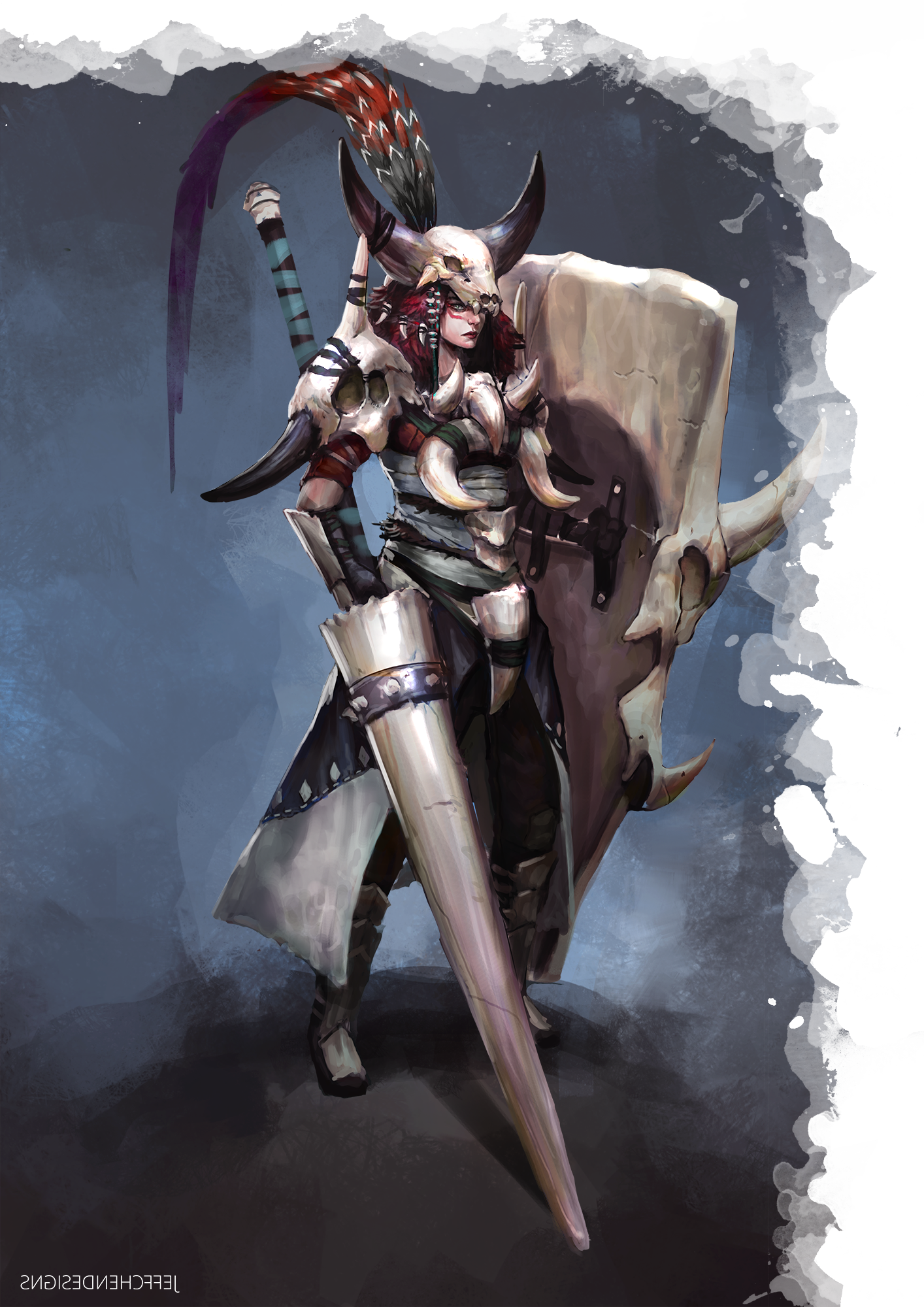
Monster Feathers
Hippogriffs, Rocs, giant eagles and other flying creatures have beautiful feathers used to show their majesty.
Unit value: Determined by the creature's CR.
Armor: While wearing clothing or any non-metallic armor made with monster feathers, you gain a +3 bonus to Wisdom (Animal Handling) checks you make.
Other: Harvested monster feathers from a CR 9 or higher creature can be used to craft a Quaal's feather token.
Monster Scales
Scales harvested from creatures, with a variety of colors, shapes and sizes.
Unit value: Determined by the creature's CR.
Armor: Replaces the metal. Used to craft a scale mail armor.
Harvested monster scales from a CR 13 or higher dragon can be used to craft a dragon scale mail.
Shadowsilk
This black semi-transparent silk is carefully made by underground spiders and spider-like creatures.
Unit value: Determined by the creature's CR.
Armor: While wearing clothing or any non-metallic armor made with shadowsilk, you gain a +3 bonus to Dexterity (Stealth) checks you make in lightly obscured areas (such as tree shadows).
Harvested shadowsilk from a CR 13 or higher creature can be used to craft a cloak of arachnida.
Minerals
Adamantine
A shiny black metal, known as one of the hardest substances in existence.
Unit value: 250 gp.
Armor: Used to craft the adamantine armor.
Weapon: When you hit an object with an adamantine weapon or piece of ammunition, the hit is a critical hit.
Asmoroch Steel
A black scorched-like metal which is cold to touch.
Unit value: 500 gp
Armor: Used to craft an armor of necrotic resistance (metallic armor only)
Weapon: Used to craft necrotic damage dealing weapons, such as the sword of life stealing.
Cold Iron
This iron is worked entirely while cold, known for its effectiveness against fey and demonic creatures.
Unit value: 100 gp
Weapons: When you hit a fey or a fiend with a cold iron weapon, you can roll the damage again and use either result.
Darksteel
A darkened blue metal that only forms in areas affected by thunderstorms, known for having that energy inside of it.
Unit value: 250 gp.
Armor: Used to craft an armor of lightning resistance (metallic armor only).
Weapons: Used to craft lightning damage dealing weapons, such as the javelin of lightning.
Other: Used to craft lightning damage dealing magic items, such as the wand of lightning bolt.
Dwarvenstone
This marble-like ore is used by dwarves to create their ceremonial armor for the defenders of their cities, even though is heavier and bulkier than other metallic armors.
Unit value: 500 gp
Armor: Used to craft a dwarven plate.
Infernal Steel
A blood red metal found in the infernal planes which is very resistant and captures the hot and flames.
Unit value: 750 gp
Armor: Used to craft an armor of fire resistance (metallic armor only) or a demon armor.
Weapon: Used to craft fire damage dealing weapons, such as the flame tongue.
Other: Used to craft fire damage dealing magic items, such as the staff of fire.
Mitrhal
This white-silver metal is lighter and flexible than common steel.
Unit value: 250 gp
Armor: Used to craft the mithral armor.
Weapon: Two handed weapons made with mithral lose the heavy property and all the other weapons gain the light feature.
Orichalcum
This bronze orange metal is used to absorb the essence of magic.
Unit value: 500 gp
Armor: Used to craft an armor of force resistance (metallic armor only).
Other: Used to craft anti-magic items, such as the ring of mind shielding.
Plaguesteel
This ancient mossy-like metal has small spores floating around it.
Unit value: 250 gp
Weapon: Used to craft poison damage dealing weapons, such as the dagger of venom.
Other: Used to craft poison damage dealing magic items, such as the staff of the adder.
Stellar Iron
A white bright metal, soft on touch but very resistant, known for being used by celestial beings.
Unit value: 750 gp
Armor: Used to craft an armor of radiant resistance (metallic armor only).
Weapon: Used to craft radiant damage dealing weapons, such as the sun blade.
Non-Minerals
Aerocrystal
A light blue, glass-like crystal known for creating quick, precise weapons.
Unit value: 500 gp
Weapon: You can use your Dexterity modifier for attacks and damage made with an aerocrystal weapon.
Coral
Mostly used by sea and waterborne creatures to create their weapons and armors.
Unit value: 100 gp
Armor: Replaces the metal. While wearing a medium or heavy armor (non hide) made with coral, you speed while swimming increases by 10 feet.
Weapons: Any melee weapon made with coral doesn't have disadvantage on the attacks rolls while underwater.
Darkwood
This piece of wood is as hard as normal wood but very light.
Unit value: 100 gp
Armor: Replaces the metal of any medium or heavy armor.
Eternal Ice
This cold white-blue block of ice resist high temperatures, being unable to melt in normal conditions.
Unit value: 500 gp
Weapon: Used to craft cold damage dealing weapons, such as the frost brand.
Other: Used to craft cold damage dealing magic items, such as the staff of frost.
Ignum
This black semi-translucent stone have some lava-like glowing and flowing inside of it.
Unit value: 500 gp
Weapon: Used to craft fire damage dealing weapons, such as the flame tongue.
Infernal Leather
A reddish hard leather created in the infernal planes.
Unit value: 750 gp
Armor: Used to craft an armor of fire resistance (leather or studded leather).
Leafweave
Alchemically processed leaves that are hard as leather, used also as camouflage.
Unit value: 100 gp
Other: Used to craft the boots of elvenkind and the cloak of elvenkind.
Obsidian
This black to deep purple glass-like stone is known to be very sharp.
Unit value: 250 gp
Armor: While wearing a medium or heavy armor (non hide) made with obsidian, when an enemy tries to grapple you, it takes 1d4 slashing damage.
Weapons: Used for crafting the sword of sharpness.
Shadowfell Linen
A dark and purple linen found in the shadowfell.
Unit value: 750 gp
Armor: Used to craft an armor of psychic resistance (leather or studded leater).
Spiritual wood
This cyan-like wood has a natural connection with the magic.
Unit value: 250 gp
Armor: Replaces the metal of any medium or heavy armor. While wearing an spiritual wood armor, you gain a +3 bonus to concentration checks to maintain a spell.
Plants and Herbs
Abyss Flower
A dark pink flower with a thorny stem used to create poisons.
Unit value: 10 gp
Alchemy: Used to craft the poison called malice.
Angel Flower
This tiny white yellow flower is found in mountains near rocks and stones.
Unit value: 40 gp
Alchemy: Used to craft potions of flying.
Aniseed Sap
This amber like fluid is known for its resistance against cold.
Unit value: 10 gp
Alchemy: Used to craft potions of cold resistance.
Ash Chives
This plant grow in clumps from underground bulbs and produce round, hollow gray leaves.
Unit value: 10 gp
Alchemy: Used to craft the poison called burnt othur fumes.
Blackleaf Rose
This blood red rose have a black stem with small reddish thorns.
Unit value: 40 gp
Alchemy: Used to craft the poison called midnight tears.
Blood Herb
A dark red herb found in forests, with a similar shape to the blue herb.
Unit value: 5 gp
Alchemy: Used to craft potions of poison.
Blue Herb
A medicinal dark blue herb that grows in almost every terrain near water sources like rivers and lakes.
Unit value: 5 gp
Alchemy: Used to craft potions of healing.
Chromatic Mud
This rare mud can be found near oceans, and it reflects the light from any light source, glowing faintly.
Unit value: 40 gp
Alchemy: Used to craft oils of sharpness.
Dragontongue Petals
These golden petals are spicy when eaten, giving a similar effect as drinking firewater.
Unit value: 10 gp
Alchemy: Used to craft potions of fire breath.
Dried Ephedra
A brown shrub found in warm arid regions which has tiny scale-like leaves.
Unit value: 10 gp
Alchemy: Used to craft potions of fire resistance.
Drojos Ivy
A purple climbing or ground-creeping woody plant used by animals and humanoids as natural ropes in jungles and forests.
Unit value: 5 gp
Alchemy: Used to craft potions of climbing.
Ebrium Fungus
This brown fungus is known by its strong odor and potent poison when dried and grinded.
Unit value: 40 gp
Alchemy: Used to craft the poison called torpor.
Ecire Laurel
An aromatic evergreen shrub with green, glabrous leaves that grows in swamps.
Unit value: 20 gp
Alchemy: Used to craft potions of poison resistance.
Ellond Shrub
A dried looking woody plant which is smaller than a tree and has several main stems arising at or near the ground.
Unit value: 5 gp
Alchemy: Used to craft alchemist's fire
Frenn Moss
A blue gray moss that grows in swamps and marshes.
Unit value: 10 gp
Alchemy: Used to craft the poison called essence of ether.
Kasuni Juice
A white dense liquid extracted from the spherical flower of a Kasuni plant.
Unit value: 20 gp
Alchemy: Used to craft oils of slipperiness.
Kreet Paste
A thick viscous fluid extracted from a Kreet mushroom, found in humid cold places.
Unit value: 20 gp
Alchemy: Used to craft potions of greater healing.
Lunar Flower
The nectar from this white tiny flower can only be harvested under moonlight.
Unit value: 20 gp
Alchemy: Used to craft potions of force resistance.
Mandrake Root
This root have small air bags inside of it, and when the root is squished the air sounds like screams for a few seconds.
Unit value: 5 gp
Alchemy: Used to craft potions of thunder resistance.
Olina Petals
These pink petals have small bright red dots, known for its venomous properties.
Unit value: 20 gp
Alchemy: Used to craft the poison called pale tincture.
Spineflower Berries
Small purple brown berries that grows in the center of the spineflower, a rare plant with sharp petals and a stem filled with spines.
Unit value: 40 gp
Alchemy: Used to craft potions of superior healing.
Thunderleaf
These yellow leaves are soft to touch and known for never fell from a thundertree because of wind.
Unit value: 20 gp
Alchemy: Used to craft potions of flying.
Twilight Wormwood
A purple gray fibrous plant with straight stems, growing up to 3 feet tall. The leaves are spirally arranged, and they're known for their poisonous properties.
Unit value: 5 gp
Alchemy: Used to craft basic poison vials.
Ucre Bramble
A white rough tangled prickly shrub with thorny stems that grows in almost every plain, no matter the temperature.
Unit value: 5 gp
Alchemy: Used to craft potions of radiant resistance.
Wisp Stems
This tiny flower looks like a bright blue dandelion seed head. Even though it looks pretty, the stem is the only usable part for alchemical concoctions.
Unit value: 40 gp
Alchemy: Used to craft potions of vitality.
White Poppy
A beautiful white flower that grows up to 4 feet tall and it have 5 petals, giving it a small star shape.
Unit value: 10 gp
Alchemy: Used to craft potions of growth.
Optional Rules: Material Resistance
Every non-magical armor or weapon made with special materials have a number of resistance points. If the points are reduced to 0, the piece of equipment is broken and you need to repair it to use it again.
The points are reduced in the following events:
- When you make an attack with a weapon made with a special material and you roll a 1, the resistance points of the weapon are reduced by 1 point.
- When you take a critical hit from an opponent, it reduces your armor resistance points by 1.
Each reduced point also reduces the attack bonus and damage dealt for weapons, and the AC for armors. In the following table you can see how many resistance points have a special material depending on the material value. A material that replaces any of the materials mentioned in the table uses the resistance of the replaced material (for example, a coral armor uses the metal resistance points)
Resistance Points by Value
Material Value Clothing, non-metallic Wood Metal 100 or less 2 3 4 101 - 500 3 4 5 501 - 1.000 4 5 6 1.001 or more 5 6 7 Repairing Equipment
If you want to repair a piece of equipment made with a special material, you need to make a tools check using the required artisan tools. The DC equals to 8 + total amount of reduced points.
Depending on what you're trying to repair, you need to use a number of units of the same material, as shown in the following table.
Equipment type Number of Material Units Armor 2 units Weapon 1 unit If you pass the check, the equipment is repaired completely. If you fail the check, you can make another check when you finish a long rest.
Common Items Resistance
You can also apply this rules to common materials like iron and wood. Determine the resistance points using the market value of the items, and for repairing them you will need units of iron, wood, or any other common material.
below are new rules for potion crafting
Potion Crafting and Gathering
A Supplementary Guide to DnD 5e for Expanded Features of the Alchemy, Herbology and Poison Kits

Recipes
Using a Recipe
An asterisk (*) next to a recipe means that the item is not an official item in D&D. The cost of a recipe includes any mundane ingredients and equipment, which are assumed to be included with the appropriate tool. Ingredients specifically listed are considered to be 1 unit (such as flowers, bunches, or vials) unless otherwise specified.
Starting recipes
When you gain a tool proficiency, you learn 3 Common recipes associated with the tool.
Developing new Recipes
When your proficiency bonus increases, you can add a new recipe to your recipes known. This recipe must be of an appropriate level or lower, as indicated by the Discovering Recipes Table below. If the player gets a higher proficiency bonus, they can instantly learn a new recipe without any cost or time investment.
This also happens retroactively when becoming proficient with the tool after obtaining a higher proficiency bonus.
| Proficiency Bonus | Recipe Level |
|---|---|
| +2 | Common (3) |
| +3 | Uncommon |
| +4 | Uncommon |
| +5 | Rare |
| +6 | Very Rare |
Learning new Recipes
When you come across a new recipe, you add it to your recipes known. Doing so requires time and money spent in experimentation, as indicated by the Recipes Table below.
Learning a new recipe always succeeds, but does not result in any product.
| Recipe Level | Time | Cost |
|---|---|---|
| Common (3) | 1 workday | 50 gp |
| Uncommon | 5 workdays | 250 gp |
| Rare | 10 workdays | 500 gp |
| Very Rare | 30 workdays | 1000 gp |
Alchemist's Supplies
Using Alchemist's Supplies
Proficiency with alchemist's supplies allows you to produce useful concoctions, such as potions and oils.
Contents
Alchemist's supplies include two glass beakers, a metal frame to hold a beaker in place over an open flame, a glass stirring rod, a small mortar and pestle, and a pouch of common alchemical ingredients including salt, distilled alcohol, powdered iron, and purified water.
Skill Checks
If you have proficiency in alchemist's supplies, you can use your tool proficiency to give yourself advantage on certain skill checks.
Arcana
Proficiency with alchemist's supplies allows you to unlock more information on Arcana checks involving potions and similar materials.
Investigation
When you inspect an area for clues, proficiency with alchemist's supplies grants additional insight into any chemicals or other substances that might have been used in the area.
Crafting Potions & Alchemical Concoctions
Common Recipes (DC 8)
Creation of these items costs 25 gp, in addition to the ingredients listed, and 1 workday of time.
Alchemist's Fire
This sticky, adhesive fluid ignites when exposed to air. As an action, you can throw this flask up to 20 feet, shattering it on impact. Make a ranged Attack against a creature or object, treating the alchemist's fire as an improvised weapon.
On a hit, the target takes 1d4 fire damage at the start of each of its turns. A creature can end this damage by using its action to make a DC 10 Dexterity check to extinguish the flames.
Ingredients: Fire Elemental Ember, Flask of Oil
Grenade, smoke
As an action, a character can throw a grenade at a point up to 60 feet away. With a grenade launcher, the character can propel the grenade up to 120 feet away.
One round after a smoke grenade lands, it emits a cloud of smoke that creates a heavily obscured area in a 20-foot radius. A moderate wind (at least 10 miles per hour) disperses the smoke in 4 rounds; a strong wind (20 or more miles per hour) disperses it in 1 round.
Ingredients: Air Elemental Whisp, ashblossom
Ink
1 ounce bottle used in writing.
Ingredients: Charcoal
Blasting Powder
This volatile alchemical powder comes in a small pouch. When ignited by an open flame or a fuse, the powder explodes. Each creature within 5 feet of the exploding pouch must make a DC 13 Dexterity saving throw, taking 3d6 bludgeoning damage on a failed save, or half as much damage on a successful one.
A character can bind multiple pouches of blasting powder together so they explode at the same time. Each additional pouch increases the damage by 1d6 (maximum of 10d6) and the blast radius by 5 feet (maximum of 20 feet).
Ingredients: Ashblossom, Charcoal
Potion of Climbing
When you drink this potion, you gain a climbing speed equal to your walking speed for 1 hour. During this time, you have advantage on Strength (Athletics) checks you make to climb. The potion is separated into brown, silver, and gray layers resembling bands of stone. Shaking the bottle fails to mix the colors.
Ingredients: Giant Wolf Spider Hair, Earth Elemental Dust
Potion of Swimming *
The potion is made of layers of teal, light blue, and indigo fluid that resemble a deep ocean. Shaking the bottle fails to mix the colors.
When you drink this potion, you gain a swimming speed equal to your walking speed for 1 hour. During this time, you have advantage on Strength (Athletics) checks you make to swim.
Ingredients: Quipper Scale (x3), Water Elemental Droplet
Soothsalts
Soothsalts are derived from a naturally occurring crystalline. Soothsalts are consumed orally in lozenge-sized doses, and frequent users can be identified by the telltale crimson stain around their mouths. A creature subjected to a dose of soothsalts gains advantage on all Intelligence checks for 1d4 hours.
For each dose of soothsalts consumed, the creature must succeed on a DC 15 Constitution saving throw or gain one level of exhaustion—an effect which is cumulative with multiple doses.
Ingredients: Soothsalt Geode
Vial of Acid
As an action, you can splash the contents of this vial onto a creature within 5 feet of you or throw the vial up to 20 feet, shattering it on impact. In either case, make a ranged Attack against a creature or object, treating the acid as an improvised weapon. On a hit, the target takes 2d6 acid damage.
Ingredients: Gray Ooze Residue, Crawler Mucus
Uncommon Recipes (DC 12)
Creation of these items costs 100 gp, in addition to the ingredients listed, and 3 workdays of time.
Ink (Rare) *
1 ounce bottle used in writing: Sufficient for Lvl. 1-5 spell scroll crafting.
Ingredients: Charcoal, finely ground iron
Lesser Potion of Mana *
Vibrant blue and deeply purple, studded with dots of white and silver, this potion reminds of the night sky. When agitated, it lets out a soft, purple light. After drinking this potion, the user regains 2 Recovery Points similar to the wizard’s Arcane Recovery or regains 2 sorcery points.
Ingredients: Pixie’s Parasol, Silverthron
Oil of Slipperiness
This sticky black unguent is thick and heavy in the container, but it flows quickly when poured. The oil can cover a Medium or smaller creature, along with the equipment it's wearing and carrying (one additional vial is required for each size category above Medium).
Applying the oil takes 10 minutes. The affected creature then gains the effect of a freedom of movement spell for 8 hours. Alternatively, the oil can be poured on the ground as an action, where it covers a 10-foot square, duplicating the effect of the grease spell in that area for 8 hours.
Ingredients: Flask of Oil, Crawler mucus, Amphibian Saliva
Potion of Animal Friendship
Agitating this muddy liquid brings little bits into view: a fish scale, a hummingbird tongue, a cat claw, or a squirrel hair. When you drink this potion, you can cast the animal friendship spell (save DC 13) for 1 hour at will.
Ingredients: Cat’s tongue, Quipper Scale
Potion of Fire Breath
After drinking this potion, you can use a bonus action to exhale fire at a target within 30 feet of you. The target must make a DC 13 Dexterity saving throw, taking 4d6 fire damage on a failed save, or half as much damage on a successful one. The effect ends after you exhale the fire three times or when 1 hour has passed. This potion's orange liquid flickers, and smoke fills the top of the container and wafts out whenever it is opened.
Ingredients: Ashblossom, Remorhaz Ichor
Potion of Growth
When you drink this potion, you gain the "enlarge" effect of the enlarge/reduce spell for 1d4 hours (no concentration required). The red in the potion's liquid continuously expands from a tiny bead to color the clear liquid around it and then contracts. Shaking the bottle fails to interrupt this process.
Ingredients: Sourgrass, everfrost berry, Giant Wolf Spider Hair
Potion of Giant Strength
When you drink this potion, your Strength score changes for 1 hour. The type of giant determines the score. The potion has no effect on you if your Strength is equal to or greater than that score. This potion's transparent liquid has floating in it a sliver of fingernail from a giant of the appropriate type.
Ingredients: Frost Lichen, a sliver of fingernail from a corresponding giant
| Giant Type | Strength Score |
|---|---|
| Hill | 21 |
| Frost or Stone | 23 |
| Fire | 25 |
| Cloud | 27 |
| Storm | 29 |
Potion of Resistance
When you drink this potion, you gain resistance to one type of damage for 1 hour. The damage type depends on the special ingredient added.
Ingredients: Hagfinger, plus a special ingredient
| Damage Type | Ingredient |
|---|---|
| Acid | Crawler Mucus |
| Cold | Frost Lichen |
| Fire | Ashblossom |
| Force | Amphibian Saliva |
| Lightning | Lightning Moss |
| Necrotic | Nightshade |
| Poison | Everfrost berry |
| Psychic | Mindflayer Stinkhorn |
| Radiant | Sourgrass |
| Thunder | Singing Nettle |
Potion of Waterbreathing
You can breathe underwater for 1 hour after drinking this potion. Its cloudy green fluid smells of the sea and has a jellyfish-like bubble floating in it.
Ingredients: Gillyweed, Hagfinger
Rare Recipes (DC 15)
Creation of these items costs 500 gp, in addition to the ingredients listed, and 10 workdays of time.
Ink (Very Rare) *
1 ounce bottle used in writing. Sufficient for Lvl. 6-8 spell scroll crafting.
Ingredients: Charcoal, finely ground iron, Willowshade Fruit
Invisible Ink *
1 ounce bottle of ink that can only be made visible with spells, traits or items that see the invisible, or by applying a mild acid.
Ingredients: Pixie's Parasol, Ink
Midnight Oil*
A small flask of inky black oil that resembles a night sky when viewed in a certain light. When the midnight oil is used to light a lantern, it emits bright light for 5 feet and dim light a further 5 feet for 8 hours. If a creature stays in the light emitted by this oil for the full 8 hours, they get all the benefits of a long rest without needing to sleep, provided they only engage in light activity such as reading, studying, talking, etc.
Ingredients: Flask of Oil, Pixie's Parasol
Oil of Dragon's Bane *
This oil can coat a single weapon for 3 uses, or up to 3 pieces of ammunition can be dipped in the oil for 1 use each. A dragon that takes damage from a weapon or piece of ammunition covered in the oil takes an additional 6d6 damage from the attack. The oil dries after 1 hour and becomes inert.
Ingredients: Dragon's Blood, Wyvern Poison
Potion of Gaseous Form
When you drink this potion, you gain the effect of the gaseous form spell for 1 hour (no concentration required) or until you end the effect as a bonus action. This potion's container seems to hold fog that moves and pours like water.
Ingredients: Ectoplasm, Singing Nettle
Potion of Mana *
Vibrant blue and deeply purple, studded with dots of white and silver, this potion reminds of the night sky. When agitated, it lets out a soft, purple light. After drinking this potion, the user regains 4 Recovery Points similar to the wizard’s Arcane Recovery or regains 4 sorcery points.
Ingredients: Pixie’s Parasol, Silverthron, Dragon’s Blood
Potion of True Dreaming *
Black as the void, this liquid appears to flash in bright colours when looked at through the corner of one’s eye. When you drink this potion before falling asleep, your dreams show you true visions of of the past, present or possible future events related to a creature, location or object of your choosing. The DM determines the nature and duration of these visions.
Ingredients: Nothic Tear, Willowshade Fruit or Willowshade Oil.
Oil of Etherealness
Beads of this cloudy gray oil form on the outside of its container and quickly evaporate. The oil can cover a Medium or smaller creature, along with the equipment it's wearing and carrying (one additional vial is required for each size category above Medium). Applying the oil takes 10 minutes. The affected creature then gains the effect of the etherealness spell for 1 hour.
Ingredients: Ectoplasm, Flask of Oil
Potion of Clairvoyance
When you drink this potion, you gain the effect of the clairvoyance spell. An eyeball bobs in this yellowish liquid but vanishes when the potion is opened.
Ingredients: Morning Dew, Mandrake Root
Potion of Diminution
When you drink this potion, you gain the "reduce" effect of the enlarge/reduce spell for 1d4 hours (no concentration required). The red in the potion's liquid continuously contracts to a tiny bead and then expands to color the clear liquid around it. Shaking the bottle fails to interrupt this process.
Ingredients: Pixie's Parasol, Moonstalker
Potion of Heroism
For 1 hour after drinking it, you gain 10 temporary hitpoints that last for 1 hour. For the same duration, you are under the effect of the bless spell (no concentration required). This blue potion bubbles and steams as if boiling.
Ingredients: Hagfinger, Cat’s Tongue
Potion of Invulnerability
For 1 minute after you drink this potion, you have Resistance to all damage. The potion's syrupy liquid looks like liquefied iron.
Ingredients: A piece of metal struck by lightning
Potion of Mind Reading
When you drink this potion, you gain the effect of the detect thoughts spell (save DC 13). The potion's dense, purple liquid has an ovoid cloud of pink floating in it.
Ingredients: Mindflayer Stinkhorn, Moonstalker
Thor's Might *
A churning mass of a deep blue liquid, shot through with white streaks that remind of lightning. The container which holds this potion always shakes and quivers slightly. After drinking this potion, upon hitting a target with a melee weapon attack let’s out thunderous crack that deals an extra 1d6 thunder damage for 1 minute, there is no limit to how often it can be used within this timespan.
Ingredients: Elemental Essence (Air) or Giant’s Nail (Cloud), Lightning Moss, Singing Nettle
Very Rare Recipes (DC 18)
Creation of these items costs 1,000 gp, in addition to the ingredients listed, and 30 workdays of time.
Ink (Legendary) *
1 ounce bottle of ink used in writing. Sufficient for Lvl. 9 spell scroll crafting.
Ingredients: Charcoal, finely ground iron, Willowshade Oil (3)
Oil of Sharpness
This clear, gelatinous oil sparkles with tiny, ultrathin silver shards. The oil can coat one slashing or piercing weapon or up to 5 pieces of slashing or piercing ammunition. Applying the oil takes 1 minute. For 1 hour, the coated item is magical and has a +3 bonus to attack and damage rolls.
Ingredients: Ankheg Ichor, Silverthorn
Potion of Flying
When you drink this potion, you gain a flying speed equal to your walking speed for 1 hour and can hover. If you're in the air when the potion wears off, you fall unless you have some other means of staying aloft. This potion's clear liquid floats at the top of its container and has cloudy white impurities drifting in it.
Ingredients: Air Elemental Whisp, Singing Nettle
Potion of Invisibility
This potion's container looks empty but feels as though it holds liquid. When you drink it, you become invisible for 1 hour. Anything you wear or carry is invisible with you. The effect ends early if you attack or cast a spell.
Ingredients: Skulk fingernail, Fairy Stool
Potion of Possibility
When you drink this clear potion, you gain two Fragments of Possibility, each of which looks like a Tiny, grayish bead of energy that follows you around, staying within 1 foot of you at all times. Each fragment lasts for 8 hours or until used.
When you make an attack roll, an ability check, or a saving throw, you can expend your fragment to roll an additional d20 and choose which of the d20s to use. Alternatively, when an attack roll is made against you, you can expend your fragment to roll a d20 and choose which of the d20s to use, the one you rolled or the one the attacker rolled. If the original d20 roll has advantage or disadvantage, you roll your d20 after advantage or disadvantage has been applied to the original roll.
While you have one or more Fragments of Possibility from this potion, you can’t gain another Fragment of Possibility from any source.
Ingredients: Skulk Claw, Ectoplasm
Potion of Longevity
When you drink this potion, your physical age is reduced by 1d6 + 6 years, to a minimum of 13 years. Each time you subsequently drink a potion of longevity, there is 10 percent cumulative chance that you instead age by 1d6 + 6 years. Suspended in this amber liquid are a scorpion's tail, an adder's fang, a dead spider, and a tiny heart that, against all reason, is still beating. These ingredients vanish when the potion is opened.
Ingredients: Imp Heart, Red Amanita Mushroom
Potion of Speed
When you drink this potion, you gain the effect of the haste spell for 1 minute (no concentration required). The potion's yellow fluid is streaked with black and swirls on its own.
Ingredients: Eagle’s claw (4), Lightning Moss, Sugar
Potion of Truesight *
Drinking this potion grants truesight with a range of 120 feet for 1 hour.
Ingredients: Fairy Stool, Nothic Tears
Superior potion of Mana *
Vibrant blue and deeply purple, studded with dots of white and silver, this potion reminds of the night sky. When agitated, it lets out a soft, purple light. After drinking this potion, the user regains 8 Recovery Points similar to the wizard’s Arcane Recovery or regains 8 sorcery points.
Ingredients: Pixie’s Parasol, Silverthron, Dragon’s Blood, Remoraz Ichor
Herbalism Kit
Using Herbalism Kits
Proficiency with an herbalism kit allows you to identify both magical and nonmagical plants and safely collect their useful elements, and to create healing salves, potions, and tinctures.
Contents
A herbalism kit includes three pouches to store herbs, clippers and leather gloves for collecting plants, a mortar and pestle, and five glass jars.
Skill Checks
If you have proficiency in herbalism kits, you can use your tool proficiency to give yourself advantage on certain skill checks.
Arcana
Your knowledge of nature and uses of herbs can add insight to your magical studies that deal with plant creatures and your attempts to identify potions.
Investigation
When you inspect an area overgrown with plants, your proficiency bonus can help you pick out details and clues that others might miss.
Medicine
Your mastery of herbalism improves your ability to treat illnesses and wounds by augmenting your methods of care with medicinal plants.
Nature and Survival
You can identify most plants with a quick inspection of their appearance, smell, and their surrounding environment.
Crafting Salves, Potions, & Tinctures
To create any of the following items, an herbalism kit must be used. Proficiency in herbalism kits allows you to add your proficiency bonus to checks to their creation.
Common Recipes (DC 8)
Creation of these items costs 25 gp, in addition to the ingredients listed, and 1 workday of time.
Antitoxin
A creature that drinks this vial of liquid gains advantage on saving throws against poison for 1 hour. It confers no benefit to undead or constructs.
Ingredients: Everfrost Berrie, Cat’s Tongue
Potion of Healing
You regain 2d4 + 2 hitpoints when you drink this potion. The potion's red liquid glimmers when agitated. It confers no benefit to undead or constructs.
Ingredients: Red Amanita Mushroom
Soothing Salve *
A sticky, sour smelling salve that can be applied to wounds. When you expend hit dice to recover hit points while using this salve, you recover an additional 3 hitpoints for each hit die expended. This effect lasts for 1 hour after applied.
Ingredients: Sourgrass, Gillyweed
Muroosa Balm
This paste made from the muroosa bush is known to help prevent sunburn, but it is also a fire retardant. After spending 1 minute applying a quarter pint of muroosa balm to your skin, you gain resistance against fire damage for 1 hour.
Ingredients: Flask of Oil, Muroosa twigs
Willowshade Oil
A dark blue oil can be extracted from the fruit of the Willowshade plant. A creature can use its action to apply the oil to another creature that has been petrified for less than 1 minute, causing the petrified condition on that creature to end at the start of what would be that creature’s next turn.
Ingredients: Willowshade Fruit
Uncommon Recipes (DC 12)
Creation of these items costs 100 gp, in addition to the ingredients listed, and 3 workdays of time.
Blight Ichor
This bitter chartreuse concoction is distilled from a fungus native to the Blightshore badlands. The sickly green liqueur harbors potent psychedelic properties. Provided it is neither a construct nor undead, a creature subjected to a dose of blight ichor gains advantage on Intelligence and Wisdom checks, as well as vulnerability to psychic damage, for 1 hour.
For each dose of blight ichor consumed, the creature must succeed on a DC 15 Constitution saving throw or become poisoned for 1d6 hours and suffer the effects of a confusion spell for 1 minute. An undead creature subjected to a dose of blight ichor gains advantage on all Dexterity checks and is immune to the frightened condition for 1 hour.
Ingredients: Blight spores
Brew of Babel *
Baby blue and highly opaque with something white moving in it, just out of view, and eyestrainingly yellow when shaken, this potion provides the ability to speak and understand, but not read or write, a language of choice for 1 hour.
Ingredients: Singing Nettle (2)
Greater Antitoxin *
A mirky, pumpkin orange liquid, this potion grants the drinker advantage on saving throws against poison damage or against the poisoned condition for 12 hours. During this period, the drinker also does not take damage over time from any type of poison nor can they drop to 0 hitpoints from poison damage.
Ingredients: Theki Root, Sourgrass
Life's Liquor *
This potion has a strong pink colour and is completely clear with with the image of a red heart floating in the middle. No matter the angle you look at it, the heart always appears the same. Drinking this potion provides 2d6+2 temporary hitpoints.
Ingredients: Red Anamita Mushroom, Muroosa Bush
Pomander of Warding *
This ball of aromatic spices and perfumes fills an area with a 15 foot radius with a strong scent for 24 hours after being unwrapped. Undead creatures of CR 2 or lower that enter this area must make a Wisdom saving throw (DC 15) or be turned, as detailed in the Turn Undead cleric feature.
Ingredients: Hagfinger
Potion of Greater Healing
You regain 4d4 + 4 hitpoints when you drink this potion. The potion's red liquid glimmers when agitated. It confers no benefit to undead or constructs.
Ingredients: Red Amanita Mushroom (2)
Potion of Maximum Power
The first time you cast a damage-dealing spell of 4th level or lower within 1 minute after drinking the potion, instead of rolling dice to determine the damage dealt, you can instead use the highest number possible for each die. This glowing purple liquid smells of sugar and plum, but it has a muddy taste.
Ingredients: Theki Root, Olusuba Leaf, Dream Lily
Tea of Refreshment *
This warm drink removes one level of exhaustion from whoever drinks it.
Ingredients: Morning Dew, Cat's Tongue
Rare Recipes (DC 15)
Creation of these items costs 500 gp, in addition to the ingredients listed, and 10 workdays of time.
Elixir of Health
When you drink this potion, it cures any disease afflicting you, and it removes the blinded, deafened, paralyzed, and poisoned conditions. The clear red liquid has tiny bubbles of light in it. It confers no benefit to undead or constructs.
Ingredients: Fairy Stool, Gillyweed
Potion of Superior Healing
You regain 8d4 + 8 hitpoints when you drink this potion. The potion's red liquid glimmers when agitated. It confers no benefit to undead or constructs.
Ingredients: Red Amanita Mushroom (3)
Tincture of Werewolf's Bane *
Any lycanthrope that drinks this tincture must make a DC 19 Constitution saving throw. On a failed save, the lycanthrope takes 3d10 necrotic damage and must change to its humanoid form if it was not already in that form, after which the lycanthrope cannot change form for 24 hours. On a success, the lycanthrope only takes half that damage.
Ingredients: Wolfsbane, Silverthorn
Very Rare Recipes (DC 18)
Creation of these items costs 1,000 gp, in addition to the ingredients listed, and 30 workdays of time.
Potion of Supreme Healing
You regain 10d4 + 20 hitpoints when you drink this potion. The potion's red liquid glimmers when agitated. It confers no benefit to undead or constructs.
Ingredients: Red Amanita Mushroom (4)
Potion of Vitality
When you drink this potion, it removes any exhaustion you are suffering and cures any disease or poison affecting you. For the next 24 hours, you regain the maximum number of hitpoints for any Hit Die you spend. The potion's crimson liquid regularly pulses with dull light, calling to mind a heartbeat.
Ingredients: Morning Dew (2), Cat’s Tongue (2), Olisuba Leaf
Poisoner's Kit
Using Poisoner's Kits
Proficiency with a poisoner's kit allows you to create poisons from various materials and handle them without risking exposing yourself to their harmful effects.
Contents
A poisoner's kit includes 5 glass vials, a mortar and pestle, various common chemicals, and a glass stirring rod.
Skill Checks
If you have proficiency in poisoner's kits, you can use your tool proficiency to give yourself advantage on certain skill checks.
History
Your training in poisons can help you when you try to recall facts about infamous poisonings. Investigation and Perception Your knowledge of poisons has taught you to handle those substances carefully, giving an edge when you inspect poisoned objects or try to extract clues from events that involve poisons.
Medicine
When you treat the victim of a poison, your knowledge grants you insight into how to provide the best care to your patient.
Nature and Survival
Working with poisons enables you to acquire lore about which plants and animals are poisonous.
Crafting Poisons
Common Recipes (DC 8)
Creation of these items costs 25 gp, in addition to the ingredients listed, and 1 workday of time.
Basic Poison
You can use the poison in this vial to coat one slashing or piercing weapon or up to three pieces of ammunition. Applying the poison takes an action. A creature hit by the Poisoned weapon or ammunition must make a DC 10 Constitution saving throw or take 1d4 poison damage. Once applied, the poison retains potency for 1 minute before drying.
Type: Injury
Ingredients: Nightshade
Liquid Paranoia *
A creature who ingests this poison is inflicted with the frightened condition, with the source of fear being the next humanoid it sees within 5 minutes of ingestion. This fear lasts for 1 hour on a failed Wisdom saving throw (DC 15) or half as long on a success.
Type: Ingested
Ingredients: Moonstalker
Uncommon Recipes (DC 12)
Creation of these items costs 100 gp, in addition to the ingredients listed, and 3 workdays of time.
Assassin’s Blood
A creature subjected to this poison must make a DC 10 Constitution saving throw. On a failed save, it takes 6 (1d12) poison damage and is Poisoned for 24 hours. On a successful save, the creature takes half damage and isn’t Poisoned.
Type: Ingested
Ingredients: Basic Poison, Moonshade
Black Paste *
This poison was specifically designed to resemble leather or boot polish. If a piece of clothing is treated with this poison, it shines like new and forces creatures that wears it for a total of 12 hours (does not have to be consecutive) to make a DC 15 constitution saving throw. Upon a failed save, the creature receives 1d8 poison damage. Unless the poisoned piece of clothing is removed, the creature will have to repeat making the saving throw every 12 hours for the next 3 months.
Type: Contact via clothing
Ingredients: Black Cap Mushroom, Black Sap
Malice
A creature subjected to this poison must succeed on a DC 15 Constitution saving throw or become poisoned for 1 hour. The poisoned creature is blinded.
These poisons are powders or gases that take effect when inhaled. Blowing the powder or releasing the gas subjects creatures in a 5-foot cube to its effect. The resulting cloud dissipates immediately afterward. Holding one's breath is ineffective against inhaled poisons, as they affect nasal membranes, tear ducts, and other parts of the body.
Type: Inhaled
Ingredients: Morning Dew, Black Sap
Pale Tincture
A creature subjected to this poison must succeed on a DC 16 Constitution saving throw or take 3 (1d6) poison damage and become poisoned. The poisoned creature must repeat the saving throw every 24 hours, taking 3 (1d6) poison damage on a failed save. Until this poison ends, the damage the poison deals can't be healed by any means. After seven successful saving throws, the effect ends and the creature can heal normally.
Type: Ingested
Ingredients: Black Sap, Death Cap
Philter of Love
The next time you see a creature within 10 minutes after drinking this philter, you become charmed by that creature for 1 hour. If the creature is of a species and gender you are normally attracted to, you regard it as your true love while you are charmed. This potion's rose-hued, effervescent liquid contains one easy-to-miss bubble shaped like a heart.
Type: Ingested
Ingredients: Fairy Stool, Serpent’s Venom
Potion of Poison
This concoction looks, smells, and tastes like a Potion of Healing or other beneficial potion. However, it is actually poison masked by illusion magic. An identify spell reveals its true nature. If you drink it, you take 3d6 poison damage, and you must succeed on a DC 13 Constitution saving throw or be poisoned. At the start of each of your turns while you are poisoned in this way, you take 3d6 poison damage. At the end of each of your turns, you can repeat the saving throw. On a successful save, the poison damage you take on your subsequent turns decreases by 1d6. The poison ends when the damage decreases to 0.
Type: Ingested
Ingredients: Potion of Healing, Dreamlilly
Truth Serum
A creature subjected to this poison must succeed on a DC 12 Constitution saving throw or become poisoned for 1 hour. The poisoned creature can’t knowingly speak a lie, as if under the effect of a zone of truth spell.
Type: Ingested
Ingredients: Fairy Stool, Mindflayer Stinkhorn
Rare Recipes (DC 15)
Creation of these items costs 500 gp, in addition to the ingredients listed, and 10 workdays of time.
Burnt Othur Fumes
A creature subjected to this poison must succeed on a DC 13 Constitution saving throw or take 10 (3d6) poison damage, and must repeat the saving throw at the start of each of its turns. On each successive failed save, the character takes 3 (1d6) poison damage. After three successful saves, the poison ends.
Type: Inhaled
Ingredients: Ashblossom, Moonshade
Drow Poison
This poison is typically made only by the drow, and only in a place far removed from sunlight. A creature subjected to this poison must succeed on a DC 13 Constitution saving throw or be Poisoned for 1 hour. If the saving throw fails by 5 or more, the creature is also Unconscious while Poisoned in this way. The creature wakes up if it takes damage or if another creature takes an action to shake it awake.
Type: Injury
Ingredients: Drider Venom, Mandrake Root
Essence of Ether
A creature subjected to this poison must succeed on a DC 15 Constitution saving throw or become poisoned for 8 hours. The poisoned creature is unconscious. The creature wakes up if it takes damage or if another creature takes an action to shake it awake.
Type: Inhaled
Ingredients: Nightshade, Mandrake Root
Magebane *
This potion looks like red wine but smells like old boots. Upon drinking it, the consumer gains the mage slayer feat for 1 minute.
Ingredients: Wolfsbane, Drider Poison, Serpent’s Venom
Oil of Taggit
A creature subjected to this poison must succeed on a DC 13 Constitution saving throw or become Poisoned for 24 hours. The Poisoned creature is Unconscious. The creature wakes up if it takes damage.
Type: Contact
Ingredients: Flask of Oil, Wolfsbane
Torpor
A creature subjected to this poison must succeed on a DC 15 Constitution saving throw or become poisoned for 4d6 hours. The poisoned creature is incapacitated.
Type: Ingested
Ingredients: Mandrake Root, Lightning Moss
Very Rare Recipes (DC 18)
Creation of these items costs 1,000 gp, in addition to the ingredients listed, and 30 workdays of time.
Midnight Tears
A creature that ingests this poison suffers no effect until the stroke of midnight. If the poison has not been neutralized before then, the creature must succeed on a DC 17 Constitution saving throw, taking 31 (9d6) poison damage on a failed save, or half as much damage on a successful one.
Type: Ingested
Ingredients: Death Cap, Ankheg ichor
Deathsleep *
A creature that Ingests this poison must succeed at DC 19 Constitution saving throw or become poisoned for 24 hours. The poisoned creature appears to be dead, and only a successful Medicine check (DC 20) can determine otherwise.
Type: Ingested
Ingredients: Tea of Refreshment, Purple Worm Poison
Essence of Rage *
A brown potion with the consistency of mud, it turns into a clear, violently red potion when agitated with more than the lightest touch. Drinking the potion provides the Rage ability of the Barbarian class for 30 seconds. When directly brought in contact with the blood of a creature through injury or injection, it forces the target to make a DC 16 Constitution throw. On a successful save, the target gets the Rage ability of the Barbarian class for 60 seconds. On a failed save, the target it forced into the Rage ability of the Barbarian class for 30 seconds and forced to attack the closest target with melee attacks. Starting on the 2nd turn after the potion is applied, the target can make another Constitution saving throw. On a success, all effects end. This potion has no effect on constructs or the undead.
Type: Ingested, Injury
Ingredients: Dragon’s Blood, Moonstalker, Lightning Struck Metal
Water of Death *
This liquid looks, smells and tastes like water. Even the majority of alchemic and magical tests on this liquid cannot distinguish it from water. Only the spell Identify cast as a level 7 or higher or detailed alchemic test, lasting 24 hours and costing 300 gp, will reveal that this liquid is actually one of the deadliest poisons in existence.
Made from rare mushrooms, herbs and poisons, any contact with this poison forces the subjected creature to make a DC 20 Constitution saving throw. On a failed save, the creature suffers blindness and deafness for 48 hours and becomes too riddled with pain to move for 24 hours. The creature’s maximum hitpoints is permanently reduced by 2d12 and receives 7d10 poison damage after 12 hours. On a successful save, the creature’s maximum hitpoints is reduced by 2d12 hitpoints and has blurred vision and muffled hearing for 24 hours.
The lost maximum hitpoints can only be restored by healing after ingesting a Potion of Vitality or by a Greater Restoration or a Regenerate spell cast at level 8 or higher.
Type: Injury, Ingestion
Ingredients: Black Cap Mushroom, Wyvern poison, Dreamlilly, Hagfinger
Gathering & Harvesting
Rules for Gathering
Certain areas may contain certain harvestable plants, fungi or, rarely, animals. To determine what good can be found in areas, make a nature check. If the check is:
- ≥10 all common plants and fungi bound to that environment are identified
- ≥15 all common and uncommon plants and fungi bound to that environment are identified
- ≥20 all common, uncommon and rare plants and fungi bound to that environment are identified
The DM can decide to be more or less lenient depending on the area, a lush jungle may contain more interesting herbs and fungi than a windswept dessert, after all.
Inspecting an area to make the nature check takes 30 minutes. If the DM allows it, a +3 can be added to the check for each additional 30 minutes spent on investigating the area to a maximum of +6. The player can repeatedly search an area without repercussions on the amount of ingredients obtained from an area.
Rules for Harvesting
Once a herb or fungi is identified and the player is proficient with the herbalism kit, they can throw a d20 and add their proficiency bonus and their Potion Making Level modifier (See final page) to that throw to determine if they can harvest the ingredient. Harvesting an ingredient takes 30 minutes. If the DM allows it, a +3 can be added to the check for each additional 30 minutes spent on gathering the ingredient to a maximum of +6. The player must decide beforehand how long they want to spent on harvesting the ingredient.
If the player fails to harvest an ingredient, a d4 is thrown. On a:
- 1: the ingredient is destroyed
- 2: the quantity of the ingredient is reduced by half
- 3: the quantity of the ingredient is reduced by a quarter
- 4: the ingredient is unaffected
Obtaining animal based ingredients doesn’t require proficiency with the associated kit, but must have access to the kit, though doing so provides the player with a -3 modifier instead of the proficiency modifier when the player is proficient with the kit. If the DM allows it, a +3 can be added to the check for each additional 30 minutes spent on harvesting the ingredient to a maximum of +6. A player is always proficient with a knife.
Attempting to harvest the ingredients can be done only once, failure results in the destruction of all harvestable ingredients.
Potion Crafting
When the player has gathered all required potion ingredients, tools and recipes and decides to make a certain potion or other product with one of their kits, the player must spend the required amount of gold (determined by the rarity of the product), as well as the number of workdays working on their project. The workdays don’t have to be subsequent and can be broken down further into single hours of work, with each workday is lasting 8 hours. If the DM allows it, the player may spent more than 8 hours a day working on their project. The player is allowed to spent their long rest working on their project if they are under the influence of items like Midnight oil or features like the warlock's Aspect of the moon. Progress done this way is at half the normal rate.
After the player has spent the required time working on the potion, they roll a d20, add their proficiency and their Potion Making Level modifier (See next page) to the total. If the player makes the check, the product is successfully completed. If the player fails the check, they are allowed to recover the ingredients, though lose the gold invested.
Pricing Guide
The total cost of a potion is predetermined. The price of an ingredient is subtracted from that total depending on the rarity of that ingredient. All additional costs in gp are subtracted once potion making is commenced.
If a potion making Check is failed, the original ingredients are returned, though gold spent is lost.
| Ingredient Rarity | Cost |
|---|---|
| Common | 5gp |
| Uncommon | 10gp |
| Rare | 50gp |
| Very Rare | 150gp |
| Legendary | 500gp |
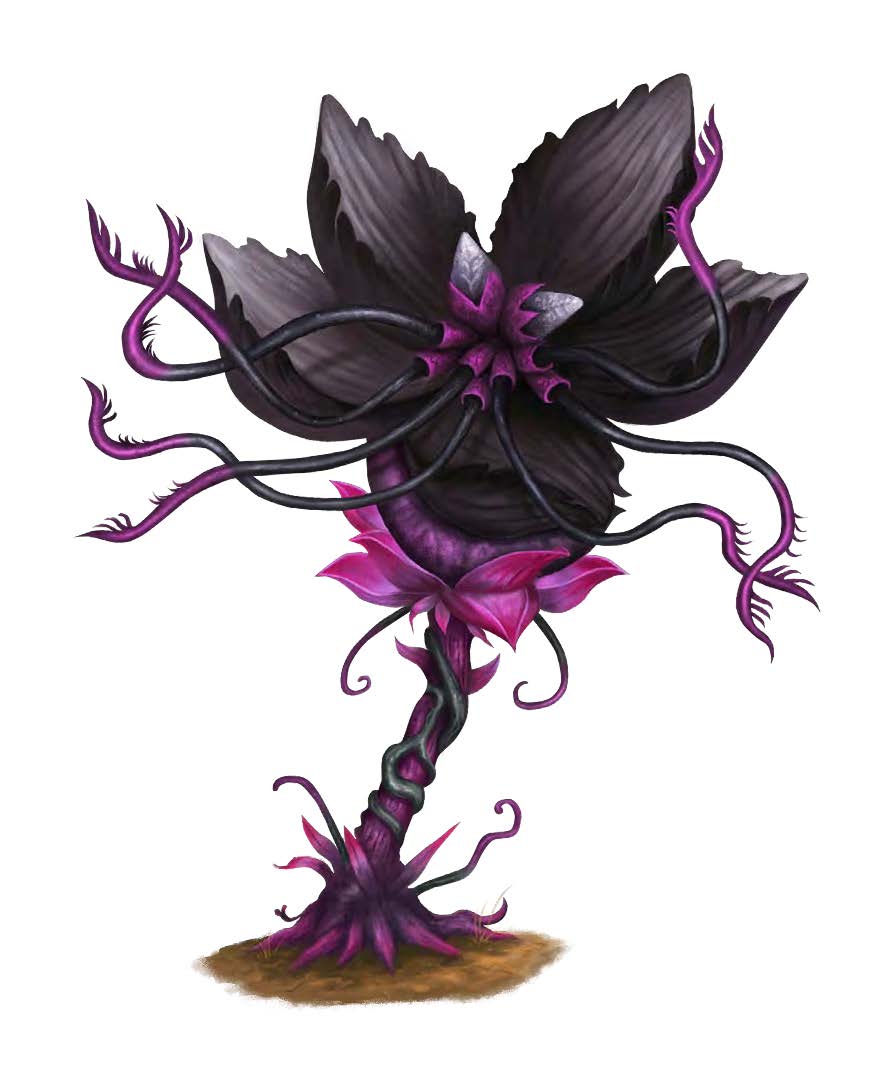
Potion Making Level System (Playtest)
Practice makes perfect. This also goes for the art of potion crafting.
Each time a player identifies or successfully gathers an ingredient, learns a new recipe outside of improving their proficiency bonus or successfully completes a product an amount of Potion Making Exp. is awarded according to rarity and quantity. The values of those are depicted in the table below. A player's Potion Making level is general and applies equally to each of the three kits.
| EXP. | Identify | Gather | Produced | Recipe learned |
|---|---|---|---|---|
| Common | 5 | 2 | 80 | 60 |
| Uncommon | 10 | 8 | 200 | 150 |
| Rare | 20 | 12 | 750 | 500 |
| Very Rare | 20 | 2000 | 1500 | |
| Legendary | 40 |
When a player investigates an area, they get a reward for each herb ingredient identified, based on rarity. No Exp. reward is obtained from identifying animals. A player can only receive Exp. once for identifying an herb in an area. Subsequent investigation can be performed to find rarer ingredients, awarding Exp. to the player only for newly identified ingredients. So, if the player identifies Gillyweed, Red Aminata Mushrooms and Singing Nettles during the same investigation, they receive 5 + 5 + 10 = 20 Exp. If the player investigates the area again, rolls higher and identifies Gillyweed, Red Aminata Mushrooms, Singing nettles, Hagfinger and Moonstalker, the player receives an additional 20 + 20 = 40 Exp.
Once a player has identified ingredients and successfully collects them, they get a reward for each unit of that ingredient acquired, based on rarity. So, if a player successfully harvests 4 vials of Purple Worm Poison, they receive 4 * 40 = 160 Exp.
The player can also obtain Potion Making Exp. for learning new recipes and producing potions or other products, depending on rarity. Recipes can only be learned once (the recipe learning process is described on page 2). No Exp. Is awarded to recipes learned via character leveling.
An Excel spreadsheet with all ingredient rarities is also available. This spreadsheet can also be used to automatically record the players Exp., ingredient stock, product stock and Potion Making Level. The file is nonfunctional in Drive, but can be downloaded as a .xlsx file and works well that way.
Potion making modifier
Once the player has reached a certain Exp. value, they level up their potion making abilities to a maximum of level 10. Each level above level 1 provides a cumulative +1 to check made to determine if a potion was made successfully.
| Level | EXP | Bonus |
|---|---|---|
| Lvl. 1 | 0 | 0 |
| Lvl. 2 | 150 | +1 |
| Lvl. 3 | 450 | +2 |
| Lvl. 4 | 900 | +3 |
| Lvl. 5 | 1500 | +4 |
| Lvl. 6 | 2250 | +5 |
| Lvl. 7 | 3150 | +6 |
| Lvl. 8 | 4200 | +7 |
| Lvl. 9 | 5400 | +8 |
| Lvl. 10 | 6750 | +9 |
Gatherable Plants & Fungi
Noted below are all fungi and plants that can be collected
Ashblossom
This tiny flower is bright red with a yellow centre, and is found growing only in hot environments. It deals 1d4 fire damage when ingested, but it can be used to brew many fire-related potions by a knowledgeable alchemist.
Rarity: Rare (DC 20)
Gathering: Herbalism Kit (DC 15)
Quantity: 1d6 blossoms
Location: Deserts, Volcanos
Uses (4): Smokebomb, Potion of Fire Breath, Potion of Resistance (Fire), Burnt Othur Fumes
Black Cup Mushroom
This beautiful, blue-ish black, cup-shaped mushroom with an extremely poisonous bite is hard to miss against the green background of its surroundings, though best left alone. Touching this fungus without gloves or other protective gear forces the creature touching it to make a DC 16 Constitution saving throw. On a failed save, the creature take 1d10 poison damage.
Rarity: Rare (DC 20)
Gathering: Herbalism kit (DC 20)
Quantity: 1d4 stalks
Location: Forests, Marshes
Uses (2): Water of Death, Black Paste
Black Sap
This tarry substance harvested from the dark boughs of the death’s head willow is a powerful intoxicant. It can be smoked as a concentrate or injected directly into the bloodstream. A creature subjected to a dose of black sap cannot be charmed or frightened for 1d6 hours.
For each dose of black sap consumed, a creature must succeed on a DC 15 Constitution saving throw or become poisoned for 2d4 hours—an effect that is cumulative with multiple doses.
Rarity: Rare (DC 20)
Gathering: Herbalism Kit (DC 15)
Quantity: 1d6 doses
Location: Sites of frequent or large scale death
Uses (2): Malice, Pale Tincture
Blight Spores
Bright red spores from Blightshrooms, growing exclusively in caves on the Blightshore and the Eastern side of the Penumbra Range. A creature exposed to a large dose of the spores must succeed a DC 16 Constitution saving throw or be Poisoned for 3d6 hours. While the creature is poisoned, it experiences the same effects as if it were under the Confusion spell. A restoration spell or a dose of antitoxin can remove the effect.
Rarity: Rare (DC 20)
Gathering: Herbalism Kit (DC 15)
Quantity: 1d6 doses
Location: Blightshore Caves
Uses (1): Blight Ichor
Cat's Tongue
This mid-sized herbaceous plant has bundles of small, 5 bladed, purple/white flowers that quickly turn and ripen into fig sized pods. The pods have a slightly toxic outer shell revealing an inner fruit that has a tard taste and great nutritional properties.
Rarity: Common (DC 10)
Gathering: Herbalism Kit (DC 10)
Quantity: 2d4 pods
Location: Grassland, Forests
Uses (5): Potion of Animal Friendship, Potion of Heroism, Antitoxin, Tea of Refreshment, Potion of Vitality
Death Cap
Though unassuming looking with a slender, white stalk and white to lightly brown and on rare occasions greenish head, death cap is anything but harmless. 12 hours after ingesting the mushroom or an extract of it, a creature must make a DC 17 constitution saving throw or be poisoned. Once a creature is poisoned, it takes 2d8 poison damage and suffers severe stomach aches and cramps lasting 24 hours. If antidote is not taken during this period, the creature’s liver starts being degraded resulting in jaundice and takes 1d10 poison damage at midday until a Greater Restoration or Regenerate is performed or an elixir of health is consumed.
Rarity: Rare (DC 20)
Gathering: Herbalism Kit (DC 20)
Quantity: 1d4 heads
Location: Forests, dry areas of Swamps
Uses (2): Midnight Tears, Pale Tincture
Dreamlilly
A white, slightly silvery 5 pointed flower with an intoxicating smell. It can be soaked in warm water to create a psychoactive liquid that smells and tastes like your favorite beverage. A creature under the effects of dreamlily is poisoned for 1 hour. While poisoned in this way, the creature is immune to fear, and the first time it drops to 0 hitpoints without being killed outright, it drops to 1 hit point instead
Rarity: Common (DC 10)
Gathering: Herbalism Kit (DC 10)
Quantity: 2d6 flowers
Location: Grasslands, Coasts
Uses (2): Potion of Poison, Potion of Maximum Power
Everfrost Berries
A babyblue, heartshaped berry the size of a blueberry known for their purifying properties. The plants these berries grow on are wholly immune to any frost damage, and are known for their abundance of fruit during harsh winters.
Rarity: Common (DC 10)
Gathering: Herbalism Kit (DC 5)
Quantity: 3d6 berries
Location: Grasslands, Forests
Uses (3): Potion of Growth, Potion of Resistance (Poison), Antitoxin
Fairy Stool
This small pink mushroom is most often found in fairy rings. Ingesting it causes blindness for 1 minute on a failed Constitution saving throw (DC 20), along with vivid hallucinations.
Rarity: Rare (DC 20)
Gathering: Herbalism Kit (DC 15)
Quantity: 1d4 stalks
Location: Feywild, Forests
Uses (5): Potion of Invisibility, Potion of Truesight, Elixer of Health, Philter of Love, Truth Serum
Frost Lichen
An eyeblindingly white lichen that grows on rocks in regions of year long freezing temperatures.
Rarity: Uncommon (DC 15)
Gathering: Herbalism Kit (DC 15)
Quantity: 1d6 bunches
Location: Arctic
Uses (2): Potion of Giant's Strength, Potion of Resistance (Cold)
Gillyweed
This emerald green kelp is found underwater and is always covered in tiny air bubbles, which makes it easy to spot by a trained herbalist.
Rarity: Common (DC 10)
Gathering: Herbalism Kit (DC 10)
Quantity: 2d4 leaves
Location: Coasts, Swamps
Uses (3): Potion of Waterbreathing, Soothing Salve, Elixer of Health
Hagfinger
These small tubers are a pale, sickly green and resemble long fingers. When dried and ground up into a powder, it gives off a strong aroma and can be used as an herbalism and potion ingredient.
Rarity: Rare (DC 20)
Gathering: Herbalism Kit (DC 15)
Quantity: 1d4 dried fingers
Location: Forests, Swamps
Uses (4): Potion of Resistance, Potion of Waterbreathing, Potion of Heroism, Pomander of Warding
Lightning Moss
This light blue moss grows only where lightning has struck and gives off a faint static electric shock when touched. If rubbed on the bottom of a creature's feet or pair of shoes, the creature's speed increases by 5 feet for 1 hour.
Rarity: Uncommon (DC 15)
Gathering: Herbalism Kit (DC 15)
Quantity: 1d6 clumps
Location: Coasts, Mountains
Uses (4): Potion of Resistance (Lightning), Torpor, Potion of Speed, Thor's Might
Mandrake Root
This twisted pale root resembles a gnarled humanoid infant. It inflicts the poisoned condition for 1 hour when ingested.
Rarity: Uncommon (DC 15)
Gathering: Herbalism Kit (DC 15)
Quantity: 1d4 roots
Location: Underground
Uses (4): Potion of Clairvoyance, Drow Posion, Ether of Essence, Torpor
Mindflayer Stinkhorn
This purple fungus has slimy, tentacle-looking stalks and smells of rotting flesh. A creature who eats this fungus must make a Constitution saving throw (DC10). On a success, the creature can cast detect thoughts at will for 1 hour, requiring no material components. On a failure, the creature takes 1d6 psychic damage.
Rarity: Uncommon (DC 15)
Gathering: Herbalism Kit (DC 10)
Quantity: 1d4 stalks
Location: Underground
Uses (3): Potion of Resistance (Psychic), Potion of Mind Reading, Truth Serum
Moonstalker
This pale blue flower grows in pairs and blooms only during the nighttime, and has an ethereal glow. The flower sheds dim light for 5 feet when blooming, and is often mistaken for glowing eyes from a distance.
Rarity: Rare (DC 20)
Gathering: Herbalism Kit (DC 10)
Quantity: 1d4 x2 flowers
Location: Coasts, Swamps
Uses (4): Potion of Diminution, Potion of Mind Reading, Liquid Paranoia, Essence of rage
Morning Dew
This plant grows into either a large shrub or small tree and seems to reproduce via root systems since it has no flowers of any kind. The long, narrow leaves of this plant are used in teas and medicine.
Rarity: Common (DC 10)
Gathering: Herbalism Kit (DC 10)
Quantity: 2d6 leaves
Location: Forests, Savannahs
Uses (3): Potion of Clairvoyance, Tea of Refreshment, Potion of Vitality, Malice
Muroosa bush
Growing in arid areas in Savannahs and deserts, this bush seems to be utterly unaffected by heat and the sun no matter the intensity
Rarity: Uncommon (DC 15)
Gathering: Herbalism Kit (DC 15)
Quantity: 1d6 twigs
Location: Deserts, Savannahs
Uses (2): Muroosa Balm, Life's Liquor
Nightshade
An inky black flower with purple stalk. It deals 1d4 poison damage when ingested and, on a failed Constitution saving throw, inflicts the poisoned condition for 2d4 hours.
Rarity: Uncommon (DC 15)
Gathering: Herbalism Kit (DC 20)
Quantity: 1d6 flowers
Location: Forests
Uses (3): Potion of Resistance (Necrotic), Basic Poison, Essence of Ether
Olisuba Leaf
These dried leaves of the Olisuba tree, when steeped to make a tea, can help a body recover from strenuous activity. If you drink a dose of Olisuba tea during a long rest, your exhaustion level is reduced by 2 instead of 1 at the end of that long rest.
Rarity: Uncommon (DC 15)
Gathering: Herbalism Kit (DC 10)
Quantity: 2d6 leaves
Location: Forests, Grasslands
Uses (2): Potion of Vitality, Potion of Maximum Power
Pixie's Parasol
A tiny mushroom, though with it’s bright blue cap and white stalk and gills but one hard to miss. At night, they are downright easy to find due to their bioluminescence. They are key ingredients in many potions and inks. Harvesting them may be a hassle, though, since pixies often defend them from those who wish to take them.
Rarity: Rare (DC 20), Common (DC10) in Feywild
Gathering: Herbalism Kit (DC 15)
Quantity: 1d12 stalks
Location: fallen logs in non-dry climates
Uses (6): Invisible Ink, Potion of Diminution, Midnight Oil, Lesser Potion of Mana, Potion of Mana, Superior Potion of Mana
Red Amanita Mushroom
This red-capped mushroom can grow to the size of a small dish. It deals 1d4 poison damage when ingested, but can be used to brew healing potions by a careful herbalist.
Rarity: Common (DC 10)
Gathering: Herbalism Kit (DC 10)
Quantity: 2d4 stalks
Location: Swamps, Forests
Uses (6): Potion of Longevity, Potion of Healing, Potion of Greater Healing, Potion of Superior Healing, Potion of Supreme Healing, Life's Liquor
Silverthorn
This thorny vine is a pale silver color, and is hard as metal. Patches of silverthorn create difficult terrain, and deal 1d6 piercing damage if moved through at normal speed.
Rarity: Rare (DC 20)
Gathering: Herbalism Kit (DC 15)
Quantity: 1d6 thorns
Location: Arctic, Mountains
Uses (6): Tincture of Werewolf's Bane, Oil of Sharpness, Potion of Vitality, Lesser Potion of Mana, Potion of Mana, Superior Potion of Mana
Singing Nettle
This vine has sharp, stinging hairs covering it. A creature who touches these hairs must make a Wisdom saving throw (DC 15) or be overwhelmed by the urge to bellow a song at the top of their lungs.
Rarity: Uncommon (DC 15)
Gathering: Herbalism Kit (DC 15)
Quantity: 2d4 leaves
Location: Swamps, Mountains, Forests
Uses (5): Potion of Resistance (Thunder), Potion of Gaseous Form, Potion of Flying, Brew of Babel, Thor's Might
Sourgrass
This green, long-bladed grass has a pungent smell and flavor. Humanoids who come within 5 feet of uncut sourgrass must make a successful Constitution saving throw (DC 10) or become overwhelmed with nausea and inflicted with the poisoned condition for 30 seconds.
Rarity: Uncommon (DC 15)
Gathering: Herbalism Kit (DC 5)
Quantity: 2d4 clumps
Location: Grasslands, Mountains
Uses (4): Soothing Salve, Potion of Growth, Potion of Resistance (Radiant), Greater Antitoxin
Theki Root
This thick root tastes bitter but is thought to aid digestive health. When you use an action to consume a dose, you gain advantage on saving throws against the effects of poisonous or toxic substances for 8 hours.
Rarity: Uncommon (DC 15)
Gathering: Herbalism Kit (DC 15)
Quantity: 1d6 Roots
Location: Marshes
Uses (2): Potion of Maximum Power, Greater Antitoxin
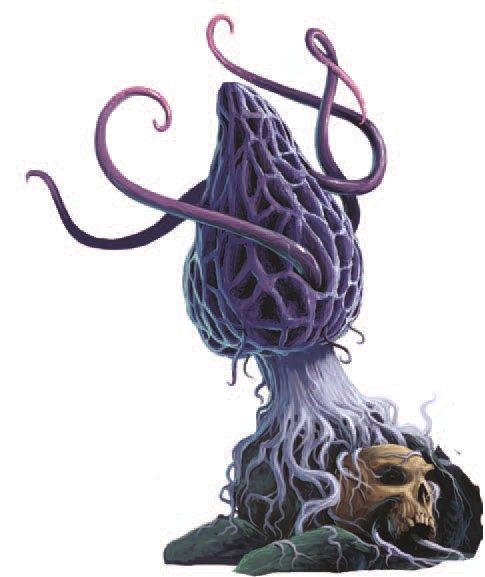
Willowshade Fruit
A pepper shaped fruit with great digestive aiding properties.
Rarity: Uncommon (DC 15)
Gathering: Herbalism Kit (DC 15)
Quantity: 1d8 fruit
Location: Marshes, Coasts, Riversides
Uses (2): Willowshade Oil, Potion of True Dreaming
Wolfsbane
This white-grey flower blooms only on a full moon and in high altitudes. Canines who come within 10 feet of wolfsbane must make a Wisdom save (DC 15) or be forced to move as far as they can away from the plant.
Rarity: Rare (DC 20)
Gathering: Herbalism Kit (DC 15)
Quantity: 1d4 flowers
Location: Mountains
Uses (3): Tincture of Werewolf's Bane, Oil of Taggit, Magebane
Inorganic materials
Lightning Struck Metal
A piece of metal struck by metal weighing at least 0,5 Ounces. Coinage struck by lightning is excluded.
Rarity: Rare (DC 20)
Gathering: -------
Quantity: -------
Location: -------
Uses (2): Potion of Invulnerability, Essence of rage
Soothsalt Geode
A geode covered in a crystalline substance that can be extracted into soothsalts.
Rarity: Rare (DC 20), Common (DC 10, only in the Miskath pit)
Gathering: Pickaxe or Crowbar (DC 10) (no modifier)
Quantity: 1d4 Geodes
Location: Blightshore
Uses (1): Soothsalts

Harvestable Creature Parts
Noted below are all animals that can be killed to harvest ingredients
Ankheg
Large monstrosity, unaligned (CR 2)
location: nests beneath fields and forests
Ingredients:
- Ankheg Ichor: A creature that comes in contact with this mucus must succeed on a DC 13 Constitution saving throw or be Poisoned for 1 minute. The Poisoned creature is Paralyzed. The creature can repeat the saving throw at the end of each of its turns, ending the effect on itself on a success.
Rarity: Uncommon (DC15)
Harvesting: Poisoner's Kit (DC 15)
Quantity: 1d4 vials
Creature Condition: Dead or Incapacitated
Uses (2): Oil of Sharpness, Midnight Tears
Carrion Crawler
Large monstrosity, unaligned (CR 2)
Location: Caves, sewers, dungeons, forested marshes, battlefields and cemeteries (anywhere with carrion and where other carrion eaters cannot move freely)
Ingredients:
- Crawler Mucus: A creature that comes in contact with this mucus must succeed on a DC 13 Constitution saving throw or be Poisoned for 1 minute. The Poisoned creature is Paralyzed. The creature can repeat the saving throw at the end of each of its turns, ending the effect on itself on a success.
Rarity: Uncommon (DC 15)
Harvesting: Poisoner's Kit (DC 20)
Quantity: 1d4 vials
Creature Condition: Dead or Incapacitated
Uses (3): Potion of resistance (Acid), Vial of Acid, Oil of Slipperiness
Drider
Large Monstrosity, Chaotic Evil (CR 6)
Location: Underdark
Ingredient:
- Drider Posion
Rarity: Rare (DC 20)
Harvesting: Poisoner’s Kit (DC 15)
Quantity: 1d6
Creature condition: Dead or Incapacitated
Uses (2): Drow Poison, Magebane
Eagle
Small Beast, unaligned (CR 0)
Location: Coastal, Grassland, Hill, Mountain
Ingredient:
- Eagle Claw
Rarity: Uncommon (DC 15)
Harvesting: a Knife (DC 10)
Quantity: 1d8
Creature condition: Dead or Incapacitated
Uses (1): Potion of Speed
Elementals
Large elemental, unaligned (CR 5)
Location: Desert and Mountain (Air), Underdark (Earth), Desert (Fire), Coastal, Swamp and Underwater (Water)
Ingredient:
- Respective elemental essence
Rarity: Rare (DC 20)
Harvesting: Alchemist’s Kit (DC 15)
Quantity: 1d6
Creature condition: Trade or Dead or Incapacitated
Uses (3/1/1/1): (Air) Smokebomb, Potion of Flying, Thor's Might (Earth) Potion of Climbing, (Fire) Alchemist’s Fire, (Water) Potion of Swimming
Ghost
Medium undead, unaligned (CR 4)
Location: Underdark, Urban
Ingredient:
- Ectoplasm
Rarity: Uncommon (DC 15)
Harvesting: Alchemist’s kit (DC 15)
Quantity: 1d4 flasks
Creature Condition: Unrelated
Uses (3): Potion of Gaseous Form, Oil of Etherealness, Potion of Possibility
Giants
Huge Giants, Varies (CR Varies)
Location: Hills and Forests (Hill), Artic (Frost), Caves (Stone), Volcanoes and Rocky Mountains (Fire), High Altitude Mountains (Cloud), Extreme Altitude Mountains (Storm)
Ingredient:
- Giant’s fingernail
Rarity: Rare (DC 20)
Harvesting: a knife (DC 10)
Quantity: 7
Creature Condition: Dead or Incapacitated, or trade
Uses (2): Potion of Giant’s Strength, Thor's Might
Giant Poisonous Snake
Medium beast, unaligned (CR 1/4)
Location: desert, forest, grassland, swamp, underdark, urban
Ingredients:
- Serpent’s venom: A creature hit with an attack by a weapon coated in this venom must succeed on a DC 11 Constitution saving throw, taking 10 (3d6) poison damage on a failed save, or half as much damage on a successful one.
Rarity: Common (DC 10)
Harvesting: Poisoner's Kit (DC 10)
Quantity: 1d3 vials
Creature Condition: Dead or Incapacitated
Uses (2): Philter of Love, Magebane
Giant Toad
Large beast, unaligned (CR 1)
Location: coastal, desert, forest, swamp and underdark
Ingredients:
- Amphibian Saliva
Rarity: Uncommon (DC 15)
Harvesting: Poisoner's Kit (DC 15)
Quantity: 1d4 vials
Creature Condition: Dead or Incapacitated
Uses (2): Potion of Resistance (Force), Oil of slipperiness
Giant Wolf Spider
Medium Beast, unaligned (CR 1/4)
Location: coastal, desert, forest, grassland, Hill
Ingredients
- Giant Wolf Spider Hair
Rarity: Common (DC 10)
Harvesting. A knife
Quantity. 1d8
Creature Condition. Dead or Incapacitated
Uses (1). Potion of Climbing
Gray Ooze
Medium Beast, unaligned (CR 1/2)
Location: Underdark
Ingredients
- Grey Ooze Residue
Rarity: Uncommon (DC 15)
Harvesting: Alchemist’s Kit (DC 15)
Quantity: 1d4
Creature Condition: Dead
Uses (1): Vial of Acid
Imp
Tiny Fiend (Devil), Lawful evil (CR 1)
Location: Varies
Ingredients
- Imp Heart
Rarity: Rare (DC 20)
Harvesting: A Knife (DC 15)
Quantity: 1
Creature Condition: Dead
Uses (1): Potion of Longevity
Nothic
Medium Aberration, Neutral Evil (CR 2)
Location: Locations of Magical Learning, Underdark
Ingredients
- Nothic Tears: When used as eyedrops provide 1d4 hours of darksight
Rarity: Uncommon (DC 15)
Harvesting: nothing
Quantity: 1d4 vials
Creature Condition: Dead or incapacitated, or trade
Uses (2): Potion of Truesight, Potion of True Dreaming
Purple Worm
Gargantuan monstrosity, unaligned (CR 15)
Location: desert and Underdark
Ingredients:
- Purple Worm Poison: A creature hit with an attack by a weapon coated in this poison must make a DC 19 Constitution saving throw, taking 42 (12d6) poison damage on a failed save, or half as much damage on a successful one.
Rarity: Very Rare (DC 20)
Harvesting: Poisoner's Kit (DC 20)
Quantity: 1d8 vials
Creature Condition: Dead or Incapacitated
Uses (2): Deathsleep, Water of Death

Quipper
Tiny Beast, Unaligned (CR 0)
Location: Underwater
Ingredients:
- Quipper scale
Rarity: Common (DC 10)
Harvesting: a knife (DC 5)
Quantity: 1d4
Creature condition: Dead or incapacitated
Uses (2): Potion of Animal Friendship, Potion of Swimming
Remorhaz
Large/Huge monstrosity, Unaligned (CR 5/11)
Location: Artic
Ingredients:
- Remorhaz Ichor
Rarity: Rare (DC 20)
Harvesting: Alchemist’s Kit (DC 20)
Quantity: 1d6, 3d6
Creature condition: Dead or incapacitated
Uses (2): Potion of Firebreath, Superior Potion of Mana
Skulk
Medium Humanoid, Chaotic Neutral (CR 1/2)
Location: Coastal, Forest, Swamp, Underdark, Urban
Ingredients:
- Skulk Claw
Rarity: Uncommon (DC 15)
Harvesting: a knife (DC 10)
Quantity: 1d10
Creature condition: Dead
Uses (2): Potion of Invisibility, Potion of Possibility
True Dragons
Varying Dragon, Varying Alignment (CR Varies)
Location: Varies
Ingredients:
- Dragon’s blood
Rarity: Rare (DC 20)
Harvesting: a knife (DC 10) (1/4 of normal Exp.)
Quantity: Xd8 (X depends on size of the dragon) when Dead or Incapacitated, 1d4 when trading
Creature condition: Dead or Incapacitated, or Trade
Uses (4): Oil of Dragon’s Bane, Potion of Mana, Superior Potion of Mana, Essence of rage
Wyvern
Gargantuan monstrosity, unaligned (CR 15)
Location: Hills and Mountains
Ingredients:
- Wyvern Poison: A creature hit with an attack by a weapon coated in this poison must make a DC 15 Constitution saving throw, taking 24 (7d6) poison damage on a failed save, or half as much damage on a successful one.
Rarity: Rare (DC 18)
Harvesting: Poisoner's Kit (DC 15)
Quantity: 1d8 vials
Creature Condition: Dead or Incapacitated
Uses (2): Oil of Dragon’s Bane, Water of Death

Environments
A convenient list with all available resources sorted based on environments
Artic
- Frost Lichen (DC 15)
- Silverthorn (DC 20)
- Remorhaz (DC 20)
Blightshore
- Blightshrooms (DC 20)
Coast
- Gillyweed (DC 10)
- Dreamlilly (DC 10)
- Lightning Moss (DC 15)
- Willowshade Bush (DC 15)
- Moonstalker (DC 20)
- Water Elemental (DC 20)
- Eagle (DC 15)
- Giant Toad (DC 10)
- Giant Wolf Spider (DC 10)
- Skulk (DC 15)
Desert
- Muroosa Bush (DC 15)
- Giant Toad (DC 15)
- Air Elemental (DC 20)
- Purple Worm (DC 20)
Feywild
- Pixie's Parasol (DC 10)
- Fairy Stool (DC 20)
Forests
- Cat's Tongue (DC 10)
- Red Amanita Mushroom (DC 10)
- Everfrost Berry (DC 10)
- Morning Dew (DC 10)
- Nightshade (DC 15)
- Olisuba Bush (DC 15)
- Singing Nettle (DC 15)
- Death Cap (DC 20)
- Fairy Stool (DC 20)
- Pixie's Parasol (DC 20)
- Hagfinger (DC 20)
- Giant Poisonous Snake (DC 10)
- Giant Wolf Spider (DC 10)
- Skulk (DC 15)
- Giant Toad (DC 15)
- Ankheg (DC 15)
- Hill Giant (DC 20)
Grasslands
- Cat's Tongue (DC 10)
- Dreamlilly (DC 10)
- Morning Dew (DC 10)
- Olisuba Bush (DC 15)
- Pixie's Parasol (DC 20)
- Everfrost Berry (DC 10)
- Sourgrass (DC 15)
- Giant Poisonous Snake (DC 10)
- Giant Wolf Spider (DC 10)
- Ankheg (DC 15)
- Eagle (DC 15)

Hill
- Pixie's Parasol (DC 20)
- Eagle (DC 15)
- Wyvern (DC 18)
- Hill Giant (DC 20)
Mountains
- Singing Nettle (DC 15)
- Sourgrass (DC 15)
- Lightning Moss (DC 15)
- Pixie's Parasol (DC 20)
- Silverthorn (DC 20)
- Wolfsbane (DC 20)
- Eagle (DC 15)
- Wyvern (DC 18)
- Air Elemental (DC 20)
- Cloud Giant (DC 20)
- Fire Giant (DC 20)
- Storm Giant (DC 20)
Savannahs
- Morning Dew (DC 10)
- Muroosa Bush (DC 15)
- Pixie's Parasol (DC 20)
Swamp
- Red Amanita Mushroom (DC 10)
- Gillyweed (DC 10)
- Singing Nettle (DC 15)
- Theki Root (DC 15)
- Willowshade Bush (DC 15)
- Death Cap (DC 20)
- Hagfinger (DC 20)
- Moonstalker (DC 20)
- Pixie's Parasol (DC 20)
- Giant Poisonous Snake (DC 10)
- Carrion Crawler (DC 15)
- Giant Toad (DC 15)
- Skulk (DC 15)
- Water Elemental (DC 20)
Urban areas
- Carrion Crawler (DC 15)
- Ghost (DC 15)
- Giant Poisonous Snake (DC 10)
- Nothic (DC 15)
- Skulk (DC 15)
- Pixie's Parasol (DC 20)
Underdark
- Ghost (DC 15)
- Giant Poisonous Snake (DC 10)
- Giant Toad (DC 15)
- Gray Ooze (DC 15)
- Nothic (DC 15)
- Purple Worm (DC 20)
- Skulk (DC 15)
Underground
- Mandrake Root (DC 15)
- Mindflayer Stinkhorn (DC 15)
- Stone Giant (DC 20)
Underwater
- Water Elemental (DC 20)
- Quipper (DC 10)
Varies
- Elementals (DC 20)
- Giants (DC 20)
- Imp (DC 20)
- True Dragons (DC varies)
Volcanos
- Ashblossom (DC 20)
- Fire Giants (DC 20)

Credits
This guide is based on a work-in-progress guide written on GMbinder by Lyydia. I've added some systems, filled in a lot of empty spaces and added more items to make as well as catalogues to make the guide easier to use.
Artwork
Cover: "Alchemist's Satchel" by Tibor Sulyok
Page 2: "Potions" by Unknown
Page 3: "Magical Items" by Unknown
Page 5: "Scrolls" by Unknown
Page 9: "Poison Bottle" by Blue Crystal Atelier
Page 11: "Xebiopoda Forciporia" by Emma Lazauski
Page 12: "Gloomflower" by Kobald Press
Page 15: "Violet Fungus" by Wizards of the Coast
Page 16: "Ghor Veles" by Wizards of the Coast
Page 18: "Eagle" by Wizards of the Coast
Page 19: "Pseudodragon" by Wizards of the Coast
Page 20: "Remorhaz" by Wizards of the Coast
Page 21: "Fire Snake" by Wizards of the Coast
Page 23: "Female Human Progenitor Druid" by Wizards of the Coast

Items
Magic Items
Bag of Colding
Wondrous Item, rare
This white leather bag is a variant of the Bag of Holding. The bag is magically enchanted to keep everything inside cooled, maintaining any perishable goods chilled. The bag can hold up to 250 pounds, not exceeding a volume of 64 cubic feet.
A Harvesting Tool
A bag of colding is an essential item for harvesting creature parts and transporting them across the wild. In addition, this bag is useful for storaging food and ingredients used for preparing meals. You can read more about harvesting, crafting and cooking later in this guide.
Container of Essence Collection
Wondrous item, uncommon_
The Container of Essence Collection is a container that can be of any shape, size, or type. It can be used to harvest essence from undead creatures with the feature incorporeal movement. To use it, the container must be pointed towards the target creature and an action must be used to utter the command word and activate the magical ability. When this is done, the user must roll a d20 + their spellcasting modifier (Wisdom if they are not a spellcaster) to determine if the collection is successful. The DC is equal to the remaining hit points of the target creature. On a success, the target creature drops to 0 hit points and their essence is collected in the container. The amount collected is 1d6 vials worth + one vial for every 2 hit points the incorporeal creature had when the item is used (if it had 4 HP remaining, 1d6+2 vials would be harvested).
Gloves of Crafting
Wondrous item, uncommon
These leather gloves have a hammer and an anvil embroidered on each palm, and allows it's owner to craft items faster. While you're wearing the gloves, you count as two characters when you craft an item, reducing the crafting time to half (rounded up).
Guardian Figurine
Wondrous item, uncommon
This stone figurine, small enough to fit on a pocket resembles a humanoid with a spyglass and a bell. When you place it on the ground and use a command word, you can cast the alarm spell on it. You must wait until the next dawn to use the figurine again.
Mask of the Medusa
Wondrous Item, Rare (requires attunement)
While wearing this mask, you can use an action to cast the flesh to stone spell (save DC 13). You can cast the spell twice per dawn, and you regain any expended uses daily at dawn.
Sunhallowed Spear
Weapon (spear), legendary (requires attunement by a creature of good alignment)
You gain a +3 bonus on attack and damage rolls made with this magic weapon. If you throw the spear, it flies back to your hand immediately after the attack.
When you hit with an attack using this magic weapon, you deal an additional 1d10 radiant damage. If the target is evil aligned, that creature takes an extra 1d10 radiant damage.
Potion of Mana
Potion, rarity varies
This blue liquid is created using the essence of magic. When you drink this potion, you gain a number of points you can use to regain spell slots you already used. The number of points depends on the potion's rarity, as shown in the mana potions table.
Mana Potions
| Potion of... | Rarity | Points |
|---|---|---|
| Mana | Uncommon | 1d4+1 |
| Greater mana | Rare | 2d4 + 2 |
| Superior mana | Very Rare | 3d4 + 4 |
In the following table you can see how many points you need to spend for recovering a spell slot. When you use the potion, you must distribute the points immediately. You can recover any number of used spell slots if you have enough points to do so, and every point left is lost. You can only recover 5th-level or lower expended spell slots.
Spell Slots per Points
| Spell Slot | Point Cost |
|---|---|
| 1st | 2 |
| 2nd | 3 |
| 3rd | 5 |
| 4th | 6 |
| 5th | 7 |

Dragonbone Weapon
Weapon (any), rare (requires attunement)
You gain a +2 bonus to attack and damage rolls made with this weapon.
When you hit with an attack using this magic weapon, the target takes an extra 1d6 damage. The damage type that is determined by the kind of dragon that provided the bones (see the table). In addition,
| Dragon | Damage Type |
|---|---|
| Black | Acid |
| Blue | Lightning |
| Brass | Fire |
| Bronze | Lightning |
| Copper | Acid |
| Dragon | Damage Type |
|---|---|
| Gold | Fire |
| Green | Poison |
| Red | Fire |
| Silver | Cold |
| White | Cold |
Dragonplate Armor
Armor (plate), very rare (requires attunement)
A dragonplate armor is made of the bones of one kind of dragon.
While wearing this armor, you gain a +1 bonus to AC, you have advantage on saving throws against the Frightful Presence and breath weapons of dragons, and you have resistance to one damage type that is determined by the kind of dragon that provided the bones (see the table).
Additionally, you can focus your senses as an action to magically discern the distance and direction to the closest dragon within 30 miles of you that is of the same type as the armor. This special action can't be used again until the next dawn.
| Dragon | Resistance |
|---|---|
| Black | Acid |
| Blue | Lightning |
| Brass | Fire |
| Bronze | Lightning |
| Copper | Acid |
| Dragon | Resistance |
|---|---|
| Gold | Fire |
| Green | Poison |
| Red | Fire |
| Silver | Cold |
| White | Cold |
Ebony Bow
Weapon (longbow), very rare (requires attunement)
This dark bow was created by an old vampire in a dark ritual using the blood of his ancestor.
You gain a +2 bonus to attack and damage rolls made with this weapon.
When you hit with an attack using this magic weapon, you deal an additional 1d6 necrotic damage and you regain hit points equal to half the total damage dealt (minimum 1).
Curse. This bow is cursed, ad becoming attuned to it extends the curse to you. As long as you remain cursed, you are unwilling to part with the bow, keeping it within reach at all times. You also have disadvantage on attack rolls with weapons other than this one, unless no foe is within 60 feet of you that you can see or hear.
Every day you must drink at least a gallon of humanoid fresh blood. For each day you don't drink, you gain 1 level of exhaustion. Finishing a long rest after drinking one gallon of blood reduces your exhaustion level by 1. If you die because of exhaustion, you become a vampire spawn on the next moonlight.
Essence Extraction Device
Wondrous Item, Uncommon
This device looks is a leather bracer with a small syringe on the side. It allows its wearer to extract a creature's essence and store it in an empty glass vial connected behind the syringe.
It has 3 charges, and it regains 1d3 expended charges daily at dawn. When you make a check for harvesting a creature, you can extract one unit of the creature's essence. Additionally, if you have a creature part, you can expend 1 charge to transform that part into one unit of the creature's essence.
Ghost Weapon
Weapon (any weapon), uncommon (requires attunement)
This spectral blades are carried by ghosts, wraiths and other incorporeal undeads. The weapon weights only 1 pound, and can be sworn only by the creature attuned to it.
A ghost weapon deals necrotic damage instead of its normal damage, and when you hit with an attack using this magic weapon, you deal an additional 2d4 necrotic damage.
Gloves of Crafting
Wondrous item, uncommon
These leather gloves have a hammer and an anvil embroidered on each palm, and allows it's owner to craft items faster. While you're wearing the gloves, you count as two characters when you craft an item, reducing the crafting time to half (rounded up).
Mask of the Medusa
Wondrous Item, Rare (requires attunement)
While wearing this mask, you can use an action to cast the flesh to stone spell (save DC 13). You can cast the spell twice per dawn, and you regain any expended uses daily at dawn.
Sunhallowed Spear
Weapon (spear), legendary (requires attunement by a creature of good alignment)
You gain a +3 bonus on attack and damage rolls made with this magic weapon. If you throw the spear, it flies back to your hand immediately after the attack.
When you hit with an attack using this magic weapon, you deal an additional 1d10 radiant damage. If the target is evil aligned, that creature takes an extra 1d10 radiant damage.
Potion of Mana
Potion, rarity varies
This blue liquid is created using the essence of magic. When you drink this potion, you gain a number of points you can use to regain spell slots you already used. The number of points depends on the potion's rarity, as shown in the mana potions table.
Mana Potions
| Potion of... | Rarity | Points |
|---|---|---|
| Mana | Uncommon | 1d4+1 |
| Greater mana | Rare | 2d4 + 2 |
| Superior mana | Very Rare | 3d4 + 4 |
In the following table you can see how many points you need to spend for recovering a spell slot. When you use the potion, you must distribute the points immediately. You can recover any number of used spell slots if you have enough points to do so, and every point left is lost. You can only recover 5th-level or lower expended spell slots.
Spell Slots per Points
| Spell Slot | Point Cost |
|---|---|
| 1st | 2 |
| 2nd | 3 |
| 3rd | 5 |
| 4th | 6 |
| 5th | 7 |
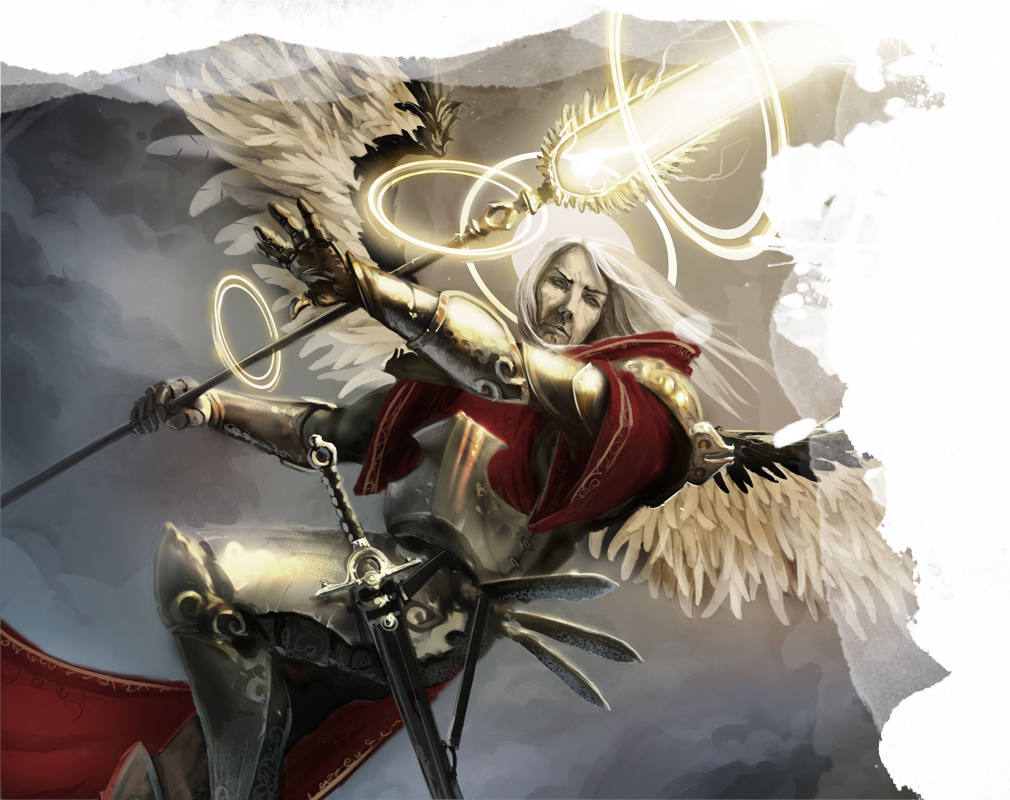
Spells
Essence Bolt
2nd-level evocation
- Casting Time: 1 action
- Range: 30 ft
- Components: V, S
- Duration: Instantaneous
You concentrate your mind to create a blast of ethereal energy that affects the ghastly remains of those who once lived. Make a ranged spell attack against the target. On a hit, the target takes 3d10 psychic damage. This spell only affects creatures with the feature incorporeal movement. If the attack reduces the target to 0 hit points, the caster can choose to draw the bolt back to himself and put it into a container of any sort. The bolt will deposit the essence of the ghost collected into the container. When this is done, roll 1d6. The number rolled determines how many vials worth of the essence is collected.
At Higher Levels. When this spell is cast using a spell slot of 3rd level or higher, add 1d6 to the essence collected per additional level of the spell slot.
Classes: Artificer, Cleric, Wizard, Sorcerer
#New Items from HHH Books
Dragon Table
| Dragon | Damage Type |
|---|---|
| Black | Acid |
| Blue | Lightning |
| Green | Poison |
| Red | Fire |
| White | Cold |
| Brass | Fire |
| Bronze | Lightning |
| Copper | Acid |
| Gold | Fire |
| Silver | Cold |
+1 Dragon Arrow
Ammunition (arrow), uncommon, 0.8 oz.
Crafted by: Young Dragon Tooth ×1 (Blacksmith)
You have a +1 bonus to your attack and damage rolls made with this arrow corresponding to its rarity. When you make a successful hit with this arrow, you also deal an additional 1d8 damage of the type corresponding to the damage type this arrow was crafted from. You also have advantage on attacks made with this ammunition against any targets with the dragon creature type.
When used in a successful attack, there is a 30 percent chance that this arrow loses all magical properties and becomes a normal arrow.
See Dragon Table
+1 Dragon Bolt
Ammunition (crossbow bolt), uncommon, 0.8 oz.
Crafted by: Young Dragon Tooth ×1 (Blacksmith)
You have a +1 bonus to your attack and damage rolls made with this bolt corresponding to its rarity. When you make a successful hit with this bolt, you also deal an additional 1d8 damage of the type corresponding to the damage type this bolt was crafted from. You also have advantage on attacks made with this ammunition against any targets with the dragon creature type.
When used in a successful attack, there is a 30 percent chance that this bolt loses all magical properties and becomes a normal bolt.
See Dragon Table
+1 Dragon Wand
Wand, rare (requires attunement by a spellcaster)
Crafted by: Young Dragon Horn/Spine ×1 (Artificer)
While holding this wand, you gain a (+1) bonus to spell attack rolls determined by the wand rarity. In addition, you have advantage on any spell attack roll you make that deals the same damage type as the dragon this wand was crafted from.
If that spell attack hits, you also deal (1) extra damage dice of that damage type equal to the spell attack bonus granted by this item.
See Dragon Table
+1 Dusk Armor
Heavy armor (plate armor), rare (requires attunement), 65 lb.
AC 18
Crafted by: Young Shadow Dragon Scale ×1 Large Pouch (Blacksmith)
While wearing this armor, you have a +1 bonus to AC. In addition, while wearing this armor in dim light or darkness, you may take the Hide action as a bonus action. If you take the Hide action in this way, you do not suffer the usual penalty that normally applies to Stealth (Dexterity) checks made in plate armor.
The wearer has disadvantage on Dexterity (Stealth) checks.
If the wearer has a Strength score lower than 15, their speed is reduced by 10 feet.
+1 Frostclaw Weapon
Generic variant, rare
Crafted by: Abominable Yeti Claw ×2 (Blacksmith)
You gain a +1 bonus to all attack and damage rolls made with this weapon. When you hit with this weapon, you may choose to deal an extra 2d6 cold damage. Once you have used this ability once, it can't be used again until the end of your next short rest.
Base items. This item variant can be applied to the following base items:
- Battleaxe (+1 Frostclaw Battleaxe)
- Double-Bladed Scimitar (+1 Frostclaw Double-Bladed Scimitar)
- Glaive (+1 Frostclaw Glaive)
- Greataxe (+1 Frostclaw Greataxe)
- Greatsword (+1 Frostclaw Greatsword)
- Halberd (+1 Frostclaw Halberd)
- Handaxe (+1 Frostclaw Handaxe)
- Longsword (+1 Frostclaw Longsword)
- Scimitar (+1 Frostclaw Scimitar)
- Sickle (+1 Frostclaw Sickle)
- Whip (+1 Frostclaw Whip)
+1 Mind Hook
Generic variant, very rare
Crafted by: Neothelid Hook ×1 (Blacksmith)
You gain a +1 bonus to attack and damage rolls made with this weapon. Whenever you roll a 20 on an attack roll with this weapon, your target becomes stunned until the start of your next turn.
Base items. This item variant can be applied to the following base items:
- Sickle (+1 Mind Hook Sickle)
- War Pick (+1 Mind Hook War Pick)
+1 Mind Whip
Weapon (whip), very rare (requires attunement), martial weapon, melee weapon, 3 lb.
1d4 slashing
Crafted by: Elder Brain Tentacle ×2 (Leatherworker), finesse, reach
This item is in improved version of the Mind Whip.
When you make a grapple check, you may choose to do so with this whip instead of using your free hand. If you do so and if you succeed on the grapple check, you may force the grappled creature to succeed on a DC 15 Intelligence saving throw or be stunned until the grapple ends. While grappling a creature, this whip may not be used to attack another target. Once this ability has been used 4 times in a day, it cannot be used again until the next dawn.
You also have a +1 bonus to attack and damage rolls made with this weapon.
Finesse. When making an attack with a finesse weapon, you use your choice of your Strength or Dexterity modifier for the attack and damage rolls. You must use the same modifier for both rolls.
Reach. This weapon adds 5 feet to your reach when you attack with it. This property also determines your reach for opportunity attacks with a reach weapon.
+1 Shield of Reflection
Shield (shield), very rare (requires attunement), 6 lb.
AC +2
Crafted by: Morkoth Gladius ×1 (Blacksmith)
While wearing this shield, you gain a +1 bonus to your AC. In addition, if you make a successful saving throw against a spell, or a spell attack misses you, you may spend your reaction to choose another creature (including the spellcaster) that you can see within 120 feet of you. The spell targets the chosen creature instead of you. If the spell forced a saving throw, the chosen creature makes its own save. If the spell was an attack, the attack roll is rerolled against the chosen creature.
+2 Dragon Arrow
Ammunition (arrow), rare, 0.8 oz.
Crafted by: Adult Dragon Tooth ×1 (Blacksmith)
You have a +2 bonus to your attack and damage rolls made with this arrow corresponding to its rarity. When you make a successful hit with this arrow, you also deal an additional 2d8 damage of the type corresponding to the damage type this arrow was crafted from. You also have advantage on attacks made with this ammunition against any targets with the dragon creature type.
When used in a successful attack, there is a 30 percent chance that this arrow loses all magical properties and becomes a normal arrow.
See Dragon Table
+2 Dragon Bolt
Ammunition (crossbow bolt), rare, 0.8 oz.
Crafted by: Adult Dragon Tooth ×1 (Blacksmith)
You have a +2 bonus to your attack and damage rolls made with this bolt corresponding to its rarity. When you make a successful hit with this bolt, you also deal an additional 2d8 damage of the type corresponding to the damage type this bolt was crafted from. You also have advantage on attacks made with this ammunition against any targets with the dragon creature type.
When used in a successful attack, there is a 30 percent chance that this bolt loses all magical properties and becomes a normal bolt.
See Dragon Table
+2 Dragon Wand
Wand, very rare (requires attunement by a spellcaster)
Crafted by: Adult Dragon Horn/Spine ×1 (Artificer)
While holding this wand, you gain a (+2) bonus to spell attack rolls determined by the wand rarity. In addition, you have advantage on any spell attack roll you make that deals the same damage type as the dragon this wand was crafted from.
If that spell attack hits, you also deal (2) extra damage dice of that damage type equal to the spell attack bonus granted by this item.
See Dragon Table
+2 Dusk Armor
Heavy armor (plate armor), very rare (requires attunement), 65 lb.
AC 18
Crafted by: Adult Shadow Dragon Scale ×1 Large Pouch (Blacksmith)
While wearing this armor, you have a +2 bonus to AC. In addition, while wearing this armor in dim light or darkness, you may take the Hide action as a bonus action. If you take the Hide action in this way, you do not suffer the usual penalty that normally applies to Stealth (Dexterity) checks made in plate armor.
The wearer has disadvantage on Dexterity (Stealth) checks.
If the wearer has a Strength score lower than 15, their speed is reduced by 10 feet.
+3 Dragon Arrow
Ammunition (arrow), very rare, 0.8 oz.
Crafted by: Ancient Dragon Tooth ×1 (Blacksmith)
You have a +3 bonus to your attack and damage rolls made with this arrow corresponding to its rarity. When you make a successful hit with this arrow, you also deal an additional 3d8 damage of the type corresponding to the damage type this arrow was crafted from. You also have advantage on attacks made with this ammunition against any targets with the dragon creature type.
When used in a successful attack, there is a 30 percent chance that this arrow loses all magical properties and becomes a normal arrow.
See Dragon Table
+3 Dragon Bolt
Ammunition (crossbow bolt), very rare, 0.8 oz.
Crafted by: Ancient Dragon Tooth ×1 (Blacksmith)
You have a +3 bonus to your attack and damage rolls made with this bolt corresponding to its rarity. When you make a successful hit with this bolt, you also deal an additional 3d8 damage of the type corresponding to the damage type this bolt was crafted from. You also have advantage on attacks made with this ammunition against any targets with the dragon creature type.
When used in a successful attack, there is a 30 percent chance that this bolt loses all magical properties and becomes a normal bolt.
See Dragon Table
+3 Dragon Wand
Wand, legendary (requires attunement by a spellcaster)
Crafted by: Ancient Dragon Horn/Spine ×1 (Artificer)
While holding this wand, you gain a (+3) bonus to spell attack rolls determined by the wand rarity. In addition, you have advantage on any spell attack roll you make that deals the same damage type as the dragon this wand was crafted from.
If that spell attack hits, you also deal (3) extra damage dice of that damage type equal to the spell attack bonus granted by this item.
See Dragon Table
+3 Dusk Armor
Heavy armor (plate armor), legendary (requires attunement), 65 lb.
AC 18
Crafted by: Ancient Shadow Dragon Scale ×1 Large Pouch (Blacksmith)
While wearing this armor, you have a +3 bonus to AC. In addition, while wearing this armor in dim light or darkness, you may take the Hide action as a bonus action. If you take the Hide action in this way, you do not suffer the usual penalty that normally applies to Stealth (Dexterity) checks made in plate armor.
The wearer has disadvantage on Dexterity (Stealth) checks.
If the wearer has a Strength score lower than 15, their speed is reduced by 10 feet.
Aboleth Amulet
Wondrous item, very rare (requires attunement)
Crafted by: Aboleth Brain ×1 (Artificer)
This pale turquoise amulet seems to have a faint flicker of something moving in it, like seeing a creature in murky waters. While wearing this amulet, you gain telepathy out to a range of 120 ft., can understand and speak Deep Speech, and become proficient in Intelligence (History) checks if you weren't proficient already.
You may also spend an action to target one creature you can see within 30 feet of you. That target must succeed on a DC 14 Wisdom saving throw or be magically charmed by you. This charm persists until either you or the target dies, or if you are on different planes of existence. You and the charmed target may communicate with each other telepathically over any distance so long as you are wearing and attuned to this item.
You may only have up to 3 targets charmed in this way at a time. If you successfully charm another target while you already have 3 targets charmed, the charm effect ends on the creature that you charmed first. Whenever the charmed target takes damage, they may repeat the saving throw. On a success, the effect ends. No more than once every 24 hours, the target can also repeat the saving throw when it is at least 1 mile away from you. If a creature succeeds on either resisting the charm effect or if the charm effect on them ends, they become immune to this ability for the next 24 hours.
Abyssal Oil
Oil, very rare
Crafted by: Abyssal Weapon Ichor ×1 vial (Alchemist)
This green, viscous oil carries within it all of the rage and power of the Demon Lords of the Abyss. The oil can coat one melee weapon or up to 10 pieces of slashing or piercing ammunition. Applying the oil takes 1 minute. For 1 hour, the coated item is magical, and any critical hit made with that item deals an extra 6d8 damage. This damage is not doubled.
Acrobat's Plate
Heavy armor (plate armor), rare, 65 lb.
AC 18
Crafted by: Dhergoloth Exoskeleton ×1 (Blacksmith)
While wearing this armor, you have advantage on Dexterity saving throws and Dexterity (Acrobatics) checks. In addition, due to its unique materials and design, this armor has no Strength requirement and does not impose disadvantage on Dexterity (Stealth) checks.
Adult Remorhaz Plate
Heavy armor (plate armor), very rare (requires attunement), 65 lb.
AC 18
Crafted by: Adult Remorhaz Carapace ×1 (Blacksmith)
This full set of plate armor was crafted from the insectoid carapace of a remorhaz. While wearing this armor, you have resistance to both fire and cold damage.
You also gain a +1 bonus to AC while wearing this armor.
The wearer has disadvantage on Dexterity (Stealth) checks.
If the wearer has a Strength score lower than 15, their speed is reduced by 10 feet.
Alpha Grick Hide Coat
Light armor (studded leather armor), rare, 13 lb.
AC 12 + Dex
Crafted by: Alpha Grick Hide ×1 (Leatherworker)
While wearing this armor, you have advantage on Dexterity (Stealth) checks made to hide in rocky terrain and on Strength (Athletics) checks made to climb rocky terrain.
If this is the rare version of this armor, you also gain a +1 bonus to AC while wearing this item.
Amulet of Dragonkin
Wondrous item, common
Crafted by: Guard Drake Heart ×1 (Artificer)
This amulet is the same color as the guard drake from whom it was crafted. While wearing this amulet, your appearance takes on a more dragon-like aesthetic. You grow patches of scales over your body (the same color as the amulet), your eyes become lizard-like, your teeth grow sharper and you grow a foot-long, prehensile tail from your back. You gain no other benefits from this amulet, however. All these attributes disappear instantly if the amulet is removed.
Amulet of Enslavement
Wondrous item, rare
Crafted by: Neogi Eye ×1 (Artificer)
While you are wearing this amulet, any charm effect that currently afflicts you is considered to have an infinite duration instead of its usual duration. Once this amulet has been worn for a cumulative total of 24 hours, it crumbles into dust and becomes worthless.
Amulet of Imix
Wondrous item, rare (requires attunement)
Crafted by: Mark of Imix ×1 (Thaumaturge)
While wearing and attuned to this amulet, you gain 5 temporary hit points whenever you reduce an enemy to 0 hit points. In addition, any time you are forced to roll a Constitution saving throw to maintain control of a fire elemental or maintain concentration on a spell that deals fire damage, you do so at advantage.
Amulet of Maglubiyet
Wondrous item, rare (requires attunement)
Crafted by: Mark of Maglubiyet ×1 (Thaumaturge)
While wearing this amulet, you gain the ability to spend your action and martial your allies with your resounding leadership. For 1 minute, you may utter a special command or warning whenever a non-hostile creature that you can see within 30 feet of it makes an attack roll or a saving throw. The creature can add a d4 to its roll provided it can hear and understand you. A creature can benefit from only one of these effects at a time. This effect ends early if you are incapacitated.
Amulet of Secrets
Wondrous item, very rare (requires attunement)
Crafted by: Sphinx Heart ×1 (Artificer)
This blood red amulet is set inside a gold frame the colour of desert sand. While wearing and attuned to this amulet, you gain an uncanny ability to disguise your thoughts and emotions. You become immune to any effect that would sense your emotions or read your thoughts, as well as any divination spell that you refuse. Wisdom (Insight) checks made to ascertain your intentions or sincerity have disadvantage.
In addition, you may use the amulet to cast the spell zone of truth without using a spell slot or requiring any components. The DC for the casting of this spell in this way is 8 + your Charisma modifier + your proficiency bonus, and you are exempt from the effects of the spell. Once you have used this ability 3 times in one day, you may not use it again until you finish a long rest.
Amulet of Spiritual Obfuscation
Wondrous item, very rare
Crafted by: Fused Soul ×1 (Thaumaturge)
This gold framed amulet has a large red stone in its center, inside of which, is a swirling vortex that resemble souls chasing each other for eternity. The spiritual chaos inside this amulet is capable of masking its wearer's spiritual presence, among other protections. While wearing this amulet, you gain the following benefits:
- You act as if you are under the nondetection spell.
- You, and everything you carry, are immune to the effects of truesight. Anything attempting to view you with truesight simply sees you as if they were using any of their other senses (if any).
- You cannot be subjected to any magical effect that would attempt to possess your body or remove your soul against your will.
- Undead, celestials, and fiends have disadvantage on Wisdom (Perception) checks to find you, as your chaotic spiritual energy partially masks you from their senses.
Amulet of Telepathic Control
Wondrous item, very rare (requires attunement)
Crafted by: Telepathic Gland ×1 (Artificer)
While wearing this amulet, you gain the following abilities:
- You have telepathy out to a range of 1 mile You are aware of the presence of creatures within 100 feet of you that have an Intelligence score of 4 or higher.
- You know the distance and direction to those creatures but can't sense anything else about them.
- You may cast the dominate monster spell without requiring any components or using any spell slots. Once this ability has been used once, it cannot be used again until the next dawn.
Amulet of the Closed Heart
Wondrous item, rare (requires attunement)
Crafted by: Alhoon Heart ×1 (Artificer)
While wearing this amulet, you are immune to magic that allows other creatures to read your thoughts, determine whether you are lying, know your alignment, or know your creature type. Creatures can telepathically communicate with you only if you allow it.
In addition, you gain the ability to spend your action to create a pulse of emotionally dampening mental energy in a 30-foot radius around yourself. Any creature in that radius that is under a charm or fear condition that would end on a successful saving throw may immediately attempt that saving throw, adding your Intelligence modifier in addition to their normal modifiers.
Amulet of the Dark Prince
Wondrous item, artifact (requires attunement)
Crafted by: Graz'zt's Heart ×1
The Dark Prince is the master of hedonism, perversion, and twisted indulgences. According to one legend however, the Prince of Pleasure was not always like this. One origin described Graz'zt as once having been a mortal man, a prince of legendary beauty, charm, and wit. As the prince aged however, he feared losing these gifts that youth had granted him and so he struck a deal with a dark power to retain his good looks forever. Emboldened by this new sense of immortality, the prince proceeded to indulge in every sensual pleasure he could, further corrupting his heart and soul. Upon his eventual death, he descended to the Abyss where he would go on to charm and manipulate his way until he became the Demon Lord Graz'zt.
In order to attune to this item, you must wear it while gazing at yourself in a reflective surface. During the time you take to attune to it, you must continue gazing at the reflective surface while also visualizing your ideal form. This form must be the same as your current race, but may possess certain embellishments such as tattoos, markings, and small vestigial body parts like horns. At the end of the attunement, your appearance changes to match that of your ideal form. You remain in this form so long as you are attuned to this item; if your attunement to this item ends, you revert to your original form immediately.
If this amulet imposes a saving throw, it is calculated as 8 + your Charisma modifier + your proficiency bonus.
Random Properties. The Amulet of the Dark Prince has the following random properties:
- 2 major beneficial properties
- 2 minor beneficial properties
- 1 major detrimental property
- 3 minor detrimental properties
Spellcasting. Using this amulet, you may cast the charm person, disguise self, and detect magic spells at their lowest levels at will. In addition, you may cast the dominate person and dominate monster spells at their lowest levels. Both of these spells may be cast once each, after which they cannot be cast again in this way until you finish your next long rest. All spells cast in this way use the save DC of the amulet.
Dark Trickster. As an action, you may polymorph into a form that resembles a Medium humanoid of your choice, or back into your true form. Your statistics remain the same in each form and any equipment you are wearing or carrying isn't transformed. If you are polymorphing into a specific humanoid that you are familiar with, you may also mimic their voice and mannerisms perfectly, preventing anyone noticing that you are not actually them.
Master of Discord. Whenever you use a spell or feature that allows you to target a creature and inflict the charmed condition on them, you may choose to target up to a number of additional creatures equal to your Charisma modifier (minimum of one). These additional targets must be in range of your spell or feature and each creature makes their saving throw individually.
Corrupting Charm. While you have a creature charmed by you, you may use your bonus action to force them to make a saving throw against the save DC of the amulet. On a failure, you may impose one of the following effects:
- The target must roll on the Madness of Graz'zt table* and suffer the resulting flaw. This flaw persists until cured as outlined in the Dungeon Master's Guide section on madness.
- The target must use its reaction to move up to its speed in a direction you choose.
- The target enters a trance-like state and drops their guard. Until the start of your next turn, attack rolls against that target are made at advantage.
Curse. When you become attuned to the amulet, you become cursed. Whenever you finish a long rest while cursed in this way, you must roll on the the Madness of Graz'zt table* and gain the corresponding flaw until you finish your next long rest. If you are targeted by an effect that removes a curse such as a greater restoration or remove curse spell, the user of that effect may choose to either end your attunement to this item and end the madness immediately, or they may choose to continue your attunement and simply end your current madness. If they choose the latter, you are still considered cursed and must roll on the table as usual at the end of your next long rest.
Destroying the Amulet. This item can only be destroyed by leaving it in a 1-foot cubed lead box lined on the inside with mirrors. The amulet must remain within this box for 100 years, unseen by any creature during that entire time. If the amulet is ever removed from this box or if a creature looks upon the amulet, the process must restart from the beginning. After 100 years, the amulet crumbles into dust and becomes worthless.
Amulet of the Desert Tyrant
Wondrous item, legendary (requires attunement)
Crafted by: Mummy Lord Heart ×1 (Artificer)
This item has 9 charges. While wearing this amulet you may spend an action and 1 or more charges to do any of the following:
- You may use the item to cast any of the following spells: spiritual weapon (2 charges, plus 1 additional charge for every level cast above 2nd), animate dead (3 charges plus 1 additional charge for every level cast above 3rd), guardian of faith (4 charges), insect plague (5 charges, plus 1 additional charge for every level cast above 5th), or harm (6 charges).
- You create a cloud of blinding dust and sand around yourself. Each creature within 5 feet of you must succeed on a DC 16 Constitution saving throw or be blinded until the end of their next turn (2 charges).
- You transform yourself into a whirlwind of sand and immediately move up to 60 feet and then revert to normal form. While in whirlwind form, you are immune to all damage, and you can't be grappled, petrified, knocked prone, restrained or stunned. Equipment worn or carried by you remain in your possession (2 charges).
If you die while wearing this amulet, and if this amulet has at least 7 charges in it, the amulet will automatically expend 7 charges to create a new body for your soul to inhabit. This body is formed from dust in a space within 5 feet of the amulet over the course of 24 hours, upon which the amulet can be placed on the new body, allowing your soul to enter it and return to life. This new body is a duplicate of your original one at the moment of its death but with all wounds healed and all hit points restored. This ability fails if the amulet is destroyed or removed from your body during the 24 hours it is creating a new body.
This item regains 1d8 + 1 charges daily at dawn.
Amulet of the Dire
Wondrous item, very rare (requires attunement)
Crafted by: Dire Soul ×1 (Artificer)
While wearing this amulet, you may use your action to speak its command word and grow one size larger, doubling your size in all dimensions and multiplying your weight by eight. Everything you are carrying and wearing also increases relative to you; it returns to its original size immediately if it is dropped. If there isn't enough available free space for you to grow, you attain the maximum possible size in the space available.
While enlarged in this way, you have advantage on Strength checks and Strength saving throws, and your weapon attacks done with your enlarged weapons deal an extra 1d4 damage. In addition, when you use this ability, you also gain a random trollish mutation for the duration of the enlargement. Roll a d4 and consult the table below to find your mutation.
Trollish Mutation
| d4 | Mutation |
|---|---|
| 1 | You gain the incredible regenerative abilities of the trolls. You regain 10 hit points at the start of each of your turns so long as you start with at least 1 hit point and you have not taken any acid or fire damage since the end of your last turn. |
| 2 | You gain an extra head. You have advantage on saving throws against becoming blinded or deafened, and you can still function even if one of your heads is destroyed or removed from your body. |
| 3 | You gain an extra set of arms tipped with claws. As a bonus action, you may make an unarmed strike with them, dealing 1d6 + your Strength modifier slashing damage on a successful hit. |
| 4 | Your skin becomes green and tough, giving you a +2 bonus to AC. |
This enlarging lasts for 1 hour, after which you return to your original size. You may also end the effect early by speaking the command word again (no action required). Once this ability has been used once, you cannot use it again until you finish a short or long rest.
Amulet of the Expanded Mind
Wondrous item, very rare (requires attunement)
Crafted by: Alien Consciousness ×1 (Artificer)
While wearing and attuned to this amulet, your Intelligence score increases by 2, as does your maximum for that score. In addition, any attempt to charm you or read your thoughts without your permission fails, and the creature attempting to do so suffers 2d8 psychic damage.
Amulet of the Flesh-shaper
Wondrous item, legendary (requires attunement)
Crafted by: Sibriex Frontal Cortex ×1 (Artificer)
This wrinkled, pale-pink amulet resembles the shriveled brain of a monstrous entity. This amulet has 20 charges which you may expend to use any of the following abilities:
Spellcasting. While wearing this amulet, you may use your action to expend 1 or more of its charges to cast one of the following spells from it, using your spell save DC, or 8 + your Intelligence modifier if you do not have a spell save DC: alter self (2 charges), polymorph (4 charges), animal shapes (8 charges), shapechange (9 charges), or true polymorph (9 charges).
Twisted body. Using your action and expending 5 charges, you target a non-construct creature you can see within 60 feet of you, attempting to twist its body into a debilitated state. The targeted creature must make a DC 18 Constitution saving throw. On a failure, they suffer 6d10 necrotic damage, and for the next 10 minutes, their speed is reduced by half and they make all Strength and Dexterity saving throws at disadvantage. On a success, they take half damage and suffer no other negative effects. The targeted creature may attempt the saving throw again at the end of each of its turns, ending the effect on itself on a success.
Mutated Gift. Using your action and expending 3 charges, you target a willing creature within 30 feet of you that you can see. If you do so, roll a percentile dice and consult the Flesh Warping table in the sibriex creature information section to determine a mutation that transpires to your target. This mutation lasts until the end of your target's next long rest. Alternatively, you may use this ability on your target again to end the effect early. There is no limit to how many mutations a creature can have.
The amulet regains 2d8 + 4 expended charges daily at dawn. If you expend the last charge, roll a d20. On a 1, this amulet dissolves into a foul ichor and becomes worthless.
Amulet of the Forest
Wondrous item, rare (requires attunement)
Crafted by: Wood Woad Eye ×2 (Artificer)
This green amulet possesses two sparkling motes of light inside of it. While wearing this amulet, you may spend 1 minute focusing on a living tree within 5 feet of you. If you do so, you gain an innate bond with that tree that lasts for the next 24 hours. This bond grants the tree a low level of sentience, similar to the speak with plants spell, with the additional bonus that you and the tree may communicate over any distance so long as you are both on the same plane of existence. You may also spend your action to experience what the tree is experiencing until the start of your next turn, during which you are deaf and blind regarding your own senses.
In addition, you may spend 10 minutes focusing on a square patch of soil that is 5 feet on each side. At the end of that 10 minutes, a tree magically grows from that patch of soil. The tree has a diameter of 5 feet and grows until it is 20 feet tall or reaches a solid object above it, whichever comes first. You automatically have an innate bond with this tree, and it disappears automatically 24 hours after it has been created. You may only have one of these trees at a time, attempting to create a new one while another already exists causes the earlier one to disappear early.
Amulet of the Mind Flayer
Wondrous item, rare (requires attunement)
Crafted by: Mind Flayer Heart ×1 (Artificer)
While you are wearing this amulet, you may spend an action to designate up to 4 willing creatures within 30 feet of you as your thralls. So long as you and your thralls are on the same plane of existence, you may communicate with them telepathically.
In addition, so long as you and at least one of your thralls are within 30 feet of each other, you both gain advantage on Intelligence saving throws, and if you suffer psychic damage, you may spend your reaction to force your thrall to suffer some, or all of that damage instead of you. You may only have up to 4 creatures as your thralls at a time. If you wish to add a new creature, you must spend an action breaking your connection to one of your old ones first.
Curse:. Using this amulet is a dangerous proposition due to its vile origins. Attuning to this amulet curses you until you are targeted by the remove curse spell or similar magic. While cursed, you automatically fail on saving throws imposed by members of the illithid race, including elder brains and intellect devourers.
Amulet of the Ocean Lord
Wondrous item, legendary (requires attunement)
Crafted by: Kraken Brain Stem ×1 (Artificer)
This item has 9 charges. While wearing this amulet, you may spend an action and 1 or more charges to do any of the following:
- You may cast any of the following spells without requiring any components or spell slots: conjure elemental (1 charge, water elementals only), chain lightning (1 charge), tsunami (2 charges), or control weather (2 charges). These spells use your spell DC. If you do not have one, the DC is equal to 8 + your Intelligence modifier.
- For the next hour, any aquatic creature within 6 miles of you that has an Intelligence score of 2 or lower are charmed by you and aggressive towards targets of your choosing. These creatures understand verbal commands you give them, and you telepathically understand basic ideas and images from them while they are within 30 feet of you (1 charge).
- While you are submerged in water, you may emit a magical pulse that allows you to sense the distance, direction, and shape of any solid object and creature that are both within 1 mile of you and within the same body of water as you (1 charge).
This item regains 1d8 charges daily at dawn.
Amulet of the Spirit Hunter
Wondrous item, very rare (requires attunement)
Crafted by: Essence of Troll ×1 (Thaumaturge)
While wearing this amulet, you may use your action to speak the amulet's command word and transform yourself and anything you are wearing or carrying into a spiritual version of yourself for the next hour. If you drop anything, they return to their regular form immediately. While in spiritual form, you have the following benefits:
- You can move through other creatures and objects as if they were difficult terrain. You take 1d10 force damage if you end your turn inside an object.
- Your weapon attacks deal psychic damage instead of their usual bludgeoning, piercing, or slashing damage and are considered magical.
- You have resistance to bludgeoning, piercing, and slashing damage from nonmagical attacks.
- You have a fly speed equal to your speed.
Once this ability has been used once, it cannot be used again until the next dawn.
Amulet of the Trickster
Wondrous item, very rare (requires attunement)
Crafted by: Rakshasa Heart ×1 (Artificer)
When you kill a humanoid while wearing this amulet, you may spend your reaction to add an imprint of their identity to it. At any time afterwards, you may spend your action to polymorph yourself into any humanoid whose identity you have imprinted into this amulet. You gain the statistics of that creature, including their ability scores and any racial features, but you do not gain any of their class features. While polymorphed, you gain access to any memories that humanoid had at the time of their death, and your mannerisms and voice become indistinguishable to the real humanoid. This polymorph lasts for 1 hour, until your drop to 0 hit points or die, or if you end the effect early as an action. If the effect ends as a result of dropping to 0 hit points, any excess damage carries over to your normal form.
This polymorph ability may only be used once per dawn to polymorph into each identity you have imprinted. This item loses any imprinted identities it had if attunement to it is ever broken.
Amulet of the Usurper
Wondrous item, legendary (requires attunement by a spellcaster)
Crafted by: Heart of Moloch ×1 (Artificer)
This amulet has 20 charges. While wearing it, you may use your action to spend a number of charges for any of the following properties.
Spellcasting.
You may use the amulet to cast any of the following spells using your spell save DC and spell attack bonus: animate dead (3 charges), burning hands (1 charge), confusion (4 charges), detect magic (1 charge), flame strike (5 charges), fly (3 charges), geas (5 charges), major image (3 charges), stinking cloud (3 charges), suggestion (2 charges), and wall of fire (4 charges).
Teleport. As an action, you may expend 3 charges to teleport, along with any equipment you are wearing and carrying, up to 120 feet to an unoccupied space you can see.
Corruptive Influence. As an action, you may expend 3 charges to release a 20-foot radius burst of corruption centered on yourself. Any creature other than you inside this burst must succeed a DC 18 Wisdom saving throw or be charmed by you until the start of your next turn. While you have a creature charmed by you in this way, you may determine who they consider to be friends and who they consider to be enemies (no action required by you). This may result in them attacking creatures they once thought allies, or aiding creatures they once thought enemies. Once a creature has saved against this ability once, they are immune to its effects for the next 24 hours.
This amulet regains all expended charges upon the next dawn.
Anathema Device
Wondrous item, rare
Crafted by: Anathema Heart ×1 (Tinker)
This yuan-ti heart is encased in a complicated contraption of copper wires and other mechanical pieces. You may spend your action to activate this contraption, causing it to shock the heart and forcing it to beat. So long as the heart is beating, you emit an aura of fear in a 30-foot radius circle centered on yourself. Any creature of your choice that starts their turn in that circle must succeed on a DC 17 Wisdom saving throw or become frightened for 1 minute of any member of your race. A frightened target can repeat the saving throw at the end of each of its turns, ending the effect on itself on a success. If a target's saving throw is successful or the effect ends for it, the target is immune to this aura for the next 24 hours.
The heart remains beating for 1 minute, or until you drop it from your hand. Once this item has been used once, it cannot be used again for 24 hours.
Angdrelve (Wave of Sorrow)
Weapon (greatsword), artifact (requires attunement), martial weapon, melee weapon, 6 lb.
2d6 slashing
alt. 3d6, heavy, two‑handed
The greatsword Angdrelve is also known as the Wave of Sorrow and is one of the deadliest weapons in the multiverse. Like its dark master, Angdrelve is beautiful but cruel, its many dark curves drawing the eye away in a maddening dance as it twirls and spins through the battlefield. In fact, a popular legend states that the sword was once a regular sword with a straight edge, but as Graz'zt fought and slaughtered his way through the Abyss to claim his title as Demon Lord, the sword became as twisted and crooked as his soul.
When you attune to this weapon, your appearance changes to become supernaturally beautiful, if slightly offputting to mortals that gaze upon you. You have advantage on Charisma checks made to interact with creatures that are not immune to the charmed condition. You lose this benefit if you ever end your attunement to this weapon, but your appearance remains the same. If you are no longer attuned to Angdrelve, a greater restoration spell, remove curse spell, or similar magic cast on you will revert you to your original appearance.
Magic Weapon. You gain a +3 bonus to attack and damage rolls made with this magic weapon. In addition, whenever you successfully hit with this weapon, you may choose to deal an additional 3d6 acid damage to your target.
Random Properties. Angdrelve has the following randomly determined properties:
- 2 major beneficial properties
- 2 minor detrimental properties
- 1 minor detrimental properties
Teleport. While holding this weapon, you may use your action to magically teleport along with anything you are wearing or carrying to an unoccupied space you can see within 120 feet of you.
Spellcasting. While holding this weapon, you may use your action to use it to cast either the crown of madness spell, command spell, or the dissonant whispers spell as a 3rd level spell. The spell save DC for these spells cast in this way is considered 8 + your Charisma modifier + your proficiency modifier.
Curse. As the weapon of a Demon Lord, Angdrelve bares a lingering curse for any mortal that attunes to it. While afflicted by this curse, whenever you hit a creature with this weapon, you must make a DC 18 Wisdom saving throw. On a failure, you become obsessed with inflicting pain on that creature and must spend your action on any subsequent turn to inflict damage on them in some way, including using any movement available for you to reach them. If you are unable to inflict damage on them due to being unable to target them with the actions available to you, this effect ends. You may make the saving throw again at the end of each of your subsequent turns, also ending the effect on a success. This effect also ends if the target of your obsession dies. If you are targeted by an effect that removes a curse such as a greater restoration or remove curse spell, the user of that effect may choose to either end your attunement to Angdrelve and end the obsession immediately, or they may choose to continue your attunement and simply end your current obsession. If they choose the latter, you are still considered cursed.
Destroying Angdrelve. The only way to destroy Angdrelve is for it to be placed within a pitch-black box and be untouched and unseen by any creature for 200 years, after which it dissolves into a foul ichor.
Heavy. Creatures that are Small or Tiny have disadvantage on attack rolls with heavy weapons. A heavy weapon's size and bulk make it too large for a Small or Tiny creature to use effectively.
Two-Handed. This weapon requires two hands to use. This property is relevant only when you attack with the weapon, not when you simply hold it.
Angel Robe
Wondrous item, rare (requires attunement)
Crafted by: Deva Skin (Leatherworker)
You gain a +1 bonus to AC while wearing this robe and all your weapon attacks are considered magical. In addition, you gain the ability to spend an action to polymorph yourself into a humanoid or beast that has a challenge rating equal to or lower than your character level, or back into your true form. You revert to your true form if you die or drop to 0 hit points. If the effect ends due to dropping to 0 hit points, any excess damage carries over to your true form. Any equipment you are wearing or carrying is absorbed or borne by the new form (your choice).
In a new form, you retain your statistics and ability to speak, but your AC, movement modes, Strength, Dexterity, and special senses are replaced by those of the new form, and you gain any statistics and capabilities (except class features, legendary action, and lair actions) that the new form has but that you lack.
Anti-Magic Crystal
Wondrous item, very rare
Crafted by: Beholder Main Eye ×1, or Astral Dreadnought Eye ×1/3 (Artificer)
This roughly basket sized crystal radiates a field of energy that disrupts the normal flow of the multiverse and prevents magical forces from acting in its proximity. This crystal creates an area of antimagic around itself, as in the antimagic field spell, in a 150-foot radius. This field passes through all solid objects except a layer of lead that is at least 1 inch thick.
This crystal cannot be deactivated (including in other antimagic fields) and only stops functioning if it is destroyed. The crystal has 30 hit points, 15 AC and is immune to poison and psychic damage.
Antimagic Shield
Shield (shield), very rare (requires attunement), 6 lb.
AC +2
Crafted by: Flail Snail Shell ×1/3 (Blacksmith)
While wearing this shield, you have advantage on saving throws against spells, and any creature making a spell attack against you has disadvantage on the attack roll. If you succeed on your saving throw against a spell, or if a spell attack misses you, an additional effect might occur, as determined by rolling a d6:
- 1-2: If the spell affects an area or has multiple targets, it fails and has no effect. If the spell targets only you, it has no effect on you and is reflected back at the caster, using the spell slot level, spell save DC, attack bonus, and spellcasting ability of the caster.
- 3-4: No additional effect.
- 5-6: The shield converts some of the spell's energy into a burst of destructive force. Each creature within 30 feet of you must make a DC 15 Constitution saving throw, taking 1d6 force damage per level of the spell on a failed save, or half as much damage on a successful one.
This shield loses all its magical properties 1 month after being crafted. After this point, the shield may be reused to create a spellguard shield, counting for 2,000 gp of the crafting cost.
Armor of Nullification
Heavy armor (plate armor), legendary (requires attunement), 65 lb.
AC 18
Crafted by: Negative Plane Echo ×1 (Blacksmith)
While wearing this armor, you gain a +3 bonus to AC, you are immune to necrotic damage, and if you are struck by a critical hit, you may use your reaction to turn it into a normal hit instead, cancelling any effects that would normally be triggered by that critical hit.
The wearer has disadvantage on Dexterity (Stealth) checks.
If the wearer has a Strength score lower than 15, their speed is reduced by 10 feet.
Armor of the Eternal Flame
Heavy armor (plate armor), legendary (requires attunement), 65 lb.
AC 18
Crafted by: Phoenix Ashes ×1 small pouch (Blacksmith)
While wearing this armor, you gain a +3 bonus to AC and you have resistance to fire damage. In addition, if you receive damage that would reduce your hit points to 0, you may use your reaction to negate that damage and release a fiery nova from yourself, forcing all creatures within 10 feet of you to make a DC 20 Dexterity saving throw, suffering 4d8 fire damage on a failed save, or half as much damage on a successful one. Once you use this ability, you may not use it again until your next long rest.
The wearer has disadvantage on Dexterity (Stealth) checks.
If the wearer has a Strength score lower than 15, their speed is reduced by 10 feet.
Armor of the Forest Sentinel
Heavy armor (splint armor), rare (requires attunement), 60 lb.
AC 17
Crafted by: Wood Woad Bark ×1 (Artificer)
Despite being made entirely of bark, this set of armor possesses the same attributes as a normal set of splint armor.
In addition, while wearing this armor, you may cast the tree stride spell once per day without requiring any spell components or spell slots.
The wearer has disadvantage on Dexterity (Stealth) checks.
If the wearer has a Strength score lower than 15, their speed is reduced by 10 feet.
Armor of the Gnoll Lord
Light armor (studded leather armor), artifact (requires attunement), 13 lb.
AC 12 + Dex
Crafted by: Yeenoghu Hide ×1
The savagery of the gnolls is undeniable. So vicious and brutal are they, that they even dream of one day tearing into and dismembering the body of Yeenoghu, their own patron deity. Among the most powerful of the gnolls is the myth of a suit of armor crafted from the tanned hide of the Gnoll Lord himself, the gristle and blood soaking into their own skin and giving them demonic power. Far from being disgusted by his followers' brutal veneration, Yeenoghu actually welcomes them to try; it simply means more prey for him to devour.
In order to attune to this item, you must wear it while hunting and killing a humanoid creature without the aid of weapons or magic. After killing them, you must then consume at least 1 pound of their raw flesh. Doing so causes the armor to fuse to your own body, making it act as a second, protective skin that you cannot remove so long as you remain attuned to this item. While attuned to this item, you become more gnoll-like: you become covered in shaggy fur, your eyes become yellow and wild, and your nails and teeth become sharper. As part of this, you may use your nails and teeth as natural weapons to make unarmed strikes. If you hit, this attack deals slashing damage equal to 1d10 + your Strength modifier and you may make a grapple check against your target as a free action as you grip them in a wild frenzy. You return to your original form immediately if your attunement to this item ends.
While wearing this armor, you have a +3 bonus to your AC and are resistant to bludgeoning, piercing, and slashing damage that is nonmagical.
Random Properties. The Armor of the Gnoll Lord has the following random properties:
- 2 major beneficial properties
- 2 minor beneficial properties
- 2 major detrimental properties
- 2 minor detrimental properties
Spellcasting. Using this armor, you may cast the detect magic spell at will, and you may cast the dispel magic, fear, and invisibility spells up to 3 times each. All expended uses are restored after your next long rest.
Rampage. While wearing this armor, whenever you reduce a creature to 0 hit points with a melee attack on your turn, you can take a bonus action to move up to half your speed and make an unarmed strike.
Sadistic Retaliation. Whenever a creature within 100 feet of you that you can see hits you with a weapon attack, you may use your reaction to cause an iron spike—6 feet tall and 1 inch in diameter—to burst from the ground beneath them. That creature must then succeed on a DC 18 Dexterity saving throw or be impaled upon this spike, taking 4d8 piercing damage and becoming restrained. A creature can use an action to remove itself (or a creature it can reach) from the spike, ending the restrained condition. Spikes disappear at the start of your next turn if nothing is currently impaled on them.
Savage Warlord. On your turn, you may use your bonus action to target up to 4 willing creatures you can see within 60 feet of you. Until the start of your next turn, these creatures are enraged, gaining advantage on melee weapon attack rolls they make and causing attacks rolls against them to have advantage.
Curse. When you become attuned to this armor, you become cursed. Whenever you finish a long rest while cursed in this way, you must roll on the Madness of Yeenoghu table* and gain the corresponding flaw until you finish your next long rest. If you are targeted by an effect that removes a curse such as a greater restoration or remove curse spell, the user of that effect may choose to either end your attunement to this item and end the madness immediately, or they may choose to continue your attunement and simply end your current madness. If they choose the latter, you are still considered cursed and must roll on the table as usual at the end of your next long rest.
Destroying the Armor. This armor can only be destroyed if the creature wearing and attuned to it is killed by the weapon Heartcleaver. At this point, the armor will slough off its wearer and dissolve into a useless ichor.
Armor of the Guardian
Medium armor (breastplate), rare (requires attunement), 20 lb.
AC 14 + Dex (max 2)
Crafted by: Shield Guardian Breastplate ×1 (Blacksmith)
While wearing this armor, you gain a +1 bonus to AC. You also gain a special connection to the wearer of the amulet that was connected to the shield guardian that provided the breastplate to craft this armor. Whenever the wearer of that amulet takes damage and is within 60 feet of you, half of that damage (rounded up) is transferred to you.
In addition, whenever a creature makes an attack against the wearer of the amulet, you may use your reaction to grant a +2 bonus to the wearer's AC if you are within 5 feet of them.
Armor of the Infernal Enforcer
Light armor (studded leather armor), legendary (requires attunement), 13 lb.
AC 12 + Dex
Crafted by: Hide of Hutijin ×1 (Leatherworker)
You gain a +3 bonus to AC while wearing this armor and you gain resistance to cold, fire, and poison damage. In addition, when you take damage you may use your reaction to cause an infernal sound to bellow forth from the armor, forcing all creatures of your choice within 30 feet of you to make a DC 20 Wisdom saving throw or become frightened of you for 1 minute. A creature can repeat the saving throw at the end of each of its turns, ending the effect on itself on a success. A creature that saves against this effect is immune to this ability for 24 hours. Once you use this ability once, you cannot use it again until you finish a short or long rest.
Astral Harpoon
Wondrous item, very rare
Crafted by: Astral Dreadnought Spike ×1 (Blacksmith)
When fired from a ballista or similar firing mechanism, this harpoon has a +3 to attack and damage rolls and deals 6d10 piercing damage instead of the normal amount of damage. When firing this destructive harpoon, if you roll a 20 on your attack roll against a non-magical ship, you cause catastrophic hull damage that causes fractures and breakages to compound. For the next minute, the struck ship suffers 2d10 piercing damage [this is a homebrew addition] at the end of each round.
Astral Hull Plating
Wondrous item, very rare
Crafted by: Astral Dreadnought Scale ×1 (Blacksmith)
This item is also available as a vehicle upgrade.
This hard plating is surprisingly light, buoyant, and specially tuned to the Astral Plane, allowing ships outfitted with it to sail through that Astral Sea with little effort.
A ship that has been appropriately outfitted by this plating gains a +1 bonus to AC and may sail through the Astral Plane as if it were water. Piloting and sailing the ship like normal allows it to travel as if it were subjected to an average travel wind on the Material Plane, and it moves at the appropriate speed. The ship may also angle itself up or down to achieve the same freedom of movement that creatures enjoy on the Astral Plane; doing so only requires the helmsman of the ship to concentrate on the angle change as they steer.
For a ship to be considered appropriately outfitted, two scales are required for every 10 feet of ship length: one on each side.
Axe of the Devourer
Generic variant, very rare (requires attunement)
Crafted by: Ravenous Maw ×1 (Blacksmith)
Whenever you deal a lethal blow to a creature with this weapon, your maximum and current hit points increase by an amount equal to the amount of hit points that creature had remaining just before you killed it. This increase remains until the end of your next long rest.
Curse:. The lingering hunger of this weapon compels you to not wield anything else, forcing you to only use this weapon when making weapon attacks against other creatures. Any time that you increase your hit point maximum beyond double its original amount using the ability of this weapon, you must make a DC 16 Wisdom saving throw. On a failure, you are wracked with extreme hunger, suffering 1 point of exhaustion until you consume at least 5 pounds of food.
Base items. This item variant can be applied to the following base items:
- Battleaxe (Battleaxe of the Devourer)
- Greataxe (Greataxe of the Devourer)
Bag of Colding
Wondrous item, uncommon
Crafted by: Ghast Hide ×1 or Ghoul Hide ×1 or Frost Giant Tongue ×1/4 or Maurezhi Hide ×1 (Leatherworker)
This bag has a permanent enchantment on it that causes any organic material inside it to be kept in a state of preservation as if it had the spell gentle repose cast upon it. This effect wears off as soon as the item is removed from the bag, and the bag must be completely closed in order for its ability to function.
The bag is capable of holding up to 3 cubic feet of material inside it and its opening can open up to 1 foot in diameter.
Barbed Cloak
Wondrous item, uncommon
Crafted by: Barded Hide ×1 (Leatherworker)
While you are wearing this cloak, you deal 1d10 piercing damage to any creature grappling you at the start of your turn.
Basilisk Gaze Poison
Adventuring gear, poison (ingested), uncommon
Crafted by: Basilisk Eye ×1 (Alchemist)
A creature that drinks this poison must succeed on a DC 12 Constitution saving throw or become poisoned for 24 hours. While poisoned in this way, a creature magically turns to stone and is petrified. A creature remains petrified like this until either the 24 hours have passed, or until freed by the greater restoration spell or similar magic.
Basin of Water Control
Wondrous item, very rare
Crafted by: Wastrilith Bladder ×1 (Artificer)
This stone basin measures 1 foot in diameter. If you fill this basin with a sample of water from a source of water that has a radius of less than half a mile, this basin gains a connection to that source of water for 1 hour. A source of water may include a river, a pond, or even a barrel or pitcher. If the source of water is larger than half a mile in radius, this basin has a connection only to the water in a half-mile radius of the point from which you gathered the water.
So long as you hold the basin, you may use your action to exert your influence over the connected area of water as if you had cast the control water spell over it. If an action you use in this way would force a target to make a saving throw, the DC is considered 17.
This basin loses its connection to the water after the 1-hour duration has passed, if you drop the basin, or if the water inside the basin spills out. After this, all effects created by the basin cease immediately. Once used, the basin cannot be used again until the next dawn.
Berserker Brew
Potion, very rare
Crafted by: Alkilith Spore ×1 vial (Alchemist)
When you drink this potion, you become instilled with a maddening thirst for violence for the next 10 minutes. During this time, you deal an extra 2d6 damage to your target whenever you make a successful weapon attack, and you cannot be charmed or frightened. However, if you do not cause damage to a target on your turn, you suffer 2d6 psychic damage as your rage burns into your own mind. This damage cannot be reduced in any way. This crimson red potion continuously roils and froths as if constantly agitated by an unseen force.
Bewildering Bagpipes
Wondrous item, instrument, uncommon
Crafted by: Grung Bladder ×1 (Tinker)
This set of bagpipes creates a sound similar to that of a grung's chirr when used. If a bard uses this instrument as a spellcasting focus while attempting to cast a spell that would impose the charm condition on a target, the range of that spell is doubled.
If you have proficiency with a given musical instrument, you can add your proficiency bonus to any ability checks you make to play music with the instrument. A bard can use a musical instrument as a spellcasting focus. Each type of musical instrument requires a separate proficiency.
See the Tool Proficiencies entry for more information.
Proficiency with a musical instrument indicates you are familiar with the techniques used to play it. You also have knowledge of some songs commonly performed with that instrument.
History. Your expertise aids you in recalling lore related to your instrument.
Performance. Your ability to put on a good show is improved when you incorporate an instrument into your act.
Compose a Tune. As part of a long rest, you can compose a new tune and lyrics for your instrument. You might use this ability to impress a noble or spread scandalous rumors with a catchy tune.
Musical Instrument
| Activity | DC |
|---|---|
| Identify a tune | 10 |
| Improvise a tune | 20 |
Big Catch Hooks
Wondrous item, common
Crafted by: Sea Spawn Teeth ×1 small bag (Artificer)
This set of 10 hooks are carved from sea spawn teeth and may be attached to any standard fishing rod. Any fish within 10 feet of this hook that can see it must succeed on a DC 10 Wisdom saving throw or be charmed by the hook for 1 minute.
While charmed in this way, the fish must spend their movement each turn moving as close to the hook as possible, and their action to bite onto the hook if they can reach it. A charmed fish may attempt the saving throw again at the end of each of its turns or whenever it takes damage, ending the effect on itself on a success. A fish that succeeds on their saving throw is immune to the effect of this hook for 24 hours.
Bite of Varpak
Generic variant, very rare (requires attunement)
Crafted by: Mark of Varpak ×1 (Thaumaturge)
As a bonus action, you may activate this weapon. It remains active for 1 minute or until you deactivate it as another bonus action or drop it. While activated, any successful attacks made with this weapon deal an extra 1d6 acid damage. In addition, whenever you make a successful attack against a creature made of flesh, you heal an amount of hit points equal to the amount of acid damage dealt by this weapon.
Curse:. While attuned to this weapon you are cursed. While cursed in this way, you cannot voluntarily end your attunement to this weapon and the amount of food you require to eat per day is doubled. If you spend a day without eating this amount of food, you automatically gain one level of exhaustion and have a 25 percent chance of gaining a troll-like mutation such as: discolored skin, warty scars, or vestigial body parts. Casting the remove curse spell on you or this weapon ends the curse and breaks your attunement to this weapon. However, it does not end any of the mutations you may have gained, which may only be removed if you are targeted by the greater restoration spell or similar magic.
Base items. This item variant can be applied to the following base items:
- Automatic Pistol (Bite of Varpak Automatic Pistol)
- Automatic Rifle (Bite of Varpak Automatic Rifle)
- Battleaxe (Bite of Varpak Battleaxe)
- Blowgun (Bite of Varpak Blowgun)
- Dagger (Bite of Varpak Dagger)
- Dart (Bite of Varpak Dart)
- Double-Bladed Scimitar (Bite of Varpak Double-Bladed Scimitar)
- Glaive (Bite of Varpak Glaive)
- Greataxe (Bite of Varpak Greataxe)
- Greatsword (Bite of Varpak Greatsword)
- Halberd (Bite of Varpak Halberd)
- Hand Crossbow (Bite of Varpak Hand Crossbow)
- Handaxe (Bite of Varpak Handaxe)
- Heavy Crossbow (Bite of Varpak Heavy Crossbow)
- Hooked Shortspear (Bite of Varpak Hooked Shortspear)
- Hoopak (Bite of Varpak Hoopak)
- Hunting Rifle (Bite of Varpak Hunting Rifle)
- Javelin (Bite of Varpak Javelin)
- Lance (Bite of Varpak Lance)
- Light Crossbow (Bite of Varpak Light Crossbow)
- Light Repeating Crossbow (Bite of Varpak Light Repeating Crossbow)
- Longbow (Bite of Varpak Longbow)
- Longsword (Bite of Varpak Longsword)
- Morningstar (Bite of Varpak Morningstar)
- Musket (Bite of Varpak Musket)
- Pike (Bite of Varpak Pike)
- Pistol (Bite of Varpak Pistol)
- Rapier (Bite of Varpak Rapier)
- Revolver (Bite of Varpak Revolver)
- Scimitar (Bite of Varpak Scimitar)
- Shortbow (Bite of Varpak Shortbow)
- Shortsword (Bite of Varpak Shortsword)
- Shotgun (Bite of Varpak Shotgun)
- Sickle (Bite of Varpak Sickle)
- Spear (Bite of Varpak Spear)
- Trident (Bite of Varpak Trident)
- War Pick (Bite of Varpak War Pick)
- Whip (Bite of Varpak Whip)
- Yklwa (Bite of Varpak Yklwa)
Black Heart
Wondrous item, very rare
Crafted by: Death Knight Heart ×1 (Thaumaturge)
This item has an intrinsic link with the death knight from whom it was crafted. When held by a creature, it will beat when faced in the direction of that death knight if that death knight is still animate and on the same plane of existence as the holder. The frequency and intensity of its beats will also increase the closer it is to its death knight.
Blight Oil
Oil, common
Crafted by: Blight Seed ×5 (Alchemist)
This bottle contains enough oil to cover up to 10 square feet of surface area. Once this oil is rubbed into the surface of vegetation, it will soak half a foot into it. Vegetation soaked in this oil becomes as soft and malleable as wet clay and retains any physical manipulation done to it.
The oil dries after 10 minutes, causing the vegetation it was rubbed on to become solid again.
Blinders Helm
Wondrous item, rare (requires attunement)
Crafted by: Helmed Horror Helmet ×1 (Artificer)
While wearing this helmet, you gain a blindsight out to a range of 60 feet, and are immune to the blinded, and deafened conditions.
Bloodhunter's Lens
Wondrous item, rare
Crafted by: Death Kiss Main Eye ×1 (Artificer)
While wearing this crimson monocle lens, you may activate it by spending your action to speak its command word. While activated, the blood of all creatures within 60 feet of you appear as an extremely bright, red light. You can see this blood even if it is fully obstructed (such as from being within a creature's body or behind a wall), in darkness, or invisible. You may deactivate the lens at any time by speaking its command word again as an action.
The lens can be activated for 1 hour, all at once or in smaller increments, using a minimum of 1 minute each time it is activated. The lens regains 10 minutes of use for every 6 hours it is not in use.
Boneclaw Censer
Wondrous item, rare
Crafted by: Boneclaw Skull ×1 (Thaumaturge)
This censer has an innate connection with the boneclaw from whom it was crafted. When held by a creature, faint wisps of smoke will emerge and blow in the direction of that boneclaw if that boneclaw is still animate and on the same plane of existence as the holder. The intensity and thickness of the smoke will increase as proximity to the boneclaw decreases. A creature holding this item may also spend 10 minutes focusing on it, after which, a wisp of smoke will emerge and blow in the direction of the boneclaw's master if it is on the same plane of existence as the censer.
Once this ability has been used once, it cannot be used again until the next dawn.
Boon of the Wraith Leader
Wondrous item, rare (requires attunement)
Crafted by: Commander's Mark ×1 (Thaumaturge)
Whenever you score a critical hit on a weapon attack against a creature, you may use your reaction to summon a sword wraith warrior [the following text has been removed due to homebrew: (your DM has the statblock)] in an unoccupied space within 5 feet of you. This sword wraith warrior takes its turn immediately after you on the same initiative count. The sword wraith warrior follows your commands to the best of its ability or attempts to fight the nearest creature hostile to you if no command is given. A sword wraith warrior summoned in this way disappears completely once your next turn ends, or if it drops to 0 hit points. A sword wraith warrior summoned in this way cannot be harvested.
Boots of Iron Gait
Wondrous item, uncommon
Crafted by: Redcap Boots ×1 (Blacksmith)
While wearing these boots, you have disadvantage on Dexterity (Stealth) checks, and if you are ever subjected to an effect that would move you against your will, you may spend your reaction to instead not move so long as you are standing on solid ground.
Boots of Stone Strength
Wondrous item, rare (requires attunement)
Crafted by: Korred Hoof ×2 (Artificer)
These hard-toed boots grant their wearer the sturdiness of the earth itself. While wearing these boots and standing on either stone or soil, you gain the following benefits:
- You gain tremorsense out to a range of 30 feet.
- If you are subjected to an effect other than gravity that would attempt to move you against your will, you may spend your reaction to instead not move.
- You ignore any penalties to your movement speed that would be imposed by walking over non-magical stone or soil.
Breastplate of the Boundary
Medium armor (breastplate), very rare (requires attunement), 20 lb.
AC 14 + Dex (max 2)
Crafted by: Devourer Ribcage ×1 (Thaumaturge)
While wearing and attuned to this breastplate, you constantly teeter on the boundary between life and death. You have resistance to necrotic damage, and if you end your turn with 0 hit points, you regain 1 hit point. In addition, you are immune to any spell or ability that would attempt to kill you instantly without dealing damage, instantly reduce you to 0 hit points without dealing damage, or attempt to remove your soul from your body without your consent (except for the curse described below).
Curse:. Attuning to this armor curses you until you are targeted by the remove curse spell or similar magic which ends your attunement; removing the armor fails to end the curse. While cursed, the amount of death saving throw failures required to kill you is reduced by 1. In addition, if you die while wearing this armor, your soul is consumed by the breastplate and is instantly transported to Orcus to do with as he wishes. Your corpse is transformed into a devourer on full hit points which is hostile to any creature around it. Resurrection magic automatically fails when cast on you, unless your soul is first removed from Orcus' possession, after which a resurrection spell may be cast on your devourer corpse which will transform back into your original body.
Bronze Companion
Wondrous item, uncommon
Crafted by: Spark of Creation ×1 (Tinker)
This three-inch tall bronze statue is a perfect replica of any beast. When the command word is spoken, the statue comes to life and mimics the actions and behaviour of the animal it is modelled after. It possesses no other traits of its model animal, except flight which it can mimic up to a speed of 10 ft.
This statue is friendly towards whoever spoke its command word and obeys basic instructions given to it. The statue can make small noises mimicking its model animal and can carry a maximum weight of 1 pound.
If its command word is spoken again, the statue becomes inert once more.
Butcher
Weapon (flail), artifact (requires attunement), martial weapon, melee weapon, 2 lb.
1d8 bludgeoning
It is commonly believed that the three-headed flail known as the Butcher was originally crafted by Yeenoghu himself from the thigh bone and skin of a god he slew himself. Whether that is true or simply one of his own self-aggrandizements is up for debate, but what cannot be contested is the strength of the flail itself. With each head capable of delivering both physical and magical devastation that lingers in both the flesh and the mind, it is Yeenoghu's weapon of choice whenever he decides to destroy something with a little more finesse than his teeth and claws will allow.
When you attune to this weapon, your appearance becomes more bestial, growing fur along your limbs and developing a hunch in your posture. You gain a +3 bonus to attack and damage rolls made with this magical weapon. In addition, whenever you successfully hit a creature with this weapon, you may make a Shove or Push attack against them as a free action. You may only do this once per turn.
Random Properties. Angdrelve has the following randomly determined properties:
- 1 major beneficial properties
- 1 minor beneficial property
- 1 minor detrimental properties
- 1 minor detrimental properties
Triple Threat. When you successfully hit a creature with this weapon, you may choose one of the following additional effects:
- The attack deals an extra 2d12 bludgeoning damage.
- The target must succeed on a DC 17 Constitution saving throw or be paralyzed until the start of your next turn.
- The target must succeed on a DC 17 Wisdom saving throw or be affected by the confusion spell until the start of your next turn. You may only use this feature once per turn.
Savage Stampede. While holding this weapon, you may use your bonus action to take the Dash action. If you do so, up to 4 creatures of your choice that you can see within 60 feet of you may use their reactions to also move up to their speed in the same direction that you are moving.
Master of the Hunt. If you are also wearing and attuned to the Armor of the Gnoll Lord, you may use your action to throw this weapon down in an unoccupied space within 5 feet of you and make it fight on your behalf. This weapon acts directly after you on the initiative order and fights using your Strength modifier and proficiencies to calculate attack and damage bonuses. On its turn, it may fly up to 30 feet to an unoccupied space you can see and make up to three attacks against adjacent targets. If this weapon is targeted by any effect, you are considered to be holding it. It drops to the ground if you die or if you end this effect on your turn (no action required).
Curse. As the weapon of a Demon Lord, The Butcher bares a lingering curse for any mortal that attunes to it. Whenever you kill a creature made of flesh while cursed by this item, you must make a DC 18 Wisdom saving throw. On a failure, you become obsessed with consuming some of that creature's body. While obsessed in this way, you must use your action to consume a mouthful of that creature's body, after which, this obsession ends. If you are unable to use your action to do this for whatever reason, your obsession overcomes your senses, and your action is wasted. If you are targeted by an effect that removes a curse such as a greater restoration or remove curse spell, the user of that effect may choose to either end your attunement to The Butcher and end the urge immediately, or they may choose to continue your attunement and simply end your current urge. If they choose the latter, you are still considered cursed and must make the saving throw after your next long rest as usual.
Destroying the Butcher. The only way to destroy the Butcher is to feed it to a zaratan and allow it to be digested for 100 years inside its cavernous belly. After this, the weapon crumbles into dust and becomes useless.
Camouflage Chitin
Medium armor, rare
AC 13 + Dex (max 2)
Crafted by: Thri-Kreen Carapace ×1 (Blacksmith)
This full chitin armor has an AC of 13 + Dexterity modifier (max 2). While wearing this armor, you may change its appearance to match the colour and texture of your surroundings. If you do so, you gain advantage on Dexterity (Stealth) checks made to hide.
Camouflage Cloak
Wondrous item, uncommon
Crafted by: Trapper Hide ×1 (Leatherworker)
You may cover yourself with this cloak as a free action while pressing yourself flat against a hard, uniformly colored surface. If you do so, your cloak changes to match the color of the surface you are pressed against, giving you advantage on Dexterity (Stealth) checks you make while remaining motionless against this surface.
Canteen of Last Resort
Wondrous item, common
Crafted by: Ankheg Gaster ×1 (Artificer)
This canteen resembles a gourd in the shape of an "8", with the bottom sphere smaller than the top, and with two plugged openings on the top and bottom. When fertile soil is left in the top sphere, the canteen slowly extracts usable nutrients from it, which it filters into an edible slime in the bottom sphere.
The top sphere is capable of holding up to 3 pounds of fertile soil, which if left for at least 16 hours, produces enough slime to provide the nutritional requirements of an average humanoid for a day. This slime has a repugnant taste and expires if not eaten within 24 hours.
Cap of Aggression
Wondrous item, uncommon (requires attunement)
Crafted by: Redcap Cap ×1 (Artificer)
While wearing this cap, you may spend your bonus action to designate a creature within 60 feet of you that you can see and that has blood in their body as your quarry. As part of your Attack action, you may choose to move up to your speed in the direction of your quarry. In addition, the first successful melee weapon attack you make against your quarry on your turn deals an extra damage dice of damage, and the same applies to your quarry's first successful melee weapon attack against you on their turn.
You may only have one quarry at a time and any attempt at designating a new target as your quarry while you already have a quarry automatically fails. A target remains your quarry until you bathe this cap in fresh blood from their corpse for at least 1 minute or if 24 hours pass since you last designated a quarry.
Cape of Helping Hands
Wondrous item, very rare (requires attunement)
Crafted by: Marilith Spine ×1 (Leatherworker)
This leather cape is formed from two enchanted sheets of leather, connected to a repurposed marilith spine running down the centre.
While wearing this cape, you may speak the command word as an action to animate the two sheets of leather which detach from the spine and form an extra set of arms and hands. You may control these arms and hands as if they were your own free hands, and they have a reach, strength, and dexterity equal to your regular arms and hands. You do not gain any extra attacks, and the rules for two-weapon fighting remain unchanged.
These extra hands remain for 1 hour or until you dismiss them by repeating the command word as an action. When they disappear, they cannot be used again for the next 1d6 hours.
Celestial Helm
Wondrous item, legendary (requires attunement)
Crafted by: Solar Eye ×2 (Artificer)
This helm has 9 charges and regains 1d8 charges at dawn. While wearing this helm, you spend an action to expend 1 or more charges to do any of the following:
- You, and any equipment you are wearing or carrying, teleport up to 120 feet to an unoccupied space you can see. (1 charge)
- You emit a magical, divine energy. Each creature of your choice in a 10-foot radius centered on yourself must make a DC 20 Dexterity saving throw, taking 4d6 fire damage plus 4d6 radiant damage on a failed save, or half as much on a successful one. (1 charges)
- You target one creature you can see within 30 feet. If the target can see, it must succeed on a DC 15 Constitution saving throw or be blinded until magic such as the lesser restoration spell removes the blindness. (2 charges)
- You release your held melee weapon to hover magically in an unoccupied space within 5 feet of you. If you can see the melee weapon, you can mentally command it as a bonus action to fly up to 50 feet and either make one attack against a target or return to your hands. If the hovering sword is targeted by any effect, you are considered to be holding it. The hovering weapon falls if you die or take off the helmet. Otherwise, this effect lasts for 1 minute. This ability may only be used on one melee weapon at a time, any attempt to use it on another while one is already under its effect causes the original one to fall to the ground. (2 charges)
Chain of Command
Weapon (whip), rare (requires attunement), martial weapon, melee weapon, 3 lb.
1d4 slashing
Crafted by: Succubus/Incubus Tail ×2 (Blacksmith), finesse, reach
While holding this weapon, you may use this weapon to make grapple checks instead of using a free hand. While you have a creature grappled this way, you can't attack with this weapon.
If you have a creature grappled by this weapon, you may spend your action to force that creature to succeed on a DC 15 Wisdom saving throw or be charmed by you for 24 hours. While charmed, the creature obeys your verbal or telepathic commands to the best of its ability. If the creature suffers any harm or receives a command that would be hazardous to itself, it can repeat the saving throw, ending the effect on a success. If the creature successfully saves against this effect, or if the effect on it ends, it becomes immune to this effect for the next 24 hours.
You may only have one creature charmed at a time. If you charm another, the effect on the previous creature ends.
Finesse. When making an attack with a finesse weapon, you use your choice of your Strength or Dexterity modifier for the attack and damage rolls. You must use the same modifier for both rolls.
Reach. This weapon adds 5 feet to your reach when you attack with it. This property also determines your reach for opportunity attacks with a reach weapon.
Chain of Entanglement
Weapon (whip), rare (requires attunement), martial weapon, melee weapon, 3 lb.
1d4 slashing
Crafted by: Living Chain ×1 (Artificer), finesse, reach
You may use this weapon instead of your free hand when you make grapple checks. While you have a creature grappled this way, you cannot make attacks with this weapon.
Additionally, while holding this item, you may spend an action to speak this item's command word and throw it into an unoccupied space within 5 feet of you. At this point, this weapon becomes magically animate and may attack and move freely for the next minute. As a bonus action on your turn, you may either mentally command the chain to move up to 20 feet in any direction or make an attack against a target within 10 feet of it. At the end of the minute or if you drop unconscious, the chain drops to the ground and this ability cannot be used again until the next dawn.
While animate, treat this weapon as if it had 14 Strength and a +2 proficiency bonus for the sake of attack rolls, damage rolls, and grapple checks.
Finesse. When making an attack with a finesse weapon, you use your choice of your Strength or Dexterity modifier for the attack and damage rolls. You must use the same modifier for both rolls.
Reach. This weapon adds 5 feet to your reach when you attack with it. This property also determines your reach for opportunity attacks with a reach weapon.
Chain of Violence
Wondrous item, very rare
Crafted by: Sorrowsworn Anger Hook ×2 (Blacksmith)
This 20-foot metal chain has one hook on either end. As an action, you may throw one end of this chain at a target within 20 feet of you, forcing them to succeed on a DC 16 Dexterity saving throw or suffer 1d6 piercing damage and have the hook lodge itself in their body. If the hook lodges itself in a target, the hook on the end that you hold automatically lodges itself in your own body, dealing 1d6 piercing damage to you as well and chaining you and your target together.
While chained in this way, neither creature may willingly move more than 20 feet away from the other and they may not take any action that does not involve attempting to damage the other chained creature. The hooks can only be removed once at least one of the chained creatures dies, or another creature adjacent to one of the chained creatures removes the hook from their body with a successful DC 16 Strength check, at which point the other hook will also automatically dislodge.
Charming Knife
Weapon (dagger), rare, simple weapon, melee weapon, 1 lb.
1d4 piercing
Crafted by: Lamia Claw ×1 (Blacksmith), finesse, light, thrown (20/60 ft.)
As an action, you may speak this weapon's command word to activate its ability for the next minute. While this dagger's ability is active, any damage it deals to a creature that is charmed by you does not count as damaging it or doing anything harmful to it for the sake of potentially ending the charm effect. Once this ability has been used once, it cannot be used again until the next dawn.
Finesse. When making an attack with a finesse weapon, you use your choice of your Strength or Dexterity modifier for the attack and damage rolls. You must use the same modifier for both rolls.
Light. A light weapon is small and easy to handle, making it ideal for use when fighting with two weapons.
Thrown. If a weapon has the thrown property, you can throw the weapon to make a ranged attack. If the weapon is a melee weapon, you use the same ability modifier for that attack roll and damage roll that you would use for a melee attack with the weapon. For example, if you throw a handaxe, you use your Strength, but if you throw a dagger, you can use either your Strength or your Dexterity, since the dagger has the finesse property.
Chest Burster
Poison (ingested), rare
Crafted by: Slaad Egg Gland ×1 (Alchemist)
This insidious poison is riddled with tiny slaadi eggs, kept preserved inside the noxious solution that serves as this poison's base. A creature that drinks a dose of this poison must succeed on a DC 14 Constitution saving throw or be infected with a disease-a miniscule slaad egg.
A humanoid host can carry only one slaad egg to term at a time. Over three months, the egg moves to the chest cavity, gestates, and forms a slaad tadpole. In the 24-hour period before giving birth, the host starts to feel unwell, its speed is halved, and it has disadvantage on attack rolls, ability checks, and saving throws. At birth, the tadpole chews its way through vital organs and out of the host's chest in 1 round, killing the host in the process.
If the disease is cured before the tadpole's emergence, the unborn slaad is disintegrated. This item contains enough poison for 3 doses.
Chimera Kite
Wondrous item, rare
Crafted by: Chimera Dragon Wing ×2 (Leatherworker)
This wondrous kite is normally kept folded up into a single neat pole. You may spend 1 minute unfolding the kite into its flight mode which possesses two great wings, a handle, and a leather harness for the user to strap themselves into. While in flight mode, a creature strapped into the harness can speak the command word to cause the kite to emit a magical burst of wind behind itself that propels it, and the creature strapped into it, up to 80 feet in the direction that it is facing. This ability may be used up to 3 times before the kite runs out of magical energy. The kite regains 1 use of this ability every 12 hours that it is not used.
While this kite is airborne and horizontal, it travels forward at a rate of 30 feet per round and descends at a rate of 10 feet per round. The user may change the direction they are flying by pulling on the handle.
If the harness is strapped to something that is heavier than 400 pounds, the harness will instead break when the command word is spoken, and the kite will fly away.
Chimera Trident
Weapon (trident), rare (requires attunement), martial weapon, melee weapon, 4 lb.
1d6 piercing
Crafted by: Chimera Goat Head ×1 + Chimera Lion Head ×1 + Chimera Dragon Head ×1 (Blacksmith), thrown (20/60 ft.), versatile (1d8)
This trident's three horns are made of a chimera's goat horn, lion tooth, and dragon fang. This trident has three abilities, each of which may be used upon a successful melee weapon attack with this weapon.
- You force the creature you hit to succeed on a DC 15 Strength saving throw or be knocked prone.
- The next weapon attack by one of your allies that is made against the creature you hit is made with advantage so long as you are within melee range of that creature.
- You deal an additional 1d8 fire damage.
Once used, an individual ability may not be used again until the next dawn.
Thrown. If a weapon has the thrown property, you can throw the weapon to make a ranged attack. If the weapon is a melee weapon, you use the same ability modifier for that attack roll and damage roll that you would use for a melee attack with the weapon. For example, if you throw a handaxe, you use your Strength, but if you throw a dagger, you can use either your Strength or your Dexterity, since the dagger has the finesse property.
Versatile. This weapon can be used with one or two hands. A damage value in parentheses appears with the property—the damage when the weapon is used with two hands to make a melee attack.
Chuul's Caress Poison
Poison (injury), uncommon
Crafted by: Chuul Venom ×1 vial (Alchemist)
This poison can be used to coat up to 10 pieces of slashing or piercing ammunition or one slashing or piercing weapon. Applying the poison takes 1 minute. For the next minute, any creature successfully hit must make a DC 13 Constitution saving throw or become poisoned for 1 minute. While poisoned in this way, the creature is paralyzed. The creature can repeat the saving throw at the end of each of its turn, ending the effect on itself on a success.
Cinder Shield
Shield (shield), rare (requires attunement), 6 lb.
AC +2
Crafted by: Salamander Scale ×1 large pouch (Blacksmith)
You have a +1 bonus to AC while wearing this shield. While wearing this shield, if you are subjected to an effect that allows you to make a Dexterity saving throw to take only half damage and if that damage type is fire, you may use your reaction to instead take no damage if you succeed on the saving throw, interposing your shield between yourself and the source of the effect.
Clay Weapon
Generic variant, rare (requires attunement)
Crafted by: Clay Golem Clay ×1 (Blacksmith)
You gain a +1 to attack and damage rolls made with this weapon. While holding this weapon, you may spend an action to magically enhance your agility, giving you a +2 bonus to your AC, advantage on Dexterity saving throws, and the ability to make one basic melee weapon attack as a bonus action. This effect lasts until the end of your next turn. Once this ability has been used once, it cannot be used again until the end of your next short rest.
Base items. This item variant can be applied to the following base items:
- Club (Clay Club)
- Flail (Clay Flail)
- Greatclub (Clay Greatclub)
- Light Hammer (Clay Light Hammer)
- Mace (Clay Mace)
- Maul (Clay Maul)
- Quarterstaff (Clay Quarterstaff)
- Warhammer (Clay Warhammer)
Cleric's Bane Poison
Poison (injury), rare
Crafted by: Yurtrus Ichor ×1 vial (Alchemist)
Can be used to coat up to 5 pieces of slashing or piercing ammunition or one slashing or piercing weapon. Applying the poison takes 1 action. For the next minute, any creature successfully hit must succeed on a DC 13 Constitution saving throw or become poisoned. While poisoned in this way, a creature also cannot regain hit points.
Cloak of Distorted Time
Wondrous item, very rare (requires attunement)
Crafted by: Sphinx Pelt ×1 (Leatherworker)
You gain advantage on initiative rolls you make while wearing this cloak. If initiative is rolled while you are wearing this robe, you may use your reaction to target up to 7 creatures that you can see within 60 feet of you. The creatures you target re-roll their initiative and keep the new ones.
Cloak of Dragonflight
Wondrous item, very rare (requires attunement)
Crafted by: Dragon Wing ×2 (Leatherworker)
This long cloak resembles the leathery membranes of a dragon's wings and shines the same shade as the dragon from whom it was crafted. While wearing this cloak, you may speak the command word to transform them into a pair of dragon wings on your back. They remains in this form for 6 hours or until you speak the command word again. The wings grant you a fly speed of 60 feet, and resistance to the damage type corresponding to the dragon from whom it was crafted. Once used, this ability cannot be used again until the next dawn.
See Dragon Table
Cloak of Magic Immunity
Wondrous item, very rare (requires attunement)
Crafted by: Rakshasa Hide ×1 (Leatherworker)
This item has 10 charges. When you are subjected to a spell of 6th level or lower that you are aware of, you may spend your reaction to spend a number of charges equal to the level of that spell. If you do, you become immune to that spell's effects, including any lasting effects of the spell such as the fire created by the wall of fire spell. This item regains all spent charges daily at dawn.
Cloak of Safe Harbor
Wondrous item, very rare (requires attunement)
Crafted by: Dimensional Gullet ×1 (Leatherworker)
While wearing this cloak, you may use your action to pull the hood up over your head, transporting yourself and everything you are wearing and carrying to a pocket dimension that resembles a blank void with a breathable atmosphere. You may stay in this pocket dimension for up to 1 hour per day, which you may do so all at once, or in several shorter increments. If your time runs out or if you take the hood off (no action required) you return to your original plane in the space which you disappeared from, or the nearest unoccupied space if that is impossible.
If you receive damage while wearing this cloak, you may use your reaction to pull the hood up, transporting you to your pocket dimension and negating the damage you just took. You automatically return to your original space or nearest unoccupied space at the start of your next turn. The time spent in your pocket dimension in this way does not count towards the overall time spent in your pocket dimension for the day and this ability can be used even if you have already been in your pocket dimension for 1 hour this day. However, once you have used the cloak in this way, it may not be used again like this until you finish a short or long rest.
Cloak of Targeted Invisibility
Wondrous item, very rare (requires attunement)
Crafted by: Balhannoth Hide ×1 (Leatherworker)
While wearing this cloak, you may spend your bonus action to force one creature you can see within 60 feet of you to make a DC 16 Wisdom saving throw. On a failure, magic clouds its senses and you become invisible to that creature for the next minute. This invisibility ends if you damage that creature in any way or you target another creature with this ability.
Cloak of the Arachnid
Wondrous item, very rare (requires attunement)
Crafted by: Arachidney Gland ×1 (Leatherworker)
This long cloak has undergone a unique tanning process that utilized the magical bile from the magical transformation gland of a drow priestess. While wearing this cloak, you may use your action to speak its command word to meld it to you, causing eight spider legs to grow from your back. These spider legs are capable of growing through clothes and armor without damaging them.
Each of these legs has a reach roughly equal to the length of one of your legs, and while they are present, you may use them as basic appendages that you are naturally coordinated in using. As part of this, you may use them for the following abilities:
- You have a climb speed equal to your movement speed and you can climb difficult surfaces, including upside down on ceilings, without needing to make an ability check. In addition, because your spider legs do the climbing for you, you retain use of both of your normal hands even while climbing.
- You ignore movement restrictions caused by webbing and you may cast the web spell at will.
- You may use your bonus action to make an unarmed strike with your spider legs at a target adjacent to you. This attack deals 1d8 + your Strength modifier in slashing damage, instead of the bludgeoning damage normal for an unarmed strike.
These spider legs last for 1 hour or until you cancel them early by speaking the command word again, after which they recede into your back and your cloak reappears. Once used once, this item may not be used again until the next dawn.
Cloak of the Blood Lord
Wondrous item, artifact (requires attunement)
Crafted by: Wings of Orcus ×1
Under the cover of night, the cultists of Orcus blanket themselves in thick, leathery cloaks and steal away into graveyards and cellars to do their master's dark bidding. These dark red cloaks are designed to represent the all-encompassing ambitions of Orcus to smother the living under his dominion. Among the cultists is the prophecy of the Cloak of the Blood Lord, a garment fashioned from the wings of a defeated Orcus and crafted to continue his legacy. The most zealous among his followers even believe that any 'defeat' that Orcus may experience is merely a part of his grand scheme to extend his influence and that he is merely biding his time until his body can be reconstituted and his reign to begin anew.
In order to attune to this item, you must wear it from sundown to sunrise while being buried alive under at least 6 feet of soil. Upon the sunrise, you become attuned to this item and your body changes to resemble that of an undead. Your skin becomes extremely pale, your eyes become sunken, and your physique becomes gaunter. You remain in this form so long as you are attuned to this item; if your attunement to this item ends, you revert to your original form immediately.
While attuned to this item, you are immune to necrotic damage and to any effect that would attempt to remove your soul without your permission. In addition, if you are attuned to this item, you automatically succeed the saving throw imposed by attempting to attune to the Wand of Orcus.
Random Properties. The Cloak of the Blood Lord has the following random properties:
- 2 major beneficial properties
- 2 minor beneficial properties
- 1 major detrimental property
- 1 minor detrimental properties
Spellcasting. While wearing the cloak, you can use it to cast the create undead and dispel magic spells up to 3 times each. You regain all expended uses upon finishing your next long rest. In addition you may cast the detect magic spell and the chill touch cantrip at will as if you were at 17th level. The spell attack bonus for casting these spells using this item is +10.
Master of Undeath. When you cast the animate dead or create undead spells, you may choose the level at which that spell is cast, regardless of the spell slot you actually used or the spell slots you have available, and the creatures created by these spells remain under your control indefinitely. Additionally, you can case the create undead spell even when it isn't night.
Regalia of the Necrolord. While wearing this cloak, you may use your action to target an undead creature you can see within 60 feet of you that has an Intelligence score of 8 or less, forcing them to make a contested Charisma check against you. If that undead is under the control of another being, they make the contested Charisma check against you instead. Either way, if you succeed, that undead creature comes under your control.
On each of your turns, you can use a bonus action to mentally command any undead creature you have under your control in this way if the creature is within 60 feet of you (if you control multiple creatures, including those that you created through the create undead or animate dead spells, you can command any or all of them at the same time, issuing the same command to each one). You decide what action the creature will take and where it will move during its next turn, or you can issue a general command, such as to guard a particular chamber or corridor. If you issue no commands, the creature only defends itself against hostile creatures. Once given an order, the creature continues to follow it until its task is complete.
The creature is under your control for 1 hour, after which it stops obeying any command you've given it. To maintain control of the creature for another 1 hour, you must use this feature on the creature and succeed on the contested Charisma check again before the current hour period ends.
Flight from Death. As an action, you may transform this cloak into a pair of wings that attach themselves to your back. If you are wearing armor or clothes under the cloak, it passes through them harmlessly. This transformation lasts for up to 1 hour, or until you dismiss them as a bonus action, transforming them back into a cloak. Once you have used this ability once, it cannot be used again until you finish a short rest or until the next time you kill a creature, whichever comes first.
While you have these wings attached, you have a flying speed equal to your walk speed, and anytime that you are subjected to cold, fire, or lightning damage, you may use your reaction to cover yourself with your wings to gain resistance to that damage type until the end of the current turn.
Curse. When you become attuned to the cloak, you become cursed. Whenever you finish a long rest while cursed in this way, you must roll on the Madness of Orcus table* and gain the corresponding flaw until you finish your next long rest. If you are targeted by an effect that removes a curse such as a greater restoration or remove curse spell, the user of that effect may choose to either end your attunement to this item and end the madness immediately, or they may choose to continue your attunement and simply end your current madness. If they choose the latter, you are still considered cursed and must roll on the table as usual at the end of your next long rest.
Destroying the Cloak. Destroying the Cloak of the Blood Lord requires that it be taken to the Positive Energy Plane by the ancient hero whose skull surmounts the Wand of Orcus. For this to happen, the long-lost hero must first be restored to life—no easy task, given the fact that Orcus has imprisoned the hero's soul and keeps it hidden and well guarded. Bathing the cloak in positive energy causes it to wither and deteriorate, but unless the above conditions are met, the cloak instantly reforms in a random location in the multiverse, usually in proximity to an easily influenced individual, or someone that worships Orcus.
Cloak of the Guard
Wondrous item, rare
Crafted by: Canoloth Hide ×1 (Leatherworker)
While wearing this cloak, you cannot be surprised so long as you aren't incapacitated, and you may perform up to 4 hours of light activity during a long rest and still gain its benefits; this cloak must be worn during the entirety of the long rest in order for the latter ability to apply.
Cloak of the Scorched Martyr
Wondrous item, legendary (requires attunement)
Crafted by: Wings of Zariel ×1 (Thaumaturge)
While wearing and attuned to this cloak, you have a +1 bonus to your AC, resistance to fire damage, and whenever you hit with a weapon attack, you may deal an additional 2d10 fire damage to your target. In addition, you may use your action to target one creature you can see within 120 feet of you and command them to combust; that target must succeed on a DC 18 Wisdom saving throw or take 4d10 fire damage.
Cloak of the Storm Spirit
Wondrous item, legendary (requires attunement)
Crafted by: Storm Giant Spirit ×1 (Leatherworker)
This electric-blue cloak emanates a constant low hum of the sound of thunder. While wearing and attuned to this cloak, you have resistance to lightning and thunder damage. In addition, you may spend your action to speak the cloak's command word and transform yourself into a living storm for 1 minute or until you spend your action to speak the command word again.
As a living storm, you lack a corporeal form and are instead a vague humanoid shape roughly the same height as your original form and made of lightning, clouds, and rain. Anything you are wearing or carrying disappears during this time and reappears once you transform back into your true form. As a living storm, you gain the following traits:
- You are immune to lightning and thunder damage and have resistance to nonmagical attacks.
- Your unarmed strikes deal an additional 1d6 lightning damage.
- You have a flying (hover) and swim speed equal to your walking speed.
- You may move through a space as narrow as 1 inch wide without squeezing. You may also enter a hostile creature's space and stop there. The first time you enter a creature's space on a turn, or if a creature starts their turn in a space occupied by you, that creature takes 2d6 lightning damage.
If you are in living storm form while in an area under the effect of the control weather spell or similar magic, you instantly revert to your true form. Once this item's ability has been used once, it cannot be used again until the next dawn.
Cloud Step Oil
Oil, very rare
Crafted by: Cloud Giant Blood ×1 vial (Alchemist)
When some of this oil is poured out, it immediately has a reaction to the air around it and magically expands into a semi-solid cloud that is capable of floating while holding weight on top of it. Up to 50 pounds of weight per square foot can be placed on one of these clouds. If more weight than this is placed on it, that section of cloud disappears instantly. Clouds are self-supporting in the air but can also be used to make structures such as bridges using careful placement of the oil. Clouds weigh virtually nothing and can be moved around if external force is applied to them.
The clouds last for 1 hour after pouring, after which they disappear. One bottle of this oil is enough to create 500 square feet of clouds.
Coating of Corrosion
Oil, very rare
Crafted by: Sibriex Bile ×1 vial (Alchemist)
This bright green oil is magically attuned to react when it is used to coat a weapon, transmuting itself into a highly corrosive acid that leaves the weapon undamaged. It can be used to coat up to 10 pieces of slashing or piercing ammunition or one slashing or piercing weapon. Applying the oil takes 1 minute. For 1 hour, any successful attack rolls made with a coated weapon deals an extra 2d6 acid damage.
Concoction of Companionship
Potion, very rare
Crafted by: Gray Render Brain ×1 (Alchemist)
This gray potion is divided into two layers that never mix: a cloudy top half, and a clear bottom half. As an action, you may drink the cloudy half, allowing another creature to drink the clear half. For the next 7 days, whoever drank the cloudy half is considered the "guardian" and the drinker of the clear half is considered the "charge" as both of you gain a psychic connection with one another. If one creature drinks both halves or if no creature drinks the second half within 1 minute of the first, the magic of this potion fades and it becomes useless.
Guardians and charges may communicate telepathically over any distance and are always aware of each other's location, direction, and distance from each other, so long as they are on the same plane of existence as each other. If a creature within the guardian's reach damages their charge, they may spend their reaction to make a melee weapon attack against the damaging creature. This attack is made with advantage. In addition, if a charge starts their turn with 0 hit points while within 60 feet of their guardian, they instantly stabilize.
Concoction of Contamination
Potion, very rare
Crafted by: Sibriex Miasma ×1 vial (Alchemist)
This pale green potion constantly appears to form clots of material inside it that quickly turn grey and dissolve back into the liquid. For 1 hour after you drink this potion, your blood becomes a dangerous disease-carrying fluid. This does not harm you, but it does grant you the following abilities:
- You are immune to disease and poison.
- Any time a creature within 5 feet deals piercing or slashing damage to you, they must make a DC 15 Dexterity saving throw. On a failure, they take 2d6 poison damage as your infected blood splashes onto them.
- Any creature that drinks at least one ounce of your blood must succeed on a DC 15 Constitution saving throw or become poisoned. While poisoned in this way, a creature suffers 4d6 poison damage at the start of each of their turns. A poisoned creature may make the saving throw again at the end of their turn, ending the effect on themselves on a success. Your blood is tasteless, odorless, and mostly colorless when mixed into other fluids and can only be detected in a drink by a successful DC 15 Intelligence (Investigation) check.
Confidant's Ink
Wondrous item, rare
Crafted by: Yagnoloth Ichor ×1 vial (Alchemist)
This 1-ounce bottle of ink carries an enchantment that causes an illusion to be placed on whatever message it is used to write. Once you have finished writing the message, you speak a command word of your choosing over it, sealing the magic inside. Any creature that attempts to read this message only sees it as indecipherable gibberish unless they speak the command word within 5 feet of it, at which point the true message reveals itself to them. A creature that is able to see through illusions is immune to the ability of this ink.
Contagion Plate
Heavy armor (plate armor), very rare (requires attunement), 65 lb.
AC 18
Crafted by: Wastrilith Scales ×1 large bag (Blacksmith)
While wearing this armor, you gain a +1 bonus to AC, a swim speed equal to your walking speed, you have resistance to poison damage, and advantage on saving throws against effects that would cause you to become poisoned. In addition, if you are submerged in a body of water, you may use your bonus action to speak this armor's command word, causing it to emit an aura of contagion for the next 10 minutes that befouls the water 30 feet around you at the start of each of your turns. Befouled water is considered lightly obscured and any creature other than you that consumes or swims in this water must make a DC 18 Constitution saving throw. On a successful save, a creature is immune to the effects of this water for 24 hours. On a failed save, a creature takes 4d6 poison damage and is poisoned for 1 minute. At the end of this time, the poisoned creature must repeat the saving throw. On a failure, the creature takes 4d8 poison damage and is poisoned until it finishes a long rest.
You may end this effect early by using your bonus action to speak the command word again, ending the aura and removing any befouling effect on contaminated water.
The wearer has disadvantage on Dexterity (Stealth) checks.
If the wearer has a Strength score lower than 15, their speed is reduced by 10 feet.
Corpse Maker's War Paint
Wondrous item, rare
Crafted by: Corpse Flower Petal ×1 (Alchemist)
This jar of magical paint is a swirl of red and yellow, like the skin of a bloated cadaver. You may spend 1 minute smearing this paint over your body, after which you enter a trance for 1 hour in which you are driven by a lust for death and violence. During this hour, you gain the following benefits:
- You cannot be charmed or frightened.
- You may use your bonus action to move up to your speed towards a hostile creature you can see.
- You have advantage on weapon attacks against creatures as long as at least one of your allies are within 5 feet of the creature and your ally isn't incapacitated.
While in this trance, whenever a creature you can see hits you with a weapon attack, you must succeed on a DC 13 Wisdom saving throw or enter a frenzied state (you may choose to fail this saving throw willingly). While in this state, attacks made against you are made at advantage and you must spend your action to attack the creature that hit you, using as much of your movement speed as possible to reach them if necessary. In addition, opportunity attacks you make against the creature that hit you are made at advantage and also reduce their speed to 0 upon a successful hit.
You remain in this frenzied state until either the creature that hit you is dead, you are no longer aware of the location of the creature that hit you, you fall unconscious, or the effects of this paint wear off. If a different creature hits you while in this frenzied state, you must make the saving throw as normal, switching your focus to that different creature upon a failed save.
Corruption Skull
Wondrous item, rare (requires attunement)
Crafted by: Annis Hag Skull ×1 (Artificer)
While holding this skull, you may use it to cast the message spell without using any components.
Once per day, when you cast message in this way, you may also choose to force your target to succeed a DC 13 Charisma saving throw or become charmed by you for the next 24 hours. While charmed in this way, their alignment changes to evil, and any Persuasion (Charisma) checks you make to convince them to perform an evil act is rolled at advantage. The charm ends after 24 hours, or if you do anything to directly harm the charmed creature.
Crown of Celestial Might
Wondrous item, legendary (requires attunement)
Crafted by: Empyrean Heart ×1 (Thaumaturge)
This crown either gleams white if it was crafted from a good-aligned empyrean or is a matte black if it was taken from an evil-aligned empyrean. This crown has 9 charges. While wearing this crown you may spend an action to expend 1 or more charges to do any of the following:
- You cast any of the following spells: greater restoration (5 charges), fire storm (7 charges), plane shift (7 charges, self only), earthquake (8 charges).
- You strike the ground, triggering an earth tremor. All other creatures on the ground within 60 feet of you must succeed on a DC 25 Strength saving throw or be knocked prone (2 charges).
- You bolster all nonhostile creatures within 120 feet of you until the end of your next turn. Bolstered creatures can't be charmed or frightened, and they gain advantage on ability checks and saving throws until the end of your next turn (1 charge).
- You may make a ranged spell attack at a target within 600 feet. On a successful hit, you deal 7d6 damage of one of the following types (your choice): acid, cold, fire, force, lightning, radiant, or thunder. This ranged attack uses your normal spell attack modifier, or your Charisma modifier + your proficiency bonus, whichever one is higher (1 charge).
Additionally, if you fail a saving throw while wearing this crown, you may spend your reaction and 3 charges to succeed on that saving throw instead.
Crown of Darkness
Wondrous item, very rare (requires attunement)
Crafted by: Vampire Heart ×1 (Thaumaturge)
This crown has 9 charges. While wearing and attuned to this crown, and so long as you are not in bright light, you may spend an action to expend 1 or more of the crown's charges to cast one of the following spells from it, with Intelligence as your spellcasting modifier: conjure animals (3 charges and may only summon swarms of rats, swarms of bats, or wolves), darkness (2 charges), invisibility (2 charges, plus 1 additional charge for every level above 2nd), spider climb (2 charge), gaseous form (3 charges), vampiric touch (3 charges, plus 1 additional charge for evert level cast above 3rd).
The crown recovers 1d8 + 1 charges at midnight. While wearing and attuned to the crown, you also gain advantage on any Dexterity (Stealth) checks made to hide in dim light or darkness, and darkvision out to 60 ft.
Crown of Limitless Knowledge
Wondrous item, very rare (requires attunement)
Crafted by: Elder Brain Thalamus ×1 (Artificer)
While wearing this crown, you gain the following benefits:
- Your Intelligence score increases by 2, as does your maximum for that score.
- You can accurately recall anything you have seen or heard within your entire life.
- You can speak and understand every language.
- You may cast the legend lore spell without requiring any components or spell slots. Once this ability has been used once, it cannot be used again until the next dawn.
- If your total for an Intelligence check is less than your Intelligence score, you can use that score in place of what you rolled.
Crown of the Eternal Bolt
Wondrous item, legendary (requires attunement)
Crafted by: Elder Tempest Spark ×1 vial (Tinker)
While wearing and attuned to this item, you have resistance to lightning damage. This crown also has 6 charges. As an action, you may spend a charge to use any of the following abilities:
Lightning Bolt. You may cast the lightning bolt spell using the crown. You may spend additional charges to cast this spell at a higher level, spending one extra charge per level. This spell uses your spell save DC. If you do not have one, it is set to 8 + your Intelligence modifier.
Electrical Resuscitation. As part of the action to do this ability, you must touch an adjacent unconscious or dead creature, releasing a jolt of electricity from your hands as you do so. If the creature was unconscious, you cause that creature to immediately wake up, also restoring them to 1 hit point if they had less than that at the time. If you touch a creature that died within the last minute, you immediately restore them to life with 1 hit point, however, you cannot restore missing body parts with this ability.
Volt Shield. You cover yourself in a pulsing blue electrical current that harms other creatures that come into contact with it. Until the start of your next turn, you have immunity to lightning damage, and any creature that touches you suffers 2d8 lightning damage, or double that if they are wearing metal armor or covered in water. A creature can only suffer this damage once per turn.
Lightning Strike. As part of the action used to do this ability, you must make a weapon attack against one creature within range. If your attack is successful, you deal an additional 2d8 lightning damage and they must succeed on a DC 20 Constitution saving throw or be stunned until the start of your next turn.
This crown regains 1 charge per 20 lightning damage you take in a single turn while wearing it. It also recovers all expended charges at dawn.
Curse of Desolation
Wondrous item, curse, rare
Crafted by: Mark of Orcus ×1 (Thaumaturge)
This scroll contains blasphemous words written in a dark ink, that when read aloud can permanently alter the makeup of a magical object. You may spend 1 hour reading this scroll aloud while holding a magical item. At the end of that hour, that item permanently becomes a cursed item with a curse that reads as follows:
Curse:. While attuned to this item you become cursed. While cursed in this way, you have an aversion to sunlight and take 5 radiant damage whenever you start your turn in sunlight or enter sunlight for the first time in a turn. While in sunlight, you also have disadvantage on attack rolls and ability checks. In addition, you exude a necrotic aura around you that deals 5 necrotic damage to any creature that ends its turn within 10 feet of you. Undead and fiends ignore this aura.
This curse ends permanently on both the item and you if the remove curse spell or similar magic is cast on either you or the cursed item.
Curse of Jealousy
Wondrous item, curse, rare
Crafted by: Peryton Heart ×1 (Thaumaturge)
This scroll contains blasphemous words written in a dark ink, that when read aloud can permanently alter the makeup of a magical object. You may spend 1 hour reading this scroll aloud while holding a magical item. At the end of that hour, that item permanently becomes a cursed item with a curse that reads as follows:
Curse. When you attune to this item you become cursed. As long as you remain cursed, you feel a strong need to be around this item at all times and become reluctant to be more than 5 feet away from it at any given time. In addition, whenever you attempt to give an item belonging to you to someone else, you must succeed on a DC 12 Wisdom saving throw. If you fail, you find yourself unable to give that item away and your action is wasted.
This curse ends permanently on both the item and the afflicted creature if the remove curse spell or similar magic is cast on the cursed item.
Curse of Never-Ending Fear
Wondrous item, curse, uncommon
Crafted by: Meenlock Spirit ×1 (Thaumaturge)
This scroll contains blasphemous words written in a dark ink, that when read aloud can permanently alter the makeup of a magical object. You may spend 1 hour reading this scroll aloud while holding a magical item. At the end of that hour, that item permanently becomes a cursed item with a curse that reads as follows:
Curse:. While attuned to this item you become cursed. While cursed, any saving throw you make to resist becoming frightened is done so at disadvantage. Furthermore, if you become frightened of a creature, that frightened condition continues indefinitely and only ends if that creature dies, that creature willingly ends the effect on you as a free action, or if the creature remains out of your line of sight for 24 hours.
This curse ends permanently on both the item and you if the remove curse spell or similar magic is cast on either you or the cursed item.
Curse of Nightmares
Wondrous item, curse, rare
Crafted by: Rakshasa Claw ×1 (Thaumaturge)
This scroll contains blasphemous words written in a dark ink, that when read aloud can permanently alter the makeup of a magical object. You may spend 1 hour reading this scroll aloud while holding a magical item. At the end of that hour, that item permanently becomes a cursed item with a curse that reads as follows:
Curse. When you attune to this item you become cursed. As long as you remain cursed, you have a 20 percent chance whenever you take a short or long rest to be wracked by terrible images and thoughts. When this occurs, you gain no benefit from finishing that short or long rest.
This curse ends permanently on both the item and the afflicted creature if the remove curse spell or similar magic is cast on the cursed item.
Curse of Spite
Wondrous item, curse, rare
Crafted by: Wraith Energy ×1 (Thaumaturge)
This scroll contains blasphemous words written in a dark ink, that when read aloud can permanently alter the makeup of a magical object. You may spend 1 hour reading this scroll aloud while holding a magical item. At the end of that hour, that item permanently becomes a cursed item with a curse that reads as follows:
Curse. A creature afflicted by this curse experiences intense feelings of spite towards every other living creature around them. If the cursed creature interacts with another humanoid creature for the first time, they must succeed on a DC 13 Wisdom saving throw or develop feelings of extreme hatred for that creature. If they fail by 5 or more, they are compelled to kill that creature at any cost. A creature that the cursed creature considers a friend may attempt to calm them down by succeeding on a DC 13 Charisma (Persuasion) check.
A creature that dies while under the effects of this curse has their soul transformed into a wraith instead of moving on to the afterlife. At this point, only a wish spell can change their soul back to its original state and allow it to move on.
This curse ends permanently on both the item and the afflicted creature if the remove curse spell or similar magic is cast on the cursed item.
Curse of Sun's Bane
Wondrous item, curse, rare
Crafted by: Yeth Hound Fur ×1 large bag (Thaumaturge)
This scroll contains blasphemous words written in a dark ink, that when read aloud can permanently alter the makeup of a magical object. You may spend 1 hour reading this scroll aloud while holding a magical item. At the end of that hour, that item permanently becomes a cursed item with a curse that reads as follows:
Curse:. While attuned to this item you become cursed. While cursed in this way, you become paralyzed and banished to the Ethereal Plane whenever you start your turn in sunlight. This effect persists so long as sunlight continues to shine on the spot you once were. If the spot you were once in no longer is covered in sunlight, you return to that spot and you are no longer paralyzed.
This curse ends permanently on both the item and you if the remove curse spell or similar magic is cast on either you or the cursed item.
Curse of Vengeance
Wondrous item, curse, uncommon
Crafted by: Echo of Vengeance ×1 (Thaumaturge)
This scroll contains blasphemous words written in a dark ink, that when read aloud can permanently alter the makeup of a magical object. You may spend 1 hour reading this scroll aloud while holding a magical item. At the end of that hour, that item permanently becomes a cursed item with a curse that reads as follows:
Curse:. While attuned to this item you become cursed. While cursed, any time you take damage in combat, you must succeed on a DC 15 Wisdom saving throw. On a failed save, you must attack the creature that damaged you until you drop to 0 hit points or it does, or until you can't reach the creature to make a melee attack against it.
This curse ends permanently on both the item and you if the remove curse spell or similar magic is cast on either you or the cursed item.
Curse of Weakening
Wondrous item, curse, rare
Crafted by: Babau Eye ×2 (Thaumaturge)
This scroll contains blasphemous words written in a dark ink, that when read aloud can permanently alter the makeup of a magical object. You may spend 1 hour reading this scroll aloud while holding a magical item. At the end of that hour, that item permanently becomes a cursed item with a curse that reads as follows:
Curse:. While attuned to this item you become cursed. While cursed, any weapon attack you make that uses Strength only deals half damage.
This curse ends permanently on both the item and you if the remove curse spell or similar magic is cast on either you or the cursed item.
Dagger of Apathy
Weapon (dagger), rare (requires attunement), simple weapon, melee weapon, 1 lb.
1d4 piercing
Crafted by: Maurezhi Fang ×2 (Blacksmith), finesse, light, thrown (20/60 ft.)
While this item is in your hand, you may use your bonus action to speak its command word, causing it to radiate a lifeless energy for the next minute. While it is radiating this energy, any creature hit by this weapon that is not a construct or undead must succeed on a DC 12 Charisma saving throw or be struck by an overwhelming sense of apathy and lifelessness for 1 minute. An apathetic creature has disadvantage on attack rolls and saving throws, and on its turn may use either an action or a bonus action, but not both. At the end of its turn, a creature affected by this ability may attempt the saving throw again, ending the effect on itself on a success. A creature that succeeds this saving throw is immune to the effects of this dagger for the next 24 hours.
Finesse. When making an attack with a finesse weapon, you use your choice of your Strength or Dexterity modifier for the attack and damage rolls. You must use the same modifier for both rolls.
Light. A light weapon is small and easy to handle, making it ideal for use when fighting with two weapons.
Thrown. If a weapon has the thrown property, you can throw the weapon to make a ranged attack. If the weapon is a melee weapon, you use the same ability modifier for that attack roll and damage roll that you would use for a melee attack with the weapon. For example, if you throw a handaxe, you use your Strength, but if you throw a dagger, you can use either your Strength or your Dexterity, since the dagger has the finesse property.
Dagger of Life Stealing
Weapon (dagger), uncommon (requires attunement), simple weapon, melee weapon, 1 lb.
1d4 piercing
Crafted by: Vampire Spawn Fang ×2 (Blacksmith), finesse, light, thrown (20/60 ft.)
When you attack a creature with this magic weapon and roll a 20 on the attack roll, that target takes an extra 5 necrotic damage if it isn't a construct or an undead. You also gain 5 temporary hit points.
Finesse. When making an attack with a finesse weapon, you use your choice of your Strength or Dexterity modifier for the attack and damage rolls. You must use the same modifier for both rolls.
Light. A light weapon is small and easy to handle, making it ideal for use when fighting with two weapons.
Thrown. If a weapon has the thrown property, you can throw the weapon to make a ranged attack. If the weapon is a melee weapon, you use the same ability modifier for that attack roll and damage roll that you would use for a melee attack with the weapon. For example, if you throw a handaxe, you use your Strength, but if you throw a dagger, you can use either your Strength or your Dexterity, since the dagger has the finesse property.
Death Goggles
Wondrous item, rare
Crafted by: Bodak Eye ×2 (Thaumaturge)
While wearing these goggles, you may spend your action to target a humanoid within 30 feet of you. If that humanoid is unwilling, they may make a DC 13 Wisdom saving throw to avoid the effects of this item. If they are willing, or if they fail the saving throw, you immediately gain the targeted humanoid's memory of the most recent time in which they killed another humanoid. If that killing happened within the past 24 hours, they also suffer 2d10 psychic damage.
If the targeted humanoid has never killed another humanoid, you instead become blinded for 1 minute.
Death Mask
Wondrous item, rare
Crafted by: Cadaver Collector Face Plate ×1 (Tinker)
While wearing this mask, you have advantage on Charisma (Intimidation) checks and anyone attempting to read your emotional state has disadvantage on their Wisdom (Insight) check. In addition, you may spend your action to release a paralyzing gas in a 30-foot cone in front of you. Each creature in that cone must make a successful DC 16 Constitution saving throw or be paralyzed for 1 minute. A paralyzed creature repeats the saving throw at the end of each of its turns, ending the effect on itself with a success. Once this ability has been used once, it cannot be used again until the next dawn. Each time you use this ability, roll a d6. On a 1, the internal mechanism of this item breaks and cannot be used to release the paralyzing gas anymore.
Death's Grip
Weapon (pike), very rare, martial weapon, melee weapon, 18 lb.
1d10 piercing
Crafted by: Bone Claw ×2 (Blacksmith), heavy, reach, two‑handed
You gain a +1 bonus to attack and damage rolls made with this magical weapon. When you hit a target with this weapon on your turn, you may immediately use your bonus action to attempt to grapple them, using this weapon instead of a free hand. If your target is a creature with less than half of its maximum hit points, your grapple check is made with advantage, and if it is successful, your target is considered restrained as well.
While you have a creature grappled in this way, you may not make attacks with this weapon.
Heavy. Creatures that are Small or Tiny have disadvantage on attack rolls with heavy weapons. A heavy weapon's size and bulk make it too large for a Small or Tiny creature to use effectively.
Reach. This weapon adds 5 feet to your reach when you attack with it. This property also determines your reach for opportunity attacks with a reach weapon.
Two-Handed. This weapon requires two hands to use. This property is relevant only when you attack with the weapon, not when you simply hold it.
Debilitating Whip
Weapon (whip), rare, martial weapon, melee weapon, 3 lb.
1d4 slashing
Crafted by: Roper Tendrils ×6 (Leatherworker), finesse, reach
This whip has 6 wicked tails made from a roper tendril that still had its hair-like growths intact. The wielder of this whip may choose to make a grapple check using the whip instead of their free hand.
A creature grappled by this whip is considered restrained on top of being grappled and has disadvantage on all Strength checks and Strength saving throws.
Finesse. When making an attack with a finesse weapon, you use your choice of your Strength or Dexterity modifier for the attack and damage rolls. You must use the same modifier for both rolls.
Reach. This weapon adds 5 feet to your reach when you attack with it. This property also determines your reach for opportunity attacks with a reach weapon.
Deception Skull
Wondrous item, uncommon
Crafted by: Green Hag Skull ×1 (Artificer)
While holding this item, you may spend an action to mentally command this item to mimic an animal sound or humanoid voice that you have heard before. This item will continuously create those sounds for up to 10 minutes or until you spend an action while holding it to command it to stop.
These sounds are audible from up to 100 feet away, and creatures that hear the sound can tell they are imitations with a successful DC 14 Wisdom (Insight) check.
Deceptive Eyepatch
Wondrous item, common
Crafted by: Cyclops Eyelid ×1 (Leatherworker)
This eyepatch becomes translucent from the perspective of whoever is wearing it, allowing them to see through it without any penalty to their vision and depth perception.
Demilich Censer
Wondrous item, very rare
Crafted by: Demilich Smoke ×1 (Thaumaturge)
This censer has an innate connection with the demilich from whom it was crafted. When held by a creature, faint wisps of smoke will emerge and blow in the direction of that demilich if that demilich is still animate and on the same plane of existence as the holder. The intensity and thickness of the smoke will increase as proximity to the demilich decreases.
A creature holding this item may also spend 10 minutes focusing on it, after which, a wisp of smoke will emerge and blow in the direction of the demilich's phylactery if it is on the same plane of existence as the censer. Once this ability has been used once, it cannot be used again until the next dawn.
Demon Bomb
Wondrous item, explosive, rare
Crafted by: Balor Ashes ×1 small pouch (Alchemist)
This bomb is a black iron sphere filled with balor ashes and explosive elements and is roughly the size of an orange. You may spend an action to light and throw this item at a point within 20 feet. At the end of your next turn, this item will explode, forcing all creatures within 20 feet of it to make a DC 20 Dexterity saving throw, taking 15d6 fire damage on a failure, or half as much damage on a success. The explosion ignites flammable objects in this area that aren't being worn or carried.
Demon Cannon
Weapon (heavy crossbow), very rare, martial weapon, ranged weapon, 18 lb.
1d10 piercing
ammunition (100/400 ft.), Crafted by: Beam Turret ×1 (Tinker), heavy, loading, two‑handed
This unique crossbow has replaced its string firing mechanism with a single tube inscribed with Abyssal runes that makes this weapon seem more like a handheld cannon with a trigger. When you make a critical hit with this magical weapon against a target, you may choose for your ammunition to burst, creating a 5-foot wide, 60-foot long line of dark energy behind your target that forces all creatures caught in it to make a DC 16 Dexterity saving throw. On a failure, a target takes 4d10 force damage, or half that on a success.
Range. A weapon that can be used to make a ranged attack has a range shown in parentheses after the ammunition or thrown property. The range lists two numbers. The first is the weapon's normal range in feet, and the second indicates the weapon's maximum range. When attacking a target beyond normal range, you have disadvantage on the attack roll. You can't attack a target beyond the weapon's long range.
Ammunition. You can use a weapon that has the ammunition property to make a ranged attack only if you have ammunition to fire from the weapon. Each time you attack with the weapon, you expend one piece of ammunition. Drawing the ammunition from a quiver, case, or other container is part of the attack. Loading a one-handed weapon requires a free hand. At the end of the battle, you can recover half your expended ammunition by taking a minute to search the battlefield.
If you use a weapon that has the ammunition property to make a melee attack, you treat the weapon as an improvised weapon. A sling must be loaded to deal any damage when used in this way.
Heavy. Creatures that are Small or Tiny have disadvantage on attack rolls with heavy weapons. A heavy weapon's size and bulk make it too large for a Small or Tiny creature to use effectively.
Loading. Because of the time required to load this weapon, you can fire only one piece of ammunition from it when you use an action, bonus action, or reaction to fire it, regardless of the number of attacks you can normally make.
Two-Handed. This weapon requires two hands to use. This property is relevant only when you attack with the weapon, not when you simply hold it.
Demon Leather
Light armor (studded leather armor), rare (requires attunement), 13 lb.
AC 12 + Dex
Crafted by: Glabrezu Skin ×1 (Leatherworker)
You gain a +1 bonus to AC while wearing this armor. In addition, when you first attune to this armor, you may choose to be resistant to either cold, fire, or lightning damage while wearing this armor. You may change which damage type you are resistant to after you take a long rest while wearing this armor.
Demon Light
Wondrous item, very rare (requires attunement)
Crafted by: Nalfeshnee Eye ×2 (Artificer)
While wearing this jewels, you gain truesight out to a range of 120 feet and telepathy out to 120 feet. Also, you may spend an action to cause it to emit a scintillating, multicoloured light. Each creature within 15 feet of the item that can see the light must succeed on a DC 15 Wisdom saving throw or be frightened for 1 minute. A creature may repeat the saving throw at the end of each of its turns, ending the effect on itself on a success. Once this ability has been used, it cannot be used again until the next dawn.
Demon Music Box
Wondrous item, common
Crafted by: Vrock Vocal Cords ×1 (Tinker)
You may spend an action to wind up and activate this music box, playing an eerie song that changes every time it is played. This song lasts for 1 minute and can be heard from up to 30 feet away.
Demon Needle
Generic variant, rare (requires attunement)
Crafted by: Chasme Proboscis ×1 (Blacksmith)
When you attack a creature with this weapon and roll a 20 on the attack roll, the target takes an extra 10 necrotic damage and the target's hit point maximum is reduced by the same amount of necrotic damage it took. If this effect reduces a creature's hit point maximum to 0, the creature dies.
This reduction to a creature's hit point maximum lasts until the creature finishes a long rest or until it is affected by a spell like greater restoration.
Base items. This item variant can be applied to the following base items:
- Lance (Demon Needle Lance)
- Pike (Demon Needle Pike)
- Spear (Demon Needle Spear)
Demon Vellum
Wondrous item, rare
Crafted by: Babau Skin ×1 (Leatherworker)
This ashy grey vellum is crafted from the skin of a demon and is capable of summoning other demons when it is used to channel words of power. A wizard may choose to inscribe one of their known spells on this sheaf of vellum and insert it into their spellbook. If they do so, whenever they cast that spell, they may cast it as if they had cast it using the highest spell slot level their wizard level would grant them, regardless of the level of the spell slot they actually used.
However, whenever that spell is cast in this way, there is also a 10 percent chance that a demon will appear in an unoccupied space adjacent to the caster. This demon is chosen by the DM but must be of a Challenge Rating equal to or below the spell level that the triggering spell was cast at. This demon acts on its own initiative and is hostile to all non-demons around it but will prioritize attacking the caster if possible. The demon disappears after 1 minute, or if it drops to 0 hit points, whichever comes first.
Devil Vellum
Wondrous item, rare
Crafted by: Bone Devil Hide ×1 (Leatherworker)
A wizard may choose to inscribe one of their known spells on this sheaf of vellum and insert it into their spellbook. If they do so, whenever they cast that spell, they may cast it as if they had cast it using the highest spell slot level their wizard level would grant them, regardless of the level of the spell slot they actually used. Whenever they cast that spell however, they have a 10 percent chance of being transported to a random level of the Nine Hells for 1 minute, after which they return to the spot from which they disappeared, or the nearest unoccupied space.
Diirinka's Boon
Wondrous item, uncommon (requires attunement)
Crafted by: Mark of Diirinka ×1 (Thaumaturge)
While attuned to this item, you cannot be surprised in combat and you have advantage on Wisdom (Perception) checks to spot hidden enemies.
When you become attuned to this item, roll a d20 and look up the results on the Derro Madness table [the following text has been removed due to homebrew: in the derro statblock page]. Your roll indicates what madness you suffer from while attuned to this item. This madness cannot be cured in any way except by ending attunement to this item which ends this condition immediately.
Dino-Helm
Wondrous item, uncommon
Crafted by: Ankylosaurus Skull ×1 (Blacksmith)
This helmet is perfectly structured to redirect force away from whatever is contained within, while still delivering devastating strikes when used offensively. While wearing this helmet, you may use the Attack action to headbutt a creature within 5 feet of you. If you're able to make multiple attacks with the Attack action, this attack replaces one of them. When you headbutt a creature, you make a contested Strength check against them. If you win, that creature is stunned until the end of your current turn.
Divine Justice
Generic variant, very rare (requires attunement by a good-aligned paladin or cleric)
Crafted by: Planetar Bone ×1 (Thaumaturge)
You gain a +1 to attack and damage rolls made with this weapon. When you hit an attack using this weapon, the target takes an additional 1d6 radiant damage.
While holding this weapon, you may also spend an action to hold this weapon above your head, causing you to emanate a holy aura for the next 10 minutes. This aura is a cylinder 20 feet high and with a 10-foot radius centered on where you used this ability. Any fiend or undead within this aura may not willingly leave by any means unless they first succeed on a Charisma saving throw against your spell save DC. In addition, any fiend that dies within this aura acts as if it died on its native plane. Once this ability has been used once, it may not be used again until the next dawn.
Base items. This item variant can be applied to the following base items:
- Club (Divine Justice Club)
- Flail (Divine Justice Flail)
- Greatclub (Divine Justice Greatclub)
- Light Hammer (Divine Justice Light Hammer)
- Mace (Divine Justice Mace)
- Maul (Divine Justice Maul)
- Quarterstaff (Divine Justice Quarterstaff)
- Warhammer (Divine Justice Warhammer)
Doublet of Cosmic Protection
Generic variant, very rare (requires attunement)
Crafted by: Star Spawn Hulk Hide ×1 (Leatherworker)
While wearing this armor, you have resistance to psychic damage, and if you succeed on a saving throw against an effect imposed by a creature that would have resulted in you either becoming charmed or taking psychic damage, you may use your reaction to reflect that effect back on the creature that targeted you originally. That creature makes the same saving throw with the same DC, and if they fail, they suffer the same effects that you would have suffered. If that effect is to become charmed, they become charmed by you for the duration.
Base items. This item variant can be applied to the following base items:
- Hide Armor (Hide Armor Doublet of Cosmic Protection)
- Leather Armor (Leather Armor Doublet of Cosmic Protection)
- Studded Leather Armor (Studded Leather Armor Doublet of Cosmic Protection)
Doublet of Psionic Protection
Light armor (studded leather armor), very rare (requires attunement), 13 lb.
AC 12 + Dex
Crafted by: Neothelid Hide ×1 (Leatherworker)
While wearing this armor, you have resistance to psychic damage, and are immune to diviniation spells and any effect that would sense your emotions or read your thoughts. You also have advantage on saving throws against any effect that would impose the charm condition on you.
Dra-gone Paste
Potion, rare
Crafted by: Half-Dragon Scales ×1 Small Pouch or Guard Drake Blood ×1 vial (Alchemist)
You may spend 1 minute applying a dose of this paste to yourself. For the next 24 hours or until the paste is washed off, you have advantage on any Dexterity (Stealth) checks made to hide from creatures with the dragon subtype as well as disadvantage on any Charisma checks made when interacting with creatures with the dragon subtype. This item has enough paste for 5 doses.
Dracolich Censer
Wondrous item, very rare
Crafted by: Dracolich Bone ×1 (Thaumaturge)
This censer has an innate connection with the dracolich from whom it was crafted. When held by a creature, faint wisps of smoke will emerge and blow in the direction of that dracolich if that dracolich is still animate and on the same plane of existence as the holder. The intensity and thickness of the smoke will increase as proximity to the dracolich decreases. A creature holding this item may also spend 10 minutes focusing on it, after which, a wisp of smoke will emerge and blow in the direction of the dracolich's gemstone if it is on the same plane of existence as the censer. Once this ability has been used once, it cannot be used again until the next dawn.
Drag-on Paste
Potion, rare
Crafted by: Half-Dragon Scales ×1 Small Pouch or Guard Drake Blood ×1 vial (Alchemist)
You may spend 1 minute applying a dose of this paste to yourself. For the next 24 hours, or until the paste is washed off, you have advantage on any Charisma checks made when interacting with creatures with the dragon subtype, as well as disadvantage on Dexterity (Stealth) checks made to hide from creatures with the dragon subtype. This item has enough paste for 5 doses.
Dragon Arrow
Ammunition (arrow), 0.8 oz.
Crafted by: Young Dragon Tooth ×1 (uncommon), or Adult Dragon Tooth ×1 (rare), or Ancient Dragon Tooth ×1 (very rare) (Blacksmith)
You have a bonus to your attack and damage rolls made with this arrow corresponding to its rarity. When you make a successful hit with this arrow, you also deal an additional 1d8 (uncommon) 2d8 (rare), or 3d8 (very rare) damage of the type corresponding to the damage type this arrow was crafted from. You also have advantage on attacks made with this ammunition against any targets with the dragon creature type.
When used in a successful attack, there is a 30 percent chance that this arrow loses all magical properties and becomes a normal arrow.
See Dragon Table
Multiple variations of this item exist, as listed below:
- +1 Dragon Arrow
- +2 Dragon Arrow
- +3 Dragon Arrow
Dragon Bolt
Ammunition (crossbow bolt), 0.8 oz.
Crafted by: Young Dragon Tooth ×1 (uncommon), or Adult Dragon Tooth ×1 (rare), or Ancient Dragon Tooth ×1 (very rare) (Blacksmith)
You have a bonus to your attack and damage rolls made with this bolt corresponding to its rarity. When you make a successful hit with this bolt, you also deal an additional 1d8 (uncommon) 2d8 (rare), or 3d8 (very rare) damage of the type corresponding to the damage type this bolt was crafted from. You also have advantage on attacks made with this ammunition against any targets with the dragon creature type.
When used in a successful attack, there is a 30 percent chance that this bolt loses all magical properties and becomes a normal bolt.
See Dragon Table
Multiple variations of this item exist, as listed below:
- +1 Dragon Bolt
- +2 Dragon Bolt
- +3 Dragon Bolt
Dragon Stone
Wondrous item (requires attunement)
Crafted by: Adult Dragon Heart ×1 (very rare), or Ancient Dragon Heart ×1 (legendary) (Artificer)
You may focus on this item for 1 minute while holding it in order to transform into a half-dragon version of yourself. In this form, you retain all your statistics with the following additions:
- You gain a blindsight with a radius of 10 feet and darkvision with a radius of 60 feet.
- You gain a resistance to the damage type corresponding to the dragon from whom this item was crafted.
- You can speak Draconic along with any other languages you already know.
- You may spend an action to perform the wyrmling breath weapon equivalent of the dragon from whom this item was crafted from (Recharge 6).
While in half-dragon form, your personality changes to align with that of your dragon colour. Your half-dragon form lasts for 1 hour or until you either spend 1 minute focusing on the dragon stone again to transform back, you die, or you break your attunement to the dragon stone. Once used, this transformation cannot be used again until the next dawn.
If you are attuned to the legendary version of this item, you may engage in deep meditation with the dragon stone for a continuous 24 hours. Once these 24 hours have finished, you transform into your half-dragon form permanently, and the dragon stone crumbles into dust.
See Dragon Table
Multiple variations of this item exist, as listed below:
- Dragon Stone (Adult)
- Dragon Stone (Ancient)
Dragon Stone (Adult)
Wondrous item, very rare (requires attunement)
Crafted by: Adult Dragon Heart ×1 (Artificer)
You may focus on this item for 1 minute while holding it in order to transform into a half-dragon version of yourself. In this form, you retain all your statistics with the following additions:
- You gain a blindsight with a radius of 10 feet and darkvision with a radius of 60 feet.
- You gain a resistance to the damage type corresponding to the dragon from whom this item was crafted.
- You can speak Draconic along with any other languages you already know.
- You may spend an action to perform the wyrmling breath weapon equivalent of the dragon from whom this item was crafted from (Recharge 6).
While in half-dragon form, your personality changes to align with that of your dragon colour. Your half-dragon form lasts for 1 hour or until you either spend 1 minute focusing on the dragon stone again to transform back, you die, or you break your attunement to the dragon stone. Once used, this transformation cannot be used again until the next dawn.
See Dragon Table
Dragon Stone (Ancient)
Wondrous item, legendary (requires attunement)
Crafted by: Ancient Dragon Heart ×1 (Artificer)
You may focus on this item for 1 minute while holding it in order to transform into a half-dragon version of yourself. In this form, you retain all your statistics with the following additions:
- You gain a blindsight with a radius of 10 feet and darkvision with a radius of 60 feet.
- You gain a resistance to the damage type corresponding to the dragon from whom this item was crafted.
- You can speak Draconic along with any other languages you already know.
- You may spend an action to perform the wyrmling breath weapon equivalent of the dragon from whom this item was crafted from (Recharge 6).
While in half-dragon form, your personality changes to align with that of your dragon colour. Your half-dragon form lasts for 1 hour or until you either spend 1 minute focusing on the dragon stone again to transform back, you die, or you break your attunement to the dragon stone. Once used, this transformation cannot be used again until the next dawn.
If you are attuned to the legendary version of this item, you may engage in deep meditation with the dragon stone for a continuous 24 hours. Once these 24 hours have finished, you transform into your half-dragon form permanently, and the dragon stone crumbles into dust.
See Dragon Table
Dragon Turtle Jelly
Potion, very rare
Crafted by: Dragon Turtle Plastron ×1 large pouch (Alchemist)
When you drink this jelly-like potion, you recover 10d4 + 20 hit points and are cured of any disease.
Dragon Wand
Wand (requires attunement by a spellcaster)
Crafted by: Young Dragon Horn/Spine ×1 (rare), or Adult Dragon Horn/Spine ×1 (very rare), or Ancient Dragon Horn/Spine ×1 (legendary) (Artificer)
While holding this wand, you gain a bonus to spell attack rolls determined by the wand rarity. In addition, you have advantage on any spell attack roll you make that deals the same damage type as the dragon this wand was crafted from.
If that spell attack hits, you also deal extra damage dice of that damage type equal to the spell attack bonus granted by this item.
See Dragon Table Multiple variations of this item exist, as listed below:
- +1 Dragon Wand
- +2 Dragon Wand
- +3 Dragon Wand
Dragon's Mercy
Wondrous item
Crafted by: Wyrmling Secondary Dragon Breath Pouch ×1 (uncommon), or Young Secondary Dragon Breath Pouch ×1 (rare), or Adult Secondary Dragon Breath Pouch ×1 (very rare), or Ancient Secondary Dragon Breath Pouch ×1 (legendary) (Alchemist)
This leathery pouch is repurposed from a dragon's secondary breath pouch and has had some of its potency reduced in exchange for long term usability. While holding this item, you may spend an action to squeeze the bag, creating an effect identical to the non-damaging breath weapon of the dragon from whom this item was crafted (refer to the Monster Manual for the exact stats).
Once this item has been used once, it cannot be used again for 1d4 hours.
See Dragon Table Multiple variations of this item exist, as listed below:
- Dragon's Mercy (Wyrmling)
- Dragon's Mercy (Young)
- Dragon's Mercy (Adult)
- Dragon's Mercy (Ancient)
Dragon's Mercy (Adult)
Wondrous item, very rare
Crafted by: Adult Secondary Dragon Breath Pouch ×1 (Alchemist)
This leathery pouch is repurposed from a dragon's secondary breath pouch and has had some of its potency reduced in exchange for long term usability. While holding this item, you may spend an action to squeeze the bag, creating an effect identical to the non-damaging breath weapon of the dragon from whom this item was crafted (refer to the Monster Manual for the exact stats).
Once this item has been used once, it cannot be used again for 1d4 hours.
See Dragon Table
Dragon's Mercy (Ancient)
Wondrous item, legendary
Crafted by: Ancient Secondary Dragon Breath Pouch ×1 (Alchemist)
This leathery pouch is repurposed from a dragon's secondary breath pouch and has had some of its potency reduced in exchange for long term usability. While holding this item, you may spend an action to squeeze the bag, creating an effect identical to the non-damaging breath weapon of the dragon from whom this item was crafted (refer to the Monster Manual for the exact stats).
Once this item has been used once, it cannot be used again for 1d4 hours.
See Dragon Table
Dragon's Mercy (Wyrmling)
Wondrous item, uncommon
Crafted by: Wyrmling Secondary Dragon Breath Pouch ×1 (Alchemist)
This leathery pouch is repurposed from a dragon's secondary breath pouch and has had some of its potency reduced in exchange for long term usability. While holding this item, you may spend an action to squeeze the bag, creating an effect identical to the non-damaging breath weapon of the dragon from whom this item was crafted (refer to the Monster Manual for the exact stats).
Once this item has been used once, it cannot be used again for 1d4 hours.
See Dragon Table
Dragon's Mercy (Young)
Wondrous item, rare
Crafted by: Young Secondary Dragon Breath Pouch ×1 (Alchemist)
This leathery pouch is repurposed from a dragon's secondary breath pouch and has had some of its potency reduced in exchange for long term usability. While holding this item, you may spend an action to squeeze the bag, creating an effect identical to the non-damaging breath weapon of the dragon from whom this item was crafted (refer to the Monster Manual for the exact stats).
Once this item has been used once, it cannot be used again for 1d4 hours.
See Dragon Table
Dragon's Wrath
Wondrous item
Crafted by: Wyrmling Secondary Dragon Breath Pouch ×1 (uncommon), or Young Secondary Dragon Breath Pouch ×1 (rare), or Adult Secondary Dragon Breath Pouch ×1 (very rare), or Ancient Secondary Dragon Breath Pouch ×1 (legendary) (Alchemist)
This leathery pouch is repurposed from a dragon's breath pouch and has had some of its potency reduced in exchange for long term usability. While holding this item, you may spend an action to squeeze the bag, forcing all creatures in a 15-foot (uncommon), 30-foot (rare), 60-foot (very rare) or 90-foot (legendary) cone to roll a DC 12 (uncommon), DC 15 (rare), DC 18 (very rare), or DC 20 (legendary) Dexterity saving throw, taking 4d6 (uncommon), 8d6 (rare), 12d6 (very rare), or 16d6 (legendary) damage on a failed save, or half that on a successful one. The damage type dealt corresponds to the damage type of the dragon from which this item was crafted.
Once this item has been used once, it cannot be used again for 1d4 hours.
See Dragon Table
Multiple variations of this item exist, as listed below:
- Dragon's Wrath (Wyrmling)
- Dragon's Wrath (Young)
- Dragon's Wrath (Adult)
- Dragon's Wrath (Ancient)
Dragon's Wrath (Adult)
Wondrous item, very rare
Crafted by: Adult Secondary Dragon Breath Pouch ×1 (Alchemist)
This leathery pouch is repurposed from a dragon's breath pouch and has had some of its potency reduced in exchange for long term usability. While holding this item, you may spend an action to squeeze the bag, forcing all creatures in a 60-foot cone to roll a DC 18 Dexterity saving throw, taking 12d6 damage on a failed save, or half that on a successful one. The damage type dealt corresponds to the damage type of the dragon from which this item was crafted.
Once this item has been used once, it cannot be used again for 1d4 hours.
See Dragon Table
Dragon's Wrath (Ancient)
Wondrous item, legendary
Crafted by: Ancient Secondary Dragon Breath Pouch ×1 (Alchemist)
This leathery pouch is repurposed from a dragon's breath pouch and has had some of its potency reduced in exchange for long term usability. While holding this item, you may spend an action to squeeze the bag, forcing all creatures in a 90-foot cone to roll a DC 20 Dexterity saving throw, taking 16d6 damage on a failed save, or half that on a successful one. The damage type dealt corresponds to the damage type of the dragon from which this item was crafted.
Once this item has been used once, it cannot be used again for 1d4 hours.
See Dragon Table
Dragon's Wrath (Wyrmling)
Wondrous item, uncommon
Crafted by: Wyrmling Secondary Dragon Breath Pouch ×1 (Alchemist)
This leathery pouch is repurposed from a dragon's breath pouch and has had some of its potency reduced in exchange for long term usability. While holding this item, you may spend an action to squeeze the bag, forcing all creatures in a 15-foot cone to roll a DC 12 Dexterity saving throw, taking 4d6 damage on a failed save, or half that on a successful one. The damage type dealt corresponds to the damage type of the dragon from which this item was crafted.
Once this item has been used once, it cannot be used again for 1d4 hours.
See Dragon Table
Dragon's Wrath (Young)
Wondrous item, rare
Crafted by: Young Secondary Dragon Breath Pouch ×1 (Alchemist)
This leathery pouch is repurposed from a dragon's breath pouch and has had some of its potency reduced in exchange for long term usability. While holding this item, you may spend an action to squeeze the bag, forcing all creatures in a 30-foot cone to roll a DC 15 Dexterity saving throw, taking 8d6 damage on a failed save, or half that on a successful one. The damage type dealt corresponds to the damage type of the dragon from which this item was crafted.
Once this item has been used once, it cannot be used again for 1d4 hours.
See Dragon Table
Dragonbone Weapon
(requires attunement)
Crafted by: Young Dragon Bone ×1 (uncommon), Adult Dragon Bone ×1 (rare), or Ancient Dragon Bone ×1 (very rare) (Blacksmith)
You have a bonus to your attack and damage rolls made with this weapon corresponding to its rarity. In addition, when you roll a 20 on your attack roll with this weapon, the target takes an additional 3 (uncommon), 7 (rare), or 10 (very rare) damage corresponding to the damage type of the dragon it was harvested from. Attacks made with this weapon have advantage against any target with the dragon creature type.
See Dragon Table
Multiple variations of this item exist, as listed below:
- Dragonbone Weapon (Young)
- Dragonbone Weapon (Adult)
- Dragonbone Weapon (Ancient)
Dragonbone Weapon (Adult)
Generic variant, rare (requires attunement)
Crafted by: Adult Dragon Bone ×1 (Blacksmith)
You have a bonus to your attack and damage rolls made with this weapon corresponding to its rarity. In addition, when you roll a 20 on your attack roll with this weapon, the target takes an additional 7 damage corresponding to the damage type of the dragon it was harvested from. Attacks made with this weapon have advantage against any target with the dragon creature type.
See Dragon Table
Base items.* This item variant can be applied to the following base items:
- Battleaxe (Adult Dragonbone Battleaxe)
- Club (Adult Dragonbone Club)
- Dagger (Adult Dragonbone Dagger)
- Double-Bladed Scimitar (Adult Dragonbone Double-Bladed Scimitar)
- Glaive (Adult Dragonbone Glaive)
- Greataxe (Adult Dragonbone Greataxe)
- Greatclub (Adult Dragonbone Greatclub)
- Greatsword (Adult Dragonbone Greatsword)
- Halberd (Adult Dragonbone Halberd)
- Handaxe (Adult Dragonbone Handaxe)
- Hooked Shortspear (Adult Dragonbone Hooked Shortspear)
- Hoopak (Adult Dragonbone Hoopak)
- Javelin (Adult Dragonbone Javelin)
- Lance (Adult Dragonbone Lance)
- Light Hammer (Adult Dragonbone Light Hammer)
- Longsword (Adult Dragonbone Longsword)
- Mace (Adult Dragonbone Mace)
- Maul (Adult Dragonbone Maul)
- Morningstar (Adult Dragonbone Morningstar)
- Pike (Adult Dragonbone Pike)
- Quarterstaff (Adult Dragonbone Quarterstaff)
- Rapier (Adult Dragonbone Rapier)
- Scimitar (Adult Dragonbone Scimitar)
- Shortsword (Adult Dragonbone Shortsword)
- Sickle (Adult Dragonbone Sickle)
- Spear (Adult Dragonbone Spear)
- Trident (Adult Dragonbone Trident)
- War Pick (Adult Dragonbone War Pick)
- Warhammer (Adult Dragonbone Warhammer)
- Yklwa (Adult Dragonbone Yklwa)
Dragonbone Weapon (Ancient)
Generic variant, very rare (requires attunement)
Crafted by: Ancient Dragon Bone ×1 (Blacksmith)
You have a bonus to your attack and damage rolls made with this weapon corresponding to its rarity. In addition, when you roll a 20 on your attack roll with this weapon, the target takes an additional 10 damage corresponding to the damage type of the dragon it was harvested from. Attacks made with this weapon have advantage against any target with the dragon creature type.
See Dragon Table
Base items. This item variant can be applied to the following base items:
- Battleaxe (Ancient Dragonbone Battleaxe)
- Club (Ancient Dragonbone Club)
- Dagger (Ancient Dragonbone Dagger)
- Double-Bladed Scimitar (Ancient Dragonbone Double-Bladed Scimitar)
- Glaive (Ancient Dragonbone Glaive)
- Greataxe (Ancient Dragonbone Greataxe)
- Greatclub (Ancient Dragonbone Greatclub)
- Greatsword (Ancient Dragonbone Greatsword)
- Halberd (Ancient Dragonbone Halberd)
- Handaxe (Ancient Dragonbone Handaxe)
- Hooked Shortspear (Ancient Dragonbone Hooked Shortspear)
- Hoopak (Ancient Dragonbone Hoopak)
- Javelin (Ancient Dragonbone Javelin)
- Lance (Ancient Dragonbone Lance)
- Light Hammer (Ancient Dragonbone Light Hammer)
- Longsword (Ancient Dragonbone Longsword)
- Mace (Ancient Dragonbone Mace)
- Maul (Ancient Dragonbone Maul)
- Morningstar (Ancient Dragonbone Morningstar)
- Pike (Ancient Dragonbone Pike)
- Quarterstaff (Ancient Dragonbone Quarterstaff)
- Rapier (Ancient Dragonbone Rapier)
- Scimitar (Ancient Dragonbone Scimitar)
- Shortsword (Ancient Dragonbone Shortsword)
- Sickle (Ancient Dragonbone Sickle)
- Spear (Ancient Dragonbone Spear)
- Trident (Ancient Dragonbone Trident)
- War Pick (Ancient Dragonbone War Pick)
- Warhammer (Ancient Dragonbone Warhammer)
- Yklwa (Ancient Dragonbone Yklwa)
Dragonbone Weapon (Young)
Generic variant, uncommon (requires attunement)
Crafted by: Young Dragon Bone ×1 (Blacksmith)
You have a bonus to your attack and damage rolls made with this weapon corresponding to its rarity. In addition, when you roll a 20 on your attack roll with this weapon, the target takes an additional 3 damage corresponding to the damage type of the dragon it was harvested from. Attacks made with this weapon have advantage against any target with the dragon creature type.
See Dragon Table
Base items.* This item variant can be applied to the following base items:
- Battleaxe (Young Dragonbone Battleaxe)
- Club (Young Dragonbone Club)
- Dagger (Young Dragonbone Dagger)
- Double-Bladed Scimitar (Young Dragonbone Double-Bladed Scimitar)
- Glaive (Young Dragonbone Glaive)
- Greataxe (Young Dragonbone Greataxe)
- Greatclub (Young Dragonbone Greatclub)
- Greatsword (Young Dragonbone Greatsword)
- Halberd (Young Dragonbone Halberd)
- Handaxe (Young Dragonbone Handaxe)
- Hooked Shortspear (Young Dragonbone Hooked Shortspear)
- Hoopak (Young Dragonbone Hoopak)
- Javelin (Young Dragonbone Javelin)
- Lance (Young Dragonbone Lance)
- Light Hammer (Young Dragonbone Light Hammer)
- Longsword (Young Dragonbone Longsword)
- Mace (Young Dragonbone Mace)
- Maul (Young Dragonbone Maul)
- Morningstar (Young Dragonbone Morningstar)
- Pike (Young Dragonbone Pike)
- Quarterstaff (Young Dragonbone Quarterstaff)
- Rapier (Young Dragonbone Rapier)
- Scimitar (Young Dragonbone Scimitar)
- Shortsword (Young Dragonbone Shortsword)
- Sickle (Young Dragonbone Sickle)
- Spear (Young Dragonbone Spear)
- Trident (Young Dragonbone Trident)
- War Pick (Young Dragonbone War Pick)
- Warhammer (Young Dragonbone Warhammer)
- Yklwa (Young Dragonbone Yklwa)
Dragonreign Crown
Wondrous item, legendary (requires attunement)
Crafted by: Red Abishai Horn ×1 (Artificer)
While wearing this crown, you gain the following benefits:
- You have advantage on Charisma (Intimidation) and Charisma (Persuasion) checks.
- Whenever a creature with the type "dragon" attempts to do something that would directly result in damage to you, they must make a DC 18 Wisdom saving throw. On a failure, the creature must choose a different action instead that does not directly result in damage to you, wasting their action if they do not.
- As an action, you may choose up to four of your allies within 60 feet of you that you can see. Until the start of your next turn, those allies make attack rolls with advantage and can't be frightened.
- As an action, you may force all creatures of your choice within 120 feet of you and can see you to make a DC 18 Wisdom saving throw. On a failed save, a creature is frightened of you for 1 minute. A creature can repeat the saving throw at the end of each of its turns, ending the effect on itself on a success. If a creature's saving throw is successful or the effect ends for it, the creature is immune to this ability for the next 24 hours.
- As an action you may target one dragon you can see within 120 feet of you, forcing them to make a DC 18 Charisma saving throw. If they are a chromatic dragon, they make this save with disadvantage. On a successful save, the target is immune to this ability for 1 hour. On a failed save, the target is charmed by you for 1 hour. While charmed in this way, the target regards you as a trusted friend to be heeded and protected. This effect ends if you or your allies deal damage to the target. If a creature's saving throw is successful or the effect ends for it, the creature is immune to this ability for the next 24 hours.
Drone Producer
Wondrous item, rare
Crafted by: Chasme Wing ×2 (Tinker)
This palm sized box is packed with the harvested remains of a chasme's wings. You may spend an action winding the crank on the side, after which, this item produces a horrid droning sound to which demons are immune. Any creature that starts its turn within 30 feet of this item must succeed on a DC 12 Constitution saving throw or fall unconscious for 10 minutes. A creature that can't hear the drone automatically succeeds on the save. The effect on the creature ends if it takes damage or if another creature takes an action to splash it with holy water. If a creature's saving throw is successful or the effect ends for it, it is immune to this item for the next 24 hours.
Every time this item is used, there is a 25 percent chance that the internal mechanism will break, rendering it useless.
Drow Amulet
Wondrous item, rare (requires attunement)
Crafted by: Mark of Lolth ×1 (Thaumaturge)
While you are wearing this amulet, you gain a darkvision out to a range of 120 feet. You may also use the item to cast the dancing lights cantrip, as well as the faerie fire and darkness spells. The two latter spells may only be used once each per long rest. Charisma is your spellcasting ability for all of these spells.
Dusk Armor
Heavy armor (plate armor) (requires attunement), 65 lb.
AC 18
Crafted by: Young Shadow Dragon Scale ×1 Large Pouch, or Adult Shadow Dragon Scale ×1 Large Pouch, or Ancient Shadow Dragon Scale ×1 Large Pouch (Blacksmith)
While wearing this armor, you have a bonus to AC determined by the armor's rarity. In addition, while wearing this armor in dim light or darkness, you may take the Hide action as a bonus action. If you take the Hide action in this way, you do not suffer the usual penalty that normally applies to Stealth (Dexterity) checks made in plate armor.
The wearer has disadvantage on Dexterity (Stealth) checks.
If the wearer has a Strength score lower than 15, their speed is reduced by 10 feet.
Multiple variations of this item exist, as listed below:
- +1 Dusk Armor
- +2 Dusk Armor
- +3 Dusk Armor
Dust of Darkness
Wondrous item, rare
Crafted by: Black Abishai Horn ×1 (Alchemist)
This fine black dust is crafted from ground black abishai horn and is capable of creating a cloud of darkness once released into the air. As an action, you may throw a pinch of this dust into the air around you, instantly creating a 15-foot radius cloud of shadow similar to the darkness spell. You, and creatures you choose upon throwing the dust, are unaffected by this darkness and are able to see clearly through it. The darkness remains for 10 minutes. This bag has enough dust in it for 5 uses.
Elemental Armlets
Wondrous item, rare (requires attunement)
Crafted by: Myrmidon Shackles ×1 (Blacksmith)
When you become attuned to these armlets, you may choose one of the following damage types: fire, cold, lightning, or thunder. If you do so, all of your weapon attacks are considered magical for the purposes of overcoming resistance and immunity, and you may choose to deal their damage using your chosen damage type instead of their original ones. In addition, whenever you score a critical hit, you deal an additional 1d8 of damage of your chosen damage type (this damage is not doubled).
You may change your chosen damage type at any time by focusing on these armlets for 10 minutes.
Enchanted Vial
3 gp
Some creature parts have powerful, yet fleeting, magical energies within them. The motes from elementals for example hold traces of their former essences in them but disperse rapidly upon the destruction of their original form.
An enchanted vial is inlaid with several runes designed to keep any magical resource within from dissipating while the lid is closed and is often the only way of transporting certain parts back to a workshop for crafting
Items that require an enchanted vial to be harvested are fragile by nature and must be stored inside an enchanted vial quickly to prevent degradation. Any attempt to harvest a material that has an enchanted vial as a requirement must be initiated within 1 minute of the death of its creature.
Enigma Sheet
Wondrous item, rare
Crafted by: Psyche Echo ×1 (Artificer)
This sheet of vellum constantly swirls with random text, runes, and symbols that form vaguely coherent thoughts before they disappear again into the chaos of the ink. As part of a wizard's long rest, they may place this item into their spellbook, placing an enchantment over all of their spells and knowledge. So long as a wizard has this sheet in their spellbook, they may choose to invoke it whenever they cast a spell of level 1 or higher (no action required). If they do so, they must roll a d6 and use the table below to determine what random effect occurs.
Enigma
| d6 | Effect |
|---|---|
| 1 | Your spell fails without any effect and you waste the spell slot used to cast it. |
| 2 | Targets that are affected by your spell make any associated saving throws at advantage. If your spell involved an attack roll, that attack roll is made at disadvantage. |
| 3 | If your spell damages a creature, you take damage equal to the amount that creature took. If your spell damages multiple creatures, you take damage equal to the most amount of damage inflicted on one creature. This damage is unmitigable in any way. |
| 4 | You cast the spell as if it were done using a spell slot one level higher than the one you used, even if that is not a spell slot level that you would normally have access to. |
| 5 | Targets that are affected by your spell make any associated saving throws at disadvantage. If your spell involved an attack roll, that attack roll is made at advantage. |
| 6 | You instantly regain use of the spell slot you used to cast that spell. |
Eye Drone
Wondrous item, rare
Crafted by: Froghemoth Eye ×1 (Tinker)
This small drone consists of a froghemoth's prehensile eye stalk along with a number of brass mobility components and electrical nodes. If you speak this item's command word while holding it, it becomes animate and will obey any order you give it to the best of its ability. The drone is not capable of making attacks, but it can move around independently and is capable of vision, including darkvision out to a range of 60 feet. The drone has a walking speed and a swim speed of 30 feet and has a Perception bonus of +9. While holding the drone, you may spend an action focusing on it to learn anything it has seen since becoming animate. The drone becomes inanimate after 1 hour, if you speak its command word again while holding it, or if it drops to 0 hit points. The drone has an AC of 10, 5 hit points, is immune to psychic and poison damage, and has resistance to lightning damage. If it suffers lightning damage, its speed is doubled until the end of its next turn.
Eye Stalk Wand
Wand, very rare (requires attunement)
Crafted by: Beholder Eye Stalk ×1 (Artificer)
This wand has 5 charges. While holding this wand, you may spend an action and 1 charge to shoot a magical ray of energy at a target within 120 feet of you. The type of ray depends on the type of beholder eye stalk that the wand was crafted from. Consult the list below to find out what your wand does.
- 1. Charm Ray. The targeted creature must succeed on a DC 16 Wisdom saving throw or be charmed by you for 1 hour, or until you harm the creature.
- 2. Paralyzing Ray. The targeted creature must succeed on a DC 16 Constitution saving throw or be paralyzed for 1 minute. The target can repeat the saving throw at the end of each of its turns, ending the effect on itself on a success.
- 3. Fear Ray. The targeted creature must succeed on a DC 16 Wisdom saving throw or be frightened for 1 minute. The target can repeat the saving throw at the end of each of its turns, ending the effect on itself on a success.
- 4. Slowing Ray. The targeted creature must succeed on a DC 16 Dexterity saving throw. On a failed save, the target's speed is halved for 1 minute. In addition, the creature can't take reactions, and it can take either an action or a bonus action on its turn, not both. The creature can repeat the saving throw at the end of each of its turns, ending the effect on itself on a success.
- 5. Enervation Ray. The targeted creature must make a DC 16 Constitution saving throw, taking 8d8 necrotic damage on a failed save, or half as much damage on a successful one.
- 6. Telekinetic Ray. If the target is a creature, it must succeed on a DC 16 Strength saving throw or you can move [this is a homebrew addition] it up to 30 ft. in any direction. It is restrained by the ray's telekinetic grip until the start of your next turn or until you are incapacitated. If the target is an object weighing 300 pounds or less that isn't being worn or carried, it is moved up to 30 ft. in any direction. You can also exert fine control on objects with this ray, such as manipulating a simple tool or opening a door or a container.
- 7. Sleep Ray. The targeted creature must succeed on a DC 16 Wisdom saving throw or fall asleep and remain unconscious for 1 minute. The target awakens if it takes damage or another creature takes an action to wake it. This ray has no effect on constructs and undead.
- 8. Petrification Ray. The targeted creature must make a DC 16 Dexterity saving throw. On a failed save, the creature begins to turn to stone and is restrained. It must repeat the saving throw at the end of its next turn. On a success, the effect ends. On a failure, the creature is petrified until freed by the greater restoration spell or other magic.
- 9. Disintegration Ray. If the target is a creature, it must succeed on a DC 16 Dexterity saving throw or take 10d8 force damage. If this damage reduces the creature to 0 hit points, its body becomes a pile of fine gray dust. If the target is a Large or smaller nonmagical object or creation of magical force, it is disintegrated without a saving throw. If the target is a Huge or larger object or creation of magical force, this ray disintegrates a 10-foot cube of it.
- 10. Death Ray. The targeted creature must succeed on a DC 16 Dexterity saving throw or take 10d10 necrotic damage. The target dies if the ray reduces it to 0 hit points.
This wand recovers 1d4 charges at dawn. When you use the last charge of the wand, there is a 10 percent chance that it crumbles into ashes and is destroyed.
Faerie Dragon Dust
Wondrous item, uncommon
Crafted by: Faerie Dragon Wing ×1 (Alchemist)
You may spend an action to sprinkle some of this dust over yourself. If you do so, you magically turn invisible as if under the effect of the invisibility spell (no concentration required). This pouch contains enough dust for three sprinkles.
Fear Skull
Wondrous item, rare (requires attunement)
Crafted by: Sea Hag Skull ×1 (Artificer)
While holding this item, you may cast the fear spell, requiring no other components. Once this ability has been used once, it cannot be used again until the next dawn. Furthermore, anytime a creature within 30 feet of this skull makes a saving throw to avoid the fear condition, they make that save at disadvantage.
Fiend Censer
Wondrous item, uncommon
Crafted by: Imp Head ×1 (Thaumaturge)
This censer takes the shape of an imp's head with a groove in the crown of its skull for a candle to be placed in. When a lit candle is placed in the groove, the head becomes animate and begins to magically detect fiends around it in the same manner as if through the spell detect evil and good. If the head detects a fiend within 30 feet of it, it will begin to loudly scream the presence of this fiend as well as where it is located. This head will continue to be active until the candle on its head is either extinguished or removed.
If a fiend is aware of the fiend censer when they enter its detection range for the first time, they may make a DC 15 Charisma saving throw to avoid detection by the censer.
Fiend Fuel
Wondrous item, uncommon
Crafted by: Spine Devil Blood ×1 Vial (Alchemist)
This vial is filled with a concentrated extract of a spine devil's blood and is highly flammable. As an action you may make a ranged weapon attack to throw this vial at a target within 20 feet, shattering it on impact. Make a ranged attack against the target, treating the vial as an improvised object. On a hit, the target suffers 2d4 fire damage at the start of each of its turns and has disadvantage on any saving throw against an effect that would cause them to suffer fire damage.
A creature can end these effects by using its action to make a DC 11 Dexterity check to remove the oil and flames.
Filter Rag
Wondrous item, uncommon
Crafted by: Catoblepas Fur ×1 large pouch (Leatherworker)
This 1-foot square rag is capable of filtering even the worst diseases and poisons from whatever passes through it. Any liquid that passes through it is purified of any diseases or poisons that may be in it.
Fire Arrow
Ammunition (arrow), uncommon, 0.8 oz.
1d6 fire
Crafted by: Spine Devil Spine ×1 (Blacksmith)
These arrows combust upon direct piercing organic material. When you hit a target successfully with this arrow, you deal an additional 1d6 fire damage. These arrows lose this property on hit and become regular arrows afterwards.
Fire Bolt
Ammunition (crossbow bolt), uncommon, 1.2 oz.
1d6 fire
Crafted by: Spine Devil Spine ×1 (Blacksmith)
These bolts combust upon direct piercing organic material. When you hit a target successfully with this bolt, you deal an additional 1d6 fire damage. These bolts lose this property on hit and become regular bolts afterwards.
Fire Dagger
Weapon (dagger), uncommon, simple weapon, melee weapon, 1 lb.
1d4 fire
Crafted by: Salamander Fang ×1 (Blacksmith), finesse, light, thrown (20/60 ft.)
This dagger continually radiates a dull heat that intensifies when sunk into exposed flesh. When you deal damage with this weapon, you may choose for the damage type to be either piercing or fire damage.
Finesse. When making an attack with a finesse weapon, you use your choice of your Strength or Dexterity modifier for the attack and damage rolls. You must use the same modifier for both rolls.
Light. A light weapon is small and easy to handle, making it ideal for use when fighting with two weapons.
Thrown. If a weapon has the thrown property, you can throw the weapon to make a ranged attack. If the weapon is a melee weapon, you use the same ability modifier for that attack roll and damage roll that you would use for a melee attack with the weapon. For example, if you throw a handaxe, you use your Strength, but if you throw a dagger, you can use either your Strength or your Dexterity, since the dagger has the finesse property.
Fire Flash Armor
Generic variant, very rare
Crafted by: Fire Giant Shield Scrap ×1 (Tinker)
This piece of armor is fitted with intricate fire giant technology that imbues its wearer with supercharged movement when activated. While wearing this armor, you may spend an action to activate this armor's heat coils. While the heat coils are activated, you gain a +2 bonus to AC, have advantage on Dexterity saving throws, and gain an additional action on each of your turns which may only be used to take the Attack (one weapon attack only), Dash, Disengage, Hide, or Use an Object action. While active, you also suffer 3d6 fire damage at the end of each of your turns. This item remains active for 1 minute, until you spend your action to deactivate this item, or if you are doused with more than 10 gallons of water in a single round. Once this item has been deactivated, it cannot be used again for 24 hours.
Base items. This item variant can be applied to the following base items:
- Bone Plate Armor (Fire Flash Bone Plate Armor)
- Chain Mail (Fire Flash Chain Mail)
- Plate Armor (Fire Flash Plate Armor)
- Ring Mail (Fire Flash Ring Mail)
- Splint Armor (Fire Flash Splint Armor)
Flask of Storms
Wondrous item, very rare (requires attunement)
Crafted by: Storm Giant Quintessent Water ×1 vial (Alchemist)
This item takes the form of a grey-blue liquid inside a vial roughly the size of a weapon hilt. While holding the flask, you may spend a bonus action to imagine a non-two-handed melee weapon. If you do so, the liquid inside this flask pours out and takes the shape of the weapon you imagined, attaching itself to the flask which acts as the weapon's hilt. This weapon may be used like any other weapon, and attacks made with it are considered magical. Once per turn, when you make a successful attack with this weapon, you may also deal an additional 2d6 lightning damage. You may also shape the liquid into an object that is not a weapon, so long as that object is no larger than 1 cubic foot in volume. The liquid returns to its flask if it is ever dropped, or if you spend a bonus action while holding it to mentally command it to do so.
Floating Oil
Oil, uncommon, 20 lb.
Crafted by: Gas Spore Gas ×1 Vial (Alchemist)
When this oil is rubbed into an item that weighs 20 pounds or less, that item becomes lighter than air for the next hour. It retains all of its other characteristics, but it automatically rises unless appropriate downward force is applied to it. If this oil is applied to an item that weighs more than 20 pounds, it takes no effect and the oil is wasted.
Fomorian Crystal
Wondrous item, rare (requires attunement)
Crafted by: Fomorian Eye ×1 (Artificer)
While holding this item, you may spend your action to force a creature you can see within 60 feet of you to make a DC 14 Charisma saving throw. On a failed save, that creature takes 6d8 psychic damage and is cursed with magical deformities. While deformed, the creature has its speed halved and has disadvantage on ability checks, saving throws, and attacks based on Strength or Dexterity. On a success, a creature only takes half damage and suffers no deformities. A transformed creature can repeat the saving throw whenever it finished a long rest, ending the effect on a success. Once used, this ability may not be used again until the next dawn. If this item goes 24 hours without its ability being used, it automatically attempts to use it on the nearest creature within range, including the holder.
Frost Dagger
Weapon (dagger), rare, simple weapon, melee weapon, 1 lb.
1d4 cold
Crafted by: Frost Salamander Fang ×1 (Blacksmith), finesse, light, thrown (20/60 ft.)
This dagger continually radiates a wave of cold that intensifies when sunk into exposed flesh. You have a +1 to attack and damage rolls made with this weapon, and when you deal damage with it, you may choose to convert the piercing damage into cold [this is a homebrew addition, replacing the following: "frost"] damage instead.
Finesse. When making an attack with a finesse weapon, you use your choice of your Strength or Dexterity modifier for the attack and damage rolls. You must use the same modifier for both rolls.
Light. A light weapon is small and easy to handle, making it ideal for use when fighting with two weapons.
Thrown. If a weapon has the thrown property, you can throw the weapon to make a ranged attack. If the weapon is a melee weapon, you use the same ability modifier for that attack roll and damage roll that you would use for a melee attack with the weapon. For example, if you throw a handaxe, you use your Strength, but if you throw a dagger, you can use either your Strength or your Dexterity, since the dagger has the finesse property.
Frostbite Armor
Heavy armor (plate armor), very rare (requires attunement), 65 lb.
AC 18
Crafted by: Ice Devil Carapace ×1 (Blacksmith)
You gain a +1 bonus to AC and resistance to cold damage while wearing this armor. In addition, the first time in a turn that a creature within 5 feet hits you with a melee weapon attack while you are wearing this armor, they suffer 2d6 cold damage.
The wearer has disadvantage on Dexterity (Stealth) checks.
If the wearer has a Strength score lower than 15, their speed is reduced by 10 feet.
Frostbite Weapon
Generic variant, very rare (requires attunement)
Crafted by: Ice Devil Mandible ×2 (Blacksmith)
You gain a +2 bonus to all attack and damage rolls made with this weapon. When you hit with this weapon, you may choose to deal an extra 3d6 cold damage and force the target creature to make a DC 15 Constitution saving throw. On a failed save, for the next minute the target's speed is reduced by 10 feet, is unable to take reactions, and only be able to take either an action or a bonus action on its turn, but not both. The target can repeat the saving throw at the end of each of its turns, ending the effect on itself on a success.
Once this ability has been used once, it cannot be used again until the end of your next short rest. If you roll a 20 on attack roll with this weapon however, the ability may be used again at that time, regardless of if you used it recently or not.
Base items. This item variant can be applied to the following base items:
- Automatic Pistol (Frostbite Automatic Pistol)
- Automatic Rifle (Frostbite Automatic Rifle)
- Blowgun (Frostbite Blowgun)
- Dagger (Frostbite Dagger)
- Dart (Frostbite Dart)
- Hand Crossbow (Frostbite Hand Crossbow)
- Heavy Crossbow (Frostbite Heavy Crossbow)
- Hooked Shortspear (Frostbite Hooked Shortspear)
- Hoopak (Frostbite Hoopak)
- Hunting Rifle (Frostbite Hunting Rifle)
- Javelin (Frostbite Javelin)
- Lance (Frostbite Lance)
- Light Crossbow (Frostbite Light Crossbow)
- Light Repeating Crossbow (Frostbite Light Repeating Crossbow)
- Longbow (Frostbite Longbow)
- Morningstar (Frostbite Morningstar)
- Musket (Frostbite Musket)
- Pike (Frostbite Pike)
- Pistol (Frostbite Pistol)
- Rapier (Frostbite Rapier)
- Revolver (Frostbite Revolver)
- Shortbow (Frostbite Shortbow)
- Shortsword (Frostbite Shortsword)
- Shotgun (Frostbite Shotgun)
- Spear (Frostbite Spear)
- Trident (Frostbite Trident)
- War Pick (Frostbite War Pick)
- Yklwa (Frostbite Yklwa)
Frostclaw Weapon
Generic variant, uncommon
Crafted by: Yeti Claw ×2 (Blacksmith)
When you hit with this weapon, you may choose to deal an extra 1d6 cold damage. Once you have used this ability once, it can't be used again until the end of your next short rest.
Base items. This item variant can be applied to the following base items:
- Battleaxe (Frostclaw Battleaxe)
- Double-Bladed Scimitar (Frostclaw Double-Bladed Scimitar)
- Glaive (Frostclaw Glaive)
- Greataxe (Frostclaw Greataxe)
- Greatsword (Frostclaw Greatsword)
- Halberd (Frostclaw Halberd)
- Handaxe (Frostclaw Handaxe)
- Longsword (Frostclaw Longsword)
- Scimitar (Frostclaw Scimitar)
- Sickle (Frostclaw Sickle)
- Whip (Frostclaw Whip)
Frostclaw Weapons
Generic variant
Crafted by: Yeti Claw ×2 (uncommon), Abominable Yeti Claw ×2 (rare) (Blacksmith)
If you are using the rare version of this weapon, you gain a +1 bonus to all attack and damage rolls made with this weapon. When you hit with this weapon, you may choose to deal an extra 1d6 cold damage, or 2d6 cold damage if you are using the rare version of this weapon. Once you have used this ability once, it can't be used again until the end of your next short rest.
Multiple variations of this item exist, as listed below:
- Frostclaw Weapon
- +1 Frostclaw Weapon
Frozen Skull
Wondrous item, rare
Crafted by: Bheur Hag Skull ×1 (Artificer)
While holding this skull, you may spend your action to release a pulse of winter. All creatures within 30 feet of you must succeed on a DC 15 Constitution saving throw or have their speed reduced by 10 feet for 1 minute. A creature may make the saving throw again at the end of their turn, ending the effect on themselves on a success. A creature that is resistant or immune to cold damage automatically succeeds this saving throw.
Once this ability has been used once, it cannot be used again until the next dawn.
Gargoyle Wing Cloak
Wondrous item, uncommon
Crafted by: Gargoyle Wing ×2 (Artificer)
This leather-like cloak is made from the transfigured remains of a gargoyle's wings. When this cloak is placed on an inanimate object that is: made of stone, not fixed to anything, and no larger than 10 cubic feet in volume, the cloak transforms into a pair of gargoyle wings attached to that item for the next hour or until the item is destroyed. While attached to the wings in this way, that item gains both a flying speed of 60 feet, and a low level of sentience causing it to follow the creature that placed the cloak over it until the effect ends. The enchanted item takes the most direct path to that creature, avoiding obstacles and obviously dangerous terrain. At the end of the hour, the item attempts to return safely to the ground and the wings transform back into a cloak. Once this ability has been used once, it cannot be used again until the next dawn.
Gearstring Launcher
Generic variant, rare
Crafted by: Oaken Bolter Gear ×1 (Tinker)
This specialized weapon is fitted with an intricate series of gears that can add custom payloads to the wielder's ammunition. While holding this weapon, you may use your bonus action to load or unload an item that is no larger than 6 inches in any dimension and that weighs up to 10 pounds into the launching slot. If you have an item in the launching slot, you may choose to use your action to fire that loaded item as a specialized ammunition-head at any space or target within your weapon's normal range. If your loaded item would normally involve making an attack roll against a target, you roll that attack roll as a normal ranged weapon attack and use any effects from that loaded item instead of your normal damage roll.
Base items. This item variant can be applied to the following base items:
- Hand Crossbow (Gearstring Launcher Hand Crossbow)
- Heavy Crossbow (Gearstring Launcher Heavy Crossbow)
- Light Crossbow (Gearstring Launcher Light Crossbow)
- Light Repeating Crossbow (Gearstring Launcher Light Repeating Crossbow)
- Longbow (Gearstring Launcher Longbow)
- Shortbow (Gearstring Launcher Shortbow)
Gem of Teleportation
Wondrous item, rare (requires attunement)
Crafted by: Yugoloth Heart ×1 (Artificer)
This gem has 5 charges. While holding this gem, you may spend your action and 1 charge in order to teleport yourself and any equipment you are wearing or carrying up to 60 feet to an unoccupied space you can see. This gem regains 1d4 + 1 charges at dawn.
Alternatively, you may use 5 charges to cast the spell plane shift through the gem with the plane of Gehenna as your destination. If used in this way, the gem dissolves into a useless black ichor and is destroyed.
Gem of the Underdark
Wondrous item, rare (requires attunement)
Crafted by: Grick Pearl ×1 (Artificer)
This gem has 7 charges. While holding this item, you may spend your action in order to expend 1 or more charges to do any of the following:
- You may cast any of the following spells through the item, requiring no components: darkness (2 charges, plus 1 additional charge for every level cast above 2nd), spider climb (2 charges), pass without trace (2 charges) darkvision (2 charges).
- For the next hour, you cannot become lost while travelling in the Underdark. You have advantage on any Wisdom (Survival) check made to locate something in the Underdark (1 charge).
- For the next hour, you gain a tremorsense and darkvision out to a range of 60 feet (2 charges).
- You and up to 4 willing creatures within 30 feet of you, teleport to a random unoccupied location in the Underdark, if you were not already in the Underdark. If you are already in the Underdark, you may instead teleport to an unoccupied entrance to the Underdark that you have physically visited before (1 charge per creature teleported, including yourself).
This gem regains 1 charge for every 24 hours it spends in the Underdark, up to a maximum of 7 charges.
Geryon's Spite
Weapon (pike), legendary (requires attunement), martial weapon, melee weapon, 18 lb.
1d10 piercing
Crafted by: Stinger of Geryon ×1 (Blacksmith), heavy, reach, two‑handed
You have a +3 bonus to attack and damage rolls made with this magic weapon and any creature you hit must succeed on a DC 21 Constitution saving throw or take 2d12 poison damage and become poisoned until it finishes a short or long rest. The target's hit point maximum is reduced by an amount equal to half the poison damage it takes. If its hit point maximum drops to 0, it dies. This reduction lasts until the poisoned condition is removed.
Heavy. Creatures that are Small or Tiny have disadvantage on attack rolls with heavy weapons. A heavy weapon's size and bulk make it too large for a Small or Tiny creature to use effectively.
Reach. This weapon adds 5 feet to your reach when you attack with it. This property also determines your reach for opportunity attacks with a reach weapon.
Two-Handed. This weapon requires two hands to use. This property is relevant only when you attack with the weapon, not when you simply hold it.
Ghostfire Pack
Wondrous item, very rare
Crafted by: Ghostfire Engine ×1 (Tinker)
This 1-foot cube mechanical pack contains the key components of a cadaver collector's internal engine and is designed to be attached to a suit of plate armor to bolster the wearer's abilities with unholy, mechanical endurance. Attaching this pack to the back of a suit of plate armor takes 1 hour and takes 10 minutes to remove it. A suit of plate armor that has had this pack attached to it has the following properties:
- The wearer of the suit's Strength score increases to 18 if it was less than that before.
- The wearer of the suit is immune to the exhaustion condition and has advantage on Constitution saving throws.
- The wearer of the suit may use their bonus action to imbue themselves with necrotic energy, causing their next successful weapon attack this turn to deal an extra 2d6 necrotic damage. Once this ability has been used once, it cannot be used again until the wearer has killed another creature.
Glass Oil
Oil, uncommon
Crafted by: Flail Snail Gland ×1 (Alchemist)
Spreading this oil on glass causes that glass to become as malleable and flexible as soft rubber. This effect lasts for 1 hour, after which the oil dries and the glass hardens into whatever shape it is currently in. This vial has enough oil to cover 30 square feet of glass.
Gloves of Pestilence
Wondrous item, very rare
Crafted by: Oinoloth Claw ×2 (Leatherworker)
While wearing these gloves, you gain a +2 bonus to attack and damage rolls made with your unarmed strikes, and their damage type changes to slashing. In addition, if you make a successful critical hit against a creature with an unarmed strike, that creature must succeed on a DC 16 Constitution saving throw or become infected by a disease for the next minute. Constructs and undead automatically succeed this saving throw. While infected in this way, a creature can't regain hit points and they suffer 1d4 necrotic damage at the start of each of their turns. They may make the saving throw again at the end of each of their turns, ending the disease on a success.
Glutton Cutlery
Wondrous item, common
Crafted by: Nalfeshnee Teeth ×1 small pouch (Blacksmith)
A set of ivory cutlery consisting of a fork, spoon, and knife. Any food eaten from these cutlery items does not satiate feelings of hunger, although it still provides nutrition, and the capacity of the eater's stomach remains unchanged. This magical effect stops functioning if any of the cutlery pieces are more than 10 feet away from each other.
Goblin Effigy
Wondrous item, uncommon
Crafted by: Barghest Fur ×1 small bag (Thaumaturge)
This basic cloth doll is woven from long strands of barghest fur and resembles a caricature of a goblin. When you speak the command word within 10 feet of this doll, it grows into a semi-aware goblin whose basic appearance you choose. This goblin superficially resembles a goblin but is unable to speak, communicate meaningfully, or change its emotions from anything but a blank stare. It has a walking speed of 10 feet, a Strength and Dexterity score of 8, an AC score of 9, and 6 hit points. It is unable to take any actions except for the Dash, Hide, and Use an Object actions. The goblin is loyal to whoever spoke its command word and does its best to follow their orders. After 1 hour, or if it is reduced to 0 hit points, the goblin reverts back to its doll form. Once this has occurred, the doll cannot transform into its goblin form again for another 24 hours.
Golden Sun Armor
Heavy armor (splint armor), very rare (requires attunement), 60 lb.
AC 17
Crafted by: Ki-Rin Scales ×1 large pouch (Leatherworker)
You gain a +1 bonus to AC while wearing this armor. While wearing this armor, you may cast the light spell on yourself at will without requiring any components. The light shed by this spell is considered to be sunlight.
The wearer has disadvantage on Dexterity (Stealth) checks.
If the wearer has a Strength score lower than 15, their speed is reduced by 10 feet.
Golem Companion
Wondrous item, rare
Crafted by: Manual Ashes ×1 small pouch (Artificer)
This 3-inch-tall statue is crafted from whichever material the golem its ashes were harvested from was made of. When the command word is spoken, the statue comes to life and considers whoever spoke the command word to be its master. It will follow any instruction given to it by its master until it is either destroyed or its master speaks its command word again, turning it back into an inanimate statue. While it is within 100 feet, the statue is capable of relaying information telepathically to its master. Additionally, as an action, its master can see through the statue's eyes and hear what it hears until the start of its next turn. During this time the master is blind and deaf in regard to its own senses.
The statue has 10 AC (regardless of material), 4 hit points, has a move speed of 15 feet, and makes perception checks with a +5 bonus.
Grell Jerkin
Light armor (leather armor), uncommon (requires attunement), 10 lb.
AC 11 + Dex
Crafted by: Grell Hide ×1 (Leatherworker)
While wearing this jerkin you become particularly sensitive to the vibrations and electrical currents around you. So long as you are blinded (including if you just have your eyes closed), you have blindsight with a range of 60 feet.
Grick Hide Coat
Light armor (studded leather armor), uncommon, 13 lb.
AC 12 + Dex
Crafted by: Grick Hide ×1 (Leatherworker)
While wearing this armor, you have advantage on Dexterity (Stealth) checks made to hide in rocky terrain and on Strength (Athletics) checks made to climb rocky terrain.
Grick Hide Coats
Light armor (studded leather armor), 13 lb.
AC 12 + Dex
Crafted by: Grick Hide ×1 (uncommon), or Alpha Grick Hide ×1 (rare) (Leatherworker)
While wearing this armor, you have advantage on Dexterity (Stealth) checks made to hide in rocky terrain and on Strength (Athletics) checks made to climb rocky terrain.
If this is the rare version of this armor, you also gain a +1 bonus to AC while wearing this item.
Multiple variations of this item exist, as listed below:
- Grick Hide Coat
- Alpha Grick Hide Coat
Guardian Mask
Wondrous item, rare (requires attunement)
Crafted by: Merregon Mask ×1 (Artificer)
While wearing this mask, whenever a creature within 5 feet of you is hit by an attack, you may use your reaction to cause that attack to hit you instead. In addition, if a creature within 5 feet of you fails a death saving throw, you may use your reaction to turn that failure into a success.
Gut Rot
Potion, common
Crafted by: Violet Fungus Stalk ×1 (Alchemist)
When you drink this potion, you must succeed on a DC 10 Constitution saving throw or become afflicted with the disease gut rot. While afflicted with gut rot, any time you attempt to swallow food, you instead suffer 4 necrotic damage and regurgitate that food. At the end of a long rest, you may attempt the saving throw again, ending the disease on a success.
If a creature dies while afflicted with gut rot, a violet fungus sprouts from the mouldering corpse, growing to full size in 2d6 days.
Hair Tonic
Potion, common
Crafted by: Satyr Hair ×1 Small Pouch (Alchemist)
When you massage this tonic into a patch of skin for 1 minute, that patch of skin experiences extremely rapid hair growth, even if hair growth in that area is not usually possible. Each day for the next 7 days, roll 1d6. You grow that many inches in hair over the course of the day in that area.
This bottle has enough hair tonic to cover 10 square feet of skin.
Hammer of the Eternal Quake
Weapon (warhammer), legendary (requires attunement), martial weapon, melee weapon, 2 lb.
1d8x>7 bludgeoning
Crafted by: Zaratan Rubble ×1 large pouch (Artificer), versatile (1d10x>9)
You have a +3 bonus to attack and damage rolls made with this weapon. Strikes made with this weapon have a chance to reverberate constantly, compounding the damage you do to your target. If you roll the maximum value on a damage dice with this weapon, you may reroll that dice, adding the result to your total damage dealt. Rerolled dice may also trigger this effect, and there is no limit to how many times this effect can repeat.
In addition, while holding this hammer you may use the Attack action to slam its head into the ground, creating a shockwave that forces all targets within 30 feet of you to succeed on a DC 20 Dexterity saving throw or be knocked prone. If you are able to make multiple attacks with the Attack action, this attack replaces one of them.
Versatile. This weapon can be used with one or two hands. A damage value in parentheses appears with the property—the damage when the weapon is used with two hands to make a melee attack.
Hand of Undeath
Wondrous item, uncommon
Crafted by: Wight Hand ×1 (Thaumaturge)
You may place the heart of a humanoid that has died within the last 24 hours into this hand. The hand then squeezes tightly over this heart, which quickly decays and withers away over the course of 1 minute. Once the heart has fully withered away, you gain 5 temporary hit points that last until you finish your next long rest.
Harp of Horror
Wondrous item, instrument, rare
Crafted by: Howler Voice Box ×1 (Tinker)
You must be proficient with stringed instruments to use this harp. This harp has 3 charges. As an action, you can expend 1 charge to create a horrid, mind-shattering tune. Each creature within 30 feet of you that hears this performance must succeed on a DC 16 Wisdom saving throw or become frightened of you until the end of your next turn. While frightened in this way, a creature's speed is halved and it is incapacitated. If you wish, you may choose to make all creatures in the area that aren't hostile toward you automatically succeed on the saving throw. A creature that succeeds on its saving throw is immune to the effect of this harp for 24 hours. The harp regains 1d3 expended charges daily at dawn. If you use the last charge, there is a 20 percent chance that the harp crumbles into dust and becomes useless.
If you have proficiency with a given musical instrument, you can add your proficiency bonus to any ability checks you make to play music with the instrument. A bard can use a musical instrument as a spellcasting focus. Each type of musical instrument requires a separate proficiency.
See the Tool Proficiencies entry for more information.
Proficiency with a musical instrument indicates you are familiar with the techniques used to play it. You also have knowledge of some songs commonly performed with that instrument.
History. Your expertise aids you in recalling lore related to your instrument.
Performance. Your ability to put on a good show is improved when you incorporate an instrument into your act.
Compose a Tune. As part of a long rest, you can compose a new tune and lyrics for your instrument. You might use this ability to impress a noble or spread scandalous rumors with a catchy tune.
Musical Instrument
| Activity | DC |
|---|---|
| Identify a tune | 10 |
| Improvise a tune | 20 |
Harp of Winter's Tempo
Wondrous item, instrument, rare (requires attunement by a bard)
Crafted by: Bheur Hag Hair ×1 small pouch (Tinker)
You may spend your action to play this harp. If you do so, you may roll any number of your available Bardic Inspiration dice to target an equal number of creatures within 60 feet of you that can hear you. Until the end of the next round, those creatures have a penalty to their initiative score equal to the number you roll on your Bardic Inspiration dice, making separate rolls for each target. If this penalty causes a creature to fall below you in the initiative order, they do not get a new turn and that turn is instead skipped.
If you have proficiency with a given musical instrument, you can add your proficiency bonus to any ability checks you make to play music with the instrument. A bard can use a musical instrument as a spellcasting focus. Each type of musical instrument requires a separate proficiency.
See the Tool Proficiencies entry for more information.
Proficiency with a musical instrument indicates you are familiar with the techniques used to play it. You also have knowledge of some songs commonly performed with that instrument.
History. Your expertise aids you in recalling lore related to your instrument.
Performance. Your ability to put on a good show is improved when you incorporate an instrument into your act.
Compose a Tune. As part of a long rest, you can compose a new tune and lyrics for your instrument. You might use this ability to impress a noble or spread scandalous rumors with a catchy tune.
Musical Instrument
| Activity | DC |
|---|---|
| Identify a tune | 10 |
| Improvise a tune | 20 |
Harpy Harp
Wondrous item, instrument, uncommon (requires attunement by a bard)
Crafted by: Harpy Vocal Cords ×1 (Tinker)
While holding this item, if you cast a spell that forces a creature to make a saving throw or be inflicted with the charmed condition, that creature makes that saving throw at disadvantage.
If you have proficiency with a given musical instrument, you can add your proficiency bonus to any ability checks you make to play music with the instrument. A bard can use a musical instrument as a spellcasting focus. Each type of musical instrument requires a separate proficiency.
See the Tool Proficiencies entry for more information.
Proficiency with a musical instrument indicates you are familiar with the techniques used to play it. You also have knowledge of some songs commonly performed with that instrument.
History. Your expertise aids you in recalling lore related to your instrument.
Performance. Your ability to put on a good show is improved when you incorporate an instrument into your act.
Compose a Tune. As part of a long rest, you can compose a new tune and lyrics for your instrument. You might use this ability to impress a noble or spread scandalous rumors with a catchy tune.
Musical Instrument
| Activity | DC |
|---|---|
| Identify a tune | 10 |
| Improvise a tune | 20 |
Harpy Ink
Wondrous item, uncommon
Crafted by: Harpy Egg ×1 (Alchemist)
This bright pink pot of ink is imbued with magical properties that charm those that read messages written in it. Once this ink is used to write a message, the ink changes to an ordinary black colour. The first creature that reads the message must succeed on a DC 10 Wisdom saving throw or become charmed for 24 hours. While charmed in this way, that creature wholeheartedly believes everything they read in that message, so long as the message is within the realm of plausibility. At the end of this 24 hours, the charm effect ends, and the creature realises it has been charmed. This pot contains enough ink to write 400 words.
Haunted Figure
Wondrous item, rare
Crafted by: Dybbuk Spirit ×1 (Tinker)
This figure resembles an infant child of a humanoid race of your choice. Due to the tamed dybbuk spirit possessing it, this figure is incredibly lifelike and seems like a real child to anyone but the most discerning observers.
When first created, this figure is deactivated and only awakens once a chosen command word is spoken within 10 feet of it. This figure is then loyal to whomever spoke the command word and follows its verbal commands; however, it often fulfills vague orders in mischievous ways. If it has fulfilled all of its duties, the haunted figure attempts to entertain itself through a variety of (often dangerous) pranks.
This figure remains active until its command word is spoken again or if it the creature that spoke its command word moves more than 1 mile away from it or is on a different plane of existence. If this figure is reduced to 0 hit points, it is broken beyond repair and the animating spirit within dissipates.
Use the following statblock for your haunted figure when it is animated:
|
|
|||||
|---|---|---|---|---|---|
| Loading Haunted Figure... |
Heart Scales
Wondrous item, rare
Crafted by: Ki-Rin Heart ×1 (Thaumaturge)
This set of golden scales has an unremovable petrified heart placed on one side. If a body part of a creature (such as a lock of hair, bit of nail, etc.) is placed on the other side, this scale judges that creature's character and alignment. If that creature has an evil alignment, the scales will tip towards the body part. If that creature has a neutral alignment, the scales will remain balanced. If that creature has a good alignment, the scales will tip towards the heart.
If you are holding this item, you may focus on it while it has a creature's body part on the scale. So long as you remain in contact with this item, you automatically succeed any Wisdom (Insight) checks made against the creature whose body part is on the scale.
Heartcleaver
Weapon (greataxe), artifact (requires attunement), martial weapon, melee weapon, 7 lb.
1d12 slashing
heavy, reach, two‑handed
The exact details differ when describe how Baphomet came to own the mighty greataxe, Heartcleaver. Some say he claimed it after slaying the previous Demon Lord that held his seat; others say he stole it from Muradin's forge and as punishment was cursed with his current form; while still others say that he made it himself, quenched in the rivers of boiling blood that run through the Abyss. Regardless of its actual origin, it is agreed by the few lucky enough to survive an encounter with it, that Heartcleaver is one of the most dangerous weapons to have ever been created.
To attune to Heartcleaver, you must kill a humanoid without using any tools or weapons, and then drive Heartcleaver through that humanoid's recently deceased heart. Once attuned to Heartcleaver, your appearance becomes more beast-like as you grow shaggy hair over most of your body, your teeth become sharper and more prominent, and your nails transform into claws. You may use these teeth and claws as natural weapons for making unarmed strikes. If you hit with them, you deal piercing damage equal to 1d10 + your Strength modifier instead of the bludgeoning damage normal for an unarmed strike. These physical changes remain even if you lose attunement to Heartcleaver, but your teeth and claws can no longer be used to make unarmed strikes. If you are no longer attuned to Heartcleaver, a greater restoration spell, remove curse spell, or similar magic cast on you will revert you to your original appearance.
Magic Weapon. You gain a +3 bonus to attack and damage rolls made with this magic weapon. In addition, this weapon is considered to have the reach property.
Random Properties. Heartcleaver has the following randomly determined properties:
- 2 major beneficial properties
- 1 major detrimental property
- 2 minor detrimental properties
Charge. If you move at least 10 feet straight toward a target before immediately hitting with a melee weapon attack, the target takes an extra 3d10 damage. If the target is a creature, it must succeed on a Strength saving throw with a DC equal to 8 + your proficiency bonus + your Strength modifier or be pushed up to 10 feet away and knocked prone.
Labyrinthine Recall. While attuned to Heartcleaver, you can perfectly recall any path you have travelled, and you are immune to the maze spell.
Predator's Rampage. If you kill a creature with a melee weapon attack, you may use your bonus action to move up to your speed in the direction of a hostile creature. You do not provoke opportunity attacks during this movement. At the end of your movement, if a hostile creature is within your reach, you may make a melee weapon attack against that creature as a part of your bonus action.
Spellcasting. Using Heartcleaver, you may cast the dispel magic, dominate beast, hunter's mark, and maze spells once a day. All casting of these spells are done at their lowest level. If you are attuned to the either the artifact Helm of the Horned King or the artifact Talisman of the Prince of Beasts, you may cast these spells one level higher than their lowest. If you are attuned to both of these items as well as the Heartcleaver, you may cast all of these spells two levels higher than their lowest level. All uses of spells are recovered upon the next dawn.
Curse. As the weapon of a Demon Lord, Heartcleaver bares a lingering curse for any mortal that attunes to it. Whenever you finish a long rest while cursed in this way, you must succeed on a DC 18 Wisdom saving throw or be overcome by a primal urge to hunt. While overcome in this way, you become obsessed with seeking out a living creature to hunt and kill, regardless of whether that creature is a friend or foe. This urge does not end until you have killed a creature and eaten its heart. If you are targeted by an effect that removes a curse such as a greater restoration or remove curse spell, the user of that effect may choose to either end your attunement to Heartcleaver and end the urge immediately, or they may choose to continue your attunement and simply end your current urge. If they choose the latter, you are still considered cursed and must make the saving throw after your next long rest as usual.
Destroying Heartcleaver. The only way to destroy Heartcleaver is to build a labyrinth around it that measures no less than 10 miles in diameter. If Heartcleaver is left completely untouched and unattuned for 100 years at the centre of this labyrinth, it corrodes into a useless hunk of rust and loses all power. Be warned though, that such labyrinths will naturally attract the attention of monsters such as minotaurs, as well as mortals seeking the hidden treasure inside. If Heartcleaver is disturbed during the 100 years, it must be moved, a new labyrinth built around it, and the process must begin again.
Heavy. Creatures that are Small or Tiny have disadvantage on attack rolls with heavy weapons. A heavy weapon's size and bulk make it too large for a Small or Tiny creature to use effectively.
Two-Handed. This weapon requires two hands to use. This property is relevant only when you attack with the weapon, not when you simply hold it.
Reach. This weapon adds 5 feet to your reach when you attack with it. This property also determines your reach for opportunity attacks with a reach weapon.
Hellbolt Striker
Generic variant, very rare
Crafted by: Hellbolt Coil ×1 (Tinker)
You gain a +1 to attack and damage rolls made with this magical weapon. This weapon is lined with a fiendish coil designed to release stored energy once it is charged by a particularly powerful strike. When you make a successful critical hit against a creature with this weapon, up to three other creatures of your choice within 30 feet of your target that you can see must make a DC 20 Dexterity saving throw as an arc of lightning streaks from the original target towards them. Creatures take 5d8 lightning damage on a failed save, or half as much damage on a successful one.
Base items. This item variant can be applied to the following base items:
- Battleaxe (Hellbolt Striker Battleaxe)
- Club (Hellbolt Striker Club)
- Dagger (Hellbolt Striker Dagger)
- Double-Bladed Scimitar (Hellbolt Striker Double-Bladed Scimitar)
- Flail (Hellbolt Striker Flail)
- Glaive (Hellbolt Striker Glaive)
- Greataxe (Hellbolt Striker Greataxe)
- Greatclub (Hellbolt Striker Greatclub)
- Greatsword (Hellbolt Striker Greatsword)
- Halberd (Hellbolt Striker Halberd)
- Handaxe (Hellbolt Striker Handaxe)
- Hooked Shortspear (Hellbolt Striker Hooked Shortspear)
- Hoopak (Hellbolt Striker Hoopak)
- Javelin (Hellbolt Striker Javelin)
- Lance (Hellbolt Striker Lance)
- Light Hammer (Hellbolt Striker Light Hammer)
- Longsword (Hellbolt Striker Longsword)
- Mace (Hellbolt Striker Mace)
- Maul (Hellbolt Striker Maul)
- Morningstar (Hellbolt Striker Morningstar)
- Pike (Hellbolt Striker Pike)
- Quarterstaff (Hellbolt Striker Quarterstaff)
- Rapier (Hellbolt Striker Rapier)
- Scimitar (Hellbolt Striker Scimitar)
- Shortsword (Hellbolt Striker Shortsword)
- Sickle (Hellbolt Striker Sickle)
- Spear (Hellbolt Striker Spear)
- Trident (Hellbolt Striker Trident)
- War Pick (Hellbolt Striker War Pick)
- Warhammer (Hellbolt Striker Warhammer)
- Whip (Hellbolt Striker Whip)
- Yklwa (Hellbolt Striker Yklwa)
Helm of Abyssal Domination
Wondrous item, legendary (requires attunement)
Crafted by: Pit Fiend Head ×1 or Demon Lord's Authority ×1 (Thaumaturge)
This helmet has 11 charges. While wearing this helm, you spend an action to expend 1 or more charges to do one of the following:
- You may cast the spell detect magic (1 charge), fireball (3 charges plus 1 additional charge for every level above 3rd), hold monster (5 charges plus 1 additional charge for every level above 5th), or wall of fire (4 charges plus 1 additional charge for every level above 4th).
- For the next minute, any creature hostile to you that starts its turn within 20 feet of you must make a DC 21 Wisdom saving throw, unless you are incapacitated. On a failed save, the creature is frightened until the start of its next turn. If a creature's saving throw is successful, the creature is immune to this ability for the next 24 hours (2 charges).
- For the next 10 minutes you gain truesight out to a range of 120 feet (1 charge).
- For the next hour you gain telepathy out to 120 feet and are able to both understand and speak Infernal (1 charge).
- For the next hour you gain resistance to cold, fire, and poison damage (2 charges).
- You may target a devil with a CR less than 20 that you can see within 60 feet of you. That devil must succeed on a DC 21 Wisdom saving throw or be charmed by you for 1 hour. While charmed by you, that devil must obey any command you give it that is not directly harmful to it. If a devil succeeds on the saving throw, it is immune to this ability for the next 24 hours (3 charges).
This helmet regains 1d10 charges at dawn.
Helm of Hypnotism
Wondrous item, very rare (requires attunement)
Crafted by: Ultraloth Eye ×2 (Blacksmith)
While wearing this helmet, if you force a creature to roll a saving throw to resist being charmed by you, that creature makes that saving throw at disadvantage so long as it can see you. In addition, if you succeed on a saving throw to resist being charmed by a creature you can see, you may spend your reaction to impose an identical effect on that creature, as if you had used that spell or ability yourself.
Helm of Mind Trapping
Wondrous item, very rare (requires attunement)
Crafted by: Alhoon Brain ×1 (Artificer)
While wearing this helm, you may spend your action to force a target humanoid within 30 feet of you that you can see to make a contested Intelligence check against you. If the target succeeds, the ability of this item fails, and they become immune to its effects for 24 hours. If you succeed, you store a copy of their mind inside the helm that possesses the target's memory and personality at the time of the copy being made. While wearing the helm you may communicate with this copy telepathically and access any of their memories. In addition, you gain any skill and tool proficiencies that target had, however you use your own proficiency bonus. If the target was a spellcaster, you add all of their known spells to your own spell list, so long as they are on a class spell list and of a spell level that you have access to.
The helm may only store one copy of a mind at a time. This copy is only removed if the helm is destroyed or if the wearer makes a copy of a different humanoid's mind. The wearer may also choose to make a copy of their own mind while wearing the helm (no check required).
Helm of the Bronze General
Wondrous item, legendary (requires attunement)
Crafted by: Twin Horns of Bael (Blacksmith)
While wearing this helm you have a +2 bonus to AC and you may use your bonus action to appear dreadful until the start of your next turn, forcing each creature that starts their turn within 10 feet of you to succeed on a DC 18 Wisdom saving throw or be frightened until the start of their next turn.
Helm of the Cryptkeeper
Wondrous item, rare (requires attunement)
Crafted by: Spawn of Kyuss Brain ×1 (Artificer)
While wearing this helm, you may spend your action to target one undead creature you can see within 30 feet of you that has an Intelligence score of less than 10. That undead creature must succeed on a DC 14 Wisdom saving throw or become your servant for 1 minute. While an undead creature is your servant, you may issue simple commands to them while you are conscious through a telepathic link you share (no action required), so long as you are both on the same plane of existence. A simple command is a general course of action such as "Attack that creature", "Run over there", or "Fetch that object". If the creature completes the order and doesn't receive further direction from you, it defends and preserves itself to the best of its ability.
You can use your action to take total and precise control of the target. Until the end of your next turn, the creature takes only the actions you choose, and doesn't do anything that you don't allow it to do. During this time, you can also cause the creature to use a reaction, but this requires you to use your own reaction as well.
Each time your servant takes damage, it may make a new Wisdom saving throw against this effect, ending it on a success. You may only have one servant at a time. Attempting to make another undead creature your servant instantly causes this effect to end on your old one. An undead that has successfully saved against this ability is immune to this item for the next 24 hours.
Helm of the Dark Reach
Wondrous item, very rare (requires attunement by a spellcaster)
Crafted by: Star Spawn Seer Brain ×1 (Artificer)
The spatial bending essence trapped in this helm imparts your magic with extra abilities. This helm has 6 charges. Whenever you cast a spell that targets only one creature and uses an attack roll, you may expend a charge to add any of the following effects to the results of your successful hit:
- Your target must succeed on a Strength saving throw or be pushed up to 10 feet away from you.
- Your target must succeed on a Strength saving throw or be pulled up to 10 feet towards you.
- Your target must succeed on a Wisdom saving throw or have their speed halved until the start of your next turn.
- Your target must succeed on a Wisdom saving throw or be marked by spatial energy until the end of your next turn. A creature marked by spatial energy is considered a valid target for all of your spells even if they are out of range or not in your line of sight.
This helm regains all expended charges daily at dawn.
Helm of the Horned King
Wondrous item, artifact (requires attunement)
Crafted by: Baphomet's Head ×1
The Helm of the Horned King is an item often seen in the deranged paintings made by demonic cultists. Formed from the head of the Horned King, Baphomet, this helm is said to be worn during the end of all things; an apocalyptic badge of office awarded to the being who will unite the disparate factions of the Abyss, defeat the armies of the Nine Hells, and tear down the heavens themselves to allow chaos to reign.
The helm itself is composed of a magically imbued steel that is virtually unbreakable and is covered with dark, shaggy fur. Two antlers with three prongs each grow from the top; each one is supernaturally sharp and capable of puncturing even the hardest bedrock.
In order to attune to the helm, a creature must wear it while stalking and hunting a large beast such as a stag or bear under a moonless night. Upon killing their quarry, the wearer must then remove the head of their prey and drip the blood onto their own head. This finalizes the attunement which causes the helm to fuse to the skull of the wearer, transforming their head into one that resembles that of a black minotaur. As part of this, the wearer gains the ability to use the horns as natural weapons to make unarmed strikes. If it hits, this attack deals piercing damage equal to 1d10 + your Strength modifier. If you moved at least 10 feet in a straight line immediately before attacking with your horns, you deal an additional 1d10 damage to your target.
Random Properties. The Helm of the Horned King has the following random properties:
- 2 major beneficial properties
- 1 minor detrimental property
- 1 major detrimental property
Demonic Protection. You gain a +2 bonus to your AC and have resistance to cold, fire, and lightning damage. In addition, you are immune to poisons and disease.
Spellcasting. Using this helm, you may cast the dispel magic, dominate beast, hunter's mark, and maze spells once a day. All casting of these spells are done at their lowest level. If you are attuned to the the weapon Heartcleaver, you may cast these spells one level higher than their lowest and you also gain the ability to cast the teleport spell once. All uses of spells are recovered upon the next dawn.
Apex Predator. Creatures, and especially beasts, naturally revere you as the dominant hunter and predator in the vicinity. As part of this, you gain the following abilities:
- You have advantage on Charisma (Intimidation) checks against all other creatures.
- You have advantage on Wisdom (Survival) checks made to track other creatures, and magical illusions cannot obfuscate your senses when attempting to follow a creature's trail.
- Whenever you kill a creature, you may designate all creatures of that creature's type as your prey for the next hour. Anytime a creature of that type that you can see attempts to move in a direction away from you, you may use your reaction to move up to your speed towards them and make a melee weapon attack against them if they are within your reach.
Territorial Ruler. If you spend 1 hour focusing while standing in one spot, you may declare a 5-mile area around you your lair so long as it is not already the lair of another living creature. Over the course of 1d10 days the following effects begin to take place in your lair:
- Plant life within your lair grows thick and forms walls of trees, hedges, and other flora in the form of small mazes. You are innately aware of the layout of this maze and cannot be lost in it.
- All beasts within your lair become frightened and disoriented, as though constantly under threat of being hunted, and might lash out or panic even when no visible threat is nearby.
- If a humanoid spends at least 1 hour within your lair, that humanoid must succeed on a DC 18 Wisdom saving throw or descend into a madness determined by the Madness of Baphomet table*. A creature that succeeds on this saving throw can't be affected by this regional effect again for 24 hours.
Pack Leader. All allied creatures within 150 feet of you that are aware of you are considered part of your pack. Any creature that is part of your pack has advantage on melee weapon attack rolls against any creature that is adjacent to another member of the pack. In addition, whenever a member of your pack reduces a creature's HP to 0, you may use your reaction to allow them to move up to their speed towards a hostile creature.
Curse:. When you become attuned to the helm, you become cursed. Whenever you finish a long rest while cursed in this way, you must roll on the Madness of Baphomet table* and gain the corresponding flaw until you finish your next long rest. If you are targeted by an effect that removes a curse such as a greater restoration or remove curse spell, the user of that effect may choose to either end your attunement to this item and end the madness immediately, or they may choose to continue your attunement and simply end your current madness. If they choose the latter, you are still considered cursed and must roll on the table as usual at the end of your next long rest.
Destroying the Helm. This helm can only be destroyed if the creature wearing and attuned to it is killed by the weapon The Butcher. At this point, the helm will crumble to dust and become useless.
Helm of the Illithid
Wondrous item, rare (requires attunement)
Crafted by: Mind Flayer Brain ×1 (Artificer)
While wearing this helmet, you have telepathy out to a range of 120 feet. In addition, you may spend an action to magically emit psychic energy in a 60-foot cone. Each creature in that area must succeed on a DC 15 Intelligence saving throw or take 4d8 psychic damage and be stunned for 1 minute. A creature can repeat the saving throw at the end of each of its turns, ending the effect on itself on a success. Once this ability has been used once, it cannot be used again until the next dawn.
Helm of the Minotaur
Wondrous item, uncommon
Crafted by: Minotaur Horn ×2 (Blacksmith)
While wearing this helmet, if you move at least 10 feet straight towards a target in a turn and then make a successful shove attack, you may choose to deal 2d8 piercing damage to your target in addition to the shove attack's regular results.
Helm of the Predator
Wondrous item, very rare
Crafted by: Predator Sensor ×1 (Tinker)
While wearing this helm, you have blindsight out to a range of 30 feet and darkvision out to a range of 60 feet. In addition, if you spend an action holding and focusing on an item that could identify a creature (such as a lock of hair, a well-worn glove, or a much-used weapon), you become tuned to that creature's physical presence for as long as you are wearing this helm. While tuned in this way, you are aware of their direction from you, their distance from you accurate to within 1000 yards, and which plane of existence they are on if it is different your current one.
Helm of the Thunder Charger
Wondrous item, rare
Crafted by: Armanite Skull ×1 (Blacksmith)
While wearing this helm, if you move at least 15 feet in a straight line immediately before making a successful melee weapon attack, you may add an additional 1d4 lightning damage to your damage roll.
Helm of the Ulitharid
Wondrous item, very rare (requires attunement)
Crafted by: Ulitharid Brain ×1 (Artificer)
While wearing this helm, you have telepathy out to a range of 120 feet. In addition, you may spend an action to magically emit psychic energy in a 60-foot cone. Each creature in that area must succeed on a DC 15 Intelligence saving throw or take 4d12 psychic damage and be stunned for 1 minute. A creature can repeat the saving throw at the end of each of its turns, ending the effect on itself on a success. Once this ability has been used once, it cannot be used again until the next dawn.
While wearing this helm you also mentally receive duplicates of any messages sent or received via telepathy by creatures within 30 feet of you. The original sender and receiver are not made aware of this interception, and you cannot telepathically respond to a duplicated telepathic message.
Helm of Transmission
Wondrous item, rare (requires attunement)
Crafted by: Ettin Head ×1 (Artificer)
This helmet is paired with another helmet made from the other head of the ettin from which this helmet was crafted. While wearing this helmet, you are magically linked with any creature that is also wearing and attuned to the paired helmet, so long as both of you are on the same plane of existence. While linked in this way, you may communicate with that creature telepathically at any distance, and if you receive damage, you may spend your reaction to transfer any amount of that damage to the linked creature.
Helmet of Stone Dreams
Wondrous item, rare (requires attunement)
Crafted by: Stone Giant Dreamwalker Brain ×1 (Artificer)
This stone helmet resembles the petrified brain of a stone giant. If you spend your action picturing an item no larger than 1 square foot. While wearing and attuned to this item, a stone version of that item appears in an unoccupied space within 5 feet of you. This stone disappears after 1 hour, or if it is destroyed. Once you have created 5 items in a day using this ability, you may not use it again until the next dawn.
Hide of Hiding
Light armor (leather armor), very rare (requires attunement), 10 lb.
AC 11 + Dex
Crafted by: Orthon Hide ×1 (Leatherworker)
While wearing this armor, you can spend your action to make yourself and everything you are carrying and wearing become invisible until the start of your next turn. This invisibility ends immediately if you make an attack roll or are hit by an attack.
Hood of the Aquatic Ambush
Wondrous item, rare
Crafted by: Hydroloth Bladder ×1 (Leatherworker)
While wearing this hood, you can breathe underwater, you have a swimming speed of 60 feet, and if you make a weapon attack against a surprised creature while both of you are submerged in liquid, your attack is considered a critical hit so long as it hits successfully.
Horn of Fear
Wondrous item, rare
Crafted by: Yeth Hound Voice Box ×1 (Tinker)
You may spend your action to blow this hunting horn, emitting a baleful bray that can be heard up to 150 feet away. Any creature other than you that can hear this bray must succeed on a DC 13 Wisdom saving throw or be frightened until the end of your next turn. A frightened creature that starts its turn within 30 feet of you must use all of its movement on that turn to get as far from you as possible, must finish the move before taking an action, and must take the most direct route, even if hazards lie that way. A target that successfully saves is immune to the effect of this horn for 24 hours.
Each time you blow this horn, there is a cumulative 5 percent chance that it will break apart and become useless.
Horn of the Ancients
Wondrous item, legendary (requires attunement)
Crafted by: Androsphinx Vocal Cords ×1 (Artificer)
You may spend your action to blow this horn. If you do, a magical roar is emitted from the horn which can be heard from a distance of 300 feet. Each creature (except the blower of the horn) that can hear the horn is subjected to a certain effect. The effect of the horn changes depending on how many times the horn has been blown that day. Once this horn has been used 3 times in one day, it cannot be blown again for 7 days.
- First Blow. Each creature that fails a DC 16 Wisdom saving throw is frightened for 1 minute. A frightened creature can repeat the saving throw at the end of each of its turns, ending the effect on itself on a success.
- Second Roar. Each creature that fails a DC 16 Wisdom saving throw is deafened and frightened for 1 minute. A frightened creature is paralyzed and can repeat the saving throw at the end of each of its turns, ending the effect on itself on a success.
- Third Roar. Each creature makes a DC 16 Constitution saving throw. On a failed save, a creature takes 8d10 thunder damage and is knocked prone. On a successful save, the creature takes half as much damage and isn't knocked prone.
Horn of the Fiendish Voice
Wondrous item, common
Crafted by: Glabrezu Horn ×1 or Horned Devil Horn ×1 (Tinker)
When you speak into this horn, your voice becomes magically amplified to twice its volume and is changed to sound deeper and more intimidating. A creature that hears this voice may make a DC 10 Intelligence (Investigation) check to realise it is artificial.
Idea Bulb
Wondrous item, common
Crafted by: Cranium Rat Brain ×1 (Tinker)
This morbid looking glass bulb contains the preserved brain of a cranium rat. When a creature with an Intelligence score of 6 or higher comes within 10 feet of this item, it will light up, shedding dim light in a 5-foot radius. If 5 of these bulbs are grouped together, the light increases to a bright light in a 10-foot radius, with another 10 feet beyond that of dim light. If 5 of these bulbs are grouped together, the light increases again to a bright light in a 30-foot radius, with another 20 feet of dim light beyond that.
A creature that comes within 10 feet of this item for the first time in a turn may mentally command them to not react to their presence until they mentally command them to react to them again.
Inertia Piston
Generic variant, rare
Crafted by: Copperstone Joint ×1 (Tinker)
This item may be attached to any melee bludgeoning weapon. Attaching or removing this item from a weapon takes 10 minutes to complete. A weapon can only have one attachment at a time.
If you score a critical hit with a weapon that has this item attached against a creature that is size Large or smaller, you may choose to also knock them prone or move them up to 5 feet away from you.
Base items. This item variant can be applied to the following base items:
- Club (Inertia Piston Club)
- Flail (Inertia Piston Flail)
- Greatclub (Inertia Piston Greatclub)
- Light Hammer (Inertia Piston Light Hammer)
- Mace (Inertia Piston Mace)
- Maul (Inertia Piston Maul)
- Quarterstaff (Inertia Piston Quarterstaff)
- Warhammer (Inertia Piston Warhammer)
Infernal Engine
Wondrous item, legendary
Crafted by: Hellfire Core ×1 (Tinker)
This dark metal box measures 1 foot on all sides and is engraved with ancient runes taken from the manuals of Mechanus. As an action, you may place this item on the ground while speaking its command word. If you do so, the engine attempts to form the shape of a wagon around itself using any solid inorganic material within a 30-foot radius around it that is not worn, carried, or firmly attached to a structure. This open-topped wagon measures 10 feet wide, 20 feet long, and 10 feet high. This process takes 1 minute and fails if there is less than 15 cubic feet of material to use.
Once completed, the wagon can be piloted as an action by the creature that spoke its command so long as that creature is inside the wagon. Piloting the wagon is done through mental commands and requires no manual input. The wagon has a move speed of 60 feet and can hold up to 2,000 lb., but its speed is reduced to half if it carries more than 1,000 lb. The wagon has 18 AC (regardless of material used), 100 hit points, and immunity to poison and psychic damage.
The wagon may be used for up to 4 hours in one day which may be used all at once or in shorter intervals. The time it takes to form the wagon is not subtracted from this total. The wagon transforms back into the infernal engine instantly if the time elapses, the wagon is reduced to 0 hit points, or the original user speaks the command word again while within 10 feet of it. Once the wagon reverts back into the engine, all used material drops to the ground, inert.
Infernal Wings
Wondrous item, rare (requires attunement)
Crafted by: Demon Wings ×2 or Devil Wings ×2 (Leatherworker)
A repurposed pair of wings harvested from a devil and inlaid with enchantments to make them suitable for mortal use. While they normally take the appearance of a black cloak with a crimson tinge, you speak their command word as an action to transform them into replicas of the wings of the devil they were harvested from and attach them to your back for 1 hour or until you repeat the command word as an action. In this form, they give you a flying speed of 60 feet. In addition, if you are subject to an effect that would cause you to suffer fire damage, you may instead spend your reaction to wrap your wings around yourself and become immune to fire damage and lose the flying speed granted by this item until the start of your next turn.
Once the wings have disappeared, they may not be activated again until the next dawn.
Ink of Secret Knowledge
Wondrous item, rare
Crafted by: Alhoon Tentacle ×1 (Alchemist)
A character with at least 1 level in the Wizard class may use this ink to re-scribe one of their known spells into their spell book. If they do, they may choose to cast that spell using the power of their mind instead of traditional means. Casting a spell in this way does not require any components, unless it is a material component with an associated cost.
Ink, Bestial
Wondrous item, potion, common, 125 gp, 1.6 oz.
Ink made from the essence of a type of creature. Evokes images of that creature in the minds of those who view the tattoo.
Ink, Detection
Wondrous item, potion, common, 600 gp, 1.6 oz.
This specially prepared ink reacts to the presence of certain creatures, and glows faintly when within 100 feet of the creature in question. Each different creature type is a different type of Detection Ink.
Ink, Elemental
Wondrous item, potion, common, 150 gp, 1.6 oz.
This ink is purely cosmetic in most circumstances, coming in a variety of elemental styles. Some may make the lines of a tattoo appear to burn like molten lava, while others may cause it to appear as if cool water flows through the lines of the subject's skin. Certain earth-aligned inks will cause the lines of a tattoo to appear as if they were filled with glimmering gemstones. While this is normally cosmetic, if the appropriate elemental ink is aligned with a specific tattoo, it may amplify the effects of such a tattoo. For example, a tattoo of a fist of the elements would become much stronger if drawn using ice aligned ink.
Ink, Glamour
Wondrous item, potion, common, 75 gp, 1.6 oz.
This ink causes lines drawn with it to glitter like a thousand stars. These inks come in a variety of colors.
Ink, Glow
Wondrous item, potion, common, 75 gp, 1.6 oz.
Tattoos inked with this concoction are pale versions of their colors while in the light, but in dim or dark conditions glow vibrantly with their appropriate color, creating dim light in a radius of 10 feet if the tattoo is uncovered.
Ink, Mood
Wondrous item, potion, common, 115 gp, 1.6 oz.
While appearing as plain gray ink in a bottle, once applied to the subject, this ink changes color depending on the subject's mood.
| Mood | Color |
|---|---|
| Anger, Irritation | Red |
| Nervous, Fearful | Orange |
| Surprised, Shocked | Yellow |
| Disgusted, Repulsed | Green |
| Sad, Depressed | Blue |
| Happy, Infatuated | Purple |
Ink, Prismatic
Wondrous item, potion, common, 125 gp, 1.6 oz.
Appearing to be a swirling mass of rainbow colors while in a bottle, this ink causes lines tattooed with it to become beautiful and iridescent in apperance.
Ink, Shifting
Wondrous item, potion, common, 1,500 gp, 1.6 oz.
Shifting ink is the rarest of all tattoo inks, and allows two tattoos to be placed on the same part of the body. In order for this ink to display its true power, the area to be tattooed must first be prepared with shifting ink. This process requires the same amount of ink as the larger of the two tattoos to be applied. During the application of the first tattoo, the shifting ink reacts with it and it absorbs into the wearer's skin. The second tattoo may be applied over this. Once this is done, the wearer may choose which tattoo to manifest once per short rest.
The time taken to prepare the area with shifting ink is equal to that of the larger tattoo, but there is no associated DC. The tattoos must be applied within three days of the application of the shifting ink, before it loses its potency and binds with only the first tattoo. Artists sometimes risk exhausting themselves trying to complete their work before the shifting ink sets.
Ink, Three-Dimensional
Wondrous item, potion, common, 350 gp, 1.6 oz.
This ink comes in the same standard variety of colors as normal ink. However, when applied it creates a stunning effect whereby the design of the tattoo appears to float off of the wearer's skin and hover above it. The tattoo may also animate slightly, spinning or curling around the area.
Instrument of Harmony
Wondrous item, instrument, rare (requires attunement by a character with proficiency in at least one stringed instrument)
Crafted by: Unicorn Hair ×1 Large Pouch (Tinker)
The notes played on an instrument strung with unicorn hair are reminiscent of the sound of wind whistling through the branches of an ancient forest. You can use an action to play this instrument in a performance that lasts until the start of your next turn. During that time, any friendly creature who can hear your performance may reroll any 1s or 2s rolled when they recover hit points in any way. Creatures that do so must use the new result, even if it is a 1 or a 2.
If you have proficiency with a given musical instrument, you can add your proficiency bonus to any ability checks you make to play music with the instrument. A bard can use a musical instrument as a spellcasting focus. Each type of musical instrument requires a separate proficiency.
See the Tool Proficiencies entry for more information.
Proficiency with a musical instrument indicates you are familiar with the techniques used to play it. You also have knowledge of some songs commonly performed with that instrument.
History. Your expertise aids you in recalling lore related to your instrument.
Performance. Your ability to put on a good show is improved when you incorporate an instrument into your act.
Compose a Tune. As part of a long rest, you can compose a new tune and lyrics for your instrument. You might use this ability to impress a noble or spread scandalous rumors with a catchy tune.
Musical Instrument
| Activity | DC |
|---|---|
| Identify a tune | 10 |
| Improvise a tune | 20 |
Interrogator's Web
Weapon (net), rare, martial weapon, ranged weapon, 3 lb.
Crafted by: Elder Brain White Matter ×1 (Leatherworker), thrown (5/15 ft.), special
This large net is composed of the web-like connective tissue of an elder brain. If there is a creature caught in this net, you may spend your action holding onto the net and focusing on that creature. If you do so, you gain one memory or fact from that creature's mind. The memory or fact may be one that you specifically search for, otherwise you gain a random one chosen by the DM.
A creature may use its action to make a DC 20 Strength check, freeing itself or another creature within its reach on a success. Dealing 20 slashing damage to the net (AC 15) also frees the creature, ending the effect and destroying the net.
Range. A weapon that can be used to make a ranged attack has a range shown in parentheses after the ammunition or thrown property. The range lists two numbers. The first is the weapon's normal range in feet, and the second indicates the weapon's maximum range. When attacking a target beyond normal range, you have disadvantage on the attack roll. You can't attack a target beyond the weapon's long range.
Thrown. If a weapon has the thrown property, you can throw the weapon to make a ranged attack. If the weapon is a melee weapon, you use the same ability modifier for that attack roll and damage roll that you would use for a melee attack with the weapon. For example, if you throw a handaxe, you use your Strength, but if you throw a dagger, you can use either your Strength or your Dexterity, since the dagger has the finesse property.
Ironleather Splint
Heavy armor (splint armor), rare, 60 lb.
AC 17
Crafted by: Ironleather Hide ×1 (Blacksmith)
This flexible armor acts like regular splint but does not impose disadvantage on Dexterity (Stealth) checks.
If the wearer has a Strength score lower than 15, their speed is reduced by 10 feet.
Kraken Bolt
Ammunition, very rare
Crafted by: Kraken Tooth ×1 (Blacksmith), range 120/480 ft.
This several-foot-long bolt is designed to be loaded and fired from a ballista, usually one mounted on board a naval ship. An attack made with this bolt has a +10 to hit, range 120/480 ft., deals 6d10 piercing damage upon a successful hit, and ignores any damage threshold of their target. If the attack is being made against an object or structure, this attack deals 12d10 piercing damage instead. Unlike most ballista bolts, kraken bolts may be used again after being shot, so long as they can be retrieved successfully.
Kraken Paint
Wondrous item, very rare
Crafted by: Kraken Ink ×2 Vials (Alchemist)
A pot of this black paint is enough to cover up to 100 square feet of material. An enclosed space that has had its interior surface covered entirely in kraken paint acts as it were permanently under the effect of the darkness spell.
You may also spill the entire pot of paint into a body of water as an action to create a 60-foot radius cloud that spreads around corners. This area is considered heavily obscured and each creature that ends its turn there must succeed on a DC 23 Constitution saving throw, taking 3d10 poison damage on a failed save, or half as much damage on a successful one. A strong current disperses the cloud, which otherwise disappears at the end of your next turn.
Kraken Shield
Shield (shield), legendary (requires attunement), 6 lb.
AC +2
Crafted by: Kraken Scale ×1 (Blacksmith)
While wearing this shield, you gain a +3 bonus to your AC. While wearing this shield, you are immune to lightning damage, and if you are subjected to an effect that would cause you to suffer lightning damage, you may spend your reaction to choose another target you can see within 30 feet of you (including the source of the effect). You redirect the effect towards that target. That target acts as if it was the initial target of the effect and suffers any results as appropriate.
Kraken Tunic
Light armor (studded leather armor), legendary (requires attunement), 13 lb.
AC 12 + Dex
Crafted by: Kraken Hide ×1 (Leatherworker)
While wearing this armor, you gain a +3 bonus to your AC. In addition, you gain the following benefits:
- You gain a swim speed equal to your move speed, are capable of breathing underwater, and are unaffected by water pressure while diving.
- You ignore difficult terrain, and magical effects can't reduce your speed or cause you to be restrained. You can spend 5 feet of movement to escape from nonmagical restraints or from being grappled.
Lance of Isolation
Weapon (lance), rare, martial weapon, melee weapon, 6 lb.
1d12 piercing
Crafted by: Harpoon of Loneliness ×1 (Blacksmith), reach, special
You gain a +1 bonus to attack and damage rolls made with this magical weapon. Whenever you successfully hit a creature with this weapon, they must make a DC 16 Wisdom saving throw. On a failure, that creature cannot willingly enter a space that is within 5 feet of you until the start of your next turn.
Reach. This weapon adds 5 feet to your reach when you attack with it. This property also determines your reach for opportunity attacks with a reach weapon.
Leeching Whip
Weapon (whip), rare, martial weapon, melee weapon, 3 lb.
1d4 slashing
Crafted by: Death Kiss Tentacle ×1 (Tinker), finesse, reach
When you hit a Huge or smaller sized creature with this weapon, you may make a grapple check against them as a free action, using this whip to grapple instead of your free hand. While you have a creature grappled in this way, you may not attack with this weapon. If you have a creature grappled by this weapon, you may spend an action to force that creature to succeed on a DC 16 Constitution saving throw or suffer 2d10 necrotic damage. In addition, if a creature fails their saving throw, a vial's worth of their blood becomes stored in the whip, which you may harvest as an action without requiring a check. This whip can only store one vial's worth of blood at a time.
Finesse. When making an attack with a finesse weapon, you use your choice of your Strength or Dexterity modifier for the attack and damage rolls. You must use the same modifier for both rolls.
Reach. This weapon adds 5 feet to your reach when you attack with it. This property also determines your reach for opportunity attacks with a reach weapon.
Lens of Forgotten History
Wondrous item, very rare
Crafted by: Aboleth Eye ×1 (Artificer)
While wearing these lenses, you may use this item to cast the spell legend lore without requiring the use of any components or spell slots. When casting the spell in this way, you must be able to see the person, place, or object that you are targeting with the spell.
Once you have used this item once, it cannot be used again until the next dawn.
Lens of Insight
Wondrous item, uncommon
Crafted by: Nothic Eye ×1 (Artificer)
While wearing this lens, you may target one creature you can see within 30 feet of you. You make a Wisdom (Insight) check contested against the target's Charisma (Deception). If you win, you magically learn one fact or secret about the target. The target automatically wins if it is immune to being charmed.
Once this ability has been used once, it cannot be used again until the next dawn.
Lenses of Hypnosis
Wondrous item, rare
Crafted by: Morkoth Eye ×2 (Artificer)
While wearing these lenses, you may spend an action to project a 30-foot cone of magical energy. Each creature in that area must make a DC 17 Wisdom saving throw. On a failed save, the creature is charmed by you for 1 minute. While charmed in this way, the target tries to get as close to you as possible, using its actions to Dash until it is within 5 feet of you. A charmed target can repeat the saving throw at the end of each of its turns and whenever it takes damage, ending the effect on itself on a success.
Once this ability has been used once, it cannot be used again until the next dawn.
Lenses of the Hunter
Wondrous item, rare (requires attunement)
Crafted by: Orthon Eye ×2 (Artificer)
While wearing these lenses, you have darkvision to 120 feet, truesight to 30 feet, and advantage on Wisdom (Perception) checks that rely on sight.
Lenses of the Oasis
Wondrous item, rare (requires attunement)
Crafted by: Lamia Eye ×2 (Artificer)
While wearing these lenses, you may cast the spells disguise self and minor illusion at will without requiring spell components.
Lesser Eye Stalk Wand
Wand, uncommon
Crafted by: Spectator Eye Stalk ×2 (Artificer)
This wand has 5 charges. While holding this wand, you may spend an action and 1 charge to shoot a magical ray of energy at a target within 90 feet of you. The type of ray depends on the type of spectator eye stalk that the wand was crafted from. Consult the list below to find out what your wand does.
- 1. Confusion Ray. The target must succeed on a DC 13 Wisdom saving throw or become unable to take reactions until the end of its next turn. On its turn, the target can't move, and it uses its action to make a melee or ranged attack against a randomly determined creature within range. If the target can't attack, it does nothing on its turn.
- 2. Paralyzing Ray. The target must succeed on a DC 13 Constitution saving throw or be paralyzed for 1 minute. The target can repeat the saving throw at the end of each of its turns, ending the effect on itself on a success.
- 3. Fear Ray. The target must succeed on a DC 13 Wisdom saving throw or be frightened for 1 minute. The target can repeat the saving throw at the end of each of its turns, with disadvantage if the spectator is visible to the target, ending the effect on itself on a success.
- 4. Wounding Ray. The target must make a DC 13 Constitution saving throw, taking 3d10 necrotic damage on a failed save, or half as much damage on a successful one.
When the last charge of this wand is used, it crumbles into dust and is destroyed.
Lesser Eye Stalk Wand
Wand, rare (requires attunement)
Crafted by: Gauth Eye Stalk ×1 (Artificer)
This wand has 3 charges. While holding this wand, you may spend an action and 1 charge to shoot a magical ray of energy at a target within 120 feet of you. The type of ray depends on the type of gauth eye stalk that the wand was crafted from. Consult the list below to find out what your wand does.
- 1. Devour Magic Ray: The targeted creature must succeed on a DC 14 Dexterity saving throw or have one of its magic items lose all magical properties until the start of your next turn. If the object is a charged item, it also loses 1d4 charges. Determine the affected item randomly, ignoring single-use items such as potions and scrolls.
- 2. Enervation Ray: The targeted creature must make a DC 14 Constitution saving throw, taking 4d8 necrotic damage on a failed save, or half as much damage on a successful one.
- 3. Pushing Ray: The targeted creature must succeed on a DC 14 Strength saving throw or be pushed up to 15 feet directly away from you and have its speed halved until the start of your next turn.
- 4. Fire Ray: The targeted creature must succeed on a DC 14 Dexterity saving throw or take 4d10 fire damage.
- 5. Paralyzing Ray: The targeted creature must succeed on a DC 14 Constitution saving throw or be paralyzed for 1 minute. The target can repeat the saving throw at the end of each of its turns, ending the effect on itself on a success.
- 6. Sleep Ray: The targeted creature must succeed on a DC 14 Wisdom saving throw or fall asleep and remain unconscious for 1 minute. The target awakens if it takes damage or another creature takes an action to wake it. This ray has no effect on constructs and undead.
The wand recovers 1d2 charges at dawn. When you use the last charge of the wand, there is a 10 percent chance that it crumbles into ashes and is destroyed.
Lich Censer
Wondrous item, very rare
Crafted by: Lich Dust ×1 (Thaumaturge)
This censer has an innate connection with the lich from whom it was crafted. When held by a creature, faint wisps of smoke will emerge and blow in the direction of that lich if that lich is still animate and on the same plane of existence as the holder. The intensity and thickness of the smoke will increase as proximity to the lich decreases. A creature holding this item may also spend 10 minutes focusing on it, after which, a wisp of smoke will emerge and blow in the direction of the lich's phylactery if it is on the same plane of existence as the censer.
Once this ability has been used once, it cannot be used again until the next dawn.
Lifestealer's Mask
Wondrous item, very rare
Crafted by: Nabassu Eye ×2 (Artificer)
While wearing this mask, if a creature you can see within 60 feet of you attempts to regain hit points, you may spend your reaction to force it to make a DC 16 Charisma saving throw. On a failure, that creature gains no hit points, and any that it would have gained is instead restored to you as temporary hit points.
Lightning Oil
Oil, very rare
Crafted by: Lightning Sack ×1 (Alchemist)
A line of lightning constantly crackles through this bottle of cloudy grey liquid. A dose of this oil can coat one slashing or piercing weapon or up to 5 pieces of slashing or piercing ammunition. Applying the oil takes 1 minute. For 1 hour, the coated item is magical and deals an extra 1d8 lightning damage on a successful hit.
This bottle has enough liquid in it for 3 doses.
Living Chalk
Wondrous item, common
Crafted by: Enchanted Pumice ×1 (Alchemist)
Images drawn by this chalk are capable of small amounts of movement on their drawing surface, resembling a basic flipbook animation. These images tend to act in a manner imagined by the creature that drew them but are otherwise unaware of their surroundings and cannot move more than 1 foot beyond their original placement. These drawings lose their enchantment and freeze into place 10 minutes after being drawn.
Living Dentures
Wondrous item, common
Crafted by: Gibbering Mouther Teeth ×1 Small Pouch (Tinker)
This set of dentures automatically adapts itself to fit inside the mouth of any Medium or smaller creature that attempts to insert it. These dentures automatically fill in any missing teeth of that creature. If you have these dentures inserted, you may spend an action to concentrate on them to give them the appearance of other teeth such as buck teeth or fangs, but no matter what form they take, these dentures are no stronger than human teeth.
When left outside, these teeth chatter loudly for a few seconds every 1d4 hours.
Living Lamp
Wondrous item, rare
Crafted by: Fire Giant Heart ×1 (Blacksmith)
While holding this 1-foot-tall lamp, you may speak a command word as an action to cause it to do any of the following:
- Cast bright light in a 15-foot radius and dim light for an additional 30 feet.
- Cast bright light in a 60-foot cone and dim light for an additional 60 feet.
- Cast bright light in a 30-foot radius and dim light for an additional 30 feet. In this mode, you may adjust the lamp as an action to reduce the light to dim light in a 5-foot radius.
While holding the lamp, you may speak the command word again to change it to any of the other lighting options, turn the lamp off, or to make it so that the light emitted is only visible to the creature holding the lamp. The fire inside this lamp never runs out of fuel and can burn indefinitely in any environment in which fire is capable of burning.
Long-lasting Candle
Wondrous item, common
Crafted by: Nupperibo Blubber ×1 vial (Alchemist)
This candle burns for 1 year, shedding bright light in a 5-foot radius and dim light for an additional 5 feet. The stench emitted by this item when lit is particularly repellant.
Loupe of the Depths
Wondrous item, legendary (requires attunement)
Crafted by: Kraken Eye ×2 (Artificer)
This item has 9 charges. While holding this loupe to your eye, you have advantage on any Intelligence checks made to gain knowledge on a nautical or aquatic subject. In addition, you may spend an action and 1 or more charges to do any of the following:
- You gain truesight out to a range of 120 feet for one hour (1 charge).
- You gain telepathy out to a range of 120 feet for one hour. This telepathy allows you to communicate with marine life who are capable of responding with basic emotions and images, however you gain no special ability to command them (1 charge).
- You gain the ability to understand the waves and the wind for the next 24 hours. During this time, you automatically succeed on any ability check to navigate a course at sea (2 charges).
- You magically create up to three bolts of lightning, each of which can strike a target you can see within 120 feet of you. A target must make a DC 23 Dexterity saving throw, taking 4d10 lightning damage on a failed save, or half as much damage on a successful one (1 charge per lightning bolt).
This item regains 1d8 charges daily at dawn.
Lycan Gas
Poison (inhaled), rare
Crafted by: Lycanthrope Blood ×1 (Alchemist)
This vial of silvery white gas reacts strongly with air and expands to a 30-foot radius cloud as soon as the vial is opened. Any creature that starts their turn in the cloud must succeed on a Constitution saving throw or be cursed with lycanthropy. The type of lycanthropy and the DC depends on the type of lycan this gas was created from as outlined in the table below.
The gas cloud remains for 1 minute before dispersing naturally. It may be dispersed early by a strong wind such as that created by the gust of wind spell.
Lycan Type and DC
| Lycan Type | DC |
|---|---|
| Bear | 14 |
| Boar | 12 |
| Rat | 11 |
| Tiger | 13 |
| Wolf | 12 |
Magical Dowsing Rod
Wondrous item, rare
Crafted by: Arcana Ganglia ×1 (Tinker)
This item forms a Y-shape with two handles and a pointing extension. When a creature holds the handles, the pointing extension moves until it is pointing at the nearest magical object within 120 feet (itself excluded). This item will not point at magical objects within 120 feet that are covered by 1 foot of stone, 1 inch of common metal, a thin sheet of lead, or 3 feet of wood or dirt.
Magmin Pan
Wondrous item, common
Crafted by: Magmin Shell ×1 (Tinker)
While holding this 1-foot diameter pan, you may speak its command word to cause it to heat itself to any degree up to 400 degrees Fahrenheit. You may speak the command word again to change its temperature again or turn it off entirely.
Manticore Cloak
Wondrous item, uncommon
Crafted by: Manticore Wing ×2 (Leatherworker)
While wearing this cloak, you have advantage on Wisdom (Survival) checks made to track the location of chimeras, griffons, perytons, wyverns, and dragons (true dragons only).
Mask of Clouds
Wondrous item, very rare (requires attunement by a bard or Trickster Domain cleric)
Crafted by: Smiling One Mask ×1 (Thaumaturge)
This two-faced mask has been imbued with divine energy siphoned from a cloud giant smiling one mask.
While wearing and attuned to this mask, your illusion spells gain a particular potency. Whenever you cast an illusion spell that creates an image, that image becomes physical and emulates the feel, texture, and weight of the real object it is imitating; this allows your images to withstand physical inspection. However, if more than 10 pounds of force are applied to your image, it will burst into a thick, cloud-like fog and then quickly dissipate, thus revealing it as an illusion.
Mask of Fear
Wondrous item, rare (requires attunement)
Crafted by: Chain Devil Eye ×2 (Artificer)
When a creature you can see starts its turn within 30 feet of you while you are wearing this mask, you can create the illusion that you look like one of the creature's departed loved ones or bitter enemies. If the creature can see you, it must succeed on a DC 14 Wisdom saving throw or be frightened until the end of its turn.
Once you have used this ability once, it cannot be used again until you finish a short rest.
Mask of Multitudes
Wondrous item, artifact (requires attunement)
Crafted by: Fraz-Urb'luu's Head ×1
This mask is a treated leather on top of a dark wooden backing. Despite these relatively mundane materials, the mask is incredibly life-like, and it is common for casual observers to believe that it watches them as they travel around the room. It is said that within this mask is every disguise that the demon prince Fraz-Urb'luu ever took, of which there are many. As its hollow eyes gaze upon new visages, it memorizes them and adds them to its evergrowing bank of identities.
Some legends state that this mask is in fact how the mortal that would become Fraz-Urb'luu became a demon prince. The belief is that long ago, this mortal found a mask that had seen the very act of creation and then donned it on themselves, granting them the ability to become anything that had ever lived. This is of course, unverifiable.
In order to attune to this mask, you must place it on your own face and leave it there for the duration of the normal attunement process. At the end of this time, the mask fuses with your face, granting you an eerie visage that resembles your own face, but with minor changes that seem offputting and unnatural to most people. These changes include a paler/waxier skin, eyes that do not catch the light properly, and stiff facial features that do not emote properly. If you are killed or end your attunement to this mask, it unfuses from your face and drops to the ground in front of you.
While wearing and attuned to this mask, you can't be targeted by divination magic against your will or perceived through magical scrying sensors. In addition, your Charisma score and your Charisma score maximum increase by 2.
Random Properties. The Mask of Multitudes has the following random properties:
- 1 major beneficial property
- 2 minor beneficial properties
- 1 major detrimental property
Spellcasting. You may use the mask to cast the alter self, detect magic, charm person, and phantasmal force spells at will. In addition, you may cast the confusion, dream, mislead, programmed illusion, and seeming spells 3 times each and the mirage arcane, modify memory, and project image spells once each. All expended uses are restored upon the next dawn. The DC for all spells cast in this way is 18.
Lord of Deception. As an action you may shapeshift into any humanoid that you have seen before. Your stats remain the same in your new form, except for your size which changes to match your new form. Your equipment does not change with you.
While shapeshifted in this way, your mannerisms and voice match the chosen humanoid perfectly and you give no reason for casual observers to question your disguise.
Master of Puppets. As an action, you may choose one creature you can see within 60 feet of you and instantly create a simulacrum of that creature (as if created with the simulacrum spell). This simulacrum obeys your commands, acts immediately after you on the initiative order and is destroyed at the start of your next turn.
Curse. When you become attuned to the amulet, you become cursed. Whenever you finish a long rest while cursed in this way, you must roll on the Madness of Fraz-Urb'luu table* and gain the corresponding flaw until you finish your next long rest. If you are targeted by an effect that removes a curse such as a greater restoration or remove curse spell, the user of that effect may choose to either end your attunement to this item and end the madness immediately, or they may choose to continue your attunement and simply end your current madness. If they choose the latter, you are still considered cursed and must roll on the table as usual at the end of your next long rest.
Destroying the Mask. This item can only be destroyed if it is kept below Castle Greyhawk undisturbed and unused for 100 years, after which the mask will dissolve into dust and become useless.
Mechanus Gauntlets
Wondrous item, legendary
Crafted by: Marut Hand ×2 (Tinker)
While wearing these gauntlets, you automatically succeed on any contested Shove attack made against a target that is Huge or smaller. If the target is larger than that, you have advantage on your check instead. You also have a +3 bonus to attack and damage rolls on melee weapon attacks.
Medusa Helm
Wondrous item, rare (requires attunement)
Crafted by: Medusa Head ×1 (Blacksmith)
This full helmet is magically fused with the head of a medusa to recreate its petrifying gaze. While wearing this helmet, you may spend your action to open or close the visor; closing the visor causes the medusas visage to be complete and activates this item's ability. While this item's ability is active, any creature within 30 feet of you that you can see and who can see you, must make a DC 14 Constitution saving throw. If the saving throw fails by 5 or more, the creature is instantly petrified. Otherwise, a creature that fails the save begins to turn to stone and is restrained. The restrained creature must repeat the saving throw at the end of its next turn, becoming petrified on a failure or ending the effect on a success. The petrification lasts until the creature is freed by the greater restoration spell or other magic.
The medusa's visage only possesses enough magic to allow its petrifying gaze ability to function for 1 minute. Anytime this item is used, subtract the amount of time it is used from this minute. Once this time has been expended, this item loses its magical property. This item regains all expended time upon the next dawn.
Medusa Whip
Weapon (whip), rare (requires attunement), martial weapon, melee weapon, 3 lb.
1d4 slashing
Crafted by: Medusa Hair ×1 Bundle (Leatherworker), finesse, reach
This weapon has 6 charges. When you successfully hit a creature with this weapon, you may choose to expend 1 or more charges from this weapon. If you do, you add 1d6 poison damage to your damage roll for every charge expended. This weapon regains 1 charge every hour.
Finesse. When making an attack with a finesse weapon, you use your choice of your Strength or Dexterity modifier for the attack and damage rolls. You must use the same modifier for both rolls.
Reach. This weapon adds 5 feet to your reach when you attack with it. This property also determines your reach for opportunity attacks with a reach weapon.
Merrow Amulet
Wondrous item, uncommon (requires attunement)
Crafted by: Merrow Heart ×1 (Artificer)
While wearing this amulet you can breathe both air and water and you know the Abyssal and Aquan languages.
Metal Detector
Wondrous item, uncommon
Crafted by: Rust Monster Antenna ×2 (Tinker)
While holding this pair of rods in each hand, you may speak a command word to cause them to react to ferrous metal within 30 feet. When within 30 feet of ferrous metal, these rods will vibrate slightly, with the vibrations becoming more intense as they get closer to an item made of ferrous material.
Mezzoloth Mail
Heavy armor (plate armor), rare (requires attunement), 65 lb.
AC 18
Crafted by: Mezzoloth Chitin ×1 (Blacksmith)
While wearing and attuned to this armor, you gain the ability to speak Abyssal and Infernal if you did not know them already. You also gain resistance to poison and acid damage.
The wearer has disadvantage on Dexterity (Stealth) checks.
If the wearer has a Strength score lower than 15, their speed is reduced by 10 feet.
Mimic Gel
Potion, uncommon
Crafted by: Mimic Gel ×1 Vial (Alchemist)
This vial contains enough gel to cover an item no larger than one square foot in surface area. Completely covering an item in this gel and then leaving it for an hour causes it to meld with the gel, giving it a permanent enchantment. While a creature is holding an item melded with mimic gel, they may spend an action to change its appearance to anything else of the same approximate size and configuration. This appearance change is an illusion only and fails to hold up to physical inspection. Otherwise, a creature can use its action to inspect the item and discern its true nature by succeeding on a DC 13 Intelligence (Investigation) check.
Mind Whip
Weapon (whip), rare (requires attunement), martial weapon, melee weapon, 3 lb.
1d4 slashing
Crafted by: Mind Flayer Tentacle ×4, Mindwitness Tentacle ×4 (rare), or Ulitharid Tentacle ×6 (Leatherworker), finesse, reach
When you make a grapple check, you may choose to do so with this whip instead of using your free hand. If you do so and if you succeed on the grapple check, you may force the grappled creature to succeed on a DC 15 Intelligence saving throw or be stunned until the grapple ends. While grappling a creature, this whip may not be used to attack another target. Once this ability has been used 4 times in a day, it cannot be used again until the next dawn.
Finesse. When making an attack with a finesse weapon, you use your choice of your Strength or Dexterity modifier for the attack and damage rolls. You must use the same modifier for both rolls.
Reach. This weapon adds 5 feet to your reach when you attack with it. This property also determines your reach for opportunity attacks with a reach weapon.
Mindwipe Lenses
Wondrous item, legendary (requires attunement)
Crafted by: Amnizu Eye ×2 (Artificer)
These lenses have 10 charges. While wearing and attuned to these lenses, you may expend those charges to do any of the following.
Devil's Sight. You may use a bonus action and expend 1 charge to enhance your vision with fiendish energy. For the next hour, you have darkvision out to a range of 120 feet, and magical darkness doesn't impede your vision.
Spellcasting. You may spend your action and a number of charges to cast any of the following spells: charm person (1 charge), command (1 charge), dominate person (5 charges), dominate monster (8 charges), feeblemind (9 charges). These spells are cast using your spell save DC. If you do not have one, the DC is set to 8 + your Intelligence modifier.
Poison Mind. You may use an action to expend 3 charges to target one creature you can see within 60 feet of you or expend 5 charges to target two creatures instead. Targeted creatures must succeed on a DC 19 Wisdom saving throw or take 4d12 necrotic damage and be blinded until the start of your next turn.
Forgetfulness. You may use an action to expend 4 charges to target one creature you can see within 60 feet of you. That creature must succeed on a DC 18 Intelligence saving throw or become stunned for 1 minute. A stunned creature repeats the saving throw at the end of each of its turns, ending the effect on itself on a success. If the target is stunned for the full minute, it forgets everything it sensed, experienced, and learned during the last 5 hours.
These lenses recover all expended charges daily at dawn.
Minor Eye Stalk Wand
Wand, uncommon
Crafted by: Gazer Eye Stalk ×1 (Artificer)
While holding this wand, you may spend an action to shoot a magical ray of energy at a target creature within 60 feet of you. The type of ray depends on the type of gazer eye stalk that the wand was crafted from. Consult the list below to find out what your wand does.
- 1. Dazing Ray: The targeted creature must succeed on a DC 12 Wisdom saving throw or be charmed until the start of your next turn. While the target is charmed in this way, its speed is halved, and it has disadvantage on attack rolls.
- 2. Fear Ray: The targeted creature must succeed on a DC 12 Wisdom saving throw or be frightened until the start of your next turn.
- 3. Frost Ray: The targeted creature must succeed on a DC 12 Dexterity saving throw or take 3d6 cold damage.
- **** If the target is a creature that is Medium or smaller, it must succeed on a DC 12 Strength saving throw or be moved up to 30 feet directly away from you. If the target is an object weighing 10 pounds or less that isn't being worn or carried, you move it up to 30 feet in any direction. You can also exert fine control on objects with this ray, such as manipulating a simple tool or opening a container.
Once this item has been used once, it crumbles into dust and is destroyed.
Minotaur Compass
Wondrous item, uncommon
Crafted by: Minotaur Heart ×1 (Artificer)
When you hold this compass and focus on a location that you have been to, this compass points you in the direction you would need to take to retrace your steps back to that location, so long as it is on the same plane of existence as you. This may not necessarily be the fastest or the most direct route, especially if you have taken many detours since leaving that location last.
Mirror of Insecurity
Wondrous item, common
Crafted by: Vargouille Jaw ×1 (Artificer)
This hand-held mirror has a frame sculpted from the jaw of a vargouille. Any humanoid that looks at themselves in the mirror sees a hideous and demonic version of their own reflection and must make a DC 10 Wisdom saving throw. On a success, a humanoid is immune to the effects of this mirror for 24 hours. On a failure, that humanoid is cursed for 24 hours. While cursed, they fully believe that their demonic reflection is how they now look, despite any physical inspection that would imply otherwise. Whenever they see their own reflection anywhere while cursed in this way, they also see their demonic reflection.
Monocle of Focus
Wondrous item, rare (requires attunement)
Crafted by: Cyclops Eye ×1 (Artificer)
While wearing this item, you may spend an action to focus on a creature you can see within 60 feet of you and designate them as your target. You never suffer from disadvantage when you make weapon attacks against your target, and any opportunity attacks you make against your target is done at advantage.
If you lose sight of your target, or if you make an attack against a creature that is not your target, this effect ends immediately.
Mood Cap
Wondrous item, common
Crafted by: Flumph Membrane ×1 (Leatherworker)
This cap is usually translucent, but changes colour to match the mood of its wearer, as described below:
Mood Cap Colours
| Emotion | Colour |
|---|---|
| Anger | Red |
| Disgust | Green |
| Fear | Purple |
| Happiness | Yellow |
| Sadness | Blue |
Moon Muzzle Mixture
Potion, rare
Crafted by: Lycanthrope Blood ×1 Vial (Alchemist)
Drinking this potion completely cures a creature of lycanthropy if taken before that creature experiences its first full moon as a lycanthrope. If drunk after that, or if drunk by a natural born lycanthrope, a lycanthrope is able to ignore the usual transformative effects of the full moon for the next 28 days.
Mummy Rot Juice
Potion, rare
Crafted by: Mummy Dust ×1 Small Pouch (Alchemist)
A noxious potion brewed from the corpse dust of a mummy. It carries much of the lethal mummy rot that the cursed creatures are known for. This potion has a murky brown colour and smells roughly like an opened tomb; however, the smell can be covered easily enough with an overpowering scent.
When you drink this potion, you must succeed on a DC 12 Constitution saving throw or be cursed with mummy rot. While cursed, you cannot regain hit points, and your hit point maximum decreases by 3d6 for every 24 hours that elapse. If the curse reduces your hit point maximum to 0, you die, and your body turns to dust. This curse lasts until removed by the remove curse spell or other magic.
Mutated Eye Stalk Wand
Wand, rare (requires attunement)
Crafted by: Mindwitness Eye Stalk ×1 (Artificer)
This wand has 5 charges. While holding this wand, you may spend an action and 1 charge to shoot a magical ray of energy at a target within 120 feet of you. The type of ray depends on the type of mindwitness eye stalk that the wand was crafted from. Consult the list below to find out what your wand does.
- 1. Aversion Ray: The targeted creature must make a DC 13 Charisma saving throw. On a failed save, the target has disadvantage on attack rolls for 1 minute. The target can repeat the saving throw at the end of each of its turns, ending the effect on itself on a success.
- 2. Fear Ray: The targeted creature must succeed on a DC 13 Wisdom saving throw or be frightened for 1 minute. The target can repeat the saving throw at the end of each of its turns, ending the effect on itself on a success.
- 3. Psychic Ray: The target must succeed on a DC 13 Intelligence saving throw or take 6d8 psychic damage.
- 4. Slowing Ray: The targeted creature must make a DC 13 Dexterity saving throw. On a failed save, the target's speed is halved for 1 minute. In addition, the creature can't take reactions, and it can take either an action or a bonus action on its turn but not both. The creature can repeat the saving throw at the end of each of its turns, ending the effect on itself on a success.
- 5. Stunning Ray: The targeted creature must succeed on a DC 13 Constitution saving throw or be stunned for 1 minute. The target can repeat the saving throw at the start of each of its turns, ending the effect on itself on a success.
- 6. Telekinetic Ray: If the target is a creature, it must make a DC 13 Strength saving throw. On a failed save, you move it up to 30 feet in any direction, and it is restrained by the ray's telekinetic grip until the start of your next turn or until you are incapacitated. If the target is an object weighing 300 pounds or less that isn't being worn or carried, it is telekinetically moved up to 30 feet in any direction. You can also exert fine control on objects with this ray, such as manipulating a simple tool or opening a door or a container.
The wand recovers 1d4 charges at dawn. When you use the last charge of the wand, there is a 10 percent chance that it crumbles into ashes and is destroyed.
Necro Gauntlets
Wondrous item, rare
Crafted by: Death Claw ×2 (Blacksmith)
While wearing these gauntlets, your unarmed strikes deal 1d6 necrotic damage instead of the damage normal for an unarmed strike and they count as magical for the purposes of overcoming magic resistance.
Necroplate
Heavy armor (plate armor), very rare (requires attunement), 65 lb.
AC 18
Crafted by: Acheron Steel ×1 (Blacksmith)
While wearing this armor, you gain a +2 bonus to AC, you are immune to necrotic damage, and you are immune to any ability that would attempt to possess your body or remove your soul without your consent. In addition, any time an intangible creature attempts to move through your body (such as if they were on the Border Ethereal or by using the incorporeal movement trait), the attempt fails, and they take 1d10 force damage instead.
The wearer has disadvantage on Dexterity (Stealth) checks.
If the wearer has a Strength score lower than 15, their speed is reduced by 10 feet.
Necrotic Cloak
Wondrous item, very rare (requires attunement)
Crafted by: Devourer Skin ×1 (Leatherworker)
While you wear this cloak, you have advantage on death saving throws and are immune to necrotic damage. In addition, whenever a humanoid within 60 feet of you that you can see dies, you may spend your reaction to gain temporary hit points equal to the amount of hit dice that humanoid had.
Negative Energy Crystal
Wondrous item, very rare
Crafted by: Death Tyrant Eye ×1 (Artificer)
This roughly basket sized crystal generates a 150-foot radius field of negative energy that disrupts the natural flow of life in the area. While in this field, creatures cannot regain hit points, and any humanoid that dies inside it rises one round later as a zombie. This field passes through all solid objects except a layer of silver that is at least 1/2 inch thick. This crystal cannot be deactivated and only stops functioning if it is destroyed.
The crystal has 30 hit points, 15 AC and is immune to poison and psychic damage.
Night Hag Dreamcatcher
Wondrous item, uncommon
Crafted by: Night Hag Hair ×1 Small Pouch (Thaumaturge)
A creature that sleeps with their head under this item only has good dreams and are immune to any magical effect that would affect its sleep in a negative way. If two creatures sleep under this item, there is a 50 percent chance that they will enter a shared dream in which they may interact with each other freely.
Nightmare Skull
Wondrous item, rare
Crafted by: Night Hag Skull ×1 (Thaumaturge)
A creature that sleeps within 30 feet of this item is racked with bad dreams and receives no benefit from that sleep. In addition, while holding this item, you may cast the sleep spell at 2nd level. Once this ability has been used once, it cannot be used again until the next dawn.
Obfuscation Pigments
Wondrous item, uncommon
Crafted by: Displacer Blood ×1 Vial (Alchemist)
This pot contains enough paint to cover up to 10 square feet of surface area. Any object completely covered by this paint becomes covered in a unique enchantment that makes it elusive and difficult to recognise for the next hour.
Although the object remains the same visually, it becomes psychologically blocked out by any creature that is not already aware of its presence. For example, even if this dagger was seen by random strangers on the street, they would not cognitively recognise it and would most likely ignore it unless forced to interact with it.
Any attempt to find an item covered in this paint by someone actively searching for it is rolled at disadvantage. However, a creature that touches an item covered in this paint, or who is verbally informed of its presence, ceases to be influenced by this paint's ability.
Ocean Master Paint
Wondrous item, rare
Crafted by: Dragon Turtle Blood ×1 Gallon (Alchemist)
This bucket contains 1 gallon of paint which is capable of coating 10 square feet of material. Coating 100 square feet of material takes 10 minutes. Anytime a creature with either the amphibious or water breathing trait, and an Intelligence score of less than 10 attempts to move within 20 feet of a coated object, they must roll a DC 15 Wisdom saving throw. On a failure, that creature must instead use all of its available speed to move away from the coated object or creature by the safest route possible. If there is no safe route to use, it instead stays where it is and loses the rest of its speed for that turn.
A coated object stays coated for 24 hours. Applying a new coat refreshes the 24-hour duration.
Oil of the Memory Thief
Oil, very rare
Crafted by: Coalescence Gel ×1 vial (Alchemist)
As an action, you can coat up to 5 pieces of slashing or piercing ammunition or one slashing or piercing weapon with this oil. For the next 10 minutes, any creature struck by this weapon or ammunition must succeed on a DC 15 Wisdom saving throw or become memory drained until it finishes a short or long rest or until it benefits from the greater restoration or heal spell. Constructs, oozes, plants, and undead succeed on the save automatically. While memory drained, a creature must roll a d4 and subtract the number rolled from any ability check or attack roll it makes. Each time the target is memory drained beyond the first, the die size increases by one: the d4 becomes a d6, the d6 becomes a d8, and so on until the die becomes a d20, at which point the target becomes unconscious for 1 hour or until it takes damage, whichever comes first.
Oni Amulet
Wondrous item, very rare (requires attunement)
Crafted by: Oni Heart ×1 (Artificer)
The heart of an oni, transfigured into a dark crystal. It seems to pulse with the corrupted radiance of the night, and those that gaze at it long enough swear they can see two pinpricks of white gazing back at them. While attuned to this amulet, you become more oni-like as your eyes become black with large white pupils, and two small, white, ivory nubs grow out of your forehead. If you are both wearing and attuned to this amulet, you gain the following benefits:
- You may spend a bonus action to summon a magical glaive into your empty hand. You are proficient in wielding this glaive if you weren't already before. In addition, if for whatever reason you grow in size, this glaive grows in proportion with you and deals an additional 1d10 damage if you become larger than Medium sized. This glaive disappears if it is out of your hand for more than 1 minute.
- You gain darkvision out to 60 ft.
- You gain proficiency in the Deception skill if you did not have it already.
- You can speak and understand Giant if you could not already.
- You may cast the charm person spell once per day. Your spell DC for the casting of this spell is 8 + your Charisma modifier + your proficiency bonus.
Orb of the Oozing Hunger
Wondrous item, artifact (requires attunement)
Crafted by: Juiblex Mote ×1
The worshippers of Juiblex are among the most pathetic and depraved of all demon cultists. So indoctrinated into their patron's mantra of consuming everything, Juiblex's worshippers make it their goal to be consumed by the Demon Lord themselves, joining it as one writhing mass for all eternity. In their quiet and meditative moments, these cultists report seeing a single orb made of writhing dark-green slime that seems to stare through their bodies and into their souls. This is the legendary Orb of the Oozing Hunger, a demonic artifact made from Juiblex's body that it intends as its final attempt at assimilating the world into its own mass. Many cultists believe that any defeat that Juiblex suffers is actually planned by them as a way to create this orb and spread its influence into corners of the multiverse that it would normally be unable to access.
In order to attune to this item, you must fully dissolve the body of a Medium sized creature in acid. Then, while holding this item, you must submerge yourself into this acid pit, taking 6d6 acid damage as you do so. If this damage kills you, your soul is sent to the Slime Pits in the Abyss. If you survive, you become attuned to this item and your body takes on a distinct green hue. Your skin constantly drips a sticky mucus, and you exude a horrible odor reminiscent of rotting flesh. A creature that touches you or hits you with a melee attack while within 5 feet of you takes 1d8 acid damage. You are also immune to acid damage. When your attunement to this item ends, your body reverts to its original form.
If an ability of this item imposes a saving throw, the DC is calculated at 8 + your Constitution modifier + your proficiency bonus.
Random Properties. The Orb of the Oozing Hunger has the following random properties:
- 1 major beneficial property
- 2 minor beneficial properties
- 2 minor detrimental properties
Spellcasting. Using this item, you may cast the blight, contagion, and gaseous form spells once each per long rest. You do not require any components to cast these spells and you cast them at their lowest level.
One With the Hunger. As an action, you may transform into an ooze-like form for the next hour. While in this form, you retain your basic shape and anatomy, but your body is composed entirely of a corrosive, ooze substance. Your equipment does not transform with you. When you transform, you may choose to have your equipment remain on your body or to slide off and drop to the ground around you. While in your ooze-like form, you gain the following benefits:
- You can move through a space as narrow as 1 inch without squeezing.
- The damage you deal to a creature that touches you or hits you with a melee attack while within 5 feet of you increases to 3d8 acid damage.
- If a nonmagical weapon made of metal or wood hits you, the weapon takes a permanent and cumulative −1 penalty to damage rolls. If its penalty drops to −5, the weapon is destroyed. Nonmagical ammunition made of metal or wood that hits you is destroyed after dealing damage. In addition, you may destroy up to 2 inches of a nonmagical wood or metal item by remaining in contact with it for one round.
- You become resistant to bludgeoning, piercing, and slashing damage from nonmagical weapons.
- Every time you deal acid damage to a creature, you regain hit points equal to the amount of acid damage you dealt unless you took fire damage since the end of your last turn.
Eject Slime. As an action, you target one creature you can see within 60 feet of you. The target must succeed on a Dexterity saving throw. On a failure, the target suffers 10d10 acid damage. Unless the target avoids taking any of this damage, any metal armor worn by the target takes a permanent −1 penalty to the AC it offers, and any metal weapon it is carrying or wearing takes a permanent −1 penalty to damage rolls. The penalty worsens each time a target is subjected to this effect. If the penalty on an object drops to −5, the object is destroyed.
Spreading Corruption. Whenever you kill a creature with acid damage, you can use your reaction to cause a gray ooze to rise from the corpse [the following text has been removed due to homebrew: (your DM has the stats)]. The ochre jelly is loyal to you and acts directly after you on the initiative order. The ochre jelly remains until it is reduced to 0 hit points, after which it dissipates.
Curse. When you become attuned to the orb, you become cursed. Whenever you finish a long rest while cursed in this way, you must roll on the Madness of Juiblex table* and gain the corresponding flaw until you finish your next long rest. If you are targeted by an effect that removes a curse such as a greater restoration or remove curse spell, the user of that effect may choose to either end your attunement to this item and end the madness immediately, or they may choose to continue your attunement and simply end your current madness. If they choose the latter, you are still considered cursed and must roll on the table as usual at the end of your next long rest.
Destroying the Orb. This item can only be destroyed if it is constantly suspended in clean, fresh water for a year. The water must be changed every 24 hours, otherwise it becomes fouled and the process must start over. After it has been kept in water for a year, the orb must be subjected to fire or radiant damage from a good-aligned creature, after which the orb is vaporized, leaving nothing behind except ash. This is easier said than done however, since while in the water, the orb will continuously beckon for cultists and other mad individuals to seek it out and rescue it from its imminent destruction.
Otyugh Whip
Weapon (whip), rare, martial weapon, melee weapon, 3 lb.
1d4 slashing
Crafted by: Otyugh Tentacle ×1 (Leatherworker), finesse, reach
You gain a +1 to attack and damage rolls made with this weapon. When you hit a Medium or smaller sized creature with this weapon, you may make a grapple check against them as a free action, using the whip to grapple instead of your free hand. This ability can only be used once per turn. While you have a creature grappled in this way, you may not attack with this whip.
Finesse. When making an attack with a finesse weapon, you use your choice of your Strength or Dexterity modifier for the attack and damage rolls. You must use the same modifier for both rolls.
Reach. This weapon adds 5 feet to your reach when you attack with it. This property also determines your reach for opportunity attacks with a reach weapon.
Paralyzing Dust
Wondrous item, poison (inhaled or ingested), uncommon
Crafted by: Ghoul Claw ×1, or Ghast Claw ×1, or Maurezhi Claw ×1 (Alchemist)
You may spend an action to blow this pouch of grey dust into the face of a non-undead creature within 5 feet of you. That creature must succeed on a DC 10 Constitution saving throw or be paralyzed for 1 minute. That creature may repeat the saving throw at the end of each of its turn, ending the effect on a success.
If this dust is dissolved into a liquid first and then drunk by a non-undead creature, they automatically fail the save and all subsequent saves for the next minute.
Permafrost Plate
Heavy armor (plate armor), rare (requires attunement), 65 lb.
AC 18
Crafted by: Frost Salamander Scales ×1 large pouch (Blacksmith)
While wearing this armor, you are resistant to cold damage. In addition, whenever you take fire damage, you may use your reaction to halve the damage taken and gain a +2 bonus to your AC until the end of your next turn.
The wearer has disadvantage on Dexterity (Stealth) checks.
If the wearer has a Strength score lower than 15, their speed is reduced by 10 feet.
Petrifying Dagger
Weapon (dagger), uncommon (requires attunement), simple weapon, melee weapon, 1 lb.
1d4 piercing
Crafted by: Cockatrice Beak ×1 (Blacksmith), finesse, light, thrown (20/60 ft.)
If this dagger strikes any non-living organic matter that is smaller than half a cubic foot in volume, it is instantly turned to stone for 24 hours.
If a tiny creature is hit by this dagger, they must succeed on a DC 11 Constitution saving throw against being magically petrified. On a failed save, the creature begins to turn to stone and is restrained. It must repeat the saving throw at the end of its next turn. On a success, the effect ends. On a failure, the creature is petrified for 24 hours.
Finesse. When making an attack with a finesse weapon, you use your choice of your Strength or Dexterity modifier for the attack and damage rolls. You must use the same modifier for both rolls.
Light. A light weapon is small and easy to handle, making it ideal for use when fighting with two weapons.
Thrown. If a weapon has the thrown property, you can throw the weapon to make a ranged attack. If the weapon is a melee weapon, you use the same ability modifier for that attack roll and damage roll that you would use for a melee attack with the weapon. For example, if you throw a handaxe, you use your Strength, but if you throw a dagger, you can use either your Strength or your Dexterity, since the dagger has the finesse property.
Pillow of Perfect Rest
Wondrous item, uncommon
Crafted by: Couatl Feather ×1 Large Pouch (Artificer)
This pillow is stuffed with couatl feathers and is extraordinarily soft and comfortable. A creature sleeping on this pillow only has good dreams and only requires half their usual sleeping time in order to feel properly rested (the length of a long rest is unaffected though).
In addition, a creature sleeping on this pillow is immune to scrying attempts and to any effect that would sense its emotions, read its thoughts, or detect its location. It is also immune to any magical effect that would affect its sleep, such as the spell dream. Only one creature may benefit from this pillow's effect at a time.
Pipes of the Deceiver
Wondrous item, legendary (requires attunement)
Crafted by: Tongue of Titivilus ×1 (Artificer)
This pipe has 10 charges. If you are proficient in a wind instrument, you may expend charges and use your action to play this pipe and use one of the following abilities of your choice:
Spellcasting. You use the pipe to cast one of the following spells of your choice: alter self (2 charges), animate dead (3 charges), bestow curse (3 charges), confusion (4 charges), major image (3 charges), modify memory (5 charges), mislead (5 charges), nondetection (3 charges), or sending (3 charges).
Frightful Word. You expend 2 charges and target one creature you can see within 10 feet of you. The target must succeed on a DC 18 Wisdom saving throw or become frightened of you for 1 minute. While frightened in this way, the target must take the Dash action and move away from you by the safest available route on each of its turns, unless there is nowhere to move, in which case it needn't take the Dash action. The target can repeat the saving throw at the end of each of its turns, ending the effect on itself on a success.
Twisting Words. You expend 3 charges and target one creature you can see within 60 feet of you. The target must succeed on a DC 18 Charisma saving throw or become charmed by you for 1 minute. The charmed target can repeat the saving throw if you deal any damage to it. A creature that succeeds on the saving throw is immune to this ability for 24 hours. If you use this ability on a creature already charmed by you in this way, that creature must make the saving throw again. On a failure, you decide how that target acts on its next turn.
This pipe regains all expended charges at dawn.
Planar Prevention Paint
Wondrous item, very rare
Crafted by: Plane Blocking Ichor ×1 gallon (Alchemist)
An area that is enclosed by an outline of this viscous paint becomes magically sealed to teleportation and planar-based transportation. When viewed from another plane, the area appears to have a shimmering barrier of solid light that is impassable. Any travel into or out of the area by any method via a plane other than the one that the paint was used on is impossible. For example, you cannot walk through the barrier while you are in the Border Ethereal, nor can you succeed on a plane shift spell while inside the area.
Furthermore, any attempt at teleporting into or out of the area automatically fails. However, teleportation within the confines of the area is still possible.
This item has 1 gallon of paint in it, and each gallon of paint is enough to draw a 5-foot line. The protection that the paint bestows on an area is permanent and can only be removed by damaging the paint enough to break the outline.
Plate of the Black Rider
Heavy armor (plate armor), very rare (requires attunement), 65 lb.
AC 18
Crafted by: Narzugon Soul ×1 (Thaumaturge)
These thick, pitch-black armor plates are infused with the lingering soul of a narzugon, granting you some of their fiendish abilities. You gain a +1 bonus to AC while wearing this armor. In addition, while adjacent to a horse that is friendly to you, you may spend 10 minutes bonding with it, transforming it into your steed. At your DM's discretion, this ability may also be used on other riding creatures such as mastiffs, elks, camels, etc.
While a creature is your steed, it is completely loyal to your commands and you may use your action to summon your steed to an unoccupied spot within 5 feet of you, so long as both of you are on the same plane of existence. While mounted on your steed, all creatures allied with 30 feet of you that can see you are immune to the charmed and frightened conditions, and whenever you score a critical hit on a melee weapon attack you may deal an additional 2d10 fire damage.
You may only have one steed at a time; using this ability on another creature while you already have a steed transfers all the benefits from this ability to your new target.
The wearer has disadvantage on Dexterity (Stealth) checks.
If the wearer has a Strength score lower than 15, their speed is reduced by 10 feet.
Plate of the Pursuer
Heavy armor (plate armor), very rare (requires attunement), 65 lb.
AC 18
Crafted by: Astral Dreadnought Crown Plate ×1 (Blacksmith)
While wearing this armor, you gain a +2 bonus to AC, and you may not be teleported or sent to another plane of existence against your will; any attempt to do so automatically fails.
The wearer has disadvantage on Dexterity (Stealth) checks.
If the wearer has a Strength score lower than 15, their speed is reduced by 10 feet.
Poison Lung
Wondrous item, very rare
Crafted by: Poison Canister ×1 (Tinker)
This item resembles an iron cylinder attached to a leathery sack capable of being filled with air. While holding this item, you may spend an action to squeeze the sack to release a 15-foot cone of poisonous gas in front of you. Each creature in that area must make a DC 19 Constitution saving throw, taking 10d8 poison damage on a failed save, or half as much on a successful one. Once used, this item may not be used again for another 1d8 hours.
Portable Mouth
Wondrous item, common (requires attunement)
Crafted by: Maw Demon Teeth ×1 Large Bag (Tinker)
This replica of a mouth is lined with long sharp teeth from a maw demon. So long as you are within 60 feet of it, you may spend an action to command the mouth to begin chewing anything that is placed in it. If no food is inside it, it will bite automatically while slowly moving forward at a rate of 5 feet per round until it either bites something edible or runs into an immovable object. Any food that is properly chewed by this mouth dissolves and is teleported inside your own stomach as if you had eaten it yourself. This mouth becomes inanimate if it is ever more than 60 feet away from you.
Potion of Adaptation
Potion, rare
Crafted by: Mutagenic Blood ×1 vial (Alchemist)
When you drink this potion, your form becomes particularly malleable and you quickly adapt to hazardous environments. For the next 6 hours, you gain the following benefits:
- You have darkvision out to a range of 60 feet if you had less than that before.
- You automatically succeed on saving throws against becoming exhausted imposed by being subjected to the effects of extreme weather.
- You can breathe underwater and have a swim speed equal to you walking speed.
- Any transmutation magic cast on you has double its normal duration.
Due to the dubious origins of this potion's ingredients, when this potion's effects end, you must succeed on a DC 15 Constitution saving throw or become poisoned for the next hour. This potion's contents constantly change in hue and colour, ranging from a vibrant red, to a dull blue.
Potion of Adult Dragonstrength
Potion, very rare
Crafted by: Dragonblood ×1 Vial (Alchemist)
When you drink this potion, you recover 10d4 + 10 hit points. In addition, you gain resistance to the damage type of the dragon it was crafted from for 1 hour.
See Dragon Table
Potion of Ancient Dragonstrength
Potion, legendary
Crafted by: Dragonblood ×1 Vial (Alchemist)
When you drink this potion, you recover 12d4 + 24 hit points. In addition, you gain resistance to the damage type of the dragon it was crafted from for 1 hour.
See Dragon Table
Potion of Boundless Intellect
Potion, very rare
Crafted by: Elder Brain Fluid ×1 vial (Alchemist)
When you drink this potion, your Intelligence score increases to 21 if it was lower than that before, and you gain proficiency in the History, Arcana, Nature, Religion, and Investigation skills if you were not proficient in them before. This effect lasts for 24 hours, after which you suffer 2 levels of exhaustion as your brain attempts to process the mental surge it just experienced. This potion is a dull grey color with chunks of partly solidified matter floating in it.
Potion of Bravery
Potion, uncommon
Crafted by: Bearded Devil Blood ×1 Vial (Alchemist)
When you drink this potion, you become immune to the fear condition for 1 hour. This potion is a pale gold colour with a thick consistency.
Potion of Celestial Might
Potion, very rare
Crafted by: Empyrean Blood ×1 Vial (Alchemist)
When you drink this potion, you regain hit points equal to half of your maximum hit points, and you gain advantage on saving throws against spells and other magical effects for the next minute. This potion gleams a bright gold at all times.
Potion of Corrupted Strength
Potion, rare
Crafted by: Annis Hag Blood ×1 vial (Alchemist)
When you drink this potion, you grow one size larger and your Strength score increases to 21 for 1 hour if it was lower than that before. At the end of this hour you return to your regular size, and your Strength score returns to normal. This potion is a pale red color that swells and ebbs to the rhythm of an invisible heartbeat.
Potion of Desecration
Potion, very rare
Crafted by: Cursed Blood ×1 Vial (Alchemist)
When you drink this potion, you become cursed. While cursed in this way, you gain darkvision out to 120 ft. if you did not have it already, and whenever you receive necrotic damage, you instead heal the amount of damage you would have taken. In addition, whenever an undead creature with less than 10 Intelligence targets you with a harmful attack or spell, it must first make a DC 18 Wisdom saving throw. On a failed save, the creature must choose a new target or lose the attack or spell.
Every night at midnight while cursed, you must succeed on a DC 18 Wisdom saving throw or become dominated by the death knight from whose blood this potion was crafted, as if under the effect of the dominate person spell, but with an indefinite duration, no concentration required, and unlimited range. The death knight is aware of this taking place unless it is on a different plane of existence.
This curse can only be removed if the death knight from whom the blood was taken is permanently destroyed, after which point the curse immediately ends.
Potion of Detect Thoughts
Potion, uncommon
Crafted by: Flumph Brain ×1 (Alchemist)
When you drink this potion, you gain the effect of the detect thoughts spell. This potion is completely clear except for a small pink blog floating in the centre of it.
Potion of Digestion
Potion, common
Crafted by: Leucrotta Bile ×1 vial (Alchemist)
When you drink this potion, for the next 24 hours you become able to digest anything you eat without any negative consequences. Rotten food does not make you ill, and swallowed poisons have no effect on you. Food with no nutritional value will still not contribute to your daily food requirements however. This potion is a dark green color with a sludge consistency and a smell of decomposing food.
Potion of Dragonstrength
Potion
Crafted by: Dragonblood ×1 Vial (Alchemist)
The rarity and strength of this potion differs depending on the age category of the dragon it was harvested from. When you drink this potion, you recover hit points corresponding to the rarity of the potion. In addition, you gain resistance to the damage type of the dragon it was crafted from for 1 hour.
| Rarity | HP Regained | |
|---|---|---|
| Uncommon | Wyrmling | 3d4 + 3 |
| Rare | Young | 6d4 + 6 |
| Very Rare | Adult | 10d4 + 10 |
| Legendary | Ancient | 12d4 + 24 |
See Dragon Table
Multiple variations of this item exist, as listed below:
- Potion of Wyrmling Dragonstrength
- Potion of Young Dragonstrength
- Potion of Adult Dragonstrength
- Potion of Ancient Dragonstrength
Potion of Elemental Tempering
Potion, uncommon
Crafted by: Remorhaz Blood ×1 vial or Adult Remorhaz Blood ×1 (Alchemist)
When you drink this potion, you become comfortable even if you are in extreme weather. For the next 24 hours, you automatically succeed any saving throw against exhaustion triggered by being in an extremely cold or an extremely hot environment. This potion is constantly bubbling as if boiling and also has a small shard of ice in it that never melts despite the ambient temperature.
Potion of Infernal Vitality
Potion, very rare
Crafted by: Pit Fiend Blood ×1 (Alchemist)
When you drink this potion, you recover 8d4 + 8 hit points and you gain a fiendish constitution for the next 1d4 hours. During this time, you gain resistance to cold, fire, and poison damage as well as damage from nonmagical weapons that aren't silvered. You also have advantage on saving throws against spells and other magical effects. This potion is a deep crimson and smells strongly of sulfur.
Potion of Liquid Form
Potion, rare
Crafted by: Slithering Tracker Slime ×1 vial (Alchemist)
When you drink this clear potion, you transform into a water-like liquid form for 1 hour. In this form, you gain the following benefits:
- You are able to reshape and manipulate your body into whatever form you wish, so long as your overall volume remains the same.
- You are able to enter an enemy's space and stop there. You can also move through a space as narrow as 1 inch wide without squeezing.
- While you remain motionless, you are indistinguishable from a puddle, unless an observer succeeds on a DC 18 Intelligence (Investigation) check.
- While underwater, you have advantage on Dexterity (Stealth) checks made to hide, and you can take the Hide action as a bonus action.
Once the hour is over, you return to your normal form. If you return to your normal form in a space that would not support your normal form, you take 4d8 force damage at the start of each of your turns until you are in a space that can support you.
Potion of Magical Madness
Potion, rare
Crafted by: Kuo-Toa Archpriest Brain ×1 (Alchemist)
When you drink this potion, you go slightly mad for the next 1d4 hours. While in this state, you gain the ability to sense the presence of any creature within 30 feet of you that is invisible or on the Ethereal Plane. You can pinpoint such a creature that is moving.
If you are a spellcaster, you also gain the ability to cast any spell on the cleric spell list (excluding cantrips) for which you would have spell slots available. Any time you cast a spell known in this way, you suffer psychic damage equal to the spell level of that spell multiplied by 3. This damage is unmitigable in any way. Any attempt to record the knowledge of these spells fails as they inevitably become incomprehensible ramblings to you once the madness fades.
Potion of Ogre Strength
Potion, uncommon
Crafted by: Half-Ogre Blood ×1 (Alchemist)
When you drink this potion, you Strength score changes to 17 for one hour. This potion has no effect on you if your Strength score is equal to or greater than that score. This potion is a pale yellow with a reddish tinge.
Potion of Poison Immunity
Potion, rare
Crafted by: Yuan-Ti Blood ×1 (Alchemist)
When you drink this potion, you become immune to poison damage and the poisoned condition for the next 12 hours. This potion is green with small bubbles on the top.
Potion of Pollution Breathing
Potion, rare
Crafted by: Hezrou Blood ×1 (Alchemist)
When you drink this potion, you become able to breathe in even the most polluted areas. You automatically succeed any Constitution saving throw provoked by breathing in a polluted, poisoned, or diseased air.
Potion of Rage
Potion, uncommon
Crafted by: Barlgura Bile ×1 Vial (Alchemist)
When you drink this potion, any Strength melee weapon attack you make gains a +2 bonus to its damage roll and is rolled at advantage, however any attack made against you is also rolled with advantage. In addition, anytime you are damaged by a creature you can see, you must succeed on a DC 13 Wisdom saving throw or be forced to spend your next action making a melee weapon attack against the creature that damaged you, using your movement speed to get as close to them as possible, including any potential dash action. This potion is a bright red with angry bubbles constantly rising to its surface.
Potion of Rapport
Potion, uncommon
Crafted by: Rapport Spores ×1 Small Pouch (Alchemist)
This bottle of potion contains enough potion for 4 doses. For the next hour after you drink a dose of this potion, you are able to telepathically communicate with any other creature that has drunk a dose of this potion within the past hour so long as they are within 150 feet of you.
Potion of Reflexes
Potion, very rare
Crafted by: Marilith Blood ×1 Vial (Alchemist)
When you drink this potion, you gain one reaction on every turn in a combat. This effect lasts for 1 minute, after which you must succeed on a DC 15 Constitution saving throw or gain 1 level of exhaustion. This potion is completely clear except for one cloudy grey portion that darts around in the liquid towards anything holding the bottle.
Potion of Ruined Flesh
Potion, common
Crafted by: Fomorian Growth ×1 (Alchemist)
When you drink this potion, you must succeed on a DC 14 Constitution saving throw or break out in severe boils all over your body and have all your bodily hair fall off. This condition remains for 24 hours, after which you return to your normal state, including the regrowth of all the hair you may have lost.
Potion of Sensing
Potion, uncommon
Crafted by: Kuo-Toa Brain ×1 (Alchemist)
When you drink this potion, you gain the ability to sense the presence of any creature within 30 feet of you that is invisible or on the Ethereal Plane. You can pinpoint such a creature that is moving. This incredibly fishy smelling potion is a sickly purple colour with cloudy segments that take a more distinct shape when you hold it and imagine things.
Potion of Sickness
Potion, uncommon
Crafted by: Manes Vapour ×1 Vial (Alchemist)
When you drink this potion, you become sick with mane disease for 1d12 hours. While sick in this way, your nose becomes runny and your eyes watery, causing you to have disadvantage on Wisdom (Perception) checks that rely on sight. However, your relatively mild sickness also boosts your immune system, giving you advantage on Constitution saving throws against being poisoned and other diseases. This potion is a pale grey colour with a string of liquid in it that resembles watery mucus.
Potion of Sloth
Potion, rare
Crafted by: Horned Devil Blood ×1 Vial (Alchemist)
When you drink this potion, you become overwhelmed with feelings of sluggishness and laziness for the next 10 minutes. While under the effects of this potion, you are unable to take Dash action, and whenever any other action on your turn, you must succeed on a DC 14 Wisdom saving throw or waste that action. The bottom of this brown potion contains a sediment that never moves no matter how much the bottle is shaken.
Potion of Speak With Plants
Potion, uncommon
Crafted by: Blight Pollen ×1 Small Pouch (Alchemist)
When you drink this potion, you gain the effect of the speak with plants spell. The potion is a cloudy green with what looks like pollen floating in it.
Potion of Stamina
Potion, uncommon
Crafted by: Pegasus Blood ×1 Vial (Alchemist)
When you drink this potion, you gain a sense of inner strength and vitality. For the next 24 hours, whenever you roll a saving throw to resist an effect that causes exhaustion, you may make that roll at advantage. This potion is a bright blue with what looks like electricity running through it occasionally.
Potion of the Duergar
Potion, uncommon
Crafted by: Duergar Brain ×1 (Alchemist)
When you drink this potion, you gain the ability to cast the mage hand and minor illusion spells at will for the next hour. This thick, grey potion seems to move around by itself as if acted on by an invisible force.
Potion of the Eternal Tide
Potion, legendary
Crafted by: Leviathan Drop ×1 (Alchemist)
When you drink this potion, you imbibe the power of an elder elemental, gaining all the strength of the ocean and the waves. You gain the following benefits for the next hour:
- You gain a swim speed equal to twice your walk speed and you can breathe underwater
- When you make a critical hit with a melee weapon attack, you may add the force of the tides to your strike. In addition to the usual effects of a critical hit, you deal an extra 2d8 force damage (this damage is not doubled), and your target must succeed on a DC 20 Strength saving throw or be knocked prone.
- You may cast the shape water spell at will. When you cast the spell in this way, you can affect water in a 50-foot cube instead of the usual 5 feet.
- If you are in contact with a body of water, you may use your action to absorb it in order to heal injuries, recovering 1 hit point for every ounce of water you absorb. You cannot absorb water if you are not missing hit points.
24 hours after this potion was drunk, the vial it was in magically refills itself to be used again. This effect does not occur if the bottle was emptied through any other means such as being poured out into another container. This potion is constantly swirling without any outside force, and its cerulean blue color is punctuated by two dark spots resembling eyes peering out into the world.
Potion of the Gestalt
Potion, rare
Crafted by: Dead Memory ×1 (Alchemist)
As part of drinking this potion, you must first drop a small piece of a humanoid's body into it such as: a hair, a drop of blood, or a nail. When you drink this potion, your body transforms into a duplicate of whoever's body part you dropped into the potion for the next 6 hours. Your racial abilities change to match your new body, as does your Strength, Dexterity, and Constitution scores. You do not gain any class abilities, spells, or proficiencies, however. While transformed in this way, you are able to perfectly imitate the voice and mannerisms of your chosen humanoid, and you have advantage on any Charisma checks made to persuade other people of your stolen identity. This thick potion constantly shifts inside its bottle, creating images inside its liquid of whomever is holding it.
Potion of the Ice Hunter
Potion, very rare
Crafted by: Frost Salamander Breath Pouch ×1/4 (Alchemist)
When you drink this potion, you become one with the frost and cold, able to move around in it with ease. For the next hour, you have resistance to cold damage, and you cannot be slowed down by snowy or icy terrain. You have advantage on Dexterity (Stealth) checks made to hide in snowy or icy terrain, and you have a burrow speed equal to your move speed so long as you are moving through snow or ice. In addition, on your turn you may use your bonus action to imbue your next strike with frosted fury, causing the next successful weapon attack you make on your turn to deal an additional 1d10 cold damage. This potion is a cloudy white color with pinpricks of icy blue that constantly float and flutter through the liquid.
Potion of the Sahuagin
Potion, uncommon
Crafted by: Sahuagin Blood ×1 Vial (Alchemist)
This potion uses a sahuagin's blood as a base along with various seaweeds, seashells, and fish scales to produce a mutagenic effect in those who drink it. For the next 10 minutes after drinking this potion, you gain the following benefits:
- A swim speed equal to your move speed.
- The ability to breathe in both air and water.
- Advantage on any melee attack rolls against any creature that doesn't have all its hit points.
When you drink this potion, you must also succeed on a DC 10 Constitution saving throw or undergo a permanent mutation into a sahuagin. As a sahuagin, you lose all of your previous racial traits and instead gain a swim speed of 40 ft., the blood frenzy, limited amphibiousness, and shark telepathy traits from the sahuagin's statblock, and your alignment changes to lawful evil. This mutation can only be cured by a greater restoration spell or similar magic.
Potion of the Sea
Potion, very rare
Crafted by: Kraken Blood ×1 (Alchemist)
When you drink this potion, you gain several properties of the kraken for the next hour. During this time, you have a swim speed of 60 feet, can breathe freely in water and gain immunity to lightning damage.
Potion of the Shadowjumper
Potion, uncommon
Crafted by: Umbra Ichor ×1 vial (Alchemist)
When you drink this potion, you gain the ability to merge with the shadows for the next hour. During this time, you may use your action to teleport yourself and anything you are wearing and carrying up to 500 feet to an area in line of sight, so long as both your starting and ending locations are in dim light or darkness.
Potion of the Siege
Potion, rare
Crafted by: Goristro Blood ×1 Vial (Alchemist)
When you drink this potion, you gain the "enlarge" effect of the enlarge/reduce spell. In addition, you gain a Strength score of 25 if it was lower than that before, and all of your attacks deal double damage to objects and structures. This potion seems to throb with a dull energy every few seconds, and glass containers holding it seem to crack slightly.
Potion of the Space Worm
Potion, very rare
Crafted by: Star Worms ×1/4 large pouch (Alchemist)
When you drink this potion, you temporarily gain an other-dimensional awareness of reality, as if the secrets of the universe have been laid bare before you. For the next hour, you have the following benefits:
- You have truesight out to a range of 100 feet.
- You cannot be surprised.
- You have advantage on Wisdom (Perception) checks.
- You have advantage on any Wisdom (Survival) checks made to navigate or find your way to something, and you are immune to any magical effect that would attempt to misdirect you or hamper your navigation.
- Whenever you roll to make an ability check, attack roll, or saving throw, you may use your reaction to reroll that dice and use the new result instead. You may decide to use this ability after making the initial roll, but before the DM determines if it is a success or not.
This potion has a chunky consistency and is pitch black. It has a lingering flavor of spice that is vaguely reminiscent of cinnamon.
Potion of Vigor
Potion, rare
Crafted by: Ki-Rin Blood ×1 vial (Alchemist)
When you drink this potion, you regain 8d4 + 8 hit points and for the next 24 hours, you have advantage on Constitution saving throws to resist the effects of diseases and poisons. This potion is a bright gold color with constant activity regardless of whether it has been shaken recently or not.
Potion of Winter's Rest
Potion, rare
Crafted by: Yeti Eye ×1 (Alchemist)
This potion is constantly cool to the touch and appears to have snowflakes floating in the middle of it. If you willingly drink this potion, you enter a comatose state and fall unconscious and then immediately become encased in a block of ice that extends half a foot away from your body in either direction. While inside this ice block, you are considered behind total cover in all directions. You also do not age, require food, drink, or sleep, and any physical ailments including diseases and poisons halt their effect. If you were on 0 hit points you are also instantly stabilised. You instantly wake up if the ice block is destroyed, and all of these effects end. The ice block has AC 12, 30 hit points, is immune to psychic and poison damage and is vulnerable to fire damage. The ice block does not melt under nonmagical sources of heat.
If you unwillingly drink this potion, you may make a DC 13 Constitution saving throw to avoid being encased in the ice block, taking only 3d6 cold damage instead.
Potion of Winterbite
Potion, rare
Crafted by: Ice Devil Blood ×1 Vial (Alchemist)
When you drink this potion, your physiology changes entirely and your blood becomes icy cold for 1d4 hours. During this time, you are immune to cold damage, and any time a creature within 5 feet of you hits you with an attack that deals piercing or slashing damage, they suffer 2d6 cold damage. This potion is bright blue with frost constantly encasing the glass.
Potion of Wyrmling Dragonstrength
Potion, uncommon
Crafted by: Dragonblood ×1 Vial (Alchemist)
When you drink this potion, you recover 3d4 + 3 hit points. In addition, you gain resistance to the damage type of the dragon it was crafted from for 1 hour.
See Dragon Table
Potion of Young Dragonstrength
Potion, rare
Crafted by: Dragonblood ×1 Vial (Alchemist)
When you drink this potion, you recover 6d4 + 6 hit points. In addition, you gain resistance to the damage type of the dragon it was crafted from for 1 hour.
See Dragon Table
Power Fist
Wondrous item, very rare
Crafted by: Despot Fist ×1 (Tinker)
This iron gauntlet moves with a surprising fluidity and dexterity, despite what its large size would imply. Due to this gauntlet's strength and grip, a hand wearing it is considered to be two hands for the sake of satisfying a weapon's two-handed or versatile properties. In addition, any weapon wielded in that hand is considered to have the light property.
Primus Plate
Heavy armor (plate armor), legendary (requires attunement), 65 lb.
AC 18
Crafted by: Marut Metal ×1 (Blacksmith)
The metal of this armor was smelted by the unwavering hand of Primus and grants its wearer all the relentless endurance of their mechanical constructs. While wearing this armor, you have a +3 bonus to AC, you are immune to any magical effect that would change your form against your will or reduce your movement speed, and you are immune to the exhaustion, paralyzed, and restrained conditions.
The wearer has disadvantage on Dexterity (Stealth) checks.
If the wearer has a Strength score lower than 15, their speed is reduced by 10 feet.
Psionic Oil
Oil, very rare
Crafted by: Psychic Engine ×1 (Alchemist)
You may spend 1 hour rubbing this weapon oil on any nonmagical weapon to irreversibly transform it into your bonded psychic weapon. A bonded psychic weapon is considered magical and has the following properties:
- If you score a critical hit on your attack roll with this weapon, you deal an additional 1d6 psychic damage to all creatures of your choice within 5 feet of your original target (this damage is not doubled).
- You are aware of the location of your bonded psychic weapon at all times so long as you are on the same plane of existence, and if you are within 30 feet of it and it is within line of sight, you may use your bonus action to mentally call it to you, causing it to fly to your hand by the safest route possible.
You may only have one bonded psychic weapon at a time. If you attempt to bond to another weapon, your connection to the original is lost and it instead becomes a magic weapon that any creature may attune to in order to utilize its special properties.
Purple Piercer
Generic variant, very rare (requires attunement)
Crafted by: Purple Worm Stinger ×1 (Blacksmith)
This weapon possesses a wickedly curved head, taken from the stinger of a purple worm. You gain +3 to attack and damage rolls made with this weapon. Once per day, you may use a bonus action to cause the spearhead to secrete purple worm venom. The next time you successfully hit a creature with this weapon, the target must succeed on a DC 19 Constitution saving throw, taking 12d6 poison damage on a failed save, or half as much damage on a successful one.
Base items. This item variant can be applied to the following base items:
- Lance (Purple Piercer Lance)
- Pike (Purple Piercer Pike)
- Spear (Purple Piercer Spear)
Radiant Oil
Oil, uncommon
Crafted by: Darkling Elder Tattoo ×1 (Alchemist)
You may spend 1 minute applying this oil to an item no larger than 1 cubic foot in volume. For the next hour, the oiled item shines bright light out to a range of 15 feet and then dim light for 15 feet beyond that, and any damage dealt using that item may be treated as radiant damage instead of its usual damage type.
Alternatively, you may smash this bottle of oil on a hard surface up to 20 feet away from you. If you do so, the oil violently reacts and creates a blinding flash of light, affecting any creature in a 10-foot radius of it. Any creature in that area must make a DC 11 Constitution saving throw. On a failure, the creature takes 2d6 radiant damage and, if the creature can see the light, is blinded until the end of its next turn. If the saving throw is successful, the creature takes half the damage and isn't blinded.
Raven Queen's Boon
Wondrous item, rare (requires attunement)
Crafted by: Mark of the Raven Queen ×1 (Thaumaturge)
This boon takes the form of a necklace strung with the Raven Queen's symbol and several feathers plucked from a freshly slain raven. While wearing and attuned to it, you have advantage on death saving throws. In addition, when you make a successful weapon attack against a target, you may choose to deal an additional 1d12 necrotic damage. Once this ability has been used once, it may not be used again until you complete a short or long rest.
Raxivort's Boon
Wondrous item, uncommon (requires attunement)
Crafted by: Mark of Raxivort ×1 (Thaumaturge)
This boon is crafted from the skin of a xvart warlock, stretched over a frame made of twigs and vermin bones. While wearing this boon, you regain 4 temporary hit points whenever you reduce an enemy to 0 hit points.
Reactive Piston
Wondrous item, uncommon
Crafted by: Pain Engine ×1 (Tinker)
This piston may be attached to heavy armor. Doing so takes 1 hour and it takes 10 minutes to remove. While wearing armor that has this piston attached, if you are struck by a critical hit by a creature within 5 feet of you, you may spend your reaction to force that creature to make a DC 15 Dexterity saving throw. On a failure, that creature is struck by this piston and suffers 2d8 bludgeoning damage, and if they are size Large or smaller, are also pushed back 5 feet.
Remorhaz Plate
Heavy armor (plate armor), very rare (requires attunement), 65 lb.
AC 18
Crafted by: Young Remorhaz Carapace ×1 or Adult Remorhaz Carapace ×1 (Blacksmith)
This full set of plate armor was crafted from the insectoid carapace of a remorhaz. While wearing this armor, you have resistance to both fire and cold damage.
If this was crafted from an Adult Remorhaz Carapace, you also gain a +1 bonus to AC while wearing this armor.
The wearer has disadvantage on Dexterity (Stealth) checks.
If the wearer has a Strength score lower than 15, their speed is reduced by 10 feet.
Multiple variations of this item exist, as listed below:
- Young Remorhaz Plate
- Adult Remorhaz Plate
Repelling Candle
Wondrous item, common
Crafted by: Ogre Fat ×1 Vial (Alchemist)
This pale-yellow candle is made from ogre tallow and emits a powerful odour when burned. Any beast that possesses the keen smell trait or similar that starts their turn within 100 feet of this lit candle, must succeed on a DC 12 Constitution saving throw or be forced to spend their turn moving as far away from this candle as safely possible. A creature that succeeds on this saving throw is immune to this effect for 24 hours. This item otherwise acts as a normal candle and will last for a total of 1 hour while lit.
Reversal Boots
Wondrous item, uncommon
Crafted by: Girallon Foot ×2 (Leatherworker)
While your feet are wearing these boots, they become extremely dexterous and flexible similar to that of a gorilla's. You are able to hold things comfortably in your feet, and you have a climb speed equal to your walking speed.
Ring of Storm Giant Growth
Wondrous item, very rare (requires attunement)
Crafted by: Roc Heart Piece ×1 (Artificer)
While wearing this ring, you may speak the command word to grow to the size of a storm giant for 10 minutes. If there isn't enough space, this ability fails. Your weapons and carried equipment grow with you while you are under this effect. While under this effect, you are considered a Huge creature and gain the following benefits:
- Your Strength score is considered 29.
- You gain temporary hit points equal to your Constitution modifier multiplied by your character level.
- You gain immunity to lightning damage.
- As an action, you may hurl a lightning bolt at a point you can see within 500 feet. Each creature within 10 feet of that point must make a DC 17 Dexterity saving throw, taking 12d8 lightning damage on a failed save, or half as much damage on a successful one. Once this ability is used, it may not be used again until the next time the ring is used.
Once used, this ring cannot be used again for the next 7 days.
Rod of Seasons
Rod, very rare
Crafted by: Eladrin Heart ×1 (Artificer)
This rod has 4 charges. While holding it, you can use your action to swing it, expending a charge and creating a magical, 30-foot radius aura centered on the rod for the next 10 minutes. This aura becomes a self-contained atmosphere with an effect determined by the season that you designate when you swing the rod which you may choose from below:
Autumn's Bounty. The aura becomes filled with the calming breezes of autumn. Whenever a creature inside the aura casts a spell by using a spell slot, the caster has a 10 percent chance to immediately recover use of that spell slot. In addition, creatures in the aura have resistance to lightning damage.
Spring's Rejuvenation. The aura becomes filled with the sweet aromas of spring. Whenever a creature in the aura rolls dice to recover hit points, they may ignore results of 1 and 2 and reroll those dice, taking the new result even if it is another 1 or 2. In addition, creatures in the aura have resistance to poison damage.
Summer's Vitality. The aura becomes filled with the energizing heat of summer. Any creature that makes a weapon attack in the aura may choose to either do so with advantage, or to roll an additional damage dice on a successful hit. The decision must be made before the attack roll is made. In addition, creatures in the aura have resistance to fire damage.
Winter's Rest. The aura becomes filled with the slowing cold of winter. The space within the aura is considered difficult terrain, and any creature that ends their turn inside the aura must succeed on a DC 15 Constitution saving throw or gain one level of exhaustion. This exhaustion is removed once the creature leaves the aura. In addition, creatures in the aura have resistance to cold damage.
If this rod is swung again before 10 minutes has passed, the user may expend another charge to change the aura's effect to a different season, ending the original one in the process and refreshing the duration. This rod regains all expended charges at dawn. If you use the last charge, there is a 25 percent chance that the rod crumbles into dust and becomes useless.
Rope of Fantasy
Wondrous item, rare
Crafted by: Balhannoth Tentacle ×2 (Leatherworker)
This coil of rope is 30 feet long. Any creature restrained by this rope for 1 minute must succeed on a DC 15 Wisdom saving throw or become charmed. While charmed in this way, a creature becomes extremely calm and unaggressive as they receive visions of their deepest wishes. The creature remains charmed until the rope is removed or until they receive damage. Once a creature has become charmed by this rope once, or if they passed the initial saving throw, they cannot be charmed again by this rope for 24 hours.
Rumble Quiver
Wondrous item, very rare (requires attunement)
Crafted by: Shock Barrel ×1 (Tinker)
This magical quiver can store up to thirty arrows or bolts. Ammunition drawn from this quiver is considered magical for the purposes of overcoming resistance and immunity to nonmagical attacks and damage, so long as it is fired within the same turn as it was drawn. As a bonus action, you may speak the quiver's command word, causing it to enchant the next piece of ammunition that you draw from it. If this enchanted ammunition successfully hits a creature, all other creatures within 5 feet of the initial target must succeed on a DC 20 Dexterity saving throw or suffer 1d6 thunder damage. If the ammunition does not strike a creature by the end of your turn, the enchantment on it ends.
Salamander Fire
Potion, uncommon
Crafted by: Salamander Blood ×1 Vial (Alchemist)
This vial contains 3 doses. Chimera fire is a highly viscous oil that is incredibly flammable and yet strangely easy to control. You may spend an action to cover a melee weapon in a dose of this oil and set it alight. While on fire in this way, a weapon deals an extra 1d6 fire damage on a successful hit and also sheds bright light out to a distance of 10 feet and dim light for a further 10 feet. The weapon will continue to burn for 1 minute before extinguishing itself. Traditional methods of extinguishing the flame do not work unless they manage to take the oil itself off the melee weapon.
Scepter of Rot and Decay
Staff, weapon, artifact (requires attunement by a spellcaster), simple weapon, melee weapon, 4 lb.
1d6 bludgeoning
Crafted by: Zuggtmoy's Stem ×1, versatile (1d8)
In one of the many doomsday prophecies thrown around by the demonology cultists, the main focus is on a single splinter that embeds itself in the World Tree. This mottled-grey splinter is topped with sickly, black fungus caps that spread noxious spores through the tree's systems, infecting it and starting a chain of events that will lead to the collapse of all life in the multiverse. This splinter is the Scepter of Rot and Decay, an artifact crafted from the stem of the Demon Lord Zuggtmoy. Many of her deranged cultists believe that this is her ultimate end goal; once she has built up her army of devoted fungus thralls, she will allow her body to be transformed into this scepter and then ultimately conquer all animal and plant life everywhere. We can only hope that this prophecy remains the simple deranged ranting of demon-afflicted madmen.
In order to attune to this item, you must bury yourself in a 1-foot thick layer of decaying vegetable matter for at least 8 hours while holding onto the scepter. Upon rising from this layer, your attunement finishes and your body takes on a more mottled appearance as small mushrooms grow across your body. When your attunement to this item ends, your body reverts to its original form.
In the hands of one who is attuned to it, this scepter can be used as a quarterstaff that grants a +3 bonus to attack and damage rolls made with it. The scepter deals an extra 2d6 poison damage on a hit.
Random Properties. The Scepter of Rot and Decay has the following random properties:
- 2 major beneficial properties
- 1 minor beneficial properties
- 1 major detrimental property
- 2 minor detrimental properties
Spellcasting. While holding this scepter, you may use it to cast the detect magic, locate animals or plants, and ray of sickness spells at will. In addition, you may cast the dispel magic, ensnaring strike, entangle, and plant growth spells up to 3 times each. You regain all expended uses upon the next dawn.
Infestation Spores. As an action, you release spores that burst out into a cloud that fills a 20-foot radius sphere centered on you, and it lingers for 1 minute. Any flesh-and-blood creature in the cloud when it appears, or that enters it later, must make a DC 19 Constitution saving throw. On a successful save, the creature can't be infected by these spores for 24 hours. On a failed save, the creature is infected with a disease called the spores of Zuggtmoy and also gains a random form of madness (determined by rolling on the Madness of Zuggtmoy table*) that lasts until the creature is cured of the disease or dies. While infected in this way, the creature can't be reinfected, and it must repeat the saving throw at the end of every 24 hours, ending the infection on a success. On a failure, the infected creature's body is slowly taken over by fungal growth, and after three such failed saves, the creature dies and is reanimated as a spore servant if it's a type of creature that can be (see the "Myconids" entry in the Monster Manual). You may use this ability up to 3 times, regaining all expended uses upon the next dawn.
Mind Control Spores. As an action, you release spores that burst out in a cloud that fills a 20-foot-radius sphere centered on you, and it lingers for 1 minute. Humanoids and beasts in the cloud when it appears, or that enter it later, must make a DC 19 Wisdom saving throw. On a successful save, the creature can't be infected by these spores for 24 hours. On a failed save, the creature is infected with a disease called the influence of Zuggtmoy for 24 hours. While infected in this way, the creature is charmed by you and can't be reinfected by these spores. Once you use this ability once, you cannot use it again until you finish a short or long rest.
Infectious Sorcery. Poison damage that you deal to a creature while attuned to this staff ignores any immunity or resistance to poison damage that your target may have. In addition, poison damage that you deal to creatures charmed by you does not count for the sake of ending charm effects that end upon the target taking damage.
Protective Thrall. Whenever you hit by an attack, you may use your reaction to force one creature within 5 feet of you that is charmed by you to use its reaction and be hit by the attack instead.
Exert Will. You may use your bonus action to cause one creature charmed by you that you can see to use its reaction and move up to its speed as you direct or to make a weapon attack against a target that you designate.
Curse. When you become attuned to the scepter, you become cursed. Whenever you finish a long rest while cursed in this way, you must roll on the Madness of Zuggtmoy table* table and gain the corresponding flaw until you finish your next long rest. If you are targeted by an effect that removes a curse such as a greater restoration or remove curse spell, the user of that effect may choose to either end your attunement to this item and end the madness immediately, or they may choose to continue your attunement and simply end your current madness. If they choose the latter, you are still considered cursed and must roll on the table as usual at the end of your next long rest.
Destroying the Scepter. The scepter can only be destroyed by planting it in the fabled Flaming Forest of Nessus, the lowest level of the Nine Hells. Once planted in the ground, the scepter will catch flame and wither away to ash, never to return.
Versatile. This weapon can be used with one or two hands. A damage value in parentheses appears with the property—the damage when the weapon is used with two hands to make a melee attack.
Security Antennae
Wondrous item, uncommon
Crafted by: Remorhaz Antenna ×2 (Tinker)
These long blue rods are the result of applying additional enchantments to the severed antennae of a remorhaz. As an action, you may speak a command word while holding the antennae and then plant them into soft ground. For the next 8 hours, or until the antennae are removed from the ground, the antennae will mentally alert you if it detects a creature moving on or in the ground within 90 feet. When alerted in this way, you become aware of the distance and direction of the creature, its approximate size, and the speed it is moving.
When you plant the antennae in the ground, you may choose for the antennae to not alert you to creatures above or below a certain size of your choosing or creatures moving above or below a certain speed threshold. Once planted, the security antennae cannot be used again for another 16 hours.
Sensory Collar
Wondrous item, uncommon
Crafted by: Otyugh Telepathy Ganglia ×1 (Tinker)
This collar, made from the same bundle of nerves that grant the brutish otyugh limited telepathy, grants beasts a similar ability. When worn by a beast with an Intelligence score of 6 or less, that beast may transmit simple messages and images to any creature within 120 feet of it. This form of telepathy doesn't allow the receiving creature to telepathically respond, nor does it necessarily allow the receiving creature to understand a message that has been sent if it does not understand the language used by the beast (if any). As a whole, a beast will tend to send messages of emotions and non-verbal feelings rather than actual worded messages.
Serpent Shield
Shield (shield), rare (requires attunement), 6 lb.
AC +2
Crafted by: Yuan-Ti Abomination Scales ×1 Large Pouch (Blacksmith)
This shield is plated with scales taken from a yuan-ti abomination and pulses with the residual divine magic of the serpent gods. While wearing this shield, you may spend a bonus action to transform the shield and the arm holding it into a single serpent attached to your shoulder for the next 10 minutes.
This shield does not provide any bonus to AC while it is in serpent form. You may make melee weapon attacks with your serpent appendage by having it bite your targets. When used for melee weapon attacks, your serpent appendage is considered to have the finesse, reach, and light properties and deals 1d4 piercing damage plus 1d6 poison damage on a successful hit. You may at any point, spend a bonus action to transform your serpent appendage back into your arm and shield.
Once this ability has been used, you may not use it again until the end of your next long rest.
Shadow Amulet
Wondrous item, rare
Crafted by: Demonic Imprint ×1 (Thaumaturge)
When you are holding this item, you may spend an action to summon a shadow demon in an unoccupied space within 5 feet of you[the following text has been removed due to homebrew: (refer to the Monster Manual for the relevant statblock)]. This shadow demon is friendly towards you and allies that you designate and obeys your commands. The shadow demon has access to all of its normal abilities and features and acts directly after your turn. The shadow demon disappears after 1 minute, if it drops to 0 hit points, you become unconscious, or if it ends its turn more than 30 feet away from the amulet.
Whenever the shadow demon is summoned, there is a 10 percent chance that this item will instead shatter, releasing the shadow demon from the amulet and freeing it from your control. In this case, it rolls for initiative and acts on its own turn, and is unfriendly to any creature around it. It does not disappear unless it is reduced to 0 hit points.
Shadow Dye
Potion, rare
Crafted by: Liquid Shadow ×1 Vial (Alchemist)
You may spend your action to pour this dye on yourself. If you do so, you take on a semi-corporeal shadowy form for the next hour. During this time, you gain a vulnerability to radiant damage and resistance to non-magical bludgeoning, piercing, and slashing damage. In addition, so long as you are within dim light or darkness, you may take the Hide action as a bonus action, and you make Dexterity (Stealth) checks at advantage.
Shadow Hunter Bow
Generic variant, very rare
Crafted by: Yeth Hound Spine ×1 (Blacksmith)
This ebony black bow is crafted from the dark spine of a yeth hound, and arrows fired from this bow hunt down their prey like the creature it was crafted from. You have a +1 bonus to attack and damage rolls made with this weapon. Arrows fired from this bow are considered magical and ignore half cover and three-quarters cover.
Base items. This item variant can be applied to the following base items:
- Longbow (Shadow Hunter Longbow)
- Shortbow (Shadow Hunter Shortbow)
Shadow Robe
Wondrous item, very rare (requires attunement)
Crafted by: Shadow Robe Wisps ×1 (Artificer)
This robe constantly billows wisps of protective shadow as if it were smoke. While wearing this robe, you have a +1 bonus to AC, and if you are in dim light or darkness, creatures that rely on sight have disadvantage on attack rolls made against you.
Shadow Spikes
Wondrous item, uncommon
Crafted by: Shadow Mastiff Teeth ×1 small bag (Blacksmith)
As an action, you can spread this bag of caltrops to cover a 5-foot-square area. Any creature that enters the area must succeed on a DC 15 Dexterity saving throw or stop moving and take 1 piercing damage. Until the creature regains at least 1 hit point, its walking speed is reduced by 10 feet. A creature moving through the area at half speed doesn't need to make the saving throw.
When placed in dim light or darkness, these caltrops become invisible, even to creatures with darkvision. This invisibility lasts until they are exposed to bright light, upon which they return to their normal matte black appearance.
Shadow Sword
Weapon (shortsword), rare (requires attunement), martial weapon, melee weapon, 2 lb.
1d6 piercing
Crafted by: Shadowy Soul ×1 (Thaumaturge), finesse, light
When you successfully hit a target with this sword, you may fill a 5-foot cube within 5 feet of your target with magical darkness that only you are able to see in. This darkness remains for 1 minute or until you dismiss it as a free action.
Finesse. When making an attack with a finesse weapon, you use your choice of your Strength or Dexterity modifier for the attack and damage rolls. You must use the same modifier for both rolls.
Light. A light weapon is small and easy to handle, making it ideal for use when fighting with two weapons.
Shadow Wing Cape
Wondrous item, rare (requires attunement)
Crafted by: Shadowdragon Wing ×2 (Leatherworker)
While wearing this cape in dim light, you have a flying speed of 20 feet. This flying speed is increased to 40 feet in darkness.
Shadowflame Oil
Oil, rare
Crafted by: Shadowflame Ember ×1 Vial (Alchemist)
The oil in this vial can be used to coat up to 5 pieces of slashing or piercing ammunition or one slashing or piercing weapon. Applying the oil takes 1 minute. For the next 10 minutes, any creature successfully hit by this weapon or ammunition takes an extra 2d6 necrotic damage. If this weapon or ammunition kills a creature, a shadow under your control rises from that corpse[the following text has been removed due to homebrew: (refer to the Monster Manual for the relevant statblock)]. This shadow acts directly after you in the initiative count and disappears after 1 hour or if it or you fall unconscious.
Shell of Hearing
Wondrous item, uncommon
Crafted by: Hooked Horror Cochlea ×1 (Tinker)
While you have this shell next to your ear, you gain advantage on any Wisdom (Perception) checks that rely on hearing.
Shield of Reflection
Shield (shield), rare (requires attunement), 6 lb.
AC +2
Crafted by: Spectator Main Eye ×1 (Blacksmith)
This shield has what appears to be a spectator's eye engraved in the middle of it. While wearing this shield, if you make a successful saving throw against a spell, or a spell attack misses you, you may spend your reaction to choose another creature (including the spellcaster) that you can see within 30 feet of you. The spell targets the chosen creature instead of you. If the spell forced a saving throw, the chosen creature makes its own save. If the spell was an attack, the attack roll is rerolled against the chosen creature.
Sickle of Chaos
Weapon (sickle), rare (requires attunement), simple weapon, melee weapon, 2 lb.
1d4 slashing
Crafted by: Blue Slaad Claw ×1 (Blacksmith), light
This wicked scythe continues to carry the chaotic, but fair, energies of Limbo inherent in all slaadi. You gain +1 to attack and damage rolls made with this weapon. When you make an attack against a creature with this weapon, you may choose to do so at disadvantage. If your attack is successful, the creature you attacked also has disadvantage on the next attack roll it makes before the end of its next turn. This ability cannot be used if you were to already attack at disadvantage.
Light. A light weapon is small and easy to handle, making it ideal for use when fighting with two weapons.
Siege Dust
Wondrous item, very rare
Crafted by: Goristro Horn ×2 (Blacksmith)
This bag of fine brown dust contains great magical energy that can be imparted on weapons that are left to soak in its power. If a melee weapon that deals bludgeoning damage is left in a bath of this dust for 24 hours, it gains the following properties permanently:
- Any attack and damage roll made with this weapon is made with a +3 bonus.
- Any attack made with this weapon to an object or structure deals double damage.
- Any attack made with this weapon ignores an object's damage threshold if it has one.
- If the wielder of this weapon moves at least 15 feet straight towards a target and then hits them with a melee weapon attack with this weapon, that target suffers an extra 4d8 bludgeoning damage and must succeed on a DC 21 Strength saving throw or be pushed up to 20 feet away and knocked prone.
Silhouette Shawl
Wondrous item, common
Crafted by: Shadow Mastiff Fur ×1 small bag (Artificer)
While wearing this shawl, you may spend your action to focus on your shadow. While focusing on your shadow, you may mentally command it to move around on the surface it is cast onto and to take any shape you wish, so long as you do not change its total surface area and the shadow keeps at least one point of contact with you at all times. Your shadow immediately returns to normal if you ever stop focusing on it or if you take off this shawl.
Singing Skull
Wondrous item, uncommon
Crafted by: Berbalang Tongue ×1 (Artificer)
While holding this item, you may cast the speak with dead spell. Once used, this item cannot be used again until the next dawn.
Siphon Boon
Wondrous item, rare (requires attunement)
Crafted by: Patron's Favour ×1 (Thaumaturge)
When you cast a spell, you may instead cast it as if you used a spell slot one level higher than the one you actually used, even if such a level would not normally be available to you. Once you have used this ability once, you may not use it again until you have finished a short or long rest. If you are attuned to this item, you may also use it as a spellcasting focus.
Skull of Revelation
Wondrous item, uncommon
Crafted by: Flameskull ×1 (Artificer)
This skull has a small black candle embedded in its crown. While this candle is lit, the skull activates and sheds a bright light in a 15-foot radius, and dim light for an additional 15 feet. If you make an Intelligence based check to evaluate anything contained within the bright light, you make that check with advantage.
The candle has a duration of 1 hour. Once this duration has expired, the candle must be replaced with another candle that costs 50 gp.
Slaad Doublet
Medium armor (hide armor), very rare (requires attunement), 12 lb.
AC 12 + Dex (max 2)
Crafted by: Slaad Hide ×1 (Leatherworker)
You gain a bonus +1 AC while wearing this armor. While wearing and attuned to this armor, you gain the following benefits:
- All of your weapon attacks are considered magical.
- You may cast the spell disguise self at will without using any spell slots or requiring any components
- You gain darkvision and blindsight out to a range of 60 ft. each
- You gain a resistance to either acid, cold, fire, lightning, or thunder damage (choose one upon attuning to this item). You may change which damage type you have resistance to at the end of a short rest.
Snap Tongue Attachment
Wondrous item, generic variant, very rare
Crafted by: Froghemoth Tongue ×1 (Tinker), reach
This attachment takes the form of a 1-inch diameter filament; one end is designed to attach to the handle of a weapon, while the other has a leather hoop designed to be wrapped around a hand. This attachment allows the holder of the leather hoop to exercise an extreme amount of control over their weapon through the filament. A weapon that has had this item attached to it gains the reach property so long as you have the leather hoop in your hand. This item may not be attached to a weapon that has the range, two-handed, or special properties. It takes 1 minute to attach this filament to a weapon and takes 1 action to remove it. Wrapping the leather hoop around your hand requires an action.
Reach. This weapon adds 5 feet to your reach when you attack with it. This property also determines your reach for opportunity attacks with a reach weapon.
Base items. This item variant can be applied to the following base items:
- Battleaxe (Snap Tongue Battleaxe)
- Club (Snap Tongue Club)
- Dagger (Snap Tongue Dagger)
- Flail (Snap Tongue Flail)
- Handaxe (Snap Tongue Handaxe)
- Hooked Shortspear (Snap Tongue Hooked Shortspear)
- Javelin (Snap Tongue Javelin)
- Light Hammer (Snap Tongue Light Hammer)
- Longsword (Snap Tongue Longsword)
- Mace (Snap Tongue Mace)
- Morningstar (Snap Tongue Morningstar)
- Quarterstaff (Snap Tongue Quarterstaff)
- Rapier (Snap Tongue Rapier)
- Scimitar (Snap Tongue Scimitar)
- Shortsword (Snap Tongue Shortsword)
- Sickle (Snap Tongue Sickle)
- Spear (Snap Tongue Spear)
- Trident (Snap Tongue Trident)
- War Pick (Snap Tongue War Pick)
- Warhammer (Snap Tongue Warhammer)
- Whip (Snap Tongue Whip)
- Yklwa (Snap Tongue Yklwa)
Softening Oil
Oil, uncommon
Crafted by: Basilisk Bile ×1 Vial (Alchemist)
You may spend 10 minutes applying this oil to a creature that has been turned to stone. At the end of the 10 minutes, that creature returns to a flesh and blood state and is no longer considered petrified.
Soul Cleaver
Weapon (greataxe), very rare (requires attunement), martial weapon, melee weapon, 7 lb.
1d12 slashing
Crafted by: Nabassu Jaw ×1 (Blacksmith), heavy, two‑handed
You have a +2 bonus to attack and damage rolls made with this weapon. In addition, if you successfully hit a creature with this weapon, you may force them to make a DC 16 Constitution saving throw. On a failure, a creature has their connection to their lifeforce disrupted until the end of your next turn. During this time, they cannot regain hit points, they lose any damage resistances they may have had, and they have disadvantage on Constitution saving throws. Undead and constructs are immune to this ability. Once used, this ability cannot be used again until you kill a creature that is not undead or a construct.
Heavy. Creatures that are Small or Tiny have disadvantage on attack rolls with heavy weapons. A heavy weapon's size and bulk make it too large for a Small or Tiny creature to use effectively.
Two-Handed. This weapon requires two hands to use. This property is relevant only when you attack with the weapon, not when you simply hold it.
Soul Render
Generic variant, rare
Crafted by: Barghest Fang ×2 (Thaumaturge)
When you use this magical weapon to successfully hit a creature that has the incorporeal movement trait, you deal an additional 1d8 damage to them.
Base items. This item variant can be applied to the following base items:
- Battleaxe (Soul Render Battleaxe)
- Dagger (Soul Render Dagger)
- Double-Bladed Scimitar (Soul Render Double-Bladed Scimitar)
- Glaive (Soul Render Glaive)
- Greataxe (Soul Render Greataxe)
- Greatsword (Soul Render Greatsword)
- Halberd (Soul Render Halberd)
- Handaxe (Soul Render Handaxe)
- Hooked Shortspear (Soul Render Hooked Shortspear)
- Hoopak (Soul Render Hoopak)
- Javelin (Soul Render Javelin)
- Lance (Soul Render Lance)
- Longsword (Soul Render Longsword)
- Morningstar (Soul Render Morningstar)
- Pike (Soul Render Pike)
- Rapier (Soul Render Rapier)
- Scimitar (Soul Render Scimitar)
- Shortsword (Soul Render Shortsword)
- Sickle (Soul Render Sickle)
- Spear (Soul Render Spear)
- Trident (Soul Render Trident)
- War Pick (Soul Render War Pick)
- Whip (Soul Render Whip)
- Yklwa (Soul Render Yklwa)
Spectral Gauntlets
Wondrous item, rare
Crafted by: Spirit Echo ×1 (Thaumaturge)
While wearing these gloves, you are able to see into the Ethereal Plane up to a range of 30 feet. In addition, these gloves are capable of touching objects and creatures in the Border Ethereal as if they were on the same plane of existence as you.
If you use these gloves while grappling a creature in the Ethereal Plane, you may spend your action to make a contested Strength (Athletics) check against them. If you succeed, you may pull that creature into your plane of existence and into an unoccupied space within 5 feet of you. A creature that is forced out of the Ethereal Plane in this way may not return there for 1 minute.
Spirit Paper
1 gp
Spirit paper is a versatile tool that resembles a square of bleached papyrus. The secrets of its production were only recently discovered, and reverse engineered from secrets brought back from distant necromantic cults. By performing a small ritual with the spirit paper shortly after slaying certain creatures, a copy of that creature's soul is bound to the spirit paper for later use. These copies are not a true soul and are more akin to an echo. These echoes do retain all of the memories from its original body, and a few crafting techniques utilise these echoes to grant an item a low level of sentience or to mimic the abilities of their incorporeal reflections.
Using spirit paper is often the only way to harvest anything useful from creatures with incorporeal forms. Any harvesting attempt made for a creature part that has spirit paper as a requirement is done using a Wisdom (Religion) check rather than the usual check and is rolled separately for each item. Once a sheet of spirit paper has been used successfully to harvest an item, it cannot be reused, even if the item it contained is released.
Unlike most harvestable materials, materials that require spirit paper to be harvested dissipate very quickly after the death of its creature. Any attempt to harvest a material that has spirit paper as a requirement must be initiated within 1 minute of the death of the creature and takes 10 minutes to successfully complete.
Staff of Demon Tongue
Staff, weapon, very rare (requires attunement by a spellcaster), simple weapon, melee weapon, 4 lb.
1d6 bludgeoning
Crafted by: Molydeus Snake Head ×1 (Thaumaturge), versatile (1d8)
This staff has 10 charges. While holding this staff, you may use your action to expend 1 or more charges to do one of the following:
Spellcasting. You can cast the following spells using the staff. Spells are cast at their lowest level, but can have their spell level increased by expending more charges at a rate of 1 extra charge per extra spell level: conjure animals (2 charges, can only be used to summon snakes), detect thoughts (2 charges), dispel magic (3 charges), lightning bolt (3 charges), polymorph (4 charges, can only be used to polymorph into snakes), telekinesis (5 charges) teleport (7 charges), imprisonment (9 charges).
Demonic Authority. You expend 4 charges and target a humanoid or a demon that you can see within 60 feet of you, forcing them to succeed on a Wisdom saving throw or become charmed by you for 1 hour. This ability is able to charm demons even if they have immunity to the charmed condition. While charmed in this way, the target views you as a feared commander and does their best to follow your orders as if they were given under threat of punishment (whether this is true or not is irrelevant). Anytime you or your allies damage the target, they may make the saving throw again, ending the effect on itself on a success. As an action, you may end the charm effect early, and as part of that, you may force the target to make another Wisdom saving throw. On a failure, the target suffers 2d8 psychic damage and is frightened of you for the rest of the duration of the original charm effect.
Demonic Corruption. You expend 3 charges and target a creature within 60 feet of you that is not undead or a construct. That creature must succeed on a Constitution saving throw or suffer 4d6 necrotic damage and have their hit point maximum reduced by the same amount. This reduction lasts until the target finishes a long rest. The target dies if their hit point maximum is reduced to 0.
Versatile. This weapon can be used with one or two hands. A damage value in parentheses appears with the property—the damage when the weapon is used with two hands to make a melee attack.
Staff of Maleficence
Staff, weapon, legendary (requires attunement by a spellcaster), simple weapon, melee weapon, 4 lb.
1d6 bludgeoning
Crafted by: Nagpa Claw ×1 (Artificer), versatile (1d8)
This twisted staff has 10 charges. While holding it, you can expend 1 or more of its charges to use any of the following abilities:
Spellcasting. You use the staff to cast any of the following spells using your spell save DC. Spells are cast at their lowest level, but you may increase their level by spending 1 extra charge per increased spell level: charm person (1 charge), witch bolt (1 charge), hold person (2 charges), ray of enfeeblement (2 charges), confusion (4 charges), dominate person (5 charges), geas (5 charges), circle of death (6 charges), disintegrate (6 charges), feeblemind (8 charges).
Paralysis. As an action, you expend 3 charges and slam this staff into the ground, releasing a shockwave of atrophic energy that interferes with the motor functions of all creatures around you. All creatures within 30 feet of you must succeed on a DC 20 Wisdom saving throw or be paralyzed for 1 minute. A paralyzed target can repeat the saving throw at the end of each of its turns, ending the effect on itself on a success. Undead and constructs are immune to this effect.
Extend Dominion. As an action, you expend 4 charges and target one creature within 30 feet that you can see that is charmed by you. Any elapsed duration of that charm effect is reset as if that creature had just become charmed by you. In addition, until that charm effect ends, any saving throw that creature makes to end that charm effect is made at disadvantage.
Harvest Knowledge. When a creature you can see within 30 feet of you dies, you may use your reaction to steal their knowledge for yourself, which you retain for the next 24 hours. Doing so takes a number of charges equal to their Intelligence score minus your own (minimum of 1 charge). While you have their stolen knowledge, you have access to all of their memories, giving you all the languages that they knew and any proficiencies they may have had (except for saving throw proficiencies). In addition, if their Intelligence score was greater than yours, your Intelligence score rises to equal theirs. You do not gain access to any of their spells or abilities through this knowledge.
This staff regains all expended charges at dawn. Whenever you use the last charge, there is a 10 percent chance that this staff disintegrates into feather-like ashes and becomes useless.
Versatile. This weapon can be used with one or two hands. A damage value in parentheses appears with the property—the damage when the weapon is used with two hands to make a melee attack.
Staff of Mockery
Wondrous item, common
Crafted by: Rutterkin Tentacle ×1 (Tinker)
This gnarled staff possesses a fully functioning mouth set into its head and starts with 1d4 charges. While holding this staff, you may use your action and 1 charge to target a humanoid you can see within 10 feet of you. If you do so, this staff repeats everything that humanoid says in an offputting, mocking voice. This voice changes every time you target a new humanoid with this staff. This staff continues copying that humanoid's words until that humanoid moves more than 10 feet away from the staff, 10 minutes pass, or you use your action to deactivate it. This staff regains all expended charges at dawn.
Staff of Multiplied Recovery
Staff, weapon, very rare (requires attunement), simple weapon, melee weapon, 4 lb.
1d6 bludgeoning
Crafted by: Hydra Spinal Cord ×1 (Artificer), versatile (1d8)
If you hold this staff while casting a spell that would allow a creature to roll dice to recover hit points, any time that creature rolls the maximum value on one of those die rolls, they may roll an additional dice and add that to the amount of healing received. The amount of final dice rolled while under this effect may not exceed double the initial amount.
Versatile. This weapon can be used with one or two hands. A damage value in parentheses appears with the property—the damage when the weapon is used with two hands to make a melee attack.
Staff of Split Control
Staff, weapon, very rare (requires attunement), simple weapon, melee weapon, 4 lb.
1d6 bludgeoning
Crafted by: Anathema Spine ×1 (Artificer), versatile (1d8)
This staff has 6 charges, one for each of the white snake heads on its top. While holding this staff, if you target a creature with a spell that would result in them being charmed, you may spend a charge to target an additional creature within 10 feet of the original creature, subjecting them to the same spell. You may spend additional charges to repeat this effect, so long as each additional creature is within 10 feet of another targeted creature.
This staff regains all lost charges at dawn.
Versatile. This weapon can be used with one or two hands. A damage value in parentheses appears with the property—the damage when the weapon is used with two hands to make a melee attack.
Staff of the Chained Spell
Staff, weapon, very rare (requires attunement by a spellcaster), simple weapon, melee weapon, 4 lb.
1d6 bludgeoning
Crafted by: Trident Spine ×1 (Artificer), versatile (1d8)
While holding this three-headed staff, you may target up to 3 creatures you can see within 60 feet of you, forcing them to make a Wisdom saving throw against your spell save DC. A creature can choose to fail this saving throw if they wish. On a failure, a target becomes linked for the next 24 hours to any other creature that also failed this saving throw. Whenever you target a linked creature with a spell while holding this staff, all other linked creatures are targeted as well, duplicating the effect of the spell on them without requiring extra actions or spell slots. All regular rules for spell targeting still apply, e.g. they must be within range, within line of sight, etc. Linked creatures make all relevant saving throws and resolve effects independently of one another.
Once this ability has been used once, it cannot be used again until the next dawn.
Versatile. This weapon can be used with one or two hands. A damage value in parentheses appears with the property—the damage when the weapon is used with two hands to make a melee attack.
Staff of the Demon Prince
Staff, weapon, artifact (requires attunement by a spellcaster), simple weapon, melee weapon, 4 lb.
1d6 bludgeoning
Crafted by: Demogorgon's Spine ×1, versatile (1d8)
It is the belief in several demonic sects that Demogorgon is fated to die upon the end of the Blood War and the resulting desolation of both devil and demon society. From the ashes of these realms will rise two twins, both of them immensely powerful warlords who shall raise armies against one another and start the war anew. They shall war over a magical Y-shaped staff crafted from the Prince of Demons themselves, with whoever holds it claiming dominion over the other and ushering in a new age of madness.
In order to attune to this item, you must hold it while killing someone you deem an ally, for it is the nature of the Demogorgon to trust only themselves. When you become attuned to this item, your appearance becomes more vicious as your eyes turn bloodshot, your body quivers with restlessness, and you constantly foam at the mouth. If you end attunenement to this item, you revert to your original appearance immediately.
Whenever you cast a spell above 2nd-level while holding this staff, you have a 50 percent chance to create an illusory duplicate of yourself in your own space that lasts until the end of your next turn. On your turn, you may move the illusory duplicate a distance equal to your walking speed (no action required). The duplicate has your AC and disappears early if it suffers any damage or if a creature physically interacts with it in some way. The duplicate is otherwise indistinguishable from the real you and can only be identified as an illusion by a creature that uses its action to perform a successful Intelligence (Investigation) check against your spell save DC.
You may also use the staff as a quarterstaff with a +2 bonus to attack and damage rolls. If you hit a creature with it, they must succeed on a DC 18 Wisdom saving throw or take an additional 2d6 psychic damage.
Random Properties. The Staff of the Demon Prince has the following random properties:
- 2 major beneficial properties
- 2 minor beneficial properties
- 2 major detrimental properties
- 2 minor detrimental properties
Spellcasting. While holding this staff, you may use it to cast the detect magic, and major image spells at will. You may also cast the dispel magic, fear, and telekinesis spells up to 3 times each and the feeblemind and project image spells once each. All expended uses are restored upon the next dawn.
Beguiling Glare. As an action, you may target one creature you can see within 120 feet of you. The target must succeed on a DC 20 Wisdom saving throw or be stunned until the start of your next turn or until you are no longer within their line of sight. Unless the target is incapacitated, it can avert its eyes to avoid the gaze and to automatically succeed on the save. If the target does so, it can't see you until the start of your next turn. If the target looks at you in the meantime, it must immediately make the save.
Hypnotic Glare. As an action, you may target one creature you can see within 120 feet of you. The target must succeed on a DC 20 Wisdom saving throw or be charmed by you until the start of your next turn. On their turn, you choose how the charmed target uses its actions, reactions, and movement (no action required by you). Unless the target is incapacitated, it can avert its eyes to avoid the gaze and to automatically succeed on the save. If the target does so, it can't see you until the start of your next turn. If the target looks at you in the meantime, it must immediately make the save.
Insanity Glare. As an action, you may target one creature you can see within 120 feet of you, blasting them with a dazzling beam of light that assaults their mind. The target must succeed on a DC 20 Wisdom saving throw or suffer the effect of the confusion spell. The effect lasts until the start of your next turn. You do not need to concentrate on the spell. Unless the target is incapacitated, it can avert its eyes to avoid the gaze and to automatically succeed on the save. If the target does so, it can't see you until the start of your next turn. If the target looks at you in the meantime, it must immediately make the save.
Twinned Glare. When you use this staff to use its Beguiling Glare, Hypnotic Glare, or Insanity Glare abilities, you may choose to use one of the other two glares on another target within 30 feet of the first as a free action. You may use this feature up to 3 times, regaining all expended uses upon the next dawn.
Curse. When you become attuned to the staff, you become cursed. Whenever you finish a long rest while cursed in this way, you must roll on the Madness of Demogorgon table* and gain the corresponding flaw until you finish your next long rest. If you are targeted by an effect that removes a curse such as a greater restoration or remove curse spell, the user of that effect may choose to either end your attunement to this item and end the madness immediately, or they may choose to continue your attunement and simply end your current madness. If they choose the latter, you are still considered cursed and must roll on the table as usual at the end of your next long rest.
Destroying the Staff. This staff can only be destroyed if the creature attuned to it is slain by a creature attuned to an item made from a material harvested from another Demon Lord. If this occurs, the staff splits down its length into two parts and loses its power. However, if these two parts are thrown together into the waters of the Gaping Maw, the pieces will disappear and then reappear 1d100 years later in a random place in the multiverse, fixed and restored to full power.
Versatile. This weapon can be used with one or two hands. A damage value in parentheses appears with the property—the damage when the weapon is used with two hands to make a melee attack.
Star Breaker
Generic variant, very rare (requires attunement)
Crafted by: Elder Star Fragment ×1 (Blacksmith)
You gain a +1 bonus to attack and damage rolls with this weapon. This weapon has 6 charges. While holding this weapon, you may use your bonus action to expend a charge and use either of the following abilities:
- Collapse Distance. You target a creature you can see within 60 feet of you. That creature must succeed on a DC 19 Wisdom saving throw or be magically teleported, along with any equipment it is wearing or carrying, to an unoccupied space you can see within 5 feet of you.
- Spatial Leap. You magically teleport yourself, along with any equipment you are wearing or carrying to an unoccupied space you can see within 60 feet of you.
This weapon regains all expended charges daily at dawn.
Base items. This item variant can be applied to the following base items:
- Battleaxe (Star Breaker Battleaxe)
- Club (Star Breaker Club)
- Dagger (Star Breaker Dagger)
- Double-Bladed Scimitar (Star Breaker Double-Bladed Scimitar)
- Flail (Star Breaker Flail)
- Glaive (Star Breaker Glaive)
- Greataxe (Star Breaker Greataxe)
- Greatclub (Star Breaker Greatclub)
- Greatsword (Star Breaker Greatsword)
- Halberd (Star Breaker Halberd)
- Handaxe (Star Breaker Handaxe)
- Hooked Shortspear (Star Breaker Hooked Shortspear)
- Hoopak (Star Breaker Hoopak)
- Javelin (Star Breaker Javelin)
- Lance (Star Breaker Lance)
- Light Hammer (Star Breaker Light Hammer)
- Longsword (Star Breaker Longsword)
- Mace (Star Breaker Mace)
- Maul (Star Breaker Maul)
- Morningstar (Star Breaker Morningstar)
- Pike (Star Breaker Pike)
- Quarterstaff (Star Breaker Quarterstaff)
- Rapier (Star Breaker Rapier)
- Scimitar (Star Breaker Scimitar)
- Shortsword (Star Breaker Shortsword)
- Sickle (Star Breaker Sickle)
- Spear (Star Breaker Spear)
- Trident (Star Breaker Trident)
- War Pick (Star Breaker War Pick)
- Warhammer (Star Breaker Warhammer)
- Whip (Star Breaker Whip)
- Yklwa (Star Breaker Yklwa)
Stinger Whip
Weapon (whip), rare, martial weapon, melee weapon, 3 lb.
1d4 slashing
Crafted by: Bone Devil Tail ×1 or Tlincalli Tail ×1 (Tinker), finesse, reach
You gain a +1 bonus to attack and damage rolls made with this weapon. This retrofitted tail has a compartment fitted into where the bone devil's poisonous gland would have been, that allows for easier and more efficient uses of poisons. Any poison applied to this weapon lasts twice as long as it normally does and takes half as long to apply. Furthermore, if a creature must roll a Constitution saving throw due to a poison applied to this weapon, that saving throw is made at disadvantage.
Finesse. When making an attack with a finesse weapon, you use your choice of your Strength or Dexterity modifier for the attack and damage rolls. You must use the same modifier for both rolls.
Reach. This weapon adds 5 feet to your reach when you attack with it. This property also determines your reach for opportunity attacks with a reach weapon.
Stone Anvil
Wondrous item, rare
Crafted by: Stone Giant Molar ×1 (Artificer)
This large anvil has been crafted partly out of the molar of a stone giant. This anvil is magically enchanted so that sufficiently heated stones that have been placed on it act like heated metal. The stone is able to be shaped in much the same way as heated metal can, and then resumes its original stone properties once removed from the anvil.
Stone Cleaver Weapon
Generic variant, rare
Crafted by: Xorn Tooth or Bullette Claw ×1 (simple), or ×2 (martial) (Blacksmith)
This weapon deals double damage against nonmagical objects made of stone or metal. Additionally, you ignore the damage threshold when attacking any nonmagical object made of stone or metal with this weapon.
Base items. This item variant can be applied to the following base items:
- Battleaxe (Stone Cleaver Battleaxe)
- Dagger (Stone Cleaver Dagger)
- Double-Bladed Scimitar (Stone Cleaver Double-Bladed Scimitar)
- Glaive (Stone Cleaver Glaive)
- Greataxe (Stone Cleaver Greataxe)
- Greatsword (Stone Cleaver Greatsword)
- Halberd (Stone Cleaver Halberd)
- Handaxe (Stone Cleaver Handaxe)
- Hooked Shortspear (Stone Cleaver Hooked Shortspear)
- Hoopak (Stone Cleaver Hoopak)
- Javelin (Stone Cleaver Javelin)
- Lance (Stone Cleaver Lance)
- Longsword (Stone Cleaver Longsword)
- Morningstar (Stone Cleaver Morningstar)
- Pike (Stone Cleaver Pike)
- Rapier (Stone Cleaver Rapier)
- Scimitar (Stone Cleaver Scimitar)
- Shortsword (Stone Cleaver Shortsword)
- Sickle (Stone Cleaver Sickle)
- Spear (Stone Cleaver Spear)
- Trident (Stone Cleaver Trident)
- War Pick (Stone Cleaver War Pick)
- Whip (Stone Cleaver Whip)
- Yklwa (Stone Cleaver Yklwa)
Stone Swim Armor
Heavy armor (plate armor), very rare (requires attunement), 65 lb.
AC 18
Crafted by: Xorn Shell ×1, Bullette Hide ×1 or Korred Hide ×1 (Blacksmith)
While wearing and attuned to this armor, you gain the following abilities:
- You have a tremorsense out to 60 ft.
- You have a burrow speed equal to your movement speed.
- You may burrow through nonmagical, unworked earth and stone. You do not disturb the material you move through.
- You have advantage on Dexterity (Stealth) checks made to hide in rocky terrain.
The wearer has disadvantage on Dexterity (Stealth) checks.
If the wearer has a Strength score lower than 15, their speed is reduced by 10 feet.
Storm Caller
Generic variant, very rare (requires attunement)
Crafted by: Lightning Sack ×1 (Blacksmith)
When you hit with an attack using this magic sword, the target takes an extra 1d6 lightning damage.
In addition, if you are outside and holding this weapon, you may spend an action to call a lightning bolt from the sky to strike your weapon, forcing every creature other than yourself within 10 feet of you to make a DC 16 Dexterity saving throw. On a failure, they suffer 6d6 lightning damage, or half that on a success. Once this ability has been used once, it cannot be used again until the next dawn.
Base items. This item variant can be applied to the following base items:
- Battleaxe (Storm Caller Battleaxe)
- Club (Storm Caller Club)
- Dagger (Storm Caller Dagger)
- Double-Bladed Scimitar (Storm Caller Double-Bladed Scimitar)
- Flail (Storm Caller Flail)
- Glaive (Storm Caller Glaive)
- Greataxe (Storm Caller Greataxe)
- Greatclub (Storm Caller Greatclub)
- Greatsword (Storm Caller Greatsword)
- Halberd (Storm Caller Halberd)
- Handaxe (Storm Caller Handaxe)
- Hooked Shortspear (Storm Caller Hooked Shortspear)
- Hoopak (Storm Caller Hoopak)
- Javelin (Storm Caller Javelin)
- Lance (Storm Caller Lance)
- Light Hammer (Storm Caller Light Hammer)
- Longsword (Storm Caller Longsword)
- Mace (Storm Caller Mace)
- Maul (Storm Caller Maul)
- Morningstar (Storm Caller Morningstar)
- Pike (Storm Caller Pike)
- Quarterstaff (Storm Caller Quarterstaff)
- Rapier (Storm Caller Rapier)
- Scimitar (Storm Caller Scimitar)
- Shortsword (Storm Caller Shortsword)
- Sickle (Storm Caller Sickle)
- Spear (Storm Caller Spear)
- Trident (Storm Caller Trident)
- War Pick (Storm Caller War Pick)
- Warhammer (Storm Caller Warhammer)
- Whip (Storm Caller Whip)
- Yklwa (Storm Caller Yklwa)
Storm Pole
Wondrous item, very rare, 40 lb.
Crafted by: Storm Giant Spine ×1 (Tinker)
This 10-foot-long, 40-pound pole constantly crackles with energy and has an innate connection to the storms and clouds. As long as this pole is planted in the ground and under an open sky, a lightning bolt will strike it from the skies every 1d4 hours. Any creature within 5 feet of the pole when this happens suffers 12d8 lightning damage, or half that on a successful DC 17 Dexterity saving throw.
A switch on the base of the pole may also be flipped, which causes lightning to strike this pole once every 6 seconds (on initiative count 20 if done during combat) for the next minute, after which the switch flips to the off position. A creature may also spend their action to flip the switch back prematurely. Once the switch has been flipped off, it cannot be flipped back on for another 24 hours.
Stunning Lens
Wondrous item, rare
Crafted by: Gauth Main Eye ×1 (Artificer)
While wearing this item, as an action, you may target a creature you can see within 30 feet of you. If it can see you, that creature must succeed on a DC 14 Wisdom saving throw or become stunned until the start of its next turn. Once this ability has been used once, it can't be used again until the next dawn.
Stylus of Draconic Influence
Wondrous item, very rare
Crafted by: Green Abishai Horn ×1 (Artificer)
This stylus has 8 charges. While holding this stylus, you may spend 1 minute and a number of charges to cast the glyph of warding spell, choosing the Spell Glyph option and infusing it with a spell chosen from the following list: charm person (1 charge), fear (3 charges), confusion (4 charges), dominate person (5 charges), mass suggestion (6 charges). All spells are cast at their lowest possible level and all spells use your spell save DC. If you do not have a spell save DC, the DC is set to 8 + your Intelligence modifier.
This item recovers 1d8 charges at dawn. If you use the last charge, there is a 10 percent chance that it crumbles into dust and becomes useless.
Suit of Shadows
Medium armor (hide armor), rare (requires attunement), 12 lb.
AC 12 + Dex (max 2)
Crafted by: Nabassu Hide ×1 (Leatherworker)
While wearing this armor, you have a +1 bonus to AC and you constantly exude an aura of magical darkness that only you can see in around yourself in a 10-foot radius. Within this aura, non-magical light can be no brighter than dim light. You may turn this aura on or off by speaking the item's command word as a bonus action.
Sun Stream Bow
Generic variant, very rare (requires attunement)
Crafted by: Ki-Rin Fur ×7 Bolts (Blacksmith)
This bow does not require any physical arrows to be loaded in order to make an attack; instead, whenever its string is drawn back, a Sun Arrow made of solid light is formed in the wielder's pull hand which dissipates after either 6 seconds, or when it hits a solid object, whichever comes first.
Sun Arrows deal an additional 1d6 radiant damage upon a successful hit and leave a trail of sunlight behind them as they fly through the air. This trail of sunlight illuminates everything in a 5-foot radius around it in bright light and dissipates at the start of the wielder's next turn. The sunlight created by these arrows is considered equivalent to a 3rd level spell for the purposes of overcoming magical darkness.
Base items. This item variant can be applied to the following base items:
- Longbow (Sun Stream Longbow)
- Shortbow (Sun Stream Shortbow)
Swarm Charms
Wondrous item, rare
Crafted by: Swarm Mentality ×1 (Artificer)
This set of 4 paper charms on silver chains share an innate connection with each other that allows their wearers to act as if they were one entity. Any willing creature wearing a charm from this set becomes a member of the swarm. Members of the swarm that are on the same plane of existence may communicate with each other telepathically, including the sending of memories and images. In addition, the Intelligence scores of all members of the swarm become equal to that of the member with the highest Intelligence score within 30 feet of them. If a member removes their charm or moves farther than 30 feet away, their Intelligence score returns to normal.
This shared connection comes at a price, however. If a member of the swarm becomes subjected to an effect that would impose a Wisdom or Intelligence saving throw, all members of the swarm become targeted by the same effect, even if they would not otherwise be a valid target.
Talisman of Annihilation
Wondrous item, legendary
Crafted by: Anti-Heart ×1 (Artificer)
While wearing this talisman, you may use your bonus action to exude an aura of anti-life in a 30-foot radius around you until the start of your next turn. Any creature in the aura that attempts to recover hit points must make a DC 21 Constitution saving throw. On a failure, they recover 0 hit points instead. Undead are immune to this aura.
As an action, you may destroy this talisman by breaking it upon the ground. If you do so, the talisman bursts into a 60-foot radius sphere of anti-life, enveloping all creatures not behind total cover from the talisman. All creatures caught inside the sphere must make a DC 21 Constitution saving throw, suffering 12d12 necrotic damage on a failure, or half that on a success.
Any creature that dies either in your aura, or as a result of the anti-life sphere, explodes in a burst of negative energy, forcing all creatures adjacent to them other than you to succeed on a DC 21 Constitution saving throw or take 4d6 necrotic damage and, if they exploded due to dying in your aura, granting you advantage on attack rolls against them until the start of their next turn.
Talisman of Nature's Wrath
Wondrous item, very rare (requires attunement by a spellcaster)
Crafted by: Entropy Shard ×1 (Artificer)
This talisman has 4 charges and channels energy from the elemental plane, bolstering your magic with primal power. If you cast a spell that deals either fire, cold, lightning, or thunder damage, you may expend a charge in order to give that spell an additional effect as determined by its damage type:
Fire. Any creature that received fire damage from your spell is set ablaze and suffers 1d8 fire damage at the end of their turn unless they, or an adjacent creature, spends their action to pat the fire out.
Cold. Any creature that received cold damage from your spell must succeed on a Constitution saving throw or have their speed halved until the end of your next turn.
Lightning. Any creature that received lightning damage from your spell must succeed on a Constitution saving throw or be stunned until the start of your next turn.
Thunder. Any creature that received thunder damage from your spell must succeed on a Strength saving throw or be knocked prone until the start of your next turn.
This item regains all expended charges at dawn.
Telepathic Lens
Wondrous item, rare
Crafted by: Mindwitness Main Eye ×1 (Tinker)
This bizarre contraption has a hollowed out mindwitness eye secured by brass wires to a magically imbued lens about the size of a human's head. While looking through this lens, you may telepathically communicate simultaneously to as many creatures as you can see within 120 feet of you.
Terminator Armor
Heavy armor (plate armor), very rare, 65 lb.
AC 18
Crafted by: Adaptive Plating ×1 (Blacksmith)
While wearing this armor, you gain a +2 bonus to AC, and anytime you receive fire, cold, lightning, thunder, necrotic, poison, or acid damage, you may spend your reaction to gain resistance to that damage type for the next 10 minutes. You may only have resistance to one damage type at a time through this ability; attempting to use this ability again before the 10 minutes elapses replaces the damage resistance type you already have. In addition, due to the near-organic way in which this metal armor moves, it does not impose disadvantage on Dexterity (Stealth) checks like regular plate armor does.
If the wearer has a Strength score lower than 15, their speed is reduced by 10 feet.
Tiamat's Boon
Wondrous item, rare (requires attunement)
Crafted by: Mark of Tiamat ×1 (Thaumaturge)
When you first become attuned to this item, choose a damage type from the following: acid, poison, fire, lightning, and cold. You gain resistance to that damage type. You also gain the ability to use your action to release a wave of deadly breath from your mouth. Targets in a 30-foot cone in front of you must make a DC 14 Dexterity saving throw, suffering 2d8 damage of the damage type you chose on a failure, or half that on a success. Once this ability has been used, it may not be used again until you finish a long rest. After a long rest, you may choose to switch your chosen damage type to a different one from the list.
Titan Ship
Wondrous item, vehicle (air), artifact
Speed: 2½ mph Carrying Capacity: 200 tons cargo, 60 passengers
Crafted by: Tarrasque Shell ×1 (Artificer)
This ship's hull is formed from the shell of a tarrasque and shares much of its properties. The ship is 30 feet wide, 70 feet long, and 20 feet high. It possesses 3 sails and can travel at 2 1/2 mph in a good wind. The ship has 25 AC, 500 HP, can house 60 passengers, carry 200 tons of cargo and has a damage threshold of 20.
In addition, this ship is immune to fire damage as well as bludgeoning, piercing, and slashing damage from nonmagical weapons. If the titan ship is targeted by a magic missile spell, a line spell, or a spell that requires a ranged attack roll, roll a d6. On a 1 to 5, the ship is unaffected. On a 6, the ship is unaffected, and the effect is reflected back at the caster as though it originated from the ship, turning the caster into the target.
Also available as a vehicle.
Crew. A ship needs a crew of skilled hirelings to function. As per the Player's Handbook, one skilled hireling costs at least 2 gp per day. The minimum number of skilled hirelings needed to crew a ship depends on the type of vessel.
You can track the loyalty of individual crew members or the crew as a whole using the optional loyalty rules in chapter 4 of the Dungeon Master's Guide. If at least half the crew becomes disloyal during a voyage, the crew turns hostile and stages a mutiny. If the ship is berthed, disloyal crew members leave the ship and never return.
Passengers. This indicates the number of Small and Medium passengers the ship can accommodate.
Accommodations consist of shared hammocks in tight quarters. A ship outfitted with private accommodations can carry one-fifth as many passengers.
A passenger is usually expected to pay 5 sp per day for a hammock, but prices can vary from ship to ship. A small private cabin usually costs 2 gp per day.
Cargo. The maximum tonnage the ship can carry.
Damage Threshold. If a ship has a Damage Threshold, it has immunity to all damage unless it takes an amount of damage equal to or greater than its damage threshold, in which case it takes damage as normal. Any damage that fails to meet or exceed the damage threshold is considered superficial and doesn't reduce the ship's hit points.
Ship Repair. Repairs to a damaged ship can be made while the vessel is berthed. Repairing 1 hit point of damage requires 1 day and costs 20 gp for materials and labor.
Tormentor's Cap
Wondrous item, uncommon
Crafted by: Meenlock Head ×1 (Artificer)
While wearing this cap, you may spend an action to target a creature you can see within 30 feet of you. If you do so, that creature must make a DC 11 Wisdom saving throw. On a failed save, you learn that creature's greatest fear, and for the next 24 hours, you have advantage on Charisma (Intimidation) checks made against them. In addition, if they were incapacitated, they also take 3d6 psychic damage. On a successful save, that creature becomes immune to the effects of this item and is made aware of you targeting them. This item has no effect on creatures that are immune to the fear condition.
Tourniquet of Prophylactic
Wondrous item, rare
Crafted by: Bulezau Tail ×1 (Alchemist)
This tourniquet is made from a bulezau tail treated with medicinal herbs and oils. So long as you wear this tourniquet, you have advantage on saving throws to avoid becoming diseased or to end a disease on yourself. Any time you succeed on either of those saving throws, you gain a number of temporary hit points equal to your Constitution modifier.
Tracker Drone
Wondrous item, very rare
Crafted by: Retriever Spirit ×1 (Tinker)
This tiny, spider-like drone is roughly the size of a tick and has a small degree of sentience due to the animating spirit inside it. While within 30 feet of the drone, you may speak its command word as an action, causing it to become active and tuning it to yourself. Speaking its command word again causes it to deactivate and become lifeless. While active, the drone is capable of moving at a speed of 30 feet, has AC 10 and 1 hit point. It makes both Wisdom (Perception) and Dexterity (Stealth) checks with a +5 bonus.
So long as you and the drone are on the same plane of existence, it follows your commands which you are able to issue to it telepathically, and you are both always aware of your direction and distance from each other. As an action, the drone is able to bury itself painlessly inside a living creature's skin where it becomes undetectable at a passing glance. If a creature uses its action to examine the creature the drone is hiding in, they may be able to spot a small lump in their skin with a successful DC 20 Wisdom (Medicine) check. There is no limit to how long the drone can remain inside a creature's body, and it will only be removed if you command it to, or if a creature that has detected it spends their action to dig it out of the body it is hiding in (no check required).
Traveller's Clogs
Wondrous item, common
Crafted by: Pegasus Hoof ×2 (Artificer)
While wearing this pair of clogs, walking does not tire you as much. You are capable of walking 16 hours per day before being forced to make a Constitution saving throw against exhaustion. After 16 hours, you must succeed on Constitution saving throws again like normal at the end of each hour, with the DC set as 10 + 1, for each hour past 16 hours.
Treasure Compass
Wondrous item, rare
Crafted by: Xorn Eye ×3 (Tinker)
This compass possesses three unblinking xorn eyes embedded in a wooden disk. The eyes look in the direction of the closest source of metal or precious gems within a 20-foot radius. This range is doubled for any magical metal, magical stones, adamantine, and mithral. By holding the compass, you may mentally command it to ignore certain metal and gem sources, such as your own armor.
Tri-Horn Shield
Shield (shield), uncommon, 6 lb.
AC +2
Crafted by: Triceratops Skull ×1 (Blacksmith)
If you move at least 20 feet towards a creature while wearing this shield and then make a successful melee attack against it in the same turn, you may spend a bonus action to make a shove attack against that creature.
Trickster's Hammer
Weapon (warhammer), very rare (requires attunement), martial weapon, melee weapon, 2 lb.
1d8 bludgeoning
Crafted by: Yagnoloth Giant Arm ×1 (Blacksmith), versatile (1d10)
You have a +2 bonus to attack and damage rolls made with this weapon. When you make a successful critical hit against a creature with this weapon, you add a random extra effect to your attack. Roll a d4 and consult the table below for your result:
Effect
| d4 | Effect |
|---|---|
| 1 | You deal 1d8 necrotic damage and gain temporary hit points equal to the damage dealt (this damage is not doubled). |
| 2 | You deal an additional 2d8 lightning damage to your target (this damage is not doubled). |
| 3 | Your target must succeed on a DC 16 Constitution saving throw or become stunned until the end of your next turn. |
| 4 | You teleport, along with any equipment you are wearing or carrying, up to 60 feet to an unoccupied space you can see. |
Versatile. This weapon can be used with one or two hands. A damage value in parentheses appears with the property—the damage when the weapon is used with two hands to make a melee attack.
Troll Amulet
Wondrous item, rare (requires attunement)
Crafted by: Troll Heart ×1 (Artificer)
This amulet contains the crystallised form of a troll heart preserved in tar. While wearing and attuned to this amulet, you may spend an action to activate it. For the next minute, you regain 10 hit points at the start of your turn so long as you haven't taken acid or fire damage since the end of your last turn and so long as you start your turn with at least 1 hit point.
Once you have used this ability once, you cannot use it again until the next dawn.
Turned Soul Gem
Wondrous item, very rare (requires attunement)
Crafted by: Soul Gem ×1 (Thaumaturge)
While you are holding this item, you may target one creature you can see within 30 feet of you. That target must make a Charisma saving throw with a DC equal to 8 + your Intelligence modifier + your proficiency bonus. On a failed save, the target's soul is magically trapped inside this gem. While the soul is trapped, the target's body and all the equipment it is carrying cease to exist. On a successful save, the target takes 7d6 necrotic damage, and if this damage reduces the target to 0 hit points, its soul is trapped as if it failed the saving throw. A soul trapped in a gem for 24 hours is devoured and ceases to exist, and this gem gains 1 charge.
If you die while holding this gem, and if this gem has at least 1 charge, you return to life within 1d10 days so long as the gem is in contact with you for the entire duration. If it ever leaves contact with you, the magic of the gem fades and becomes a mundane object. At the end of the 1d10 days, the gem loses 1 charge and you return to life as if the reincarnate spell had been cast on you, with your new body identical to one of the creatures whose soul had been devoured by this item (chosen randomly). Once a body has been chosen, it cannot be chosen again.
Crushing this gem releases any soul trapped within, at which point the target's body re-forms in an unoccupied space nearest to the gem and in the same state as when it was trapped.
Unicorn Glue
Wondrous item, uncommon
Crafted by: Unicorn Hoof ×1 (Alchemist)
This slightly translucent pot of glue is the colour of a full moon on a clear day. When a creature attempts to roll hit die during a short rest to recover hit points, 1 dose of this glue may be applied to that creature to allow them to skip the dice roll and instead regain the maximum number of hit points possible.
Alternatively, you may reattach a severed appendage by applying 1 dose of this glue to the respective wound and holding the severed appendage to it for 10 minutes. After this time, the limb completely reattaches itself leaving no mark except a faint scar. One pot of unicorn glue contains enough glue for 5 doses.
Unicorn's Charge
Generic variant, rare
Crafted by: Unicorn Horn ×1 (Blacksmith)
You gain a +1 to attack and damage rolls made with this weapon. If you are a good-aligned character, when you hit a creature with this weapon, you may deal an additional 2d6 radiant damage in addition to the weapon's damage.
Once you use this ability you may not use it again for one hour, or until you have landed the killing blow on an evil-aligned creature, whichever comes first.
Base items. This item variant can be applied to the following base items:
- Dagger (Unicorn's Charge Dagger)
- Hooked Shortspear (Unicorn's Charge Hooked Shortspear)
- Hoopak (Unicorn's Charge Hoopak)
- Javelin (Unicorn's Charge Javelin)
- Lance (Unicorn's Charge Lance)
- Morningstar (Unicorn's Charge Morningstar)
- Pike (Unicorn's Charge Pike)
- Rapier (Unicorn's Charge Rapier)
- Shortsword (Unicorn's Charge Shortsword)
- Spear (Unicorn's Charge Spear)
- Trident (Unicorn's Charge Trident)
- War Pick (Unicorn's Charge War Pick)
- Yklwa (Unicorn's Charge Yklwa)
Vacant Mask
Wondrous item, common
Crafted by: Shadow Visage ×1 (Leatherworker)
This blank, featureless mask has been formed from the expressionless face of a skulk that has lost all sense of identity. Once you put on this mask, it merges with you, creating an illusion on you that causes your face to seem completely flat and featureless. You retain the ability to see through the illusion however, and your sense of vision is not impaired. This illusion does not hold up to physical inspection, and a creature can discern the nature of the illusion (but not your true identity underneath) by succeeding on a DC 15 Intelligence (Investigation) check.
Only you may remove the mask, which you may do so by using your action to pry it off your face, ending the illusion immediately.
Vine Tunic
Wondrous item, rare (requires attunement)
Crafted by: Shambling Mound Vines ×4 (Artificer)
While wearing this tunic, you become immune to lightning damage. Furthermore, if you are subjected to lightning damage, you take no damage and regain a number of hit points equal to the lightning damage dealt instead.
Viper Strike
Generic variant
Crafted by: Skeletal Naga Fang ×2 (rare), Spirit Naga Fang ×2 (very rare), Guardian Naga Fang ×2 (very rare) (Blacksmith)
When you roll a 20 on your attack roll with this weapon, you deal an additional 10 poison damage, or 14 poison damage if you are using the 'very rare' version of this weapon. If you are using the 'very rare' version of this weapon, you also gain a +1 to attack and damage rolls made with this weapon.
Multiple variations of this item exist, as listed below:
- Viper Strike (Rare)
- Viper Strike (Very Rare)
Viper Strike (Rare)
Generic variant, rare
Crafted by: Skeletal Naga Fang ×2 (Blacksmith)
When you roll a 20 on your attack roll with this weapon, you deal an additional 10 poison damage.
Base items. This item variant can be applied to the following base items:
- Javelin (Viper Strike Javelin (Rare))
- Lance (Viper Strike Lance (Rare))
- Pike (Viper Strike Pike (Rare))
- Spear (Viper Strike Spear (Rare))
Viper Strike (Very Rare)
Generic variant, very rare
Crafted by: Spirit Naga Fang ×2 or Guardian Naga Fang ×2 (Blacksmith)
When you roll a 20 on your attack roll with this weapon, you deal an additional 14 poison damage. You also gain a +1 to attack and damage rolls made with this weapon.
Base items. This item variant can be applied to the following base items:
- Javelin (Viper Strike Javelin (Very Rare))
- Lance (Viper Strike Lance (Very Rare))
- Pike (Viper Strike Pike (Very Rare))
- Spear (Viper Strike Spear (Very Rare))
Void Talisman
Wondrous item, very rare (requires attunement)
Crafted by: Soul Monger Heart ×1 (Thaumaturge)
Whenever you reduce a creature to 0 hit points while wearing this talisman, you gain temporary hit points for the next minute equal to half the creature's hit point maximum. While you have temporary hit points from this ability, you have advantage on attack rolls.
Wand of Chromatic Wrath
Wand, legendary (requires attunement by a spellcaster)
Crafted by: Blue Abishai Horn ×1 (Artificer)
This wand has 10 charges. While holding it, whenever you cast a spell that deals damage of either fire, lightning, poison, acid, or cold damage, you may spend a number of charges to change that damage type into another one of the damage types from that list. The amount of charges you spend are equal to the level of the spell slot you used to cast that spell (cantrips do not require any charges). In addition, you gain a +3 bonus to spell attack rolls made while holding this wand.
The wand recovers all expended charges at dawn. If you use the last charge on this wand, there is a 10 percent chance that it crumbles into dust and becomes useless.
Wand of Confusion
Wondrous item, very rare (requires attunement)
Crafted by: Umber Hulk Eye ×2 (Artificer)
This wand has 4 charges. While holding it, you can use an action to expend 1 or more of its charges to cast the confusion spell (save DC 15) from it. For 1 charge, you cast the 4th-level version of the spell. You can increase the spell slot level by one for each additional charge you spend.
The wand regains 1d4 charges daily at dawn. If you expend the wand's last charge, roll a d20. On a 1, the wand crumbles into ashes and is destroyed.
Wand of Disruption
Wand, very rare (requires attunement)
Crafted by: Amnizu Hand ×1 (Artificer)
This wand has 4 charges. As an action, you may expend 1 charge to force a creature that you can see within 60 feet of you to make a DC 19 Constitution saving throw. On a failure, the target creature suffers 6d10 necrotic damage, and any magical effect currently affecting them is suppressed until the end of their next turn as if they were under the effect of an antimagic field spell.
The wand recovers 1d4 expended charges daily at dawn. If you expend the wand's last charge, roll a d20. On a 1, the wand crumbles into dust and is destroyed.
Wand of Doom
Wand, legendary (requires attunement by a spellcaster)
Crafted by: Nightwalker Doom Finger ×1 (Artificer)
While holding this wand, you have a +2 bonus to your spell save DC and attack bonus for spell attacks, and any necrotic damage that you deal as the result of a spell deals one additional damage dice. In addition, you may use this wand to cast the circle of death or finger of death spells once per day each.
Wand of the Golden Ray
Wand, very rare (requires attunement by a spellcaster)
Crafted by: Ki-Rin Horn ×1 (Artificer)
While holding this wand, you gain a +2 bonus to spell attack rolls. In addition, when you roll a 1 or 2 on a damage dice for a spell that deals radiant damage, you can reroll the die and you must use the new roll.
Wand of the Undergrowth
Wand, very rare (requires attunement by a spellcaster)
Crafted by: Root-stem ×1 (Artificer)
This wand has 6 charges. While holding it, you can use an action to expend 1 or more charges to cast the blight spell (save DC 15) from it. For 1 charge, you cast the 4th-level version of the spell. You can increase the spell slot level by one for each additional charge you expend.
The wand regains 1d6 expended charges daily at dawn. If you expend the wand's last charge, roll a d20. On a 1, the wand crumbles into compost and is destroyed.
Additionally, you may use an action to plant the wand into soft soil. If you do so, the wand drains the energy of all living beings around it. All creatures and plants within a 30-foot radius of the wand are subjected to a DC 15 blight spell (cast at 4th-level). If the total damage dealt to all targets exceeds 65, the wand transforms into a shambling mound with the same amount of HP that was just dealt, up to a maximum of 136. This shambling mound has no allegiance to any creature around it and will act in its own interest. If the wand did not deal more than 65 damage, the wand simply crumbles into compost and is destroyed.
Wanderer's Hide
Medium armor (hide armor), rare, 12 lb.
AC 12 + Dex (max 2)
Crafted by: The Lost Skin ×1 (Leatherworker)
You gain a +1 bonus to AC while wearing this armor. In addition, you automatically succeed any Constitution saving throw to avoid exhaustion when travelling for long periods of time or travelling in extreme cold or heat.
Warden Charm
Wondrous item, very rare
Crafted by: Guardian Spirit ×1 (Thaumaturge)
This stone charm contains the remains of an eidolon's spirit which does its best to protect whoever is wearing it. If a creature within 5 feet of you attempts to attack you while you are unconscious and wearing this item, the spirit within the charm emerges to protect you, forcing the attacking creature to make a DC 16 Wisdom saving throw. On a failed save, the attacking creature suffers 2d6 force damage and is forced to pick a new target; wasting the attack if they fail to do so.
Warming Waterskin
Wondrous item, common, 5 lb. (full)
Crafted by: Salamander Scales ×1 Small Pouch (Leatherworker)
This waterskin can hold up to 4 pints of liquid. Any liquid kept in this waterskin is automatically brought to and kept at 212 degrees Fahrenheit.
Warning Scarf
Wondrous item, uncommon
Crafted by: Owlbear Neck ×1 (Leatherworker)
While you wear this feather covered scarf, you receive a slight tingling sensation in your neck whenever a hostile creature within 30 feet is looking directly at you. A creature that is aware of this scarf's property may make a DC 10 Wisdom saving throw to not trigger this scarf's ability when they look at you. If they succeed, they do not trigger the scarf's ability, and they are immune to this scarf's effect for the next 24 hours.
While wearing this scarf, you also gain the ability to twist your head around 180 degrees around without injuring yourself.
Whip of Extended Reach
Weapon (whip), rare (requires attunement), martial weapon, melee weapon, 3 lb.
1d4 slashing
Crafted by: Morkoth Tentacles ×2 (Leatherworker), finesse, reach
You gain a +1 to attack and damage rolls made with this weapon. When you hit a Medium or smaller sized creature with this weapon, you may make a grapple check against them as a free action, using the whip to grapple instead of your free hand. This ability can only be used once per turn. While you have a creature grappled in this way, you may not attack with this whip.
In addition, while holding this 10-foot long weapon, you may spend your action to focus on it and force it to adopt any position or shape you wish, as if it were an extension of your own body. You may spend any subsequent actions to maintain your focus on the whip and either keep it in the same position or move it into a new one. While focusing on the whip, you also are able to feel sensations of touch through the whip. If you attempt to make an attack with the whip, or do not spend an action focusing on it, it falls limp and you no longer are able to feel through the whip.
Finesse. When making an attack with a finesse weapon, you use your choice of your Strength or Dexterity modifier for the attack and damage rolls. You must use the same modifier for both rolls.
Reach. This weapon adds 5 feet to your reach when you attack with it. This property also determines your reach for opportunity attacks with a reach weapon.
Wings of the Guardian
Wondrous item, very rare (requires attunement)
Crafted by: Sphinx Wing ×2 (Leatherworker)
These wings are joined to a leather harness that allows a humanoid to comfortably wear them on their back. While wearing these wings, you have a flight speed equal to your movement speed.
In addition, you may spend your action to teleport yourself and any equipment you are wearing or carrying, up to 120 feet to an unoccupied space you can see. Once you have used this ability once, you may not use it again until you finish your next short rest.
Withering Lenses
Wondrous item, rare (requires attunement)
Crafted by: Catoblepas Eye ×2 (Artificer)
While wearing these lenses, you may target a creature you can see within 30 feet of you. The target must make a DC 16 Constitution saving throw, suffering 8d8 necrotic damage on a failed save, or half that on a success. If the saving throw fails by 5 or more, the target instead takes 64 necrotic damage. The target dies if reduced to 0 hit points by this ability.
Once used, this ability may not be used again until the next dawn.
Wound Biter Weapon
Generic variant, rare (requires attunement)
Crafted by: Horned Devil Tail ×1 (Blacksmith)
When you make a successful hit with this weapon on a creature that is not either an undead or a construct, that creature must succeed on a DC 15 Constitution saving throw or lose 2d6 hit points at the start of each of its turns due to an infernal wound. Each time this weapon hits the wounded target, the damage dealt by the wound increases by 2d6.
Any creature adjacent to the wounded target can take an action to staunch the wound with a successful DC 12 Wisdom (Medicine) check. The wound also closes if the target receives magical healing.
Base items. This item variant can be applied to the following base items:
- Pike (Wound Biter Pike)
- Spear (Wound Biter Spear)
- Whip (Wound Biter Whip)
Yeenoghu's Boon
Wondrous item, uncommon (requires attunement)
Crafted by: Demon Gnoll Heart ×1 or Shoosuva Heart ×1 (Thaumaturge)
If you reduce a creature to 0 hit points with a melee attack on your turn while wearing this charm, you may take a bonus action to move up to half your speed and then make another basic melee weapon attack. Once this ability has been used once, it cannot be used again until you have taken a short rest.
Yeenoghu's Wrath
Weapon (whip), rare (requires attunement), martial weapon, melee weapon, 3 lb.
1d4 slashing
Crafted by: Shoosuva Tail ×1 (Leatherworker), finesse, reach
You gain a +1 to attack and damage rolls made with this weapon. As a bonus action, you may cause the stinger on the end of this whip to exude a noxious poison. The next creature you successfully hit with this weapon must succeed on a DC 14 Constitution saving throw or become poisoned. While poisoned in this way, the target is also paralyzed. The target can repeat the saving throw at the end of each of its turns, ending the effect on itself on a success. Once used this ability cannot be used again until you reduce a creature to 0 hit points with a melee weapon attack.
Finesse. When making an attack with a finesse weapon, you use your choice of your Strength or Dexterity modifier for the attack and damage rolls. You must use the same modifier for both rolls.
Reach. This weapon adds 5 feet to your reach when you attack with it. This property also determines your reach for opportunity attacks with a reach weapon.
Young Remorhaz Plate
Heavy armor (plate armor), very rare (requires attunement), 65 lb.
AC 18
Crafted by: Young Remorhaz Carapace ×1 (Blacksmith)
This full set of plate armor was crafted from the insectoid carapace of a remorhaz. While wearing this armor, you have resistance to both fire and cold damage.
The wearer has disadvantage on Dexterity (Stealth) checks.
If the wearer has a Strength score lower than 15, their speed is reduced by 10 feet.